Meizu will release the M6 Note come August 23. Specification details leaked in recent weeks show that it will be powered by the Mediatek Helio P25 and possibly even have a Helio P20 variant. It appears we may get a third one, as a Snapdragon 625 version has been seen on Geekbench.
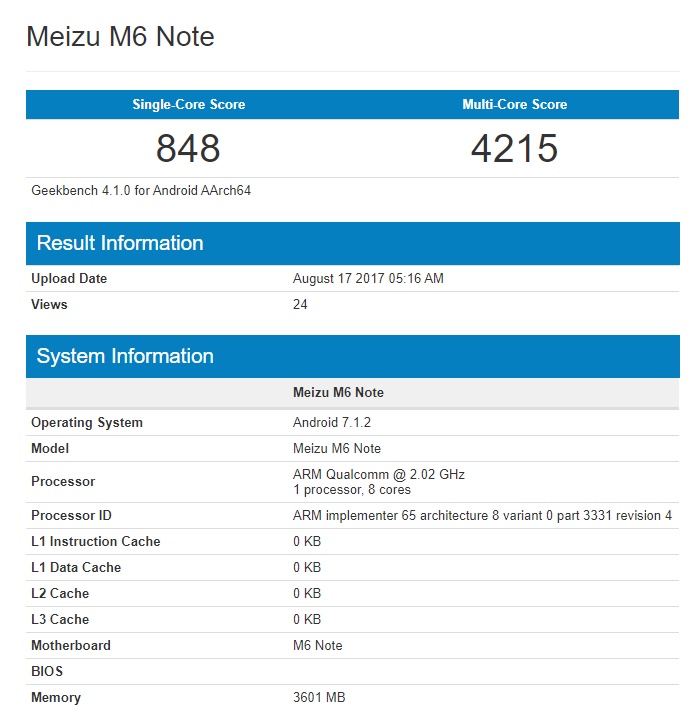
This variant of the Meizu M6 Note was benchmarked on August 17. It is listed as running Android 7.1.2 and has 4GB of RAM. The octa-core chip clocked at 2.0 GHz, though not explicitly stated, is the Snapdragon 625.
The device scores 848 points in the single-core test and 4215 points in the multi-core test. The single-core test is a low for a Snapdragon 625 device but since this is a test unit, there is a possibility performance hasn’t been fine tuned.
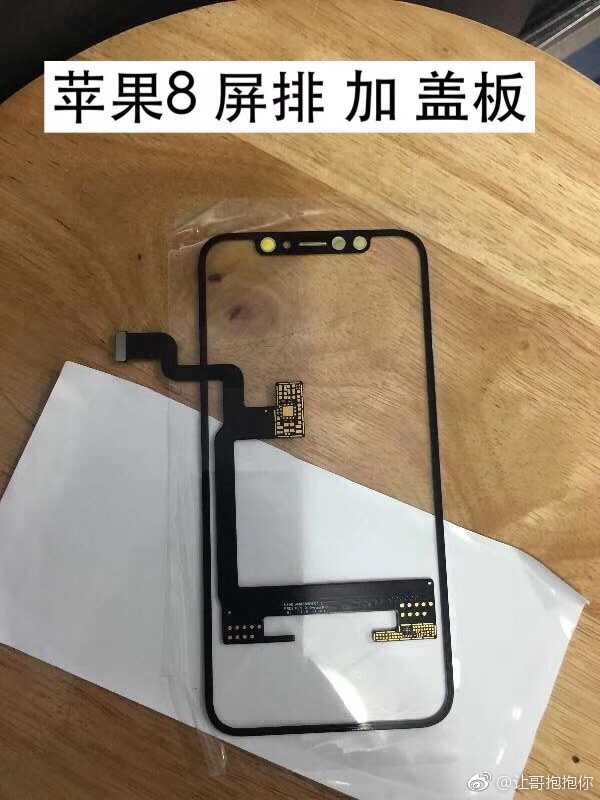
Everyone already knows that the iPhone 8 will have a bezel-less design similar to that of the Essential Phone and the Sharp S2 but with a different cut-out design at the top. Reports say mass production has commenced and a Weibo user has provided images of the phone’s display assembly.
There are a bunch of images but the most interesting one is the one above which shows the digitizer and the connecting cables. If you look at the top, there are four circular cut-outs and a slit for the earpiece.
We believe the two on the right are for the front facing camera and iris scanner, while the smaller circle on the right is a sensor. The bigger one on the left appears to have a different shade, giving it a look similar a LED flash. Does it mean the iPhone 8 will have a front LED flash? Most likely not.
While previous leaks have also shown four circular cut-outs, the explanation is different. Instead of a LED flash, the left most circle is said to be a second iris scanner.
Moving on, there is another image that shows the display beside that of the iPhone 7. Since the iPhone 8 won’t have bezels and has ditched the Touch ID below the display, they will have a nearly identical form factor.
Update: Blass has released an updated tweet. The new tweet says that during Galaxy Note 8 pre-orders in the U.S., users can either avail a 256 GB microSD card and a wireless charger or a 360 cam.
Samsung Galaxy Note 8 is launching this week on Wednesday and a report from the previous week, a Best Buy employee had claimed that the Galaxy Note 8 would be launching in the U.S. on Aug. 24, a day after its official launch event. Since Samsung is known for running a pre-order window for certain days for its flagship phones before beginning its official sales, the leaked information from the Best Buy employee could be indicating that the South Korean company would begin the pre-orders of Galaxy Note 8 from Aug. 24. Well-known leakster, Evan Blass has now tweeted that Samsung would be starting the Galaxy Note 8 pre-orders from Aug. 24
Note8 pre-orders from Samsung (starting 8/24) come with a 256GB microSD card plus choice of convertible wireless charger or 360 cam.
Blass has claimed during the Note 8 pre-orders that is expected to begin on Aug. 24, Samsung may be providing a giving away a 256 GB microSD card for free along with a convertible wireless charger or a 360 cam. He has also claimed that the Galaxy Note 8 would be releasing in the U.S. from Sept. 15.
Samsung had debut the Galaxy 8 and Galaxy S8+ phones on March 29. However, the shipments of these phones had started on April 21. Hence, the Galaxy Note 8 pre-orders may run for a few weeks and it shipments may start from Sept. 15. In South Korea, the pre-orders of the Galaxy Note 8 is expected to run from Sept. 1 to 10 and its shipping is expected to run between Sept. 11 and 14 in the home country.
The Samsung Galaxy Note 8 sales are expected to first begin in the U.S., the U.K. and South Korea in the next month. The Note 8 would be coming to other markets in October. It is expected to arrive in color options such as Midnight Black, Maple Gold, Orchid Gray and Deep Sea Blue. The U.S. is speculated to receive Snapdragon 835 edition of the Note 8 whereas other markets are likely to receive its Exynos 8895 edition.
In China, the Samsung Galaxy Note 8 is expected to come in three storage models such as 64 GB, 128 GB and 256 GB. All the variants are pegged to come with 6 GB of RAM. These variants are rumored to come with respective price tags of 6,288 Yuan (~$941), 7,088 Yuan (~$1,08) and 7,988 Yuan (~$1,195).
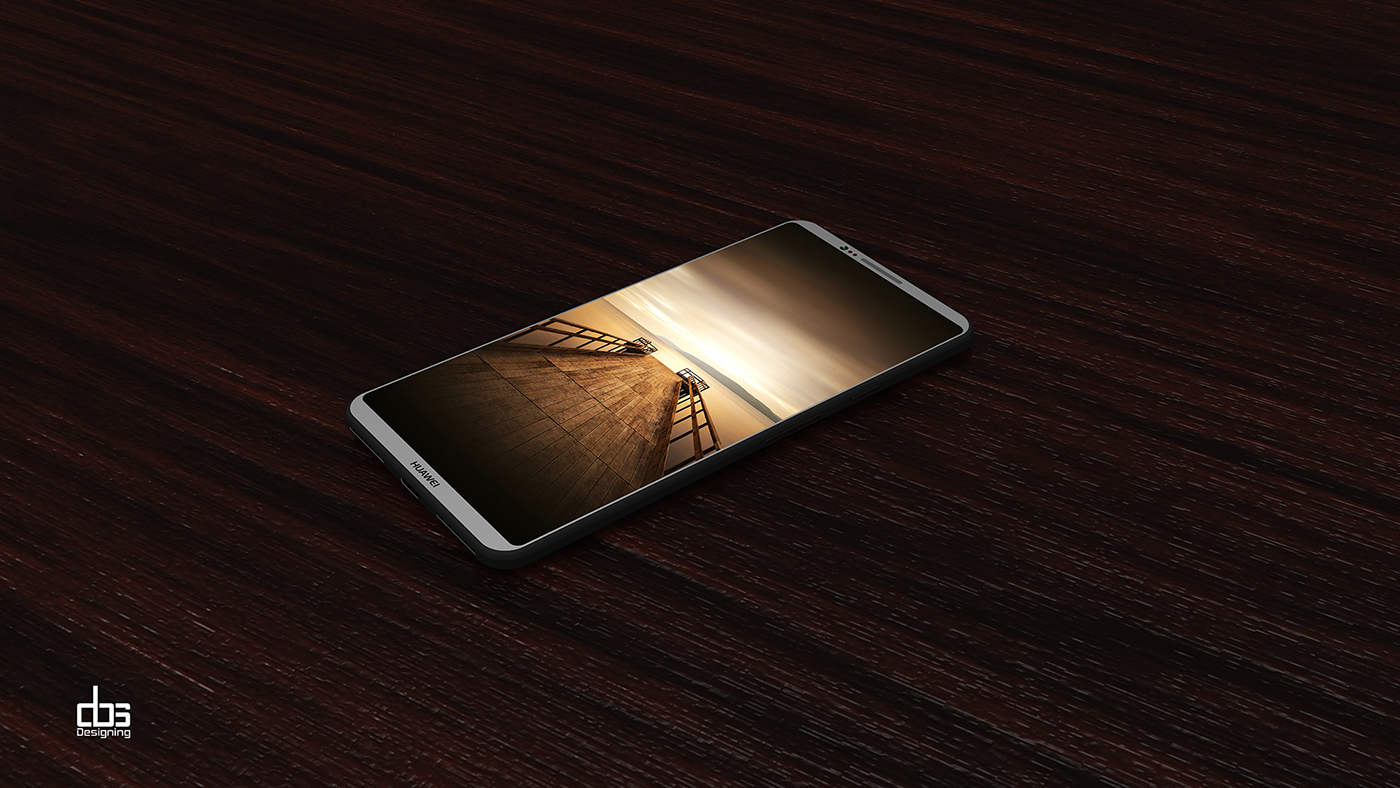
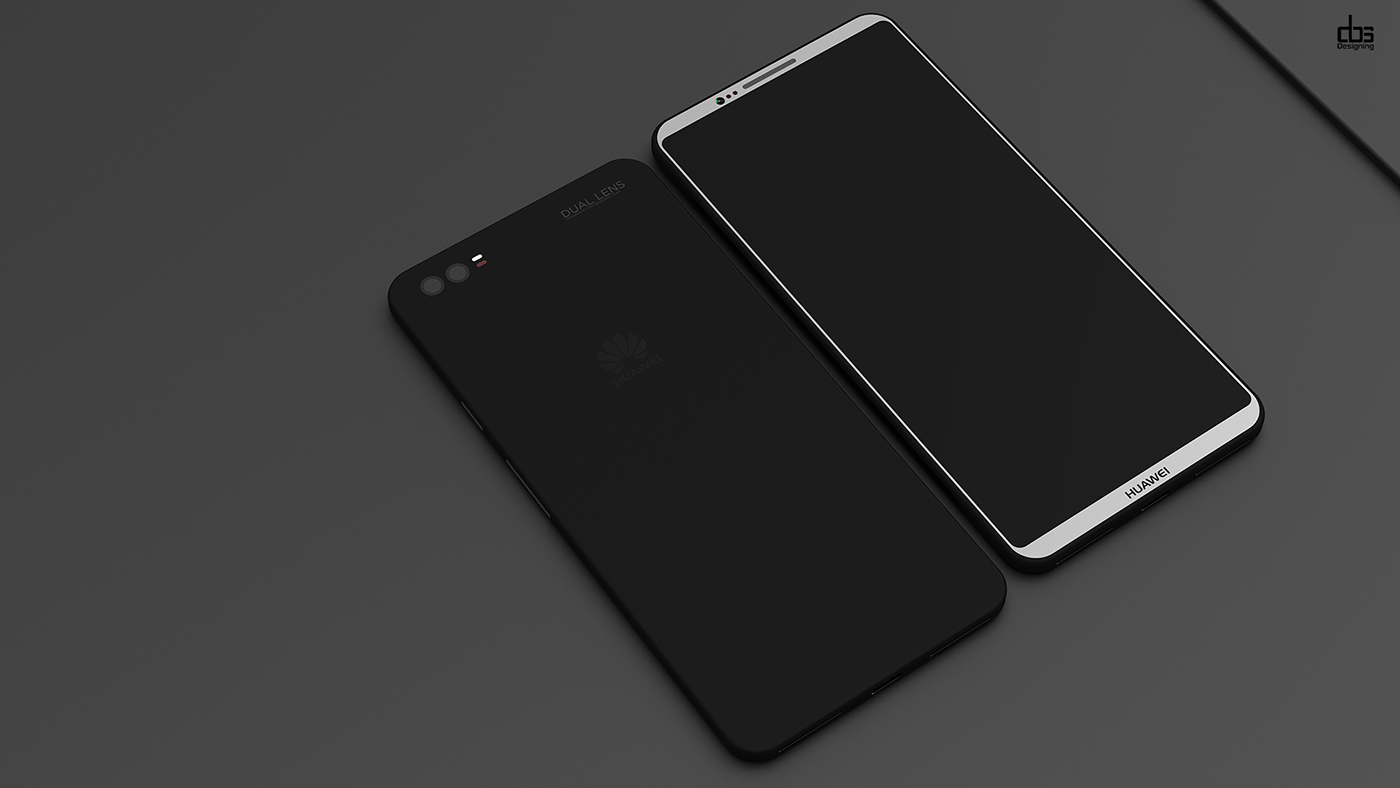
The Huawei P10 is just about 6 months old in the market but attention is already shifting gradually to the next-gen model in the P-series expected to be called P11. The Huawei P11 isn’t expected anytime soon, at least not this year, but we have a concept video which gives an idea of how the P11 may look like.
The video suggests the P11 will come with a titanium body which would be tougher and stronger than aluminum. The next-gen flagship will also come with a water resistant body and a full-screen display with a high screen to body ratio. The device is also listed as having an 18:9 aspect ratio. There is no physical home button but the device is said to come with an under-glass fingerprint sensor. The display is expected to be a QHD display and the P11 will come with a deca-core processor which from precedence, will be the Kirin 970 chip.
In addition, the device is listed as coming with a dual camera setup consisting of two 24MP sensors. The P11 will also come with support for Google Daydream, feature a USB Type-C port, 128GB storage and a 3,500mAh battery with fast charge support.The device will run on Android 8.0. You can check out the concept video from below.
Google had introduced the Android One project in 2014 to bring stock Android experience and budget-friendly smartphones for developing markets. At the beginning, Android One phones gained some popularity, but all the fizz out around died out. The Redmi 3S, Redmi 4, Redmi Note 3 and Redmi Note 4 smartphones from Xiaomi are quite famous in developing markets. Fresh information suggest that Google may be working with Xiaomi to launch a new Android One smartphone.
In the previous month, Xiaomi had launch the Xiaomi Mi 5X smartphone. Currently, it is only available in China. However, the rumor mill has been speculating that it would be coming to other markets. The Xiaomi Mi 5X has been allegedly spotted at POSTEL, an agency for Indonesia that certifies telecom products. It has been found that this Xiaomi phone is not running on MIUI skin.
Also, the description of the smartphone mention that it is a dual-SIM phone and its software is developed by Google. It further states that Android One gives access to premium security features and apps from Google. This is a clear indication that Google may soon launch a Xiaomi Android One smartphone in the near future.
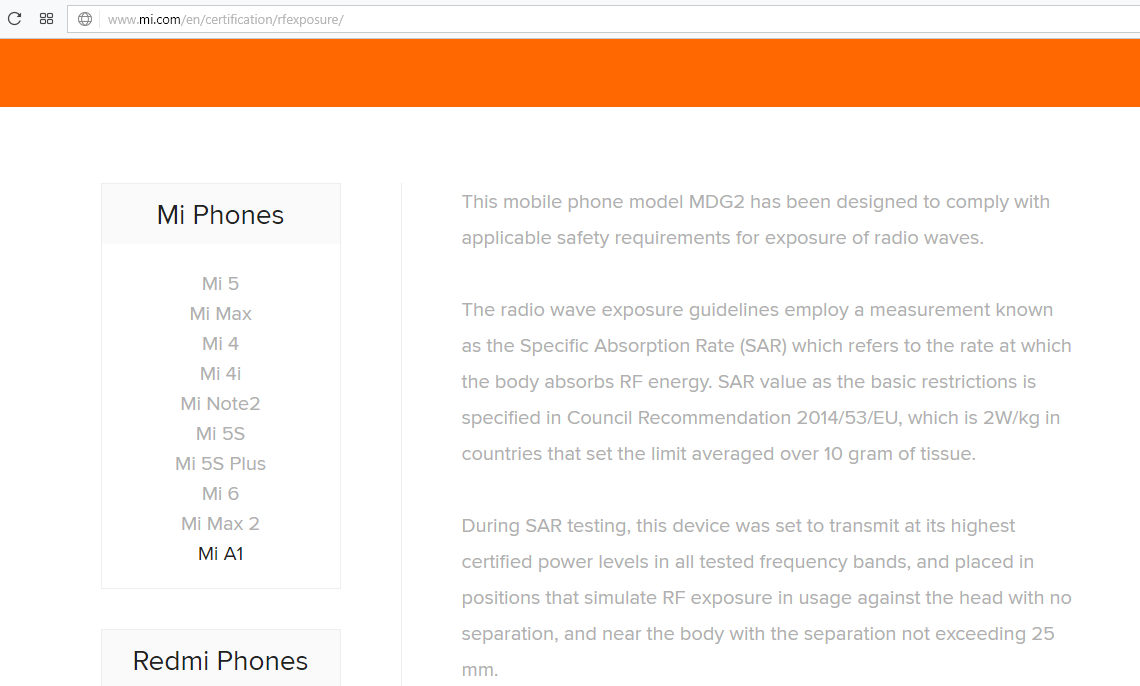
A mysterious Xiaomi smartphone named Xiaomi Mi A1 has been recently spotted on RF certification page of Xiaomi. It is likely that this Xiaomi Mi A1 could be the upcoming Android One smartphone from the Chinese firm. And, it appears that this phone could be inspired from the recent Xiaomi Mi 5X smartphone. POSTEL listing has revealed that the smartphone has a 5.5-inch full HD screen and its model number is MDG2. The RF certification had revealed that the model number of Xiaomi MI A1 is MDG2.
There is no confirmation on when the alleged phone would be unveiled. The Android O is slated to get announced on Aug. 21. More information on the launch of Android O or in the coming weeks.
At the start of this year, a report had surfaced that stated that Google would be bringing its Android One project to the U.S. The report had also revealed that the U.S. bound Android One smartphone would be coming around the middle of this year and it would be priced around $200 to $300. There is a possibility that the Android One Xiaomi smartphone could be the first phone from the company to land in the U.S. markets.
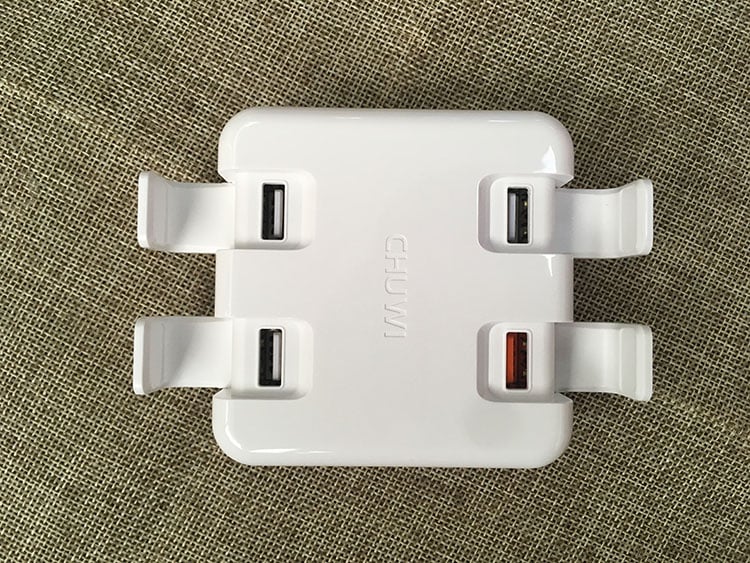
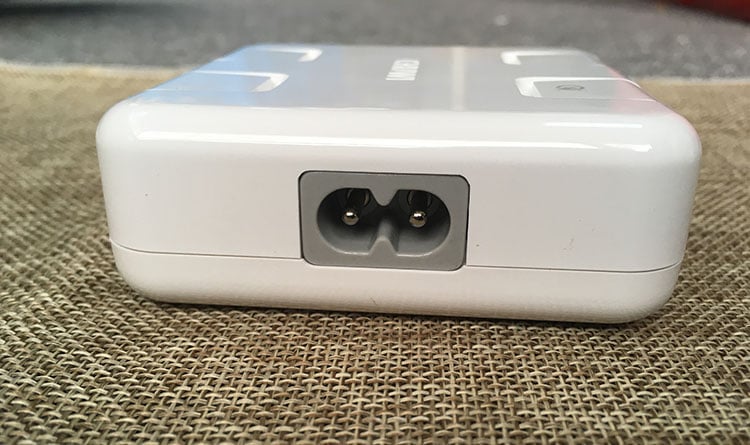
It seems every new device that we get comes with a USB charger. Phones, tablets, speakers and more and all charged using USB. When you start to load up on devices and they come with their own power brick and after a while you run out of places to plug them in! That is where USB charging stations come in. They make it easy to charge multiple devices at once and typically you are only taking up a single power outlet. Chuwi’s Hi-Dock gives you 4 powered USB ports for your devices. If you have multiple devices that need charged via USB then this is definitely a product you want to look at. Let’s take a look and see what it’s all about.
Chuwi Hi-Dock Features
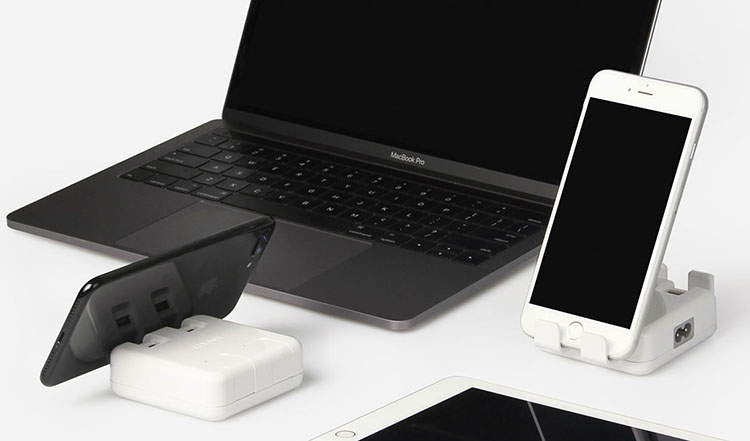
– Charge 4 smartphones, tablets or iPad simultaneously
– Space-saving design for your countertop
– Input: 100-240 V AC
– Output: 12 watts (5 volts DC @ 2.4 amps) for 3 ports, and 17 watts (5 volts DC @ 3.4 amps max) for the rest
– Qualcomm quick charge 3.0
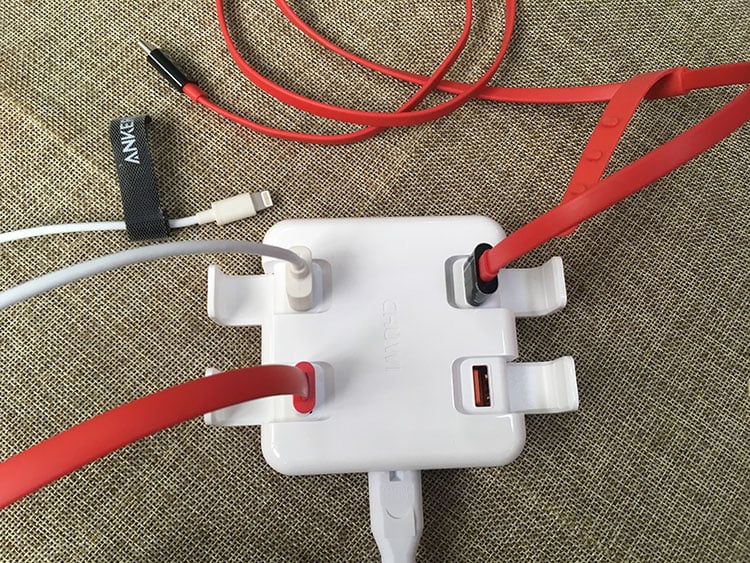
I’ve been using the Chuwi Hi-Dock to charge my phones and tablets for over a month now and I don’t have anything terribly profound to say about it. It works. It works well. It charges 4 devices including iPads and tablets as quickly as possible. The output for 3 USB port is 12 watts (5 volts DC @ 2.4 amps) and 1 USB port is 17watts max (5 vlots DC @ 3.4 amps) for each charging bay.
Chuwi Hi-Dock is a multi-device charger that will charge four of your devices (or any USB mobile device) at once, it had no problem during my testing charging multiple smartphones at once, or adding tablets and iPad to the mix.
The Chuwi Hi-Dock does what it says it does and it does it brilliantly. It charged all of my devices without issue and it did it fairly quickly. The Hi-Dock is a solid product, though, and I feel good giving it 4 out of 5 stars. Hit the links below to check out the charging dock and to pick up your Chuwi Hi-Dock.
Check here to find details of Chuwi Hi-Dock: Official
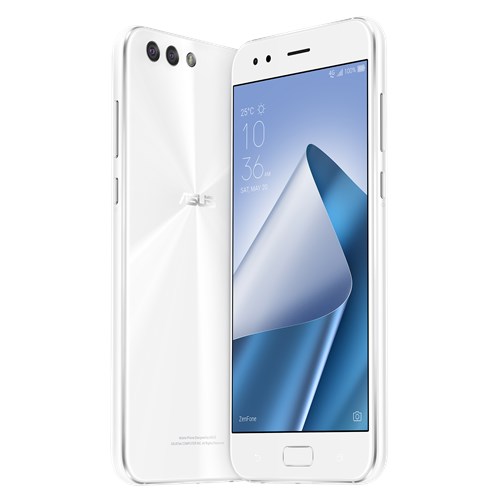
Just a few days after the launch of the Zenfone 4 family in Taiwan, ASUS has released updates for 2 out of the 6 devices released. The devices are the Zenfone 4 (ZE554KL) and the Zenfone 4 Selfie Pro (ZD552KL).
The update for the Zenfone 4 pushes the software version to 14.1050.1708.36 and brings some fixes and optimization. It will improve WiFi connectivity, fix the Facebook dual app function and fix a bug that affects the function to add Twitter followers via QR code.
For the Zenfone 4 Selfie Pro, the software version moves to 11.40.208.44 after the update. The change-log mentions image quality improvement and an overall camera quality enhancement.
ASUS adds that the update may take a week before it reaches all devices. Do note that this update is for the WW/TW version.
The Zenfone 4 is already available for purchase in Taiwan, ASUS’ home country for NT$13,990 (∼$461) for the Snapdragon 660-powered 6GB RAM + 64GB model. The 4GB + 64GB model with a Snapdragon 630 processor is priced at NT$10,990 (∼$362). They are available in only black and white for now.
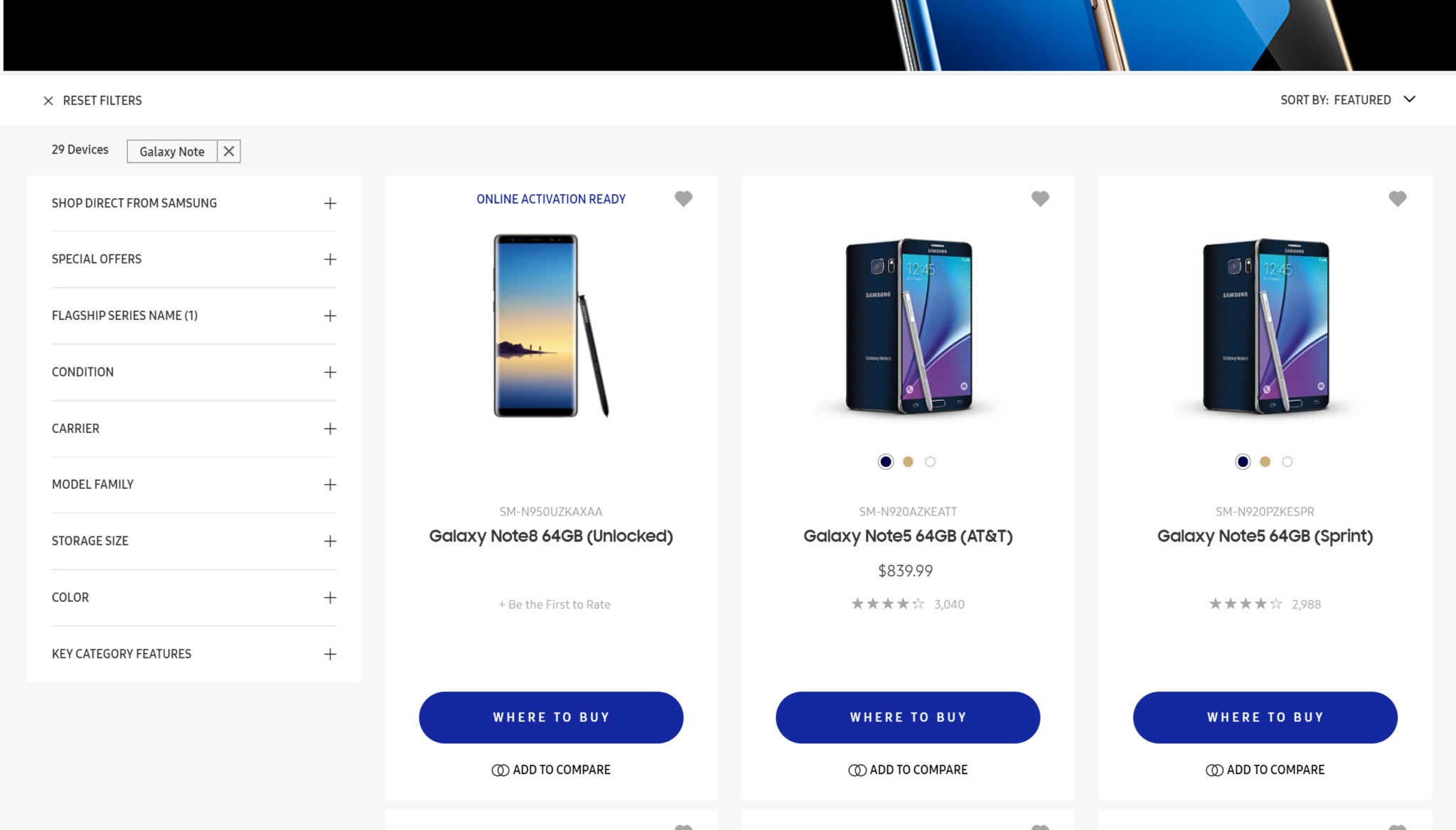
The Samsung Galaxy Note 8 will be unveiled on Wednesday, August 23. Just a few days before the launch, it appeared on Samsung’s US web store with the same image we saw in the recently leaked renders.
It has been pulled off the site already but a screenshot of the page was saved. The image shows the Note 8 in black but without a price tag. Those who viewed the page before it was pulled down say the black variant was the only one listed. It could mean that only that variant will be available for purchase at first. It could also be that the other color variants had not just been added as at that time.
The Galaxy Note 8 will come in Midnight Black, Maple Gold, Orchid Gray and Deep Sea Blue.
The page doesn’t list the full spec details but mentions a few features such as the S-Pen, an infinity display, and Bixby Assistant. Storage is also listed as 64GB.
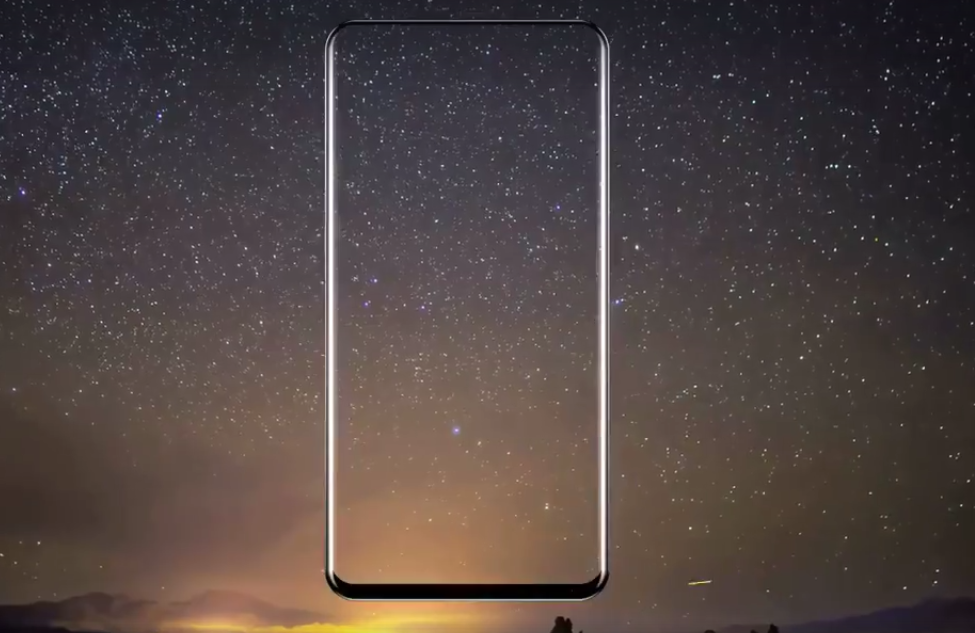
French designer Philippe Starck recently shared a video on his official Facebook page which contains the render of a bezel-less concept phone actually tagged as the Mi Mix 2. The video turned out to be an extremely popular one which has seen over 59k views already. This is unconnected to the high screen ratio and completely bezel-less design which the concept model projects.It is believed that the render provides a hint of how the Mi Mix 2 would look like and that has really called to question the possibility of creating such a stunning design.
There is no question as to if Starck will design the Mix 2 as his visit to Xiaomi’s headquarters a few months back already revealed that aspect. Before now, the Mix 2 was said to have a screen to body ratio of 95% but we didn’t know how that would pan out. However, Starck’s video reveals that the flagship would likely slight bezels at the bottom edge where the selfies camera will also be located.
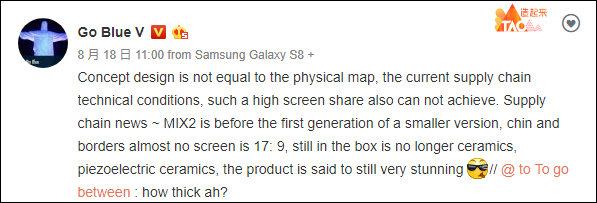
However, the screen ratio looks even higher than 95% and this has called to question the possibility of this concept design becoming a reality by some and one of those is a popular tech blogger who seems to have worked as a Samsung engineer in China. The engineer thinks the supply chain presently doesn’t have the capacity to deliver such a large screen. He mentioned news filtering in from the supply chain that the Mix 2 will have a reduced chin, but with similar bezel pattern as the first gen Mix. The body will not be ceramics but it will also use a similar cantilever piezoelectric technology for the audio receiver. The aspect ratio will also change from 17:9 according to the disclosure, and earlier rumor points to a 18:9 aspect ratio for the Mix 2.
It is absolutely expected for divergent opinions and rumors to appear concerning the Mix 2 but one thing is certain, Xiaomi is working on a device that would come out as a stunner in its design. We’ll have to wait until the real machine appears for us to see if it theis the same with the render Starck shared. It should be noted, though, that Xiaomi launched the Mi Mix when such a design was thought to still be impossible to mass produce, so we just may see the bar going higher with the Mix 2.
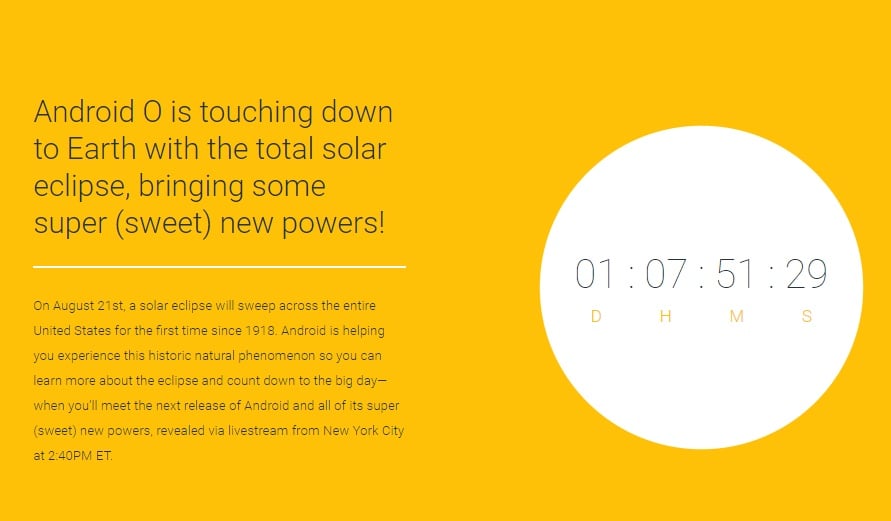
Google has confirmed that it will officially unveil the latest version of its OS tomorrow. Still called Android O for now, an official countdown page has been setup.
The countdown page reveals that the launch which will hold in New York can be live-streamed at 2:40 PM EST (6:40PM GMT). The Android O page also has a link to livestream the solar eclipse set to occur tomorrow.
Eligible Devices
Android O will have version version number 8.0 and will roll out to devices starting tomorrow, beginning with the Pixel and Pixel XL. Eligible Nexus devices will follow suit.
For non-Google devices, there have been a number of announcements from manufacturers. Below is a short list of the devices that are confirmed to get the Android O update:
OnePlus: OnePlus 3, OnePlus 3T, and OnePlus 5
Nokia: Nokia 3, Nokia 5, Nokia 6, and Nokia 8
ASUS: Zenfone 3 and Zenfone 4 smartphones
Samsung: S8, S8+, S7, S7 Edge, A series (2017), A Series (2016) to name a few.
What’s it going to be called?
With respect to the name, most people want it to be called Android Oreo just like the popular chocolate cookie. Popular leaker, Evan Blass tweeted an image of an Oreo Cookie yesterday hinting at the name being Oreo.
Another treat that seems to be a strong contender for the name is Oatmeal Cookie. The line “oc-dev” was seen back in June in the code for the OS by tech website Myce. The belief is that the alphabets OC is short for Oatmeal Cookie.
Senior Vice-President of Platforms and Ecosystems at Google, Hiroshi Lockheimer also shared a screenshot of his Google Drive account that shows a bunch of names for Android O. Some of these names are treats while others are just random words that begin with the alphabet.
Features of Android O
Android O is expected to come with a bunch of new features. The major ones are picture-in-picture video which lets you watch videos while working with other apps; adaptive icons; notification dots which are just like notification badges on app icons; and new circular emojis that replace the blob-faced ones.
At the end of 2016, retail giant, Amazon, opened an unmanned convenience store that you could just walk into, pick up what you wanted and walk out. No cashiers, no queues. Payment was charged from your Account later. Amazon said it is the future of shopping and called it Amazon Go.
So far, the Amazon Go store in Seattle is the only one in operation for now. However, in far away China, tech companies small and big are embracing the unmanned store concept.
BingoBox, a tech-startup based in Guandong has about a dozen scattered across China for a trial operation. The unmanned stores are open 24 hours a day and work pretty much like Amazon Go. The store in Shanghai is stocked with items supplied by Auchan, a French supermarket.
Entrance is allowed by facial recognition making sure that only customers are allowed in. This arrangement means users will require an account that has their picture before hand. There are a plethora of cameras and sensors that identify the items in your shopping basket.
The cameras scan your face again on your way out and then charge your WeChat wallet account as you walk out. BingoBox says the plan is to have 5000 stores across China in about a year.
Alibaba is one of the big names giving the unmanned store concept a shot. Last month it announced its TaoCafe unmanned shop. TaoCafe works the same way as above and can even identify if you have put the shopped items into your bag already.
Jack Ma At A Hema Store
It also launched a new Grocery chain called Hema (pronounced Homer) which has 13 stores in major cities including Beijing and Shanghai.
Hema is said to be a mix of an offline and online retail experience. You sign up for a Hema membership via your AliPay or Taobao account and you can decide to shop, dine and order groceries with your phone. Payments are made via Alipay.
You can also walk into the store for a physical experience. The items on sale have barcodes that you scan with the app to reveal their prices and product information. Doing that will bring up suggestions of similar items. So you may be lucky to find the same product under a different brand for a lesser price.
Hema also has a live seafood section which seems to be its biggest attraction. You handpick what you want and can even have it prepared for you there. You can watch a video of the Hema store experience here.
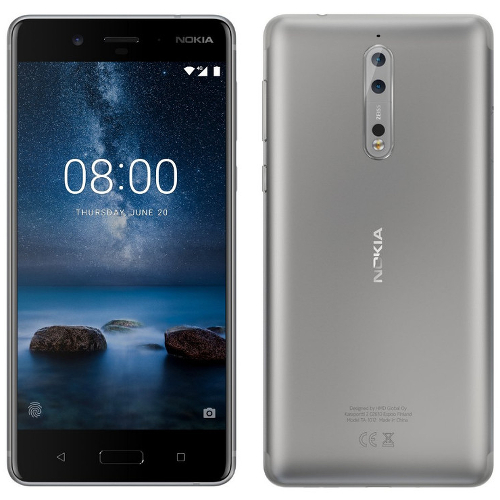
HMD Global announced a few days ago its first Android-powered flagship, the Nokia 8. The Nokia 8 was announced with a price tag of about €600 but retailers are selling it for a little less.
In Germany, the Nokia 8 can be gotten for €577 on O2 and €579 on Mobilcom Debitel. If you pre-order it from O2, you also get a free Nokia Steel smartwatch worth €129.95.
Russian mobile operator, Megafon has the Nokia 8 in all the four color variants for 39,990 Rubles (∼€577) when you pre-order it. Depending on where you purchase it, you should get it for about €20 less than the announced price. Do note that the above prices are for the 4GB RAM + 64GB model.
The Nokia 8 has a 5.3-inch 2560 x 1440 display. It comes with either 4GB of RAM and 64GB of storage or 6GB RAM + 128GB ROM.
The highlight of the phone is its dual 13MP rear cameras with Carl Zeiss lens, OIS, PDAF and laser focus. Up front is another 13MP rear camera for selfies and bothies. The phone also has a feature called Nokia Ozo Audio that includes 360° surround sound when you record and preserves it even after uploading to social media channels.
The Moto Z2 Force was released last month and it brings new features such as dual rear cameras, a faster processor and Motorola’s signature ShatterShield display.
The ShatterShield display was first announced a couple of years ago in the DROID Turbo 2. Instead of using glass substrate for the display, Motorola swapped it for a plastic substrate that prevents the screen from damage when it hits the ground.
The ShatterShield display on the the Moto Z2 Force has gotten negative reviews due to the fact that it is easily prone to scratches. Motorola plans to change that and is reported to be working on a display that heals itself. This reminds us of the LG G Flex‘ self-healing back.
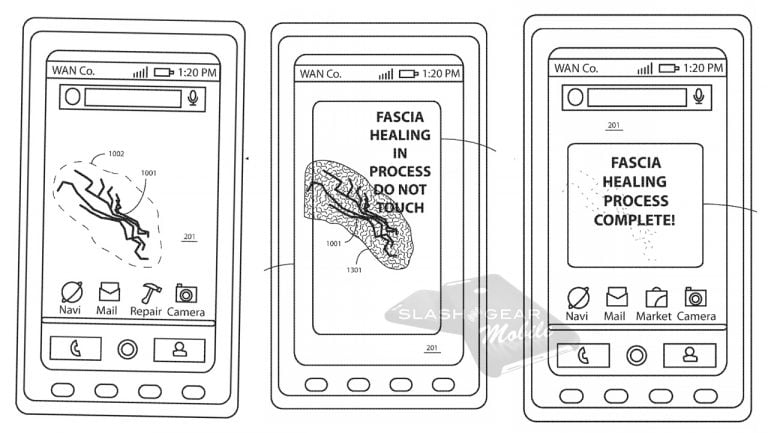
Motorola has been granted a patent for a smart glass technology that uses a “memory” glass-like polymer that remembers its original shape and reverts back to it. The interesting part is that it isn’t just a hardware process. The software side includes the phone detecting if there is a crack on the screen, prompting a healing process, and when accepted begins the repair.
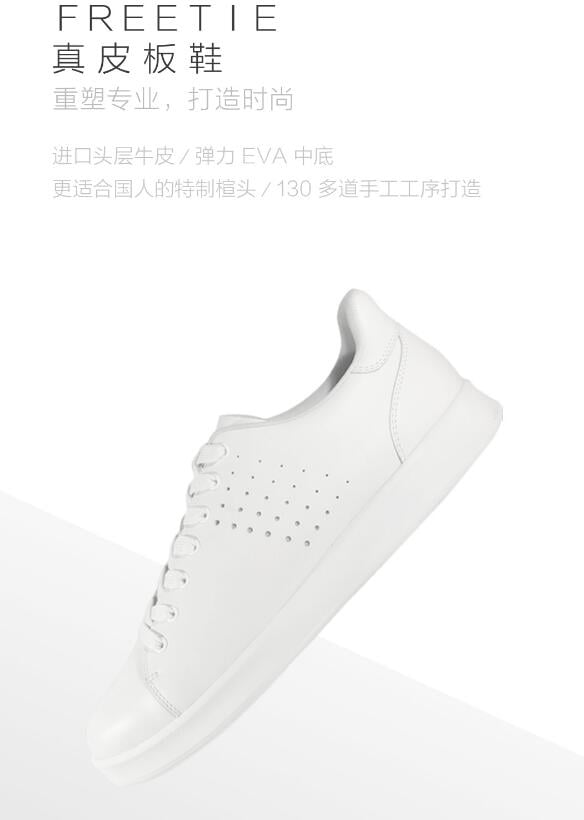
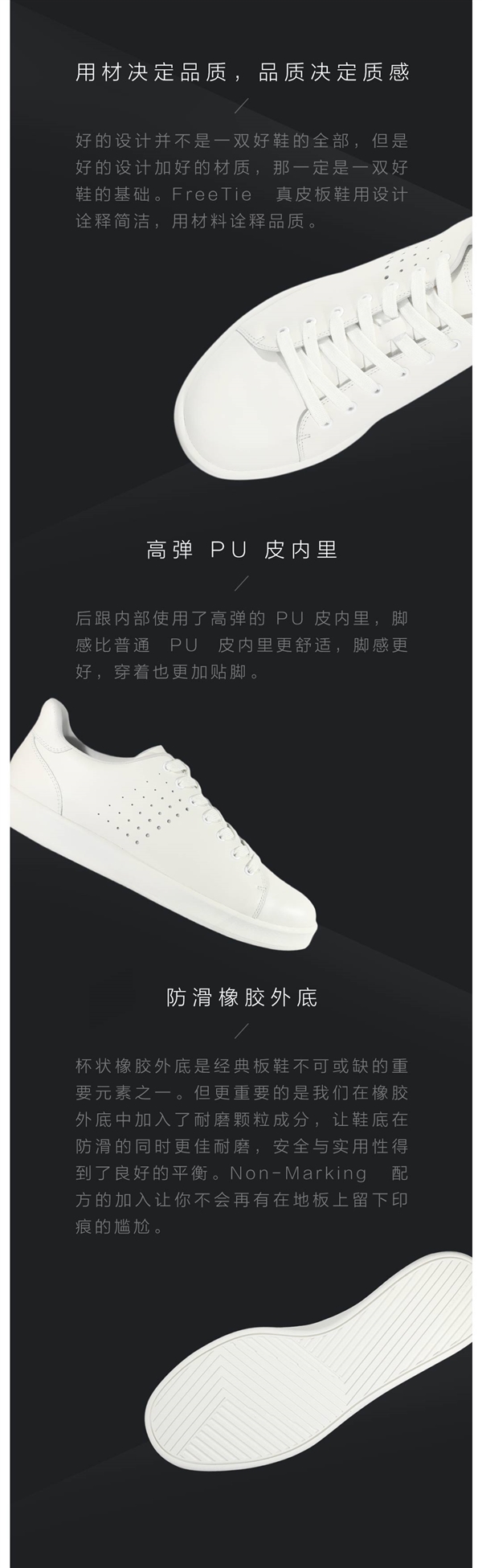
Xiaomi continues to expand its product catalog under the MIJIA brand which has a rich array of products that attends to all aspects of our needs. The MIJIA sub-brand has now launched a new pair of leather shoes which adopts the moniker Free Tie Leather shoes. The pair of fashionable shoes maintains Xiaomi’s build quality and moderate pricing. It is just 199 Yuan (around $30) and is open for funding on Mi Home.
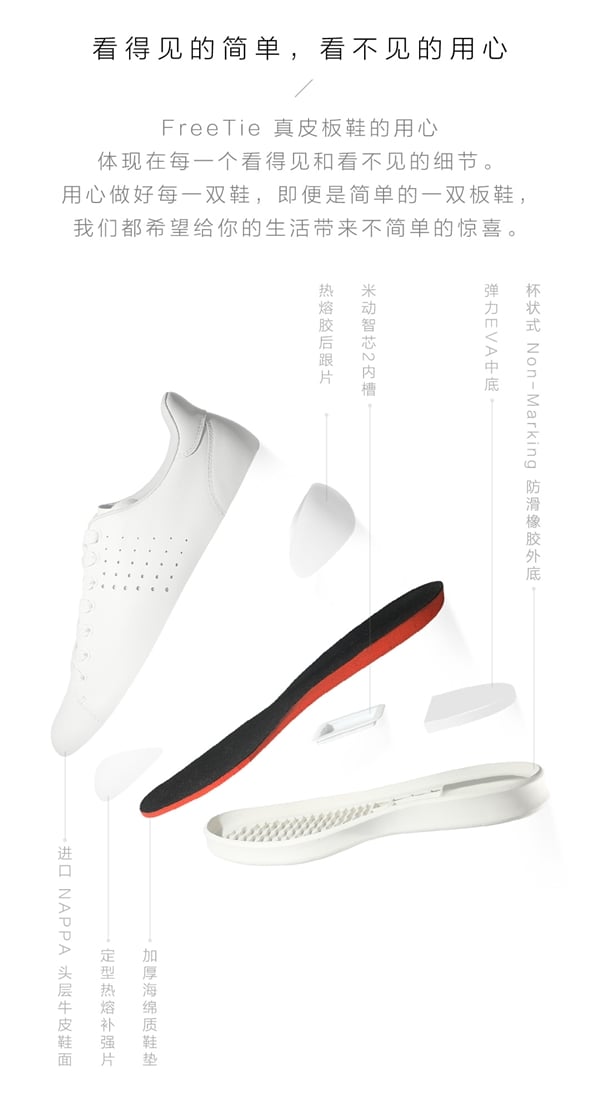
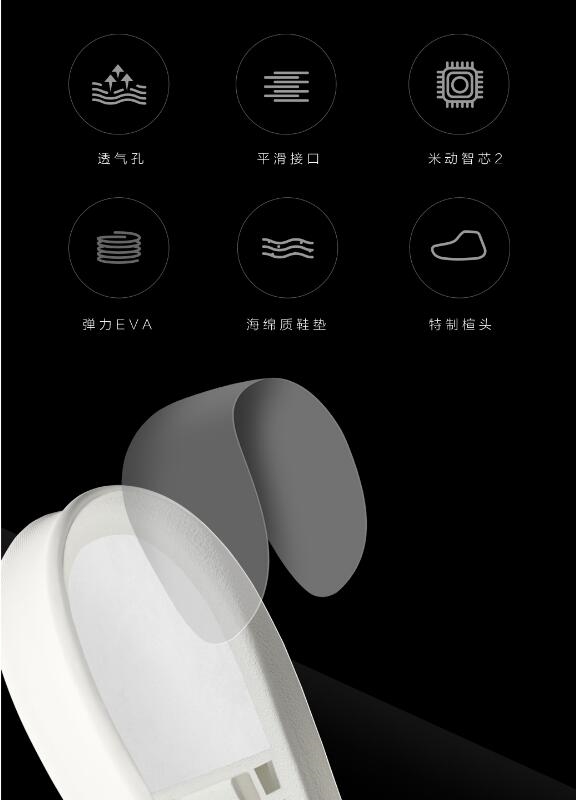
The Free Tie Leather shoe comes with a thickened first layer covering made of Nappa leather. Nappa leather is the general term for particularly soft, chrome tanned smooth leather of all animal skin types.So what you get is a soft outer body which contains ventilation pores for air to enter into the shoes and the spongy insole ensures it is comfortable to put om. The shoe is to a great extent completely handmade. It also has a cup-shaped rubber outer sole which protects against wear and tear. The outsole doesn’t have thread marks so it will leave no print on the floor, yet is non-slippery.
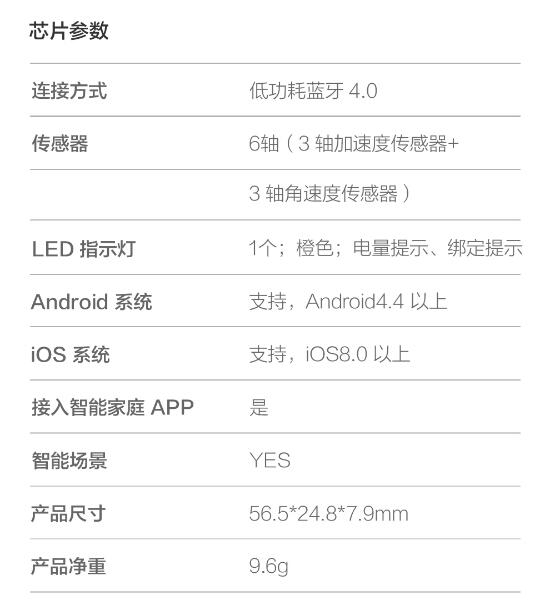
Internally, the leather shoe is built to provide a comfortable wear as it uses highly elastic polyurethanes (PU) skin on the inside which is soft and clings well to the feet. The shoe comes with LED light and also comes with a chip which functions as a sensor as well as Bluetooth 4.0. We can’t say what the function is but it can pair with the Smart Home app on a smartphone running Android 4.4 and iOS 8.0 or higher.
In addition, it comes in white and black colors and is available in different sizes. Males have a wider range of sizes from 39-45 while the female sizes are from size 35- 39. The shoe is also super light with a weight of just 9.6g.
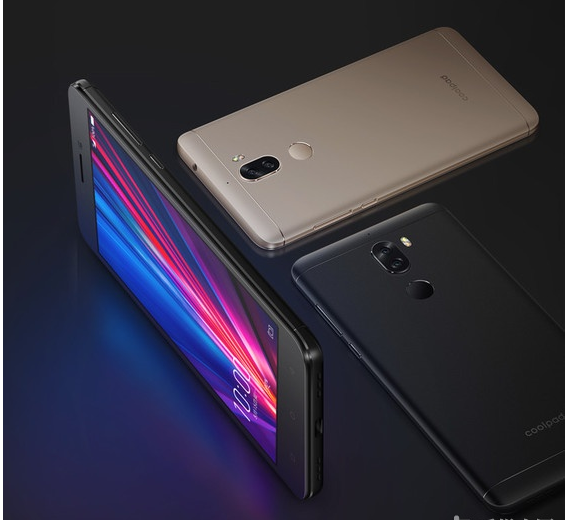
Coolpad is all set to launch the mid-range Cool Play 6 in Dubai on August 20 and to this end, invitations have been sent out to the media already. This is against the backdrop of the company launching the same smartphone in India on that same day, as revealed in an earlier invitation. This new disclosure could be seen as a bid by the company to gradually expand into new markets and it has so far been enjoying a good reception in markets outside China where it exists such as India. This is perhaps due to LeEco’s build quality which their phones come with.
The Coolpad Cool Play 6 isn’t a new smartphone per se because it has already been launched in China a couple of months back so we know its design and specifications. The Cool Play 6 comes with a hardware lineup which backs claims that it is a gaming smartphone. Its specs include a 5.5-inch display and a 64-bit Octa-core Snapdragon 653 processor accompanied by 6GB of RAM and 64GB of storage space. The mid-range device also comes with a dual camera setup which is comprised of a 13MP Sony sensor combining with a monochrome sensor while there is an 8MP sensor for selfies. A large non-removable 4,060mAh battery also joins the mix, promising hours of usage.
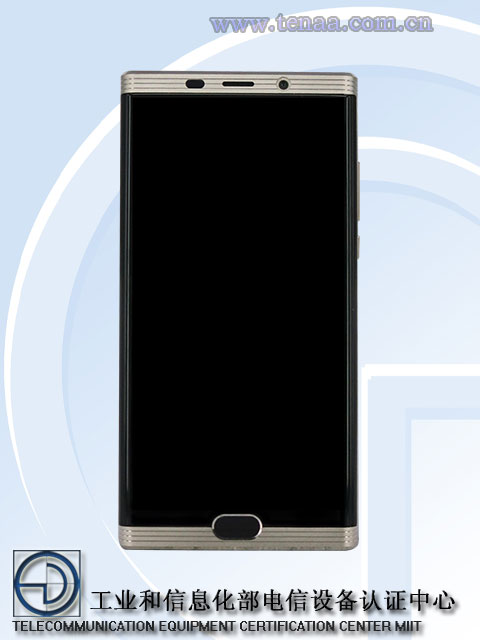
Remember the Gionee M2017? The dual-curved luxury smartphone with a 7000mAh battery and a $1000 starting price? It is getting a successor this year and it is called the Gionee M2018.
The M2018 has been seen on TENAA. Unfortunately, only images are available and it shows a device that looks almost identical to the M2017 save for some few changes.
First the M2018 has a single rear camera and not dual sensors like its predecessor. Also the LED flash is circular and not a quadrilateral. Other differences on the back include the type of leather material used and the color of the antenna lines which are black instead of white.
The sides are also different. On the Gionee M2018, the left hand side where the SIM tray sits is plain. The right side has the volume rocker, power button and nothing else. That means the M2018 will either have its SIM tray at the top or the bottom.
The front of the phone is slightly different too. The distance between the earpiece and sensor is smaller. Apart from that, the rest of the design seems to be the same. There is still a fingerprint scanner buried under the home button and the display is still curved.
Other details the TENAA listing reveals include support for LTE networks and dual SIM, and an August 14 certification issue date.
The M2017 launched as a luxury smartphone with mostly flagship specs except for the mid-range Snapdragon 653 mobile platform inside it. It has a 5.7-inch 2K AMOLED display, 6GB of RAM and a more than sufficient 7000mAh battery.
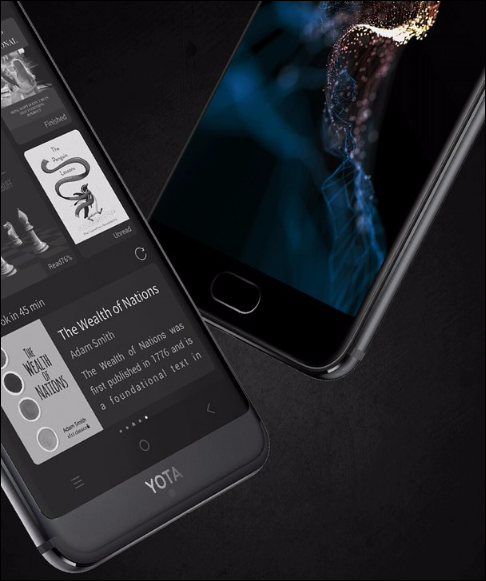
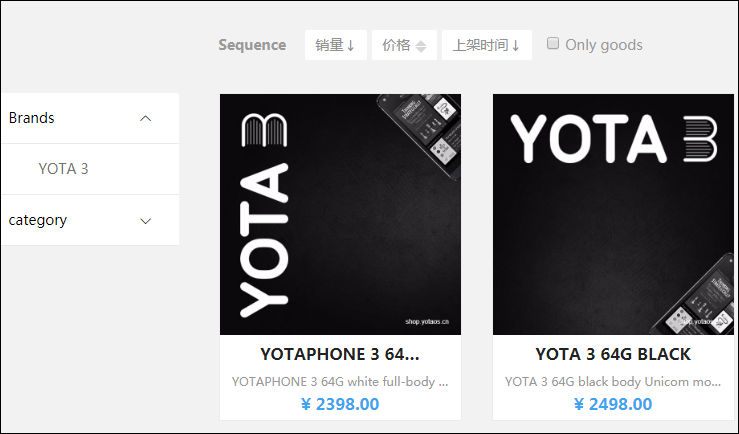
Yota came into the limelight when it announced the Yotaphone prototype in 2012 which was heralded as the world’s firstdual-screen smartphone. The device featured a secondary display located at the rear which uses e-ink and stays on permanently. The Yotaphone 2 took over the reins in 2014 with improved specs and a similar e-ink display. The Yotaphone 3 has also been announced earlier this year by the company with some of its specs already out in the open except for e retail price. Now, the Yotaphone 3 price tags have been listed on the company’s official website in China.
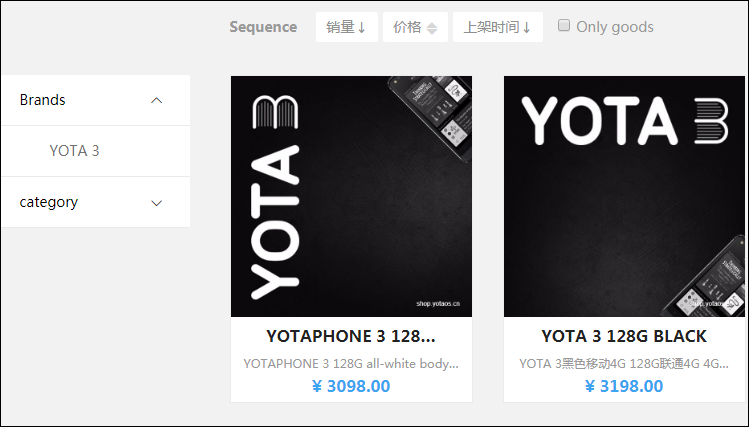
According to the listing, the Yotaphone 3 will come in two storage variants and two colours. There will be a 64GB storage variant and a higher 128GB variant and both versions will be available in White and Black. In both instances, the Black variant is 100 Yuan higher than the white variant. Specifically, the 64GB White version comes in at 2,398 Yuan (~$360) while the black one will cost 2,498 Yuan (around $375). However, there is no word yet on when the device will go on sale since the links show there is no stock yet.
On the other hand, the higher-end version with 128GB storage costs 3,098 Yuan (around $465) for the one with a white paintjob and 3,198 Yuan (around $480) for the black colored models.
Apart from packing a similar secondary display on previous models, the Yota 3 sports a 5.5-inch Full HD AMOLED display at the front and a 5.2-inch E-ink display at the rear. The device is powered by a Snapdragon 625 processor (so many mid-range phones with SD 625, what happened to SD 660?). The processor is backed by 4GB of RAM and as stated there is a 64GB storage and 128GB storage variant. Both variants have space for microSD card. Keeping the lights on will be a 3200mAh battery while the photography aspect is piloted by a 13MP front camera and 12MP rear camera. The phone comes with USB Type-C port.
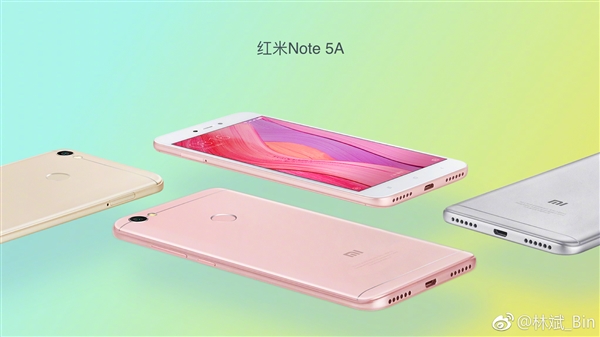
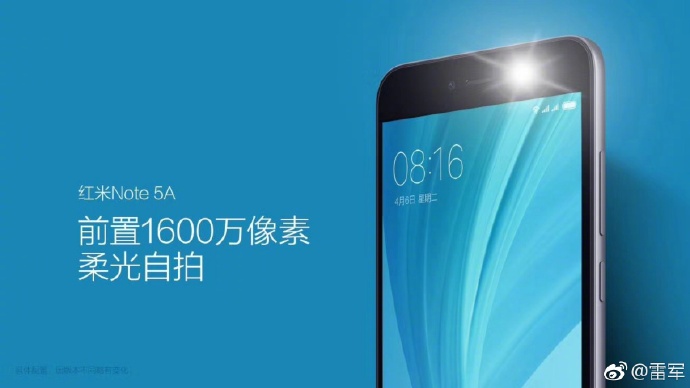
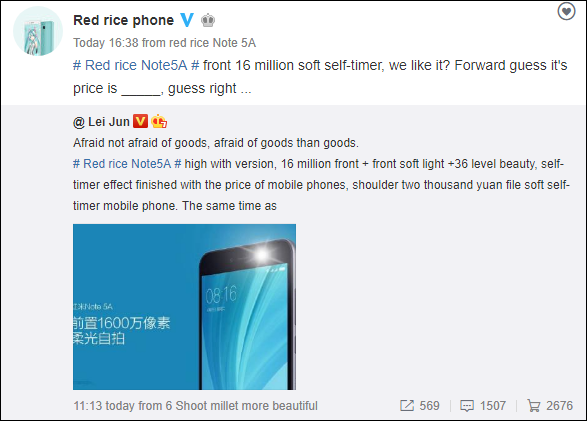
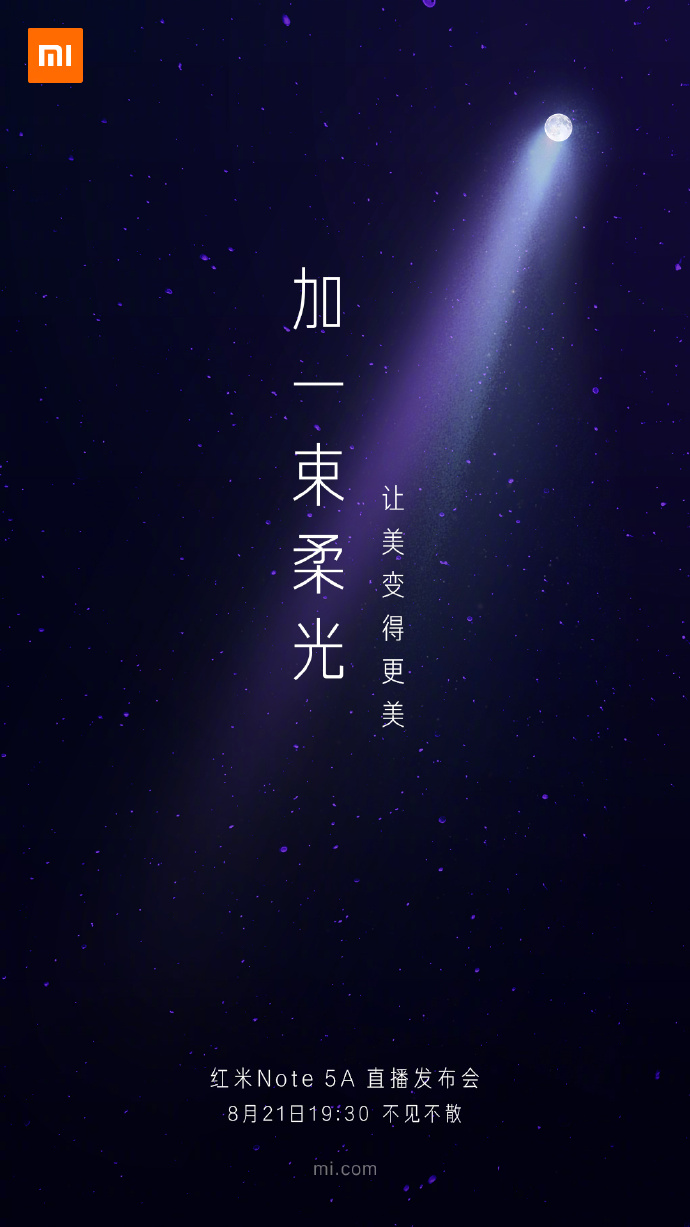
Xiaomi has already revealed that it would be launching the Redmi Note 5A in an online conference that would hold at 19.30 on August 21 in China, with company’s president Lin Bin as the host. The device has over the past month been a frequent visitor on leaks and had even appeared on TENAA but not all the features are known. Today, yet another feature of the Redmi Note 5A has been teased by Xiaomi showing that the budget device will feature a soft flash along with its front-facing camera.
This will likely make the Redmi Note 5A Xiaomi’s first smartphone to come with a front flash. The front flash is a feature which is finding its way gradually into smartphones as the selfie rave spreads. A front flash would enhance illumination and make capturing selfies at night or in dark areas better. Xiaomi’s CEO Lei Jun even shared a picture of the Note 5A shot while the soft flash was on.Apparently, it would be located on the opposite side of the ear piece from where the selfie camera is.
Apart from a selfie flash, the Xiaomi Redmi Note 5A is expected to feature a 5.5-inch HD display and will be powered by Snapdragon 425 chipset. don’t sulk, the Note 5A is a budget smartphone with a build similar to the Redmi 4A but having a larger display and so, would come with a cheap price tag. The device also features 2 GB of RAM and 16 GB of storage. There may be another variant with a Snapdragon 625 chipset as well as 3GB+ 32GB memory and 4GB + 64GB storage. It is expected to pack a 13-megapixel rear camera and a front-facing camera of 5-megapixels as well as a 3,000mAh battery and fingerprint scanner.
In addition, the Redmi Note 5A is expected to be priced at 999 Yuan (~$149) for the base model while the higher variant may come in at 1,199 Yuan (~$179). The device would also be available in multiple colors like black, gray, gold, silver, white, pink and red.
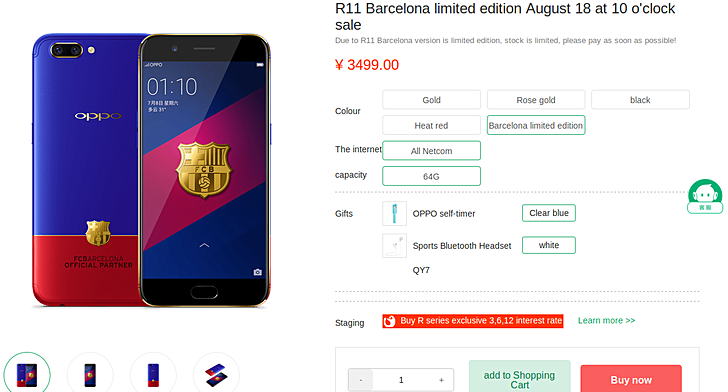
OPPO officially unveiled the R11 FC Barcelona Edition just over a week ago with a disclosure that the special edition will go on sale from August 18.Indeed, the OPPO R11 FC Barcelona Edition has gone up for sale in China and is now available via Oppo’s Official Flagship store on JD.com and OPPO’s official online shop.
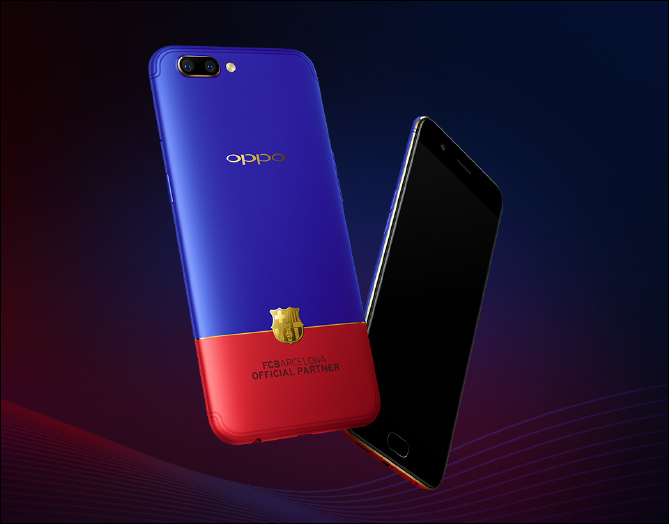
The R11 FC Barca Edition comes with a price pegged at 3,499 Yuan (~$522) and OPPO has indicated that the version has got limited stock available. The FC Barcelona version features a 18K gold-plated Barca logo at the back which is usually handcrafted. The device is coloured in a dominant Blue colour at the upper part and Red at the bottom aspect at the rear while the front part is just plain black. The two colours of Blue and Red are the official home colour of FC Barcelona and also the device uses an all-metal body. There is also a few texts at the red coloured part at the rear which indicates that OPPO is an official partner of the Catalan giant. The border between the red and blue coloured part adorns a strip of Gold coloured line which is 0.4mm wide and 0.1mm thick.OPPO R11 FC Barcelona Edition.
The OPPO R11 Barca edition still retains the Snapdragon 660 chipset which OPPO used on the normal version. The new version ships with 4GB RAM onboard and as a reminder, the rest of the specs include a 20MP + 16MP dual rear camera setup, a 20 MP selfie shooter, a 5.5-inch display, a 3,000mAh battery with VOOC fast charging technology and the Color OS 3.1 UI.
Samsung is currently holding the numero uno position in the global smartphone market and the South Korean company has also attained record breaking sales in the second quarter of 2017. The company has managed to achieve impressive sales record in this year mainly because of the Samsung Galaxy S8 and Galaxy S8+ flagship phones. A market research conducted by Strategy Analytics has revealed that the Galaxy S8 is the world’s bestselling Android phone in Q2 2017.
The market analysis by Strategy Analytics has revealed that 360.4 million units were shipped globally in the second quarter of this year. The research firm has revealed that Apple shipped 16.9 million units of iPhone 7 in the same quarter. This makes it the world’s most famous phone. The second spot belongs to the iPhone 7 Plus with shipments of 15.1 million units. This means that the top two smartphones in the world are the iPhone 7 and iPhone 7 Plus.
With shipments of 10.2 million units the Samsung Galaxy S8 is sitting on the third position. In other words, the Galaxy S8 is the world’s highest selling smartphone in Q2 2017. The Galaxy S8+ with shipments of 9 million units in Q2 makes it the fourth popular smartphone in the world.
Currently, the iPhone 7 has a market share of 4.7 percent and the iPhone 7 Plus has a market share of 4.2 percent. The Galaxy S8 and Galaxy S8+ have respective market share of 2.8 and 2.5 percent. The fifth smartphone to make it to the list of bestselling smartphones in Q2 2017 is Xiaomi Redmi 4A with shipments of 5.5 million units and a market share of 1.5 percent. An interesting thing to note here is that the Redmi 4A is the only low-priced smartphone among the top 5 bestselling smartphones of Q2 2017 that is mainly occupied by flagship phones.
Apple and Samsung are both expected to achieve very impressive sales with their upcoming flagship smartphones. The IPhone 8 that is expected to debut as Apple’s tenth anniversary iPhone and it is speculated to turn Apple into the world’s first trillion dollar company. Looking at the impressive sales of the Galaxy S8 duo, the upcoming Samsung Galaxy Note 8 is also pegged to receive tremendous market response from the audience.
We use cookies on our website to give you the most relevant experience by remembering your preferences and repeat visits. By clicking “Accept”, you consent to the use of ALL the cookies.
This website uses cookies to improve your experience while you navigate through the website. Out of these, the cookies that are categorized as necessary are stored on your browser as they are essential for the working of basic functionalities of the website. We also use third-party cookies that help us analyze and understand how you use this website. These cookies will be stored in your browser only with your consent. You also have the option to opt-out of these cookies. But opting out of some of these cookies may affect your browsing experience.
Necessary cookies are absolutely essential for the website to function properly. This category only includes cookies that ensures basic functionalities and security features of the website. These cookies do not store any personal information.
Any cookies that may not be particularly necessary for the website to function and is used specifically to collect user personal data via analytics, ads, other embedded contents are termed as non-necessary cookies. It is mandatory to procure user consent prior to running these cookies on your website.