OPPO seems to have a couple of new smartphones in the works which would hit the market soon. That is if the rumor emanating from the Philippines is anything to go by. A pair of OPPO smartphones named OPPO F3 and F3 Plus were recently spotted in an ad poster somewhere in the Philippines.
In case you don’t know, the Philippines is one of OPPO’s stronghold as the Chinese brand is very popular in the country. The smartphones’ names mean they belong to the F-series which are better known by the alias “Selfie Expert”. But this time around, the F3 and F3 Plus looks set to take that selfie expertise of the F-series to a different plane, with the poster indicating that they would pack dual selfie cameras.
Another interesting fact gathered from the poster is the presence of South Korean singer G-Dragon who seem to have endorsed the smartphones. Apart from the picture of him holding who should be one of the two smartphones, his autograph and name are also crested onto the poster. G-Dragon and his band, the Big Band are popular in the Philippines, so the likelihood of all these being real is big.
OPPO’s previous antecedent when the R9 Plus was spotted in a poster inside an airport in China long before it was announced perhaps further lends credence to the chances of these being real. We hope to see more details especially on the specs and launch date, in the coming days.
Xiaomi unveiled the Xiaomi Mi 5C a week ago. The special feature about the phone is its processor, the Pinecone Surge S1. This is Xiaomi’s first in-house chip and the Mi 5C is the first device to sport it.
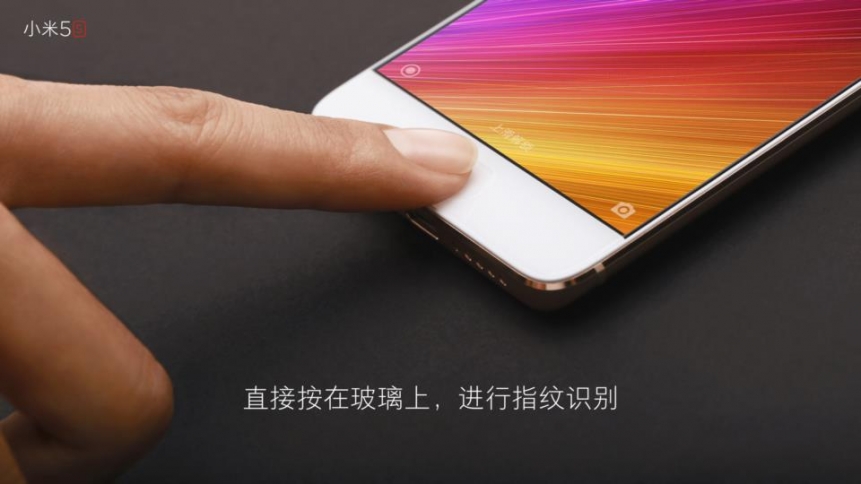
The Xiaomi Mi 5C is based on last year’s flagship the Snapdragon 820 toting Xiaomi Mi 5. So there are quite a number of similarities such as the screen size and the position of the fingerprint scanner. Where things start getting different is under the hood.
The Xiaomi Mi 5C has a 5.15 inch 1080p display, 3GB of RAM, 64GB of storage and is powered by the Surge S1 SoC clocked at 2.2GHz. One of its selling points is its 12MP rear camera which has a large 1.25um pixel. Xiaomi says the processor’s dual ISP algorithm allows for dual noise reduction and a 150% increase in camera sensitivity. The effect is pictures which are rich in detail with a significant reduction in noise.
The Xiaomi Mi 5C has a 2860mAh battery with support for 9V2A fast charging. There is no NFC like in the Mi 5 but it will be getting Android Nougat 7.1 later this month.
Surprisingly, Xiaomi has managed to keep the upcoming Xiaomi Mi 6 flagship under wraps for quite a long time. If you are familiar with the Chinese market, you would know that before the release of a major flagship device, you get most of the details about the model and even its variants. In fact, traditionally, by now, we should have come across multiple Xiaomi Mi 6 renders and leaks. But as you may have realized, this year, Xiaomi has guarded each and every detail about the Mi 6 pretty successfully. We don’t have a detailed specs list (apart from a few comments from analysts), no Geekbench or AnTuTu benchmarks and not even a basic sketch of the device. This means we could be in for a surprise when Xiaomi Mi 6 launches officially sometime in the next few weeks.
However, this doesn’t mean we don’t know anything about the phone. Considering the details revealed by analysts as well as a few leaks, we can build a basic picture of the Mi 6. So here’s everything we know about the Xiaomi Mi 6.
Xiaomi Mi 6 Design & Renders
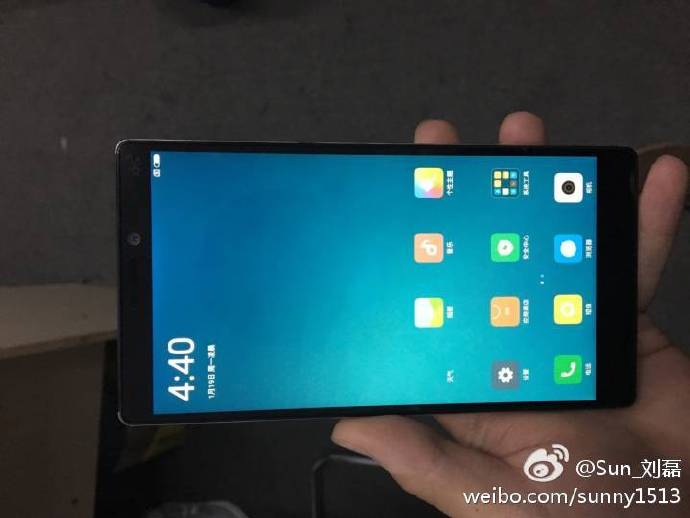
Well, this is one area where we literally have no information on the Xiaomi Mi 6. There were a couple of images of a device claiming to be the Mi 6 circulating on Weibo, but it is most likely fake. You can check them below (or all images from here).
What we do know about the Mi 6 is that the phone will likely come in two design variants — one with a regular glass / metal body and another with a ceramic body. This is most likely going to be the case given that Xiaomi has experimented with ceramic body models (for Mi 5 Pro and Mi Mix) in the past and the latest news from China states that ceramic body production (which was a big issue last year) is going to be in good pace this year, thanks to the massive investment recently.
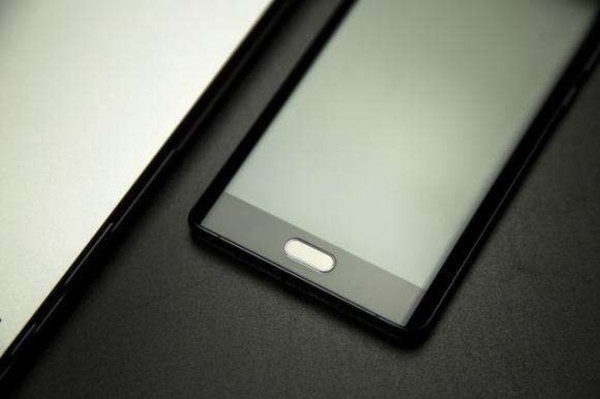
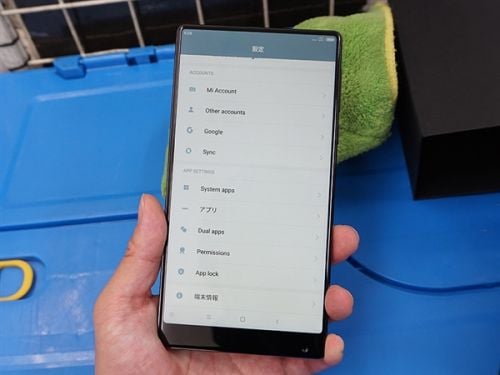
will the Xiaomi Mi 6 feature a Mi Mix like design?
But that’s about it. Whether Xiaomi will continue with a similar design language as the Xiaomi Mi 5S or will it go with something similar to the Xiaomi Mi Mix is something we still don’t know. It would be natural to go with a slimmer bezel design because that’s what everyone is trying to achieve this year.
Xiaomi Mi 6 Specs
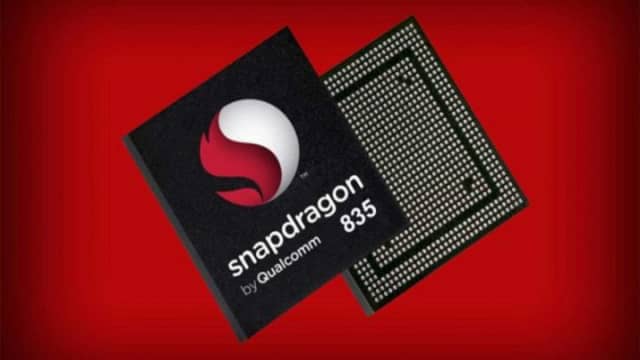
Fortunately, there have been a lot of leaks and reports in this regard, many coming from popular analysts in China. First of all, note that unlike very early rumors which said Mi 6 might use SD821, almost all of the recent rumors, including comments from analysts confirm Snapdragon 835 processor on the Xiaomi Mi 6. Now, note that the there were also rumors about an underclocked SD835 ending up in the Mi 6, all thanks to the excessive demand by Galaxy S8 for the powerful version of the chip. But that doesn’t seem to be the case as the flagship is said to feature the powerful version of the chip. Further, it is even said that the Xiaomi Mi 6 will be the first Snapdragon 835 Chinese flagship.
As for the display, the Xiaomi Mi 6 is said to come with a 5.2-inch display with 2.5D glass on top. Don’t expect a curved display variant for the Mi 6, as that seems to be reserved for the Mi Note series, at least for now.
Now there are two versions rumored for the device, one with 1080p resolution and another with 2K display. The 4GB RAM + 32GB ROM variant should feature 1080p display while the 4GB + 64GB version should come with 2K display. Rumors didn’t shed light on a 6GB RAM version, but it’s very likely that we see a 6GB + 128GB variant of the Xiaomi Mi 6 at launch.
As for the camera, one report has said that the Xiaomi Mi 6 should feature a 12MP Sony IMX386 at the back. Up front, there should be an 8MP Sony IMX268 sensor for selfies. It looks like Xiaomi isn’t a big fan of a dual camera setup, unlike other companies like Huawei, LG, and even Vivo, who seem to be adopting it aggressively.
Mi 5S had an ultrasonic fingerprint sensor, but will the Mi 6?
Another piece of information that we have got recently is that the Xiaomi Mi 6 may not feature an ultrasonic fingerprint sensor. Instead, the company could go for a Chinese partner for its fingerprint requirement. But we are not quite sure whether that’ll be the case.
Xiaomi Mi 6 Release & Pricing
The Xiaomi Mi 6 was expected to be released in February. That didn’t happen. Analysts have revealed March 2017 release for the Mi 6, but we are yet to hear anything from the company officially. Finally, the latest report from China reveals that the Xiaomi Mi 6 could be announced on April 16. A bit too late as compared to last year’s Feb launch, but given that the Galaxy S8, which is another device featuring Snapdragon 835 is launching only in April (a bit delayed as compared to last year), it’s very much possible that we may see the Xiaomi Mi 6 only in April 2017.
As for the pricing, almost every analyst has said that the Xiaomi Mi 6 Price will start higher than that of its previous generation. So, we may not see a 1999 Yuan ($290) launch. The starting price of the Mi 6 could be a couple of hundred Yuan higher this year and naturally, the higher-end models will end up with higher price tags as well.
So, this is all we know about the Xiaomi Mi 6. If the release is indeed in March (as some rumors say), then expect the first set of the Mi 6 teasers to crop up in the next couple of weeks.
It appears 360 Mobiles has another phone set to be released soon barely 2 weeks after the launch of the 360 N5. While the 360 N5 is at the top of the spectrum with 6GB of RAM, this new device is equipped with just 1GB RAM.
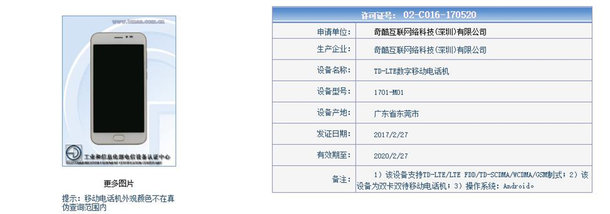
The phone whose model number is 1701-M01 was seen on TENAA today. It is equipped with a 5-inch 720p display, a 1.3GHz quad-core processor, 1GB of RAM, 16GB of storage, a 5MP rear camera and a 2MP front camera. It runs Android 6.0 Marshmallow, has dual SIM slots with support for LTE networks and has a 2,000mAh battery.
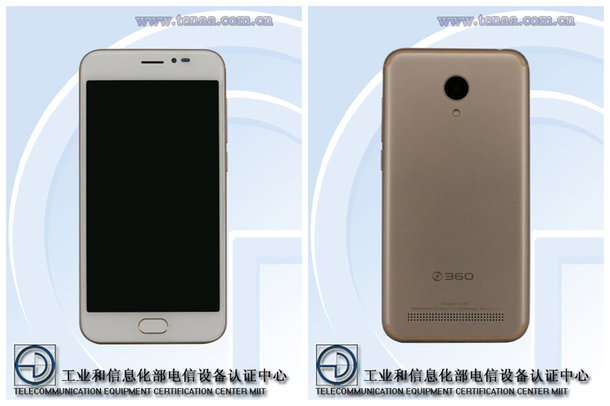
The 360 1701-M01 appears to be made of metal but it might turn out to be plastic. There is a physical home button up front but there is no mention of it having a fingerprint scanner, so don’t get your hopes high. Plus 360 phones usually have their fingerprint scanners on the back, so the chances are slim.
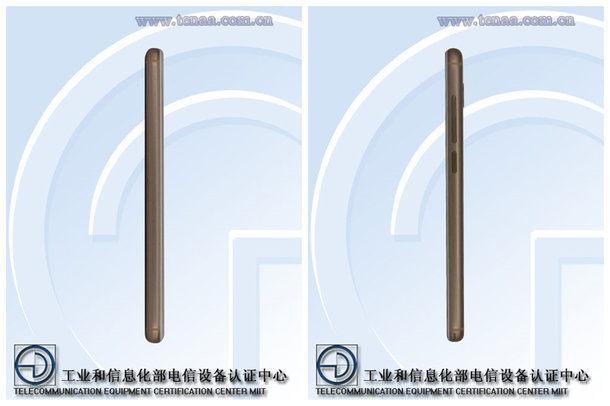
The rear of the phone has the single rear camera with a single LED flash below it. There is the 360 Mobiles logo at the bottom sitting about an inch from the speaker grille. If you look closely, you can also see the U-design antenna lines at the top and bottom. The 360 1701-M01 weighs 135 grams and measures 143.9 x 71.7 x 8.3 mm.
Judging from the specs, this device should be priced below $100. Probably even lesser than the Redmi 4A. Since it has made it to TENAA, we might get to see it launch soon.
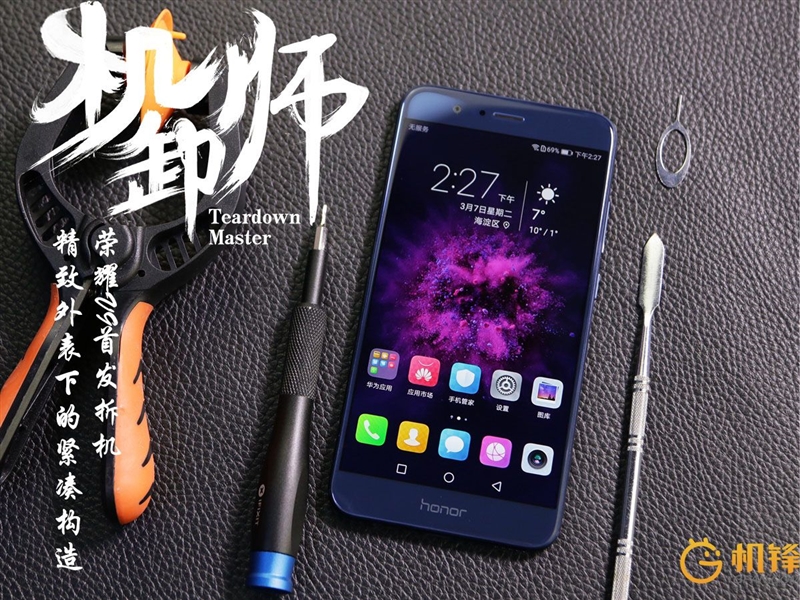
The Honor V9 is one of the most beautiful smartphones released this year. It not only packs a punch but it also comes in amazing colors.
It is the successor to last year’s Honor V8 which itself is still less than a year old, but we know a lot can happen under a year. The V9 sports the new Kirin 960 processor, has a larger 4000mAh battery and improved cameras but it still keeps some of the features of its predecessor. The display is still 5.7-inches but its resolution has been bumped up to 2K on all variants making it great for VR. There is still NFC, a rear-mounted fingerprint scanner and a USB Type-C port too.
For those of you who are curious to know what’s under the hood, we have been able to get images of the phone getting the teardown treatment. From the images we can see that when taken apart, the phone has its screen attached to one half of the phone while the remaining part is attached to the back plate. In other phones what you have is the back plate coming off totally. If you are going to try this at home, we advise you exercise caution when opening up the device so as not to rip the cable apart.
After disconnecting the cable attaching the display to the other half of the phone and removing the covering, you get greeted by the large 4000mAh battery and the rest of the components. To get a look at the dual rear cameras, you will have to remove the screws at the top and bottom, then gently lift both parts out, leaving the battery still seated.
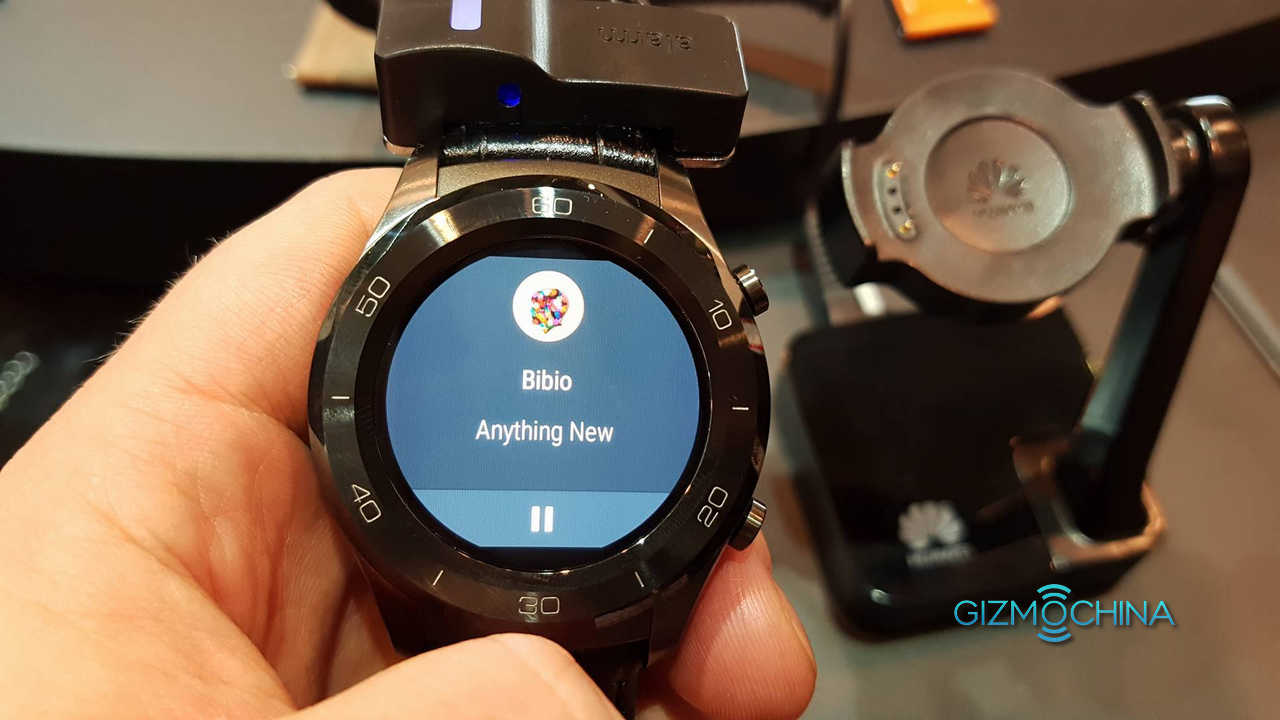
Huawei’s Watch has been one of the most popular watches with Android Wear and this time around the company released two different variants of their brand new model – the Huawei Watch 2 and Huawei Watch 2 Classic.
Today, in this video, we are looking at the Huawei Watch 2 Classic. It has a classier look with some extra features like Bluetooth and Wi-Fi connectivity. The Watch 2, however, has the LTE connectivity and a fitness-focused design language.
The first impression about this watch is that it is bulky, just like any other smartwatch. A great thing is that it is well-built and it doesn’t seem to break anytime soon.
The watch runs on Android Wear 2.0 that has a ton of features and customization options. Just to name a few, you get NFC payments through Android Pay. Also, you can track your fitness routines through the built-in heart rate sensor and other metrics.
Another cool feature of the Android Wear 2.0 is that you can install apps directly on the watch thanks to the built-in Google Play Store. Also, you can text or make calls directly from the watch, use navigation thanks to the built-in GPS module and so on.
The user interface seems to be fast and smooth, and the watch is powered by the Snapdragon Wear 2100 chipset.
The Huawei promises up to three days of battery life, with the Classic connected over the Bluetooth and Wi-Fi thanks to the built-in 420mAh battery.
Huawei Watch 2 Classic will sell for €399 in Europe, up from €379 for the LTE Watch 2, or €329 for the non-LTE model — and significantly more than LG’s Watch Sport.
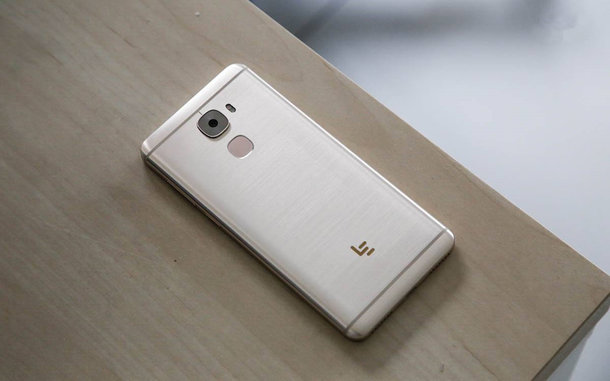
After a long period of silence, Chinese smartphone giant LeEco has launched a new edition of the Le Pro 3 introduced late last year. The smartphone is dubbed LeEco Le Pro 3 Elite Edition but curiously it does not feature an elitist specs table, rather a trimmed down hardware lineup.
The Le Pro 3 Elite Edition comes with a Snapdragon 820 chipset instead of the Snapdragon 821 onboard the Le Pro 3. The new edition also does not feature NFC but all other specifications align with those of the Le Pro 3 which happens to be one of LeEco’s smartphones to go on sale in the US.
The LeEco Le Pro 3 Elite Edition features an all-metal body with gold color only and is equipped with a large 4070mAh battery. The smartphone comes with a capable 4GB RAM as well as 32GB of internal storage. The phone also come with exclusive 3 months membership access to LeEco’s video streaming service.
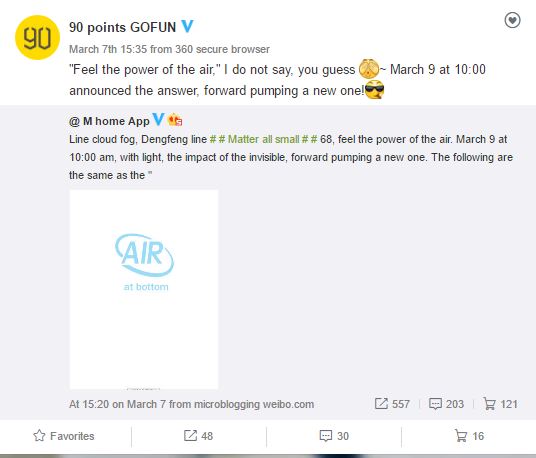
It is starting to look like a daily affair, Xiaomi is gearing up to release its 68th product on the crowdfunding Mijia platform. This is coming on the heels of the launch of the 399 Yuan ($58) Scishare coffee machine. The company has released a new poster which teases the launch of what would likely be a sports shoe line.
The launch will take place on March 9 at 10.00am and as usual, we have to use our intuition to deduce what the likely product is. The poster just contained the teaser “Air at the bottom” which suggests a pair of running shoes or sneakers which would likely be similar to the Nike Air Jordan lineup of sports shoes.
Since Xiaomi does not directly manufacture the products, this sports shoes seems to be from the stables of 90 Minutes. The company re-posted Xiaomi’s teaser of the launch event, even adding some insight into the upcoming product. Unfortunately, they too failed to reveal the identity of the product in clear terms. There is no doubt, though, that it is likely a pair of sports shoes. We’ll get to know the full details on March 9 at 10am.
An internal Google document has revealed that Google’s upcoming Pixel 2 and Pixel XL 2 smartphones will not feature the standard 3.5 mm headphone jack. When Google had launched Pixel and Pixel XL smartphones last year, it advertised that 3.5 mm audio jack is one of the key features of Pixel phones over iPhone 7 and iPhones 7 Plus smartphones that came without it.
9to5 Google stated that it has not shared the internal document as it will put the source at risk. It also stated that the news come from a single source and there is no secondary proof to support this information.
In January, the publication had reported that according to a tipster, Google is testing different chipsets like Snapdragon 83X and Intel chips on Pixel 2. However, the tipster did not reveal any information on the axing of 3.5 mm audio jack on Pixel 2. Hence, it is likely that Google is yet to decide whether to remove the feature or keep it. Hence, Gizmo China readers are taking this report with a pinch of salt as it is an unconfirmed rumor.
The same leakster also revealed that upcoming Pixel phones may come with a waterproof chassis. He also added that Google is working on providing a better camera on the next-generation Pixel phones. The camera will not have large-sized megapixels, but it will rather come with additional features like advanced low-light photography.
Currently, Google is receiving feedback from the users through the Pixel User Community to know what people like or dislike about the Pixel and Pixel XL and what improvements they would like to see. So Pixel phone fans who do not wish to see the standard headphone jack on next-generation Pixel phones can post their feedback.
The Senior VP for Hardware with Google, Rick Osterloh, had confirmed in the previous week that new Pixel smartphones would be releasing later this year. It is likely that the alleged Pixel 2 and Pixel XL 2 would be launched in October this year.
He added that Pixel phones would remain premium and ended the rumors of a budget-friendly Pixel phone. After this, the same tipster surfaced again to state that Google’s Pixel team is also working on a low-priced smartphone with modest specs, but it won’t be carrying Pixel brand name. It may be a new Android One phone from Google.
Would you like to see the next Pixel smartphone without a 3.5mm headphone jack? Do share your thoughts by adding your comments below.
The International Emergency Economic Powers Act prevents the U.S.-made tech products and services to be sold in some countries such as Iran and North Korea. However, since 2012 ZTE Corp. from China have been accused for selling its software and telecom equipment manufactured in the U.S. to Iran. It has been found guilty for doing so between January 2010 to April 2016.
When the investigation had started, ZTE had claimed that it was not guilty. However, now that the investigation is complete, it has been found that the Chinese firm had indeed signed numerous agreements for shipping hardware and software worth millions of dollars to a telecom carrier in Iran.
Since 2010 ZTE has sold its U.S.-made items worth around $32 million directly or indirectly to Iran without procuring export licenses from the government of the U.S. Moreover, it had lied during the federal investigation that it had stopped its shipments to Iran.
The company is also accused for shipping 283 devices such as microprocessors, routers and servers to North Korea. The U.S. laws does not allow shipping of these controlled items to countries that have repeatedly provided support for international terrorism.
The U.S. Commerce Department and U.S. Department of Treasury has ordered ZTE to pay $892 million as settlement fine for violating the U.S. laws as well as for making false statement. It will be paying additional amount of $298 for shipping regulated items to North Korea.
The total amount that it will paying as settlement fine is $1.19 billion out of which $661 million will go to the Commerce’s Bureau of Industry Security (BIS) as penalty fees, with $300 million suspended if ZTE adheres to the requirements of the agreement during the probationary period of seven years. It will pay $430 as criminal charges and forfeiture. The Chinese firm will be also paying $101 million to Treasury’s Office of Foreign Assets Control (OFAC). A
ZTE Chairman Chief Executive, Zhao Xiamming said on Tuesday, ““ZTE acknowledges the mistakes it made, takes responsibility for them, and remains committed to positive change in the company.” Since March 2016, the U.S. suppliers are required to avail a license to work with ZTE. However, this issue will be resolved, if ZTE clears all its fins and adheres to the agreement of the settlement.
ZTE can continue to sell its smartphones and other telecom equipment in the country, but the verdict announced today can certainly impact the confidence of the customers on the Chinese firm. ZTE is one of the biggest manufacturers of telecom equipment in the world and it is the fourth largest smartphone vendor in the U.S. that sells its phones through carriers like AT&T, T-Mobile and Sprint. It products feature components from leading U.S. firms like Qualcomm, Microsoft and Intel.
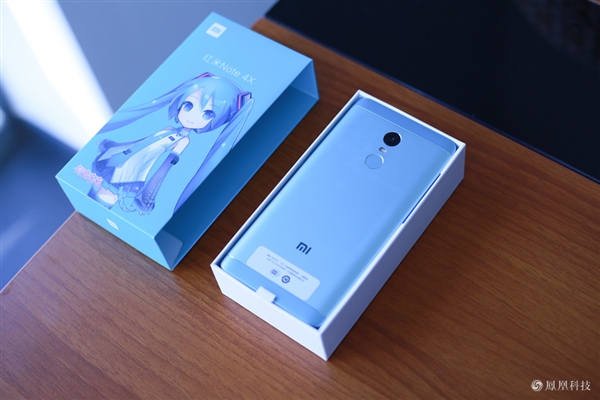
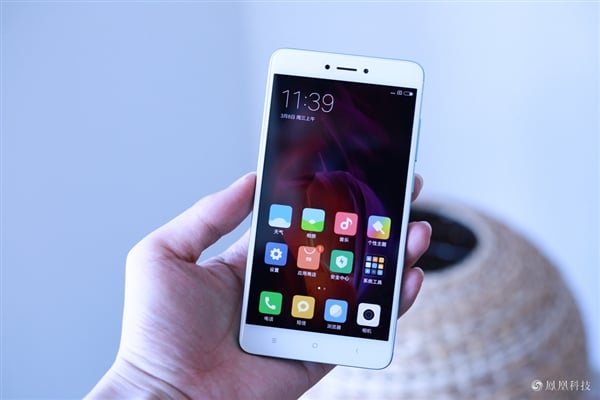
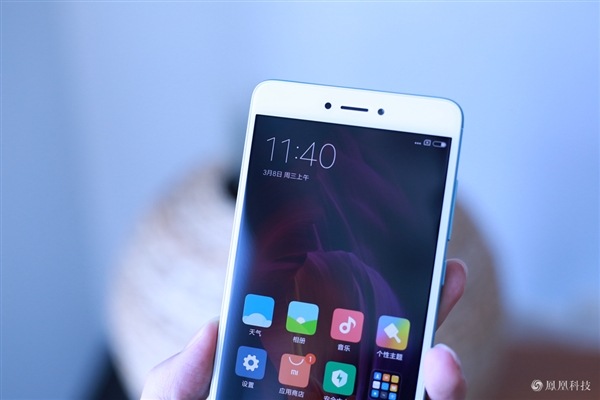
There is probably no argument about the fact that Xiaomi got it right once again with the sleek design it adopted on the Redmi Note 4X. How about the superfly Hatsune Miku edition of the Note 4X with its green paint job? It is just beyond stunning to say the least, more so, considering that the smartphone isn’t a flagship Mi series device but a Redmi smartphone that comes cheap. We can’t seem to get enough of the images of the smartphone and here’s more hands-on/unboxing images fresh out of its box.
The Xiaomi Redmi Note 4X Hatsune Miku Edition brings out the sleek and premium design the smartphone features as a result of the attractive color it adorns. The customized Redmi Note 4X features a fused antenna band design with the antenna band coated in silver. The camera and fingerprint sensor also have silver-coated thin ring surrounding them.
As you would know by now, the Xiaomi Redmi Note 4X Hastune Miku Edition shares the same specs lineup with the regular Redmi Note 4X which includes a 5.5-inch 1080p display, Snapdragon 625 processor, 3GB of RAM, 32GB of internal storage, a 13MP rear camera, a 5MP front-facing camera as well as a large 4,100mAh battery. The Redmi Note 4X also come with dual SIM card / dual standby, and full Network support.
The device is already on sale in China for 1,299 Yuan ($189). You can check out more unboxing images of the Xiaomi Redmi Note 4X Hastune Miku Edition from down below.
Google Assistant launched as a Pixel exclusive last year. The only other way you could use it was via the Allo app if you did not want to go the hard way which involves rooting. Fast forward to present and Google Assistant as gone from being a Pixel exclusive to launching with a bunch of other devices and is now even rolling out to devices running Android Marshmallow and above.
The feature is coming as an OTA update to Google Play Services so it is not carrier or manufacturer dependent. But because of the high number of android devices, it might take a while to reach your device. However, if you own a OnePlus 3 the update should have hit your phone or may do so anytime.
Rumor has it that Nokia has a dual-camera flagship in the pipeline with a release date set for June. You might be wondering what features HMD Global will be putting on this flagship device? Will it have PureView or Carl Zeiss optics? Sorry to burst your bubble, but it will feature neither of the two.
When Microsoft acquired the rights to release phones under the Nokia name, they also purchased Nokia’s PureView Imaging Technology. Now that HMD is the new licensee, it has no rights to use it.
You might also be wondering what happened with Nokia’s other camera partner, Carl Zeiss. It turns out that Nokia is also done with them. This info was confirmed via the official Nokia Mobile twitter account but there was no reason attached to the response. But they do say they have “invested in excellent imaging solutions”.
Apart from the phone sporting dual camera lenses, it will also feature an all-metal design and a Snapdragon 835 processor. The source says this dual-camera flagship is different from the other Snapdragon 835 flagship also scheduled to be released later this year.
If you are not aware that there is going to be a Galaxy Note 8, then you need to move out from under that rock. Initially there were speculations that Samsung was done with the Galaxy Note series following the sad and early demise of the Galaxy Note 7. However, that rumor was put down when President of Mobile, Samsung Electronics, Koh Dong-jin announced over a month ago that there will be a Note 8 (Samsung might want to add II to the name since there is already a Note 8).
Following that announcement, we heard rumors of the upcoming device and even learnt its codename is “Baikal” but new report says that is incorrect. The source says the Galaxy Note 8 actually goes by the codename “Great”. Yes, something “Great“ is coming your way from Samsung this year.
The source also revealed the model number of the Galaxy Note 8 is SM-N950F (European variant). The Note 7’s model number is SM-N930 but the Koreans consider the number 4 is unlucky, that’s why they are skipping it.
The other part of the news is that there is a chance Samsung is working on selling refurbished units of the Galaxy Note 7 in its home country. The device is expected to go by the model number SM-N935 and codenamed Grace R(Refurbished).
Samsung is yet to launch the Galaxy S8 and based on the latest report, the launch date has been postponed to April 28, which is a week later than the earlier scheduled date. That means we still have to wait 7 weeks before the phone is released. That’s really long. But if you are in China, you might not have to wait that long, depending on how you look at it.
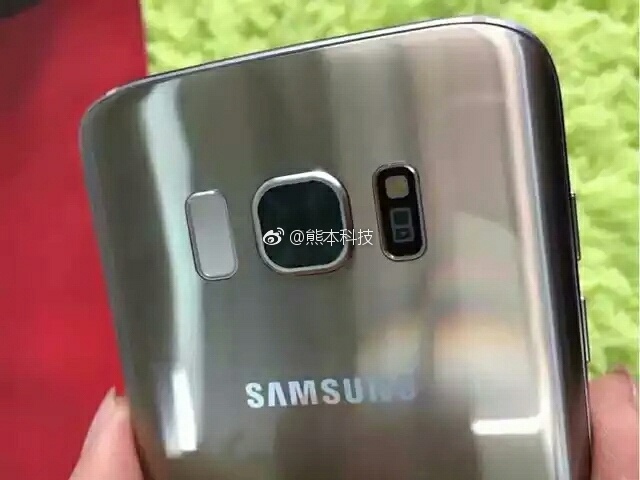
A Weibo user @kumamoto posted pictures of a Galaxy Note 8 clone he got his hands on in one of China’s most popular electronics market, the Huaqiang North Market.
The clone shares quite a number of similarities with the original based on leaked images but there are still some major differences. First is the position of the fingerprint scanner and the camera’s LED flash. On the original Galaxy S8, the LED flash is on the left and the fingerprint scanner is positioned on the right but the positions are switched on the clone. Another difference is in the design of the speaker grille, and the use of a microUSB port instead of USB Type-C.
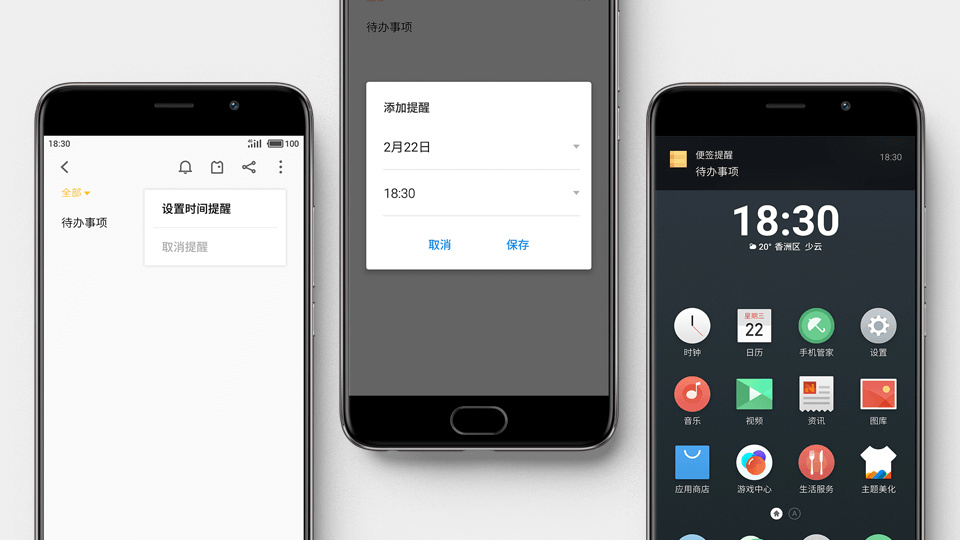
Three months after being in the beta testing stage, Meizu has released a stable version of its Flyme 6 OS. Dubbed Flyme 6.0.2.0, the latest version comes with a number of cool new features.
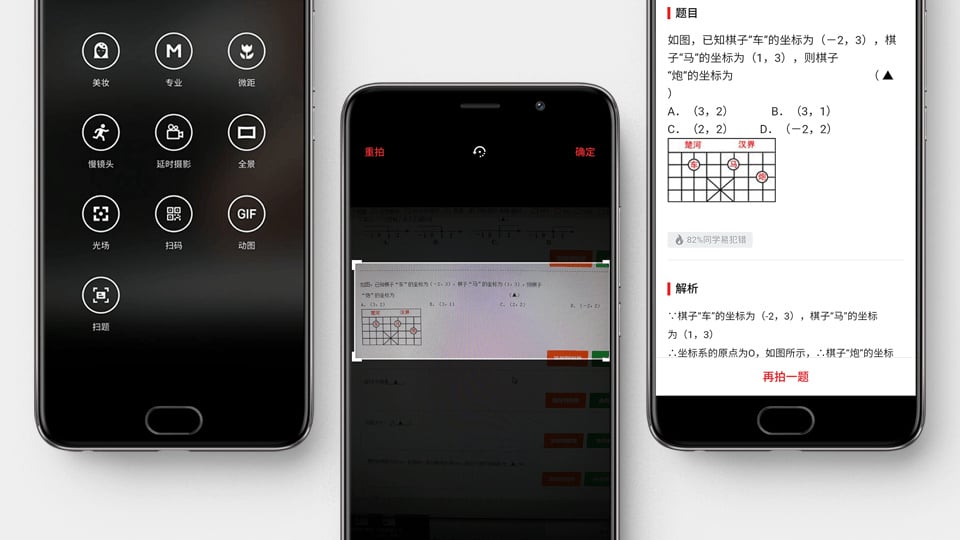
One of the cool features which the new Flyme 6.0.2.0 brings is a new search feature which allows users to search for answers on the internet via their phone’s camera. All that is needed is to snap the photo of the problem or question and then it gets uploaded up into the cloud (Meizu’s database) automatically. In some cases, it takes as fast as 0.5 seconds to display the answers and the answers are elaborate.
This is perhaps the standout feature on the new Flyme OS and the photo search is said to cover a wide range of subjects including school courses like Physics, Chemistry, English language, Political science, history and other. Meizu claims it has got more than 65 million study questions with their answers in its database.
The feature sounds similar to the picture search feature of the Google translate app but you won’t need to download a separate app for this as it is integrated with the OS. All that is needed is to put on the camera, select the mode for search and when the image is detected you manually select what you want to search. Where the picture is blurred or even tilted or is in an individual’s handwriting, the search can still pick it up.
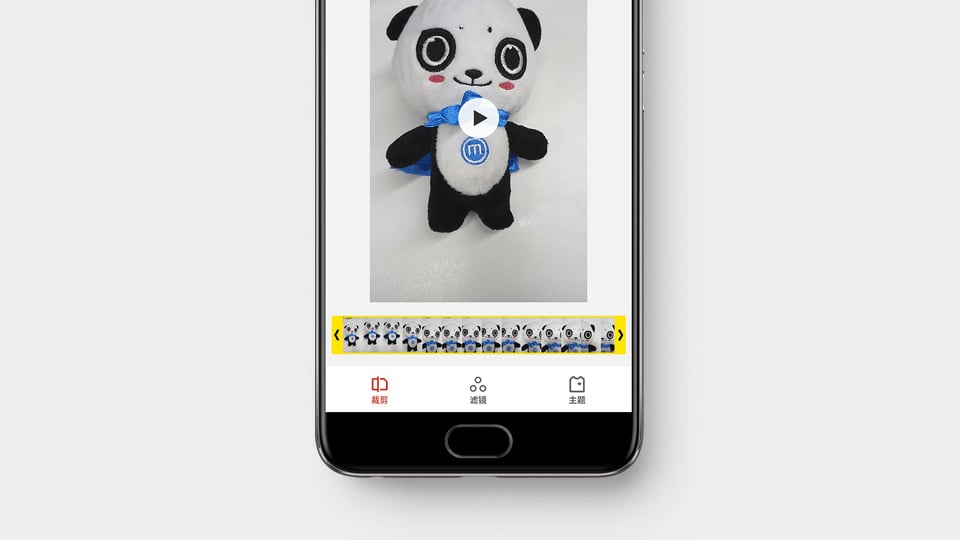
The new Flyme 6.0.2.0 also lets users edit the theme onboard in order to personalize them and the videos on the gallery can be edited and filters added. The updated version is available for download on Meizu’s Flme official site. It is available for a total of 24 models making it the single largest upgrade ever for Meizu. As usual, the update will be pushed to eligible models in batches.
Xiaomi had hinted of plans to establish several offline retail shops in China in order to shift from the online sales only model which has been hugely successful but inadequate to help keep the company at the top. As a result, Xiaomi has for consecutive years lost out to minions like OPPO and Vivo in the ranking of the top Chinese brands in terms of sales.
To stem that tide, Xiaomi did set a goal of 1000 offline physical stores in China by 2020. The company kick-started the project by establishing a total of 51 stores across China last year and this year, it has hinted at plans to set up an additional 250. CEO, Lei Jun at a news conference held in Beijing on Monday reiterated this long-term plan and also disclosed this year’s business plan in that regard.
Lei Jun seems to have been caught up with the concept of “New Retail” made popular by Alibaba founder and Chairman, Jack Ma who predicted that the era of e-commerce would end in 10 or 20 years to give way to New Retail that combines online and offline sales and logistics services. Lei Jun thinks Xiaomi has found a feasible and highly efficient format for New Retail by establishing its own bricks-and-mortar stores rather than buying off small business chains like Alibaba did recently, spending over 2 billion yuan buying about one-third of popular supermarket chain Sanjiang shopping, based in Ningbo, Zhejiang province.
Lei Jun also believes the prices of the products sold offline could still be kept down despite rising rent and labor costs by measures such as optimizing the manufacturing process and analyzing customers’ needs with big data. The era of offline retail shopping saw a hit at the introduction of e-commerce which made shopping an easy venture that can be contracted right from home. But it is turning out, a return to offline shopping is gathering momentum and it won’t be surprising to see that turn into a frenzy among the major players in the e-commerce sector. There was a time offline sales was king, later on, online sales model became the beautiful bride and now a blend of both looks inevitable. In the end, it is all a circus, with sales the ultimate goal. Unfortunately, Mr Lei Jun did not say if the company’s expansion plans involve setting up more physical stores outside of China, something a lot of Xiaomi fans yearn for.
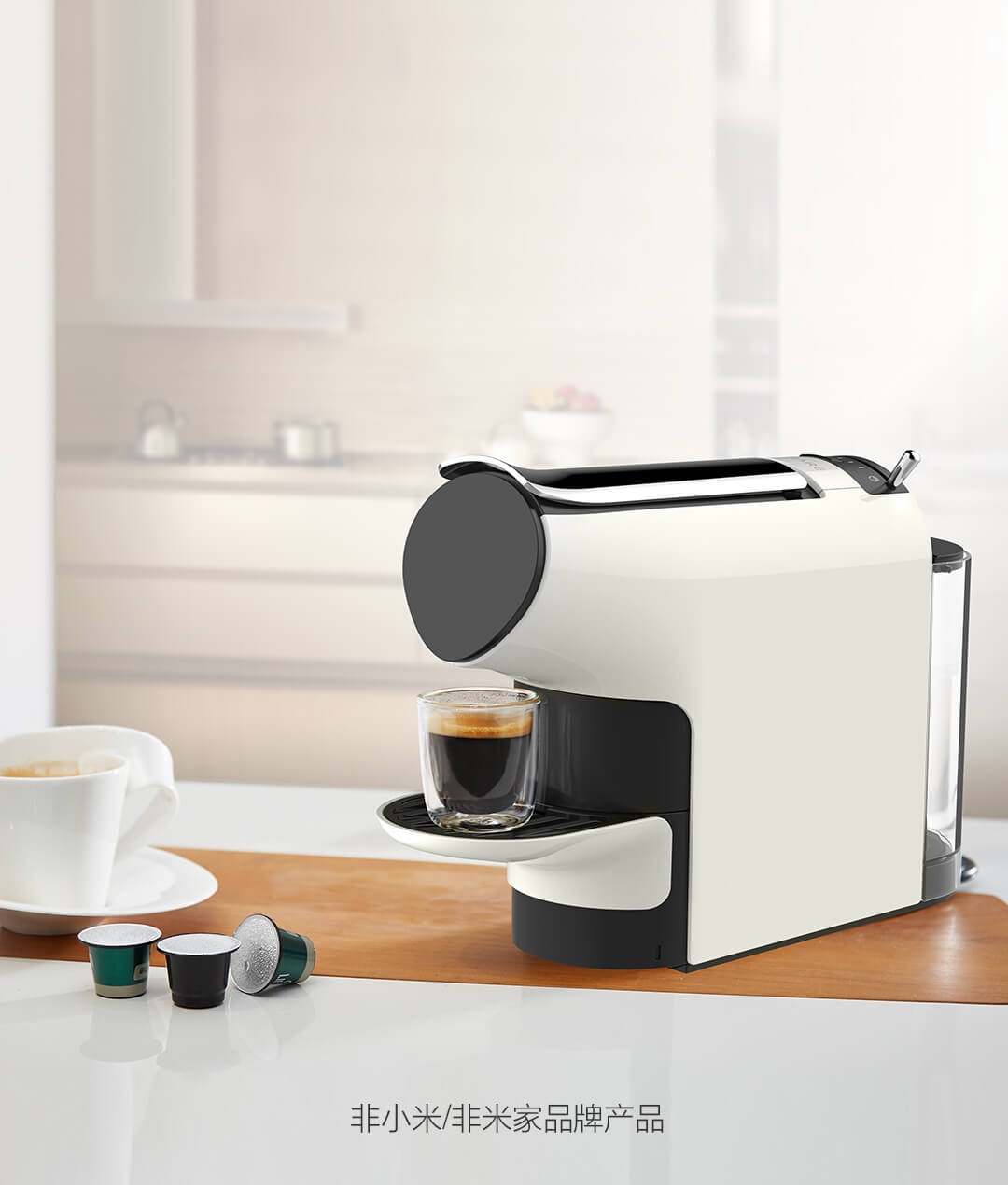
Xiaomi has launched a new product on its crowdfunding platform and it is a Coffee Machine just as we predicted. As you might have known by now, the product isn’t directly manufactured by Xiaomi but it provides the platform and creates an avenue to generate interest and funding for the manufacturing company.
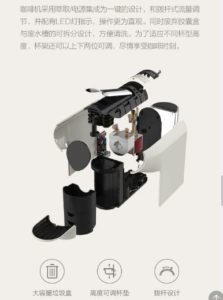
In this case, the coffee maker carries the Scishare branding and is a product of the Ningbo Heart Technology Co. Ltd. The product consists of the main pressure pump with a maximum pressure rating of 19 Bars. The pressure pump is said to have been imported from Italy and has a power rating of 1200W. The machine also comes with some concentration adjustment and is compatible with multi-brand capsules. These all ensure that the coffee is well extracted.
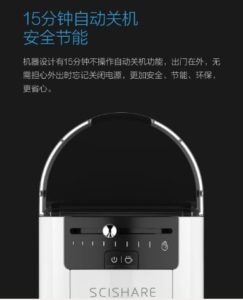
In terms of size, the Coffee machine measures 34 x 10 x 26 cm and for controls, there is a power button sitting alongside a button for extraction. On the whole, the machine is easy to clean and easy to operate. There are also LED lights for direction as well as a flow control lever.
The machine is also designed to express the coffee beans based on the different concentration preference of individuals. There are also 8 difference cup sizes ranging from 15-85ml. The Coffee machine is available for funding on the crowdfunding platform and each participant will get 50 imported coffee capsules. The first batch of the product is expected to ship on April 18. You can head on to Xiaomi’s Mi home in case you are interested in finding out more about the product or grabbing one for yourself. It cost just 399 Yuan ($58).
Earlier rumors were hinting that Samsung would introduce rear-facing dual cameras on the Galaxy S8 and Galaxy S8+ smartphones. However, large number of leaks that have surfaced in the recent weeks clearly show that these flagship phones would not be featuring a dual camera setup on their rear panels. However, an official promo of Exynos 8995 chipset suggests that Samsung’s upcoming smartphone may feature a dual camera setup.
On the official Twitter account of Samsung Exynos, a promo of Exynos 8895 can be seen that says that the chipset is equipped with Dual ISP (Image Signal Processor). It hints that a future smartphone from the South Korean company running on Exynos 8895 chipset would feature twin cameras. The specs sheet of Exynos 8895 states that it can support up to 28-mgapixel + 16-megapixel dual cameras.
The Exynos 8895 is the same chipset that will be introduced on Galaxy S8 and S8+. It is built with 10nm FinFET manufacturing processor and it features four cores of Exynos M2 running at 2.5 GHz and another four cores of Cortex A53 working at 1.7 GHz. Rumors have it that for the U.S. and China, Samsung will be powering the Galaxy S8 models with Snapdragon 835 chipset. Other regions are speculated to receive the Exynos 8895 chipset variant.
Even though the Exynos 8895 chipset is now confirmed to support dual camera feature, there seems to be lesser chance to see the Galaxy S8 models sport the new camera feature. As mentioned above, none of the recent leaks have revealed dual camera feature for Galaxy S8 and Galaxy S8+. Some sources claim that the Seoul-based company may release a third version of Galaxy S8 with dual camera feature in the near future.
It is likely that the Samsung Galaxy Note 8 that is speculated to launch later this year may come with a dual camera feature. The Galaxy Note 8 will be a flagship phone and it is expected to be driven by Exynos 8895 chipset. Moreover, the company would want to provide a unique feature of dual camera on Note 8 to set it apart from the Galaxy S8 models.
Also, the company may be trying to build hype around the upcoming phablet by confirming the dual camera feature through an official tweet. This may be possible as the company to win the hearts of its potential customers after the infamous Galaxy Note 7 debacle. If the Exynos 8895 chipset will power the Galaxy Note 8, the specs sheet of the SoC suggest that it may feature a 4K display, 6 GB of RAM, UFS 2.1 storage and of course a safer battery.
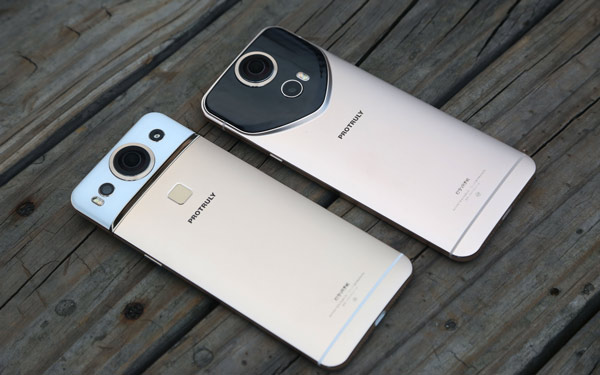
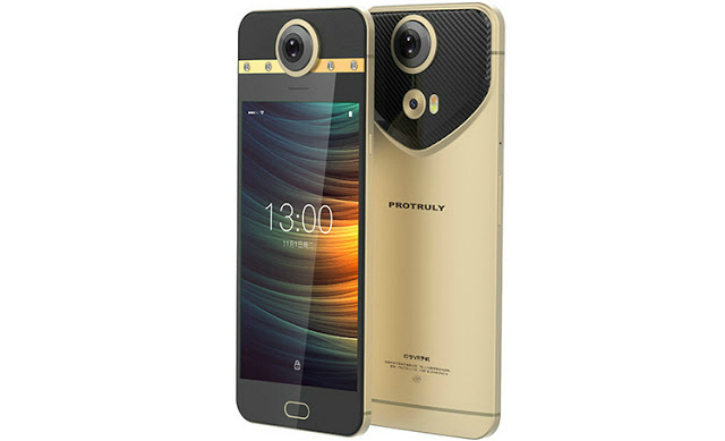
These days smartphone manufacturers are putting lot of efforts in providing unique features on their devices. ProTruly, one of the lesser known brands from China, was present at the Mobile World Congress (MWC) 2017 to showcase a smartphone that boasts a strip of diamonds and a 360-degree rear camera.
Darling features a pair of enormous13-megapixel cameras with wide-angle fisheye lenses on the front and rear sides that enables users to shooter 360-degree images and videos. This unique feature makes it the first smartphone to arrive with an inbuilt 360-degree camera. It is also called the world’s first VR smartphone.
It lets users to preview the recorded videos in weird looking globes as it can be seen in the video. The 360-degree can be directly shared on sites such as YouTube, Facebook and other sites that support such type of videos.
https://www.youtube.com/watch?v=UVT9H6OCt9o
ProTruly’s Darling comes in two editions. The standard version is priced around $600 whereas the high-end version carriers a pricing of $1,300, China Daily reported. The standard edition has a fingerprint scanner embedded on the physical Home button on the front side whereas the higher-end has a rear-facing fingerprint scanner.
The camera housing of the standard variant is plastic whereas the higher-end variant appears like a luxury device that has a champagne gold metallic chassis that weighs 3.08 grams and it is flanked with a strip of four diamonds on the rear side fixed on a full-grain leather from Italy at its front.
As far as specifications are concerned, Darling has a 5.5-inch full HD AMOLED display and is powered by MediaTek’s Helio X20 chipset that features a 2.5 GHz deca-core processor. The SoC is coupled with 4 GB of RAM. The native storage provided on it is 64 GB. It comes loaded with Android 6.0 Marshmallow OS.
Above the two fisheye lenses, the Darling smartphone has a 13-megapixel camera at the rear and a selfie snapper of 8-megapixel at the front. The VR camera mode in the camera app can be accessed to shoot videos and phots in 360-degree. It also features some a thermal sensor human body temperature without touching.
It also features a USB Type-C port. It has 3,560 mAh battery to keep the lights on. The phone will be exclusively available in China and will go on sale by the end of November. There is no information on its availability outside of China.
We use cookies on our website to give you the most relevant experience by remembering your preferences and repeat visits. By clicking “Accept”, you consent to the use of ALL the cookies.
This website uses cookies to improve your experience while you navigate through the website. Out of these, the cookies that are categorized as necessary are stored on your browser as they are essential for the working of basic functionalities of the website. We also use third-party cookies that help us analyze and understand how you use this website. These cookies will be stored in your browser only with your consent. You also have the option to opt-out of these cookies. But opting out of some of these cookies may affect your browsing experience.
Necessary cookies are absolutely essential for the website to function properly. This category only includes cookies that ensures basic functionalities and security features of the website. These cookies do not store any personal information.
Any cookies that may not be particularly necessary for the website to function and is used specifically to collect user personal data via analytics, ads, other embedded contents are termed as non-necessary cookies. It is mandatory to procure user consent prior to running these cookies on your website.