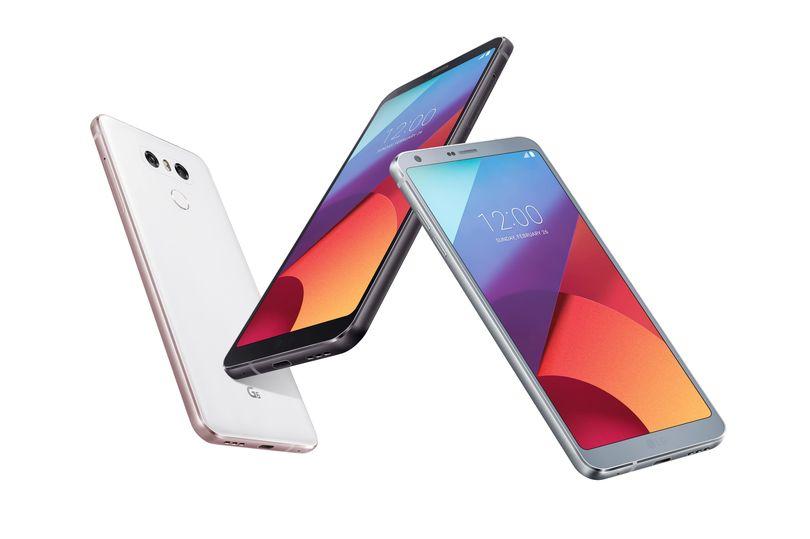
It is not unusual to get a phone with a FM radio in developing countries. However, for countries like the US and Canada, you may not find the FM radio app on your device and that is because it has been deactivated. All Qualcomm LTE chips have FM capability baked in and I believe the same applies to chips from other companies. Some phone manufacturers have deactivated the feature on their smartphones and some carriers too don’t have it activated because they both make money from streaming services. LG plans to have the feature enabled henceforth on its smartphones sold in the US and Canada.
The South Korean company is partnering with TagStation, owners of the NextRadio app to activate FM radio in all its phones. It will also pre-load the NextRadio app on some of its smartphones. In the case of a network blackout, audio emergency alerts will be available too.
The advantages of having a FM radio can’t be over emphasized. There are times when internet or cell service may be out and the radio is your only source of information. The FM radio also consumes way less battery and data compared to streaming apps.
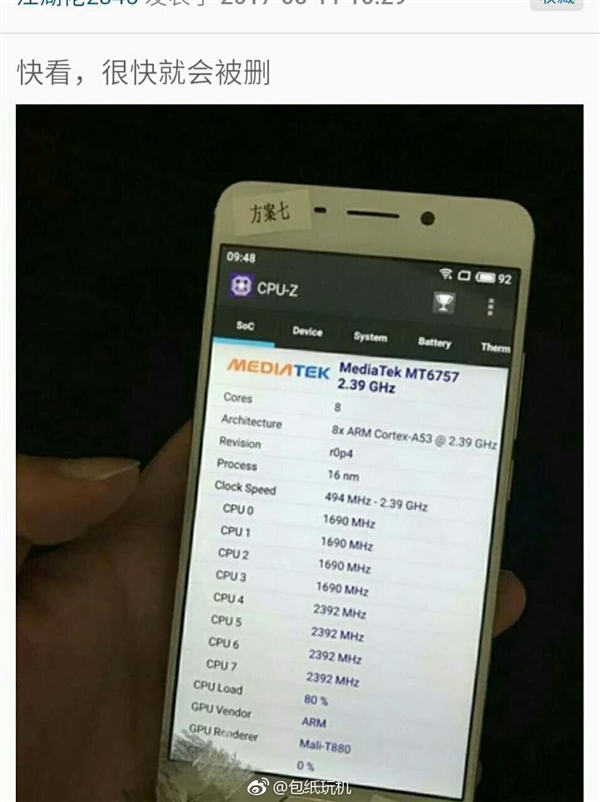
Meizu will be launching the M6 Note on August 23 with press invite already sent out for the event which would be held at the Beijing Performing Arts Centre. Before now, we have seen the specifications of the mid-range smartphone leaked and one of the spectacular features is the presence of an Helio P25 chip (MT6757T) which is in the same mid-range segment as the Snapdragon 630 SoC. But in a surprising twist, a new leak has emerged which suggests that the Meizu M6 Note will feature a MediaTek Helio P20 processor.
The leak comes in form of a screenshot of a device which is said to be the M6 Note running through benchmark app CPU-Z. The leaked screenshot clearly lists the processor under scrutiny as the MediaTek Helio P20 chip (MT6757 with a clock speed of 2.39GHz. Both the Helio P20 and Helio P25 almost feature similar configuration but problem is, while the Helio p25 comes with support for dual cameras, the P20 does not. Recall the Meizu M6 Note is rumoured to sport a dual camera setup at the rear with one of the sensors being a Sony IMX258 sensor. Unfortunately, we can’t see the back of the device to tell if there is a dual camera setup on board or this is the M5 Note being bandied around as the upcoming M6 Note. Even at that, the M5 Note features a Heli P10 Soc and not a P20.
Other specifications of the M6 Note includes a Meizu M6 Note will feature a 5.5-inch IPS LCD display with a resolution of 1920 x 1080 pixels. The device will be powered by one of MediaTek’s latest chip, the Helio P25 (MT6757T) chip which is a 64-bit octa-core processor with Mali-T880 GPU. The processor will be backed by 3GB of RAM on some models while others will have 4GB of RAM. The storage will be either a 32GB and 64GB variant respectively while the device will get its juice from a 4,000mAh battery.We can’t explain this but the device in the leaked photo may likely not be the M6 Note.
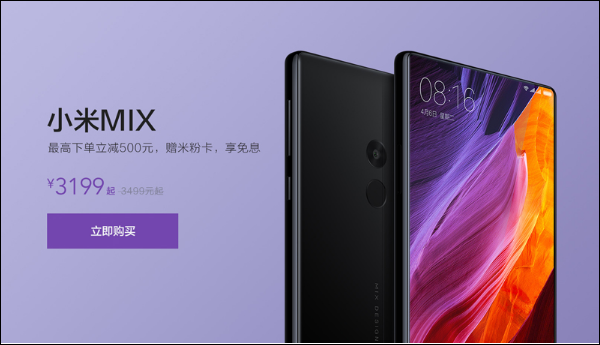
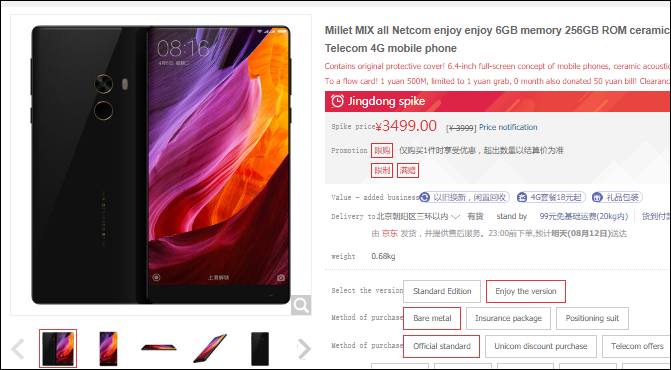
It is a usual practice for smartphone manufacturers to reduce the price of their current stock when a new model is about launching. That is what Xiaomi might have stylishly done with the Mi Mix which has got a 500 Yuan price slash on Xiaomi’s official flagship store on Jingdong (JD.com). The 500 Yuan price reduction is for the 6GB RAM + 256GB storage version of the concept flagship which took the industry by storm last year, bringing its price down to 3499Yuan (~$524) from 3999 Yuan (~$599). The 4GB + 128GB version also had its price reduced by 300 Yuan and is now available for 3,199 Yuan(~$479) instead of 3,499 Yuan (~$524).
The price reduction seems to also affect the Mi Mix’s sales on Mi Mall as it too, has notification of a 500 Yuan price cut. We can’t be so sure about this being a ploy to make way for the Mi Mix 2 as Xiaomi is currently running its 8.16 promotion where almost its products have got some percentage of price reduction. But don’t forget the Mi Mix is rumoured as coming in September or there about so, this could be a way of reducing the quantity in stock before the launch. It should be noted also that Xiaomi reduced the Mi Mix’s price during the 6.18 promotion back in June but the price reduction wasn’t as high as 500 Yuan. That could mean something is likely brewing.
The Xiaomi Mi MIX sports a 6.4-inch display with a resolution of 2040 × 1080 pixel as well as a 17: 9 aspect ratio. The Xiaomi flagship is powered by a Snapdragon 821 chip with 4GB/6GB of RAM, and 128GB/256GB of storage. The bezel-less flagship model comes with a 91.3% screen-to-body ratio, an innovative design which is rumoured to go up to 95% on the Mi Mix 2 and also features a ceramic body. The concept MIX is fueled by a 4400mAh battery and packs a rear mounted fingerprint scanner among other features. It is available in black and white colours but only the black variant is available at the moment.
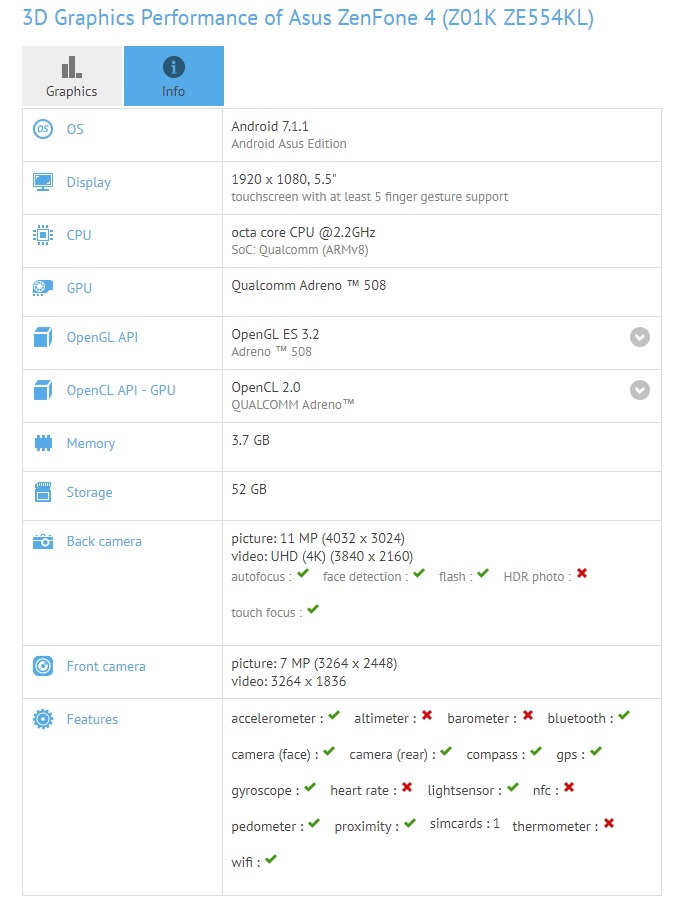
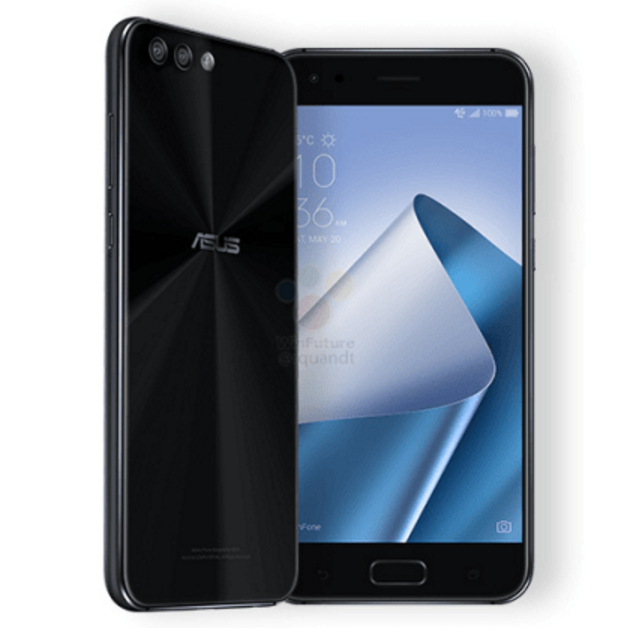
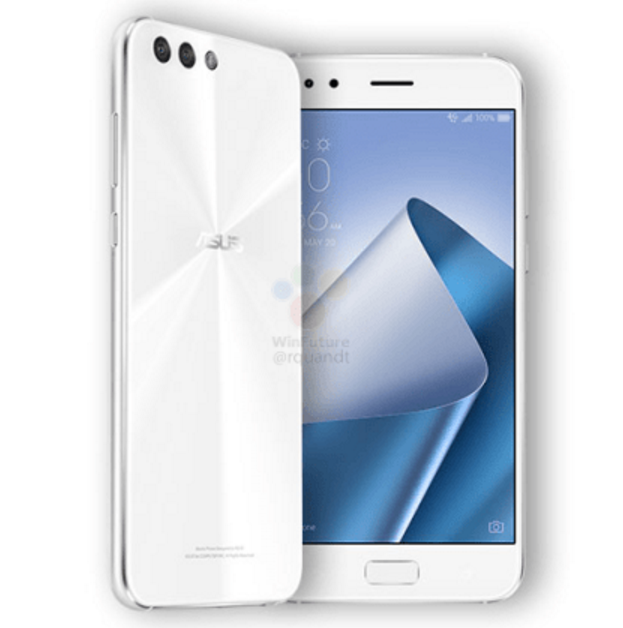
The ASUS ZenFone 4 is slated to get announced on Aug. 17 along with other ZenFone 4 series phones. It seems that the Taiwanese company is testing the ZenFone 4 before its launch as it has appeared on GFXBench benchmarking site.
The ZenFone 4 (Z01K ZE554KL) that has appeared on benchmarking site has revealed that the smartphone features a 5.5-inch display that carries support for full HD resolution of 1,920 x 1,080 pixels. The smartphone is driven by an octa-core processor that clocks at 2.2 GHz along with Adreno 508 graphics This suggests that the ZenFone 4 is driven by Snapdragon 630 chipset. The rumor mill has also revealed that a Snapdragon 660 chipset edition of the ZenFone 4 will be also available.
The chipset of the ASUS ZenFone 4 is coupled with 4 GB of RAM and it has a native storage of 64 GB. It features a 12-megapixel rear snapper and an 8-mgeapixel front-facing camera. Some rumors have claimed that the ZenFone 4 will be coming with a dual rear camera module featuring a pair of 12-megapixel sensor and an 8-megapixel sensor. One of them is speculated as a 120-degree wide-angle lens that offers fivefold light sensitivity.
The Android 7.1.1 nougat is available preinstalled on the ZenFone 4. The rumor mill has also revealed that a 3,300mAh battery will be powering the ASUS ZenFone 4. It is a dual-SIM smartphone that comes with a dedicated slot for microSD card. The smartphone measures 7.7mm in thickness and its weight is 165 grams. It is expected to be available in color choices such as black and white. In Europe, the ASUS ZenFone 4 is expected to carry a pricing of 499 euros (~$586).
The ZenFone 4 is not the flagship smartphone from ASUS. The rumored ZenFone 4 Pro smartphone is expected to be a flagship phone that will be driven by Snapdragon 835 chipset. Apart from the ZenFone 4 and ZenFone 4 Pro, the Taiwanese company is also speculated to launch the ZenFone 4V and selfie centric smartphones such as ZenFone 4 Selfie and ZenFone 4 Selfie Pro. The ASUS ZenFone 4 Max that belongs to the same series has been already unveiled few months ago.
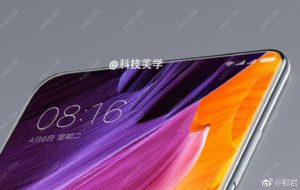
It is no longer news that Xiaomi will be launching its next generation Mi Mix 2 this year and that the device is already in the works with Phillipe Starck still providing the design. Details of the device have been very scarce in coming as Xiaomi has maintained a long silence about it, perhaps with the intention of springing a surprise. We already know, though, that the Mi Mix 2 will come with a high screen to body ratio and recently a photo shared by Lei Jun suggests that the device will adopt a similar 18:9 aspect ratio used on the Galaxy S8.
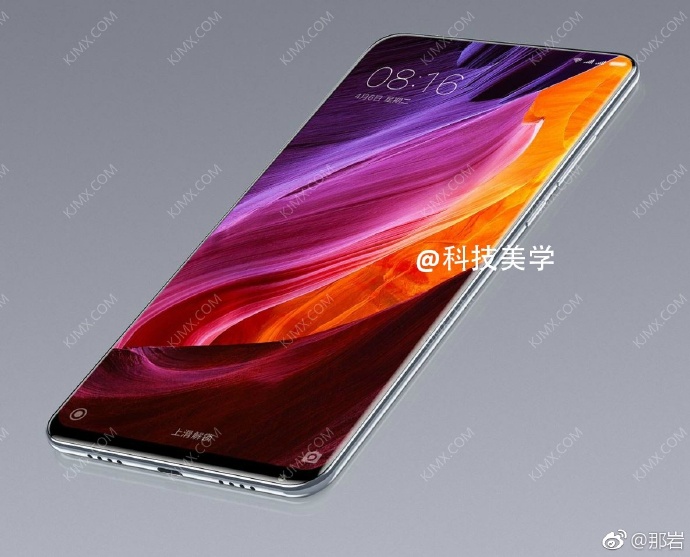
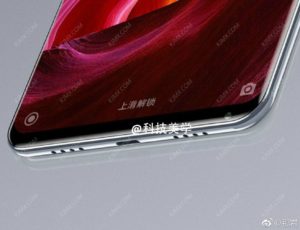
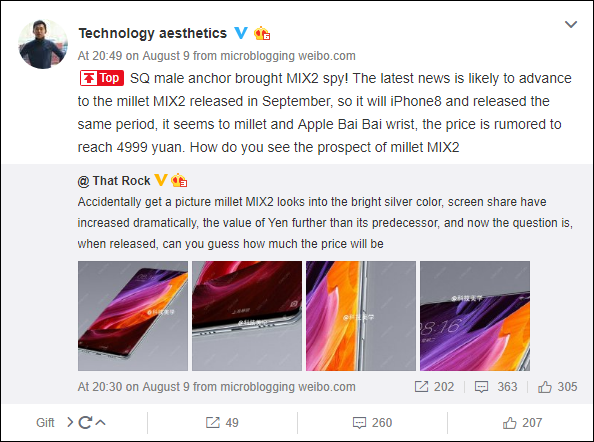
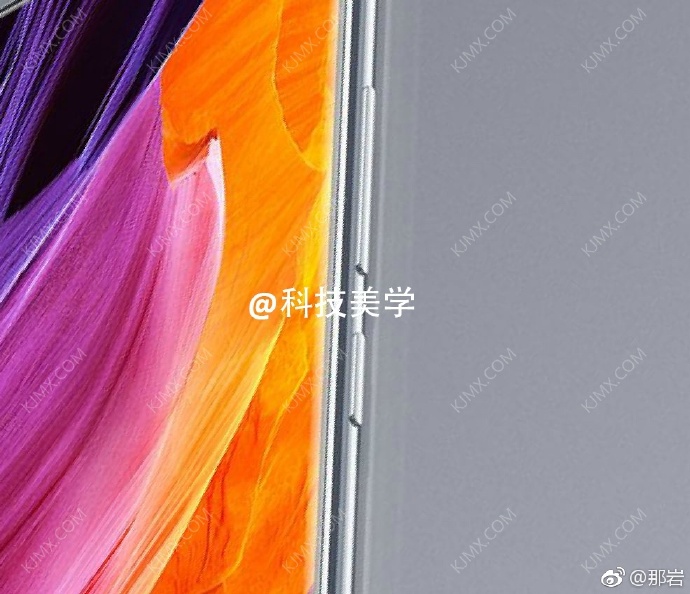
The Xiaomi Mi Mix 2 renders have allegedly popped up online from China and one of the things that need to be noted is that there will likely be a variant sporting a Bright Silver body just like the Mi 6 did. The Mi Mix 2 is also said to come with an enhanced display with the screen-to-body ratio said to be as high as 95%. Apart from that, the renders also show the device as coming with well-rounded edges and a nearly bezel-less design. Bezels will only be present on the bottom edge with the other aspects completely bezel-less and curved on all the display edges.
We only get to see the front aspect of the Xiaomi Mi Mix 2 from the renders so, we still don’t know if there is a rear fingerprint sensor but there are speculations that Xiaomi may not feature an in-display fingerprint sensor if the device is released this year. The Mi Mix features a virtual navigation key and also will use a Cantilever piezoelectric ceramic technology which replaces the traditional earpiece due to the absence of bezels.
Xiaomi is said to partner with AAC technologies who will develop a better, new generation technology known as AAC actuator which would be used for the ear piece sound output. The AAC actuator is said to achieve a better screen sound, especially at low frequency. It also works better with the 3GPP standard. The source of this leaked details also tips that the flagship model may be released around September, at the same period the iPhone 8 is coming out, obviously to grab some market shares from the Apple flagship due to its price tag which is expected to be less than iPhone 8’s. The price is rumoured to be up to 4999 Yuan (around $750) but this is just a speculation, nothing of such has been officially revealed. We expect more leaks to emerge as the month rolls by.
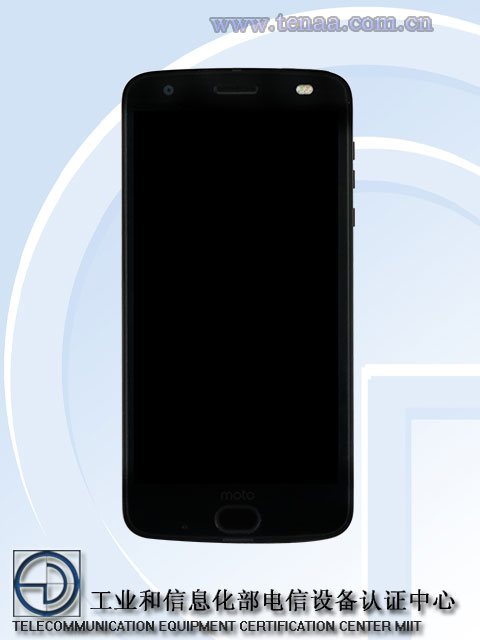
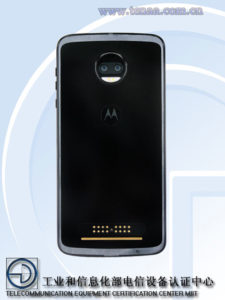
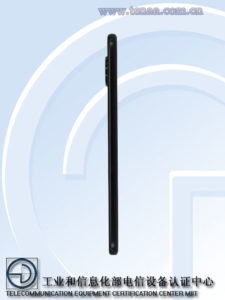
Motorola‘s Moto Z2 Force has received certification from China’s Telecoms Regulatory agency TENAA and has thus been listed on the outfit’s website. The Moto Z2 Force is one of the high-end smartphones that Lenovo is hoping to use to rejig its ailing smartphone business globally. The device has already been announced in the U.S. with a staggering $720 price tag. The TENAA listing is an indication that a launch in China will take place soon.
The Moto Z2 Force bears a striking resemblance with the Moto Z2 Play which has been launched in China for over a month now. Th only difference between both models is that while the Z2 Force is expected to pack a flagship specs lineup, the Z2 Play comes as a mid-range device with a Snapdragon 626 chip on the driving seat.
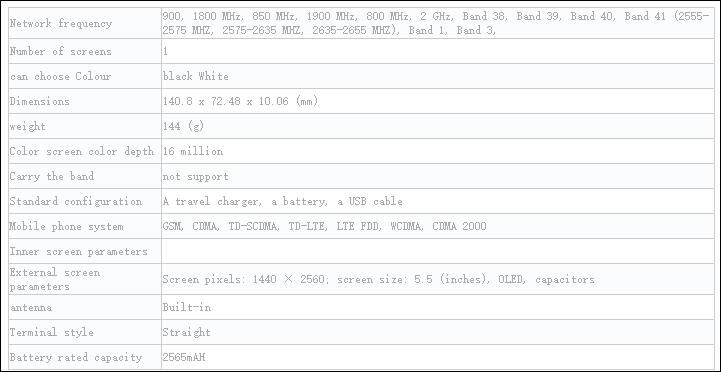
The TENAA listing shows the Moto Z2 Force will feature a 5.5-inch OLED display with a resolution of 2560 x 1440 pixels. The device is also listed with a 6GB RAM + 128GB storage combination which is exclusive to China and will be powered by a 2.35GHz processor, already known to be the Qualcomm Snapdragon 835 flagship SoC. The device also features a 2565mAh battery but there is an earlier rumour that the battery will get a boost with the external Moto Mod battery pack which will be released as well. The device comes in black and white colours and runs Android 7.1.1 Nougat out-of-the-box but we can’t say if it has got a touch of ZUI.
Other features of the Z2 Force includes a dual camera setup at the rear having a 12MP main sensor and 8MP secondary sensor, while at the front, there is a 5MP camera for selfies. From the photo, we can see that both the front and rear cameras come along with dual-tone LED flash.
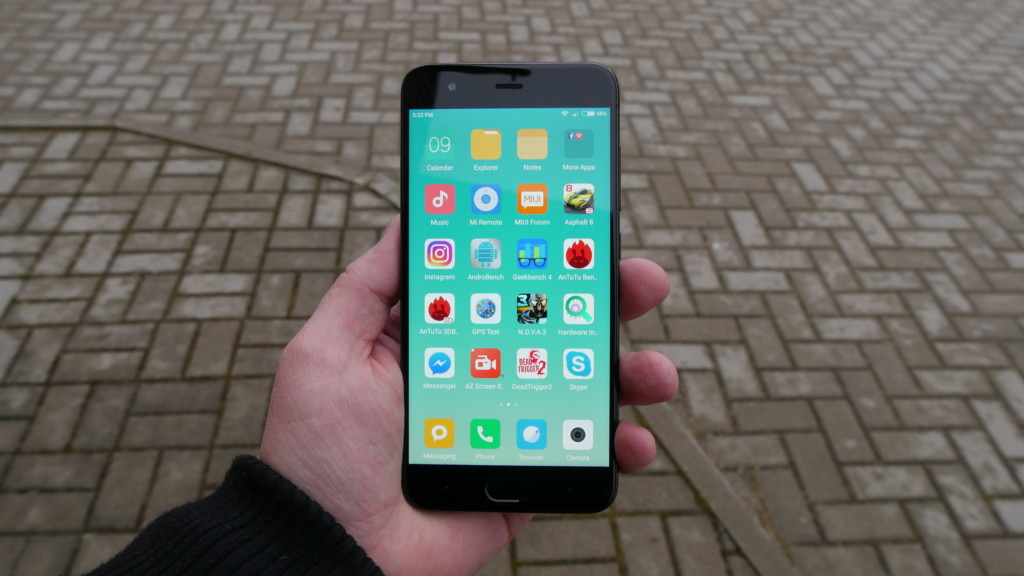
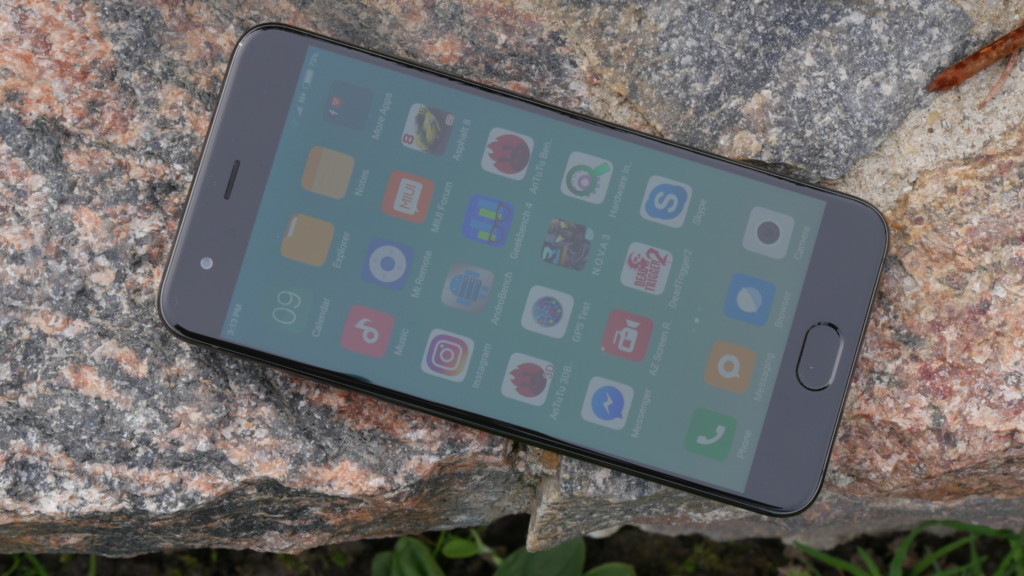
Once you first pick the Xiaomi Mi 6 up, the first impressions are that the phone looks just gorgeous. Also, it has excellent build quality and it is fairly compact since it sports a 5.15” IPS LCD display, which is sharp, vibrant and definitely one of the best 1080p panels you can find.
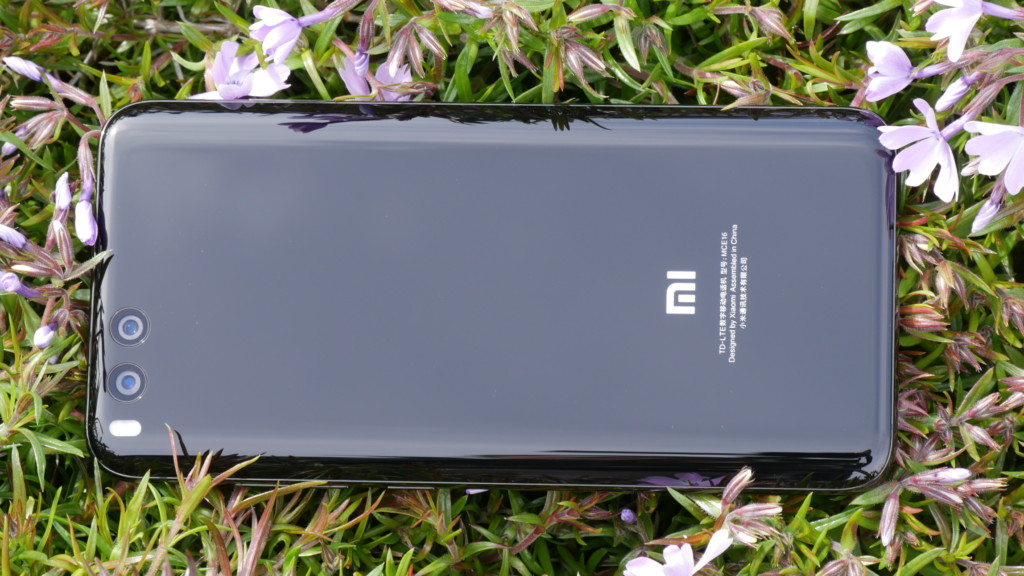
I love that the phone sits nicely in the hand. The stainless-steel frame is almost seamless with a curved glass back panel, which actually does a decent job with all the fingerprints and smudges. In comparison, the phone does not attract fingerprints so quickly like the Galaxy S8. Also, the buttons are easy to reach and they have a great tactile feedback.
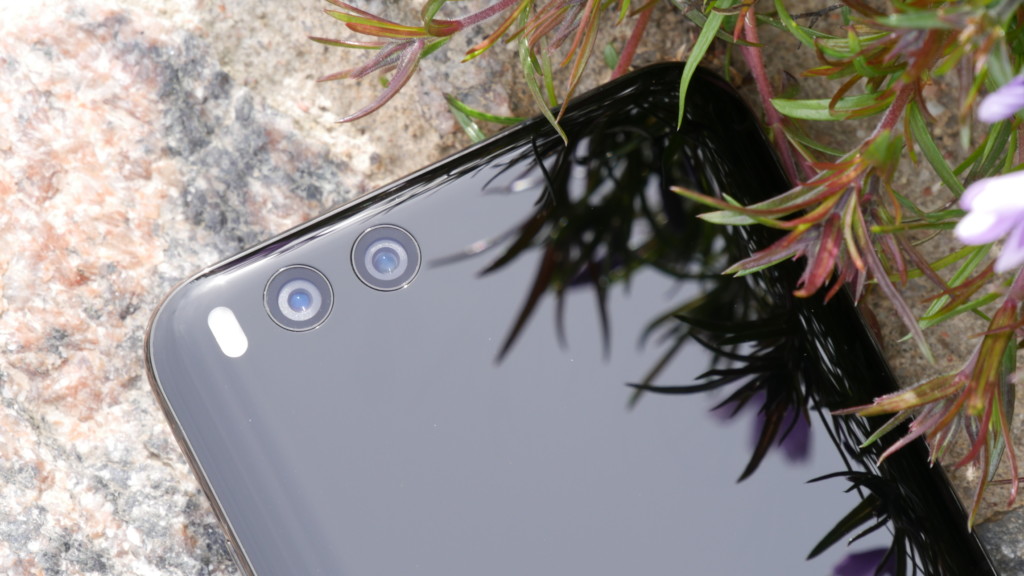
One of the key selling points of the Mi 6 is the dual camera setup that consists of a 12MP shooter with a wide-angle lens and another 12MP sensor with the telephoto lens that gives 2 times zoom and the ability to take beautiful portrait photos with bokeh effect. The main camera has a bright f/1.8 aperture lens, 4-axis OIS, and dual tone dual-LED flash.
As far as hardware goes, the Xiaomi Mi 6 is one of the most powerful smartphones the money can buy. It ships with the latest and greatest Snapdragon 835 chip, 6GB of RAM and 64GB or 128GB of internal storage, which is, however, not expandable.
If you are familiar with the Zenfone series you should be used to the multiple variants for each model. I remember the Zenfone 5 and Zenfone 2 which I owned, had multiple variants. Some of the differences were actually just limited to the chip and clockspeed. I think it’ll be interesting to find out who makes more variants between Xiaomi and ASUS.
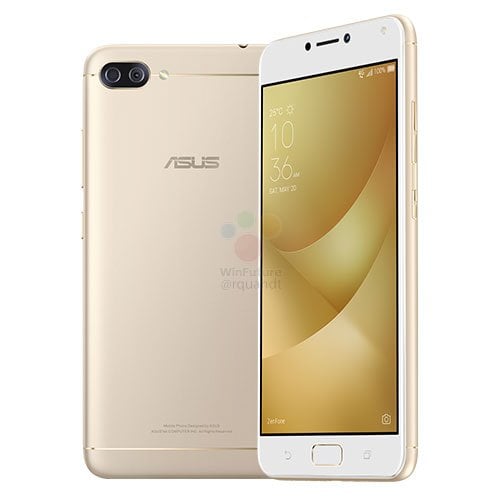
The Zenfone 4 Max (ZC554KL) was the first of the Zenfone 4 series to be announced. It comes with a 5.5-inch FHD display, dual rear cameras, a Snapdragon 430 processor and a whooping 5000mAh battery.
A new leak has revealed that won’t be the only device with the Zenfone 4 Max name. Another one with model number ZC520KL will be released soon and it packs entirely different specs.
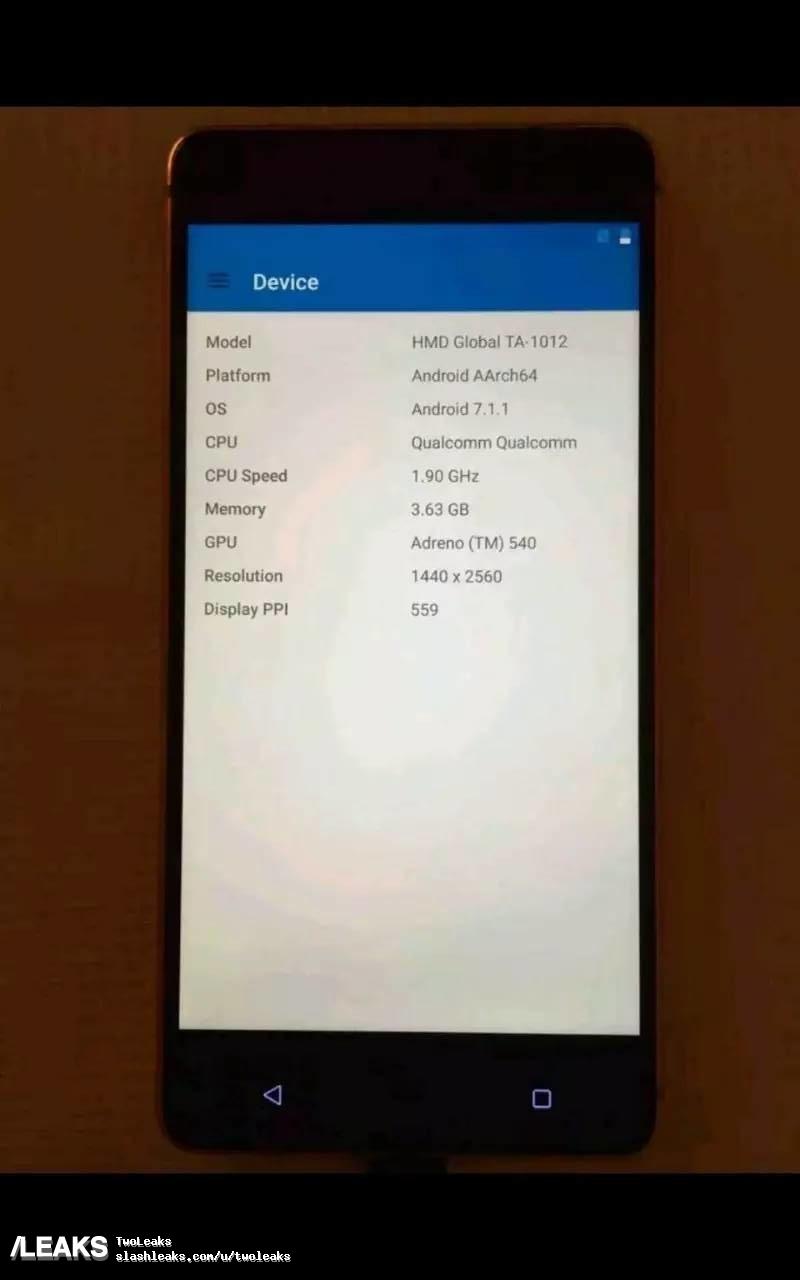
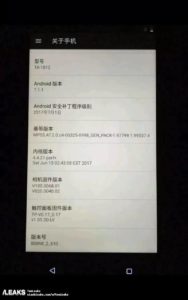
A new set of images of the expected Nokia 8 flagship has popped up online once again. The images are said to have appeared on China’s social media app WeChat and even though they look quite blurry, they no doubt bear semblance with the leaked photo of the upcoming flagship that we have seen thus far, including the one Nokia showcased in a video celebrating the International Cat Day. Apart from the looks, we also get further confirmation of the Nokia 8 key specifications.
Some of the photos show a couple of the device’s specifications as well as the interface and wallpaper. The device is revealed as having the model number TA-1012 which is one of the Nokia 8’s model number which was revealed when it hit AnTuTu recently. Other model numbers such as TA-1004, TA-1012, and TA-1052 are all also associated with the Nokia flagship.
The leaked photos also confirm the presence of a Snapdragon 835 chip, 4GB RAM and QHD display as among the features of the phone. While the display size wasn’t revealed, earlier rumour tips the Nokia 8 as coming with a 5.3-inch display while the photo gives the pixels-per-inch as 559. The Nokia 8 will come with Android 7.1.1 providing the interface.
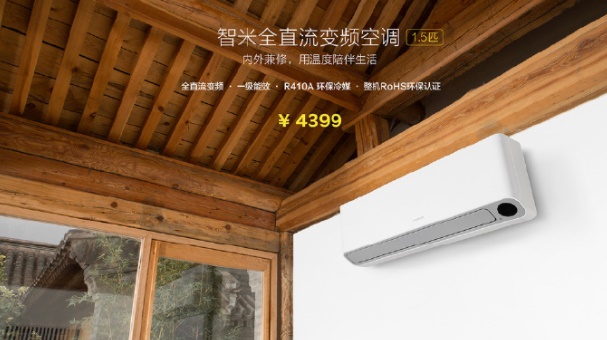
Zhumi, the makers of the Mi Air Purifiers, today unveiled its first air conditioner, the Smartmi DC Inverter Air Conditioner.
The air conditioner has a white simplistic design that is curved at the corners. The vent is beneath the unit and there is a circular display flanking it on the left. You may be wondering if that is the best spot for it. You don’t have to worry as the base of the air conditioner is inclined forward, so the display is actually directed towards your eyes.
The Smartmi Air Conditioner has a power rating of 1.5HP. It has a refrigerating capacity of 3500W, a heating capacity of 4500W and an air volume of 700m³/h.
The Smartmi DC Inverter air Conditioner consists of a DC inverter compressor supplied by Hitachi, a low-noise but power-efficient NIDEC DC motor, and a cross-flow fan motor and axial-fan motor supplied by Panasonic.
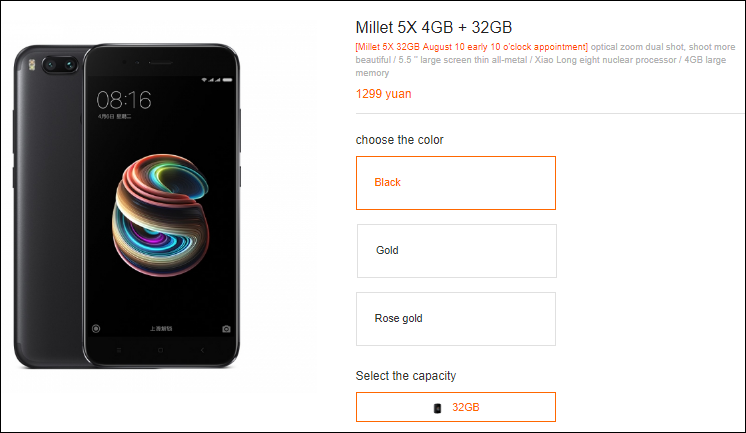
Xiaomi has released a new and cheaper storage version of the Mi 5X. The new version comes with 4GB RAM which is standard on the other version but this new variant has just 32GB storage on board. The new variant will go on sale as from August 14 but reservation opened today on Mi Mall. The new Xiaomi Mi 5X 32GB makes the price of the cheap mid-range even cheaper, coming in at 1299 Yuan (~$195).
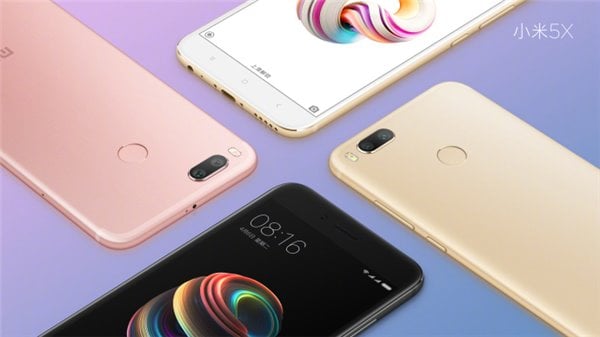
The new variant is coming out as part of Xiaomi 618 promotion which runs from August 10 to August 18 and offers nice discounts on all its product range. The variant has probably come to stay but Xiaomi may have just delayed the release until now as a marketing strategy to get attention. The variant is also available in Black, Gold and Rose Gold colours just as the 64GB version and apart from the storage capacity, it shares all other features with the recently launched 64GB version. For the avoidance of doubt, the 4GB + 64GB variant is priced at 1,499 Yuan ($220).
As a reminder, the Xiaomi Mi 5X features a 5.5-inch 1080p display and has 4GB RAM and 64GB storage onboard. Perhaps, the main highlight of the device is the dual cameras it packs at the rear which is said to be the same configuration with the flagship Mi 6, that is a 12MP main sensor paired with a 12MP telephoto lens. The official camera samples show the camera will be nearly as sharp as the Mi 6. The device also comes as the first Xiaomi device to run MIUI 9 ut-of-the-box and keeping the lights on is a 3,080mAh battery.
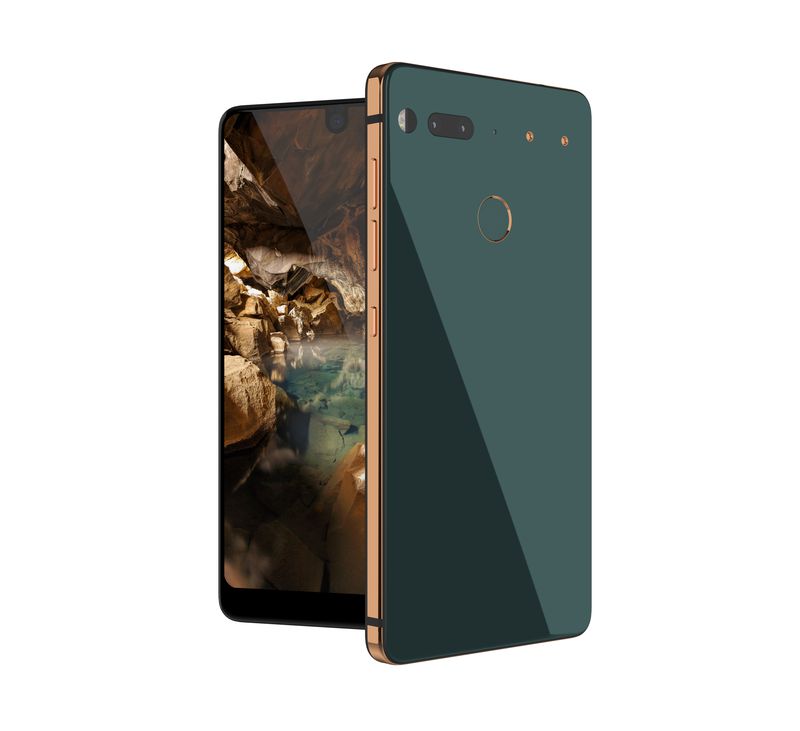
The shipment of pre-order Essential Phone units were expected to begin on June 30. However, Andy Rubin’s company, Essential Products failed to begin the shipments in July. On July 21, the official Twitter handle of Essential revealed a vague confirmation that the Essential Phone would be releasing in “a few weeks.” Its release seems to be drawing near as it has got listed on Best Buy earlier in this week. Amazon will be also selling the Essential Phone and Sprint will be the only carrier selling the Essential Phone in the U.S. Still, the company is silent on its release date.
Earlier in this month, Rubin confirmed that the mass production of the Essential Phone has already started. He added that the company is prepping the release of the smartphone to retailers and service providers across the U.S. Essential Products has confirmed that its investors have pumped $330 million to the company. Some of the well-known investors that invested in Essential Products like Foxconn, Alexa Fund from Amazon and Tecent Holdings from China.
Niccolo De Masi, the president of Essential Products has confirmed to the Wall Street Journal that the company will be announcing the Essential Phone release date in about a week. In the beginning year, the Essential Phone will be selling in single digit millions and its distribution will be also limited. In Canada, the smartphone will be available through the U.S. Telus Corp. The Essential Phone will be sold unlocked through Essential.com, Best Buy and Amazon. The unlocked Essential Phone will be usable on any carrier network. The company will be announcing international carrier relationships later this year.
He has said that the U.S. release of the Essential Phone will happen in a few weeks. As mentioned above, Rubin has also said in the previous month that Essential Phone would be arriving in a few weeks. This indicates that the Essential Phone will be hitting the market at a time when popular smartphone brands will be releasing be highly anticipated flagship phones in the coming weeks.
The ASUS Zenfone Selfie was released in 2015 and came with a 13MP front facing camera. Two years later, it will be getting a successor and doubling the number of front cameras. Thanks to leaker, Roland Quandt we now have the specification details and a bunch of high quality images of the Zenfone 4 Selfie.
The Zenfone 4 Selfie will be available in two variants: there will be a standard edition and a high end version with the Pro Suffix.
Zenfone 4 Selfie
The Zenfone 4 Selfie will come with a 5.5-inch IPS screen with a 1280 x 720 resolution. It will be powered by the quad-core Snapdragon 430 mobile platform clocked at 1.4GHz. Just like Xiaomi’s Redmi 4X Prime, the Zenfone 4 Selfie will have 4GB of RAM and 64GB of storage.
The device will use capacitive buttons with a fingerprint scanner embedded beneath the home button. Power button and volume rocker are on the right and the SIM and microSD card tray sits on the left.
The standard variant gets the dual front camera treatment. One of the cameras is a 20MP sensor and the other is an 8MP sensor. No details have been provided about how they will work, though we presume the smaller sensor will capture depth of field information.
The front cameras are positioned at each end and also have a dedicated LED flash. The rear camera on the device is a 16MP sensor and maintains the square design of the Zenfone 3.
The Zenfone 4 Selfie will have two SIM slots and a dedicated microSD card slot like the Zenfone 4 Max. The Zenfone 4 Selfie weighs 144 grams and is 7.85 mm thick with the non-removable 3000mAh battery.
Price for the Zenfone 4 Selfie is €299.99 (~$352).
[envira-gallery id=”144400″]
Zenfone 4 Selfie Pro
The Zenfone 4 Selfie Pro looks a bit like the standard variant but packs a lot more features. The display is 5.5-inches too but is AMOLED and has a FHD resolution.
The front cameras, a 24MP sensor and a 5MP secondary camera are positioned on the right while the LED flash is on the left. At the bottom of the display are capacitive buttons, with the home button doubling as a fingerprint scanner. The rear camera is also 16MP but it may be a different sensor from that of the standard variant.
The Zenfone 4 Selfie Pro has 4GB of RAM and 64GB of expandable storage. It is powered by the old but manufacturers’ favorite Snapdragon 625 mobile platform.
The rest of the specs are same as that of the standard variant. However it weighs less at 145g and less thick at 7mm. The ASUS Zenfone 4 Pro will sell for €399 (~$468).
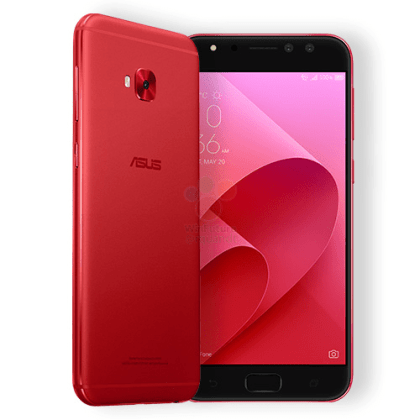
Below are images of the Zenfone 4 Selfie Pro in Red and Gold.
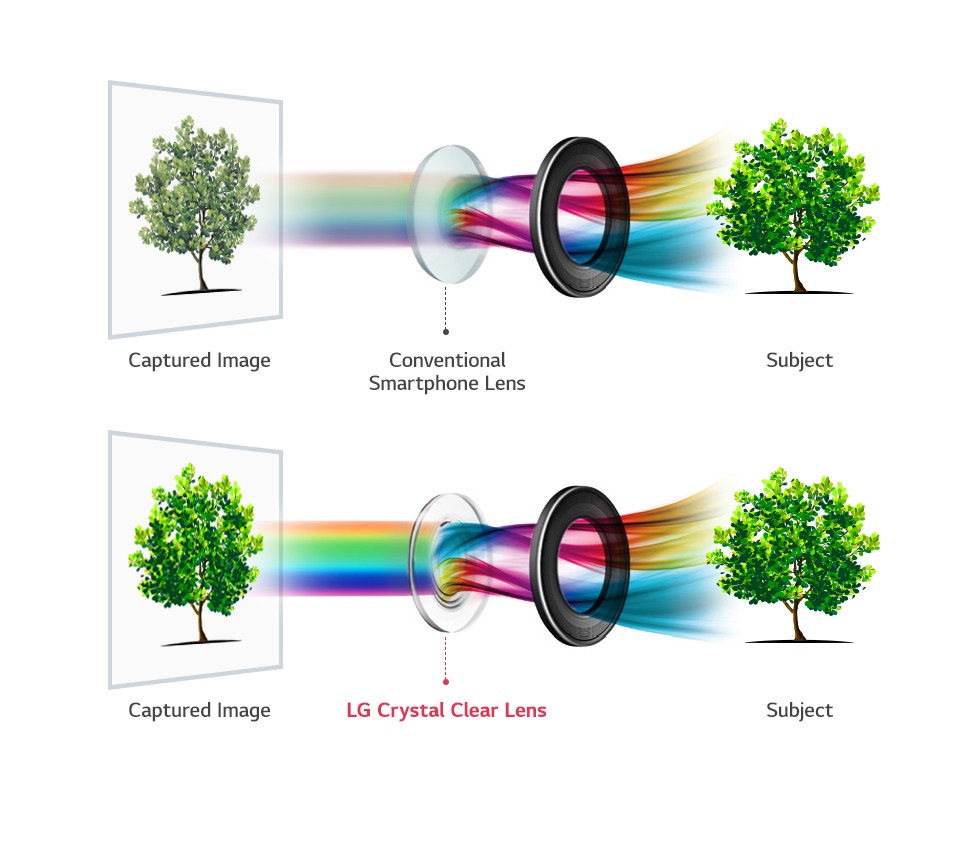
A report from the previous week has revealed that the LG V30 will be arriving with topnotch multimedia features. Also, it has been rumored that the LG V30 will be coming with an amazing dual rear camera and one of its camera sensors will be f/1.6 aperture. The South Korean company has now officially introduced a new camera lens with largest aperture ever that wil be arriving on the LG V30.
The Samsung Galaxy S8 and HTC U11 come with f/1.7 aperture camera sensors. The LG G6 has a f/1.8 aperture lens. According to LG, compared to f/1.8 aperture lens, a f/1.6 aperture can bring 25 percent more light to the camera lens. Also, it is equipped with features like laser detection autofocus, optical and electronic image stabilization. This makes the LG V30 a well-suited smartphone for shooting photos and videos.
The f/1.6 aperture lens is coupled with Crystal Clear Lens that will also assist in collecting more light compared to a plastic lens and support better color reproduction. In comparison to shooting wide-angle images on LG V20, the f/1.6 lens will reduce edge distortion by a third. This will make it possible to snap wide-angle groupies and expansive landscapes.
Also, the dual rear camera module arriving on the LG V30 will be 30 percent smaller than the one present on LG V20. The LG V30’s camera will be easier and convenient to use compared to the LG V30.
The LG V30’s camera is also rumored to come with DSLR-like features such as LG-Log for specific logging and Graphy for histogram features. It will be also equipped with Cine Video and Live Zoom effects.
LG has also confirmed through another press release that the LG V30 will be arriving with HD TouchSense technology from Immersion. The high-definition haptics, users will be able to feel as if they are touching real buttons on the display of a smartphone. While playing games like car race, gamers will be able to feel the G-forces applied while taking a turn at an S curve. Also, while watching movies, users will be able to enjoy percussion of an explosion.
The LG V30 is slated to get announced on Aug. 31 and its pre-orders are rumored to begin on Sept. 17 in the U.S. It is expected to be available in the market for buying for Sept. 28.
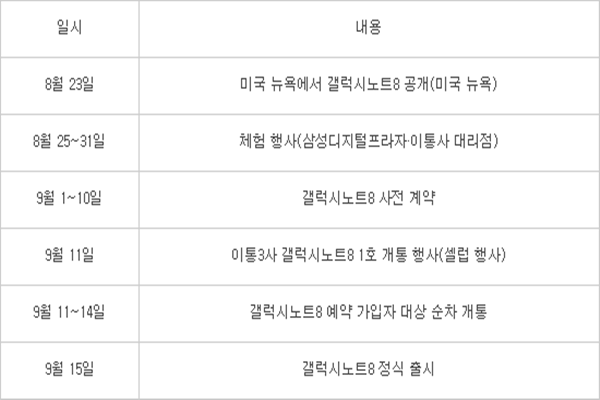
Samsung had already confirmed in the previous month that it will be holding a launch event on Aug. 23. The Galaxy Note 8 will be unveiled at the upcoming unveil event. Latest information that has surfaced on a South Korean online publication has revealed the entire pre-order and release schedule of the highly anticipated Samsung phablet.
The above image reveals the official release roadmap for the Note 8. It states that the Galaxy Note 8 launch event will be held on Aug. 23 in New York. In South Korea, interested customers will be get hands-on experience of the Galaxy Note 8 between Aug. 23 to 31 through Samsung Digital Plaza and retail outlets of South Korean cellular operators selling the Note 8.
The Galaxy Note 8 will become available for pre-orders from Sept. 1 to 10. A celebrity event will be organized on Sept. 11 for the activation of the first Note 8 handset by the leading carriers of South Korea. The activation of pre-ordered units of Galaxy Note 8 will happen between Sept. 11 to 14. And, the Galaxy Note 8 will finally release in South Korea from Sept. 15.
The 10-day pre-sale period is one day shorter than that of Galaxy S8 in April, but the gradual activation period is one day longer. This will allow the South Korean company to prevent any issues related to Note 8 activation if one of its color variants gains more popularity than the color options.
Since the Galaxy Note 7 from last year met with a premature end because of its faulty battery, the upcoming Galaxy Note 8 will be the first Galaxy Note phablet in two years. The South Korean company is of the view that the Note 8 will meet huge demand and it is ready for it. A representative from the company said, “the company is fully ready, so there aren’t any setbacks regarding sales of the phone.”
During a recent press conference, Samsung had confirmed that South Korea, the U.S. and the U.K are the first batch of markets to receive the Galaxy Note 8 in September. Other regions are expected to get the Galaxy Note 8 in October. The entire specifications of the Galaxy Note 8 phablet has been already revealed by popular leakster, Evan Blass. It is expected to sell with a pricing of about 1,000 euros (~$1,170).
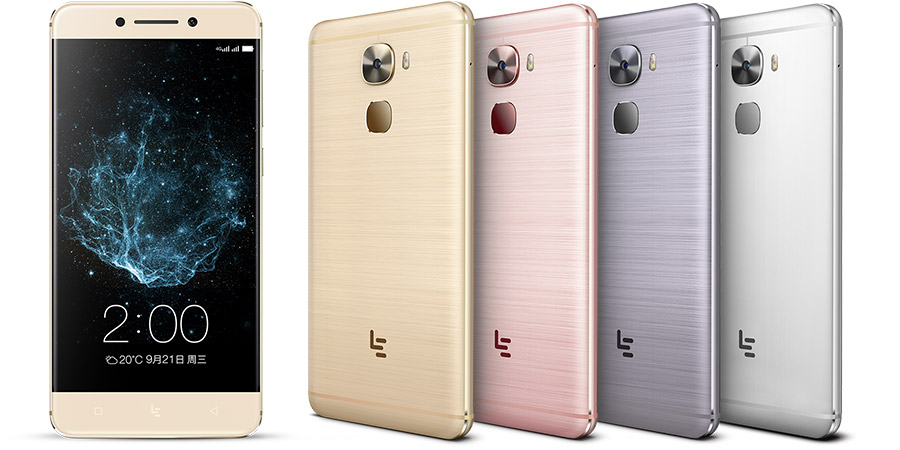
Just when we thought things couldn’t get any worse for embattled tech giant LeEco, the company’s financial troubles seem to be getting worse. LeEco has reportedly closed its only store in Russia’s capital Moscow and may be on the verge of exiting Russia entirely. With an eye firmly set on global expansion, LeEco had entered Russia around May last year as its third international market after the successful launch of its services in India and USA.
LeEco is known for well-designed phones with affordable price tags
LeEco planned to invest over USD 100 million in Russia and market its unique vertically-integrated ecosystem to Russian users with an all-new experience delivered through the Internet, smart devices, smart applications, and cloud. But that plan may have hit the rock as a source familiar with the matter claims LeEco may be preparing to leave Russia entirely. According to the source, the move for an early exit is caused by LeEco’s financial troubles which have made the company unable to service the loan it took last year in a bid to expand to newer markets.
Jia Yueting (Left) recently resigned as CEO & Chairman
LeEco’s financial imbroglio came to the limelight late last year when its CEO Jia Yueting sent an internal memo around hinting that the company was facing a cash crunch. The financial trouble is closely related to LeEco’s investment in U.S-based electric car manufacturing company Faraday for the Faraday Future electric car as well as other investments aimed at divesting into new markets. The expansion drive proved to be too rapid and it is on the verge of crumbling the once thriving business empire. A representative of LeEco has, however, disclosed that the closure of the Moscow store doesn’t mean the company is planning to exit the country but is instead trying to revamp its general business strategy. The company is reportedly developing a new strategy that would help improve the performance of its foreign operations, including its Russian concerns, a company exec had disclosed.
Sales in the Russian market have been far less than LeEo’s expectations. LeEco’s Russia arm had announced that it was planning to sell one million devices in Russia in 2017, but that isn’t possible anymore. The company only managed to rake in an estimated 19,400 units in sales during the first quarter of 2017 and an estimated 21,000 units in the second quarter. With such abysmal record, sales may not even get up to 100,000 units this year if indeed the company stays in Russia, especially as its major store in Russia’s capital has now been shut down. The company only sold 27,500 units in Q4 2016 so, don’t expect any better record this year. We do hope the company make a come back into the smartphone market sometime soon.
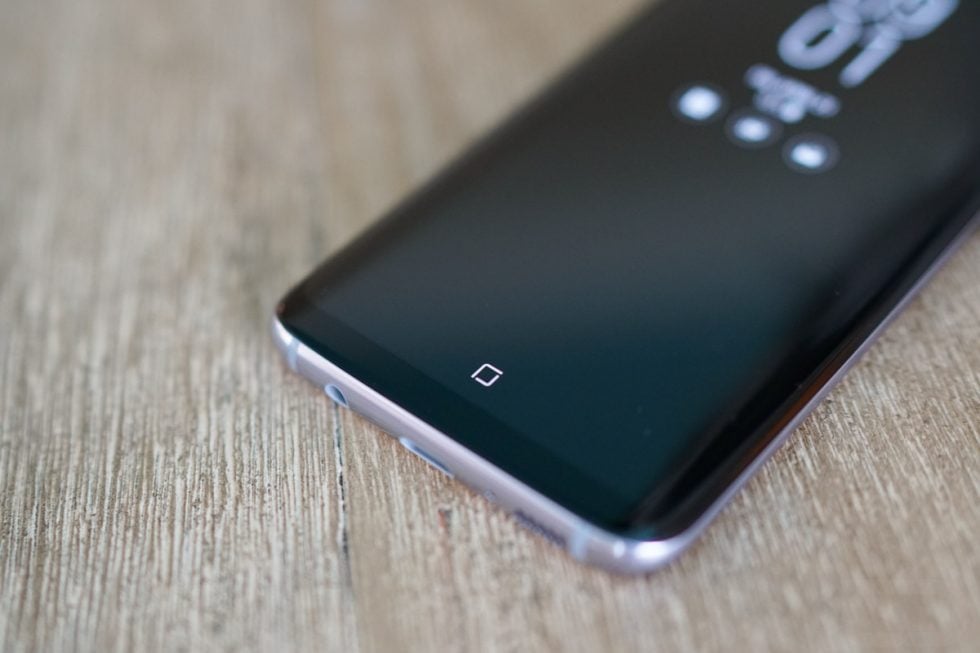
The Galaxy S8 and Galaxy S8+ does not feature a pressure sensitive display, but they carry limited support for it in the portion where the pressure sensitive virtual Home button is located. Earlier rumors had suggested that Samsung would be introducing pressure-sensitive screen on the upcoming Galaxy Note 8. Fresh information revealed by the South Korean media reveals that the Note 8 will be coming with a pressure-sensitive “force touch” screen that will allow the display to respond in a different way according to pressure applied by the user.
Apple had introduced pressure-sensitive display on Apple Watch in 2014 and in 2015, the feature was brought to the iPhone 6S and iPhone 6S Plus smartphones. The feature was introduced as 3D Touch by Apple. The Galaxy S8 duo has the feature only in the Home button. The new information coming from South Korean media only claims that force touch will be available on Note 8, meaning that it does not clearly mention whether its entire screen will be a pressure-sensitive one or it will come with a force touch Home button. The latter seems to be possible since the Note 8 will be also lacking a Home button. However, it would be even better if the massive 6.3-inch display of the Note 8 responds differently to different pressures of taps and presses.
The report also reveals that instead of just using the feature for navigation, the Galaxy Note 8 will allow users to access hidden menus that will let users to open shortcuts and other features. This may result in the mainstream adoption of force touch on Android devices. The Huawei Mate S from 2015 was the first Android smartphone to adopt the feature, but it only allowed users to carry simple tasks like zooming on images present in the gallery.
Samsung is slated to debut the Galaxy Note 8 on Aug. 23 in New York and it is expected to release on Sept. 15 in South Korea. It is expected to be available on pre-orders between Sept. 1 to 10. It will be driven by Snapdragon 835 or Exynos 8895 depending on the market it releases. It will feature a dual rear camera and will be packed with a 3,300mAh battery.
The Galaxy Note 8 will be coming as a successor for the ill-fated Galaxy Note 7 that was re-launched as Galaxy Note Fan Edition in July. Samsung had released it in limited edition of 400,000 units to ensure that it sells out before the Galaxy Note 8 makes its debut.
Gizmochina along with Leagoo is conducting a Legaoo Kiicaa Mix phone as Giveaway gift to one of our lucky readers. Like always, you just have to follow the steps mentioned on the Gleam widget to get a chance to win this amazing phone.
How to entry this giveaway? Just follow these steps via Gleam widget:
Visit Leagoo’s Facebook and Twitter, follow them;
Share this article to your Facebook, Twitter, Google+ or other social media;
Terms & Conditions:
1. The giveaway is an international giveaway.
2. We are not responsible for lost shipments.
3. We are not responsible for any duties, import taxes that you may incur.
4. We reserve all rights to make any changes to this giveaway.
5. The prize will be shipped in a week when the giveaway end.
Just follow the steps mentioned in the Gleam widget to participate in the giveaway.
So far this year, Lenovo has launched ten smartphones. However, all those phones were released under the Motorola brand name. Today, it has taken the wraps of its own Lenovo branded phone, the K8 Note.
Lenovo K8 Note Design
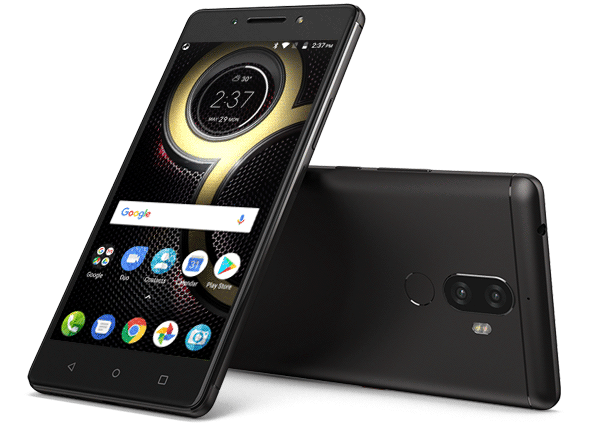
The K8 Note employs a mixture of polycarbonate and metal for its body which is not unusual for a mid-range phone. The metal back (and frame) is of premium quality and has two thin antenna lines that appear like silver bands adorning the phone. Lenovo has adopted a vertical setup for the dual rear cameras and the housing is slightly raised from the rest of the body.
Up front, the K8 Note doesn’t hide its huge top and bottom bezels, though they appear less imposing on the black variant. There are capacitive buttons gracing the lower bezel; and a camera, earpiece and LED flash adorning the top.
The power button sits on the right just like the volume rocker but has a textured feel to let you distinguish one from the other. On the left side is a programmable music key that is painted red on both color variants and has a Play and Pause symbol inscribed on it.
Lenovo K8 Note Cameras
Like the newly announced Moto G5S Plus, the K8 Note comes with dual rear cameras. The configuration is a 13MP PureCel® Plus sensor paired with a 5MP secondary sensor that captures depth information. This allows for real-time bokeh effects and SLR-quality portrait images. The front facing camera is a 13MP sensor with a beautification mode and a dedicated LED flash for night-time selfies.
Lenovo K8 Note Specs
The K8 Note is the first smartphone to come with the Helio X23 processor. The deca-core chipset was announced in December 2016 along with the Helio X27 as successors to the Helio X20 and Helio X25. Eight months later it appears in its first phone. The tri-cluster chip is clocked at 2.3GHz and has a Mali-T880 GPU. Mediatek says it offers a 20% overall increase in performance.
The Lenovo K8 Note has a 5.5-inch display with a 1080p resolution and Gorilla Glass protection. It comes with either 3GB of RAM and 32GB ROM or 4GB of RAM and 64GB ROM. Both versions have dedicated microSD card slots for up to 128GB of extra storage.
Just as Lenovo promised that its phones will henceforth come with stock Android, the Lenovo K8 Note is the first to do so. It runs Android 7.1.1 out of the box with Google Assistant. Lenovo also adds that the K8 Note is guaranteed to get updated to the next version of Android.
The K8 Note has dual SIM slots with support for 4G LTE (special emphasis on bands 3, 5, and 40 for the Indian market) and VoLTE. There is a fingerprint scanner below the dual cameras and a 4,000mAh battery with 15W turbo-charging. The 15W turbo charge isn’t the only leaf Lenovo has borrowed from its Motorola brand. The K8 Note also has a splash proof nano-coating.
Other features include dual band WiFi, Bluetooth 4.2, a 3.5mm audio jack at the top and a micro USB port at the bottom. There is also Dolby Atmos for improved audio quality, and TheatreMax for an immersive experience when watching videos with a pair of VR glasses.
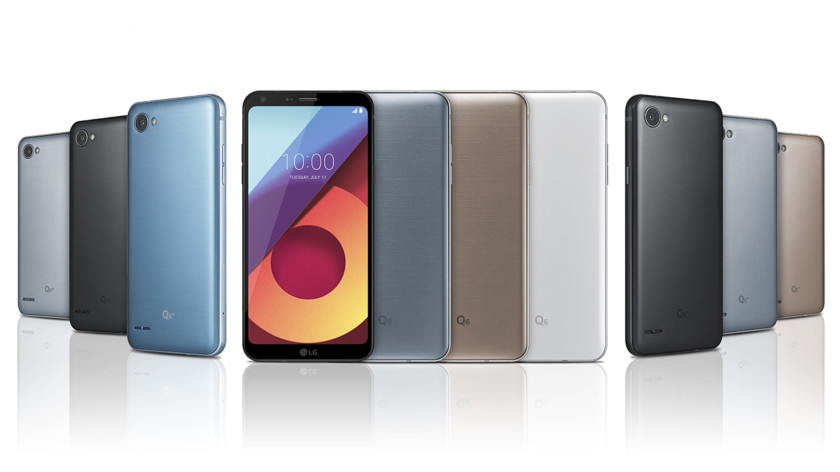
The LG Q6 can be said to be the mid-range version of the LG G6 released earlier this year. One thing both phones have in common is the 18:9 Full-Vision display. The Q6 was first released in South Korea last month, and as part of its global roll-out, was launched in India today.
The LG Q6 will be an Amazon India exclusive and will sell for INR 14,990 (∼$235). It packs a 5.5-inch 1080 x 2160 display in a compact body, has a Snapdragon 435 processor clocked at 1.4 GHz, and 3GB of RAM. Storage is 32GB and is expandable via a dedicated microSD card slot (2TB max.).
For optics, there is a 13MP rear camera and a 5MP wide-angle front facing camera. It runs Android Nougat 7.1.1, has dual SIM slot (nano only) and packs a 3000mAh battery. The LG Q6 is available in Astro Black and Platinum Ice.
We use cookies on our website to give you the most relevant experience by remembering your preferences and repeat visits. By clicking “Accept”, you consent to the use of ALL the cookies.
This website uses cookies to improve your experience while you navigate through the website. Out of these, the cookies that are categorized as necessary are stored on your browser as they are essential for the working of basic functionalities of the website. We also use third-party cookies that help us analyze and understand how you use this website. These cookies will be stored in your browser only with your consent. You also have the option to opt-out of these cookies. But opting out of some of these cookies may affect your browsing experience.
Necessary cookies are absolutely essential for the website to function properly. This category only includes cookies that ensures basic functionalities and security features of the website. These cookies do not store any personal information.
Any cookies that may not be particularly necessary for the website to function and is used specifically to collect user personal data via analytics, ads, other embedded contents are termed as non-necessary cookies. It is mandatory to procure user consent prior to running these cookies on your website.