LeEco made the Le S3 X522 smartphone available to the public back in November 2016 and nearly two years after hitting the store shelves, the phone continues to be well-liked. The phone’s popularity can be attributed to the impressive array of features and top-end specs it offers without carrying a steep price tag.
Much to the delight of smartphone lovers who aren’t willing to spend a lot of money on a smartphone, the feature-laden Le S3 X522 smartphone has gone up for sale carrying a discounted price on CooliCool. Aside from shedding light on this discount, we’ll show how you can save extra money during the check out process.
Thanks to the aforesaid discount, you can now get your hands on the LeTV Le S3 X522 smartphone at a dropped price of just $94.99. This is a noteworthy 57% reduction in the phone’s original asking price of $219.99.
You can extend this discount by applying coupon code LE522 before proceeding to checkout. This coupon helps you save an additional $5 and bring your already lowered grand further down to just $89.99. The LeEco Le S3 X522 is quite an irresistible smartphone at this price, given that it sports a 5.5 inches FHD display with a screen resolution of 1080×1920 pixels. Moreover, the phone is housed in a sturdy aluminum metal body which is augmented which a 2.5D curved glass screen.
The phone packs a Qualcomm Snapdragon 652 processor along with Adreno 510 graphics processing unit, under the hood. It comes with 3GB of RAM and offers non-expandable 32GB of onboard storage to store your photos, videos, and other favorite content.
On the photography front, the Le S3 X522 houses a 16.0MP camera with dual-LED and AF on the back. Up front, there’s an 8.0MP camera with an f2.2 aperture for selfies and face-to-face video chatting.
Furthermore, this LeEco branded smartphone runs on Android 6.0 Marshmallow operating system and is backed by a built-in 3000mAh battery. On top of that, the phone is crammed with useful sensors including a proximity sensor, accelerometer, compass, ambient light, gyro, fingerprint, and hall effect.
You can head straight to this link to check out the rest of the specification and avail the discount before the promo comes to an end. Note that the above-mentioned coupon is also likely to expire soon.
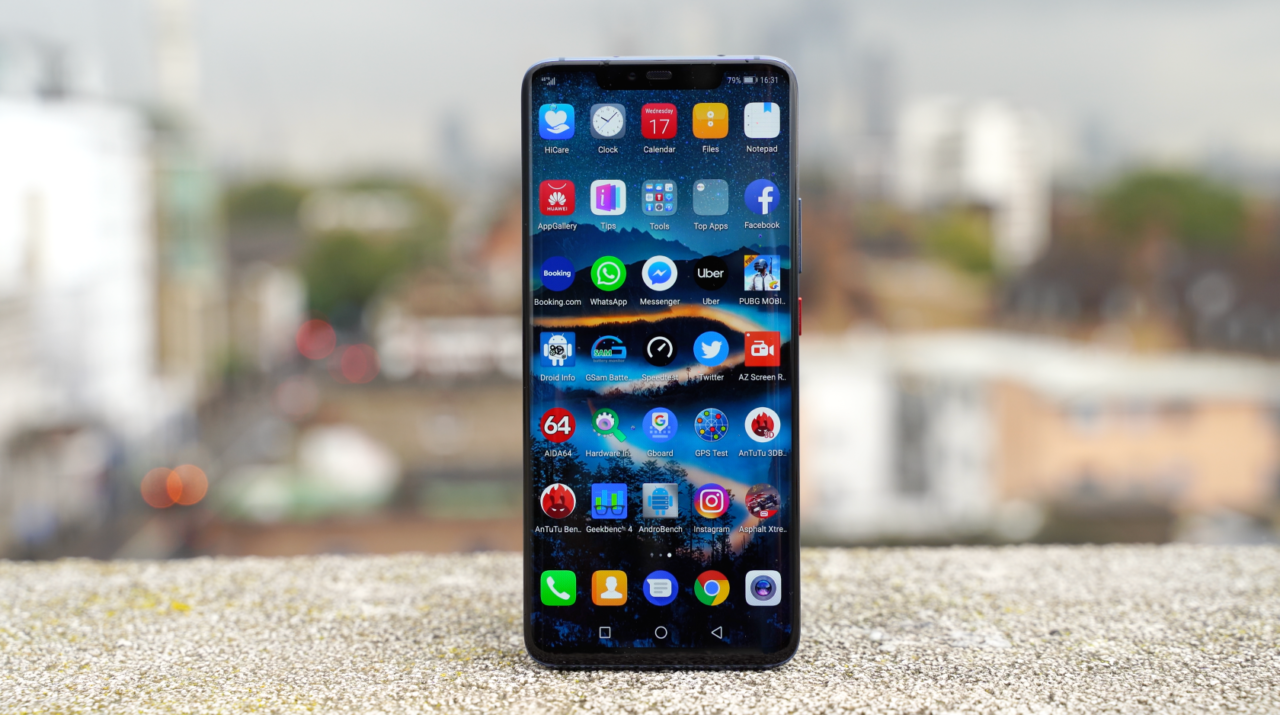
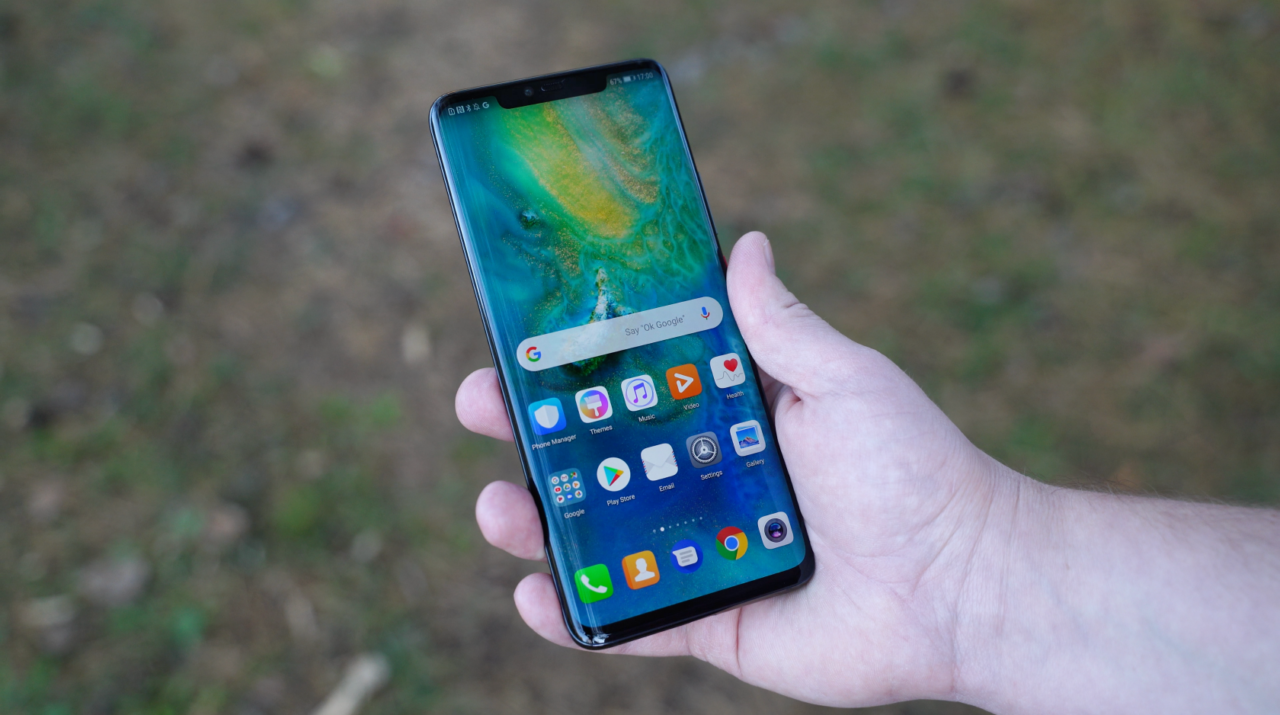
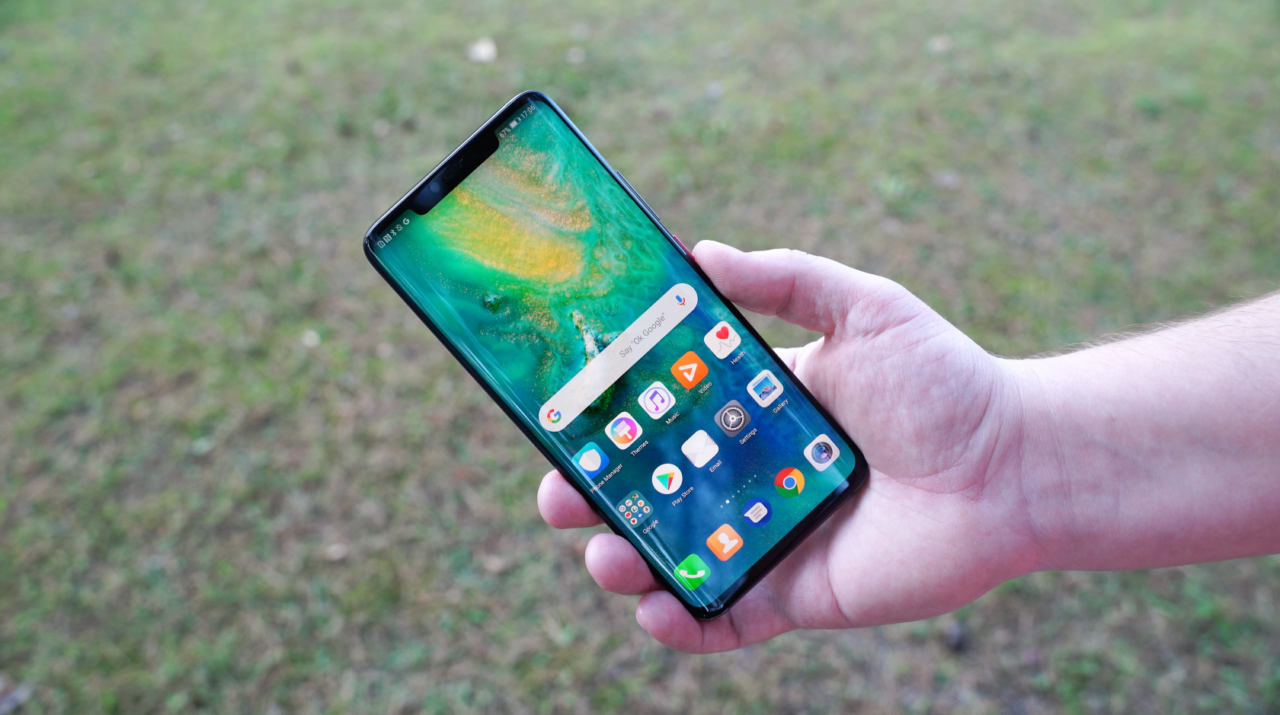
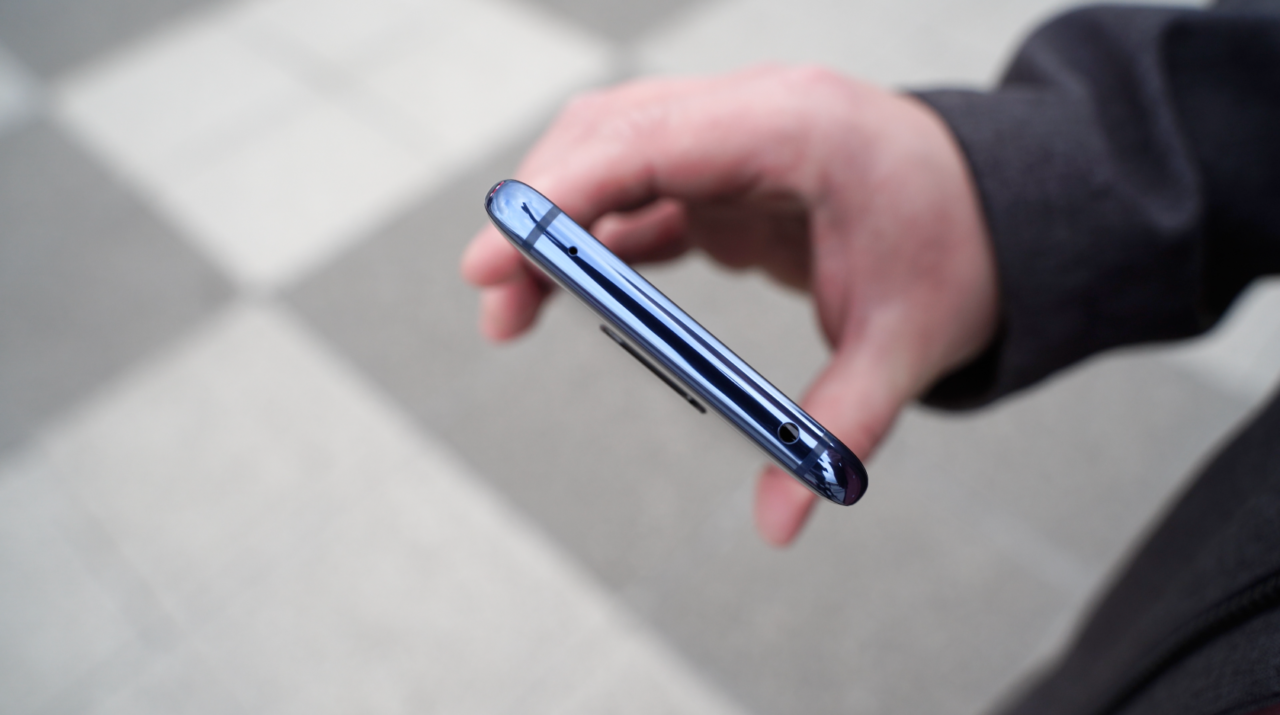
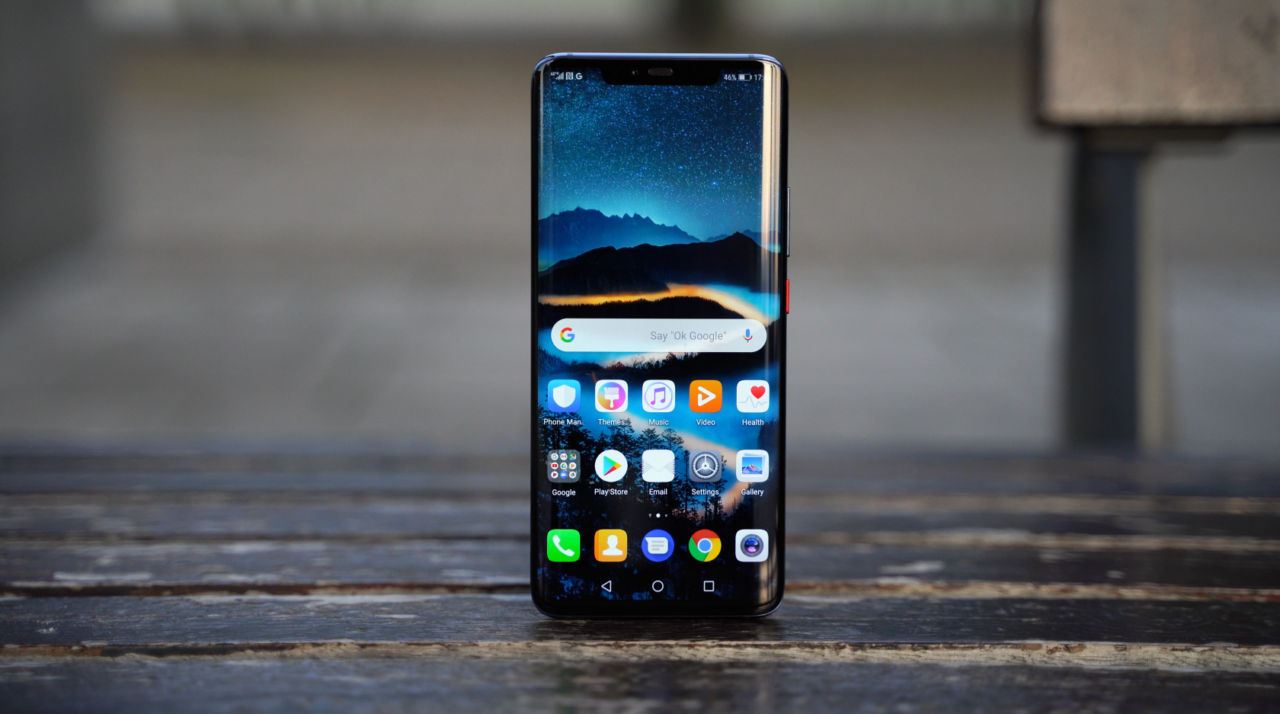
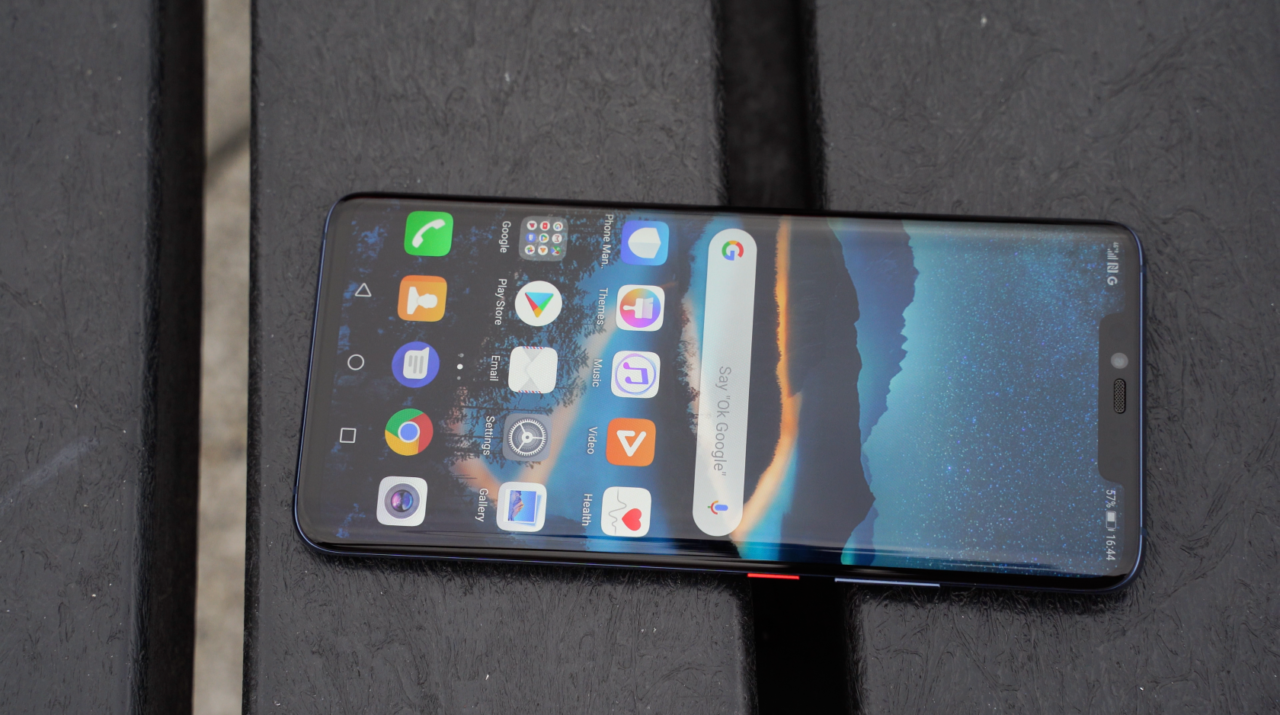
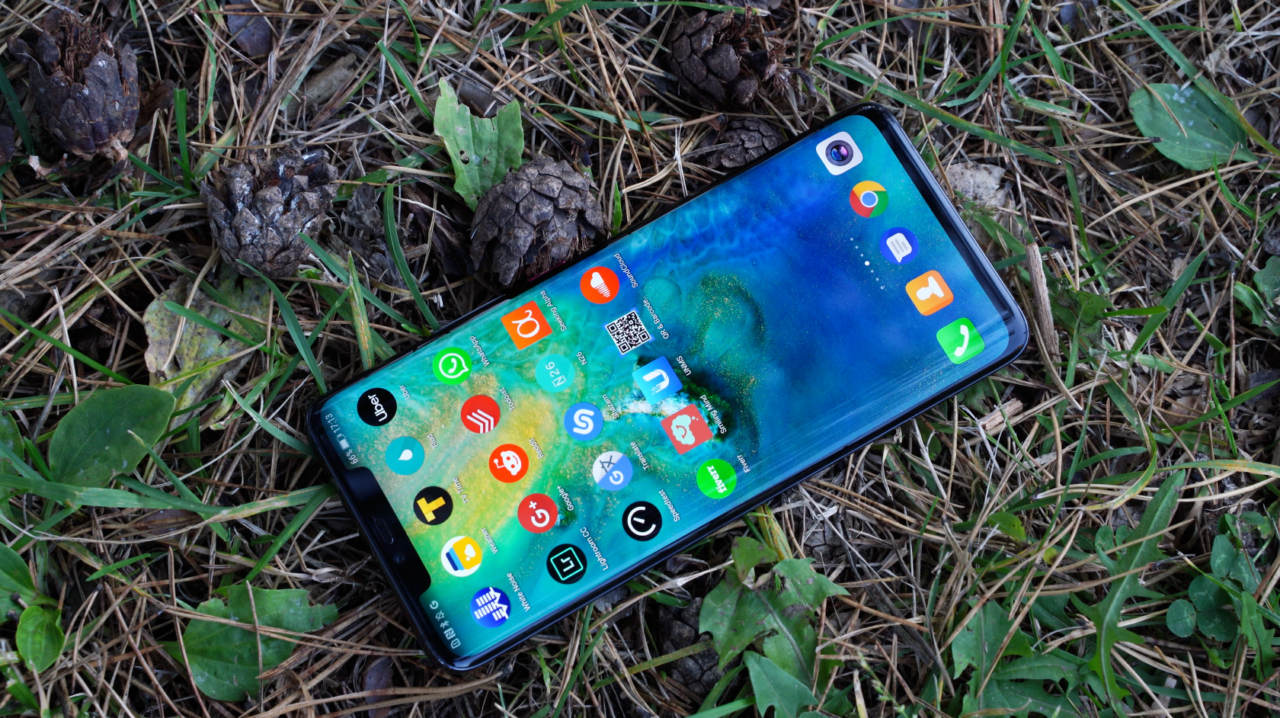
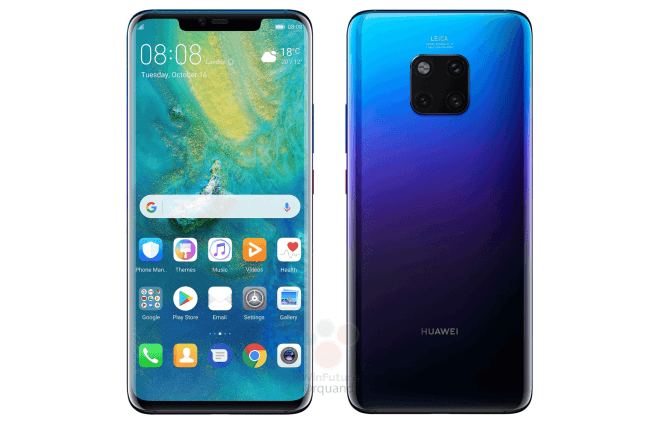
After numerous leaks and rumors, the new Mate series devices are finally official. The company officially launched the Mate 20, Mate 20 Pro, Mate 20 X and the 20 RS. We have spent more than 24 hours with the Mate 20 Pro and so far we are really impressed.
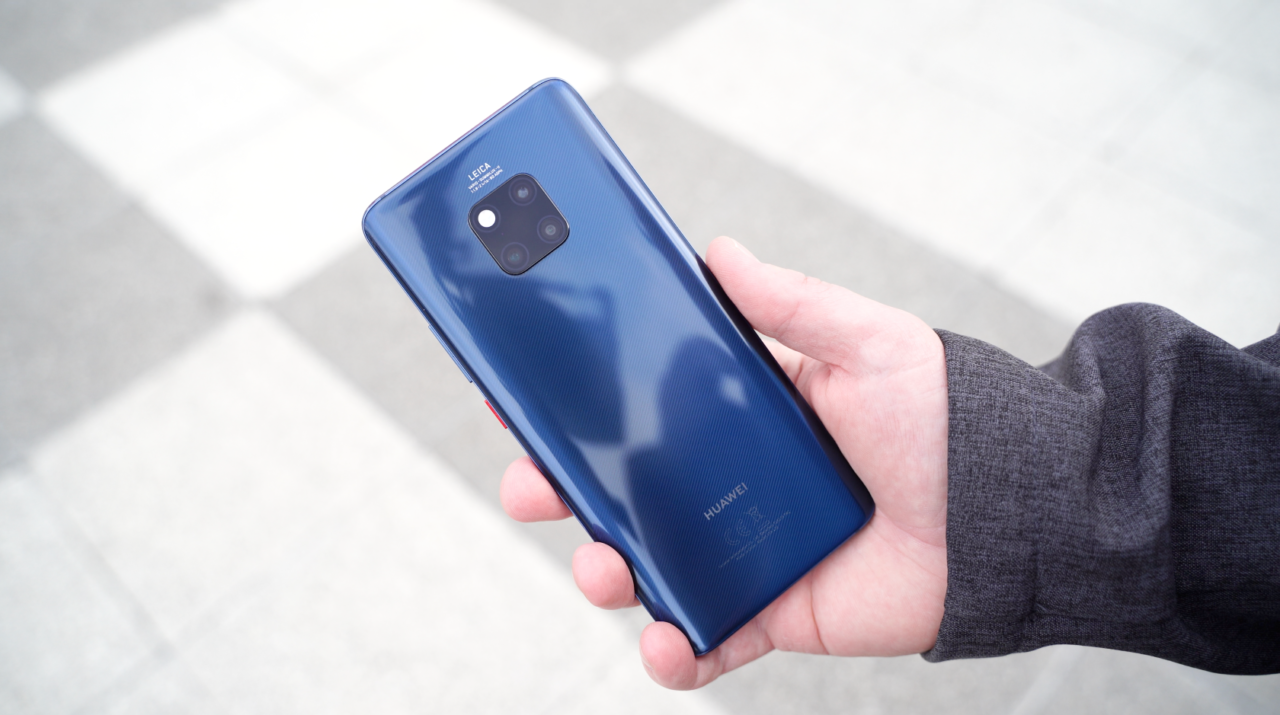
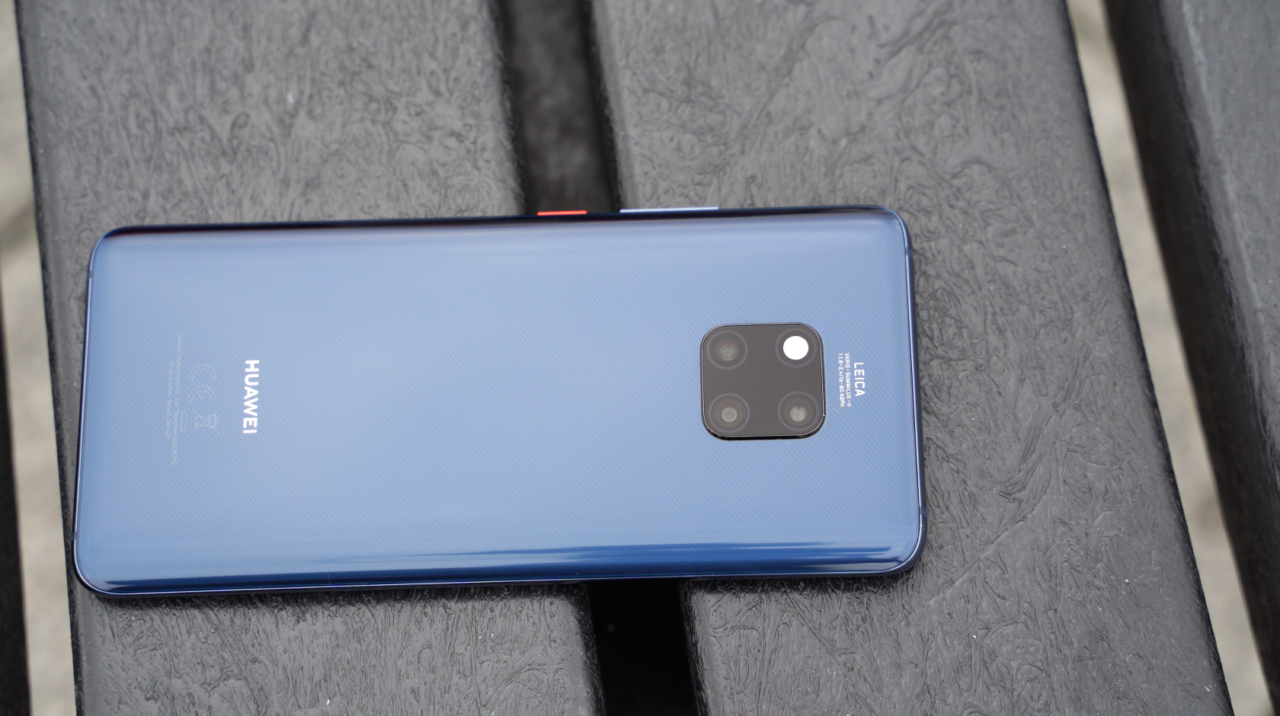
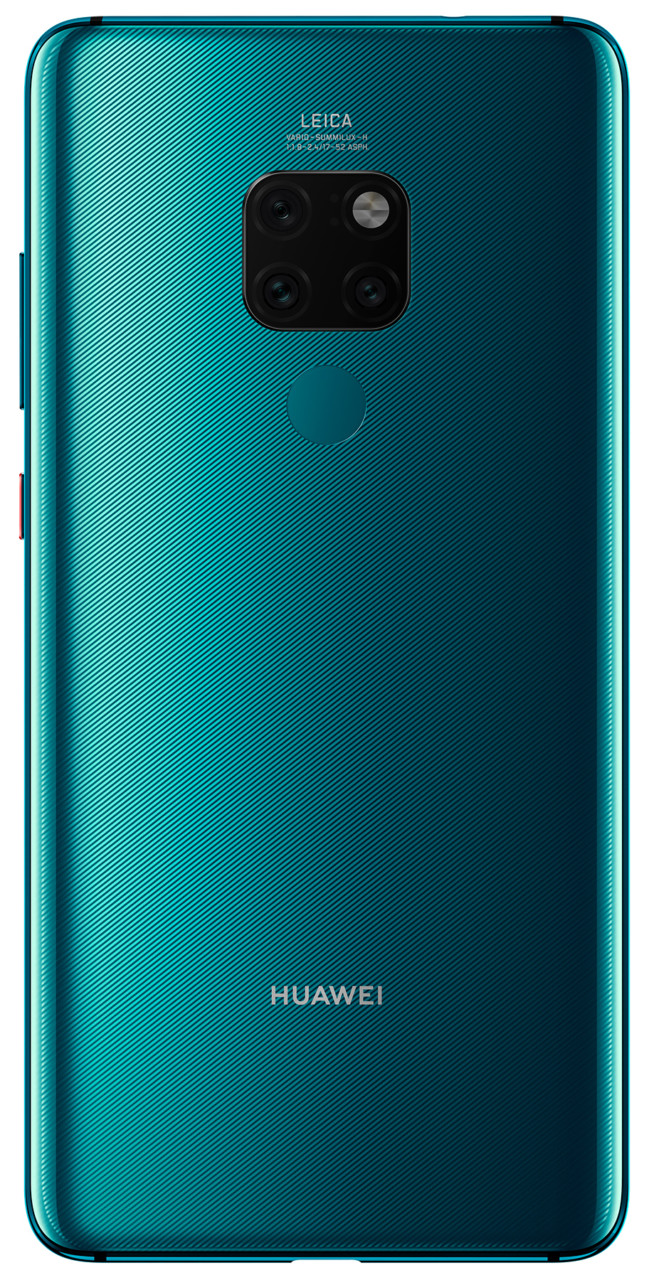
The phone comes in Emerald Green, Pink Gold, Black, Twilight and Midnight Blue color options. I have the latter one.
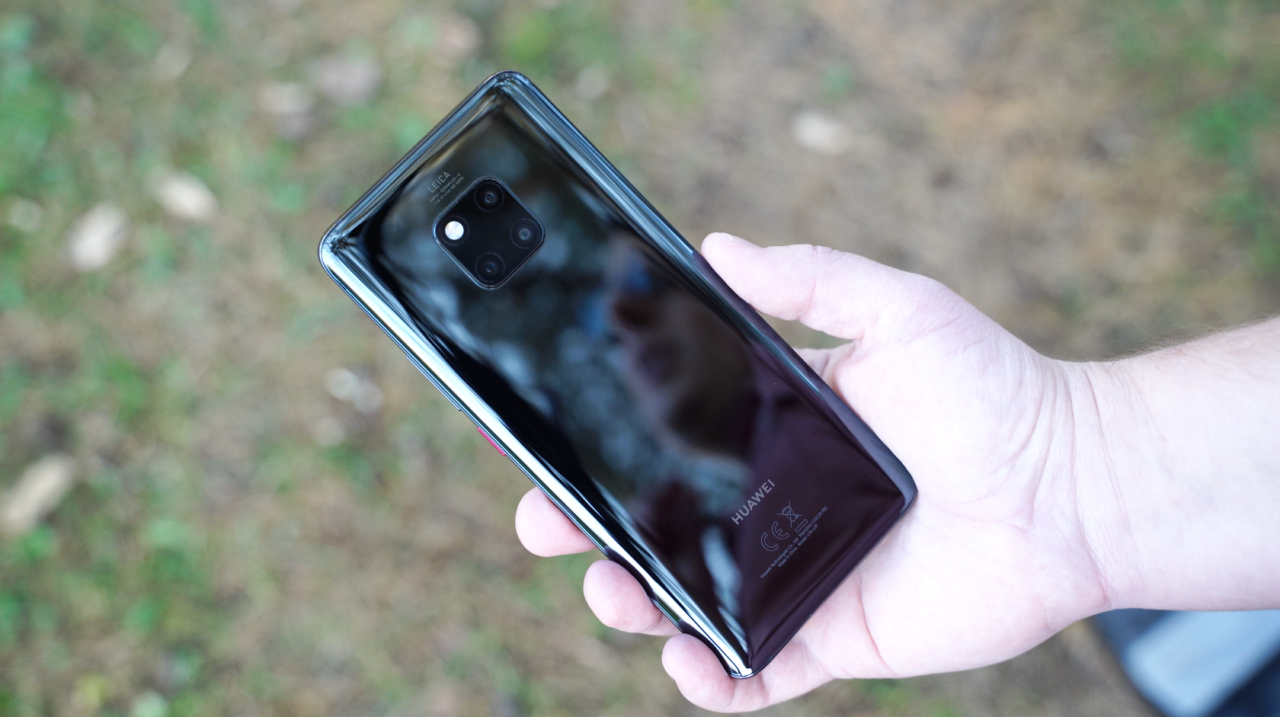
Even though I wanted to test out the Twilight color, the blue one looks just gorgeous. I also had a chance to check out the black color option that looks nice and clean.
The Mate 20 Pro is a true powerhouse as it ships with the latest Kirin 980 chipset, 6GB of RAM and 128GB of storage which is expandable via Nano Memory – the new type of memory cards introduced by Huawei.
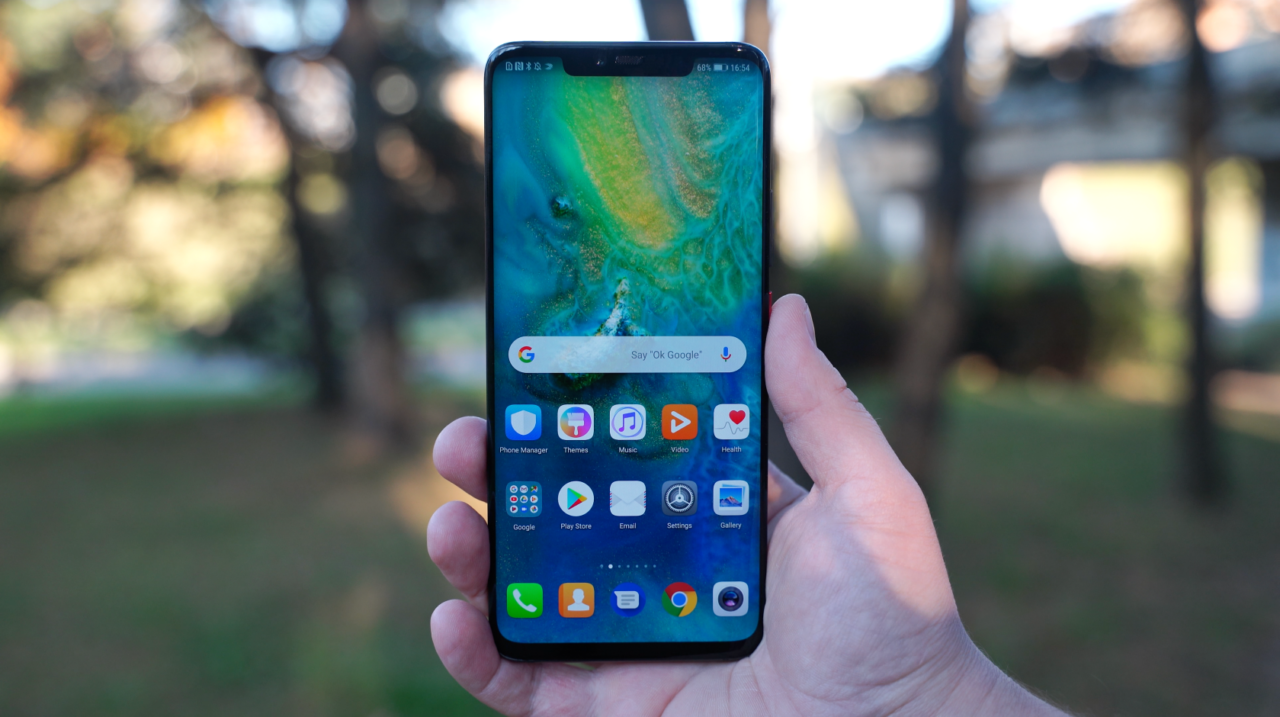
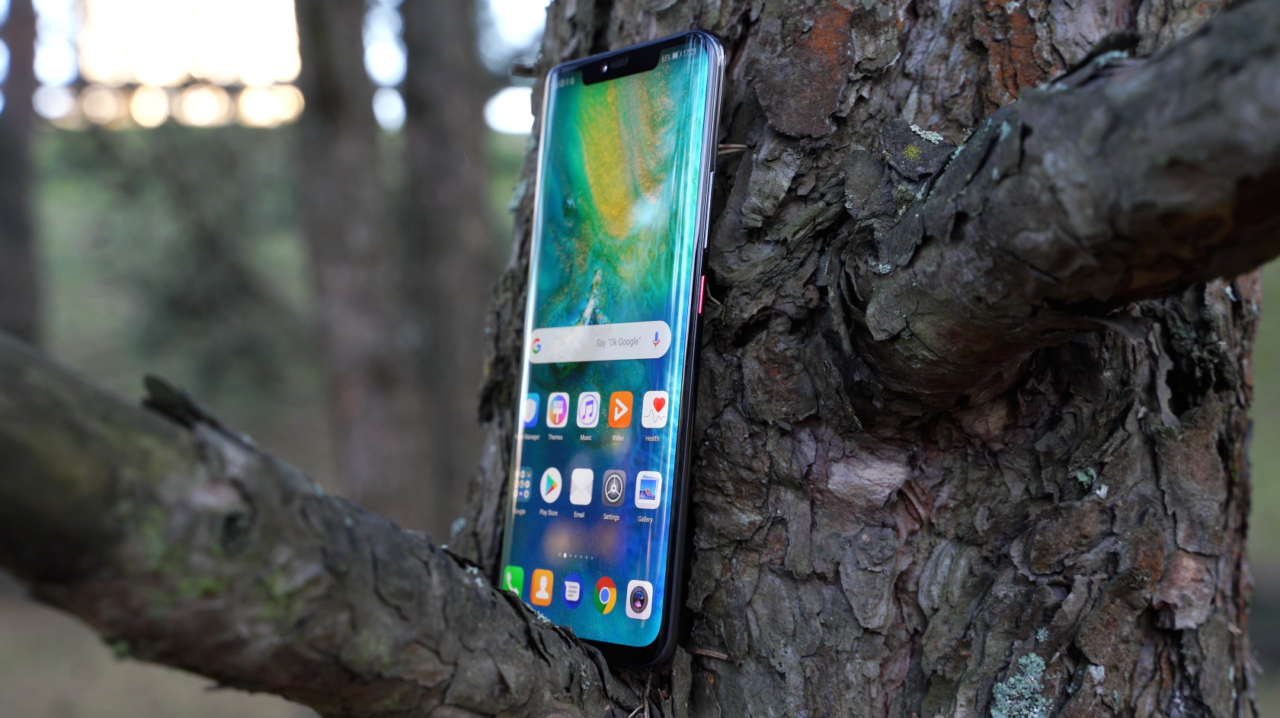
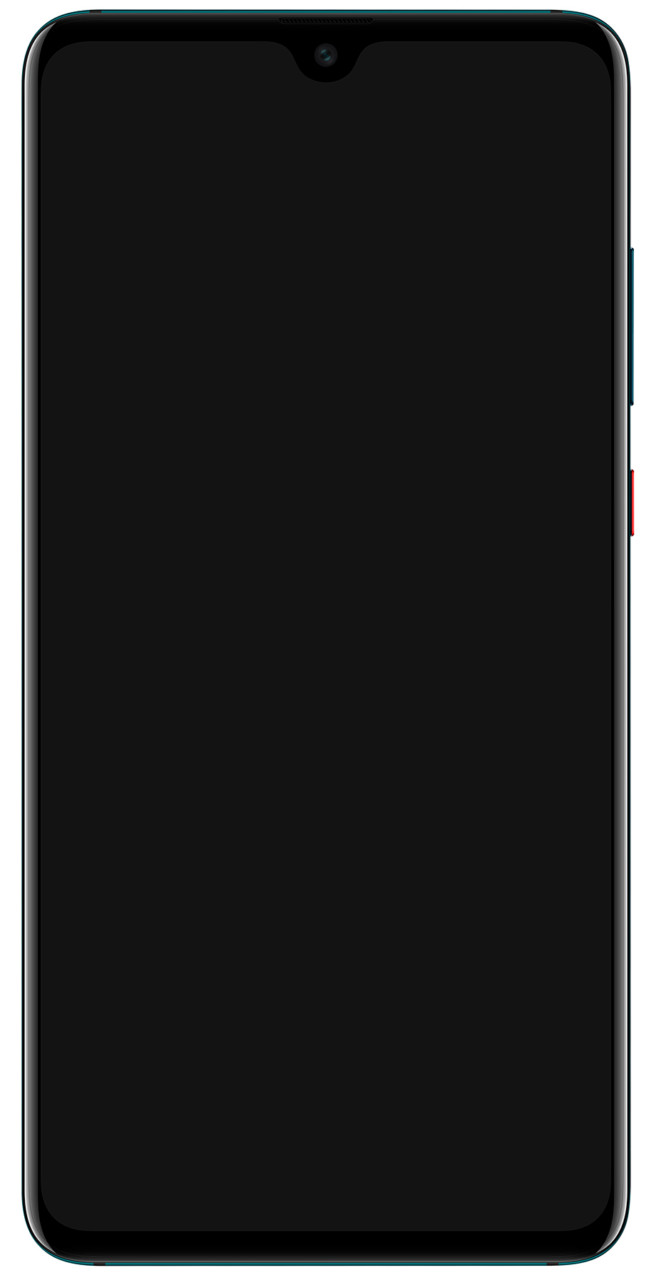
At first glance, the Mate 20 Pro is yet another flagship phone that has a familiar design – glass on the front and rear, a metal frame and a display with the notch.
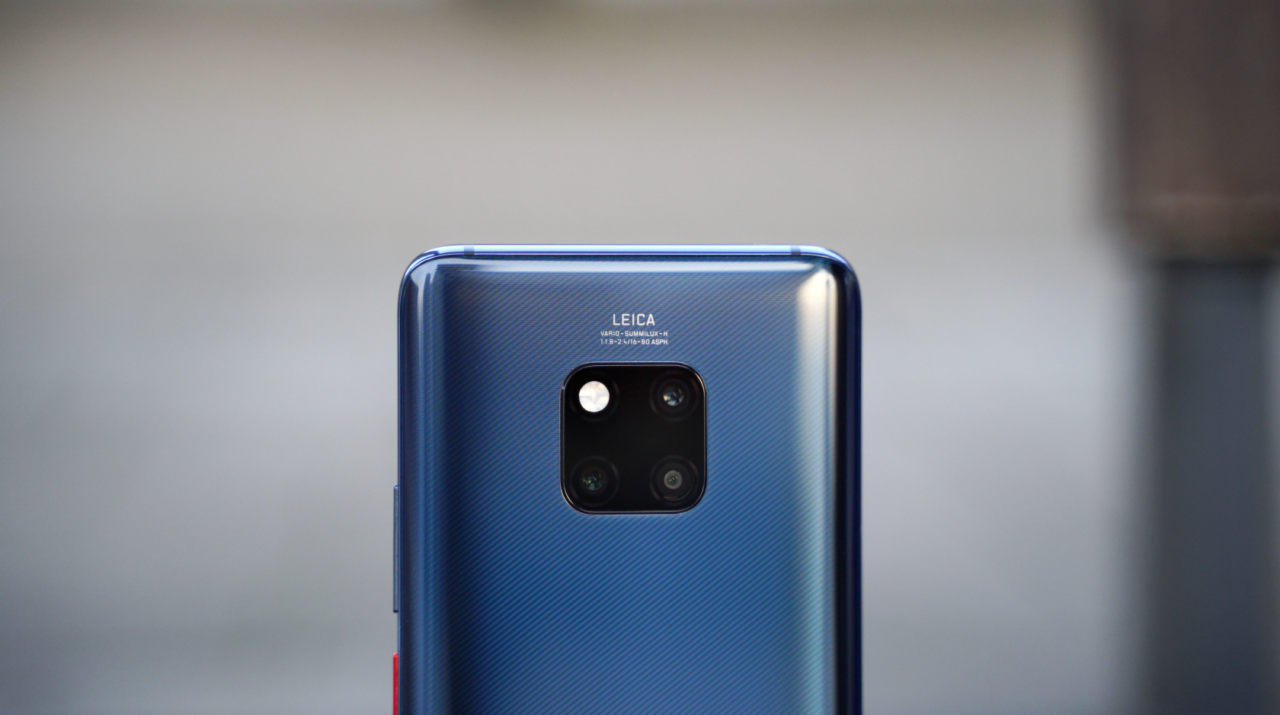
However, this is one of the most innovative phones of 2018 since it packs a lot of features we haven’t seen on other devices. First of all, the backplate uses Hyper Optical Pattern design which is said to be more durable, easy to grip and fingerprint resistant. In practice, it’s really nice to the touch and it indeed attracts fewer fingerprints than conventional glass.
The 6.39″ HDR OLED display is super sharp and vibrant thanks to 1440 x 3120px resolution (539ppi). One of the highlights of the phone – in-display fingerprint scanner. It takes a bit more time to set it up but it works flawlessly. It may be just a tad slower to unlock the phone but it works 10/10 times. In addition, Huawei improved the face recognition feature and it is now called 3D Face Unlock. I can see a massive improvement over the P20 Pro in terms of speed and accuracy. Also, this feature works well in low light.
On the back, you can find an upgraded Leica camera setup that now consists of 40MP f/1.8 + 8MP f/2.4 OIS telephoto (80mm) + 20MP f/2.2 ultra-wide (16mm) lenses.
We took a few pictures in a typical London’s cloudy weather and so far we’ve been really impressed by the level of detail, colors and dynamic range. Furthermore, the wide-angle camera gives you a whole new perspective of the scene.
Moreover, 4K video quality has improved dramatically over the P20 Pro. It is now super smooth and stable thanks to the hybrid stabilization system (OIS + EIS).
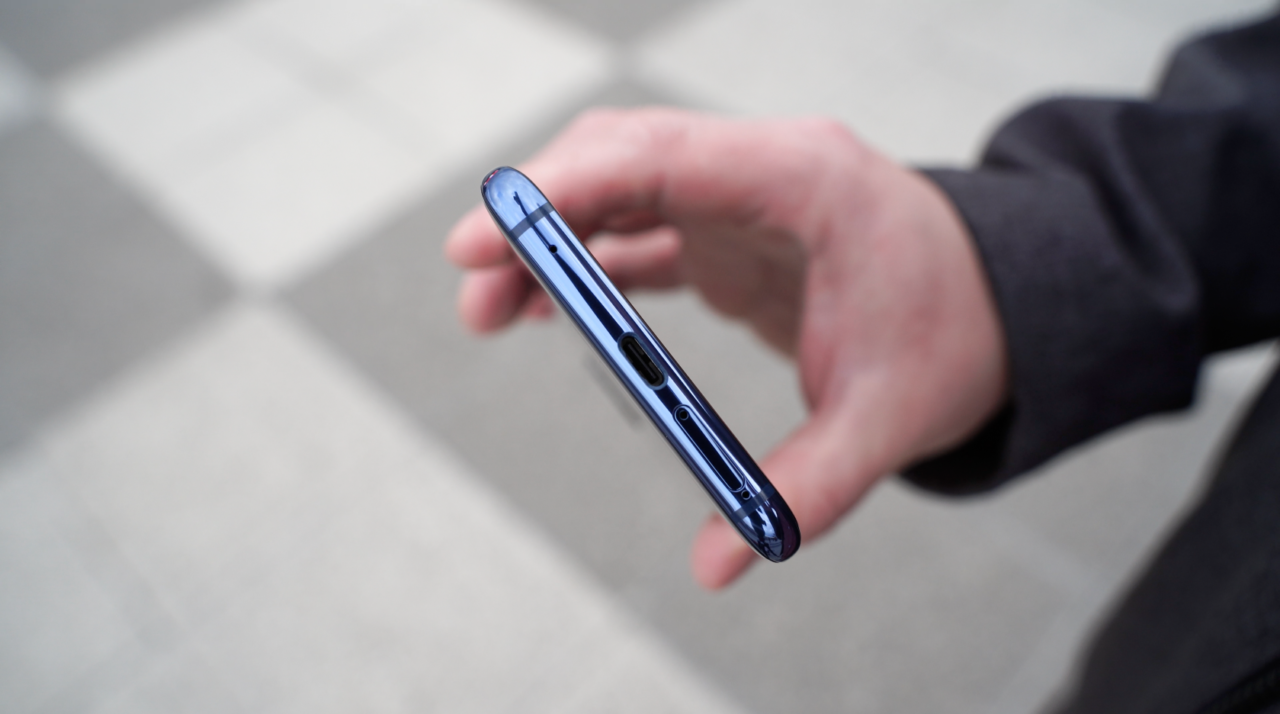
Other key features of the P20 Pro: the phone has a dual stereo speakers system. What’s interesting is that the bottom firing speaker is implemented in the USB-C port. This has never been done before and so far we’ve been impressed with the sound quality.
The phone also has a beefy 24MP selfie shooter, LED notification light and IR blaster. In addition, the Mate 20 Pro is IP68-certified for water and dust resistance.
So far the phone has been performing really well. It’s really fast and snappy thanks to the latest Android 9 that has EMUI 9.0.
Besides all the features and customization options, the user interface has a new control system that gets rid of the navigation bar and it is based on swipes. We will cover this in detail in our full review.
The Mate 20 Pro has a massive 4200mAh battery that has been performing extremely well. For example, I’ve used the phone for the entire day here in London and I still have over 50% left in the tank. Really impressive performance. What’s even more impressive is that the Huawei introduced a super fast 40W charging tech that allows you to charge the phone’s battery up to 70% in just 30 mins.
In addition, the Mate 20 Pro supports a fast wireless charging (15w). Further, the phone can charge other devices wirelessly which is a truly innovative feature. The Mate 20 Pro also offers ultra-fast 4.5G network speeds, excellent signal reception, super fast Wifi, and dual-frequency GPS.
So far we have been really impressed with this phone. It looks and feels great, the display is nice and we had no issues with outdoor visibility, the Mate 20 Pro is really fast and snappy, the camera takes brilliant pictures in any light, all the connectivity options work fine and battery life has been superb.
The HUAWEI Mate 20 Pro (6GB + 128GB configuration) will have a MSRP of EUR1049from 16th October, 2018.
Even though this is a pretty expensive smartphone, it brings a lot of innovative features and it offers a true flagship experience after using it for more than 30 hours. We will cover all the pros and cons of this device in our full review so make sure to stay tuned.
The Huawei also announced the Mate 20 which is a slimmed down version of the P20 Pro.
The device has a larger display but it uses a more conventional fingerprint reader that is implemented on the back of the device instead of in-display scanner found on the Mate 20 Pro.
Other differences: The Mate 20 is IP53-rated for dust and splash resistance (Mate 20 Pro is IP68-certified). The phone also has a slimmed down camera system: 12MP f/1.8 + 8MP f/2.4 telephoto (52mm) + 16MP f/2.2 ultra-wide (17mm) lens. Finally, the phone has a smaller battery (4000mAh) and slower charging speeds.
The Huawei Mate 20 (4GB + 128GB configuration) will have a MSRP of EUR799 and the HUAWEI Mate 20 (6GB + 128GB configuration) will have a MSRP of EUR849 from 16th October, 2018.
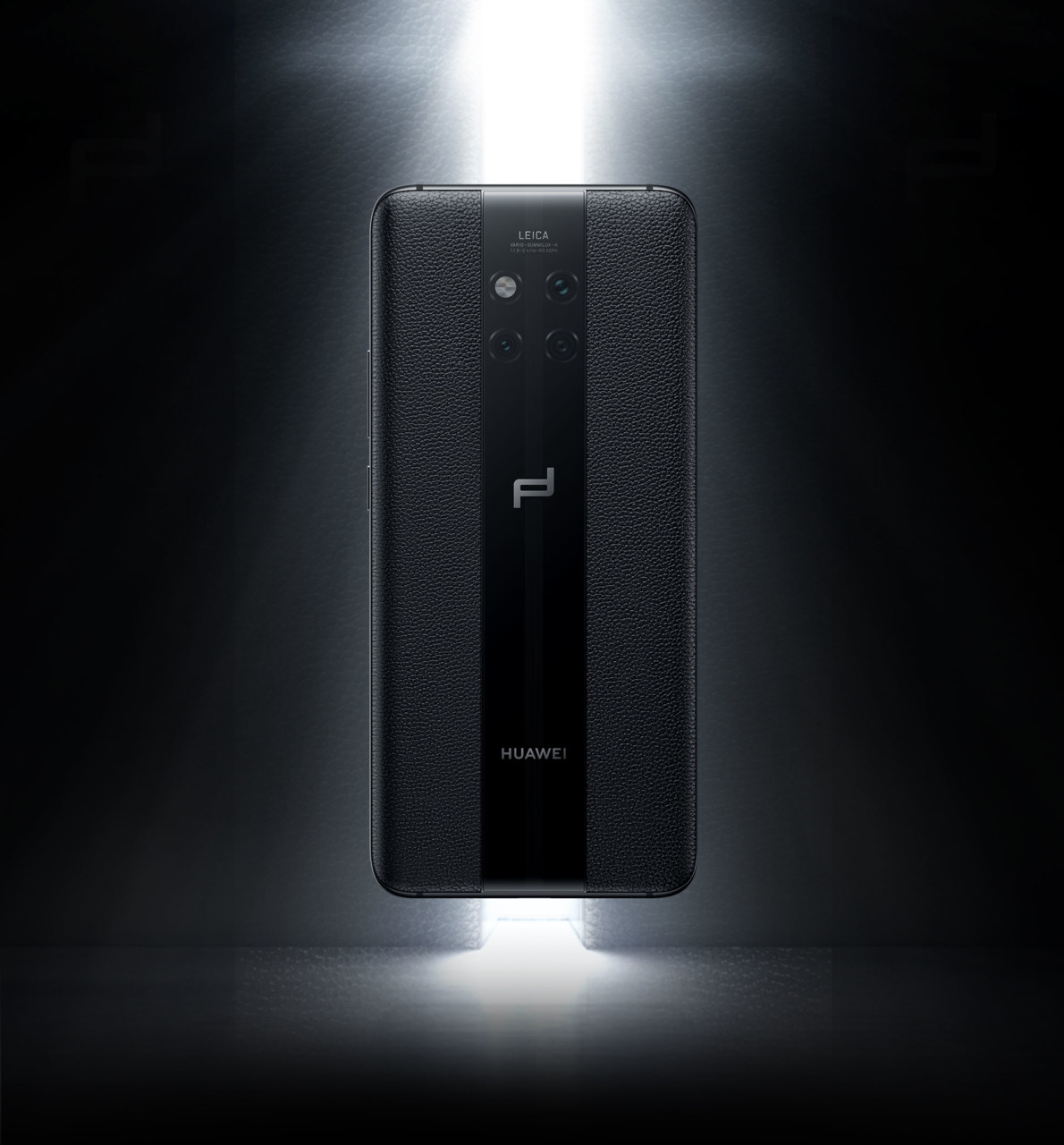
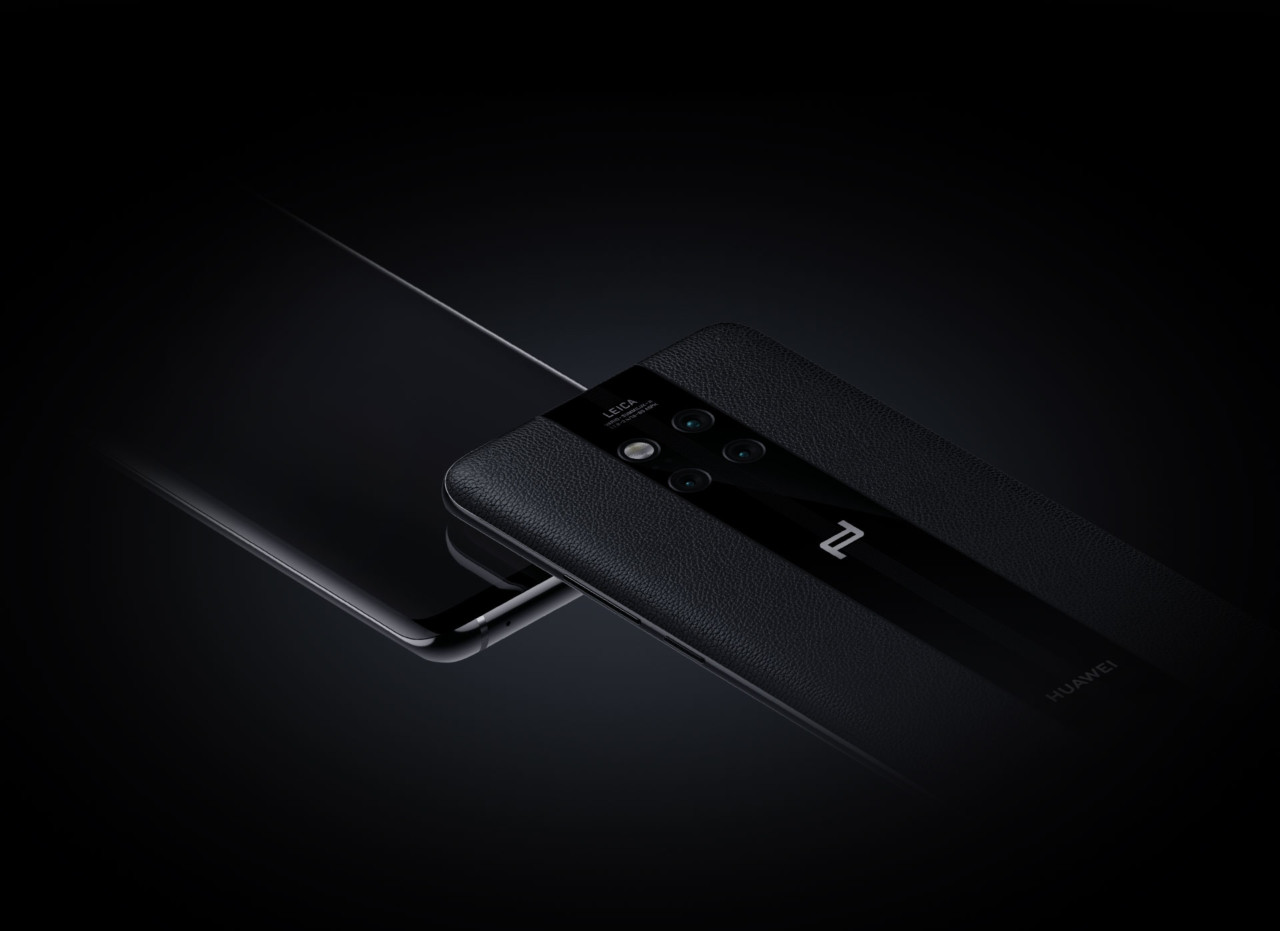
Huawei also announced two more Mates – the 7.2″ Huawei Mate 20X and the Mate 20 RS Porsche Design.
The highlight of the Mate 20X – a massive 7.2″ display, a massive 5,000mAh battery. What is more, the phone is designed for gaming and productivity as it has a graphene film and vapor chamber cooling system, and it supports the Huawei M-Pen.
The HUAWEI Mate 20 X (6GB + 128GB configuration) will have a MSRP of EUR899 from 26th October, 2018.
The Mate 20 RS Porsche Design is the most premium model of the new Mate series smartphones. The phone comes in exquisite genuine leather (black or white) back and it ships with plenty of storage and more RAM memory (8GB RAM, 256/512GB storage).
The PORSCHE DESIGN HUAWEI Mate 20 RS (8GB + 256GB configuration) will have a MSRP of EUR1695, and the PORSCHE DESIGN HUAWEI Mate 20 RS (8GB + 512GB configuration) will have a MSRP of EUR2095 from 16th November, 2018.
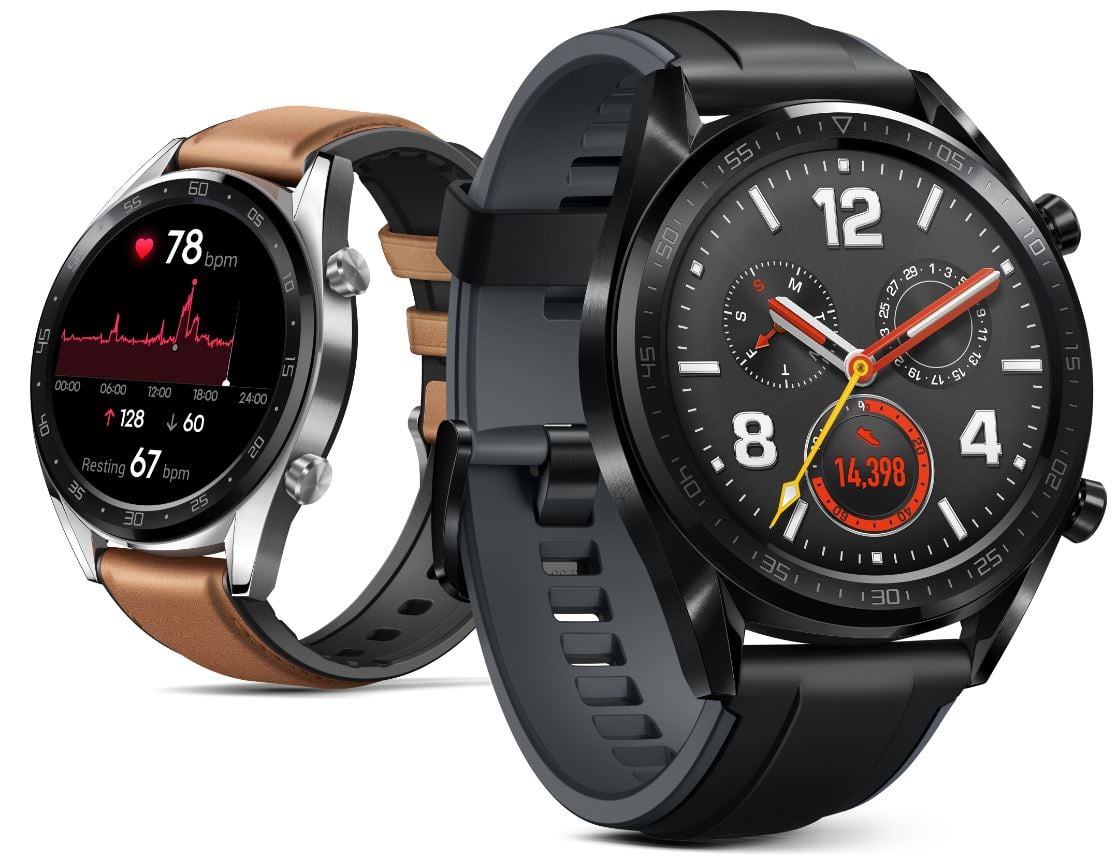
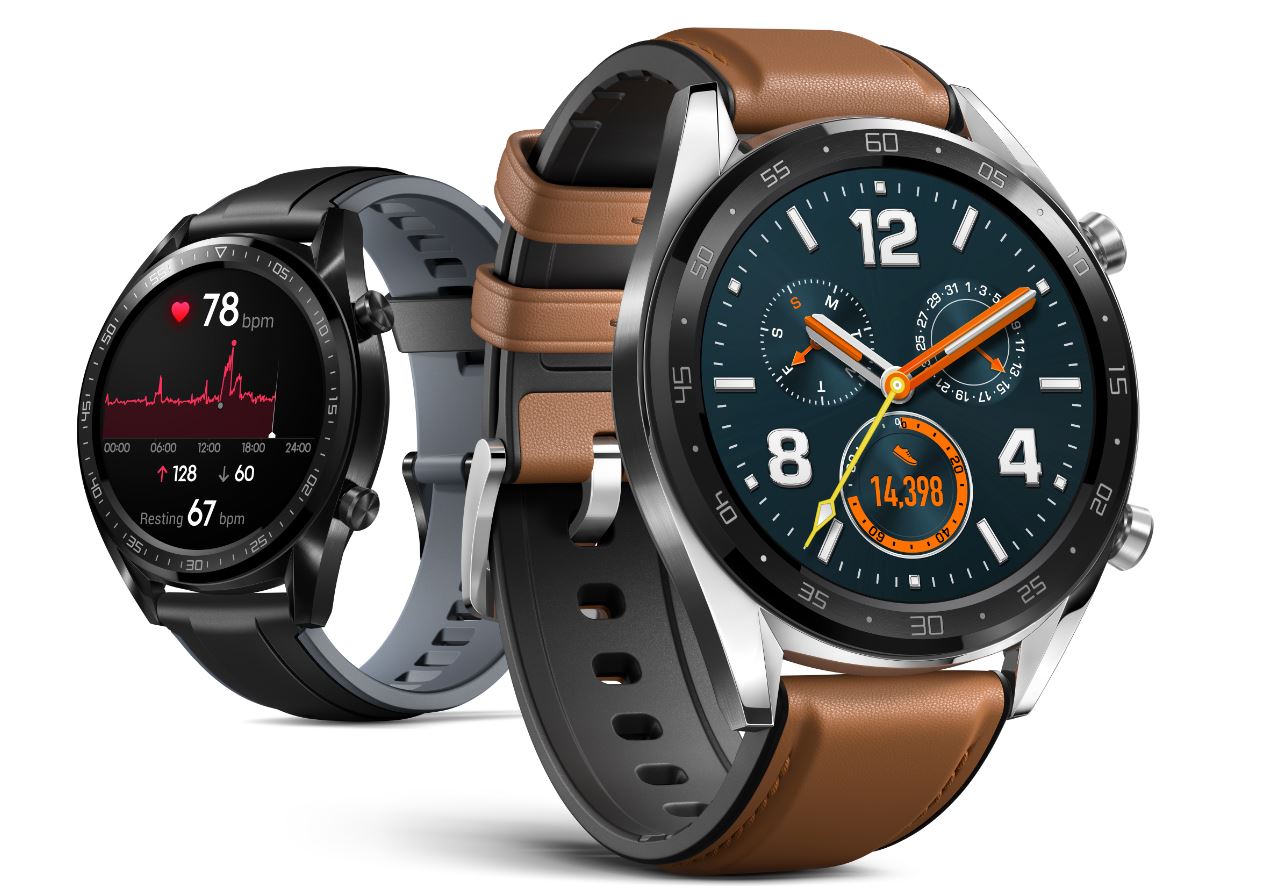
Huawei also announced two new wearables – the Huawei Watch GT and the Band 3 Pro.
Launched alongside the flagship HUAWEI Mate 20 Series, the new wearables offer sophisticated ways for consumers to track their activities and receive fitness coaching that is based on scientific research.
Featuring the classic wristwatch design, ultra-high battery life, low power consumption, sophisticated activity tracking and fitness coaching features, the HUAWEI WATCH GT is one of the most hotly anticipated wearables of the year. The new HUAWEI watch bears the GT name to call attention to its high performance and reliability—just as grand tourers, or high-performance automobiles, are trusted for their prowess.
Spurred by technical advancements and improving living standards, people are becoming keener to explore the world around them. As an extension of smartphones, wearables complement the feature sets of today’s handsets to help consumers get more out of their devices. Designed for today’s urban explorers, the HUAWEI WATCH GT addresses one of the most common pain points of wearables: battery life.
The HUAWEI WATCH GT uses an innovative smart power-saving algorithm that enables it to dynamically switch between performance and efficiency modes, depending on user activity, for maximum battery life. This allows the smartwatch to stay powered for up to two weeks for frequent use mode 1. Furthermore, the dual-core architecture of the HUAWEI WATCH GT lets the wearable user enjoy the best of both worlds—it is simultaneously a powerful and highly efficient smartwatch.
Besides improved performance and new features, the HUAWEI WATCH GT also sports a unique design. The 1.39-inch 454×254 AMOLED high-resolution display presents information cleanly on the wrist. The smartwatch body incorporates a dual-crown design with stainless steel and ceramic bezels, and is treated with a DLC diamond carbon coating to provide users with durability that will last for decades. The 10.6mm case body is compatible with two band options—a dual-color silicone band and an elegant leather-rubber band—giving users more choices to customize their HUAWEI WATCH GT for any occasion.
In addition to the ultra-long battery life, the HUAWEI WATCH GT features industry-leading positioning capabilities. The smart watch can simultaneously tap into GPS, GLONASS and GALILEO, three of the major satellite positioning systems, for precise positioning. A tracking algorithm then optimizes the tracking data to achieve one-to-one positioning even in areas with numerous disparate signals.
The HUAWEI WATCH GT also addresses the needs of active users. Based on its strength in positioning, HUAWEI WATCH GT also supports all-round sports activity tracking. Working with professional sports organizations, Huawei enables tracking for a range of sports, including indoor exercises, outdoor running, mountain climbing, cycling and open water swimming. The watch also supports fitness coaching features. By analyzing the heart rate of users with scientific methods, this feature lets users exercise more safely and healthily than ever before.
The TruSeenTM 3.0 heart rate monitoring technology tracks the user’s active and resting heart rate. Combining innovative PPG optical and hardware design and AI algorithms, the solution can monitor the heart rate of users in real time with high precision. In Sport mode, the HUAWEI WATCH GT can be set up to notify users to adjust the intensity of their workout based on a pre-set target heart rate interval. In Rest mode, the smart watch automatically monitors and records the resting heart rate of users. The HUAWEI WATCH GT uses invisible lights to monitor the user’s heart rate during sleep, which is more intimate than other traditional methods.
HUAWEI Band 3 Pro: A Sports Wristband with Full Touch Screen
While smart wristbands on the market today often feature simple health monitoring functions, the lack of standardization made a lot of the data unsuitable for medical use. In view of that, Huawei launches HUAWEI Band 3 Pro, a new smart wristband supporting a range of precise and professional monitoring capabilities, including improved heart rate and sleep monitoring.
With HUAWEI TruSeenTM3.0, HUAWEI Band 3 Pro accurately monitors the heart rate of a user throughout the day. Huawei also pioneered the use of IR (infrared) sensors to accurately track the user heart rate without using the obtrusive lights of conventional trackers.
Leveraging the same technology powering TruSeenTM 3.0, HUAWEI Band 3 Pro can also track sleep patterns with HUAWEI TruSleepTM2.0. Moreover, the solution uses big data analysis to provide personalized services and suggestions to improve sleep quality. All of the aforementioned technologies were developed by Huawei in collaboration with authoritative organizations around the world, ensuring that the wearables are highly functional and professional.
The HUAWEI Band 3 Pro features a 0.95-inch HD AMOLED color touchscreen that offers an expansive space to display data. The controls are easy and intuitive—users can navigate the various options on the screen by swiping vertically or horizontally, or by tapping the screen to return to Home.
The HUAWEI WATCH GT Sport, HUAWEI WATCH GT Classic and HUAWEI Band 3 Pro announced today in London come with a MSRP of €199, €249 and €99 respectively.
The promotion campaign for Xiaomi‘s upcoming flagship continues to intensify ahead of the October 25 official launch. Xiaomi has released several teasers promoting several features of the Mix 3. The most spectacular is perhaps, the 10GB of RAM that the company confirmed will be onboard the smartphone as well as 5G support. The Mix 3 is also expected to come with Face Unlock feature in addition to an in-display fingerprint sensor. The Face Unlock technology has now been featured in a leaked short video clip.
https://youtu.be/nLhtaB5TD6c
The video which is barely 4 seconds long was enough to suggest that the Face Unlock technology will be super fast. With just a swipe which exposes the selfie camera, the device opened the laptop pretty fast. The phone is able to control the laptop using Dynamic Lock feature in Windows 10. The phone connects over Bluetooth and the laptop stays unlocked as long as the phone is connected. It automatically locks the laptop when it is disconnected.
Apart from the Face Unlock, the phone can also unlock other connected device using the in-display fingerprint reader, iris scanner or other supported means.
There is a new Black Shark phone launching soon. A leaked poster says it will launch on October 23 but neither Black Shark nor Xiaomi has confirmed the date. Nevertheless, a couple of live photos have surfaced and they give us a closer look at the phone.
The Black Shark 2 is in a case similar to the one that ships with the original. There is also a protective glass covering the display. Irrespective, we can still make out some key features.
[envira-gallery id=”217520″]
The bezels haven’t really reduced but there are some changes. For example, the speaker is no longer on the same line as the front-facing camera. It is now closer to the frame and has a much a wider slit. We hope this means the stereo speakers are louder and sound better. The chin is also bare now as it is no longer home to the fingerprint scanner.
On the rear, there are a lot more changes. Gone is the triangle patterned plastic of the original. In its place is plain glass with a Black Shark logo in the center which has an RGB light underneath as revealed in a hands-on video.
The Black Shark 2 has dual rear cameras but they now sit in the middle of the phone and are arranged vertically. There is a LED flash above the sensors and a fingerprint scanner below. All four are lined up in a straight line. The phone has its volume rocker and power button on the right just like its predecessor, and a third key we believe is the Shark Key that provides a performance boost when activated is on the left.
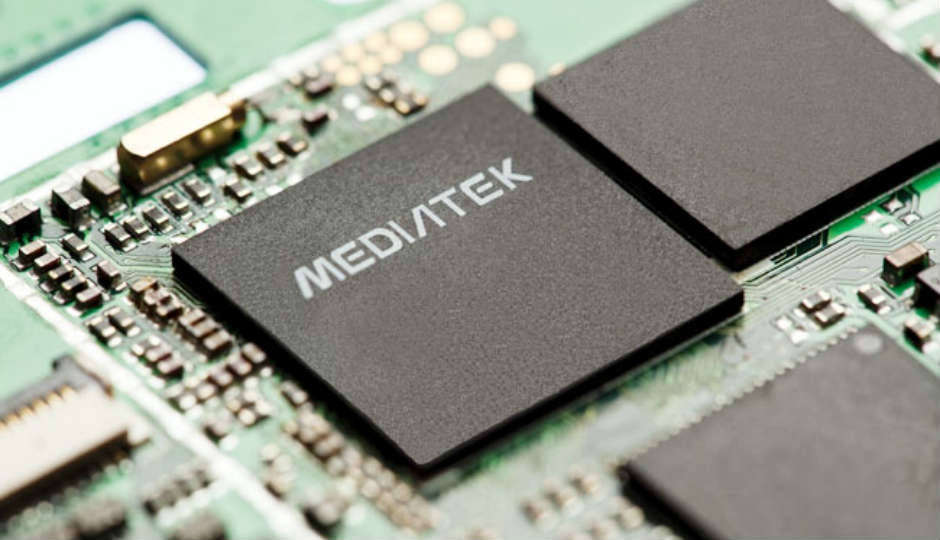
Earlier this year, in February, MediaTek announced its Helio P60 mobile chipset which have been received well in the market. Now, new reports suggest that the Taiwan-based mobile chipset manufacturer is now gearing up to soon launch the MediaTek Helio P70 chipset, probably later this month, to maintain its mobile chipset momentum.
The upcoming MediaTek Helio P70 chipset will be manufactured using the 12nm design process. It will come with an octa-core processor, having four A73 cores and four A53 cores, coupled with Mali-G72 GPU — similar to the Helio P60 launched in February this year.
However, the difference between the P60 and the upcoming P70 chipset is that the Helio P70 will come with a discrete Neural Processing Unite (NPU) instead of the Accelerated Processing Unit (APU) found in Helio P60.
Previous report had indicated that the Helio P70 will support up to 8GB of RAM, eMMC 5.1 or UFS 2.1 storage, 3 ISPs with support for up to 32-megapixel and Cat. 12 LTE modem. It will support AI technology as well as facial recognition, along with AR/VR and 3D sensor functions.
While the Helio P60 was MediaTek’s answer to the Qualcomm Snapdragon 660 SoC, the Helio P70 will be up against Snapdragon 710 Soc. Earlier this year, the unannounced Helio P70 SoC appeared on AnTuTu, recording a score of 156,906.
This year, along with the launch of Helio P70 later, the company is also set to kick off mass production of its 7nm Application Specific Integrated Circuits (ASIC), which is built using silicon-proven 56G PAM4 SerDes IP based on a 7nm FinFET process.
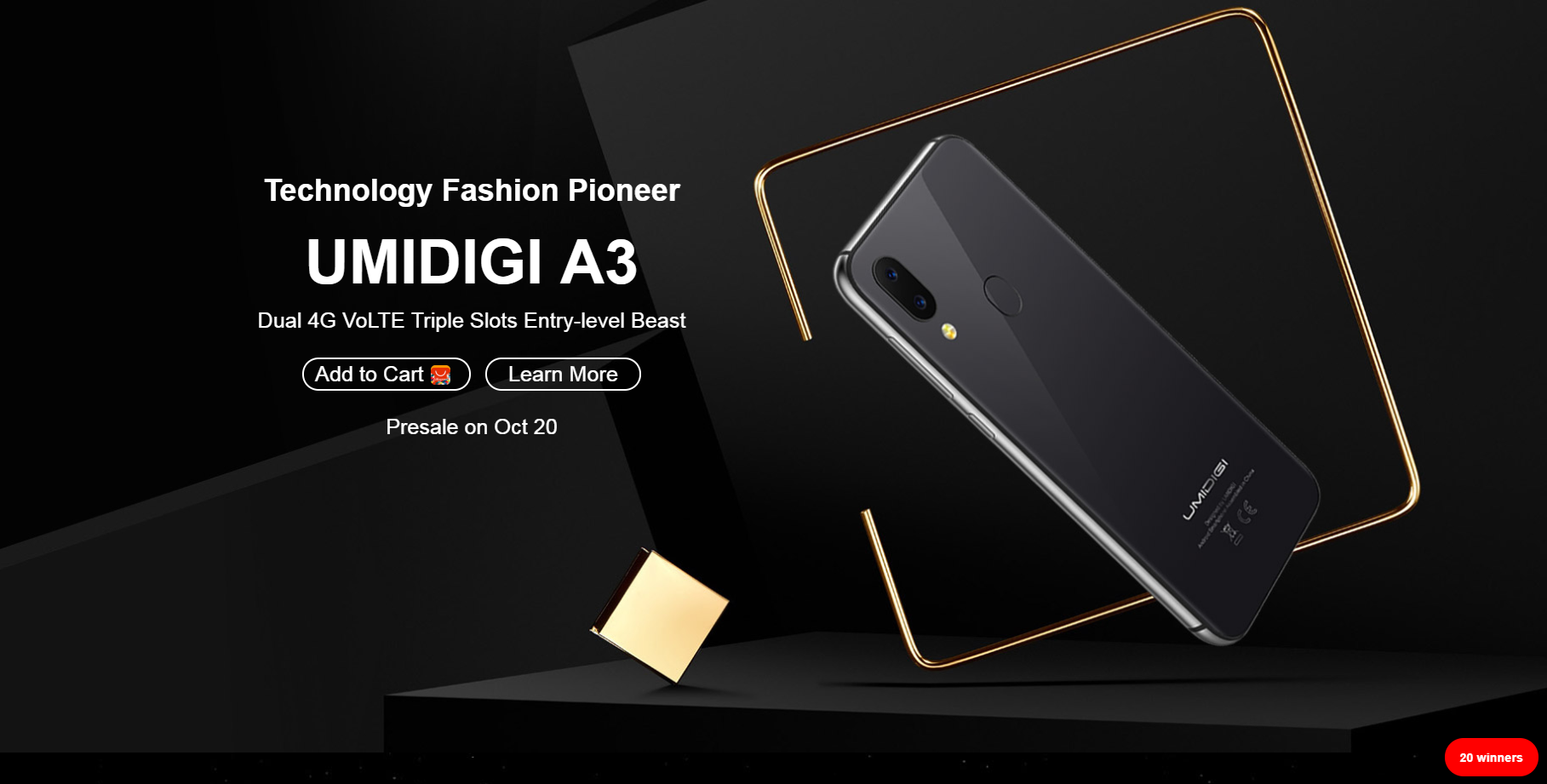
Chinese phone maker UMIDIGI officially announced the entry-level UMIDIGI A3 a couple of weeks back and did schedule the presale for October 20. The countdown to that date has now commenced. According to the schedule, the pre-sale will commence at 0:00 AM GMT-8 at AliExpress, snap-up price as low as $75.99.
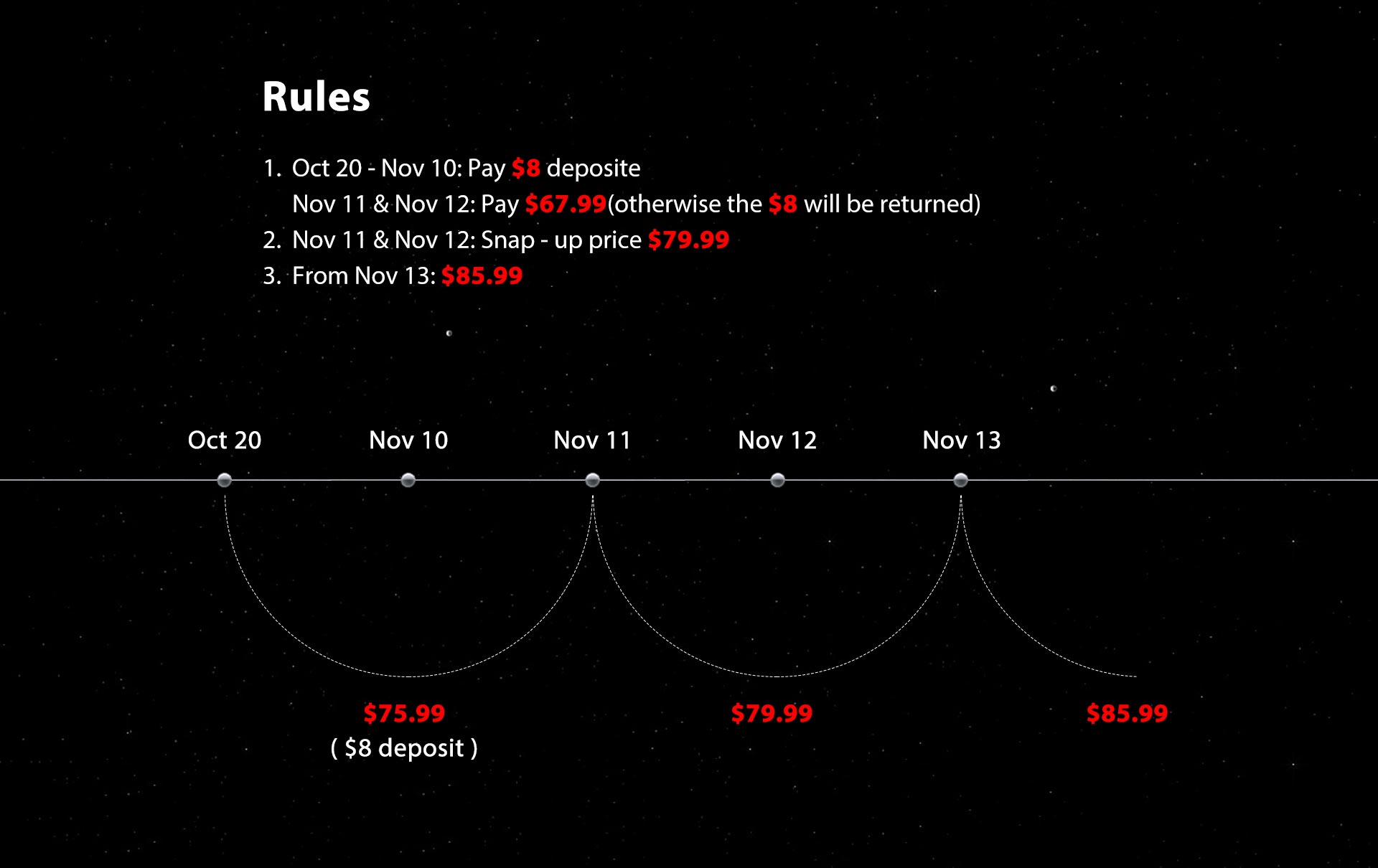
To get the sleek A3 for $75.99, customers will need to deposit $8 when the presale commences on October 20. The deposit offer will be open until November 10. Thereafter, from November 12 you’ll need to make a balance payment of $67.99. This window will be open for 2 days after which the order is confirmed. Interested buyers who fail to make the balance payment will have their $8 deposit refunded. UMIDIGI will also make the A3 available for just $79.99 on November 11 and November 12 when the pre-sale will officially end. After that, the price of the UMIDIGI A3 will berth at $85.99, a huge $10 higher than the presale price.
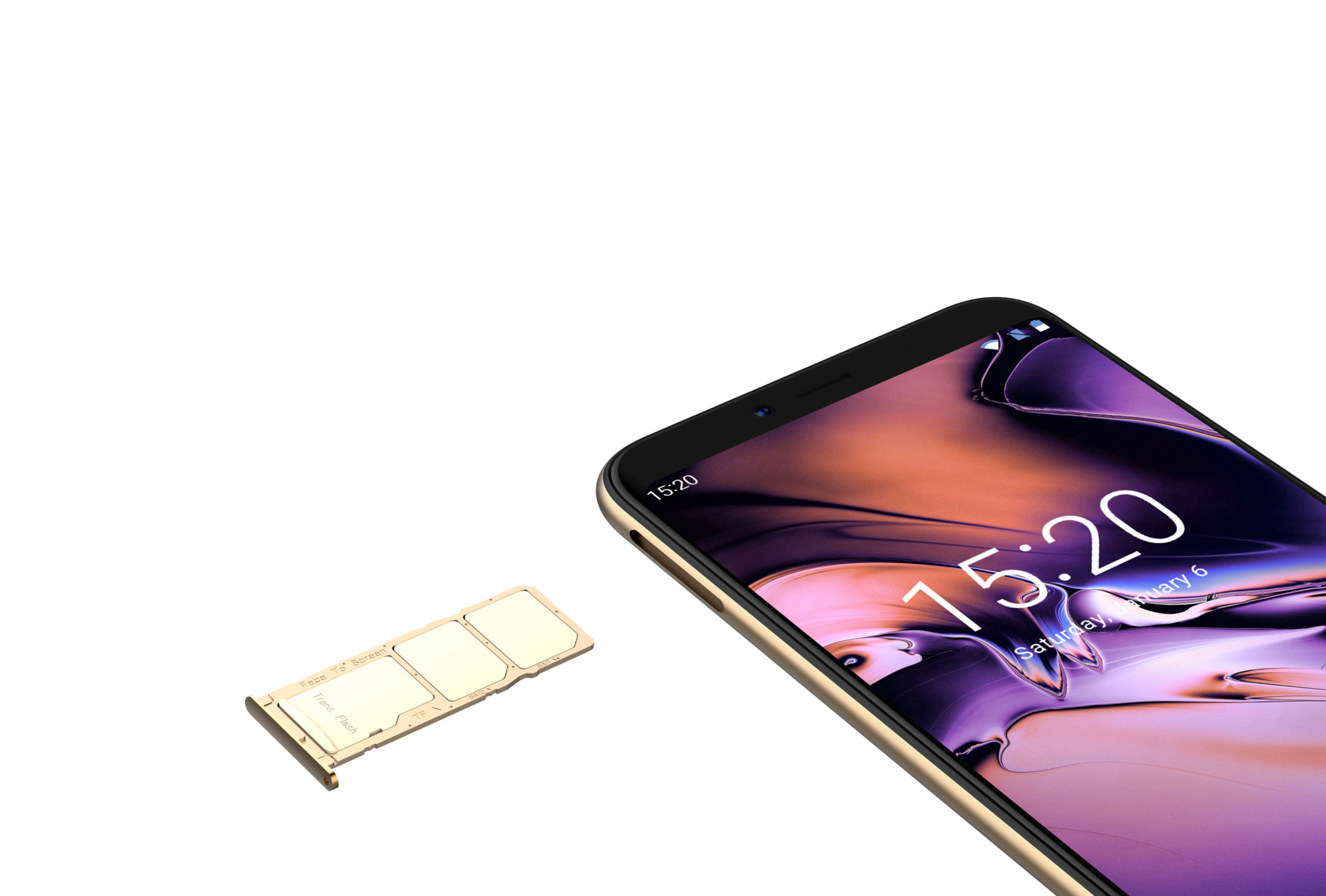
For the avoidance of doubt, the UMIDIGI A3 comes as a premium,all-metal entry-level model with an attractive design and impressive specs lineup. To recall, the device packs a 5.5-inch in-cell Full-screen display with HD+ resolution. The display is covered with a 2.5D curved glass which adds some more aesthetics to the looks. The UMIDIGI A3 is powered by a MediaTek MT6739 processor with a clock frequency of 1.5GHz. The processor is paired with 2GB of RAM while there is 16GB of internal storage onboard. The storage can be expanded up to 256GB via a dedicated microSD card slot. Perhaps, one of the most spectacular features on the device is the triple slots for two SIM cards and a microSD card. In this way, you won’t have to sacrifice any of the two SIM slots. Furthermore, the SIM slots both support dual 4G VoLTE. The device also comes with global LTE bands including Band 20 and so, can be used in several countries around the world.
As far as photography goes, the A3 adopts a dual rear camera setup stacked vertically at the top left corner. There is a LED flash under the camera as well as a rear-mounted fingerprint sensor at the middle. There is also an 8MP selfie camera at the front. The device comes in Gold and Space Gray. Do well to visit UMIDIGI’s website for further details.
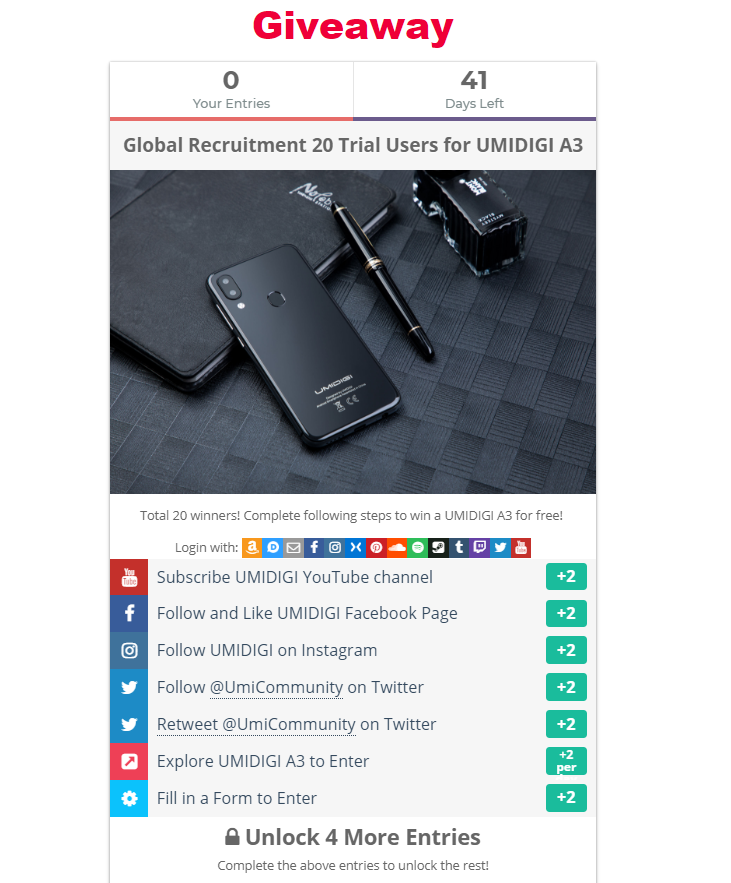
Lest we forget, UMIDIGI is also running a giveaway for the A3 and it is just 22 days left. 20 units are up for grabs by 20 lucky chaps who will have the units shipped to them FREE of charge in order to provide the company with more users feedback. All you need to do is visit UMIDIGI’s website and follow the steps outlined.
A few days ago, an invite for the launch of a new Vertu phone surfaced online after more than a year since the company went bankrupt. The brand now has new owners and their first phone is the Vertu Aster P which was unveiled in China this night, and like previous Vertu phones, it is pretty expensive.
Design
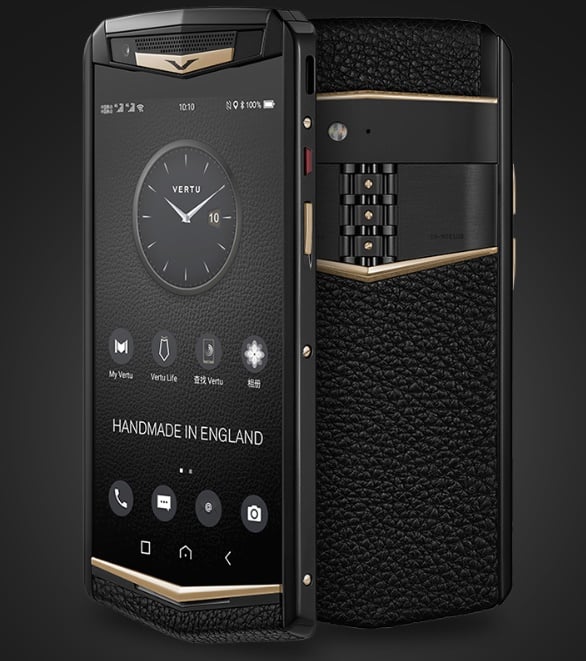
The Vertu Aster P like all other Vertu phones is handmade in England, Each phone is built by one craftsman and his signature is engraved on the phone. The Aster P has a grade-5 titanium frame and the display is covered in a single piece of 133-carat sapphire crystal glass. Titanium is twice as strong as steel but weighs much less and sapphire is next to diamond when it comes to hardness.
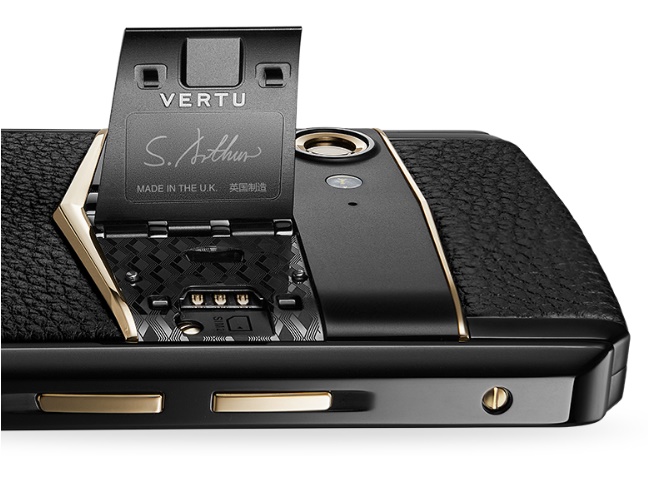
The back is covered in leather types (crocodile and lizard) and colors, and the ruby red concierge button associated with the brand is still there. The Aster P has dual SIM support (nano only) and both SIM compartments open like gull-wing doors. Under the “door” is the signature of the craftsman that made the particular unit you purchase.
Vertu Aster P Specs
If you are familiar with Vertu phones, then the name “Aster” shouldn’t be strange. Back in 2014, Vertu launched the original Aster which had a Snapdragon 801 processor. The new Aster P is an upper mid-range phone as it has under its hood a Snapdragon 660 processor. There is 6GB of RAM, triple that of the original model; and 128GB of storage, double that of its predecessor.
The screen is a 4.9-inch AMOLED FHD panel. Above it sits a 20MP f/2.2 sensor and on the back is a 12MP camera. The Vertu Aster P runs Android 8.1 Oreo and packs a 3,200mAh battery with support for Quick Charge 3.0. It has a USB-C port, NFC, Bluetooth 5.0, and dual-band Wi-Fi with support for a wide range of LTE bands.
The ruby concierge button provides 24/7 access to a personal butler with British-level professionalism. Vertu will also provide owners access to exclusive invite-only events.
Aster P Price and Availability
The Aster P comes in Ink Black, White, and Dazzling Gold. The Ink Black and White variants are priced at ¥35,800 (~$5,167) while the Dazzling Gold is a whopping ¥98,000 (~$14,146)! It is already listed on JD.com and can be pre-ordered ahead of its October 30 shipping date.
The Aster P also has a special Baroque version which is available in brighter colors such as gentleman Blue, Twilight Orange, and Caramel Brown. There is no info on the price of these variants and when they would go on sale.
Vertu will also let you customize the design of the phone by adding gemstones and designs of your choice.
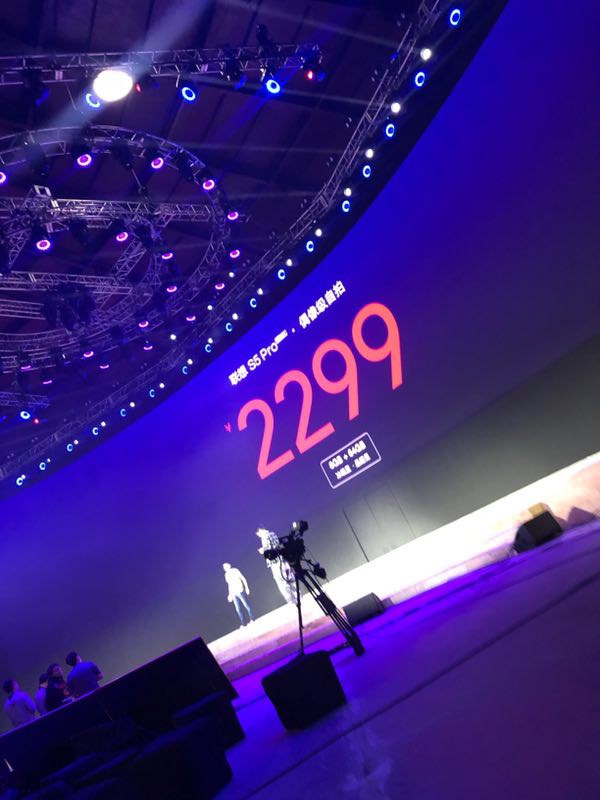
The Lenovo S5 Pro doesn’t launch until tomorrow. We already know its specs thanks to TENAA and Lenovo‘s own teasers. The phone will come in multiple variants including a 6GB RAM + 64GB model. The price for the 6GB model has leaked thanks to a spy photo.
It appears the photo was taken at the venue for the launch while someone was checking out the slides for the event. As revealed in the photo, the Lenovo S5 Pro with 6GB of RAM and 64GB of built-in storage will sell for ¥2299 (~$332). That is a lot for a Snapdragon 660 phone!
The S5 Pro is being touted as having impressive cameras which still has to be confirmed. But does the camera performance justify the price Lenovo is asking for it? Heck! The newly announced Vivo Z3 with Snapdragon 710, 6GB RAM and 128GB of storage is priced at ¥2298 (~$332). Let’s not also forget the Meizu X8 which also has a Snapdragon 710 processor, 6GB of RAM and 128GB of space and has a ¥1998 (~$288) price tag.
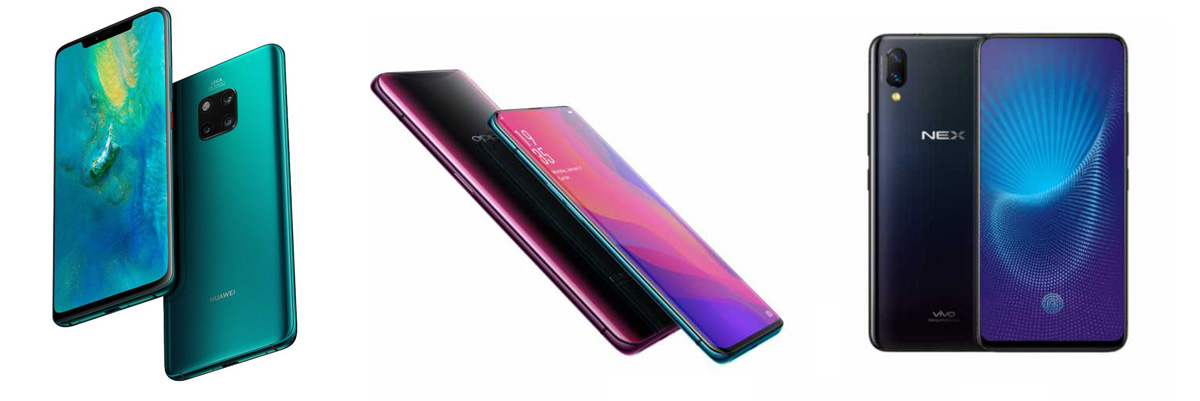
Huawei finally announced the new Huawei Mate 20 Pro, its best smartphone at least until the successor of Huawei P20 Pro will be official. It brings a lot of power and also a lot of innovation to the market. Alongside this device, two other Chinese handsets who brought most innovation this year are Oppo Find X and Vivo NEX S, which are currently the best Chinese phones you can get alongside a few others. This is a comparison we made to let you understand their differences and which one is better than each other.
Huawei Mate 20 Pro vs Oppo Find X vs Vivo NEX S
Huawei Mate 20 Pro
Oppo Find X
Vivo NEX S
DIMENSIONS AND WEIGHT
157.8 x 72.3 x 8.6 mm, 189 g
156.7 x 74.2 x 9.6 mm, 186 g
162 x 77 x 8 mm, 199 g
DISPLAY
6.39 inches, 1440 x 3120p (Quad HD+), AMOLED
6.42 inches, 1080 x 2340p (Full HD+), 19.5:9 ratio, AMOLED
6.59 inches, 1080 x 2316p (Full HD+), Super AMOLED
PROCESSOR
Huawei HiSilicon Kirin 980, octa-core 2.6 GHz
Qualcomm Snapdragon 845, octa-core 2.8 GHz
Qualcomm Snapdragon 845, octa-core 2.8 GHz
MEMORY
6 GB RAM, 128 GB – nano SD slot
8 GB RAM, 256 GB
8 GB RAM, 128 GB – 8 GB RAM, 256 GB
SOFTWARE
Android 9 Pie, EMUI 9.0
Android 8.1 Oreo, ColorOS 5.1
Android 8.1 Oreo, Funtouch OS 4
CONNECTIVITY
Wi-Fi 802.11 a/b/g/n/ac, Bluetooth 5.0, GPS
Wi-Fi 802.11 a/b/g/n/ac, Bluetooth 5.0, GPS
Wi-Fi 802.11 a/b/g/n/ac, Bluetooth 5.0, GPS
CAMERA
Triple 40 + 20 + 8 MP, f/1.8 + f/2.2 + f/2.4, OIS, Laser AF
24 MP f/2.0 front camera
Dual 16 + 20 MP, f/2.0 + f/2.2, OIS
25 MP, f/2.0 front camera
Dual 12 + 5 MP, f/1.8 + f/2.4, OIS
8 MP f/2.0 front camera
BATTERY
4200 mAh, fast charging 40W, wireless charging 15W
3730 mAh, fast charging (VOOC Flash Charge) 5V / 4A
4000 mAh, fast charging 22W
ADDITIONAL FEATURES
Dual SIM slot, waterproof (IP68)
Dual SIM slot, pop up cameras
Dual SIM slot, pop up front camera
Design
These devices are something incredible when it comes to the design. Oppo Find X and Vivo NEX S are the most innovative smartphones of 2018 in terms of aesthetics. In order to reach almost a 100 percent screen-to-body ratio, the companies opted for motorized parts which house their front cameras. While Vivo NEX S has a single pop-up camera, Oppo Find X has a slider housing the whole camera department as well as all the sensors that you usually find on the front panel of smartphones. Thanks to the motorized slider, it has the highest screen-to-body ratio ever and it wins the design comparison.
Display
Huawei Mate 20 Pro has the most exciting display, even though it is the only one which has a notch. Its screen is an AMOLED panel with a very high Quad HD+ resolution, and it is HDR10-compliant. Given these specifications, it should be the display with the best viewing quality. All of these devices have a fingerprint reader integrated into the display for authentication, while Vivo NEX S is the only one which does not have a 3D facial recognition system.
Hardware/Software
After iPhone Xs and Xs Max, the new Huawei Mate 20 Pro is the first handset to hit the market with a 7 nm SoC. On the paper, it seems the best processor in the Android market and it will remain so at least until the successor of Snapdragon 845 releases. But we will have to try it in order to confirm it.
Camera
Huawei Mate 20 Pro wins the camera comparison as it features the same triple camera setup as the Huawei P20 Pro, considered the best camera phone until now. It has a 40 MP primary sensor, a 20 MP wide-angle secondary sensor and a third telephoto lens with 5x optical zoom. Oppo Find X and Vivo NEX S have no chances with their average (for a flagship) dual cameras.
Battery
Huawei Mate 20 Pro has the biggest battery with a capacity of 4200 mAh, but it is not said that it will last more than Vivo NEX S and its 4000 mAh unit. It has a 7 nm chipset with a low energy consumption, but it also has a Quad HD+ display that consumes more than Full HD+ ones of Vivo NEX S. So we have to test it before judging.
Price
Huawei Mate 20 Pro is getting ready to hit the global market with a price tag of €1050/$1211, Oppo Find X is already in the global market with a €999/$1154 price tag, while Vivo NEX S costs about €700/$807 in Asia. In my opinion, Huawei Mate 20 Pro wins the comparison due to its better display and camera.
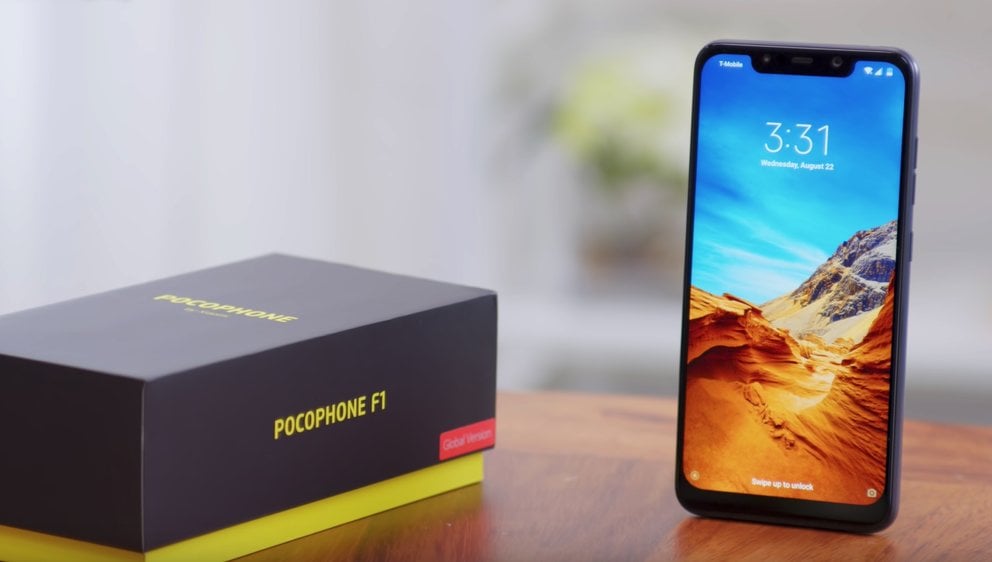
Xiaomi’s sub-brand Pocophone launched its first “affordable flagship” smartphone Pocophone F1 in August with an aggressive pricing of just $300. After the phone went on sale in India, Indonesia, Hong Kong, and Europe, it’s now available for pre-order in the United States.
The phone’s listing appeared on B&H Photo Video’s website, with a price tag of $370 for the 6GB RAM model carrying 64GB of internal storage while the 128GB storage model is priced at $399.99. Unfortunately, the global version of the Pocophone F1 is incompatible with the CDMA networks of Verizon and Sprint and also lacks the LTE bands to operate on AT&T and T-Mobile’s 4G networks.
The Pocophone F1 flaunts a 6.18-inch Full HD+ IPS LCD display which offers 2246 x 1080 pixels screen resolution and 18.7:9 aspect ratio. The display supports up to 500-nits brightness and a high contrast ratio of 1500:1. For protection from minor scratches, there’s a layer of Corning Gorilla Glass on top.
Under the hood, the handset is powered by Qualcomm‘s flagship Snapdragon 845 processor and comes with LiquidCool technology. The company says that it decided to place a copper heat sink above the chipset which helps in dissipating the heat generated by it, allowing the phone to transfer heat at a faster rate of 300 percent.
Coming to the camera department, the phone comes with a 12-megapixel Sony IMX363 sensor with a massive pixel size of 1.4micron coupled with a 5-megapixel secondary sensor on the back panel. It is equipped with features like Dual Pixel Autofocus, real-time AI photography and dual-LED flash. On the front side, there’s a 20-megapixel selfie camera powered with AI for capturing enhanced selfie shots.
It runs on a modified MIUI, based on MIUI 9.6 with the new POCO Launcher on top. It includes a lot of customizations such as the inclusion of an app drawer that easily categories apps for easier access and it also carries support for icon packs. The customized MIUI, which is based on Android 8.1 Oreo has been optimized to launch popular apps quickly, smoothly run apps in the foreground and supports fluid gesture-based navigation.
The device comes with an IR scanner that enables Face Unlock feature. The Pocophone F1 is powered by a 4,000mAh battery that also carries support for Quick Charge 3.0 fast charging technology. According to the company, it offers 8 hours of gaming, around 6 hours of Full-HD video playback, nearly 31 hours of talk time and standby time of 15 days.
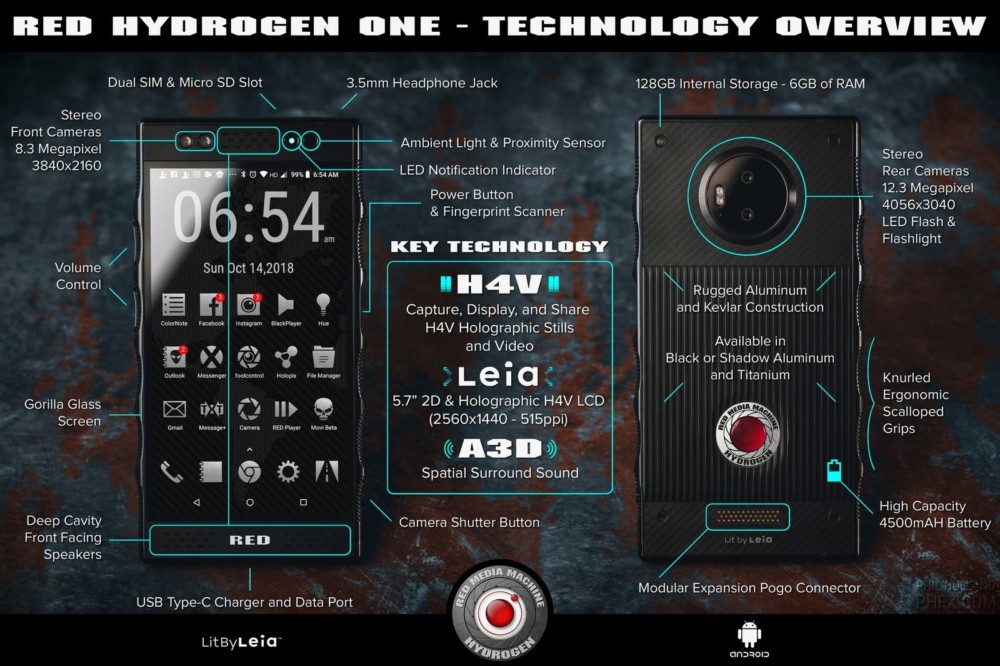
The RED Hydrogen One has been in development for over a year but it still has not been officially launched. While we await its eventual release, an infographic has surfaced which reveals the full details about the phone’s specifications.
The RED Hydrogen One’s selling point is its holographic display. The infographic says it is a 5.7-inches 2560 x 1440 LCD display with 515 ppi. The screen is covered in Gorilla Glass and above and below it are thick bezels.
The top bezel is home to dual 8.3MP cameras, one-half of the stereo speakers, a notification LED, and a proximity and ambient light sensor. The top of the phone is where the 3.5mm audio jack and the SIM tray resides. The infographic says it can hold two SIM cards and a MicroSD card but most probably not at the same time.
The chin is where the second speaker is for stereo audio. At the bottom is a USB-C port for charging and data transfer. Volume controls are on the left while the right is where the power button and camera button reside. There is a fingerprint scanner under the power button.
The back of the RED Hydrogen One is where the action is. The material used for the back is a mix of Kevlar and aluminum. There are also dual cameras on this side and both are 12.3MP sensors. The design of the camera housing is similar to what Motorola uses for some of its models but that’s not the only thing RED has borrowed from Motorola. The bottom of the phone is home to a set of pogo connector pins for modular expansion uch like what we have on the Moto Z series.
Under that sheet of Kevlar and aluminum is 6GB of RAM and 128GB of storage. The image doesn’t mention the processor but RED already confirmed it is the Snapdragon 835 chipset. There is also a 4,500mAh battery for juice. Although there is no mention of any fast charging technology, it should at least support Quick Charge 3.0.
The RED Hydrogen One will come in Black/Shadow Aluminium and Titanium. Those who pre-ordered the titanium variant have been told that it would be delayed. However, they would get the black variant when it starts shipping and later get the Titanium without paying extra for the already received black variant.
Lenovo‘s PC business has been the company’s most successful arm, giving HP a run for its money. Lenovo PC business overtook HP to emerge the market leader in Q3 2018 according to a recent report by IDC. There are indications the Chinese company is planning to take the industry by storm by releasing the world’s first foldable tablet.
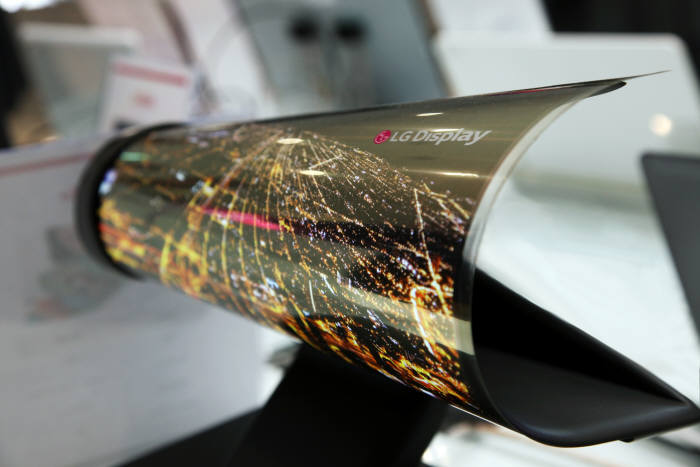
According to a report by ETNews, Lenovo is working with LG on a tablet that will have a 13-inch foldable display manufactured by LG Display. The display is described to be an OLED panel which folds in half. We won’t likely be getting tangible details about the device anytime soon as the report also stated that LG Display has signed a Non-Disclosure Agreement with Lenovo. The project has reportedly kicked off officially. The source also discloses that LG plans to supply the foldable display to Lenovo in the second half of next year. The display will reportedly be an OLED panel that folds in half.
There have been loads of rumours on the development of foldable smartphones. Lenovo is even among companies that are rumoured to have got a foldable phone in the works and we saw one in a leaked video recently. Huawei and Samsung are undisputedly at the forefront of the drive to introduce true foldable phones. Samsung looks well ahead to take the first shot very soon. Microsoft is also rumoured to be working on a foldable Surface device but not the type we expect. The leaked picture shows Microsoft’s own foldable tablet is just a device with two screens aparently just like the ZTE Axon M.
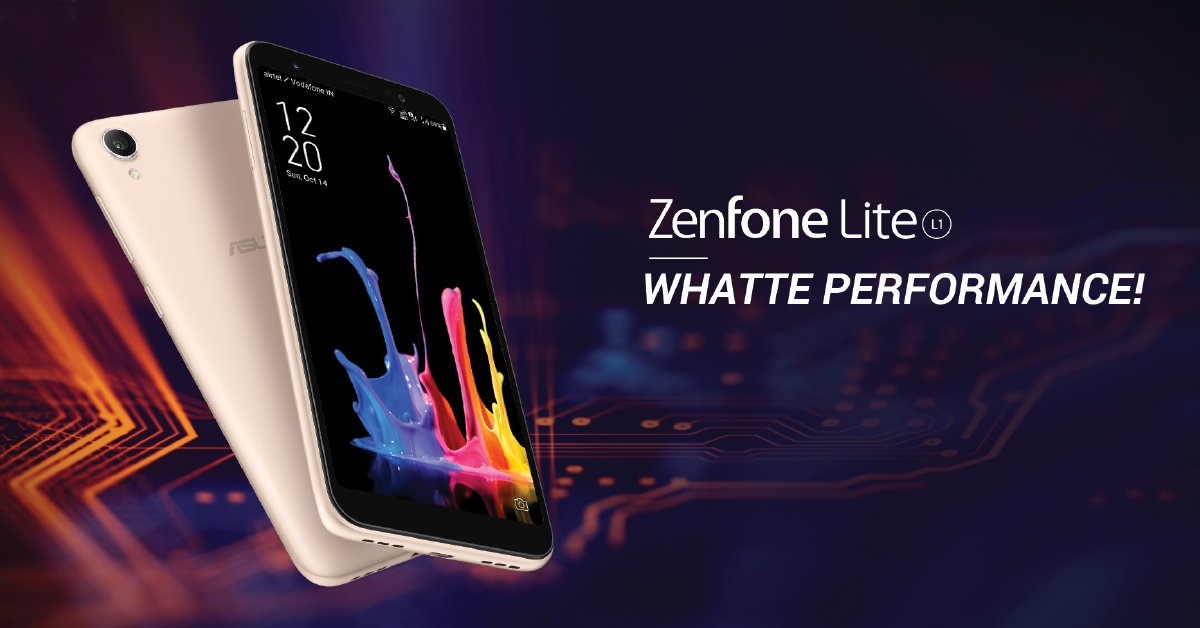
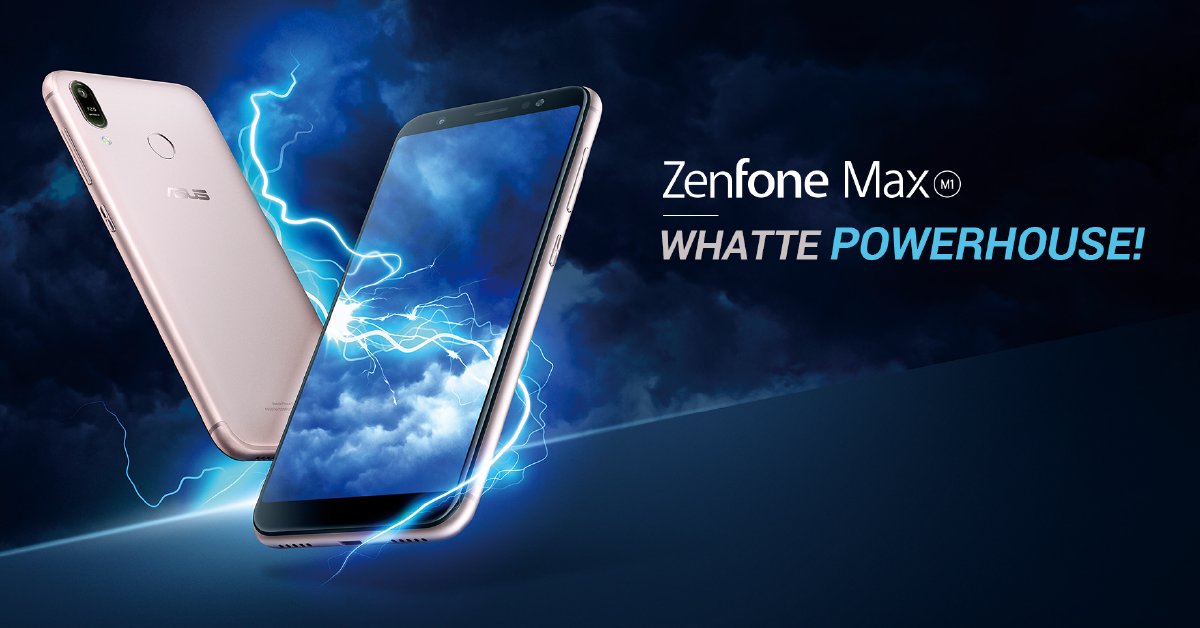
ASUS has announced two new smartphones for the Indian market – the Zenfone Lite L1 (no, not Live L1) and the Zenfone Max M1. Both phones belong to the entry-level/mid-range category and are priced under Rs. 10,000 (~$135).
ZenFone Lite L1
The ASUS Zenfone Lite L1 has a polycarbonate body which isn’t surprising considering its low price. It sports a 5.45-inch display with a 1440 x 720 resolution. The bezels are not super thin but are moderate in size, so it should feel like a 5” 16:9 phone.
Under the hood is a Snapdragon 430 processor with 2GB of RAM and 16GB of expandable storage. The rear camera is a 13MP f/2.0 sensor with PDAF while the front camera is a 5MP sensor with its own flash and support for Face Unlock. It also has a 3,000mAh battery and runs Android Oreo. The phone has a triple card slot, so you can use two nano SIM cards and a microSD card at the same time.
ASUS will sell the phone for Rs. 5999 (~$81) for a limited time before returning to its original price of Rs. 6,999 (~$95). Reliance Jio customers get Rs. 2200 (~$30) cashback and 50GB of data. It will also come with 100GB of Google Drive storage space. The phone will be exclusive to Flipkart.
Zenfone Max M1
The Zenfone Max M1 is also covered in polycarbonate but it has a metallic finish and a 2.5D glass in front. It has the same screen and resolution as the Zenfone Lite L1. It also has the same Snapdragon processor. However, it comes with 3GB of RAM and 32GB of storage. Its rear camera is also a 13MP sensor with a 5P lens and PDAF. The front-facing camera is an 8MP sensor with LED flash that can take portrait images.
The Zenfone Max M1 also has Face Unlock but adds a rear-mounted fingerprint scanner. Its battery capacity is larger at 4,000mAh and it supports reverse charging. It runs Android Oreo and has a triple card slot.
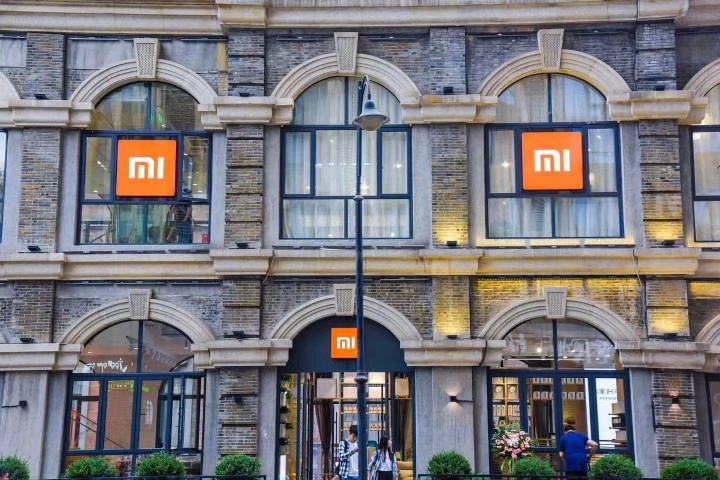
Xiaomi is learning in a rancorous manner that expansion comes with a price and one of such price is internal wrangling among staffs as the personnel size increases. On the stock market end, the company’s stock has met some murky waters as it was affected by the global stock market adjustment, leading to the company’s market value fell below 300 billion HK dollars. This article isn’t about the company’s stock, though, but about a reported wrangling inside Xiaomi’s Nanjing flagship store in China.
This came out in the open following a post by an aggrieved staff who has access to the flagship store’s official Weibo account. In his rant, the staff stated among other things as translated from Chinese; “From today, there will be no Nanjing flagship Mi Store any longer. You [probably referring to Mi Store management] are trampling on the bodies our brothers who work for their meagre incomes. Xiaomi is no longer the coolest company in my mind,”. The post also called out the company’s top management such as founder Lei Jun and company president Lin Bin. The controversial post has since been taken down.
According to local media, Xiaomi released a rejoined stating; “We found that the microblog is posted by the employee who operates our Weibo account to vent personal resentment. But the reason behind this incident is still under investigation.” We don’t expect to hear anything about the internal investigation anyway. We hope this gets sorted out and the company is able to put staff welfare at the forefront.
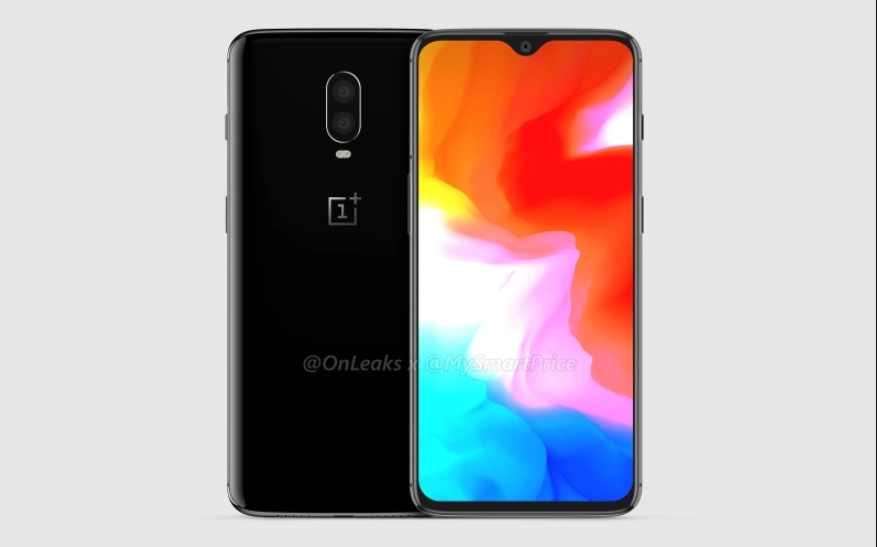
OnePlus 6T smartphone is scheduled to go official on Oct. 30 in India and New York. With around two weeks remaining for the unveiling of the smartphone, the rumor mill is working hard to spill new information on the smartphone. An Indian publication has shared the pricing of the different variants of the OnePlus 6T.
Fresh information reveals that the OnePlus 6T will be hitting India in three models. The base model of the phone includes 6 GB of RAM and 128 GB of native storage. It is likely to carry a pricing of Rs. 37,999 (~$516) and may come in Mirror Black color only.
The second model of the OnePlus 6T is expected to feature 8 GB of RAM and 128 GB of inbuilt storage. It is expected to cost Rs. 40,999 (~$557) and may arrive in two colors namely Mirror Black and Midnight Black.
The highest configuration edition of the OnePlus 6T is tipped to include 8 GB of RAM and 256 GB of internal storage. It may cost Rs. 44,999 (~$611) and may arrive in single color option of Midnight Black. If the leak turns out to be true, there won’t be any 64 GB variant for the OnePlus 6T at its launch.
Let’s compare the OnePlus 6T pricing with the OnePlus 6 smartphone that was unveiled in May this year. The 64 GB storage + 6 GB RAM, 128 GB storage + 8 GB RAM and 256 GB storage + 8 GB RAM were respectively introduced with Rs. 34,999 (~$475), Rs. 39,999 (~$543) and Rs. 43,999 (~$598) pricing.
Going by the new leak, it seems that the OnePlus 6T will be arriving with costlier pricing than the OnePlus 6 smartphone. The OP6T will be the first phone from the company to feature a 6.4-inch Optic AMOLED FHD+ screen with waterdrop notch, in-display fingerprint scanner and it will be also the first OnePlus smartphone to lack a 3.5mm audio jack. The Snapdragon 845 will be present under the hood of the device. It will be packed with a 3,700mAh battery. For photography, it may include the same cameras that are available on the OnePlus 6 phone. The handset is expected to arrive with OxygenOS 9.0 flavored Android 9 Pie OS.
What do you think about the pricing of the OnePlus 6T? Share us your views by posting your comments below.
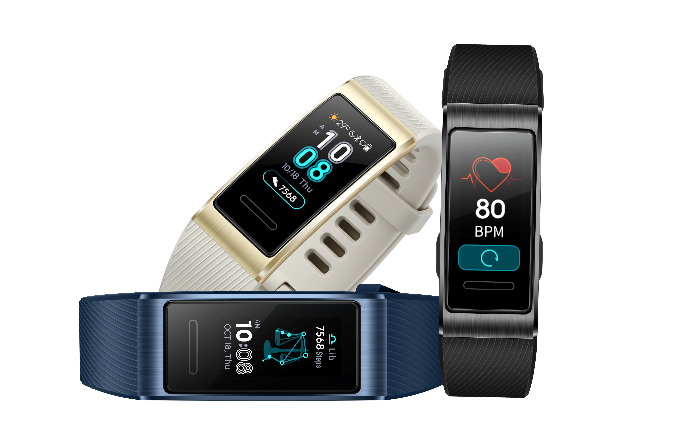
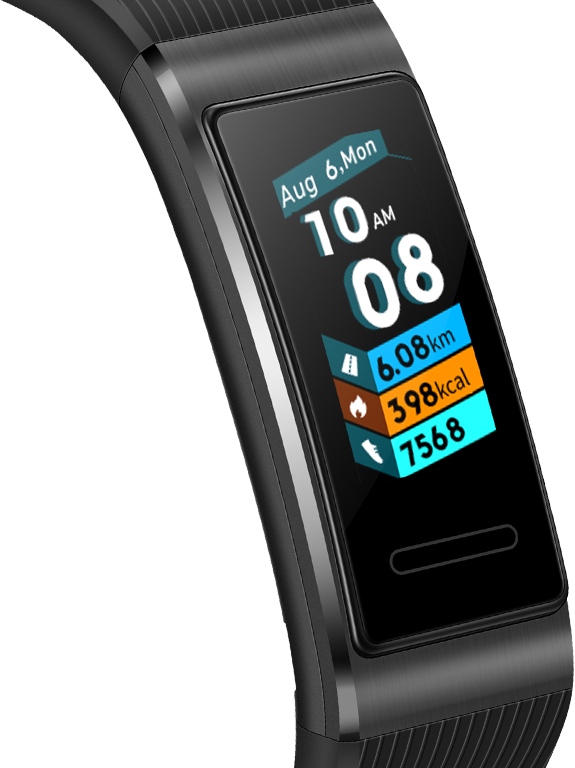
The Huawei Band 3 Pro is the other wearable device apart from the Huawei Watch GT smartwatch that was announced at the Mate 20 series launch event in London. The Huawei Band 3 Pro is a fitness band that comes with a color touchscreen display and 5ATM rating for water-resistance. It carries an attractive price tag of 99 euros (~$115).
Huawei Band 3 Pro Specifications, Features and Pricing
The Huawei Band 3 Pro fitness tracker comes with an ergonomically designed metallic body and a silicone rubber wristband. It features a 0.95-inch AMOLED touchscreen display that shielded by a layer of 2.5D glass. The 50ATM rated Band 3 Pro offers up to 50 meters of water resistance.
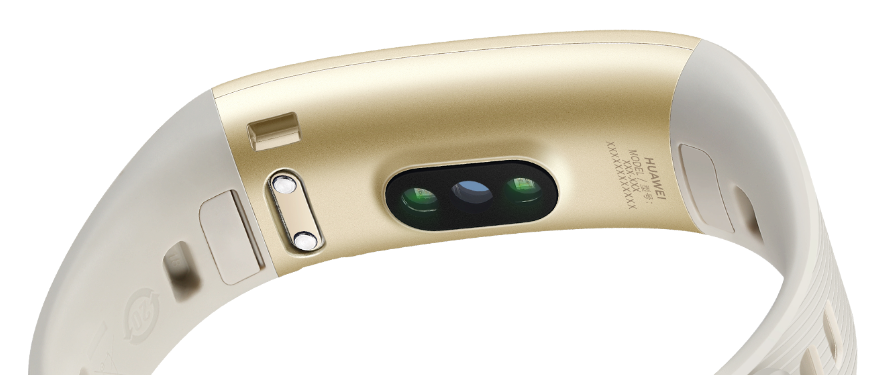
The device is packed with a 100mAh battery that takes around 100 minutes to charge. Once fully charge, the Band 3 Pro can last for seven hours with GPS tracking turned on. Since the device is equipped with AI and TruSeen 3.0 heart monitoring system, it offers accurate heart rate readings. Other health-centric features of the Huawei Band 3 Pro include sleep monitoring, swimming tracker, sports tracking and coaching.
The Band 3 Pro promises accurate hear rate monitoring. The Band 3 Pro can be paired using Bluetooth 4.2. Once paired with a smartphone, the wearable device will offer features like notifications for incoming calls and messages, reject calls, Find my Phone, photo time and remote. The sensors that are available on the fitness tracker are 6-axis acceleration sensor, infrared wear sensor and PPG cardiotachometer.
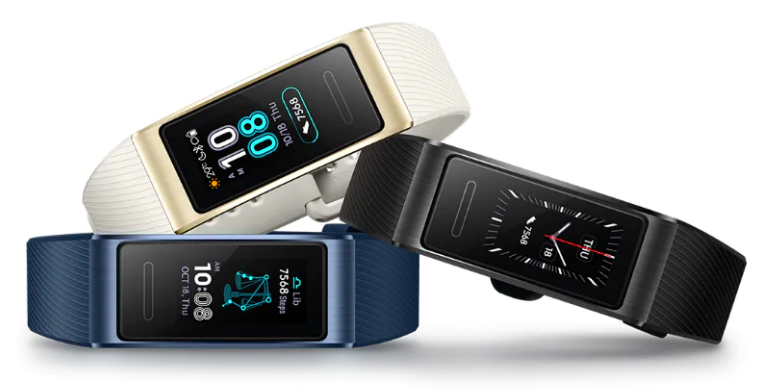
The Huawei Band 3 Pro measures 45 x 19 x 11mm and weighs around 25 grams. It comes strap length variants of 120mm and 92mm. It can be availed in colors like Obsidian Black, Space Blue and Quicksand Gold. Huawei did not confirm on the availability of the Band 3 Pro during its launch.
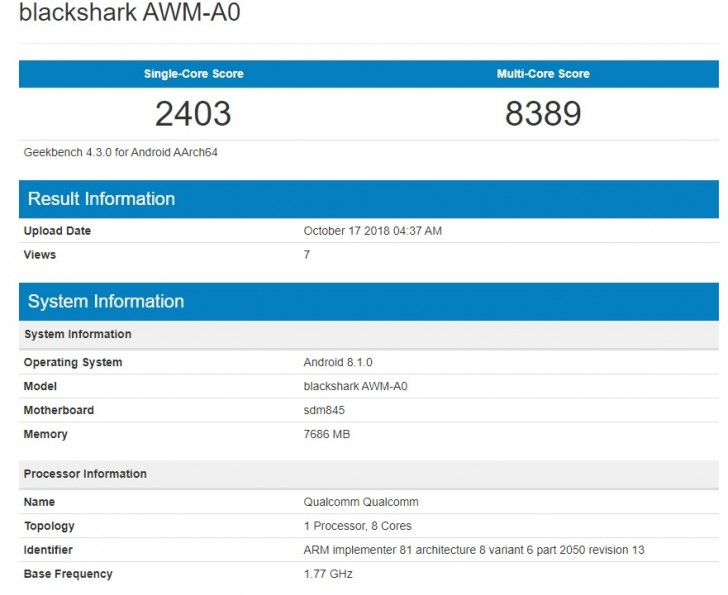
A leaked poster that had surfaced yesterday hinted that Xiaomi will be launching the Black Shark 2 smartphone on Oct. 23. Today, a Geekbench benchmark listing of a smartphone labelled as “blackshark AWM-A0” has surfaced today. It is speculated that it could be the upcoming Black Shark 2 smartphone. The same Black Shark model number was approved by TENAA in the previous month.
According to the Geekbench listing, the “blackshark AWM-A0” is equipped with Snapdragon 845 chipset and 8 GB of RAM. It is preinstalled with Android 8.1 Oreo OS. In the single-core test of Geekbench, it has recorded a score of 2403 and it has managed to score 8389 points in the multi-core test.
The leaked invitation that had surfaced yesterday had carried Black Shark Hela moniker for the handset. It revealed that the smartphone will be made official at 6 PM (local time) in China on Oct. 23. Xiaomi is yet to confirm on the existence of a new Black Shark gaming smartphone. The Oct. 23 launch for the Black Shark 2 seems a bit doubtful since Xiaomi will be launching the Mi MIX 3 flagship phone on Oct. 25.
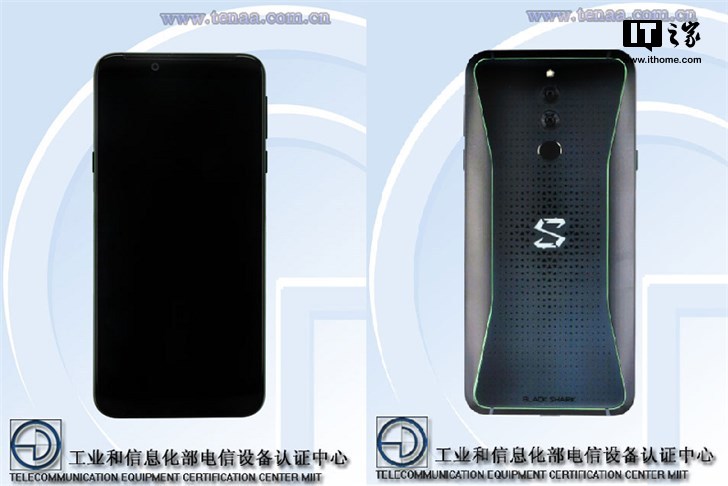
A leaked video of the alleged Black Shark 2 that had surfaced in the recent past had revealed that it would be arriving with cool lighting effects like the recently announced Razer Phone 2. The TENAA images of the phone had revealed that its design does not different much from the original Black Shark phone.
According to TENAA listing of Blackshark AWM-A0, it features a 5.99-inch 18:9 aspect ratio display with FHD+ resolution and Snapdragon 845 chipset. It is packed with 4,000mAh battery and has an internal storage of 128 GB. The handset is equipped with 16-megapixel + 20-megapixel dual rear cameras, 20-megapixel selfie snapper and a fingerprint scanner.
Xiaomi is here with a debut update for the newly launched Mi TV Pro series in India. Today, Xiaomi posted some details of a new update via a forum post on the Mi community. The first ever update brings many new changes and will elevate your TV viewing experience. It is available for Mi TV Pro series devices such as Mi 4 Pro, 4A Pro, and 4C Pro.
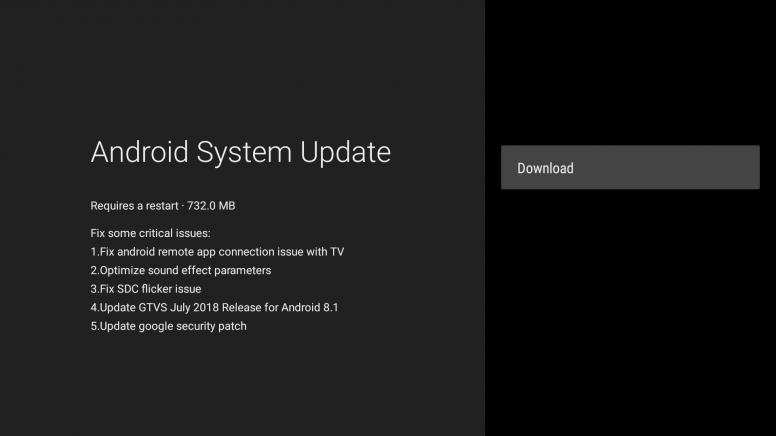
Xiaomi Mi LED TV 4 Pro is getting the latest firmware version OPM1.171019.011.1011, while Mi 4C Pro is receiving OPM1.171019.011.1073 firmware and in the last Mi 4A Pro is tasting firmware version OPM1.171019.011.1010. The update weighs around 732 MB in size. There are several changes in the latest build but some major changes that need to be put under the light are:
Fix for Android remote app connection issue
Optimization for sound effect parameters
It also fixes SDC flicker issue
It brings new security patch and GTVS July 2018 release for Android 8.1
Minor fixes
In order to check the update, you should head over to the About section of your TV. Then scroll to ‘System Update’ to check for the updates, if it is avalable system will start downloading it. Upon downlaoding, the Mi LED TV Pro will reboot automatically in order to install it. We suggest you not to switch off the Mi TV while the installation is in process.
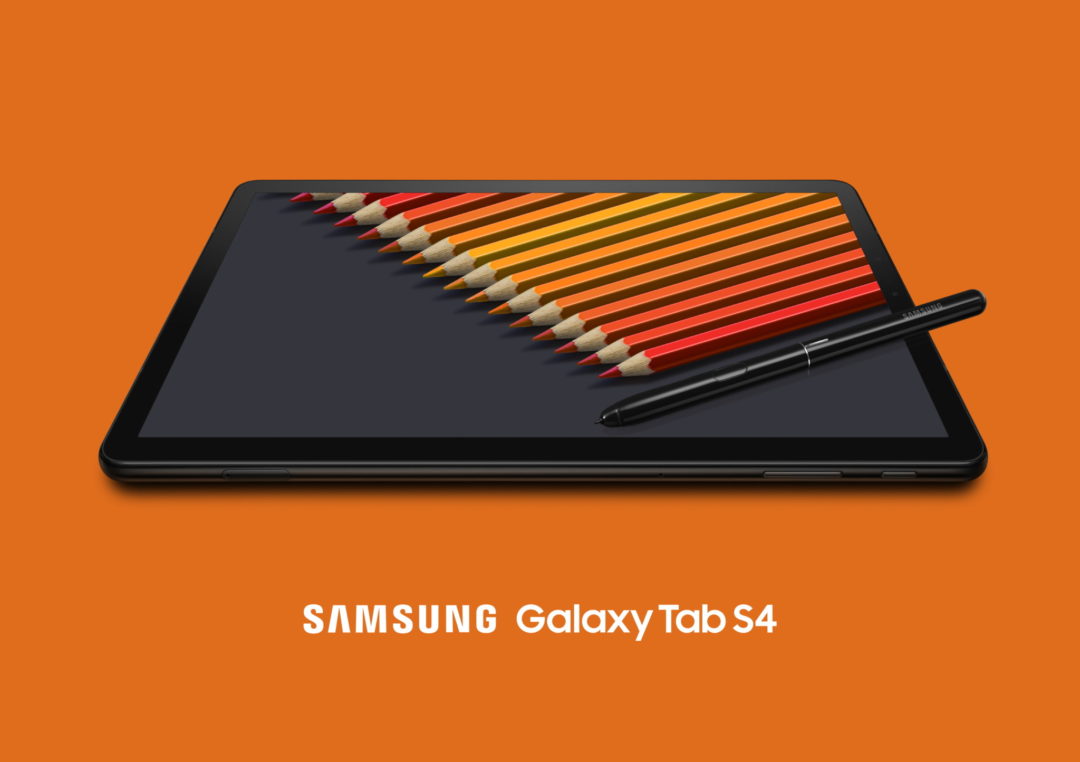
In August, Samsung had launched the 2-in-1 Galaxy Tab S4 device before the unveiling the Galaxy Note 9 smartphone. The Note 9 is already available for purchase in India, but the country is yet to receive the Galaxy Tab S4. Fresh information reveals that the South Korean company may announce the Galaxy Tab S4 in this week.
In August, Samsung had released the Galaxy Tab A 10.5 tablet with mid-range specs and Rs. 29,990 pricing. It is speculated that the Galaxy Tab S4 that is packed with advanced specs may cost around Rs. 60,000 (~$816) in the country.
The Galaxy Tab S3’s successor features a 10.5-inch Super AMOLED screen that produces Quad HD resolution 2560 x 1600 pixels along with an aspect ratio of 16:10. The Snapdragon 835 SoC, 4 GB of RAM and 7,370mAh battery are present under the hood of the Galaxy Tab S4. The mammoth battery is equipped with support for 15W fast charging.
For photography, it features a frontal shooter of 8-megapixel and a 13-megapixel rear camera with features like LED flash and autofocus. The device is equipped with quad speakers tuned by AKG. It also features support for Dolby Atmos.
The Galaxy Tab S4 is loaded with Samsung Experience UI flavored Android 8.1 Oreo OS. There is no fingerprint scanner on the device, but it is equipped with support for iris scanner and face unlock. The tablet carries support for Samsung DeX that allows users to connect the tablet to a larger display for full-fledged desktop PC experience by using HDMI to USB-C multi-port adapter. There is a microSD card slot on the Tab S4 for additional storage. The pogo pins and magnets available on the tablet makes it possible to use a Book Cover keyboard optional accessory for using the device as a notebook. It also carries support for S Pen stylus.
Samsung is reportedly aiming to release the Galaxy Tab S4 for the festive season in India. According to Q2 2018 International Data Corporation (IDC) survey, Samsung is holding second spot in the tablet market with shipments of 5.3 million units. The market is led by Apple.
In July, Huawei announced that it will no longer users to unlock the bootloaders of its devices. Before then, the company had for several years allowed users to unlock the bootloaders of their phones. Although the company’s reasons bothering on security were apt, some users are not happy about it.
Huawei’s latest Mate 20 Pro
The good news is, Huawei phone users can now unlock the bootloader on their phone using a service run by FunkyHuawei. This can be done by visiting the website www.unlockhuawei.com where you can get the bootloader unlock code for a fee. This service requires users to enter This service comes with a fixed charge for the IMEI number of their phone and attracts a fee of $55 per unlock code. FunkyHuawei also indicated that the service is also available for the newly launched Huawei and Honor smartphones.
While this may sound interesting, it basically nullifies the manufacturer’s warranty on the phone and there is a maximum waiting period of 14 days to receive the code. In addition, once the phone is unlocked, you can’t relock the bootloader anymore. Unlocking the bootloader will also lead to the erasure of all media and content on the device permanently. So, it is advised that users back up their data and save them before unlocking the bootloader. Apparently, there is a money back guarantee attached to the service, in case the code doesn’t work. That means this isn’t a sure solution to Huawei’s blockage of bootloader unlock. Anyway, we may see Huawei reintroduce bootloader unlock on its phones in the future. The Honor brand already reopened it on a trial basis. For now, this is your only option if you’d like to unlock the bootloader on your Huawei phone.
We use cookies on our website to give you the most relevant experience by remembering your preferences and repeat visits. By clicking “Accept”, you consent to the use of ALL the cookies.
This website uses cookies to improve your experience while you navigate through the website. Out of these, the cookies that are categorized as necessary are stored on your browser as they are essential for the working of basic functionalities of the website. We also use third-party cookies that help us analyze and understand how you use this website. These cookies will be stored in your browser only with your consent. You also have the option to opt-out of these cookies. But opting out of some of these cookies may affect your browsing experience.
Necessary cookies are absolutely essential for the website to function properly. This category only includes cookies that ensures basic functionalities and security features of the website. These cookies do not store any personal information.
Any cookies that may not be particularly necessary for the website to function and is used specifically to collect user personal data via analytics, ads, other embedded contents are termed as non-necessary cookies. It is mandatory to procure user consent prior to running these cookies on your website.

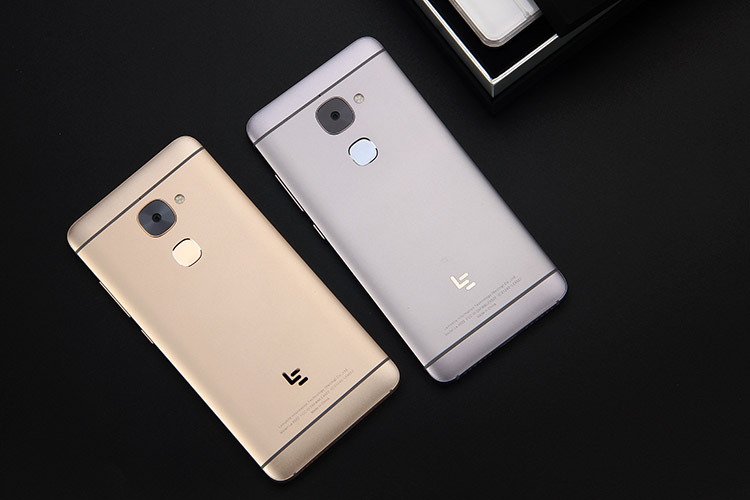
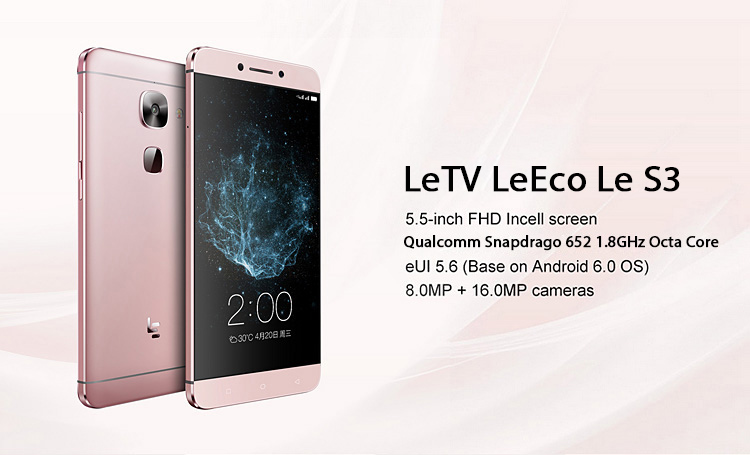 The LeEco Le S3 X522 is quite an irresistible smartphone at this price, given that it sports a 5.5 inches FHD display with a screen resolution of 1080×1920 pixels. Moreover, the phone is housed in a sturdy aluminum metal body which is augmented which a 2.5D curved glass screen.