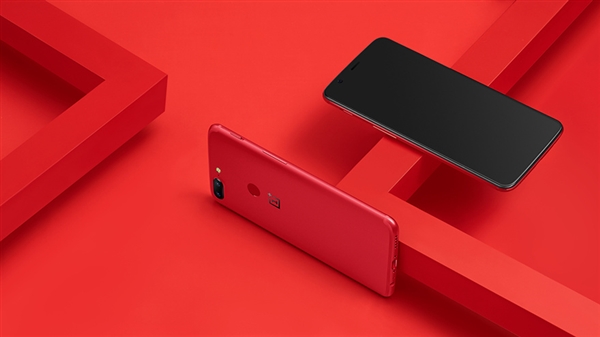
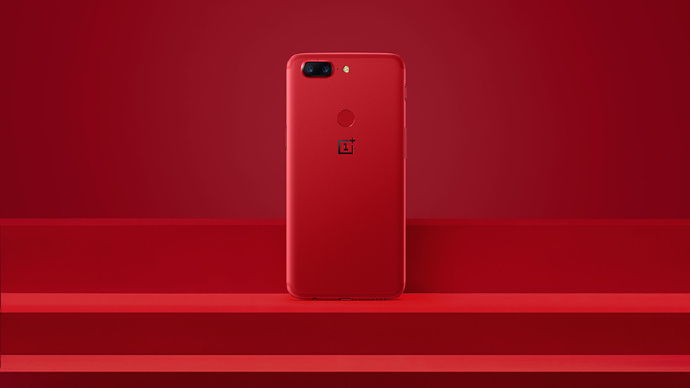
OnePlus launched the OnePlus 5T in China on November 28 and the flagship was accompanied by a surprise. The surprise comes in the form of a new Lava Red colour variant designated as its fourth-anniversary edition. Since the launch, the OP5T has only been available in the Midnight Black variant with the Lava Red variant unavailable. However, the cool Red variant has now gone up for sale in China and is listed on OnePlus’ official website serving the Chinese market.
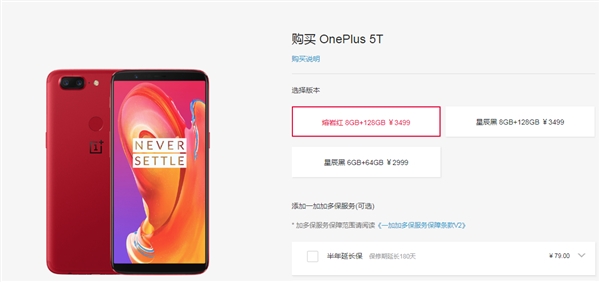
Despite its attractive and colourful paint job, the Lava Red variant still comes with the same price tag as the Midnight Black variant. The OnePlus 5T’s price remains unchanged at 3,499 Yuan. Do note that the new sleek variant is only available in 8GB RAM + 128GB storage and the price is consistent with the top-end Midnight Black-coloured variant.
Apart from the colour, the Lava Red utilises the same design as the Midnight Black variant. The OnePlus 5T prides itself on having an 80.5% screen-to-body ratio on top of a 6.01-inch FHD+ AMOLED display. The device comes with minimally curved corners (the radius of curvature is smaller than what’s found on devices like the Galaxy Note 8 and Galaxy S8, for example). We should be looking at a better display than the OP 5 especially as we are told the jelly scrolling issue on the OnePlus 5 display isn’t present on the 5T. The device also packs an improved dual camera setup at the rear and as is powered by a Snapdragon 835 chip. The dual-Nano SIM packing flagship gets its juice from a 3300mAh battery with support for DASH fast charge technology. The phone also features the USB Type-C interface and a 3.5mm audio jack. There are indications the OP5T Lava Red variant could hit India on January 26, meaning it could be made available to buy in other markets outside China.
In this year, HTC had debuted its first U series flagship phone, the HTC U11 in May. The Taiwanese company is expected to announce its successor phone, the HTC U12 in May this year. A leaked render of the alleged HTC U12 has surfaced to reveal its design.
The leaked render shows that just like the U11 and U11+, the HTC U12 will be also arriving with 18:9 aspect ratio display. The screen appears to be surrounded by super-slim bezels. There is a single selfie camera on the top bezel of the phone.
Since the HTC U12 is expected to sport a full screen design, its fingerprint scanner will be placed on the back panel. The volume buttons and the Power key are located on the right edge of the phone. Its bottom edge seems to feature a USB-C charging port. The overall design of the U12 may not be very different from its predecessor.
The rumor mill has recently revealed that the HTC U12 would be equipped with a 4K display. Like the predecessor phone, the upcoming HTC flagship is rumored to feature a metal and glass combination chassis.
The Snapdragon 845 chipset is rumored to power the HTC U12. Apart from the fingerprint scanner, the rear panel of the phone is also speculated to house dual rear cameras. Also, it is unlikely to house a 3.5mm audio jack. All the above rumored features seem to be spot on, but the arrival of 4K display on HTC U12 seems too good to be true.
Since the past few of years, Sony has been selling smartphones with 4K display such as Xperia Z5 Premium and Xperia XZ Premium. Both the smartphones usually function in full HD resolution, but they switch to 4K resolution when 4K content is played. HTC may offer such kind of 4K display on the U12.
All the aforementioned information is preliminary rumors of the HTC U12. The rumor mill is expected to reveal better renders of the phone and detailed information on its specs in the coming weeks. Hence, readers are advised to digest this report with a grain of salt.
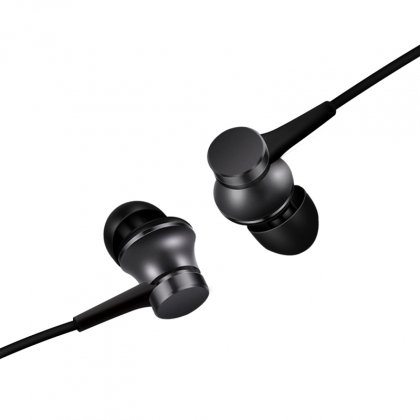
Thanks to Lightinthebox’s latest bundle deals, you can now buy Original Xiaomi Piston in-ear earphones (with mic) headsets for just $4.30. This is a considerable 57% reduction in the item’s original asking price of $9.99. While you can head straight to this link to buy Piston Earphones Fresh Version, it is imperative for you to bear in mind that there are only 500 pieces up for grab on the website.
Lightinthebox is also offering a 27% discount on ORICO CBS5 cable fixer, which brings down its original asking price of $2.69 to just $1.99. This silicone cable organizer is available in a slew of color options including black, blue, orange, gray and rose pink.
You can click here to get your hands on one of the 500 pieces of ORICO CBS5 Cable Winder which were available at the time of writing.
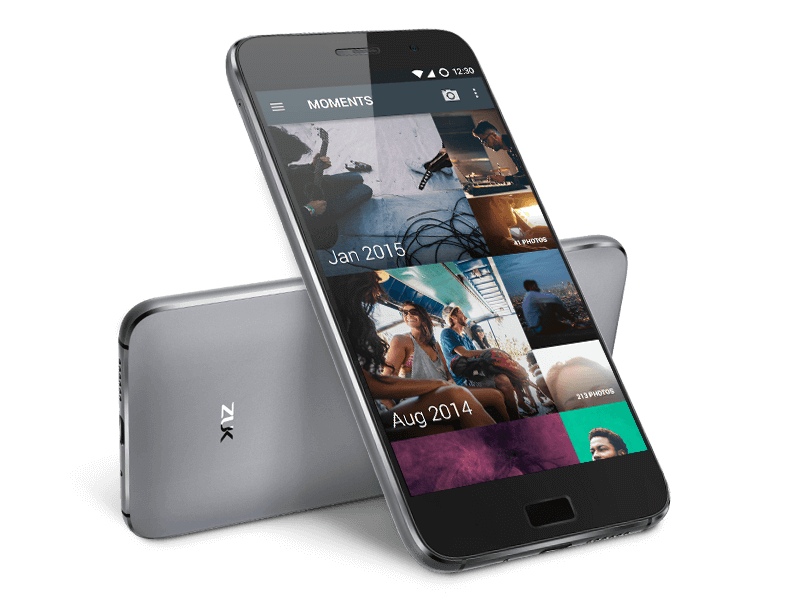
Much to the delight of smartphone enthusiasts, the site is also offering a 45% discount on Lenovo ZUK Z1 4G smartphone, reducing the handset’s original $214.97 asking price to just $118.74. The handset is only available in gray color.You can click here to buy the ZUK Z1 smartphone on Lightinthebox at a discounted price.
Alternatively, you can go for Motorola Moto M XT1662 smartphone which is currently available on Lightinthebox for just $147.56, thanks to a massive 74% discount on the handset’s original asking price of $567.54.
Click here to buy the Moto M XT1662, which comes with 4GB of RAM, 32GB of internal memory and sports a 5.5-inch display with a resolution of 1920×1080 pixels.
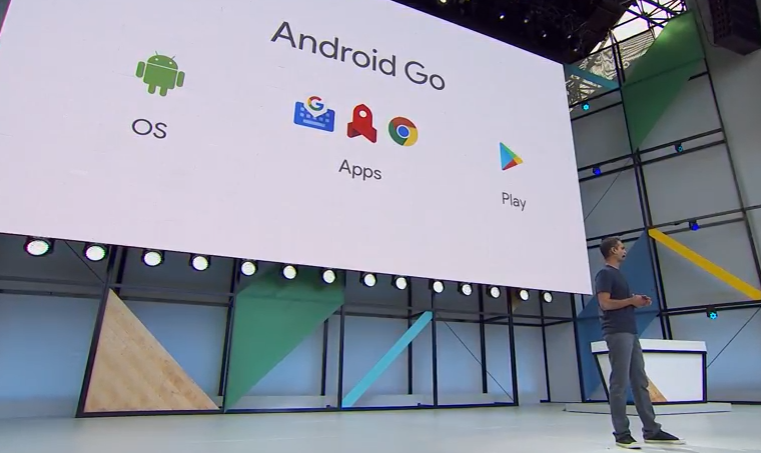
Android Go is an initiative from Google to bring a tailored distribution of the latest Android version on low-end devices. The search engine giant has begun this program to release Android Go phones in emerging markets. According to Factor Daily, Google has struck a deal with some of Indian smartphone brands such as Micromax, Intex, Lava, Karbonn and others to release Android Go (Android Oreo edition) phones worth around Rs. 2,000 (~$30) in India starting from this month.
Android Oreo is the most recent version of Google’s operating system for smartphone. The Android Go version of Android Oreo is expected to run on phones with less than 1 GB of RAM. The Android Go phones will come loaded with some Go (lightweight) versions of its apps such as Google Apps, Google Play Store, Maps, YouTube, Gmail, Google Assistant and more.
An unnamed official from Google has claimed that Android Go devices will launch in early 2018. It is speculated that Micromax could become the first brand to launch an Android Go phone in India. It is expected to unveil its Android Go smartphone at some point around the Republic Day (Jan. 26) of the country. Other Indian brands are expected to release their Android Go phones in the weeks later. It is appears that these phones will be enabled with 4G LTE. Since the rumored Nokia 1 is expected to arrive as an Android Go phone, it is likely to cost around Rs. 2,000 (~$30) in India.
In the recent past, the popularity of Chinese smartphone vendors has increased significantly in India. Xiaomi has recently dethroned Samsung to gain the number one spot in the Indian market. Other brands like OPPO and Vivo are also immensely popular in India. Two years ago, Indian smartphone makers accounted 50 percent of the market share in India. According to a recent IDC survey, the market share of Indian smartphone manufacturers is 15 percent.
When Google CEO Sundar Pichai had come to India in 2017, he had said that $30 phone is the best price point for smartphones in India. The Android Go will certainly allow Indian smartphone vendors to increase their market share in the country.
2018 International CES (Consumer Electronics Show) is slated to kick off at 9 AM on Tuesday, January 9 in Las Vegas. The biggest tech show of the year is likely to sweep tech buffs off their feet before it comes to an end on Friday, January 12.
With the hotly-anticipated tech show around the corner, big announcements have already started surfacing online. Lining with this, Banggood has come up with an ‘Online Experience Museum CES 2018’ offer with lucky draw opening on January 9.
In order to take advantage of this ‘Online Experience Museum CES 2018’ promo, buyers need to finish placing an order from January 1 to January 12 with every buyer getting 3 chances at most. You just need to enter your order number to start lucky draw. You can choose from a myriad of awe-inspiring products that have been divided into eight categories. Here’s a brief glimpse of what each category comprises.
Beyond Tech
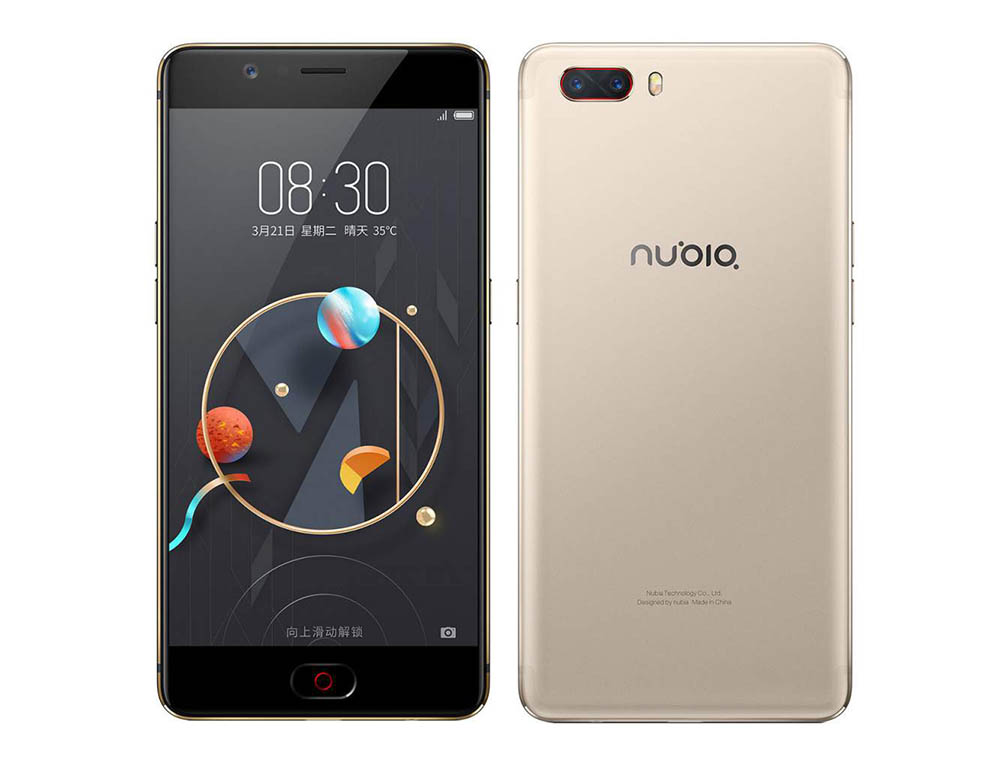
This category features the Nubia M2 smartphone, A5X MAX PLUS RK3328 1000M LAN TV Box and Xiaomi Mijia Soap dispenser with a considerable 20%, 22%, and 30% discount, respectively.
Buy One Get One Free
This section offers a considerable discount on various electronic items such as Eachine EV100 720*540 5.8G 72CH FPV Goggles, which is up for grabs for just $99.99, and Original XiaoMi Mijia Roborock Smart Robot Vacuum Cleaner, which is available for only $549.99. Apart from this discount, each product under the aforesaid category comes with a free item.
For instance, Eachine EV100 Goggles comes with Eachine Super WDR Mini Camera worth $10.55 (discounted price) and XiaoMi Mijia Roborock Smart Robot Vacuum Cleaner comes with 2pcs Original Xiaomi Robotic Vacuum Cleaner Filter worth $11.11 (discounted price).
Star Brand
This section of the promo features massive discounts on electronic items including Original Box Chuwi Hi10 Plus Dual OS tablet PC with Keyboard, which is available for just $187.99. This is a considerable reduction in the device’s original asking price of $199.99.
Aside from that, you can get a considerable 15% off the DANIU multifunctional automatic wire stripper crimping pliers terminal tool. The device is currently available on Banggood for just $11.11.
Similarly, there’s a 36% discount on DANIU LCR-TC1 TFT backlight transistor tester that brings down its original asking price of $34.88 to just $22.22.
Creative RC
This category features a slew of remote controlled items such as JJRC R2 Cady USB Charging Dancing Gesture Control Robot Toy, ZOHD Nano Talon 860mm Wingspan AIO HD V-Tail EPP FPV RC Airplane and Hubsan H122D X4 STORM 5.8G FPV Micro Racing Drone Quadcopter at a discounted price.
Smart Device Collection
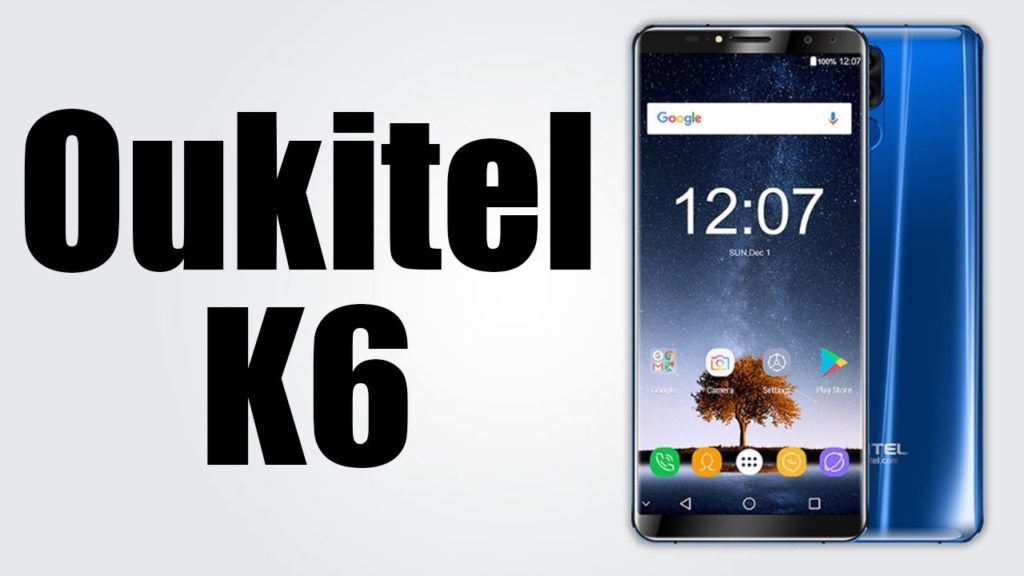
This category gives technology enthusiasts something to cheer about. From a 26% discount on Oukitel K6 4G smartphone to a considerable 39% off the G300 3D VR Glasses for Smartphone, this section of the promo offers a discount on everything you could ask for.
Precise Electronics
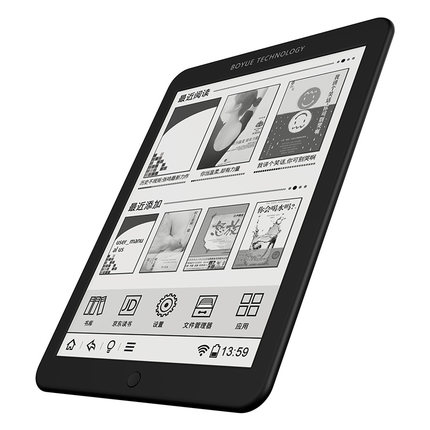
There’s a considerable reduction in the original asking prices of various items in this category. For instance, you can get your hands on Boyue T80s 1G+16G Likebook Plus eBook Reader by shelling out just $197.57. The eBook Reader comes bearing a steep price tag of $207.97 without this discount offered by Banggood. Among other items featured in this section of the promo, there’s RUIDENG UM24/UM24C USB 2.0 color LCD display tester voltage, which is basically a portable USB tester, available for just $13 ($17 with UM24C).
Power Tech
In addition to offering a massive 70% discount on electric facial pore suction Spot Cleaner blackhead remover, this category boasts various items such as BIKIGHT Ninja Face Mask, XANES ML02 Mountain Bike Light and Naturehike 18L camping hiking backpack at a discounted price.
You can get 53% off the 12V 6-63V LCD Acid Lead Lithium Battery Capacity Indicator, 56% off the Unisex Cycling Bicycle Ski 3D Animal Neck Full Face Mask Hat (men), and a 57% discount on Outdoor 20W Multifunction Portable Manual Crank Generator, just to name a few.
CES 2017 Review
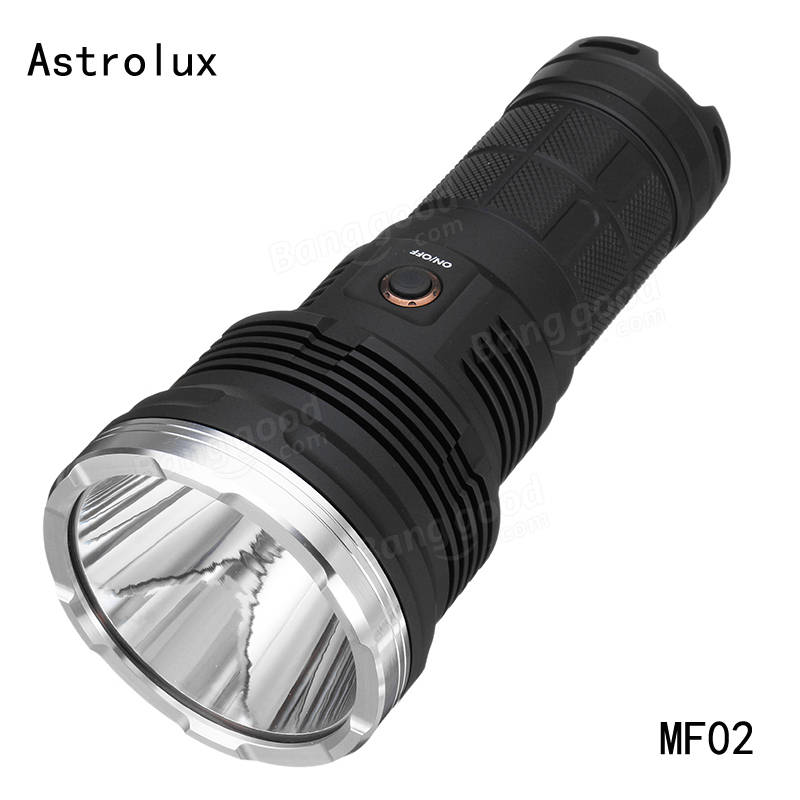
The discounted items featured in this category include Astrolux MF02 XHP35 HI 3000Lumens long range LED flashlight, which carries 33% discount, I4 AIR smartwatch with 33% discount on its original $149.99 asking price and Xiaomi Mi A1 4G smartphone which is up for grabs for just $249.99.To check out this and rest of the categories of items on Banggood, you can head straight to this link before the luck draw wraps up on January 13.
Samsung Mobile has announced that it has set a sales target of 320 million smartphones this year. The Korean giant is reported to be maintaining a similar target to 2017’s figure.
The figure has been sent to its suppliers and also includes those of other devices. For feature phones, Samsung has set a target of 40 million units; tablets are 20 million units; and wearables come last with 5 million units.
It is speculated that the reason for the low numbers is because the market is currently saturated. However, Samsung’s figures are still higher than those of its rivals, Apple and Huawei. The two companies sell about 200 million and 150 million phones per year.
Last week, it was reported that the Chinese Securities Regulatory Commission asked LeEco’s founder Jia Yueting, to return to China before December 31. Today is 2nd of January, and Mr. Yueting hasn’t returned to Asia.
LeEco Founder, Jia Yueting
In an official response to the order via his Weibo account, Jia Yueting said he needs to remain in the US to oversee his electric car startup, the Faraday Future. In his place, he has sent his brother Jia Yuemin, and wife Gan Wei home to sort out matters.
The order to return to China was due to failure of Mr. Yueting and his sister to provide loans promised to Leshi Internet Information and Tech. Co.. Leshi and its sister company LeEco are in debts and have been unable to pay its suppliers and loans.
I’m deeply sorry and I blame myself for the huge negative impact the debt crisis of LeEco has brought,” he wrote
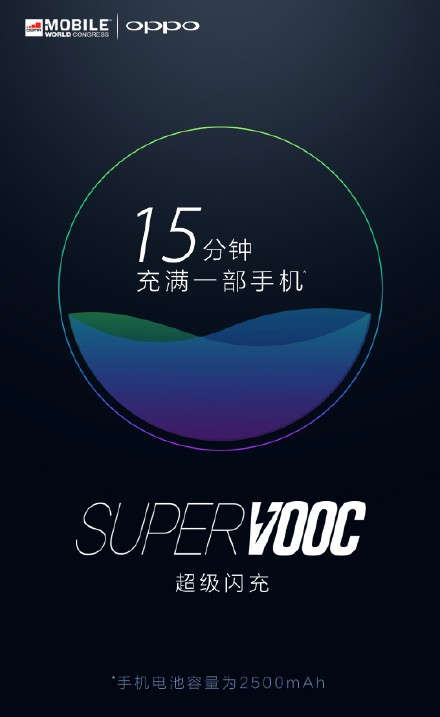
OPPO is said to be bringing back its flagship Find series. Last released in 2014, phones in the Find series usually come with Qualcomm’s top chip of the year. This year, the new phone called the Find 9 is reported to not only come with flagship specs but also feature a super fast charging technology called Super VOOC.
VOOC is currently the charging technology used in OPPO phones. The charging technology churns out 20W of power just like OnePlus’s Dash Charge and lets you recharge your phone from 0 – 75% in 30 minutes. Super VOOC is faster – allowing you charge a 2500mAh battery in just 15 minutes or up to 45% in just 5 minutes!
The charging technology was first showcased at MWC 2016 and is reported to have been improved upon by OPPO.
Super VOOC isn’t the only technology OPPO has that hasn’t appeared in any phone yet. At last year’s MWC, it showcased a new camera technology called 5X Precision Optical Zoom.
OnePlus 5T, the updated flagship smartphone from China-based OnePlus, which is the successor of OnePlus 5, is all set to receive another colour variant in the Indian market. According to the latest reports, the company could introduce the ‘Lava Red’ colour variant of OnePlus 5T in India on 26th January.
Initially, the OnePlus 5T was launched in only one colour — Midnight Black. Later, to mark the company’s fourth anniversary, OnePlus introduced ‘Lava Red’ colour variant in China. At the time, it was expected to be exclusively for the company’s home market.
Last month, the company launched another variant of the phone — Star Wars Edition, available in white colour. Although it was first announced in India, the limited edition has been made available globally.
Apart from this, the company is also teasing a launch of a new variant of OnePlus 5T, which is believed to the one with Sandstone finish. The company has posted a video on YouTube in which users are holding a mystery device in the box. The video ends with the caption – “Unbox the mystery. January 2018.”
As per the reports, the OnePlus 5T Lava Red edition will be available only in the high-end model, which packs 8GB RAM and 128GB internal storage. All the specifications on the phone remains same. It features a 6-inch Optic AMOLED FHD+ display with an 18:9 aspect ratio and a screen resolution of
The device is powered by a Qualcomm Snapdragon 835 processor and is fuelled by a 3,300mAh battery that supports the company’s own Dash Charge — a fast charging technology. The phone is running on Android 7.1.1 Nougat flavored Oxygen OS 4.7.
The OnePlus 5T comes with a rear-mounted dual camera system that features a 16-megapixel camera sensor with f/1.7 aperture and a 20-megapixel sensor having the same f/1.7 aperture. There is a 16MP IMX 371 camera sensor with f/2.0 aperture.
As of the pricing, the OnePlus 5T Lava Red edition is expected to be priced same the standard model — Rs. 37,999 (approximately $599). The pricing of the recently introduced Star Wars Edition of the phone also remains unchanged.
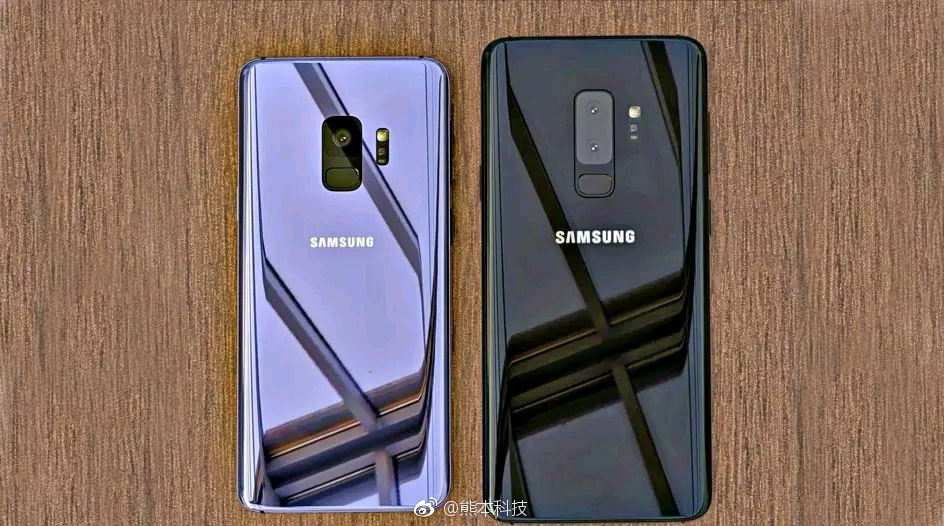
A recent report had revealed that front design of the upcoming Samsung Galaxy S9 and Galaxy S9+ smartphones. Here is a freshly leaked image showing the glass rear of the Galaxy S9 duo.
In the below image, the Galaxy S9 can be seen sitting on the left side whereas the larger Galaxy S9+ is on the right. Both the smartphones can be seen sporting reflective glass panels on their back. It appears that the image is showing the Orchid Grey edition of the Galaxy S9 and the Midnight Black version of the Galaxy S9+.
Compared to the Galaxy S8 duo, the rear panels of the Galaxy S9 and S9+ have been redesigned in such a way that users will not end up touching the camera sensors will accessing the fingerprint scanner. The biometric recognition feature is positioned below the camera module on the Galaxy S9 and S9+. As the rumor mill has revealed, the Galaxy S9 has a single rear-facing camera sensor. The Galaxy S9+ will be equipped with a vertically arranged dual rear cameras.
Like the Galaxy S8 and Galaxy S8+ phones, their successor phones are expected to sport the same-sized S-AMOLED display panels. The Galaxy S9 duo will be also retaining the 18.5:9 aspect ratio supporting Infinity Display design. These phones are likely to come pre-loaded with Android 8.0 Oreo that is customized with Samsung Experience 8.0 UI. Recent reports have suggested that the Galaxy S9 and Galaxy S9+ would be unveiled during the Mobile World Congress (MWC) in the next month.
The official OnePlus weibo account has released a poster announcing a launch for Friday, 5th of January. The poster has hints all over it that point at a Sandstone White version of the OnePlus 5T.
A few days ago, there was a OnePlus video uploaded online that had random people feel the texture of an unknown item inside a box. Quite a number of people who participated in the experiment mentioned the words “sand” and “stone” when asked to describe the texture. One of the participants even said “it feels like the original one”. At the end of the video, OnePlus said the mystery would be unboxed in January 2018.
The new poster drops more hints at the product being a Sandstone version of the OnePlus 5T. First, the background of the poster is sort of grainy like sandstone. There is also a text at the bottom that translates into “classic reproduced”.
Xiaomi has already hinted that the upcoming Xiaomi Mi 7 flagship phone from the company will be powered by Snapdragon 845 chipset. The company has now confirmed through its official WeChat channel that the Mi 7 will be equipped with wireless charging technology.
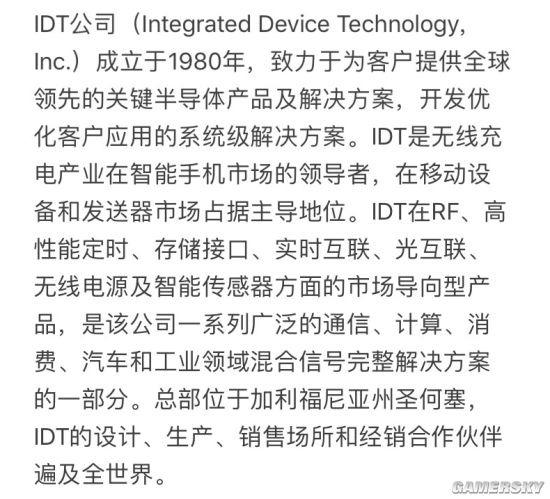
The Chinese firm has confirmed that the US-based Integrated Device Technology will be providing it with the wireless charging module for its upcoming flagship phone. The exact pricing for each module is not known, but a common configuration is available for buying with a pricing of around $5. IDT has various wireless charging modules that ranges from 3-watt single direction to 15-watt dual-direction, but there is no confirmation on the specific model that will be available with the Xiaomi Mi 7.
Xiaomi Mi 7 will carry support for Qi wireless charging standard. Around three months ago, Xiaomi had joined Wireless Power Consortium that hinted that the next flagship phone from the company would carry support for Qi standard wireless charging. A report from the previous month states that Xiaomi Mi 7 with wireless charging will enter production from February this year.
Apart from wireless charging module from IDT, Xiaomi will be also using its RF products. This indicates that the wireless antennae of the alleged Mi 7 would be completely compatible with wireless bands of the U.S. This suggests that the Xiaomi Mi 7 could be the company’s first flagship phone to be available through carriers in the U.S.
The official website of Xiaomi is listed with various accessories from the company, but none of the Xiaomi phones are present on it. Its unlocked phones are available to the consumers in the U.S. through other channels like Amazon, Newegg and GearBest. Just as Huawei is planning to expand its reach in the U.S. territories by launching the Mate 10 flagship phone through carriers in the U.S., Xiaomi too could be planning to make its phones available through U.S.-based mobile operators starting with the Mi 7.
Recent rumors have suggested that the Xiaomi may launch Mi 7 and Mi 7 Plus simultaneously. The Mi 7 is rumored to house a 5.65-inch 18:9 display whereas the Mi 7 Plus is speculated to be fitted with a 6.01-inch 18:9 screen. These phones are speculated to be respectively packed with 3,200mAh and 3,500mAh batteries.
The Snapdragon 845 and 6 GB of RAM are expected to power the Mi 7 and Mi 7 Plus. The Mi 7 duo are also rumored to deliver stellar AI driven photography experience through its dual rear cameras. The Mi 7 may carry a pricing of 2,699 Yuan (~$415) whereas the larger model may be priced at 2,999 Yuan (~$460). The Xiaomi Mi 7 duo may get unveil in March this year.
Sharp Aquos S3, which recently received certification from Taiwan’s certification body NCC, is now all set to get launched later this month, on 16th January.
The Japan-based company has announced that it is holding a press event on 16th January in Taipei, where it will announce Sharp Aquos S3 smartphone.
The phone is expected to come with a full-screen display with minimal bezels on the sides. It will features a dual camera setup on the back, with camera lenses stacked vertically.
Recently, the phone appeared on Geekbench benchmarking website, which revealed some of the specification of the device. The phone will be powered by a Qualcomm processor given that the lunch invite has a ‘Qualcomm Snapdragon’ branding.
According to the previous leaks, the phone could pack either Qualcomm Snapdragon 630 or Snapdragon 660 processor. In terms of memory, the device will have 4GB RAM and 64GB internal storage. There will be another variant of the phone with higher memory configuration — 6GB RAM and 128GB onboard storage.
The phone will feature a 5.99-inch Full HD+ display with a screen resolution of 2160 x 1080 pixels. As said, the phone will feature a full-screen display with 18:9 aspect ratio. Its predecessor, Sharp Aquos S2 features a display with an unusual aspect ratio of 17:9.
In the benchmarking test, the Sharp Aquos S3 scored 880 in single-core test and 4237 in the multi-core test. The smartphone will be running Android 8.0 Oreo operating system. The phone is also said to pack a fingerprint sensor for added security.
According to the TENAA listing, there will be a 12-megapixel lens and a 13-megapixel lens on the back, while on the front-side, it will feature a 16-megapixel selfie shooter. The phone is said to be fuelled by a 3,100mAh battery.
Apple is not new to acquisitions. Just before the end of last year, it acquired Shazam Entertainment Ltd, owners of the song-recognition app, Shazam. Latest news says Netflix may be its next target.
Initially, there were reports that Apple planned to launch its own video subscription service in 2018. However, Citi analysts Jim Suva and Asiya Merchant, say that the American company may purchase Netflix instead, thanks to President Trump’s corporate tax cut.
Both analysts say there is a 40% chance of it happening as the new tax rules will see Apple bring back into the US about $220 billion. Apple has most of its cash overseas due to the high taxation if it decides to move it into the US.
“With over 90 percent of its cash sitting overseas, a one-time 10 percent repatriation tax would give Apple $220 billion (roughly Rs. 14 lakh crores) for mergers and acquisitions (M&A) or buybacks,” says the two analysts.
iTunes is said to have lost some of its subscribers to subscription services like Netflix, Hulu, and Amazon for their favorite shows. Apple wants to change that and is already working on creating more original shows.
It was reported last year that it planned to rent California’s Culver Studios for the shooting of original TV shows and movies, as it has plans to invest up to $1 billion in TV and movie productions. It has also hired a couple of Hollywood talents to help it achieve its ambition.
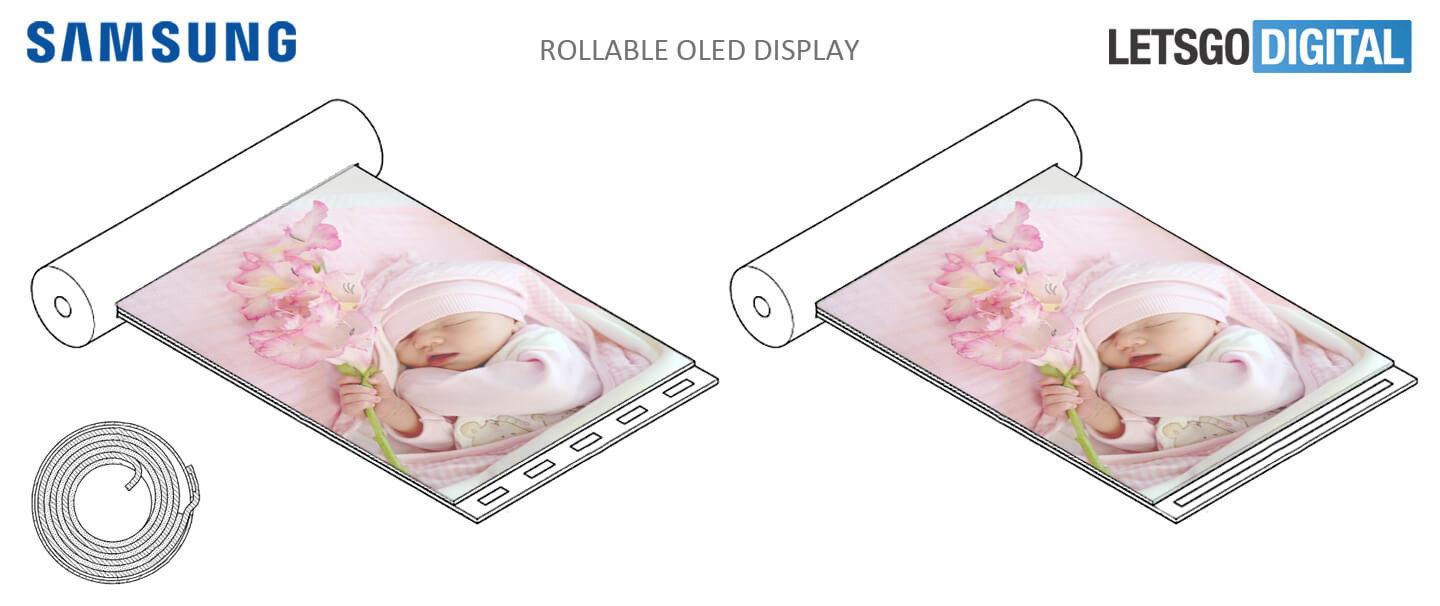
South Korean tech giant Samsung is on a planet of its own in terms of smartphone shipments. The company is yet to release its 2017 total shipment but there is no doubt that the company still sits atop the charts. Despite its tall standings, Samsung is unrelenting in its quest for innovative products and has just filed a patent for a rollable display that can be activated by fingerprint.
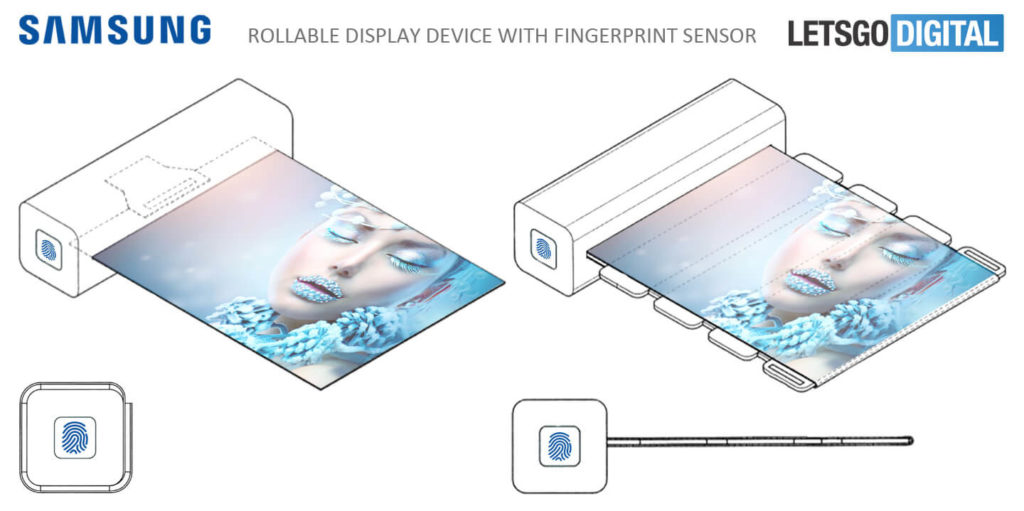
The industry has been toiling with the idea of foldable displays with several patents and prototypes flying around. We expect to see smartphones with foldable displays this 2018 and Samsung may likely pioneer the trend. But before that happens, the tech giant is already working on rollable display technology. How about that? As stated earlier, the rollable display is activated by the fingerprint. Samsung isn’t the first to tinker with the idea of a rollable display. LG has a rollable display patent also but LG’s own is different from Samsung’s. Samsung patented display uses magnets that are placed along the main body housing the display whereas LG’s utilises an ultra-small rotating motor.
In addition, the patent reveals two types of bodies, both metallic, where the rollable display is pulled by the magnets. One is cylindrical and the other takes a square shape but they both are equipped with fingerprint sensors that allow users to unfold the rollable display with a touch of a finger.We can’t say if the technology will be adopted in smartphones or how it would be adapted for smartphones. But the size of the package heavily suggests it would be used for smartphones.
Chinese manufacturer, Meizu, has released a poster announcing the launch of a new phone on January 4. The image reveals a major feature of the phone which is its 18:9 display and our guess is that it is the Meizu M6S/Blue Charm S.
Over the last couple of weeks, there have been a steady stream of leaks regarding Meizu’s full-screen phones – the Meizu M6S/Blue Charm S and Meizu 15 Plus. However, the former has been rumored to arrive first.
With respect to design, the Meizu M6S will be the first phone to ditch the mBack button. That has resulted in the fingerprint scanner, moving not to the rear, but to the side beneath the power button.
For specs, the Meizu M6S will come with a 5.7” 18:9 display and a 2930mAh battery. It is expected to be available in 3GB + 32GB and 4GB + 64GB variants and rumored to be powered by Samsung’s Exynos 7872 processor.
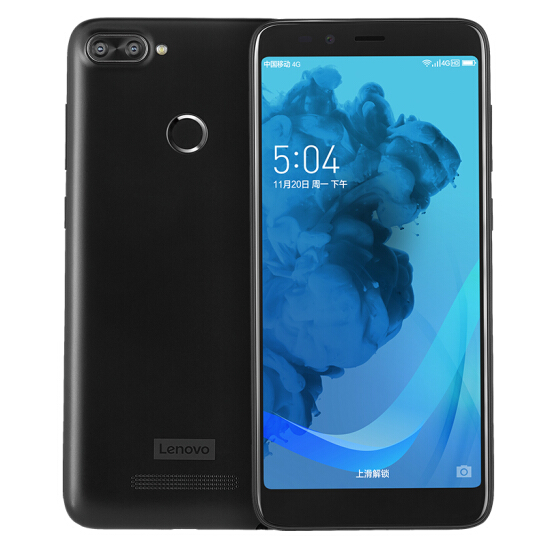
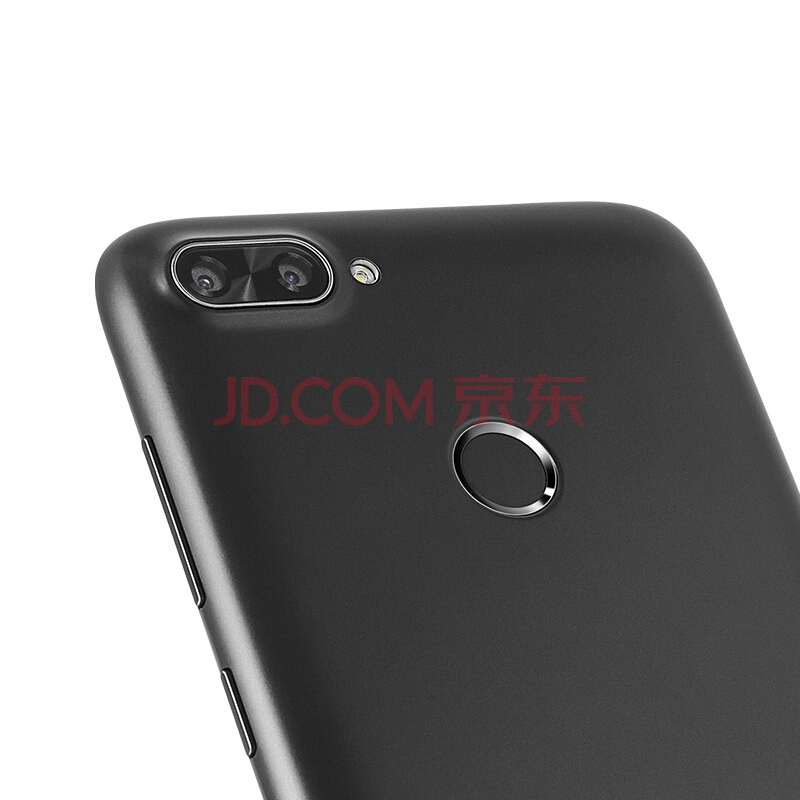
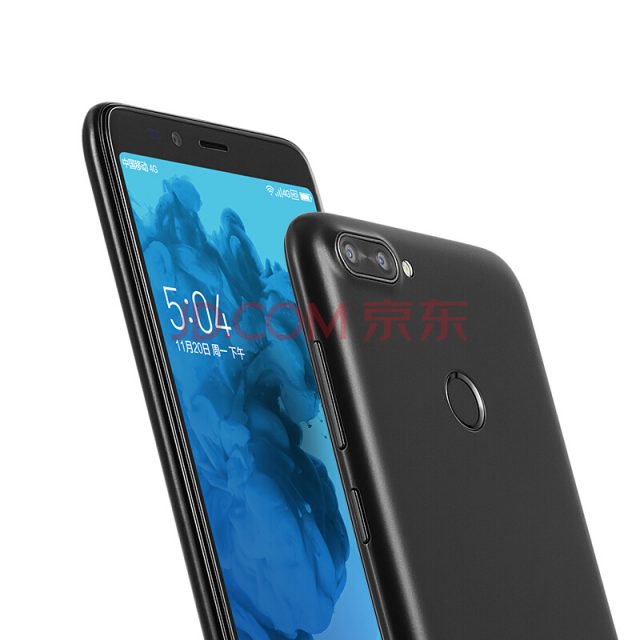
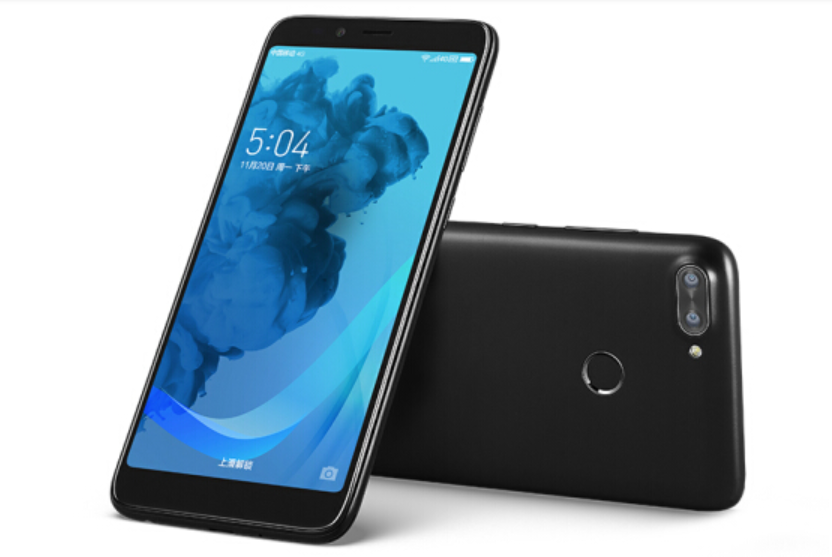
Lenovo has silently unveiled the Lenovo K320t as its first full screen smartphone. This smartphone had received TENAA certification in the previous month and the smartphone is already available on reservations on Jingdong Mall in China. The smartphone is slated to be available for buying starting from January 4.
Lenovo K320t Specifications and Features
The Lenovo K320t is a low budget phone that comes with a polycarbonate chassis that measures 155.2 x 73.5 x 8.5mm and weighs 153.8 grams. It houses a 5.7-inch IPS LCD display that supports an HD+ resolution of 720 x 1440 pixels. The screen is tucked under a 2.5D curved glass and it delivers a screen-to-body ratio of 81.4 percent.
Spreadtrum’s 1.3 GHz quad-core processor powers the smartphone. The 16 GB storage variant of the phone has 2 GB of RAM whereas the 32 GB storage model has 3 GB of RAM. These models are equipped with microSD card slot.
For photography, the smartphone is equipped with a dual camera system on its back panel that includes an 8-megapixel sensor and a 2-megapixel sensor. It has a selfie snapper of 8-megapixel. The handset is running on Android 7.0 Nougat. It is fueled by a 3,000mAh capacity battery. The Lenovo K320t is a dual-SIM phone that supports various connectivity features such as 3.5mm audio jack, microUSB, Bluetooth, 4G LTE, Wi-Fi and GPS.
Jingdong is now receiving the reservations of the Lenovo K320t smartphone. It is listed with a pricing of 999 Yuan and comes in a single color variant of Black. As mentioned above, the official sales of the phone will begin on Jan. 4. The Chinese company is yet to confirm on the other markets that will be receiving its full screen design phone.
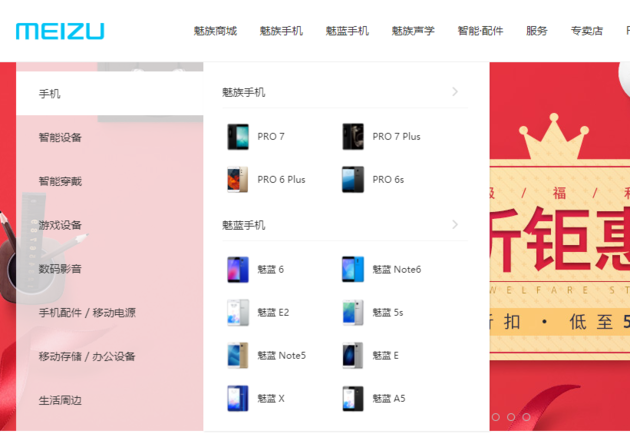
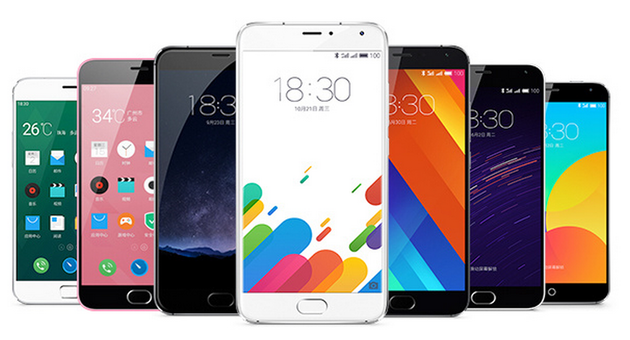
Meizu had launched the Meizu MX6 phone in July last year. Early rumors had suggested that the company could be working on Meizu MX7 to replace the older MX6 phone. The Chinese manufacturer has now removed the listing of Meizu MX6 from the official website as well as its official store. Since the Chinese firm is working on the Meizu 15 Plus as the 15th anniversary phone, it is speculated that the next major phone from the company will not be a Meizu’s MX series phone.
Currently, the Meizu MX6 is only available for purchase on Jingdong. The retailer is selling the Champagne Gold version of the phone with a price tag of 1,299 Yuan. It has been over a year since the launch of the MX6 and there is no trace of an upcoming Meizu MX series phone. Hence, the rumor mill is speculating that the company may have axed the MX lineup completely. We advise our readers to take this report with a grain of salt as the company is yet to official announce the axing of the MX series.
The Meizu 15 Plus is speculated to come with a full screen design. It is also rumored to retain the mBack button. Its rear panel is expected to feature dual camera setup that is coupled with a ring flash. The handset is expected to arrive in two models. The Snapdragon 660 chipset may power the Meizu 15 whereas the Meizu 15 Plus may feature Snapdragon 835 chipset. These phones are speculated to debut in March 2018.
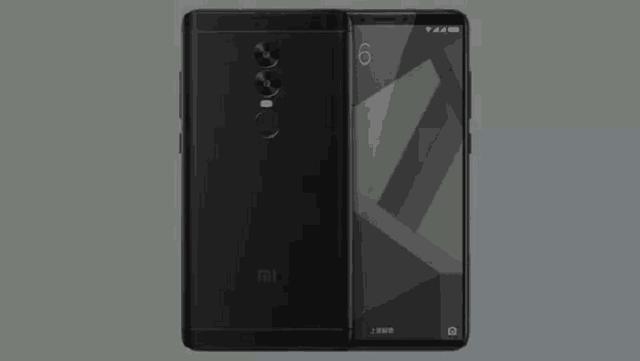
Contrary to previous reports which suggested that there will be no Redmi Note 5 phone, we now have the first look at the Redmi Note 5 smartphone, which is currently being tested internally by the China-based company.
The phone is expected to be launched officially by the company in the second half of the year. Interestingly, it is said to be powered by Qualcomm‘s Snapdragon 632 processor, which has not been announced yet. The Redmi Note 5 will be the first phone to be powered by Snapdragon 632 SoC.
The Xiaomi Redmi Note 5 is expected to feature a 5.99-inch Full HD+ display with 18:9 aspect ratio. It will carry on the trend of full-screen display with minimal bezels surrounding the display. Recently, Xiaomi jumped the full-screen display bandwagon with the launch of Redmi 5 and Redmi 5 Plus.
The Snapdragon 632 processor, which will be powering this upcoming smartphone, will reportedly be a toned-down version of the Snapdragon 636 processor from Qualcomm. Its clock speed will be reduced to around 1.8GHz and the accompanying GPU will also take a hit. However, it will come with better support and optimisation for dual camera setup.
As of the memory option, the smartphone will have 4GB RAM. While the internal storage of the device is not yet known, we are expecting it to be 64GB, with support for expanding storage capacity through microSD card. Coming to the camera, the phone will have a dual camera setup at the back, featuring two 12-megapixel sensors.
Earlier, there were reports suggesting that the China-based smartphone manufacturer won’t be launching Redmi Note 5. It was said that the Redmi Note 4’s successor will be the full-screen Redmi 5 Plus which already launched last month.
The Redmi Note 5 smartphone is expected to be priced around 1,599 Yuan, which roughly converts to $245. While we known that the phone will debut in the second half of this year, there is no information about the exact launch timing. Given that the there is still time in phone’s launch, we are expecting to get more information regarding Redmi Note 5 in coming months.
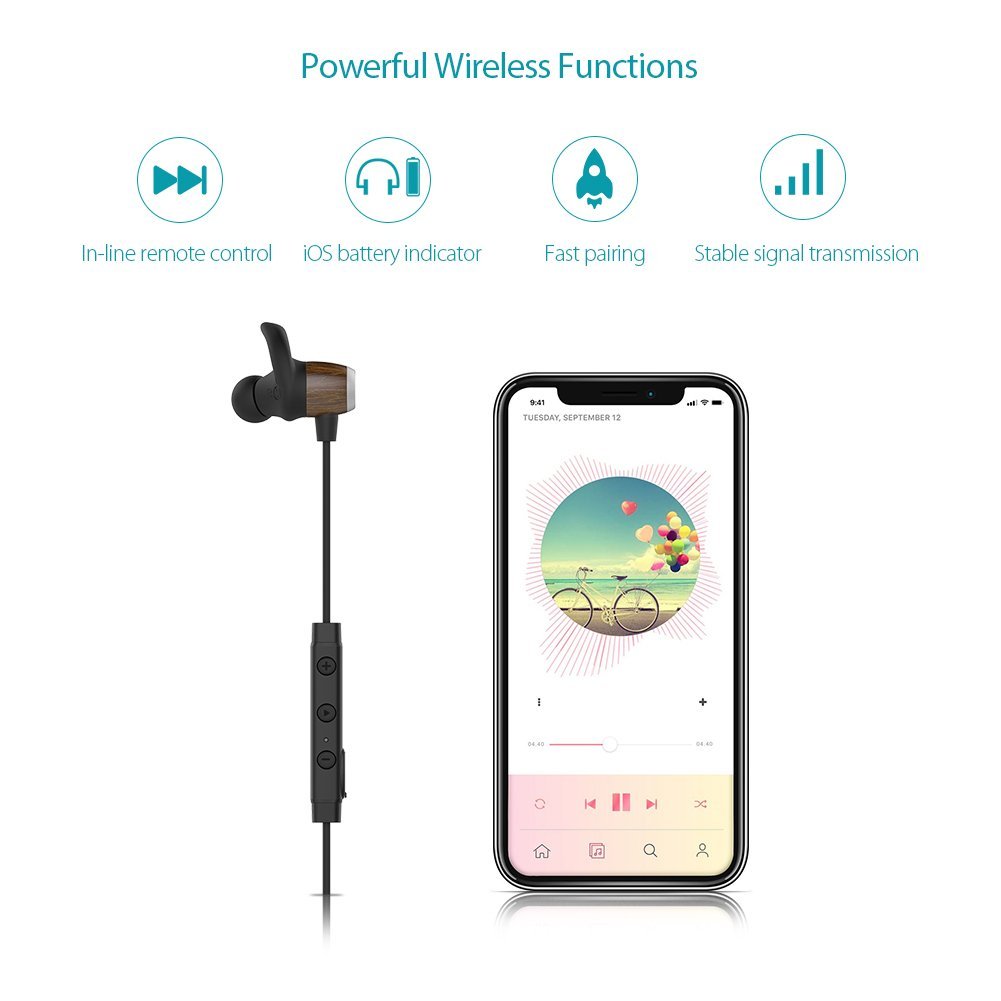
Music lovers, rejoice. You can now delight in high-quality stereo audio with dodocool Wireless Stereo Wood IPX5 in-ear headphone which comes with HD Mic that supports hands-free phone calls as well.
Thanks to its Ergonomic design gives you well-balanced and relaxed listening experience. Moreover, it comes in three sizes of ear caps that can be interchanged for improved reliability and comfort while filtering ambient noise.
If you’ve restlessly been waiting to get your hands on dodocool Wireless Stereo Wood in-ear headphone, we have good news for you. Bearing an affordable $25.99 price tag, dodocool Wireless Stereo Wood In-ear headphone is currently up for grabs on Amazon.
However, Indian music lovers who want to buy this headphone are in for a huge disappointment as the American e-commerce giant does not ship this item to India.
Its built-in magnetic design allows users to attach the two earphones together and don them as a necklace around their neck. Moreover, dodocool Wireless Stereo Wood in-ear headphone is water and sweat-resistant.
In other words, you don’t need to worry about water and sweat penetrating the earphone from any direction correlating to IPX5 under IEC standard 60529. You can buy dodocool Wireless Stereo Wood IPX5 in-ear headphone by heading straight to this link.
We use cookies on our website to give you the most relevant experience by remembering your preferences and repeat visits. By clicking “Accept”, you consent to the use of ALL the cookies.
This website uses cookies to improve your experience while you navigate through the website. Out of these, the cookies that are categorized as necessary are stored on your browser as they are essential for the working of basic functionalities of the website. We also use third-party cookies that help us analyze and understand how you use this website. These cookies will be stored in your browser only with your consent. You also have the option to opt-out of these cookies. But opting out of some of these cookies may affect your browsing experience.
Necessary cookies are absolutely essential for the website to function properly. This category only includes cookies that ensures basic functionalities and security features of the website. These cookies do not store any personal information.
Any cookies that may not be particularly necessary for the website to function and is used specifically to collect user personal data via analytics, ads, other embedded contents are termed as non-necessary cookies. It is mandatory to procure user consent prior to running these cookies on your website.




 While you can head straight to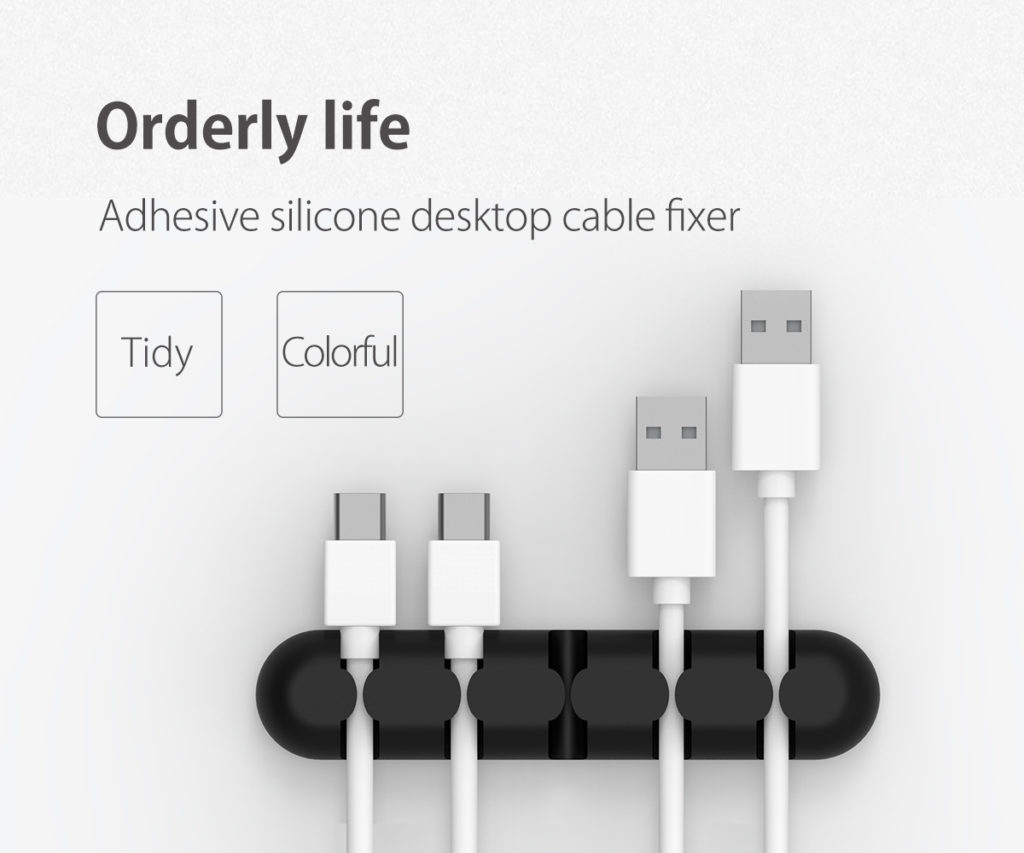
 You can

 Buy One Get One Free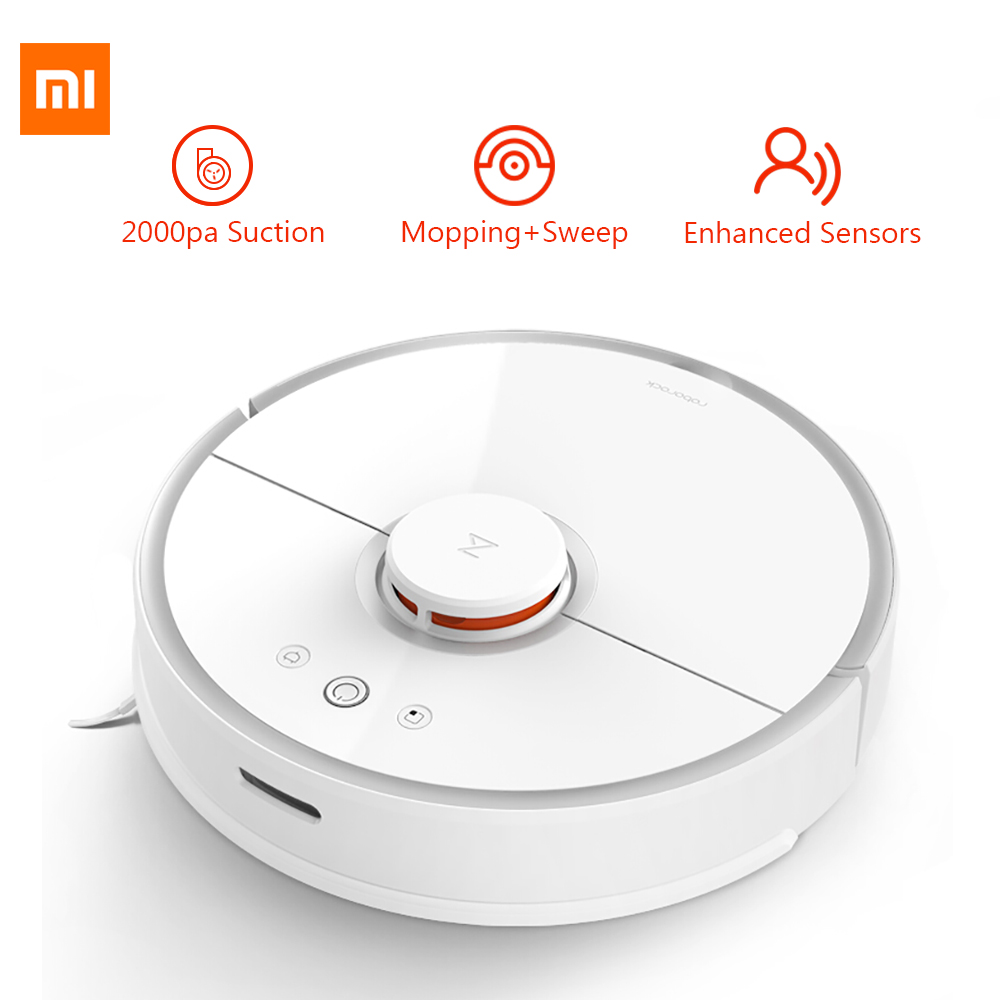

 Among other items featured in this section of the promo, there’s RUIDENG UM24/UM24C USB 2.0 color LCD display tester voltage, which is basically a portable USB tester, available for just $13 ($17 with UM24C).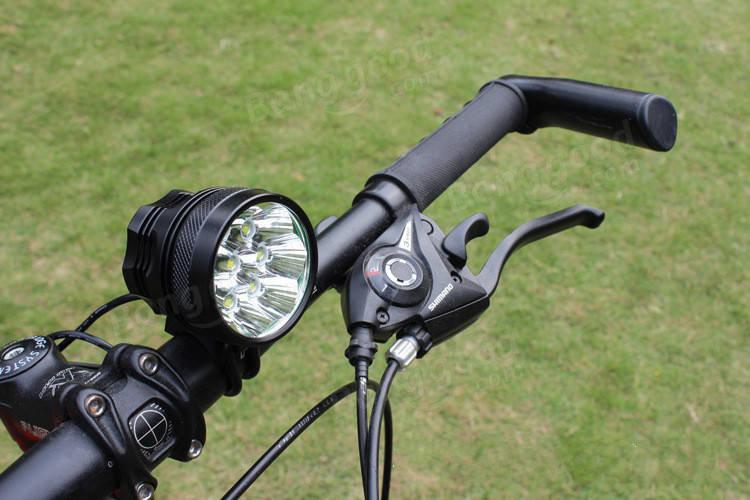
 To check out this and rest of the categories of items on Banggood, you can head straight to







 Music lovers, rejoice. You can now delight in high-quality stereo audio with dodocool Wireless Stereo Wood IPX5 in-ear headphone which comes with HD Mic that supports hands-free phone calls as well.