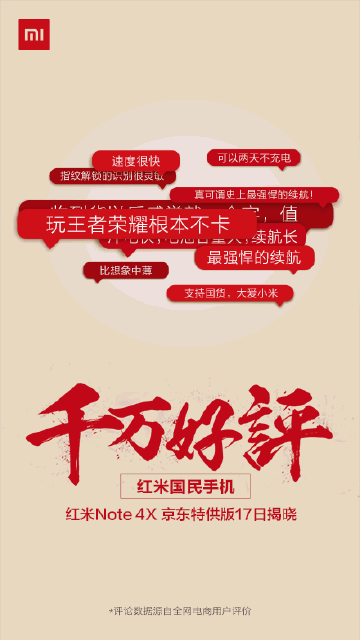
The Xiaomi Redmi Note 4X has just got a new Jingdong Special Edition which would go on sale as from May 19. The disclosure was made via a set of posters on Xiaomi’s official flagship store on Jingdong (JD.com). From what we can gather, the main difference of this version from the original model is the price tag.
The Redmi Note 4X Jingdong Special edition starts at 799 Yuan (~$116) which is 200 Yuan cheaper than the original price of the mid-range smartphone which sells for 999 Yuan. There are no indication that the device has got a different specs lineup different from the standard version which includes a Snapdragon 625 chip and 3GB RAM and more. The model would go up on sale as from May 19 while reservations commenced today.
Now, we expected the Redmi Note 4X Jingdong Special Edition to come in Red color. At least, that’s what it looked like when we saw the teaser yesterday. But today, there is no mention of the Red color model, so probably this special edition will only differ in the price and storage variants. Note that, unlike the regular edition, that comes in 3GB + 32GB configuration, this cheaper $116 Redmi Note 4X model will come with 3GB + 16GB memory.
With the emergence of the Jingdong Special edition, the Xiaomi Redmi Note 4X now has four versions. There is the high-end version which packs a MediaTek Helio X20 chip with 4GB + 64GB memory. There is also the standard version, packing a Snapdragon 625 chip backed by 3GB RAM and 32GB storage. The Redmi Note 4X Hatsune Miku Special edition is also there and now, a Jingdong Special Edition with a cheaper price and lower memory configuration.
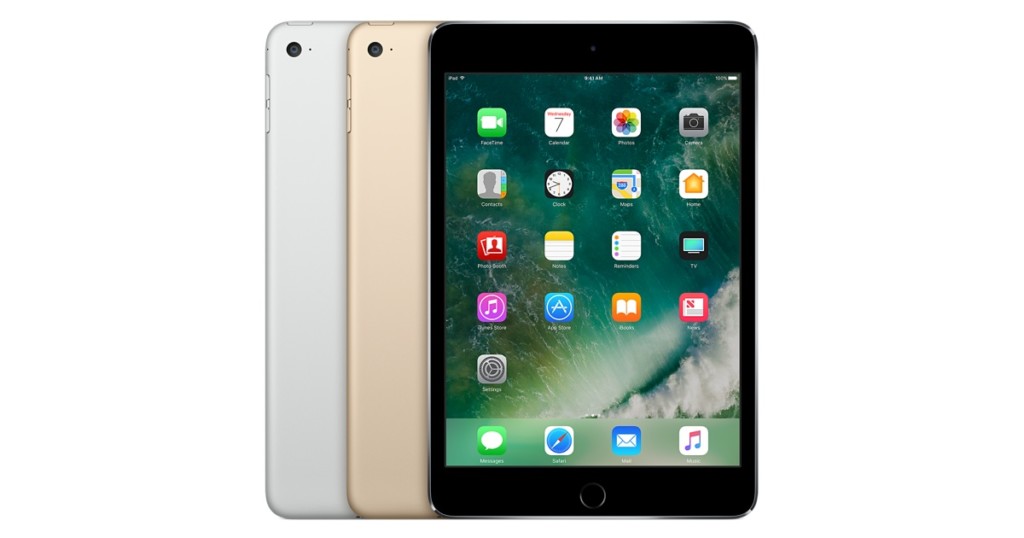
Apple had introduced its first iPad Mini tablet featuring 7.9-inch screen in 2012. It arrived as a smaller edition of 9.7-inch iPad. When the iPad Mini was launched, Apple was selling iPhones with 4-inch screen. However, the iPhones have now grown in size as they feature 5.5-inch screens and even iPad tablets have become more advanced as the new iPad Pro come with powerful specs and keyboard support. Since the launch of iPad Mini 4 in 2015, the Cupertino company has not released a successor device. Speculations have it Apple may be discontinuing the iPad Mini tablet series.
According to BGR, a source that is close to the Cupertino company has revealed that the iPad Mini is being phased out. The reason behind it is that its own products like the larger iPhone and iPhone Plus phones and advanced iPad Pro tablets could have led to cannibalism of iPad Mini. The arrival of these products have reduced the sales of iPad Mini which indicates that its popularity has decreased.
In this year, Apple reduced the listing of iPad Mini 4 on Apple Store. It is now only selling the 128 GB iPad Mini. Its Wi-Fi only model is priced at $399 and its Wi-Fi + LTE variant costs $529. There is no confirmation on whether Apple has halted the production of iPad Mini 4 and there is no information available on when will the Cupertino company stop the sales of iPad Mini 4. If the report about discontinuation of iPad Mini series is true, the company is expected to make an official announcement on it soon.
Apple’s 2017 Worldwide Developers Conference (WWDC) will be held between June 5 and 9. As it does annually, new iterations of iOS, macOS, watchOS, and tvOS are expected to get unveiled at the upcoming event. Speculations are rife that a new 10.5-inch iPad Pro may get unveiled at the event. According to KGI Securities analyst, Ming-Chi Kuo, there is 75 percent possibility that the Cupertino company will announce a 10.5-inch iPad Pro at WWDC 2017.
Apple is rumored to have fitted a 10.5-inch screen on the alleged tablet that has a form factor of 9.7-inch iPad Pro. To make it possible, the company is rumored to have reduced the size of its bezels. Since the 10.5-inch iPad Pro is expected to sport slimmer bezels, there is no information on whether the Touch ID sensor will be placed on the front or at the rear of the tablet.
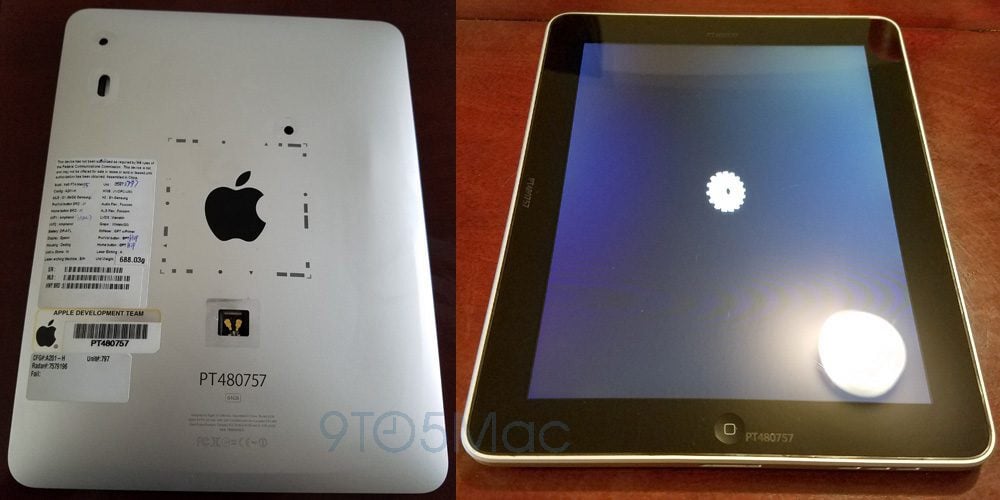
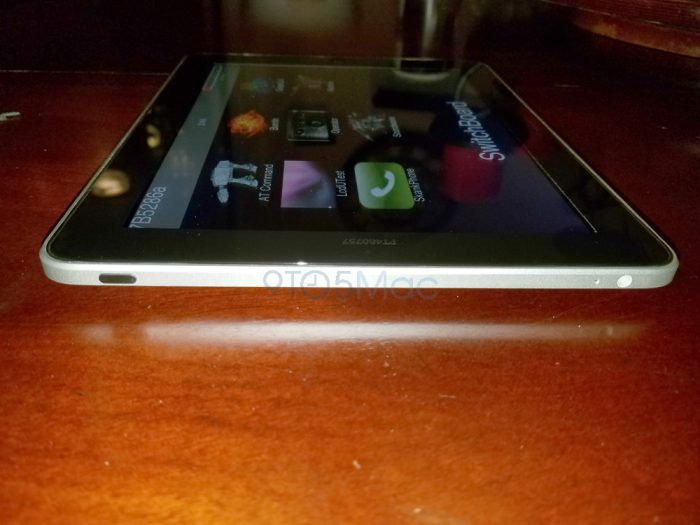
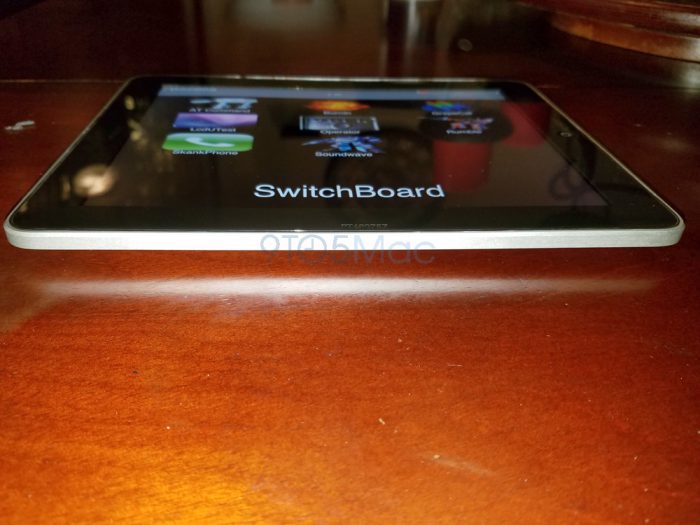
Apple is said to be planning the launch of a 10.5-inch iPad Pro at its Worldwide Developers Conference (WWDC) holding from June 5 to June 9. While speculations and rumors are centered on the upcoming iPad, images of the prototype of Apple’s first generation iPad (the real stuff) leaked online. Apple discontinued production of the first-gen iPad in 2011, only a year after its first production. That means the first-gen iPad isn’t on the market, except you’ll get someone on eBay who is ready to trade his.
So you see, the iPad 1 which was first launched in 2010 is almost becoming a collector’s item. You’ll then agree that owning a prototype which preceded the actual product is a rare privilege. The prototype is said to date back to three months before the launch of the iPad and is still fully functional. Design wise, the prototype looks exactly like the iPad 1 but there are features to show it’s a prototype and not the actual product. There is a box-like etching around the Apple logo at the back of the device along with four cut-outs in the
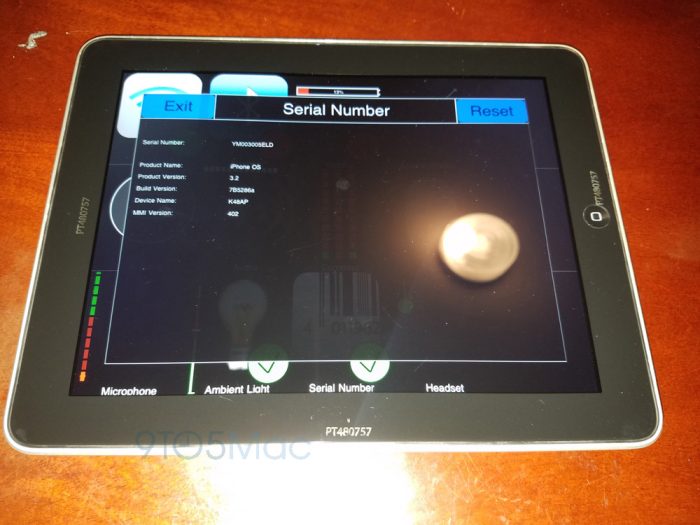
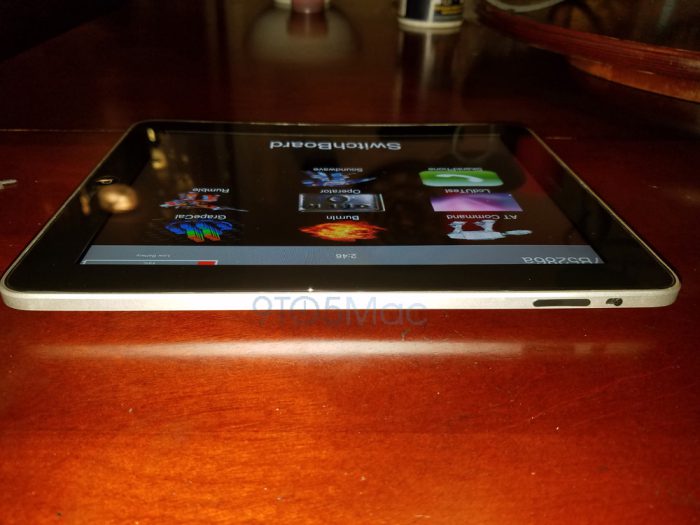
Design wise, the prototype looks exactly like the iPad 1 but there are features to show it’s a prototype and not the actual product. There is a box-like etching around the Apple logo at the back of the device along with four cut-outs in the aluminum fuselage (revealing the Wi-Fi antenna connections). It’s a prototype and there are multiple factory engineering asset tags (identifying the manufacturer of each part), as well as Apple Development Team prototype identification stickers, and two anomalous prototype serial numbers. On the front aspect, the iPad prototype’s Development Team ID number is laser engraved into the glass in three places. The prototype’s working display shows it is running a fully functional build of Apple’s internal factory firmware, known as “SwitchBoard.” Every other feature seems to be the same as on the final iPad 1.
The iPad has gotten several successors and a lot of improvements over the previous models and it has proven to be a worthy venture for Apple. It all began with this prototype.
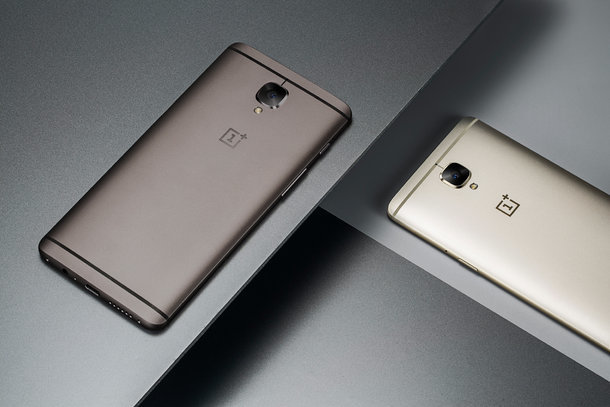
A leaked information that has surfaced on Reddit reveals that OnePlus 5 would be arriving with a 16-megapixel Sony IMX398 camera sensor with 1.12 micron pixel size. This suggests that OnePlus 5 would not be featuring twin rear cameras but will come with a single rear-facing shooter.
Interestingly, the IMX398 is the same camera sensor that is available on the rear side of the OPPO R9s. Even the newly launched OPPO F3 Plus has a 16-megapixel Sony IMX398 rear camera. The Reddit user does not have any evidence to support his claim. He says that he cannot confirm whether OnePlus 5 would be arriving with dual rear cameras. So, will the OnePlus 5 come with dual rear cameras? There is no way to confirm it now, but a recent listing of OnePlus 5 on AnTuTu had revealed that it features a 16-megapixel rear snapper.
The Sony IMX398 that is rumored to arrive on OnePlus 5 has f/1.7 aperture and supports Dual Pixel AF. Another interesting point to be noted is that the OnePlus 3T from last year was rumored to come with IMX398. The OnePlus 3T has 16-megapixel Sony IMX298 sensor and it also offers 1.12 micro pixel size.
There are plenty of mixed rumors of the number of cameras that will be present on the rear of OnePlus 5. Some rumors claim that it will be coming with a vertically stacked dual rear cameras. Other sources claim that it will be sporting a horizontal design for its twin snappers. Fresh information that has appeared on Reddit says it has a single rear snapper. We need to take these rumors with a pinch of salt as none of the information have been backed up with concrete evidence.
As far as specs of OnePlus 5 are concerned, the flagship will be coming with a full HD screen of 5.5 inches. Recent listing on AnTuTu suggests that its Snapdragon 835 chipset is supported by 6 GB of RAM and it features 64 GB of storage. Since OnePlus 3T came in 128 GB version, speculations are rife that the OnePlus 5 would also come in 128 GB storage model and this variant will feature 8 GB of RAM.
On AnTuTu benchmarks, it has scored a very impressive score of over 176,000 points. It is expected to sport a frontal shooter of 16-megapixel. Rumors have it that it will be equipped with a 3,600 mAh battery. It is rumored to get announced at the end of next month.
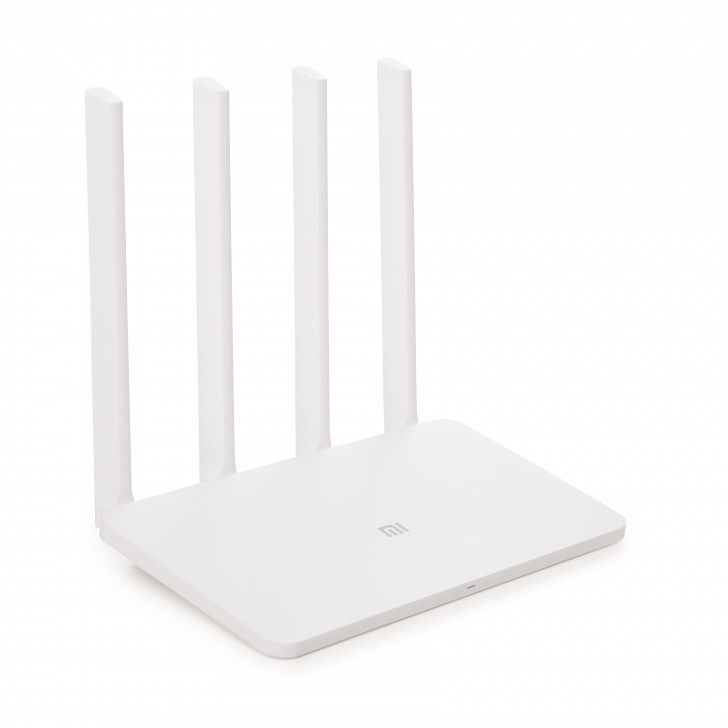
Yesterday, Xiaomi unveiled its new budget phone, the Redmi 4 in India. Alongside it, the company also announced the Mi Router 3C. It marks the launch of its first networking device in the country.
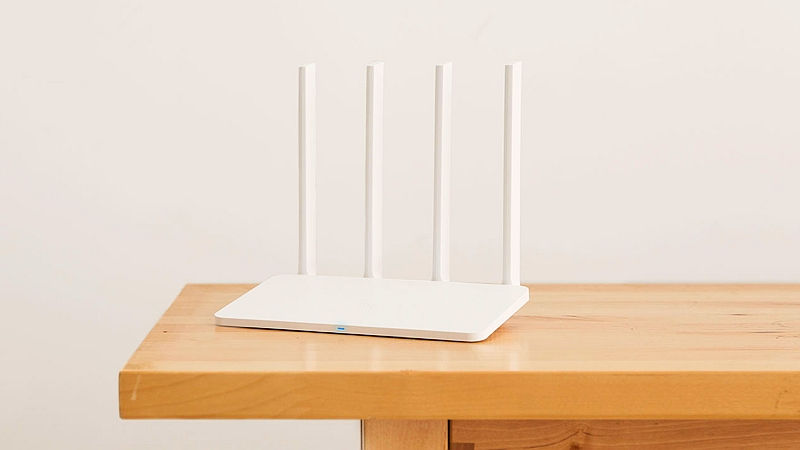
The Mi Router 3C is listed under Smart Devices on the official website. It is 802.11 b/g/n Wi-Fi router that comes with 4-high performance antennas and offers upload and download speeds of up to 300 Mbps. It promises a “wall penetrating range of” 80 meters. In order to use this modem with an internet connection, users need to have a ADSL or cable modem.
It comes with a 16 MB flash storage with dual partition system on which the firmware updates can be safely installed. It is equipped with 64 MB of RAM for smooth browsing and gaming experience. Compared to traditional routers, it offers 8 times more RAM. The rear side of the Mi Router 3C has 2 LAN ports of 10/100Mbps, 1 WAN port of 10/100 Mbps and a reset button. A maximum of 64 devices can be connected to Mi Router 3C.
The installation process of Mi Router 3C is quite simple by using a dedicated app called Mi Wi-Fi app which is available for Android and iOS devices. After turning on the router, the app will detect it. Then, users need to connect the Ethernet cable to the Mi Router 3C. The device is smart enough to import the settings to get it started.
The parental control feature allows the user to whitelist or blacklist specific IP addresses. Another feature called Guest Wi-F sharing makes it possible to create temporary password for allowing guests to connect to the web. It means users will not have to share the master password every time a guest wants to use the internet.
With Quality of Service (QoS), users can boost bandwidth for certain activities and optimize bandwidth for online gaming and video streaming. Wi-Fi Boost automatically detects bandwidth bottlenecks to boost the Wi-Fi connection by selecting the best available channel.
The Mi Router 3C is priced at Rs. 1,199 (around $19) in India. It will be available for buying from May 23 on Mi.com. It will be available on Flipkart and Amazon India from June 8. It will be also available at the new Mi Home retail storage established in Bengaluru.
Samsung‘s release of the Galaxy S8 and S8+ is turning out to be a good decision for the company and a not so good one for its rivals. The Galaxy S8 comes with a design that can best be described as spot-on, coupled with the presence of a powerful octa-core Snapdragon 835 chip. The device is proving to be a worthy replacement for the ill-fated Galaxy Note 7 which almost threw the company into turmoil last year.
At the last count, Samsung was said to have sold over 5 million units of the Galaxy S8 and S8 Plus in less than a month. According to a research by Strategy Analytics, the Korean company is also shown to have dominated the global smartphone market with a total shipment of 80 million units. This gives Samsung a 22.7% share of the market while rival tech company, Apple controls 14.4% share of the market for Q1, 2017. This is closely followed by Huawei, OPPO and Vivo completing the top 5 leaders in phone shipment for the first quarter of 2017.
However, there are indications that Samsung’s lead at the top won’t be under threat anytime soon. First, Apple who is Samsung’s number one rival reported to have postponed the launch of its next-generation iPhone 8 which was expected in September. Also, Huawei is having an issue with spare parts supply. Huawei was recently enmeshed in a scandal where it was discovered that the company used eMMC storage on some models of the P10 instead of the faster UFS 2.1 flash memory the device is listed to come with. The company later released several statements, all stating that the eMMC 5.0 storage was used as a result of a shortage in supply of the UFS 2.1 versions.
South Korean analyst Kim Jang-yul, projects that the Galaxy S8 will continue to perform well since Apple has shifted the launch of the iPhone 8. The analyst further disclosed that Huawei is having a supply shortage of its high-end semi-conductor chip and this will limit its shipment. Also, the analyst thinks OPPO and Vivo are showing signs of a slower growth compared to last year. Thus, the Galaxy S8 and S8 Plus’ soaring sales figures may likely continue for the next couple of months.
Yesterday, Huawei announced via its official Twitter account that it has an event scheduled for May 23. The event which will hold in Berlin at 1400hrs CEST is for the new Huawei MateBook.
This year Huawei will be launching three MateBooks. The first is the MateBook E which is more like a 2-in-1 and a direct successor to the original Huawei MateBook. The MateBook D and MateBook X feature the traditional clamshell design. However, the MateBook D appears to have a thinner and more professional look. They will also differ in terms of processing power, screen size, storage and RAM configuration.
One of the MateBooks was spotted on Geekbench last month with 8GB of RAM and an Intel Core-i5 processor. The other two devices are also rumored to be powered by Kaby lake processors. We will have to wait till next week to find out the pricing details and availability.
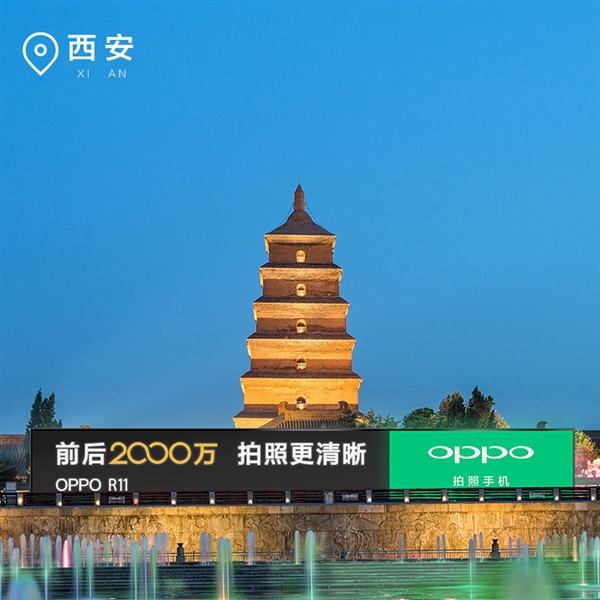
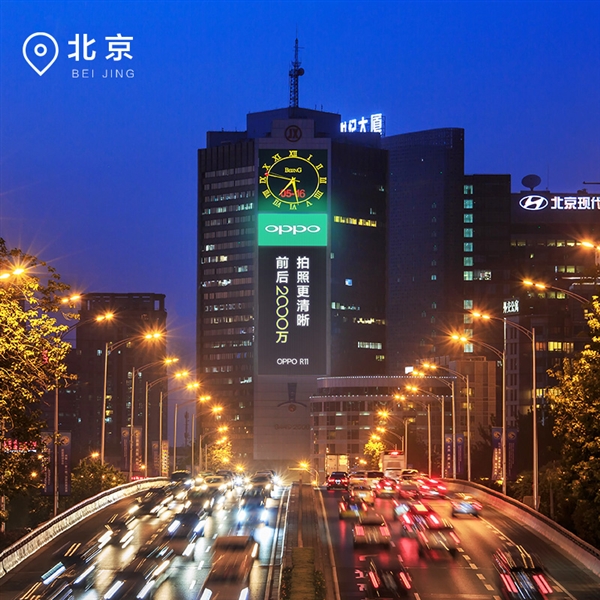
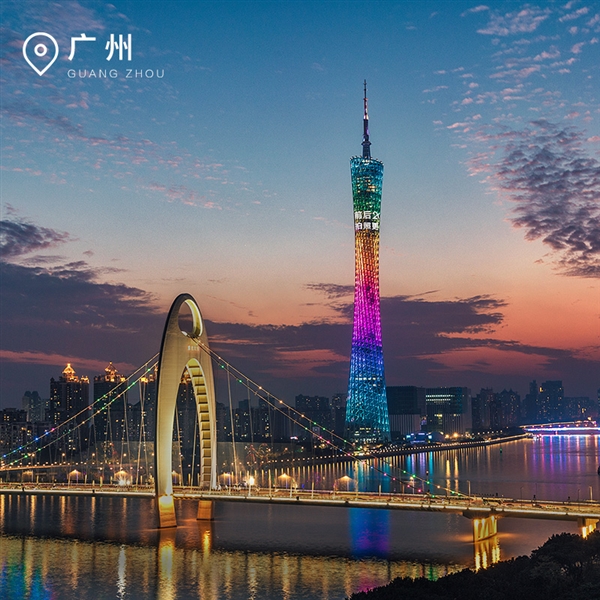
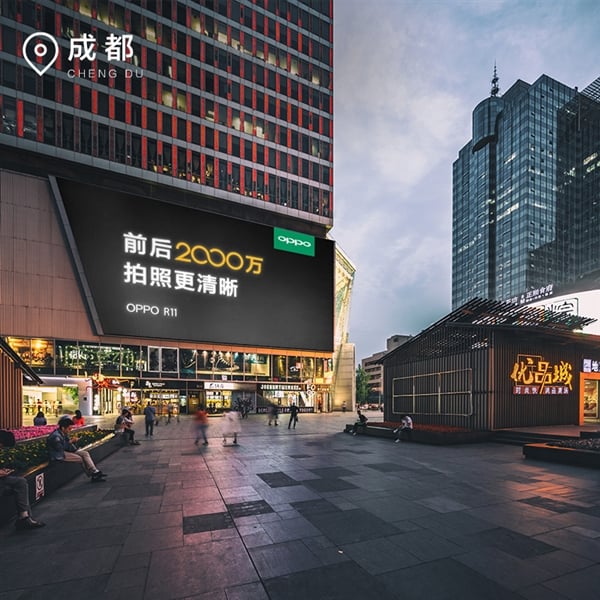
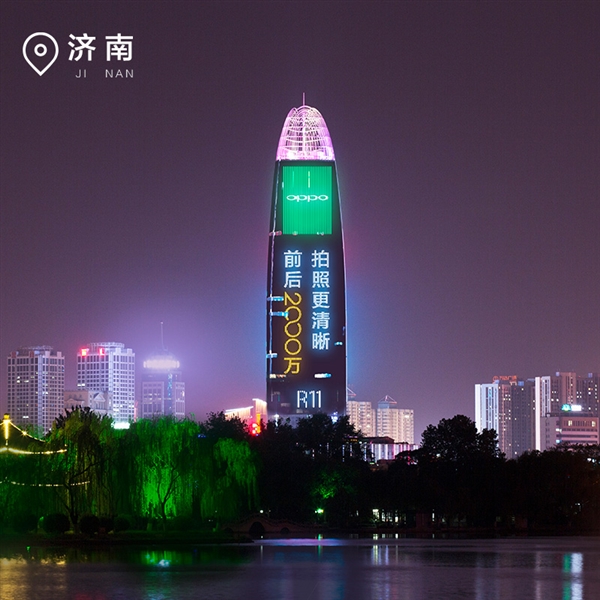
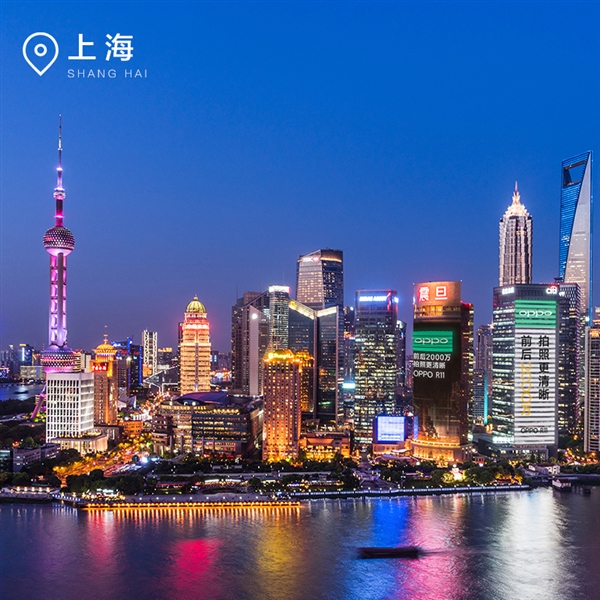
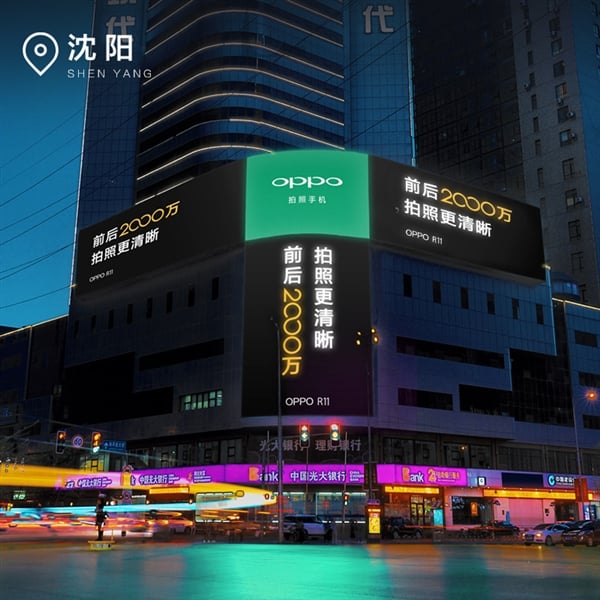
OPPO is taking the marketing and promotion for its smartphones to a new level. Reports have emerged from China that the company has already started advertising and promoting its upcoming OPPO R11 even when it has not yet been launched. The BBK subsidiary is said to have launched campaigns advertising the R11 in nine (9) major cities in China. The company placed the R11 adverts on popular landmarks in the cities of Beijing, Shanghai, Guangzhou, Chengdu, Chongqing and others. Captured at night time, the images from across different cities shows the OPPO ad sitting atop the landmarks lightened up by beautiful and attractive neon lights. The ads would sure be difficult to miss.
The OPPO R11 had all along been teased as coming with a powerful camera setup and that still remains the major feature OPPO is projecting the device as coming with. We know it is going to be a dual camera setup on the R11 but the specification of the camera has not made an official appearance anywhere. However, rumour has it that the camera specs includes a 16MP selfie camera and a 16MP main + 8MP secondary sensor at the rear. The camera may feature the 5X zoom technology OPPO unveiled at MWC earlier this year.
The OPPO R11 is also expected to feature the Snapdragon 660 chipset which Qualcomm announced recently. We could also be looking at another model with the Snapdragon 630 announced along with the SD 660. The R11 is also rumoured as sporting a 5.5-inch 1080p display and also packs 4GB of RAM and 64GB of storage which is likely expandable. There is the possibility of a higher 6GB RAM version coming also.
Going by this latest development, it is certain that the R11’s launch is imminent even though a press invite isn’t out yet. The device may likely be launched next month, July.
HMD Global has released three Nokia Android phones already. The Nokia 6 was the first and it was followed by the Nokia 5 and the Nokia 3. None of these three phones are flagships but there have been rumors flying of a flagship in the works. Called the Nokia 9, it is expected to be powered by the Snapdragon 835 processor and also feature dual rear cameras.
All we have seen so far about the Nokia 9 are fan made renders. No one knows what the phone will eventually look like but a new video which can’t be classified as an official one made by George Chevalier Lewis might be the first genuine leak.
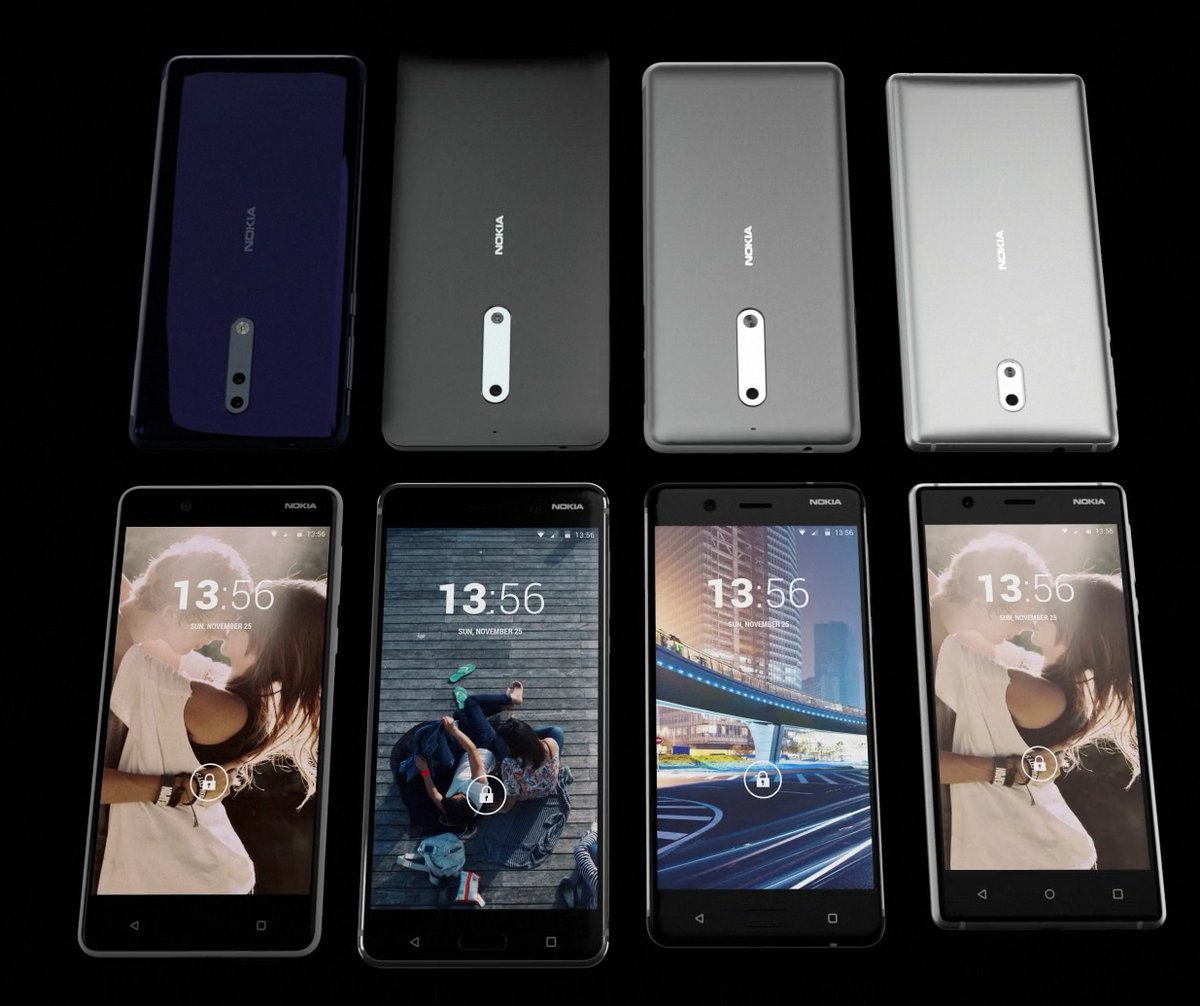
The video was shared by Evan Blass on twitter and includes all the Nokia Android phones released this year. What caught our attention is actually the dual camera Nokia phone in the video. Is this the Nokia 9? Maybe, maybe not; but it does look good.
The dual rear cameras are positioned in the center and share the same vertical housing with the LED flash. At the end of the video we see all four phones lined up together and the Nokia 9 in blue laying at the far left.
The video doesn’t look like your average fan made render and can pass for an official ad. Watch the video and tell us what you think.
Recently, a rumour surfaced that Samsung was working on a new Exynos 7872 processor built on a 14nm FinFET process. The Exynos 7-series chip is said to come with a good number of improvements, top of which is entire network support in China. In a related vein, Meizu and Samsung were reported to have held a conference in China but the details of the discussions at the event were kept from the media.
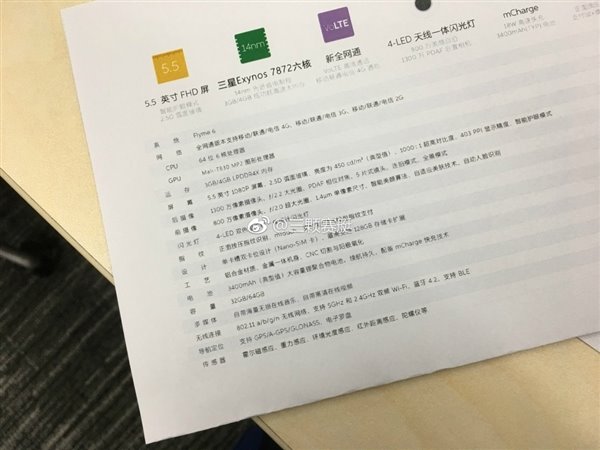
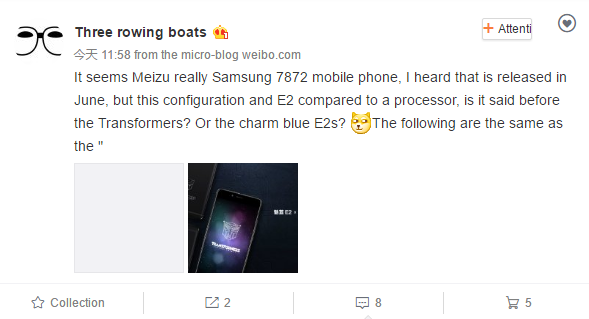
Now, a Weibo user has shared a document which suggests that Meizu will be releasing a smartphone soon which would be powered by the Exynos 7872 chip. The user shared a document showing the specs lineup of an upcoming Meizu smartphone whose name is still sketchy as of now.
Apart from the Exynos 7872 chip, the Meizu smartphone is listed with a 5.5-inch FHD display, mCharge and surprisingly with the unique 4-LED flash which Meizu introduced on the E2. That must have fueled the speculation that the smartphone would likely be called Meizu E2S. Other details include VoLTE support, a 3400mAh battery, 3GB and 4GB RAM variants, 32GB and 64GB LPDDR4 storage models, Wi-Fi support, a 13MP rear camera and an 8MP selfie shooter, among others.
The previous leak gives the details of the Exynos 7872 to include, an hexa-core 14nm FinFet manufacturing process with four cortex-A53 cores for power efficiency and two cortex-A73 cores for performance. For its GPU, a Mali-T830 MP2 is said to feature and that is also on the list. It also comes with a fully-integrated modem for improved network support and lots more.
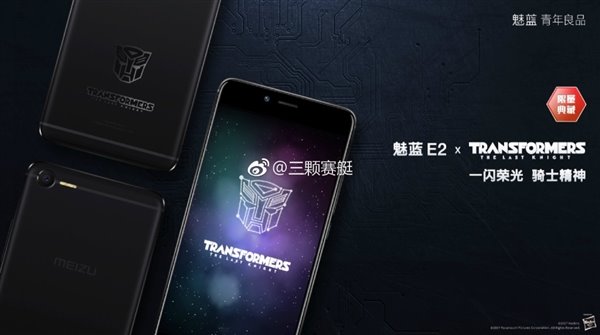
We don’t know when the said smartphone will be launched but a recent poster suggests Meizu will unveil the E2 Transformer Edition soon. Perhaps, we may also get to see a new Exynos-powered Meizu machine soon. Name? Meizu E2S, maybe.
If you do not reside in China, you most likely are not familiar with the mobile game called King of Glory. It is nothing to be ashamed of. Made by Tencent games, King of Glory belongs to the multiplayer online battle arena (MOBA) genre. It is very similar to League of Legends, another MOBA game made by Tencent but which is more popular in the West.
Come Friday, the 19th of May, Apple will be releasing a King of Glory Special Edition iPhone 7 and iPhone 7 Plus. The back of the phones will be engraved with the King of Glory logo and characters from the game. The phones will also have matching live wallpapers and customized retail boxes.
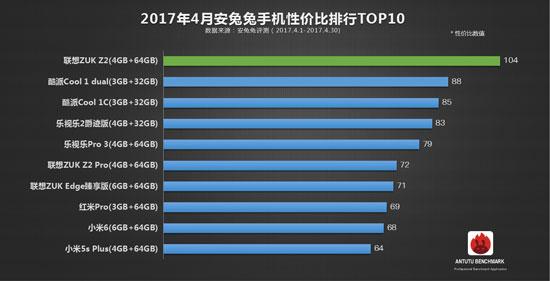
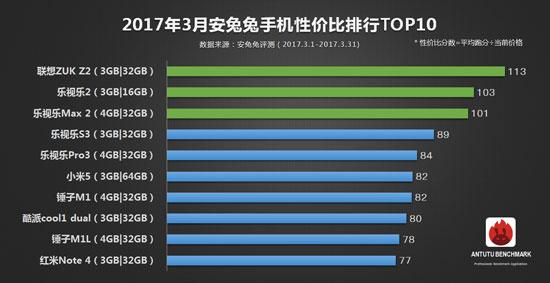
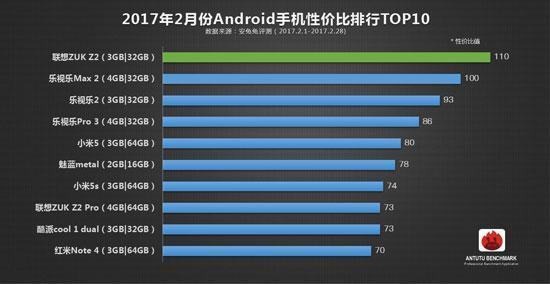
AnTuTu has once again released it top 10 best cost effective smartphones for the month of April 2017. The list is composed of smartphone models (Chinese brand) which provide the best value for your money and comes with an affordable price tag. In clear terms, the formula used in compiling the list is the price ratio of the model which is calculated by its processor’s AnTuTu benchmark average score divided by the current price on Jingdong and the brand’s official sales channel. The data were collected from April 1 to April 31st and the model’s sales were all over 1000 units.
The ranking for April 2017 sees a major change from that of the previous month as many models which were on the list in March have been toppled by new entrants. However, the ZUK Z2 (4GB 64GB) still continues to top the chart at the least for the third straight consecutive month. Sadly, the ZUK Z2 will be the last of the ZUK smartphones we’ll be seeing but for a Snapdragon 820-powered smartphone, the Z2’s continues to offer great value for its price which is very much affordable at 1299 Yuan ($188).
AnTuTu Top 10 April
The second spot is occupied by a new entrant, the Coolpad Cool 1 Dual (3GB + 32GB) which is one of the products of the collaboration between LeEco and Coolpad. The Cool 1 is closely followed in the third position by the Coolpad Cool 1C (3GB+32GB) which is different from the Cool 1 Dual just in the dual camera which the Cool 1 dual packs. Both Coolpad smartphones feature the Snapdragon 652 chip and are priced at 899 Yuan (~$130).
AnTuTu Top 10 March
LeEco, known for cheap flagships retains a couple of places on the chart, with the LeEco Le 2 Jazz Edition at the fourth spot and the Le Pro 3 at the fifth. Lenovo’s ZUK Z2 Pro and the ZUK Edge were the sixth and seventh-most cost effective smartphones in China for April 2017. This no surprise due to the fact that Lenovo recently slashed the prices of the ZUK models. After all, the line is going to be shut down completely and would subsequently fall under the Moto brand name.
It may surprise you to know that the Xiaomi Mi 6 which just went on sale towards the end of April made it up the chart at number nine. Xiaomi’s first dual camera phone, the Redmi Pro also appears on the chart at number 8. The list is completed by the Mi 5S Plus which sits at number 10 to completes the top 10 chart. Notice the high numbers of dual camera phones on the chart? Perhaps, that is a reflection of the growing trend.
The Redmi Note 4X was launched back in February as a Snapdragon variant of the original Redmi Note 4. That was what we thought until Xiaomi released the high-end version with the same Helio X20 processor we thought it ditched. Originally released in champagne gold, matte black, platinum silver, cherry powder, and a Hatsune Miku Edition with a teal paint, Xiaomi is set to add one more color variant tomorrow.
A teaser image on the official Weibo page for Xiaomi redmi phones has disclosed that the Redmi Note 4X will be getting a new red variant tomorrow. The post is referring to it as a Jingdong special edition, so this may likely not be available on other platforms.
Details about the phone are still unknown. We don’t know if it will be limited to certain memory variants or if it will be sold for a higher price. We will have to wait till tomorrow to get answers to these questions.
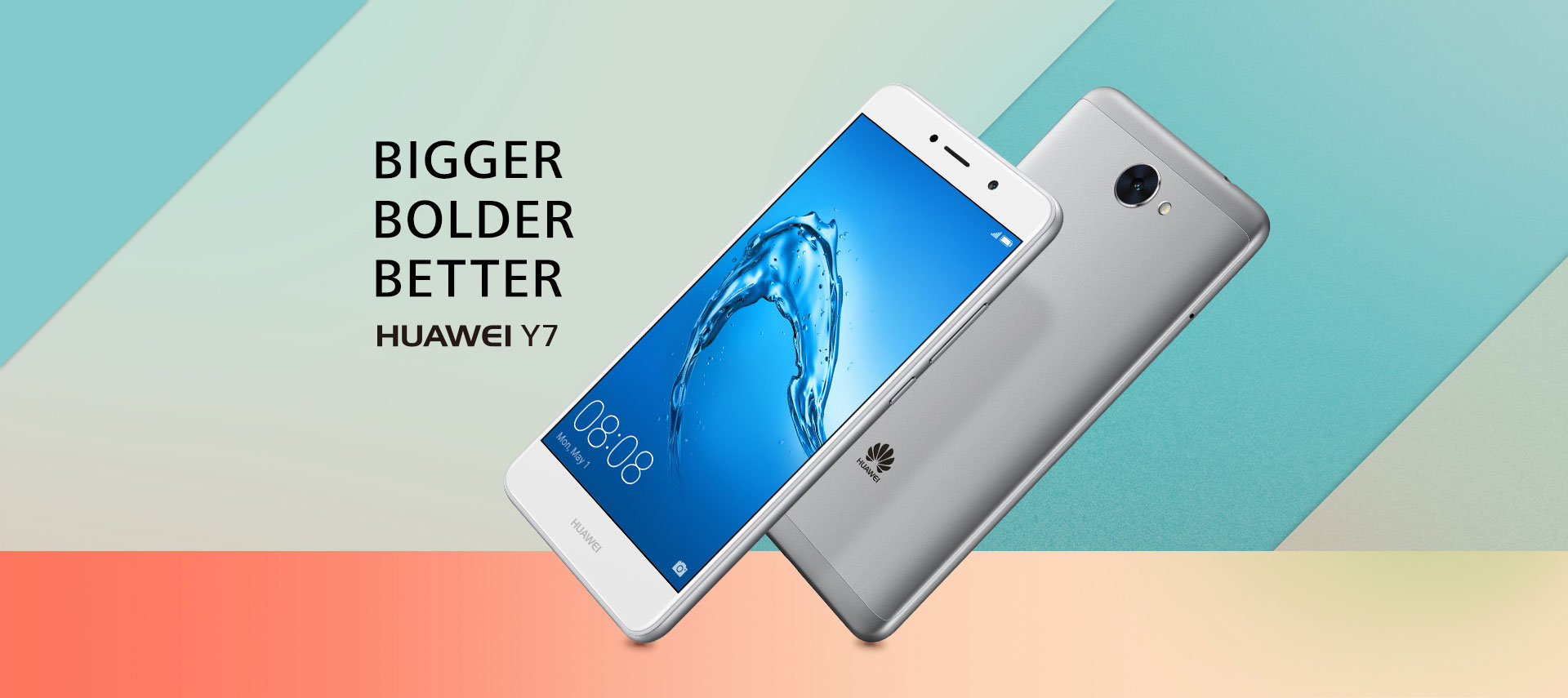
Huawei has added a new phone to its Y Series. Just yesterday, the Chinese manufacturer launched the Y3 2017, today it has followed it up with the Huawei Y7. The new phone is the third in the Y series released this year.
The Huawei Y7 sports a 5.5-inch HD screen with 2.5D glass, 2GB of RAM, 16GB of built-in storage, and a Snapdragon 435 processor. It runs EMUI 5.1 based on Android 7.0 and has a 4000mAh battery that should last a whole day. The rear of the phone is made from metal that has been sandblasted to give it a nice feel when held in the hands.
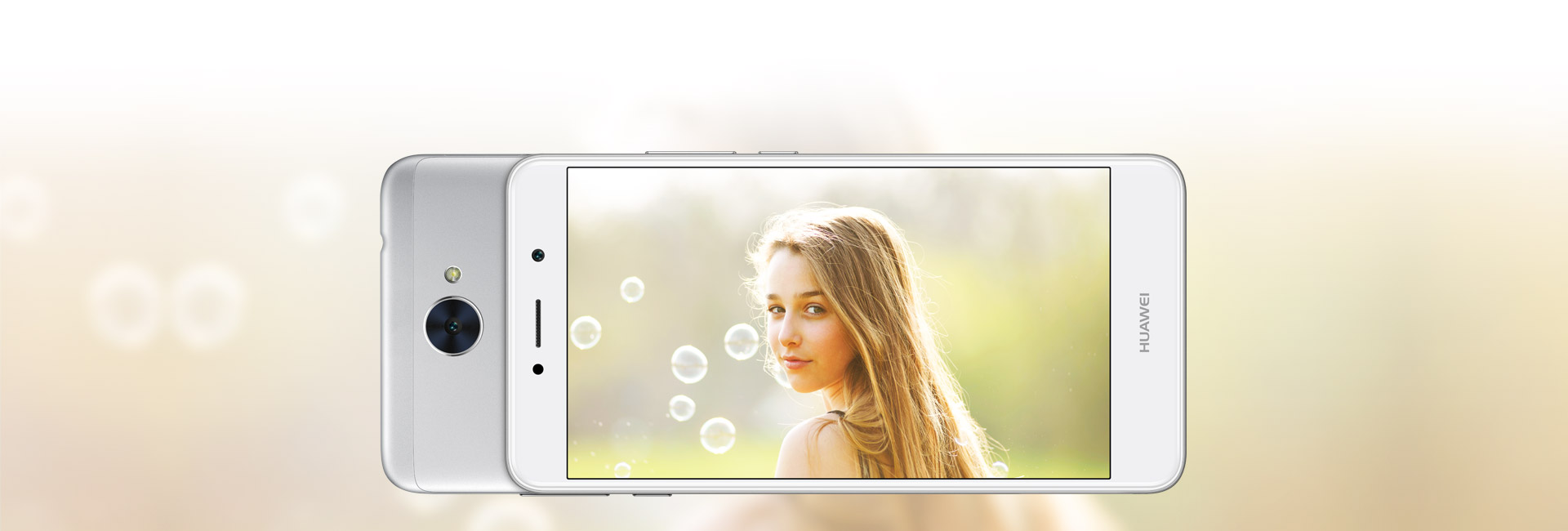
The Huawei Y7 packs a 12MP 1.25μm pixel sensor for the rear camera and an 8MP sensor up front for selfies. There is also a microSD slot that accepts up to 128GB cards. For connectivity, there is Bluetooth 4.1, WiFi 802.11 b/g/n, GPS, and a micro USB port.
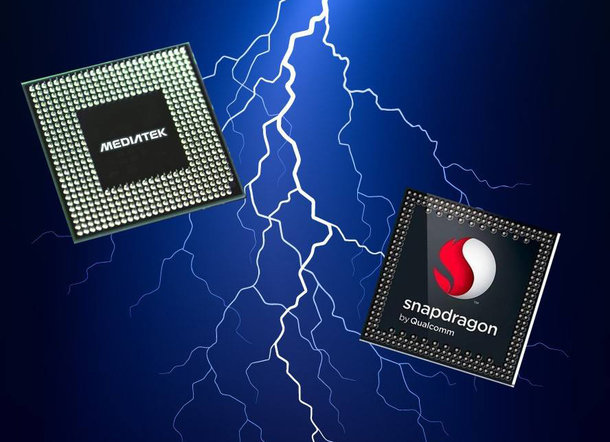
In its bid to grab a share of the market from Qualcomm, MediaTek is said to be working on a number of processors which are mostly mid-range chips. MediaTek gets most of its patronage from OEM in the budget and mid-range category as the company is nearly absent in the flagship category. Earlier on, the company was revealed to be working on an Helio P23 chip. The company is now said to also be working on an Helio P30 chip which would soon hit the market.
Media reports from Taiwan, MediaTek’s base, hints that the chip maker is planning to quickly push a god number of its chip into the market in order to continue to enjoy a good patronage and curtail the rise of the mid-range Snapdragon 630 and 660 chip announced by Qualcomm recently. The reports also quoted MediaTek’s chairman Xie Qingjiang as stating recently that the company would soon launch the P30 chip. The Helio P30 is said to be built on the 12nm TSMC manufacturing process. It is an octa-core processor composed of four Cortex-A72 cores clocked at 2GHz and four Cortex-A53 cores clocked at 1.5GHz. The processor is expected to support LPDDR4 memory standard and UFS 2.0 flash memory and up to 25MP camera sensor.
Furthermore, the MediaTek Helio P30 will come with support for Cat. 10 LTE band with a downlink rate of up to 600Mbps. There are rumors that the first OEM that would feature the Helio P30 is Meizu. This rumor is further buttressed by the supposed Meizu product schedule that leaked earlier this year. The schedule lists Meizu as launching the MX7 in September this year with an Helio P30 chip. The P30 is also said to have a unit price lower than that of the SD 630/ 660.
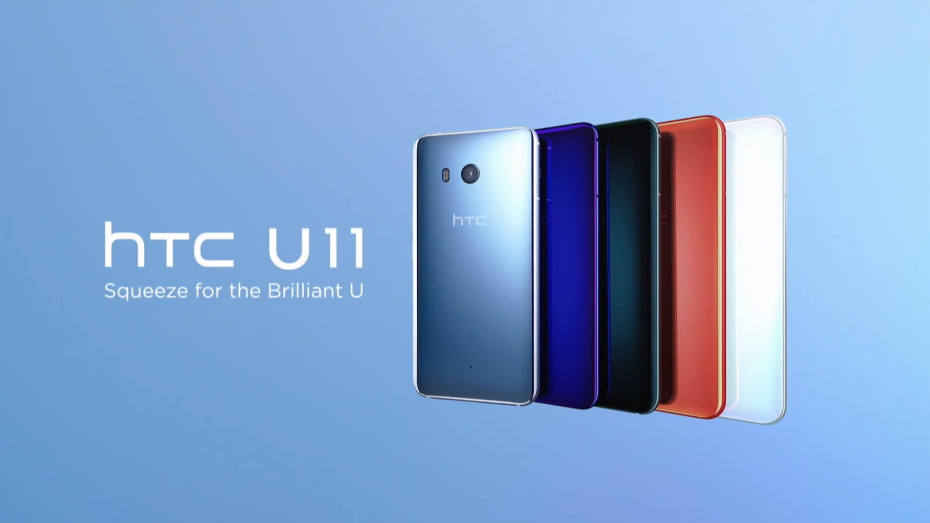
With the arrival of HTC U Ultra powered by Snapdragon 821 chipset and HTC U Play, the Taiwanese company introduced the new HTC U series of smartphones. The arrival of the new HTC U series probably marks the death of HTC One line of phones. Today, HTC finally announced its 2017 flagship smartphone, the HTC U 11.
HTC U 11 Design
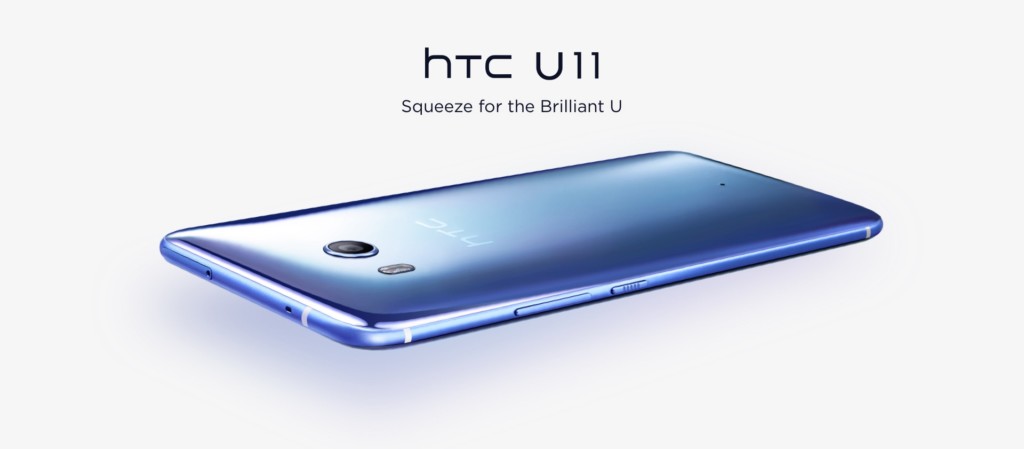
The HTC U 11 sports the Liquid Surface design that was introduced on HTC U Ultra. The flagship phone features 3D glass on its front and rear sides and it sports a slightly curved appeal. The phone comes in a glossy texture and will be available in color choices like Sapphire Blue, Brilliant Black, Ice White, Amazing Silver and Solar Red.
Each color variant appears in different colored tints depending on the way the phone is held. For example, the Amazing Silver appears silver-blue and silver-purple from different angles. HTC confirmed that the U 11 is an IP67 certified waterproof phone. It measures 153.9 x 75.9 x 7.9mm and its weight is 169 grams.
The USP of the HTC U 11 is that it comes with a pressure-sensitive metallic frame (four pressure gauges respectively on left and right sides) that is equipped with the new Edge Sense feature. Squeezing the frame lets users launch various functions on the phone.
There is no 3.5mm audio jack on the phone. The bottom features a USB Type-C port. HTC will be shipping an adapter with the phone so that users can connect their 3.5mm headphones to the USB Type-C port of HTC U 11. The company is also providing a new set of HTC U Sonic headphones enabled with active noise cancellation feature with the phone. The Home button of the phones houses the fingerprint scanner. The HTC U 11 also features BoomSound tweeter (on top) and woofer (on bottom) for natural and amazing audio experience.
HTC U 11 Specifications
The HTC U 11 has a 5.5-inch Super LCD 5 screen that offers a quad-resolution of 2,560 x 1,440 pixels and a traditional aspect ratio of 16:9. It is driven by Snapdragon 835 chipset.
HTC will be releasing 4 GB of RAM and 64 GB storage variant in the U.S. whereas international markets will be getting another variant that has 6 GB RAM and 128 storage. It features a microSD slot that can also function as a SIM slot. The single-SIM edition supports 1 Gbps 4G LTE. The HTC U11 is packed with Quick Charge 3.0 enabled 3,000mAh battery. For perfect sound recording experience, the phone comes with four microphones.
It is preloaded with Android 7.1 Nougat and latest edition of Sense UI. At start it will only carry support for Google Assistant, but Alexa assistant will be also added within 30 days of launching in the U.S., the U.K and Germany. The Taiwanese firm is also offering its own HTC Sense Companion assistant for HTC U 11 users. The Chinese users will be getting Baidu Duer as a secondary voice assistant.
The Edge Sense feature allows the user to access various apps only be squeezing the sides of the phone. For instance, squeezing will allow users to open the camera app and another squeeze will snap a photo. Squeezing on the lockscreen will launch the Google Assistant. Users can customize what tasks can be carried out through short and long short squeezes. The sensors can also be configured for better feedback through user’s grip.
HTC U 11 Camera
The 12-megapixel UltraPixel 3 camera of HTC U 11 with a score of 90 is the highest rated DxOMark camera on a smartphone. It features f/1.7 aperture, OIS, 1.4-micron pixel size, 4K video shooting, slow motion videos of 1080p at 120 fps, and a dual-LED flash. There is a 16-megapixel f/2.0 aperture Ultrapixel camera on the front that is capable of shooting full HD videos.
HTC U 11 will be arriving in Asian markets on May 18. It would be landing in the U.K. in the next month with a pricing of £649 ($849). The unlocked Europe model is priced at €750 ($829).
In the U.S., it will be available exclusively through Sprint and unlocked versions will come through AT&T, T-Mobile, and Verizon which can be pre-ordered for $649 through HTC.com and Amazon.com. Sprint, HTC, Amazon are taking pre-orders from today.
Sprint is providing HTC U 11 with monthly payments of $29 for 24 months with no down payment. It is also providing two free Amazon Echo Dots for customers who pre-orders the HTC U 11. Sprint will start shipping from June 9 whereas the unlocked phones will begin shipping in June.
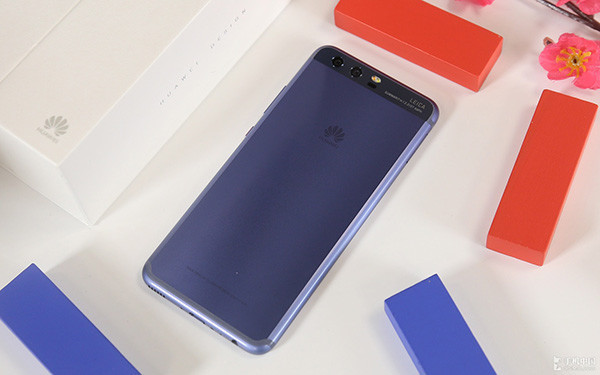
In one of the biggest scandals of 2017, it was found that Huawei randomly used either eMMC or UFS 2.1 flash chips inside its new Huawei P10 flagship smartphone. Given that everyone expected the P10 to feature the best specs, including UFS 2.1 inside all of the P10 models sold worldwide, this scandal came as a surprise.
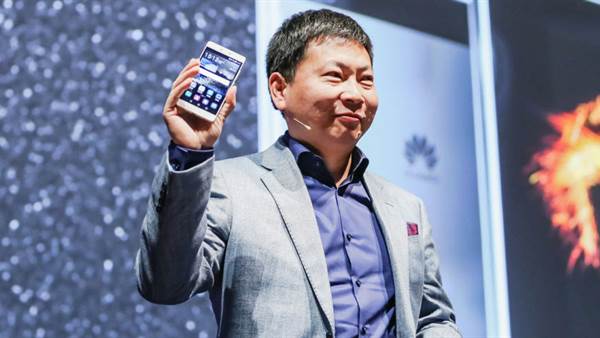
Initially, Huawei played the blame game, but later on, the company did apologize to its customers. Despite the apologies, the customers weren’t happy to be given a slower and older flash chipset inside their brand new and pricey Huawei phones. The company’s CEO and Director, Richard Yu has come out to explain the situation multiple times in the past and even in today’s Huawei Mobile Open Day held in Shenzhen, China (the first such event), Richard Yu tried to explain the situation to the media.
At the event, he tried to open about Huawei’s supply struggle and even talked about the Huawei P10 flash scandal. He explained that the price difference between the eMMC memory chips and UFS 2.1 chips is very small. The company’s decision to go with older chips for some models was not in order to save money but to keep a steady supply of shipments and timely delivery of orders. He added that the company’s aim was not to deceive customers and if not for UFS 2.1 supply issues, Huawei would have used the same chip inside all the units.
He further said that Huawei has reflected on this issue and understands that the real consumers should be given importance and have to listen to their voice and understand their ideas.
Basically, the issue boils down to whether Huawei is justified using an older flash chipset inside its 2017 flagship just because of supply issues. What do you think Huawei should have done to tackle the supply problem?
Would you have bought the Huawei P10 if Huawei had clearly mentioned that some of their units had an older eMMC flash chip inside?
Samsung Galaxy S8 and Galaxy S8+ smartphones are now available for purchase in various markets of the world. On Tuesday, the South Korean company confirmed that it has sold 5 million units of Galaxy S8 and Galaxy S8+ smartphones globally.
The impressive thing about this sales report that it has not been even one month since the market release of Galaxy S8 duo and the company has managed to achieve such a marvelous result. It was made available for purchase in South Korea, the United States, and Canada beginning from April 21.
A week later it arrived in other markets such as the United Kingdom, France, Germany and Italy. The Galaxy S8 and Galaxy S8 Plus are currently available in 120 markets. There is no information available on the individual sales result of Galaxy S8 and Galaxy S8+.
It was previously reported that the Galaxy S8 duo pre-orders have crossed 1 million units in South Korea. Samsung is yet to launch the Samsung Galaxy S8 and Galaxy S8+ smartphones in China. A recent research report has revealed that Samsung has a market share of 3.1 percent in China. Since it is losing out to rivaling brands like Huawei, OPPO and Vivo that are leading the Chinese markets, Samsung is expected to gain market share by the launch of Galaxy S8 duo by the end of this month in China.
Samsung is reportedly partnering with Chinese content providers so that it can be made available on Galaxy S8 and Galaxy S8+ smartphones. Moreover, the South Korean will be introducing Chinese edition of Bixby AI on Galaxy S8 duo. On April 30, Samsung had introduced the Bixby assistant in the home country. English edition of Bixby is expected to roll out in respective countries during the spring.
In the previous month, Ming-Chi Kuo, an analyst with KGI Securities, the Galaxy S8 and Galaxy S8+ that features huge “Infinity Screen” has met with overwhelming market response. Kuo estimates that Samsung will ship 50 to 55 million units of Galaxy S8 duo in the fiscal 2017. Previously, he had made a conservative prediction Samsung would be shipping 40 to 45 million units of Galaxy S8 and Galaxy S8 due to the unfriendly positioning of fingerprint scanner on these phones.
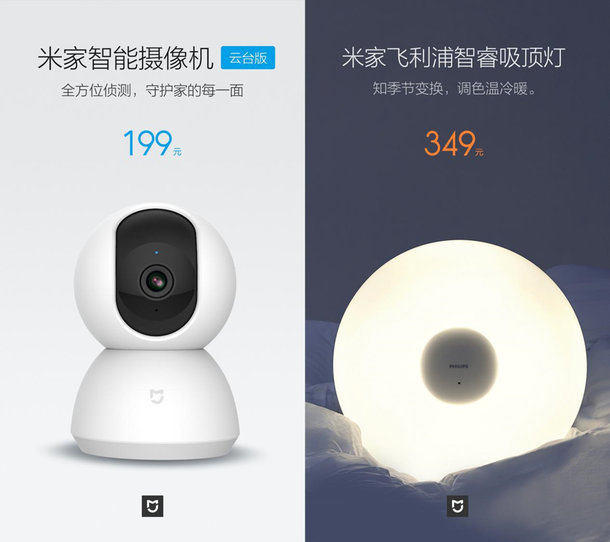
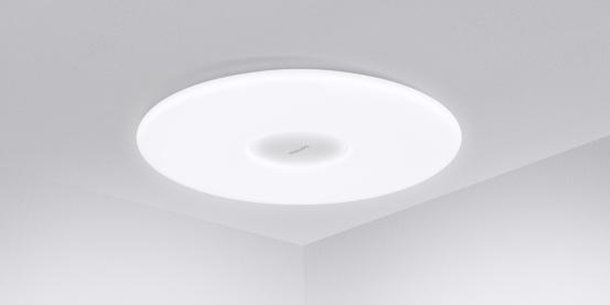
Xiaomi’s MIJIA brand has launched two new products under the smart home products lineup. One of the products is a Smart pan-tilt-zoom (PTZ) camera which is ideal for surveilance. The other product is a LED ceiling lamp jointly built by Xiaomi and Philips.
Xiaomi MIJIA Smart PTZ Camera
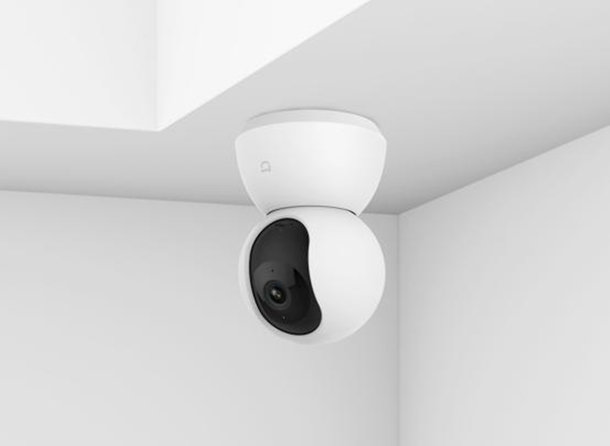
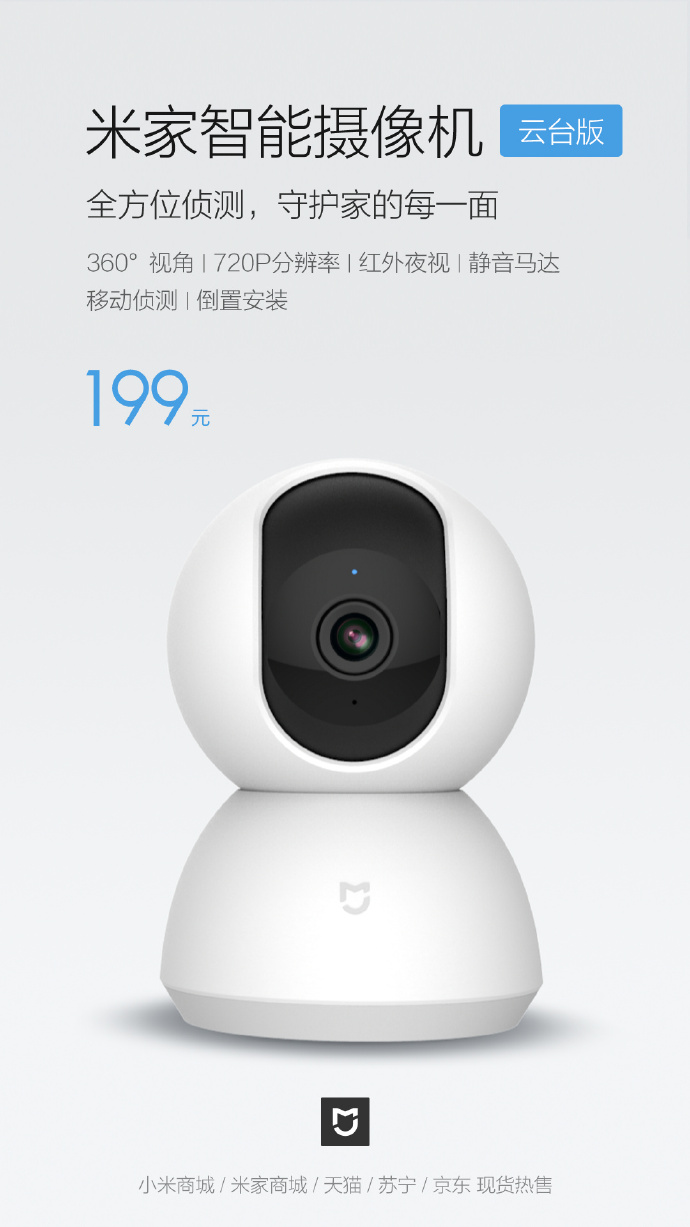
The Xiaomi Mijia smart PTZ camera is a security camera ideal for use at home which comes with a design that allows it rotate 360 degrees. The pan-tilt-zoom camera is capable of remote directional and zoom control. While in most cases te PTZ controls are sold separately from the camera, the MIJIA PTZ cam offers both the camera and controls at a ridiculously cheap 199 Yuan price (~$28). It is capable of surveilling all corners in a room.
The camera comes with a dual-axis rotational head design which can move freely up and down as well as sideways in order to cover all part of the home. It comes in white only and offers a 360-degree viewing range with a single viewing angle of 115 degrees. There is a memory card slot but it is hidden from view due to the design.
The Mi home smart PTZ camera will go on sale from 10.00 hours today, May 16 on Xiaomi mall, Mi mall Xiaomi official flagship store on Lynx, Jingdong and Suning, all at the same time.
The ceiling lamp is also a smart home product as it comes with the perceptive function which regulates its brightness according to the illumination of the room, the season, time and other conditions. The light automatically adjusts its color temperature to the appropriate state that won’t be too bright or dull. It also comes with a remote control with which the light can be switched on and off as well as regulated. In addition, the light can also be connected to the traditional wall switch despite having a remote control. The remote control is also smart, as it can monitor the temperature and humidity of the room which would enable the user optimise the lighting system. The Smart ceiling lamp can also be controlled using the mobile app and the colors can be changed as well to suit the season and time of the day.
The Xiaomi Philip Smart Ceiling Lamp carries a price tag of 349 Yuan (~$50) while the remote control is sold separately for 79 Yuan. The light product will be on sale from 10 AM today in China on Mi Mall only.
Three years ago, Samsung was ruling the Chinese smartphone market. Now it has been pushed down to 10th position in smartphone brands ranking in China. LG Electronics is holding a market share of only 1 percent in the country. The reason behind it is that in the recent past a lot of Chinese smartphone manufacturers have flourished and gained popularity in short span of time. Moreover, the Chinese government has been providing better support to local companies. Also, the Chinese phones are available with cheaper pricing compared to smartphones from Samsung and LG. Fresh reports reveal that both the South Korean companies are gearing up to regain their popularity in China.
China is the largest smartphone market in the world and it constitutes 30 percent of the worldwide market. In future too, the Chinese market will continue to expand. The smartphone OEMs that do not excel in Chinese markets cannot become a global leader. However, the local brands are using various strategies to make sure that their brands have more influence in the country. A recent research on the global smartphone market revealed that the foreign companies are rapidly losing market share in China in the first quarter.
Samsung is consistently losing market share in China. In 2015, it had a market share of 7.6 percent. It declined to 4.9 percent in 2016 and now it has a market share of 3.1 percent in the country. LG Electronics has a market share of 0.045 percent in the first quarter. Apple has a current market share of 7.7 percent, but its sales have declined by 15 percent in the first quarter.
On other side, the local brands are ruling in China. Huawei is on number 1 spot with a market share of 18.9 percent in the first quarter. It is closely followed by OPPO that has a market share of 18.7. Vivo is on number 3 with a 16.8 percent market share. These three brands are working on strengthening their leads as they have surpassed globally popular brands like Apple and Samsung.
Samsung and LG Electronics have both devised their strategies to win more Chinese customers. A Samsung representative has said that the company will be launching the Samsung Galaxy S8 in the country by the end of this month. Its Bixby voice assistant will support Chinese language. It will be establishing partnership with content providers in the country so that the Galaxy phones can provide Chinese customers with more services.
Since China is a huge country, it is difficult task for companies to build offline distribution networks. Hence, LG G6 Electronics will work on online distribution networks in China to regain its popularity.
We use cookies on our website to give you the most relevant experience by remembering your preferences and repeat visits. By clicking “Accept”, you consent to the use of ALL the cookies.
This website uses cookies to improve your experience while you navigate through the website. Out of these, the cookies that are categorized as necessary are stored on your browser as they are essential for the working of basic functionalities of the website. We also use third-party cookies that help us analyze and understand how you use this website. These cookies will be stored in your browser only with your consent. You also have the option to opt-out of these cookies. But opting out of some of these cookies may affect your browsing experience.
Necessary cookies are absolutely essential for the website to function properly. This category only includes cookies that ensures basic functionalities and security features of the website. These cookies do not store any personal information.
Any cookies that may not be particularly necessary for the website to function and is used specifically to collect user personal data via analytics, ads, other embedded contents are termed as non-necessary cookies. It is mandatory to procure user consent prior to running these cookies on your website.