Today, Lenovo Group Vice President Chang Cheng announced the long awaited ZUI 4.0 update for the company’s ZUK series smartphones, including ZUK Z2 Pro, Z2 and ZUK Edge.
He announced that the company will roll out ZUI 4.0 for the ZUK Z2 Pro and ZUK Z2 by the end of this week for beta testing while the same update for the ZUK Edge will start rolling out next week.
Earlier this year, in March, during the Lenovo S5 launch event, Chang Cheng had announced that the company’s newly updated ZUI 4.0 will start rolling out in July. However, the update got delayed and was finally rolled out with Lenovo Z5 in August.
The devices that are compatible with the company’s new ZUI 4.0 update include Lenovo S5, Lenovo K5, K5 Play, Moto Z-series 2018, Moto Z2 Play, and ZUK devices which includes ZUK Edge, ZUK Z2 Pro, and ZUK Z2.
The ZUI 4.0 comes with support for U-touch 4.0 features and full-screen gestures. It also introduces a brand-new function of artificial intelligence-based voice assistance. The company has added a feature called Game Line Network Acceleration that is aimed at providing faster gaming experience.
Further, the update has been optimised to provide faster and better user experience as well as to reduce the power consumption of the system and improve stability.
ASUS’ Zenfone Max Pro M1 phablet became an instant hit among those who fancy using a big-screen mobile device after hitting the store shelves earlier this year. Taking its popularity into consideration, the Taiwanese electronics giant is now offering the well-received phablet at a discounted price on GearBest.
The global version of the Zenfone Max Pro M1 phablet that offers a decent array of specs and features has gone up for sale bearing a dropped price of just $249.99 on GearBest. This is a considerable 29% cut down in the device’s original asking price.
Before we delve further into the details, let us take a look at this ASUS-branded phablet’s mean features. First off, it sports a mammoth 6.0-inch display with a screen resolution of 2160 x 1080 pixels. On top of that, the phablet is housed in a sturdy aluminum body with 15.90 x 7.60 x 0.85 cm dimensions and it weighs in at just 0.1800kg.
It packs a powerful Qualcomm SDM636 Snapdragon 636 processor along with an Adreno 509 GPU, under the hood. The Zenfone Max Pro M1 phablet offers 4GB of RAM and a hearty 64GB of onboard storage that you can expand up to 2TB.
On the photography front, the Zenfone Max Pro M1 phablet houses a 16.0MP+5.0MP dual camera setup on the back and an 8.0MP front shooter for selfies and face-to-face video chatting. It runs on Android Oreo OS and is backed by a robust 5000mAh battery.
You can avail the aforesaid discount on the black as well as the silver color version of the Zenfone Max Pro M1 phablet. On the downside, there were only 49 pieces of the black and 47 pieces of the silver color version left for this promo, which is slated to end in just 2 days.
In order to ensure you do not miss this opportunity to buy the power-packed ASUS ZenFone Max Pro M1 phablet at a lowered price, all you need to do is to follow this link without wasting time.
Oppo will be launching its latest smartphone today in China, named Oppo K1. Ahead of the phone’s official launch, the company has started taking pre-orders for the device, which will being shipping on 19th October.
The Oppo K1 will be available in two color options — Van Gogh Blue and Mocha Red. It’ll be available in two variants — 4GB RAM and 6GB RAM. As for the pricing, the 4GB RAM model costs 1,599 Yuan (approx. $231) while the 6GB RAM model is priced at 1,799 Yuan (approximately $260).
In terms of the specifications, the phone comes with 6.4-inch AMOLED Full HD+ display having a screen resolution of 2340 x 1080 pixels and Gorilla Glass protection on top. To offer a higher screen-to-body ratio of 91 percent, it features a waterdrop notch on top of the display to house front-facing camera.
Under the hood, the Oppo K1 is powered by Qualcomm’s Snapdragon 660 octa-core processor, which is the same chipset that powers the likes of Nokia 7 Plus and Vivo V11 Pro. Both the models — 4GB RAM and 6GB RAM — comes with 64GB of internal storage.
Coming to the camera department, the device features a 25-megapixel front-facing snapper for taking selfies and video calling. On the back side, the phone comes with a dual camera setup, consisting of a 16-megapixel primary sensor and a 2-megapixel secondary sensor. The camera is powered by an artificial intelligence technology to enhance the photo capturing experience.
The phone will be running Android 8.1 Oreo operating system out of the box with the company’s own ColorOS on top. It is backed by a 3,500mAh battery and we are expecting the phone to support some kind of fast charging technology as well.
Fitness-related gadgets like smartwatches have been garnering skyrocketing popularity among those who fancy living a healthier and fitter lifestyle. While the market is brimming with all sorts of smartwatches and fitness bands, these devices don’t come cheap.
If you’re in the market for a cost-effective smartwatch bracelet that’s loaded with awe-inspiring features, you’ve come to the right place. As part of its recently kicked-off promo, GearBest is offering top-branded smartwatches at a considerably lowered price.
Dubbed as ‘Health Made Smart,’ the promotion ensures you achieve your fitness goals spending less than $22.99. So without further ado, let’s check out the details.
The Huawei Smart Bracelet section features the Band 2 Pro GPS Sports Smart Bracelet, which you can now buy at a reduced price of $45.99 and the Honor 0.5 inch Bracelet 4 Running Version, which usually sells for $25.87 but can be yours at a dropped price of just $22.99.
The Honor Band 4 Running Version is quite an irresistible smartwatch bracelet that is touted as the toned-down version of the Honor Band 4. Although it boasts relatively fewer features than the Band 4, the Running Edition comes with an enhanced running detection and a slew of other top-notch elements. Keeping in line with that, it can monitor your step length, cadence, ground contact time, swing angle, eversion excursion, landing impact, and foot strike pattern. Moreover, the Running Edition is water resistant up to 50m and its dimensions are 40.5×14.8×11.2mm and it weighs in at just 6 grams.
If you’d like to explore more options, the Top Seller category is where you should head straight to. This section comprises some of the most popular smartwatches like the Huawei Honor Band 3 that you can buy at a discounted price of just $22.99.
Moreover, the section features the equally well-received Xiaomi AMAZFIT Heart Rate Smartwatch, which would usually set you back a pretty penny but can now be yours if you’re willing to shell out just $95.99. This is a noteworthy 26% reduction in the device’s retail price of $130. But if you’re interested in checking out the recently launched smartwatches that have gone up for sale carrying discounted price tags, you might want to take a look at the New arrival section. Here you can find newfangled smartwatches like the Mi Band 3, the Lenovo Watch X, the M30 smart bracelet and lots more.
If you’re interested in checking out the rest of the smartwatches that you can buy without emptying your pocket, head straight to this link before the promotion comes to an end.
Oppo has quietly launched the third variant of its Oppo A83 (2018) smartphone in the Indian market. After the 3GB RAM and 4GB RAM models, the phone will now also be available in 2GB RAM model.
The new 2GB RAM variant of the Oppo A83 (2018), which packs 16GB of internal storage, is priced at Rs. 8,990 (approximately $121). The phone is already available for purchase through offline channels across the country.
In comparison, the 3GB RAM model is priced at Rs. 13,990 (approximately $189) while the 4GB RAM variant is priced at Rs. 15,990 (approximately $216).
Besides the change in the memory configuration, rest of the phone’s specifications remains the same. It features a 5.7-inch LCD HD+ display having a screen resolution of 1440 x 720 pixels. It is powered by MediaTek 6763T octa-core chipset paired with Mali G71 GPU.
The phone comes with a microSD card slot, enabling users to further expand the phone’s storage capacity up to 256GB. For photography, there’s a 13-megapixel rear camera sensor with an LED flash and an 8-megapixel front-facing snapper for taking selfies and video calling.
The device comes with an AI beauty feature which automatically beautifies selfies. While the other variant come with face unlock feature, this 2GB RAM model misses out on the facial recognition feature.
Connectivity options on the Oppo A83 include Wi-Fi, Bluetooth 4.2, GPS, micro-USB, USB OTG, and 4G LTE. The device runs Android 7.1.1 Nougat out-of-the-box with company’s own ColorOS 3.2 on top and is backed by a 3.180mAh battery.
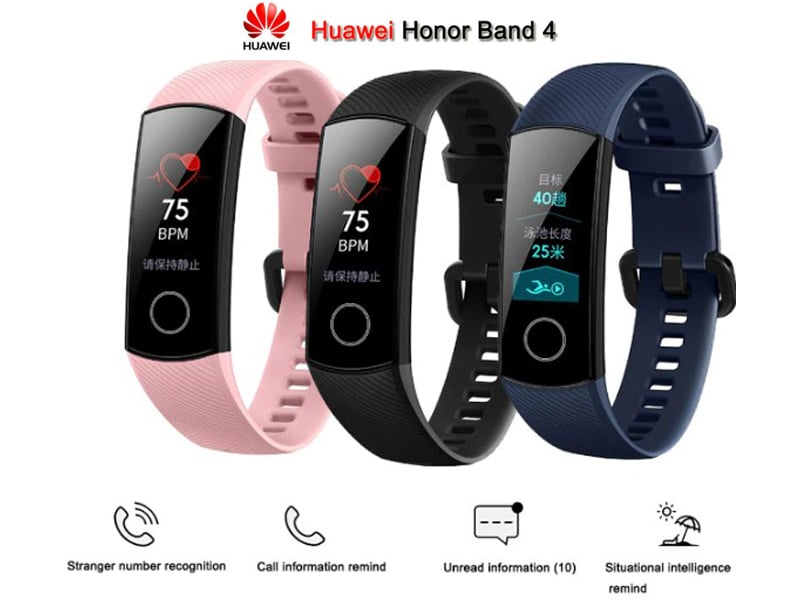
Huawei recently launched the long-awaited Honor Band 4 fitness wearables lineup, under its Honor sub-brand in China. The equally-anticipated Honor Band 4 Running Edition fitness tracker also made an appearance in the market earlier last month.
Much to the delight of fitness-conscious people who have been looking for a cost-effective smartwatch bracelet, both the Honor Band 4 Smart Bracelet and its Running Edition have gone up for sale carrying heavily discounted price on GeekBuying. But that’s not all.
Aside from shedding light on the aforesaid discounts, we’ll even show how you can save a considerable amount of more money at the time of checking out. So without wasting time, let’s delve straight into the details.
Huawei Honor Band 4 Running Edition Smart Bracelet
Touted as the toned-down version of the Honor Band 4, the Running Edition would normally set you back a pretty penny on online as well as offline stores. In a bid to make the Running Edition smart bracelet available to the cost-conscious buyers, Huawei is now offering it at a dropped price of just $25.99 on GeekBuying. This is a noteworthy 48% reduction in the device’s original asking price of $49.99. You can extend this discount simply by applying coupon code WNTGQOZO. This helps you save an extra $16 and bring your grand total further down to just $23.99.
The Running Edition of the Honor Band 4 smart bracelet will be up for grabs bearing the discounted price for 14 days. You can click here to visit the promotion page and avail the discount before the promo comes to an end.
Huawei Honor Band 4 Smart Bracelet
While you’d normally end up spending $79.99 on the Honor Band 4, the Chinese tech giant is offering you a chance to buy this feature-laden smart bracelet at a considerably dropped price of just $45.99 on GeekBuying. This is a 43% discount on the device’s retail price. On top of that, you can use coupon code GIODWHOA to get an extra $16 off before placing your order. As a result, your already modest grand total reduces to only $43.99. Note that the discount will only be valid for 14 days.
You can visit this link to take advantage of the discount and use the coupon before it expires.
As part of its latest clearance sale, GeekBuying is doling out noteworthy discounts on a wide selection of smartphones, laptops, consumer electronics and lots more. Let’s head straight to the details.
The Chinese electronics online store is giving buyers an opportunity to save $2 (via code OCTMIN2) for order value of more than $30 and get $10 off (via code OCTMIN10) when their order value exceeds $200. But if that doesn’t impress you much, you can download GeekBuying app to get up to 80% off.
The promo has been split into multiple categories in order to ensure buyers finds exactly what they’re looking for without breaking much of a sweat. Here’s a brief glimpse of what each section has to offer in terms of discount.
You can find a slew of well-received smartphones, laptops and other accessories in the category called ‘Smartphones & Laptops.’ Buyers can save a considerable amount of money on devices from popular manufacturers like Xiaomi, Coolpad, and OnePlus.
Aside from getting the discount, buyers can use the aforesaid coupons to save more money. For instance, this section features the OnePlus 6 smartphone which is currently available at a discounted price of just $559.99.
At the time of checking out, you can apply coupon OCTMIN10 to save an extra $10. This will help you reduce your grand total to just $549.99. Likewise, you can apply the coupons to get extra discounts on the rest of the products’ already discounted price before proceeding to check out.
Likewise, you can get big discounts on consumer electronics items like TV Boxes, Electronic Gadgets, and Wearable in the next category. If you’ve been looking for a cost-effective smart bracelet, you might want to check out the Wearable section which is brimming with top-branded smartwatches including the Huawei Honor Band 3, Xiaomi Mi Band 3 and lots more.
The TV Boxes section features some of the well-received Android and Windows OS powered TV boxes that you can buy at the heavily discounted price. The Electronic Gadgets section, on the other hand, comprises miscellaneous items like the Xiaomi Huami Amazfit Cor MiDong Smart Bracelet, Royole-X 3D VR Headset, and Tronsmart Element Pixie Double Passive Radiators Bluetooth Speaker.
The category dubbed ‘Outdoor Gear’ offers adventure junkies something to cheer about in the form of big discounts on various items. The section has further been divided into Outdoors, RC Hobbies, and Automobile sub-categories.
Similarly, the Home Essentials section which encompasses a myriad of products that come in handy in day to day life, has been separated into Home, IP Cameras and PC Peripherals sub-categories in order to expedite the search process. We’ll take a look at a few products that you not only can buy at the discounted price but even get extra discount by using specific coupon codes.
VOYO V3 Pro Windows 10 Notebook
There’s a 29% off on the coveted notebook’s retail price of $508.99. As a result, you can buy it at a dropped price of just $359.99 on GeekBuying.
On top of that, you can use coupon GKB090T to get an extra $60 off at the time of checking out. This will help you bring your grand total down to just $339.99. You can follow this link to take advantage of the discount.
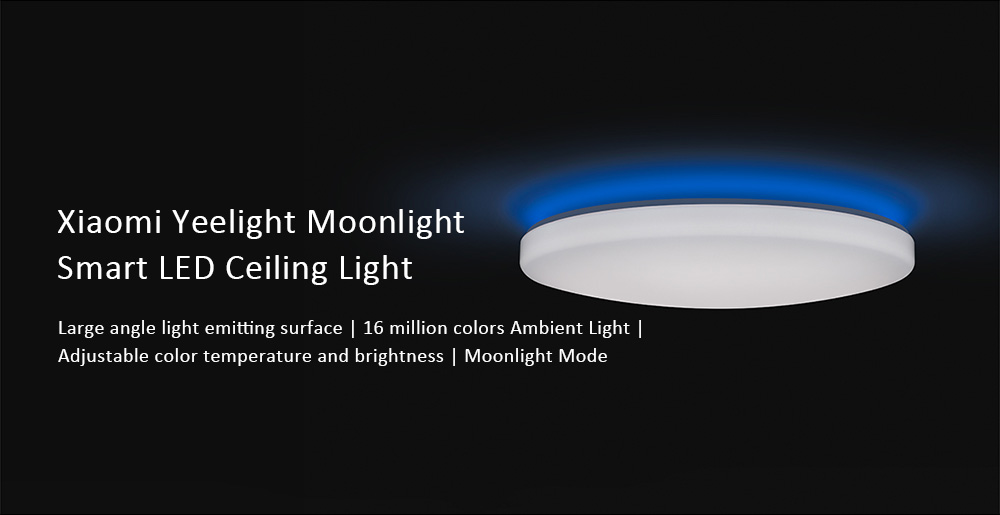
Yeelight Moonlight Smart LED Ceiling Light
The Yeelight Moonlight Smart LED ceiling light would normally set you back $299.99, but you can now buy it at a reduced price of just $179.99 on GeekBuying. In addition to this 40% discount, you can save an extra $130 by using coupon code TTYKVTVY before placing your order.
In other words, you can reduce your grand total to just $169.99 simply by applying the aforesaid coupon. You can visit this link to use the coupon and receive the discount before the promo comes to an end.
Tronsmart 3 Ports Quick Charge 3.0 Type A Car Charger The Tronsmart-branded car charger usually sells for $ 30.49, but thanks to a 71% reduction in the device’s original asking price, it is now available at a dropped price of just $8.99 on GeekBuying. Moreover, you can use coupon code KBSTRN3CAR to get an extra $11 off and reduce your grand total down to just $6.99.
You can follow this link to buy the Tronsmart car charger at this heavily discounted price.
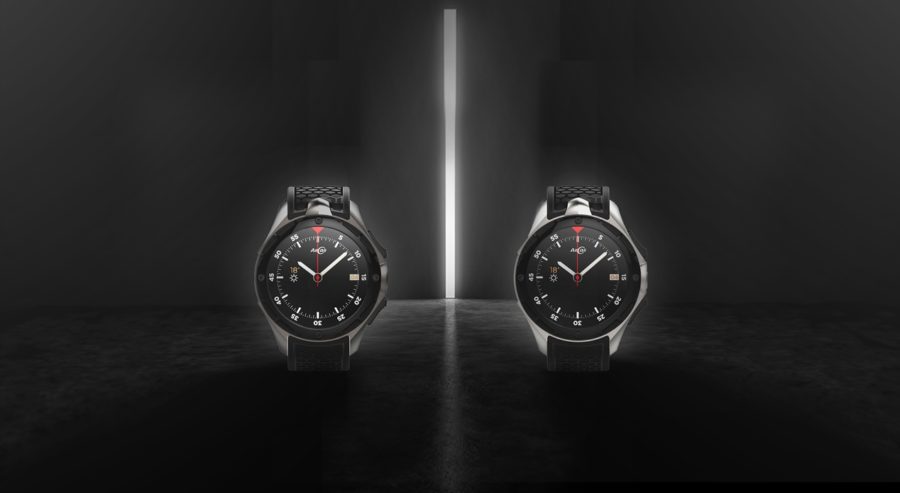
ALLCALL W2 3G Smartwatch Phone
The feature-laden W2 smartwatch phone from ALLCALL has gone up for sale bearing a dropped price of just $139.99 on GeekBuying. This is a noteworthy 29% reduction in the device’s original selling price of $195.99.
You can apply coupon code LQEPCKGC to save $24 extra before you click on the ‘Place Your Order’ button. This reduces your grand total to only $129.99. You can head straight to this link if you’re interested in taking advantage of this discount before the promotion comes to an end.
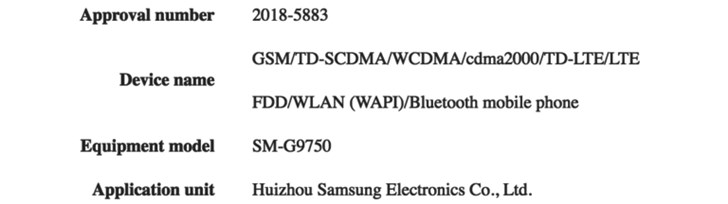
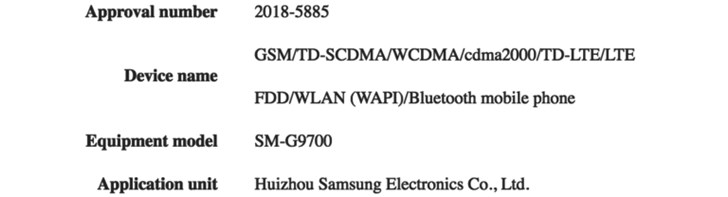
Samsung normally unveils its flagship Galaxy S series in the early part of the year and next year’s Galaxy S10 will be no exception. Samsung has already been revealed to have three models in the work with model numbers: SM-G970F, SM-G975F and SM-G973F. The latest is that these three Galaxy S10 models have now been certified by China’s Ministry of Industry and Information Technology otherwise known as TENAA.
The models on TENAA come with the model numbers SM-G9700, SM-G9730 and SM-G9750. The last “0” indicates that these models are suitable for the Chinese market. Unfortunately, the certification doesn’t contain any more information about the model.
However, previous reports had revealed that the two of the models – SM-G970 and SM-G973 are equipped with a 5.8-inch display with a single selfie camera and dual rear cameras. The SM-G975 model is thus, likely the Galaxy S10 Plus version with five cameras; a triple rear camera setup and two front cameras. This version is said to also feature a bigger 6.44-inch display. It is unclear whether there are design differences between the three phones. In addition, there are reports that Samsung is still preparing the 5G version of the Galaxy S10. The 5G versions may only be available in specific markets such as the US and South Korea. We expect the full TENAA certification listing to appear soon with its specs in tow.
The Xiaomi Mi Box is one of the few Android TV boxes running Android TV and not a custom version of Android for mobile phones. Announced two years ago, the TV box now has a successor (if you want to call it that) called the Mi Box S. Is it worth buying? Read on to find out.
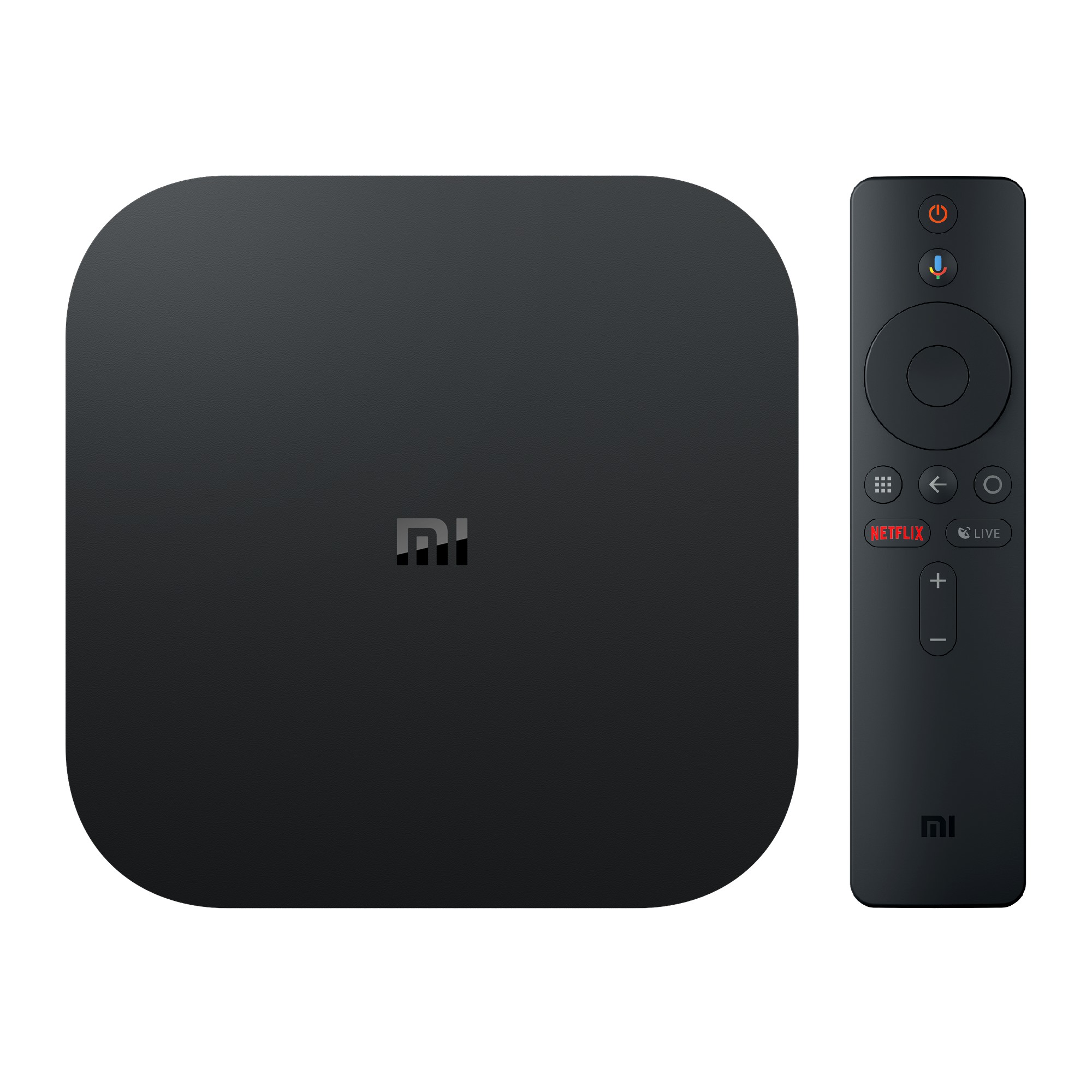
The Mi Box S has the same design as the Mi Box 4 sold in China but it comes in black and not white like its Chinese version. Obviously, it runs Android TV and not Xiaomi’s version of Android for TVs.
The design of the box is not the only new thing. The Mi Box S also comes with a new remote. The power button is now in the middle but still at the top and right below it is a Google Assistant microphone button. There is also a dedicated Netflix button, a Live TV button, and apps button. It runs Android 8.1 out of the box.
The Mi Box S supports 4K output and playback (4K at 60fps). With built-in Chromecast, you can also cast what is on your phone, tablet or PC screen to the TV. Thanks to Google Assistant, the Mi Box S will also control your supported smart home devices such as the thermostat and lights. You can also use the assistant to find a movie/show, ask it to play a song, or even ask it the weather.
The Mi Box S has the same internals as the Mi Box. It is powered by a Cortex-A53 quad-core chipset with a Mali-450 GPU and has 2GB of RAM and 8GB of storage. The Mi Box S has dual-band Wi-Fi and Bluetooth 4.2 for connectivity. It has an HDMI 2.0 port, a single USB 2.0 port, an audio output port, and a power input port. Just like the Mi Box, you can also connect a supported gamepad and play games on the big screen.
The new Pixel 3 and Pixel 3 XL support wireless charging, a first for the Pixel phones. While there are a bunch of wireless chargers on the market already, it is no surprise that Google announced its own charger named the Pixel Stand. However, the Pixel Stand does more than charge your phone.
Just like the name says, the phone is propped up when you place it on the charger. There are a bunch of “standing” wireless chargers but Google has a reason for choosing this design.
When you place your Pixel 3 (or Pixel 3 XL) on the charger, a new UI comes up on the phone’s display. This UI shows important information like your schedule, traffic info, and the latest news. It also has an ambient lighting that mimics sunrise before your alarm rings. At night, it automatically activates Do Not Disturb mode, so that you can disconnect and get ready for bed.
The phone will also begin a slideshow of your favorite pictures from Google Photos as you charge. Also, if there is a knock at the door and you use a Nest Hello video doorbell, the Pixel 3 will show who’s at the door when charging on the Pixel Stand.
All the features mentioned above works well only if the device is propped up which explains the reason for the adoption of the standing design.
https://youtu.be/Mek1EfLFOHQ
The Pixel Stand provides up to 10W fast charging for your Pixel 3 and Pixel 3 XL. You can place the phone in landscape mode too and it will charge. Google says it will also charge Qi-compatible devices.
The Pixel 3 and Pixel 3 XL were officially unveiled at an event today in the US. The launch confirmed what we already knew about both phones based on the leaks and also reveal some new details.
Design
Depending on how you look at it, you can say the Pixel 3 and Pixel 3 XL have not really changed in terms of overall design but there are actually some big changes.
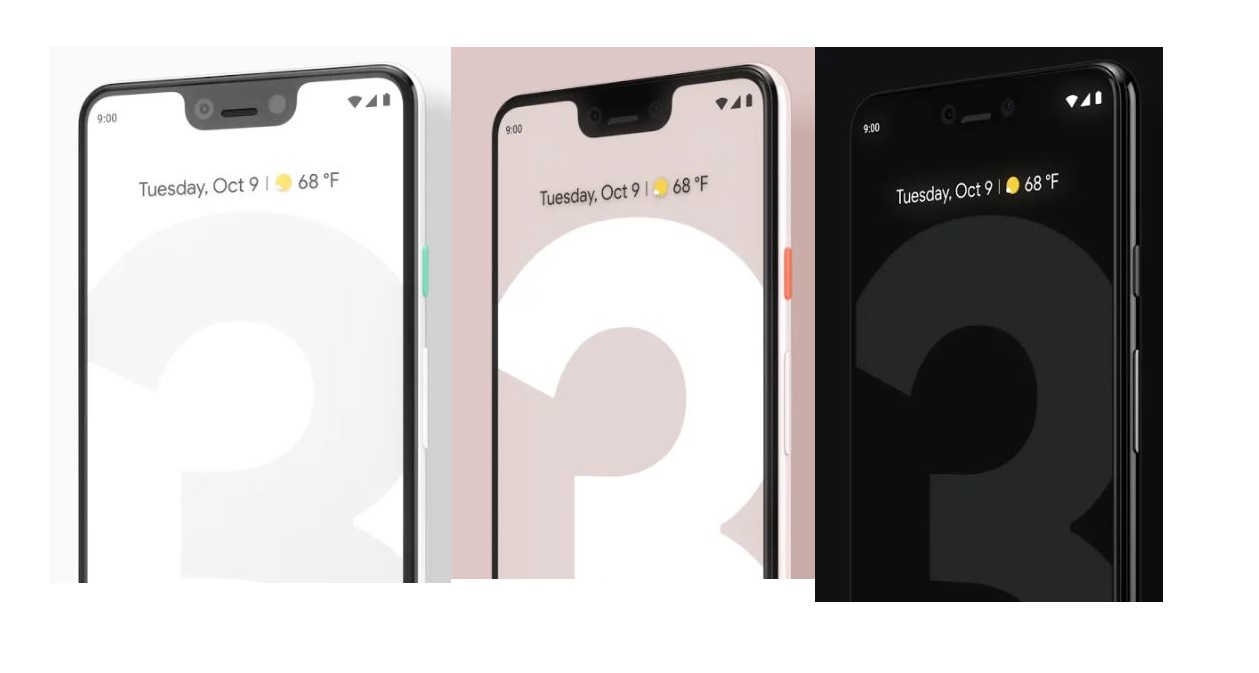
On the front side, both phones have bigger displays – the Pixel 3 now has an 18:9 screen but maintains a similar size to its predecessor while the XL grows its display by 0.3-inches and includes a notch. There are also stereo front-facing speakers and an extra front-facing camera on both devices.
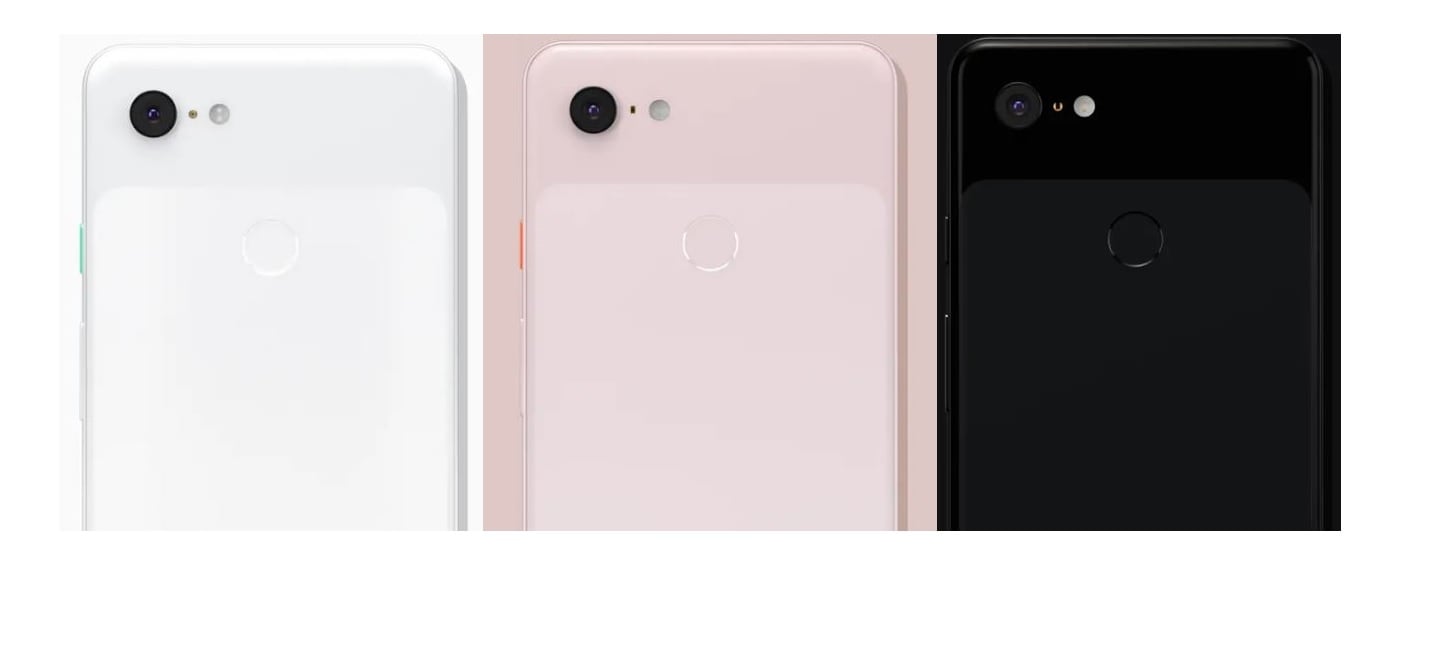
On the rear, the Pixel 3 and Pixel 3 XL is covered entirely in glass. However, the frosted design of the part that is metal on the Pixel 2 duo fools you into thinking it isn’t glass. The switch to glass has led Google to include support for wireless charging.
Lastly, both phones get a new color called Not Pink. Honestly, that is the name and you shouldn’t be surprised since the other two colors are Just Black and Clearly White.
Specs
The Pixel 3 has a 5.5-inch 18:9 screen with a 1080 x 2160 resolution. The Pixel 3 XL, on the other hand, rocks a 6.3-inch 1440 x 2960 display with a notch. Its own aspect ratio is 18.5:9. There is support for HDR and a Boosted Mode which adds 10% more colors to sRGB. Always On also makes a comeback. The front and rear of the Pixel 3 and Pixel 3 XL are protected by Gorilla Glass 5.
There is a Snapdragon 845 chipset under the hood of both phones but the cores are clocked at 2.5GHz and not 2.7GHz or even 2.96GHz as we have seen on other phones with the same chipset. Google says this is so as to save battery power.
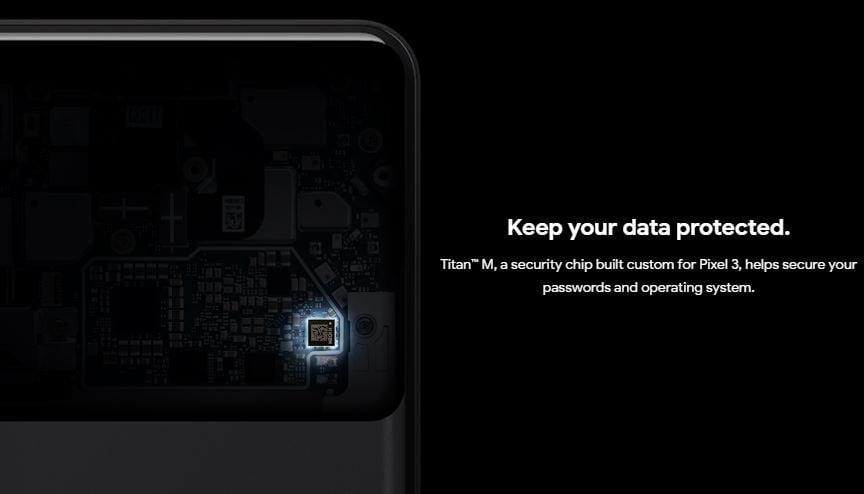
The Pixel 3 and its big brother also have a dedicated security chip – the Titan M, which keeps the OS and your passwords secure.
The RAM remains 4GB, a reaffirmation from Google that you don’t need more than that to run Android (Pure Android). You get to choose from either 64GB or 128GB of storage with no support for storage expansion.
Both phones now have an IP68 rating and a rear-mounted fingerprint scanner. There is a USB-C port for charging and there is still no audio jack. However, Google will ship each phone with a pair of Pixel Buds USB-C earphones which supports real-time translation, Google Assistant integration, and can even read out messages and compose replies. There is also a USB-C to 3.5mm adapter that consumes less power.
The Pixel 3 has a 2915mAh battery and the Pixel 3 XL has a 3450mAh battery.
Pixel 3 and Pixel 3 XL Cameras
The Pixel 2 and Pixel 2 XL were the best camera phones until the Huawei P20 Pro took the crown from them this year. Now the Pixel 3 and the Pixel 3 XL are here to claim the title.
There is still a single rear camera on both phones. Yes, not only is Google sticking to the same number of sensors as last year’s models but they are sticking to the tradition of providing the same camera performance on each model.
The rear camera is a 12.2MP sensor with a f/1.8 aperture and a 1.4um pixel size. Google says the Pixel Visual Core chipset that handles imaging is back but we are not sure if this is the same or an upgraded one.
The front cameras are dual 8MP sensors. One is a 97° wide-angle f/2.2 sensor and the other is a standard f/1.8 sensor. You will be able to switch cameras to take wide-angle selfies.
There are a bunch of new camera features such as Top Shot – an AI system that takes multiple pictures and selects the one where everyone is at their best (eyes open, smiling etc.). There is also Super Res Zoom which lets you zoom in on objects without losing details. Night Sight lets you take fantastic night photos without the need for flash. It will be available later as an update.
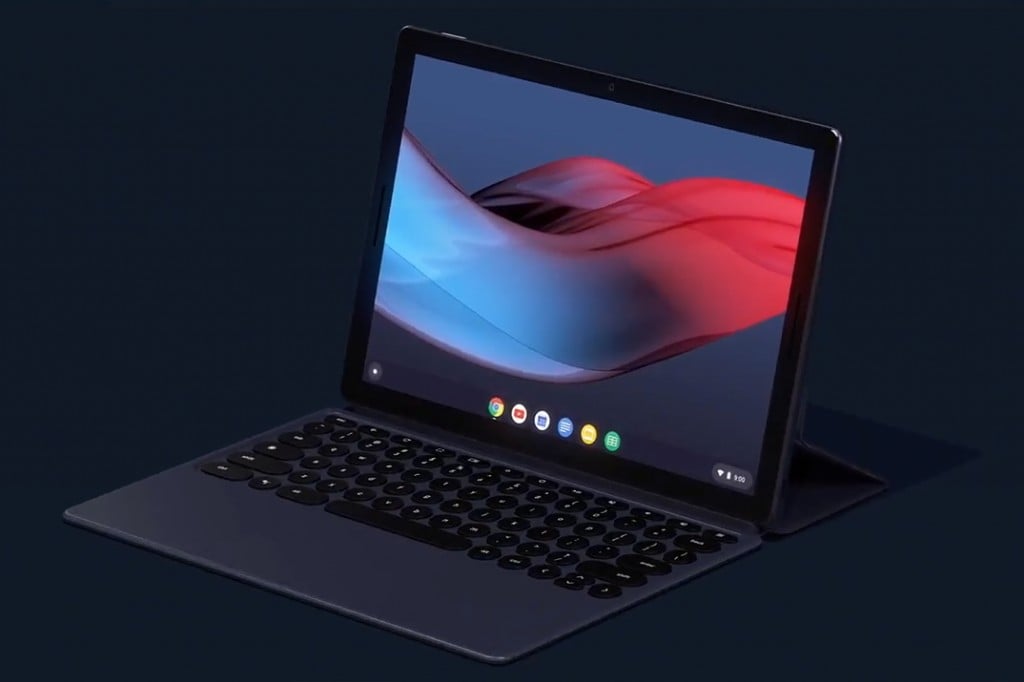
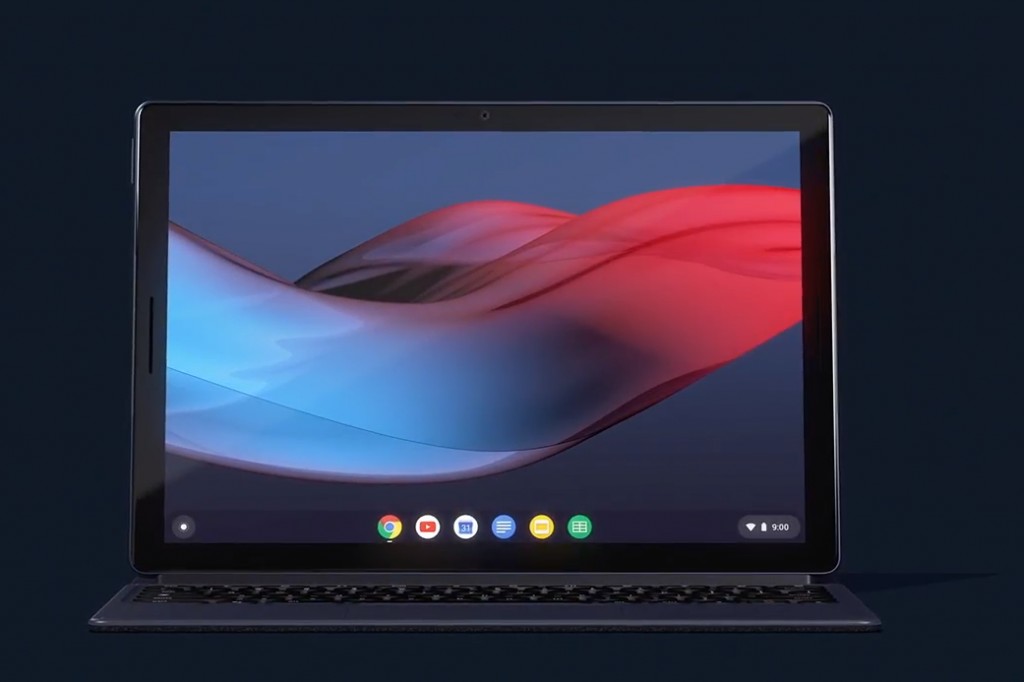
As the rumor mill had revealed, Google today unveiled the all new Pixel Slate laptop-tablet hybrid. It is the first table from the search engine to run on Chrome OS. It comes with a detachable keyboard and a stylus.
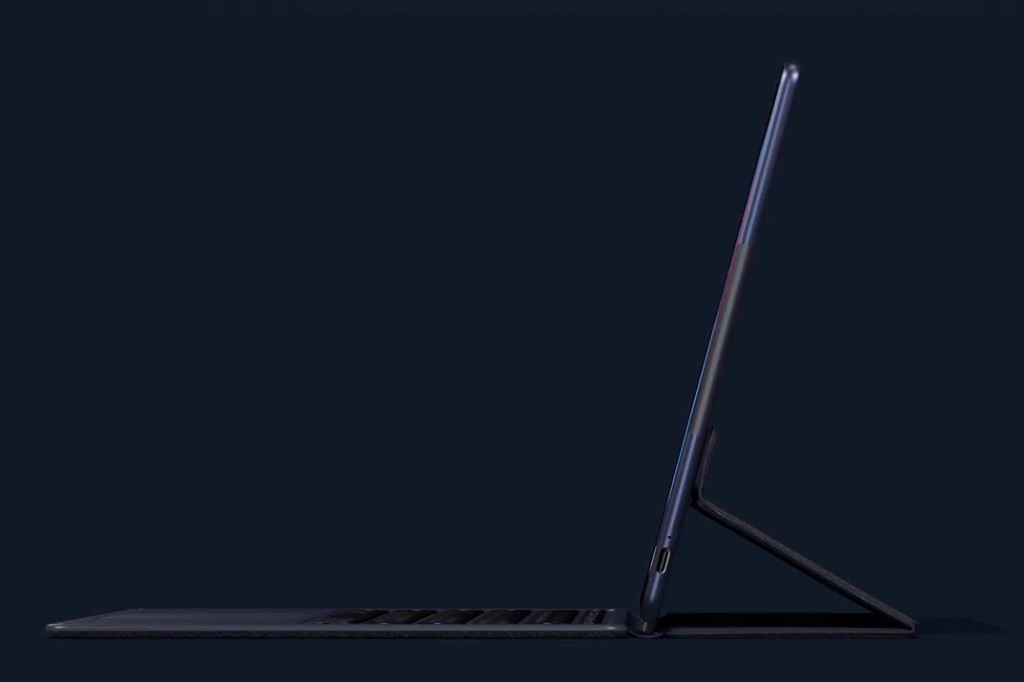
The Google Pixel Slate 2-in-1 device features a 12.3-inch LTPS LCD display that produces 3000 x 2000 pixels resolution. The display offers an aspect ratio of 3:2. The anodized aluminum chassis of the Pixel Slate measures 7mm in thickness and it weighs 1.6 pounds. The edges of the device are slightly curved which makes it comfortable to hold for longer hours.
The Pixel Slate features dual front-facing speakers. A fingerprint scanner is embedded under the power button of the Slate. Google did not confirm on the exact size of the battery present inside the Pixel Slate. However, what is known about it is that it can last for about 12 hours on a single charge. The device is equipped with a USB-C port. There is a wide-angle 8-megapixel front-facing camera on the Pixel Slate. An 8-megapixel camera is also available on the backside of the device.
The Google Pixel Slate runs on a customized version of Chrome OS that is designed to offer more desktop-like experience. Depending on how the device is held, the Pixel Slate can automatically switch between tablet and laptop modes. As expected, the device includes the G Suite and it also features a user-friendly split-screen mode.
The Chrome OS is also deeply integrated with Google Assistant. The search engine has also added a virus protection and a Titan security chip in the device for complete security.
The Google Pixel Slate comes in four variants. The base model has Intel Celeron processor that is coupled with 4 GB of RAM and 32 GB of SSD storage. It carries a price tag of $599. There are other variants include Intel Core m3, Core i5 and Core i7. The highest configuration variant is priced at $1,599 and it includes Core i7, 16 GB of RAM and a 256 GB SSD storage. The Pixel Slate comes in a single color option of Midnight Blue.
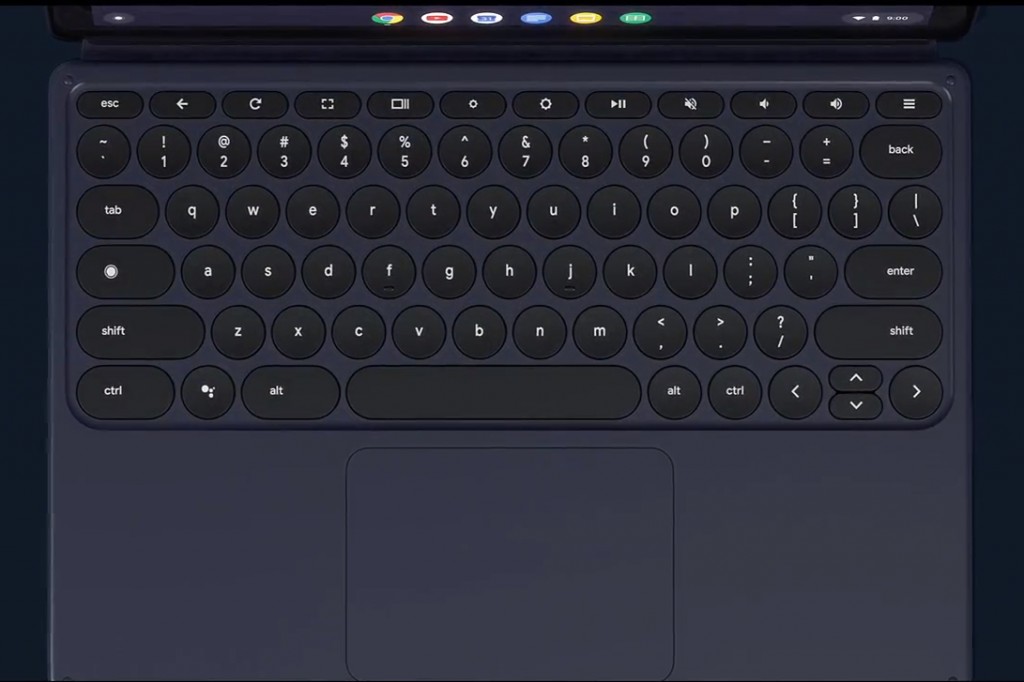
The above pricing does not include the detachable backlit keyboard that features circular-shaped keys and a large-sized trackpad. To purchase it, users will have to shell out an extra $199. The detachable keyboard functions as a folio cover and it can be connected to the Pixel Slate through its magnet connector. The keyboard draws power from the battery of the Pixel Slate. The Pixelbook Pen is also compatible with the new 2-in-1 device from Google. Buyers of the Google Pixel Slate will get YouTube TV’s free subscription for three months.
At the Nokia 7.1 launch event last week, HMD Global promised that the Nokia 6.1 Plus and Nokia 6.1 will get updated to Android 9 pie this month. In keeping to its promised timeline, the manufacturer has released a beta version of Android Pie for the Nokia 6.1 Plus.
The announcement was made today by Juho Sarvikas, the chief product officer at HMD Global.
The update brings the new system navigation, settings menu, adaptive battery, and also October’s security patch. If you are interested in joining the beta program, head to the Nokia beta labs page here and sign up.
The Nokia 6.1 Plus was launched a few months ago, first as the Nokia X6 in China before heading to India as the Nokia 6.1 Plus. It has a 5.8-inch 1080 x 2280 display, a Snapdragon 636 processor, 4GB of RAM and 64GB of storage.
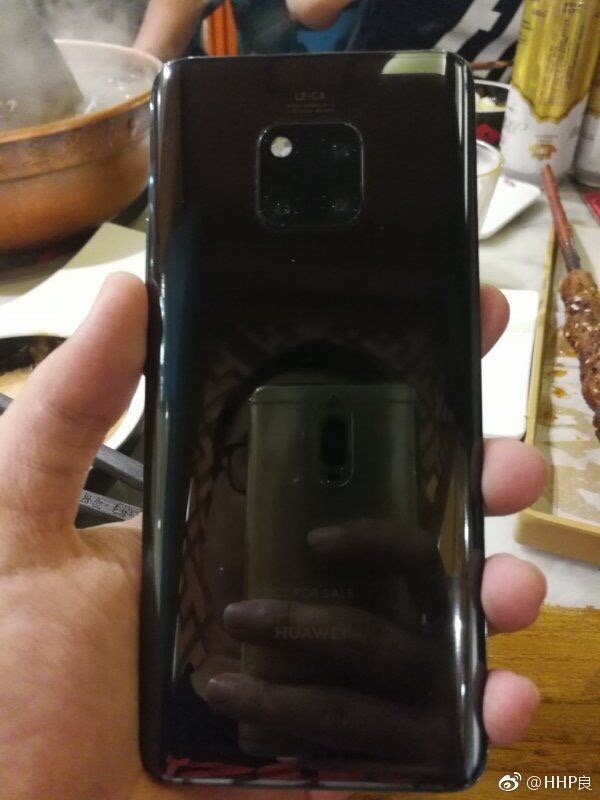
Huawei is expected to announce the Mate 20 series models on October 16 in London. Just like last year’s models, the Mate 20 Pro will be the main highlight of the launch and already we have seen the leaked renders and pictures of the device. Once again, the design of the Mate 20 Pro is in the spotlight as two leaked pictures showing the front and rear design have appeared on China’s Weibo. These are obviously the best pictures of the model that have been outed so far.
The design is not in anyway different from what we have seen previously, both at the front and rear. The Mate 20 Pro takes full-screen to the edge, packing a wide notch at the top which ensures the bezels at the top is tiny. The notch is quite wide but we can only spot the front-facing camera and earpiece. There is likely to be a number of sensors housed on the notch area. The Mate 20 Pro is expected to feature a 6.9-inch OLED screen with an aspect ratio of 19.5:9 and Quad HD+ resolution. The screen is also curved at the two edges which amplifies the beauty of the front view.
The rear design is highlight by the square-shaped rear camera comprising three camera sensors and an LED flash. The exact configuration of the rear cameras is not available yet. The rear panel has the Leica badge stamped at the top of the camera setup which means the Chinese phone maker continues its co-engineering partnership with German camera maker – Leica. There is no rear fingerprint sensor which basically confirms speculations that the device will come with an in-display fingerprint sensor. The rear panel which is likely made of glass is also curved at the two side edges. This is the Black variant but the Mate 20 pro will be available in Blue and Twilight colour gradient.
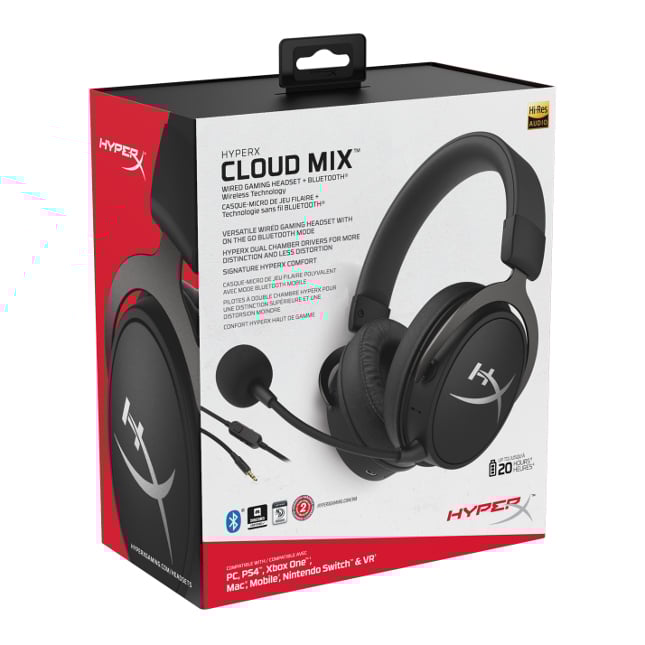
Kingston‘s gaming division Hyper X has unveiled its latest gaming gear and it is a headset. Dubbed Cloud Mix, the headset is a hybrid gaming headset that can transmit by a wired no-delay mode and also via Bluetooth wireless mode. The Bluetooth wireless mode can prolong the usage to nearly 20 hours.
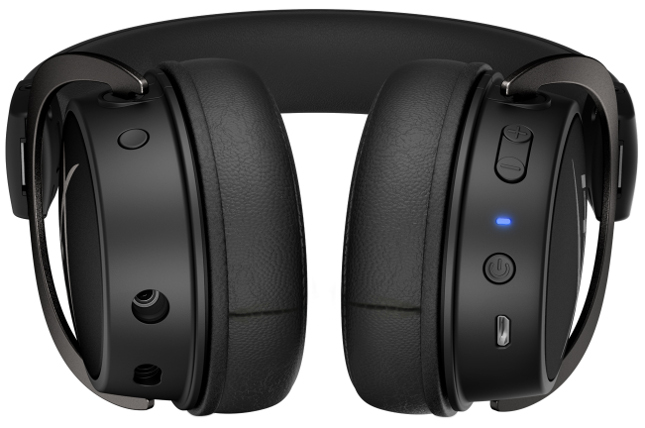
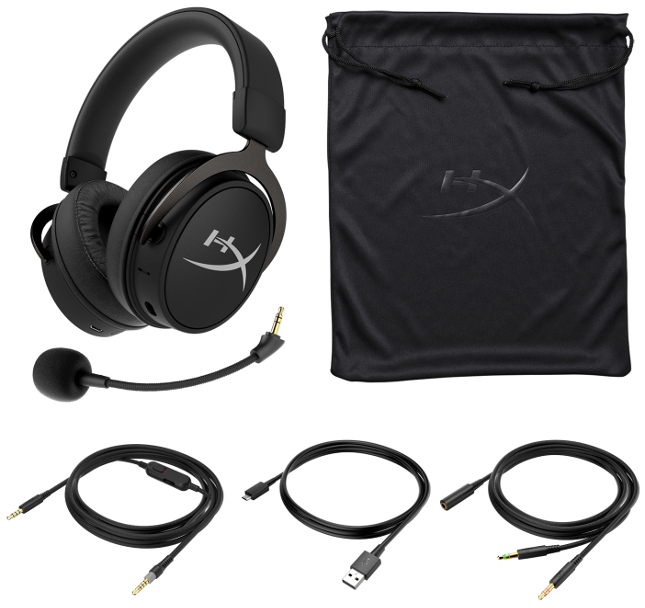
The HyperX Cloud MIX comes with a design similar to the regular gaming headset with a pair of comfortable ear cups. The headset has the HyperX logo crested on the outside part of the ear cups. The device also houses a USB port, power button, and volume controls all sit on the right earcup. While a 3.5mm audio jack for a wired connection is at the left. That means the wire can be detached and attached as desired. There is also another 3.5mm port for attaching the microphone.
The juice lies in the sound output of the headset. The Cloud MIX features HyperX’s dual-sound cavity technology and 40mm unit for rich and accurate sound performance. It is designed for high-demand host and PC players with wired audio design and portable Bluetooth wireless for entertainment content. It is compatible with several popular gadgets such as PC, PS4, Xbox One, Nintendo Switch, VR etc. Cloud Mix is certified with Hi-Res audio and can play audio up to 40kHz at wired rates.
There is no word yet on the pricing and availability.
When an advanced user needs top-end performance but he does not want to spend a lot of money on the most powerful flagships, he can opt for an affordable flagship without any loss of performance. Affordable flagships slowly became even more popular than the most expensive ones as they are able to offer even higher speeds and smoothness for a much lower price. If we exclude affordable flagships with low-end or mid-end aesthetics such as Xiaomi Pocophone F1 and Honor Play, Xiaomi Mi 8 and Asus Zenfone 5z are the cheapest flagships out there. A few days ago, another potentially affordable flagship was made official: Sharp Aquos Zero. Despite there is still no price tag, judging from the company, we believe that even this handset will carry an affordable price tag compared with the most famous flagships. So, let’s compare the two most affordable flagships with it in order to see which is the most impressive.
Sharp Aquos Zero vs Xiaomi Mi 8 vs Asus Zenfone 5z
Sharp Aquos Zero
Xiaomi Mi 8
Asus Zenfone 5z
DIMENSIONS AND WEIGHT
154 x 73 x 8.8 mm, 146 grams
154.9 x 74.8 x 7.6 mm, 175 grams
153 x 75.7 x 7.9 mm, 155 grams
DISPLAY
6.2 inches, 1440 x 2992p (Quad HD+), 536 ppi, OLED
6.21 inches, 1080 x 2248p (Full HD+), 402 ppi, 19:9 ratio, Super AMOLED
Dual 12 + 12 MP f/1.8 and f/2.4
20 MP f/2.0 front camera
Dual 12 + 8 MP f/1.8 and f/2.0
8 MP f/2.0 front camera
BATTERY
3130 mAh
3400 mAh, Fast Charging with Quick Charge 4.0
3300 mAh, Fast Charging with 9V / 2A
ADDITIONAL FEATURES
Hybrid Dual SIM slot
Dual SIM slot
Hybrid Dual SIM slot
Design
Sharp opted for a very singular choice in regards to the Aquos Zero’s design. The company realized it with a body made of aramidic fiber (also known as Kevlar). You may like this design or not, but it is very original and attractive. Even the rounded shape and the display curved at the side is able to make this device very impressive. That is why I personally prefer its design instead of Xiaomi Mi 8 and Asus Zenfone 5z. But even these two handsets have stunning aesthetics with their glass backs, one with a reflective light waves effect and another with a brushed metal effect. So, whatever you choose, you will make a very good choice.
Display
Sharp Aquos Zero has the most incredible panel of the trio. It is the first OLED display made by Sharp for a smartphone and it features a high Quad HD+ resolution, so a higher level of detail. This display also has 100 percent DCI-P3 wide color gamut, as well as the HDR technology. So besides having a huge level of detail, it has brilliant and realistic colors. Xiaomi Mi 8 takes the second place with its Super AMOLED Samsung panel which is HDR10-compliant as well, but it features just a Full HD+ resolution.
Specs & Software
With exactly the same hardware side, each of these devices achieves flagship-level performance. All of them boast the most powerful SoC in the Android market: the Snapdragon 845 by Qualcomm running at a max frequency of 2.8 GHz. But there are two things to note: Xiaomi Mi 8 does not have a micro SD slot, while Sharp Aquos Zero has no variants with 8 GB of RAM. So, at least in the most expensive variant. Asus Zenfone 5z wins the comparison on the paper with up to 8 GB RAM, up to 256 GB of internal storage and micro SD slot.
Camera
Xiaomi Mi 8 has the best camera department, there is definitely no doubt. The rear dual camera is composed of two 12 MP sensor: the main sensor with f/1.8 aperture and OIS and a secondary telephoto lens with 2x optical zoom supported. The detail it can capture is stunning, as well as photos in every light condition. Even the rear camera is very cool with a 20 MP resolution and f/2.0 aperture.
Battery
Xiaomi Mi 8 is the affordable flagship with the biggest battery among these ones, and it is also the one with the longest battery life. It can always reach the end of the day with a moderate/intensive use, but this is not a battery phone so do not expect anything surprising.
Price
While we still do not know the listing price of the Sharp Aquos Zero, we can tell you that currently, you can get both Xiaomi Mi 8 and Asus Zenfone 5z for less than €400/$460. While is easy to find the base version of the Mi 8 for about €350-380/$400-430, you need a bit of luck to find the Zenfone 5z for €390 thanks to online street prices. With the actual situation, I would pick Xiaomi Mi 8 due to its impressive camera.
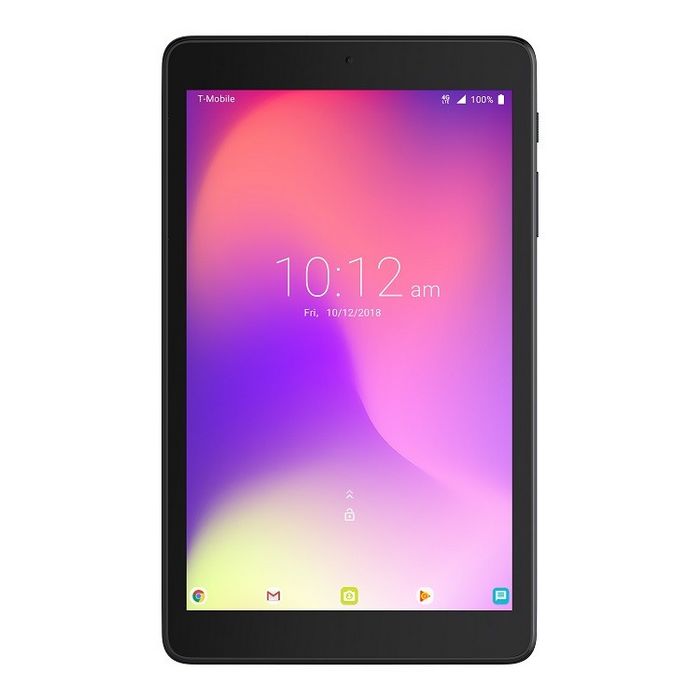
Since the beginning of this year, TCL-owned Alcatel has come out with a number of mid-range and budget models including the Alcatel 3V, 5V, Alcatel 3L, Alcatel 1X and Alcatel 1 which is priced less than $100. The company has come out with an affordable tablet which adopts the moniker Alcatel 3T.
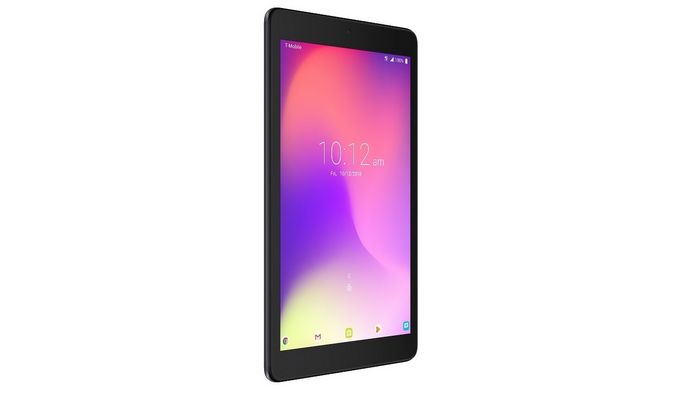
The slate isn’t in anyway more spectacular than the budget tablets we have around. It features an 8-inch IPS display with a resolution of 1280 x 800pixels with Asahi protective glass on top of the display screen. On the driver’s seat is a MediaTek MT8765A quad-core processor clocked at 1.5GHz. The processor teams up with 2GB of RAM while there is 16GB of storage onboard. The storage can be expanded up to 128GB using a microSD card.
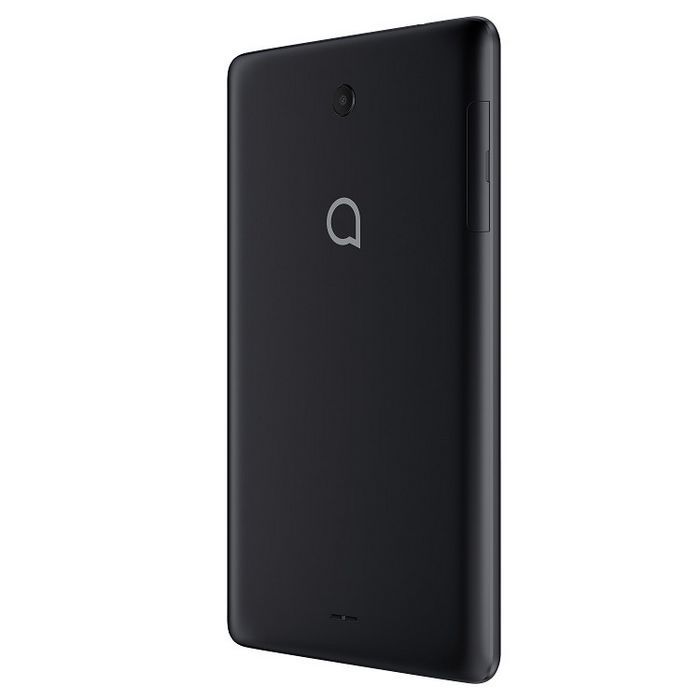
As far as photography goes, the device packs a 5MP camera apiece at the front and rear aspects. The Alcatel 3T also gets its juice from a 4,080mAh battery, while the Android 8.0 Oreo out of the box. The tablet comes with a metallic black finish with the Alcatel logo stamped at the back.
Alcatel 3T tablet will be sold exclusively on T-Mobile in the U.S. and will be in store shelves and available online from October 12. The tablet will be available for around $150 with monthly payment plans spreading it for 24 months.
The Mate 20 series is scheduled for an October 16 launch in London. At the event, Huawei is expected to announce the Mate 20, the Mate 20 Pro, and the Mate 20 Porsche Design. However, a new teaser on the manufacturer’s Twitter account is hinting at another phone called the Mate 20X.
The Mate 20X teaser is a 10-second video of a block of ice shaped like a phone. There are snippets of some mobile games and the words “cooler” and “longer gaming”. The video also reveals the phone will launch on October 16.
From the teaser, it is plain to see that the Mate 20X is targeted at gamers. We also want to believe that it will have a cooling system and a large battery hence the “cooler” and “longer gaming” hints.
So does this mean we are getting four Mate 20 phones? We are not so sure. A leaked spec sheet has surfaced online and it only mentions three Mate 20 phones. There is the Mate 20 itself, the Mate 20 Pro, and the Mate 20X. The expected Mate 20 Porsche Design is missing.
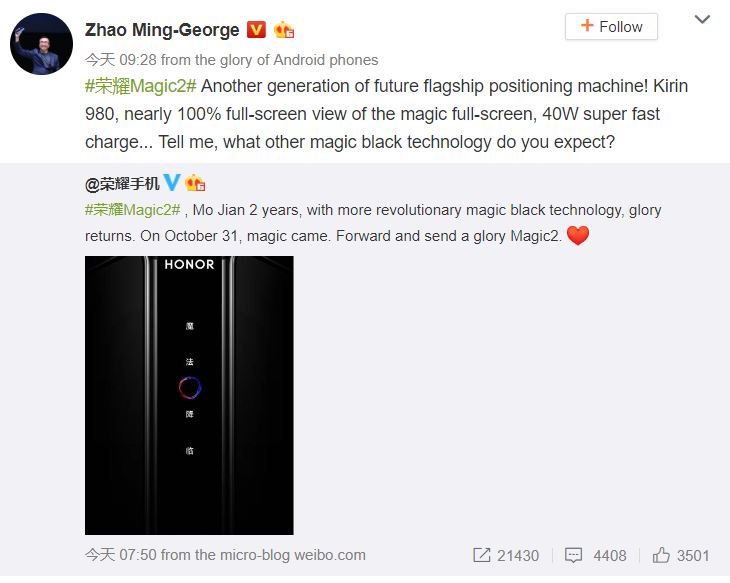
The Honor Magic 2 has been confirmed to launch on October 31, the same day as the launch of the Nubia X. The Magic 2 will come with a bunch of interesting features including a slide design. Honor‘s president took to Weibo to confirm some of these features.
According to Mr. Zhao George, the Honor Magic 2 flagship will have a Kirin 980 processor at its heart, nearly 100% screen-to-body ratio, and 40W super-fast charging technology. The Weibo post also asks what new technology we think it will have. To answer his question, there are rumors the Honor Magic 2 will make use of graphene in one way or the other.
There are speculations the phone’s battery contains graphene which allows it to function properly at high temperatures and also increases the battery life by 100% compared to Li-ion batteries. Yet others have said the Honor Magic 2 will have a graphene heat-pipe for cooling instead of copper or carbon fiber as seen in some other phones. Nevertheless, we will have to wait a few more weeks to find out which of these claims is true.
After launching the Vivo V11 Pro in the Indian market last month, the Chinese manufacturer recently launched the Vivo V11, the toned-down variant of the Pro edition, in India for Rs. 22,990 (approximately $310).
Now, just a couple of weeks after its launch, the phone has reportedly received a price cut of Rs. 2,000 (~$27). With the price cut, the phone’s new pricing in the Indian market comes down to Rs. 20,990, which roughly converts to $283.
The Vivo V11 features glass panels on its front and rear with a metallic frame sandwiched in between. It comes with a 6.3-inch In-cell LTPS Full HD+ display with a screen resolution of 2280 x 1080 pixels and 19:9 aspect ratio. It is powered by MediaTek Helio P60 chipset which is accompanied by 6GB of RAM. There’s 64GB of internal storage, which can be further extended using a microSD card.
Coming to the camera, it has a dual camera setup on the back, stacked vertically, comprising a 16-megapixel primary sensor and a 5-megapixel secondary lens. For snapping selfies, it comes equipped with a 25-megapixel camera, housed inside the notch. Both cameras are equipped with AI driven features, which includes AI scene recognition, AI face beauty, AI face shaping, backlight HDR, bokeh, low-light photography, Ultra HD video shooting and more.
Other features of the Vivo V11 include microUSB, 3.5mm headphone jack, Bluetooth, Wi-Fi, dual-SIM support and 4G VoLTE. The handset is running Android 8.1 Oreo-based FunTouch OS 4.1 custom interface, and is fuelled by a 3,315mAh battery.
We use cookies on our website to give you the most relevant experience by remembering your preferences and repeat visits. By clicking “Accept”, you consent to the use of ALL the cookies.
This website uses cookies to improve your experience while you navigate through the website. Out of these, the cookies that are categorized as necessary are stored on your browser as they are essential for the working of basic functionalities of the website. We also use third-party cookies that help us analyze and understand how you use this website. These cookies will be stored in your browser only with your consent. You also have the option to opt-out of these cookies. But opting out of some of these cookies may affect your browsing experience.
Necessary cookies are absolutely essential for the website to function properly. This category only includes cookies that ensures basic functionalities and security features of the website. These cookies do not store any personal information.
Any cookies that may not be particularly necessary for the website to function and is used specifically to collect user personal data via analytics, ads, other embedded contents are termed as non-necessary cookies. It is mandatory to procure user consent prior to running these cookies on your website.


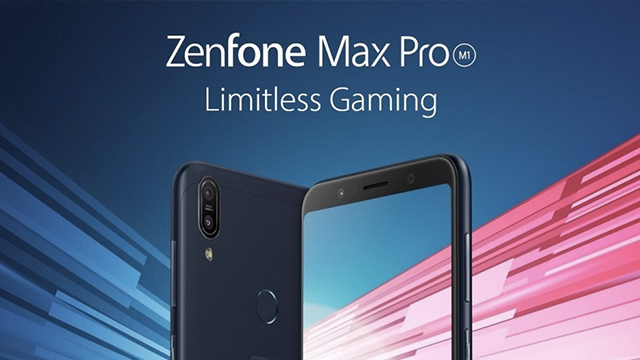
 First off, it sports a mammoth 6.0-inch display with a screen resolution of 2160 x 1080 pixels. On top of that, the phablet is housed in a sturdy aluminum body with 15.90 x 7.60 x 0.85 cm dimensions and it weighs in at just 0.1800kg.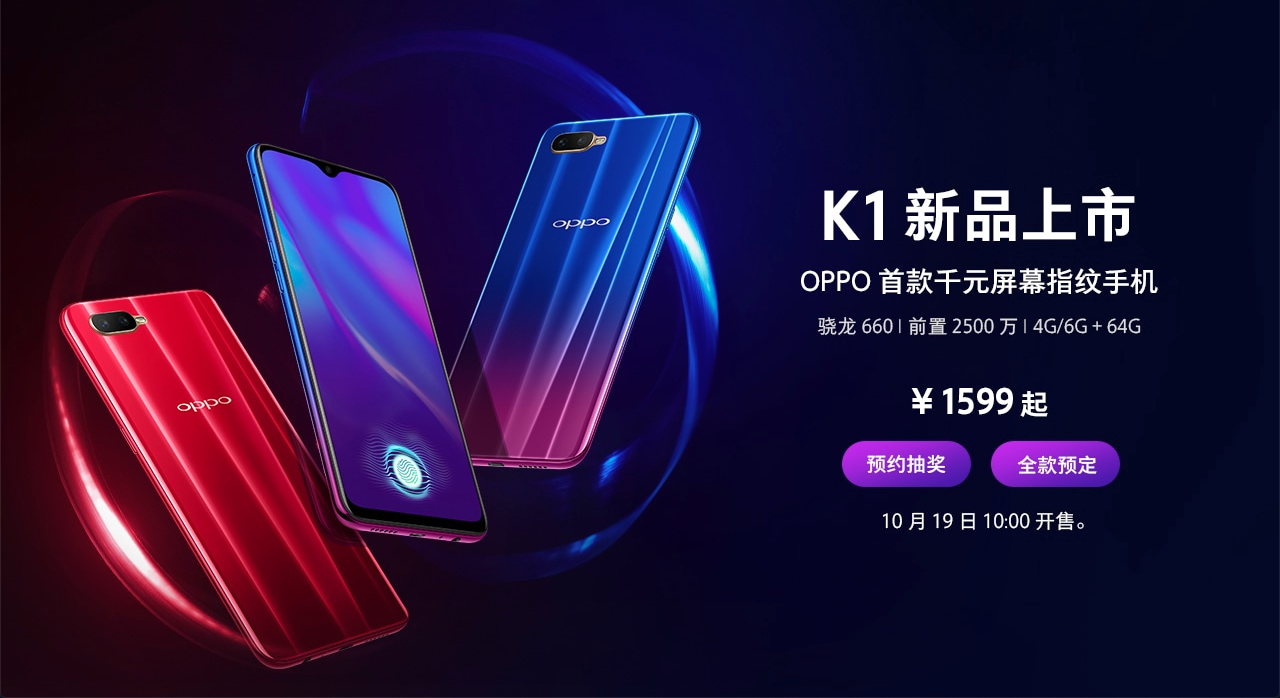

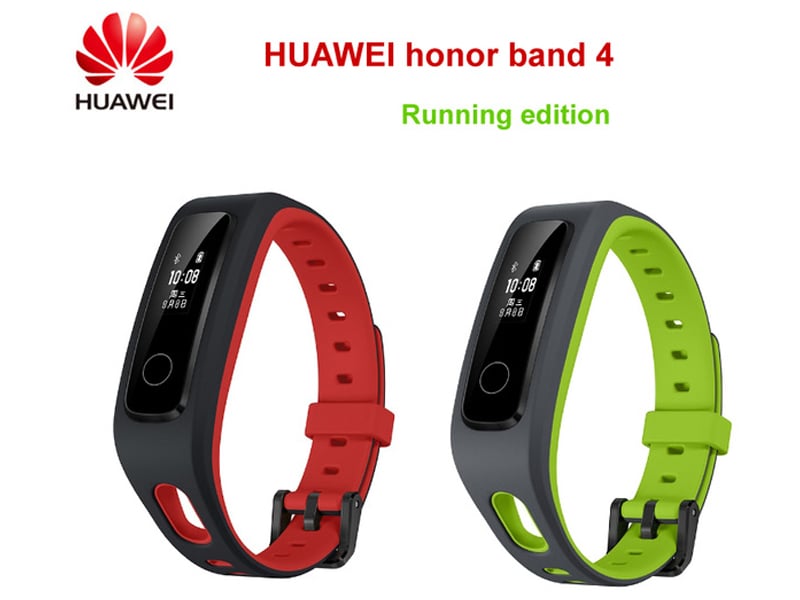 Keeping in line with that, it can monitor your step length, cadence, ground contact time, swing angle, eversion excursion, landing impact, and foot strike pattern. Moreover, the Running Edition is water resistant up to 50m and its dimensions are 40.5×14.8×11.2mm and it weighs in at just 6 grams.
 But if you’re interested in checking out the recently launched smartwatches that have gone up for sale carrying discounted price tags, you might want to take a look at the New arrival section. Here you can find newfangled smartwatches like the Mi Band 3, the Lenovo Watch X, the M30 smart bracelet and lots more.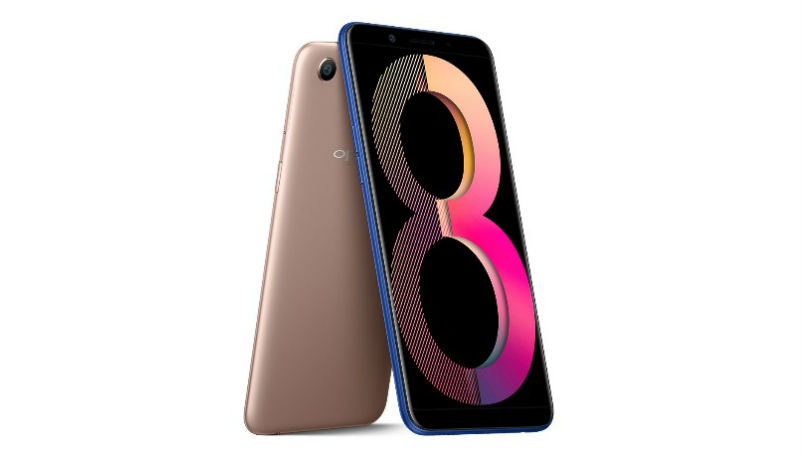
 On top of that, you can use coupon code GIODWHOA to get an extra $16 off before placing your order. As a result, your already modest grand total reduces to only $43.99. Note that the discount will only be valid for 14 days.
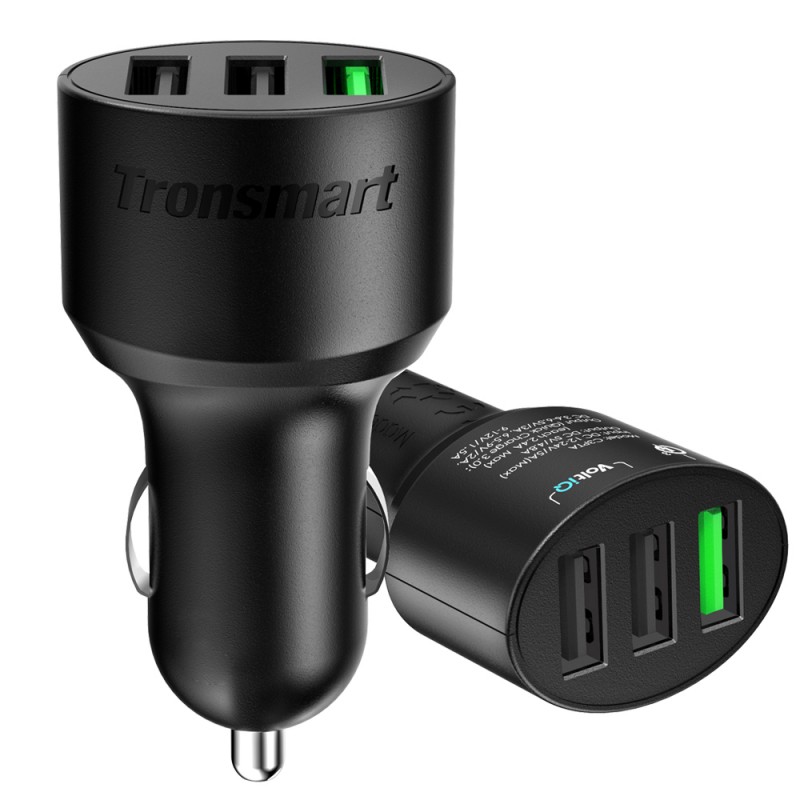 The Tronsmart-branded car charger usually sells for $ 30.49, but thanks to a 71% reduction in the device’s original asking price, it is now available at a dropped price of just $8.99 on GeekBuying. Moreover, you can use coupon code KBSTRN3CAR to get an extra $11 off and reduce your grand total down to just $6.99.