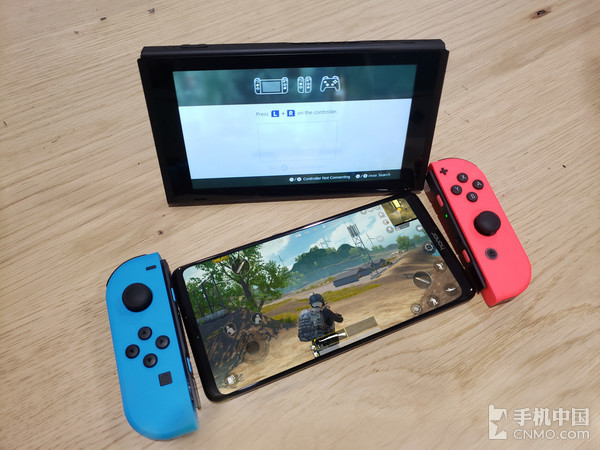
Huawei’s Honor brand has kept the media buzzing with teasers centred on the expected Honor Note 10. Some details of the device have also appeared online. According to reports from China, Huawei officially shared a post on its Pollen club which seems to suggest that the Honor Note 10 will be launched later this month. The company is yet to reveal the exact date the launch would happen but that should be done any moment from now.
The Honor Note 10 is yet another flagship device from Huawei which is expected to feature a massive size screen. Details of the device show that it would feature a 6.9-inch QHD+ display. Apart from packing the flagship Hisilicon Kirin 970 chipset, the device is expected to have Huawei’s latest GPU Turbo technology onboard.
In addition, the Huawei Honor Note 10 phablet is said to come with 6GB of RAM and 128GB of internal storage. Of course, there could be other memory variants. The device will also have a dual camera setup at the rear which would be a 16MP + 24 MP combo while at the front is a 24MP sensor. The device will run on Android 8.1 Oreo-based EMUI 8.
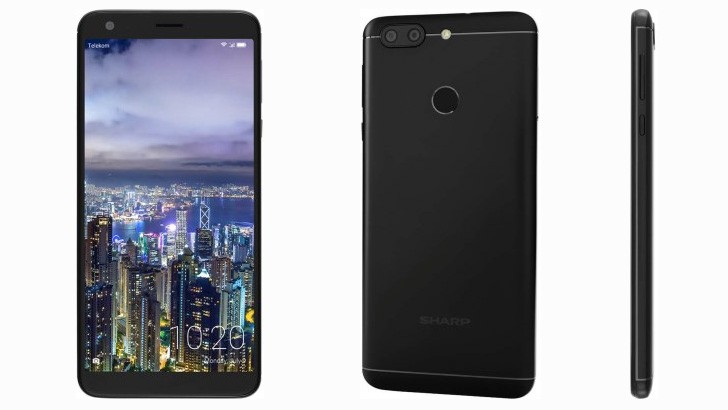
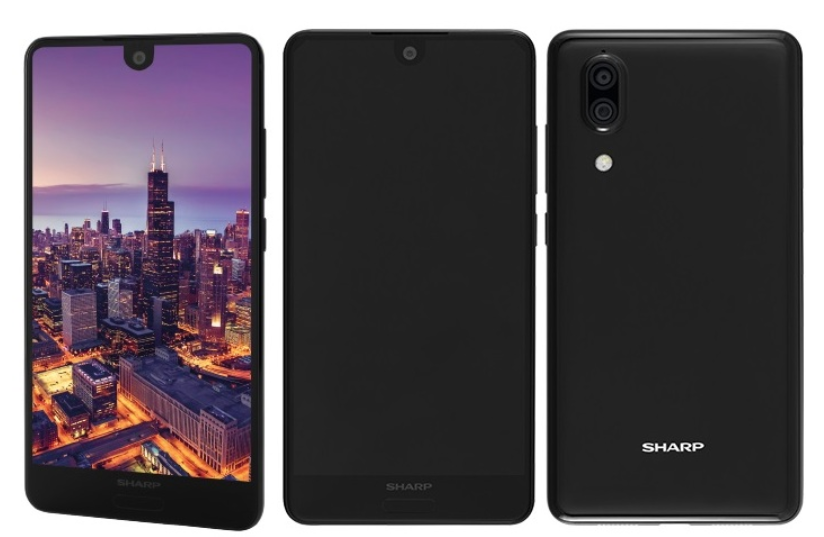
Sharp disclosed last year that it was going to start selling its phones in Europe. Now two of its phones are now available in Europe or The Netherlands to be precise. The two phones are the Aquos B10 and Aquos C10 which leaked last week.
Sharp Aquos B10
The Aquos B10 is the less powerful and cheaper variant. It has a 5.7-inch 1440 x 720 display with moderately sized bezels at the top and bottom. Above the display is a 13MP sensor for selfies.
It comes with an MT6750T processor, 3GB of RAM, and 32GB of expandable storage. There is a 13MP + 8MP dual camera combo on the rear and a few centimeters below is a fingerprint scanner. It also supports face unlock.
Sharp has included a 4000mAh battery which should last more than a day but unfortunately, it comes with Android Nougat. It will sell for €300.
Sharp Aquos C10
The Aquos C10 comes with a 5.5-inch 2040 x 1080 display. It has a tri-bezel-less design and a notch not dissimilar to that of the Essential PH-1.
There is a Snapdragon 630 processor, 4GB of RAM and 64GB of storage on board. It also has a 12MP + 8MP camera combo on its back and an 8MP f/2.0 selfie camera with support for face unlock. There is also a fingerprint scanner below the screen.
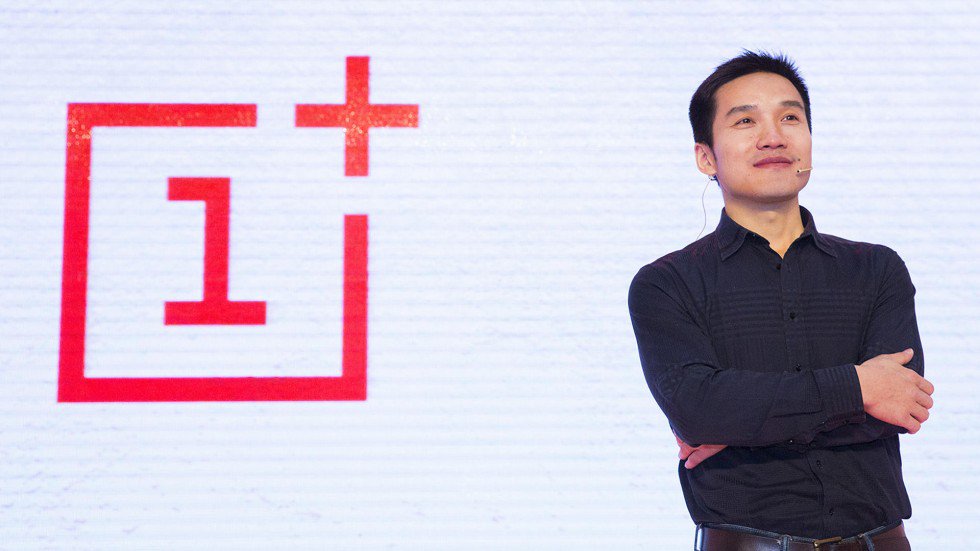
Pete Lau, CEO of OnePlus, recently sat down and answered some questions from fans. The company has shared the first part of the interview on OnePlus Forums, which reveals some interesting insights into the company and how it develops its smartphones.
In the interview, OnePlus CEO Pete Lau shares details about the company’s one and only mid-range smartphone — OnePlus X, which was discontinued sometime after its launch. In the interview, when asked about the product which he expected more of, he named OnePlus X.
In a response to the interviewer’s question about a product which he was expecting fans to have a better reaction to, Pete Lau said:
The OnePlus X. We aimed to create a best in class flagship-lite product, and although the community loved the design and thought the product was beautiful, most still preferred flagship devices. This reaffirmed our positioning as a flagship only company and culture.
OnePlus X was announced by the China-based company in October 2015 and was launched a month later. The smartphone featured a 5-inch Full HD display and was powered by Qualcomm Snapdragon 801 SoC along with 3GB RAM and 16GB internal storage.
Although the smartphone was well-received by the reviewers and community, it didn’t perform well in terms of sales. Disappointed by the response to the OnePlus X, in 2016, the company said that it’s done making mid-range smartphone and won’t be releasing the successor of the OnePlus X.
As a result, the company has been launching only flagship smartphones from the last few years. Since the company launched OnePlus 3, it has been launching two “flagship killer” smartphones every year. After OnePlus 3, the company launched OnePlus 3T, OP5, OP5T and most recently, it launched the OnePlus 6.
Recently, Pete Lau confirmed that the company will stick to its current plan of launching only flagship smartphones and has no plan to launch a mid-range smartphone at least until 2021. So, for the next three year, there won’t be a successor of the OnePlus X or any other mid-range phone from OnePlus.
While the OnePlus X didn’t work as per the company’s expectation, the one product from OnePlus that no one anticipated will perform this well is the OnePlus Bullets Wireless Earphones. In the first sale of the wireless earphones in India, it was sold out within seconds and are still out-of-stock almost everywhere.
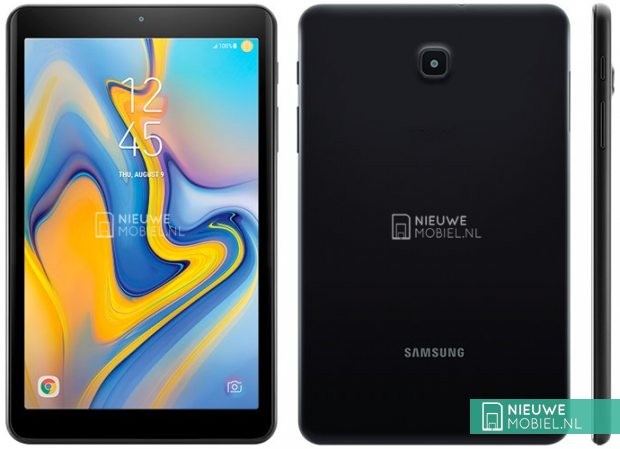
Despite their decline in the previous years, Samsung is still believing in tablets and is expected to launch several models soon. One of them is Samsung Galaxy Tab A 8.0 (2018) which will belong to the affordable range. The first render of the tablet has just surfaced and it shows its design from various angles. The most evident things are the bezels which have been reduced a lot compared with the previous version. This will allow a more compact design with a display having exactly the same size (8 inches).
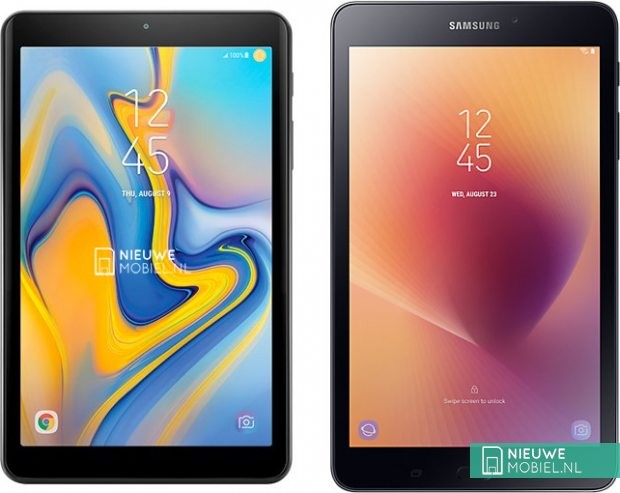
However, the Home button has been removed and it seems that the Bixby button is absent as well. So, to go back home while you are using the Samsung Galaxy Tab A 8.0 (2018) you will have to tap on the screen. The design seems to be made of polycarbonate and it does not adopt premium materials such as metal or glass for the back side and the frame. In the photo below, you can see a comparison between this tablet’s front panel and the one of the previous model from 2017. The difference in size is very evident as the bezels have been trimmed in a significant way.
In the image, we can see August 9 written on the display:the date on which Samsung Galaxy Note 9 will be announced alongside the new Galaxy Watch (a renamed Gear S4 smartwatch). So, it is likely that Samsung Galaxy Tab A 8.0 2018 version will debut alongside the upcoming flagship phablet and smartwatch from the Korean giant. The tablet will have mid/low-end specifications as well as an affordable price tag. The version from 2018 has an HD display and Snapdragon 425 SoC by Qualcomm paired with 2 GB of RAM and 16 GB of internal storage. It sports an 8 MP rear camera, a 5 MP selfie snapper and a 5000 mAh battery.
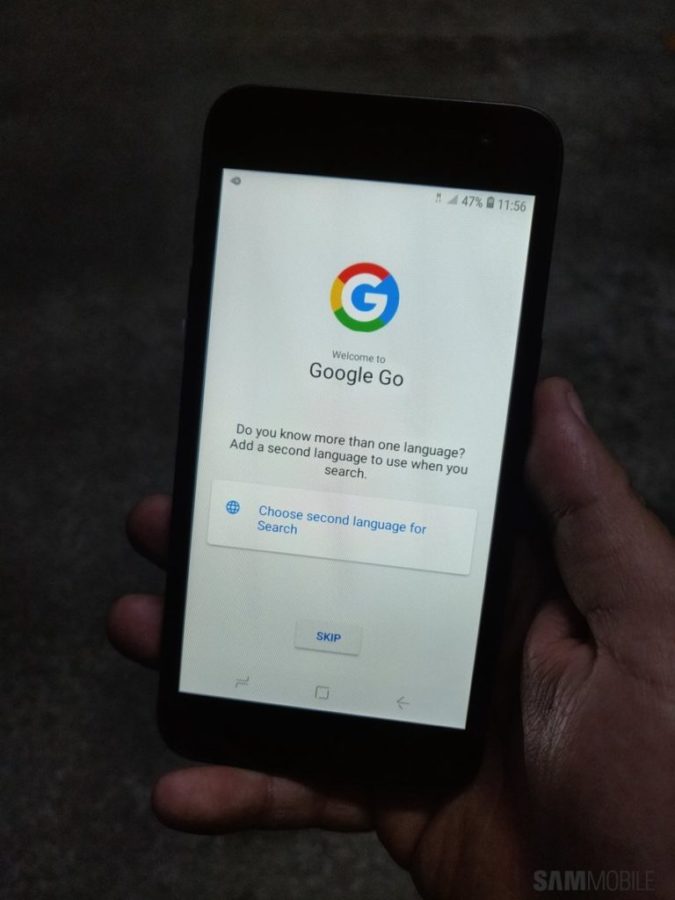
We are very close to the launch of Samsung’s first smartphone with Android Go installed. After appearing in several leaks and getting some certifications, the handset has just been certified by Bluetooth SIG, a clear sign that its launch is imminent. Unfortunately, the phone is not identified by its real name on Bluetooth SIG’s listing, but we can see its model numbers which are similar to the ones previously leaked for the Android Go device. The model numbers appeared at Bluetooth SIG are SM-J260F, SM-J260M, SM-J260Y, SM-J260F_DS, SM-J260G_DS, SM-J260M_DS, and SM-J260Y_DS.
The model numbers refer to different variants which will be launched in different countries including the ones in South America, Asia, and Europe. The “DS” variant are the ones with a dual SIM slot. According to Bluetooth SIG, Samsung’s Android Go device supports the Bluetooth 4.2 connectivity, but unfortunately, no other details have been revealed about its specs sheet. Previous rumors and leaks have revealed that this cheap device will come with a 5-inch display sporting the AMOLED technology and an above-HD resolution, as well as a classic 16:9 aspect ratio. Under the hood, it is expected to have a quad-core Samsung Exynos 7570 chipset with a max frequency of 1.4 GHz.
Android Go will be based on Android 8.1 Oreo and despite being an enlightened version of the operating system it should still include Samsung Experience UI, or at least this is what the latest leaks suggested. It should be launched as the Galaxy J2 Core Android Go Edition, but there is no official confirmation about its name and neither about its official announcement date. According to rumors, it will be announced alongside the Galaxy Note 9 in the first half of August. Given that it will have Android Go on board, expect it to be sold at a very affordable price tag.
Corning®, the top maker of protective glass used in smartphones announced Gorilla Glass 6 yesterday. However, that wasn’t the only product it unveiled. It also announced Gorilla Glass DX and Gorilla Glass DX+ for smartwatches.
Gorilla Glass DX and DX+ are glass composites exclusive to wearables at the moment. According to Corning, the new materials’ main selling point is that they enhance display readability.
When compared to standard glass, Gorilla Glass DX and Gorilla Glass DX+ have a 75% improvement in surface reflection and 50% increase in display contrast ratio without increasing the brightness level. With the latter, users will be able to see their displays better even at low brightness levels which means batteries can last longer.
Talking about the differences, Gorilla Glass DX brings enhanced visibility but the same level of scratch resistance as Gorilla Glass while Gorilla Glass DX+ adds a higher level of scratch resistance. In Corning’s own words, the scratch resistance level of DX+ approaches that of “alternative luxury cover materials”.
There is no time frame as to when we should expect the composites to hit the market. However, since we are just a month into the second half of 2018, there is a possibility we may see it in products launching later this year.
Huawei‘s Consumer Business head, Richard Yu during the Nova 3 launch event today was happy to report that his company has really done well in terms of smartphones sales this year. The CEO hinted that Huawei as of today has already sold 100 million devices. Last year, Huawei got to this very point of selling 100 million devices on September 12 and in 2016, it got to the point on October 14 while in 2015 it was few days to the end of the year before the brand was able to achieve to 100 million device sales. So this clearly shows that this year it achieved that milestone in the least amount of time.
Huawei CEO Richard Yu Announcing The Kirin 970
Early last month Huawei officially confirmed the aspiration of the brand to ship 200 million smartphones in 2018, but we’ll have to wait and see if that actually pans out. If this goal is achieved, it would be an increase of 47 million over 2017 sales. That being said, the brands P20 and P20 Pro have been doing well with a combined sales that have already surpassed 6 million this year and it is believed that in few months, the Mate 20 is expected to join the fray. Huawei’s launch of the Nova 3 and 3i should also help Huawei’s bottom line.
Huawei’s smartphone shipments this year is doing just fine and if it continues to remain strong throughout the rest of 2018, Apple might lose their number 2 spot to Huawei as the second manufacturer worldwide by Q1 2019. The number one position is currently held by Samsung and Huawei has a very long way to go before reaching that level.
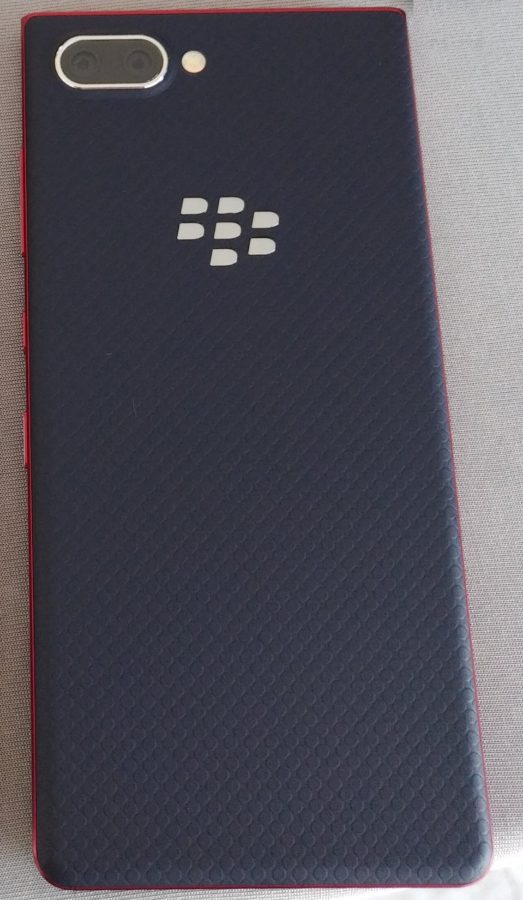
So far, the BlackBerry KEY² is the only BlackBerry phone that has been released this year. India’s Optiemus is expected to announce two new BlackBerry phones with 18:9 displays called the Evolve and Evolve X but there is no launch date yet. However, we may be getting yet another phone soon codenamed “Luna” but which may launch as the BlackBerry KEY² Lite.
The info comes from Evan Blass (@evleaks). In a tweet posted yesterday, he revealed the rear of a device with a similar form factor as the BlackBerry KEY². It has dual cameras and a LED flash beside the setup. However, the pattern of the plastic back is different and it also has a red frame. Its buttons are on the same side and also arranged the same way as the KEY².
According to Evan Blass, the device is allegedly known as the “BlackBerry Luna a.k.a. the KEY2 Lite”. He didn’t mention any specs but added in a follow-up tweet that the phone is expected to launch in late August/early September or maybe even at IFA.
Alleged BlackBerry Luna, a.k.a. the "KEY2 Lite" (Lite and not Mini 'cuz they supposedly have the same form factor). Said/shown to come in red, blue, and copper. pic.twitter.com/fMza9pAAZC
This isn’t the first time we have seen the name “Luna” associated with BlackBerry. Earlier this year, it surfaced alongside the codenames “Athena” and “Uni”. However, not much about the device was revealed then except that it would have a physical keyboard like the Athena. The Athena later launched as the BlackBerry KEY².
The KEY² comes with a Snapdragon 660 processor with 6GB of RAM and 64GB/128GB of storage. It also has a starting price of $649. The KEY² Lite is expected to come with a less powerful processor which may be a Snapdragon 625 processor like the original KEYone. This info is based on a Geekbench listing that surfaced back in May.
In a recent trademark filing, part of the devices OnePlus listed the trademark would cover is a wireless charger. OnePlus at the moment doesn’t have a phone that supports wireless charging but apparently, it has been testing the technology.
In a recent interview, Pete Lau, CEO of OnePlus, disclosed that they have been testing wireless charging technology and will continue to do so. In his words “…we have not yet found a solution that meets our expectations for speed and convenience”. He also mentioned challenges like the increased thickness of the device and heating issues while charging.
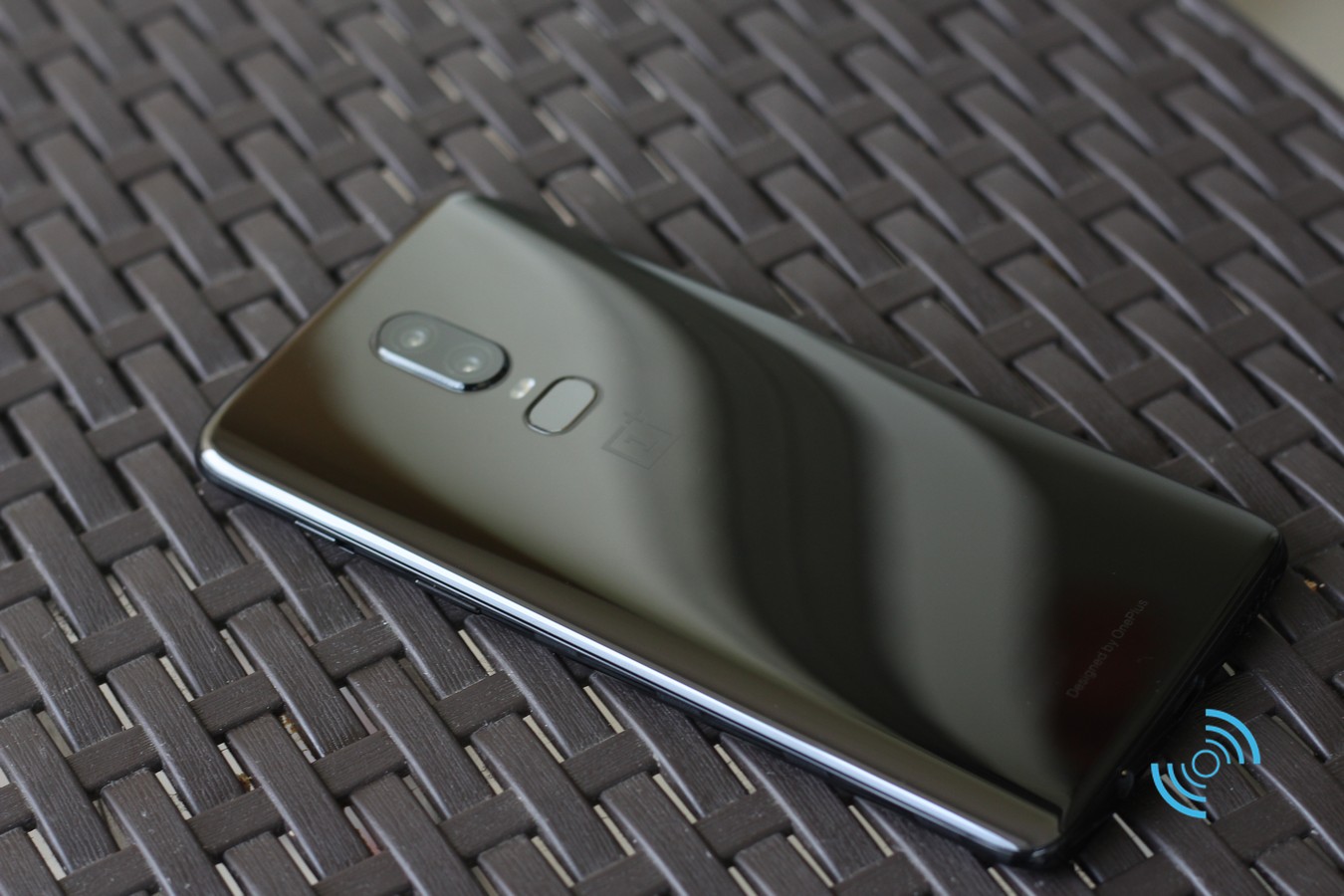
The OnePlus 6 has a glass back but doesn’t support wireless charging
All of the above explains why the OnePlus 6 and its predecessors don’t have wireless charging. We also do not see the technology coming with the next OnePlus phone.
The OnePlus 6 is the latest smartphone from the manufacturer. It has a glass body that houses a Snapdragon 835 processor, up to 8GB of RAM, and 256GB of storage. Up in front is a 6.28-inch screen with a notch and a 2280 x 1080 resolution.
Samsung has been selling it smartwatches under Gear branding since the past few years. Fresh information shared by a South Korean publication reveals that the upcoming Gear S4 will be rebranded as Galaxy Watch. The report has also revealed that Samsung will be launching it alongside the Galaxy Note 9 on Aug. 9 in New York, US.
Samsung has used Mobile World Congress (MWC) and IFA tech expo events to announce previous Gear smartwatches and fitness trackers. However, it will be for the first time that the South Korean will be launching it through a dedicated event in New York, USA.
Earlier in this month, a tipster from China had claimed that the Gear S4 will coming as Galaxy Watch would be running on Android Wear OS. However, fresh report that has appeared on ZDNet Korea reveals that even though it will be renamed as Galaxy Watch, it will continue to run on Tizen OS.
The South Korean company had launched the first-generation Gear smartwatch with Android Wear OS. However, the firm switch to the home-brewed Tizen OS with Gear S2 in 2014. Coming back to the rebranded Galaxy Watch, it is speculated to run on the latest Tizen 4.0. The new OS is expected to arrive with Bixby assistant preinstalled. The voice control APIs that are expected to be available on the Tizen OS 4.0 will allow it to rival with Apple Watch that ships with Siri and Android Wear smartwatches that feature Google Assistant. Since Tizen OS is now applied to home appliances and wearable devices, it works fine with other devices, claimed an industry expert.
The Galaxy Watch is also rumored to arrive with new fitness-centric features and it will also give access to new healthcare apps. The report also claims that the Galaxy Watch would be available in two sizes.
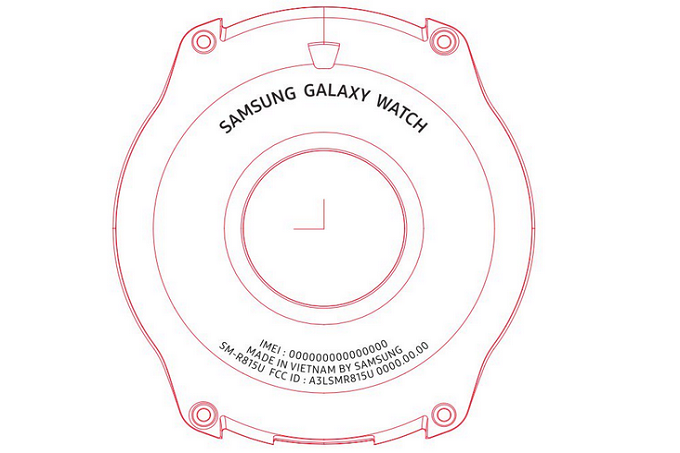
Samsung’s upcoming smartwatch has also appeared at Federal Communications Commission (FCC). Through the FCC documents it has been known that the FCC label that is placed on the backside of the device has the “Samsung Galaxy Watch” moniker which confirms that it will indeed arrive with a new name.
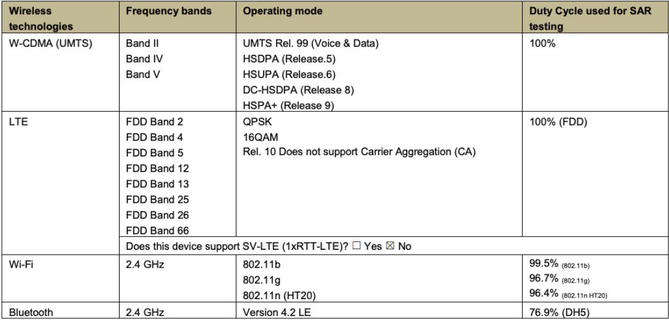
The FCC documents have revealed that the SM-R815U model will be heading to the U.S while the SM-R815W will be releasing in Canada. In the U.S., the smartwatch will be supporting LTE connectivity through AT&T, Verizon, T-Mobile and Sprint. The smartwatch is expected to arrive in carrier and unlocked versions. Also, there could be a Wi-Fi only edition of the Galaxy Watch. The Through FCC documents, it has been known that it will be featuring an approximate screen size of 1.2 inches and it will be measuring 51.2 x 43.4mm. Also, it will be supporting Bluetooth 4.2 and Wi-Fi 802.11 b/g/n.
There is no information available on the pricing of the upcoming Samsung Galaxy Watch. After its launch with Galaxy Note 9 and other rumored tablets on Aug. 9, the smartwatch is likely to be available for pre-orders starting from Aug. 14 and its shipments may begin from Aug. 24.
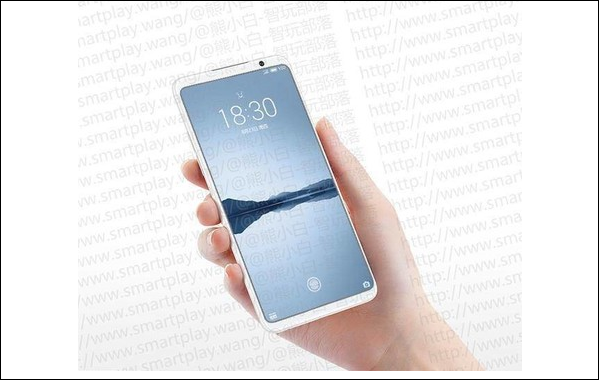
The Meizu 16 series that is rumored to include Meizu 16 and Meizu 16 Plus smartphones are slated to go official on Aug. 8. Meizu’s founder Jack Wong has already revealed plenty of information on the specs of the upcoming Meizu 16 series. Today, leaked presentation slides have surfaced on Weibo. The new images reveal some of its major selling features which suggests that it could be worthy rival for the Xiaomi MI 8.
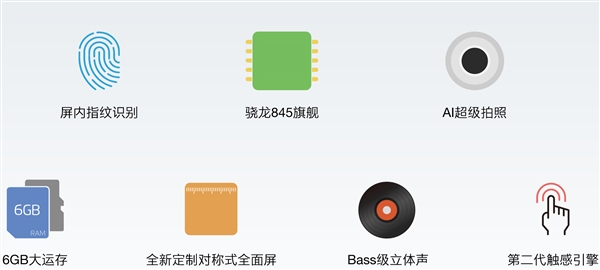
The below image suggests that the Meizu 16 series will be equipped with features like in-display fingerprint scanner, Snapdragon 845, AI super camera, new custom symmetric full screen design, bass-enabled stereo output and second-generation touch engine.
The leaked slides further reveal that Meizu 16 will be the thinnest and lightest among the current flagship as it measures 7.3mm in thickness and weighs 152 grams. The Meizu 16 Plus also measures 7.3mm but weighs 182 grams.
For photography, the Meizu 16 will be arriving with Sony IMX380 that has a pixel size of 1.55-micron, 1.2-inch large photosensitive element, support for 4-axis optical image stabilization, laser autofocus, PDAF and 3x loseless zoom. Wong has recently shared the camera samples of the Meizu 16 to reveal its photography prowess. The frontside of the phone will be equipped with world’s smaller 20-megapixel sensor in order to support portrait shots with blur effect, AI light and shadow beauty.
Coming to the screen of the Meizu 16, it will be supporting a refresh rate of 60 Hz and sampling rate of up to 100 Hz which is very close to 120 Hz on iPhone X. Its 18:9 screen is expected to offer a screen-to-body ratio of 91.18 percent as it will be sporting very narrow bezels. The display of the Meizu 16 will be equipped with industry’s first double R-angle external screen cutting technology and it will also come with Samsung’s narrowest COF (Chip-on-Flex) technology. When it comes to audio, the Meizu 16 will be delivering topnotch surround sound output and clearer in-call experience.
Wong has recently claimed that if Xiaomi wants to decrease the cost of the Xiaomi Mi 8, it will be have cut down its cost by 300 Yuan (~$44). This suggests that the Meizu 16 will be a good rival for the Mi 8 smartphone. He has also claimed in the past that the pricing of the Meizu 16 series will remain under 4,000 Yuan (~$590).
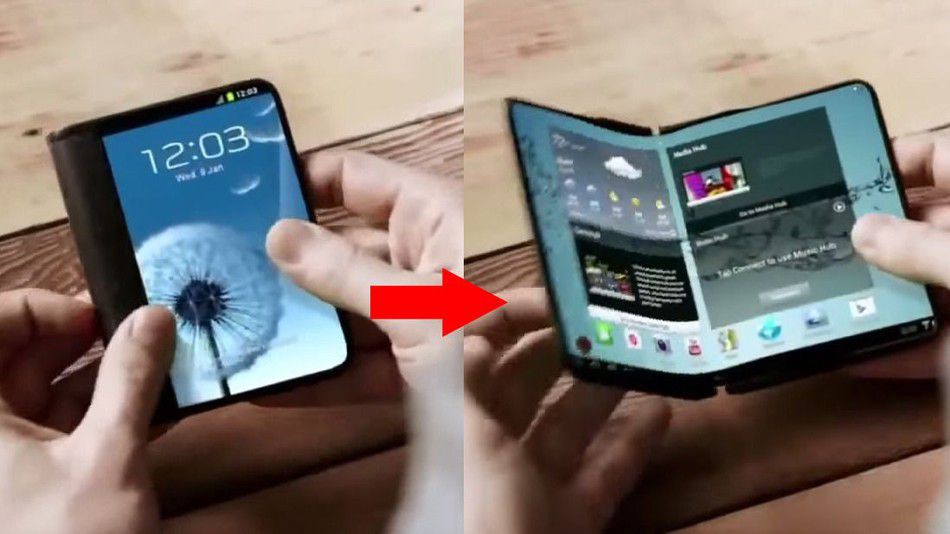
The much-talked-about foldable phone by Samsung is likely to be launched in 2019 claims an unnamed source, speaking to the Wall Street Journal. The source reemphasizes previous rumours we’ve heard but went further to disclose that the phone goes by the codename “Winner”. The details also include that when folded, the phone will have a small display in front and cameras on the back. The official name is believed to be “Galaxy X” as X is been added to most top-notch devices these days.
Talking about the phone, the Journal also reveal some specs; the phone is coming with a 7-inches screen which covers up nearly the whole device when fully opened in a tablet-like mode. According to the news, the display can be folded into two just like you fold a wallet.
This 7-inch foldable phone is said to be a top priority for Samsung in recent times as there has been a decline of up to 20% in between sales of this year’s Galaxy S9 flagship line and last year’s Galaxy S8 models. If the phone is successful in the market, full production of the phone could be ordered for the second half of 2019. The brand is also expected to release other foldable phones later next year. Samsung is not the only brand in much hurry to release a foldable phone, as Huawei also showed much interest and already working on it.
It is also worth noting that the South Korean electronic’s manufacturer is expected to launch a Bixby-powered smart speaker along with the Galaxy Note 9 on August 9. The speaker is said to adopt a design shaped like a bowl with legs and would have lights on top. The smart speaker will be promoted as a high-end music player with a price tag of about $300 when it becomes available.
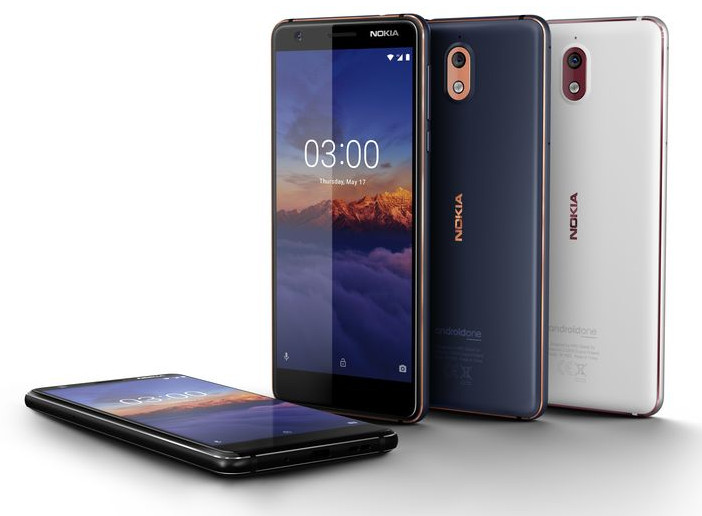
HMD Global has launched a new smartphone in the Indian market — Nokia 3.1, which is the successor of the Nokia 3 that was launched last year. The smartphone was first unveiled in Russia in May this year and recently went on sale in the United States.
In India, the Nokia 3.1 has been priced at Rs. 10,449 which roughly translates into $151. The smartphone will be available in India in three different color options — Blue and Copper, Black and Chrome, and White and Iron. The device will be available for purchase from 21st July through offline stores as well as Nokia’s online store and Paytm Mall.
The smartphone comes with a bigger 5.2-inch HD+ display that’s taller than its predecessor thanks to its reduced bezels and 18:9 screen aspect ratio. The display has 1440 x 720 pixels screen resolution and is covered by a 2.5D curved glass with Gorilla Glass for protection from minor scratches.
Under the hood, there’s a MediaTek MT6750N octa-core processor clocked at 1.2GHz that’s powering the device. The phone comes in two variants in terms of memory configuration — 2GB RAM with 16GB internal storage and 3GB RAM with 32GB onboard storage. However, in India, only the 2GB RAM and 16GB onboard storage model will be available.
Coming to the camera department, the smartphone features a 13-megapixel f/2.0 rear camera and an 8-megapixel f/2.0 front-facing camera with an 84.6-degree field of view. For connectivity, the device comes with Bluetooth v5.0, dual-band Wi-Fi, GPS, USB-C port, and 3.5mm headphone jack.
Unlike the first-generation Nokia 3, the new Nokia 3.1 is a part of Google‘s Android One program and thus, comes with stock Android 8.1 Oreo operating system out-of-the-box. HMD Global had previously announced that all future Nokia phones will be Android One device. The smartphone is powered by a 2,990mAh battery.
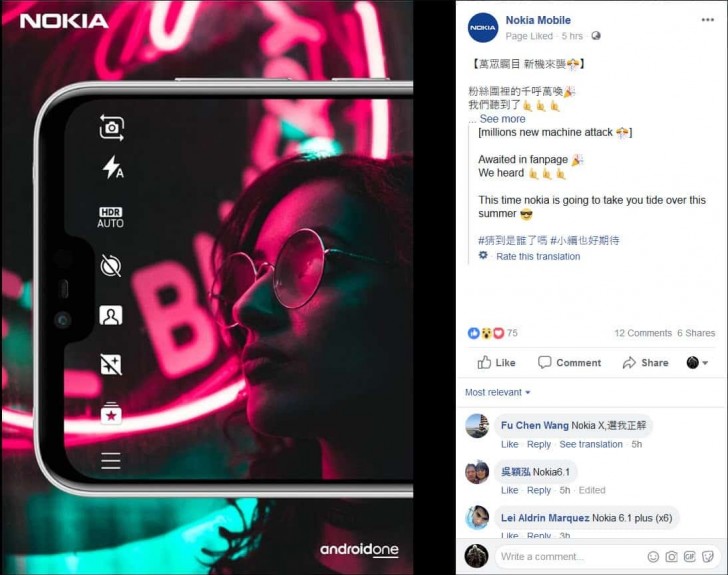
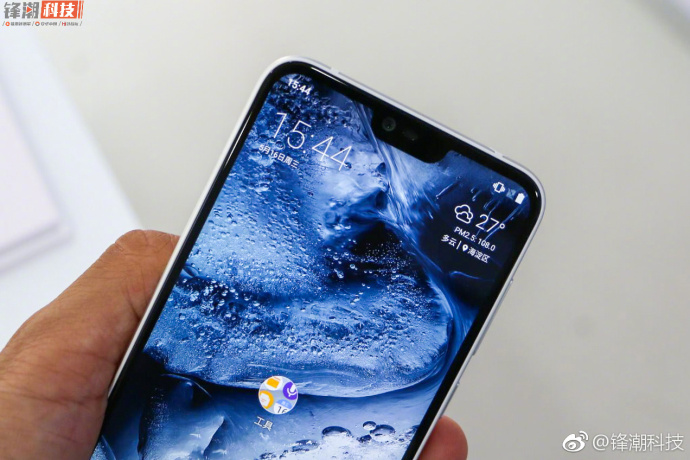
HMD Global has just introduced the Nokia X5 smartphone in China. The handset is expected to hit the global markets in the near future. However, its global release is likely to happen after the global rollout of Nokia X6. It is speculated that the Nokia X6 will be arriving in international markets as Nokia 6.1 Plus. A report that had surfaced two weeks ago had claimed that Hong Kong could be the first market to receive Nokia 6.1 Plus. However, as of this writing, there is no update on its arrival on Nokia’s social media channels for Hong Kong. Now the official Taiwanese Facebook channel of Nokia Mobile has started teasing the launch of Nokia 6.1 Plus, it seems that Taiwan could be the first market to receive it.
In the above screenshot, an image of the notched display totting Nokia X6 can be seen on the left. In the comments section on the right, people are referring to this device as Nokia 6.1 Plus. The post says that it will be an Android One phone, but there is no information on its launch date for Taiwan.
The Nokia 6.1 Plus is expected to be packed with same specs as its Chinese version. Recently, a smartphone labelled as Nokia 6.1 Plus had also appeared on Geekbench. The same moniker has been also spotted on Google ARCore website.
Another report says that Russia could be one of the first markets to receive Nokia 6.1 Plus. Also, India is speculated to get it in August or September. The Malaysian market is also tipped to receive the smartphone in the next month.
The Nokia X6 has 5.8-inch IPS LCD display that supports FHD+ resolution and 19:9 aspect ratio. It is fueled by Snapdragon 636 and 3,060mAh battery. Other features include 16-megapixel + 5-megapixel dual camera, 16-megapixel front camera and Android 8.1 Oreo. The 32 GB storage + 4 GB RAM, 64 GB storage + 4 GB RAM and 64 GB storage + 6 GB RAM are respectively priced at 1,299 Yuan (~$192), 1,499 Yuan (~$222) and 1,699 Yuan (~$251).
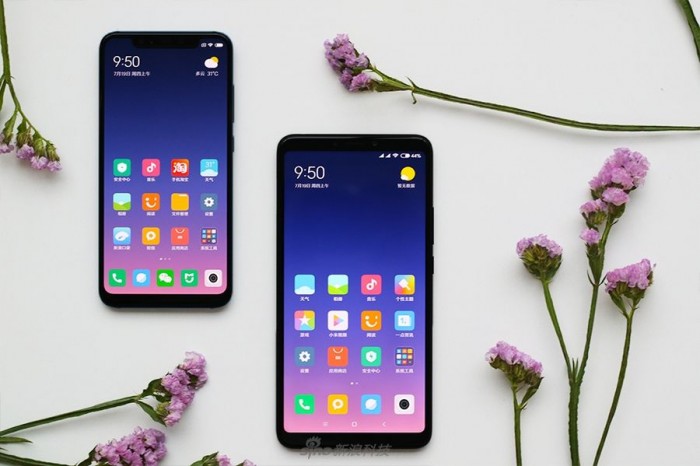
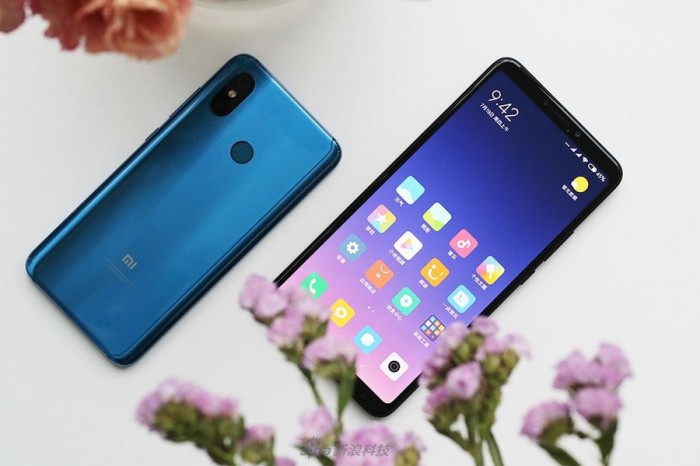
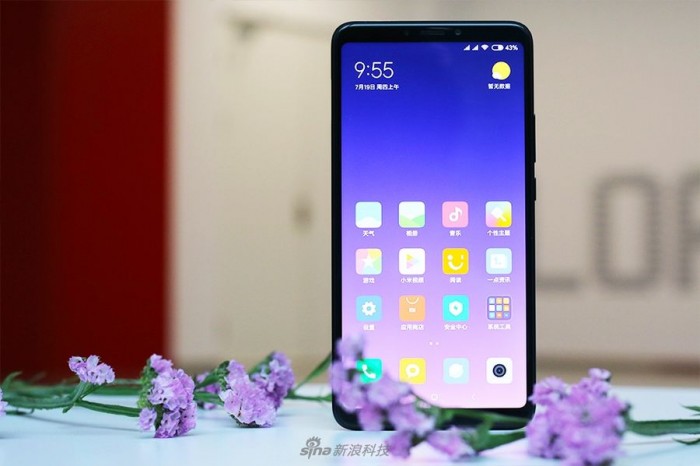
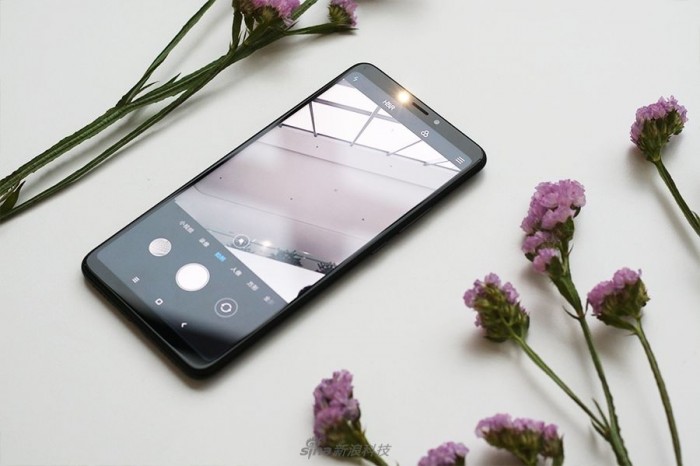
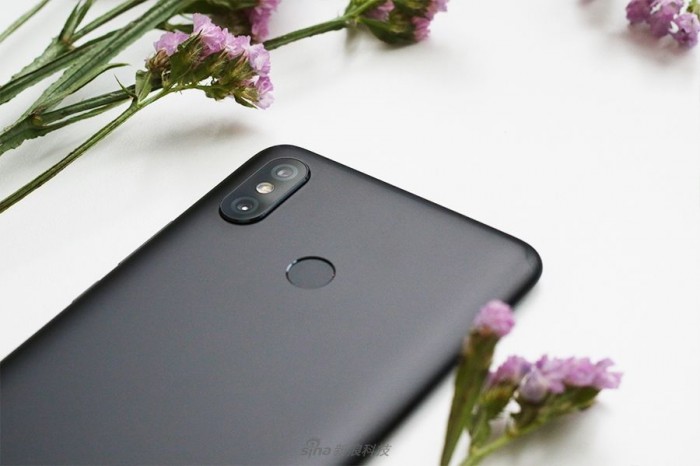
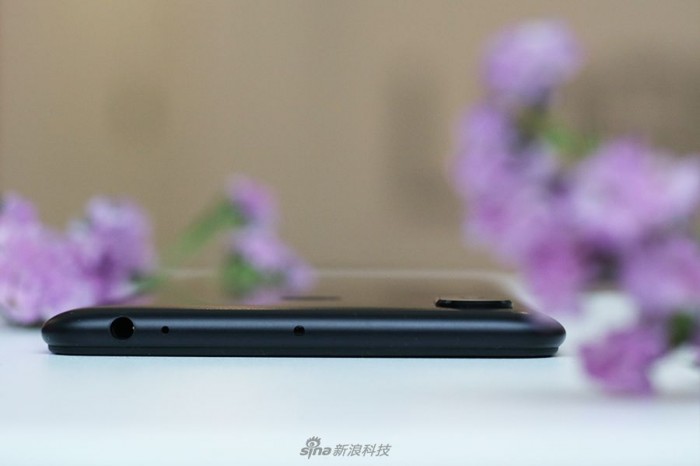
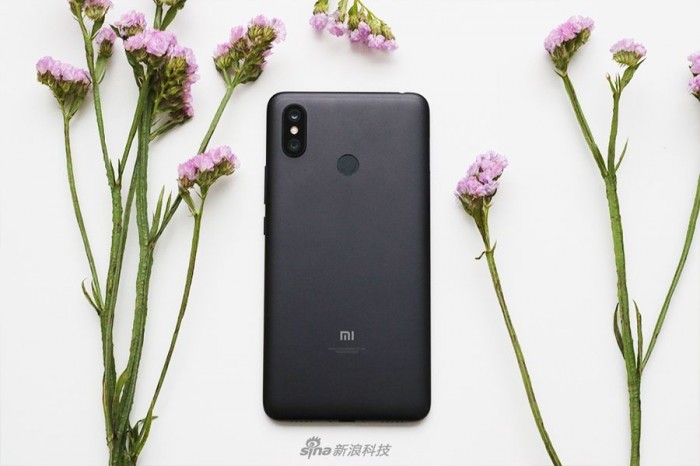
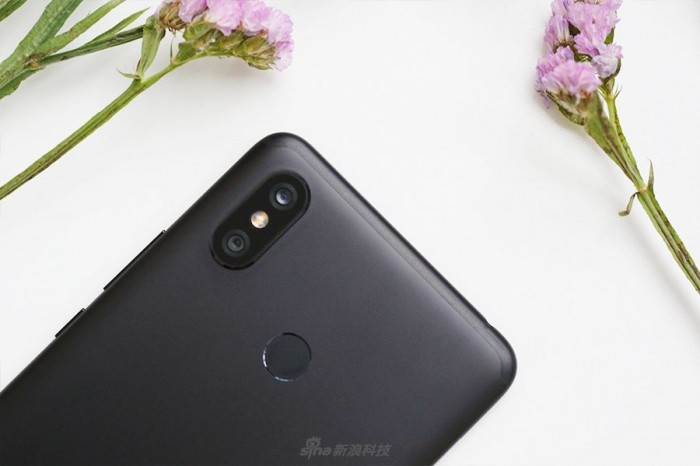
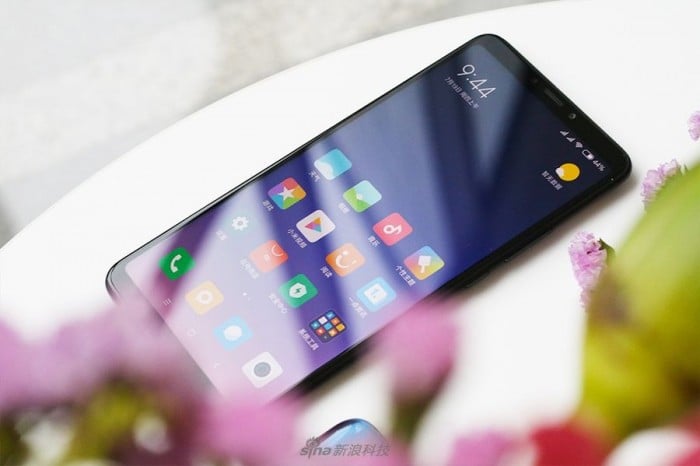
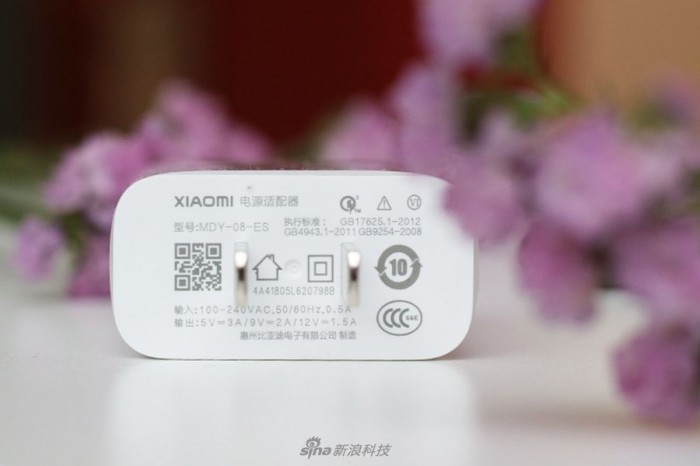
When Xiaomi launched the Mi Max 2 last year, the device received lots of favourable reviews. Some even ranked it as the best big budget smartphone of 2017. The Chinese company earlier today unveiled the next-gen Mi Max 3 in China and it just keeps getting better. Xiaomi Mi Max 3 is indeed an upgrade of the Max 2 both in size, design and internal hardware. You can check out the design aspects from the pictures gallery below.
The Mi Max 3 features a 6.99-inch display which is bigger than the 6.44-inch screen on the Mi Max 2. The display screen utilizes the 18:9 aspect ratio and an FHD+ resolution of 2160 x 1080 pixels. This looks pretty impressive as you get an 85.19% screen-to-body ratio. That is one large screen size to watch videos and the split-screen feature would look good on it. The rear design includes a dual camera setup mounted at the left corner in a vertical plane. The camera flash is in the middle of both sensors. The Mi Max 3 equally pack a rear-mounted fingerprint sensor at the middle which shouldn’t be too difficult to reach with the fingers since the device has an 18:9 aspect ratio.
On the internals, the Max 3 packs a Snapdragon 636 chipset which delivers 40% higher performance than the SD625 on the Max 2. The 14nm SoC consumes less power and delivers smoother performance while multitasking on the phone. The chipset is paired with 4GB RAM / 6GB RAM. The 6GB RAM model has 128 GB storage while the 4GB RAM version packs 64GB storage. You’ll agree this is a bang for your buck at just 1,699 Yuan (~$252) for the 4GB RAM variant and 1,999 Yuan (~$296) for the 6GB RAM. Check out more pictures of the Xiaomi Mi Max 3 from below.
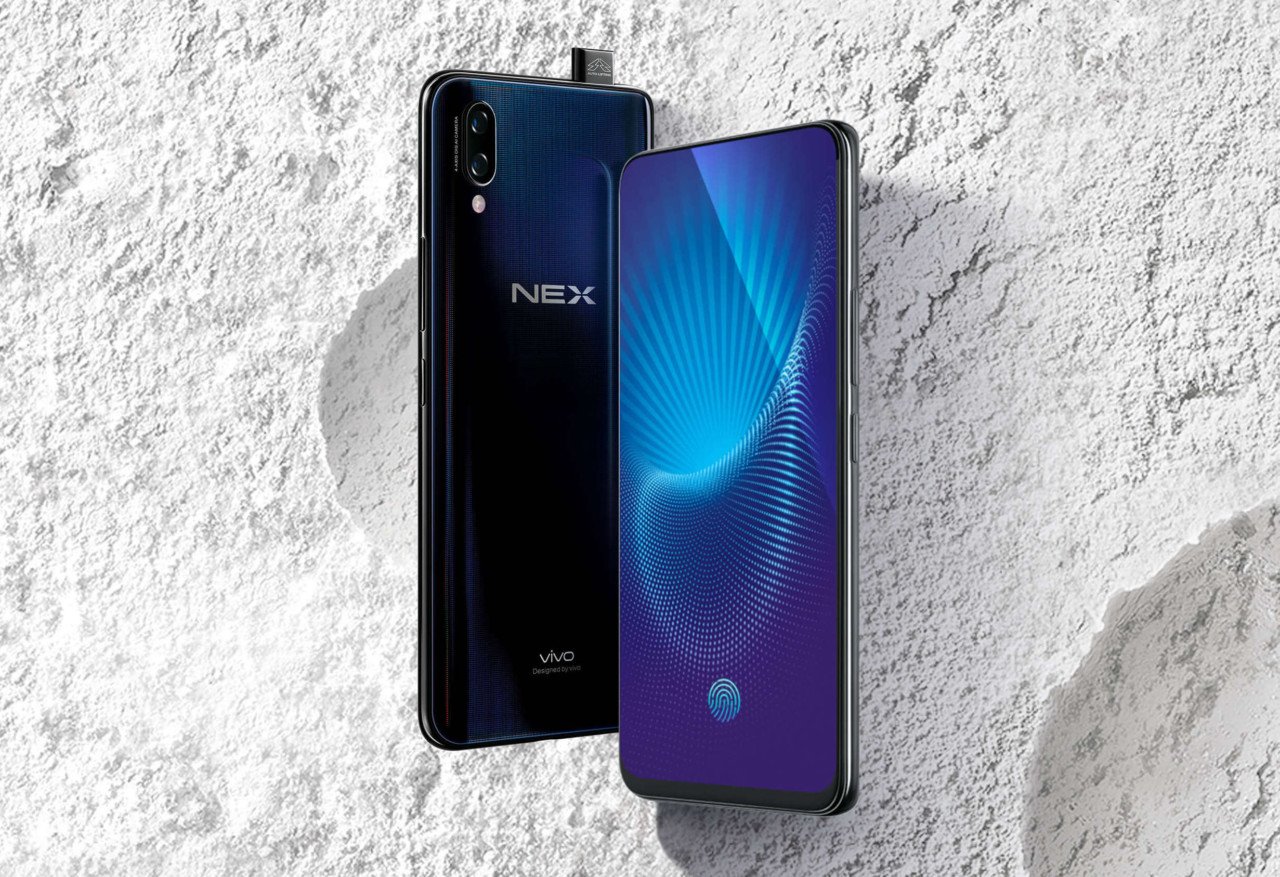
As promised, Vivo has today finally launched its flagship smartphone in India — Vivo NEX, which comes with an elevating front-facing camera. The smartphone, which was first introduced in China as Vivo NEX S, is priced in India at Rs. 44,990, which roughly converts to $652.
The smartphone will be available in only one color — Star Diamond Black that uses holographic technology and a metal frame. The phone, which will be shipped from July 26, is exclusively available for purchase online through Amazon India and Vivo’s official online store. It will also be available through offline stores.
The Vivo NEX comes with a 6.59-inch Super AMOLED Ultra FullView “Zero Screen” Display with a screen-to-body ratio of 91.24 percent and 2316 x 1080 pixels screen resolution. All the sensors on the device are hidden under the display and instead of an earpiece, the phone comes with a Screen SoundCasting Technology.
Under the hood, the device is powered by Qualcomm‘s Snapdragon 845 processor clocked at 2.8GHz, along with Adreno 630 graphics processor. It packs 8GB RAM and comes with 128GB of internal storage. Vivo has not launched the 256GB storage variant nor the Snapdragon 710 SoC variant in India.
In the camera department, the smartphone features a dual camera setup on the back, consisting of a 12MP primary Sony IMX363 sensor with 1.4μm pixels, f/1.8 aperture, and four-axis optical image stabilization and a 5MP secondary sensor with f/2.4 aperture.
On the front side, there’s an 8MP snapper that comes with an elevating mechanism. The front-facing snapper automatically rises and hides on opening and closing the camera app, and also makes a sound to notify the user. This is done using micro-stepping motors with independent drive ICs and precision control algorithms.
The device features a third-generation in-display fingerprint scanning technology that improves the screen unlock time by 10 percent and increases the overall experience of phone unlocking. The company is actively working on improving the fingerprint scanner and has already rolled out a couple of updates improving the performance of the scanner.
Connectivity options on the devices include Dual 4G VoLTE, Wi-Fi 802.11 ac (2.4GHz / 5GHz) 2×2 MIMO, Bluetooth 5 LE, GPS + GLONASS, and USB Type-C. The device measures 162 × 77 × 7.98 mm and weighs 199 grams.
The phone runs on Android 8.1 Oreo operating system out of the box with Vivo’s custom user interface FunTouch 4.0. The device draws power from a 4,000mAh battery with 22.5W fast charging support.
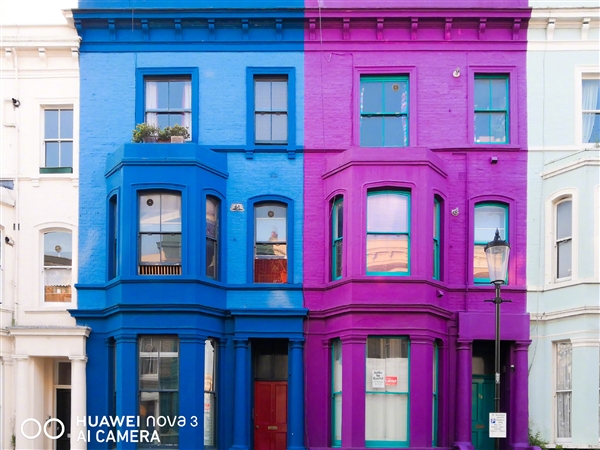
As the Nova 3 which was launched yesterday goes on sale today (July 19), we take a look at the camera samples captured by the front and rear cameras. As you’d recall, the Huawei Nova 3 joins the class of smartphones which pack four cameras. The device features a dual camera setup at the back and also for selfies. Thus, the camera is expected to perform creditably well and it did just that. The camera samples show the device really packs a powerful camera setup. Although the Nova 3 camera setup may not be at the same level as the flagship P20 Pro, the samples are not disappointing either. Since it packs flagship specs, we’ll have to wait for DXOMark’s review to see where the camera ranks against the P20 Pro.
The Huawei Nova 3 doesn’t only pack a capable camera hardware, the device equally features a good software support which ensures the photos are well optimised. For instance, the front camera supports AI features as well as an enhanced beauty mode. As for the configuration, the front camera is made up of a 24MP f/2.0 sensor along with a secondary 2MP sensor. While the rear camera is composed of a 16MP +24MP dual camera setup (Color + B/W sensors) with f/1.8 aperture lens, PDAF, contrast AF, AI scene recognition (22 categories and 500 different scenes), short video effects via AI.
The camera samples show the Nova 3’s camera performance under different lighting conditions. The image quality is topnotch. The Nova 3 does a very good job in terms of exposure. Target exposure is spot-on in most situations, even in very low light conditions, and the sample images show a very good dynamic range. Even in difficult high-contrast lighting conditions, the Nova 3 cameras are able to preserve a lot of detail in the bright parts of a scene.
The Nova 3 portrait scene captured by the selfie camera is also spot on as seen above. Exposure on the subject is very good. At the same time, the camera is capable of preserving a lot of the bright background detail. In all, the Nova 3 front and rear camera setup are pretty impressive especially since they team up with the Kirin 970 AI chipset. You can check out more of the camera samples from below.
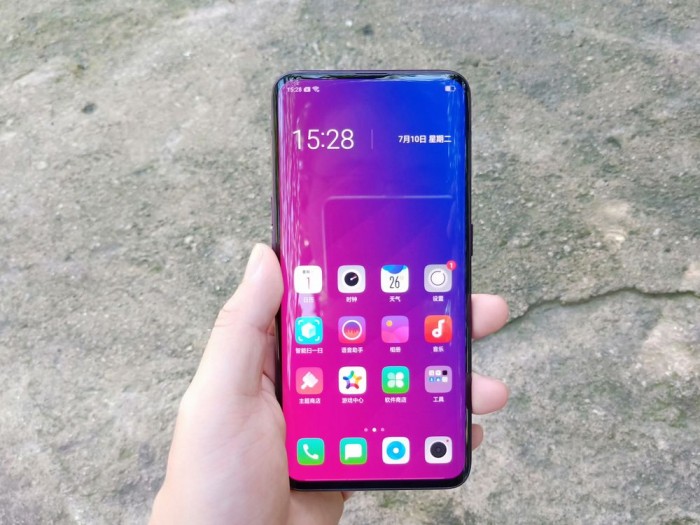
Last week, the Oppo Find X smartphone was made available for purchase in China for the first time. Now, the Oppo’s flagship smartphone will again go on sale tomorrow in China. The company has already received more than 630,000 registrations for the upcoming sale.
Just like the first sale, the Oppo Find X will be sold in only one variant — Standard edition and will be available in two color options — Bordeaux Red and Glacier Blue, for a price of 4,999 Yuan, which roughly converts to $749.
The standard version of the Oppo Find X features a 6.42-inch Full HD+ S-AMOLED display with 19.5:9 aspect ratio. The display is touted as the world’s first smartphone to come with a screen-to-body-ratio of 93.8 percent.
Under the hood, it is powered by Qualcomm Snapdragon 845 processor along with 8GB RAM and 128GB of internal storage. Powered by 3730mAh battery with VOOC fast charging support, the smartphone runs on ColorOS 5.1 AI Smart custom UI based on Android 8.1 Oreo operating system. The company says that the OS will learn usage habits, preload common applications, and make the app start faster.
It comes with a motorized sliding mechanism, which equips both — front as well as rear cameras. It equips the front camera and 3D face scanning sensors for unlocking the phone, as well as the dual rear cameras and LED flash.
The 3D face unlock feature, which Oppo calls O-Face Recognition, uses 3D Structured Light Technology which scans 15,000 facial points. The company claims that it is 20 times safer than fingerprint recognition for unlocking the phone.
The dual camera setup consists of a 16-megapixel + 20-megapixel sensors on the back with OIS and artificial intelligence features. The front-facing camera sensor is of 25-megapixel for taking selfies. It comes with multiple 3D portrait lighting features and Omoji, which is Oppo’s own take on the iPhone X’s emojis.
The other variants of Oppo Find X, including the 256GB storage version with 50W SuperVOOC flash charging, and the OPPO Find X Lamborghini Edition with 512GB internal storage, will be available for purchase in August in China.
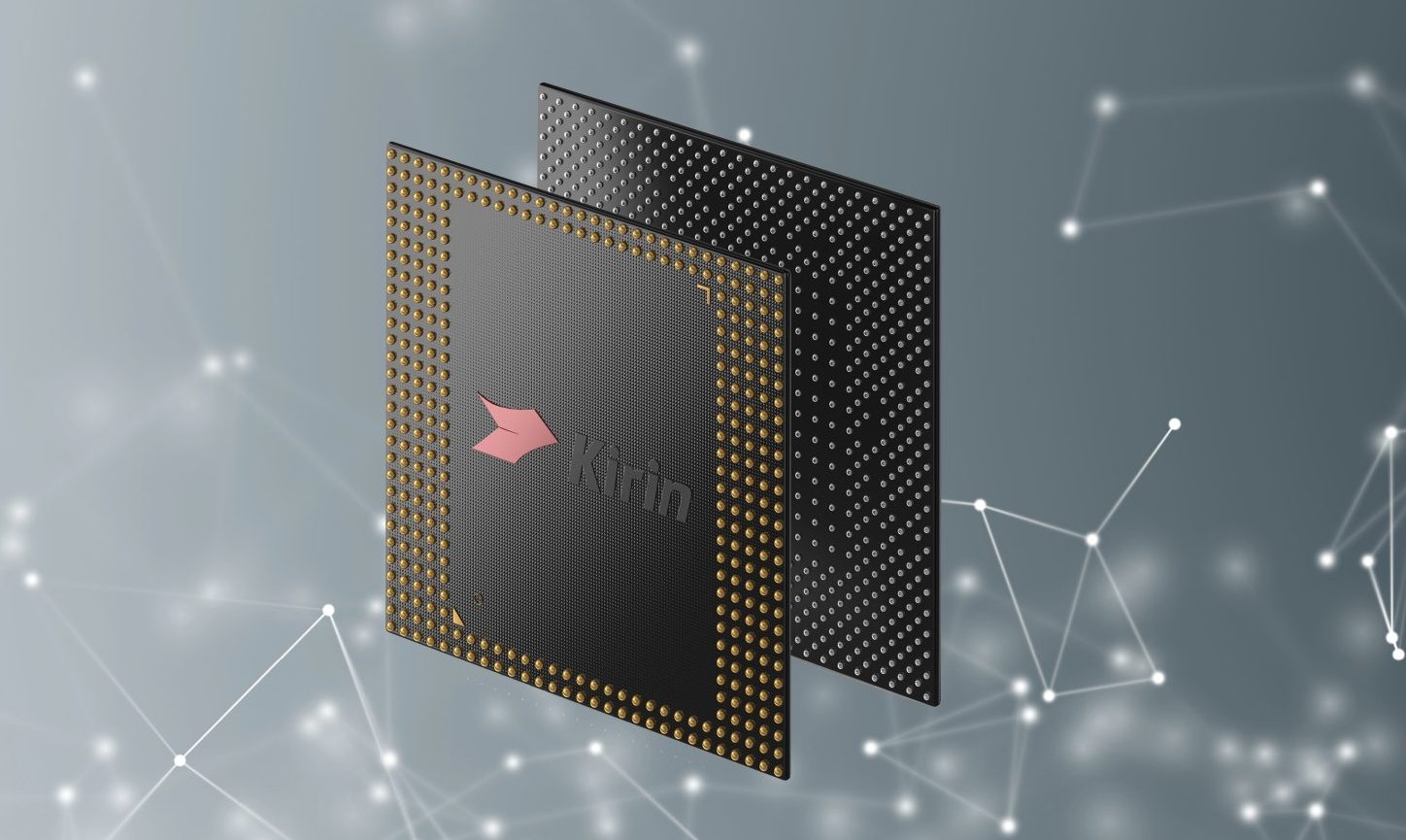
Yesterday, along with a couple of smartphones and a wearable device, China-based Huawei also launched its new processor — Kirin 710, the company’s first processor made using the 12nm design process. Now, the upcoming flagship processor from the company — Kirin 980, is slated to launch at IFA in Berlin in September this year.
The Kirin 980 will be the successor of the Kirin 970 chipset that is currently powering the company’s high-end smartphones. Once launched, the HiSilicon Kirin 980 will be powering flagship and high-end smartphones from Huawei and Honor.
However, at this time, there is no official information available about the Kirin 980 chipset. Earlier, we reported that the Kirin 980 will be manufactured by TSMC and it will be made using the same 7nm process used for Apple’s A12 processor. Further, the chipset will also feature a new Cambrian NPU from Cambricon Technologies.
The new Cambrian AI processor is said to provide 5 trillion calculations per watt and will be available in dual, quad, and octa-core variants depending on the level of AI processing required. The flagship chipset will also have ARM’s core A75 CPU cores but will feature Huawei’s own GPU, a first for the company.
The upcoming Kirin 980 is expected to power Huawei’s Mate 20 series smartphones following its announcement later this year. It is also expected to be powering the next-generation Huawei P-series smartphones. The AnTuTu listing of the Mate 20 Pro reveals what the chipset is capable of, registering a remarkable benchmarking score of 356,819.
Recently, Huawei launched Kirin 710, competing with Qualcomm’s recently launched Snapdragon 710 that is manufactured using the 10nm process. The chipset consists has four Cortex-A73 cores clocked at 2.2GHz and four Cortex-A53 cores clocked at 1.7GHz. The GPU, ARM Mali G5, is said to be 1.3 times better than that of the Kirin 659 and 1x more energy efficient.
In terms of performance, the Kirin 710’s single-core performance is said to be 75% higher than that of the Kirin 659 while for multi-core performance, it offers a 68% increase in performance. The image signal processor and digital signal processor have also seen improvements and enhance the performance of the camera in low-light conditions.
Apart from Kirin 980, the Chinese company is also reportedly working on another chipset — Kirin 1020, which is said to be twice as powerful as the company’s current flagship chipset Kirin 970. As per the reports, it will go into mass production once the first 5G network launches, and will soon after be used in the company’s smartphones.
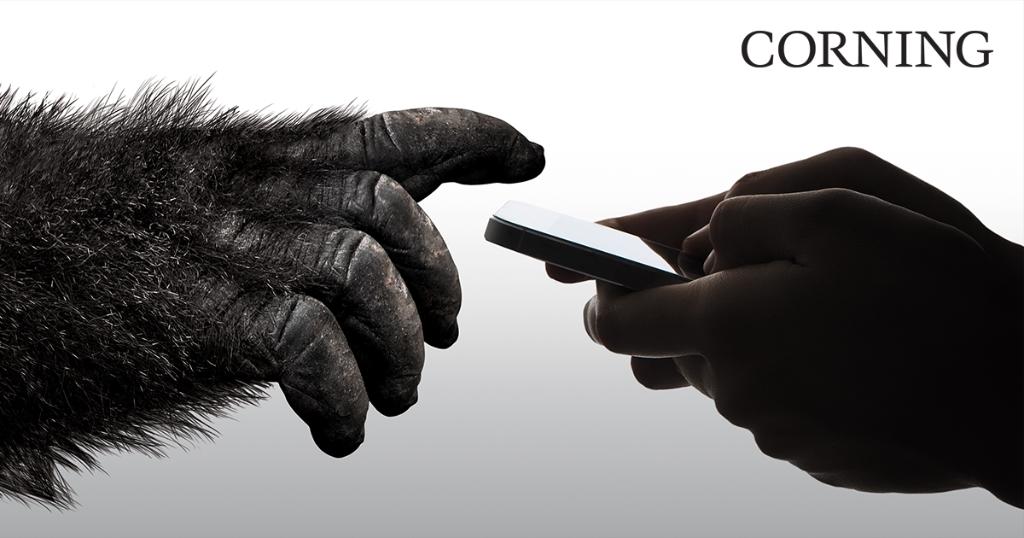
Toughened Gorilla Glasses by Corning have been protecting smartphone displays since many years. In July 2016, Corning had introduced Gorilla Glass 5. Most of the recent flagship and high-end phones come with Gorilla Glass 5 protection. Today, Corning has announced the arrival of Gorilla Glass 6 through a press release. The company claims that it istwo times stronger than its predecessor as it is made out of entirely new material.
A recent survey has revealed that people drop their smartphones at an average of 7 times in a year. To ensure that the next-generation of smartphones are well-protected from drops, Corning has introduced the Gorilla Glass 6. The company claims that Gorilla Glass 6 which is made out of entirely new glass composition is so strong that it could break after 15 drops from a height of 1 meter. In simpler terms, the Gorilla Glass 6 is more resistant to damage than its predecessor. The new chemical composition makes it possible to increase the compression levels of the Gorilla Glass 6 because of which it does not break easily even after multiple drops.
Most smartphone OEMs are now launching smartphones with elongated form factor in order to house tall aspect ratio display. Moreover, many premium phones do not feature metal unibody design, but they come with glass backs. The inclusion of glass rear also promotes wireless charging on new phones. Hence, smartphone OEMs also ensure that their phones are fitted with highly durable glass panels so that they do not break easily. The newly introduced Gorilla Glass 6 can offer right kind of screen protection and tougher glass rear for upcoming smartphones.
Corning has been providing its Gorilla Glass panels for over 6 billion devices across more than 45 well-known brands. Currently, the company is evaluating by seeking assistance from multiple customers. It is expected to be available on forthcoming devices that will be arriving in the near future. There is a possibility that the flagship phones arriving in 2019 may come equipped with Gorilla Glass 6.
We use cookies on our website to give you the most relevant experience by remembering your preferences and repeat visits. By clicking “Accept”, you consent to the use of ALL the cookies.
This website uses cookies to improve your experience while you navigate through the website. Out of these, the cookies that are categorized as necessary are stored on your browser as they are essential for the working of basic functionalities of the website. We also use third-party cookies that help us analyze and understand how you use this website. These cookies will be stored in your browser only with your consent. You also have the option to opt-out of these cookies. But opting out of some of these cookies may affect your browsing experience.
Necessary cookies are absolutely essential for the website to function properly. This category only includes cookies that ensures basic functionalities and security features of the website. These cookies do not store any personal information.
Any cookies that may not be particularly necessary for the website to function and is used specifically to collect user personal data via analytics, ads, other embedded contents are termed as non-necessary cookies. It is mandatory to procure user consent prior to running these cookies on your website.