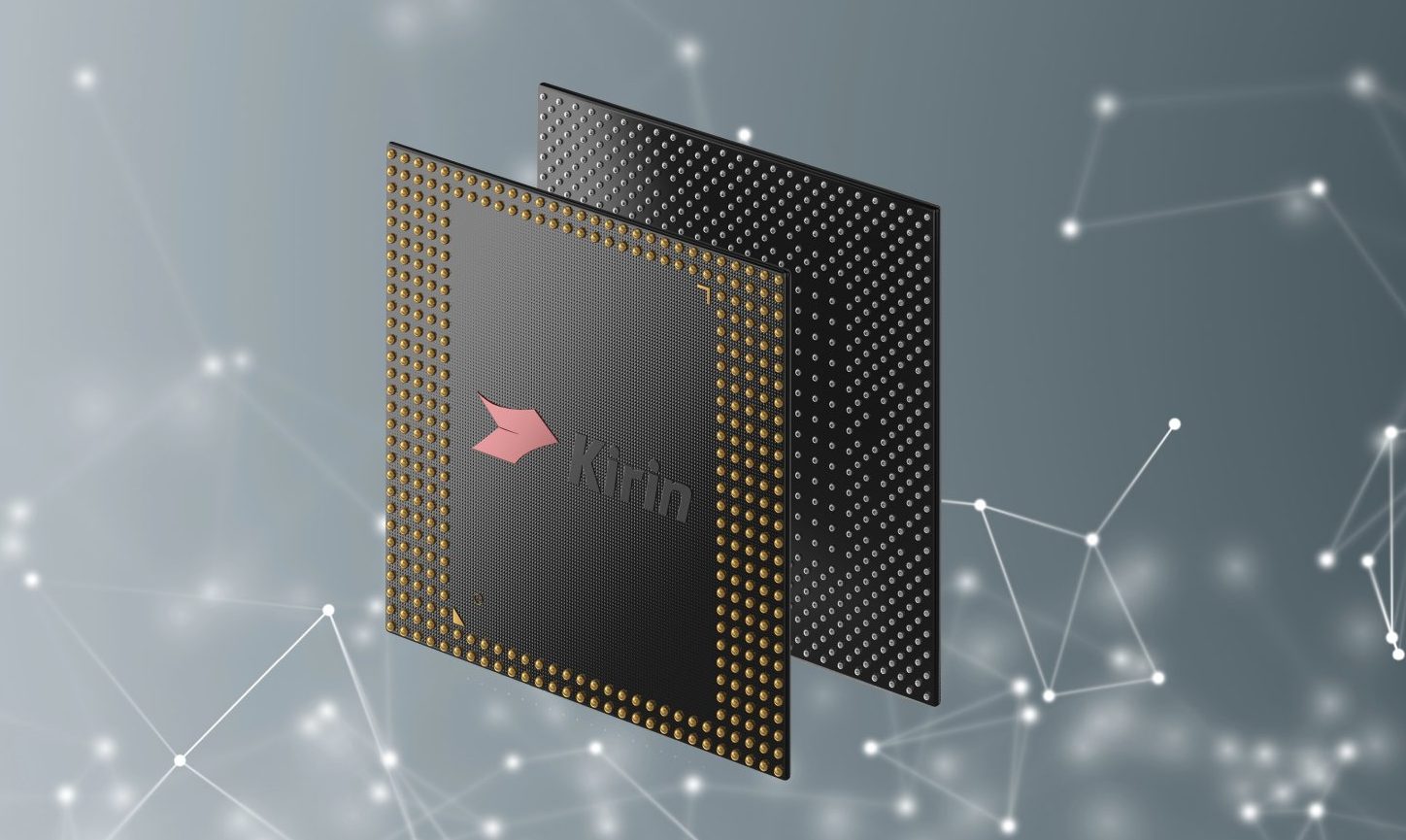
One of the features of the Huawei Kirin 970 is its support for Cat.18 LTE downlink speeds and Cat. 13 uplink speeds. It is actually the first chipset to do so.
Cat. 18 LTE speeds means the Kirin 970 should record speeds of up to 1.2Gbps, which is a bit higher than the 1Gbps speed of the Qualcomm Snapdragon 835. Huawei partnered with Rohde and Schwarz, a German electronic test equipment manufacturing company, to put the chip to test.
The test was carried out by using some of the enhancements used by carriers in the field – 4×4 MIMO and 256 QAM. MIMO which is short for multiple input-multiple output is an antenna technology for wireless communications that allows multiple antennas to be used at the transmitter and the receiver.
Combining the antennas at each end minimizes errors and optimizes data speeds. In the case of the test, there were four antennas at each end. QAM (Quadrature Amplitude Modulation) on the other hand increases data speeds by increasing the number of bits sent during each transmission.
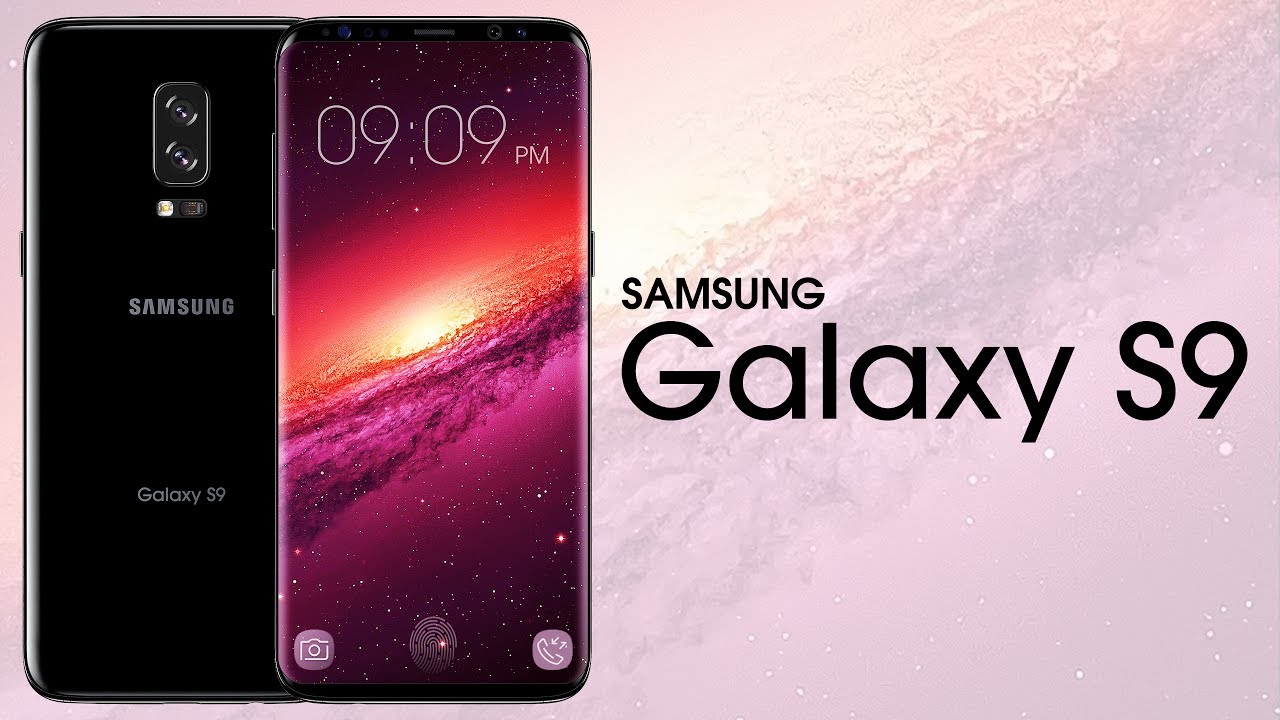
Earlier this year, Sony had introduced its 3-layer stacked CMOS image sensor enabled with a dedicated DRAM that can capture super slow-motion full HD videos at 1,000 frames per second. The Sony Xperia XZ1 and Xperia XZ Premium. It is faster than the iPhone 7 Plus that supports slow-motion video shooting 240 fps. Fresh information coming from South Korean media claims that Samsung is prepping the Galaxy S9 flagship with 1,000 fps image sensor
Conventional image sensor that are available on the existing smartphones have 2-layer structure that includes an image sensor and a logic chip. The inclusion of a DRAM allows temporary storage of data that will enable the image sensor to capture 1,000 fps slow-mo videos.
According to ET News, instead of stacking three layers, Samsung Opto-Electronics has reportedly added DRAM module to the 2-layer structure, probably to avoid patent issues. Speculations have it that the 3-layer image sensor by the South Korean may arrive first on the upcoming premium Galaxy phones such as Galaxy S9, S9+, Galaxy X foldable smartphone and more.
The South Korean company is expected to begin the mass production of the 3-layer image sensor in November which means it could be ready for use on the Galaxy S9. Rumors have already revealed that the Galaxy S9 would be coming with a rear-mounted dual camera system. There is a possibility that Samsung may include its 3-layer image sensor in the dual camera setup.
Previous reports have revealed that the Galaxy S9 that has a model number of SM-G960 would be driven by Snapdragon 845 chipset and 6 GB of RAM. The handset is pegged to come preinstalled with Android 8.0 Oreo. It is expected to arrive with an Infinity Display like the Galaxy S8 that will carry support QHD+ resolution. The fingerprint reader is rumored to be placed on the backside of the phone.
Samsung is rumored to debut the Galaxy S9 duo around two months earlier than the predecessor models. The South Korean company will reportedly launch the Galaxy S9 and S9+ at the end of January and make them available for buying across the globe in md-February. Recent reports have revealed that Apple may not be able to meet the iPhone X demand until the first half of 2018. The late arrival of iPhone X may hamper the sales of Galaxy S9 if the latter releases in the market by Q2 next year. Hence, Samsung may consider on launching the Galaxy S9 duo earlier next year.
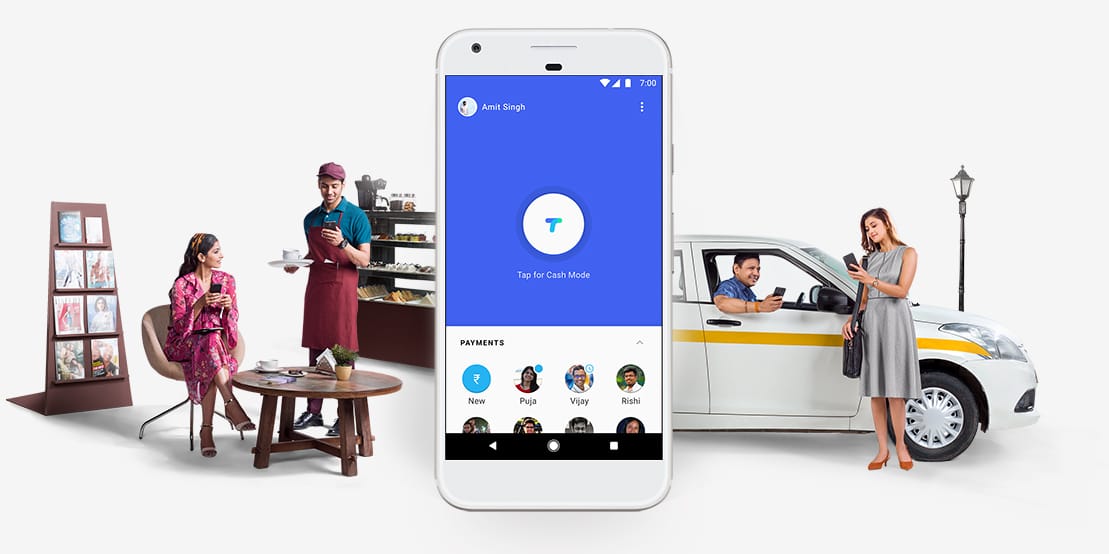
Tez is the new mobile payments solution from Google. The Tez app has a simple design and has been made to make payments and funds transfer easily through it. The Google Tez app is available for both iOS and Android devices.
Google Tez relies on Unified Payments Interface (UPI) payment system developed by the Indian government that makes it convenient to carry out money transfer on a smartphone between two bank account holders. Hence, Tez can be used with all the major banks that support UPI in India. Apart from English, Tez supports Indian languages such as Hindi, Marathi, Gujarati, Bengali, Kannada, Tamil and Telegu.
One should be aware of the fact that It is not a mobile wallet like PayTM where users can store money on the app. Google Tez allows users to make transactions through the phone by deducting payments from the linked bank account.
Tez can be used for making online payments on any site that supports UPI payments. Currently, websites of Red Bus, PVR Cinema, Domino’s Pizza, Dish TV and Jet Airways support payments through Google Tez. Google is providing a cash reward of Rs. 51 to the sender and recipient on making first transaction.
How to Use Google Tez
After launching the app, users are required to enter the mobile number that is linked with their bank account. After registering, users need to select a Google account. An OTP (One Time Password) will be sent to the registered number. The registration process will complete after entering the OTP.
The next step is to secure Google Tez app with Google PIN and fingerprint scanning. Each time the app is opened, users will have to either enter PIN or scan their fingerprint in order to use it.. Next step requires users to add a UPI-supported bank account to the app. After entering the UPI code, users can start transferring money.
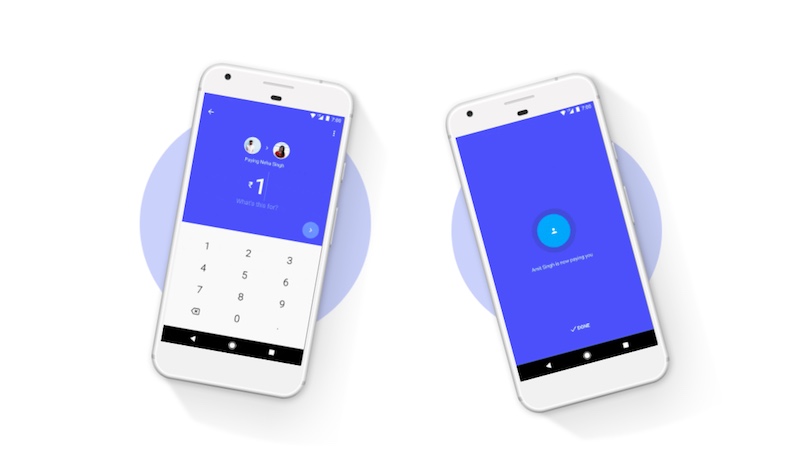
A feature called Cash Mode allows users to instantly transfer money to a nearby Tez user without sharing any sensitive information such as bank account or contact number. Funds can be also transfer using phone number, QR account and bank account number. The history of the transactions can be viewed through “All Transactions” tab. It also features Tez for Business for online sellers.
In a day, users can perform up to 20 transfers on Google Tez with a maximum transaction limit of Rs. 1,00,000. Google Tez moniker has been trademarked for countries like Indonesia and Philippines which indicates that the service would be available in Asian markets soon.
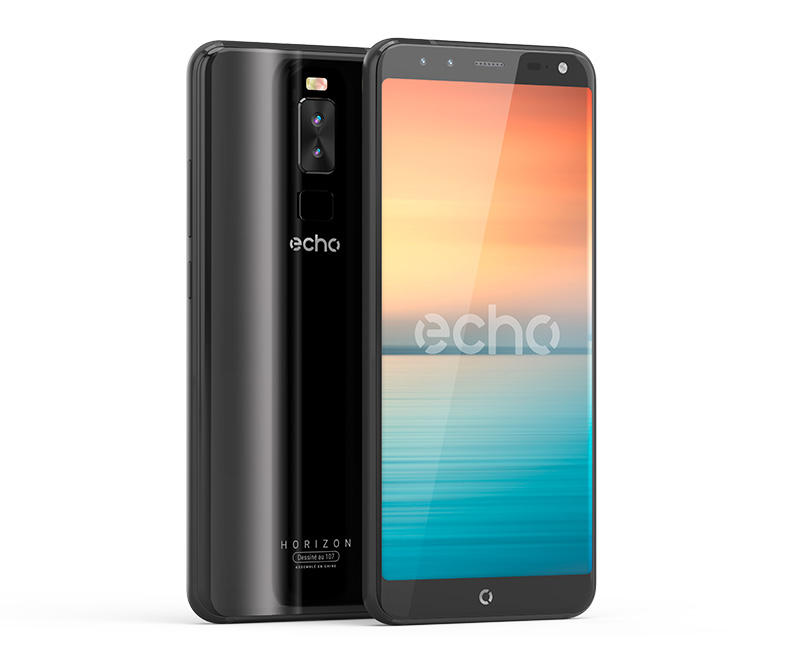
Everyone in 2017 is obsessed with 18:9 displays. We have seen this aspect ratio become popular among almost all flagships this year and now, a French brand named Echo is launching a new model with the same 18:9 aspect ratio, called the Horizon. Unlike the flagships which retail for over €400-500, the Horizon will be priced at just€169,90.
French readers might have heard of this brand since Echo’s earlier products were mainly focused in the French market. However, with the Horizon, the company aims to expand to Europe, and it believes that the quality and competitive pricing would make the phone attractive in other European markets as well.
Specs wise, the Echo Horizon will be featuring a large 5.7-inch IPS display sporting HD resolution (1440×720 pixel) and a fancy 18:9 display aspect ratio, which should satisfy all your media consumption needs while keeping bezels to the minimum. The elegant display also appears to be curved on the sides Samsung Galaxy S8 style, meanwhile, on the back, we find a fashionable glass panel with the two high-quality rear cameras around the top center portion, along with a fingerprint sensor.
At €169.90, the Horizon offers good value for its price.
Here are the main specs of Echo Horizon:
CPU: MTK MT6750T
Display: 5,7” HD+ (1440*720), 18:9 IPS
Memory: 3GB RAM + 32GB ROM (expandable up to 128GB)
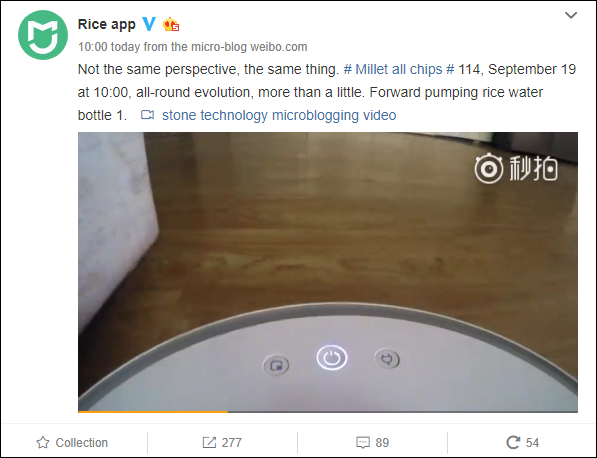
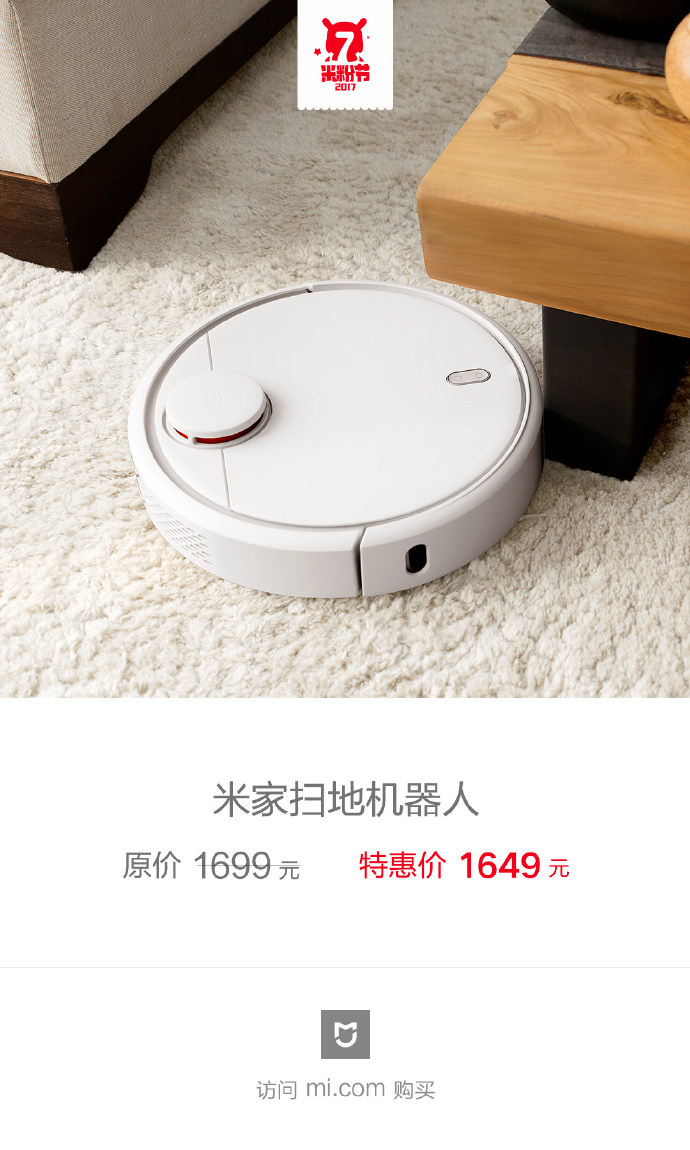
Xiaomi will be launching its new Mi Robot Vacuum cleaner 2 tomorrow via its MIJIA smart home platform. The new robotic home vacuum cleaner is the second generation model of the Mi Vacuum cleaner which they unleashed around August last year with some stunning features and affordable price tag. Talking about the features of this new model, Xiaomi is yet to let the cat out of the bag but a recent video teaser shared on the MIJIA App’s Weibo page has given us a peek at the design which suggested a couple of new features may be joining the fray.
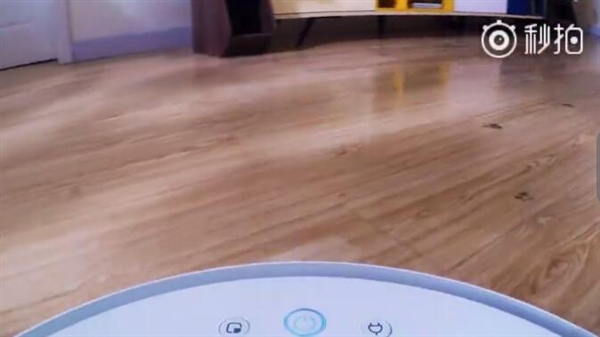
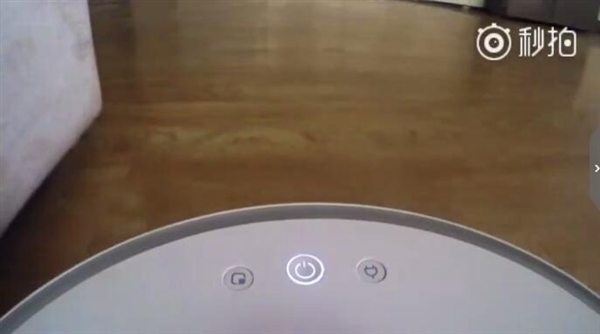
The video is that of the new robotic cleaner and it looks like it has a camera mounted on its back. The camera captures how the cleaner functions and in the process reveals the front part of the smart home gadget. Although we could only see a tiny fraction of the body, one vital aspect we could grab is the presence of an additional control button. The first-gen Mi Vacuum cleaner has only two control button, the power button, and a second one. But this time around, there are three buttons aligned horizontally and wide apart. The power button is in the middle and it has LED light under it which lights up the power button when the vacuum is energized. We can’t say for sure what the other two buttons do but one has a power adaptor plug sign on it and could be to start the charging process and may indicate when it is fully charged or charging is in progress. Of course, most of the functions of the gadget will be controlled by a smartphone app.
As a reminder, the first-gen Xiaomi Mi Robot Vacuum cleaner comes with a low-noise brushless fan supplied by the Japanese firm, NIDEC. The fan has a maximum pressure of 1800Pa which provides greater suction power when dealing with tough dirt. It sports three dedicated processors which help the vacuum cleaner receive data in real time from the 12 sensors performing different functions which it features. The sensors include Lase Distance Sensor, an ultrasonic radar sensor, wall sensor, and cliff sensor etc. Of the lot, the Laser Distance Sensor provides a 360-degrees scanning (1800 times/second) similar to what you will find on a self-driving car. The device packs a 5200mAh Li-ion built-in battery supplied by LG and Panasonic which is capable of delivering up to 2.5 hour cleaning time from a single charge. The smart gadget is programmed to work with the Mi Home App, allowing owners to set cleaning schedules, modify cleaning modes, and monitor cleaning process in real-time. In addition, owners can be able to it to clean the house right after you leave the house or before your arrival in case you are bringing home guests and your pet may have messed up the house.
Sony had introduced its iconic OmniBalance design on Sony Xperia Z smartphone that was launched in 2013. After the launch of Xperia Z2 in 2014, Sony was expected to stop making smartphones with OmniBalance design. However, the Japanese company continued to stick to its old design. The recently launched Sony Xperia XZ1 flagship phone also sports the same design. New information suggests that Sony may introduce a smartphone with newn design at Mobile World Congress (MWC) 2018 which indicates that the company would finally bid goodbye to OmniBalance design.
An industry insider had revealed in the previous week that Sony will be introducing a new design concept dubbed as Mirai on its smartphones that will be unveiled at Mobile World Congress (MWC) 2018. Since Mirai is a Japanese word for “future,” the leaked information hints that the 2017 Sony Xperia smartphones will sport a futuristic design. However, there is no information available on what sort of design Sony’s Mirai concept will carry.
This year several flagship and high-end smartphones have launched with full screen design such a LG G6, Samsung Galaxy S8, Galaxy S8+, Galaxy Note 8, LG V30, Xiaomi Mi MIX 2 and Apple iPhone X. It appears that Sony may also switch to full screen design as previous reports have revealed that it is working on a bezel-less smartphone.
Sony Xperia X Ultra is a rumored phablet from the company that is expected to house a 6.45-inch Ultra-Wide display. It is expected to deliver an aspect ratio of 21:9. The rumor mill has revealed that the smartphone is driven by Snapdragon 660 chipset. Other speculated features of the Xperia X Ultra include 4 GB of RAM, Android 7.0 Nougat, 19-megapixel rear camera, 13-megapixel front camera, IP68 certified chassis and 3,050mAh battery with fast charging capabilities.
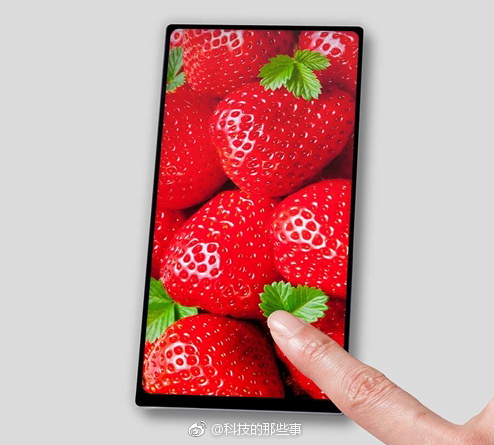
Moreover, at the end of April, Japan Display had unveiled its 6-inch Full Active LCD panel that offers an aspect ratio of 18:9. Since it is a water-resistant display, it can be used with wet fingers. As Sony is known for using LCD panels made by Japan Display, speculations are rife that some of the 2018 Sony Xperia smartphones may feature Full Active panel from Japan Display.
We advise our readers to take this report with a grain of salt as there is no concrete evidence to prove that Sony will quit making phones with OmniBalance design from next year.
In September last year, BlackBerry had confirmed that it won’t be building its own phones. China-based TCL reached an agreement with the Canadian firm in December last year and it confirmed that it will be producing BlackBerry branded smartphones. TCL has already launched BlackBerry KeyOne smartphone that has been received well by the audience and critics. In the last week, BlackBerry reached a patent licensing agreement with Timex. Speculations have it that the licensing deal could result in the debut of BlackBerry or Timex branded smartwatch
There is no information available on the different patents that are listed in the agreement between BlackBerry and Timex. The portfolio of the Canadian company has around 40,000 patents for technologies such as “wireless communications, networking infrastructure, acoustics, messaging, enterprise software, operating systems, virtualization and cybersecurity.”
Hence, the deal between the two firms does not necessarily mean that they will launch a smartwatch. The press release does not contain terms of the deal, but only includes a single information a that Timex is making on-going royalty payments to the Canadian firm for an unmentioned time period.
BlackBerry’s senior director of Intellectual Property Licensing, Jerald Gnuschke has claimed that the patent portfolio and the licensing agreement with Timex will allow them to concentrate on further opportunities in the mobile communications market. Sarah McKinney, the corporate communications officer with BlackBerry refrained from sharing any other information apart from what’s mentioned in the press release.
In the recent past, Timex has recently launched hybrid smartwatches such as the Timex IQ+ Move. Blackberry seems to be gradually entering the wearable market as it has provided its UEM software to Vuzix M300 smart glasses in August. Hence, the BlackBerry-Timex deal could mean that there could be a Timex smartwatch secured with BlackBerry’s software.
In related news, BlackBerry is expected to debut a new smartwatch in October. Several details on the upcoming BlackBerry phone that is codenamed as Krypton has been revealed by the rumor mill. Rumors have it that it the new phone will be introduced under the DTEK line of smartphones. The company is also rumored to be working another phone that is codenamed as Juno. The BlackBerry Krypton is expected to get unveiled in the next month. However, there is no information on the launch of BlackBerry Juno.
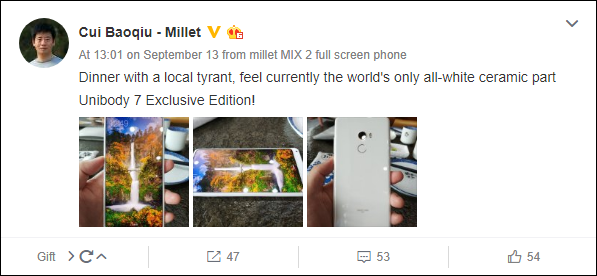
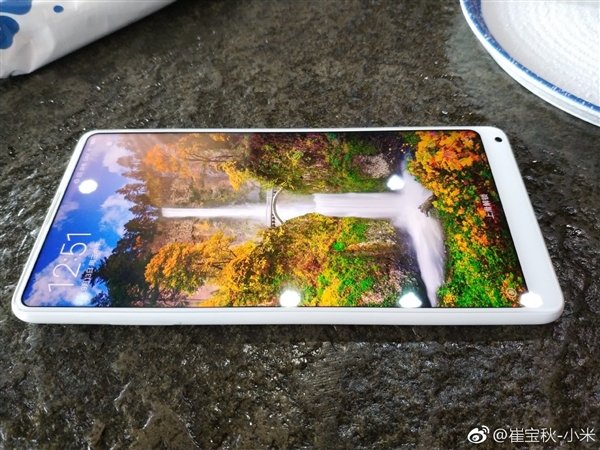
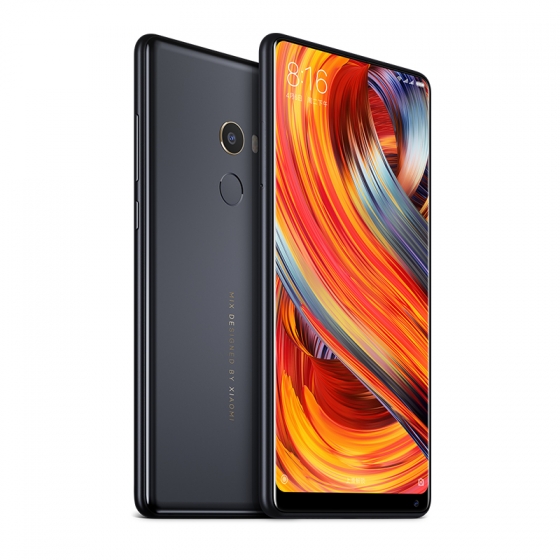
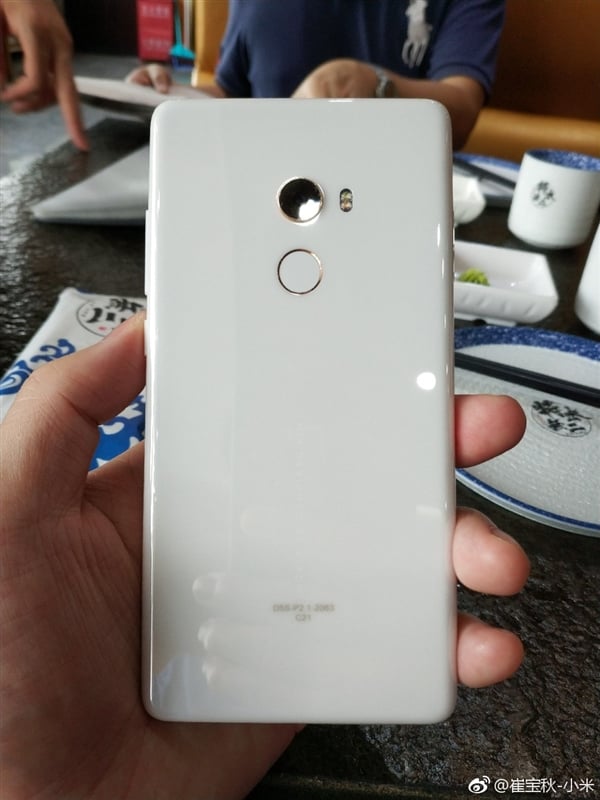
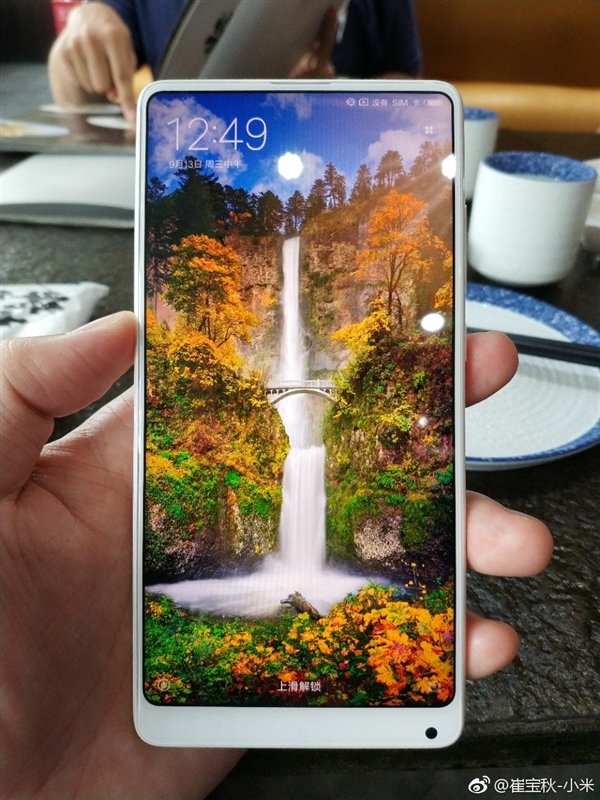
When Xiaomi officially unveiled the Mi Mix 2 on September 11, it did announce that there was going to be a special edition with a full ceramic body that is available in white and black. The all-ceramic body will not feature a metal frame like the regular versions and it is expected to have 8GB of RAM and 128GB of storage. A Xiaomi official has now afforded us an opportunity to have a peek at the Mi Mix 2 White Ceramic Special Edition by sharing a couple of photos of the special version via his Weibo handle. Cui Baoqiu who is the head of Xiaomi’s Cloud platform specifically indicated that the images were those of the white all-ceramic exclusive edition and it seems he was already using the device!
Taking a look at the device, what readily comes to mind is the beauty which it radiates. This isn’t meant to be an exaggeration but the white edition is a clear reflection of the beautiful design the Mi Mix 2 comes with. We can’t call this a bezel-less model, as the white color brings out clearly, the bezels on all sides but the fact remains that these are very tiny bezels except at the bottom edge where the selfie camera is situated. There is a black border on the edge of the display which could have hardly been noticed on the black variant but it is there.
The back of the white ceramic edition is no less beautiful, sporting a sleek mirror finish with curves reminiscent of the Mix 2 but the weight may vary since there is no metal fuselage on this version. The rear camera, LED flash and fingerprint sensor’s location wasn’t change but the inscription “Mix Built By Xiaomi” is conspicuously missing. This could either be because we are looking at a prototype here or Xiaomi won’t be including that in the body.
Apart from the 8GB RAM + 128GB storage which the special edition features, it is expected with the same 5.99-inch FHD+ display with a resolution of 2160 x 1080 and is powered by a Snapdragon 835 chip with an Adreno 540 GPU. The Mi MIX 2 packs a single 12MP Sony IM386 sensor at the rear as well as a 5MP selfie camera. There is a 4,400mAH battery under the hood with QC 3.0 and a rear-mounted fingerprint sensor. There is also dual WiFi band support and it supports 43 bands, 22 of which are LTE bands, including band 20. The Mi MIX 2 runs on MIUI 9 based on Android Nougat.
The Mi Mix 2 Special Ceramic version is expected to carry a price tag of 4699 yuan (∼$721). Since it has a ceramic unibody, not too many quantities would be available due to the slow production process so, it won’t be easy grabbing one. Don’t forget there will also be a black all-ceramic special edition.
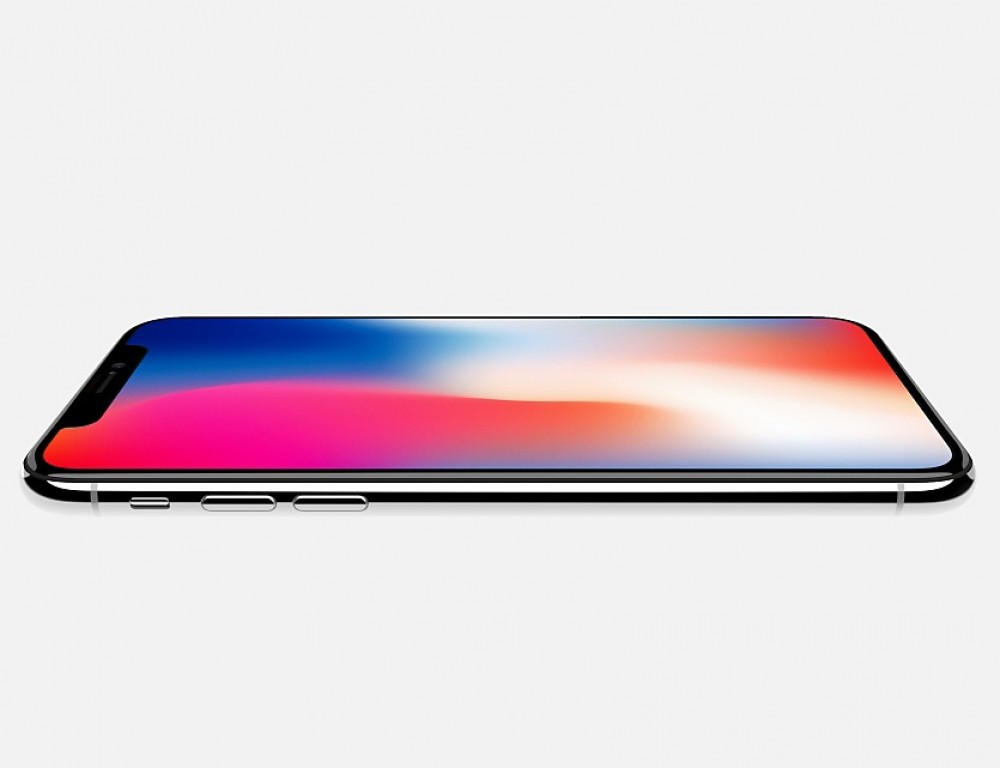
A recent report had revealed that the sales of iPhone 8 and iPhone 8 Plus may suffer in fiscal Q4. The probable reason behind it is that before buying an iPhone 8 or 8 Plus, customers may want to wait for the market release of the premium iPhone X that will happen on Nov. 3. It means that there will be stupendous demand for the iPhone X that sports an edge-to-edge display and other topnotch features. Ming-Chi Kuo, a well-known analyst with KGI Securities claims that the Cupertino company will not be able to meet the demand of the iPhone X before the first half of next year.
According to Kuo, Face ID, full-screen design and AR support of the iPhone X will be main features that will drive the sales of iPhone X. Previously, he had speculated that Apple would be shipping 50 million units of the iPhone X in this year. His revised prediction for this year states that only 40 million iPhone X units will be shipped. It seems that buying an iPhone X will be very difficult during the upcoming holiday season.
However, the Cupertino company is expected to increase the shipments of the smartphone in 2018. The analyst added that the company may ship 90 million units of the iPhone X in the coming year.
Kuo is of the view that the Face ID system that includes proprietary structured light technology will provide the iPhone X users with consistent and acceptable security. The new Face ID feature that replaces the Touch ID biometric recognition feature on the iPhone X can not only be used for unlocking it but also for authenticating Apple Pay transactions.
He further stated that the iPhone X’s display offers the highest screen-to-body ratio. Hence, the iPhone X is the most impressive smartphone with edge-to-edge display available in the market. The iPhone X users are also expected to be impressed with Animoji (animated emoji). Animoji uses the Face ID hardware to let cartoon characters to match the facial expression and speech of the user. Also, the ARKit as well as the sensors available on the smartphone will provide users with the best AR experience that will not be easy for the rivals to replicate
The bezel-less OLED screen and advanced front-facing camera system are reportedly hampering the production of the iPhone X. Kuo had predicted in the previous week that Apple will be producing less than 10,000 units of iPhone X per day.
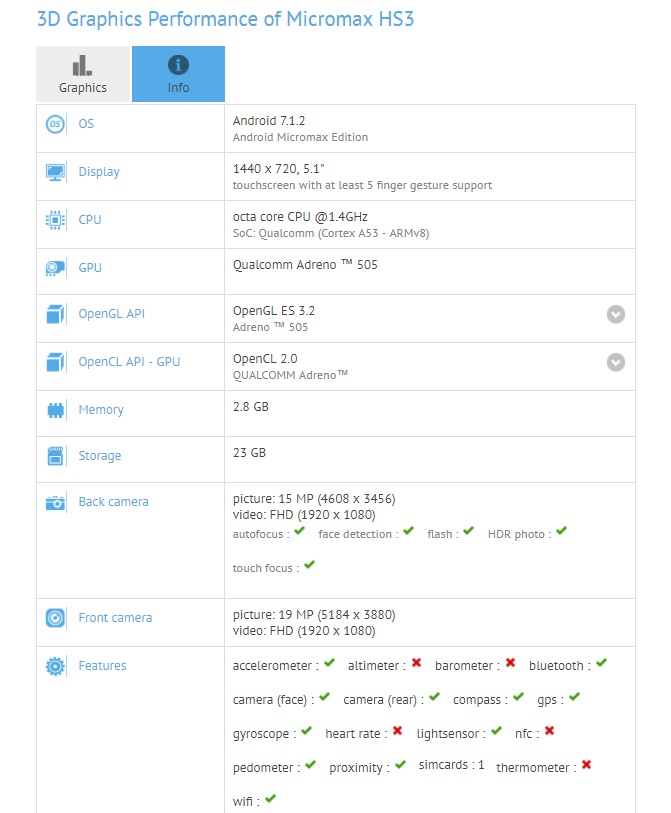
The Micromax Canvas Infinity was released about a month ago. The mid-range device is the first smartphone with a full-screen display from the Indian brand. It appears that another one will be arriving soon as a Micromax HS3 with a smaller but similar display has been seen on GFXBench.
The Micromax HS3 runs Android 7.1.2. It has a 5.1-inch display which is significantly smaller than the 5.7-inch screen of the Canvas Infinity. However, both devices have the same 1440 x 720 resolution which translates to a 2:1 display.
The HS3 is powered by a octa-core processor which is either the Snapdragon 430/435 with an Adreno 505 GPU. It has 3GB of RAM and 32GB of storage.
GFXBench reveals the full-screen display will not be the only selling point of the Micromax HS3 when it hits shelves. Its front camera is listed as a 20MP sensor and the rear camera is a 16MP sensor.
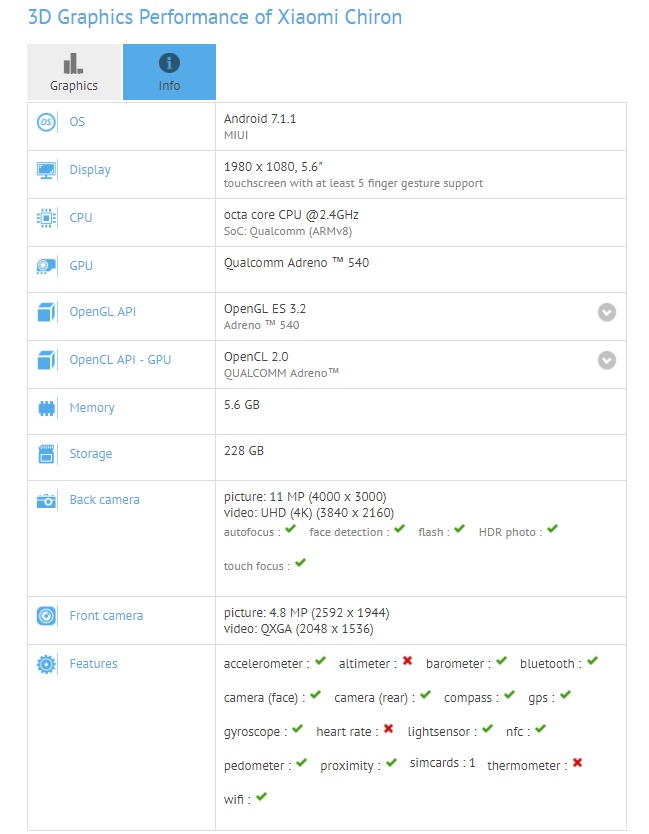
A month ago, a device codenamed Chiron was seen on the Beijing Subway database. It was said to be the Xiaomi Mi MIX 2. The Mi MIX 2 was unveiled last week and the Xiaomi Chiron has surfaced again, this time on GFXBench. The specs are different which means this is another device entirely and not the Mi MIX 2.
The benchmarking site reveals the Xiaomi Chiron has a 5.6-inch full HD screen. It is powered by an octa-core processor clocked at 2.4GHz. The Adreno 540 GPU gives it away as the Snapdragon 835.
The Xiaomi Chiron packs 6GB of RAM and 256GB of storage. It has a 12MP rear camera that can record 4K videos and a 5MP front facing camera. Just has reported the first time it appeared, the Chiron does have NFC support.
Now let’s analyse the specs. If Xiaomi hadn’t released a 6GB RAM + 256GB variant of the Mi MIX 2, we could assume this was it. However, the fact that the screen is even smaller at 5.6-inches completely negates that argument.
Although the Mi Note 2 ditched the tradition, it doesn’t mean Xiaomi can’t resume it now. So I presume the plan was to first launch the Mi Note 3 with a Snapdragon 660 processor and then later release the Snapdragon 835-powered Chiron as the Mi Note 3 Pro. That way, those who want a bigger Mi 6 can purchase it without sacrificing the Snapdragon 835 processor like the Mi Note 3 does.
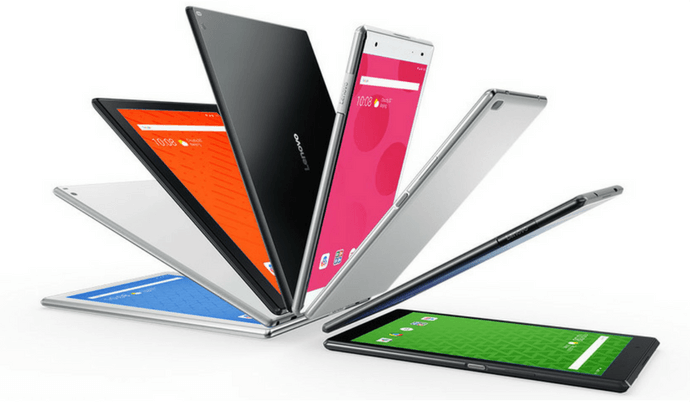
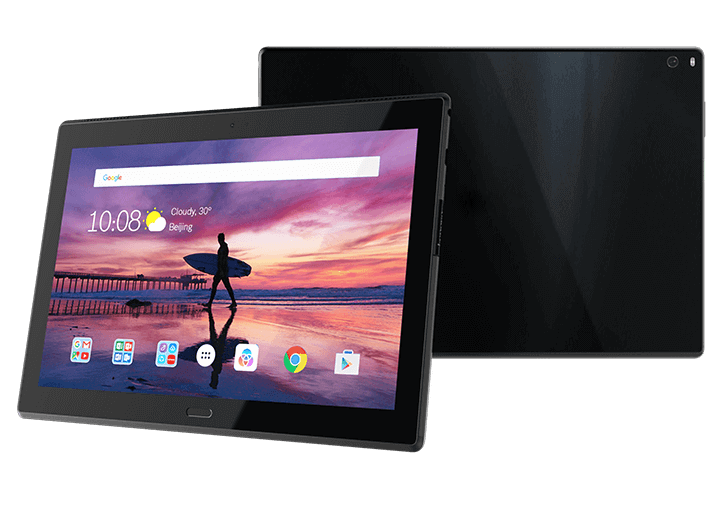
Lenovo has unveiled its Tab 4 series of tablets. The new series is available in 2 major models – Standard and Plus, and each one comes in 8” and 10” variants. Though the standard model has already been available for purchase for a while.
Lenovo Tab 4
The standard models feature IPS displays with 1280 x 800 resolution. There is a Snapdragon 425 mobile platform powering the tablets paired with 2GB of RAM. Storage is 16GB but can be expanded via a MicroSD card slot.
There is an 8MP camera on the rear and a 5MP front facing camera on the 10-inch model. The 8-inch model packs a 5MP rear camera and a 2MP selfie shooter.
For battery capacity, Lenovo has put a 7,000mAh battery in the larger model and a 4,850mAh battery in the 8” version. Both tablets have dual front facing speakers (Dolby Atmos) and run Android 7.0 Nougat out of the box.
Lenovo Tab 4 Plus
The Tab 4 Plus offers more not only in terms of specifications, but also with respect to design. Both variants feature glass backs giving them a sleek appearance. The 8” model measures 7.15 mm in thickness and the 10” model is 8.4 mm.
The Tab 4 Plus is powered by the Snapdragon 625 with 3GB/4GB of RAM and 32GB/64GB of expandable storage (128GB max). The display is full HD on both variants, so videos will appear sharper than on the standard model. There are dual front facing speakers as well as Dolby ATMOS.
The Plus models also have fingerprint scanners embedded in the power buttons and USB Type-C ports. However, battery capacity and software remains the same on both the Plus and standard models.
Lenovo Tab 4 US Models
If you live in the United States, irrespective of the variant you purchase, you only get 2GB of RAM and 16GB of storage. The 3GB/4GB RAM + 32GB/64GB ROM variants of the plus models are the international variants.
Kid’s Pack and Productivity Pack
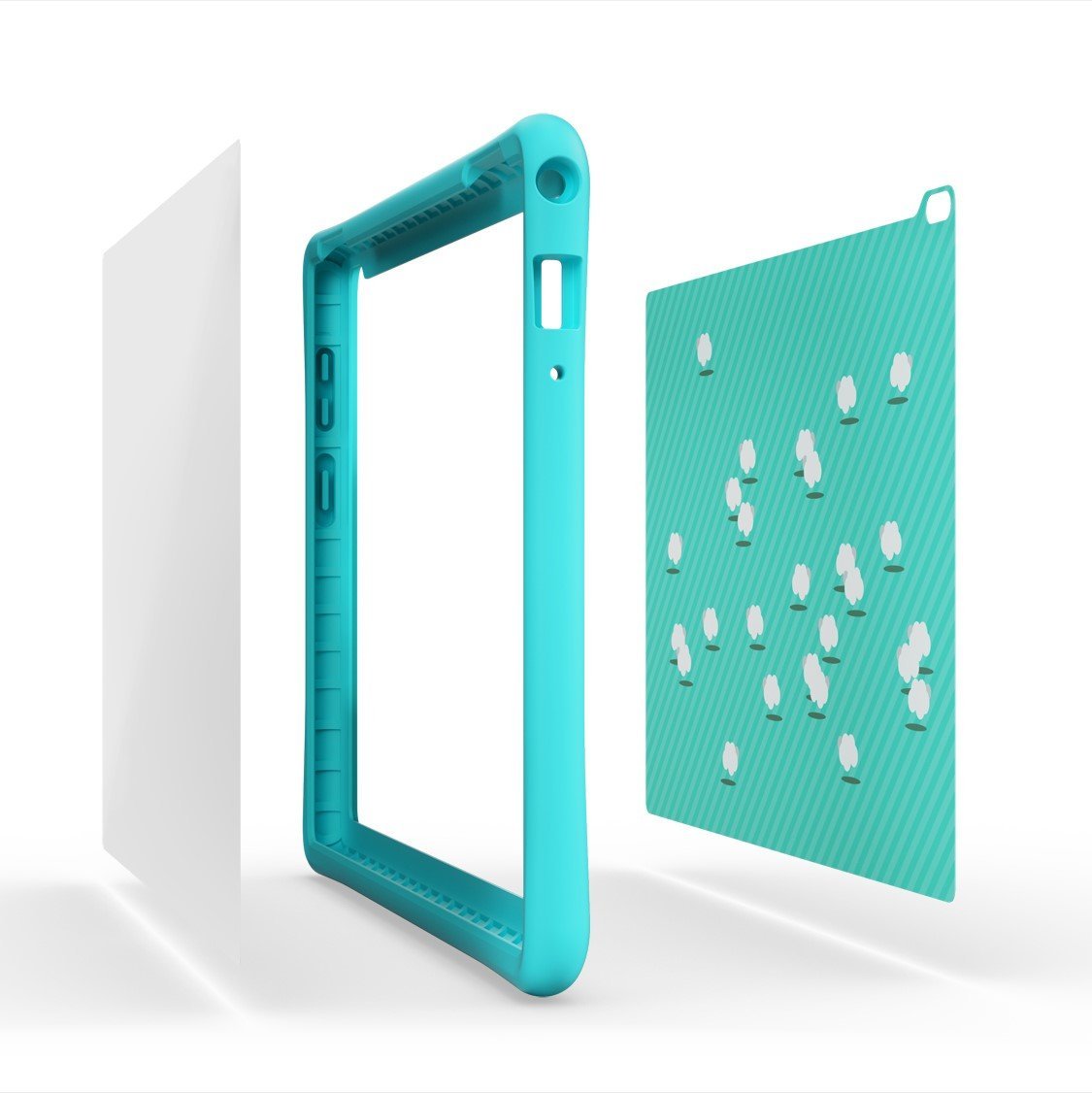
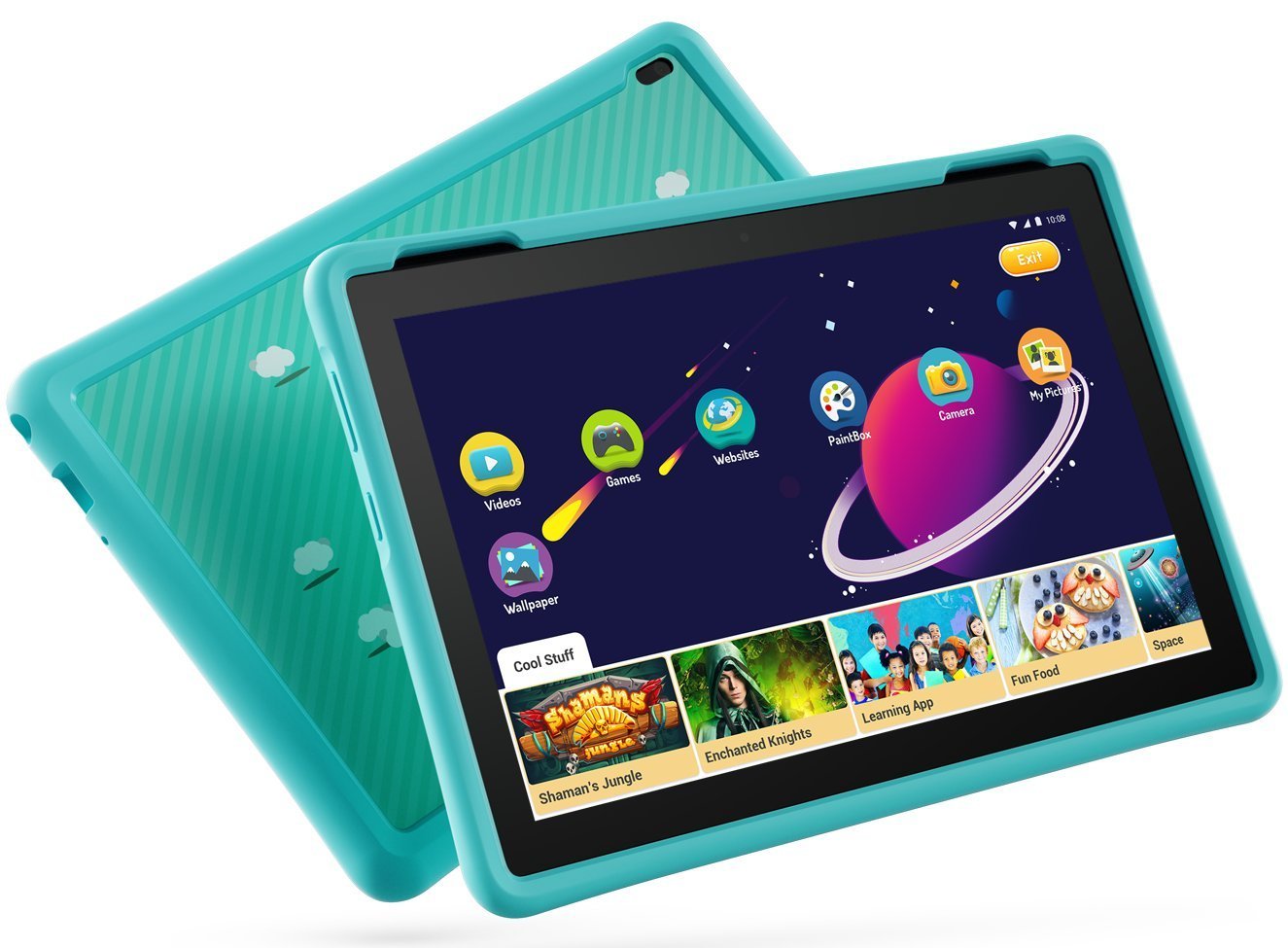
Owners can purchase a kid’s pack that includes a blue-light filter, shock resistant bumper and pair of 3M stickers to guard against scratches.
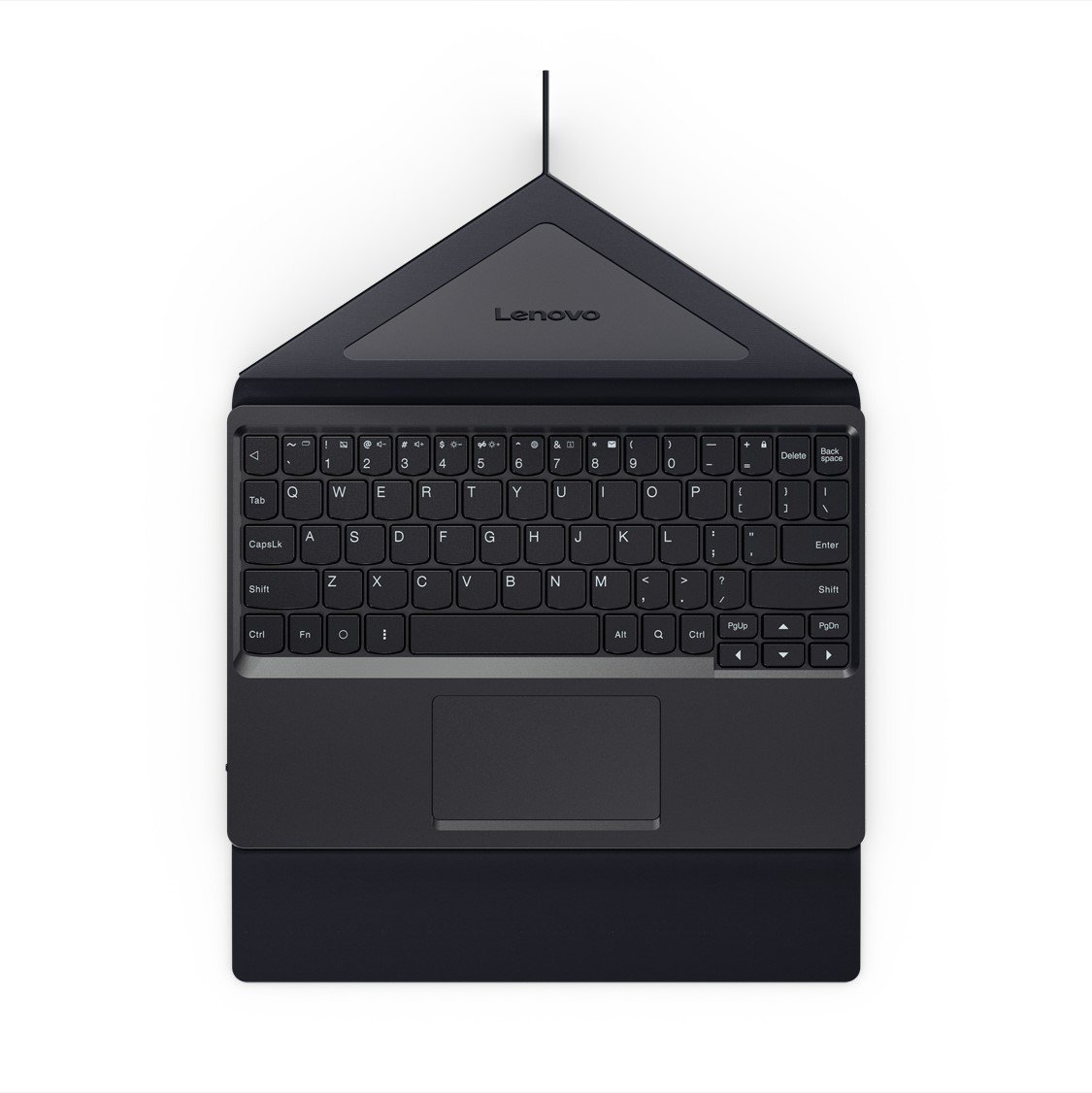
There is also a productivity pack for the 10” models that is basically a Bluetooth keyboard with a kickstand on the hardware side and a productivity interface (taskbar, instant app switching and multi-window mode etc.) on the software side.
Home Assistant
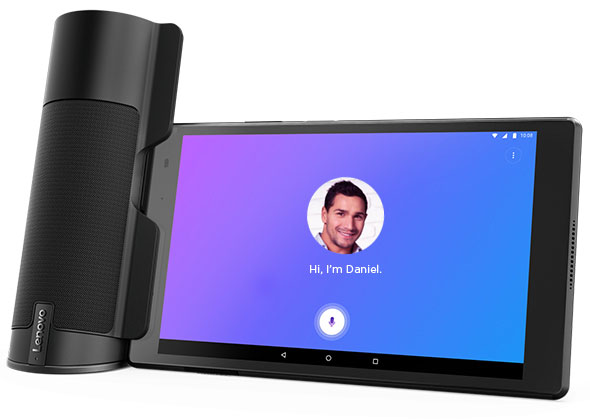
Remember the teaser Lenovo released for IFA? We mentioned a product that looks like the Amazon Echo Show was partially shown in it. At the event, Lenovo unveiled the Home Assistant that is basically a speaker with a dock on the side. Mount any of the Tab 4 models onto the dock and you have a device like the Echo Show and which is also powered by Alexa
The dock has a USB type-C port on the side where the tablets clips into. Once it is connected, the smart assistant interface automatically pops up. The dock has a 3 watt speaker for improved audio and two built-in microphones. You can use it just the way you would use any other Alexa-powered device.
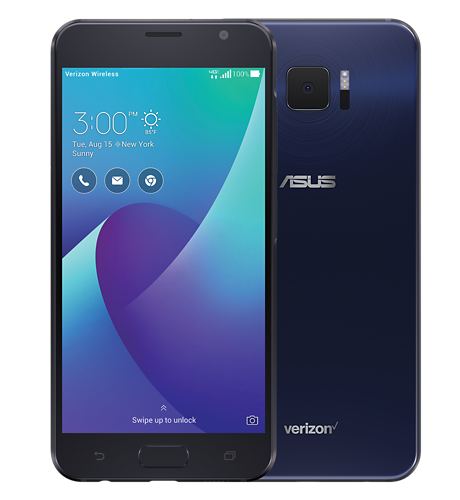
Yesterday, ASUS announced its Verizon exclusive ASUS Zenfone V. The design is reminiscent of last year’s Zenfone 3 series with the concentric circle design at the back but with some modifications. Fingerprint scanner has changed position and it doesn’t feature dual cameras like this year’s Zenfone 4 series.
The Zenfone V (model V520KL) is one of the few ASUS phones with an AMOLED display. The screen measures 5.2-inches with 2.5D Gorilla Glass protection and a full HD resolution. The display is also oleophobic and has a 178° viewing angle.
It is powered by the aging-but-capable Snapdragon 820 paired with 4GB of RAM and 32GB (eMMC) of expandable storage. The Zenfone V packs a 23MP Sony IMX318 sensor with a f/2.0 aperture, laser focus, EIS and OIS as the main camera. The front facing camera is an 8MP sensor.
If you are familiar with ASUS then you should know that their camera app comes with a lot of features like time rewind, smart remove, super resolution, panorama selfie, gif animation, miniature mode and even a portrait mode.
The Zenfone V packs a 3000mAh battery with support for Power Delivery 2.0 and ships with an 18W charger. There is a USB TYpe-C 3.0 port in addition to a 3.5mm audio jack at the bottom and a fingerprint scanner under the home button.
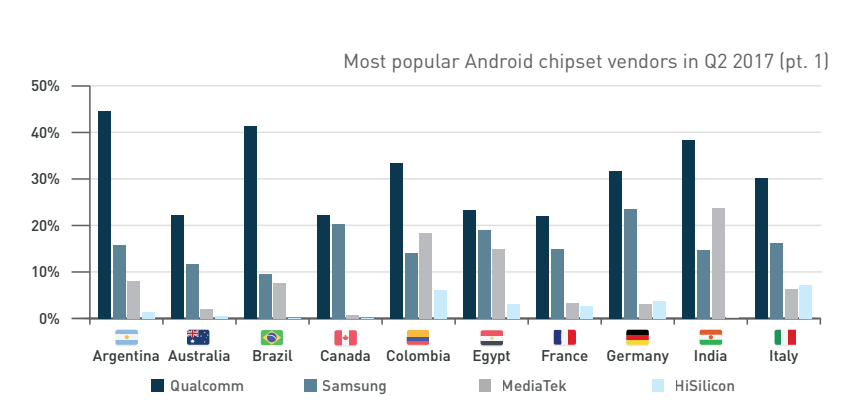
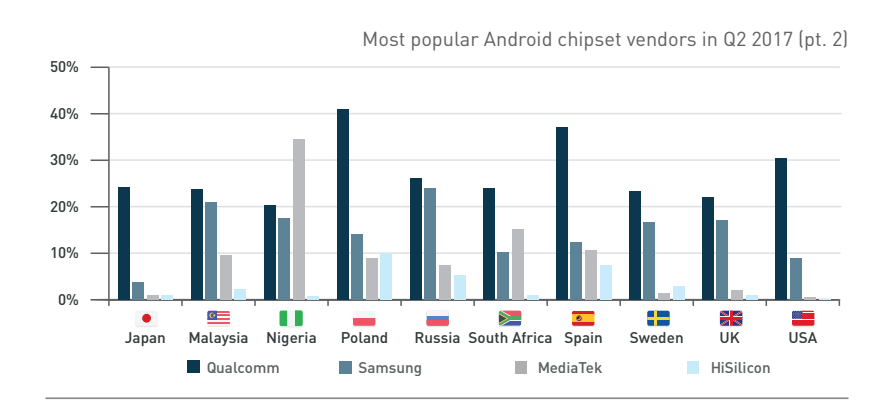
A new report by web traffic analysts, Device Atlas, has revealed its Mobile Web Intelligence Report for Q2 2017. The report covers a wide range of categories such as the most used chipset, most used GPU, and standard amount of RAM in devices to name a few.
The data is gotten from traffic to thousands of site and is limited to the second quarter of this year. There are some results that would leave you in surprise and others that are expected.
For the most used chipsets, Device Atlas says it is Qualcomm chips. It then adds that the Snapdragon 410 is the chip found in most Android phones. This is the chip in phones like the Lenovo K3, Honor 4 Play, and Galaxy A3.
The chip is indeed the most used globally, but it isn’t the top chip in places like the US or the UK. Apple chips reign supreme there with Snapdragon 9(SDM 820) coming in at the 4th position in the US. The data also reveals Nigeria is the only country with more MediaTek powered smartphones than Qualcomm.
Report on RAM says 512MB, 1GB and 2GB RAM devices are still very popular thanks to Apple devices which generally have less RAM. Some older Samsung phones also increased the number. Colombia, Nigeria, Russia, Brazil,and Egypt are the countries with the highest number of 500MB phones. 4GB RAM and above devices are common in Australia, Sweden and the US.
For GPU, the Adreno is the most common but in places like the US and the UK where iPhones are the most common devices, PowerVR by Imagination Technologies takes the lead.
Device Atlas says Android still has the largest market share, topping the list in 60 major markets. Although Android phones have increased in popularity in some markets, it has dropped over the last two quarters in countries like the USA.
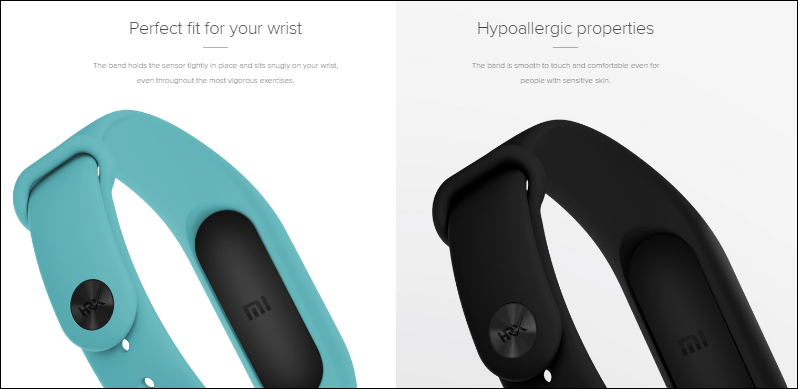
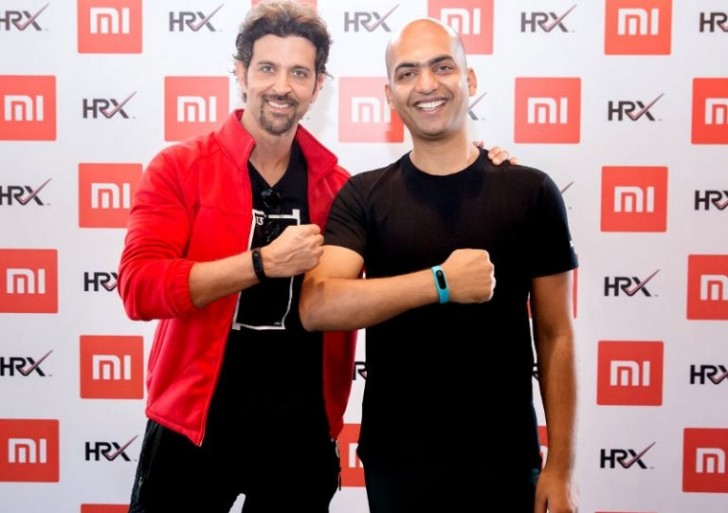
Xiaomi has launched a slightly trimmed down version of the award winning Mi Band 2 which it called Mi Band HRX Edition. As the name implies, the new edition is the product of a partnership with HRX by Hrithik Roshan. The new product was launched in India as a new fitness band but is essentially an adaptation of the Mi Band 2. The Mi Band HRX Edition looks similar to the Mi Band 2 in design, except for the additional HRX logo now embedded on the strap and the Mi logo under the watch.
The Mi Band HRX Edition sports an OLED display with a design similar to that of the Mi Band 2. The devices shows the time and is also a fitness tracker which records the steps, distance covered, and calories burnt. It has an improved pedometer for more accuracy in steps and exercise measurement, and just like the Mi Band 2, it also alerts you if you have been sitting or standing in one place for too long. The Mi Band HRX Edition will remind you to take short walks and water breaks at regular intervals.
Furthermore, it also tracks your sleep, sends calls and notification alerts on a paired smartphone. It unlocks your paired Android smartphone without the need to put in a passcode or fingerprint as well. The Mi Band HRX Edition has support for Bluetooth 4.0 and is rated to offer 23 days of battery life as well, three days more than the Mi Band 2. That does not in any way mean the HRX Edition is superior to its progenitor. It actually lacks a heart rate monitor so is short of one feature which is considered important by some.
The Mi Band HRX Edition will be available from September 18 on Mi.com,and Mi Home offline stores. It will also be sold on Myntra, Flipkart, and Amazon in India starting September 20 and is priced at Rs. 1,299 (around $20), slightly cheaper than the Mi Band 2’s price in India.
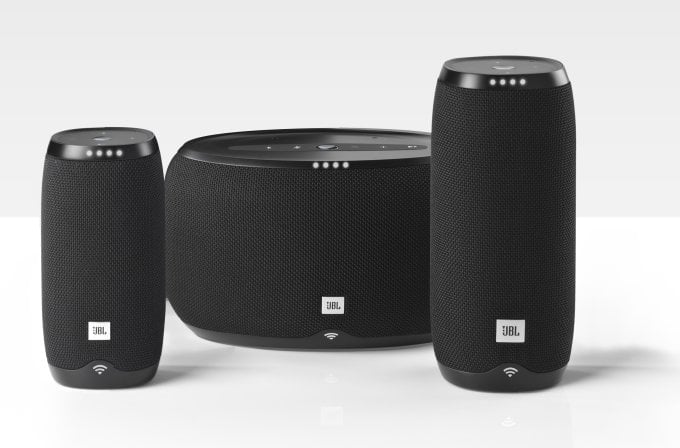
Just as Amazon’s Alexa has been appearing on more devices, so also is Google Assistant. At CES, Sony unveiled the LG-S50 smart speaker and JBL has the Link 300, Link 20, and Link 10 smart speakers coming soon.
JBL Link Series (Image Source – Liliputing.com)
While these are all speakers, an unknown device codenamed Bisto was seen in the beta version of the Google app back in April. Over the past couple of months and over the course of several leaks. Bisto has evolved to refer to a set of bluetooth headphones with support for Google Assistant. A graphical image of one of them called Baywolf was seen recently, revealing details as to its possible design.
Baywolf has an over-the-head design with three buttons on the right cup and a single button on the left. The design is very similar to that of the Bose QuietComfort 35 and new images confirm that it is indeed an upgraded version of the popular headphones.
In the past few days, images of the Bose QuietComfort 35 II have been seen online revealing that the headphones will come with Google Assistant. A Twitter user (@jeremyjudkins) even posted images of the product seen on the shelf of a Best Buy store.
[envira-gallery id=”149453″]
The picture shows the headphones has the same button placement as Baywolf. The box says it has a noise-cancelling microphone array for clear calls and has Google Assistant built-in. It will also offer 20 hours of battery life in wireless mode and 40 hours in wired mode.
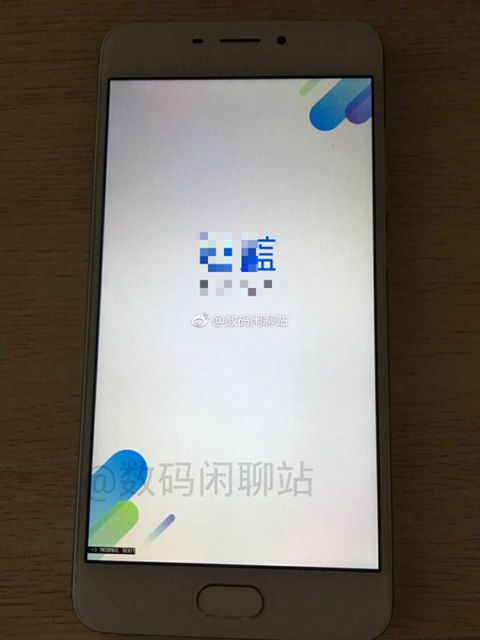
Meizu sent out invites for its upcoming smartphone the M6, a few days ago. The Chinese manufacturer has scheduled September 20 for the launch of the smartphone.
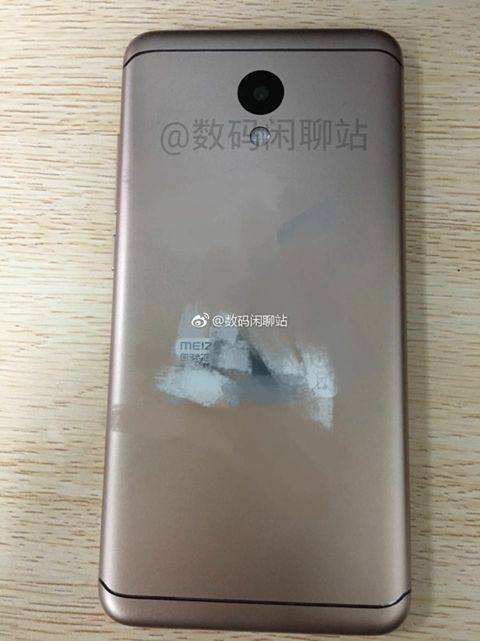
Specification details of the entry level phone leaked last week, revealing that the phone shares the exact specs as its predecessor. However, rumors say the only noticeable difference between both phones will be their overall design. The Meizu M6 is expected to ditch the polycarbonate body for a metal one and now there is an image that confirms it.
Pictures of the phone were posted on Weibo and one of them shows the rear of the phone. Truly, the design is different, not only from the Meizu M5, but from other metal-clad Meizu phones.
Unlike other Meizu phones that have chrome painted antenna lines for their gold units, this one has black, and the design is different. Instead of maintaining a straight line when it gets to the edges, it slopes downwards in the top antenna line and upwards in the bottom antenna line. The camera and LED flash haven’t changed. It doesn’t even get the quad led design.
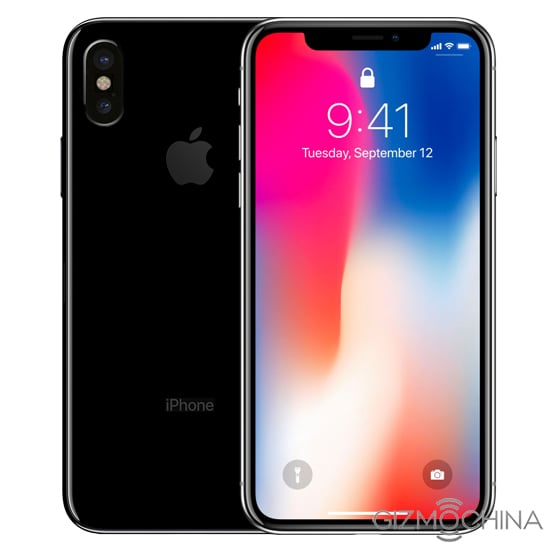
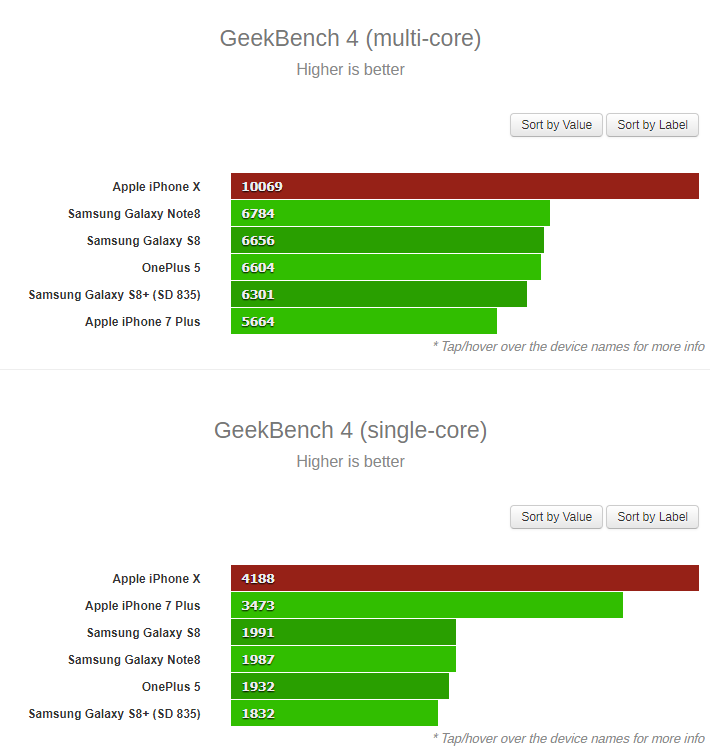
Apple’s new iPhones are powered by the A11 Bionic, a hexa-core chip with a 2.4GHz clock speed. The new processor was seen on Geekbench, appearing in the iPhone X and claiming the title of king of mobile processors.
This is not the first time the iPhone X has appeared on Geekbench. It was seen a few hours ahead of its launch on Tuesday scoring 4061 points in the single core test and 9959 points in the multi-core score. This time around, it takes things a bit further and in doing so trumps the other flagship phones on the list.
The Apple iPhone X scored 10069 points in the new multi-core test, leading the second device on the list, the Exynos-powered Samsung Galaxy Note8 with more than 3000 points. For the single-core test, it scores 4188 points. The second device on the list is the iPhone 7 Plus which is powered by the A10 Fusion. Samsung’s Galaxy S8 grabs the third position with 1991 points – a score that is even way less than that of the iPhone 7 Plus.
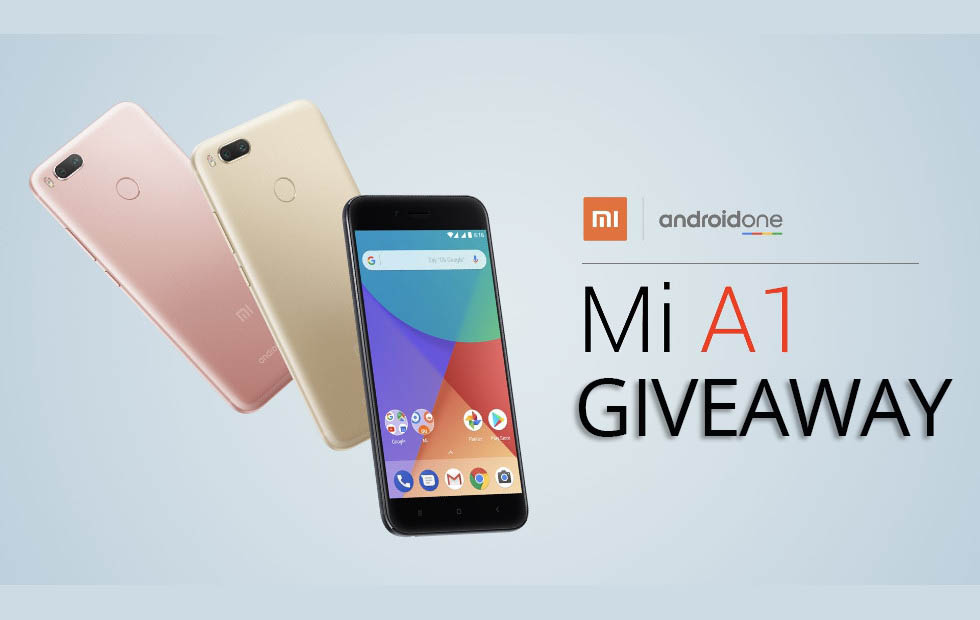
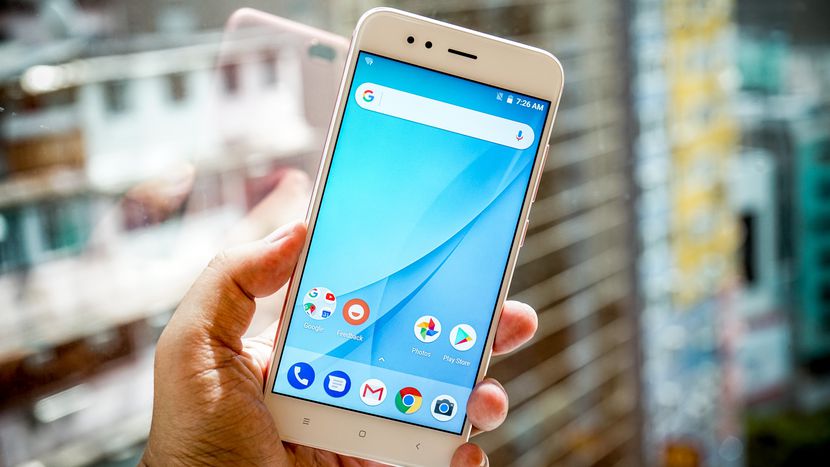
Gizmochina along with Gearbest is conducting a Xiaomi Mi A1 phone as Giveaway gift to one of our lucky readers. Like always, you just have to follow the steps mentioned on the Rafflecopter widget to get a chance to win this amazing phone.
GearBest is launching the biggest promotion this year, it called the Autumn Bumper Harvest which puts many of the products available in their store on sale.
How to entry this giveaway? Just follow these steps via Rafflecopter widget:
Visit Auntumn Bumper Harvest Promotion on Gearbest;
Share this promotion to your Facebook, Twitter, Google+ or other social media;
1. The giveaway is an international giveaway.
2. We are not responsible for lost shipments.
3. We are not responsible for any duties, import taxes that you may incur.
4. We reserve all rights to make any changes to this giveaway.
5. The prize will be shipped in a week when the giveaway end.
Just follow the steps mentioned in the Rafflecopter widget to participate in the giveaway.
Once again, good luck.
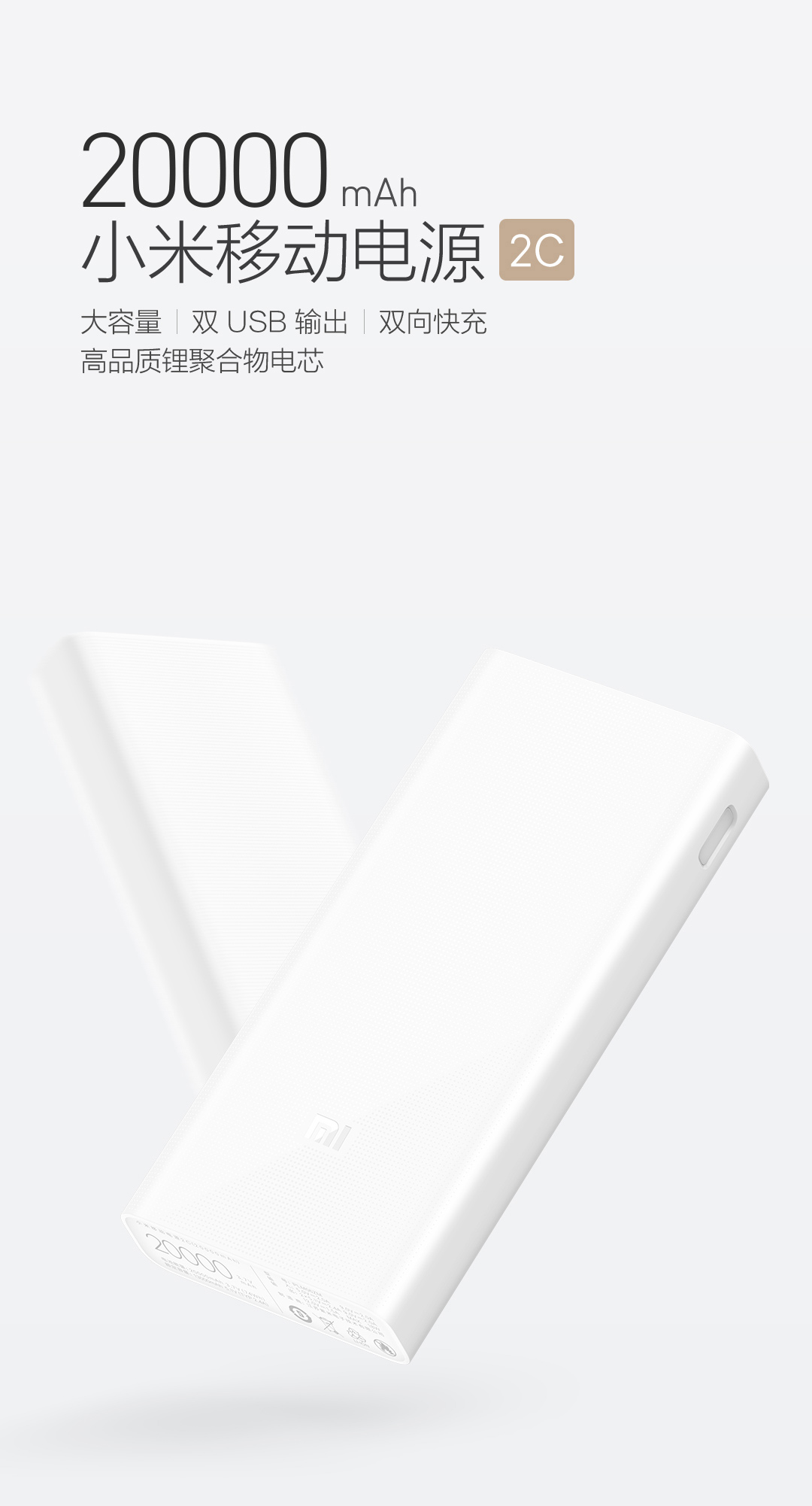
Apart from the Mi Note 3 and Mi MIX 2 released this week, Xiaomi also unveiled a new power bank. The Mi Power 2C like the Mi Power 2 has a 20,000 mAh battery capacity but costs less.
The Mi Power 2C has a PCB+ABS body with a rough surface for a better grip when held. The design is similar to that of the Mi Power 2 with an input port flanked by two output ports on both sides. Both the input and output ports support 18W fast charging and are located in front. Above the input port are four LEDs that indicate the charge on the device. On the left is a power/reset button.
The power bank uses high quality Li-Polymer batteries with a conversion rate of 93%. The Mi Power 2C can charge the Mi 5X 4.3 times, the Mi Mix 2 3.8 times and the iPad Mini 2.5 times. Each output port supports Quick Charge 3.0 and can provide up to 5.1V/3.6A.
The power bank can also be used to charge devices that require low current like the Mi Band (0.025A) and the Mi Bluetooth Headset (0.06A). To charge the above mentioned devices, all you have to do is double press the power button to switch to low power mode.
Since it supports 2-way fast charging, it will only take 8 hours to recharge the portable battery using a QC 3.0 charger.
Xiaomi has included a bunch of protective measures in the power bank. There is temperature protection, input/output high voltage protection, overcharge and discharge protection, and short circuit protection. The Mi Power 2C is also said to have a 90% retention rate even after 300 charge cycles and should last up to 3 years.
The Mi Power 2C comes in white and is priced at ¥129 (~$20). It is already available for purchase on the official Mi online store, Jingdong, Suning Tesco, Lynx, and at offline Mi Home stores.
We use cookies on our website to give you the most relevant experience by remembering your preferences and repeat visits. By clicking “Accept”, you consent to the use of ALL the cookies.
This website uses cookies to improve your experience while you navigate through the website. Out of these, the cookies that are categorized as necessary are stored on your browser as they are essential for the working of basic functionalities of the website. We also use third-party cookies that help us analyze and understand how you use this website. These cookies will be stored in your browser only with your consent. You also have the option to opt-out of these cookies. But opting out of some of these cookies may affect your browsing experience.
Necessary cookies are absolutely essential for the website to function properly. This category only includes cookies that ensures basic functionalities and security features of the website. These cookies do not store any personal information.
Any cookies that may not be particularly necessary for the website to function and is used specifically to collect user personal data via analytics, ads, other embedded contents are termed as non-necessary cookies. It is mandatory to procure user consent prior to running these cookies on your website.