Advertisement

Nubia Full-Screen Phone Spotted In A New Render

Present happenings in the tech industry reaffirm our stance that 2017 is the year of full-screen, bezel-less phones. Well, full-screen phones yes but not so true about bezel-less, because there is usually one form of bezels or the other but the bezels are usually so thin. The list of OEMs with bezel-less phones continues to grow, Nubia may soon join with a full-screen phone which has been spotted in a render recently.
nubia

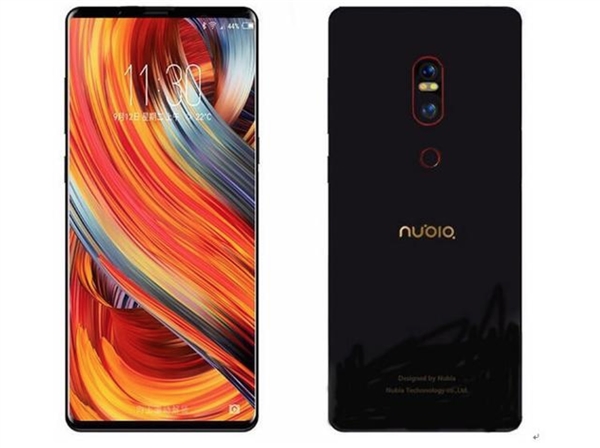
The leaked renders are said to be for a Nubia “full-screen 2.1” smartphone which goes by the code name NX595J. Tagging it “Full-screen 2.1” is perhaps to suggest that the device will come with a higher screen-to-body ratio than the Mi Mix 2 which was labeled as utilizing full-screen 2.0. The screen has just tiny bezels at the top and bottom edges while the sides are near bezel-less. There are dual cameras at the rear with an LED flash sitting in between the vertically aligned cameras.There is also a rear-mounted fingerprint sensor and interestingly, the device seems to have an 18.5: 9 aspect ratio just like the Galaxy S8. The back of the mobile device also adopts a curved design on all sides.

Read More: Nubia Z17 Mini Limited Edition With 6GB Of RAM, Aurora Blue Color Launched

This will not be Nubia’s first bezel-less phone, as the Nubia Z17 flagship released earlier this year packing an SD 835 chip features a design lacking bezels on the two side edges. But the NX595J takes it a lot further, featuring a full-screen design with even lesser bezels than on the Z17. No word yet on the likely specs or if Nubia will drop this model this year.

(source)
India Gets The Panasonic Eluga Ray 500 And Eluga Ray 700

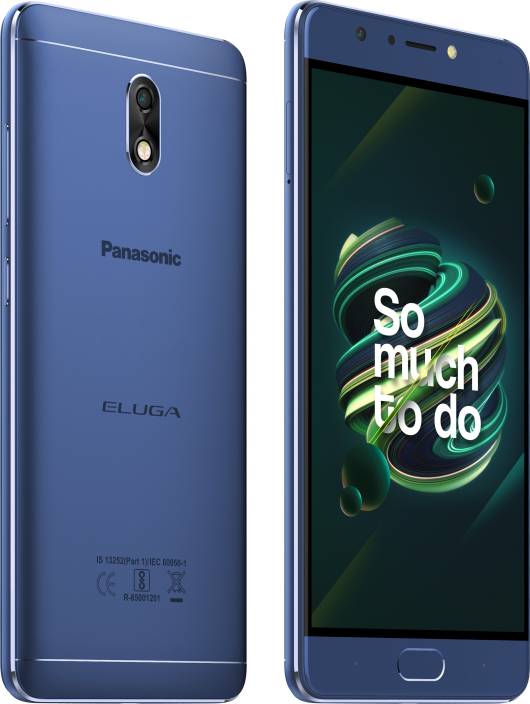
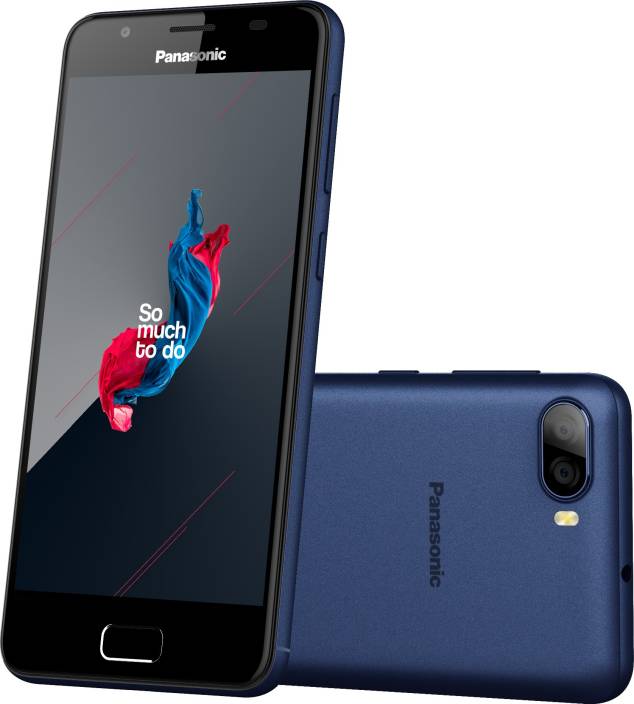
Panasonic has unveiled two new phones for the Indian market – the Eluga Ray 500 and Eluga Ray 700. Both phones feature large batteries, metal bodies and Panasonic’s ARBO AI Assistant.

Panasonic Eluga Ray 500 Marine blue

Eluga Ray 500

The Eluga Ray 500 has a 5-inch HD screen with a 2.5D curved glass. It has 3GB of RAM, 32GB of storage and is powered by the quad-core MT6737 processor.

The Eluga Ray 500 has dual rear cameras. One is an 8MP 120° wide-angle lens with a f/2.4 aperture and the other is a 13MP sensor with a f/2.0 aperture. The front facing camera is a 5MP f/2.4 sensor.

The phone has a 4000mAh battery and a hybrid dual SIM slot (nano only, 128GB max). There is a 3.5mm audio jack at the top and a micro USB port at the bottom. It also has a fingerprint scanner buried under the home button.

The Eluga Ray 500 measures 144.26 x 71.26 x 9.2mm and weighs 163g. It will sell for ₹8,999 (~$140) and will come in Champagne Gold, Marine Blue, and Mocha Gold.


Eluga Ray 700 Marine Blue

Eluga Ray 700

The Eluga Ray 700 packs a bigger 5.5-inch FHD display with 2.5D Corning Gorilla Glass 3. It has 3GB of RAM and features MediaTek’s MT6753 octa-core processor. Storage is 32GB and can be expanded via a MicroSD card slot.

The Eluga Ray 700 doesn’t have dual rear cameras but it makes up for it in other ways. There is a 13MP f/2.0 camera on the rear with PDAF and the front camera is a 13MP f/2.2 sensor with its own LED flash too.

Panasonic has also put a bigger 5000mAh battery in the Eluga Ray 700. There is a front-mounted fingerprint scanner, a micro USB port and a 3.5 mm audio jack.

READ MORE: Panasonic Eluga A3 and Eluga A3 Pro Launched In India

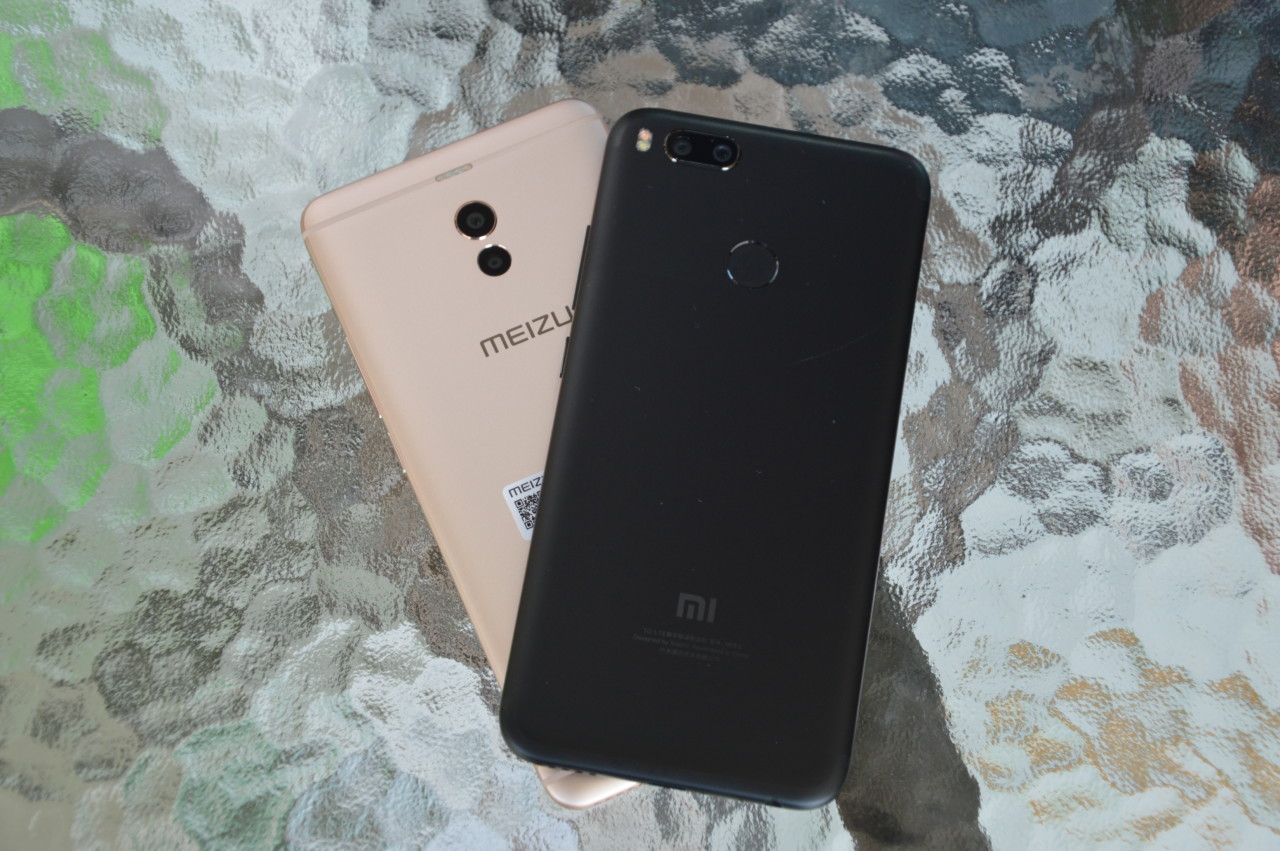
Meizu M6 Note vs Xiaomi Mi 5X Camera Comparison (Samples): Things Get Interesting

The Meizu M6 Note comes out as one of the best mid-rangers in the market, at least on paper. The camera is where things get really interesting, thanks to Meizu’s partnership with ArcSoft and the dual camera setup promising some great results. So, we decided to pit the Meizu M6 Note vs Xiaomi Mi 5X and compare how both fared in a camera comparison.

meizu m6 note vs mi 5x

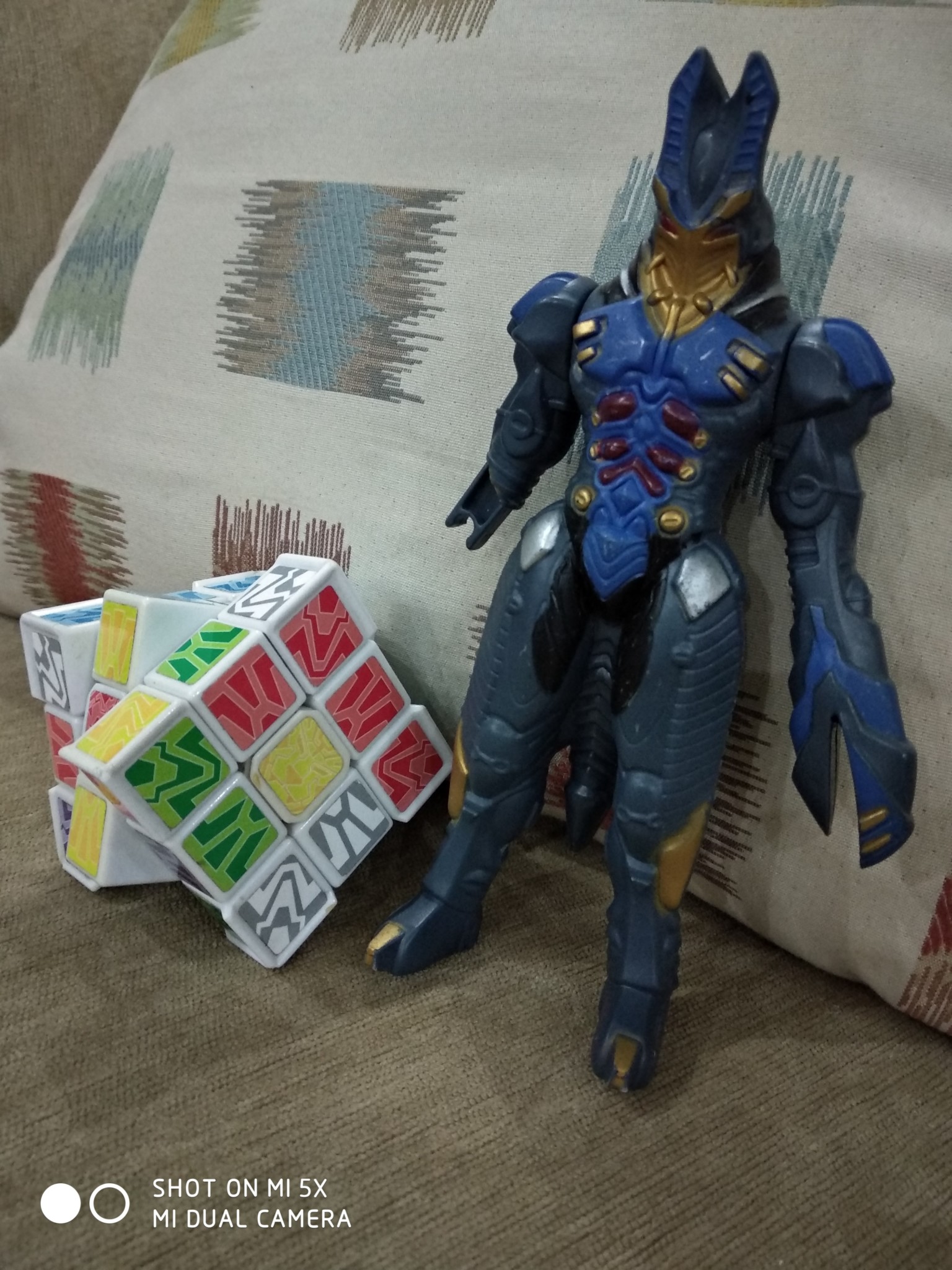
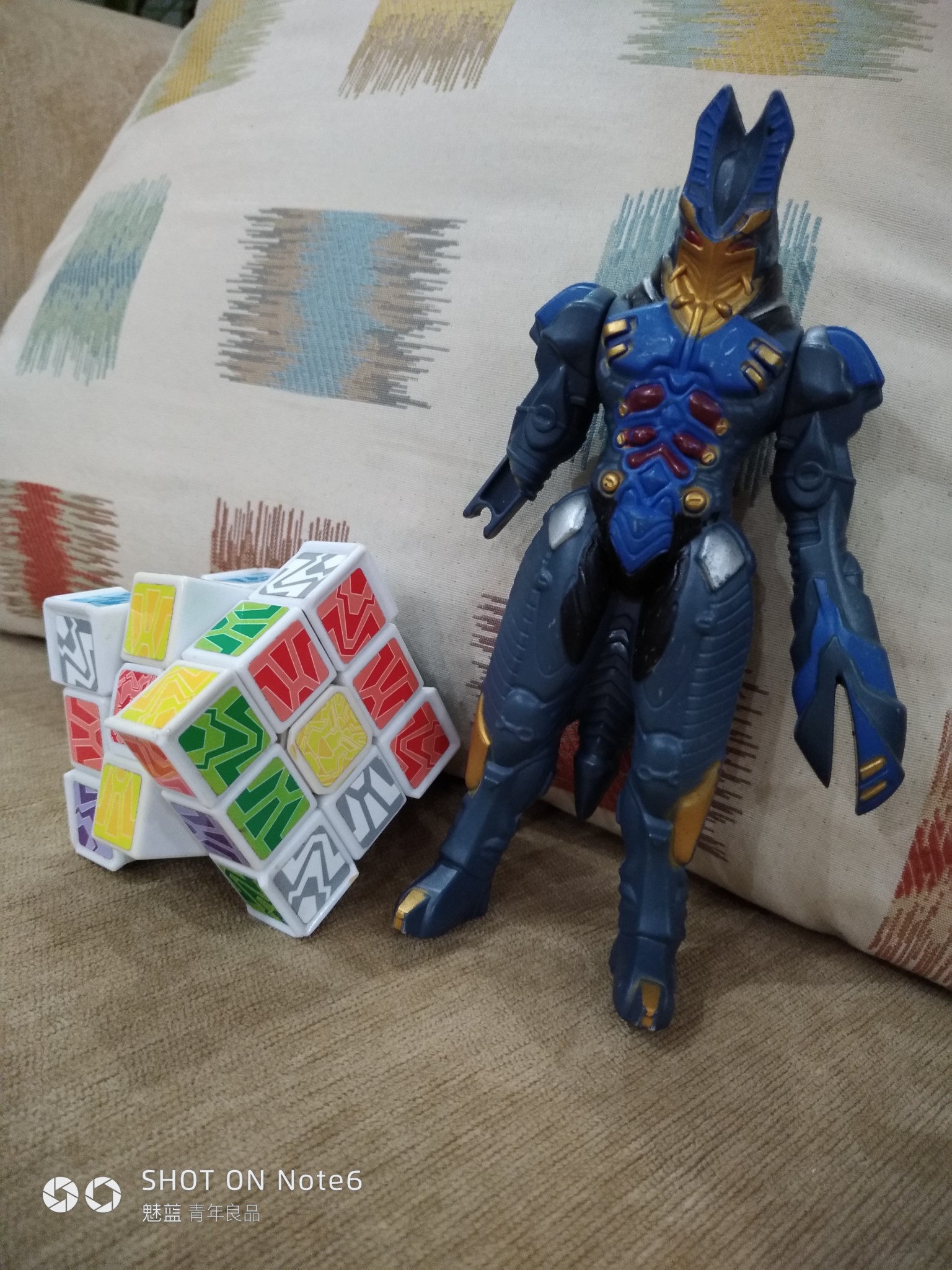
The Meizu M6 Note generally takes warmer pictures as opposed to Mi 5X’s cooler shade. The colors come out really well in the pictures from the M6 Note, but the whites look better on the Xiaomi model. That being said, in most of the daylight pictures, the M6 Note impressed us with details and colors. The colors in many of the Mi 5X samples were washed out, especially under direct sunlight.

As for the background blur effect, both manage to track objects clearly, but Meizu’s bokeh pictures seem to come out better, with a better focus on the object in the front and a stronger blurred background.

Low light images were really interesting. While the M6 Note was a bit brighter when it came to night time shots, the noise in the samples was significant. Most of the night samples were filled with a lot of noise in the dark areas, which rendered the picture unusable. In comparison, Xiaomi Mi 5X managed to keep noise to a bare minimum. It’s really disappointing to see such levels of noise in the low-light images as otherwise, the M6 Note’s camera would have been one of the best in this segment. Let’s hope this is something that can be fixed with software.

You can check out all of the Meizu M6 Note vs Xiaomi Mi 5X samples down below.

Moto G4 Plus Android 8.0 Oreo Update Confirmed; Motorola Maintains It Was Not Supposed to Get Android O

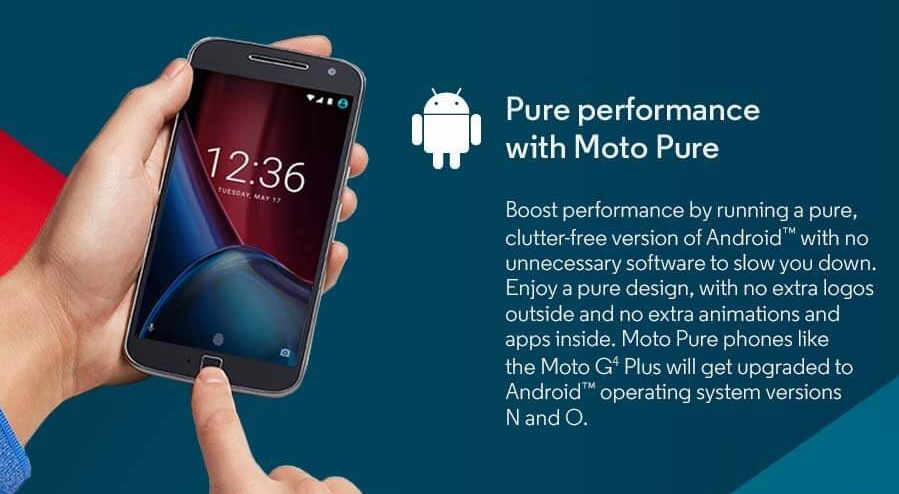
In the last week, Motorola’s official blog carried the list of smartphones that will be upgraded to Android 8.0 Oreo. Strangely, the Moto G4 Plus is not included in the list even though the company had confirmed in May 2016 that it will be upgraded to Android O. Even the marketing materials of the Moto G4 Plus that had released at that time stated that it would be getting Android N and O (Nougat and Oreo) updates. After facing criticism for making false promise to Moto G4 Plus users, Motorola has confirmed that the handset will be upgraded to Android 8.0 Oreo.


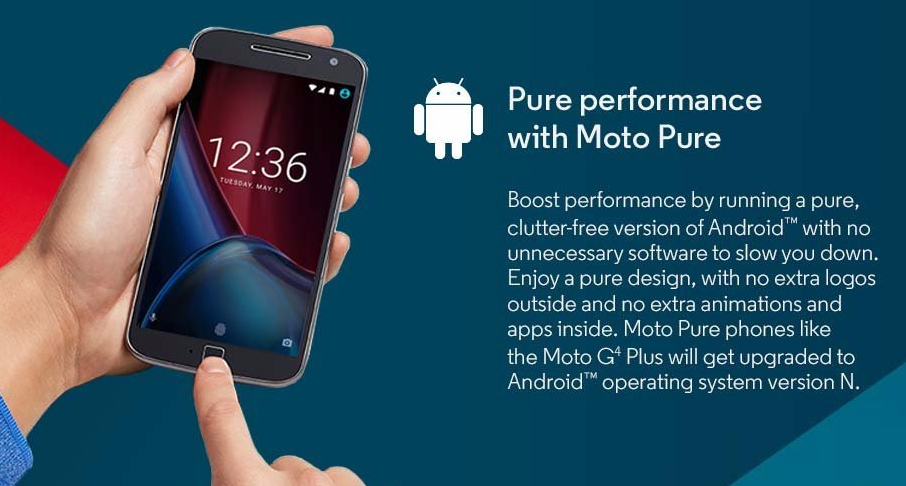
As it can be seen in the image above, Motorola had promised Android O for Moto G4 Plus. However, Motorola has removed all the references of Android O update for Moto G4 Plus.

A newer poster does not mention anything on Android O for the handset.

https://www.youtube.com/watch?v=voyvRspkWAo

The above video that was uploaded on YouTube shows the listing of Moto G4 Plus on Amazon India. The Moto G4 Android Oreo promise can be clearly seen at 1:02 mark. The refreshed landing page of Moto G4 Plus on the retailer site does not contain any references of Android Oreo.

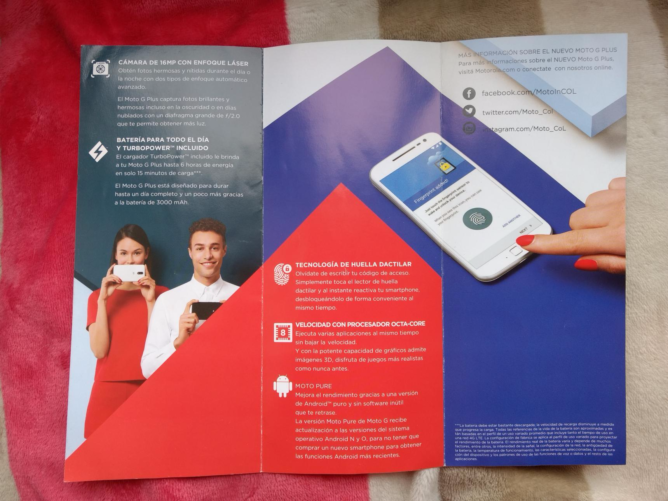
A Spanish brochure of the Moto G4 Plus also mentions in the Moto Pure section that Android O will be coming to the handset. More recently, Motorola India had also confirmed on Twitter that Moto G4 Plus will be getting Android 8 update.

Read More: Android 8.0 Oreo Customs ROMs Arrives for Popular Samsung, Xiaomi, OnePlus, Motorola Phones & More

Motorola Officially Confirms Moto G4 Plus Android 8.0 Oreo Update

Motorola claims that the Moto G4 Plus was never meant to receive Android O and it had erroneously mentioned the software upgrade for it. It added that the company will keep the promise of releasing Android O for the handset. Since it will be an unplanned upgrade, it will take some time for the company to release the update. The Moto G4 and Moto G4 Play that were unveiled alongside G4 Plus will not be receiving Android 8.0 Oreo update. Android 7.0 Nougat is the last major update for the G4 and G4 Play handsets.

Here is the official statement.

“It’s been brought to our attention that there were some errors in our marketing materials around Android O upgrades (sic) for Moto G4 Plus. This was an oversight on our part and we apologize for this miscommunication. It’s our general practice for the Moto G family to get one major OS upgrade per device, but it’s important to us we keep our promises, so in addition to the N upgrade it has already received, we will be upgrading Moto G4 Plus to Android O. Because this is an unplanned upgrade, it will take some time to fit it into our upgrade schedule. Watch our software upgrade page for more information.”-Motorola

(source|via:1,2)


270,000 Samsung Galaxy Note 8 Units Sold in Initial Two Days of Sales in South Korea

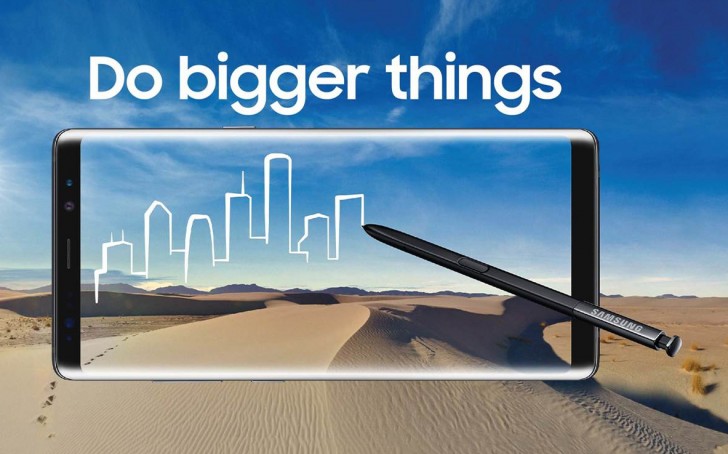
Samsung Galaxy Note 8 has received impressive initial sales in the home country of South Korea. According to The Investor, the three major carriers of the country have received 270,000 new subscribers in the starting two days of making it available at the stores.

The Galaxy Note 8 pre-orders that began on Sept. 7 came to an end on Sept. 14. During the said period, 850,000 Galaxy Note 8 units were pre-ordered. Interestingly, during the pre-ordered period of 13 days, the Galaxy Note 7 could receive 380,000 pre-orders. Hence, the Galaxy Note 8 has received twice the number of pre-orders than its predecessor in a short span of 8 days.

On Sept. 15, SK Telecom, KT and LG Uplus South Korean carriers received 200,000 new subscribers for the phablet and on the next day, it received 70,000 more subscribers. The publication claims that the 270,000 new subscribers accounts for 32 percent of the total number of pre-orders the phablet received. In the first day of sales, the Galaxy Note 7 could add 160,00 new subscribers whereas the Galaxy S8 could at 260,000 new subscribers.

Read More: Samsung Galaxy Note 8 Gets Over 250k Pre-Orders In India

Market analysts are of the view that the Galaxy Note 8 will continue enjoy better sales as its only major rival, the IPhone X is scheduled to release globally on Nov. 3. Samsung has confirmed that the 64 GB Galaxy Note 8 is more popular than the 256 GB model in South Korea. Also, the most preferred color variant of the phablet in the home country is Midnight Black followed by Deep Sea Blue.

Samsung Galaxy Note 8 which is available on pre-orders in various countries of the world is scheduled to release on Sept. 21. At present, the phablet is available in 42 countries and it will be coming to more markets in the coming weeks.

DJ Koh who pioneers the mobile division of the company had recently confirmed in an interview that Samsung will be releasing a foldable Galaxy Note in the next year. Since the company is known for unleashing Galaxy Note smartphones in the latter half of the year, the foldable Note is speculated to debut in Q3 2018. He has also confirmed that company is working on Harman-powered AI speakers. As far as Galaxy Note 8 pre-orders are concerned, Koh said that the initial numbers have exceeded the expectations of the company.

(source)

 

Google App 7.12 Teardown Reveals Active Edge for Google Pixel 2 and Google Assistant’s New Features

Google has released the latest beta edition of Google app 7.12. A teardown of the app has revealed new features that will be coming to Google Assistant. It also contains some information on the arrival of Active Edge for Google Pixel 2 and Pixel XL 2.

The HTC-made Google Pixel 2 was certified by the Federal Communications Commission (FCC) in the U.S. in the previous month. It showed that the Google Pixel 2 will be coming with a new feature called Active Edge that will allow users to carry out certain functions by squeezing the frame of the phone. The function is already present on the HTC U11 flagship smartphone that was unveiled earlier in this year.

The Google 7.12 app teardown has revealed a line of code that reads “To change settings for the squeeze gesture, go to your phone’s Active Edge settings.” This is an indication that Active Edge can be used to summon Google Assistant. Recent reports also claim that the LG-made Google Pixel XL 2 would be also coming with squeezable frame.

The Google Pixel 2 and Pixel XL 2 smartphones are slated to get announced on Oct. 4. A recent report has revealed that Google Lens will be one of the exciting features of the Pixel 2 duo. The feature will allow users to point the camera of the Pixel 2 / Pixel XL 2 to any object to get relevant information on it.

Read More: Google Pixel 2 XL Gets FCC Certified; October 4 Launch Seem Imminent

The Google 7.12 app teardown has also revealed that the Google Bar would allow users to customize its color and shape. However, it is not known whether Google Bar is a widget or quick search bar that will be available in the notifications area. Routines seems to be a new feature for Google Assistant that will allow it carry out multiple tasks simultaneously by saying a phrase to it.

By saying “Ok Google,” users can launch Google Assistant. However, the code found Google app 7.12 states users will be able to launch the personal assistant by saying a desired word. It has been also found that users will be able to choose desired voice for the Google Assistant.

In May, plenty of relaxation sounds were added to the Google Home smart speaker. It seems that Google will be adding “sleep sounds” like meditation, nature, ocean and so on that can automatically turn off the Google Home as the user falls asleep. The Google app 7.12 code also shows that Google Assistant will be also gaining enhanced podcast playback controls.

The full information on the Google app 7.12 teardown is available at the source link.

(source)

 

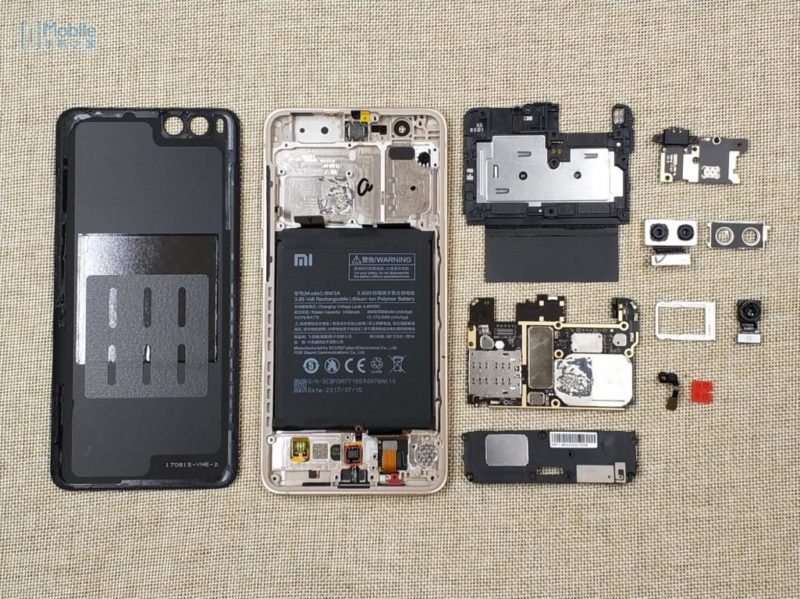
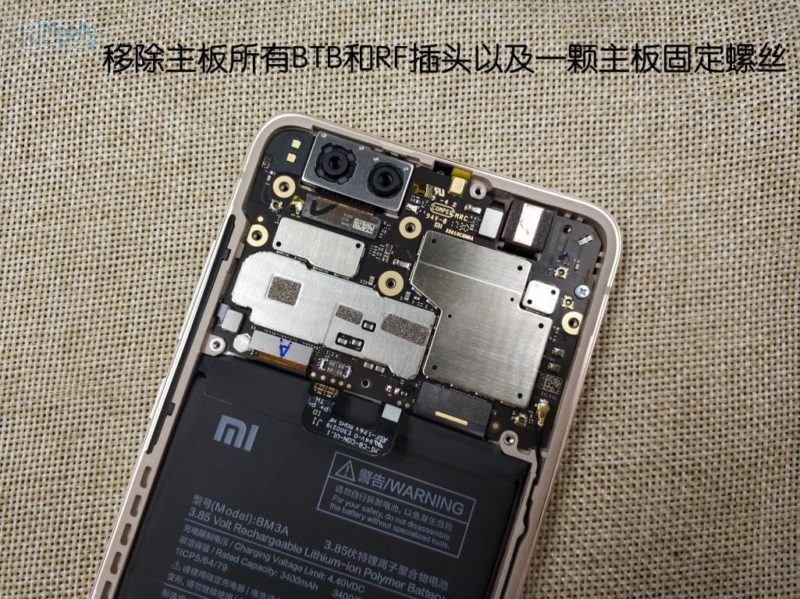
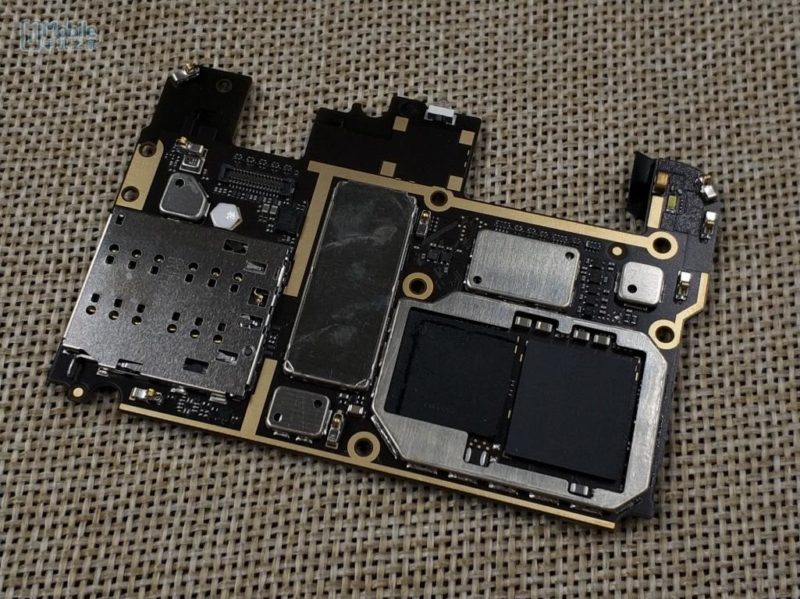
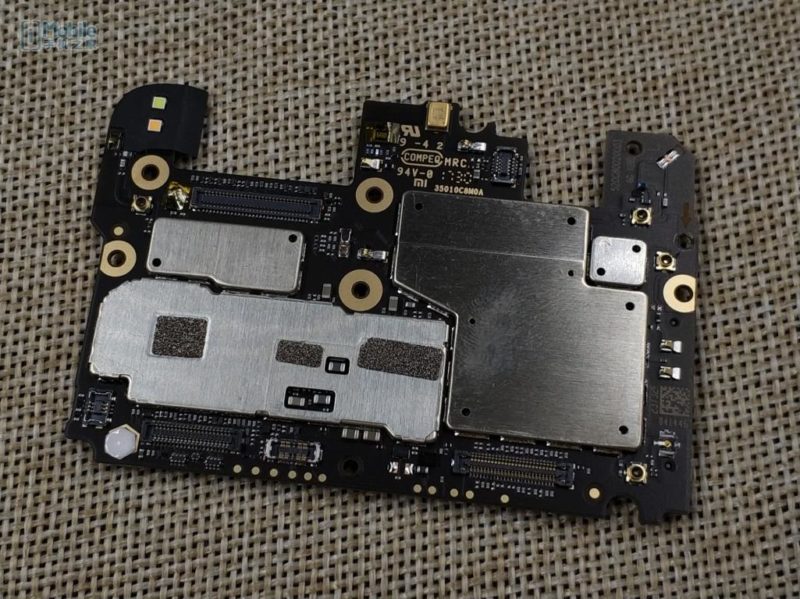
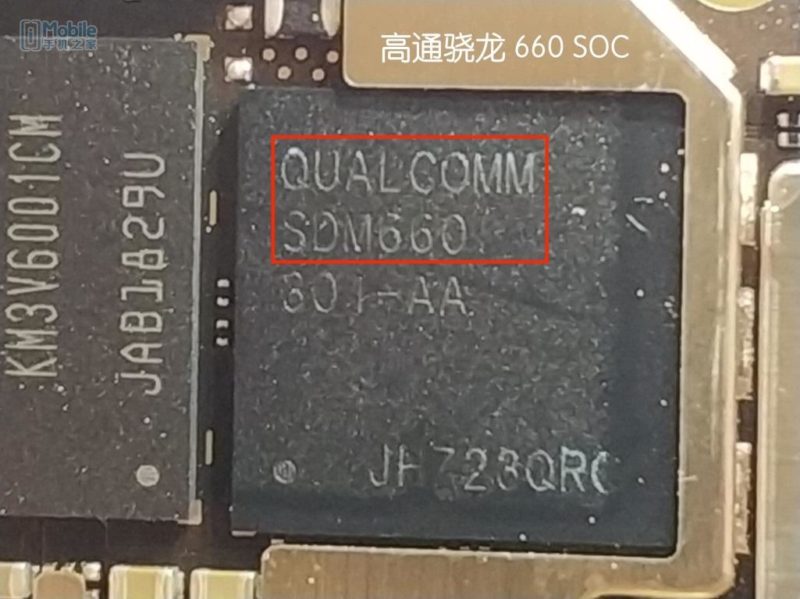
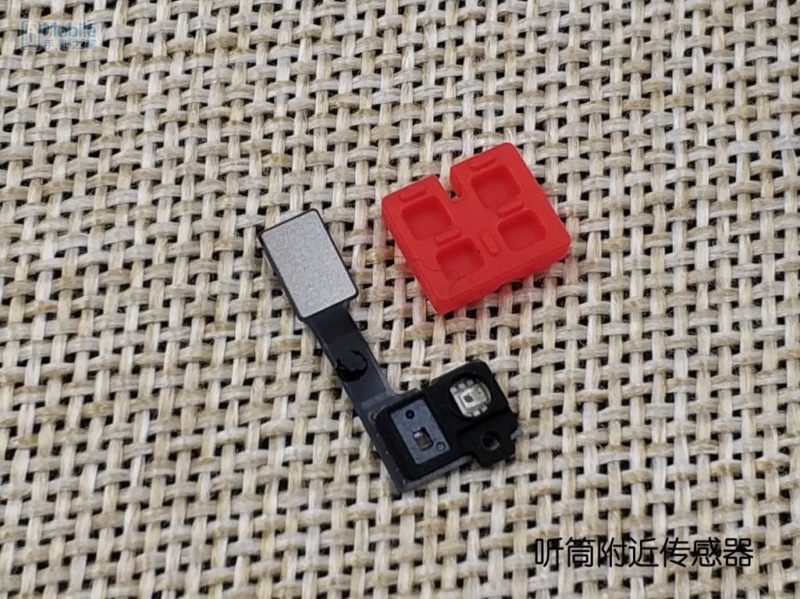
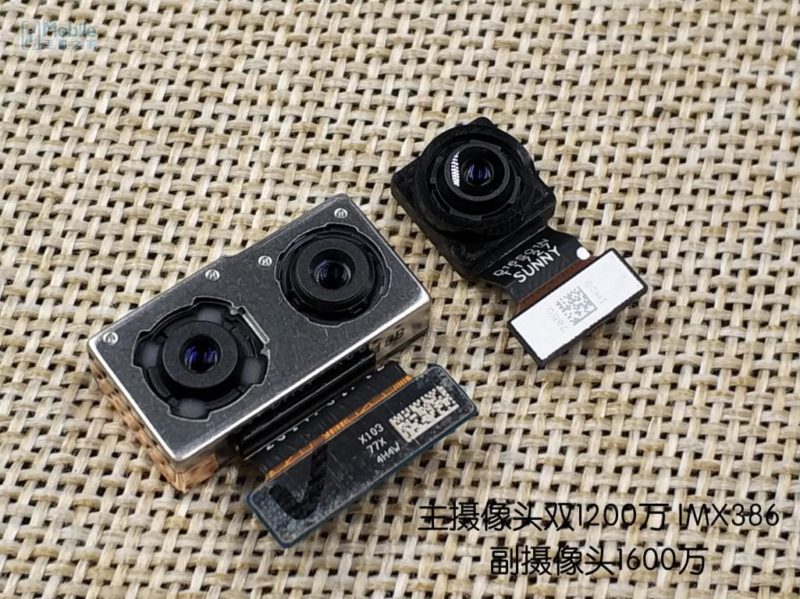
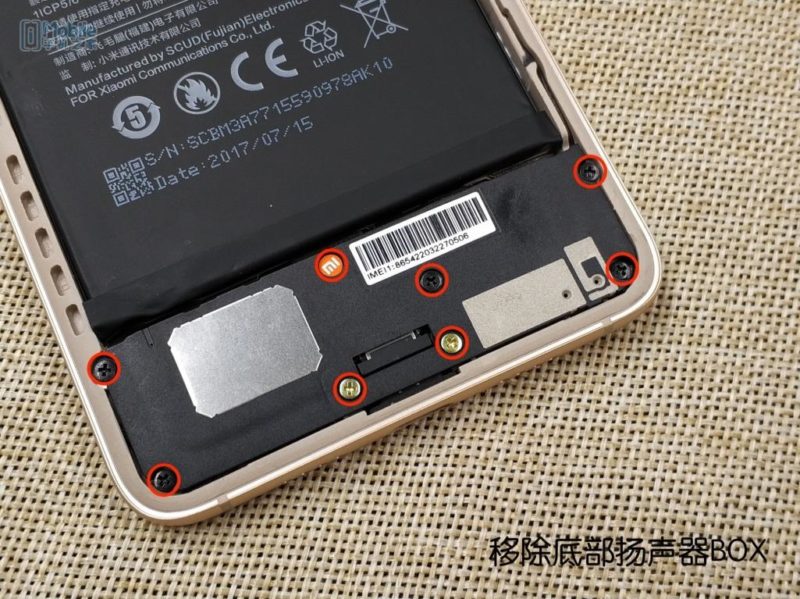
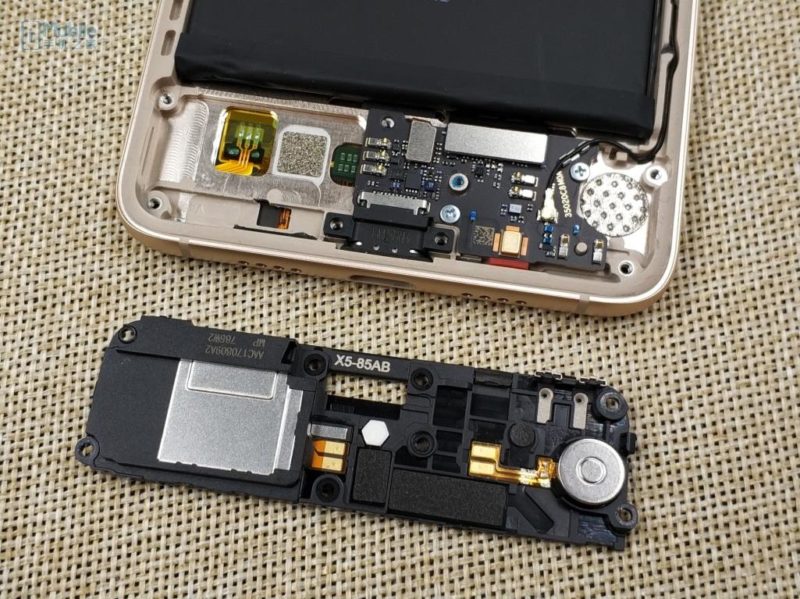
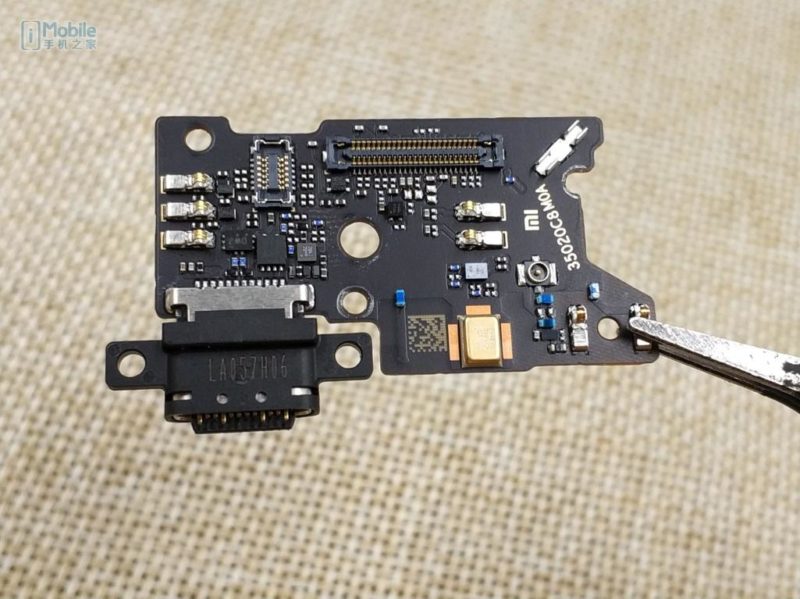
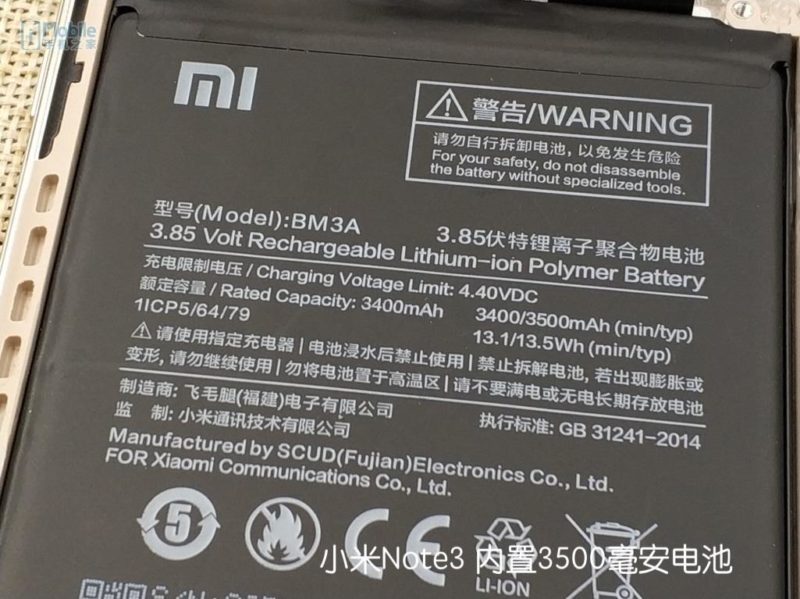
Xiaomi Mi Note 3 Teardown Reveals Three-stage Internals Similar to Mi 6

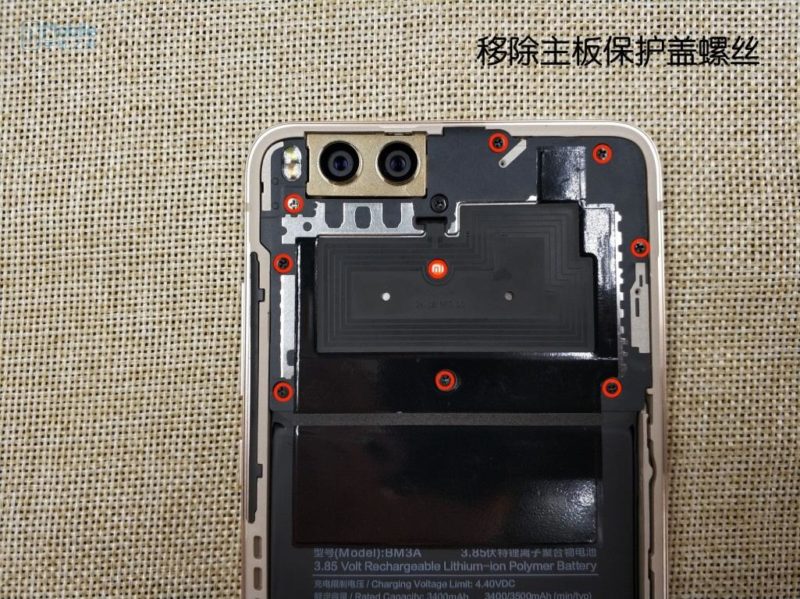
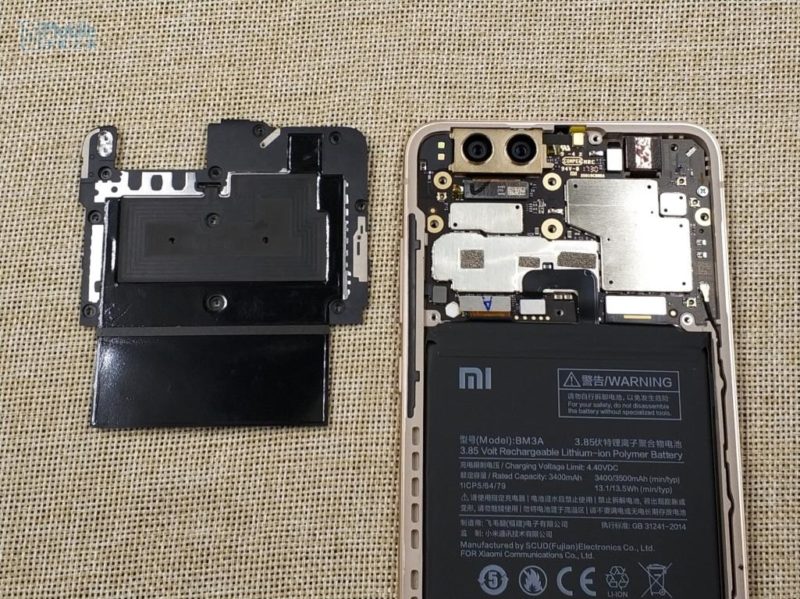
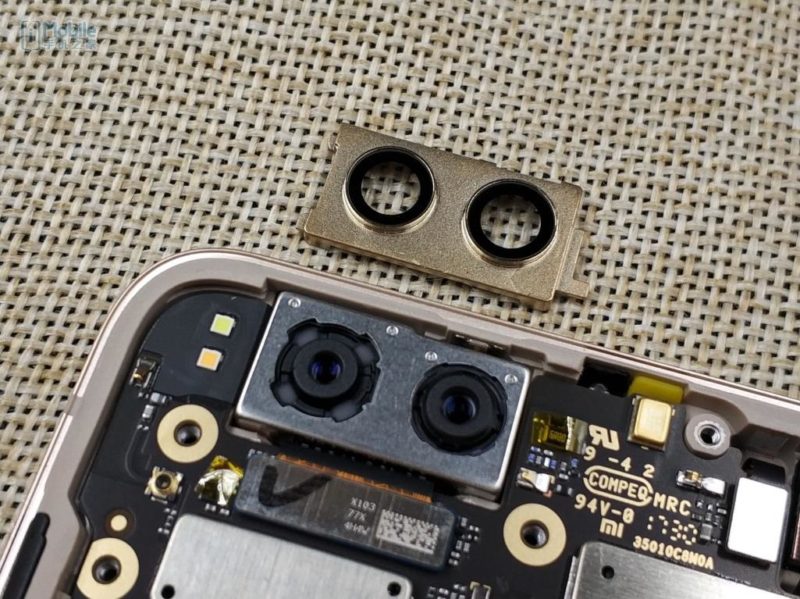
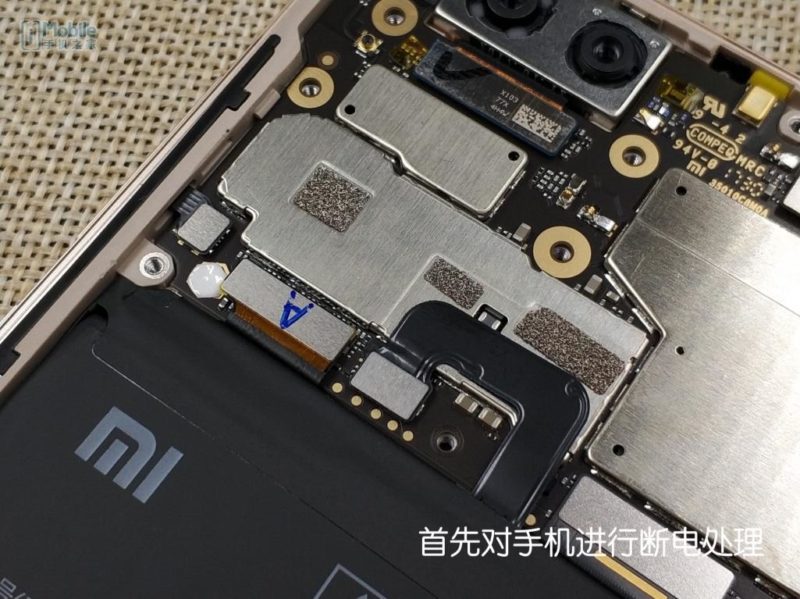
Xiaomi announced the Mi Note 3 along with the Mi Mix 2 and a new Mi Notebook Pro laptop on September 11. The device has already gone up for sale so it is unsurprising that it has been given the teardown treatment. We bring you the Mi Note 3 teardown photos which isn’t really a guide in case you are looking for one. This is just to show you the internals and perhaps take note of a couple of important stuff inside. Xiaomi Mi Note 3

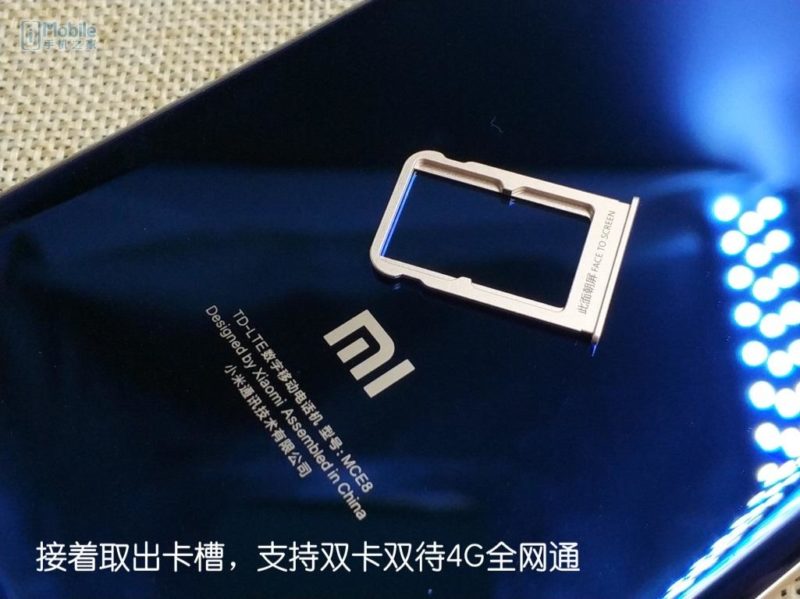
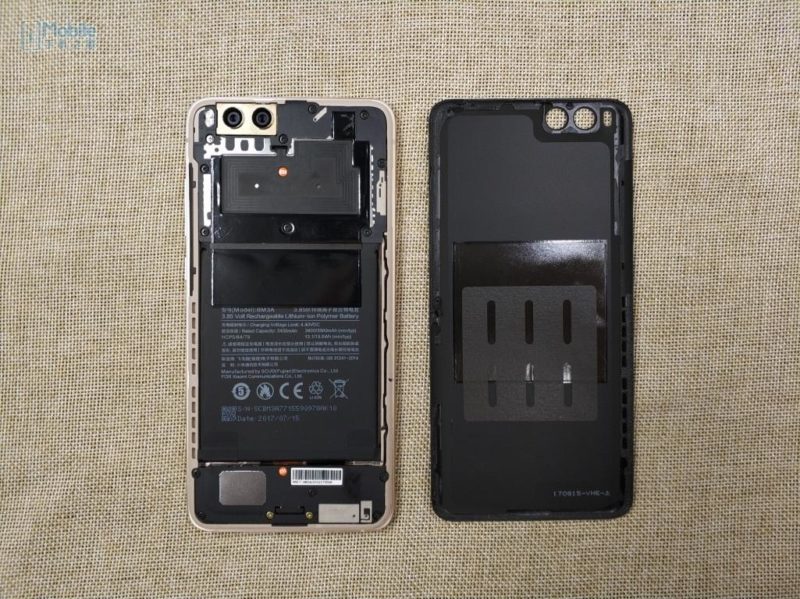
The Mi Note 3 is a bigger version of the Mi 6 and Xiaomi did state that clearly during its launch. The two models adopt exactly the same design on the outside and the hardware like dual camera sensors, metal body covered with glass, front fingerprint sensor and others are located in the same position on the two Xiaomi models. It is interesting to note that the internals are also arranged in the same manner on the Mi Note 3 as it is on the Mi 6. The internals are not exactly the same, as the Note 3 packs a mid-range Snapdragon 660 processor and a couple of other specs differences. Of course, SD 660 uses a 14nm FinFet process so would be larger than the 10nm Snapdragon 835 chip on the Mi 6. The teardown also reveals the Mi Note 3 comes with Xiaomi’s regular three-stage design, though which should make it easy to dismantle. The teardown begins by removing the SIM card tray at the side of the device. Thereafter, the rear cover is removed using a suction cup and then a flat object to pry open the cover. From then on, it won’t be a difficult task for anyone with the technical skills to disassemble the device.

If you’ll want to know more, you may be able to grab some more details from the source link down below. You can also check out the teardown photos from down below.

(source)Xiaomi Mi Note 3Xiaomi Mi Note 3Xiaomi Mi Note 3Xiaomi Mi Note 3Xiaomi Mi Note 3Xiaomi Mi Note 3Xiaomi Mi Note 3


Samsung Galaxy Tab Active 2 Specifications Emerge; May Launch Soon

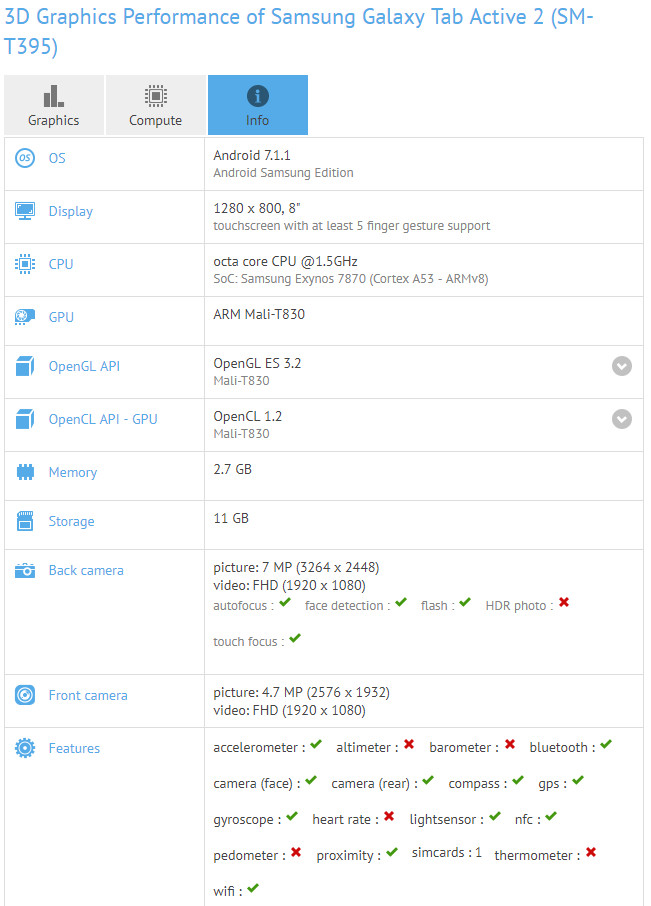
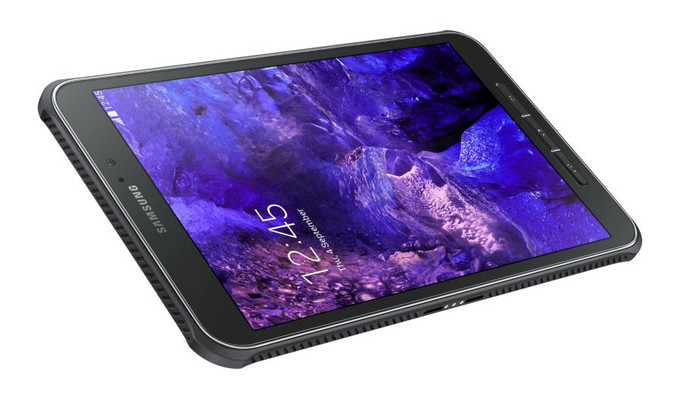
Samsung is known for releasing rugged versions of its Galaxy S smartphones. In August, the company had launched the Galaxy S8 Active smartphone that is exclusively available through AT&T in the U.S. In June, the rumor mill had revealed that Samsung is working on a rugged tablet called Galaxy Tab Active 2. It is expected to succeed the Galaxy Tab Active tablet from 2014. The alleged tablet has been recently spotted with its key specifications on GFXBench benchmarking site.

Initial reports had claimed that the Galaxy Tab Active 2 would be an entry-level tablet. However, its specifications that have emerged through GFXBench listing shows that it would be coming with mid-range specs.

Samsung-Galaxy-Tab-Active-2-GFXBench
According to GFXBench listing, the Samsung Galaxy Tab Active 2 would be featuring an 8-inch tablet that would be supporting a resolution of 1,280 x 800 pixels. The tablet was previously rumored to feature Snapdragon 400 chipset and 1.5 GB RAM, but the benchmarking site reveals that it is powered by Exynos 7870 chipset and 3 GB of RAM.

It has a main camera of 8-megapixel and a selfie snapper of 5-megapixel. The tablet is loaded with Android 7.1.1 Nougat OS. Other reports have revealed that the tablet features a 4,450 mAh battery and houses a fingerprint scanner.

The Galaxy Tab Active 2 is speculated to arrive in two models. The variant bearing a model number of SM-T390 is rumored to be its Wi-Fi only edition and the SM-T395 is expected to support both LTE and Wi-Fi connectivity. Speculations indicate that the tablet would be coming with an IP68 certified chassis. The original Samsung Galaxy Tab Active had featured an IP56 certified body. The Tab Active 2 may feature an anti-shock covering like the predecessor model.

Samsung-Galaxy-Tab-Active

Read More: Samsung Galaxy S9 Reportedly Arriving with 1,000 FPS Image Sensor

The arrival of the tablet seems to be drawing near as both the variants of Galaxy Tab Active 2 have received certification from the Federal Communications Commission (FCC) in the U.S. in the last week. Recent reports have revealed that the Galaxy Tab Active 2 may first arrive in markets like Europe and Latin America. The tablet is also expected to arrive in Asia and North America.

In related news, Samsung is also rumored to soon release an unlocked version of Galaxy S8 Active which is only available through AT&T in the U.S. Its model number SM-G892U and it has received Wi-Fi certification earlier in this month.

(source|via)


Huawei Mimics Apple’s “Failed” iPhone X Face ID Demo in New Mate 10 Teaser

The growth recorded by OEMs in the smartphone industry only means that competition will continue to get stiffer by the day. It is not surprising to see OEMs directly comparing their latest models with those of the competition, pointing out the flaws in the competition’s product and other shortcomings that the user may not take note of. We saw this in a brazen form last year when Samsung was battling with the Galaxy Note 7 battery issue. Motorola released a  video advert which touts that their battery won’t explode like that of the Samsung Note 7. Well, a mention of the Galaxy Note 7 wasn’t made but the timing of the ad suggested the Note 7 was the target.huawei

Huawei seems to be doing the same thing with the newly launched iPhone X. Apple had unsuccessfully attempted to demonstrate the Face ID technology on the iPhone X during the product launch last week. Huawei’s video promoting the October 16 launch of the Mate 10 features a cartoon clown which is being identified using the Face ID but the process fails with the software instructing the user to try again. It is a short skit but laden with meaning. Recall that Apple’s Senior Vice President of Software Engineering, Craig Federighi had tried to authenticate his face using the Face ID twice without success in from of attendees during the product launch. He eventually succeeded during the third attempt wih some minutes gone but that isn’t enough for the competition to suggest the technology isn’t reliable. You can watch the clip here.Apple-iPhone-X


Read More: Huawei Mate 10 Officially Confirmed To Launch On October 16

The short clip ended with the hashtag “the real AI phone”  with the October 16 launch date written under. This is the known date for the Mate 10 launch so it is not far fetched that Huawei was making reference to the Mate 10 which would pack a Kirin 970 chip announced at IFA 2017 to come with artificail intelligence. Huawei touts the Kirin 970 is equipped with a Neural Processing unit meant for AI computing and related applications. We’ll have to wait until the Mate 10 is launched to see if it would live up to expectations.

(source)

Huawei Pay May Soon Arrive in the U.S.

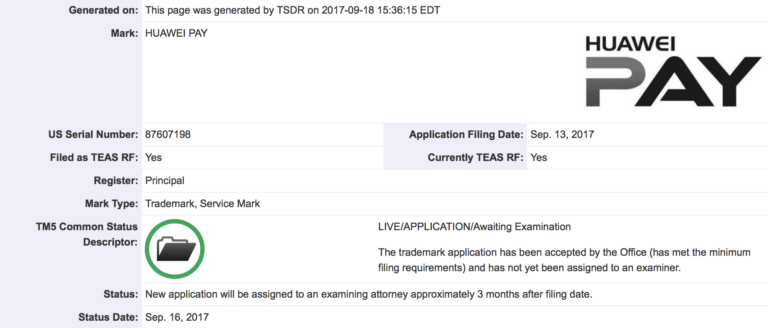
Huawei has reportedly submitted trademark for Huawei Pay mobile payments service to the U.S. Patent and Trademark Office (USPTO) on Sept. 13. Huawei Pay for the U.S. is expected to get approved at some point in the coming year.

In the previous month, the Chinese smartphone OEM had filed a trademark for Huawei Pay in Europe with the European Union Intellectual Property Office (EUIPO). The USPTO and EUIPO are expected to take couple of months to approve the filings for Huawei Pay.

Huawei Pay was introduced in the home country of China in early 2016. However, the recent trademark filings suggest that the company wants its mobile payments service to widely available. The Chinese firm is yet to make an official announcement on expanding the Huawei Pay service in multiple markets. There is no confirmation on whether the company has partnered with banks and other financial institutions in the U.S. or Europe. In China, Huawei Pay is supported by only a small number of banks.

Huawei Pay can be used on NFC enabled devices to make payments at supported terminals. It is expected to rival with Android Pay and Samsung Pay in the near future. The patent filing has revealed three things about Huawei Pay such as: send and receive funds from others, authentication software, and magnetically encoded cards.

Read More: Huawei Kirin 970 Reaches 1.2Gbps in Downlink Speed Tests

The upcoming Huawei Mate 10 flagship phone is scheduled to get unveiled on Oct. 16. It takes up to three months for USPTO to approve a trademark filing which suggests that the Huawei Pay may launch in the U.S. at the end of this year or early 2018. Judging by the availability of the Mate 9 in the U.S., it can be guessed that the Mate 10 would be arriving in the country in early 2018.

The big players like Apple, Samsung and Google have well established mobile payment services in the U.S. Huawei is second largest smartphone maker in the world and having its own mobile payment service for the U.S. and other markets always appeared inevitable.

Huawei may opt to announce the Huawei Pay for the U.S. audience separately. However, since it is not a major smartphone brand in the country, it may go with the idea of launching Huawei Pay with Mate 10. There is a possibility that the Chinese firm may reveal more information on Huawei Pay at the launch event of Mate 10 and Mate 10 Pro in the coming month.

(source|via)


Samsung Galaxy A (2018) Smartphones Rumored to Feature Exynos 7885 and Exynos 9610

Samsung is rumored to be working on 2018 versions of Galaxy A3, A5 and A7 smartphones. These phones are expected to be unleashed at the end of this year or in January 2018. An industry insider has claimed that the South Korean company may use Exynos 7885 to power the Galaxy A (2018) phones and in some regions these phones may feature Exynos 9610

In July, the rumor mill had revealed that Samsung is developing new chipsets like Exynos 7885 (14nm) and Exynos 9610 (10nm). Speculations are rife that these new chipsets will be unveiled before the end of the year.

The leaked specifications of both the chipsets have revealed that the Exynos 9610 is more powerful and is capable of delivering a performance that is similar to Exynos 8895 that powers flagship phones like Galaxy S8 duo and Galaxy Note 8. The new mid-range chipsets from Samsung are expected to deliver a performance that is similar to the Qualcomm Snapdragon 660 chipset.

Previous reports have revealed that the Exynos 9610 is a 64-bit octa-core chipset that features four cores of ARM Cortex A73 working at 2.4 GHz and another four cores of the power-efficient Cortex A53 whose processing speed is not available. The chipset includes Mali-G71 MP20 graphics and a fully integrated LTE modem. Even though fresh reports claim that it is a 10nm chipset, earlier reports had stated that it could be a 14nm chipset.

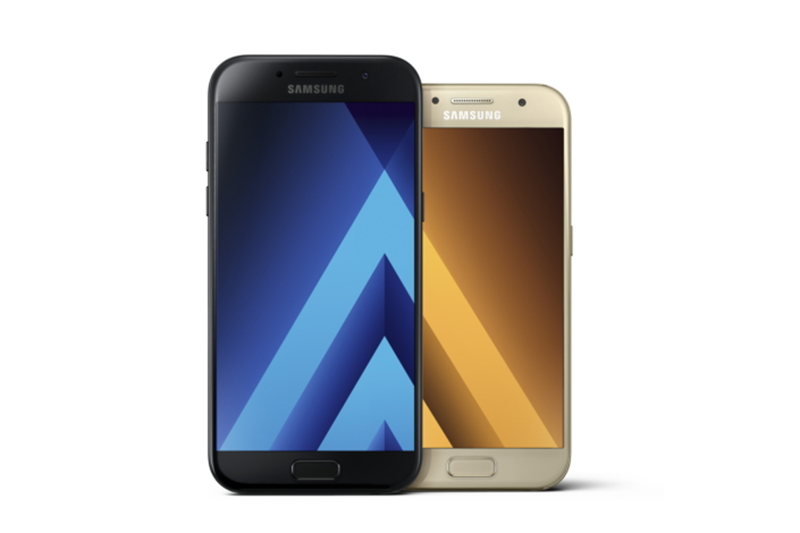
Samsung Galaxy A5 (2017)

Read More: Samsung Galaxy S9 Reportedly Arriving with 1,000 FPS Image Sensor

The Exynos 7885 is said to be weaker chipset compared to Exynos 9610. It is rumored to arrive with two cores of ARM Cortex A73 working at 2.1 GHz that is coupled four cores of Cortex A53. It also features Mali-G71 GPU and an integrated LTE modem.

The same industry insider had also claimed around three years ago that all the Galaxy A (2018) smartphones would be equipped with dual rear cameras. The leaked specs of the Galaxy A7 (2018) have already appeared.

The handset is pegged to come with 5.7-inch FHD display and it seems to be powered by Exynos 7885 and 3 GB of RAM. The front and rear sides of the smartphone respectively feature 16-megapixel snappers. The native storage of the phone is 32 GB and it is loaded with Android 7.1.1 Nougat. A report from the previous month claims that the Galaxy A5 (2017) and Galaxy A7 (2017) would be featuring Samsung’s Infinity Display. More information on the upcoming 2018 Galaxy A phones are expected to appear in the coming weeks.


Xiaomi Launching Mi Max 2 4GB RAM + 32GB Storage Version on September 20

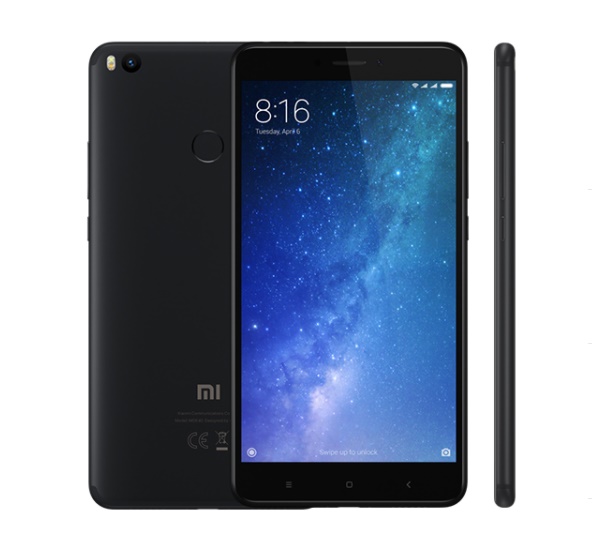
Xiaomi has indicated via a Twitter post that it would be unveiling a new Mi Mix 2 version with a reduced 32GB storage in India. The Mi Max 2 is presently available in a 4GB + 64GB variant as well as a 4GB + 128GB version but the now, there is going to be a 32GB version and it is for the Indian market. The new variant will be unmasked on September 20 by 12 noon and would be sold exclusively on Mi.com, Mi Home and Amazon India. The new version will come clutching an introductory Rs 12,999 price tag which is around $202 USD. The price may likely end up at Rs 14,999 in due course.

Apart from the new storage, the device retains all features of the previous model. The display is still 6.44 inches and the resolution is kept at 1080p. The Mi Max 2 features the power efficient Snapdragon 625, an octa-core processor clocked at 2.0GHz. It packs a dual  SIM slots with one of the slots doubling as a microSD card slot and can be expanded up to 256GB.Mi Max 2 Russia

Read More: Xiaomi Mi Max 2 Review – The Best Big Budget Smartphone of 2017?

Further, the Xiaomi Mi Max 2 sports a 12MP Sony IMX386 rear sensor while there is a 5MP camera up front for selfies. There is also a rear-mounted fingerprint scanner as well as a 5300mAh which only added 0.1mm to its thickness when compared to the Mi Max with a smaller battery. The Mi Max 2 comes with Android 7.1.1 out of the box and is available in matte black with a fingerprint resistant coating.

(source)

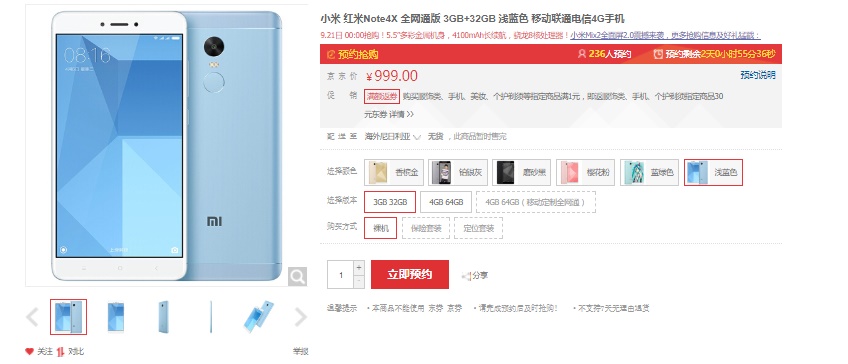
Redmi Note 4X Blue Variant Now Comes in 3GB + 32GB For ¥999 (~$152)

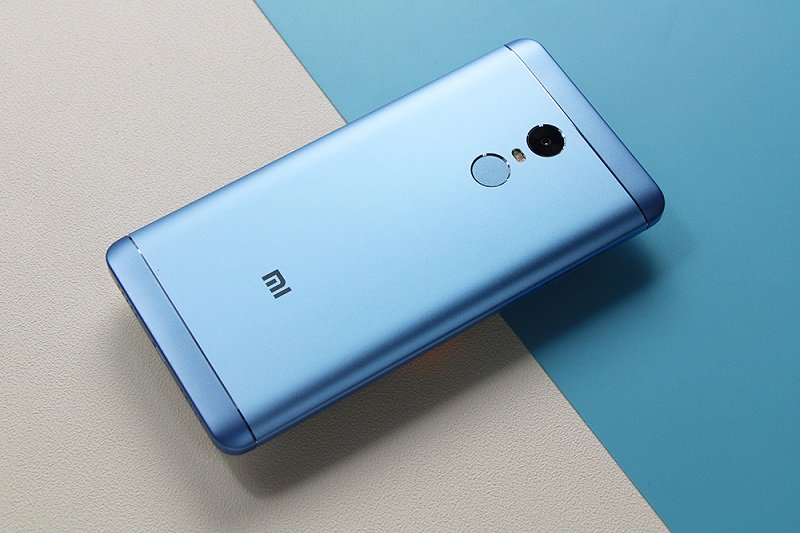
Redmi Note 4X Blue

About four months ago, Xiaomi announced a new blue variant for the Redmi Note 4X. However, it was only available in 4GB RAM + 64GB ROM configuration. The good news is that it is now available in the 3GB RAM + 32GB ROM configuration.

Redmi Note 4X Blue 3GB + 32GB

The new variant will go on sale on September 21 at exactly midnight. It will be available on online stores such as JD.com and Tmall for ¥999 (~$152).

The Redmi Note 4X has a 5.5-inch full HD screen. It is powered by the Snapdragon 625 and packs a 4100mAh battery in a metal body. It has a 13MP rear camera and a 5MP front facing camera. Below the rear camera setup is a fingerprint scanner.

READ MORE: Xiaomi Mi Note 3 and Mix 2 are available for pre-order on Giztop

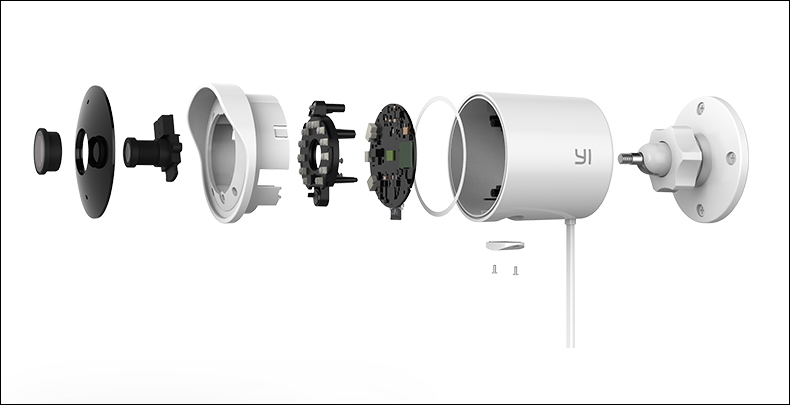
New Yi Smart Outdoor Camera with 1080p, 110° Wide-Angle Lens, IP65 & IR Lights Launched

Xiaomi’s former partner Xiaoyi, now known as Yi technology has officially launched its latest smart outdoor surveillance camera in China. The Yi outdoor camera is the outdoor version of the Yi Smart camera and it comes with a resolution of 1080 pixels. Since it is an outdoor camera, the device comes with an IP65 certification against dust and water which means it is ideal for use both outdoors and it can function indoors as well.Yi Smart camera

The new camera offers up to 110° wide-angle views, a focal length of 3.9mm, and has an enhanced infrared system for good night vision. The infrared system is composed of a total of 12 850nm IR light beads with an annular design which ensures pictures and videos captured at night are sharp and clear. That burglar or intruder who hid under the cover of darkness to break in won’t escape being apprehended and the IR light beads coupled with a full HD camera ensure that. You won’t need to turn on night vision mode, the camera automatically switches to night mode. The smart camera also uses H.264 encoding technology and automatic white balance which dynamically changes the light processing in outdoors so that pictures are clearer. The camera can also capture photos from a maximum distance of 15m in low light conditions.yi smart camera

The smart camera also functions as an alarm when which can be configured to set when it would go off. If the alarm is set to go off when an intruder is spotted, it would start ringing. It utilizes high-powered speakers so the alarm is potentially loud enough to get people alerted. The camera can record up to 30 days straight as the data is stored in the cloud. There is also a storage slot which can house between 8-32GB storage. It also supports connection to Mi Routers to backup the data on schedule to a hard drive. Installation is pretty easy and convenient with different mount styles available.yi camera

Read More: YI 4K+ Action Camera Offering 4K Video Recording @60FPS Launched in China

The Yi Smart outdoor camera is presently available on pre-sale on Jingdong and Tmall with a price of 288 Yuan ($44).yi smart outdoor camera

Gionee M7 Render Leaks: Dual Cameras, Blue Variant & Brushed Metal Design

The Gionee M7 is another full-screen display set for release this month. The Chinese smartphone company released an official poster a few days ago announcing that the near bezel-less device will launch on September 25.

While we already know what the front panel will look like, a new image which appears to be an official render has leaked showing us the rear of the Gionee M7.

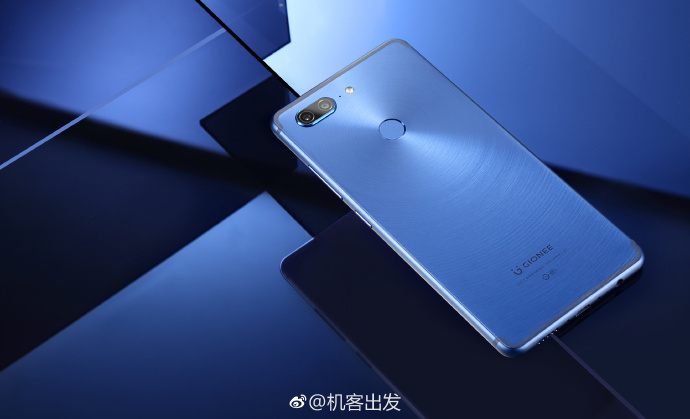
Gionee M7 Blue

The M7 does look like a well made device. It has a brushed metal back and the blue paint job combined with the gray antenna lines give it a premium look. As previously reported, the Gionee M7 has dual rear cameras that are slightly raised. On the right side of the cameras sits a secondary microphone and LED flash.

Due to the phone being near bezel-less, the M7 has its fingerprint scanner on the back. Volume rocker and power button can be seen on the right side, so its safe to assume the SIM tray is on the left. If you look closely at the bottom, you should see the speaker grille, USB port and 3.5mm audio jack.

The Gionee M7 is expected to launch with a 6-inch display and 6GB of RAM. It will also come with the new Helio P30 chipset from MediaTek and run Android 7.1.1 out of the box.

The Helio P30 is marketed as a chipset that brings premium wide-angle and telephoto dual camera photography to smartphones. So we expect the Gionee M7 to take advantage of the new Visual Processing Unit of the chip to provide an impressive camera performance.

READ MORE: Gionee SW17W08 Shows Up On GFXBench With 18:9 Display, 4GB RAM & Helio P25 SoC

Vivo X20 Retail Box Leaks, Confirms Specifications

The Vivo X20 will be officially unveiled come Thursday, 21st of September. Leaks as well as official teaser posters have revealed that the phone will launch with a full-screen display just like the Vivo V7 Plus launched in India.

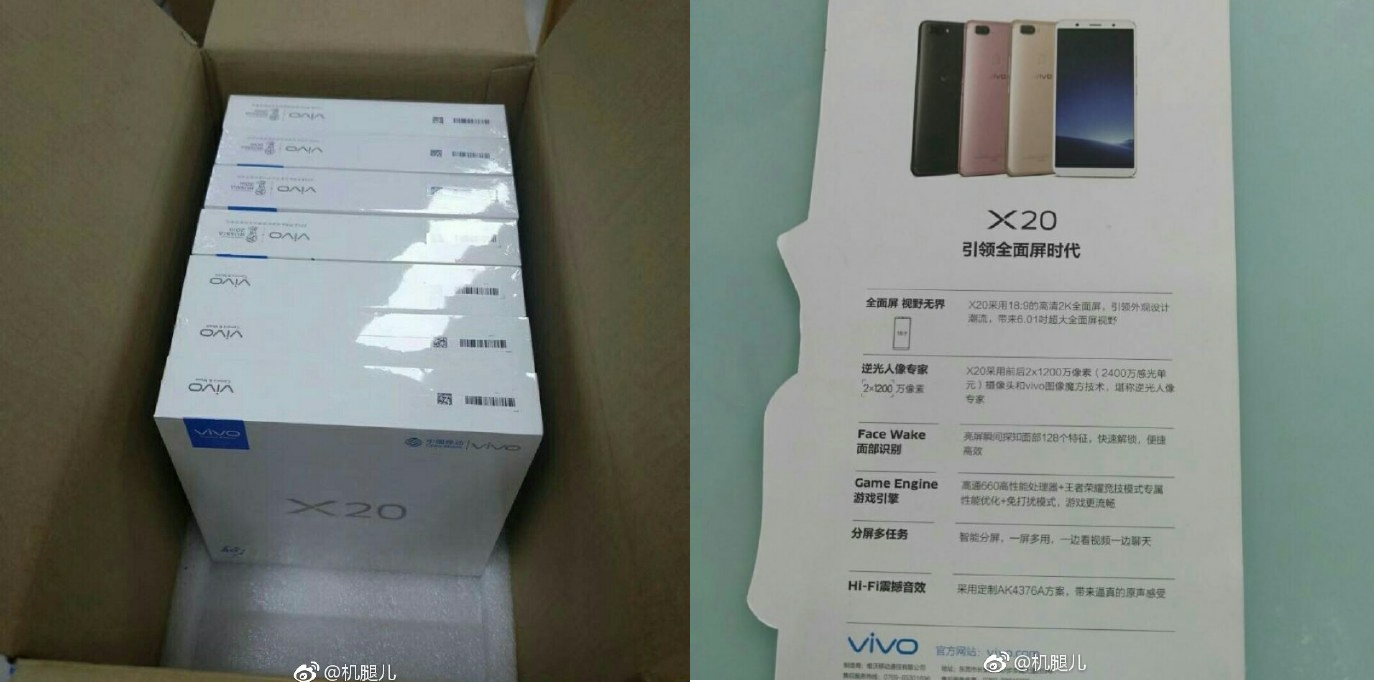
vivo x20 retail box

Vivo is already preparing stock to be shipped to authorized retailers judging from these leaked images that show Vivo X20 units being packaged for shipment. The pictures were posted on Weibo and one of them shows the back of the retail box, giving us another look at the specs.

The Vivo X20 has a white retail box with the brand name and model written boldly on the front. It however doesn’t have an image of the phone on it. The picture of the back confirms that the 18:9 2K display is 6-inches in size.

READ MORE: LG Display’s OLEDs Coming on Premium Phone from Huawei, OPPO, Vivo and Xiaomi

Fully Functional Google Lens Spotted Before Official Launch; Pegged to Debut with Upcoming Google Pixel 2

Google has officially confirmed that the Pixel 2 and Pixel 2 XL smartphones would be debuting on Oct. 4. Compared to last year’s Google Pixel phones, their successor models are expected to come with some exciting new features such as full screen display (only for Pixel XL 2), Always-On Display, Active Edge, USB-C port for connectivity for connecting earphones. One new feature that will be arriving on the Google Pixel 2 duo is Google Lens.

In the past week, Google had released a new edition of Google Photos. On performing the APK teardown of the app, developers were able to find that it is integrated with completely functional Google Lens. However, it seems that Google has now blocked the access it to Google Lens as it is no longer working. Even though it is not accessible now, the killer feature may become available with the launch of Google Pixel 2 and Pixel XL 2.

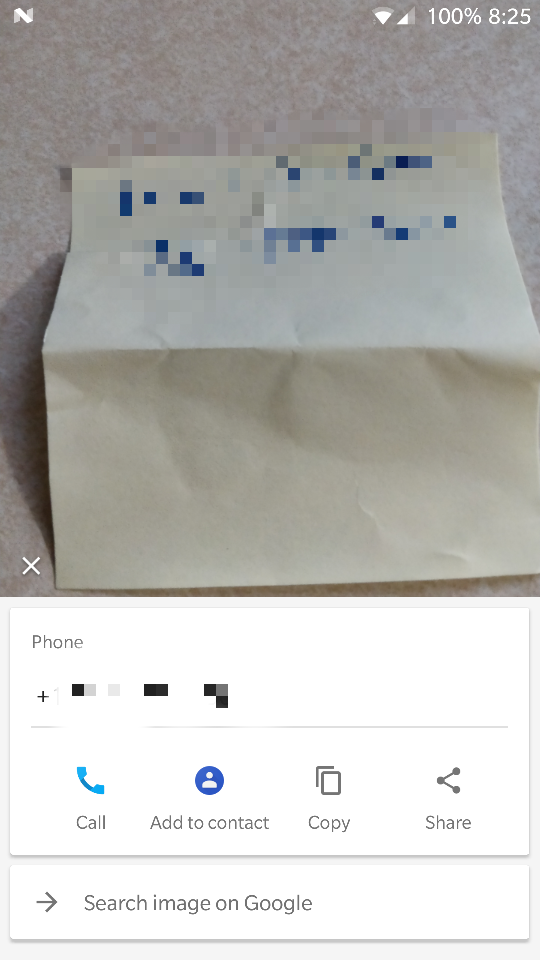
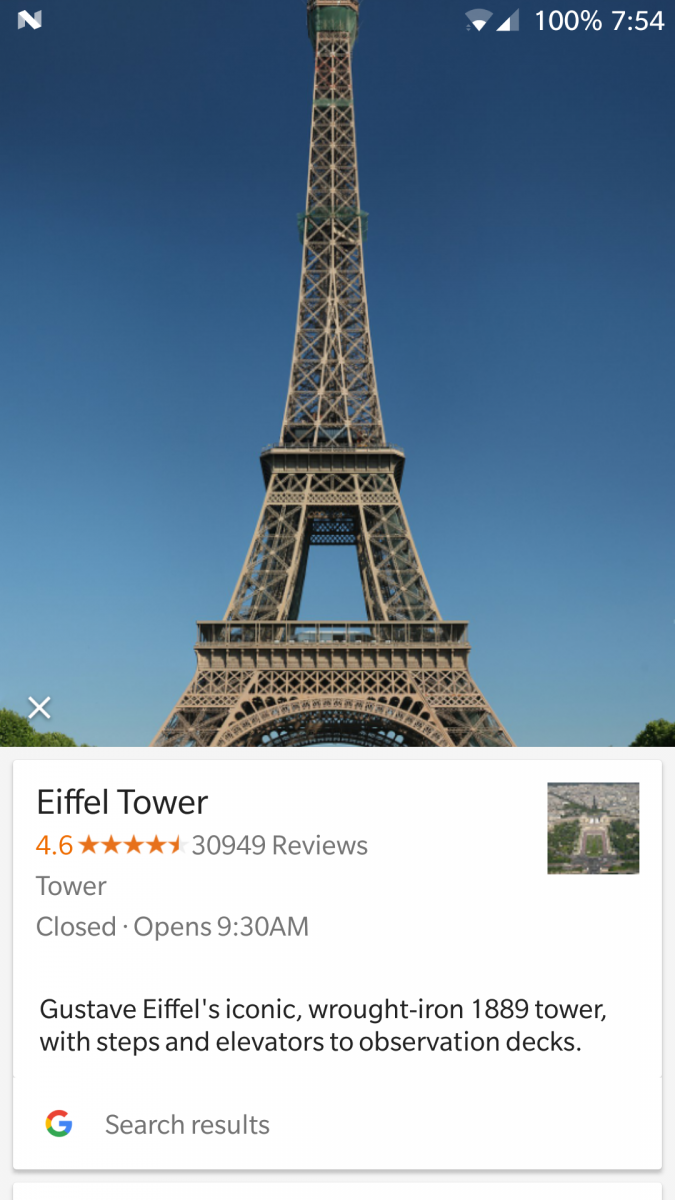
Google Lens is a feature that can enable Google Pixel 2 phone users to   take advantage of the machine learning technology to show relevant and contextual information by recognizing the various objects that can be seen through the viewfinder. For example, by pointing the smartphone’s camera at a restaurant, users can view relevant information like description, timing, reviews and so on.

If Google Lens is unable to find information, it will be able to find relevant information through Google’s search engine. During the Google I/O 2017, the company had showcased the prowess of Google Lens.

Read More: Google May Have Leaked The Pixel 2 & Pixel XL 2 Camera Sample Via Latest Teaser

Here is an official list of things the Google Lens can identify:

  • Artwork
  • Barcodes
  • Books
  • Buildings
  • Landmarks
  • Media covers
  • Movies
  • Music albums
  • Paintings
  • Places
  • Points of Interest
  • Statues
  • Video games

The following things can be performed by Google Lens:

  • Save, call, share or copy contact details from a business card
  • Translate different languages
  • Provide information on product
  • Launch URLs in the browser
  • Identify plants and animals.
  • Save dates from an image to the calendar

(source)



Huawei Kirin 970 Reaches 1.2Gbps in Downlink Speed Tests

One of the features of the Huawei Kirin 970 is its support for Cat.18 LTE downlink speeds and Cat. 13 uplink speeds. It is actually the first chipset to do so.

Kirin 970

Cat. 18 LTE speeds means the Kirin 970 should record speeds of up to 1.2Gbps, which is a bit higher than the 1Gbps speed of the Qualcomm Snapdragon 835. Huawei partnered with Rohde and Schwarz, a German electronic test equipment manufacturing company, to put the chip to test.

The test was carried out by using some of the enhancements used by carriers in the field – 4×4 MIMO and 256 QAM. MIMO which is short for multiple input-multiple output is an antenna technology for wireless communications that allows multiple antennas to be used at the transmitter and the receiver.

Combining the antennas at each end minimizes errors and optimizes data speeds. In the case of the test, there were four antennas at each end. QAM (Quadrature Amplitude Modulation) on the other hand increases data speeds by increasing the number of bits sent during each transmission.

READ MORE: Huawei Maimang 6 Renders Leak Ahead of September 22 Launch

Samsung Galaxy S9 Reportedly Arriving with 1,000 FPS Image Sensor

Earlier this year, Sony had introduced its 3-layer stacked CMOS image sensor enabled with a dedicated DRAM that can capture super slow-motion full HD videos at 1,000 frames per second. The Sony Xperia XZ1 and Xperia XZ Premium. It is faster than the iPhone 7 Plus that supports slow-motion video shooting 240 fps. Fresh information coming from South Korean media claims that Samsung is prepping the Galaxy S9 flagship with 1,000 fps image sensor

Conventional image sensor that are available on the existing smartphones have 2-layer structure that includes an image sensor and a logic chip. The inclusion of a DRAM allows temporary storage of data that will enable the image sensor to capture 1,000 fps slow-mo videos.

According to ET News, instead of stacking three layers, Samsung Opto-Electronics has reportedly added DRAM module to the 2-layer structure, probably to avoid patent issues. Speculations have it that the 3-layer image sensor by the South Korean may arrive first on the upcoming premium Galaxy phones such as Galaxy S9, S9+, Galaxy X foldable smartphone and more.

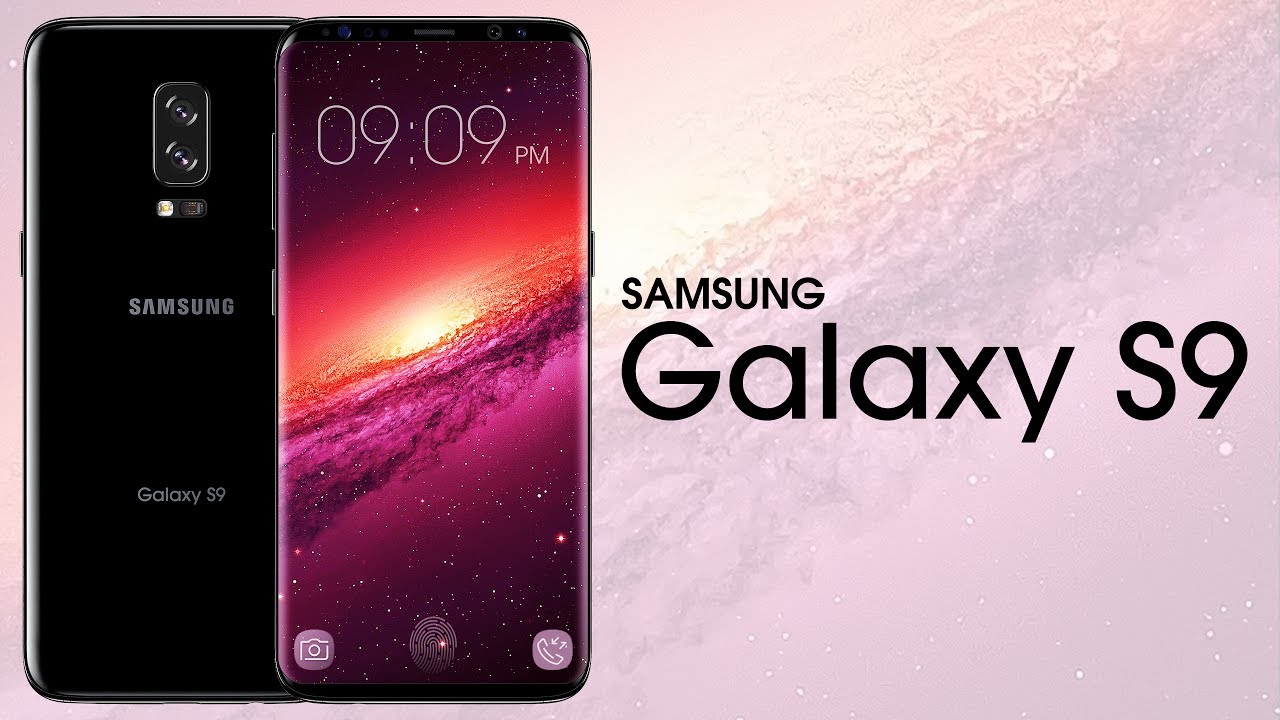
Samsung Galaxy S9 render_

Read More: Concept Galaxy S9 Features Full-Screen Design and 6GB of RAM

The South Korean company is expected to begin the mass production of the 3-layer image sensor in November which means it could be ready for use on the Galaxy S9.  Rumors have already revealed that the Galaxy S9 would be coming with a rear-mounted dual camera system. There is a possibility that Samsung may include its 3-layer image sensor in the dual camera setup.

Previous reports have revealed that the Galaxy S9 that has a model number of SM-G960 would be driven by Snapdragon 845 chipset and 6 GB of RAM. The handset is pegged to come preinstalled with Android 8.0 Oreo. It is expected to arrive with an Infinity Display like the Galaxy S8 that will carry support QHD+ resolution. The fingerprint reader is rumored to be placed on the backside of the phone.

Samsung is rumored to debut the Galaxy S9 duo around two months earlier than the predecessor models. The South Korean company will reportedly launch the Galaxy S9 and S9+ at the end of January and make them available for buying across the globe in md-February. Recent reports have revealed that Apple may not be able to meet the iPhone X demand until the first half of 2018. The late arrival of iPhone X may hamper the sales of Galaxy S9 if the latter releases in the market by Q2 next year. Hence, Samsung may consider on launching the Galaxy S9 duo earlier next year.

https://www.youtube.com/watch?v=z-MQ6UKVYlU

(source)

 

Google Tez UPI-Based Mobile Payments App Launched with Easy to Use Interface

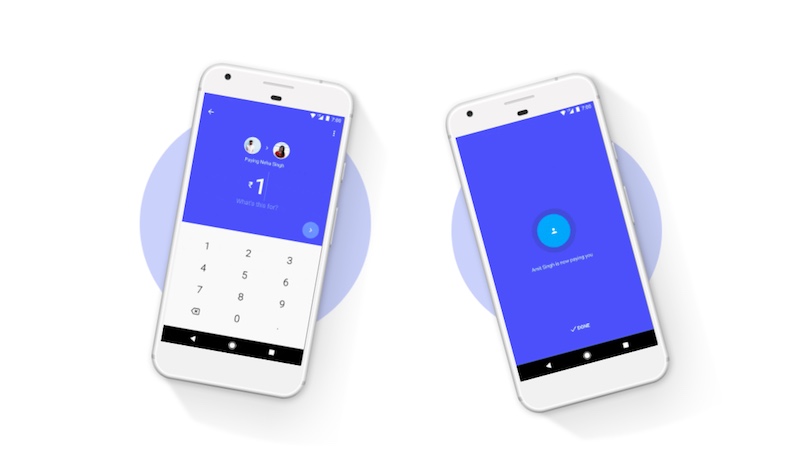
Tez is the new mobile payments solution from Google. The Tez app has a simple design and has been made to make payments and funds transfer easily through it. The Google Tez app is available for both iOS and Android devices.

Google Tez relies on Unified Payments Interface (UPI) payment system developed by the Indian government that makes it convenient to carry out money transfer on a smartphone between two bank account holders. Hence, Tez can be used with all the major banks that support UPI in India. Apart from English, Tez supports Indian languages such as Hindi, Marathi, Gujarati, Bengali, Kannada, Tamil and Telegu.

One should be aware of the fact that It is not a mobile wallet like PayTM where users can store money on the app. Google Tez allows users to make transactions through the phone by deducting payments from the linked bank account.

Tez can be used for making online payments on any site that supports UPI payments. Currently, websites of Red Bus, PVR Cinema, Domino’s Pizza, Dish TV and Jet Airways support payments through Google Tez. Google is providing a cash reward of Rs. 51 to the sender and recipient on making first transaction.

How to Use Google Tez

After launching the app, users are required to enter the mobile number that is linked with their bank account. After registering, users need to select a Google account. An OTP (One Time Password) will be sent to the registered number. The registration process will complete after entering the OTP.

The next step is to secure Google Tez app with Google PIN and fingerprint scanning. Each time the app is opened, users will have to either enter PIN or scan their fingerprint in order to use it.. Next step requires users to add a UPI-supported bank account to the app. After entering the UPI code, users can start transferring money.

Read More: Pixel 2, Pixel XL 2 Launching on October 4, Google Releases Press Invitations

A feature called Cash Mode allows users to instantly transfer money to a nearby Tez user without sharing any sensitive information such as bank account or contact number. Funds can be also transfer using phone number, QR account and bank account number.  The history of the transactions can be viewed through “All Transactions” tab. It also features Tez for Business for online sellers.

In a day, users can perform up to 20 transfers on Google Tez with a maximum transaction limit of Rs. 1,00,000. Google Tez moniker has been trademarked for countries like Indonesia and Philippines which indicates that the service would be available in Asian markets soon.

(source)