Advertisement

ZeBlaze Blitz 3G Sports Smartwatch Phone Unboxing & First Hands On

I was in the lookout for a cheap yet decent Chinese smartwatch recently. I know there are plenty of options in the market right now, with companies like ZeBlaze, No.1 coming up with so many options etc. So, finding a decent one was a tough job, but then I decided to check out the ZeBlaze Blitz smartwatch. The watch’s sporty design caught my attention and the features seemed pretty decent as well. Fast forward a few weeks, and today, I’ve got my ZeBlaze Blitz smartwatch.

First of all, I would like to thank Gearbest for sending in this unit for review. You can find the ZeBlaze Blitz on their website at just $89.99 during the promotional period. Check it out from the link below.
zeblaze-blitz-15

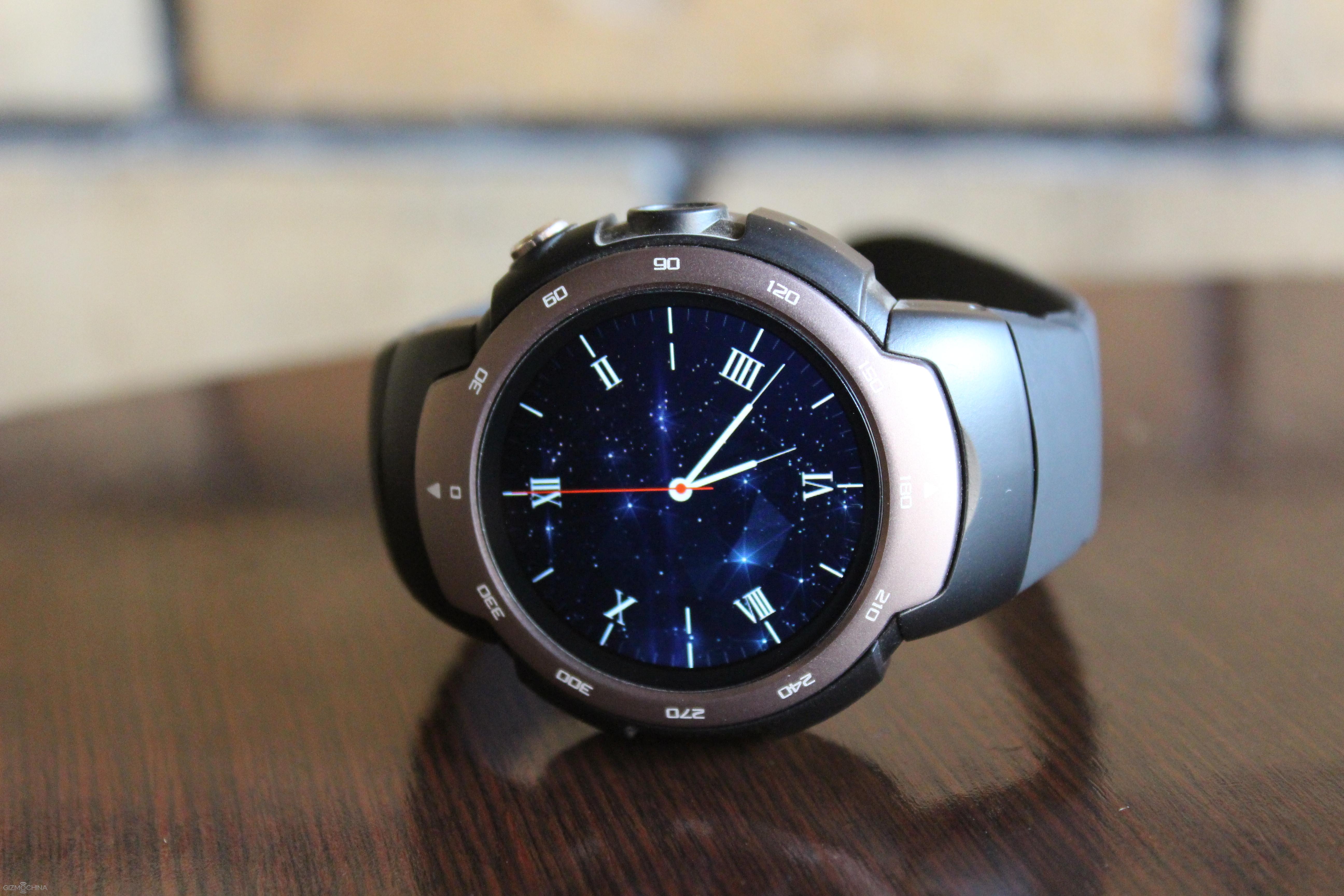
So, here I am, with the ZeBlaze Blitz. The watch looks very sporty, something that I like, and comes in two color options, gray and orange. Do note that when they say gray, it’s not actually gray. The one that I’ve got my hands on comes with a brownish shade. But it’s still good looking. Just check out the images and you’ll understand what I’m saying.

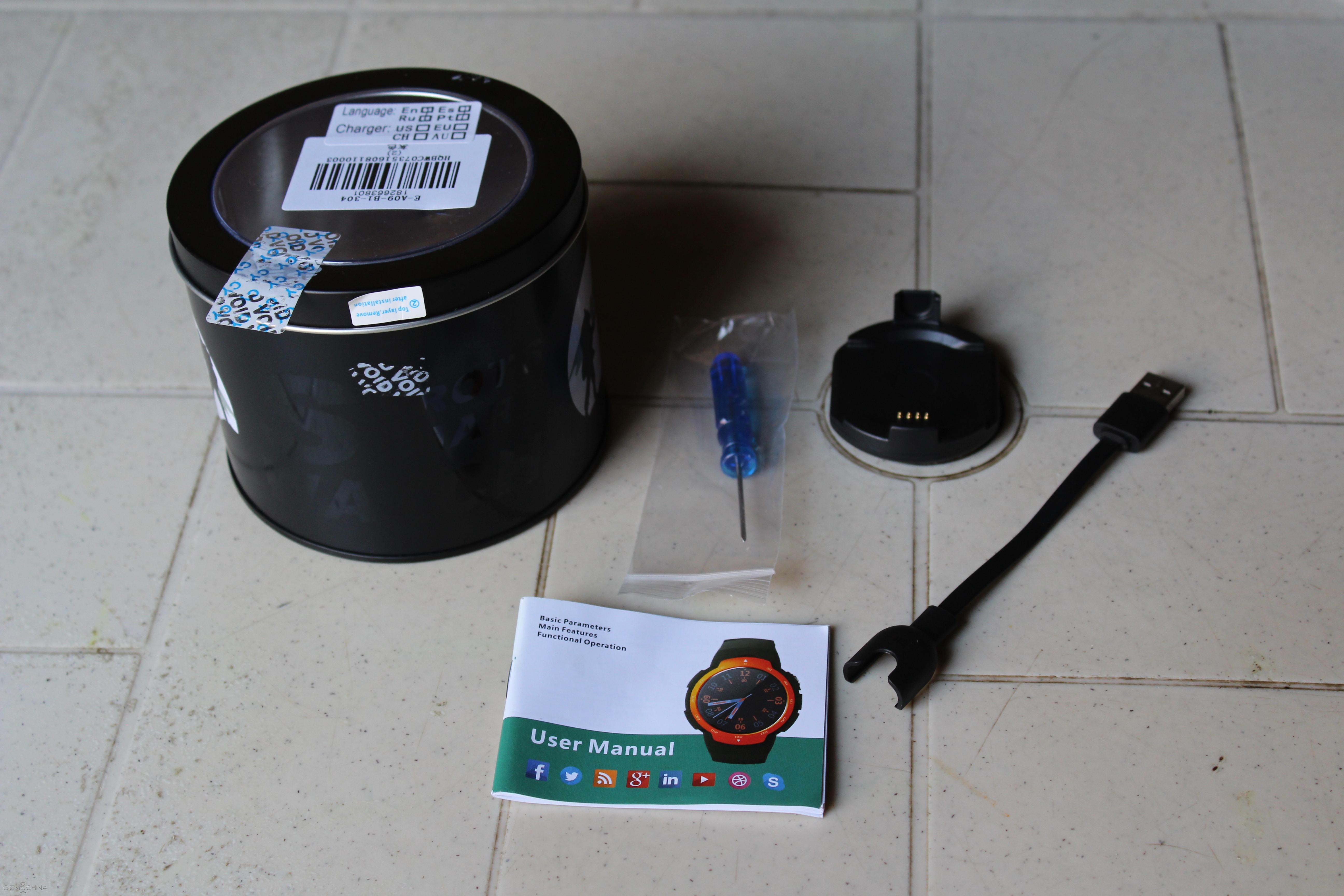
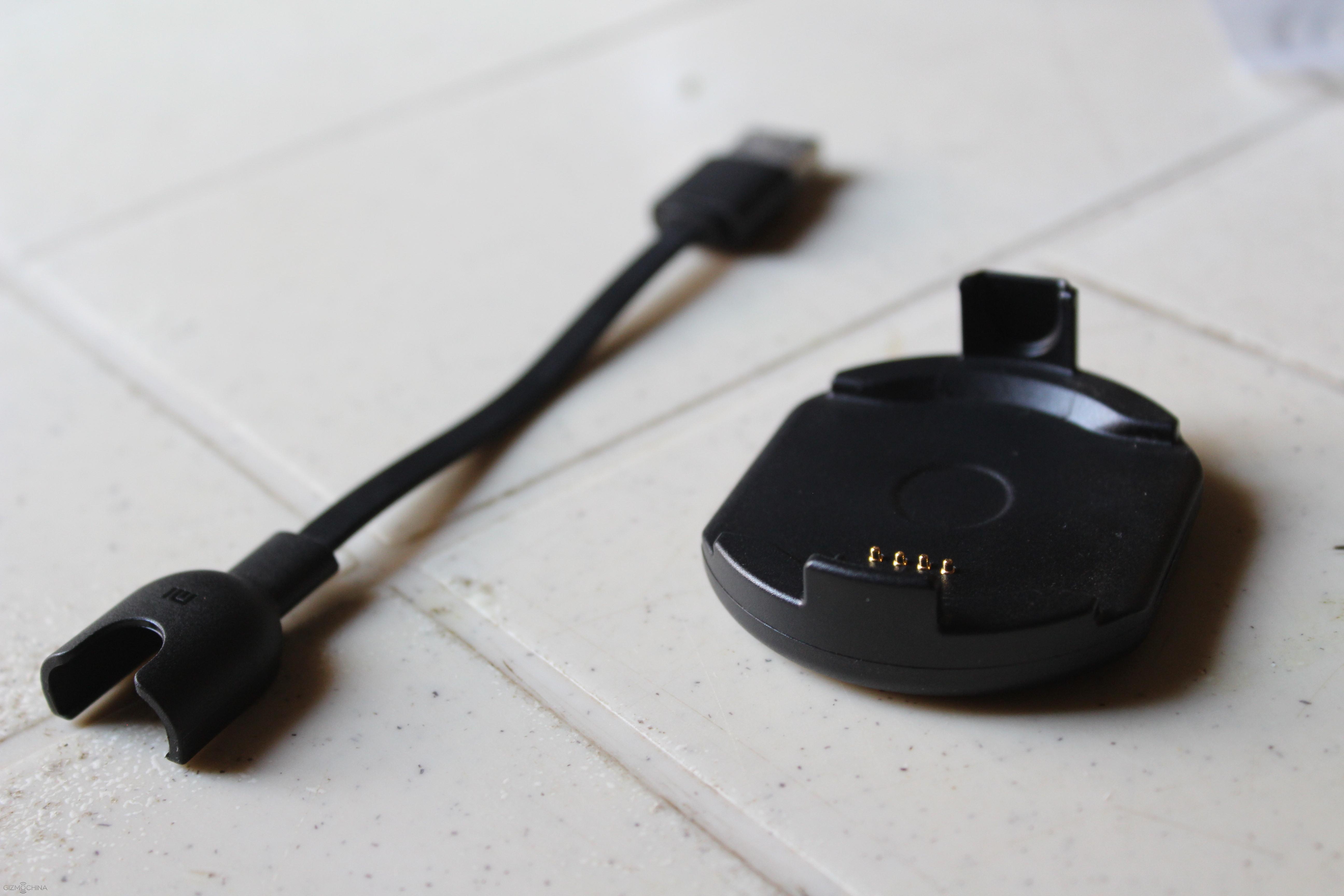
The box contains pretty much everything that you need, starting from the watch to the charging module (with a small cable that you can connect to any smartphone charger), user manual in English and a screwdriver with four extra screws for the back plate (in case you lose any).


You just have to long press the physical button (the only one present on the watch) to boot up. It’s running Android 5.1 Lollipop. So, it’s your standard Android OS and not Android Wear. With Android OS on board, the watch can basically function like a regular smartphone. You just have to insert a SIM inside (single Nano SIM) by removing the back plate.
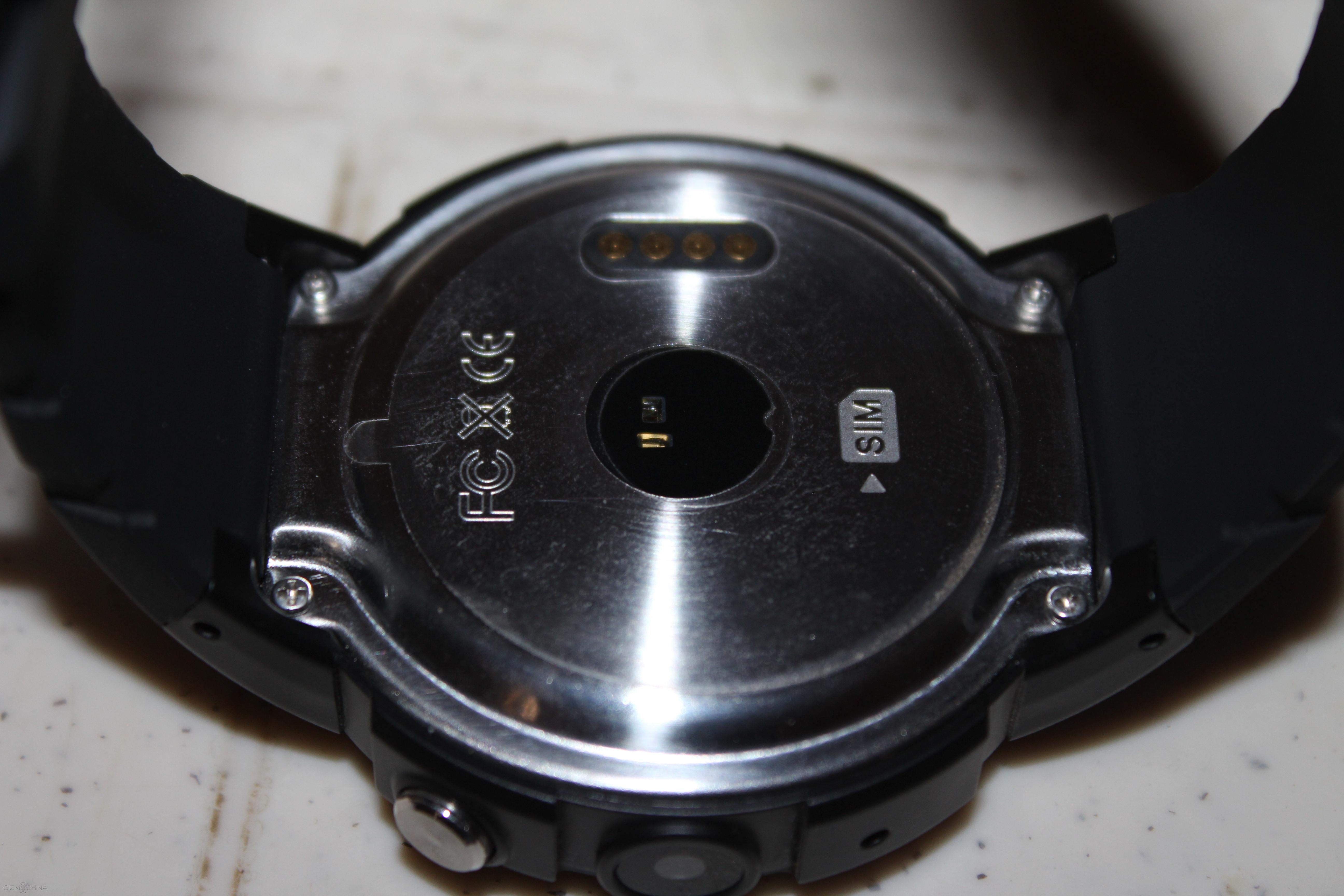
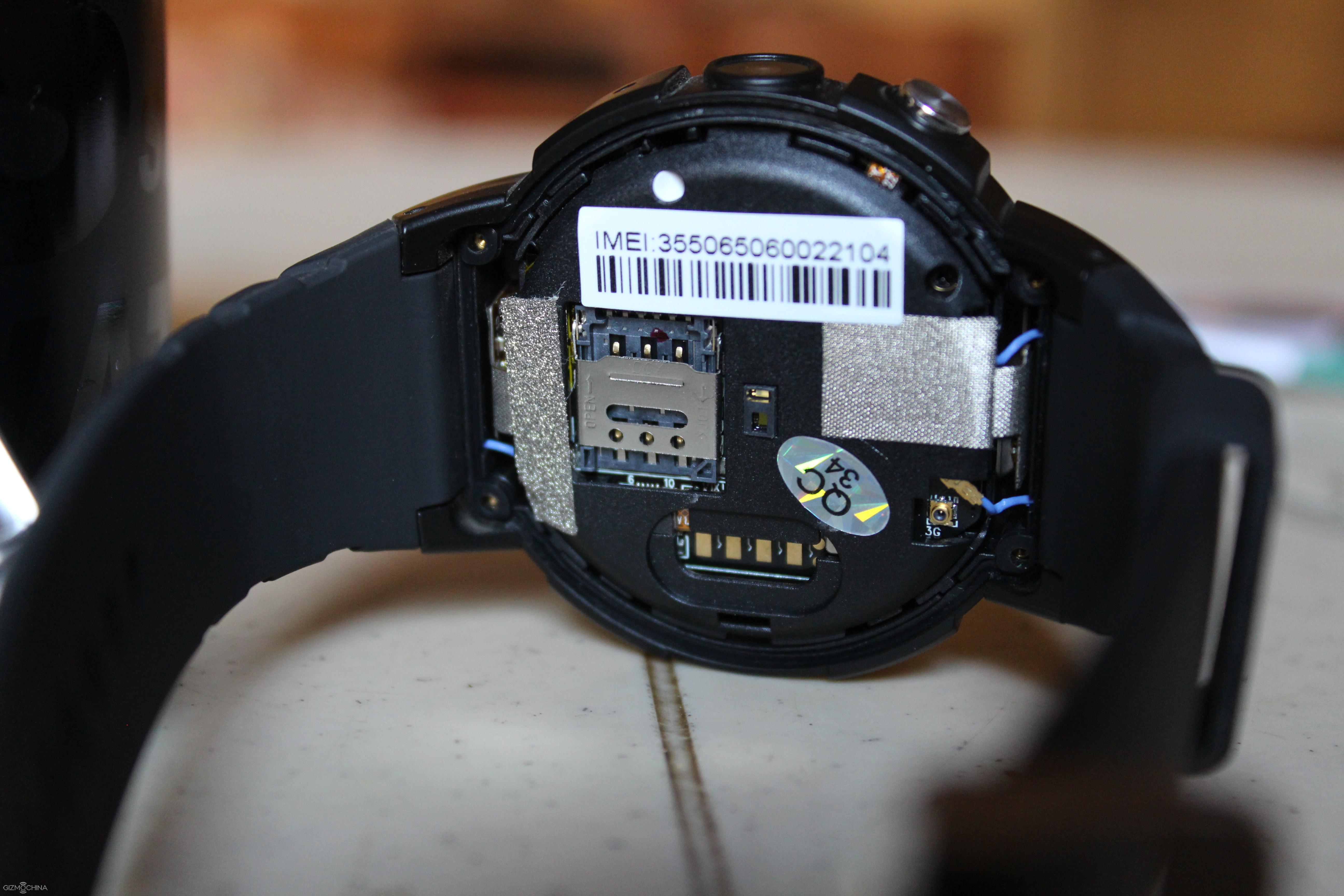
The watch is made out of plastic, but it doesn’t feel cheap. However, the only button on the watch is made out of metal and works well. Also, the back plate of the watch is made out of metal as well. The back features the heart rate sensor as well as the charging pins.
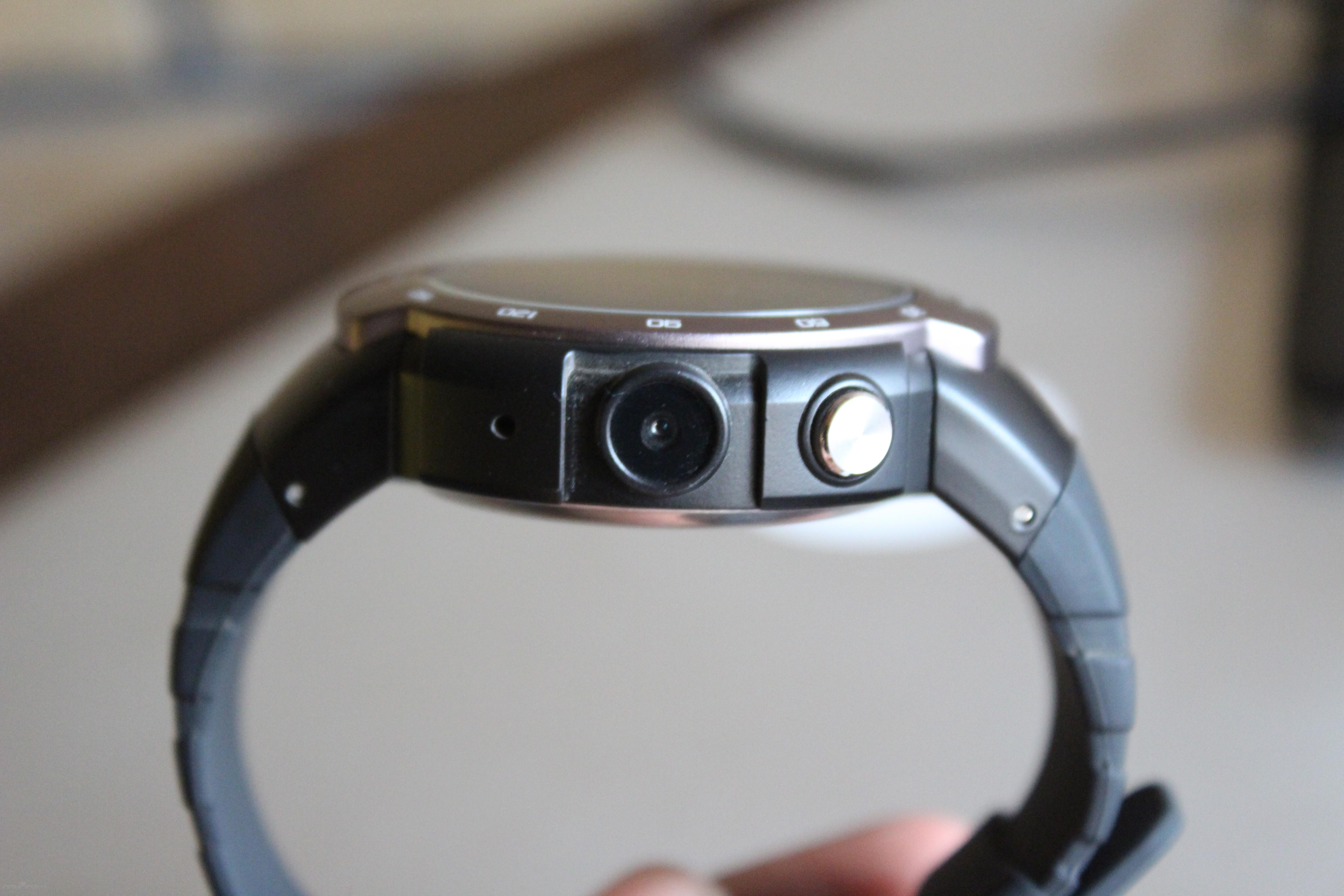
img_1333

Overall a pretty good watch. It comes with many watch faces (will check all of them in the review) and some of them are really good, like the one in the first picture.

Now, I’ll be checking out the features for the next couple of days. Wait for my review soon. Meanwhile, if you would like me to check out anything specific in the watch, you can mention that in the comments section below.

More hands on pictures down below.

ZeBlaze Blitz Specs:

Display: 1.33 inch Corning Gorilla Glass 3 Screen
CPU: MTK6580 Quad Core 1.3GHz
GPU: Mali-400MP
System: Android5.1 (OTA upgrade is supported)
RAM+ROM: 512MB + 4GB
Band length: 27.5cm
Band wide: 2.1cm
Camera: 2.0MP
Bluetooth: V4.0
SIM type: Single Nano SIM card
Functions: Pedometer, Heart Rate Monitor(SAMSUNG Heart Rate Chip Built-in), Waterproof (IP67 Certified), GPS
Network:
GSM: 850/900/1800/1900MHz
WCDMA: 850/2100Mhz
OnePlus X Gets Updated to Android 6.0.1 Marshmallow

Earlier this week, OnePlus held an Ask Me Anything session on Reddit. One of the questions asked was when the OnePlus 3 was going to get updated to Nougat. While the answer to that was vague (they said they are actively working on it), the company revealed that the OnePlus X will start getting Android Marshmallow next week.

oneplus x

It will be the last major update for the device based on the fact that all devices powered by Qualcomm’s Snapdragon 800 and 801 use graphics drivers not compatible with Android Nougat.

However, the Marshmallow update for the device started rolling out yesterday, which is earlier than expected. The OxygenOs 3.1.2 update on the OnePlus X not only brings along a new version of android but includes October’s security patch, new icon packs, a wallpaper picker, and an improved UX.

Owners of the OnePlus X should also look out for the new OnePlus Music player and OnePlus Gallery apps in the new update. If you remember, these features where mentioned in the community build of OxygenOs 3.1.1 released earlier this month.

The OnePlus X is a 5.0” phone with a Full HD AMOLED display, 3GB of RAM, a Snapdragon 801 chip, 16GB of internal storage which can be expanded to 256GB via a SD card slot. Its primary camera is a 13MP shooter with PDAF and there’s an 8MP shooter up front. You also get a 2525mAh non-removable battery that supplies juice to the device.

READ MORE: Does the Xiaomi Mi 5s Feature a Snapdragon 820 or Snapdragon 821 Processor?

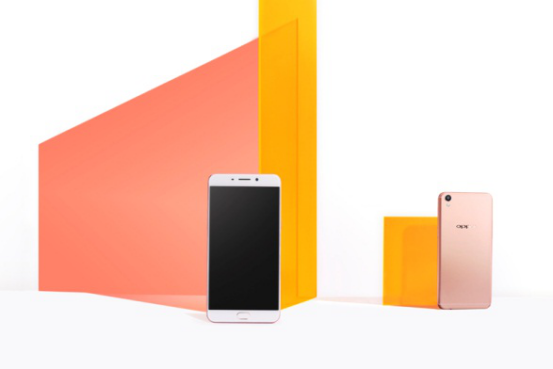
OPPO R9S Passes National 3C Certification: Features 20W Flash Charge

OPPO’s best selling phone is the R9 launched early this year. Sporting a  5.5” FHD display, 4GB of RAM, 32GB of storage and Mediatek’s Helio P10 processor, the unique selling point of the phone is its 16MP front facing camera which has made it a favourite amongst selfie lovers.

A few months later, rumours started flying around that the company was already working on a successor due for a September release. While the month is already over, the tale of a successor is true as we have seen the phone called the OPPO R9S get certified by TENAA and heard a source mention the new launch date is now in October.

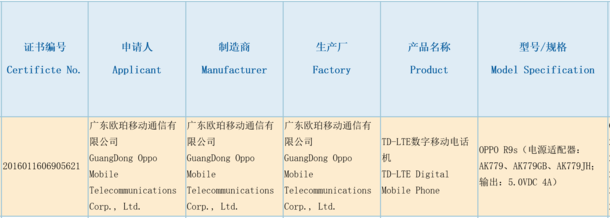
Today we have news that the OPPO R9S has gotten its 3C Certification. Issued in the company’s official name, GuangDong Oppo Mobile Telecommunications Corp. LTD, the certificate hints that the phone has its own version of VOOC fast charge.

oppo-r9s-3c-certification

If you look at the last column, where you have the model specifications, it lists the name of the phone as the OPPO R9S. You also have the charger’s output as 5.0V 4A indicating that it supports 20W output power. The charger is said to provide 2 hours of talk time from a 5-minute charge.

oppo

READ MORE: Ulefone Tiger Will Feature a Battery Larger Than 4000mAh

Xiaomi is Going Offline, Targets 1000 Retail Stores By 2020

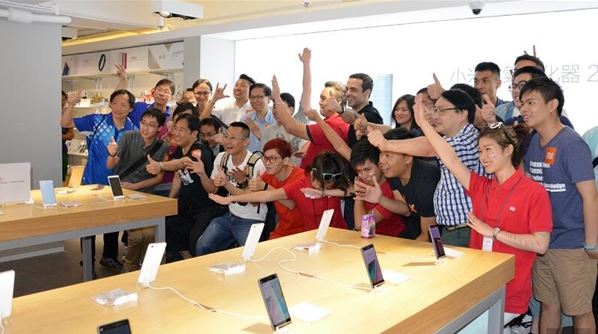
Xiaomi has again hinted that it is planning to change from its traditional online sales method to incorporate offline sales via retail stores within the next couple of years. The company has seen declining sales this year occasioned by a poor distribution network for its smartphones which it sells only by online sales presently.

xiaomi offline store

This is not the first time, though, the company is hinting at a shot at the offline sales channel few months back and it came from no less a person than Xiaomi’s CEO Lei Jun. Lei Jun had disclosed that the company will be building over 1000 physical stores over the next couple of years which are to be 250 square meters large and expected to make monthly sales entering 50 million Yuan based on findings that physical stores make as much as 1.43 million Yuan daily. Lei Jun left off without being specific as to the time frame the plan would come into effect.

However, Xiaomi has come out to reveal that it would be incorporating the offline sales channel fully by 2020. The innovative start-up also hinted that it would build 1000 stores between now and 2020. A Xiaomi spokesman has in this regard disclose that the offline sales expansion plan becomes necessary because the Xiaomi barand has become a household name in China and the new line of sales would increase the company’s visibility in the market. Apart from smartphones, Xiaomi also has a host of gadgets, IOTs in its kitty such as TVs, drones, air purifiers, rice cookers, bluetooth speakers, smart scooters, and smart bikes. But most of these devices are hardly available in the market.

Xiaomi will have the likes of OPPO, Vivo and Huawei to content with in this new channel which will cost the company more revenue. OPPO attained its present success by aggressively charting the course of selling its phones offline and is now ranked second in the domestic mobile phone market in China. This new offline channel will allow Xiaomi fans and prspective buyers to have a feel of the company’s latest devices before buying, something not possible presently. Whatever cost the company would incur by this new method would likely be mitigated when sales starts spiking due to the ability of more customers to get to feel and buy the company’s often innovative phones and smart gadgets easily. Hopefully, this would get the company to the top of the charts where it rightfully belongs.

Xiaomi Mi 5S Teardown: What Lies inside the $300 Flagship?

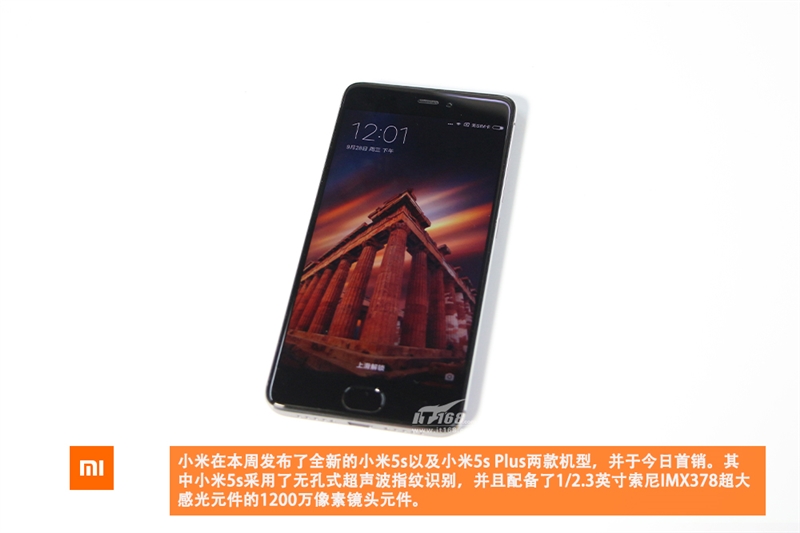
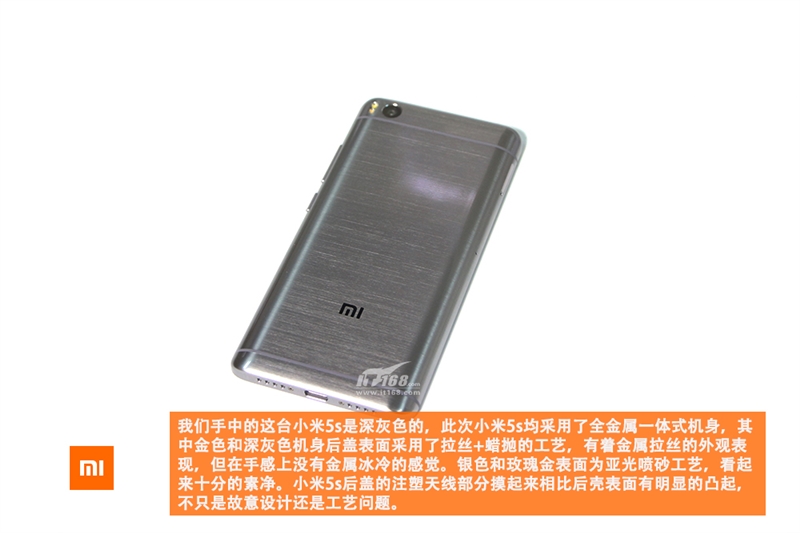
The Xiaomi Mi 5S and 5S Plus officially opened for sale today online and really the progress has been rapid. The device released a few days back wowed us with the beautiful design, well packed flagship specs and as an icing on the cake, it  clutches an ultra cheap price tag of 1999 Yuan ($300) for the base variant.

Xiaomi Mi 5S Teardown

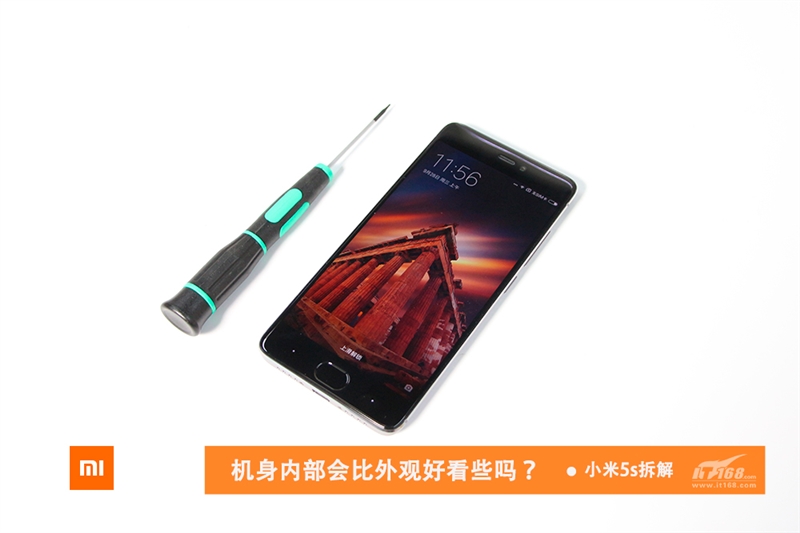
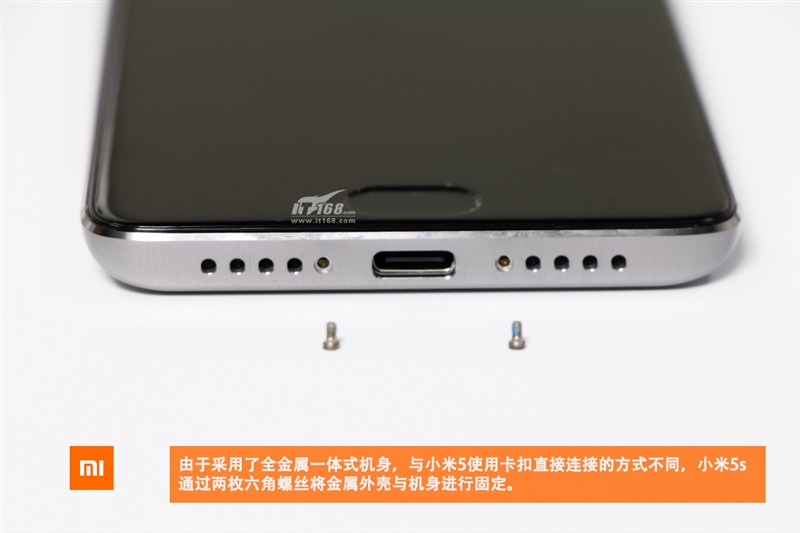
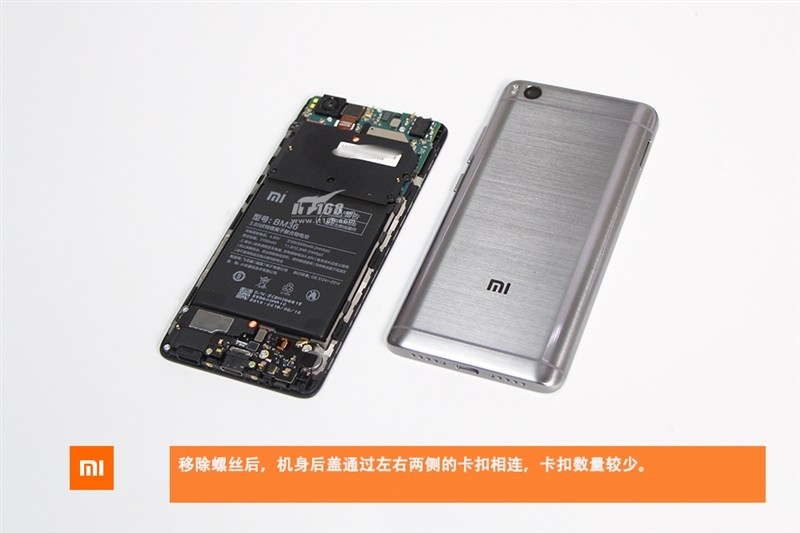
We have been following the device right from the launch, to its first unboxing and even before that we have had the opportunity of seeing sample images shot by the device’s camera. Now images from what should be the device’s first teardown have emerged, brought courtesy of the guys at IT168.

Xiaomi Mi 5S

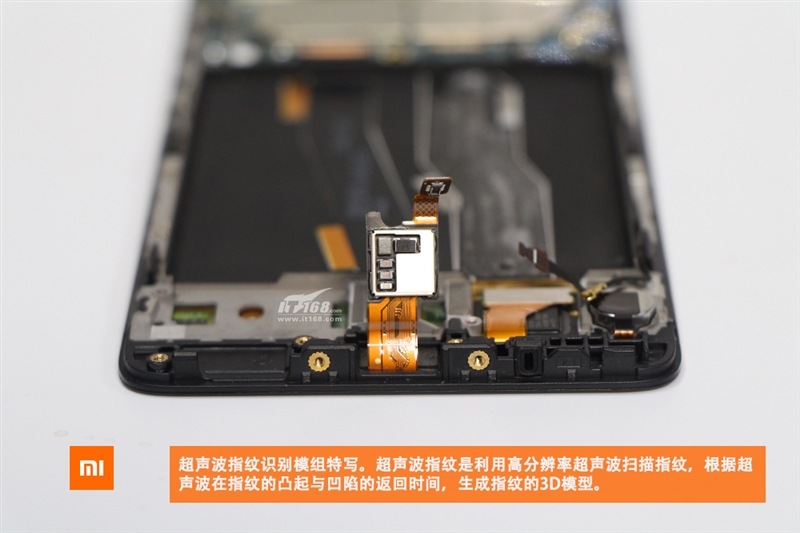
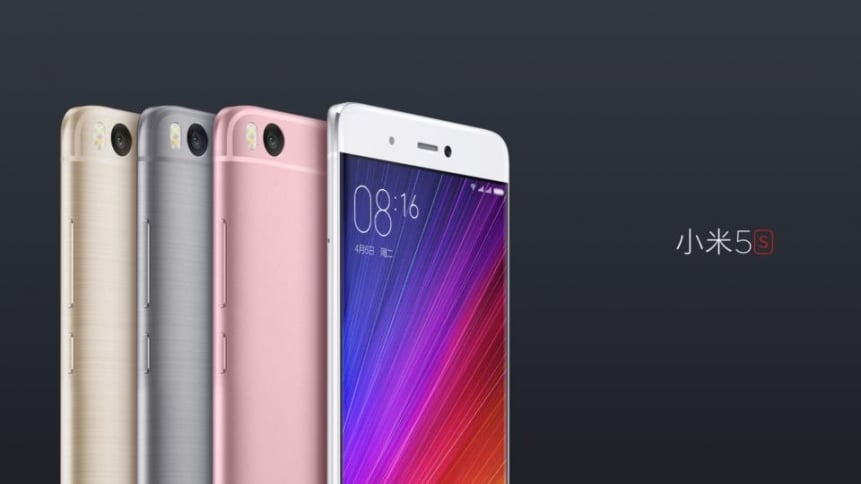
The Mi 5S features a number of innovative, new technologies of which the most prominent is the under glass ultrasonic scanner. There is also an all new 3D Touch pressure sensitive display, custom bright display. Apart from that, the Mi 5S makes it out as just the third device released so far to come equipped with Qualcomm’s latest Snapdragon 821 chipset clocked at 2.15GHz. Xiaomi crammed all these and more inside the Mi 5S and still made its price $300! Isn’t that wonderful?

Xiaomi Mi 5S Teardown

For sake of clarity, the tear-down is that of the higher Mi 5S version sporting a 4GB RAM + 128GB of built-in storage. The device that is being dismantled comes in gray and we should add at this point that the   process was carried out by professionals so please don’t attempt it at home of you get a unit of the Mi 5S.

Xiaomi Mi 5S Teardown

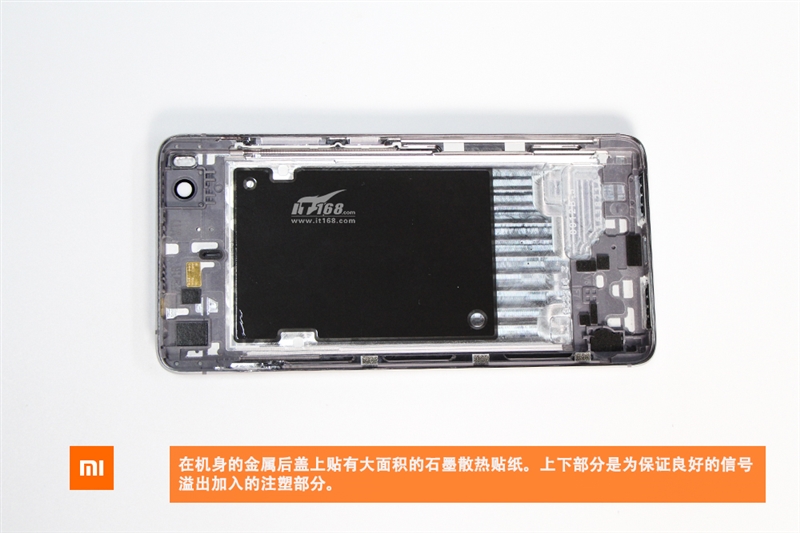
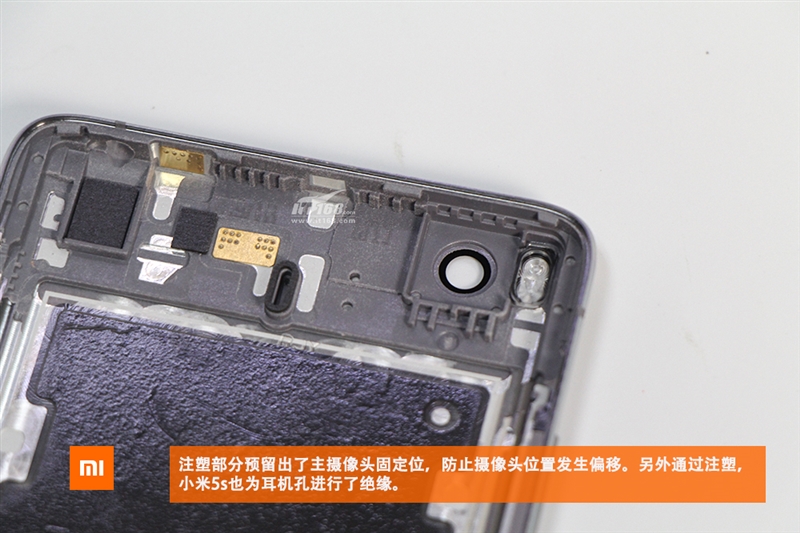
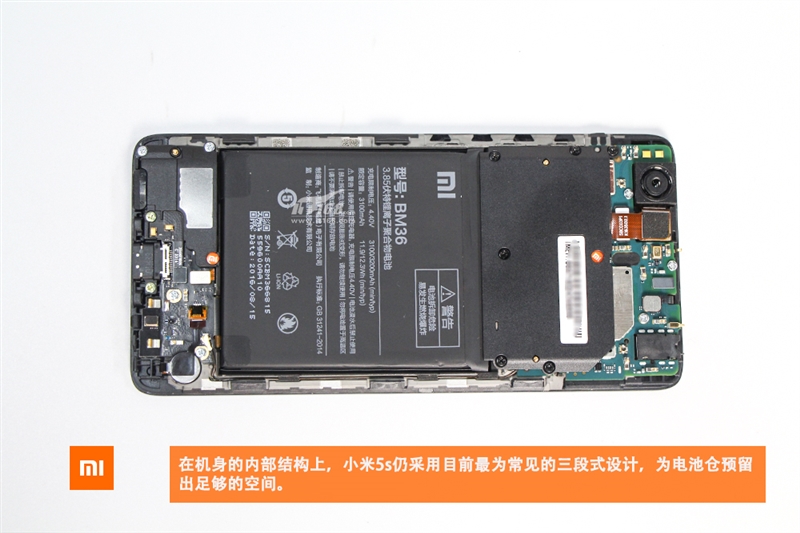
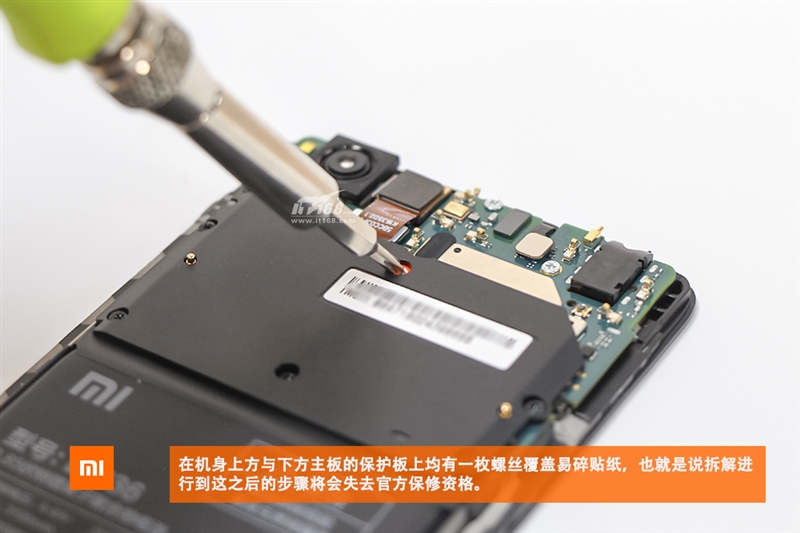
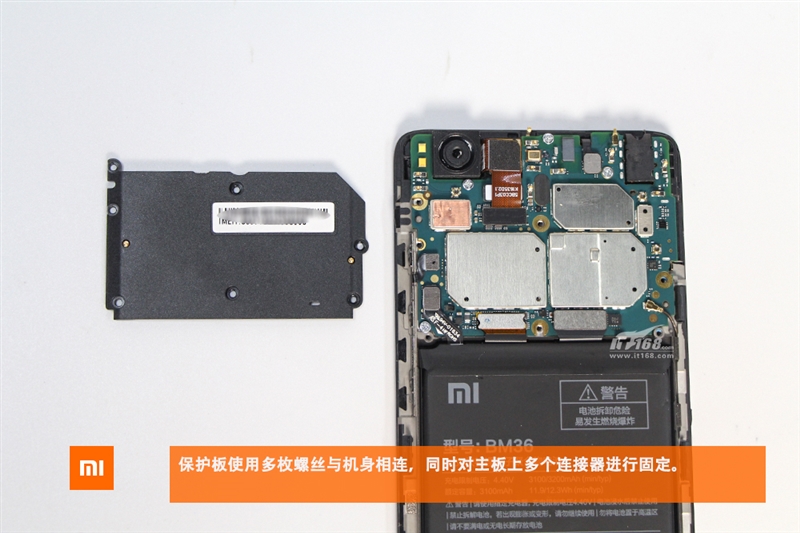
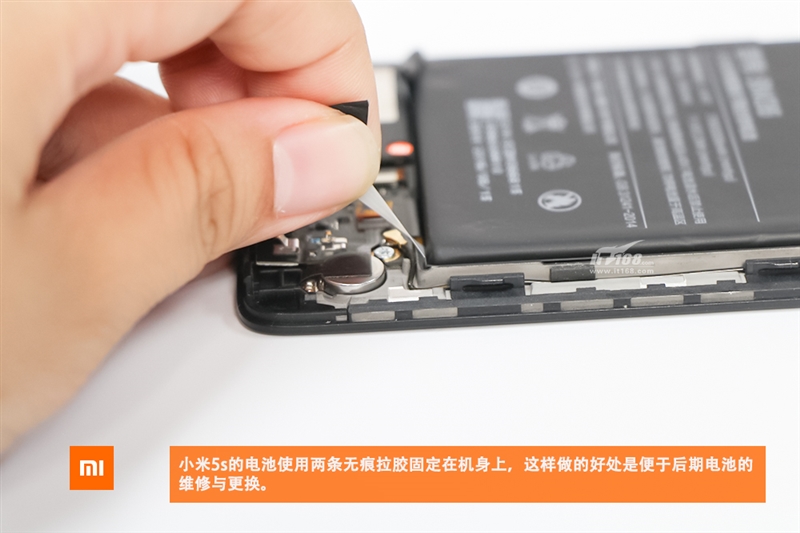
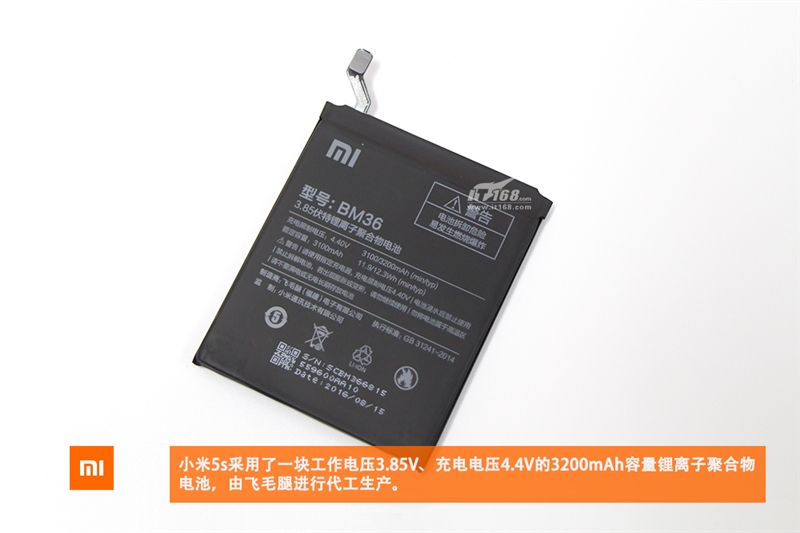
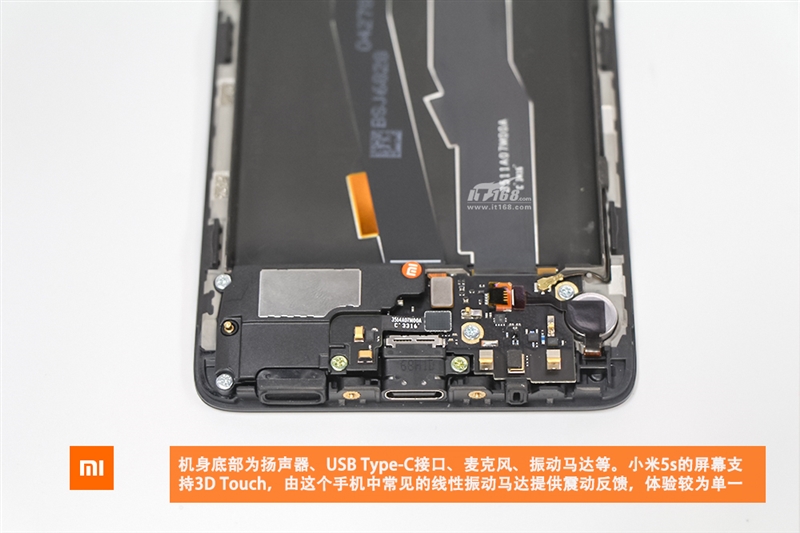
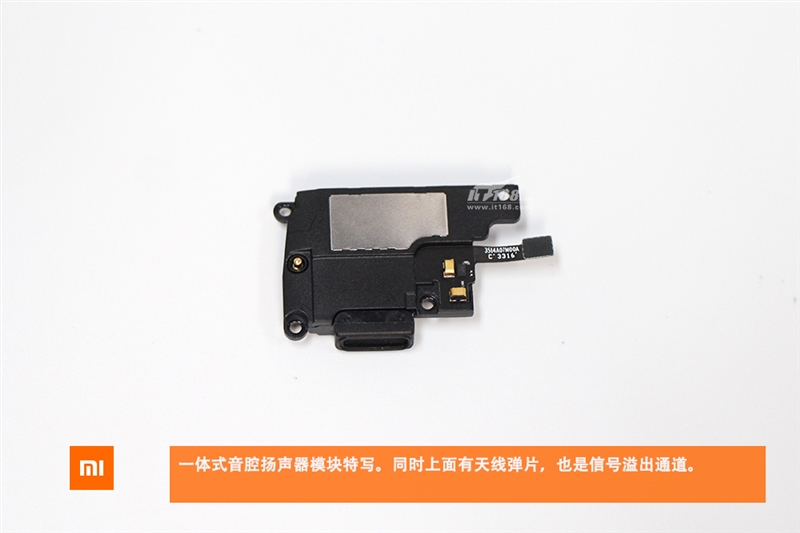
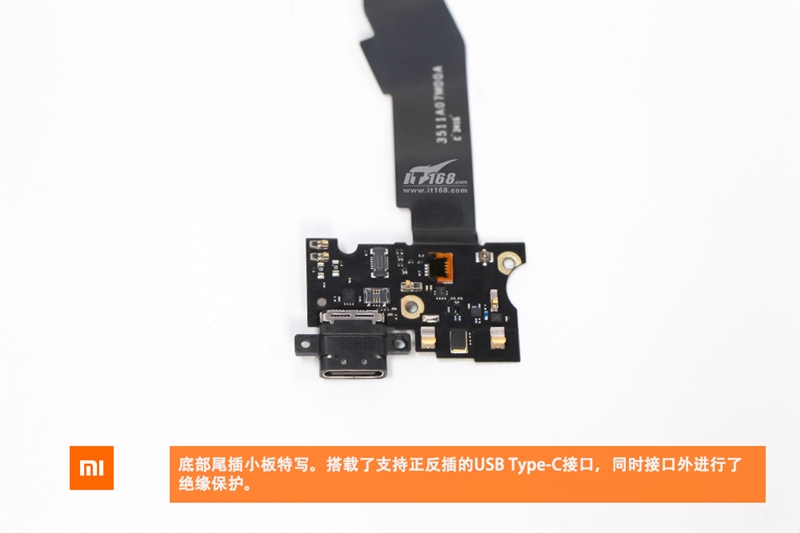
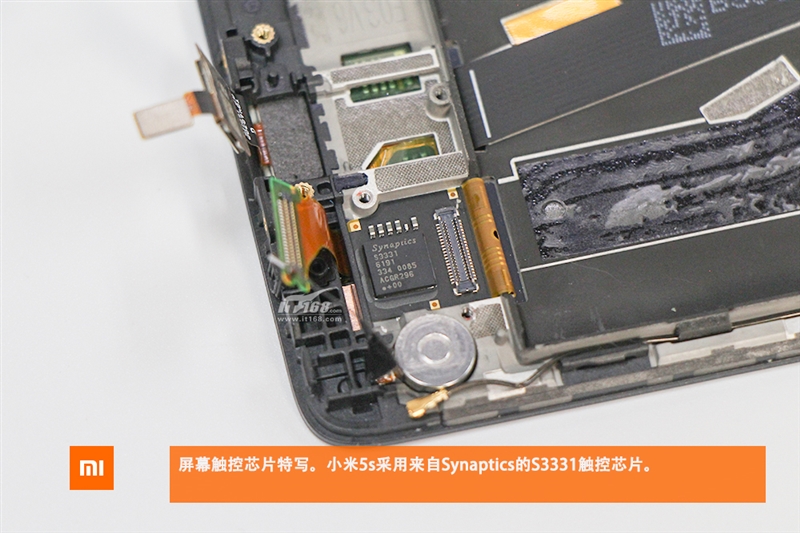
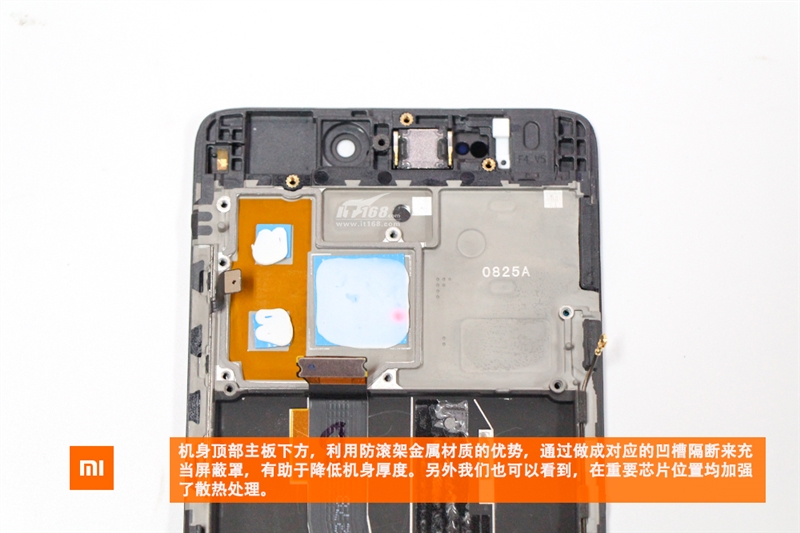
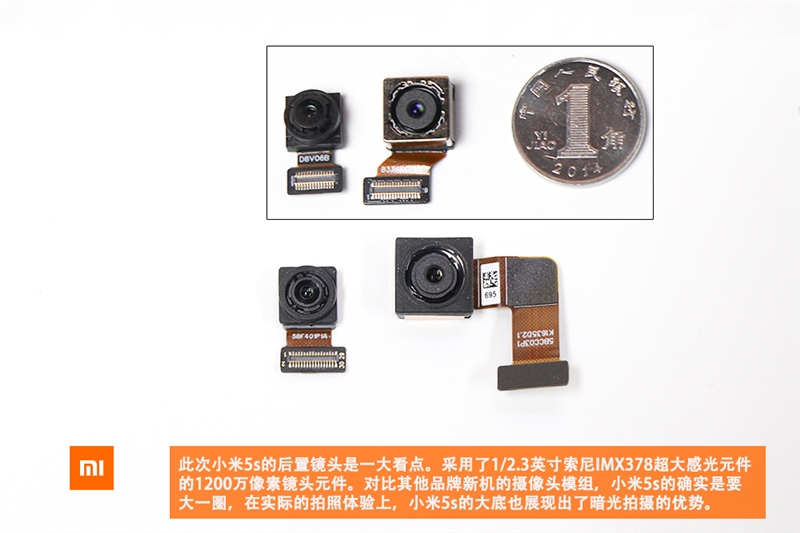
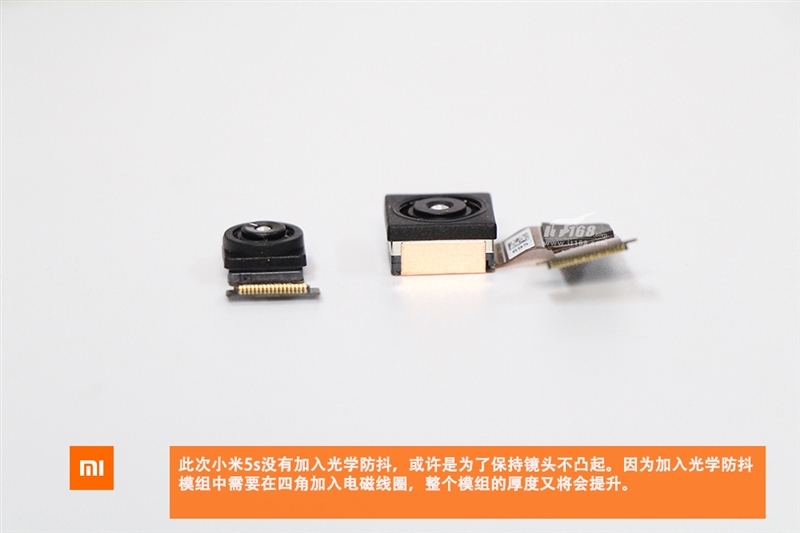
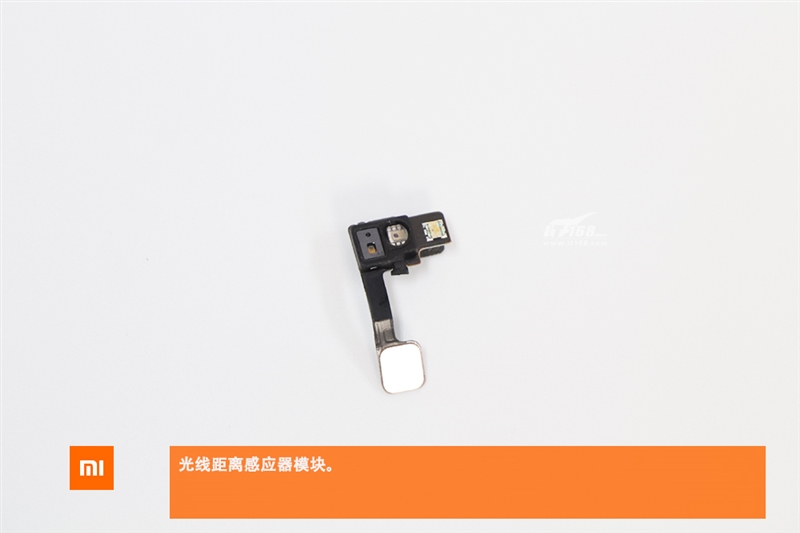
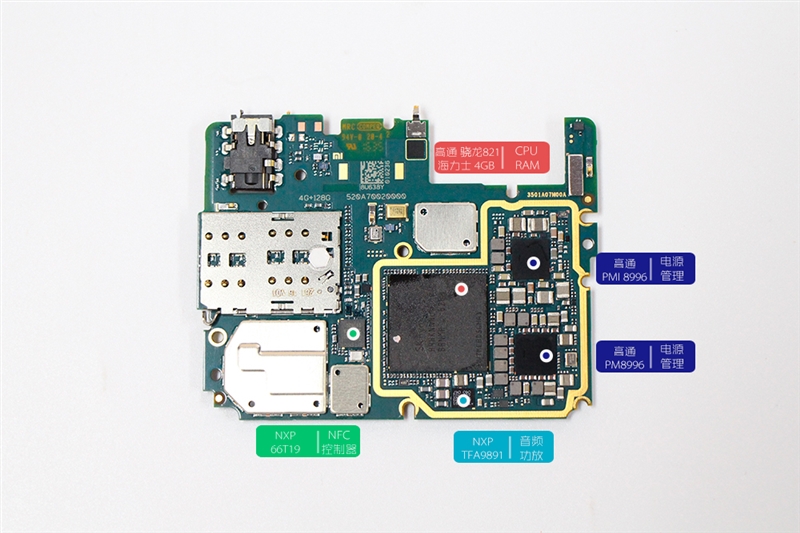
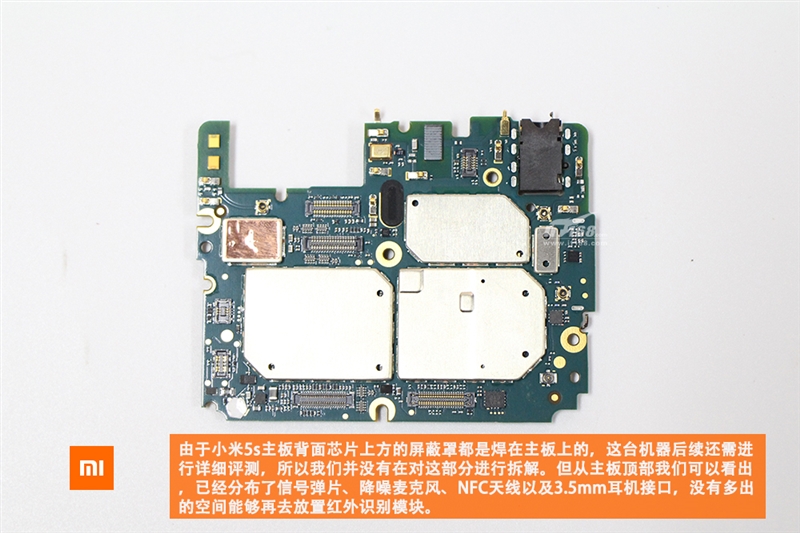
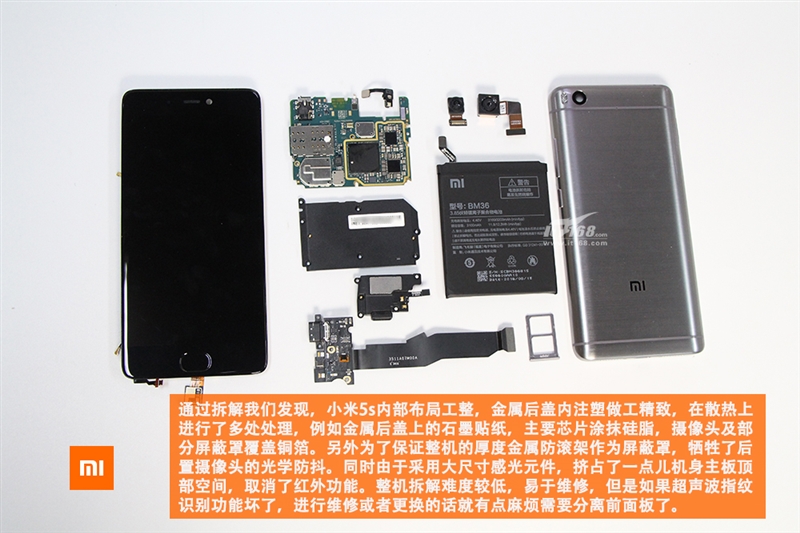
Going on, the tear-down reveals the 4GB RAM supplied by SK Hynix, the non-removable 3200mAh battery from Scud and the 2.3 inches Sony IMX378 sensor which is quite huge as well as the other components inside the flagship. Due to the design, Xiaomi had to sacrifice the infrared as well as optical image stabilization but that doesn’t remove a thing from the Mi 5S.

Xiaomi Mi 5S Teardown

In all, the Mi 5S comes in studded both on the outside looks and even inside, the components look solid and the device also comes in as one that should be easy to fix in the event of damage. You can check out the entire tear-down images from down below.

Xiaomi Mi 5S TeardownXiaomi Mi 5S Teardownmi-5s-teardown11mi-5s-teardown12mi-5s-teardown13mi-5s-teardown14mi-5s-teardown15mi-5s-teardown16mi-5s-teardown17Xiaomi Mi 5S Teardownmi-5s-teardown19mi-5s-teardown20mi-5s-teardown21mi-5s-teardown22mi-5s-teardown23mi-5s-teardown24mi-5s-teardown25mi-5s-teardown26mi-5s-teardown27

Bluboo Maya Review – What a $75 Phablet Brings You?

Bluboo may not be the first manufacturer name you think of when it comes to choosing a smartphone but I came across the Maya model. It costs less than $75, it has an HD display and more. Find out if this cheap phone is any good in the full review.

Bluboo Maya Review: VIDEO

[embedyt] http://www.youtube.com/watch?v=8mYl56FI1JM[/embedyt]

Bluboo Maya Review: UNBOXING

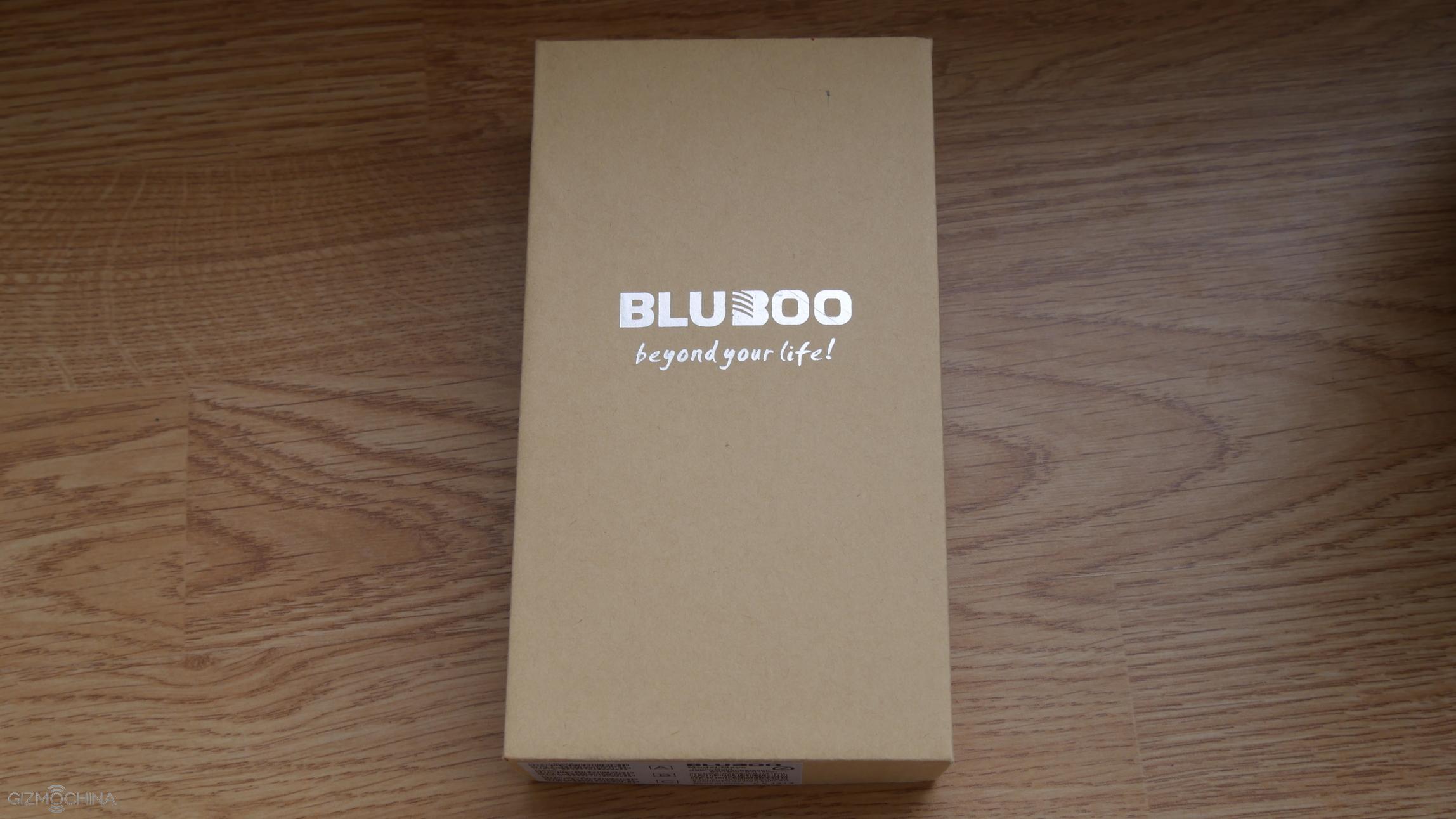
p1010338jpg p1010339jpg

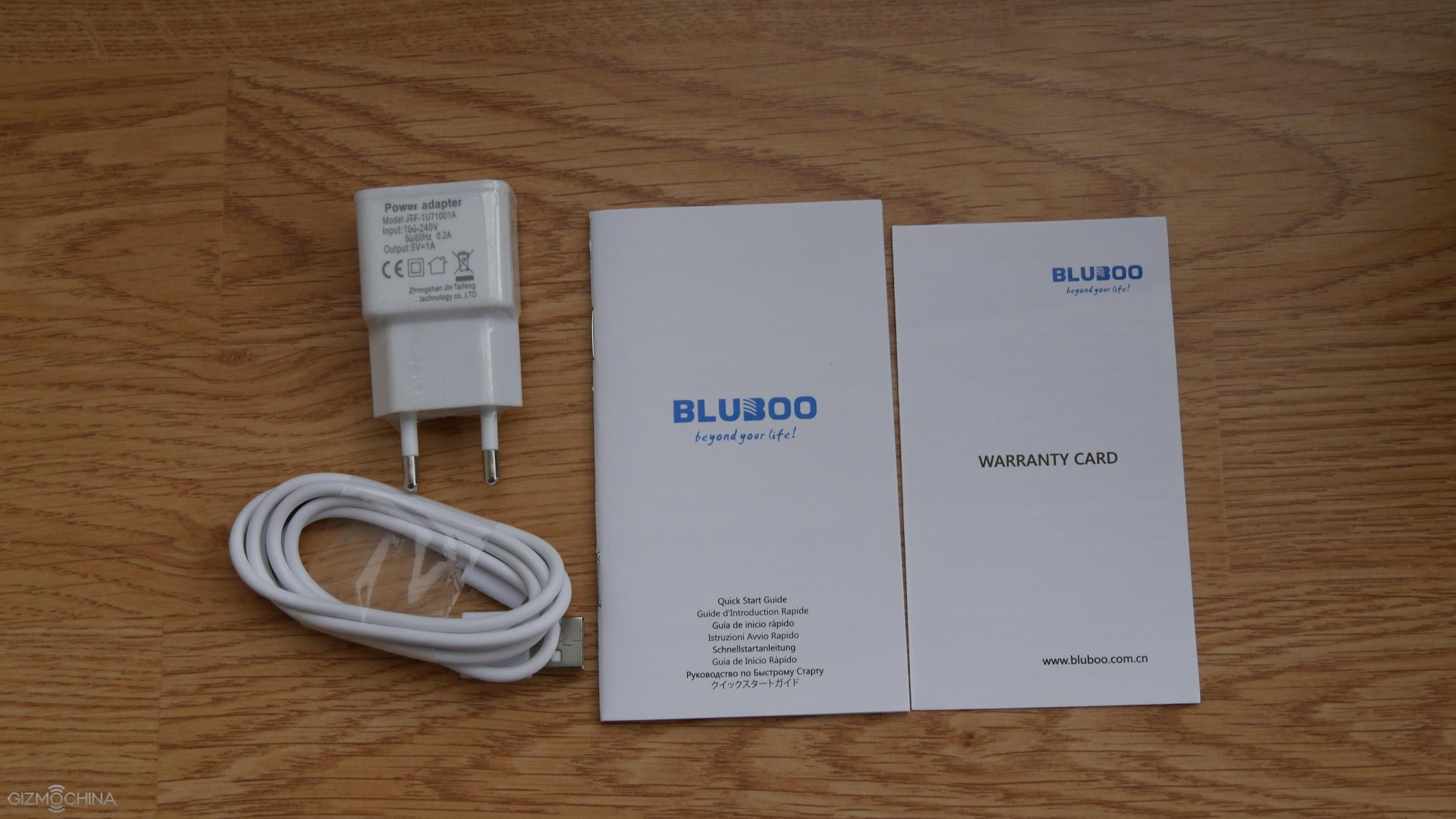
The phone ships with just a charger, USB cable and some paperwork.

Bluboo Maya Review: DESIGN and DISPLAY

img_3777

20160928_181602

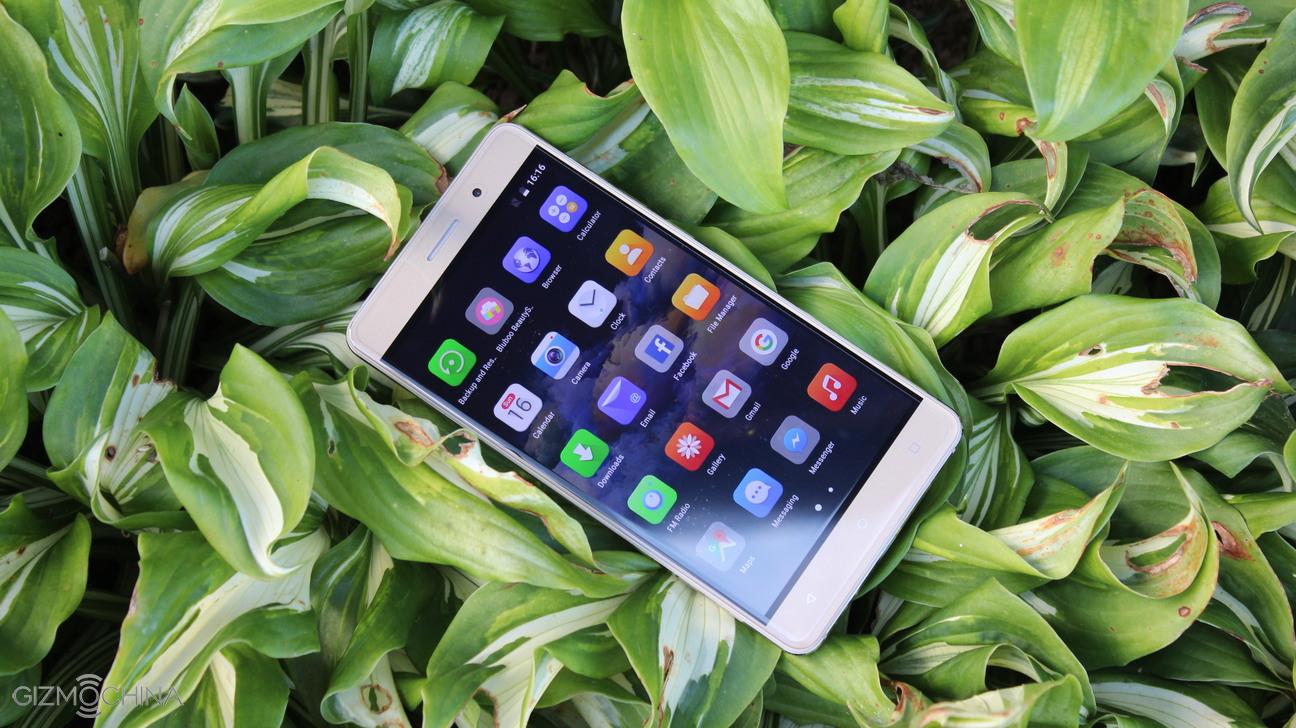
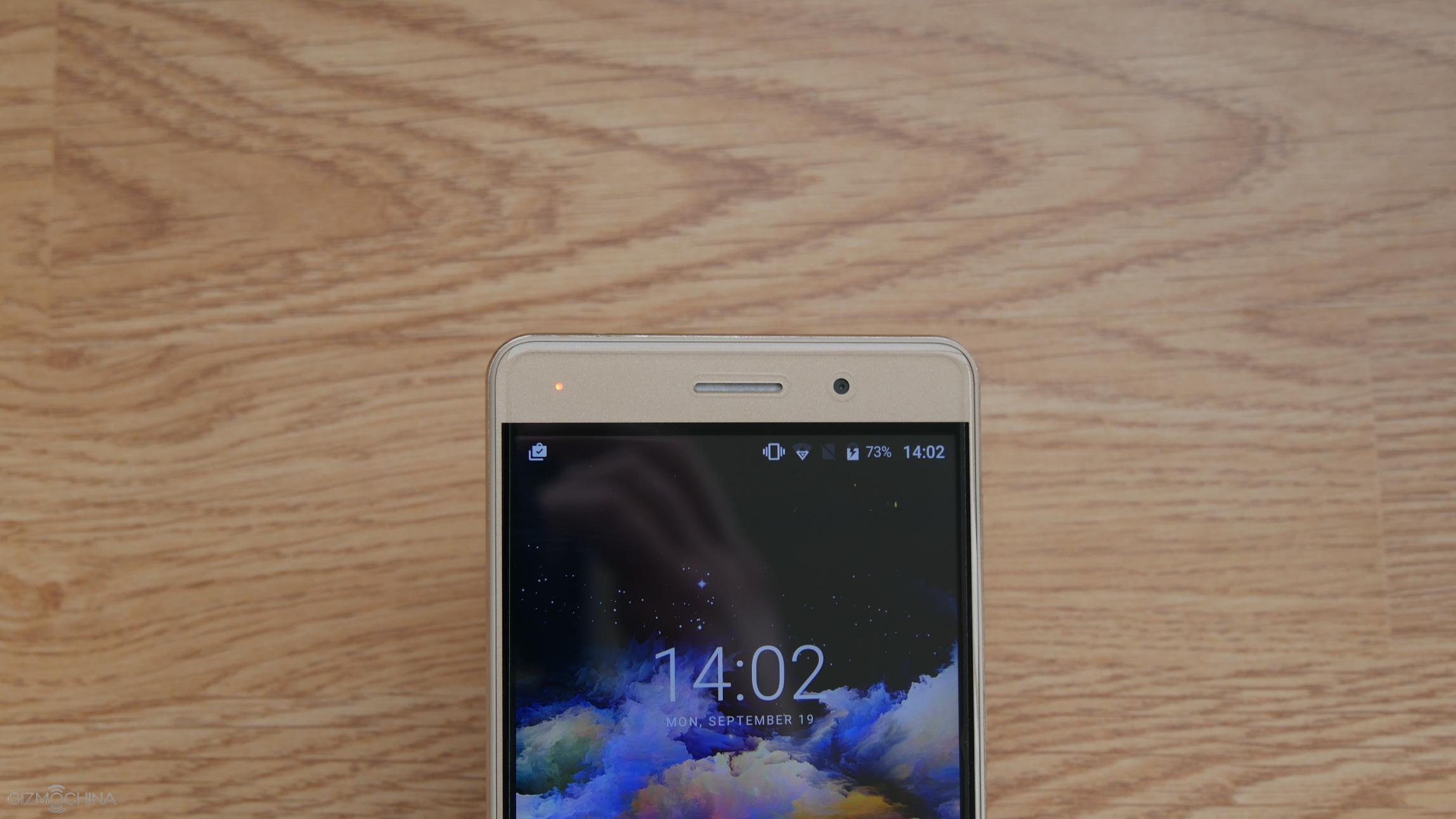
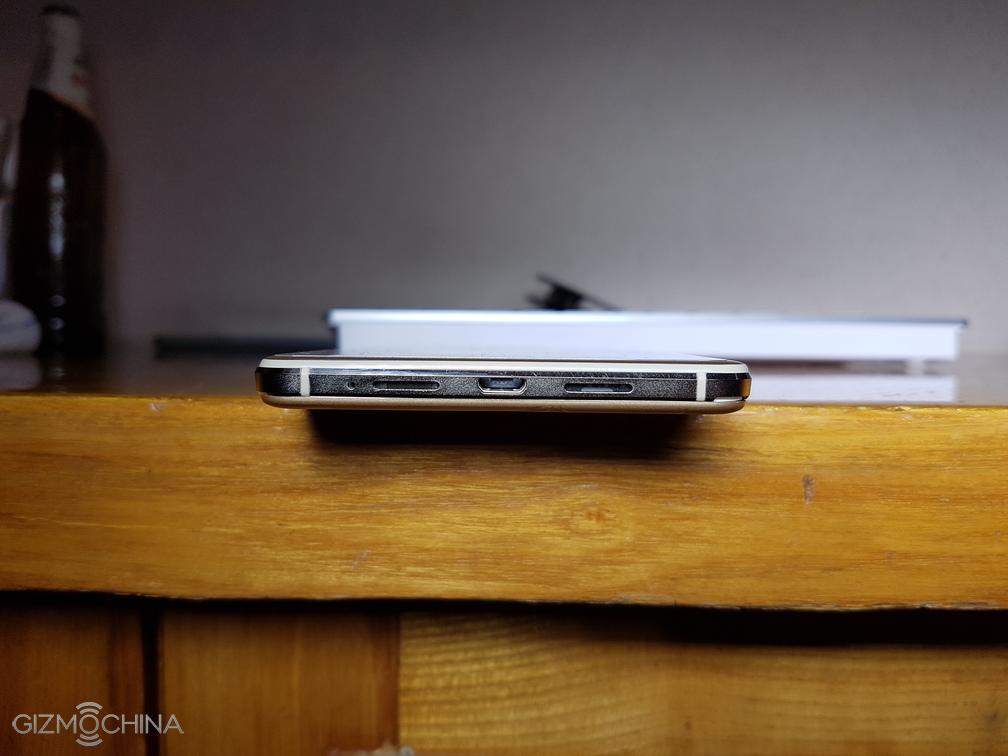
The Bluboo Maya is kind of nice phone for such a low price. We have a metal trim that goes around the device along with nice and tactile metal buttons.

img_3781

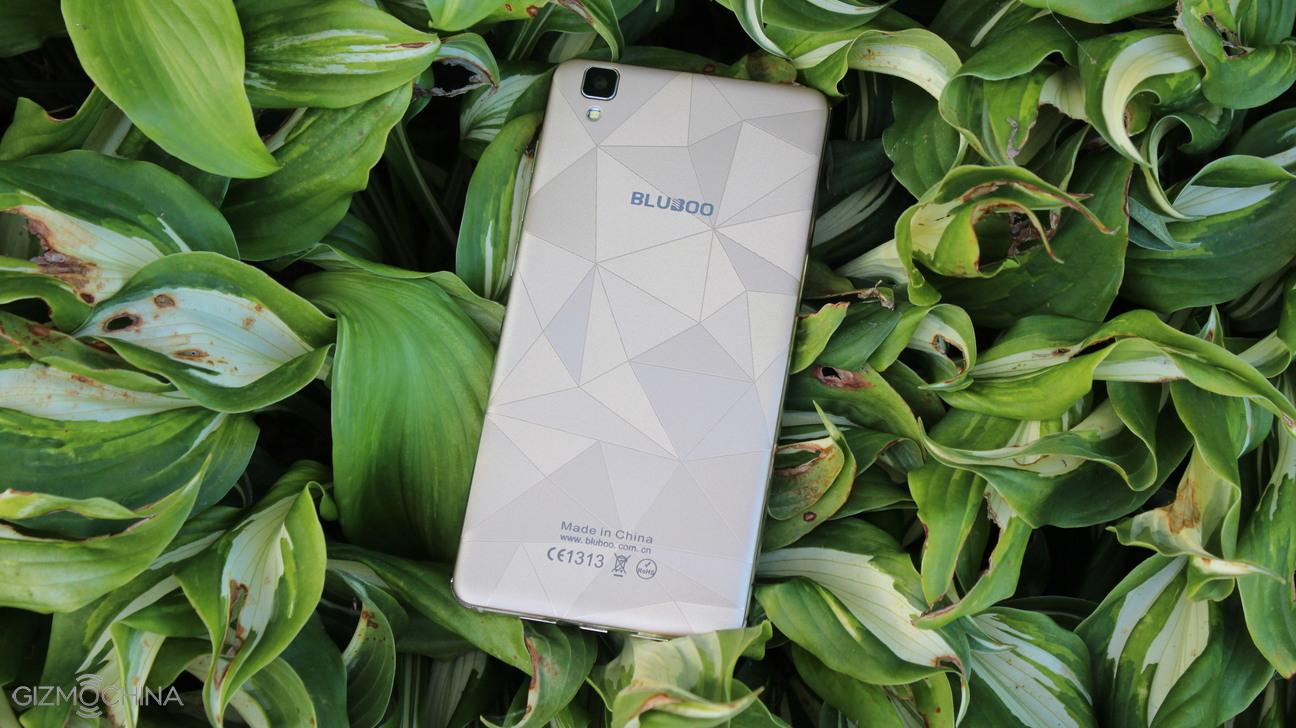
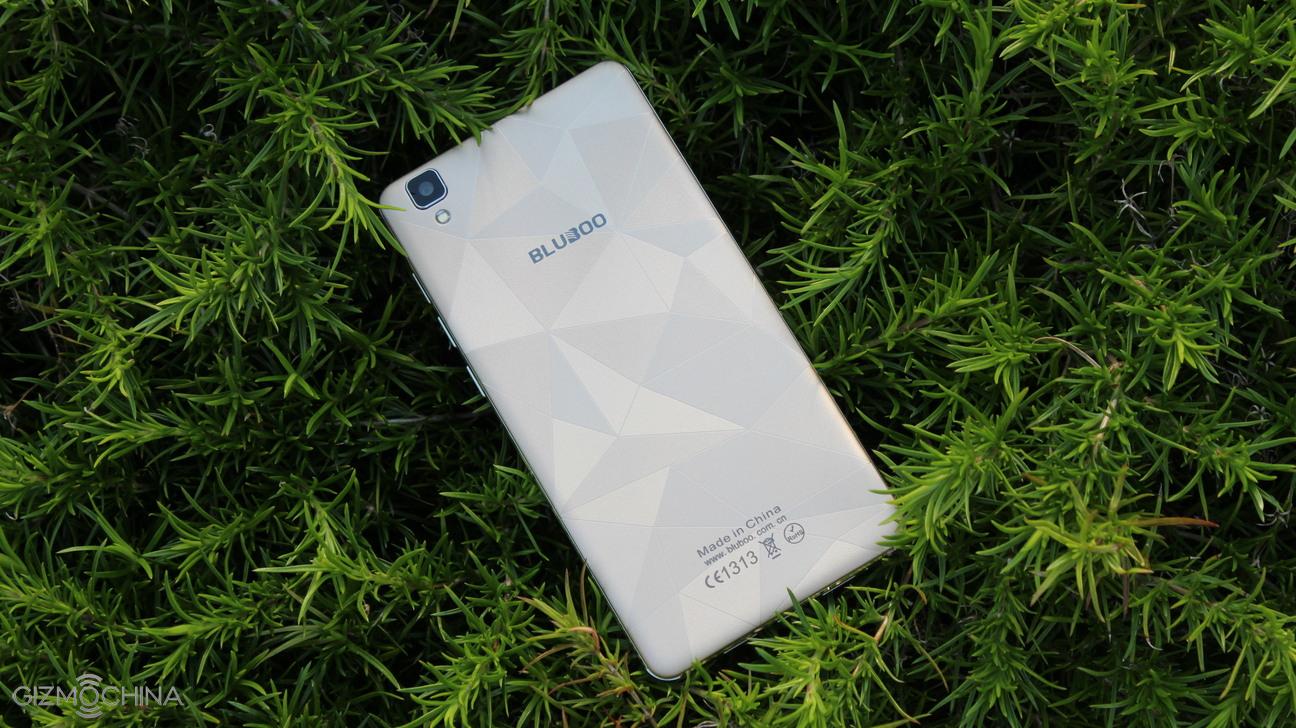
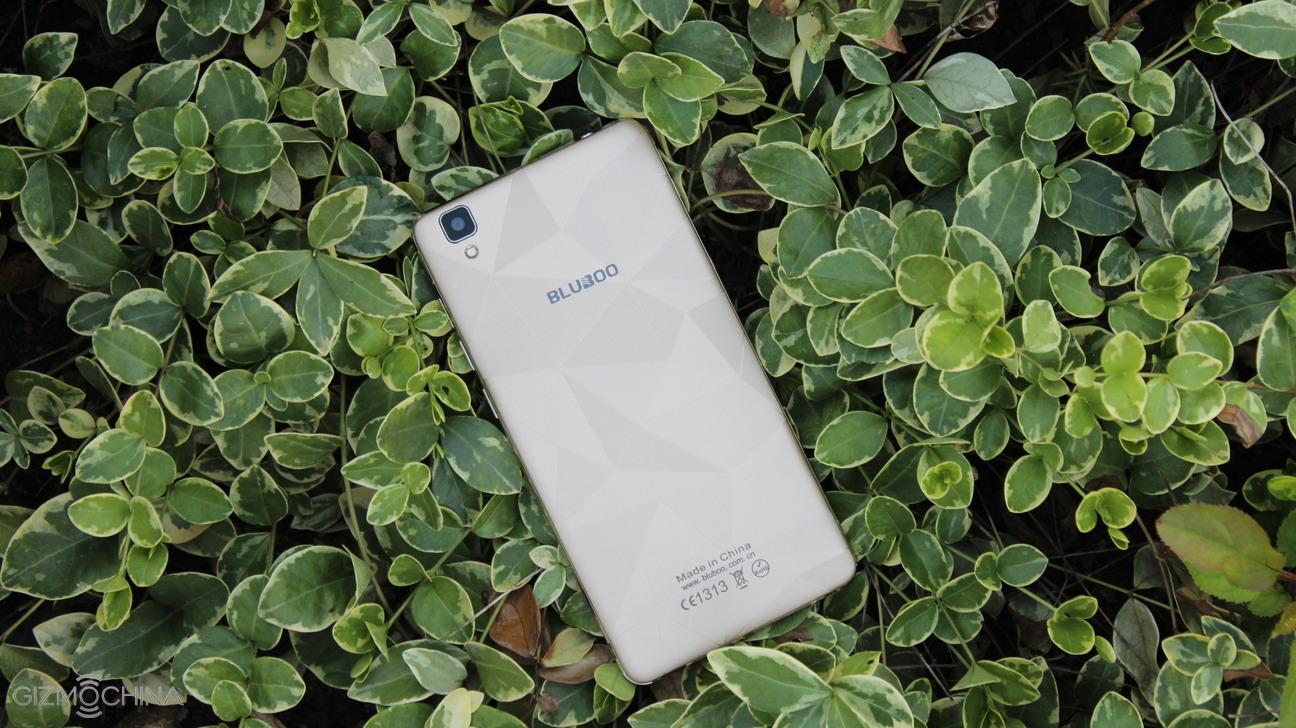
The textured back cover gives a little plasticky feel of the device but overall, the phone is well-built. We have a 13MP shooter on the back.

p1010336jpg

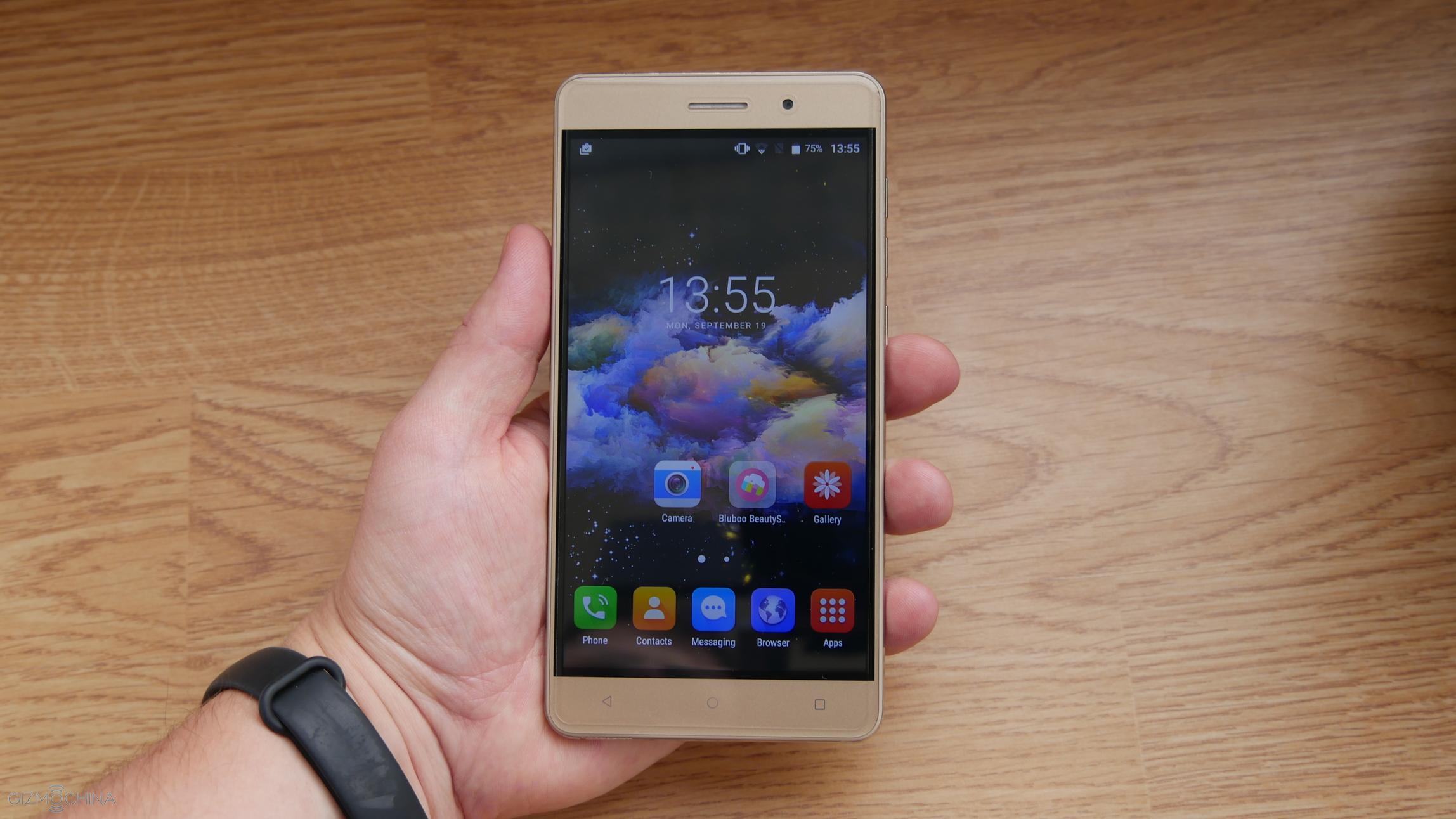
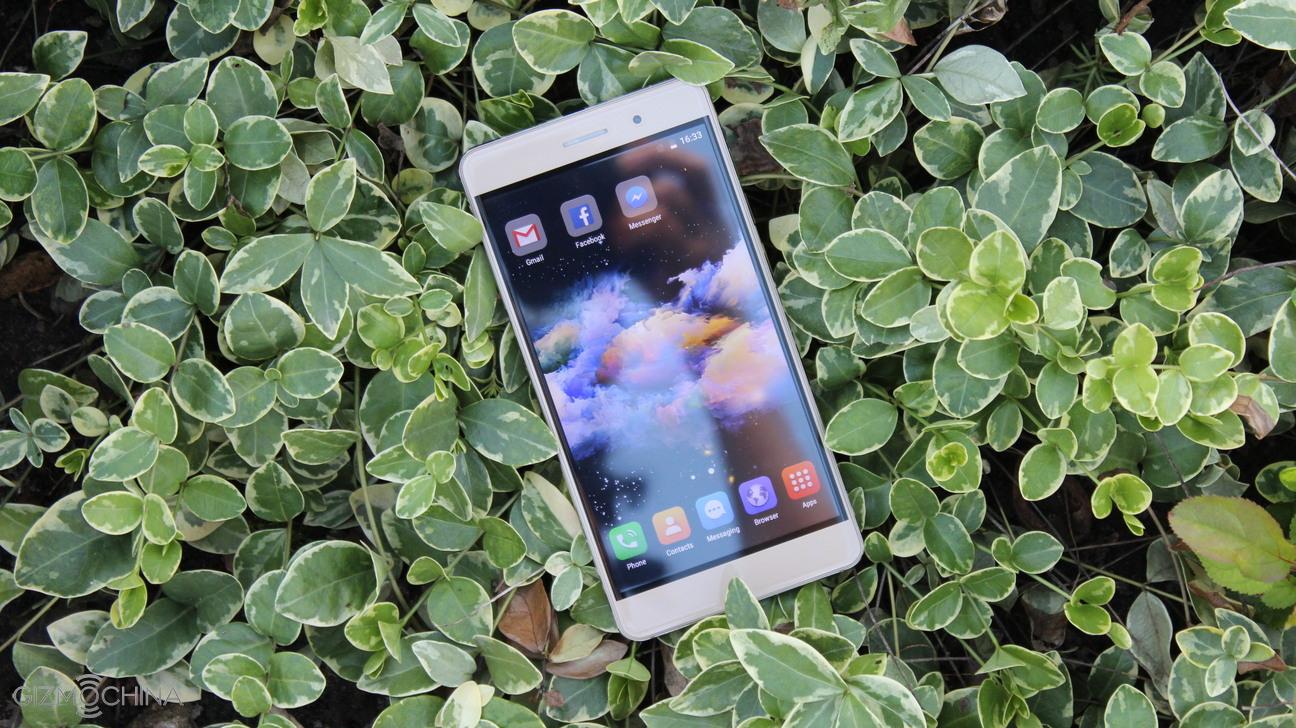
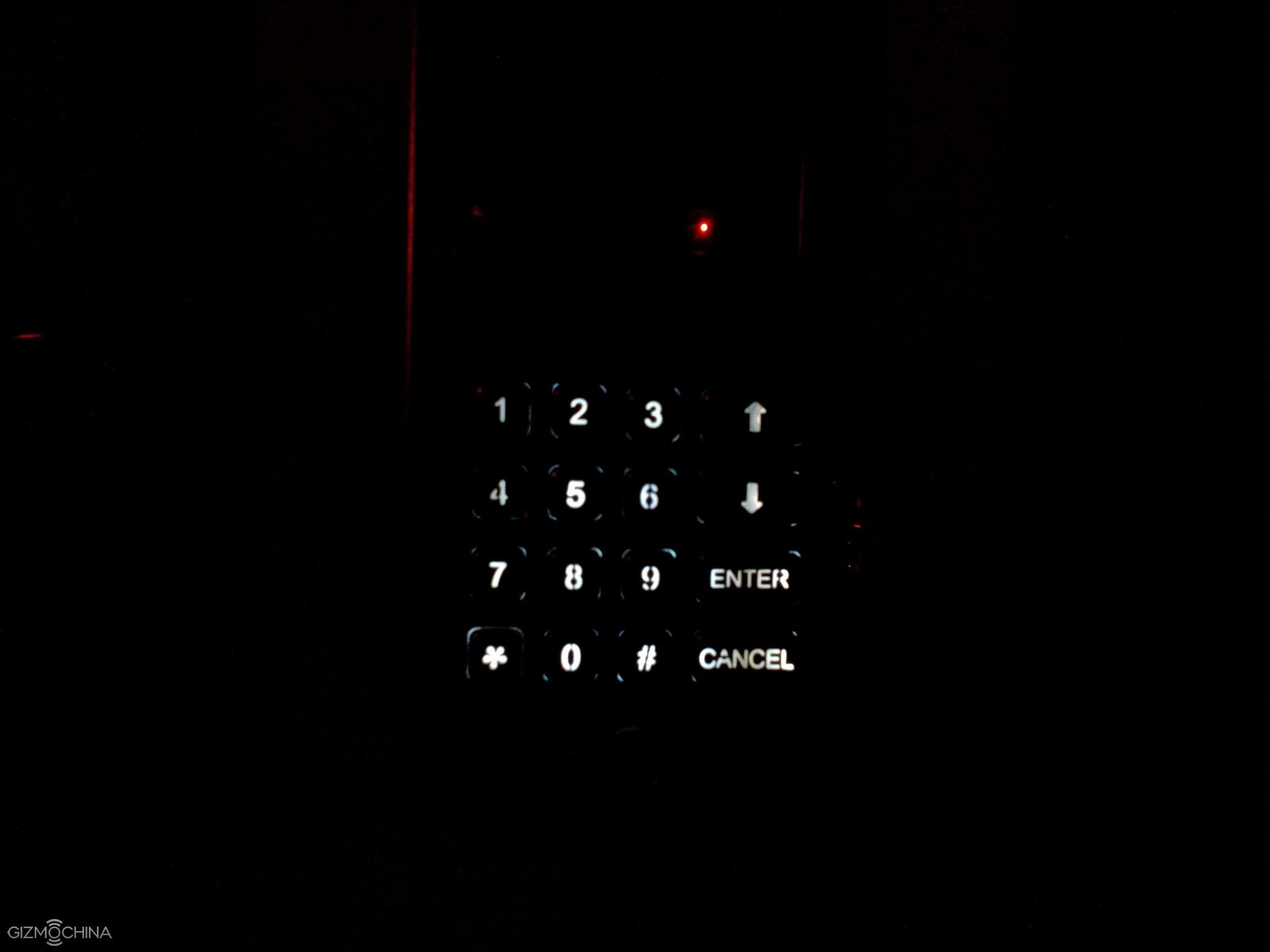
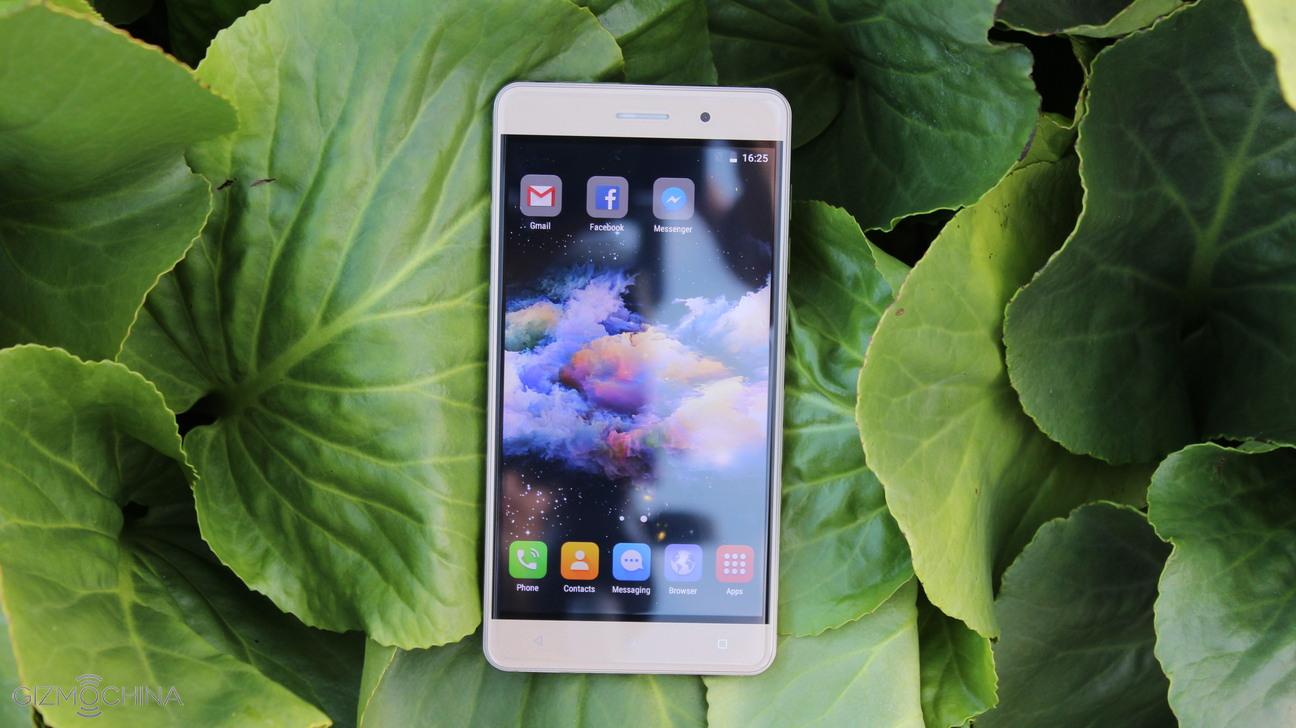
We have a 5.5” 720p display, which is sharp enough for the daily use but it is very reflective outdoors due to pre-installed screen protector. Also, it has a somewhat blueish tint and cold-looking colors. The capacitive buttons are not backlit and I don’t like the position of them. I always prefer the back button to be on the right side.

p1010340jpg

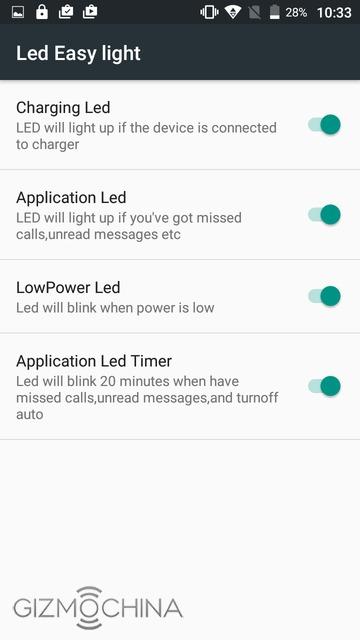
The LED light is a nice touch for a cheap phone.

p1010757jpg

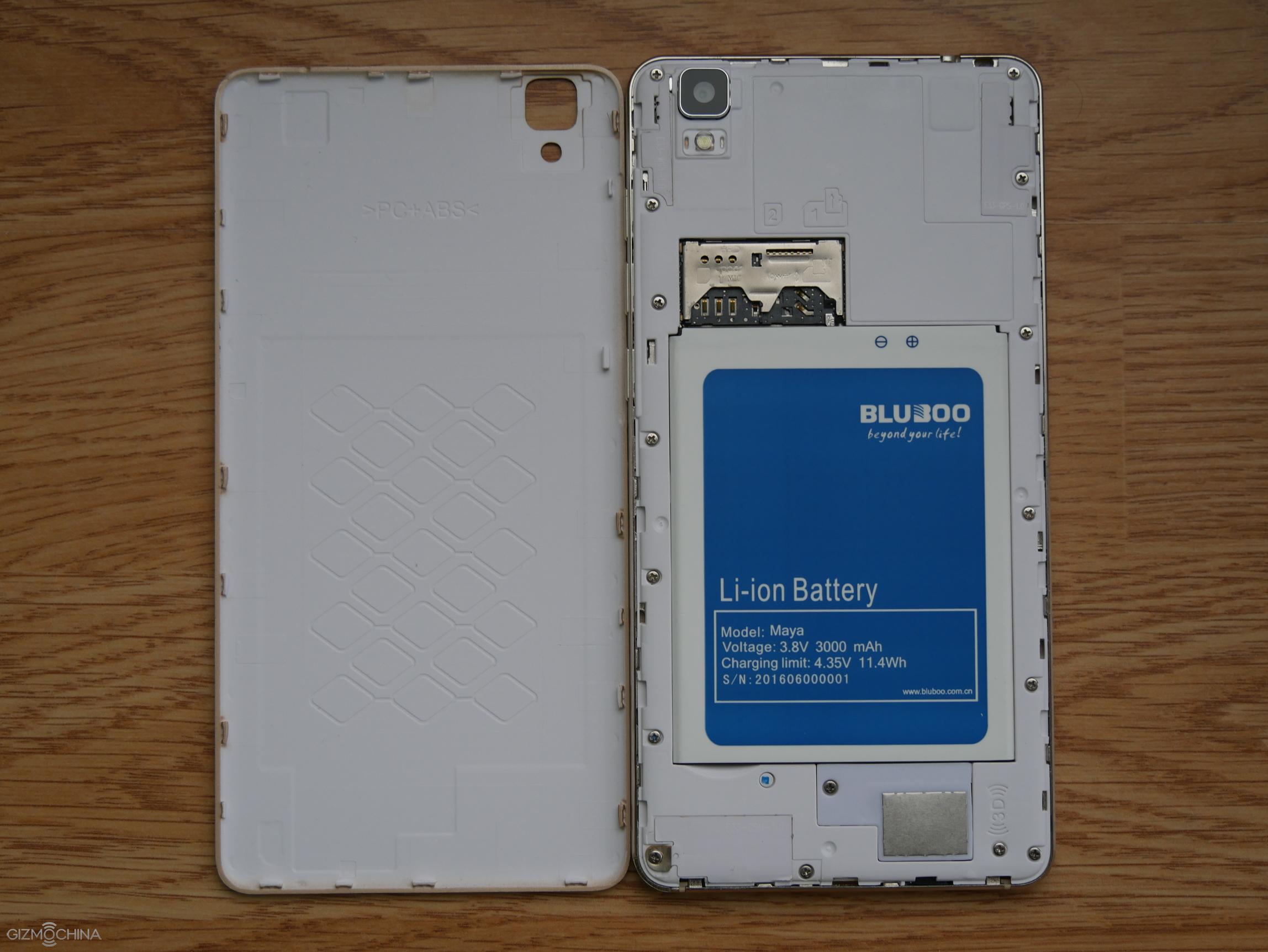
You can easily remove a backplate and underneath it you can find 2 SIM card slots, the microSD card slot and a removable 3000mAh battery.

20160928_181531

The loudspeakers usually suck on cheap phones and the one found on this phone is no exception.

Bluboo Maya Review: HARDWARE and PERFORMANCE

img_3805

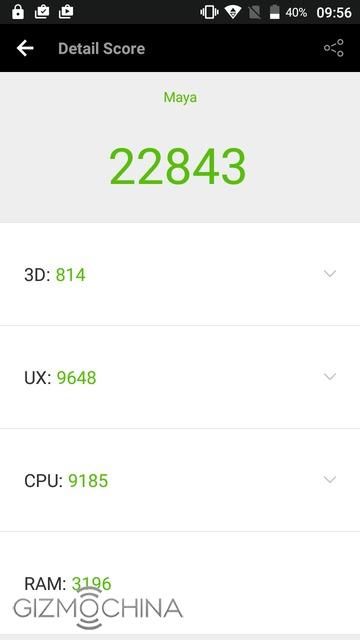
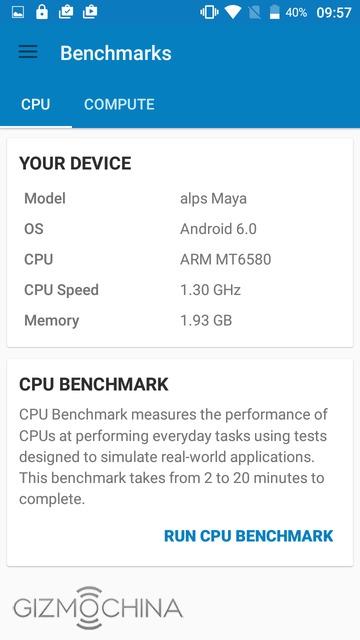
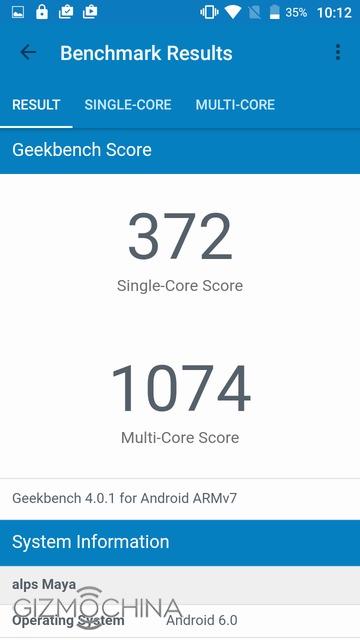
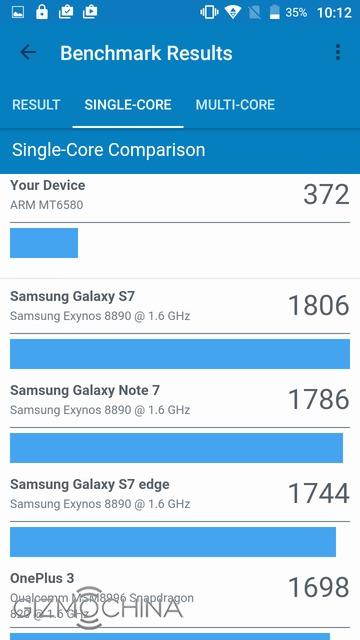
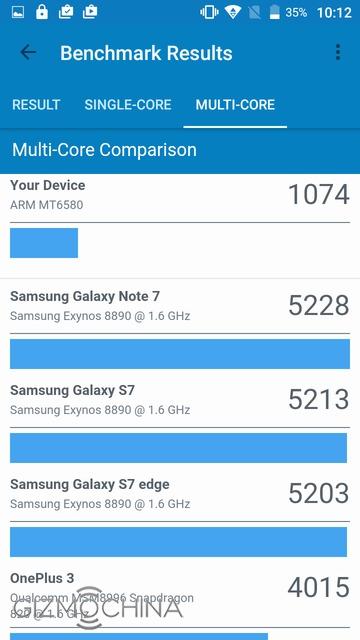
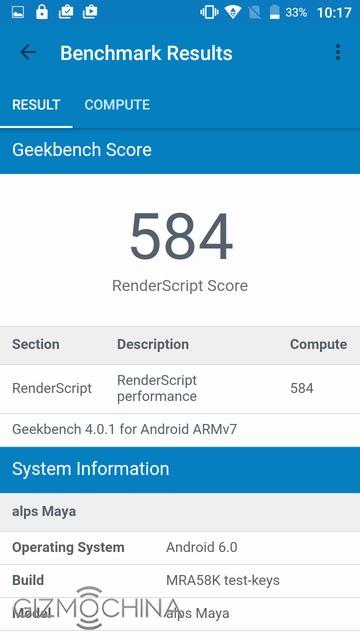
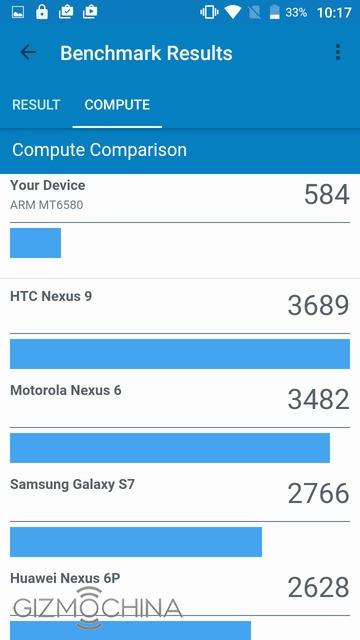
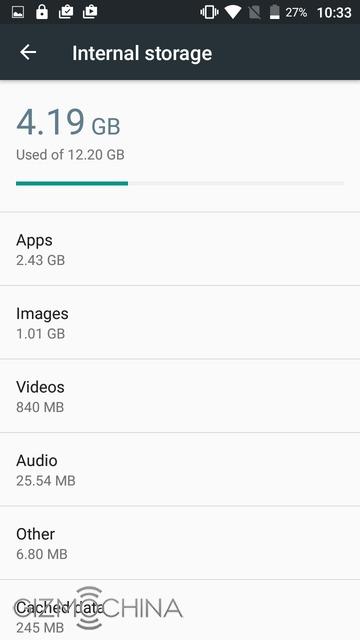
The phone ships with a quad-core Mediatek 6580 chip with the clock speeds of 1.3GHz, 2GB of RAM and 16GB of expandable storage.

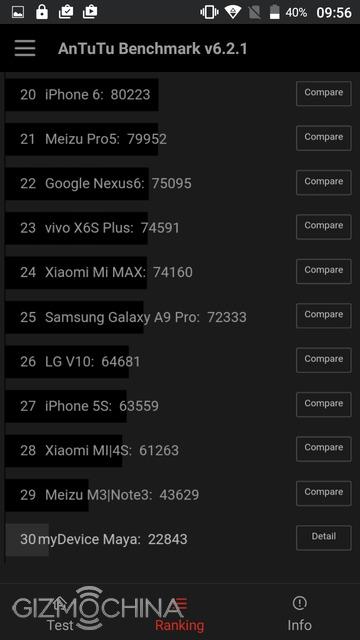
These are pretty low-end specs and the thus the 3D gaming performance is not so impressive. You should expect some stutter even on medium graphics when playing Asphalt 8.

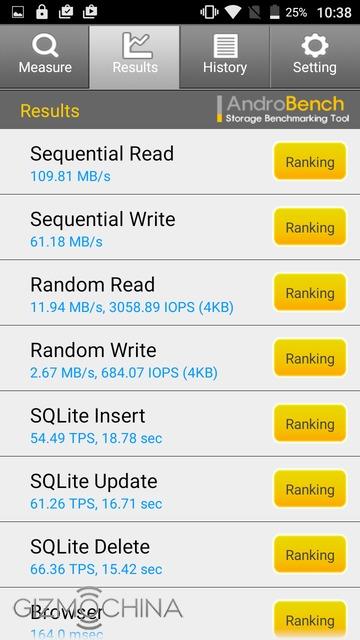
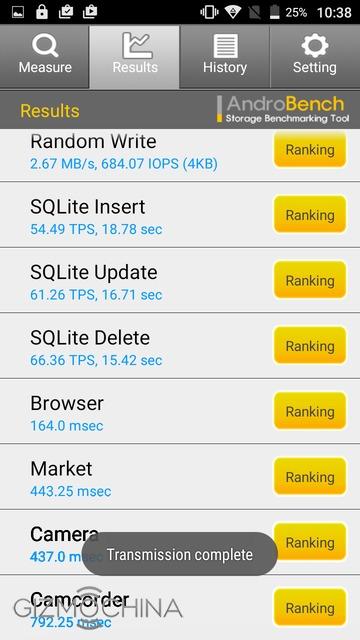
Bluboo Maya Review: BENCHMARKS

Bluboo Maya Review: USER INTERFACE

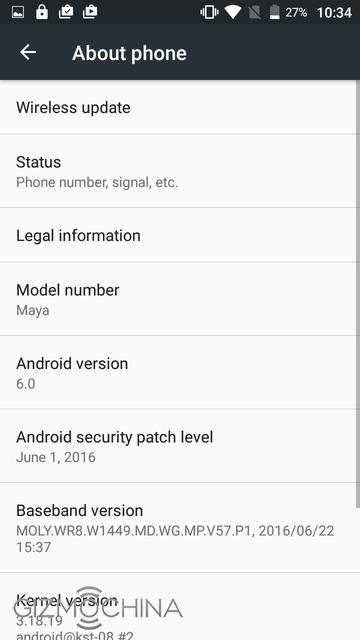
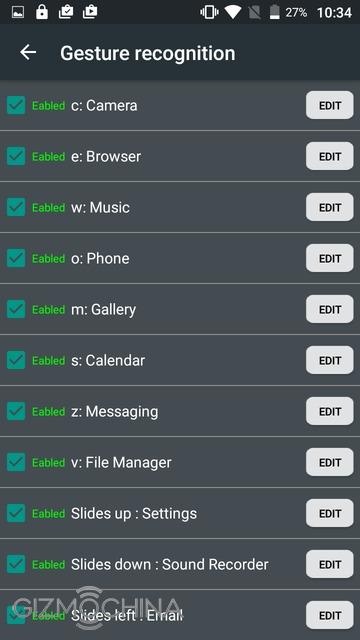
I always prefer stock Android especially on the cheap phones like this but the Bluboo Maya ships with their own skin on top of Android 6.0.

For some reason, they removed the app tray. A great thing is that there are no bloatware apps and the phone is pretty fast on the daily basis.

Bluboo Maya Review: IMAGE QUALITY

When it comes to image quality, you should never expect something spectacular from any cheap phones.

Surprisingly, the Bluboo Maya can take some decent-looking images. Even the low-light camera performance is slightly better than on some similarly priced phones.

The video quality is just mediocre as on most of the cheap phones.

The selfies produced by the 8MP camera look quite noisy and the level of detail is kind of low.

Bluboo Maya Review: CONNECTIVITY

img_3798

As for connectivity, everything is working fine except for the GPS. Sometimes it takes a lot of time to get the position lock and GPS is not always accurate.

Bluboo Maya Review: BATTERY LIFE

img_3786

A 3000mAh battery performs quite well. I could easily get through the day with this phone and that translates to 4.5h of screen-on time on a mixed use. However, the charging speeds with the supplied charger are very slow.

Bluboo Maya Review: CONCLUSIONS

img_3777

Bluboo Maya aims to brings a lot of value to the table and it succeeds in a lot of ways.

Of course, it is not perfect as the gaming performance is not so great, the GPS is slow and inaccurate, the display is reflective outdoors and the phone is kind of slow to charge.

img_3807

Still, for just $75 you get a 5.5” phone that runs on Android 6.0, it has a decent day-to-day performance, a good battery life and surprisingly decent camera.

All in all, Bluboo Maya may not be your next flagship phone but it is definitely a decent offering for the price if you are okay with the shortcomings that I just mentioned.

TCL 950 with SD 820, 4GB RAM Announced Along with TCL 580

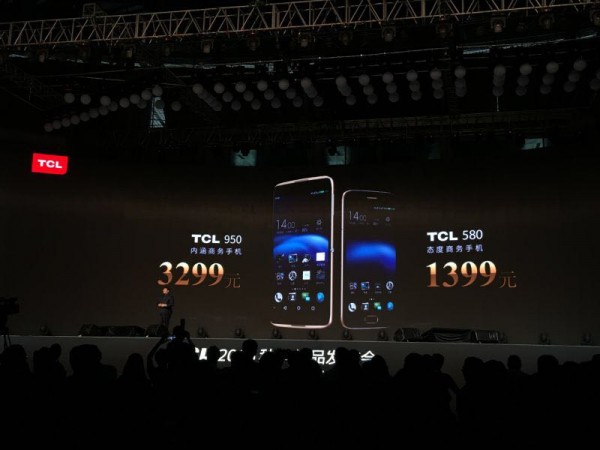
Chinese smartphone giant TCL has announced the entrance of two of its latest smartphones into the market dubbed TCL 950 and TCL 580 both in its Business series. Of the two, the TCL 950 is the high-end version, boasting of flagship specs and a sturdy classy look.

TCL 950 TCL 580

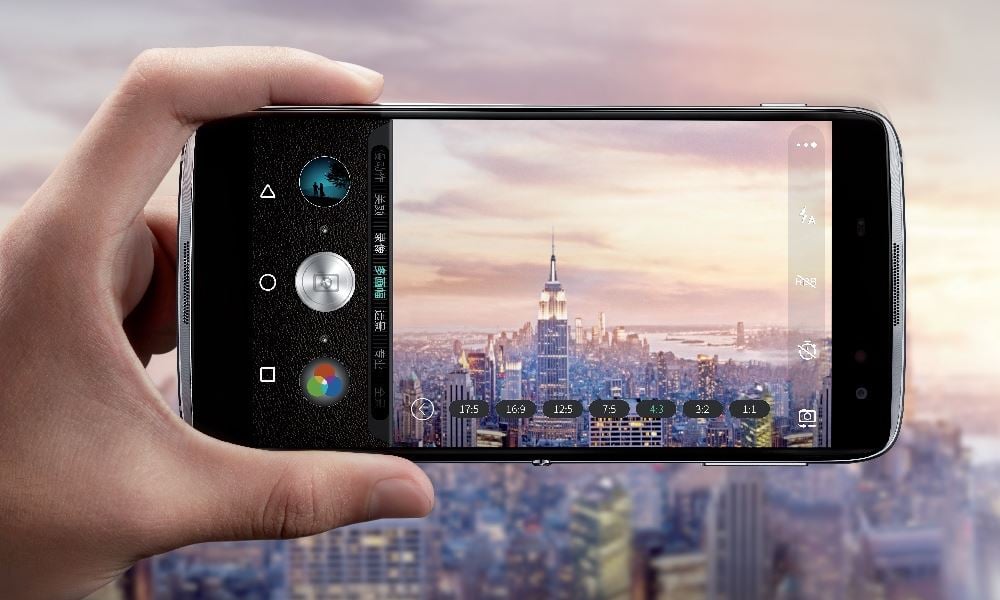
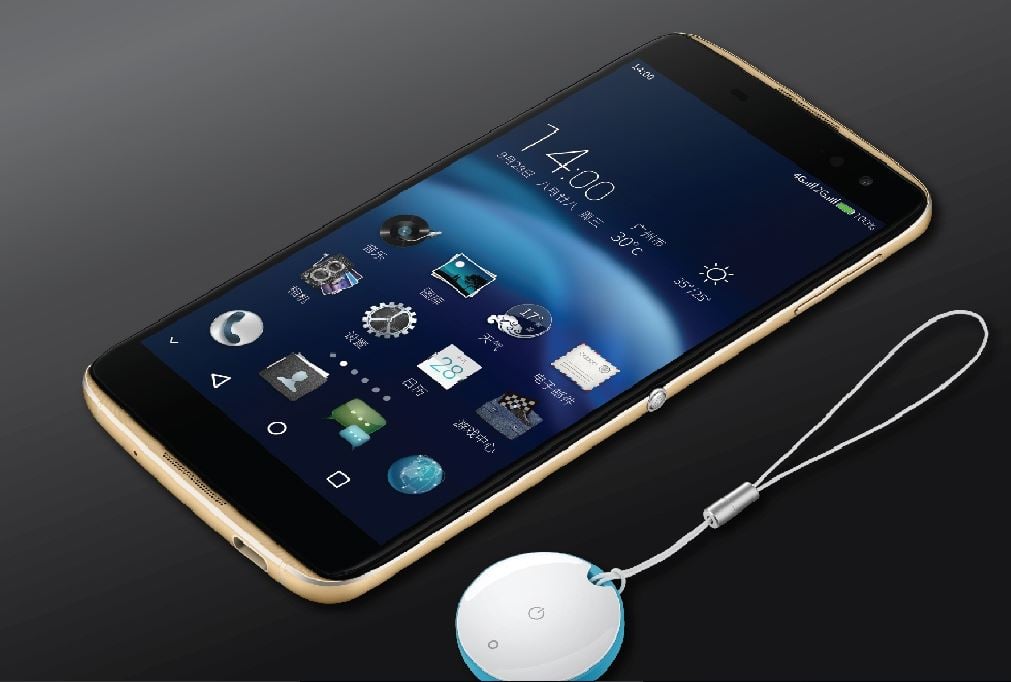
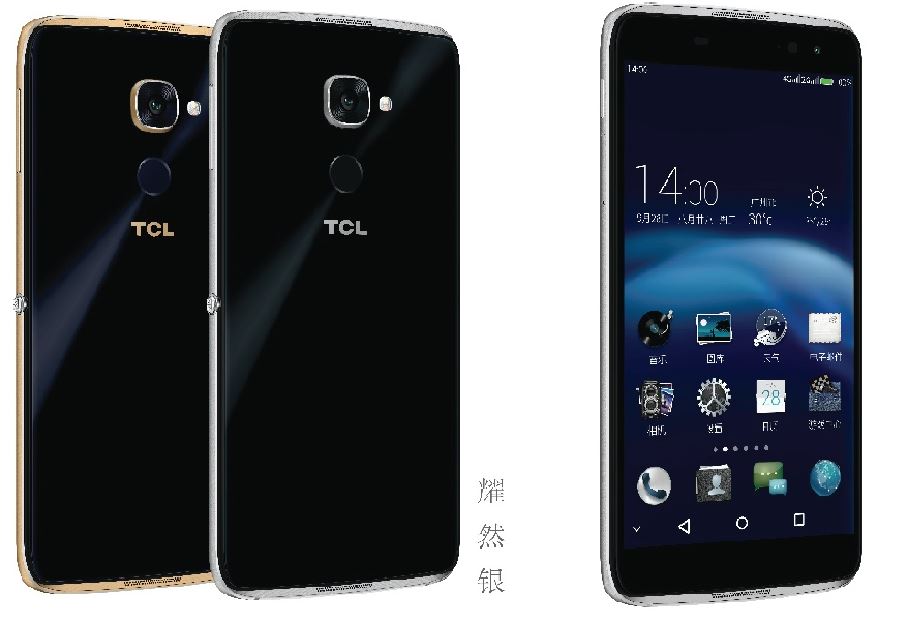
The TCL 950 features the high-end Snapdragon 820 processor which by the way is no longer the topmost from Qualcomm with Adreno 530 GPU. Along also with the SD 820 chip, is a 4GB  RAM and 64GB of internal storage which can be expanded. The flagship sports a 5.5-inch AMOLED display with 1080 pixels resolution which lies on top of an all-metal body having 2.5D glass both on top the display and at the back.  The entire device measures 153.6 × 75.4 × 6.99mm, and weighs 165g and the design is said to have been effected using 3D laser engraving technology.

TCL 950

The camera on the TCL 950 comes huge, with a massive 21MP rear-facing camera with Sony IMX230 sensors, PDAF and LED flash. Up front, there is an 8MP front-facing camera for selfies. Furthermore, the smartphone features a 3000mAh battery with Quick Charge 3.0 fast charge support. The device also comes with full network support including 4G, dual SIM slots, NFC support, USB Type-C interface.

TCL 950

Aside these, the TCL 950 also comes with other cool features such as dual front speakers or earpiece and the earpiece is such that it can be used to answer calls. There is also a rear mounted fingerprint sensor on the device.

On the other hand, the TCL 580 comes with a smaller 5-inch AMOLED display and is powered by a MediaTek MT6750 processor having eight Cortex-A53 core and clocked at 1.5GHz. There is 3GB of RAM on the 580 along side 32GB of expandable internal storage. There is a 13MP rear camera with Sony IMX258 sensors and PDAF as well as LED flash and up front, a 5MP camera does the job of snapping selfies.

tcl 950

The TCL 580 adopts the same double glass on top of metallic body design of the 950 and TCL also used 3D laser engraving technology on the design. The device also comes with fingerprint scanner just like the 950 but that on the TCL 580 is on the front specifically the home button. There is also a 2460mAh battery under its hood.

As for their prices, both the TCL 950 and 580 come in just gold and silver color variants and sales of the TCL 950 is said to start at 18.00 tonight in China on Jingdong, Lynx, Suning. The TCL 950 starts at 3299 Yuan ($495) while the TCL 580 carries a price tag of 1399 Yuan ($210). Sales of the 580 is said to commence on October 10 in China.


Xiaomi Mi 5s: Does it Feature a Snapdragon 821 or Snapdragon 820 Chip?

Xiaomi launched the new Mi 5s and Mi 5s Plus yesterday and according to the company both phones use Qualcomm’s new Snapdragon 821 processor. But the question on people’s mind is if the Mi 5s indeed sports a Snapdragon 821 chip seeing as its clocked at 2.15 GHz which is the maximum clock speed for the snapdragon 820 while the Mi 5s Plus is clocked at 2.35 GHz.

xiaomi-mi5s-official-01

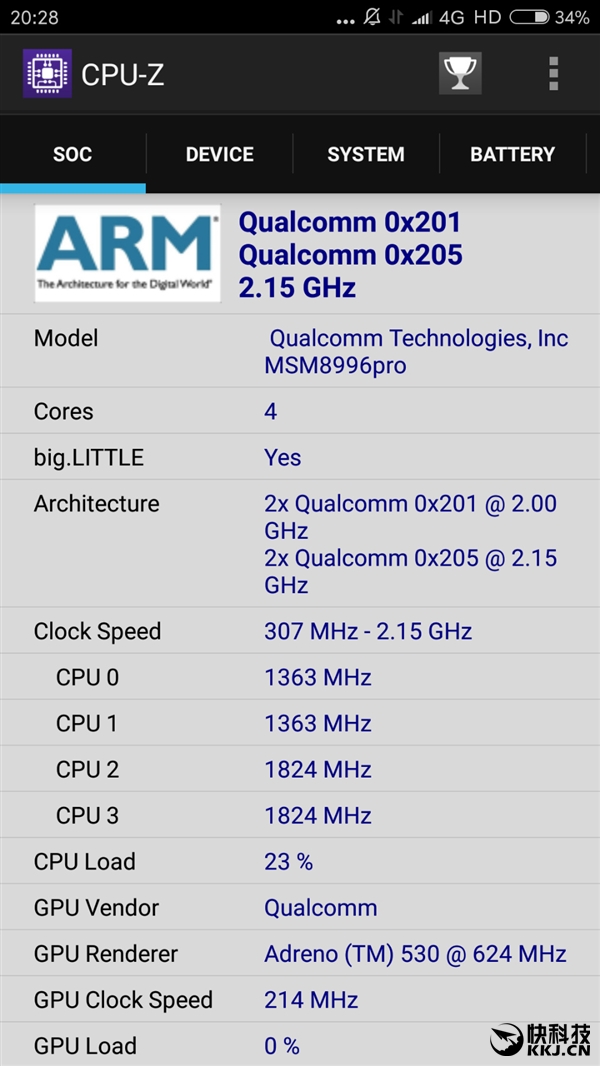
Someone decided to confirm that and checked the CPU details using popular app CPU-Z.

Snapdragon 821 Mi 5s

The app shows the Mi 5s indeed uses a Snapdragon 821 chip which also goes by the model name MSM8996Pro. However, the CPU is not the only thing that got under-clocked, the GPU is also under-clocked at 624MHz instead of  653MHz like that of the Mi 5S Plus.
READ MORE: Vernee Rolls Out 3rd OTA Update for Apollo Lite

Press Render of Google Pixel XL Gets leaked Too

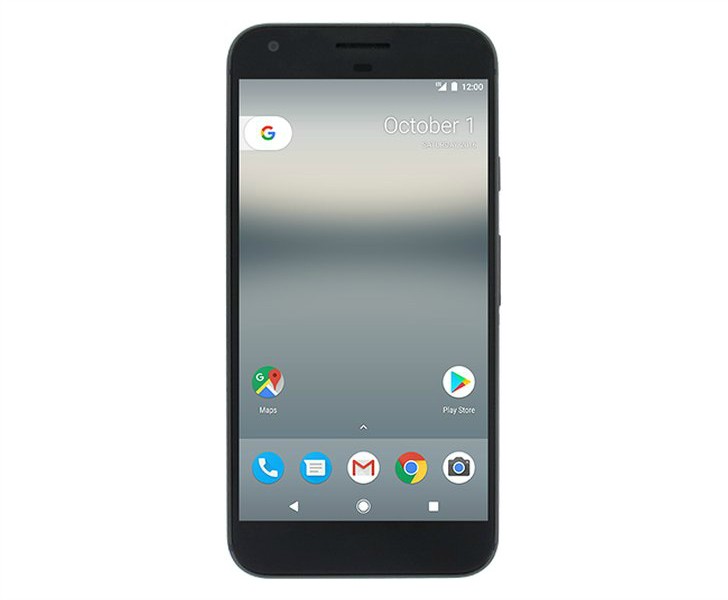
Yesterday we reported a leak press render of one of Google’s upcoming phone, the Pixel. It’s bigger brother, the Pixel XL doesn’t get left out as its own press render has leaked too. Both phones are expected to launch next week on the 4th of October.

Pixel XL Render

The render for the Pixel XL isn’t any different from that of the smaller sized Pixel, and based on insiders, Google’s act is intentional. Both phones are expected to feature similar internals and just be a little different on the outside just like Apple did with the new iPhones.

The render shows the phone running Google’s new launcher called Pixel Launcher which uses round icons (which I don’t like) and filled out on-screen navigation buttons (ugly as well).

The Pixel XL has been reported to sport a 5.5-inches AMOLED Quad HD display, a snapdragon 821 chip, a 12MP primary camera whose pictures were leaked recently, and an 8MP front facing shooter. The phone will also have a USB Type-C port,  a 3.5mm audio jack, and a fingerprint scanner. There will be a 3450mAh battery inside which should support Quick Charge 3.0. The phone is expected to launch with Android 7.1 Nougat.

READ MORE: Why The Mi 5s Has a Visible Ultrasonic Fingerprint Scanner

DJI unveils Mavic Pro Drone Featuring Ultra Compact Body & Powerful Features

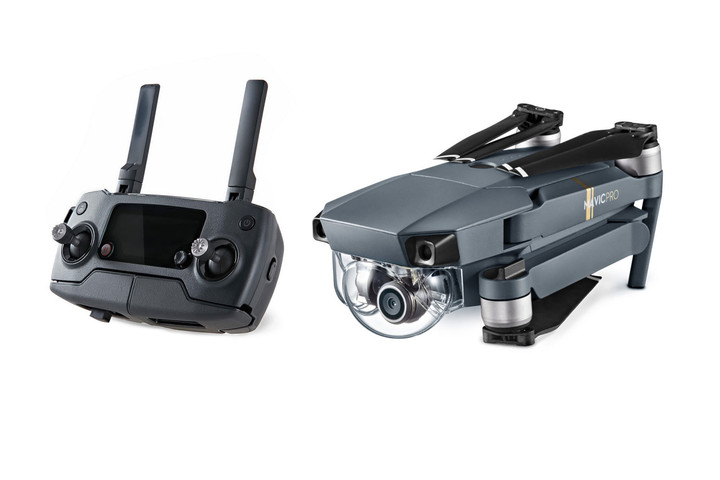
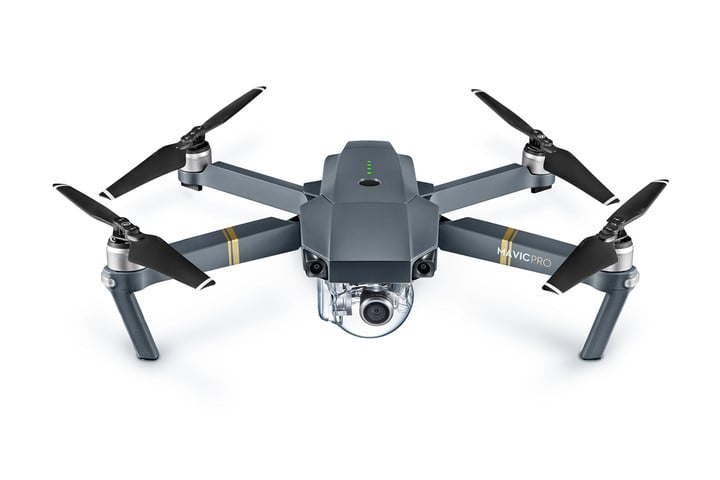
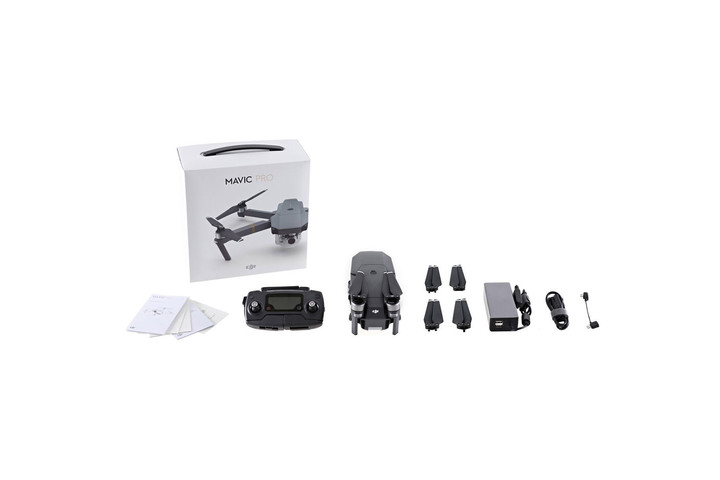
Top Chinese drone manufacturer DJI has unveiled its latest Mavic Pro drone which comes in as the company’s first foldable drone which can be folded down to the size of a water-bottle, giving it a very compact body built. The new drone comes in as the smallest in DJI’s line-up of drone and is also said to feature the new DJI Goggles which gives a bird’s eye view of the flight.

dji mavic pro


The DJI Mavic Pro enters the market battle ready to take on GoPro’s Karma, coming in as the company’s smartest drone so far and tagging along some cool obstacle avoidance and auto tracking features which are both absent on the GoPro Karma. What this means is that users don’t need to put a tracking device on the object they want the drone to follow rather all they need do is select the target on a smartphone and that’s all.

dji mavic pro


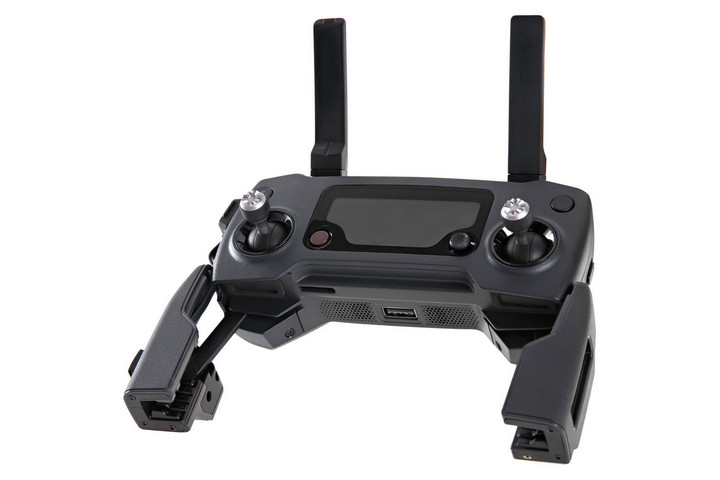
The Mavic Pro comes weighing just 1.64 pounds but the dimensions are not specified even though it is touted as being able to be folded up to a water-bottle’s size which makes it possible to fit into the pocket. The Mavic Pro also includes a foldable controller which allows a smartphone to slide into it and give users both touchscreen and joystick control options.

dji-mavic-pro-drone_02

DJI already has a reputation for its advanced flight options but the Mavic Pro takes things a notch higher, sporting an updated FlightAutonomy system. DJI calls the system a complex network which simplifies the navigation process. There are five built-in navigation cameras, GPS, ultrasonic range finders, multiple sensors and 24 computing cores. These all aid the drone to be capable of achieving several advanced flight modes. DJI also touts the Mavic pro of being capable of avoiding most obstacles even at speeds of up to 22mph The drone is however capable of hitting speeds of up to 40 mph in sport mode.

DJI Mavic Pro

The DJI Mavic Pro also comes with features which are on earlier quadcopters such as autofollow, crash avoidance, and flight modes. In addition to those, the Mavic Pro has been made capable of achieving precise landing within one inch of its original take off spot with just a simple tap on the return home command. even when racing uphill, you don’t have to be scared of crashing because there is a new mode which keeps the drone at the same distance from the incline as it flies. Gesture control, selfie featres are also part of the new inclusions on the Mavic pro.

On the camera angle, the Mavic Pro is equipped with both a 4K capable built-in camera and a three-axis gimbals which stabilizes the camera. The gimbals are DJI’s smallest till date and is reputed to be able to steady the camera enough to shoot aerial long exposures up to two seconds long. The camera has a 12MP sensor and it shoots in both RAW and JPEG and there are options of using 4K in 30fps, or 1080 pixels at 96 fps.The Mavic Pro was launched along with a new drone camera which gives users live view of what is happening mid-flight. Christened DJI Google, the camera has a display of 85 degrees in 1080p HD and also the Google  receives the signal straight from the drone which helps prevent lag time in the footage.The DJI Mavic Pro comes with a price tag of $999, higher than the GoPro Karma but then the more sophisticated features it packs seem to justify the price tag. On top of that, DJI has introduced a new $99 optional DJI Care Refresh option which covers accidental damage for a year. The DJI Mavic Pro is expected to start shipping on October 15.

Meizu Announces 3GB RAM Version of MX6

When Meizu released the MX6 flagship two months ago it launched with 4GB of RAM and 32GB of internal storage at a price of 1999 Yuan ($300). Now the company has launched a 3GB RAM version of the device.

mx6 meizu

The new MX6 retains the other specifications as the 4GB RAM version. There’s still a 5.5” full HD display supplied by Sharp, a Helio X20 processor under the hood, 32GB of storage space, Sony’s 12MP IMX386 CMOS sensor at the back and a 5MP camera in front for selfies.

Battery is also the same at 3060mAh with support for 12V 2A fast charging. You also get VoLTE, 4G+, Cat. 6 LTE, and Android 6.0 with Meizu’s Flyme UI overlay.

The new 3GB MX6 has a selling price of 1799 Yuan ($270) which if you ask me is still pretty expensive as there are a bunch of Snapdragon 820 phones selling for less the price and some new Snapdragon 821 phones priced at that same point.

READ MORE: Blackview Announces Low-Budget Blackview E7

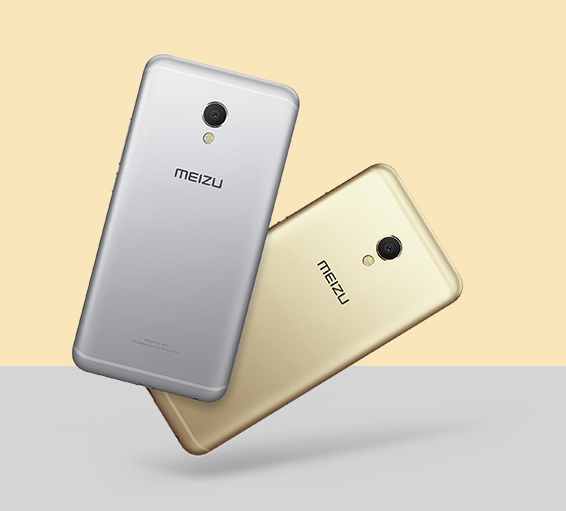
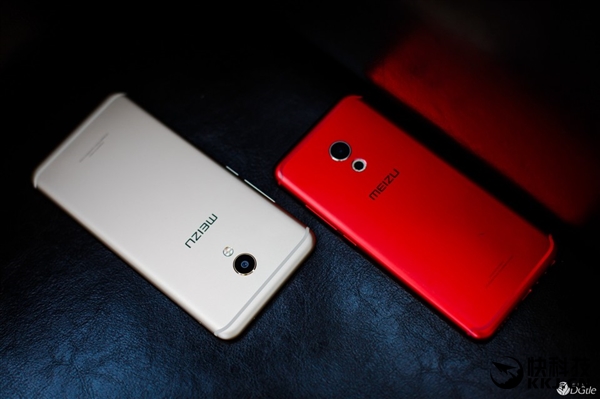
Two New Phones Dubbed Meizu Pro 6S & Pro 6 Plus Rumored to be in the Works

The rhythm of the Chinese phone market is expected to see a change from next month, seeing more devices getting released ahead of the year end sales. It is speculated that majority of the releases would be flagship devices and one of the manufacturers expected with a flagship device or two is Meizu.

meizu pro 6S vs Pro 6 Plus

Rumors are rife that Meizu is expected with a new smartphone release by the end of October or possibly in November and the smartphone has been given as the Pro 6S which would take over from the Pro 6 released earlier in the year. To be more concise, it is said that there might be two smartphone models one of which will be powered by the MediaTek Helio P20 processor and will go be the moniker Meizu Pro 6S. The Pro 6S apart from having a different processor from the Pro 6 Plus, will also come with a smaller 5.2-inch display.

Meizu Pro 6 Plus

On the other hand, the second expected flagship is said to be called Meizu Pro 6 Plus and would be powered by an Exynos 8890 chipset. According to the leak source, the Pro 6 Plus will feature a 5.7-inch display but it is unknown if the display would be curved.

On top of that, Meizu is said to be working on redesigning the looks of the devices and that the Chinese phone maker is looking to create a design where the antenna bands are completely hidden. If true, the devices are expected to see a more refined and unified visual effect.

Read More: Meizu Pro 6 Official: Details About Specs, Features, Camera & Pricing Inside

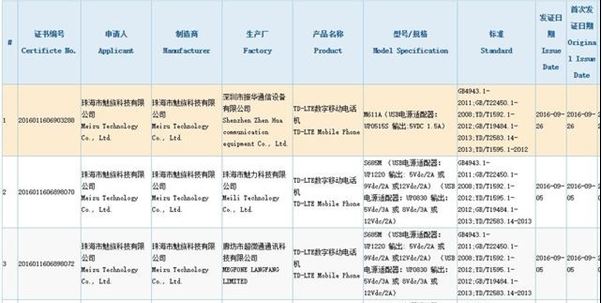
meizu-blue-charm

Also worth mentioning is the news that Meizu seem to have manufactured a new device with display screen in the region of 4.7 inches to 5 inches with plastic body. The said device adopts the model number M611A and has received 3C certification in China (pictured above). The details from the production factory also gives the idea the device will run on the Yun OS. We could be looking at another Blue Charm smartphone as well along side the Pro 6S and Pro 6 Plus. But then, we can’t be so sure until the devices are officially announced.

Motorola Says Android Nougat Update for Moto Z, G4 Lines Starts in Q4

When you get a new phone, you are always excited about it for a couple of weeks before the feeling wears off. But one thing that usually brings back that excitement is an update. I’m not referring to small and boring incremental updates like security patches and bug fixes. I mean the large updates ushering in a new version of android and a ton of new features. I am always so excited about such updates as long as it doesn’t mess up my device.

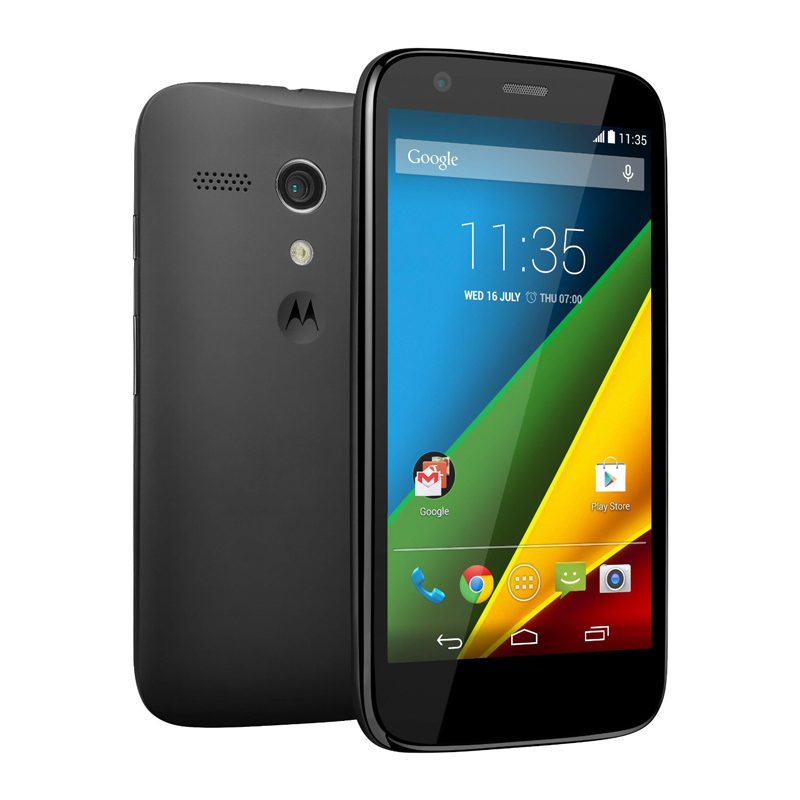
moto-g-4g-black

Google’s new version of android called Nougat, is just a little over a month old and just a handful of devices are running the official version. A few manufacturers have started announcing update schedules for supported devices and one of them is Motorola.

The company has announced that starting Q4 2016 the new Moto Z and Moto G4 lines will be seeing Android Nougat. Why is this a big deal? Motorola is one of the companies known for pushing  out updates in a timely manner but lately things seem to have gone bad following Lenovo’s acquisition.

A few months ago Motorola released an official statement over its inability to release monthly security updates for its phones citing the difficulty associated with the amount of testing and approvals necessary for a large number of devices as the reason. The company has also laid off a large percentage of the original workforce since the take over which might mean less hands assigned to tasks like that.

READ MORE: Xiaomi Mi 5 Gets a Price Slash Following New Releases

Snapdragon 821 Battle: LeEco Le Pro 3 vs Xiaomi Mi 5s Vs Xiaomi Mi 5s Plus

In my opinion, Xiaomi’s biggest threat when it comes to affordable flagships is LeEco. Just two years into the business of phone manufacturing, the company (LeEco) already has an interesting portfolio even though it isn’t half as large as that of Xiaomi.

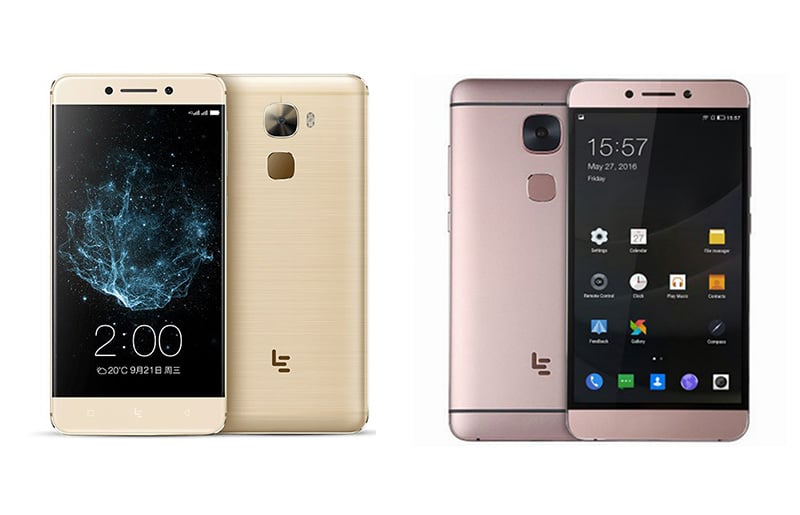
Last week, LeEco launched a new phone, the Le Pro 3 which is the first Chinese phone to feature the all-new Snapdragon 821 processor. Earlier today, Xiaomi launched not one, but two  snapdragon 821 phones, the Mi 5s and Mi 5s Plus. We’ve decided to do a comparison of all three devices. Highlighting their pros and cons hoping it will help you decide which to settle for.

le pro 3
Le Pro 3
Mi 5s Plus
Mi 5s Plus
Xiaomi Mi 5S
Xiaomi Mi 5s

Design

All three phones feature an all-metal body. The Xiaomi Mi 5s is the smallest of the lot standing tall at 145.6 mm, followed by the Le Pro 3 at 151.4 mm, and the 5s Plus at 154.6 mm. You might think the Mi 5s should get the award for the thinnest considering it’s small size and small battery, but the Le Pro 3 wins in that aspect and its a surprise considering it has the largest battery of the lot. The large battery of the LeEco makes it lose out in the weight department. It weighs 175g, a tad higher than the Mi 5s Plus at 168g and significantly more than the Mi 5s’ 145g.

Display

Both companies decided to stick to IPS displays this time, probably to keep the price down. Resolution is the same at 1080p but pixel density varies. The Mi 5s has a 428 ppi for its 5.15” display; the Le Pro 3’s 5.5” screen has a ppi of 403, and the Mi 5s Plus comes in last with a ppi of 386 based on its massive 5.7” display.

Most people won’t notice the difference unless they are holding the screens very close to their eyes. But what matters most will be colour reproduction and sunlight legibility.

Cameras

The Le Pro 3 is equipped with a 16 megapixel Sony IMX298 camera with a 1/2.8″ sensor size and 1.12 µm pixel size. The camera which has an aperture size of f/2.0, 76.5° wide-angle lens, PDAF, dual tone flash, shoots in 4K at 30fps, and 720p slow motion at 120fps. It’s front facing camera is an 8 megapixel sensor with a f/2.2 aperture which can also record 1080p videos.

Xiaomi’s Mi 5s has a 12MP f/2.0 Sony IMX378 1/2.3″ 1.55µm sensor mounted at the back. The camera is an 80° wide-angle lens with dual tone flash, PDAF, 4K recording at 30fps, 1080p at 120fps and 720p slow motion at 120 fps. There’s a 4MP Ultrapixel camera with f/2.o aperture, 80° wide angle lens, facial recognition up front.

The Mi 5s Plus is the beast here with dual 13MP Sony cameras. One camera shoots RGB only, capturing colour details; and the other shoots monochrome images only, allowing for more light and higher contrast. Both images are then stitched together to make for a great picture with less noise and greater clarity. The camera shoots in all the formats above and adds RAW format to the list. Front camera is the same as that of the Mi 5s.

Sadly, all three phones lack optical image stabilisation.

Connectivity

Each of the phone has a slot for two nano SIM cards. They all have LTE but the difference is in the bands supported and this is a big deal as the absence of a particular band makes it a deal breaker for some buyers.

The bands supported by each device is listed below:

  1. Le Pro 3
  • 2G/GSM: 2/3/5/8
  • CDMA: BC0/BC1
  • 3G/WCDMA: B1/2/5/8
  • TD-SCDMA: B34/39
  • EVDO: BC0/BC1
  • 4G/FDD-LTE B1/2/3/4/5/7/8/20
  • TDD-LTE: B38/39/40/41

2. Xiaomi Mi 5s and Mi 5s Plus

  • 2G/GSM: 2/3/5/8
  • CDMA: BC0/BC1
  • 3G/WCDMA: B1/2/5/8
  • EVDO: BC0/BC1
  • 4G/FDD-LTE B1/3/5/7/*8
  • TDD-LTE: B38/39/40/41

*Only the Xiaomi Mi 5s is listed as having support for Band 8 (900).

There’s NFC, Bluetooth 4.2, Wi-Fi 802.11 a/b/g/n/ac, dual-band, WiFi Direct, hotspot, A-GPS and GLONASS on all three phones. The ports are also USB Type-C.

While LeEco has abandoned the 3.5 mm jack, users will still find the audio port on the Xiaomi Mi 5s and Mi 5s Plus.

Battery

This is another important factor when it comes to phones. Like I mentioned above, the LeEco has the largest battery capacity (4070mAh), followed by the Mi 5s Plus (3800mAh). The Mi 5 has a 3200mAh battery which is still larger  than that of some other flagships like the Samsung S7 (3000mAh) and the Moto Z (2600mAh). Just so you know, all three phones support Quick Charge 3.0.

Special Features

The highlights of the Mi 5s is its new ultrasonic fingerprint scanner (present in the Mi 5s only) and the pressure sensitive display (available in the 4GB variant of the Mi 5s only). The LeEco Pro 3 and the Mi 5s Plus both use capacitive fingerprint scanners and don’t have pressure sensitive displays but they have IR blasters like the Mi 5s.

Price

The LeEco comes in 4 versions:

  1. Standard version 4GB + 32GB sells for $270
  2. High End version 6GB + 64GB sells for $300
  3. Zhang Yimou 4GB + 64GB sells for $375
  4. Zhang Yimou 6GB + 128GB sells for $450

The Mi 5s is available in 2 variants:

  1. 3GB + 64GB sells for $300 (which doesn’t have a pressure sensitive display)
  2. 4GB + 128GB sells for $345

The Mi 5s Plus is also available in 2 variants:

  1. 4GB + 64GB sells for $345
  2. 6GB + 128GB sells for $390

READ MORE: Honor 6X Appears on TENAA Sporting Dual Cameras

Huawei Mate 9 Renders Reveal Leica Certified Dual Cameras & 7 Color Options

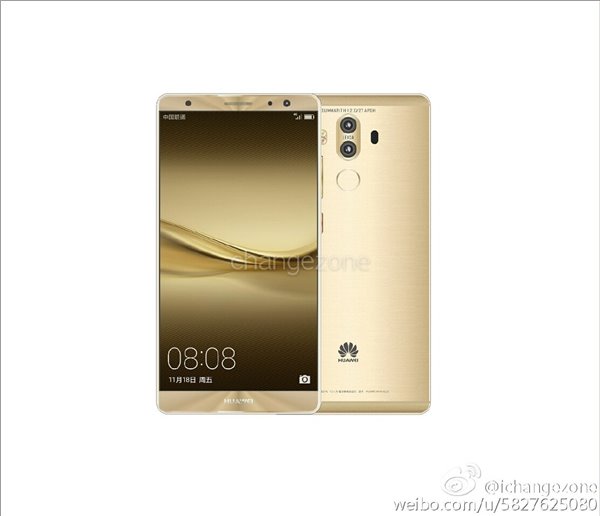
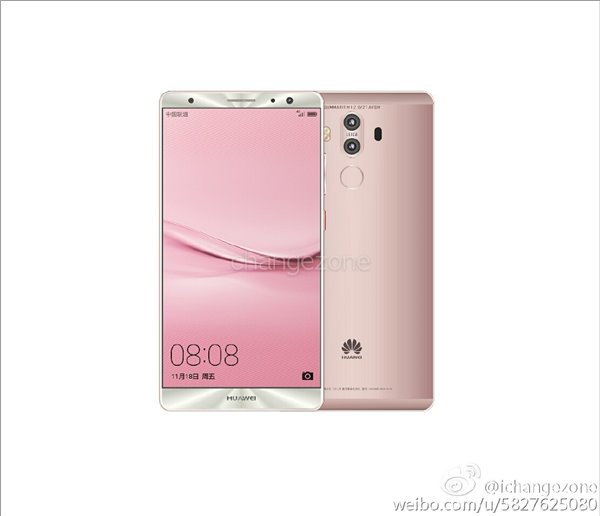
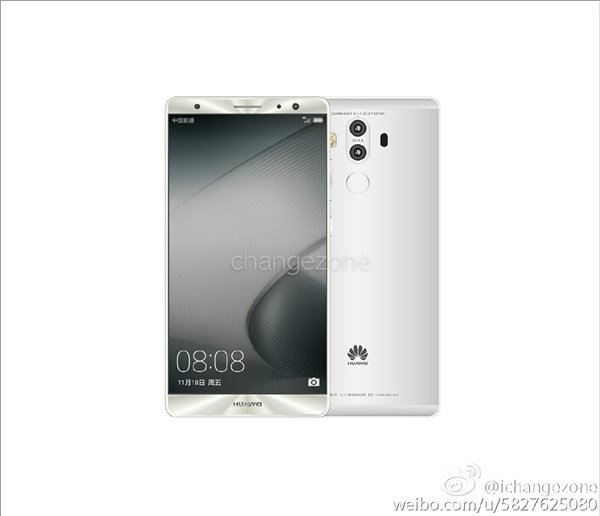
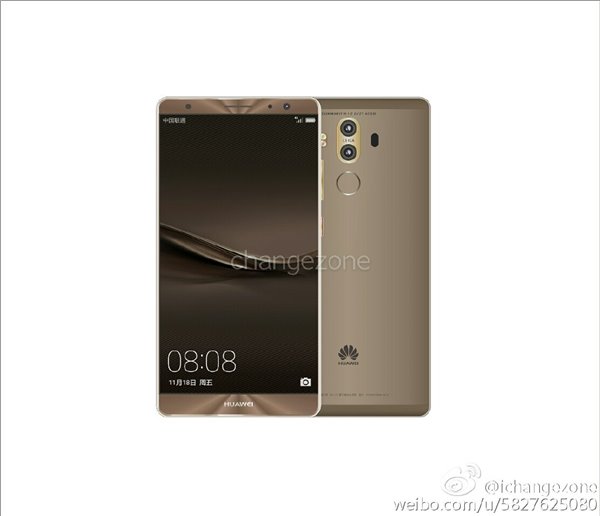
Huawei’s flagship device of the year is the Huawei Mate 9 and the phone is expected to be announced sometime in November 2016. While we wait for the official launch of the phone, new renders of the Mate 9 flagship have emerged, giving us some insight on the phone’s design and features.

mate-9-render-01

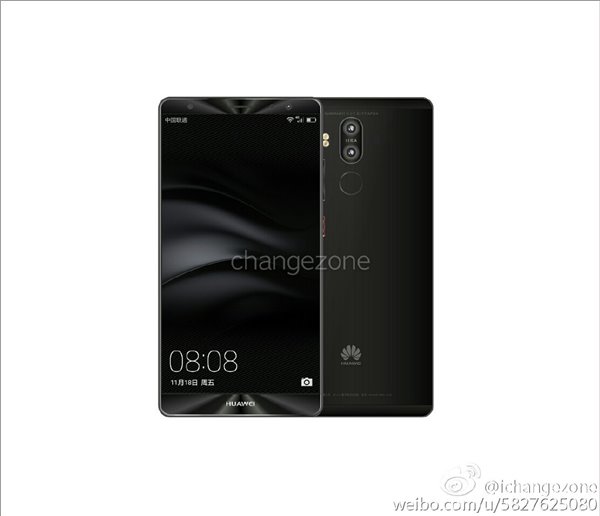
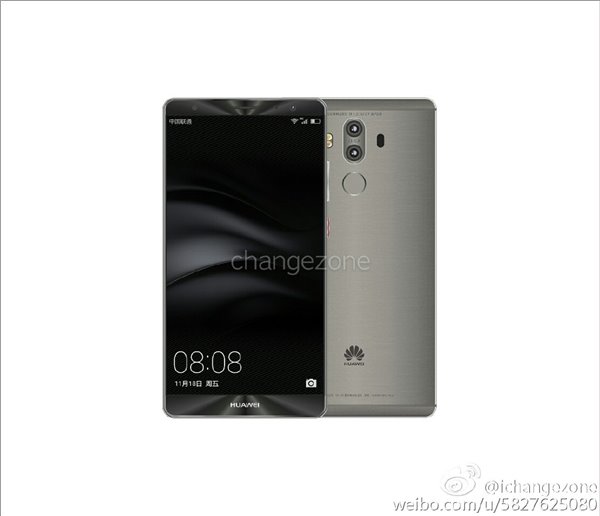
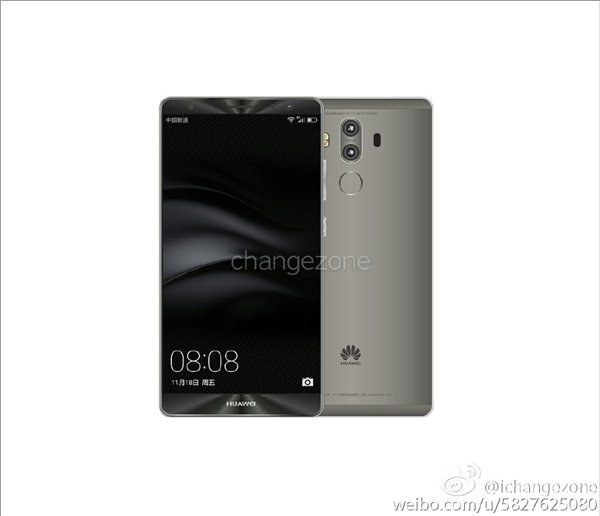
There are not one, but seven renders of the Mate 9 that emerged today on Weibo. The seven renders reveal seven different colors for the upcoming smartphone. Further, we can see that the phone in the render features an all metal design with dual cameras at the back. Also, there are the words ‘Leica’ between the two cameras, revealing that the new device could also be Leica certified. After the news about the new research lab established by Leica and Huawei together in Germany, there is hardly any doubt that Mate 9’s camera will be Leica certified as well.

Mate 9 Render

Other details revealed by these renders include a possible Laser Focus setup, at least that’s what the black sensor on the right of the dual camera setup look like. Then, there’s a rear placed fingerprint sensor as well.

RELATEDNew Huawei Mate 9 Leaks: Multiple Versions, Iris Scanner, Launch Date and Price

According to earlier rumors, the Huawei Mate 9 will come with the brand new Kirin 960 chipset featuring Cortex A73 Artemis cores along with 20MP dual Leica certified cameras with OIS. The phone should also run on Android 7 Nougat out of the box.

More details should emerge in the days to come. So, stay tuned for more updates. Meanwhile check out rest of the renders from down below.

Mate 9 Render Mate 9 Render
Mate 9 Render
mate-9-render-08mate-9-render-09


Xiaomi Mi 5S’ 12MP Sony IMX378 Sensor: 26 Original Camera Samples With EXIF Data

Xiaomi and Xiaomi’s CEO Lei Jun have been teasing the camera samples from the Xiaomi Mi 5S for the past few days. However, these were without EXIF data and not even in full resolution. While the images looked stellar, in terms of its clarity and color reproduction, they were not quite enough to confirm that the Mi 5S indeed had a great camera.

mi 5s camera

Now, we have got 26 original camera samples from the Xiaomi Mi 5S’s 12MP Sony IMX378 camera sensor and they look pretty good. While we can judge the actual performance of the camera module only after testing out the Mi 5S’ camera in real life, these pictures taken by professional photographers do give us a glimpse of the capability of the large sensor on the back of the device.

We have covered the camera of the Mi 5S in detail in our launch article, but to recap, the phone features a 12MP Sony IMX378 sensor at the back with 1/2.3 inch sensor and large 1.55-micron pixels. This should effectively translate into better low light photography and better details on the images captured. And these samples do give us a hint that the low light photography of the phone is going to be impressive.

Note that some of the images are of the resolution 4000 x 3000 pixels (12MP) and some are of 3264 x 2448 (8MP resolution). All these photos have their original EXIF data, so you can check all the details in the original images.

Also, if you would like to download the original images, you can do that directly from this google drive link.

Xiaomi Mi 5S & Mi 5S Plus Hands On & Unboxing Images

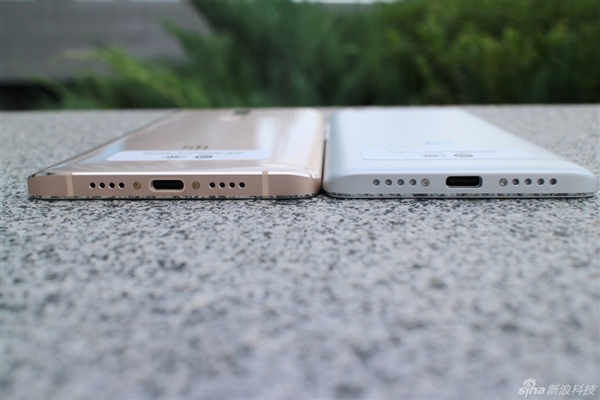
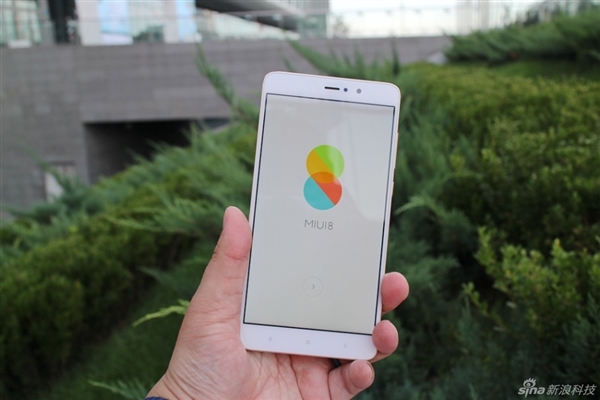
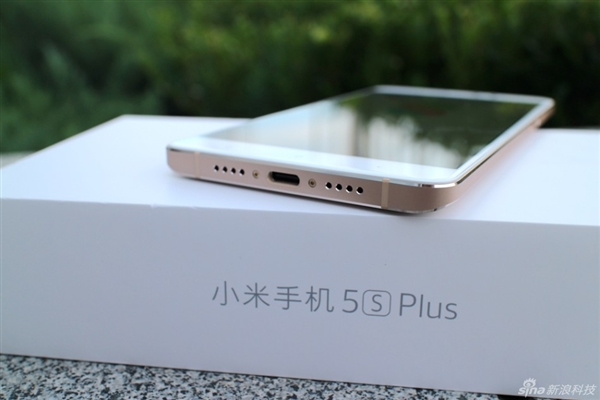
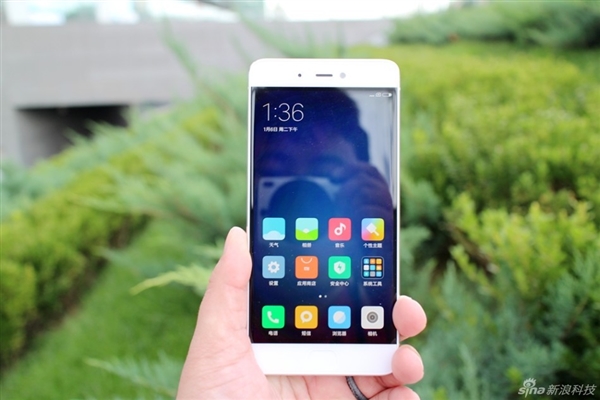
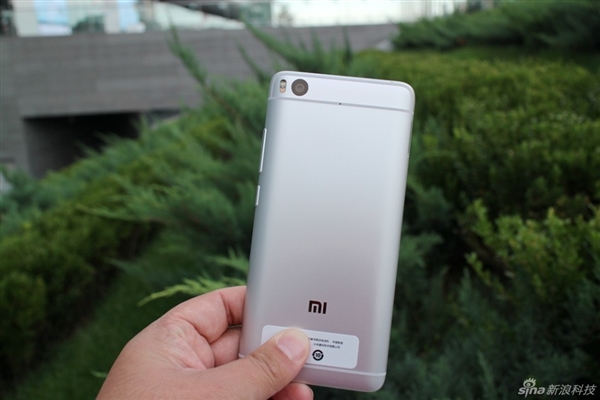
Finally, the Xiaomi Mi 5S and Mi 5S Plus have both been unveiled and indeed the unveiling was packed with lots of surprises. Most surprising is the fact that the Mi 5S Plus is only a Plus version in size and not ready a higher variant of the Mi 5S . Another surprise package is the actual render of the devices, especially the Mi 5S which looked nothing like the leaked renders we had been holding on to. Yet another surprise, perhaps the most epic of the lot, is the price tag which the Xiaomi Mi 5S amd 5S Plus carries, which even comes cheaper than the cheap price tag they had been rumored to carry. You’ll get to see this early hands on and unboxing images which comes courtesy of Sina Technology.

Xiaomi Mi 5S

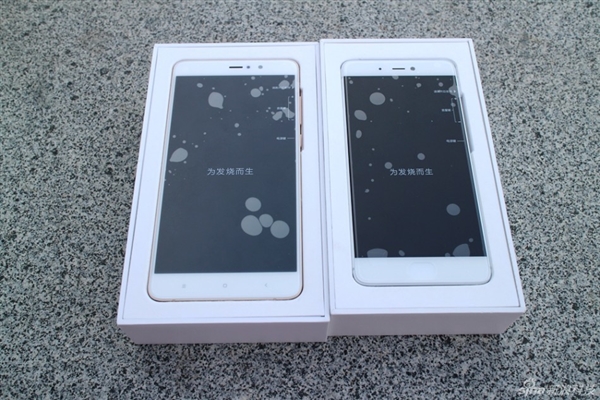
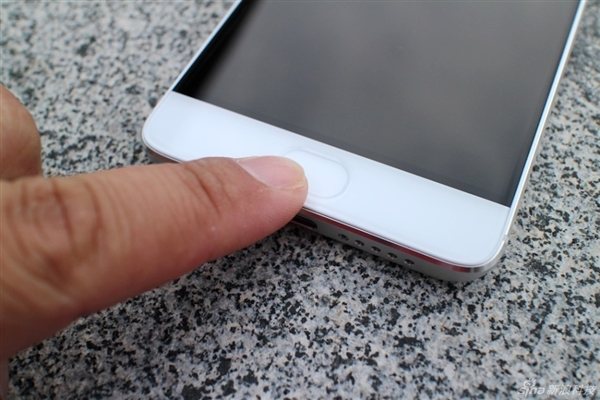
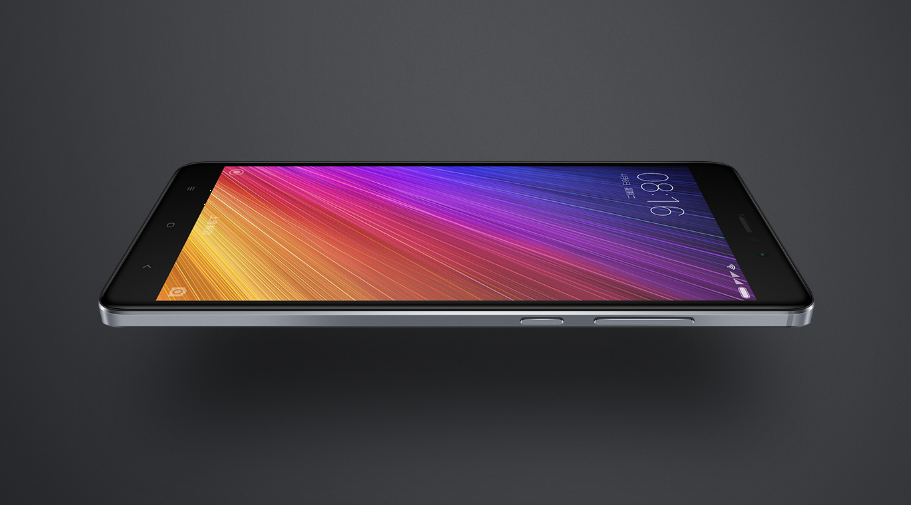
The Xiaomi Mi 5S and Mi 5S Plus are real beauties in all ramifications; beautiful design, awesome specs, innovative features and lots. However, they both cannot be at par, the Mi 5S comes in as the most innovative, and beautiful of the duo. The Mi 5S alone features the acclaimed under glass ultrasonic fingerprint scanner situated as a virtual button at the home screen region right under the display.

mi 5s Plus

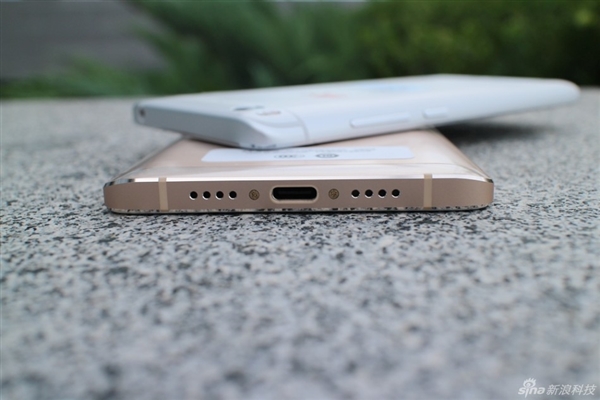
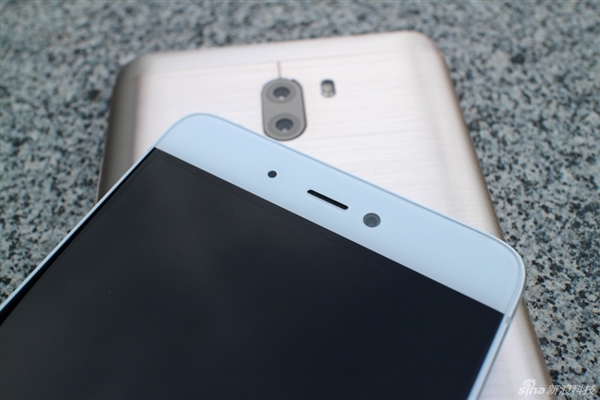
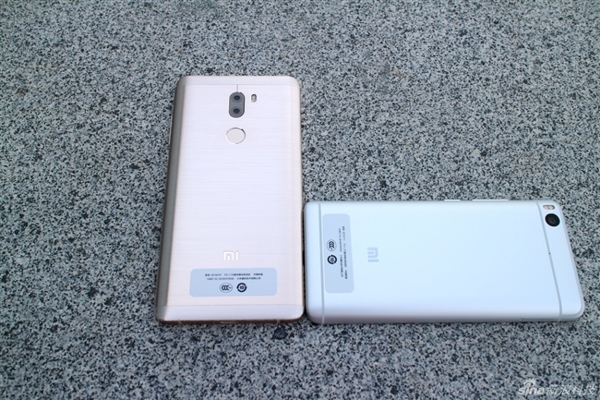
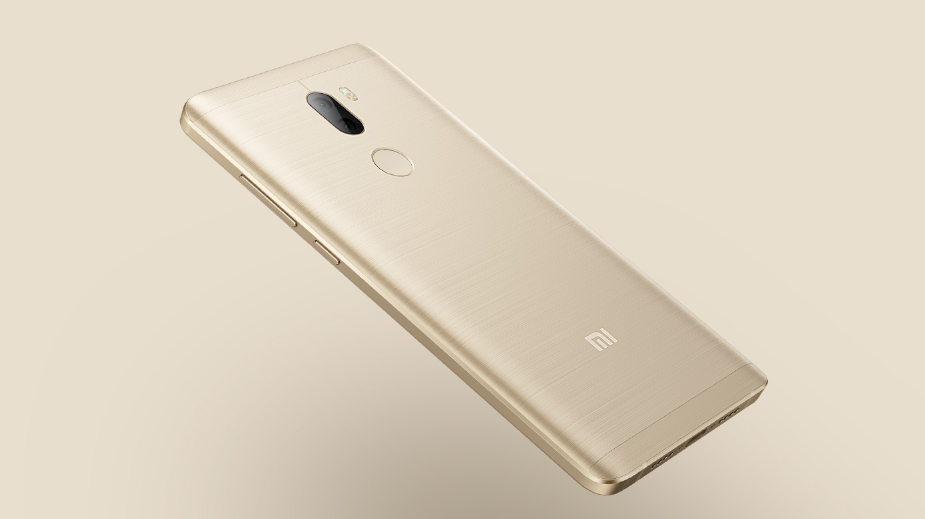
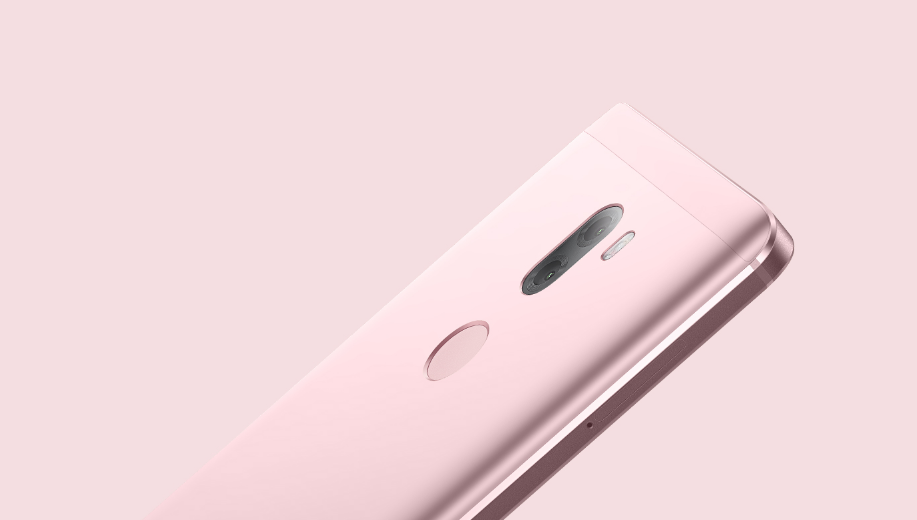
The Xiaomi Mi 5S Plus on the other hand, comes as a 5.7 incher and sports a dual camera at its rear which is said to include a black and white sensor and a color sensor. They both can work independently or together to give crisp clear images devoid of image noise. Its own fingerprint scanner is at the back under the dual cameras and there are no virtual buttons but capacitive keys on the device.

Xiaomi-mi-5S

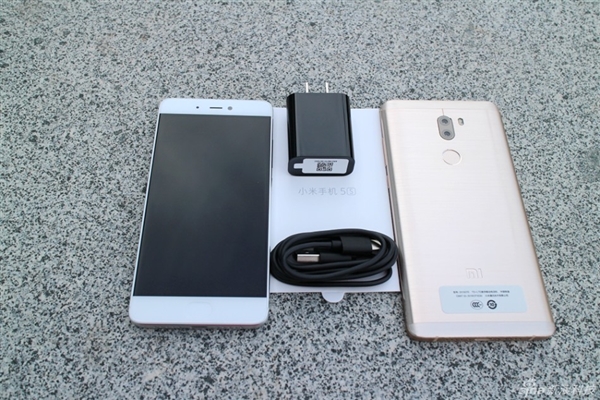
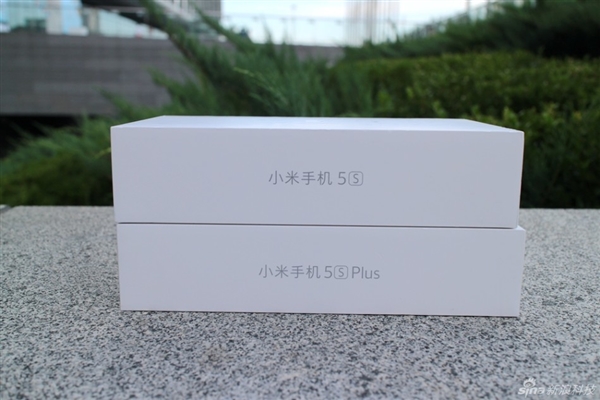
If you don’t look carefully, merely staring at the Xiaomi Mi 5S and Mi 5S Plus box casing would give the impression that you are staring at the iPhone 7 and 7 Plus boxes. And quite frankly, opening up the boxes reveal devices as beautiful, if not more beautiful, as the latest iPhones. The devices comes inside the boxes with their charger and data cables.

mi 5s

We must not fail however to point out that the shape of the virtual button looks nothing like the iPhone’s round home key as rumored but rather maintains Xiaomi’s custom oblong shape. The only different should be the fact that the button this time around is a virtual one and you won’t get to hear the click sound when pressed.

Read More: Why The Ultrasonic Fingerprint Scanner on The Xiaomi Mi 5s is Visible

mi 5S unboxing

In all, these are real beauties and it is just apt to say that the China phone giants seem to be on a mission to redefine what a flagship actually is. First OnePlus 3, then Le Pro 3 and now the Mi 5S has taken the old impression that a flagship has to be pricey to the cleaners and we are indeed impressed! Delight yourselves in lot more images from down below.

Xiaomi Mi 5Smi 5s

mi 5s Plusmi 5smi 5s vs mi 5s plusmi 5s vs miu 5s plus

mi 5s

mi 5s plus

mi-5s-plus-handson21mi-5s-plus-handson22


Official Pictures of Xiaomi Mi 5s Plus

The launch of the new Xiaomi flagships has come and gone and while we might have to wait a few days before articles and videos of first impressions start flooding the net, that doesn’t mean the feeling off euphoria has to wear off immediately. So bask in these official photos of the bigger Mi 5s Plus.

xiaomi-mi-5s-plus-7 xiaomi-mi-5s-plus-6 xiaomi-mi-5s-plus-8 xiaomi-mi-5s-plus-5

Is it just me or does the Mi 5s Plus look a bit like the Redmi Pro, save for the design of the dual cameras, fingerprint scanner, and the LED flash?

xiaomi-mi-5s-plus-3 xiaomi-mi-5s-plus-4 Mi 5s Plus xiaomi-mi-5s-plus-1 xiaomi-mi-5s-plus-9
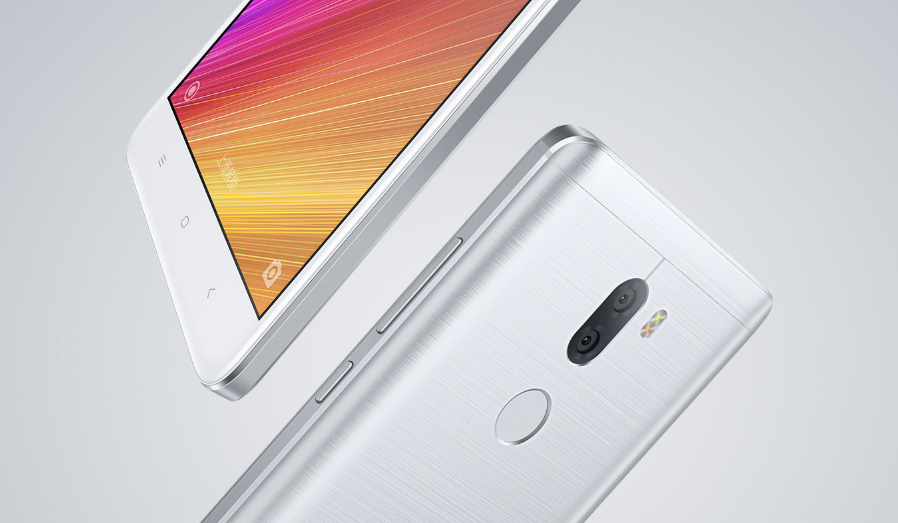
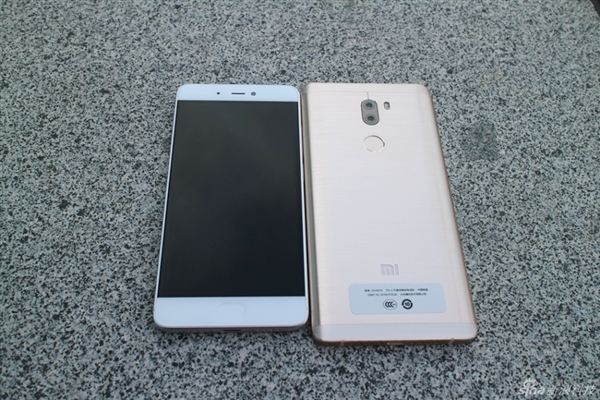
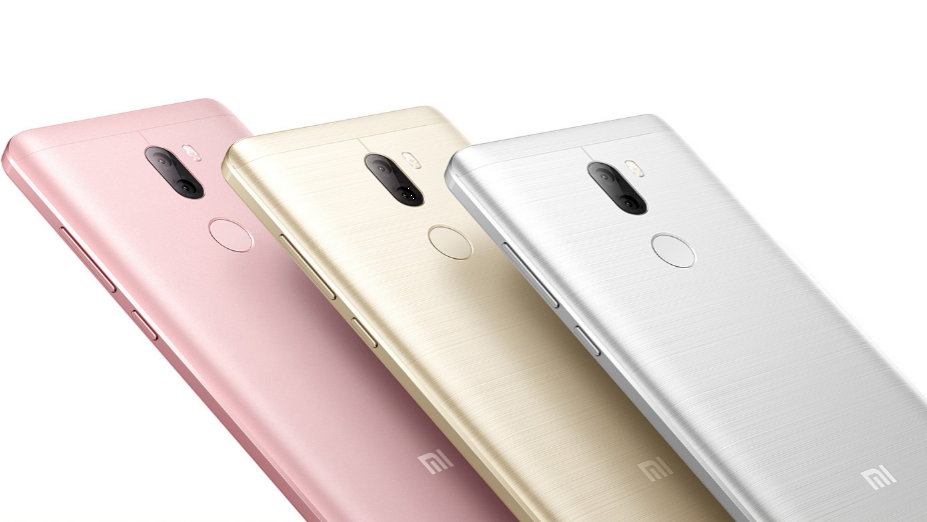
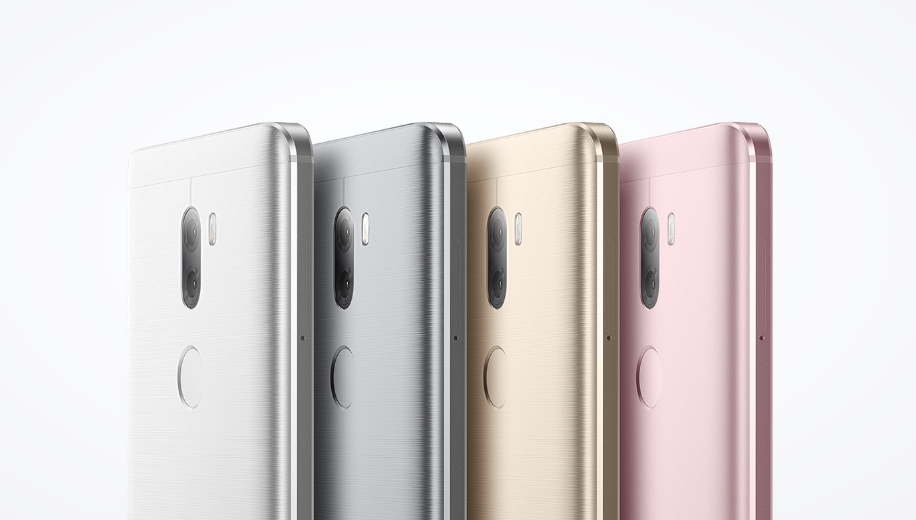
The Xiaomi Mi 5s Plus has a nice design. This is Xiaomi’s second dual-camera phone and the camera design is entirely different. The cameras are in a single housing and the LED flash flanks it on the left. Sitting below it is a fingerprint scanner which doesn’t appear to be an ultrasonic sensor like that of its sibling, the Xiaomi Mi 5s.

Xiaomi retains the style of placing the volume rocker and power buttons on the right. Unlike the original Mi 5 and the Mi 5s which have illuminated dots on both sides of the fingerprint scanner, the Mi 5s Plus uses the familiar backlit icons which is present on the Redmi Note 3.

The Mi 5s Plus has a large 5.7 inches 1080p display that has been crammed into a body smaller than that of the iPhone 7 Plus which has a 5.5” display by the way. It also has a 3800mAh battery, NFC, Bluetooth 4.2, and support for Qualcomm’s Quick Charge 3.0.

Pricing starts at $345 for the 4GB RAM + 64GB version and $390 for the 6GB RAM and 128GB version. With the pricing of the latter, I think the OnePlus 3 has indeed met its match.

Xiaomi Mi 5 Price Slashed Following Release of Mi 5s and Mi 5s Plus

Manufacturers slashing the price of their previous models following the release of a new one is not a new practice. Xiaomi just announced two new flagship phones and they’ve decided to follow the same pattern by reducing the price of the Mi 5. If you head to the official online store, the new price changes have been effected.

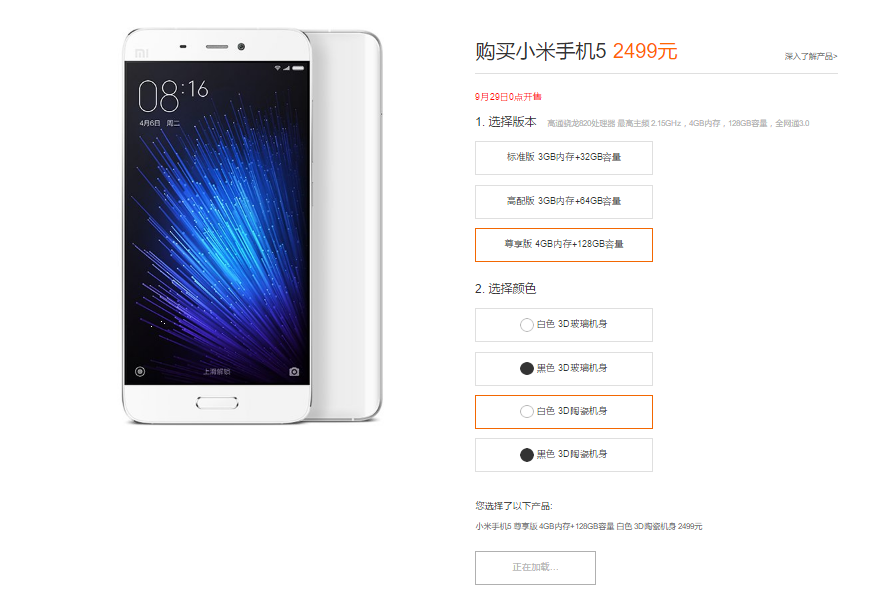
The standard edition with 3GB of RAM and 32GB of storage sells for 1599 Yuan ($240). If you want one with a lot more storage (64GB) but with the same RAM, you’ll have to pay 1799 Yuan ($270).

mi-5-price-slash

The high end version which features a 3D glass body, 4GB of RAM and 128GB of storage sells for 2399 Yuan ($360), while the ceramic edition is priced at 2499 Yuan ($375). Do note that the price is the same irrespective of the colour you choose.

READ MORE: 360 Teases N4A for October 13 Launch

Why The Ultrasonic Fingerprint Scanner on The Xiaomi Mi 5s is Visible

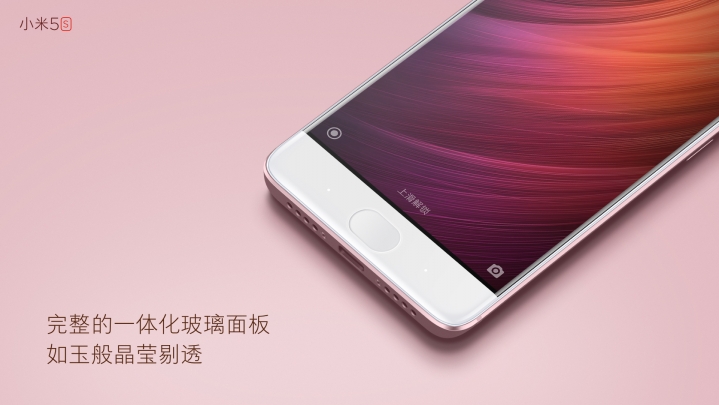
Just about an hour ago, Xiaomi launched its new flagships, the Xiaomi Mi 5s and Mi 5s Plus. After weeks of leaks and rumours, we finally know what the phone looks like and what it has and doesn’t have. One notable feature that must have caught the eyes of many readers is the ultrasonic fingerprint scanner which surprisingly is ”visible”, when we hoped it was going to be completely hidden.

fingerprint-scanner-mi-5s-3

CEO, Lei Jun, during the launch decided to explain why the fingerprint scanner can be seen. He said the company decided to include a groove on the front glass, right above where the sensor is located to make it easy to find. While his reason is acceptable, I still believe users will be able to unlock their phones once they know the area the fingerprint scanner covers. It might take a while to get used to but if we can make use of phones that don’t have backlit capacitive buttons in the dark, this should not be difficult. A little haptic feedback will also help.

fingerprint-scanner-mi-5s

READ MORE: Samsung C9 Shows up on Antutu: Sports 6 inch display and 6GB RAM

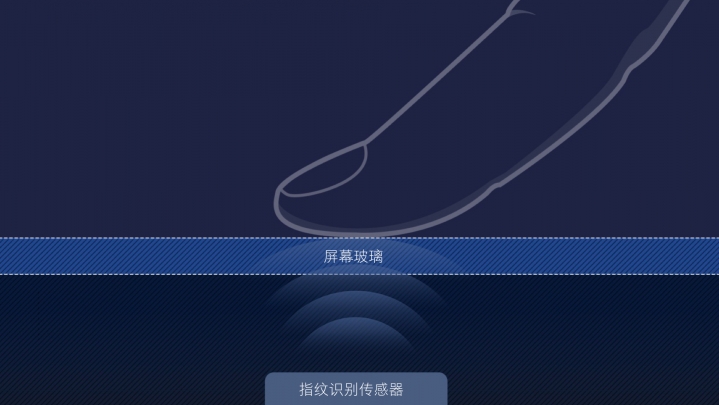
The new generation scanner present in the Mi 5s has been in development for years before the company decided it was time to put it out for consumers. Users don’t have to worry about their hands being dirty or wet, as the phone unlocks in a split second once the recorded fingerprint is detected. This is due to the thousands of micro-seismic sensor probes of the scanner. The glass is also tough and is seamlessly integrated with the rest of the phone.

The company has also released a 4-minute clip about the technology behind the scanner which you can find here, but it’s in Chinese.