Finally, after the numerous speculations, leaks, and rumors, the next generation of Samsung Galaxy Note is going to be launch on 2nd August and Samsung has officially confirmed that it will be called the Samsung Galaxy Note 7 !
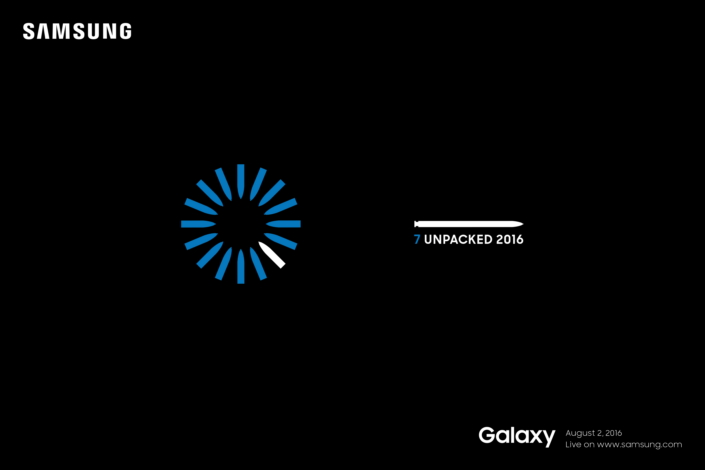
Samsung has shared media invites for the 7 Unpacked 2016 event which will take place at 11:00 a.m. EDT in New York on August 2, 2016. Simultaneous launch events will take place in Rio de Janeiro at noon and in London at 4:00 p.m. The invite itself is pretty minimalistic and shows an S pen and a loading icon.
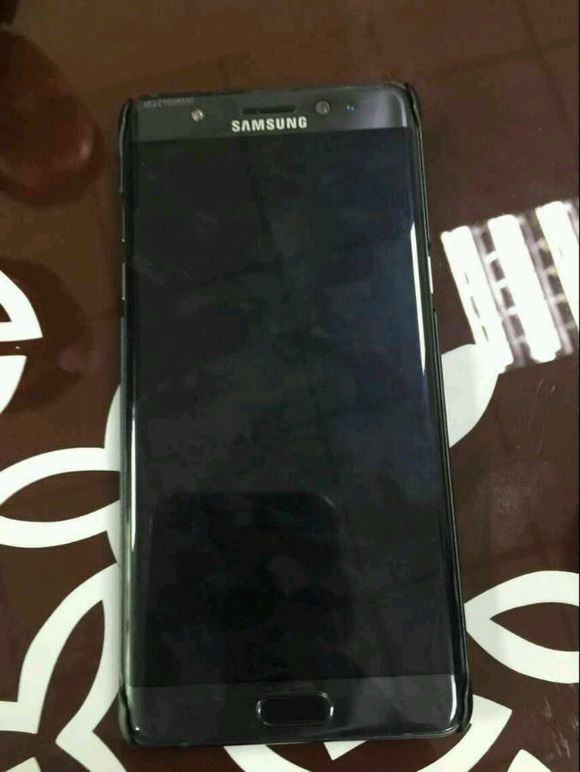
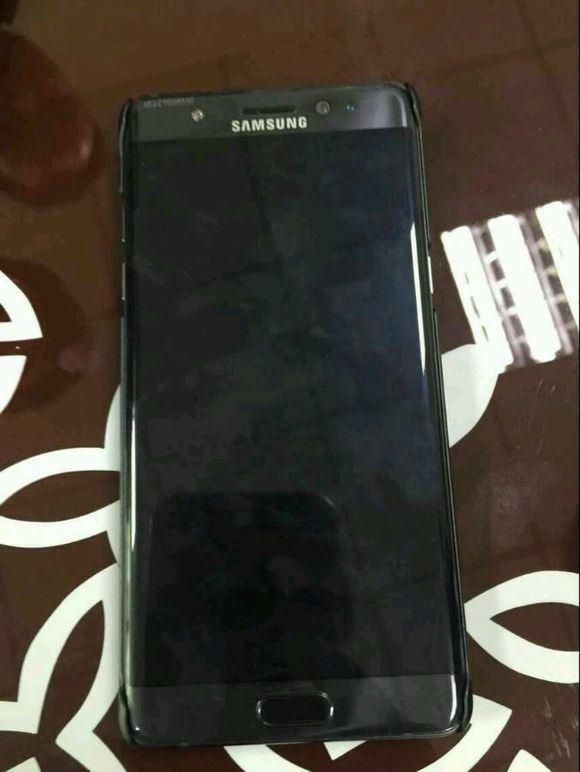
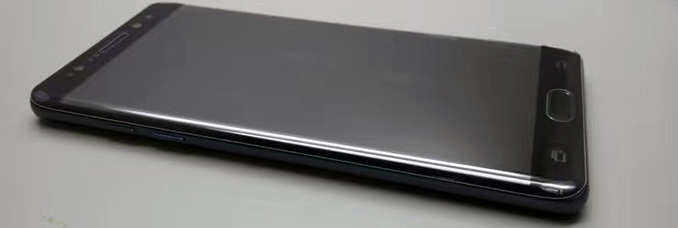
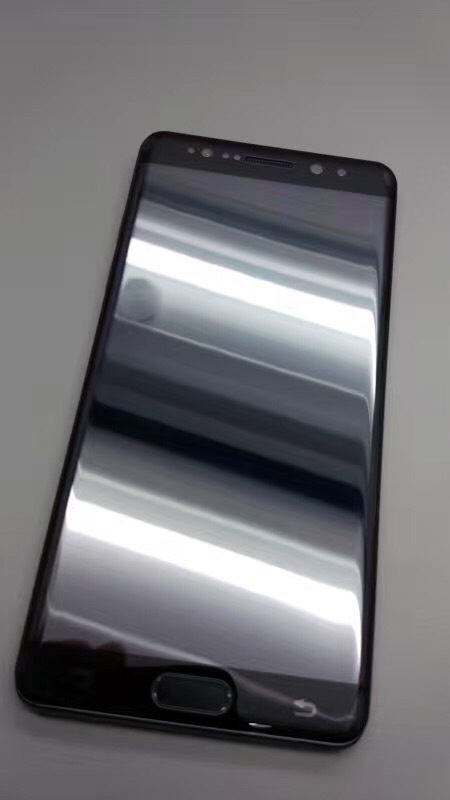
What we already know by now is that the Note 7 will feature top of the shelf hardware and is supposed to sport either 5.7 inches or a 6 inches display. The leaked prototype images confirmed that it will be a huge phablet with a curved display like the S7 Edge and Samsung’s trademark Home key button beneath the screen.
earlier leaked image of the Note 7 prototype
As it has become a norm these days with Samsung, it may release different devices for different markets. Note 7 is also expected to be launched in 2 variants, a Snapdragon 821 and another one with Exynos chipset. Rest of the features may be static like the Super AMOLED screen, Dual Pixel camera as the Galaxy S7 Edge. RAM may vary between 4GB / 6GB depending on the model and the market.
As for now, let us just wait for the official launch and in case you want to watch the event live, there will be a Live streaming of the New York event at www.samsung.com and Samsung Newsroom (news.samsung.com/global)
The competition for share of the market has caused most of China’s smartphone marketers to turn their attention to expanding into newer markets such as India and the US. Huawei’s global shipment last year topped well over 100 million because of this strategy.
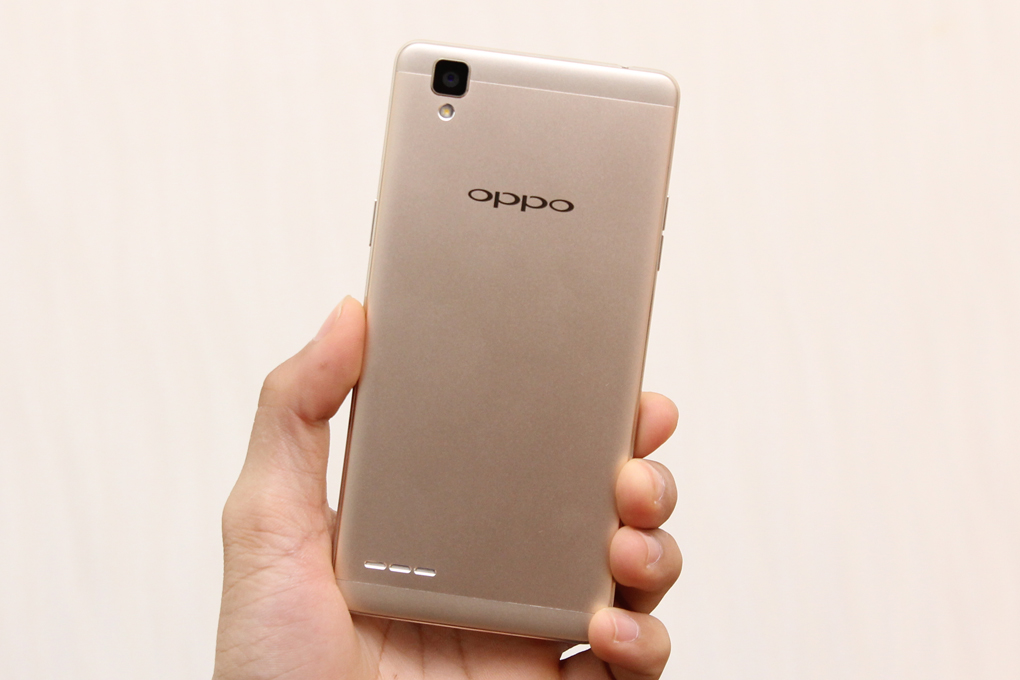
The huge success last year prompted the company to set a 140 million phone sales goal for 2016. China’s other phone manufacturers are not going to be left out. Oppo one of the fastest growing brands in China has reportedly set its eyes on 150 million smartphones sales for next year.
Market research agency Trendforce recently predicted Oppo and Vivo will see a growth of 60% and 40% respectively in smartphones shipment. The company projected both Oppo and Vivo will ship 78 million and 66 million units this year, taking them both to the top three brands such that they will displace Xiaomi out of the top five. Huawei’s shipment is projected to grow as well but at just 10% rate from last year’s but still expected to maintain their first position.
However, it has been revealed that Oppo’s plans for next year are by far more ambitious than the figure TrendForce predicted for this year’s growth. Industry analyst, Sin Changxu has disclosed insider information that Oppo plans to achieve between 120 million and 150 million handsets shipment next year. That means Oppo’s goal for next year goes far higher than the 78 million units TrendForce predicted for this year.
The figure also means that Oppo is following Huawei closely in sales, given Huawei’s reported sales for the first quarter of 2016.
It is not known how Oppo hopes to achieve that tall and ambitious sales figure. It’s also not clear if Vivo is also having such tall ambition.
There is no second thoughts regarding the fact that there is a huge market for large sized handsets in India. Which is the reason why Samsung’s Note series has been immensely successful and it spun off a number of similar devices by budget handsets makers. However, smartphones with a display size of 5.5-inch are not considered to be true phablets. Phablet is a term coined for those handsets, which have display size in the vicinity of 6-inch. There are two handsets in the budget segment as of now, which fits this description. We bring to you a detailed breakdown of both handsets to help you decide better.
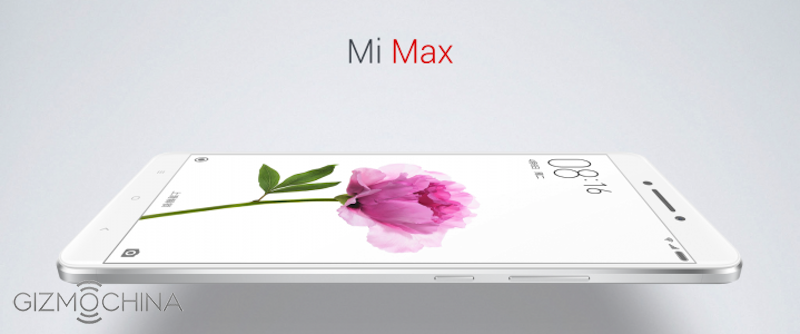
The design of devices in budget and mid-range segment play a huge role in buying decision as most of them come with a flimsy plastic build, which does not inspire confidence. However, Mi Max is not one of your run-of-the-mill handset with plastic build. The smartphone comes with an all metal body with chamfered edges and matte finish on the back. It looks more like a high end device than a budget segment phone. The Phab Plus from Lenovo on the other hand comes with a polycarbonate body with matte finish and metallic sides. If design is to be taken into consideration, there is no second thought that Mi Max is the way to go.
Mi Max scores with 342 PPI and Gorilla Glass 4
When it comes to phablets, display is what makes all the difference and one has to make sure that the resolution offered by the display is subjective to the size of the handset. If the display size is higher and resolution is low, it will result in poor pixel density and thus less sharpness. Lenovo Phab comes with a bigger 6.98 inch display, which is a plus for multimedia lovers. However, the resolution offered by the display is pegged at 1280 x 720 pixels, which is not quite bright or sharp enough to ensure a good viewing experience. Mi Max on the other hand, comes with a smaller 6.44-inch display that flaunts a full HD resolution of 1920 x 1080 pixels. Naturally, with higher pixel density, the display on the Mi Max looks sharper and crisper than the one on Phab.
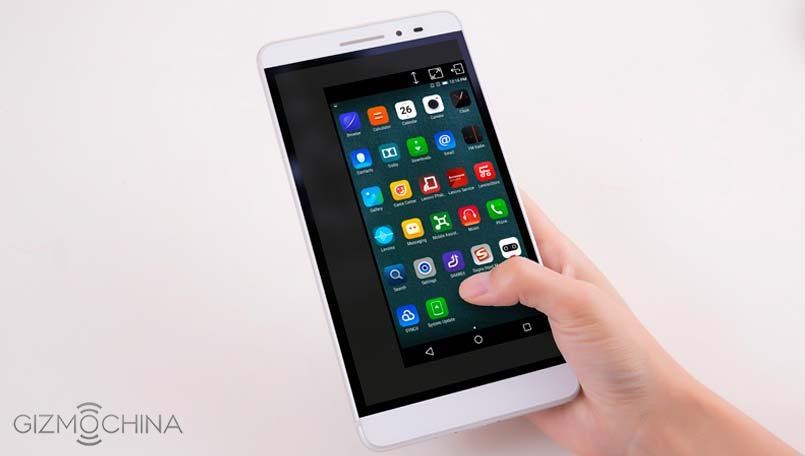
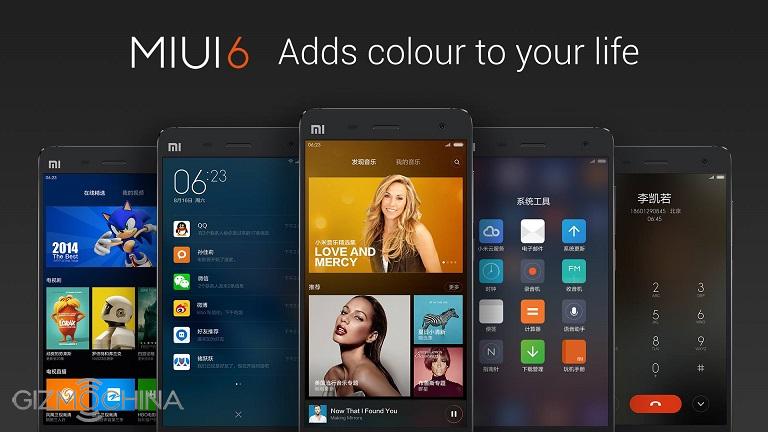
The Vibe UI performs better than MIUI
When it comes to the operating system, Lenovo Phab comes running on the Android 5.1 Lollipop operating system, whereas, Xiaomi Mi Max features the latest Android 6.0 Marshmallow operating system. While in their stock form, both these OS are not much different from each other, what matters is the custom interface from the brand. Xiaomi Mi Max features the MIUI interface from the Chinese handset maker, which although visually appealing, is quit resource hungry. Lenovo Phab on the other hand comes with the Vibe UI, which is equally appealing to eyes and has also been designed to facilitate smoothness. Vibe UI clearly has an upper hand over MIUI here, however, Mi Max still performs better owing to its configuration.
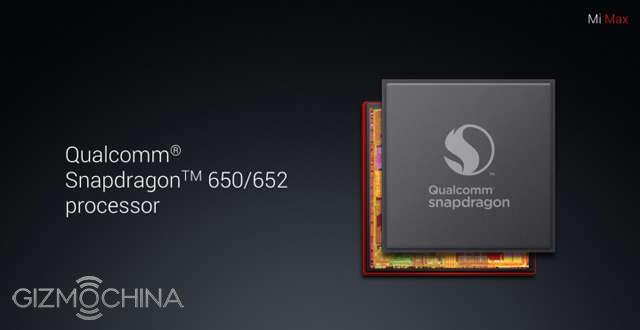
Coming to the performance of the handset, Lenovo Phab is a decent performer as it comes equipped with a Quad-core processor that has been clocked at 1.2 GHz. Moreover, the processor of the handset is a dated Snapdragon 410 processor, which misses out on a number of advanced features. Xiaomi Mi Max on the other hand, comes with a Hexa-core unit that has been clocked at a faster 1.8 GHz speed. Naturally, the scale is tipped towards Mi Max in this aspect and the fact that it is a Snapdragon 650 SoC, makes it a clear winner. The Mi Max also boasts of a higher 3 GB of RAM, which is a lot more than that in Lenovo Phab viz. 2 GB.
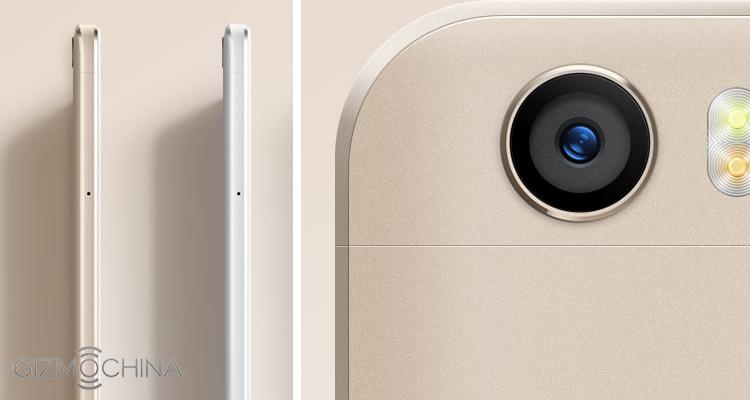
16 Megapixels primary camera is the winner here
The camera module on the rear panel of handsets is one of the chief deciding factor while buying any smartphone. Lenovo Phab comes with a decent 13 Megapixels primary shooter on its rear panel, which takes good images in decent lighting condition. However, Xiaomi smashes it out of the park with the 16 Megapixels module on the rear panel of Mi Max. This camera module is currently found only on high end flagship smartphones. Moreover, Xiaomi has packed the camera interface with its own set of features, which makes for a good photography experience. Since the front camera on both smartphones is a 5 Megapixels, Mi Max happens to be the better smartphone when it comes to photography, by the virtue of rear camera.
Which one should I buy?
By taking a look at above points, it is quite clear that Lenovo Phab is quite dated and does not hold a candle to Mi Max. However, the device is also a lot cheaper than the latter as well, therefore it will appeal to those who are looking for a large handset in an affordable budget. However, Lenovo mobile price is the only factor working in the favor of Phab. Considering features and specifications of Xiaomi Mi Max, we are certain many buyers would be willing to stretch their budget a bit for the premium build, fingerprint scanner and powerful spec.
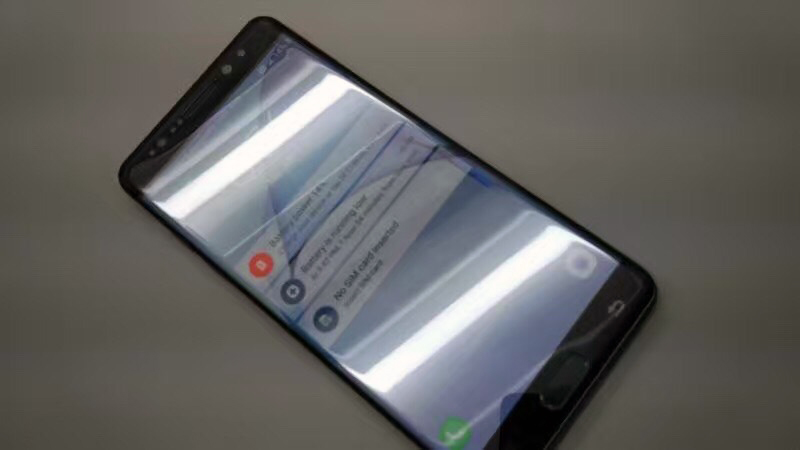
New prototype photos that are attributed to be actual rendition of the Samsung Galaxy Note 7 have been seen online. The images were actually posted on Twitter by Tech leaks guru Steve Hemmerstoffer (@stagueve).
The leaked photos have been coming out in succession since yesterday and it looks like that of a prototype Galaxy Note 7, with the test unit number embedded at the top. The images can best be described as that of a huge phablet whose display is curved and Samsung’s trademark Home key button sitting at the bottom.
Even more images of the Galaxy Note 7 prototype surfaced today, showing the device powered on and displaying what should be Samsung’s TouchWiz UI’s low battery warning notifications. The display also shows a lot of modules just at the top of the screen which may just confirm that the device might pop with an iris scanner on the right of the earpiece since we know the front facing camera is at the left of the centrally placed earpiece slit. The rest of the modules are likely light and camera sensors but the two openings on the right couldn’t be anything else but for an iris scanner.
Just as a reminder, the Galaxy Note 7 is touted to sport a Snapdragon 821 or Exynos chipsets depending on the target market, 5.8-inch Quad HD AMOLED screen, 4GB / 6GB of RAM, and the same Dual Pixel camera that is on the Galaxy S7 Edge. The device’s S Pen stylus would come with new capabilities. The Note 7 will most likely be unveiled August 2, and should start at $800.
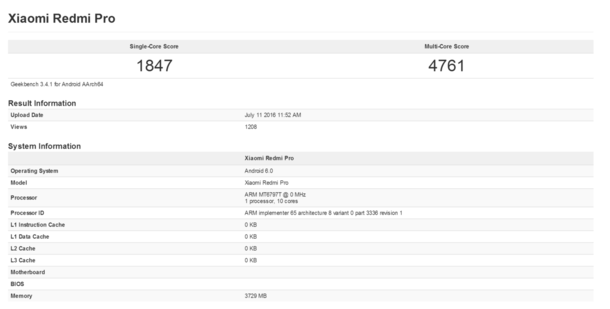
A new device from Xiaomi has shown up on bench-marking site, GeekBench. The device which goes by the name Xiaomi Redmi Pro sports a MT6795T processor a.ka. Helio X25. This is the same processor found on the Meizu Pro 6.
The phone scores 1847 on the single-core test and 4761 on the multi-core test. It runs Android 6.0 Marshmallow and is said to be equipped with 4GB of RAM and a Mali-T880 GPU.
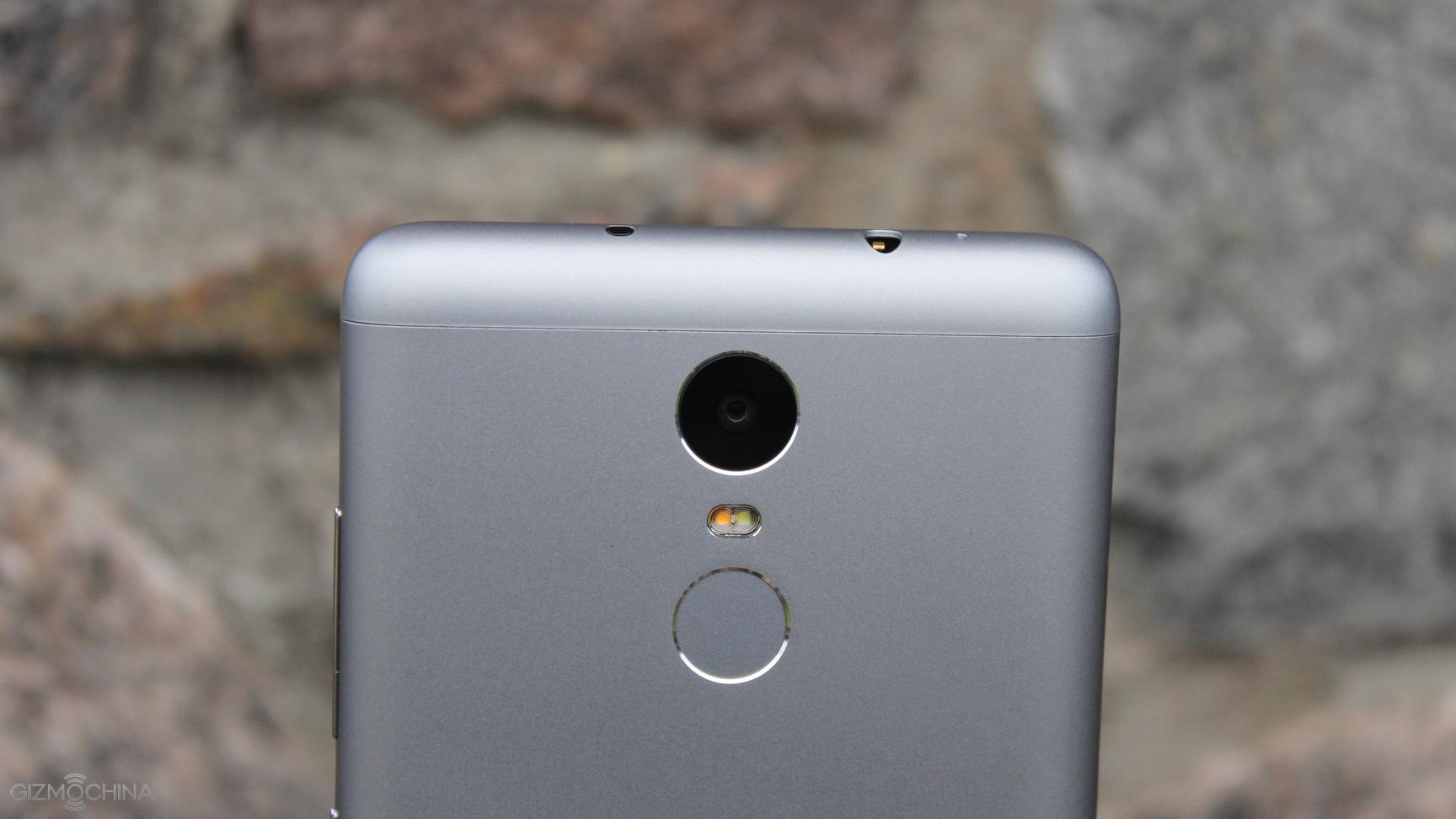
redmi note 3
The exciting part of the news is the price. Xiaomi is said to sell this new phone for just 1000 Yuan ($150)!!! Well, that’s what the rumors are saying right now. If true, this is less than half of the price of the Meizu Pro 6 which sells for $350 (2339 Yuan). We don’t know what game Xiaomi is playing but this will dent a blow on the sales of Meizu.
Meizu’s Pro 6 still has some strong features of its own such as a Super AMOLED screen with 3D touch and a 21MP primary camera.
Xiaomi has not yet announced the camera specs of the screen, but we should expect either a 13MP or 16MP sensor and a regular FHD screen.
Hopefully, more details will emerge of this Helio X25 powered mid-ranger in the coming weeks.
Meizu’s VP Sales and Marketing, Li Nan took to Chinese social media site Weibo to share a picture that was allegedly shot using the MX6’s rear camera. The picture is a clear, crisp closeup shot of the beautiful feather of a peacock and the output is beyond outstanding. The quality of the image, apparently coming from the shutter of a 12MP camera gives cause for doubt.
More so, Meizu’s earlier devices like the MX4 and MX5 had always spotted a 20.7 MP rear camera unit which could be rated as just OK, and nothing spectacular. So it beats our imagination that MX6’s 12MP camera can deliver such a stunning shot.
Li Nan’s Weibo post
But then, it’s not an impossible accomplishment, after all some manufacturers like Elephone have ditched ramping up the pixels on their cameras instead gone for the option of providing a more powerful sensor for the camera and the results have been top notch.
So it’s possible that the MX6’s sensor had done the magic and had given the device a wonderful camera. If that be the case, then we might just be looking at a device in a class of its own.
But then, the photo is coming from the hands of the VP, Sales and Marketing. What won’t marketers do to sell their gadgets? The Huawei P9 / Canon DLSR photo debacle is still very fresh in our mind.
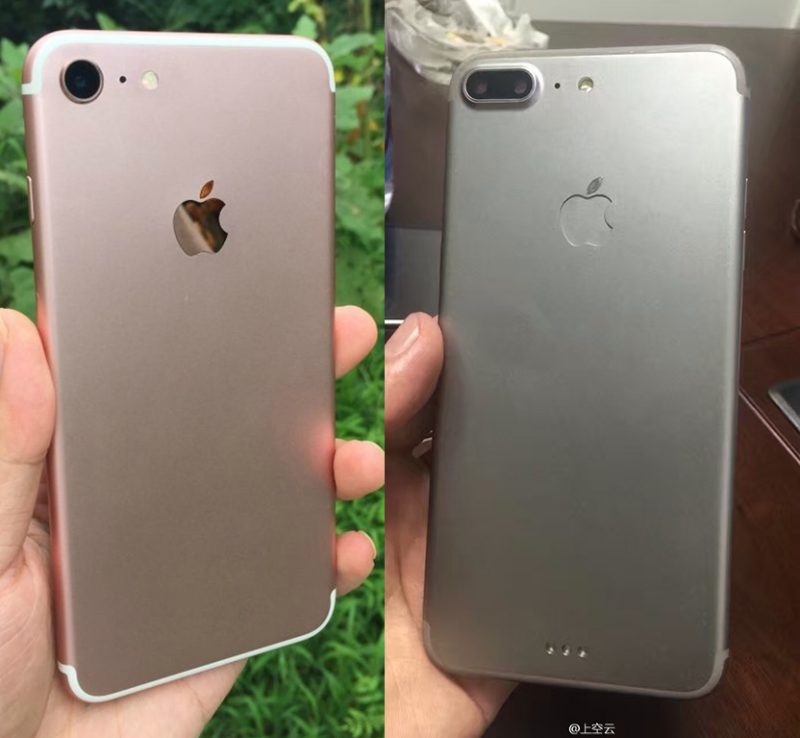
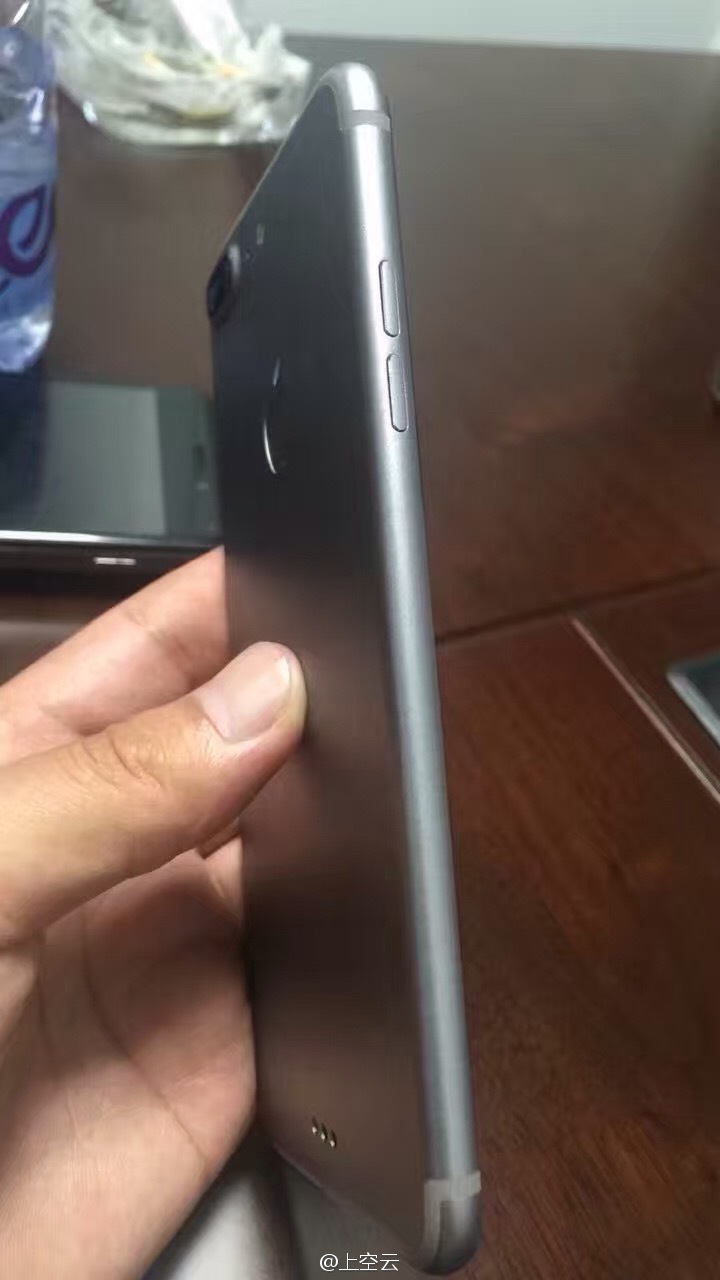
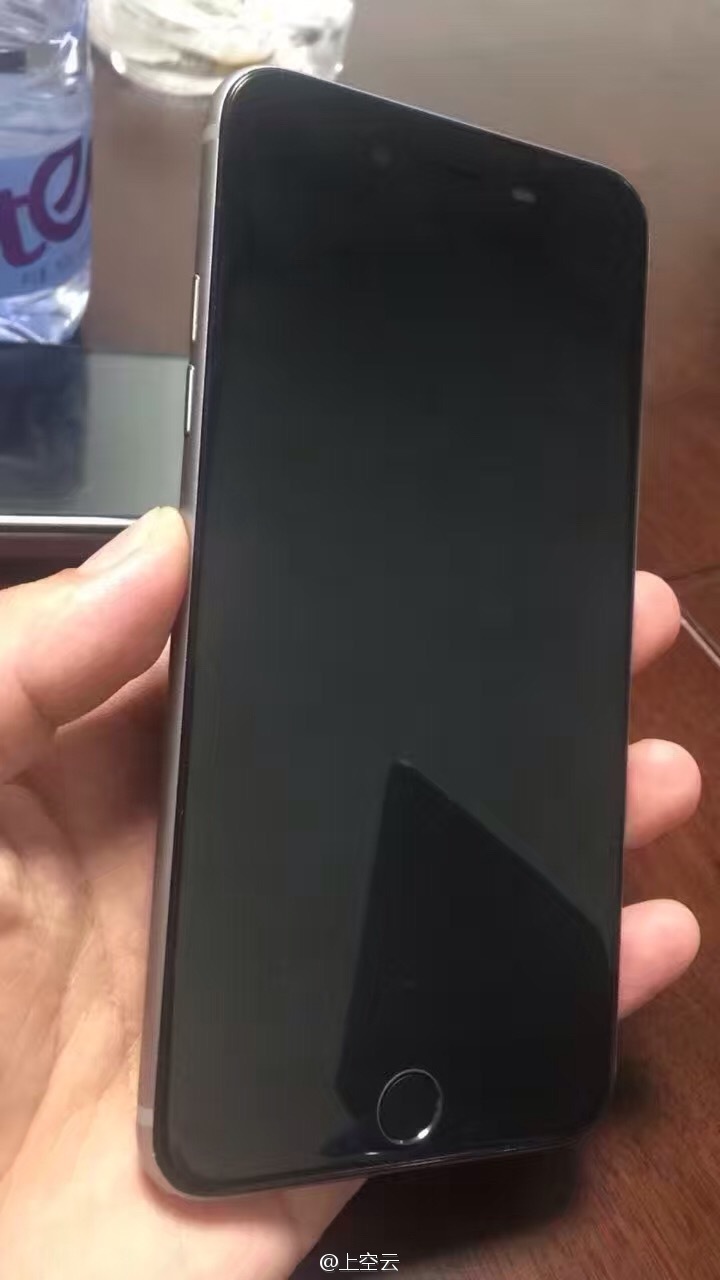
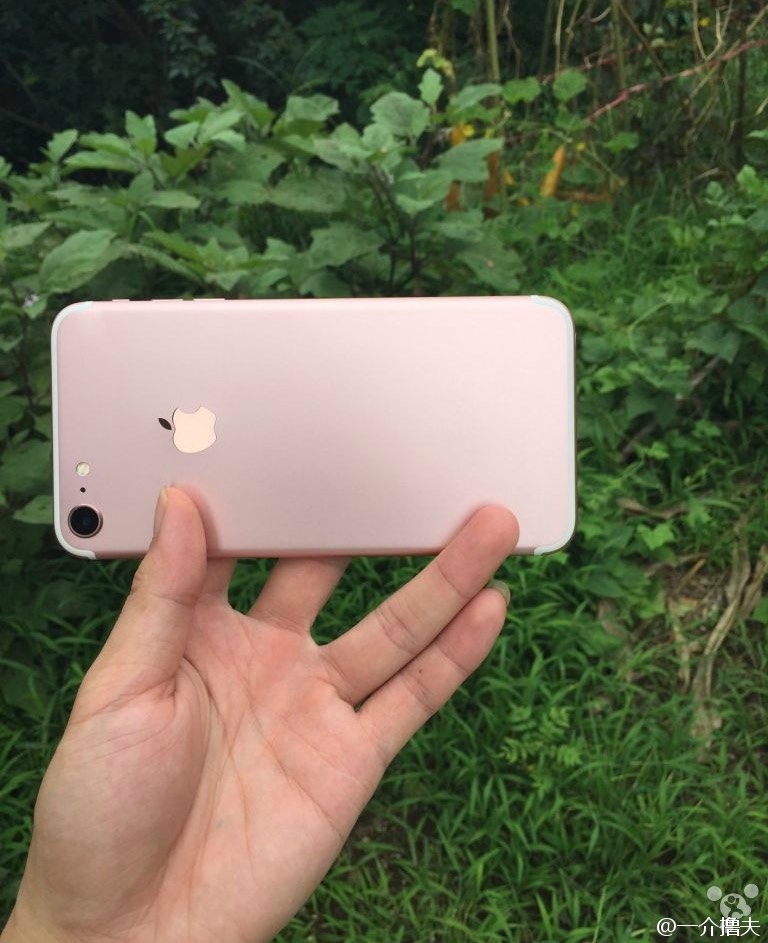
A set of real photos of the iPhone 7 and iPhone 7 Plus were posted online this morning and we noticed an interesting feature on the iPhone 7 Plus. Smart connectors. Yes, it seems the iPhone 7 will have smart connectors just like the iPad Pro. This confirms the cases we covered last week are indeed for the iPhone 7 Plus.
We don’t know if Apple is changing the way it will work on the iPhone 7 Plus, but on the iPad Pro, the smart connectors allows you to provide power and data to accessories such as a keyboard (Logitech’s CREATE Keyboard or Apple’s smart keyboard) or charge the device via the connectors instead of the lightning port. One issue that has affected the success of this new technology is the lack of accessories. Many companies are not making hardware for it. Logitech which appears to be the only company excluding Apple who has accessories for it, said they had to work closely with Apple on the project. So unless Apple has solved this issue by not regulating how the smart connectors should work, it’ll just be another feature that has promising capabilities but won’t hit it off.
The images show nothing new about the iPhone 7 and have been cleverly taken to avoid disclosing the presence or absence of a 3.5 mm audio jack.
Apple will announce both phones by fall. They will be featuring faster A10 processors and start at 32GB of storage (no more 16GB).
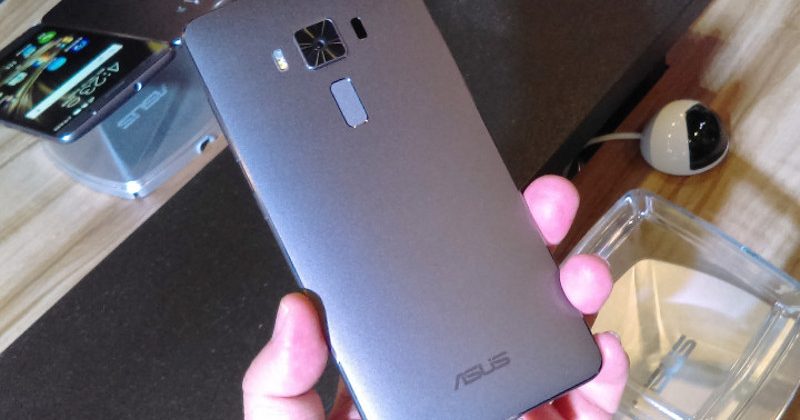
ASUS loves setting records. After being the first manufacturer to announce a 4GB RAM phone at last year’s Mobile World Congress, they are setting another one again this year by announcing the Zenfone 3 Deluxe as the first phone with the new Snapdragon 821 processor.
The Snapdragon 821 processor is a slightly upgraded version of the successful SD 820 which has been gracing this year’s flagship devices. Rumours had earlier said that the Galaxy Note 7 will be the first phone to feature the SoC but ASUS beat Samsung (and even Xiaomi) to it. The processor has a higher clock speed (2.4GHz) and pushes power efficiency even farther than the Snapdragon 820 processor.
The Zenfone 3 Deluxe sports a 5.7” FHD screen, 6GB of RAM, multiple built-in storage variants which start at 64GB and maxes out at 256GB. ASUS has put a 23MP camera that features ASUS’s TriTech Focus.
The Zenfone 3 Deluxe with Snapdragon 821 will be priced at 24,990 TWD ($776) for the 6GB RAM/256GB ROM version which is a fair price. If you are not willing to shell out such an amount, the Zenfone 3 Deluxe with Snapdragon 820, 4GB of RAM, and 32GB of built-in storage will be available for 15,990 TWD ($496) and another with the same SD 820 chip but 6GB of RAM and 64GB of storage for 17,990 ($559).
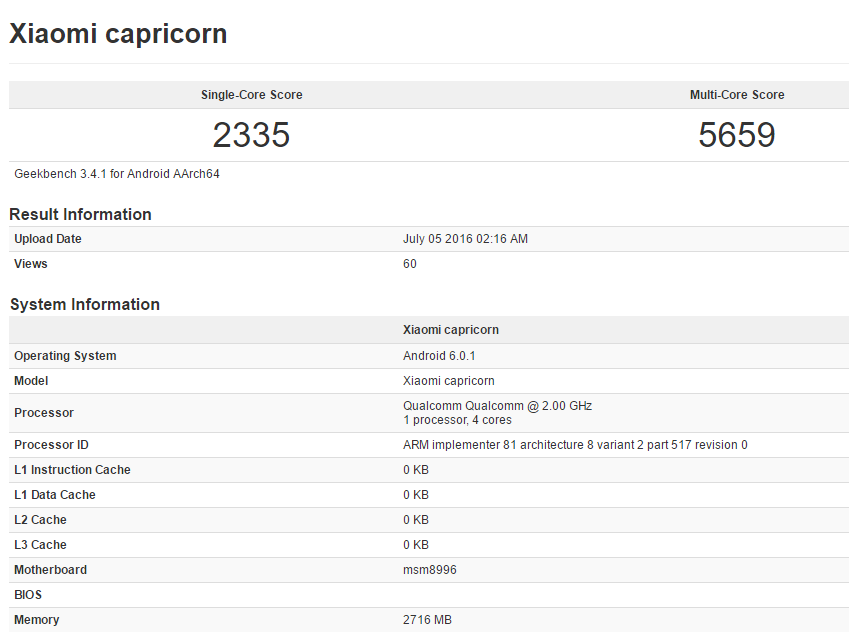
Several Xiaomi executives have confirmed that a couple of flagships from the company are coming in the second half of the year. While we still haven’t got a release date, rumors state that the launch could be anytime around the end of July or August this year. The company’s top-end flagship that should meet us soon will be none other than the Xiaomi Mi Note 2 and it looks like the lower end version of the Mi Note 2 or the Mi5S has just been spotted on the Geekbench benchmark.
A new model called Xiaomi Capricorn was found on the Geekbench test results page a few days back. The listing reveals that the phone will come with the Snapdragon 820 chipset (MSM8996) clocked at 2Ghz with 3GB RAM and Android 6.0.1 version. This isn’t exactly top-end hardware for a flagship device, so it’s either a test device or the base / low-end variant of the Mi Note 2 / Mi5S. The reason why we say this is a Mi device is because Xiaomi has a tradition of naming their flagship models with zodiac signs. In case you are wondering, here are the different code names for the Xiaomi Mi phones that have been announced till now.
Xiaomi Mi2/S = Aries
Xiaomi Mi2A = Taurus
Xiaomi Mi3 (TD-SCDMA) = Pisces
Xiaomi Mi3/4 = Cancro
Xiaomi Mi Note = Virgo
Xiaomi Mi4C = Libra
Xiaomi Mi5 = Gemini
Xiaomi Mi Note 2 / Mi5S = Capricorn??
So, Xiaomi Capricorn definitely hints that this is a Mi device and not a Redmi model (Xiaomi uses popular fashion brand names such as dior, gucci for Redmi models). So, it’s a matter of whether it’s the new Xiaomi Mi Note 2 or the Mi5S. The scores on the benchmark are quite decent for a flagship model. It scored 2335 in the single-core test and 5659 in the multi-core test.
We are not quite sure of the release date of the new Xiaomi devices, but expect them to be in the coming weeks. There have been rumors about a release on July 25, but till now, we haven’t got any confirmation from the company.
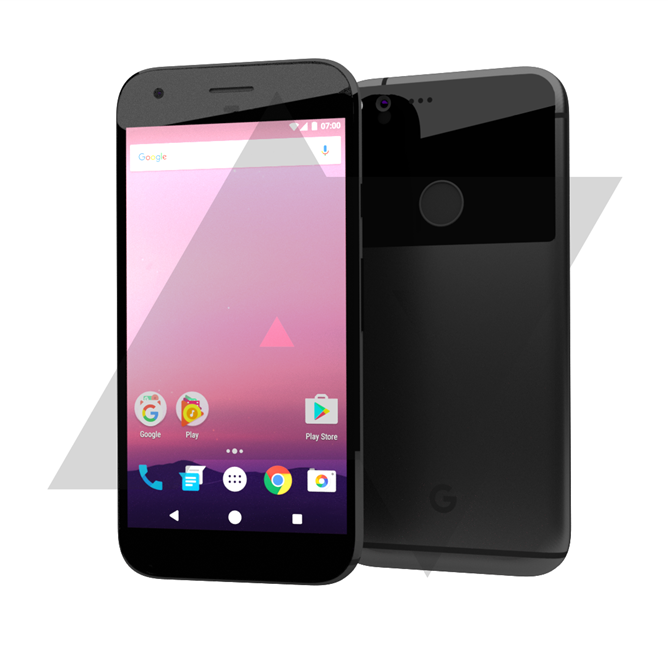
Based on information from multiple and reliable sources, we believe it is extremely likely both of Google’s upcoming Nexus phones, Sailfish and Marlin, will be using the Snapdragon 821.
But then its all a rumor, nothing is certain until it is officially announced. However, as long as Qualcomm doesn’t unveil a faster820-series of the Snapdragon in the next couple of months, we can probably be rest assured that both Nexus Marlin and Sailfish will be rocking the Snapdragon 821 processor on launch day.
Liwan Jiang disclosed this while speaking at an interview very recently. The Senior VP reaffirmed the plan by Xiaomi to release high-end products in the second half of the year and further hinted that the company has shifted its attention to the launch of the high-end device.
Mr Jiang also reassured earlier stance that Xiaomi’s cost-effective policy will still not change as regards the high-end device and hinted at the possibility of a special brand name for the device. He, however did not disclose the specific name it’d be called.
It has been rumored that a Xiaomi news conference is scheduled to take place sometime in August where the new high-end device(s) is expected to be unveiled.
Also, on that same day in August, the long awaited Mi Note 2 is expected to be launched as well.
The 5.7-inch Mi Note 2 is expected to come with Qualcomm’s latest Snapdragon 821 processor, 4GB / 6GB RAM options, fingerprint sensor, dual camera setup and lots more top specs. The Mi Note 2 is expected to be priced at 3000 Yuan (about $450) for the base model.
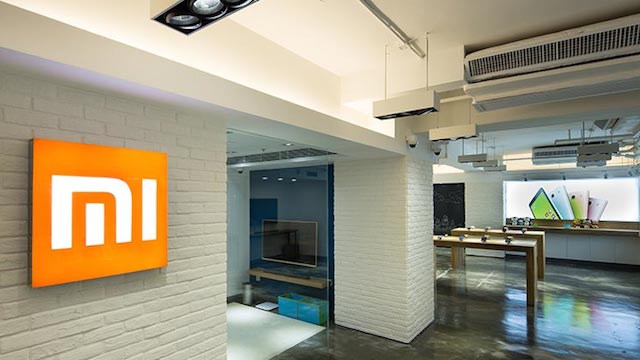
Chinese tech giant Xiaomi is looking to open a second flagship store, which is beautifully named Mi Home, in Hong Kong even when Hong Kong’s retail sector is experiencing some sort of slowdown.
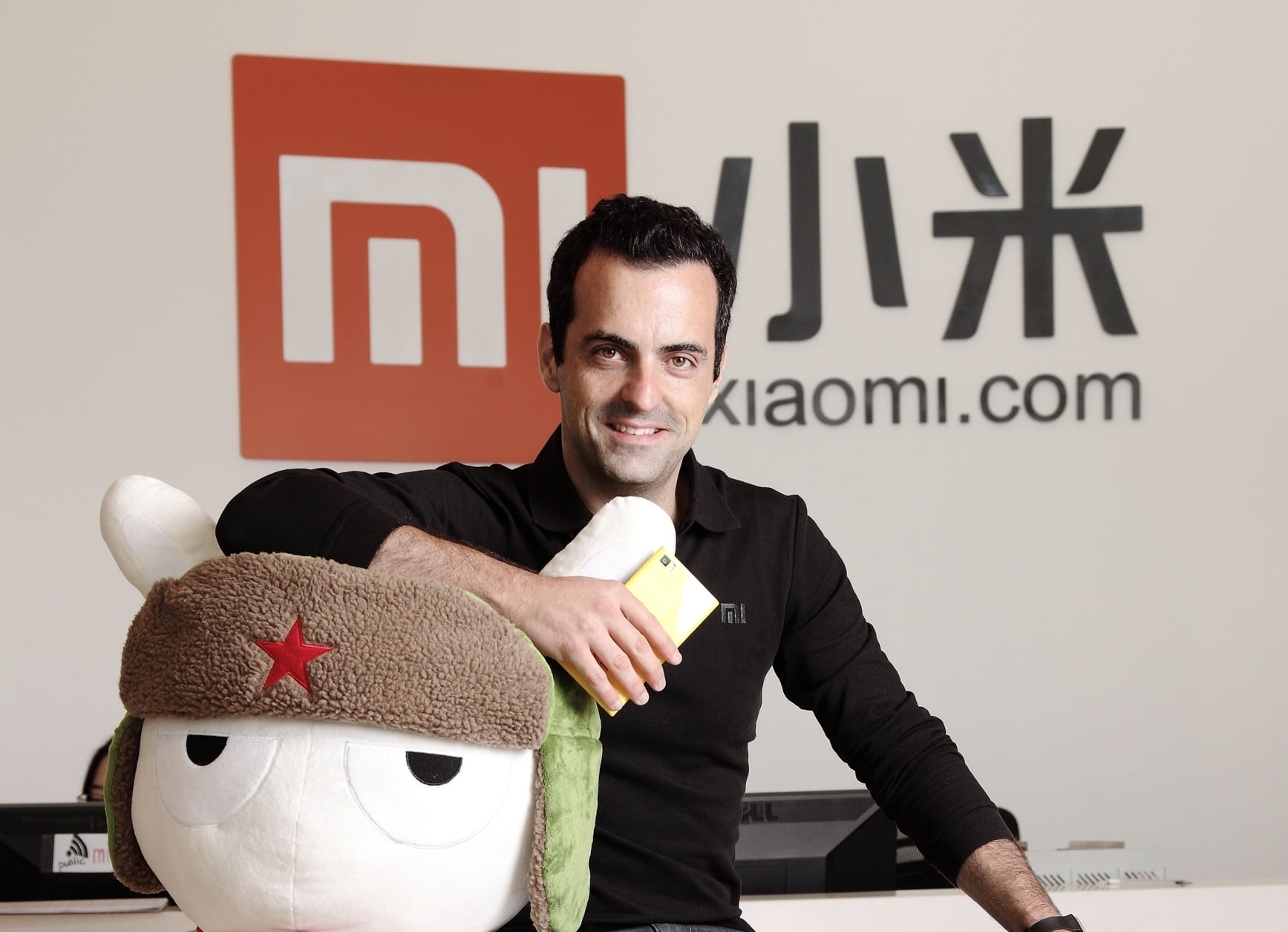
This was disclosed by the popular Vice-President Xiaomi Global, Hugo Barra at a product launch last week. Mr. Barra hinted that there was a “big chance” a second location would be added to its present store in Hong Kong.
Xiaomi opened its first Mi Home store in Mong Kok, Hong Kong around this time last year, which also happened to be the first Mi Home store outside mainland China.
Mr. Barra, who joined Xiaomi from Google, also restated the plan while speaking to the South China Morning Post.
“Obviously we have to choose the locations very carefully. Retail is all about location and details,” he told the Post, adding that a date would be announced later.
“Suffice to say this (Mong Kok) location is such a huge hit that we think that the model is worth repeating.”
Barra, a former Google senior exec, disclosed that Hong Kong was an all-important market for Xiaomi where it recently launched two smartphones and an air purifier. VP Barra further stressed the importance of the Hong Kong market to the tech company by hinting that the launch of the Mi Air Purifier 2 was the first time the company was launching an Internet of Things (IoT) product outside Mainland China. Barra also launched the latest 6.4-inch Mi Max phablet in Hong Kong during his visit last week.
The brand has in recent years positioned itself as more than a mobile phone manufacturer, producing wearables, headphones, cameras and even electric scooters. It has its own operating system called MIUI, on which its mobile devices run. The move to solidify its presence in Hong Kong may be unconnected to the company’s drive to ramp up dwindling sales through focusing on offline sales channels.
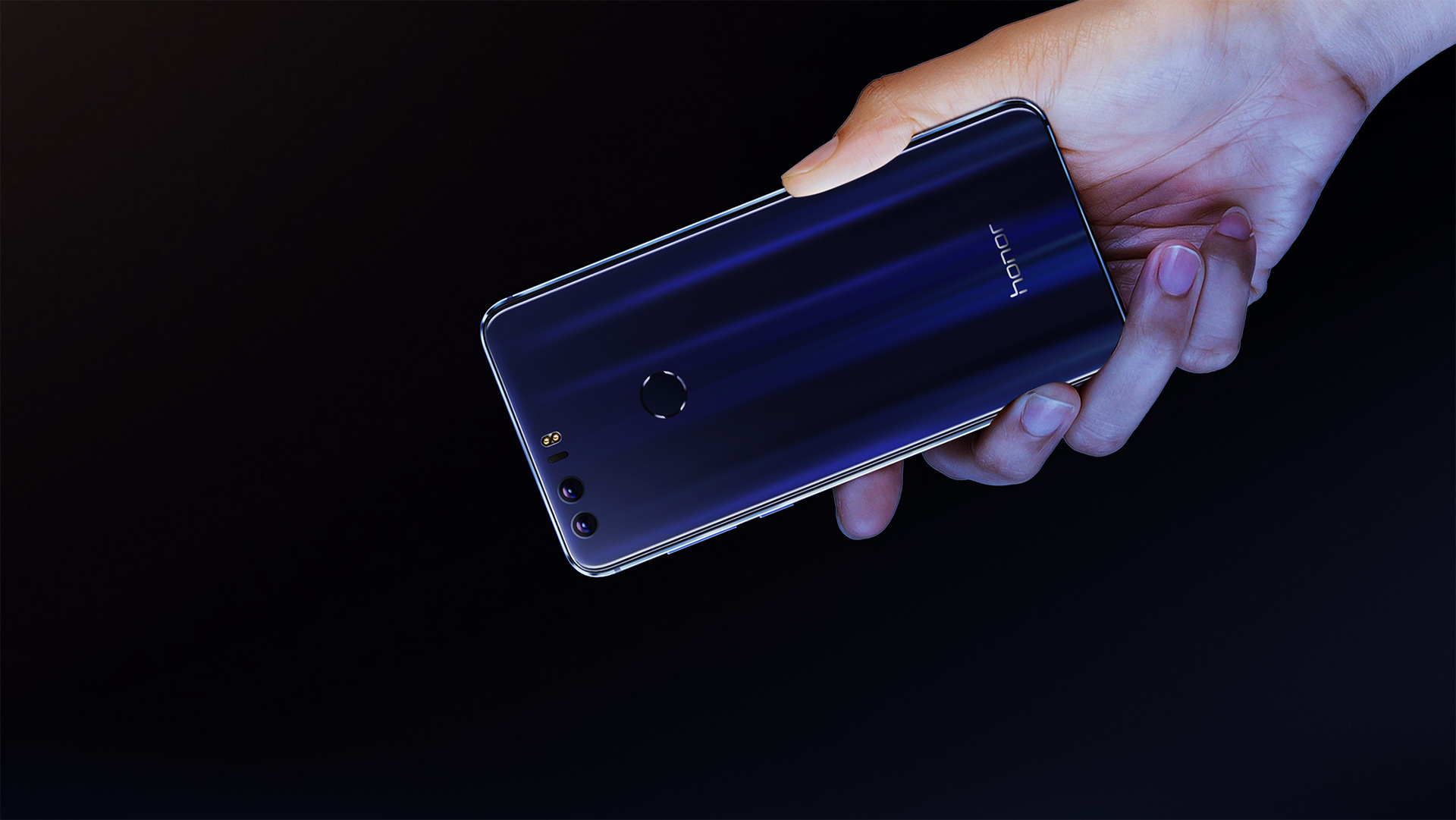
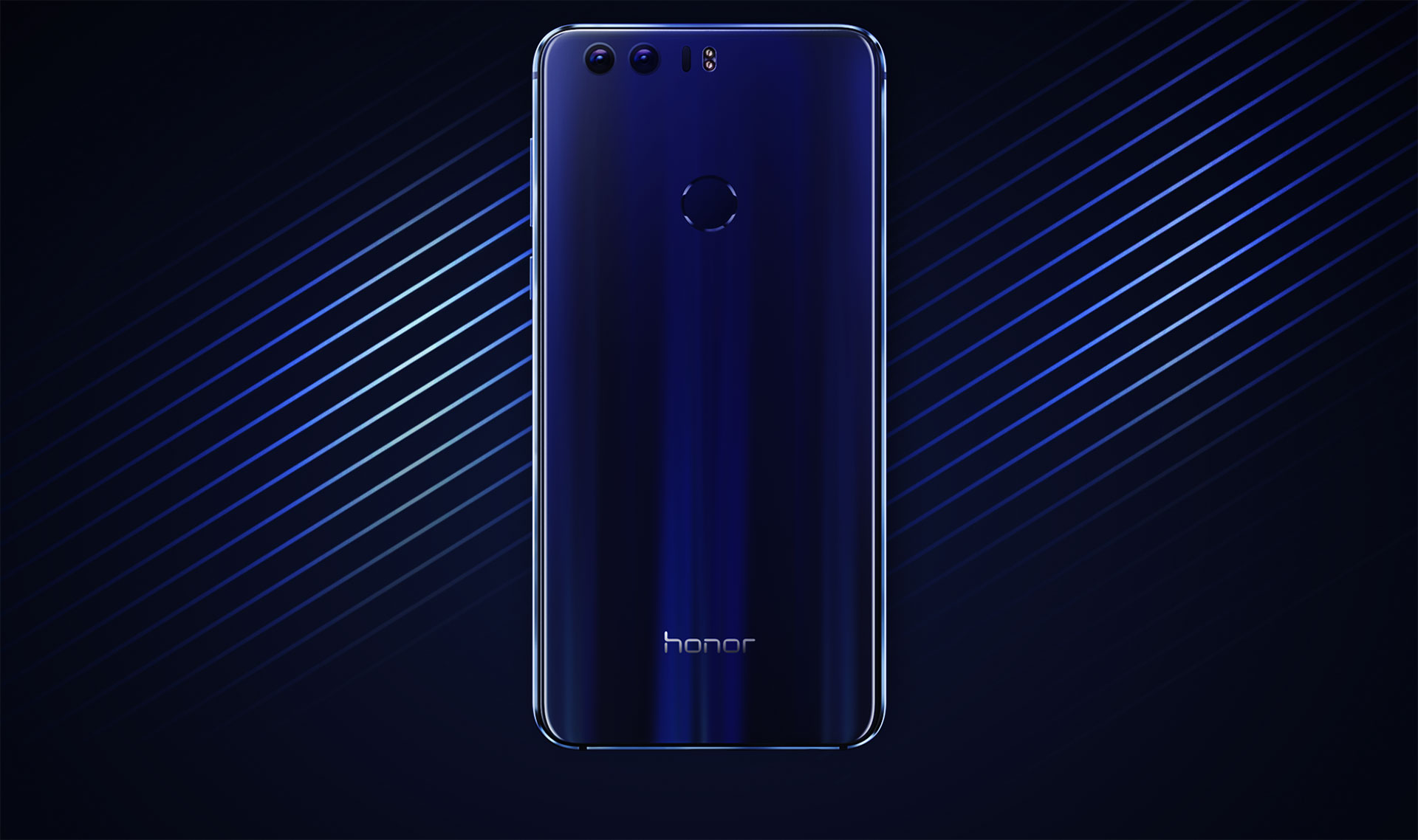
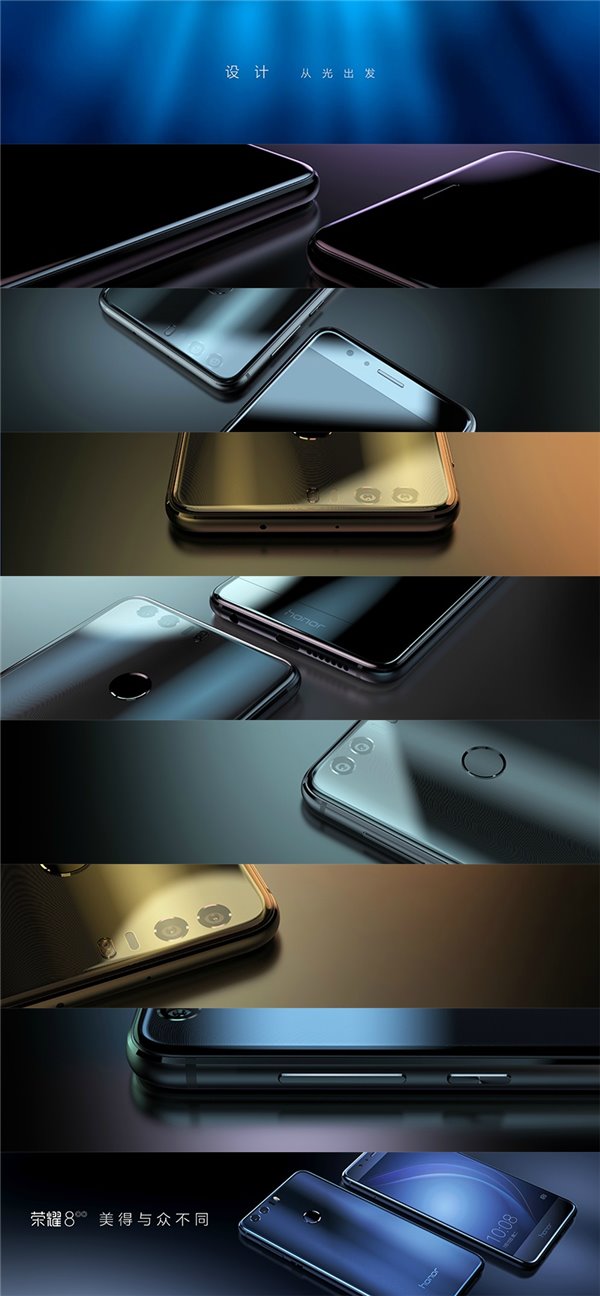
Huawei has just officially unveiled the brand new Honor 8 smartphone, which is the company’s mid-range flagship. The company seems to have given a lot of importance to the phone’s design, and to be honest, it looks like Huawei has done a good job in this department.
Like expected, the Honor 8 comes with 2.5D double glass body. While this design is not new, as we have seen phones from brands like Nubia feature double glass design, it does make the device look premium and attractive. Also, for those who are not a big fan of metal, this glass design is worthy of your attention. Further, the dual camera setup along with the laser focus and dual LED flash module sits well on the top left corner of the back. The fingerprint sensor is also located on the back. The body measures 7.45mm in thickness, which is pretty slim and it weighs 153 grams.
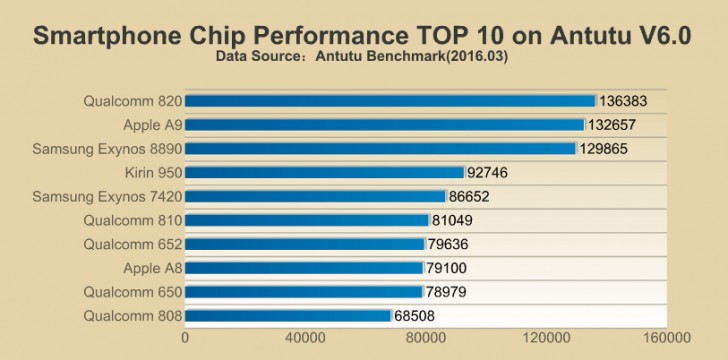
As for the specs, the Honor 8 comes with the Kirin 950 octa-core chipset clocked at 2.3GHz, which is the company’s SoC for flagships along with three memory variants — 3GB RAM + 32GB, 4GB RAM + 32GB and 4GB RAM + 64GB. There will be a 3000mAh battery (9V2A fast charging) on board, which has become the standard among mid-range phones. The screen will be of 5.2-inches with 1080p resolution (423 ppi). So, it’s much more compact than the Honor V8 flagship.
Coming to the camera, which is undoubtedly the highlight of the Honor 8, you get dual camera setup at the back. So there are two 12MP sensors at the back, one RGB sensor and a black and white sensor. These are IMX286 sensors from Sony. Like with other dual camera setups, you get features such as depth of field. Plus, there are Laser Autofocus and Contrast Focus. On the front, the Honor 8 features an 8MP sensor, which has large 1.4um pixels. So, expect the camera performance on the new flagship to be pretty good. The phone supports 1080p FHD video shooting and 720p 120fps slo-mo recording.
Huawei has also equipped the new Honor 8 with other essential connectivity features. For example, the phone comes with NFC with fingerprint payment, IR blaster which supports over 25,920 appliances from different brands, dual SIM dual standby, 4G+, VoLTE, intelligent dual antenna design, WLAN+ 3.0 etc. As for software, the phone runs on EMUI 4.1 based on Android 6.0 Marshmallow.
LTE Band Support:
TDD-LTE:B38/B39/B40/B41(2555MHz~2655MHz);
FDD-LTE:B1/B3/B4/B7;
TD-SCDMA:B34/B39;
WCDMA:B1/B2/B4/B5/B8
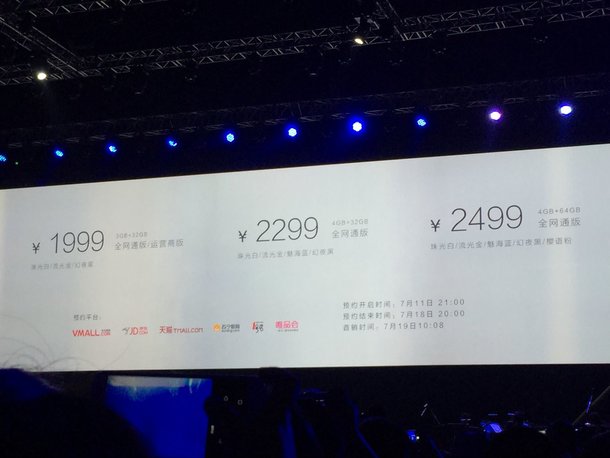
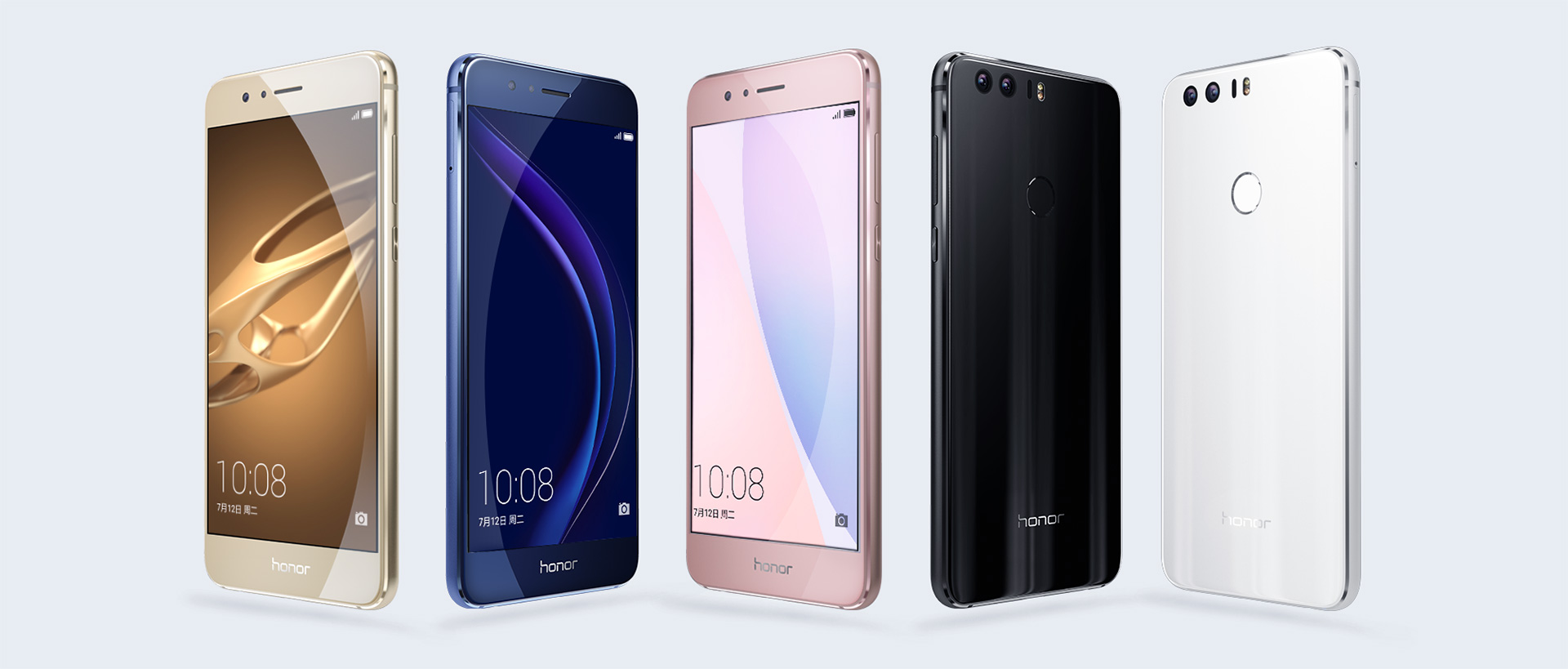
So, it’s basically equipped with most of the connectivity features found on a flagship smartphone. The Honor 8 starts at 1999 Yuan ($300) for the 3GB + 32GB model, then goes up to 2299 Yuan ($346) for the 4GB + 32GB model and 2499 Yuan ($375) for the top-end 4GB + 64GB of storage. The phone comes in five different colors namely Sapphire Blue, Pearl White, Midnight Black, Sunrise Gold and Sakura Pink.
Dual cameras at $300 makes the Honor 8 stand out from the crowd. So, what do you think about the device?
Snapdragon 820 is the clear market leader when it comes to flagship grade processors in 2016, but this capable chip is soon going to be beaten by its successor, the Snapdragon 821. We have been hearing a lot about Snapdragon 821 and its presence in the upcoming flagship smartphones and now, Qualcomm has just made the chip official, further revealing that we can expect to see smartphones running this SoC in the second half of the year.
The chipmaker reveals that Snapdragon 821 will offer 10% increase in performance as compared to Snapdragon 820. It features the same quad-core architecture as the SD820 but runs at 2.4GHz instead of 2.2GHz. The company is yet to reveal detailed specs of the new chip, but the GPU and other specs are expected to be almost similar to the Snapdragon 820.
There are a lot of smartphones that are expected to feature this new chip, including the upcoming Xiaomi Mi Note 2 which may debut later this month. Then there’s LeEco flagship and even the Samsung Galaxy Note 7 is said to feature this upgraded Snapdragon 821 version.
Turns out, the Snapdragon 820 chip which started featuring inside flagships earlier this year, is old already!
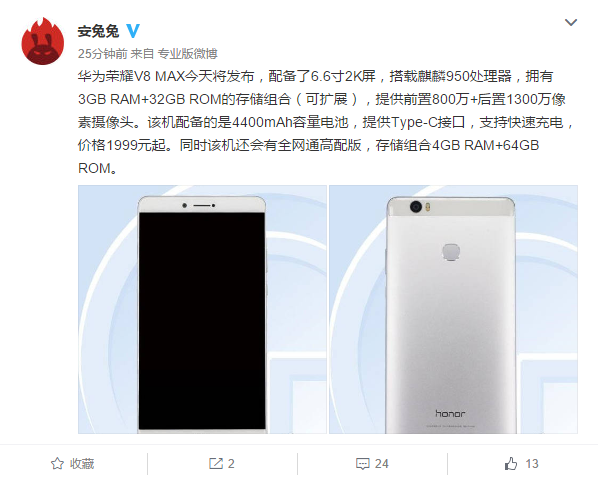
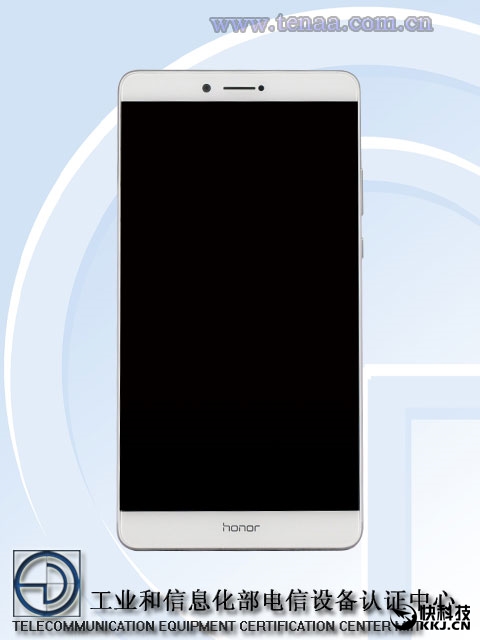
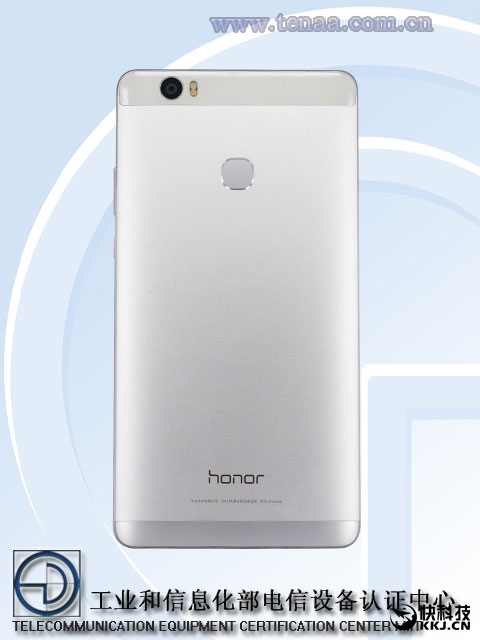
Later today, Huawei will be holding a conference for the unveiling of the Honor 8. But it appears that the Honor V8 Max (which we talked about here) will be making an appearance as well.
It is said to feature a massive 6.6” 2K screen which towers above Xiaomi’s Mi Max’s 6.44”. The V8 Max will be equipped with a Kirin 950 processor, 3GB of RAM and 32GB of built-in memory. Camera configuration will be 8MP up front for selfies and 13MP at the rear which confirms the info about it not having dual cameras. The phone will draw juice from a 4400mAh battery which has support for fast charging.
There is also news of a high end version which will have 4GB of RAM and will double the storage to 64GB.
The Honor V8 Max is presumed to have a starting price of 1999 Yuan ($299) for the base version and 2499 Yuan ($374) for the high end version.
The Kirin 950 is a top performance processor, therefore the V8 Max should be able to handle graphics demanding games well enough and not put that large screen to waste.
Chinese mega startup, Xiaomi today unveiled three official spokesperson for the company, and also announced that it had sold over 110 million units of the Redmi line of phones for the past three years since the Redmi series was unveiled.
The Redmi series was first announced in July 2013 as a lower-cost range than the Mi series. Apart from the pocket friendly price tag, the Redmi series also tag along wonderful hardwares for their prices.
The Xiaomi Redmi was the first in the series, followed by the Redmi 1s, 2 and 3. The Redmi Note was also released and thereafter Xiaomi released the Redmi Note 2 with a 16GB on-board storage as well as Redmi Note 2 Prime with 32GB storage on August 13, 2015. In quick succession, the Redmi Note 3 with a non-removable battery pack was launched in November 2015. The Redmi Note 3 Pro was also launched with a slightly higher specs package than the Note 3.
The evolution of the Redmi series have seen Xiaomi improve tremendously on the hardware setup over the years but still maintaining the series’ cheap and affordable price regime. So it is not surprising that Xoami has been able to rake in over 110 million sales in just three years.
However, Xiaomi has seen sales of its smartphone dwindle but CEO, Lei Jun is confident that its phone sales will rebound soon. This fall in sales may not be unconnected with stiff competition from rival phone manufacturers in China who are also striving to grab their share of the phone market. The fall in sales may also bear some relationship with the poor shipments of Xiaomi’s smartphones which are only sold through online channels.
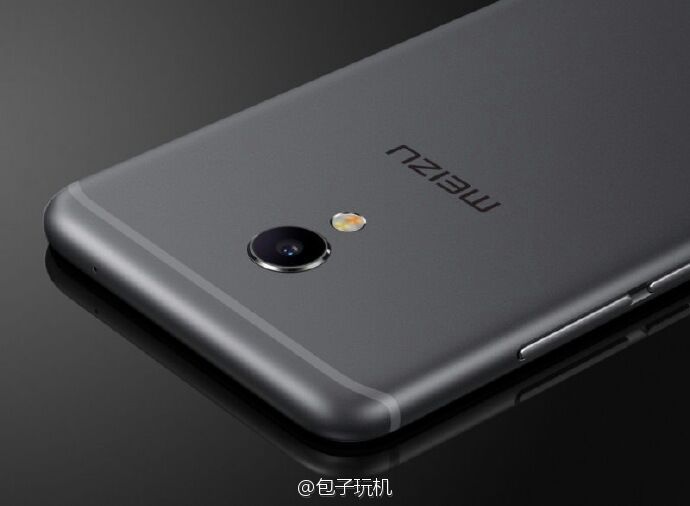
A new image showing the Meizu MX6 in high definition has been released. The image which shows the phone in grey and its power button and volume rocker on the right, also indicates that the camera is slightly raised.
Another image also cropped up today, showing off the device with a white leather case. This could be one of the accessories that Meizu is rumored to release alongside the device.
The CEO complained about it looking so much like the Meizu Pro 6, which is a nice looking phone, no doubt. But frankly speaking, he could have just ordered for a new design.
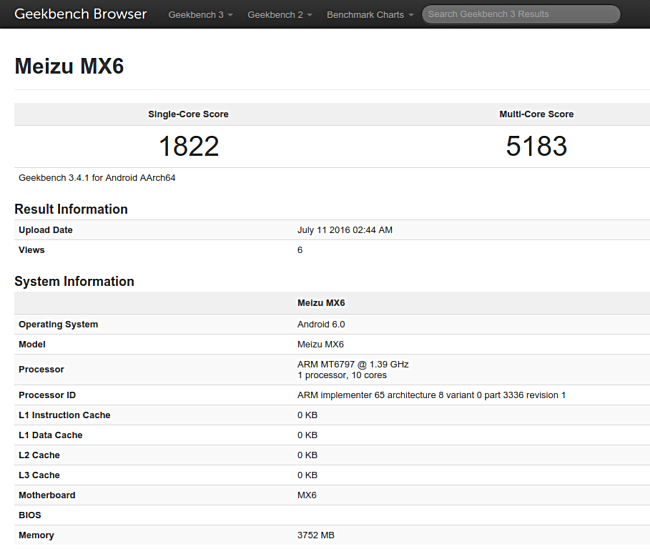
The Meizu MX6 has also showed up on bench-marking site, Geekbench. The MX6 scored 1822 points in the single core test and 5183 points in the multi-score test. The listing also confirms many of the already known specs such as the use of a Helio X20 processor, 4GB of RAM, Android 6.0 Marshmallow (which we are still angry about not making it to the Meizu M3s or M3 Note).
The MX6 will feature a 13MP/5MP camera configuration (not 12MP/5MP as listed on Antutu). A fingerprint scanner is also positioned beneath the mBack key which also doubles as the home button.
There’s no doubt that dual cameras are the new fad in the smartphone market, with companies equipping their mid-range and flagship phones with two cameras to bring the best camera experience to their devices. Huawei is one company that has taken dual cameras pretty seriously this year, first partnering with the renowned Lecia for its Huawei P9 flagship and later, releasing the Honor V8 and Honor 8 (confirmed to feature dual cameras). But Huawei isn’t the only Chinese company interested in using dual cameras on its smartphones as recent reports have said that LeEco and Xiaomi are also going to release dual camera phones.
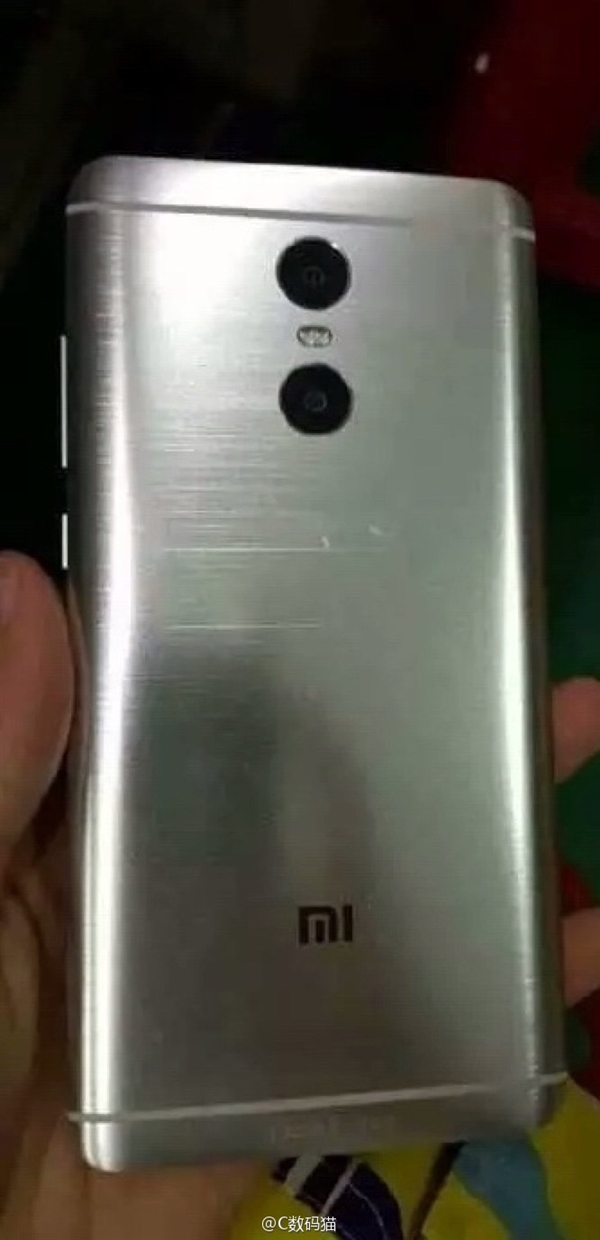
Now, we might have our first glimpse of the real image of a Xiaomi smartphone with dual cameras at the back. Unlike other dual camera phones, it looks like Xiaomi’s new smartphone will come with two large sensors aligned vertically. In between the two camera sensors, we can see dual LED flash.
As for the design, the phone comes with a brushed metal finish. Both the sides are curved, which should ensure better grip and we can see the volume and power buttons are located on the right side. Further, there’s the Mi logo on the back, revealing that this is a Xiaomi phone.
redmi note 3
So, if you look closely, the raw design of this leaked handset is very much similar to the Xiaomi Redmi Note 3. But instead of the fingerprint sensor at the back, in its place, we have the second camera sensor. This probably means that this particular model comes with a home button embedded sensor up front. This could also mean that this is a Redmi model and not the company’s flagship Mi series. Could it be the Redmi Note 4? It’s too early to say anything right now, but it is a possibility.
This image of the Mi device comes just a few hours after a leaked image of the young Chinese actor Haoran Liu holding this leaked dual camera Xiaomi phone cropped up online. Considering that Liu was just signed as the official spokesperson of Xiaomi’s Redmi lineup, it is very much possible that the phone we see in the image is the upcoming Redmi Note 4.
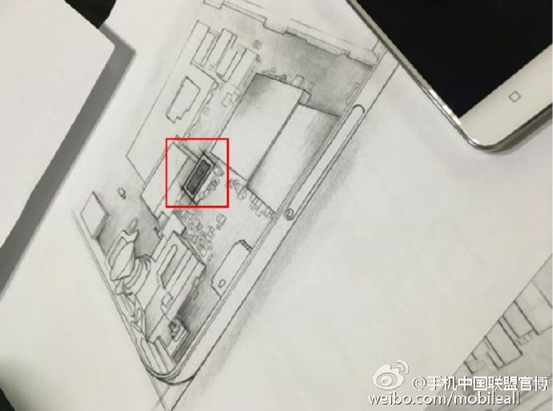
While we are looking forward to the launch of the Gionee M6 Pro, a sketch of a new Gionee phone was leaked online. The image which shows the usual chips associated with mobile devices, viz.: CPU and GPU, also features a third chip.
The CPU which is the brain of the phone, handles all the instructions we send to our phones with the efficiency of the CPU determined by how quickly these instructions are carried out. While the GPU is designed to rapidly manipulate and alter memory to accelerate the creation of images in a frame buffer intended for output to display.
So why does this sketch feature a third chip? Speculations floating around says it is a security chip and the phone sporting it will be the world’s first mass-produced device to achieve hardware-level security.
Gionee’s phones such as the M5, M5 Plus,and S8 are targeted at the business class. For this demographic, security is very important, hence Gionee’s reason to take security level higher by including a dedicated chip in the phone.
There are currently no details about how it is supposed to work but once we get our hands on more information we sure will let you know.
On a side note, Gionee announced a collaboration with famous film director, Feng Xiaogang, and movie star, Shawn. The result of the collaboration is an upcoming film translated to ”Mobile Core Wars”. There is a possibility that the security chip might be related to the movie in one way or the other.
Apple will soon release the iPhone 7 and the iPhone 7 Plus models, most likely around September this year. The leaks about these two devices are already coming in fast but earlier today, the Chinese media went crazy after celebrity Cecelia posted a new photo on her Weibo account. It looked as if she was holding a new generation of the iPhone, as the design of the Apple device in her hand was a bit different than the current generation models.
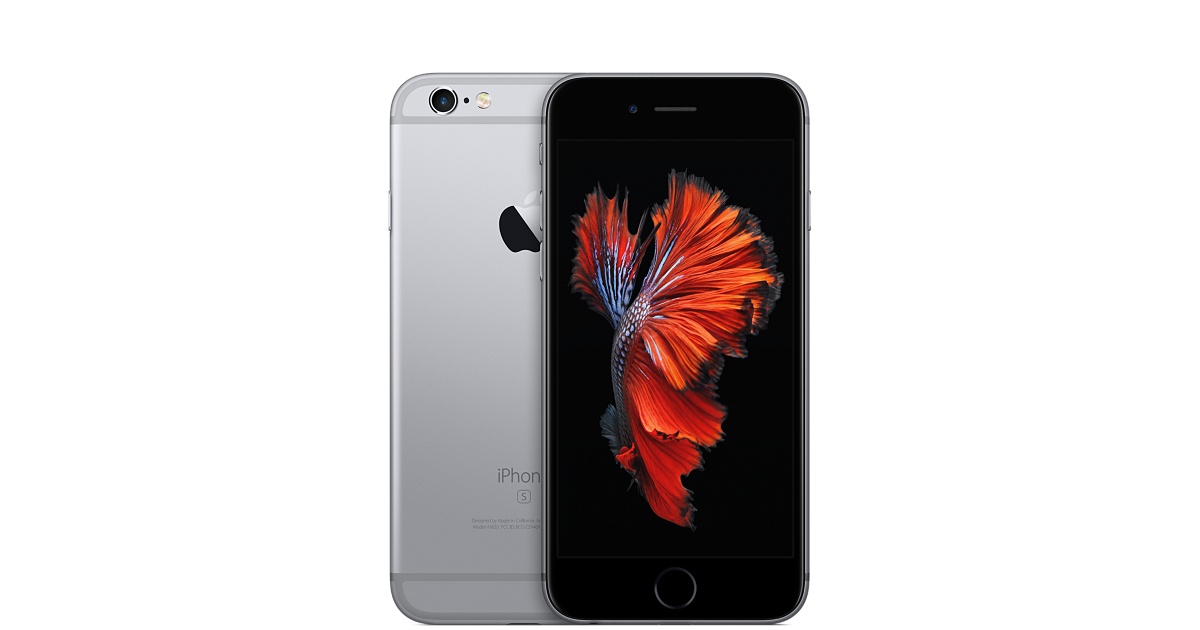
Unfortunately, the picture isn’t very clear and zooming in doesn’t help in making out the key details of the phone’s back. But what made the Chinese media go crazy about the phone was that it didn’t have any antenna lines on the back. In case of the iPhone 6S, there are two antenna lines that go through the back of the device, which are clearly visible. However, in this case, there were no visible antenna lines, which is exactly what we expect from the new iPhone 7.
While the overall design of the iPhone 7 is said to be similar to the previous generation, as per the leaks and rumors which have been pretty consistent regarding this matter, the new iPhones should feature less obvious antenna lines, as they have been moved to the top and the bottom portion of the back cover. There seem to be some differences in the camera module as well, but they are less evident in this picture.
iPhone 6S Gray 64GB
Anyway, at this moment, we can’t really confirm whether this is the iPhone 7.
So, what do you think? Does it look like the new iPhone 7 model?
We use cookies on our website to give you the most relevant experience by remembering your preferences and repeat visits. By clicking “Accept”, you consent to the use of ALL the cookies.
This website uses cookies to improve your experience while you navigate through the website. Out of these, the cookies that are categorized as necessary are stored on your browser as they are essential for the working of basic functionalities of the website. We also use third-party cookies that help us analyze and understand how you use this website. These cookies will be stored in your browser only with your consent. You also have the option to opt-out of these cookies. But opting out of some of these cookies may affect your browsing experience.
Necessary cookies are absolutely essential for the website to function properly. This category only includes cookies that ensures basic functionalities and security features of the website. These cookies do not store any personal information.
Any cookies that may not be particularly necessary for the website to function and is used specifically to collect user personal data via analytics, ads, other embedded contents are termed as non-necessary cookies. It is mandatory to procure user consent prior to running these cookies on your website.