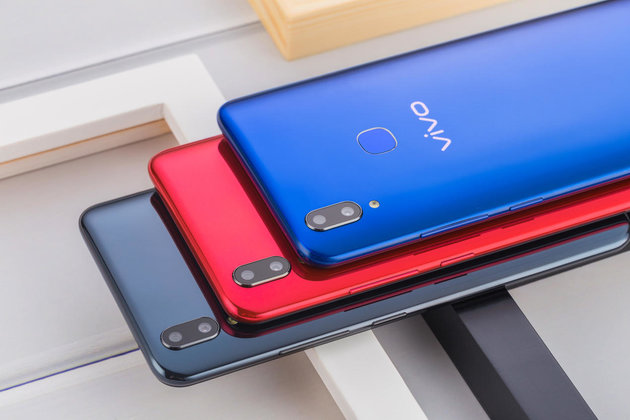
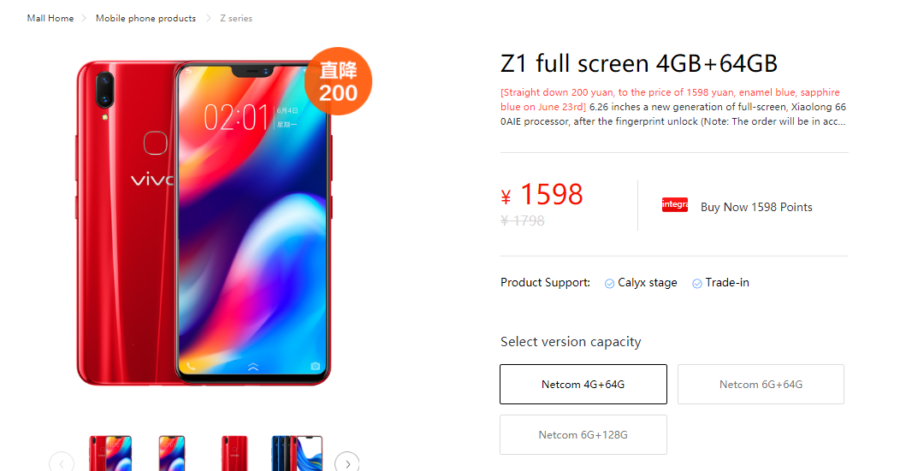
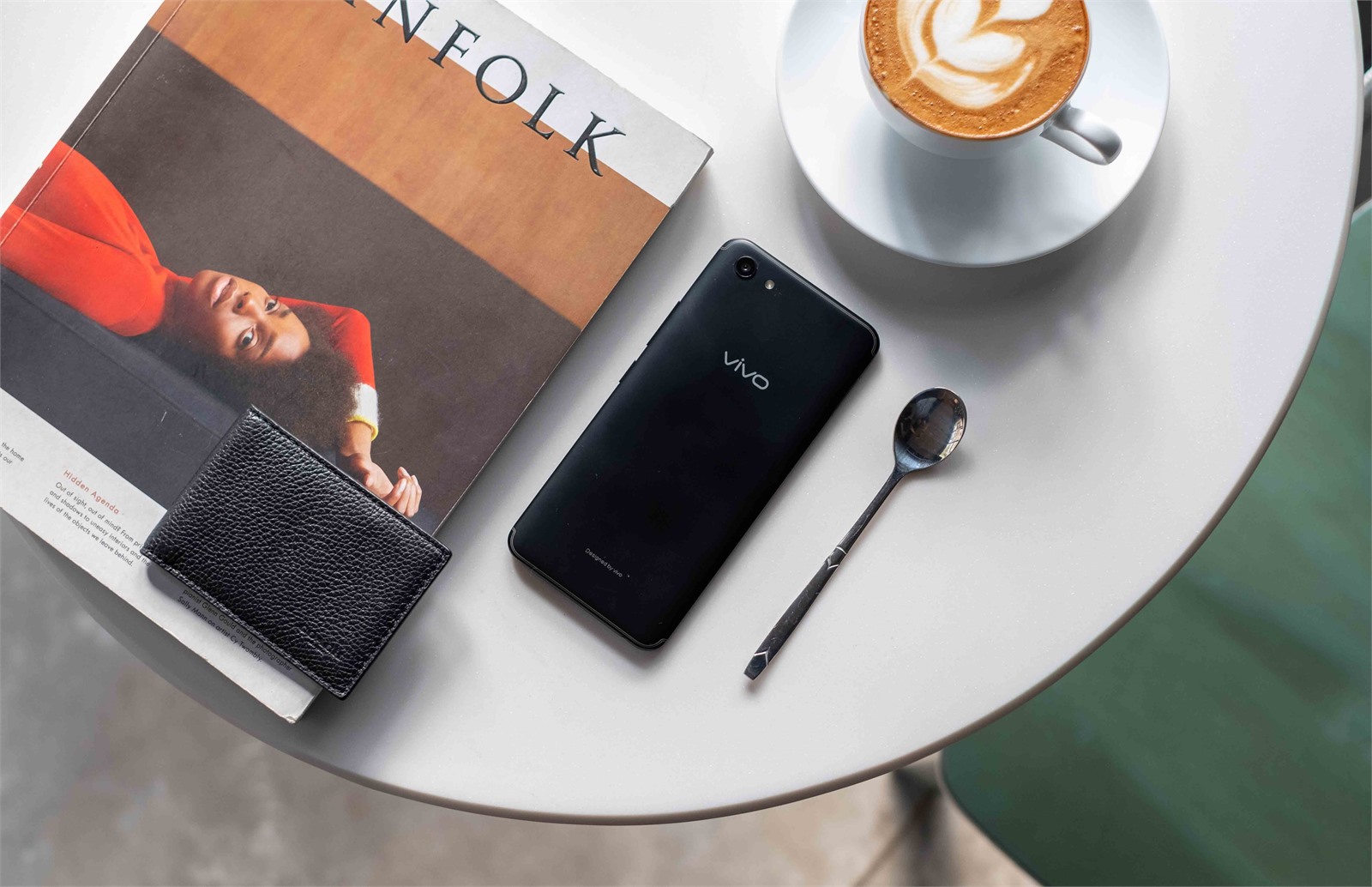
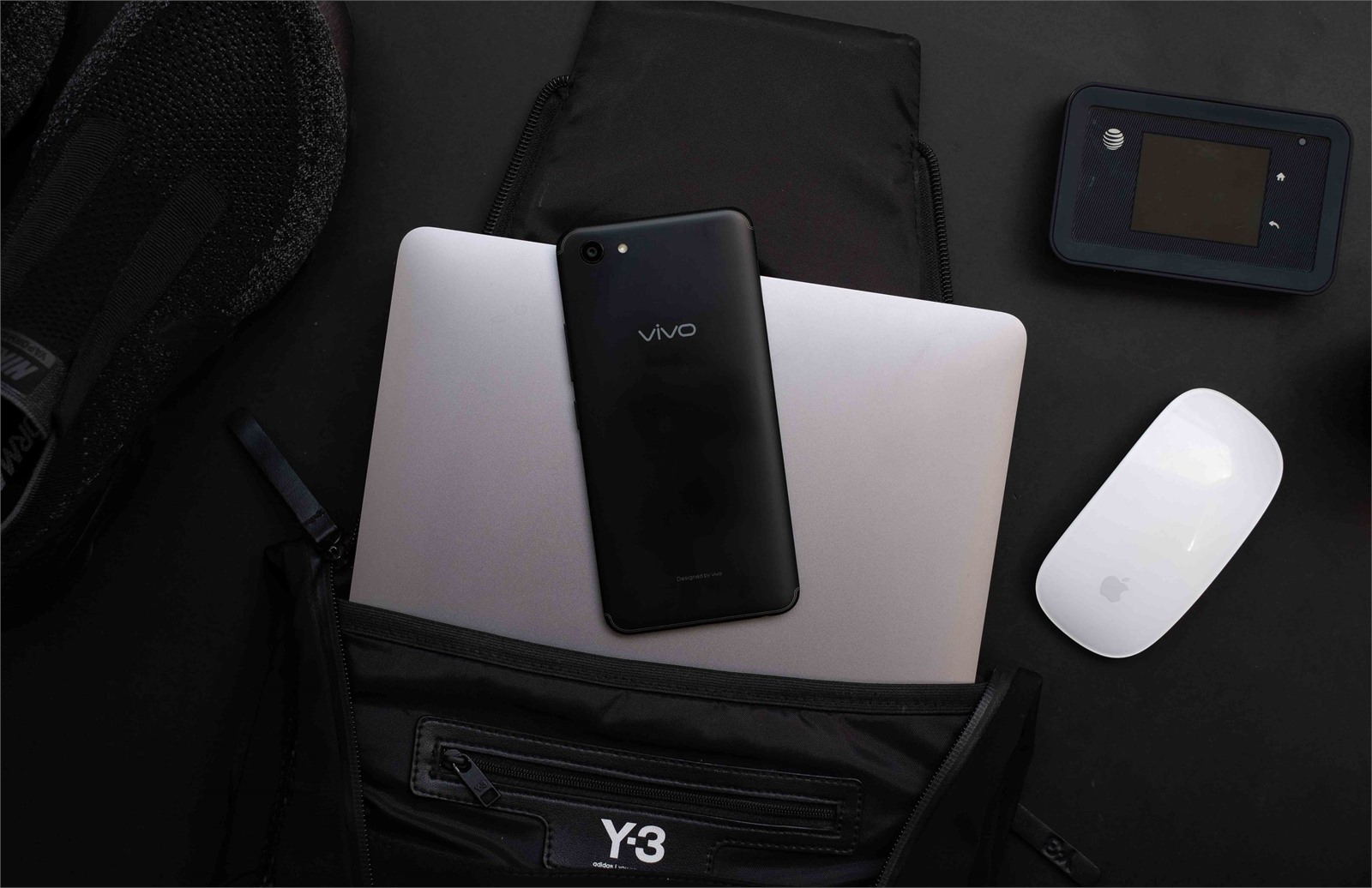
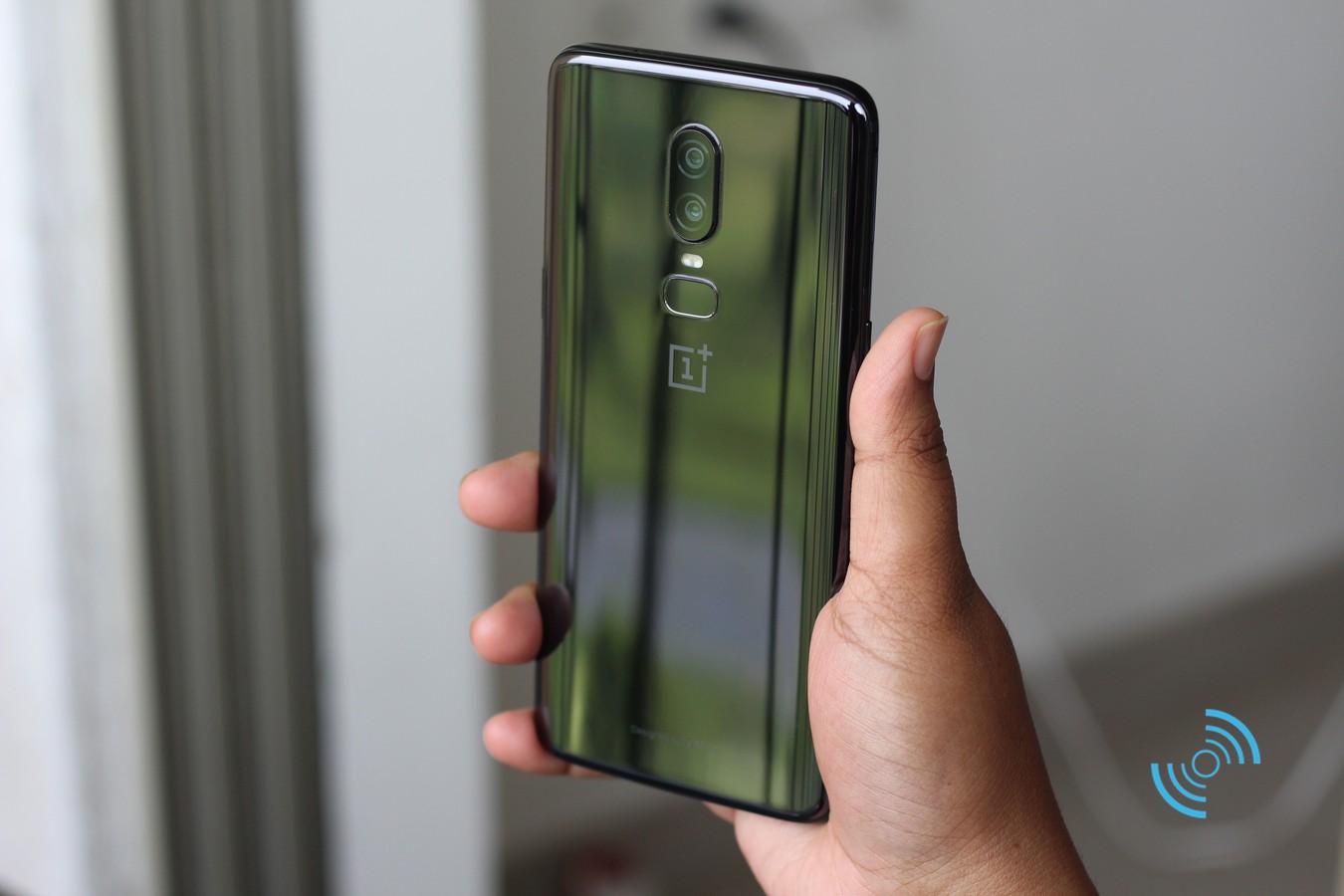
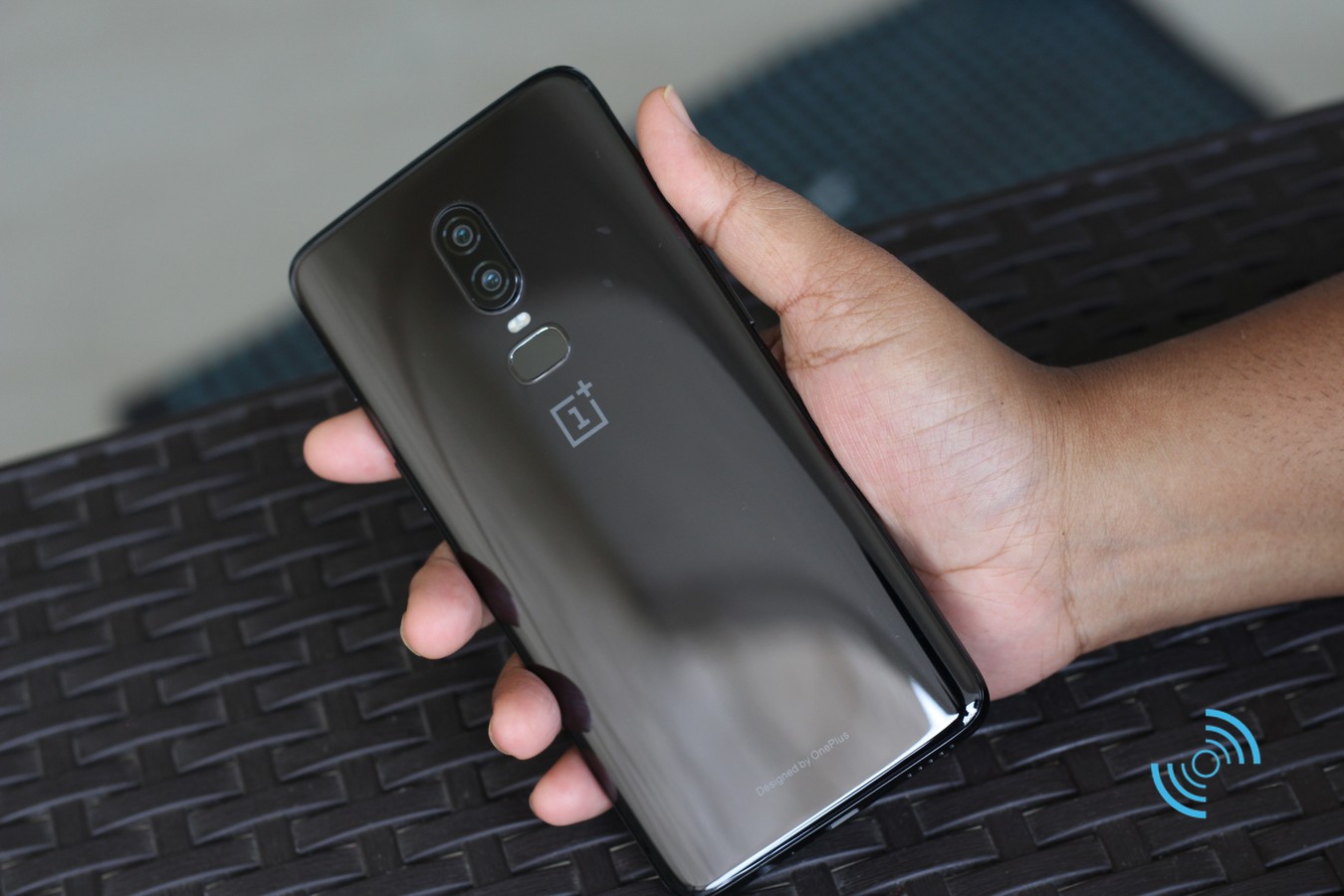
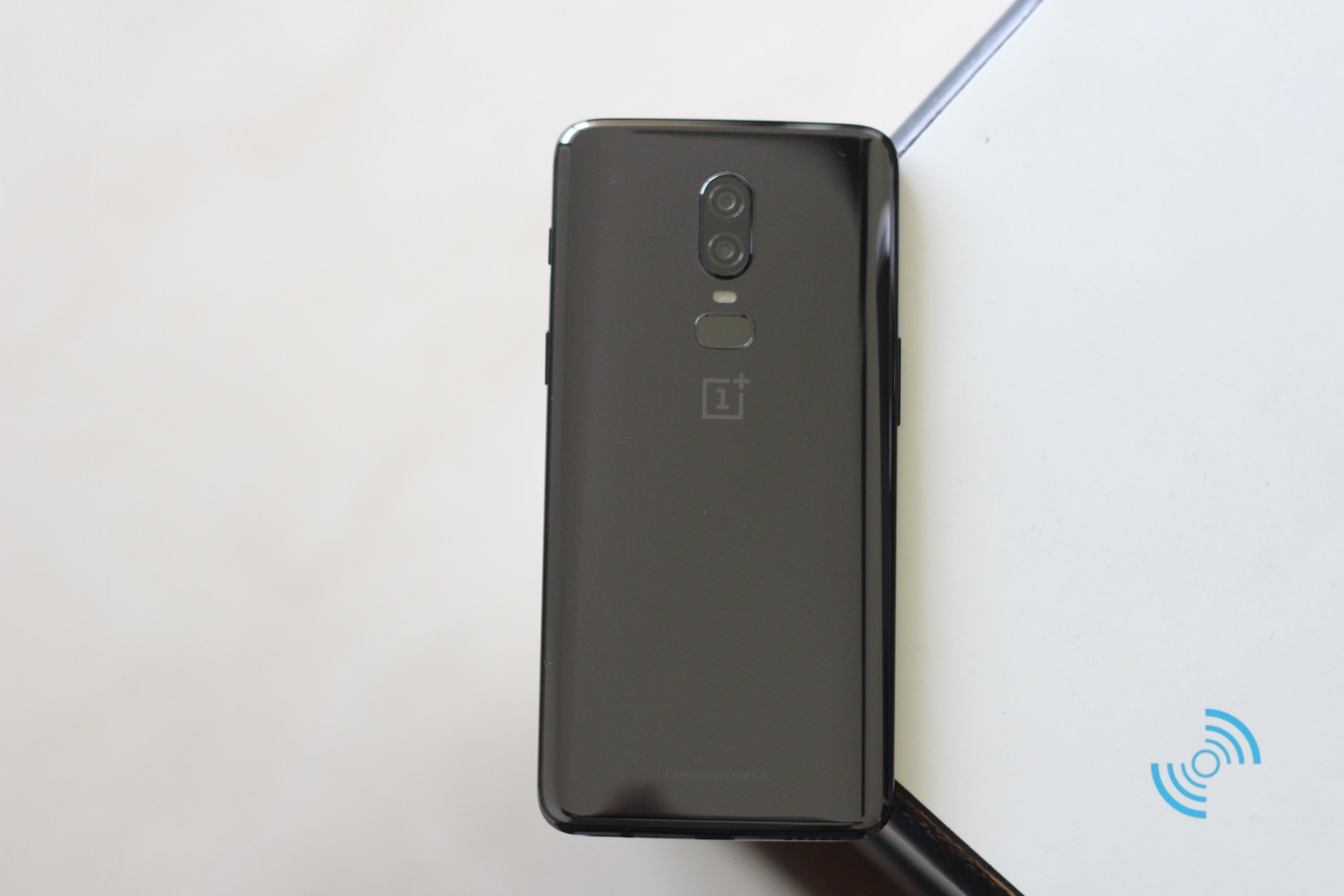
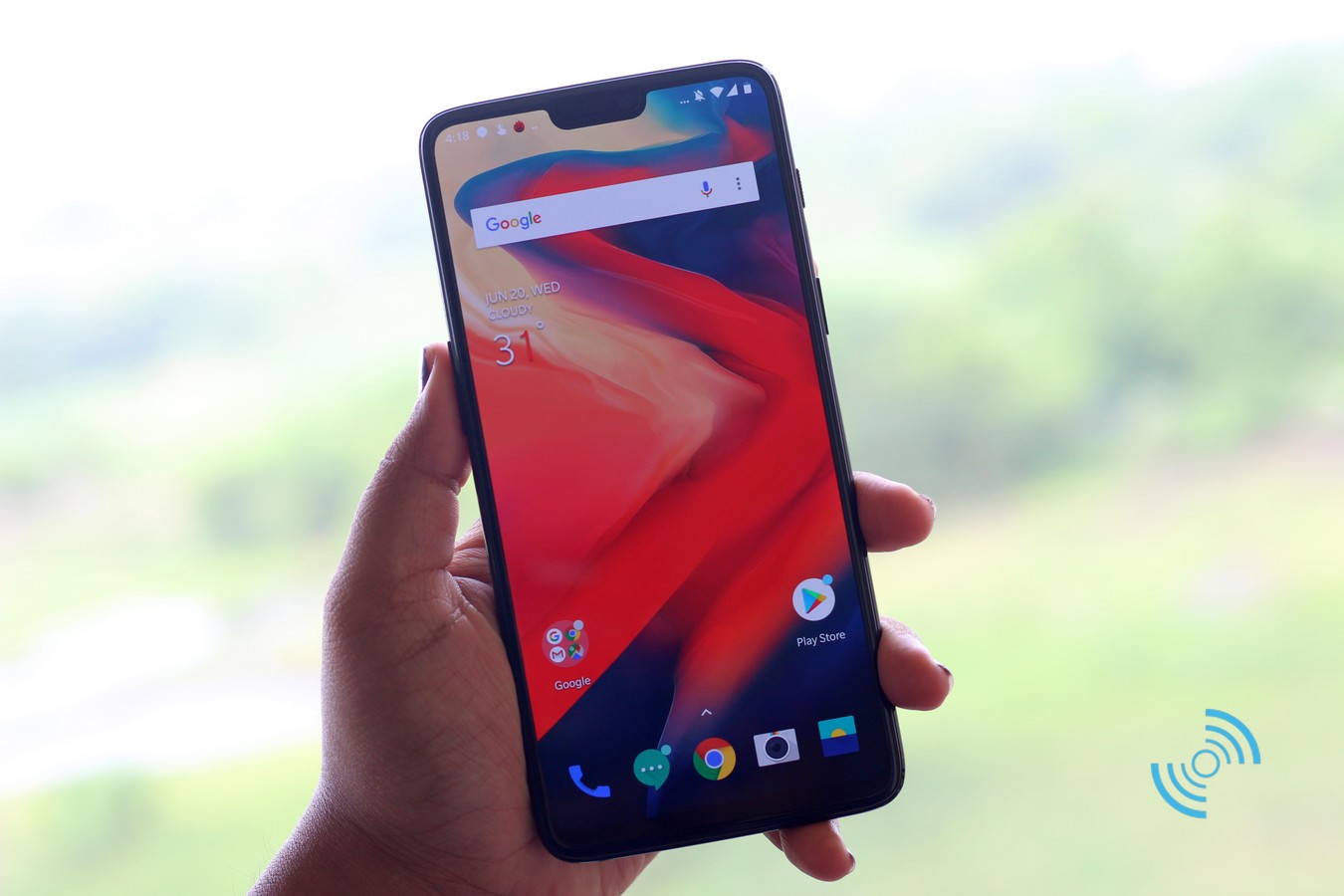
Vivo had launched the Snapdragon 660 chipset powered Vivo Z1 smartphone in the previous month. Its base model was introduced with a price tag of 1,798 Yuan (~$276). Within a month of making it available for buying in the home country, the Chinese manufacturer has slashed its price by 200 Yuan (~$30).
With the new price cut of 200 Yuan (~$30), the Z1’s cost has been reduced to 1,598 Yuan (~$245). It is yet to be confirmed whether the newly introduced discount on the smartphone is temporary or permanent.
The Vivo Z1 that has a glass rear features a 6.28-inch IPS LCD screen that supports an aspect ratio of 19:9 as it produces FHD+ resolution of 2280 x 1080 pixels. The 14nm Snapdragon 660 chipset that is equipped with a 2.2 GHz octa-core processor powers the phone.
The Z1 comes in three models such as 64 GB storage + 4 GB RAM, 64 storage + 6 GB RAM and 128 GB storage + 6 GB RAM. The handset also features a microSD card slot. It is loaded with FunTouch OS 4.0 flavored Android 8.1 Oreo.
The backside of the Vivo Z1 houses a vertical dual camera setup that includes 13-megapixel primary sensor and 2-megapixl secondary sensor. For snapping selfies, it has a camera of 24-megapixel. The handset receives power from 3,260mAh battery.
A fingerprint scanner is available on the rear panel of the Vivo Z1. It also carries support for face unlock. The handset can be availed in color choices like Black, Red and Blue.
The price cut is only available on the base model of the Vivo Z1. The other variants such as 64 GB storage + 6 GB RAM and 128 GB storage + 6 GB RAM are available with their usual pricing of 1,898 Yuan (~$292) and 2198 Yuan (~$338).
Xiaomi is now teasing on the features that will be arriving on the upcoming Mi Pad 4 tablet that will be made official on June 25. Its recent teasers have revealed that it will be featuring an 8-inch Full HD display, Snapdragon 660 chipset and a single rear camera. Through a fresh teaser, Xiaomi has confirmed that the Mi Pad 4 will be arriving with AI driven facial recognition feature.
The below poster reveals that the Mi Pad 4 won’t be coming with a fingerprint reader, but it will be equipped with facial recognition. Apple iPhone X, Xiaomi Mi 8 Explorer Edition and OPPO Find X are all equipped with 3D structured light module that allow these devices to support 3D facial recognition. The Mi Pad 4 is unlikely to feature such an advanced face scanning function.
As the teaser reveals, the Mi Pad 4 tablet will make use of AI to conveniently scan, recognize and unlock the device just by simply looking at it. There is no information available on whether the tablet will be comin with an infrared camera for carrying out AI face unlock in low light conditions.
The AI face unlock feature of the Mi Pad 4 will rely on the rumored 5-megapixel front-facing camera. It is expected to house a rear-mounted camera of 13-megapixel. It may arrive with a 6,000mAh battery.
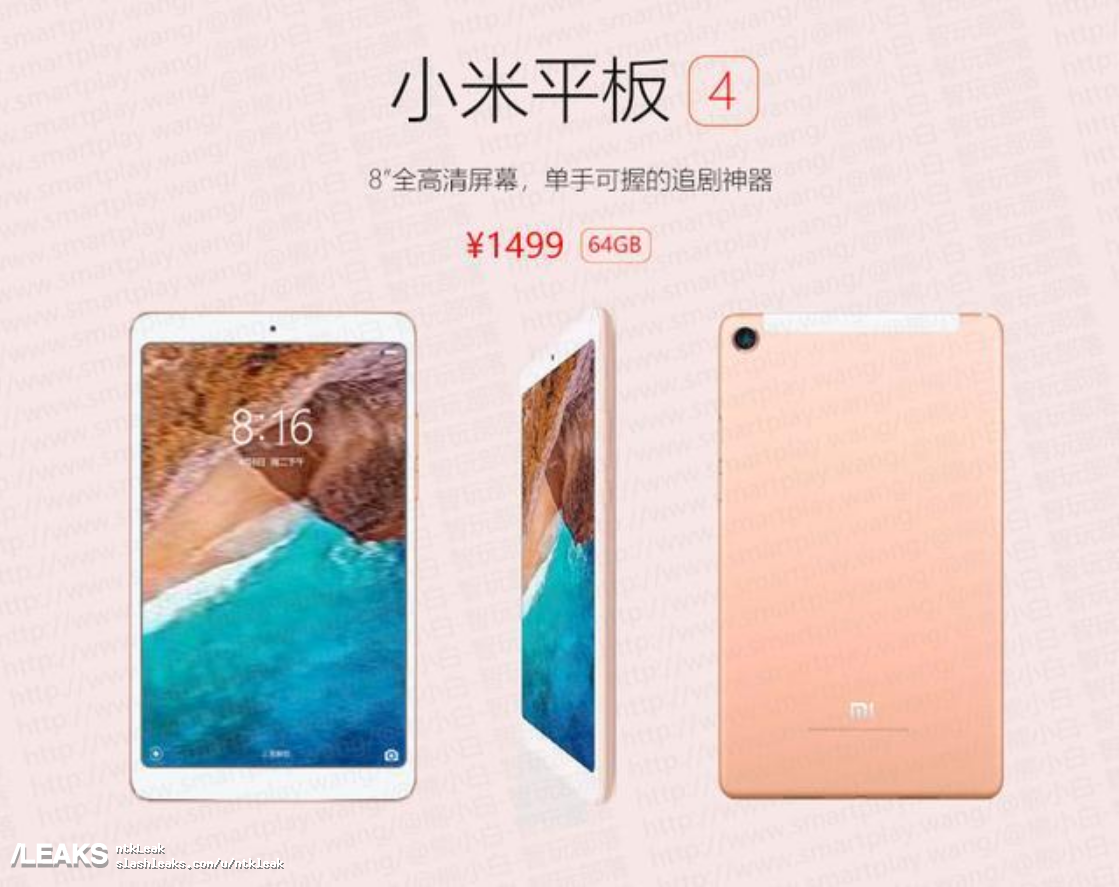
There is some conflicting information available on the variants and pricing of the Mi Pad 4. Leaked information coming from China has revealed that the base model will only carry support for Wi-Fi connectivity and it will feature 64 GB of storage and 4 GB of RAM. This model is expected to be priced at 1,499 Yuan (~$230). There will be a higher model with 6 GB of RAM, 128 GB of storage, Wi-Fi and LTE connectivity. This variant is pegged to cost 1,999 Yuan ($308).
Another source has revealed that the Xiaomi Mi Pad 4’s base model will be available in options such as 32 GB storage + 3 GB RAM and 64 GB storage + 4 GB RAM. The Wi-Fi + LTE variant may feature 64 GB of storage and 4 GB of RAM. The source of this information did not share details on the pricing of Mi Pad 4 variants but has claimed that it will be available in colors like Black and Gold.
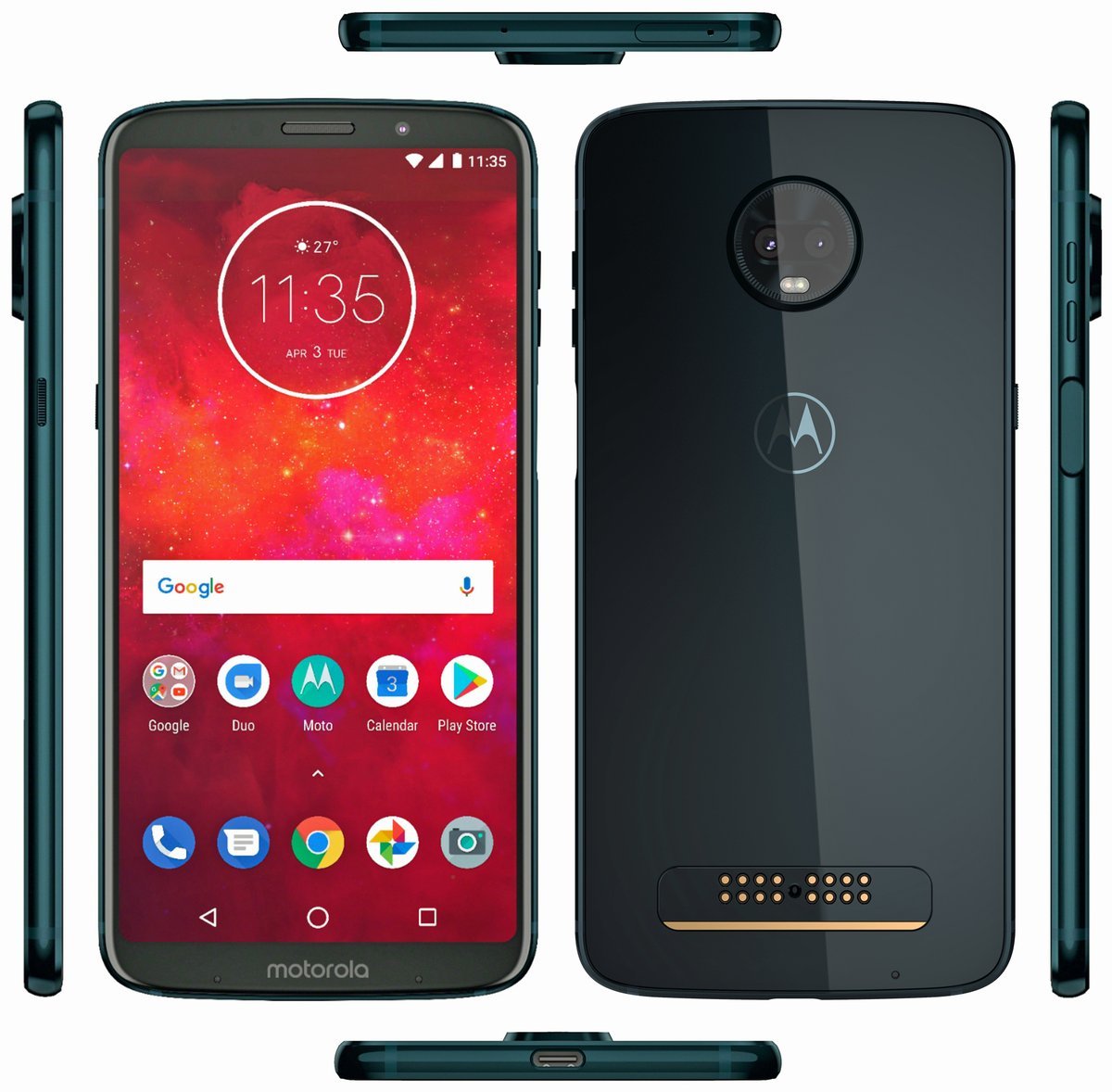
The Moto Z3 Play is now available on pre-orders in the U.S. until June 30. The handset that features 64 GB of storage and 4 GB of RAM has arrived with a price tag of $499 in the country.
The Moto Z3 Play comes with a 3,000mAh battery that is designed to last for a day. Customers who pre-order the Moto Z3 Play will be provided with a free battery pack MotoMod that will add 16 hours of battery life to the smartphone. Hence, with battery pack Moto Mod attached, the Moto Z3 Play can last for up to 40 hours.
The Z3 Play can be either availed with a full retail price of $499 or monthly installments of $20.83. Apart from the official site of Motorola, it can be pre-ordered from Best Buy and B&H Photo with the same price tag. Instead of the battery pack Moto Mod, Best Buy and B&H Photo are providing Moto smart speaker with Amazon Alexa for free. The regular price of the smart speaker is $112.
Customers who pre-order if from Amazon will also receive the aforementioned smart speaker for free. And Amazon Prime users can take advantage of $50 which means that the Z3 Play can be bought with a pricing of $449.
The Moto Z3 Play smartphone available at all the above mentioned retail platforms is usable through the four major carriers of the U.S. Also, it will work with prepaid carriers such as Cricket Wireless, Boost Mobile, MetroPCS, Simple Mobile, Total Wireless, Tracfone, Net10, Mint and H20.
The Motorola Moto Z3 Play features a 6-inch MaxVision Super AMOLED screen that produces FHD+ resolution of 2160 x 1080 pixels along with an aspect ratio of 18:9. The Snapdragon 636 chipset is present under the hood of the Z3 Play. It features a microSD card slot for additional storage.
The Z3 Play is the first phone in its series to feature a dual camera setup which includes a primary sensor of 12-megapixel and a secondary sensor of 5-megapixel. For snapping selfies, it has a front-facing wide-angle camera of 8-megapixel. The smartphone sports a very slim profile as it measures 6.75mm. With p2i nanocoating onboard, the device remains protected from water splashes. A unique feature available on the Moto Z3 Play is the fingerprint scanner which is mounted on the side of the device.
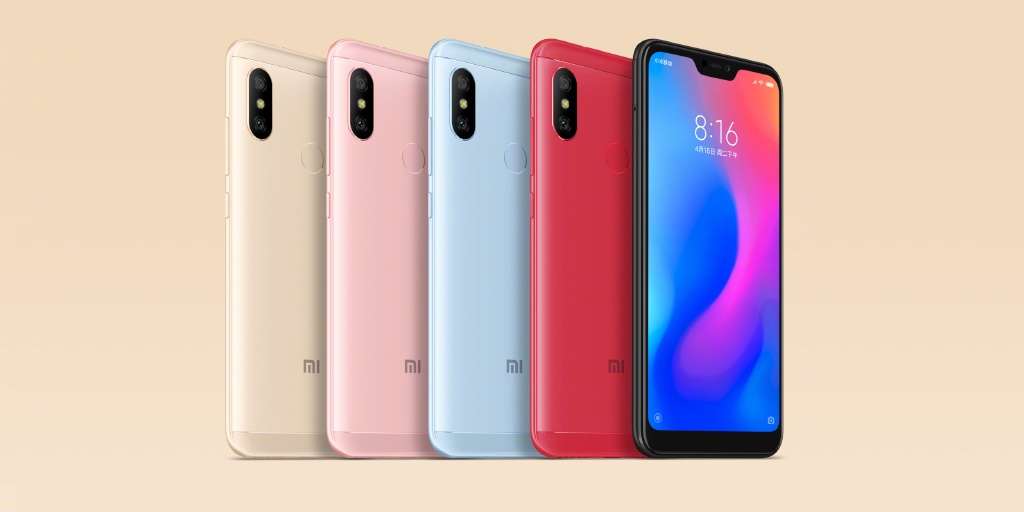
The appearance of the upcoming Xiaomi Redmi 6 Pro is not a secret anymore as multiple photos have appeared in this week to confirm that it will be arriving with a notched screen. The TENAA listing of the Redmi 6 Pro has already revealed the entire specifications of the smartphone. An Indian tipster has revealed the RAM and storage variants of the Xiaomi smartphone. In addition, he has also revealed some key information about the Mi Pad 4 and a new version of Xiaomi Mi 6X.
Redmi 6 Pro
The TENAA listing has revealed that Redmi 6 Pro may come in storage models such as 16 GB, 32 GB and 64 GB that will respectively feature 2 GB, 3 GB and 4 GB of RAM. However, fresh information reveals that the smartphone will be arriving in the market in three models such as 32 GB storage + 3 GB RAM, 32 GB storage + 4 GB RAM and 64 GB storage + 4 GB RAM.
He has also claimed that the Redmi 6 Pro will be arriving in five colors such as Gold, Black, Pink, Blue and Red which has been already confirmed by Xiaomi.
Mi Pad 4
A recent leak has revealed that the Mi Pad 4 will be arriving in two variants. The base model with 64 GB storage + 4 GB RAM will be a Wi-Fi only device with a price tag of 1,499 Yuan (~$230). There will be an LTE model with 6 GB RAM and 128 GB of storage that will have a pricing of 1,999 Yuan (~$308).
The Indian tipster has shared some contradicting information about the Mi Pad 4. He claims that there be two Wi-Fi only models such as 32 GB storage + 3 GB RAM and 64 GB storage + 4 GB RAM. He also claims that there will be an LTE model with 64 GB of storage and 4 GB of RAM. However, he hasn’t shared any information on the pricing of the Mi Pad 4 variants. The color variants of the MI Pad 4 are Black and Gold.
Recent reports have claimed that Sony is working on Xperia XZ3 flagship phone. It is speculated that the Japanese tech giant may announce it at the upcoming IFA 2018 tech expo in Berlin, Germany. Fresh information also reveals that the company is also working on a successor for the Xperia XZ2 Premium that was made official in April.
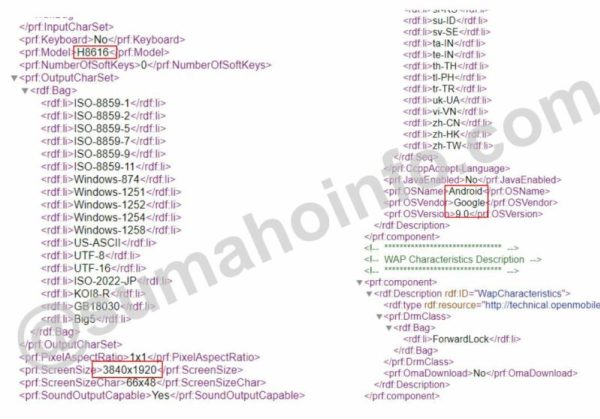
The alleged Sony Xperia XZ3 was spotted on GFXBench with a model number of H8416. A new model number of H8616 has appeared on what appears to be the UAProf from Sony’s website. The listing reveals that the handset supports a resolution of 3840 x 1920 pixels which means it supports an aspect ratio of 18:9.
The resolution of H8616 does not match with the 4K resolution of 4320 x 2160 pixels that is available on Xperia XZ2 Premium smartphone. Another thing that has been found about the new H8616 smartphone is that it is loaded with the upcoming Android 9.0.
There is no information available on the other specifications of the H8616 smartphone. However, it may come with features like Snapdragon 845, 6 GB of RAM, 128 GB of storage, 19-megapixel + 12-megapixel Motion Eye dual camera and 13-megapixel frontal shooter that are expected to arrive on Xperia XZ3.
As of this writing, there is no confirmation on whether the Sony H8616 smartphone will be arriving in the market as Xperia XZ3 Premium. There is a possibility that it may debut with some other moniker since its screen resolution does not coincide with that of Xperia XZ2 Premium.
At the upcoming IFA 2018 event, the Japanese firm may introduce the rumored Xperia XZ3 and XZ3 Compact smartphones. The launch of the rumored Xperia XZ3 Premium could be set in November.
Xiaomi will launch the 4th generation Mi Pad alongside the Redmi 6 Pro on June 25. Specifications of the Mi Pad 4 already leaked yesterday but it has now been followed by another leak that reveals its pricing details.
Based on the new leak, the Xiaomi Mi Pad 4 will come in two variants:
A base model with 4GB of RAM and 64GB of storage and will support only Wi-Fi connectivity. It will be priced at ¥1499 (~$230).
An LTE version with 6GB of RAM and 128GB of storage which will sell for ¥1999 (~$308)
It appears Xiaomi is sticking to the same launch price of the Mi Pad 3. The new addition is a high-end variant with more RAM, storage, and SIM support,
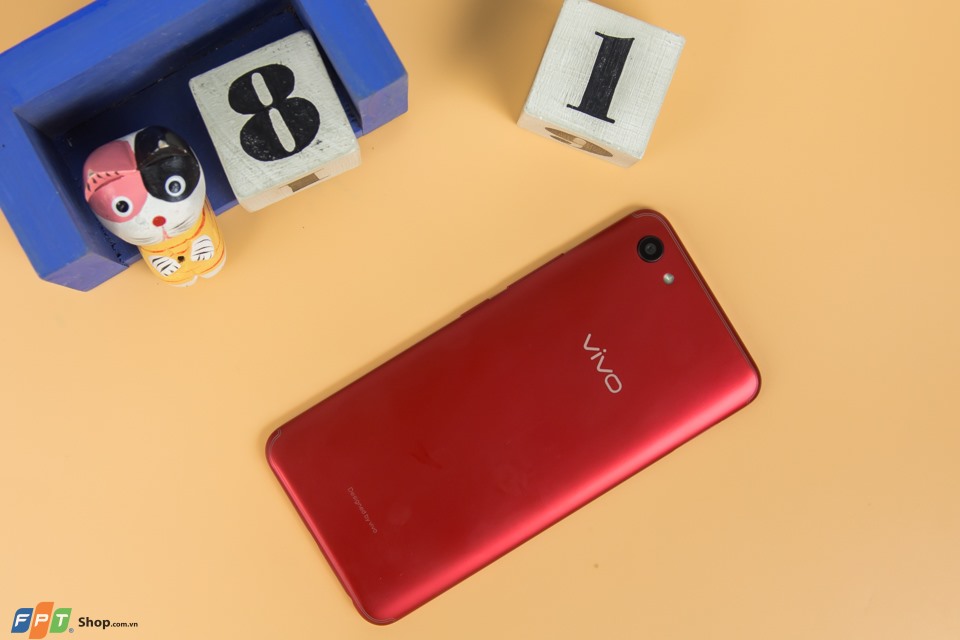
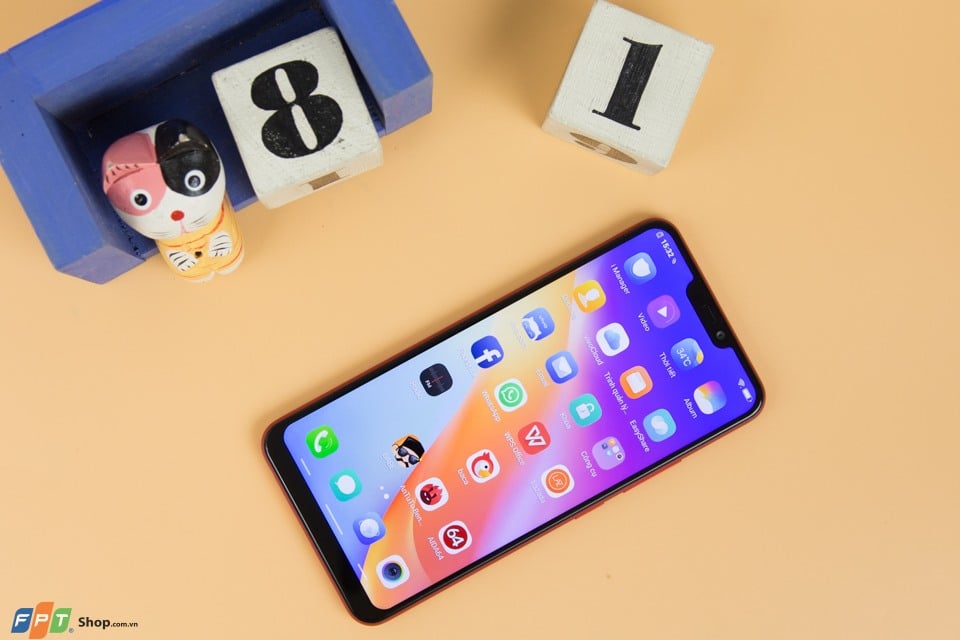
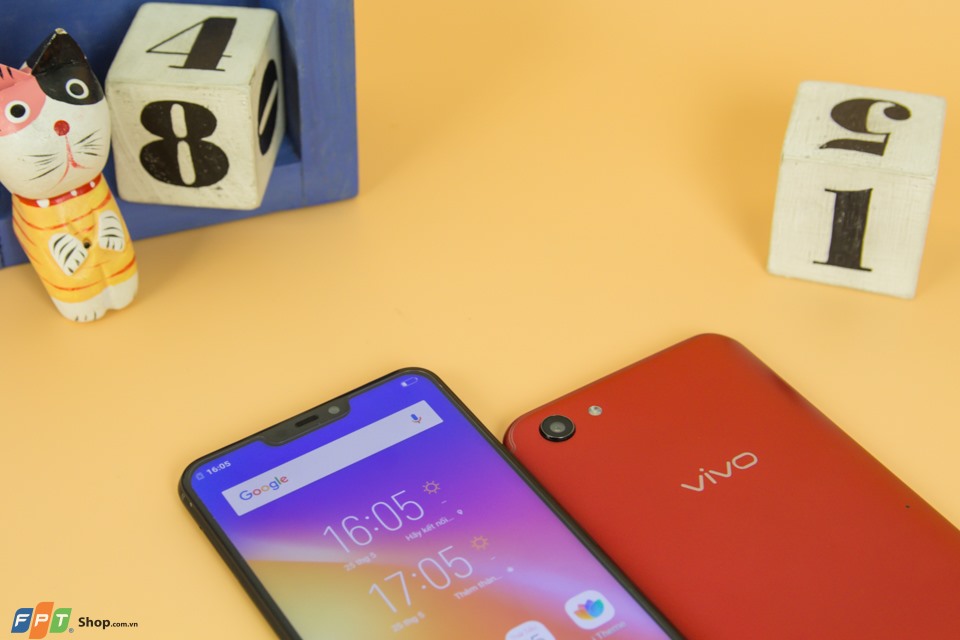
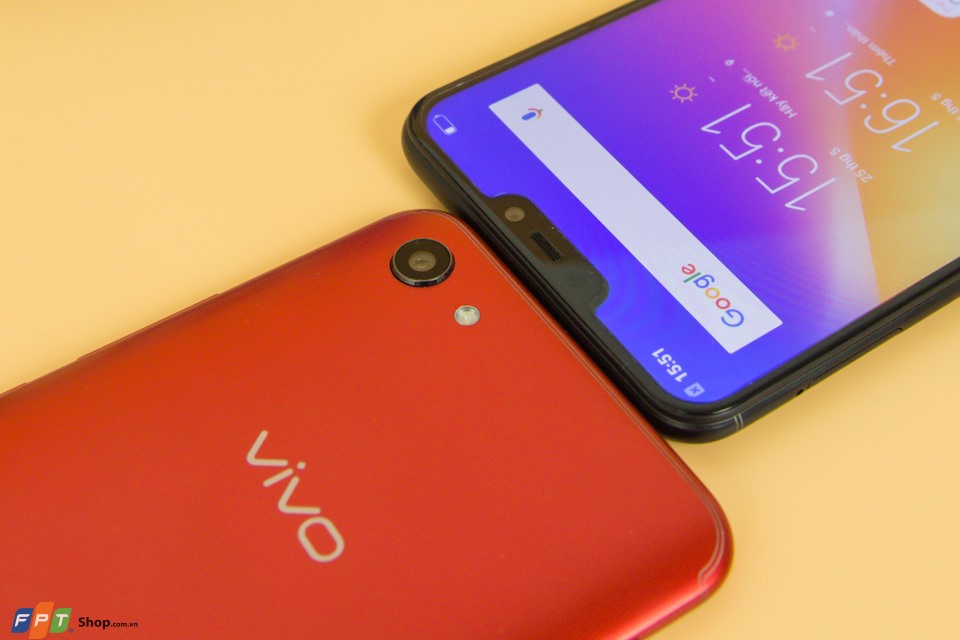
The Vivo Y81 features a 6.22-inch HD+ display with a resolution of 720 x 1520 pixels. The display comes with an iPhone X-like notch and a bezel-less design on the front. It also utilises a 19:9 aspect ratio and has Gorilla Glass protection on top. The Y81 is fired up by same MediaTek MT6762 (Helio P22) processor clocked at 2.0GHz. The processor is backed by 3GB of RAM and there is 32GB of internal storage which can be expanded up to 256GB via microSD card. It is a dual SIM phone but we can’t say if the second SIM slot also doubles as the SD card slot.
On the camera end, the Vivo Y81 features a 13MP rear camera sensor with f/2.2 aperture and LED flash. At the front, there is 5MP selfie camera with a f/2.2 aperture. The Y81 is fuelled by a 3260mAh battery and it runs FunTouch OS 4.0 based on Android 8.1 Oreo out-of-the-box. Connectivity options on the Vivo Y81 include 4G LTE, Bluetooth 5.0, single-band Wi-Fi 802.11 (2.4GHz), GPS, Micro-USB, and a 3.5mm headphone jack.
The Y81 is available in Vietnam via FPTShop and is priced at VND 4,990,000 (roughly $261). It comes in Red and Black colours. The Vivo Y81 will likely hit other countries soon as it has received certification in China, Malaysia, Thailand and even Europe.
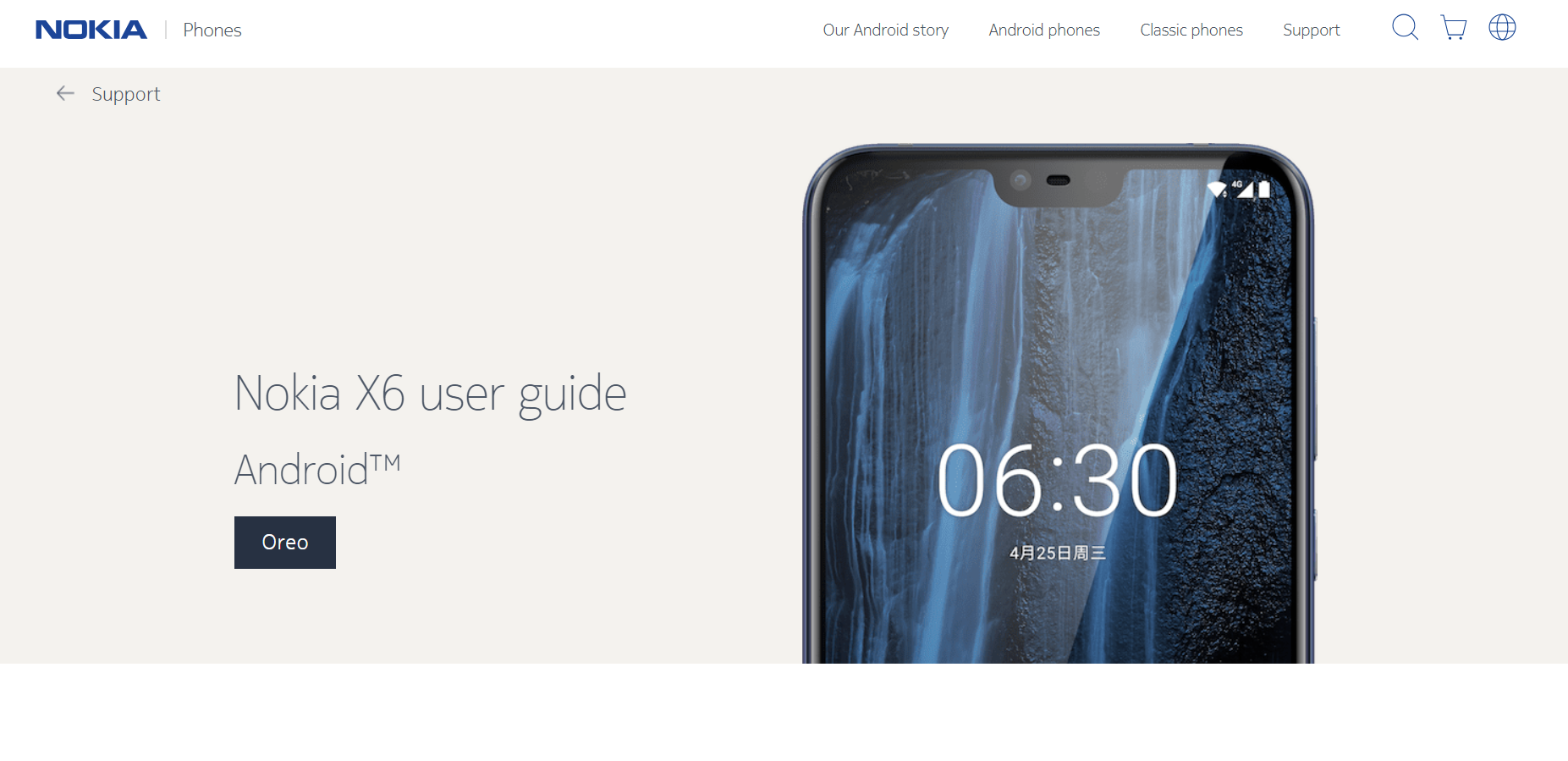
There is hardly any doubt that HMD Global Oy’s Nokia X6 will soon be launched for the global market. For those who still doubt talks of a launch in the offing, the Finnish company has now added another feature that buttresses talks of the global launch. The feature is the activation of an India support page for the X6 on Nokia’s website.
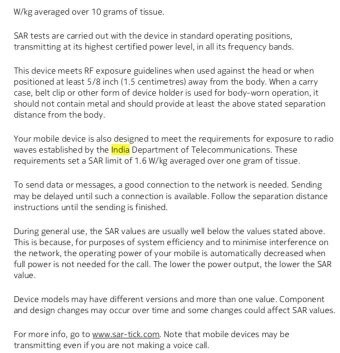
The support page contains a step-by-step guide on how to use the smartphone. The guide covers everything from the initial setup to using the Pro camera mode or even simple tasks such as opening and closing apps. There is also a PDF version of the manual which confirms that HMD Global has tested the smartphone’s compatibility with the Indian market requirements. The manual also states that the device has been “designed to meet requirements for exposure to radio waves established by the India Department of Telecommunications.” The device is also confirmed to launch with Android Oreo which will likely be under the Android One program.
This latest tip joins the earlier ones such as the brief appearance on the brand’s official website as well as its certification in Taiwan. So, even though HMD Global is still yet to officially confirm the smartphone’s arrival in other markets, it is almost certain that the phone maker is prepping a launch in some major market. Obviously, the device will be launched in Vietnam and India. Europe will most likely be another destination for the device.
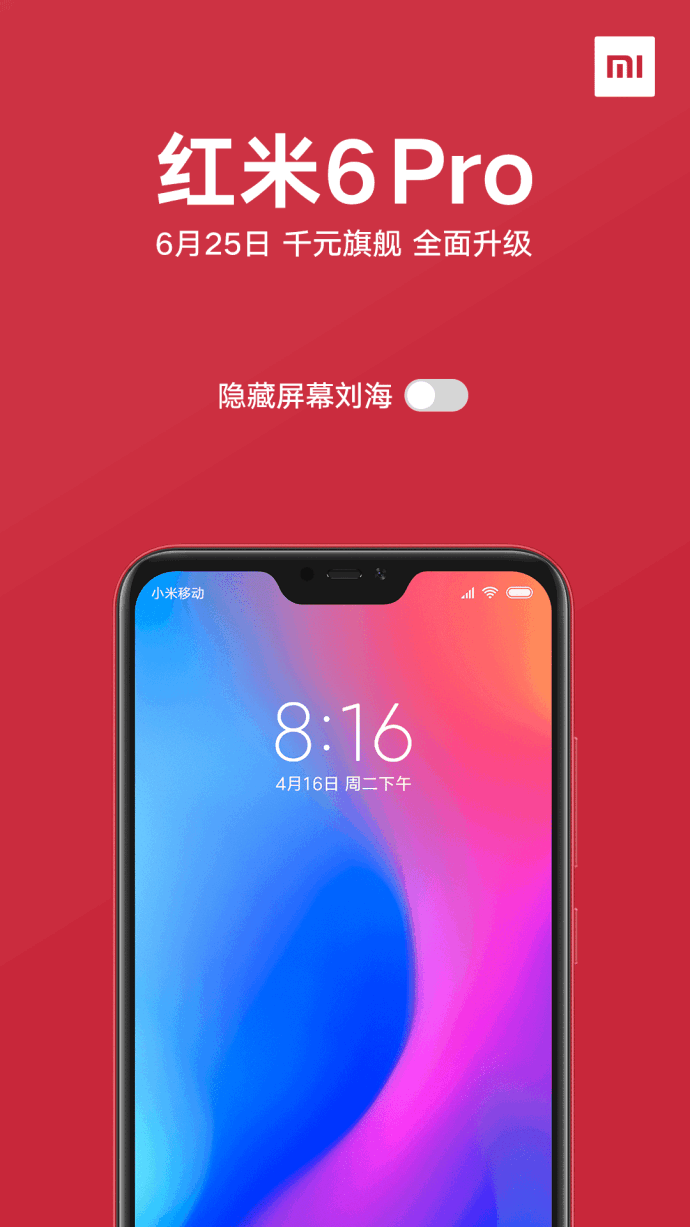
Xiaomi will launch the Redmi 6 Pro on June 25 but there is nothing we already do not know about the phone. Notwithstanding, a new official teaser poster has been released which reveals a feature a lot of folks will find useful.
Based on comments from our other Redmi 6 Pro articles, we know there are people who dislike the notch at the top of the Redmi 6 Pro’s screen. If you belong to that group, Xiaomi has revealed that you will be able to hide the notch based on the teaser poster below.
Most Android manufacturers that have released a phone with a notch have this feature. However, some like the Nokia X6 only got it after an update. So it is nice to see the Redmi 6 Pro will have it right out of the box.
Apart from the teaser above, we have also gotten our hands on more live photos of the device, though this time around they are unboxing photos authorized by the official Redmi Weibo account.
[envira-gallery id=”197432″]
These photos show us that the Redmi 6 Pro will come in a red box just like other Redmi phones. It will also come with a clear TPU case, a travel adapter, and a USB cable. The phone is the rose gold variant and it has a metal back plate with what appears to be plastic at the top and bottom where the antennas reside.
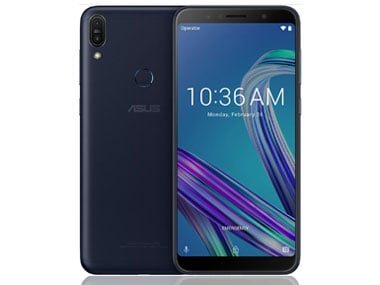
The ASUSZenfone Max Pro M1 is a pretty long name for a phone. But if you are planning on taking on one of the best mid-range phones on the market (Redmi Note 5 Pro), you might as well come with a longer name.
The Zenfone Max Pro M1 launched a few months ago in India. When it was announced, ASUS revealed it would be available in three variants – 3GB RAM + 32GB, 4GB RAM + 64GB, and 6GB RAM + 64GB. However, only the 3GB RAM and 4GB RAM variants are available for purchase. That may be changing soon as the page for the 6GB RAM variant has been seen on Flipkart.
The page is still under construction but the page source does reveal some key details. The 6GB RAM variant not only has more RAM but also comes with better cameras according to the page source.
Unlike the other variants which have a 13MP primary camera on the rear, the 6GB RAM Zenfone Max Pro M1 has a 16MP sensor. Its selfie camera has also been upped from 8MP to 16MP. Its price tag which was already announced at the launch event is INR 14,999 (~$221).
The rest of the specs are the same. It has a 5.99-inch FHD+ screen, a Snapdragon 636 processor, and a 5,000mAh battery. There is a rear-mounted fingerprint scanner, Face Unlock, dual-band Wi-Fi, Bluetooth 5.0, Android 8.1 Oreo, and dual-SIM slot. It also has a microSD card slot.
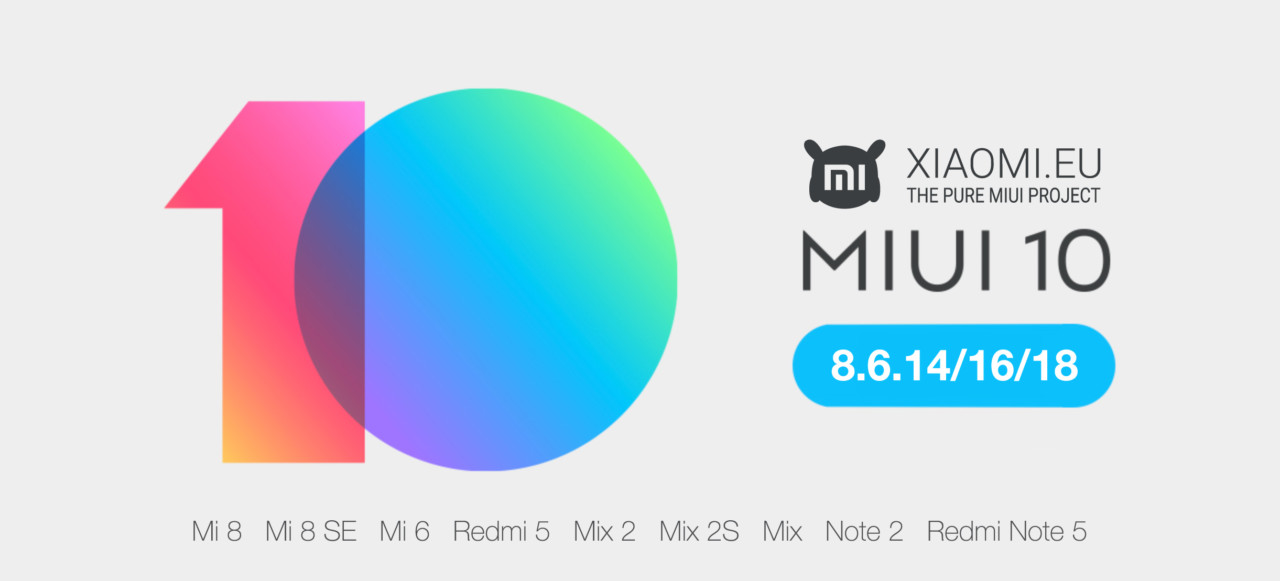
On May 31, Xiaomi announced its latest flagship Mi 8 as well as the new iteration of its Android OS: MIUI 10. After the official announcement, the Chinese company started the beta testing phase and released a Beta ROM under the China Developer branch. However, the Global Stable version is yet to be released and many users may have to wait several months to see the update on their Xiaomi devices. Further, the Chinese ROM is not so suitable to be used by people outside of China.
If you are an international customer, you can now have a good and stable international version of the MIUI 10. Xiaomi EU has indeed released an unofficial ROM based on MIUI China Developer ROM which is perfect for international customers. Given that we are talking about an unofficial ROM, it will not come as a classic OTA update, but you will need to flash it manually. What you will have to do in order to flash it is unlock the bootloader and install a third-party recovery mode such as TWRP. Then you need to flash the ROM by following a detailed procedure which you can find by heading to the source link below. We suggest you to try flashing the ROM only if you have experience at doing so and we are not responsible in case of brick or other issues coming from this process.
Xiaomi EU’s unofficial ROM based on MIUI 10 can be flashed on the following phones: Xiaomi Mi 5, Mi 6, Mi 8, Mi 8 SE, Mi Mix, Mi Mix 2, Mi Mix 2S, Mi Note 2, Redmi 5 and Redmi Note 5 Pro. Thanks to this ROM you will get several European languages as well as many new features, such as full-screen gestures for 18:9 displays, Mi AI machine learning system, facial recognition for authentication purposes and more. There will also be exclusive Xiaomi EU features such as screen off animations, search gestures, optimized RAM consumption, charging sound and more.
A few years back, things were pretty simple. Smartphones were divided into three major categories: Budget, Mid-Range, and Flagship. But now, things are a bit complicated as you have hybrids that are placed in between these categories. And where does OnePlus stand among other smartphones?
Can we call it a true and perfect flagship? Possibly! But I personally feel, the OnePlus 6 deserves to be called an affordable flagship. This is a category that the company has pioneered in the past few years and there’s no doubt that OnePlus has proved that it’s the best in the segment. Does that apply to the OnePlus 6? Let’s find out!
OnePlus started off as a trend breaker, flagship killer, non-conformist, and a lot more. After all, the first OnePlus One was indeed a revolutionary smartphone of its time, featuring high-end specs, different design, unique customer approach, all at an unbelievable price tag. Things did change over the course of the past five years, but the most recent OnePlus 6 flagship is still a flagship featuring the best hardware of 2018 at an affordable price tag. What has changed is that now OnePlus is embracing the current technological trends and implementing them in the best possible way.
So, you’ve got the glass back (change from the metal body on its previous phones), dual cameras, and a 19:9 display with a notch. Sounds like every other flagship of 2018 right? This is not really the case with the OnePlus 6. Yes, it does feature most of the trending features of 2018, but the company has managed to implement it in a way that’s better and cheaper than most of its competitors.
So, let’s check out how the OnePlus 6 performs in each department. First, note that you get the usual stuff inside the box which includes the phone, dash charger and cable, SIM ejector tool, a manual, and a TPU case (very essential!).
OnePlus 6 Review: Design
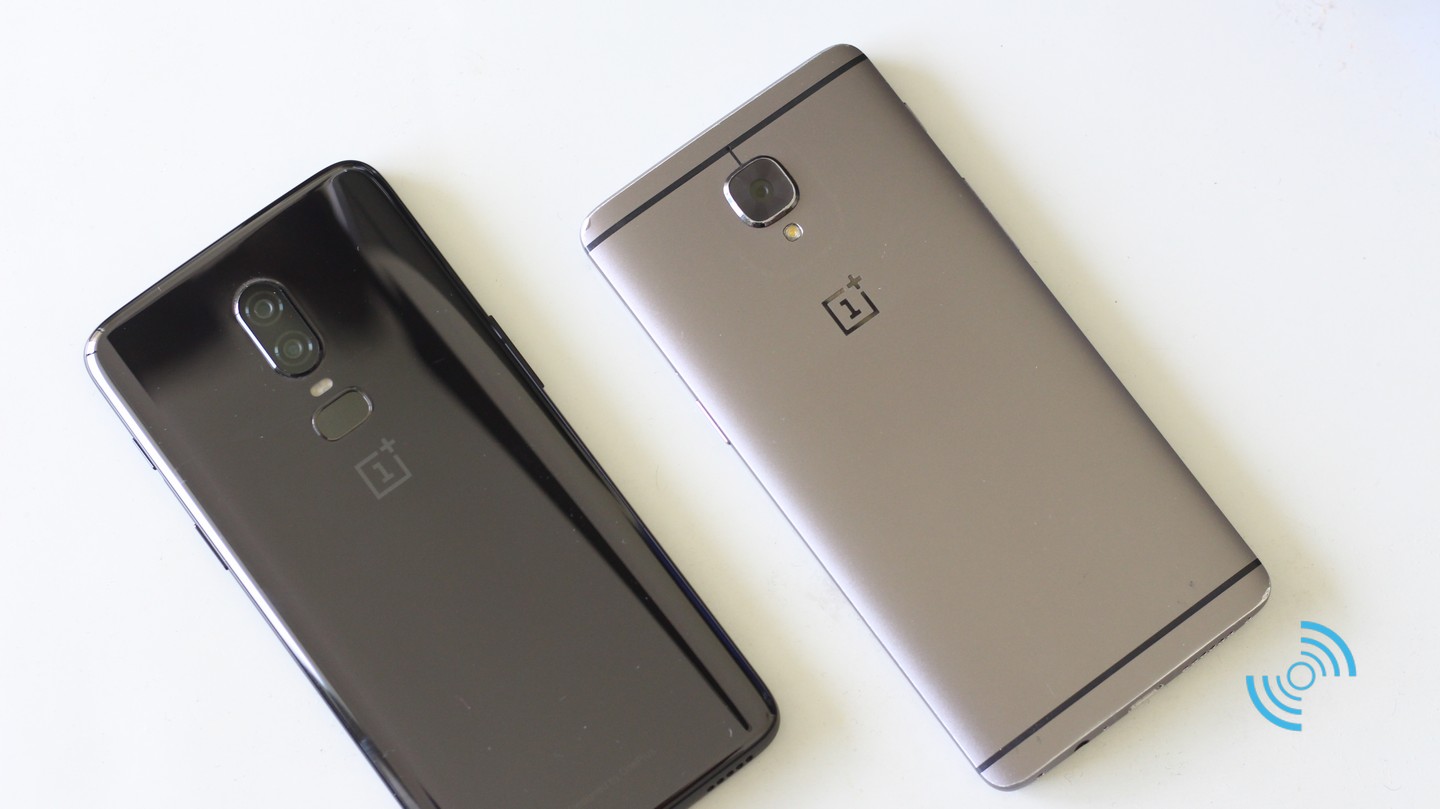
OnePlus has basically revamped the entire design on the new OnePlus 6. Conforming to the recent trend, the company has used a glass back on the phone, just like OPPO R15, Vivo X21, Xiaomi Mi 8, and all other major releases this year. But the implementation of the design is a bit different than its competitors. The company offers the phone in three different variants and I call it variants instead of colors because the texture and the look differs a lot based on which one you pick. I did talk about the three variants on the eve of the launch and you can check it out here.
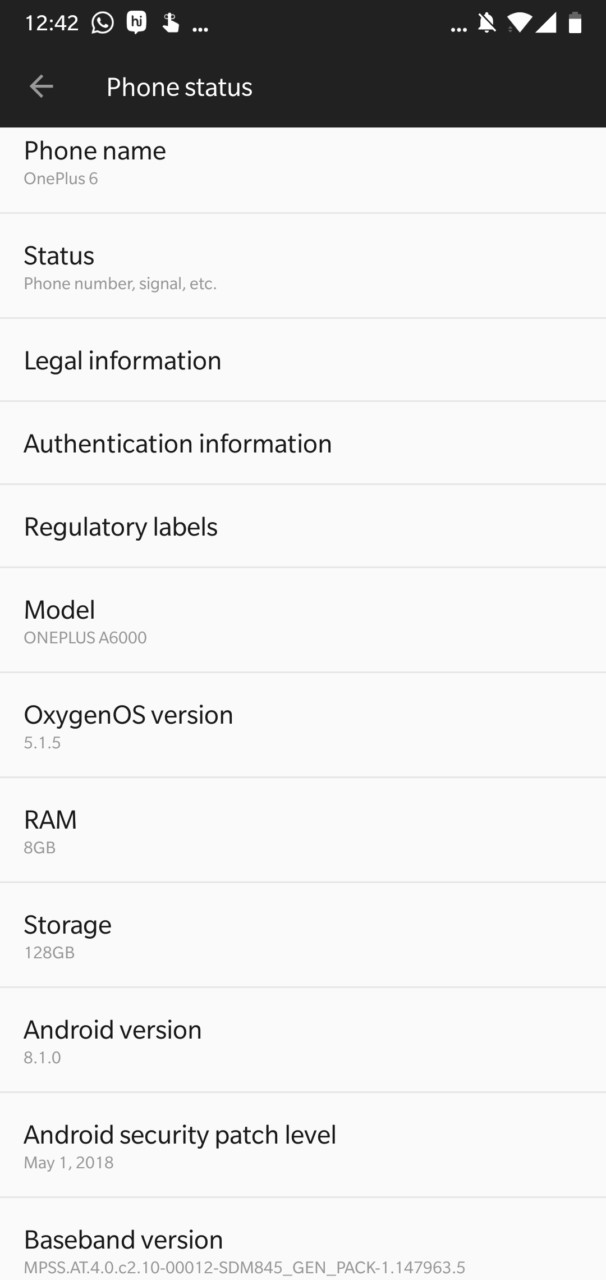
I have got the OnePlus 6 Mirror Black 8GB+128GB edition with me for review and I have been using this phone for the past couple of weeks.
Personally, I am a big fan of the midnight black variant and the fact that the phone isn’t a big fingerprint magnet was a big added plus. However, Mirror Black is probably the variant that’ll end up with most users and I needed to know whether I could fall in love with its reflective yet sexy black design. Turns out, I did! I agree, Mirror Black is one big fingerprint magnet, but that shouldn’t take away the fact that it is one of the most beautiful variants of the OP6.
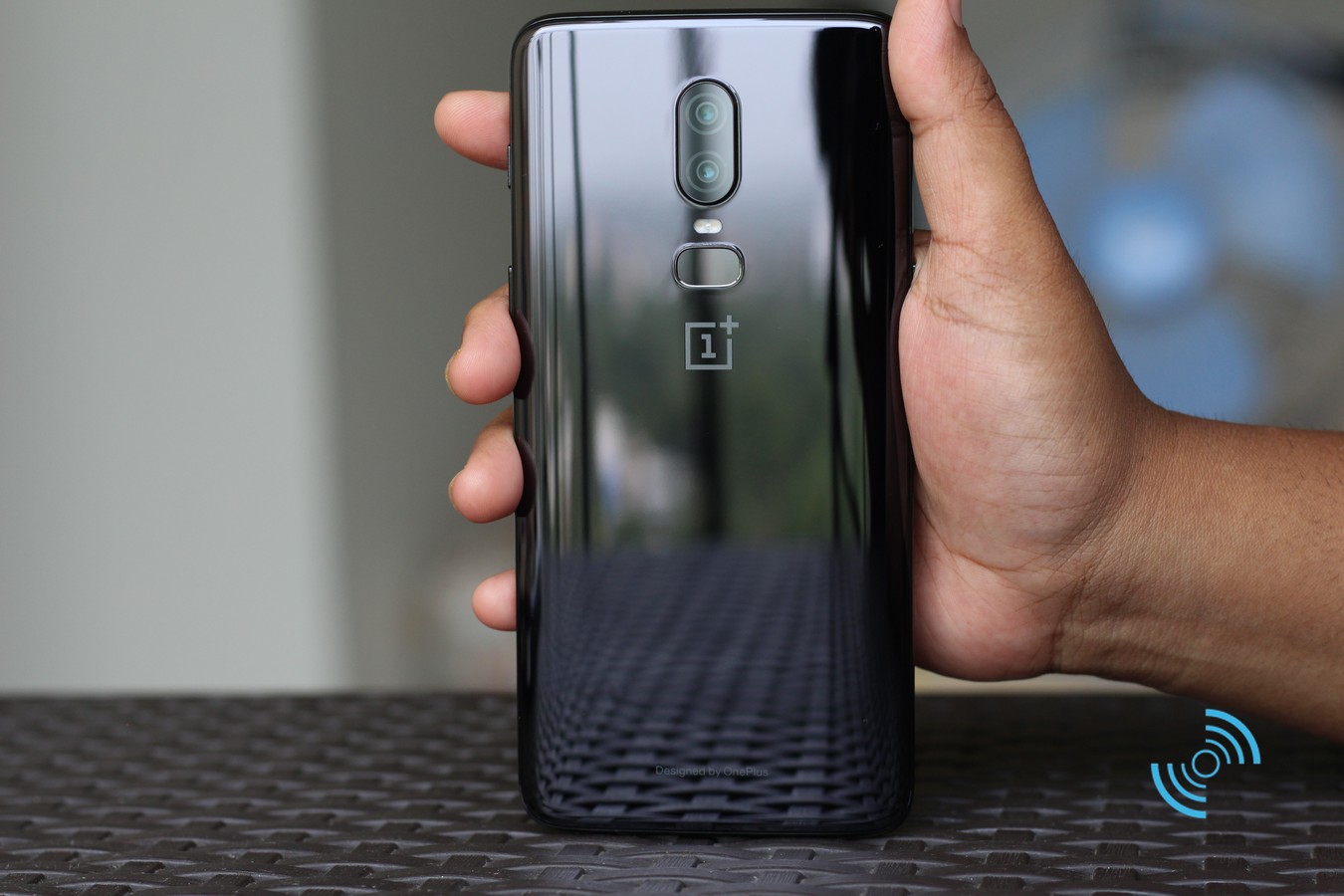
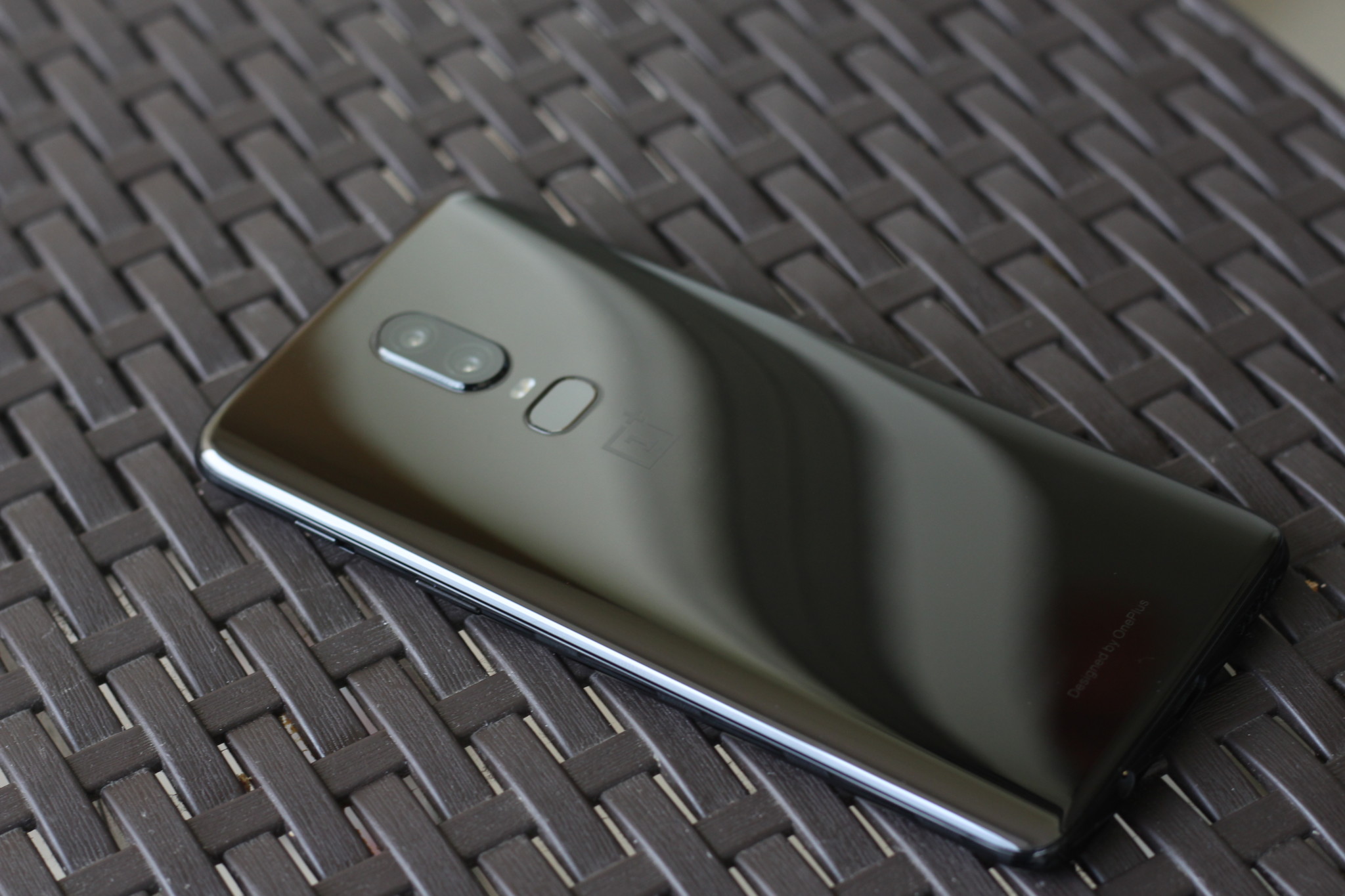
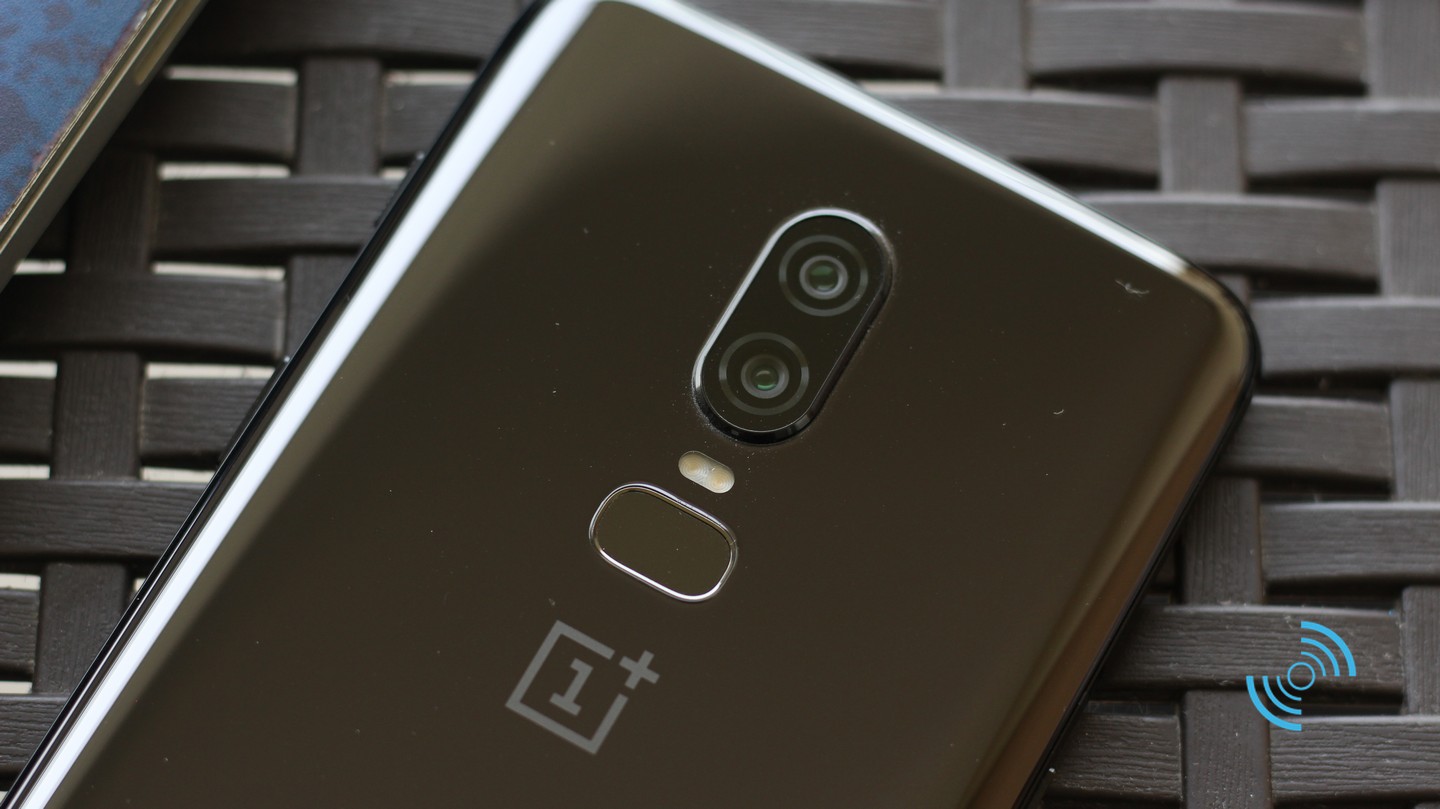
The phone has a rich premium mirror like finish at the back, that’s super reflective and a huge fingerprint magnet. But hold it in your hands and it feels like a premium piece of glass. That reflective back will definitely get everyone’s attention and the OnePlus 6 Mirror Black edition will never let you down in making you feel premium. Given this advantage, I didn’t mind cleaning my review unit a few times a day, especially since it’s pretty easy to wipe off the fingerprints. So, kudos to OnePlus in getting the design right with the OP6. I was a bit skeptical about its shift to a glass back, but I’m glad that they got it right.
There are a few changes in the arrangement of the components as well. So, you have the dual cameras arranged vertically at the back (vs horizontally on the 5T) with a dual LED flash, fingerprint sensor, and the OnePlus logo placed one below the other, ensuring perfect symmetry. The alert slider has changed its position to the right, above the power button. On the left, you have the volume buttons and the dual SIM card tray. At the bottom you have a 3.5mm headphone jack, USB Type-C port, and a single speaker setup. There’s nothing on top apart from a microphone opening.
[envira-gallery id=”197245″]
The dual camera housing protrudes from the thin 7.8mm body. But thanks to its centre placement, the phone won’t wobble when kept on the table. In fact, it stays quite firm on the surface, unlike some competitors.
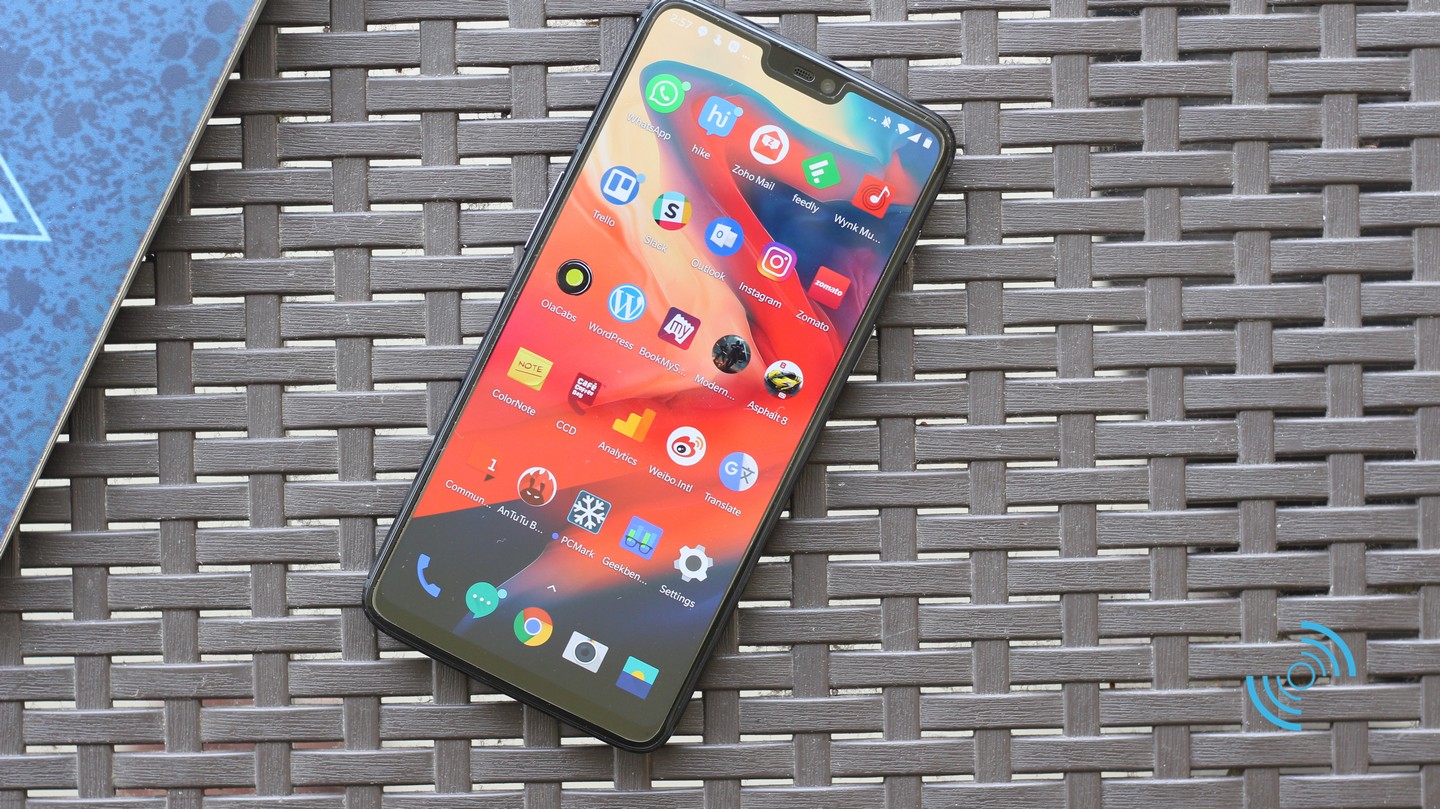
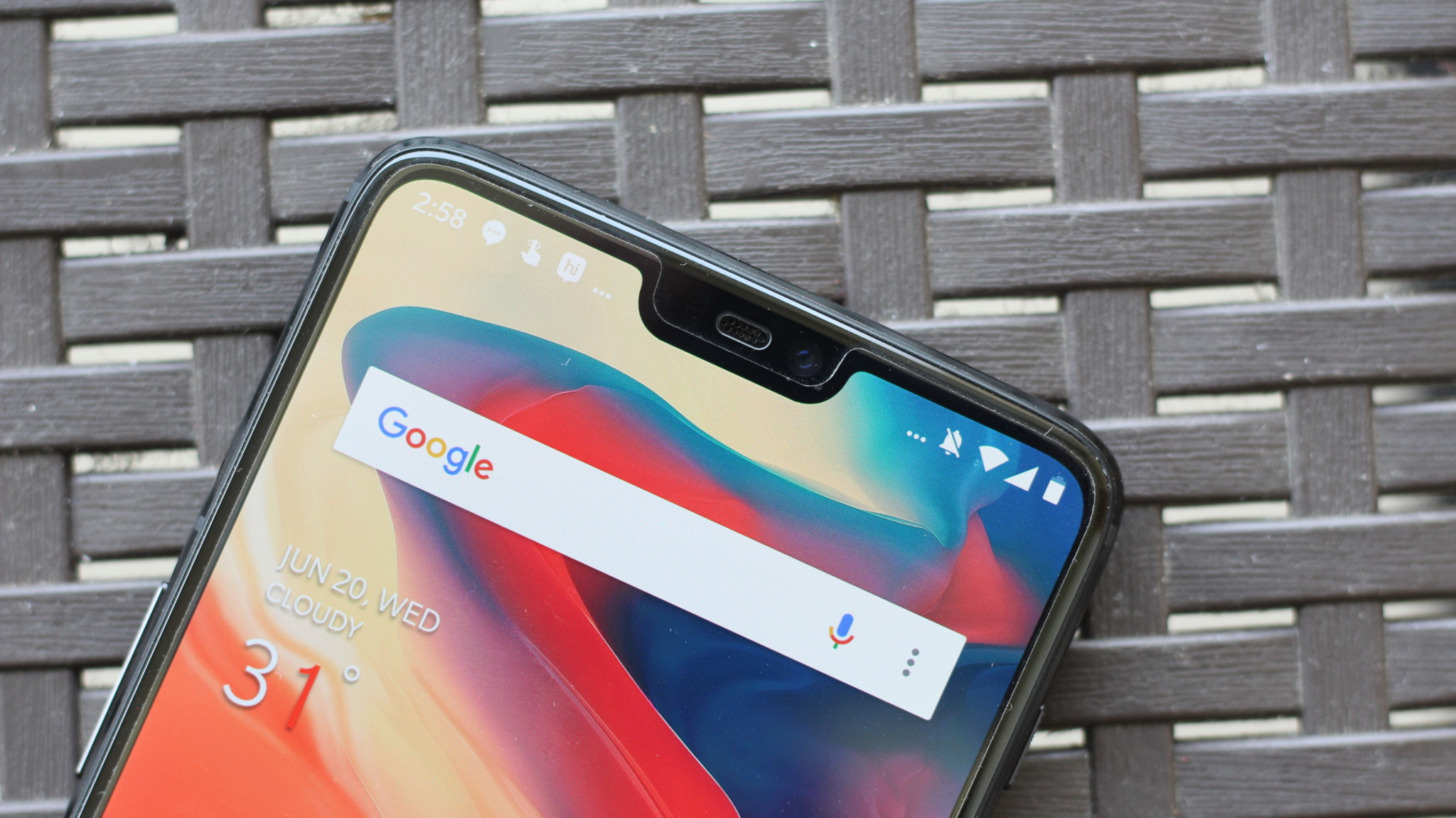
The front design is pretty much standard stuff. You have a slim bezel display with a notch on top. On first glance, it would actually be quite hard to distinguish the OP6 from other flagship phones with a notch. But that doesn’t change the fact that the bezels are super slim, the display looks beautiful, and the overall experience is pretty positive. The notch is pretty thin too, so you get plenty of space on both the sides.
The buttons on either sides are sturdy and tactile. The alert slider works well and its easy to operate the phone with one hand despite its large 6.28-inch display. Since we are on the topic of one hand operation, make sure to get a case for your phone. The back is super slippery and there’s a very good chance that you might drop it at least a couple of times during usage.
Want an example? I was writing this review with the OnePlus 6 besides me, placed safely on my notebook (or so I thought). On the corner of my eye, I could see something sliding towards me and you can guess what it was. Let me remind you, I was on the sofa, and there was hardly any slope, so be careful where you place the phone.
OnePlus 6 vs OnePlus 3T design
I personally trust OnePlus’ build quality (my metal OP3T has sustained a lot of drops without any major damage apart from a few dents and scratches), and the company has assured that the glass back won’t crack so easily, but its better to be safe than sorry when it comes to handling things that cost as much as than $500!
OnePlus 6 Review: Display
Now let’s talk about the display. At $529, you can’t go wrong with OnePlus 6’s display! The colors are vibrant, the brightness is satisfactory, and the bezels are so thin that you have a really immersive display experience. It might not be as bright or punchy as the Galaxy S9, but that doesn’t change the fact that you get one hell of a display at this price tag. You have a number of screen calibration options available like sRGB, DCI-P3, and even a custom one. But personally, the default one was good enough for me.
Under direct sunlight, you’d end up wishing for more brightness. OP6 doesn’t have a fancy 1000nits brightness mode like the LG G7, so you’ll have to live with its moderately bright display. But since you won’t be spending most of your time under bright sunlight, this display should be good enough for you.
Display Specs:
6.28-inch Optic AMOLED Panel with DCI-P3 support
2280 x 1080p 19:9 aspec ratio
Gorilla Glass 5 Protection
Now that we have established that the display is pretty good, let’s address the elephant in the room — the NOTCH. If this is your first notch phone, I thought it might be good to get some things clear.
Yes, the OnePlus 6 has the notch, but it’s not really as bad as many market it to be. Do you notice the notch in your daily usage? Yes! But your eyes get used to it very quickly and you’ll start to ignore it soon. I have noticed that the notch is more prominent in the dark, when the display is the only thing lit up in the room. That’s when it looks like the notch sticks out of the top bezel, but if you can’t bear it, just fill it with black bars (there’s a special setting) making the design look symmetrical. Note that the status icons are still neatly tucked besides the notch.
Most of the apps that I used were optimised for the notch design. So, either the app covers the sides of the notch or the phone adds a black bar automatically so that the app covers only the area below it. So, instagram opens up filling the sides of the notch, but once you click on a story, the app slightly shifts down because the phone adds black space besides the notch. But there are certain cases where the notch isn’t optimised. I noticed this in the case of WhatsApp stories. The app in general loads perfectly well, but specifically, whatsapp stories load up in full screen and the notch ends up covering a small part of the story. It’s nothing serious, but just something that I noticed.
To sum up, consider the notch as a step in between our dream for a full screen phone. I’m sure in the next couple of years, full screen phones without a notch will become the norm. OPPO and Vivo have already made it to the final stages of the full screen design, so we know we aren’t too far off from a full screen future.
OnePlus 6 Hardware & Performance:
Just like every other OnePlus phone, the OnePlus 6 features the best hardware of the year. So, you get the powerful yet efficient Snapdragon 845, 6GB / 8GB RAM options, and 64GB / 128GB/ 256GB storage options.
OnePlus phones are fast and it’s not like they are fast for their price. OnePlus takes speed very seriously (no wonder the OP6’s tagline is “the speed you need”) and it is one of the fastest Android flagships in the market right now. And you immediately feel it. The difference is not minor as apps load up in a second, the UI is super smooth, and the overall experience is like you are on steroids. I have been using this phone for more than a week now and not once did I experience any kind of slowdown or lag. Everything is still quick just like the way it was at the start and that’s something that we have to give credit to OnePlus’ FSE (Fast Stable Efficient) team. They have constantly produced super fast Android flagships and my 1.5 year old OP3T still performs flawlessly without any major hiccups.
Gaming is fluid as expected and all major games perform flawlessly on the phone. The fact that the company has optimised over 100 games on the play store to improve load times does help in speeding up in launching your favourite gaming app. I’ll provide a detailed gaming review of the phone after this review, but for now, know that you’ll have loads of fun playing on the OP6.
At the start of the article, I called OnePlus as an affordable flagship. This was because it misses out on some premium features found on higher-end devices. For example, there’s no wireless charging or even IP rating (although it’s water resistant). There are no fancy options like a transparent back, stereo speakers or even features like edge sense.
But it has everything that you would expect in a standard flagship, including a headphone jack. So it doesn’t miss out on any essential feature, just the ones that could be defined as premium. In general, it’s a complete flagship on paper.
OnePlus 6 Review: Software
OnePlus’ OxygenOS is among the best implementations of near stock Android on a smartphone. So, OxygenOS on the OnePlus 6 is a treat to work with. The subtle animations and features are fluid and quick and you’ll be happy with the overall experience. The best thing about OxygenOS is that the company doesn’t try to add a lot of features, only a handful that you most likely would use on a day to day basis.
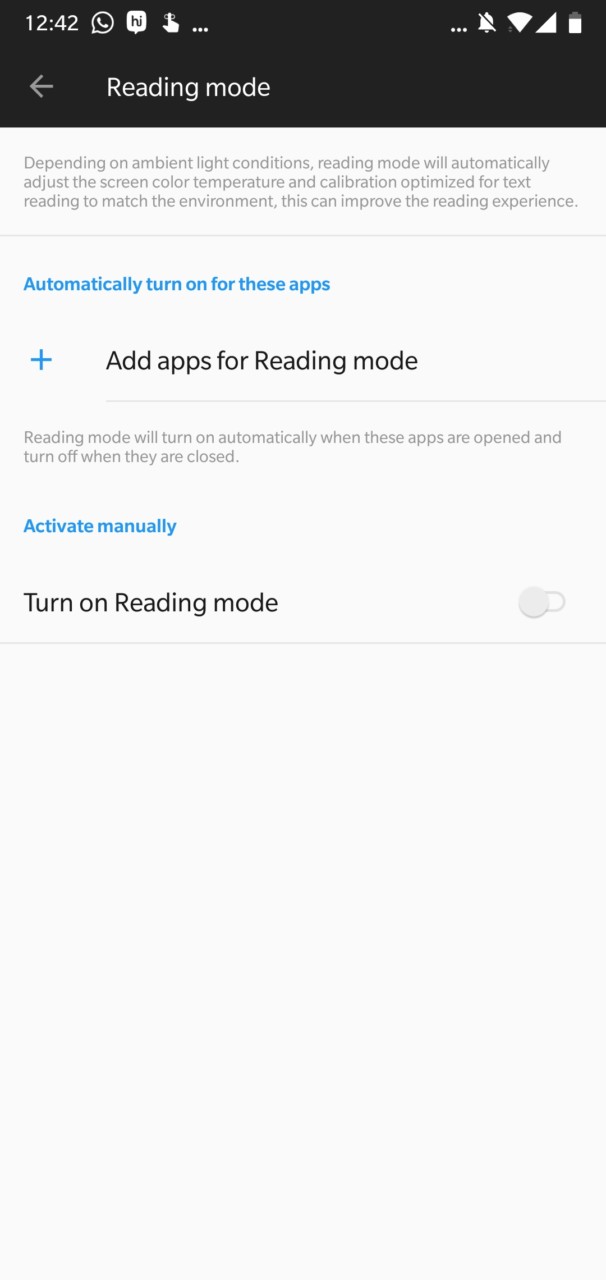
If you are set for a reading spree on the OnePlus 6, you can turn on its special reading mode (available on the quick settings panel) which will automatically adjust the screen temperature and calibration for optimum reading experience. You can either manually turn it on from the settings or you can assign specific apps which will turn on this feature automatically.
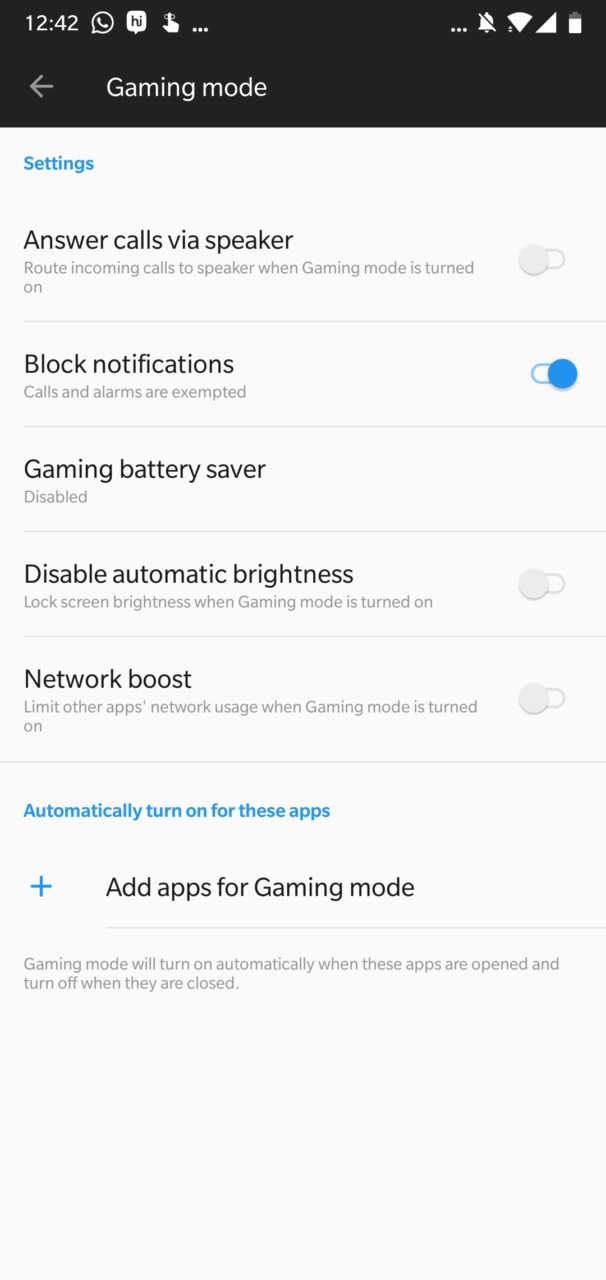
The same is applicable in the gaming mode. You can either assign apps or turn it on manually. Apart from blocking notifications, this particular mode allows you to tweak the battery consumption as well as network data priority. It’s a really handy feature for avid gamers. Personally, I don’t play a lot of games on my phone but I still like that you have the option to tweak these essential settings.
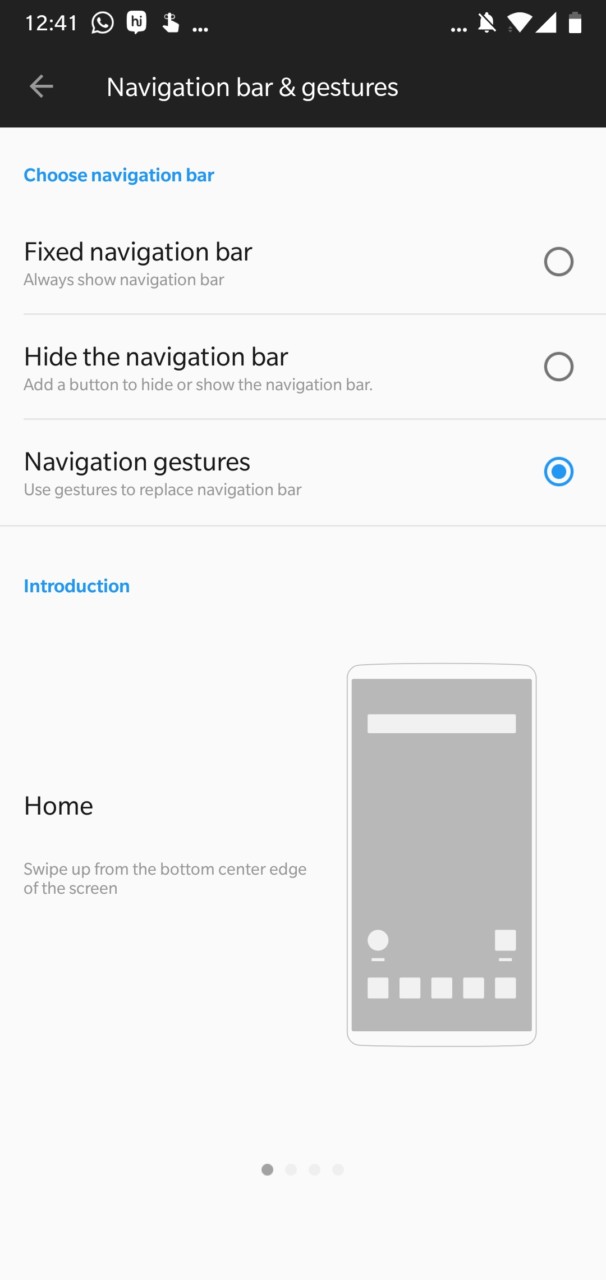
For a phone which aims to bring out the maximum screen real estate from its 6.28-inch display, I hate to see on screen buttons covering the lower half of the device. This is exactly why I immediately switched to gesture based navigation as soon as I got the phone for review. Initially, I was a bit skeptical about the gestures but turns out it’s as good as you can get on an Android phone at the moment. You can swipe up from the button to go to home or swipe up from the right or left corner to go one step back. These two gestures work flawlessly and not once did they fail to work, which is definitely good news. The swipe up and hold gesture to open up the recent apps menu isn’t as intuitive as touching a button (since there’s a second’s delay). If you are someone like me who used the recent apps menu to switch between apps at lightening speeds, this particular gesture does feel a bit slow. But its definitely not a deal breaker considering how much screen space you save without the onscreen buttons at the bottom.
[envira-gallery id=”197332″]
Another thing that I must add in this review is OnePlus’ Face Unlock. I loved the super quick fingerprint sensors on previous OnePlus flagships but the fact that the sensor was at the back of the phone left me disappointed since I often use my phone when it’s lying on the table (like so many users). However, what was a pleasant surprise was the Face Unlock feature on the device. The phone immediately unlocks as you turn on the screen and I have come to realize that I haven’t used its fingerprint sensor in a while. After all, there’s no need to go all the way to the back when your phone is unlocked as soon as you turn on its screen. It’s seamless, quick, and user friendly. Despite the fact that it’s not very secure, I think it has been one of the best features on my OP6.
Then there are other simple yet effective software features such as recent app manager (deep clean option), ambient display, three fingerprint screenshot, long screenshot, double tap to wake, flip to mute, and music control gestures.
Overall, it’s a feature rich OS for your everyday use and works flawlessly on your phone.
OnePlus 6 Review: Camera
Camera was never really the strong point of OnePlus flagships but with the OnePlus 6, things are a lot better than before. The rear camera setup looks similar, a 16MP sensor paired with a 20MP secondary sensor. However, this time, the second 20MP sensor is only present to capture depth information. So unlike the earlier setup wherein the second sensor was said to aid in low light photography, this one has just one sole purpose — bokeh.
The company has instead decided to focus on its primary sensor, increasing the pixel size to 1.22um with a large f/1.7 aperture lens. That not all, OIS and EIS are back on the OP6, unlike the previous generation which skipped on this tech (5T only had EIS).
On the front, you get a 16MP sensor, which is capable of capturing software based bokehs too. So, you’d get some amazing selfies for your social media pages.
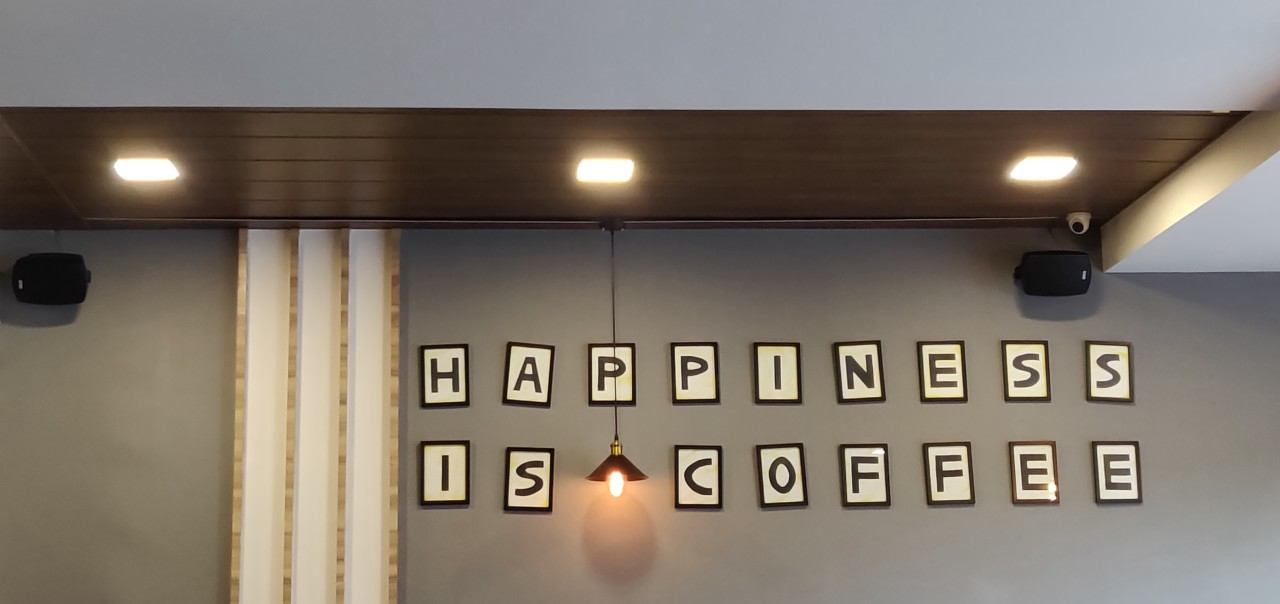
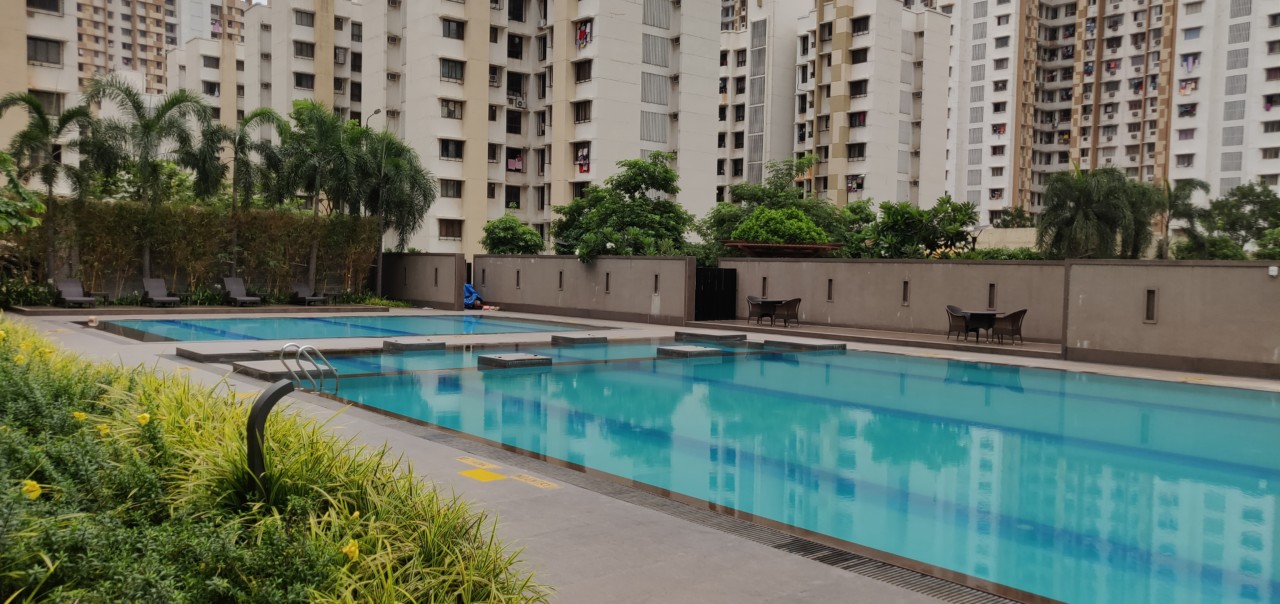
In general, the OnePlus 6 captures great daylight images. The saturation levels are good, the amount of details are adequate, and the overall pictures come out crisp and detailed. Close up shots in general come out really well. Landscape pictures are also pretty good and it’s quite close to the quality of the pictures from some of the best camera phones in the market today like the Huawei P20 Pro or the Google Pixel 2 XL. But we have come to realize that after you cross a certain price range, daylight shots from most phones are going to come out good. So, OnePlus 6 doing well in good lighting conditions is no surprise.
It’s only when the lighting goes down do we know the real camera prowess of a smartphone. This is where the OnePlus 6 shines, thanks to its wide aperture, larger pixel size, next gen ISP and even OIS. The photos still come out pretty detailed and on most occasions you’d be happy with the resulting image. The colors are good, the noise is limited and there’s enough details in the pictures for them to stand alongside the samples from the big players like the Galaxy S9+. To be honest, the low-light pictures from the OnePlus 6 may not be as great as the best camera phones of 2018, but they are not far behind. For a phone that’s $300-$500 less than these so called premium flagships, OnePlus’ camera does a very good job.
The camera UI is pretty straightforward. Quick setting menu is on the top bar, swipe left or right to switch between video and portrait modes and swipe up to get more modes like slo-mo, panorama, pro mode, time lapse, etc.
[envira-gallery id=”197333″]
In the general video mode, you have the option to go up to 4K 60fps resolution. However, note that OIS or EIS won’t be at play at this high resolution, so the resulting video won’t be as smooth as a 1080p video.
For slo-mo, you have two options, 1080p at 240 fps and 720p at 480 fps. Now this might not be as fancy as 960 fps on the S9 or Xperia XZ2 but you can capture up to a minute of real time video that translates to around 6 minutes of slo-mo video. Further, the entire video need not be slowed down as the editor allows you to choose a certain part of the video which can be slowed down. So, you can start off at real time speeds and quickly jump to slo-mo in order to really emphasise the slo-mo feature. It’s quick, user friendly, and works well on the phone. Note that you have to make sure that there’s enough light to get good quality slo-mo videos.
As for the portrait mode, it’s bit more polished than before. However there’s still room for improvement and you often notice that the edge detection algorithms often miss out something in the image. That said, it’s good enough for basic social media sharing on most occasions. The front camera is also getting a selfie portrait mode soon via a new update.
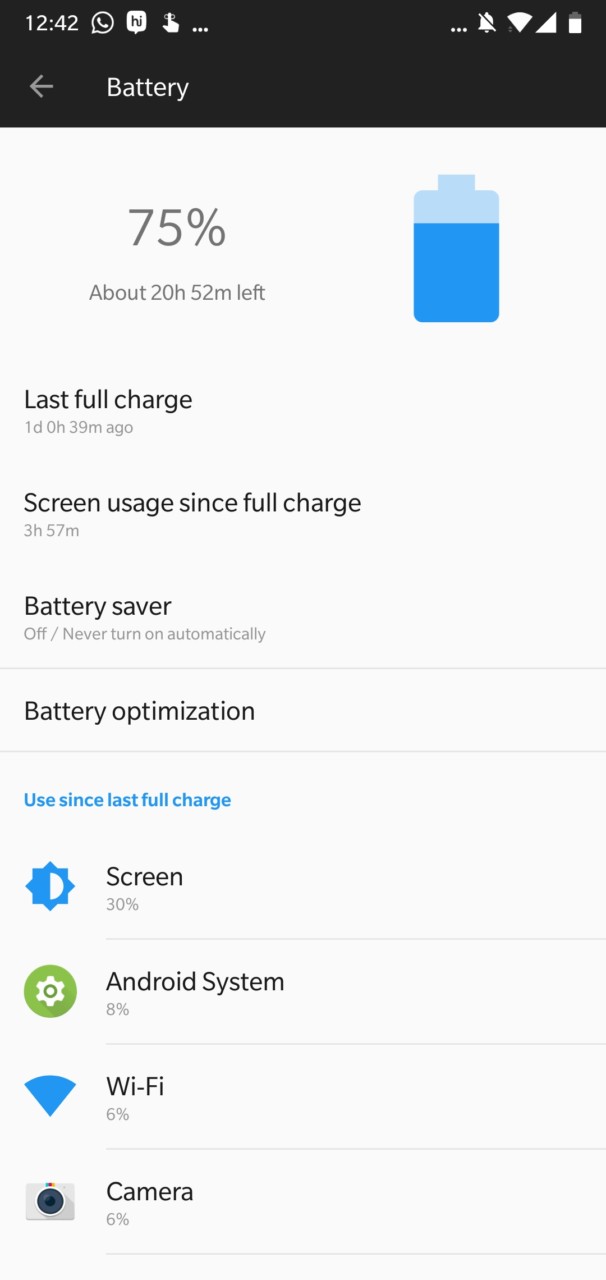
OnePlus’ flagships were never known for having extravagant battery life but they did manage to get through an entire day. On paper, the OnePlus 6 features a 3300mAh battery, which sounds pretty small but considering the optimisations added on a 2018 smartphone, including the efficient 10nm Snapdragon 845 powering the device, the battery life is adequate.
I might not be a power user in the traditional sense but my smartphone is usually working for me the entire day, which includes mails, slack, constant notifications from apps like twitter, half an hour of video playback, wordpress edits, an hour or two of bluetooth music playback either on my car stereo or my headset, instagram browsing, calls, camera usage, and browsing/ reading articles for like an hour. Basically, in the past one week, my OnePlus 6 hardly had any free time during the day, and it still managed to get through the day without any hiccups. Only once did I have to charge it in the evening but that was an exceptional case since there were a lot of benchmarking apps and camera usage on that particular day. On all other days, I got an entire day’s worth of usage.
Charging the phone takes over an hour and dash charge work well if you jut want a quick 10 minute charge for a few additional hours of usage.
Keep your expectations above average from the OnePlus 6 in terms of battery life and you’d be a happy user. To conclude, it’s the right blend of power and efficiency, with a bit more focus on the former department.
OnePlus 6 Review: Conclusion
On most part, OnePlus 6 has turned out to be an amazing flagship. Heck, it’s one of the best smartphones that you can currently purchase for under $600.
The phone does miss out on the fancy stuff but if you are looking for a phone that can keep up with almost every device in every department, without breaking the affordability factor, then OnePlus 6 is your best bet! Be it camera, display, battery life, or even sound quality, OnePlus can stand among the best flagships in the market that costs a lot more than $600! The boost in the camera quality in this new flagship is worth mentioning particularly and we have seen that it comes close to a number of premium flagships in this department.
Personally, I feel it misses out on high quality audio (speakers) and wireless charging, but in general, I’m happy with what OnePlus has done with its new flagship. For this price, you simply can’t go wrong with the OnePlus 6!
Are there better phones than the OP6? Yes! But the sweet $529 pricing brings everything together making it an unbeatable deal.
Back in April, Xiaomi released a statement saying it would release the kernel source code for devices within three months following its release. So far, it has kept to its promise for its major devices. Less than a month after it launched the Mi MIX 2s, it released its kernel source code. Now it has released the kernel source code for the less than a month old Mi 8 SE.
The Mi 8 SE is the first Snapdragon 710 smartphone in the world. It is also the cheapest in the Mi 8 series announced last month. With its kernel source code now available, we expect custom ROMs and the likes be made available for it.
Now that the Mi 8 SE is out of the way, we should see the kernel source code for the Mi 8 and Mi 8 Explorer Edition made available. There are also a bunch of other Xiaomi phones such as the Redmi S2, Redmi Note 5 Pro, Redmi 5 Plus etc. whose source codes haven’t been released.
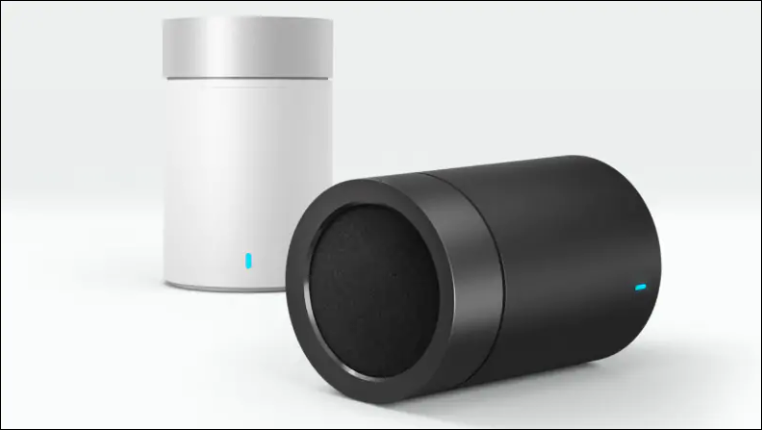
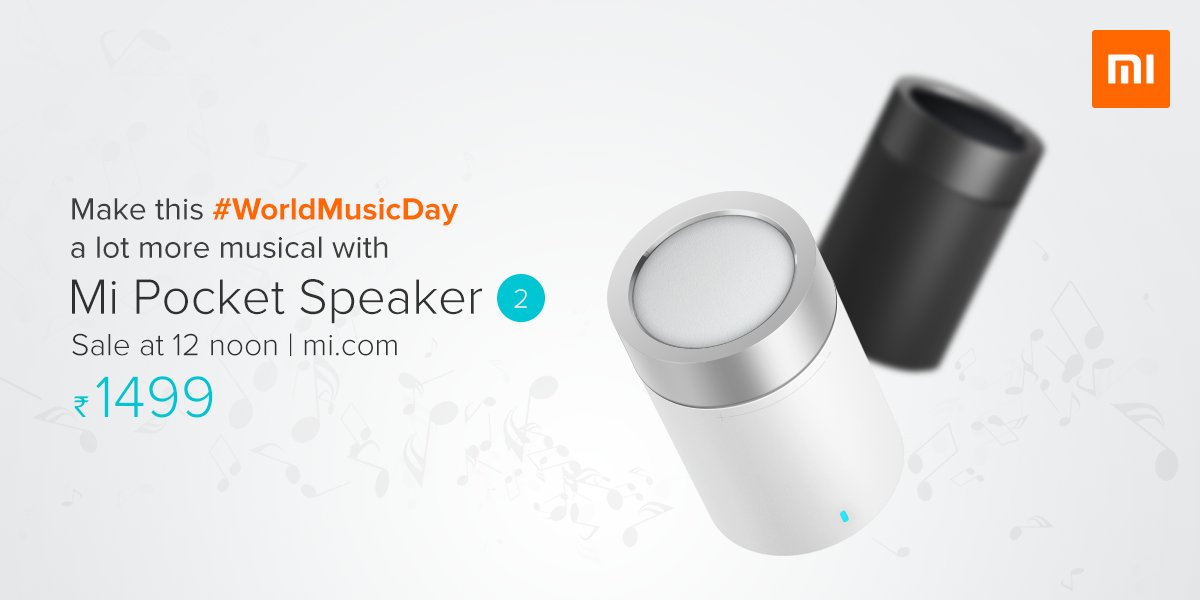
Chinese tech giant Xiaomi recently revealed that it has up to 1000 service centres spread across India and that it has its presence in over 600 cities. The company is making a strong move to consolidate on its growing popularity and has launched a product that deviates from its smartphone stronghold. The product is the Mi Pocket Speaker 2 and it is actually the Mi Bluetooth Speaker 2 which was launched last year in China. Perhaps, it is the same product but with a different name. The product is launched to mark the World Music Day.
The Mi Pocket Speaker 2 adopts a minimalistic design with a conical shape just like the Mi Bluetooth Speaker 2. The body is a fusion of polycarbonate and ABS material while the upper surface is made from an aluminium alloy. The design includes a LED indicator that blinks when the speaker is powered on or when it is charging. The indicator is blue but it turns red when the battery is low. There is also a built-in microphone that allows users to make calls, with music getting automatically paused upon receiving a call
The device comes with Bluetooth 4.1 connectivity and a 5W speaker. The sound output is quite powerful for such a compact device. It also packs a powerful 1200mAh battery which Xiaomi claims can last up to 7 hours of continuous music playback. The Bluetooth connectivity has an effective coverage of up to 10 metres.
The Xiaomi Pocket Speaker 2 comes in White and Black colour options and is priced at Rs. 1499 ($21). The price is quite cheap, as it is lower than what it sells on third-party retailers globally. It is presently available exclusively on Mi.com in India.
The Meizu 16 has been the only Meizu device in the news for so long, one may think they won’t be launching another phone again this year. That won’t be the case as Meizu’s own CEO has revealed they have another phone in development called the Meizu X8.
Speaking on the official Meizu forum earlier today, Meizu’s CEO Jack Wong (Huang Zhang) revealed that they have a new phone coming soon called the Meizu X8. Fortunately, he didn’t just reveal the name of the device but also mentioned two key specs.
First, the Meizu X8 will come with a Snapdragon 710 processor just like the Meizu 16. This is confirmation that it is only the Meizu 16 Pro that will come with a Snapdragon 845 chipset.
Second, since both phones (X8 and Meizu 16) use the same chipset, he adds that the X8 won’t have an in-display fingerprint scanner, a feature already confirmed for the Meizu 16 series.
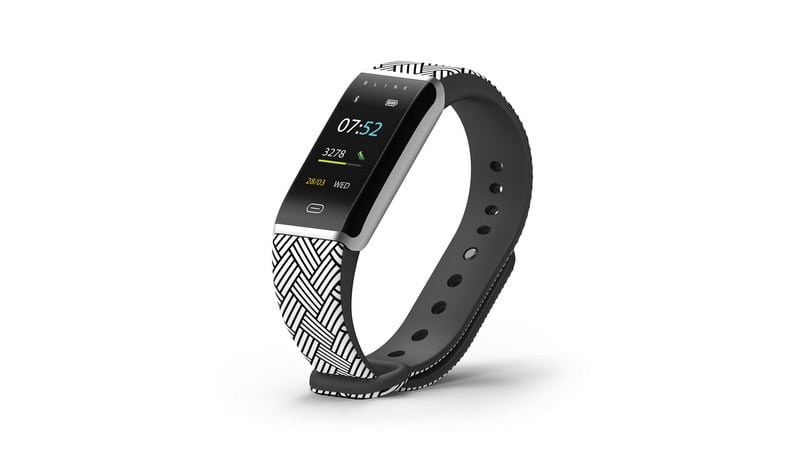
Myntra, the India-based online fashion retailer, which is owned by online marketplace Flipkart, has launched a fitness tracker — Myntra Blink Go. The activity tracker is priced at Rs. 4,199, which roughly converts to $62.
The device was developed at Innovation Labs of Myntra-Jabong, and it is the first product that the company has launched from the lab after the recent acquisition of Witworks.
The Blink Go fitness tracker will be available for purchase starting from Myntra’s End of Reason Sale, which starts on Friday, June 22. The company has also said that during the sale, the Blink Go wearable will be available at a special price.
According to the company, the Blink Go wearable allows users to monitor their fitness parameters and set personal fitness goals. Activity tracking on the wearable include steps, distance, calories, and sleep, as well as heart rate.
It comes with a color TFT display and a choice of ‘designer’ straps. It can also be synced with Android as well as Apple smartphones to receive standard alerts and notifications. The device also has a Multi-Tracker Support, which lets users connect multiple devices to one account, with the associated app automatically detecting and switching between devices. Further, it also has Achievement Sharing, which lets users share statistics or selfies upon reaching a milestone.
The company reveals that the Blink Go was built on the Myntra Wearables Platform (MWP), “which enables creation of a wide variety of wearables which can instantly discover and communicate with each other.” The company added that the platform will form the basis for all future development of such products.
Myntra will also be using the Marvin operating system developed by Witworks and simultaneously build products on the Android platform as well. The company is also looking to add third-party manufacturers, particularly those in the conventional mode and who have no access to these latest technologies, in order to introduce and train these manufacturers to convert their products into smart products and then sell them on Myntra Wearable Platform.
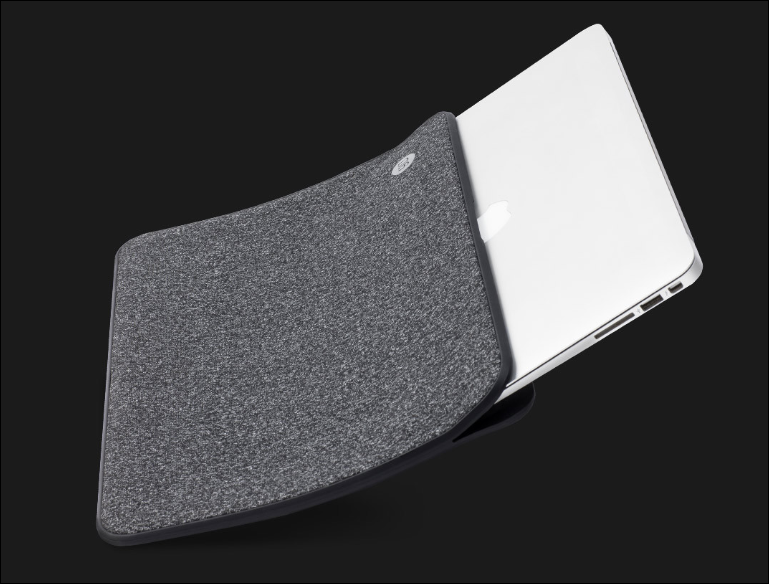
Xiaomi‘s ecological chain company, Shanghai Runmi Technology Co., Ltd which is marketed under the brand name 90 Points has launched a new simple business bag. 90 Points is Xiaomi’s line for lifestyle products. Some of the long list of products released under the line include suitcases, smart running shoes, backpacks, and t-shirts. The bag comes with a simple design and is priced at just 199 yuan (~$30).
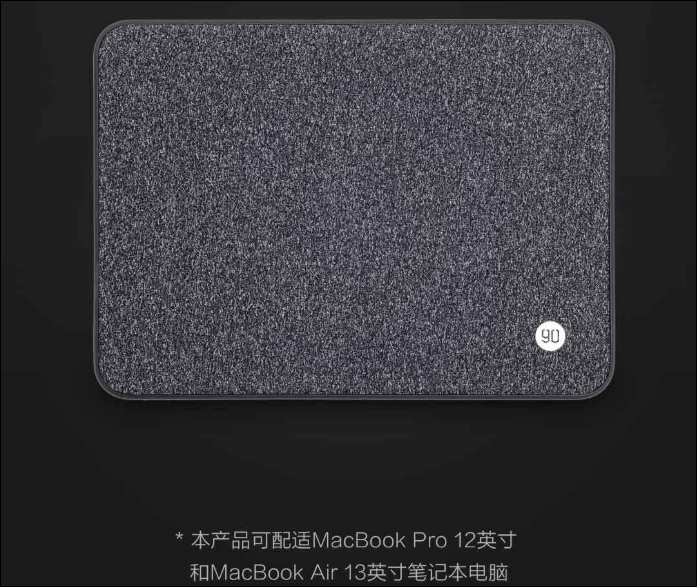
The 90 Points Business bag can be used as a carry bag for laptops of up to 13 inches like the Apple MacBook Pro 12-inch and MacBook Air 13-inch. Apart from having enough space to accommodate a laptop and other documents, the bag can also be used as a mouse pad. The laptop bag measures 350 x 258 x 12mm and the outer fabric is made from yarn while the inside is crafted using a soft suede material. The soft inner lining ensures the laptop is protected as it is shockproof and the laptop casing won’t get scratched inside the bag. It is also equipped with a magnetic stripe zipper.
The 90 Points Simple Business Bagis presently available on the Xiaomi Youpin website for just 199 yuan ($30). As always, we may have to rely on third-party retailers to lay our hands on this product.
Samsung is one of the few manufacturers still releasing tablets. Other than the Snapdragon-835 powered Galaxy Tab S4 scheduled for an August release, it appears it has a mid-range tablet called the Samsung Galaxy Tab Advanced 2.
The manual of the tablet has surfaced online. Even though it’s in Korean, there is enough info in English to make out the specs.
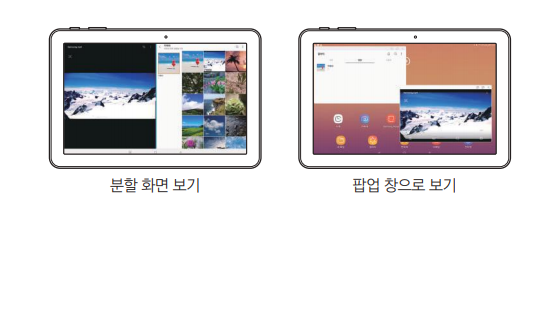
The Galaxy Tab Advanced 2 has a 10-inch 1920 x 1200 screen. Its dimensions are given as 250.4 x 166.2 x 8.5 mm and its weight as 525g. Pictures from the manual show the device has thick bezels all around it. When held in portrait mode, the power button and volume rocker are on the right side.
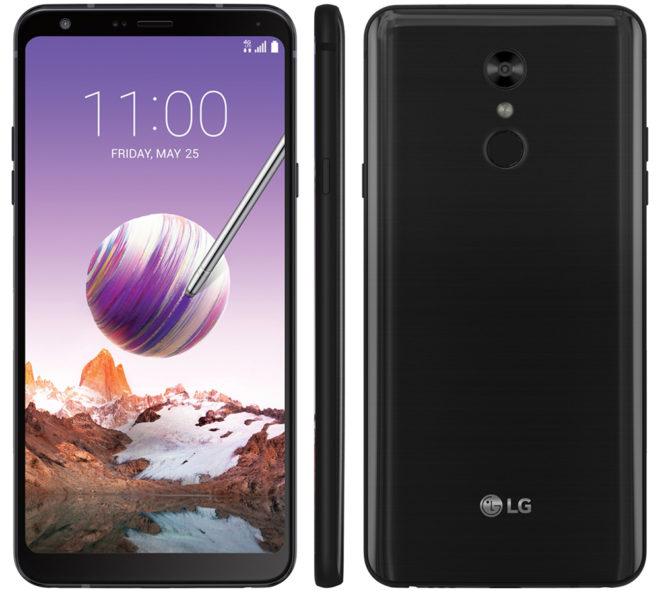
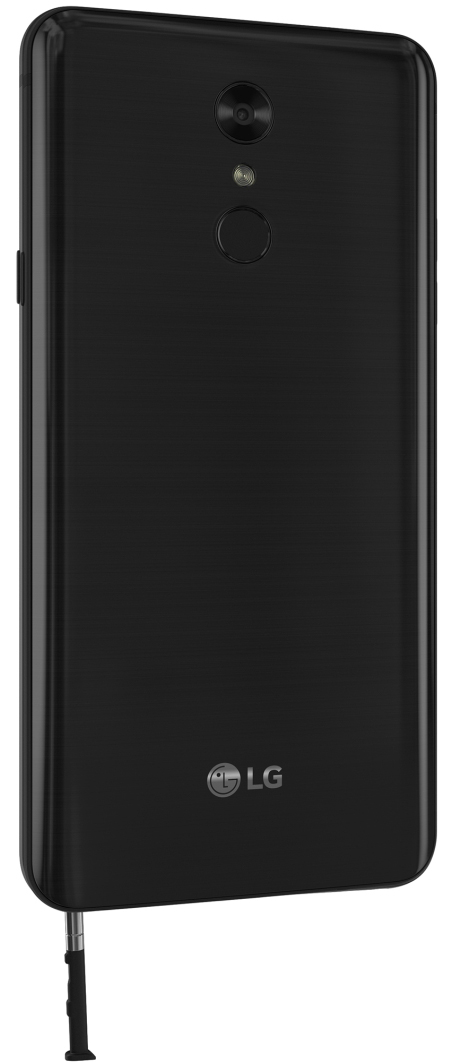
LG has launched the LG Stylo 4 in the U.S. through MetroPCS carrier, a prepaid wireless service by T-Mobile. The original price of the smartphone is $239. However, the carrier is selling it with a discounted price of $179. The major highlight of the LG Stylo 4 is that it is features a large-sized display and a stylus.
LG Stylo 4 Specifications and Features
In order to make the best use of the stylus, LG has included a massive 6.2-inch display on the Stylo 4 smartphone. The handset offers its users with some stylus-related features such as Screen off Memo that makes it possible to take notes on the display of the phone without waking it up. GIF capture feature allows users to take snippets of video which can be edited and used as GIFs. The screen offers FHD+ resolution of 2160 x 1080 pixels along with an aspect ratio of 18:9.
The LG Stylo 4 is a mid-range smartphone that features the Snapdragon 450 chipset. The SoC is accompanied by 2 GB of RAM. The internal storage of the phone is 2 GB and it includes an inbuilt storage of 32 GB. The handset is also equipped with a microSD card slot. LG has a packed in a battery of 3,300mAh capacity inside the Stylo 4.
For photography, the LG Stylo 4 features a 13-megapixel rear-mounted camera and a frontal wide-angle camera of 5-megapixel. A fingerprint scanner is available on the backside of the Stylo 4. The phone is loaded with Android 8.1 Oreo that is skinned with a layer of LG’s UI. The other features of the smartphone include DTS:X Surround Sound technology, QLens, NFC, Bluetooth 4.2, Wi-Fi, 4G LTE, 3.5mm audio jack and microUSB 2.0.
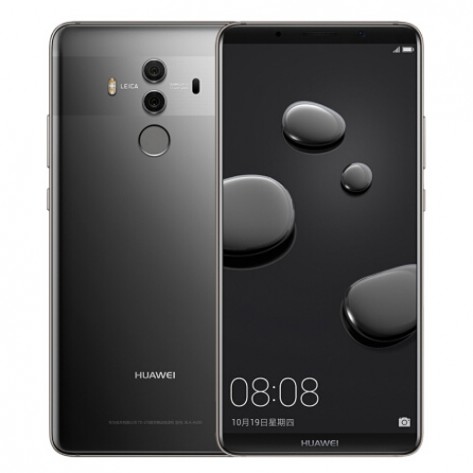
Just last week, Huawei announced that the Mate 10 series would get updated to EMUI 8.1 (Android 8.1 Oreo) in July. In trying to keep to its promise, it announced yesterday that it has begun recruiting beta testers.
The announcement was made via the official EMUI Weibo account and it includes a link to supported versions and instructions on how to enter for the open beta.
If you own any of the following models, you can register for the open beta:
Huawei Mate 10 ALP-AL00
Huawei Mate 10 ALP-TL00
Huawei Mate 10 Pro BLA-AL00 and Mate 10 Porsche Design
Huawei Mate 10 Pro BLA-TL00
Huawei says your phone should not be rooted if you want to join the beta testing program and that your device is currently on version B131. There is also the usual warning about third-party apps compatibility.
We use cookies on our website to give you the most relevant experience by remembering your preferences and repeat visits. By clicking “Accept”, you consent to the use of ALL the cookies.
This website uses cookies to improve your experience while you navigate through the website. Out of these, the cookies that are categorized as necessary are stored on your browser as they are essential for the working of basic functionalities of the website. We also use third-party cookies that help us analyze and understand how you use this website. These cookies will be stored in your browser only with your consent. You also have the option to opt-out of these cookies. But opting out of some of these cookies may affect your browsing experience.
Necessary cookies are absolutely essential for the website to function properly. This category only includes cookies that ensures basic functionalities and security features of the website. These cookies do not store any personal information.
Any cookies that may not be particularly necessary for the website to function and is used specifically to collect user personal data via analytics, ads, other embedded contents are termed as non-necessary cookies. It is mandatory to procure user consent prior to running these cookies on your website.