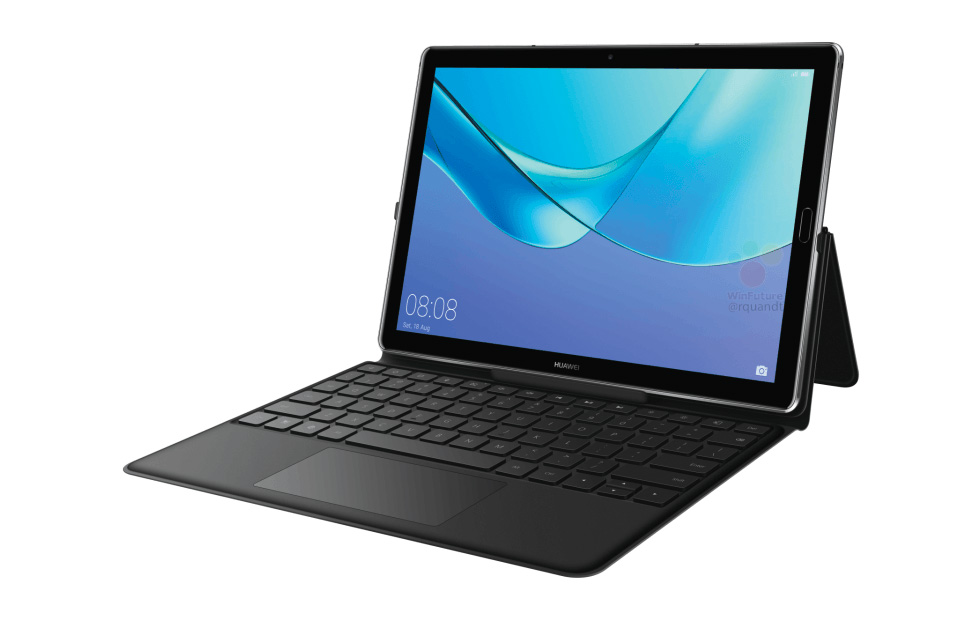
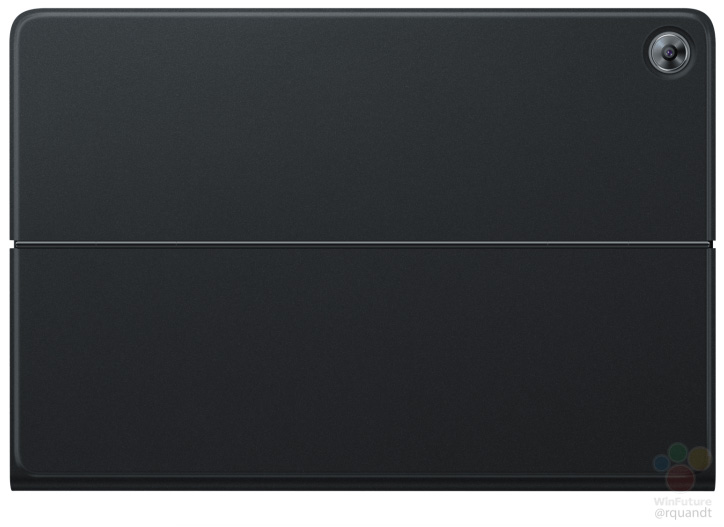
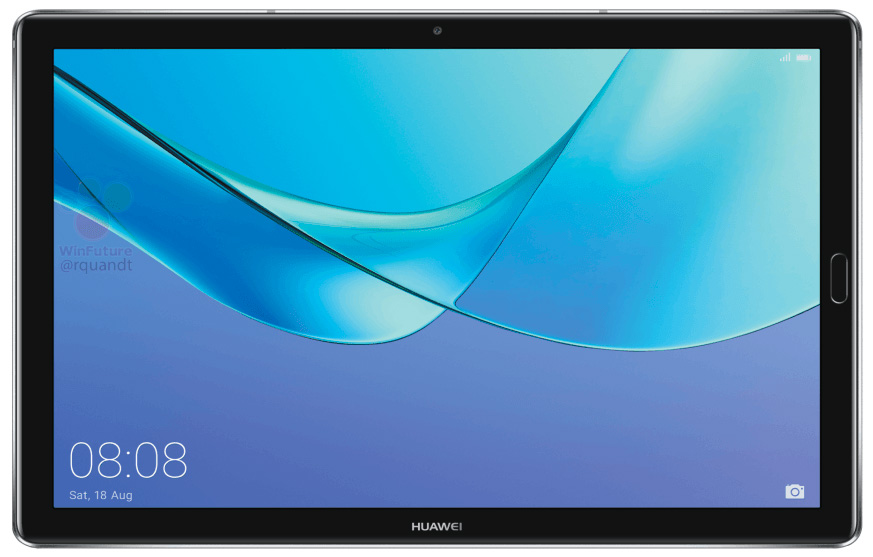
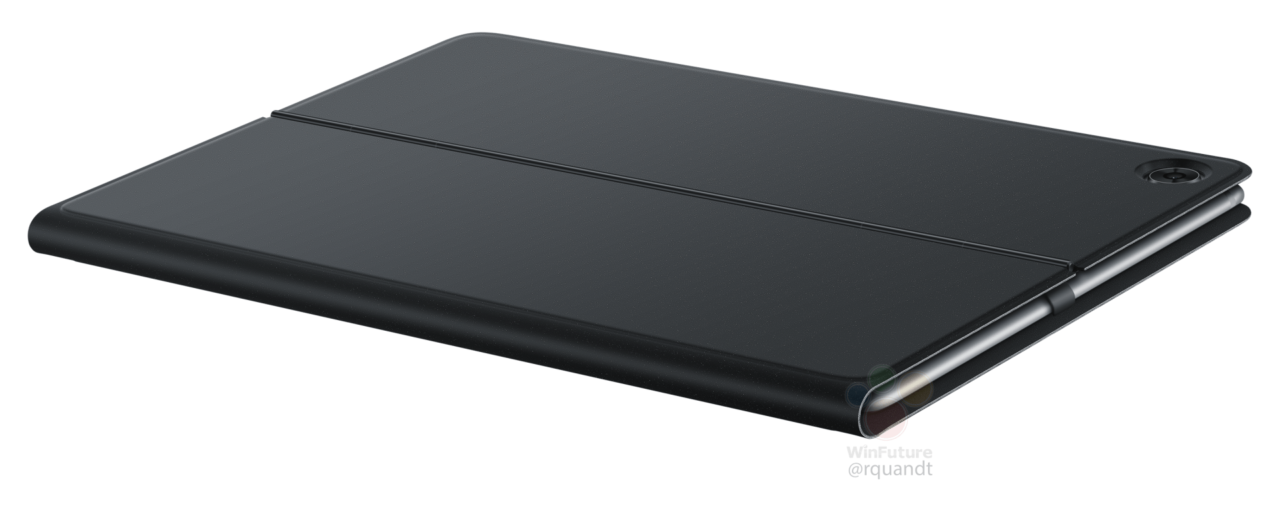
Earlier today, Huawei Honor announced the Honor 9i for the Indian market. It also launched two new tablets – the MediaPad T3 and the MediaPad T3 10. If you have been following Honor’s tablet launches this year, then you should know that these tablets are a rebranded Honor Play Pad 2.
Honor MediaPad T3 10
The MediaPad T3 has an 8-inch 1280 x 800 display. There is a Snapdragon 425 and an Adreno 308 GPU powering it. Unlike the 8-inch version of the Play Pad 2, the MediaPad T3 comes in only a 2GB RAM + 16GB model. There is a MicroSD card slot for expansion.
The T3 has a 5MP rear camera and a 2MP front facing camera. There is no LED on both sides, so don’t expect to take decent pictures in a dark environment.
The MediaPad T3 comes with EMUI 5.1 based on Android Nougat. There is a 4,800mAh battery under the hood and a micro USB port for charging. You also get a 3.5mm audio jack.
The MediaPad T3 10 only differs in two ways – it has a 9.6-inch 1280 x 800 display and comes in 2GB RAM + 16GB ROM and 3GB RAM + 32GB ROM models. The rest of the features are the same as the smaller model.
The MediaPad T3 and MediaPad T3 10 both have a single nano SIM slot that supports LTE networks and voice calling. The PlayPad 2 they are based on has a Wi-Fi only version in addition to a 4G model.
Nokia‘s longstanding reputation lies in the durability of its smartphone over the years, a feature which endeared the tech brand to many phone users. The return of the Nokia brand under HMD Global meant HMD had a herculean task trying to convince fans that it could retain the rugged and durable feature Nokia is known for while transitioning to sleek Android phone designs. The Nokia 6 was the first product released by HMD and the mid-range phone was pretty impressive. Nokia recently released its flagship Nokia 8 which it touts to be its most powerful Android smartphone so far.
You might want to think that tag is because the Nokia 9 packs the powerful Snapdragon 835 chipset and other sturdy specs but that may not be the only aspects the Nokia 8 is powerful as we can gather from this durability test video created by JerryRigEverything. The video shows the Nokia 8 being subjected to burn, bend and scratch tests to determine how it would fare, compared to other flagships. The Nokia 8 uses a 6000 series aluminium. It also packs an LCD IPS display with Gorilla Glass 5 protection on top of the display. The Gorilla Glass 5 does a good job of protecting the display from scratch to a reasonable extent which shows that stuff like coins or keys won’t leak a mark on the screen. But it is still advisable to use a screen protector. The aluminium back also withstood normal scratch levels but caves in when strong pressure was applied.
The Nokia 8 was also subjected to a burn test and it holds out pretty well, with the LCD display ink which gathered as a result of the heat clearing up in about 10 seconds. The bend test also showed a solid build despite using a 6000 series aluminium which Apple purportedly abandoned because their iPhones bend easily. Zack Jerry’s verdict is that the Nokia 8 is a solidly built and durable smartphone. You can check out the YouTube video above.
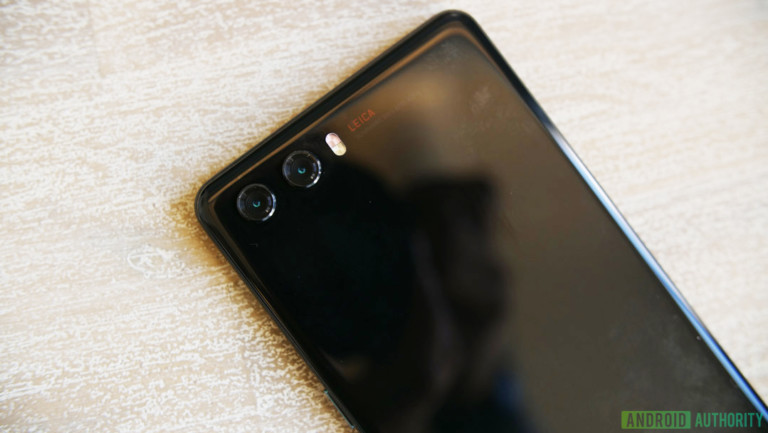
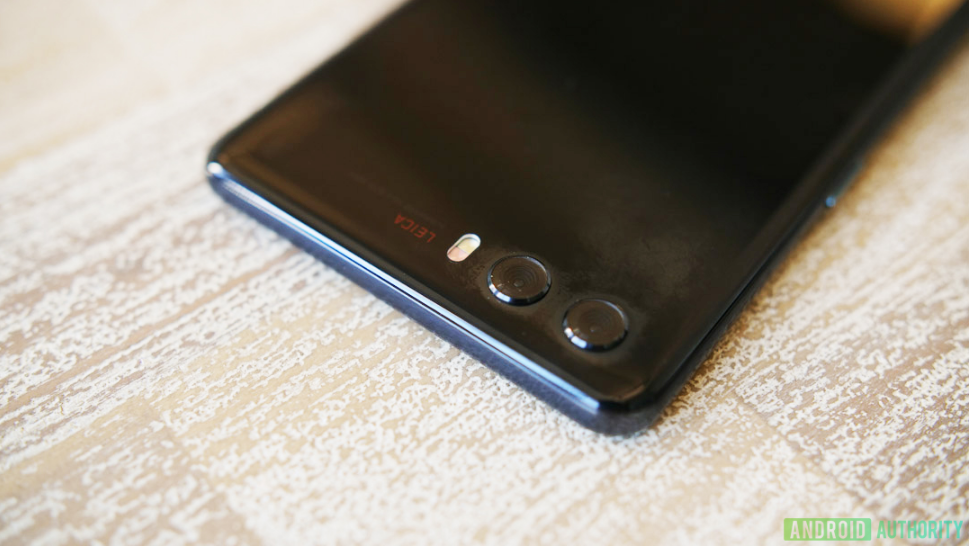
Huawei’s Honor sub-brand has launched a new smartphone in India as it marks its third year anniversary in the country. The Honor 9i is a mid-range device with some pretty impressive features. First, it has dual cameras on both sides, not a first, but still a cool feature. It also has a display with an 18:9 aspect ratio.
The Honor 9i packs a 5.99-inch 2160 x 1080 FullView display with a 2.5D glass on top. It is powered by the Kirin 659, an octa-core processor clocked at 2.36GHz. There is 4GB of RAM and 64GB of expandable storage.
The Honor 9i is one of the few smartphones with four cameras. The rear camera is a 16MP + 2MP combination and up front is a 13MP + 2MP front facing camera with its own LED flash. Both the rear and front cameras allow you to adjust the focus for portrait images.
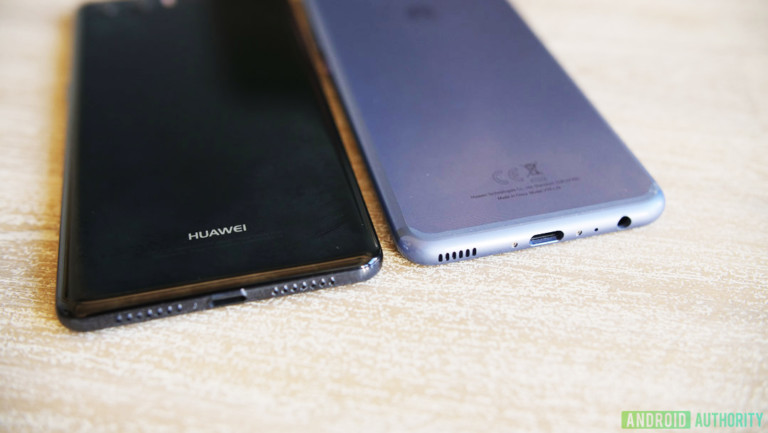
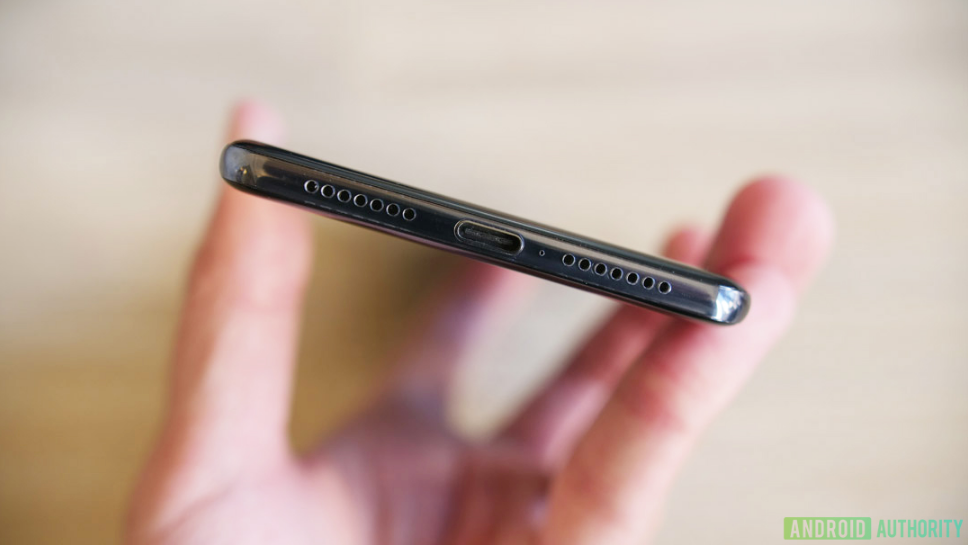
There is a dual hybrid SIM slot which means you either throw in two nano SIM cards or swap out one SIM for a MicroSD card (128GB max). The Honor 9i has a non-removable 3340mAh battery. There is a micro USB port, a 3.5mm headphone jack, and a rear-mounted fingerprint scanner.
The Honor 9i comes with EMUI 5.1 based on Android Nougat and is available in Prestige Gold, Aurora Blue, and graphite Black. It will be available on Flipkart for INR 17,999 (~$276) starting October 14.
Amazon’s Alexa AI assistant has become very popular since its launch but is available in a few markets. It is available on a bunch of devices including Amazon’s own Echo line. In order to expand its reach, the retail giant has launched three of its Echo devices in India, its first Asian market.
The Amazon Echo, Echo Dot, and the just released Echo Plus will be available in India. They will provide a user experience that is customized for the Indian market. Alexa will speak in English but with an Indian accent.
Amazon says there are up to 10,000 skills available already including support for popular services like ride booking platform Ola, food delivery service Zomato, and even professional services request from UrbanClap. It can also play songs from Saavn, Amazon Prime Music, and Tunein. Amazon’s Alexa app has also gained support for Indian names, places, music and local knowledge.
Users will also be able to set reminders, update shopping lists, and control smart appliances using their Echo device.
To purchase any of the Echo devices, you will have to request for an invitation first. After a few weeks, you will receive an email confirming your invitation, after which you can then purchase your Echo device.
Apple had traditional stuck with LCD panels over the years since the debut of the iPhone. That tradition was abandoned with the announcement of the iPhone X which features an OLED display. The LCD panels used on previous iPhones, including the iPhone 8 and 8 Plus is supplied by Japan Display Inc (JDI) but with a shift to OLED on the bezel-less iPhone X, Samsung became the supplier of the display panels used. A recent report carried by the Wall Street Journal shows that Samsung Display, a subsidiary of the conglomerate, earns around $110 for each iPhone X unit sold. With an estimated gross sale of 130 million units of iPhone X until the summer of 2019, the Korean tech giant is said to potentially earn more from the Apple flagship than from its own flagships. Counterpoint Market Research estimates that Sammy could make up to $14.3 billion from iPhone X sales in the first 20 months of sales alone.
Apple happens to be JDI’s largest cash cow, especially in an era when LCD displays are giving way to OLED on most flagships. Thus, JDI is reportedly looking to secure a $900 million investment for a new method for producing OLED which perhaps will be faster and more efficient. In an era where the market demand for OLED screens is continuing to skyrocket, this might be the right move to make in order for the company to maintain its profitability. According to a report on Reuters, JDI’s affiliate JOLED has already approached a number of investors in a bid to raise $900 million to develop new technology for OLED mass-production. Further details are still sketchy as at this moment.
Apart from Japan Display, LG is also mapping out a similar strategy to manufacture smaller -sized OLED panels. Presently, Samsung seems to enjoy a near monopoly in the aspect of small- and mid-sized OLED panels right now. Samsung Displays supplies OLEDs for its Galaxy models as well as its LED TVs. The company also suppliers the panels to other companies, of which Apple recently joined its client base. Mass producing OLED panels comes with its high costs, especially at the initial stage. Initial costs are said to be high to implement the necessary technologies for high yield rates and colour-accurate panels but demand for OLED is expected to continue to rise right through to the near future. It may take a couple of years, and huge investments for JDI or LG to catch up with Samsung. But if Japan Display succeeds eventually, it may not be difficult snatching Apple from Samsung considering their fierce rivalry.
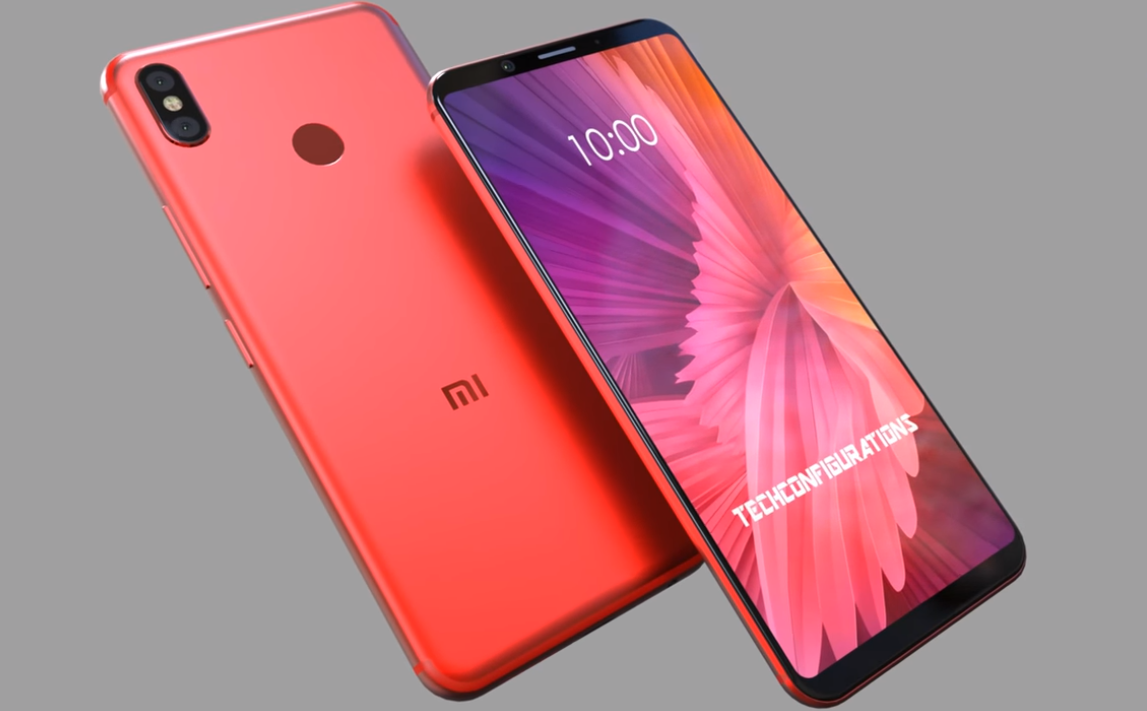
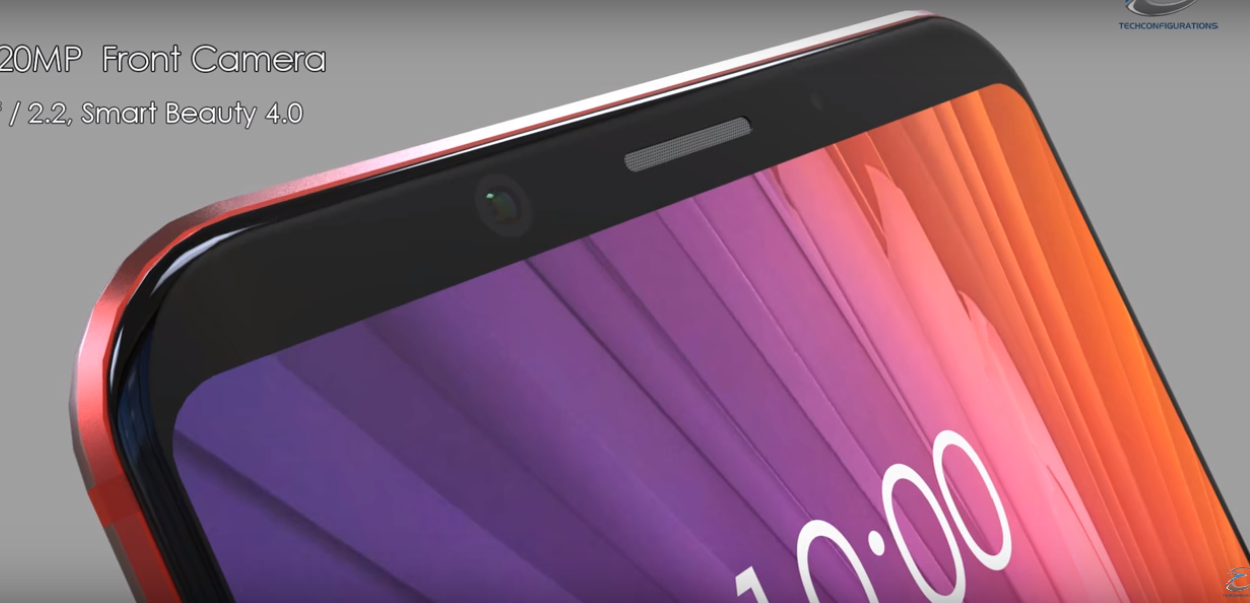
Xiaomi has released a poster which teases the launch of what is definitely the Mi Mix 2 in India on October 10. The poster doesn’t specifically state the venue for the launch but states it would hold in New Delhi and it also contains a render of the Mix 2 and the October 10 date. In case you are still at a loss how this concerns India, the invite was sent out to the media in India.
This is coming as a bit of a surprise, considering that this would be the first flagship Xiaomi would be launching in India for a while. The last flagship model to hit the world’s third-largest smartphone market was the Mi 5. Xiaomi specifically hinted that it won’t be launching the Mi 6 in India after the phone was launched earlier this year.
Xiaomi has had a pretty successful run in India thus far, but the success is mainly in the mid-range/ budget categories. The company’s Redmi Note 4 emerged as the fastest-selling smartphone in India when it went on sale earlier this year, with the company selling 1 million units in 45 minutes. Xiaomi is likely using the MIX 2 to test the waters in India in order to see how its flagship models would fare. The Mi Mix 2 is well suited for such test, considering its bezel-less full screen design and sleek look. As a reminder, the Mi Mix 2 sports a 5.99-inch FHD+ display with a resolution of 2160 x 1080 and is powered by a Snapdragon 835 chip. The Mi MIX 2 packs a single 12MP Sony IM386 sensor at the rear as well as a 5MP selfie camera. There is also a 4,400mAH battery under the hood with QC 3.0 and a rear-mounted fingerprint sensor. The flagship also cones with dual WiFi band support and it supports 43 bands, 22 of which are LTE bands, including band 20. The Mi MIX 2 runs on MIUI 9 based on Android Nougat. We don’t know what price Xiaomi will slam on the Mix 2 but it sure won’t be cheaper than China’s.
Reports emanating from India indicates that Chinese smartphone maker and one of BBK Holding’s subsidiary, OPPO has been granted the license to start operating its own single-brand retail stores in the country. This makes OPPO the first pure-play smartphone brand to get such clearance in India. This development, however, portends well for contenders like Apple and Xiaomi who also jostle for such approvals.
India is the world’s third-largest smartphone market after the U.S and China and as such, the major players in the industry are keenly contesting for a share of the market. It is not as if India totally blocks foreign firms from opening up single-branded retail outlets in the country but to do so, the companies must source 30 percent of the products locally. The law was relaxed in 2016 in a bid to attract more investors, exempting foreign retailers from local sourcing for three years, after which it applies.
Apart from OPPO, other firms like Apple, Xiaomi and Vivo are reportedly also seeking to get such approvals.Apple made a similar application for store licenses last year, shortly after its Chief Executive Tim Cook made his first visit to India, where it has only about three percent market share. OPPO plans to retain its license with plans in top gear to start making phones at a plant near the capital New Delhi by the end of 2017 in partnership with Taiwanese firm, Foxconn. The phones would be meant for the Indian market and the tech giant also plans to export the phones manufactured in India in the next two to three years.
Samsung’s latest Galaxy Note 8 may probably have acquired a new title as the device to have stayed the shortest time on top of the DXOMark chart as having the best camera. Just a few hours ago, we brought you the news that the Galaxy Note 8 garnered a lofty score of 94 on the DXOmark test. That score has been trumped by Google’s latest offering – Pixel 2 which has polled a higher score of 98, earning the title as the best smartphone camera around presently.
The Google Pixel 2 also trumps the iPhone 8 Plus which held the title for a few days until it was dethroned by the Galaxy Note8. The Pixel 2 features a 1/2.6-inch 12.2MP sensor with a f/1.8 aperture. Apart from the hardware, the Pixel 2 comes with Google’s electronic image stabilization (EIS) as well as an optical image stabilization technology (OIS) and both work together. What this means is that the Pixel 2 camera should be able to stabilize even the shakiest of video, as well as helping you get better static shots. With such features, the Pixel 2 camera will be hard to beat, at least for now.
According to the DXOMark team, the spectacular features which earned the Pixel 2 this lofty score include the wide dynamic range in all lighting conditions, a high level of detail preservation, strong flash performance, and pleasing foreground and background blur for portraits. DXO also rates the video shooting capabilities high, stating that the camera had very good stabilization, fast and accurate autofocus, good noise reduction and detail preservation, and decent white balance. On the whole, the Google Pixel 2 received a score of 99 for photos and 96 for videos, which is what gives the average score of 98. It must be noted that the Pixel scored 89 on DXOMark last year, showing the big upgrade the latest Pixel 2 and the higher Pixel 2 XL come with. Both Pixel 2 flagships utilize the same camera, by the way.
Google announced the Pixel 2 and Pixel 2 XL a few hours ago. Both devices bring a ton of updates and new features. Just like the first-gen models, these devices are “made by Google” with no branding of their OEMs (HTC and LG this time around).
Pixel 2 and Pixel 2 XL Design
Unlike the first gen pixels that differed in only screen size, resolution, and battery capacity; the Pixel 2 and Pixel 2 XL add those three and also the aspect ratio which has resulted in them looking different.
Apart from the design of the Pixel 2 XL which is greatly influenced by its 18:9 display, thinner bezels, and also the difference in the battery capacities, both phones offer the same experience. The rest of the internals are the same. Google actually threw a jab at Apple’s own mode of offering more premium features in one model over the other.
Google Pixel 2 and Pixel 2 XL Specs
The Pixel 2 XL packs a 6.0-inch 1440 x 2880 P-OLED display just like the LG V30. The display has an 18:9 aspect ratio and the bezels are thinner on the phone. However, due to the stereo front facing speakers, the Pixel 2 XL’s bezels are thicker than that of other 18:9 flagships in the market.
The display is protected with a 3D arc Corning Gorilla Glass 5. There is also glass on the back and an aluminium frame in between.
The Pixel 2 on the other hand has a 5” AMOLED screen with a FHD resolution. It keeps the 16:9 aspect ratio and the thick bezels from last year’s model. There is Gorilla Glass 5 protecting it too.
The new generation Pixels have not joined the large RAM bandwagon. RAM is still 4GB and storage is 64GB or 128GB. They are both powered by the Snapdragon 835 mobile platform.
For optics, things have also not changed. While most flagships this year pack dual rear cameras, the new Pixel make do with just one on both sides. The rear camera is a 12MP f/1.8 1.4um sensor which has once again been given the highest DxO mark rating on a smartphone (98).
The rear camera has gotten a few tricks up its sleeves. First when you record, you get more stable videos thanks to OIS and EIS working simultaneously. There is also portrait mode for images with bokeh effect and while the 2nd gen Pixels only have one sensor, Google says it achieves this thanks to dual pixel phase detection and machine learning.
The front camera is an 8MP f/2.4 1.4μm sensor which also employs the same technology as the rear for portrait selfies. The new Pixels also have Google lens which let’s you point your camera at an object and get information about it.
Even though the Pixel 2 XL is made by LG, it also has the Active Edge feature of the HTC-built Pixel 2. This allows users to squeeze their phones and carry out actions like launching assistant.
The Pixel 2 and Pixel 2 XL come with one e-SIM and a nano SIM slot. There is Bluetooth 5.0, NFC, GPS and dual band Wi-Fi. There is also a dedicated security chip to protect against malware and hardware attacks.
As rumored, both phones have ditched the 3.5mm audio jack but come with a USB-C to 3.5mm headphone adapter. However, they are now both water and dust resistant with an IP67 rating.
The Pixel 2 has a 2700mAh battery and comes in three colors – kinda blue, just black and clearly white. The Pixel 2 XL packs a 3520mAh battery and is available in Just Black and Black & White.
Google finally held its much-anticipated hardware press event today and unveiled a whole lot of products including the Pixel 2 phones. One of the unique products announced at the event is the Pixelbook laptop which was accompanied by a stylus pen which it dubbed Pixelbook Pen. The Pixelbook doesn’t come as much of a surprise as the Home Max smart speaker which had not appeared in leaks before now, at least only the Home Mini was expected. The Google Pixelbook and Clip camera had earlier appeared in a retailer inventory spotted a couple of days back.
The Pixelbook is touted as Google’s thinnest and lightest laptop till date, weighing just 1.1kg (about 2.4 pounds) and having a 10.33mm thickness. The new Google laptop comes with a 12.3-inch Quad HD LCD touchscreen display with 235 PPI on top an aluminium unibody. The notebook features rotatable hinges which can spin around 360 degrees, thereby turning the notebook laptop into a tablet. The 2-in-1 laptop packs a durable battery which Google says can last up to 10 hours of continuous usage and that is not all, it has support for fast charging which can deliver a battery capacity that can last up to 2 hours in just 15 minutes. The Pixelbook features a variant with an Intel Kaby Lake Core i5, 8GB of RAM, 128 GB of storage and another with the same processor but 256 GB of storage. There is also a topmost variant with an Intel Core i7 chip, 16 GB of RAM and 512 GB. The device also packs a backlit keyboard that illuminates in low light.
One thing that stood out on all the products Google announced is their AI capabilities which integrates AI with software and hardware which Google claims was designed from the inside out, thus giving the AI deep learning capability. One way this is integrated on the Pixelbook is in the aspect of having Google Assistant which can be accessed by just saying “Ok Google” or by pressing the dedicated Assistant key. The Smart Assistant allows users to set a reminder, look up a score of your favourite sports team, find an email, and do other stuff on their notebook. The Pixelbook also smartly connects automatically to the Pixel phone’s mobile data in the absence of a Wi-Fi network. This saves users the stress of turning on the hotspot on the Pixel phone.
Pixelbook Pen
The Pixelbook Pen is designed as an accessory to work with the Pixelbook touchscreen display. The $99 Pixelbook Pen was designed in partnership with Japanese tablet manufacturer, Wacom and it has 10 ms of latency, 60 degrees of angular awareness and over 2,000 of pressure sensitivity. You can use it for various tasks including circling an image or text in order to look up a word or find out more about a picture.
Pricing & Availability
The Pixelbook and Pixelbook Pen will be available first in the US, Canada and the UK. As for the pricing, the laptop starts at $999 for the variant with an Intel Kaby Lake Core i5, 8GB of RAM and 128 GB of storage. The higher Pixelbook with 256 GB of storage will sell for $1,199. The topmost variant with an Intel Core i7 chip, 16 GB of RAM and 512 GB of storage costs $1,699. Pre-orders for all variants has commenced and the notebook will ship on October 31.
The Google event kicked off with the usual speech by the CEO and a bunch of stuffs Google has been working on. For the product launch, the first two products announced are the Google Home Mini and the Google Home Max.
We already knew about the Home Mini before today. We had seen images and also learnt about the price, however there was the mention of another Home product, the Google Home Max.
Google Home Mini
The Google Home Mini is the perfect device for those who just want to introduce the assistant into their home without shelling out so much. It is also a good addition for those who already own the Google Home but need extra smart speakers in the home.
The Google Home Mini works just like the regular Home. Ask it questions, control the smart devices in your home, set reminders and do a whole bunch of other stuffs.
The Home Mini is covered with fabric and looks like its made for just talking to, but you can actually tap on it for a number of functions. Tap the center to play/pause, tap the left and right edges to reduce or increase volume, and long press to activate assistant.
The Home Mini has a 40mm driver for 360 sound and far-field voice recognition. It has dual band WiFi support and Bluetooth. Sadly, the Google Home Mini still needs to be connected to a power outlet. There is a micro USB port at the back and a 5V/1.8A in the box.
The Google Home Mini works with both Android and iOS and will retail for $49. It comes in Chalk, Charcoal, and Coral. You can purchase it now but shipping won’t start till October 18.
Google Home Max
The Google Home Max can best be described as a woofer with an AI assistant. Its main function is to serve as your primary music playing device before anything else.
The Home Max has two 4.5-inch woofers for deep bass and two 0.7-inch custom tweeters for highs. They are covered with an “acoustically transparent fabric” and housed in a polycarbonate body. There top of the device is a touch surface that serves a bunch of functions such as volume adjustment, assistant activation, playback control, and to turn the mic off. Just like the Home Mini, there are four LEDs that light up when its active. The Home Max is big – measuring 13.2-inches wide and standing 7.4-inches tall. It’s also heavy at 5.3kg (11.7lbs).
One cool feature that makes the Google Home Max stand out is Smart Sound. What it does is to adjust the way you listen to music by adapting to its environment. So no matter where you place it, you are getting the best audio experience. Change the position of the speaker while its playing and all it needs is a few seconds to adjust the audio experience. Is the washing machine or blender on while its playing? It will automatically increase the volume.
You can ask it to play songs from YouTube Music, Spotify, Pandora, and Google Play Music. You can also play songs over Bluetooth or just connect another device via the aux jack. There is an AC power outlet at the back and even as switch that turns off the assistant, so it doesn’t come on when you say “Hey Google”.
The Google Home Max can also perform all the functions of the other Home devices but to be honest, if you are not a music lover, the Max isn’t for you.
The Mi Note 3, the latest offering by Xiaomi that has made a lot of phones this year. Same as last years model, this device is beautiful and well made but it has midrange level specs along with its compelling dual camera setup. We have spent quite a bit of time with the device and here is our full Xiaomi Mi Note 3 review.
Just before we start, the phone costs about $450 but I I will leave a generous discount code in the video description down below.
DESIGN and DISPLAY
If you are familiar with Xiaomi’s phones, you will probably see that the Mi Note 3 looks almost identical to the Mi 6. In fact, it is really hard to tell the difference except for the fact that the Mi Note 3 is a bit larger and it now uses a matt metal frame instead of the glossy one found in the Mi 6.
The device just looks beautiful and the build quality is nothing short of a true flagship. However, I found the Mi Note 3 to be very slippery and I’m not going to talk about those fingerprints as they are very easy to clean, right?
The 5.5” display is now covered with the Gorilla Glass 4 for scratch resistance and I found it to be very sharp and vibrant both indoors and outdoors.
Same as the Mi 6, this phone has a dual camera setup that consists of one 12MP shooter with a wide-angle lens and another 12MP sensor with the telephoto lens that gives 2x optical zoom and the ability to take beautiful portrait photos with that bokeh effect.
On the front, there is a beefy 16MP selfie camera.
Now a few features in a nutshell: the fingerprint is super fast and accurate, there is no headset jack but you can use a supplied adapter to connect your favorite headphones and the sound quality is great. There is also stereo speakers setup that produces rich and balanced sound.
A few extra features include nicely backlit capacitive keys, a notification LED light, the IR blaster and a face recognition feature that works quite well but I always prefer using a fingerprint scanner. It’s just a faster way to unlock the phone.
HARDWARE and PERFORMANCE
When it comes to hardware, the Mi Note 3 is not the most powerful phone out there but it still has great specs.
The phone ships with the Snapdragon 660 chipset, 6GB of RAM and either 64 or 128GB of storage, which is, however, not expandable. The gaming performance is excellent. No stutter, no skipped frames on the highest graphics in the 3D games I played and the phone does not overheat.
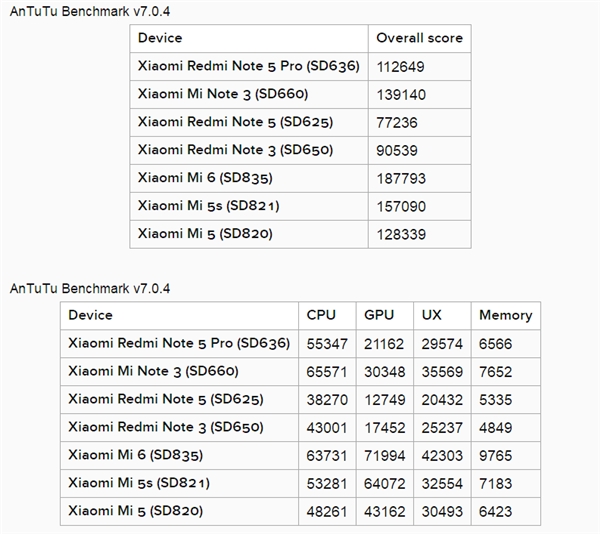
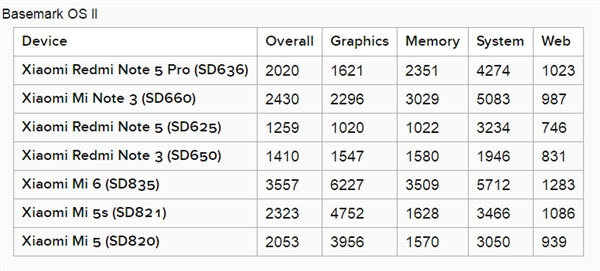
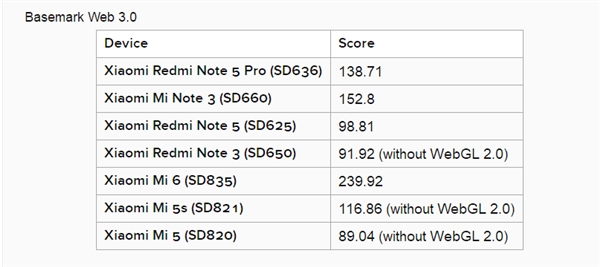
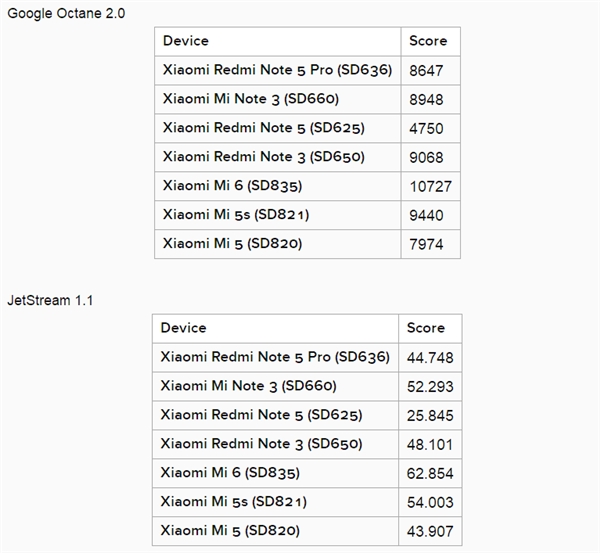
BENCHMARKS
USER INTERFACE
Speaking of that software, the MIUI 8.5 is built on top of Android 7.1 and the Mi Note 3 is one of the fastest Xiaomi phones. I have a Chinese model, meaning that there are no Google Services pre-installed but it takes just a minute to do that.
The device just flies despite all the apps I installed and extra features that all Xiaomi phones have. You can customize the phone by changing themes, wallpapers, reassigning buttons or using other little tweaks and change a lot of different settings.
CAMERAS
We have a familiar Xiaomi camera app that allows you to take pictures very fast. You can also play with some basic shooting modes and settings. E.g. you can adjust some image properties using the manual mode or shoot slow-motion videos at 720p.
There is also 2x lossless zoom mode that allows you to utilize that secondary camera sensor and this feature comes really handy. The results are pretty good, definitely a lot better than using digital zoom.
The portrait mode takes good-looking pictures with bokeh effect but sometimes you may get a picture with a bit unnatural looking blurred background.
When it comes to the image quality using auto-mode, the Mi Note 3 can take great pictures in good lighting. There is plenty of detail, the colors look nice and noise reduction is pretty good. However, I found that the dynamic range adjustment is not always accurate. The indoor and macro shots are great too. Again, there is lots of detail and you get that nice bokeh effect thanks to the bright lens.
The low-light camera performance is decent but I would still love to see more detail and less noise as I’m always picky when it comes to camera performance.
The 4k video quality is great. The footage is detailed and the continuous auto-focus feature works well. The colors look nice too but they seem to be slightly oversaturated. Also, there are some video artifacts going but in general, the video looks great.
The 1080p video looks good too. Obviously, there is less detail but the OIS seems to do a better job than in 4k video mode.
The selfies look great as there is a lot of detail and the colors are accurate. However, the quality decreases quite dramatically in lower-lit situations.
The 1080p selfie video looks quite good and the sound recording quality is decent yet not the best I’ve heard.
CONNECTIVITY
When it comes to connectivity, the Xiaomi Mi Note 3 is flawless. The call quality and signal reception have been excellent, the Wifi range and speed are good, the Bluetooth works fine and finally, the GPS is very accurate, thanks to a reliable Snapdragon processor.
The phone has NFC and a lot of sensors including a gyroscope, so you are all set in this department.
BATTERY LIFE
The Xiaomi Mi Note 3 ships with a 3500 mAh battery that performs great. I used my phone very intensively for taking a lot of pictures and shooting 4k videos, running benchmarks, installing a lot of apps and so on and I still managed to get over 8 hours of screen-on time.
If you use the device just for the basic stuff, you should be able to get 9 or even 10 hours of SOT. Keep in mind, that SOT is always very subjective.
Finally, the Mi Note 3 ships with the fast charger. It takes about 1:30 h to fully charge the phone, thanks to the Quick Charge 3.0.
Conclusions
The Xiaomi Mi Note 3 is a solid phone overall. Yes, it does not ship with the most powerful chip out there but I found it to be very fast and powerful enough to even handle 3D games. Also, the phone simply looks beautiful, the display is sharp, the cameras are pretty good and the battery life is great.
Even though there is plenty of storage space, some users will be disappointed by the lack of the microSD card slot. Also, there is no headset jack and the phone is very slippery, so you may want to keep it in the case.
If you can live with these shortcomings, the Xiaomi Mi Note 3 is a solid phone that offers a lot of flagship qualities for a lower price.
Earlier this year, Samsung had launched only the Exynos edition of Galaxy A5 (2017). However, the predecessor models from 2016 and 2015 were made available in Snapdragon and Exynos chipset variants. It seems that the South Korean company may launch the Galaxy A5 (2018) in two chipset variants as its Snapdragon and Exynos models have been allegedly spotted on Geekbench.
The model number of Samsung Galaxy A5 (2017) is SM-A520F. Hence, the SM-A530F model that appeared on Geekbench in the previous month was speculated as the upcoming Galaxy A5 (2018). The Geekbench listing had revealed that the smartphone would be powered by Exynos 7885 SoC. It had scored 1541 and 4351 respectively on single-core and multi-core tests on the benchmarking site.
A Samsung phone with model number SM-A5300 had also appeared on Geekbench in the previous month. Since it is fueled by Snapdragon 660 chipset, it is speculated that it could be another SoC variant of the Galaxy A5 (2018). Both the CPU variants feature 4 GB of RAM and Android 7.1.1 Nougat OS.
On single-core and multi-core tests, the SD 660 variant has respectively scored 1593 and 5834. This shows that the Snapdragon model of Galaxy A5 (2018) could be more powerful than its Exynos 7885 model. The Snapdragon model could be heading to China and the Exynos variant may hit the international markets. There is a possibility that the Galaxy A7 (2018) may also arrive in Snapdragon and Exynos models.
The 2017 editions of Galaxy A3, A5 and A7 feature identical design. A recent report has revealed that the Galaxy A (2018) phones would be equipped with a full-screen design like the Galaxy S8. Hence, the Galaxy A5 (2018) and Galaxy A7 (2018) are expected to feature Infinity Display with 18.5:9 aspect ratio. These phones are also expected to feature glass back, rear-facing fingerprint reader and dedicated button for Bixby.
Do you think that Galaxy A5 (2018) would be arriving in Snapdragon and Exynos models? Share us your thoughts by adding your comments below.
Previous reports have revealed that the upcoming Samsung Galaxy A (2018) smartphones would be equipped with Infinity Display. Fresh renders of the Galaxy A (2018) show the premium design that may be coming on the rumored Galaxy A5 (2018) and Galaxy A7 (2018) phones.
Samsung is known for bringing the premium features of Galaxy S series smartphones on its Galaxy A series phones. Hence, it is speculated that features like Infinity Display and Bixby AI that were introduced on Galaxy S8 and S8+ will be also made available on forthcoming Galaxy A smartphones.
In January this year, the South Korean company had unveiled the 2017 versions of Galaxy A3, Galaxy A5 and Galaxy A7 smartphones. These phones carry similar specs and are fitted with screens of different sizes. However, all the three phones have the same design. Hence, the upcoming Galaxy A (2018) phones are speculated to feature the same Infinity Display design.
It appears that the screens of Galaxy A5 (2017) and Galaxy A8 (2017) will support an aspect ratio of 18.5:9 and deliver a resolution of 2,220 x 1,080 pixels. What about the Galaxy A3 (2018)? The original A3 came with a 4.5-inch display and its 2016 and 2017 models have 4.7-inch screens. Hence, it seems unlikely that the A3 will feature an Infinity Display screen. Samsung may either release the A3 (2018) with a regular screen or simply discontinue it and only launch A5 and A7 phones.+
Coming back to the design of the Galaxy A (2018) phones, the rear side features a single camera and underneath it is the fingerprint reader. The Bixby button is available on the left side below the volume rocker. The right side features a Power key.
What do you think about the design of the upcoming Galaxy A (2018) phones? Does it impress you? Share us your thoughts by adding your comments below.
DxOMark is a benchmarking platform for smartphone cameras. Last year, the Google Pixel had achieved the highest score of 89 on it. Its record was broken by HTC U11 this year when it scored 90. In September, DxOMark had revised its tests and scores for smartphone cameras. The Google Pixel and HTC U11 now have a revised score of 90. The iPhone 8 has a DxOMark score of 92. Until the arrival of Samsung Galaxy Note8, the iPhone 8 Plus enjoyed the numero uno position on the smartphone camera benchmarking platform with a score of 94. Now, Galaxy Note 8 has joined iPhone 8 Plus with a highest score of 94.
The Galaxy Note 8 has recorded a score of 100 in still photography tests because of its brilliant zoom at up to 4x, stellar low light photography with very low noise, fast and accurate autofocus, rich and detailed photography at outdoor and indoor conditions. The mobile camera benchmarking platform has called the Galaxy Note 8 as the best smartphone for zoom.
Some of the drawbacks that were noticed in still photography are limited dynamic range, rapid white balance casts while shooting photos indoors or in bright conditions. Sometimes the dual cameras could not shoot photos with bokeh effect even after enabling the mode.
The video capture test brought down the overall camera rating of the Note 8 as it managed to score only 84 points in this segment. The default mode of video shooting does not have autofocus tracking capability. Residual motion can be seen when the camera is held still while shooting videos. Highlight clipping was also observed in high-contrast scenes.
The cameras of Google Pixel 2 and Pixel 2 XL are expected to soon undergo testing in the forthcoming weeks. The iPhone 8 and Galaxy Note 8 that are tied at the first position on DxOMark are equipped with dual rear cameras. However, the Pixel 2 duo are enabled with single cameras on their back panel. Hence, we will have to wait a bit more to see whether the Pixel 2 with its single camera can score higher than the iPhone 8 Plus and Galaxy Note 8 on DxOMark.
LG‘s latest trademark applications at the European Union Intellectual Property Office have shown that the Korean tech giant is once again working on its own chipset, following the footstep of fellow Korean rival Samsung as well as Huawei. Xiaomi recently joined the list of smartphone makers with its own chipset. This isn’t the first time LG is working on its own smartphone processor, the tech giant first unveiled its mobile phone SoC in 2014 with the chip adorning the LG G3 Screen which was exclusive to South Korea.
That the LG G3 was launched in 2014 packing a LG-developed NUCLUN is as stale as the fate of the G3 Screen. The phone was a flop and that may not have been solely due to the chipset but the phone’s failure ended the journey of LG’s first chipset. The Nuclun processor didn’t receive positive reviews, either. The chip was described to be “one generation” behind “Chinese entry-level processors” from the likes of MediaTek and smartphone competitor Huawei. Also, the Nuclun processor reportedly downclocks its clock speed very aggressively under high operating temperatures, resulting in sluggish performance. These problems contributed to the poor sales growth for the LG G3 Screen.
The latest trademarks, however, show these are entirely new and different processors with one having the name, “LG KROMAX Processor” and the second one named “LG EPIK Processor.” Both trademark listings are classified as “Chips [integrated circuits]; Multiprocessor chips,” which points to the fact that they are processors. Apart from this, the trademark filings offer no description of the processors.
We’re not betting entirely on these being smartphone processors, though, they could possibly be for integration into IoT gadgets. But they are more likely to be smartphone SoCs. It could be recalled that Intel officially confirmed last year that it will manufacture LG-designed ARM smartphone chips in its factories. According to the same report, the chips will use the current industry standard 10 nm technology, which is also expected to remain in use in next year’s flagship processors as well. If they are actually smartphone chipsets, we don’t expect them on LG’s flagship models as that would be too big a risk to take since they are untested.
In a few hours, Google will take the wraps off its 2nd gen Pixel smartphones. Over the last six months or more, we have seen countless leaks about the design and specification details. Right now, everyone knows what both phones will look like already. However, there are still a few specification details that aren’t known yet. A full specification sheet surfaced online yesterday revealing all there is to know about the larger Pixel 2 XL.
The Pixel 2 XL is made by LG and just like the new V30, the Pixel 2 XL will have a 6.0-inch P-OLED display. The screen will have a 1440 x 2880 resolution (538 ppi) and an 18:9 aspect ratio. The display will be protected by Gorilla Glass 5 (3D arc).
The Google Pixel 2 XL is a dual SIM phone with a single SIM slot. Confusing? That’s because the second SIM is an eSIM (electronic SIM) embedded in the phone.
The spec list doesn’t mention an audio jack but there have been confirmations from trusted sources that it has been removed. There are three microphones and Wi-Fi calling is supported. Bluetooth 5.0, NFC, and a rear fingerprint scanner are also present.
While the spec sheet doesn’t mention the rear camera, it does state that the front camera is an 8MP f/2.4 sensor. There is also a mention of a Pixel Visual Core which some say is a dedicated image processing chip.
The Pixel 2 XL will be powered by the Snapdragon 835 clocked at 2.35GHz and will be available in 64GB and a more than likely 128GB version. It will come with Android 8.0 Oreo but an update to 8.1 should not be far off after launch.
Xiaomi has continued to blaze the trail in the aspect of exception designs for its products and these innovative skills have not gone unnoticed. The company’s products have garnered several awards in the past like the German Red Dot award won by the Mi Band 2 and the Mi Electric Scooter. Xiaomi’s tech gadgets have once again shone brighter by getting recognised as winners of the Good Design awards. The award recipients include the Mi Scooter, Mi Laser Projector, Mi Walkie-Talkie, Mi TV 4, Mi Mix, Mi VR headset as well as the app interface for the Mi Water Purifier and the Mi LED Desk Lamp
The most spectacular of the lot is the Mi Electric Scooter which was voted among the top 100 best designs for 2017, with the likes of the Tesla’s Model X electric car and other innovative products. The Mi Electric Scooter is one of Xiaomi’s best selling product which comes with a minimalistic yet beautiful design. The main body employs a styling element of track shape in neutral colours with red hints adding to the personality. The scooter can hit a speed of 25km/h and has a range of 30km on a single charge. Its front wheel is outfitted with electronic braking & regenerative braking system, and the rear one with disc braking.
The Mi electric Scooter is only one of two products from China to be among the Good Design Best 100, the other being he SmartMi Inverter Air Conditioner. The award page for the electric scooter also reveals its designers as Zhou Tuo, Li Ningning, and Zhao Ziran, with Ningning being the director of the team. In addition, Good Design gave their evaluation of the product thus; “An overall very intelligently designed and executed scooter smartly incorporating all essential considerations from various safety devices to accommodation for the required battery. The way the scooter is folded is very carefully considered and very user-friendly to operate. The way it hints the association of the classic image of a skateboard is highly commended. The colour scheme is also very smartly coordinated, resulting in a minimalistic yet very vividly defined statement And indeed it is surprisingly powerful during the operation“.
We mustn’t fail to point out that the Mi Mix also won the Good Design award, making it one of Xiaomi’s most decorated product till date. The device had earlier won the German Red Dot award as well as the iF Design Award and the International Design Excellence Award (IDEA) Gold award. The device also won multiple awards after it was showcased at CES 2017, including the Best of CES 2017 award by TechAdvisor.
The LeEco Le Pro 3 was released last year as the company’s flagship phone. It is powered by the Snapdragon 821 and unlike some other manufacturers, the chip isn’t under-clocked. When it launched, the Le Pro 3 cost over $300 for the 4GB RAM + 64GB variant but if you head to the Amazon US website, you can pick it up for just $200!!!
Yes, $200 will get you a 2016 flagship that can compete with the OnePlus 3T, first gen Pixels and even the Mi 5S and Mi 5S Plus. The LeEco Le Pro 3 packs a 5.5-inch FHD display, a 16MP f/2.0 1.12 µm rear camera that can record in 4K. The front facing camera is an 8MP sensor which takes decent selfies.
You also get a 4070mAh battery with Quick Charge 3.0 support via a USB Type-C port. The Le Pro 3 doesn’t have a 3.5mm audio jack but you can be assured of an impressive audio experience with its award winning CDLA USB type-C earphones that are included in the box.
There is a fingerprint scanner on the back, an IR blaster, NFC, Bluetooth 4.2, Dolby Atmos Audio, and even FM Radio. The only downside is that it comes with EMUI 5.8 based on Android 6.0 Marshmallow. And since the manufacturer’s financial problem began there has been no software support for its devices.
Apple’s iPhone X is no doubt the most spectacular product the company among the trio of smartphones the tech giant announced last month. A lot is already known about the iPhone X but usually, Apple doesn’t reveal the retail box of its iPhones before they go on sale. Not in this case, though, as the tech giant seems to have revealed the iPhone X’s packaging. The iPhone X’s retail box was included as part of the iPhone Upgrade Program imagery.
This isn’t very spectacular but it may be a bit interesting that Apple chose to show what the packaging looks like now, as that’s usually something that’s kept under wraps. The packaging itself shows that the main image at the top of the box is the iPhone X’s front view instead of the back view as is the case with the iPhone 8 and iPhone 7 series. The box for the iPhone 6 featured an embossed outline of the phone, while the iPhone 6s box showed the front of the phone in a similar fashion, but that is in order to highlight Live Wallpapers which the device features.
This isn’t too surprising considering that most of the changes which differentiates the iPhone X from other models were effected in the front aspect. Apple perhaps aim to highlight the bezel-less design without a physical home button and other features the iPhone X comes with.
It isn’t 100% certain that Apple will utilize this design for the iPhone X retail box but we can take it that this is the packaging box for the 2017 flagship iPhone X since it is coming out directly from Apple.
We use cookies on our website to give you the most relevant experience by remembering your preferences and repeat visits. By clicking “Accept”, you consent to the use of ALL the cookies.
This website uses cookies to improve your experience while you navigate through the website. Out of these, the cookies that are categorized as necessary are stored on your browser as they are essential for the working of basic functionalities of the website. We also use third-party cookies that help us analyze and understand how you use this website. These cookies will be stored in your browser only with your consent. You also have the option to opt-out of these cookies. But opting out of some of these cookies may affect your browsing experience.
Necessary cookies are absolutely essential for the website to function properly. This category only includes cookies that ensures basic functionalities and security features of the website. These cookies do not store any personal information.
Any cookies that may not be particularly necessary for the website to function and is used specifically to collect user personal data via analytics, ads, other embedded contents are termed as non-necessary cookies. It is mandatory to procure user consent prior to running these cookies on your website.