The renders of Google‘s next-generation Pixel 2 leaked online over the weekend on Reddit, bringing to the forefront discussions about the Pixel 2 and the larger Pixel XL 2. The renders were purely a fan-generated concept design of the Google 2017 flagship. According to the fan, the render is just his expression of what he’d like to see on the Pixel 2. The design is also revealed to take cues from the Essential Phone and especially the LG G6. The resemblance with the G6 has nothing to do with earlier rumours that the Pixel XL 2 codenamed Taimen will be designed by LG but the G6 just happens to be the fan’s favourite 2017 Android phone.
The set of renders did indeed take a number of design cues from the LG’s latest flagship, including the Full Vision display panel with an unconventional 18:9 aspect ratio and rounded screen corners, as well as a nearly bezel-less front. The renders also pack horizontally aligned dual cameras at the rear and an unusual dual LED dual-tone flash design with each of the flash sitting on the left and right side of the camera. There is also a rear-mounted fingerprint sensor. Apart from the camera’s placement and a few other details, the render looks similar to the purported real render of the Pixel 2 which surfaced weeks back.
Google Pixel 2 is still pretty much a mystery at this time but one thing is known for sure, this device will be bigger and a lot better than the Pixel. There would be some improvements in its design, water-resistance, iris eye scanner and it will most likely come with a bigger battery. The Pixel and Pixel XL did not feature dual cameras but Google may just go for dual lens rear cameras on the Pixel 2 in line with the current trend for smartphone manufacturers and that is captured on the concept teaser. In addition, the Pixel 2 is also teased to feature a full-screen design which would make it look more premium. There is also likely going to be an OLED display just like the Pixel had. The Google Pixel 2 is expected to run on Qualcomm’s latest Snapdragon 835 processor, backed by 6GB RAM. At this time, it is best we keep our fingers crossed while we await the unveiling of this amazing device.
Xiaomi’s Mi Mix is a difficult phone to get hold of, but that hasn’t stopped manufacturers from reverse engineering the Xiaomi Mi Mix and releasing a smaller recreation of the highly-demanded smartphone.
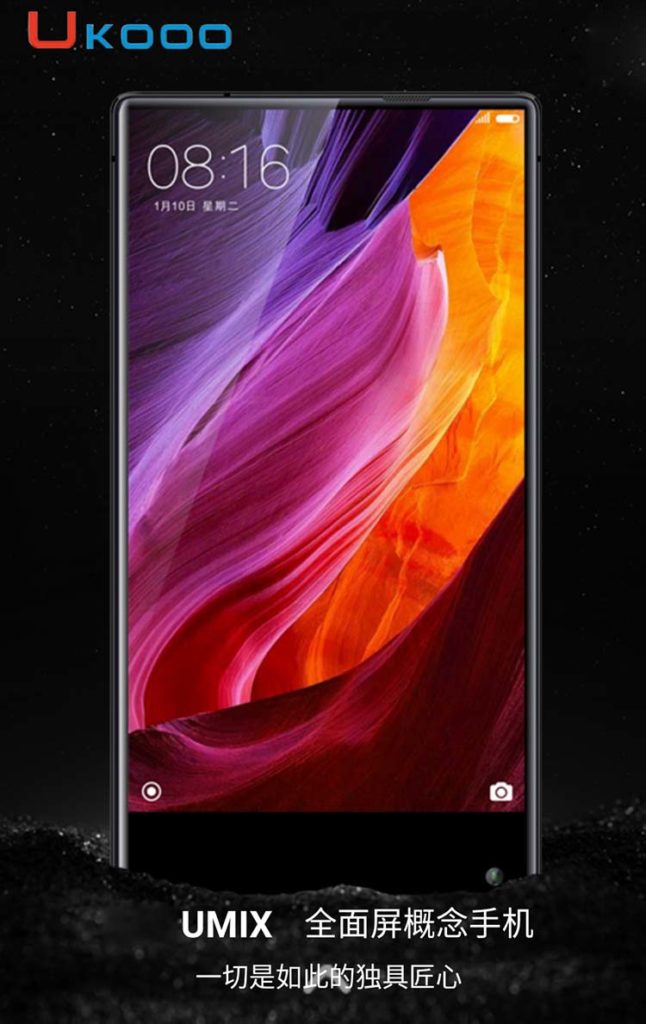
The Mi Mix look-a-like, named ‘Ukooo UMIX’, has been sighted on online retailer Taobao, priced at an eye-catching ¥688 (~$100).
From the pictures shown, the Ukooo UMIX appears to clearly resemble the Mi Mix.
The manufacturer has made a very good effort at reproducing the Xiaomi Mi Mix, especially with the screen. According to the source, the side bezels are three times closer to the edge of the smartphone in comparison to the Mi Mix. However, this claim has not been verified.
In terms of specifications, the smartphone displays a 5.5-inch 1080p screen, powered by a MediaTek MT6737 quad-core processor (+ 8 core graphic processor)1, paired with 4GB RAM and 64GB internal storage. The rear dual-camera setup consists of a 13MP and 8MP camera whilst the selfie shooter will be an 8MP camera.
From the source, the phone will support two nano-SIM cards as well as 4G TD-LTE and FDD-LTE, but no bands have been clarified.
The design of the phone mimics Mi Mix’s ceramic uni-body and 3D glass covering the display.
As mentioned before, the price of the Ukooo UMIX is currently ¥688 (~$100).
Our thoughts: This phone seems very promising in design and if the source is accurate, this phone could provide a high-quality feel.
The source’s details on the internal components are inaccurate. However, what we can make from the provided CPU model the device is aimed at the low end of the market. The RAM count is also sketchy as the MT6737T only officially supports up to 3GB RAM. We expect the internal storage to be running on eMMc speeds.
OnePlus has confirmed that OnePlus 5 would be debuting on June 20. In 2016, Amazon India ran a full-page ad of OnePlus 3 before its official launch. Amazon India has done a similar thing with OnePlus 5. The upcoming flagship killer OnePlus has been fully revealed in an official TV advertisement by Amazon India. The ad was shown during ICC Champions Trophy final cricket match between India and Pakistan.
OnePlus is known for building hype before unveiling its flagship phones. The India vs. Pakistan finals was the third most watched game in cricket history and running a teaser of an upcoming phone during the match is OnePlus’s way of showcasing it to a billion people in India. The teaser ad lasts only for about 5 seconds, but does show the entire smartphone in real. Here is the ad that seems to be recorded using a mobile device while the commercial ran on TV:
The teaser ad stars the popular Bollywood superstar, Amitabh Bachchan. The actor can be seen option a box that probably belongs to OnePlus 5. After opening the box, “Superb” is the word coming out of the actor’s mouth by looking at what’s present inside the box.
None of the official teaser images released by the company show the full design of the phone. However, the smartphone is completely revealed in the commercial. The horizontally arranged dual rear cameras are easily noticeable and as previously reported, it seems to resemble the Apple iPhone 7 Plus. The ad also carries the text “Dual Camera. Clearer Photos.” It shows the Home button probably featuring a fingerprint scanner is seen sitting below the screen.
As it can be seen, the OnePlus 5 will be exclusively available through Amazon India in the country. The smartphone will be available in India starting from June 22. Around a week ago, the source code of a landing page of OnePlus 5 revealed that the smartphone would be available in 8 GB RAM variant in India.
OnePlus 5 is speculated to come with a 5.5-inch FHD screen that will carry support for DCP-P3 color space. It will be driven by Snapdragon 835 chipset. Leaked information has revealed that the phone will be coming in two variants namely, 6 GB RAM + 64 GB storage and 8 GB RAM + 128 GB storage. Its dual camera system is rumored to feature a 20-megapixel sensor and a 16-megapixel sensor. Its selfie shooter is speculated as 16-megapixel. A 3,300mAh battery with Dash Charge support is expected to power the flagship phone.
OnePlus 5 will be officially unveiled on June 20. The company has been teasing on its specs and features before its official announcement. Even the rumor mill has disclosed a lot of information on OnePlus 5 specifications and features. Fresh information reveals that the upcoming flagship killer is arriving with a stellar display compared to its predecessors.
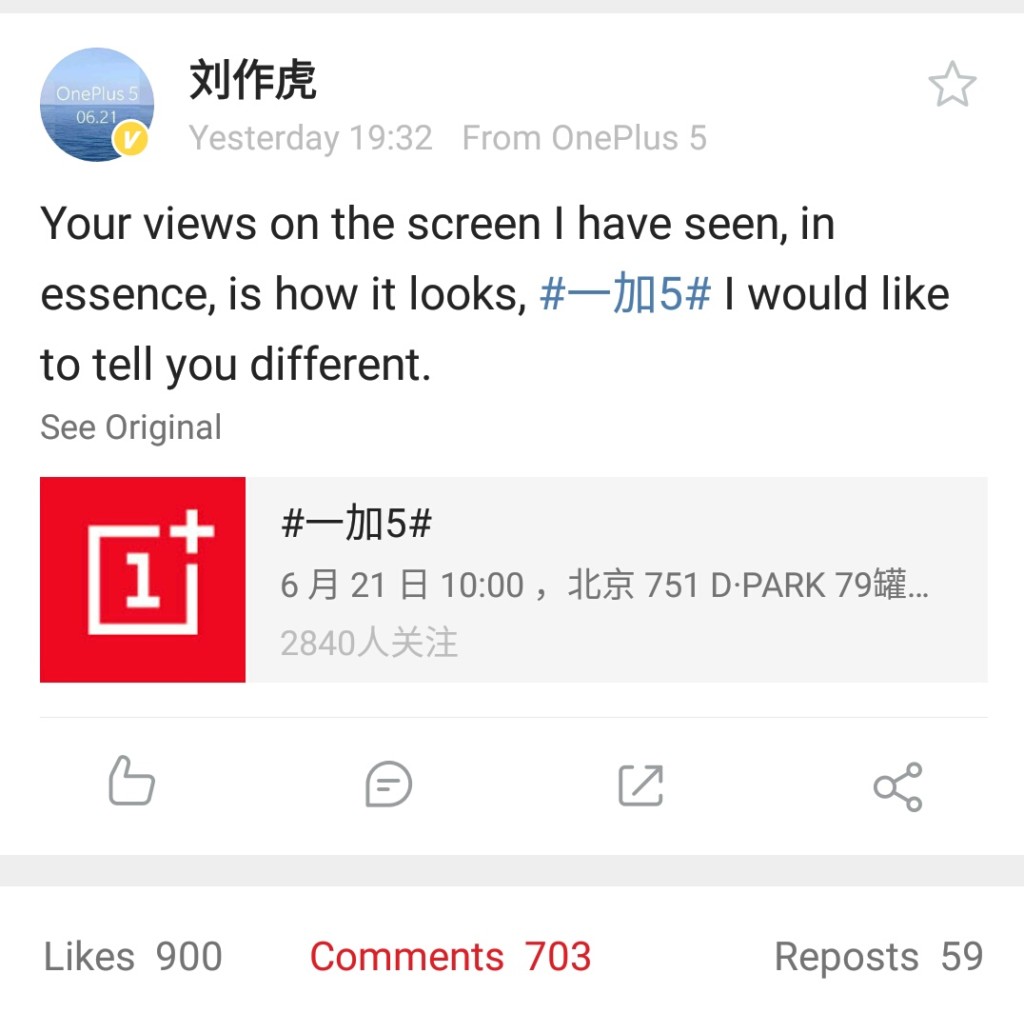
The OnePlus 3 and OnePlus 3T smartphones feature 5.5-inch screens that support full HD resolution of 1,920 x 1,080 pixels. OnePlus fans who have been asking for improvements in the display department would be glad to know that OnePlus 5 will also impress with an enhanced display. Here is the official Weibo post by OnePlus CEO Liz Zuohou:
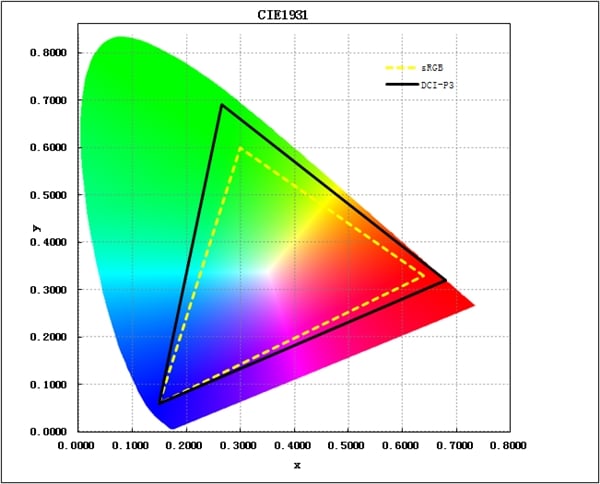
In the previous week, Technoblog, a Portugal website site had leaked the entire specifications and pricing of OnePlus 5. Leaked information has revealed that OnePlus 5 would be sporting a 5.5-inch full HD display and according to the publication, the screen will sport DCI-P3 colors.
The support for DCP-P3 colors on OnePlus 5 ‘s screen indicates that it will be delivering digital cinema like view experience with support for vibrant greens and reds. Compared to traditional digital video, the digital cinema offers a wide range of high quality of color spectrum which exceeds sRGB (standard RGB) color space created by HP and Microsoft. The iPhone 7 and iPhone 7 Plus smartphones already support DCI-P3 color space and Apple calls its “Wide Color.”
As far as other specs are concerned, OnePlus is expected to arrive in two models. One featuring 6 GB of RAM and 64 GB of storage and the other model with 8 GB of RAM and 128 GB of storage. Speculations have it that OnePlus 5 would be using UFS 2.1 storage on OnePlus 5.
Its dual camera system is expected to include a 20-megapixel sensor and a 16-megapixel sensor. Its front-facing camera is rumored as 16-megapixel. It is rumored to launch with a starting price of around 2,799 ($411) to 2,999 Yuan ($440).
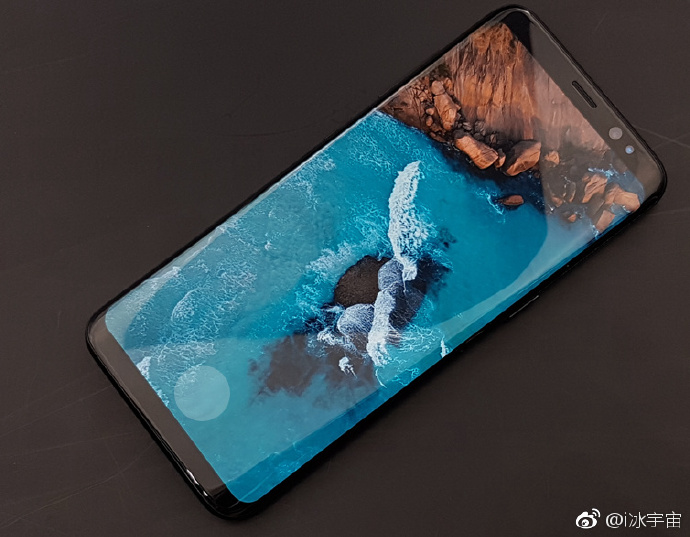
Samsung is reported to be working on putting the fingerprint scanner under the display but is having difficulties. The problem actually has to do with the brightness of the display as the area around the scanner is brighter than the rest. The info comes from supply chain insider @Ice Universe and an image showing what the problem looks like was provided. He also adds that Apple is facing the same issue.
Most people are looking forward to seeing the Galaxy Note 8 implement this technology. However, it doesn’t appear to be something easy to accomplish. If Samsung is going to release a phone with an integrated scanner, it is going to want to make sure it perfects the design. You all wouldn’t like a recall again, right?
The Samsung Galaxy S8 and Galaxy S8+ both have their fingerprint scanners at the back of the device. Although people complained about the position being slightly hard to reach since it sits beside the camera instead of beneath it like in other phones that adopt this design. However, reviews of both devices have been positive as well as sales.
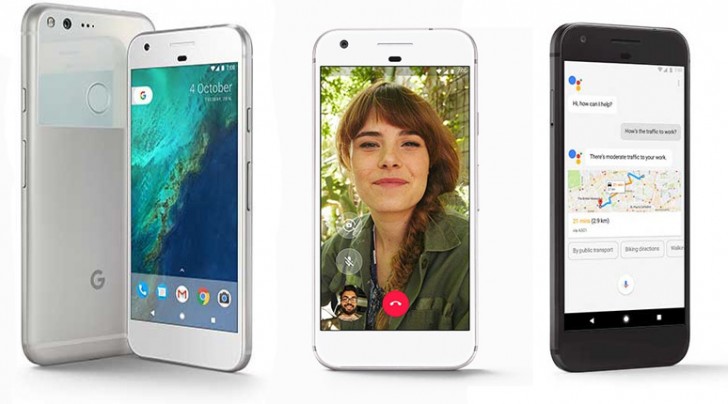
Last week we reported a finding that put the number of Pixels sold at about 1 million. The figure was gotten from the number of installs recorded for the Pixel exclusive app, the Pixel Launcher.
A new report from BayStreet Research puts the figure at 1.8 million. BayStreet also says that the Pixels may record a sale of 475,000 units this quarter. These figures pale in comparison to what Apple and Samsung records, but the figure is said to be a step in the right direction for Google.
The Nexus devices didn’t have record breaking sales. Some put their figures at about a million each, with the Nexus 6P being the best selling of them all. So selling up to 2 million units isn’t bad.
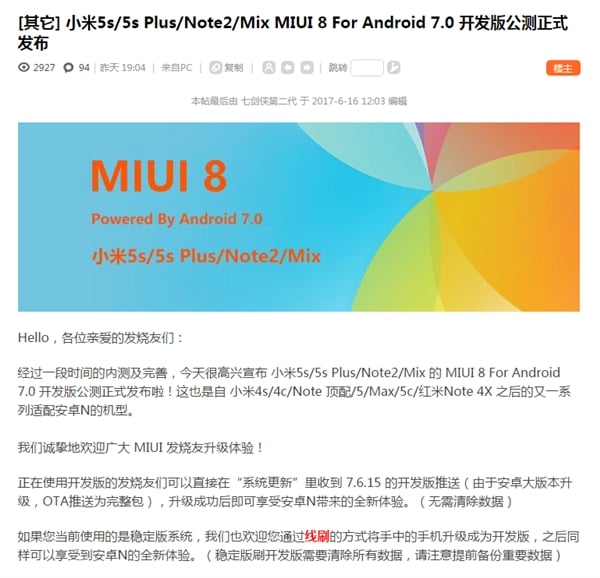
Xiaomi’s MIUI is famous for its heavy customization. That may be a good thing for some but others can’t live with the duration it takes for it to move to a different Android version. And even when it does, most of the new features are buried deep under the UI.
The Mi 5S, 5S Plus, Mi Note 2 and Mi MIX were all launched in the 4th quarter of 2016, a few months after Android Nougat was released. All four devices were Xiaomi’s flagship phones up until the Mi 6 was released. You would expect Xiaomi to focus on getting Nougat out to these devices as quickly as possible but sadly that isn’t the case.
On Friday, Xiaomi finally announced an Android Nougat update for those running the Developer Edition of its ROM. That means there might still be at least a one month wait before it makes it out as a stable release.
There is really nothing to be excited about. Those who run Android Nougat on the Mi 5 know there is little or no difference in the way the device looks after upgrading from Android Marshmallow. The reason is because it is still based on MIUI 8.
One wonders what Xiaomi is really doing with MIUI. It takes it super long to update from one Android Version to another and when it does, most of the new features are not even visible or present. And when it decides to release a new version of MIUI, there is almost a 12-month wait before release and another couple of months before it starts hitting devices.
If you own any of the above devices and run the Developer Edition, you should get the update. Change-log includes an upgrade to Nougat and a number of bug fixes.
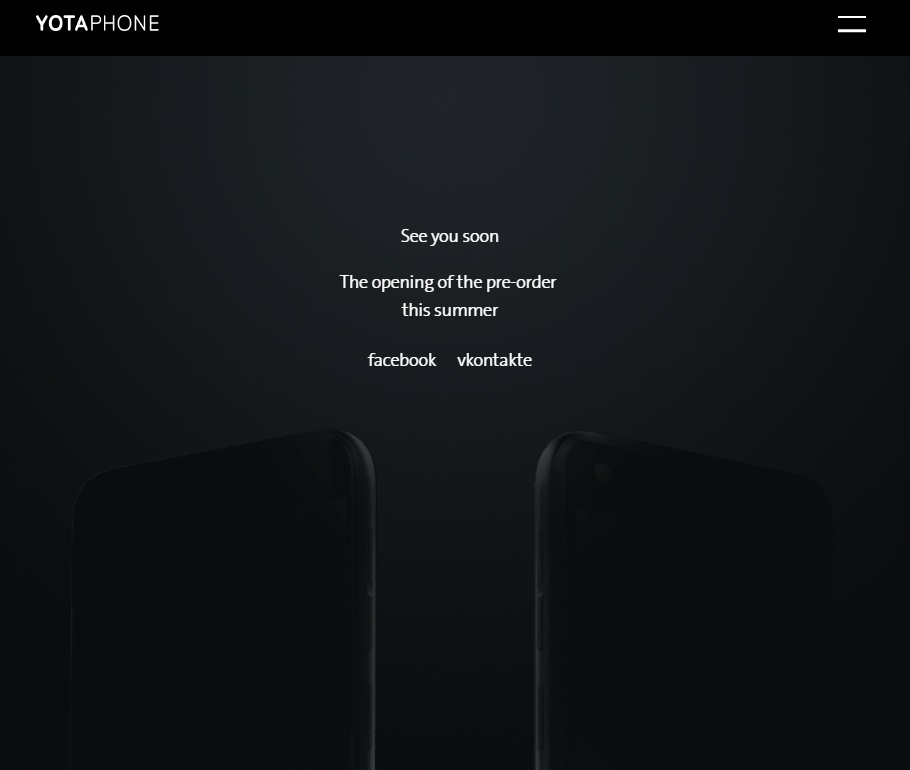
The original YotaPhone was launched in 2013 and is the first android smartphone to sport a secondary e-ink display. It was followed by the YotaPhone 2 in 2014. Last April, the Russian based company announced that the YotaPhone 3 will launch this year with pre-orders beginning this summer. New reports have revealed the pricing of the upcoming device.
According to the General Director of BaoliYota Technology, the YotaPhone 3 will be available in two versions: a 64GB model that will sell for $350 and a 128GB model priced at $450. The announcement was made at the China-Russia Expo on Friday. No other details have been provided about the phone.
We do not know if both versions will only differ in terms of storage or will have other differences like screen size and RAM. However, we know both will have one color display in front and an e-ink display at the back.
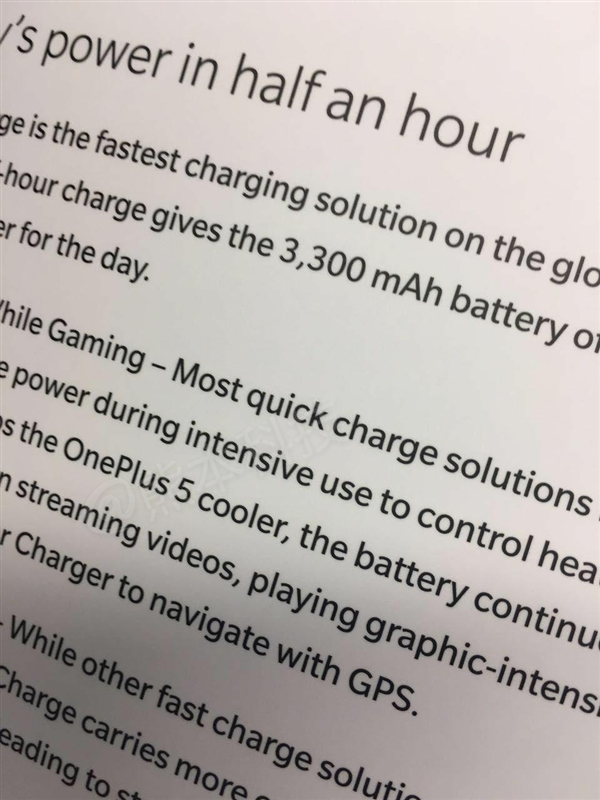
The OnePlus 5 will officially launch on Tuesday, 20th of June. Virtually all the details about the phone have been leaked or revealed by OnePlus itself, save for the battery capacity. A weibo post by Kumamoto technology shows a snapshot of a page revealing the OnePlus 5′ battery and charging technology.
The heading of the page is the slogan that OnePlus used for its Dash Charge Technology. So just like the OnePlus 3 and 3T, a 30-minutes charge will suffice for a day on the OnePlus 5.
The first paragraph reveals the battery capacity to be 3,300mAh. This is 100mAh smaller than that of the OnePlus 3T and shouldn’t come as a surprise since we already know that the OnePlus 5 has a smaller body than the OP3T. Notwithstanding, battery life should be similar on both devices.
The rest of the text just explains how Dash Charge works. Unlike other fast charging technologies that causes the phone to warm up, Dash Charge keeps the phone cool.
According to rumors, the Vivo X11 will be starring a near bezel-less display and expected high screen-to-body ratio. To tease Vivo fans more, this Saturday, an industry leaker has added that the device will be arriving soon.
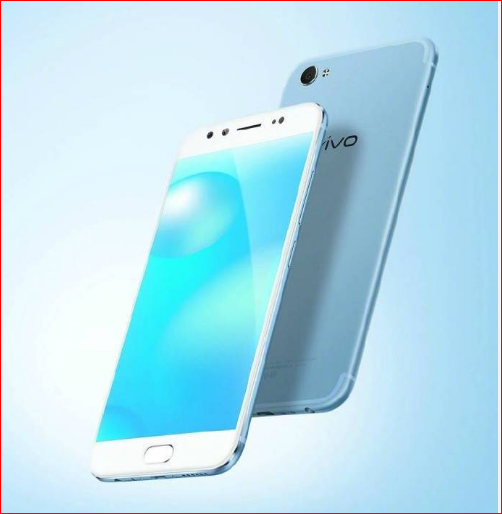
Vivo X9 Model
It appears that Vivo will be skipping the X10 name, following their trend from the X7 and X9. It is believed that the Vivo X11 will directly replace the Vivo X9 and X9 Plus as the new successor, thus we will be expecting at least two different sizes being released early on under the model name.
Original Equipment Manufacturers (OEMs) have claimed that the X11 will resemble closely to the design language of the each other like it’s X9 predecessor.
Rumored Vivo X11 Specs
Compared to the X9, leaks suggest that the Vivo X11 will present ultra-thin bezels on the top and bottom of the screen side of the smartphone, accompanied with an edge-to-edge display covered in what is most likely 2.5D glass.
In relation to the display, the X line has remained loyal to the 1080p camp. However, according to the same speculators, Vivo may be expected to switch to a higher resolution 1440p “2k” display to reassure that they remain attractive and competitive with other upper mid-range devices.
The Vivo X11 is expected to be powered by the Snapdragon 660, an upgrade from the Vivo X9 Plus’ Snapdragon 653. We would also expect the Vivo X9 to be upgraded with 6GB RAM and the X9 Plus with 8GB RAM; in terms of internal storage, we are less certain whether Vivo will increase the base storage from the current 64GB.
Expandable storage will most likely not be offered on the X11, in consideration to the tradition of its predecessors not including it.
Embedded Optical Fingerprint Sensor?
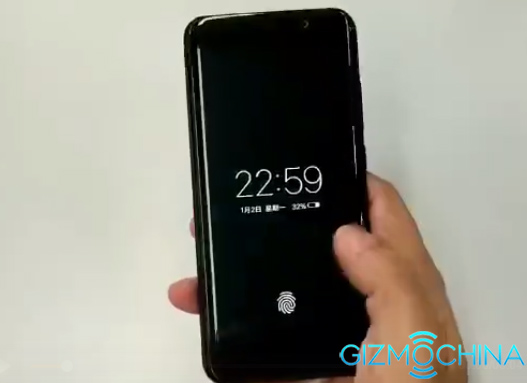
Rumored Vivo Fingerprint Sensor Prototype
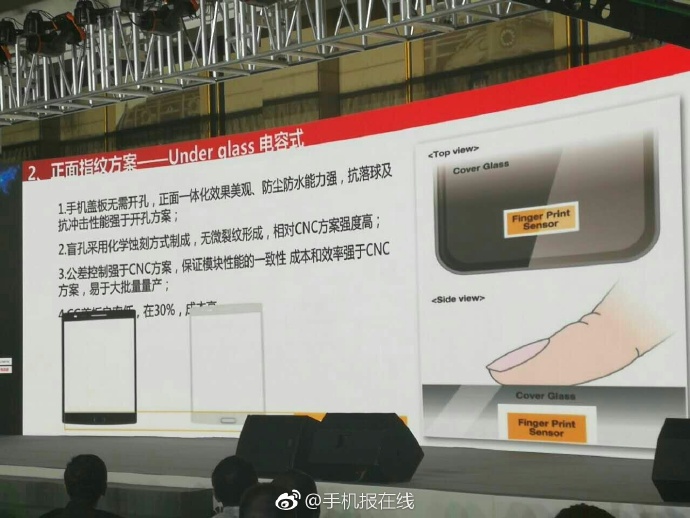
Another rumor that fits into the upcoming X line-up is the possibility of Vivo including an integrated optical fingerprint sensor within the screen. If these claims are true Vivo may be the first company to introduce such a sensor to consumers.
What are your thoughts about the rumors of the X11 line? Do you think there will be new fingerprint sensor? Share your comments down below.
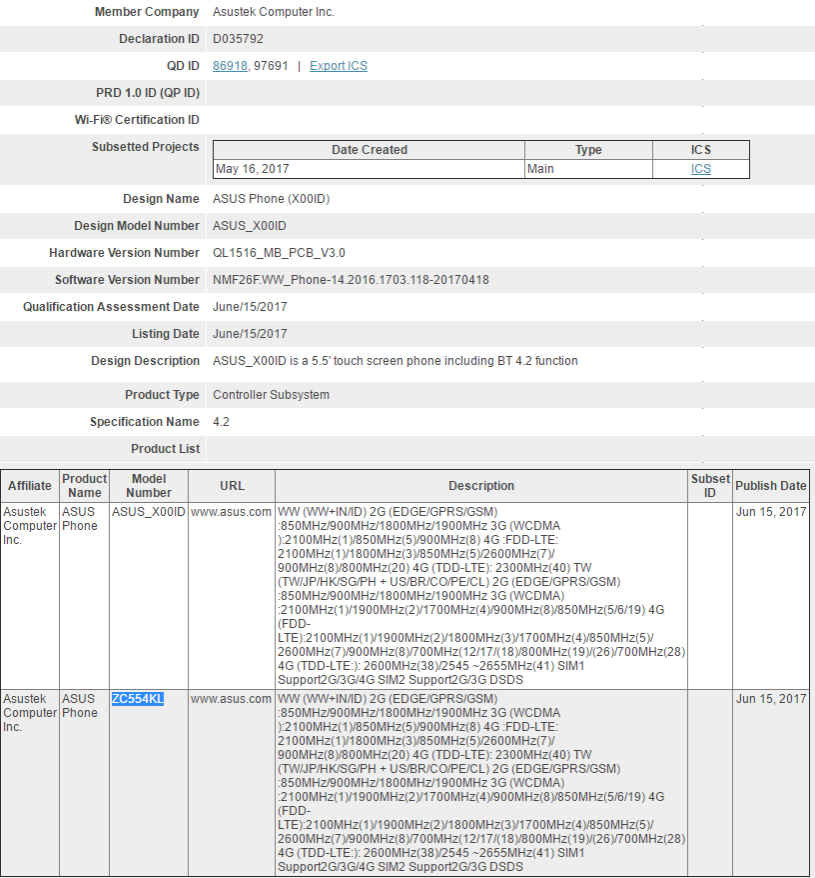
ASUS announced that the Zenfone 4 series will launch in July, months after it was supposed to be announced. While we won’t go into ASUS’ confusing naming scheme (there was a Zenfone 4 released in 2014), a new ASUS phone with model number X00ID recently got certified by the Wi-FI Alliance.
The ASUS X00ID was also seen getting certified by the Bluetooth Special Interest Group on Thursday and was filed along with another ASUS phone with model number ZC554KL. Since the model number is similar to that of the Zenfone 3 Max (ZC553KL), we believe it is the Zenfone 4 Max.
The Zenfone 3 Max launched with a 5.5-inch FHD display, a Snapdragon 430 SoC and 4GB RAM. It also had a 4100mAh battery. This year, the Zenfone 4 Max will feature the same display protected by a 2.5D glass. It will be available with 3GB RAM model, have a 4GB RAM version too and launch with Android 7.1.1.
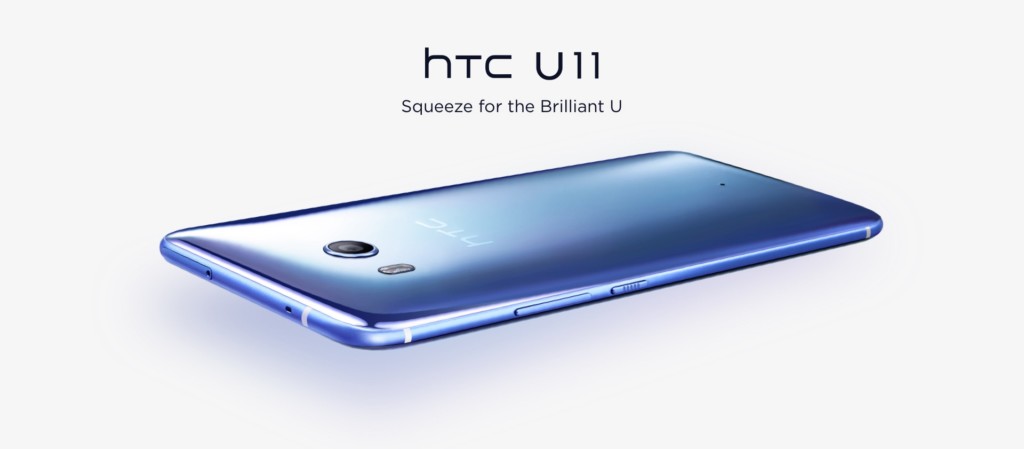
A report from a Taiwanese media, Focus Taiwan says the HTC U11 is delivering strong sales. The new HTC flagship was unveiled in May and has Qualcomm’s Snapdragon 835 powering it.
The U11 is reported to be selling better than the M9 and the HTC 10 according to Chang Chia-lin, HTC’s President of Smartphones and Connected Devices Division. He also mentioned that supply issues plaguing the phone will be sorted in early July.
The Chairwoman of the Taiwan-based company, Cher Wang said during a shareholders meeting that next year (sales) results will be satisfactory. HTC has struggled in the smartphone department in the last couple of years which has led to losses. Last year it recorded a loss of NT$10.6 billion (US$349 million).
The company is however the top in the VR game as the HTC Vive is the best selling VR headset in the market right now.
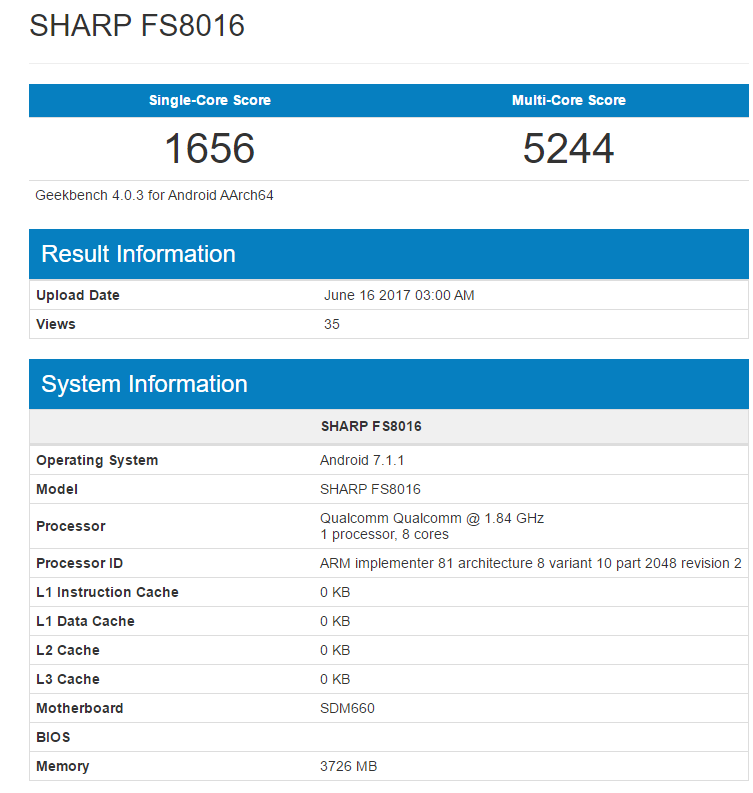
The Snapdragon 660 debuted in the OPPO R11 and R11 Plus last week. And we expect other manufacturers to pick up the new mid-range processor for their phones. The Moto X4 speculated to launch later this month will be powered by it and a Geekbench listing shows it will be in a new Sharp FS8016 phone.
The Sharp FS8016 was spotted on Geekbench yesterday and it is listed as having the SDM 660 under its hood. It appears Qualcomm has already started using its new naming system.
The Sharp FS8016 runs Android 7.1.1 and has 4GB of RAM. No other info about the phone is available. The device scores 1656 points on the single-core test and 5244 on the multi-core test. These scores are in line with that of the OPPO R11 (single-core test = 1607, multi-core test = 5823).
It will be interesting to know the other features of the Sharp FS8016. Will it have a bezel-less display? What resolution will it be, 1080p or Quad HD? And will it have the Emopa AI assistant that launched with the Aquos R? We will have to wait for a TENAA or GFXBench listing to get answers to some of the questions above.
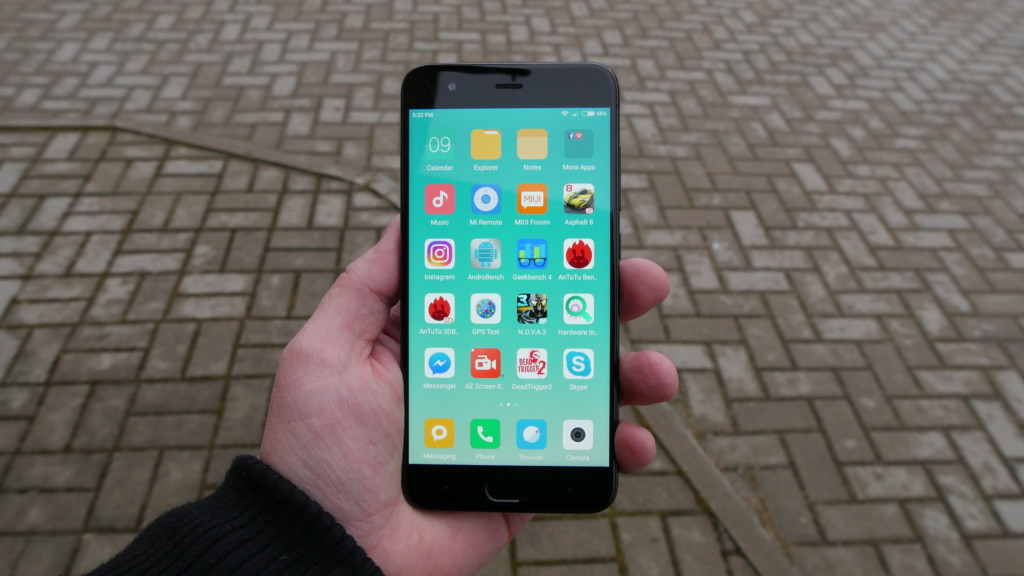
This year we expected to see phones launch with fingerprint scanners embedded under the display. Sadly, no manufacturer has been able to pull it off. Samsung ended up putting the scanner at the back of the Galaxy S8 even after thinning out the front bezels. The Xiaomi Mi 6 has an ultrasonic scanner but it is not directly under the display or is it?
A new video posted on LeTV shows a Xiaomi Mi 6 that is unlocked via fingerprint by simply pressing on the display. Now that is weird considering that the Mi 6 has its scanner under the glass below the display. So how does this user unlock the phone using the fingerprint scanner and pressing on the display instead of swiping the scanner at the bottom?
The only logical explanation is that he modified the “hold down/press to unlock phone” message on the phone and replaced the message with a fingerprint icon. Some say he achieved this by installing a custom theme.
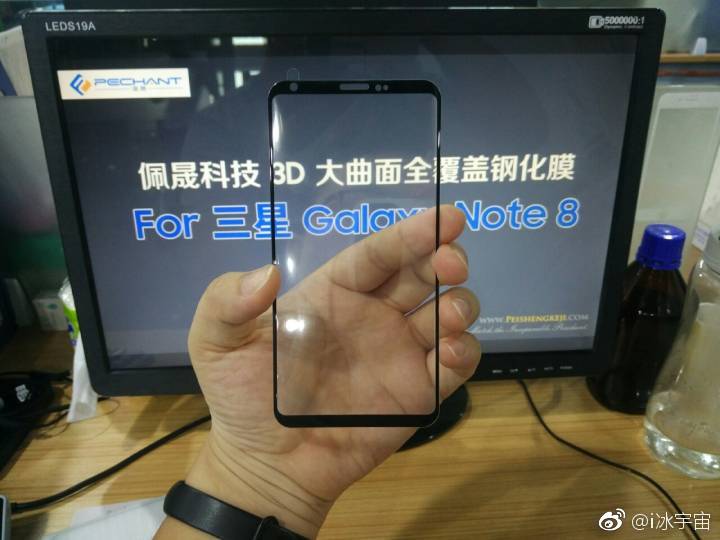
Rumors about the Galaxy Note 8 have been in the news lately. Some cover the release date and others talk about the design. A new leak that surfaced yesterday belongs to the latter category.
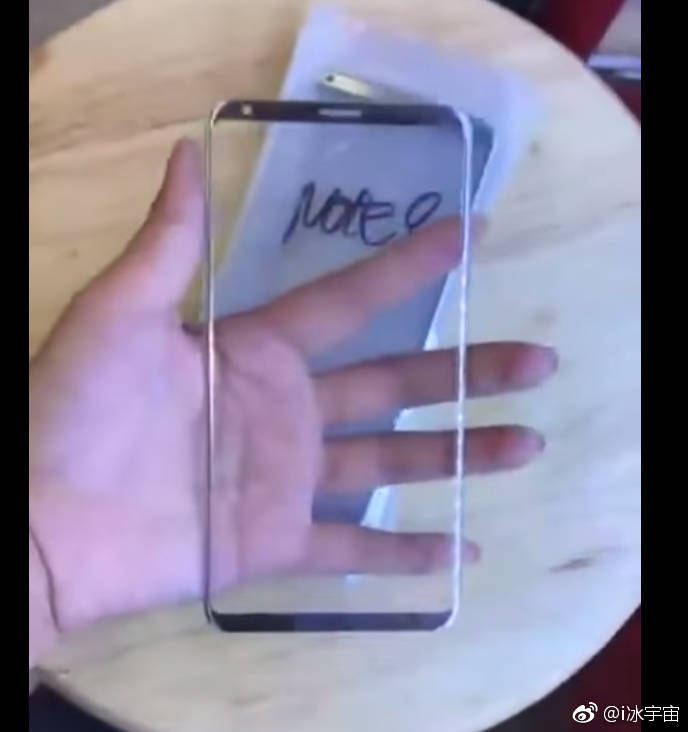
The leak comes in form of two images showing the front panel of the Note 8. The panels are basically just bigger versions of what you will find on the Galaxy S8 and Galaxy S8+. We do not want to conclude that this is the final design of the Note 8 as these are likely prototypes.
However, it is safe to assume that the design changes that we saw in the new Galaxy S flagships will make it to the Note series too. Samsun ditched the front home button and settled for thinner bezels at the top and bottom. The display is also curved at both sides. Samsung calls the new screen design, Infinity Display.
While the Galaxy S8 and Galaxy S8+ have 5.8-inches and 6.2-inches display respectively, the Galaxy Note 8 is rumored to take it to 6.3-inches. Even at that, it will only end up being slightly taller than the iPhone 7 Plus.
What will make the Galaxy Note 8 stand out will be the addition of an improved stylus, additional software features and possibly the dual cameras it is rumored to have.
OPPO is the second on the list of smartphone manufacturers in China. That is no small feat and must have required a lot of hard work to get there. OPPO’s new flagship, the R11 went on sale yesterday and in less than an hour, it surpassed the sales of the R9, with still enough units in stock. So how does OPPO do it while other manufacturers (insert Xiaomi) have supply issues?
Industry analyst, Mocha RQ takes to Weibo to give an insight as to what the company is doing right. His explanation is that OPPO has a very good relationship with its suppliers. It pays them on time; orders a single large batch and not in small quantities; and the supplier doesn’t have to worry about issues like patents infringements. He also says outside its business activities with its suppliers, OPPO organizes informal events such as dinners with them.
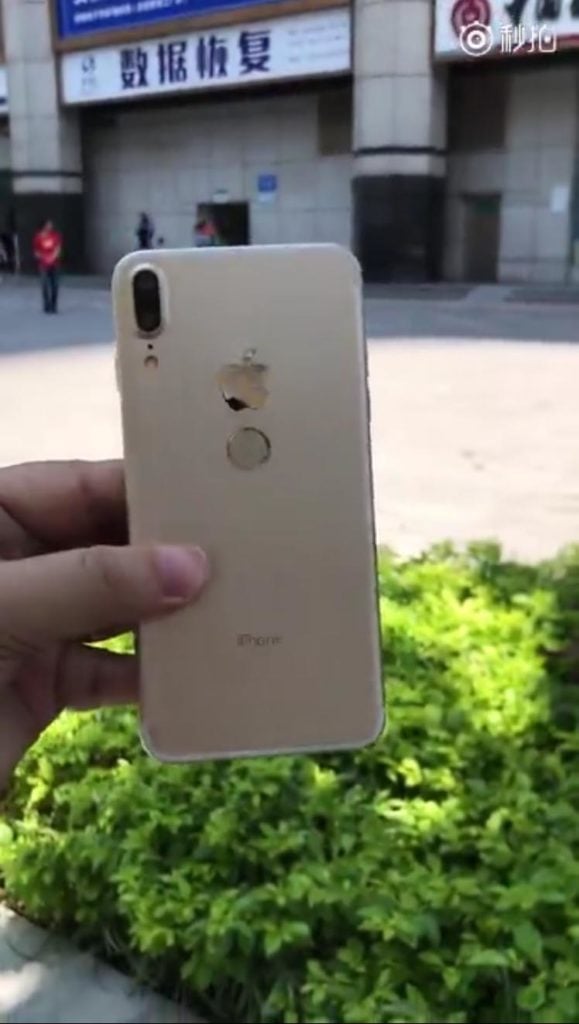
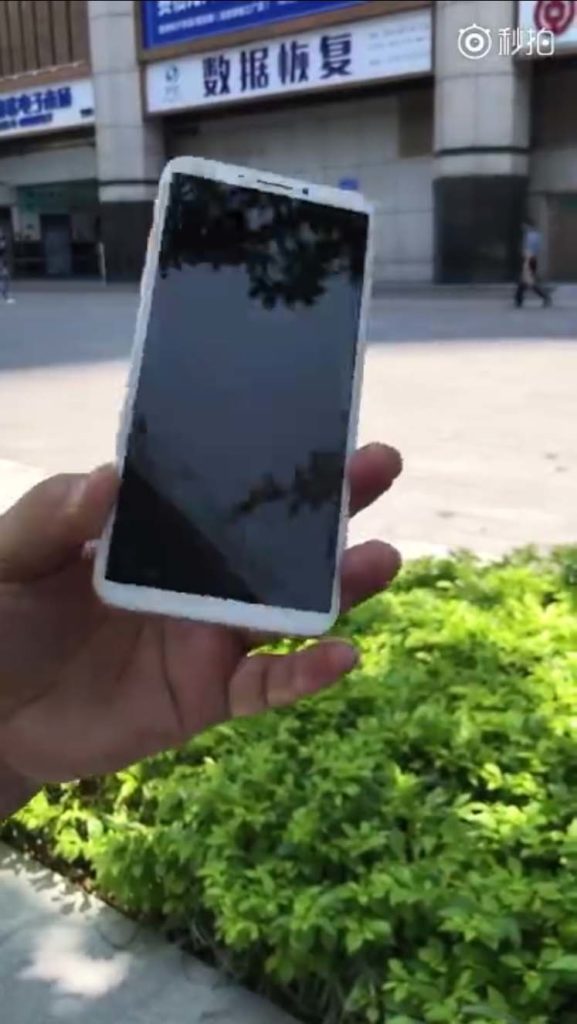
With the iPhone 8 rumor mill turning and fingers pointing to a suggested September release, more leaks have surfaced of what appears to be iPhone 8 ‘clones’.
A microblogger called @DigitalChatStation have revealed a video showing someone holding what appears to be an iPhone clone. From the what we can see, this device has the obvious Apple Logo on the back of the device. What’s interesting is how the device has, what we can guess is, an iPhone 7 camera set-up rotated 90 degrees clockwise.
The home-button has been repositioned at the back of the device, leading to what we can see at the front of the phone is a button-less ‘iPhone’, the screen-to-body ratio seems to be extremely large, hovering around 80-90%, with a slim top and bottom bezels.
What also stands out is the curved sides of the screen, making the iPhone seemingly conceding to the trend for curved screens that have been pioneered by Samsung.
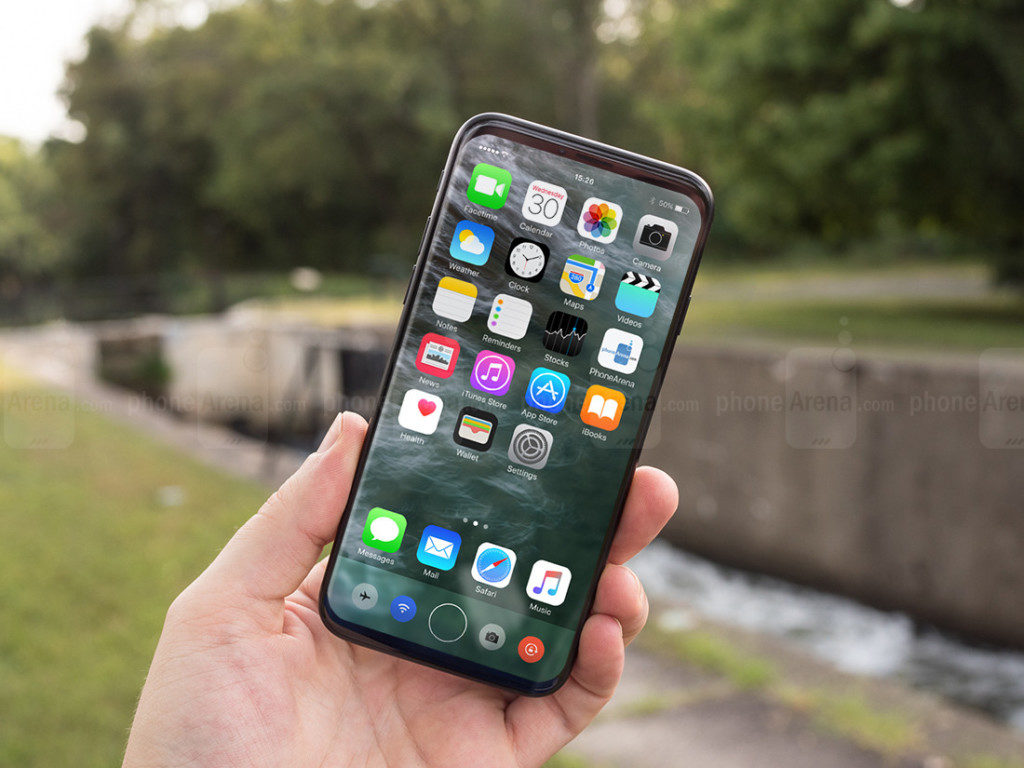
A couple of months ago, another concept, showing a more Samsung S8’esque’ design also removed the physical home button from the front, however it didn’t indicate whether the ‘iPhone’ had a physical home button on the back, or if the smartphone had an optical fingerprint sensor underneath the location of the virtual home button. A more detailed article can be found here.
We can also see that the screen resembles an uncanny feel mirroring a Samsung S8; notably the curved sides and the rounded corners of the screen.
Rounding it up; questionable leaks have been seen, to what resembles an iPhone 8 clone but also clear inspiration from Samsung S7 and S8’s display. Personally, this leak should be rather doubtful to believe. However, it doesn’t hurt to imagine what a cross-design between two popular devices can create.
What are your thoughts on this ‘iPhone 8’? Do you think the official iPhone 8 would resemble anything close to this?
A Full-screen forum was held in the Shenzhen district of China’s Guangdong province on Thursday with the deliberations bothering squarely on full display technology, innovations, concepts and other new things that could change the way we use smartphones. The forum had in attendance individuals from all walk of life.
The Full-screen forum is a clear demonstration of the growing admiration for bezel-less displays in China. The Xiaomi Mi Mix was the first to break the barrier and launch a full-screen phone with up to 93% screen-to-body ratio. Thereafter South Korean giant Samsung caught the bug and released the Galaxy S8 and S8 Plus with a bezel-less Infinity display having 84% screen-to-body ratio. Samsung seems to have leveraged on the wide receivership the Mi Mix but the Galaxy S8 is looking way more superior and successful than the Mi Mix.
The Galaxy S8 and S8 Plus are already demolishing previous sales records set by the Galaxy S7 and S7 Edge. That is perhaps why Lee Hyun Hong ShaneLee, Director of Samsung China Design Institute thinks Samsung shocked the entire Chinese smartphone manufacturers with the release of its latest flagship. In actual sense, the frenzy was already catching on before Samsung launched the Galaxy flagships. Xiaomi, not Samsung kickstarted the whole thing with the LG G6 coming out with a similar design even before Samsung’s flagships. But then, Samsung’s position as a global market leader is the best form of promotion the new smartphone design could get. The success of the Mi Mix and the monumental feats achieved by the Galaxy S8 and S8 Plus so far will only make more manufacturers want to key into the design style.
Already, several Chinese manufacturers have different models in the works like the Doogee Mix, Maze Alpha, Bluboo S1,IDWell D10, Leagoo T-Mix, all with various degrees of full displays. There are indicators such as the huge turn out experienced during the Full-screen forum which points to the likelihood of next year being flooded with full-screen models. Before then, expect more models this year, like the Xiaomi Mi Mix 2. Huawei and Vivo are also expected to launch full-screen models this year.
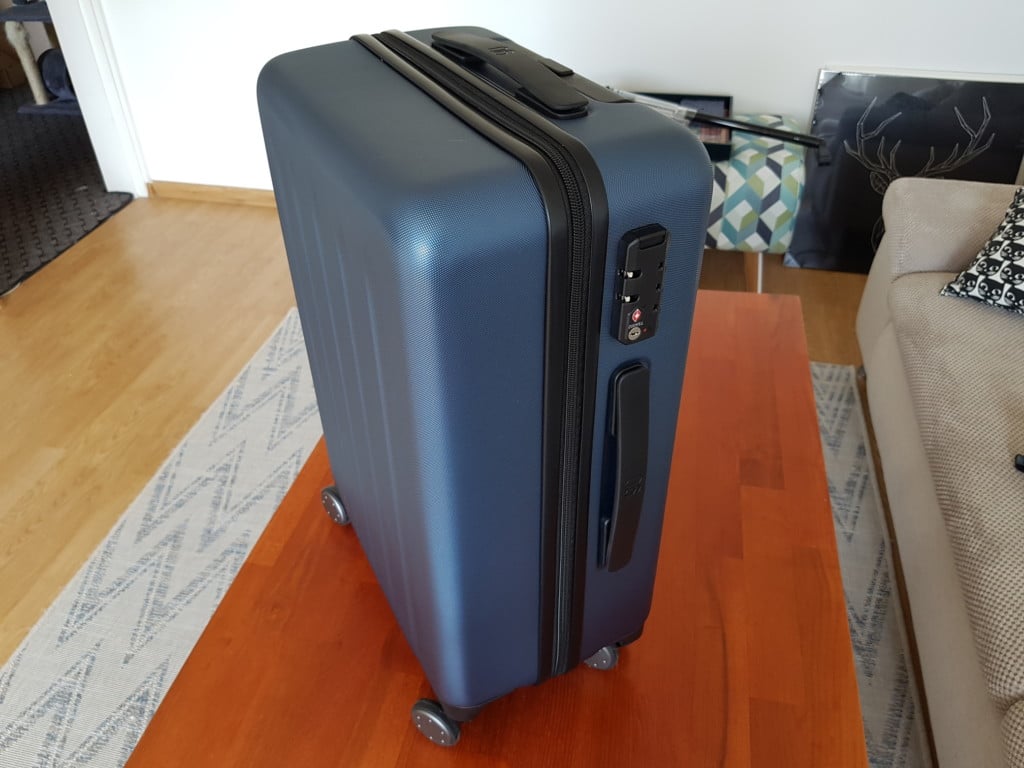
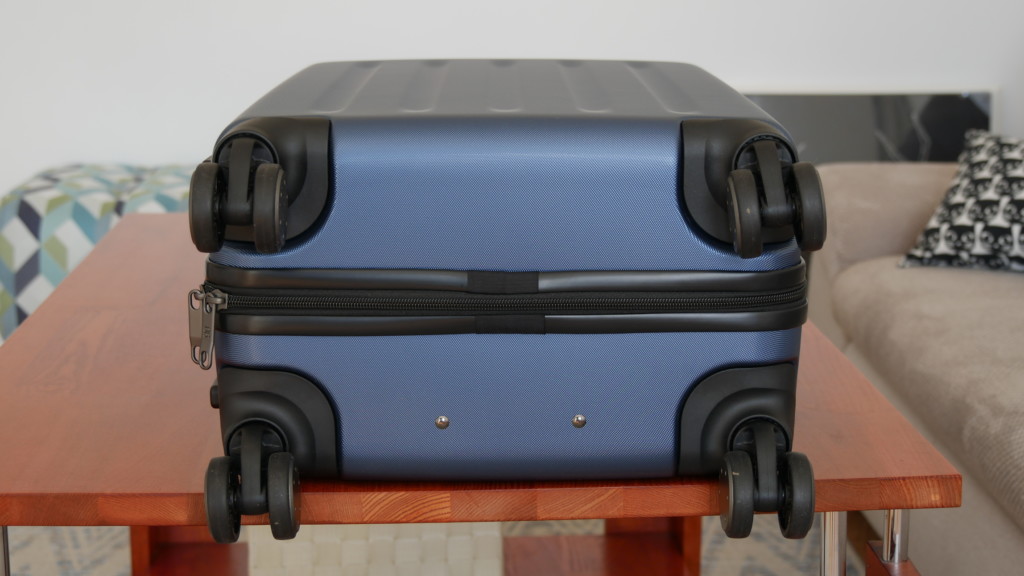
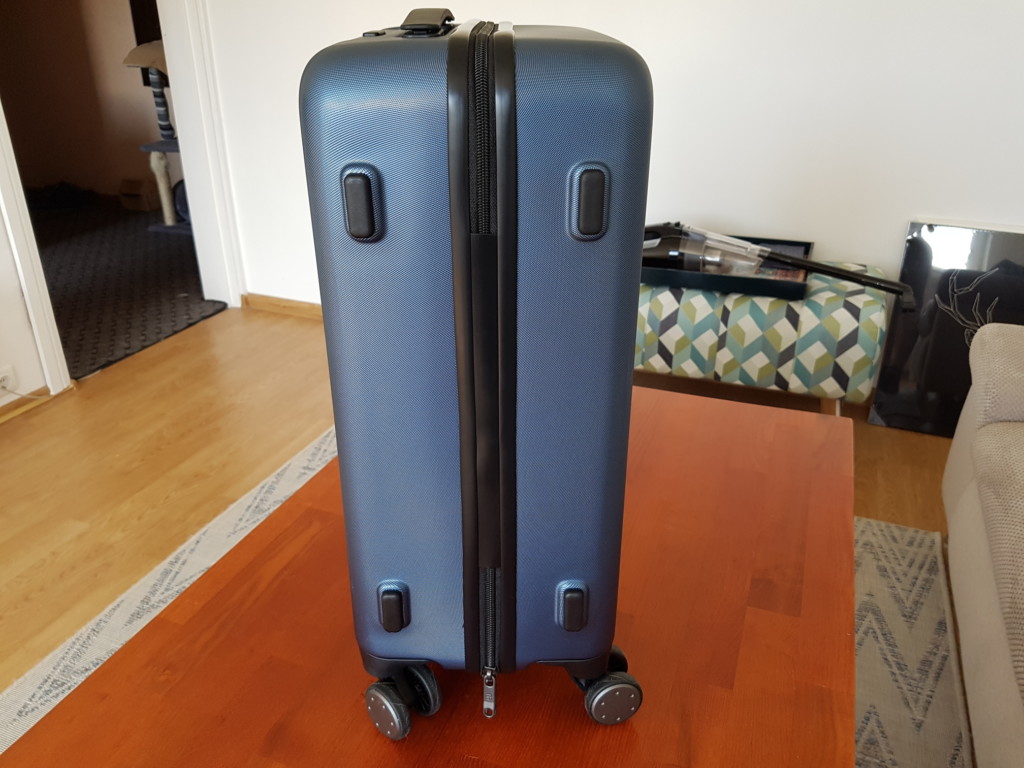
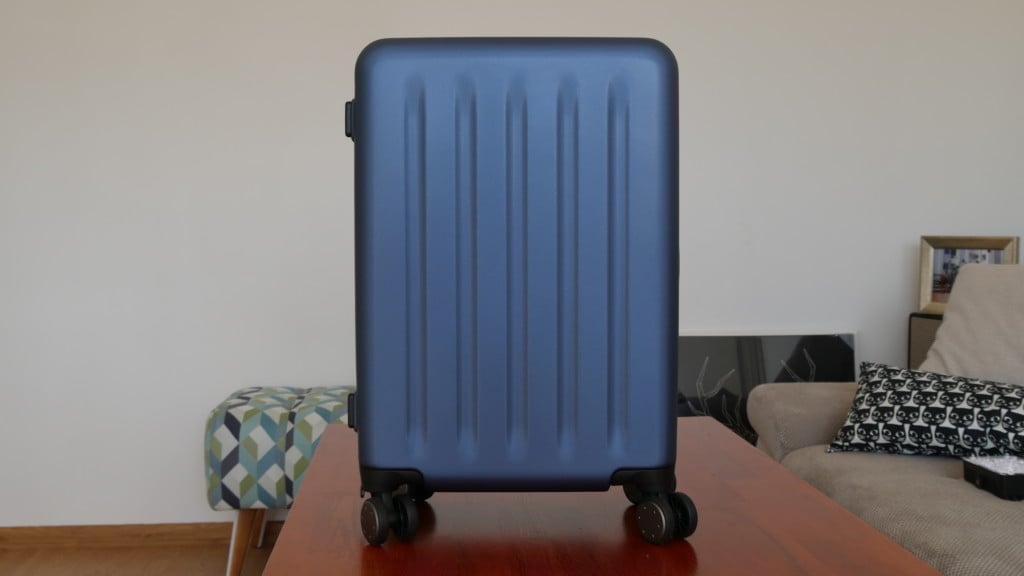
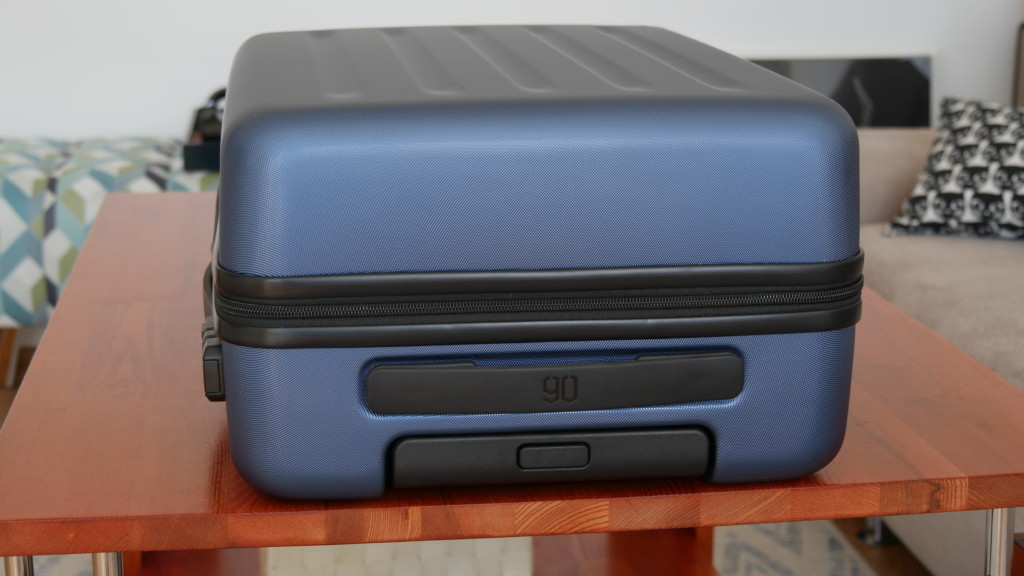
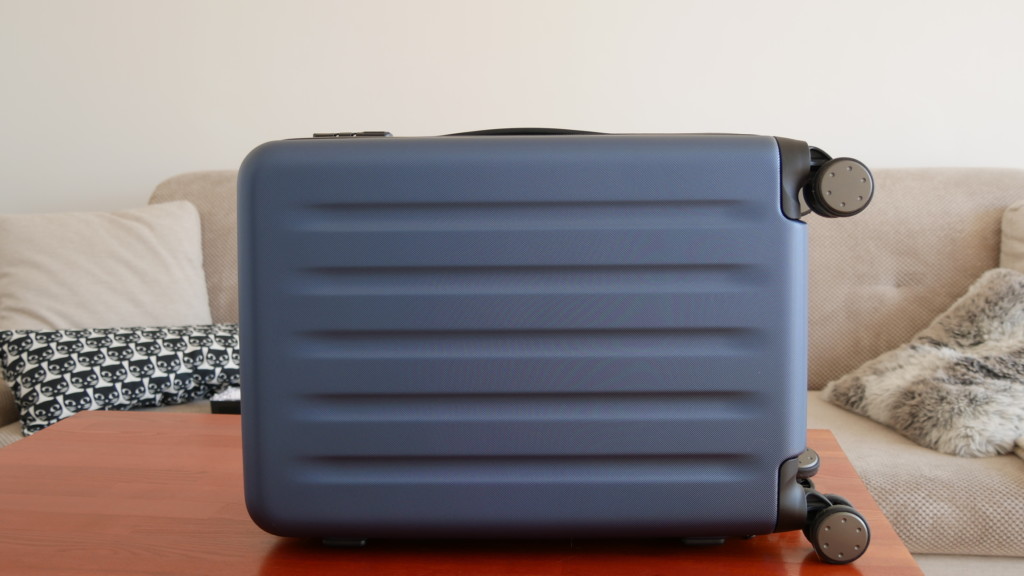
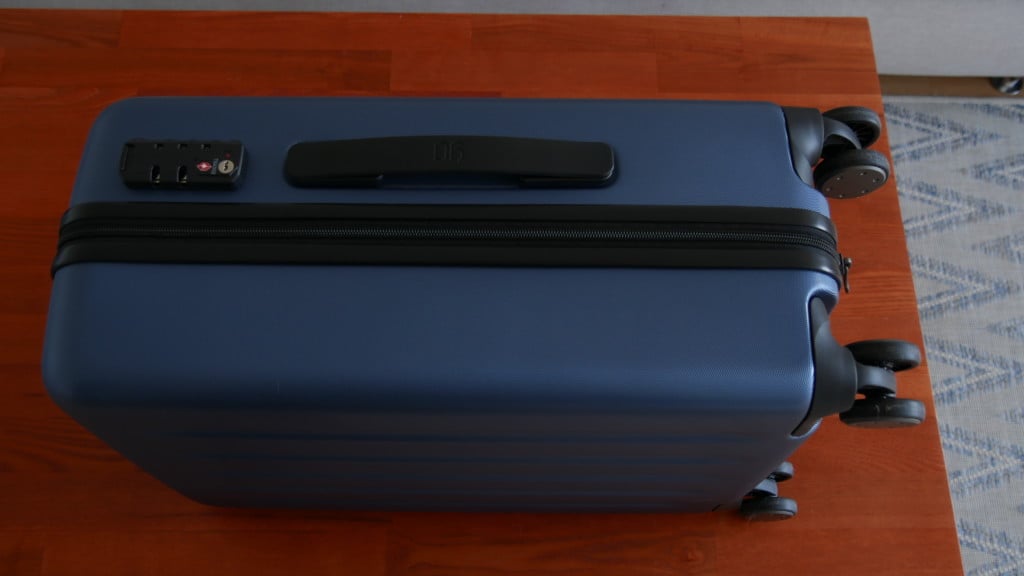
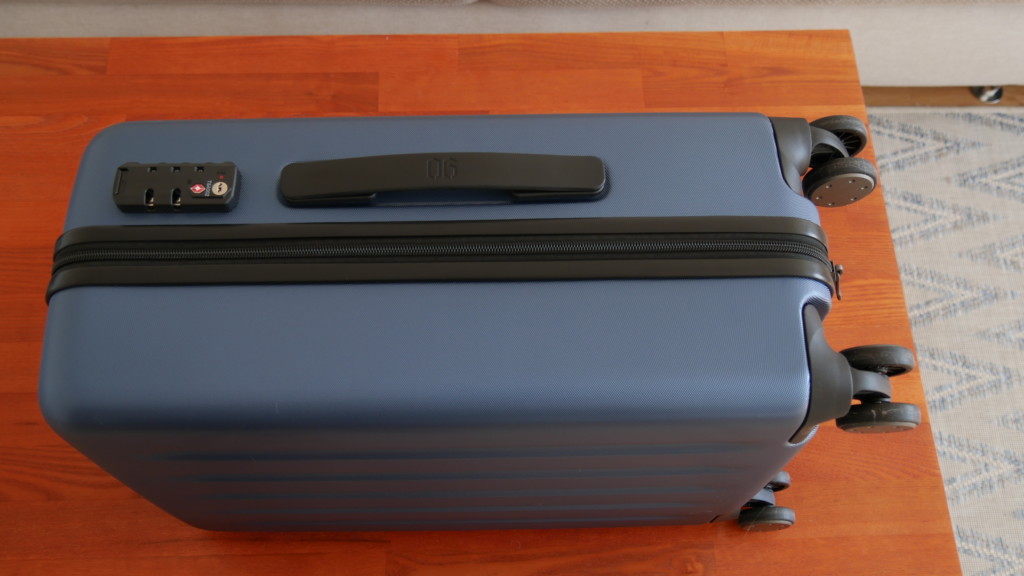
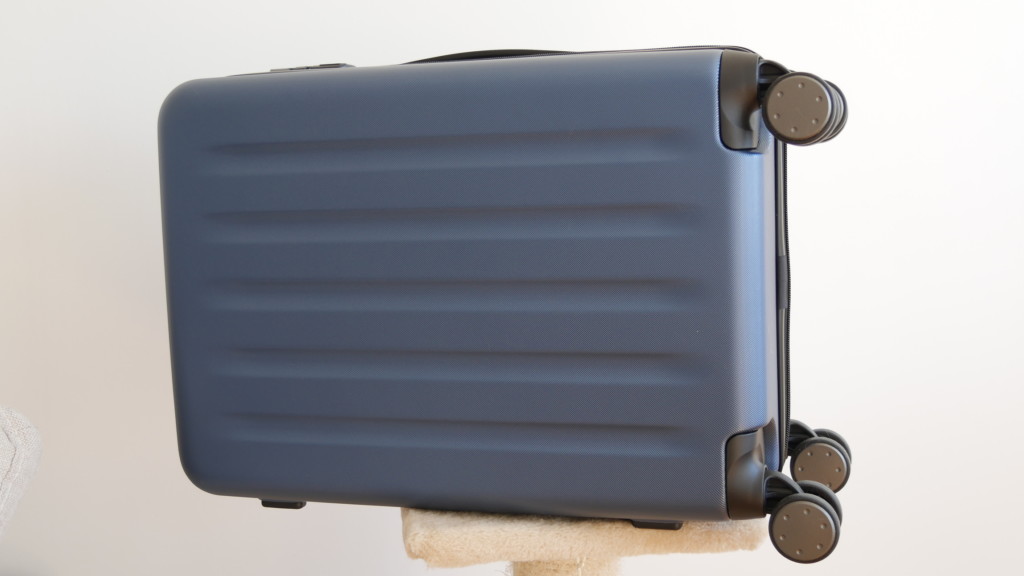
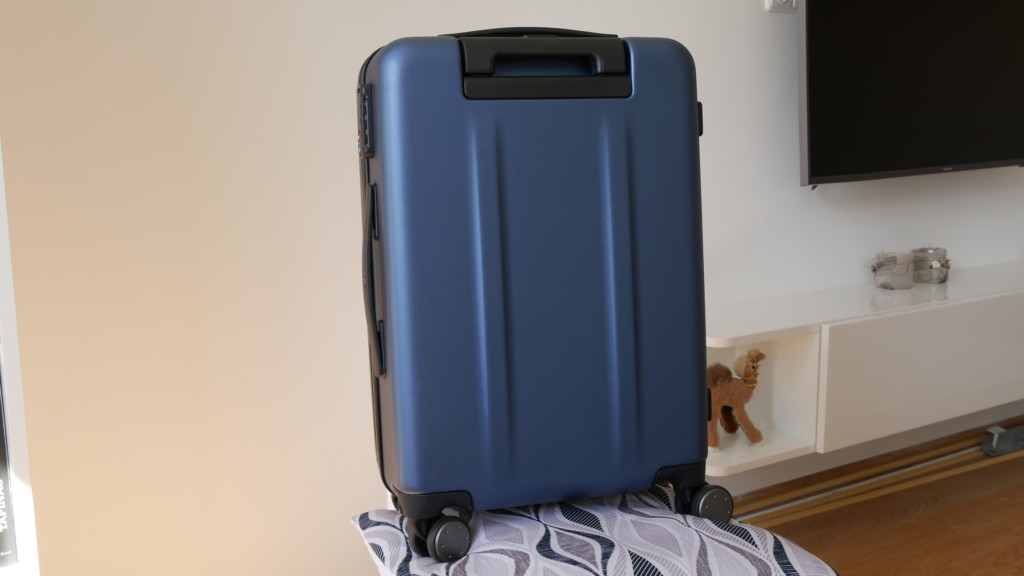
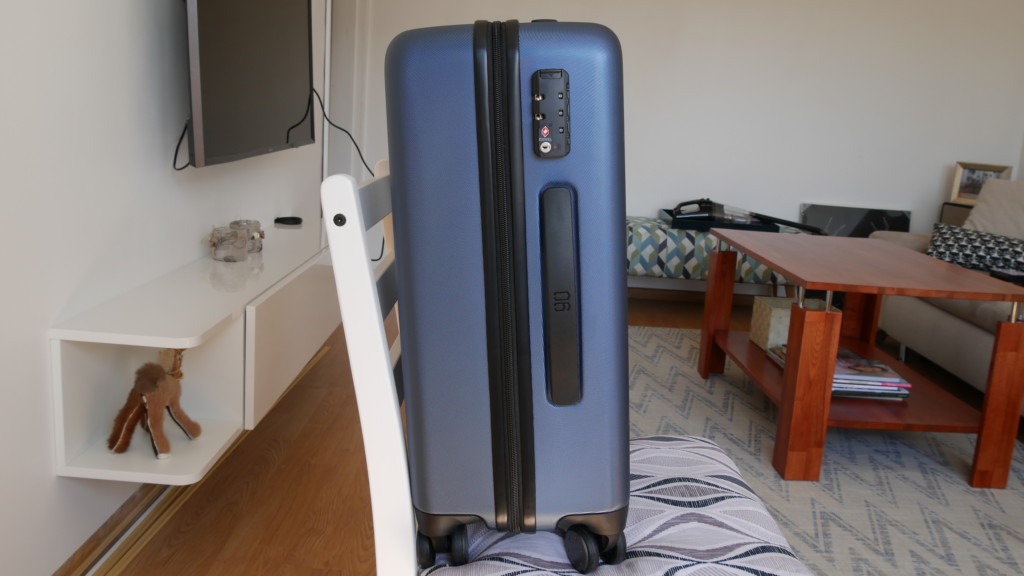
Xiaomi is known for producing all sorts of gadgets but they also make a lot of home or lifestyle products. We just came across a high-quality travel suitcase that costs about $70 and it looks great. Learn more in the full Xiaomi 90 Minutes Spinner Wheel Luggage Suitcase review.
The suitcase is made of high-quality PC material that is very strong yet lightweight and scratch-resistant. Therefore, the suitcase is really light, which is important for air travel.
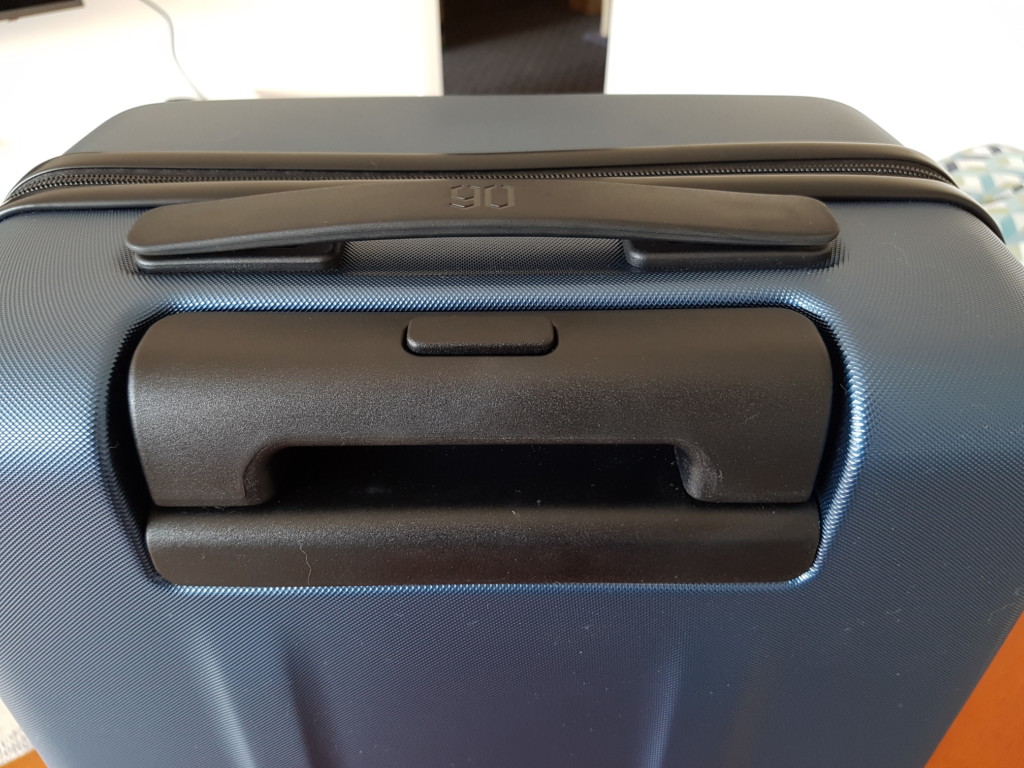
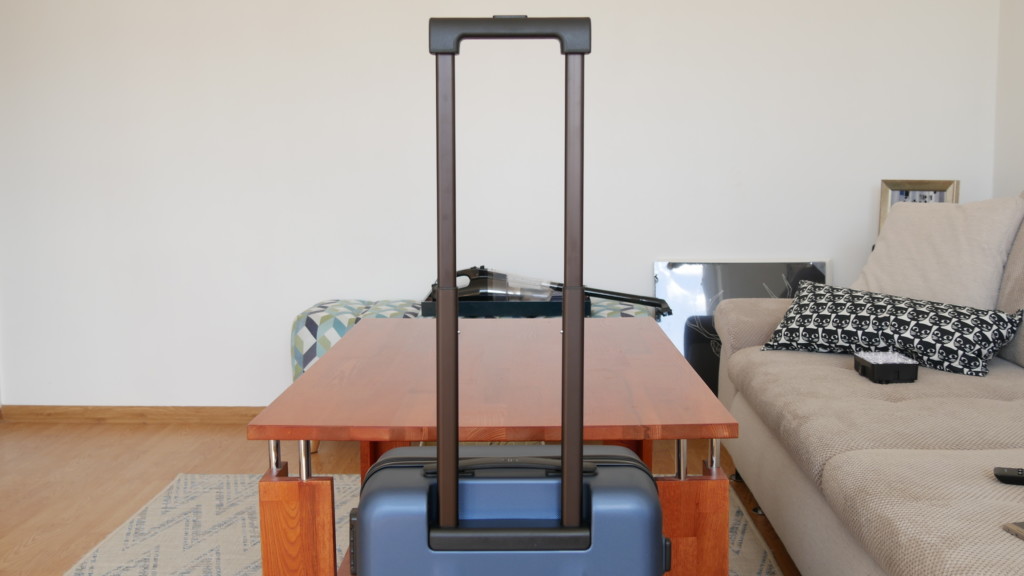
I found the aluminum alloy drawbars to be sturdy and the slide easily. There are 4 segments to adjust the height.
The wheels are one of my favorite parts of this suitcase. They are very smooth and thus, it is very easy to push the suitcase in any direction you want.
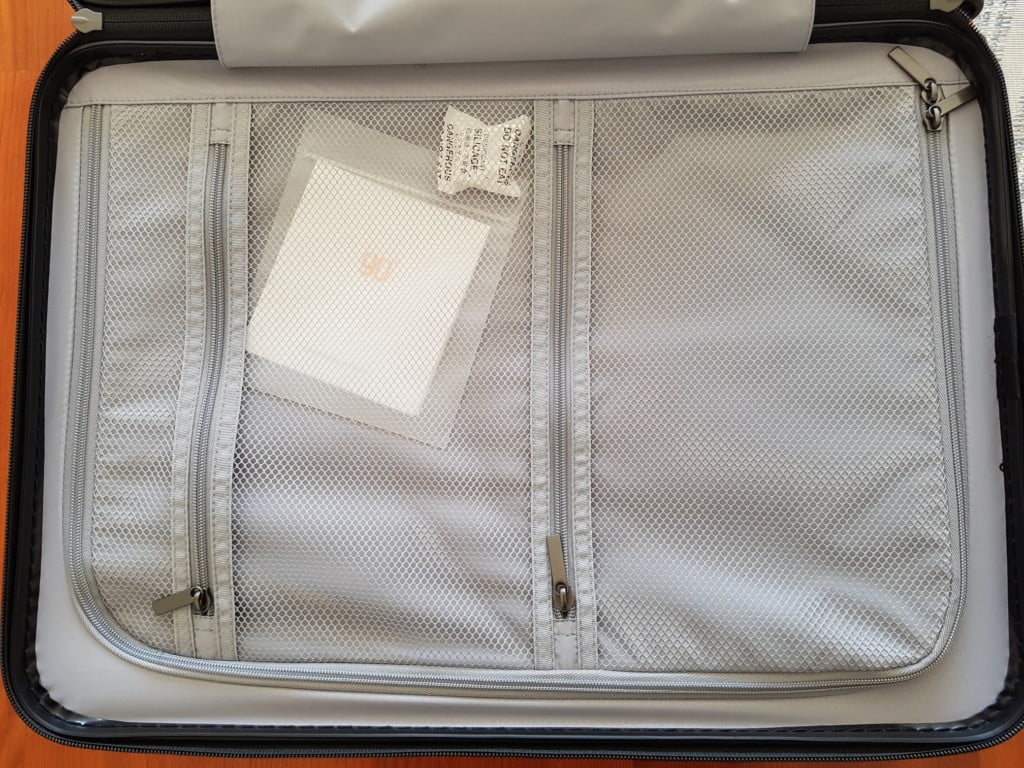
I have a 20” suitcase that can fit up to 36l of stuff. There is also a larger 24” model that has the capacity of 64l. The suitcase does not have many fancy compartments or anything but it has a multi-layer design, so you can store everything neatly.
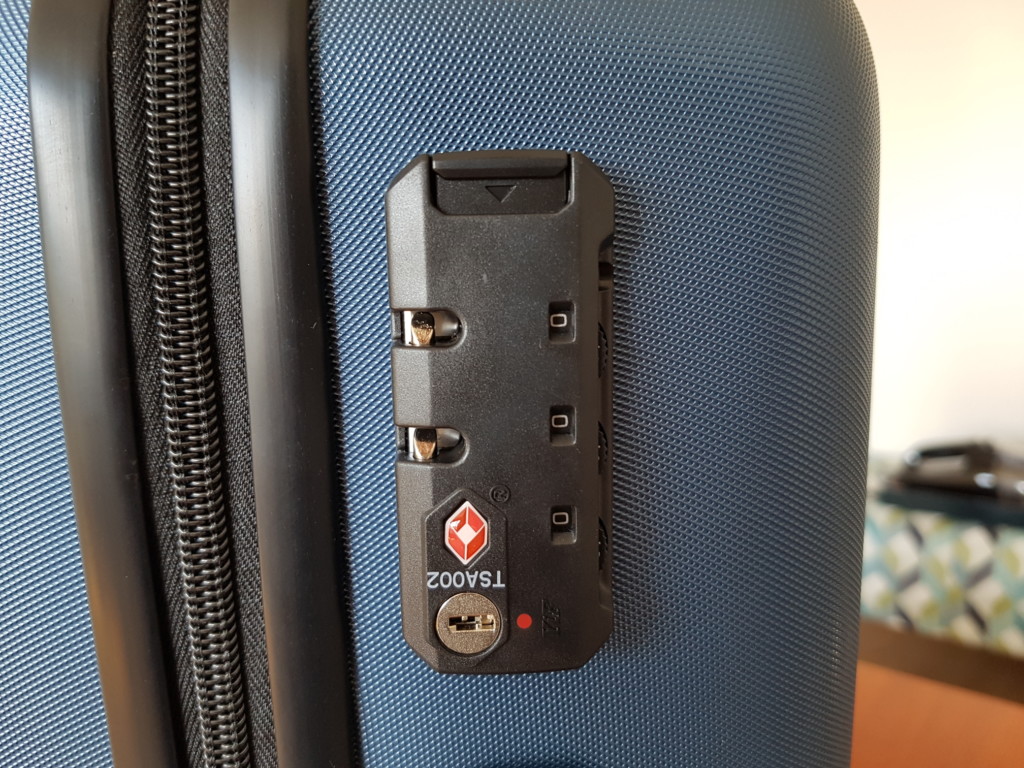
Also, I found the zippers to be working fine and they don’t seem to brake anytime soon. You can simply close the suitcase using the zippers or use the code to lock it up.
All in all, the Xiaomi suitcase is a high-quality product. I can’t assert that this is the one and only good suitcase on the market but for the price of about $70, you are getting a well-made product that uses high-quality materials in the construction, the craftsmanship is outstanding and so far it looks like new after a couple of trips I used it for.
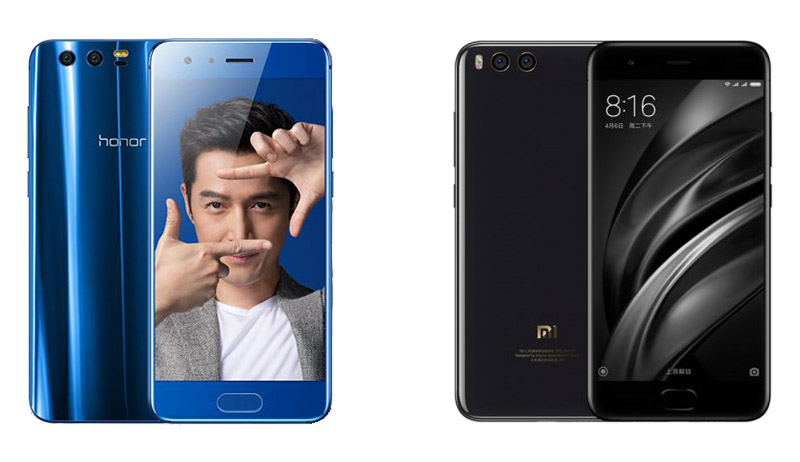
The Huawei’s Honor 9 has arrived fully-spec’d to rival Xiaomi’s Mi 6 in the affordable high-end flagship battle. For all smartphone enthusiasts or consumers who would like a good price for a high-end device, picking the right device is a tricky decision. So, it makes sense to compare the two flagships from China, the Huawei Honor 9 vs Xiaomi Mi 6.
In this article, we will be comparing each phones’ primary features and help determine which option is best for you.
Display & Design
In terms of design, both smartphones share very similar characteristics, front and back glass-covered bodies with a metal rim on the sides. Dimensionally, the Xiaomi Mi 6 sizes at 145.17 x 70.49 x 7.45 mm whilst the Honor 9 at 147.3 x 70.9 x 7.5 mm; both devices operate as very slim slates, with the Honor 9 only thicker by a meager 0.05mm in depth, 2.13mm by height and 0.41mm by width. For long period use both phones come in light packages, Mi 6 at 168g and Honor 9 at a superlight 155g. Note: The Mi 6 also comes in a premium ceramic model, weighing at 182g.
Display
Both smartphones come with IPS LCD capacitive touchscreen with 2.5D Corning Gorilla Glass, both sporting 5.15inch and resolution at 1080p (Full HD) at ~428 PPI pixel density. Mi 6’s screen covers at ~71.4% body to screen ratio, whilst the Honor 9 at ~69.9% body to screen ratio1.
In terms of display quality, we will be acquiring an Honor 9 unit soon for more accurate details; however, from our review on the Xiaomi Mi 6, the device hasn’t disappointed in the balance of vibrancy, sharpness and color reproduction. Xiaomi has also pushed the minimum brightness down to a single nit of brightness, which is very impressive in comparison to other 1080p smartphones panels.
Color Options
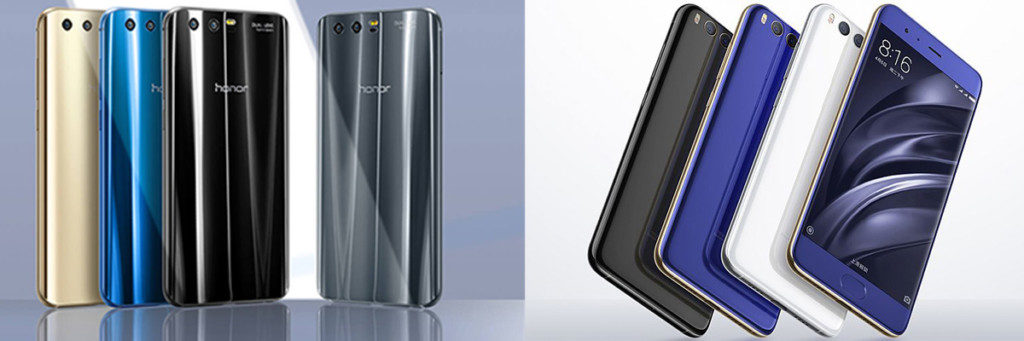
The Mi 6 is available four body color options: Black, Blue, White, and Ceramic Black; whilst the Honor 9 is available in: Sea Blue, Amber Gold, Black, Seagull Gray.
The Honor 9 provides more choice in color whilst Mi 6 offers more choice in material (glass and ceramic), screens are similar on paper, however, the Mi 6 offers a smaller dimensional package but the Honor 9 weighs 13g less. Still, here the Honor 9 steal the win here as they have provided a 3.5mm headphone jack also.
Hardware Specifications
Processor, RAM, and Storage:
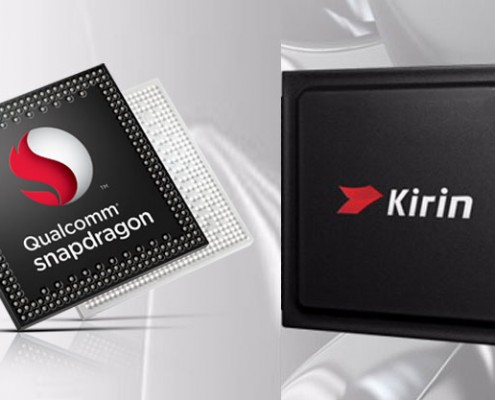
The Mi6 will be powered by Qualcomm’s current fastest Snapdragon 835 processor. It has octa-core chipset which includes four 2.35 GHz Kryo & four 1.9 GHz Kryo processors coupled with Adreno 540 GPU. The Honor 9 is run with an in-house Kirin 960 Octa Core four 2.4 GHz Cortex-A73 & four 1.8 GHz Cortex-A53.
In terms of RAM and the storage, the Mi 6 comes with 64 or 128 GB of internal storage options with 6 GB RAM. Whereas the Honor 9 comes in two variants, 64GB + 4 GB RAM and 64 or 128 GB + 6 GB RAM.
The Honor 9 offers external microSD expansion supporting up to 256GB, however, the Mi 6 does not support storage expansion slots. Keeping this in mind, it’s important for you to decide which variant to purchase in consideration to your future storage needs.
Battery:
The Mi 6 comes with 3350 mAh and the Honor 9 with 3200mAh, both of which are non-removable batteries.
Our Pick: Tie.
This section is a very close call, both phones are powered with very powerful CPUs, benchmarks will show that the Snapdragon 835 edges higher in integer performance (completing simple tasks, e.g. web browsing). However, Kirin 960 remains close to the 835’s tail, outpacing the 820/821 also. The Honor 9 offers more choice in models with internal storage as well as MicroSD expansion, however, Mi 6 theoretically will last longer with a larger battery size.
Honor 9 vs Xiaomi Mi 6: Camera
Rear shooters:
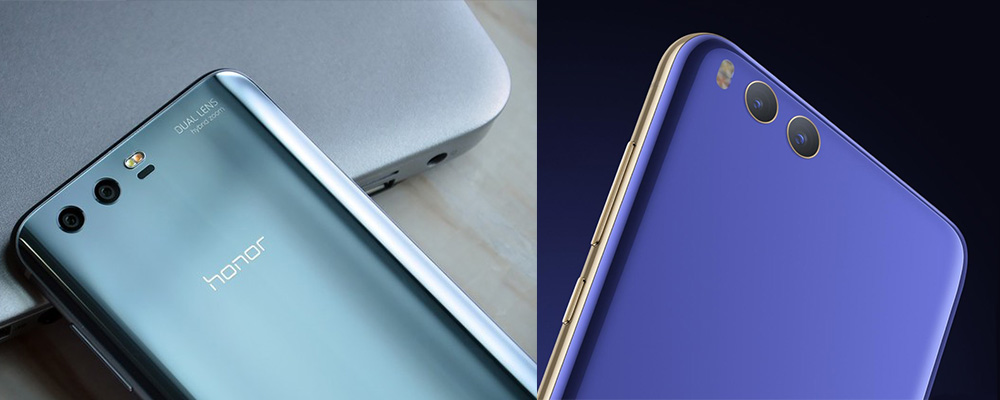
For photo-fanatics, we are spoilt with both smartphones offering with dual-lens. Mi 6 is loaded with 12-megapixel wide-angle lens with f/1.8, and 12-megapixel telephoto lens f/2.6 aperture; the Honor 9 has a 20-megapixel lens (Mono) with f/2.2 and another 12-megapixel lens (RGB) with f/2.2. Note that the dual cameras on the Honor 9 are not Leica branded. Xiaomi has promoted the Mi 6s feature of 4-axis OIS improving steadiness of video capture, whilst featuring a lossless zoom (x2) and providing a (x10) digital zoom.
Front shooters:
Both these smartphone cameras have the common features namely geo-tagging pics, touch focus, face detection, etc.
For the selfie lot, the Honor 9 has a f/2.0 8-megapixel lens and Mi 6 has an 8-megapixel sensor but with unknown aperture.
Our Pick: Unsure.
This seems to be too close, I have not had the opportunity to test out each smartphone side by side to provide my honest opinion. On paper, both smartphones show great features and the smartphone will depend on whether you would prefer better contrast pictures from the Honor 9, due to the monochrome sensor, or better zoom and wide aspect photos from the Mi 6.
Features & OS
Both flagships are shipped with expected high-end smartphones features such as 4G LTE, WiFi, Bluetooth 4.2, fingerprint sensor, NFC, etc. The flagships both come with their own custom UIs, Mi 6 with MIUI 8.0 (based on Android v7.1.1) and Honor 9 EMUI 5.1 (based on v7.0).
Mi 6 wins due to adapting relatively the latest Android Version currently. Personally, I like MIUI since it provides stable updates on a regular basis. As for Honor 9’s EMUI 5, I haven’t used it yet to judge how good it is.
Availability & Pricing
The Mi 6 has an advantage here, as it has been released since April 2017 in the Chinese market already and available for the global market. The 64 GB and 128 GB versions of the release price for the Mi 6 is at ¥2,499 (~$367) and ¥2,899 (~$425) in China, these prices can be found cheaper on online retailers. Note: The price of the Ceramic version is much higher, priced at ~¥4132.81 ($607.99)3.
The Honor 9 will be on the backfoot here since it will be officially being on sale today. The Honor 9, 4GB RAM model will be priced at ¥2299 (∼$338), the 6GB RAM + 64GB variant will go for ¥2699 (∼$397), and the 6GB RAM + 128GB version will sell for ¥2999 (∼$441).
Opinion: Mi 6. Based on the release date prices, I believe the Mi 6 is the most ideal affordable smartphone to purchase on the date of publishing, this is because the Mi 6 is currently available and the directly competing models are more likely to be cheaper than the original release price from third-party retailers, not to forget the release prices for the Mi 6 are already lower. Huawei will need to receive comments from our reviewers and consumers on availability and price before further confirmation.
Honor 9 vs Xiaomi Mi 6: Conclusion
If you are already fans of either Xiaomi or Huawei, the choice will be rather simple, as both phone provide very similar specifications. However, if you are an indecisive consumer or looking to switch camps, these two flagships prove to be a very difficult couple to pick.
If you are someone who prefers a smartphone with the smallest footprint, different build material choice, bleeding edge internals, highest capacity battery, wide-angle & closeup photos, smoother videos; regular Android-based MIUI updates, connectivity with other same-branded products (Xiaomi’s smart-home products) and best prices (ex. Ceramic model), the Mi 6 is the best choice.
Whilst, if you prefer lightness, more ‘spec’ choices, 3.5mm headphone jack, powerful in-house CPU and better contrast photos, the Honor 9 is yours. Yes, the 3.5mm headphone jack could be a big advantage for the Honor 9, but we’ll have to see if it’s enough for consumers to pick the Honor 9 over Mi 6. The camera quality would be another big differentiating factor. We have seen that the Mi 6 manages to capture some great shots but we are yet to test Honor 9’s camera prowess.
I hope this comparison has helped you determine which phone you would like to purchase so far, and as the Honor 9 matures this comparison should be updated accordingly.
We use cookies on our website to give you the most relevant experience by remembering your preferences and repeat visits. By clicking “Accept”, you consent to the use of ALL the cookies.
This website uses cookies to improve your experience while you navigate through the website. Out of these, the cookies that are categorized as necessary are stored on your browser as they are essential for the working of basic functionalities of the website. We also use third-party cookies that help us analyze and understand how you use this website. These cookies will be stored in your browser only with your consent. You also have the option to opt-out of these cookies. But opting out of some of these cookies may affect your browsing experience.
Necessary cookies are absolutely essential for the website to function properly. This category only includes cookies that ensures basic functionalities and security features of the website. These cookies do not store any personal information.
Any cookies that may not be particularly necessary for the website to function and is used specifically to collect user personal data via analytics, ads, other embedded contents are termed as non-necessary cookies. It is mandatory to procure user consent prior to running these cookies on your website.