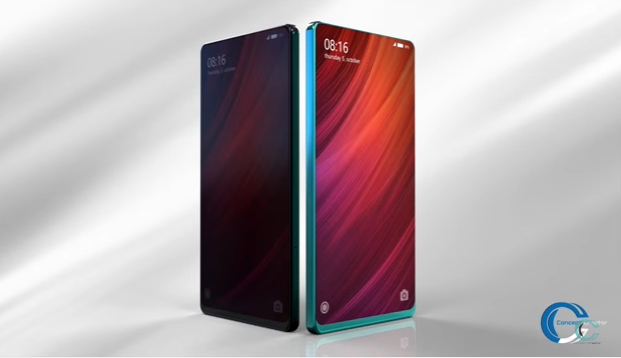
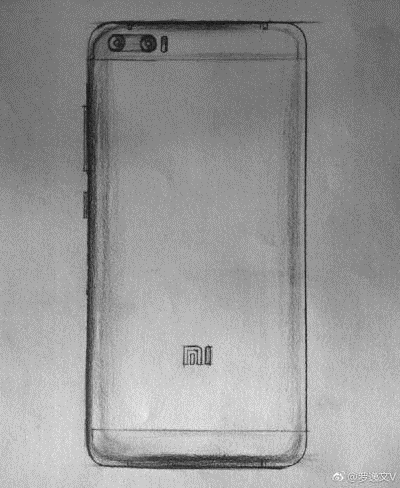
Ever since Xiaomi hinted that the next generation Mi Mix 2 would still be designed by acclaimed French designer – Philippe Starck, we have been inundated with fan-generated concept renders of the device which gives an idea of some of the features the Mi Mix 2 would come with.
Some of the concept renders are based on rumored features of the upcoming device. As always, the final product may end up not having the same design as the concept renders but apart from the fact that they are a delight to behold, some of the features on the concepts may find their way into the actual device.
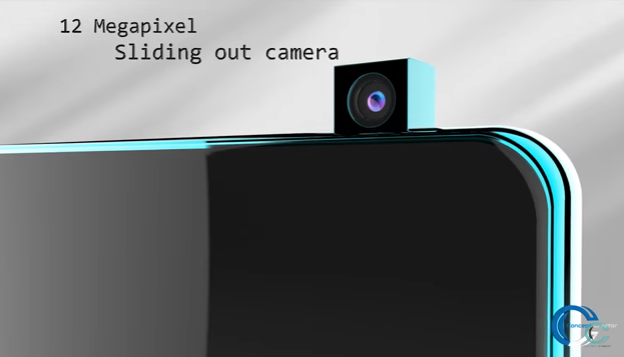
A new concept video render of the Xiaomi Mi Mix 2 has appeared online, putting on display some innovative features of the Mix 2. Already, the Mi Mix 2 is rumored as coming with a 93% screen-to-body ratio and that is well-represented in the video. But perhaps, the latest feature we are seeing in a Mi Mix 2 render is the 12MP front camera which slides in and out of the back of the device. This is likely due to the high screen-to-body ratio with little bezels at the top for the camera module to be located there. It is unclear whether Xiaomi would adopt such innovation considering it doesn’t look too feasible.
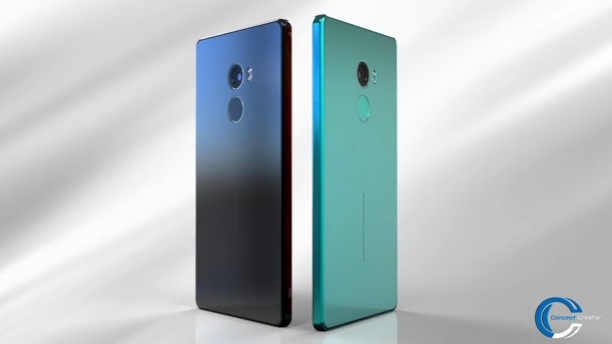
The Mi Mix 2 is rumored to come with a dual rear camera setup but this render doesn’t capture that. Instead, there is a single rear camera just like on the Mi Mix with the rear fingerprint sensor sitting just under the camera. The LED flash is by the side of the camera. None of these are certain, though, until Xiaomi takes the wrap off the next-gen concept device, which they may not be doing so soon. You can watch the full video from down below.
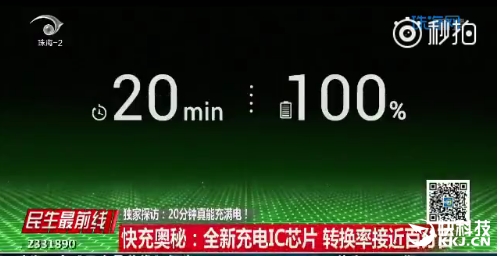
Meizu unveiled at MWC 2017 its revolutionary product, the Super mCharge which was capable of delivery fast charge at supersonic speed. The company has once again demonstrated the capabilities of its Super mCharge fast charging technology. This time around, the mCharge was demonstrated at Meizu’s headquarters in the presence of a visiting Taiwanese reporter.
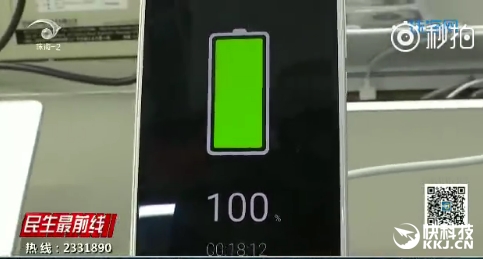
From the reporter’s perspective, he was able to record only 18 minutes and 12 seconds as the time it took a phone to go from 0 to 100%. The reporter also noted there was no heat despite the super quick charge delivered is a short burst. Meizu’s Research and Development official also hinted that the Super mCharge has a charging conversion efficiency of 98% which he said is close to the theoretical limit of 100%. This means very little energy is lost to heat and other factors during the charging process.
It is still not clear, though, when this new technology would get infused inside Meizu’s smartphones. Apparently, Meizu is still conducting a lot of battery cycle experiments to ensure it would work safely in smartphones before the technology finally gets inside its smartphones.
You can watch the video of the reporter’s visit to Meizu from here.
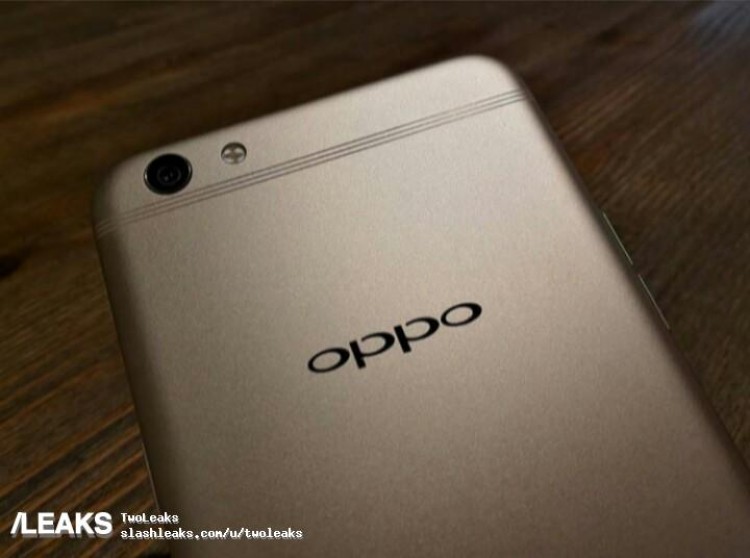
The OPPO F3 and OPPO F3 Plus Selfie Expert smartphones are all set to get officially unveiled on March 23. However, the rumor mill has already revealed the full specifications of both smartphones. Now, a leaked unboxed video of the alleged OPPO F3 Plus has appeared before the official announcement.
OPPO F3 Plus Unboxing Video
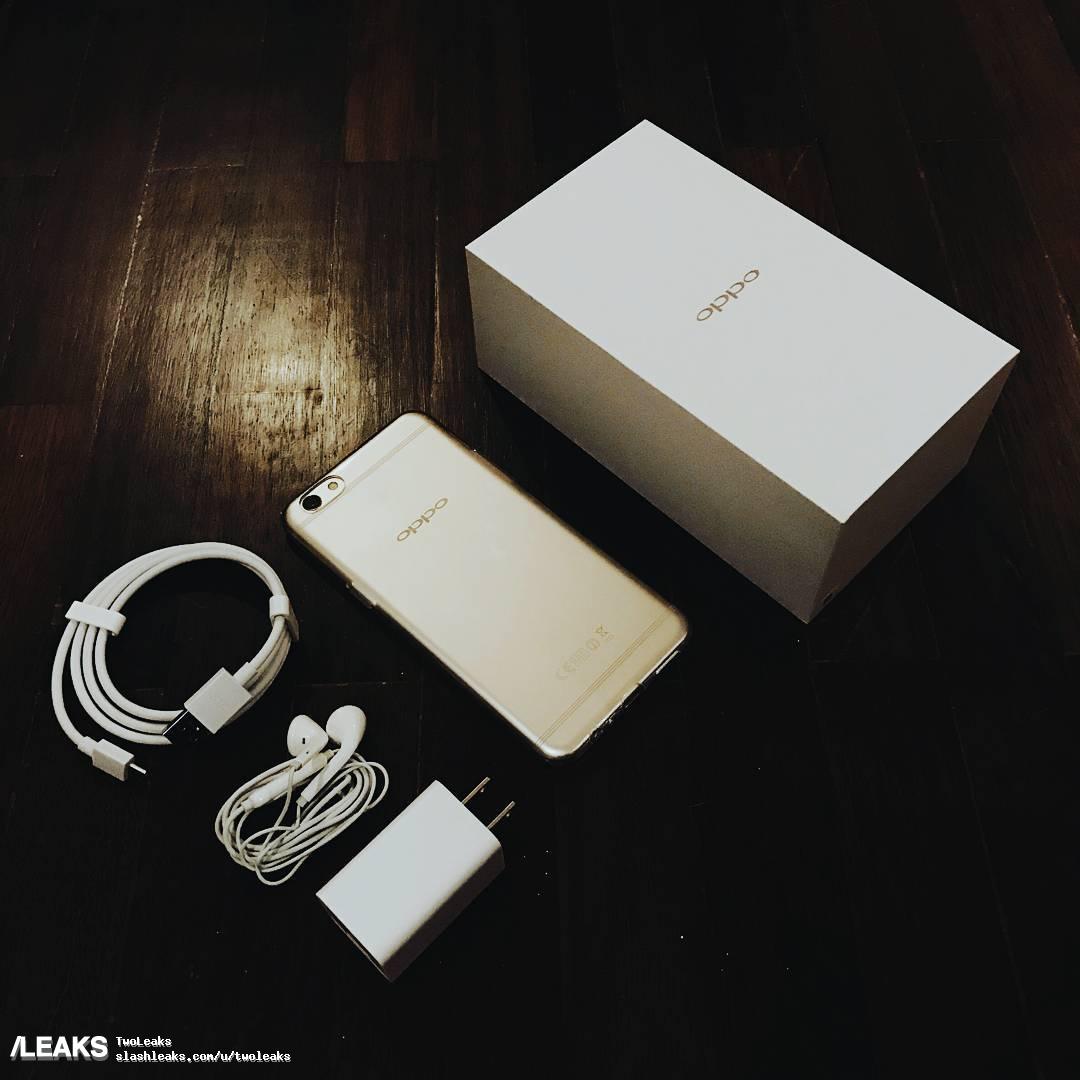
The unboxing video that only lasts for a minute is available on Slashleaks YouTube channel. It only reveals the rear side of the phone. Also, it does not reveal any information on the specifications of the phone, but it shows what items are present inside the box of the alleged phone. It includes a wall adapter, charging cable, earphones, protective case and user manual.
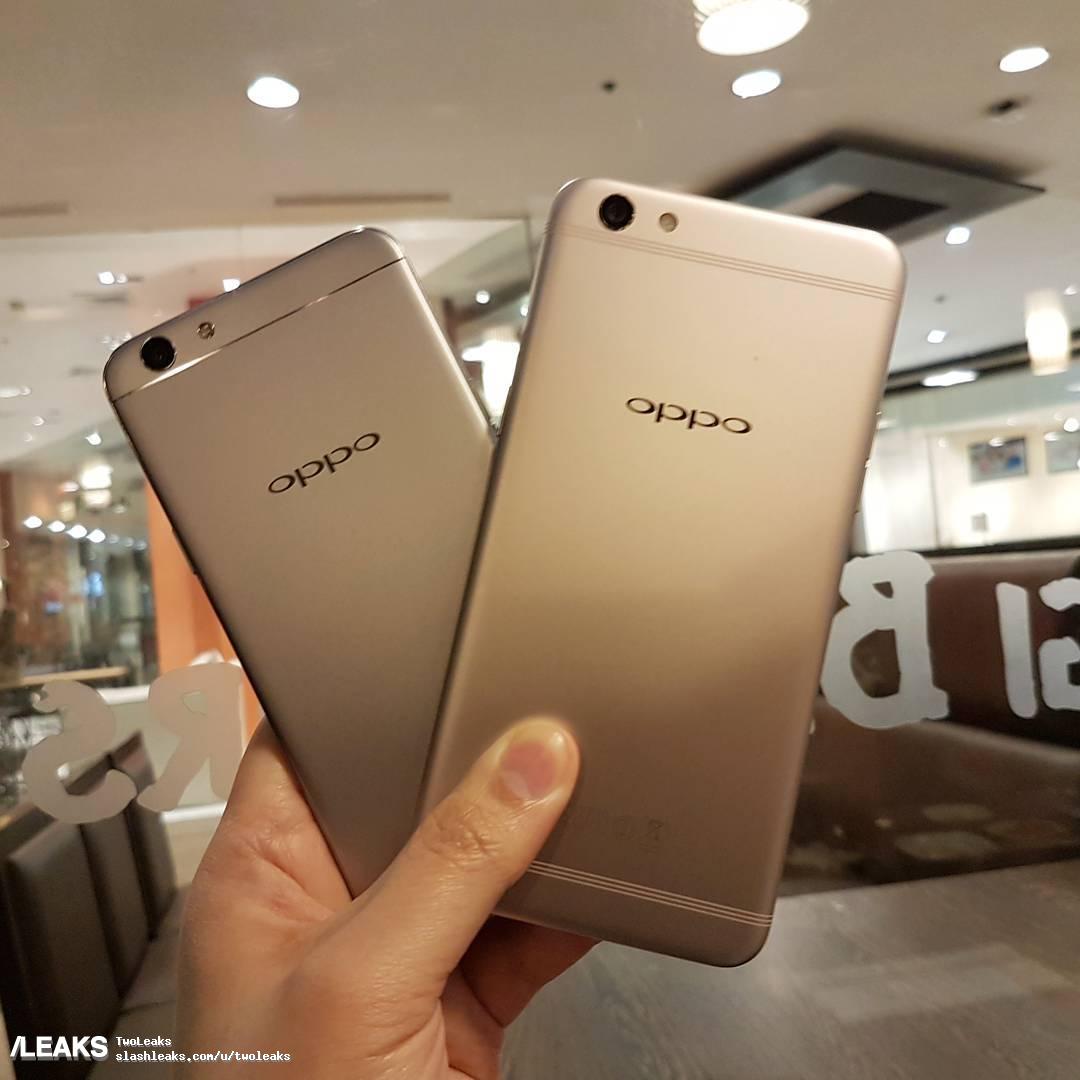
The lady holding the phone in the video says that the OPPO F3 Plus is larger than OPPO F1s as she holds both the phones together. A leaked document that has the entire specs of OPPO F3 Plus revealed that the smartphone measures 163.63 x 80.8 x 7.35 mm and it houses a 6-inch full HD display. The OPPO F1s has a 5.5-inch screen and it measures 154.5 x 76 x 7.4 mm.
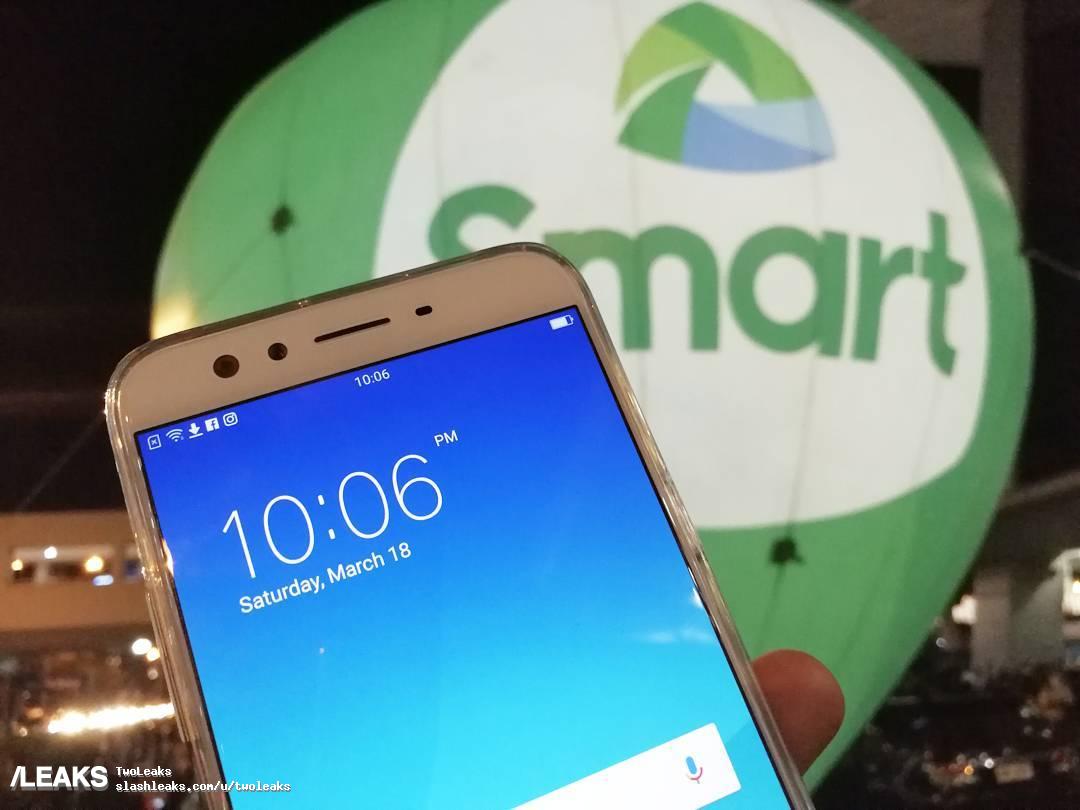
Among the live images of the OPPO F3 Plus, its top-half can be seen and it seems to be sporting the rumored front-facing dual cameras. Leaked information has revealed that it would be sporting a 16-megapixel + 8-megapixel dual cameras on its front. The other images showcases the rear side of the phone and items that are available in the box package of OPPO F3 Plus. One of the images shows a person holding two OPPO phones which could possibly be the OPPO F3 and F3 Plus.
An image of the retail box of OPPO F3 revealed that like the F3 Plus, it would be also featuring dual selfie cameras. The OPPO F3 Plus is expected to feature 16-megapixel rear facing camera. The OPPO F3 is rumored to come with 5.5-inch full HD screen. The OPPO F3 and F3 Plus are speculated to be fueled by Snapdragon 653 chipset. The F3 Plus is pegged to contain 64 GB of native storage and carry support for up to 256 GB of microSD. They are rumored to be running on Android 6.0 Marshmallow OS that is skinned with ColorOS 3.0. The larger phone is expected to house a 4,000 mAh battery along with VOOC fast charging support and the OPPO F3 may come with a smaller battery.
Andy Rubin, the co-creator Android who is known as ”the father of Android” was rumored to launch his own high-end flagship smartphone as early as the oncoming spring to take on the likes of iPhone and Google Pixel smartphones. Fresh reports reveal that the Japan-based SoftBank that was supposed to fund the launch of Rubin’s smartphone has decided not to invest $100 million in Essential Products Inc, a startup company led by Rubin.
Rubin was supposed to launch his smartphone through Essential Products Inc, a new firm consisting of around 40 people that were previous employees of Google, Apple, or Samsung. SoftBank and Essential were reportedly working on the final stages of the contract, but the financing firm has decided to scrap the deal. Citing unnamed sources, The Wall Street Journal has reported that it was because of a conflict in interest that made SoftBank decide to not to provide funds to Essential.
SoftBank CEO Masayoshi Son has plans to launch a tech-based investment group called vision Fund later this year with $100 billion in capital. Apple will be investing $1 billion in this fund. Son apparently felt that investing in Essential for Rubin’s smartphone could disturb SoftBank’s relationship with Apple.
SoftBank had acquired ARM chipmaker in September. The ARM-based processers are used in devices manufactured by Samsung, LG and other companies. Investing in a probable competitor like Essential could lead to restrained relationship with partnering companies. This is also considered to be another reason why SoftBank has withdrawn its investment decision on Essential.
Another report has revealed that Essential would be getting $100 million from unnamed investors instead of SoftBank. Essential is likely to close this deal soon which could possibly help Rubin to launch his smartphone by spring.
Rubin’s smartphone is expected to sport a 5.5-inch pressure-sensitive bezel-less display. It also speculated to carry support for modular accessories like the Moto Mods available for Moto Z series smartphones.
The smartphone was allegedly spotted with Essential FIH-PM1 moniker on Geekbench benchmarks with specs like Snapdragon 835 SoC, 4 GB of RAM and Android 7.0 Nougat OS. In single-core test, it recorded a score of 1,844 whereas it scored 5,426 on multi-core test. Speculations indicate that it is being assembled by Foxconn International Holdings (FIH) which can be seen in the moniker that appeared on Geekbench.
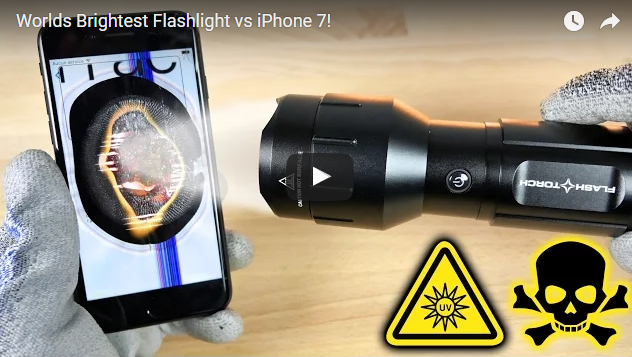
We just have to be plain here, this is a test we actually can’t figure out the importance in the real world but then, if you think it’s fun watching things get destroyed, you might enjoy this one. The only problem is the device is an Apple iPhone 7, a smartphone some will willing sell a kidney to acquire being subjected to the worse kind of extreme heat.
The test involves using the world’s brightest flashlight whose rays are so powerful they are capable of kindling a piece of paper and even plastic. The brightness is roughly 400 lumens. The flashlight was focused on the rear camera of the iPhone 7 and even though it was able to withstand the intense heat for some time, it caved in on the long run and was charred. The rear casing of the iPhone 7 is made of metal, so it was able to withstand the heat but the hotness was beginning to affect the internal panel before it was stopped.
Coming to the display, the flashlight’s rays were directed intermittently onto the display and despite the display gathering ink, the ink soon disappears as soon as the light is taken off the display. That is an indication that the iPhone 7 display was built to withstand a certain level of heat. However, when the light was left on the display for a while longer, it burned through the touchscreen into the display panel, charring it permanently. You can watch the entire video right here, from down below.
The tradition at Samsung is to release an Exynos and a Qualcomm Snapdragon variant of its flagship phone each year. This year is no different. Depending on the market, the Galaxy S8 will come with either the Exynos 8895 or the Snapdragon 835.
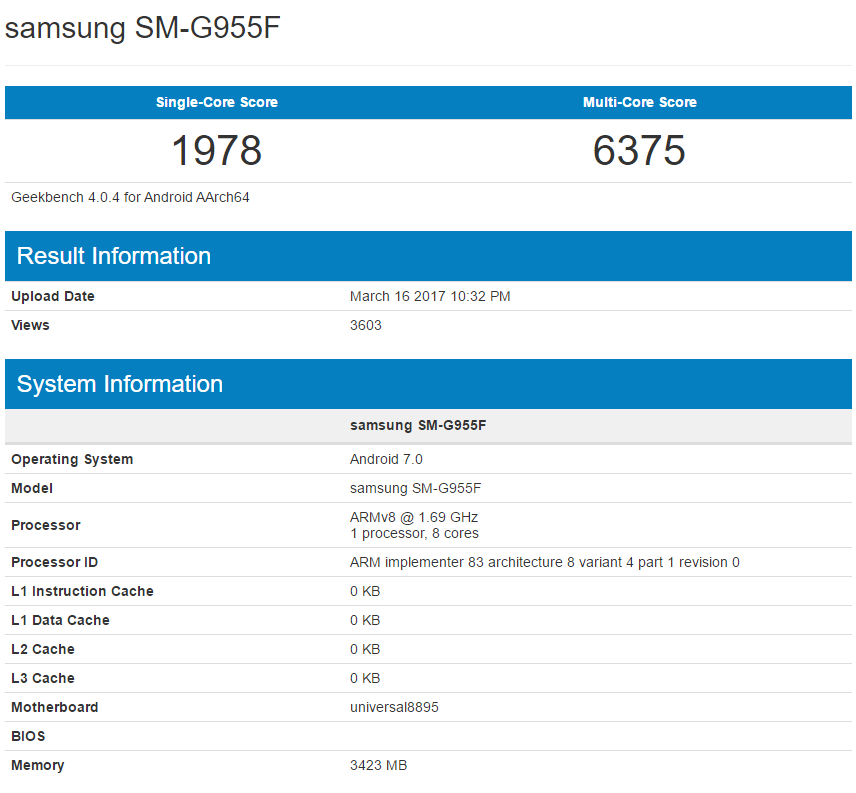
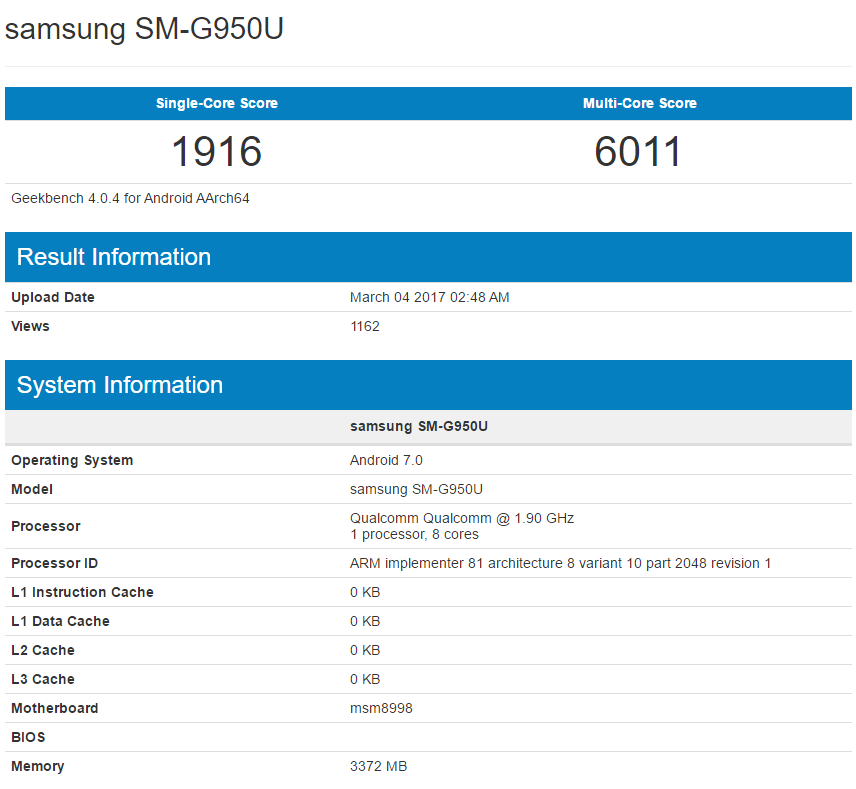
Apart from the difference in chipsets, there will also be size variants. One is the Samsung S8 with a 5.8-inch display and the other is the S8+ with a 6.2-inch screen. To not get you confused, the versions we are comparing are the S8 sporting the Snapdragon 835 (SM-G950U) and the S8+ with Exynos 8895 (SM-G955F). Both versions have the same amount of RAM and run Android 7.0 Nougat.
The Snapdragon 835 is clocked at 1.90GHz on the Galaxy S8. For the main tests, that is the single core and multi-core tests, it scores 1916 and 6011 points respectively. For the Galaxy S8+, the Exynos 8895 chip is clocked at 1.69GHz but it blows away the Snapdragon 835 with 1978 points in the single-core test and 6375 points in the multi-core test!!! We can just end the comparison here but lets further analyze the tests.
Other parameters that are important include the crypto score which is an evaluation of the encryption capabilities of a device. The Exynos 8895 scores 1255 and 5972 points for the crypto score in single core and multi-core performance respectively. The Snapdragon 853 on the other hand scores 1171 and 5803 points.
Another important parameter is floating point score. A device with a high floating point score will perform better when rendering graphics. The S8 with Qualcomm’s Snapdragon pulls in 1335 points in single-core performance and 5661 points in multi-core performance. Samsung’s Exynos 8895 floors the Snapdragon 835 again by scoring 1560 points in single-core performance and 6480 points in multi-core performance.
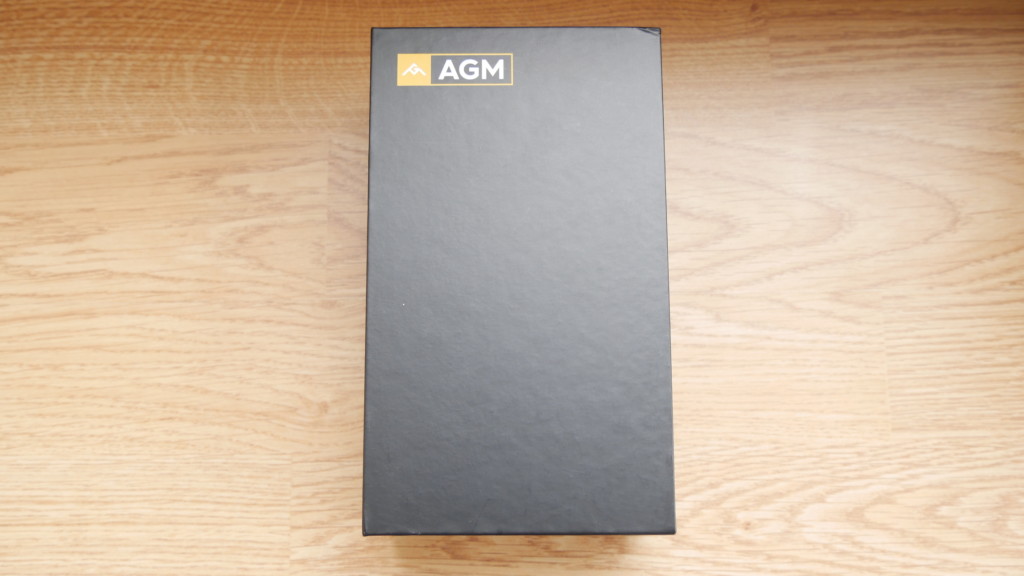
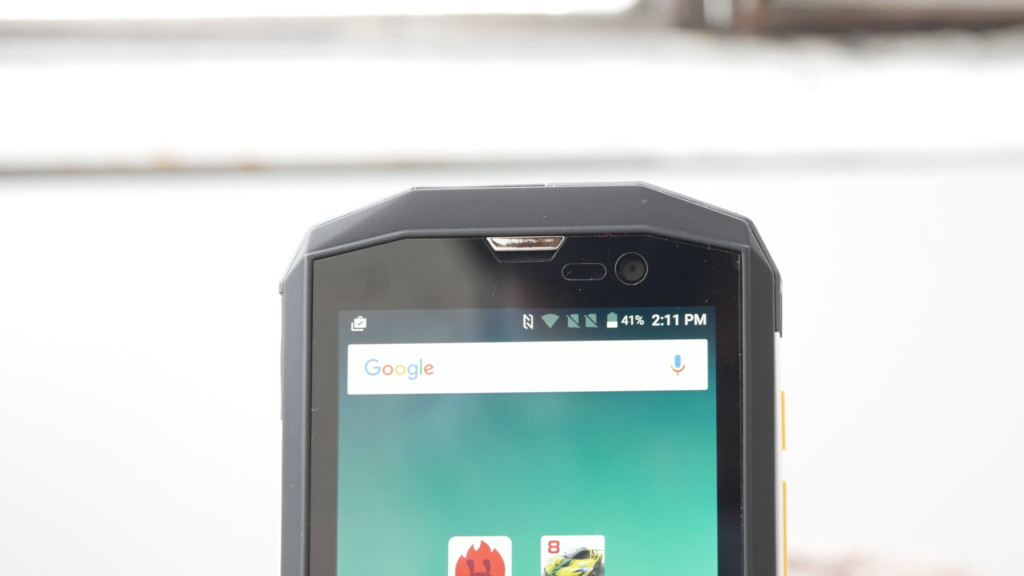
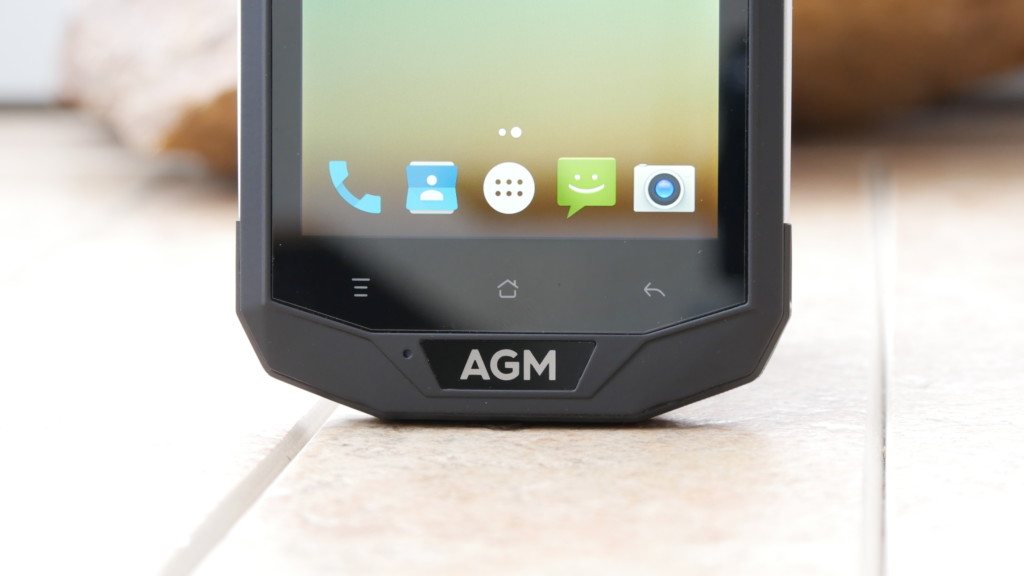
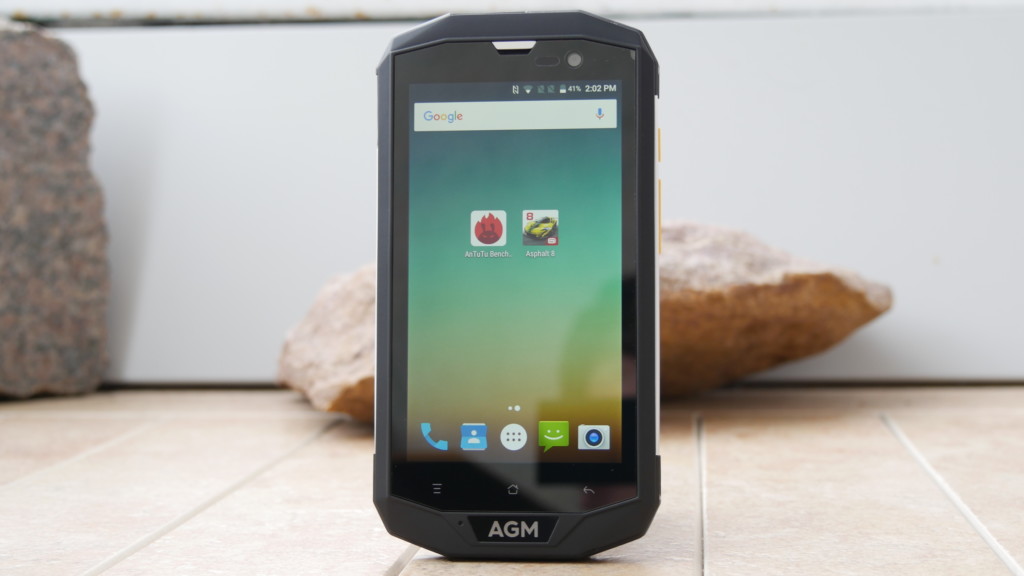
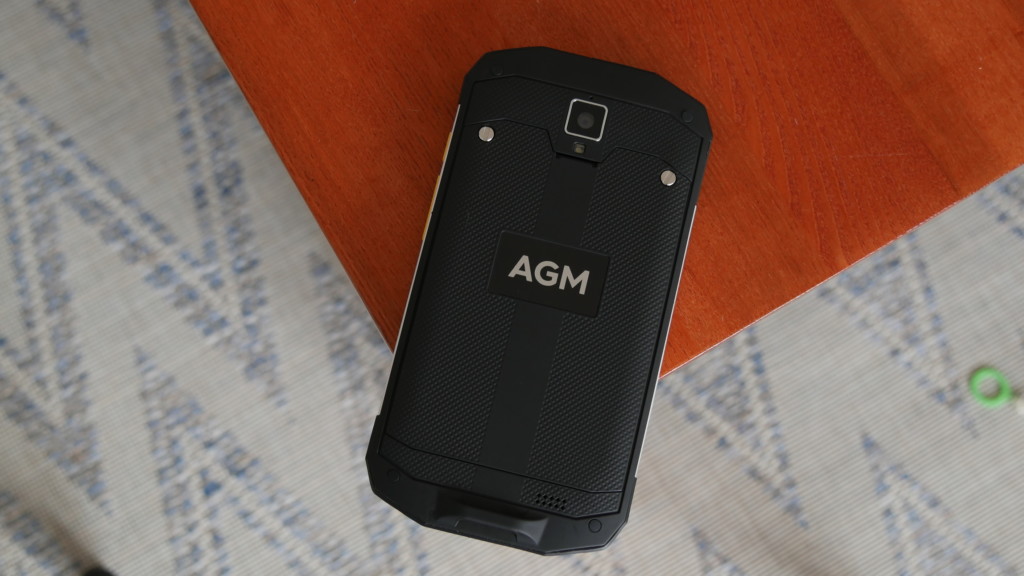
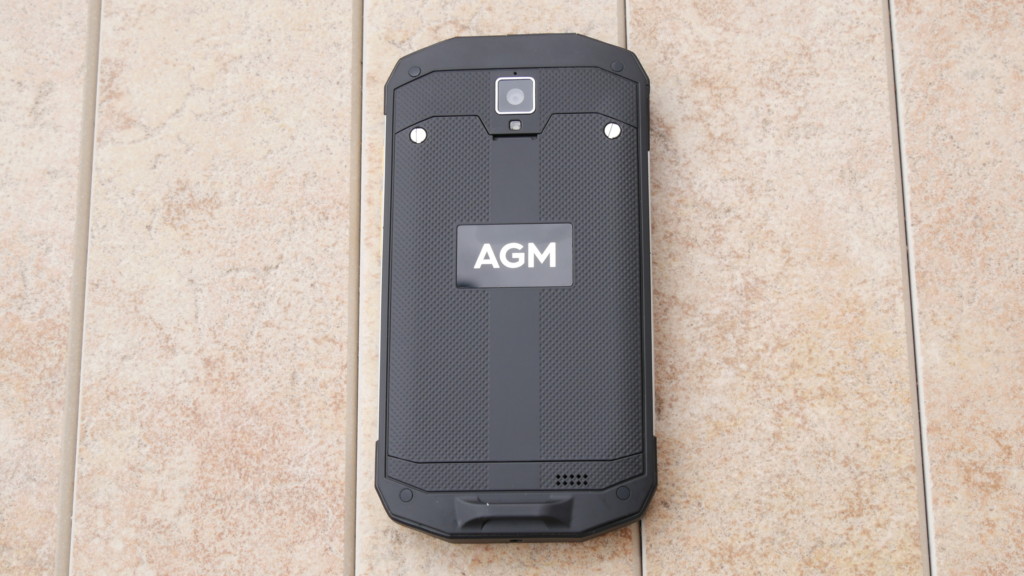
There are quite a few budget rugged smartphones out there and we just came across the AGM A8 device. It has decent specs, great build quality and it costs less than $140. Learn more in our full review.
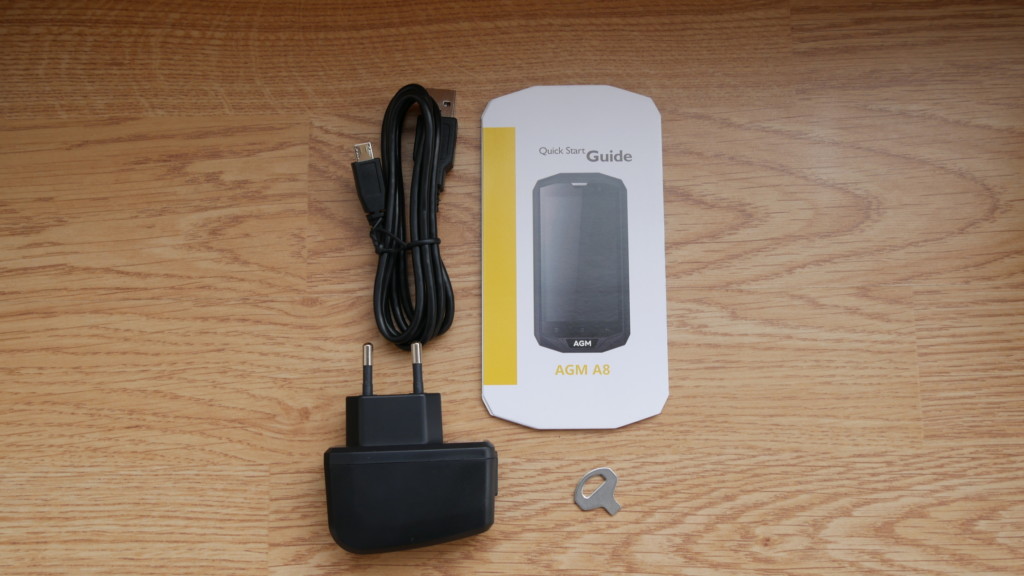
The phone ships with all the usual items. No extras included.
DESIGN and DISPLAY
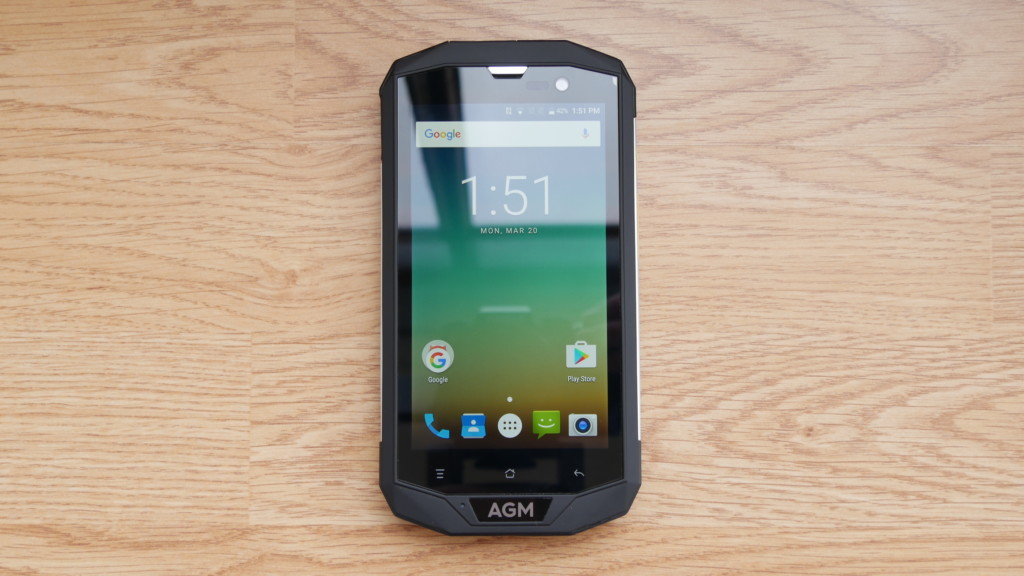
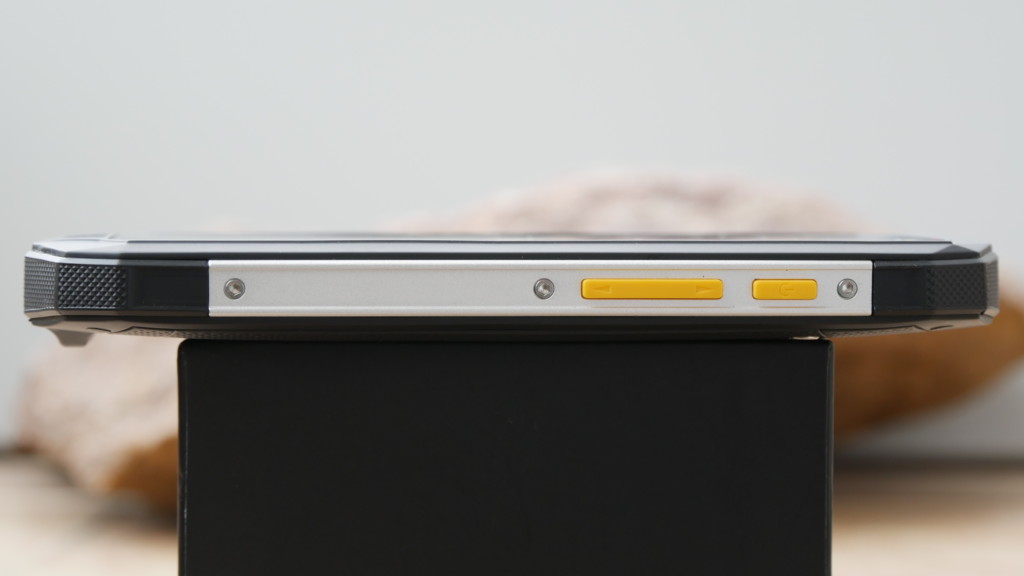
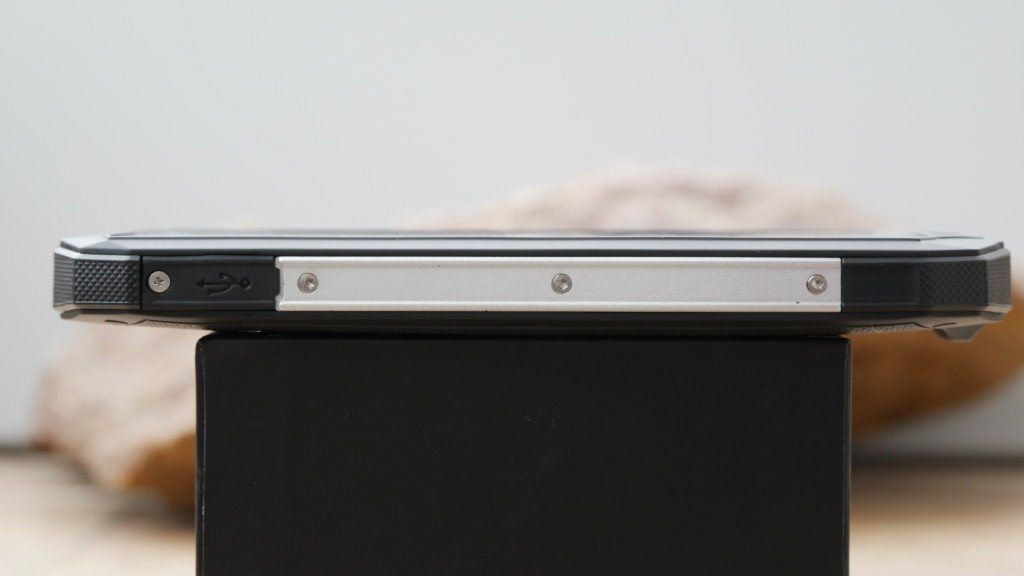
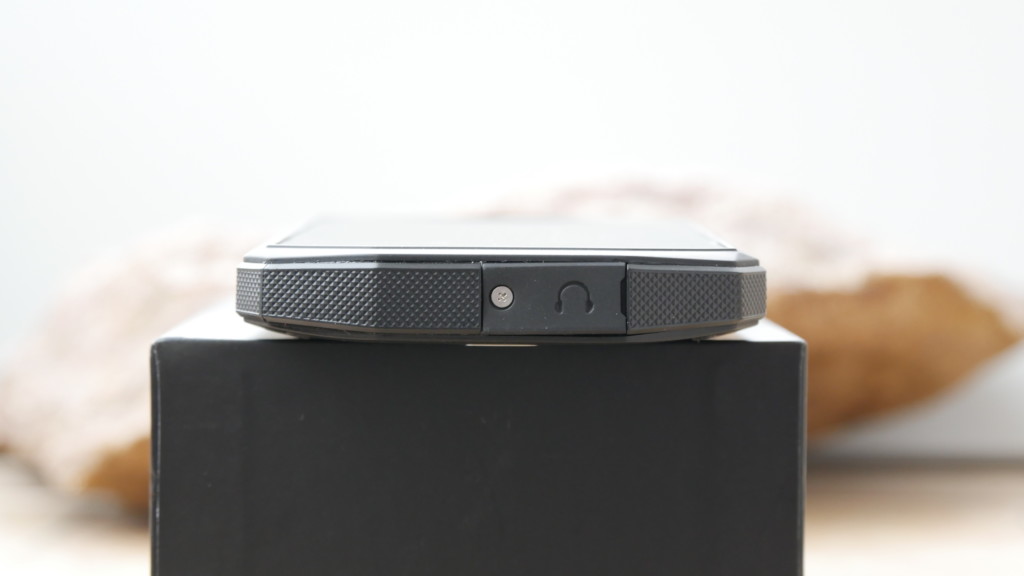
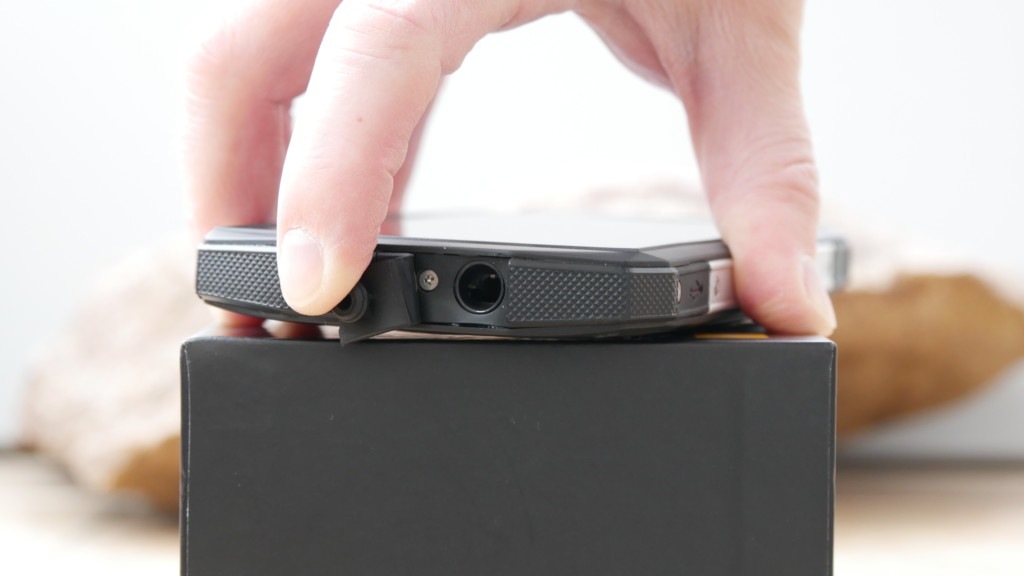
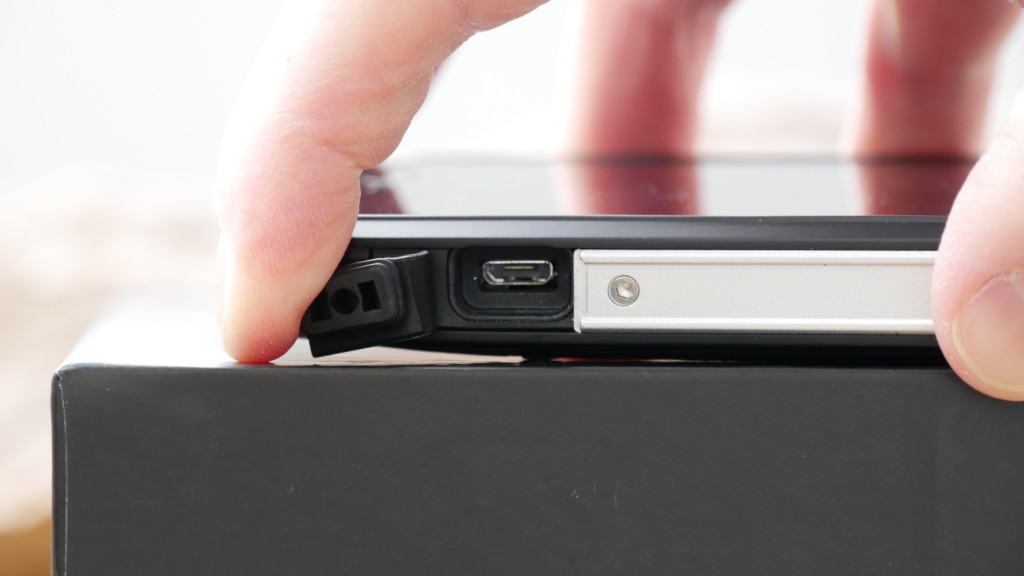
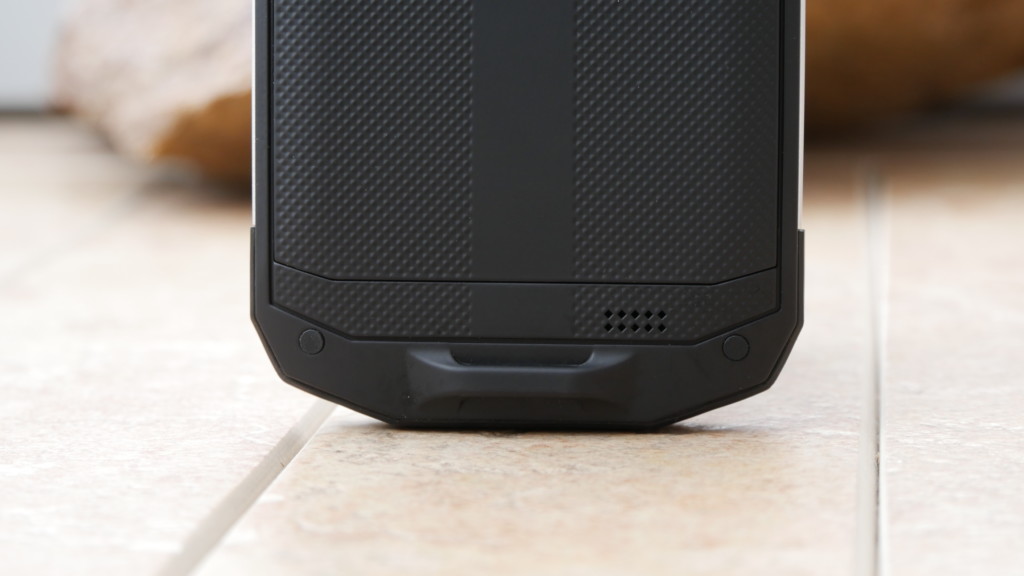
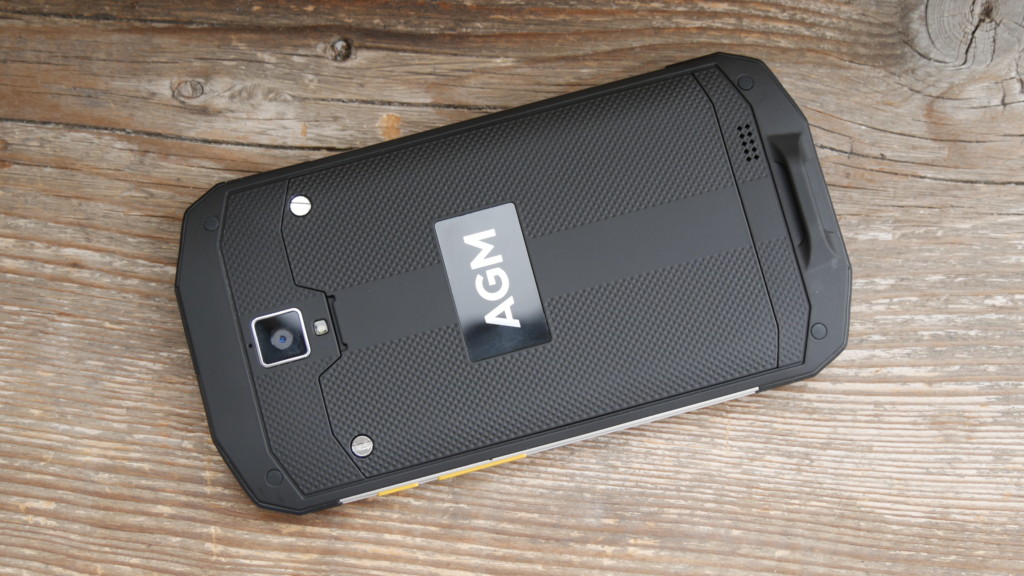
The AGM A8 has the IP-68 rating and it is water, dust, shock and temperature-resistant. Naturally, all the ports are covered with flaps to avoid any water damage.
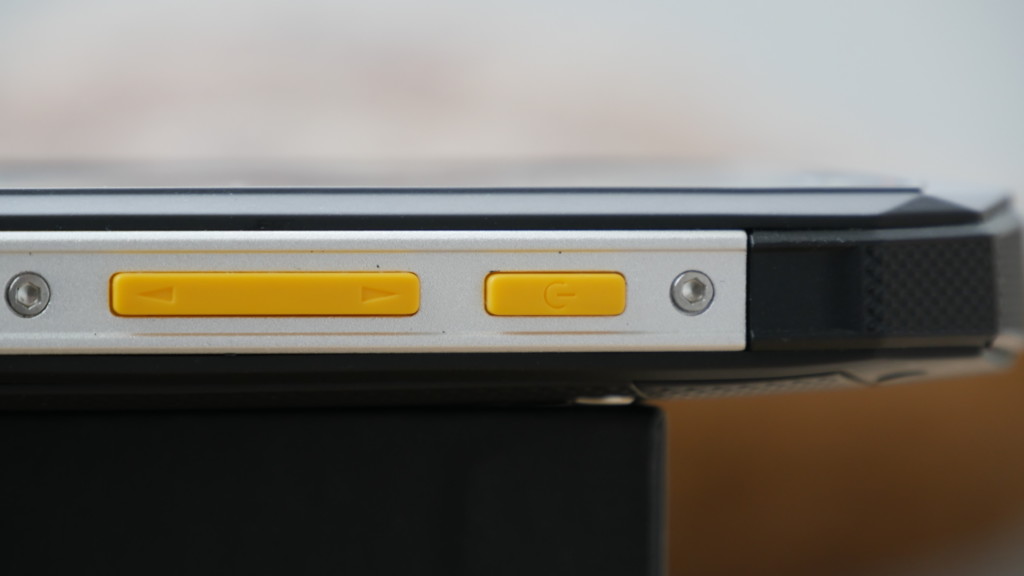
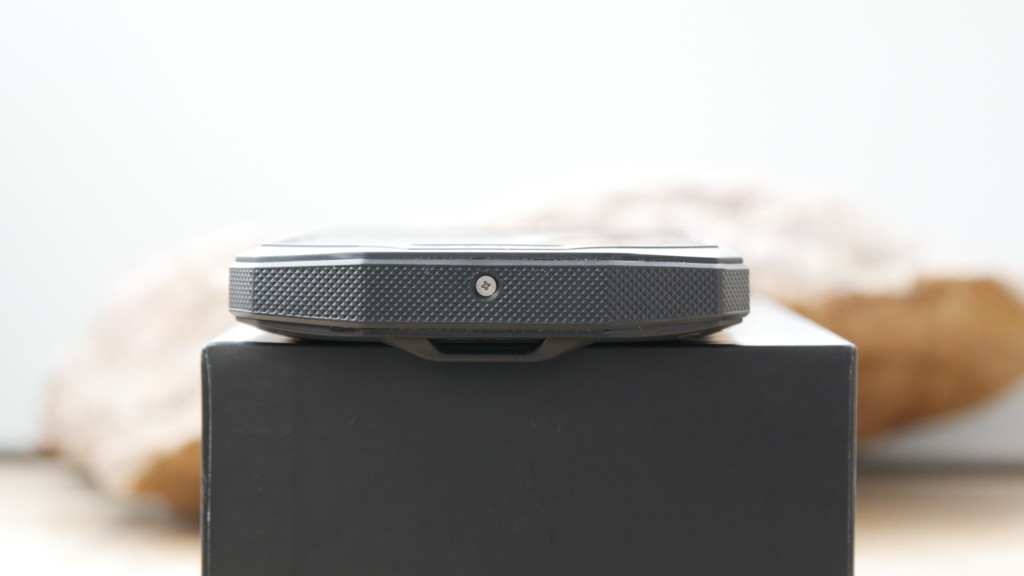
What I love about the A8 is that it is kind of sleek and slim for a rugged phone and the buttons that are on the right side, are clicky and tactile.Also, the metal sides add a little bit of a premium look and feel.
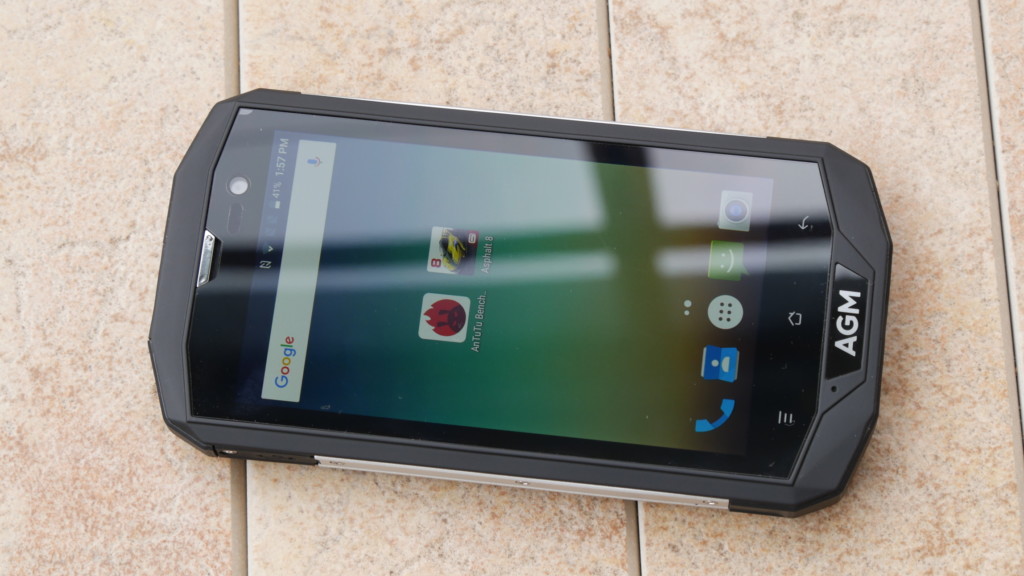
The 5” display has only 720p resolution but it is covered with the Gorilla Glass 3. It could definitely look sharper and the colors look a bit oversaturated but it’s a decent panel for a budget phone.
Just above the display, we have just a 2MP shooter.
There is no LED notification light but the capacitive buttons have a nice backlight.
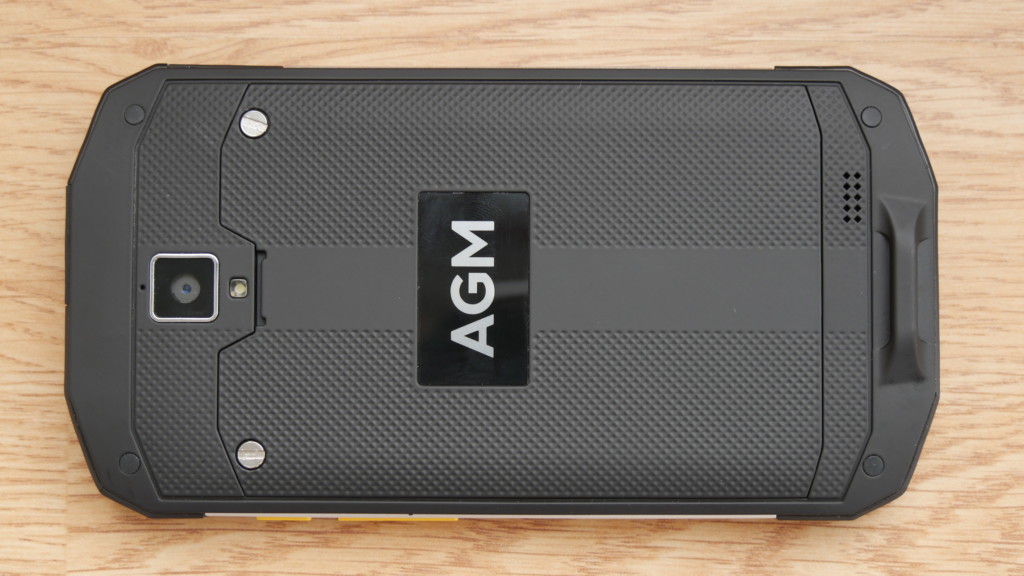
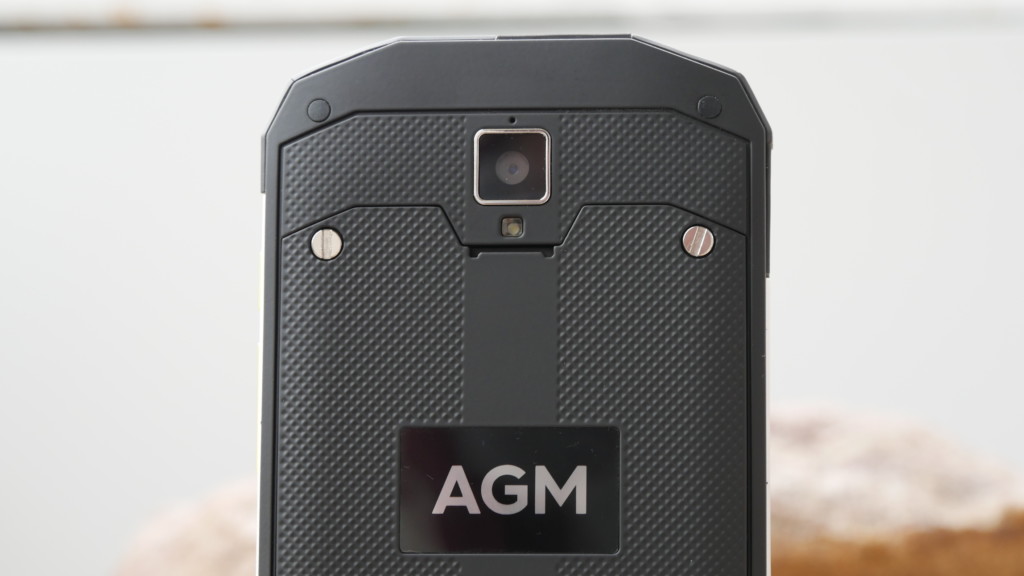
When it comes to the camera, we have a 13MP shooter and a single LED flash.
The loudspeaker has a decent sound output but it has just a mediocre sound quality.
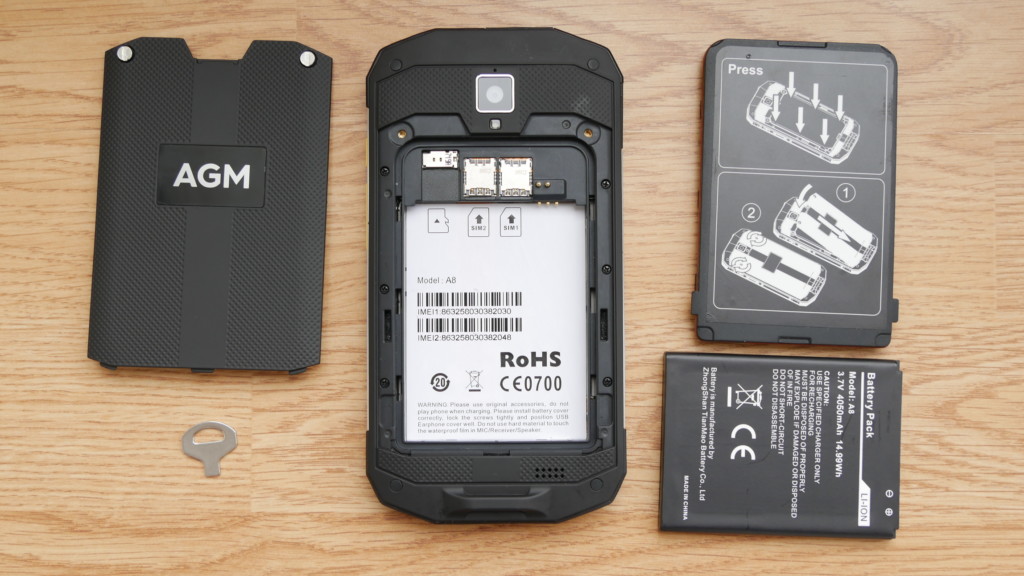
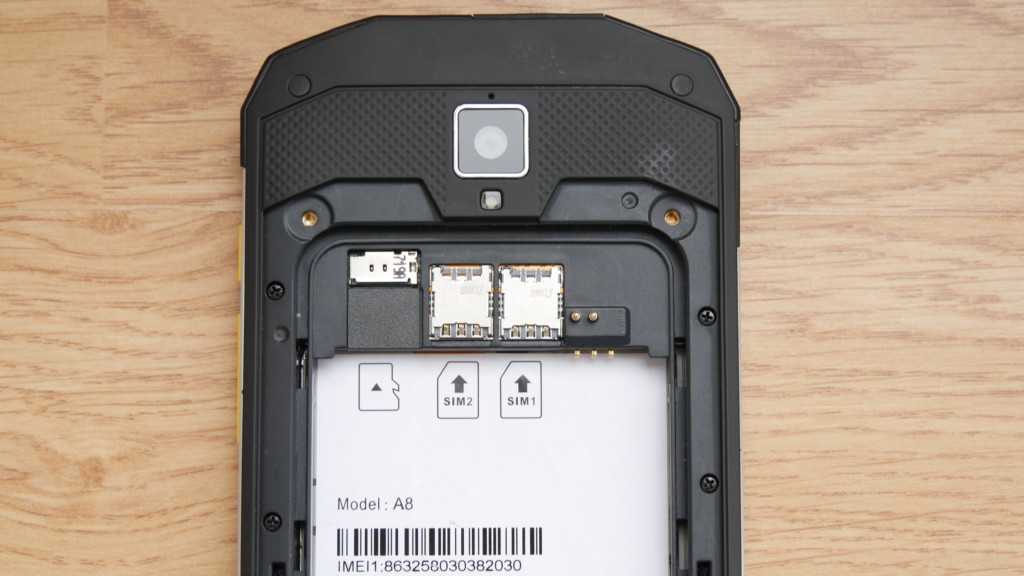
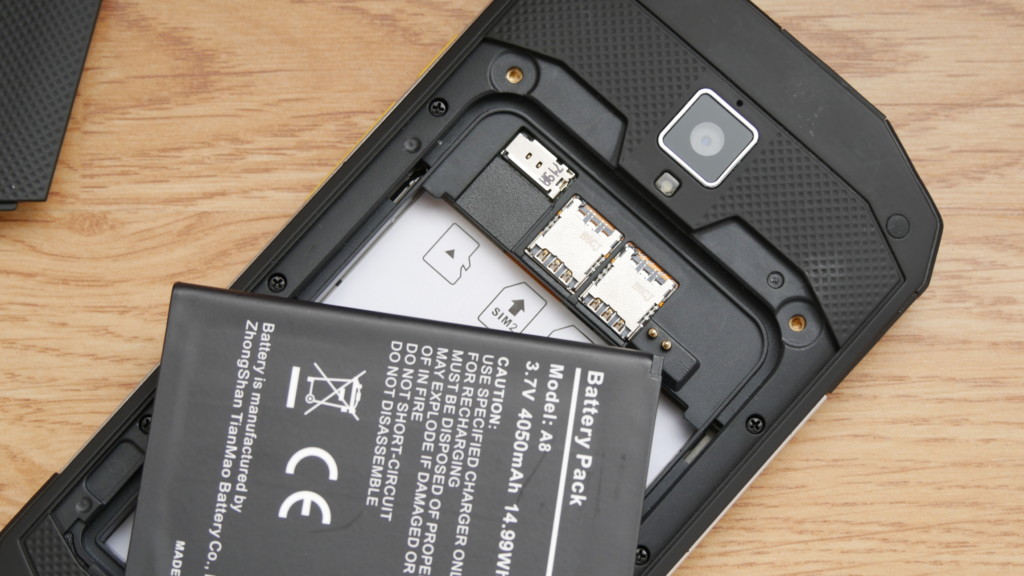
In order to open up the backplate, you need to use the supplied tool or any screwdriver. Underneath it, you can find 2 SIM card slots, microSD card slot, and a replaceable 4050mAh battery.
HARDWARE and PERFORMANCE
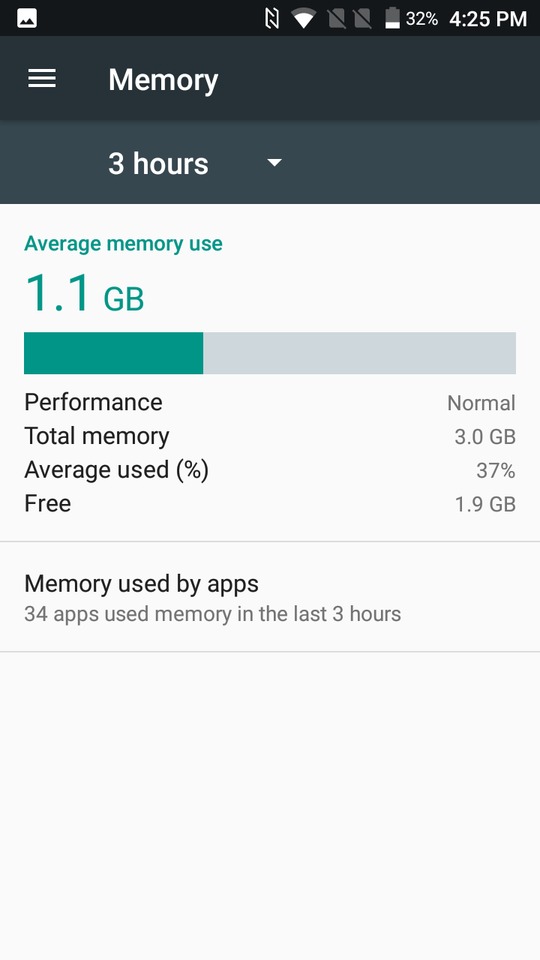
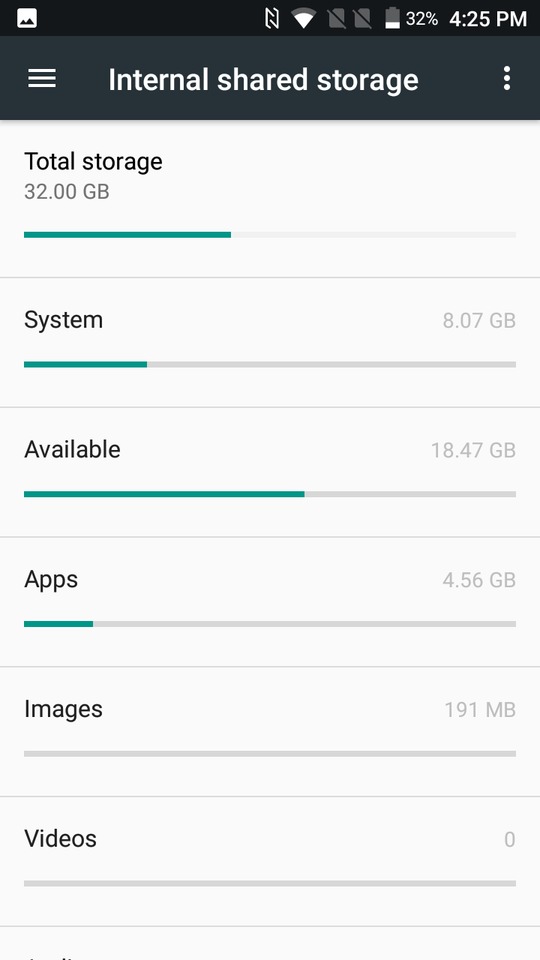
When it comes to hardware, the AGM A8 ships with a Snapdragon 425 chip, 3GB of RAM and 32GB of expandable storage. These are pretty good specs for the price considering this is a budget rugged phone after all.
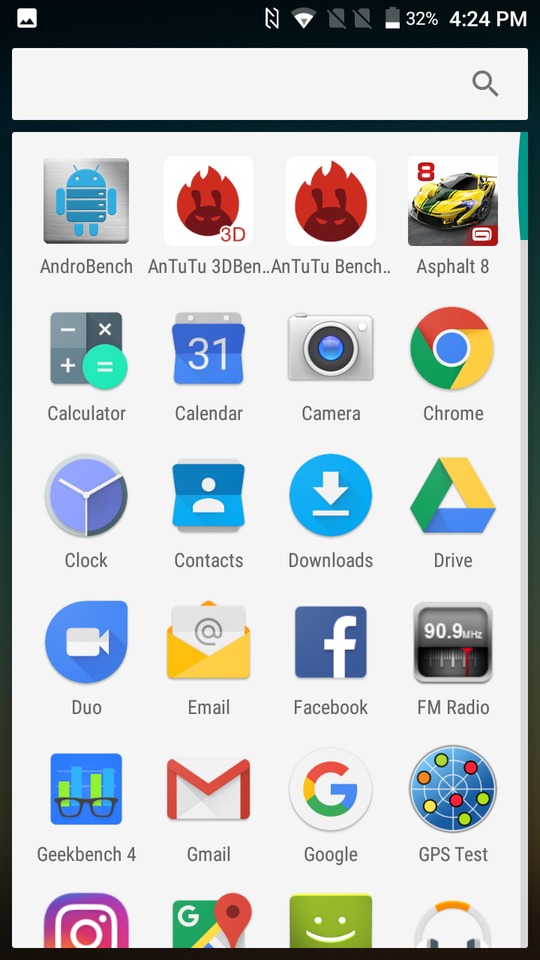
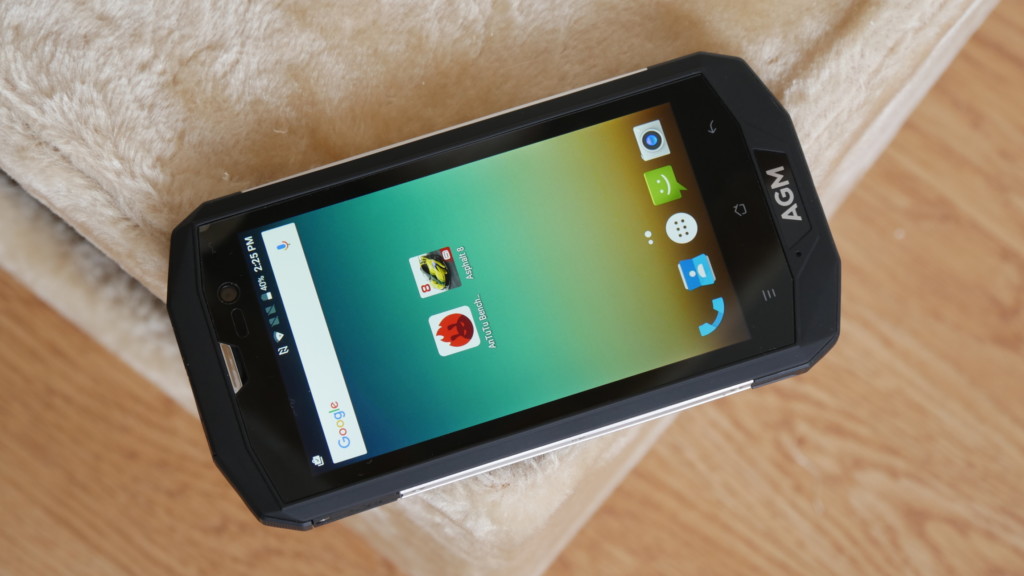
The gaming performance is kind of mediocre. You can play games like Asphalt 8 just on medium graphics and there still be a few skipped frames.
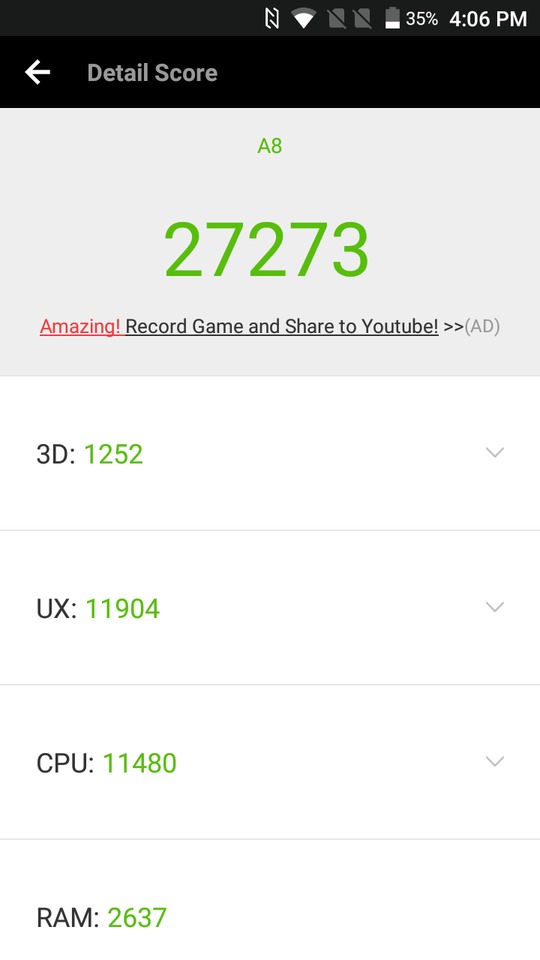
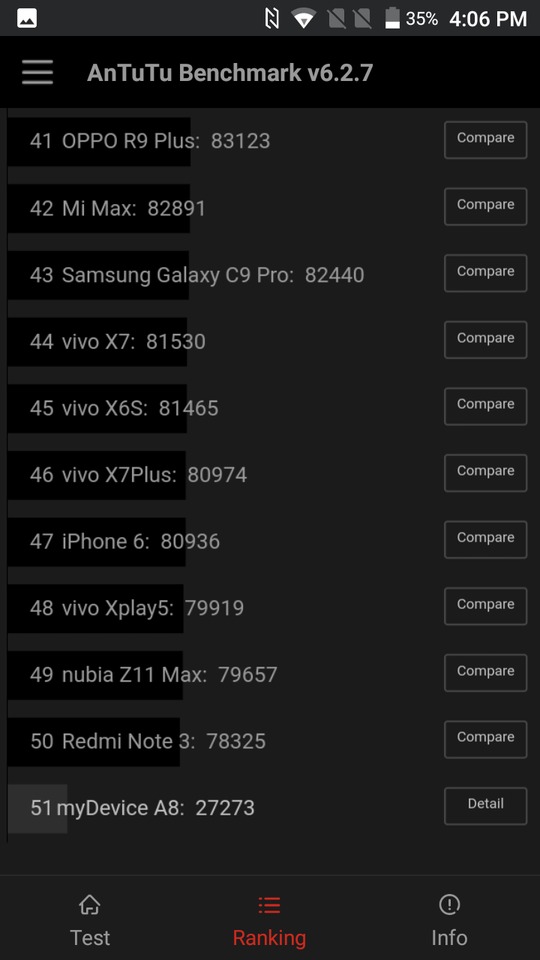
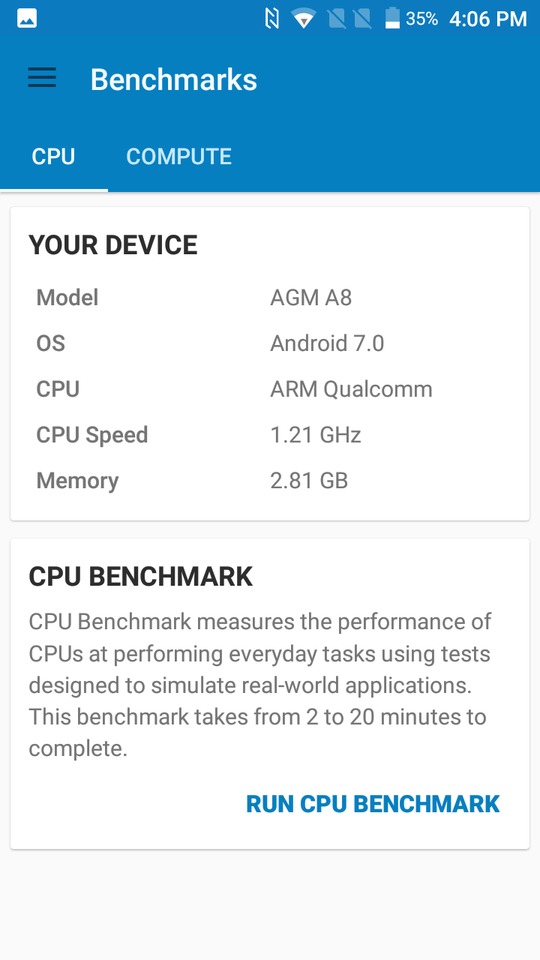
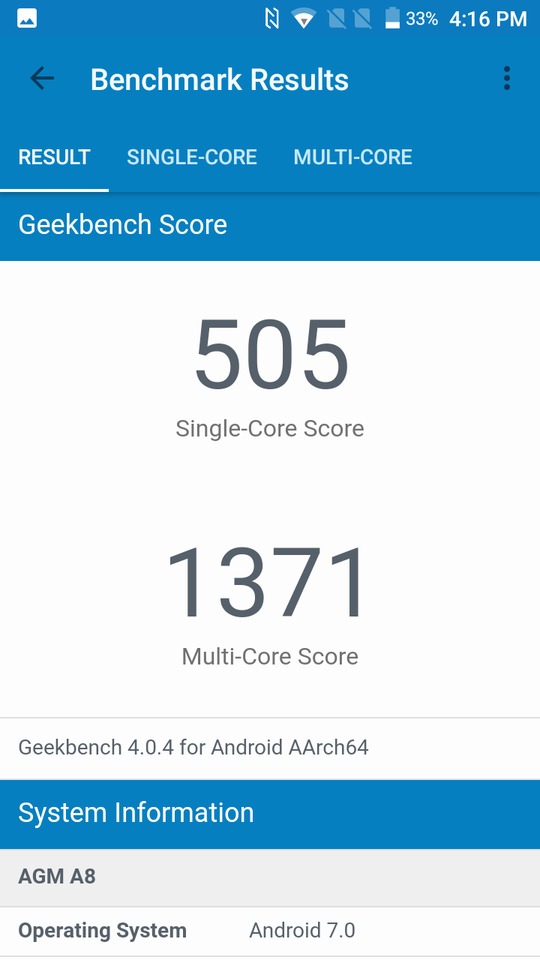
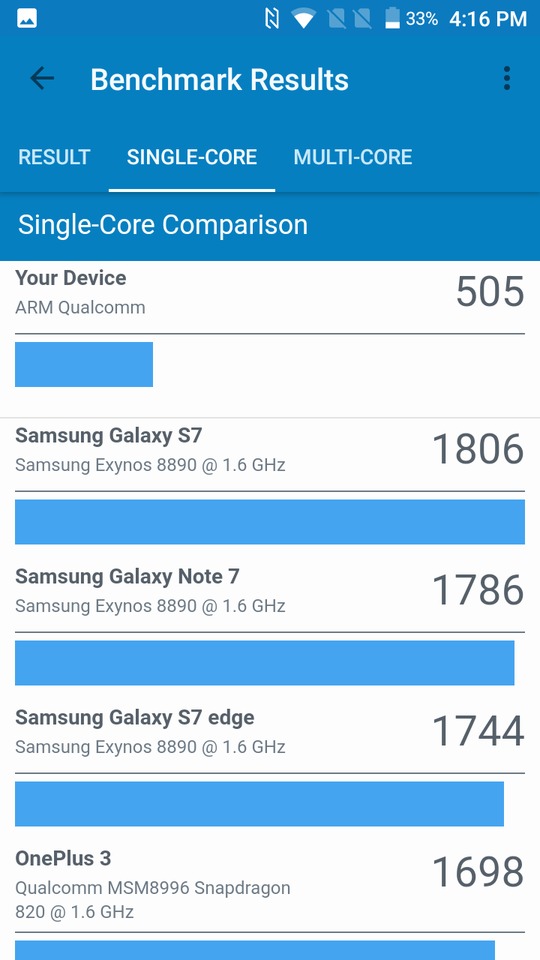
BENCHMARKS
USER INTERFACE
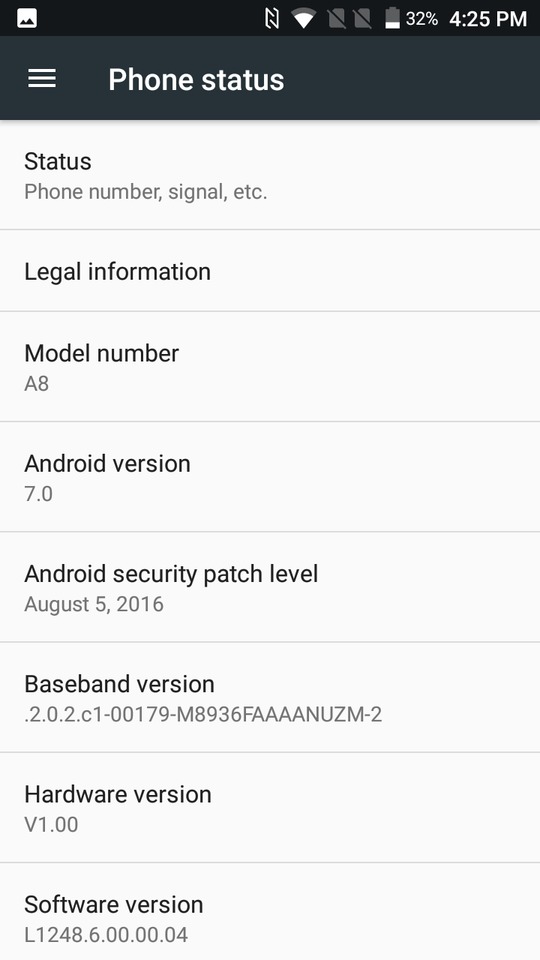
AGM A8 ships with a purely stock Android 7.0 user interface and there are no added features to talk about.
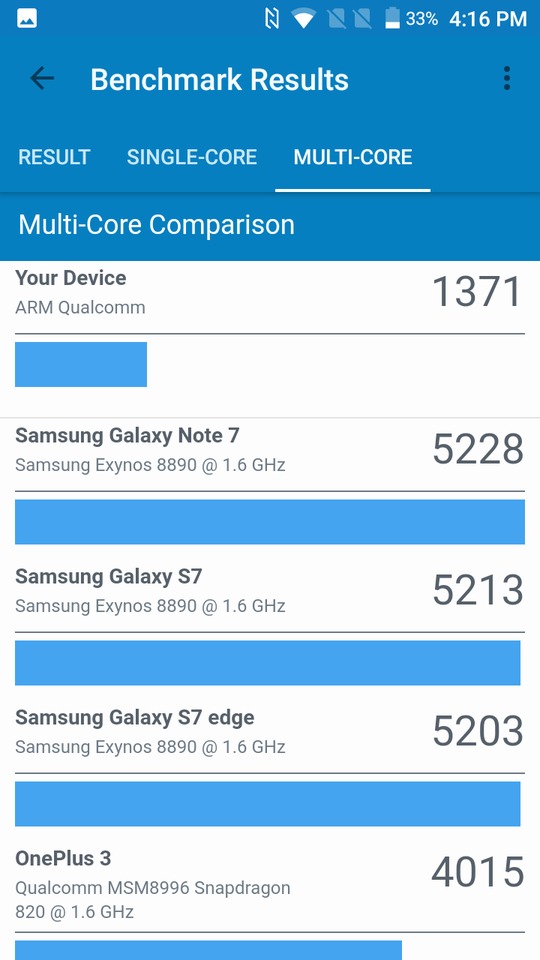
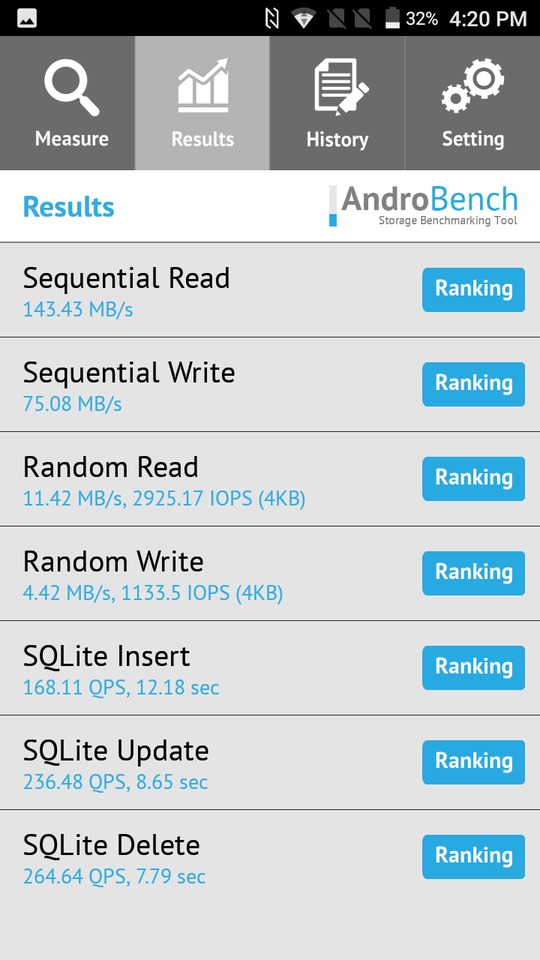
Most importantly, I didn’t have any issues with the phone’s daily performance even after installing quite a few apps and I would say that the AGM A8 is a pretty fast performer.
IMAGE QUALITY
When it comes to the image quality, the AGM A8 can take some okay-looking images in daylight. I took most of the pictures on a cloudy day and there could be more detail in most of the shots. Also, some of the pictures look under-exposed. The camera does not really impress in low-light as there is quite a lot of noise and grain in the pictures.
As for selfie camera, the images will do the trick for social media but they could look sharper.
When it comes to the 1080p video, it is kind of mediocre as the footage could look sharper.
CONNECTIVITY
I didn’t have any connectivity issues with this device and even the GPS lock speeds and accuracy were okay. It’s worth mentioning that the phone has the NFC.
BATTERY LIFE
The 4050mAh battery performs really well on the daily basis. I could easily get a few days of moderate usage out of this phone, which is a really good result. However, it takes about 3 hours to fully charge the phone, which may be annoying.
CONCLUSIONS
The AGM A8 is a good rugged phone for the price, yet it is not perfect, like all budget phones.
Since it is rugged, you can be rest assured that it will work even under the harshest conditions. Also, I love that it is compact due to 5” display, the phone is well-built and it sits nicely in the hand. In addition, the Android 7-based user interface is smooth and fluid on the daily basis.
However, the Snapdragon 425 is kind of low-end chip that is not designed for gamers, the camera could better and we lack some pretty standard features like a notification LED light.
At the end of the day, I can still say that the AGM A8 is a pretty good phone since it was mainly designed for outdoor use under harsh conditions. Also, it definitely has more than pros than cons and therefore, the price of about $140 can be justified.
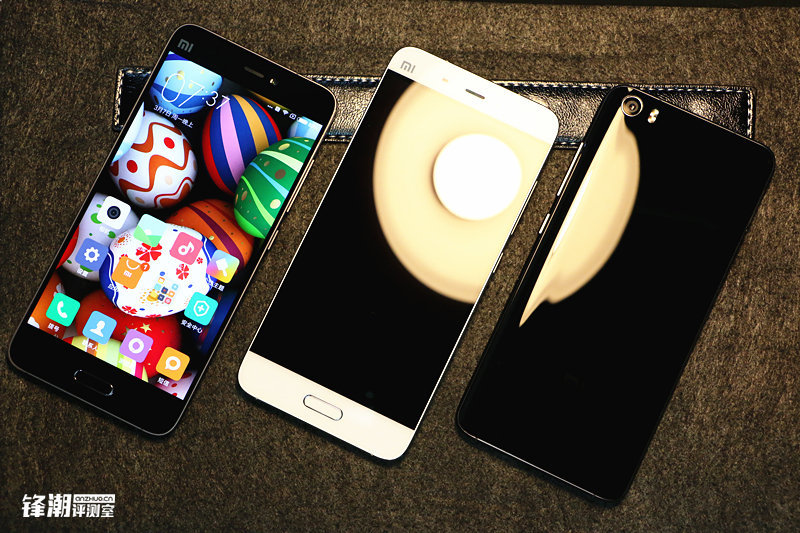
Ideally, the Xiaomi Mi 6 flagship should have been announced by now. But the company, for some reason, has decided to delay the release of the device until April or maybe even May. While this might give some time for the recent releases like the Xiaomi Mi 5S and the Mi 5S Plus, there is no denying that Xiaomi fans are getting impatient.
Xiaomi Mi 5S | image source: anzhuo
Can’t really blame them, because according to the earliest rumors, Xiaomi was supposed to release the flagship as early as February this year — around the same time the company released Mi 5 in 2016. That didn’t happen and now latest reports indicate a delay in the Xiaomi Mi 6 release to May! There are even rumors about the Mi 6 coming with a Snapdragon 821 version, but to be honest, that wouldn’t make any sense.
Why Snapdragon 821 powered Xiaomi Mi 6 Doesn’t Make Sense
Snapdragon 821 is Old!
Accept it or not, Snapdragon 821 is old. While the SD821 chip was only released in the later part of the second half of 2016, there are currently a lot of models powered by this chip. In fact, a few of Xiaomi’s own models released late last year, like the Xiaomi Mi 5S, Xiaomi Mi 5S, and even the Xiaomi Mi Mix use this upgraded Snapdragon 821 version. To top it off, they have 6GB RAM versions as well. Given that hardware has always been one of the biggest selling points for Xiaomi’s phones, it wouldn’t make sense to use the same config on a flagship that’s released 6 months later. This brings me to my next point.
Mi 6 is Primarily for the Chinese Market
Xiaomi is not LG! Yes, LG made a bold decision to go with Snapdragon 821 on its latest LG G6 flagship. And to a great extent, the move has received positive feedback from fans as well as critics. But Xiaomi and LG operate at two different levels. Xiaomi’s main market is China where specs play the most important role, along with its price. That’s exactly why we see many 6GB RAM phones in China and less outside! Even the Galaxy S8 is said to feature a 6GB RAM version just for the Chinese market. In such a market, launching your first flagship of the year with last year’s specs may not be well received by fans.
Hardware is the biggest selling point for Xiaomi
This brings us to another important point. Hardware has always been the selling factor for Xiaomi. The company is popular for releasing phones with the best specs at the best price. Xiaomi’s phones don’t have a great camera setup. Nor is its display or design out of the world which can solely drive its sales (except for the Xiaomi Mi Mix!). Now note that the LG G6 has a great camera. Even the display on board is one of its biggest selling points. So, the phone has a lot to offer apart from its internal specs, which is why having a capable but old chip like SD821 makes sense. But like I mentioned above, specs are everything in a Xiaomi phone and the company can’t simply compromise on its biggest selling feature.
Cheaper Snapdragon 821 Phones Around
Now, some might say that a low-end version of the Xiaomi Mi 6 with Snapdragon 821 is a good idea. But even that would make things more confusing. There are quite a few Snapdragon 821 phones selling for less than 1999 Yuan ($290). In fact, the Xiaomi Mi 5S (SD821 + 3GB RAM + 64GB) is selling for as low as $260 in China! Now, the starting price of the Mi 6 is expected to be at least $290. So, unless the Mi 6 brings something spectacular (unlike the usual incremental upgrades we see in new generation models) in some other department like camera or battery, it doesn’t give much incentive for customers to go for the Mi 6 low-end edition with SD821 that will cost higher.
So, I would personally be surprised to see a low-end Xiaomi Mi 6 running Snapdragon 821. I feel Snapdragon 835 is the only chip that should be inside the Mi 6!
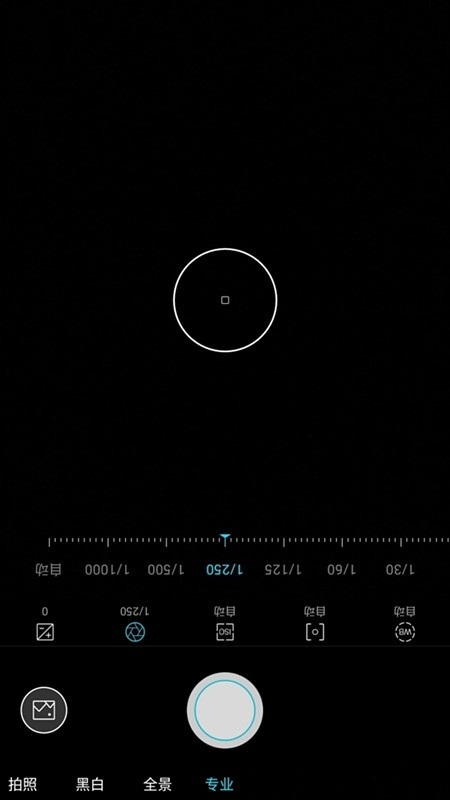
LeEco may be in a financial strait at the moment but that has not stopped the company from trying its hands on a couple of new innovative smartphones. Recently, a LeEco flagship with Snapdragon 835 and 6GB of RAM leaked in stunning images. Right now, another leak has surfaced online, said to be the screenshot of the camera interface of an unknown LeEco flagship.
The screenshots are said to be those of the professional mode and black and white mode. In the professional mode, users can manually adjust the shutter, ISO and so on. The camera interface also shows the LeEco flagship would come with a dual camera setup with a black and white sensor as well as a color sensor.
LeEco flagship-looking device with a weird-looking dual camera setup have often appeared on leaks since late last year and is even said to feature AI technology. Two leEco models with dual cameras had also been spotted on TENAA in the past but since then nothing has been heard about them until now. There is every likelihood that this would drop soon but if this is the flagship with Snapdragon 835 chip onboard, that won’t be so soon.
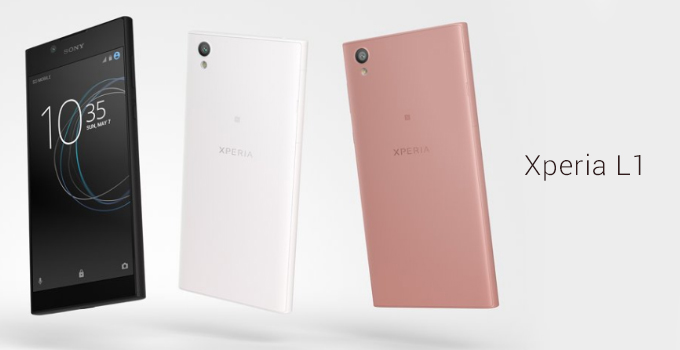
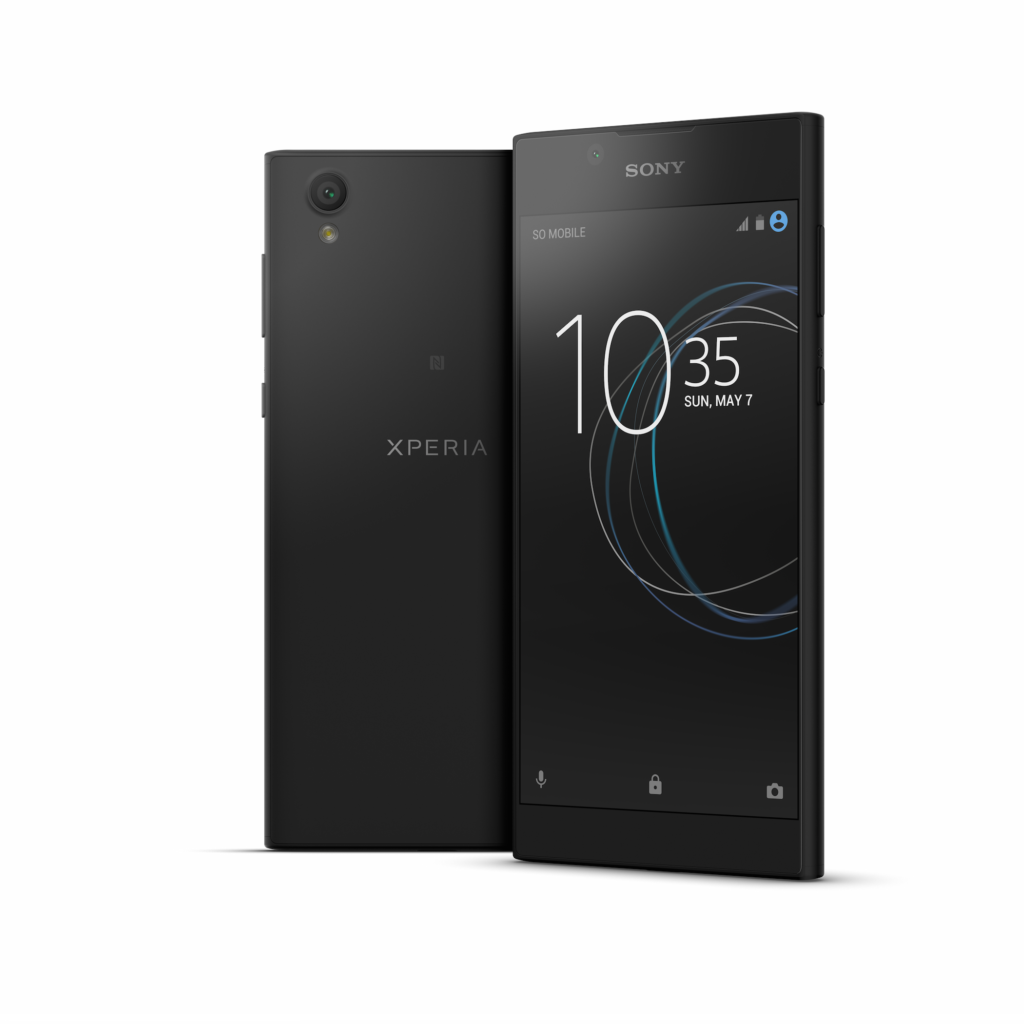
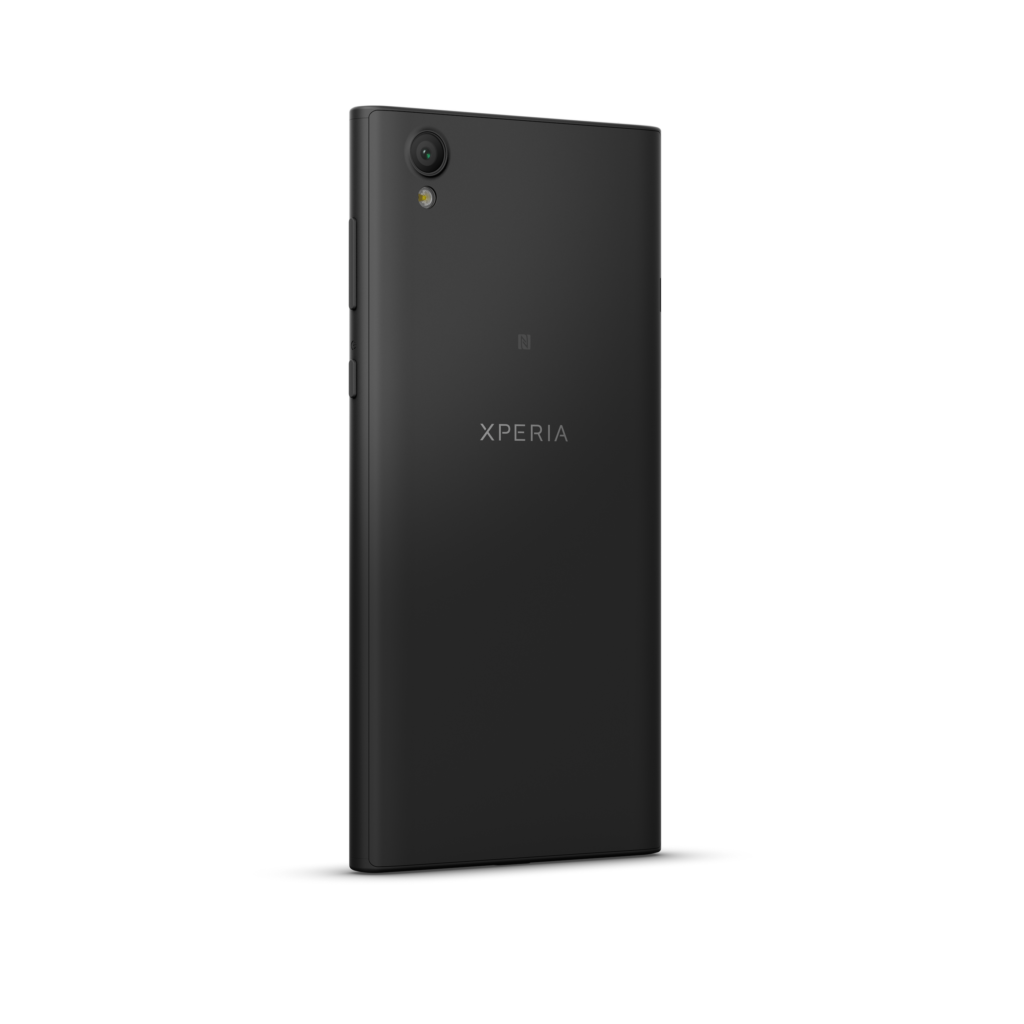
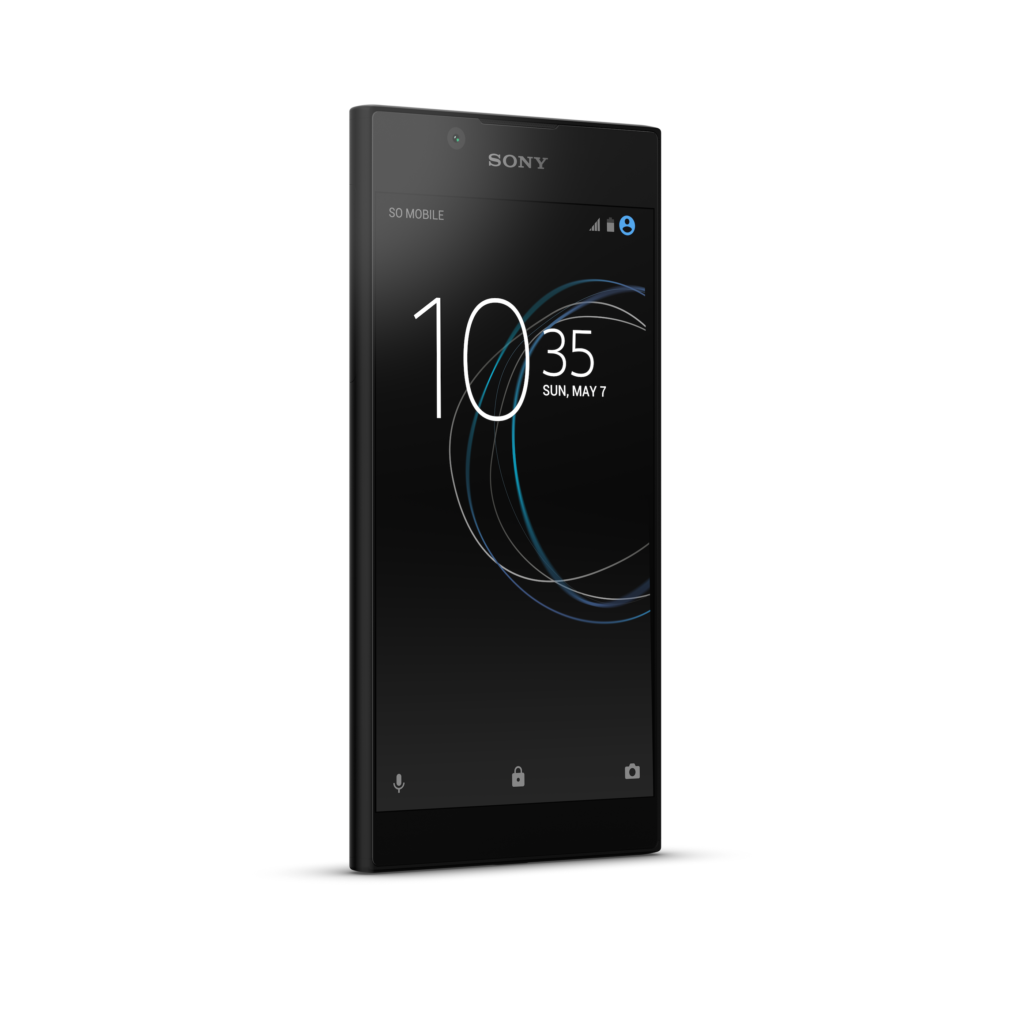
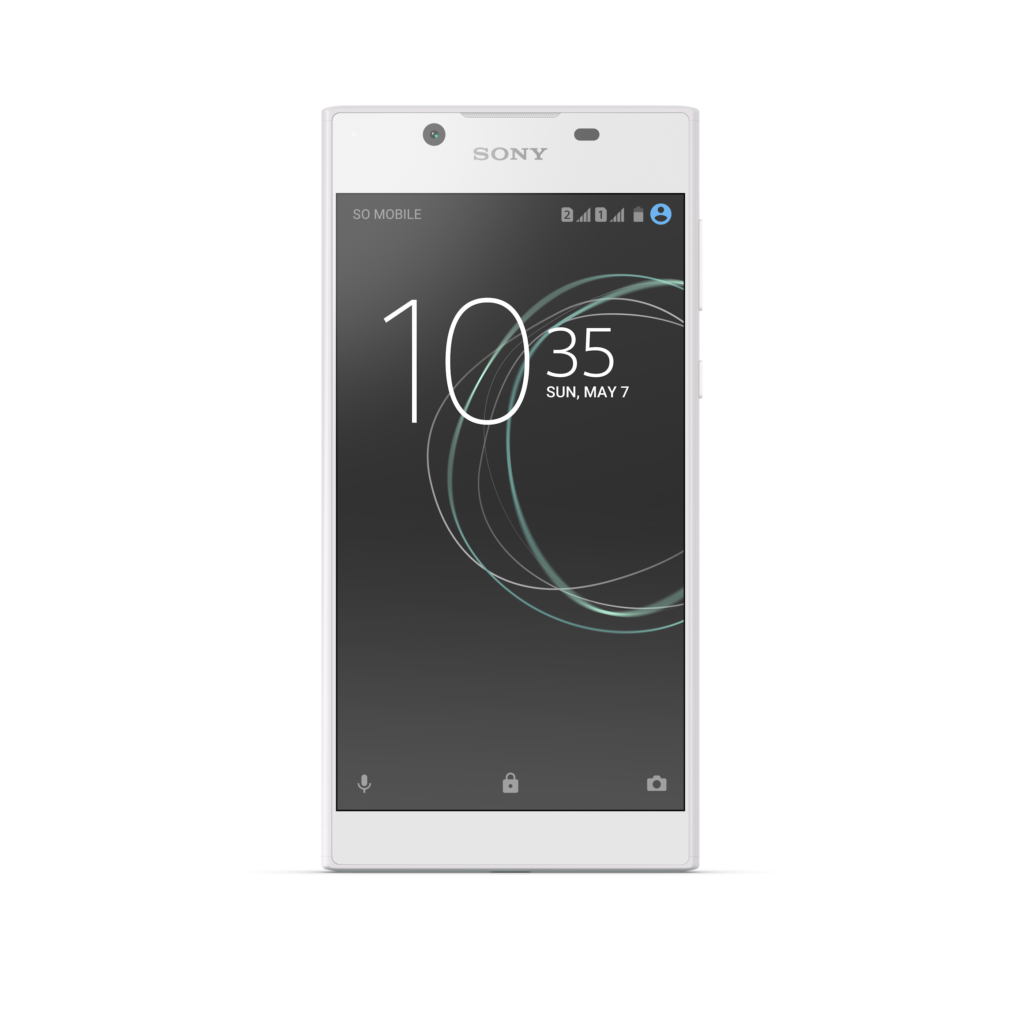
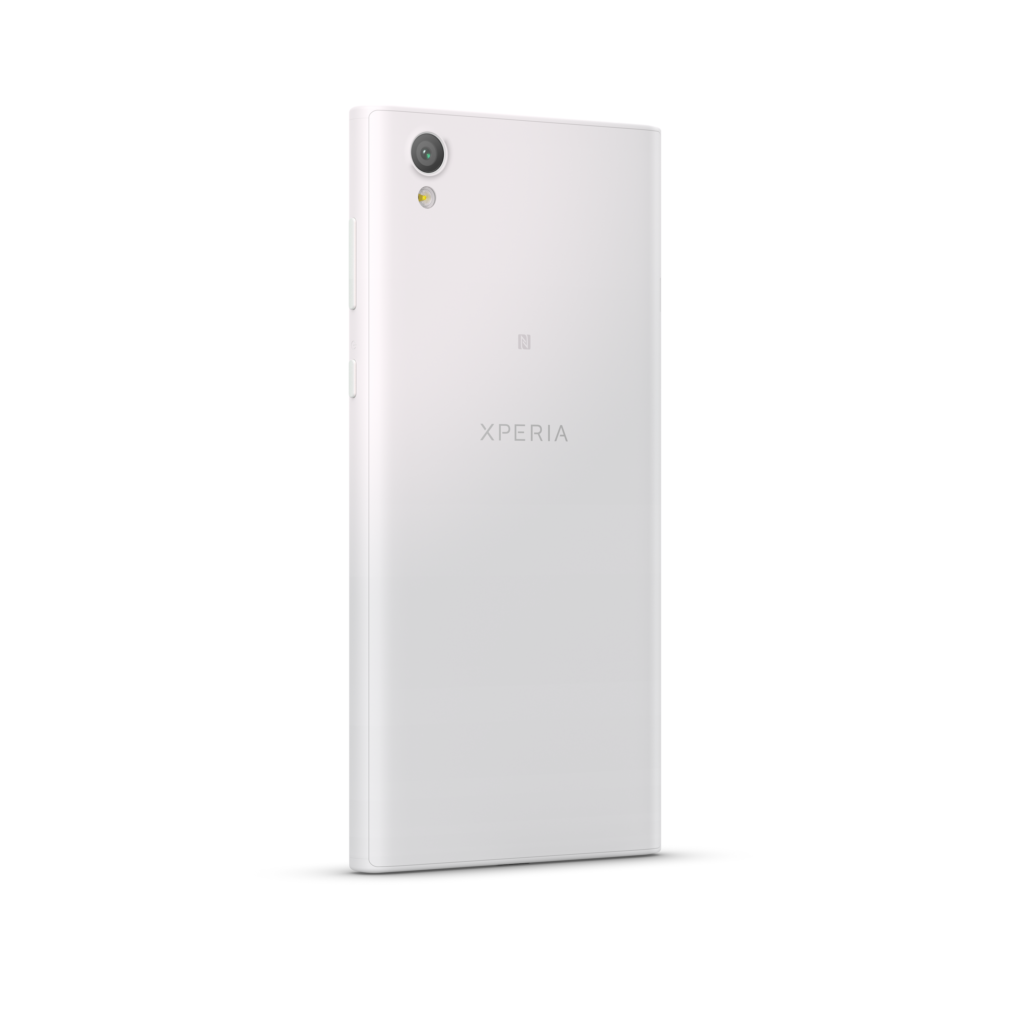
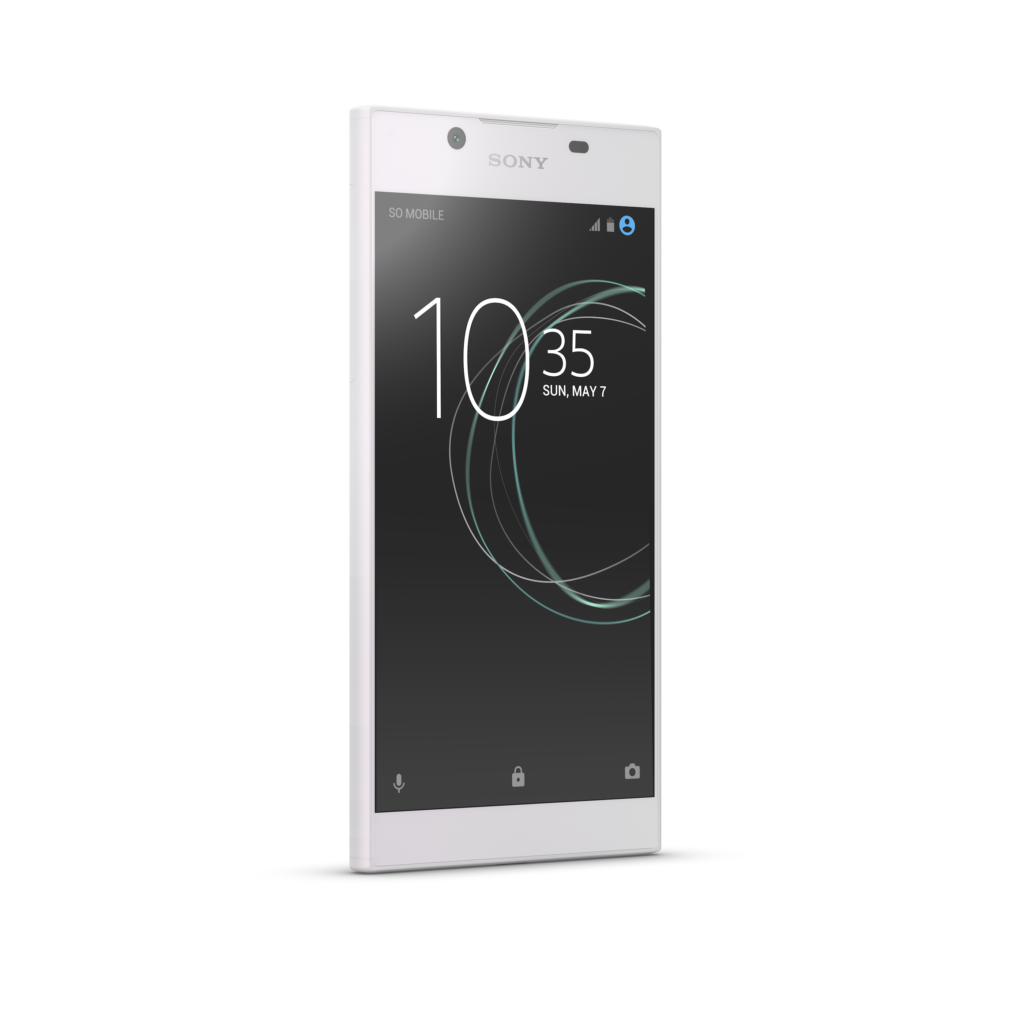
Sony Xperia L1 is a new budget smartphone from the Japanese tech giant. It is the fifth smartphone so far from the company in this year as it had announced the Xperia XZ Premium, Xperia XZs, Xperia XA1 and Xperia XA1 Ultra at the Mobile World Congress (MWC) 2017 in the previous month. The Xperia L1 reminds us of the Xperia L smartphone that was launched in 2013. However, it does bear any similarities with the older phone.`
Xperia L1 Specifications
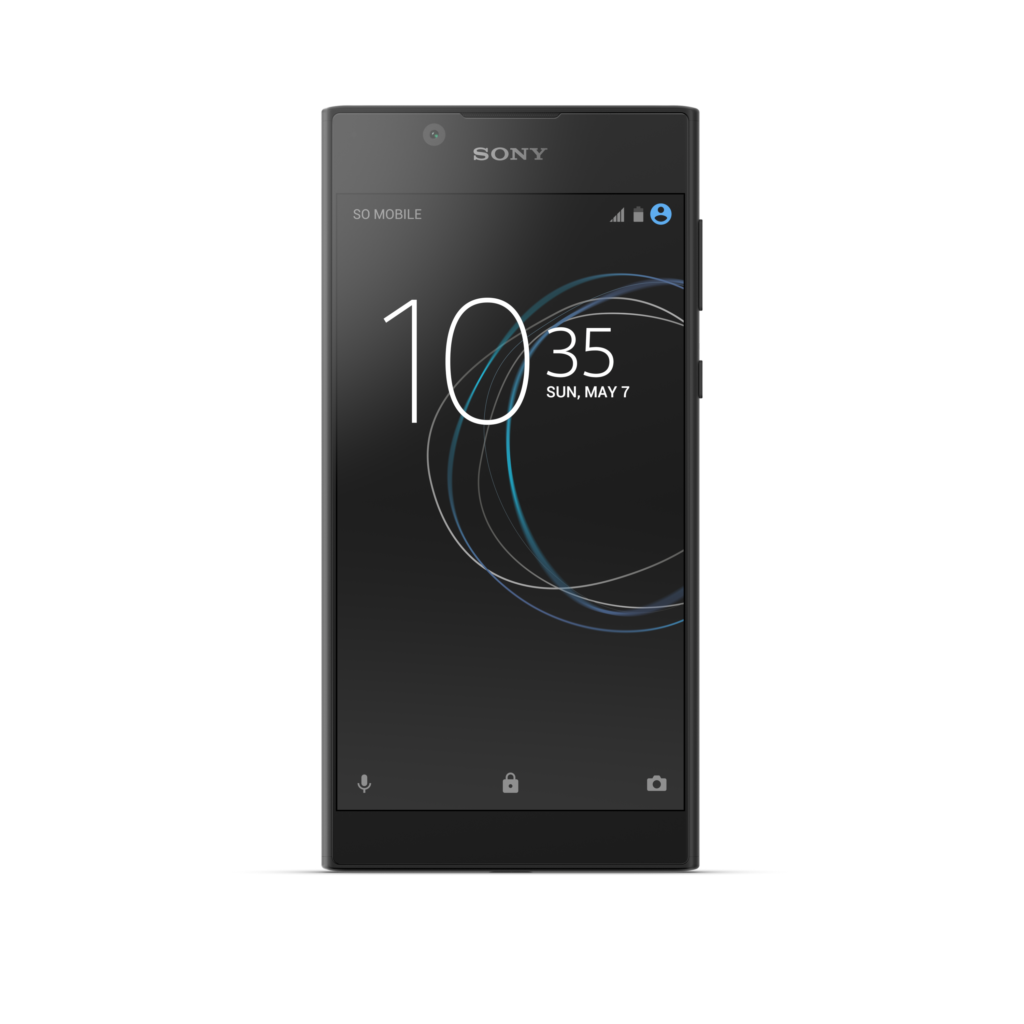
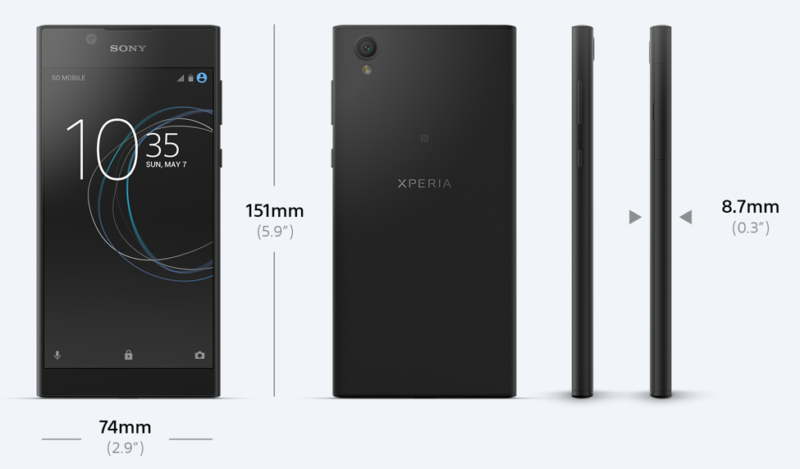
The Xperia L1 measures 151 x 74 x 8.7 mm and its weight is 180 grams. It is a dual-SIM smartphone that comes in color options such as black, white and pink. Its front side appears flat and has sharp corners.
The L1 has a 5.5-inch LCD display that supports an HD resolution of 720 x 1,280 pixels. The budget phone features a MediaTek MT6737T chipset under its hood that has a 1.4 GHz quad-core processor along with Mali-T720 MP2 graphics. The SoC is coupled with 2 GB of RAM.
The Xperia L1 has 16 GB of native storage and carries support for up to 256 GB microSD card. It has a 13-megapixel rear snapper equipped with f/2.2 lens. The front side of the L1 houses a 5-megapixel f/2/2 aperture selfie shooter that features 24 mm wide-angle lens.
It comes loaded with Android 7.0 Nougat OS. Some of it other features include 4G LTE, Wi-Fi 802.11n, v4.2 Bluetooth, a-GPS, USB Type-C and 2,620 mAh battery that is enabled with STAMINA mode.
The Xperia L1 pricing has not been announced yet. However, it is said to arrive with “affordable pricing,” It would be available for purchase in April and it will be coming to select regions in Europe, Americas, Africa, Asia and Middle East. In select markets, Sony may release only the single SIM version of the smartphone.
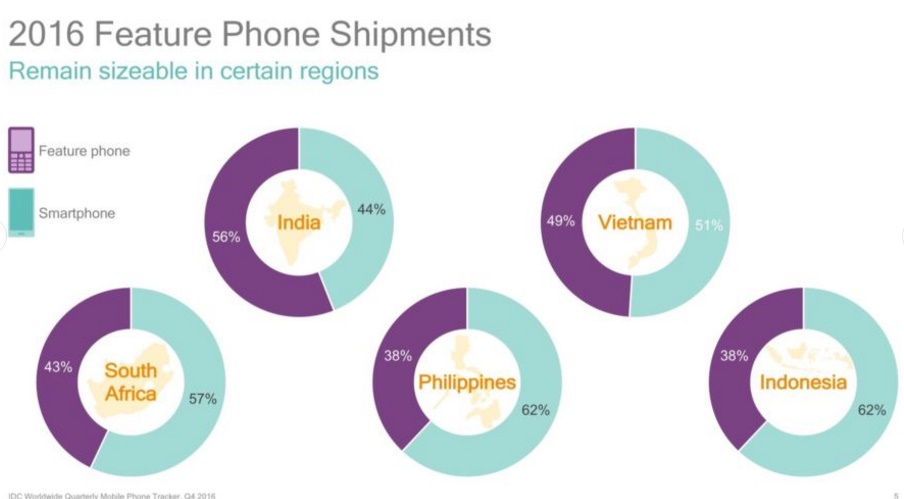
Smartphones seem to have taken over the world and it is hard to see someone who doesn’t own one in most developed countries. In spite of the popularity of these devices, there are still some parts of the world where feature phones still have a strong grip. Qualcomm wants to cash in on that market and has released the Qualcomm 205, a new mobile platform (Qaulcomm’s new name for processor) for feature phones.
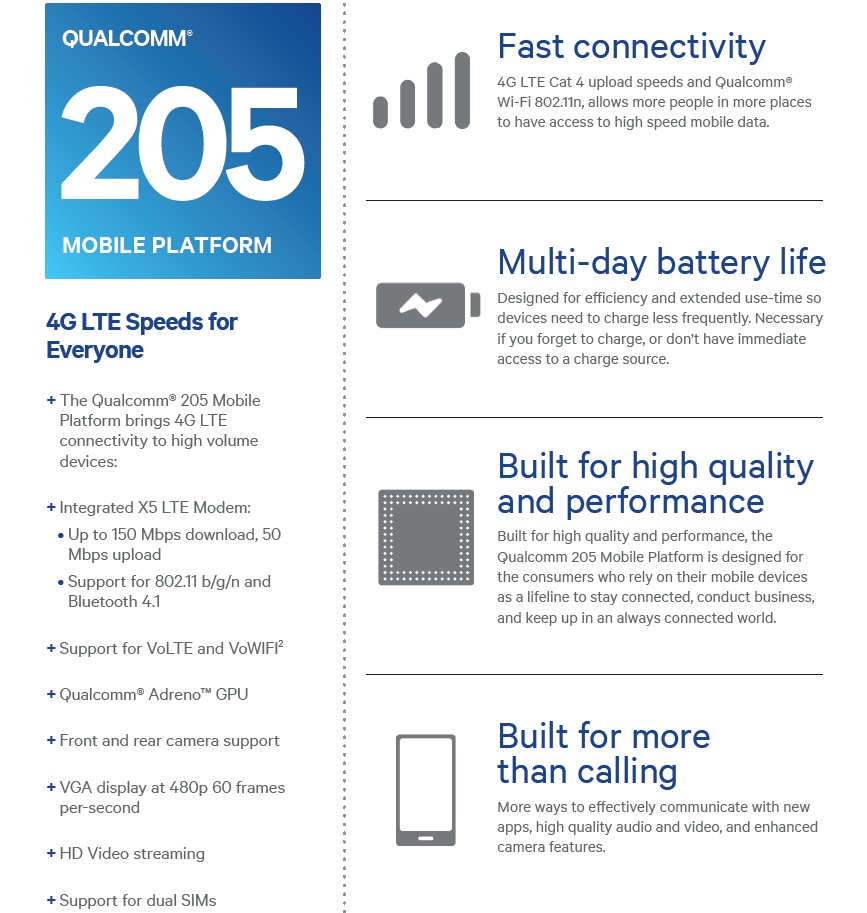
The new mobile platform brings Cat. 4 LTE with it, so users should be able to get up to 150Mbps of download and 50Mbps of upload speeds. It will also bring VoLTE and VoWiFi (Voice over WiFi) too. Other connectivity features includes support for Bluetooth 4.1, 2.4GHz 802.11n WiFi, and dual-sim.
The Qualcomm 205 is clocked at 1.1GHz with an unknown architecture. There is also an Adreno GPU on board, but since this is for feature phones, display support is limited to a 480p resolution and camera support maxes out at 3MP.
Qualcomm says the chip will work with Linux-based operating systems including Android. Battery life will be 45 days of standby time, 20 hours of talk time, and 86 hours of music playback.
The announcement of the new SoC makes us wonder if HMD Global did their homework well before releasing the new Nokia 3310 at MWC 2017. The new Nokia 3310 has gotten positive reviews mainly because of the feeling of nostalgia it brings. But sadly, the phone only supports 2G networks and won’t work in countries like the United States where 2G is starting to phase out. If HMD was aware of Qualcomm’s new chip, it would have made more sense to release the Nokia 3310 with it. Possibly even making it the first device in the world to feature it.
Qualcomm says the 205 mobile platform will start showing up in phones starting this quarter. Maybe we might see Nokia bring back another feature phone from the dead or rather just put it in newer models.
Just about a month ago, Meizu went open with its Smart home products page on Weibo that looks to take on the Xiaomi MIJIA brand. The product page teases a number of Meizu smart gadgets and accessories such as headphones, floating speakers, and others.
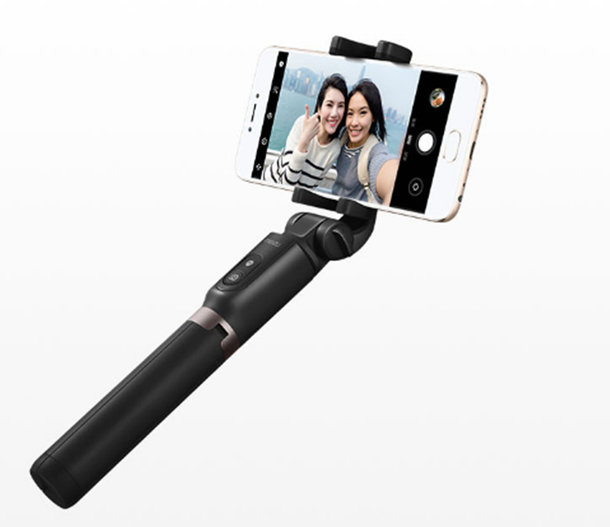
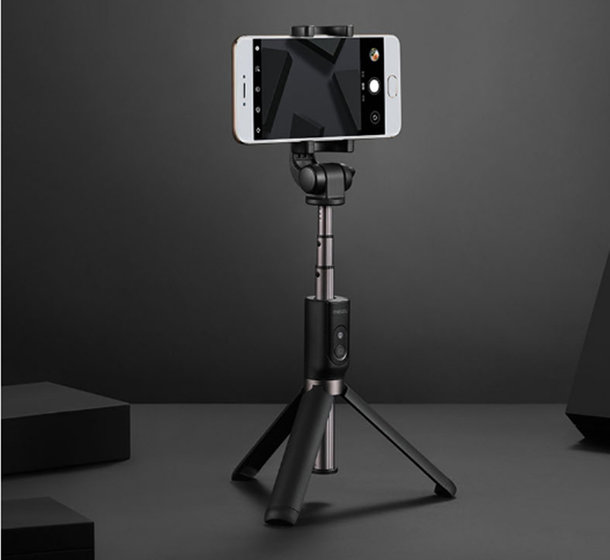
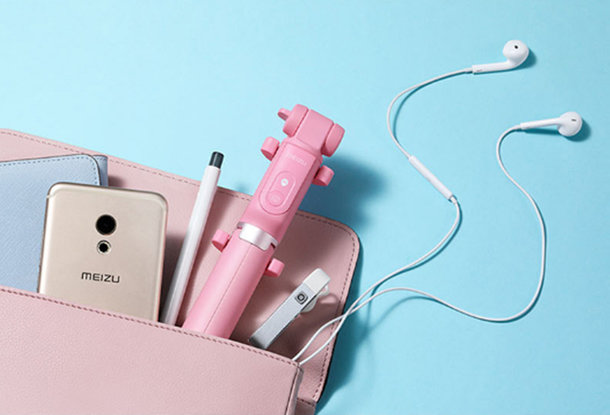
The company looks certainly poised to chase the Xiaomi MIJIA brand as it has now launched a new Bluetooth wireless self-timer Selfie stick priced at 99 Yuan (14) just a dollar more than the Mi selfie stick which starts at 89 Yuan. The self-stick looks no different from the Xiaomi Mi selfie stick launched a couple of weeks back, except for the Meizu logo and perhaps the size of the remote trigger. Everything else is similar to the Xiaomi selfie stick. It comes with Bluetooth functionality and a handle that can be expanded and used as a tripod stand. Also, the Meizu Selfie stick comes with a self-timer functionality and a remote shooter for triggering the shooter. The phone holder can also rotate to any angle.
On the design aspect, the selfie stick features an extendable metal bar made from aluminum alloy with anti-wear resistant property. It is also not easy to bend or break. The handle area is covered with matte textured plastic which makes it difficult for the selfie stick to slip off the hands. It comes in three different color variants namely black, pink and blue. The stick is anodized, wear and scratch resistant. Furthermore, the wireless Bluetooth self-timer is compatible with Android and iPhone OS devices and packs a 60mAh battery which means it can shoot consecutively for up to 10,000 times.
In January of 2017, AMD levied an allegation against Mediatek, LG, Vizio and Sigma Designs over a GPU patent infringement. Two months later, the US International Trade Commission (USITC) has agreed to begin an investigation into the matter.
AMD says all four companies used visual processing infringing on its concepts for unified graphic shaders and parallel graphics pipelines. If AMD’s allegations turn out to be true, we could see a product ban placed on items manufactured by the affected companies. USITC says that the list of respondents includes LG Electronics USA, LG Electronics Korea, and LG Electronics MobileComm USA; Mediatek Inc. Taiwan, Mediatek USA; and Sigma Designs Inc. CA.
An official statement by USITC says “The USITC will make a final determination in the investigation at the earliest practicable time. Within 45 days after institution of the investigation, the USITC will set a target date for completing the investigation. USITC remedial orders in section 337 cases are effective when issued and become final 60 days after issuance unless disapproved for policy reasons by the U.S. Trade Representative within that 60-day period”.
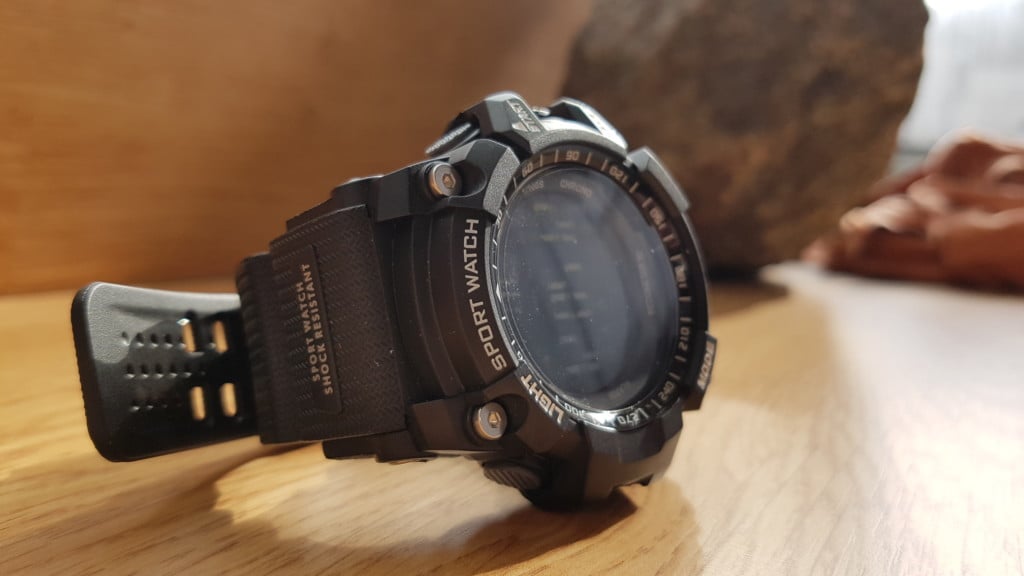
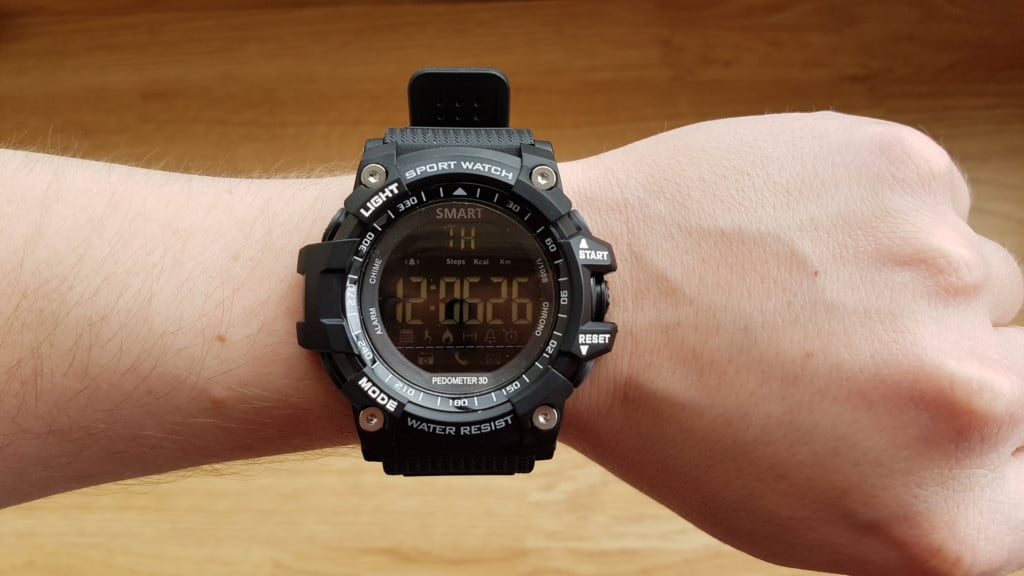
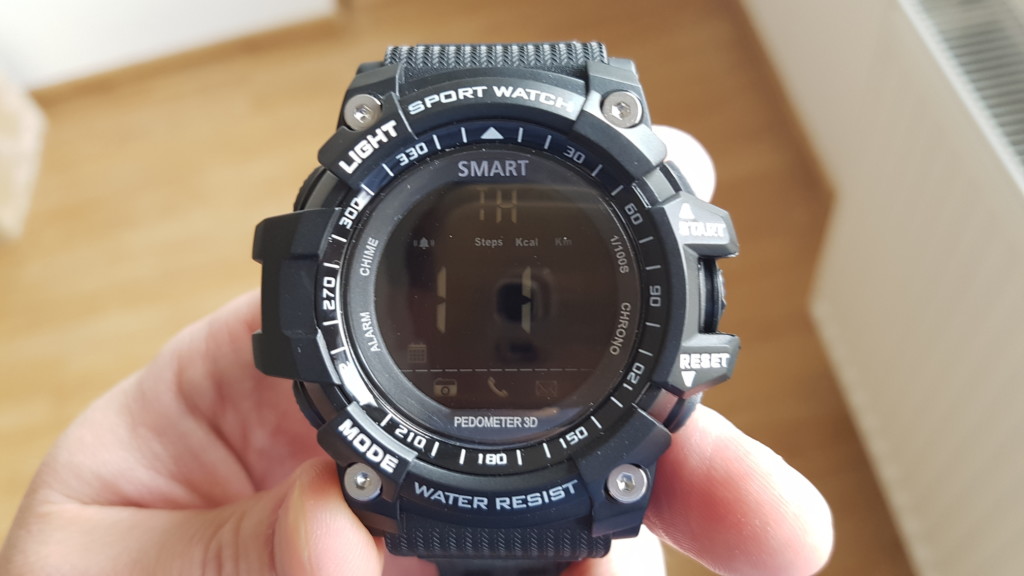
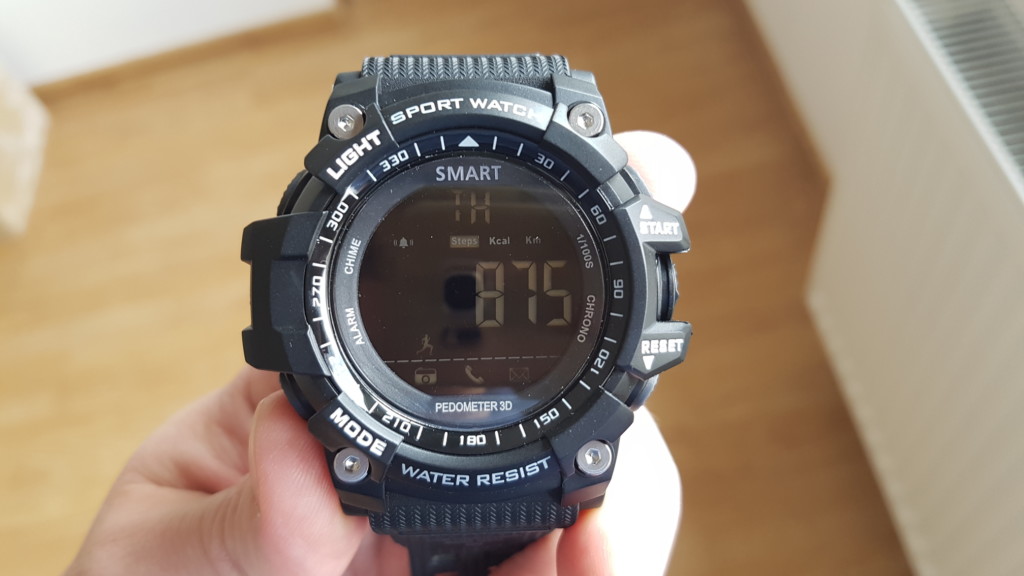
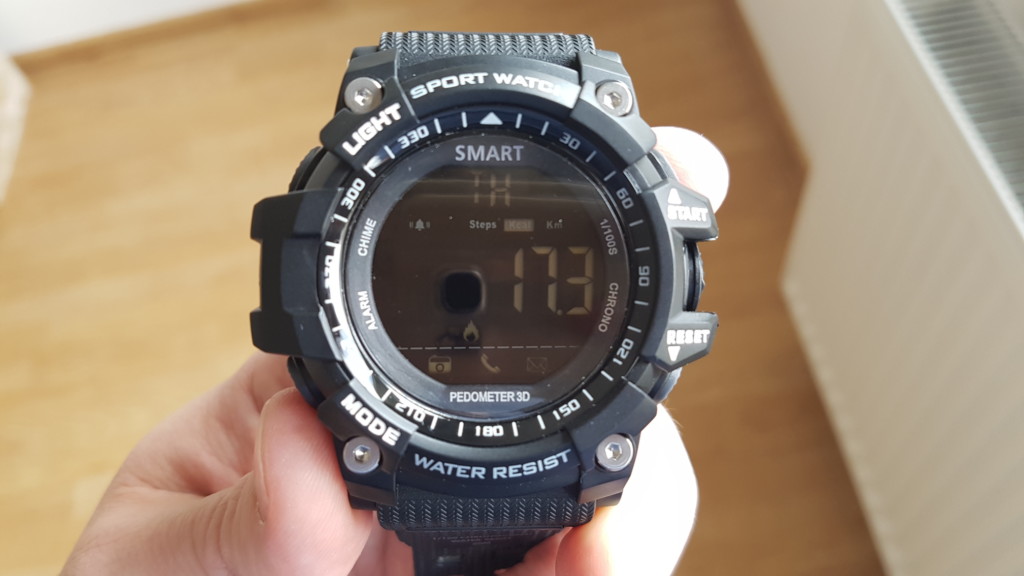
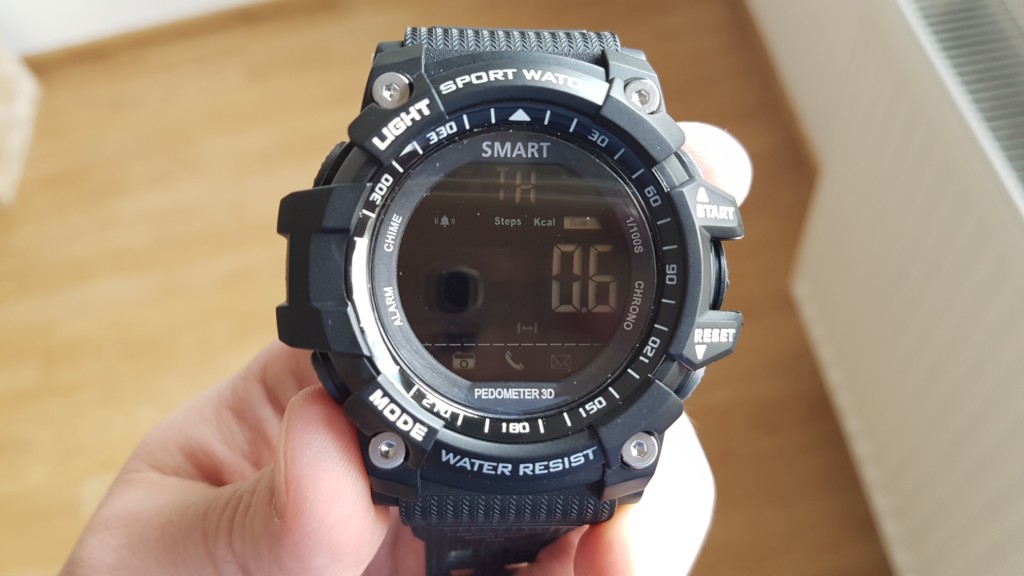
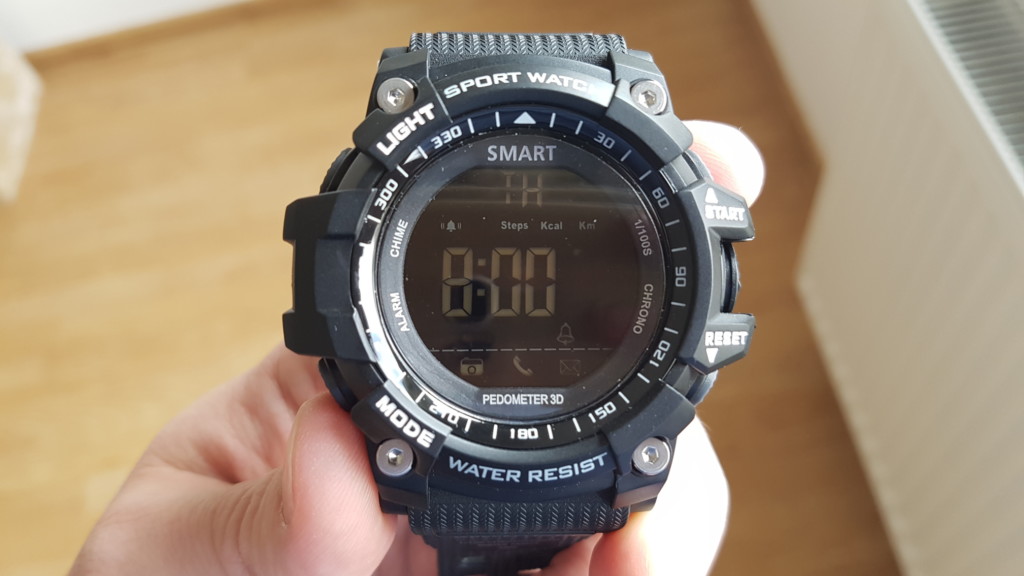
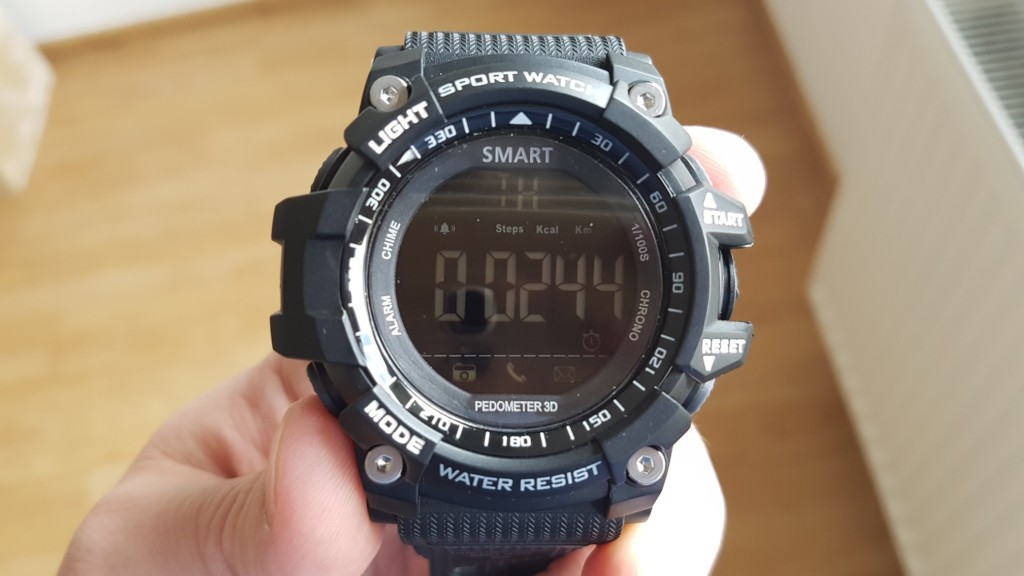
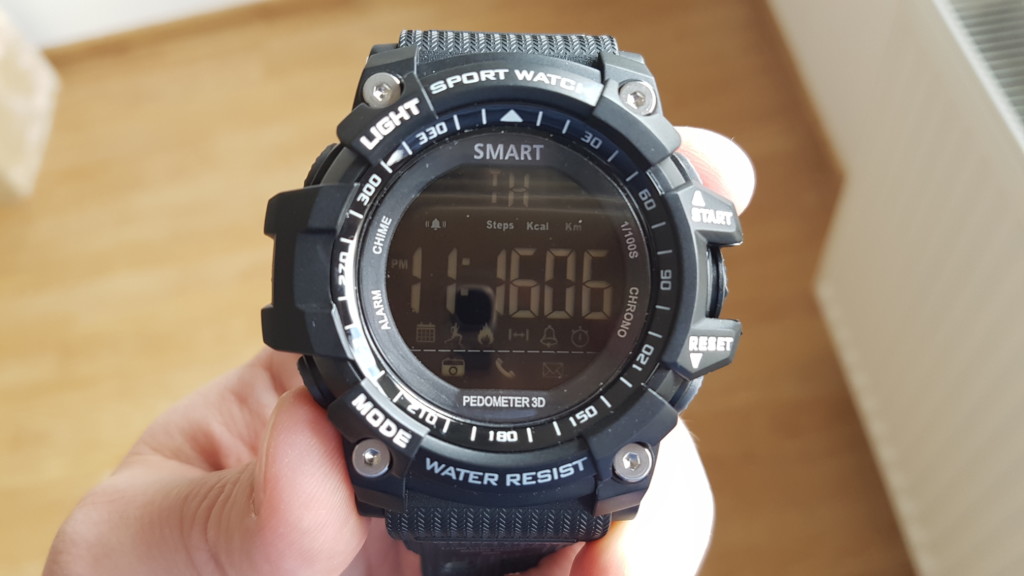
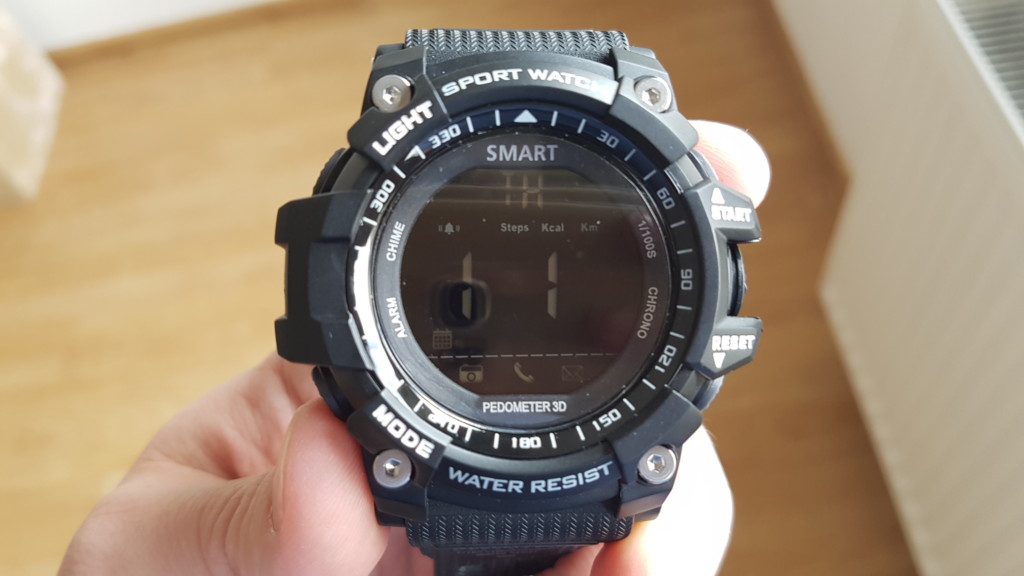
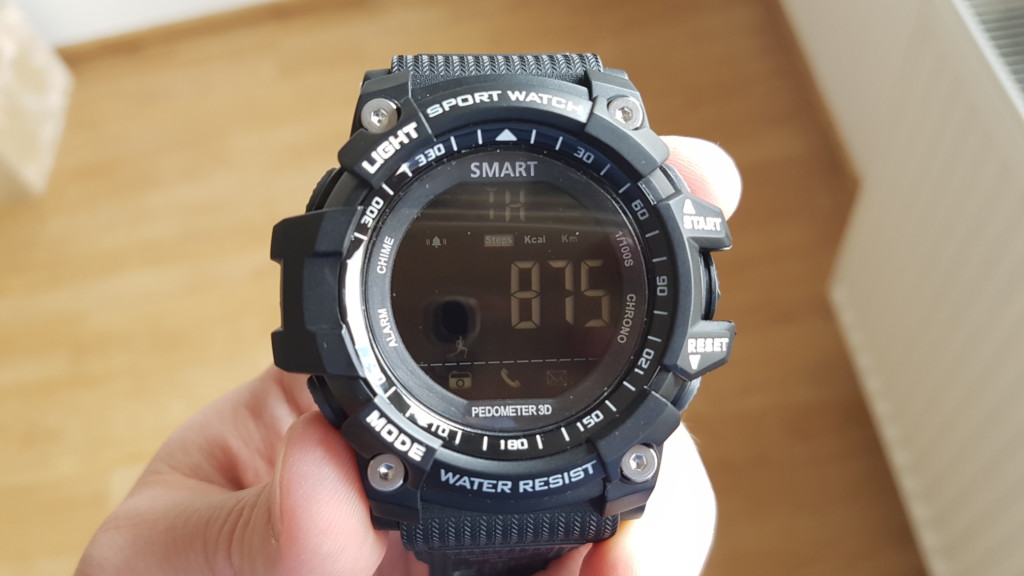
The market of smartwatches is pretty crowded and most of them usually cost quite a lot. I just came across the xWatch EX16 smartwatch that does not even cost $20 but it has a lot of great features. Learn more in our full review.
UNBOXING
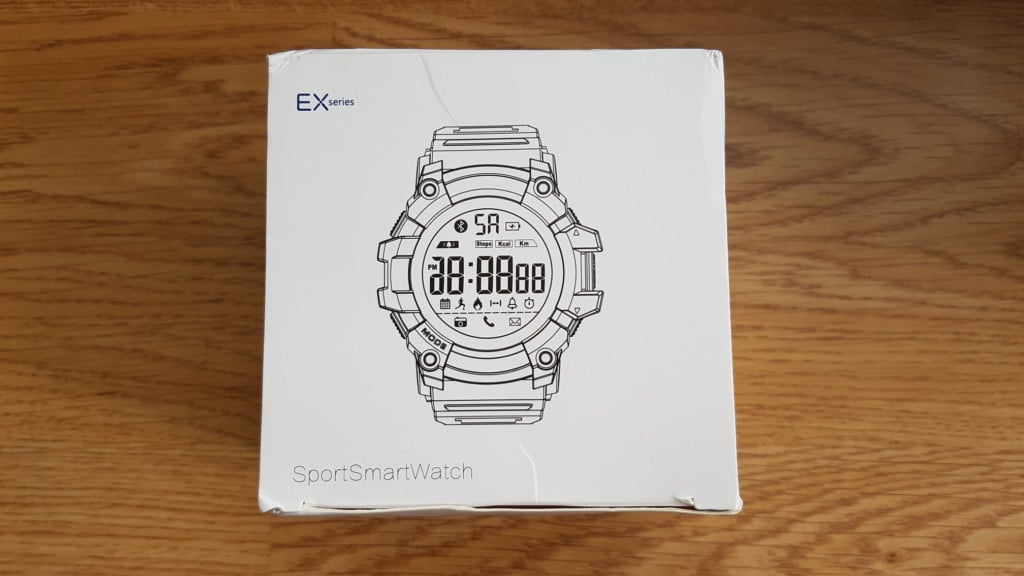
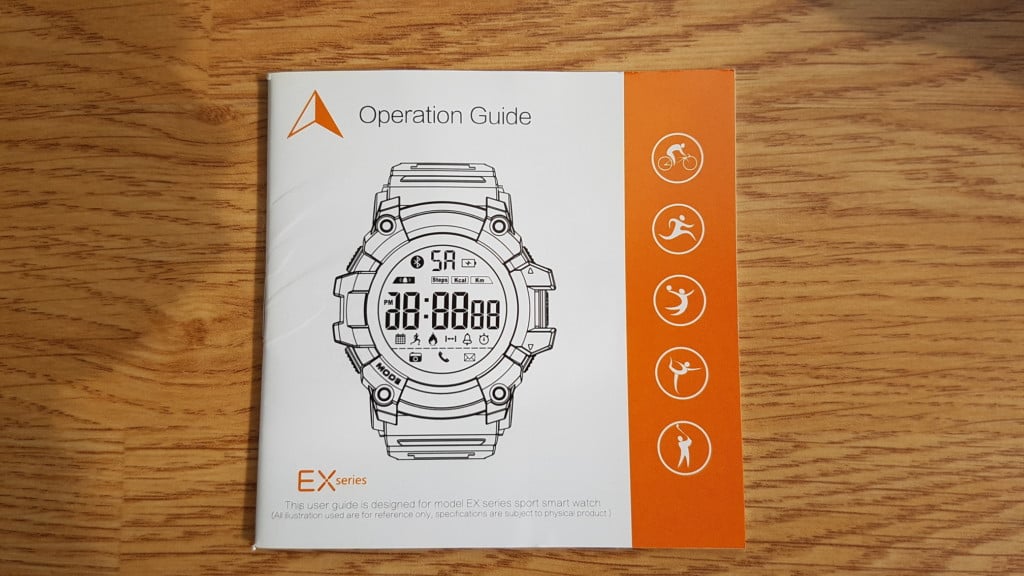
The watch comes in a simple box with just the instruction manual.
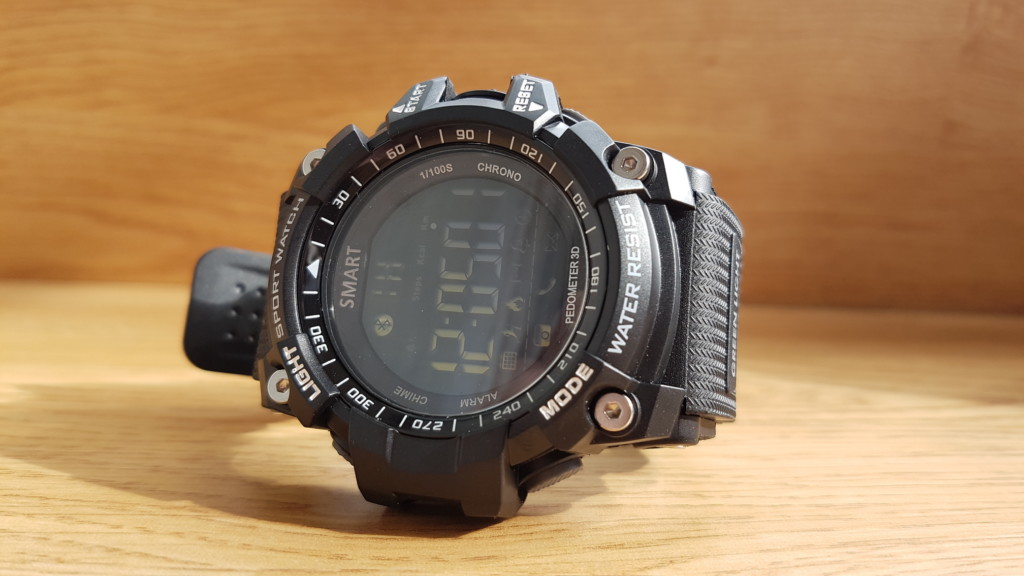
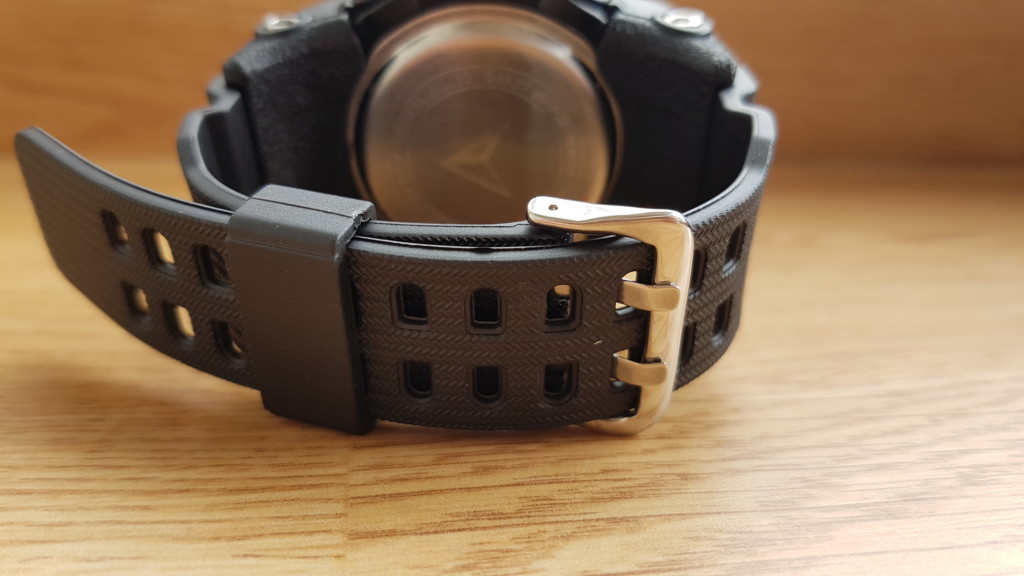
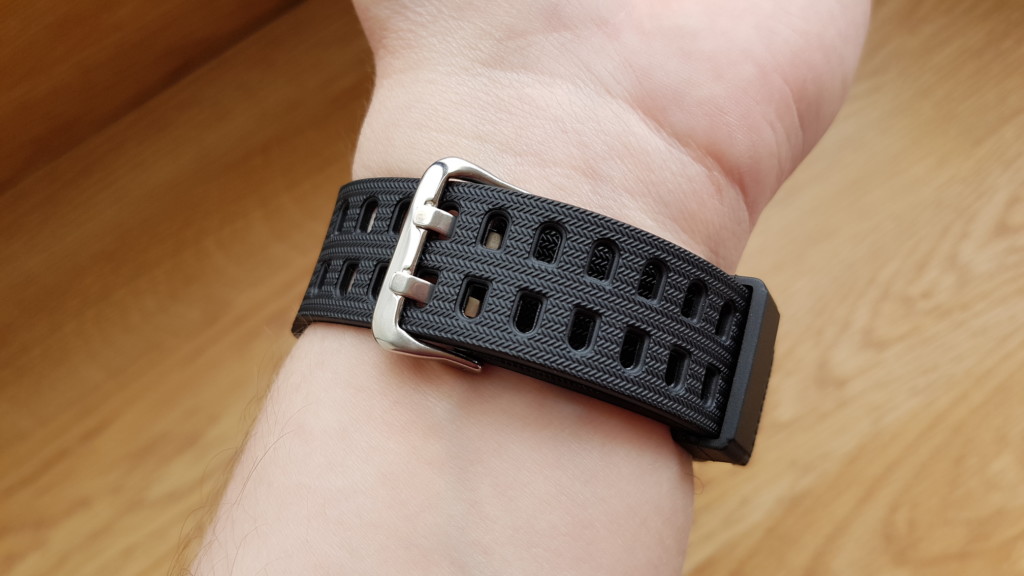
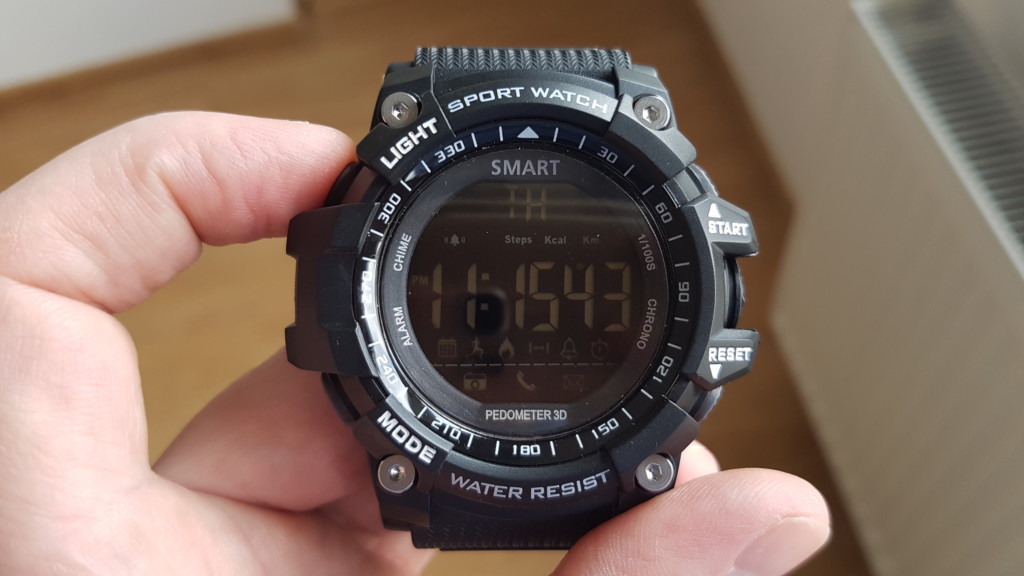
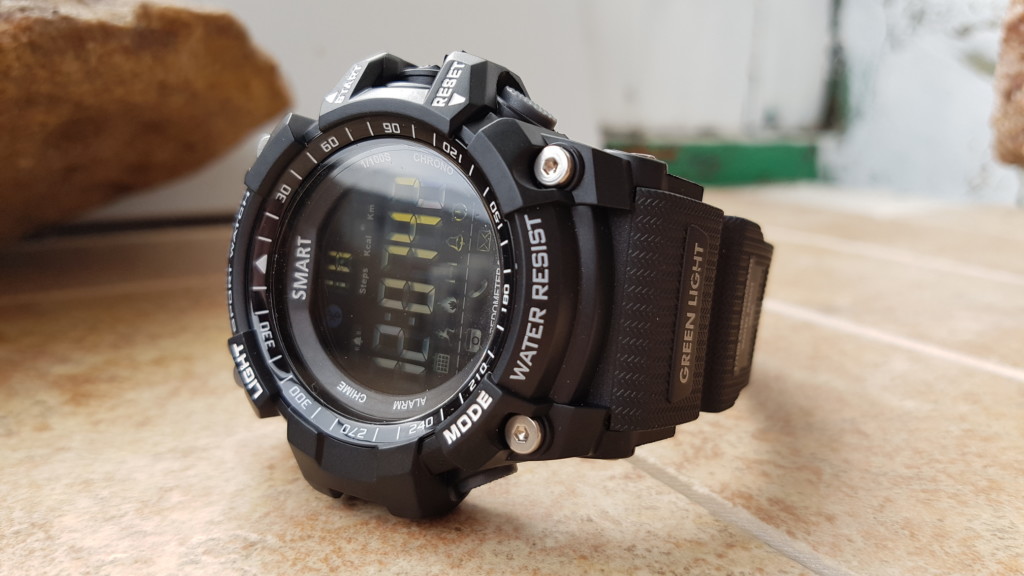
When it comes to the design, the xWatch EX16 looks like a legit sports watch. Even though it is mostly made of plastic, the build quality is top-notch and the device does not feel cheap at all.
One of the key selling points is that the watch is water resistant (up to 50m under water), dustproof and shockproof.
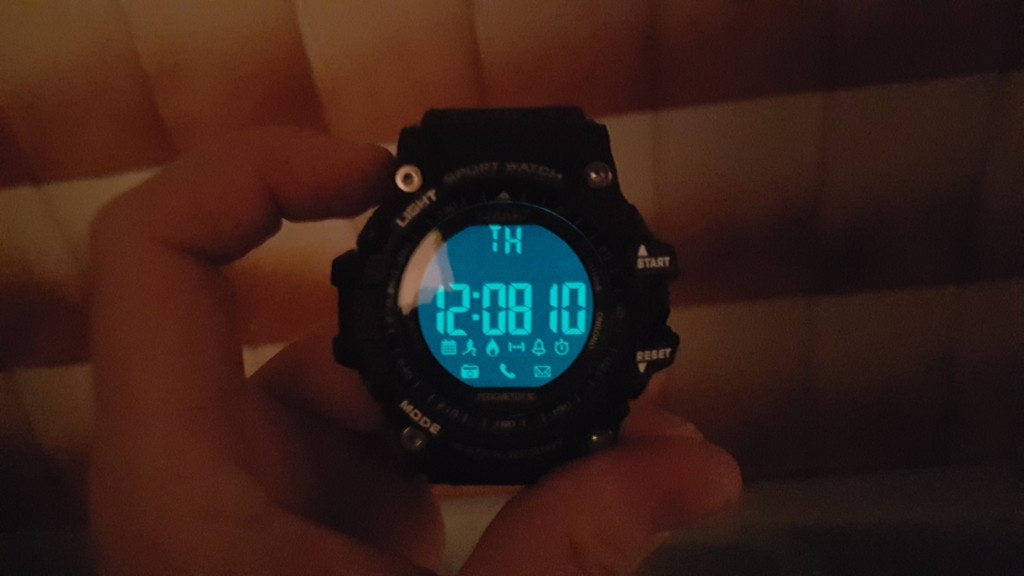
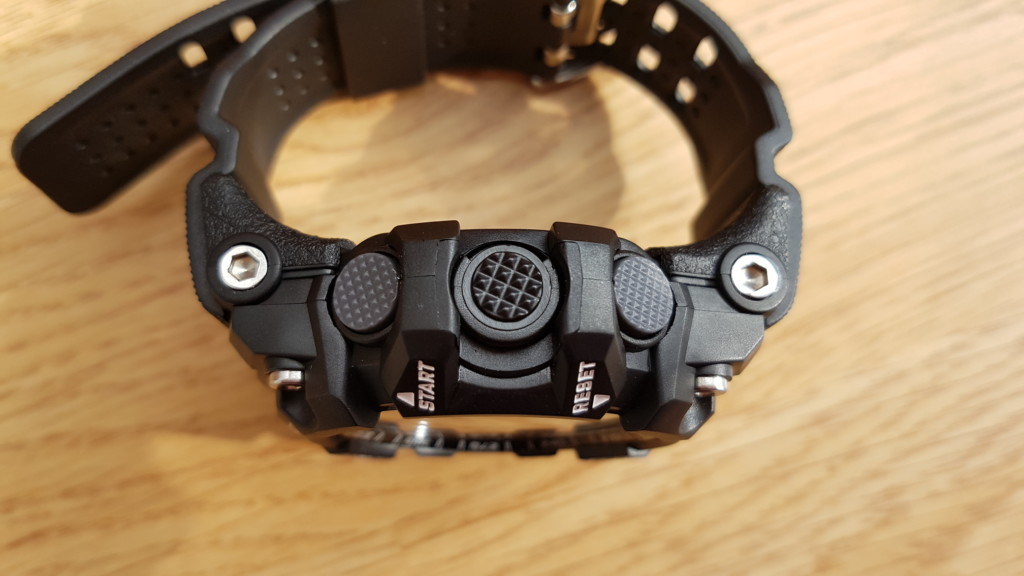
A display has a nice backlight, which is triggered by pushing the upper left button.
I found the watch to be comfortable to wear even though it is bulky and it may look funny on my tiny wrist.
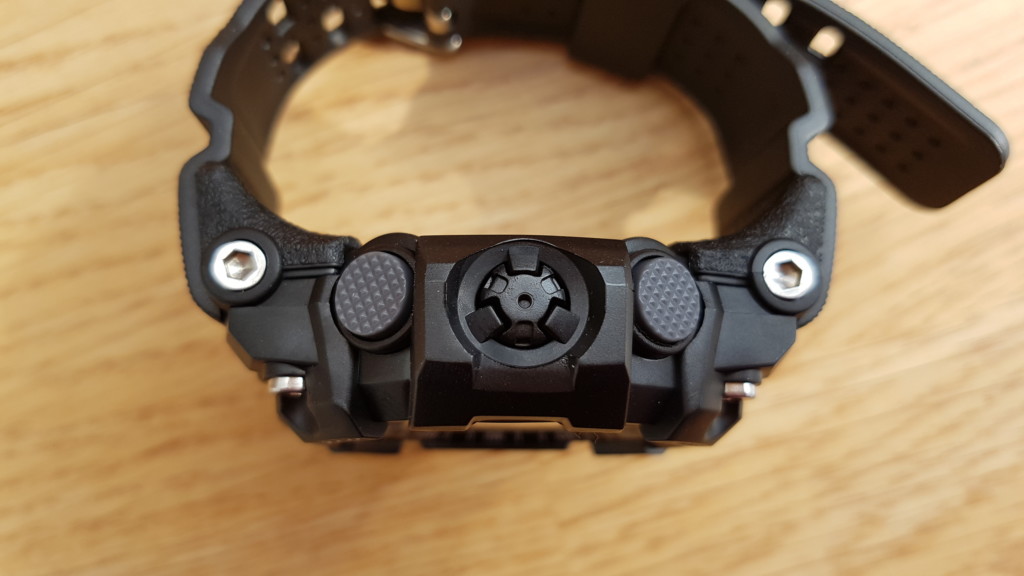
We have 4 buttons that help you navigate through the user interface, change modes, turn on the backlight, Bluetooth and so on.
FUNCTIONALITY
For a $20 watch, the xWatch EX16 has a ton of features. It supports 24 hours real-time sports monitoring: walking steps, distance, and energy consumption etc. It also has some other basic features like the alarm clock, stopwatch etc.
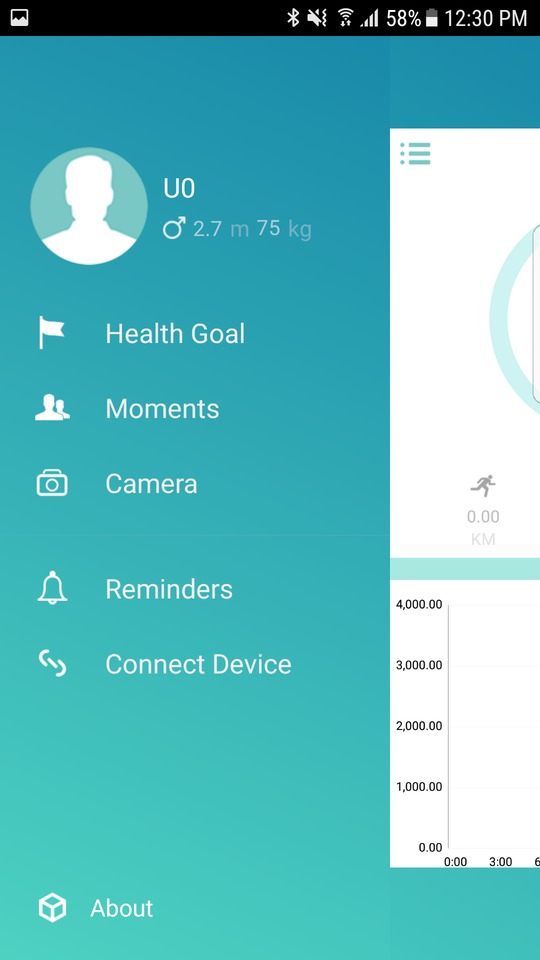
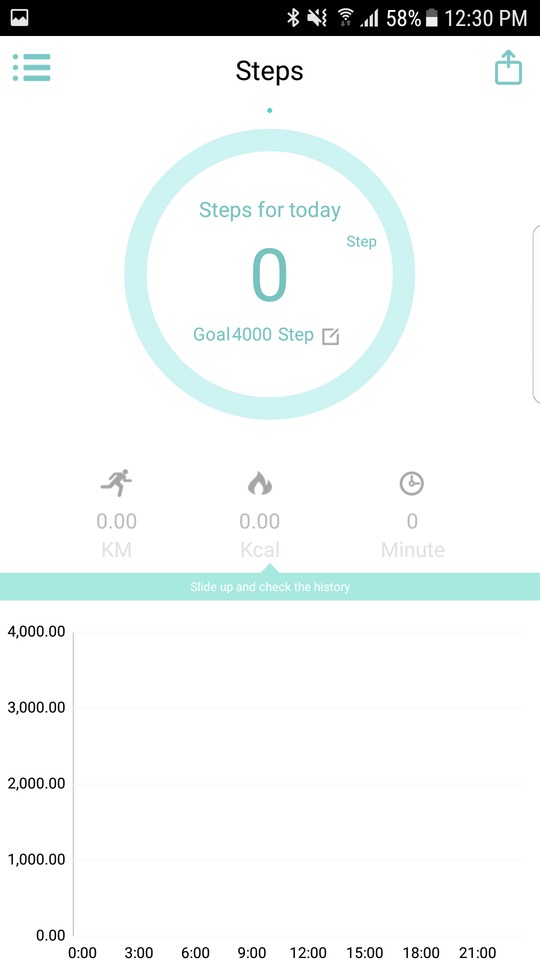
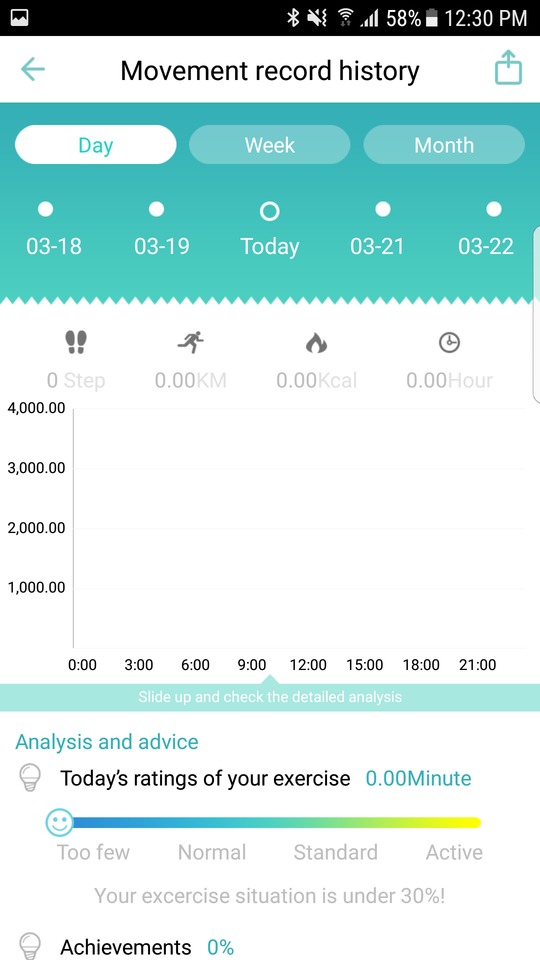
You can unleash even more features if you connect the watch to your phone via the Bluetooth 4.0 using the app. Within the app, you can track your fitness routines in detail. Also, the watch supports social app message push notification feature, meaning that you will be able to receive notifications from Facebook, Twitter, Instagram etc. Finally, the watch will display the incoming calls and SMS messages right on your wrist.
BATTERY LIFE
The watch has an incredible battery life. The normal standby time is 8 months and up to 12 months under power saving mode, which really is amazing.
CONCLUSIONS
ThexWatch EX16 smartwatch offers a lot of value for the price of just $20. It has a ton of features and so far all them have been working fine. The watch may be a little bulky if you have tiny wrists but that would be the only shortcoming worth mentioning.
Try out your luck winning a brand new xWatch EX16 in our latest Giveaway. Link below!
Vivo announced the Vivo Xplay6 in November as a successor to the Xplay 5 released in March of the same year. Bringing a number of new features such as a dual-curved display, dual rear cameras, and an upgraded processor (Snapdragon 820), the Vivo Xplay6 could be termed as a late-comer to the flagship party.
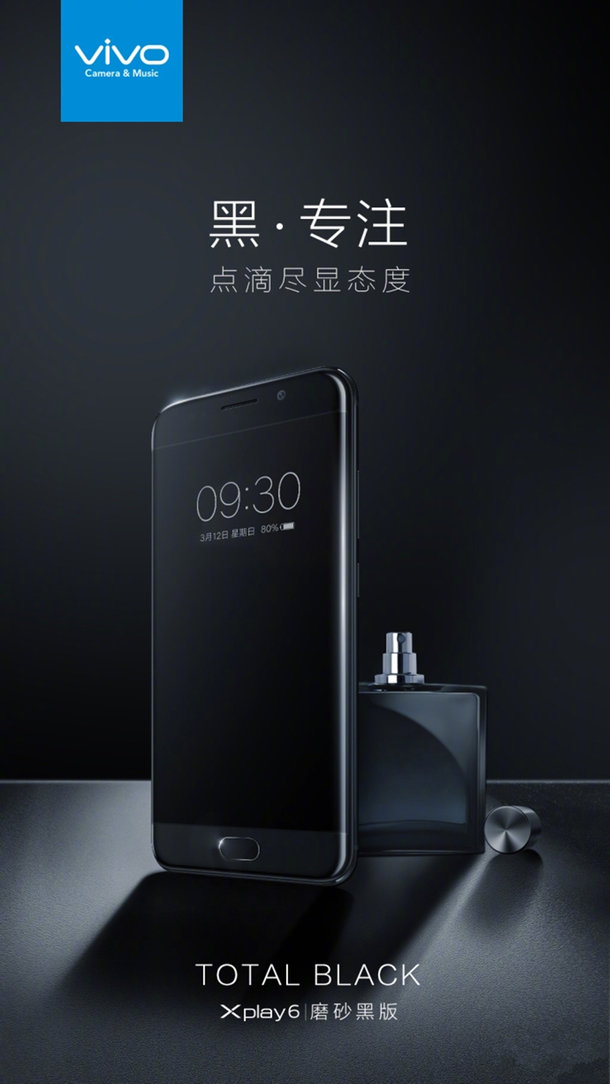
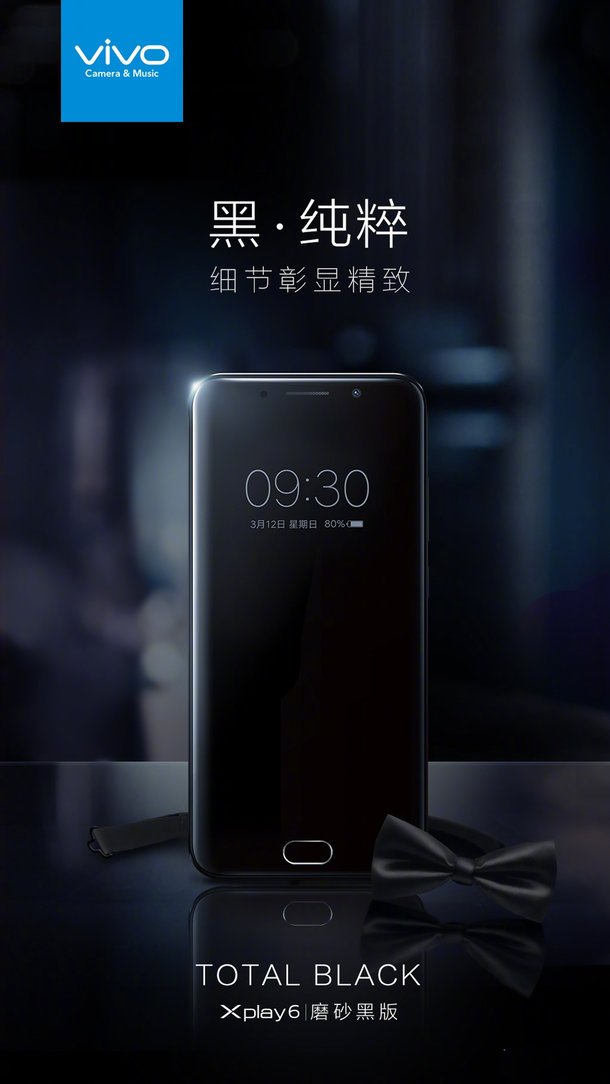
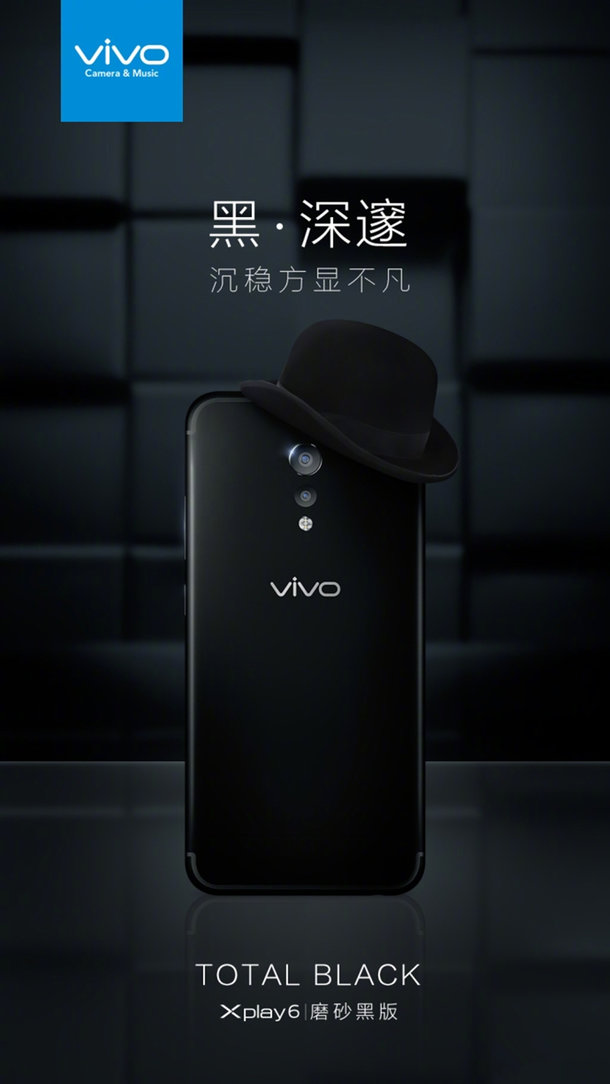
When it was launched, the Xplay 6 was only available in Gold and Rose Gold. However, there was a black variant that didn’t get released but was available on one of the promotional posters. It appears that starting this week, you will now be able to purchase a matte black version of this dual-curved beauty. The announcement was made by Vivo a few days ago.
The specs for the new color variant remain the same. The curved display is a 5.46-inch Super AMOLED 2K display, 6GB of RAM, Snapdragon 820, 128GB of storage, and two 12MP sensors at the back. The front camera is a 16MP sensor and there is a fingerprint scanner embedded in the home button. Vivo has packed the Xplay6 with a 4080mAh battery with support for fast charging. There is also a dedicated Hi-Fi audio chip for improved audio quality.
The Vivo Xplay 6 runs Android 6.0.1 Marshmallow There is no news about a Nougat update yet though. But if you have been stalling on buying this phone because of its lack of a black variant, you should be able to do so starting later this week. Or you might just try and see if you can grab the matte black OnePlus 3T Colette Edition in Paris tomorrow. Last week Vivo released the same color variant for its X9 too, while that is priced at 2798 Yuan (around $406) which is the same price as the other color variants, there is still no price for the Xplay6.
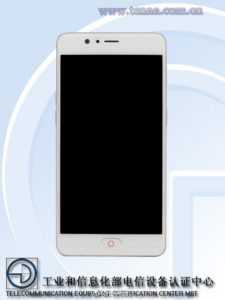
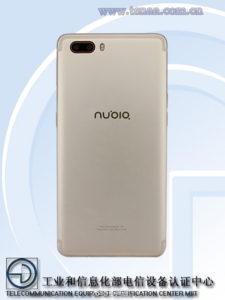
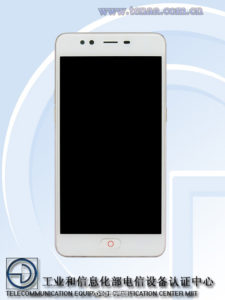
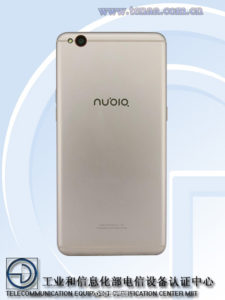
Two new Nubia smartphones have appeared on the website of China’s telecoms certification agency TENAA where they have been certified. The smartphones are listed with the model numbers NX551J and NX573J and both adopt with the same design language. The renders of the two Nubia devices shows both also has white front panels, with a round home button having a red circle design.
The renders of the two Nubia devices shows both have white front panels, with a round home button embedded with a red circle on top. At the rear, both the NX551J and NX573J are quite different in looks as one comes with a dual camera setup and similar U-shaped antenna similar to the one Apple features on the iPhone 7 Plus, while the other one sports a single camera with the antenna band running right through the camera (renders of this particular Nubia smartphone has actually leaked earlier on).
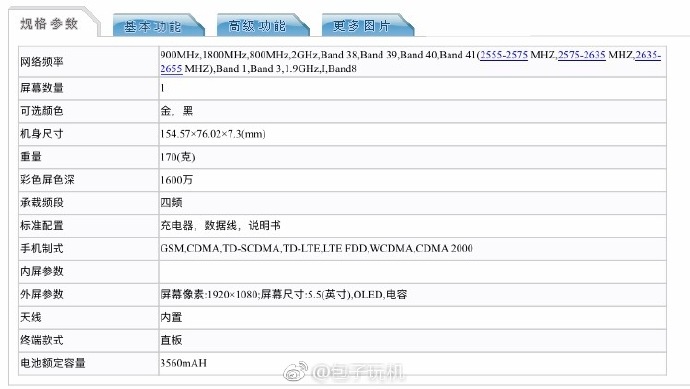
The listed specifications also show that one of the smartphones is a mid-ranger while the other is a high-end model. Of the two, the NX551J which uses a dual-camera and U-shaped antenna sports a 5.5-inch OLED display with Full HD resolution (1920 x 1080p).The device is equipped with an octa-core processor with a frequency of 2.0Gz and the processor works with 4GB of RAM and 64GB of storage which is capable of being expanded up to 128GB.
The camera setup is listed as a 13MP shooter at the front and a 16MP shooter at the rear. The device runs on Android 6.0 Marshmallow and packs a large 3,560mAh.
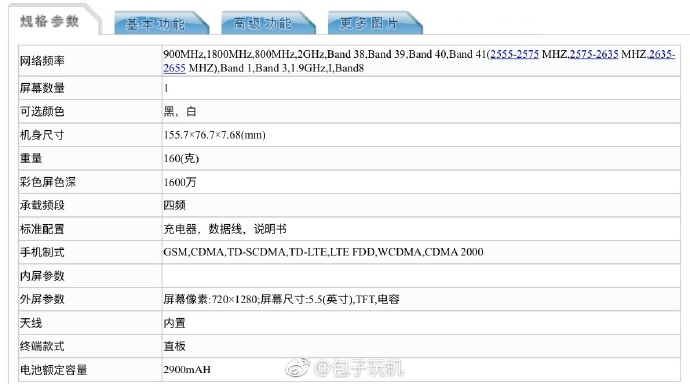
On the other hand, the second model NX573J sports a 5.5-inch TFT display 1280 x 720 pixels. It features an unnamed Octa-core processor clocked at 1.5GHz. The processor is backed by a 3GB RAM while there is 64GB of storage. Also, the device comes with a 13MP front camera and a 16MP rear shooter. The new phone also runs on Android Marshmallow while the lights would be kept on by a 2,900mAh battery.
We don’t know for sure when the smartphones would be released but we believe that wouldn’t be too far off. Already, Nubia had teased the launch of a dual camera smartphone believed to be the Nubia Z17 Mini scheduled for tomorrow March 21. That may just be the NX551J model dropping but we are not so sure about the name. A 5.5-inch Mini? Now, that’s an irony but it won’t be the first device have such strange naming pattern if that happens to be the case.
Xiaomi’s Mi MIX is still an awe-inspiring device. Just a few months after its release, the company announced that the concept-phone will get a successor called the Mi MIX 2 this year with Philippe Starck returning as designer.
For the Mi MIX 2, the focus is on how to further increase the screen-to-body ratio followed by the inclusion of flagship worthy specs. Xiaomi’s plan is to raise the screen-to-body ratio to 93%. To achieve that, the lower bezel will have to be shrunk further.
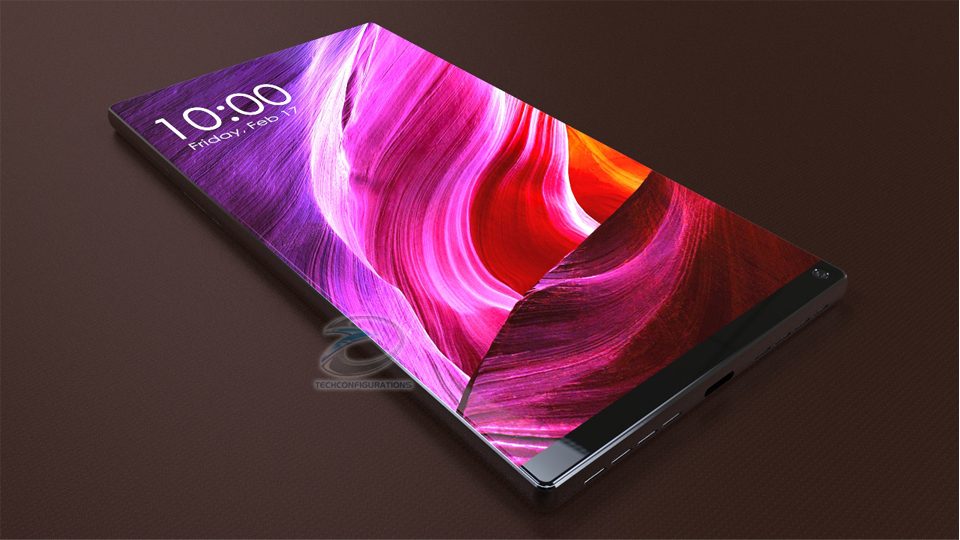
A new set of renders have been posted online showing what the Mi MIX 2 might look like. The renders which were put together by the guys at TechConfigurations shows the Mi MIX 2 sporting dual rear cameras and a rear-mounted fingerprint scanner instead of the in-display fingerprint scanner it is rumored to come with.
The full specs list says the phone sports a 6.4-inch 2.5D QHD AMOLED display with 3D touch, a Snapdragon 653 SoC, 6GB of RAM, and 128GB of ROM. The dual rear cameras are also said to be 16MP sensors with laser autofocus, OIS, and PDAF. The camera up front has been bumped up to an 8MP sensor while the body is still made from ceramic. At the base there is a USB Type-C port flanked on both sides by stereo speakers.
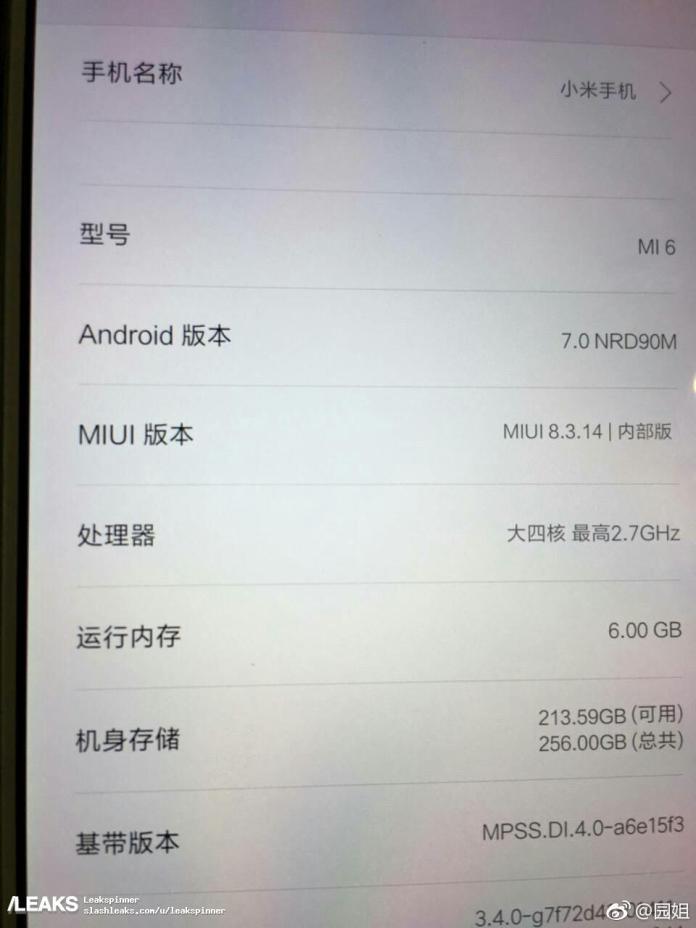
Xiaomi fans are eagerly waiting for the arrival of the Mi 6 flagship phone. New rumors have stated that its launch has been delayed to May. However, the rumor mill is still consistently spilling more details on leaked specs of Xiaomi Mi 6. A leaked photo of the “About Phone” screen has revealed key specs of the phone.
It is a known fact that the Snapdragon 835 chipset would be powering the Xiaomi Mi 6 flagship smartphone. The leaked shot reveals that the smartphone has a quad-core processor under its hood that works at 2.7 GHz. The snapshot does not mention that the smartphone is running on SD 835 chip.
The Snapdragon 835’s official webpage states that the octa-core processor of SD 835 can deliver a maximum clocking speed of up to 2.45 GHz. Some rumors hint that the low-end version of Mi 6 would be featuring Snapdragon 821 chipset that includes a quad-core processor. Its maximum clocking speed is 2.4 GHz. Hence, the Mi 6 in the leaked image could be running on SD 821 SoC.
Leaked information also hint that Xiaomi may be working on a MediaTek Helio X30 chipset variant of Mi 6 smartphone. However, MediaTek does not have a flagship chipset with quad-core processor. So, the alleged Mi 6 variant in the screenshot is unlikely the rumored model running on Helio X30.
The Mi 6 can be also seen sporting 6 GB of RAM along with a massive internal storage of 256 GB. It is running on Android 7.0 Nougat OS that is customized with Xiaomi’s MIUI 8.3.14 skin.
Rumors have it that the Xiaomi Mi 6 may arrive two screen variants, the first variant is expected to come with a 5.15-inch display and the other variant dubbed as Mi 6 Plus is pegged to feature a 5.7-inch screen. The larger Mi 6 model is rumored to arrive with rear-facing dual cameras.
Speculations hint that the Mi 6 would be arriving with a starting price of 1,999 Yuan ($289) and the larger Mi 6 Plus is expected to have a starting cost of 2,499 Yuan ($360). It was previously rumored to launch on April 16, but since the Snapdragon 835 chipset for Mi 6 is reportedly going to be available in April, its unveiling has been pushed to May.
A few years back, most of those who know about Chinese smartphone makers OPPO and Vivo are probably living in China with the brand relatively unknown outside the shores. But today, the BBK brands are global players, even ranking among the top 5 smartphone makers in terms of shipment last year. Perhaps, the biggest upset the brand pulled last year was throwing Apple off the top 3 spots in the Chinese market in the third quarter of 2016.
Duan Yongping
Just in case you are wondering how the twin BBK companies coasting at almost the same pace, were able to achieve this feat, OPPO CEO Duan Yongping has revealed how. Duan is the founder of BBK Electronics under which OPPO and Vivo fall under and he is literally a recluse when it comes to granting press interviews. But the CEO recently granted an exclusive interview to US-based media outfit Bloomberg where he revealed how the company was able to throw Apple out of the top 3 standings last year, the first time Apple was recording a drop in iPhone shipments in China.
According to the BBK founder, OPPO and Vivo adopted tactics Apple was reluctant to employ such as releasing cheaper smartphones with modest to high-end features. There is no likelihood Apple will employ this sort of strategy in the near future as that could affect its sales in other markets, especially its lucrative market. By the way, Apple shares are still very strong despite the loss recorded last year.
Further, Duan believes the US company is too stubborn sometimes, perhaps referring to its price regime. The Chinese market is currently getting flooded with high-end flagships with modest price tags but Apple iPhone prices are still going stronger, matching the price in the US and Europe. The 56-year-old electronics mogul is a fan of Apple, though, and even has shares in the US company. His revelation may be a little too early as we cannot say Apple is down and out until they release the next iPhone 8 and sales remains down in China. That is unlikely, considering the high-end features and premium design the iPhone 8 is said to come with.
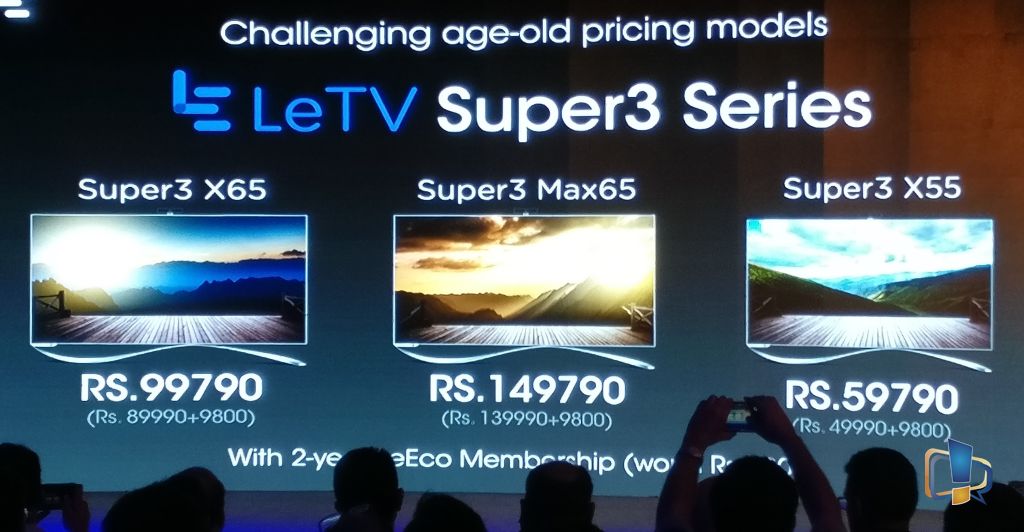
Around two weeks ago, reports had revealed that LeEco has laid off 85 percent of its Indian employees. This led to rumors that the Chinese company may consider leaving the Indian markets soon. However, by releasing a statement that said, “India is one of the most strategic markets for LeEco,” the company confirmed that it had no plans to quit its business in India. Fresh news suggest that the Chinese firm wants to focus on its TV business in the country.
According to LeEco COO Alexi Li,” We will not exit India but work out a smart strategy to manage operations in India. We will be cautious with our investments for now.” Jia Yueting, the founder of LeEco had earlier confirmed that the company encountered a financially crunching situation as it tried expand rapidly across the world in a short span of time. It seems that the current financial situation has caused it to adopt a new approach to manage its operations.
The COO of the company is of the view that since the smart TV business in the country is predicted to capture a market of 1 million, LeEco can grow quickly through its TV business rather than selling smartphones. Li further added that, “We will focus on smart TVs only and look at ways to solidify our existing customer base.” To reach more customers, LeEco will be marketing its TVs offline.
LeEco is also expected to invest its forthcoming asset in the new Information Technology Development Region (ITIR) that is being built at 40 sq. km land at Pali, Rajasthan. The new asset could be a production or R&D facility. The company seems to be struggling as Li said that it has reduced its content development plans and it has a small team based in Mumbai to manage it. It would be looking for more partners from now on.
Even though Eros Now has recently ceased its content on LeEco smartphones, Li said that the company would continue to work with the on-demand entertainment network. Both companies are expected to discuss soon to resolve their issues.
LeEco also aims to generate more revenue through its accessories that are sold through its LeMall online store in India. The company won’t launch its electrics cars in the country this year. Also, it won’t be launching single-brand retail outlets in 2017. LeEco has said its turnover of Rs 1,400 crores comprises of revenues generated through the sales of 1.28 million smartphones and 12,000 smart TVs.
We use cookies on our website to give you the most relevant experience by remembering your preferences and repeat visits. By clicking “Accept”, you consent to the use of ALL the cookies.
This website uses cookies to improve your experience while you navigate through the website. Out of these, the cookies that are categorized as necessary are stored on your browser as they are essential for the working of basic functionalities of the website. We also use third-party cookies that help us analyze and understand how you use this website. These cookies will be stored in your browser only with your consent. You also have the option to opt-out of these cookies. But opting out of some of these cookies may affect your browsing experience.
Necessary cookies are absolutely essential for the website to function properly. This category only includes cookies that ensures basic functionalities and security features of the website. These cookies do not store any personal information.
Any cookies that may not be particularly necessary for the website to function and is used specifically to collect user personal data via analytics, ads, other embedded contents are termed as non-necessary cookies. It is mandatory to procure user consent prior to running these cookies on your website.