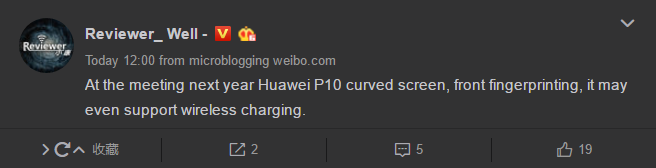
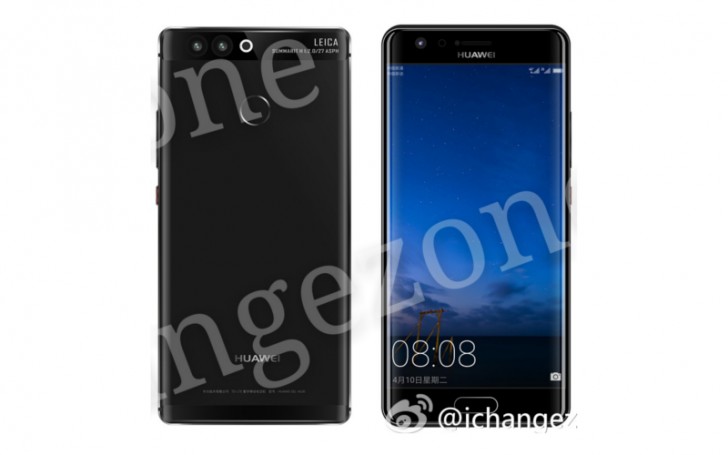
Huawei’s resources are probably focused on their first flagship device for next year, the Huawei P10. Since the Huawei Mate 9 was announced, the Huawei P10 has been the focus of leaks and rumors. The latest one comes from Weibo user @reviewer_Well who says the Huawei P10 will come with a dual-curved display.
The Huawei Mate 9 Pro is the company’s first device with a dual-curved display, so it wouldn’t be a surprise if the next flagship has a curved display as well.
He also mentioned that the Huawei P10 will have it’s fingerprint scanner in front instead of the back like the Huawei P9 and that the P10 might be the first Huawei phone to feature wireless charging. How the company intends to achieve that with an all-metal body still remains a mystery as phones with wireless charging are usually non-metal.
In the race for the top flagship chipset in the market, MediaTek was left behind this year. Processors from Samsung and Qualcomm have really taken performance to a whole new level, which is why 2017 is going to be a very important year for the Taiwanese chipmaker. However, it looks like things haven’t started too well for its flagship chipset, the Helio X30, which was just announced a few weeks back.
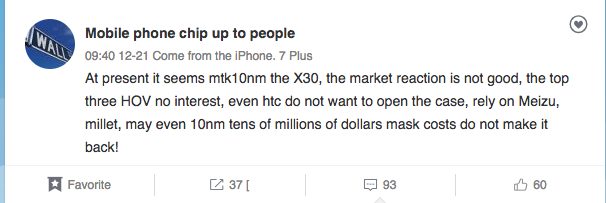
According to a well-known tech personality on Weibo, Helio X30’s market reaction hasn’t been very positive so far. In fact, he revealed that the three major smartphone companies in China namely, Huawei, OPPO, and Vivo are not going to use this chipset in 2017. Huawei’s lack of interest in Helio X30 would be understandable, given its increased focus on its own Kirin chipsets, but it’s said that both Vivo and OPPO (the two fast-growing smartphone companies in China today) are not interested in the chip, which is surprising. Even Taiwan’s own HTC isn’t willing to go with this top MediaTek chip. So, MediaTek may eventually have to rely on companies like Xiaomi and Meizu to ship a decent amount of Helio X30 processors. It’s worth noting that an insider has already revealed that Meizu’s flagship of 2017 would be powered by this MTK flagship processor.
On paper, the Helio X30 looks like a powerful chipset. First of all, it is built using the super efficient and the latest 10nm manufacturing node, joining the likes of other top flagship processors of 2017. Thanks to its two Cortex A73 cores for top-end performance, MediaTek claims that the performance increases by up to 43% as compared to its predecessors. Further, the power consumption reduces by as much as 53%.
It looks like Helio X30’s start hasn’t been pretty, with this news and then the recent alleged benchmark of the chipset showing sub-standard scores. While it’s too early to say whether Helio X30 will be successful, what I would like to see is the true performance of the deca-core architecture unleashed. MTK really needs its top flagship processors to perform well in 2017.
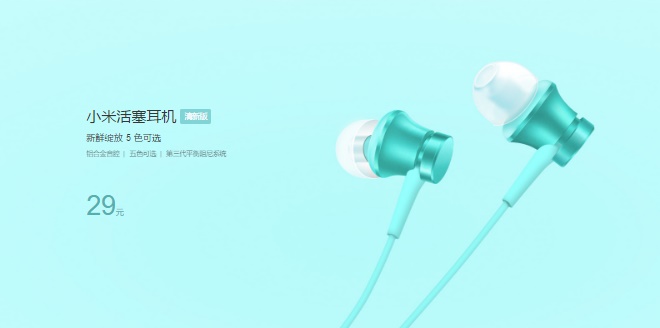
Xiaomi, today, released a new model in its Piston headphone line called the Piston Fresh. The new in-ear headphones sports aluminium chambers with a 3rd generation damping system and is available in five different colors.
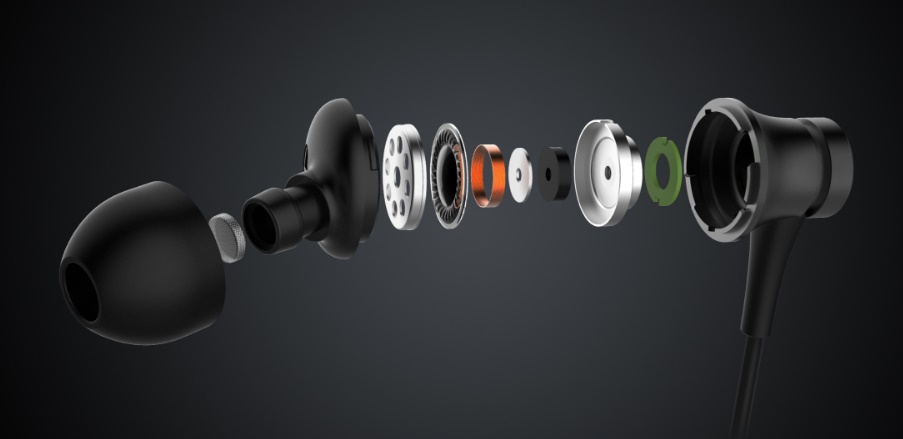
The metal chamber of the Piston Fresh is made of anodized aluminium alloy that is passed through a sandblasting process which giving it a scratch-resistant, anti-fingerprint, and non-slip feel. The tips are covered with silicone earbuds and are available in two sizes: small and large.
The 3rd generation damping system uses a separate airflow system for the front and back chambers. The air comes in through the front chamber and exits through the rear chamber. The damping system helps to optimize the tri-band performance.
Xiaomi’s Piston Fresh has an in-line control that features a microphone and a button that can be used to play and pause what you are listening to and can also be used to answer and end calls.
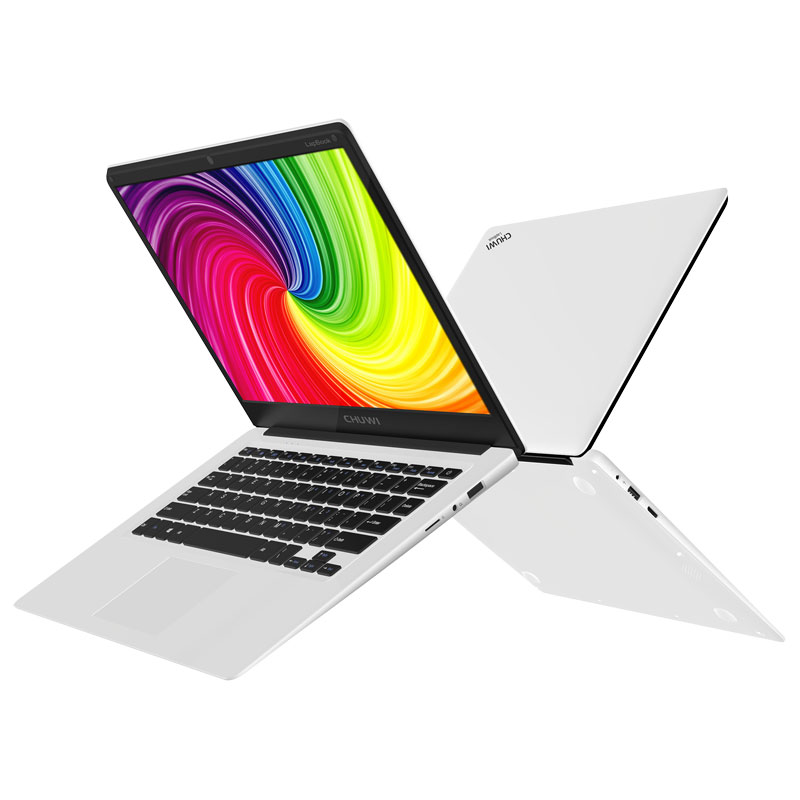
Chuwi has officially unveiled its new notebook, the LapBook 14.1 with an affordable pricing of just $299.
Chuwi LapBook 14.1 was made official on Dec. 22. It features a 14.1-inch IPS display that offers a resolution of 1920 x 1080 pixels and the 7th generation Intel Apollo Lake N3450 processor along with the latest 9th generation Intel HD graphics.
The LapBook 14.1 is not designed for high-end gaming, but it can support titles that require moderate system requirements.
The chipset is supported by 4 GB of RAM and it features a native storage of 64 GB. For connectivity, it is packed with two full-sized USB ports. It also features 2.4/5 GHz dual Wi-Fi connectivity.
The Chuwi LapBook 14.1 comes loaded with Windows 10 Redstone operating system. It features a massive 9,000 mAh Li-polymer battery to keep the lights on.
The laptop has an attractive ultra-thin design that measures 9-20 mm along with 8 mm screen bezels. Its weight is 1.3 kg. The icing on the cake is its $299 affordable pricing. It is now available on preorder with GearBest.
Chuwi had released its first ever laptop named Chuwi LapBook 15.6 in October. It has a 15.6-inch full HD screen and includes an Intel X5 series quad-core processor. The LapBook 14.1 is its second notebook iteration that comes with a smaller screen.
Chuwi LapBook 15.6
The original LapBook features a slightly larger battery of 10,000 mAh. It also features a 2-megapixel camera, a feature that is unavailable on the newer device. Both the laptops have same RAM and storage capacities.
What do you think about Chuwi LapBook 14.1’s specs and enticing price? Do share your views by posting comments below.
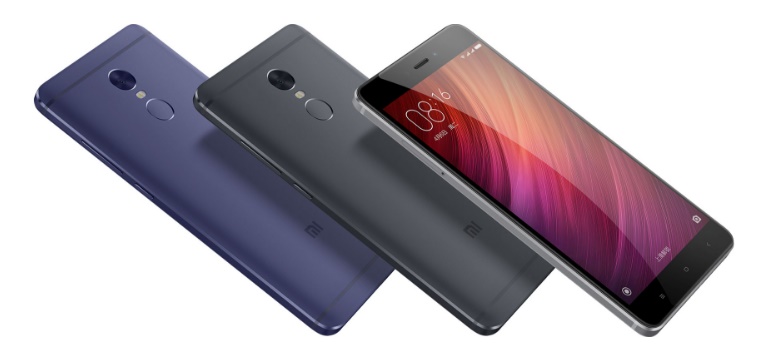
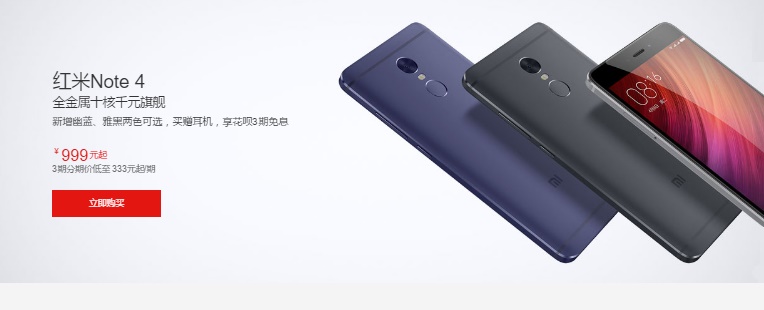
When a phone gets a new color variant its like its launching afresh. An example is what Samsung did with the Samsung S7 Edge, releasing a Coral Blue and Black Pearl variant and raking in more money in sales. Surprisingly, very few companies cash in on that but it seems Xiaomi gets the idea seeing as they have released two new color variants for the Redmi Note 4.
Originally available in gold, silver, and gray, Xiaomi has added blue and black color variants to the Redmi N0te 4. And they sure look very beautiful. The Redmi Note 4 takes over from last year’s Redmi Note 3 and should naturally be the head of the Redmi line but instead it is the dual-camera wielding Redmi Pro that takes the position.
The new color variants are limited to the 3GB + 32GB and 3GB+64GB models only but the price still remains 999 yuan (~$144).
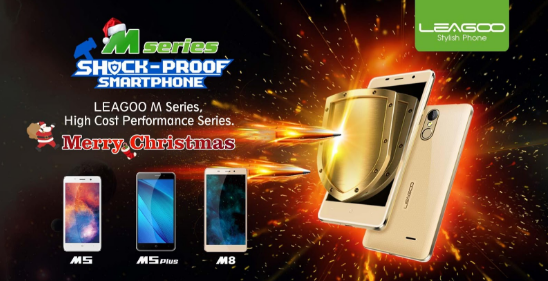
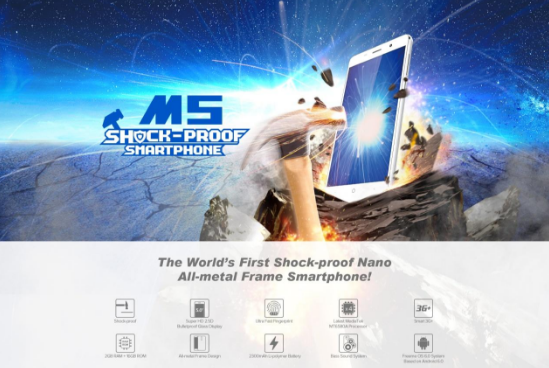
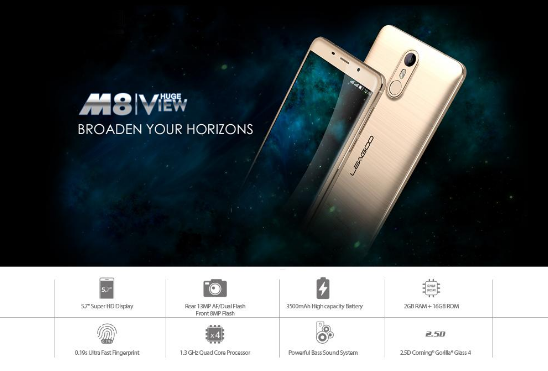
LEAGOO M series is presently made up of a trio of highly efficient, and cost-friendly range of smartphones that were all released in 2016. The M series is made up of the LEAGOO M5, M5 Plus and M8. The most cost-effective model of the three is the LEAGOO M5 released in the second half of 2016 and which co-incidentally is the best selling LEAGOO model. The model’s popularity cutting across border spanning several countries.
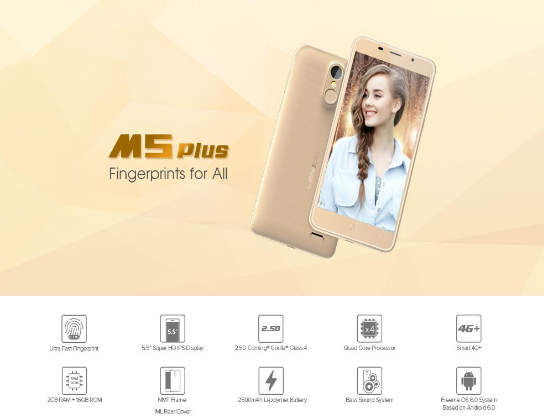
LEAGOO upgraded the series thus giving birth to the M5 Plus which is a little more expensive than the M5. LEAGOO M5 Plus comes with a larger display and faster 4G-enabled operation. The success of the M5 Plus also led to the release of the LEAGOO M8 which sports a 5.7-inch larger display and a huge 3,500mAh battery under its hood.
Although the three M series models are different from each other in details, they all have very similar designs and are tailored towards meeting the different needs of different persons. They are all durable, as all of them are equipped with the tough Corning Gorilla Glass 4. They also don’t lack in functionalities, packing a 0.19s ultra fast fingerprint sensor at the rear and having support for extra 128GB memory expansion.
The LEAGOO M series smartphones also come with the most excellent Freeme OS 6.0, powerful rear and front camera, super HD large display and with durable metal frame. Both LEAGOO M5 and LEAGOO M5 Plus have three radiating colors, including Champagne Gold, Galaxy White and Titanium Grey. On the other hand, there are two equally attractive colors on the M8, which is Champagne Gold and Titanium Grey.
Presently, the LEAGOO Christmas Shopping Carnival is on and LEAGOO has partnered with many well-known e-commerce websites to bring the LEAGOO M series models to consumers at very affordable, cheap price tags. The LEAGOO M series phones are limited in quantity so if you don’t grab yours now, they’ll get sold out and won’t be available soon.
Here is the Official recognized store where you can buy the LEAGOO M series phones:
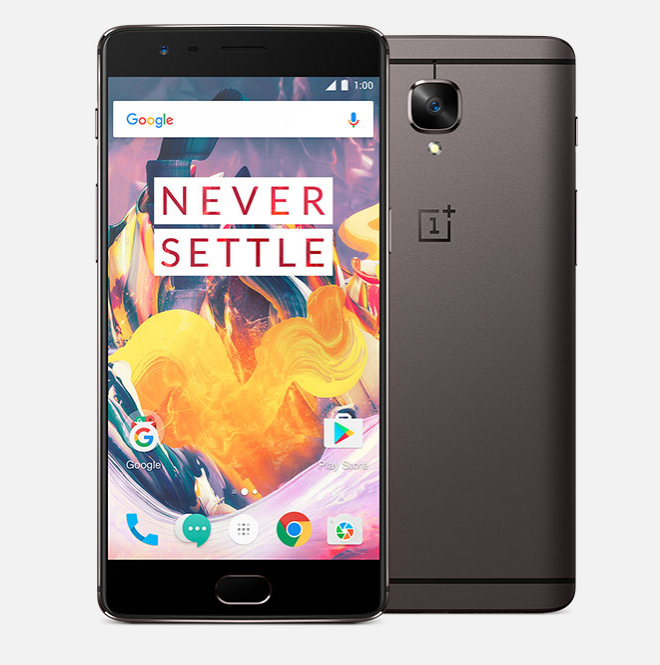
The OnePlus 3T can be referred to as the new Android poster boy. It’s one of the few phones that offers true premium quality and features at an affordable price. Even way more affordable than Google’s own Pixel and Pixel XL.
The OnePlus 3T, apart from being the most powerful phone is also the first OnePlus device to have a 128GB storage variant in addition to the 64GB base model. The extra storage storage will cost you more money if that is the variant you prefer. The US version is priced at $479 (out of stock for now) while the Europe/Asia variant is available for £439/$543. However, online mall Giztop, has it for $549 which is a very fair price if you ask me.
Excluding the large storage, this variant is the same as the 64GB model. It has the same 5.5-inch optic AMOLED display with Corning Gorilla Glass 4, 6GB of RAM, 2.35GHz Snapdragon 821 SoC, 16MP rear camera, 16MP selfie shooter, and 3400mAh battery.
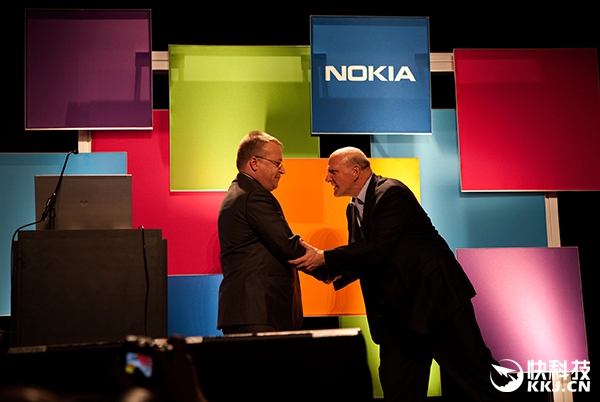
New returnee, Nokia is already making waves in the smartphone sector but its not what you think. We are yet to see the expected Nokia Android-powered smartphone but the company is in the news because it recently filed multiple lawsuits against Apple. According to reports, Nokia and Alcatel-Lucent have jointly instituted a major legal battle with rival company, Apple. This has seen the company filing lawsuits in Germany and the US on grounds of infringement of 32 of their patents by Apple.
A statement issued by Nokia reveals the patents include several technologies ranging from display, user interface, software, antenna, chipsets, to video coding. The lawsuits filed in the US were done in a federal court in East Texas which has a long history of favoring patent owners. No details on the lawsuit filed in Germany was given. But the The US lawsuit , on the other hand, includes 10 patents with most of them originating from Nokia, while at least one originated from Lucent Technologies. Make no mistake, Alcatel-Lucent was acquired by Nokia last year.
This isn’t the first time Nokia and Apple are getting into legal battle with each other as both companies had fought major legal battles between 2009 and 2011. The lawsuits back then spanned the globe but were seeming settled in 2011 with both parties reaching a settlement in 2011 that saw Nokia raking in hundreds of millons of Euros. Both parties are back in the trenches, though, as Nokia said in a statement today that Apple refused to license “other of its patented inventions which are used by many of Apple’s products.” Perhaps those patented inventions were not offered as part of the 2011 agreement.
The Nokia lawsuit lists infringement by virtually every version of iPhone, including the latest iPhone 7 down to iPhone 3GS. The iPad Pro and every version of iPad Air and iPad Mini, as well as the Apple Watch, Apple TV, and services like Find My iPhone and Find my iPad were also listed to have infringed on Nokia’s patent rights. Even the acclaimed Apple Siri featured in iOS 10 is said to have infringed on a patent it acquired from Alcatel-Lucent.
On its own part, Apple has also filed an antitrust lawsuit against Nokia in a federal court in San Jose, accusing the Finnish company of distributing its patent to so-called “patent trolls”, better known as patent assertion companies (PAE). The massive patent distribution to PAE is in order “to maximize the aggregate royalties that can be extracted from product companies,” Apple lawyers allege. One of the alleged PAE is Acacia Research Corp., which won a $22.1 million verdict against Apple in June.
This is not doubt going to be a long legal battle between both companies but note that it isn’t going to affect the release of the much expected Nokia Android phone which would herald the return of the Nokia brand into the smartphone market. Nokia has already sold its mobile phone business to Finnish company HMD Global Oy and all is going on as planned.
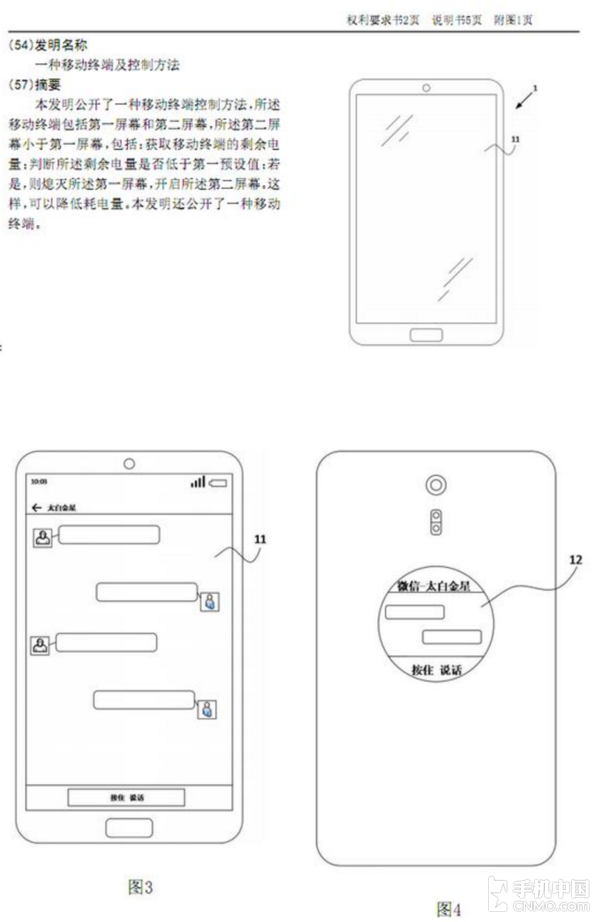
Meizu has released new a set of patents. The diagrams revealed through patent applications suggest the arrival of innovative dual screens on future smartphones from Meizu.
The patent filing with patent number 201610589545.X shows inclusion of two displays on the smartphone. The first one is the main screen at the front and the other one is a smaller display present on the rear side of the device. Both the front and rear screens will reportedly be able to interact with each other.
This secondary screen can also double up for Back function present on Android phones. Speculations suggest that it can be turn out to be a feature of the next generation mBack button.
When the smartphone is running low on power, it will automatically switch from large main screen to the secondary screen at the back. Since the screen at the back is small, this can be the ultimate power saving feature.
In August, Meizu was awarded for the versatile mBack patent that it had filed in 2012. The mBack feature offers four kinds of function for efficient navigation on the device.
To recap, Meizu’s mBack feature makes the home button all the more innovative. The mBack works as a fingerprint reader when the Home button is held for few seconds. Tapping on it lets the user access the previous page and pressing it allows to access Home button function. A long press on it can lock the device. The feature is available on several Meizu phones such as Meizu M5 Note, and Meizu M5.
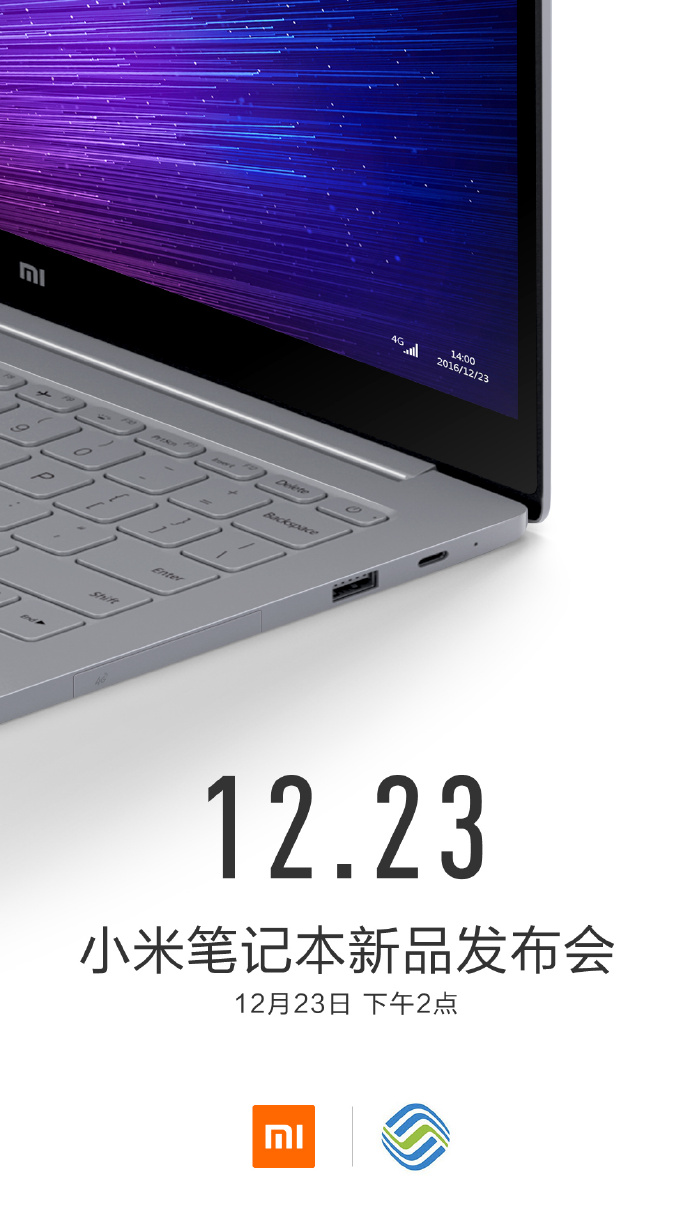
Xiaomi had recently confirmed that it will be holding a launch event on Dec. 23 for a newer edition of its notebook with 4G support. Fresh details suggest that it will arrive with Xiaomi Mi Notebook Pro moniker.
Xiaomi had launched its first ever laptop called Mi Notebook Air in July this year. It borrowed its design and name from its rival, the MacBook Air. Now, the Chinese company is all set to offer an upgraded edition of its Mi Notebook Air notebook with 4G support. Yet again the new model’s name – Mi Notebook Pro sounds quite similar to its rival Apple product, the MacBook Pro.
Xiaomi Mi Notebook Pro Specs
What does the Pro edition include apart from 4G connectivity? It is expected to arrive with a 4K resolution display and it is also expected to include Intel i7-6700HQ processor under its hood. Like the Mi Notebook Air, the Pro edition may arrive in two screen sizes of 12.5-inch and 13.3-inch.
For graphics, it is pegged to include GTX 960M GPU. The processor of the Mi Notebook Pro will be supported by 16 GB DDR RAM. For storage needs, the notebook is expected to feature a 512 GB SSD drive.
The size of its battery is not known yet. With 4G support, its users will be able to access the internet anytime and anywhere. More details on the laptop are expected to revealed through Dec. 23 Xiaomi Mi Notebook Pro 4G launch event.
The Mi Notebook Pro with its hefty specs is expected to carry an affordable pricing. It is expected to be available with a starting price of 6,000 Yuan ($863), which would be great for the above specs.
The 13-inch MacBook Pro 2016 is available with a starting price of $1,499. None of the MacBook Pro variants feature 4G support. Even the highest configuration model with $2,799 pricing lacks the feature.
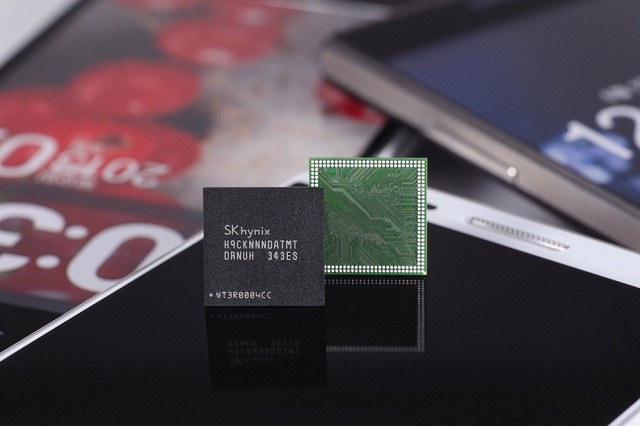
Samsung announced its breakthrough in the development of 8GB LPDDR4 RAM for mobile phones and tablet few months back but it looks like Samsung isn’t going to have a monopoly of that RAM size. South Korean company SK Hynix has equally announced that it has manufactured a new generation of 8GB LPDDR4 memory in a single chip package suitable for smart phones, tablets and PCs.
The SK Hynix 8GB (64GB) LPDDR4 memory incorporates four 2GB (16GB) DRAM ICs with a nominal data transfer rate or frequency of 3733MT/s (that is 3733MHz). This is lower than the 4266MHz frequency the Samsung 8GB LPDDR4 memory is said to have. The Hynix memory chip also comes with a bandwidth of 29.8GB/s.
Unlike Samsung’s own 8GB LPDDR4 memory which uses the 10nm manufacturing process, the Hynix chip uses a 21nm manufacturing process but is compatible with mainstream mobile phones. It also supports UFS NAND flash memory, voltage rating of 1.8 / 1.1V. This version is now shipping. There is another version with a broader 0.6V ultra low-grade voltage rating which is more energy efficient but this version would ship in the first quarter (Q1) of 2017. This version has as its product number – H9HKNNNFBMMUDR-NMH.
About SK Hynix
In case you don’t know, SK Hynix is the world’s second largest chipmaker after Samsung and the World’s fifth-largest semiconductor company. The company is also known as Hyundai Electronics and in fact, Hynix is an abbreviated form of Hyundai Electronics. A merger with fellow Korean company, SK group gave rise to the name SK Hynix.
The company supplies memory semiconductors of dynamic random access memory (DRAM) and flash memory chips. Its clientèle cuts across from Apple, Asus, IBM, Dell, right to Hewlett-Packard. Hynix memory is used by Apple in some of their iMac, MacBook and MacBook Pro computers. Hynix memory is also used by Asus in their Google-branded Nexus 7 tablet, an OEM provider for IBM System x servers, and is used in PC desktops as well as the ASUS Eee PC. Dell and Hewlett-Packard have also used Hynix memory as OEM equipment. Other products that use Hynix memory include DVD players, cellular phones, set-top boxes, personal digital assistants, networking equipment, and hard disk drives.
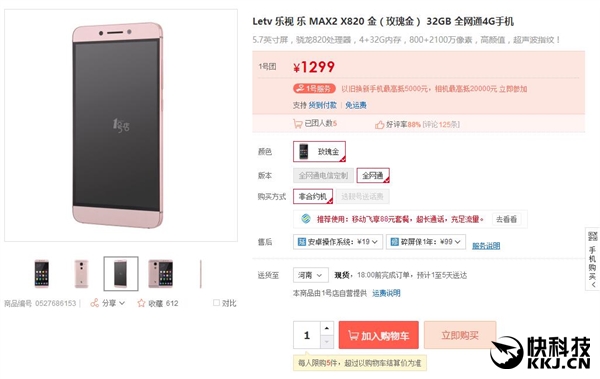
If you are out for a new phone and what something with a powerful processor, like the Snapdragon 820 which is only second to the Snapdragon 821 right now, you can do so with just $200. Before, you could only snag the ZUK Z2 at that price, but LeEco not wanting to be left behind have also cut the price of their flagship, the Le Max 2.
When the Le Max 2 was released this year it sold for 2099 yuan for the 4GB+32GB model but over the months, it has had its price cut multiple times. Now you can pick up a unit with the same configuration above for just 1299 yuan (~$187)!
The Le Max 2 apart from sporting a Snapdragon 820 chip, also features a 5.7-inch 2K display, a 21MP rear camera, an 8MP selfie shooter, and an ultrasonic fingerprint scanner. There is full network support, VoLTE and its is one of the few phones out of China with a wide range of band support that lets it work in over 200 countries. The Le Max 2 has a 3100mAh battery that supports QC 3.0 fast charging technology. It also comes with Android Marshmallow out of the box, though we hope LeEco announces an Android Nougat update for it soon.
Do not forget that the Le Max 2 doesn’t have an audio jack but instead provides lossless audio via the USB type-C port,
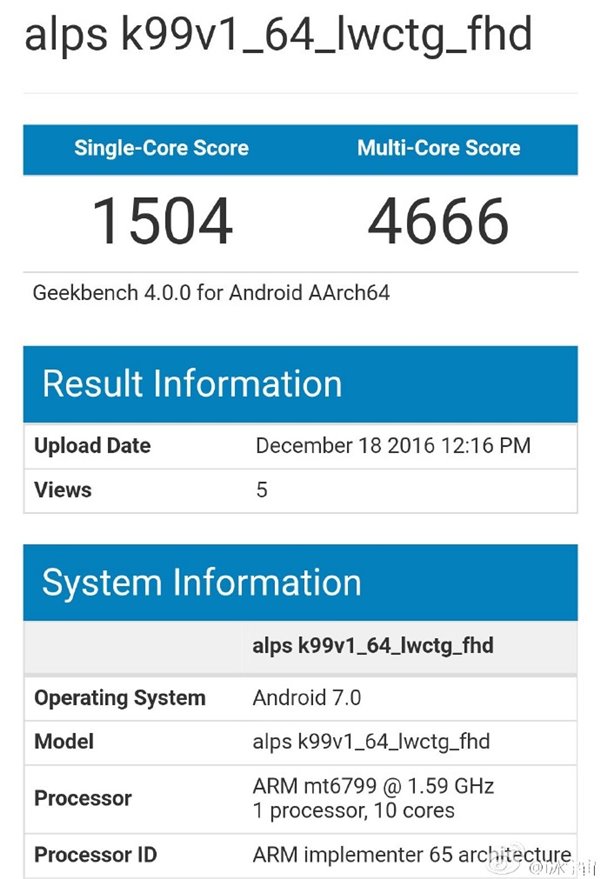
MediaTek announced its next generation Helio X30 flagship chip about four months back but since then nothing has been heard about the processor built on a 10nM manufacturing process. But presently, a pictorial data said to be the Geekbench posting of the MediaTek Helio X30 has surfaced.
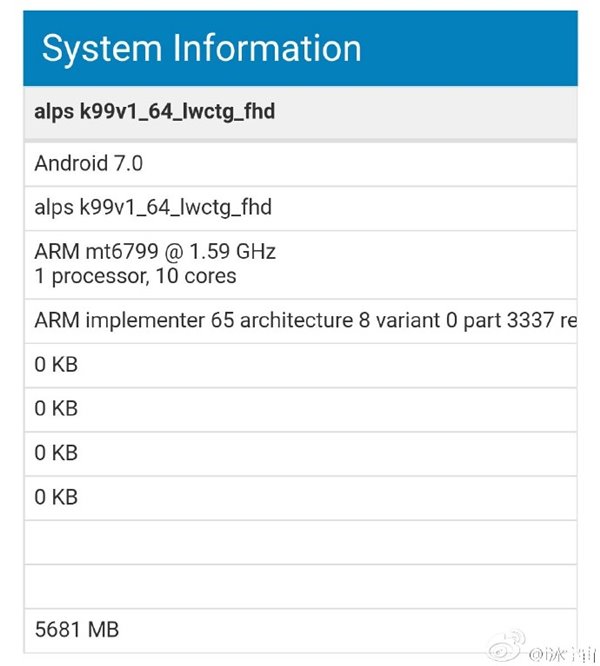
The Helio X30 is said to come with a deca-core design and perhaps for the purpose of the test and the machine is it infused into, the chip was clocked at 1.59GHz while providing the interface is Android Nougat 7.0 and there is a 6GB RAM backing the processor.
We are not so sure, though, that this is actually MediaTek’s X30 chip onboard the device as it only managed to pull a single core test score of 1504 points. On the multi-core test, it recorded a score of 4666 points. Now, that is way lower than the scores posted by its contemporaries, talking about the Qualcomm Snapdagon 821 and Huawei’s latest HiSilicon Kirin 960.
If actually, it is indeed an Helio X30 chip onboard, then this isn’t its normal level. When MediaTek announced the flagship chip few months back its configuration include being a deca-core chipset and having the same tri-cluster design in series like Helio X20 and Helio X25. The X30 is manufactured using TSMC’s 10nm FinFET process and talking about cores, there are 4 Cortex-A73 cores clocked at 2.8GHz, which is claimed to maul down heaviest of tasks, 4 Cortex A-53 cores clocked at 2.2GHz, and 2 Cortex A-35 cores clocked at 2GHz. Compared to the Helio X20 is comes with up to 53% improvement in power consumption and 43% performance improvement.
In addition, the Helio X30 is touted to support camera sensors up to 40MP and video capture up to 24MP. Further, Helio X30 will support up to 8GB of RAM further supporting LPDDR4 (Package-On-Package) POP 1600MHz channels. It is further equipped with PowerVR 7XT quad-core GPU. This graphic engine will highly enhance the graphic performance and will be perfect for VR as well. The Helio X30 will also support LTE CAT 12.
The chipset isn’t expected to ship until sometime next year and we can expect some devices to show up powered by this chipset in the second half of 2017. Perhaps when that happens, we’ll get to see the true fire power of the Helio X30 but for now, we’ll take this alleged Geekbench posting with a pinch of salt.
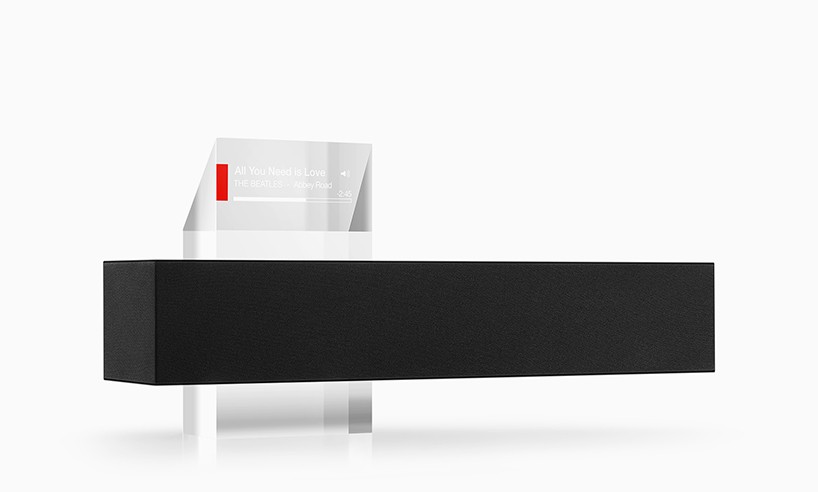
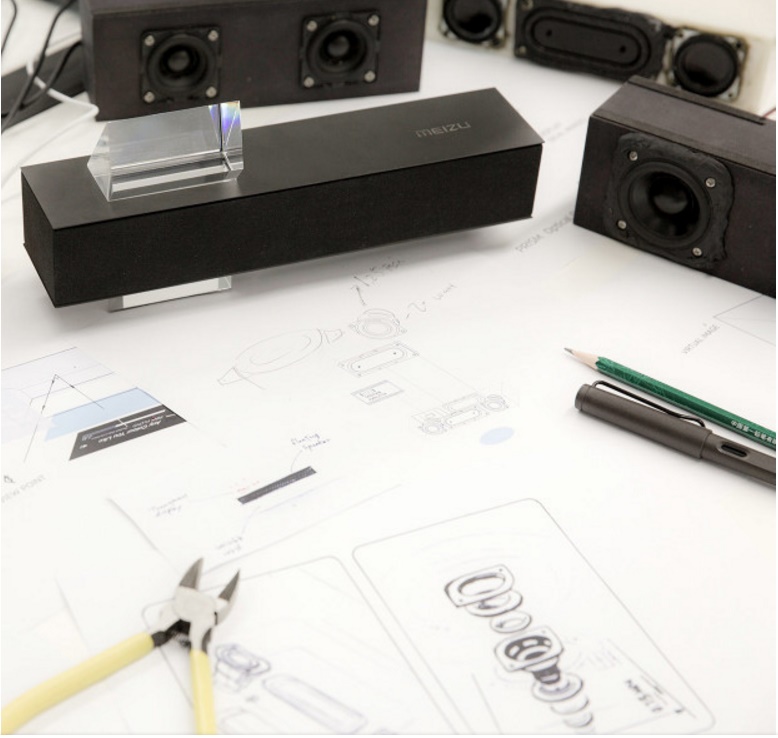
Meizu announced a new wireless speaker back in May. The speaker which gives off the illusion that it floats hence the name Gravity, was designed by Kosho Tsuboi. The speaker was crowdfunded on Indiegogo and marked the company’s entry into the US market.
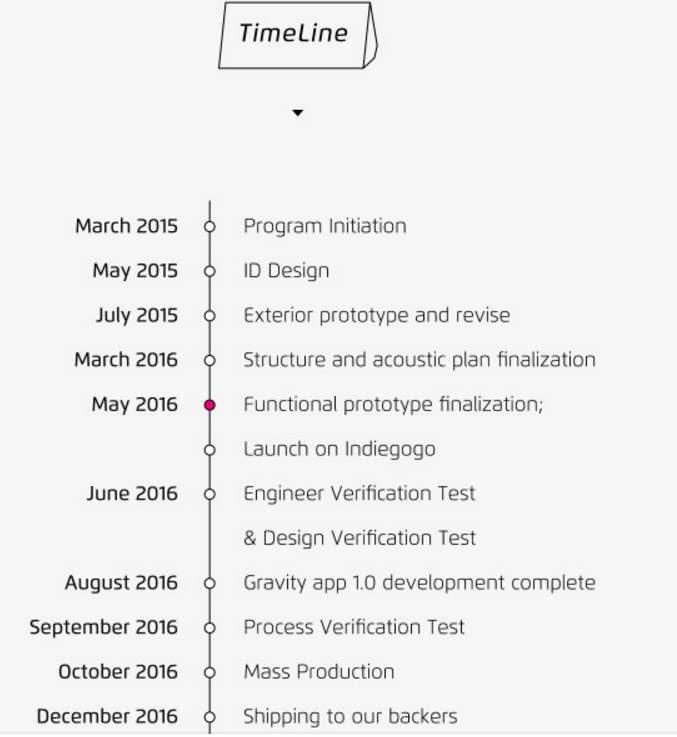
According to the timeline of events provided on the Indiegogo page, the Gravity wireless speaker is supposed to ship this month to early backers who paid less ($169) instead of the official $249 price when it launches. However, that won’t be happening as a statement from the company this morning says shipments have been pushed to the first quarter of 2017. The reason for the delay is as a result of design problems related to the main speaker.
The product manager of Gravity, Lola Wu, took to Weibo to explain about the delay. In her post, she said the design issues of the main speaker unit has caused them to replace the mold of the speaker up to seven times. They still have not gotten the desired effect and will rather achieve that than ship a sub-par speaker. Supply partners are not happy with the multiple changes and backers will be dissatisfied as well.
While this is not a new thing when it comes to crowdfunded items, it usually creates a negative impression of the company. Let’s hope the company meets up with their Q1 2017 delivery promise and throws in a free gift as compensation for the delay.
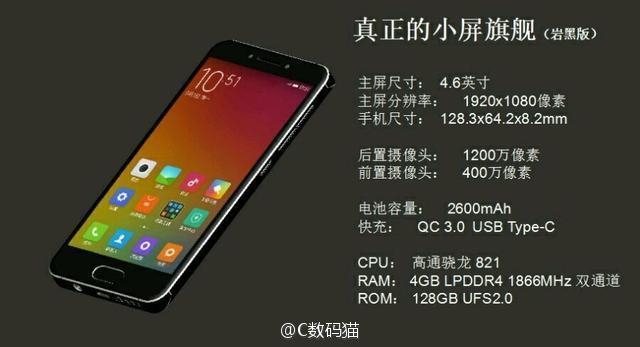
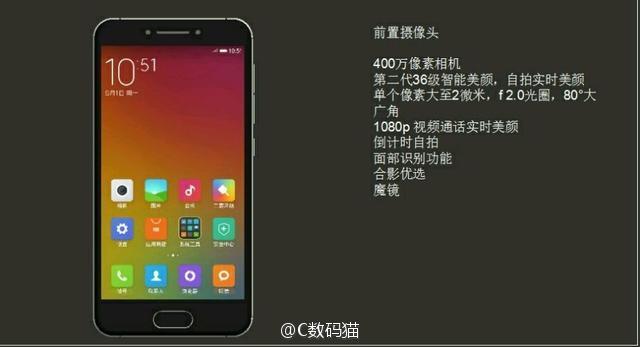
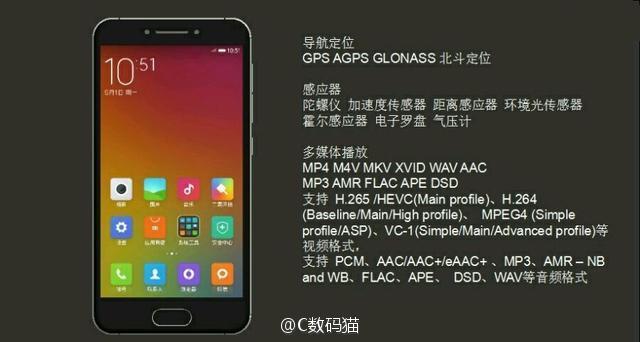
It appears Xiaomi might be considering a small-screen flagship device for those who do not fancy phones with large displays. The information comes in form of a number of images of a phone called the Xiaomi Mi S posted on Weibo by @C数码猫 (C Digital cat).
The Xiaomi Mi S is expected to feature a 4.6-inch 1080p display, a Snapdragon 821 processor, 4GB of RAM, and 128GB of UFS 2.0 storage. It will come with a 2600mAh battery with Quick Charge 3.0 and will have a 12MP main camera and a 4MP front facing shooter. You might think since the Xiaomi Mi S will be featuring a small battery and display it will have a thin profile, but surprisingly, the dimensions of the phone puts its thickness at 8.2mm, its length at 128.3mm and width at 64.2mm.
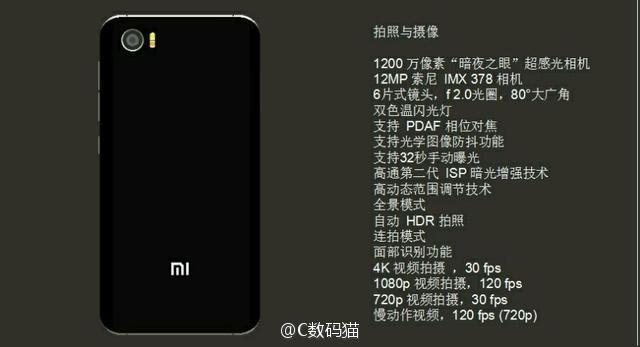
A more detailed description of the specs says the main camera which is positioned at the top right corner with a dual LED flash beside it, is a Sony IMX378 sensor with PDAF, f/2.0 aperture, and an 80° viewing angle. The camera will be able to shoot 4K videos at 30fps and 1080p videos at 120fps.
The Xiaomi Mi S appears to use a single nano-sim card with support for 3x carrier aggregation(3xCA). The phone will support 4G+, 4G, 3G,and 2G networks. It will also have NFC, dual WiFi band support, WiDi, and WiFi Direct.
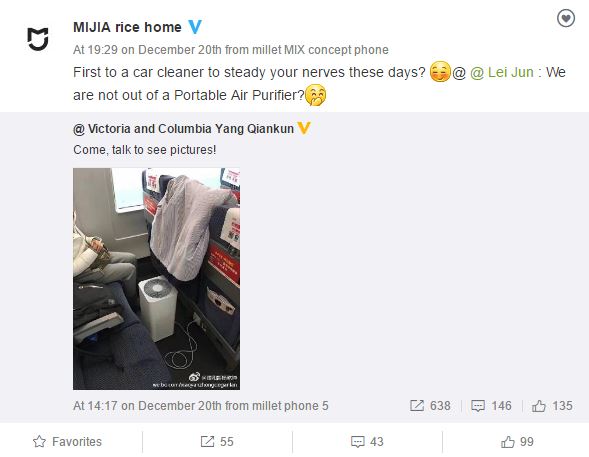
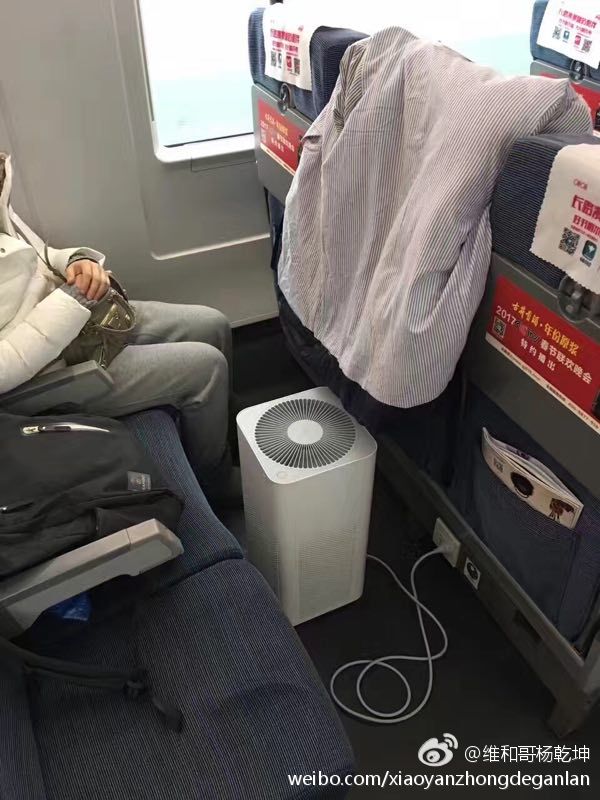
The use of face masks and air purifiers is witnessing a surge this season due to the hazy conditions which means the air is unsafe to be inhaled, filled with dust and impurities. Recently, a photo of a man traveling in a high-speed rail and using the Xiaomi Mi Air Purifier emerged. The image generated lots of response as the air purifier is too bulky to be carried all around. Even fXiaomi’s CEO, Lei Jun also weighed in, suggesting that the company will work on a portable air purifier which can be used while in transit.
Already, Xiaomi has three different versions of its Air purifier in its kitty which includes the Xiaomi Air Purifier, Xiaomi Air Purifier 2 and Xiaomi Air Purifier Pro, but they are all mean’t for indoor use. Now due to the strong haze, there is a need for an anti-haze equipment while outside the house, and this seem to have prompted Xiaomi to do a portable car air purifier.
According to a post on the official Mijia Weibo page, the air purifier is coming soon and a Xiaomi exec even took it further by revealing it would be launched as early as next week. Further details also shared by anothe Xiaomi official reveals the possibility of the M Air purifier coming with a large CADR ratio (clean air output ratio) which is likely higher than those of other brands in the market presently.
It must be noted that there are several car air purifiers in the market presently but they are not cheap, but we expect the Xiaomi air purifier to change that by adopting a cheap price tag which is one of Xiaomi’s hallmark.
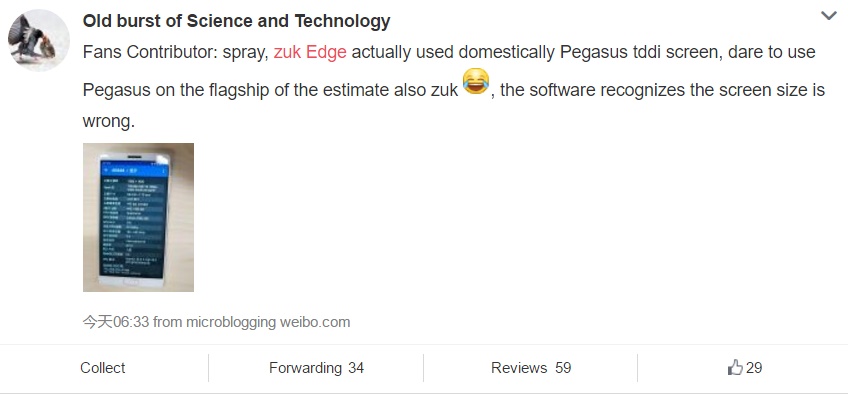
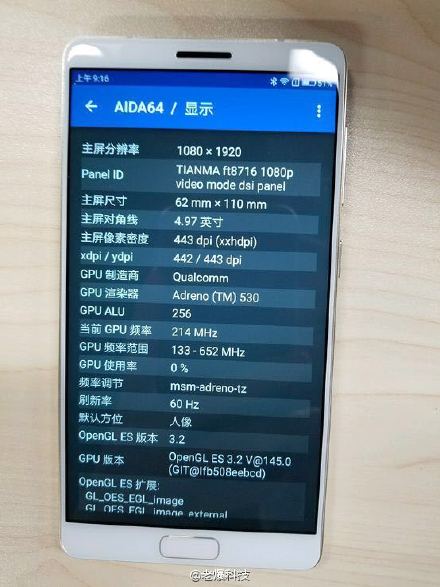
Lenovo-owned ZUK announced its new flagship, the ZUK Edge, yesterday. The selling point of the phone is its thin bezels which results in the screen accounting for up to 86.4% of the surface area. Most people might have thought ZUK got the supply for the displays from big display companies like Samsung, JDI, or Sharp, but surprisingly the displays were supplied by a local company called TIANMA.
The finding was made by a Weibo user @老爆科技 (Old burst of Science and Technology) who made the discovery using system information app AIDA64. He has berated the company for settling to use locally made displays for a flagship device instead of screens from more popular display manufacturers. AIDA64 even shows the display as having a size of 4.97 inches instead 5.5 inches.
Some other Weibo users have actually praised Lenovo’s decision to settle for locally manufactured parts as a way to boost the industry and support its growth instead of going to other corporations based outside China.
Xiaomi‘s Mijia sub-brand is seen as Xiaomi’s departmental store where you can get variety of products ranging from smart gadgets, home product and others. The sub-brand has continued to grow bigger and bigger by the day and recent revelations by Xiaomi’s CEO indicate the company has this outgoing year amassed a large amount of revenue from sales of products under the Mijia sub-brand.
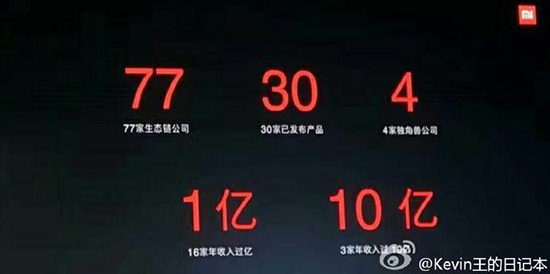
The China Mobile Global Partner conference was held recently and during the conference Lei Jun was reported to have disclosed the sales and revenue data from the sub-brand. According to records made available, Xiaomi has so far invested in 77 ecological chain company of which 30 released products during this period. This is aside Xiaomi’s core products like smartphones, MIUI software and others which form the core of the company.
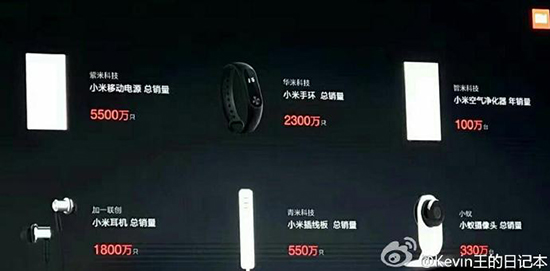
It was revealed that expected revenue from the Xiaomi smart products are expected to run into billions of dollars. A breakdown statistical data shows the Xiaomi Power bank is expected with a total sales figure of 55 million units, the Xiaomi Mi band – 23 million, the Mi Air Purifier – 1 million pieces, Mi headset – 18 million, the Xiaomi keyboard – 5.5 million and the Small Ant camera – 3.3 million pieces.
It is also worthy of note that one of Xiaomi’s ecological chain partner, Huami technology Co., recently announced a total shipment of more than 16 million units of smart wearables totaling up to 1.5 Billion yuan in revenue, a huge rise in revenue. It is also speculated that Xiaomi will in the near future release more smart product like air-condition system, smart refridgerator, smart curtains, all already in the pipeline.
When the Xiaomi Mi MIX launched, the phone manufacturer already explained that it will be in short supply due to the difficulty associated with the production of its ceramic body. Quite a number of people complained as to why they had to settle for a ceramic body in the first place but I guess they wanted to score top marks for design.
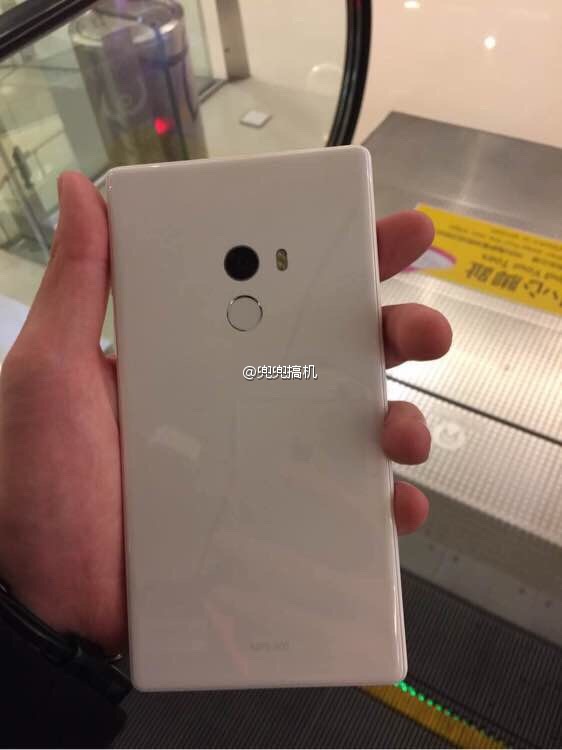
Now that the hype around the phone has reduced, it seems they have had a rethink about the design and might be releasing a newer version of the phone with a body that is easier to make. According to the source, the newer version of the Mi MIX will be white and will sport a glass body.
If you remember, we reported about a month ago that there was going to be a white ceramic version of the phone. There were even leaked pictures of the device. While that might have been a production sample, we don’t know if Xiaomi has totally shelved it in favor of a version with a glass body.
If Xiaomi does release the Mi MIX with a glass body, we should expect it to cost less. Xiaomi did the same when they released the Mi 5 Pro with a glass body since they had production issues when making the ceramic version of the Mi 5 Pro.
Lynx store initially had a white Mi MIX listed for ¥3000 (~$432) before pulling the page down. Although it’s lesser than the official price of the ceramic black version which is priced at ¥3499 for the 128GB version and ¥3999 for the 256GB model, it doesn’t mean that will be the final selling price when it is available.
Global financial services firm Morgan Stanley has warned that China’s smartphone market will likely be flooded in the first quarter of next year with this year’s phone stock. The US-based financial corporation hinged its prediction on the large scale expansion of production capacity by Chinese smartphone manufacturers this year.
Earlier this month, Sweden’s Fingerprint Cards (FINGB-Stockholm) lowered its 2017 revenue forecast and since Chinese manufacturers are its major clients it only means that China’s smartphone industry stock had been too much.
According to Morgan Stanley’s Jasmine Lu, Huawei, OPPO and Vivo are optimistic about their shipments this year (seeking to achieve annual shipments growth of 31-123%). They recently raised the 2017 target again (an increase of 21-114%), and has been working to ensure access to key components (such as OLED panel, memory etc), in order to expand market share.
In addition, almost all the Chinese smartphone original equipment manufacturer (OEM) released new models in the third / fourth quarter of 2016, apparently in a bid to grab some of the market shares from the likes of Apple and Samsung Electronics and other global OEM competitors. However, in the face of fierce competition, the product cycle has shortened from at least six months to less than three months, and OEM flagship models almost pack similar features which makes large-scale expansion in the first half of 2017 for spare parts suppliers uncertain.
As a result, smartphone manufacturers may need to up their ante come 2017 in order to beat off stiffening competition and this will put pressure on parts suppliers, according to Morgan Stanley. It must be acknowledge, though, that phone sales have also increased tremendously and so we may not necessarily notice a large stock roll over into next year.
We use cookies on our website to give you the most relevant experience by remembering your preferences and repeat visits. By clicking “Accept”, you consent to the use of ALL the cookies.
This website uses cookies to improve your experience while you navigate through the website. Out of these, the cookies that are categorized as necessary are stored on your browser as they are essential for the working of basic functionalities of the website. We also use third-party cookies that help us analyze and understand how you use this website. These cookies will be stored in your browser only with your consent. You also have the option to opt-out of these cookies. But opting out of some of these cookies may affect your browsing experience.
Necessary cookies are absolutely essential for the website to function properly. This category only includes cookies that ensures basic functionalities and security features of the website. These cookies do not store any personal information.
Any cookies that may not be particularly necessary for the website to function and is used specifically to collect user personal data via analytics, ads, other embedded contents are termed as non-necessary cookies. It is mandatory to procure user consent prior to running these cookies on your website.