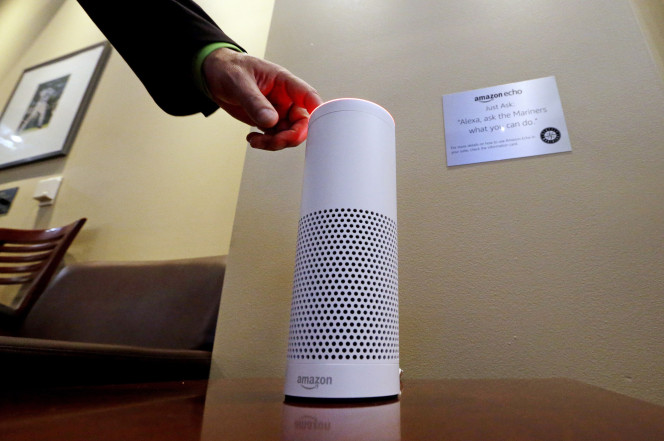
A report carried by the Financial Times alleges that U.S online retail giant Amazon is working on its first wearable device and it is going to be a pair of smart glasses powered by its voice-activated Alexa assistant. Amazon has quite a large catalogue of products to its name and under the brand but its consumer electronics products include just the Amazon Kindle, Amazon Echo and Fire TV. The Amazon Echo smart speaker is the first product powered by the Alexa voice assistant but now the wearable will be joining the list.
The smart wearable would be designed just like a regular pair of spectacles and will come with wireless connectivity which will allow it to connect to a smartphone wirelessly. Also among its features would be a bone-conduction audio system which would allow the wearer to hear the voice prompt by Alexa even without having a headphone in his or her ears.
The rumour speculated that Amazon may be looking to enter the emerging market for “augmented reality” goggles. In addition, what readily comes to mind is Google’s own augmented reality glasses which was discontinued last year but has been re-introduced earlier this year. It may not feature a camera and virtual screen which created a storm of controversy for Google Glass but some of the personnel involved in its development have been closely associated with Google Glass in the past. There are also indications that Magic Leap, Apple and Facebook are working on various headsets that would display digital images in front of the viewer’s eyes.
Amazon is yet to comment on this report nor have they revealed such product is in development.
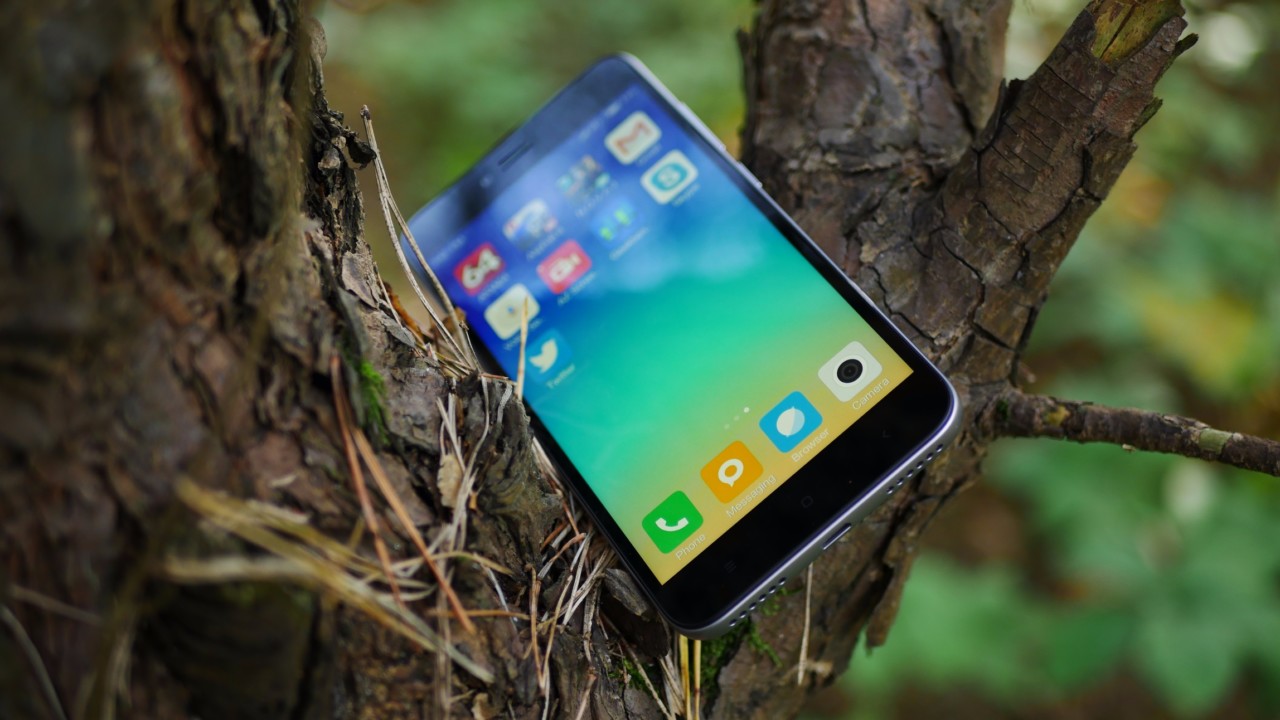
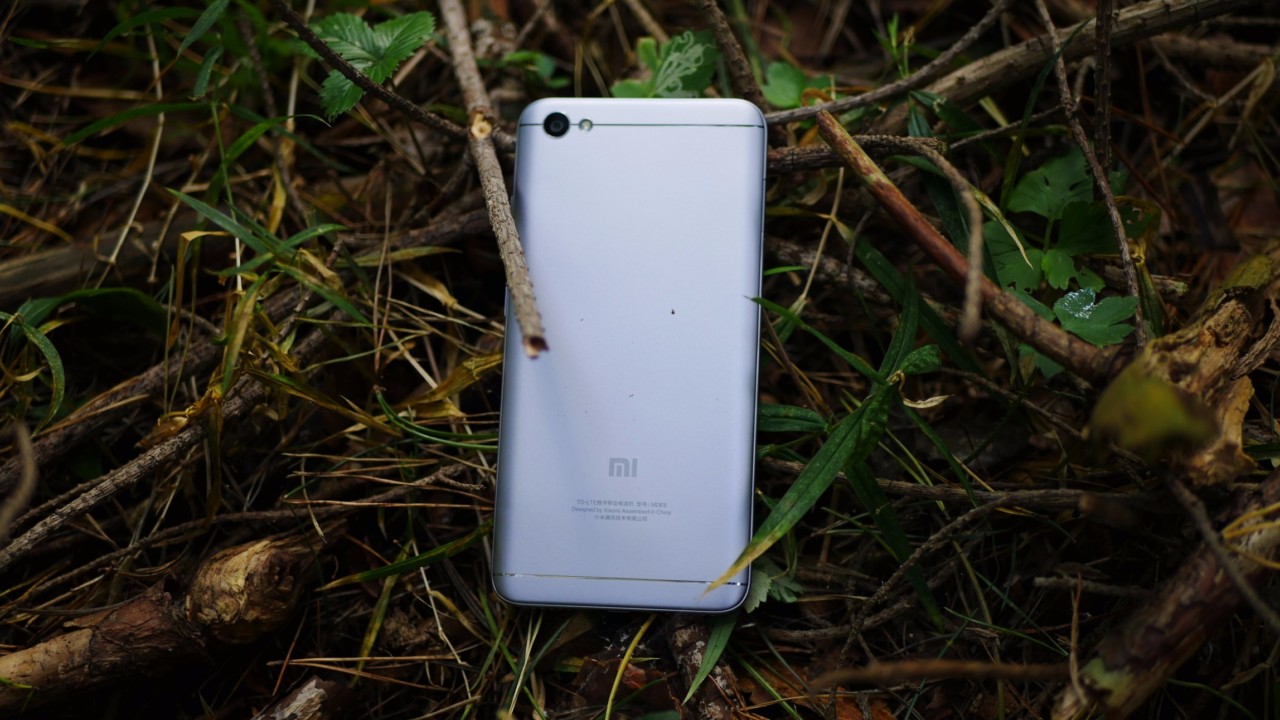
Xiaomi’s Redmi Note series has been one of the most successful among budget smartphones. I have the cheapest version of the Redmi Note 5a that costs just about $120 but it offers a lot of features for the price. Learn more in the full Xiaomi Redmi Note 5a review.
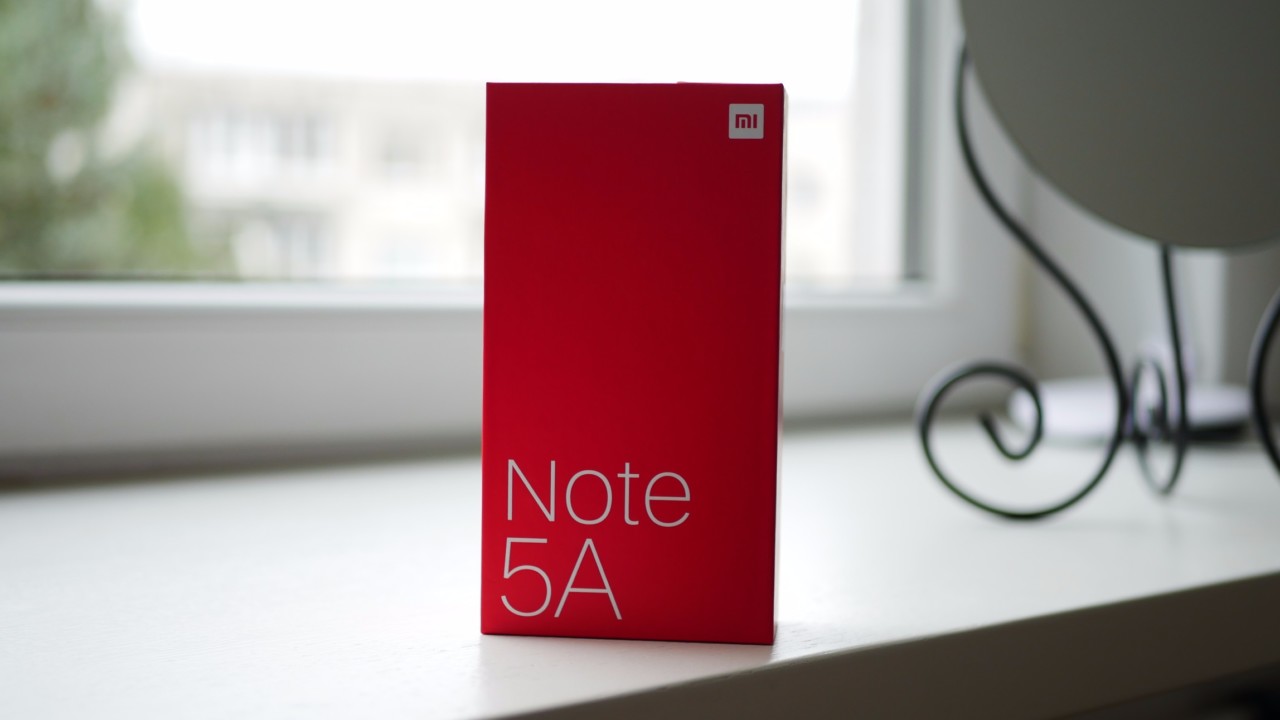
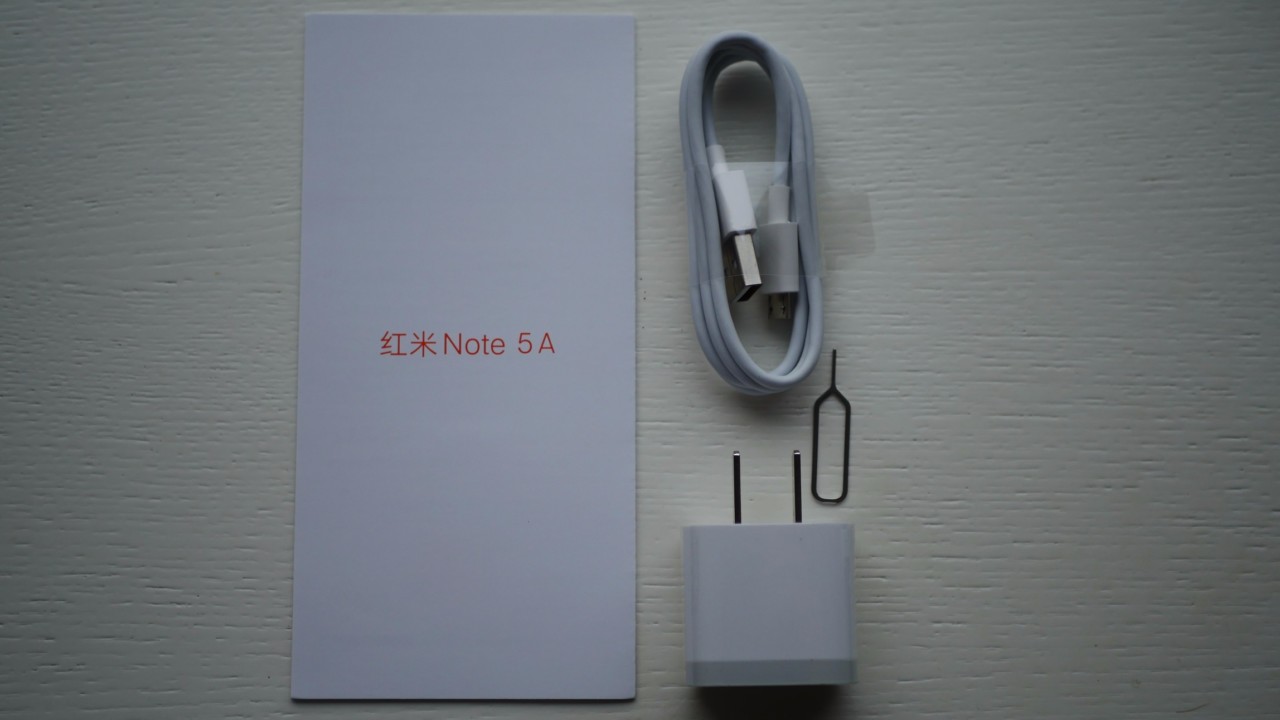
The phone ships in a rather unusual for Xiaomi red box. Inside of it, you can find all the usual stuff, no extras included.
DESIGN and DISPLAY
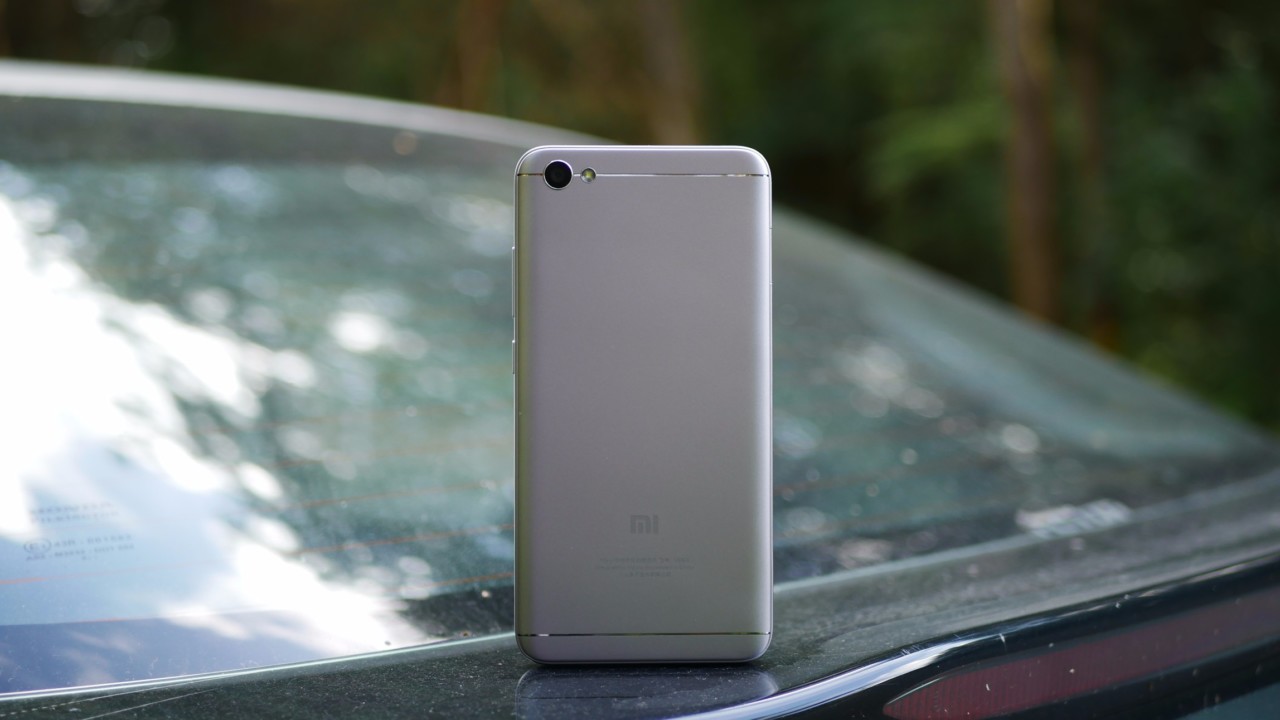
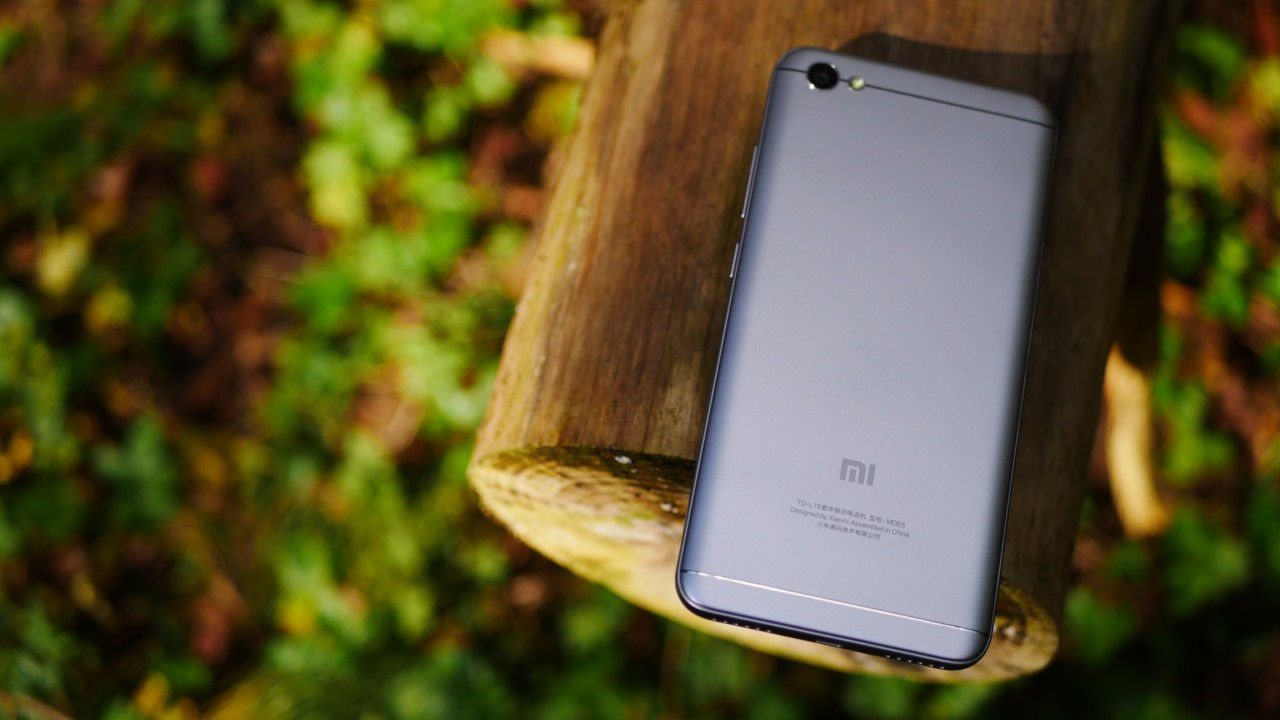
As far as design goes, the Redmi Note 5a is kind of plain looking and it is very similar to the Redmi 4a. The phone is made entirely of plastic and while it does not look or feel premium, the build quality is excellent.
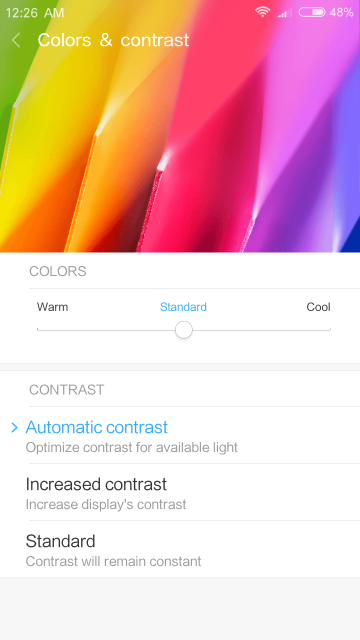
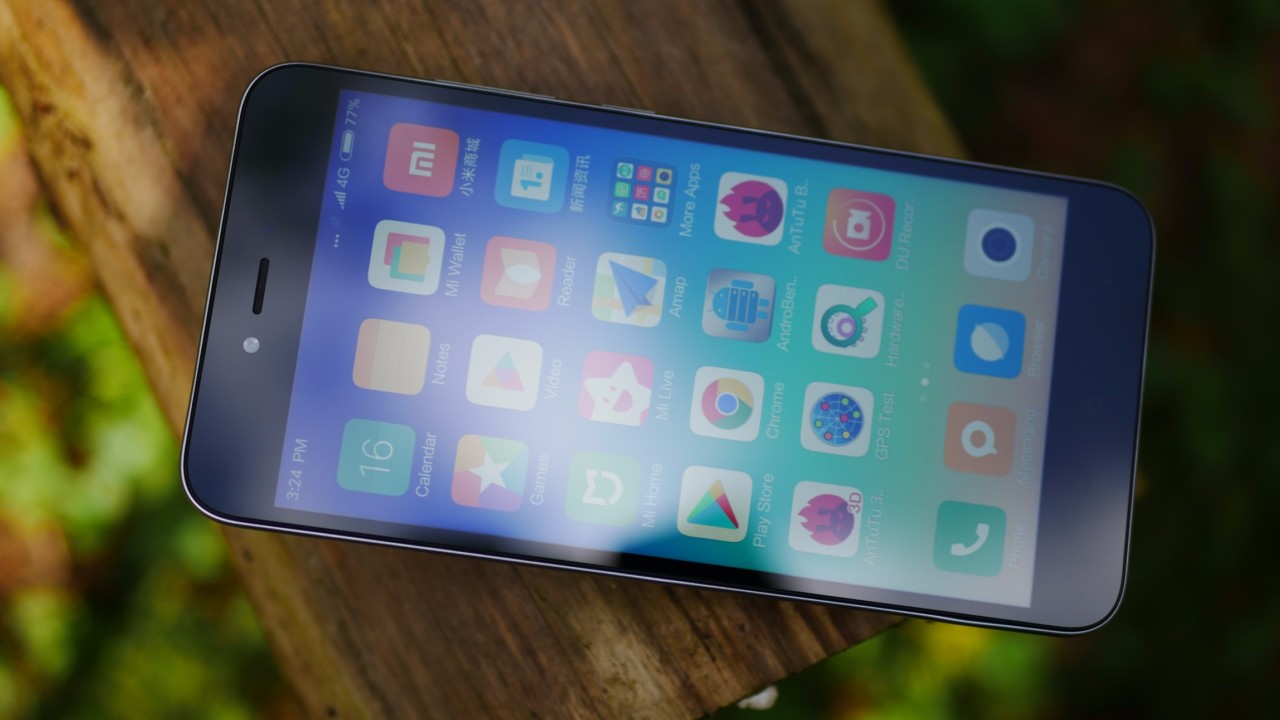
The 5.5” display sports only 72op resolution but it is still quite sharp for everyday use.
We do have an IR blaster, a notification LED light and 5MP selfie shooter but the buttons are not backlit.
There is no fingerprint scanner on this phone whereas the Prime model has this feature.
As for the camera, we have a 13MP shooter with a single LED flash.
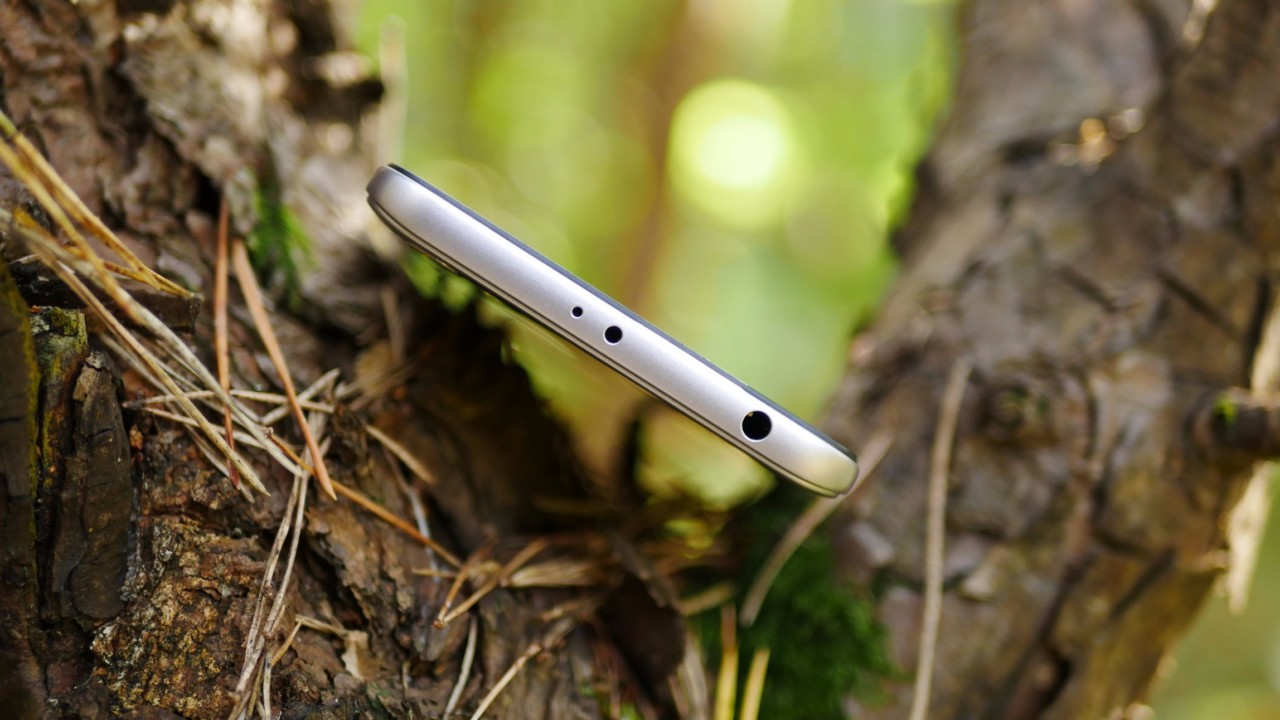
The sound quality via the headset jack is pretty good and the loudspeaker is not bad at all for the price of the phone.
HARDWARE and PERFORMANCE
The hardware configuration is not really impressive on the Redmi Note 5a but this is what you have to expect at this price point.
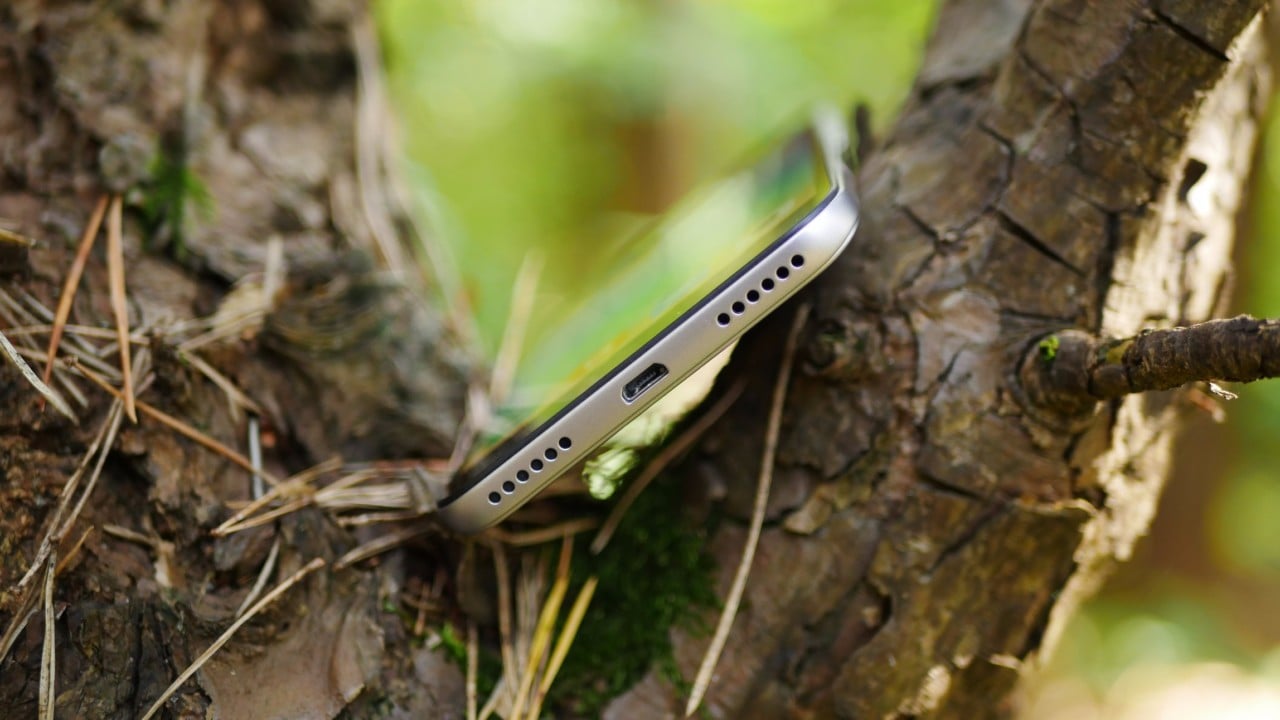
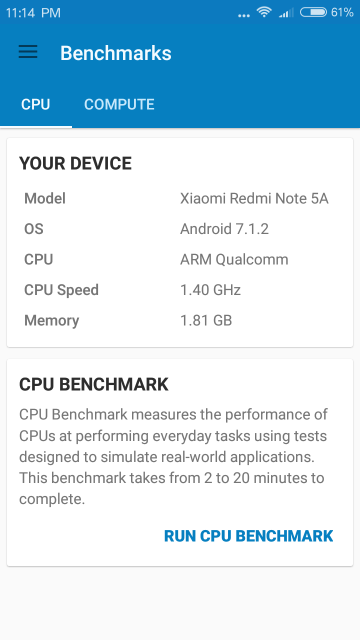
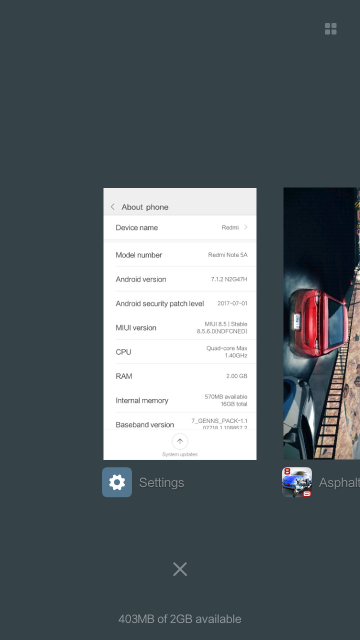
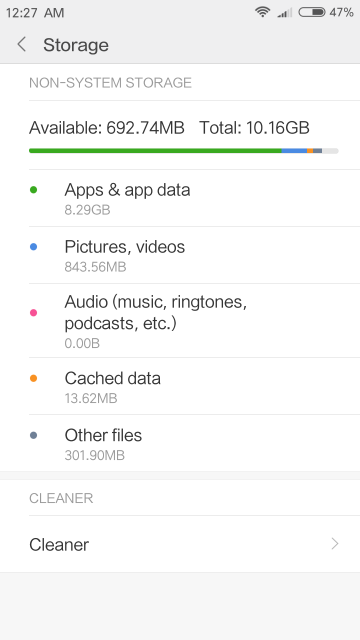
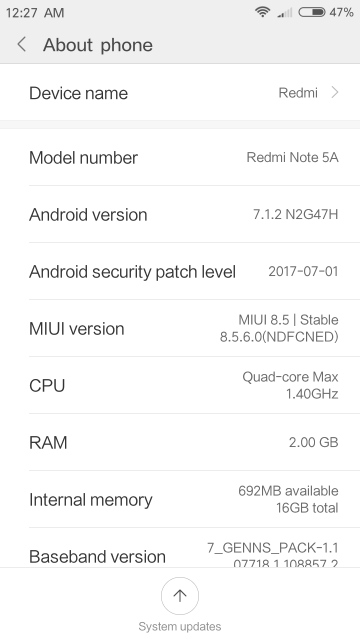
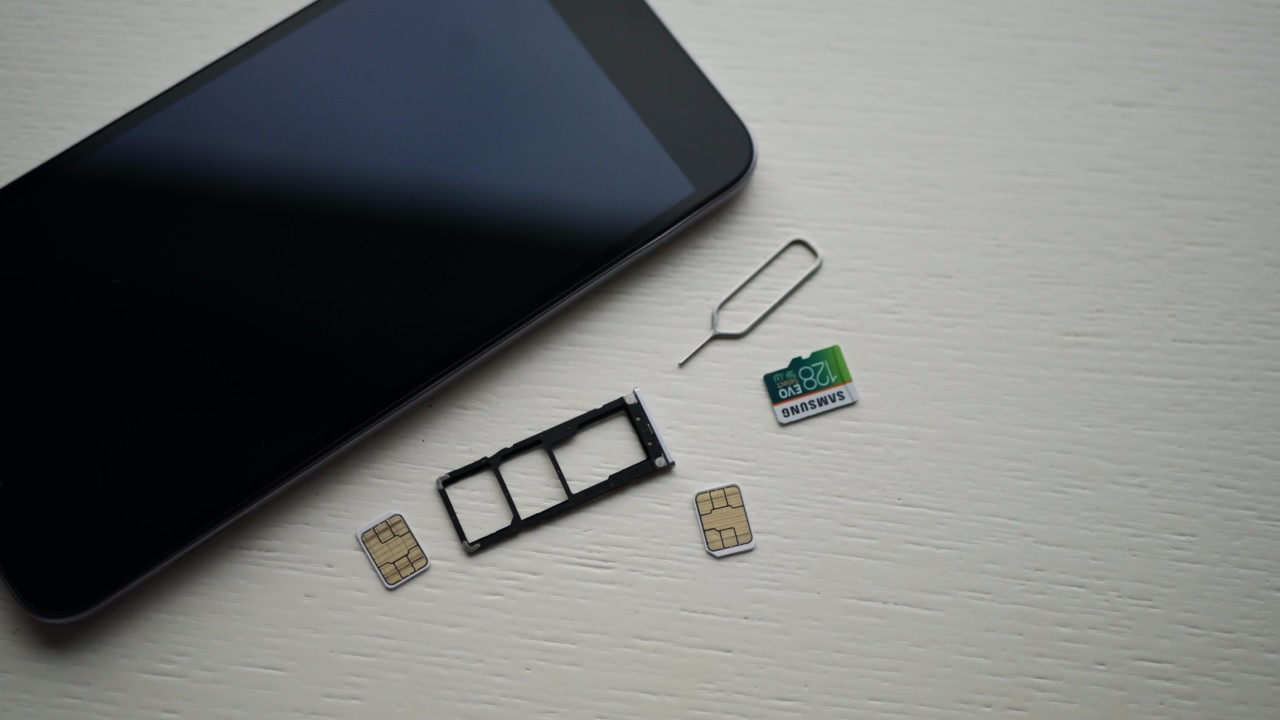
The phone has a Snapdragon 425 chip, just 2GB of RAM and 16GB of storage. What is awesome, is that there is a dedicated microSD card slot along with a dual-SIM card tray. I think this should become a standard feature on each phone.
The gaming performance is pretty good overall. However, you should expect some skipped frames in some of the 3D games if you play them on the highest graphics settings.
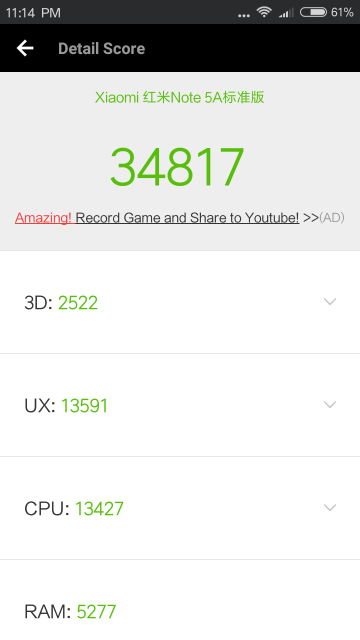
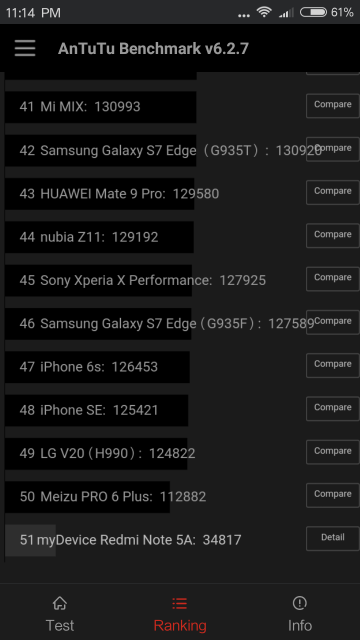
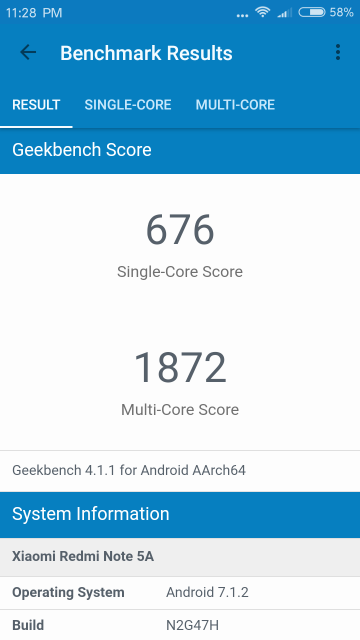
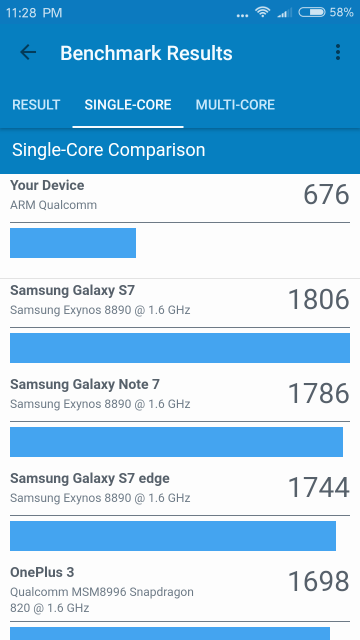
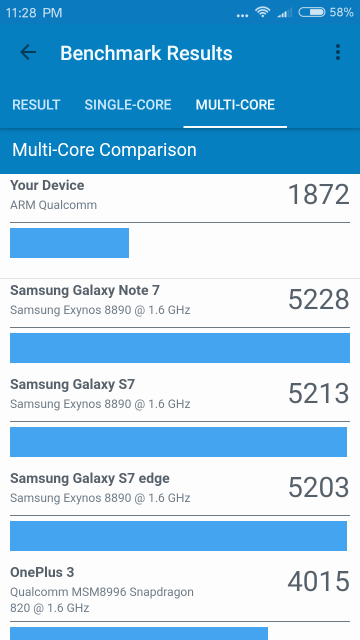
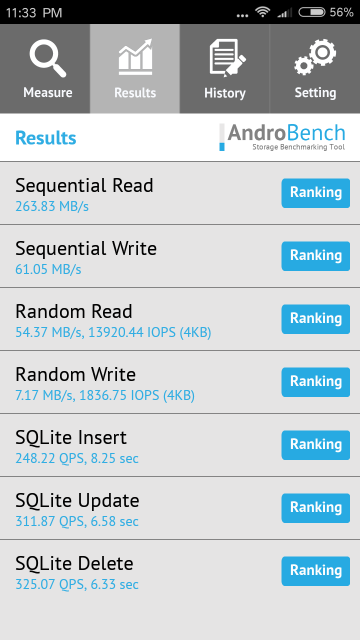
BENCHMARKS
USER INTERFACE
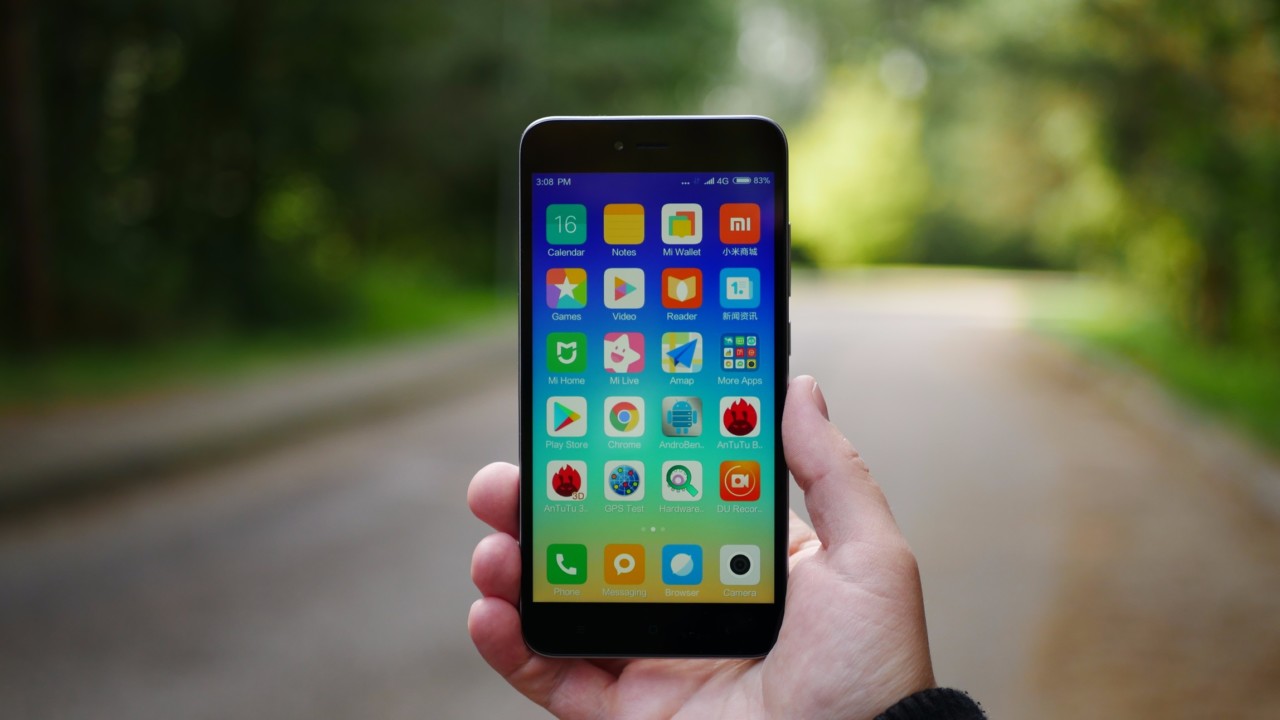
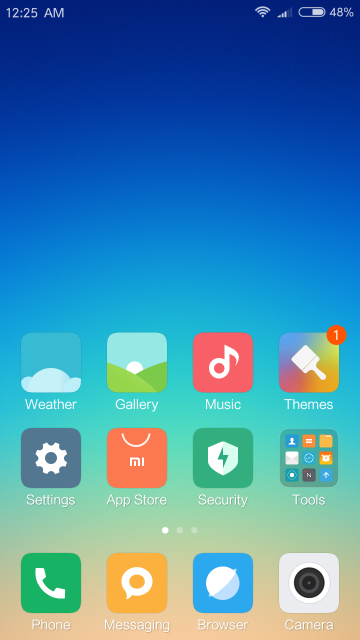
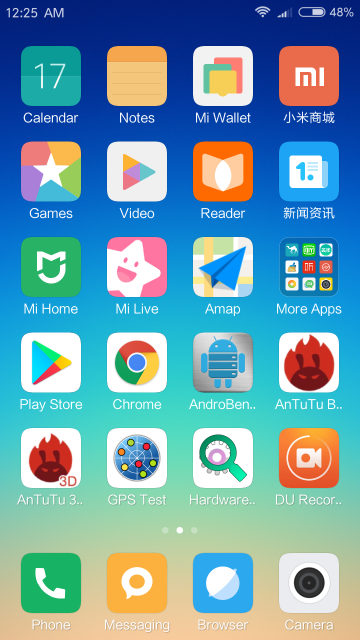
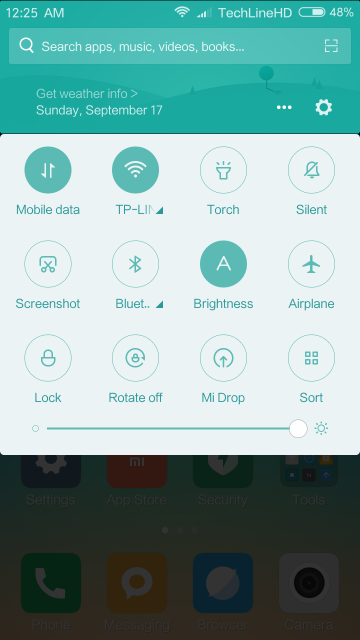
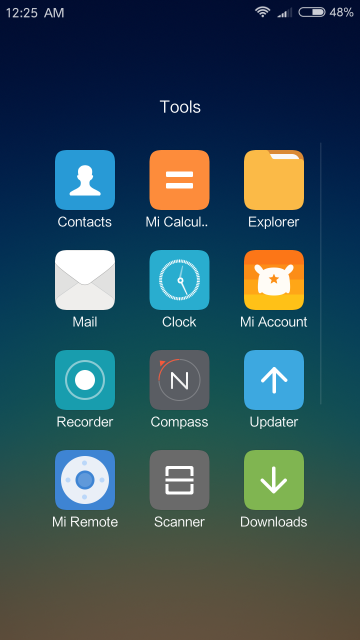
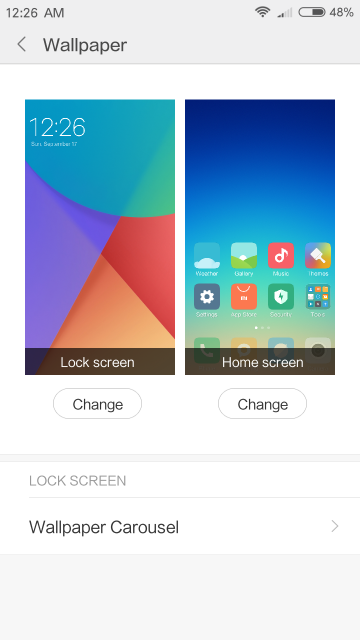
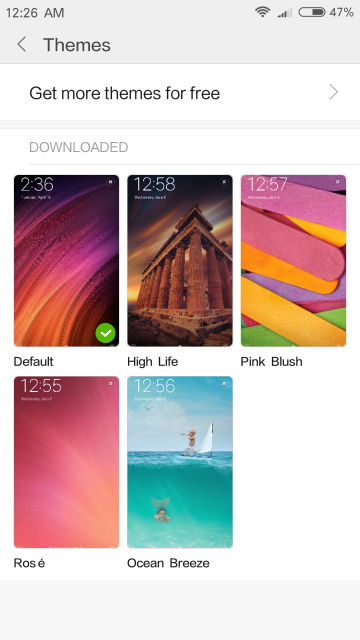
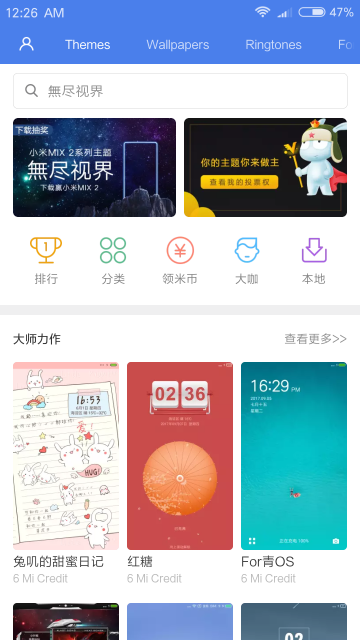
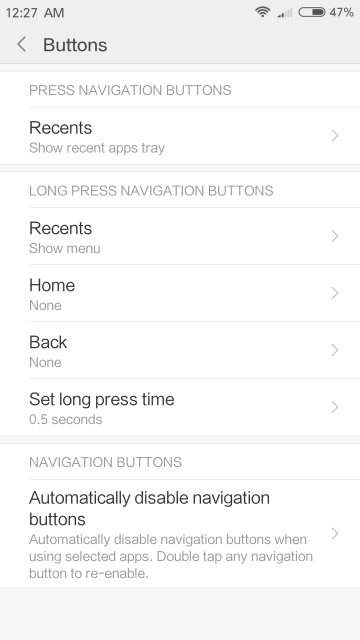
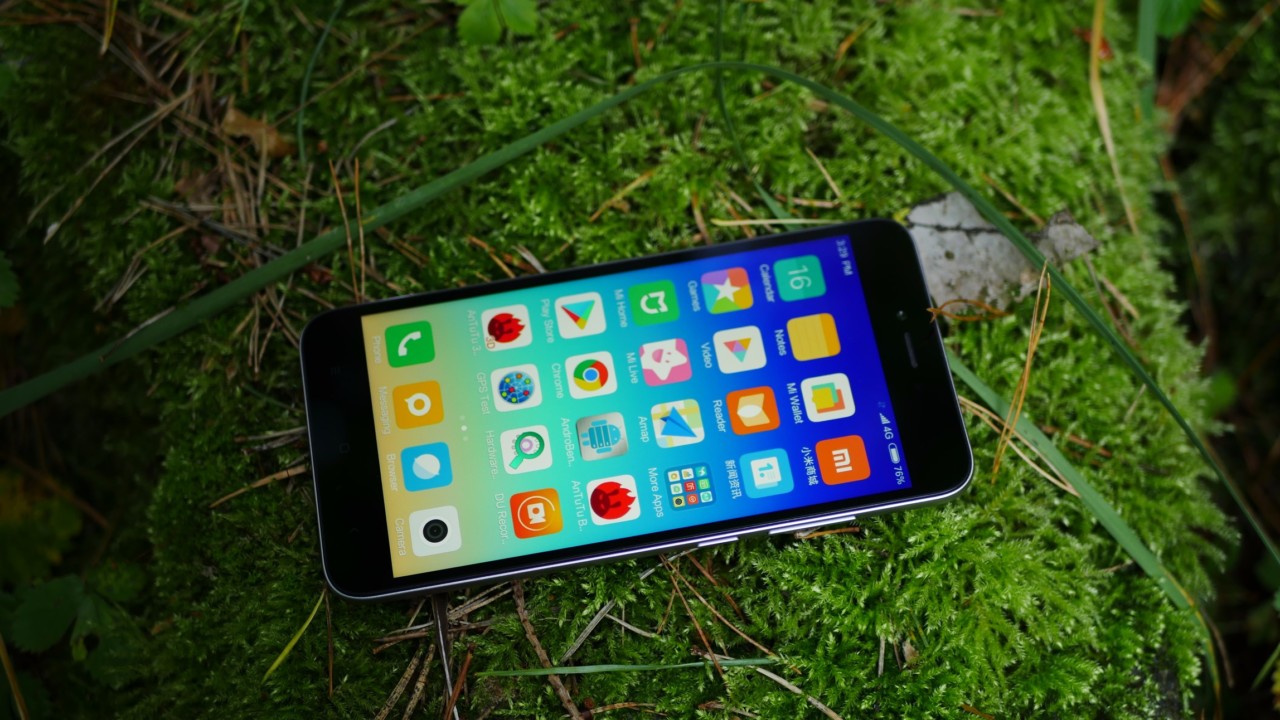
My Redmi Note 5a shipped with the original Chinese ROM, meaning that I had to install Google Services myself but it takes just a minute to do that. MIUI 8.5 is based on Android 7.1 and if you used any Xiaomi phone before, you will feel right at home as nothing has really changed much. We have the same looks, features, customization options and little tweaks to make the phone look your own.
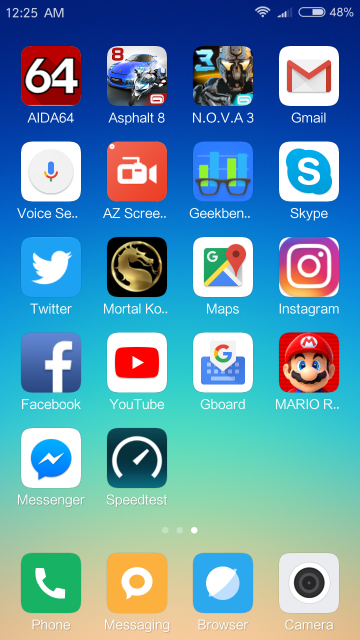
I’ve installed a lot of apps as usual and I found the phone to be snappy and responsive all the time and that’s the most important thing on any phone.
IMAGE QUALITY
The image quality is quite good considering the fact this is a $120 phone. However, even at this price point, I would love to see more detail and sharpness in the pictures.
The low-light camera performance is quite good but again, this is a budget phone camera after all.
The selfies look nice and clear, I don’t have many complaints here.
The 1080p selfie video looks great. The sound recording quality could have been decent but there is a lot of background noise, which is caused by a poor implementation of noise reduction or other stuff.
As far as connectivity goes, I have no complaints.Everything, including Wifi, Bluetooth, and GPS works fine. Also, the call quality and signal reception are decent.
BATTERY LIFE
A 3080mAh battery performs very well, like on most of the Xiaomi phones. Depending on how you use the phone, you should expect to achieve 8 or 9 hours of screen-on time. Well, these were my results.
The phone supports Qualcomm® Quick Charge™ 2.0 technology but it ships just with a regular charger. It takes about 2 hours to fully charge the device.
CONCLUSIONS
The Redmi Note 5a is another budget phone made Xiaomi. Again, it offers quite a lot of value for the price but honestly, I don’t see any significant upgrades over the last generation models.
I would love to see a slightly better camera and a fingerprint scanner even at this price point but overall,I still think that the Xiaomi Note Redmi 5a is a solid phone for the price but you can also check out the older Xiaomi phones, as they are very similar to this one.
What do you guys think about the Xiaomi Redmi Note 5a?
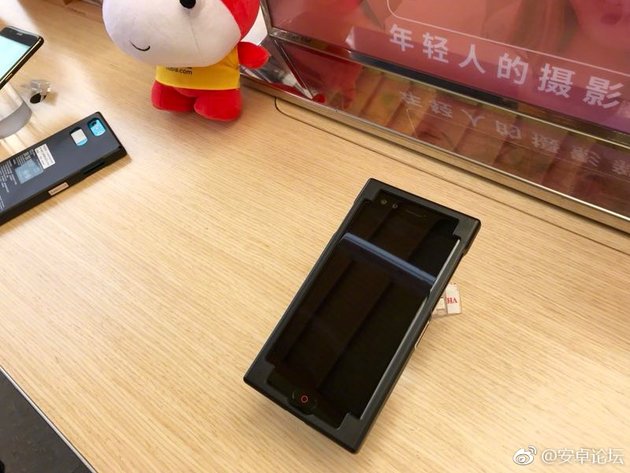
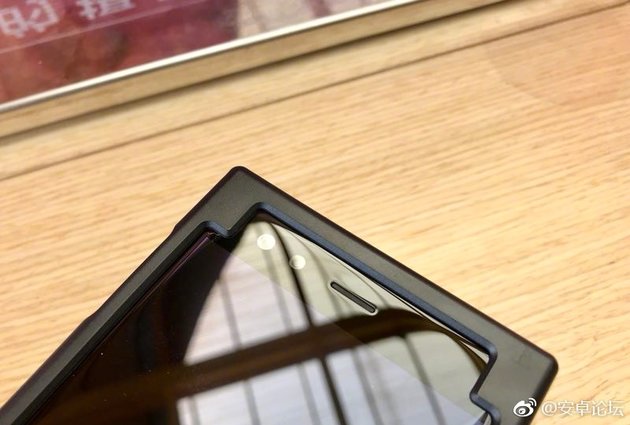
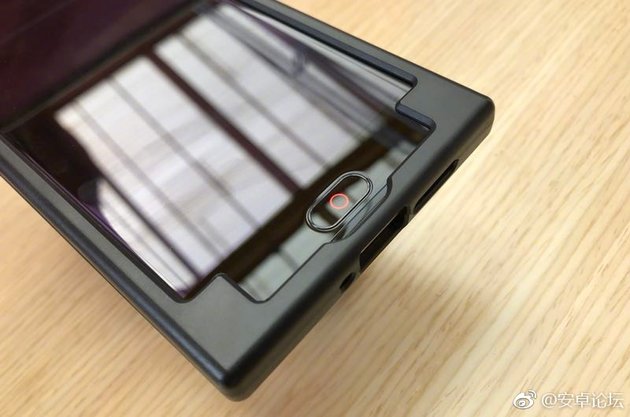
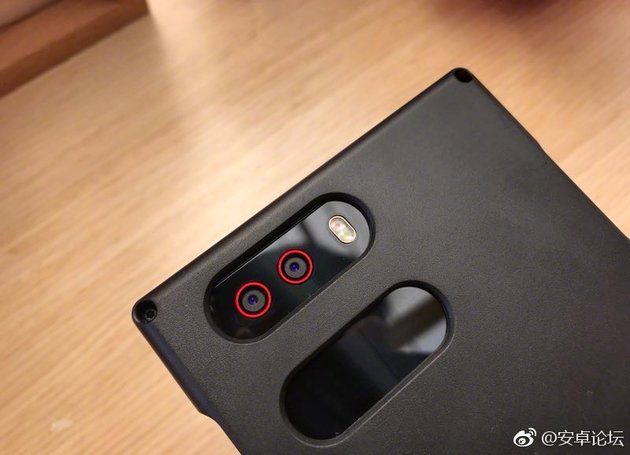
The renders of a near bezel-less, full-screen Nubia phone recently made the rounds online which showed that ZTE’s elite Nubia brand was planning to release a full-screen phone. The model also appeared on TENAA very recently which gave us an idea of the specifications the device will come with. Again, the Nubia full-screen phone has appeared online, this time around in live shots.
The leaked photos could be seen as a teaser because the Nubia phone is encased in what looks like a protective shell which masks the extent of the side bezels the device comes with. Nevertheless, we can still see that the phone is far from being a bezel-less phone because apart from the reduced bezels on the chin, the top and bottom edges still have bezels which some will term as too much.
The Nubia phone appeared on TENAA with the model number NX589J and is rumoured to go by the name Nubia Z17s. The TENAA listing reveals the Nubia phone features a 5.2-inch 1080p display, 6GB RAM, 64GB expandable storage, a dual camera setup in which the main sensor is 13MP, a 16MP sensor, and a 3100mAh battery capacity. In addition, it runs Android 7.1.1 Nougat OS.
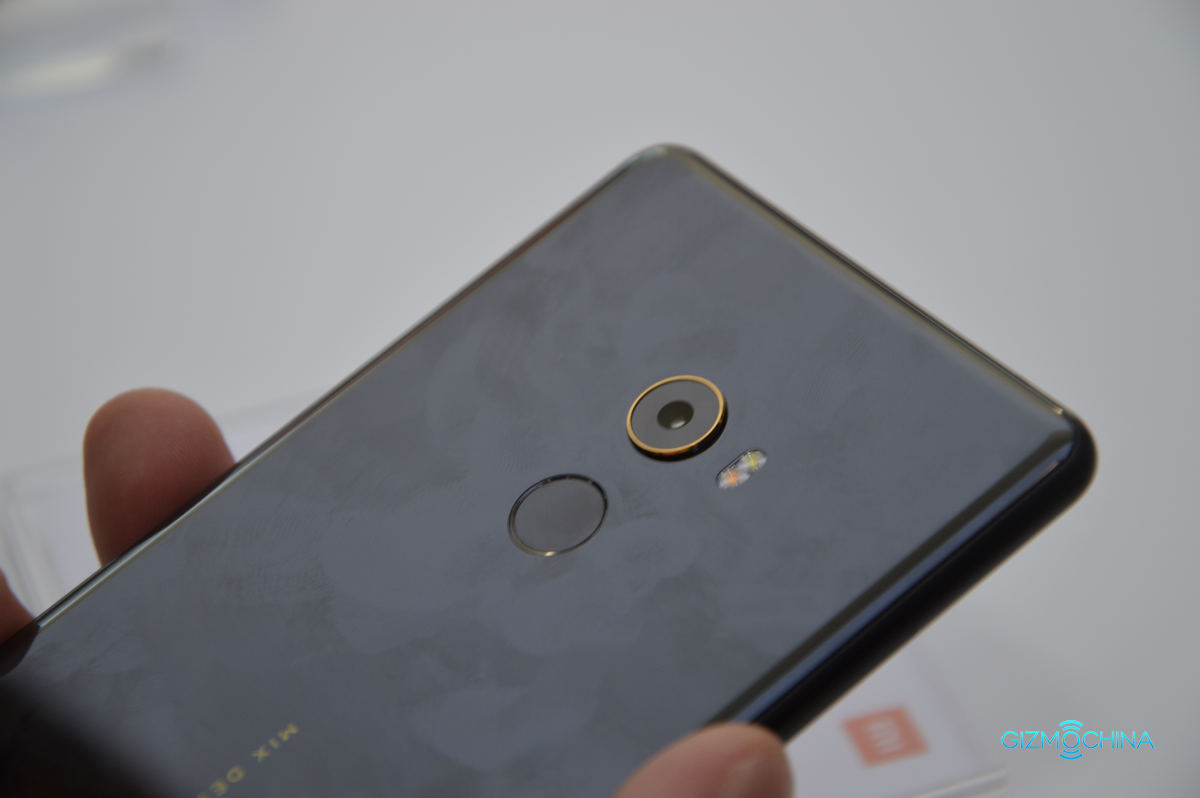
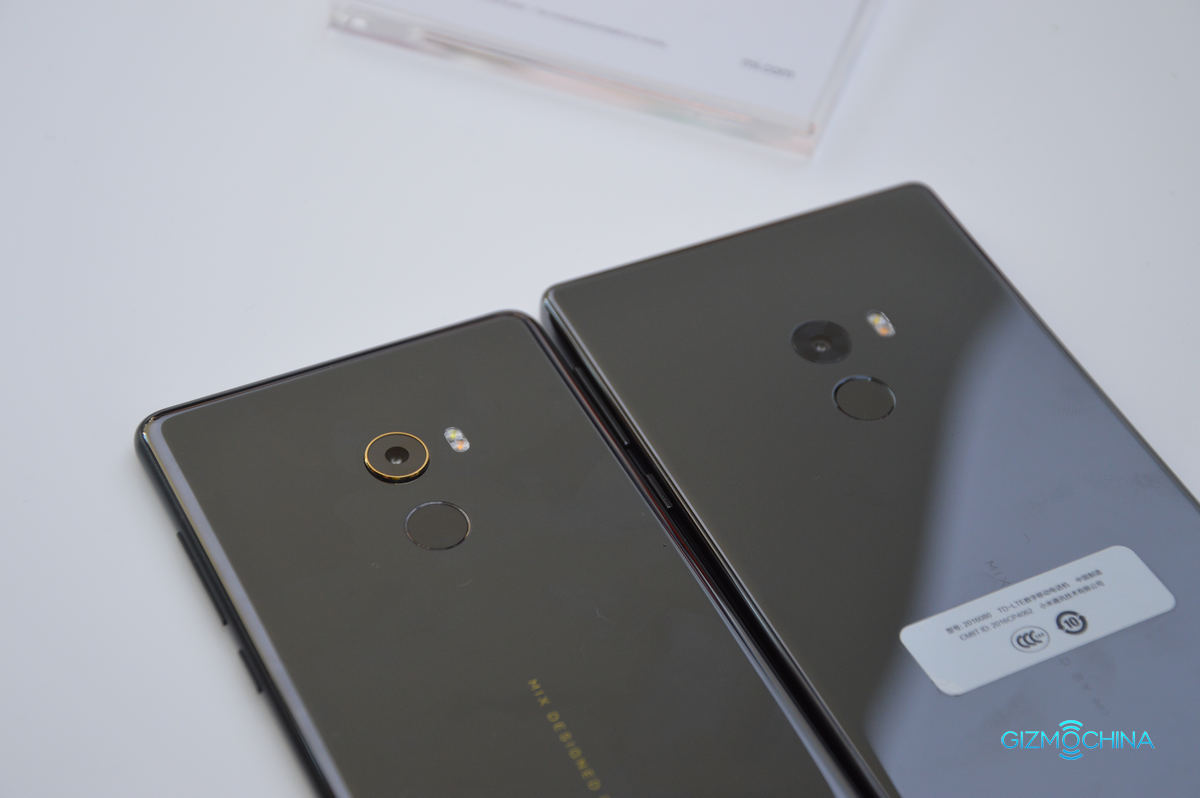
One of the biggest launches for Xiaomi this year was none other than the Xiaomi Mi Mix 2. The phone undercuts rivals like the Galaxy S8 and the LG V30 by a significant margin, offering a similar full-screen design at a much cheaper price tag. The phone is a beast on paper, powered by the same Snapdragon 835 chip that’s found inside most top-end flagships in the market this year along with 6GB of RAM. While Xiaomi has consistently managed to give us the best specs at the most competitive price tag, one area where the company is still lagging behind mainstream phone makers like Samsung, Apple, and Huawei is in the camera department.
After our initial hands-on with the phone, we were excited to check out the camera at the back of the phone, a 12MP 1.25 µm sensor with PDAF and OIS. This is quite a decent setup, featuring a slightly tweaked primary sensor of the Mi 6 but is it good enough to take on the big players?
Well, not exactly. The 12MP at the back of the Mi Mix 2 is good for most occasions. But often you are left wanting for more details in the pictures. Don’t get me wrong, the Mi Mix 2 has a pretty good camera, but now that it’s a mainstream flagship that’s more like a cheaper replacement to devices like the V30 and the S8, I personally feel the company could have done better.
But as an independent smartphone, the camera samples reveal that the phone manages to do well, with good levels of detail and punchy colors. Even autofocus is pretty quick and impressive. So, you will be able to take great photos, even better than the Mi 6. What’s disappointing though is the lack of the secondary camera for background blur ‘bokeh’ photos. Given that almost everyone has jumped onto the dual camera bandwagon, it was a surprise to see Xiaomi stick with a single camera module on its top-end flagship.
Check out the samples below and let me know what you feel about the phone’s image quality.
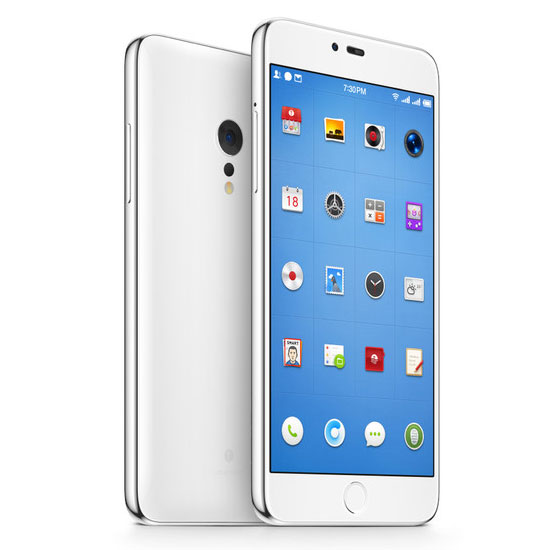
It has been almost a year since Chinese phone maker Smartisan released the flagship Smartisan M1L. The device turned out to be a stunner as it came with a well-studded specs lineup which included a Snapdragon 821 processor. The design was also another unique feature with its close resemblance to Apple’s iPhones, especially the round home button. The M1L is about getting a successor as a new leak suggests Smartisan M2L is on its way.
The leak which appeared on Weibo recently is that of the camera sample of the M2L and it gives us an idea of the sensor that would be onboard the M2L. We really can’t say if the inscription on the camera’s sample photo is a watermark or if it was just included to pass across the message. However, it reveals that the device will be named Smartisan M2L and that it would pack a dual camera setup at the rear and the main sensor will be a Sony IMX258 sensor!
This will be the company’s first model with dual cameras and IMX258 is just powerful enough for a flagship camera. The sensor is found in models such as Redmi Pro, Mi 5S Plus, Nokia 8, Nubia Z17 Mini, LG G6 and others and is mostly used in a RGB + mono dual camera combination. The Sony IMX258 is a 13MP sensor with 1.12um pixel size and also supports RGB and black and white mode. Of course, it is not restricted to RGB + monochrome combination. It could also function in a telephoto + wide angle sensor combination among others. Talking about the camera smaple, it isn’t out of this world but the performance isn’t bad either.
No word yet on when the M2L will be launched but it may drop along side a Smartisan M2 just like the first generation M1 and M1L. The M-series models are presently missing on Smartisan’s official online shop which could be an indication that a launch is imminent.
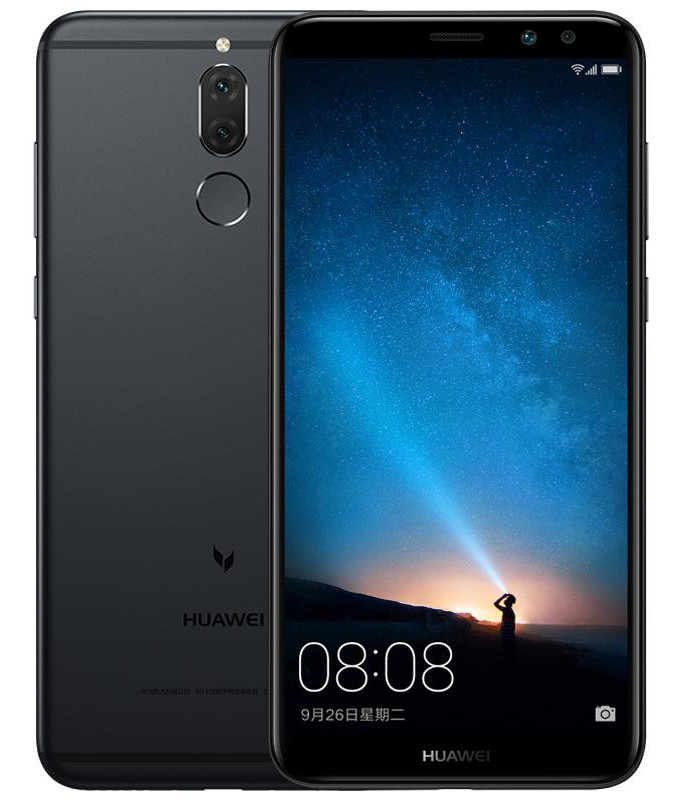
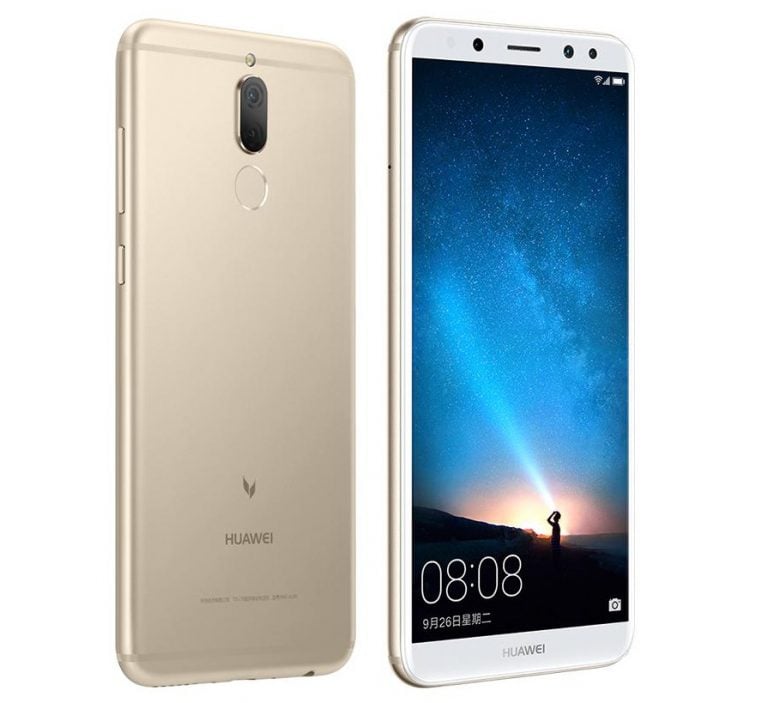
Huawei has been officially announced the Maimang 6 smartphone in China today. The key features of this smartphone are dual front and rear cameras and a large display that offers an aspect ratio of 18:9.
The Huawei Maimang 6 is fitted with a 5.9-inch display that produces a Full HD+ resolution of 2,160 x 1,080 pixels. The screen is overlaid with a 2.5D curved glass. The Chinese manufacturer has powered the Maimang 6 with Kirin 659 chipset and 4 GB of RAM. It features a 3,340mAh battery and includes a rear-mounted fingerprint scanner below the display.
The smartphone features a hybrid SIM slot that allows user to either use a microSD card or nano-sized SIM on the second slot. It features an internal storage of 64 GB. The Android 7.0 Nougat OS available on the smartphone is skinned with EMUI 5.1.
The front side of the handset includes dual selfie snappers of 13-megapixel and 2-megapixel. It is coupled with a soft LED flash. The backside of the phone has a dual-tone LED flash enabled dual camera setup that comprises of 16-megapixel and 2-megapixel sensors. The other features of the smartphone include Bluetooth 4.2, 4G LTE and Wi-Fi 802.11 b/g/n.
The Maimang 6 measures 156.2 x 75.2 x 7.5mm and its weight is 164 grams. The handset sports a metal unibody design and comes in three colors like Obsidian Black, Streamer Gold and Aurora Blue.
The pre-orders of the Huawei Maimang 6 has started from today in China. It is priced at 2,399 Yuan (~$365) in the country. Its shipments will begin on Sept. 30. Rumors are rife that the smartphone would be debuting globally as Huawei Mate 10 Lite in October.
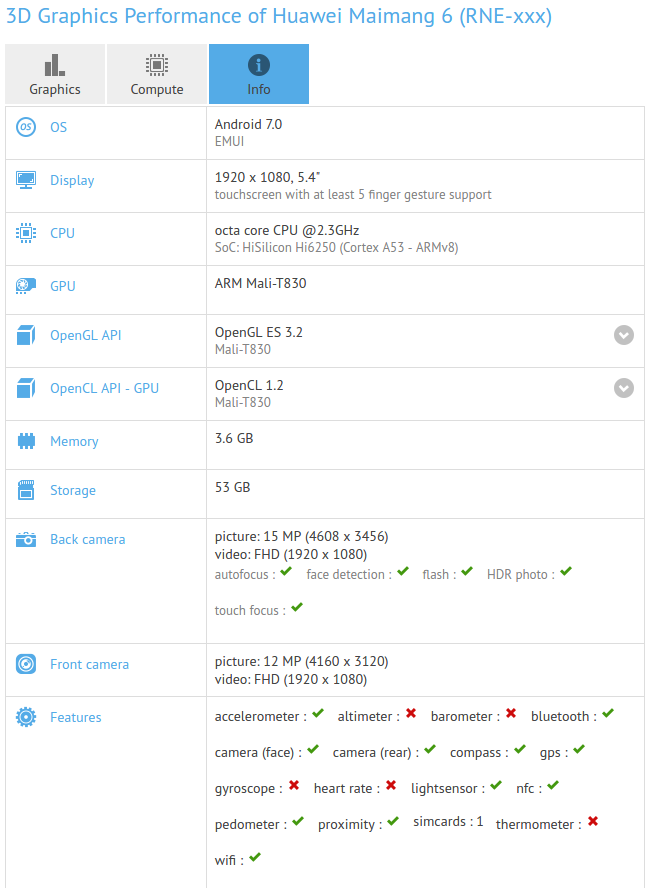
Maimang 6 is one of the forthcoming smartphones from Huawei. The smartphone has now appeared on GFXBench benchmarking site to reveal its key specifications.
The Huawei RNE-AL00 smartphone that had received certification from TENAA in China earlier this month is speculated to debut as Maimang 6 or Huawei G10. The alleged smartphone has appeared on GFXBench as “Huawei Maimang 6 (RNE-xxx).” According to the benchmarking site, the handset features a 5.4-inch display that offers a full HD resolution of 1,920 x 1,080 pixels. However, the TENAA listing suggests that it would be coming with 18:9 aspect ratio display that will support FHD+ resolution of 2,160 x 1,080 pixels.
The handset is powered by HiSilicon Hi6250 chipset that includes a 2.3 GHz octa-core processor and Mali-T830 graphics. This suggests that the smartphone could be powered by Kirin 659 chipset. It includes 4 GB of RAM and 64 GB of internal storage.
For photography, it features a 16-megapixel rear camera and a 13-megapixel front camera. These cameras are capable of shooting full HD videos. Recent reports have revealed that the Maimang 6 would be equipped dual camera at its front as well as rear sides. GFXBench does not specifically mention the exact configurations for dual camera sensors. Hence, the Maimang 6 listing on GFXBench does not include details of dual rear and front snappers.
The TENAA listing has revealed that the Maimang 6 has 16-megapixel + 2-megapixel dual camera setup on its rear side and the frontside features 13-megapixel + 2-megapixel dual camera system on its front. GFXBench listing reveals that the handset will arrive preinstalled with Android 7.0 Nougat overlaid with EMUI skin.
Blass has recently revealed juicy details on the specifications of the Huawei Mate 10 Lite. He claims that Mate 10 Lite is codenamed as Rhone and it would be releasing in China as Maimang 6 or Huawei G10. He has stated that the Mate 10 Lite would be priced at 379 euros (~$455) at launch and it would be available in three color choices like blue, black and gold. The handset is expected to include 3,340mah and arrive in 4 GB and 6 GB RAM options, claims the leakster.
The Mate 10 Lite is expected to debut alongside the Mate 10 and Mate 10 Pro on Oct. 16 through a launch event in Munich, Germany. The Huawei Maimang 6 is slated to get announced in China later today.
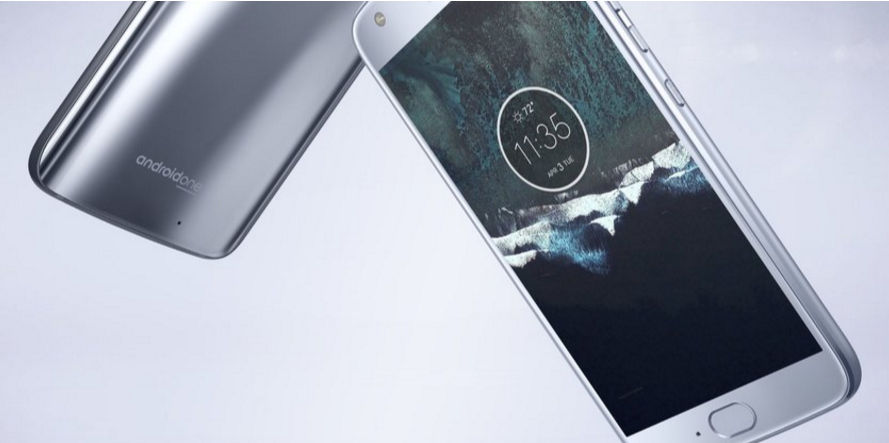
Earlier in this month, reliable leakster Evan Blass, had predicted that an Android One version of Moto X4 would be debuting soon. The rumor has come true as Google has officially announced its first Android One smartphone for the U.S. – the Android One Moto X4.
Android One smartphones that have released in the past have carried modest specs. However, starting with Xiaomi Mi A1 that was unveiled in the previous month, Google aims to launch Android One smartphones with better specs. The Android One Moto X4, a Motorola smartphone, is the first non-Google device that supports its Project Fi network.
Lenovo had launched the Moto X4 smartphone at IFA 2017 tech trade show that was held at the start of this month. Its Android One edition carries identical specifications. However, instead of the customized software from Motorola, the Android One Moto X4 is packed with the purest version of Android. However, it comes with minimum preinstalled apps such as Google Assistant and Google Duo.
Android One Moto X4 is promised to be blessed with Android One before the end of 2017 and it will be one of the first smartphones to receive Android P next year. And with Google Project Fi mobile virtual network, users of the Android One Moto X4 can seamlessly switch between Wi-Fi and cellular networks like Sprint, T-Mobile and U.S. Cellular depend on network signal strength and speed.
Android One Moto X4 Specifications and Pricing
The smartphone features a 5.2-inch FHD display. It is powered by Snapdragon 630 chipset and 3 GB of RAM. The native storage provided on the handset is 32 GB of storage. It is packed a 3,000mAh battery.
It includes a 12-megapixel + an 8-megapixel dual camera system. It has a front-facing camera of 16-megapixel. It features an IP68 certified chassis.
The Android One Moto X4 carries a pricing of $399 in the U.S. and it comes in two color options like Super Black and Sterling Blue. The pre-orders of the smartphone have already started in the country. As of this writing, there is no confirmation on other markets that will be receiving the Android One Moto X4.
In the U.S., users of select Nexus phone can take advantage of the trade-in program to avail the Android One Moto X4 with discounts of up to $165. Buyers who trade-in by Oct. 5 will be also providing $50 Fi credit.
Motorola has also confirmed that it will be soon making the unlocked Moto X4 available in the U.S. However, there is no information available on its pricing. However, it is expected to be priced at $399.
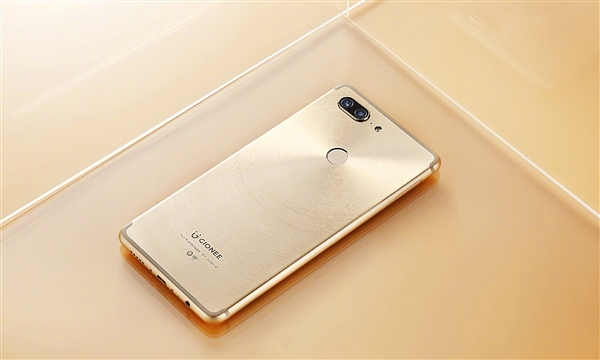
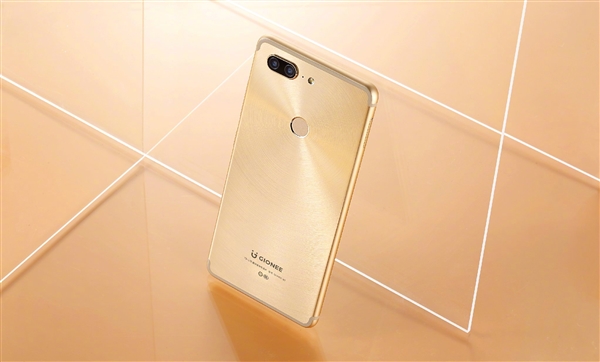
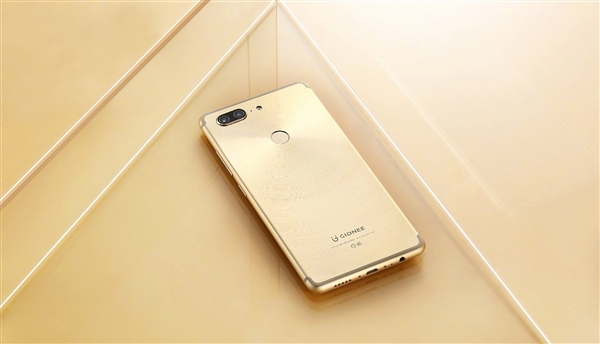
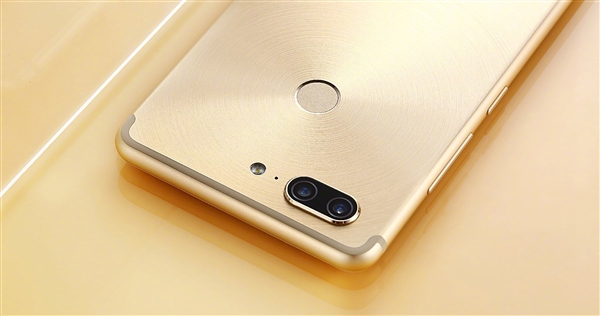
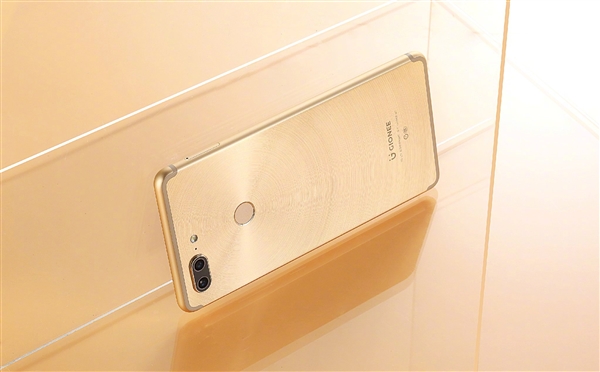
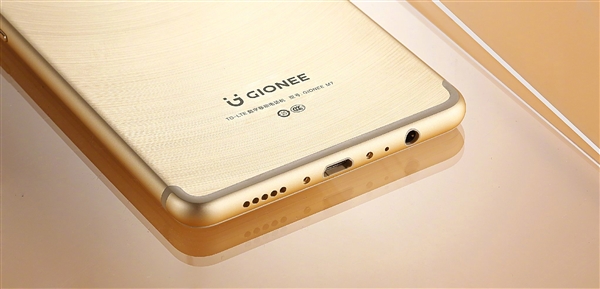
Gionee will be taking the wraps off the Gionee M7 in a ceremony scheduled to hold in China on September 25. The Gionee M7 is the company’s entry flagship product in the full-screen category. This year has seen quite a number of full-screen phone emerging into the scene. From the Galaxy S8, Mi Mix 2, to the iPhone X the list continues to expand. Ahead of the launch, Vivo has released some real photos of the M7.
The photos give us an up-close view of the M7 captured from all angles. The device is presented in Champagne Gold color which is one of the colors the device is expected to come with. The M7 features an all-metal unibody with reduced bezels on all four sides but most prominently on the chin. There is also the presence of dual selfie cameras on the device. The photos of its rear show the presence of U-shaped antenna design and a dual camera setup which is aligned in a horizontal direction. One spectacular aspect is its metal wire drawing process which is even more beautiful than the brushed metal design.
The M7 is expected to sport a 6.0-inch display with a resolution of 2160 x 1080pixels giving it an 18:9 aspect ratio. The device will be powered by a MediaTek Helio P30 chip backed by 6GB of RAM and there is 64Gb of storage onboard. Talking about the cameras, Gionee has put a 16MP main sensor on the rear camera as well as an 8MP front camera n the M7. Providing the interface will be Android 7.1.1 Nougat.
Rumors have been claiming that Razer would be soon entering mobile gaming market. In a recent interview with CNBC, the CEO of the company Min-Liang Tan, has confirmed that the company is working on a mobile gaming device.
According to Tan, Razer’s upcoming mobile device will focus on gaming and entertainment. However, he did not reveal any information on its specifications and features. He has confirmed that the device would be made official by the end of 2017.
Razer, a company that specializes in gaming oriented computer hardware had released Razer Edge tablet in the past. The Razer Edge was promoted as a gaming tablet even though the device even though it could users with its entertainment capabilities.
Razer has been rumored to be working on a mobile gaming device since 2016. In January this year, Razer had acquired Nextbit which is better known for its cloud storage driven Robin smartphone. At that time, rumours started swirling that the Razer is working on a smartphone designed for gamers. However, these speculations were put to rest quickly. After the acquisition, Nextbit is a working as an independent company.
In July, Bloomberg had reported that Razer was again rumored to be working on a gaming-focused smartphone. The report had claimed that the company is raising funds for its upcoming gaming smartphone. Since Tan has not used the “smartphone” word to describe its upcoming mobile device, there is a possibility that it could be a gaming tablet and not a smartphone.
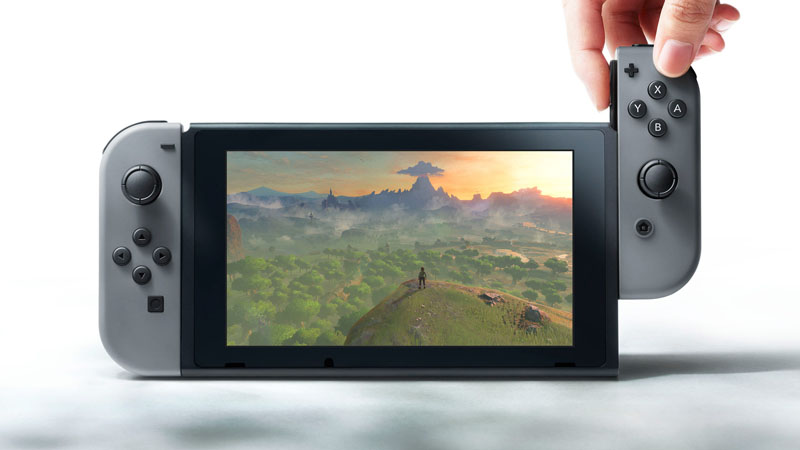
Nintendo Switch is one of the most exciting tech products of this year. It is a handheld console that allows users to not only play games on the device, but also on a TV. The controllers that are present on its left and right sides can be removed can be used as gamepads. The device has been available for buying in the U.S. with a price tag of $299.
Rumors are rife that other brands are working on launching devices to take on the Nintendo Switch. Hence, the mysterious mobile gaming device is also speculated as a competitor product for Switch. It is a known fact that many of the companies that have attempted to rival with Nintendo in the portable / handheld market have only encountered defeat.
Will Razer release mobile phone with high-end gaming capabilities or a device that will arrive to rival with Switch? Share us your thoughts by adding your comments.
None of the Xiaomi phones released so far are enabled with wireless charging. Fresh information suggest that Xiaomi has joined the Wireless Power Consortium (WPC) that will make it possible for the next flagship smartphone from the company to support Qi standard wireless charging.
The Chinese company has not released any official to confirm that it will be joining the consortium. However, it has been found listed on in the WPC member list on the official site of WPC. Even though there is no official statement from the Chinese firm, the WPC listing suggests that next flagship from the company will support wireless charging.
WPC was formed in 2008 and as of this writing, it has 243 members including companies such as Apple, Samsung, LG, Sony and more. Apple had joined the WPC in February this year which made it possible for the 2017 smartphones from the company such as iPhone 8, iPhone 8 Plus and iPhone X to arrive with wireless charging.
It is likely that the Xiaomi Mi 7 may arrive with Qi standard wireless charging. Recent reports have revealed that the Mi 7 would be housing a 6-inch AMOLED display and it will be driven by Snapdragon 845 chipset. The SoC is expected to be accompanied by 6 GB or 8 GB of RAM. Information coming from China claim that that Mi 7 would be launching in Q1 2018.
In order to make wireless charging feature available on iPhone, Apple had to launch 2017 iPhones with glass chassis. The presence of wireless charging on Mi 7 could mean that it will be arriving with glass chassis. Qualcomm had claimed in 2015 that it its WiPower technology can allow metal-bodied smartphones to support wireless charging. However, none of the smartphone with metal bodies feature WiPower wireless charging.
The Qi system of charging allows users to place their wireless charging enabled device on a charging pad that is connected to a power outlet. A magnetic field is created when the coils present inside the device and pad comes into contact with each other. The magnetic field in turn produces electricity that charges the device. Qi standard wireless charging is now available at restaurants and airports that allow users to charge their smartphones by simply placing them on the charging pad.
Do you want Xiaomi phones to arrive with wireless charging? Share us your thoughts by commenting below.
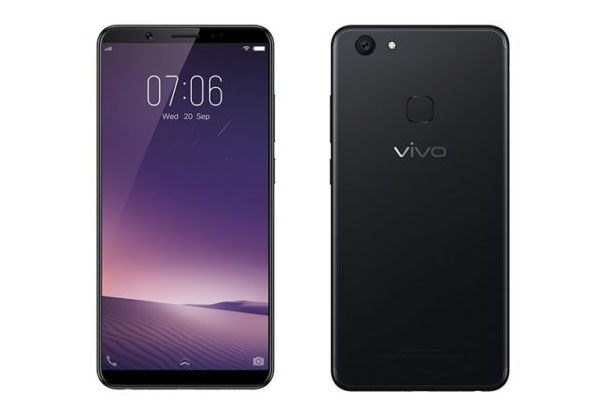
Vivo has launched its selfie-focused Vivo V7+ in several markets across Asia, including India. The Chinese tech giant announced the introduction of the V7+ to the expansive India market last week and had even commenced pre-orders on September 7. The launch itinerary across Asia wasn’t disclosed but it is believed that Vivo will take the model to other markets outside Asia. The device was launched in the Philippines and became available on September 20. Vivo also indicated that the V7+ will enter other markets across Asia.
The Vivo V7+ features a premium body with an impressive 5.99-inch FullView display with a resolution of 720 x 1,440 pixels. The display has an aspect ratio of 18:9 and a screen-to-body ratio of 84.4 percent. You also get ultra-thin bezels at the chin and highly reduced bezels at the top and bottom edges. The device is powered by a Snapdragon 450 chipset which was introduced by Qualcomm in June this year. The processor is paired with 4GB of RAM and the phone has an internal storage of 64 GB. The V7+ packs a 3,225mAh battery, dual SIM slots and runs FunTouch OS 3.2 based on Android Nougat. It features a rear-mounted fingerprint reader.
The Vivo V7+ is already on sale in India at Rs. 21,990 (~$343) on Amazon and Flipkart. Vivo has not disclosed the price it would carry in other Asian markets but only disclosed that pricing will be determined on a per-market basis outside of the regions it has already been launched in.
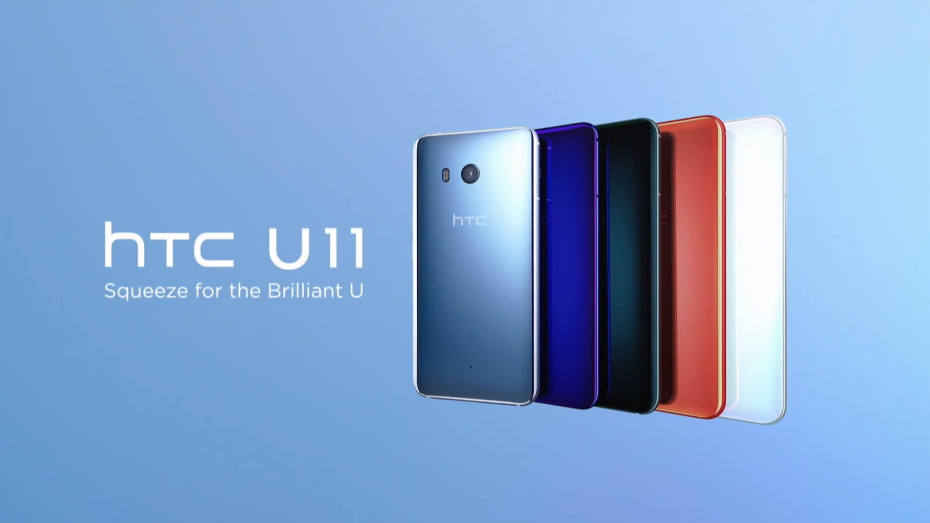
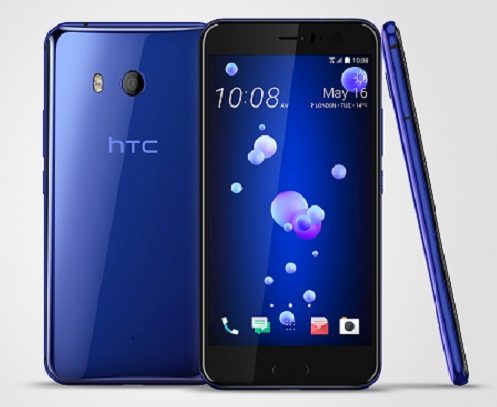
Even though HTC’s R&D division has been taken over by Google, the Taiwanese company has confirmed that it still has an R&D team that had designed the HTC U11 flagship phone. The company has also said that it is working on its next flagship phone called HTC U11 Plus that will be arriving with a full screen design. A French publication has revealed some juicy details on the upcoming HTC flagship.
Recent rumors have revealed that the HTC U11 Plus is codenamed as Ocean Master. Like the premium flagship phones, the U11 Plus is speculated to come with a full screen design flanked with minimal bezels.
According to the French publication, the U11 Plus will be housing a 5.99-inch panel manufactured by Japan Display. It will be supporting an aspect ratio of 18:9. The Snapdragon 835 chipset will be present under the hood of the smartphone.
It will be coming in two variants. The first model will feature 4 GB of RAM with 64 GB of UFS 2.1 storage and the second one will be coming with 6 GB of RAM and 128 GB of UFS 2.1 storage.
A 12-megapixel camera is present on the rear side of the smartphone. It will be featuring the same rear camera that is present on the HTC U11. The frontside will be fitted with an 8-megapixel selfie snapper. The exact size of its battery is not available, but what is known is that it will be carrying support for Quick Charge 3.0 (9V/2A).
Like the HTC U11, the upcoming flagship will be coming with squeezable frame for supporting the Edge Sense feature. The handset is also expected to arrive with IP68 certified water and dust resistant chassis. We speculate that like the HTC U11 and HTC U Ultra smartphones, the U11 Plus will be also arriving with a premium design.
The French publication has also revealed that the HTC U11 Plus would be launching in China on November 11 as the Taiwanese company is reportedly working on regaining its market share in the country. As of this writing, there is no information available on its launch date for other markets. The publication also hints that the HTC U11 Plus may arrive with an attractive pricing.
We all love all kinds of gadgets but they are usually not cheap. The best time is always to wait for discounts or deals. Gearbest currently has quite a few deals and we thought you may want to check them out. Learn more in our amazing Gearbest deals article.
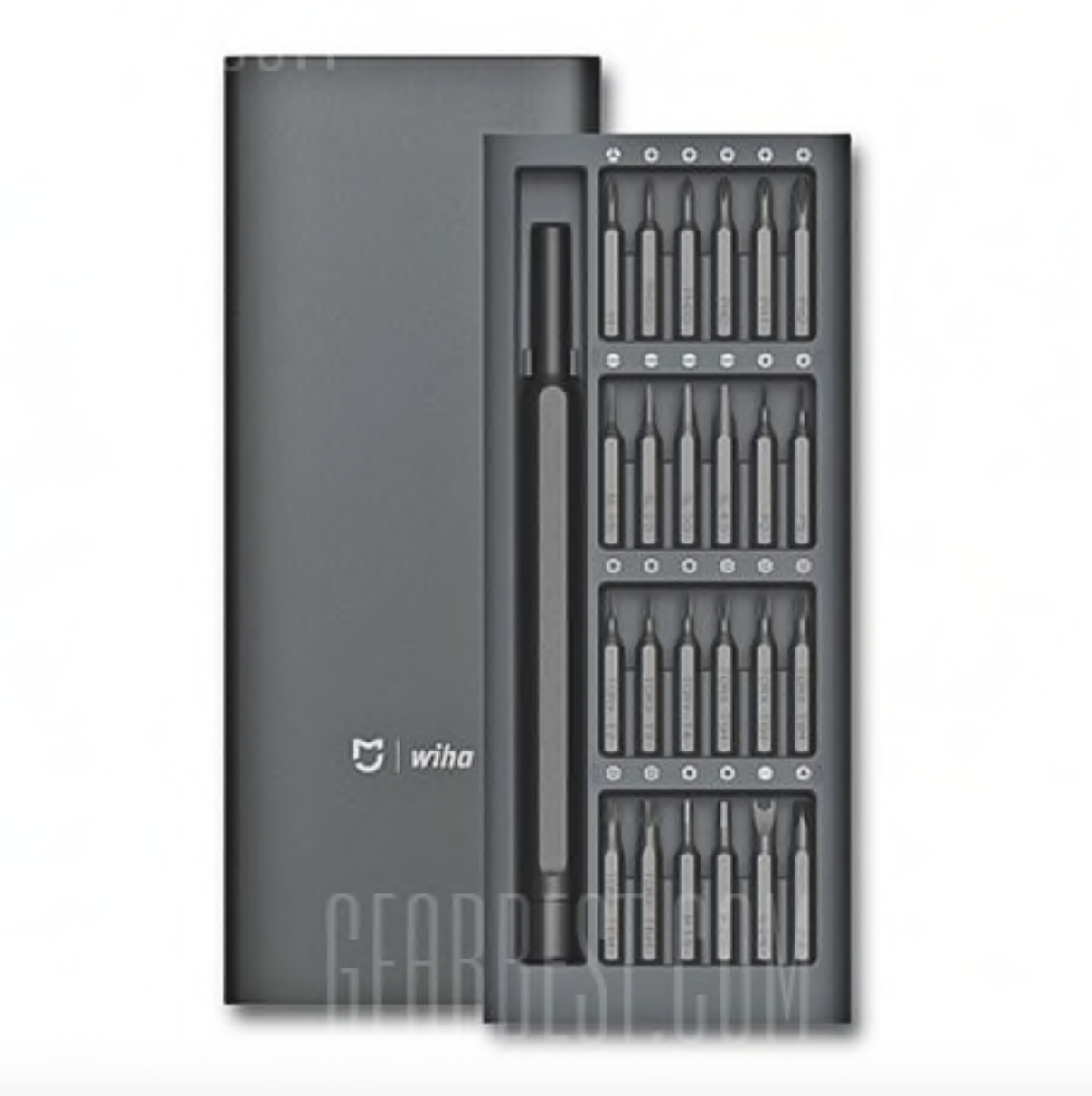
Xiaomi Wiha 24 in 1 Precision Screwdriver Kit
Xiaomi Wiha 24 in 1 Precision Screwdriver Kit offers a great value for just below $28. The kit uses S2 steel material bits that have hardness up to 60HRC. Also, there is an anti-rust aluminum alloy screwdriver handle and storage box.
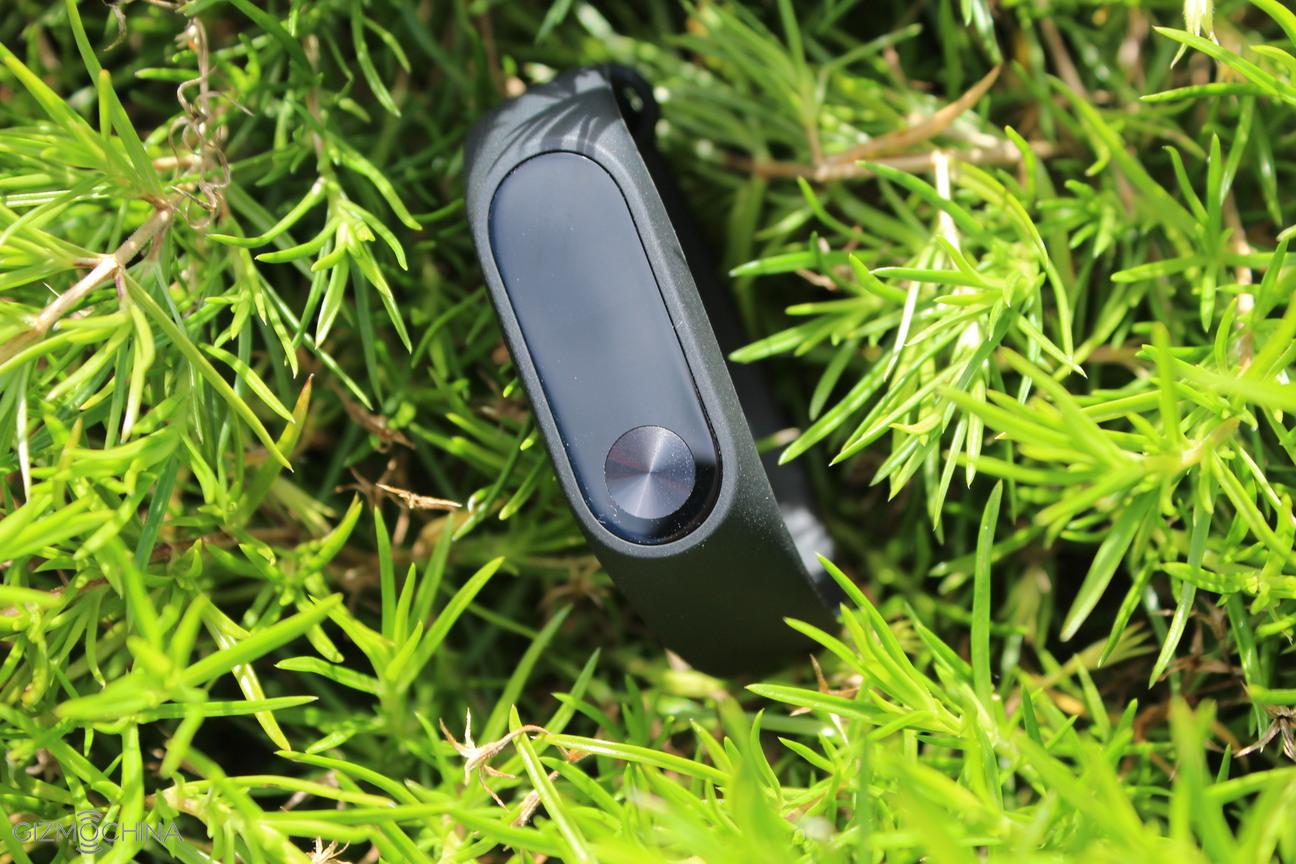
The market is full of fitness-related products but the Xiaomi Mi Band series is one of the most popular in the world. The Mi Band 2 is one is the best fitness tracker for the price. In fact, I’ve been using it myself for more than a year and it has been working absolutely fine. Highly recommended.
I’ve reviewed quite a few desk lamps but the one made by Xiaomi is the most beautiful I’ve ever seen.
It all starts with a nice looking presentation for desk lamp. We can see that the Xiaomi put a lot of attention to detail with the Apple-like power plug and some nice extras like a cable management clip.
The Xiaomi desk lamp looks gorgeous and it has a nice looking minimalistic design. The tubes are made out of aluminum and the base is made out of quality matt plastic, which does not attract any fingerprints.
You can now get Xiaomi Mijia Smart LED Desk Lamp for just $34.99 using a COUPON: MIJIAS
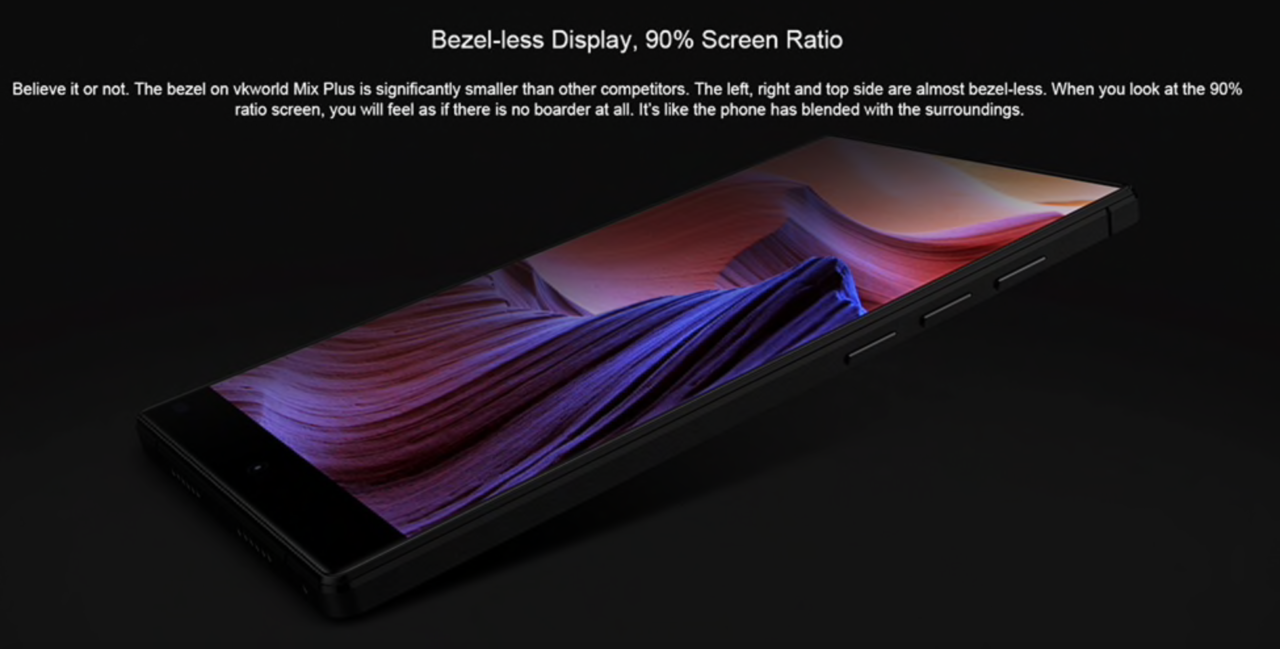
Vkworld Mix Plus is one of the cheapest bezel less smartphones you can get. Also, the phone sports decent specs for the price that includes MTK6737 chip, 3GB of RAM and 32GB of storage. You can now get it for just below $110.
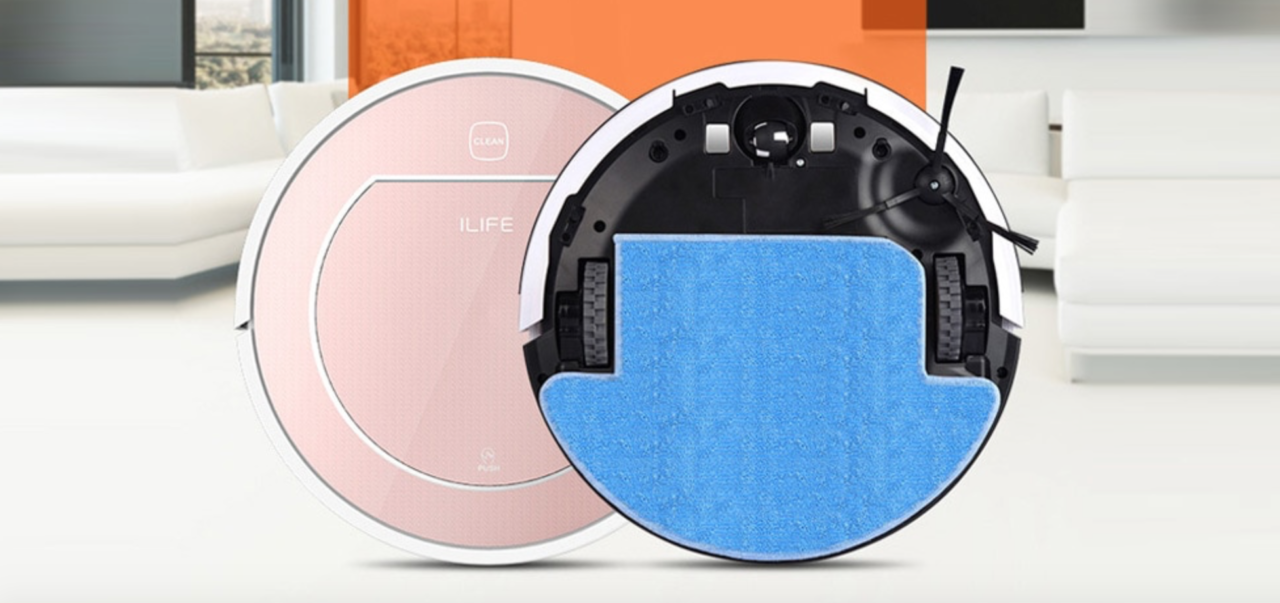
I personally do not like cleaning but I like when my apartment looks clean. That sounds like a cliche but we usually do not have lots of time to clean around the house and it usually looks like a mess. Robot vacuum cleaners are one of the solutions to make your place look cleaner and ILIFE V7S Pro Smart Robotic Vacuum Cleaner has very positive reviews online.
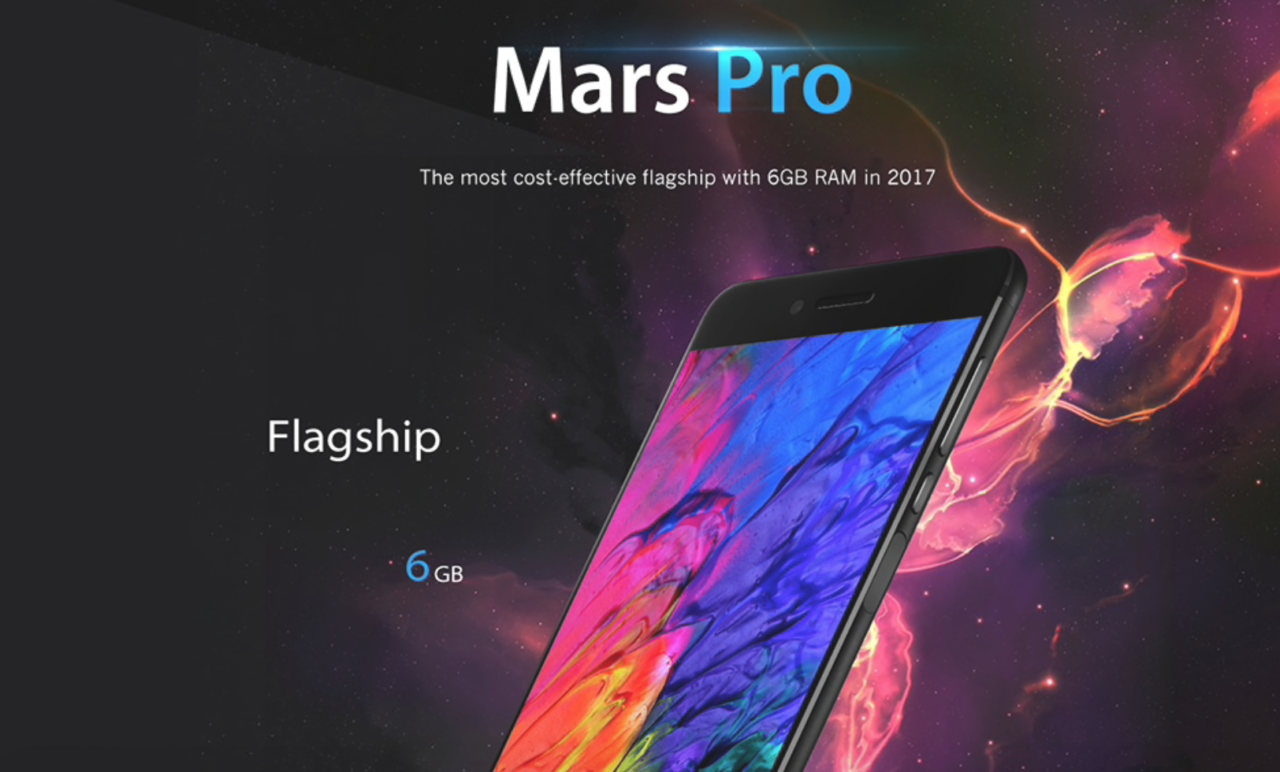
After reviewing some previous phones made by Vernee, I have the impression that the company can make some quality phones at affordable price. The Vernee Mars Pro has an outstanding build quality, impressive specs and more for less than $200.
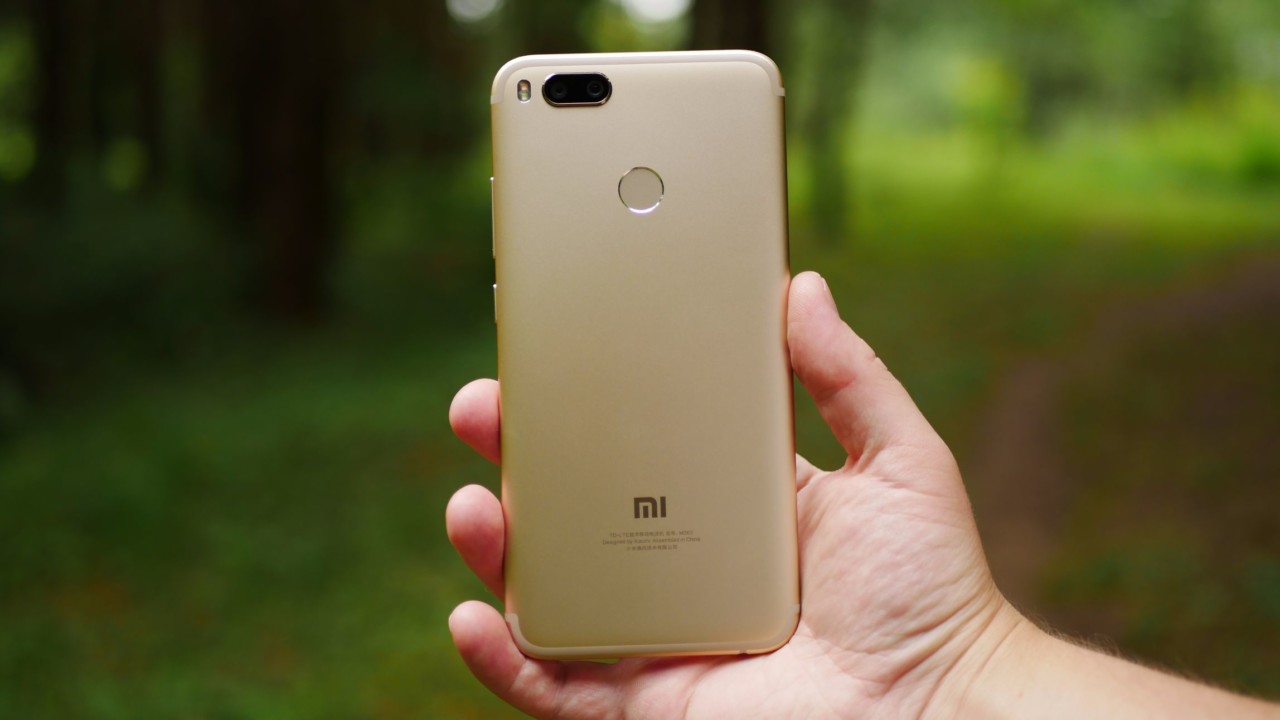
Xiaomi A1 is the first Android One phone made by the company. That means that this phone runs on stock Android OS, not the MIUI, which is a heavily customized skin.
As far as specs go, the phones ships with the Snapdragon 625 chip, 4GB of RAM and 64GB of storage. The Xiaomi A1 also has a compelling dual-camera setup that consists of 12 MP shooters.
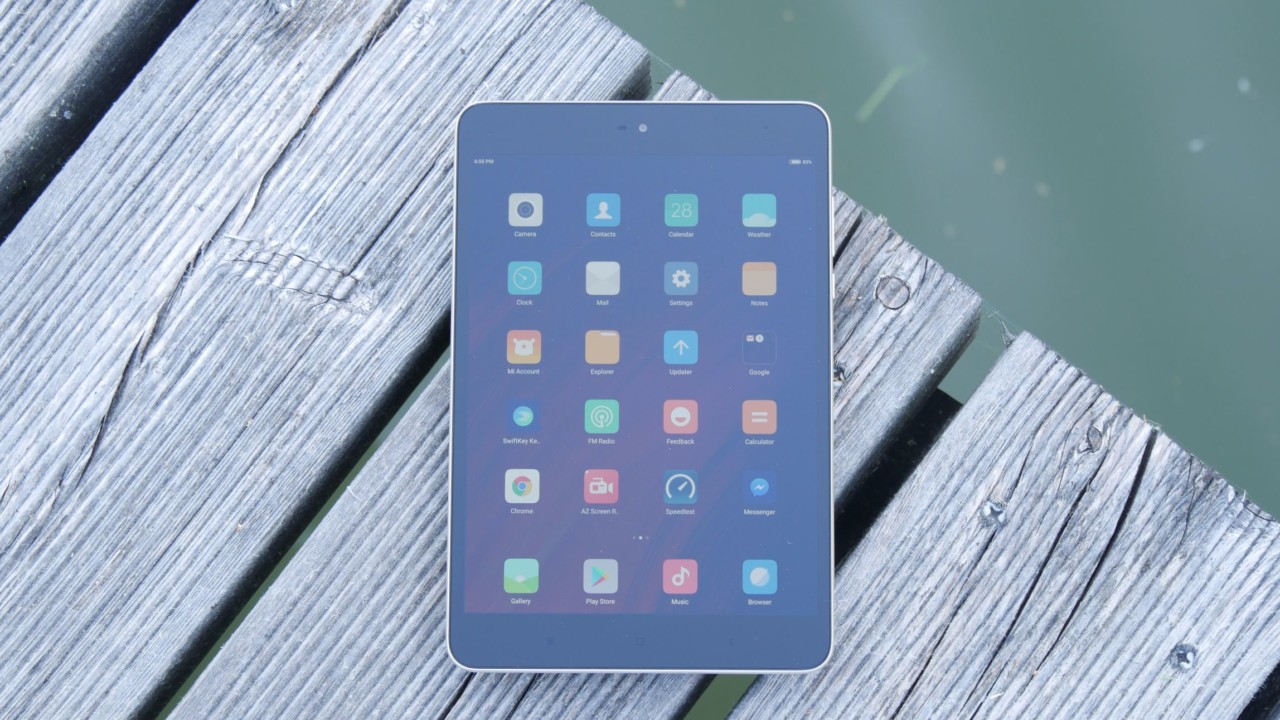
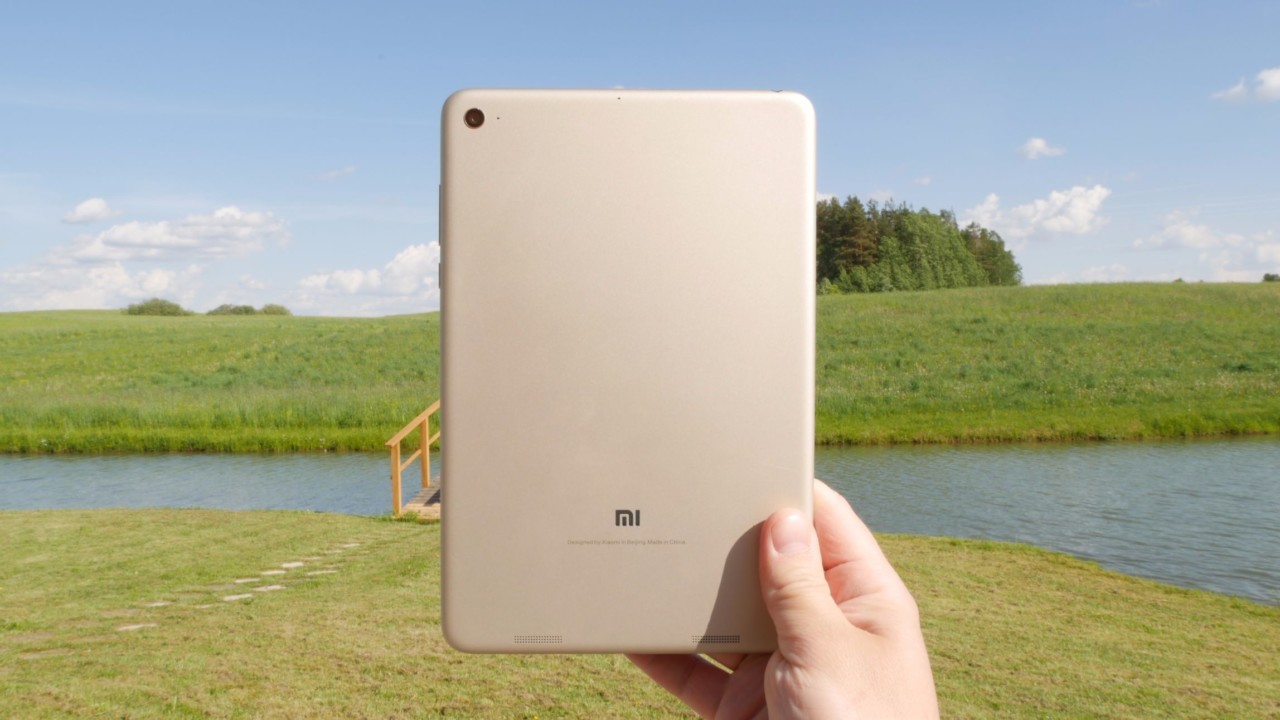
Xiaomi is better known for its great budget smartphones but their tablets are really popular as well. The Mi Pad 3 is the latest iteration of the tablet series and it offers a lot of value for the price.
The tablet’s design and build quality are one of the main selling points. The Mi Pad 3 is made entirely of metal, the buttons are tactile and they do not rattle and it just feels like you hold an expensive piece of hardware.
The tablet ships with 7.9″ display, a hexacore MediaTek MT8176 chip, 4GB of RAM and 64GB of internal storage, which is, however, not expandable.
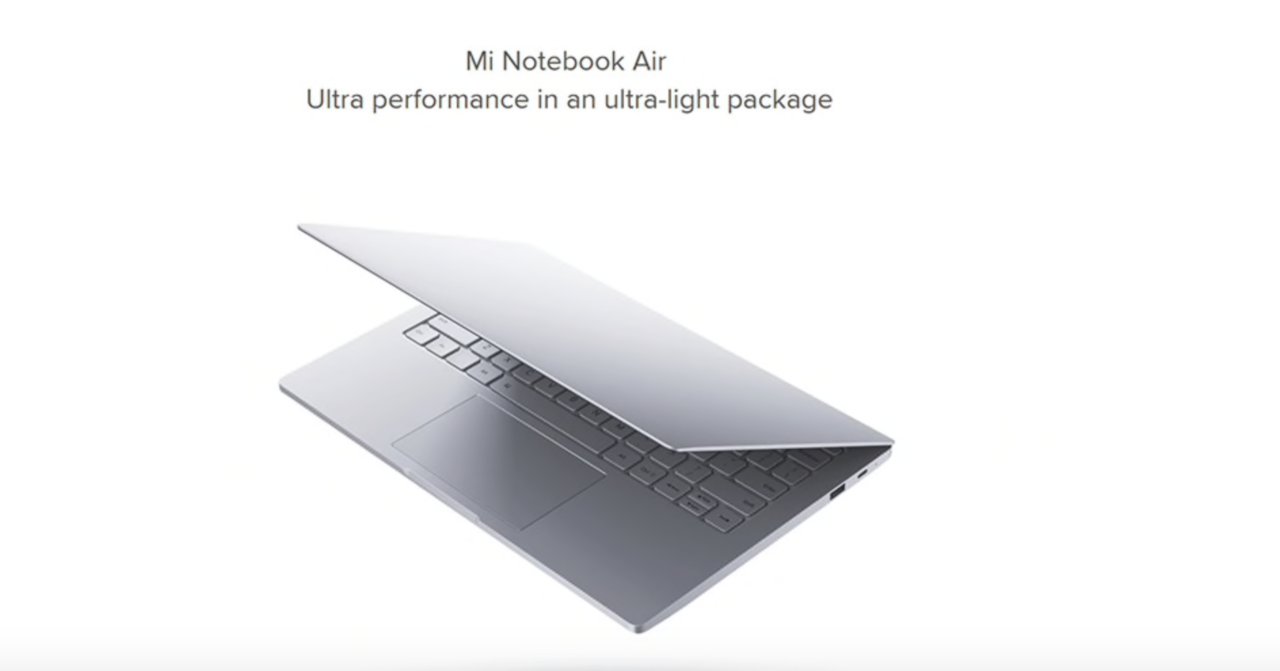
Xiaomi is known for its smartphones but their Air laptop turned out to be very successful. The notebook is made of metal and even though it reminds of the Apple MacBook Air, the build quality is just top notch. Also, you are getting pretty good specs for the price that includes Intel Core m3-6Y30 Dual Core chipset, 4GB of RAM and 128GB of SSD storage.
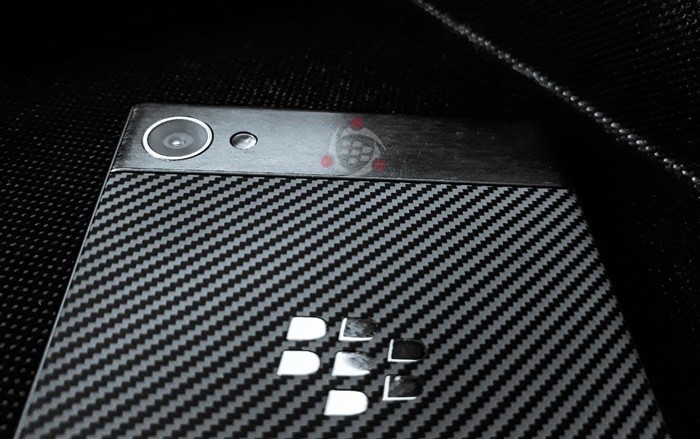
TCL is said to be working on a new BlackBerry device currently known as Krypton. The BlackBerry Krypton has been seen on the FCC website and has also gotten Bluetooth and WiFi certifications.
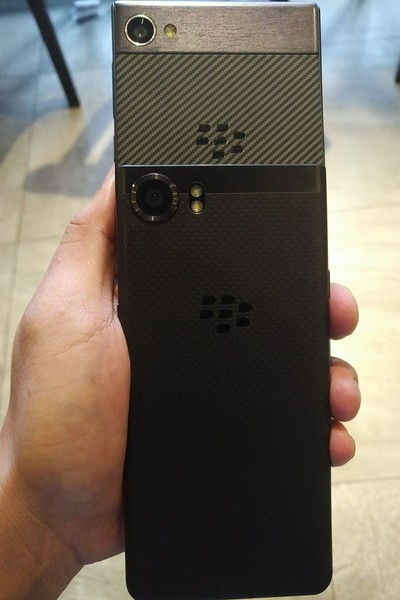
The Krypton is rumored to be an all-touch smartphone and may even belong to the DTEK series. There have been no leaks with respect to its design until today. However, this images only reveal the back of the phone, leaving us in the dark as to what its front will look like.
The BlackBerry Krypton is shown in the image above with a single rear camera positioned in the top left corner. The upper part where the camera sits appears to be made of leather while the lower half is covered in carbon fiber.
A second image shows the phone along with the BlackBerry KEYone, and we can see that they have the same width.
In the early hours of today, the details of HTC and Google’s “acquisition” were made public. It turns out that it was more of a purchase of talent, similar to what happens between football clubs, with Google paying over a $1 billion for the HTC engineering team that worked on the Pixels. Reports says that is about $500,000 for each member of the team in addition to a separate non-exclusive license for HTC intellectual property.
With 2000 top engineers gone, some may be wondering if the deal made sense for HTC. The company says it still has an excellent R&D team which worked on its flagship, the HTC U11 and is preparing its next flagship phone.
Speaking at an interview, president of global sales for HTC, Zhang Jia Lin revealed that the company was working on a new flagship phone with a full-screen display which should launch not later than a month from now. Sources say it will be called the HTC U11 Plus.
The phone will have an 18:9 aspect ratio, a fingerprint scanner and be powered by the Snapdragon 835. It may also support facial recognition.
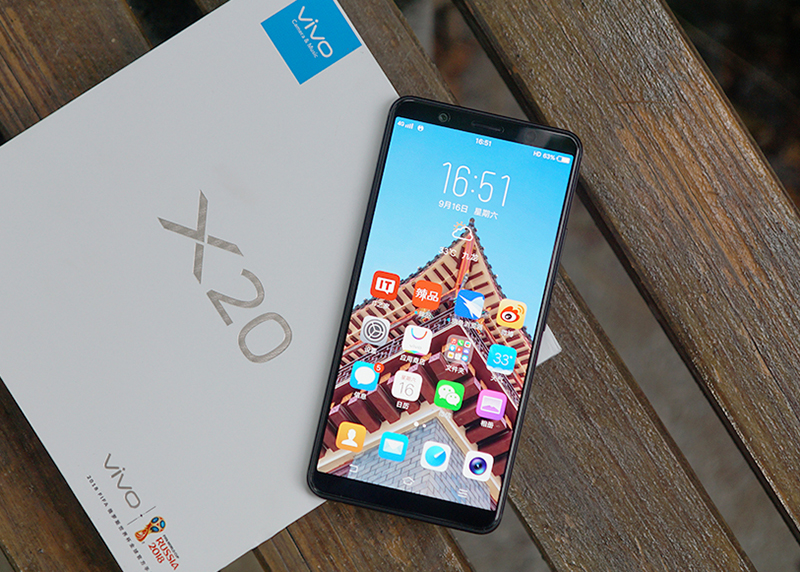
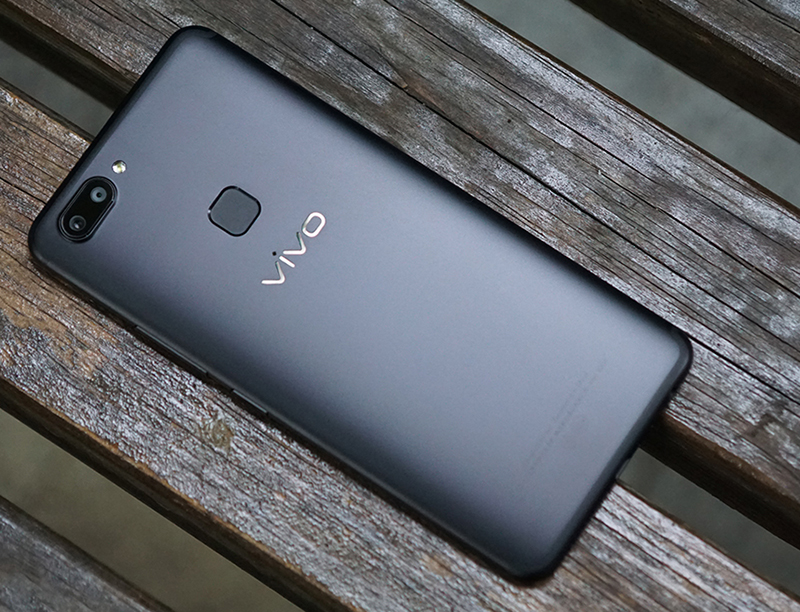
The Vivo X20 was unveiled today in China. The new smartphone is Vivo’s second full-screen smartphone, coming weeks after the announcement of the Vivo V7 Plus in India.
Vivo X20 and Vivo X20 Plus Design
The Vivo X20 and X20 Plus feature a 3D arc design that is designed to provide a comfortable grip in your palm. The 1.8mm U-shaped antenna lines are seamlessly integrated into the device using a new generation nano-injection molding process. The rest of the body is finished with an ultra-fine zirconium sand spray process that gives it a silky smooth feel.
Vivo X20 and Vivo X20 Plus Specs
The Vivo X20 has a 6.01 inch 18:9 display that occupies 85.3% of the front of the phone. It is powered by the Snapdragon 660 paired with 4GB of RAM. Owners will be able to choose between 64GB or 128GB of expandable storage. The X20 has an AK4376A for HiFi audio and packs a 3245mAh battery under the hood.
The Vivo X20 Plus has a larger 6.43-inch 2160 x 1080 super AMOLED display crammed in a 5.85-inch body. It is powered by the same Snapdragon 660 mobile platform and packs the same amount of RAM. However, storage is limited to 64GB but one can add up to and additional 256GB via a MicroSD card slot.
The X20 Plus also differs in the camera aspect as its sensors have OIS. It has an ES9318 DAC + amp for Hi-Fi audio. Due to the bigger screen, it packs a 3905mAh battery capacity.
There is dual SIM support, Bluetooth 5.0, dual band WiFi, and a micro USB port for connectivity on both devices. There are also fingerprint scanners on the back of the phones that support payment and can control the cameras too.
Both the Vivo X20 And Vivo X20 Plus run FunTouch OS 3.0 based on Android 7.1.1 out of the box. There is a built-in AI assistant that learns your usage pattern, channeling processing power to your most used apps.
There is also a new Vivo Game Engine that greatly improves game-play even for very demanding games. The game engine also makes sure that incoming calls or notifications do not affect game-play. If you need to respond to messages from chat apps, a floating and re-sizeable window of the app will appear. It seems only WeChat and QQ are supported for now.
Face Wake
There are two ways to unlock the X20 – using the fingerprint scanner or using the new Face Wake feature. Face Wake is said to unlock the device in just 0.1s. Vivo claims it detects up to 128 different facial features before proceeding to unlock the phone.
Vivo X20 and Vivo X20 Plus Cameras
Vivo like its sibling OPPO, makes camera-centric phones and the X20 and X20 Plus don’t disappoint. There are dual rear cameras on both phones in a 12MP + 5MP combination. The 12MP f/1.8 sensor is unique as it can take images up to 24MP. Pair that with the 5MP secondary sensor and you get high quality bokeh images. The 12MP f/2.0 dual-pixel front facing camera uses the same technology and also takes portrait images.
Vivo also says it has worked on an image sensor processor unit it calls Vivo Image Cube. This is actually a 256MB dual-core image sensor processor (DSP).
LG announced the LG V30 on August 31 and it came with an interesting and sleek design which has earned the device lots of positive reviews. One of the features which stood out is the camera which has the widest aperture you’ll ever find in a smartphone camera till date which is a f/1.6 aperture with optical image stabilization (OIS). You can have a closer look at the V30’s camera from this dismantling video uploaded by Jerry Rig Everything.
The video shows the V30 entirely taken apart and it shows the device comes with a fairly repair-friendly design. The device also comes with a non-removable battery, unlike previous V-series model. Don’t forget the device utilizes a bezel-less design which means a cracked screen can only be fixed with the entire front panel changed. You can watch the entire video from below.
To refresh your memories, the LG V30 features a 6-inch OLED display with a 1440 x 2880 resolution and 18:9 aspect ratio. It has 4GB of RAM that is paired with a Snapdragon 835 SoC. A 16MP f/1.6 sensor paired with a 13MP f/1.9 lens grace its back. Up in front is a 5MP f/2.2 sensor. The V30 also comes with an IP68 rating, packs a 3300mAh battery and runs Android 7.1.2 Nougat out of the box.
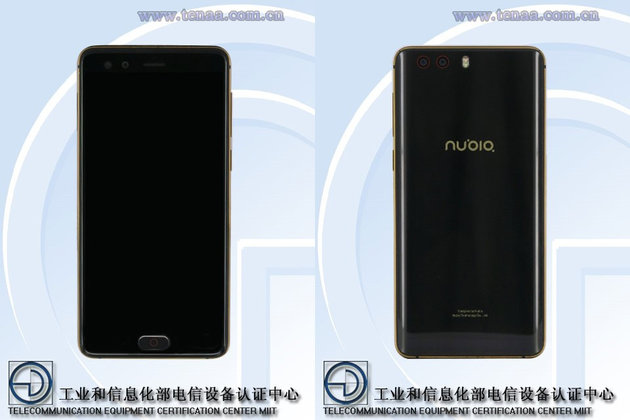
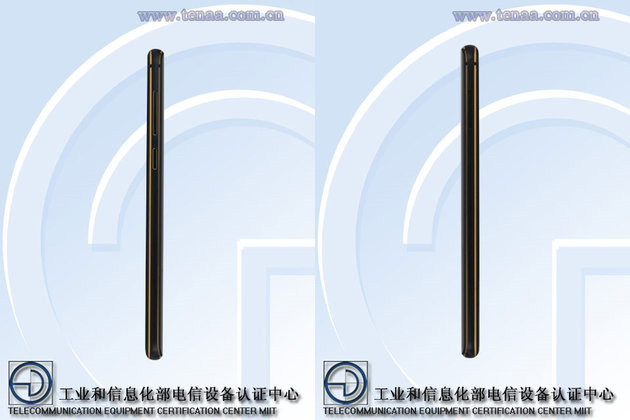
A new Nubia smartphone has been certified by the Chinese Telecoms regulatory agency TENAA and it looks like this is the full-screen phone Nubia is rumoured to be working on. The Nubia device has the model number NX589J and the photos attached to the TENAA listing shows a full-screen design with tiny bezels at the chin and a reduced bezels at the top and bottom bezels.
The Nubia NX589J model which is expected to be named Nubia Z17s is listed with a 5.2-inch 1080P display and would get its juice from a 3100mAh battery. The mobile phone will sport a dual camera setup at the rear, with the main sensor being a 13MP sensor. The device will also pack a 16MP camera up front. TENAA has not revealed the processor but it is listed as having a frequency of 2.0 GHz and should be a Snapdragon 835 chip. The Nubia full-screen phone also comes with 6GB of RAM and 64GB of native storage which is expandable. Providing the interface will be Android 7.1.1 Nougat OS while there are dual SIM slots inside.
OPPO is not new to special edition phones. It has been doing it for years just like its sister company, Vivo. The OPPO R11, its latest flagship has received two special edition models – a FC Barcelona Edition and a TFBOYS Edition. It will be adding a third next week – OPPO R11 King of Glory Edition.
King of Glory is one of the most popular online multiplayer battle games. Published by Tencent Games and with a report of 200 million active players monthly as at July 2017, it’s clear to see why OPPO will want to make a special edition of its R11 phone for the game.
The special edition phone will be launched on September 29 as a way to mark the anniversary of the game. A teaser image posted on OPPO’s Weibo page gives us a glimpse of what to expect.
We use cookies on our website to give you the most relevant experience by remembering your preferences and repeat visits. By clicking “Accept”, you consent to the use of ALL the cookies.
This website uses cookies to improve your experience while you navigate through the website. Out of these, the cookies that are categorized as necessary are stored on your browser as they are essential for the working of basic functionalities of the website. We also use third-party cookies that help us analyze and understand how you use this website. These cookies will be stored in your browser only with your consent. You also have the option to opt-out of these cookies. But opting out of some of these cookies may affect your browsing experience.
Necessary cookies are absolutely essential for the website to function properly. This category only includes cookies that ensures basic functionalities and security features of the website. These cookies do not store any personal information.
Any cookies that may not be particularly necessary for the website to function and is used specifically to collect user personal data via analytics, ads, other embedded contents are termed as non-necessary cookies. It is mandatory to procure user consent prior to running these cookies on your website.