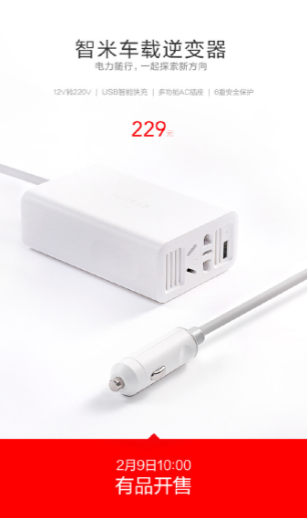
Smartmi is best known as the manufacturer behind Xiaomi’s Mi Air Purifier line as well as the more recent Air Conditioner. Today, the company unveiled three new products – the Smartmi Heater, Smartmi Humidifier, and the Smartmi Car Inverter.
Smartmi Heater and Humidifier
The heater and humidifier are sort of like the last two pieces of the puzzle. Since the brand already has an air purifier and air conditioner, it only makes sense that a heater and humidifier should follow.
The heater will go on sale on February 7 at 10:00 AM for ¥269 (~$43). Registrations for the humidifier which has a 4L water capacity and is priced at ¥499 (~$79) begins on the same day while sale will commence on February 11.
Smartmi Car Inverter
The Smartmi Car Inverter is for those who are usually on the go most times and need to charge their AC-powered devices. The inverter converts your car’s 12V power into 220V for charging your gadgets. It has two power outlets and a USB output port on one end and a cigarette lighter plug at the other end.
In what appears to be a major change in tradition, Xiaomi is reported to be working on two flagships for the first half of the year. Other than the Mi 7 which should naturally be the next flagship, there have been rumors and leaks about another flagship – the Mi MIX 2S.
According to what we have learnt so far, the Mi MIX 2S will be a more powerful variant of the Mi MIX 2 as it will be driven by the Snapdragon 845 processor. Some sources have even said it will be the first Snapdragon 845 phone in the world and that is because Xiaomi will be launching it before MWC 2018.
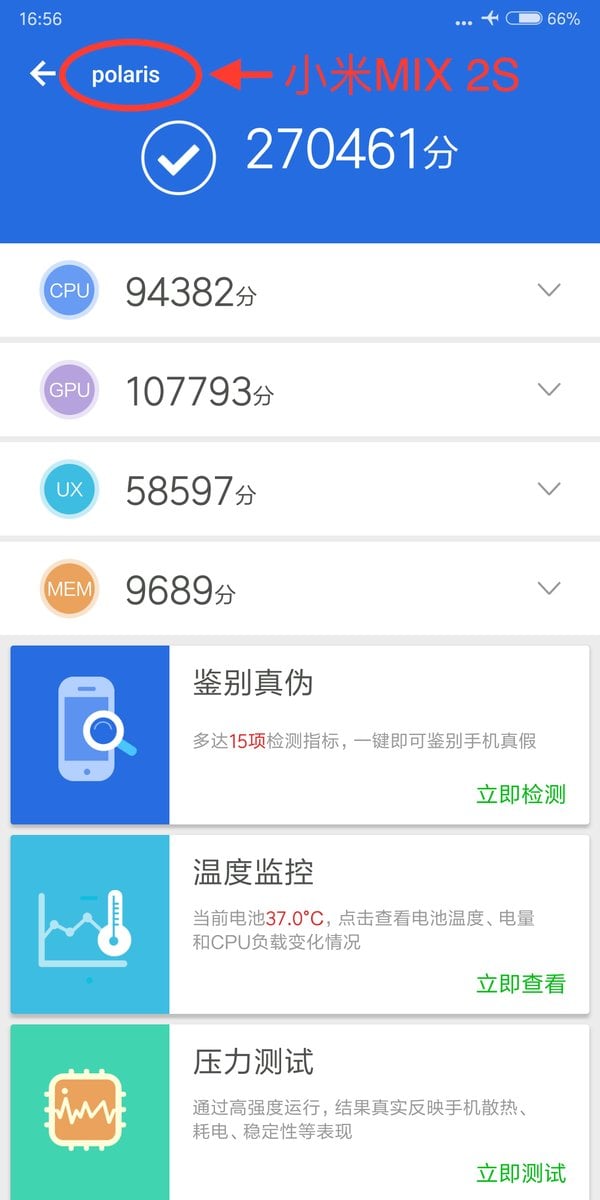
The news today is that the MIX 2S has been benchmarked on AnTuTu. A screenshot of the benchmark result was shared on Twitter by leaker @Universeice.
Xiaomi’s upcoming flagship scored a total of 270,461 points which is a sum of the CPU, GPU, UX, and memory score. Although the device is not listed as Mi MIX 2s but instead as Polaris which is the codename of the device.
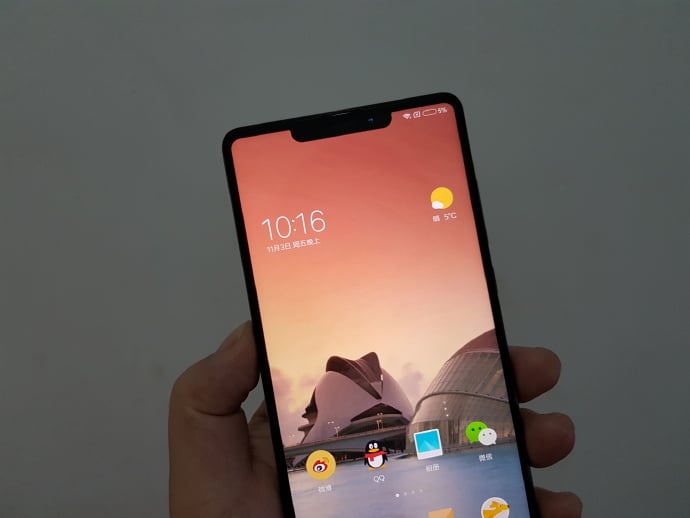
Leaked images of the Mi MIX 2S shows the phone will feature an iPhone X-styled notch. It is reported to also come with face recognition.
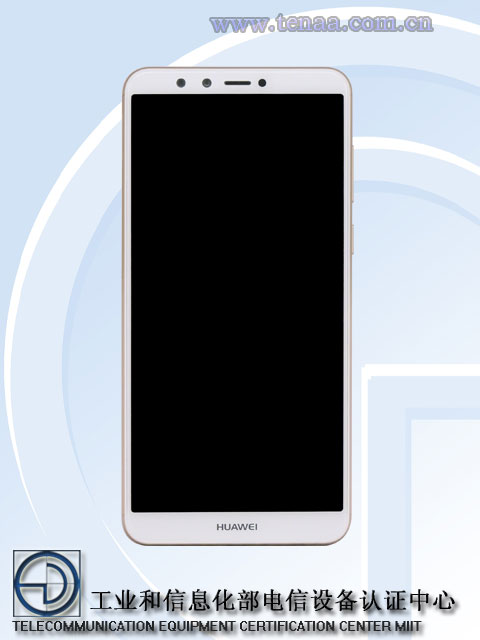
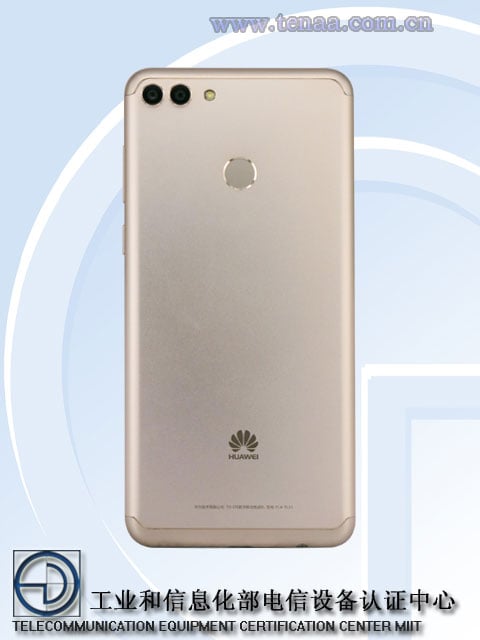
Three unidentified Huawei smartphones have appeared on TENAA. Since two of them have similar model number and appeal, they seem to be variants of an upcoming Huawei phone while the third one seems to be a different smartphone. It is speculated that these two phones may arrive in the market as Huawei Nova 3, Nova 3 Plus and Y3/Y5 2018.
The design of the Huawei FLA-AL00 and FLA-TL10 are quite similar. The appearance of the dual camera setup looks similar to the Huawei Nova 2Nova 2 series phones. Hence, these variants are speculated to debut as Nova 3 and Nova 3 Plus. The AL00 Huawei phones are usually made available through China Unicom whereas the TL00 variants are sold through either China Mobile or China Telecom in the home country. Hence, the FLA-AL00 and FLA-TL10 could be the carrier variants of the Nova 3.
The Huawei LDN-TL00 is speculated to be the successor of Huawei Y3 or Y5 2017 smartphones from last year. Since the Huawei Y5 2017 was unveiled in April and the Nova 2, Nova 2 Plus, Y3 2017 phones were launched in May, it is speculated that the their successor models may arrive early in the second quarter of this year.
All three upcoming Huawei phones seem to support 18:9 aspect ratio supporting screen. The rear sides of these phones are flanked with dual cameras and fingerprint reader. The appearance of the dual camera setup on the Y3/Y5 2018 looks different from Nova 3 and 3 Plus. The Y3/Y5 2018 seems to feature single front camera whereas the Nova 3 models have dual selfie snappers. These phones are likely to carry support to for dual-SIM and arrive preinstalled with Android 8.0 Oreo and EMUI 8.0.
We advise our readers to digest this report with a pinch of salt. The identify of the above phones can be guessed properly only when their TENAA listing are updated with specs.
Samsung is all set to launch its upcoming flagship phones — Galaxy S9 and Galaxy S9+ later this month at Mobile World Congress in Barcelona. While we already know a lot related to the devices, as the launch of the phone near, more information keeps surfacing.
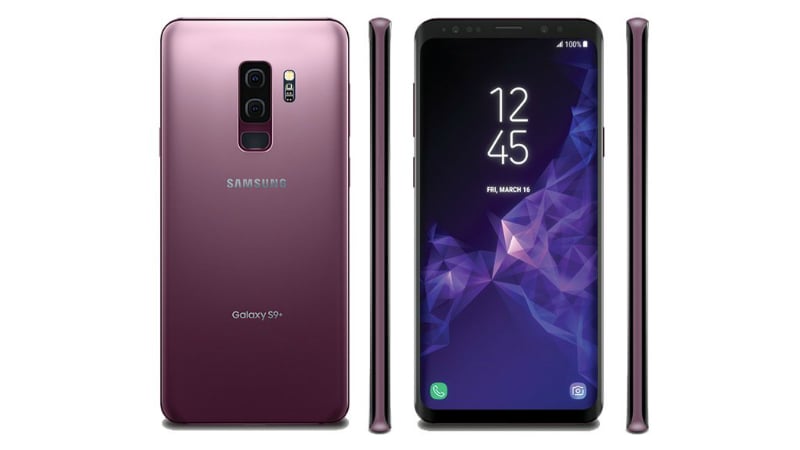
Now, a couple of weeks ahead of the official launch of the Galaxy S9 and Galaxy S9+, a new press render of the devices have leaked online, revealing that it will also be available in a new Lilac Purple color variant. This color variant was also hinted in a video that surfaced a few days ago.
The Lilac Purple color will be introduced for the first time in the Galaxy series of devices. Apart from this, the devices will also be available in Midnight Black, Titanium Gray, and Coral Blue variants. There could be other color variants if the company launches another Limited Edition variants.
This press render suggests that the Galaxy S9 will have a single camera setup while the Galaxy S9+ will come with a dual camera setup. The renders also confirms the new vertical placement of the fingerprint sensor; an attempt by Samsung to make it more ergonomic to use than the previous-generation variant.
The Galaxy S9 duo is expected to run Qualcomm Snapdragon 845 processor in the US and China while in the other regions, it will pack the company’s own Exynos 9810 chipset. Both the phones are expected to run Samsung Experience 9 based on top of Android 8.0 Oreo.
Another leaked suggests that the bigger variant, i.e. Galaxy S9+ will feature a new Sony IMX345 camera sensor that has not been launched yet. Recent image leak has revealed that the Galaxy S9 will be powered by a 3,000mAh battery while the Galaxy S9+ will pack 3,500mAh battery — same as their predecessors.
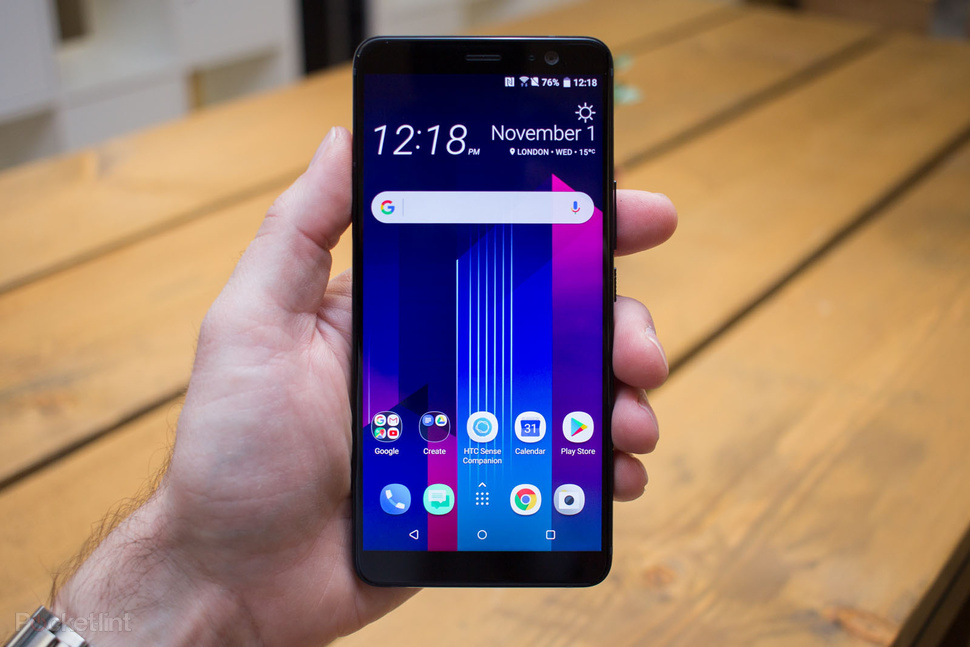
HTC had unveiled the HTC U11+ as its first flagship smartphone with 18:9 aspect ratio display in November 2017. During the launch, the company had confirmed that the U11+ would be made available in select markets in Europe and Asia. It is an improved version of the Snapdragon 835 driven HTC U11 that was launched earlier in the previous year.
HTC U11+ Specifications and Features
The HTC U11+ has arrived in India in three color choices like Amazing Silver, Ceramic Black and Translucent Black that has a semi-transparent appearance. The handset sports the Liquid Surface design that has a premium reflective appeal. The IP68 certified HTC U11+ sports a glass and metal combination chassis. Its dimensions are 158.5 x 74.9 x 8.5mm and its weight is 188 grams.
It is fitted with a Super LCD 6 display of 6 inches. The display supports HDR10 and DCI-P3 color gamut and offers QHD+ screen resolution of 1,440 x 2,880 pixels. The screen is protected with Corning Gorilla Glass 5.
The Snapdragon 835 chipset powers the U11+. The 64 GB and 128 GB storage models of the phone respectively features 4 GB and 6 GB of RAM. The external storage slot of U11+ supports up to 2 TB of microSD card. The 3,930mAh battery present inside the phone is coupled with Quick Charge 3.0.
The connectivity features available on the handset include dual-SIM support, 4G VoLTE, Wi-Fi 802.11ac, Wi-Fi Calling, NFC, Bluetooth 5, USB Type-C, Miracast, DNLA, GPS and GLONASS. It lacks a 3.5mm audio jack and it offers the same USB-C port for connecting the charging and for linking the USonic ANC-enabled headphones. The U11+ also features BoomSound speakers.
One of the USPs of the HTC U11+ it has a Edge Sense pressure-sensitive frame which makes it possible to squeeze the phone to open apps, launch a voice assistant and access some functions. The rear panel features a 12-megapixel UltraPixel camera that comes with features like f/1.7 aperture camera, autofocus, OIS, dual-LED flash and carries support for 4K video shooting. The frontside of the U11+ has an f/2.0 aperture 8-megapixel selfie camera. The handset comes loaded with Android 8.0 Oreo and Sense UI.
HTC U11+ Pricing and Availability
The HTC U11+ has arrived in India with a price tag of Rs. 56,990 (~$888). It will be available for buying exclusively through Flipkart starting from Feb. 7.
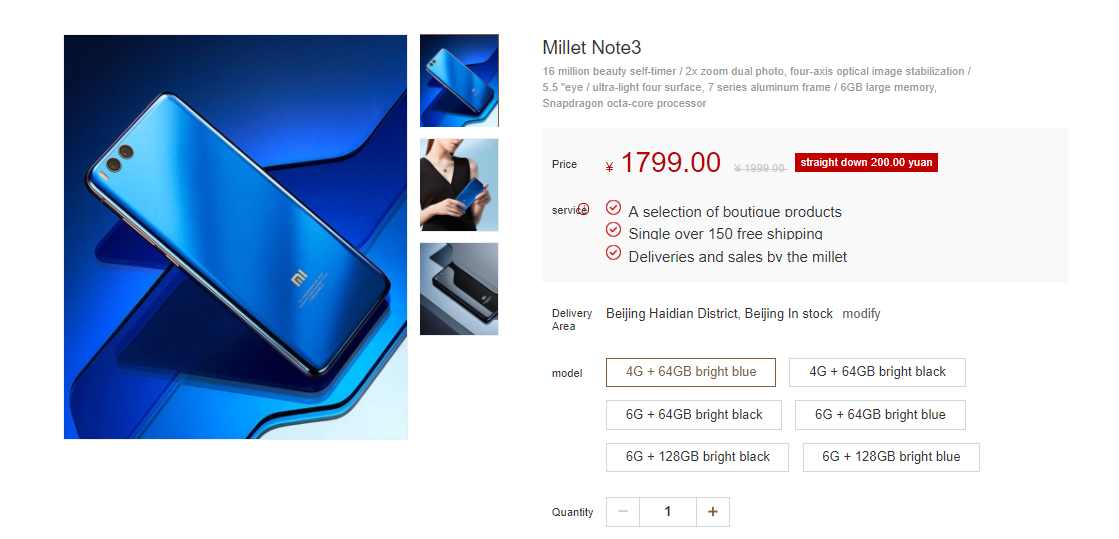
Xiaomi’s upper mid-range flagship, the Mi Note 3 has gotten another price slash. A few weeks ago, Xiaomi sold it for ¥1899 (~$295) for a short period of time. Now it has cut the price down to ¥1799 (~$289).
The new price means the Mi Note 3 (4GB Model) has gotten ¥200 (~$32) off its original price. The other variants have also gotten price cuts following their announcements. Below is a list of their old and new prices:
Model
Old Price
New Price
6GB RAM + 64GB ROM Black
¥2499 (~$398)
¥1899 (~$303)
6GB RAM +128GB ROM Black
¥2899 (~$462)
¥2299 (~$366)
6GB RAM +128GB ROM Blue
¥2999 (~$478)
¥2399 (~$382)
Do note that the old prices are the original launch prices as Xiaomi first reduced their prices by ¥200 about three months after the launch.
It has a 5.5” FHD display, a Snapdragon 660 processor, and packs a 3500mAh battery. For optics, the Mi Note 3 has a 16MP 2μm front camera and dual 12MP cameras on the rear with 2x optical zoom and 4-axis OIS.
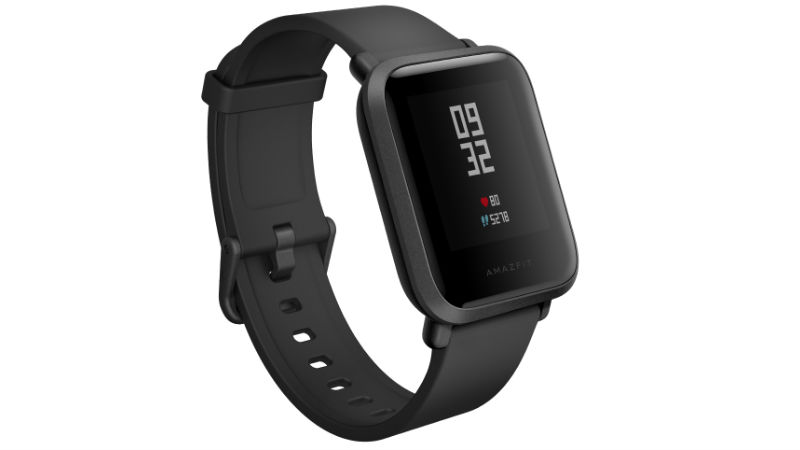
Huami, the Xiaomi-owned wearables manufacturer which recently went public, has made its Xiaomi Amazfit BIP smartwatch available in the US for a price of $99. The smartwatch was originally launched in China in August last year.
Design-wise, the Amazfit BIP looks similar to the Apple Watch. The device comes with a 1.28-inch always-on color touch display with a screen resolution of 176 x 176 pixels. The display is covered by a 2.5D layer of Corning Gorilla Glass 3. The device features IP68 dust and water resistance.
Coming to the sensors, the Amazfit BIP comes with PPG heart rate sensor, tri-axial acceleration sensor, geomagnetic sensor, barometric pressure sensor, GPS + GLONASS, and more. The device is compatible with Apple as well as Android-based devices.
The smartwatch is powered by a 190mAh battery which promises over 30 days of battery life with normal use or up to 45 days with minimal notifications on a single charge. However, when using the device with GPS tracking, it only gets 22 hours on a charge.
The device supports activity tracking as well as sports and sleep tracking. Using the device, users can receive notifications for calls, messages, emails, and other apps. With multi-sport tracking, it tracks user’s runs, cycling and more with mapped routes, detailed stats and heart rate zones.
The Xiaomi Amazfit BIP will be available in four color variants — Onyx Black, Cinnabar Red, White Cloud and Kokoda Green. It has a 20mm standard-width band that can be changed. It is priced at $99 in the United States and will be available from Amazfit website. While the device is now available for purchase, some color variants will go on sale from March.
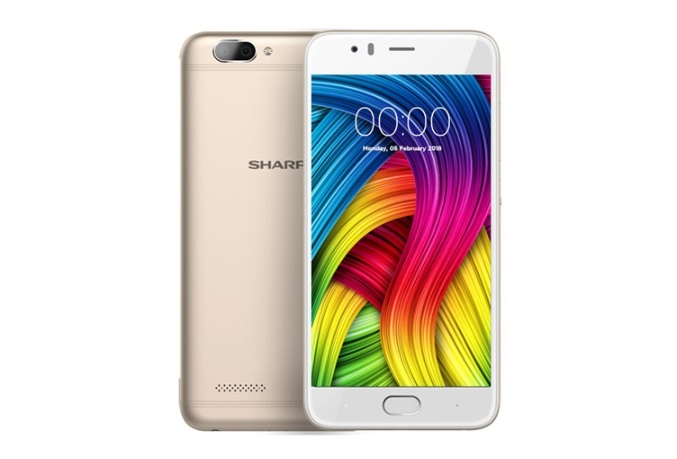
Sharp has unveiled a new smartphone that is greatly different from its recent releases. Not only does it drop the “Aquos” name, the Sharp Pi is an entry level smartphone with a traditional 16:9 display.
Sharp Pi
With respect to design, the Sharp Pi has a polycarbonate body with faux antenna lines at the back. There is also a speaker grille positioned at the bottom left corner of the phone’s rear. Sharp has also left the bezels super big on this phone.
The Sharp Pi was launched in Vietnam and Indonesia. It has a 5.2” HD display, 2GB of RAM, and is powered by a MT6737T quad-core processor. Built-in storage is 16GB but is expandable via a microSD card slot.
Sharp has included two dual cameras on the back of the Pi. One is a 13MP sensor and the other is a 2MP sensor. For selfies, it packs an 8MP sensor. The front of the phone is also home to a fingerprint scanner buried underneath the home button.
The Sharp Pi runs Android 7.0 Nougat out of the box. It has a 3000mAh battery, Bluetooth 4.0, LTE and Wi-Fi connectivity.
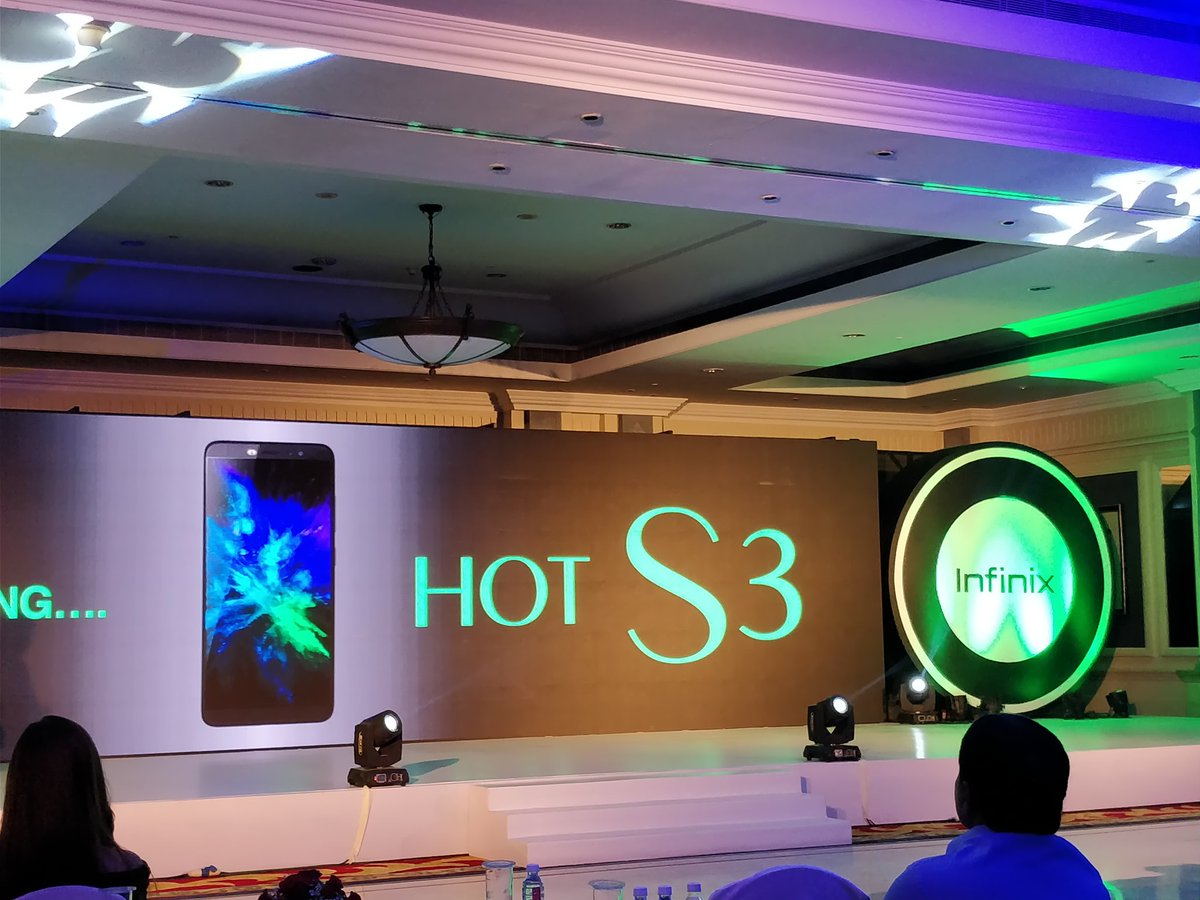
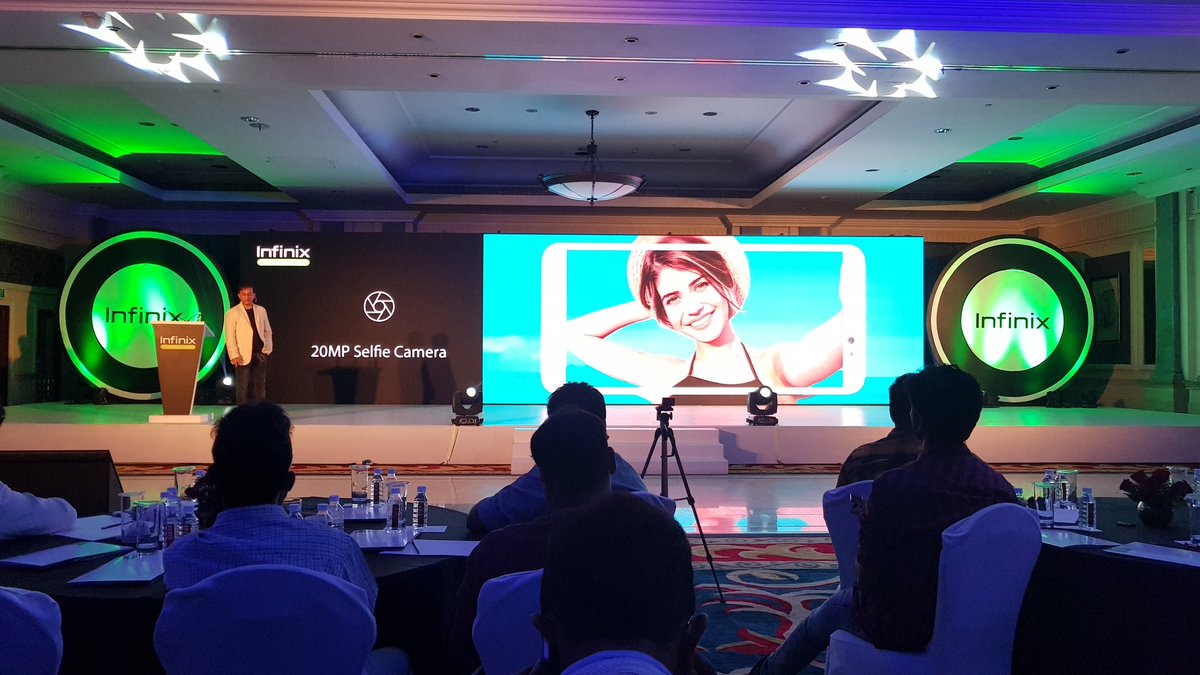
Infinix Mobile, the Hong Kong based smartphone manufacturing company has unveiled the Infinix Hot S3 smartphone in India through a launch event in Mumbai. It is a Flipkart exclusive smartphone that features an 18:9 aspect ratio display, an amazing 20-megapixel low-light selfie camera and an attractive starting price of Rs. 8,999 (~$140).
Infinix Hot S3 Specifications and Features
The Infinix Hot S3 sports a metal and plastic combination body. It comes in color choices like Sandstone Black and Brush Gold. The rear side of the phone features a fingerprint reader. The sides of the phone feature dual-SIM slot, volume controller, power button, 3.5mm audio jack, microUSB port and external speakers.
The Infinix Hot S3 features a 5.65-inch IPS LCD display that produces 18:9 aspect ratio. The display supports an HD+ resolution of 720 x 1440 pixels. The screen is tucked under a layer of 2.5D curved glass. The handset comes in two storage models such as 32 GB and 64 GB that respectively feature 3 GB and 4 GB of RAM. It is also features an external storage slot that supports up to 256 GB of microSD card.
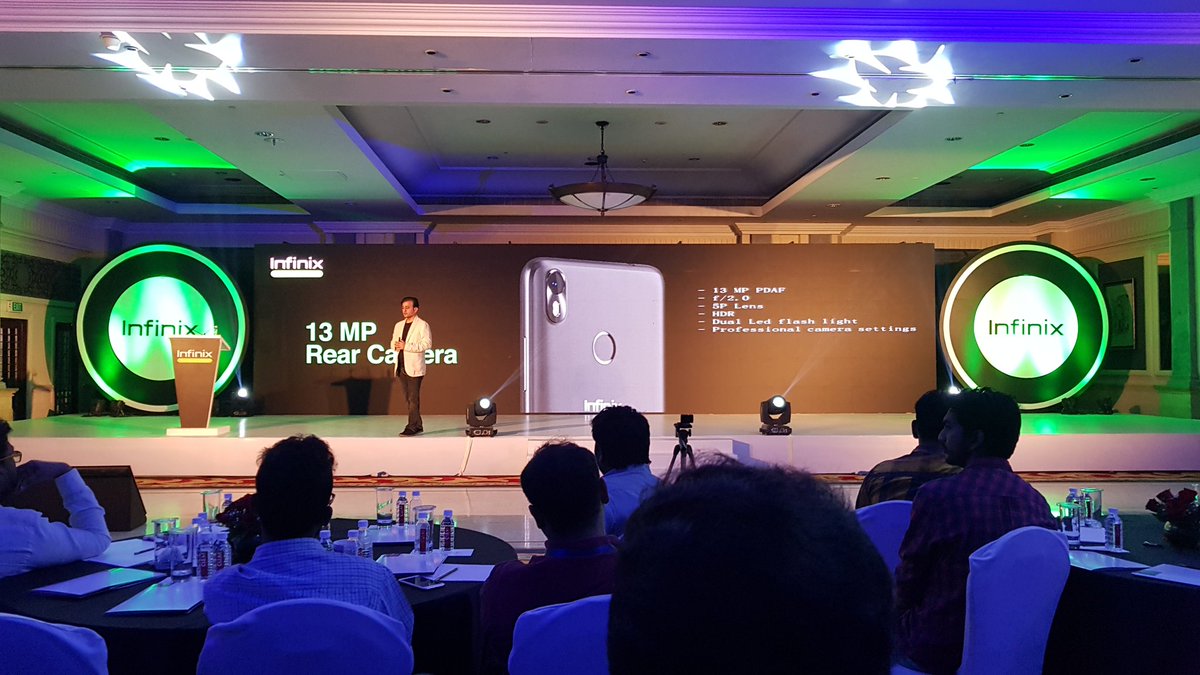
Apart from the elongated display, the USP of the phone is its f/.0 aperture 20-megapixel selfie shooter that can capture enhanced photos in low-light conditions. Wide-angle selfie shots and time-lapse are some of the photography features supported by the selfie camera. There is a dedicated LED flash for the selfie camera. The backside of the phone features an f/2.0 aperture 13-megapixel camera that is equipped with features like LED flash and autofocus.
The Snapdragon 430 chipset is present under the hood of the Infinix Hot S3. It is fueled by a big battery of 4,000mAh capacity that carries support for 5V/2A fast charging. The handset comes pre-installed with Android 8.0 Oreo that is flavored with company’s proprietary Android skin called XOS 3.0 Hummingbird. At the launch event, the company confirmed that it will be releasing Android P OS upgrade for Infinix Hot S3 users. The other features available on the Hot S3 include 4G VoLTE, Wi-Fi 802.11ac, Bluetooth 4.2, and NFC.
Infinix Hot S3 Pricing and Availability
Flipkart will be beginning the sales of the Infinix Hot S3 starting from 12 PM on Feb. 12. The 32 GB storage + 3 GB RAM variant can be availed for Rs. 8,999 (~$140) whereas the higher model having 64 GB storage + 4 GB RAM is priced at Rs. 10,999 (~$170).
Gadget freaks are in for a treat. Reliable Chinese wholesale and retail online shop, TomTop is currently giving heavy discounts on the original selling price of a few selected DJI-branded gadgets. Let’s take a look at the details.
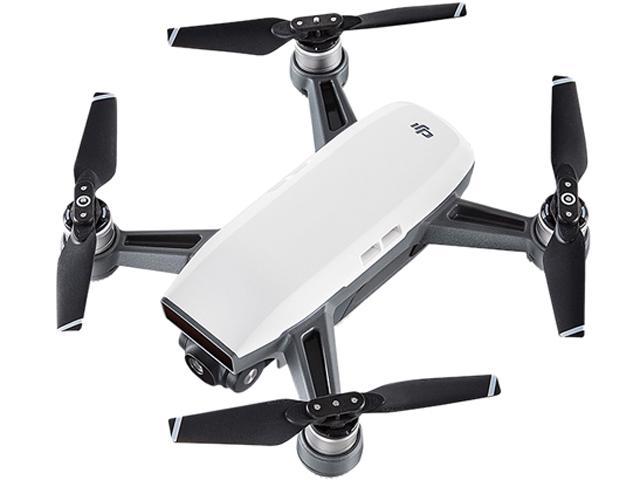
DJI Spark RC Quadcopter Fly More Combo
First off, TomTop is doling out a considerable 37% on the original $899.99 selling price of DJI Spark RC Quadcopter Fly More Combo, dragging it down to only $569.99. Spark is basically a mini-drone that adopts all of DJI’s signature technologies.
In addition to intelligent flight control options, Spark features a mechanical gimbal along with a camera that ensures exceptional image quality, allowing you to extend your creative boundaries. The camera comes with a f/2.6 wide-angle lens with a 2.5 mm equivalent focal length.
You can head straight to this link and get your hands on the power-packed mini-drone at a discounted price. You also get free shipping. The promo is slated to end in 22 days. More importantly, the discount will only be valid for the remaining 20 pieces.
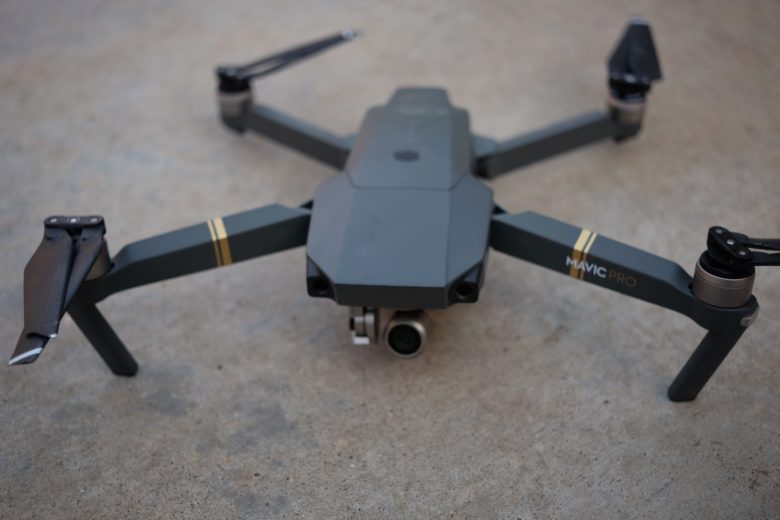
Original DJI Mavic Pro Foldable Drone
Despite its small size, the DJI Mavic Pro is a powerful drone. Touted as one of DJI’s most sophisticated flying camera ever, the Mavic Pro is currently up for grabs for only $869 on TomTop.
The site is offering a considerable 38% off on the drone’s original selling price of $1399.99. However, it is imperative for you to bear in mind that the discount is valid for just 22 days and only 32 pieces were left at the time of writing.
You can avail the 38% discount simply by clicking here before the promo comes to an end. In addition to the aforesaid discount, you are also eligible to get free shipping.
Original DJI Goggles
The highly comfortable DJI Goggles are designed to offer uninterrupted FPV flying with DJI products. It sets the stage for an unchartered flying dimension with a slew of Intelligent Flight Modes such as Tripod mode, Cinematic Mode, Terrain Follow, TapFly, and ActiveTrack.
You can now get your hands on the DJI Googles without spending a fortune, thanks to a massive 54% discount on the coveted goggle’s original selling price of $799.99. Although the discount is valid for 22 days, there were only 29 pieces left at the time of writing.
You can head straight to this link in order to take advantage of the promo before it comes to an end. You are also eligible to receive free shipping. All products will be shipped from US warehouse of TomTop.
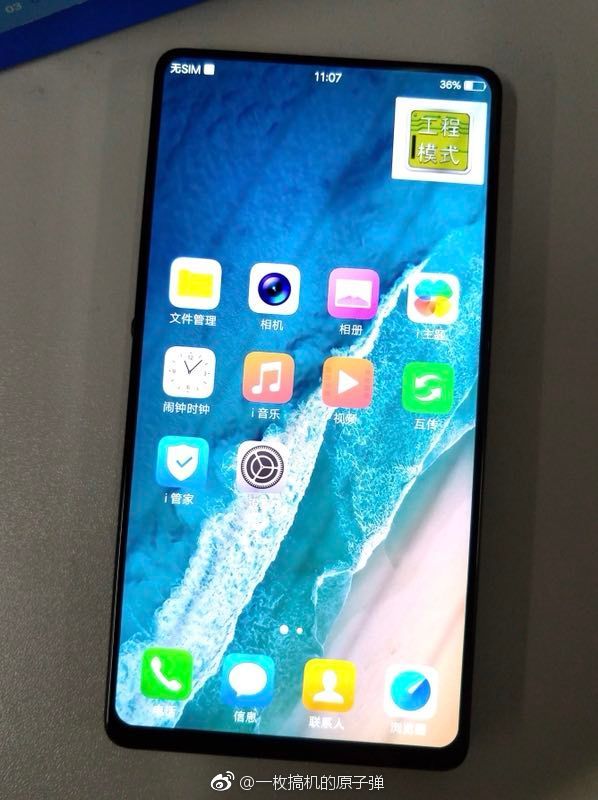
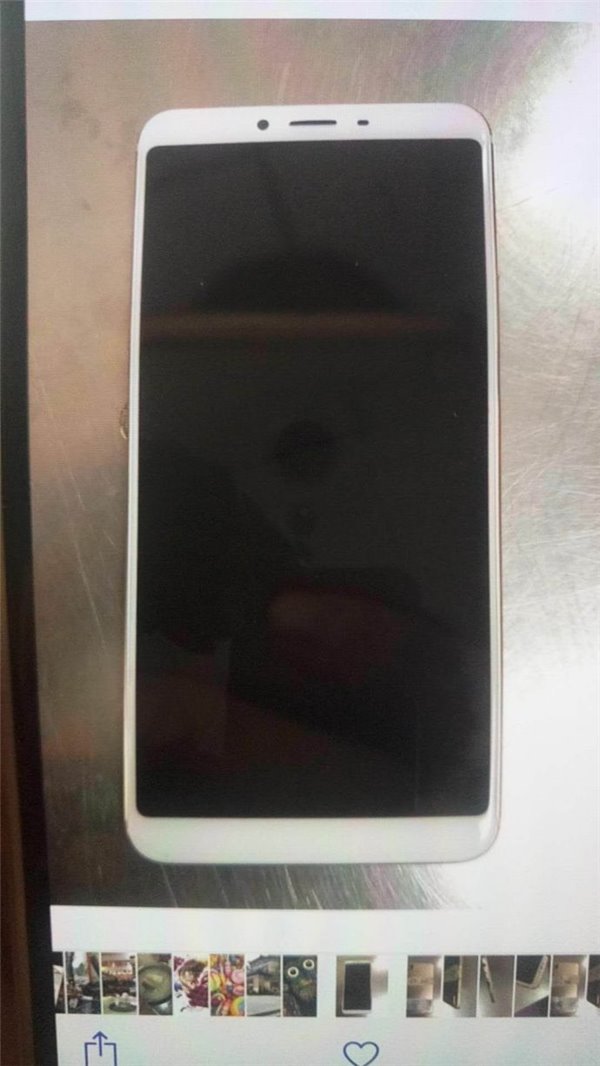
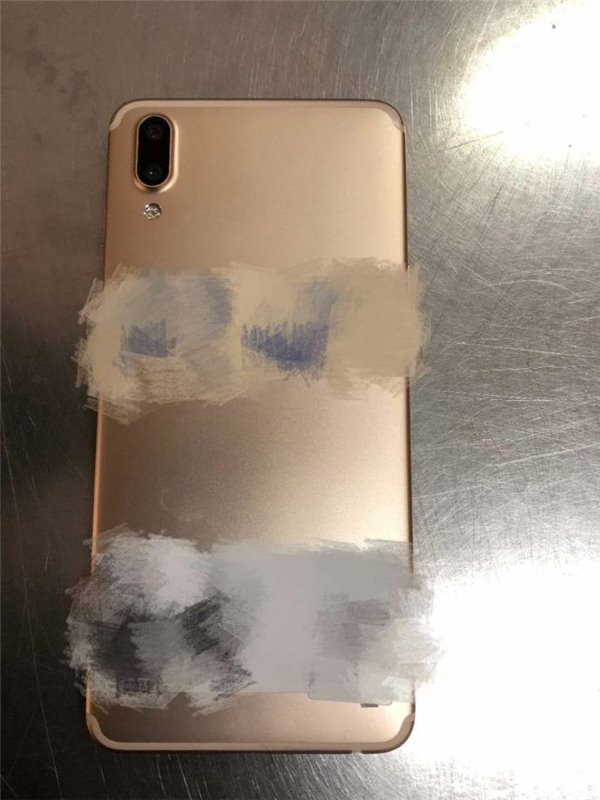
Apple and Samsung are reportedly struggling to launch smartphones with under-display fingerprint. However, China’s Vivo has already the world’s first in-screen fingerprint scanner phone – the Vivo X20 Plus UD in collaboration with Synaptics. A leaked photo of a mysterious Vivo phone that has appeared on Weibo suggests that it will be offering a very high screen-to-body ratio along with in-display fingerprint scanner.
There is no information available on the specifications and the name of the mysterious Vivo phone that has appeared in the leaked photo. Expect for a slightly thick bottom bezel, the remaining bezels of the phone appears quite thin. This indicates that the handset will be delivering a screen-to-body ratio of more than 95 percent. The exact of the screen is not known, but it is likely to offer 18:9 aspect ratio as the screen has an elongated appeal. The Chinese smartphone manufacturer is likely to embed the fingerprint scanner under the display of the phone.
Since the top bezel is very thin, it does not seem to feature selfie camera, earpiece or any other sensor. The Mi MIX 2 smartphone has the selfie camera located on the bottom bezel. However, the selfie camera does not appear to be present on the bottom of the mysterious Vivo. The absence of the frontal snapper makes us doubt on authenticity of the photo.
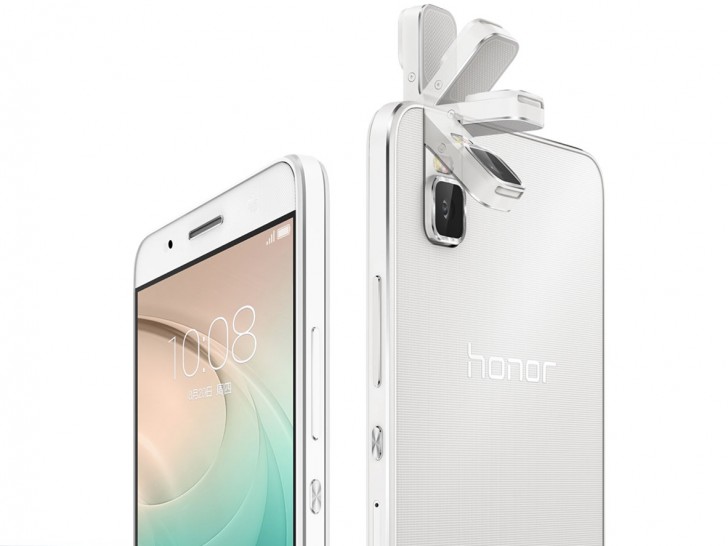
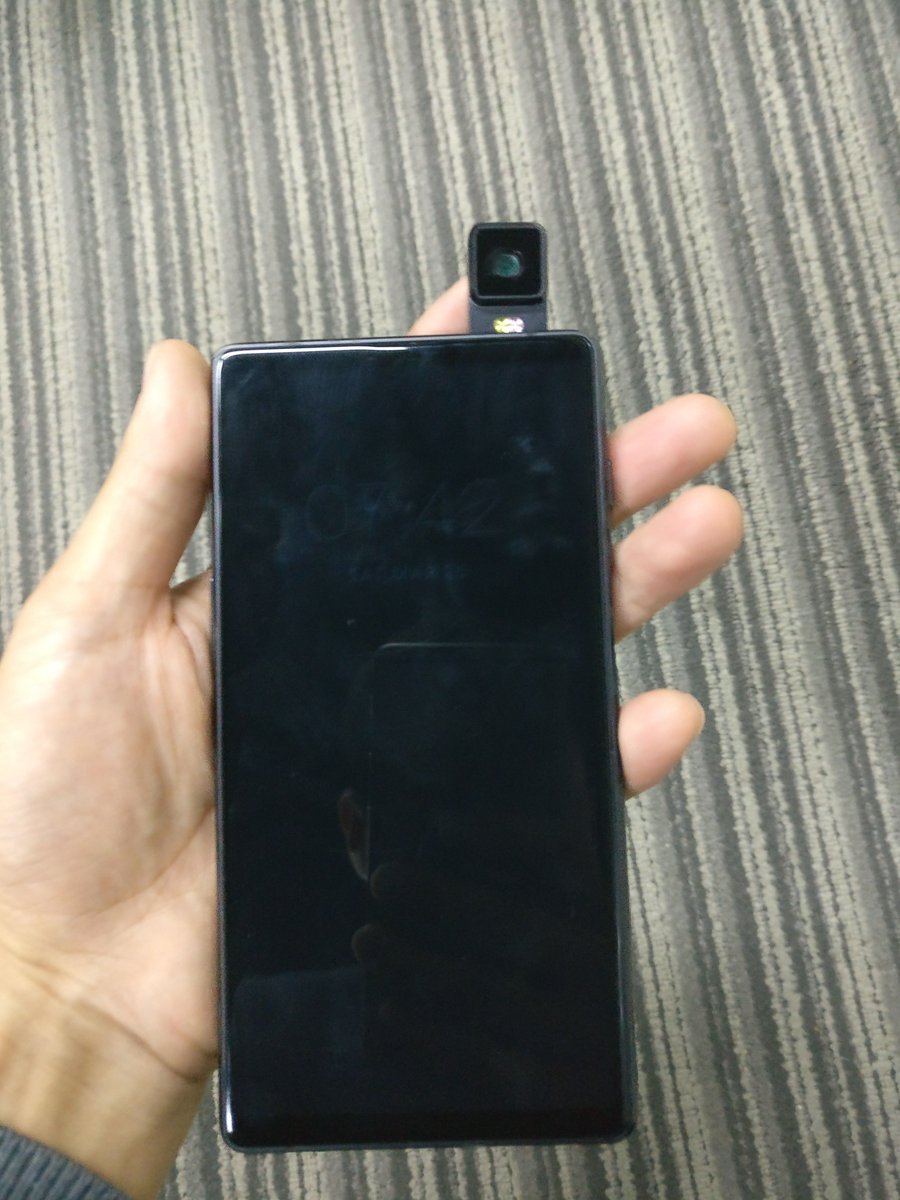
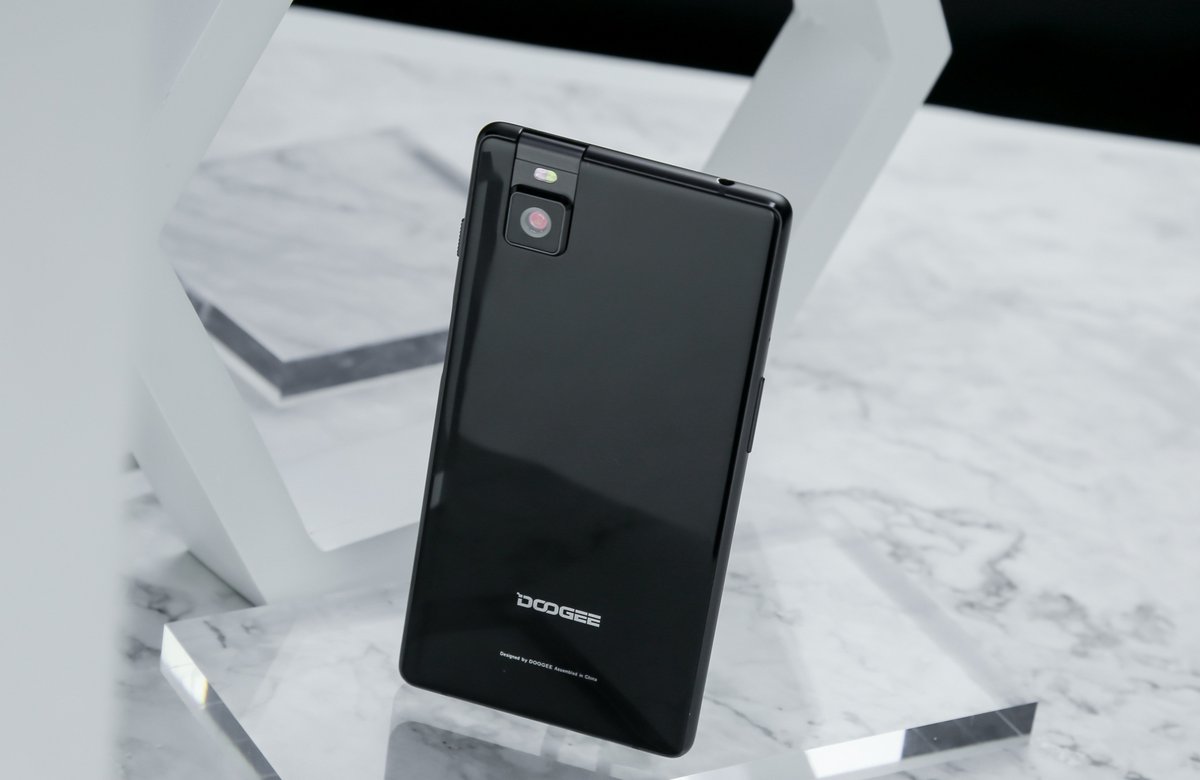
Selfie camera has become an integral feature of today’s smartphones. Hence, it does not seem that Vivo will be axing the feature on the mysterious phone. It may feature only a single rear camera that may double as a frontal shooter. The Honor 7i smartphone that was released in August 2015 did not feature a front-facing camera. Instead the flip-up functionality of the rear camera allowed its users to use it as a selfie camera.
The recently spotted Doogee Mix 3 also lacks a selfie camera. However, its rear camera can be lifted up to function as a selfie camera.
With Chinese smartphone manufacturers trying to find ways to launch phones with slimmer bezels, it seems possible that Vivo may launch a smartphone with new flip-up technology camera.
Do you think that the mysterious Vivo phone would be arriving with a sliding camera? Share us your views by posting your comments below.
Soon after the launch of the Meizu M6S, the rumor mill has been consistently leaking images of the upcoming Meizu E3. Several new images of what appears to be the real Meizu E3 have surfaced to reveal its design and features.
The frontside of the phone is mainly occupied by the display. Above the screen is the selfie camera, an earpiece and a sensor. The second snap shows that the depression present on the right edge of the Meizu E3 could be the side-mounted fingerprint scanner. The antenna bands are placed on the upper and lower edges of the back panel.
The third image does not seem to match with one of the leaked photos that had revealed the rear design of Meizu E3. The previously leaked photo had shown that the vertically arranged dual camera setup along with ring-LED flash is placed towards the center of the back panel. However, the new photo of the rear side of the E3 shows that the vertically stacked dual camera lenses are placed on the top-left corner like the iPhone X. If the new image is true, the other image showing the back panel could actually belong to Meizu 15.
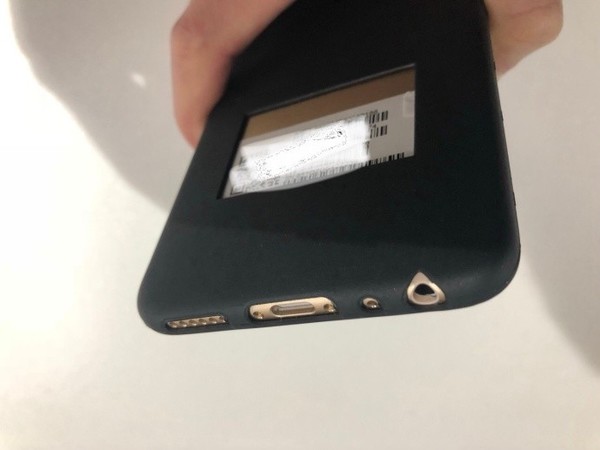
The other set of leaked photos shows the Meizu E3 sitting placed inside a protective case. The bottom edge of the phone seems to feature an external speaker, a USB-C port, a microphone and a 3.5mm audio jack. The older Meizu E2 has a microUSB port on its bottom bezel.
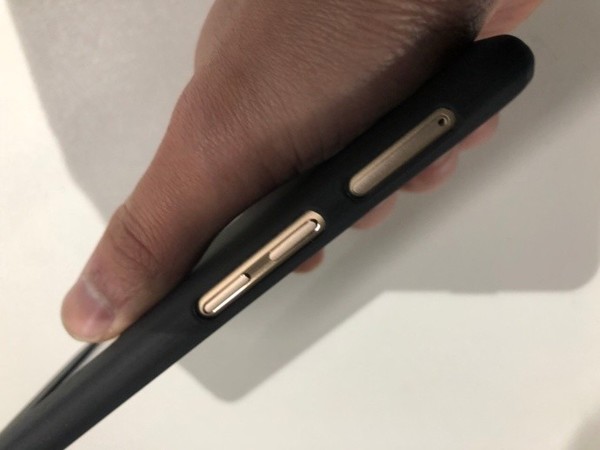
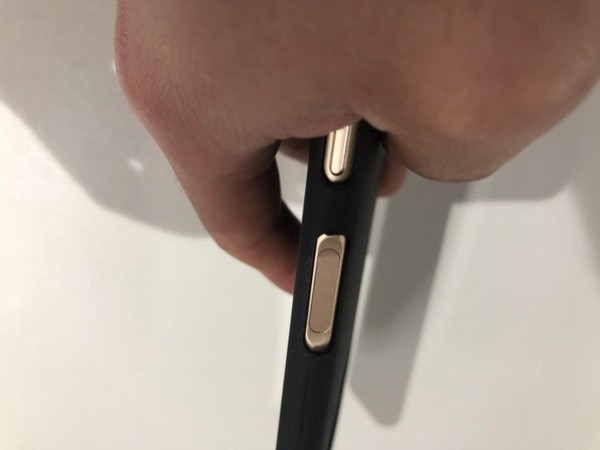
The left side of the phone has the SIM card tray slot that may also house a microSD card. Below it is the buttons for volume up and down. The right edge of the phone features a fingerprint sensor and a power button.
Meizu E series that was introduced in 2016 are better specced phones than the Meizu M series. Hence, the Meizu E3 is likely to arrive with better specifications than the recently unveiled Meizu M6S. Rumors are rife that it may be driven by MediaTek Helio P70 chipset. Latest information suggests that the handset will be carrying a price tag of 2,000 Yuan (~$318). The leaked shots of the real Meizu E3 shows that it has a very sleek appeal and like the predecessor models, it could be also aimed towards young business people.
The Meizu E3 is expected to succeed the Meizu E2 in April last year. Hence, the probable reason why the rumor mill is now consistently releasing leaked photo of the E3 is that its launch could be drawing closer. It may launch in March or April this year.
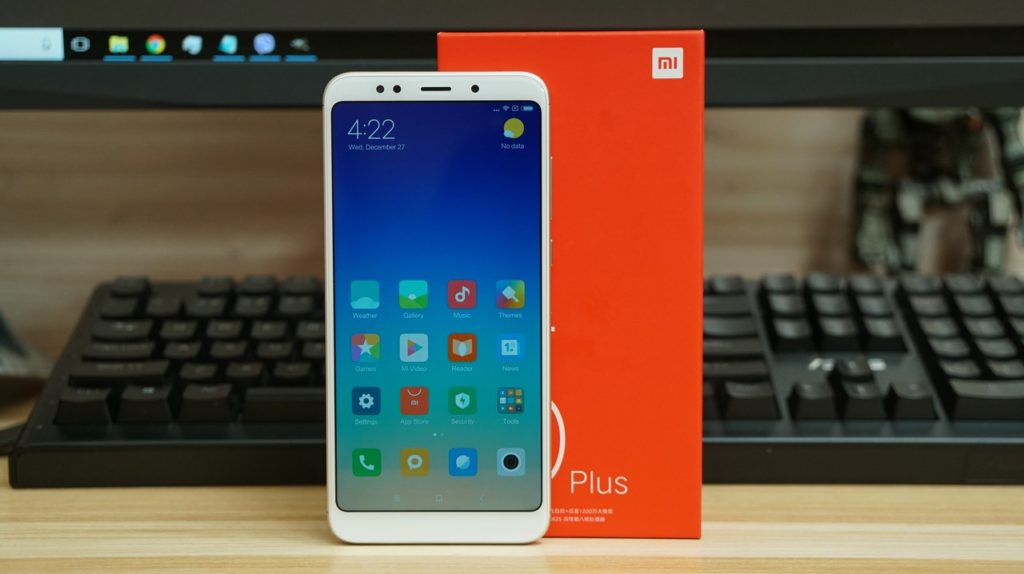
Smartphone lovers, rejoice. You can now get your hands on the global version of the well-received Xiaomi Redmi 5 Plus 4G smartphone without shelling out a lot of money. Let’s check out the details.
As part of its Lightning Sale, LightInTheBox is offering a massive 52% discount on the original selling price of the Redmi 5 Plus smartphone. As a result, you can now buy this power-packed handset for only $155.98, which is a considerable reduction in its original asking price of $325.48.
The Beijing-based international online retail company is allowing this discount on the black-tinted, global version of the Redmi 5 Plus smartphone, which garnered huge popularity among smartphone enthusiasts after hitting the store shelves in December last year. Let’s take a look at the phone’s specs and features.
In terms of specs, the Redmi 5 Plus offers 3GB of RAM and 32GB of onboard storage, and packs a powerful Qualcomm MSM8953 Snapdragon 625 processor, under the hood. It comes with an Adreno 506 GPU.
On the photography front, it sports a 12MP rear-mounted camera and a 5MP front shooter for selfies. Aside from that, the Redmi 5 Plus dons a fingerprint sensor at the back.
It has a massive 5.99 inches IPS LCD capacitive touchscreen display with a screen resolution of 1080 x 2160 pixels. Moreover, the Redmi-branded 4G smartphone is backed by a non-removable Li-Po 4000 mAh battery.
You can check out the full specification of the Redmi 5 Plus smartphone and take advantage of the discount by clicking here. It’s worth noting that the promo is slated to end soon and there were only 120 pieces left at the time of writing.
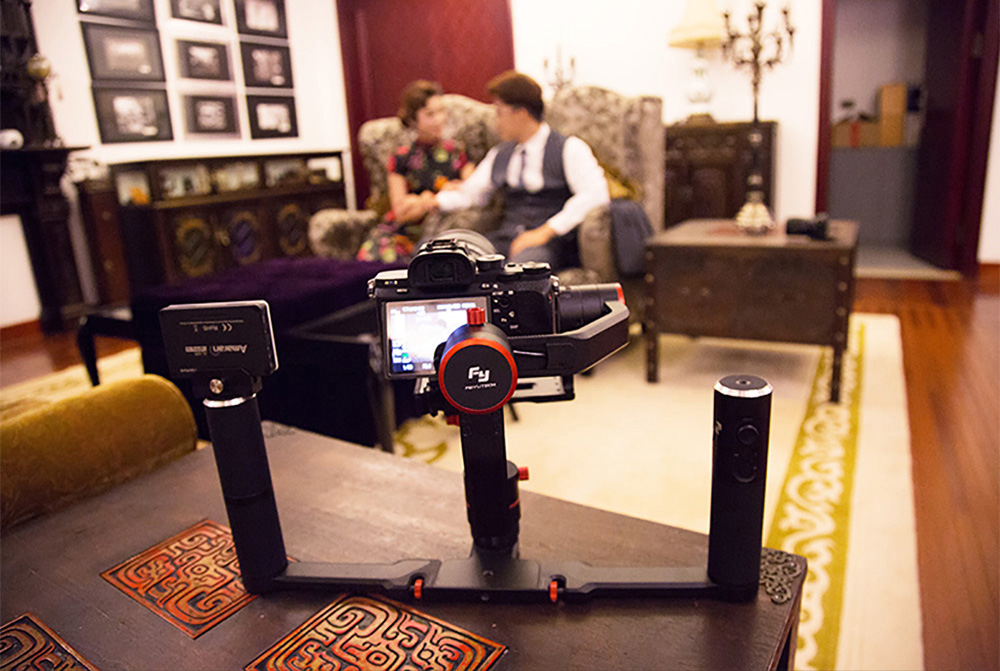
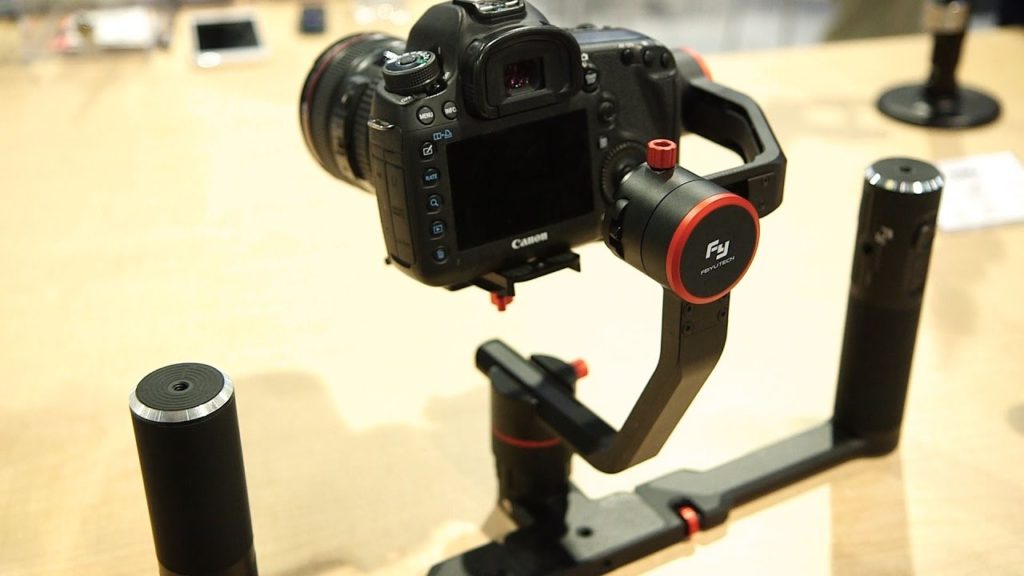
Professional photographers are no stranger to the difficulties involved in getting a perfect shot. They rely heavily on different external accessories which make their job even more challenging. This is exactly where the FY FeiyuTech a2000 3-axis gimbal comes into the picture.
FY FeiyuTech a2000 is a stabilization gimbal that works with DSLR cameras. It features three axes that can perpetually rotate 360 degrees, making it a lot easier to fully capture the surrounding.
The FY FeiyuTech a2000 is without an iota of doubt a must-have item for every photographer. But if its steep price tag has been stopping you from getting your hands on this useful tool, we have good news for you.
You can now get your hands on FY FeiyuTech a2000 3-axis gimbal by shelling out just $693.89 on GearBest. This is a considerable 39% reduction in the device’s original selling price.
The discount is valid for the black color version of the FY FeiyuTech a2000. You can also use coupon ‘fwrcs’ at the time of checking out to get an additional discount on the already lowered price of the stabilization gimbal.
By using the aforesaid coupon code, you can bring your subtotal down to just $629. However, it is imperative for you to bear in mind that the coupon code is only valid for 30 units.
You can head straight to this link in order to take advantage of the discount and use the coupon code before it expires.
On Feb. 26, Sony will be holding its press conference at the Mobile World Congress (MWC) 2018 tech expo in Barcelona, Spain to unleash the new smartphones. Since the company had unveiled mid-range Xperia XA2, Xperia XA2 Ultra and Xperia L2 smartphones at the Consumer Electronics Show (CES) 2018 in the previous month, the company is heavily pegged to unleash flagship phones at MWC 2018. Recent leaks have revealed that the Japanese tech giant will be unleashing Xperia XZ Pro smartphone at MWC 2018. Some rumors have claimed that the Sony Xperia XZ2 may also get unveiled alongside the Xperia XZ Pro. An accidental tweet by an Irish mobile operator has revealed the Xperia XZ2 could indeed be the one of the new phones arriving at MWC 2018.
While replying to a user, Three Ireland’s representative said that the Xperia XZ2 is coming soon. The tweet that was posted on Feb. 2 by the Irish mobile operator is no longer accessible. The probable reason why the tweet might have been deleted is that the Xperia XZ2 is an unannounced smartphone.
The Sony Xperia XZ1 flagship was unveiled to the world at IFA 2017 tech trade show in September last year. Hence, the Xperia XZ2 is pegged to arrive as a successor for the Xperia XZ1. The Xperia XZ Pro is speculated to debut as a premium flagship phone that will be featuring 4K OLED display. The Xperia XZ2 may not be as advanced as Xperia XZ Pro. Hence, it may arrive with a 5.2-inch or a 5.5-inch LCD display that will carry support for FHD or FHD+ resolution.
Like the recent Sony flagships, the Xperia XZ2 is likely to arrive with an IP68 rated water-resistant and dustproof chassis. The Snapdragon 845 chipset may power the phone along with 4 GB of RAM. The handset may sport full screen design, dual rear cameras and a rear-mounted fingerprint reader.
A recent report had revealed a leaked image of the alleged Xperia XZ2 Compact. It is speculated to arrive as a small-sized flagship phone featuring a 5-inch display alongside the Xperia XZ2 and Xperia XZ Pro.
With Chinese New Year just around the corner, Banggood wants to ensure that budget-conscious buyers have something to cheer about. In line with this, the site is offering up to 88% discount, coupled with some extra coupons and lots more.
Most Popular
This segment features some of the buyers’ favorite items at discounted price. For instance, you can buy Dibea C17 Cordless Stick Vacuum Cleaner for only $119.99. This is a considerable 14% reduction in the portable sweeper’s original asking price of $139.99.
Likewise, smartphone lovers can get their hands on the Nubia M2 Lite 4G smartphone by shelling out only $119.99. This is 25% cut in the phone’s real selling price of $159.99.
Top Brand Discovery
This category comprises various products manufactured by popular brands such as Xiaomi, Excellway, Squishy Toy and Sonoff, just to name a few. Let’s check out the details.
Banggood is offering 8% discount on Squishy Toy. On top of that, you can use coupon code ‘Oaa240’ to get an additional discount.
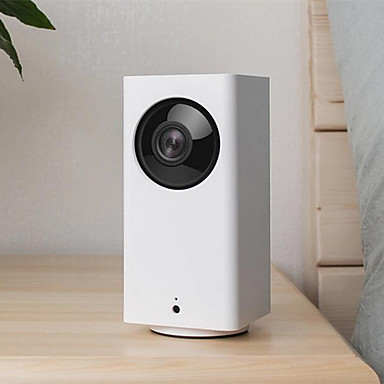
Similarly, the site is selling a few selected Xiaomi-branded items at a heavily discounted price. Lining with this, Banggood is offering a huge 48% discount on Xiaomi MIjia Dafang Smart Home Security WIFI IP Camera’s original asking price of $66.99. This brings its selling price down to only $34.99.
New Star Items
This section is further divided into various other categories such as fashion, travel, electronics and lots more. It’s worth noting that all items in the aforesaid categories bear a discounted price tag.
There’s a 15% off on the original $11.75 selling price of Flip PU Leather Full Body Protective Case for DOOGEE MIX 2, and now you can buy it for only $7.99. Fashion-conscious buyers can choose from a broad range of discounted items in this section. Electronics buffs aren’t been neglected either in this section.
Shocking Unbeatable
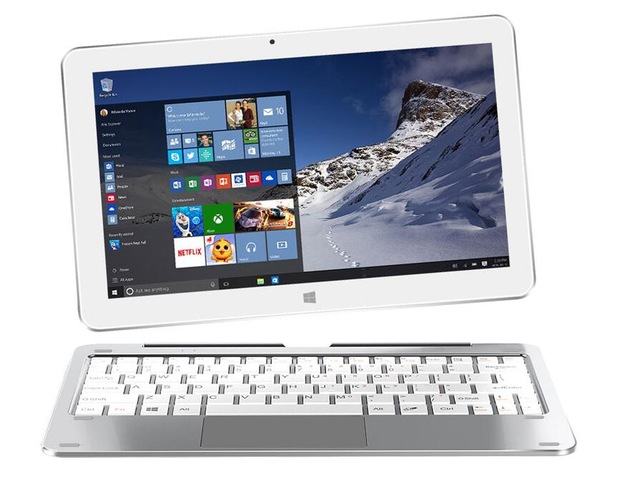
In this division, Banggood is offering heavy discounts on various categories ranging from electronics, fashion to smartphones. The site is giving 14% discount on Original Box ALLDOCUBE Cube Mix Plus, which carries a price tag of $391.99, but it can now be bought for only $335.99 on Banggood for a limited period of time. This segment also features a slew of items that come in handy in everyday life. For instance, Digoo DG-MYQ Amazon Smart Home Security IP Camera, which carries a price tag of $29.90, is currently up for grabs on Banggood at a discounted price of just $13.99.
Irresistible Deals
This class features some irresistible deals across a wide range of products in categories such as RC toys, Printers and lots more. By shelling out just $179.99, you can get your hands on Anet A8 3D Printer, which actually sells for $215.99 on Banggood.
The site is selling Geekcreit UNO R3 Basic Starter Learning Kit for just $20.99, which is a 20% reduction in its original selling price of $26.25. On top of that, you earn 20 Banggood points.
Super-output Coupon
In this segment, you can use specific coupon codes to get an additional discount. Let’s delve into the details.
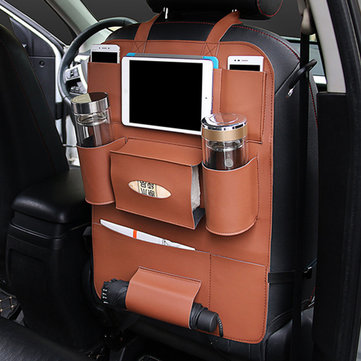
There’s a massive 32% off on the original $21.99 asking price of Car Back Vehicle Auto Seat Storage Bag. You can use coupon code ‘c1155212’ at the time of checking out to save an additional $4.50. This brings your grand total down to only $10.49.
Buy 1 Get Surprises
With every product you buy in this segment, you’ll be eligible to receive one surprise apart from the discount. This segment features a KALOAD Z40 smartwatch, which carries a discounted price tag of $30.99. When you buy the aforesaid item, you’d be qualified to receive a LED Shoelace worth $3.29 absolutely free. You can choose from a slew of color options including pink, blue, green, white, yellow and red.
$?.18 Zone, $?.88 Zone, $20.18 Zone
The last segment of Banggood’s latest promo includes three categories including $?.18 Zone, $?.88 Zone, and $20.18 Zone. You can check out the products featured in this sections and take advantage of the promo by heading straight to this link.
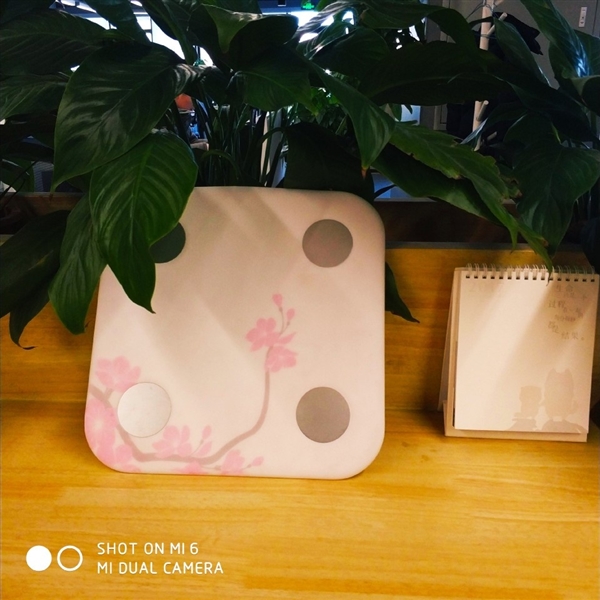
Xiaomi’s Yunmai Smart Body Scale is about getting a new edition whose photo has leaked. The new edition is a Solar Terms edition of the smart body scale. The new edition is likely being positioned to usher in the Chinese Lunar new year and that is depicted in the name it is called.
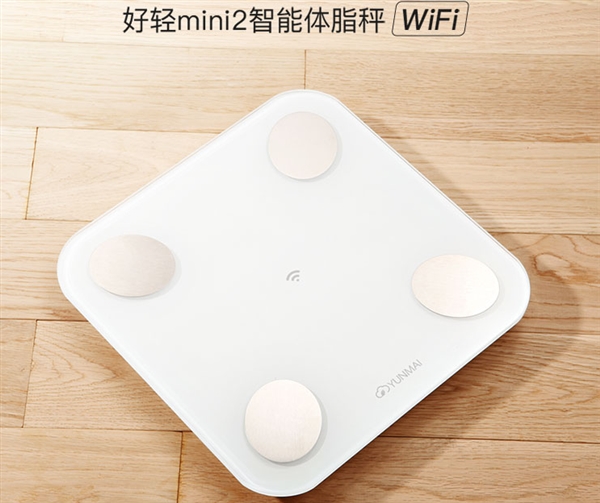
The Mi Smart Body Scale Solar Term customized edition is going to have the same shape as the regular versions but from the photo, we can be that this new version will have a design which takes the pattern Solar Terms. The color is also improved upon as this version looks more attractive, packing a light pink color, unlike the regular versions that came in all-white color.
The upcoming custom edition will likely come with the same features as the regular versions. Recall that Xiaomi first announced the Yunmai Good Light Mini 2 Smart Body Scale around March 2017 and it was an instant hit as a result of the fitness packages it comes with. The success of the first model prompted the tech giant to launch yet another model with WiFi connectivity. The WiFi version packs the same functions with the first model but gives users the option of connecting the gadget to the smartphone app via either Bluetooth or WiFi. Both the Wi-Fi and Bluetooth versions come with an ultra-white tempered glass panel which was given an anti-skid treatment so you wouldn’t have to be scared of stepping on the scale with wet feet. The Smart scale is also equipped with high-definition LED display, electrode sensing film with 304 stainless steel and has anti-rust properties. The scale is powered using three AA batteries which can last up to a year without dying. With WiFi connectivity, the battery may die faster especially when the internet connectivity isn’t strong or stable.
Sony has always been one of the first companies to update their handsets to the latest version of the operating system by Google. After announcing two years of software support for its flagships, the Japanese company has started seeding the update to Android Oreo on the midrangers, Sony Xperia X and Xperia X Compact. The update comes more than three months after the flagship from the same series (Xperia X Performance) started receiving the OTA notification. The update brings the build number to 34.4.A.0.364 and Android to the version 8.0.0.
Further, the update contains the security patch from the month of January, which is the latest security patch released by Google. Sony Xperia X is getting the update in both its single SIM and dual SIM versions (global), which are identified by the codes F5121 and F5122. The X Compact F5321 global version is updating as well, but there is still no info about the U.S. version of the Sony Xperia X and the Japanese version of the Xperia X Compact. The update weighs about 1.2 GB and, besides the new features and improvements of Android Oreo, it also brings some exclusive improvements.
Among these, there are the “Reminders”, described as useful notification for unfinished tasks such as email in drafts and unfinished messages. There is a new feature called Xperia Actions which auto-suggests settings based on the user’s usage. The App Shortcuts have been re-designed and it is possible to access quick actions by long-tapping on them. Smart text selection and autofill for forms have been added as well. Also, among the most interesting features of Android 8 Oreo, Sony Xperia X and X Compact are receiving the picture-in-picture mode which allows opening an app as a small floating window on the screen.
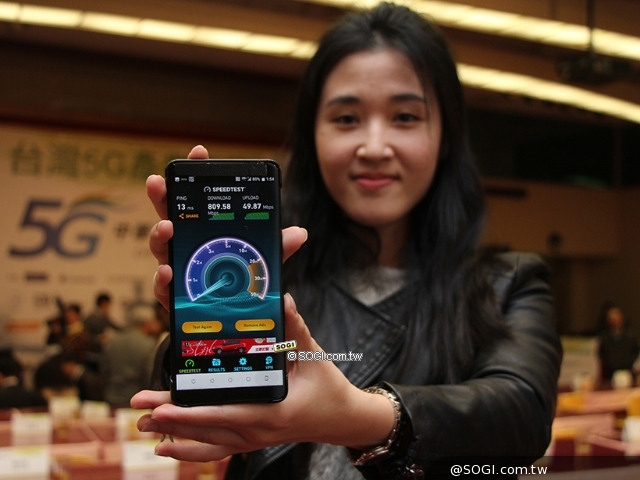
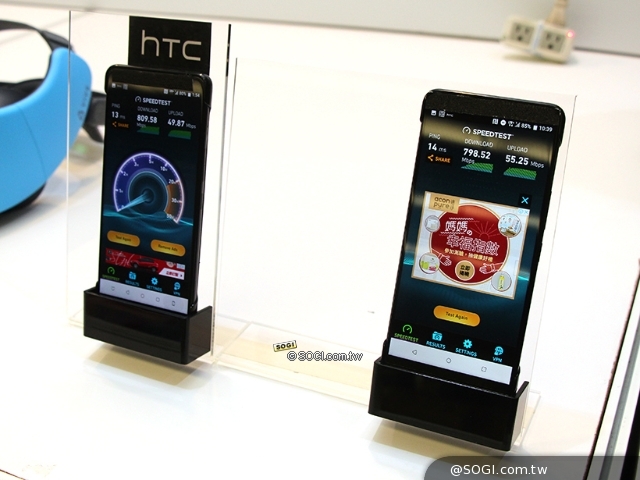
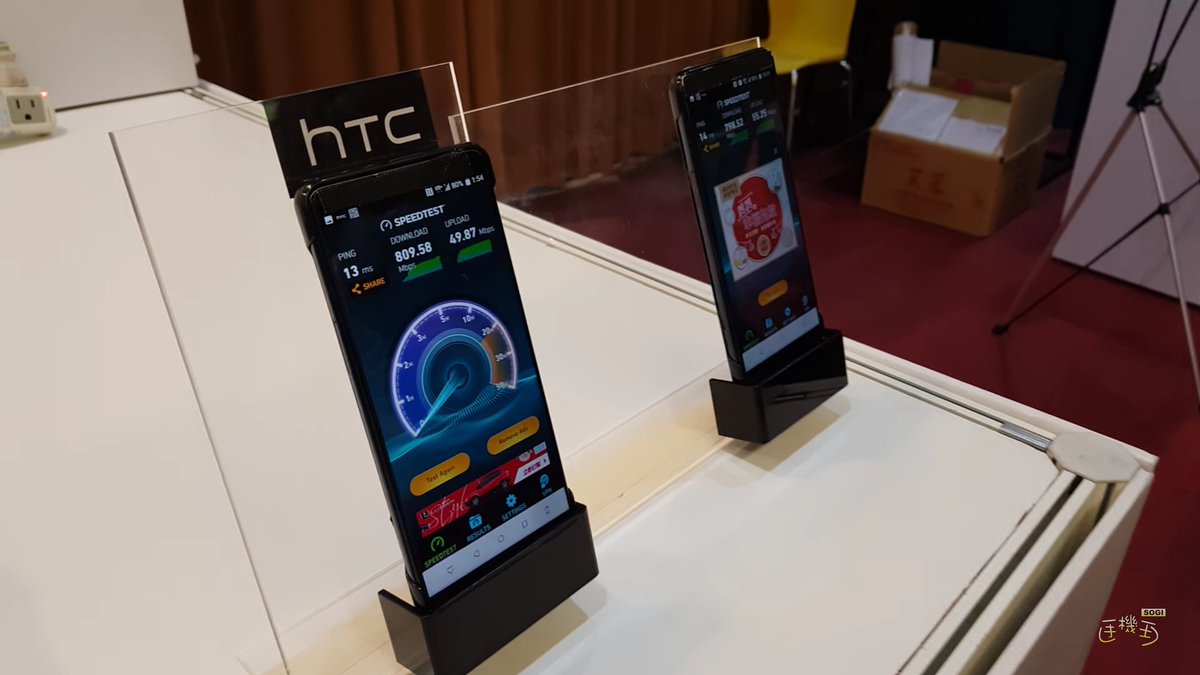
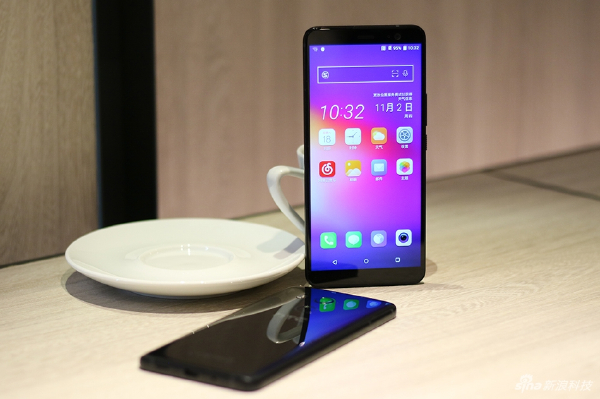
Rumors have it that the successor of the HTC U11 will be launching as HTC U12. A recent report has claimed that the Taiwanese company has no plans to unveil the HTC U12 at the Mobile World Congress (MWC) 2018 tech expo that will take place at the end of this month. During the recently held in the inaugural conference of the Taiwan 5G Industry Alliance, HTC had showed couple of unannounced HTC phones and VR devices. It is speculated that one of them could be the HTC U12 flagship smartphone.
According to well-known leakster Evan Blass, the mysterious flagship phone seen in the video below is none other than the upcoming HTC U12 flagship that is codenamed as HTC Imagine. Even the smartphone was kept on display for viewing, the company had covered its top and bottom portions. The side bezels of the smartphone appear non-existent.
Like the HTC U11+, the HTC U12 may feature a 6-inch display that supports 18:9 aspect ratio. The smartphone will be powered by Snapdragon 845 chipset that brings along X20 LTE modem that is capable of reaching download speeds of 1.2 Gbps. At the 5G event, the handset was spotted producing download speeds of 809.58.
According to a Taiwanese publication, HTC said that its new flagship phone would be unveiled sometime this year. The company refrained from revealing the name of the phone. There is a possibility that the handset may arrive in the market with a different moniker.
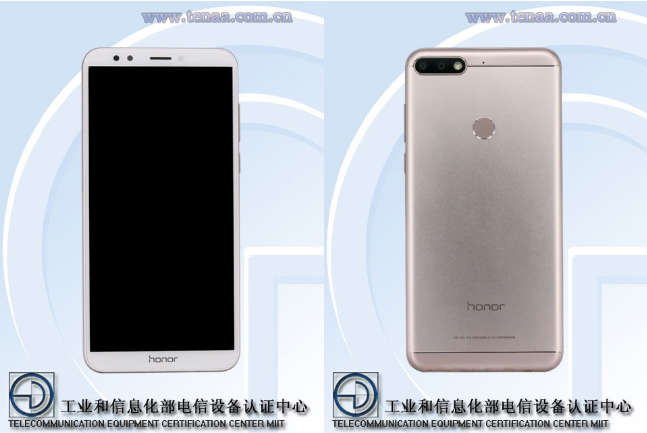
An unidentified Honor smartphone with model number LND-AL30 has appeared on TENAA. As of this writing, there is no information available on the specifications of the smartphone. However, the design of the smartphone has been revealed through the images that have surfaced on TENAA. It is speculated that it could be toned down edition of the Honor 7X mid-range phone.
The handset can be seen sporting a metallic rear panel. The rear side of the phone features a dual camera setup along with its LED flash and a fingerprint scanner. The frontside of the phone also features dual cameras. The major portion of the front panel is mainly occupied by the display. Since the screen appears elongated, it appears to be featuring an 18:9 aspect ratio supporting display.
Since the specifications of the LND-AL30 are not known, it is not easy to guess on the exact model. The Chinese regulatory is likely to add the specs of the LND-AL30 Honor phone in the near future. There is a possibility that the watered-down model of the Honor 7X may arrive in the market as Honor 7C Pro or Honor V10 Play.
Do you think the Honor LND-AL30 will be launching as Honor 7C Pro or something else? Share us your thoughts by posting your comments below.
We use cookies on our website to give you the most relevant experience by remembering your preferences and repeat visits. By clicking “Accept”, you consent to the use of ALL the cookies.
This website uses cookies to improve your experience while you navigate through the website. Out of these, the cookies that are categorized as necessary are stored on your browser as they are essential for the working of basic functionalities of the website. We also use third-party cookies that help us analyze and understand how you use this website. These cookies will be stored in your browser only with your consent. You also have the option to opt-out of these cookies. But opting out of some of these cookies may affect your browsing experience.
Necessary cookies are absolutely essential for the website to function properly. This category only includes cookies that ensures basic functionalities and security features of the website. These cookies do not store any personal information.
Any cookies that may not be particularly necessary for the website to function and is used specifically to collect user personal data via analytics, ads, other embedded contents are termed as non-necessary cookies. It is mandatory to procure user consent prior to running these cookies on your website.












 This segment also features a slew of items that come in handy in everyday life. For instance, Digoo DG-MYQ Amazon Smart Home Security IP Camera, which carries a price tag of $29.90, is currently up for grabs on Banggood at a discounted price of just $13.99.
 When you buy the aforesaid item, you’d be qualified to receive a LED Shoelace worth $3.29 absolutely free. You can choose from a slew of color options including pink, blue, green, white, yellow and red.