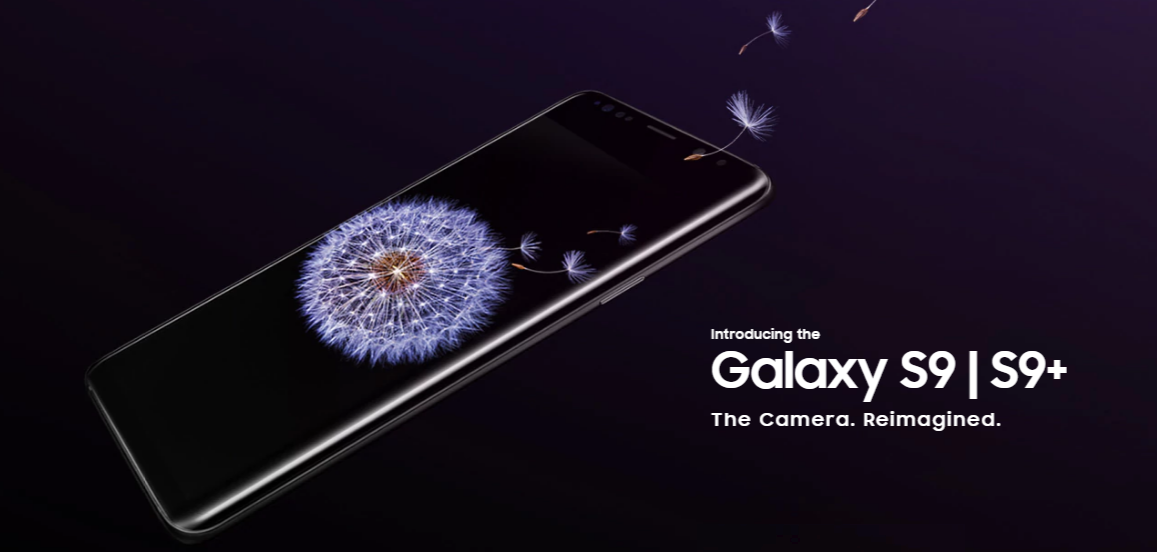
Last night, Samsung “unpacked” its latest flagships – the Galaxy S9 and Galaxy S9+ and the internet has not stopped talking about them.
While most people are focused on the looks and the cameras, it is what is under the hood that interests those of us who are more tech savvy.
Like its predecessors, the Galaxy S9 and Galaxy S9+ come in two variants – an Exynos powered version which will be available internationally and a Snapdragon variant for the US market. However, it is said that only the Exynos 9810 variant was on display yesterday.
Phonearena got to play with a unit and ran some benchmark tests to see how Samsung’s latest chipset performs and the results are nothing short of outstanding.
We already saw some benchmark results before the phone launched though but these cover all the major benchmark tests.
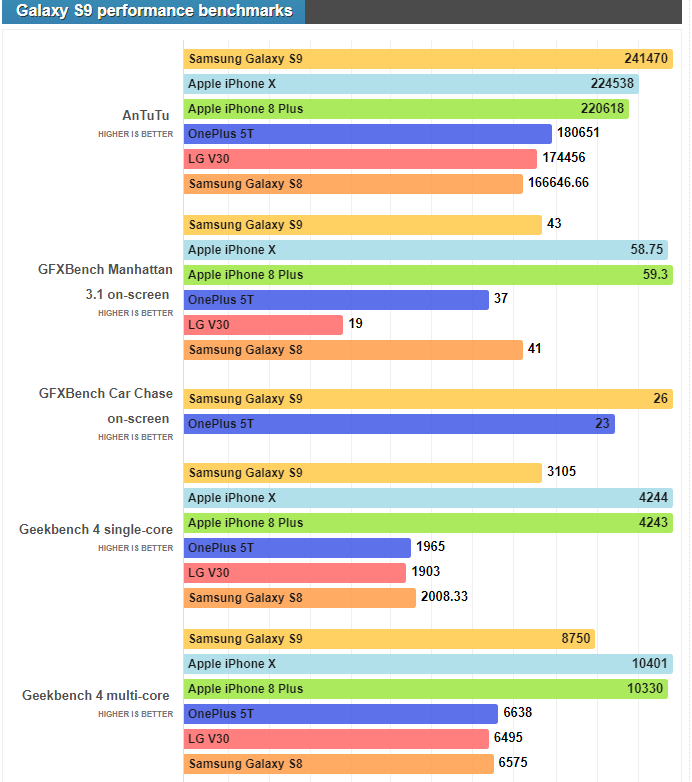
Samsung’s Galaxy S9 scores a total of 241470 on AnTuTu. It even surpasses the iPhone X (Bionic A11) with over 15000 points. The Snapdragon 835-powered LG V30 comes in at number 4 with 174456. As we already know, Snapdragon 845 phones seen on AnTuTu like the Mi MIX 2S have a much higher score.
For graphics (GFXBench Manhattan), the Galaxy S9 doesn’t do badly. It comes after the iPhone X and iPhone 8 Plus but is just two points ahead of the Galaxy S8.
However, it does score high on Geekbench. Its single-core score is over 3000 points. It is still below the iPhone X but it leaves the Snapdragon 835 in the dust. It also recorded 8750 points in the multi-core test.
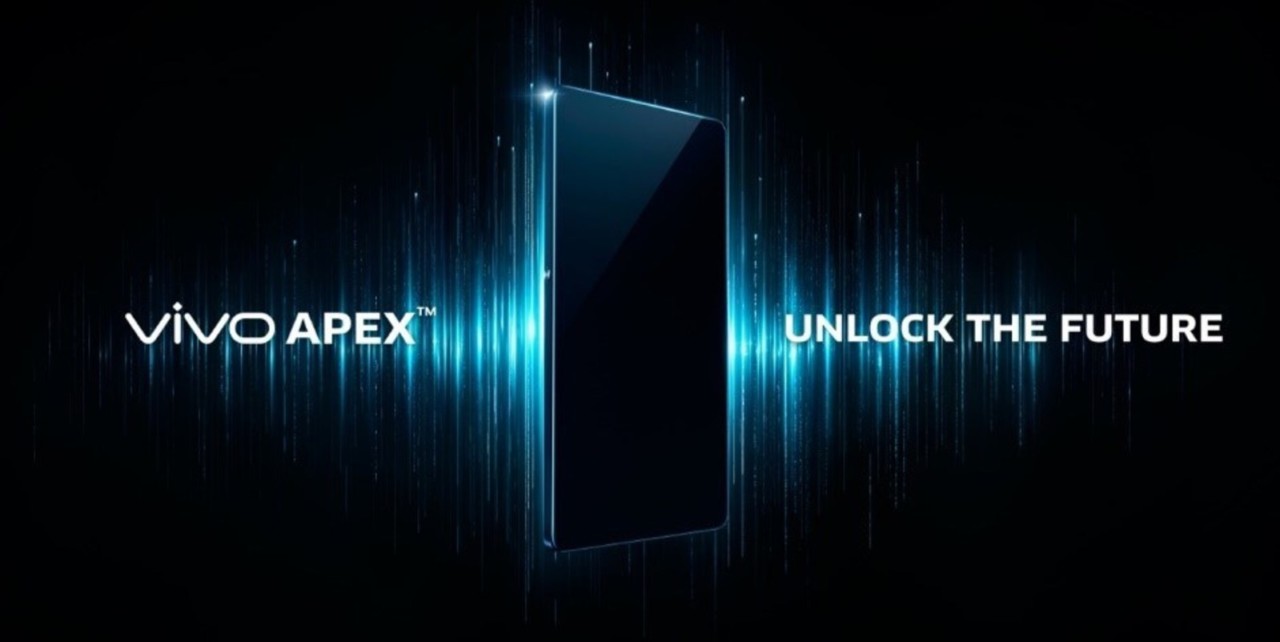
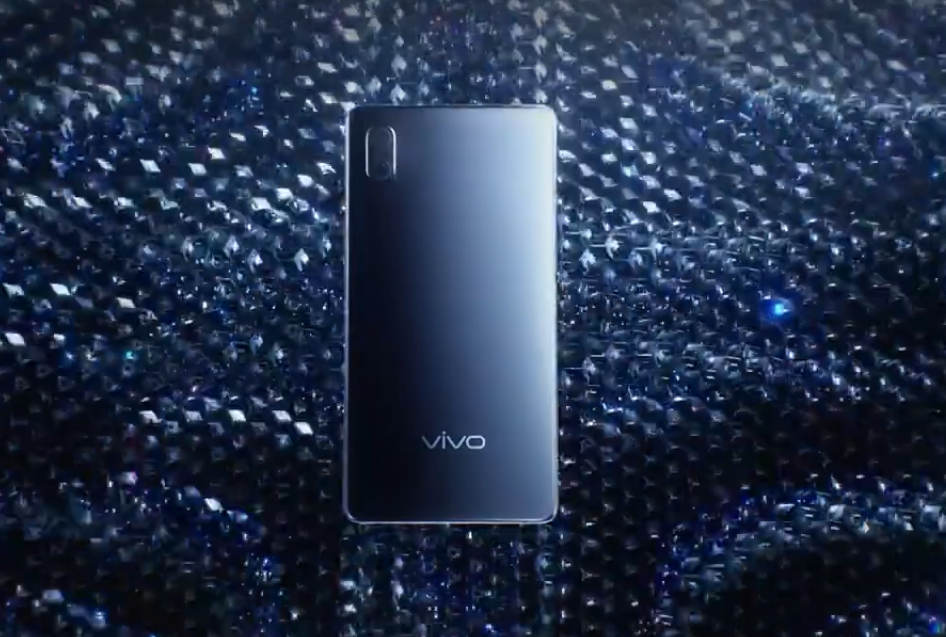
Vivo has released a video on its Facebook and Weibo account to tease its new concept phone named APEX. The video does not reveal any information on the specifications of the APEX phone but reveals its stunning design and some of its key features. It seems to be the very same mysterious Vivo phone that had appeared with nearly 100 percent screen-to-body ratio. GizmoChina was first to speculate that it may arrive with a flip-up camera. The Vivo APEX concept phone was also demonstrated at the ongoing Mobile World Congress (MWC) 2018.
(PRNewsfoto/Vivo)
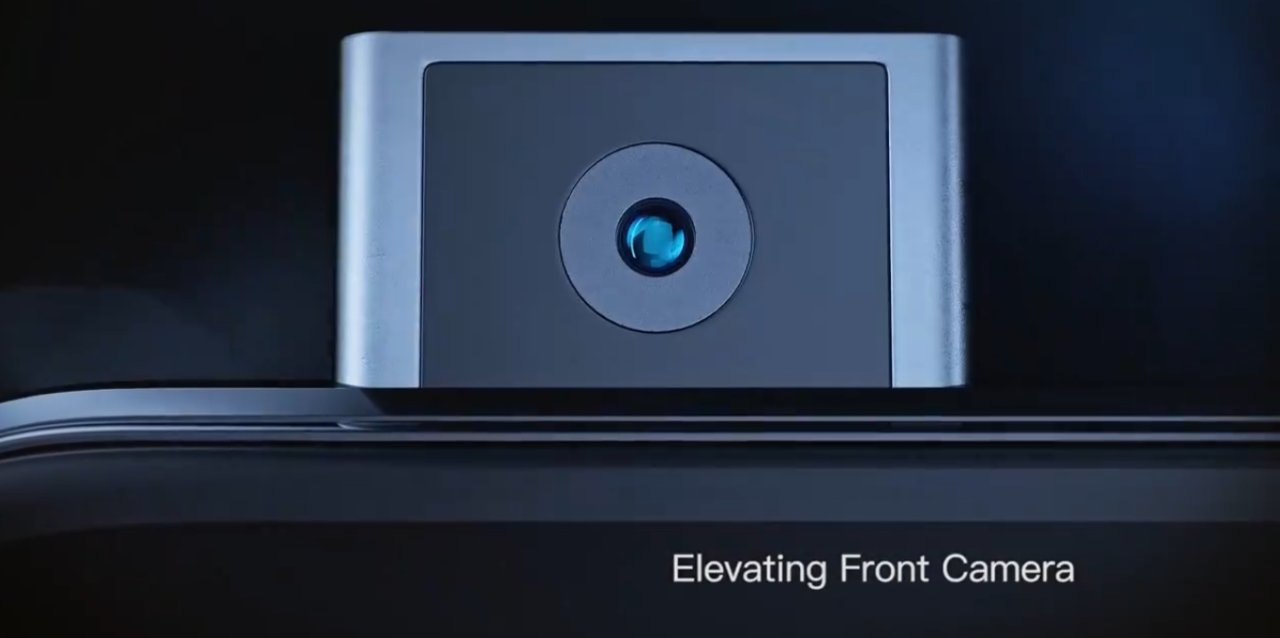
Elevating Front Camera
Vivo APEX concept has an 8-megapixel selfie camera. It remains inside the chassis of the phone and can be elevated when is required to be used. It takes only 0.8 seconds for the so-called Elevating Front Camera to pop-up like a periscope. When not in use, it goes back into the shell. Well, it seems to be a great way to avoid notch.
Bezel-less Display with Very High Screen-to-Body Ratio
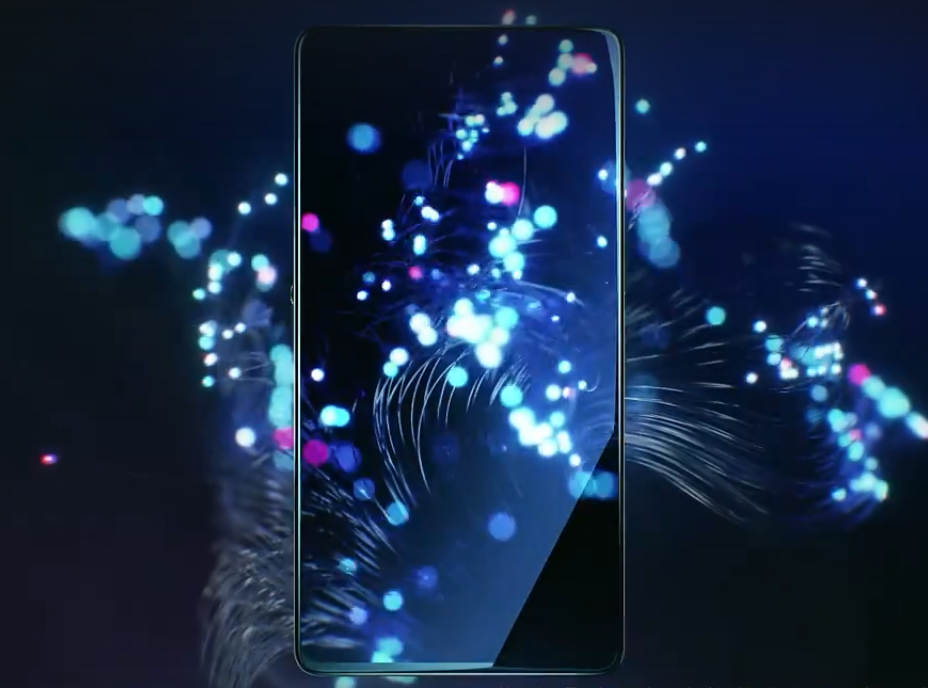
The Vivo APEX has super-slim bezels around the display. To be precise, the top bezel is of 1.8 mm only, which will be slimmest ever for a smartphone. The thickness of its bottom bezel is of 4.3mm. This indicates that the 18:9 aspect ratio display may offer a screen-to-body ratio of nearly 98 percent. The Vivo APEX concept phone has a flexible OLED platform. Since its microchips directly on the flexible circuit board, it is able to sport a bezel-less design.
Half Screen Fingerprint Scanner
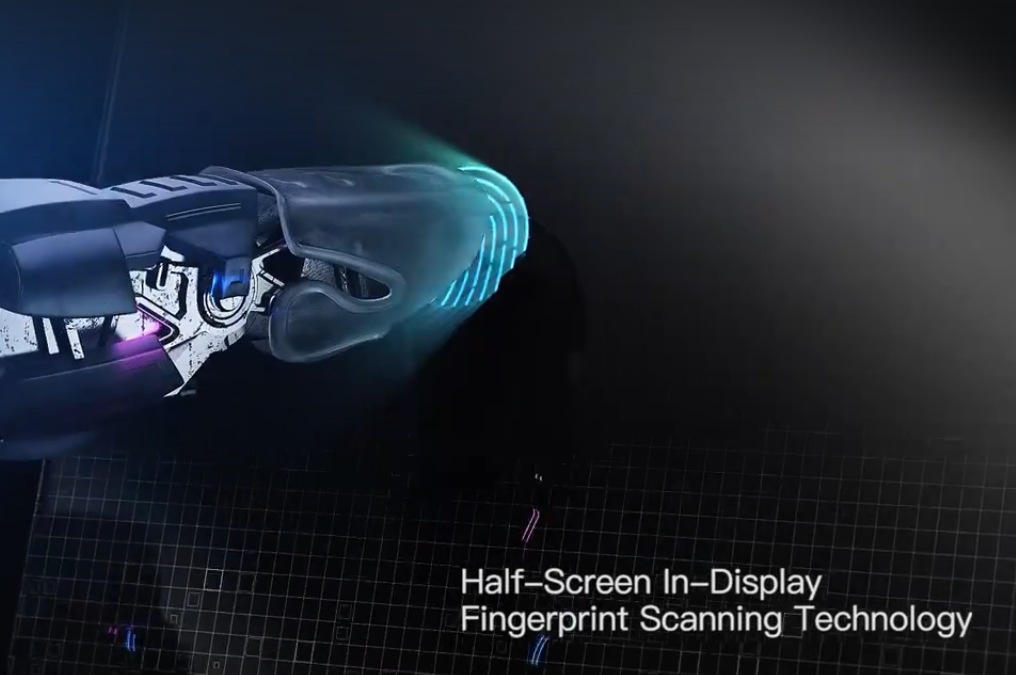
The X20 Plus UD by Vivo is the world’s first smartphone to feature under-display fingerprint scanner. It has the fingerprint sensor located at one spot at bottom portion of the display. The APEX concept phone features an even better under-display fingerprint scanner technology as it spans across the bottom-half of the display. Vivo has dubbed this technology as Half- Screen In-Display Fingerprint Scanning Technology.
Screen Sound Casting Technology
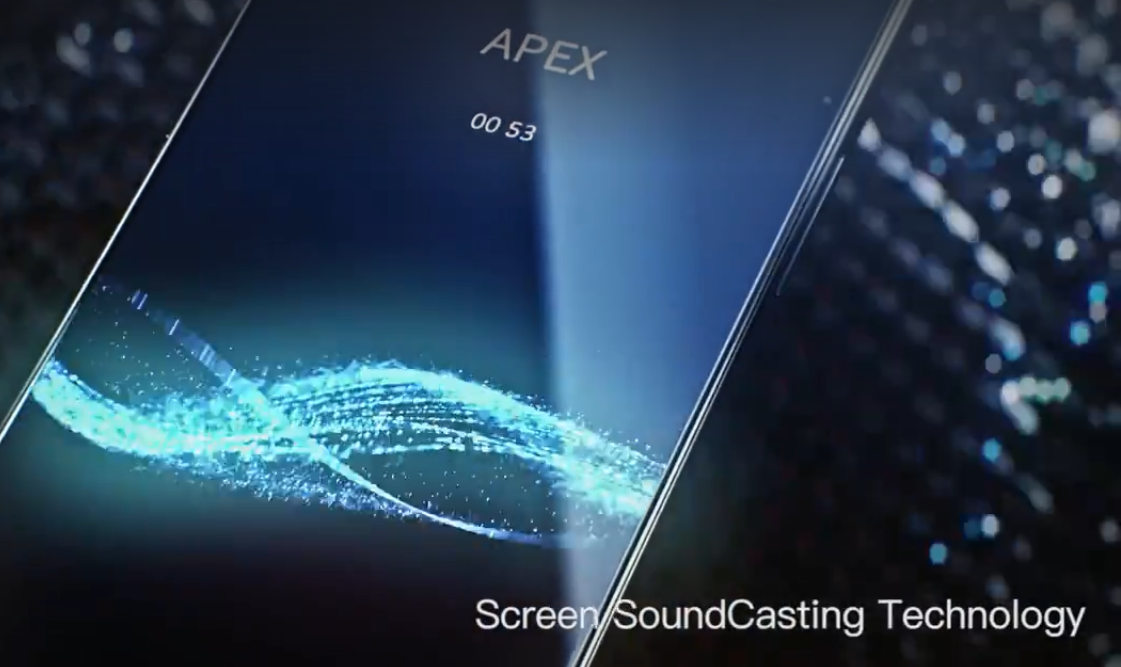
The new Screen Sound Casting Technology available on the Vivo APEX allows its display to function like a speaker and an earpiece. It vibrates the display to produce sound like a speaker. Compared to regular audio methods, this new technology consumes less power. With System in Package (SIP) technology onboard, the handset will be able to better Hi-Fi audio experience. Vivo has integrated three amplifiers and DAC under the hood of the concept phone.
Other Features
The space taken by the circuit board has been reduced by nearly 60 percent on the Vivo APEX. This has allowed the company to add a larger battery inside the concept phone. It is also equipped with some sort of cooling technology that prevents overheating.
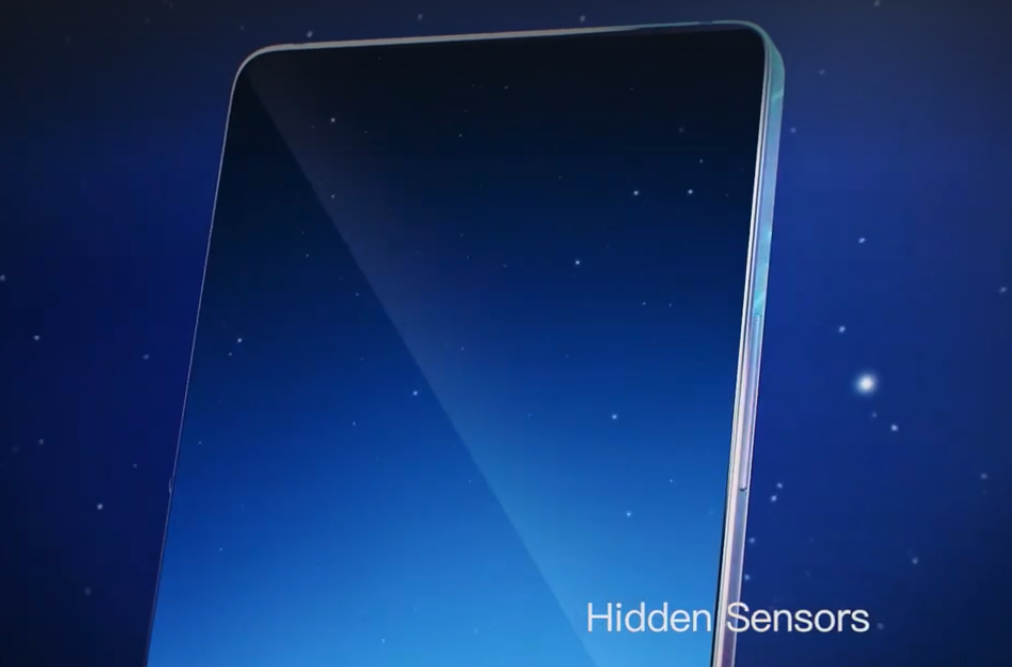
The ambient sensor and proximity sensor are embedded under the display of the Vivo APEX concept phone. It is equipped with USB-C port, 3.5mm audio, a pair of external speakers and dual rear cameras. As of this writing, there is no information available on its specifications.
What do you think about the design of Vivo APEX concept phone? Share us your views by posting your comments below.
In a dedicated event at MWC 2018, HMD Global showcased several new smartphones, and the Finnish company has also announced that almost every Nokia smartphone will be joining the Android One program. In case you don’t know, Android One is a stock version of the operating system which is supported directly by Google with faster updates and more software support in the long-term.
Android One smartphones come with few pre-installed apps to save storage and provide maximum security, and its user interface does not have any form of customization to provide a clean and pure user experience. All Android One devices, including almost every HMD smartphone, receive security updates for three years after the launch, and the updates usually roll out well before other smartphones.
The smartphones which have officially joined the Android One program are Nokia 3, 5, 6, 6 (2018), 7, 7 Plus, 8 and 8 Sirocco. This means that besides the feature phones Nokia 3310 and the new 8110, the only phones which will not be included in the program are the Nokia 1 and 2. The owners of the Nokia 1 will not mind as it is already part of the Android Go program, a light version of the operating system for devices with very low-end specs.
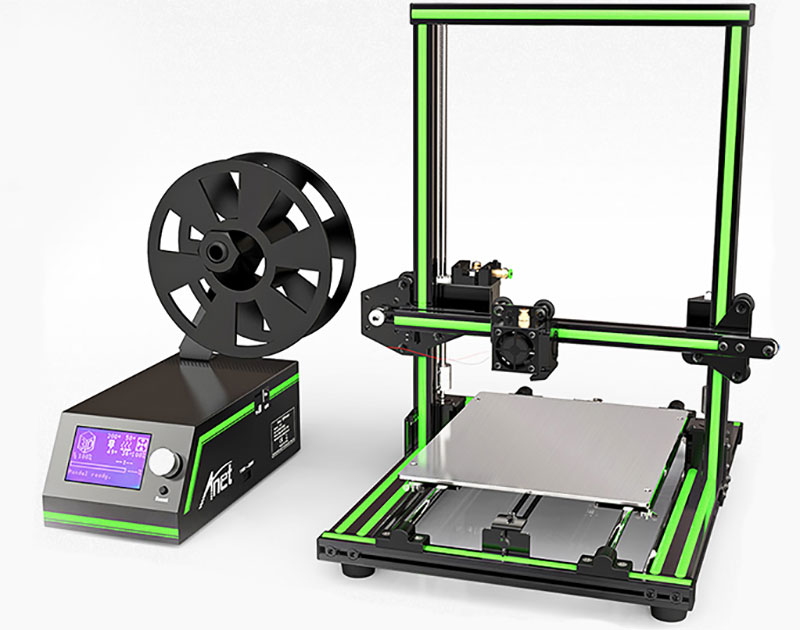
You can now buy EleLight Anet E10 Desktop 3D Printer for just $369.88 on Amazon for a limited period of time. Let’s check out the details.
Manufactured by EleLight, the Anet E10 DIY Kit sports a 12864 LCD screen and keypad in order to facilitate offline use. Moreover, it supports TF card off-line printing, which comes in handy especially when you don’t have access to a computer.
The mini desktop 3D printer boasts a compact desktop design, along with a small footprint and basic, open frame design which is ample for any desks. On top of that, DIY customers can assemble the Anet E10 DIY Kit without breaking much of a sweat.
In addition to getting a considerable 7% reduction on the 3D printer’s original selling on Amazon, you can use coupon code ‘RRWQMJ23’ at the time of checking out on the site to get an additional discount. Your grand total drops to only $343.99 after using the aforesaid coupon code.
You can click here to check out the full specification of EleLight Anet E10 Desktop 3D Printer DIY Kit and take advantage of the promo before it comes to an end. It’s also worth noting that the coupon code will expire soon.
We know that Huawei isn’t going to launch its Huawei P20 series devices at the on-going Mobile World Congress in Barcelona. Instead, the company will be launching the devices at a separate launch event on 27th March in Paris, France.
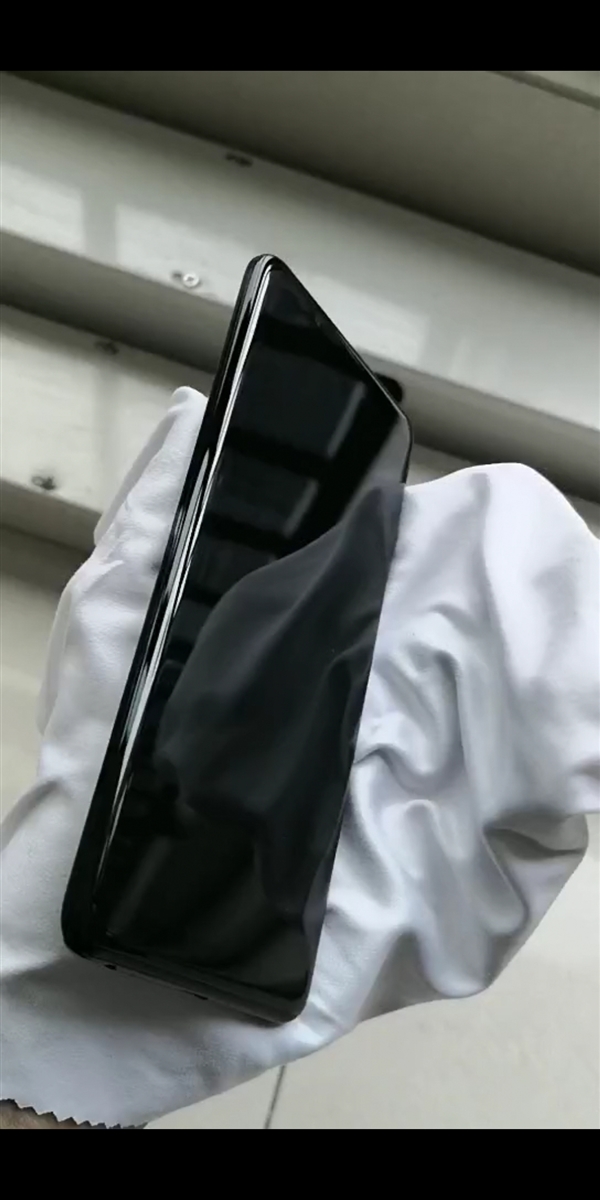
However, ahead of the official announcement, the live images of the Huawei P20 have made its way online. The leaked images reveal the phone’s design and showcase both sides, front as well as back. It appears that the phone comes with metal frame and glass body.
The leaked images reveal that the phone will be featuring a full-screen display with 18:9 aspect ratio. The display takes up the majority area on the front panel. While the phone is rumored to be sporting an iPhone X-like notch, it is not clear from the leaked image. Also, there’s no company or model branding on the front side.
On the back panel, the phone packs three camera sensors and an LED flash. From the top-left corner, two camera sensors are lined horizontally, followed by an LED flash and another camera sensor. The camera lenses come from Leica as the Leica branding is present in the top-right corner.
At the bottom side of the back panel, there’s a Huawei branding. There’s a 3.5mm audio jack present, along with a USB Type-C port for charging and a speaker grille.
Earlier, the phone’s specifications were leaked online, revealing that the triple camera configuration will pack 12MP + 16MP + 16MP shooters with OIS and f/1.8 aperture. At the front, the device packs a single 8MP camera sensor with f/2.0 aperture.
While not yet confirmed, the device is expected to be powered by the company’s latest HiSilicon Kirin 970 processor which comes with a built-in Neural Processing Unit (NPU). According to the company, it brings 25 times performance improvement compared to the previous generation chip.
Along with P20, the company is also expected to launch its bigger variant — Huawei P20 Pro. It is expected to have two models — 6GB RAM with 128GB storage and 8GB RAM with 256GB storage with support for expandable storage up to 256GB.
The previous leak suggested that the Huawei P20 will carry a 3,320mAh battery while the P20 Pro will pack a 4,000mAh battery. Both models are expected to be running Android 8.1 Oreo out-of-the-box with the company’s own EMUI 8.1 on top.
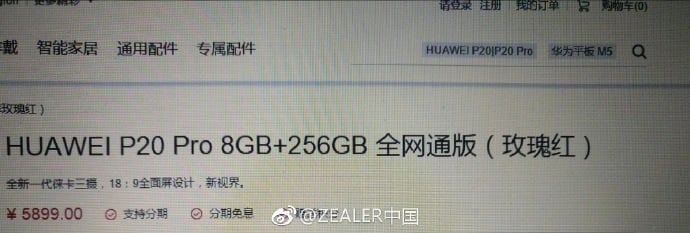
A recent document leak, which seems to be a screenshot of the online retail page from an e-commerce platform suggests that the Huawei P20 Pro could be priced at 5899 Yuan, which roughly converts to $930.
The hotly-anticipated Xiaomi Mi 6 smartphone was launched in April 2017. As expected, the phone propelled straight to popularity among smartphone lovers thanks to a myriad of exceptional specs and features that it came with.
But despite sporting a jaw-dropping design and brimming with useful apps and features, Xiaomi Mi 6 failed to sweep budget-conscious buyers off their feet because it carried a relatively expensive price sticker. But that’s about to change.
While the Mi 6 bears a steep price tag of $599.98 on Banggood, you can now preorder the well-received phone via the site without burning a hole in your pocket. Let’s check out the details.
Banggood is currently offering a considerable 38% off on the black color version of the Mi 6, bringing its original selling price down to just $369.99. The discount is valid for a limited period of time.
But if that doesn’t impress you enough, you can use coupon code ‘2BGMi64G’ at the time of checking out to get an additional $18.50 discount, which reduces your grand total to only $351.49. It’s worth noting that the coupon will expire soon.
As far as specs are concerned, the Mi 6 offers 4GB of RAM and 64GB of onboard memory. It is powered by a Qualcomm Snapdragon 835 processor and sports a big 5.15 inches four-sided curved glass display with a screen resolution of 1080 x 1920 pixels.
The dual-SIM smartphone features a 12 megapixels dual-camera setup at the back and an 8 megapixels front camera. Moreover, it is backed by a non-removable Li-Po 3350 mAh battery.
It is imperative for you to bear in mind that the promo is slated to end on Wednesday, February 28. You can click here to check out the full specification of the Mi 6 smartphone and take advantage of the promo before it comes to an end.
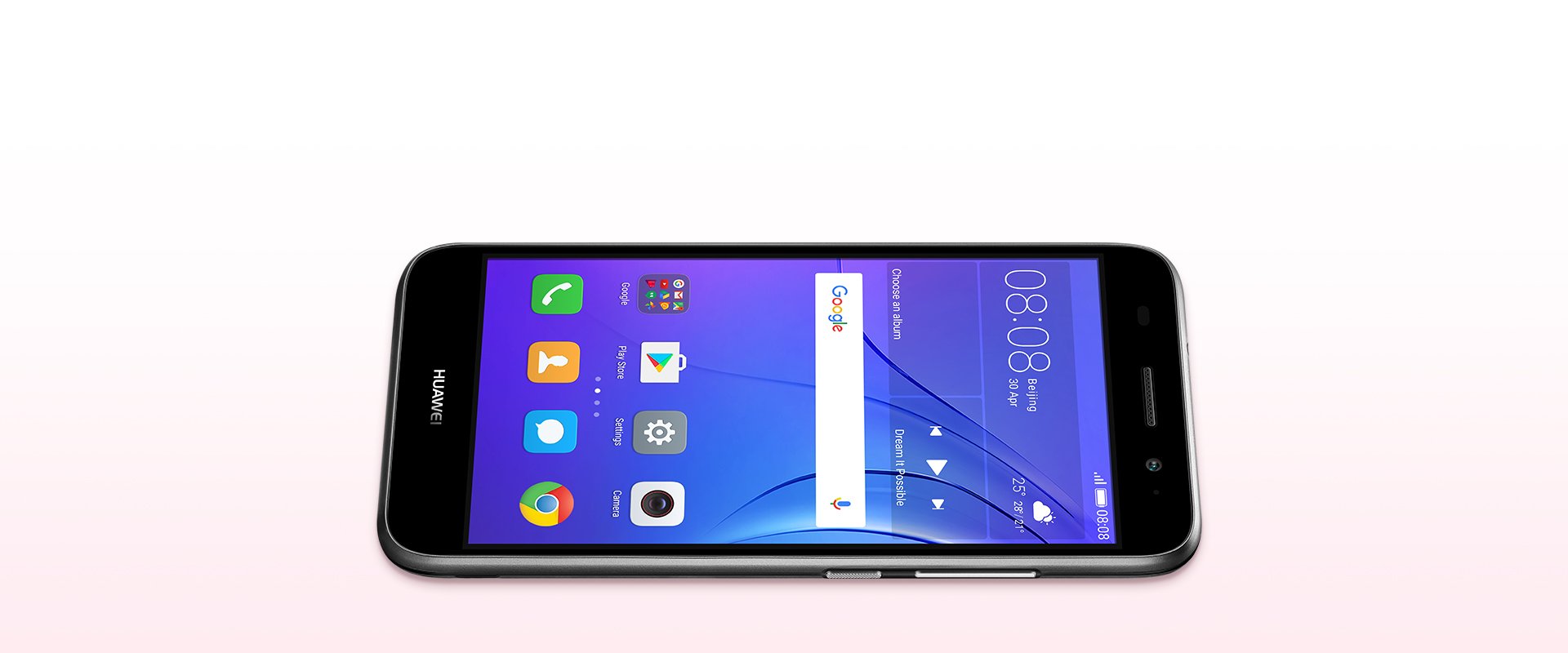
Huawei is currently gearing up to launch its new budget smartphone — Huawei Y3 (2018). As the name suggests, this upcoming device is the successor of the Huawei Y3 2017 that was launched last year.
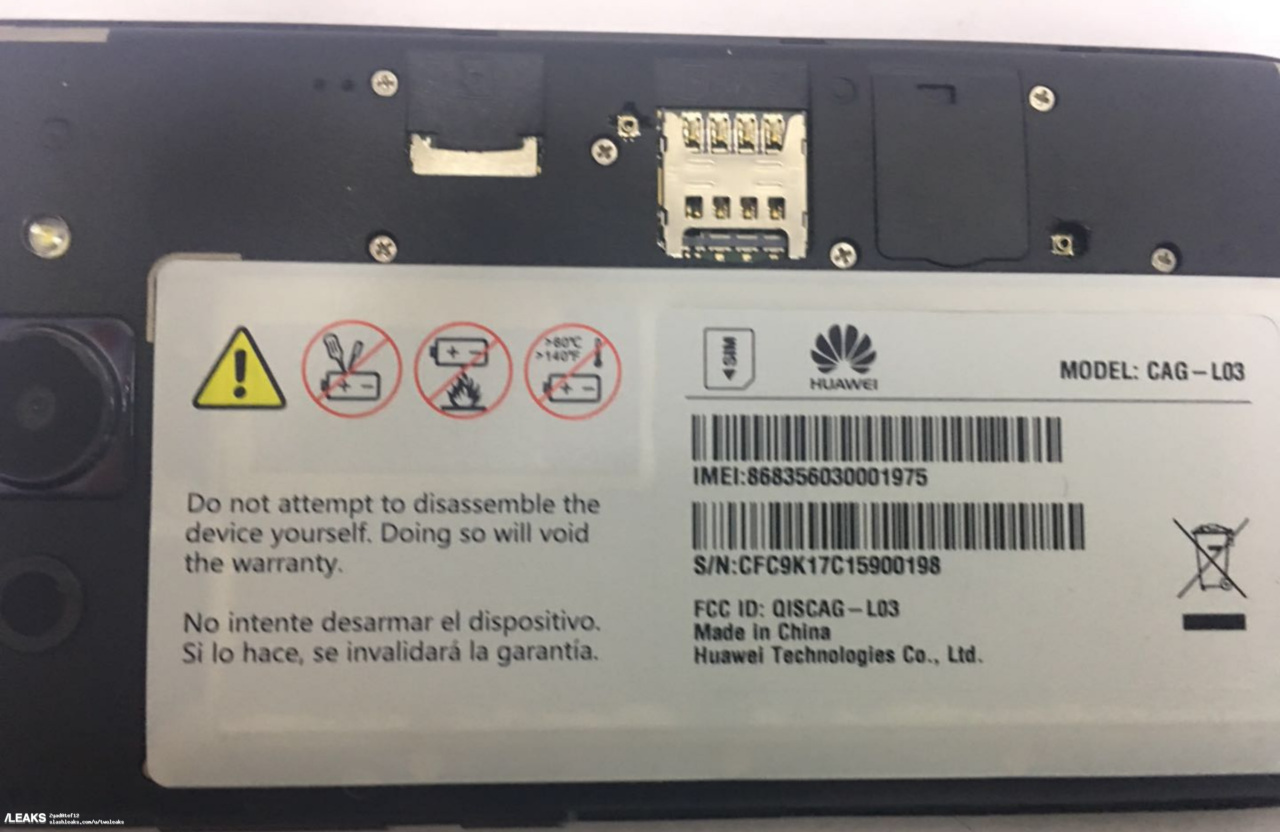
The phone has received the FCC certification and the alleged live image of the phone, along with its key specifications, has been leaked online. The FCC certification passing suggests that the launch of the phone is not far away.
The leaked images show that the device comes with a single camera, dedicated microSD card, and a single SIM slot. But we can’t make out much from the images. As for the specifications, it appears that the handset carries a model number CAG-L22.
Huawei Y3 (2018) seems to have been powered by an entry-level MediaTek MT6737 processor paired along with 1GB RAM. It comes with 8GB of internal storage and as the phone also has a microSD card slot, users can use it to further expand the phone’s storage capacity.
The phone has also appeared on Geekbench and the listing reveals that the display carries a low resolution of 480 × 854 pixels. The device will be backed by a 2,200mAh battery. However, what’s interesting is the software on this device.
As per the leaks, the Huawei Y3 (2018) will be running Android 8.1 Oreo operating system out-of-the-box. There are also rumors suggesting that the budget device could be one of the few devices that will come with the support for Project Treble.
Considering this specs for a moment, it seems Huawei Y3 2018 won’t be a banger and there are better options available in the market. In any case, we believe that the price point could be a key factor in this case.
Currently, there is no information available about the phone’s pricing or availability details. Given that the Huawei Y3 2017 edition was launched in the month of May for about $80, we are expecting similar pricing for this upcoming device as well.
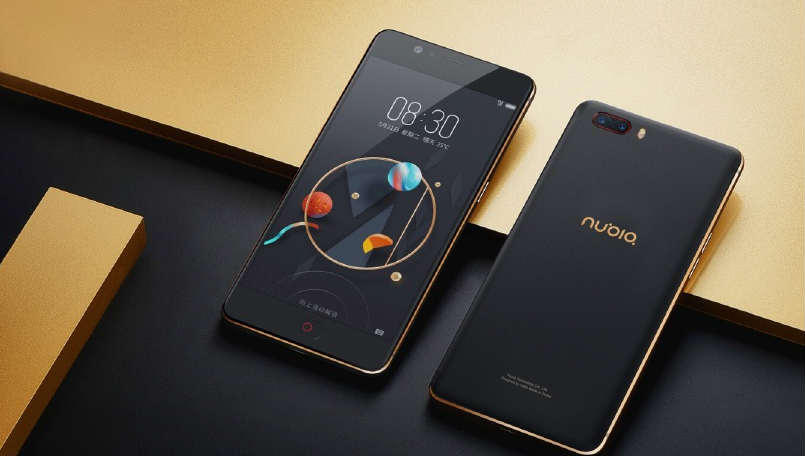
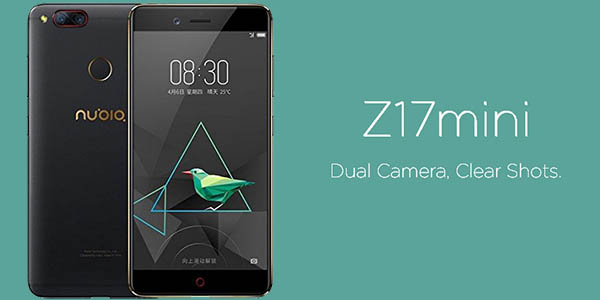
ZTE Nubia Z17 Mini smartphone garnered noteworthy demand among smartphone lovers after hitting the store shelves in April, last year. But that’s hardly surprising considering the phone offers an array of awe-inspiring specs and features without bearing a steep price tag.
Much to the delight of smartphone enthusiasts who have been waiting to get their hands on the well-received Nubia Z17 Mini without emptying their pocket, GearBest is currently offering a 5% discount on the handset’s original selling price. Let’s check out the details.
You can now get your hands on the Nubia Z17 Mini by shelling out only $199.99 for a limited period of time. The discount is valid for black and champagne-tinted global version of the 4G smartphone.
The Nubia Z17 Mini sports a 5.2 inches LTPS IPS LCD capacitive touchscreen display with a screen resolution of 1080 x 1920 pixels at a pixel density of 424 PPI (pixels per inch). Under the hood, the phone packs a powerful Qualcomm MSM8976 Snapdragon 652 processor coupled with 4GB of RAM and 64GB ROM.
On the photography front, the Z17 Mini offers a 13.0MP + 13.0MP dual camera setup with AF and flashlight, and a massive 16MP front shooter for selfie addicts. It runs on Android 6.0.1 Marshmallow operating system with Nubia UI 4.0 skin on top of it.
You can head straight to this link to check out the full specification and take advantage of the promo which is slated to end in just 1 day.
There’s no dearth of power banks in the market. In fact, online stores are brimming with all sorts of low-priced power banks that usually have inferior quality and pack unsafe batteries that can easily explode.
Thankfully, you can now get your hands on the original Xiaomi Powerbank on Banggood. All Xiaomi power banks that are up for grabs on the site are guaranteed to be safe and original.
Banggood is currently selling the original Xiaomi Powerbank for $14.99. The device is backed by a robust 3.7V 5000mAh battery and it can be charged in about 3 hours with the help of a 5V/2A charger.But if you’re not willing to shell out that kind of money to buy the Xiaomi Powerbank, we have good news for you. At the time of checking out, you can use coupon code ’10MIPB’ and get a discount of $1.50. This brings your grand total down to only $13.49.
The promo code is valid for the white color version of the Xiaomi Powerbank. Click here to take advantage of the discount before the coupon code expires.
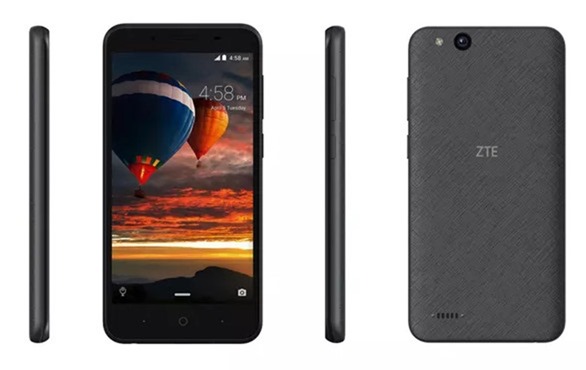
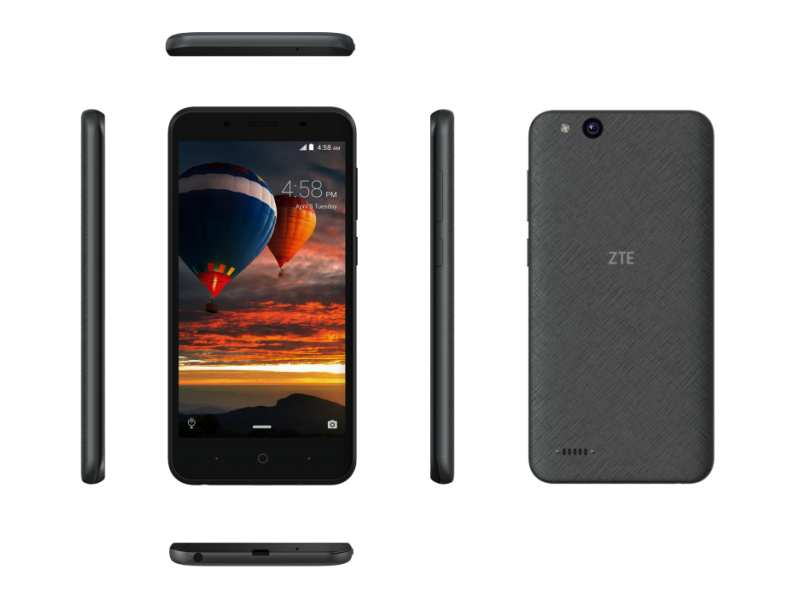
At the ongoing Mobile World Congress (MWC) 2018, ZTE unleashed its Blade V9 and Blade V9 VITA mid-range smartphones yesterday. The Chinese smartphone maker has also announced Temp Go as its first Android Go smartphone. Actually, it is the very same smartphone that was announced as Tempo X in September last year. The only major difference between the Tempo Go and Tempo X is that the new phone runs on Android Go (Oreo edition).
ZTE Temp Go Specifications, Features and Pricing
The Temp Go wears a polycarbonate body that measures 145.5 x 71.9 x 9.1mm and it weighs 141 grams. It is fitted with a 5-inch IPS LCD screen that supports a low resolution of 480 x 854 pixels. The 1.1 GHz quad-core processor present inside the Snapdragon 210 chipset powers the Tempo Go along with 1 GB of RAM. It has a native storage of 8 GB and it also carries support for microSD card slot. The handset is fueled by a 2,200mAh battery that offers 12 hours of talk time and 220 hours of standby time.
The Android Go device is running on Android 8.1 Oreo that brings along pre-loaded Android Go apps like Gmail Go, YouTube Go, Maps Go and so on. The original Tempo X smartphone from last year was launched with Android 7.1.1 Nougat pre-installed.
The backside of the phone is fitted with a 5-megapixel snapper that is accompanied by an LEF flash. A 2-megapixel camera sits on the frontside of the phone. The connectivity features that are available on the Tempo Go include 4G VoLTE, 2.4 GHz Wi-Fi 802.11 b/g/n, 4.2 Bluetooth, microUSB, 3.5mm audio jack and GPS.
The ZTE Temp Go is now available unlocked in the U.S. with an attractive price tag of $79.
Samsung went official with the Galaxy S9 and Galaxy S9+ as scheduled, just in time for the Mobile World Congress 2018. The Galaxy S9+ is supposed to be the top model among the duo. The flagship S9+ packs a dual camera design and indeed the camera configuration is shown to be top notch. We don’t have to wait for too long for the camera samples as well as the videos shot by the Galaxy S9+ as those are already out, albeit official ones.
The Samsung Galaxy S9+ sports a 12MP primary sensor with a variable aperture of f/1.5 to f/2.4. The lens is also equipped with Optical Image Stabilization (OIS) and dual pixel autofocus. The secondary rear camera is also a 12MP telephoto lens with f/2.4 aperture, OIS and dual-pixel autofocus. The presence of variable aperture is said to make it possible to snap amazing shots in low-light conditions as well as well-lit scenarios. The front camera of the Galaxy S9+ is an 8MP camera with f/1.7 aperture and autofocus. The Galaxy S9 and S9+ can shoot 4K videos at 60 fps in the new HVEC format. The device, as well as its sibling also support HD quality slow-motion video shooting a 960 fps.
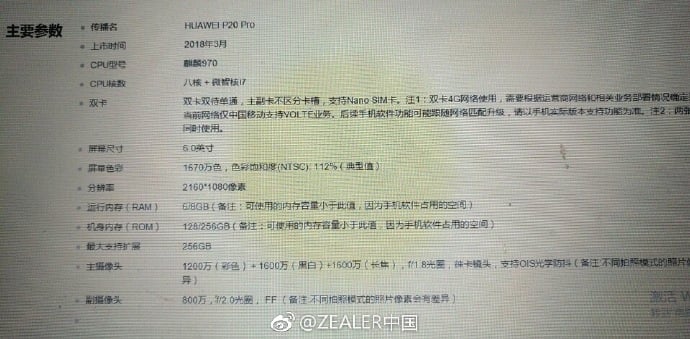
Huawei isn’t expected to announce its P20 series models at the Mobile World Congress 2018. The tech giant is expected to take the wraps off the models in an event scheduled for March 27. However, the models have continued to dominate discussions and the latest is the rumour of a Huawei P20 Pro whose specs just leaked.
The leaked document seems to be a screenshot of the retail page of an e-commerce platform where the P20 Pro is already listed with a price tag of 5899 Yuan ($930 or €757). With this hefty price tag, comes a device with 8GB of RAM and 256GB of internal storage. The specs details also include the Kirin 970 chip, an 18:9 display Aspect ratio, a 6GB + 128GB model which is expected to be expandable up to 256GB.
An interesting aspect is that the device also packs a triple camera configured as a 12MP+ 16MP+16MP triple shooters with OIS, f1/8 aperture etc. At the front, the device packs a single 8MP sensor with f2.0 aperture and front focus. This P20 Pro is likely the second model after the P20 Plus which would be announced with an innovative triple camera setup at the rear. We don’t know how that would be starked.
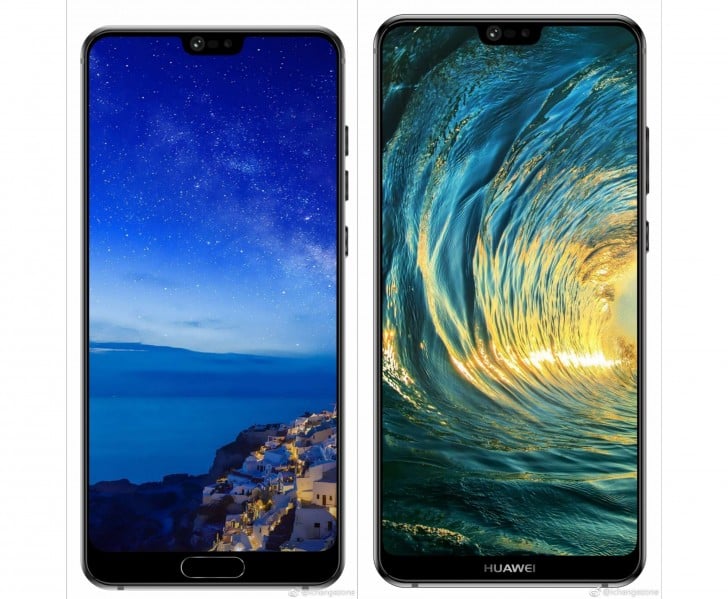
The renders of the P20 and P20 Plus also made their grand appearance in the open. Indeed, the appearance is grand as it highlights the device with an iPhone X-like notch. Both devices are also shown to have ultra-thin bezels at the sides. One striking difference between the two is that while the P20 has a home button reminiscent of the full-screen design of the Honor 7X while the P20 Plus lacks a home button up front. That means the P20 will likely pack a front fingerprint sensor while the P20 Plus may come with a rear-mounted one.
Do take the purported specs of the Huawei P20 Pro with a pinch of salt.
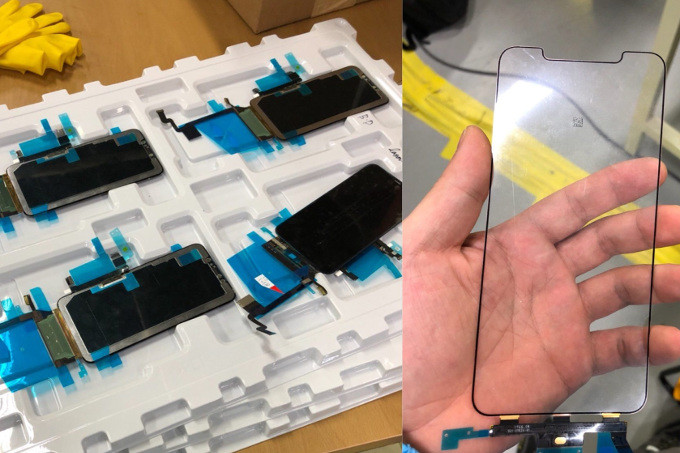
Apple will launch at least three iPhones in late 2018, and one of them is expected to be iPhone X Plus (or XS Plus or whatever Apple decides to name the new models). While MWC 2018 is kicking off, a new photo surfaced on a Chinese Mac forum shows the alleged iPhone X Plus’ display manufactured by LG. According to rumors, this photo has been shot out of an LG OLED factory located in Vietnam. This photo confirms the previous leaks which were suggesting that this handset would come with an OLED display and a notch just like its predecessor.
But, unlike the new device, the original X sports a display manufactured by Samsung, and not by LG. The notch that you can see in the alleged iPhone X Plus display will house the front camera, an earpiece, and a TrueDepth sensor for Face ID. The display that you can see in the photo may belong to the most powerful iPhone to be launched by Apple this year. According to the famous analyst, Ming-Chi Kuo from KGI Securities, the displays of the upcoming iPhones will have sizes of 5.8 inches, 6.1 inches, and 6.5 inches. While in the actual generation, the 5.8-inch display size is the biggest one, in the next one it will be the smallest one.
Do you like the bezel-less iPhone X or you prefer the classic 16:9 iPhone 8?
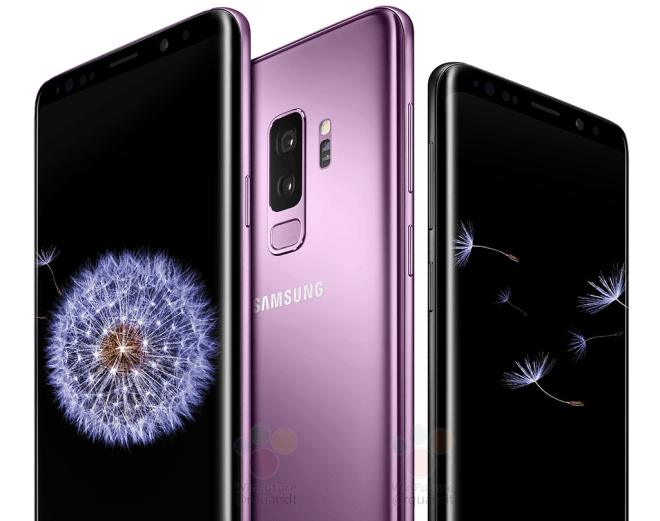
After months of leaks, Samsung has officially unveiled the Galaxy S9+ alongside its smaller sibling the Galaxy S9 at the Mobile World Congress (MWC) 2018 in Barcelona, Spain. These phones have arrived as successor phones for Galaxy S8 and S8+ from last year. The Galaxy S9 and S9+ have arrived with flagship specs, premium design and expensive pricing.
Design and Display
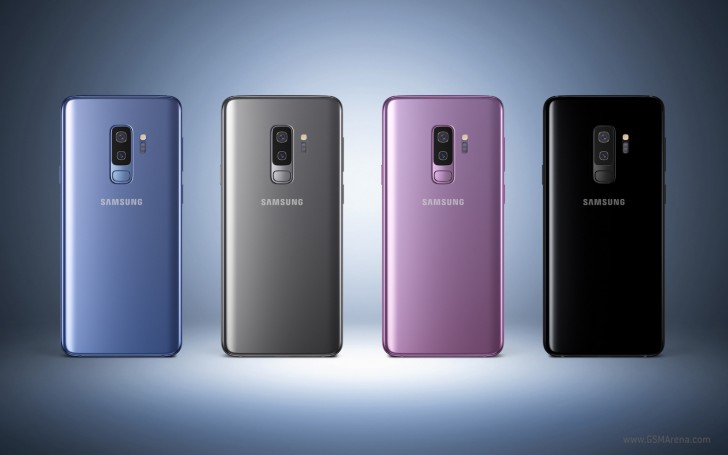
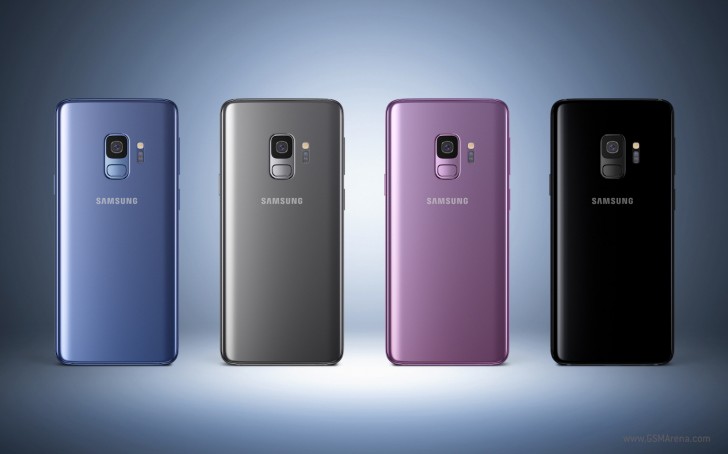
The Galaxy S9 and S9+ are premium looking smartphones that come in multiple colors like Midnight Black, Titanium Grey, Coral Blue and the new Lilac Purple. Both phones bear resemblance with their predecessor models, albeit some design changes like the repositioned fingerprint scanner that now sits below the rear camera, less rounded corners and slightly reduced bezels.
The screen of S9 and S9+ are curved towards the edges on the front and rear. Their aluminum frame that is flanked with curved Gorilla Glass panels on both sides. The IP68 certification ensures that S9 and S9+ are waterproof and dustproof smartphones. The Galaxy S9 measures 147.7 x 68.7 x 8.5mm and weighs 163 grams. On the other side, the dimensions of the Galaxy S9+ are 158.1 x 73.8 x 8.5mm and its weight is 189 grams.
The Galaxy S9 and S9+ respectively feature 5.8-inch and 6.2-inch Super AMOLED display that supports QHD+ resolution 2960 x 1440 pixels. According to Samsung, both phones come with a new kind of coating on the screen that deliver deeper blacks.
Chipset, RAM, Storage and Battery
The Galaxy S9 and S9+ are fueled by Snapdragon 845 chipset in markets like North America and China. The rest of the world will be receiving their Exynos 9810 chipset models. Both the phones are packed with 64 GB of native storage and support for microSD card.
The Galaxy S9 features 4 GB of RAM and 3,000mAh battery whereas the larger S9+ includes 6 GB of RAM and 3,500mAh battery. The S9 and S9+ feature Quick Charge 2.0 and wireless charging.
Camera, Software and Other Features
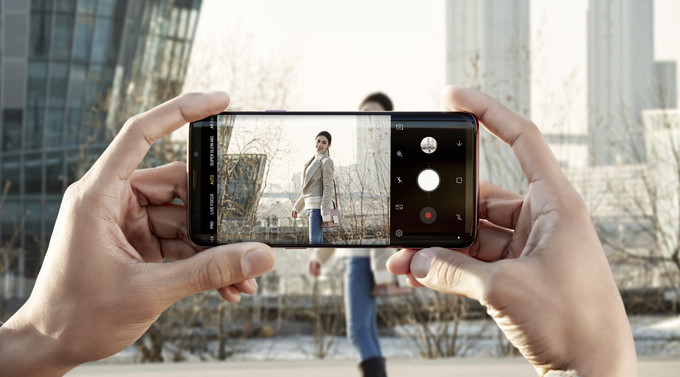
Compared to Galaxy S8 and Galaxy S8+, the newly unveiled successor phones are packed with improved cameras. The Galaxy S9’s rear camera and the primary sensor in the dual camera setup of S9+ feature 12-megpixel lens with variable aperture of f/1.5 to f/2.4. The lens is also equipped with Optical Image Stabilization (OIS) and dual pixel autofocus.
The presence of variable aperture makes it possible to snap amazing shots in low-light conditions as well as well-lit scenarios. The second camera of the dual camera system of S9+ is a 12-megapixel telephoto lens that comes with f/2.4 aperture, OIS and dual-pixel autofocus.
The rear-facing camera on both phones are equipped with single LED flash. The Galaxy S9 and S9+ can shoot 4K videos at 60 fps in the new HVEC format. These phones also support HD quality slow-motion video shooting a 960 fps. For shooting selfies, the Galaxy S9 duo feature 8-megapixel camera with f/.17 aperture and autofocus.
The stereo speaker setup tuned by AKG coupled with support for Dolby Atmos are available on the S9 and S9+. Samsung claims that the stereo speakers on both phones are 40 percent louder than their predecessor phones. The new Galaxies are also equipped with 3.5mm audio jack.
The Android 8.0 Oreo customized with the latest Grace UX comes loaded on the Galaxy S9 and S9+. Apart from fingerprint reader, both phones are also equipped with security features like improved KNOX and Intelligent Scan that combines iris scanner and face recognition.
The front-facing camera on both phones can be used to create 3D avatars called AR Emoji. The camera app can be used to capture an image of the face and generate a 3D avatar. The S9 duo can automatically make animated emoji sticker relying on the 3D avatar. These emoji stickers will be available through the keyboard so that they can be used while messaging.
In the U.S, the Galaxy S9 and S9+ are respectively priced at $719 and $839. The pre-orders of the S9 duo will begin in the U.S. starting from March 2. In the Europe, the S9 is priced at 849 euros and the S9+ costs 949 euros. In the U.S., Europe and select markets, the Galaxy S9 and S9+ are expected to release in the market on March 16.
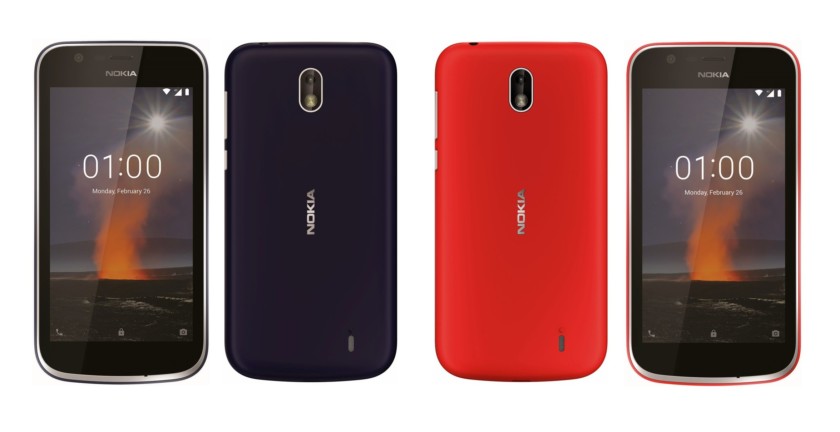
As expected, at the Mobile World Congress in Barcelona, HMD Global has announced its first Android Oreo (Go Edition) phone — Nokia 1. The phone is priced at just $85 and will be available in key markets from April this year.
Given the phone’s pricing, we do not expect much from the device. The phone comes with a 4.5-inch IPS display that offers a screen resolution of 640 x 480 pixels. Under the hood, it is powered by a low-level quad-core processor from MediaTek which is clocked at 1.1GHz. However, at this time, we don’t know which specific chipset is used.
The phone packs just 1GB RAM and 8GB of internal storage. However, there’s a microSD card slot which enables users to further expand the storage capacity of the device. Further, the phone features a 5-megapixel camera sensor at the back and a 2-megapixel camera sensor on the front, primarily for video calling.
The Nokia 1 is the first phone from Finland-based HMD Global that is a part of Google’s Android Go program. Thus, the phone runs Android Oreo (Go Edition) and comes with access to several Android Go-specific applications. Google has launched Go-specific version of some of its apps, including Gmail, Maps, Chrome, Assistant, and the Play Store.
Google had announced the Android Go initiative with an aim to bring a tailored distribution of the latest Android version to low-end devices. The search engine giant has begun this program to release Android Go phones in emerging markets. The operating system is optimized to run on devices with 512MB RAM and 1GB RAM.
While the phone will be available in two color options — Red and Blue, the company has introduced a variety of colors with Xpress-On covers that can be used to customize the phone. However, there are no official details related to the availability of colors or its cost.
Earlier, Google had confirmed that it will be using the Mobile World Congress (MWC) 2018 platform to introduce some Android Oreo (Go Edition) phones. Recently, TCL-owned Alcatel announced its Android Go phone — Alcatel 1x, which is priced at 99 Euros.
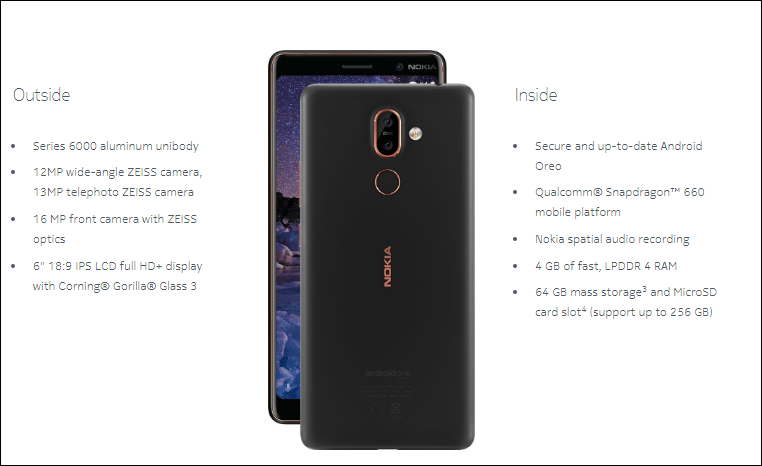
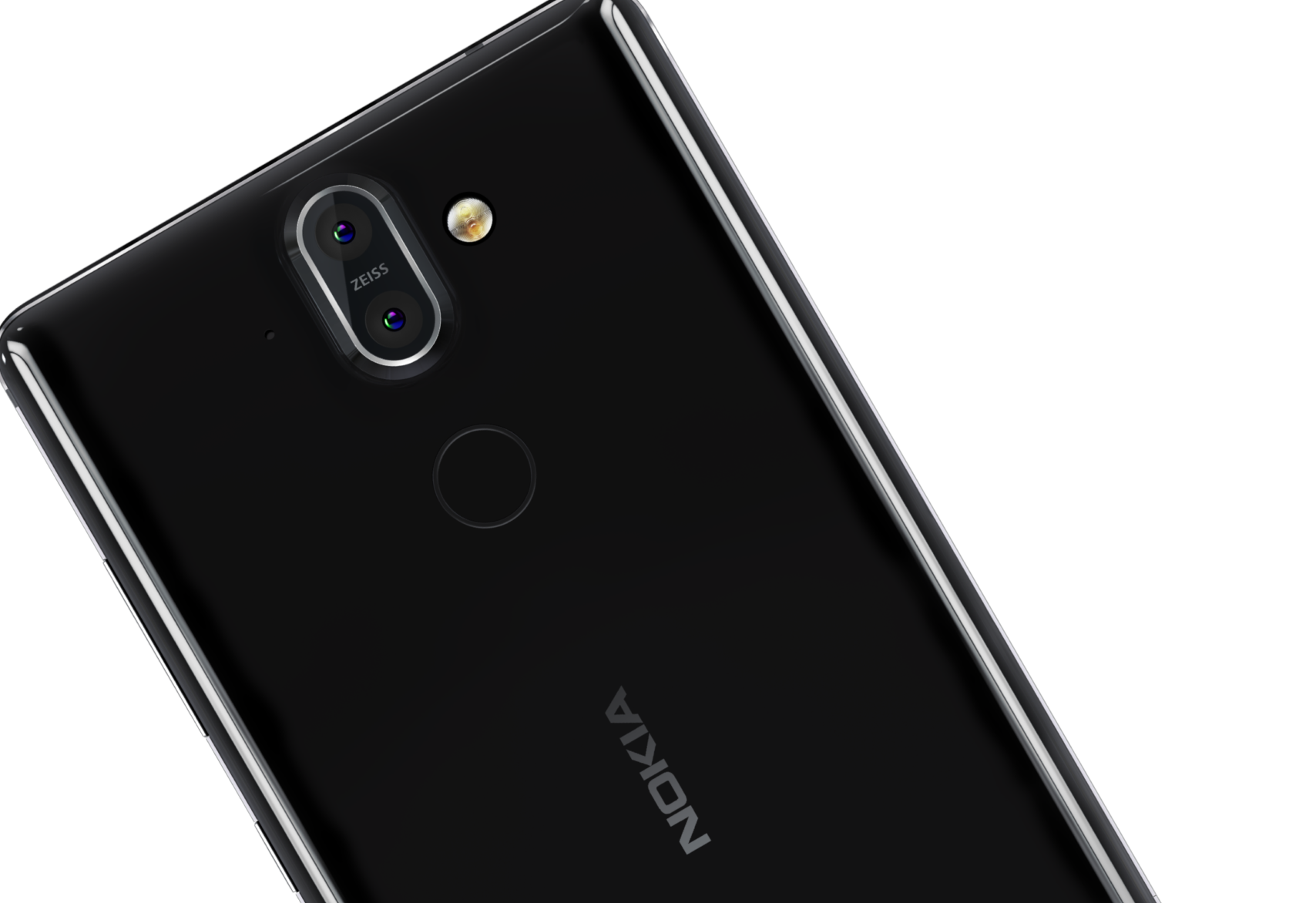
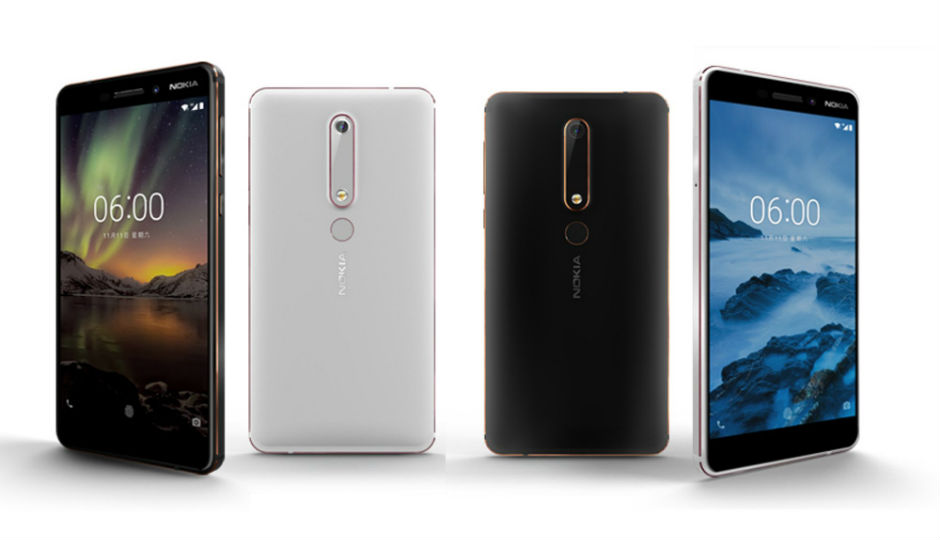
Nokia today held its much-anticipated conference where four models were announced. The Nokia 8 Sirocco, Nokia 7 Plus, Nokia 6 (2018) and Nokia 8110. The Nokia 7 Plus is released under Google’s Android One project and sports a dual rear camera setup just like the original Nokia 7. Here’s a look at the full specifications of the Nokia 7 Plus.
Nokia 7 Plus specifications
The Nokia 7 Plus features a 6-inch IPS Full HD+ display with a resolution of 2160 x 1080 pixels. The device thus features a fullscreen design with the 18:9 aspect ratio. The display also comes with a 500-nits brightness rating and Corning Gorilla Glass protection. The device comes with a dimension 158.38×75.64×7.99mm while the camera bump takes that area to 9.55mm height. The device also comes with a 6000 series aluminum unibody.
The device is powered by a Qualcomm Snapdragon 660 processor paired with 4GB of RAM and there is 64GB of internal storage which is expandable up to 256GB. The device also runs on Android 8.0 Oreo and since is an Android One build, there are no customisations on top of the stock Android onboard. Nokia also promises to push regular updates.
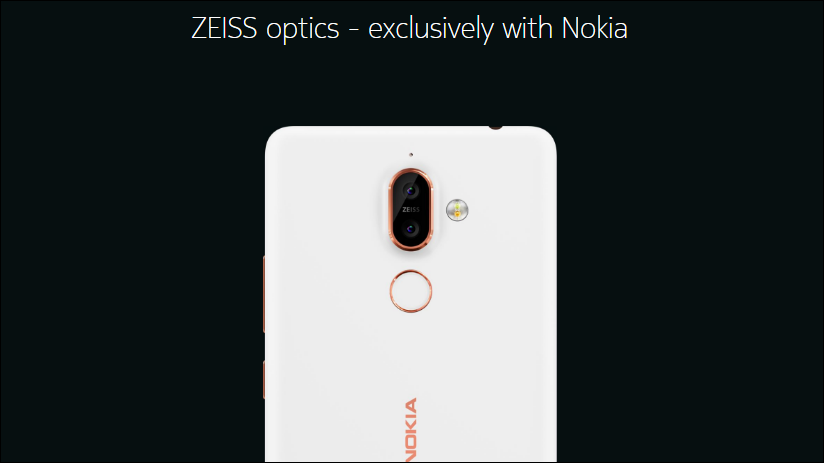
Camera wise, the Nokia 7 Plus packs a 12-megapixel wide-angle primary camera with a f/1.75 aperture and 1.4-micron pixels, as well as a 13-megapixel camera with a f/2.6 aperture, 1um pixels, and 2x optical zoom. The duo is stacked in a vertical direction and is accompanied by a dual-tone LED flash and Zeiss optics. As for the front camera, the Nokia 7 Plus features a 16-megapixel fixed focus offering with a f/2.0 aperture, 1um pixels, and Zeiss optics. In addition, the premium midranger offers 4G VoLTE, Wi-Fi 802.11ac, Bluetooth v5.0, GPS/ A-GPS, NFC, USB Type-C (2.0), and a 3.5mm audio jack. Sensors on board include an accelerometer, ambient light sensor, digital compass, gyroscope, proximity sensor, and a rear-facing fingerprint sensor. The company is also touting the presence of a single speaker with a smart amplifier and Nokia spatial audio with 3 mics. Keeping the lights on is a 3800mAh battery with fast charging and touted to deliver a talk time up to 19 hours and a standby time of 723 hours.
Pricing & Availability
The Nokia 7 Plus price has been pegged at EUR 399 (roughly $490) excluding taxes and subsidies. The device will be available from early April and comes in Copper Black and Copper White colour variants.
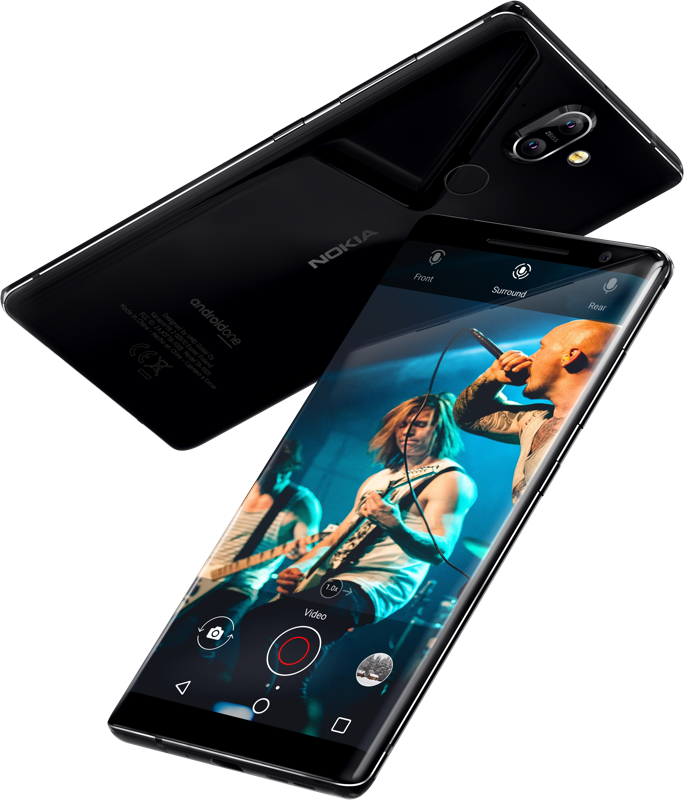
HMD Global has outdone itself at this year’s MWC. The new home of the Nokia brand has unveiled 5 new phones and at the top of that list is the Nokia 8 Sirocco Android One.
Design
The Nokia 8 Sirocco is made from a single piece of steel which is more durable and stronger than aluminium. Even with its strength, it is just 7.5mm at its thickest point.
There is 3D Gorilla Glass 5 on both sides of the device which gives the Nokia 8 Sirocco a premium curved appearance.
Nokia 8 Sirocco Specs
The Nokia 8 Sirocco has a 5.5” Quad HD pOLED £D curved display. It is powered by the Snapdragon 835 mobile platform and comes with 6GB of RAM and 128GB of UFS 2.1 storage.
It packs a 12MP f/1.7 78.2° wide-angle Zeiss lens and a 13MP f/2.6 telephoto lens on the rear. The front camera is a 5MP 1.4um sensor. The phone also comes with dual sight which lets you take photos or record videos with both cameras (front and back) at the same time.
For connectivity, the Nokia 8 Sirocco has a USB-C port, NFC, GPS, Bluetooth 5.0, and dual band WiFi. It also has an IP67 rating and supports Qi wireless charging. Its battery capacity is 3260mAh.
The phone runs Android 8.0 Oreo and just like the other smartphones released at the event, it will get updated to Android P.
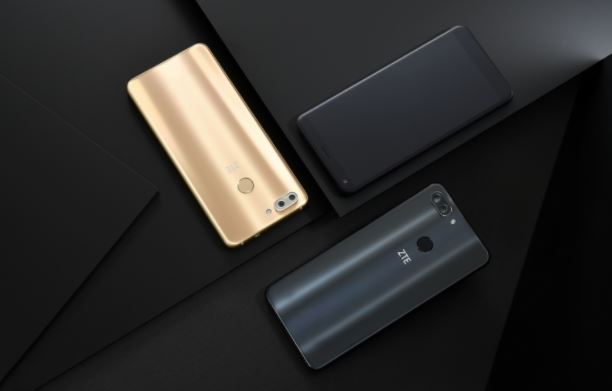
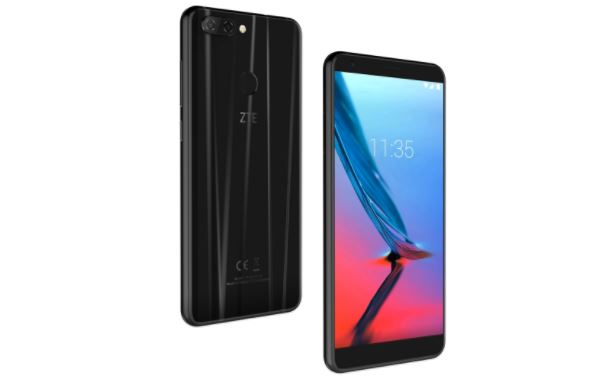
ZTE took advantage of MWC 2018 to launch two midrangers focused on the quality-price ratio: ZTE Blade V9 and Blade V9 Vita. Both come with wide 18:9 displays and designs which remind a lot of the most beautiful handsets by Honor. The back cover is made of glass and it also houses a fingerprint reader. The standard version comes with a 5.7-inch display and mid-range specs. It boasts an octa-core Snapdragon 450 SoC by Qualcomm, paired with 3 or 4 GB of RAM depending on the variant that you will choose to buy, and 64 GB of internal storage.
On the rear side of the ZTE Blade V9 there is a dual camera setup placed horizontally, with resolutions of 16 and 5 MP. The secondary sensor is able to capture depth information for better bokeh effect. According to the company, this dual camera is also able to shoot good photos in low-light conditions. On the front panel, there is a single 8 MP snapper. Android 8.0 Oreo is installed out of the box, and the battery has a capacity of 3100 mAh; the handset can be charged through a micro-USB port, so we guess it will not charge so quickly.
ZTE Blade V9 Vita is an even more affordable version with a 5.45-inch HD+ display. Under the hood, it has an octa-core Qualcomm Snapdragon 435 chipset and it will be available in two configurations: the cheapest one will have 2 GB of RAM and 16 GB of internal storage, while the costlier one will have 3 GB RAM and 32 GB ROM. There is a dual camera setup on this device as well, but the resolutions are lower: 13 and 2 MP. The front camera has a lower resolution as well: just 5 MP. ZTE Blade V9 and V9 Vita will be launched in selected markets across Europe, Mexico, and China. The price for the standard version starts from €269 ($330), while the V9 Vita will start from €179 ($220).
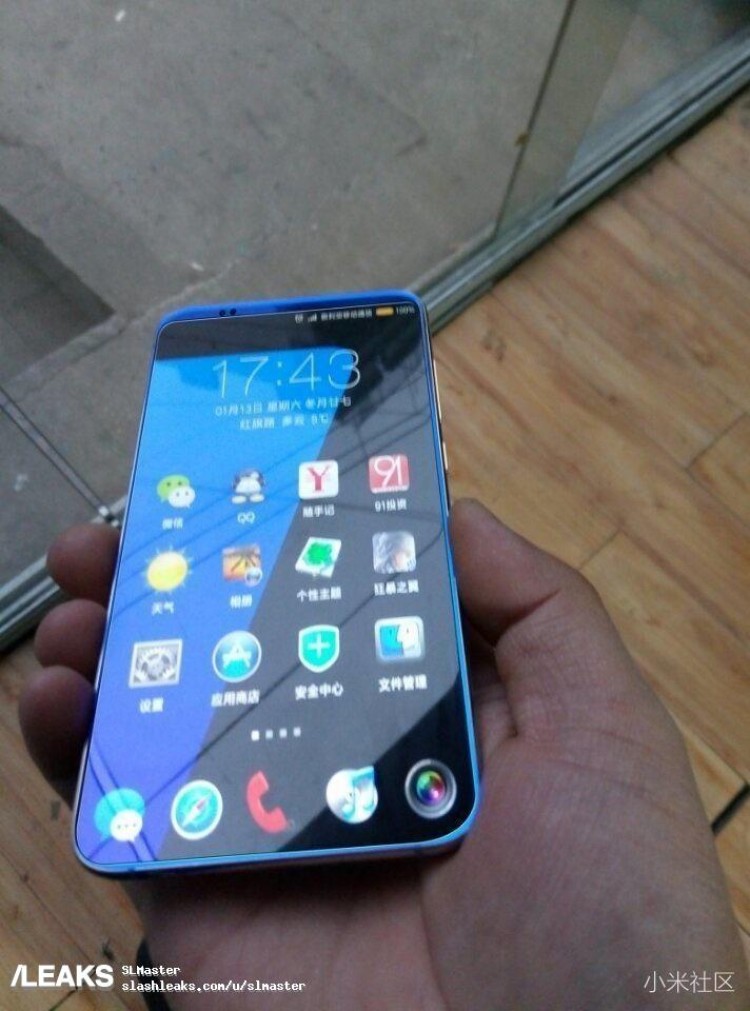
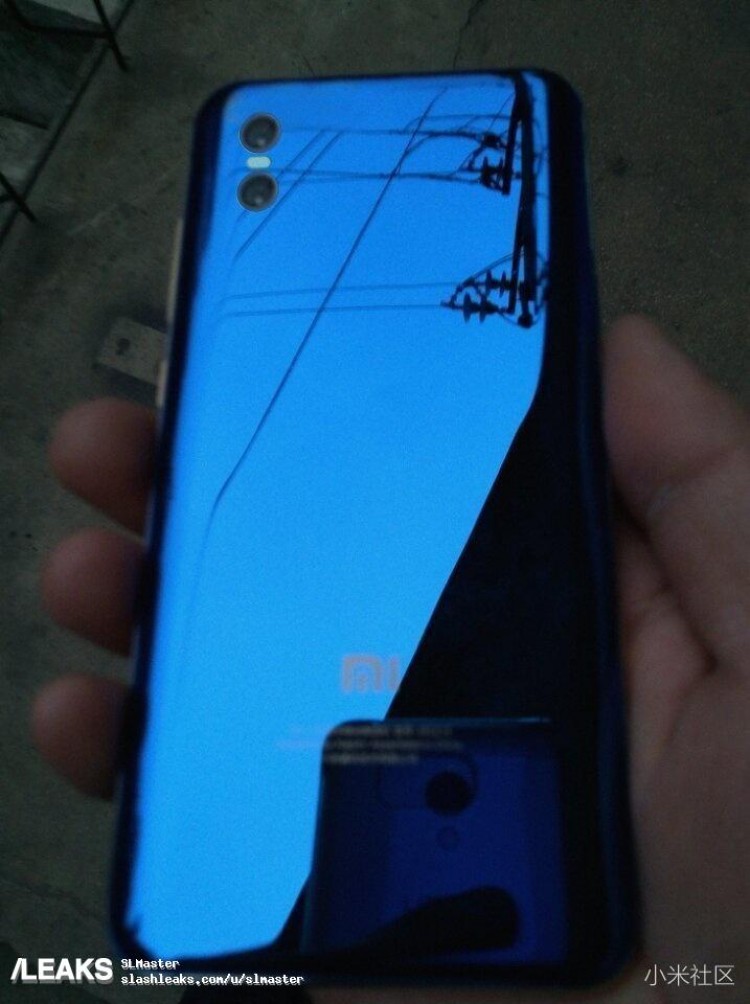
Earlier today, Xiaomi confirmed it would release the Xiaomi Mi Mix 2S on March 27. Now that we have a date for the official launch of the big flagship, we are left to wonder when we’ll meet Mi 6’s successor, the Xiaomi Mi 7. While we are still clueless about a release time frame for the device, some alleged images of the Xiaomi Mi 7 have just cropped up online.
The phone seems to have a premium design, featuring a full screen on the front and a reflective back. The front is actually quite interesting, as apart from the thin forehead on top of the phone that houses the sensors, rest of the design seems to be bezel-less. The corners are curved and the curve continues to the back as well to some extent. What we’ve got here is a metallic blue back which is highly reflective. To be honest, the back reminds me of the HTC U11+ but if you remember, Xiaomi too isn’t new to reflective back smartphones. The Xiaomi Mi 6 Silver Limited Edition came with one of the most reflective back designs we have seen lately and the company could have easily thought of continuing it to the Mi 7. The buttons are all located on the right side of the phone. The back has dual cameras arranged vertically with dual LED flash placed in between the two sensors.
This isn’t the first time we are seeing this design. If you remember, we have seen a few renders with exactly the same design a couple of months ago. The only difference here is that this is the real phone while those were just renders. This brings us to the big question, is this really the Xiaomi Mi 7? It’s hard to say. The icons on the front are not standard MIUI stuff. They look large and weird and are nothing like what we have seen on the MIUI platform. But there’s the Mi branding at the back and the design looks pretty premium. So, it could be the Xiaomi Mi 7, but we cannot be sure, so make sure to take them with a pinch of salt.
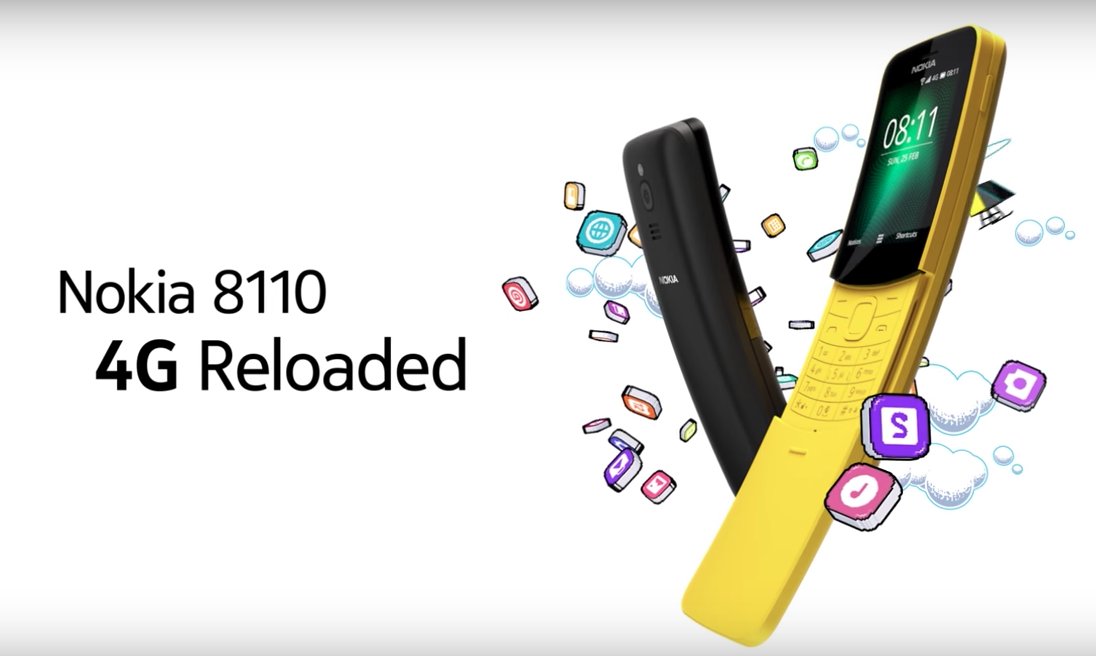
HMD Global has launched the all new Nokia 8110 4G feature phone. It is a refreshed version of the original Nokia 8110 phone that was launched in 1996. The older handset was seen in “The Matrix” sci-fi action movie in 1999.
Last year, the Finnish firm had launched the new edition of Nokia 3310 feature phone alongside Nokia 3, Nokia 5 and Nokia 6 smartphones at the Mobile World Congress (MWC) 2017 in February. Apart from Nokia 8110 4G feature phone, the company has also launched other phones like Nokia 1 Android Go, Nokia 7 Plus Android One, global edition of Nokia 6 (2018) and Nokia 8 Sirocco.
Nokia 8110 4G Specifications and Features
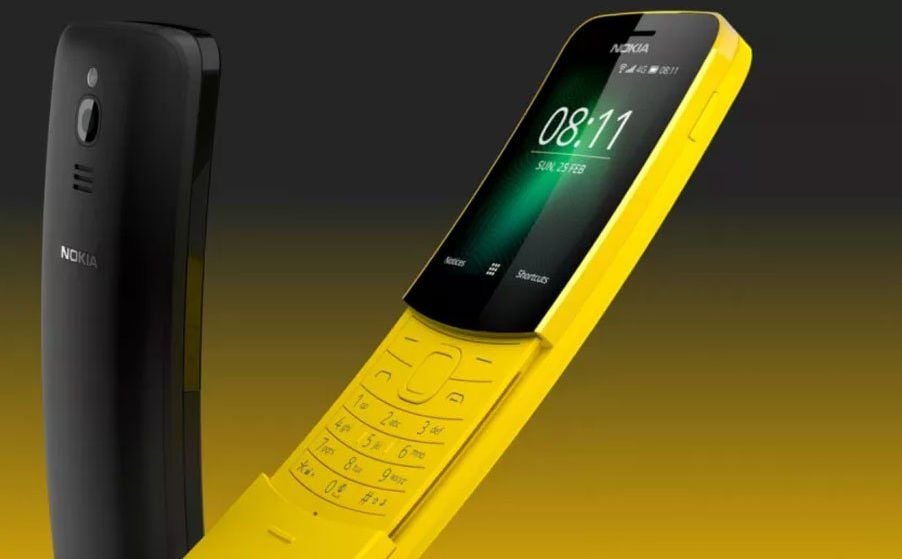
Nokia 8110 4G is a candy bar feature phone that requires user to flip open the case to answer a phone call or to access the keypad. The bright yellow edition of the Nokia 8110 4G is dubbed as Banana Yellow by the company because of its curved design. The handset can be also availed in Black color.
The Nokia 8110 4G is fueled by Snapdragon 205 dual-core processor that clocks at 1.1 GHz. The SoC is supported by 512 MB of LPDDR3 RAM. It has a native storage of 4 GB. For photography, it includes a 2-megapixel camera. The 1,500mAh battery of the phone delivers a talk time of 9 days and a standby time of 17 hours.
The original phone shown below had a monochrome display, but the refreshed edition has arrived with a 2.4-inch QVGA color display that supports a resolution of 320 x 240 pixels. It has the same user interface that is available on the new Nokia 3310. It is not running on Android, but Smart Feature OS that brings Facebook, Twitter, Google Assistant, Google Maps, and iconic Snake game on the phone.
The Nokia 8110 4G supports multiple audio formats such as AAC, AMR, MP3, MIDI and Vorbis. The other features of the phone include micro SIM support, Wi-Fi 802.11 b/g/n, Bluetooth 4.1, GPS, 3.5mm audio jack and FM Radio. By enabling 4G wireless hotspot on the phone, users can enjoy high-speed web connectivity through tethering on a laptop or tablet.
The re-imagined Nokia 8110 will be available for buying starting from May this year with a price tag of 79 euros. It will be hitting the shelves in single-SIM and dual-SIM versions. As of this writing, HMD Global has not confirmed on the markets that will be receiving it.
We use cookies on our website to give you the most relevant experience by remembering your preferences and repeat visits. By clicking “Accept”, you consent to the use of ALL the cookies.
This website uses cookies to improve your experience while you navigate through the website. Out of these, the cookies that are categorized as necessary are stored on your browser as they are essential for the working of basic functionalities of the website. We also use third-party cookies that help us analyze and understand how you use this website. These cookies will be stored in your browser only with your consent. You also have the option to opt-out of these cookies. But opting out of some of these cookies may affect your browsing experience.
Necessary cookies are absolutely essential for the website to function properly. This category only includes cookies that ensures basic functionalities and security features of the website. These cookies do not store any personal information.
Any cookies that may not be particularly necessary for the website to function and is used specifically to collect user personal data via analytics, ads, other embedded contents are termed as non-necessary cookies. It is mandatory to procure user consent prior to running these cookies on your website.

 You can now buy EleLight Anet E10 Desktop 3D Printer for just $369.88 on Amazon for a limited period of time. Let’s check out the details.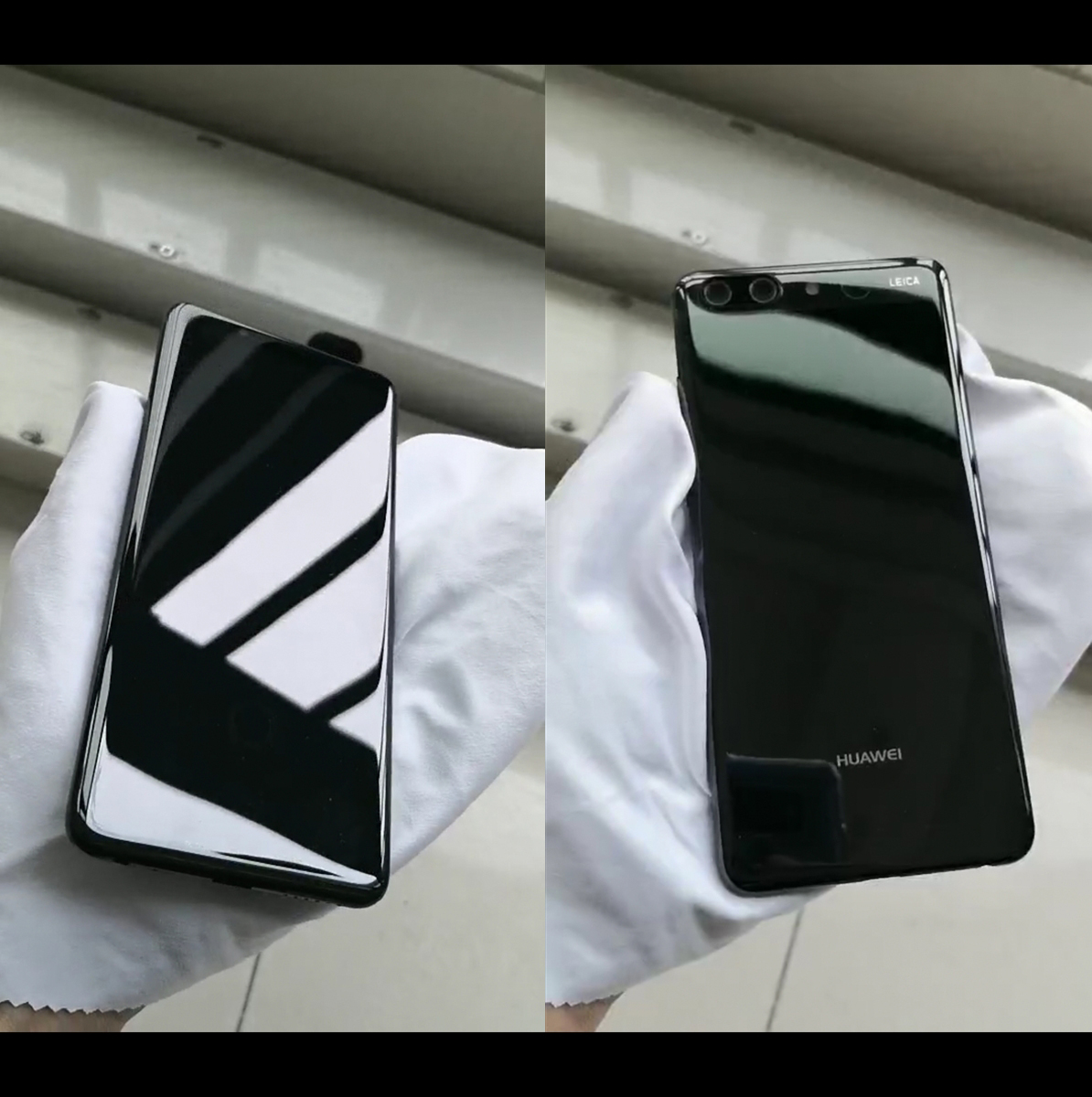


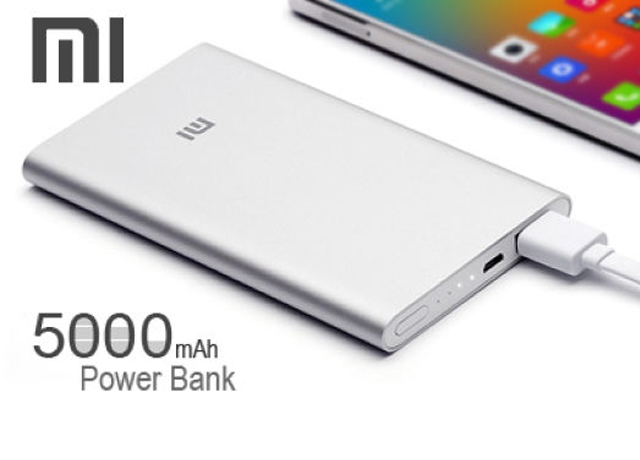 There’s no dearth of power banks in the market. In fact, online stores are brimming with all sorts of low-priced power banks that usually have inferior quality and pack unsafe batteries that can easily explode.
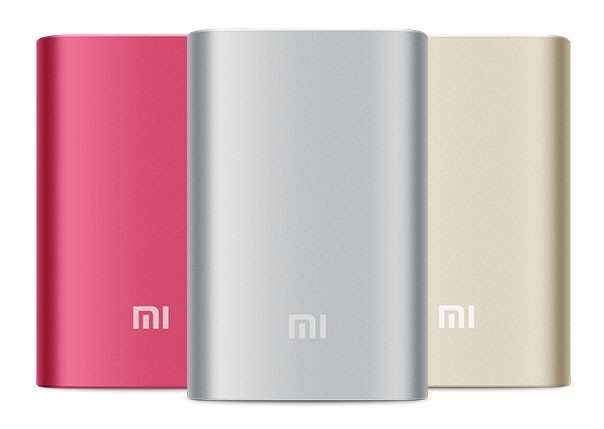 But if you’re not willing to shell out that kind of money to buy the Xiaomi Powerbank, we have good news for you. At the time of checking out, you can use coupon code ’10MIPB’ and get a discount of $1.50. This brings your grand total down to only $13.49.