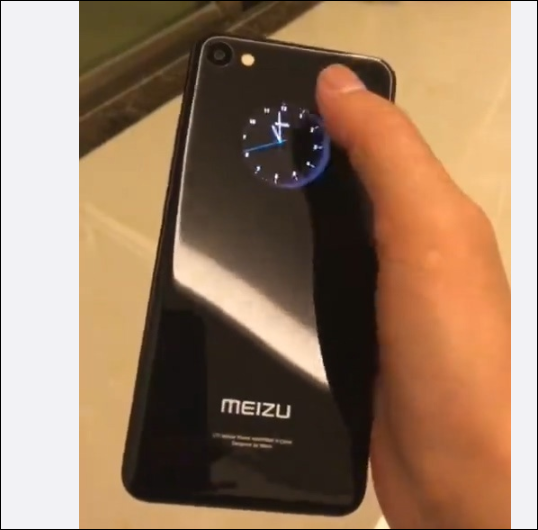
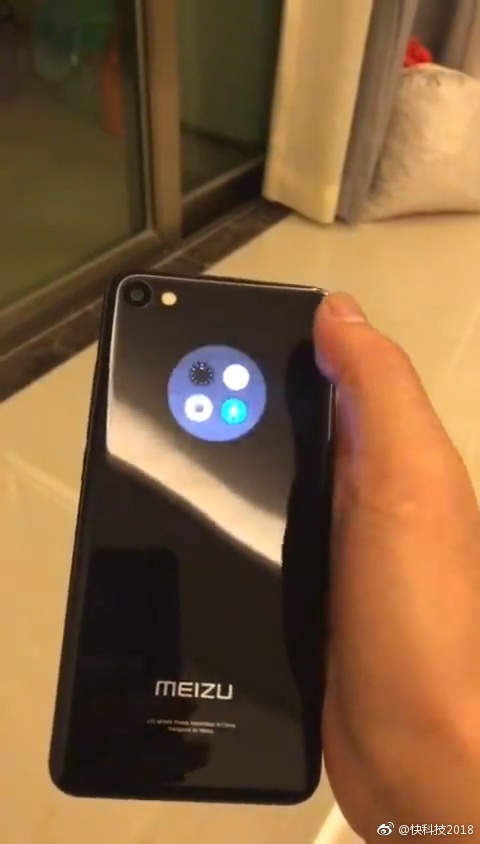
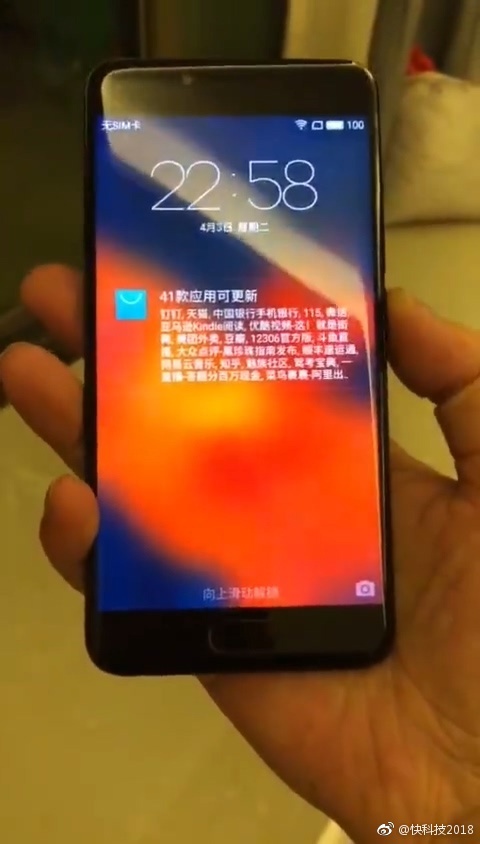
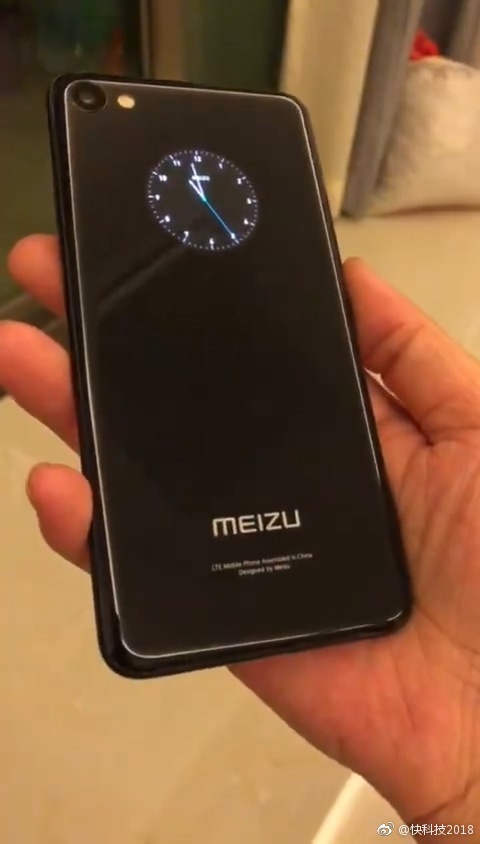
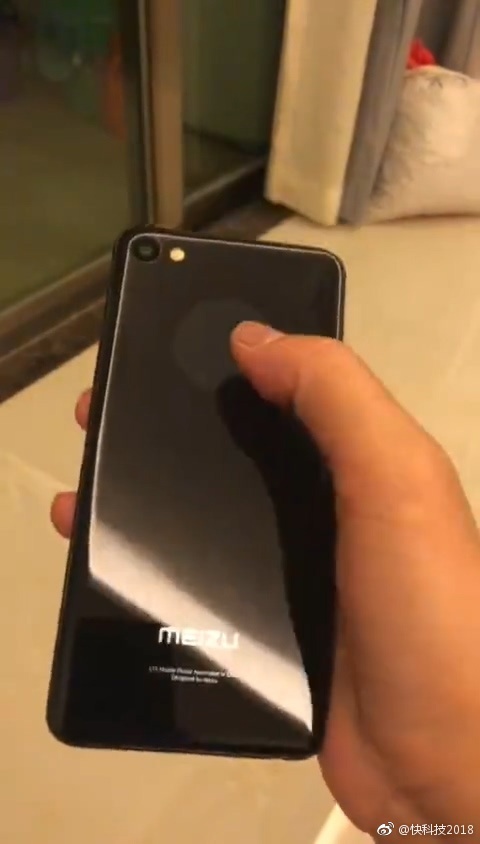
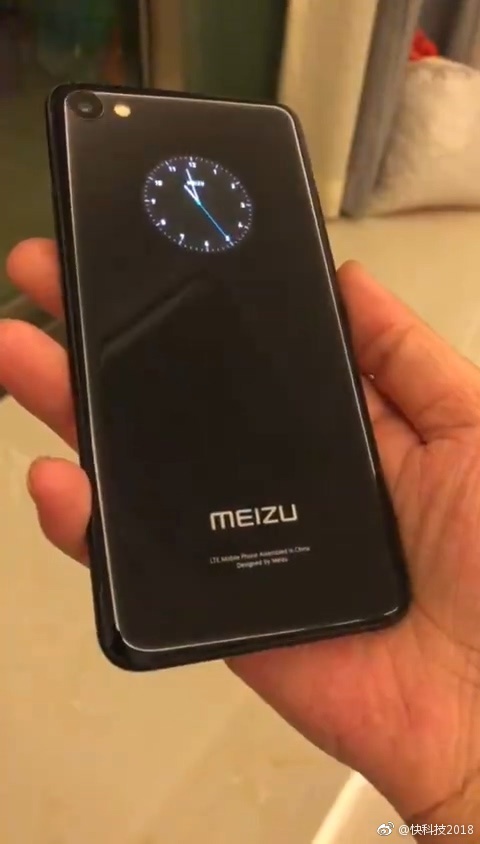
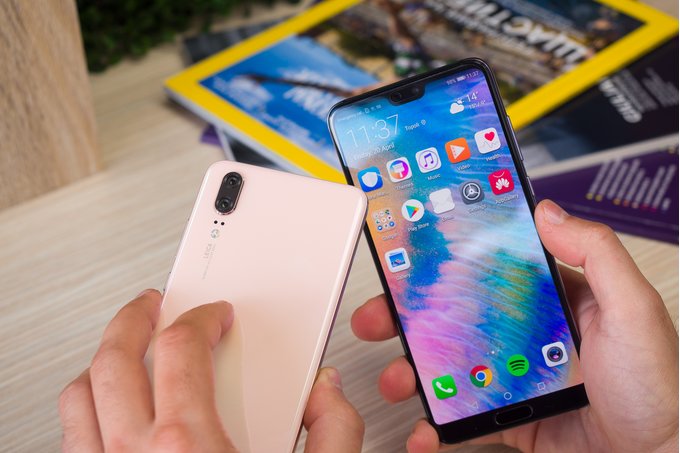
Meizu released the flasghip Pro 7 with a secondary display at the back panel but it seems that design featured on the Pro 7 wasn’t what the company had lined out initially.
A new Meizu phone prototype has been spotted online. Well, it isn’t exactly new since it is a phone Meizu developed in 2016. The design includes a circular secondary display at rear panel which displays time. The device is said to also pack a Samsung Exynos 8890 chipset but had an expensive price tag of more than 3000 yuan and so it didn’t see the light of day.
The Meizu model doesn’t have a full screen design as it wasn’t popular back then. Secondary display on the Pro 7 didn’t really turn out to be popular so we might not see this design on a Meizu phone in the future. Check out the pictures from below and drop a comment on what you think about the design.
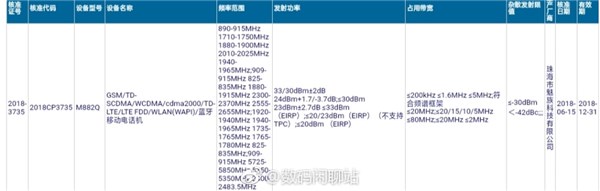
The Meizu 16 is scheduled to launch in August and Meizu is bent on keeping to the release schedule. So it doesn’t come as a surprise to see the device has gotten its 3C certification.
The phone has been seen on the 3C website with model number M882Q. The Meizu 15’s model number is M881Q, which further confirms that the M882Q is its successor. If Meizu is following this numerical order for the model number, then the Meizu 16 Plus should have model number M892Q. The certification doesn’t reveal much except for supported bands though.
Meizu’s CEO says the Meizu 16 will come with a Snapdragon 845 processor with copper tubes heat dissipation system, an 18:9 display, and an in-display fingerprint scanner. Leaked images also show that it has dual rear cameras. It will also come with up to 8GB of RAM and 256GB of storage
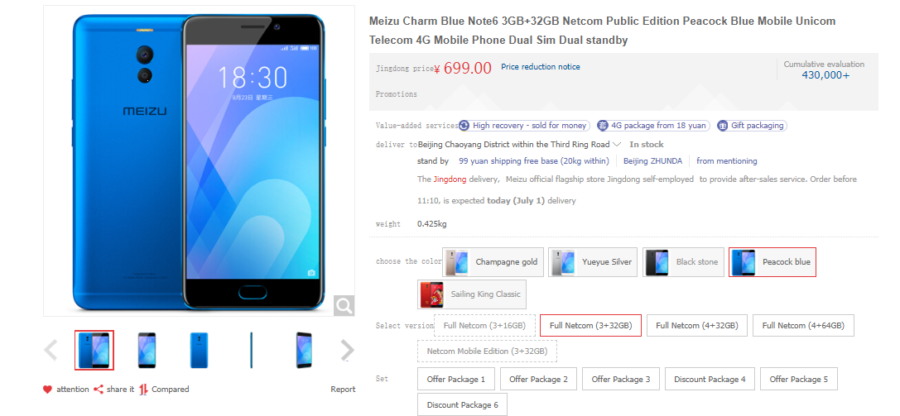
The M6 Note was Meizu’s comeback phone for 2017. The mid-range phone helped it win back its fans following the disappointing Pro 7 and Pro 7 Plus.
The Meizu M6 Note originally launched for ¥1099 (~$166) for the 3GB + 16GB model, ¥1299 (~$196) for the 3GB + 32GB model, and ¥1699 (~$256) for the 4GB + 64GB model. Meizu also announced a 4GB + 32GB model for ¥1499 (~$226). A couple of months later, Meizu slashed their prices by ¥200 with the base model selling for ¥899 (~$136).
Right now, Jingdong is selling the 3GB RAM + 32GB ROM variant for ¥699 (~$106), making it one of the cheapest Snapdragon 625 phones in the market.
The M6 Note may not have an 18:9 display like most phones do today, but it is full HD. It also has impressive dual rear cameras, a 16MP selfie camera, and a more than sufficient 4,000mAh battery. The phone also scores points for design.
Heard the name KaiOS before? If you haven’t, there is no need to be ashamed but we are sure you know a phone that runs it. The Nokia 8110 4G is an example of a phone that runs KaiOS – a Linux-based OS for feature phones with smartphone features.
KaiOS Technologies, the company behind the OS, just got some big funding from Google. The tech giant is said to have invested $22 million in the business. There is a reason for that though.
Google already dominates the smartphone world with its Android OS but it wants its services on feature phones too. So, both companies (Google and KaiOS) are working together to bring services like Maps, YouTube, Search, and Google Assistant to phones running KaiOS.
Over 40 million phones running KaiOS have already been shipped. Apart from the Nokia 8110 4G, it is also powering TCL’s Alcatel One Touch Go Flip and Reliance Jio’s JioPhone. We want to believe more brands that are into feature phones will adopt the OS.
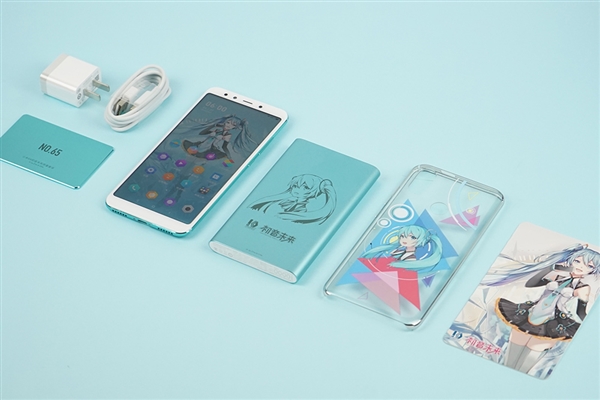
Phone buyers are usually attracted to beautifully designed smartphones. Such is the fate of the Mi 6X Hatsune Miku Special Edition which was launched just a couple of days back. The device is presently on reservation in China and would go on sale on July 3. Interestingly, the reservation has seen a massive surge and as at the time of filing this report, it stood at over 1.67 million persons.
Although not all persons who made reservations would end up buying the phone, the figure is unprecedented for such a customised device. The thing is, Xiaomi says there are only 5000 units available to buy. So, a lot of them would end up not getting the phone even if they intend buying. The sales would obviously get concluded in a matter of seconds.
To recap, The Mi 6X Hatsune edition comes in a special gift box containing the phone, a metal nameplate, custom-made transparent TPU case and a customized 10000mAh Mi power bank. The specifications are basically similar to those of the regular Mi 6X model but the customized edition is available in 6GB RAM + 64GB storage formation. The device is priced at 2099 yuan (~$317) and will be on sale on Mi Mall from 10 AM UTC +8 on July 3.
Android P is already available in beta for multiple devices other than Google’s own Pixel phones. Although there is still no info on when the stable version will be officially announced, a shared Nokia mail gives us a hint as to when to expect it.
The mail which comes from Nokia Mobile Care reveals that the Android P update will start arriving on Nokia devices “sometime in August”. So that means a stable version of Android P should be announced this month or latest early August.
Nokia already confirmed that all its devices will get updated to Android P. However when the update will arrive will vary for all devices. Some may not even receive it until next year. The Nokia 2, for example, doesn’t have a stable Android Oreo update yet and it should still get Android P.
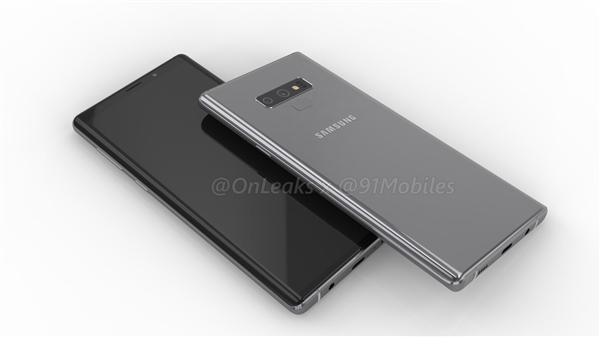
The Galaxy Note 9 is the next big thing expected from Samsung and its launch date has already been revealed to be August 9. The device will be unveiled on that date in New York. Samsung will at a later date unveil the model in China. the world’s second-largest phone market. Accordingly, the stage is getting set for the device to hit the Chinese market as the Galaxy Note 9 has now received certification by China’s 3C.
The Galaxy Note 9 China version was listed with a model number SM-N9608 while the charger EP-TA200. The charging adapter comes with a 9V/1.67A, 5V/2A ratings which is considerably lower than that of Samsung’s fast charger.
The Galaxy Note 9 isn’t coming with too much of a different design from the Galaxy Note 8 but the new S Pen stylus seems to hold the ace, coupled with some new features. The device is equipped with a Snapdragon 845 processor on models that will launch in the U.S and South Korea while the rest of the market will get an Exynos 9810-powered variant. Samsung may tweak things up with an 8GB RAM with either 256GB or 512GB storage in addition to the expected 6GB RAM + 128GB variant. The device is also expected to come with a new Bixby 2.0 smart assistant.
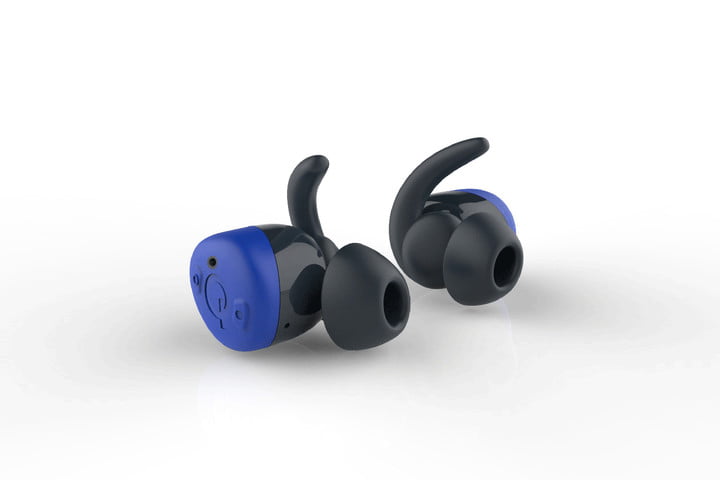
Qualcomm has announced a new chipset for Bluetooth earphones. The new QCC3026 audio SoC is targeted at headsets in the entry-level and mid-range category.
QCC3026 has a bunch of features such as Bluetooth 5.0, Bluetooth Low Energy, and Dual-mode Bluetooth. It also has aptX playback and voice assistant support. Qualcomm says power consumption in the new chipset is 50% less compared to that in older headsets.
The chipset has made its way into its first device – the OPPO O-Free Wireless earphones. Although the O-Free are a bit pricey at ¥699 (~$106), cheaper earphones with the SoC should be announced soon.
One of the major build issue smartphone users have had to grapple with is the penchant for the screen to get damaged when the phone is dropped on a hard surface. One of the most effective ways of dealing with this is through the use of Corning Gorilla Glass and other glass protection in the market. However, that doesn’t offer 100% guarantee against screen damage.
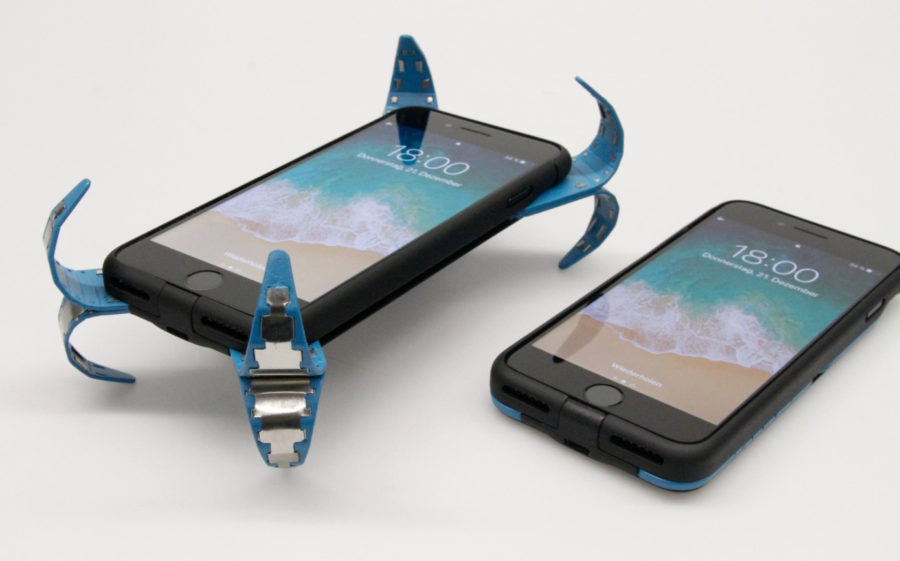
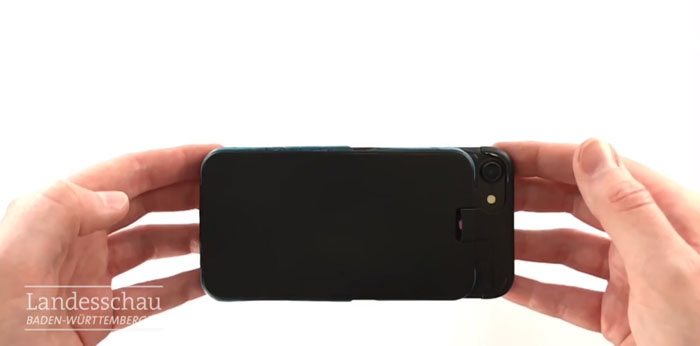
A German university student, Philip Frenzel, may have come to our aid in this regard with his simple but effective invention. The student came up with a phone case which he called “active damping” case (Adcase) which has spring horns that sprout when the phone is dropped so that the phone lands with a jaunty bounce. Frenzel is an engineer at Aalen University in Germany and his idea won the top award from the German Society for Mechatronics, which considered projects from students all over the country.
The design involves a casing with a set of eight thin metal curls that normally lie flat inside the case. The metal curls pop out and curl up in opposite directions, protecting the edges of the phone from impact and softening the blow considerably compared to hitting a concrete floor. The springs can easily be folded back into their holsters when you pick up the phone. Also, we don’t know if there are preventive measures in place that would stop the device from popping out when the phone is inside the pocket or bag. But we believe there are measures to forestall such.
The innovative Adcase may soon meet with us as Frenzel has already applied for a patent, and even printed T-shirts with a catchy logo. The casing might get launched on the crowdfunding platform – Kickstarter soon, who knows?
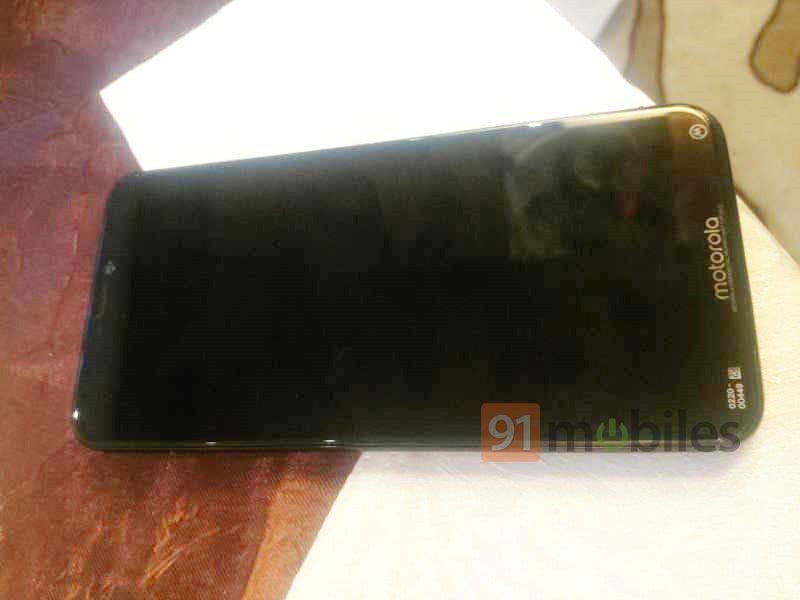
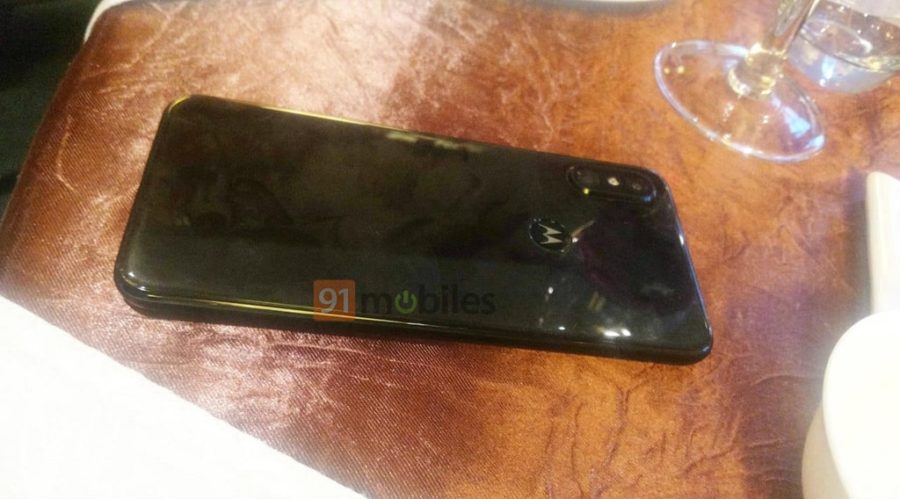
On August 2, Motorola will hold an event where it is expected to launch two new smartphones. We should finally see the flagship Moto Z3 as well as the Motorola One Power, the successor of the Moto X4 with Android One inside. Now, it looks like the former U.S. company acquired by Lenovo may launch another phone at the event. Two photos of a mysterious smartphone by the company have just surfaced online. The devices shown resembles the One Power, but it has some differences. First of all, it does not feature a notch like the Motorola One Power, but it seems to have a display with an 18:9 aspect ratio.
It has a design composed of a glass back and an aluminum frame, and it sports a dual camera setup on the rear side which is placed vertically. There seems to be a circular fingerprint reader on the rear side, with the company logo embedded. The front panel has moderately narrow bezels around the display with the company branding on the lower part. Given the design of the device, we may be probably talking about a mid-ranger. We doubt it will be a flagship since there is already the Moto Z3 coming soon.
This mysterious Motorola phone may be either a device with a Snapdragon 6xx or 710 SoC or just a variant of the One Power, given its similarities with the upcoming Android One device. The One Power will come with a notched design, a chin and a vertical dual camera setup with a LED flash in the middle. The Moto Z3 instead should come with the octa-core Qualcomm Snapdragon 845 to compete with the Galaxy S9 series and all the other best flagships in the market. We will know everything about the upcoming devices on August 2, in the official event which will be held in Chicago.
Finally, even Huawei P10 Lite and Mate 10 Lite have started updating to Android 8.0 Oreo. The news comes from Germany where some users are getting the OTA notification asking to update their devices. According to reports, the new firmware carries the build number WAS-LX1A 8.0.0.362 (C432) for the P10 Lite and RNE-L01 8.0.0.330 (C432) for the Mate 10 Lite. The update weighs about 2.5 GB if you are going to update from a stable firmware, but if you adhered to the beta testing phase you will just have to download 500 MB. The official changelog is consistent, just as every major update. Important improvements have been implemented in the user interface, as well as improvements related to artificial intelligence.
Now, the operating system has a faster boot phase and also better performance, even though these devices still did not receive the update containing the new GPU Turbo technology. The PrivateSpace app and the overall security of the operating system have been improved as well, and smart tips have been implemented to inform the users about useful features of the EMUI. It is now possible to sync more information from LinkedIn to email and calendar and there is also a reinvented settings menu.
Among the other important adds, there is a recycle bin in the gallery app that contains the deleted photos and it keeps it there for up to 30 days. Now, Huawei P10 Lite and Mate 10 Lite can connect to 2 Bluetooth devices at the same time, while it was not possible in the previous version. Given that the update has rolled out to German units of Huawei P10 Lite and Mate 10 Lite, we expect it to expand to all the units of the handsets very soon. Note that these devices have also been confirmed to get the GPU Turbo technology in the coming months: it will improve graphics performances and reduce power consumption.
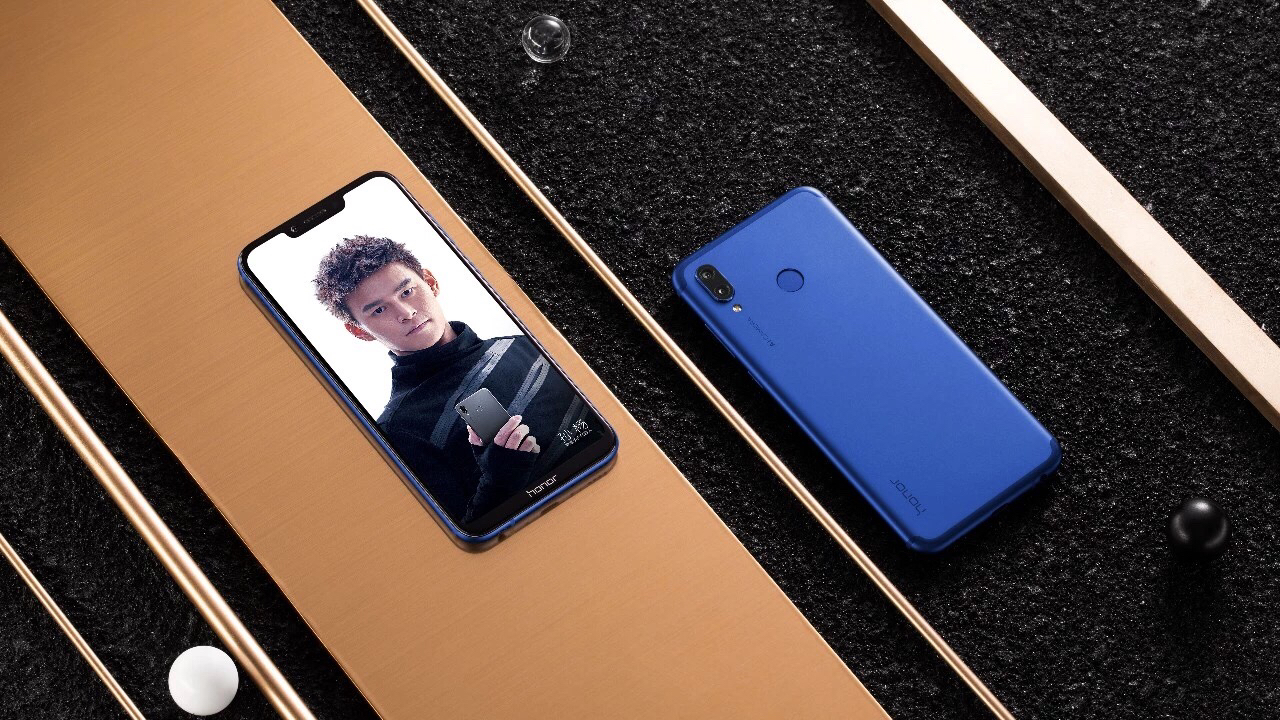
Until a year ago gaming phones did not even exist, but after the arrival of Razer Phone in November last year, they have become an important reality in the smartphones market. After Razer, Xiaomi, Nubia and ASUS, even Huawei is planning the release of a phone dedicated to gamers. The President of the company’s Consumer Business Jim Xu has just revealed it in an interview, and he has also confirmed that the phone will be officially unveiled in the second half of this year. He did not reveal anything about its specs sheet, but we think it will surely be something different from the Honor Play, especially for the aesthetics which should look different from a typical phone, just like the Xiaomi Black Shark and ASUS ROG Phone.
We only know one thing about this device: it will be equipped with the GPU Turbo technology. In case you have never heard about it, GPU Turbo is a technology which is able to improve graphics performance by up to 60 percent via software. Further, it can reduce energy consumption by up to 30 percent. These are great advantages when it comes to games as they are the most resource-demanding activities you can do on a phone (alongside multi-tasking). Given that it will be a gaming phone, we expect the upcoming Huawei device to pack the most powerful Huawei SoC.
We are referring to the octa-core Kirin 970 or even the upcoming Kirin 980 which is expected to debut on the Mate 20 series. Another element which could be present on the flagship is a wide display with a Full HD+ resolution and a high refresh rate. And, obviously, we expect to see a big amount of RAM and much internal storage. We will probably learn more about the upcoming gaming smartphone in the following weeks and we will keep you updated.
Huawei‘s huge investment in R&D has started yielding positive results in terms of the quality of smartphones the company has been churning out in recent times. At the Asian MWC Shanghai 2018, the company rolled out its 5G plans and it includes a 5G smartphone for 2019. That may likely be the first mobile phone to pack 5G technology. As interesting as it sounds, that isn’t the only awesome device which the Chinese market leader has got in the works.
The company has now revealed that it is also working on releasing a gaming smartphone which should arrive at the end of this year. Recall that Huawei announced a new GPU Turbo technology that is capable of boosting performance significantly on a variety of smartphones when gaming. That apparently isn’t enough as the company may likely come out with something that takes advantage of the GPU Turbo technology but also has enough firepower to deliver an extreme gaming experience. We’ll be on the lookout for this one which will take on the ASUS ROG, Razer phone, Nubia Red Magic and Xiaomi’s Black Shark gaming phones. The list of gaming phones is really growing. Isn’t that awesome?
In addition, Huawei also announced that it has plans to launch its own foldable phone. This is a direct response to Samsung’s own planned foldable device which is expected to debut next year. This is no doubt efforts in the right direction to help the company move past Apple once again into the second spot in term of global shipment. The company is also readying the Mate 20 series which would debut later this year.
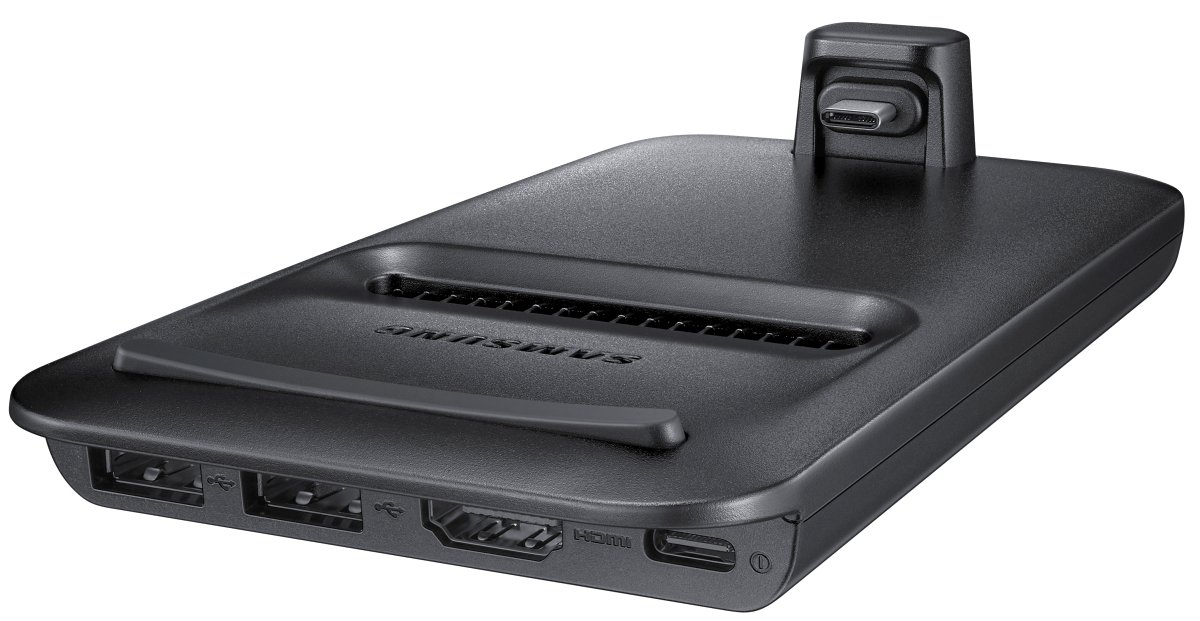
Starting with the Galaxy S8 and Galaxy S8+, Samsung flagships can be used as a desktop PC via a dedicated dock called Samsung DeX. For the first time, Samsung will bring the feature to a tablet – the upcoming Galaxy Tab S4.
The Galaxy Tab S4 is expected to launch alongside the Galaxy Note 9 on August 9. Apart from packing flagship features such as a Snapdragon 835 processor, it will also double as a desktop computer when connected to the dock.
The news comes from SamMobile and they say it will be the first DeX-supported device to have a dual-monitor feature. This lets you use the tablet screen as a second display when docked.
The DeX Pad or DeX Station lets you plug in a monitor, keyboard, and mouse for a full desktop experience. Your Android apps will launch in full screen and can be resized into smaller windows for better multi-tasking.
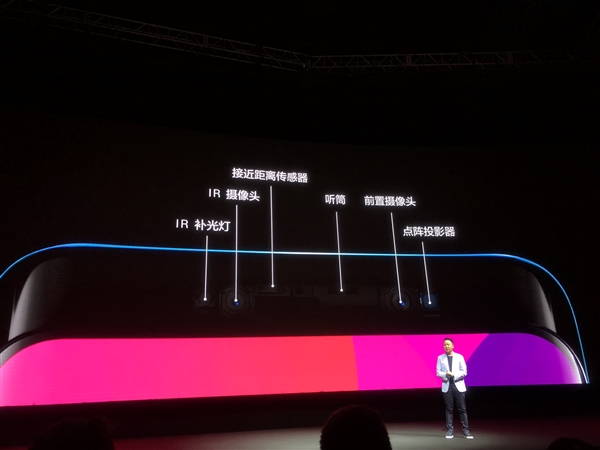
Apart from having an unprecedented 93.8% screen ratio, the OPPO Find X also comes with a standout innovative dual-rail periscope structure with a full hidden 3D camera. The dual-rail periscope hides many components such as 3D-structured optical components, front-facing cameras, receivers, and rear dual cameras. This design also ensures the integrity of the overall screen by avoiding having to create a notch at the top to house the components.
With this design comes concerns about the durability of the Find X, especially the dual-rail periscope. Questions have been asked about the life expectancy of the dual-rail periscope and also if it is easy to clean. OPPO did give answers to such questions during the Find X China launch on Friday.
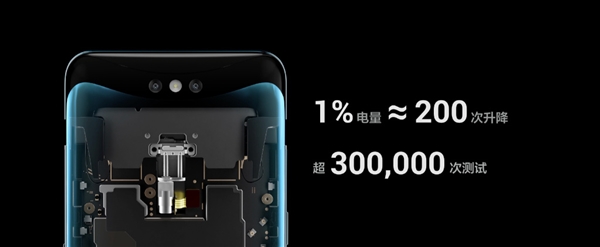
According to the innovative phone maker, the Find X’s dual-rail periscope was subjected to over 300000 rigorous tests in its R&D lab. The firm then gave an estimation that at a daily usage rate of 150 times, the Find X’s dual-rail periscope structure can guarantee more than 5 years of use. In addition, only 1% of the power of the mobile phone is required, which can support about 200 times of the periscope on a full charge. Of course, it is rare to use the selfie camera up to 150 times daily. Besides, with the rapid recycle rate of mobile phones, most users must have replaced the Find X in 5 years time. The tech giant also hinted that the Find X comes with a fall auto-recovery mechanism. This mechanism is divided into three stages, namely: free-fall detection, signal command, and periscope recovery to ensure the dual X-ray periscope of Find X gets full security protection. In other words, the dual-rail periscope retracts when a free fall is detected.
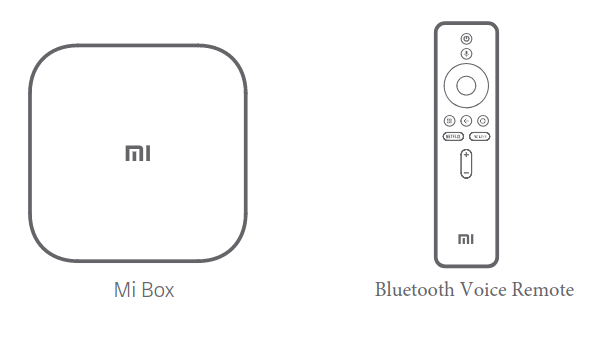
The Xiaomi Mi Box 4 may get launched in the US soon as it has been spotted on the FCC’s website. Images of the device show it will come with a redesigned remote with two new buttons.
The Mi Box 4 originally launched in China earlier this year along with a less powerful version called the Mi Box 4c. It has a redesigned body, a new remote, and comes in white. The version seen at the FCC has the same design but comes in black and has a different remote.
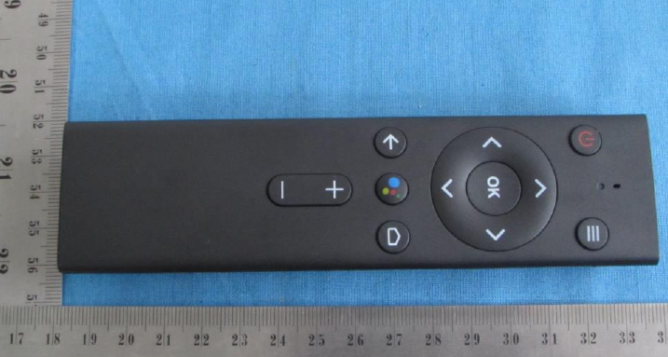
Unlike the Chinese version, the Mi Box 4’s Bluetooth remote seen at the FCC has a dedicated Netflix button below the Android navigation keys. There is also a second button beside it which is a shortcut for Live TV. Then there is the microphone button for launching Google Assistant directly under the power button.
Google Android TV Dongle Remote
We are surprised the microphone button doesn’t have the Google Assistant logo like the remote for the Android TV dongle seen at the FCC a few months ago. We are also wondering if the launch of the Mi Box 4 won’t affect the Android TV dongle.
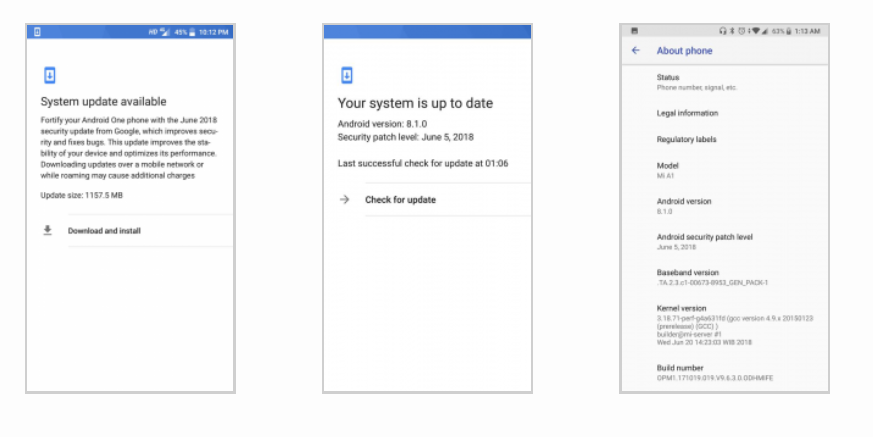
If you own the Mi A1, there is a chance you have received a new update. Although Xiaomi only says the update brings June’s security patch, it also updates the device to Android 8.1 Oreo and comes with some serious bugs.
The update which weighs in at about 1.15GB is wiping SMS history for several users. It is reported to happen when you swipe away the messages app in the recent apps menu. It is advised that you back up your messages. The update is also said to cause SafetyNet, a Google security API to know if your device is in a known-good state, to fail.
Apart from these issues, everything else seems fine. The Android 8.1 Oreo update brings features like battery indicator for connected Bluetooth devices, an adaptive SystemUI theme that changes based on your wallpaper (dark wallpapers give black quick settings menu and bright wallpapers give a white quick settings menu), and new emojis to name a few. The update is also said to improve the audio quality of the device.
Earlier this year, in March, Vivo launched Vivo V9 smartphone featuring 4GB RAM. Now, the company has launched a 6GB RAM variant of the Vivo V9 in Indonesia. The smartphone is priced at IDR 4,299,000 in Indonesia, which roughly converts to $301.
The smartphone will be available in two color options — Black and Red. It is currently available for pre-order which will run through July 5. However, there is no information on whether it will be arriving in other markets where the Vivo V9 is already available.
While the design of the smartphone is similar to the standard Vivo V9, this upgraded model comes with major changes in terms of specifications. It still boasts a 6.3-inch Full-HD+ IPS FullView Display with 19:9 screen aspect ratio and a 90 percent screen-to-body ratio.
Under the hood, the device is powered by Qualcomm Snapdragon 660 processor, while the standard edition was powered by Snapdragon 626 SoC. The processor is coupled with 6GB RAM of RAM, which has been bumped up from 4GB in the standard variant.
While the processor and RAM received an upgrade, the camera has been downgraded. This newer model comes with a 13MP + 2MP dual rear cameras and a 12MP front-facing snapper while the original model features a dual rear camera setup with 16MP + 5MP sensors and a 24MP front-facing camera. It supports AI-based Face Beautify app for the selfie and video call beautification, and also ‘AR Stickers’, apart from a ‘Portrait’ lighting effect and Bokeh depth-of-field effect.
The phone also comes with Face Access 2.0, which unlocks the device using face recognition. Connectivity options like 4G VoLTE support, Wi-Fi, Bluetooth 4.2, 3.5mm audio jack, and micro-USB port. The smartphone runs on Android 8.1 Oreo operating system out of the box with the company’s own FunTouch OS 4.0 on top. The device is fuelled by a 3260mAh battery, with no support for fast charging.
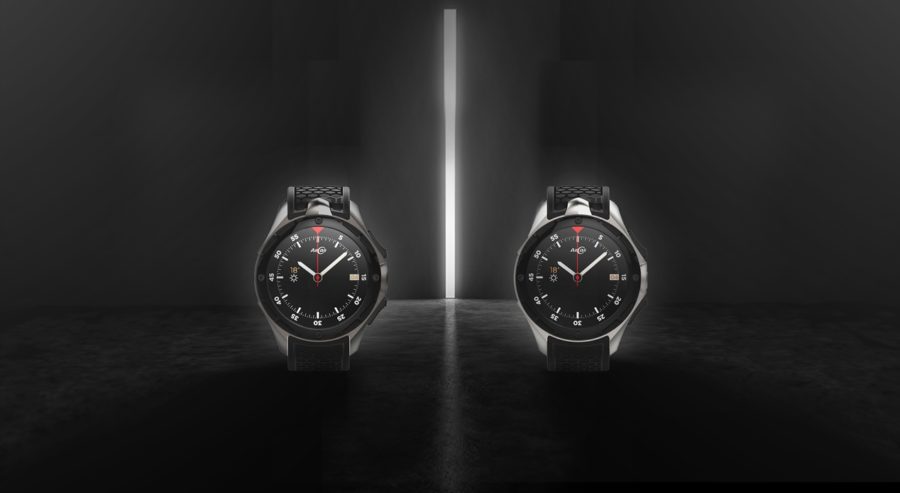
The AllCall W2 was announced earlier this month. This is the second smartwatch phone from the Shenzhen-based tech firm that primarily focuses on manufacturing mobile phones.
The W2 garnered skyrocketing popularity among tech buffs not only because of the well-received W1 predecessor but also because it boasts an array of awe-inspiring features. There are no prizes for guessing, the feature-laden smartwatch phone doesn’t come cheap.
If you’ve been waiting to get your hands on the power-packed AllCall W2 without emptying your pocket, we got good news for you. The W2 is currently up for grabs at a massively reduced price of just $129.99 on CooliCool.
CooliCool is doling out a 28% off on the device’s original asking price of $179.99. In other words, the popular Chinese online electronics store is giving cost-conscious buyers an opportunity to save $50 on the coveted AllCall W2 smartwatch.
The noteworthy reduction in the device’s relatively steep retail price will be valid for black and silver color versions. The AllCall W2 is quite a bargain at this reduced price, given that it possesses a slew of high-end features.
First off, the smartwatch comes with an IP68 waterproof certification, which is deemed as the highest protection level for mainstream electronics, standard IEC60529. Even if dunked into 5 meter-deep-water, the smartwatch continues to function as normal. This makes the AllCall W2 ideal not only for day-to-day life but also for outdoor activities.
Moreover, the AllCall W2 features a broad range of sports-focused features. The smartwatch comes with a built-in heart rate monitoring chip, which enables the W2 to keep a track of your heart rate, providing its wearer a scientific data to embrace a healthier way.
As if that weren’t enough, AllCall offers 9 different sports modes such as swimming, running, and riding just to name a few. The wearer can select one of the aforesaid modes and set a target time for exercising, calorie consumption and begin exercising as the watch records his/her exercise status in real time.
You can head straight to this link in order to check out the full specification and features and buy the AllCall W2 smartwatch, which will be up for grabs at a lowered price on CooliCool for a limited period of time.
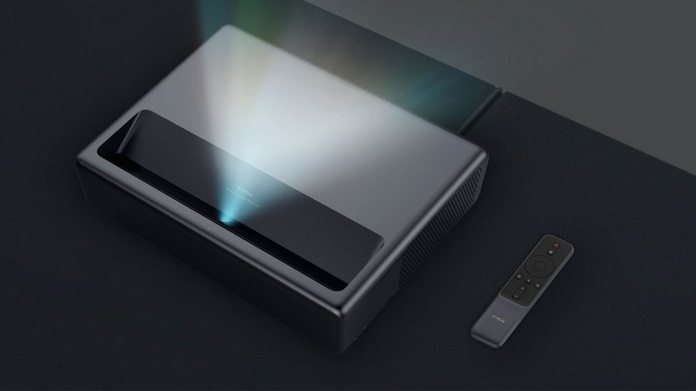
Touted as world’s first ALPD (advanced laser display) technology equipped ultra-short projector, the WEMAX ONE MJJGYY01FM Ultra Short Throw 7000 ANSI Lumens laser projector can deliver up to 150-inches of full high-definition images in 5cm. The device comes with an impressive product life of up to 25,000 hours.
The feature-laden WEMAX Ultra Short Throw 7000 ANSI Lumens laser projector would normally set you back a pretty penny on online stores, but cost-conscious buyers who have restlessly been waiting to get their hands on the feature-laden projector have something to cheer about, thanks to GearBest’s latest Flash Sale. Let’s check out the details.
Much to the delight of cinephiles who fancy a big-screen movie viewing experience in the comfort of their homes without shelling out a fortune, GearBest is offering the Xiaomi WEMAX Ultra Short Throw 7000 ANSI Lumens projector at a slashed price of just $1999. This is a noteworthy 16% reduction in the device’s original asking price, which will be valid for a limited period of time.
The WEMAX Ultra Short Throw 7000 ANSI Lumens laser projector is quite a bargain at this heavily slashed price, given that it boasts a broad range of jaw-dropping specs and features. The high-tech product adopts a compact, minimalist box design language coupled with a cautiously-maintained host and Bluetooth remote control design style consistency in a bid to achieve user-friendly design goals.
The user can control the host in any corner of the room without breaking much of a sweat. The high-end laser projector features interactive ways such as a voice assistant to find programs while delivering an unparalleled movie viewing experience.
Aside from top-notch lasers, the device also comes with a high-end speaker system that produces a true-to-life movie viewing experience. As if that weren’t enough, the projector offers a maximum of 7000 lumens source brightness as well as a 3000: 1 native contrast.
You can head straight to this link in order to check out the full specification and take advantage of the discount. It’s worth noting that the Flash Sale price will only be valid for the remaining 99 pieces although there are still 19 days remaining for the promo.
We use cookies on our website to give you the most relevant experience by remembering your preferences and repeat visits. By clicking “Accept”, you consent to the use of ALL the cookies.
This website uses cookies to improve your experience while you navigate through the website. Out of these, the cookies that are categorized as necessary are stored on your browser as they are essential for the working of basic functionalities of the website. We also use third-party cookies that help us analyze and understand how you use this website. These cookies will be stored in your browser only with your consent. You also have the option to opt-out of these cookies. But opting out of some of these cookies may affect your browsing experience.
Necessary cookies are absolutely essential for the website to function properly. This category only includes cookies that ensures basic functionalities and security features of the website. These cookies do not store any personal information.
Any cookies that may not be particularly necessary for the website to function and is used specifically to collect user personal data via analytics, ads, other embedded contents are termed as non-necessary cookies. It is mandatory to procure user consent prior to running these cookies on your website.