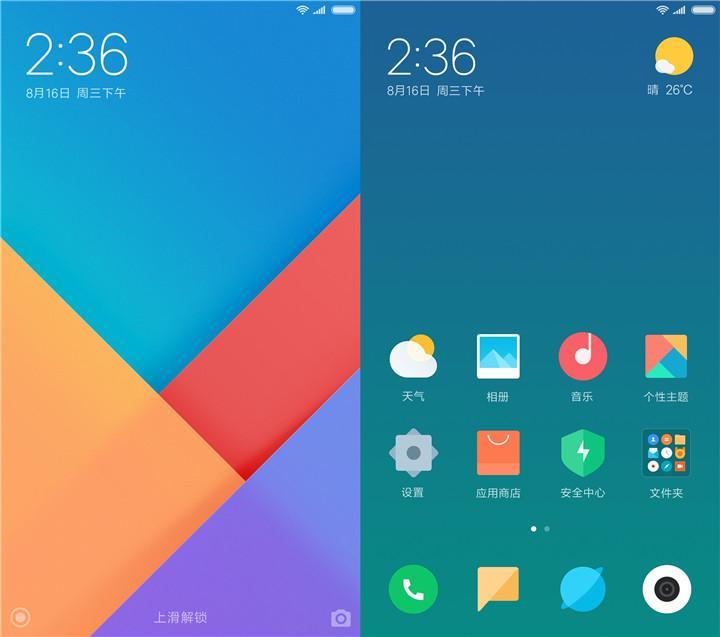
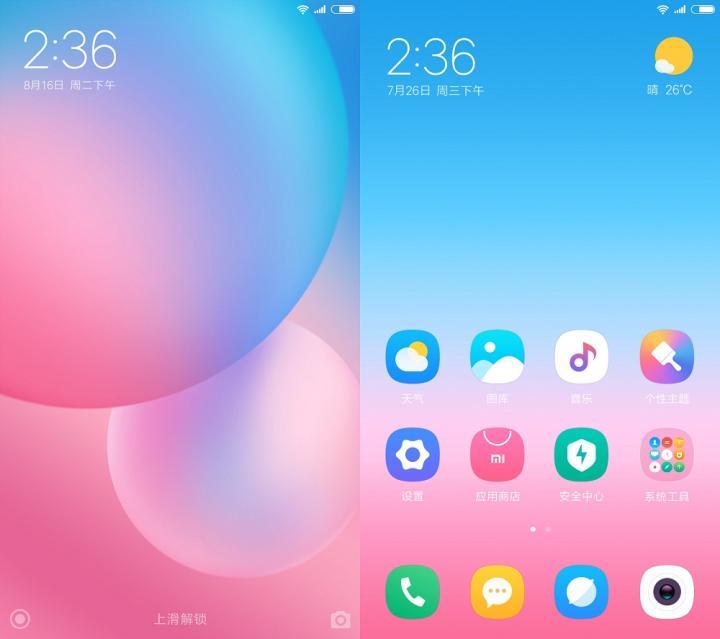
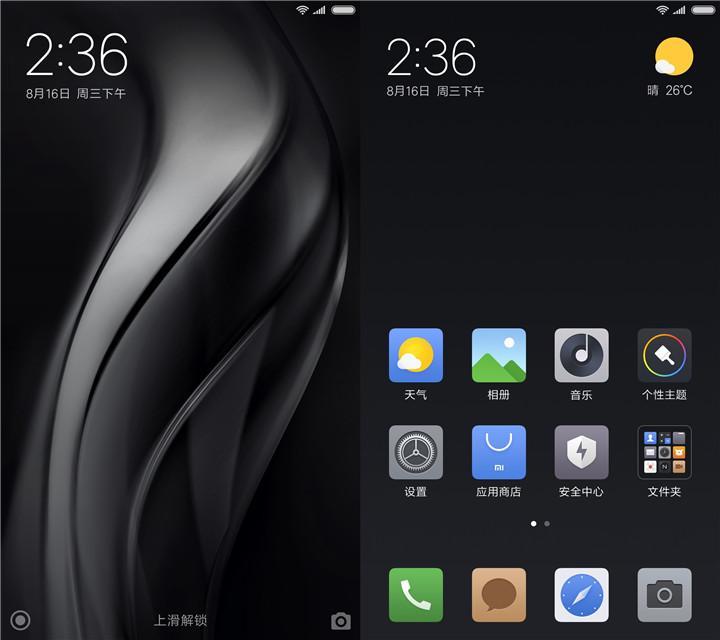
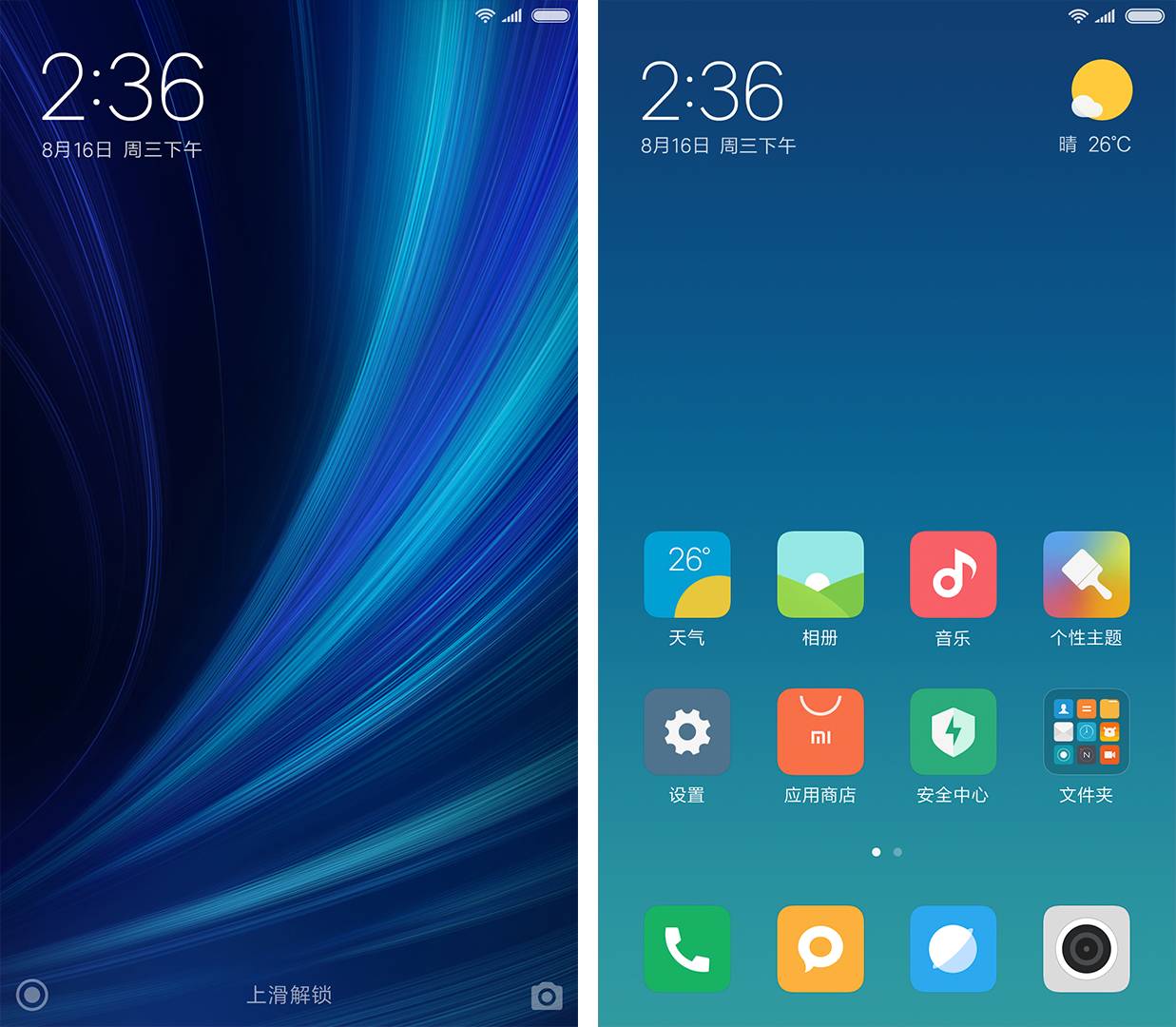
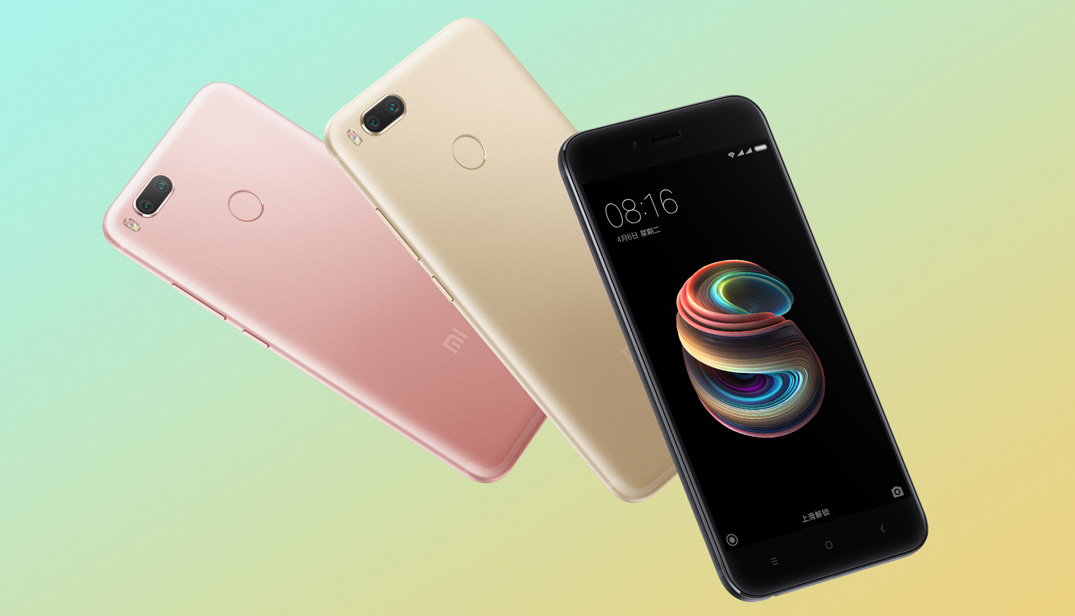
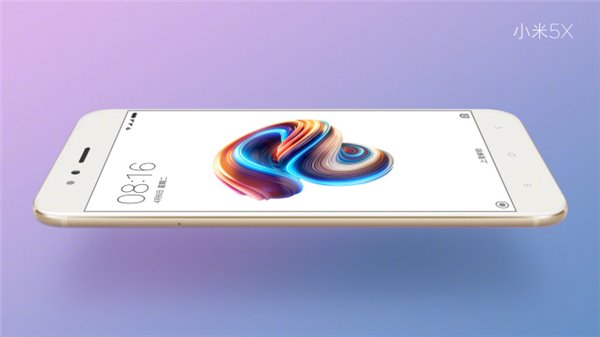
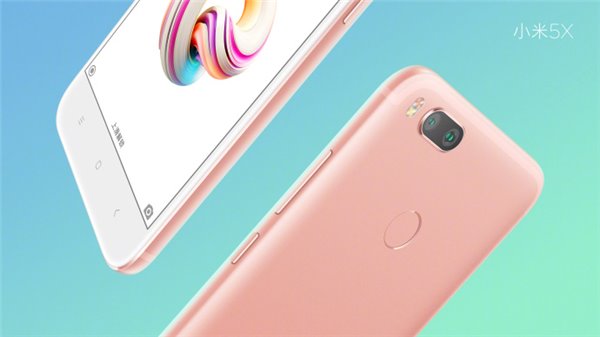
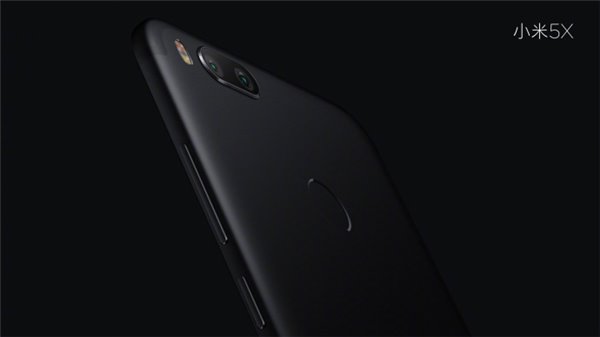
Xiaomi kicked off today’s event with the official launch of MIUI 9, the latest version of its custom ROM. Before the announcement, Xiaomi took the time to list off the achievements of the ROM.
MIUI 9 has been in the making for about a year now and now it is finally official. A majority of the new features are system optimizations which should result in a smoother experience, though there are also some visual changes. Lets run through some of the key ones.
System Optimization
Xiaomi has worked hard on making MIUI 9 as smooth as possible when it comes to performance. MIUI will never be stock android but that doesn’t men it can’t be optimized to be equally fast and responsive even with its advanced customization features.
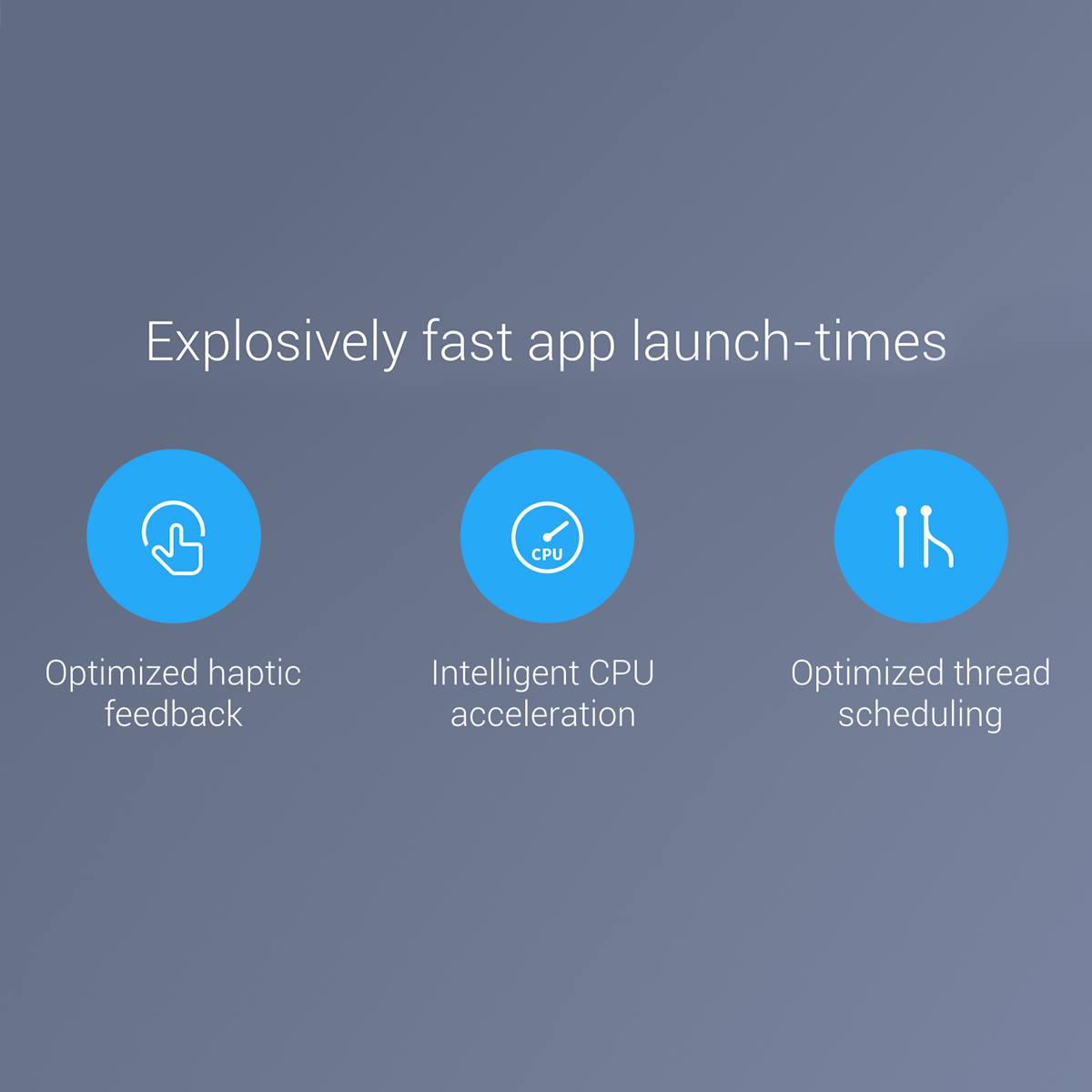
App launch has been improved by the addition of Dynamic Resource Allocation. What this does is use critical thinking to give your favorite apps priority when it comes to CPU allocation. This way your most used apps open up faster.
Haptic feedback has also been improved and there is an automatic cleaning process
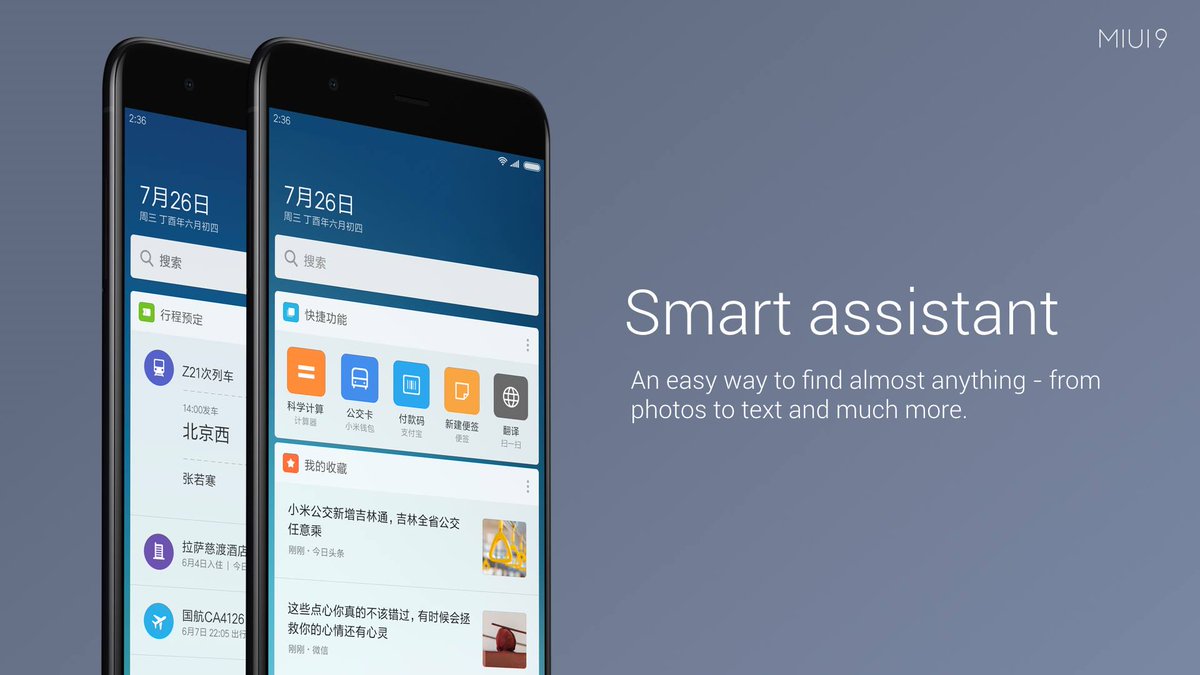
Smart Assistant
MIUI 9 comes with a smart assistant that lets you search for almost anything within your device. If you are looking for that text from a particular day or picture from a particular event on your phone, the assistant is your best help at finding it fast. All you need is a bit of information such as the date, location, and even expression when it comes to images.
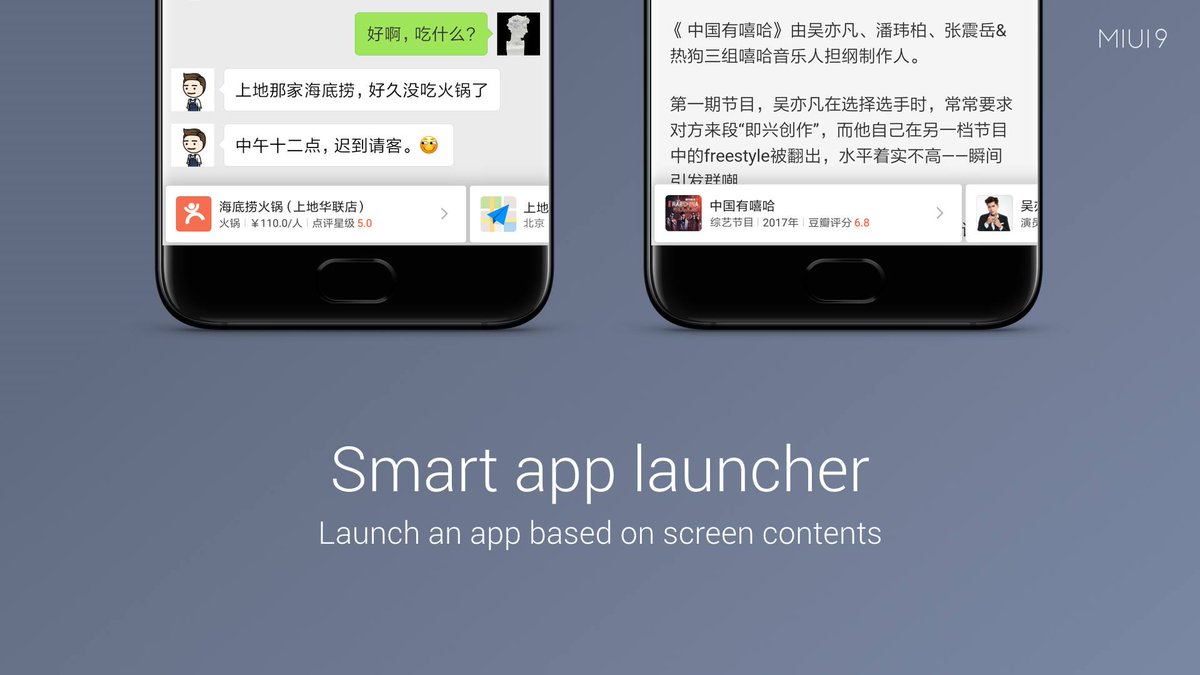
Smart App Launcher
This uses an algorithm to suggest apps based on what’s on your screen. So don’t be surprised if you get suggestions to bring up the maps app or ride booking app when you are talking about going out.
When Apple iPhones arrived in China, the company started reigning on the number one spot and it remained like that for few years.
However, in 2016, iPhone lost the title of best-selling smartphone in China for the first time and the Cupertino company seems to continue its poor streak this year.
A recent market analysis by Canalys for the second quarter of 2017 has revealed that Apple is sitting on the fifth position in the Chinese smartphone market.
Here are the top 4 smartphone brands in China ranked by Canalys based on the number of phones they shipped:
Huawei: 23 million
OPPO: 21 million
Vivo: 16 million
Xiaomi: 15 million
Xiaomi has taken the fourth position and pushed Apple to the fifth spot. Samsung and Meizu are other popular brands that are present in the top 10 list of smartphone vendor in China. The top four brands constitute around 75 percent of 113 million smartphone shipments in the country.
Apple’s iPhone sales have declined by 14 percent year over year in the last quarter. By this rate, Apple is at risk of losing its fifth position in the Chinese market.
Apple is expected to see high profits margins in the last quarter of this year because of the highly anticipated the 10th anniversary iPhone dubbed as iPhone 8.
Apple’s sales are expected to grow to $9.96 billion in the last quarter and iPhone 8 can possibly turn Apple into a trillion-dollar company. The iPhone 8 is expected to revamp the influence of the Apple brand in China.
Recent information has revealed that the Cupertino company has started the trial production of the rumored iPhone 7S, iPhone 7S Plus and iPhone 8.
Information coming from Zhengzhou Foxconn unit reveals that it is manufacturing around 200 units of upcoming iPhones on daily basis. It means the mass production of 2017 iPhones have not started yet.
The company is expected to increase the production by manufacturing hundreds of thousands of 2017 iPhones on daily basis in the coming weeks. Recent rumors had claimed that the production of iPhone 8 had been delayed, but newer information suggests that the production of iPhone 8 is well on track. However, Apple may produce lesser units of the iPhone 8 at launch.
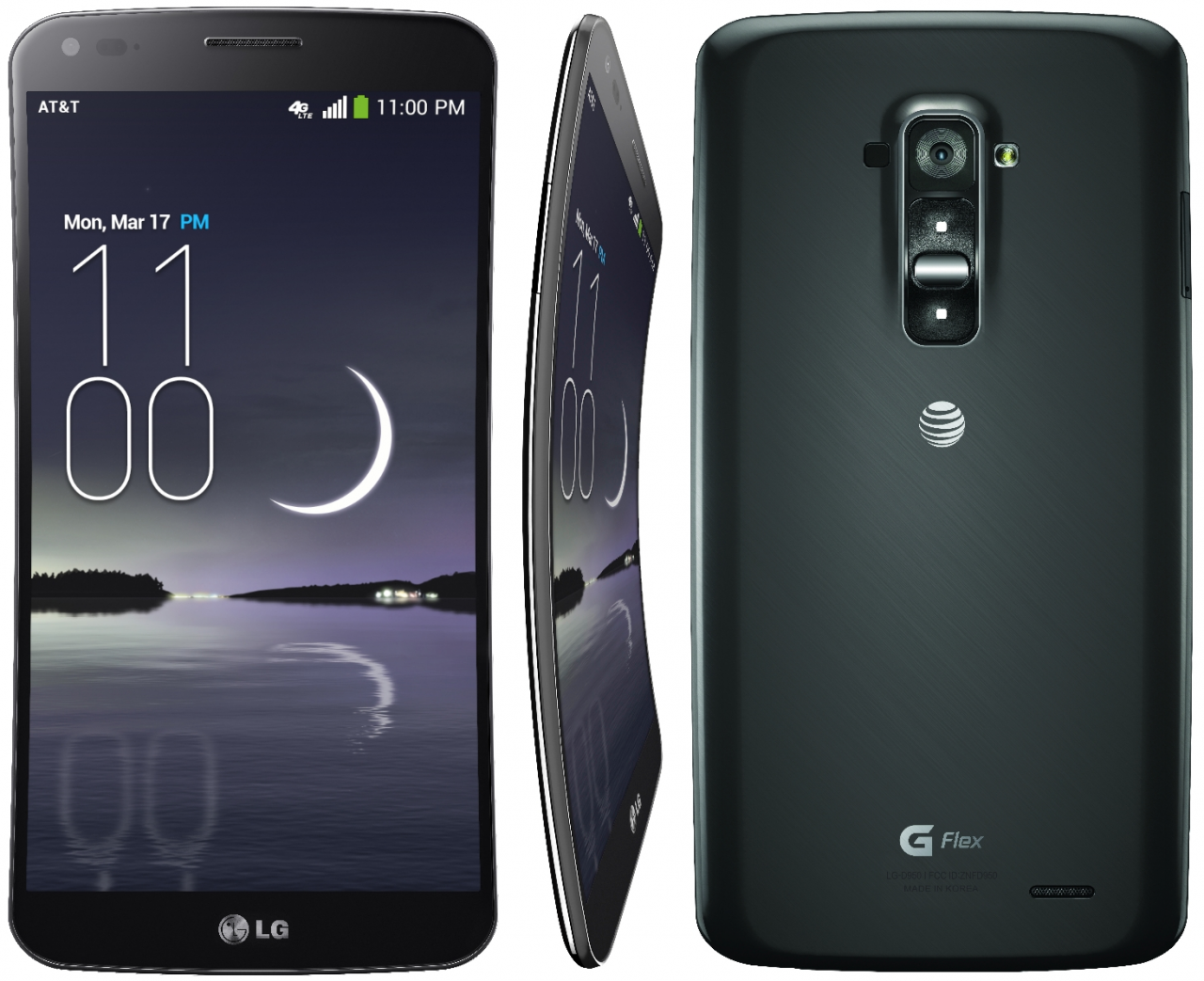
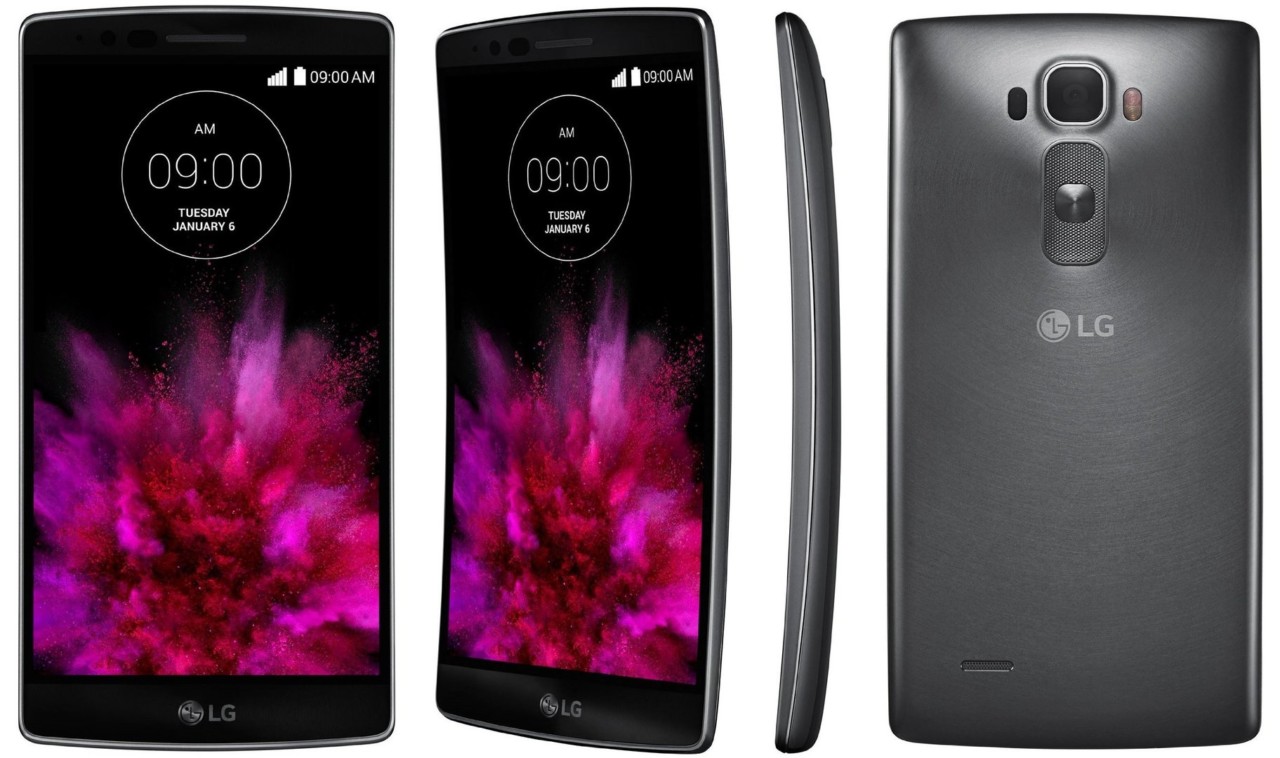
LG did not release LG G Flex 3 after launching the LG G Flex 2 in 2014. The LG G Flex smartphones sported a curved display. The display was not curved on the sides unlike recent curved edge smartphones. However, it was curved at the top and bottom. The unique appeal that the LG G Flex series phones sported was because they were fitted with Plastic OLED (POLED) display panel. Fresh information suggests that we could more smartphones with POLED screens in the near future.
As the name goes, POLED screens have a plastic substrate instead of glass that is found in conventional OLED panels. One of the advantages of POLED panels is that since plastic is thinner in nature, it is more flexible compared to glass. However, there are not many smartphones after the LG G Flex phones that have made used of POLED panels. The other benefit of having POLED screen is that it is highly durable and can absorb more shock compared to glass OLED. So, the risk of cracking the POLED screen is very low.
POLED may soon appear on numerous smartphones in the near future because LG Display is heavily investing in additional production facilities that will be ready in the next two years. The recent earning report from LG Display reveals that it has increased monthly production of POLED by 30,000 input sheets. With its 6th generation line coming up in Gumi by third quarter of 2017 and in Paju by second half of 2018, LG Display would be able to produce a total of 65,000 input sheets per month. LG Display aims to produce a total of 120 million 6-inch POLED panels annually.
Since there is less demand for POLED panels with the clients and less number of production facilities at present, LG Display has held back its sales even though it is ready with enough stock to take on rivaling products that are available in the market. LG Display has already invested 7.8 trillion KRW and it is investing 5 trillion KRW in its 6th generation line in Paju. LG Display is making such huge investments in order to meet the expected market demand of 120 million POLED panels by next year and 370 million panels by 2020.
The LG G Flex phones did not receive good reception from the consumers probably because of the low display resolution. At that time, when other smartphones sported full HD resolution screens, the original LG G Flex’s screen produced HD resolution. When the LG Flex 2 came with a full HD screen, other flagships arrived with Quad HD screens. According to Android Authority, the prototype of a smartwatch and a smartphone with POLED screen appear like edge display technology from Samsung and carry support for full HD and Quad HD resolutions which shows that LG Display is able to manufacturer higher resolution plastic OLED panels without any problem.
LG Electronics will surely make use of POLED panels on future LG phones and Apple and Google are also expected to place huge orders for it with LG Display soon. There is a possibility that LG may resurrect the LG G Flex series by launching the POLED screen enabled LG G Flex 3 in the near future. Apart from smartphones and smartwatches, LG Display may also make its way in automotive industry in various departments ranging from dashboards to infotainment systems.
It is now very clear that Xiaomi will be launching the MIUI 9 along with the Mi 5X in only a matter of hours. What has also become certain is that the Chinese tech giant will be launching a new product from the Xiaomi Exploratory laboratory (Mi Lab) during the event.
Today, the Xiaomi Mi Lab Weibo page became busy with activity, teasing the launch event and what is likely a new product under the brand. The product wasn’t revealed but Xiaomi’s MI VR general manager took to Weibo to inform about the launch of a new product. The Xiaomi exec gave the idea that the product will be announced in the same iconic manner as Steve Jobs used to announce the last product during his Apple days using the “One More Thing” mantra. From the comments on his post, the product is likely a Smart Speaker just as we hinted.
If this is a Smart speaker, then we can also expect new Artificial Intelligent technology (AI) from Xiaomi. We don’t know the features of the Smart speaker but it is tipped as similar to Amazon’s Echo and other intelligent Voice assistants.
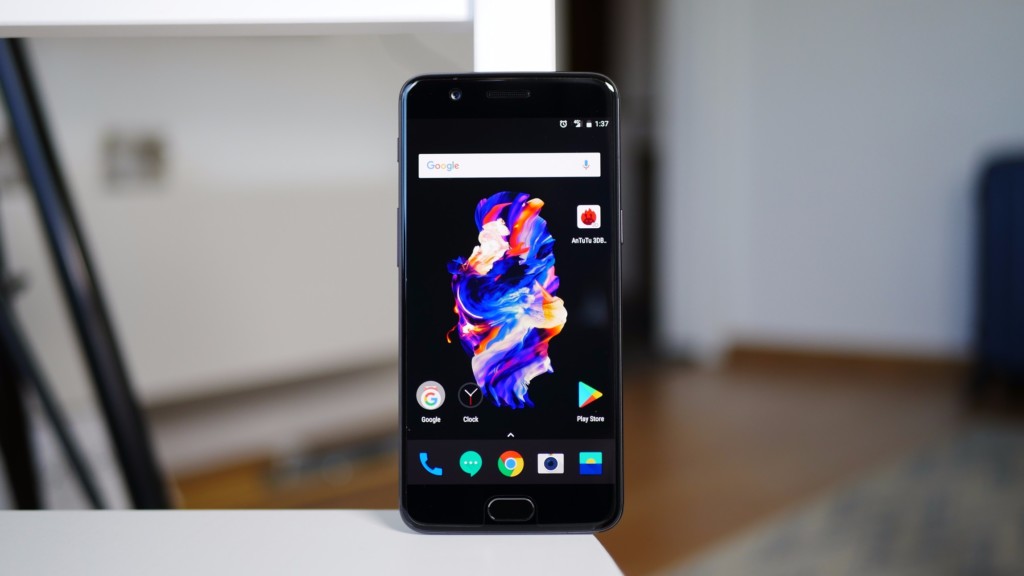
In the previous week, several owners of OnePlus 5 claimed that the smartphone automatically rebooting when they tried dialing emergency number like 911 in the U.S. or 999 in the U.K. All OnePlus 5 users did not complaint about facing the same problem, but many users were issue. Some even managed to capture the issue on a video. The issue has been resolved through a software update that was released last Friday.
It appeared like a serious problem as it prevented them from making calls to emergency numbers. OnePlus has now released an official statement on its forums to revealed what caused the issue and how it managed to fix it by working with Qualcomm.
According to OnePlus 5, the issue cropped up when users tried calling emergency numbers through Voice over LTE (VoLTE) which triggered OTDOA (Observed Time Difference of Arrival) protocol. The OTDOA connects with network signal towers and measures the time required for an LTE signal to reach a cellular tower. This allows the it to find out the exact location of the phone which is very important for the cops or other officials of that nature to find out the exact location of the caller. It only works when the emergency number is compatible with this system.
According to OnePlus, the rebooting issue while calling emergency numbers occurred randomly for users on VoLTE. The issue happened because of the problem with memory usage that was trigged from receiving and sending of OTDOA data. It meant that the problem was associated with the software as well as how it communicated with the cellular modem of the OnePlus 5.
As mentioned before, all the OnePlus 5 units were not affected by this problem. The reason behind it is that all the users do not make use of VoLTE to make phone calls and also not all the emergency numbers carry support for OTDOA. Since the issue was associated with the modem, OnePlus worked with Qualcomm to develop a software patch and it was quick enough to resolve the issue by releasing OxygenOS 4.5.6 and it seems to be in the process of reaching the global users of OnePlus 5. The size of the hotfix is 32 MB and its description reads: Fixed reboot caused by dialing 911 on certain OnePlus 5 units.
Have you faced this issue? Did you receive the software update that resolves the problem? Do let us know by adding your comments below.
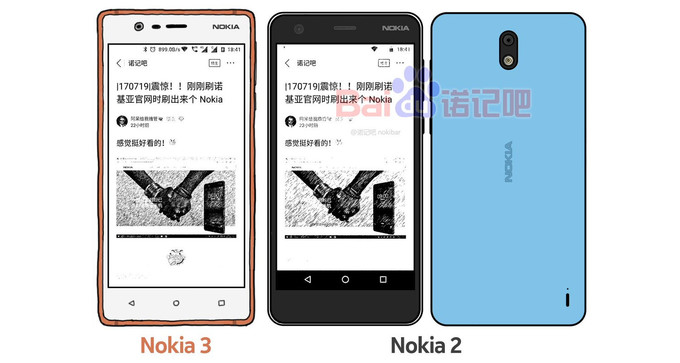
In February, Nokia had released smartphones like Nokia 6, Nokia 5 and Nokia 3 and soon it will launch it will be introducing its second batch of smartphones. Speculations have it that the forthcoming smartphones of Nokia are Nokia 8, Nokia 7 and Nokia 2. HMD Global has already confirmed that it would be debuting the Nokia 8 flagship phone on Aug. 16. It seems that the arrival of the Nokia 2 entry-level phone is approaching fast as its leaked render has appeared and it has been also spotted on Geekbench benchmarking site.
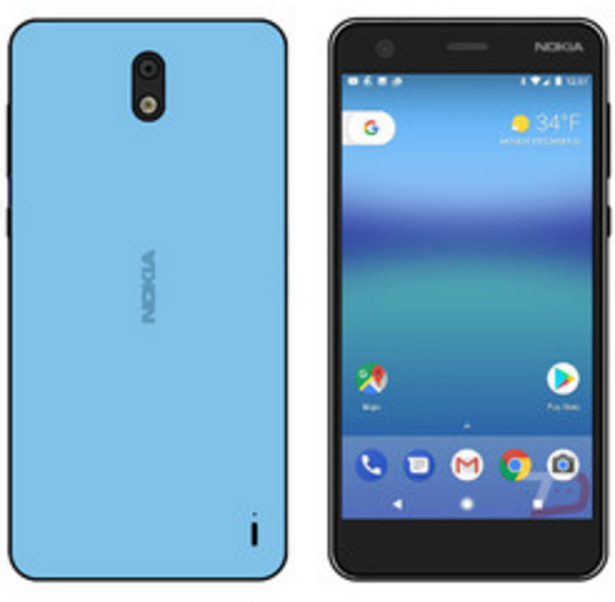
In the past week, an image showing the frontside of the Nokia 2 placed alongside a drawing of Nokia 3 had appeared. It revealed that the shape and size of the smartphone is quite similar to the Nokia 3 phon. This suggested that the Nokia 2 would be featuring a 5-inch HD screen with on-screen buttons. Today, a new image of the Nokia 2 has appeared to reveal its frontside as well as backside of a light-blue colored variant
The Nokia 2 has rounded corners. Its bezels surrounding the display are thick. The top bezel has a selfie camera, an earpiece and a Nokia logo. The volume rocker and the Power key are placed on the right side of the phone. It seems that the handset is running on Android Nougat. There is no physical Home button below the display. The backside of the phone has single camera with its LED flash below it. A Nokia logo is placed at the center and an external speaker can be seen sitting at the bottom-left of the back panel. The image does not reveal the connectivity ports of the phone. However, it seems that it will be featuring a 3.5mm audio jack and a microUSB port.
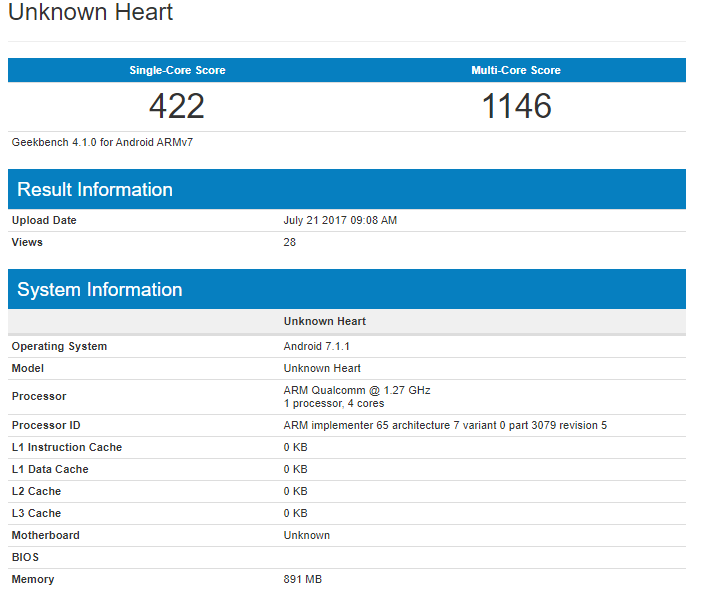
The Nokia 2 handset has allegedly appeared as Unknown Heart phone on Geekbench to reveal some of its key specs. It confirms that the smartphone is running on Android 7.1.1 Nougat. It is powered by a quad-core processor that clocks at 1.27 GHz which is coupled with 1 GB of RAM. The processor that is powering the Nokia 2 is speculated as Snapdragon 212. It has recorded a single-core score of 422 and a multi-core score of 1146. Rumors have revealed that some regions will be receiving Nokia 2 fueled with Snapdragon 212 whereas other regions will be getting MediaTek driven variant of the phone.
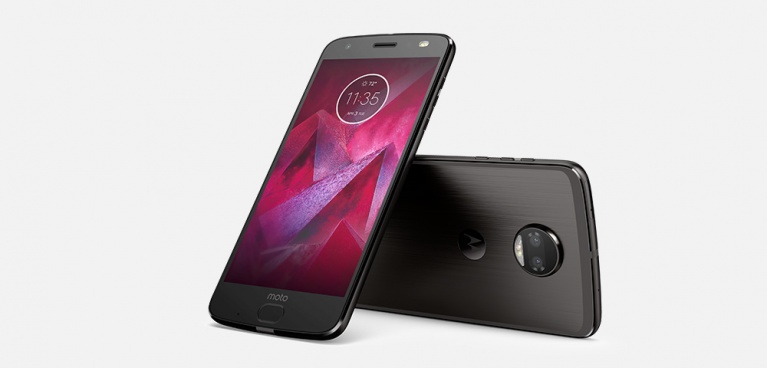
Motorola finally takes off the wraps on its latest flagship, the Moto Z2 Force. For starters, this is the successor to both the Moto Z and the Moto Z Force. So don’t expect a separate Moto Z2.
We have seen tons of images ahead of the official launch and by now we should all be familiar with the Moto Z2 Force. There have been slight modifications with respect to the design, but the overall look remains largely unchanged.
Moto Z2 Force Design: Keeping It Simple
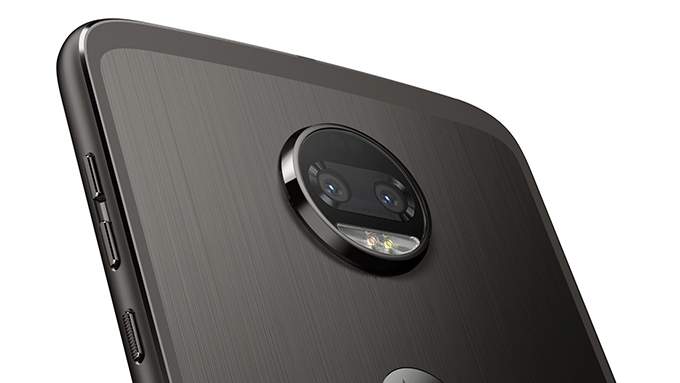
The biggest changes in the overall design are at the back. Unlike the first gen model that has a glass back that doubles as a fingerprint magnet, the Moto Z2 Force ditches it for brushed metal.
Running around the metal back like a border line are the antenna lines in a lighter shade of black/ash. The Moto Mod connector pins have gotten a redesign too but they still work with the older mods.
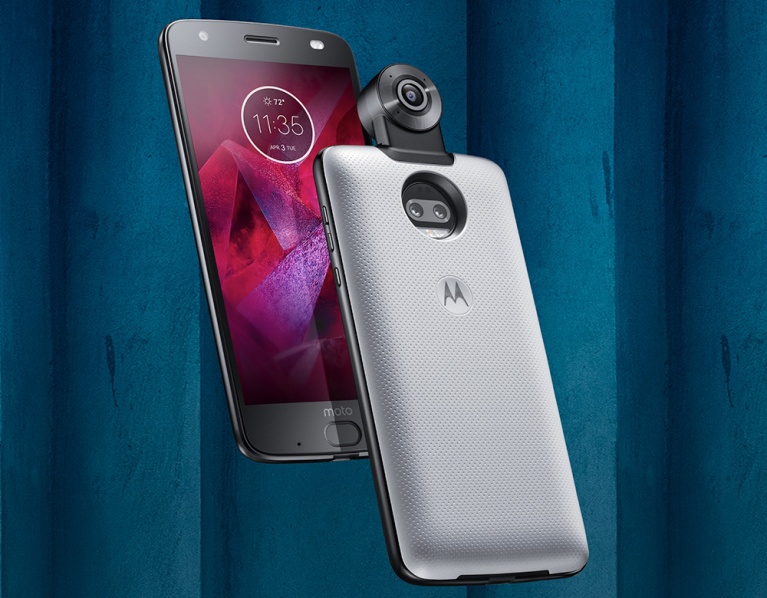
The camera bump is still there but it now holds two sensors and dual LEDs for flash. The whole setup sort of looks like the face of a Rabbid.
The changes in the front are minimal. There is a redesigned home key/fingerprint scanner and the position and design of the LED flash has been changed.
Moto Z2 Force Specs
The Moto 2 Force has a 5.5-inch 2K POLED display with Shattershield protection. There is 4GB of RAM, 64GB of storage and the Snapdragon 835 mobile platform. That memory configuration is for the US.
The rest of the world gets 6GB RAM and 64GB of storage while China gets 6GB RAM and 128GB of storage. All variants will have microSD card slots.
Depending on the market, you either get a single SIM slot or dual SIM slots but irrespective, it will be nano. There is dual band WiFi with MIMO; NFC; and Bluetooth 4.2 which Motorola says will become 5.0 after the Android O update and a whole bunch of sensors including an audio monitor.
The Moto Z2 Force doesn’t have an audio jack but you get a 3.5mm to USB type-C adapter.
Just like the Moto Z2 Play, the Moto Z2 Force also ditches its bigger 3500mAh battery in favor of a smaller 2730mAh one. The only plausible explanation behind this is to get you to buy the Moto Mod battery pack according to Evan Blass.
The Moto Z2 Force runs Android 7.1.1out of the box and comes with Motorola’s additional features like voice control and Moto gestures.
Moto Z2 Force Cameras: Mono + Color
Motorola has adopted the mocochrome + color format for the dual cameras on the Z2 Force. Both sensors are 12MP Sony IMX386 cameras with a f/2.0 aperture and a 1.25um pixel size.
There is laser autofocus, zero shutter lag and depth detection. You can take images with the depth of field effect or modify the “image background or foreground to black and white, while keeping the main subject in color mode”.
The front camera is a 5MP f/2.2 sensor with its own flash and pro mode.
Moto Mods
Motorola also officially showed off the Moto 360 Camera mod. The 360 cam mod shoots in 4K with immersive audio. It has a 150° field of view and you can use it to live stream directly to your social media accounts. It has a price tag of $299.99.
The Moto Z2 Force will be available in Super Black, Fine Gold and Lunar Grey. All carriers in the US will have it but the grey model is a T-Mobile exclusive. It will also be sold by Motorola itself and Best Buy.
Price starts at $720 and it will go on sale on August 10 with a free Insta-Share Projector Moto Mod. Pre-orders begin today.
The Moto Z2 Force will also be launched in Brazil, Mexico, China, Europe, Middle East and Africa in coming weeks.
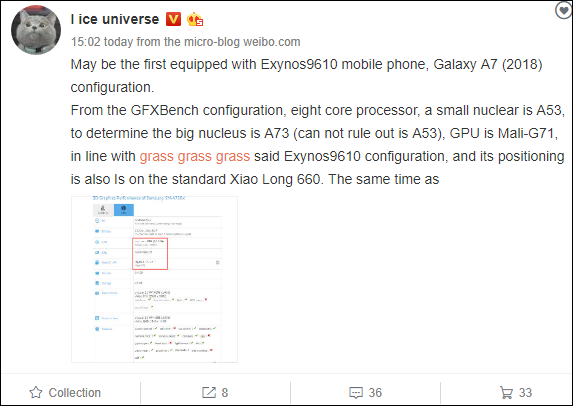
Samsung is very much focused on the mid-range segment in addition to its flagship Galaxy S and Note series. The company was recently rumoured as working on a mid-range Exynos 9610 processor which would take on the Snapdragon 660 chip. The Samsung Galaxy A-series is tipped to feature the chip first.
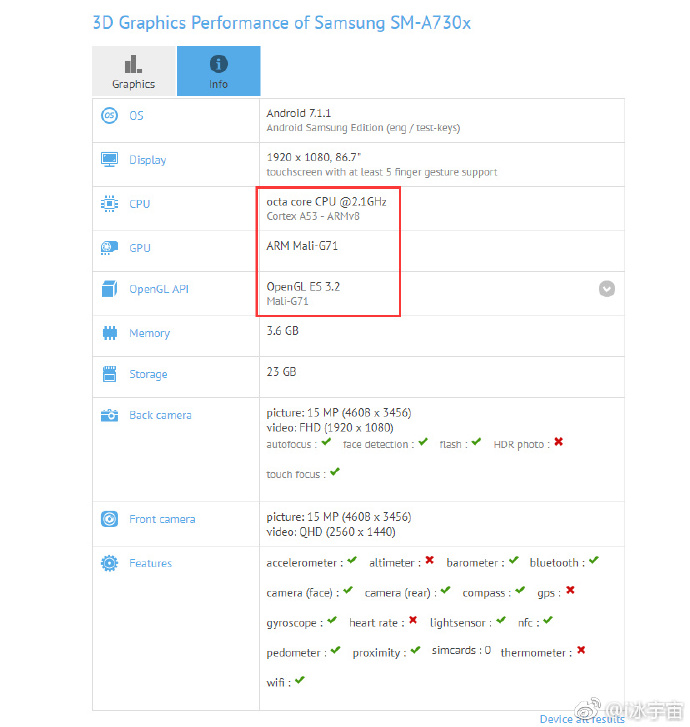
Right now, a GFXBench test result screenshot alleged to be that of the Exynos 9610 chip has leaked via Weibo. The benchmark result is listed for a Samsung device with model number SM-A730x which is believed to be the Galaxy A7 (2018). The device is listed to feature a 2.1GHz processor with Cortex-A53 core and Mali-G71 GPU which is consistent with those of the Exynos 9610, well except the GPU. Configuration wise, the Exynos 9610 is said to be manufactured using the 14nm LPP process and integrates the entire network baseband. The chip is made up of four Cortex -A73 cores and eight Cortex-A53 cores. The Exynos 9610 is also said to feature a Mali-G72 MP3 GPU which looks like a Nvidia GPU.
The smartphone on which it is featured, that is the SM-A730x model comes with Android 7.1.1 Nougat with a Full HD display resolution. The device also packs 4GB of RAm and 32Gb of storage as well as 16MP cameras both at the front and rear. We really can’t be certain if this is the Exynos 9610 so, we’ll still have to wait for more details on it.
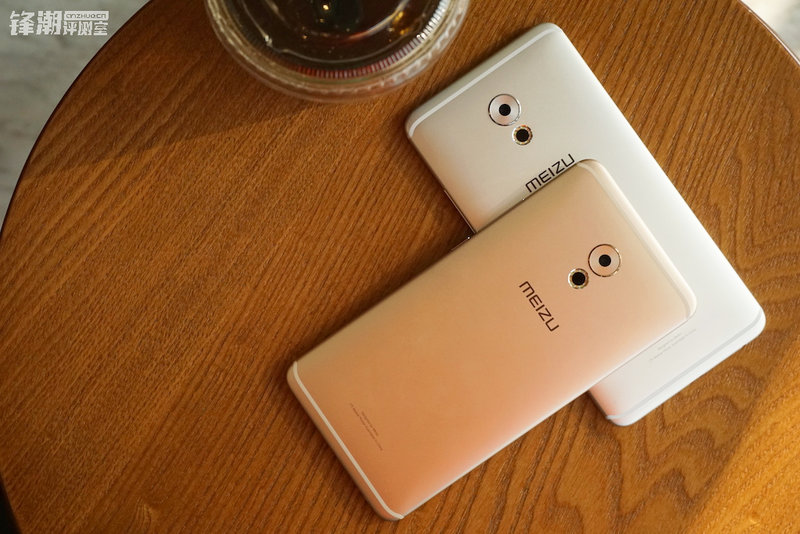
Chinese tech giant Meizu has a long-standing relationship with Samsung when it comes to the processors it uses on its smartphones. Meizu has for some time now been making use of Samsung’s Exynos chips on its flagship models, the last been on the Pro 6 Plus released last year and which really was a true flagship with an Exynos 8890 processor. Most fans were expecting the company to replicate that feat this year on its flagship model, with earlier rumours tipping the Meizu Pro 7 Plus of having an Exynos 8895 chip on board. That rumour has since been debunked to the disappointment of some fans who would have loved to see that happen.
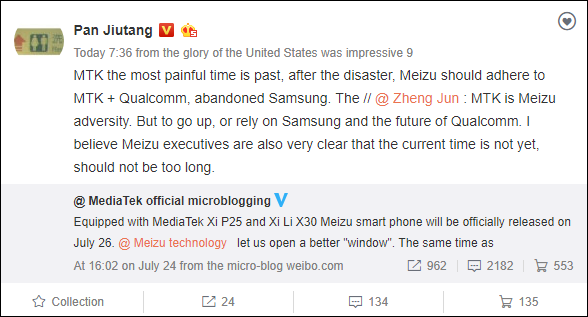
That may not be the only disappointment that may be coming the way of Meizu/Exynos fans as a new rumour by well-known analyst Pan Jiutang has hinted that the Chinese company may actually be ditching Samsung’s chips on its flagship models in favour of MediaTek’s and Qualcomm’s chips. Already, the upcoming Meizu Pro 7 flagship will feature a MediaTek Helio P25 and X30 processors on different versions.
In a similar vein, Meizu and Qualcomm recently announced that they have settled the rift that has prevented Meizu from using Qualcomm chips on its smartphones. So, the next year could see the debut of Qualcomm chips on Meizu smartphones. It is even possible for Meizu to launch a mid-range Qualcomm-powered smartphone before the end of the year.
Earlier today, we posted an article that covered the spec leak of the Meizu Pro7. It turns out that was only half of the picture, literally and figuratively. The remaining half or rather, the whole picture which includes the specs of the Pro7 Plus have surfaced online.
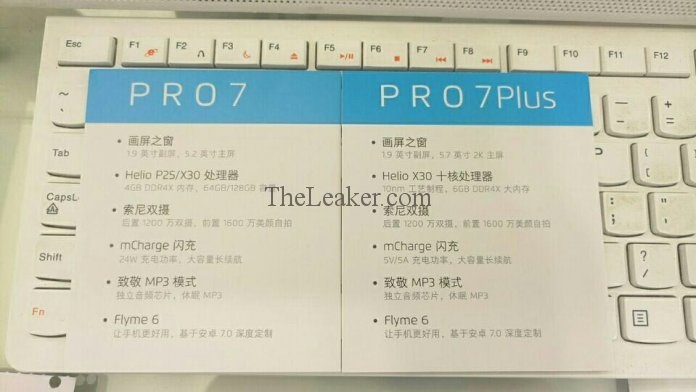
The new image reveals there will be three Pro7 variants. Two (including the Pro7 Plus) of them will have the Helio X30 while the other Pro7 will get the Helio P25.
The Meizu Pro7 Plus will have the same 1.9-inch secondary display and a 5.7-inch 2K display. RAM is 6GB DDR4X but storage isn’t mentioned. Camera details are the same as that of the Pro7.
The other difference between the variants is the charging technology. The Pro7 Plus will have an insane 5V/5A mCharge fast charge. This is higher than OnePlus’ Dash Charge (5V/4A) and we expect it to be safe as well. Is this a toned down version of the Super mCharge unveiled at MWC 2017? Most likely.
The Pro7 Plus will also arrive with Flyme 6 OS on board.
The spec release changes everything we have previously heard about the pricing details. With three models in total, it will be interesting to see how Meizu handles the pricing.
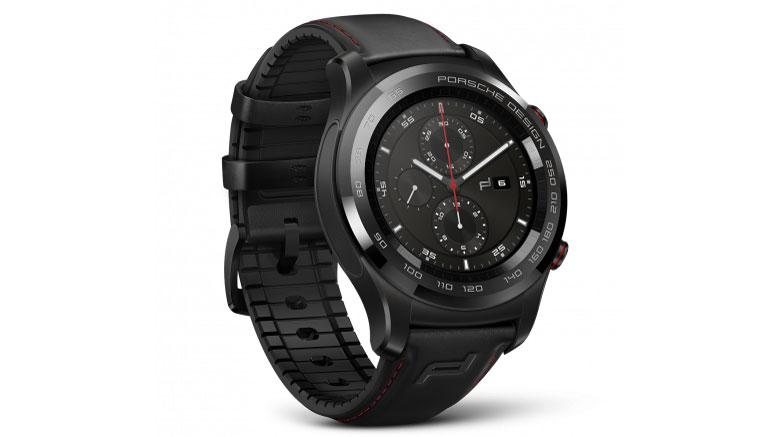
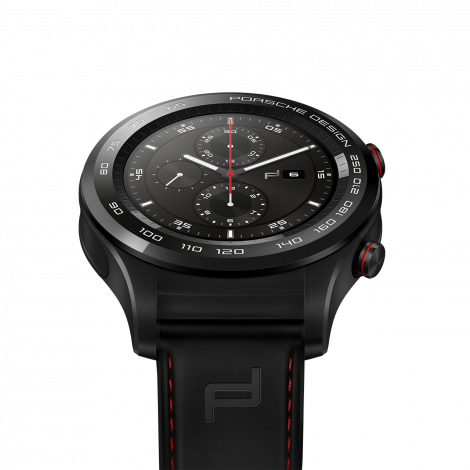
Huawei released the Watch 2 and the Watch 2 Classic at MWC 2017 as successors to its first Android Wear smartwatch. Five months later, it has added a third variant called the Huawei Watch 2 Porsche Design.
If you do remember, this isn’t Huawei’s first partnership with Porsche Design. The 2016 Huawei Mate 9 also has a Porsche Design variant and just like it this one also has a high price tag.
The specs are the same with the standard variant but it has a different design. The display is a 1.2-inch AMOLED display with a 390 x 390 resolution and Qualcomm’s Snapdragon Wear 2100 powers the device.
This model has LTE, a feature limited only to certain variants of the Watch 2. RAM is 768MB and there is 4GB of storage and 420mAh of battery. Huawei claims 48 hours of battery life with mixed usage. There is NFC, so you should have support for Android Pay. You also have Bluetooth 4.1, WiFi, GLONASS, A-GPS and IP68 protection.
In terms of looks, the Watch 2 Porsche Design is a stunner. It still has the tachymeter markings as the original but the area between 12 and 3 has Porsche Design written there. The case is stainless steel and the strap is a mixture of leather and rubber with red stitching and Porsche Design branding. There is also a watch face that has the Porsche Design logo beside the date.
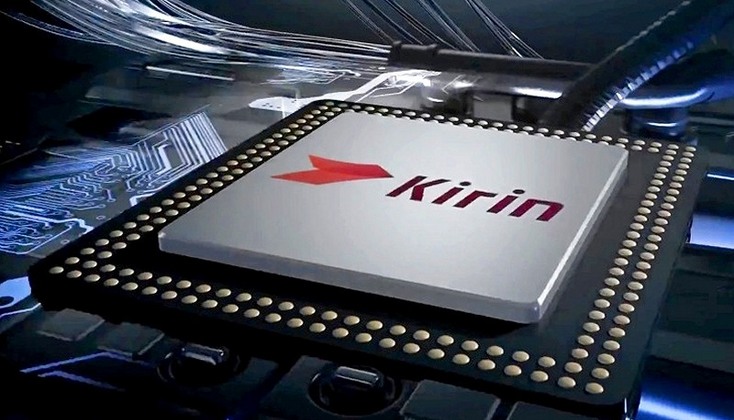
September is promising to be a month of interesting events on the tech scene. First, Apple’s long-awaited iPhone 8 is expected to drop in the month of September. Now, industry source claims Huawei will start mass production of the Kirin 970 next-gen chip in September.
The Kirin 970 is expected to be produced based on TSMC 10nm process and was initially said to be experiencing yield problem. But that has been solved and will not delay the supply of the new SoC said to be Huawei’s first chip to use the 10nm process. The Kirin 970 is expected to pack an octa-core CPU with four ARM Cortex-A73 cores, and four ARM Cortex-A53 cores. There are talks of higher Cortex-A75 cores onboard the SoC. The next-gen flagship chipset is also revealed to have a maximum clock frequency of between 2.8GHz – 3.0GHz. In addition, the Kirin 970 will be equipped with Cat. 12 LTE baseband. The chip is also said to feature an unknown Heimdallr MP GPU with 12 core which should be ultra-powerful.
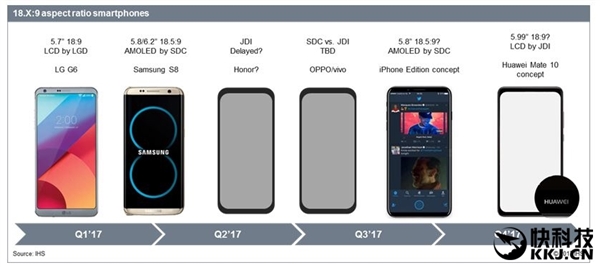
In addition, in line with Huawei’s tradition, the Kirin 970 is expected to debut onboard the Mate 10 which is tipped to launch in October. From earlier leaked details, the Mate 10 is expected to feature a 6-inch JDI display with an 18:9 aspect ratio and resolution of 2160 x 1080pixels. The Mate 10 is tipped to bring a visual effect that is even cooler than that of the Galaxy S8. The Huawei Mate 10 is also said to have two versions – Mate 10 and Mate 10 Pro, similar to the format the Mate 9 was launched. The man difference between both models will be the hardware.
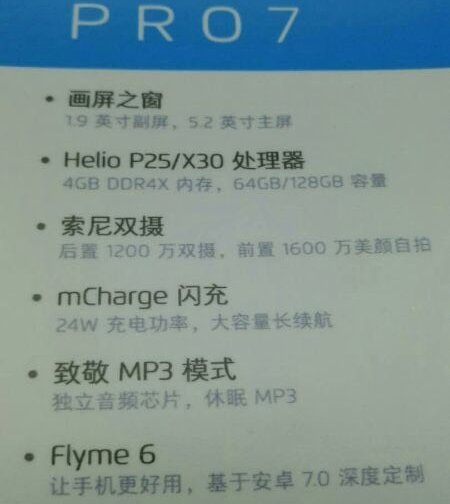
The Meizu Pro7 and Pro7 Plus are expected to launch tomorrow. Yesterday, Mediatek revealed the processors that will power both phones and we were surprised to learn that only one of them will get the Helio X30 SoC. Today, an image revealing key specification details has been leaked online.
The selling point of the Meizu Pro7 is its secondary LCD display mounted on the back. The spec sheet says the display measures 1.9-inches while the primary display is 5.2-inches.
The Pro7 will have two variants. One with a Helio P25 SoC and the other will be powered by the Helio X30. They will both have 4GB of RAM but storage capacity will differ. We believe the Helio P25 model will have 64GB of storage and the X30 version will get 128GB of storage.
Meizu is also joining the dual-camera train with the Pro7. The cameras are positioned above the secondary display. Both are 12MP Sony sensors and there is a 16MP shooter for the front facing camera.
Other features mentioned include Meizu’s mCharge 24W fast charging technology and Flyme 6 based on Android 7.0.
Samsung has its hands in a lot of pies. The popular ones are its mobile phone division, display division and its semiconductor manufacturing division.
Apart from making its own Exynos chip, Samsung also takes contracts to manufacture chips for big clients like Qualcomm, NVIDIA, and Apple. In May of this year, the Korea based company made the decision to make the chip department a separate entity.
Even with the big clients, Samsung isn’t among the big three semiconductor foundries in the world. Taiwan’s TSMC still has the largest share of the market, followed by GlobalFoundries, and then UMC. Samsung is at number 5 behind SMIC.
With a new head, the plan is to change that in a span of five years. They have set a target to grab 25% of the market by adding new clients to their list. Samsung says it will try to win over both small and big clients to achieve this goal.
In terms of sales, it is already crushing it. A Q1 report puts it behind Intel at the number 2 spot, and projections say it will claim the top spot by the end of the year.
Samsung is already working hard at adopting new manufacturing technologies. It recently won the contract to make the processor for next year’s iPhone and it has confirmed that it will be able to make 7nm chips by H2 2018.
Xiaomi will be unveiling MIUI 9 and all its new features tomorrow with the beta testing program set to roll. The Xiaomi Mi 6, Redmi Note 4 and Redmi Note 4X have also been revealed to be the first batch of models that would get the custom ROM. This is in order to ensure MIUI 9 offers a great user experience in terms of stability, smoothness, and better battery backup.
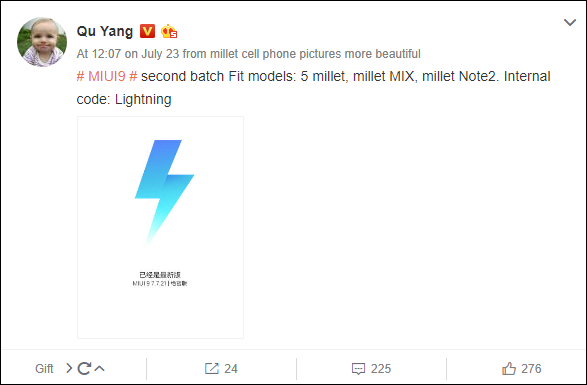
After the Mi 6 and Redmi Note 4X models have gotten the update, the second batch of models was hitherto not revealed but words coming out from a tech blogger on Weibo is that the MIUI 9 second batch models to get the update will be just three. The three models are revealed to be the Xiaomi Mi 5, Mi Mix and Mi Note 2. Apart from that, the blogger revealed that MIUI 9 goes by the internal codename Lightning which is a good one. Xiaomi has revealed the light nature of the new ROM in size and the resultant speed so, the name fits the new interface.
The roll out date for the first batch of MIUI 9 Custom ROM is not known but should be anytime within August. In that case, second batch models would likely get updates around September. That means it is likely going to be a long wait for the new MIUI interface for many Xiaomi model users especially those with budget models. It won’t be a bad idea to join the Beta testing program if you are eager to get the ROM because the polished Custom ROM may not be hitting your model anytime soon.
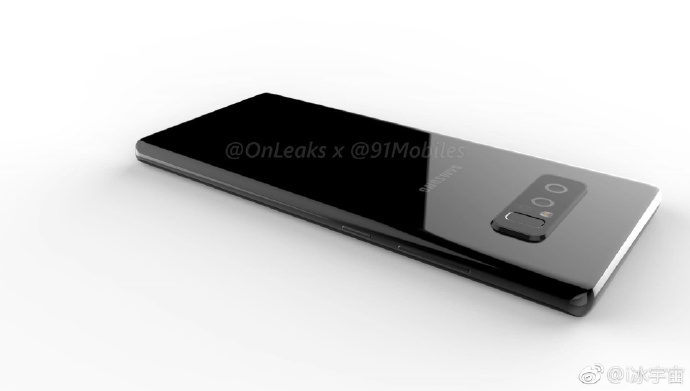
Several Chinese smartphones including the ones from lesser known brands come with dual rear cameras. However, smartphone market leader, Samsung, is yet to debut a dual rear camera enabled phone. There are couple of forthcoming Samsung phones that are speculated to come with dual rear cameras this year. Fresh information suggests that after the arrival of dual rear cameras on the Galaxy Note 8, forthcoming flagships like Galaxy S9, Galaxy S9+ and Galaxy Note 9,
Kim Rok-ho, an analyst with Hana Financial has stated that the supplies of dual camera system for the upcoming flagship phone for Samsung will also result in the profits of Samsung Electro-Mechanics in 2018. Samsung Electro-Mechanics is the South Korean company’s wing that manufactures camera modules.
Recent rumors have revealed that the Galaxy Note 8 will be equipped with a horizontally arranged dual cameras on its backside. The duo camera system is expected to include a 13-megapixel wide-angle sensor and a 12-megapixel telephoto lens that will allow users to take advantage of various features such as amazing low-light photography and AR capabilities like 3D mapping and distance measurement. KGI Securities analysts, Ming-Chi Kuo has revealed that both the cameras will be equipped with optical image stabilization and 3x optical zoom. Hence, the Galaxy Note 8’s dual rear cameras is speculated to better than other smartphones with dual rear cameras.
According to an analyst named Park Hyug-woo from Shinhan Investment, Samsung Electro-Mechanics will continue to record more profits in the next two years. He added that the Galaxy S8 and Note 9 are likely to feature dual rear cameras. He added that the Samsung Electro-Mechanics may make a profit of $10 billion in 2019.
Many smartphone companies such as Apple, Huawei, Xiaomi, OnePlus and OPPO have managed to release smartphones with dual rear cameras, but Samsung has lagged behind. However, rumors are rife that at least four Samsung smartphones with dual rear cameras will break cover this year.
In April, a report had revealed that the Apple had allegedly ordered 70 million OLED display panels from Samsung for the upcoming iPhone 8. This shows how dependent Apple could be on Samsung for the OLED panels. However, this situation may change for the good from 2018 as fresh reports suggest that Apple will be manufacturing OLED screens.
A South Korean publication has reported that Apple may setup its own OLED manufacturing factory in Taiwan. For this, the Cupertino company has reportedly procured several chemical vapor deposition (CVD) machines that are mainly used for manufacturing OLED display panels. Apple has reportedly procured the CVD machines from a South Korean company. This will allow Apple to produce 2.5G OLED display panels from its own manufacturing unit for the 2018 iPhones. A conflicting report from May suggests that Samsung will continue to provide OLED panels to Samsung for the 2018’s iPhone 9.
This year, Apple is expected to release three iPhones. Two of them that are dubbed as iPhone 7 and iPhone 7 Plus are expected to feature LCD panels. However, Apple is heavily pegged to use OLED display panel on the 5.8-iPhone 8 that is speculated to launch in celebration of the 10th anniversary of iPhones.
Analysts have forecasted that Apple would manage to sell 55 million iPhone 8 unit this years. This can possibly help to become a first ever trillion dollar company. To meet the high demand of iPhone 8, Samsung is speculated to supply as many as 95 million OLED panels. It seems that after launching the iPhone 8 with OLED screen, Apple may soon launch other devices such as iPad and Apple Watch with OLED panels.
The Cupertino company is unlikely to manufacture the OLED panels on its own. It may license the equipment procured for making OLED panels to third party manufacturers. Apple is also said to be in discussion with LG Display to assist it in building a new OLED panel manufacturing factory. Companies like Xiaomi and Google are currently making use of OLED panels. Speaking of LG, it also rumored to debut its first ever smartphone with OLED screen. LG has so far used LCD panels on its smartphones, but the LG V30 that is slated to get announced on Aug. 31 is heavily rumored to feature a OLED screen.
Xiaomi‘s MIUI 9 will be officially unveiled tomorrow in a ceremony holding in Beijing, China. Ahead of that official unveiling, an official preview of the MIUI 9’s new and latest features have been compiled on the MIUI Forum and as usual, we’ve got it right here for you. So, here’s a summary of what we know so far about Xiaomi’s latest custom ROM.
1. MIUI 9 Themes: Xiaomi’s MIUI is known for it attractive themes and MIUI will be coming with three new themes which are translated from Chinese as No Boundary, Color Fantasy and Cool Black. The three theme will be available along with the default themes. As we have seen earlier, the Dock bar has been redesigned and the dock icons do not have texts below them, giving a neat look to the home screen. It is likely that the text will appear as you hover over the icon.
No BoundaryColour FantasyCool Black
2. Xiaomi Mi 6, Redmi Note 4 (Qualcomm version), Redmi Note 4X will receive MIUI 9 Beta update first!
Xiaomi had earlier revealed that its latest flagship model Mi 6 will be joined by the Redmi Note 4 and Redmi Note 4X as the first models that would receive MIUI 9 update. This is said to be in order to ensure MIUI 9 offers a great user experience in terms of stability, smoothness, and better battery backup. The second batch is made up of popular Mi devices- Mi 2/2S will receive MIUI 9 update. Other models will follow and the update will be pushed by stages. Xiaomi is presently recruiting beta testers so if you own any of the models and would want to join in (China ROM), head over to MIUI Forum.
3. New Design in Lock Screen Shortcut
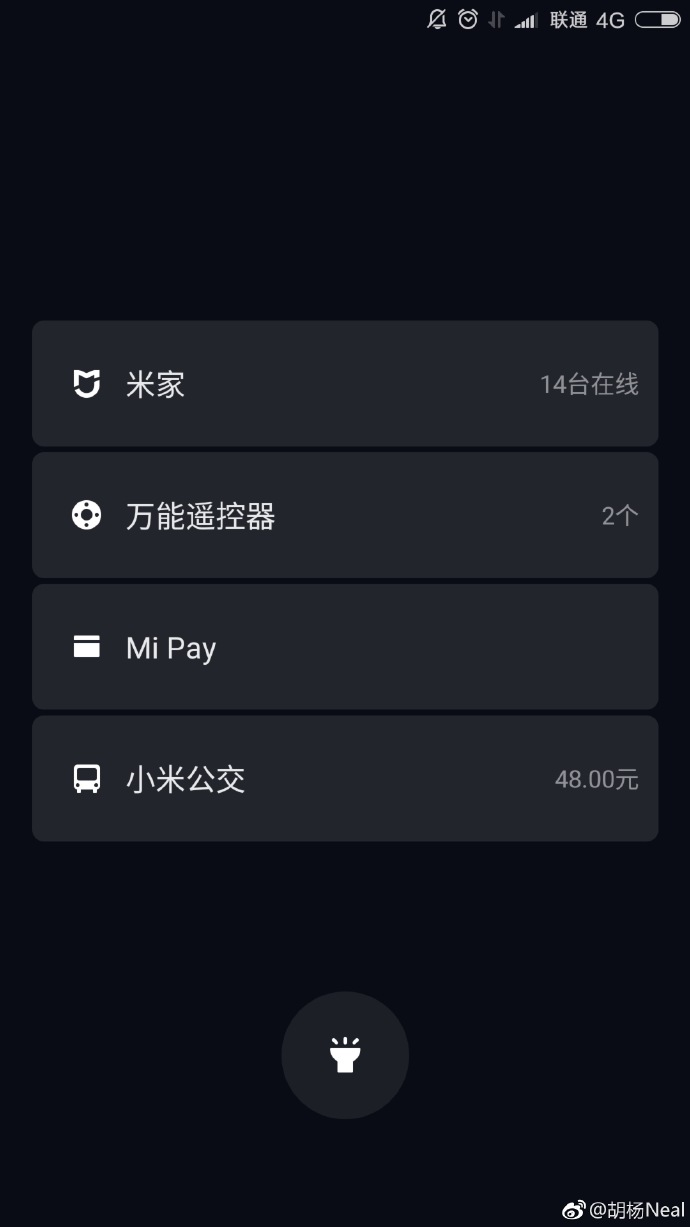
The fingerprint sensor is mainstream now, almost every phone launched comes with a fingerprint sensor. For those who own Mi Devices with a front fingerprint sensor, they can’t use long press home button feature to activate torch as it will unlock their phone. Owners of these models with fingerprint sensor can now access it by swiping to the right on your lock screen. There are also other useful shortcuts like Mi Home, Mi Remote, Mi Pay, Transport Card, and Torch could be accessed in one place as well.
4. Split Screen Feature
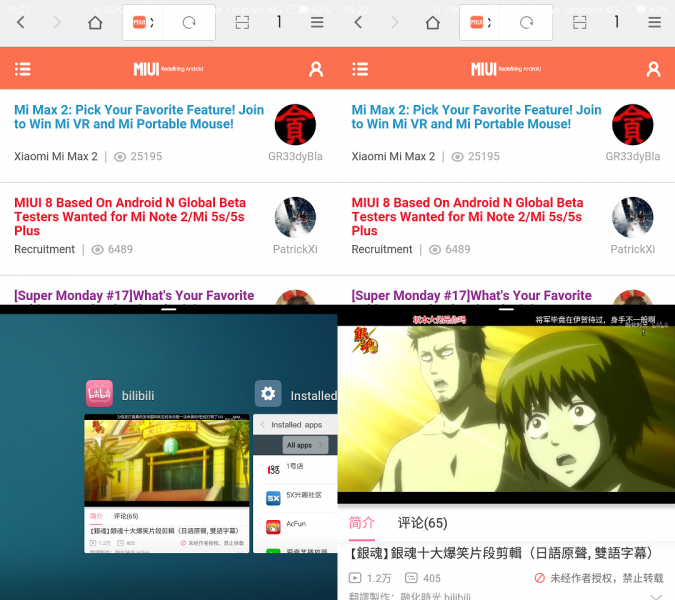
Split Screen Feature was introduced in Mi Max 2 launched on 25th May 2017. This feature was tested in Mi 5 device MIUI 8 Alpha ROM and made available in MIUI 8 7.7.13 Beta ROM for Mi 6 and Mi Max 2. Now Mi Devices with Android 7.0 and above are confirmed to have split screen feature such as the Mi 6, Mi MIX, Mi Note 2, Mi Max, Mi Max 2, Mi 5, Redmi Note 4X just to name a few. We’ll reveal more info about list of eligible devices after the launch.
5. Simplify and Optimized System
As more features are added to MIUI, the ROM size eventually gets bigger and rarely used features are left redundant. Therefore, the MIUI team has decided to simplify and optimize our ROM by removing Child Mode, WiWide (provides public wifi networks to stores and restaurants in China), Contact Card, Showtime (Caller Profile Video) and more.
MIUI 9 will be coming with several other technological breakthroughs which would be unveiled when it is launched.
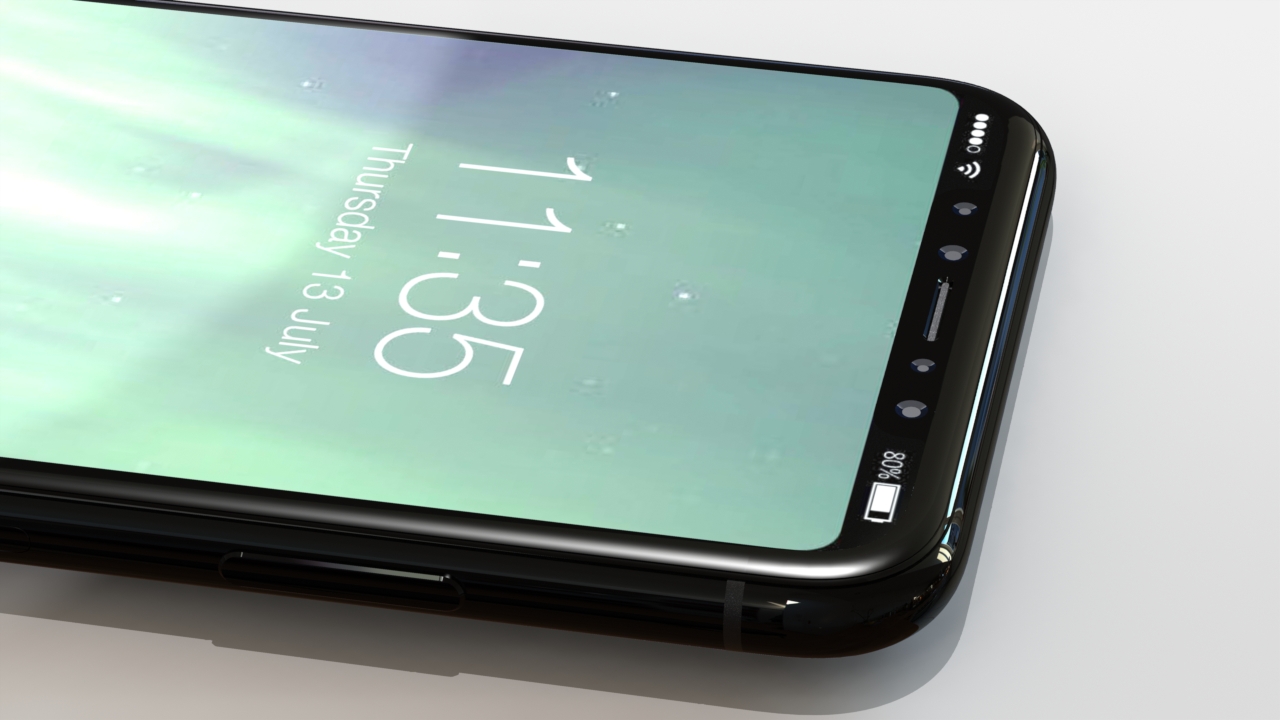
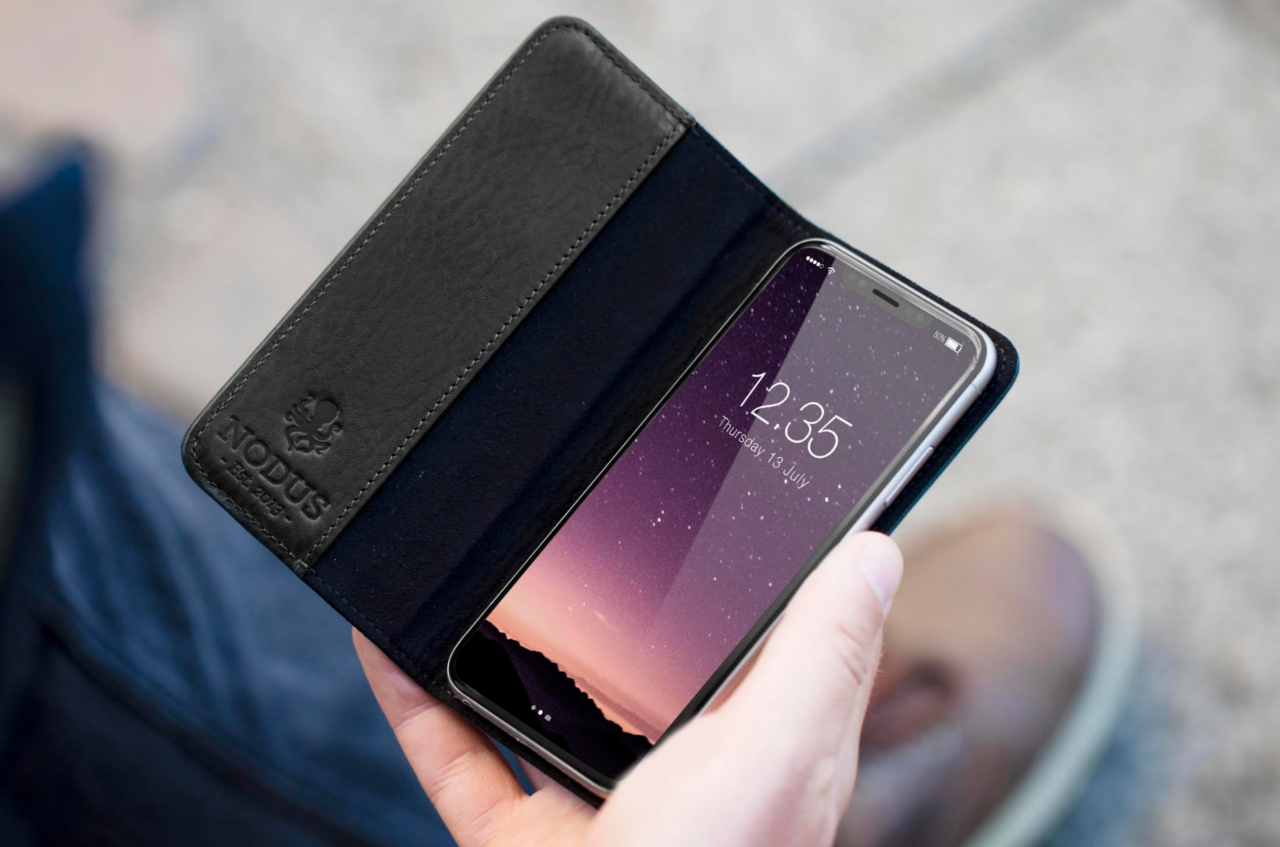
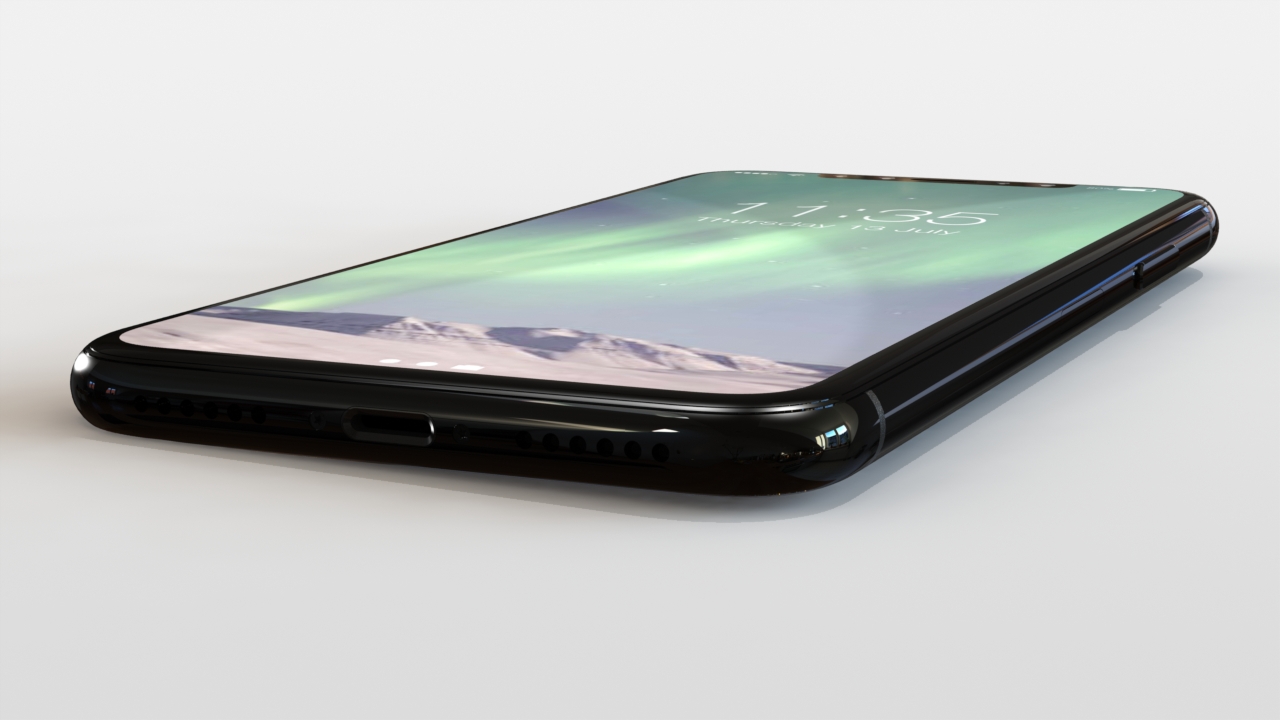
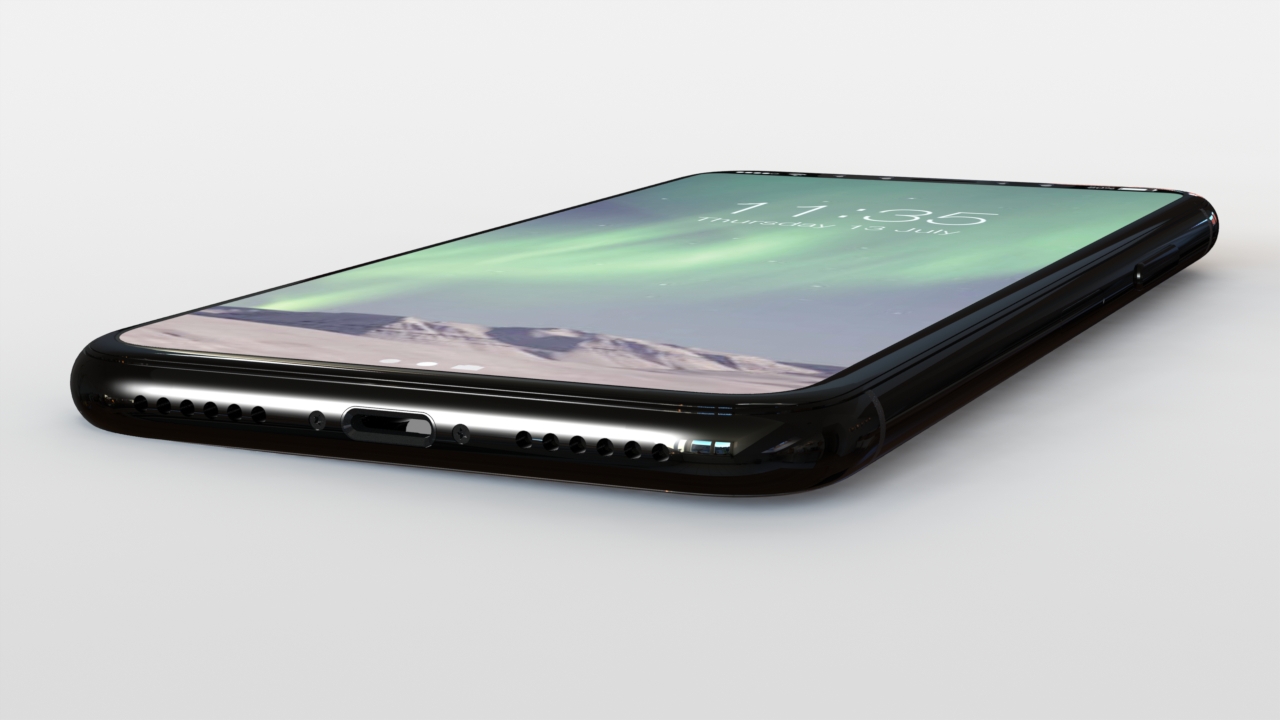
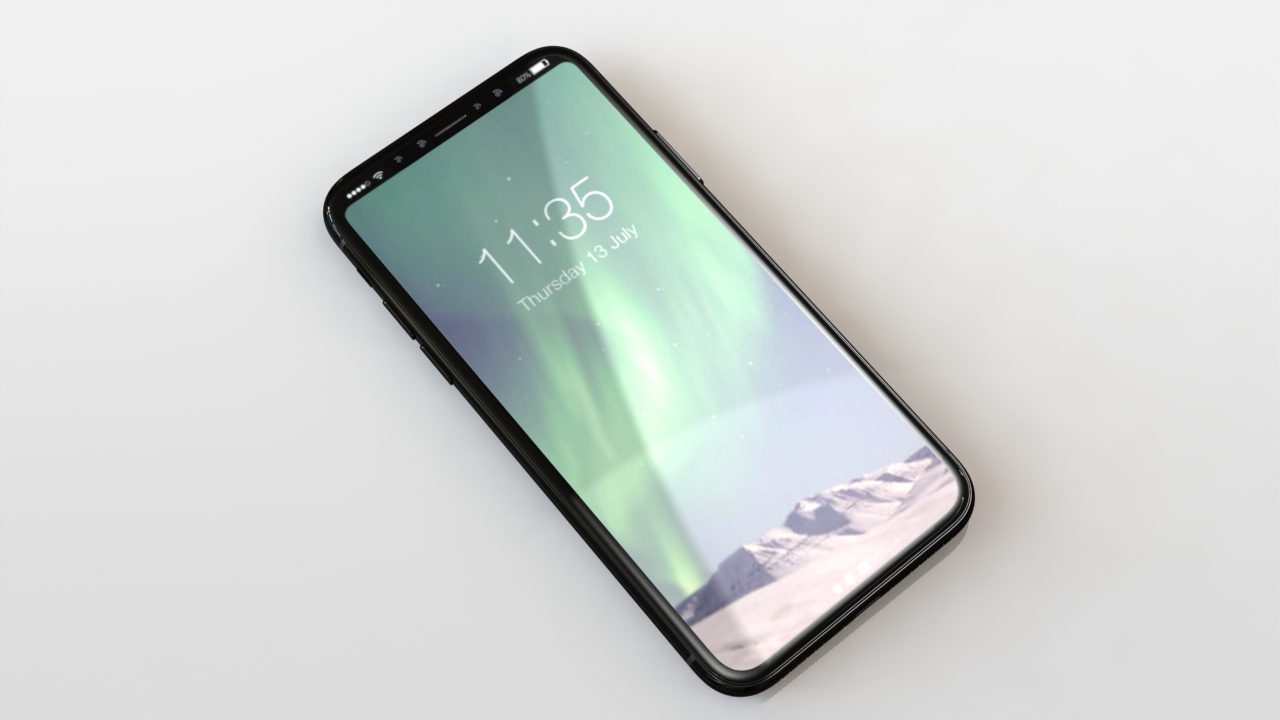
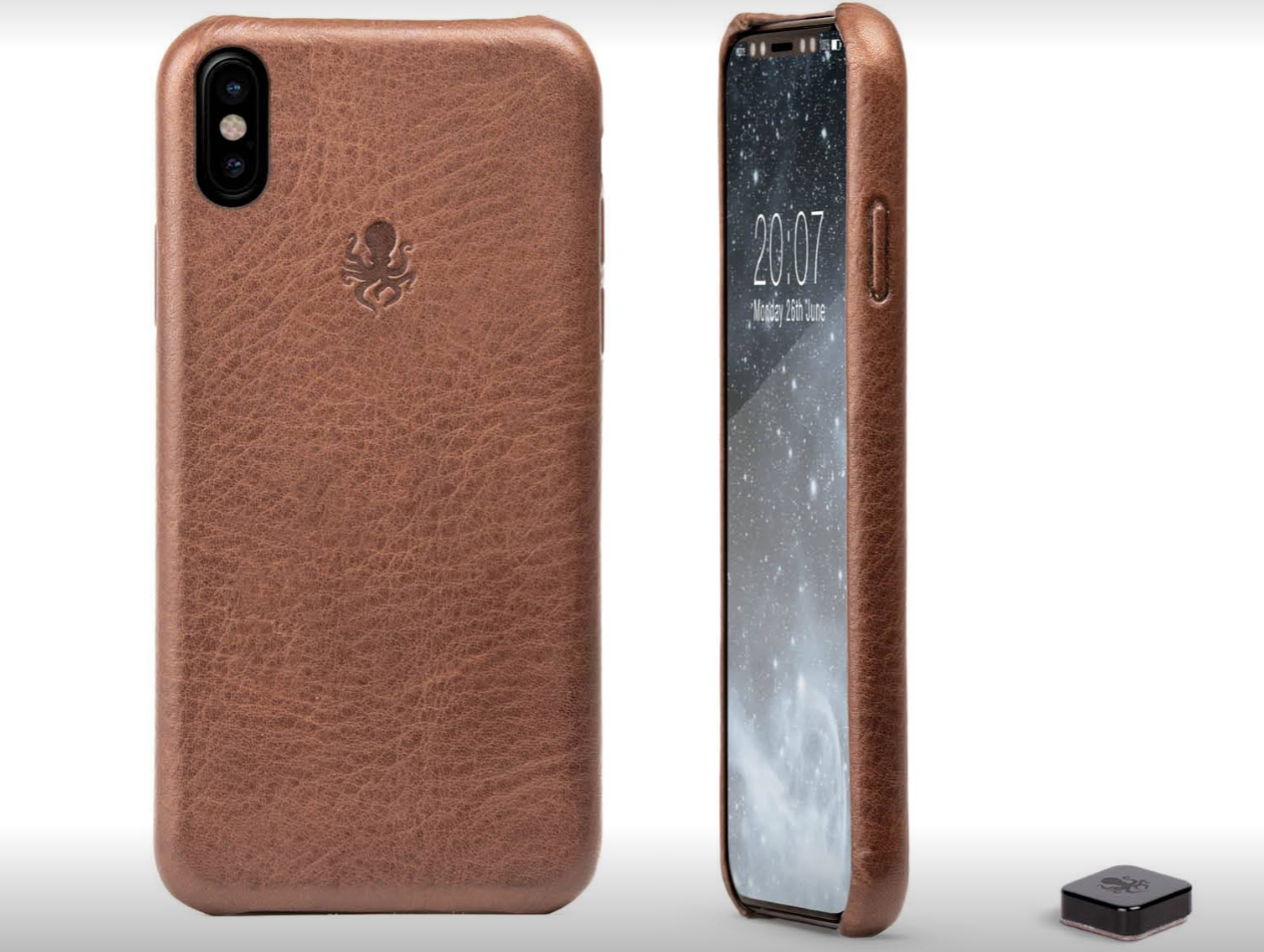
Before a highly popular smartphone is launched, plenty of leaked renders appear. However, among the leaked renders, the ones that come from case makers are quite close to the real thing because their renders are based on the schematics and tips that come industry insiders. A luxury case maker has outed some fresh renders of the Apple iPhone 8 that suggests that it could be the final design of the highly anticipated iPhone.
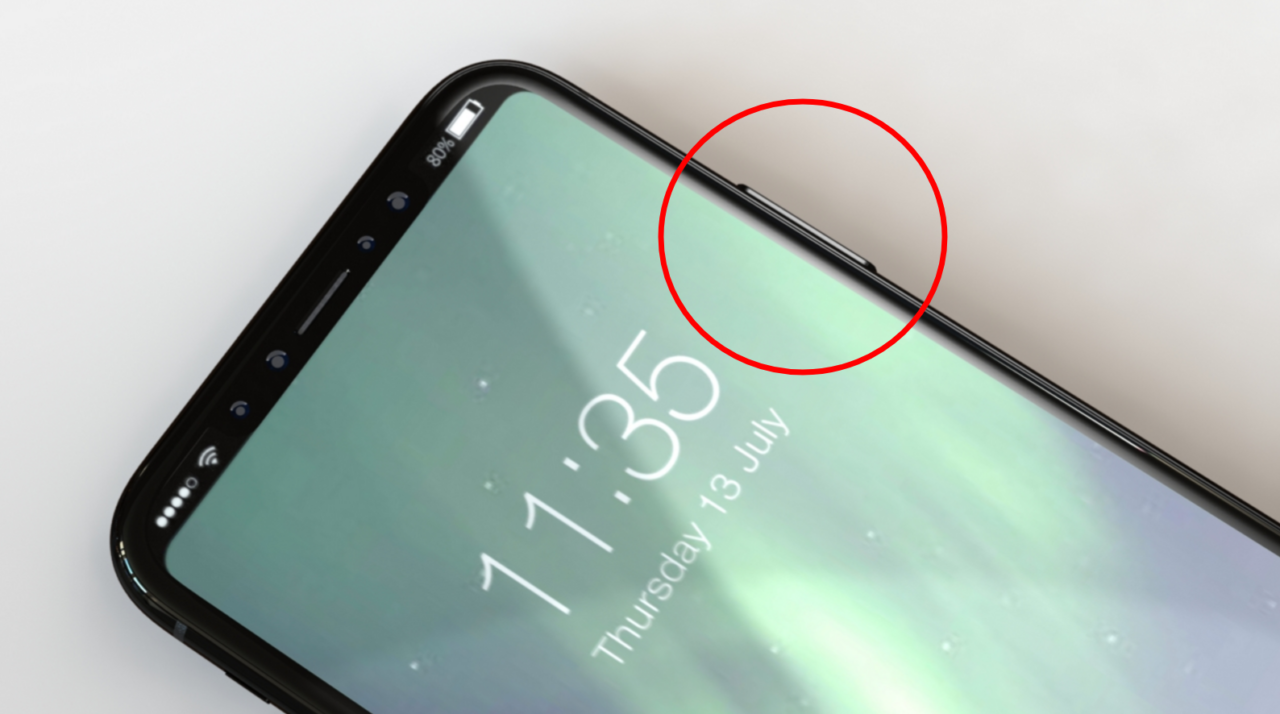
The leaked renders shown here is of the 5.8-inch iPhone 8 that features an OLED panel. The bezels surrounding it are very thin. The source claims that the thickness of the bezels is only 4mm. These bezels will prevent accidental edge presses.
The top bezel is slightly thick as it houses all the sensors and the selfie snapper. As recent leaked photos have revealed, it features a u-shaped bezel at the top and the remaining portion present on the left and right side of it is an active OLED panel that shows information like battery, network and other things of that nature.
Rumors have suggested that the notifications and switches will be available in the “function” area present at the bottom part of the screen. The bottom side of the phone reveals that it does not feature a 3.5mm audio jack which means that the Lightning port can be used to listen to the music on this smartphone.
The above image shows the vertically arranged dual rear cameras of the alleged iPhone 8. However, there is no information available on the exact configuration of these two camera sensors. For better battery life than the iPhone 7 Plus, this iPhone 8 is rumored to feature a larger L-shaped battery.
The source has also revealed the pricing of this premium iPhone. It states that the 128 GB edition of the alleged iPhone 8 would be costing around $1,100 to $1,200. The 128 GB model could be the starting variant of the iPhone 8. There may be a higher model with 256 GB storage that will carry a more expensive price tag.
Xiaomi has a tradition of unveiling a lot of smartphones throughout the year. Most of these models are upgrades to last year’s releases, however, in between these launches, we get to meet a couple of brand new devices as well. The Xiaomi Mi 5X is one of these new models in the Mi series, which is looking to attract customers who don’t want to spend as much as $370 on the Mi 6 flagship.
Xiaomi Mi 5X’s existence kind of makes sense, especially since Xiaomi’s flagship model, the Xiaomi Mi 6 was priced higher than usual this year. Instead of 1999 Yuan ($295), the Mi 6 starts at 2499 Yuan ($370). So, there’s a void in the $250-$380 price segment, which the Mi 5X is probably trying to fill. Not just that, the Mi 5X is said to be the company’s first smartphone to be sold aggressively via offline channels, much similar to what OPPO has been doing for the past couple of years.
There’s another interesting thing about the Xiaomi Mi 5X. I can’t recall a Xiaomi phone that was almost completely revealed before its official launch. In the past, we have seen some revealing teasers about upcoming Xiaomi phone’s design and features, but the renders often only showcased a small part of the design and not the entire thing. But with the Mi 5X, Xiaomi seems to have taken inspiration from the OPPO R11 launch, revealing its design much before its official release. This is not at all conventional, but OPPO’s strategies seem to be working well in the past one year and that’s probably why we have seen so much of the Mi 5X officially even before its official launch.
Xiaomi Mi 5X Design
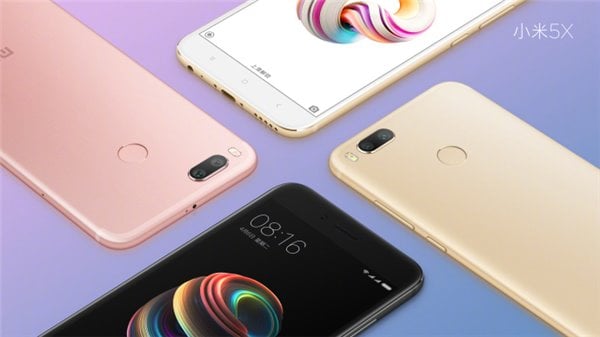
Xiaomi is playing it safe with smartphone designs this year. The Redmi series have a standard look among all models and the upcoming Mi 5X also comes with a similar design as the Mi 6 and OPPO R11. In fact, it would have been hard for us to distinguish between the R11 and the Mi 5X, if not for the lack of a physical home button on the front. The rear placed fingerprint scanner is yet another design feature that sets the new phone apart from other models in the market. Note that the Xiaomi Mi 5X has what the Xiaomi Mi 6 didn’t — a standard 3.5mm headphone jack. Other connectivity ports that we can see in the renders include USB Type-C port and speakers.
There will be at least three color options available for the phone, black, rose gold and champagne gold.
While officially we know little about the Mi 5X specs, rumors have been quite strong about what we’ll find inside the new flagship. It is said that there will be two versions of the Xiaomi Mi 5X, one powered by a mid-range Snapdragon 625 with 4GB RAM and another one powered by a more powerful Snapdragon 660 with 6GB of RAM.
As for the cameras, the phone is said to feature a similar setup to the Xiaomi Mi 6, which includes one wide angle and one telephone lens. The possible dual camera setup could be a Sony IM386 wide-angle sensor and a Samsung S5K3M3 telephoto sensor. The resulting pictures could be quite promising but we’ll have to wait and see as the ISP inside the SD625 may not yield results as good as the Mi 6.
Other rumored features include a 16MP front camera, Android 7.1.1 and 3000mAh battery.
Xiaomi Mi 5X Price & Availability
Xiaomi Mi 5X standard edition is rumored to start at 1999 Yuan ($295), a price which should have been reserved for the earlier launched Xiaomi Mi 6 flagship. So, as I mentioned above, the Mi 5X seems to be here to fill in that price gap. There’s still no word on the rumored high version with SD660, but if it gets close to 2499 Yuan ($370), there’s a good chance that users will start leaning towards the Xiaomi Mi 6 with a faster Snapdragon 835.
To be honest, for $295, specs like SD625, 4GB RAM, and 3000mAh won’t impress Xiaomi fans, considering how there are cheaper Snapdragon 625 phones in the company’s Redmi series. So, the Mi 5X seems to be banking on its dual camera experience to justify a price tag of nearly $300. Moreover, like OPPO, the company could target it sales offline instead of focusing solely on online channels.
Well, we will have to wait and see what’s so special about the Mi 5X at launch which is on July 26.
We use cookies on our website to give you the most relevant experience by remembering your preferences and repeat visits. By clicking “Accept”, you consent to the use of ALL the cookies.
This website uses cookies to improve your experience while you navigate through the website. Out of these, the cookies that are categorized as necessary are stored on your browser as they are essential for the working of basic functionalities of the website. We also use third-party cookies that help us analyze and understand how you use this website. These cookies will be stored in your browser only with your consent. You also have the option to opt-out of these cookies. But opting out of some of these cookies may affect your browsing experience.
Necessary cookies are absolutely essential for the website to function properly. This category only includes cookies that ensures basic functionalities and security features of the website. These cookies do not store any personal information.
Any cookies that may not be particularly necessary for the website to function and is used specifically to collect user personal data via analytics, ads, other embedded contents are termed as non-necessary cookies. It is mandatory to procure user consent prior to running these cookies on your website.