The newly launched Redmi Note 7 by Xiaomi has gotten the teardown treatment, giving us our first look at what lies inside the flagship-killer. The teardown is contained in a short video that was published on Chinese video sharing platform QQ. However, the video has been re-uploaded on YouTube for ease.
From the video, we can understand that the Redmi Note 7 is not very much different from other smartphones in terms of the arrangement of its internals. The device features a glass body and so, to disassemble, the rear glass panel has to be removed. Other parts are held in place by a few screws. One spectacular thing about the device is that the USB Type-C port is on a secondary board and so, shouldn’t be too hard to replace if it gets faulty. There are two ribbon cables connecting the main board to the secondary board and other lower components like the loudspeaker, microphones, haptic motor, and the secondary board which houses the USB-C port.
A recent post of ours had dwelt on the camera protrusion of the Redmi Note 7 as a result of the 48MP sensor. This, we observed. could make the glass covering the lens glass to shatter easily if the phone falls down. The teardown shows the lens cover on the dual camera setup is a single part, which makes it easy to replace if the glass cover on the camera has broken. Further, the teardown video also highlights the 48MP Samsung ISOCELL camera sensor as well as the Snapdragon 66 AIE chipset.
Huawei‘s terminal mobile phone product line, He Gang, has disclosed that the company will continue its massive upgrade of its models to EMUI 9.0 based on Android Pie this year. Last year, the company was able to push EMUI 9.0 update to 23 Huawei models with an estimated 6 million users getting the upgrade. Now, He Gang is saying that the upgrade will continue this year, and will benefit a total of 150 million users.
This disclosure has shown that the company is yet to even push EMUI 9.0 to up to 10% of the users of its smartphones and we’re sure most of the updates were pushed to users in China. The 150 million targeted users are expected to extend beyond China to the rest of the world. However, the timeline for the update wasn’t disclosed but we hope all models will get updated quite early. That may not happen anyway as some models might still be getting EMUI 9 updates when EMUI 10 would have been unveiled.
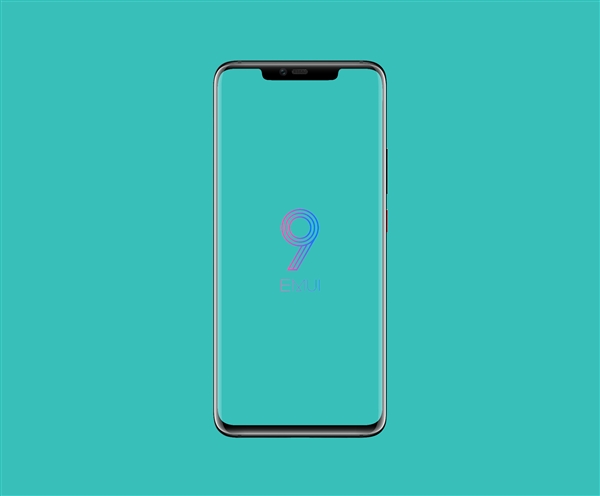
To recall, EMUI 9.0 comes with some changes in the UI which Huawei says makes it “Simple, Enjoyable and Consistent.” The changes include new gesture controls which aid users to quickly navigate, multitask and open the AI assistant. There is also a new password manager capable of auto-filling passwords using ID verification from the fingerprint scanner or via facial recognition. The settings menu wasn’t spared as the items there have been trimmed down. EMUI 9 also comes with GPU Turbo 2.0 which reduces the touch response of the phone by 36% and adds a new app assistant. This new GPU 2.0 feature will support four more games: Vainglory, Arena of Valor, Rules of Survival, and NBA 2K18. These are in addition to PUBG and Mobile Legends: Bang Bang which also carries support for the second generation version of GPU Turbo.
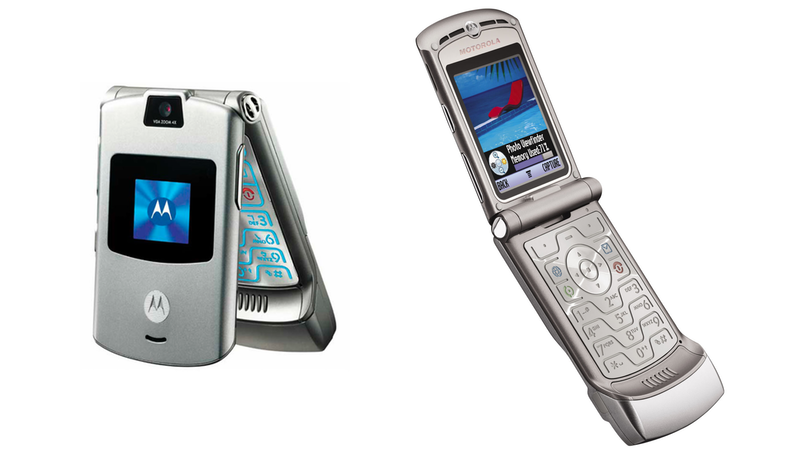
The Motorola RAZR was really popular back in its days. Its aluminum shell and flip-design stood out from the plethora of phones being sold then. Now Motorola (technically Lenovo) is bringing back the RaAZR but in a different way.
New reports say Lenovo will bring back the Motorola RAZR as a foldable phone with a flexible display. A foldable phone still has a sort of clamshell design, right?
The news of the foldable Motorola RAZR was first reported by The Wall Street Journal and they say it will be pretty expensive as it will be priced at $1500! WSJ also says Lenovo is partnering with Verizon to offer the device exclusively in the US. It also plans to manufacture over 200,000 units of the phone.
Not only is the upcoming Motorola RAZR going to be expensive, but it will likely also be available as early as next month in the United States.
Samsung’s foldable phone which is currently referred to as the Galaxy F is scheduled to launch on February 20, so it is no coincidence that Lenovo is also targetting a February release date for its own foldable phone. However, there is a probability the release date of the Motorola RAZR changes as it hasn’t yet been finalized.
Bootloader unlocking is a popular phrase among the mobile community. A phone with an unlocked bootloader can be rooted and gets support for custom ROMs and kernels. If you own a Realme 2 Pro, you will be excited to know there is now a way for you to unlock the bootloader of your phone.
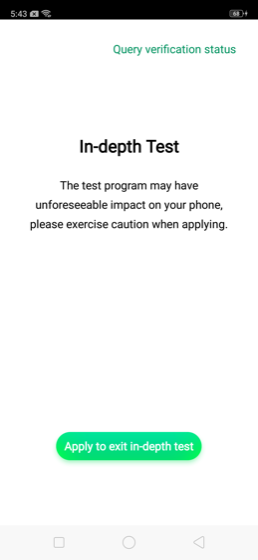
Realme has released a tutorial on how owners of the Realme 2 Pro can unlock their bootloader though they have named it “In-depth Test”.
Unlocking the bootloader includes several steps, one of which is submitting an application that may take up to seven days to be reviewed. Once approved, an OTA will be sent to your phone. After installing the OTA you can then proceed with the rest of the steps.
Unlocking the bootloader will result in a complete data wipe, so ensure you back up your data before beginning. There may also be issues with certain features of your phone after you are done and you will also not be able to receive new versions of OPPO’s ColorOS when available.
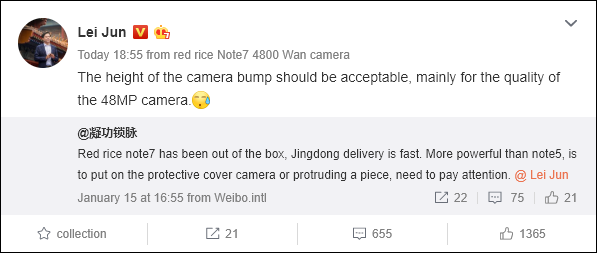
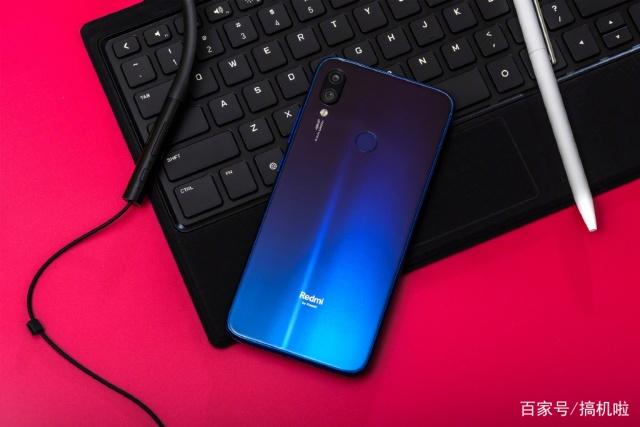
The newly launched Redmi Note 7 continues to dominate the headlines in the tech space. The reason is not far from the solid build comprising a rock solid Gorilla Glass 5 and a powerful 48MP sensor, coupled with the amazing 999 yuan price tag. The first flash sale was over in just a little over 8 minutes, underscoring the popularity of the product. In terms of the design, it turns out Xiaomi had to sacrifice a small camera protrusion for the big 48MP dual camera setup at the rear. A fan who recently picked up the device complained about the significantly high camera bump at the back. This elicited a response from Lei Jun who acknowledged the camera bump but stated that the height should be acceptable, mainly for the quality of the 48MP camera.
The Redmi Note 7 packs a 48MP sensor as the main camera which is a Samsung ISOCELL GM1 Ultra Clear sensor with a 1/2 inch size. The sensor is in the same category as the Sony IMX586 sensor used on the Nova 4. The sensor adopts Quad Bayer pixel arrangement which can combine four 0.8μm pixels into one by four-in-one pixel technology (Pixel binning). A large pixel of 1.6 μm (the output photo becomes 12MP) increases the amount of light entering the camera. This arrangement means the camera can capture better images at night. Xiaomi recently hinted that the Note 7 will get the Mi Mix 3’s night scene mode update soon and that means even better camera output.
The only snag about the camera protrusion may be the risk of getting damaged if the phone falls which is rare but possible. Since it is protruded, it may likely hit the floor first and take some impact that might shatter the screen. We’re not sure the glass covering camera lenses is Gorilla Glass 5 but it just might be. Unfortunately, Zack Jerry may likely not be getting his hands on this model for a durability test since it isn’t a flagship.
The entry-level segment of the smartphones market is expanding every day more and now even more people are preferring affordable devices to flagships compared to the past years. Vivo, Oppo, and Huawei are the most important manufacturers of affordable smartphones alongside Xiaomi. Vivo Y91 just hitten Indian shelves with a very interesting price tag and it seems to be a unique entry-level device judging from its specifications. Here, we will compare it with other interesting low-end devices launched recently which raised a consistent amount of hype in the last period: Realme C1 from the new Oppo’s sub-brand and the new Honor Play 8A.
Vivo Y91 vs Oppo Realme C1 vs Huawei Honor Play 8A
Vivo Y91
Oppo Realme C1
Honor Play 8A
DIMENSIONS AND WEIGHT
155.1 x 75.1 x 8.3 mm, 163 grams
156.2 x 75.6 x 8.2 mm, 168 grams
156.28 x 73.5 x 8 mm, 150 grams
DISPLAY
6.22 inches, 720 x 1520p (HD+), 270 ppi, IPS LCD
6.2 inches, 720 x 1520p (HD+), 271 ppi, IPS LCD
6.09 inches, 720 x 1560p (HD+), 290 ppi, IPS LCD
PROCESSOR
Qualcomm Snapdragon 439, octa-core 1.95 GHz
Qualcomm Snapdragon 450, octa-core 1.8 GHz
MediaTek Helio P35, octa-core 2.3 GHz
MEMORY
3 GB RAM, 32 GB – micro SD slot
2 GB RAM, 16 GB – micro SD dedicated slot
3 GB RAM, 32 GB – 3 GB RAM, 64 GB – micro SD slot
SOFTWARE
Android 8.1 Oreo, Funtouch OS
Android 8.1 Oreo, Color OS
Android 9 Pie, EMUI
CONNECTIVITY
Wi-Fi 802.11 b/g/n, Bluetooth 4.2, GPS
Wi-Fi 802.11 b/g/n, Bluetooth 4.2, GPS
Wi-Fi 802.11 b/g/n, Bluetooth 4.2, GPS
CAMERA
Dual 13 + 2 MP f/2.2 and f/2.4
8 MP f/1.8 front camera
Dual 13 + 2 MP f/2.2 and f/2.4
5 MP f/2.2 front camera
13 MP f/1.8
8 MP f/2.0 front camera
BATTERY
4030 mAh
4230 mAh
3000 mAh
ADDITIONAL FEATURES
Hybrid Dual SIM slot
Dual SIM slot
Hybrid Dual SIM slot
Design
It is very rare that a Vivo handset comes with an ugly design: in the last years, the company managed to release incredibly beautiful and innovative devices. Vivo Y91 wins the design comparison with its very high screen-to-body ratio, its waterdrop notch and its gradient colors that you can see on the back cover. It is also the only device of this trio to feature a fingerprint reader, that is placed on the back side of the phone. But some may like the Honor Play 8A more due to its cleaner design and an even smaller notch, but it comes with slightly thicker bezels. Realme C1 is nothing so exciting with its plastic body and its pretty big notch, but it seems to have better build quality.
Display
Oppo Realme C1, Vivo Y91, and Honor Play 8A are all equipped with low-end HD displays, so do not expect a huge image quality. You will not see a noticeable difference in both level of detail and color reproduction, so you can choose by basing on your tastes. Note that Honor Play 8A has a slightly smaller screen that is more comfortable to use with one hand, while Realme C1 has the Gorilla Glass 3 protection that should make it more sturdy.
Specs & Software
Even though it is more affordable than Vivo Y91, the Honor Play 8A is equipped with the most powerful chipset, so it is the handset that will provide the best performance. It comes with the new Helio P35 by Mediatek which can be compared with the Snapdragon 632 by Qualcomm, 3 GB of RAM and up to 64 GB of internal storage that you can furtherly expand with a micro SD. Vivo Y91 and Realme C1 come with low-end Snapdragon 400 series chipsets that can not compete with the Helio P35.
Camera
Despite not being a dual camera setup, I liked a lot the rear camera of the Honor Play 8A because of the high detail captured and decent performance in low light, that is the weakest point of mobile phones, especially entry-level ones. But Vivo Y91 has a better selfie camera and it is also better at capturing depth info thanks to its secondary sensor. Realme C1 has a rear module with similar performances to Vivo Y91, but the front camera is inferior.
Battery
If you want the longest battery life, you should go either for the Vivo Y91 or the Realme C1. The former as a slightly smaller battery but a more efficient chipset, while the latter has a bigger one but an older 14 nm chipset that has a higher consumption. But more or less, they have similar battery life and it is incredibly long given that they have HD+ displays and low-end specs. Honor Play 8A has a much smaller battery so it is not able to compete with these devices and it can last about one day with slightly above-average battery life in every scenario.
Price
In our opinion, Vivo Y91 is slightly better than Honor Play 8A and Realme C1 due to its big battery, good cameras, the fingerprint reader and a slightly more attractive design. But its price is a lot higher: it costs about €200/$227, while its rivals can be found at just €100/$115 more or less. That is why we think Honor Play 8A has the best value for money with its better performance and good cameras.
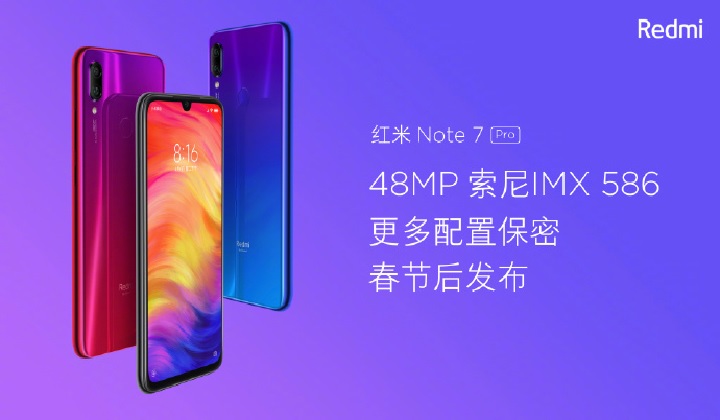
After launching the Redmi Note 7 smartphone on Jan. 10, Redmi had confirmed that the company will be launching the Redmi Note 7 Pro smartphone in the coming month after the Spring Festival in China. The company had revealed that the Note 7 Pro will be arriving with improved main camera. Rumors are rife that the smartphone may feature a different processor. Probably, it could be equipped with the all new Snapdragon 675 SoC.
Different leaksters are now claiming on Weibo that the Snapdragon 675 chipset will be powering the Redmi Note 7 Pro. The SoC was unveiled in October last year and Xiaomi had claimed that it would be debuting the first smartphone with Snapdragon 675. Recent reports have revealed that following smartphones such as Motorola P40, HiSense U30 and Meizu Note 9 will be driven by the Snapdragon 675. However, if the new rumors are true, the Redmi Note 7 Pro could end up as the first SD675 phone.
The Snapdragon 660 does not carry support for 48-megapixel camera. Hence, it is very likely that the Note 7 Pro may come equipped with a different chipset. The 11nm Snapdragon 675 features a more powerful CPU than the one present inside Snapdragon 710. However, the SD675 includes a slower GPU and inferior ISP than SD710.
Apart from different processor, the Redmi Note 7 Pro will be equipped with a Sony IMX586 48-megapixel sensor instead of the Samsung ISOCELL GM1 sensor available on the Note 7. There is no information available on the pricing of the Note 7 Pro. The highest configuration variant of the Note 7 that features 6 GB of RAM and 64 GB of storage carries a price tag of 1,399 Yuan (~$207). The presence of Sony IMX586 sensor and the alleged inclusion of Snapdragon 675 on the Note 7 Pro suggests may cost around 1,699 Yuan (~$250) or above.
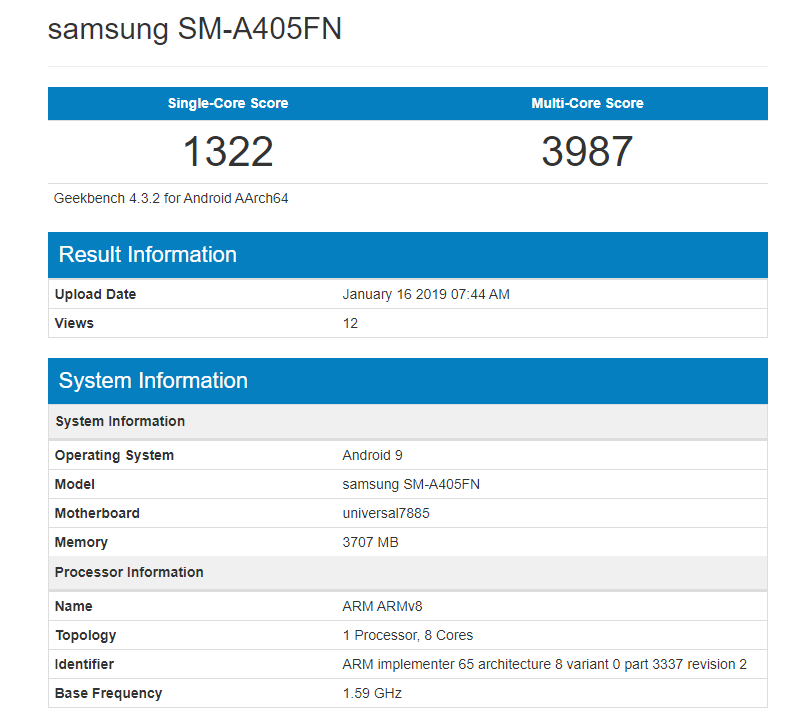
Earlier this week we reported that Samsung was planning to release three Galaxy A-series phones with in-display fingerprint sensors. The three phones are the Galaxy A90, Galaxy A70, and the Galaxy A50. Now a fourth model in the series, the Galaxy A40, has shown up on Geekbench along with some specs.
The device was benchmarked earlier today as the “samsung SM-A405FN”. It runs Android 9, has 4GB of RAM and is powered by the Exynos 7885 processor. This is the same chipset that will power the Galaxy M20 scheduled to launch on January 28.
Since the A-series is technically higher than the Galaxy M-series, the Galaxy A40 should come with some features that will make it a better buy than the Galaxy M20. So probably higher quality materials, a bigger battery and better cameras are the features we expect it to have.
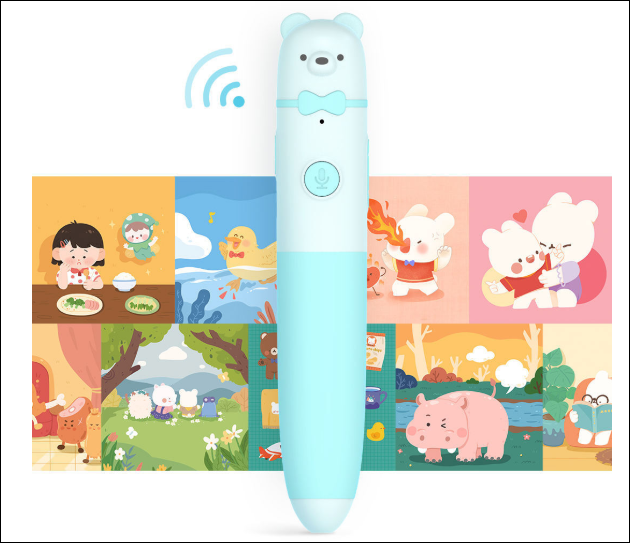
Xiaomi has launched a new product under the Youpin (formerly MIJIA) crowdfunding platform and it is the 304th crowdfunded product from the tech giant. The product is listed as Machine Island AI Point Pen but instead of being used for writing, the pen is used for reading among other functions. The product is a third-party one, manufactured by Nanjing Machine Island Intelligent Technology Co., Ltd and is priced at 299 yuan ($44)
The Machine Island AI reading pen isn’t a writing pen but works like braille in that it reads out the words as the pen is swiped across the book. Perhaps, the most spectacular feature is the integration XiaoAI smart assistant. The device also functions as a story machine, a learning machine and a translator as it can provide Chinese-English translations. The pen supports smart pronunciation evaluation, intelligent learning report. The pen can also be synchronised with the MIJIA app in order to see useful data such as the child’s learning interest and process at a glance. It comes with WiFi 802.711 b/g/n which provides unlimited download capability, automatic content updating. The WiFi also allows the pen to automatically read the voice resources for dedicated pictures-only storybooks.
The pen is designed to assist the development of the kid in five core competencies of self-care, social, psychological, cognitive and logical thinking. The database contains 20 sub-themes, over 1200 knowledge points, and over 2000 Chinese and Engish vocabulary. Since it is developed for kids, the design is just cool and attractive in line with children’s aesthetics. The body is made from silicone with smooth finishing and also comfortable to hold. The gadget is said to have got the certification of the US FDA.
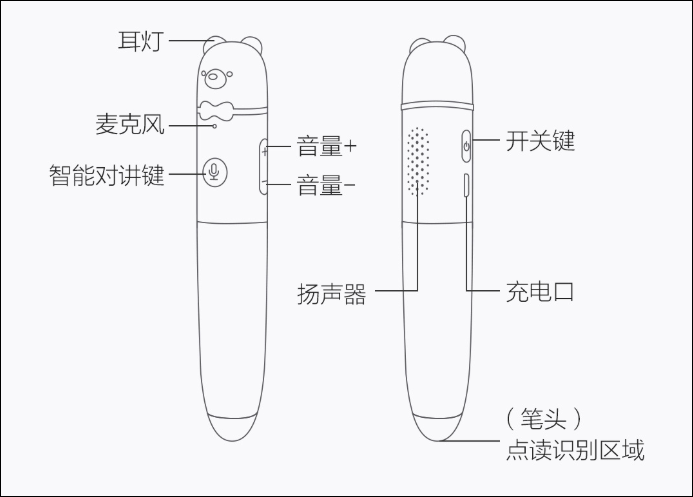
As for the design, the pen is shaped like a regular pen but with a robust build and design like a small teddy bear putting on a bow tie. The butt assumes the shape of a head with two antenna lights that looks like ears. There is an aperture for a microphone at the top half just under the bow tie. Just under the mic is a smart intercom key. The volume control buttons are at the side of the intercom key while at the other side is the power button and USB charging port. The device has some grills at the back housing the speaker. The design is done to make the gadget usable like a walkie talkie. Finally, the tip is actually the reading recognition area and cannot produce any ink for writing. The pen will be available in blue and pink colours.
The AI pen is expected to start shipping on February 28 but is still on crowdfunding. The crowdfunding has been a tremendous success with up to 700,000 yuan raised so far when the company only needed 10,000 yuan.
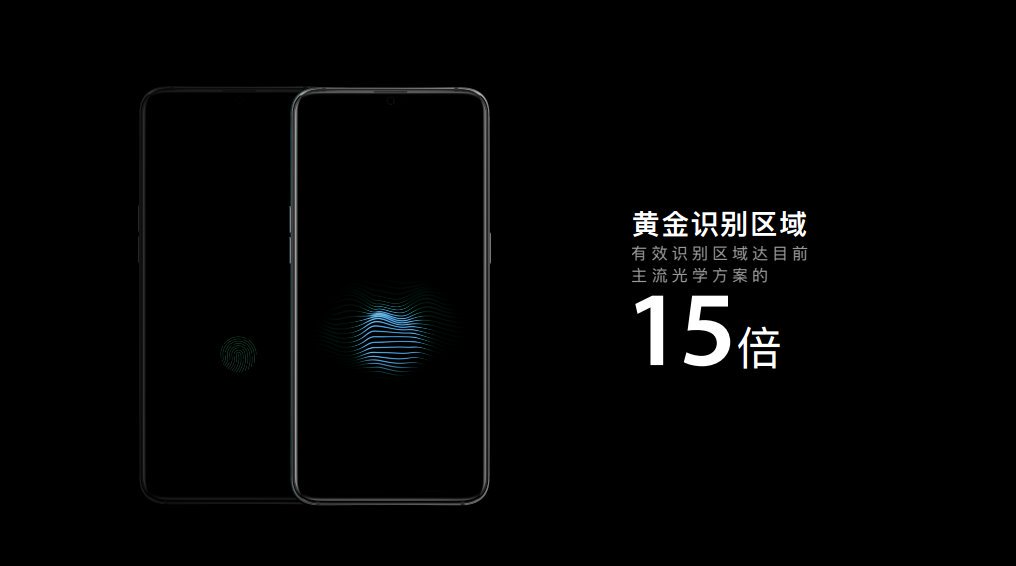
OPPO not only announced a new camera technology today but it also announced a new optical in-display fingerprint scanning technology. The new fingerprint scanning technology is said to be faster and covers a wider area than previous generations.
The new in-display fingerprint scanning technology is said to cover 15 times the area of current versions. This should allow users to unlock their phones much more easily since the sensor area is now larger.
It is also reported to be faster, more secure and even has better power consumption. Another new feature it brings is support for two-finger unlocking. With this, you can unlock your phone with two fingers simultaneously e.g. two thumbs.
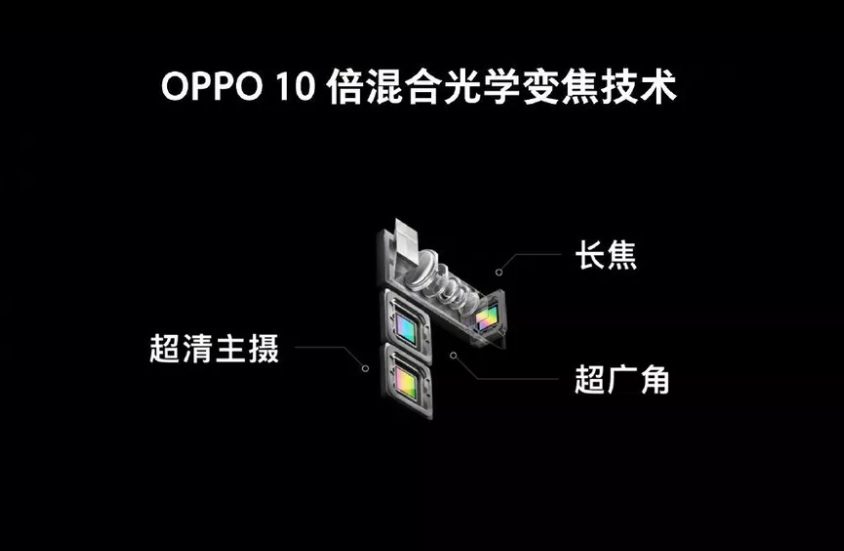
Today, OPPO announced its new 10x hybrid optical zoom camera technology for smartphones. The new technology is a follow-up to the 5x precision optical zoom it unveiled at MWC 2017.
The new 10x hybrid optical zoon uses three cameras instead of two. It has added an ultra-wide camera to the main camera + telephoto lens dual camera setup of the 5x precision optical zoom. The ultra-wide angle camera sits atop the ultra-clear main camera while the telephoto lens maintains its periscope-like setup. The new design provides a zoom range of 15.9mm to 159mm.
OPPO says it has also added optical image stabilization to the ultra clear main camera and the periscope telephoto camera. The manufacturer hasn’t said anything about the aperture of the cameras which is quite important for the final output. However, it did promise that it will reveal a working sample of the camera at MWC 2019.
OPPO also added that the new 10x hybrid optical zoom technology is ready for mass production, so this may end up in OPPO phones launching this year. The working sample at MWC 2019 might actually even be a smartphone.
Xiaomi may likely make an appearance at the Mobile World Congress 2019 which would run from February 25-29 where it may unveil the Mi Mix 3 5G which has severally been bandied around for a while now. We think so because 5G will take centre stage at MWC 2019. Also, a leaked invitation which was spotted online recently shows the tech giant will hold an event on February 24 which is the eve of MWC Barcelona 2019. The invite featured in a tweet by popular tipster Venya Geskin but it was quickly deleted after posting. This wasn’t before some users picked up the post. Unfortunately, there is no screenshot of the post but the leaked poster is already in circulation.
The poster contains the text; “We make it happen,” with the Mi logo but it doesn’t explicitly point at anything. Geskin’s deleted tweet had read, “Exclusive: Xiaomi will hold an event on February 24, possibly for Mi Mix 3 5G.” The reason for deleting it is still unclear but we believe the company want to keep the topic at bay until it is ready to promote the launch event. And so, may have prevailed on Geskin. In another light, the tipster may have discovered the news is fake hence the removal.
However, there is no doubt Xiaomi has got a 5G version of the Mi Mix 3. The device was showcased at the China Mobile Partner Conference a couple of months back. Xiaomi has also released a video demonstration of the Mi Mix 3 5G in action alongside the Mi smart bedside lamp. The Mi Mix 3 5G version features a Snapdragon X50 modem and was said to have download speeds of up to 2 Gbps. The device is identical in design and other aspects to the 4G version in existence presently.
Chinese suitcase manufacturer and Xiaomi‘s ecological chain company, Runmi technologies best known by its brand name 90 Points, has launched a new product, its first for the year. The 90 Points Lite suitcase is the product of a collaboration between the company and Jingdong.
The suitcase comes in three different sizes and three colour variants and pricing starts at 399 yuan ($58). As stated, the 90 Points Lite suitcase is jointly built by Jingdong and 90 minutes with Jingdong bringing in its expertise in the use of business simplicity to play. The suitcase is designed for the contemporary youth with sizes of 20 inches, 24 inches and 28 inches. Color otions are also youthful, coming in black, gray and blue colours.
The suitcase utilizes a new storage system of two U-shaped independent partitions. One side is a mesh surface, woven strong, breathable and moisture-proof while the other side is a closed surface, placed with privacy items, and a separate storage bag, suitable for placing small pieces, travel objects orderly. The outer case is wear resistant and anti-fall, manufactured from Germany Covestro three-layer PC material (colored PC + fiber enhanced PC + colored PC). The suitcase equally features aviation aluminum alloy lever, adjustable in four levels or gears. In addition, it has F1 racing grade smooth silent wheel which will wear less than 2mm after 12km walking.
Furthermore, the 90 points suitcase is equipped with a TSA-certified customs code lock. The built-in lock plate design is integrated with the cabinet. With one hand, the slider is instantly opened.
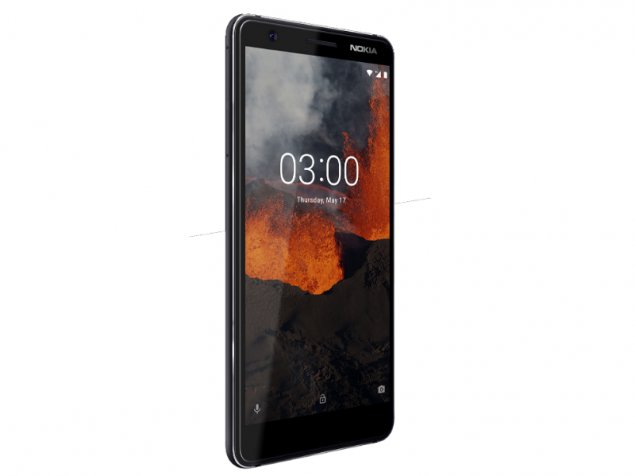
A few months ago, HMD Global launched the Nokia 3.1 Plus smartphone in the Indian market for a price of Rs. 11,499, which roughly converts to $154. Now, the device has received a price cut of Rs. 1,500 in India and will now cost Rs. 9,999 (approximately $140).
The Nokia 3.1 Plus is also receiving a new update and the changelog says that the phone is receiving the latest January 2019 security patch. The update changelog from the company doesn’t mention any feature addition or bug fixes.
The latest Android security patch rollout for the Nokia 3.1 Plus comes after Finland-based HMD Global released the same security patch for the Nokia 6 and Nokia 7.1 smartphones. While the company didn’t mention, users reported that the new update brought back the option to hide the notch on Nokia 7.1.
The update, which is about 70MB in size, is currently being rolled out over-the-air (OTA) but in case you don’t receive OTA notification anytime soon, you can check for the update manually through going to Settings and searching system updates.
The Nokia 3.1 Plus features a 5.99-inch HD+ IPS display that offers a screen resolution of 1440 x 720 pixels and 18:9 aspect ratio. Under the hood, the device is powered by MediaTek P22 octa-core chipset which is manufactured using the 12nm process. This is the same chipset that powers the Xiaomi Redmi 6 smartphone.
The device comes with 3GB RAM + 32GB internal storage and a dedicated microSD card slot, enabling users to further expand the phone’s storage capacity. In terms of optics, the smartphone features a dual camera setup on the back, offering a 13-megapixel primary sensor and a 5-megapixel secondary sensor.
For taking selfies, it comes with an 8-megapixel front-facing snapper. Both cameras come with support for live bokeh or Portrait mode for capturing images with blurred background. As for the software, just like other Nokia smartphones, this one too is a part of Google‘s Android One programme and is promised to receive monthly security updates. It runs the latest Android Pie operating system out-of-the-box.
Connectivity options on the device include Dual SIM, 4G VoLTE, Wi-Fi 802.11 b/g/n, Bluetooth v4.1, GPS/A-GPS, 3.5mm headphone jack, and micro-USB port. The phone is powered by a 3,500mAh battery but lacks fast charging support.
We recently reported that LG is all set to launch its flagship smartphone LG V40 ThinQ in the Indian market by the end of this year. The phone was originally launched in October last year.
Now, it has been confirmed that the smartphone will be launched in the Indian market on 20th January. It will go on sale exclusively via Amazon India on 20th January while Amazon Prime subscribers will be able to get their hands on the device a day earlier, i.e. on 19th January at 12:00 PM.
The phone comes in four colors — Aurora Black, Platinum Grey, Carmine Red, and Moroccan Blue but it’s not yet known which colors will make it to India. As for the pricing, the smartphone is expected to be priced around Rs. 45,000 which roughly converts to $634.
The LG V40 ThinQ features a 6.4-inch P-OLED display with 3120 x 1440 pixels QHD+ screen resolution and Corning Gorilla Glass 5 protection on top. Under the hood, the device is powered by Qualcomm’s Snapdragon 845 octa-core processor with Adreno 630 GPU.
The phone comes with 6GB RAM and either 64GB or 128GB of internal storage. However, in India, the phone is expected to come with 128GB of internal storage model. It also supports microSD card slot for expanding the storage capacity.
As for the camera, the phone has got triple-camera setup — 12-megapixel f/1.5 standard sensor, 16-megapixel wide-angle f/1.9 (107-degrees) sensor, and 12-megapixel telephoto f/2.2 sensor. The triple shooters will allow it to capture images with a much broader perspective. It carries built-in AI features such as AI beautify, AI stabilization with Multi-frame HDR technique.
On the front side, there’s an 8-megapixel f/1.9 and 5-megapixel wide angle f/2.2 cameras. All cameras on the front and the rear side supports portrait mode. The phone also comes with Boombox Speaker technology to boost low-frequency output.
The device is running Android 8.1 Oreo operating system out-of-the-box with the company’s own custom interface. The phone is powered by a 3,300mAh battery with support for Quick Charge 3.0 fast charging technology.
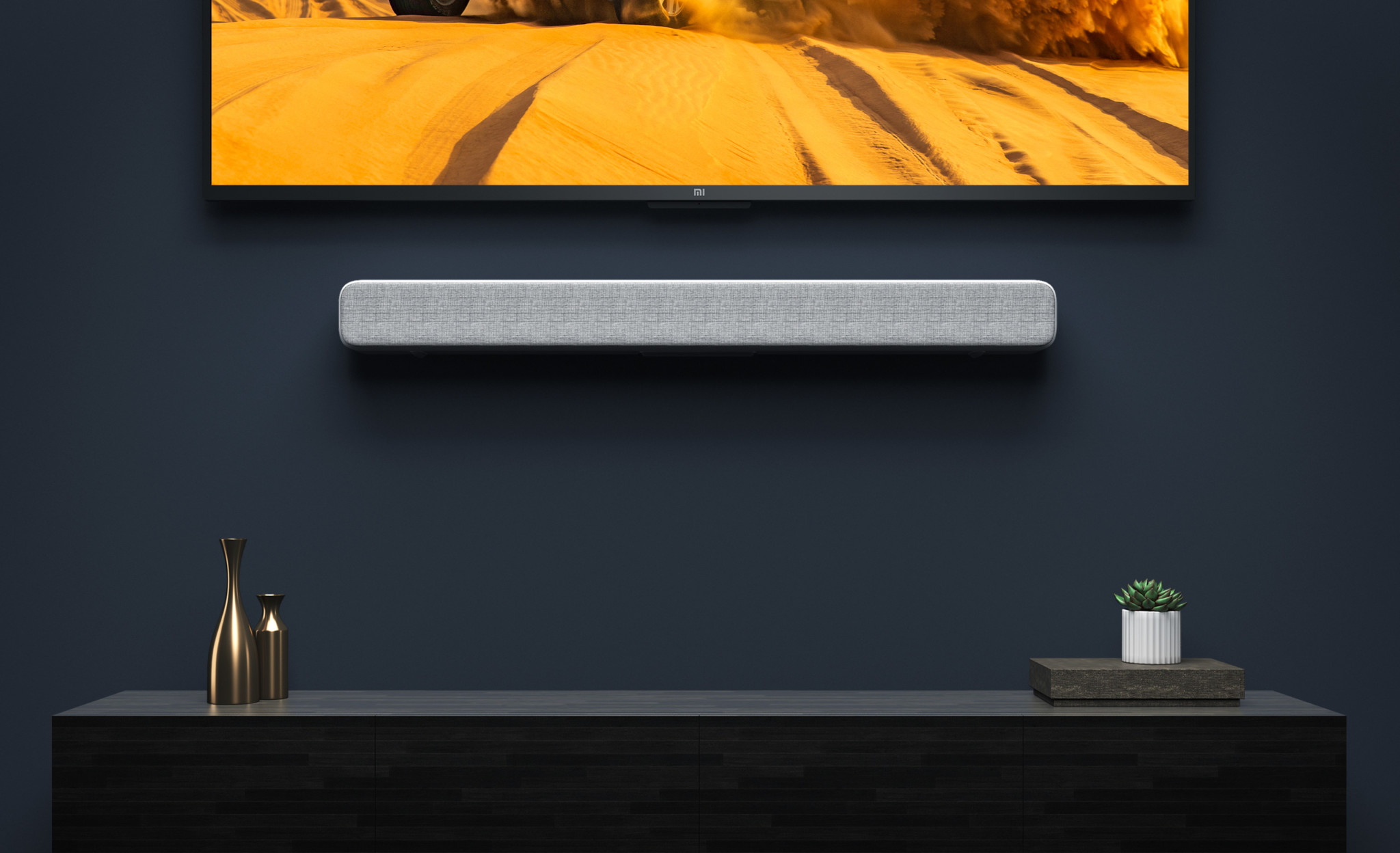
Last week, along with its Mi TV 4X Pro 55-inch model and Mi TV 4A Pro 43-inch model, Xiaomi also launched its Mi Soundbar in the Indian market. Now, the Mi Soundbar is all set to go on sale in India today for the first time.
The sale will take place at 12:00 PM IST and will be available for purchase through Xiaomi’s official online store Mi.com and Xiaomi’s offline Mi Home Stores across the nation. It is priced at Rs. 4,999 which roughly converts to $70.
Like many other Mi products designed for household usage, this one too comes with a minimalist design. It has a bar shape design with a fabric mesh exterior that gives it a classy look.
It comes with eight sound drives — 2 x 20mm dome tweeters for clear treble, 4 x Passive radiators that amplifies the bass, and 2 x 2.5-inch woofer drivers that cover a wide frequency range. They have 50Hz to 25000Hz frequency response range, covering the entire spectrum of sounds in each media so each note is clear and far-reaching. It also magnifies the audio experience with crisp treble, resonant bass, and clean mids, says the company.
The Mi Soundbar also offers multiple connectivity options, including S/PDIF, optical, Aux-in and Line-in connectivity ports, allowing users to connect to any TV and mobile devices. There’s also an option to connect through Bluetooth 4.2 Low Energy (LE) which supports A2DP music playback.
Xiaomi’s newly launched TVs — Mi TV 4X Pro 55-inch and Mi TV 4A Pro 43-inch, priced at Rs. 39,999 (approximately $567) and Rs. 22,999 (approximately $325) respectively, went on sale yesterday, i.e. 15th January through Mi.com and Flipkart.
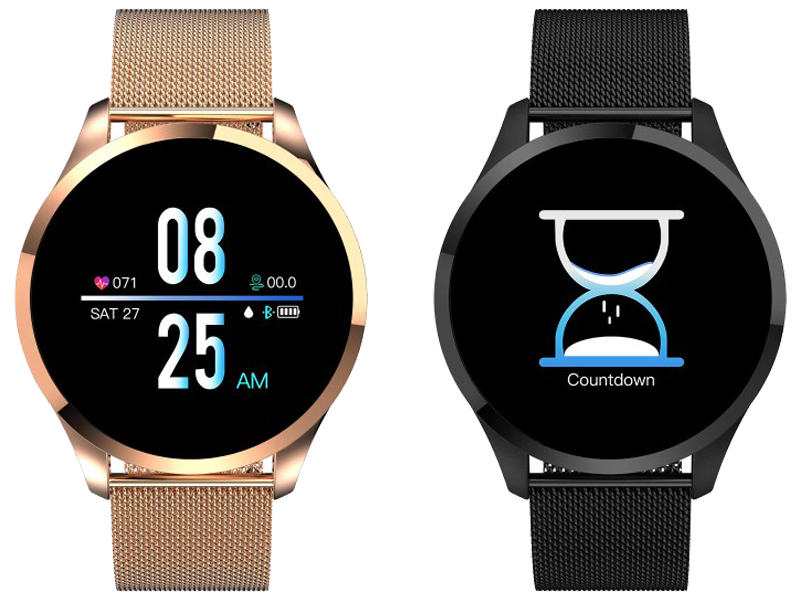
The Newwear Q9 is a perfect valentine’s day present that not only will sweep your beloved off her feet with its jaw-dropping design but also take care of her health and fitness. More importantly, it will not set you back a pretty penny.
Housed in an eye-catching metal frame and sporting an equally appealing tempered glass screen, the Q9 boasts an impressive array of functions. The smartwatch comes with distance counter, calorie counter, a heart rate monitor, blood pressure monitor, sedentary reminder and lots more.
Moreover, the Newwear Q9 enables you to either answer or reject an incoming call without even using a smartphone. It shows the name and number of the caller on its 1.3-inch color touch display. You can reject an incoming call simply by long press.
The internet is brimming with all sorts of fitness bands and smartwatches that help you monitor various activities; however, these devices do not come cheap. The Newwear Q9, on the other hand, has now gone up for sale carrying a lowered price tag of just $19.99 on Banggood. This is a 50 percent reduction in the device’s original asking price of $39.99. There were only 200 pieces remaining for the promotion sale that will come to an end on January 29th. You can even get the Newwear 20mm replacement leather wristband watch band strap as a gift option along with this order.
Moreover, you can take part in the Newwear Q9 Snap-Up deal and get a chance to buy the feature-laden smartwatch for a dropped price of just $9.99. You can choose between six color options. This deal, which is slated to begin shortly, will be limited to three pieces daily and it will start at 22:00 (UTC+). The $9.99 Snap-Up Newwear Q9 deal will wrap up on January 19th.
You can click here to visit the promotion page and take full advantage of the discount and participate in the $9.99 Newwear Q9 Snap Up deal.
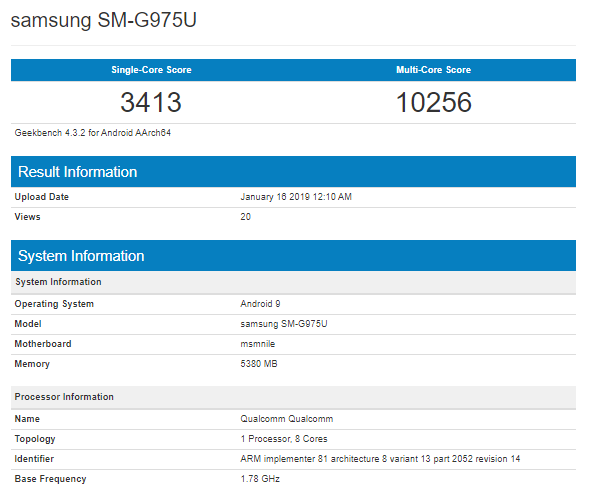
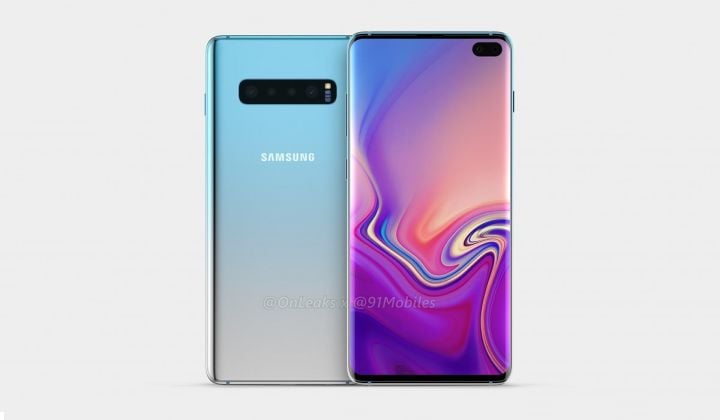
Samsung will be announcing the Galaxy S10 series on Feb. 20 in the coming month. It will comprise of smartphones such as Galaxy S10, Galaxy S10 Plus and Galaxy S10 E (previously known as S10 Lite). The Galaxy S10 E was spotted on Geekbench with Snapdragon 855 chipset, 6 GB of RAM and Android 9 Pie OS in the previous week. Today, the Galaxy S10+ smartphone has appeared on the benchmarking platform with impressive scores.
The Samsung Galaxy S10 E (SM-G970U) was spotted with dismal single-core and multi-core scores on Geekbench last week. In both tests, it had respectively scored 1986 and 6266 points. At that time, it was speculated that it could be the unoptimized edition of the Galaxy S10 E.
On Geekbench, the Galaxy S10 Plus (SM-G975U) has scored 3413 and 10256 respectively in the single-core and multi-core tests. The benchmarking scores recorded by the Galaxy S10+ as other SD855 powered devices that have recently appeared on Geekbench. The rumor mill has claimed that there will be an 8 GB RAM edition of the Galaxy S10+. Hopefully, it will deliver even better performance than its 6 GB RAM variant.
The Galaxy S10+ will be coming with a 6.4-inch S-AMOLED display with a larger punch-hole to feature two front-facing cameras. It will be fueled by 3,500mAh battery. The rear shell of the phone will possess triple cameras. It may arrive with up to 512 GB of native storage. Rumors are rife that there will be a 5G-edition of the phone too that may feature 12 GB of RAM.
Realme has quickly become a household name in the Indian market thanks to its fast-selling value-for-money smartphones. This is a very impressive feat for a company that started operations just 10 months ago and is now a leading brand in the budget smartphone segment in India.
While the company has already revealed that it has sold more than 4 million smartphones, the company has now announced another feat. Realme India CEO Madhav Sheth has revealed that the company has sold over 2 million units of Realme 2 smartphone in the Indian market in just four months.
The Realme 2 was launched in India in September 2018 for a starting price of Rs. 8,990 ($127). Later, the company announced a price hike, taking the starting price of the smartphone to Rs. 9,499 ($134) while the top-end model costs Rs. 10,990 ($155).
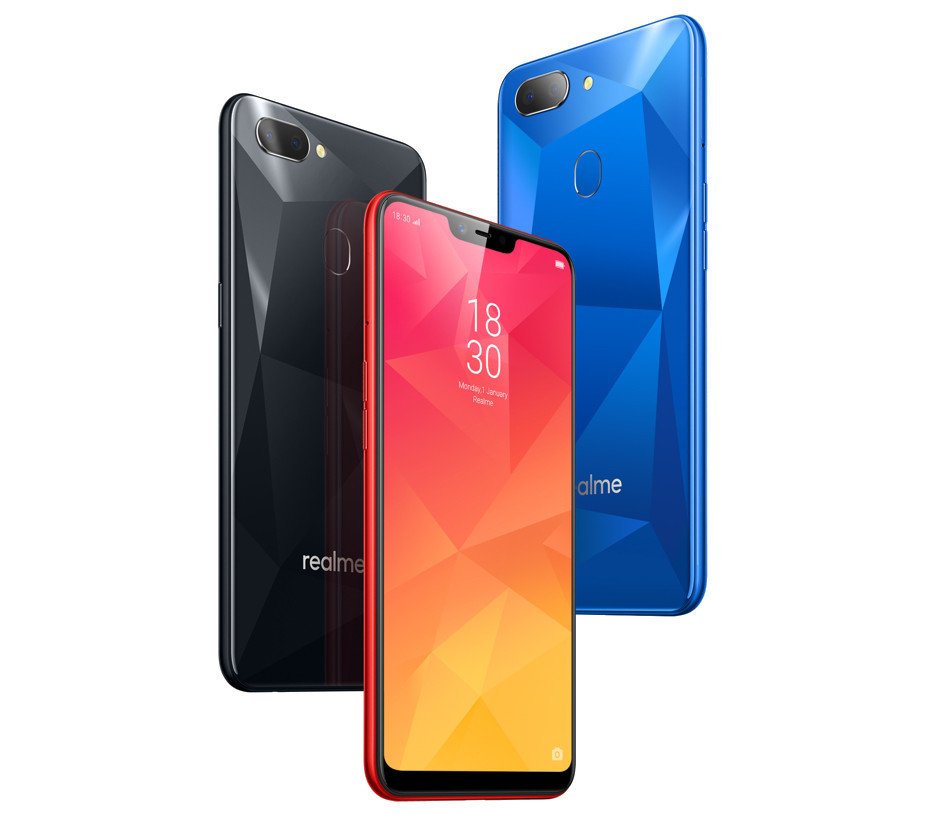
The phone features a 6.2-inch display but the company has downgraded the screen resolution to 720p HD+ compared to Full HD resolution on Realme 1. The FullView 2.5D curved glass display comes with 18:9 aspect ratio and offers a screen resolution of 1520 x 720 pixels which is protected by Corning Gorilla Glass.
Under the hood, the device is powered by Qualcomm‘s Snapdragon 450 octa-core processor clocked at 1.8GHz, which is also a step backward compared to the MediaTek Helio P60 which powers the Realme 1. The phone has two variants — 3GB RAM with 32GB internal storage and 4GB RAM with 64GB internal storage. There’s also a microSD card slot for expanding the phone’s storage capacity.
The company has upgraded the camera configuration on the Realme 2 as it now comes with dual camera sensors on the back, featuring a 13-megapixel primary sensor paired with a 2-megapixel secondary sensor. On the front side, there’s an 8-megapixel shooter for taking selfies and video calling.
Unlike the Realme 1, the Realme 2 comes with a fingerprint sensor on the back panel and also has support for software-based Face Unlock feature. The phone runs on Android 8.1 Oreo operating system out-of-the-box with the company’s own ColorOS 5.1 custom interface.
Connectivity options on the device include Dual 4G VoLTE, Wi-Fi 802.11 b/g/n, Bluetooth 4.2, GPS + GLONASS, and USB OTG. The phone is fuelled by a bigger 4,230mAh battery. It comes in three color options — Diamond Black, Diamond Red, and Diamond Blue.
Google is tightening its security measures in a bid to limit access of user’s data to the app developers. In the latest development, the company has announced that it will be removing applications from the Google Play Store that do not adhere policy for call log and SMS permission.
The announcement comes as part of Project Strobe, which is the search engine giant’s internal initiative which stemmed from the issues which gave rise to the untimely (or timely) demise of its social networking platform Google+.
The company is making it simple — only default clients should be able to access the sensitive user data on the device. Not all the apps that need call log or SMS permission will be removed but many unscrupulous developers who have created apps that require access to user data and then profit from the insight will booted off the platform.
Explaining this move, the company announced:
Our new policy is designed to ensure that apps asking for these permissions need full and ongoing access to the sensitive data in order to accomplish the app’s primary use case and that users will understand why this data would be required for the app to function. Keeping our overall Android ecosystem healthy is very important, and protection of user data is vital to the long term health of all developers.
Google does allow access to such data for genuine use cases. For this, the developers will need to submit a ‘permissions declaration form’ for access to the call log and SMS data. Many developers were emailed several months ago to sort this out and were warned that they had 90 days to get their form in, remove the permissions, or face the consequences.
Now that the 90-days span has expired, Google has announced that it will soon begin removing apps which require call logs and SMS permissions from the Play Store. However, only those apps will be booted off for which the developers are yet to submit a permission declaration form.
Google has also pointed that it assesses factors such as user benefit of the permissions, availability of more narrow alternatives, risks presented by the app and the sheer importance of the permissions for helping an app accomplish its core objective.
We use cookies on our website to give you the most relevant experience by remembering your preferences and repeat visits. By clicking “Accept”, you consent to the use of ALL the cookies.
This website uses cookies to improve your experience while you navigate through the website. Out of these, the cookies that are categorized as necessary are stored on your browser as they are essential for the working of basic functionalities of the website. We also use third-party cookies that help us analyze and understand how you use this website. These cookies will be stored in your browser only with your consent. You also have the option to opt-out of these cookies. But opting out of some of these cookies may affect your browsing experience.
Necessary cookies are absolutely essential for the website to function properly. This category only includes cookies that ensures basic functionalities and security features of the website. These cookies do not store any personal information.
Any cookies that may not be particularly necessary for the website to function and is used specifically to collect user personal data via analytics, ads, other embedded contents are termed as non-necessary cookies. It is mandatory to procure user consent prior to running these cookies on your website.










 Housed in an eye-catching metal frame and sporting an equally appealing tempered glass screen, the Q9 boasts an impressive array of functions. The smartwatch comes with distance counter, calorie counter, a heart rate monitor, blood pressure monitor, sedentary reminder and lots more.
 This is a 50 percent reduction in the device’s original asking price of $39.99. There were only 200 pieces remaining for the promotion sale that will come to an end on January 29th. You can even get the Newwear 20mm replacement leather wristband watch band strap as a gift option along with this order.