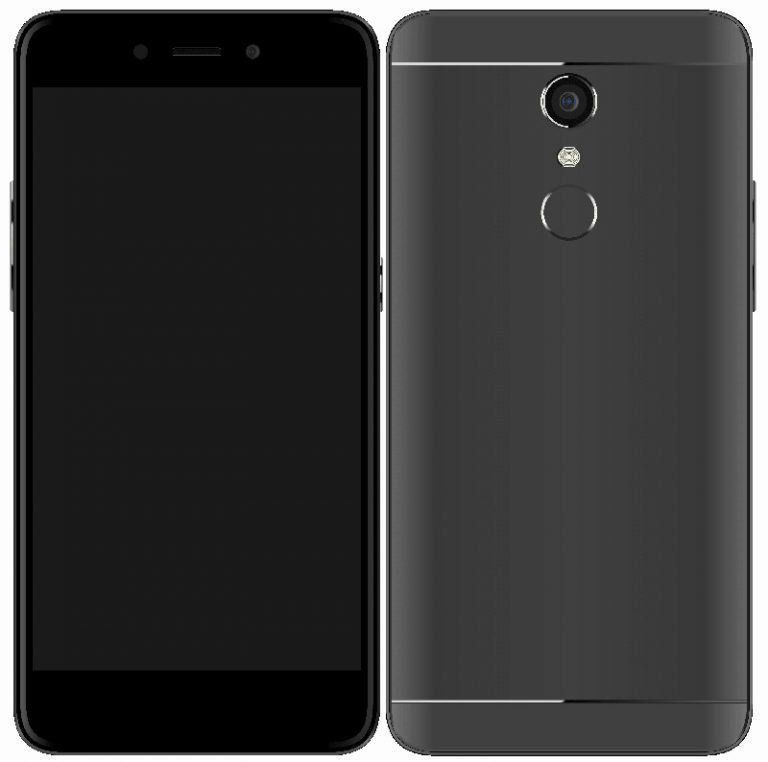
The Alcatel Idol 4s Windows Edition released last year is one of the few Windows 10 smartphones in the market. Nearly a year after its release, it is just going on sale in the UK under a new name, Alcatel Idol 4 Pro.
The Snapdragon 820 smartphone was supposed to be available in France and Germany back on July 26 but was delayed till July 31, and pushed to August 7 in the UK. Now, you can visit the Microsoft website in these three regions and you will find it available for purchase.
The Idol 4 Pro has a 5.5-inch Full HD AMOLED display protected by a 2.5D Dragontrail Glass. The display has an oleophobic coating and viewing angle of 180°. There is 4GB of RAM paired with 64GB of storage with a MicroSD card slot that accepts up to 512GB cards.
The rear camera packs a 21MP 1.12μm sensor with a f/2.2 aperture. Up front is an 8MP sensor that can record in 2K at 30fps, 1080p at 60fps, and 720p at 120fps.
The Idol 4 Pro has dual stereo speakers, a dedicated audio chipset for Hi-Fi audio and a smart amplifier. There is Bluetooth 4.1, dual band WiFi, a rear-mounted fingerprint scanner and a nano-SIM card slot. Under the hood is a 3000mAh battery that supports Quick Charge.
Since this is a flagship Windows 10 smartphone, it has support for Microsoft Continuum. Just hook up the phone to a Continuum accessory and pair it with a monitor, keyboard and mouse and you have a Windows 10-powered PC.
The Alcatel Idol 4 Pro sells for £419.99 ($548.25) tax inclusive and comes in Gold. In the US, Amazon has it for £210.65 ($275) and even includes a pair of Alcatel branded VR goggles. If you plan on buying it there, you have to confirm the bands work with your network provider. The bands supported according to a user who bought it are below:
Sharp has long released a poster that points at an August 8 launch date for the Sharp Aquos S2 which has been the subject of leaks for a while now. Ahead of the launch event, Foxconn Technology Group’s senior VP Dr. Luo Zhongsheng has shared a couple of sample photos shot by the Aquos S2’s camera. Foxconn pretty much owns the Sharp brand, in case you’re wondering the connection. The Aquos S2 is expected to pack a dual camera setup at the rear and that is reflected by the watermark on some of the photos.
The Sharp Aquos S2 is expected to come with a number of sleek features and more than one variant. There will likely be up to three variants, with the top most variant expected to pack a 2160 x 3840 display (UHD). The device also features stunning set of themes which the VP had shared a couple of days back. Now, talking about the sample photos, the Aquos S2’s dual camera is shown to be capable of giving Bokeh effects to photos but we can’t say if it is going to be an RGB or monochrome combination or a wide angle + telephoto combination. The VP also shared sample photos shot in a dark area and they point at a camera setup that not only performs in areas with good visibility but also in the dark using the camera’s flash light.
Basically, the Aquos S2 is expected to feature a 5.5-inch display on all variants while the resolution may vary, with one having a 4K resolution. The device is expected with a 12MP + 8MP dual camera setup and up to 6GB of RAM.Also expected, is a Snapdragon 660 processor on one of the variants, as well as a Snapdragon 330 powered variant. There may likely be a variant with a flagship SoC but we’ll keep our fingers crossed on that. The Aquos S2 is also expected to come with a full-screen display without bezels and a fingerprint sensor that won’t be at the rear but on the display itself. Qualcomm recently unveiled the in-display fingerprint technology, could we be seeing it for the first time on the Sharp model? We’ll find out about that tomorrow when the device goes official. Check out some more photos from below.
Zhimi isn’t a brand most people are familiar with but I’m sure you have heard of their products before but under a different name. The Mi Air Purifiers. Yes, Zhimi is the company behind Xiaomi’s Mi Air Purifiers, just as 1More is behind the Xiaomi Piston earphones and Huami makes the Mi Band.
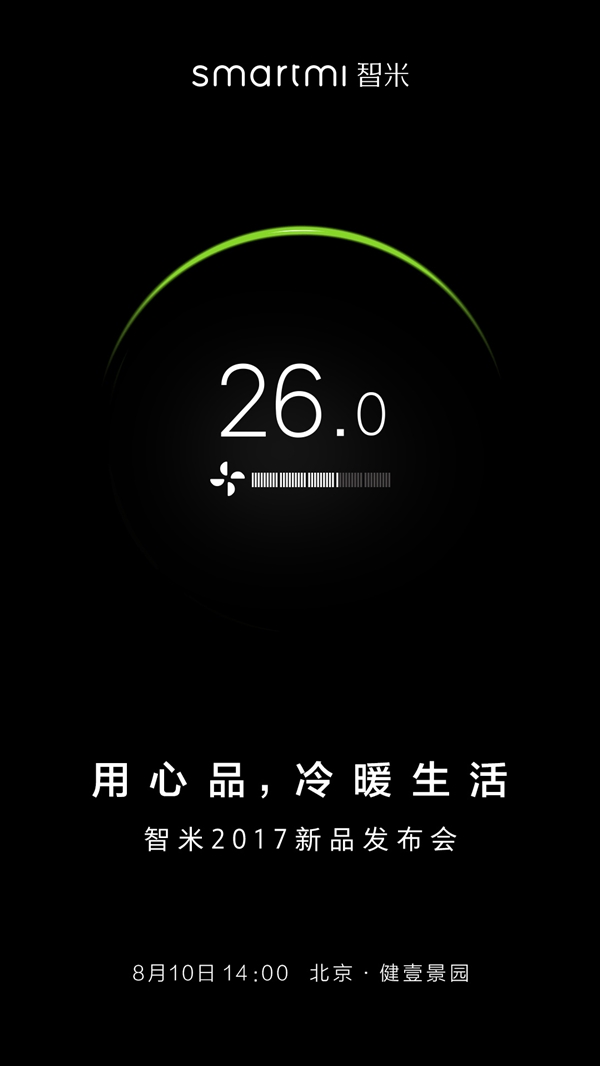
It is not unusual to see some of these companies release products under their own names like the Amazfit Smartwatch. Zhimi just teased a new product set for an August 10 launch and we think it is an air conditioner.
The teaser shows a temperature reading along with a fan icon and a meter that shows the speed of air flow. These hints point at an air-conditioning unit.
There is no detail about the design and pricing of the Zhimi Air Conditioner, so we will have to wait till Thursday to find out. The event will hold in Beijing and will begin at 1400hrs (Beijing local time).
Reports have claimed that Samsung failed to embed the fingerprint scanner under the screen of the Galaxy S8 and Galaxy S8+ smartphones. Also, the upcoming Galaxy Note 8 is unlikely to feature it. Fresh information shared by KGI Securities analyst Ming-Chi Kuo, the Galaxy Note 9 would be coming with an in-screen fingerprint scanner
The most noticeable trend that can be seen in 2017 smartphones is the introduction of full-screen displays. Such smartphones do not feature front-facing fingerprint scanners. The first full-screen phone is the Xiaomi Mi MIX concept phone that had debuted in October 2016. In this year, the LG G6, Samsung Galaxy S8 and Galaxy S8+ have already arrived with full-screen displays. Theses phones have rear-facing fingerprint scanners.
Previous reports have claimed that Samsung and Apple have failed in their attempts at incorporating the fingerprint scanner under the display of their 2017 flagships. The deployment of adding rear-facing fingerprint scanners on Galaxy S8 and Galaxy S8+ have met with disappointments from critics and users as there is a possibility of accidently smudging the camera lens while accessing the biometric recognition feature. To avoid accidental smudging on the upcoming Note 8, Samsung is rumored to have placed the LED flash unit between the dual rear cameras and the fingerprint scanner.
Sharp and Vivo are two companies that have successfully managed ted to embed the fingerprint reader under the screen of the respective upcoming smartphones, Sharp Aquos S2 and Vivo Xplay7. According to Kuo, the Galaxy S9 and S9+ that are slated to debut in the first of 2018 will be coming with rear-mounted fingerprint readers. He is of the view that the Galaxy Note 9 will be the first in-screen fingerprint scanner totting smartphone from Samsung.
Currently, Synaptics is providing fingerprint sensors to Samsung. However, in the next year, Samsung will replace Synaptics with Egis for the biometric recognition sensor, claims Kuo. The Samsung Galaxy Note 9 will need some unique selling points and the arrival of in-screen of fingerprint scanner could be one of its bestselling features that will also set it apart from the Galaxy S9 duo.
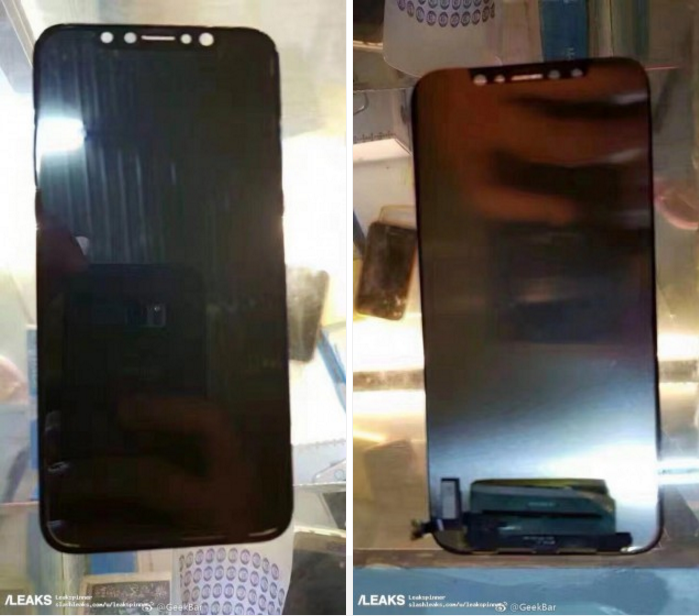
Plenty of details of the rumored iPhone 8 have appeared through the code of the firmware for Apple’s HomePod. One of things that have unearthed through it is that iPhone 8 may come with a 3D face recognition feature called Face ID instead of Touch ID fingerprint sensor. Leaked images of the alleged display assembly of the iPhone 8 suggests that it does not feature a Touch ID sensor.
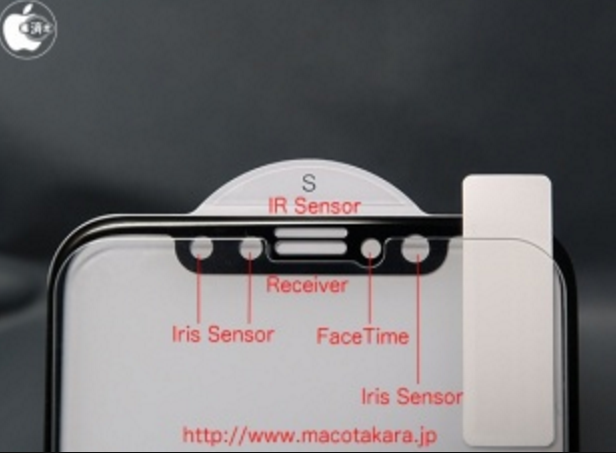
An image of the front panel of the rumored iPhone 8 that had appeared in the previous week had revealed that its u-shaped upper bezel has cutouts for a pair of iris sensors for 3D face recognition feature. The leaked images of display assembly of the iPhone 8 show the presence of the same cutouts that probably belong to the iris sensors. Recent rumors have revealed that the facial recognition feature will not allow users to unlock the iPhone 8 but also to make payments through Apple Pay.
If this is true, there is a high possibility that the special edition iPhone that will be introduced in celebration of the tenth anniversary of iPhones will not feature Touch ID fingerprint scanner. Comparing the image of the display with that of the front panel of iPhone 8, it can be seen that a second horizontal shaped present on the latter cannot be seen in the newer images.
There are some conflicting rumors that claim that the Cupertino company has successfully managed to test the iPhone 8 with on-screen fingerprint scanner. And there are some other reports that suggest that it would be arriving with a rear-facing fingerprint scanner. Some leaked renders show that the iPhone 8 would be coming with an elongated Power button that is integrated with Touch ID sensor.
According to well-known KGI Securities analyst, Ming-Chi Kuo, the Cupertino company has cancelled the plans on embedding the fingerprint scanner under the screen of the next-generation flagship iPhone. However, there is no confirmation on when Apple decided to axe the embedded Touch ID feature. The removal of the Touch ID enabled Home button from the frontside could certainly make it possible to include a full-screen display on the upcoming iPhone 8.
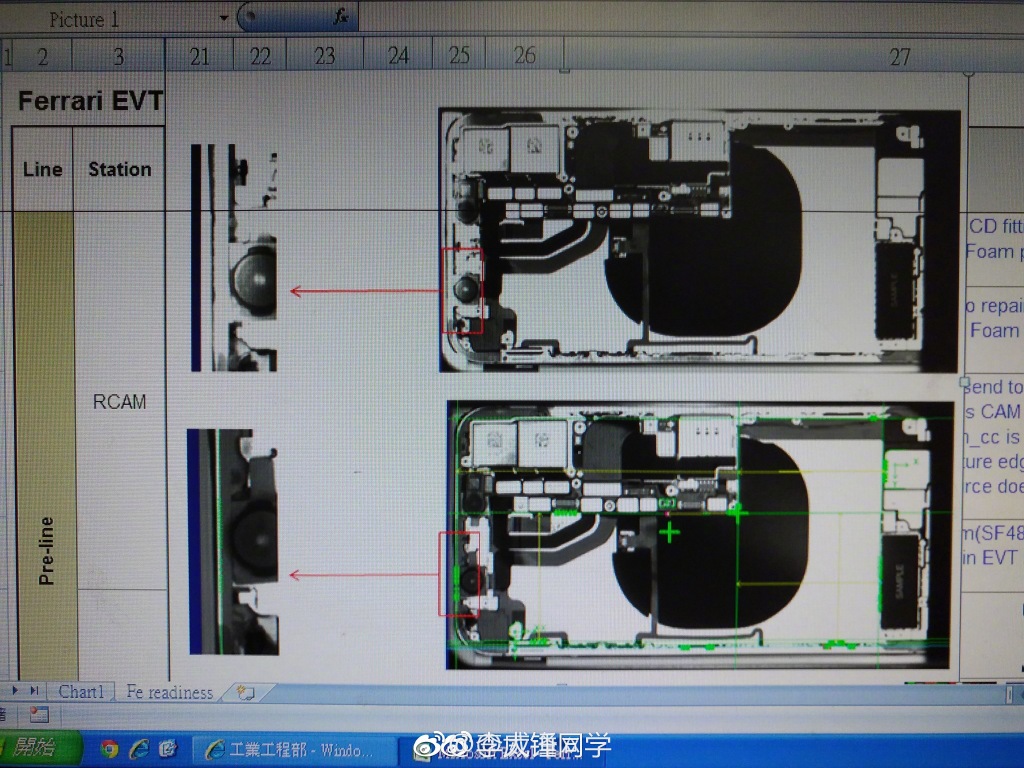
The above leaked image showing the internals of the iPhone 8 (codenamed as Ferrari) suggests the presence of wireless charging ring along with a double-stacked circuit board. It also suggests that the rumored iPhone 8 would be coming with a L-shaped large-sized battery that will allow it to deliver enhanced battery life.
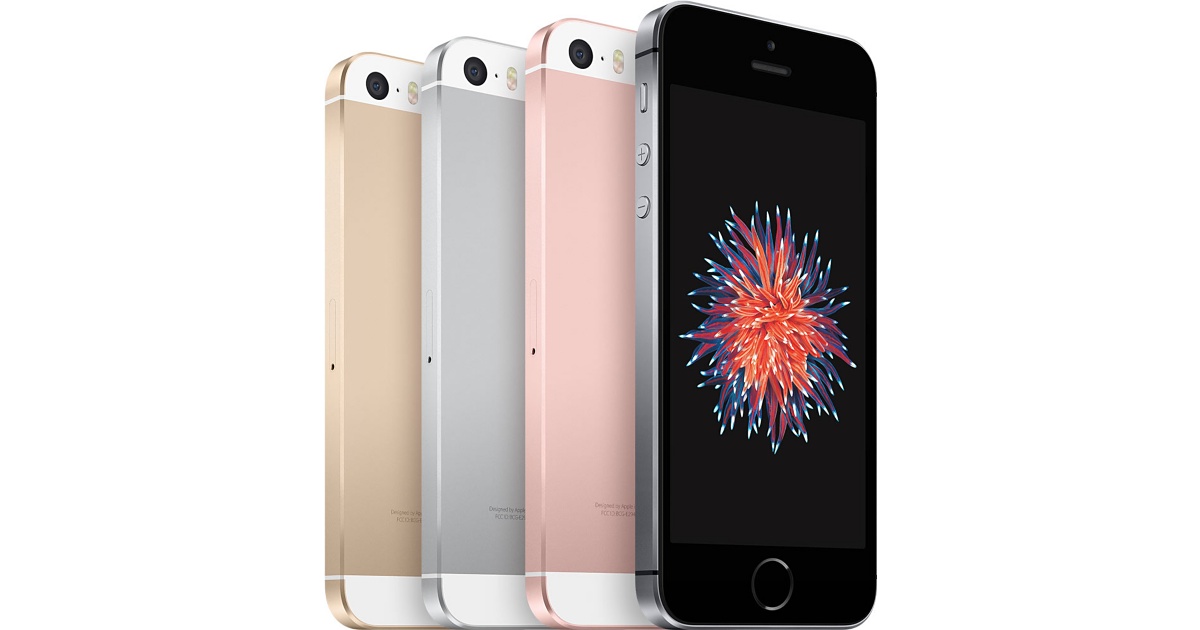
The iPhone 5S that was launched in 2013 came with a 4-inch display. Since then, Apple has been releasing large-sized iPhones. Last year, Apple had released a 4-inch iPhone SE (Special Edition) for those iPhone fans who prefer small-sized iPhones. Since it came with a low pricing compared to other bigger iPhones, it was well-received among Apple fans. Fresh information suggests Apple may release a second-generation edition of the iPhone SE in the first quarter of 2018.
Industry insiders are of the view that Apple iPhone SE 2 will be made by built Wistron and its shipments will begin in India in the first quarter of next year. It is rumored to release first in India before it is released in other countries. The iPhone SE 2 is expected to be available with a cheaper pricing since it will benefit from 10 percent reduction in customs duty tax.
The iPhone SE 2 is rumored to feature a 4-inch or a 4.2-inch screen. It is expected to be powered by Apple A10 chipset and 2 GB of RAM. The latest iOS 11 is expected to come preloaded on the iPhone SE 2. A 12-megapixel camera that is available on the iPhone 7 is rumored to be present on the iPhone SE 2 along with a 5-megapixel selfie snapper.
The second-generation Touch ID sensor that was introduced on the iPhone 6S is speculated to arrive on the iPhone SE. The original iPhone SE came with a 1,624mAh battery. However, it successor may arrive with a larger battery of 1,700mAh capacity. It is likely to arrive in two storage editions of 32 GB and 128 GB. It is expected to be priced at 399 euros ($469). Currently, the 16 GB and 32 GB editions of the iPhone SE are available on Amazon India with respective pricing of Rs. 24,800 ($389) and Rs. 25,480 ($400).
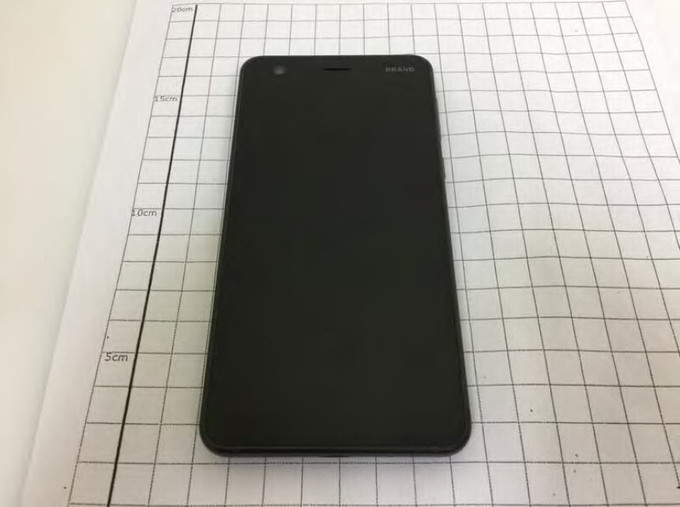
Last week live photos of the Nokia 2, said to have been gotten from the FCC were leaked online. More details have surfaced from the FCC filing but still doesn’t include some of the key specs.
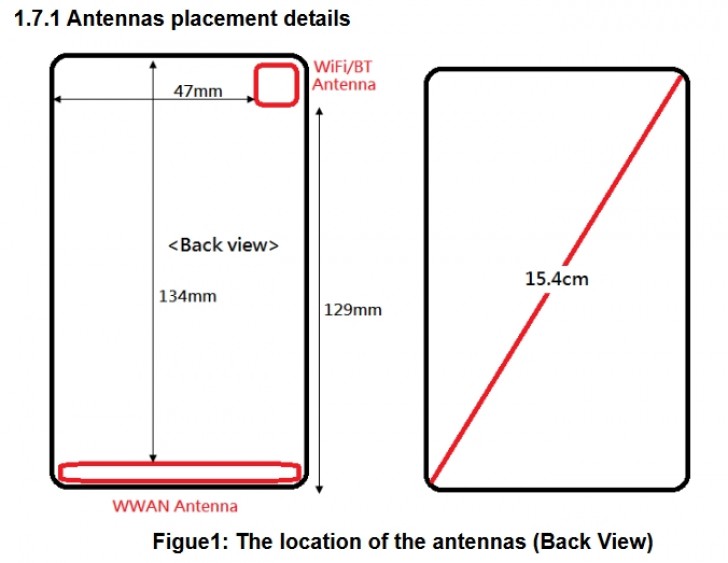
The new info includes schematics and band support for the Nokia 2 a.k.a TA-1029. Even though the Nokia 2 is a budget-smartphone, it will have LTE but limited to just three bands according to the document. The three bands are FDD-LTE B3 (2600 MHz) and B5 (850 MHz), and TDD-LTE B38 (2600 MHz). The Nokia 2 also supports WCDMA (1900 and 900 MHz) and 2.4GHz WiFi.
The schematics show the dimensions and the antenna placements for the phone. The Nokia 2 measures 15.4 cm diagonally (bezels included). With the design of the other Nokia phones so far and the images provided, we are looking at a display size of between 4.5 and 5.0 inches with a 720p resolution.
There is a wireless antenna at the bottom of the phone and a Bluetooth antenna at the top right corner.
The Nokia 2 is expected to come with Qualcomm’s low-end Snapdragon 210/212 mobile platform. It will be paired with 1GB of RAM and 8GB of storage. The quad-core chips only supports up to 8MP cameras, so that is the max we expect on either side of the phone.
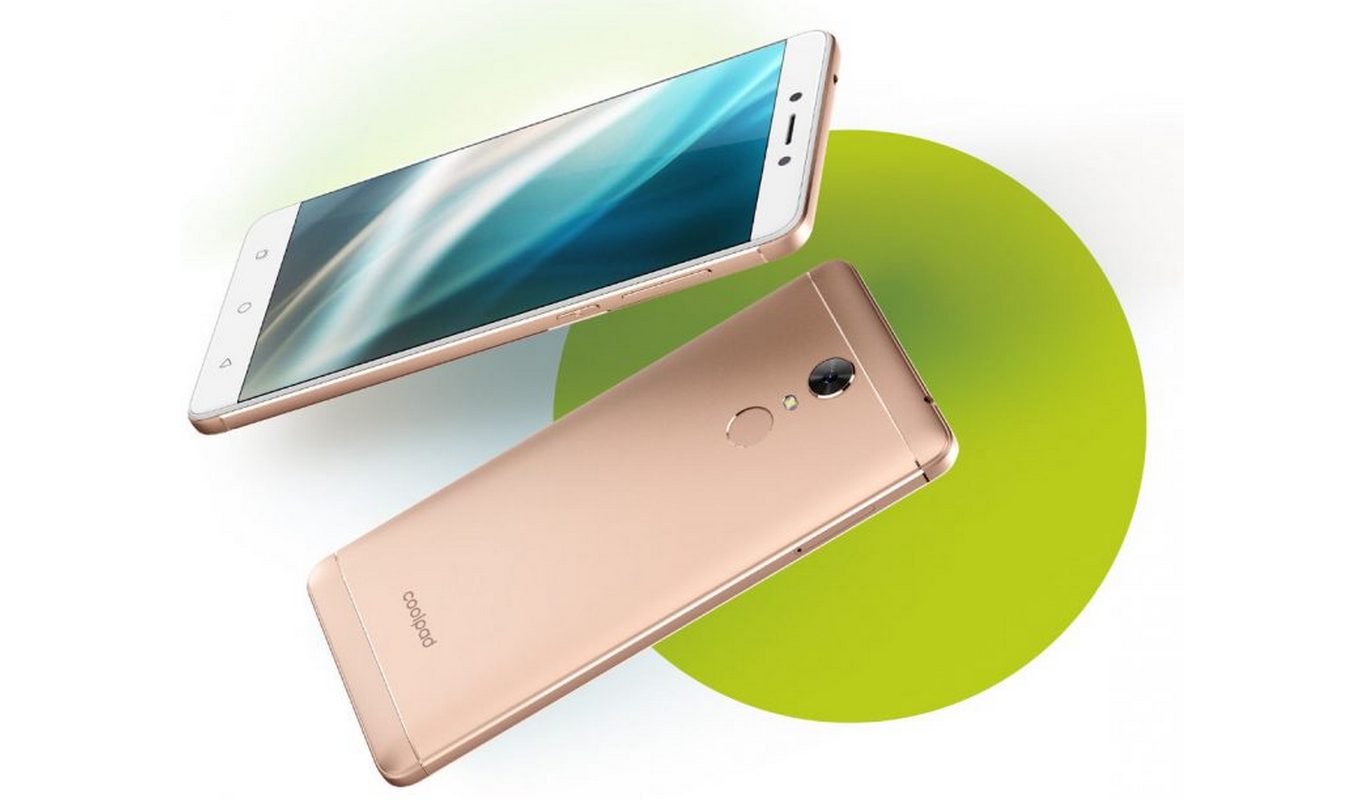
It’s been a while since Coolpad released a smartphone especially after the financial troubles of LeEco started. The last reported launch we reported was the Coolpad Cool Play 6 but a new smartphone has been launched by the tech company in India dubbed Coolpad Note 5 Lite C. The phone is a trimmed down version of the Coolpad Note 5 Lite launched in March this year and is the first model Coolpad will launch that would be sold exclusively offline. Also, it runs Android 7.1 Nougat based Cool 8.0 UI, another first for Coolpad.
The Coolpad Note 5 Lite C is an entry level smartphone despite having Android Nougat onboard and having a metal unibody. As far as specs go, the Note 5 Lite C comes with a 5-inch IPS display having a resolution of 1,280 x 720 pixels. The device also features a quad-core Qualcomm Snapdragon 210 (MSM8909) processor running at 1.1 GHz as well as an Adreno 304 GPU. The processor is backed by a 2GB of RAM and there is 16GB of expandable storage. In addition, the Note 5 Lite C features an 8MP main camera at the rear with an f/2.4 aperture and LED flash, as well as a 5MP camera on the front with an f/2.4 aperture. The device also packs a rear-mounted fingerprint sensor, dual SIM slots, 4G LTE and is fueled by a 2,500 mAh battery.
Talking about the price, the Coolpad Note 5 Lite C comes with a price tag of Rs. 7,777 ($122). The smartphone will be available in grey and gold colors and would be sold offline in stores across India starting from this month.
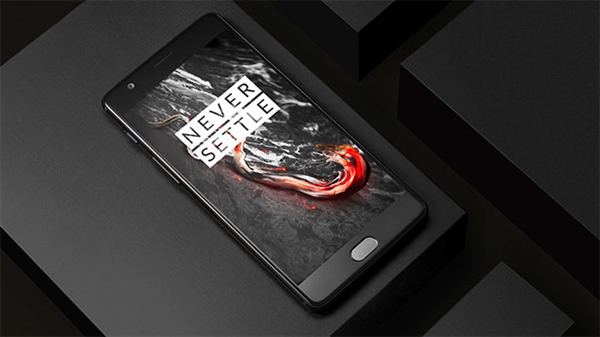
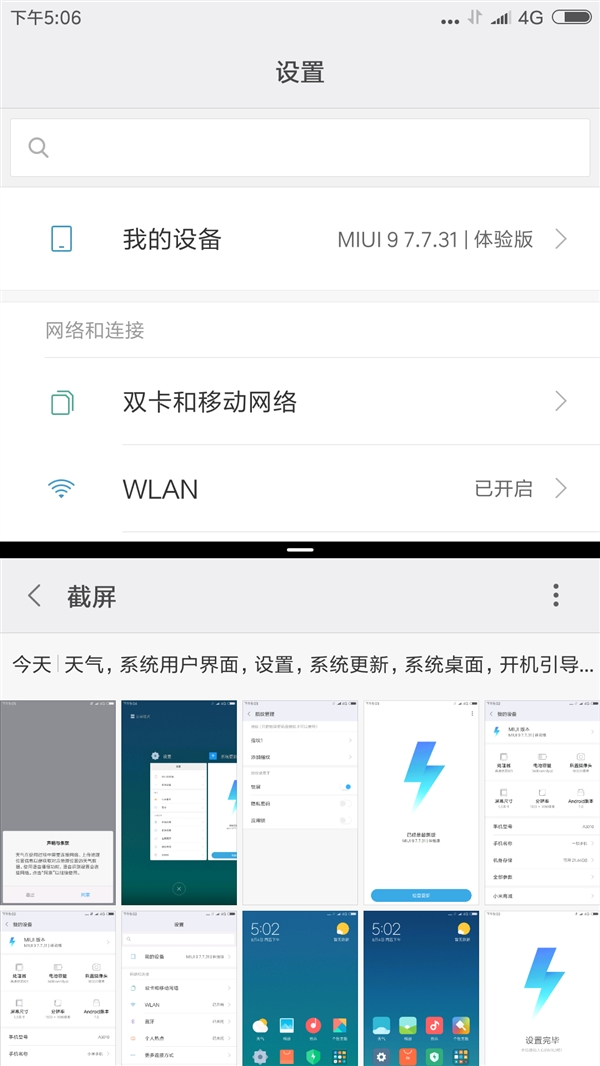
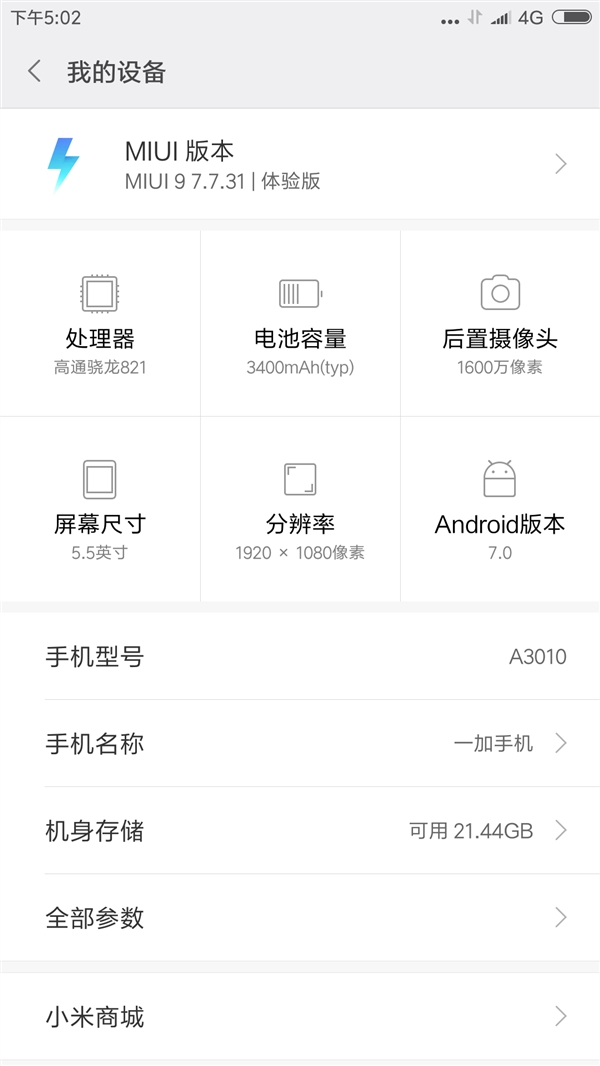
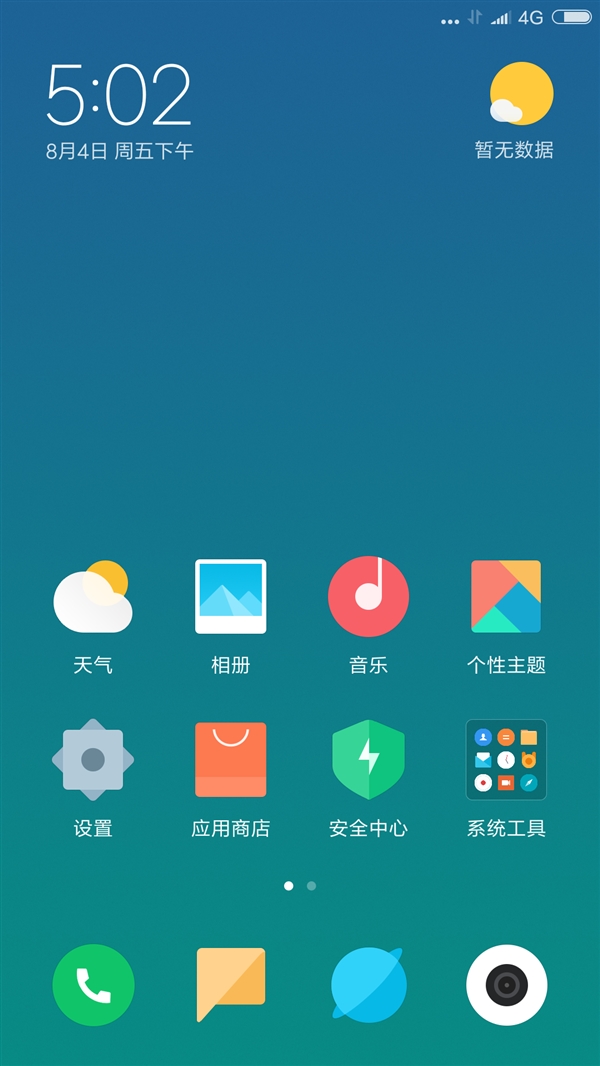
It’s just a little over one week since Xiaomi‘s MIUI 9 was officially launched and the Beta ROM has only been pushed to just a few models, yet the custom ROM has reportedly found its way into the OnePlus 3T. The OnePlus 3T was announced last year packing a Snapdragon 821 chip as a slight upgrade of the OP3. The ROM in question is an unofficial Patch of the MIUI 9 ROM which was released by developers whose identity we cannot ascertain. But from the screenshot we can guess this emanated from China because the texts are all in Chinese.
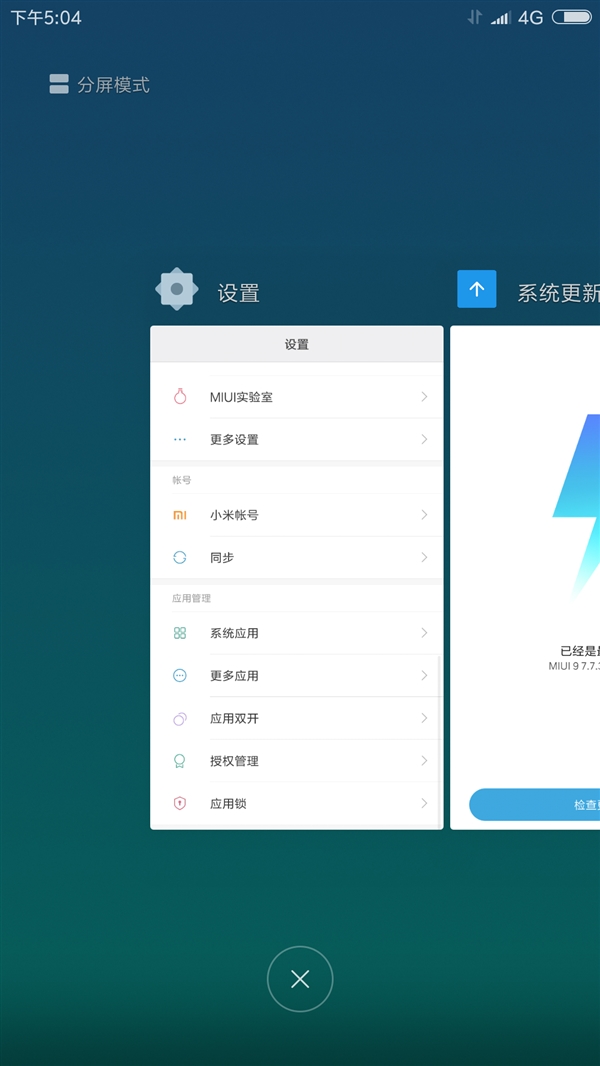
The patch was possible as a result of the open source nature of Android ROM and MIUI and the modifications made it possible for the custom UI to run on the OnePlus 3T. There are a couple of screenshots to back the claim that the OnePlus 3T has got a taste of MIUI 9. The screenshots also reveal the version is MIUI 9 7.7.31 Developer ROM, meaning it was last updated on July 31. One of the screenshots is that of the”About Phone” page and the model and its features are clearly seen to belong to the OnePlus 3T (A3010).
Further more, the MIUI 9 Theme can also be seen, as well as the split screen features and a couple of other features of MIUI9 are reportedly available on the phone. According to the developer, the MIUI 9 Bootloader can booth the OnePlus 3T normally but there are still a couple of bugs that are yet to be fixed on the Patch ROM. For those that are interested, the new Patch ROM package will be released on Sunday. But do note that this isn’t an official release and so, will likely contain bugs that can compromise the security of your smartphone. Xiaomi in the near future will likely release the Patch ROM tool for MIUI 9 in order for developers to modify it for other non-Xiaomi models. The tool is available right from MIUI 2.3 to MIUI 8.
Sharp has been making bezel-less smartphones for years before the Xiaomi Mi MIX was released last year. However, it was the popularity of the latter that kick-started the current craze for bezel-less and full-screen phones.
The latest report is that some of the other big names in China are planning to release full-screen phones before the end of the year. One of them is OPPO, the second biggest manufacturer in China and the fourth in the world.
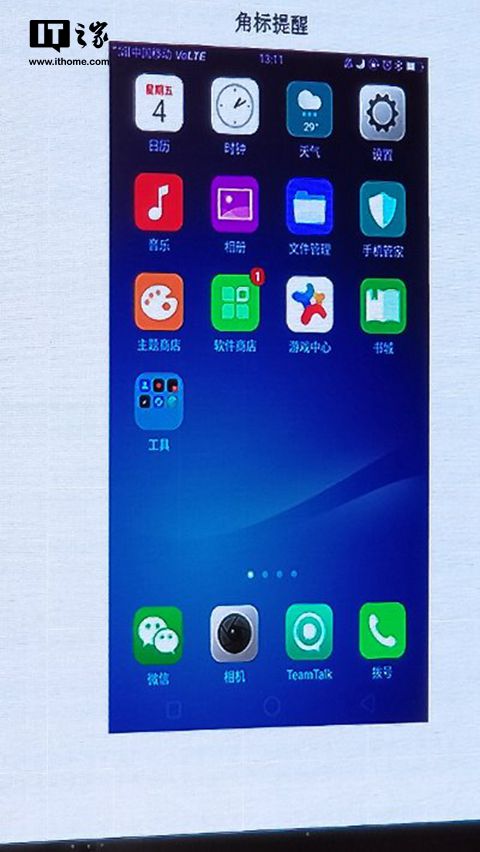
The image above was released online recently and shows a user interface said to be for OPPO’s upcoming full-screen smartphone. The biggest change in the UI is the presence of on-screen buttons for navigation.
OPPO smartphones usually feature capacitive buttons (dots), with a large oval button serving as the home key/fingerprint scanner. Switching to on-screen buttons means the fingerprint scanner is probably moving to the back or to the side (power button) allowing for a display that stretches further downwards.
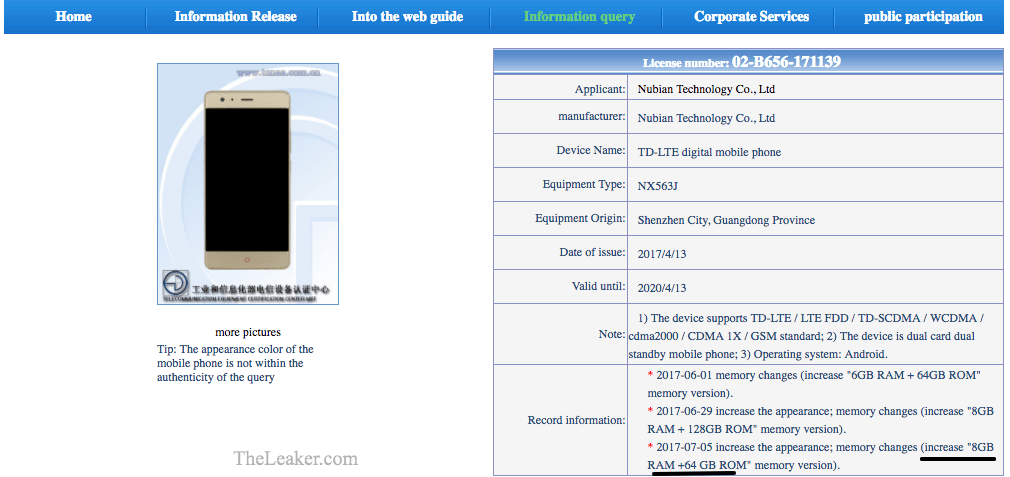
Nubia released the Z17 as its flagship of the year in June. Available in two variants – 6GB of RAM + 64GB/128GB ROM and 8GB RAM + 128GB ROM. We may be getting a new variant soon as a new Nubia Z17 has been spotted on TENAA.
The new variant is actually an 8GB RAM model with 64GB of built-in storage. It’s price will see it positioned between the 6GB RAM + 128GB model and the 8GB RAM + 128GB model. The latter is priced at ¥3999 (~$587), so we presume this should be between $530 and $550. There is also a possibility that this may be destined for other markets such as India.
The Nubia Z17 is a fantastic device, though it is one of the pricier Snapdragon 835-powered phones in China. It is the first smartphone to have a single slit antenna design and it uses a new design called aRC 3.0 to keep the front glass thin and the display without side bezels.
It has a 5.5-inch display protected by Corning Gorilla Glass, a 16MP front facing camera and its signature red-holo circle adorning the front. The rear is where you will find its dual rear cameras, a 23MP f/2.0 sensor paired with a 12MP f/1.8 one with 2X lossless zoom, and dual LED flash. Keeping the rear cameras company is a fingerprint scanner.
The Nubia Z17 is also the first smartphone to support Quick Charge 4+, allowing you charge its 3200mAh battery from 0 to 50% in just 20 minutes.
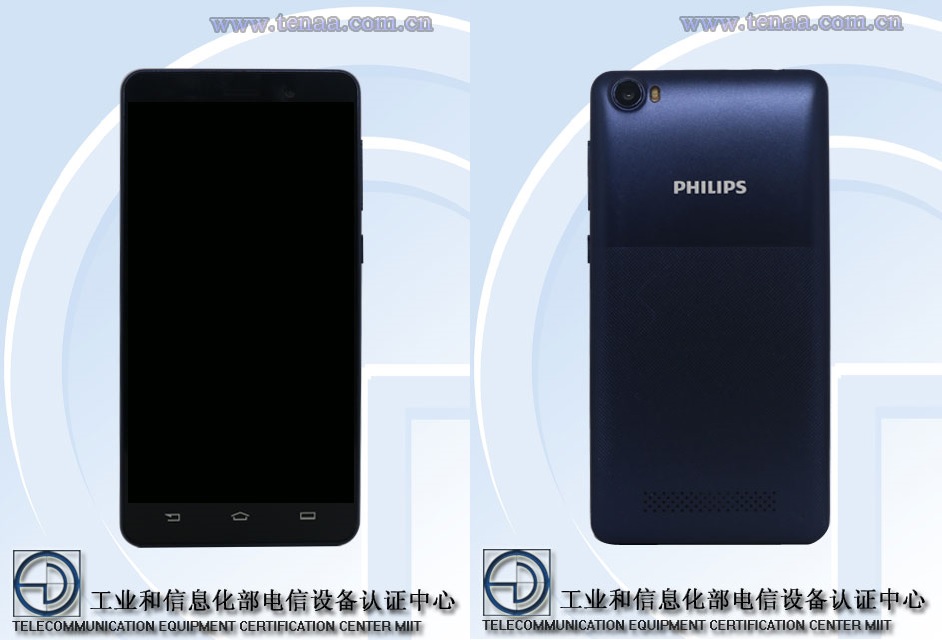
Philips is one of the oldest electronics manufacturers in the world. The Dutch manufacturer makes a range of electronics but is mainly known as the leader when it comes to lighting. In the last three decades or thereabout, it has also included phones to its product line. A new Philips phone with model number S310X has been seen on TENAA and the specs put it in the entry-level/mid-range category.
The Philips S310X is the third Philips smartphone listed on the Chinese site this year. A few months ago, the Philips S329 and Philips X598 were seen on TENAA’s database but both devices still haven’t been released yet.
The S310X is listed as having a 5-inch HD display, with multiple RAM and ROM variants. RAM starts at 1GB and maxes out at 3GB, while storage starts at 8GB, doubles to 16GB and maxes out at 32GB. There is support for a microSD card (32GB max).
There is a quad-core processor clocked at 1.25GHz and it draws power from a 2000mAh battery. The rear camera is an 8MP sensor and the selfie camera is 5MP. Both cameras are interpolated. The S310X runs Android 6.0, and is available in white, black,and gray. It also has LTE support.
Design wise, the Philips S310X doesn’t offer anything beyond the basics. It appears to be made of plastic, weighing 138.5 g and measuring 144.8 x 72.2 x 2.3 mm. There are capacitive buttons in front and the back is a bit curved at the top and bottom edges. The rear camera, positioned at the top left corner also has a slight bump.
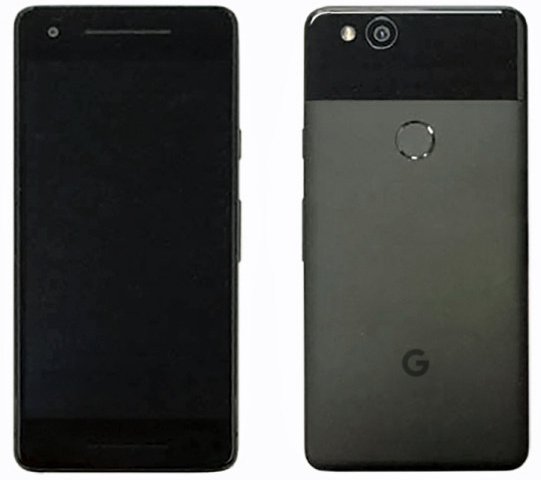
Thinner bezels, infinity displays, full-vision displays, and dual cameras are the key features you will find in flagships this year. However, Google is not boarding any of those trains. A leaked image of the Google Pixel 2 shared by Evan Blass doesn’t have any of those features. Instead, it shows just subtle changes from last year’s model.
The Pixel 2 will be manufactured by HTC while the Pixel XL 2 will be made by LG. While HTC doesn’t make its own displays, Google can simply have LG supply them with a full vision display similar to that of the LG G6 for the Pixel 2, but it seems Google simply doesn’t think it is ready to adopt that design.
Rather the device is shown sporting equally large bezels at the top and bottom just like last year’s model. The same is said for the larger Pixel XL 2.
So, no thinner bezels. But do we at least get dual rear cameras? Google is saying no once again with this year’s flagships.
While there were really no complaints about the Pixel and Pixel XL not having dual cameras, we weren’t expecting to see Google ditch it again this year. The Pixels’ have one of the best cameras you will find on a smartphone till date, so this might be a case of “don’t fix what isn’t broken”.
Google won’t be the only manufacturer without dual camera flagships this year, the Samsung Galaxy S8 and Galaxy S8+ have the same single sensors as last year’s Galaxy S7, HTC’s U Ultra and U 11 also have single sensors. But while Samsung will be launching its first phone with dual cameras this month, Google won’t have another go until next year.
The image above shows a larger sensor which may mean better low-light images, so that counts as an improvement. The camera’s software will definitely also get an upgrade.
So what has changed in the Pixel 2? A front facing speaker. The Pixel had its speaker at the bottom which can easily be covered with your fingers when you’re watching a video either in portrait or landscape mode. The leaked image shows the earpiece speaker is larger now, meaning it will do more than just pump out audio during calls. We can’t see another speaker at the bottom since this isn’t the sharpest of images but we will keep our fingers crossed for dual front facing speakers.
Since we already mentioned that the rear camera has a larger sensor, the other major change is the glass half of the back. It is smaller and doesn’t cover the fingerprint scanner anymore. It also appears to wrap around the sides this time.
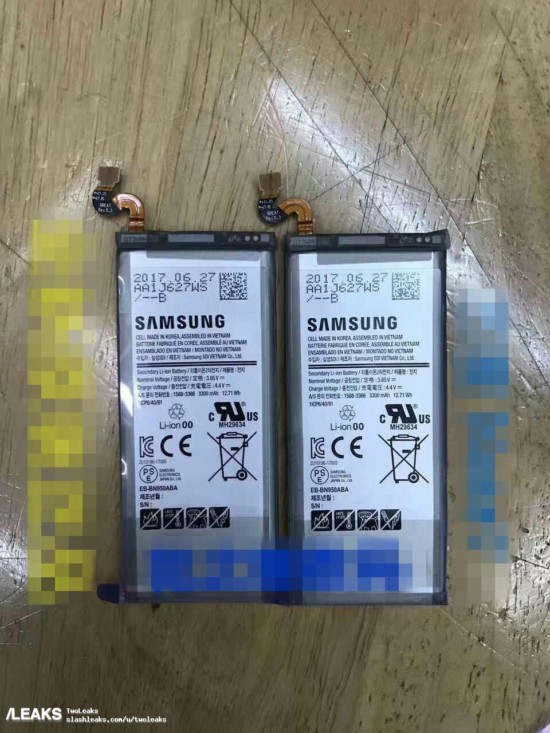
The specs of the Samsung Galaxy Note 8 leaked earlier this week and we reported it will feature a 3300mAh battery. An image said to be of the device’s battery has leaked confirming it will indeed feature a 3300mAh battery.
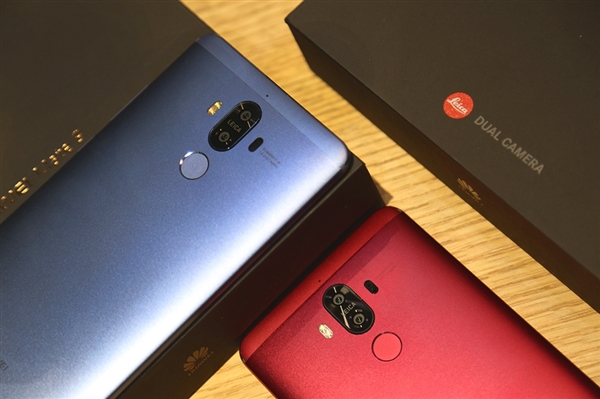
Huawei seems to be making progress in its bid to make an inroad into the lucrative U.S. market as telecom giant AT&T is reportedly in talks with Huawei to sell its flagship models, including the Mate 10, in the U.S. Although the agreement is said to be temporary, it at least presents some ray of hope for the Chinese market leader in its bid to take the battle to Apple and Samsung for the top spot in market share and revenue in the U.S. and elsewhere.
Recent data places Huawei as the third largest smartphone manufacturer in the whole world in terms of market shares and is fast closing in on Apple for the second spot. A presence in the U.S. will go a long way to helping the company grab a slice of the pie from not just Apple but Samsung. As the second largest carrier in the U.S. At&T is in a good position to help Huawei achieve its goal. The U.S. smartphone market is majorly carrier-based and Huawei has struggled unsuccessfully to build relationships with the major carriers in the country.This is said to due in part to the ban on Huawei’s professional equipment for carriers’ networks such as routers and antennas in the U.S. since a 2012 congressional report raised concerns that the Chinese government might use the company’s gear to spy on Americans. Huawei denied the allegations but its reputation was dealt a blow even though it wasn’t stopped from selling it smartphones in the United States.
The Mate 10 will be the first device that would be sold in the U.S. if indeed the deal becomes effective. It comes with the quality to help Huawei make another foray into the market. The Mate 10 was recently rumoured as coming with the company’s recently trademarked EntireView display and other stunning features. Talks are still underway and Huawei is already working with AT&T on its Kirin chipset and other technicalities. Until both companies reach an agreement on commercial terms and other modalities, we’ll have to keep our fingers crossed on this one. That may not be too far away, though, because the Mate 10 is rumoured to launch this October.
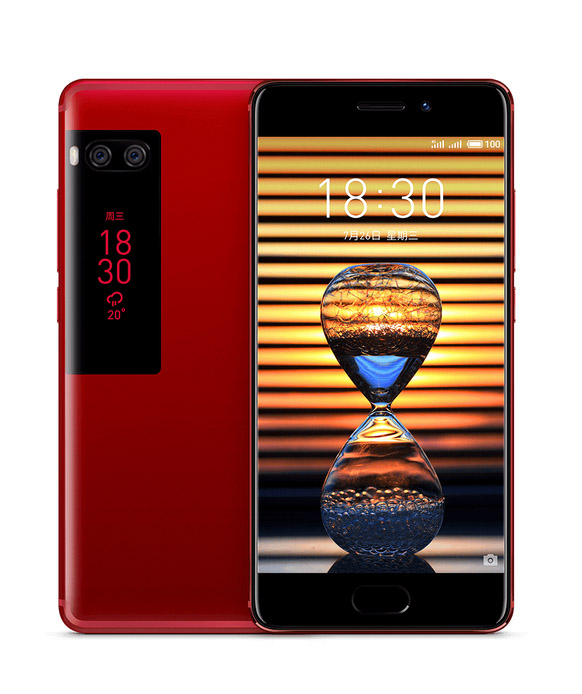
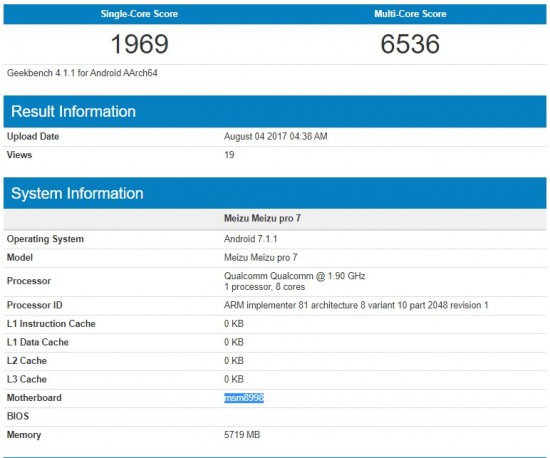
It’s no longer news that Meizu finally took the wraps off the Pro 7 and Pro 7 Plus in a colourful ceremony last week. Just when we thought all about the two flagships have been unravelled, a new twist has appeared in the mix from benchmark platform Geekbench. Someone recently uploaded a benchmark result alleged to be that of the Meizu Pro 7 and you know what? The Pro 7 in question has a Qualcomm Snapdragon 835 Systems-on-Chip (SoC) onboard.
The Meizu Pro 7 and Pro 7 Plus were launched as the first models powered by MediaTek’s latest and first 10nm flagship Helio X30 chip, with some models packing an equally new Helio P25 processor. The Pro 7 Plus comes entirely with an Helio X30 processor while the Meizu Pro 7 had either an Helio X30 or Helio P25 chip onboard. But the Geekbench model has an SD 835 chip on board as well as 6GB of RAM. The model is listed with a single-core score of 1969 and a multi-core score of 6536 points which is almost similar to that of other Snapdragon 835 smartphones.
This piece of information will be of interest to the section of Meizu fans who seek for a Qualcomm-powered Meizu phone especially as that Qualcomm powered phone is likely turning out to be the “Lord of the Manor”, the company’s best model yet. But don’t get your hopes up too soon, this might just be a hoax put up by someone up to some mischief. Do look forward to seeing a Snapdragon-packing Meizu phone before the end of this year or at most next year, though.
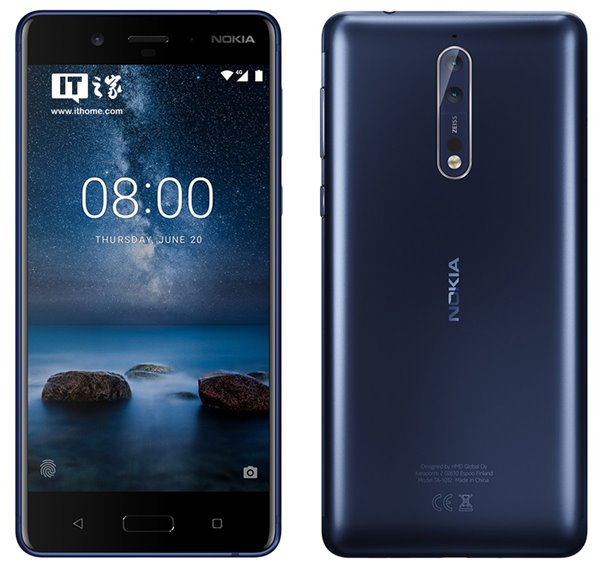
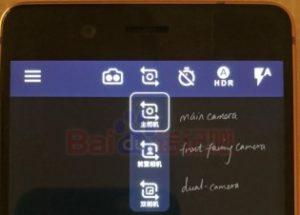
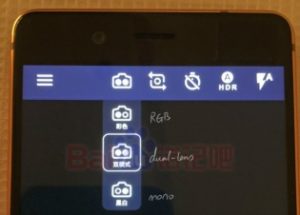
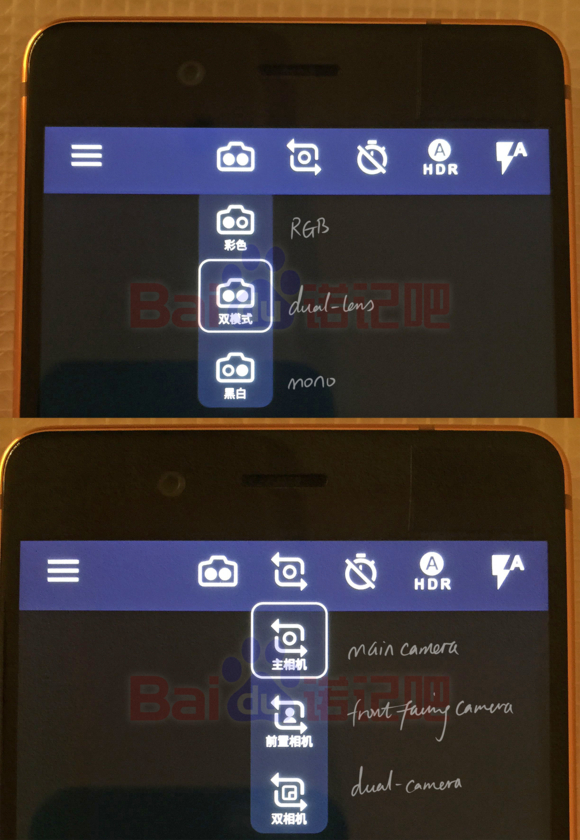
The Nokia 8 is in the news again, this time around we have leaked screenshots of the device’s camera interface showing us what is possibly the design and we could still grab a couple of features from the shots. The images are credited to have emerged on China’s Baidu, also note that a good number of the leaks concerning the Nokia have come from China and that gives it some credibility. China is among the “first responders” who’ll get the flagship whenever it is official. The unveiling will likely be in China before spreading to other regions.
The main feature we can grab from the leaked Camera interface is that the Nokia 8 indeed has a dual camera setup and the two cameras will be a monochrome sensor and an RGB sensor. The arrangement of the icons on the menu seems to indicate that either sensor can function singly and in a dual camera arrangement. Users will have the option of choosing RGB, dual-lens or Monochrome from the drop down camera setup menu before taking the shot.
In addition, the second photo reveals the presence of a dual camera mode, where you use the rear and the front cameras to create a collage in real time. This isn’t a new feature but isn’t present on all dual camera packing Android phone so it’s nice that the Nokia 8 will have it. Other features are pretty basic, like the self-timer, HDR mode and flash settings.
As a reminder, the Nokia 8 is expected with a 5.7-inch 2K display with a Qualcomm Snapdragon 835 processor powering it up as well as up to 4GB / 6GB of RAM and 64GB of expandable internal storage. The dual rear camera setup is made up of a 12MP main sensor and Zeiss optics. The device is also expected to pack a 3000mAh battery and will run Android 7.1 out of the box.
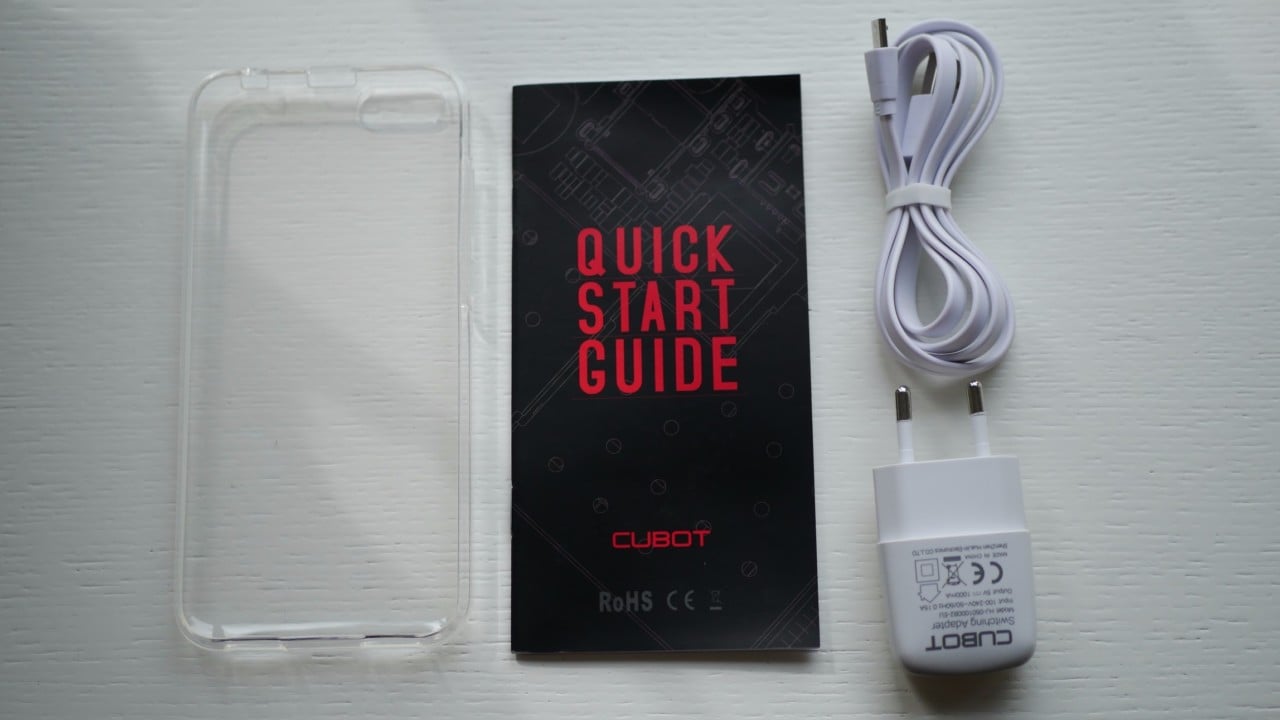
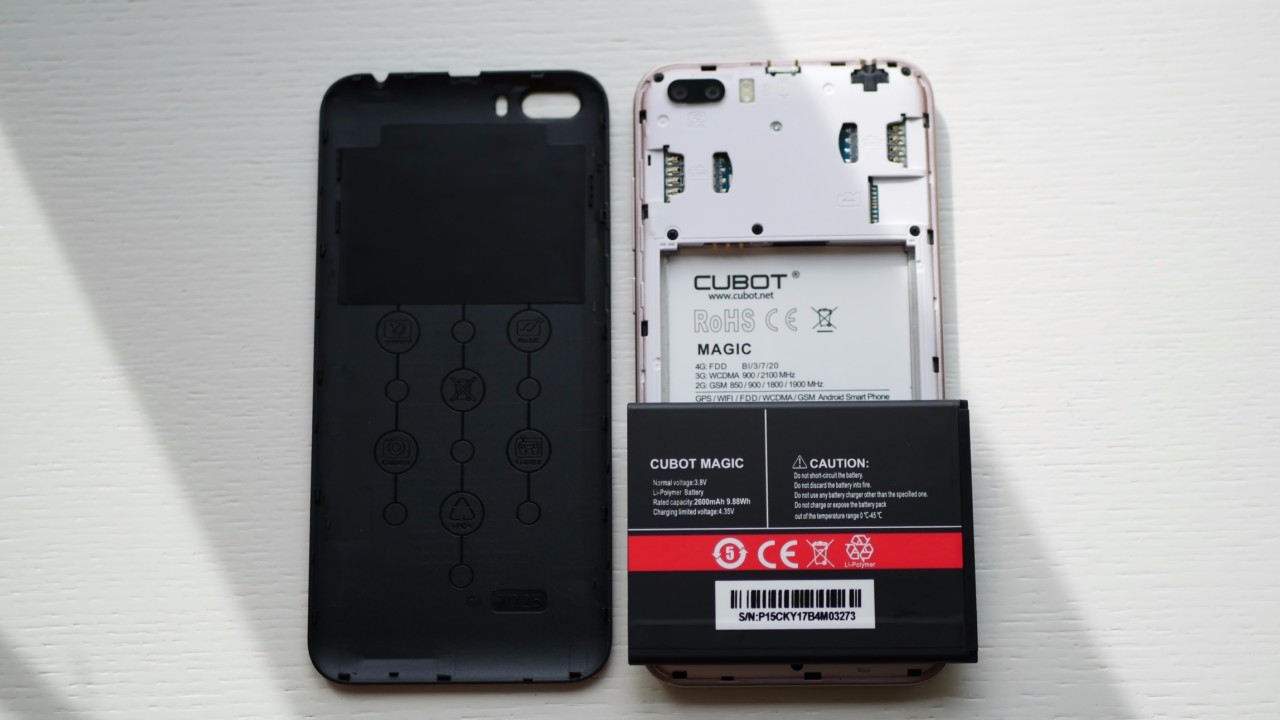
The phone ships with all the usual stuff and some extras include a soft TPU case
DESIGN and DISPLAY
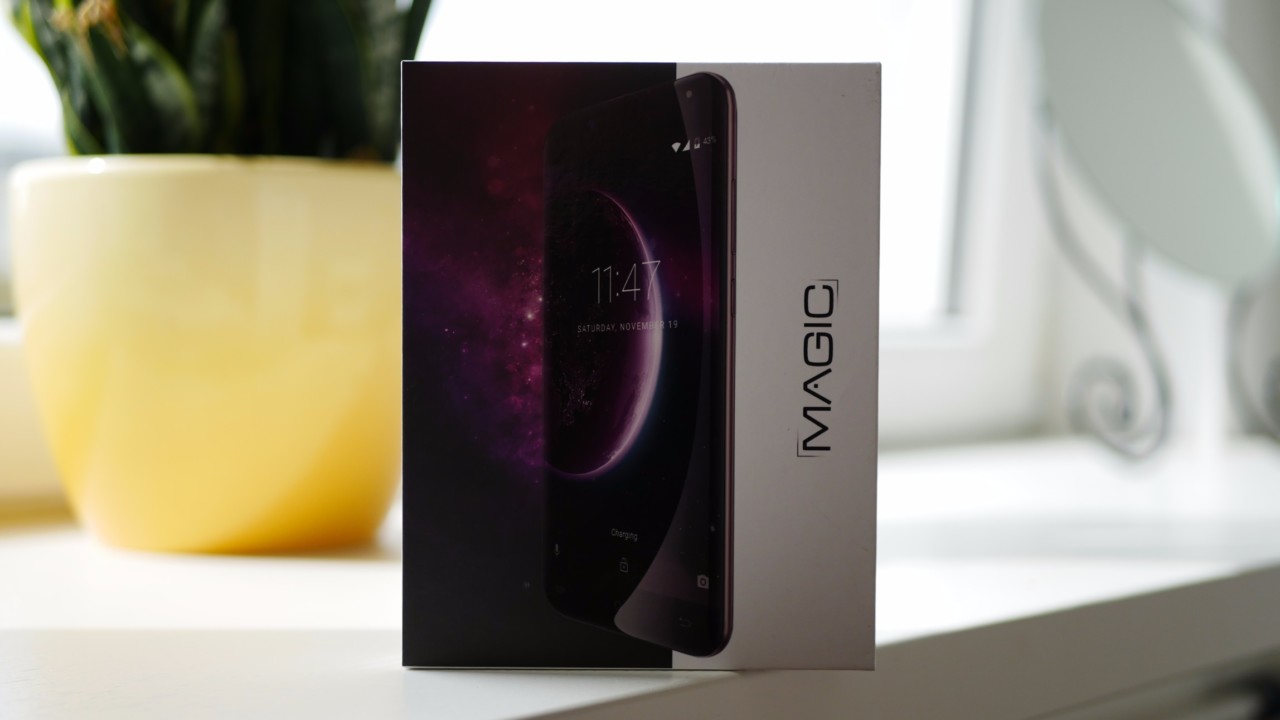
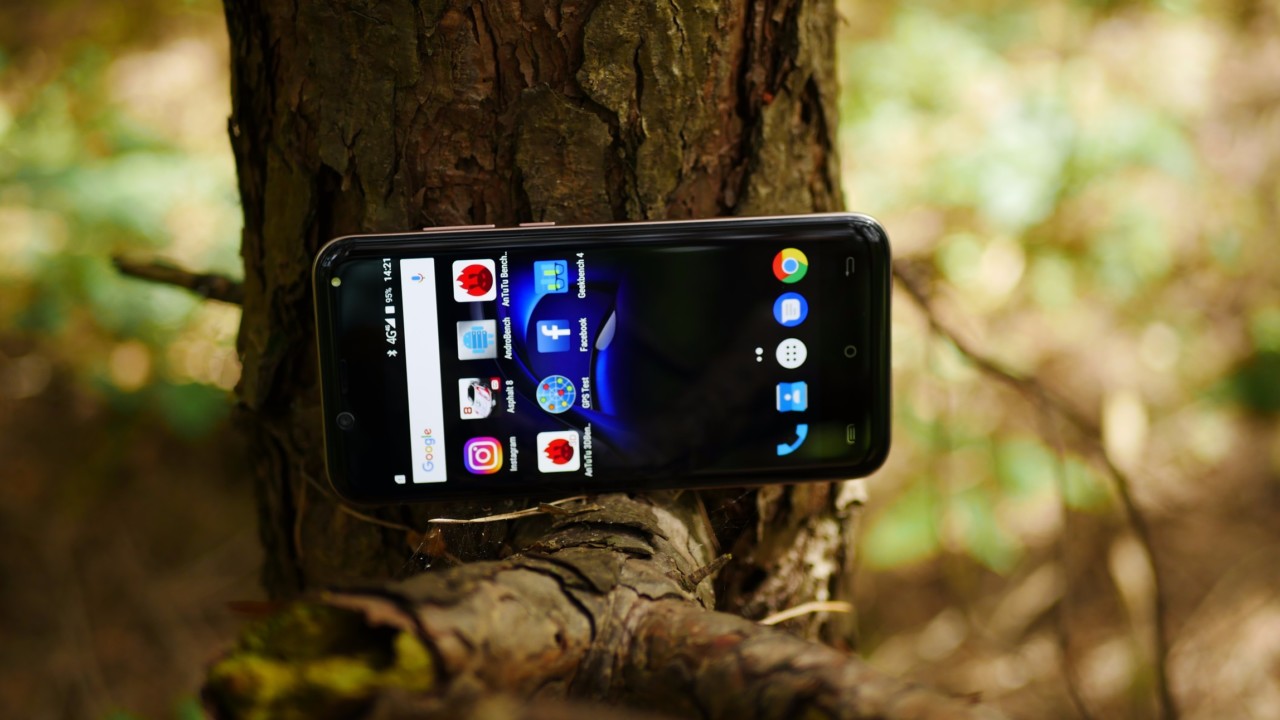
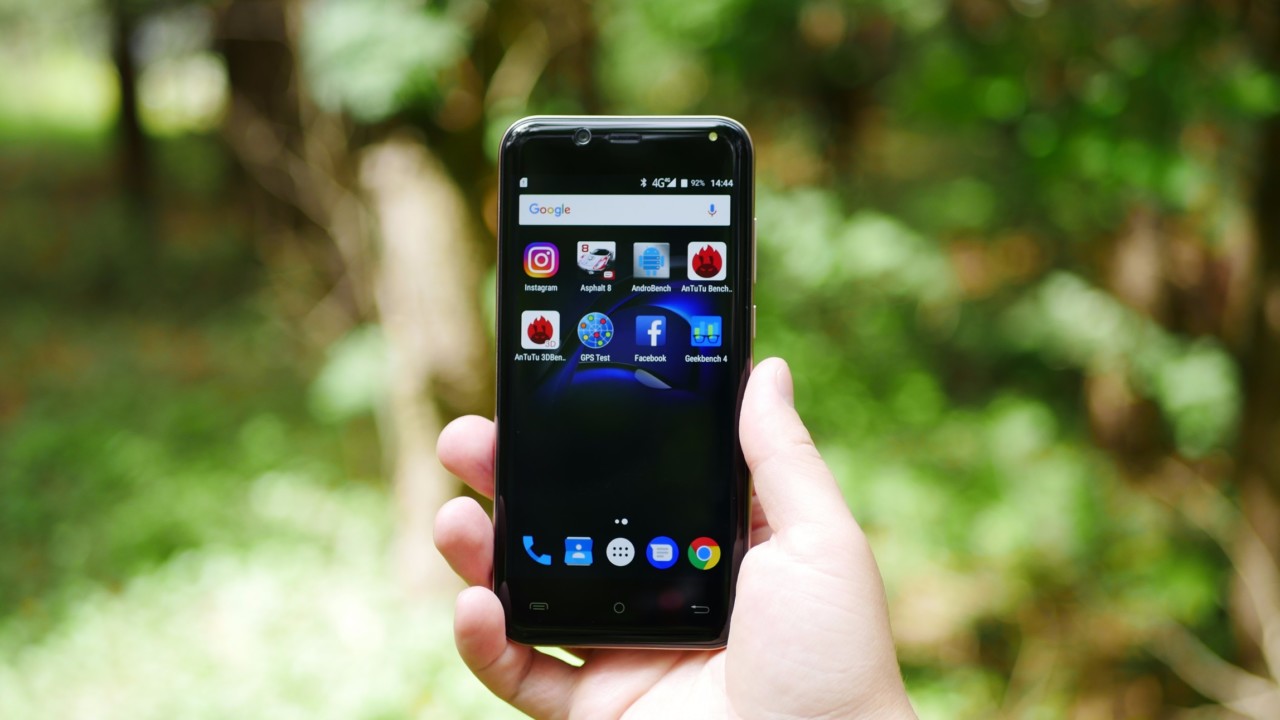
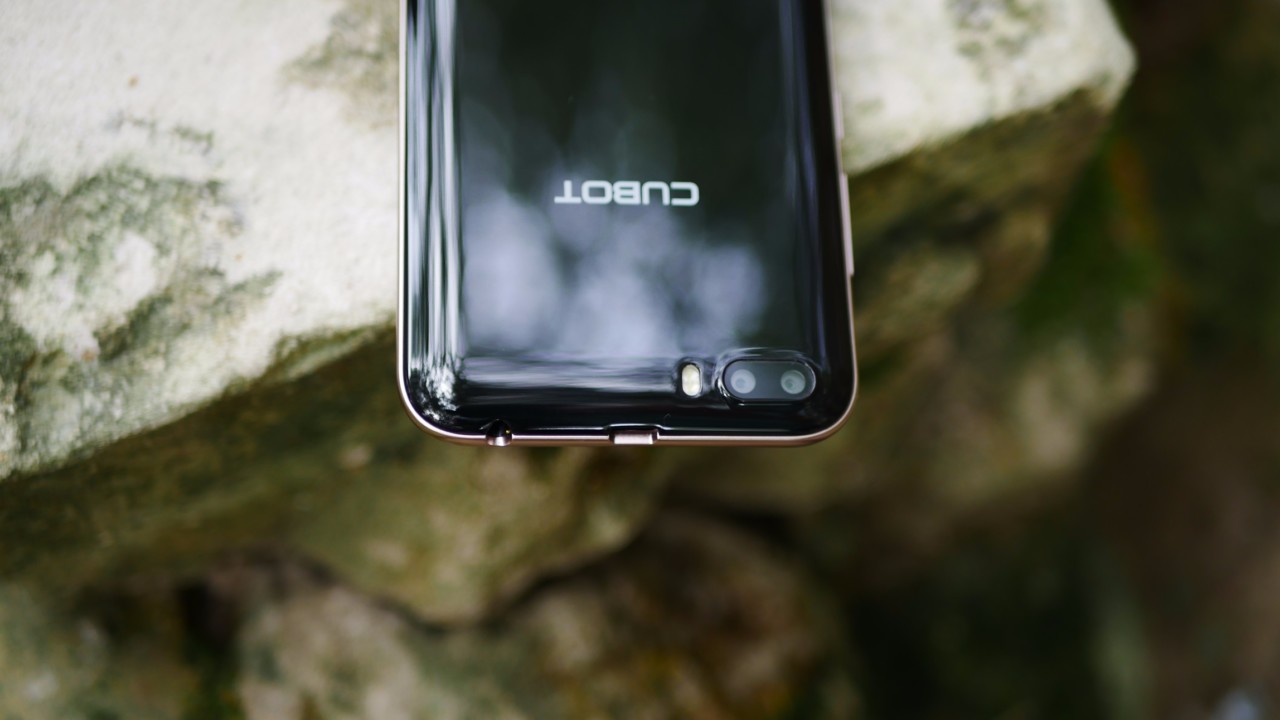
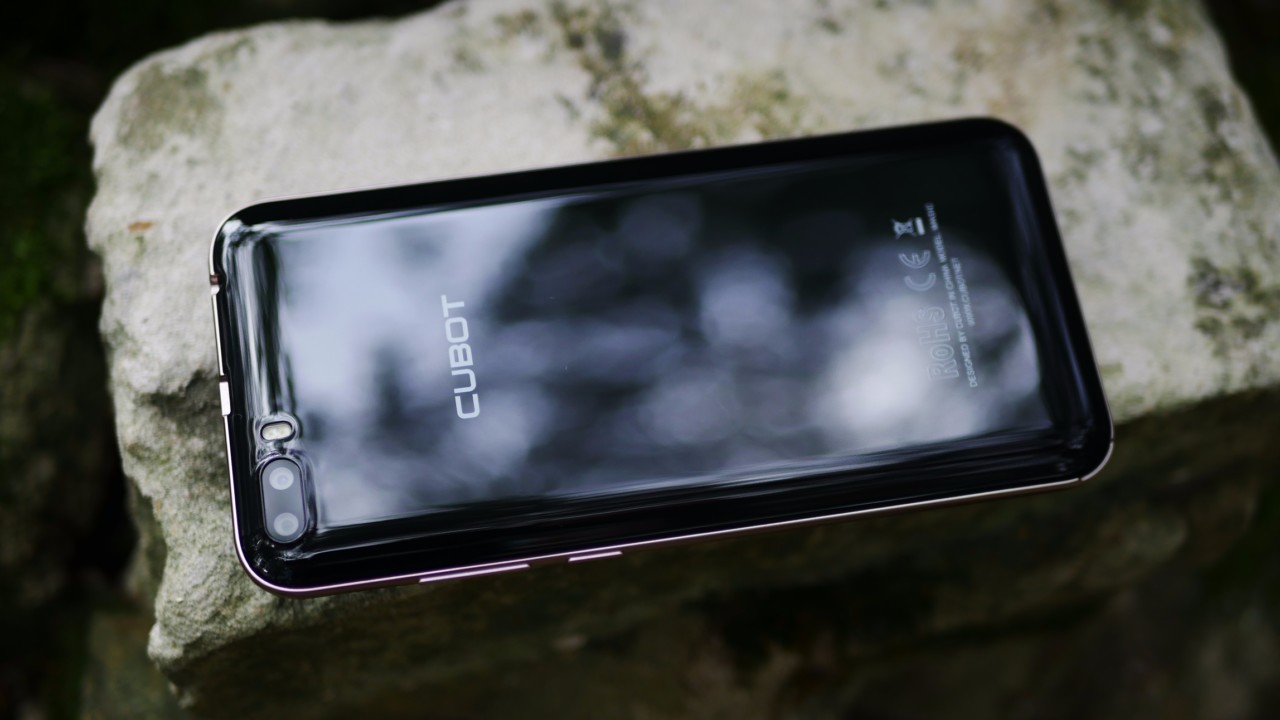
Let’s be clear, Cubot Magic imitates the design of the Honor Magic but it uses cheaper materials to reduce the cost of the device.
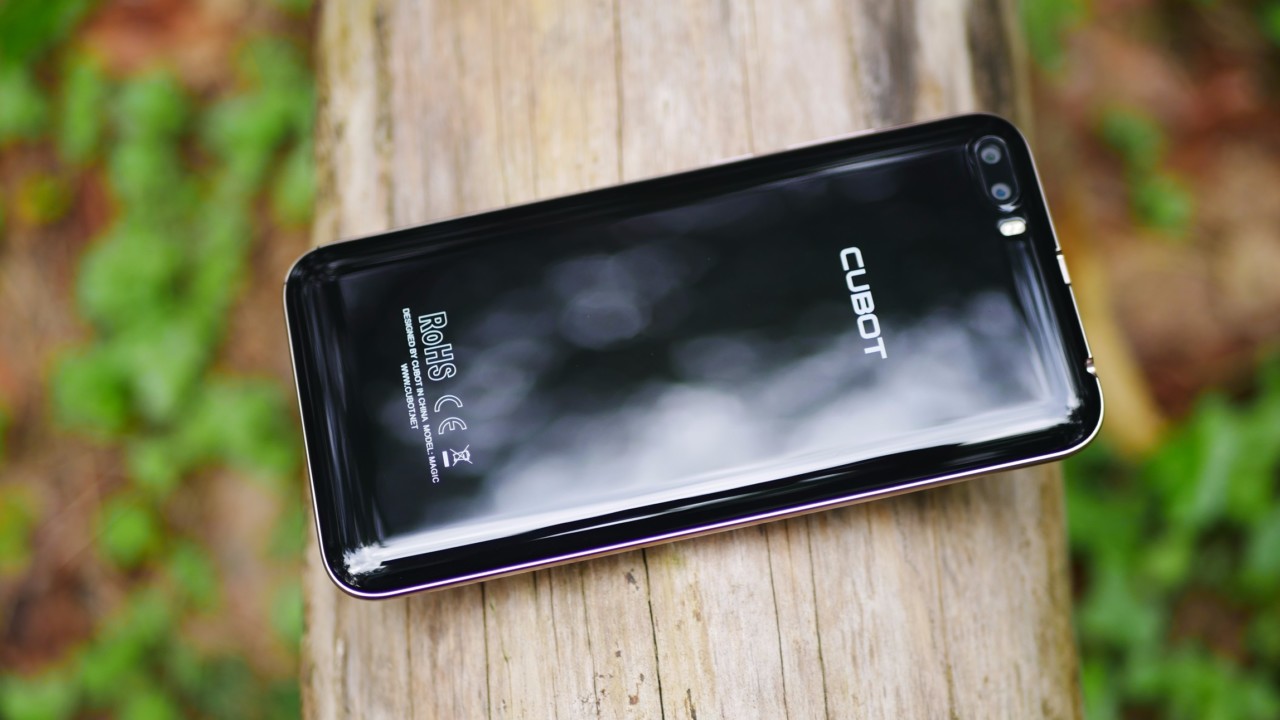
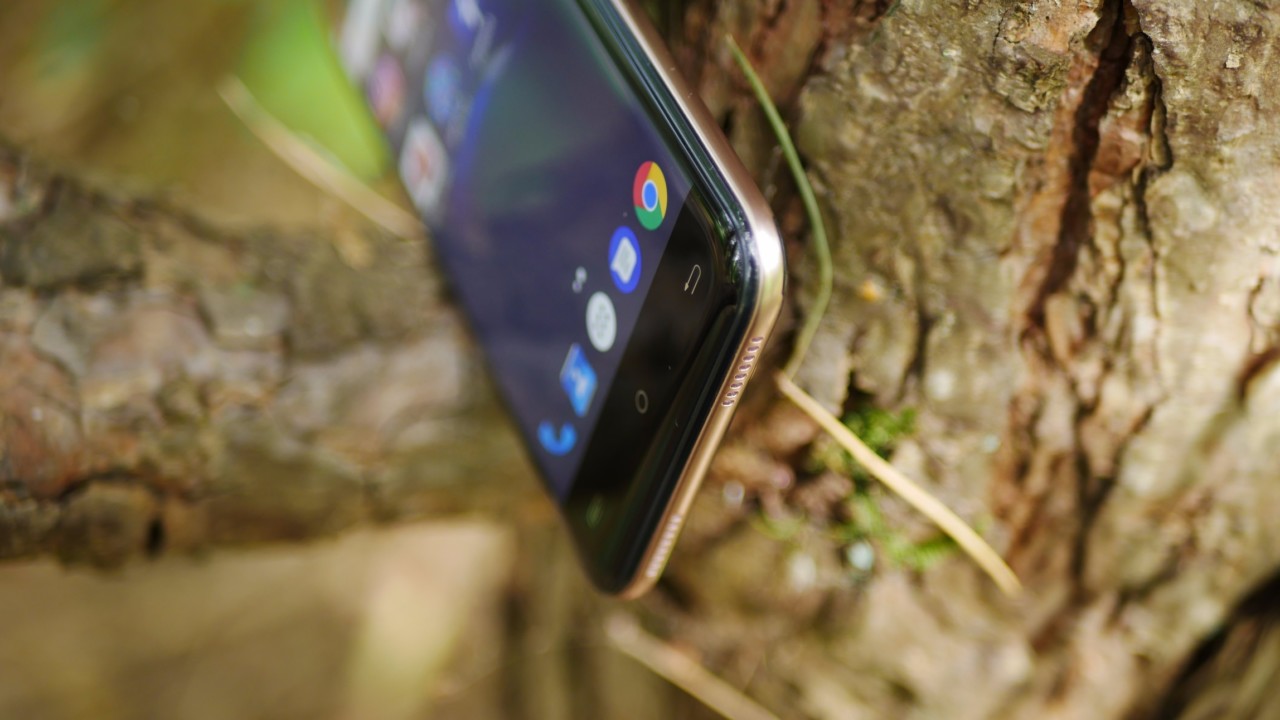
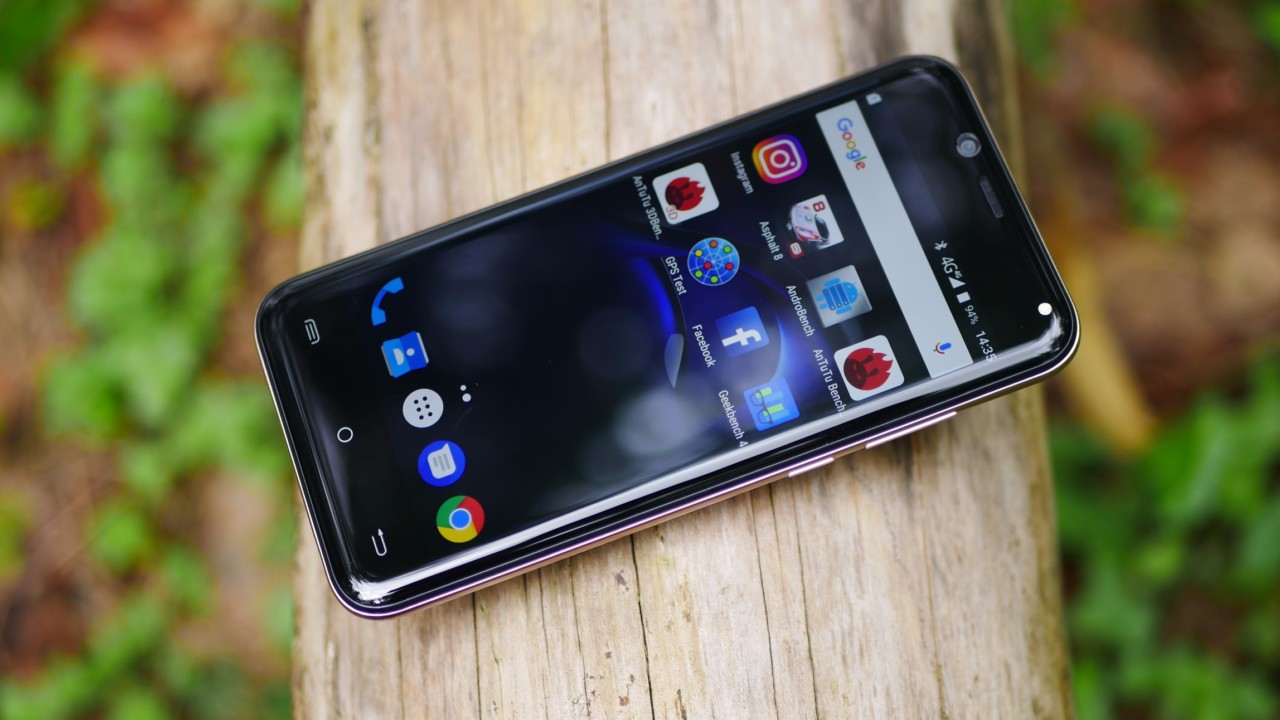
The phone is made entirely of plastic and it does lack premium materials but the build quality is good. The design highlight is that this phone is curved on each side, which really looks nice in practice.
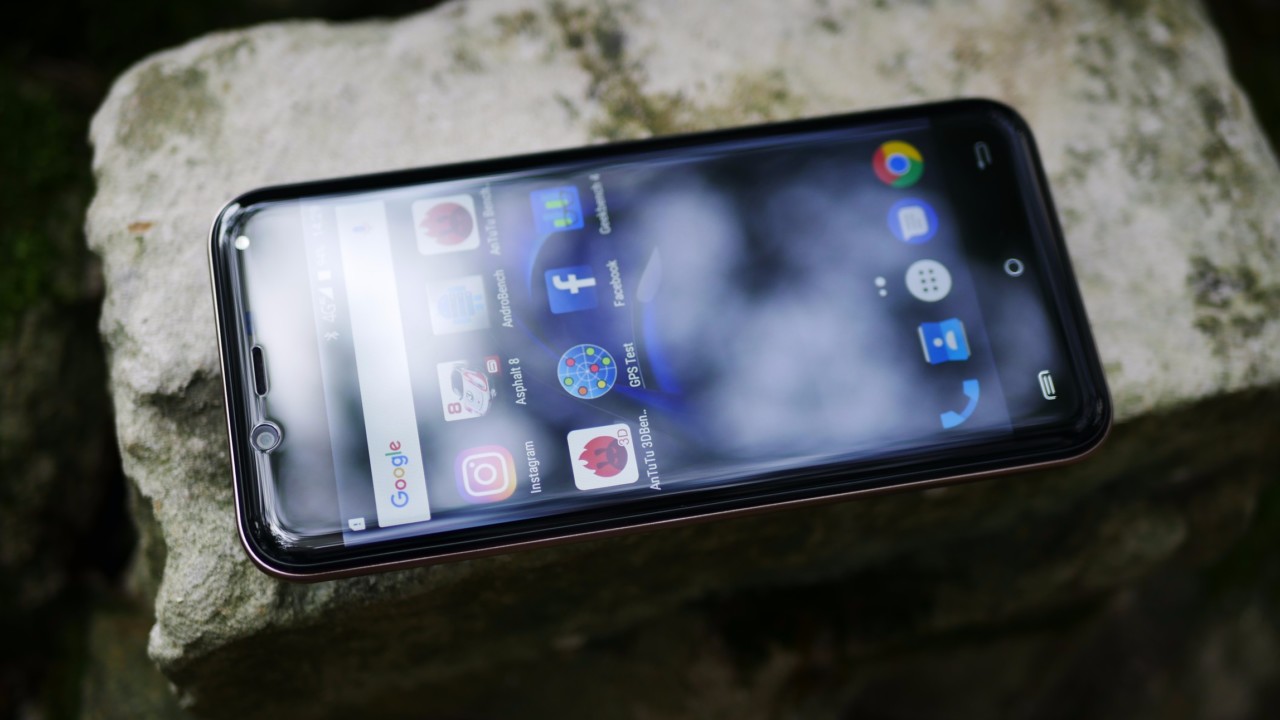
We have a 5” 720p display, which may not be the sharpest out there but I think it is really good for a cheap phone. The capacitive buttons are not backlit but we have a pulsing notification light and LED flash for night selfies that can be taken with a 5MP front facing camera.
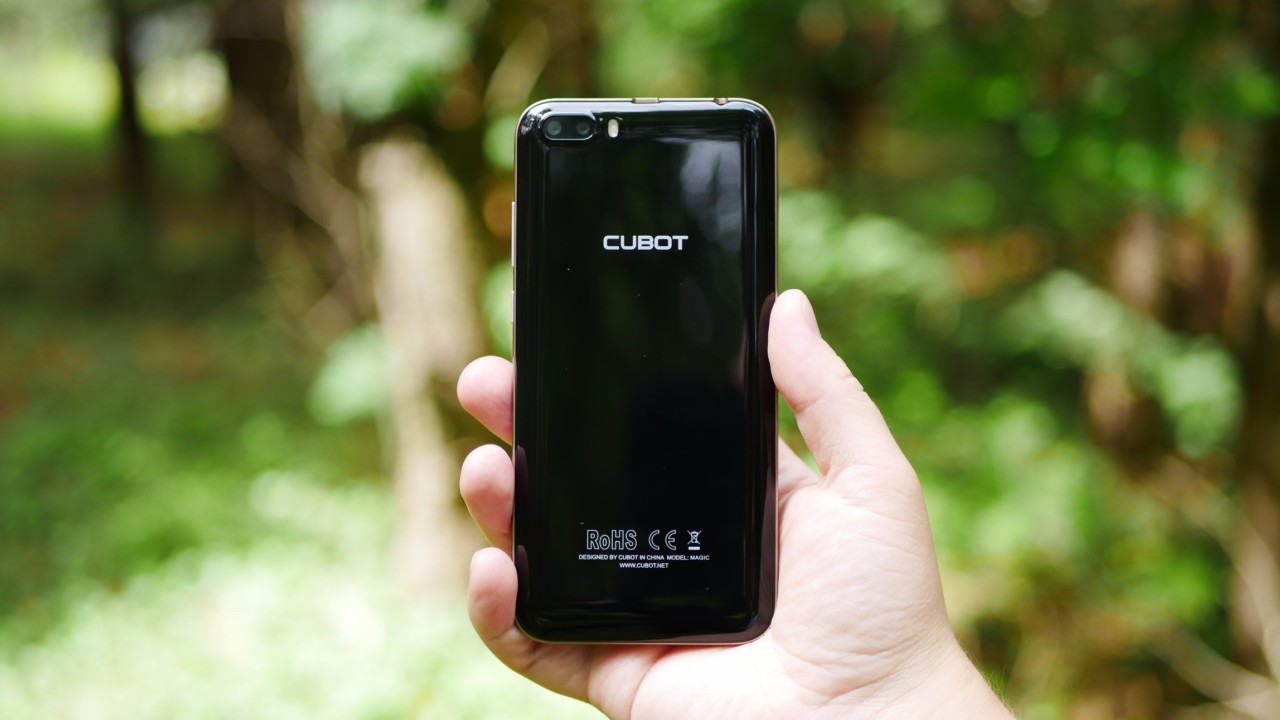
The backplate is a fingerprint magnet as it is made of glossy plastic. Another highlight of this cheap phone is a dual camera setup.
We have one 13MP shooter and another 2MP sensor.
The loudspeaker is not the best but it is okay for such a cheap phone.
HARDWARE and PERFORMANCE
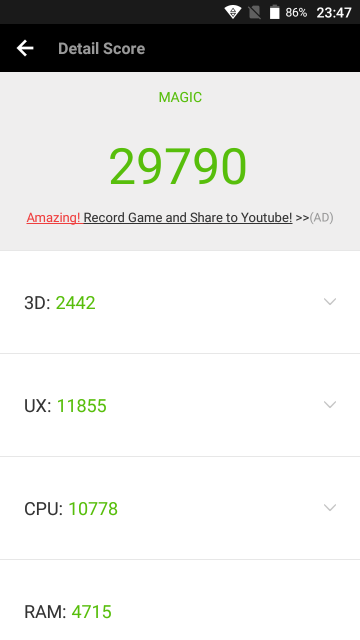
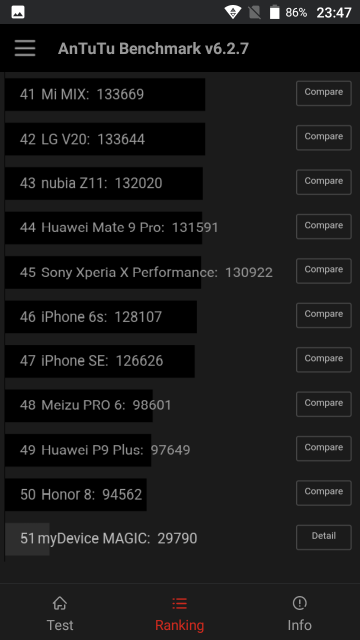
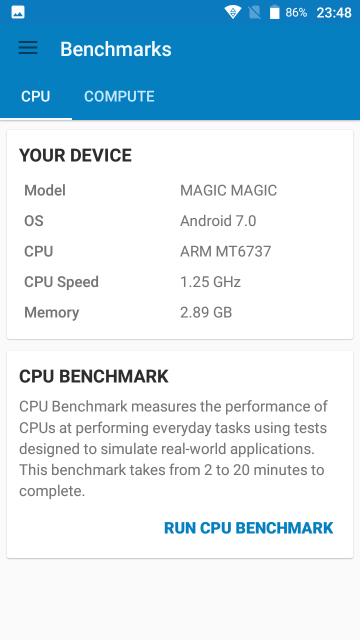
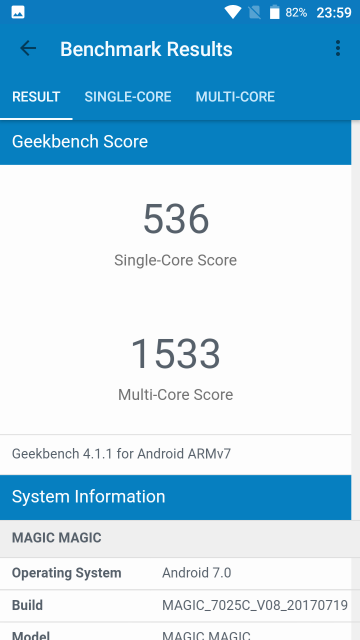
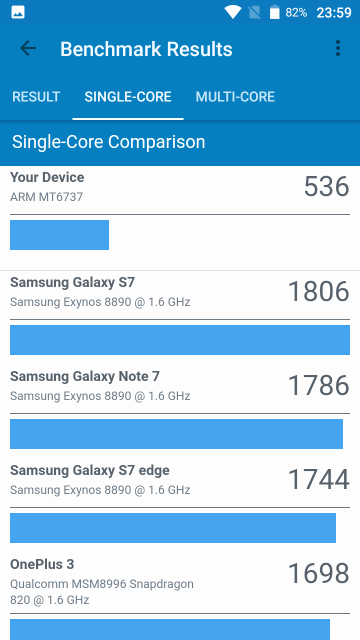
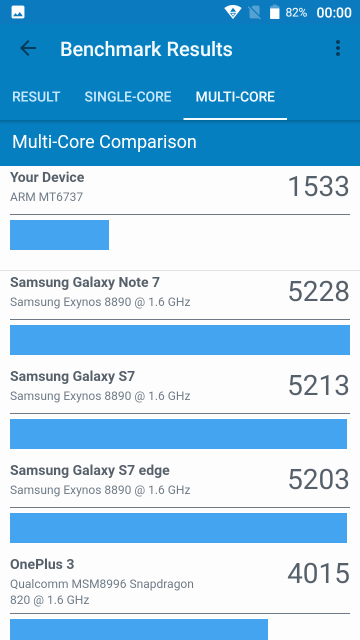
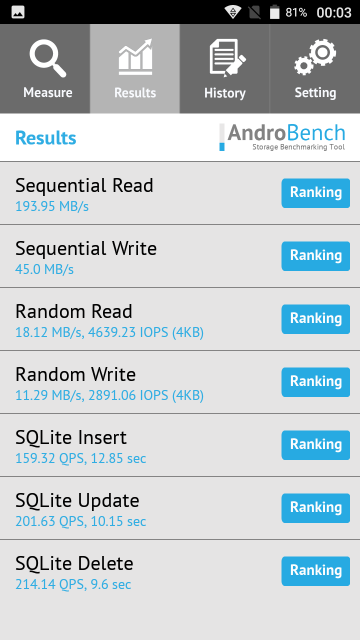
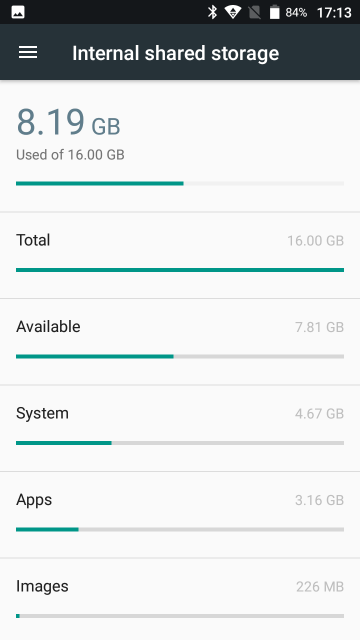
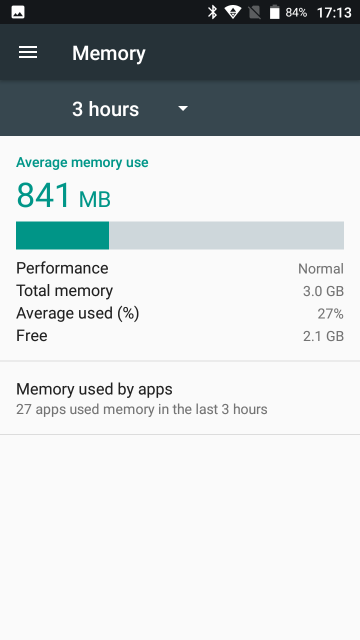
When it comes to hardware, Cubot Magic is yet another budget phone with decent specs for the price. The phone ships with the MTK6737 chip, 16GB of expandable storage and 3GBof RAM.
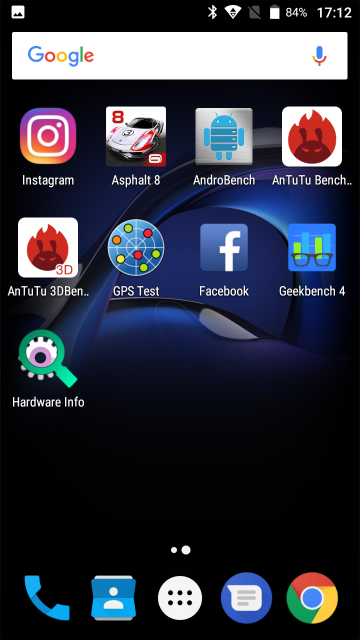
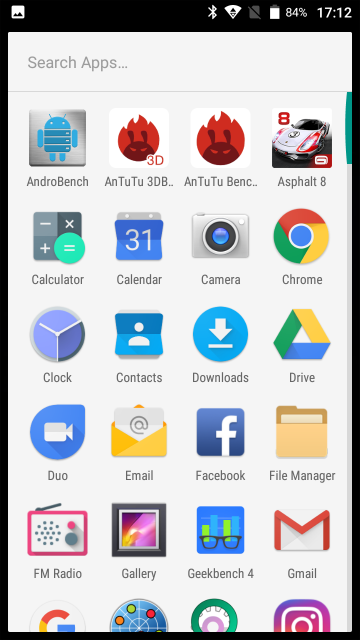
The gaming performance is okay but you should expect for some skipped frames even if you play games like Asphalt 8 on medium graphics settings.
BENCHMARKS
USER INTERFACE
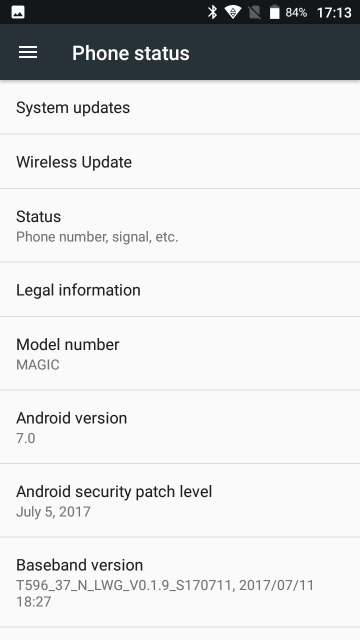
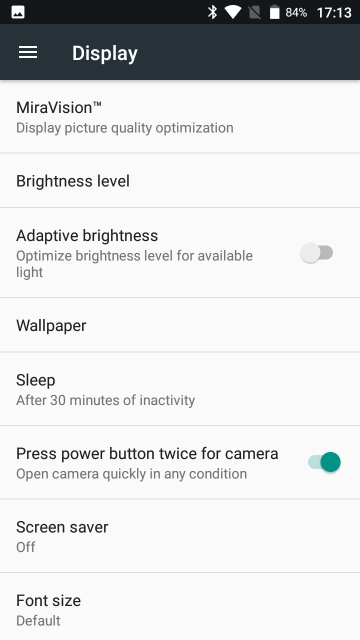
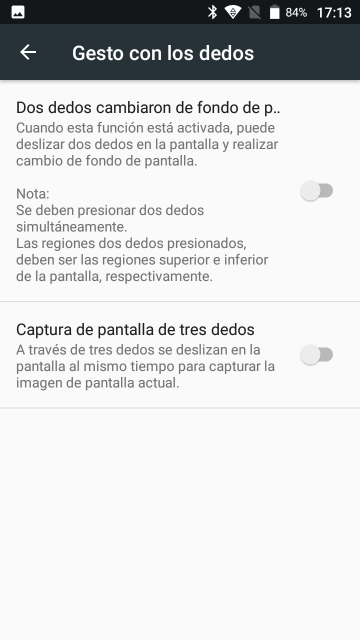
I love when manufacturers keep stock Android UI on these cheap phones and the Cubot Magic is no exception as it runs on Android 7 out of the box. Some extra features include a few gesture controls that I didn’t really use because, for some weird reason, they are in Spanish. Anyway, the phone is fast and fluid on the daily basis and that is the most important thing to me when it comes to budget phones.
IMAGE QUALITY
As for image quality, that dual-camera setup can take some decent-looking photos with the shallow depth of field effect. Obviously, you can’t compare the quality with some more expensive handsets but I’m quite impressed with the results from the $90 phone.
As for regular photos, you can’t expect much from any super cheap phones but you can still take some pretty good-looking pictures that are usable for social media.
However, the quality decreases quite dramatically in lower-lit situations.
The selfie image quality is not so great and the front-firing flash does not really help in low-light.
The 1080p video quality does not impress like on most of the cheap phones. The 1080p selfie video does not look impressive either but it is usable for social media or video chats.
CONNECTIVITY
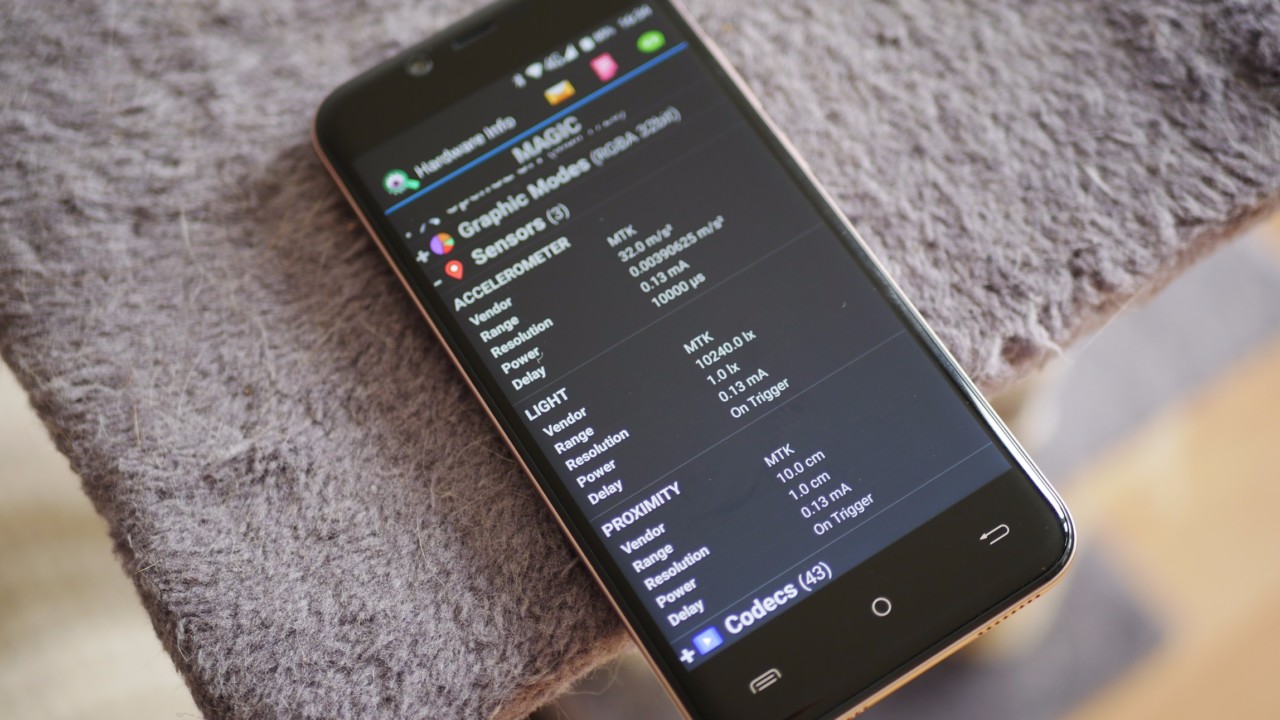
When it comes to connectivity, the phone does everything quite well. The GPS lock speeds are fast and it is surprisingly accurate when used for navigation. The phone has only a few sensors and there is no gyroscope.
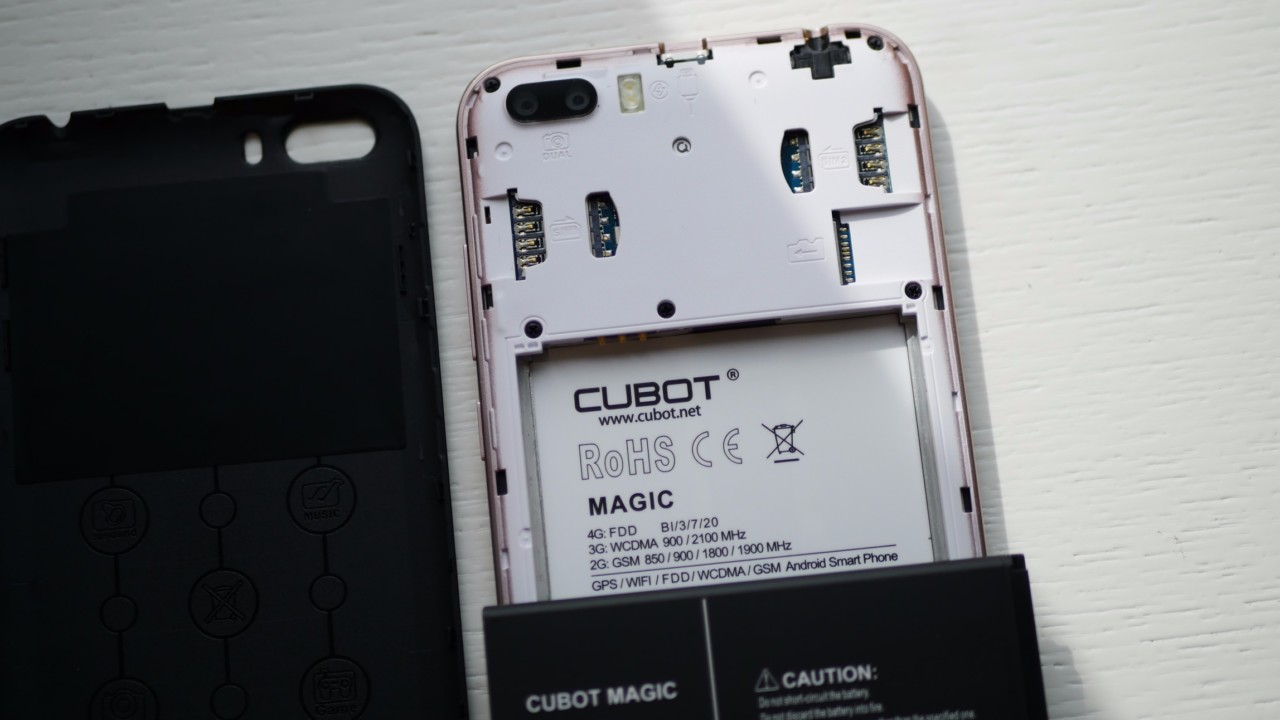
On a positive note, I like the fact that you don’t need to remove the battery to access two SIM cards slots and the microSD card slot.
BATTERY LIFE
The 2600mAh battery performs quite well considering its size but you should not expect any stellar results. I was able to achieve just about 4.5h of screen-on time but your mileage may vary.
CONCLUSIONS
Cubot Magic is yet cheap another phone from China that offers quite a lot of value for the price. Its main selling point is design as the phone is curved on each side.
In general, it is a decent option for such a low amount of money but it would have been great if it had some premium materials used in the construction. Well, all of these budget phones have some tradeoffs and this is what you have to expect when you spend less than $100 for a phone.
Now, the state of Lenovo mobile phone business continues to get more confusing by the day. There had been rumours that the mobile phone business will fall under the Moto brand while the Lenovo brand continues to focus on flourishing laptop and PC business. But Lenovo later debunked that rumor even though all its social media and web addresses have been changed or redirected to reflect the Moto brand.
What we can make of this is that Lenovo still want to keep selling it’s Lenovo branded models in markets were it still thrives but the whole focus will likely be on the Moto models. India seems to be one of the markets where Lenovo’s mobile brand seems to thrive as the company has disclosed some details about its future models. Gadgets 360 quotes Any Dharma, Head of Product Marketing, Smartphones at Lenovo India to have disclosed that the company would be abandoning its Vibe UI in favour of stock Android. Lenovo’s Vibe UI which was later renamed Vibe Pure UI is the company’s own customization of the Android interface. The Lenovo exec also hinted that the new development would be implemented on the Lenovo K8 Note. The upcoming model would be the first smartphone from the company to ship with Android 7.1.1 Nougat out-of-the-box. Subsequent K series models will also get Android Nougat and will all get upgrade to Android O when it comes out.
It is unclear if the move will be applicable to markets outside India since it is emanating from India. It is possible to replicate this style in Europe and other markets but not in China where Custom UI holds sway. Well, except the K8 Note will not be sold in China. That is possible considering that Lenovo’s Weibo account and website has been changed to Moto.
With the fast growing number of consumers buying smart phones today, it’s been a big challenge for every other mobile manufacturer to cope up with the market demand and to fulfill the same accordingly. Since consumers are very choosy and they are ought to migrate on to another smart phone within no time companies are forced to offer better and worthy products on decent pricing at equal intervals. In such a scenario two companies have recently launched their flagship phones which not only offer the best hardware and software in the class but also comes at a reasonable price.
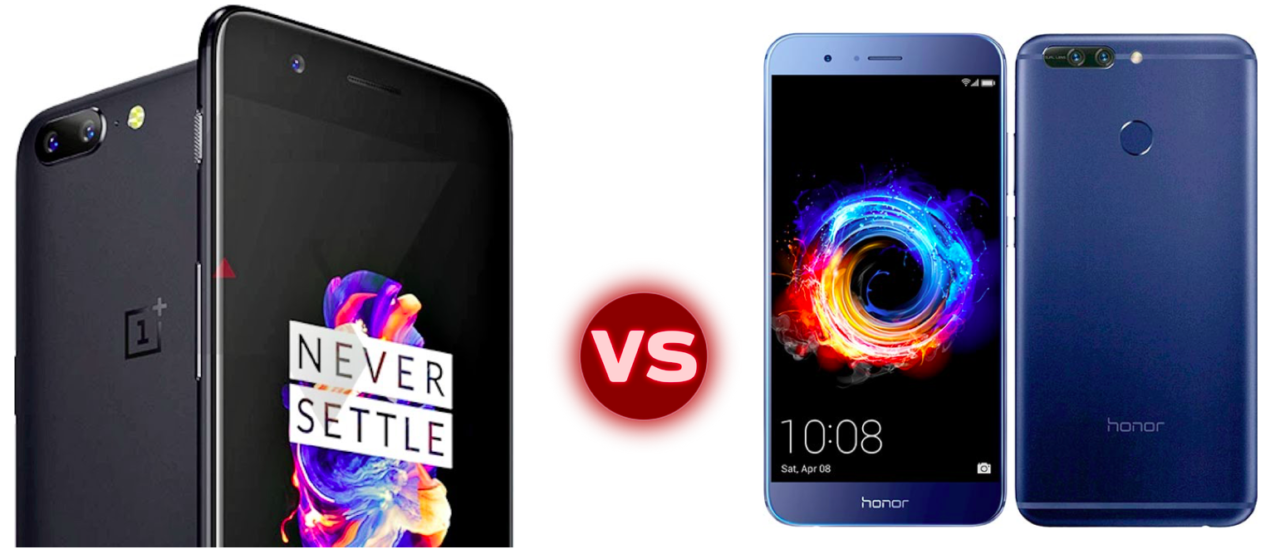
OnePlus 5 came with their new flagship device – OnePlus 5 and Huawei launched Honor 8 pro at around the same pricing. So without further adieu let’s begin with the OnePlus 5 Vs Honor 8 Pro comparison which might help you to choose your pick.
OnePlus 5 Vs Honor 8 Pro: Build Quality
OnePlus 5 no doubt comes with an outstanding build quality which feels immensely comfortable while gripping. Allegations are flooded with the design to be inspired from the iPhone 7 Plus & Opp R11 but let’s just keep that aside and discuss further. With 7.3 mm thickness and overall weight of 153 gram, the OnePlus is an ideal deal for all those who like power combined with looks and design.
At the same time Honor 8 Pro also resembles ‘A’ class design aspect which outshines the OnePlus 5 with 7 mm thickness but hikes the weight to 184 gram which is totally justified in the battery department.
OnePlus 5 Vs Honor 8 Pro: Display
The display on the OnePlus 5 is a 5.5-inch optic AMOLED display which sports a screen resolution of 1080 x 1920 pixels which hasn’t changed since One Plus 3. Over the top, you have Corning Gorilla Glass 5 for extra protection and you get 401 pixels per inch which is pretty good when media is to be consumed. Output produced have not changed and is similar to the same on the OnePlus 3T.
Honor 8 Pro comes with 5.7 inch LTPS IPS LCD display which features a screen resolution of 1440 x 2560 pixels along with 501 PPI as the pixel count. With this quality of the display, Honor 8 pro really nailed this department and really kills the OnePlus 5 when both the displays are compared. No doubt since the pixel count is large, quality of media consumed is out rightly the best in the class. Colors are vibrant, crisp and vivid. Pictures, video or even gaming can make the best use of the display with such a screen resolution and pixel count.
OnePlus 5 Vs Honor 8 Pro: Processor & Memory
OnePlus 5 has got the mighty Qualcomm MSM8998 Snapdragon 835 chipset on an Octa Core CPU clocked at 2.45 GHz along with Adreno 540 GPU. It comes with 6GB/64GB & 8GB/128GB memory option to choose from. With this combination, OnePlus 5 becomes a beast when multi tasking, heavy gaming or even consuming super HD videos are concerned. No matter what you throw at this, it can very smoothly manage everything.
Honor 8 pro, on the other hand, sports HiSilicon Kirin 960 chipset on an Octa Core CPU clocked at 2.4 GHz. It comes with 4/6GB RAM & 64 GB internal storage options to choose from. Multitasking, heavy gaming and even consumption of videos are an ease on the device. Heavy games like the Modern Combat, Asphalt 8 & real racing can be played on high settings with no frame drop what so ever. Video playback of high quality renders real life colours and quality.
OnePlus 5 Vs Honor 8 Pro: Camera
The camera on the OnePlus 5 is a dual camera setup with 16 MP first sensor and 20 MP second shooter having f/1.7 and f/2.6 aperture with Dual LED Flash respectively. The quality of the photos and video shot are average and do only what is required from a flagship. Biggest down side of the OnePlus 5 camera is with the absence of OIS (Optical Image Stabilization) and the presence of EIS (Electronic Image Stabilization) which really does not provide any stabilisation when recording HD videos or 4K video. Videos glitters a lot and lack of stabilisation from a dedicated hardware is missing. Portrait shot on the rear camera does wonders with its bokeh effect. An important point to be noted is that pictures turn out to be well lit up and vibrant when proper lighting sources are found and do a great job when there’s sufficient lighting. However, low light performance does lack quality with a bit of noise in the final output of the camera. The rear camera provides good color reproduction and excellent quality of detailing the pictures being shot.
The front facing camera is 16 MP shooter with f/2.0 aperture. Pictures shot are good and same on the OnePlus 3T. Videos shot are pretty stable and do get the job done, no issues here.
Whereas, on the Honor 8 Pro you again get a dual camera setup having a dual 12 MP shooter with f/2.2 aperture. One sensor is a monochrome sensor whereas the other one is a normal RGB sensor. With normal lighting, the pictures turn out with good quality detailing and colors reproduction is satisfactory. Noise level on the pictures is low and cannot be traced out until looked up on. Dynamic range and exposure level handling on the camera is spectacular and worthy enough. OIS is present on this setup and does its job adequately.
The front facing camera is a 8 MP shooter with f/2.0 aperture and is capable of handling 1080p video perfectly. Check out the following video for a detailed comparison of the cameras in both these phones.
OnePlus 5 Vs Honor 8 Pro: Battery and Other Features
The battery on the OnePlus 5 is slightly lower than the on the OnePlus 3T with 3300 mAh battery whereas on the Honor Pro 8 you get a mammoth of 4000 mAh battery which provides ample backup throughout the day.
OnePlus 5 comes with Type C 1.0 USB port for data syncing and charging which does support dash charging 2.0 and it’s really fast. Gets us 95 percent of charge within 50 mins from a 5 percent start. Also, the finger print sensor is on the front and it’s again really faster when unlocking the device. Comes with WLAN, Bluetooth 5.0, GPS, NFC, Radio. Sensors equipped are the accelerometer, gyro, proximity, and compass.
You get Midnight black and Slate grey colours to choose from.
Honour 8 Pro again comes with Type C 1.0 USB port for data syncing and charging which also supports efficient fast charging indeed. Finger print sensor is rear mounted coupled with the accelerometer, gyro, proximity, and compass. Connectivity options includes WLAN, Bluetooth 4.2, GPS, NFC, Infrared Port, Radio.
You get to choose from Pearl White, Midnight Black, and Navy Blue colors.
OnePlus 5 Vs Honor 8 Pro: Pricing
One Plus is being exclusively sold on Amazon without invitation for Rs. 32,999 for the 6GB/64 GB model and Rs. 37,999 for the 8GB/128GB model.
Huawei Honor 8 Pro is being sold on Amazon for Rs. 29,999 for the 6GB/128 GB model.
Conclusion
Prima Facie Honor 8 Pro beats the OnePlus 5 on almost every ground mentioned above. Photos and videos shot on the OnePlus 5 are a bit on the winning side though since the Honor 8 Pro camera on majority could not compete under this category.
Battery backup is something Honor 8 Pro bags in the deal but does hike up the weight with almost 30 grams in total and thickness is .3 mm thinner than on the OnePlus 5.
The display is primarily superior on the Honor 8 Pro which is no doubt the king here when media consumption is considered whether it’s a high-end game, 4k videos playback, everything just looks so real, vivid, vibrant and crispier than the OnePlus 5.
Processor and the memory are almost equivalent but OnePlus 5 outshines here with the Snapdragon 835 chipset and 8 GB of RAM. Performance and speed are notably visible with the OnePlus 5 indeed.
Camera though is superior on the OnePlus 5 but the presence of OIS on the Honor 8 Pro would definitely be a reason for consumers to choose the Honor 8 pro over the OnePlus 5.
Overall if we were supposed to buy a smartphone, we would really bet on the Honor 8 Pro for the display, battery size, and superb build quality, and One Plus 5 would have been chosen for the looks, of course, more RAM, and camera quality. But then it’s totally up to you people what to choose but we hope the above differentiation would really add up to your decision making for the next purchase.
Do like the post, share it with friends and family and shoot a comment in case you want to discuss more on the above comparison.
We use cookies on our website to give you the most relevant experience by remembering your preferences and repeat visits. By clicking “Accept”, you consent to the use of ALL the cookies.
This website uses cookies to improve your experience while you navigate through the website. Out of these, the cookies that are categorized as necessary are stored on your browser as they are essential for the working of basic functionalities of the website. We also use third-party cookies that help us analyze and understand how you use this website. These cookies will be stored in your browser only with your consent. You also have the option to opt-out of these cookies. But opting out of some of these cookies may affect your browsing experience.
Necessary cookies are absolutely essential for the website to function properly. This category only includes cookies that ensures basic functionalities and security features of the website. These cookies do not store any personal information.
Any cookies that may not be particularly necessary for the website to function and is used specifically to collect user personal data via analytics, ads, other embedded contents are termed as non-necessary cookies. It is mandatory to procure user consent prior to running these cookies on your website.