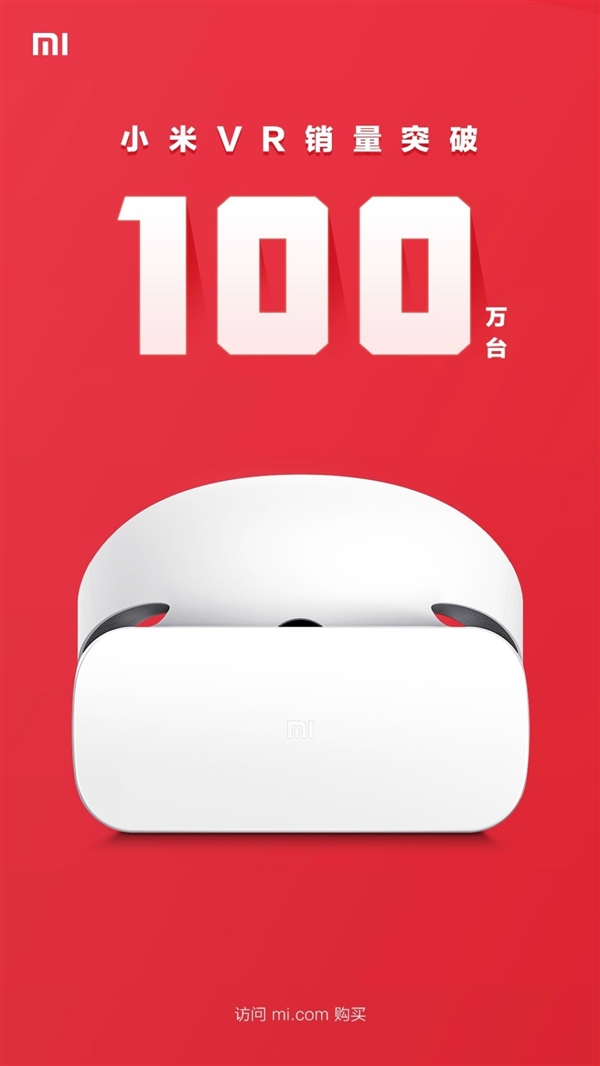
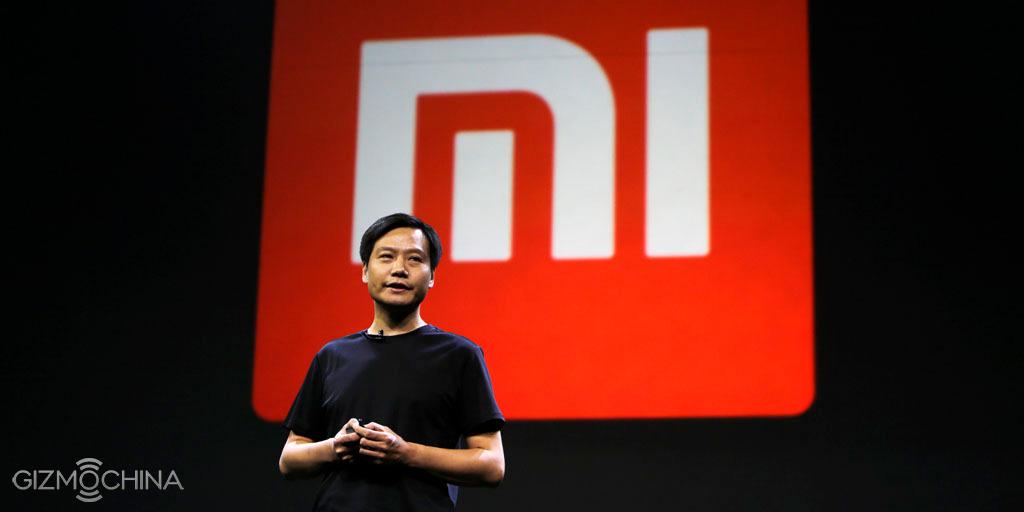
Yesterday was the 10th China VR and AR International Summit and Xiaomi was recognized as the leader in the industry. Xiaomi’s foray into VR started last year with the launch of the Mi VR Play and Mi VR headsets. Last month, they followed it up with the Mi VR Play 2.
Today, the General Manager of Xiaomi’s VR platform announced via his Weibo account (@Don Mu Thomas) that Xiaomi has sold over a million Mi VR headsets in the last six months. This news follows Samsung’s announcement that it has sold 782,000 Gear VR units in Q1 2017 alone.
Xiaomi knows its not at the top of the industry chain but it isn’t doing badly. Don Thomas also states that statistics show users are willing to pay 13% more on their VR platform because of the quality of the games available.
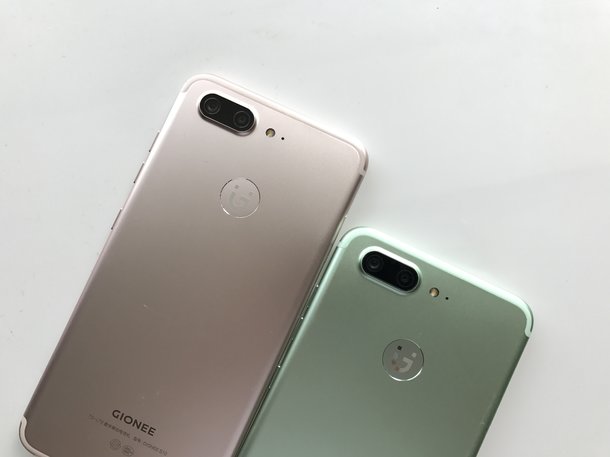
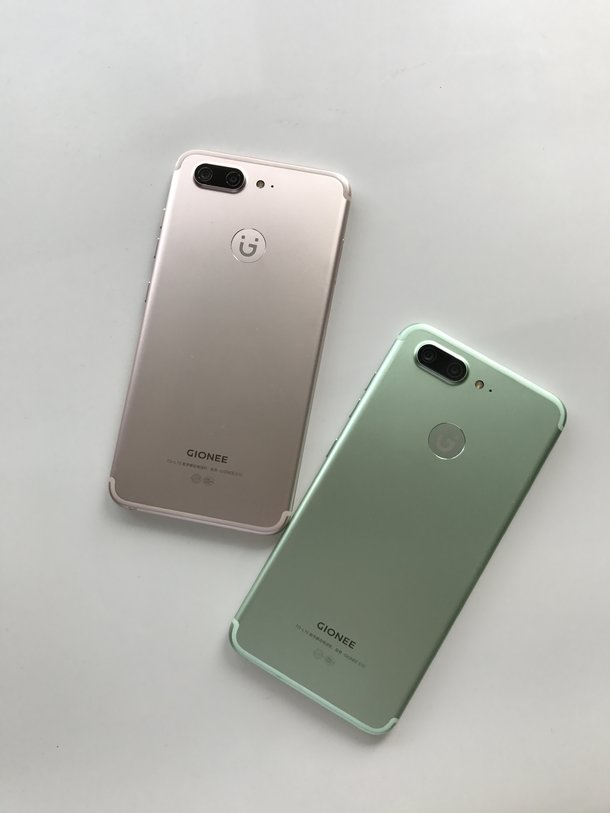
Smartphone makers are adopting trendy new color variants for their high-end devices which usually come with a metal body. Gionee isn’t likely going to be left out of this trend as a set of images of the quad-camera packing Gionee S10 having a green paint job has appeared online.
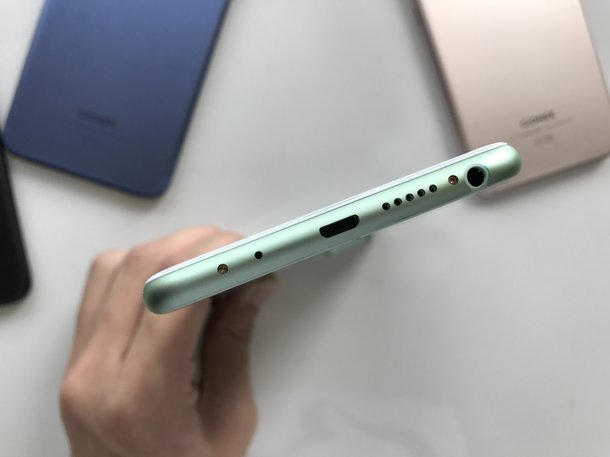
The Green coloured Gionee S10 appears alongside the Gold variant in the images and is quite attractive. Even the antenna band seems to be coated in green also. Gren is one gentle colour and it plays out on the overall looks of the leaked green S10. The device looks super cool in this new paint job, and would be a hot selling one if actually, Gionee releases this.
With this colour variant, Gionee will be joining ranks with Huawei who released a green variant for the P10 and OPPO who recently added a new green variant to the R9s and R9s Plus. The Gionee S10 features a camera design that ordinarily would make it capture the headlines, a green coloured smartphone who further attract more attention to the device. The internal hardware is also not disappointing, as the S10 packs a 2.5GHz octa-core processor backed by 6GB of RAM while there is a 64GB storage onboard. You’ll get a 3,450mAH battery while the interface is provided by ANdroid’s latest Nougat OS. The Gionee S10 may likely come in other trendy colors, where there’s green, red is also likely present.
The power bank has a capacity of 5100mAh that Samsung says should provide up to two full charges. If you own the Galaxy S8, you sure wouldn’t be getting more than a full charge and half; and for the Galaxy S8+, maybe a little more than a full charge.
[envira-gallery id=”130979″]
Available in blue and white, the Samsung battery pack has a strap in the middle that makes carrying it around easy. While it can deliver up to 2A charging speed, it will also charge Samsung phones that support fast charge up to 1.5x faster.
The battery pack has a power button, a USB Type-C input port and a standard USB output port. There is a LED indicator that shows you how much charge you have left. It also comes with a micro USB cable and a USB Type-C adapter. The Samsung power bank supports pass through charging, so you can plug your phone to it while the power bank itself is charging.
Samsung is charging $59.99 for this battery pack and while you may want to buy it to compliment your Galaxy S8 or S8+, you should consider other power banks too. An example is Xiaomi’s Mi Mobile Power 2.
The Mi Mobile Power 2 has a 20,000mAh capacity, that is almost 4 times that of the Samsung power bank. That also means its a lot bigger but you’ll get more charge out of it. It also supports Quick Charge 3.0 (5.1V/2.4A, 9V/2A, and 12V/1.5A) via any of its two output ports and 5V/2A, 9V/2A input fast charging. The latter means you will spend less time charging the power bank.
Even when 6GB of RAM is just getting standard on flagship smartphones, it looks like ZTE’s subsidiary, Nubia, is all set to take things to another level with its upcoming Nubia Z17 flagship. The phone is said to come with all the bells and whistles of a 2017 flagship device, but what will reportedly make it special is the amount of RAM inside — a whopping 8GB of RAM!
According to the screenshots obtained by Forbes’ Ben Sin, which by the way is said to be from a reliable source in Shenzhen, the Nubia Z17 scores an impressive 180,049 points on the AnTuTu benchmark test. That’s much higher than the already powerful Galaxy S8 with Snapdragon 835 inside. This score is actually not that surprising given that the phone is said to run on the latest Snapdragon 835 chipset and along with it, there’s 8GB of RAM to make it the multi-tasking king (at least on paper).
Now note that the screenshots confirm the model number to be: NX563J, which unsurprisingly is the same model that showed up on TENAA today and on Geekbench a few days back. With so many sightings, there’s very little doubt that the Nubia Z17 flagship will be announced in the coming weeks.
Nubia seems to have done a good job with its dual camera setup on the Nubia Z17 Mini(our review here!), but with the Z17 flagship, the company is said to take the dual camera setup to the next level with the use of a 23MP + 12MP camera combination. Further, the phone is said to feature the latest version of Android 7.1.1. And yes, the Nubia Z17 flagship is said to continue the bezel-less design seen on its predecessor, the Nubia Z11.
Overall, with 8GB of RAM, Snapdragon 835 and a powerful dual camera setup, the Nubia Z17 could turn out to be a formidable 2017 flagship giving high-end phones like the Galaxy S8 and Huawei P10 Plus a run for their money.
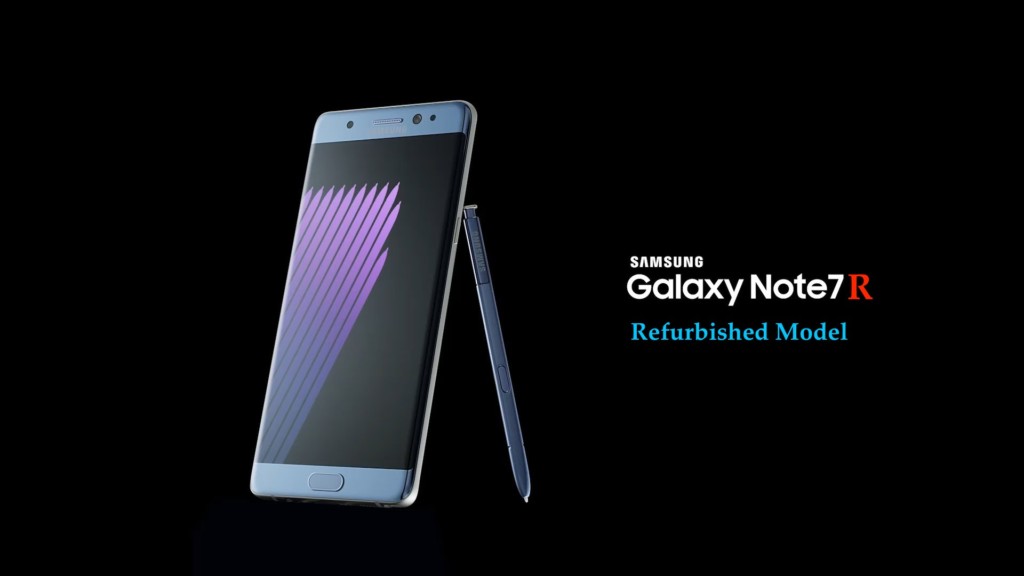
Back when the SamsungGalaxy Note 7 launched in the market, it was very well received by reviewers and fans all around the globe. Now, if I were to tell you that the same phone, with its battery problems being fixed, would retail at less than $500, what would be your reaction?
Korea’s the investor was first to reveal this information to the public. The report from the website states that this premium phablet is widely rumored to be released at around 50% discount as compared to the original price tag. If true, this would take the Note 7R’s price tag to as low as $440 since the same phone launched at around $850 – $870 in the US and the South Korea. It’s interesting to note that the earlier rumors stated Note 7R’s price tag at around 700,000 KRW (~$620).
While a price tag of less than $500 would make the Galaxy Note 7R an attractive choice for Android lovers, it’s unlikely that Samsung would price it so cheap. The refurbished Note model is expected to feature the same premium specs as the previous generation, except for the battery, which is said to be reduced to 3200mAh capacity. Another change would be the new Android 7 version on the model.
Note that the investor’s report states that the “the phone is widely rumored to be priced about 50% cheaper” and does not directly confirm this super cheap price tag.
As for the release, the Galaxy Note 7R is currently in the stage of obtaining safety certification in South Korea, and we can expect the phone to be launched in the coming months, maybe around early June, a good few weeks before the Note 8’s launch.
So what do you think? Will Samsung take the leap and price the refurbished model at 50% discount than original? Also, would you be interested in the phone if the price is so low?
I sure would love to get my hands on the refurbished Note 7R if it’s below $500.
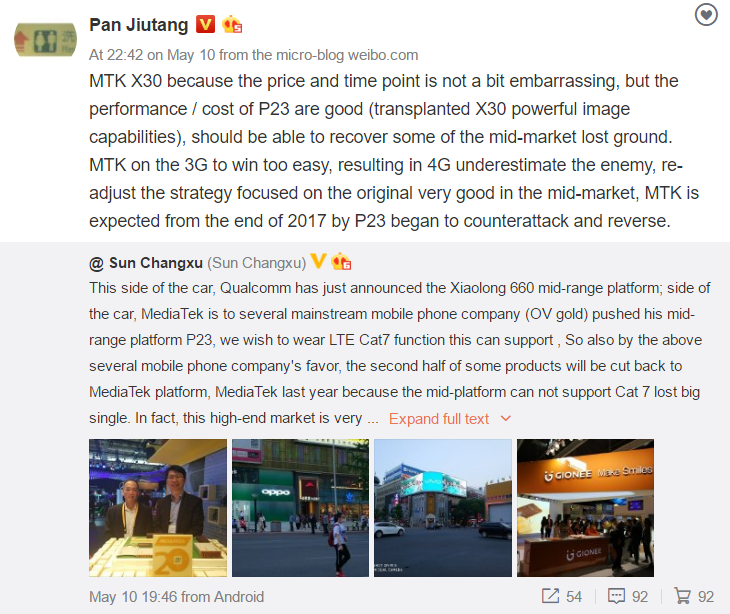
Qualcomm is Mediatek’s biggest competitor and it is usually a tough race between both rivals. Following the announcement of the new Snapdragon 660 and Snapdragon 630, Mediatek seems to be planning to announce a new processor that will rival both chips. According to tech analyst, Pan Jiutang, Mediatek’s new chip is called the Helio P23.
In his Weibo Post, Pan Jiutang says the Helio P23 is similar to the Helio X30. The latter which has been announced since last year is Mediatek’s 10nm chip but has failed to surface in phones more than 4 months after its announcement due to production issues.
The Helio P23 is built on a 16nm architecture but incorporates the main features of the Helio X30 such as the PowerVR 7XTP GPU. It will support Cat. 7 LTE, LPPDR4X RAM, up to 2K displays, and dual cameras. The Helio P23 will make use of eight core-A53 cores and will be easier and cheaper to make.
Mediatek is hoping that when the Helio P23 launches it will help it recover some of the mid-range market it has lost to Qualcomm. Last year, Mediatek had suffered a loss in market share due to the inability of its chips to support Cat. 7 LTE.
Gionee has released a poster that teases the launch of its next smartphone which is identified as Gionee S10 billed to take place on May 26 in China. The Gionee S10 alongside its counterpart, the S10 Plus have been the subject of several leaked appearances both on benchmark websites and on TENAA. We have even had leaked images of the device before now.
One stand out feature on the leaks is the four cameras the S10 is shown to come with. The Gionee S10 has dual cameras at the front and at the rear, making it just about the second smartphone to feature such after the Alcatel Flash. The poster also teases the quad camera setup the S10 will launch with.
Fron the leaked images of the S10 and S10 Plus, both smartphones may likely feature the same design but will have different screen sizes. The device also comes with an all metal body and a U-shaped antenna design. there is also the likelihood of the device featuring a rear fingerprint sensor even though the likely location of the sensor looks like it’s just having a logo.
On the specs angle, the Gionee S10 is touted to be powered by a 2.5GHz octa-core processor backed by 6GB of RAM while there is a 64GB storage onboard. The device runs Amigo OS based on Android 7.0 Nougat out-of-the-box and packs a 3450mAh battery. The dual camera setup at the rear is said to be a 16MP + 8MP combo and the one in front is a 20MP+ 8MP sensor. The smartphone will likely come in black and gold but we can’t rule out the possibility of more colour variants, in keeping up with the trend. The leaked images on display here are those of a green and gold variant.
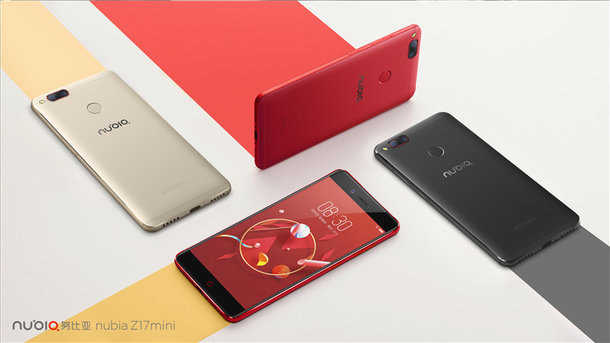
ZTE’s elite brand Nubia launched the Z17 Mini a couple of weeks back in China with a dual camera setup at the rear. The Nubia Z17 Mini isn’t a flagship device but it packs a design and specs lineup that makes it look like a flagship device. The smartphone comes in four different colours which include champagne gold, black gold, red and elegant black.
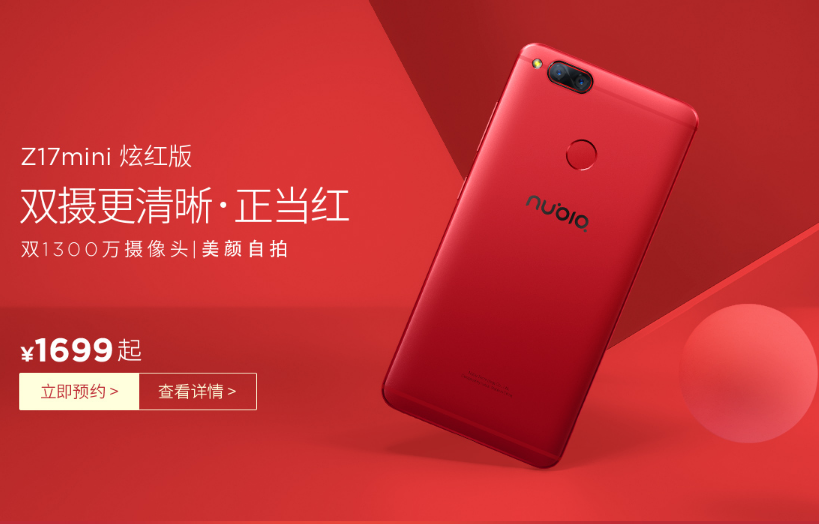
Nubia has now revealed that the red color version of the Z17 Mini will go up for sale on May 18. Already the reservation for the flash sale opened today and is currently on via Nubia’s website. Specs wise, the Z17 Mini pack a Snapdragon 653 processor which is backed by 6GB of RAM. There is also a Snapdragon 652-powered version with 4GB of RAM.
Perhaps, the most stand-out feature on the Nubia Z17 Mini is the dual camera setup at the rear, as well as the large pixel selfie shooter. The main camera is a powerful 13MP Sony IMX258 sensor and the secondary sensor is a black and white camera which is a depth of field camera. The dual camera supports 0.1s mixed focus and also 4K ultra-high definition video recording. It can also capture in slow motion and has time lapse feature.
The Red variant on sale carries a price tag of 1699 Yuan ($247), which makes this the 4GB + 64GB. The device is available on Nubia’s website.
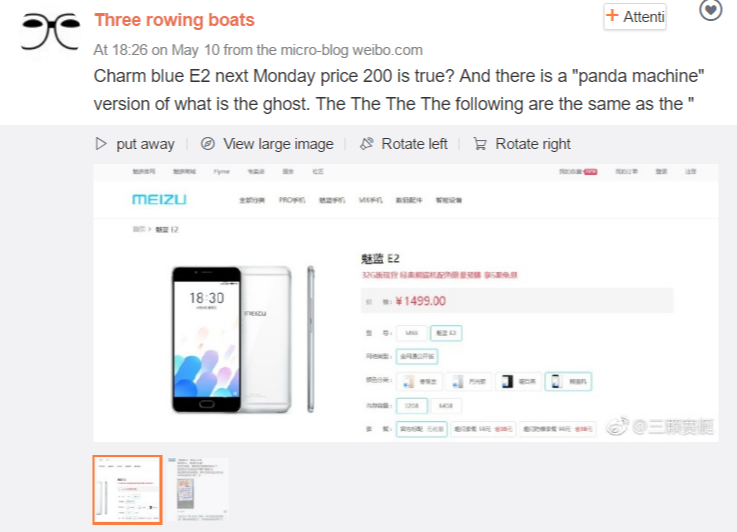
The Meizu E2 was released two weeks ago sporting a new LED flash design and a Helio P20 processor. Pricing for the Meizu E2 starts at ¥1299 ($189) but new report says buyers may end up paying more.
The info comes from a Weibo account who shared a screenshot from a dealer stating that the Meizu E2 will go on sale on Monday for ¥1499 ($218). That is ¥200 ($29) more than the original price.
There is no explanation for the increase but some are speculating that the recent restructuring at Meizu may be responsible. The official site still has the price as ¥1299 for the 3GB + 32GB version and ¥1599 ($232) for the 4GB + 64GB version.
There is also report of a new color option called Panda which has a black front and a white rear. The new version will be priced at ¥1499 ($218) for the 32GB variant. It is possible that this is the version that is generating the rumor of a price increase.
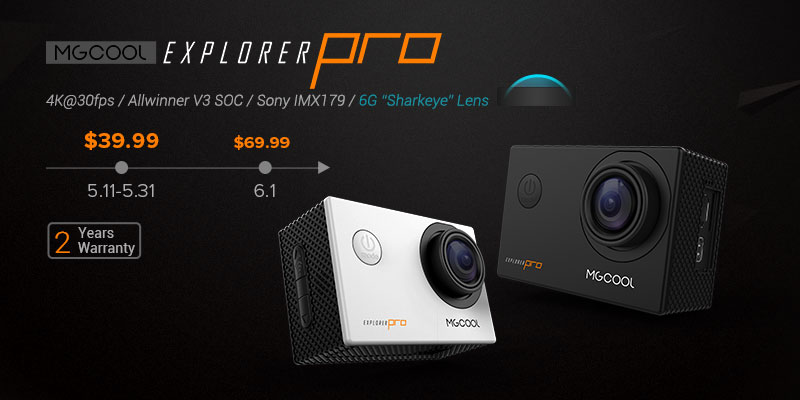
If you are looking for a cheap action camera in the market, I am sure you would have come across the affordable MGCool brand. The company recently unveiled its MGCool Explorer Pro 4K Sports Action camera and the product is currently in the pre-order stage. One of the highlights of this new action camera is the 4K video support at an amazing $39.99 pre-order price tag. And guess what! You can get a chance to win a brand new MGCool Explorer Pro 4K camera courtesy of Gizmochina and MGCool. Yes! We are giving away one Explorer Pro to one of our lucky readers and if you are a frequent reader on the site, you know it’s very easy to participate using the gleam widget.
But before we move on to the Giveaway details, here are some more details about the camera. The Explorer Pro comes with the Sony IMX179 image sensor capable of recording up to 4K videos at 30 fps. There’s an Allwinner V3 chipset inside and camera features like time lapse and slo-mo to support your video shooting requirements. The camera is IP68 certified, so it’s waterproof to a certain extent. Other features include a decent 1050mAh battery (the company claims 100 mins video shooting) and Wi-Fi. Overall, it’s a pretty good 4K action camera for $39.99.
Just enter the steps below to get a chance to win the MGCool Explorer Pro 4K.
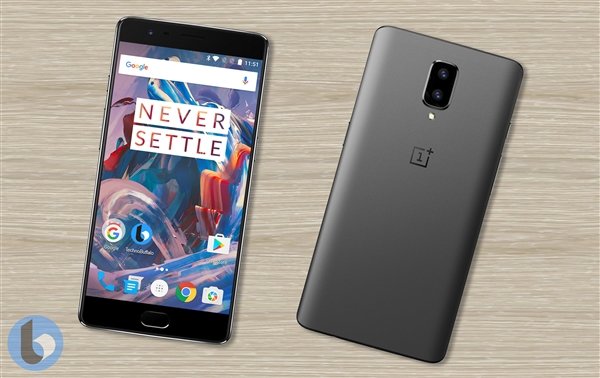
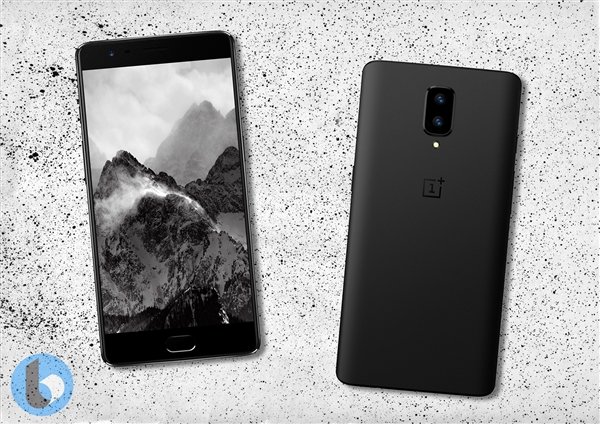
The front view isn’t very much different from the OnePlus 3T, with the device still shown to have a physical home button. However, the side of the display seems to be near bezel-less. At the rear, there is a vertically aligned dual camera with a LED flash sitting under the cameras. There isn’t a fingerprint sensor at the rear, so the button is likely embedded under the home button. The overall design is sleek and beautiful despite looking minimalistic. But there is a new twist, as the renders come in red, blue and brown colours which may join the black and soft gold traditional colors.
Specs wise, the OnePlus 5 is tipped to come with Qualcomm’s latest Snapdragon 835 processor and the renders on display suggest a powerful 8GB RAM is among the specs sheet just as rumoured. So, we’ll be looking out for a 6GB RAM version as well as the high-end 8GB RAM version. The Geekbench listing somewhat confirms the existence of a power packed specs, as the OnePlus 5 is shown to have trumped the Huawei Mate 9 and Samsung Galaxy S9+. You can check out more render images from down below.
Xiaomi has been producing all sorts of products and the Yeelight is one of them. It is a smart LED light bulb that has quite a few features and it is affordable. Learn more in our full Xiaomi Yeelight review.
Xiaomi Yeelight RGBW E27 Smart LED Bulb Review: VIDEO
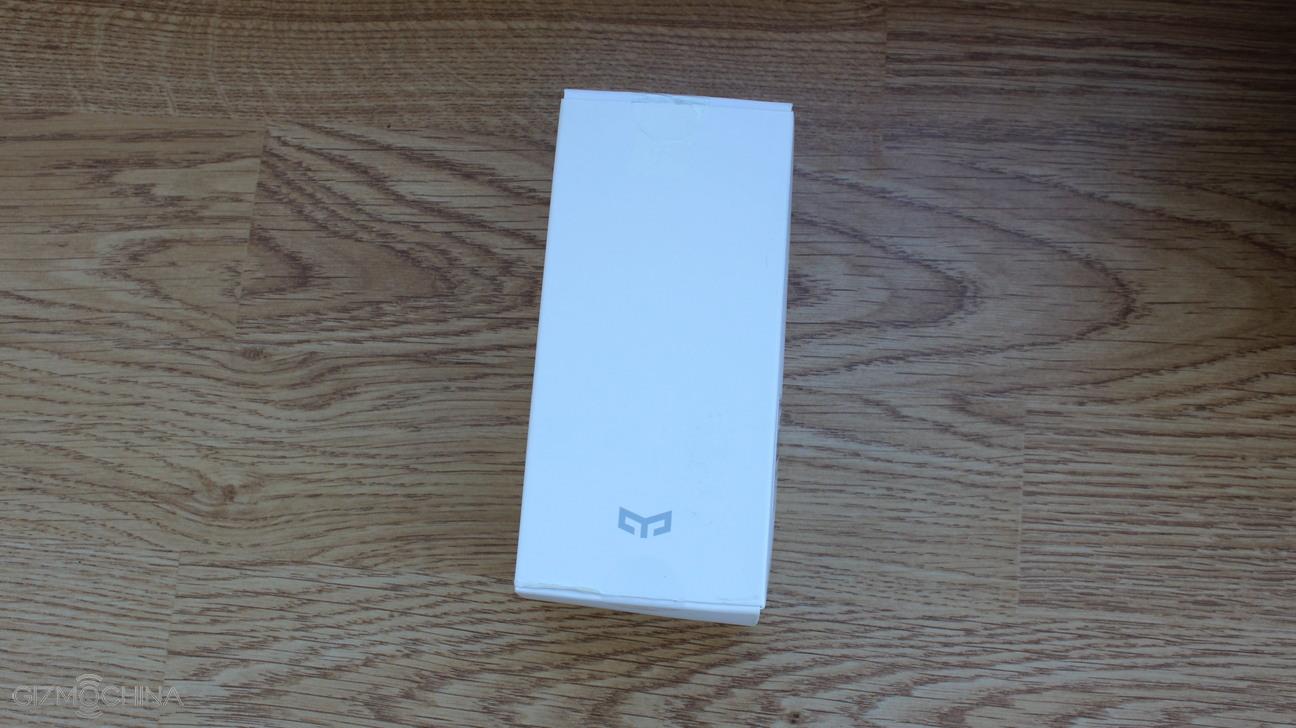
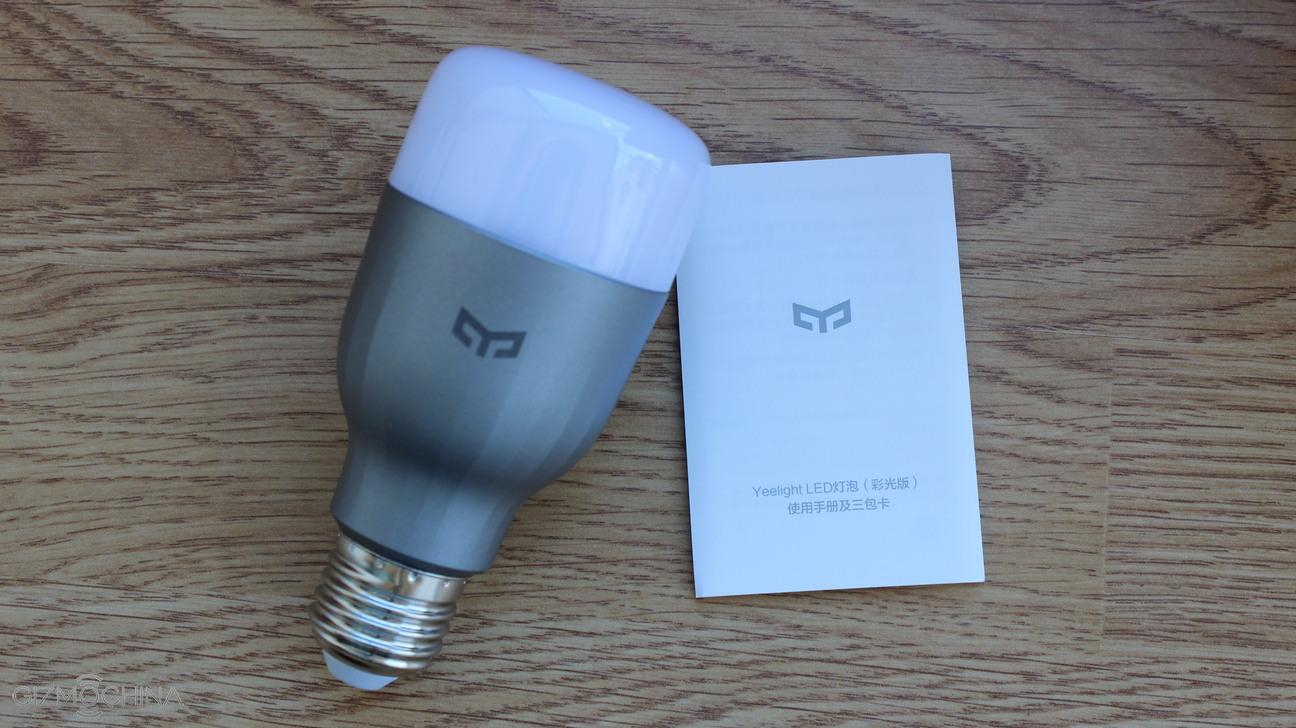
Xiaomi Yeelight RGBW E27 Smart LED Bulb Review: UNBOXING
The bulb comes with just some instruction manuals.
Xiaomi Yeelight RGBW E27 Smart LED Bulb Review: DESIGN
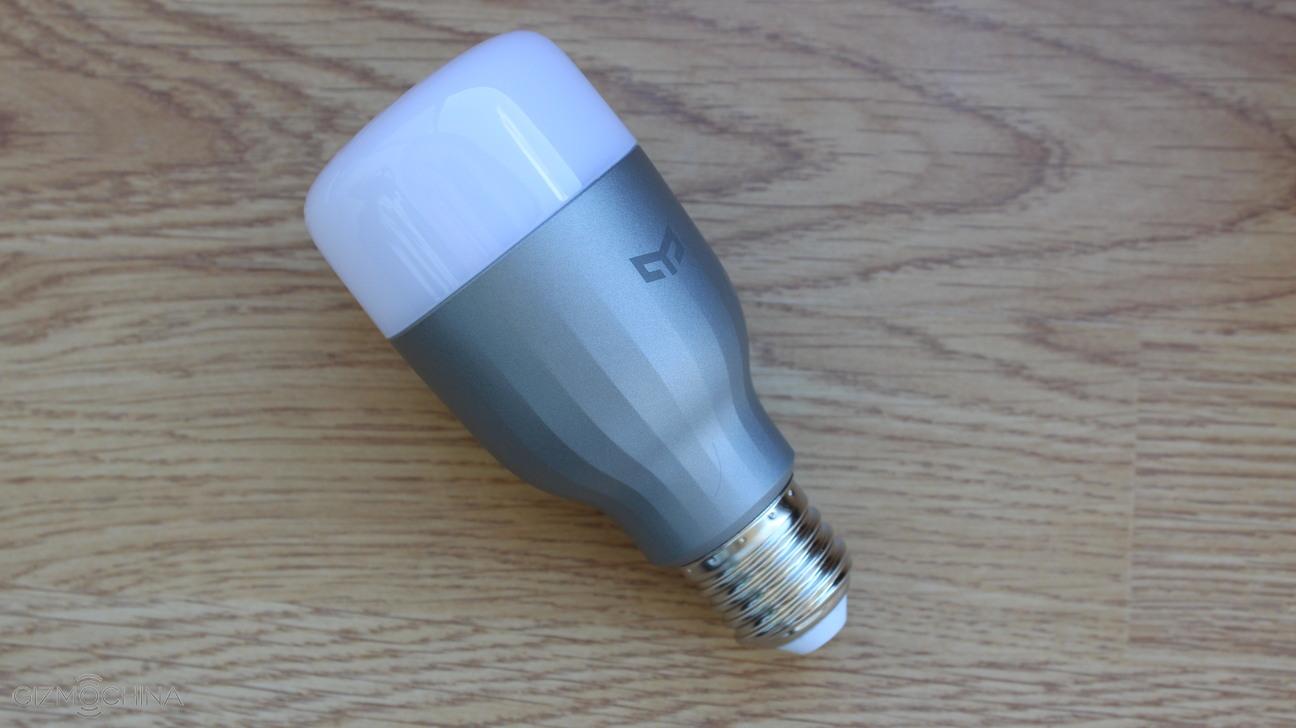
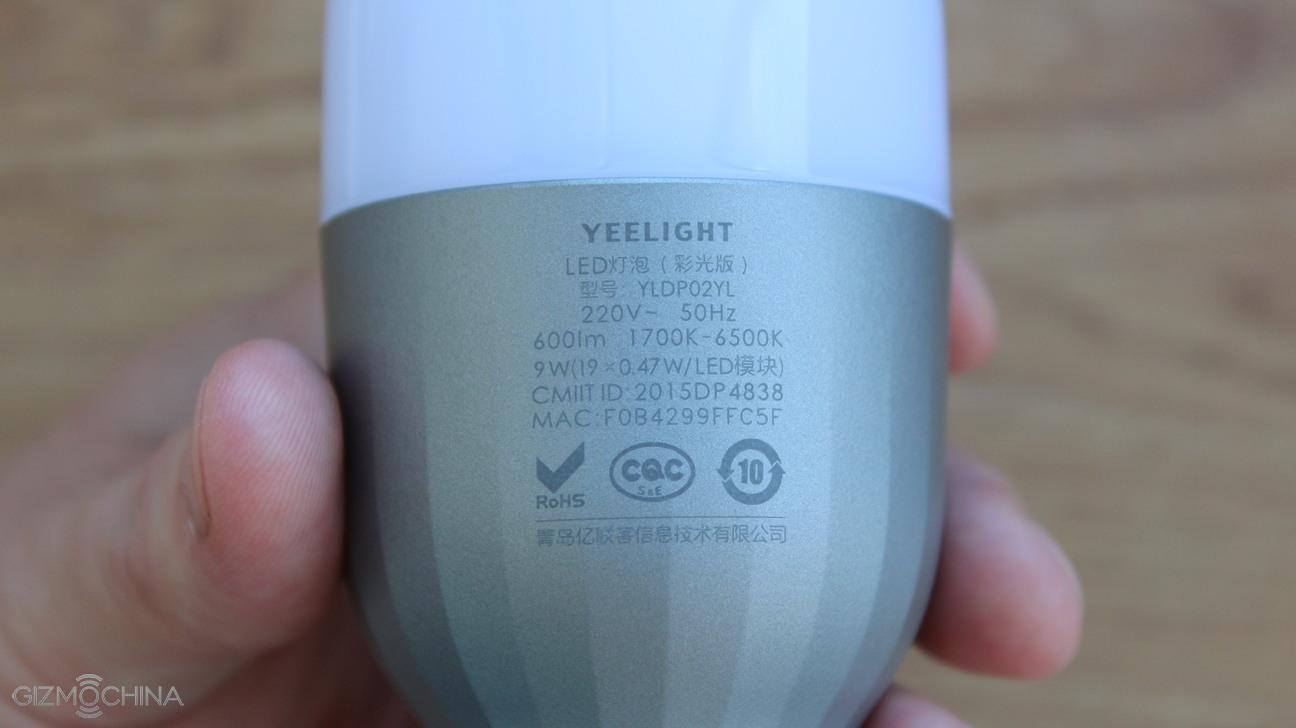
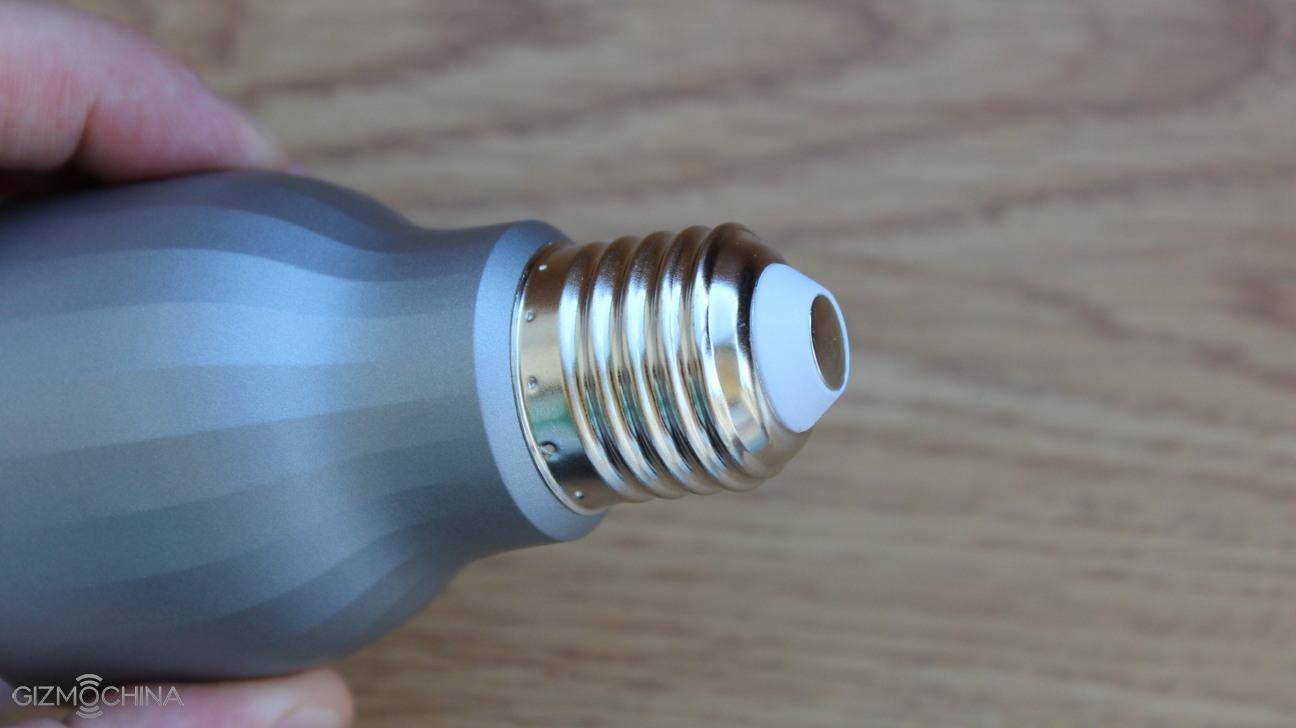
When it comes to the design, the bulb uses E27 standard and it is well built. In fact, it is one of the better build bulbs I’ve tested. Xiaomi assures that the bulb will last you up to 11 years.
My favorite feature is that the bulb uses the Wifi connection, which is way better than the Bluetooth, which has the range of only 10 meters.
Xiaomi Yeelight RGBW E27 Smart LED Bulb Review: FEATURES
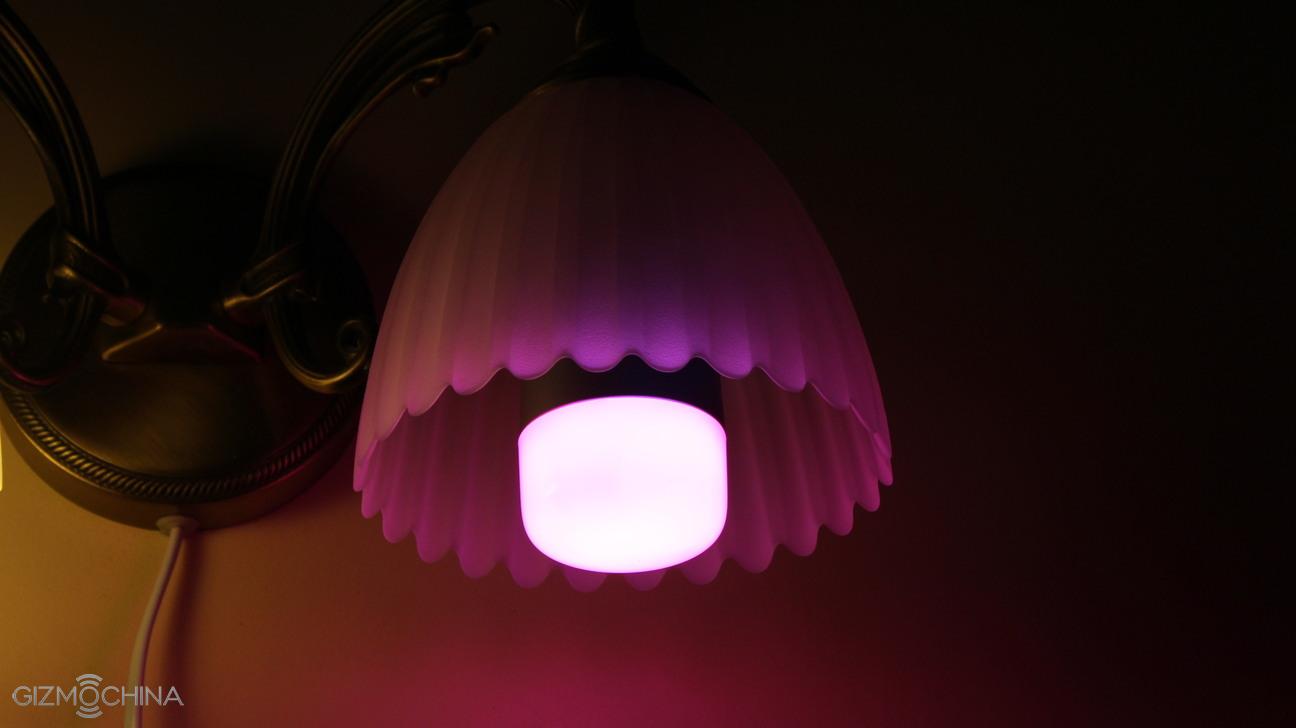
The main features of the bulb are that it has 16 million colors and you can also adjust the color temperature.
You have to do all that using the using the Mi Home app, which is available on the Play Store.Just before you start using the app, make sure to select the location of China (Mainland). Otherwise, you will not be able to connect to the bulb and control it.
Within the app, you can adjust the color temperature and brightness of the bulb, select from a variety of different colors, select a flow mode. Also, you can select from a variety of scenes. One feature that I personally think is a gimmick, is the ability to take picture of an object and the bulb will change the color accordingly. I found this feature to be pretty accurate but I’m not sure if you are going to use it, anyway.
Xiaomi Yeelight RGBW E27 Smart LED Bulb Review: CONCLUSIONS
The Xiaomi Yeelight is a smart bulb that has quite a few features and most importantly, it is controlled via Wifi, which has a huge range advantage over the Bluetooth.
The bulb has been working fine, the user interface of the app is simple and easy to use. Last but not least, the bulb costs just below $20, which is really a low price considering the feature set.
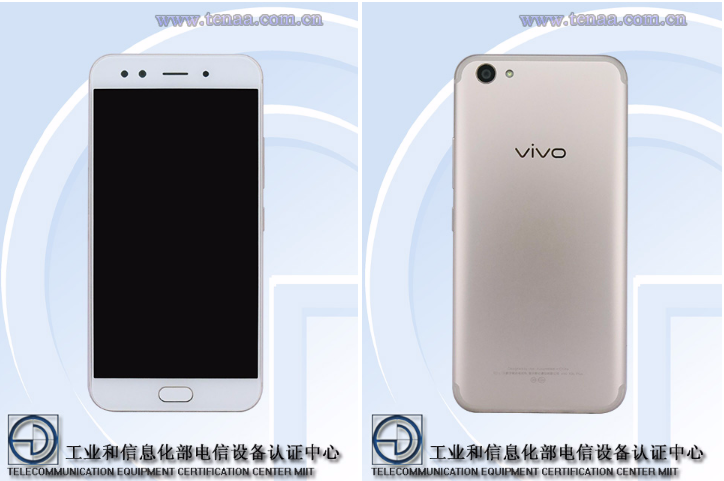
The Vivo X9s Plus has been spotted on TENAA, the regulatory body from China. The listing on TENAA has revealed its specifications and images of the upcoming Vivo X9s Plus. It is expected to launch soon to replace Vivo X9 Plus from 2016.
According to the TENAA listing, the Vivo X9s Plus will be coming with a 5.85-inch OLED screen that will be delivering a full HD screen resolution of 1,920 x 1080 pixels. It is driven by an octa-core processor that clocks at 1.95 GHz. The TENAA listing does not mention the manufacturer of the chipset.
Rumors have it that it could be the first Vivo smartphone to be powered by the recently launched Snapdragon 660 chipset. The chipset will be accompanied by 4 GB of RAM and it will be arriving with a native storage of 64 GB. It will come preinstalled with Android 7.1.1 Nougat OS.
The main camera of Vivo X9s Plus will be of 16-megapixel that will be accompanied by a single-LED flash and the front will be housing a dual camera setup of 20-megapixel + 5-megapixel snappers. The images shown through TENAA listing suggests the phone has a slightly protruding rear camera.
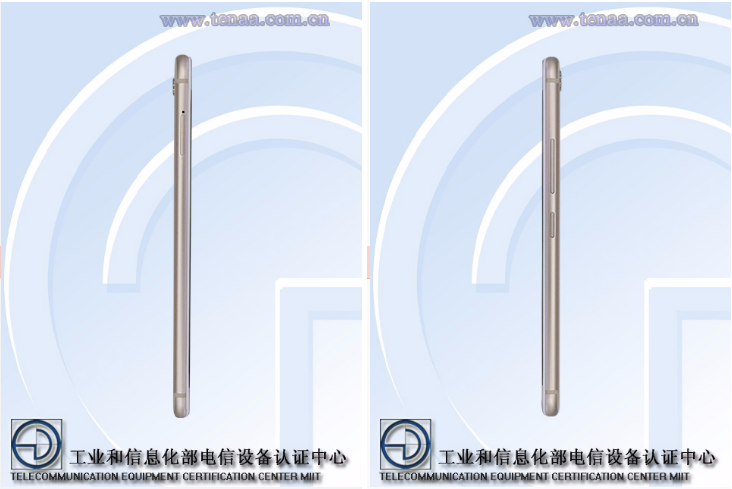
The placement of the antenna bands seems to be inspired from the recent iPhones. The right side of the phone seems to house a SIM tray whereas the left side of the phone appears to feature volume controllers and Power key. TENAA listing indicates that the Vivo X9s Plus would be available in gold color.
A 3,920mAh battery is present inside the X9s Plus to keep the lights on. Its fingerprint scanner seems to be embedded under the physical Home button present below the display. It measures 162.59 x 78.84 x 7.25mm and its weight is 183.2 grams.
In comparison to the Vivo X9 Plus, its alleged successor seems to sport downgraded specs. The X9 Plus that was launched in November 2016 came with a 5.88-inch full HD AMOLED screen, Snapdragon 652 SoC, 6 GB RAM, 64 GB and 128 GB storage options, 16-megapixel rear camera, 20-megapixel + 8-megapixel dual front cameras and a 4,000 mAh battery.
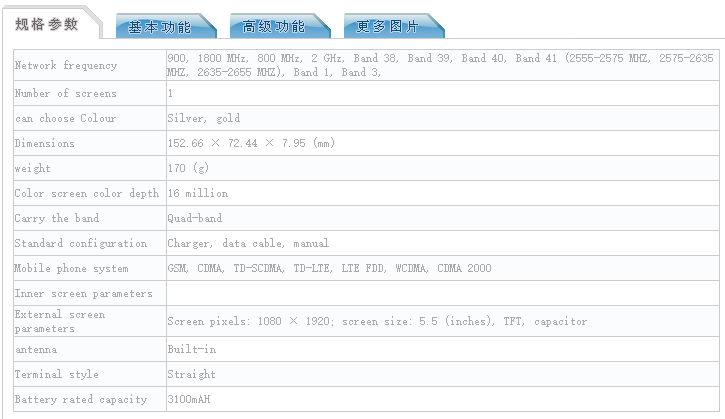
A new Nubia smartphone believed to be the Nubia Z17 has appeared on TENAA thus confirming insinuations that Nubia has a flagship device in the works. The device comes with the model number Nubia NX563J which is a very familiar one as it confirms that this is the same Snapdragon 835-powered device that appeared on AnTuTu recently and on Geekbench earlier on.
Thanks to the TENAA appearance, we get to see what the Nubia flagship machine looks like and it didn’t disappoint. The device comes with a bezel-less display which is without bezels at the side edges. You only get bezels at the top aspect where the front camera and earpiece are located. There is also bezels at the bottom edge where the home button lies. There is no physical home button, instead, the Nubia Z17 comes with the same red circle design on top of the screen indicating where the virtual home button lies. At the rear, the Nubia NX563J comes with a horizontally aligned dual lens camera setup but the LED flash isn’t the strip LED flash which Meizu used on the Meizu E2. There is also a rear-mounted fingerprint sensor on the device.
Going over to the listed specs, the Nubia Z17 comes with a 5.5-inch 1080p display and is equipped with an octa-core chip clocked at 1.9GHz which looks like a clocked down version of the Snapdragon 835 processor. The memory comes with 4GB RAM + 64GB storage combination but the Z17 is said to have a higher 6GB RAM + 128GB storage version. There is equally a 3100mAh battery inside the flagship device which comes in gold and silver.
The TENAA certification shows that ZTE’s Nubia will soon launch the Z17 flagship smartphone. Next thing we’ll look out for is perhaps a launch invite.
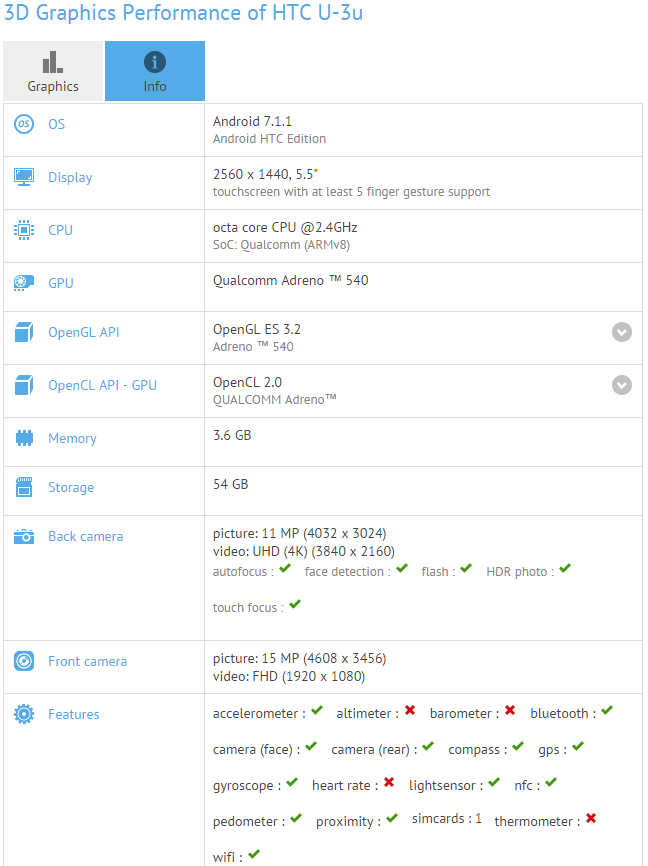
With only few days remaining for the official unveil of HTC U11, the smartphone can be found listed on various benchmarking platforms such as AnTuTu and Geekbench. Now, it has shown up on GFXBench with model number U-3u just before the official launch on May 16. The appearance of the alleged HTC U11 on GFXBench only confirms the specifications and features of the phone that have been revealed by the rumor mill in the recent past.
As mentioned above, the entire specifications and features of HTC U11 have already surfaced. The GFXBench listing states that the 2017 flagship phone from HTC has a 5.5-inch display that supports a resolution of 2,560 x 1,440 pixels. It features the highly potent Snapdragon 835 chipset under its hood. The SoC comes with an octa-core processor that clocks at 2.4 GHz and Adreno 540 graphics.
The U11 has 4 GB of RAM and the internal storage of the phone is 64 GB. The rear panel of the phone is equipped with a 12-megapixel camera whereas the front-facing shooter of the phone is of 16-megapixel. It is loaded with Android 7.1.1 Nougat with the latest edition of HTC Sense UI on it.
The Geekbench listing of HTC U11 has revealed that it scored 1912 on single-core test and 6137 on multi-core test. Leaks have revealed that the major feature of the HTC U11 is the Edge Sense metallic frame of the phone that can recognize gestures like squeezing. A leaked video of the alleged HTC U11 has already surfaced to reveal how the Edge Sense feature works. The HTC U11 is also expected to be available in another variant featuring 6 GB of RAM and 128 GB of storage.
https://www.youtube.com/watch?v=iK-0I3oVGc8
Recently, renders of a glossy red edition of the HTC U11 was spotted in a leaked video. It reveals that the phone does not feature the standard 3.5mm audio jack, but it has a USB Type-C port that can be used for listening to music and charging. It is expected to be available in as many as five colors such as black, blue, red, white and silver.
The Xiaomi Mi 6 is the first flagship phone from the company for this year. The phone sports a premium glossy appeal and is one of the best-looking smartphones from Xiaomi. Even though Xiaomi has not spoken on the IP rating of Xiaomi Mi 6, it claims that it is a splash-resistant phone. However, is it durable enough? JerryRigEverything had done a durability test on Xiaomi Mi 5 which revealed that it could bend and break easily with some pressure. Now, it has performed a durability test on Xiaomi Mi 6 to find out whether it is a weak device like its predecessor.
In the above video, JerryRigEverything can be seen first performing the scratch test on 5.15-inch screen that is protected by Gorilla Glass. The glass scratched at Mohs scale of level 6 which means that if the pocket in which the phone is kept also contains keys and coins, the screen of the Mi 6 will not get scratched. It also indicates that the Mi 6’s quality is on par with that of other flagship smartphones. What’s makes this even more impressive is that its price is around half the cost of Samsung Galaxy S8.
The fingerprint scanner is embedded under the screen of the phone which makes it resistant to scratches. JerryRigEverything has used a razor blade to scratch it and has stated that it does not scratch easily. Even the 8-megapixel front-facing camera is protected as it placed under the glass. The rear panel of the Xiaomi Mi 6 is made up of glass which not only appears sleek but also it does not contract scratches easily. Ceramic panels are more resistant to scratches. Since the deluxe version of the Xiaomi Mi 6 has ceramic rear panel, it is even more protected than the regular version.
The 12-megapixel dual rear cameras are also protected by the sturdy glass of the back panel. When JerryRigEverything had performed scratch test on Xiaomi Mi 5, it was found that the company had used inferior quality metallic alloy frame on it. The usage of cheap metal and the lack of a metallic frame caused it snap in two parts during the bend test. The metallic frame is of Xiaomi Mi 6 is quite strong as it cannot be scratched easily.
Next is the flame test that kills the pixels of the IPS LCD display of Xiaomi MI 6 in about 10 seconds. The Xiaomi Mi 5’s screen met with the same fate on flame test in only 4 seconds. The Xiaomi Mi 6 that weighs 168 grams is 31 percent heavier than Mi 5 that has a weight of 129 grams which indicates that Xiaomi has used stronger materials on the Mi 6.
During the bend test the phone could bend a little but it came back to original position. However, the Xiaomi Mi 5 could bend and break easily with little pressure. JerryRigEverything concludes the durability test video of Xiaomi Mi 6 by saying that it is a champion when it comes to durability.
Early yesterday morning, during the morning commute to work, a lady’s Xiaomi phone burst up in flames while in use. The lady who was standing during the trip was holding her phone when it started smoking causing her to quickly drop it, resulting in a commotion.
Images from the camera on the bus shows passengers fleeing to the exits while the bus was in motion. The driver on realizing what was happening had to quickly stop the vehicle to allow passengers get off. The fire was eventually put out and no one was reported to be injured.
[envira-gallery id=”130863″]
An investigation team that analysed the CCTV footage said the lady was seen using a headset with the phone earlier. There is no report yet as to what led to the phone bursting into flames but the fire left a scorch mark on the floor before it was put out.
Chinese smartphone maker Xiaomi is in talks with a number of banks to refinance a $1 billion three-year loan from 2014, Reuters reports. The Chinese tech giant is reported to have approached three banks namely, Deutsche Bank, Morgan Stanley and Wing Lung Bank concerning the matter. Could this be a sign of financial trouble for Xiaomi who ranked among the top 10 phone manufacturers globally in 2015?
There are several reasons why a company would want to go the path of refinancing an old loan and some of the reasons border on financial difficulties. Another curious aspect is that the loan which Xiaomi is trying to refinance had a three-year tenor that was supposed to elapse this year. But apparently, Xiaomi which is usually dubbed “China’s Apple”, might have had difficulties repaying. This may be unconnected with te company’s faltering sales record the past few years.
Xiaomi is known for its generally high-quality but cheap products. Xiaomi’s products cut across smartphones, Smart TVs, routers, laptops, and several Smart home gadgets. This cheap approach means its profit can only come when it sells more products, with the smartphone division standing out as its major stronghold. But in recent times, Xiaomi has struggled to achieve the same result which catapulted it to the top five highest selling brand in 2015, grossing over 70 million units in sales. In Q1 of 2016, Xiaomi shipped only 10.9 million phones, a 26% year-on-year decline, and subsequently, they were able to ship only 62 million units in 2016. The inability of Xiaomi to ultimately ship out more units of their smartphones most likely had a strong effect on their revenue generation and this certainly affected their finances.
The reduction in Xiaomi’s shipment between 2015 and 2016 could have occurred for a variety of reasons ranging from marketing strategy to market competition, availability and others. Before now, Xiaomi uses online-only sales pattern where sales are done via flash sales. This method proved to be very successful when the company started in 2010. However, most of their competitors such as Vivo, OPPO and Huawei not only use the online sales pattern but somewhat favours the traditional offline method by selling through physical stores thus giving them an edge. But in recent times, Xiaomi has opened offline physical stores where fans can get its devices with plans to add more offline stores and to expand outside out China with this model.
Xiaomi’s CEO Lei Jun had admitted earlier this year that his company had perhaps grown “too fast” in the past few years leading to challenges in the business. He may just have been right. Should Xiaomi get this financial boost, review its market strategy and revamp its production volume, its revenue is most certain to skyrocket.
It’s been four years since OPPO last updated the Find series after the release of the Find 7. All this while, rumours have been circulating concerning a next-gen flagship from OPPO which would likely be named Find 9. While latest news suggests that OPPO may have finally rested the Find series due to the success of the R-series, the OPPO Find 9 just won’t part ways with the rumour mills. Perhaps, that is an indication of how much fans desire for the Find 9 to come.
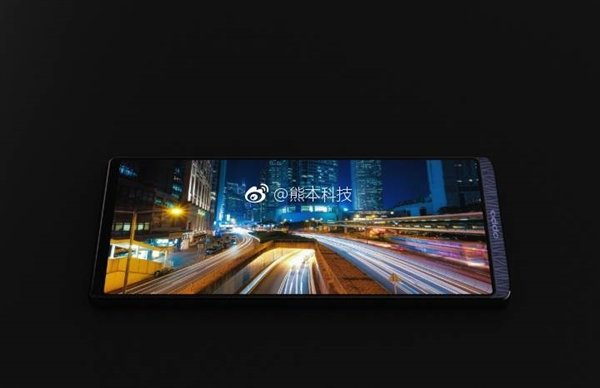
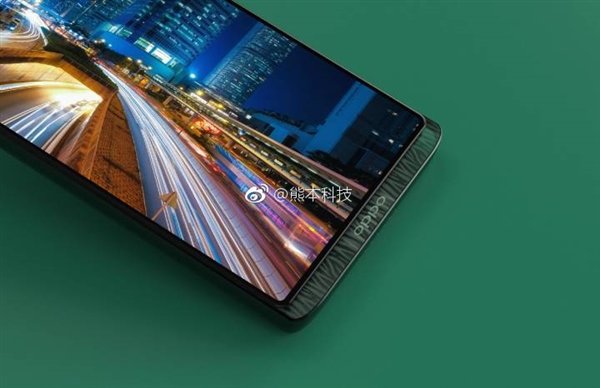
Yet again, another fresh set of OPPO Find 9 renders has appeared on Weibo from tipster @kjuma. The image on this latest render is different in design from what we had seen in the past. The new images shows the Find 9 featuring very narrow bezels on all four sides with a full-screen design. The device has a high screen to body ratio with top bezel almost absent, covered by the display to a large extent.
The renders did not contain that of the back view but it is likely the device comes with a rear fingerprint sensor since there is no physical button at the front. That is, of course, if it is not hidden under the glass (ultrasonic technology). The Find 9 on display looks like what has a metal body with only a slight curvature and a design consistent with previous Find-series phones except for the straight upper and lower edges.
We cannot really say if this is real but they look like a fan-generated render aimed to keep the Find 9 topic on the front burner. Before now, there were talks of the Find 9 featuring a Snapdragon 835 chip on one of its variant but presently, we are as confused as you are. We don’t know if the Find 9 is in the works and would release in the second half of this year or if the entire project has been discontinued. Only OPPO can answer that and they are too busy milking the R9 models to give us an answer.
In March of 2016, Apple unveiled the 4-inch iPhone SE, probably to cater to those who wanted a compact phone like the iPhone 5s. Exactly a year after its release, Apple relaunched the phone with new storage variants (32GB and 128GB) and stopped production of the 16GB variant.
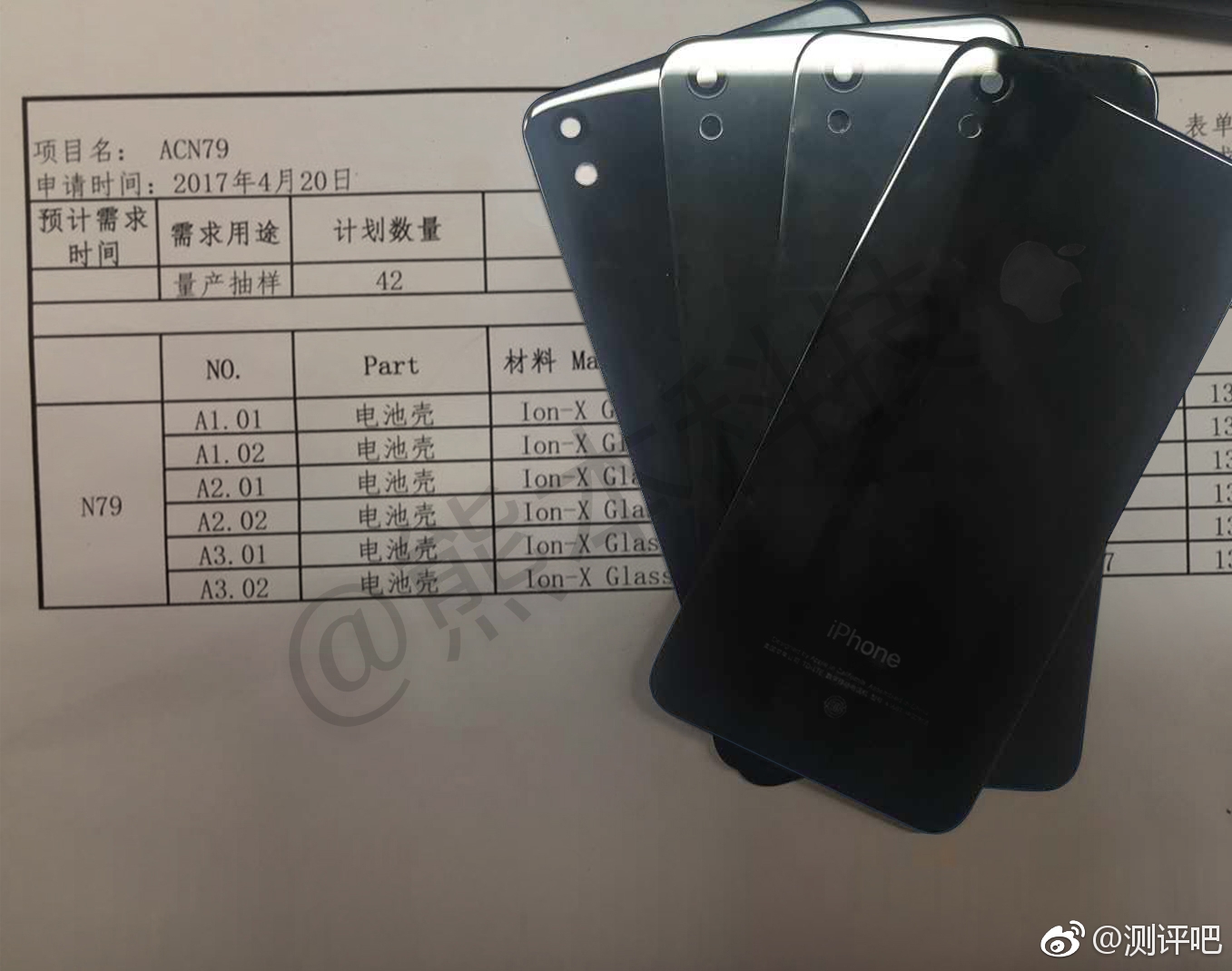
Yesterday, Apple announced that the 2017 edition of its WWDC event will kick off on June 5. Asides the announcement of new versions of iOS and macOS, and a Siri-based smart speaker, Apple is also expected to announce a second-generation iPhone SE. A weibo user has leaked an image said to be the shell of the upcoming phone.
Although the name isn’t confirmed yet, the second generation iPhone SE appears to have a glass back, confirming Apple is making a shift from metal. The camera setup is also vertical as the LED flash now sits directly underneath the camera lens.
The image also reveals that the shell is made of Ion-X glass, the same used for the Apple Watch Sports. The Ion-X glass is more flexible, lighter and less expensive than sapphire but it is also more prone to scratches. Since the iPhone SE is currently Apple’s cheapest smartphone, it is not hard to see why they are settling for the material.
We use cookies on our website to give you the most relevant experience by remembering your preferences and repeat visits. By clicking “Accept”, you consent to the use of ALL the cookies.
This website uses cookies to improve your experience while you navigate through the website. Out of these, the cookies that are categorized as necessary are stored on your browser as they are essential for the working of basic functionalities of the website. We also use third-party cookies that help us analyze and understand how you use this website. These cookies will be stored in your browser only with your consent. You also have the option to opt-out of these cookies. But opting out of some of these cookies may affect your browsing experience.
Necessary cookies are absolutely essential for the website to function properly. This category only includes cookies that ensures basic functionalities and security features of the website. These cookies do not store any personal information.
Any cookies that may not be particularly necessary for the website to function and is used specifically to collect user personal data via analytics, ads, other embedded contents are termed as non-necessary cookies. It is mandatory to procure user consent prior to running these cookies on your website.