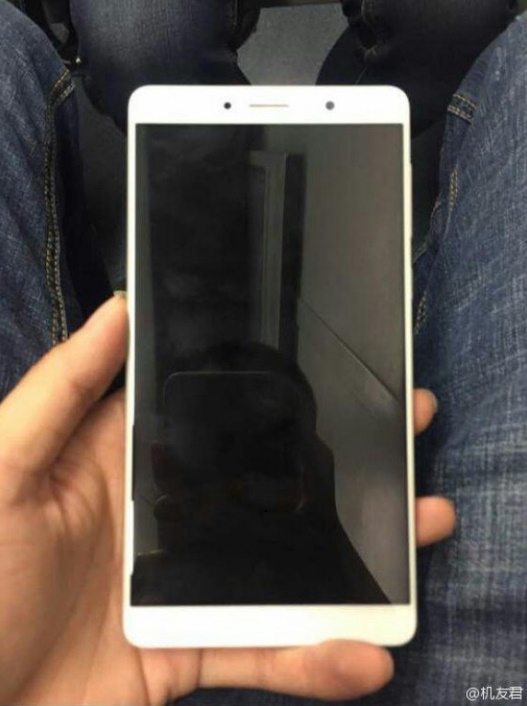
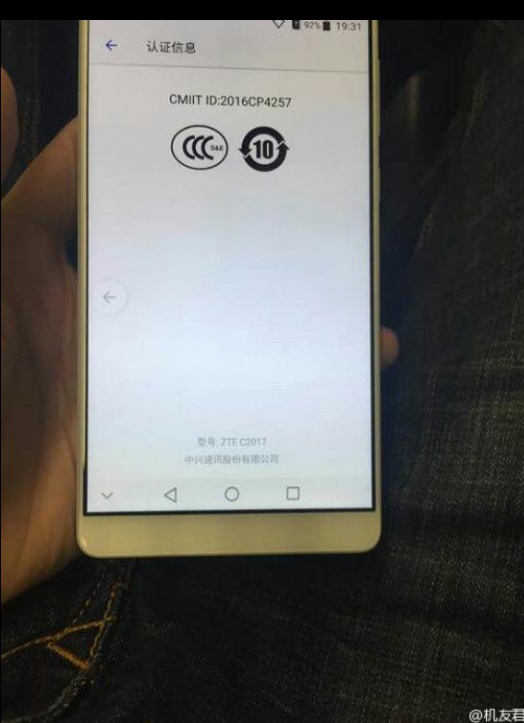
When ZTE released the Axon last year, there were three models: the ZTE Axon, the ZTE Axon Mini, and the Axon Max. This year appears to follow the same trend. They have already launched the ZTE Axon 7 and ZTE Axon 7 Mini, and seem to be set for an Axon 7 Max launch judging from the leaked images of a large screen ZTE phone.
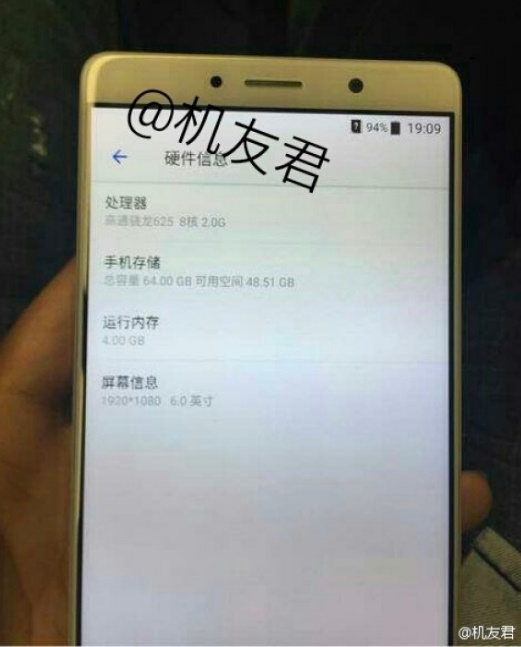
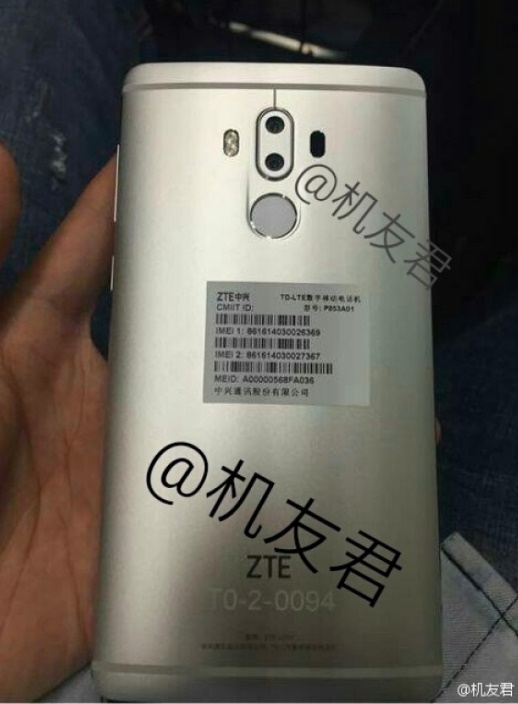
Last years Axon Max launched with a 6” screen and ZTE is sticking to the same screen size and resolution for the Axon 7 Max. But a major upgrade coming to the phone is the use of dual rear cameras. The Axon 7 Max has its dual cameras stacked on each other and flanked on the left by a LED flash and on the right by a laser sensor. Details of the cameras are currently unknown, so we will have to wait for that to be disclosed. Below the camera setup is the fingerprint scanner which I think would be better if it were positioned a bit lower or even put up front based on the size of the display.
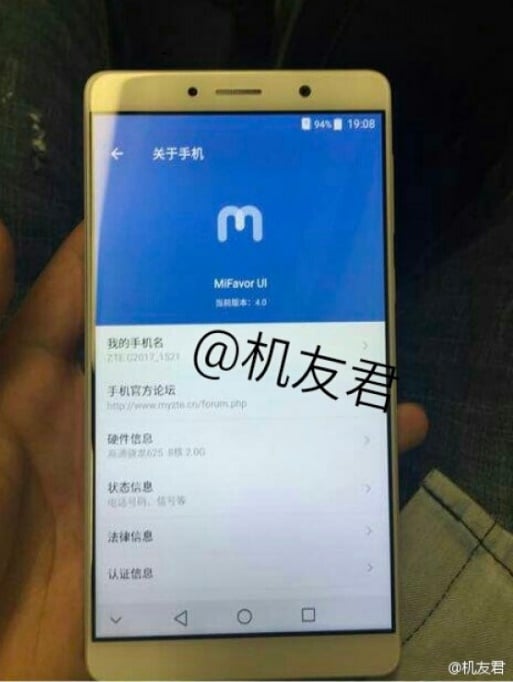
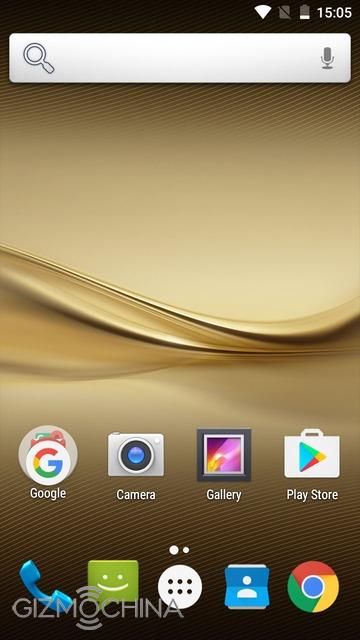
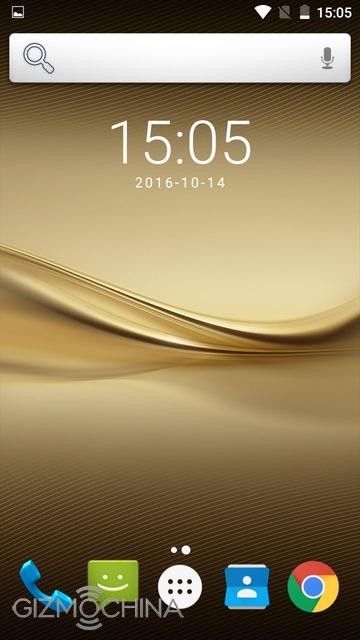
There is a Snapdragon 625 processor under the hood, and one of the images shows there is 4GB of RAM, and 64GB of storage. The Axon 7 Max will also run Android Nougat with ZTE’s MiFavor 4.0 UI overlay.
There is no mention of the battery capacity but last year’s model launched with a non-removable 4140mAh battery with QC 2.0 support. This year’s edition might feature the same battery or bump it up a little and add QC 3.0.
A few months ago, Qualcomm sued Meizu in China for patent infringements related to its 4G and 3G technologies. The chip maker sued Meizu for 520 million Yuan but the last we heard about the matter was that the phone maker wanted to settle out of court. But apparently, the case has not been settled as Qualcomm have taken the battle to North America and Europe by suing them in the United States, France and Germany.
Qualcomm’s executive Vice-President and general counsel, Don Rosenberg, said Meizu refused to negotiate in good faith with the company. And they can’t turn a blind eye to Meizu’s sale and distribution of products infringing on their patents, hence the reason for taking legal action to protect their patent rights.
Meizu has released no official statement in relation to the matter but an outcome such as payment of royalties or something more serious like a ban preventing them from selling their products will spell doom for them.
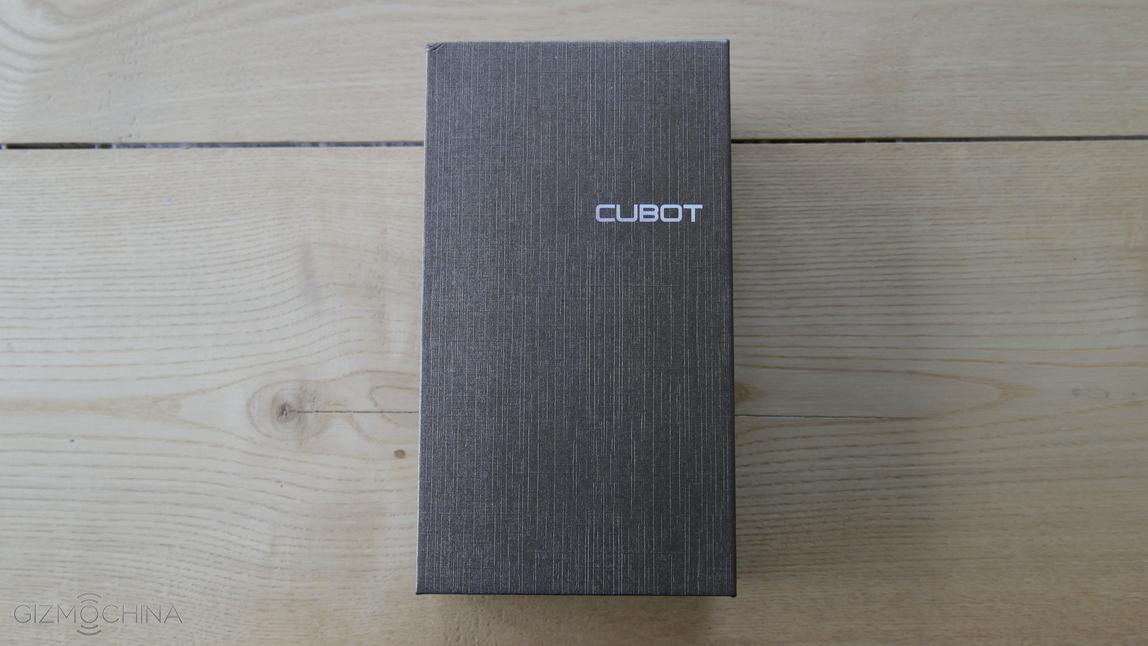
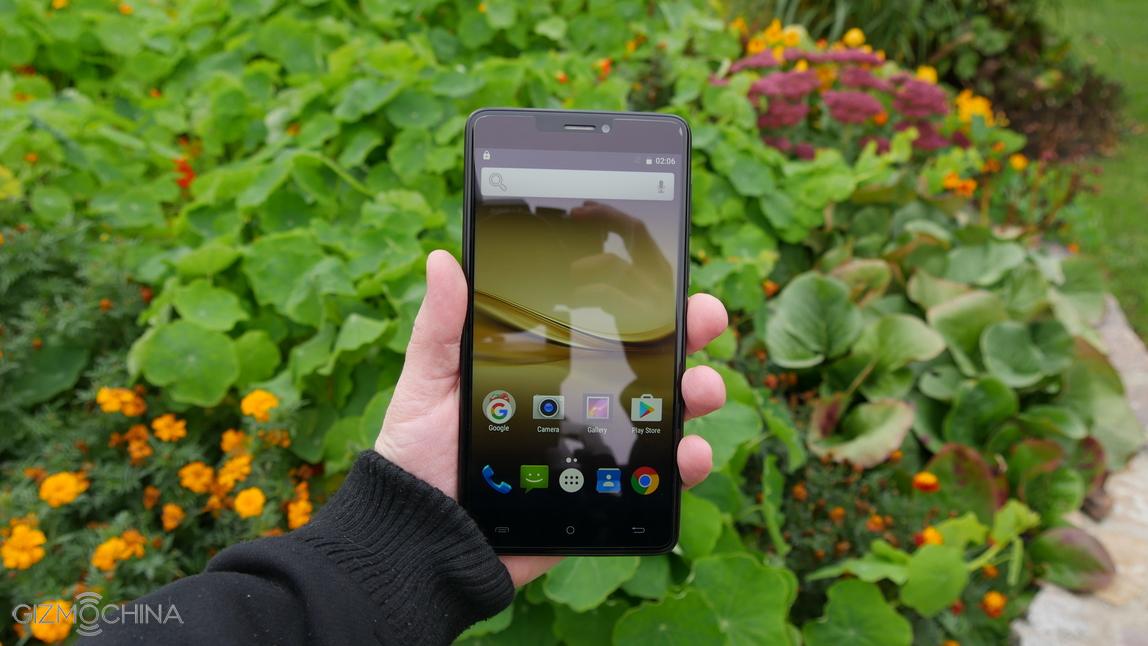
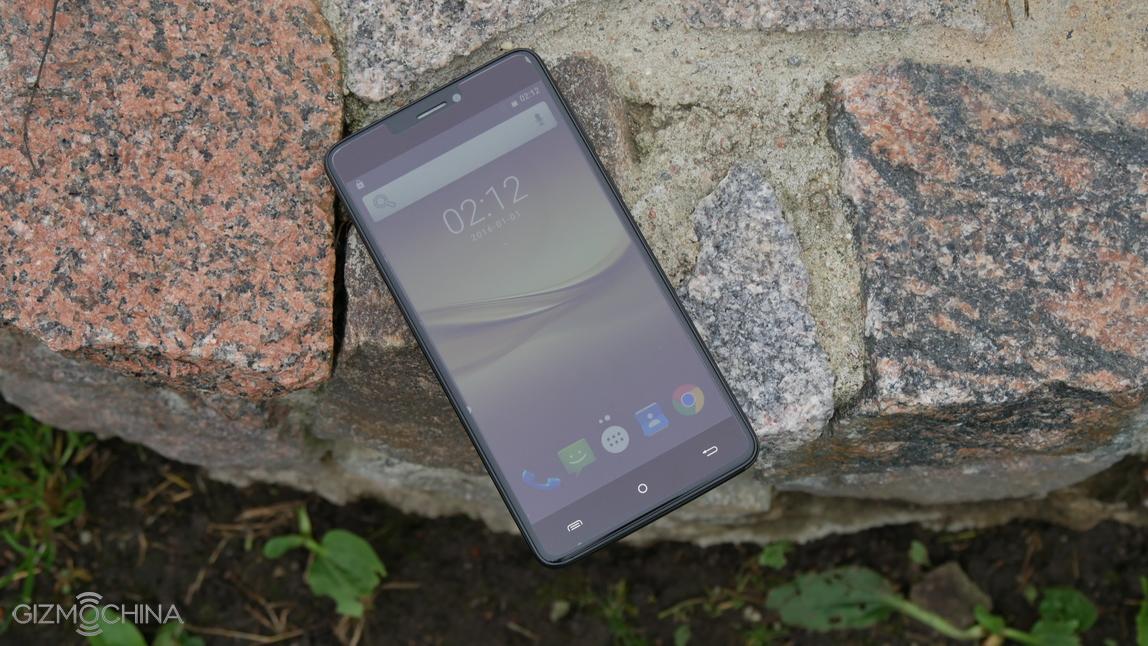
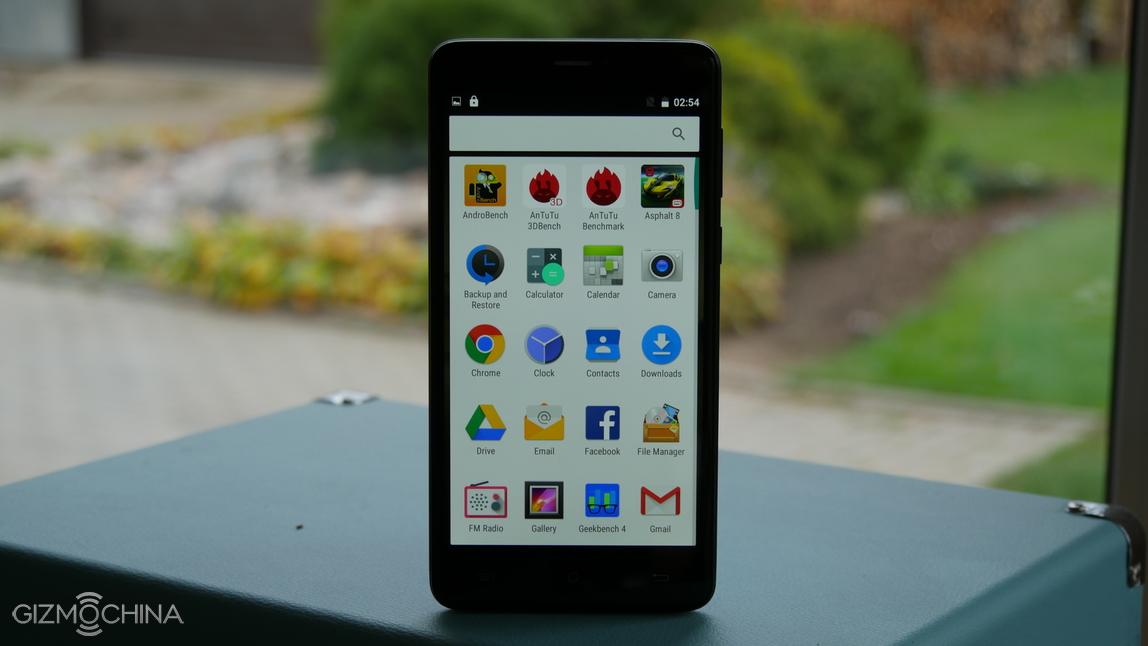
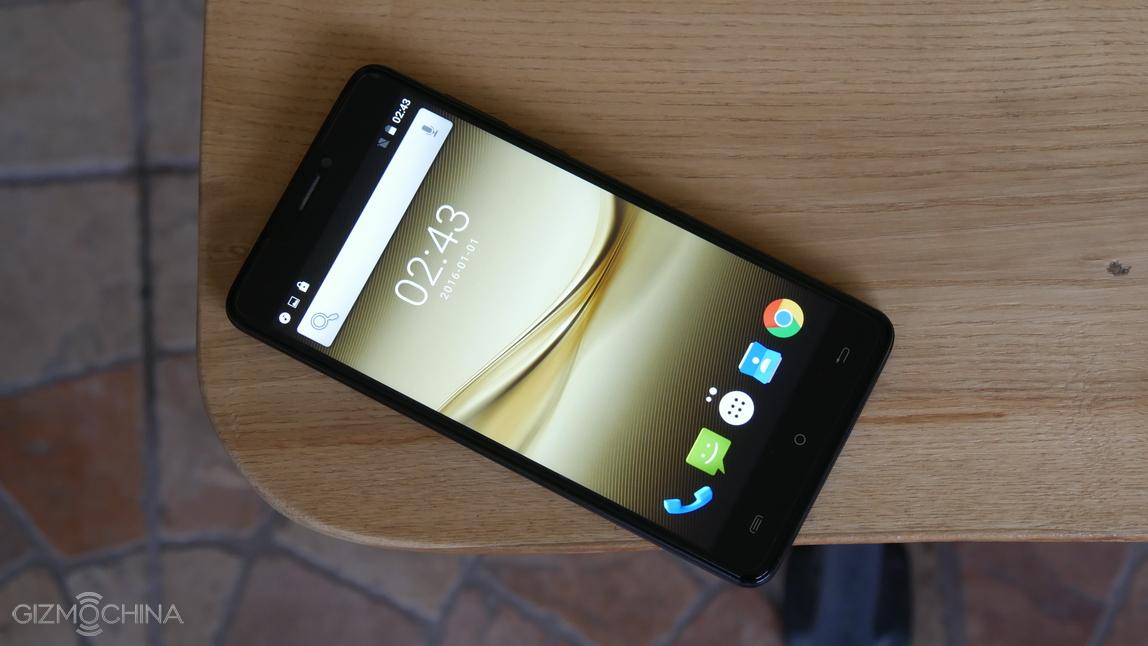
It seems that there has been a wave of super-sized smartphones from China and Cubot Max is one of them. It sports a 6” display, it has decent specs but it costs just $114. Learn more in our a full review.
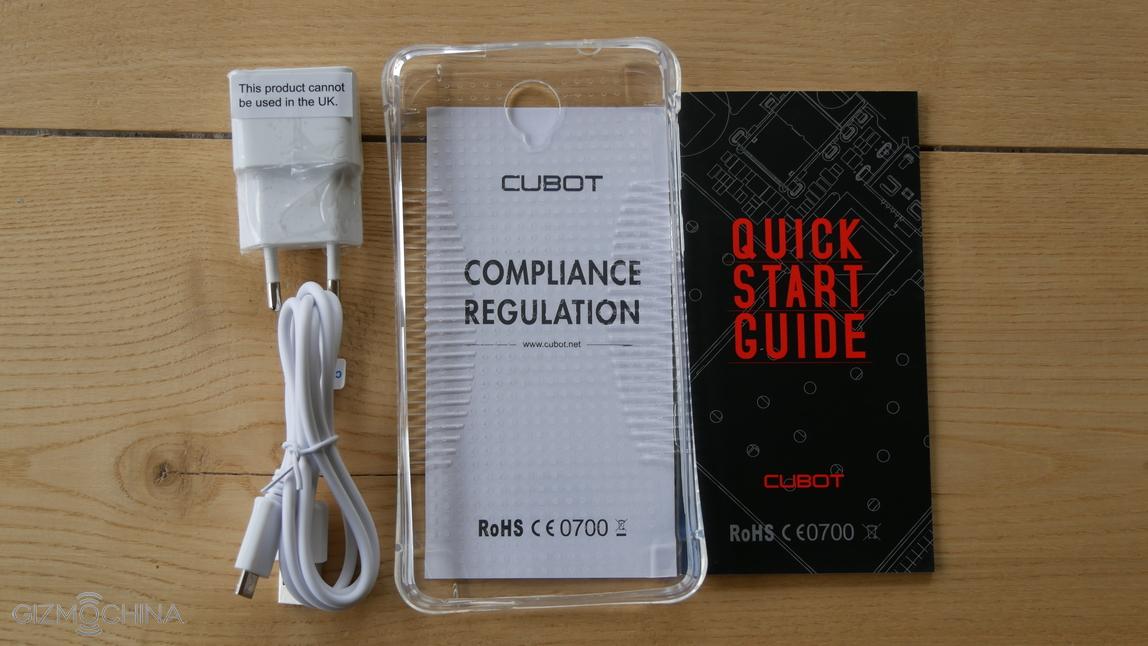
The phone ships with all the usual stuff and some extras include a high-quality soft TPU case.
Cubot Max Review: DESIGN and DISPLAY
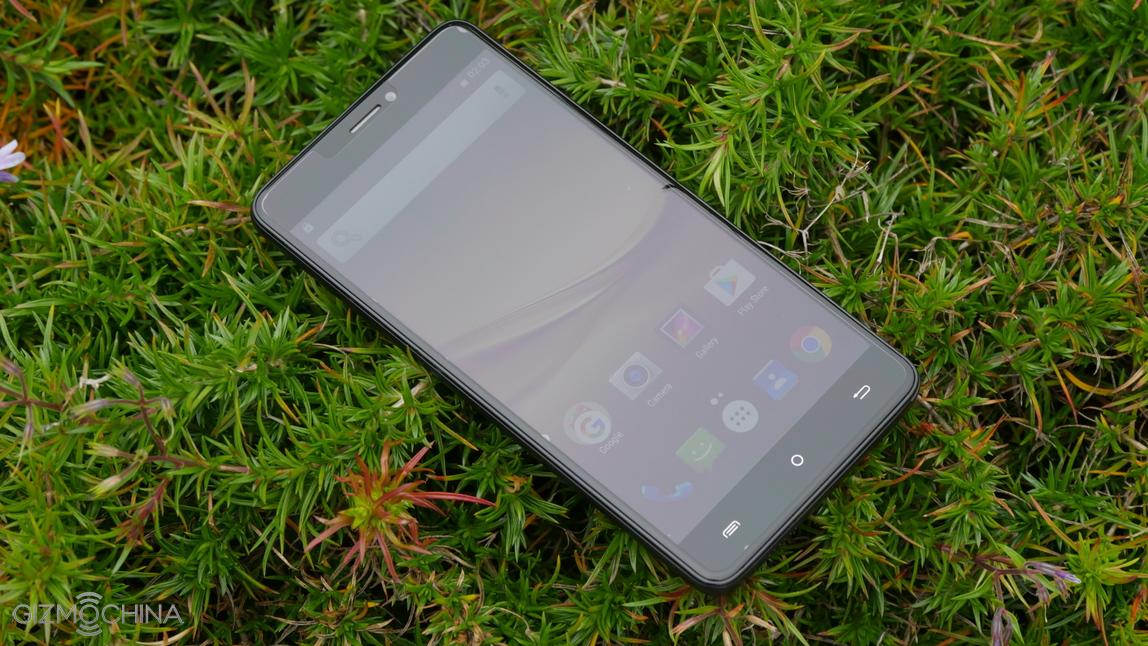
The very first thing you are going to notice about this phone is that it is really huge due to its 6” display. It has only 720p resolution but it is surprisingly sharp and nice panel.
We don’t have backlit capacitive buttons but there is a notification LED light, which is a nice addition for a cheap phone like this.
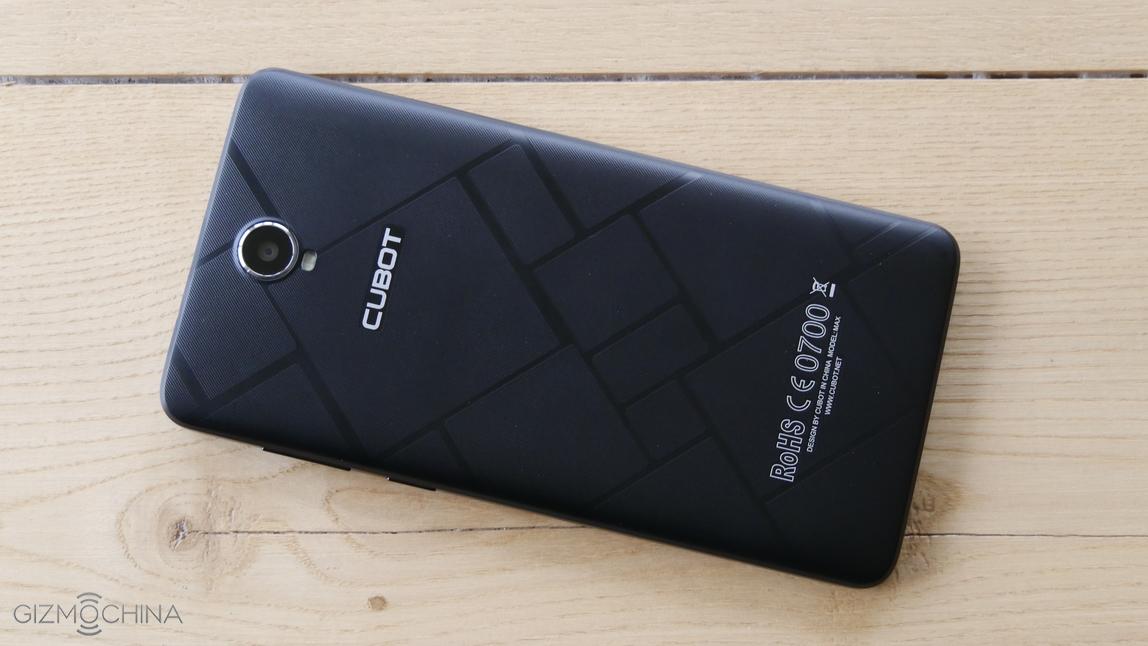
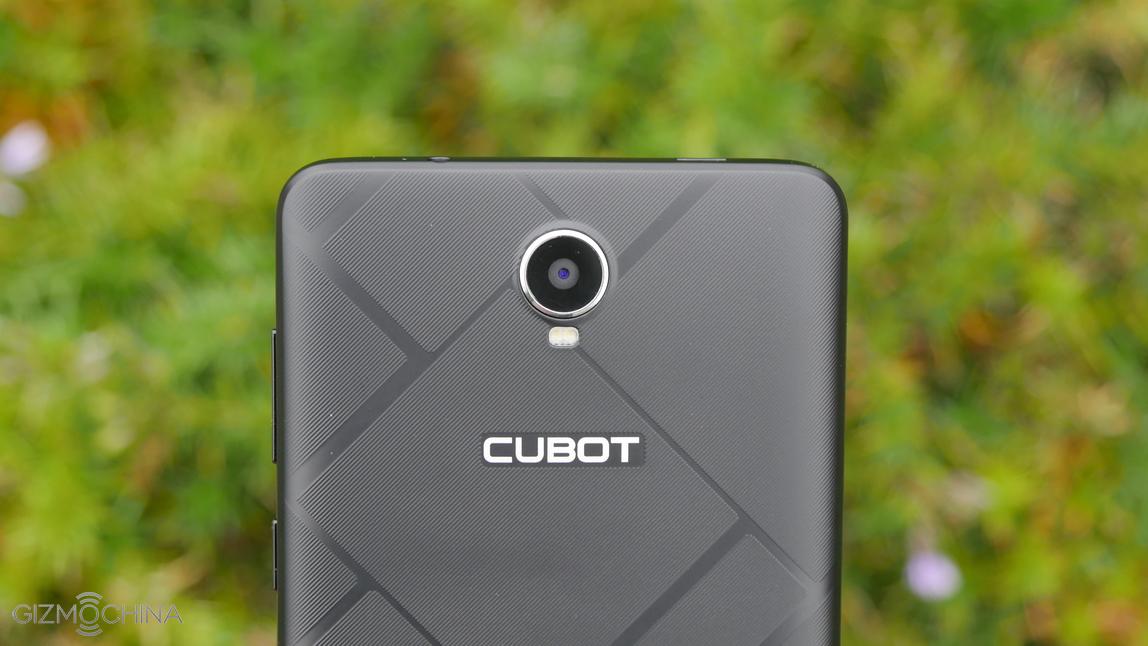
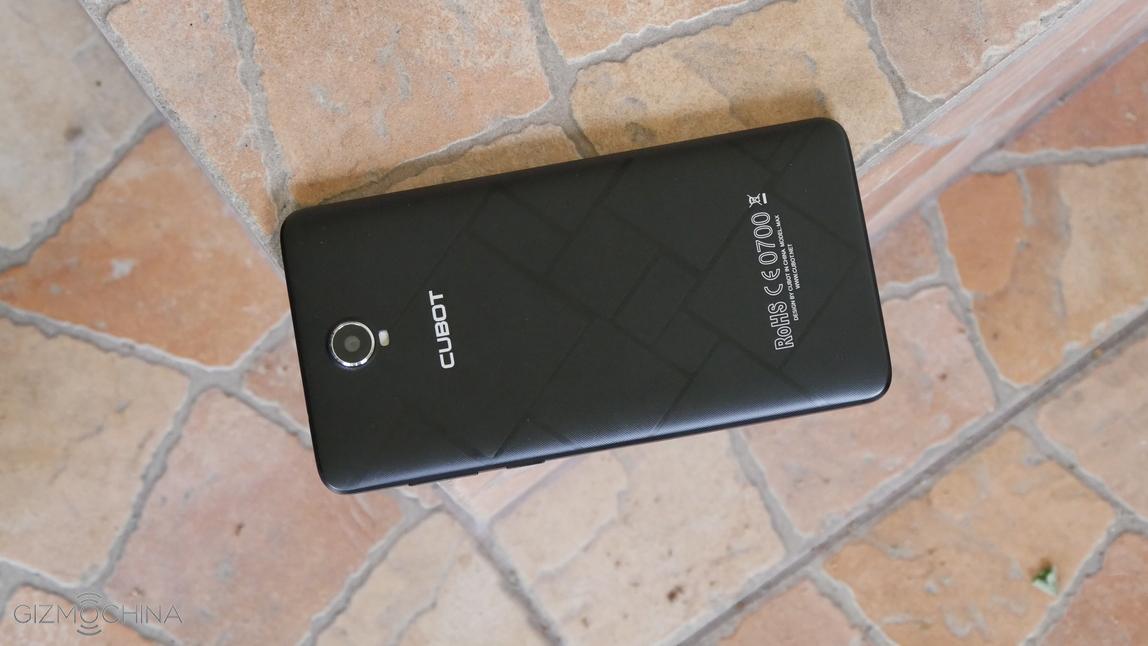
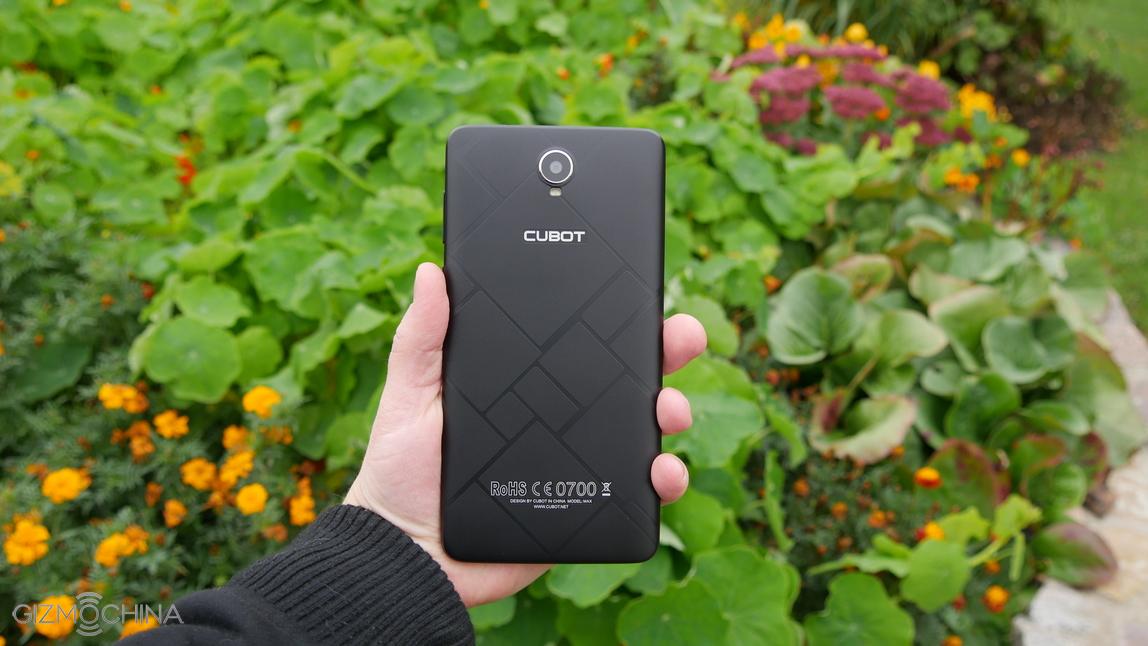
The phone is made of plastic and we have a textured vinyl-like finish on the back. I can’t say that the phone looks or feels premium but it is well made.
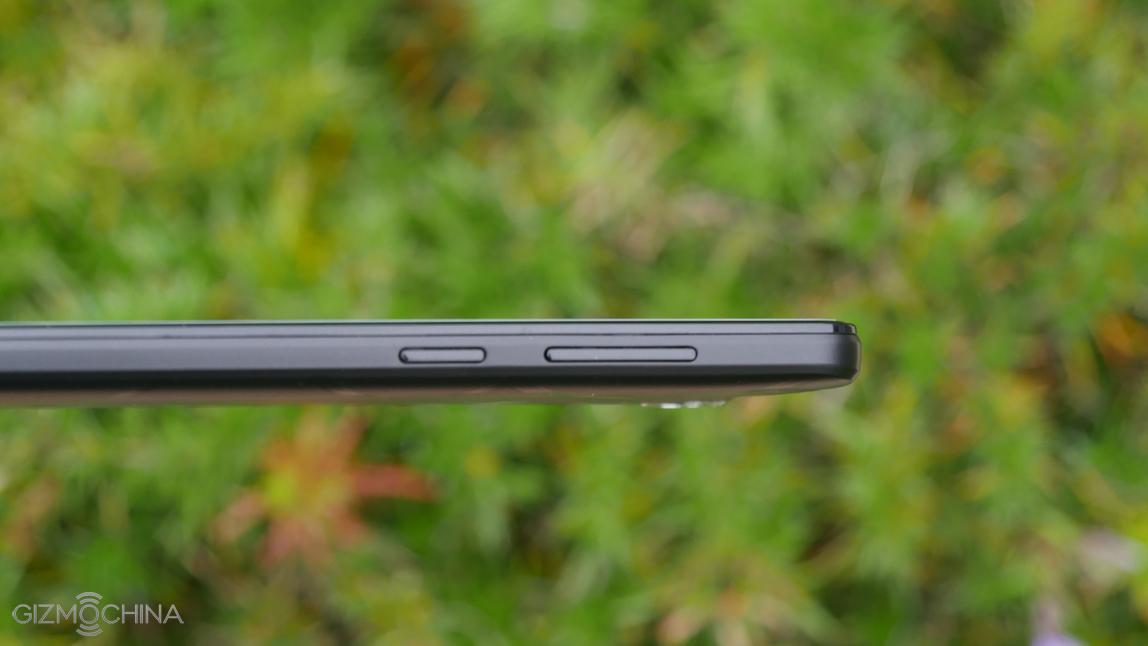
The buttons feel nice and tactile.
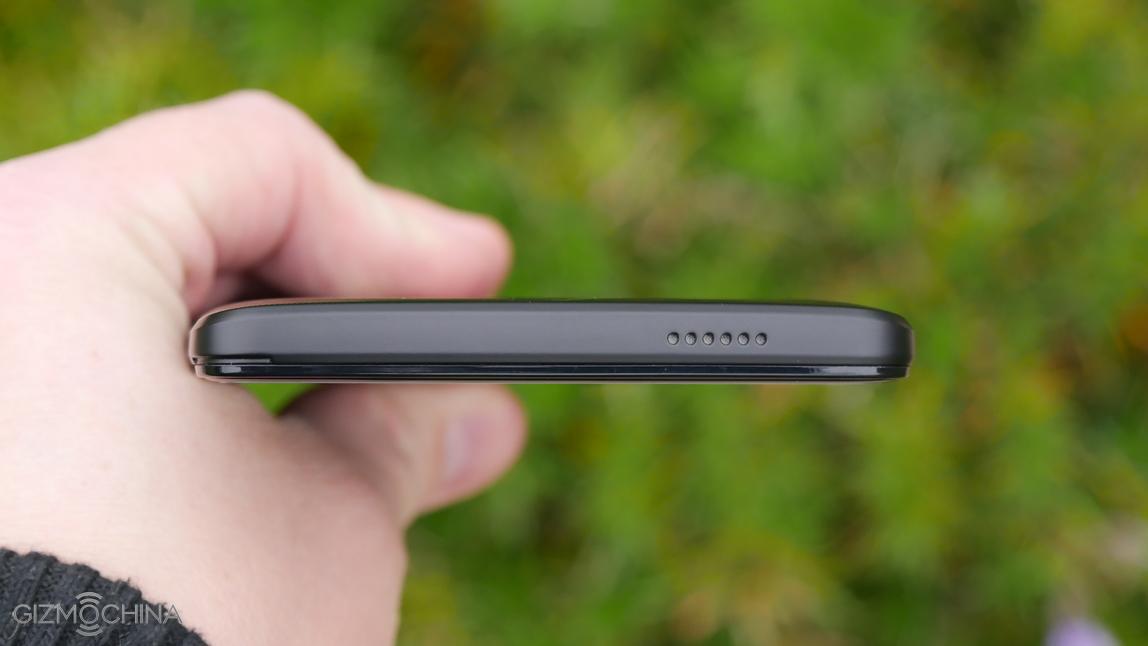
The loudspeaker sits on the bottom and it is okay but as usual to the cheap phones, the sound is flat.
As for camera, we have a 13MP shooter with a single LED flash.
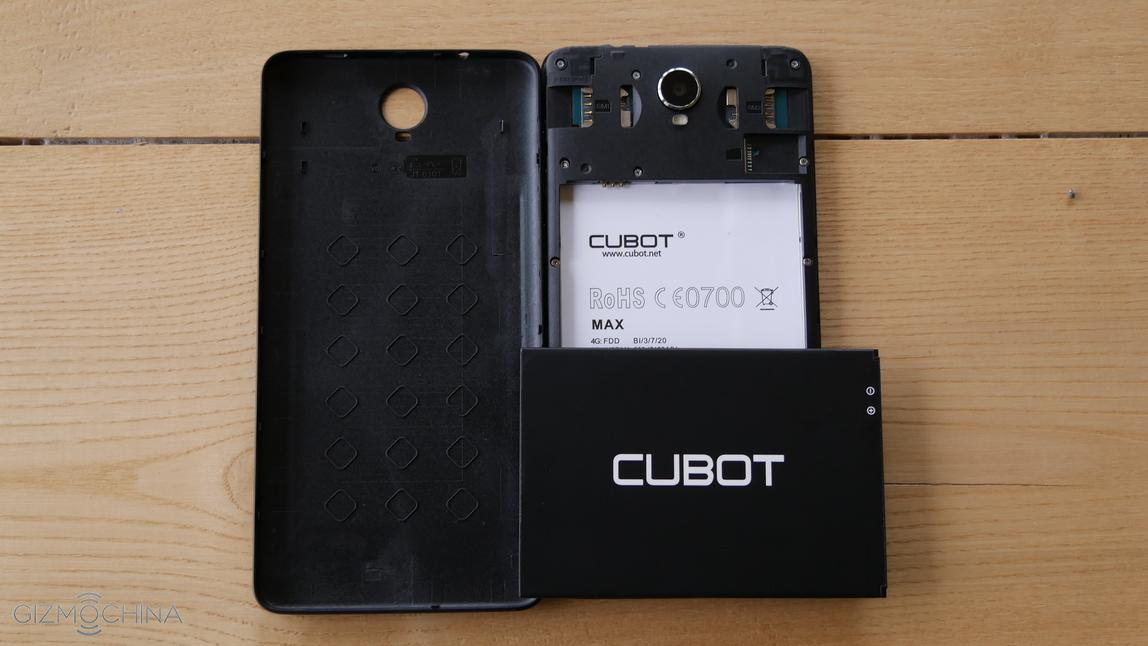
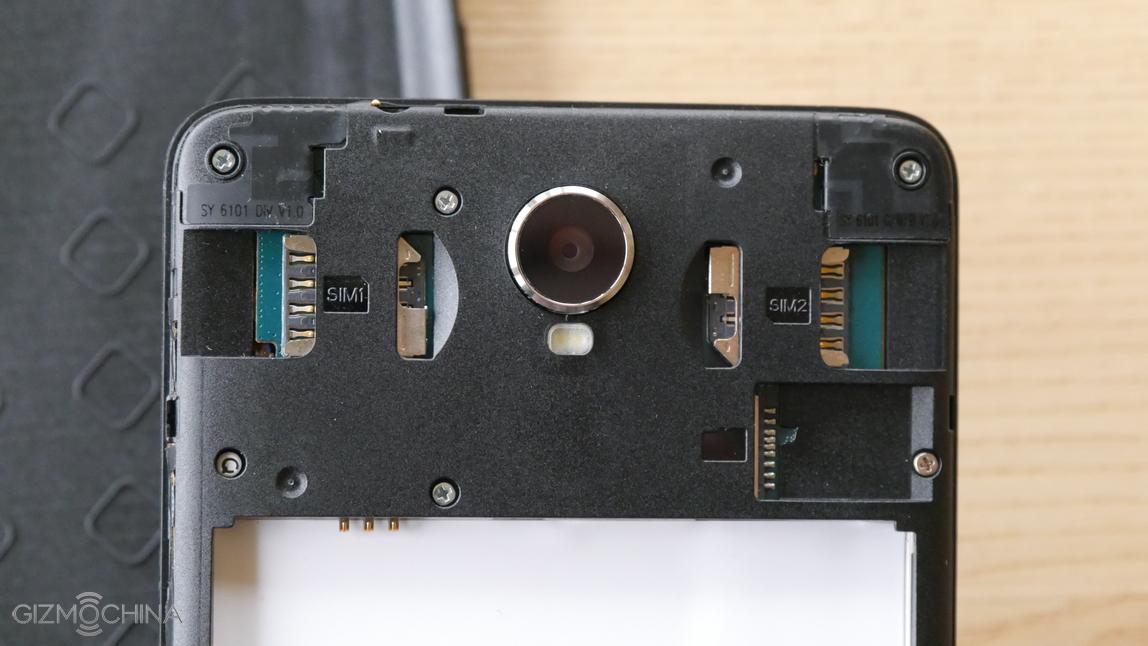
The backplate can be easily removed to access a 4100mAh battery, two SIM card slots and the microSD card slot.
Cubot Max Review: HARDWARE and PERFORMANCE
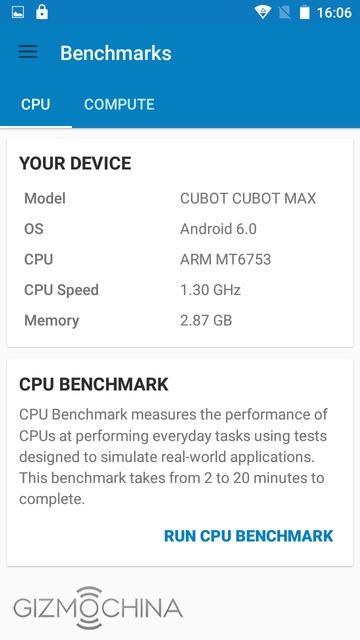
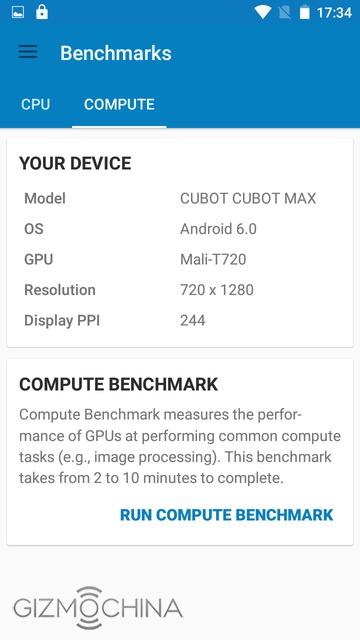
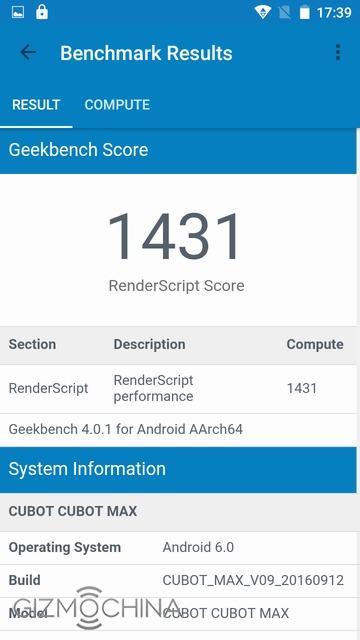
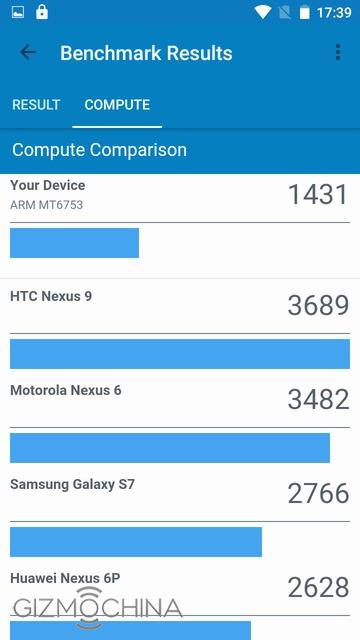
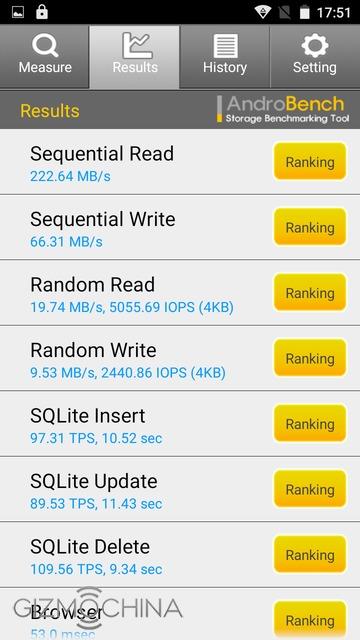
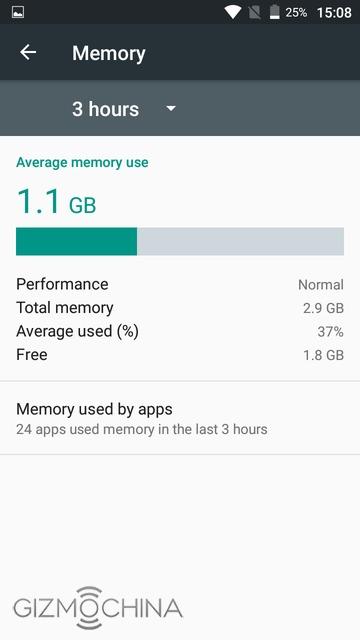
The Cubot Max sports some pretty good specs for the price. The phone ships with an octa-core MTK6753A chip, 3GB of RAM and 32GB of storage.
The gaming performance is okay. You should be able to run most of the 2D games and 3D games on the medium graphics but you have to expect quite a bit of stutter on the highest graphics.
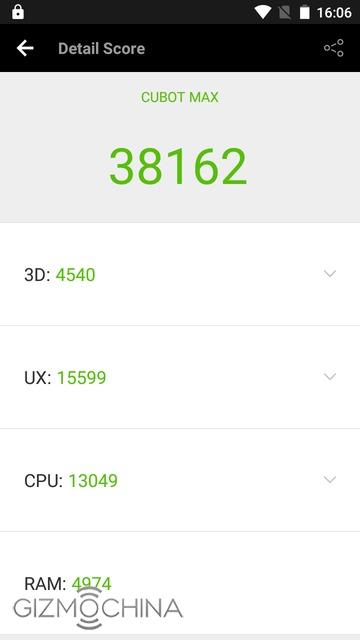
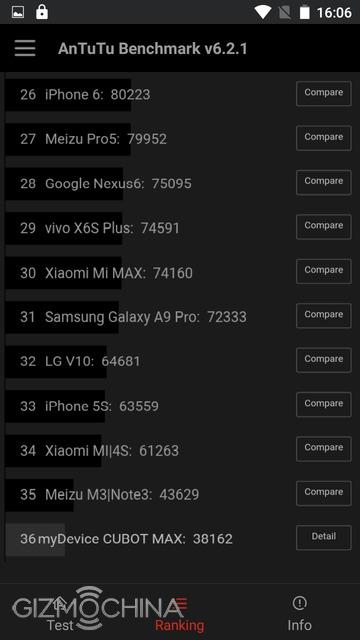
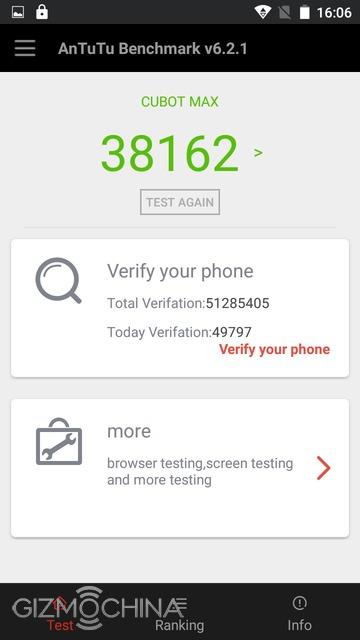
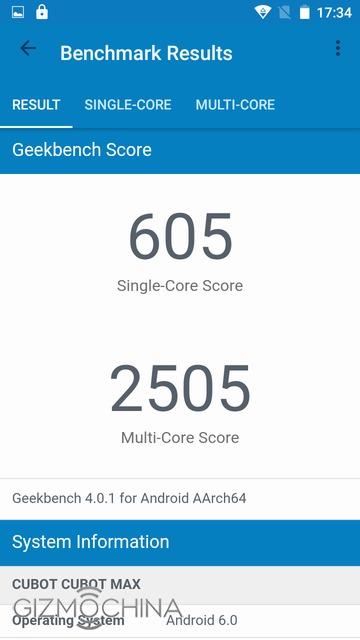
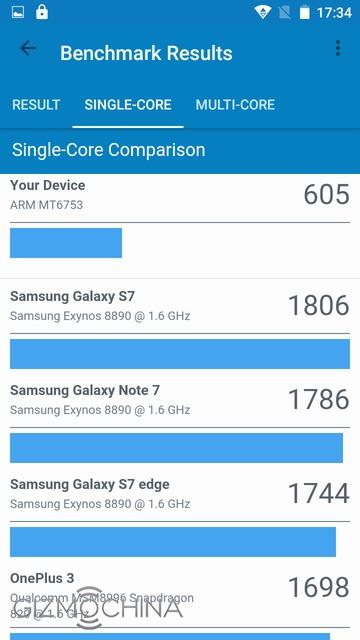
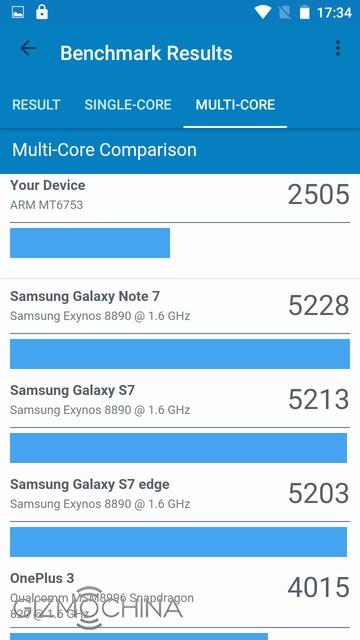
Cubot Max Review: BENCHMARKS
Cubot Max Review: USER INTERFACE
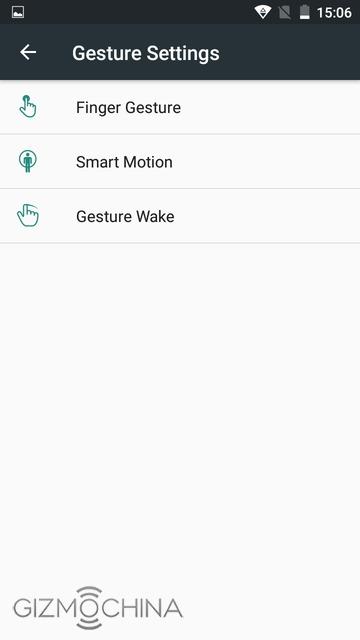
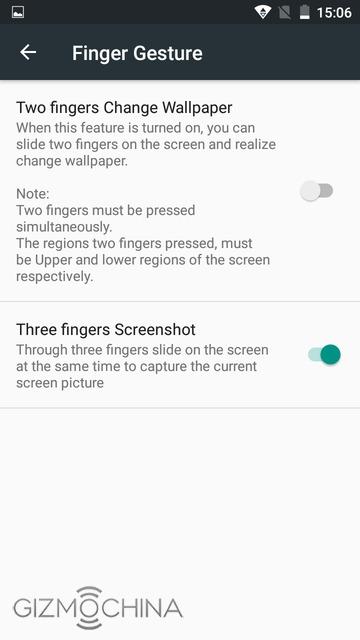
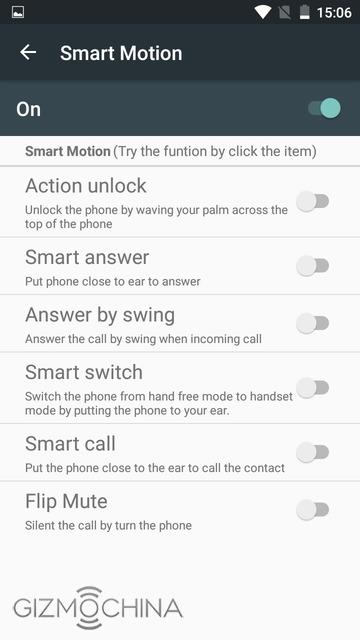
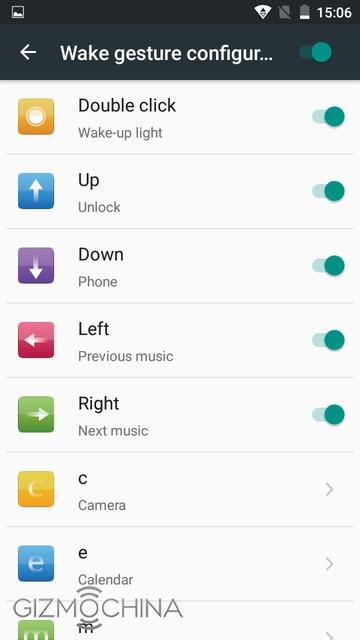
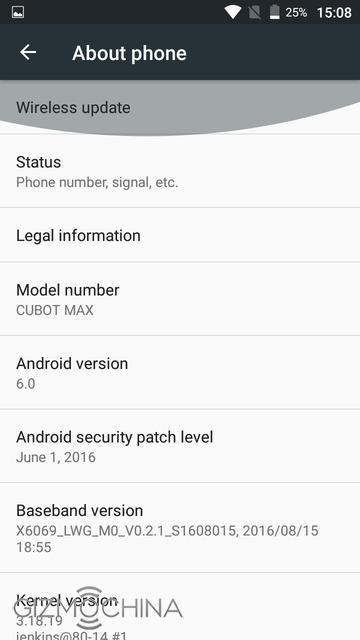
The Android 6.0-based user interface will give you a pretty much stock Android experience but there are some added features like a bunch of gesture and motion controls that work pretty well.
I didn’t have any major lags or hiccups even after installing quite a few apps and I believe this is the most important thing for a cheap phone.
Cubot Max Review: IMAGE QUALITY
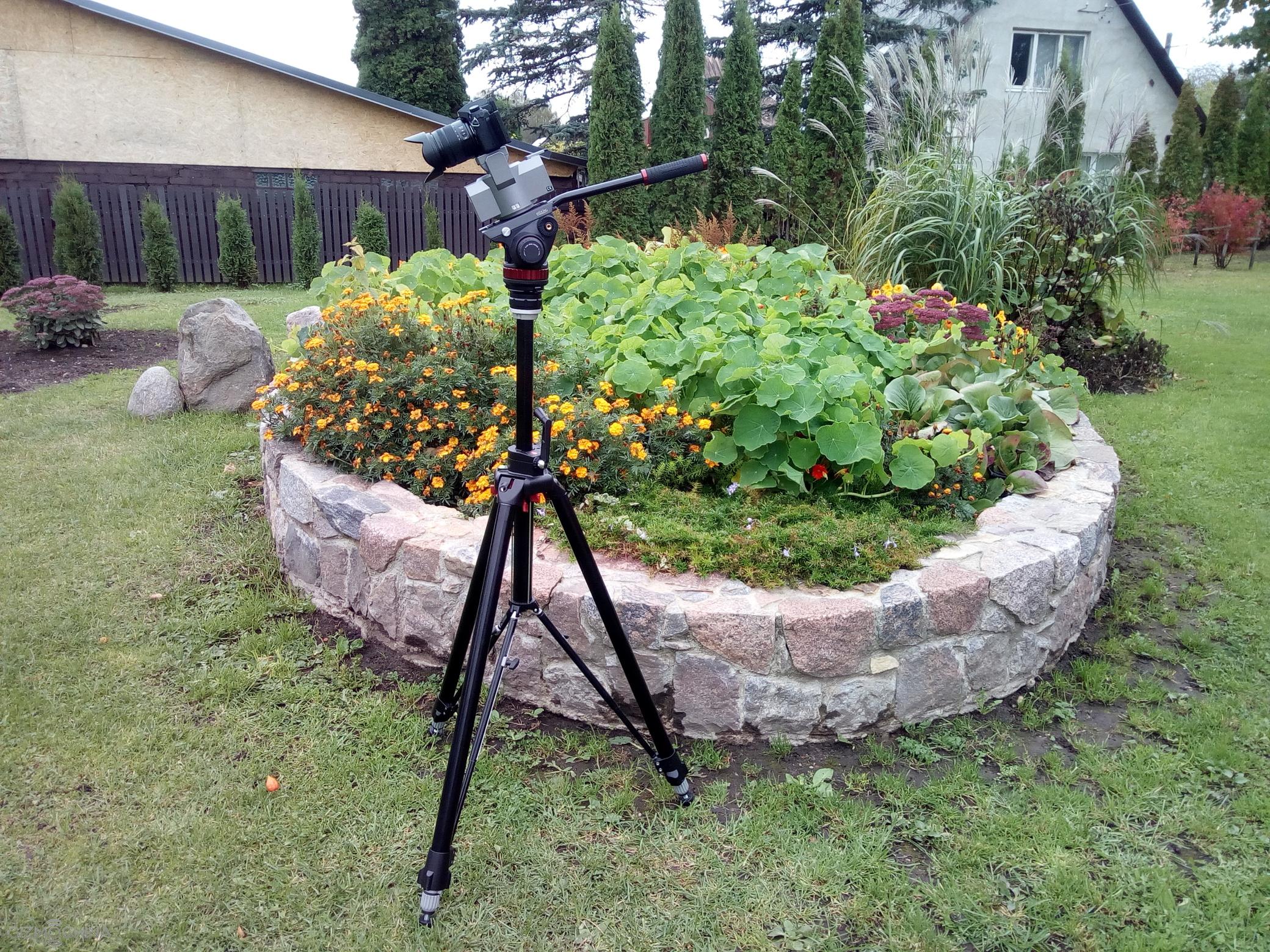
As for image quality, the camera can take some okay-looking photos in daylight. However, most of the shots look overexposed, the dynamic range and white balance adjustment are poor and so on. Well, this is what you usually get from a cheap phone and the results get a lot worse in low-light situations.
As for selfie shooter, it will do the trick for social media but the quality of pictures is just mediocre.
The 1080p video is mediocre-looking too. See a video review for a video sample.
Cubot Max Review: CONNECTIVITY
I didn’t have any connectivity issues and even the GPS lock speeds and accuracy were okay.
Cubot Max Review: BATTERY LIFE
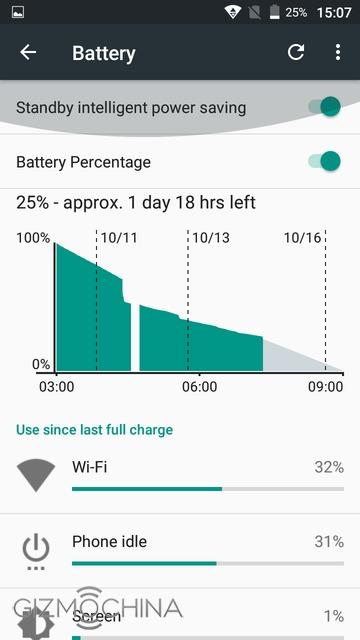
The 4100mAh battery performs pretty well on the daily basis. I got a full day or even 2 days of moderate usage out of this phone, which is a good result considering a large display.
Cubot Max Review: CONCLUSIONS
Cubot Max is yet another cheap Chinese phone that offers a large 6” screen and some decent specs for the price.
After using it for quite a bit of time, we have to say that a large screen is pretty fun for multimedia consumption. Also, the phone did not lag and it was fast on the daily basis.
As usual to the cheap phones, you should not expect any stellar results from the camera. Also, the phone does not sport any premium materials like metal or glass and it lacks backlit capacitive buttons but it gets most of the basics right. If you add a great battery life, the Cubot Max is a decent offering for the price of just $114.
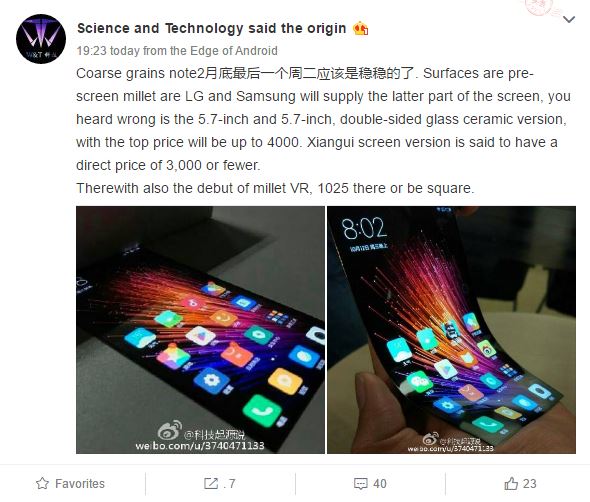
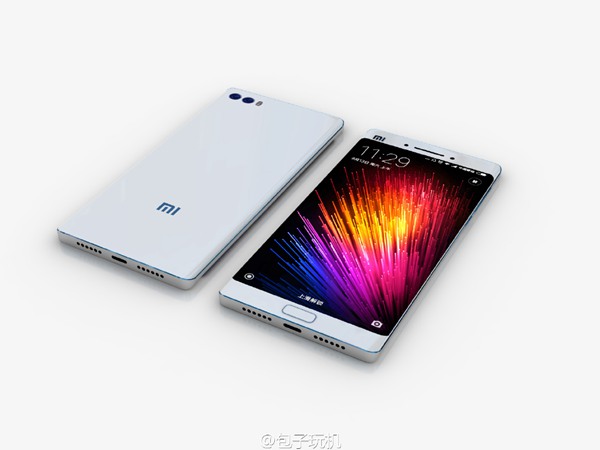
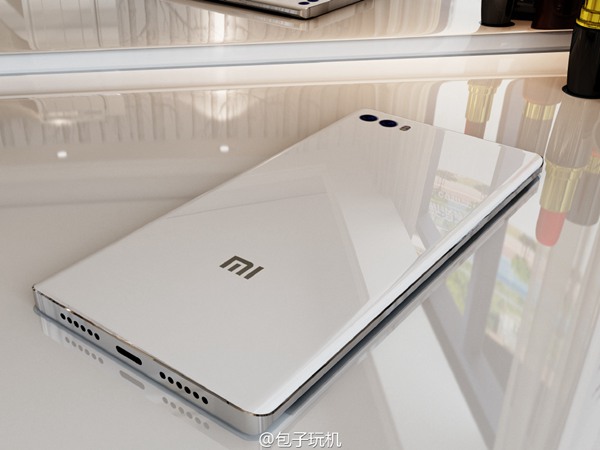
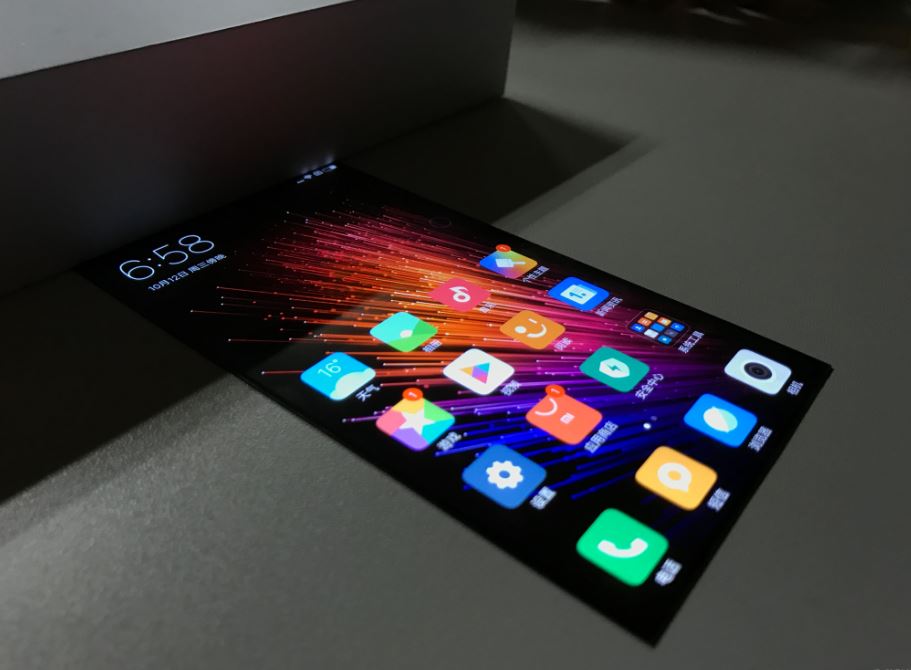
A couple of renders and a video clip of what is said to be a working Xiaomi flexible display was leaked online not long ago. It has now emerged that indeed the Xiaomi Mi Note 2 would feature a version using the flexible display technology. But as should be experted it takes a huge toll on the price tag which is said to be 4,000 Yuan (around $595).
This disclosure was made in a post by a user on Weibo who also revealed that the Mi Note 2 would be released on October 25. In addition, the Weibo user alleged that the Mi Note 2’s curved display would be supplied by Samsung and LG and the device would have a 5.7-inch screen. The higher version is said to sport a double ceramic glass body. The source also revealed the existence of a flat screen version since the version with flexible glass would take more time to produce, so perhaps be out of stock most times. According to the rumor, the flat screen version would cost less, coming in at 3000 Yuan ($446).
As with most Weibo posts, we’ll take this with a pinch of salt until Xiaomi comes out to confirm it. Although some of the specs and details leaked align with previous leaks and rumors, like the 5.7-inch display and October launch date but previous rumors including that from Pan Jiutang wasn’t specific on an exact date in October.
The Xiaomi Mi Note 2 is rumored to feature two versions, one with the flagship Snapdragon 821 processor and 8GB of RAM said to be a Pro version, although the RAM may likely be 6GB, and there is said to be another version with a Snapdragon 820 and 4GB of RAM. Both versions are expected to come with 5.7-inch 2K AMOLED curved displays with Force Touch. The Mi Note 2 Pro is also likely to have a battery capacity of 3600mAh with fast charge support.
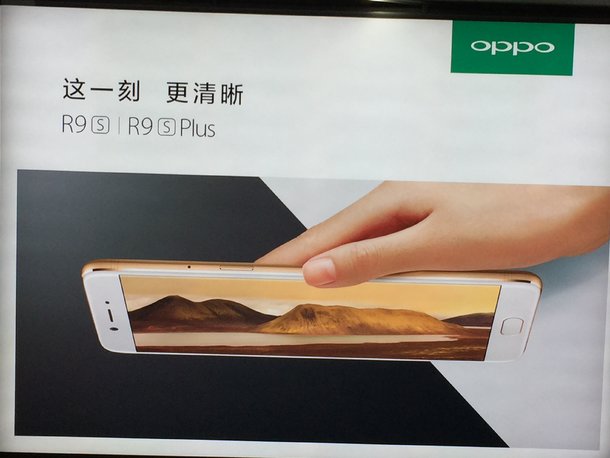
It has been revealed that the OPPO R9S would launch with a sibling in tow adopting the moniker R9S Plus. The OPPO R9S Plus is said to come with a larger display than the R9S. This was revealed in a leaked poster spotted online.
The poster was said to have originated from a real live official OPPO advert poster spotted inside an airport showcasing the yet to be released OPPO R9S and surprisingly indicating the existence of an OPPO R9S Plus as well.
The specifications of the R9S Plus was also leaked and the device is rumored to sport a 6-inch display with a resolution of 1920 x 1080 pixels. The device also crams under its hood a SoC identified as MSM8976, sad to be a 2.0GHz Qualcomm Snapdragon 653 processor with Adreno 515 GPU. This is a new chipset and if true, the OPPO R9S Plus would be the world’s first smartphone to sport it. There is also a 4GB RAM on the device, same as on the R9S. The R9S Plus is also said to support fast charging and adopts the same split antenna band design we just saw on the R9S.
There is no doubt if this turns out to be true, it would take the expectations about the cool R9S to a new level because users would have two devices to choose from and one of them is a massive phablet. Isn’t that lovely? Meanwhile, we have some more sleek and cool renders of the OPPO R9S that were teased today.
Xiaomi has been launching a lot of new products via its crowdfunding platform recently, some under its own MIJIA brand and some via third party companies. Now, the company’s subsidiary Mi App Weibo account has just revealed via a new teaser that it will release a new product on October 18 i.e. next Tuesday.
This is not the first time we are hearing about a mechanical keyboard from Xiaomi. Earlier this year, there was a new leak which said that the company would release a new mechanical keyboard, which would be much cheaper than competitors, priced somewhere around 199 Yuan (~$29). However, later it was said that the company couldn’t find a perfect partner to release the device.
Now, taking a look at this teaser, it’s possible that the company will release a mechanical keyboard for the cheap. The gaming accessories market in China is large and a low-cost keyboard could turn out to be quite popular in the country. However, note that the teaser mentions that this is not a Mi product and it’s probably from a third party brand. So, even if it’s a keyboard, it’s going to be from a different brand launched via Xiaomi’s crowdfunding platform.
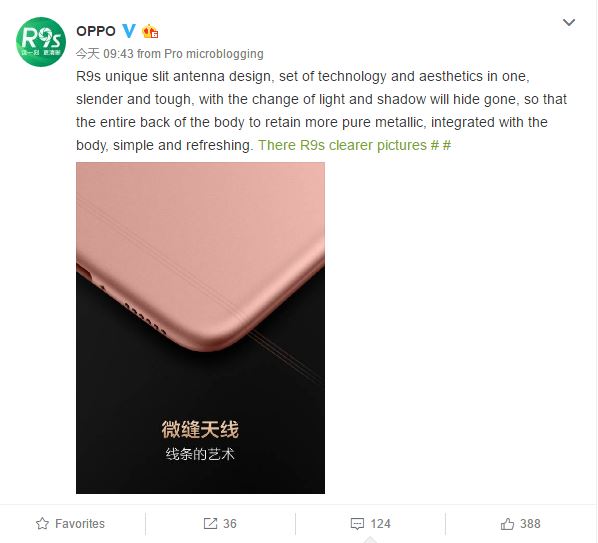
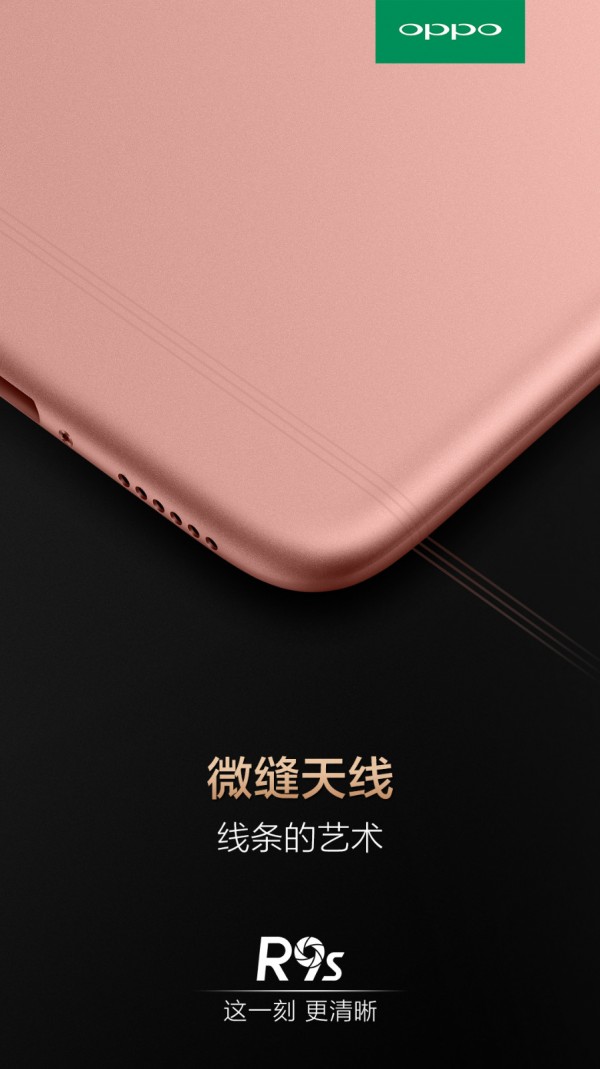
Among the barrage of features the OPPO R9S was touted to come with, one of them is that the device would use a new antenna design. The R9S’ new antenna design has now been officially revealed as a split antenna. According to OPPO’s latest Weibo post, the R9S would have a split antenna band design which would make the antenna band less visible than the normal antenna lines on most phones.
The design is also said to be made in such a way that it doesn’t disturb the smooth working of the antenna signals and at the same time adds some beauty to the well designed device. The Weibo post also reveals that the antenna lines are thin and integrated into the metallic body. In addition, the antenna bands appear invisible when the lighten conditions isn’t too bright, thus retaining the aesthetic metallic look of the device.
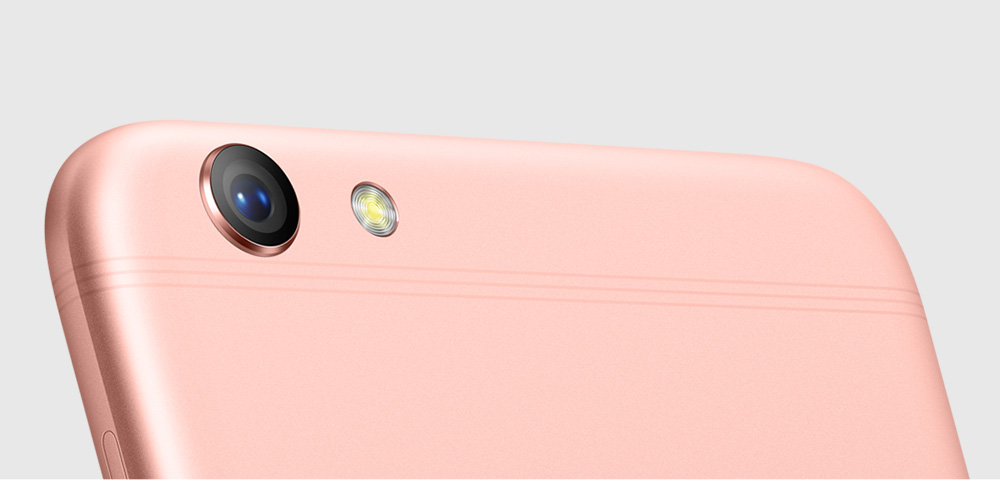
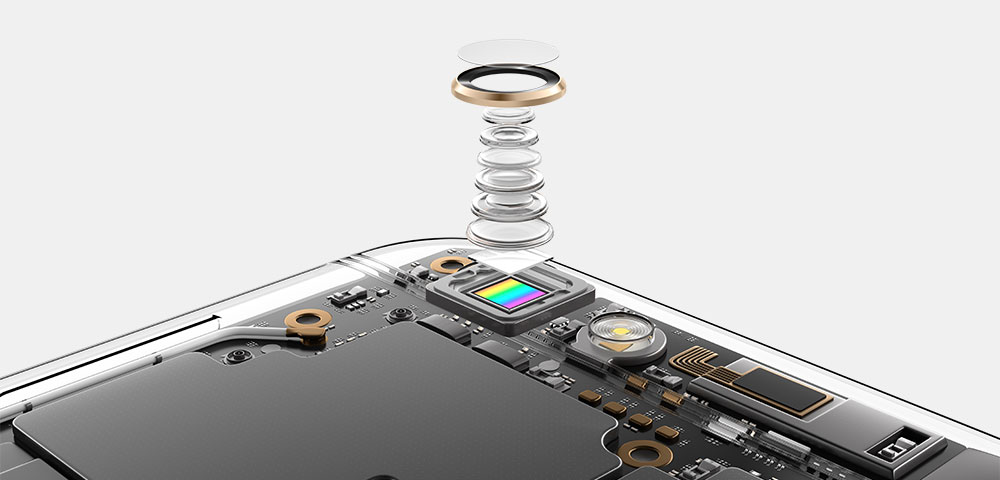
Clearer live images of the OPPO R9S were also teased and indeed they show the device in all its glory. The renders gives a clear impression that aside the well studded specs the R9S will come with, the design would also be one of its strongest selling point Before now the OPPO R9S has as its main highlight, the Sony IMX398 camera sensor it is said to feature. Other new innovations on the device include a dual-core auto focus and a wide f1.7 aperture which comes in very handy in low light and dark photographic conditions.
Just yesterday, the device was listed on AnTuTu and the listing confirmed the R9S would be powered by a Qualcomm Snapdragon 625 processor, complemented by 4GB of RAM as well as 64GB of internal storage. The device will also feature the VOOC fast charging technology which projected the OPPO R9 to fame.
In a related news, OPPO has already opened up reservations or pre-orders for the R9S which would go official on October 19 likely clutching a 2999 Yuan price tag. This is coming in early and obviously the device would likely be a hot sell. You to can pre-order or make a reservation for the device on the OPPO R9S official pre-order page.
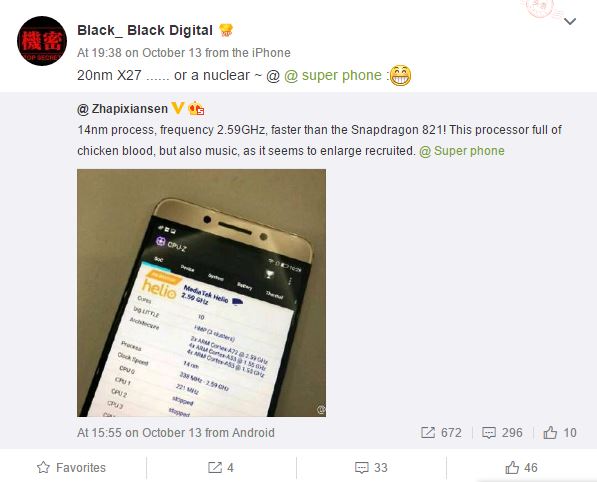
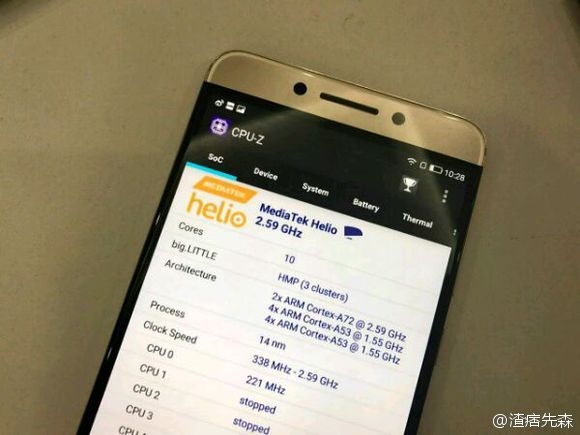
Yesterday we brought news of a mysterious LeEco smartphone leaked on Weibo sporting an unknown MediaTek Helio chip which leaked online. The device was shown running the CPU-Z software which shows details of the main devices on your phone or PC.
CPU-Z showed the LeEco phone as running a MediaTek Helio SoC (System On Chip) with a clock frequency of 2.59GHz. Other details on the display include the fact that the processor uses a 14 nanometer (14nm) process, deca-core three cluster design, four Cortex-A53 cores running at 1.55GHz, another four Cortex-A53 cores running at 1.55GHz, and two Cortex-A72 cores running at 2.59GHz. This CPU set up is inconsistent with MediaTek’s known Helio chipsets.
Now, the Weibo user, Black Digital claims that this is a new chip, the Helio X27. However, he says that 14nm manufacturing node as mentioned in the CPU-Z data is wrong and the chip is manufactured on a 20nm process.
At present, the Helio X20 uses the TSMC 20nm process, and features two 2.0GHz Cortex-A72 cores, four 2.0GHz Cortex-A53 cores, four 1.5GHz Cortex-A53 cores, while the Helio X25 uses a 16nm process and comes with two 2.5GHz Cortex-A72 cores, four 2.0GHz Cortex-A53 cores, four 1.55GHz Cortex-A53 cores. The Helio X30 architecture is given as two 2.8GHz A73 cores, four 2.2GHz A53 cores , and four 2.0GHz A35 cores, built on the 10nm FinFET process.
The thing is, the Helio X27 is a new chipset that MediaTek would probably announce soon, but until then, it is an alien SoC. It is non-existent at present so we can take this as an unauthentic information. As stated earlier, an inquiry has been made to LeEco and an official response is still being expected.
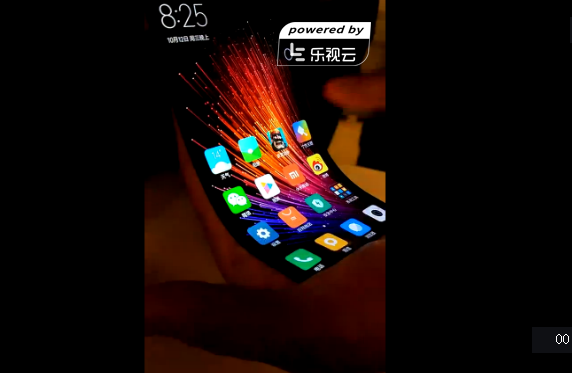
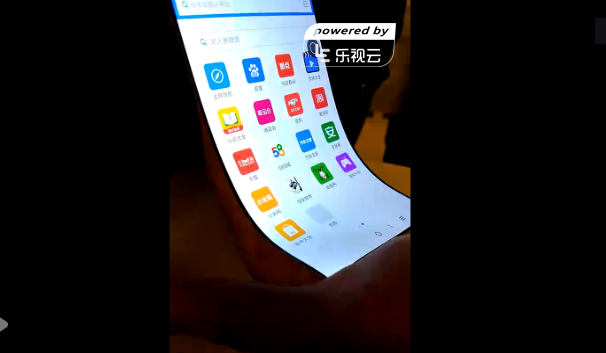
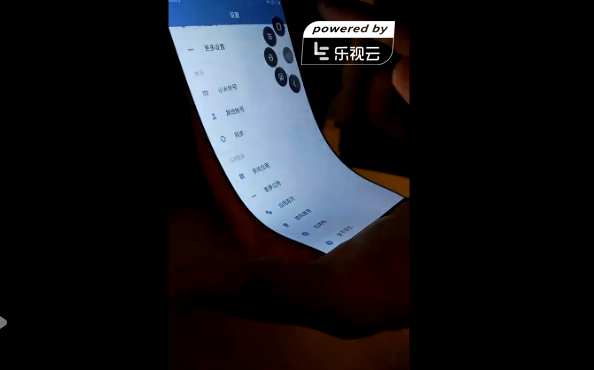
We brought you amazing shots of Xiaomi’s bendable concept phone with flexible displays yesterday and it indeed the news was received with mixed feelings. While some where enthusiastic about the prospect of having such, a few others were pessimistic about it. Well, the bendable phone is still in the front burner and today a video clip of the purported to be the Xiaomi concept phone has been leaked online. This no doubt shows it is real and not some Photoshopped images we saw yesterday.
The 30 seconds video clip shows the device running Xiaomi’s latest MIUI 8 while it is being operated by a user. It is obvious that the screen can be used while it is flat and also operated while it is bent and some speculate that the expected Mi Note 2 might use this display.
We cannot be so sure about that but it sounds like a nice prospect, after all, it is just the display that would be flexible at least offering some level of protection against cracks. We’d wait to see how that pans out when the Mi Note 2 is released. Even if it ends up not featuring on the Mi Note 2, we’re sure Xiaomi in its innovative nature would come up with something amazing soon. You can watch the video from down below.
Not long after releasing the Le Pro 3, LeEco is in the news again as the company is likely preparing to unveil another smartphone. The mysterious device was recently spotted in a leaked render but it comes in with some bit of mystery surrounding its chipset.
The leaked render spotted on Weibo is said to be that of a LeEco smartphone with its processor shown on the display as a MediaTek Helio chip with a clock frequency of 2.59GHz. Other details on the display include the fact that the processor uses a 14 nanometer (14nm) process, deca-core three cluster design, four Cortex-A53 cores running at 1.55GHz, another four Cortex-A53 cores running at 1.55GHz, and two Cortex-A72 cores running at 2.59GHz.
None of the known MediaTek flagship processors use such clock frequencies, from the Helio X20, X25, to the P20. Even the Helio X30 which was recently announced doesn’t feature such, so it is confusing attaching this frequency setting to any of the MediaTek chips. Since this was leaked on Weibo, an inquiry has been forwarded to LeEco’s official Weibo account and a response is expected soon to determine if this is indeed a LeEco phone.
Xiaomi Mi 5S and Mi 5S Plus were released recently but looks like they are not the only high-end phones that are going to be announced by the company this year. Xiaomi CEO Lei Jun confirmed the existence of the Mi Note 2 recently and considering that the specs of the Mi 5S Plus have left us wanting for more, the Mi Note 2 would be a perfect high-end flagship from the company.
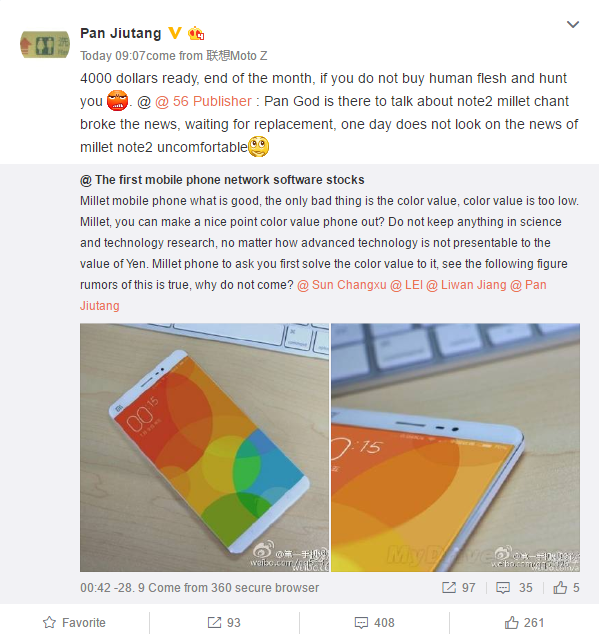
Now, the popular Chinese analyst Pan Juitang says that the Mi Note 2 will be priced at 4000 Yuan, which comes to nearly $600! This will make it the costliest flagship from Xiaomi till date. He failed to mention any possible specs of the device, but previous rumors suggest that the Mi Note 2 will come with a curved screen display, dual cameras, 6GB RAM option and more powerful hardware.
It actually makes sense for the Mi Note 2 to be super high-end and costly. Xiaomi’s executives had previously revealed that the company aims to make its mark in the premium segment and the Mi Note 2 will be the perfect phone to do that job. Further, with Samsung Galaxy Note 7 out of the picture, there will be a void to be filled in the premium Android market in the next few months. Xiaomi could aim to cover this void with its new release, provided it comes with the latest technology on board. That’s why it makes sense why the Mi Note 2 will be a relatively costly Xiaomi phone.
Anyway, apart from confirming the existence of the Mi Note 2, Xiaomi’s CEO has practically revealed nothing else about the device. So, we will have to wait for some more concrete details in the next few days. Stay tuned!
Meanwhile, let us know if you would be willing to shell out as much as $600 for a Xiaomi flagship.
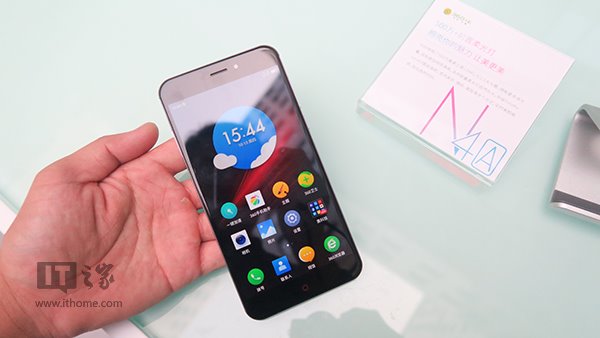
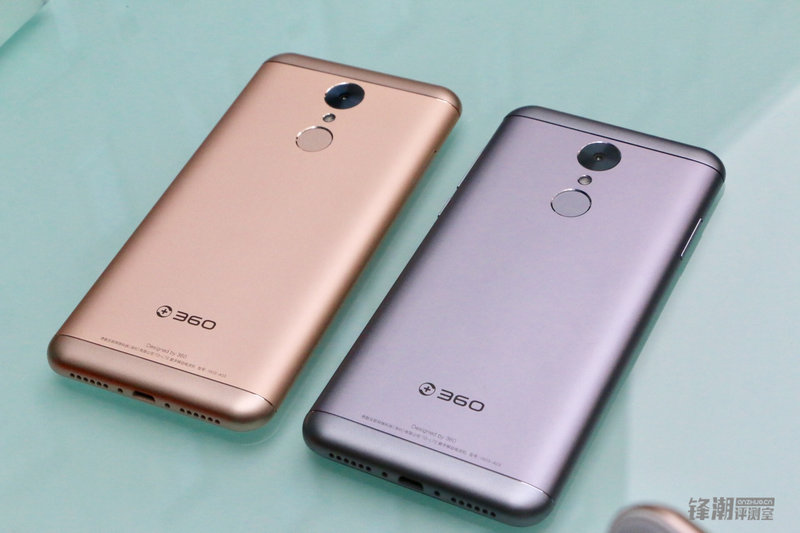
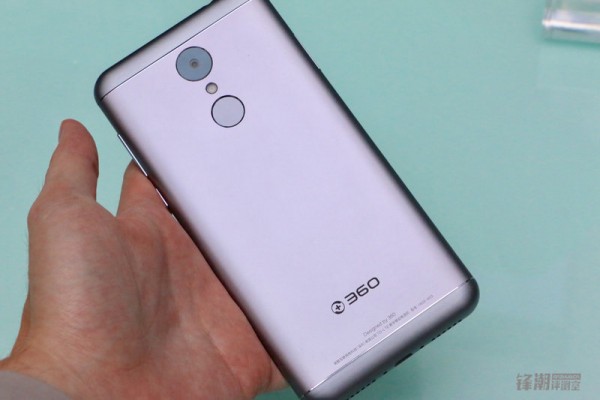
Although 360 Mobiles don’t sell their smartphones internationally, the company has got a good fan following here thanks to its affordable value for money smartphones. Now, after a few teasers, 360 Mobiles has just updated its N series lineup with a new model, the 360 N4A. In case you are wondering what’s the difference between the previously released 360 N4S and the new N4A, then note that this new model is a toned down version, coming with less powerful specs and a cheaper price tag.
The 360 N4A comes with a full metal body, just like the N4S with 2.5D glass on top and an 8.2mm thick body. The screen up front is a 5.5-inch panel with 1080p resolution, 450 nits max brightness and 100% sRGB.
Under the hood, you have the decent MediaTek MT6753 octa-core chipset with 3GB RAM and 32GB of expandable internal storage (upto 128GB). Personally, I think Helio P10 would have been a better choice for the processor. As for the camera, the 360 N4A features a 13MP sensor with f/2.0 aperture, 5P lens and PDAF (0.1s). Up front, you have a 5MP shooter with ultra-wide lens and soft light support. For software, the phone comes with the 360 OS 2.0 based on Android 6 Marshmallow. You get 4G LTE dual SIM card support as well.
Other features of the 360 N4A include a large 4000mAh battery with 43 hours talktime and continuous 13 hours of video playback. So, you can get up to 2 days on a single charge. The phone supports 9V 2A fast charging, and charges up to 80% in an hour, which is pretty good.
Like always, the company has priced the 360 N4A aggressively and starts at just 899 Yuan ($133). The phone will go on sale via reputed sellers such as JD.com, Lynx, and others on October 18 at 10AM.
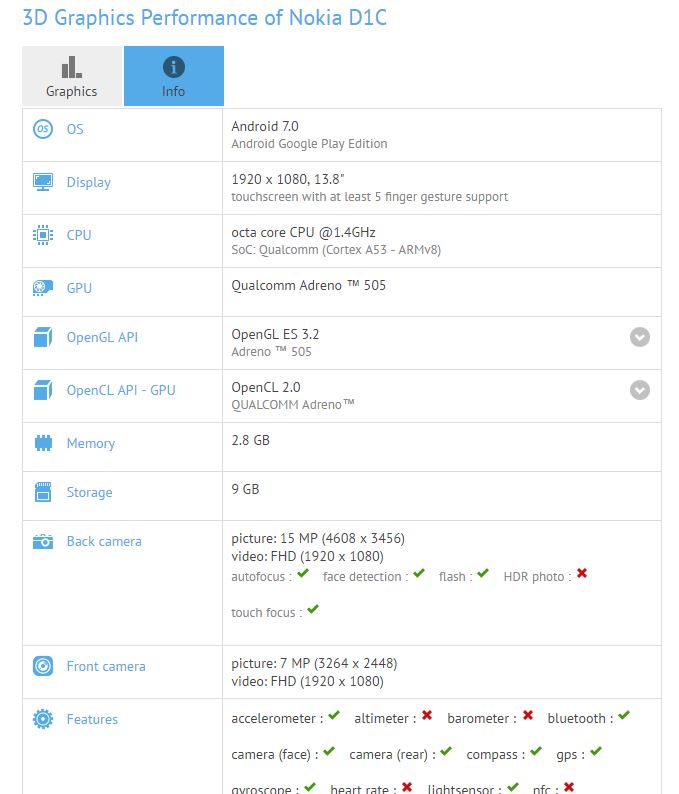
All along we had thought the Nokia D1C was going to be the rejuvenated Nokia’s first Android 7.0 running device but GFXBench seems to say otherwise. The Nokia D1C has been listed on the benchmarking website’s database, revealing a comprehensive list of specs the device packs. One which stood out among the pack is the display size which is given as 13.8 inches, a tablet size! The device had earlier ran through Geekbench and AnTuTu benchmarks but none revealed the size of the display.
Well, if you are a avid fan of the Nokia brand looking forward to the return of Nokia phones, you shouldn’t get disappointed just yet. The thing is GFXBench are not always reliable when it comes to the size of the device’s display. More often than not, they provide values not corresponding to reality. Apart from that, the device is also listed as packing a 16MP rear camera as well as an 8MP front-facing camera. There is no doubt this confirms the device is very much likely a smartphone and not a tablet.
Other specs include that the device would be powered by an octa-core 1.4GHz processor which is expected to be the Snapdragon 430 SoC, along with Adreno 505 GPU, 3GB RAM, and more. The device is also expected to run on Android 7.0 Nougat said to be the Android Google Play Edition.
The race for AI is the next big thing in the tech world. Corporate giants like Google, Facebook, and Amazon all have their eyes set on it. LeEco is also in the race and it plans to launch its first AI phone soon.
Jia Yueting, founder of LeEco took to his Weibo page to announce the release of the first LeEco Artificial Intelligence Phone (LeAI) which is set for an October ending launch. The phone was already mentioned by Mr. Yueting back in June at the G-20 summit but now an expected date of release has been included.
The phone called Le 3 according to a Weibo user, will sport dual rear cameras with 4x optical Zoom which will rival that of the iPhone 7 Plus. te company says the AI phone will bring the power of artificial intelligence to the hands of consumers.
LeEco’s acquisitions and new projects are geared towards a unified system for phones, televisions, cars, and virtual reality. LeEco wants their operating system EUI to be the brain behind the unified platform. The thing about artificial intelligence is that you need tons of data and it seems LeEco already has that.
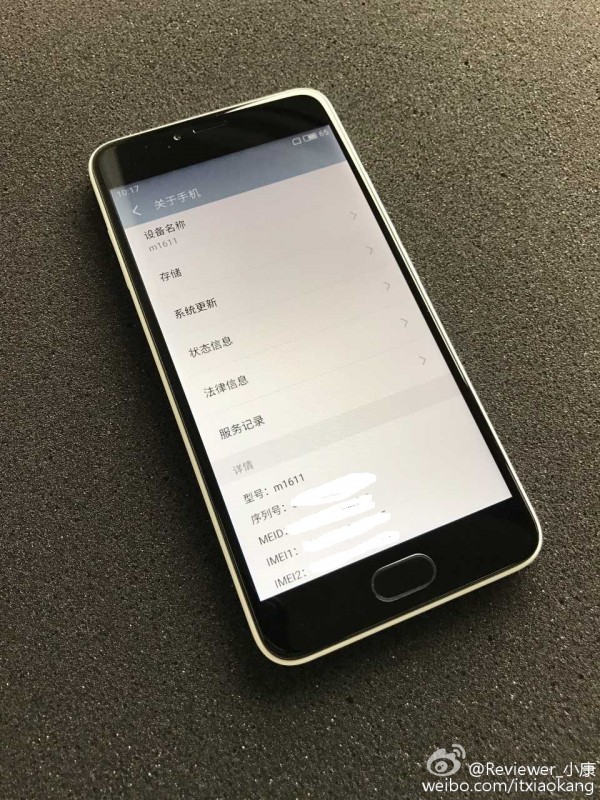
Meizu is yet to announce a new phone but alongside the Meizu Pro 6S that got its 3C certification last week, another Meizu phone with model number M611A also got certified. Sources have said it is a new phone in the Meizu Blue Charm series. There however seems to be another variant of the phone with model number M1611 whose photos have been leaked.
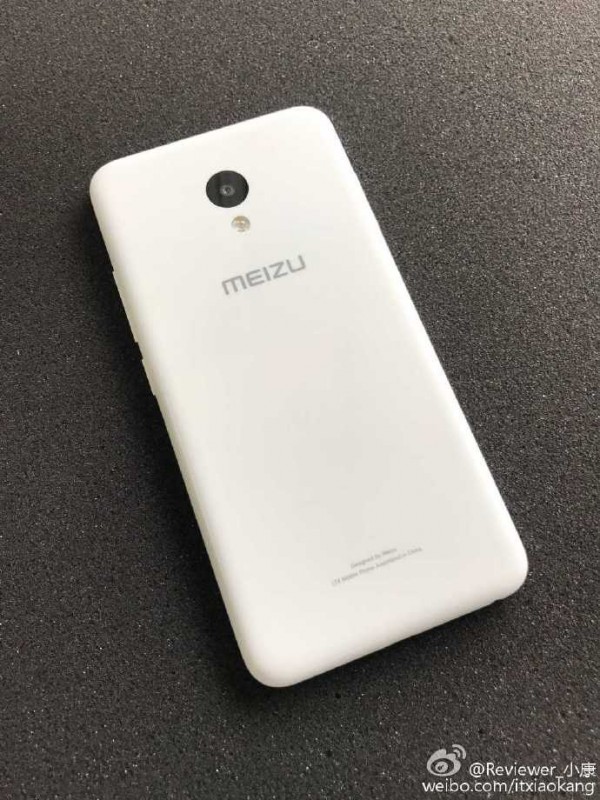
The phone is said to feature a poly-carbonate body and sports a 2.5D glass in front. There’s also the trademark mButton sitting on the lower chin. On the back, there is the camera and LED flash positioned on top of one another. We also have the Meizu name below the camera setup.
The source that leaked the images added that the Meizu M1611 will have a 5” screen with probably a 1080p resolution, a Mediatek Helio P10 processor, 3GB of RAM, 32GB of built-in memory, and a 3000mAh battery. The Meizu M1611 will also have full network support. While there is no confirmed release date, it is expected to launch by month’s end and be priced around 899 Yuan ($134).
The Meizu M611A and the M611Y have received their SAR approval. The M611A is said to be launched with YunOS while the M611Y will be the international version.
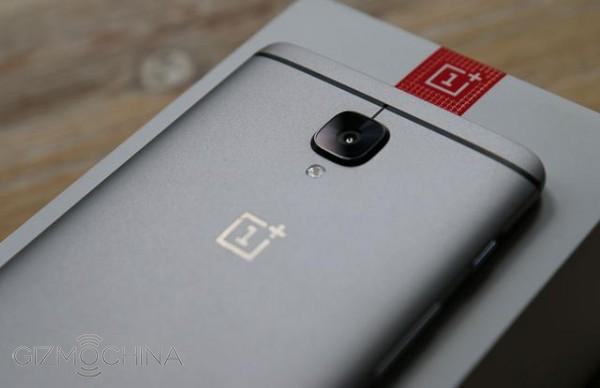
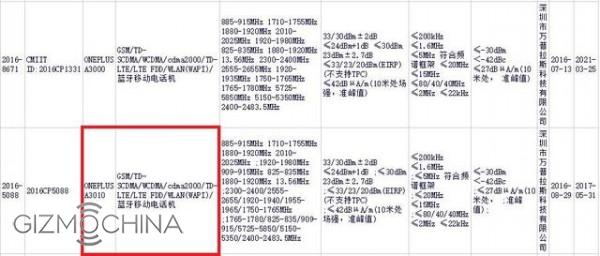
Recent development seems to confirm the OnePlus 3S does exist as a OnePlus phone with model number A3010 has received its 3C certification. The slight change in the number shows that this is a variant of the OnePlus 3 (A3000) and may not be physically different if both are placed side by side.
The OnePlus A3010 (3S) is expected to use a LCD display which is easily available and doesn’t seem to have ever suffered from short supply. Rumours are also saying that it might come with the new Snapdragon 821 processor. If the OnePlus 3S gets released, production of the original OnePlus 3 may stop. Some owners of the OnePlus 3 are however not happy with the news as they believe, development will shift away from the OP3 to the new device.
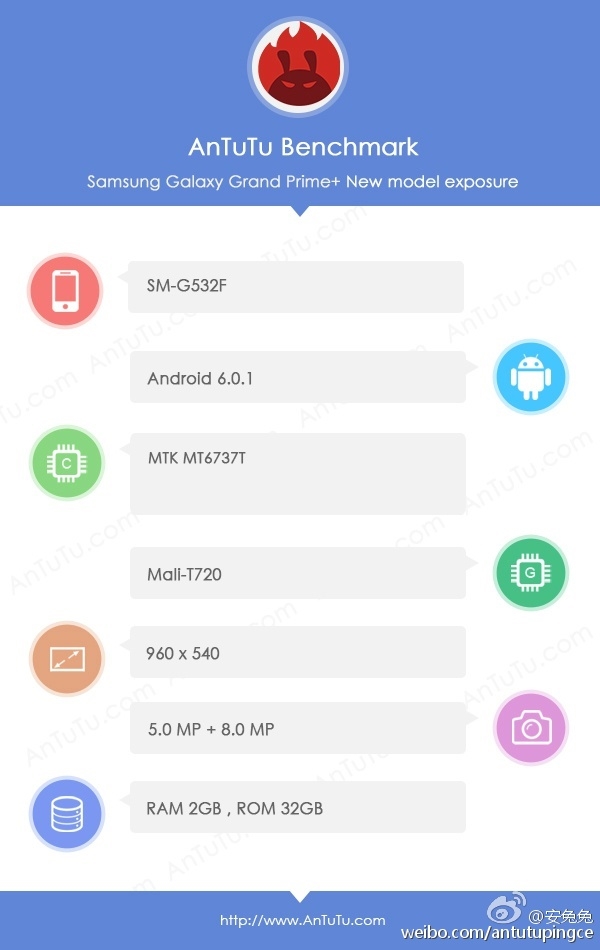
Samsung’s first smartphone to be powered by a MediaTek chipset has been spotted on Antutu benchmark’s official Weibo page where it sports the model number SM-G532F. The Samsung Galaxy Grand Prime Plus had earlier been spotted on GFXBench where it was revealed to be clutching a MediaTek MT6737T processor and indeed the AnTuTu listing confirms that fact.
According to the data, the Galaxy Grand Prime Plus would come sporting a display with a resolution of 960 x 540 pixels. Even though the display size wasn’t listed on AnTuTu, earlier records from GFXBench gave that as a 5 inches screen. Along with the MediaTek MT6737T SoC is a Mali-T720 MP1 GPU firing up the graphics and on the storage end, the device features a 2GB RAM and 32GB of built-in storage. The MediaTek MT6737T chip is said to be an upgrade of the MT6735 chipset and it uses quad-core Corex-A53 architecture with a maximum clock frequency of 1.5GHz.
Talking about the camera, the Samsung Galaxy Grand Prime Plus is listed as packing an 8MP rear camera and a 5MP front-facing shooter. To crown t all up, the device would run on Android 6.0 Marshmallow out-of-the-box. Apart from the fact the Grand Prime Plus is coming in as Samsung’s first MediaTek-powered device, there is nothing on the specs to get excited about.
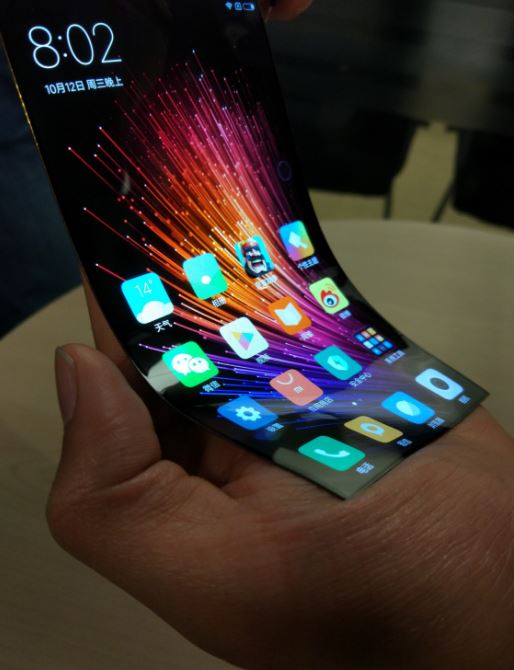
Seems bendable smartphones are the future, considering the rate at which leaked renders of concept phones with flexible displays are being unveiled. Just recently, we got wind that Samsung had filed a patent for a foldable smartphone, not forgetting that Lenovo had teased a flexible smartphone just before the IFA Berlin 2016. We were even looking forward to the launch of the Lenovo flexible phone at IFA but that didn’t happen. OPPO had also in the past got into the fray of concept phones with flexible display. Now, what is likely a concept phone said to be developed by Xiaomi has leaked, showing the flexible display that bends in all direction.
The Xiaomi concept phone was leaked on Baidu recently and was pictured in two separate renders. The phone uses flexible screen that can be bent upwards, downward, as well as to the left and right. The images don’t show sign of a Photoshopped render so may perhaps be authentic. Even at that, we cannot vouch for its authenticity and it is very unlikely that we would be seeing this device sometime soon. The problem with bendable display has always been its difficulty to mass produce and the cost effectiveness of the project. For now, we would just be content with the curved displays we have and would rather see phones with less bezels.
However, the display looks stunning with a ultra high color output which is also very sharp and we hope the expected Mi Note 2 would boast of such display quality even though it isn’t expected with a flexible display.
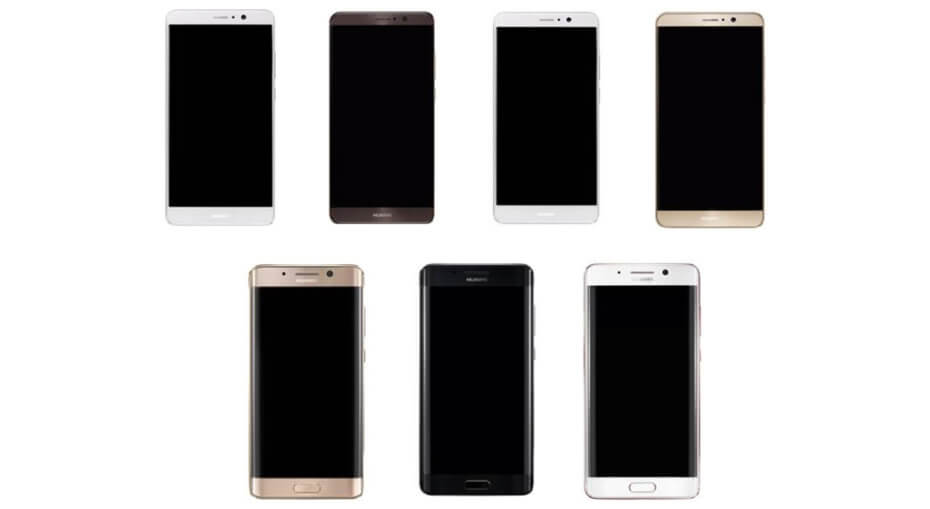
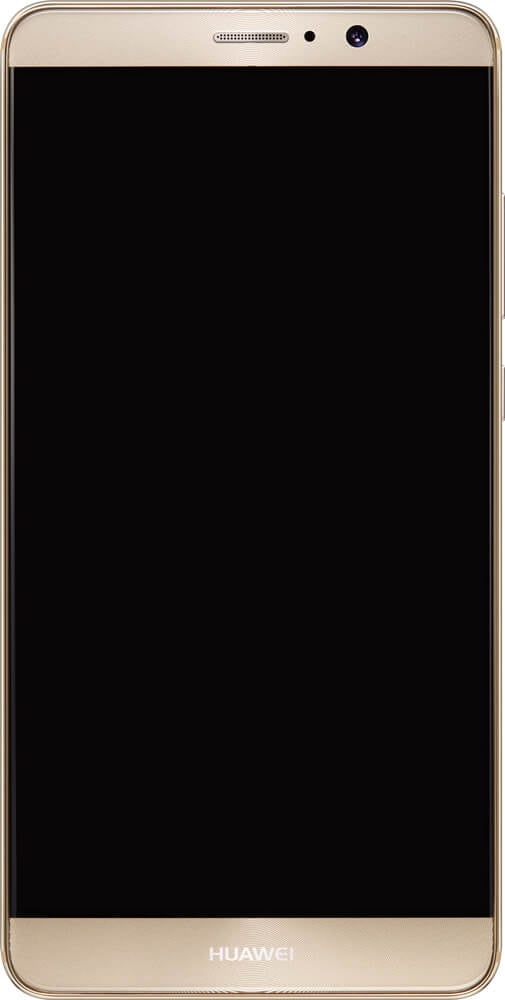
Huawei Mate 9 is set to hit the big stage no doubt, and it has been predicted to hit it running considering the specs line-up the device would showcase. The Mate 9 will likely be unveiled at an event scheduled for November 3 in Munich, Germany. Despite the launch being so close, rumors and last minute leaks are still coming in.
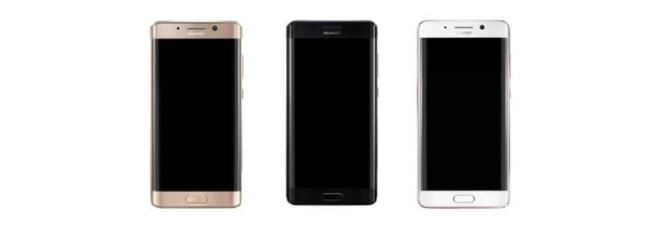
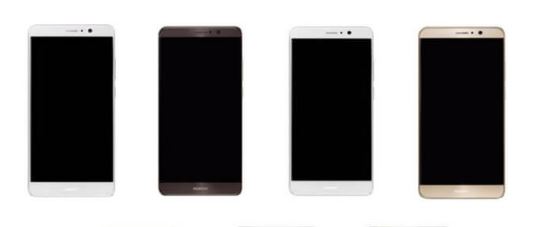
The latest rumor is that Huawei will unveil to different body styles on that day, said to be distinct up to the point that one of the designs would sport a curved display. Both design styles are said to go by the code-names Manhattan and Long Island, coined from two popular New York locations, one a borough and the other a region.
Mate 9 Code-named Long Island
Of the two, the model code-named Long Island seem to be at the top of the pack as it is said to feature a dual-edge curved display similar to those on Samsung’s Galaxy Edge series as well as on the Note 7. The model is said to come with QHD reolution in contrast with Manhattan’s FHD resolution power and would support Android’s DayDream VR functions. Unfortunately, according to the source the Long Island code-named model would only be sold in China while the Manhattan model would be released globally including the United States.
Mate 9 Code-named Manhattan
Also one of the internal source is said to have hinted that the recent leaked renders of the Mate 9 in several colors, which look similar to Manhattan are not accurate in the sense that they don’t depict front of the device correctly. The source claims the render pictured below is the right depiction of the Huawei Mate 9 model code-named Manhattan which would see a global roll-out. Another source however revealed that the rumored specs of the device already in circulation are accurate.
As a reminder, the Huawei Mate is said to come with a 64-bi HiSilicon Kirin 960 processor, a 5.9-inch display, dual Leica cameras similar to the Huawei P9’s but with f/2.0 and 20MP sensor, iris recognition, 4GB RAM and 6GB RAM versions as well. The device is also expected in three storage versions of 64GB, 128GB and the top most with 256GB which would only be available on the 6GB RAM version.
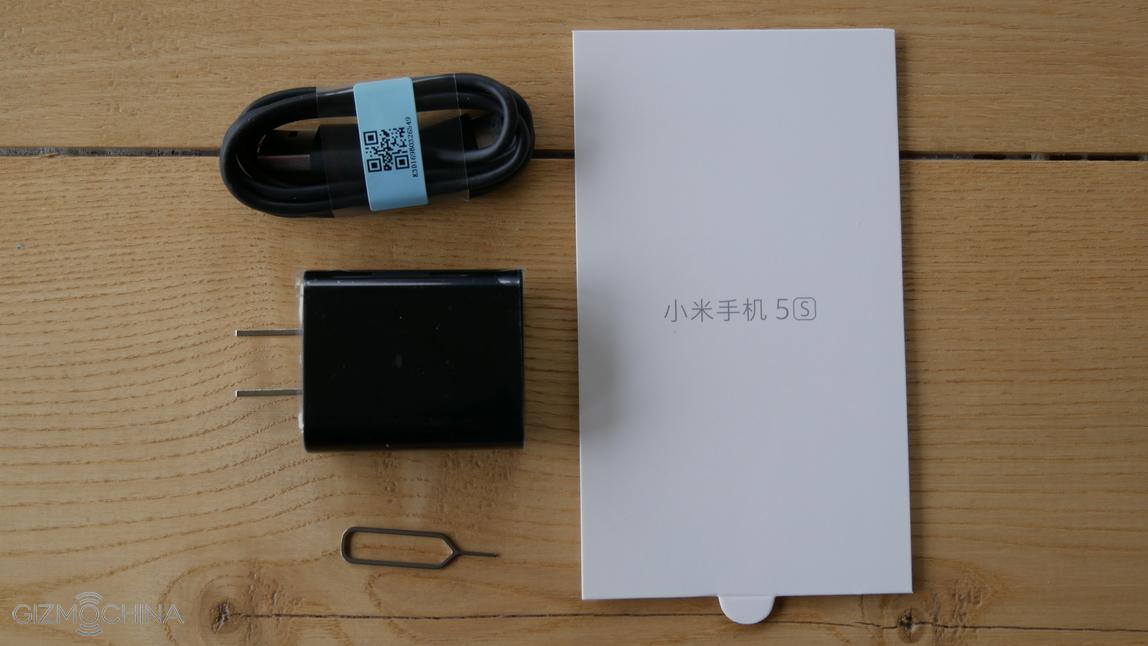
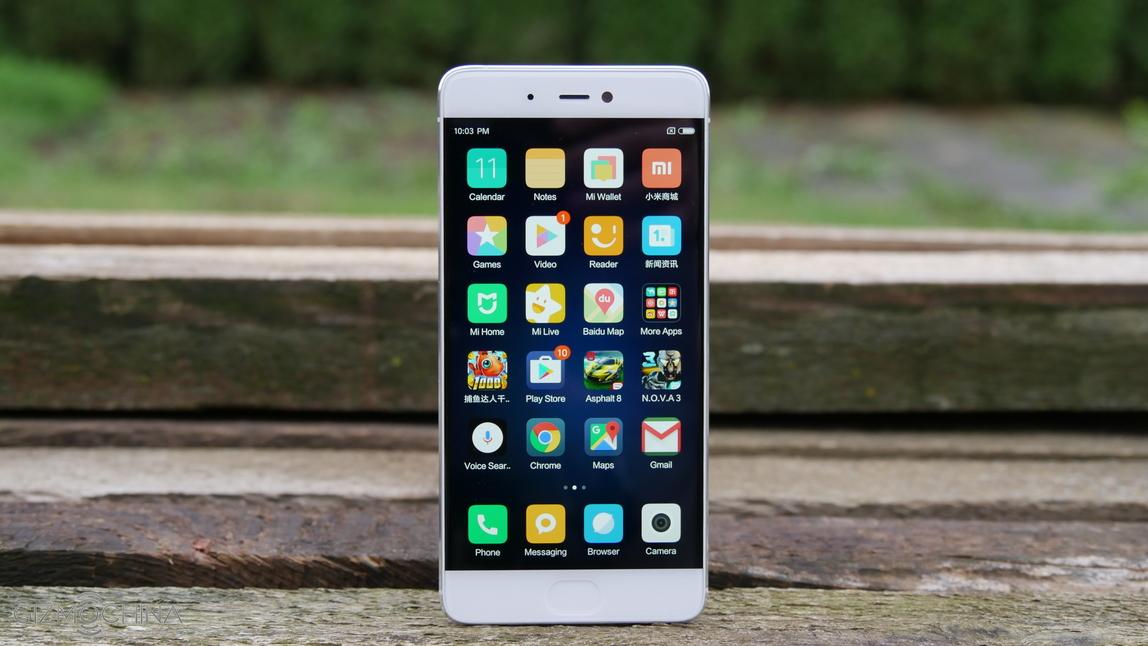
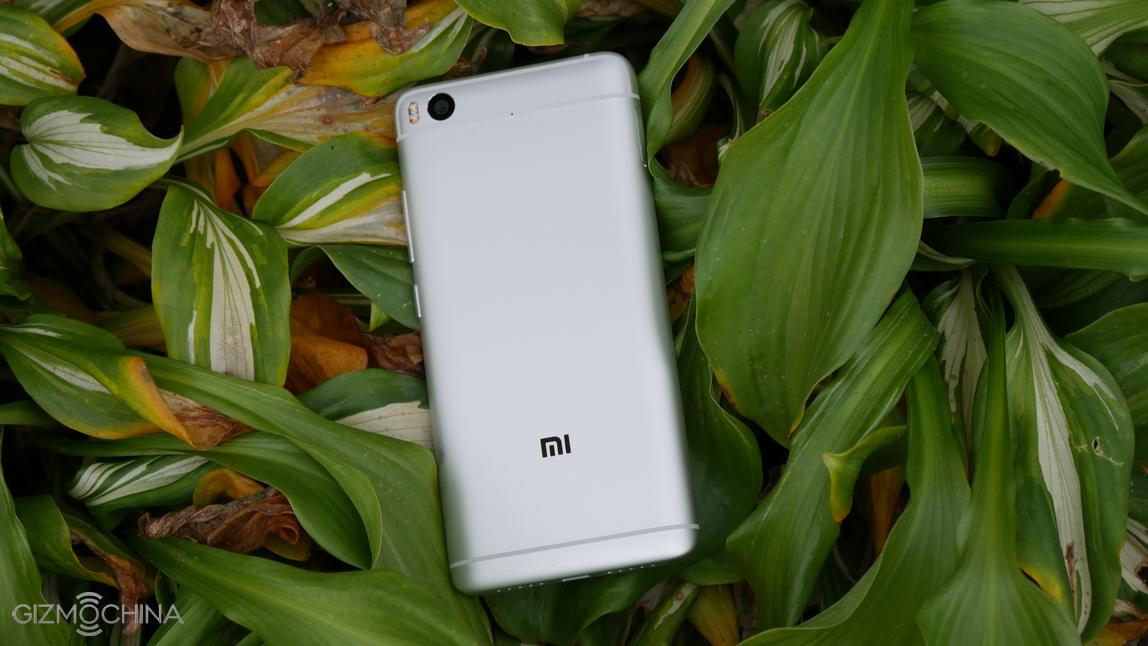
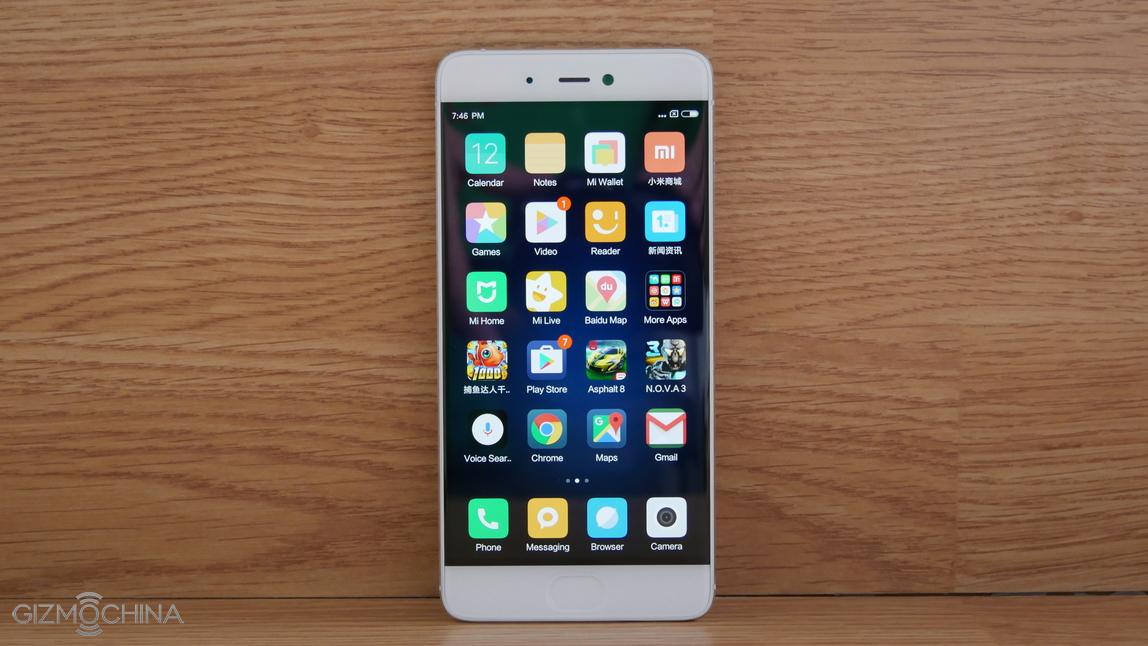
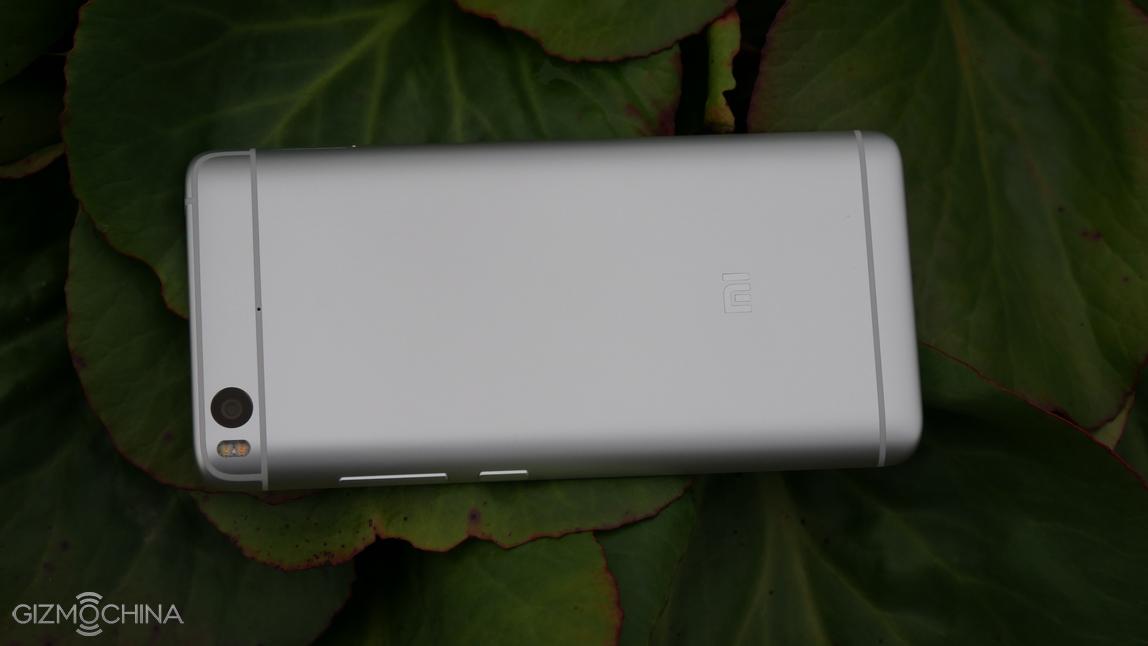
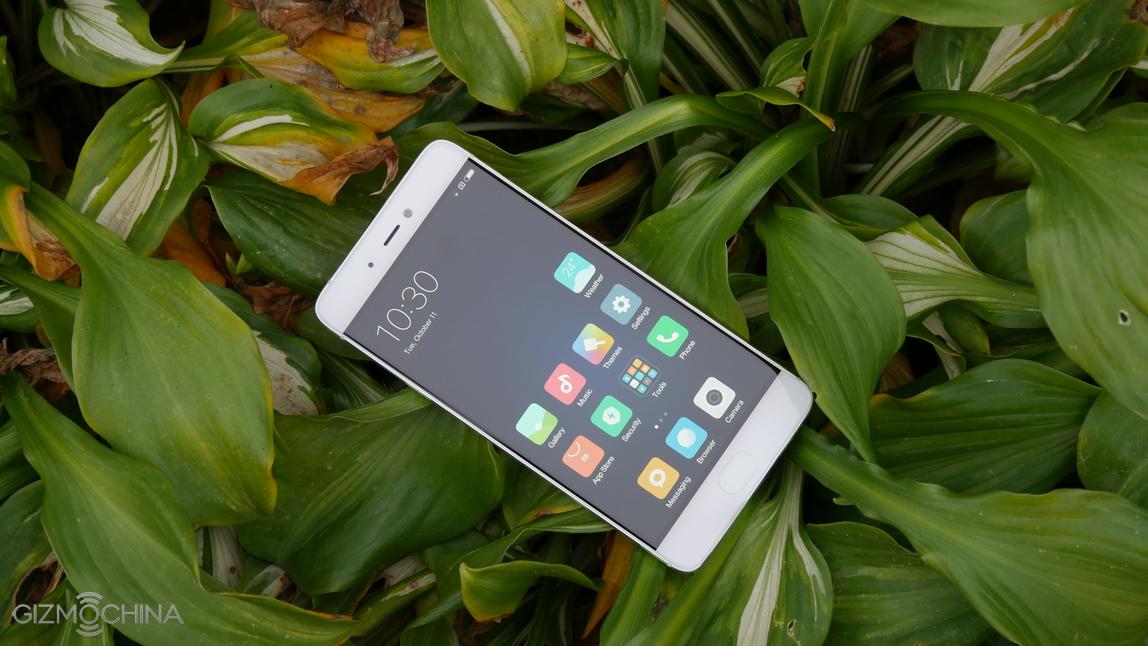
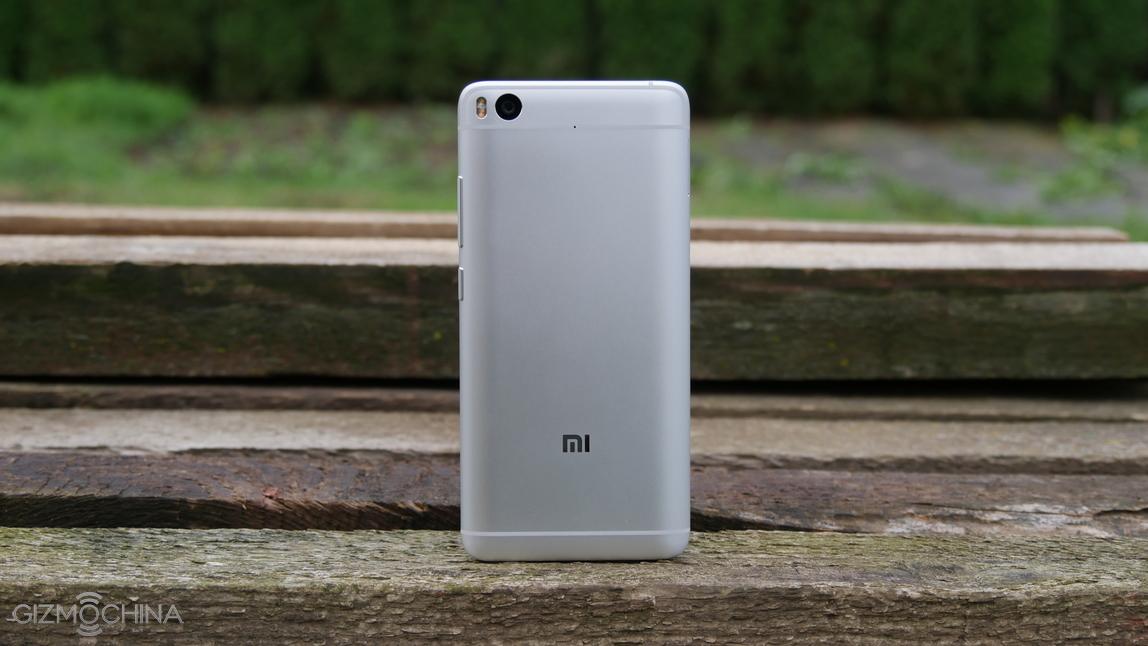
Xiaomi has been on a roll as they released so many smartphones and the Mi5s is one of their latest and greatest offerings. It is all-metal, it has Snapdragon 821 chip and a lot more. This is Linus, stay tuned for a full review.
My initial impressions once I took the phone out of the box where… wow, this is the most beautiful Xiaomi phone ever.
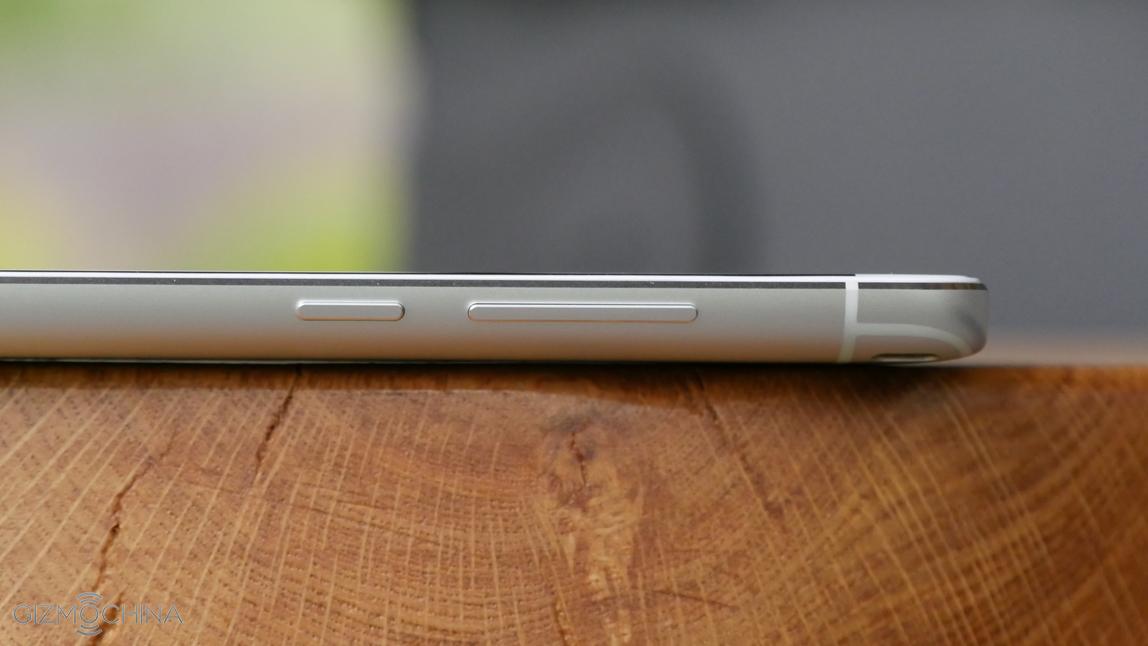
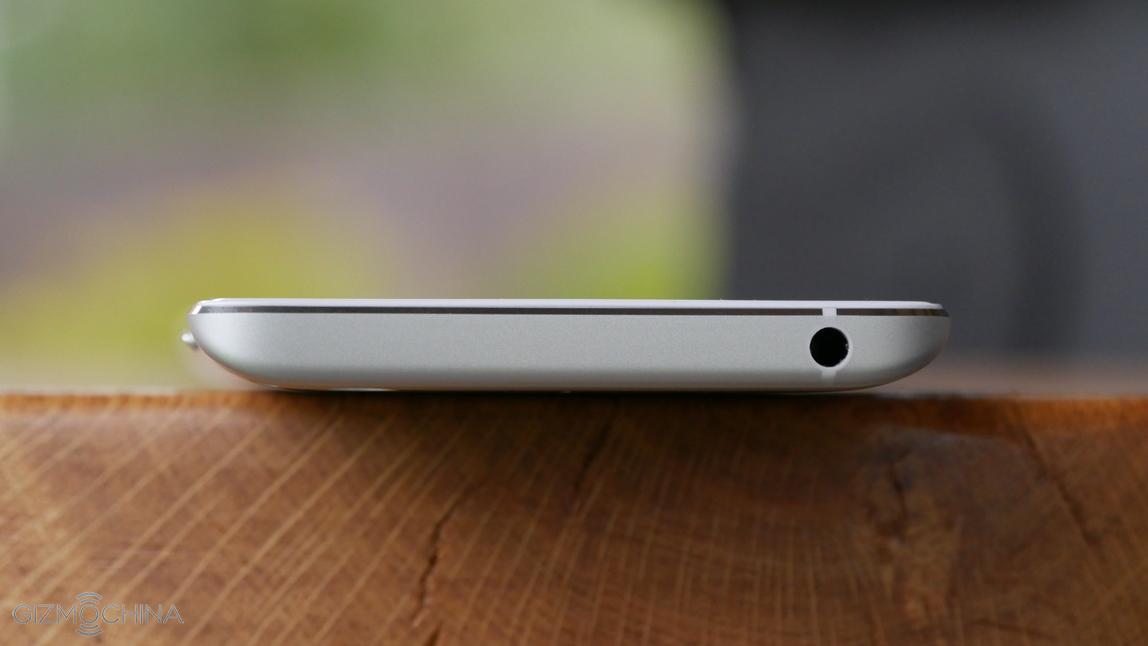
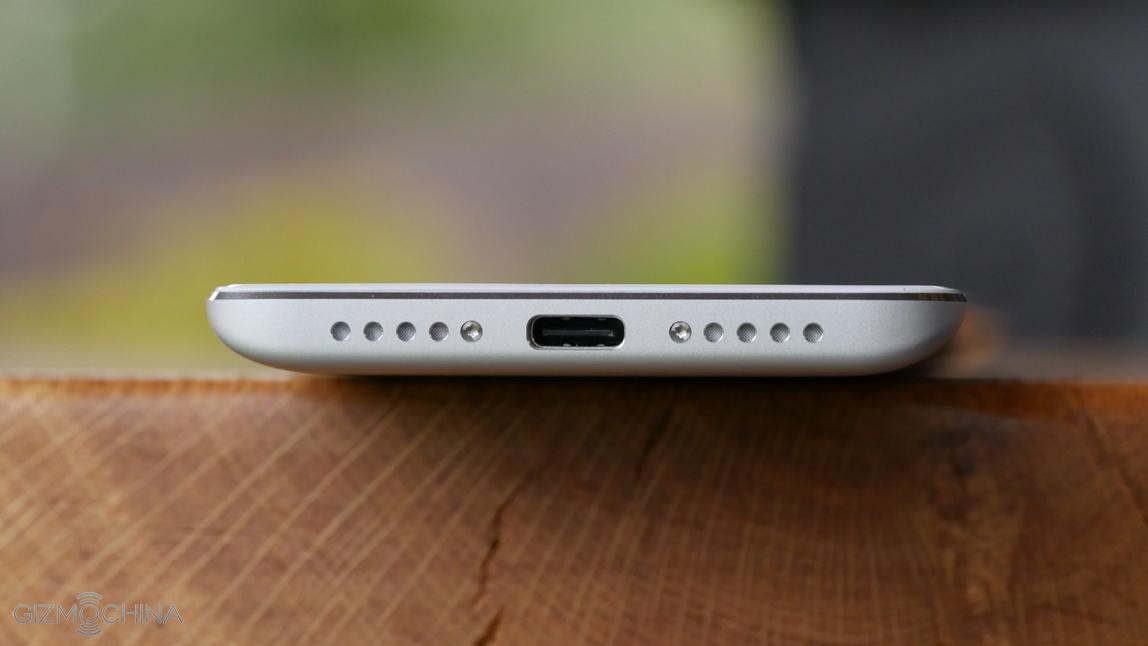
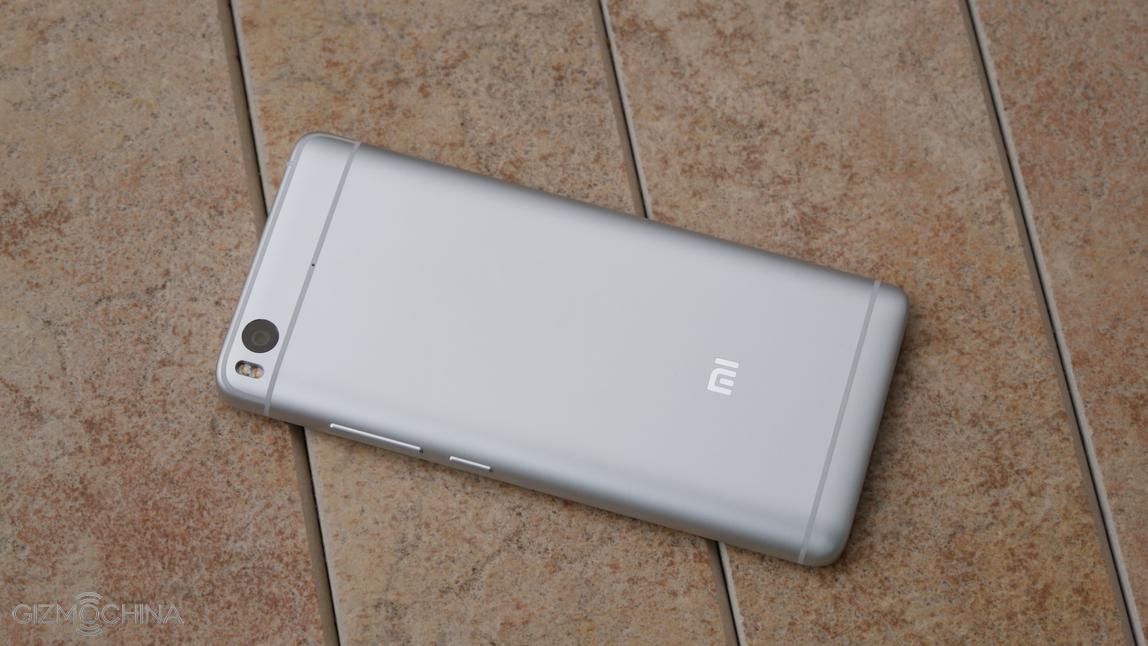
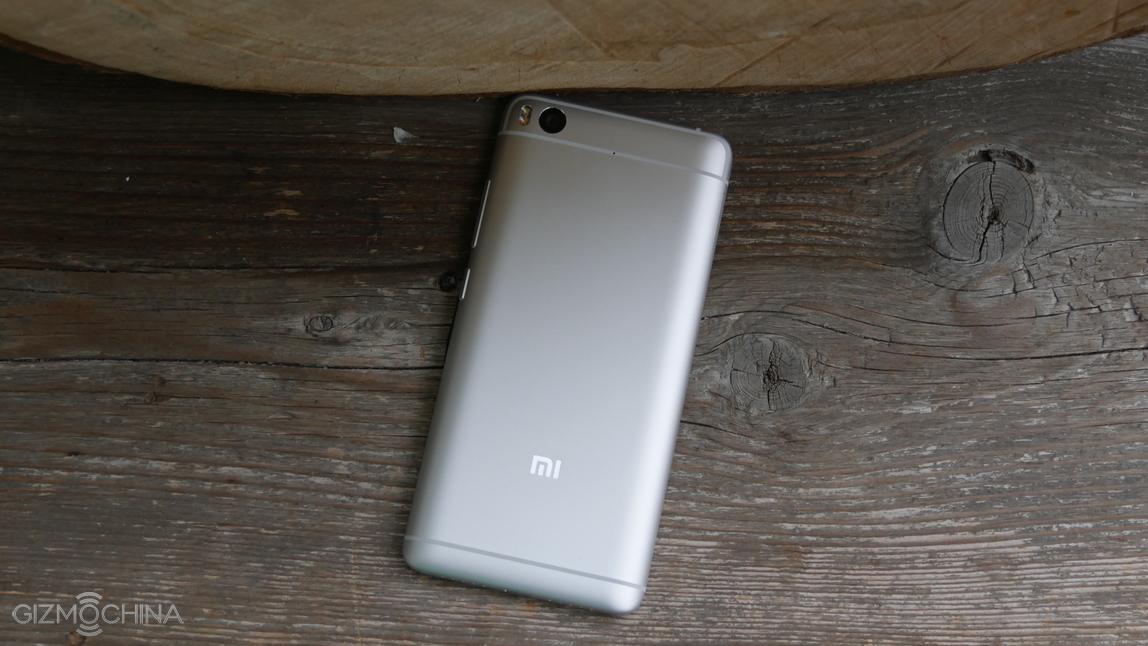
Seriously, this thing looks and feels just gorgeous. We have a unibody all-metal shell with nicely rounded edges and tactile metal buttons.
There are no plastic parts whatsoever except for these nano-injected inlays for antennas.
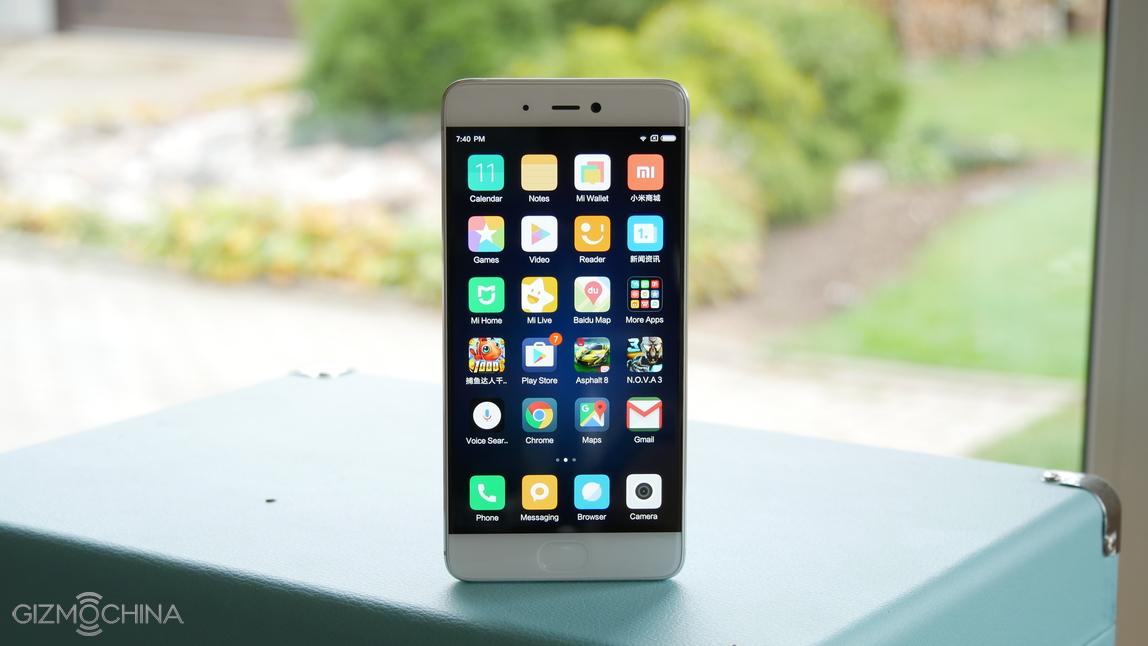
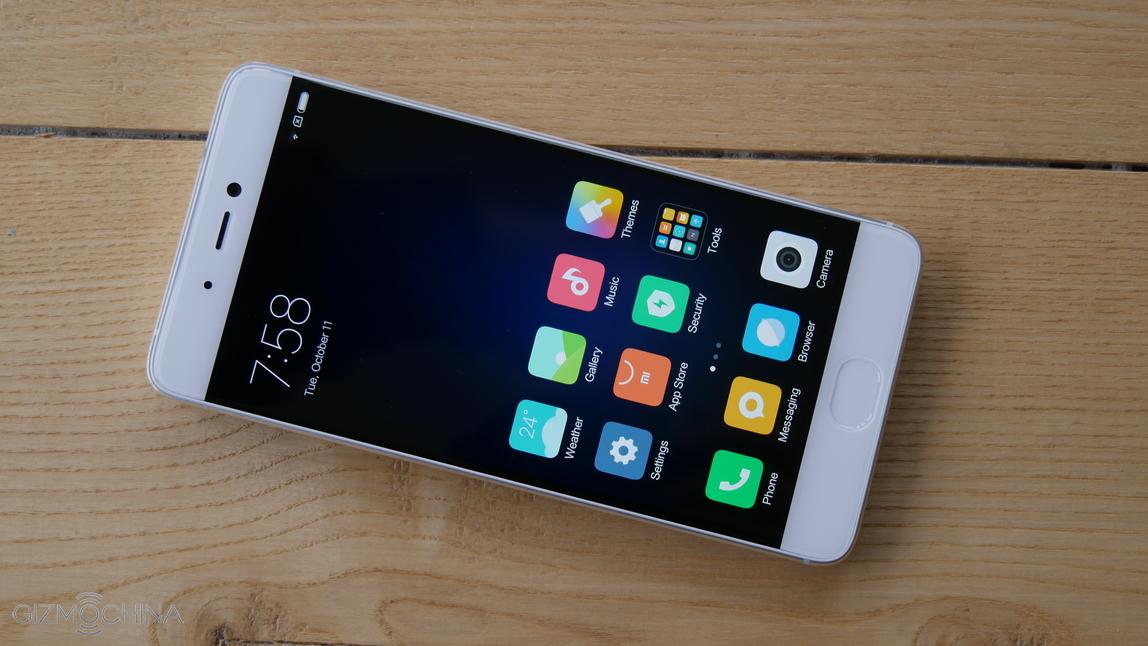
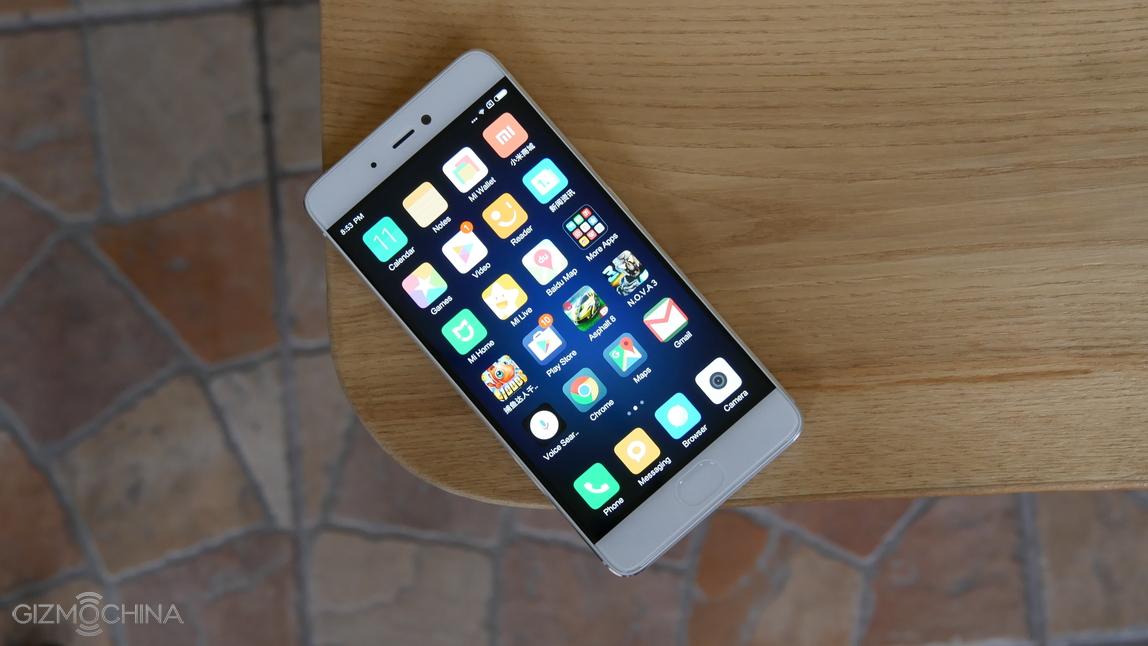
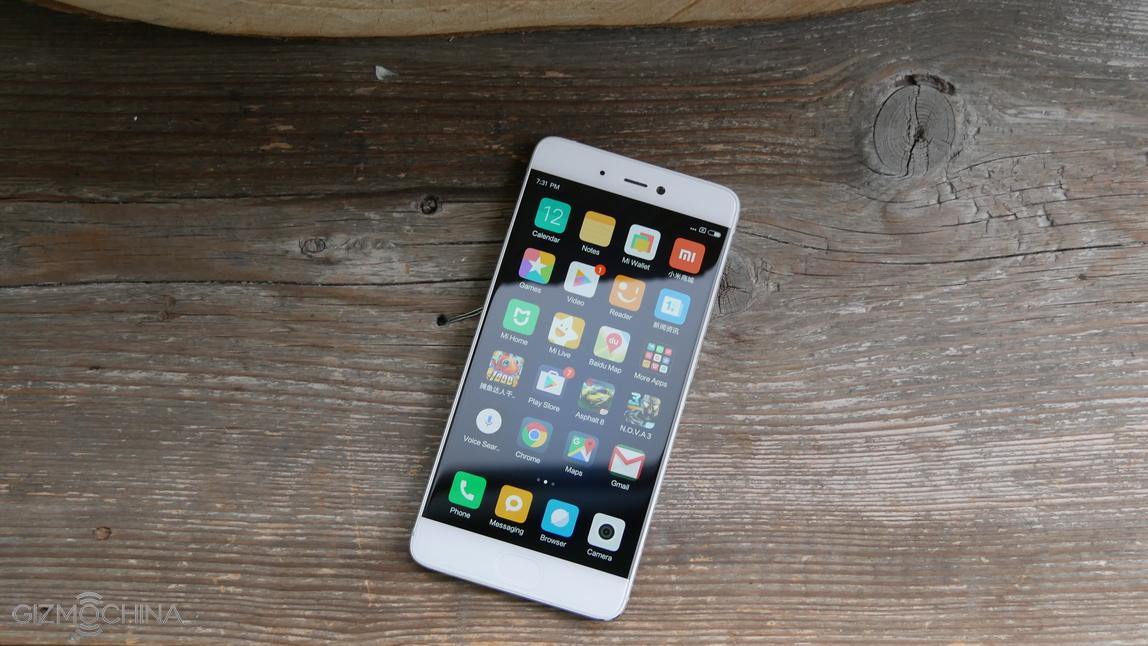
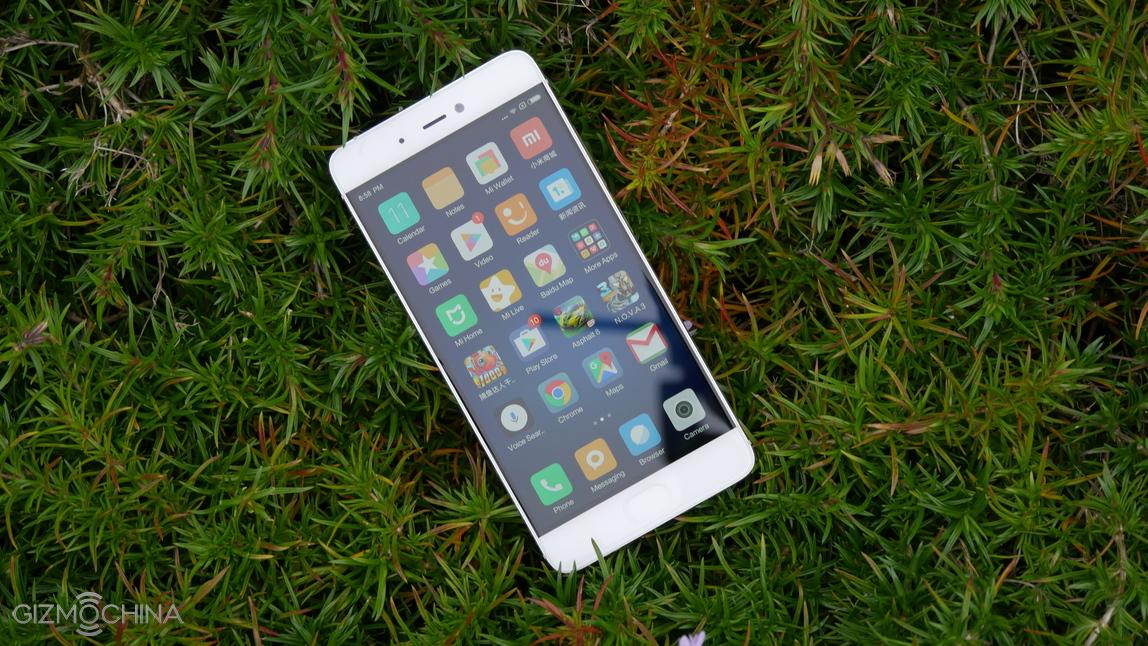
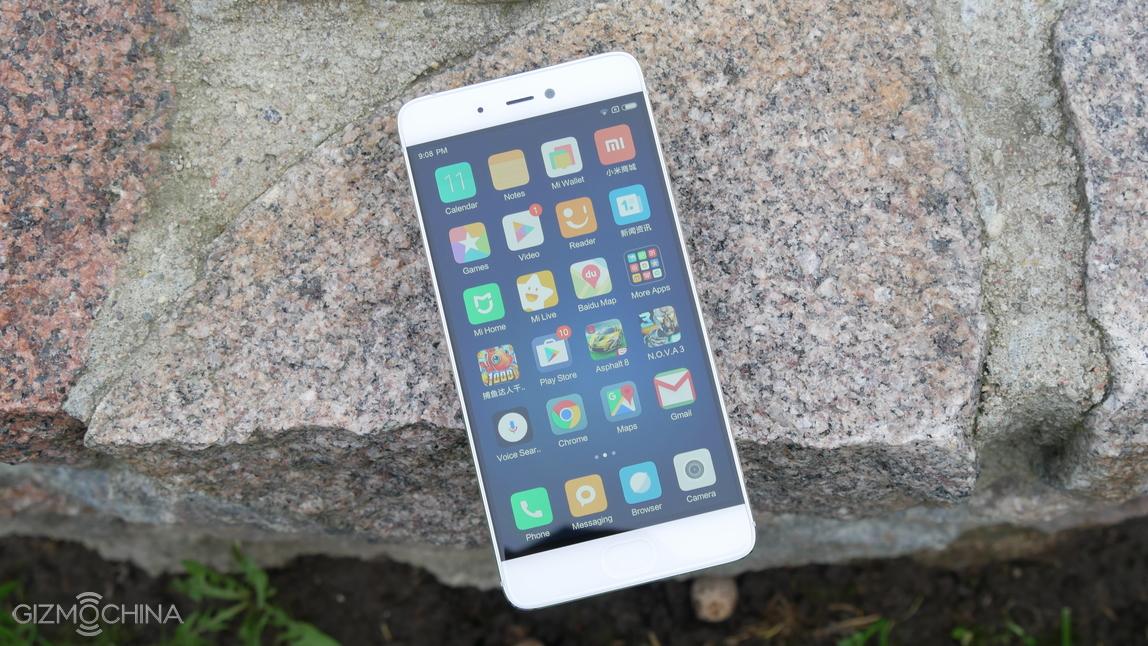
I love the fact that the Xiaomi Mi5s is a compact phone due to its 5.15” 1080p display, which is sharp, vibrant and awesome-looking panel.
We don’t have any physical buttons as Xiaomi implemented a home key, which you can simply tap on. Also, it works as a fingerprint scanner, which I found to be pretty accurate and it unlocks your phone straight from the standby mode. The capacitive buttons are nicely backlit and they can be highly customized.
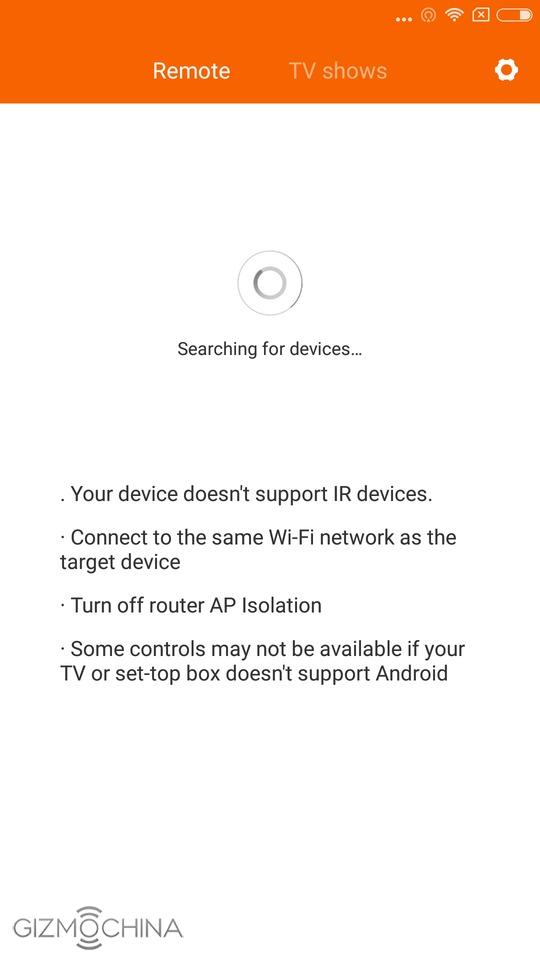
Gone is the IR blaster but we have the headset jack, which assures a very good sound quality, to be honest. The quality of sound via the loudspeaker is good but nothing exceptional.
We have a 4MP Ultrapixel selfie camera, which sits next to the highly customizable LED notification light.
As for optics, we have a 12MP Sony sensor with f/2.0 aperture and dual tone dual-LED flash. However, there is no OIS.
Xiaomi Mi5s Review: HARDWARE and PERFORMANCE
Xiaomi phones have been known to pack some of the latest and greatest hardware components available on the market and the Mi5s is no exception.
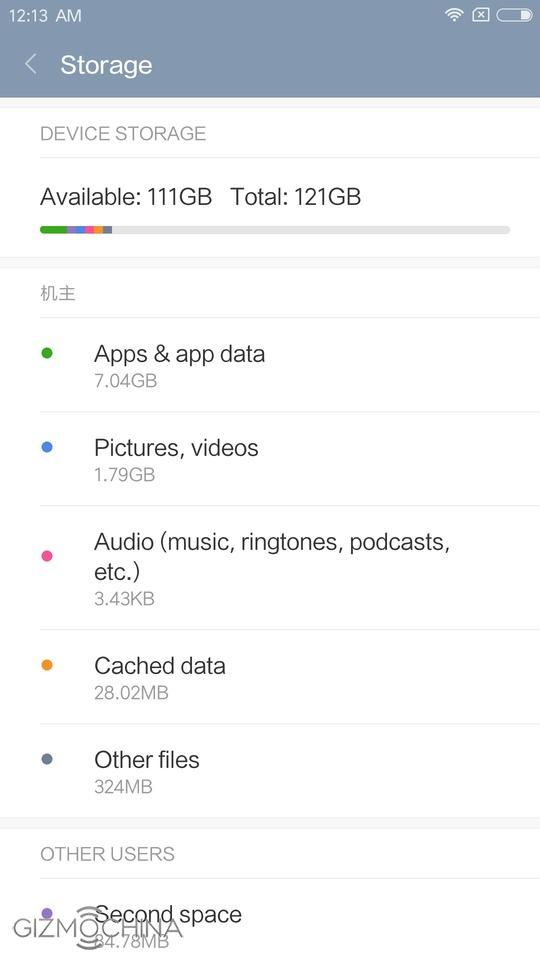
I have the high-end model that sports a brand new Snapdragon 821 chip, 4GB of LPDDR4 RAM and whopping 128GB UFS 2.0-based storage.
You can also opt in for a lower-end model that has 3GB of RAM and 64GB of storage. Keep in mind, however, that only the high-end model has a pressure-sensitive display.
As expected, the 3D gaming performance is just excellent. No matter what kind of games you play on the Mi5s, the phone just flies. Also, I didn’t notice any overheating issues.
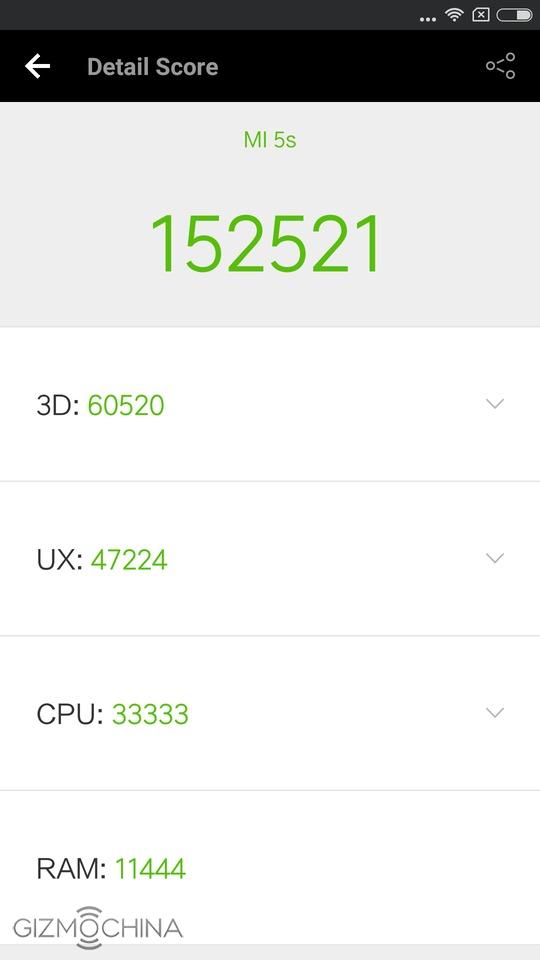
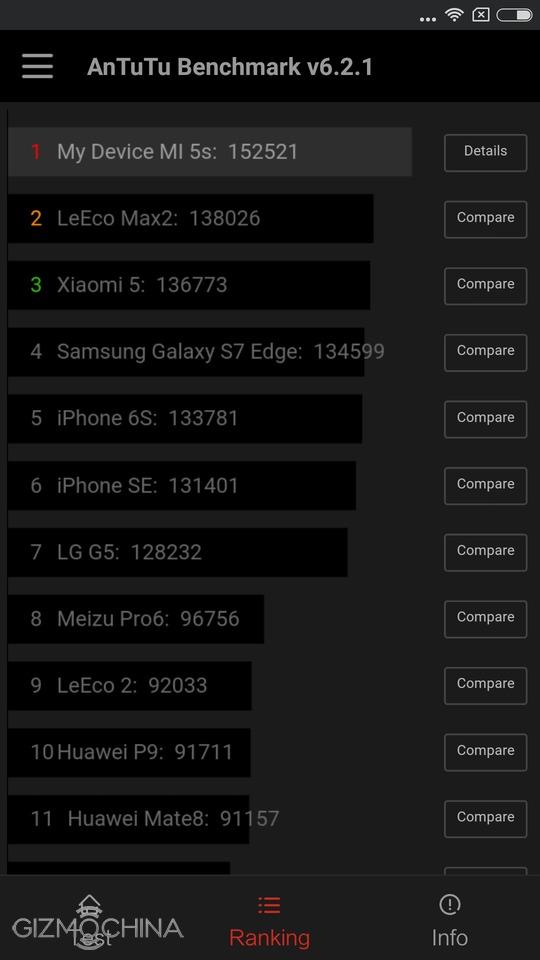
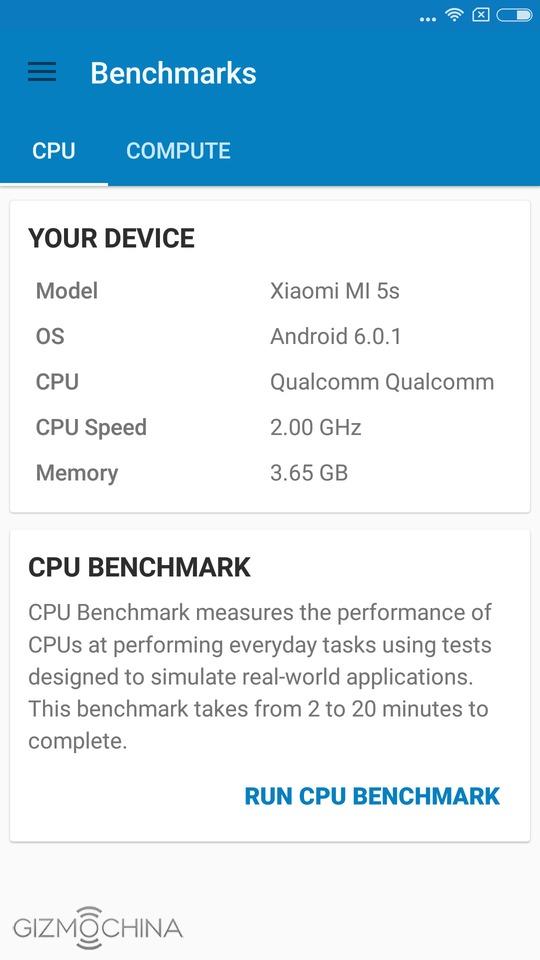
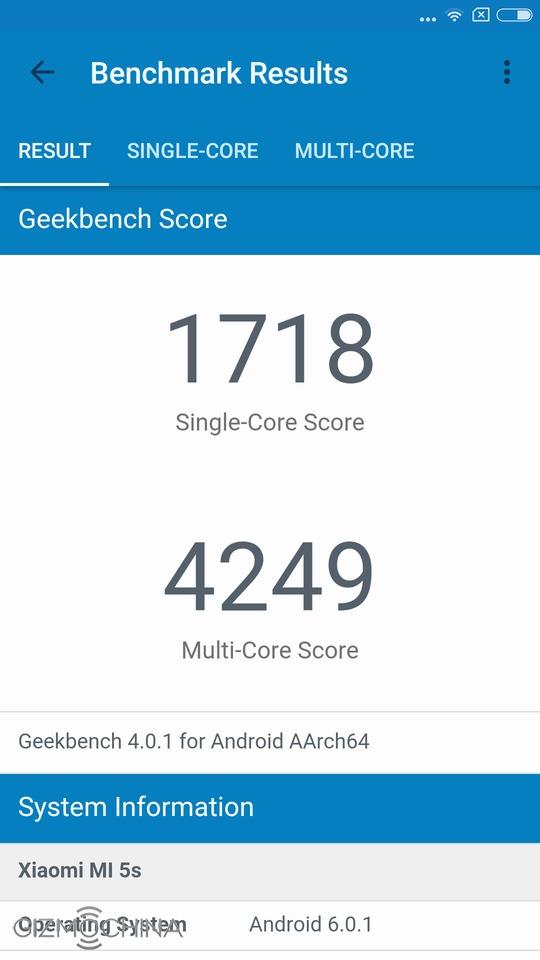
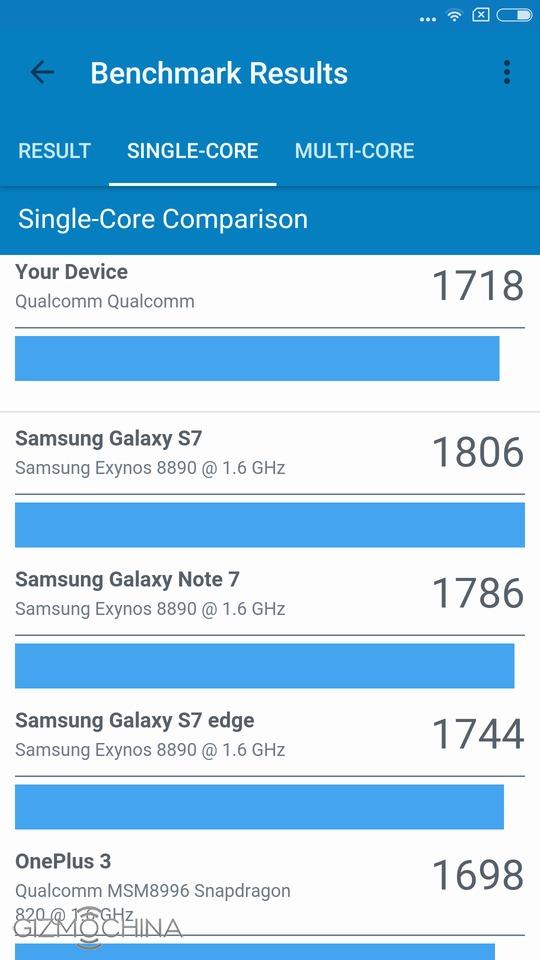
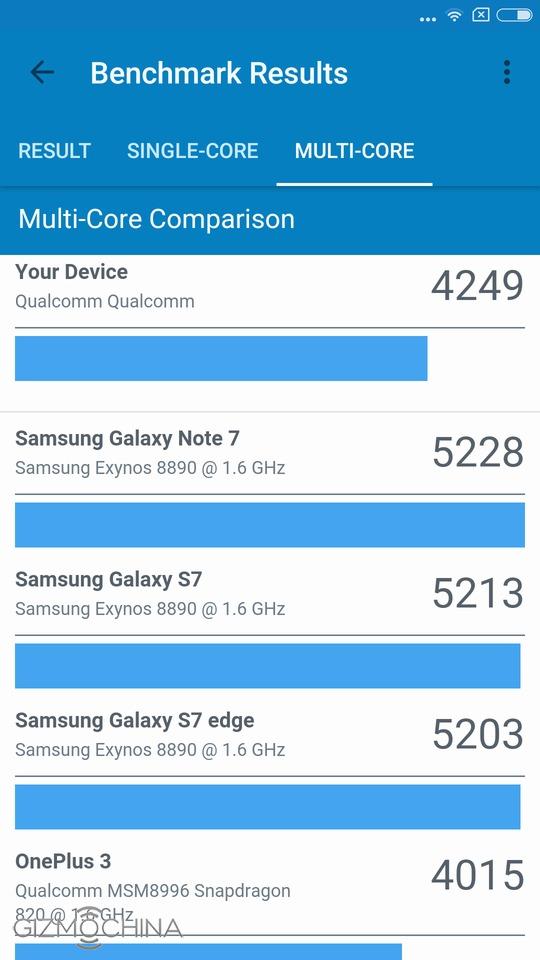
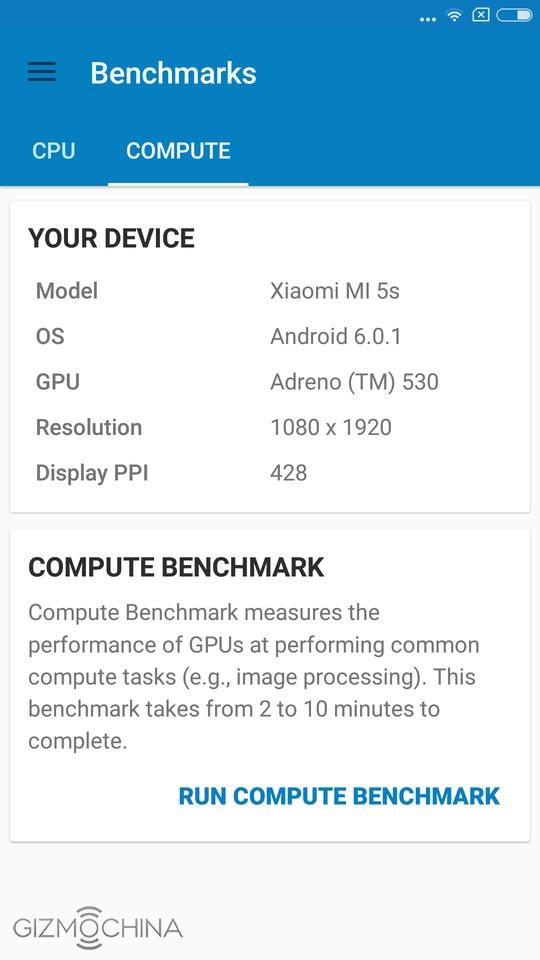
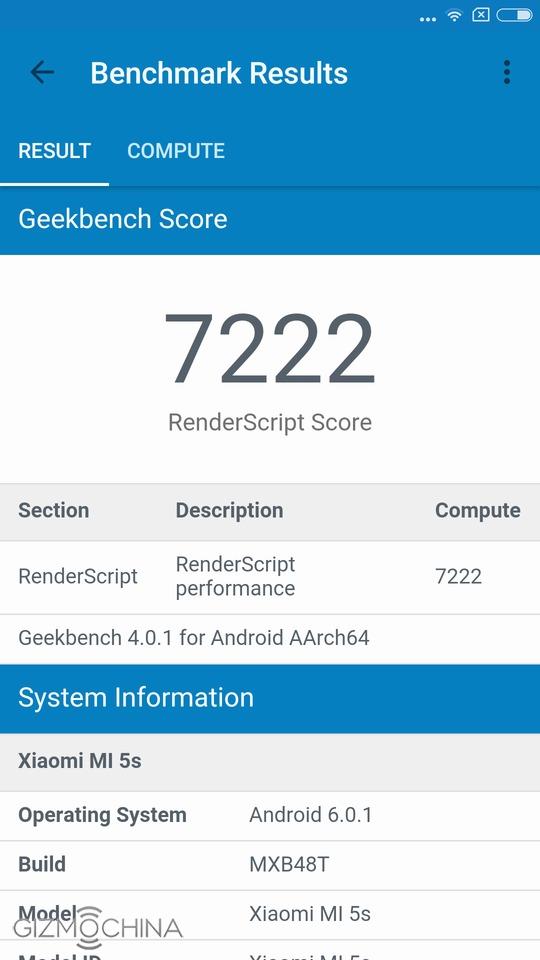
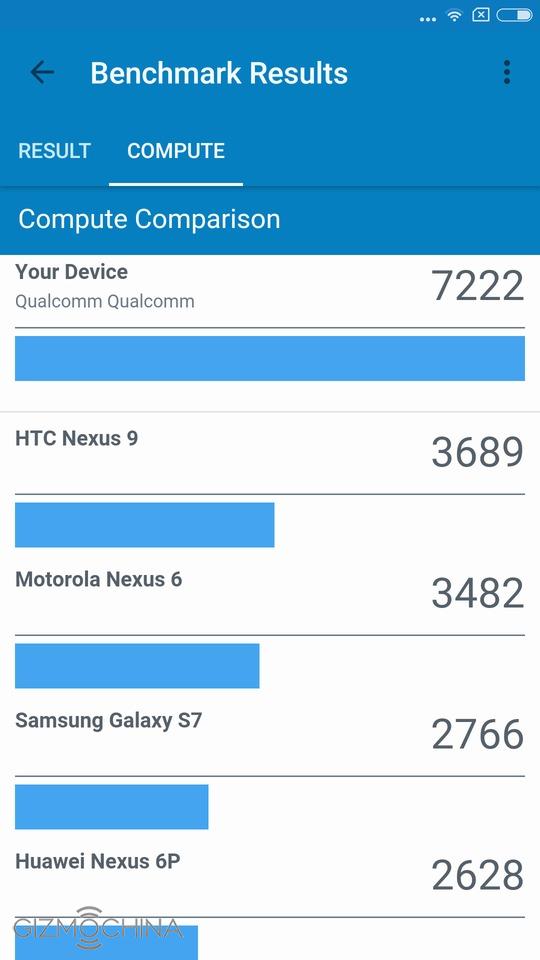
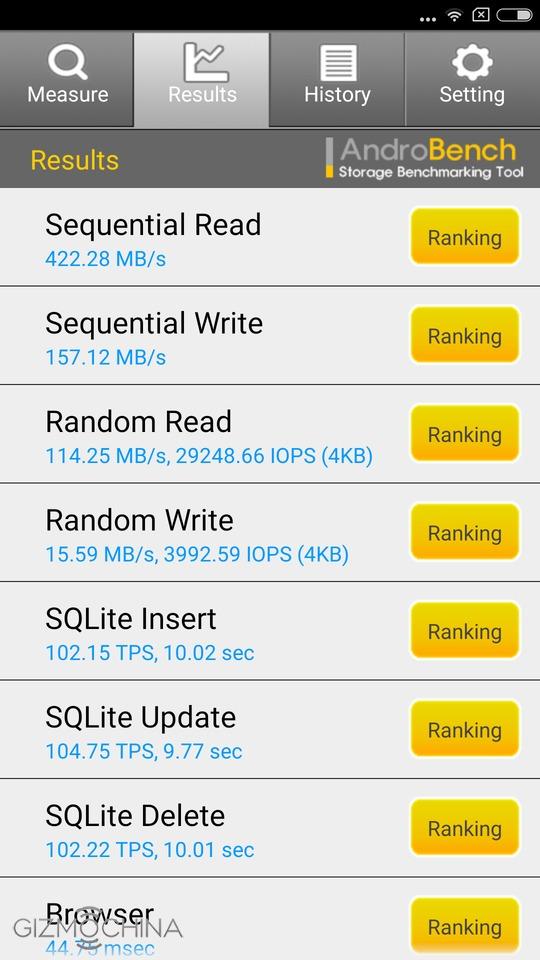
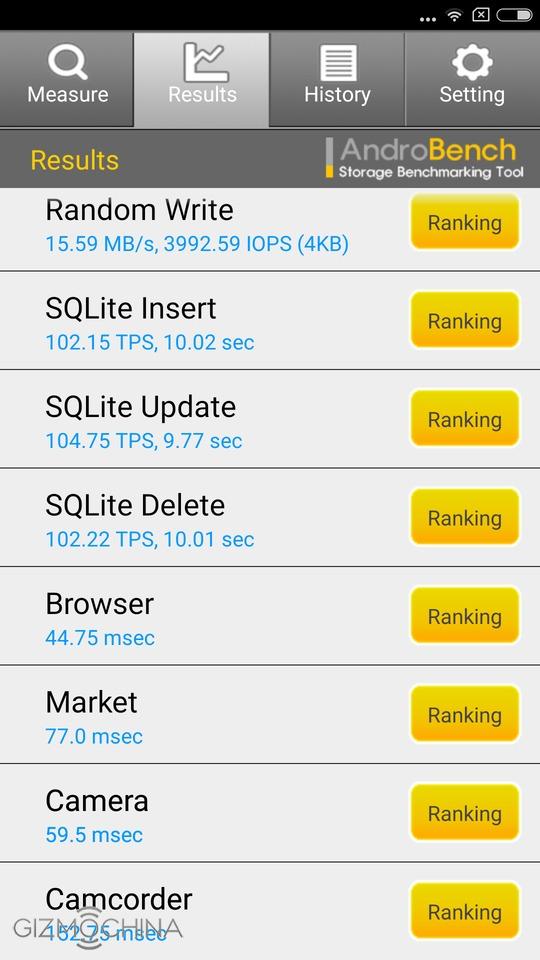
Xiaomi Mi5s Review: BENCHMARKS
Xiaomi Mi5s Review: USER INTERFACE
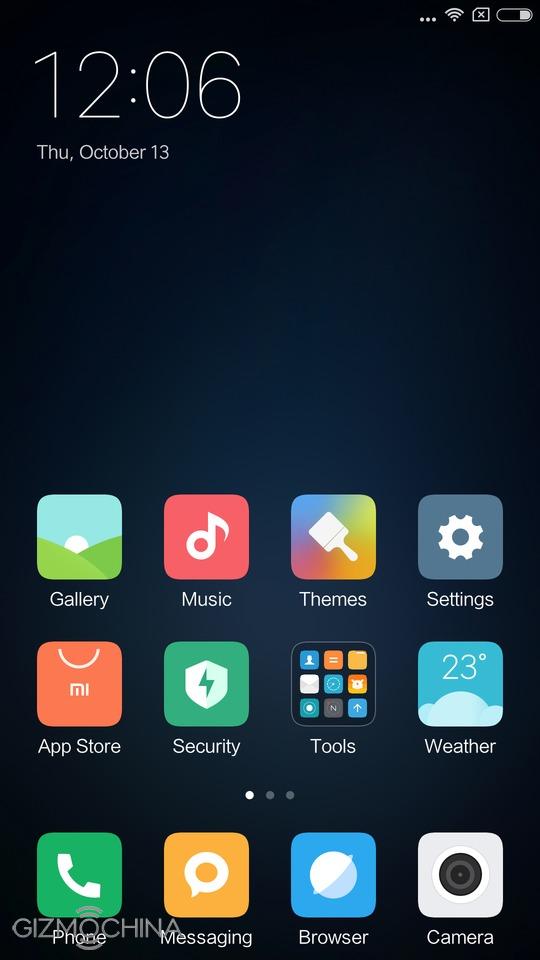
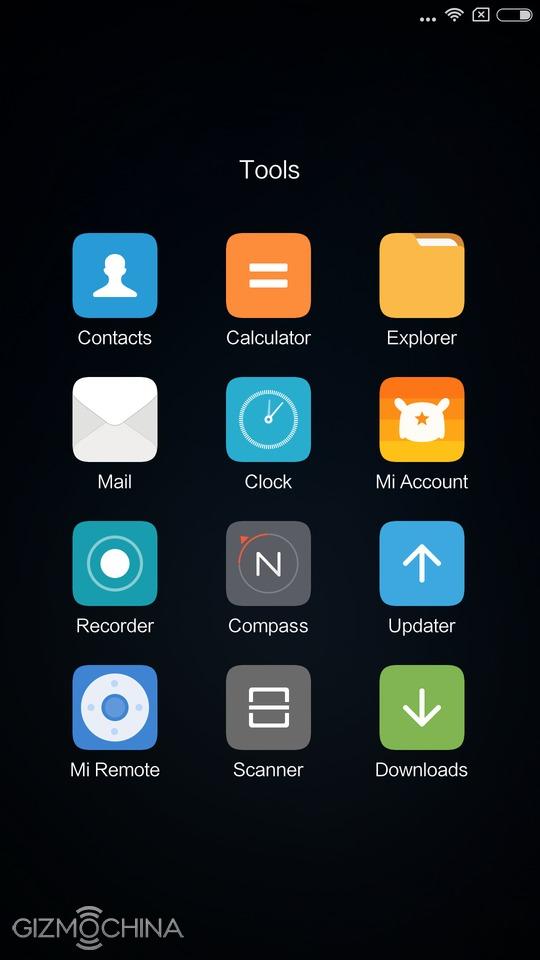
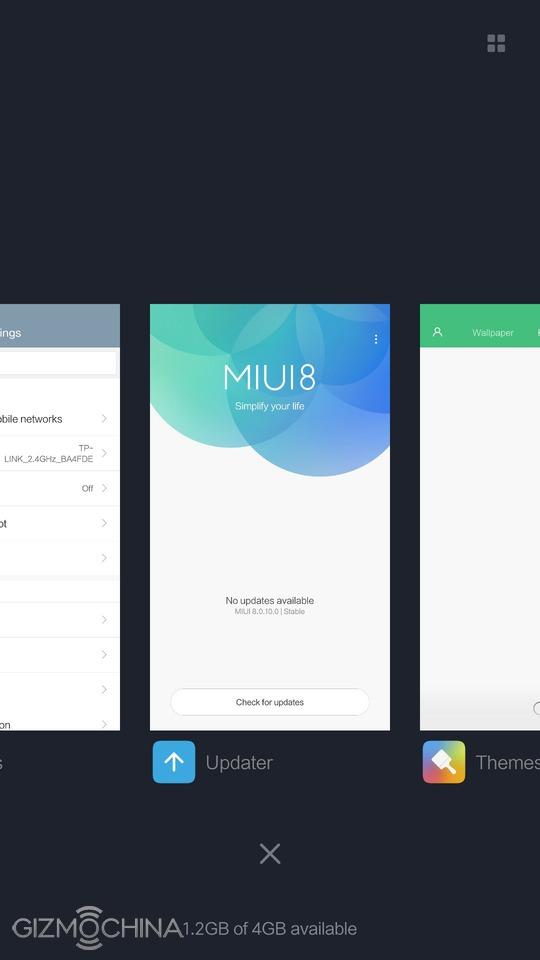
The Xiaomi Mi5s ships with the Android 6.0-based MIUI 8 that we have already seen on other Xiaomi phones.
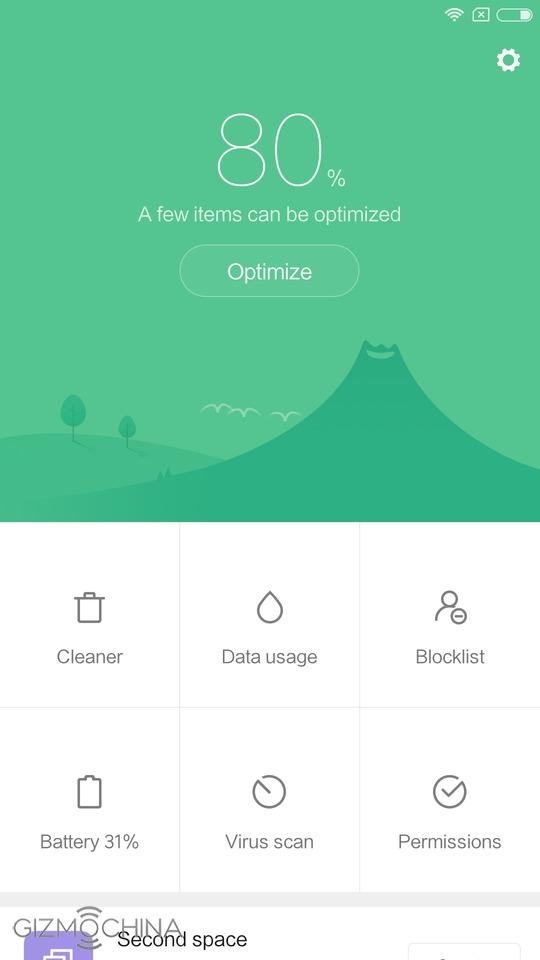
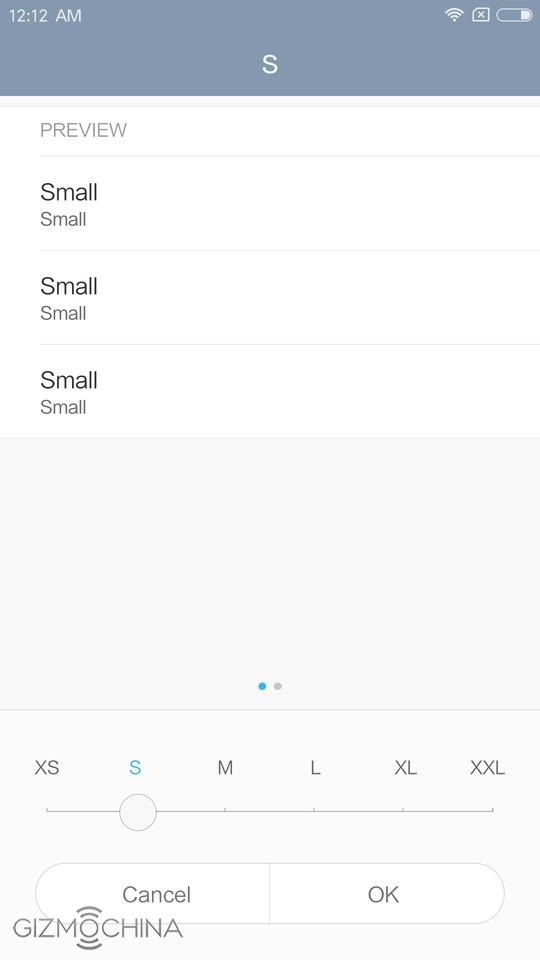
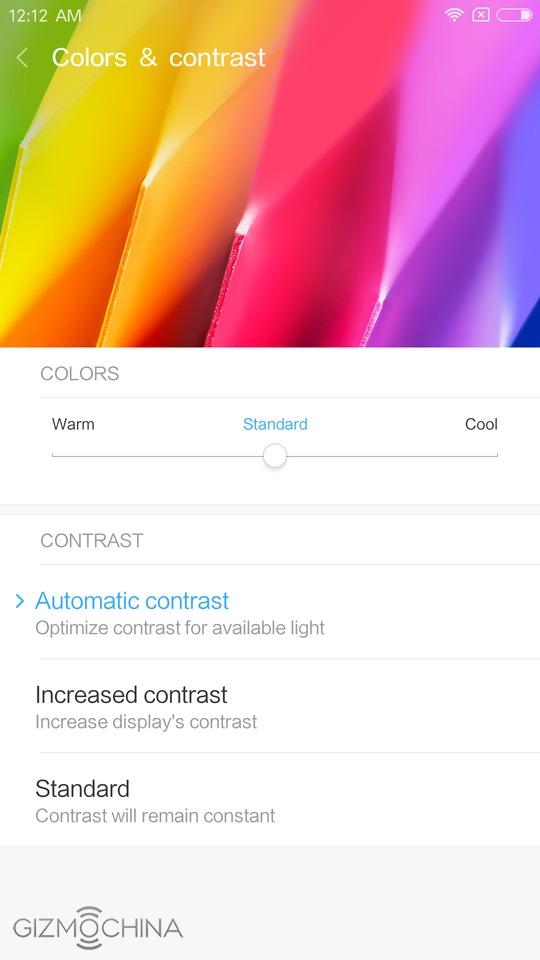
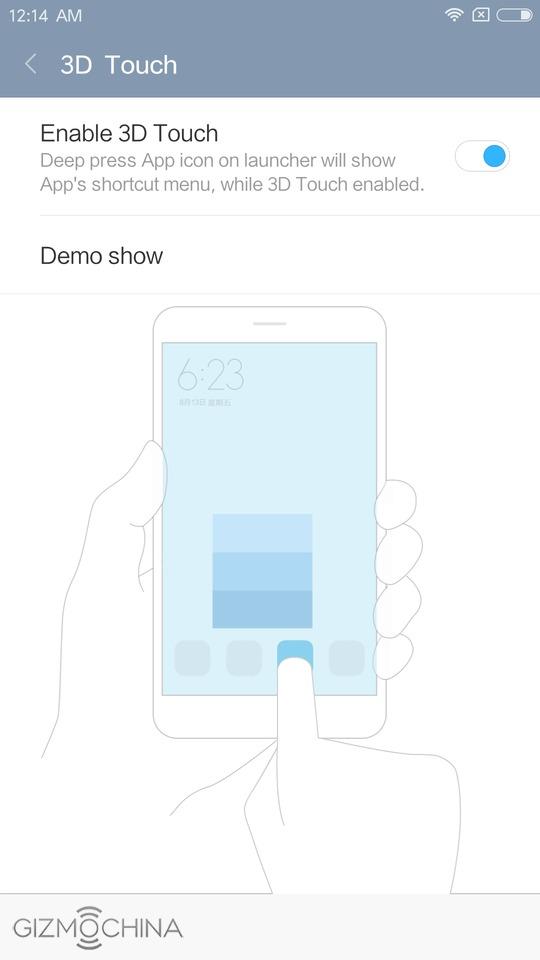
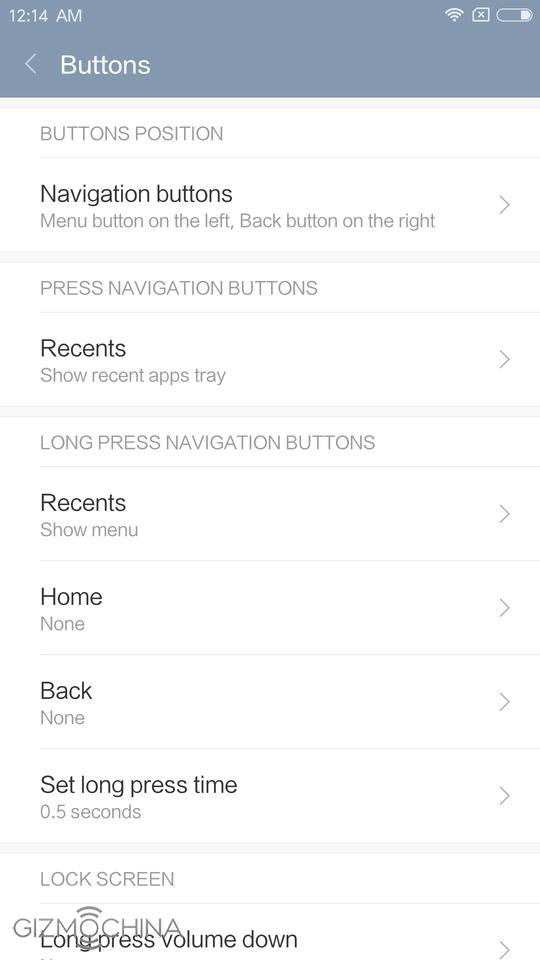
As usual, we have a ton of customization options, various settings, tweaks and little features to make the phone look your own. One of the key features is the pressure-sensitive display, which works great with certain apps. It is not a feature I can’t live without but hey, if you get used to using it, it may increase your productivity.
Some of other cool features include a baked-in theming engine, where you can choose from a lot of themes, fonts and wallpapers.
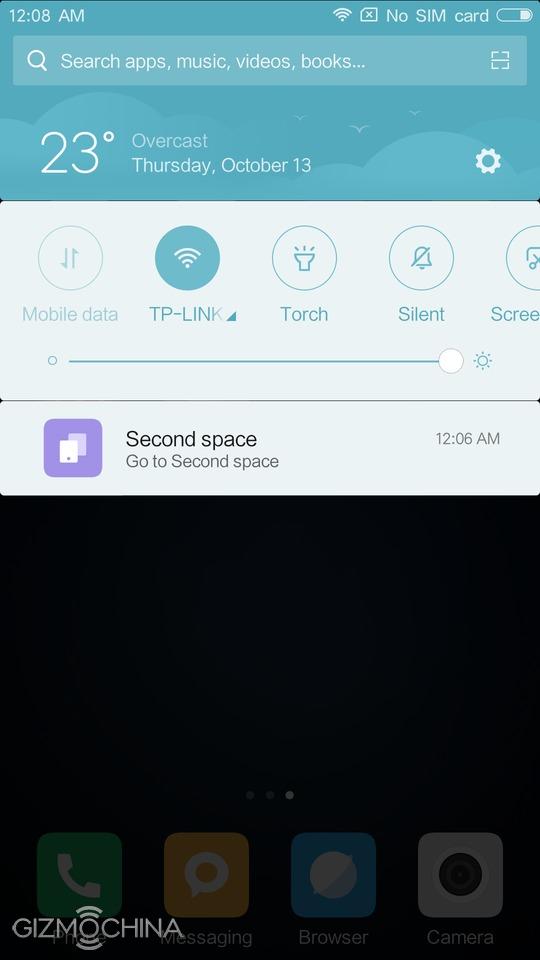
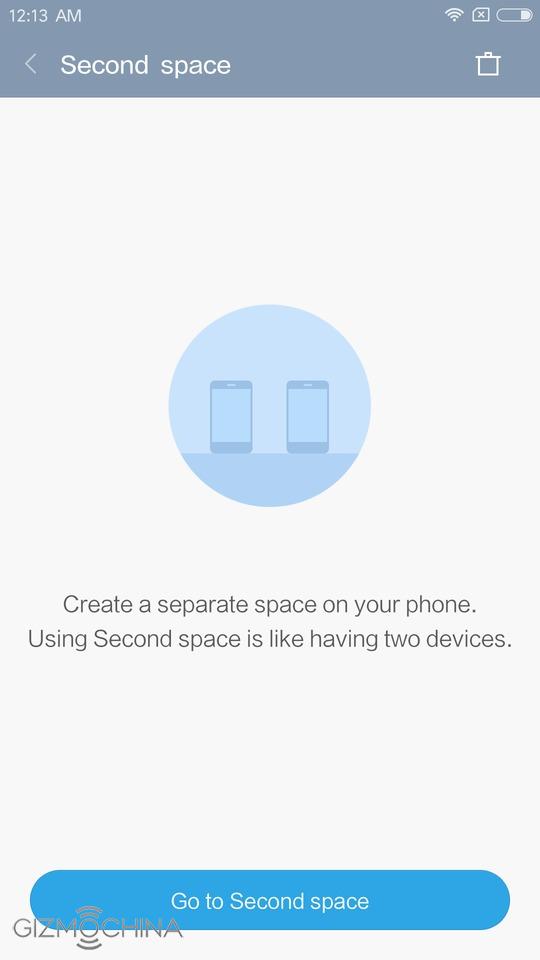
Also, you can go to the so-called second space, which is as Xiaomi says “like having two devices” at the same time.
Finally, I’m fairly impressed with how fast the Mi5s is despite having all those features. The phone is fast, fluid and I didn’t have any hiccups or lag.
Xiaomi Mi5s Review: CAMERA
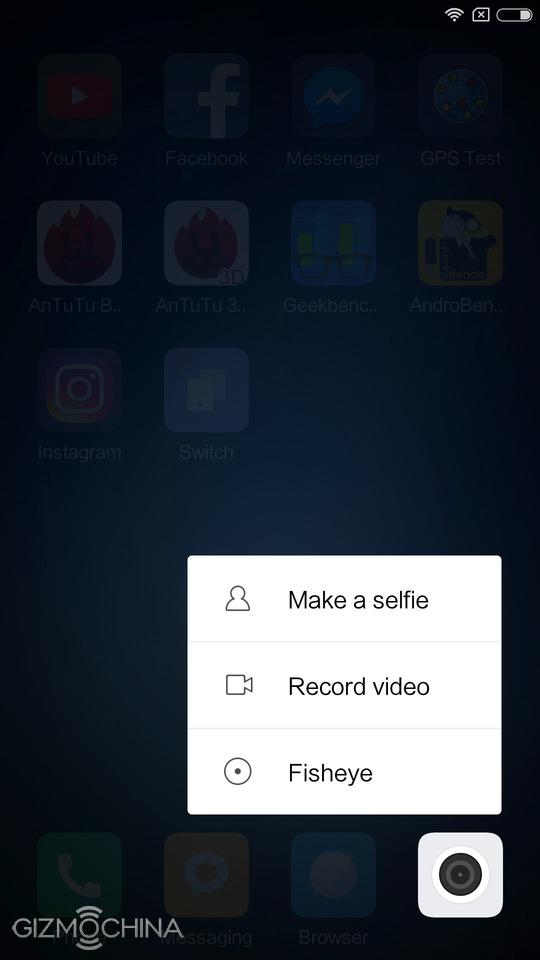
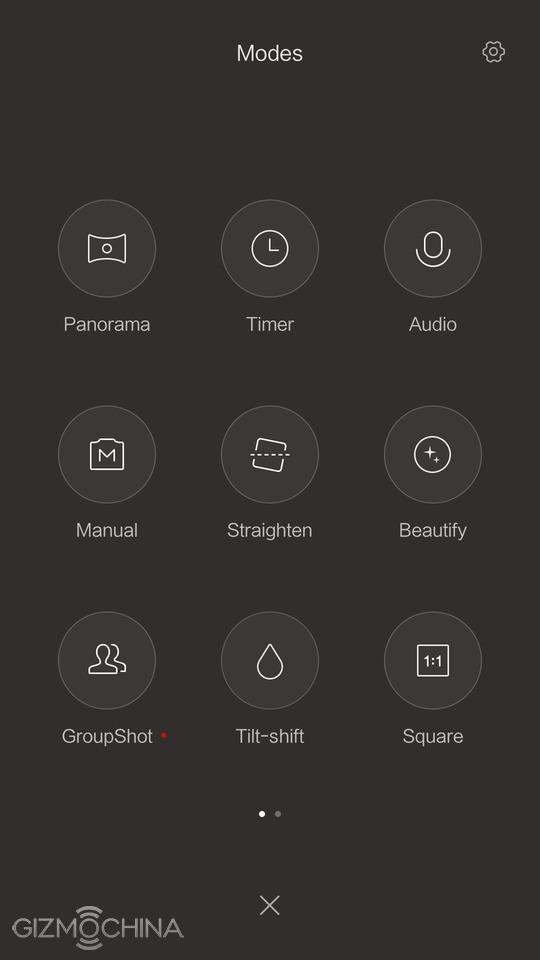
The camera app allows you to take pictures extremely fast. As usual to Xiaomi phones, there are a few shooting modes and settings to play with.
Xiaomi Mi5s Review: IMAGE QUALITY
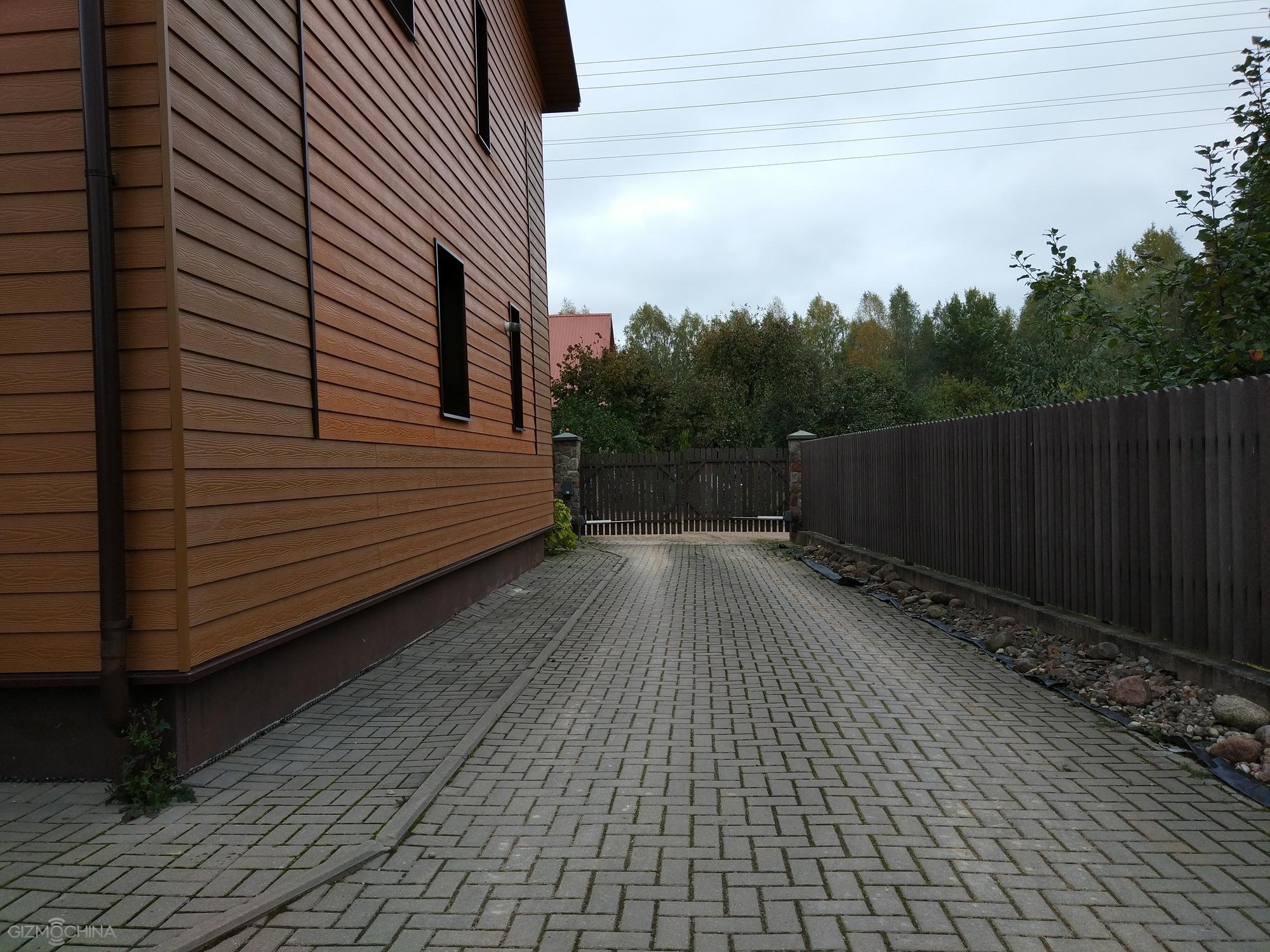
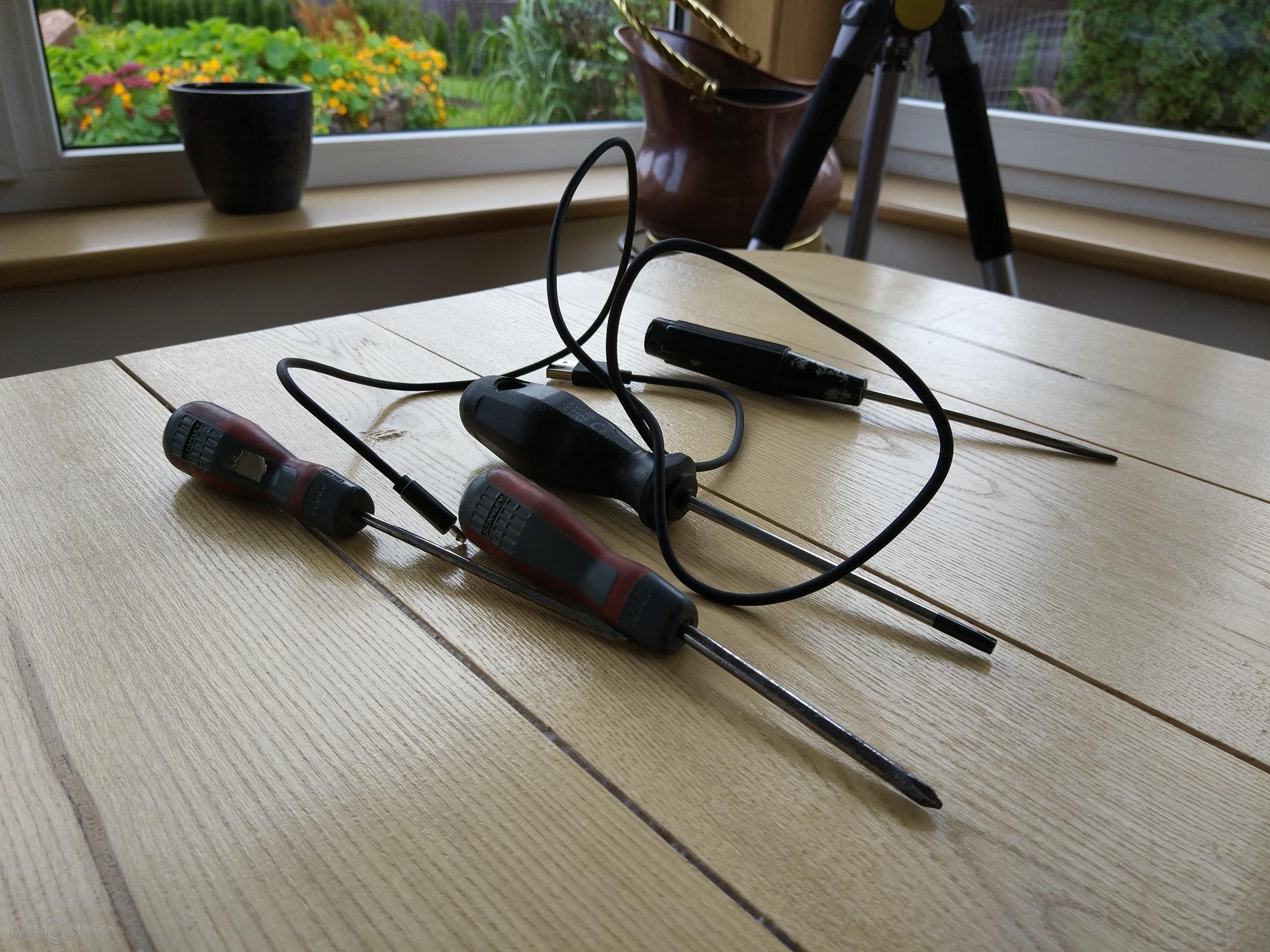
The 12MP camera can produce very nice-looking images even though I took them in the cloudy day.The pictures are sharp, there is plenty of detail and the color reproduction is good. However, I found some of the shots to be underexposed for my taste.
When it comes to the low-light photography, the Mi5s is pretty good yet not perfect. You can take some nice-looking images but most of the shots look grainier than I expected from this device. On the other hand, the dual tone dual-LED flash does a pretty good job illuminating the scene.
The 4MP front camera takes some great selfies for the social media.
When it comes to video, the phone can shoot in 4K. The quality of footage is great and it is probably the best I’ve seen on a Xiaomi phone yet. The video looks sharp and detailed, the colors look nice and the continuos auto-focus feature works great but it can sometimes be a little jumpy. However, there is quite a bit of noise if you shoot videos in low-light.
I shot the videos with the EIS (electronic image stabilization) feature on. It does not remove the shakiness completely but I have to say that it does a pretty good job reducing it. I also noticed that the sound recording quality is better than e.g. Xiaomi Mi5 I have previously reviewed.
When it comes to the selfie video, the quality of footage is pretty good too.
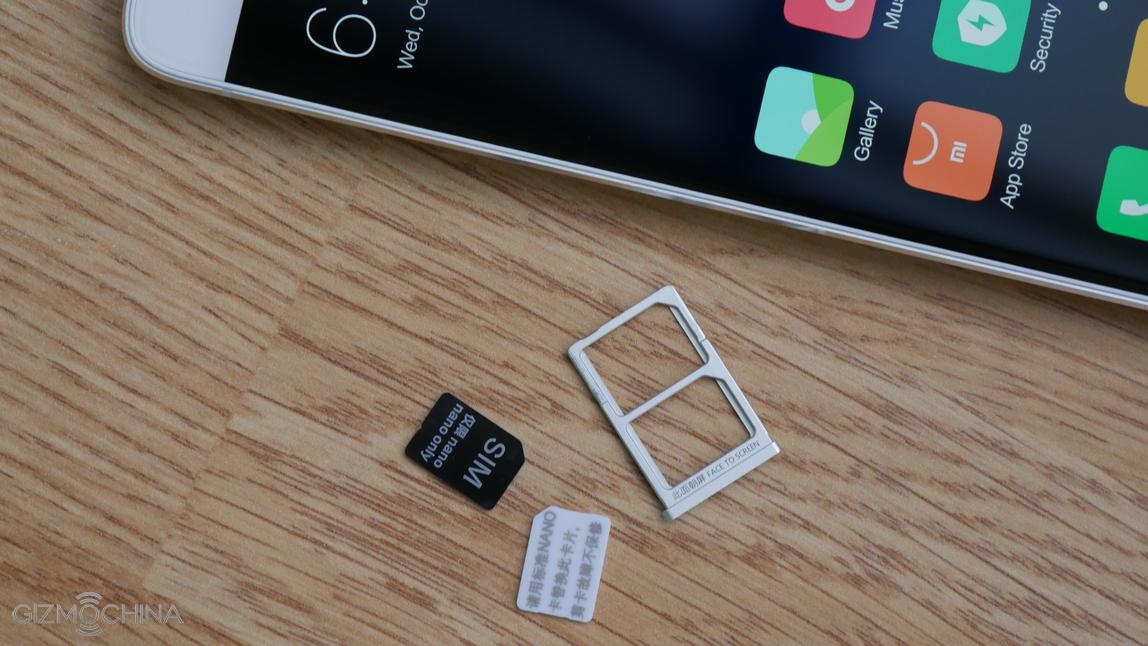
The Mi5s comes with a dual nano SIM card tray but there is no microSD card slot.
When it comes to connectivity, I didn’t have any issues with the call quality, Wifi, Bluetooth or GPS.
Xiaomi Mi5s Review: BATTERY LIFE
The 3100mAh battery supports Quick Charge 3.0 but the phone does not ship with the fast charger.
As for battery life, the phone will get you through the day even if you are a heavy user and you will get at least two full days if you are a light user. That translates to over 6 hours of screen-on time, depending on the usage.
Xiaomi Mi5s Review: CONCLUSIONS
The Xiaomi Mi5s is yet another phone made by the Chinese giant but it is definitely one of the best devices the company has produced.
The phone is well-built, it is compact and it simply looks beautiful. Also, the display is sharp and vibrant, and powerful internals assure a great day-to-day and 3D gaming performance.
Also, you can be rest assured that the phone will take some brilliant photos in good lighting and the battery will probably last you at least two days of moderate usage.
However, some users may be disappointed that there is no microSD card slot for storage expansion. Also, the low-light camera performance could be slightly better and there is no OIS like on the Xiaomi Mi5.
Other than that, the Xiaomi Mi5s is a very solid and oneof the best phones you can buy as the lower-end model can be bought for just under $350.\
We use cookies on our website to give you the most relevant experience by remembering your preferences and repeat visits. By clicking “Accept”, you consent to the use of ALL the cookies.
This website uses cookies to improve your experience while you navigate through the website. Out of these, the cookies that are categorized as necessary are stored on your browser as they are essential for the working of basic functionalities of the website. We also use third-party cookies that help us analyze and understand how you use this website. These cookies will be stored in your browser only with your consent. You also have the option to opt-out of these cookies. But opting out of some of these cookies may affect your browsing experience.
Necessary cookies are absolutely essential for the website to function properly. This category only includes cookies that ensures basic functionalities and security features of the website. These cookies do not store any personal information.
Any cookies that may not be particularly necessary for the website to function and is used specifically to collect user personal data via analytics, ads, other embedded contents are termed as non-necessary cookies. It is mandatory to procure user consent prior to running these cookies on your website.