Samsung Mobile Korea has released the first Galaxy Note 7 TV ad. The advert which is just 30 seconds long confirms a couple of features like multiple phone lock options such as fingerprint and the regular pattern lock. The advert teases other features such as multiple old rotary dial telephones submerged in water which indicates the Note 7 will be waterproof (a first for the Note series), allowing the phone to be immersed in up to 5-feet of water for a duration of 30 minutes.
There is also a lady holding a blurred out phone in one hand (which is probably the Note 7) trying to take a selfie while holding a light bulb to her face with the other hand. This translates into the Note 7 featuring a LED flash in front.
Another teaser is the presence of multiple highlighter pens used on different texts. We interpret this to mean that you will be able to copy multiple texts with the Note’s S-pen and choose which you want to paste when you want. So that eliminates the issue of a new copied text overwriting the previous one.
We were one of the first ones to report that Meizu kind of said that they were working on a smartwatch. However, that wasn’t a confirmation. But soon after this report, the company’s official account released a new teaser which kind of hinted that the company was all set to launch a brand new smartwatch. Well, there were pictures of watches all over the image, with plastic and metal straps. So, it was almost confirmed that a smartwatch from the company was coming.
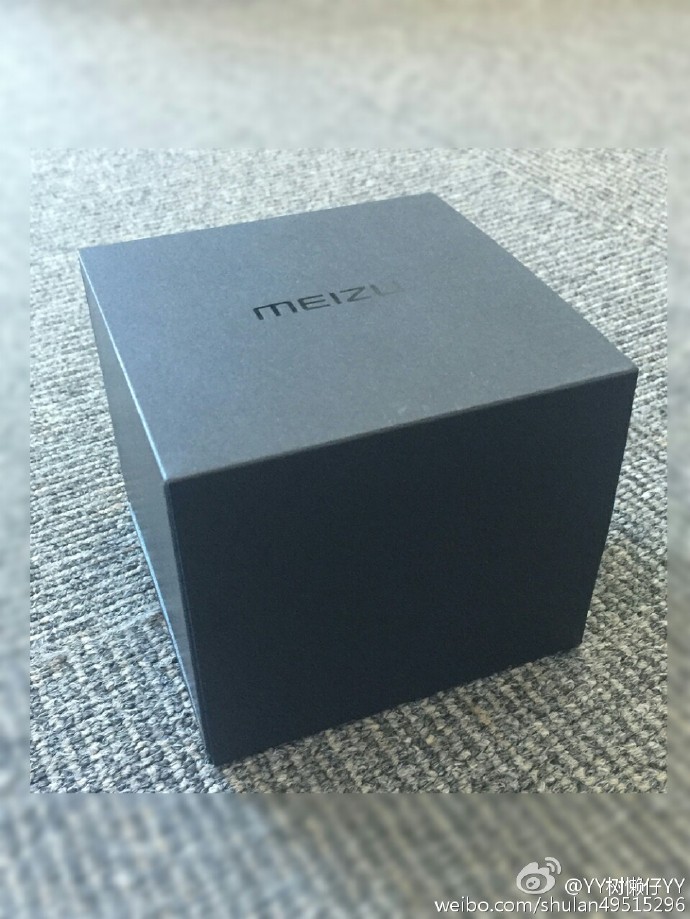
Now, a Chinese photographer seems to have received a mystery box from an anonymous source. The box is black in color and we can clearly see the Meizu logo on top. Usually, we would have said that this is probably a new Meizu smartphone, however, considering that the box is square and not rectangular in shape, it is been said that inside, we could see something related to the company’s first smartwatch.
Just as MediaTek is working on releasing the Helio X30 high-end chipset into the market, rival chipmaker Qualcomm is also working hard on its own Snapdragon 830 next-generation chipset to ensure it features in flagships next year. The Snapdragon 830 chipset had been embroiled in rumors surrounding its specs and more rumors continues to chip in.
Lately, a Weibo user leaked what could be insider information that confirms that the Snapdragon 830 processor will use the 10nm process and that the next generation chipset from Qualcomm will be available next year. The SD830 chipset will likely be announced later this year but would hit the market next year, making its debut most likely on Samsung’s 2017 Galaxy S8 flagship according to other reports.
Earlier rumors had speculated that the Qualcomm Snapdragon 830 processor will use the 10nm FinFET processand Kyro 200 architecture, sporting an Adreno 540 GPU, X16 baseband which is allegedly capable of downlaod speed of up to 980Mbps and has LPDDR4X memory and 4K × 2K / 60fps video recording, dual lifting performance and functionality.
Since the Helio X30 chipset from MediaTek is also rumored to use the same 10nm process, it is unclear which among the two will display superior performance when launched. All the same, the Snapdragon 830 processor is believed to greatly reduce power consumption in smartphones and also provide heat control capabilities.
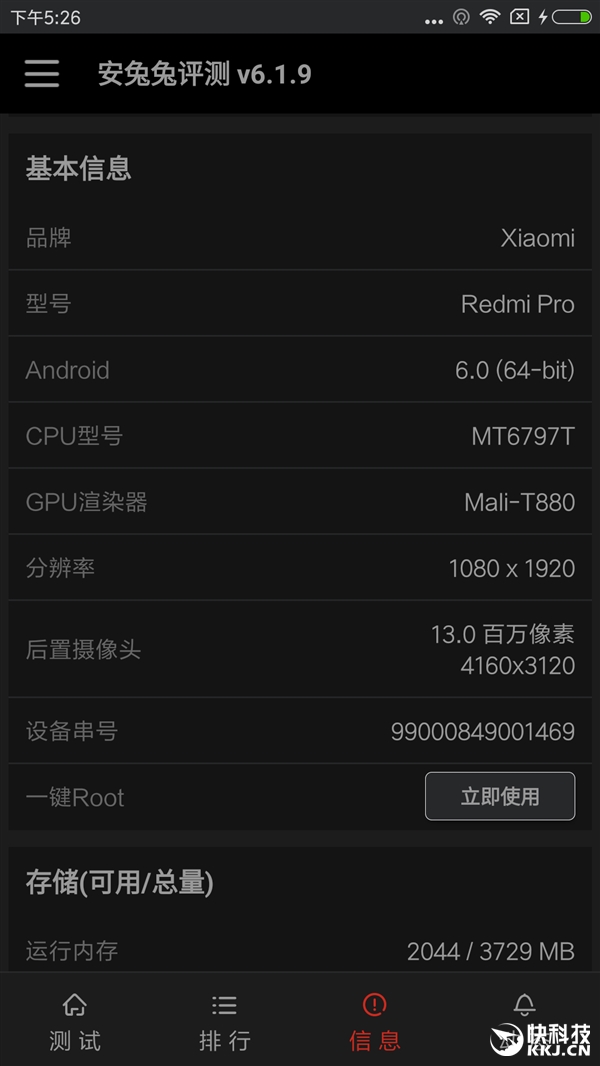
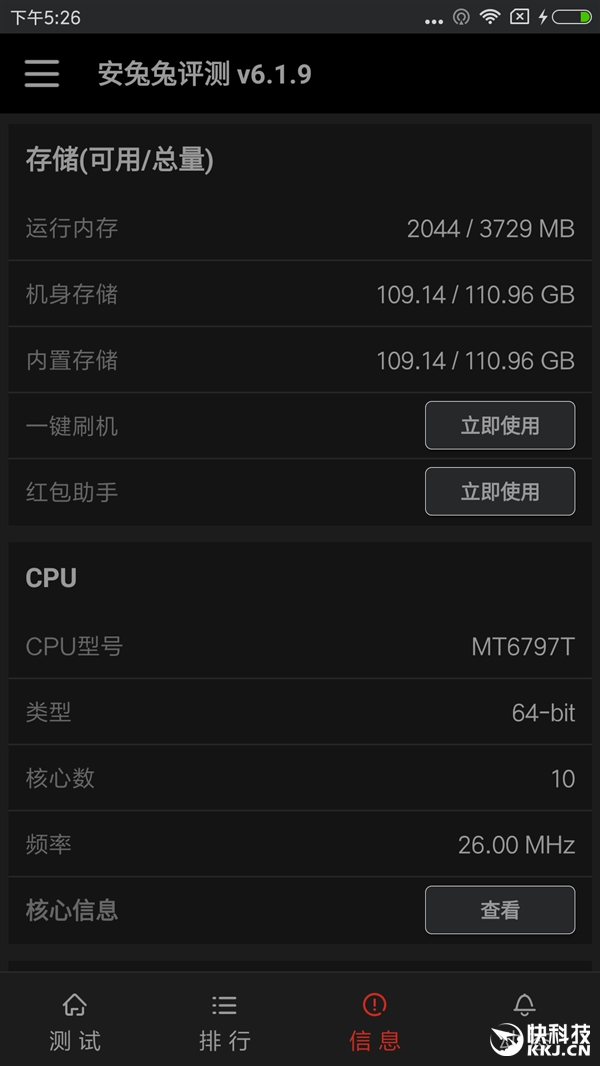
Xiaomi released the much hyped Redmi Pro flagship yesterday boasting of great specs especially the 13MP+5MP dual rear cameras featured on the device. The phone also features other specs like a 5.5-inch 1080p AMOLED display screen, a deca-core Helio X25 processor on the top-end model as well as Helio X20 chipset on the base models. Other specs include 3GB and 4GB RAM options, 32GB, 64GB and 128GB built-in storage models and a whopping 4050mAh battery.
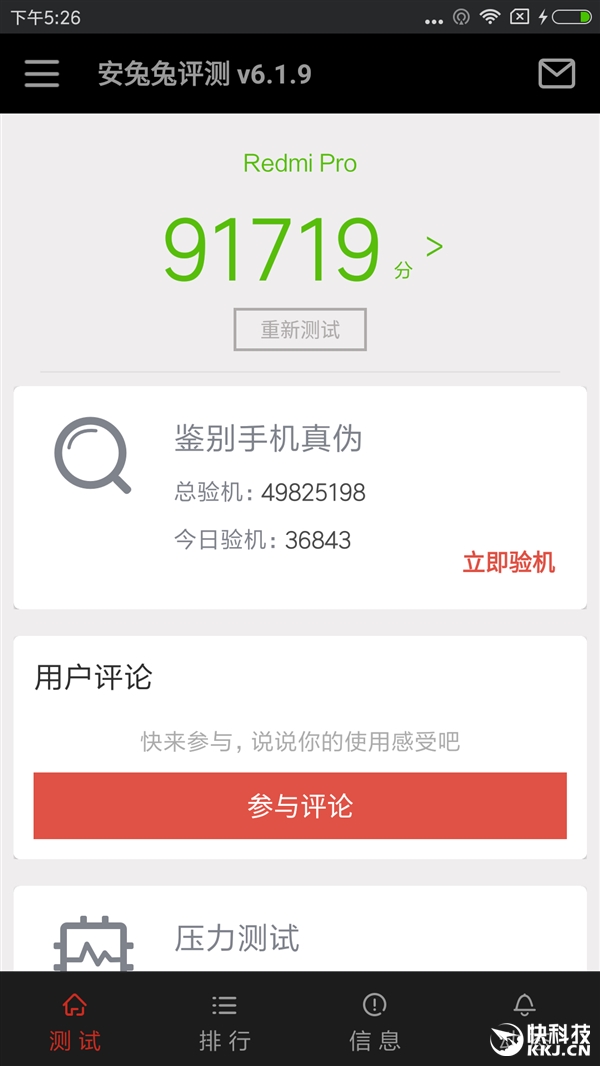
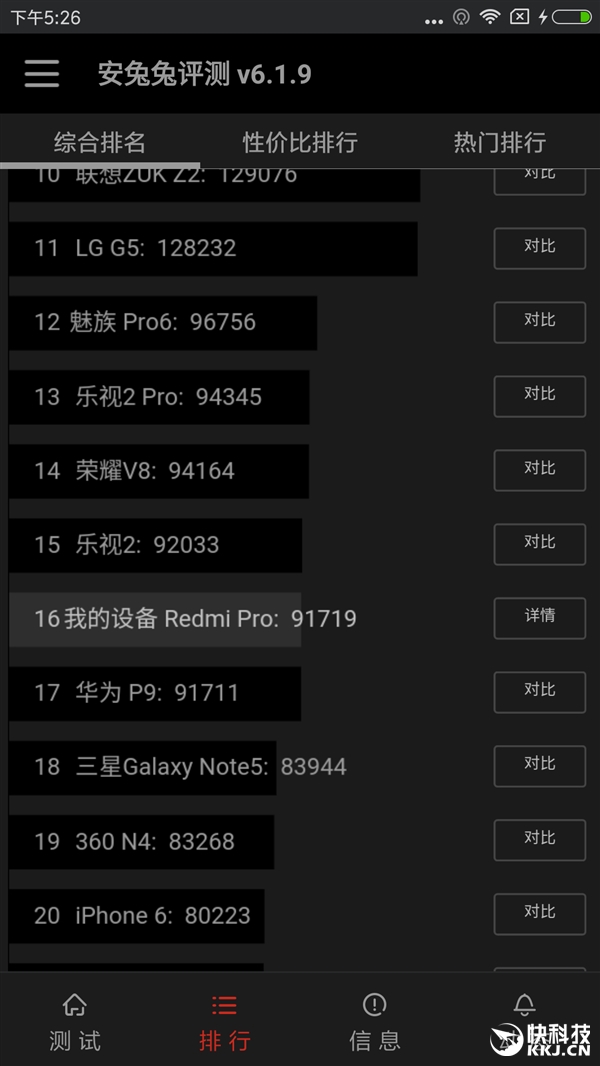
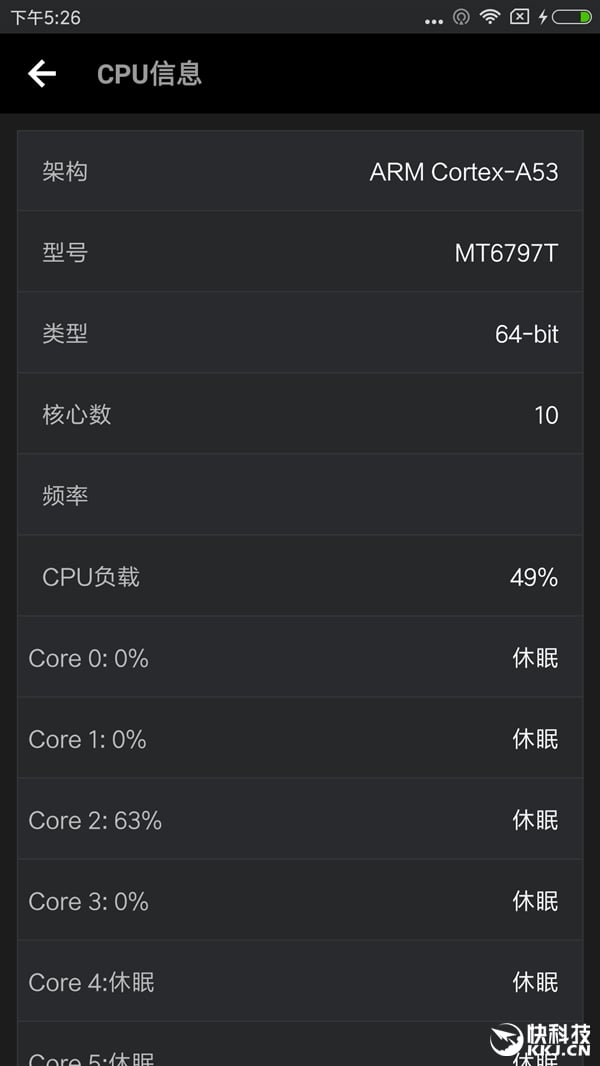
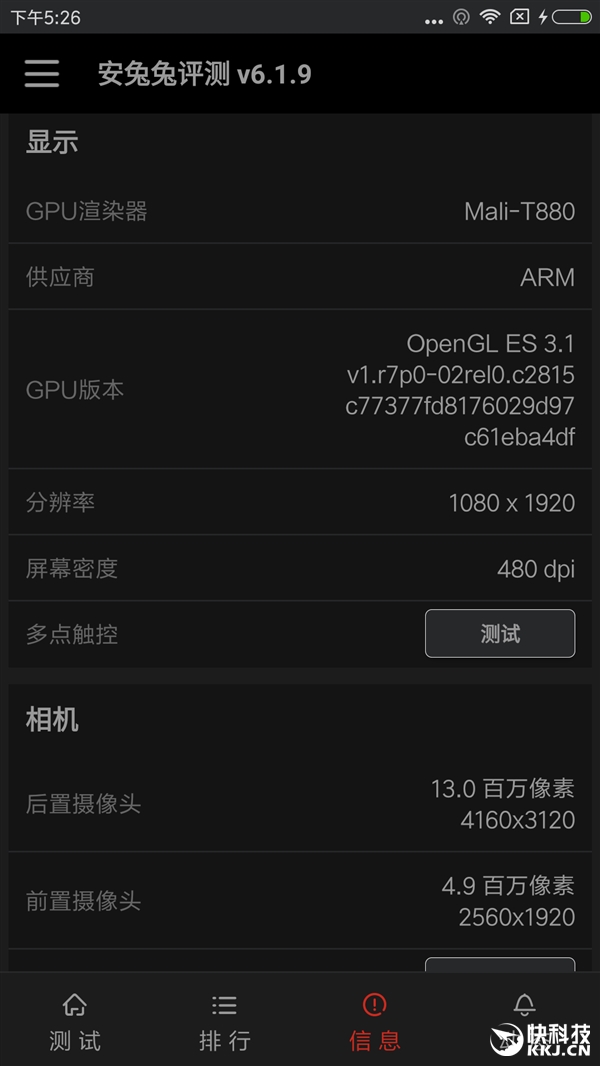
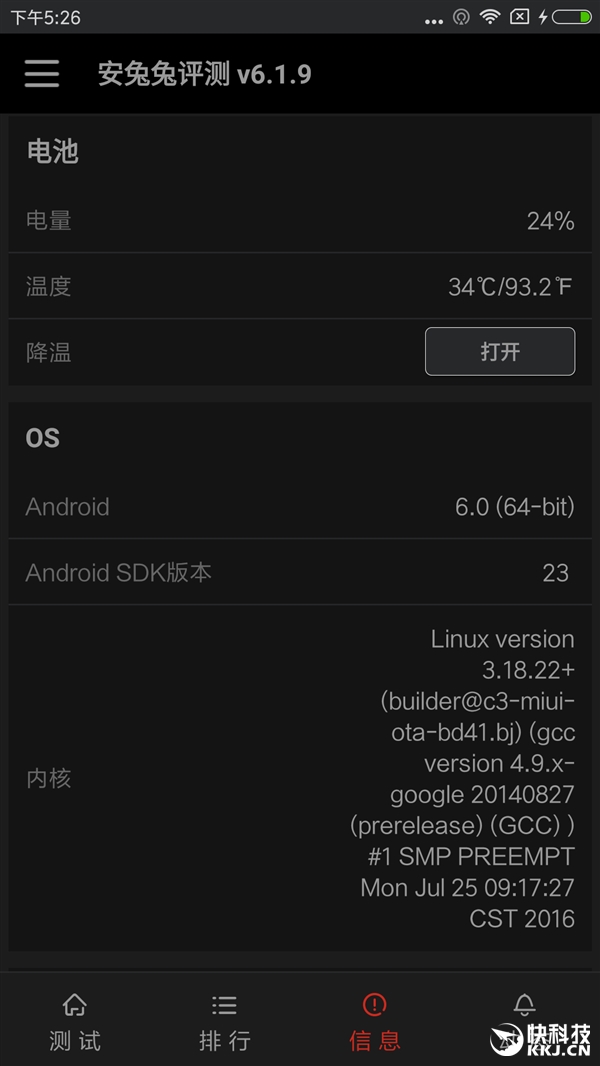
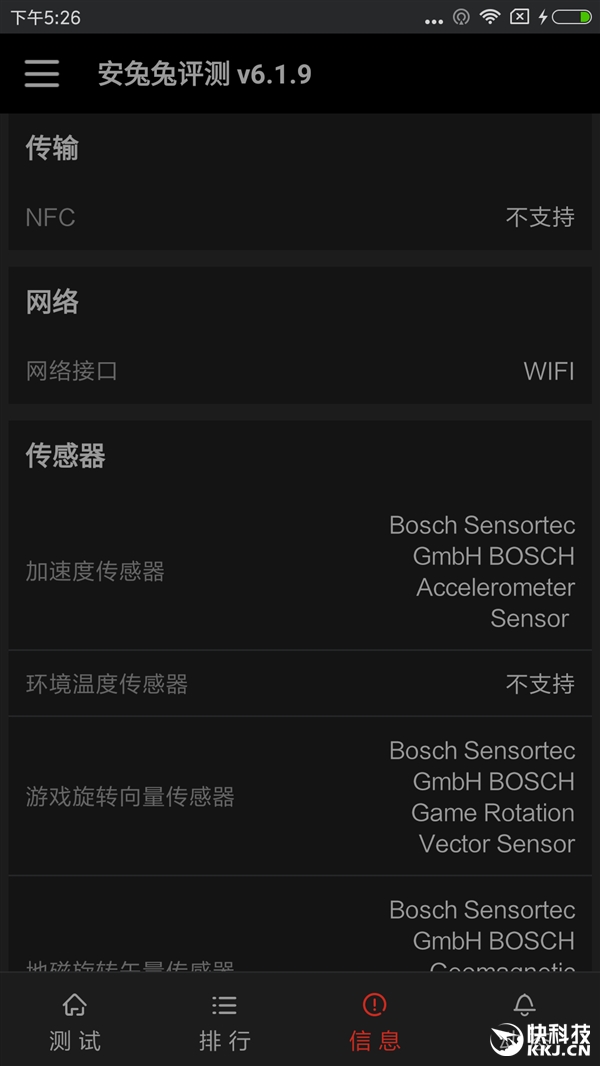
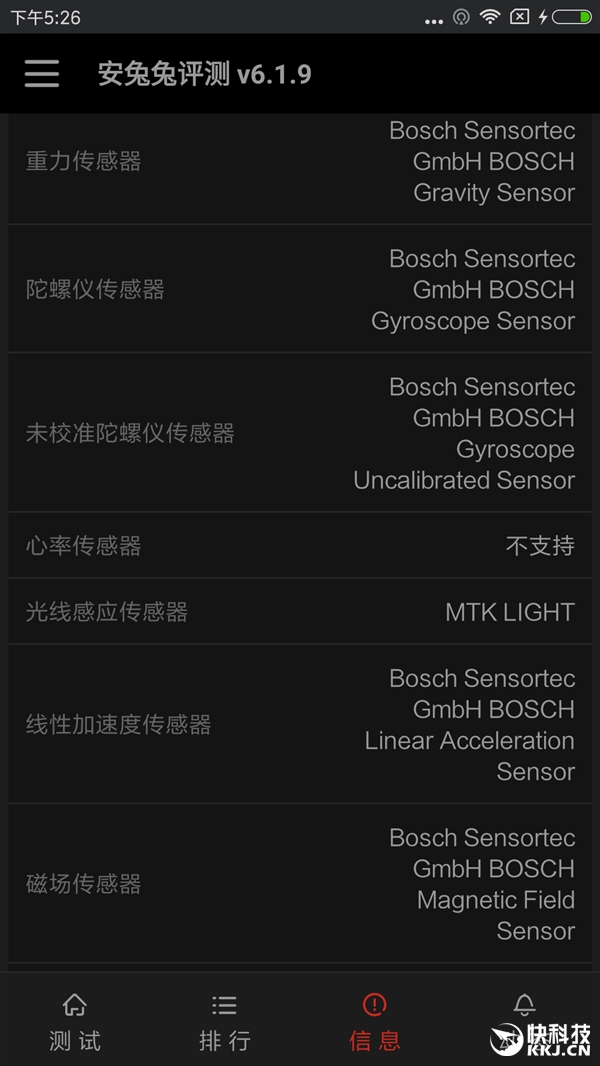
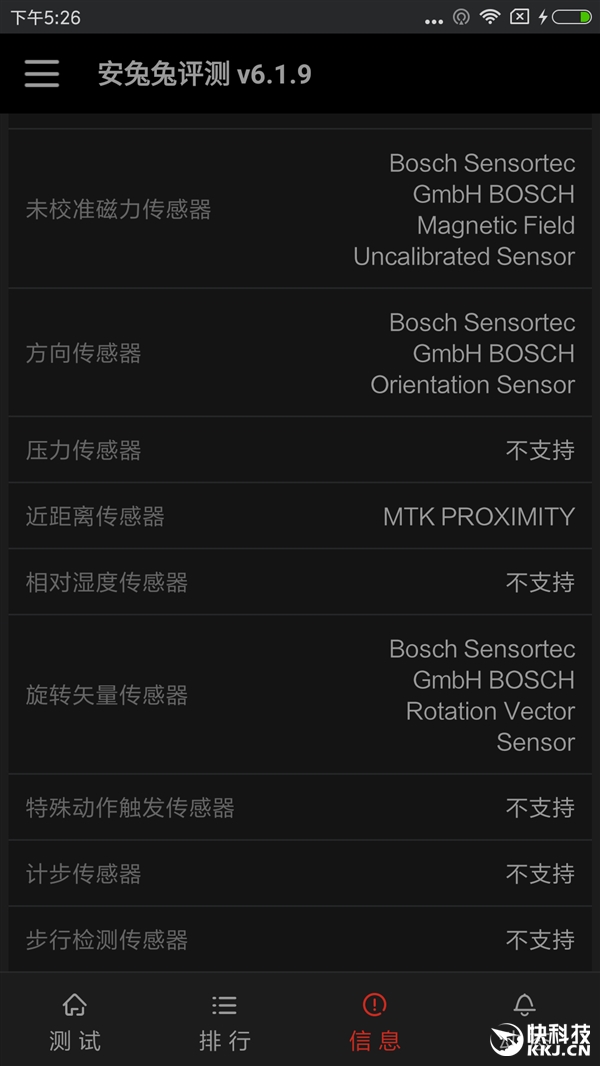
Even with these caliber of specifications, nothing is known before now about the performance of the Redmi Pro but details of the Antutu benchmark performance scores of the top-end version sporting 4GB of RAM + 128GB of internal storage and a Helio X25 processor, have surfaced online. The scores lists the performance of the device in various aspects, posting impressive results.
It is worth mentioning that the Antutu benchmark scores were generated from a Redmi Pro whose battery wasn’t fully charged, thus the results is expected to be better when the battery is fully charged. More details later, meanwhile you can view the entire results below.
When Xiaomi announced its desire to chart the path of offline sales and shipments outside China targeting markets in Europe and the US, some never took the Chinese company serious on that. Xiaomi has no presence in US and little in Europe but officially, its products are not sold in Europe and the United States.
But the Chinese innovative start up known for powerfully built but moderately priced gadgets seem poised to achieve its goals. The two recent releases announced today affirms that Xiaomi is serious about diversifying. The two devices, the Redmi Pro and Mi Notebook Air hold their own, based on the powerful specs they feature.
With a brushed metal body, extra large 4050mAh battery, 13MP dual camera setup, tagging along a price starting at $225 is beyond awesome. But of all the specs the Redmi Pro boasts of, the 13MP dual cameras at the rear should be its most spectacular feature. The high-end Sony IMX258 sensor on the cameras leaves little to the imagination as to the image quality we should expect and sure the cameras haven’t disappointed, that is if the test images we’ve seen purportedly taken by the Xiaomi Redmi Pro’s dual main cameras.
There are two cameras on board the smartphone, a 13MP (Sony) sensor + 5MP depth sensor (Samsung) at the rear with f/2.0 aperture and a 5MP front facing cam. The sensors also packs phase-detection pixels that makes auto-focus faster. Tests have shown repeatedly that large pixels don’t necessarily guarantee quality image outputs, perhaps that is why Xiaomi added a second 5MP camera at the rear with the duo functioning together to capture one image. What the second camera at the rear does is that it captures images simultaneously with the main rear camera and allows you to refocus the image after you’ve captured it. There’s also a slider which allows you to control the amount of blur on the background, so you can achieve a bokeh effect at our image’s background similar to those DLSR are capable of.
The samples from Xiaomi better explains the capabilities of the dual cameras which the Redmi Pro features at its rear. The images captures the attention of any viewer with their crisp, clear, flawlessly sharp focus image amidst blurred background. It would be overly ambitious to suggest that the images are as sharp as those DSLR cameras are capable of, but they are all the same nice. Quite curiously though, there are no images showing how the Redmi Pro would fare in low light conditions. Maybe we’ll see those in coming days but for now enjoy these great shots from the Redmi Pro dual-camera’s shutters.
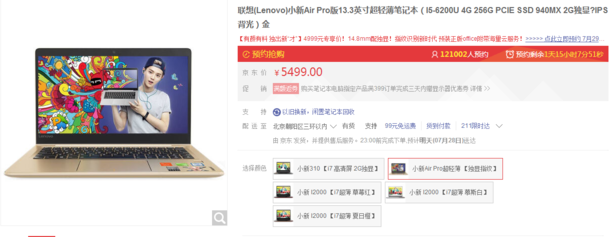
Lenovo has launched its own Notebook laptop dubbed Lenovo Air 13 Pro just hours after Xiaomi unveiled the Mi Notebook Air. The Air 13 Pro sports almost similar specs and carries same 4999 yuan ($750) price tag as the Mi Notebook Air and obviously was released by the Chinese company to take on its fellow counterpart’s first notebook.
The Lenovo Air 13 Pro clutches a 13.3-inch IPS display and is powered by an Intel I5-6200U processor with 4GB of RAM as well as 256GB ROM. The beautiful notebook is light enough to move about with, weighing in at just 1.29kg with a thickness of 1.48cm which is quite similar to that of the Mi Notebook Air.
The Notebook laptop also features 2GB NVIDIA GT940MX graphics card and Lenovo included a new fingerprint recognition feature, something missing in the Mi Notebook Pro.
The Lenovo Air 13 Pro laptop is already available for pre-sale registration from online mall Jingdong in China and price starts at 4999 yuan ($750). The price tag will take a slight upward notch to 5499 yuan ($825) after the pre-sale.
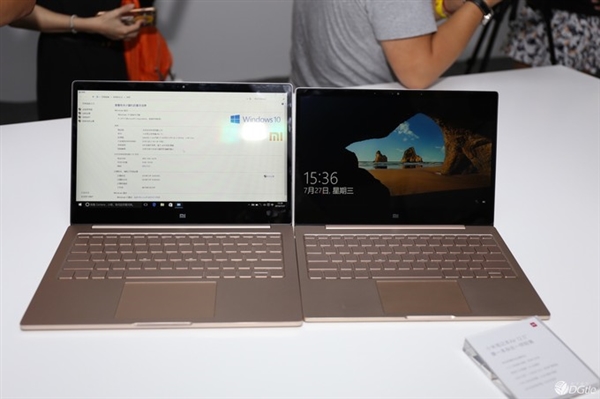
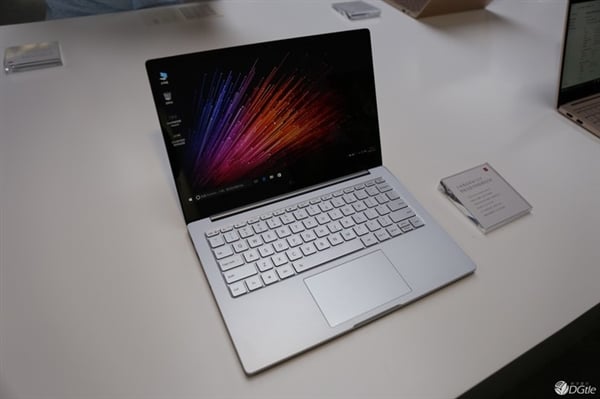
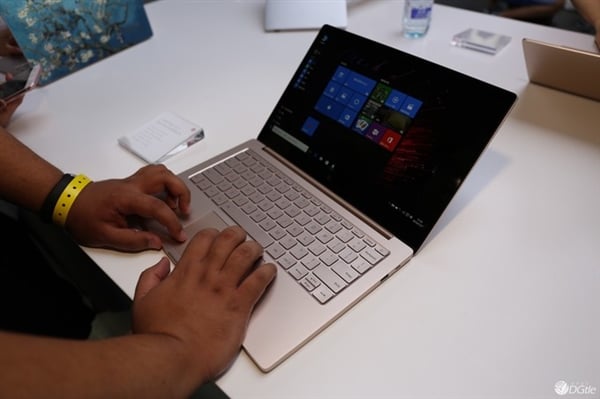
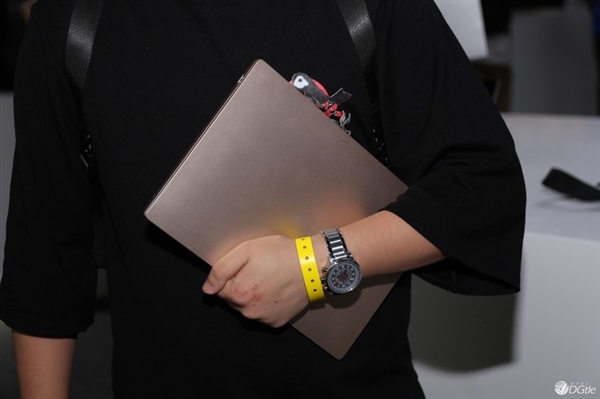
It is official. Xiaomi is now a PC maker and for their first outing, they have not done badly at all. There are already real life images of the Mi Notebook Air online and we have some we want to examine as well.
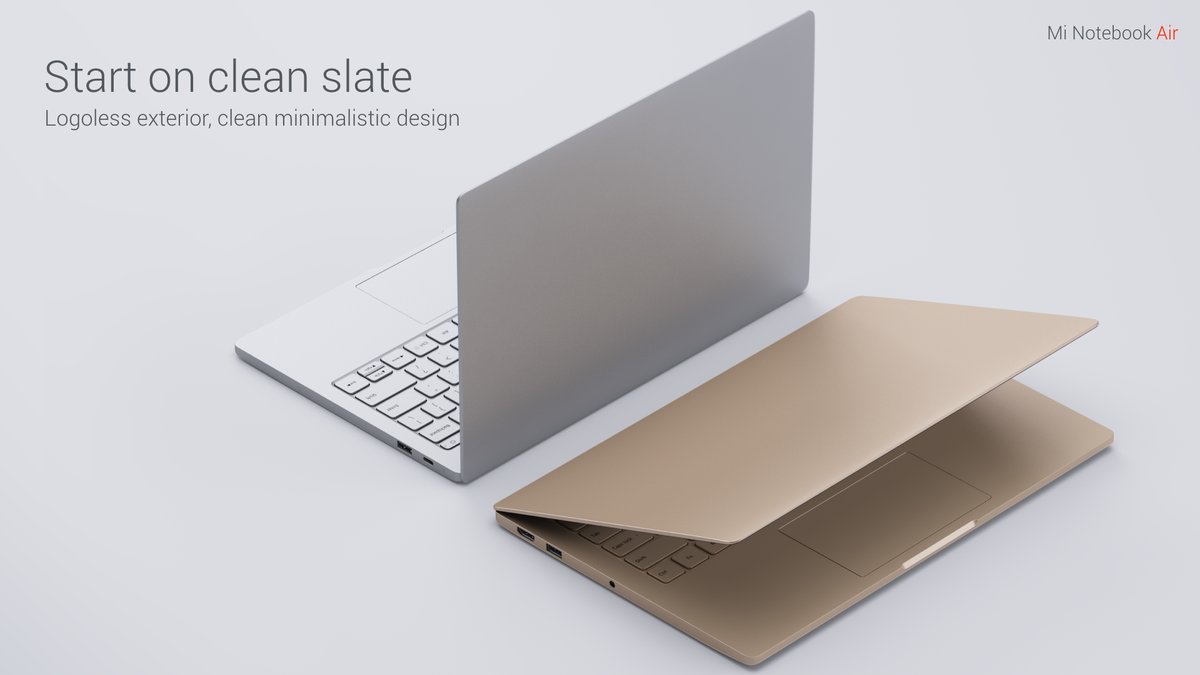
Xiaomi announced two versions of the Mi Notebook Air today, the 12.5” version and the 13.3” version. The first image shows them side by side in their all-metal glory with the difference in size clearly visible.
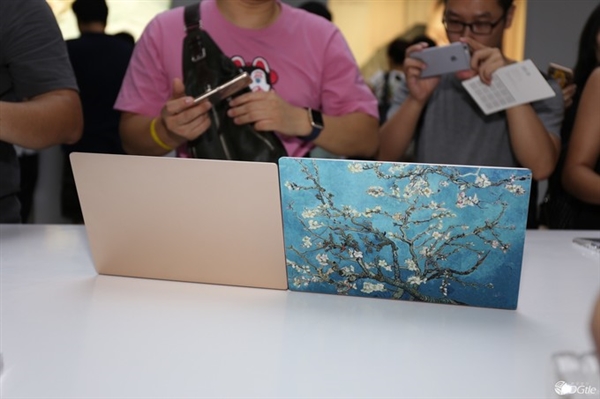
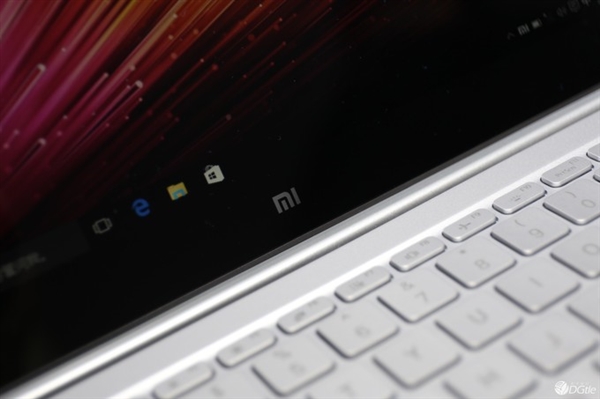
Surprisingly, none of the notebooks has a Xiaomi logo on the back of the screen. So if you are going to purchase one of these laptops be prepared to answer the question of who made this PC multiple times. There is however a small Mi logo below the screen when you flip it open so that might ease things a bit.
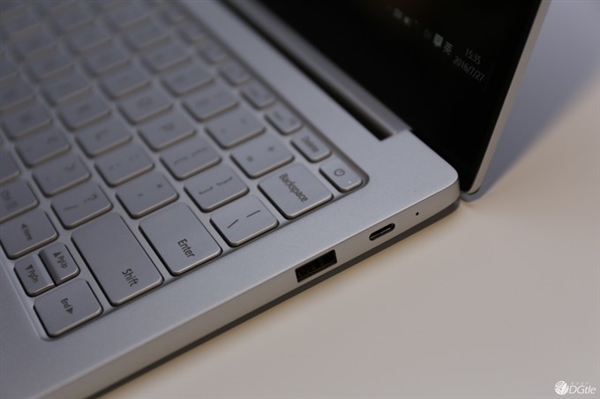
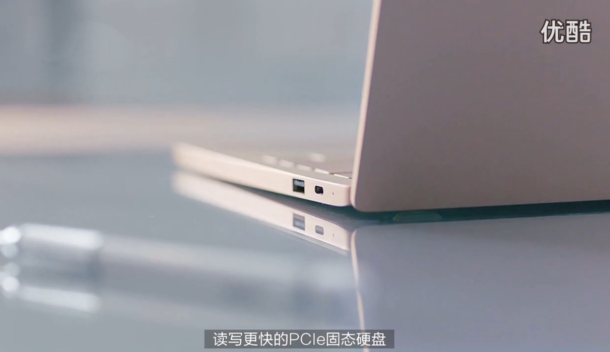
The notebook features a HDMI port, a USB 3.0 port and a 3.5mm jack on the left side. The right hand side has an extra USB 3.0 port beside the USB Type-C charging port and charging LED indicator.
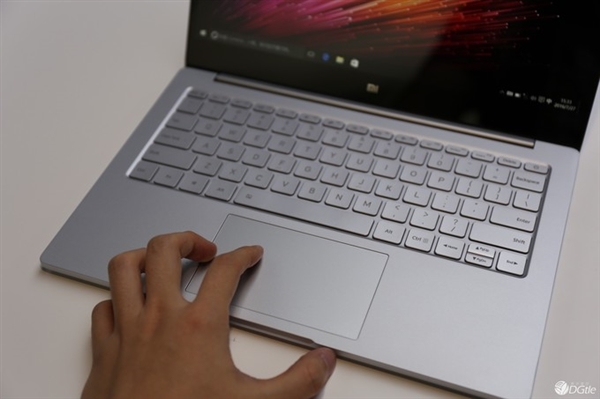
If you look closely,you will notice the power button has been included as part of the keyboard just above the backspace key. Macbook Pro owners will sure recognise this.
There are also images of the PCs sporting vinyl stickers (if you are into that sort of thing). The idea is to make your PC stand out from the crowd. We do not know if Xiaomi will be selling their own official stickers or they will be offering it for free with each purchase but we are sure there will be a variety of stickers from other manufacturers in case you don’t like the ones the company is offering.
Today is a big day for Xiaomi and their fans. The company is launching their first PC, the much awaited Mi Notebook and their first dual-camera phone, the Redmi Pro. Our focus is however on the Redmi Pro.
We have got a bunch of official photos which we want you to feast your eyes on and dissect with us.
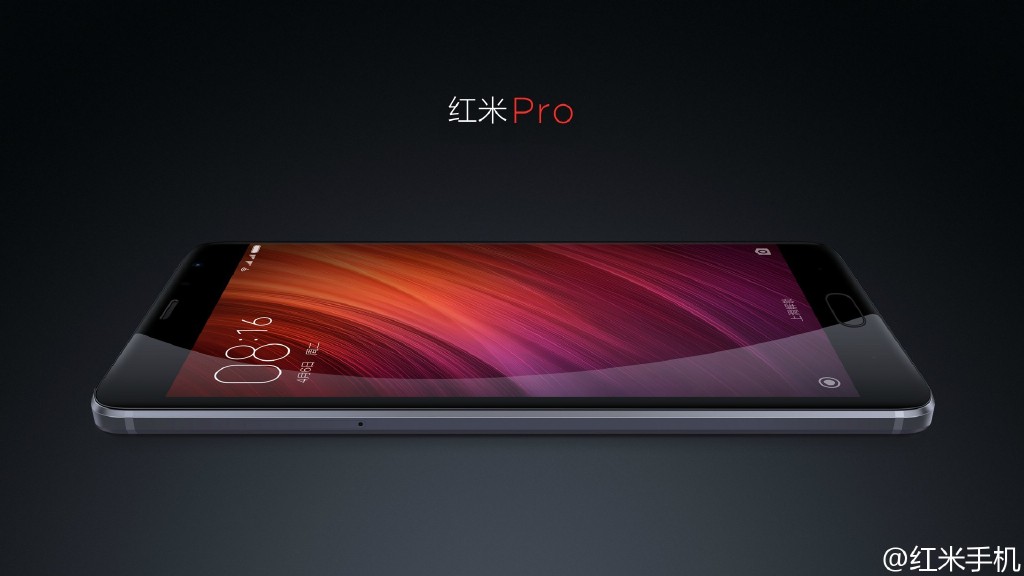
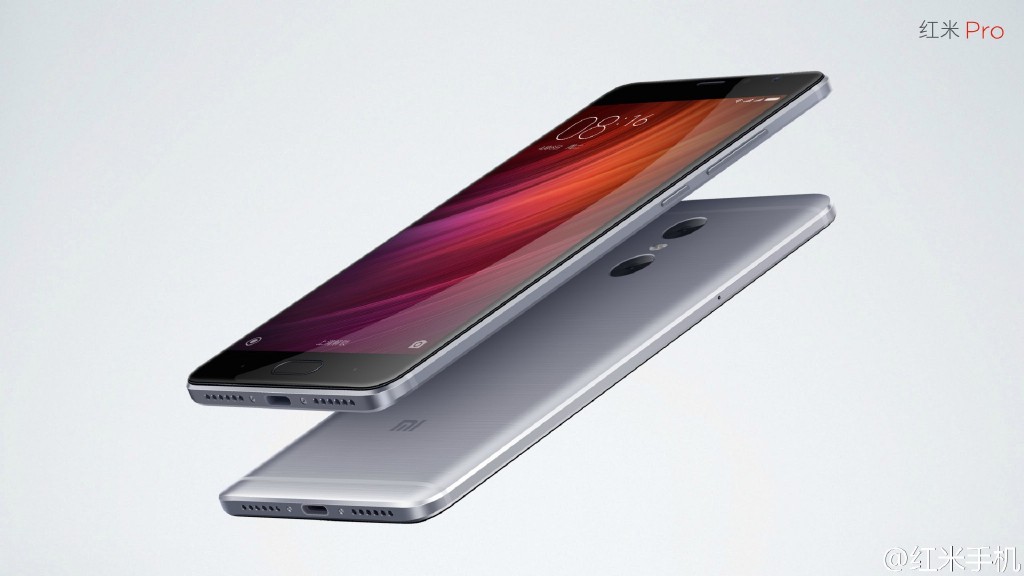
The Redmi Pro is all shades of gorgeous. It appears to be narrower and taller than the Redmi Note 3, looking more like the HTC 10. Xiaomi has removed the speaker from the back and put it at the base flanking the USB Type-C port (this is new for the redmi series) on both sides. The button placements are the same though: volume rocker at the top and the power button below so your hand can easily reach it.
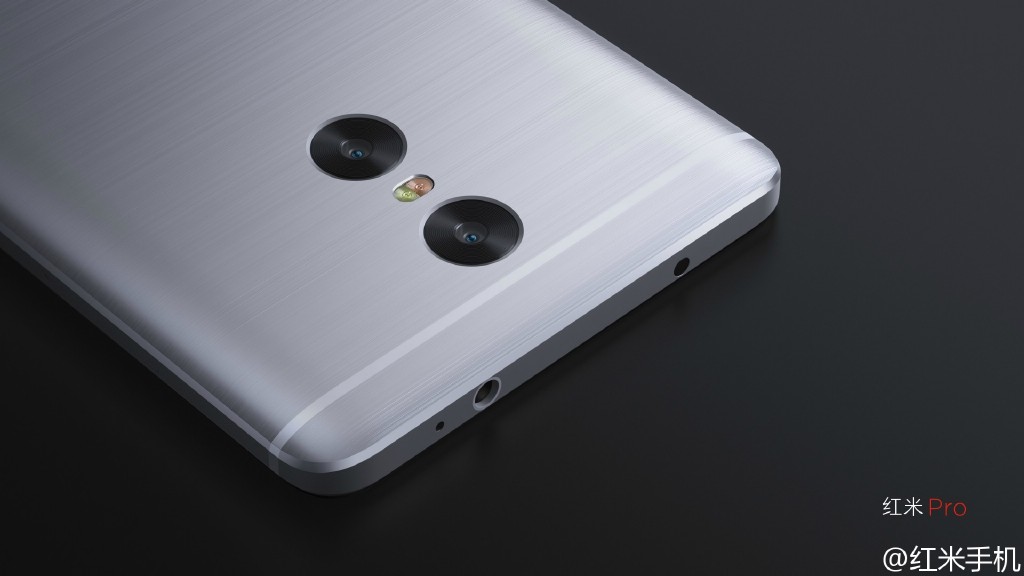
The top part of the Redmi Pro still features a 3.5mm audio jack, a noise-cancelling microphone and an IR blaster.
It’s been more than a year since we first reported about a possible Xiaomi Notebook. At that time, it seemed impossible that a startup company could extend its reach to the laptop market. But nearly 1.5 years later, the Xiaomi Mi Notebook Air (known as Xiaomi MiBook Air in China) is official and it’s just as good as we all imagined.
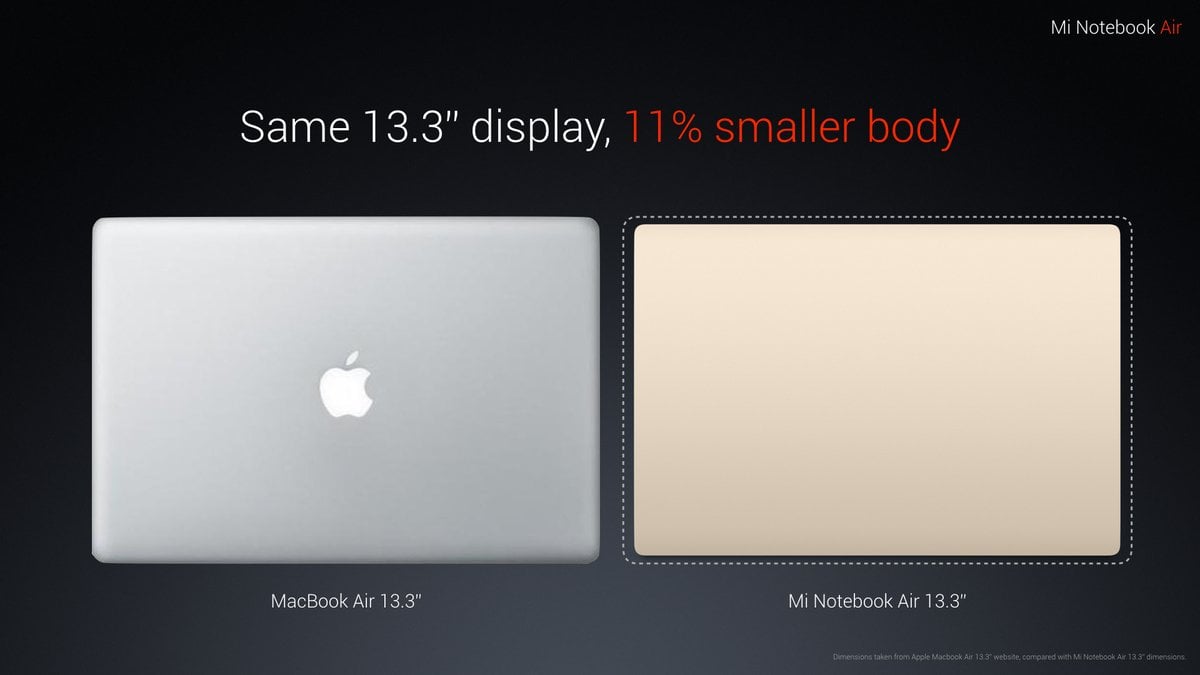
The Xiaomi Mi Notebook Air will come in two versions, and just as we reported earlier, the smaller one will feature a 12.5-inch display while the larger model comes with a 13.3-inch display. Both are covered with 7H hard glass. We had repeatedly said that the Xiaomi Notebook will directly rival the premium Apple Macbook range and guess what, during the reveal today, the company made sure it highlighted the fact that the new Xiaomi Notebook is going to best the Macbook in terms of design.
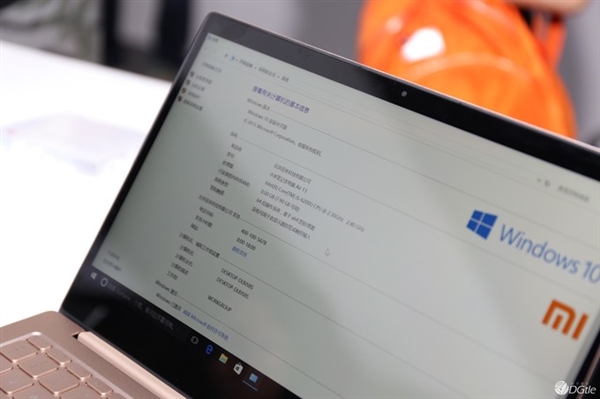
Well, first of all, the Xiaomi Notebook is not its official name. The two laptop versions are called the Xiaomi Mi Notebook Air 12.5-inch and the Xiaomi Mi Notebook Air 13.3-inch. So, from now onwards, we will be using this official name for mentioning these two models. Note that both are running on Windows 10 OS.
UPDATE: Seems like internationally, Xiaomi is calling this the Mi Notebook Air. So, if you hear either the Mibook Air or Mi Notebook Air, both mean the same thing.
Xiaomi MiBook Air 12.5-inch
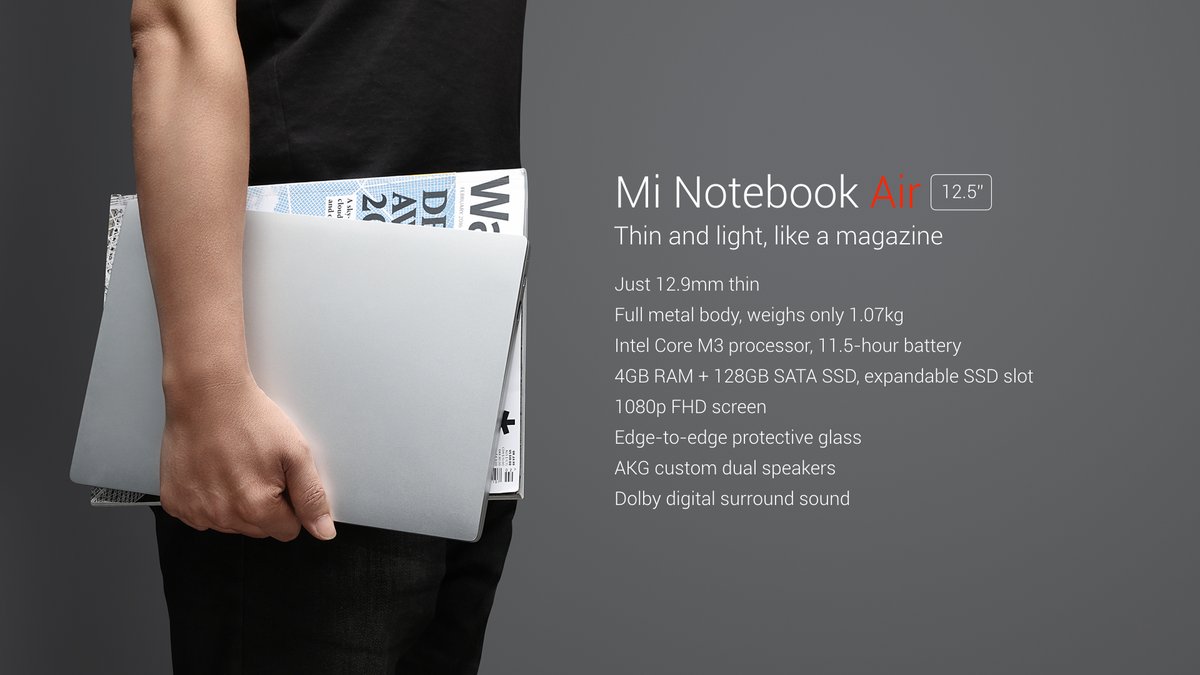
Ok, let’s start with the Xiaomi Mi Notebook Air 12.5-inch. This will be the thinnest Xiaomi laptop in the range and beats the Macbook Air in terms of its thickness as well as weight. The new laptop is just 12.9mm thick at its thickest point and all metal body weighs just 1.07 grams. The company has repeatedly said that the form factor is just like a magazine — thin and compact enough to get into your everyday bag.
Inside, this particular model comes with the Core M3 processor with 4GB RAM and 128GB of internal storage. And guess what, you can expand the storage in this model. It comes with USB 3.0, 3.5mm headphone jack and USB Type-C for connectivity ports.
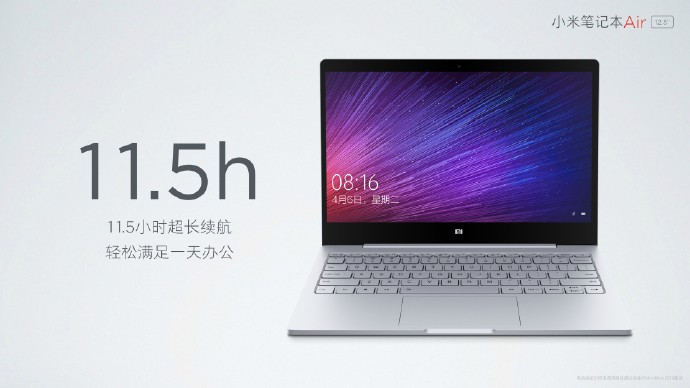
What’s more, Xiaomi has made sure that in this super thin body, there’s a large battery. The Xiaomi Mi Notebook Air reportedly features an amazing battery life of 11.5 hours. That’s nearly the same life that you get from Apple’s Macbook Air! While the battery life would differ according to your usage, it is easily enough to work for almost an entire day. Other features of the Xiaomi Mi Notebook Air 12.5-inch are AKG custom speakers, and DU surround sound.
This particular model is priced at 3499 Yuan ($525) and will go on sale on August 2.
Xiaomi Mi NoteBook Air 13.3-inch
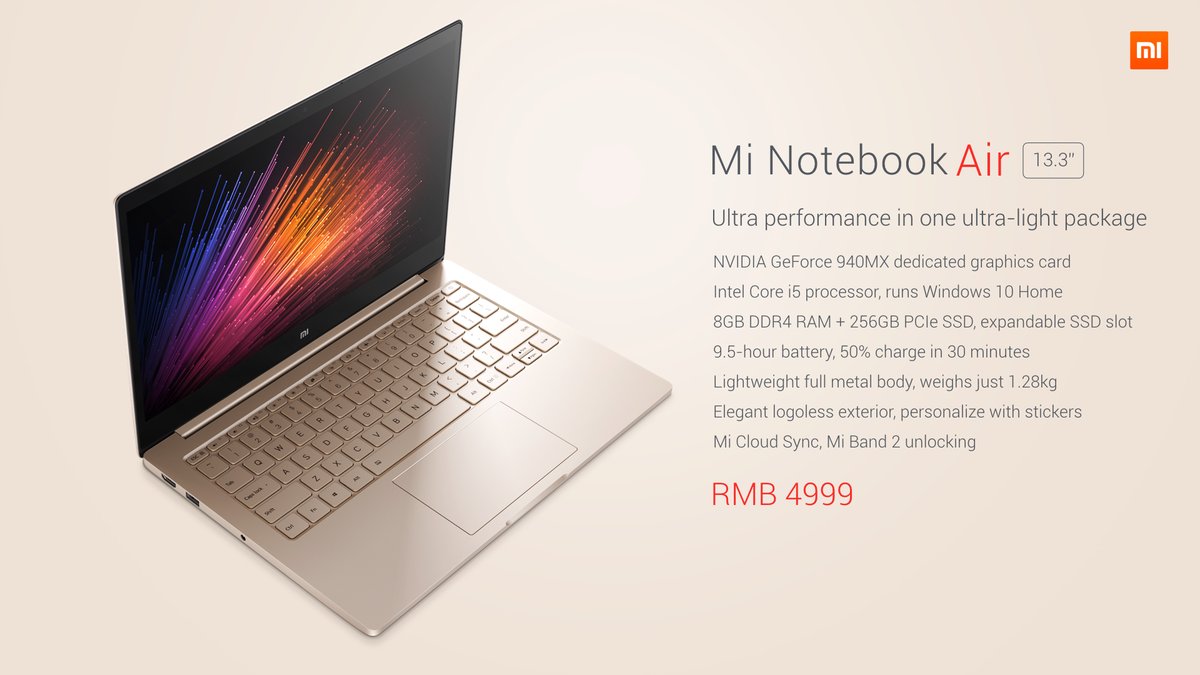
The second model in the company’s laptop range is the Xiaomi Mi Notebook Air 13.3-inch. This particular model is targeted at those who want something larger and much more powerful than the 12.5-inch version. And the company has made sure that the specs inside this device are good enough for your gaming needs! Well, I am sure, there is at least one reader on our blog who would be happy to see that this beast comes with the NVIDIA GTX 940MX 1GB GDDR5 dedicated graphics card on board. There will be the sixth generation Core-i5 processor with a maximum clock speed of 2.7GHz, 8GB LPDDR4 RAM, 256GB PCI-e SSD with the possibility of further storage expansion.
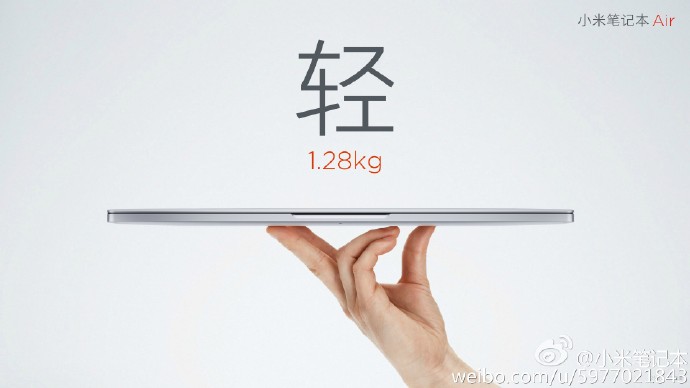
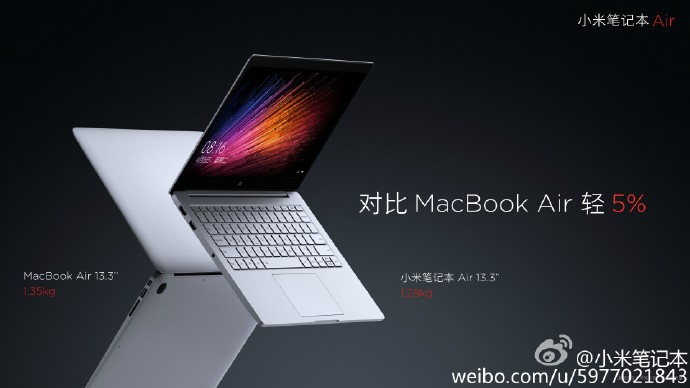
Coming to the screen, the Xiaomi Mibook Air 13.3-inch comes with a 1080p anti-glare display. The screen accounts for 80.1%, better than the Macbook. It’s slightly thicker than the 12.5-inch model with a thickness of 14.8mm at the thickest part. Plus, it weighs just 1.28 kgs.
This model boasts of 9.5 hours of battery life on a single charge, and with the provided fast charger, you can get up to 50% of charge in around half an hour. You get USB Type-C, USB 3.0, HDMI and 3.5mm headphone jack for connectivity ports. Other features include AKG Custom dual speakers and Dolby surround sound support.
It’s definitely one of the best laptops in the market right now, especially because you can get it for just 4999 Yuan ($750).
Goes on sale from August 2!
So, what do you think about the two new Xiaomi Mi Notebook Air laptops? Impressed?
After months of leaks, rumors and teasers, Xiaomi has officially unveiled the Xiaomi Redmi Pro flagship. Like the name suggests, this will be the most powerful Redmi device from the company till date, featuring top-end specs that will rival existing flagship smartphones in the market. The Redmi Pro, like expected, comes with dual cameras at the back, a first for Xiaomi and hopefully something that will continue in upcoming devices.
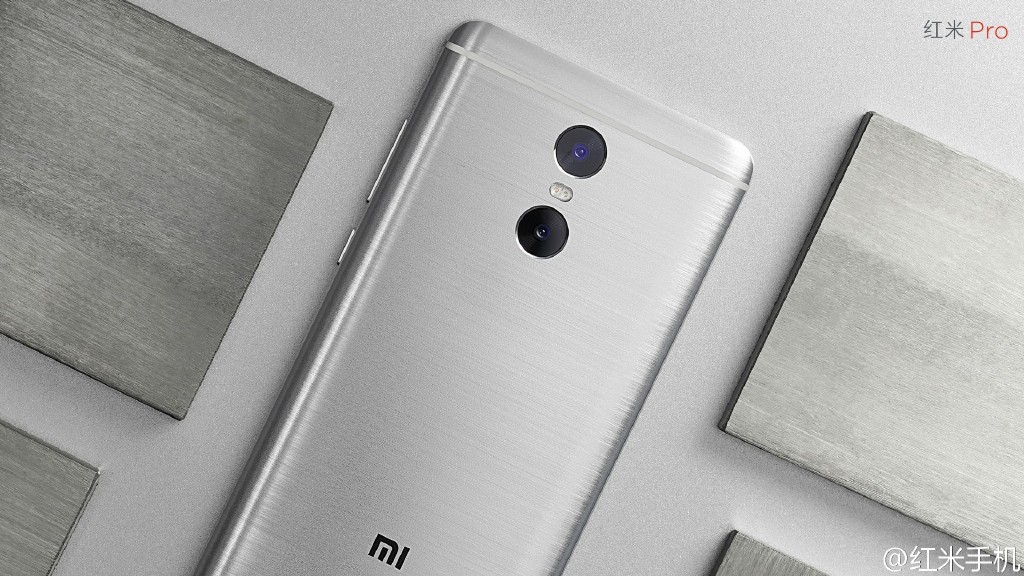
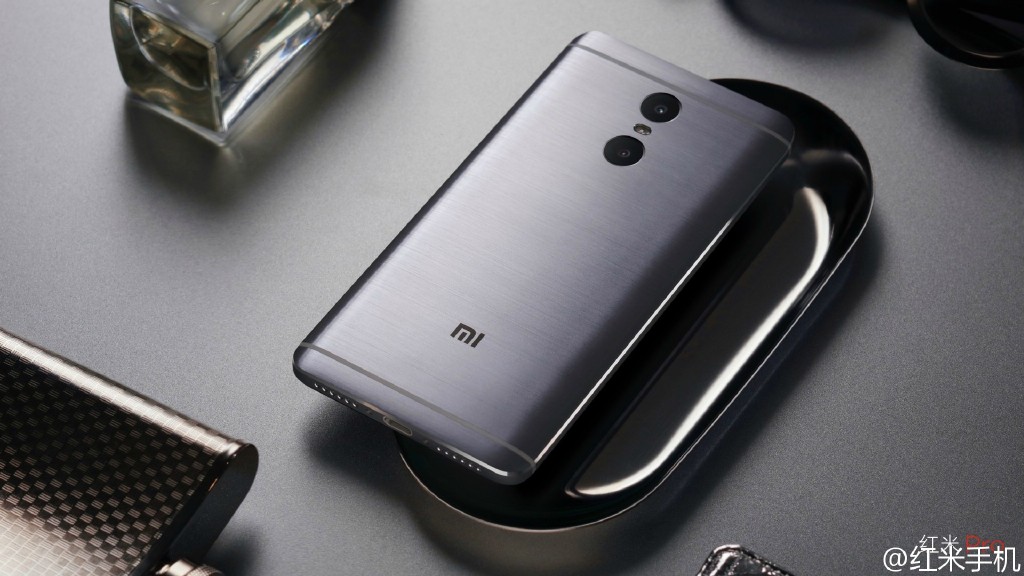
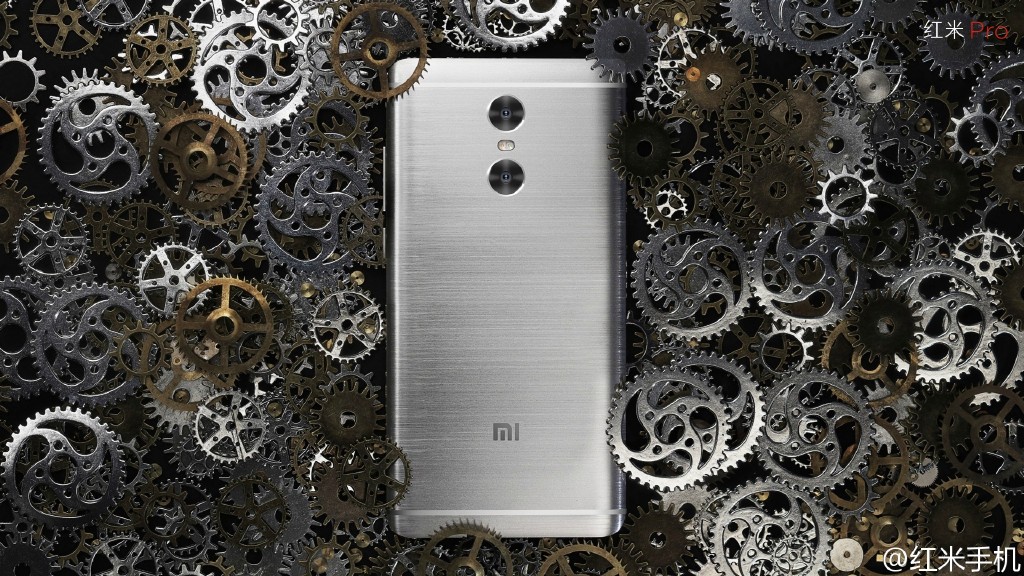
Like we saw in the leaked images, the Redmi Pro will come with an all metal body with CNC diamond cut and brushed metal finish with gloss anodizing process. This will ensure that the phone looks like a true flagship, featuring premium and refined design. You get USB Type-C port as well as 3.5mm headphone jack on the device, along with a 5.5-inch display and 2.5D glass up front. The fingerprint sensor is located on the front of the phone, embedded into the home button. As for the measurements, they are as follows: 151.5 x 76 x 8.15mm. Considering the phone features a large 4050mAh battery, this is pretty good.
Now, coming to the most important part i.e. the specs. As we saw in the TENAA listing a couple of hours back, the Xiaomi Redmi Pro will come in three variants. The low-end version runs on the deca-core Helio X20 with 3GB RAM and 32GB of internal storage. Then there are two Helio X25 powered models that come in the following variants: 3GB RAM + 64GB ROM and 4GB RAM + 128GB ROM.
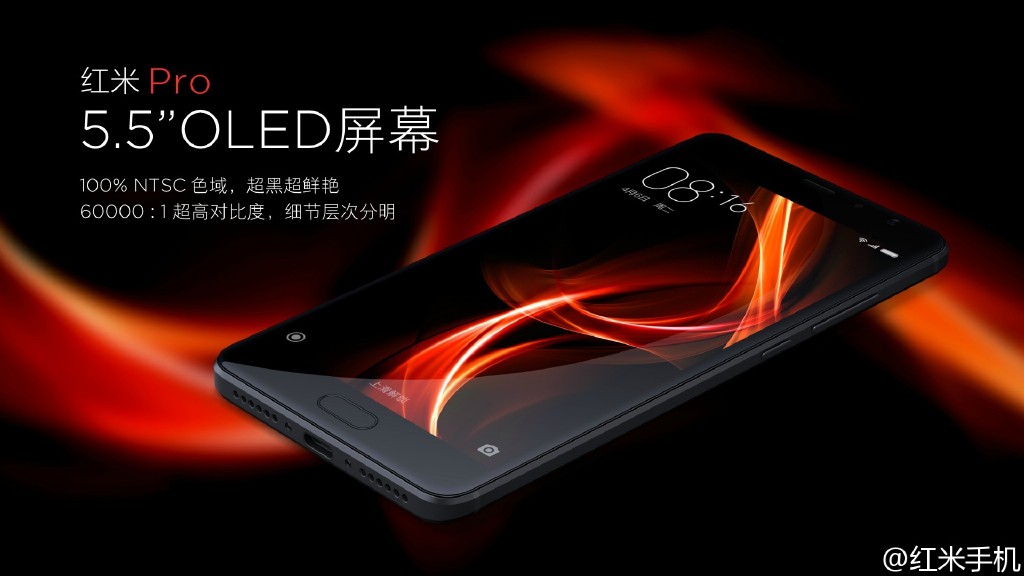
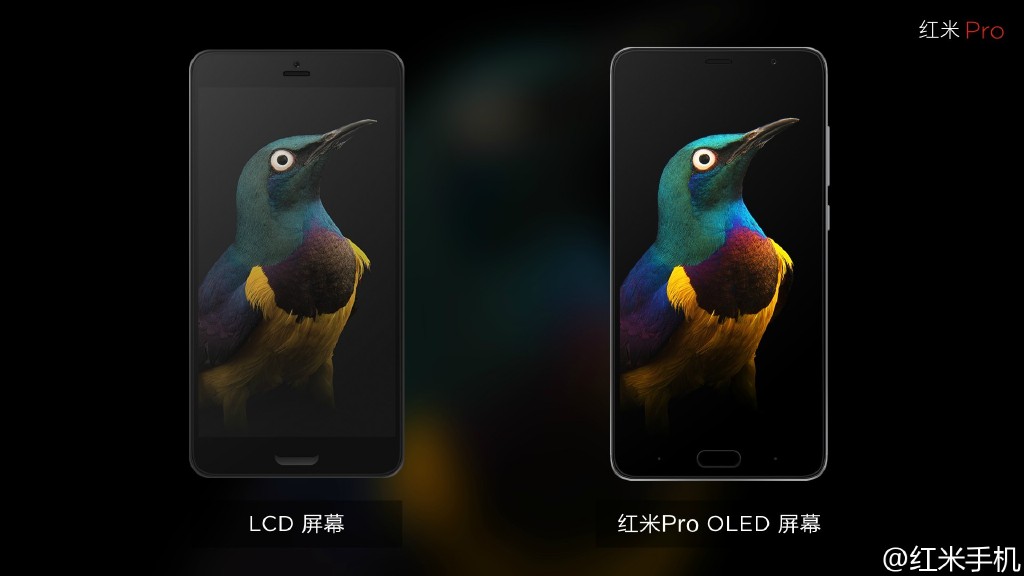
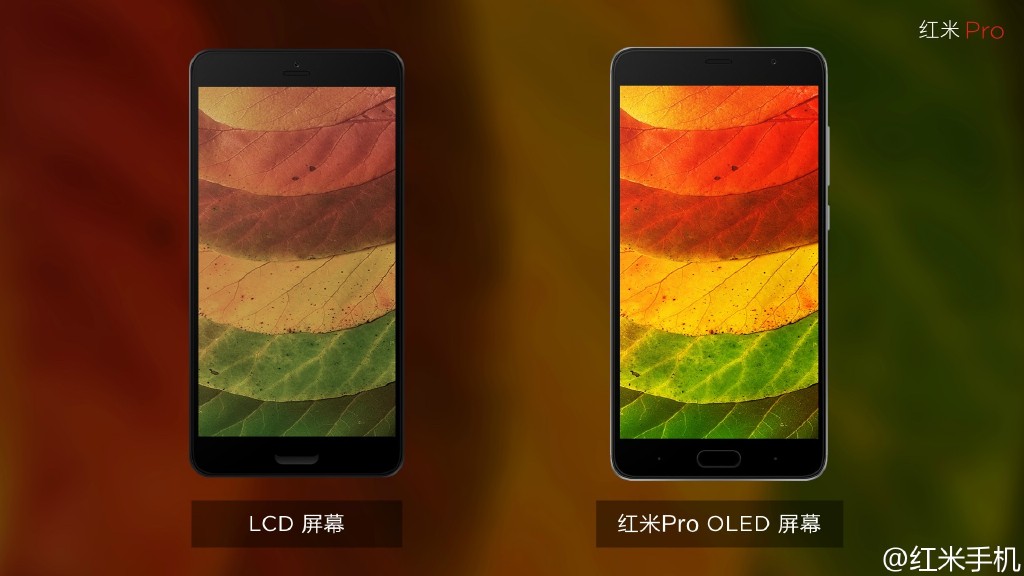
For the first time, Xiaomi has used an OLED panel on the device and the company claims its way better than the traditional LCD panels. The phone is using a 5.5-inch FHD OLED panel. It boasts of 100% NTSC color gamut. The company has also released a couple of images to compare the difference between the two technologies.
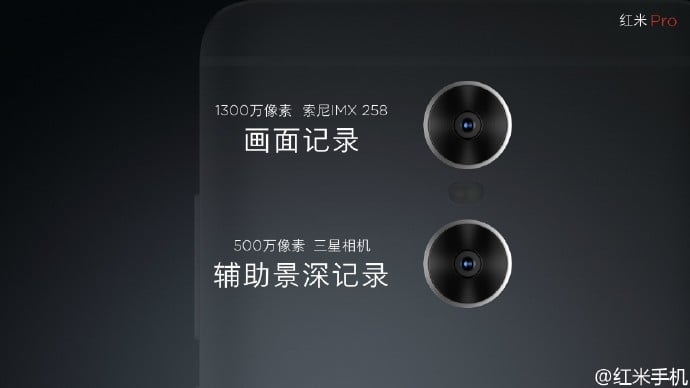
Now, moving on to the camera department, the Redmi Pro comes with dual cameras at the back. The primary camera will be a 13MP Sony IMX258 sensor and the secondary sensor will be a 5MP Samsung one. The aperture value ranges from f/.095 to f/5.6. The company claims that the use of dual camera setup helps the phone take real time hardware level bokeh images. The resulting images are said to be comparable to the ones taken from a DSLR camera. The presence of the ImagiQ Pro chip also helps to improve this function. Further, you can reportedly adjust the focus after the image is captured.
Up front, the phone comes with 85-degree wide-angle 5MP sensor.
As for the battery, its large and will easily last you a couple of days. You get a 4050mAh battery inside, like the other Redmi models in the lineup, which will make sure that battery life isn’t going to be an issue on this particular phone. There are other standard connectivity features such as VoLTE, Wi-Fi, Bluetooth, 4G+ etc.
The Xiaomi Redmi Pro goes on sale on August 6, both offline and online. The base variant with Helio X20 + 3GB RAM + 32GB storage starts at 1499 Yuan ($224). The Helio X25 model with 3GB + 64GB will retail at 1699 Yuan ($254) while the Helio X25 + 4GB + 128GB model will retail at 1999 Yuan ($300).
The top end model enters the territory of Snapdragon 820 flagships like Mi5 and ZUK Z2! So, we hope that the new Redmi Pro comes with an amazing camera!
Xiaomi is all set to announce the Xiaomi Notebook at today’s conference. While the device is yet to be officially unveiled, a promo video has revealed a lot of things about the upcoming laptop, including its looks, size and some features.
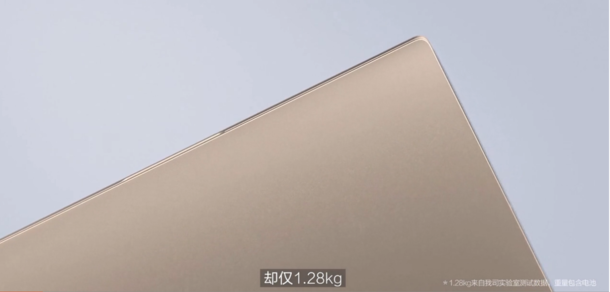
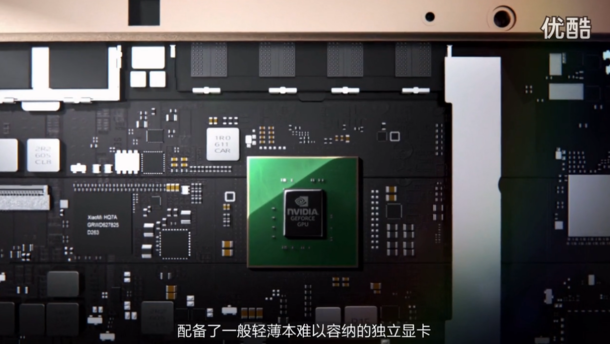
First of all, the Xiaomi Notebook will come with a 13.3-inch display with a lightweight metal body. How light you ask? Well, according to the promo video, the laptop is going to weigh just 1.28 kg. Further, the device comes with an inbuilt NVIDIA graphics card to make sure that you can play some high-end games on the device.
Other features that were revealed by this leak is the presence of LPDD4 RAM, AKG custom speakers, Dolby surround sound support, 9.5 hour battery life, USB Type-C port and thin design.
There are a lot of things revealed in the video, including the fact that the laptop comes in GOLD! Another interesting thing is that the laptop is called as the Mi Laptop Air in the video.
Well, we will soon hear all the official details including the official name of the Mi laptop in the next couple of hours. So stay tuned to Gizmochina for latest updates.
Meanwhile, check out the promo video from down below and let us know what you think.
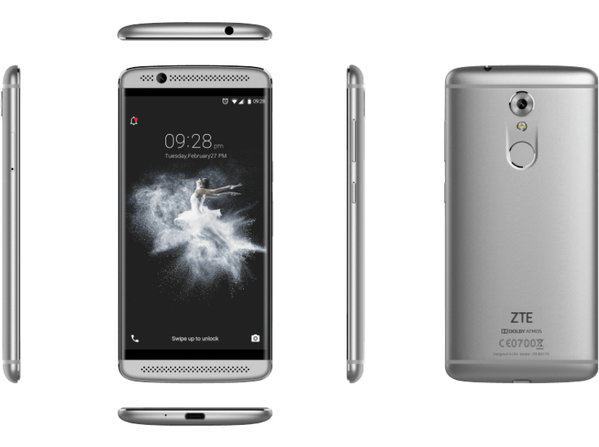
The specifications of what may be ZTE’s toned down version of the Axon 7 has been leaked online. The phone, said to be named Axon 7 Mini, looks like a miniature version of the Axon 7 flagship device which was announced on May 26 in China and became available in Europe about a month later.
Axon 7 Mini
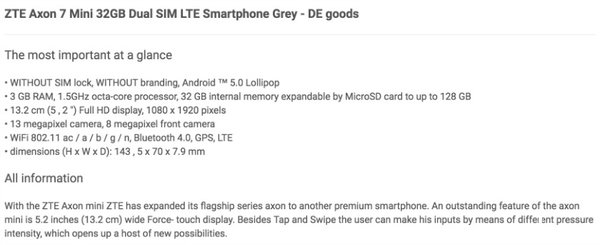
The leaked specification is also noticeably similar to the Axon Mini which was released last year with Force touch display.The ZTE Axon Mini featured a 5.2-inch 1080p Full HD OLED display with Pressure Screen technology, a Qualcomm Snapdragon 615 1.5GHz octa-core processor, 3GB of RAM, 16GB of internal storage, a 2800mAh battery, a 13-megapixel rear camera, an 8-megapixel front-facing camera, and boots Android 5.1 Lollipop.
ZTE Axon Mini specs
Quite surprisingly, according to the leaked features, the Axon 7 Mini packs a 1.5GHz Snapdragon 617 processor and that happens to be the only thing differentiating it from the Axon Mini. The Axon 7 Mini is rumored to also sport a 5.2-inch 1080p display with 3GB of RAM and 32GB of built-in storage which is expandable up to 128GB. Going on, the Axon 7 Mini is said to feature a 13MP main camera at the back, and an 8MP front-facing camera, NFC support, dual-SIM and dual standby.
Presently, the Axon Mini sells for 999 yuan ($150), so it is not clear if ZTE would make the price tag on the Axon 7 Mini to be at par with its predecessor or would ramp up the price. But then it’s all still rumors, and even though there might be a mini version of the Axon 7, it may likely sport different specs from the ones leaked.
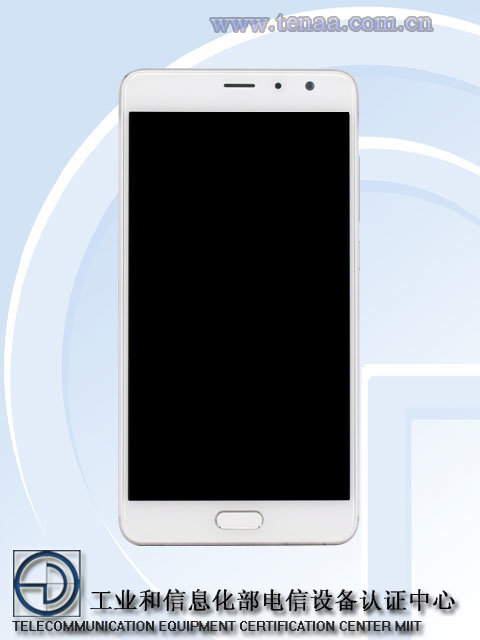
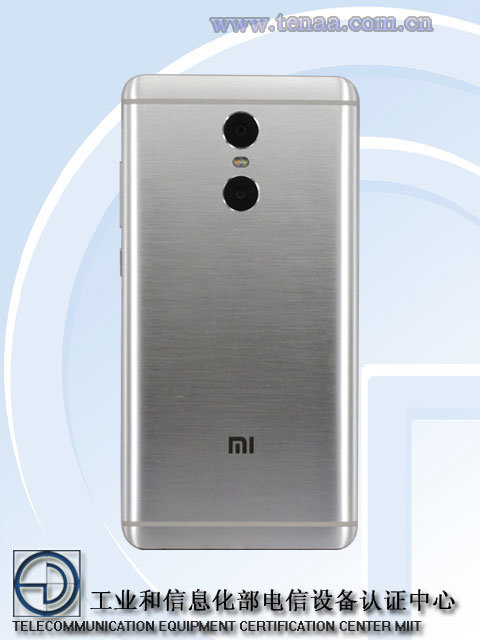
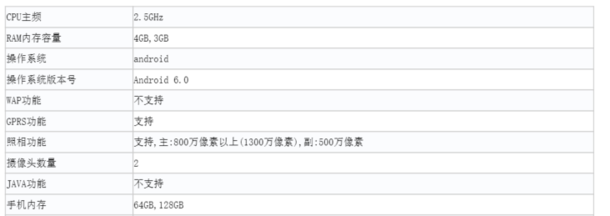
Two models of Xiaomi’s expected Redmi Pro flagship phone has been spotted on China’s telecoms regulatory agency TENAA’s website. The two models which just got certified are noticeably sporting varying features. While one of the models looks like a low end model, the other one packs high-end device features. The difference in both models is in the aspect of the type of processor and memory (both RAM and ROM) sizes they feature.
According to the TENAA document, the low-end / standard version features a 2.0GHz deca-core Helio X20 processor from MediaTek alongside 3GB of RAM and 32GB of ROM. On the other hand, the high-end version sports a faster 2.5GHz deca-core Helio X25 chipset together with a 3GB + 64GB ROM variant and a 4GB + 128GB ROM variant.
In other specifications, both models are listed to feature 13MP dual cameras at the back and 5MP front-facing cameras. The two Redmi Pro models equally sports the same 5.5-inch display with 1080p resolution, feature the same dimensions of 151.5 x 76 x 8.15mm and both cram a 4,000mAh battery under their hoods. Although the display type isn’t stated, Xiaomi had earlier on hinted that the Redmi Pro will be its first phone to feature OLED display.
Obviously, both versions are expected to be unveiled on July 27, and would definitely feature different price tags. The low-end version is likely to get a price tag in the range of 1099 yuan ($165) or even lower.
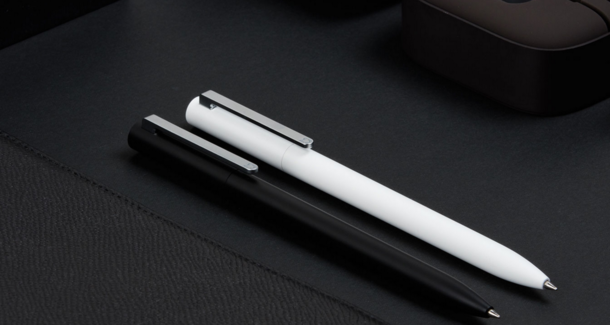
Quite a number of people were surprised yesterday when Xiaomi announced the refillable Mi Pen under its Mijia sub-brand, clutching a price tag of 19 yuan ($2.85). A surprising announcement it was, considering the pen isn’t a smart pen, neither does it have any technological feature.
However, a source inside the Chinese innovative company has come out to quell our curiosity by stating the reason for the surprise release. According to Xiaomi’s software engineer, the Mi Pen is actually the company’s souvenir for the June 27 news conference where the Redmi Pro and Mi Notebook laptop will likely be unveiled along side other devices.
It is the usual practice of Xiaomi to hand out gift bags containing various goodies to individuals who attended its news conferences. The Mi Pen may just be one of the souvenirs in the gift bags which could contain many other surprising products far more than the value of the ticket paid by the fan.
As a recap, the Mi Pen comes in white and black color options and has a diameter of 9.5mm to ensure it offers a comfortable grip while writing. The Swiss PREMEC Refill pen also comes with quick drying Japanese mikuni ink which doesn’t overflow and also features a 120° spin which reveals or hides the pen’s 0.5mm high-precision tungsten ball tip.
16GB (expandable via microSD card slot up to 256GB)
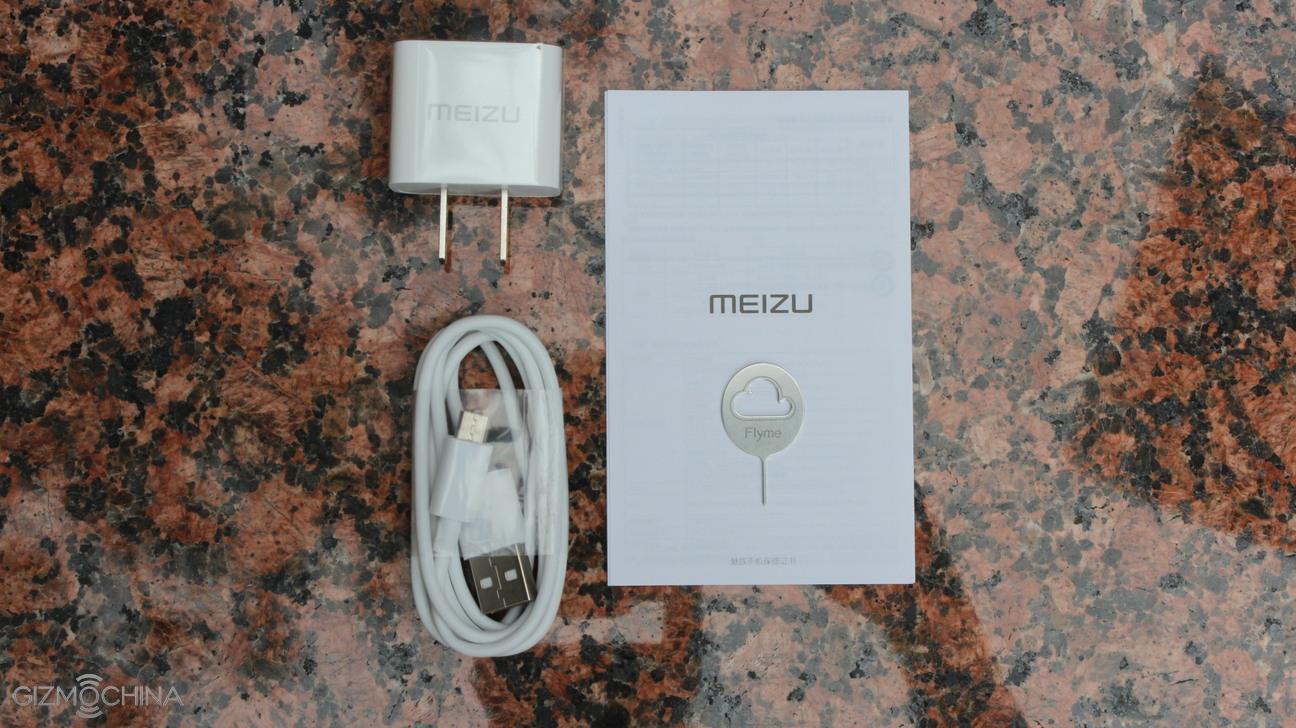
Meizu M3 Review: DESIGN and DISPLAY
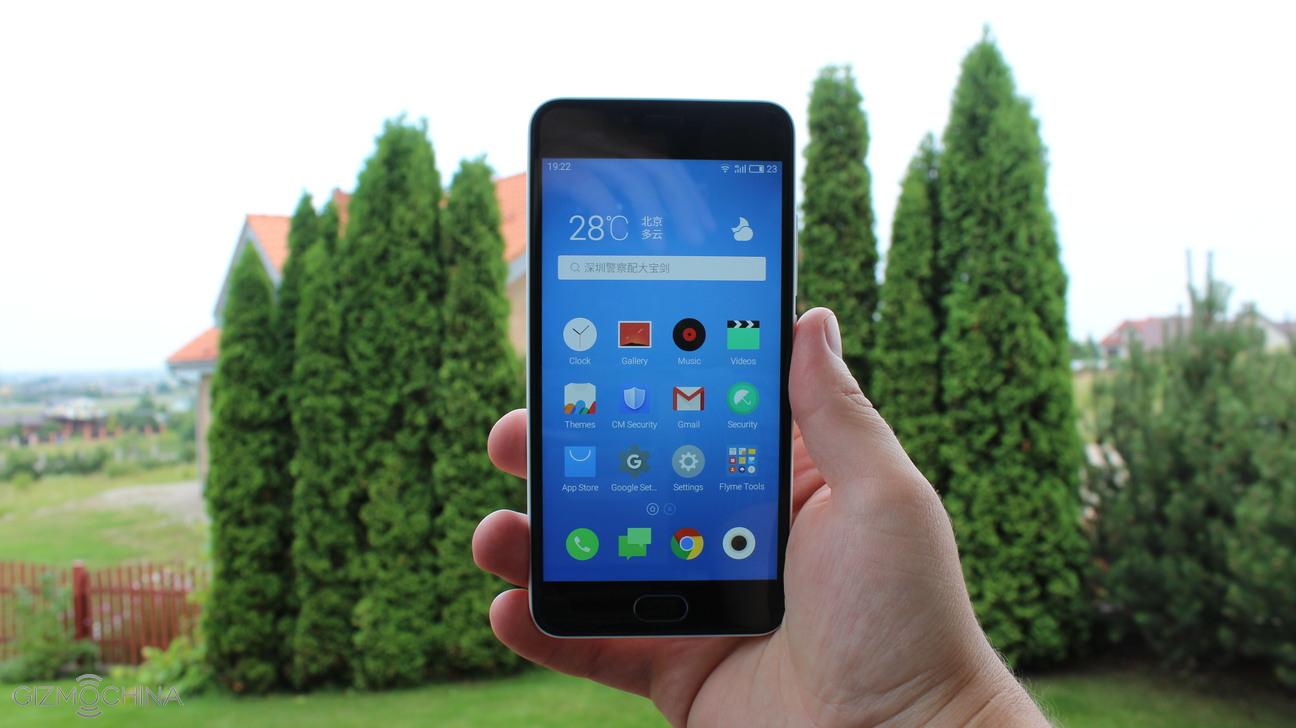
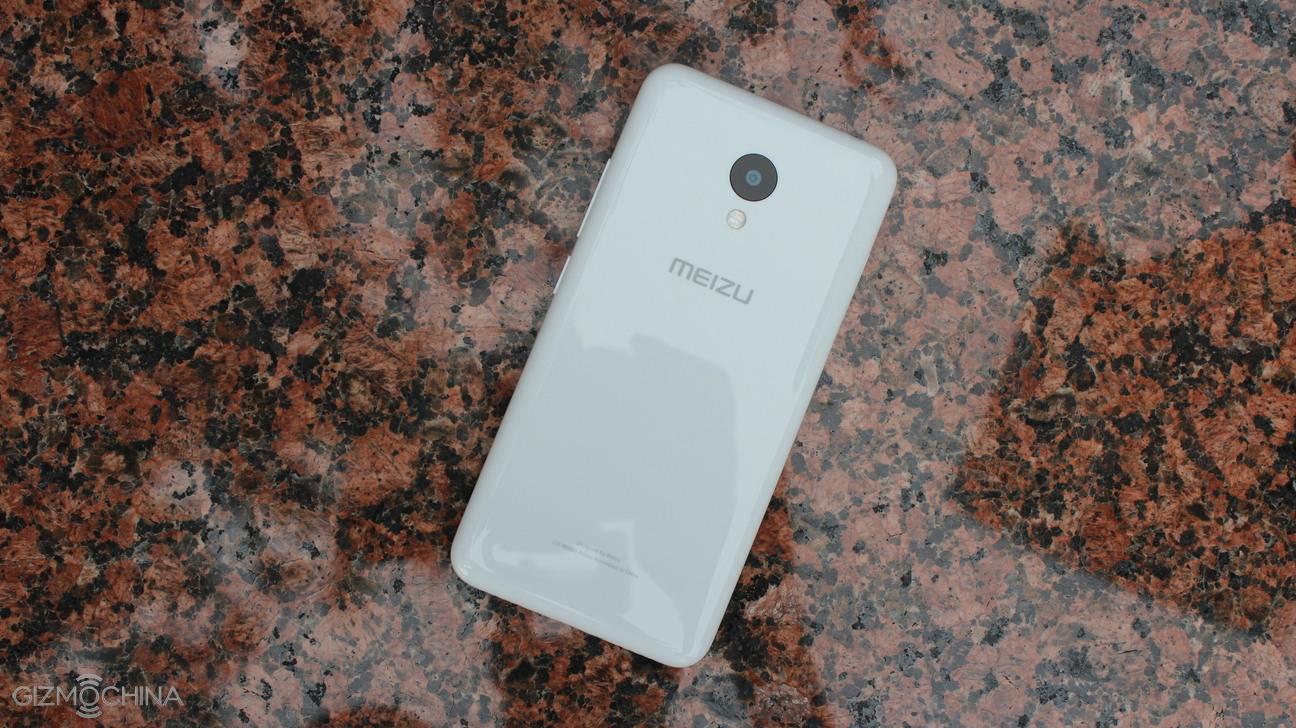
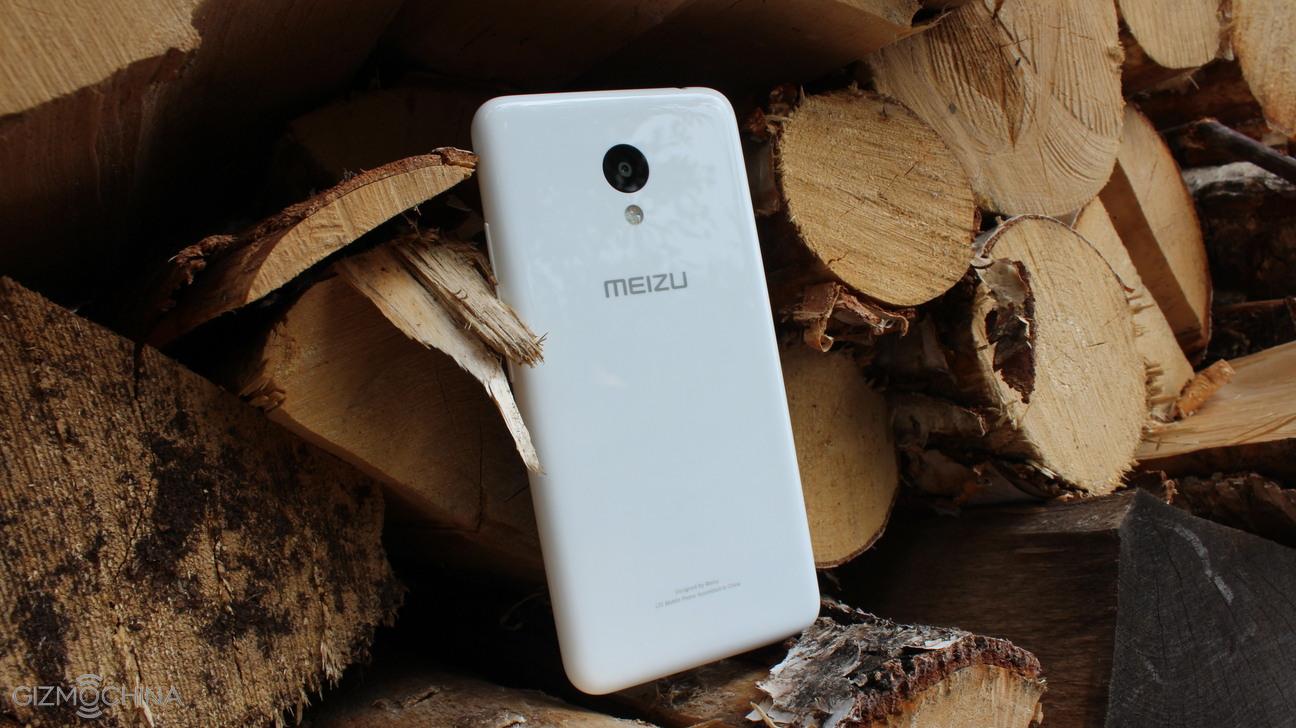
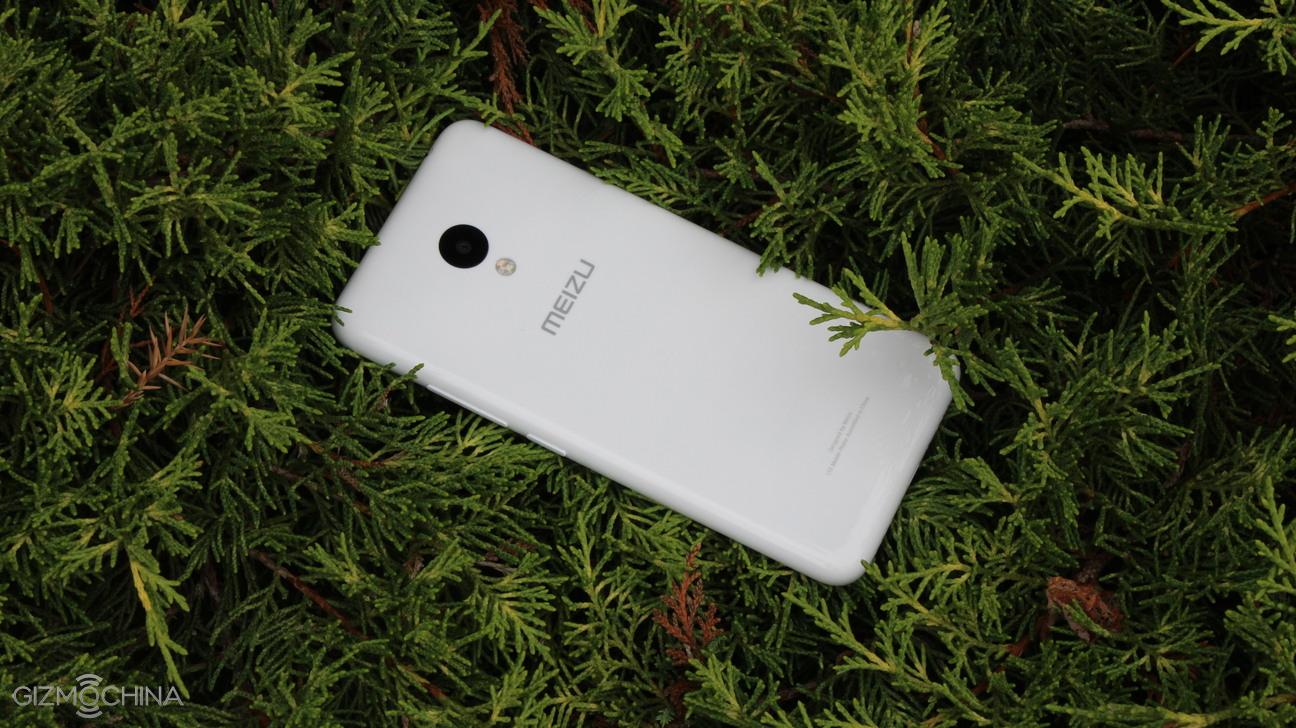
Meizu M3 is a very compact phone due to its 5” display and it looks like a shrunk down Meizu M2 Note.
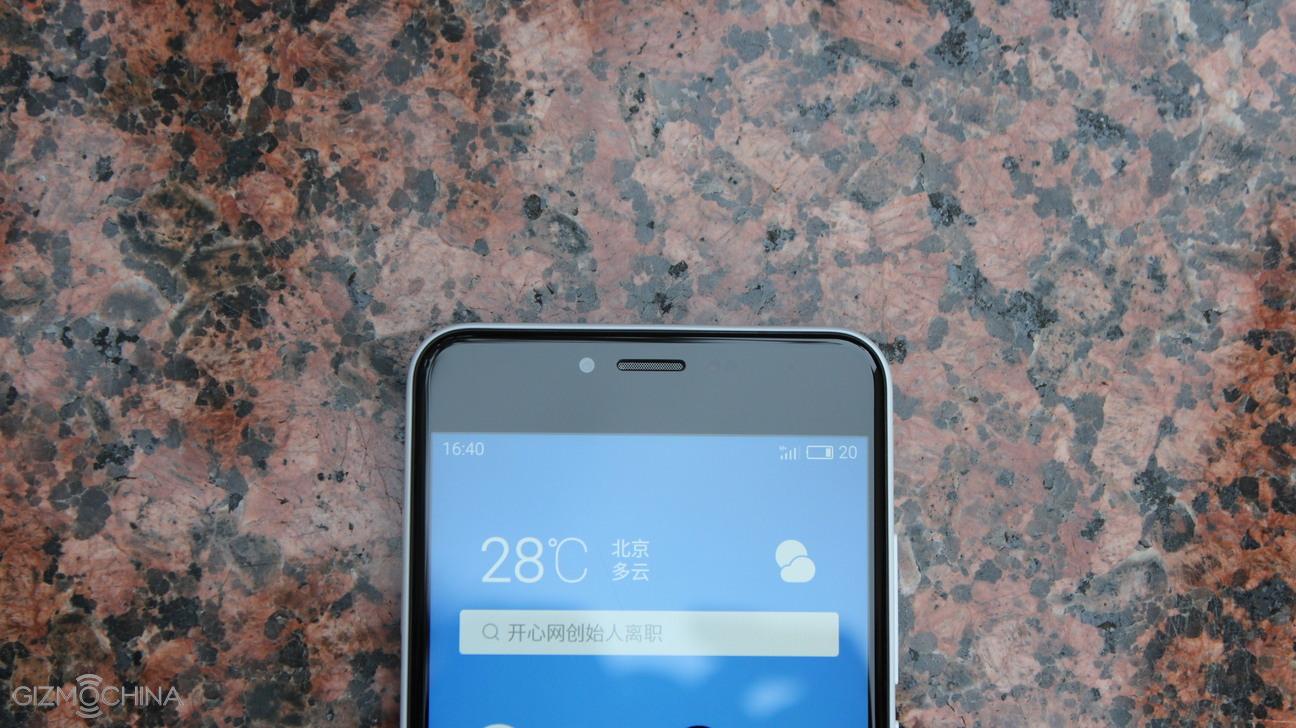
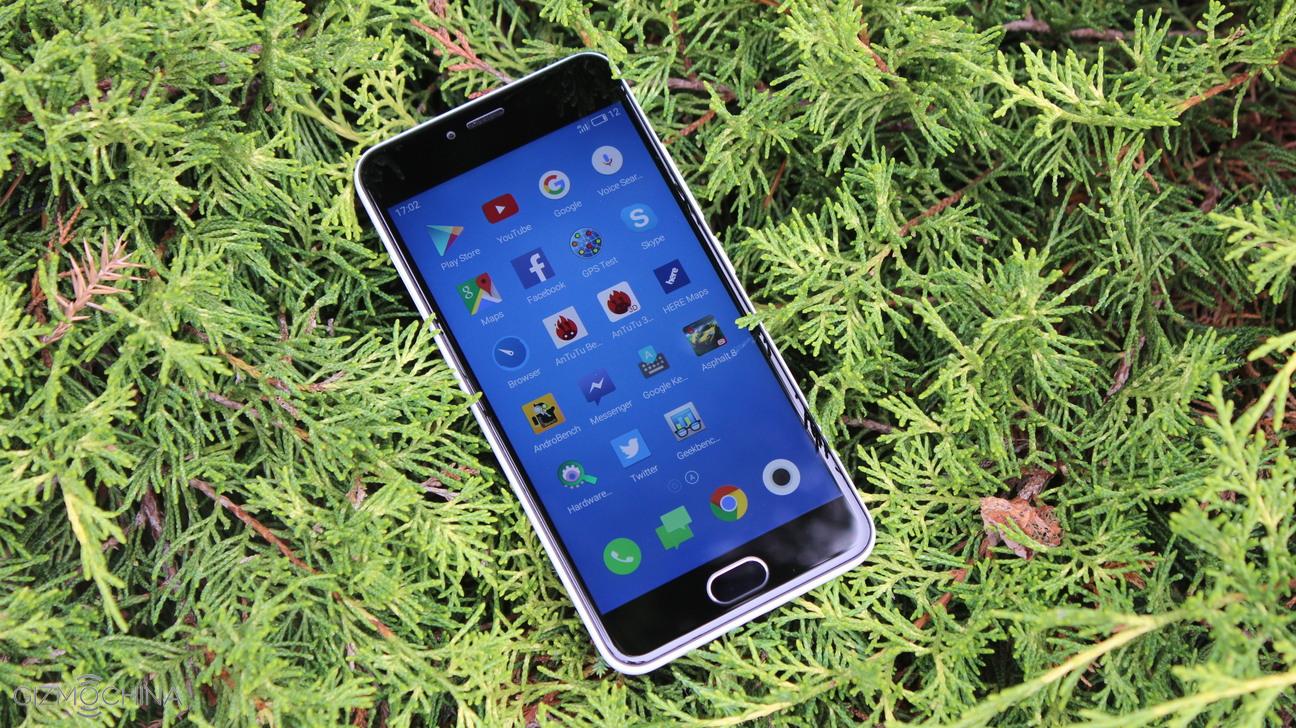
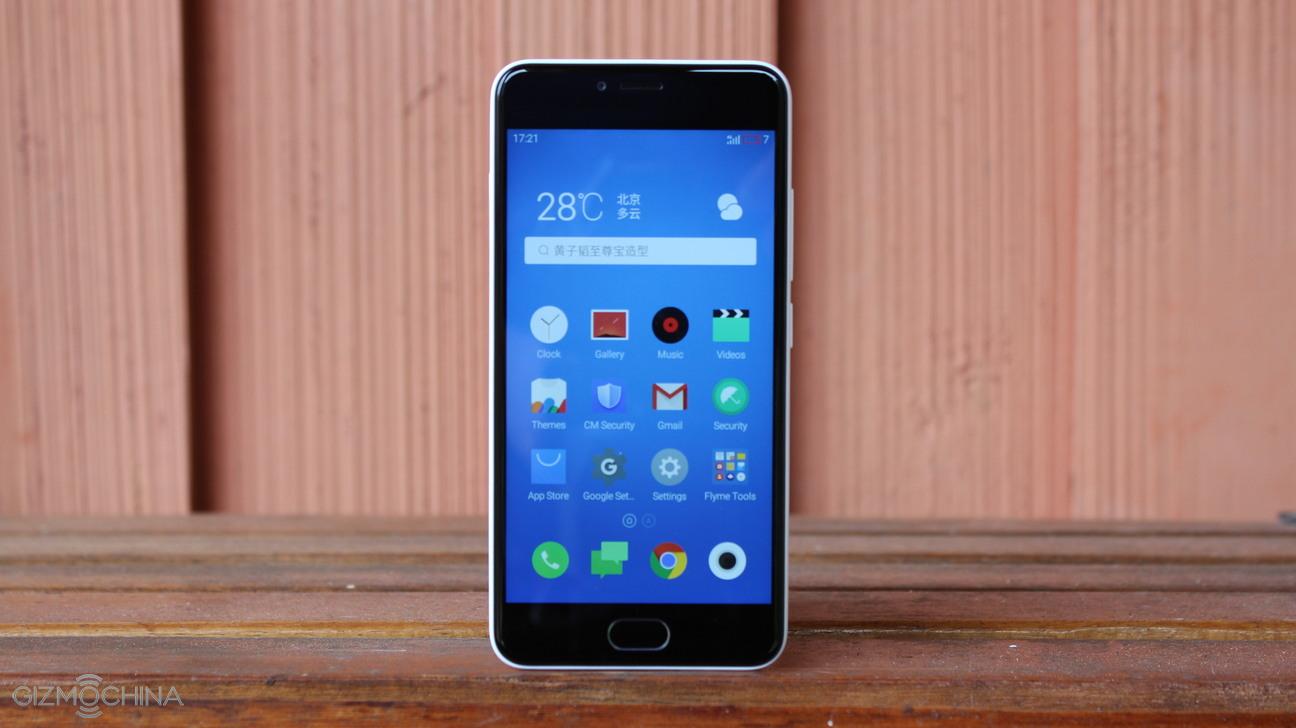
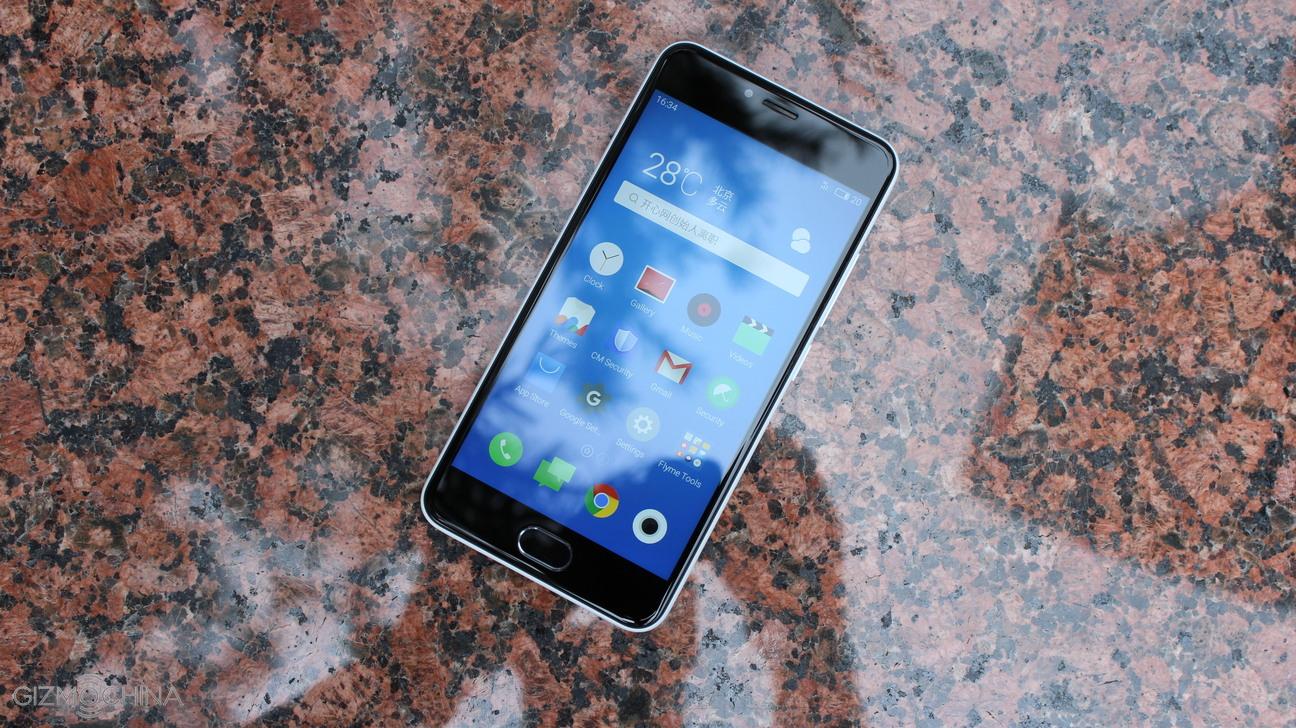
Speaking of the display, it sports just a 720p resolution but it still quite sharp and good display for a budget phone like this. The only complaint would be that it could be slightly brighter for outdoor use.
We have a 5MP shooter along with a notification LED light on the top.
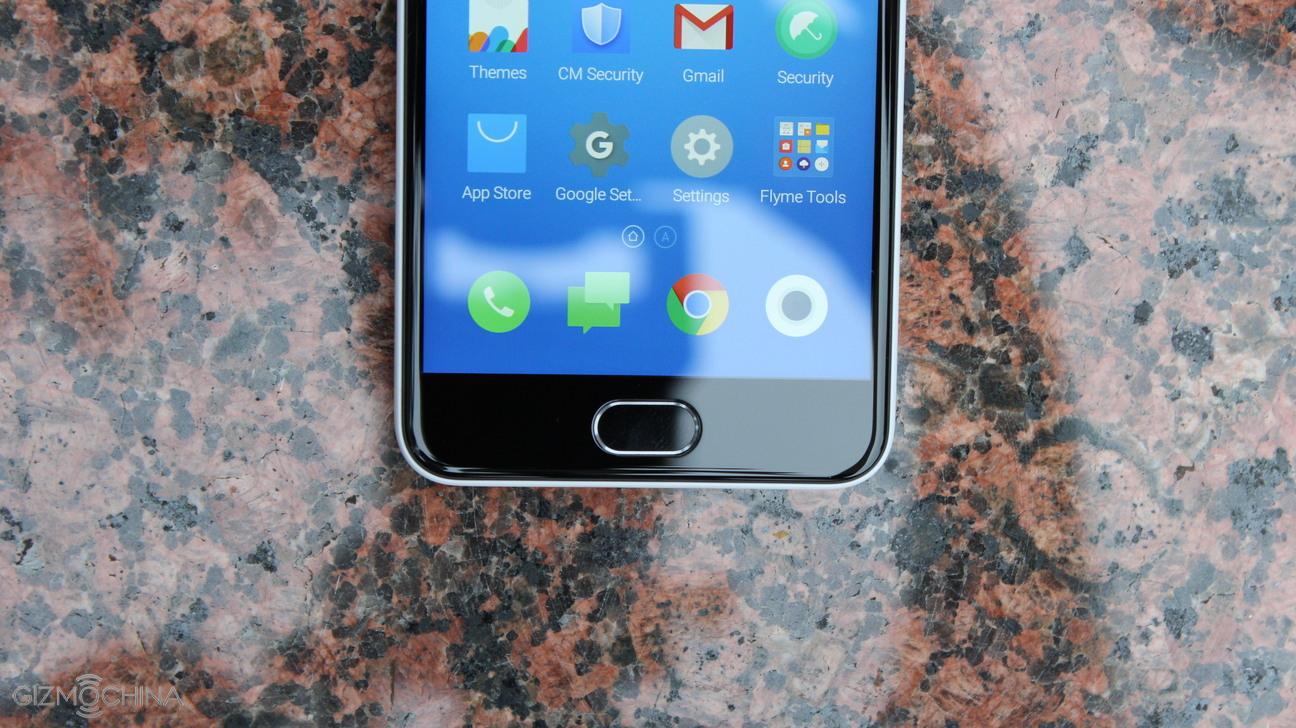
On the bottom, there is just a physical home button and you can either physically press to take you home or just tap it and it acts as a back button. Unfortunately, the phone lacks a fingerprint scanner.
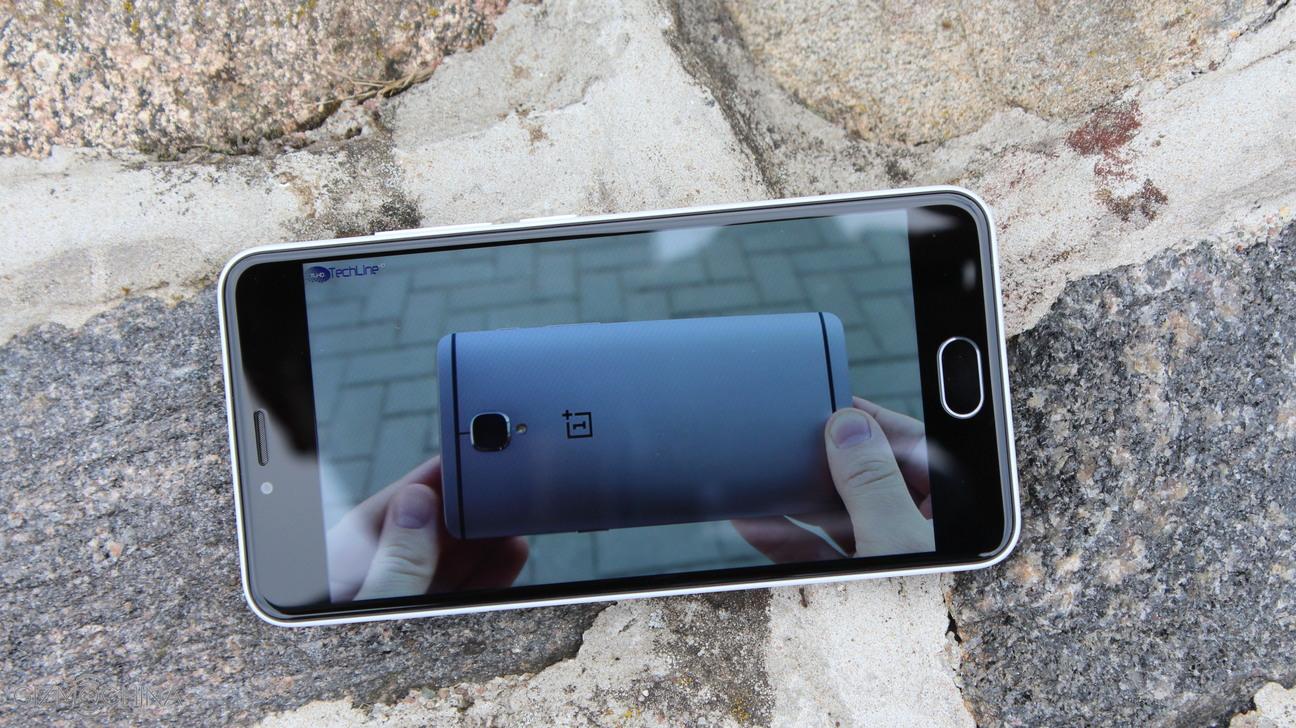
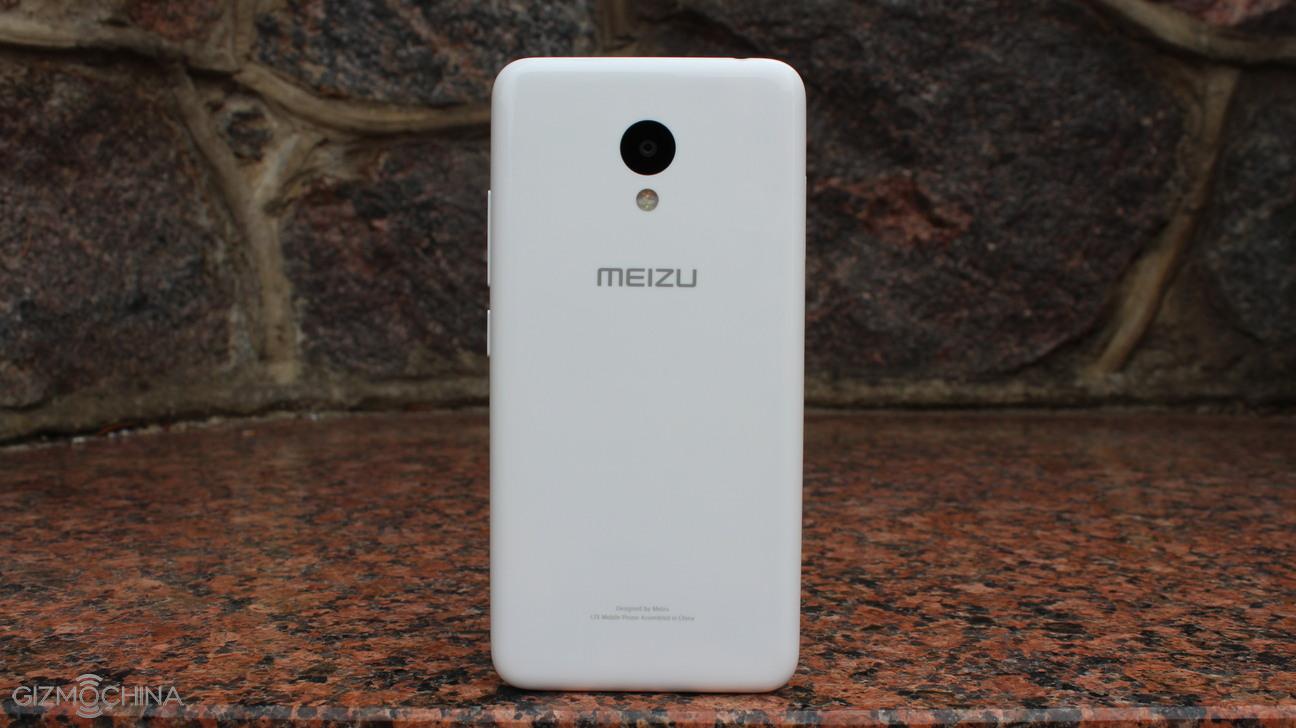
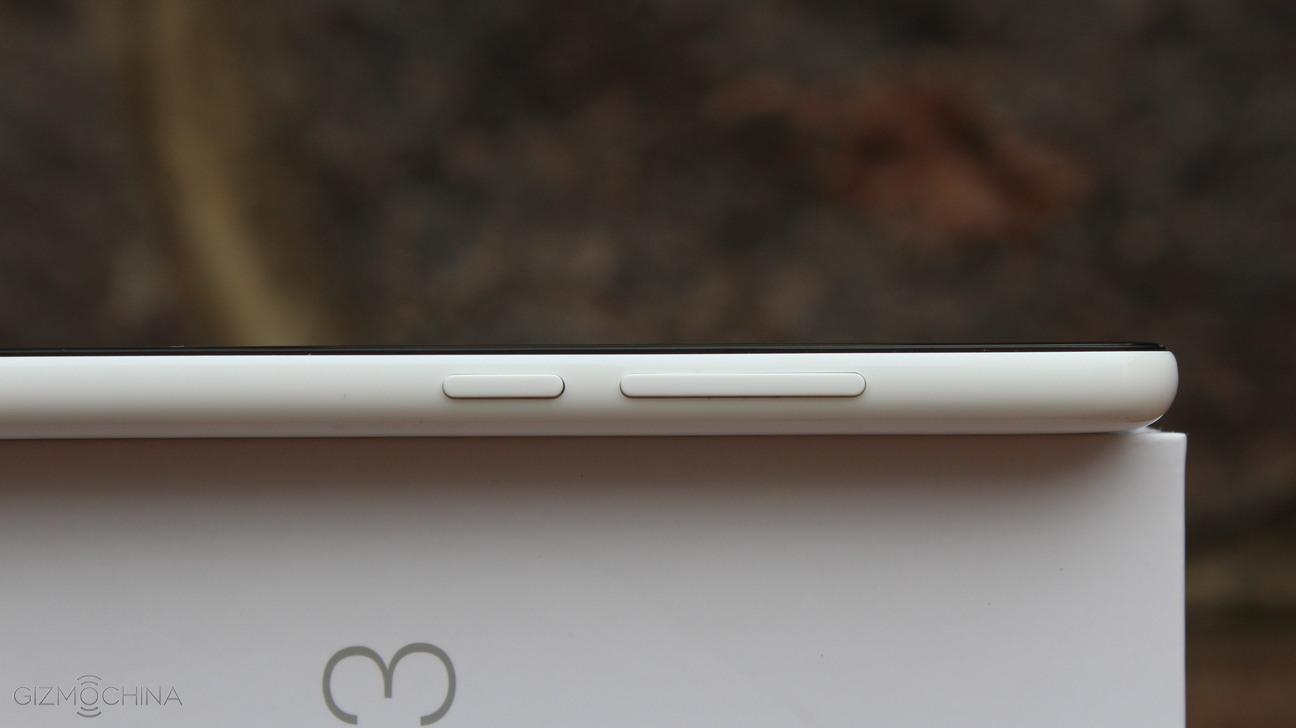
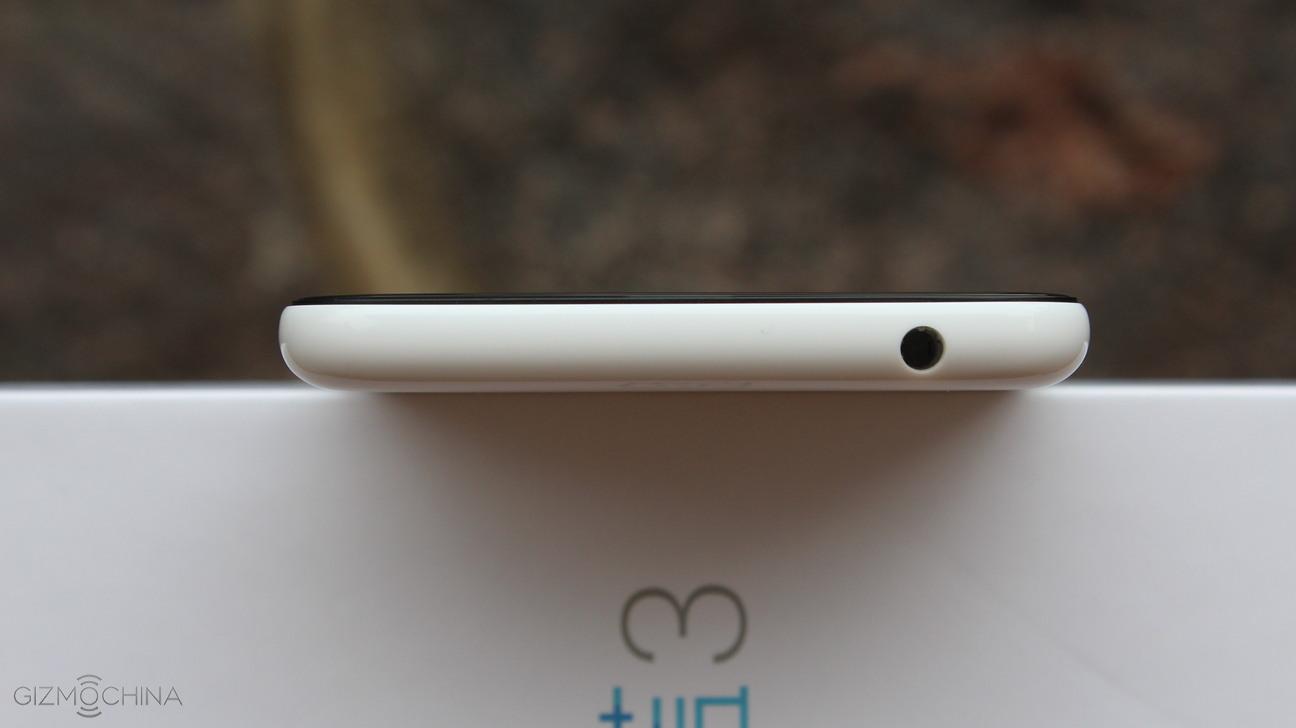
Although the device uses glossy plastic in its construction, the phone is well-built and it feels solid. In fact, it is really comfortable to hold it in the hand due to rounded corners on the back. We have a 13MP camera with f/2.2 aperture on the back coupled with a dual-tone dual LED flash.
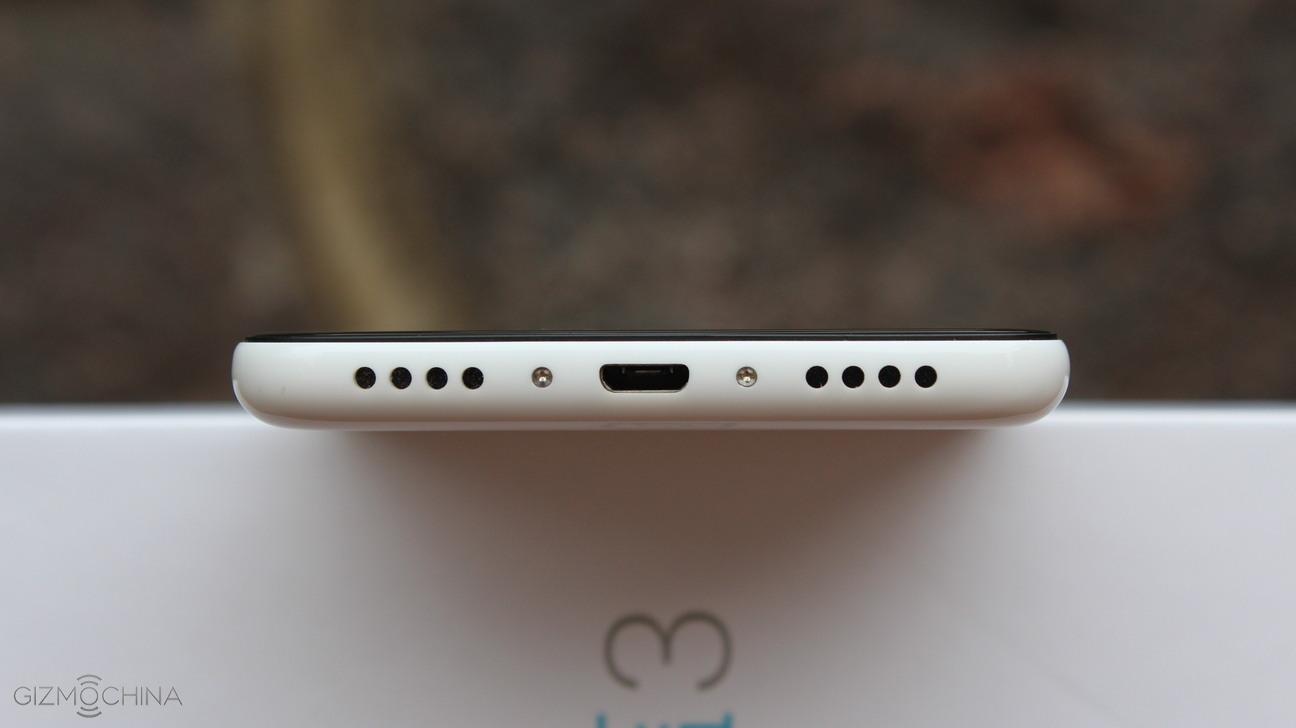
The loudspeaker sits on the bottom and the sound quality is actually pretty good for the phone this cheap.
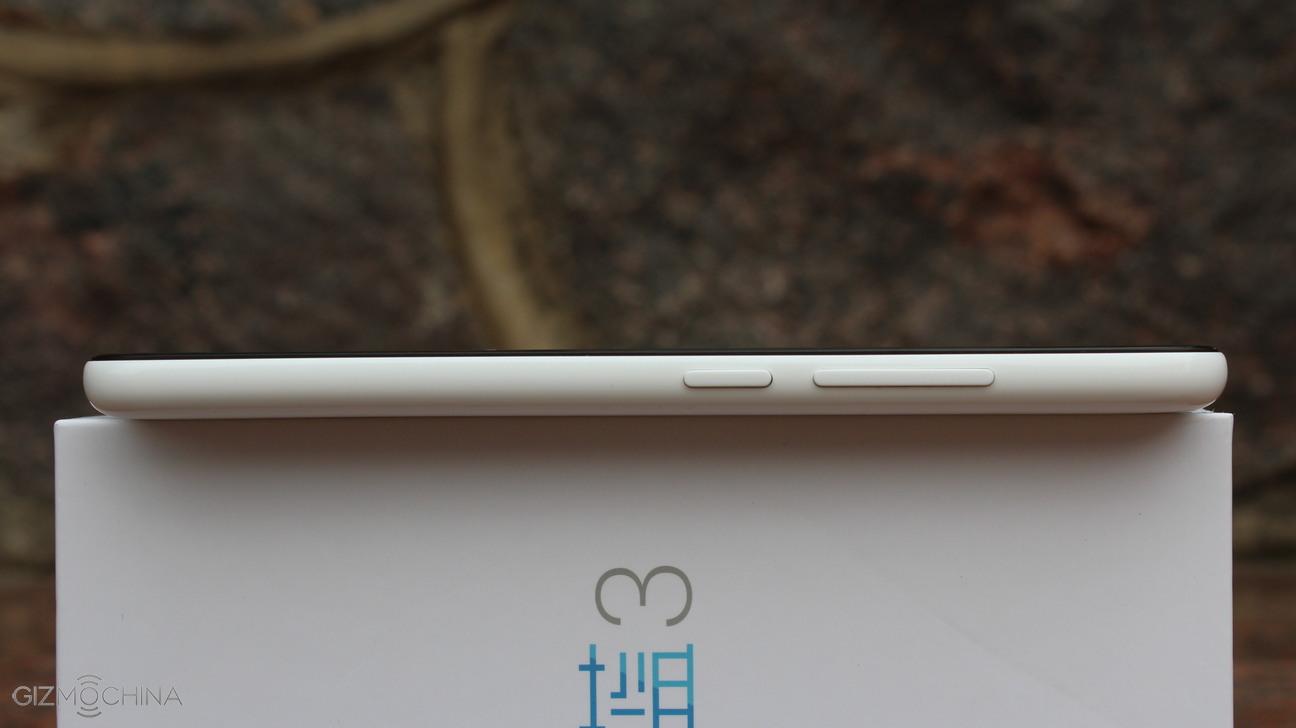
The buttons are on the right, they are clicky and tactile.
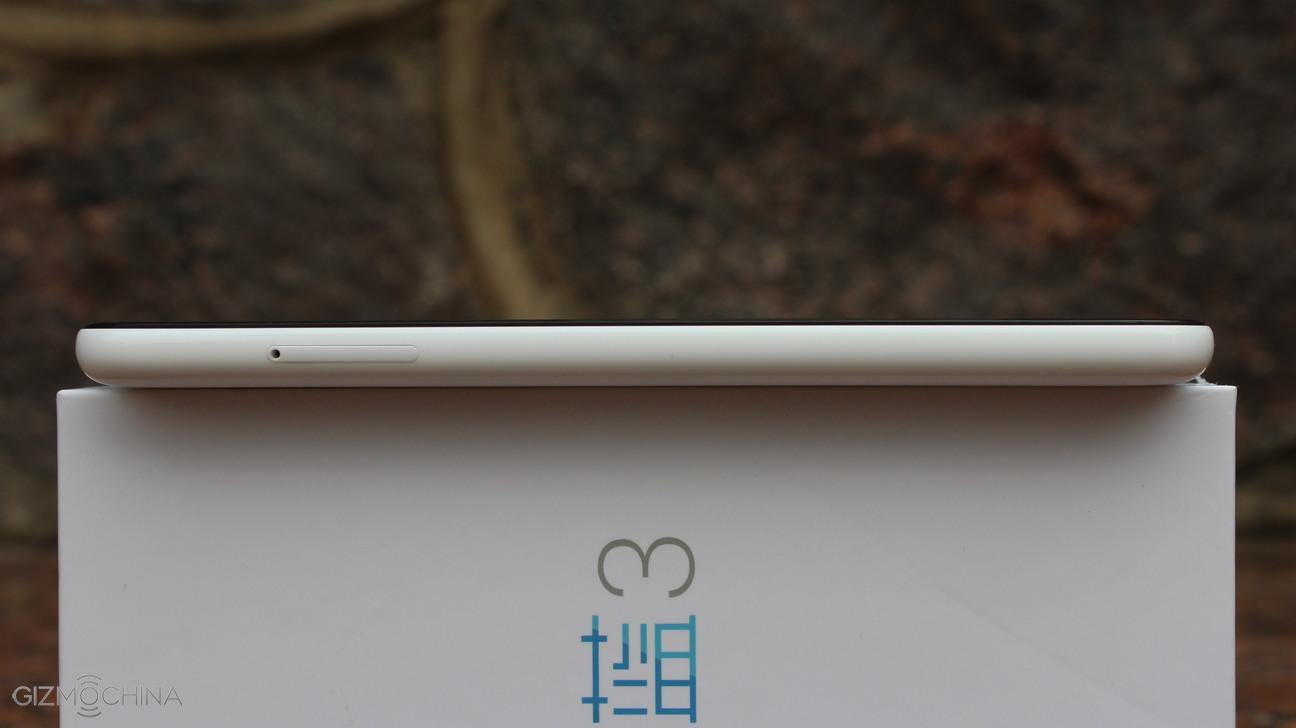
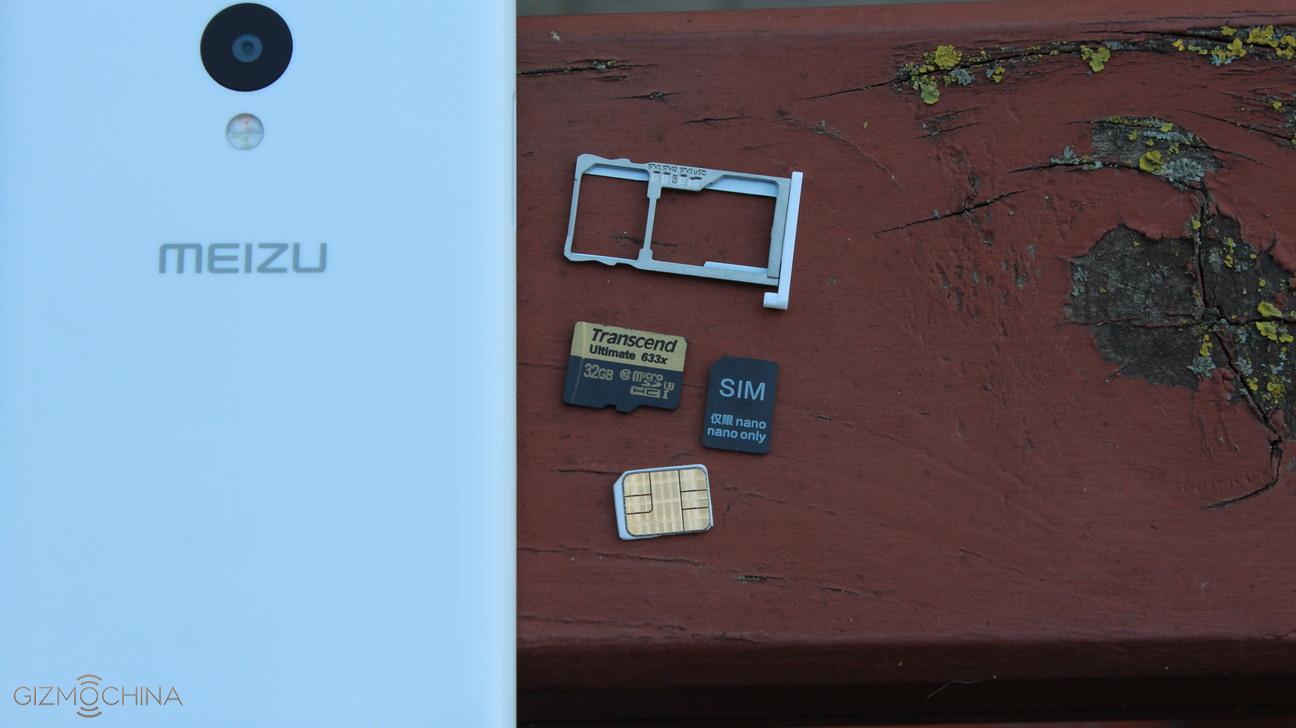
We have a hybrid SIM card slot, which can take either 2 SIM cards or a combo of 1 SIM and the microSD card.
Overall, the Meizu M3 is a well-constructed phone and it feels great in the hand.
Meizu M3 Review: HARDWARE and PERFORMANCE
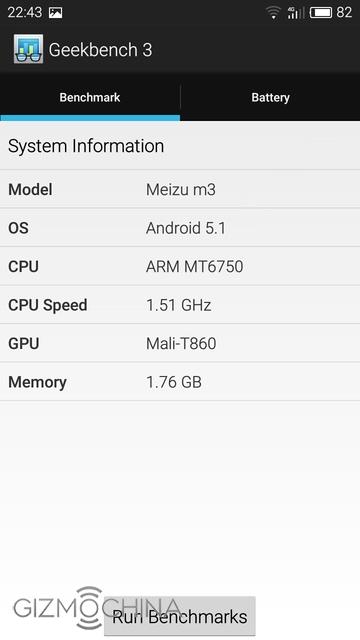
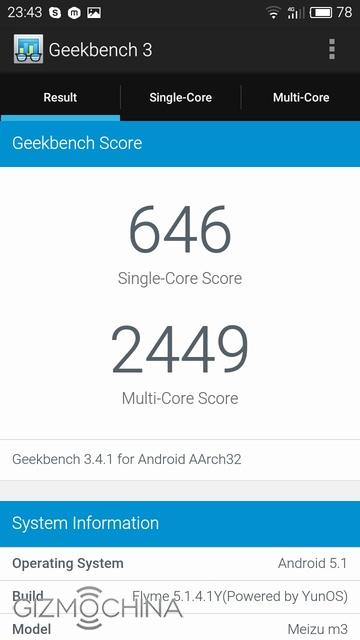
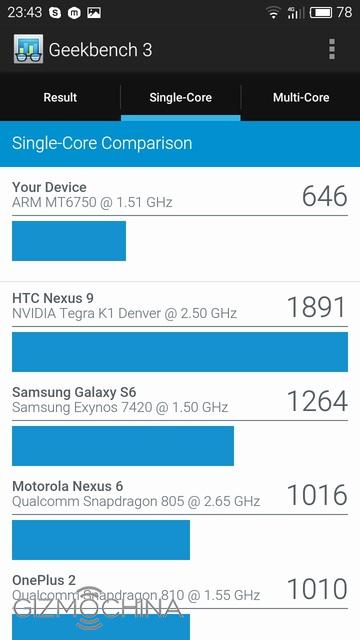
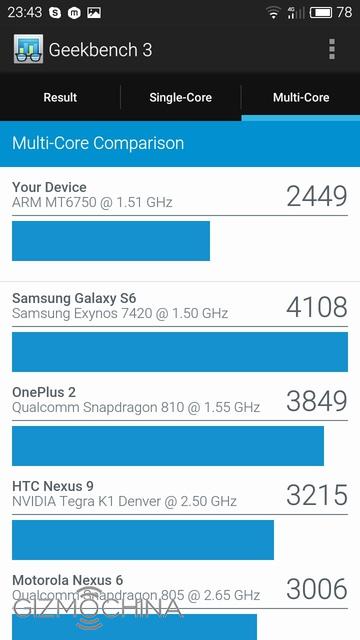
Meizu M3 has some pretty decent specs for the price. My review unit sports an octa-core Mediatek 6750 chip with the clock speeds of 1.5GHz, 2 GB of RAM and 16GB of expandable storage.
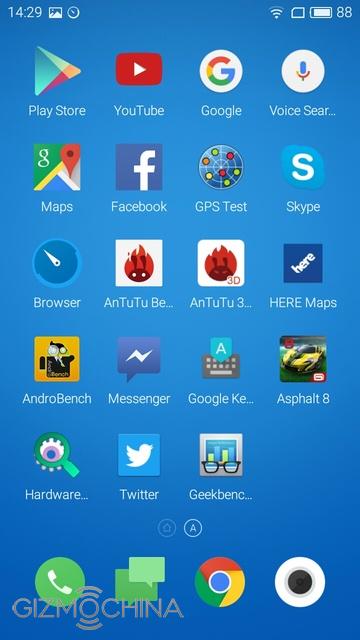
The day-to-day performance of the UI is fast but the gaming performance is kind of a letdown. The phone lags quite a bit when playing Asphalt 8 even at the lowest graphics.
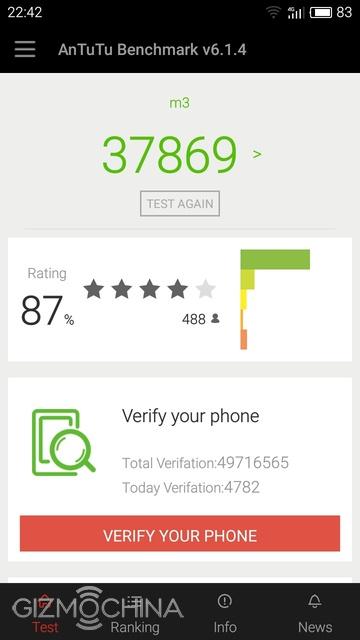
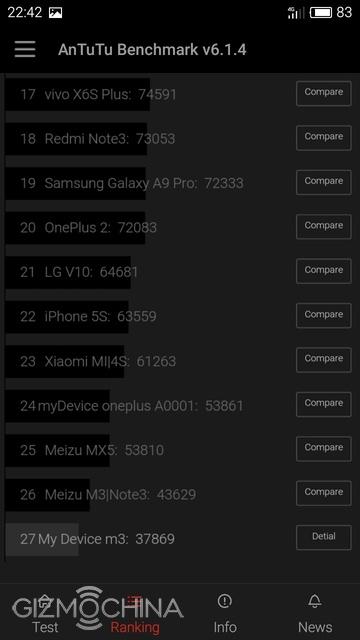
Meizu M3 Review: BENCHMARKS
Meizu M3 Review: USER INTERFACE
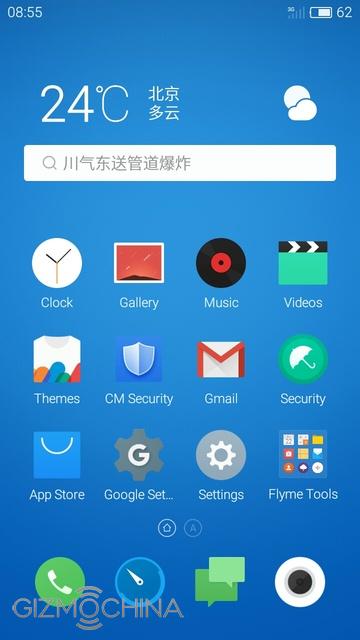
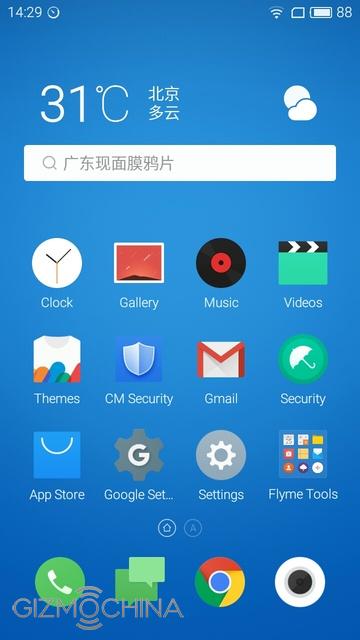
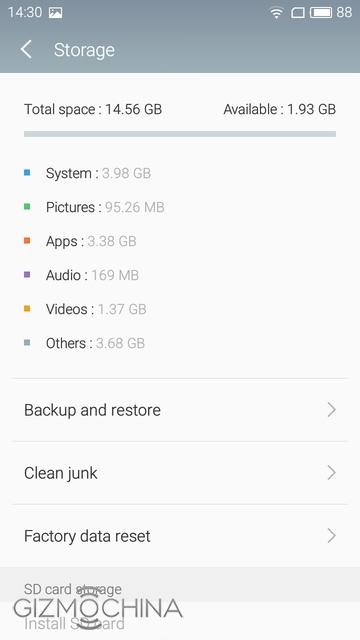
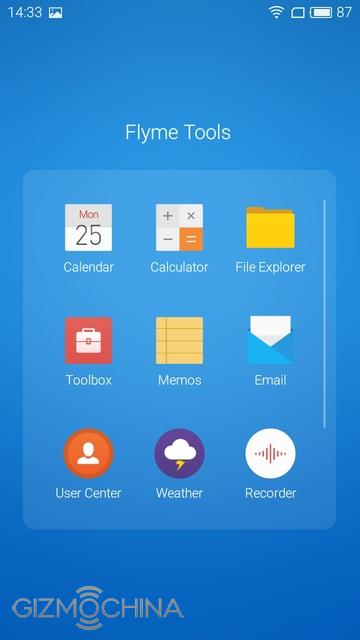
My Meizu M3 unit has FlyMe OS 5.1, which is built on top of Android 5.1. My review unit has a fully de-bloated ROM with multi-languages and Google Play services pre-installed.
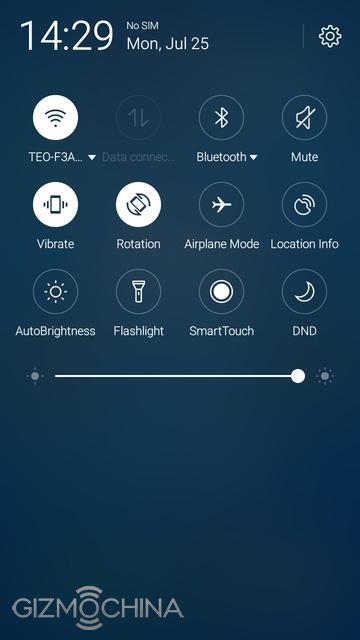
If you are familiar with the FlyMe OS, you will feel right at home. There is no app tray but there are some neat features. For example, you can swipe down anywhere on the screen to open up the notification shade. If you swipe from the bottom, you will open up your recent apps and this is one of my favourite features.
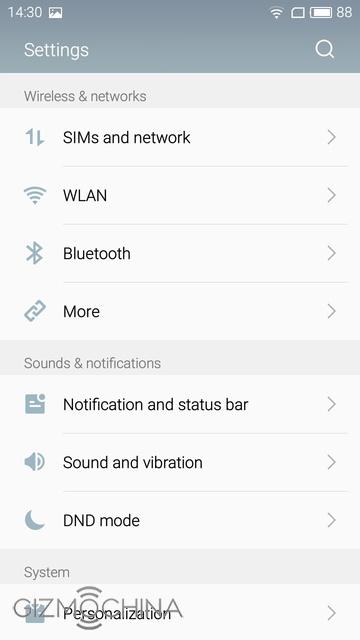
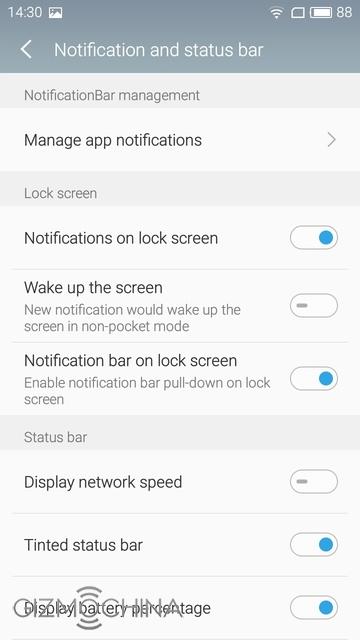
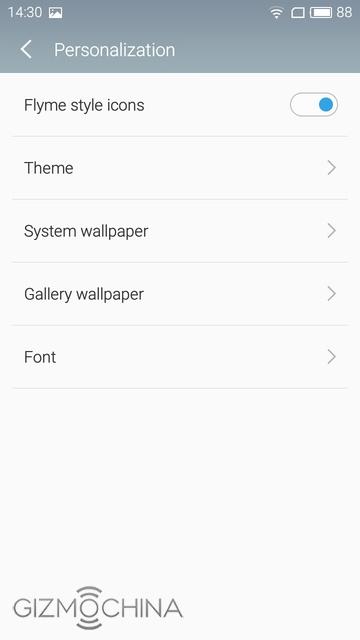
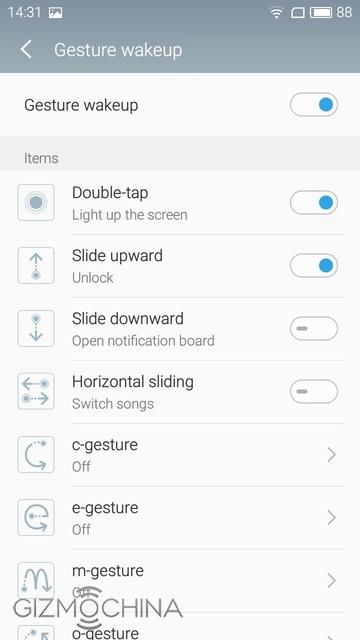
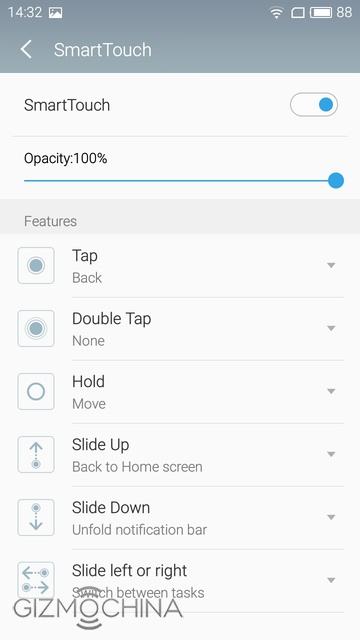
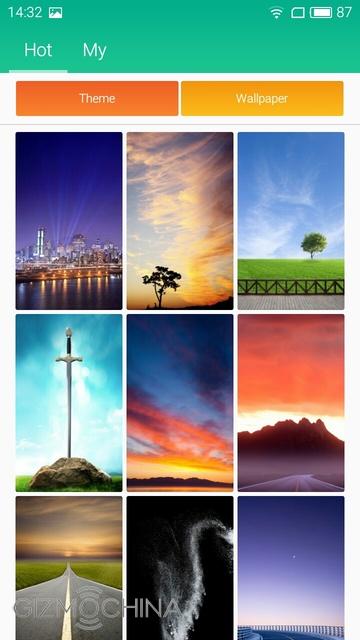
We have a bunch of other features, plenty of customization options, various tweaks and settings to play with. Just to name a few, you can use choose from a variety of themes, use gesture controls, which work fine and so on.
Overall, the FlymeOS runs fast and fluid, I didn’t have a single hiccup on a daily basis.
Meizu M3 Review: IMAGE QUALITY
The 13MP camera is far from perfect but it can produce one of the better-looking images in a sub-$120 phone.
Most of the daylight shots will look good but one of the shortcomings is a poor dynamic range adjustment. Luckily, the HDR mode does a pretty good job solving this issue.
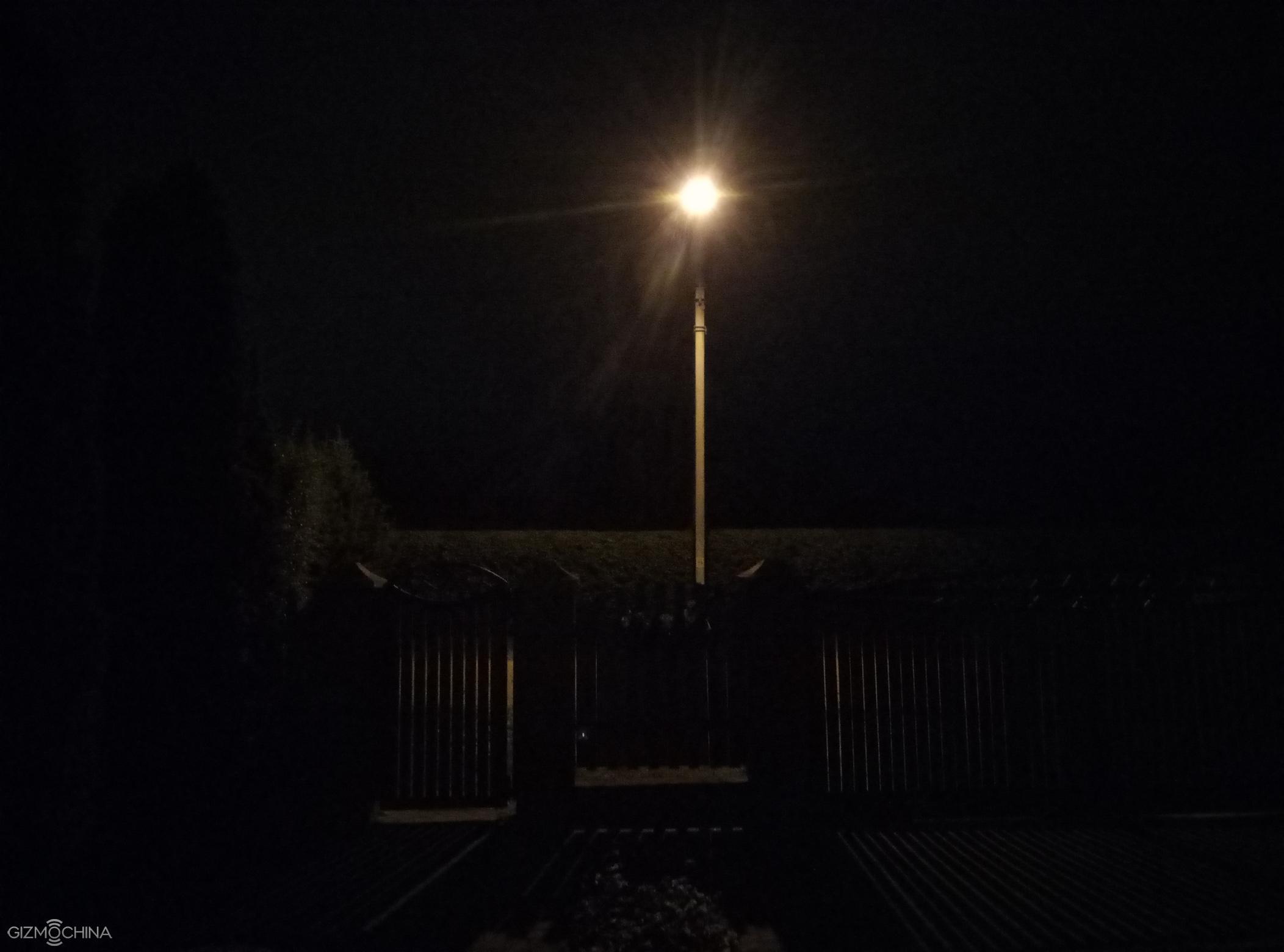
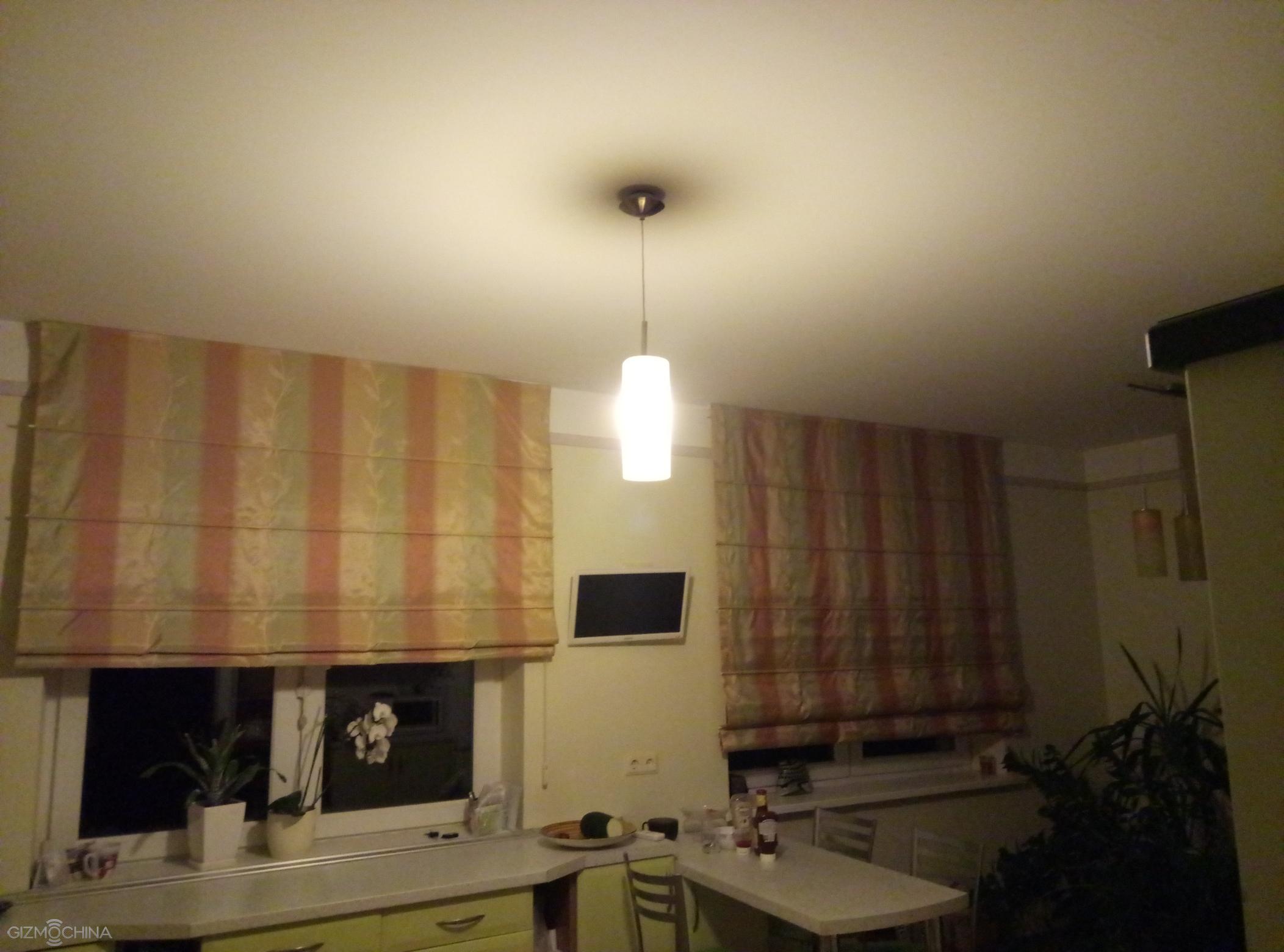
The low-light camera performance is okay for the phone this cheap but keep in mind that cheap phones usually don’t take great night shots.
A 5MP selfie shooter can take some nice photos that will definitely do the trick for social media.
Meizu M3 Review: CONNECTIVITY
As for connectivity, you should not expect any issues with neither of the options that include wifi, Bluetooth, GPS or call quality.
Meizu M3 Review: BATTERY LIFE
The phone has an embedded 2870mAh battery that performs well. I could constantly get over 5 hours of SOT on a mixed use, which is a good result.
Meizu M3 Review: CONCLUSIONS
Meizu M3 is one of the better phones in this price range.
Sure, some may say that it lacks some common features like a fingerprint scanner and fast charging but the phone has a good display and great build quality.
Also, the device is fast on a daily basis, it has a good battery and one of the better cameras in its price range.
However, you have to keep in mind that the phone will struggle handling the 3D games and it lacks premium materials like metal in its build.
Overall, Meizu M3 is a great phone for the price of just $116 despite a few shortcomings.
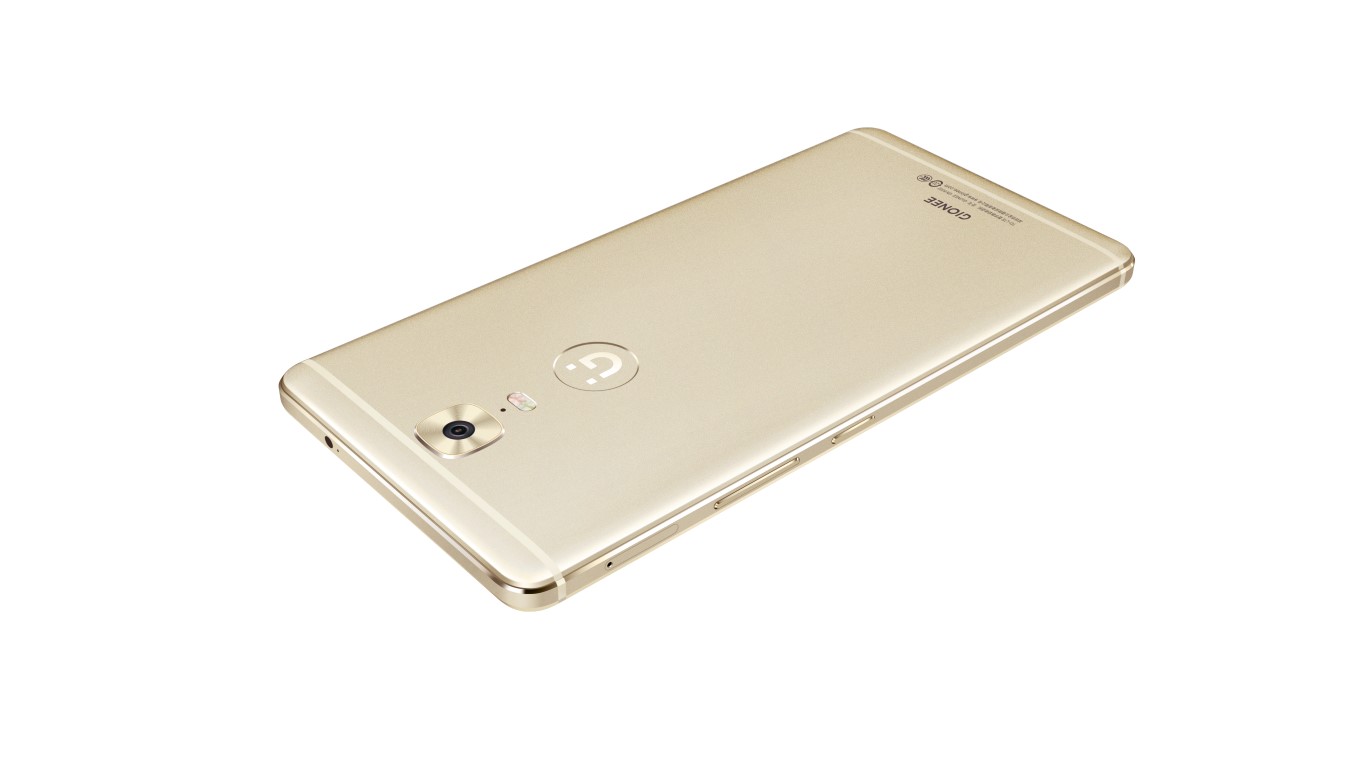
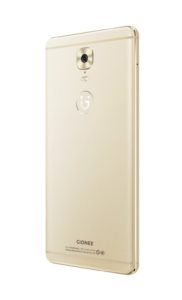
The Gionee M6 and M6 Plus launched today and do sport large batteries just like the M series are known for. Let’s examine each phone and see what Gionee has come up with.
Gionee M6
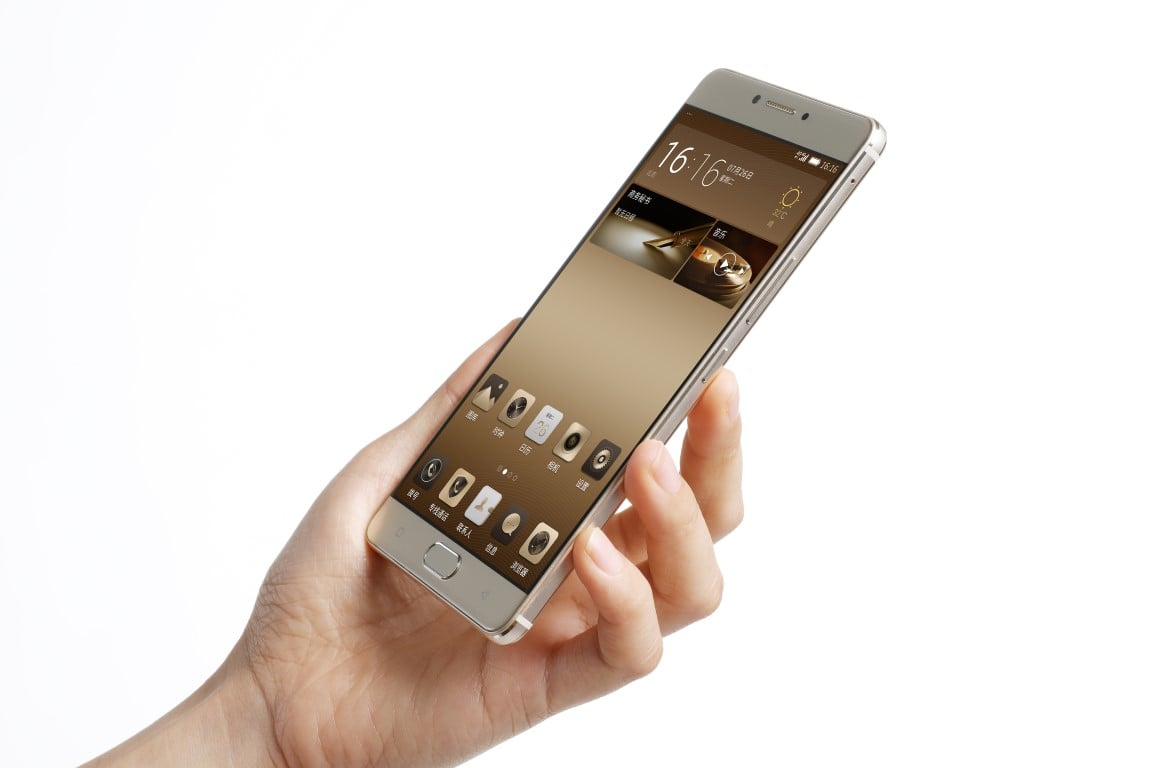
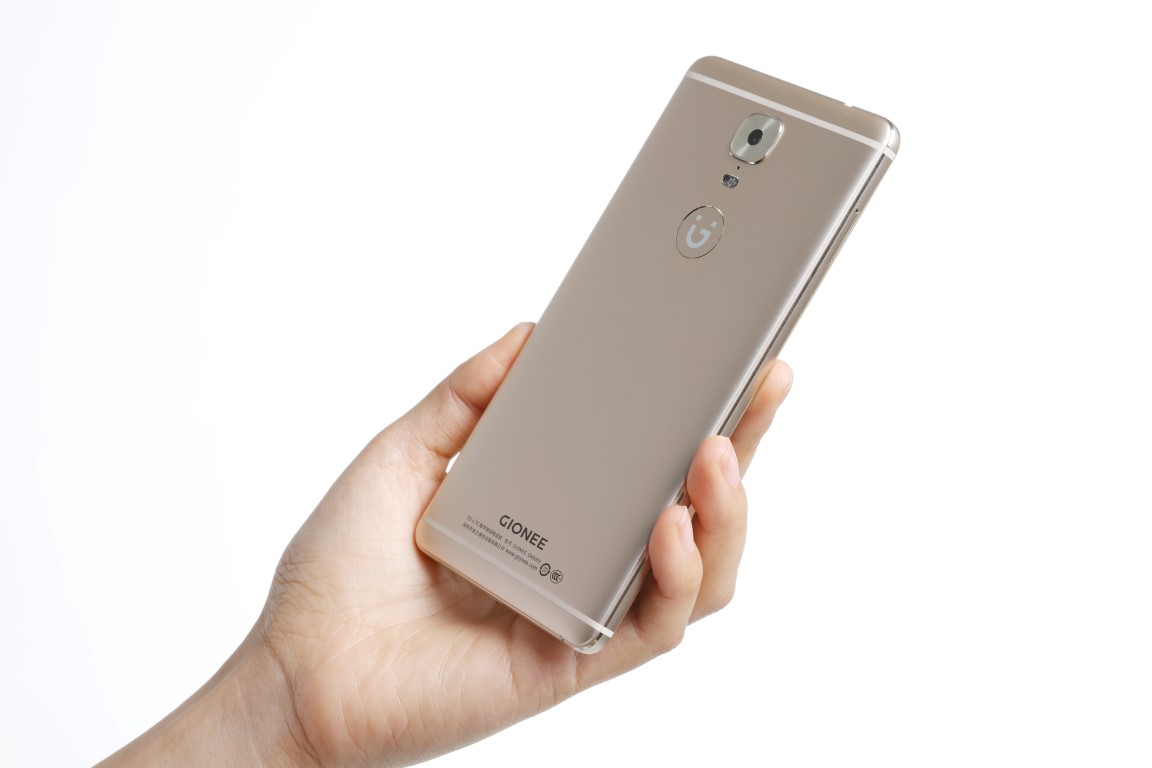
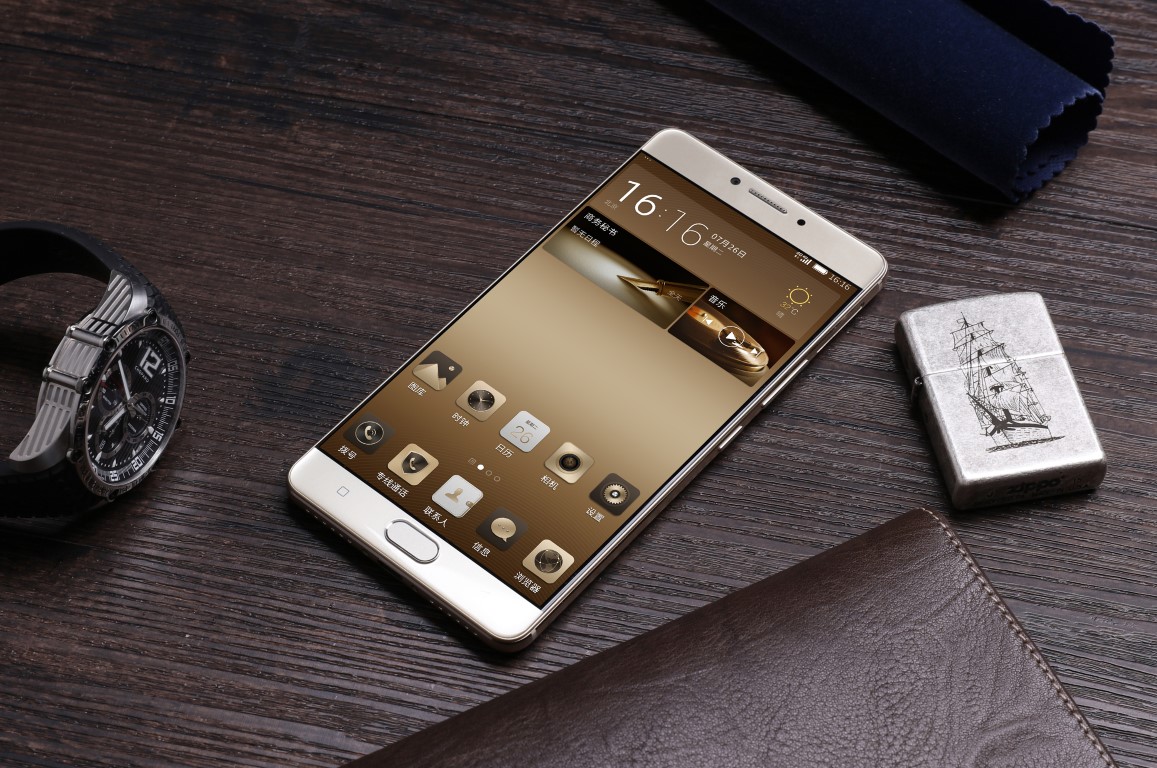
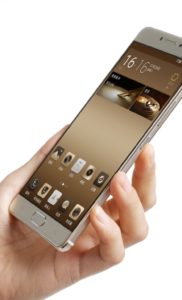
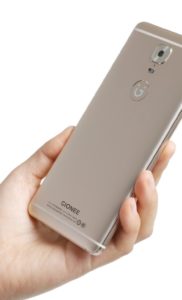
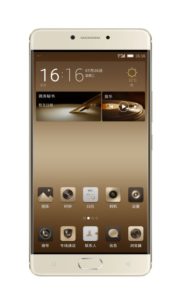
The M6 features an all metal build packed with a 5.5” FHD AMOLED display, a 1.8GHz octa-core Helio P10 processor, 4GB of RAM and comes in 64GB and 128GB variants with a SD card slot that allows up to an additional 128GB. There is an 8MP front shooter and a 13MP rear camera with a single LED flash below the camera. Gionee’s new smiley-like logo lies below the camera setup. The M6 runs the company’s Amigo 3.5 OS based on Android 6.0 Marshmallow, has full network support, and does feature a dedicated security chip which takes privacy up a notch.
There is a massive 5000mAh battery with support for 9V/2A quick charge and dual intelligent chips that reduce overheating while charging. You might think that the large battery will make the phone very thick and heavy, no it doesn’t. The M6 manages to keep its thickness at 8.2mm and weight at 180g.
Other features include a 3.5mm jack, micro USB port, IR blaster, and a fingerprint scanner in front. Price starts at 2699 yuan ($404) for the 64GB variant and 2899 Yuan ($434) for the 128GB version.
Gionee M6 Plus
The M6 Plus takes things up a little higher. It uses a 6” Full HD AMOLED screen, a higher clocked Helio P10 processor at 2.0GHz, and bumps up the rear camera to 16MP with dual LED flash. It features the same camera up front and same RAM and ROM configuration. There is also a security chip in it as well.
The M6 plus also features a larger 6020mAh battery to cover for the extra screen but maintains the same thickness. It uses a 12V/2A Quick Charge system and sports dual charging chips to reduce overheating. However, it is heavier than the M6 at 215g.
The M6 Plus costs 2999 Yuan ($449) for the 64GB version and 3199 Yuan ($479) for the 128GB version.
The M6 will come in two colour options,viz.: champagne gold and mocha gold while the Plus will only come in champagne gold.
Gionee Security Encrypted Chip
The security chip embedded in both phones is supposed to help protect users data on a hardware level. Most phones usually just feature software level encryption but hardware level encryption takes things further by preventing brute force password attacks anand if the chip suffers external damage, the files cannot be recovered.
The chips feature unique IDs and binds with the phone’s CPU, so even for phones with the same model, cracking is impossible by cloning the chip.
RELATED:Gionee To Release Phone With Security Chip
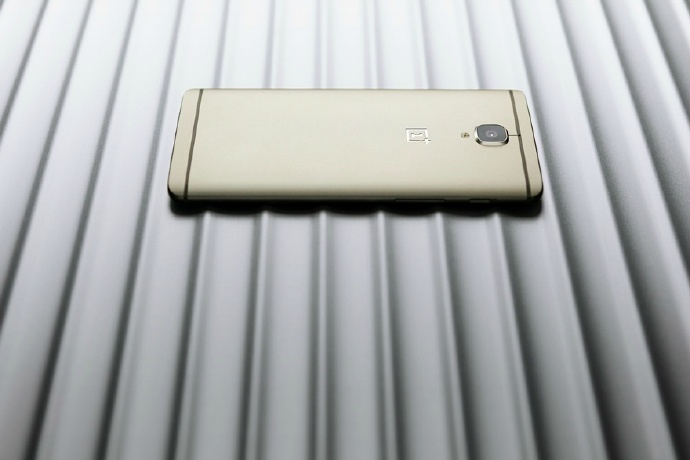
Back when OnePlus officially announced the OnePlus 3 flagship, only the graphite gray color was available for purchase. The company had confirmed that there was another color in the works, “Soft Gold” but it was to go on sale later. Now, more than a month since the launch of the device, OnePlus is making the OnePlus 3 Soft Gold version up for purchase.
Different regions will get the device on different dates. US customers will be the first ones to get this color, followed by EU, HK and CA next month. You can check out the table below for the exact dates when this color variant goes on sale in your region.
Region
Sales Start Time
US
July 26, 12:00 pm US Eastern time
EU
August 1, 12:00 pm CEST
HK
August 1, 6:00 pm Hong Kong time
CA
August 1, 6:00 am Canada Eastern time
Interestingly, OnePlus says that the soft gold variant will be available in limited quantities. While we don’t know how many units will be up for grabs in each region, considering the demand for this color and the fan base of the company, one can expect this color to be sold out soon. So, if you were waiting for this color variant to go for sale, then you better hurry up.
In case you are wondering, OnePlus has purposely toned down the color in this version, which is why it is called as soft gold. This is what the company had to say in the press release.
“Today, we’re introducing a new color variant of the OnePlus 3 – Soft Gold. This isn’t your typical gaudy gold smartphone. We’ve toned the color down for a light, elegant look. With plenty of power, our expertly designed flagship doesn’t mess around.”
So, what’s your take? Will you be getting the new OnePlus 3 soft gold version when it goes up for sale in your region.
We are sure Huawei must have thrown a party for its staff after this news was announced. The company’s Senior Vice President, Yu Chengdong Yu Chengdong announced on his Weibo page that the company has shipped 60.56 million phones this year which is an increase of 25% from last year.
This is exciting news for the company as this figure is the annual target for quite a number of manufacturers seeing that we’ve just started the second half of the year.
The company’s smartphone revenue for the first half which increased by 41% from last year is about 77.4 billion Yuan ($11.59 bn). The company’s share of the global smartphone market is now at 11.4%, coming in at third place behind Samsung and Apple.
Worldwide Growth
The company has also posted details of their market in certain countries such as the UK where they have 3.9% of the market, 6.7% in France and 9.6% in Germany. The company has also recorded a 700% brand growth in Egypt, 200% in Chile and 134% in Peru.
Part of the company’s top products include the Mate 8, the P9 and P9 Plus, the MateBook and the Huawei Watch
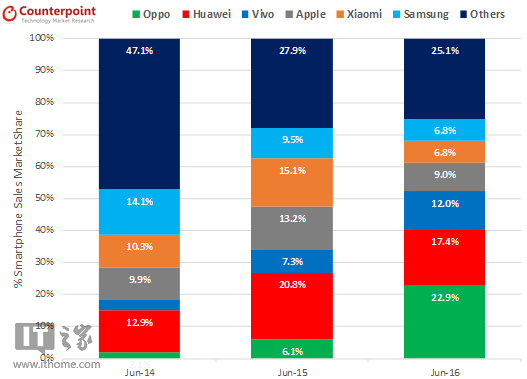
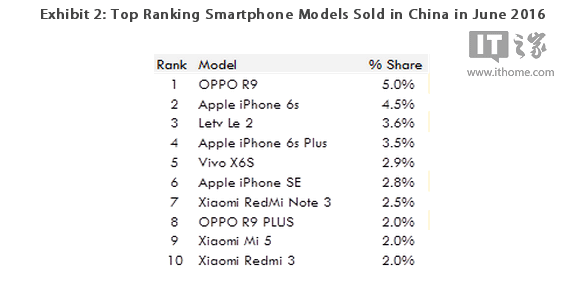
Counterpoint, a market research firm, has released the top performing smartphone brands for June 2016. The firm also revealed the top selling phones in the Chinese market for June 2016 and surprisingly the Oppo R9 tops the list.
Looking at the stats for the smartphone brands, it is surprising how Oppo has gone from a brand which had less than 10% of the market in June 2014 and June 2015 to having 22.9% of the market which is more than what Samsung, Xiaomi, and Apple pulled for the month combined.
Xiaomi which had roughly 15% of the market last year, dropped by more than half this year. Another winner is Vivo who has moved from having less than 10% to grabbing 17.4% of the market.
Top Selling Smartphone
For the top selling smartphones, the Oppo R9 is the best selling phone followed closely by Apple’s iPhone 6s, and LeEco’s Le 2 at the third position. Apple phones are still much loved in China as we can see that the iPhone 6s Plus and the iPhone SE released back in March makes it to the list at the 4th and 6th position respectively.
Chip-maker MediaTek has confirmed some of the specifications of its expected high-power Helio X30 chipset which has been making the headlines of late. In an interview with Sun Chanhxu, MediaTek COO Zhu Shangzu threw more light on the Helio X30.
Zhu Shangzu expressed his optimism that this year’s X-series and P-series will significantly improve the consumer perception of the MTK brand, hence the quest to manufacture high-end flagship capable chipsets that could see them being featured in flagship phones.
Also, on the specifications, Zhu Shangzu confirmed that the Helio X30 will be manufactured by TSMC using 10nm manufacturing process. The processor will also provide support for 3 baseband carrier aggregation, Cat. 10 – Cat. 12 network baseband. Also, MediaTek shelved the ARM Mali GPU on this one and instead opted for a PowerVR GPU which the MediaTek says provides better performance and more efficient power consumption.
In summary, the Helio X30 would rank as the latest among MediaTek’s second generation of deca-core processors which consist of adual-core2.8GHzA73 next-gen architecture code-named Artemis, 4 x A53(2.2GHz) cores and 4 x A35(2GHz) cores.
In the aspect of memory, the Helio X30 will support four channels LPDDR4 RAM, up to 8GB RAM storage modules, and support for UFS 2.1 technical standards.
We won’t be seeing the Helio X30-powered smartphones very soon as MediaTek has scheduled November for mass production of the Helio P20, its latest addition in the lower P-Series and also MediaTek’s first chip using 16nm process announced in February. Thus considering the available time frame, the Helio X30 isn’t expected to feature in smartphones until sometime around the middle of next year.
We use cookies on our website to give you the most relevant experience by remembering your preferences and repeat visits. By clicking “Accept”, you consent to the use of ALL the cookies.
This website uses cookies to improve your experience while you navigate through the website. Out of these, the cookies that are categorized as necessary are stored on your browser as they are essential for the working of basic functionalities of the website. We also use third-party cookies that help us analyze and understand how you use this website. These cookies will be stored in your browser only with your consent. You also have the option to opt-out of these cookies. But opting out of some of these cookies may affect your browsing experience.
Necessary cookies are absolutely essential for the website to function properly. This category only includes cookies that ensures basic functionalities and security features of the website. These cookies do not store any personal information.
Any cookies that may not be particularly necessary for the website to function and is used specifically to collect user personal data via analytics, ads, other embedded contents are termed as non-necessary cookies. It is mandatory to procure user consent prior to running these cookies on your website.