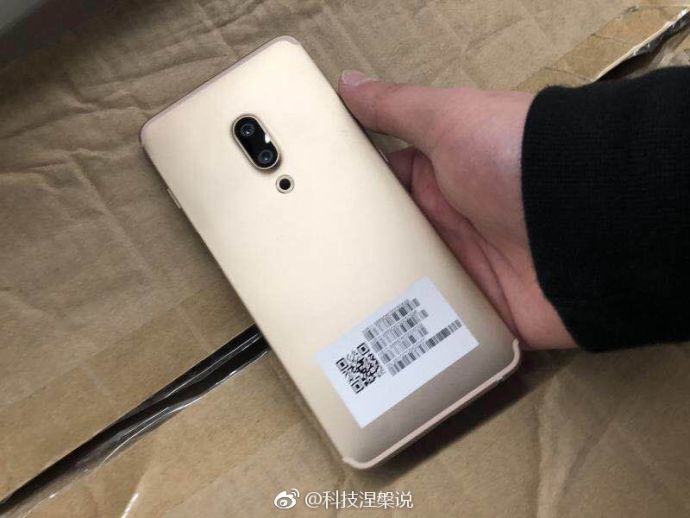
Meizu had unveiled the Meizu E2 smartphone in China in April last year. It was launched with a distinguishing design as it came with quad LED flash arranged horizontally on the upper antenna band. A leaked image of the Meizu E3 has surfaced today. It reveals that the smartphone will be not only sporting a dual camera setup but also a different design compared to its predecessor.
The rear view of the alleged Meizu E3 shows the presence of a vertically arranged dual camera setup and below it is a ring LED flash. The rumored E3 appears to be wearing a full metallic body. The antenna bands can be seen on the top and bottom edges of the phone
It is speculated that the E3 may sport a full screen design. This suggests that it could be yet another phone from the company after Meizu M6S and the upcoming Meizu 15 Plus to feature side-mounted fingerprint reader.
It is also expected to feature the pressure-sensitive Super mBack button that was introduced on the Meizu M6S. The handset seen in the leaked image could be a prototype of Meizu E3 as it does not feature the branding of the company. As of this writing, there is no information available on the other specs of the phone. MediaTek is expected to debut the Helio P70 and Helio P40 chipset at the Mobile World Congress (MWC) 2018. Hence, there is a possibility that the E3 may include Helio P70 or P40 chipset.
It is speculated that the Meizu E3 may debut in March this year. The E2 smartphone had arrived with a pricing of 1,299 Yuan. Hence, it is speculated to arrive with a similar pricing.
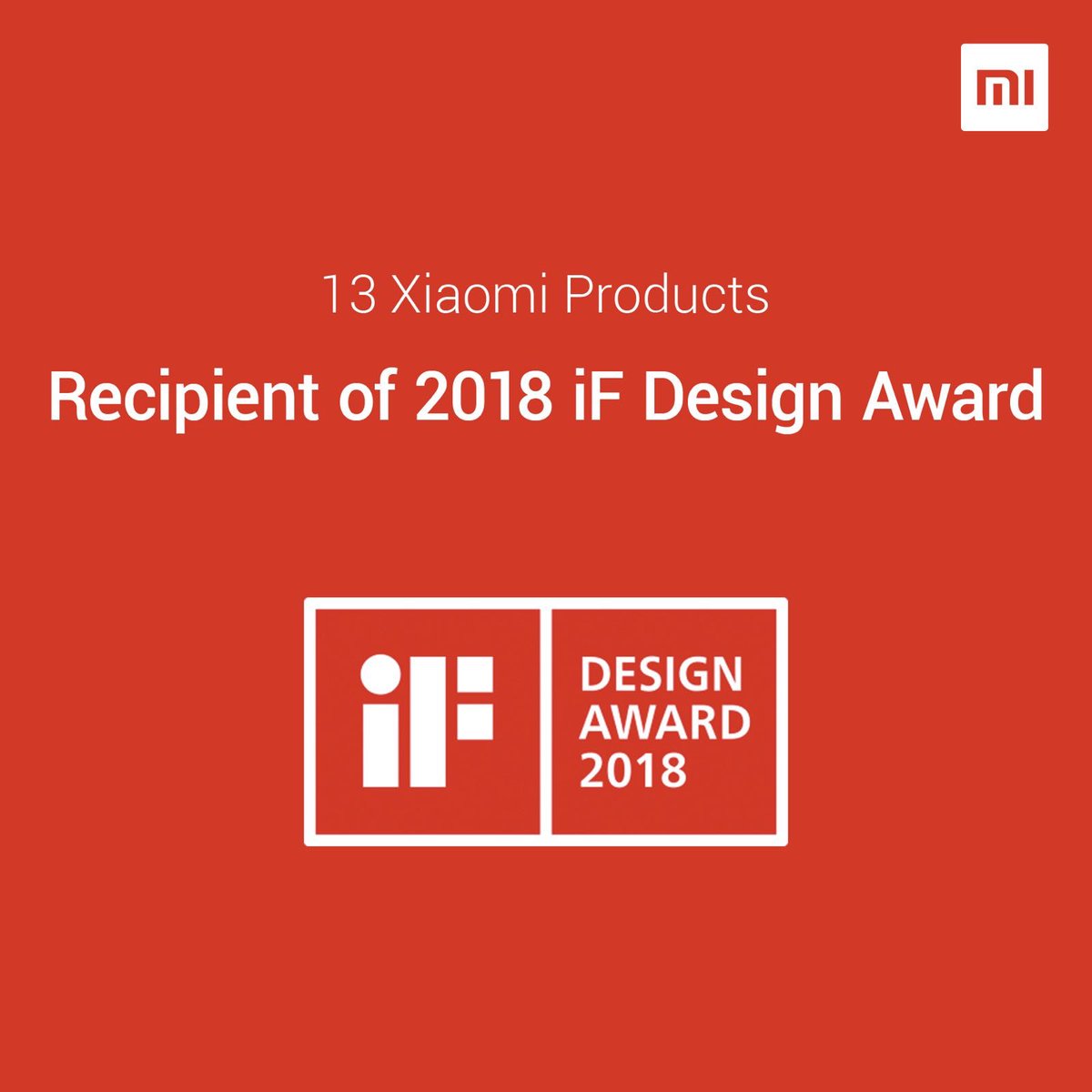
Xiaomi is known for selling its devices with best specs, affordable pricing and impressive design. Last year, Mi Scooter, Mi Laser Projector, Mi Walk-Talkie, Mi TV 4, Mi VR headset and Mi MIX had won The Good Design Awards 2017. Now, iF Design Award Committee has confirmed that 13 Xiaomi devices have won awards for exceptional design. On Weibo, Xiaomi CEO Lei Jun has revealed the list of devices that have received 2018 iF Design Award in Germany.
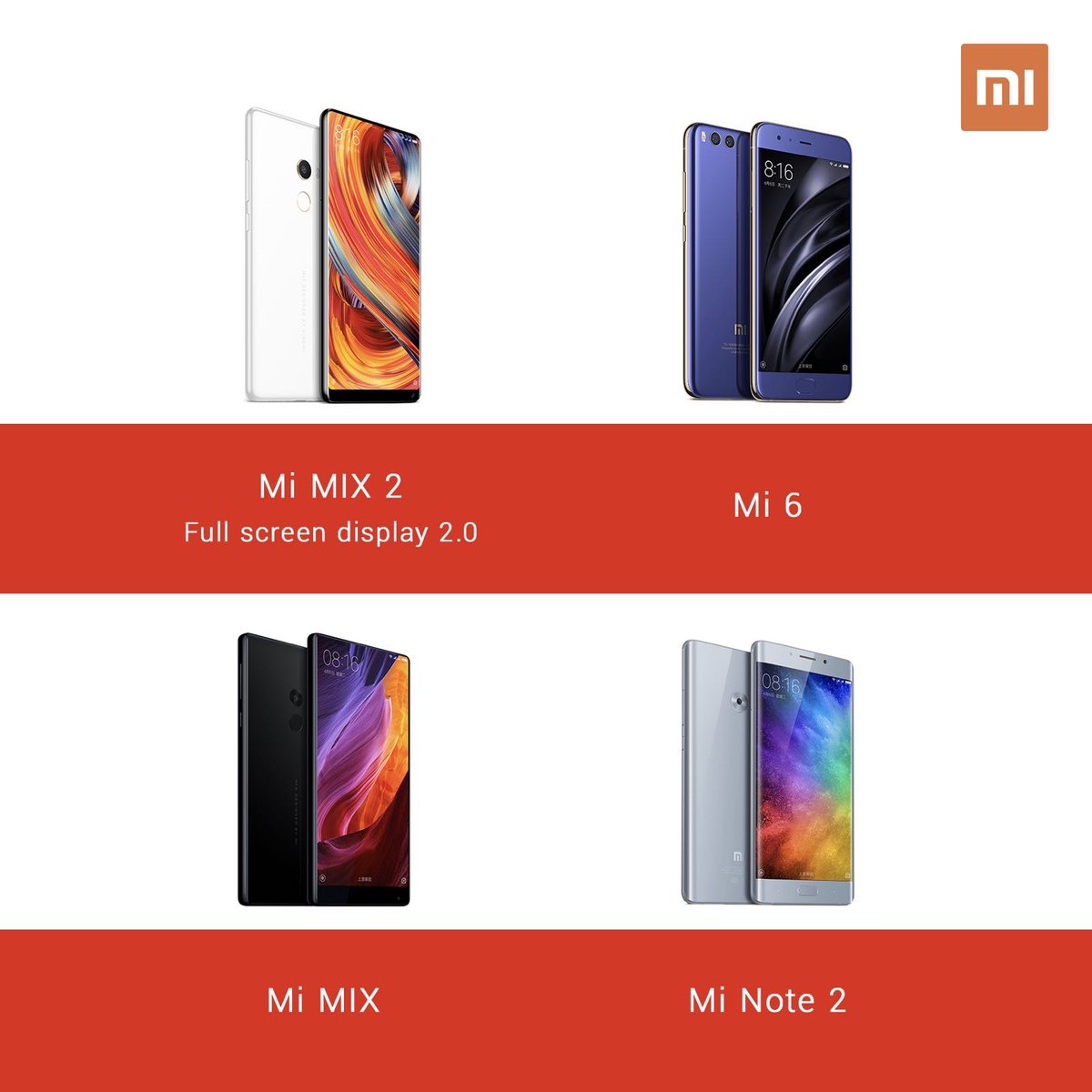
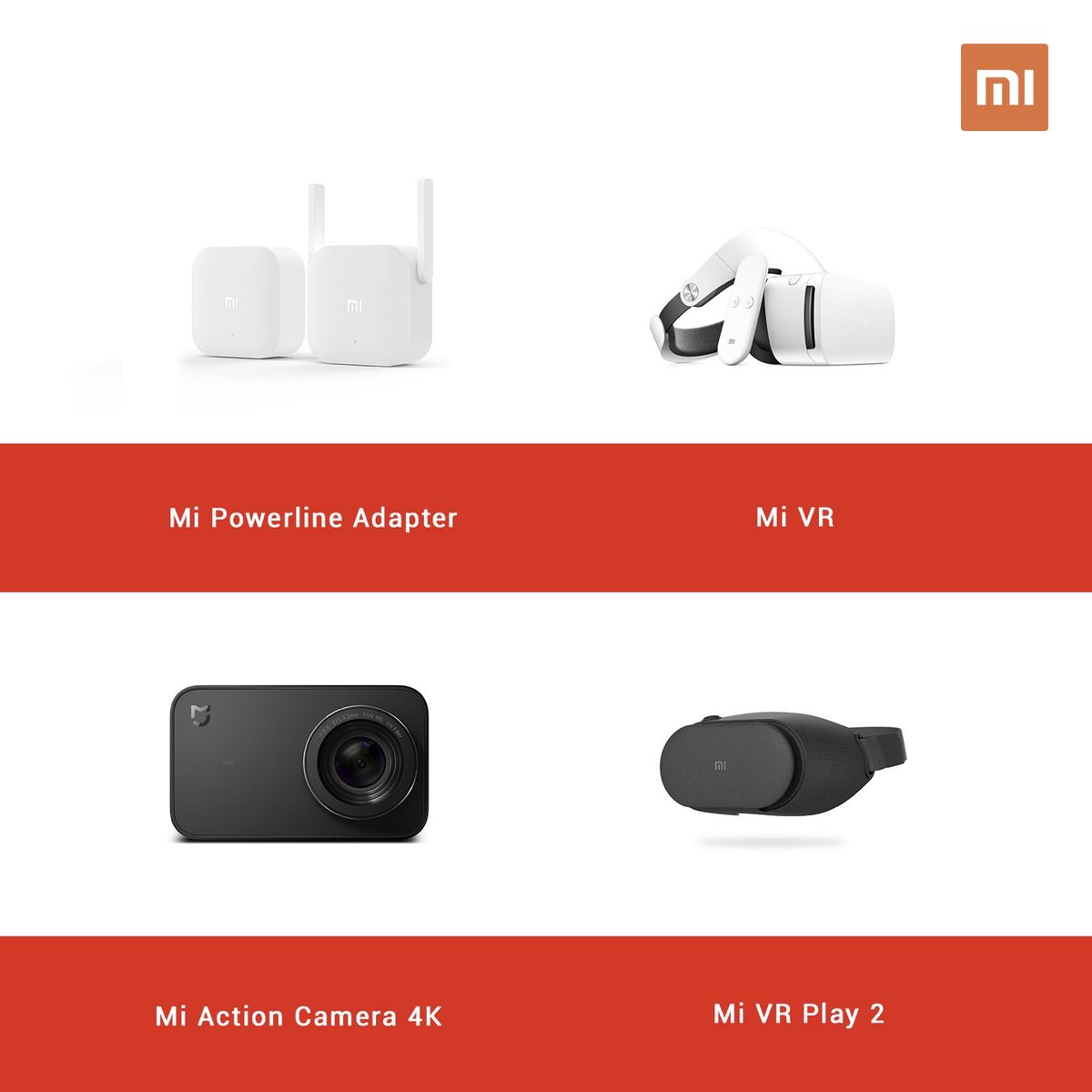
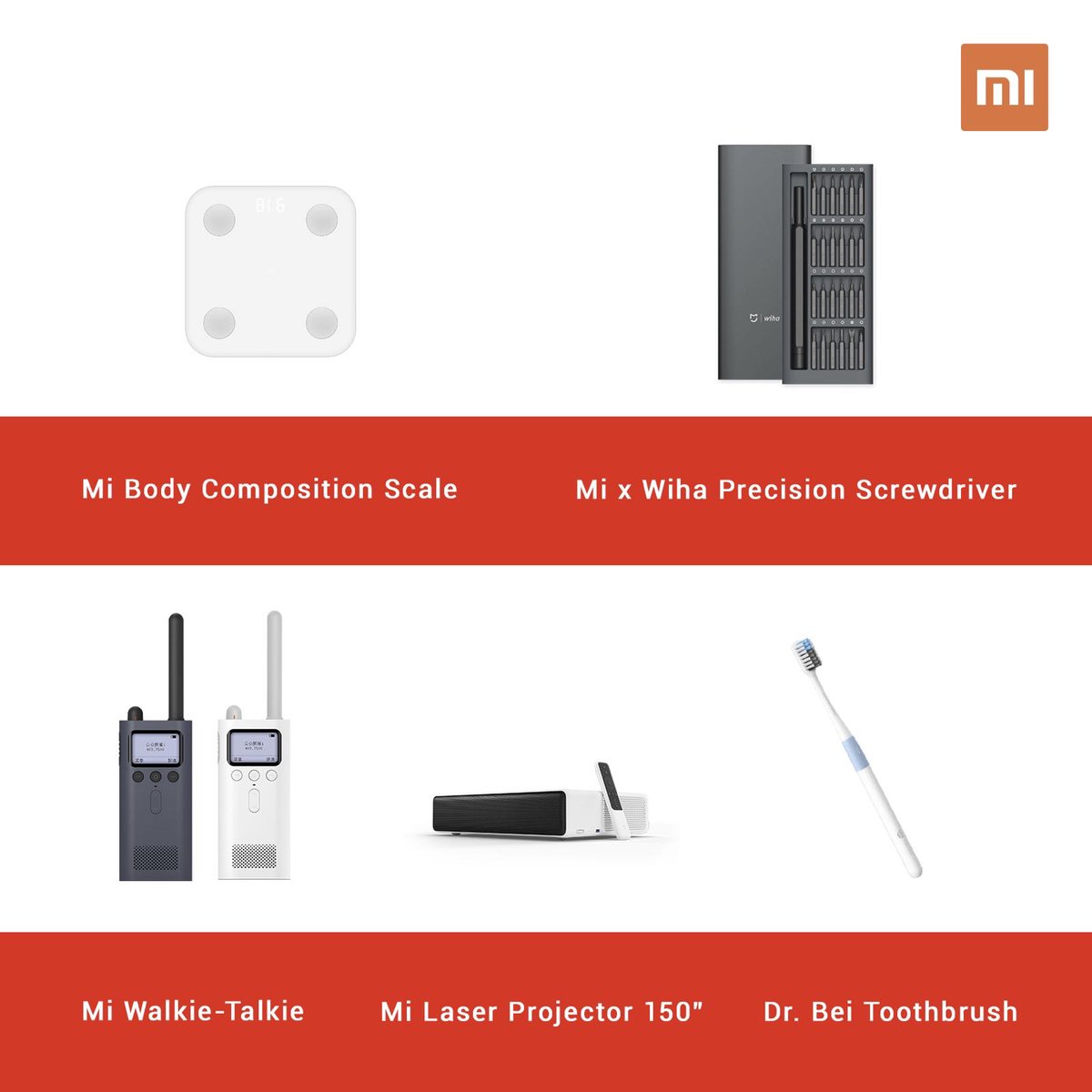
The 2018 iF Design Award received more than 6,400 entries from 54 applicants from across the world. The winners were chosen by a panel of 63 design experts from all over the world. The 13 Xiaomi devices that have bagged 2018 iF Design Award include Mi MIX 2, Mi 6, Mi MIX, Mi Note 2, Mi WiFi Powerline Adapter, Mi VR headset, Mi VR Play 2, Mijia Mi Action Camera 4K, Mi Walkie Talkie, Mi Laser Projector 150, Mi Body Composition Scale, Wiha Precision Screwdriver and Doctor Bei Toothbrush.
The original Xiaomi MI MIX concept phone was designed by well-known French designer Phillip Starck. Among several other awards, the Mi MIX has also won the GOLD Award at IDEA (International Design Excellence Award) 2017 last year. In September 2017, the Mi MIX concept phone was added to National Design Museum in Finland. The curator of the museum Jukka Savolanien said, “It points out the direction of future design of smartphones.”
In December, the Mi MIX and Mi MIX 2 were added to the France’s world-famous art museum, Centre Pompidou that feature other masterpieces from Picasso and Marcel Duchamp. It also received praises from numerous publication across the world. According to Starck, the Mi MIX 2 is “a perfect phone” as it features a full screen design with reduced bottom bezel and ceramic chassis. It is powered by Snapdragon 835 chipset and has up to 8 GB RAM and up to 256 GB of storage. It is packed with a 3,400mAh battery.
Mijia is the sub-brand from Xiaomi through which it sells smart home products. Most of the smart home devices that have won 2018 iF Design Award can be seen sporting a minimalist design and they come with affordable pricing. Well-known tech companies have been selling aesthetically pleasing devices like iPhone X, Galaxy Note 8 and so on with exorbitant pricing. However, Xiaomi has always strived to maintain that a well-designed product does not mean that it should carry costly price tag.
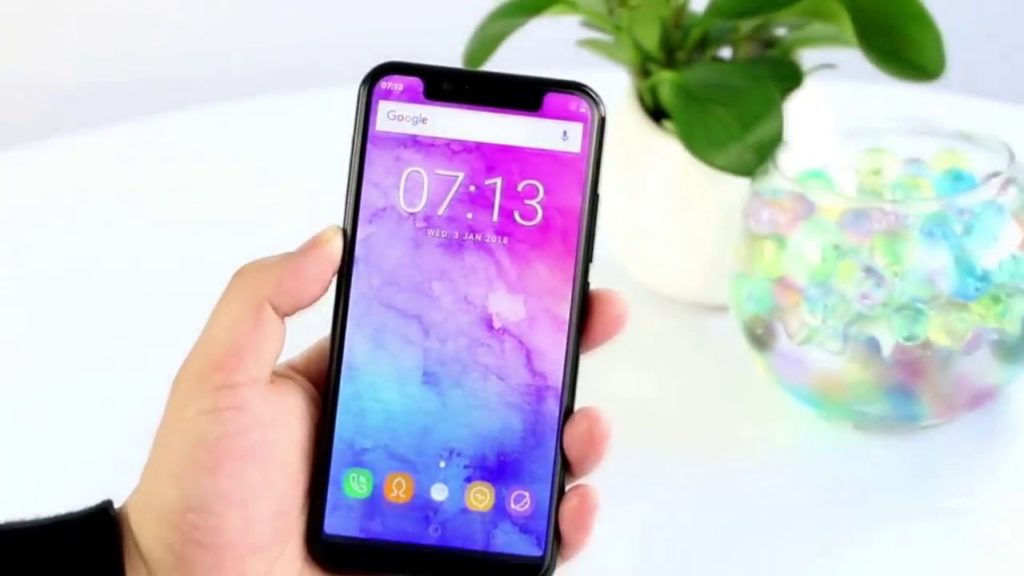
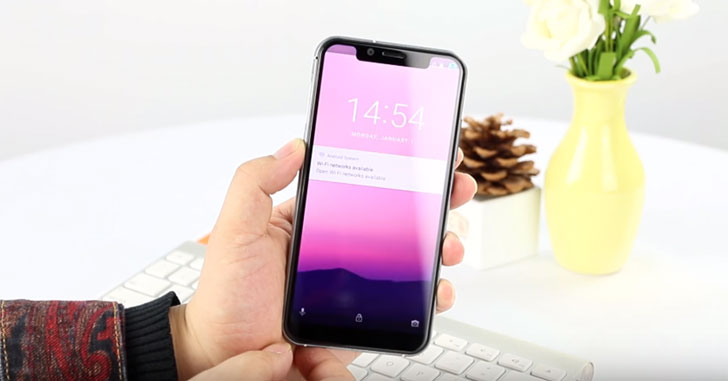
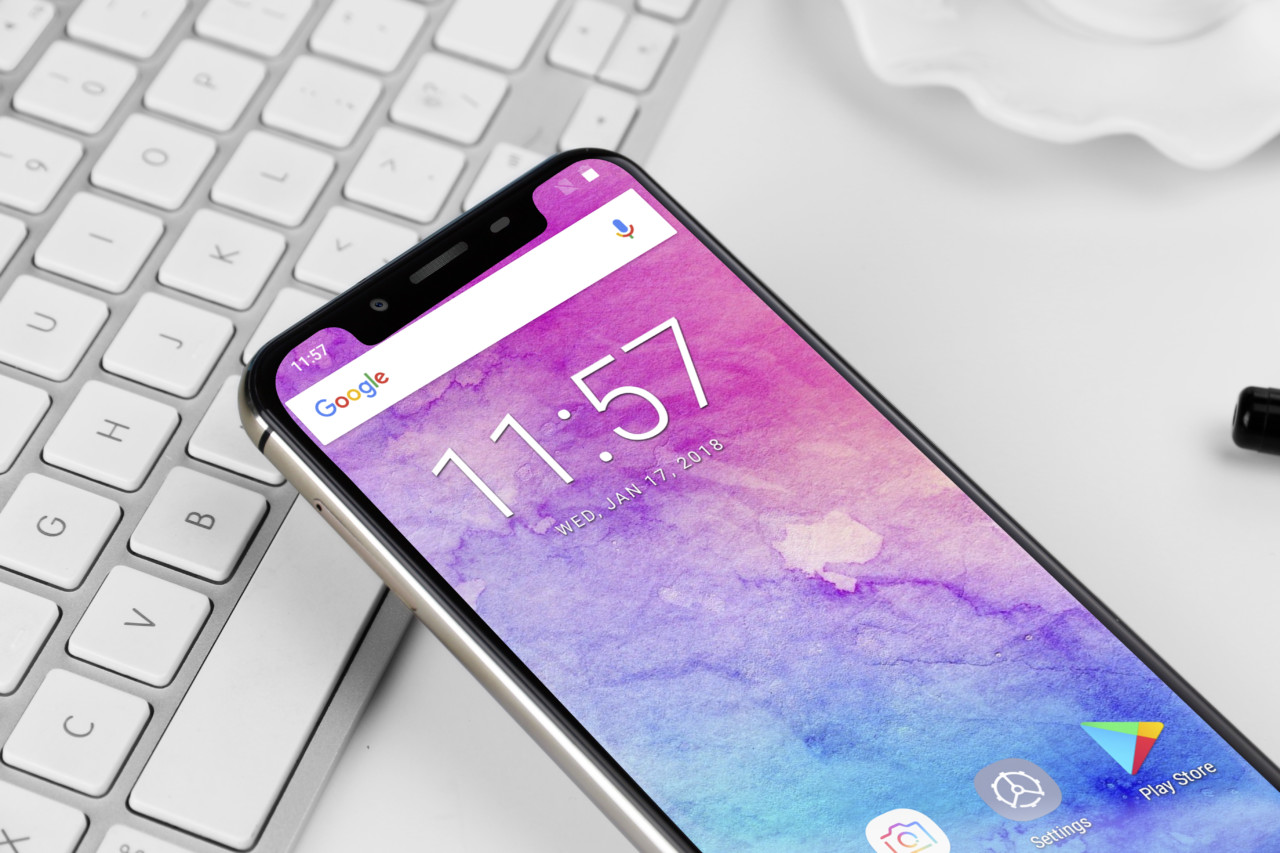
OUKITEL U18 is a budget smartphone that bears a striking resemblance to the iPhone X as far as design is concerned. The phone is ideal for budget-conscious buyers who love the iPhone X design but are not willing to shell out that much money on the coveted smartphone.
Smartphone enthusiasts who have restlessly been waiting to get their hands on OUKITEL U18 without burning a hole in their pocket are in for a treat. Banggood is currently offering a considerable 11% off on the handset’s original asking price of $179.99.
The discount is available to those who preorder the budget iPhone X clone before the promo comes to an end. Let’s check out what the U18 has to offer in terms of specification.
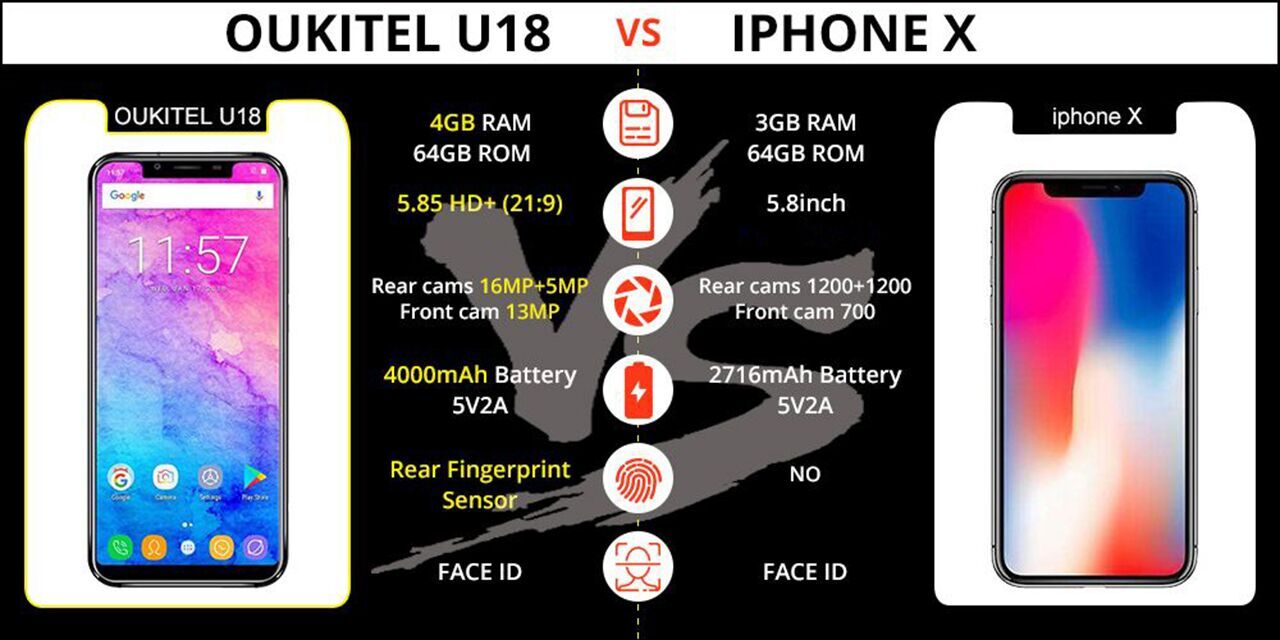
OUKITEL U18 sports a 5.85-inch 21:9 full-screen display with a resolution of 1512X720 pixels. It is backed by a big 4000mAh battery, which helps the device to last longer than a slew of other budget smartphones.
Under the hood, the U18 packs a robust MediaTek MT6750T octa-core chipset, coupled with 4GB of RAM and 64GB of onboard memory. The dual-SIM phone runs on Android 7.0 Nougat operating system, which ensures a superior user experience.
On the photography front, the U18 smartphone sports a 16.0MP+5.0MP dual camera setup at the back and a 13.0MP front shooter for selfie addicts. Moreover, the U18 is perfect when it comes to holding it in hand thanks to its 3D arc design and 2.5D curved display, which is housed in a CNC crafted zinc alloy frame.
Although the Oukitel U18 4G smartphone is brimming with an array of top-notch specs, you can preorder it for just $159.99 On Banggood by heading straight to this link. You also earn 159 Banggood points.The discount is valid for the black color version of the U18.
It is also imperative for you to bear in mind that the promo is slated to end soon and the discount is valid only for 999 pieces.
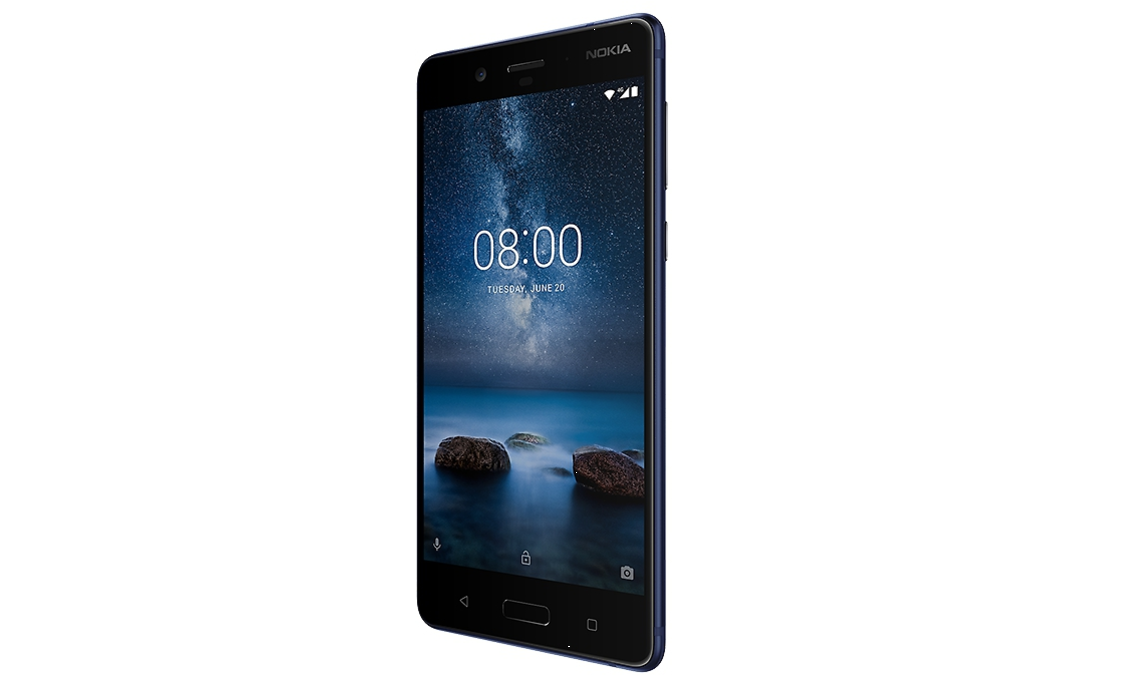
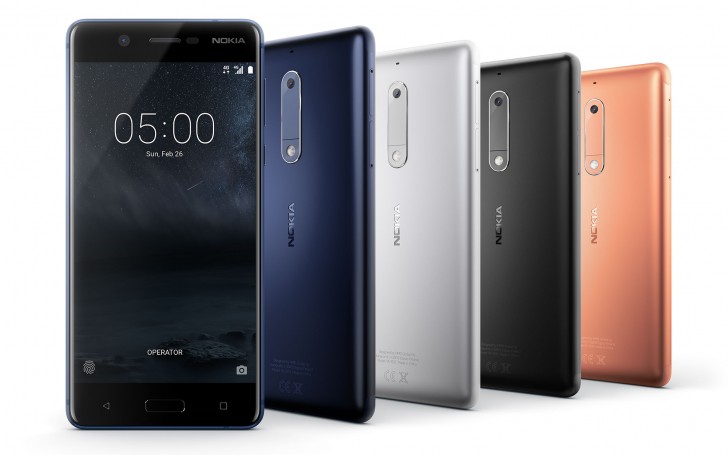
HMD Global’s two phones in India — Nokia 8 and Nokia 5 have received a price cut. The Nokia 8, which was launched in India for Rs. 36,999 will now be available for Rs. 28,999. On the other hand, the Nokia 5 3GB RAM variant, which was launched at Rs. 13,499 will now cost Rs. 12,499.
The new pricing for the Nokia 8 and Nokia 5 will be effective from Thursday. This move comes at a time when HMD Global is expected to launch new devices at the upcoming Mobile World Congress in Barcelona.
The Nokia 8 comes with a 5.3-inch QHD IPS display with 1440 x 2560 pixels screen resolution with 2.5D curved Corning Gorilla Glass 5 protection. Under the hood, it is powered by Qualcomm‘s Snapdragon 835 processor along with 4GB of LPDDR4X RAM and 64GB onboard storage.
The phone features a dual rear camera setup that includes two 13-megapixel image sensors — one RGB sensor with optical image stabilization (OIS) and the other with a monochrome sensor. Both sensors feature f/2.0 aperture, phase detection autofocus, 76.9-degree wide-angle lens along with a dual-tone LED flash and an IR rangefinder.
On the front side, there’s a 13-megapixel camera sensor with f/2.0 aperture, phase detection autofocus, and 78.4-degree wide-angle lens. The front camera, as well as the dual rear camera, comes with Carl Zeiss optics. There’s also a ‘bothie’ feature that allows users to capture photos or videos using the front and rear camera setups simultaneously.
The phone, which is the current flagship device from the company, originally came with Android Nougat OS but has recently received the Android Oreo update. It is powered by a 3,090mAh battery.
On the other hand, the Nokia 5 features a 5.2-inch HD IPS LCD display with 720 x 1280 pixels screen resolution with 2.5D Corning Gorilla Glass protection on top. It is powered by an octa-core Qualcomm Snapdragon 430 processor, coupled with 3GB of RAM and 16GB internal storage.
The phone sports a 13-megapixel rear camera sensor with f/2.0 aperture, phase detection autofocus lens, and dual-tone flash. On the front side, it sports an 8-megapixel autofocus camera sensor with f/2.0 aperture and 84-degree field-of-view lens. The Nokia 5 runs on Android 7.1 Nougat operating system and received the Android Oreo update just a couple of days ago. The device packs a 3,000mAh battery.
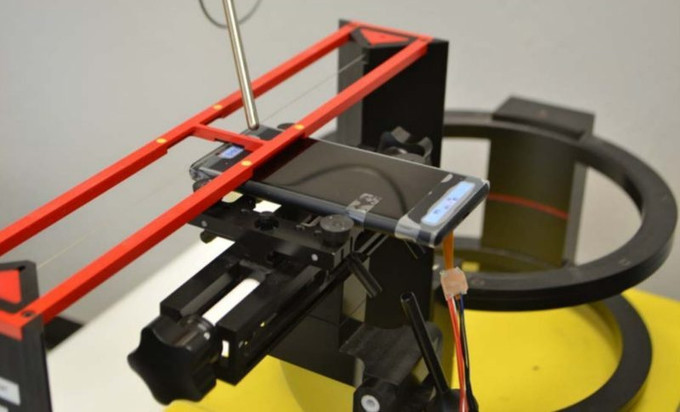
Xperia XZ Pro and Xperia XZ2 are the rumored flagship phones from Sony that are speculated to get unveiled at the Mobile World Congress (MWC) 2018 event at the end of this month. Rumors have it that these phones will be accompanied by a smaller flagship phone called Xperia XZ2 Compact. The alleged handset has recently bagged certification from Federal Communications Commission (FCC) in the U.S. A leaked image showing the alleged Xperia XZ2 Compact being tested has also surfaced.
The image seems to show the rumored Xperia XZ2 Compact with thick bezels at the top and bottom sides of the display. However, they do not seem to be as thick as seen on previous models from Sony. There is no confirmation on whether it will be supporting an aspect ratio of 18:9. The Xperia XZ Pro and Xperia XZ2 are rumored to feature 18:9 display. So, there is a possibility that the Xperia XZ2 Compact will not be featuring the traditional aspect ratio of 16:9.
Through the FCC listing of the phone, it has been found that the handset measures 135 x 65 mm. It is likely to house a 5-inch or smaller display. It is speculated that the smartphone would be powered by Snapdragon 845 chipset and 4 GB of RAM. It is likely to arrive with an internal storage of 64 GB. It may feature a 3,000mAH battery, a single rear camera of 19-megapixel and a frontal shooter of 8-megapixel
More information on the handset is expected to appear before Sony’s MWC 2018 event on Feb. 26. Hence, we advise our readers to take this report with a grain of salt.
Gizmochina along with Oukitel official is conducting 1 unit Oukitel U18as giveaway gift to a lucky reader. Like always, you just have to follow the steps mentioned on the Gleam widget to get a chance to win this amazing gift.
OUKITEL U18 is a chip off the old block as it looks very much like the iPhone X in terms of the design. It resembles the iPhone X in its entire design, packing a full-screen design, and a similar notch at the top of the screen like the one found on Apple’s flagship X which is meant to house the front speaker and selfie shooter. Some of the differences between both models are that unlike iPhone X, the OUKITEL U18 features a 5.85-inch 21:9 display to make the body looks slimmer. And to match the 21:9 display, OUKITEL chose a MediaTek MT6750T octa-core chipset as the MT6750 processor can only drag 18:9 display. The U18 also features 4GB of RAM and stable Android 7 OS, OUKITEL U18 offers super comfortable and fluent handling experience.
How to entry this giveaway? Just follow these steps via Gleam widget:
Visit and Like Oukitel Official Page on Facebook;
Visit Oukitel U18 on official site, and leave comments under this article, please tell us what’s feature do you like on this phone;
Share this giveaway contest to your friends on social sites;
The Oukitel U18 is available for pre-order on Banggood now, get $20 off (the discount price is $159.99 now, only 999 units)
1. The giveaway is an international giveaway. 2. We are not responsible for lost shipments. 3. We are not responsible for any duties, import taxes that you may incur. 4. We reserve all rights to make any changes to this giveaway. 5. The prize will be shipped in a month when the giveaway end (Because the Chinese new year is coming, the shipping probably will be delayed. Thanks for your understanding).
Just follow the steps mentioned in the Gleam widget to participate in the giveaway.
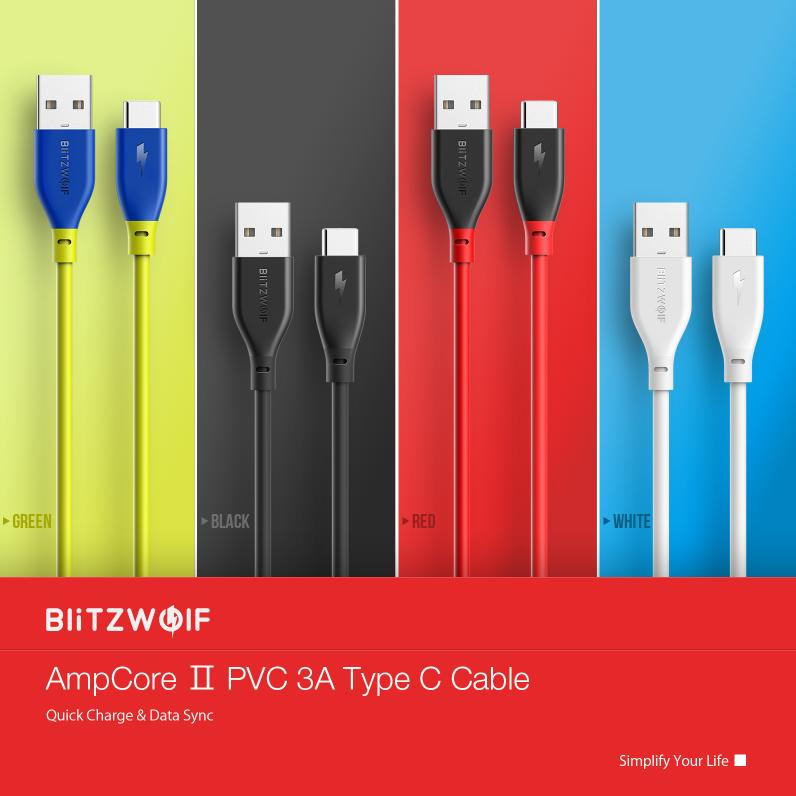
You can now preorder BlitzWolf AmpCore II BW-TC12 3A USB Type-C Charging Data Cable and get a discount on its original selling price of $4.49 on Banggood. Let’s check out the details.
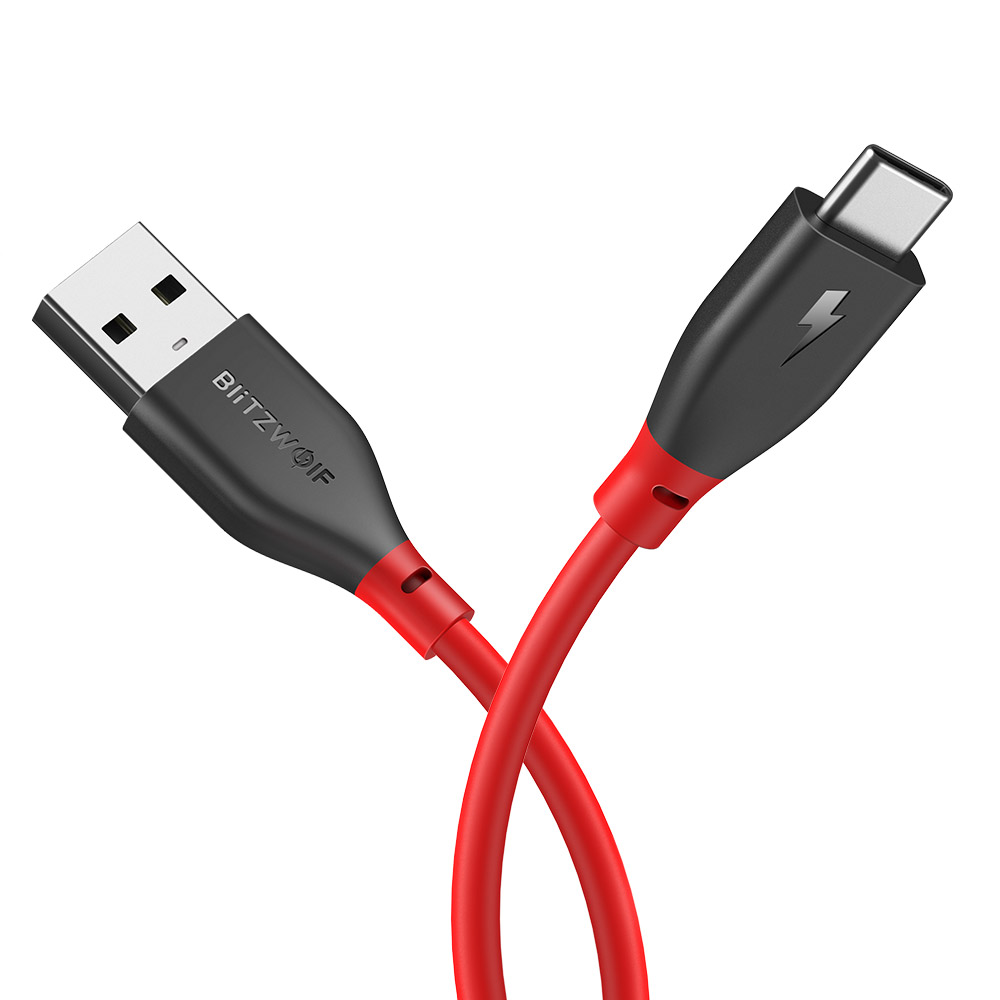
Ampcore II cables boast a built-in 56k Ohm resistor, which stops your device from becoming too hot. Moreover, its nickel-plated reversible connector heads and braided wire sheath are built using a superior quality material to survive years of regular use.
Aside from that, AmpCore II BW-TC12 3A Charging Data Cable supports 3.6-12V fast charging at up to 3A and it works with multiple charging technologies including Qualcomm QC2.0, QC3.0, and MTK Pump Express Plus.
It allows you to charge and transfer data simultaneously with any Type C compatible device including SONY, Samsung, LG, Nokia, BlackBerry, HUAWEI, Xiaomi, HTC, and Lenovo, just to name a few. But if that doesn’t impress you much, it even comes with an 18-month warranty.On top of that, Banggood is giving a considerable 22% discount to those who preorder it before the promo comes to an end. Thanks to the discount, you now need to shell out only $3.49 to preorder AmpCore II BW-TC12 3A Charging Data Cable on Banggood.
You can head straight to this link and take advantage of the promo before it comes to an end.
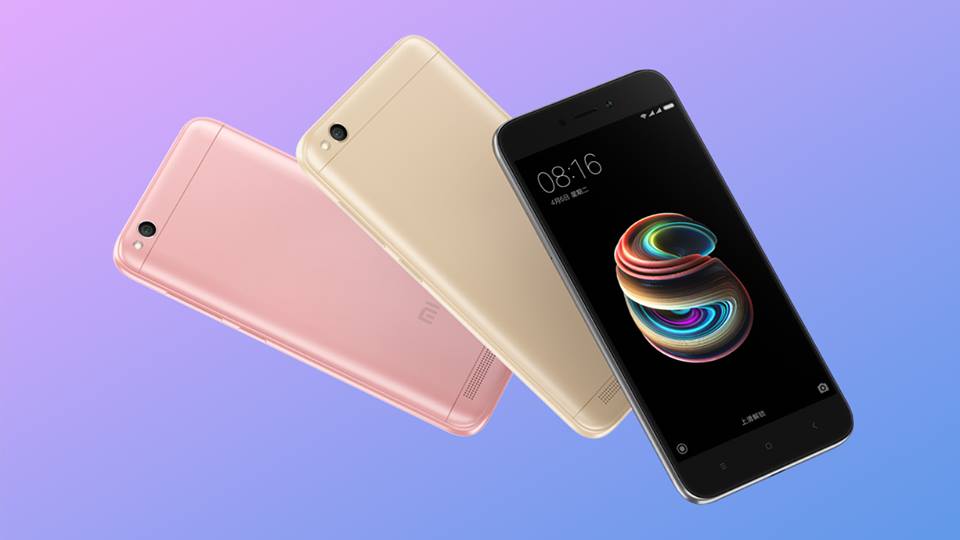
Xiaomi has today launched a new Rose Gold color variant of its entry-level Redmi 5A phone in the Indian market. It will go on sale today for the first time for a price of Rs. 4,999 and will be available through online retailer Flipkart as well as the company’s official online store.
The Xiaomi Redmi 5A was launched in India in December last year and was available in two colors — Dark Grey and Gold. The phone was first announced in China in October. In India, the phone comes with some India-specific customizations.
The phone features a 5-inch HD display with 720 x 1280 pixels screen resolution. Under the hood, the device is powered by Qualcomm‘s Snapdragon 425 chipset that features a 1.4 GHz quad-core processor. This is the same chipset that powers Redmi Y1 Lite, Redmi 4A, Motorola Moto E4, ASUS ZenFone 4 Max, among others.
The device comes in two models based on the memory configuration — 2GB RAM and 16GB of internal storage and 3GB RAM with 32GB of onboard storage. The Redmi 5A features a f/2.2 aperture 13-megapixel rear-facing camera and a 5-megapixel front-facing camera. The 5-element rear lens is equipped with features like LED flash, HDR, Panorama, PDAF and Beauty Filter.
While the China model features a hybrid dual-SIM slot, the Indian variant comes with a dedicated microSD card apart from dual-SIM slots. According to the company, considering the warm weather conditions in India, they have included dual pyrolytic graphite sheets inside the Redmi 5A that can reduce its temperature by at least 1-degree Celsius.
Running on MIUI 9, which is based on Android Nougat operating system, the phone is powered by a 3,000mAh battery, which according to the company offers 8 days of standby time, 21 hours of music playback and 7 hours of video playback.
The Redmi 5A, which was launched in India on December 7 as a successor of the Redmi 4A, is already a huge hit in the Indian market. Last month, Xiaomi’s Global VP and Managing Director, Manu Kumar Jain said that the company has sold over 1 million units of the Redmi 5A in India in less than a month.
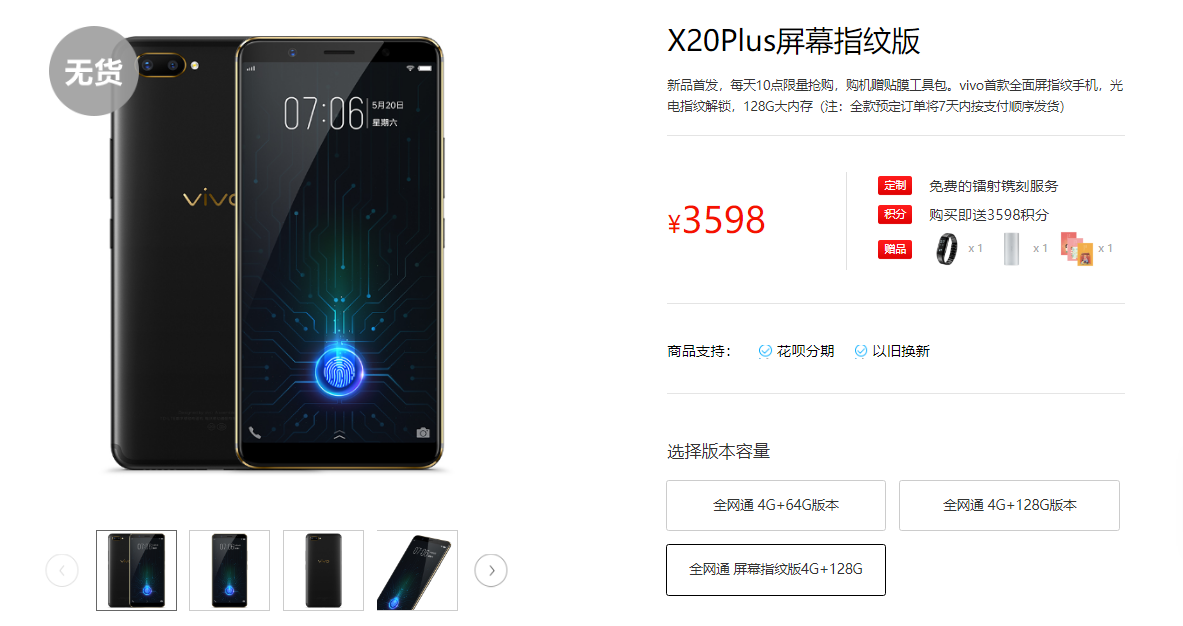
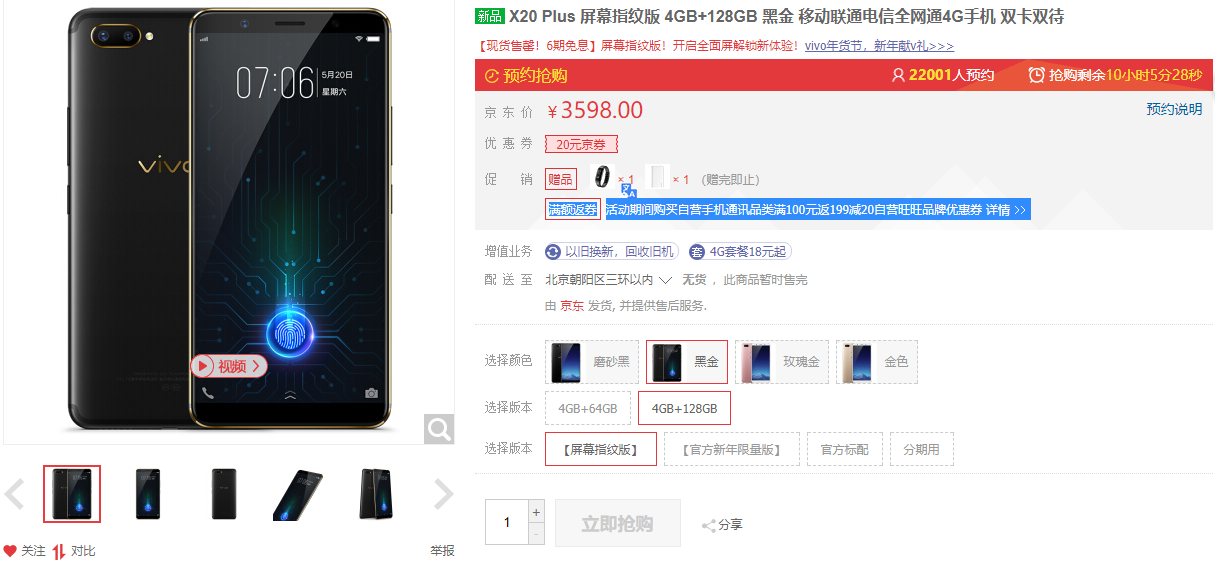
On Jan. 24, Vivo had officially launched the Vivo X20 Plus In-Screen Fingerprint smartphone after demonstrating at the Consumer Electronics Show (CES) 2018. It is the world’s first phone to feature an under-display fingerprint sensor. Starting from 10 AM, the smartphone will be available for buying in China through the official website of Vivo and Jingdong Mall.
The Vivo X20 Plus UD is priced at 3,598 Yuan in China. It is available with some attractive freebies such as Vivo P50 5,000mAh power bank worth 99 Yuan and Smart Bracelet worth 99 Yuan.
The Vivo X20 Plus UD comes with a 6.43-inch AMOLED display that supports FHD+ resolution and 18:9 aspect ratio. The in-screen fingerprint sensor supplied by Synaptics is present between the top glass and OLED panel. It can be not only used for unlocking the phone but also for authenticating payments on WeChat and AliPay. Vivo recommends the users X20 Plus UD to make use of the thin screen protector provided with the device to safeguard the display and its fingerprint sensor. Using a thicker screen protector may hamper the performance of the fingerprint reader. The handset is also equipped with face recognition feature.
The Snapdragon 660 chipset along with 4 GB of RAM powers the X20 Plus In-Screen Fingerprint version. It has a native storage of 128 GB and also features a microSD card slot. The 3,905mAh battery of the phone carries support for fast charging. For photography, it is equipped with OIS-enabled dual camera setup that includes a 12-megapixel sensor and a 5-megapixel sensor. It has a selfie camera of 12-megapixel. The handset comes in a single color of black with gold aesthetics.
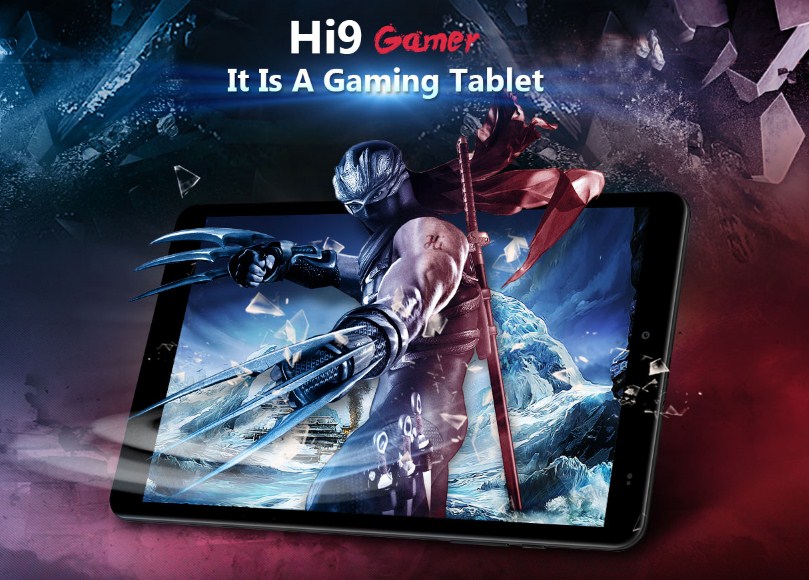
Avid gamers, rejoice. If you’ve restlessly been waiting to get your hands on a powerful gaming tablet PC without shelling out a lot of money, we have good news for you.
You can now save a considerable amount of money when you buy Chuwi Hi9 gaming tablet on GearBest. Let’s delve straight into the details.
The power-packed tablet PC is currently up for grabs for $205.33 on GearBest, but you can save $35.34 by using coupon code ‘CHUWIHi9’ at the time of checking out. This brings your subtotal down to just $169.99.
In terms of specs, the Hi9 tablet PC sports an 8.4-inch 10-point touch display that breathes life into a regular photo or video. Moreover, it runs on Android 7.0 Nougat operating system that guarantees an awe-inspiring user experience.
Under the hood, the Hi9 tablet PC packs a powerful MTK8173 quad-core 1.9GHz processor, coupled with 4GB of LPDDR3 RAM and 64GB eMMC ROM. On the photography front, the high-end gaming tablet sports a 5.0MP camera at the back and a 2.0MP front shooter for a face-to-face chat.
You can head straight to this link in order to take advantage of the coupon code before it expires.
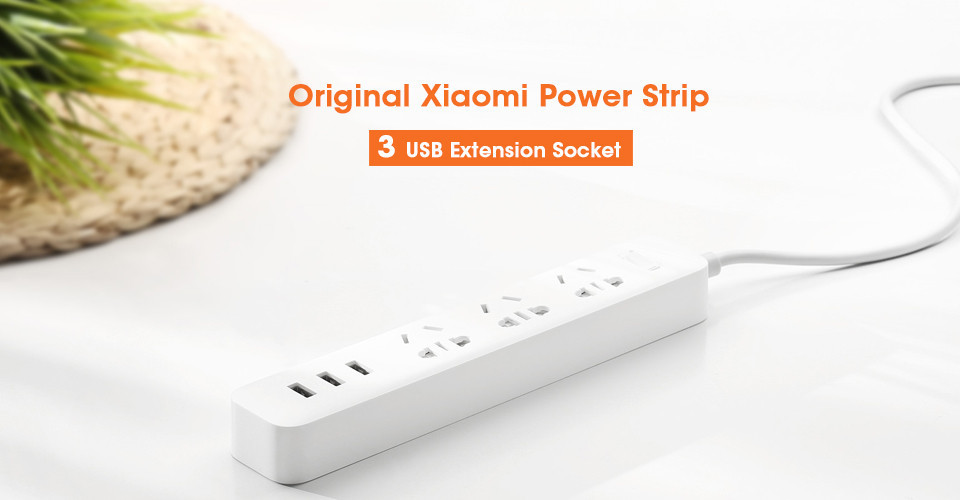
As part of its Lightning sale, international online retail company, LightInTheBox is currently offering 49% discount on the original $18.89 selling price of XiaoMi 3 USB Charging Ports Mini Power Strip. This reduces its asking price to just $9.70.
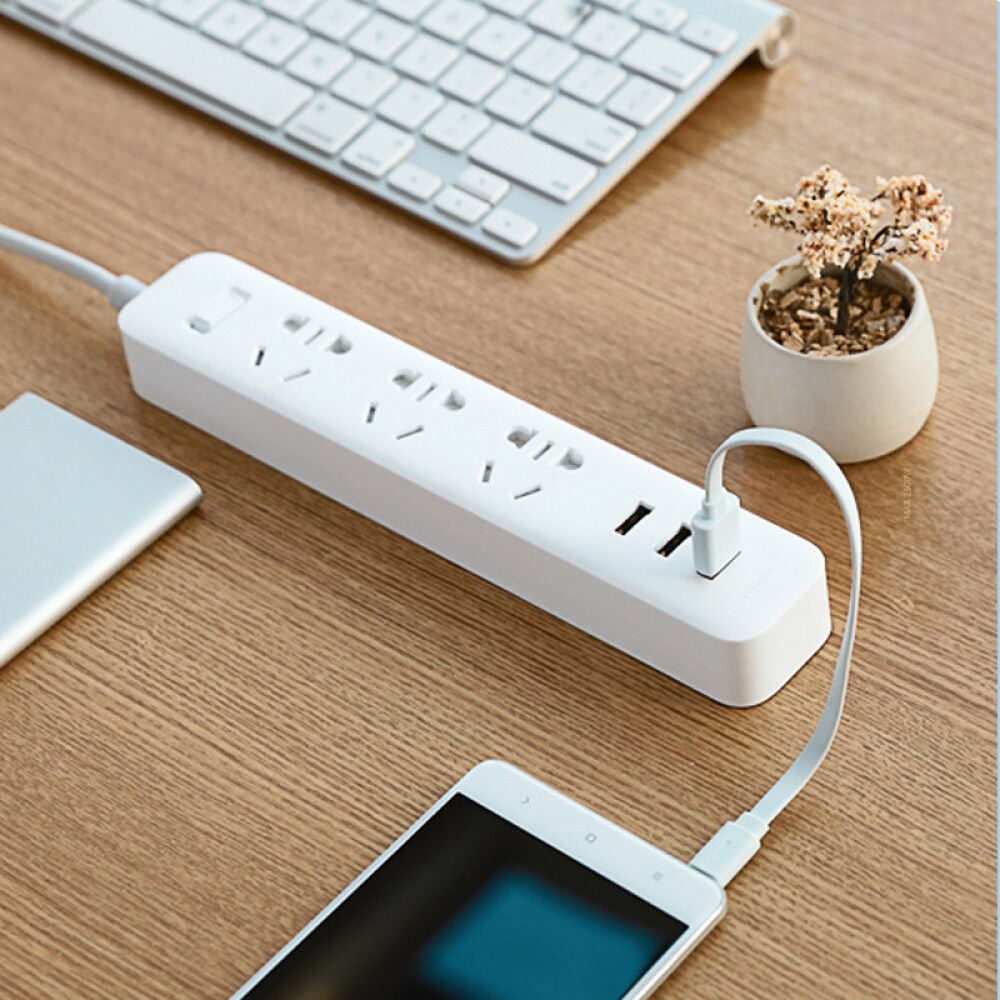
The ultra-thin power strip gives your wall a clean and tidy appearance. The internal structure material is built from top quality tin phosphor bronze. The device boasts superior elasticity, coupled with robust electrical conductivity and strong wear-resistance.
This compact and highly portable XiaoMi Power Strip also offers 3 USB2.0 charging ports, which you can use to charge your phones, tablets, e-books and a slew of other common devices such as digital cameras at the same time. Moreover, it offers electric leakage protection up to 20uA threshold for added safety.
You can buy XiaoMi 3 USB Charging Ports Mini Power Strip at a discounted price on LightInTheBox only for a limited period of time so head straight to this link before the promo comes to an end. It’s also worth noting that just 276 pieces were left at the time of writing.
Recent reports have revealed that Apple’s upcoming A12 chipset will be built by TSMC with 7nm manufacturing process. The Apple A12 chipset will be reportedly used to power the 2018 iPhones. It was previously speculated Samsung too will power the Galaxy Note 9 with 7nm chipset. However, fresh information suggests that the Note 9 may feature 10nm or 8nm chipset instead of 7nm chipset.
The Galaxy S9 and Galaxy S9+ that are going to launch in the next month will be powered by Snapdragon 845 and Exynos 9810 chipsets that are built with Samsung’s second-generation 10nm LPP manufacturing process. The South Korean company is mass producing the 10nm LPP chipsets at the newly built S3 unit in the home country. It has claimed that the 7nm FinFET process technology with Extreme Ultra Violet (EUV) will be also produced at the same plant. However, the company has not provided any timeframe on the production of 7nm chips.
It was speculated that after building 10nm chipsets, the 8nm LLP chipsets would be built alongside the 7nm EUV or before it. However, Samsung has recently confirmed through a recent press release that it will be ramping up the production of second-generation 10nm chipsets for this year’s flagship phones. Hence, it is unlikely that the company will be mass producing 7nm chipset this year.
According to Samsung, it will be providing its clients with 8nm and 11nm processes and it will be starting a risk production of 7nm node. The 2018 iPhones are expected to be powered by 7nm chipsets manufactured by TSMC. Hence, in terms of chipsets, the next-generation iPhones may defeat the Galaxy Note 9, unless the latter features an 8nm chip. Its production is expected begin in the second half of this year. Hence, it is likely that Samsung may use second-generation 10nmm chipsets to power the Galaxy Note 9
Xiaomi took the wraps off its hotly-anticipated Redmi 5 Plus smartphone in December 2017. As expected, the phone garnered huge popularity among smartphone enthusiasts.
You too can now get your hands on the very well-received Redmi 5 Plus 5 4G smartphone without spending a fortune. The dual-SIM smartphone is currently up for grabs for only $209.99 on LightInTheBox. The phone’s original asking price is $325.48.
In other words, LightInTheBox is offering a massive 36% discount on the Redmi 5 Plus’ original selling price. The discount is available for the black color version of the handset.
In terms of specs, the Redmi 5 Plus smartphone offers 3GB of RAM and 32GB of onboard memory and packs a powerful Qualcomm MSM8953 Snapdragon 625 processor, under the hood. Moreover, it sports a massive 5.99-inch display with a screen resolution of 2160 X 1080 pixels.
In order to check the full specification of Xiaomi Redmi 5 Plus 4G smartphone and take advantage of the promo, head straight to this link.
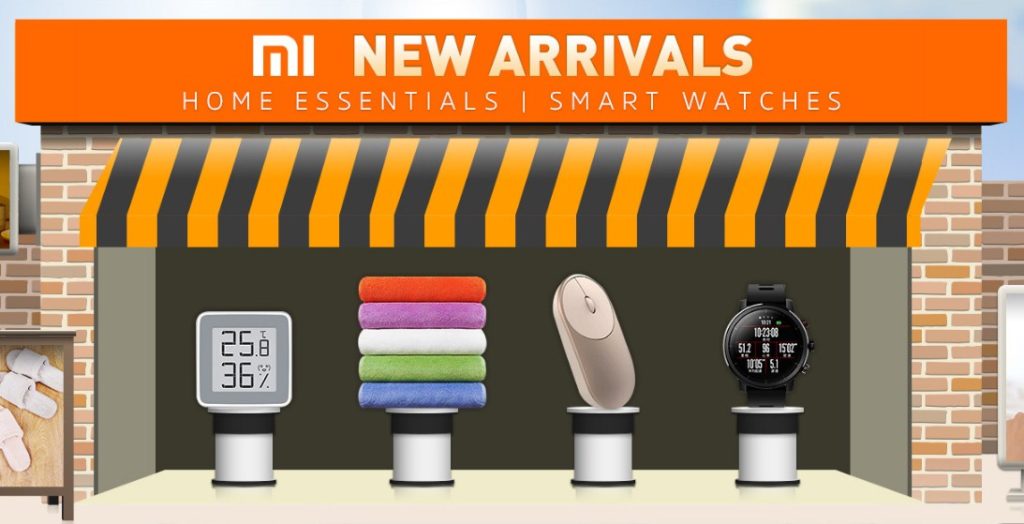
Beijing-based electronics and software company, Xiaomi is renowned for manufacturing consumer electronics such as laptops, smartphones, mobile apps, and smartwatches. GeekBuying is now offering considerable discounts on a slew of selected Mi-branded smartwatches and home essentials items for a limited period of time.
First off, the site is offering a considerable 53% off on Xiaomi Mijia Induction Cooker, which carries a price tag of $254.64. You can now get your hands on the electric cooker for only +$119.99. This promo is slated to end in just 4 days.
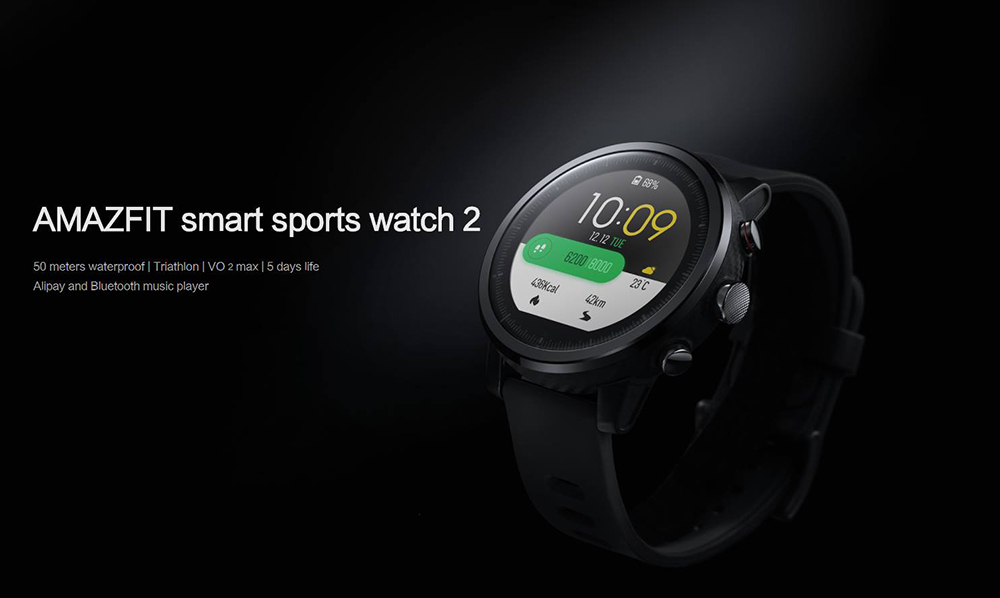
Likewise, GeekBuying is offering 38% discount on the original $274.99 selling price of Xiaomi HUAMI AMAZFIT Stratos Smart Sports Watch 2. You can now buy this smartwatch by shelling out just $169.99 on GeekBuying.
The site is also selling Original Xiaomi Yuemi Pro MK02 Wired Gaming Mechanical Keyboard for just $159.99. This is a considerable 20% reduction in the keyboard’s original selling price of $199.99. This promo ends in just 4 days.
Flash Deals
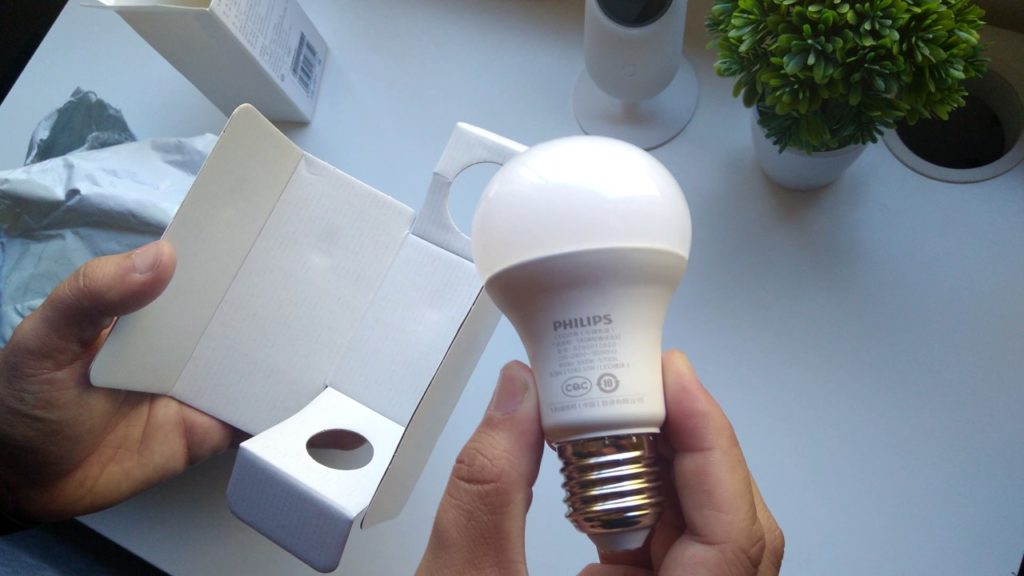
This section comprises four items including Xiaomi Philips Smart E27 Bulb, SARMOCARE M100 Electric Toothbrush, Xiaomi Wireless Mouse, and Xiaomi Amazfit Cor Smart Bracelet. As part of its latest promo, GeekBuying is giving big discounts on the above-mentioned items for a limited period of time.
For instance, Xiaomi Philips Smart LED Ball Lamp WiFi Remote Control E27 Bulb, which sells for $27.15 is currently up for grabs for only $8.99 on GeekBuying. This is a massive 67% discount on its original asking price.
Mi Smart Life
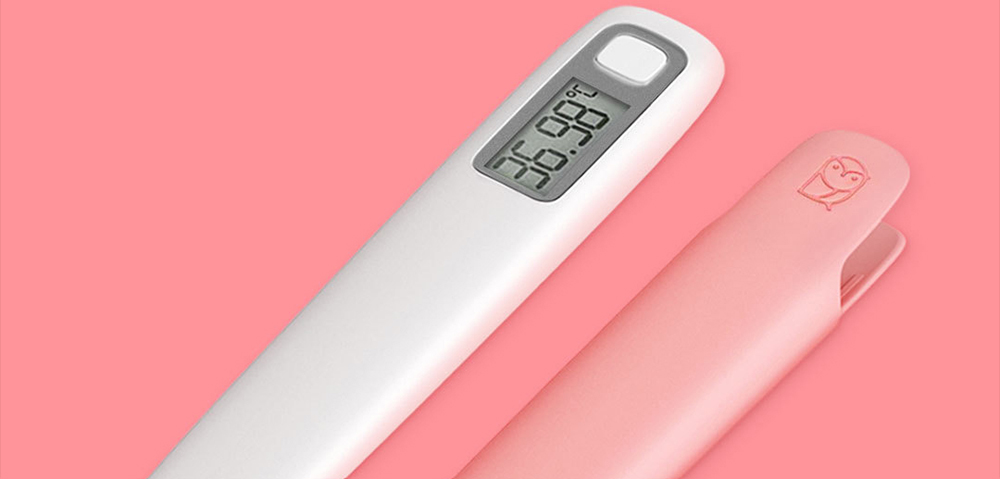
This category features items such as Xiaomi Miaomiaoce Digital Thermometer, Xiaomi Miaomiaoce Digital Thermometer Hygrometer E-ink Ink Screen Display, Xiaomi Smate SH-A161 Hair Dryer 1600W Double Negative Ions 2 Speed Temperature with Nozzle Collaps and a myriad of other smart gadgets that come in handy in day to day life.
In this section, you can preorder Xiaomi Mijia Digital Female Basic Thermometer for just $26.99. It’s worth noting that the device bears a price tag of $46.92 without the discount offered by GeekBuying.
Smart Watches
While fitness and fashion brands are leaving no stones unturned in a bid to come out with more and more specialized watches, Xiaomi continues to manufacture and sell some of the best smartwatches that are currently up for grabs in the market. But these gadgets can sometimes carry a very steep price tag.
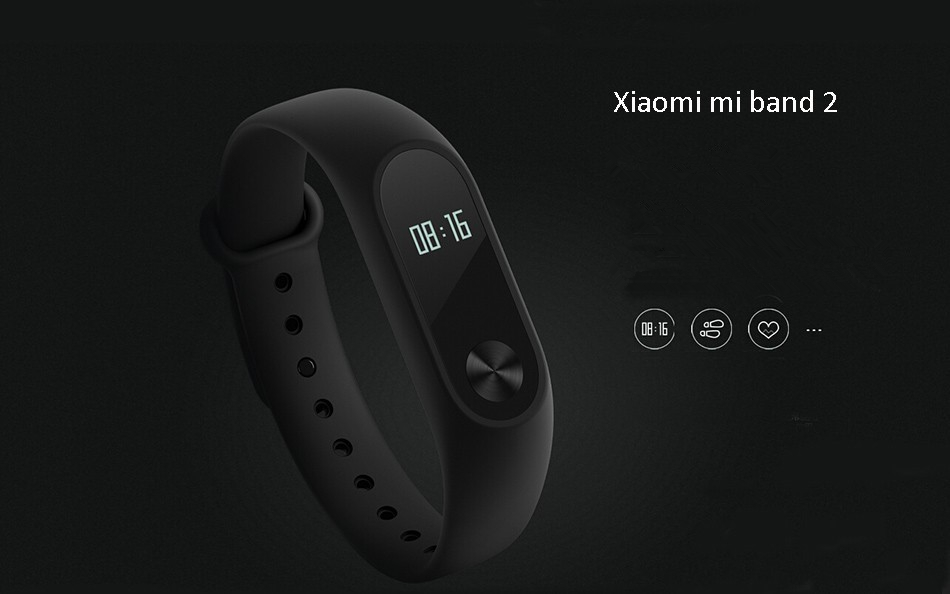
If you’ve been waiting to get your hands on a Xiaomi-branded smartwatch without burning a hole in your pocket, we have good news for you. GeekBuying is offering discounts on selected smartwatches including the Original Xiaomi Mi Band 2 Smart Bracelet, which is currently selling at a discounted price of $23.99 on the site.
Others
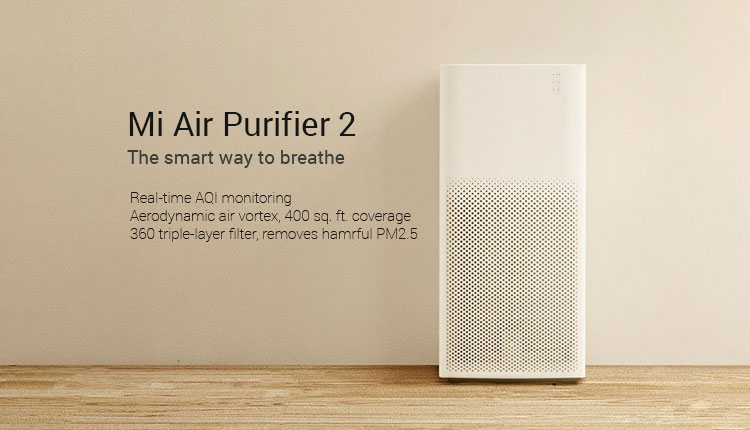
This segment of GeekBuying’s promo features scads of useful appliances such as Xiaomi Mi Air Purifier 2 Real-time AQI Smart Air Cleaner, Xiaomi Mi Robot Vacuum Cleaner Robot, and Xiaomi Philips Smart LED Ball Lamp E27 Bulb.
While GeekBuying is still offering discounts on various Mi-branded items, it is imperative for you to bear in mind that the promo will be wrapping up soon. Moreover, there were only a few pieces of some items left at the time of writing.
You can head straight to this link in order to take advantage of GeekBuying’s latest discounts before the promo comes to an end.
There were speculations recently that Huawei may launch the P11 or P20 series at the Mobile World Congress (MWC) 2018 holding in Barcelona. Another line of thought soon emerged that since there is a possible clash of the launch event with that of the Galaxy S9 series, a new date might be chosen for its launch. It has now been confirmed by GSMArena that the flagship Huawei P11 which we still don’t know if it would be called P20, would not be unveiled at MWC 2018 but Huawei will hold a special event on March 27 where it would unveil the P11/P20. The details also include that the event would be held in Paris, France.
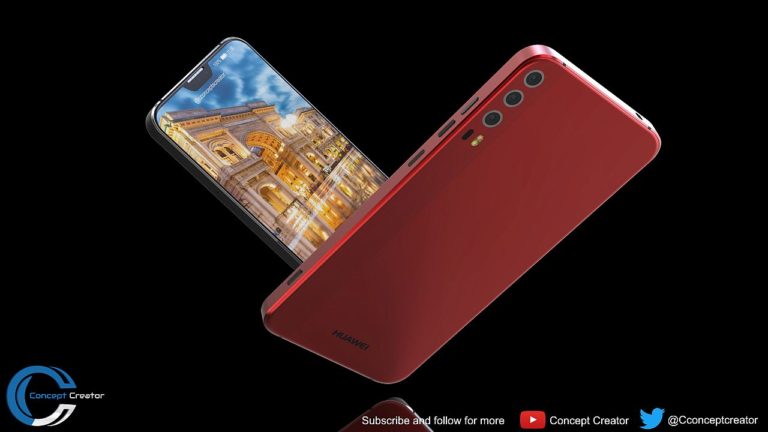
Huawei P11/P20 Concept Renders
The next-generation Huawei P-series is expected to be made up of three different models a P11/P20, and a bigger-sized P11/P20 Plus as well as a P11/P20 Lite. There is also rumors of a P11/ P20 Pro which would feature a display notch similar to that of the iPhone X with the 18:9 aspect ratio, That has also been talks of the flagship models utilizing three dual cameras but that could just be the figment of someone’s imagination. It just concept images we have seen about that anyway.
The upcoming models are also expected to arrive with a full-screen design similar to what Huawei did on the Mate 10 Pro. The models will equally be fueled by a Kirin 970 chipset which has AI capabilities. However, the Lite version may feature a different specs lineup. Huawei had made trademark applications for both the P20 moniker and later on P11. So, we’ll have to wait till it is officially unveiled to know the real name. We expect more details to be outed, though, before the March 27 launch date.
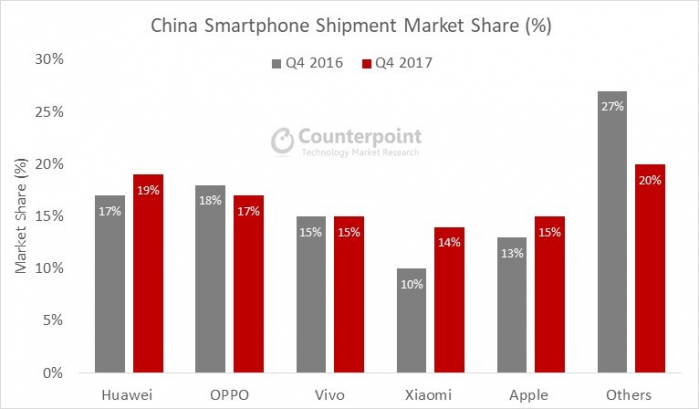
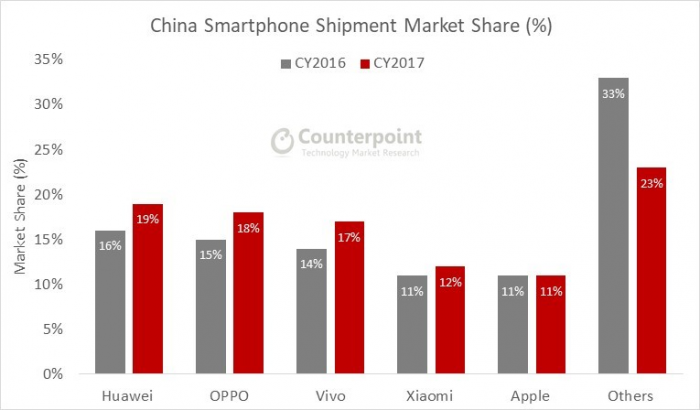
Research firm Counterpoint Research has released its statistical data for smartphone shipments in China for the entire quarters of 2017. The statistical data shows the global smartphone market shares for Q3 2017 as well as the mobile phone market shipment comprising both smartphones and feature phones.According to the report, last year was a not so positive one for the market in China as sales volume grew by 5% but there was a 1% drop in smartphone shipments compared to the previous year. Shipments took a dive with a 4% drop in market shares YoY in Q4 2017 but in Q3, shipments were up by 5% when compared to the same period last year. Counterpoint’s James Yan, a research director explained that the year 2017 was a tough one for the Chinese handset makers due to a reduction in smartphone shipments. This is said to be due to the huge shipments made in 2016 to balance the huge marketing expenditures in the second half of the year which led to the need to clean up the inventory accumulated in 2016 last year. The surge in full-screen models being launched in China was in a way a move to get many buyers to replace their smartphones with new models which would help the overall sales. But then this created a lot of inventory of older models which had to compete with the new full-screen models.
On the individual OEM scale, Huawei emerged as the number one Chinese smartphone brand. Huawei’s shipments increased by 8% in the fourth quarter of 2017 and in the entire year it grew by 19% YoY. Thus, the company is the number one manufacturer n China last year. Don’t forget also that Huawei still ranks among the top 3 global manufacturers. Huawei is closely followed by OPPO with an 18% growth and then Vivo is at number 3 with 17% compared to 2016’s 14% growth. China’s Apple, Xiaomi came in at the number 4 spot after resurging from a turbulent 2016. The company saw its market share grow by just 1% from 11% in 2016 to 12% last year. U.S giant Apple Corp. completes the top five with an 11% shipment. Apple’s market share remained stagnant at 11% which is a result of slumping sales last year. Also worthy of note is the huge drop in the gross shipments by other mobile phone vendors from 33% to 23%.
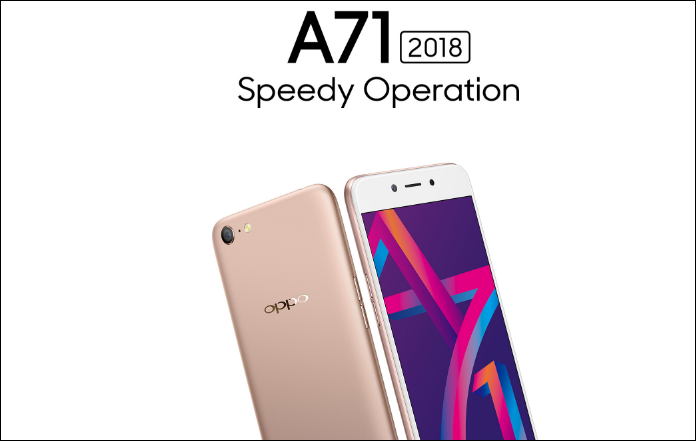
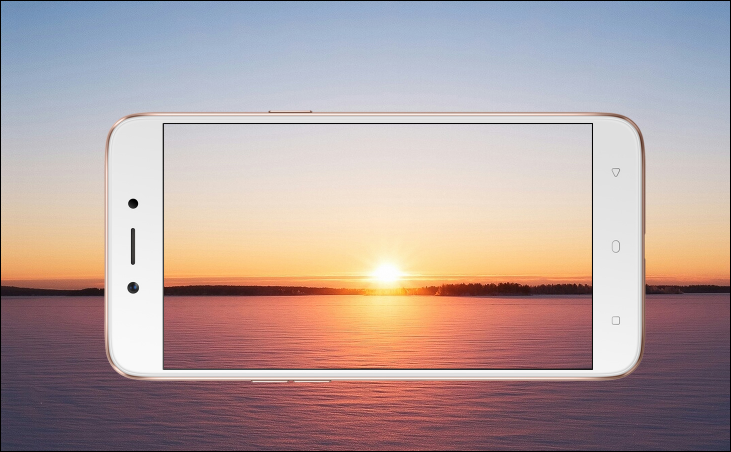
Chinese smartphone maker OPPO has gone official with a new budget model which it dubbed OPPO A71 (2018). The smartphone is presently listed on OPPO’s Pakistan website with the full specs and features displayed but the price tag wasn’t listed.
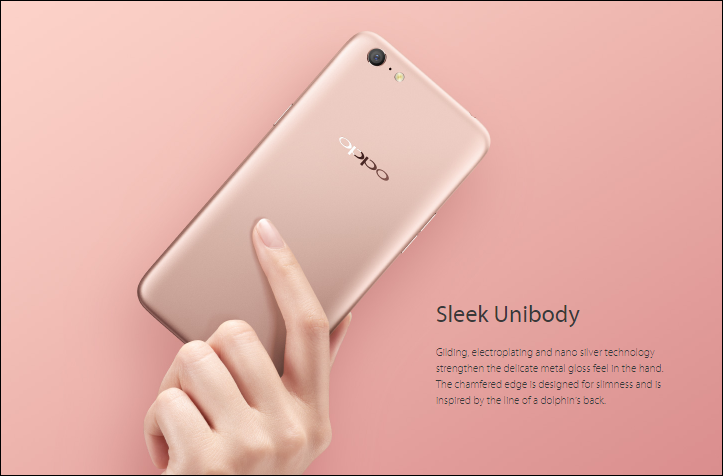
Design wise, the OPPO A71 (2018) comes with the traditional 16:9 display design, packing a front home button just under this display. The device equally packs an all-metal rear cover with the U-shaped fused antenna band lying at the extreme top and bottom edges. The rear body is wrapped with a gold coating said to have been done using electroplating and nano-silver technology. There is also a black variant also coated using the same electroplating technique. The edges are well chamfered to create an easy grip. The device weighs just 137g and has a dimension of 148.1 x 73.8 x 7.6mm.
Specs wise, the OPPO A71 (2018) features a Qualcomm Snapdragon 450 processor which is a relatively new chipset Qualcomm announced at MWC Shanghai 2017. The processor is backed by 2GB of RAM while there is 16GB storage available on the model which can be expanded up to 256GB. The graphic is fired up by an Adreno 506 GPU. The A71 sports a 5.2-inch TFT capacitive touchscreen display with HD resolution of 1920 x 720pixels and 16 million colors. On the camera end, the OPPO budget smartphone packs a 13MP rear camera sensor with a f/2.2 aperture while at the front is a 5MP sensor having an aperture of f/2.4.
Proving the interface on the new OPPO A71 (2018) is ColorOS 3.2 based on Android 7.1 Nougat while a 3,000mAh battery keeps the lights on. The device also comes with OTG function and so can be used to fuel other devices. The A71 comes with GPS support as well as WiFi and Bluetooth 4.2. No word yet on the pricing or if this model will be available in any other market.
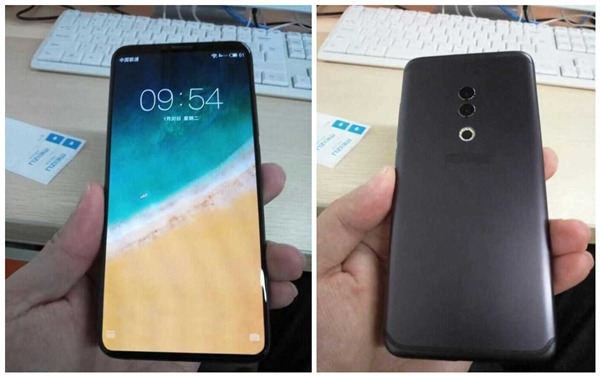
Since after Meizu launched the Meizu M6S, the next models which have kept the Chinese tech media buzzing are the Meizu 15 and 15 Plus. The tech giant is expected to launch both models to mark its 15 years anniversary. But not much is known about the models save for a couple of leaked renders that have appeared online. In what could be its first official appearance, a Meizu model believed to be the M15 has reported gotten 3C Certification. The model appeared with the model number M851Q.
The 3C Certificate, or China Compulsory Certification (CCC) and also called China CCC Certification, is a mandatory product certification system with the aim protecting consumer’s security through the supervision of products meant for the Chinese market. The Ministry of Industry and Information Technology (MIIT) or TENAA already oversees the certification of mobile phones but 3C covers mainly the smartphone charges. So, it is basically the charger ratings that are uncovered whenever a new model is certified. In this case, the M851Q is shown to feature support for 5V/2A, 10V/2A charger rating. The charger has a power of 20W which isn’t very high. Thus, it is suspected that the Meizu 15 may have a standard edition and a flagship edition. Perhaps, only the Meizu 15 Plus will come with flagship specs just as the Pro 7 had mid-range and flagship versions.
The specifications of the Meizu 15 and 15 Plus not known but the leaked renders suggest the presence of a full-screen design. The device is also expected to feature dual camera sensors at the rear arranged in the vertical direction while under the camera setup, there will be a unique round LED flash. As for the processor that would power the models, we still don’t know if Meizu will utilize a Qualcomm Snapdragon flagship SoC or a Samsung Exynos chipset. Of course, since they are flagship models we may not find a MediaTek chip onboard because MediaTek has exited the flagship chipset market.
Early this month, we saw two leaked renders of an unannounced Doogee V smartphone. Although both smartphones had different rear designs, they both had a similar display – an 18:9 display with a notch like that of the iPhone X.
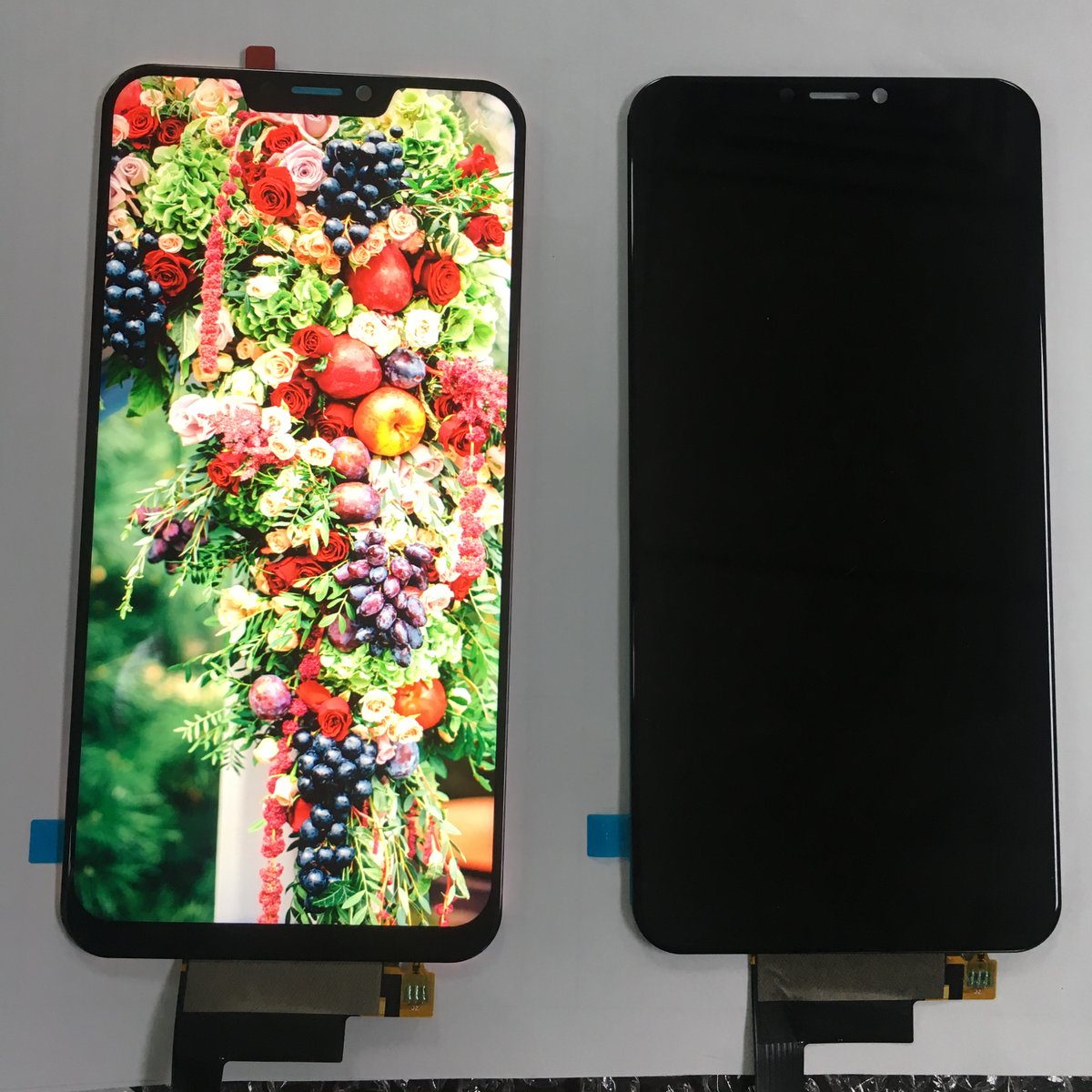
Doogee’s official Twitter account today shared a live photo of the AMOLED display. The picture shows one working prototype and another one turned off.
The color reproduction of the working prototype doesn’t look bad but we won’t pass a final judgement until we get to see the final device. Doogee has done well to keep the bezels on the sides and at the bottom minimal. At the top is a notch that is home to the sensor, earpiece, and front facing camera.
There is no info as to who the supplier for the AMOLED display is. While Samsung may be the first guess, they most likely are not seeing as their production of AMOLED displays will be geared towards their own phones and other bigger clients like Apple and OnePlus. So our best guess is this is from a local Chinese manufacturer like BOE or Japan’s JDI.
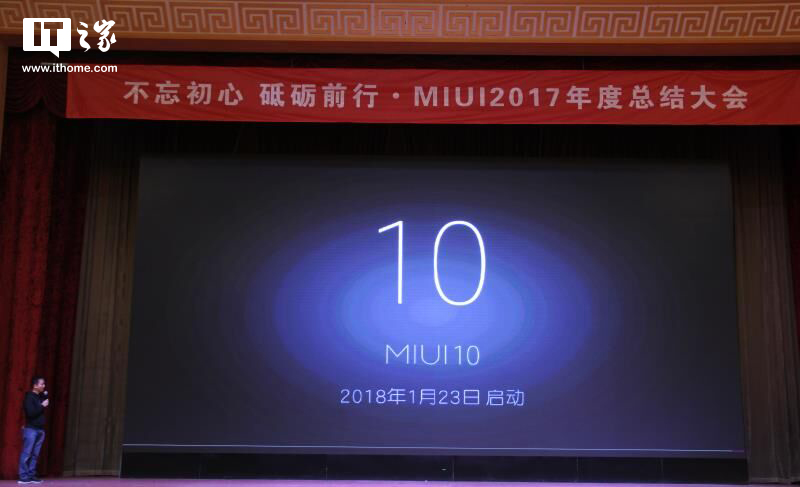
Xiaomi‘s co-founder and Senior VP Hong Feng who is also head of the MIUI team recently announced the commencement of the next generation of its MIUI custom ROM. The senior VP made this known during the company’s 2017 summary meeting. Since then, no further details have been disclosed by the company in that regard. However, Xiaomi has kickstarted an opinion poll where it hopes to get the opinions of her fans on what to call the upcoming MIUI version.
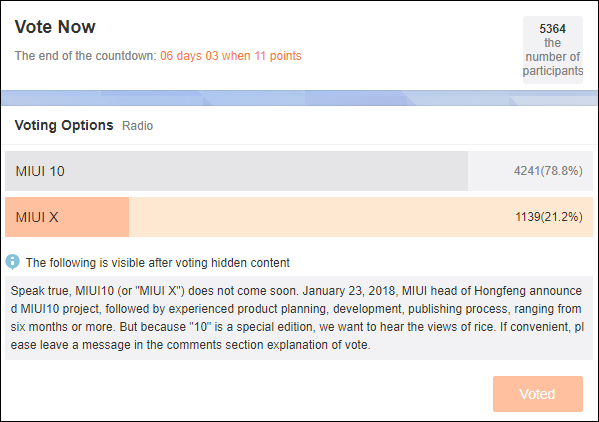
The option poll is hosted on the MIUI Weibo page and the contention is between MIUI 10 and MIUI X. Surprisingly, during the recent conference where the next MIUI version was announced, it was clearly displayed on the projector screen as MIUI 10. But it seems Xiaomi has other ideas and the reason given for the poll is that the tenth edition of MIUI will be a special one hence the drive to get fans decide the name it woul be called. There were rumors earlier on as carried in one of our previous report that the MIUI 10 may likely be called MIUI X.
Voting is ongoing presently and would be opened for the next six days. As at the time of filing this report, over 5,000 persons have voted, including yours sincerely. Clearly, MIUI 10 is preferred by over 4,000 respondents, representing 78.7% of the total votes cast so far. So, what do you think? MIUI 10 or MIUI X? You too can make your opinion count be heading over to Weibo if you have a registered Weibo account.
We use cookies on our website to give you the most relevant experience by remembering your preferences and repeat visits. By clicking “Accept”, you consent to the use of ALL the cookies.
This website uses cookies to improve your experience while you navigate through the website. Out of these, the cookies that are categorized as necessary are stored on your browser as they are essential for the working of basic functionalities of the website. We also use third-party cookies that help us analyze and understand how you use this website. These cookies will be stored in your browser only with your consent. You also have the option to opt-out of these cookies. But opting out of some of these cookies may affect your browsing experience.
Necessary cookies are absolutely essential for the website to function properly. This category only includes cookies that ensures basic functionalities and security features of the website. These cookies do not store any personal information.
Any cookies that may not be particularly necessary for the website to function and is used specifically to collect user personal data via analytics, ads, other embedded contents are termed as non-necessary cookies. It is mandatory to procure user consent prior to running these cookies on your website.

 On top of that, Banggood is giving a considerable 22% discount to those who preorder it before the promo comes to an end. Thanks to the discount, you now need to shell out only $3.49 to preorder AmpCore II BW-TC12 3A Charging Data Cable on Banggood.