As the days roll towards the launch of the first Helio X30 smartphone, the Meizu Pro7, Mediatek has taken to advertising the key features of its most powerful processor.
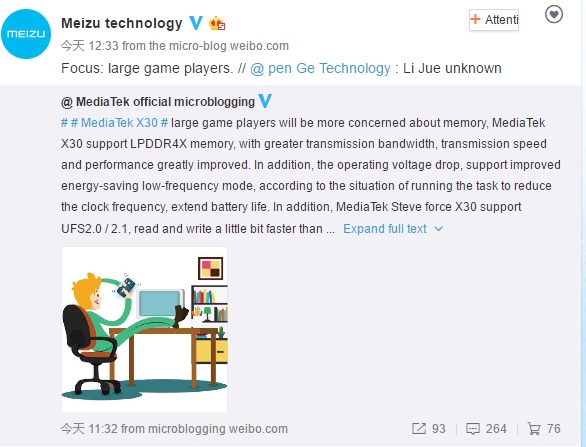
A post made via the chip maker’s official Weibo account highlights one major feature of the 10nm SoC which is gaming. According to Mediatek, the Helio X30 supports LPDDR4X RAM.
LPDDR4X allows the use of memories with higher clockspeeds but with better power efficiency. The new memory standard has a 40% voltage reduction (1.1V to 0.6V) allowing data to be sent and received at improved speeds but without draining much power.
The Helio X30 also supports UFS 2.0 and UFS 2.1. Phones with any of these storage types have faster read and write speeds compared to eMMC.
The Helio X30 is a 10nm deca-core chip clocked at 2.5GHz. It supports dual cameras, a feature present in the upcoming Meizu Pro7 and has a PowerVR 7XTP-MT4 as its GPU.
Following the launch of the Samsung Galaxy S8 and the LG G6, we have seen more manufacturers embrace the full-screen or bezel-less design this year. However, some manufacturers have been offering these designs long before now, prime example being Sharp. The Japanese manufacturer is said to be working on a new full-screen device and a live image has been leaked.
Sharp Full-Screen Phone
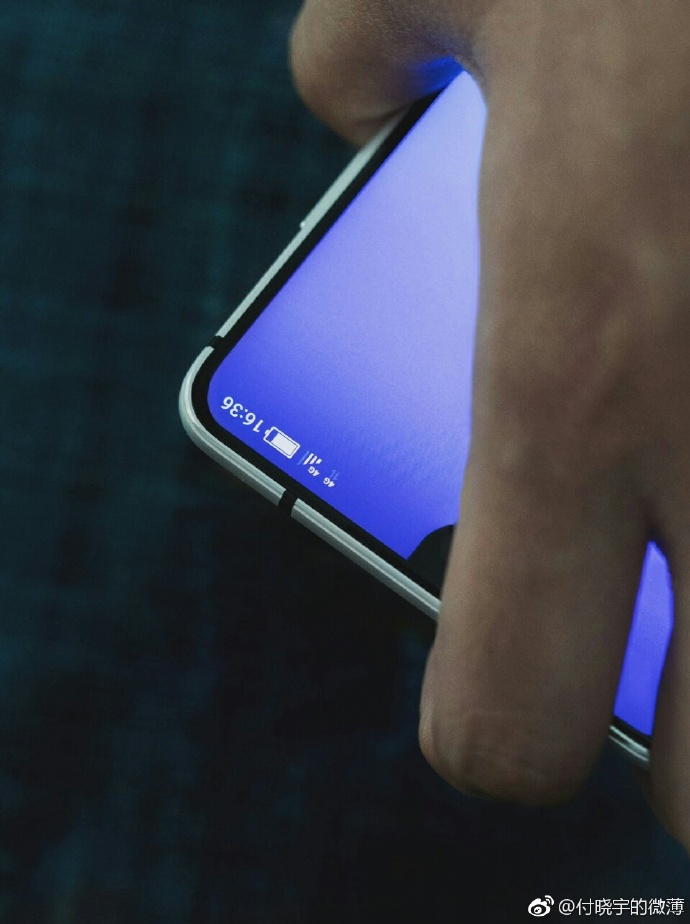
The image which was posted on Weibo by the general manager of Sharp’s mobile phone business unit in China looks very familiar. For those who do not know, the device not only looks exactly like Andy Rubin’s Essential Phone (PH-1) but the entire image is similar to the first leaked photo of the Essential phone.
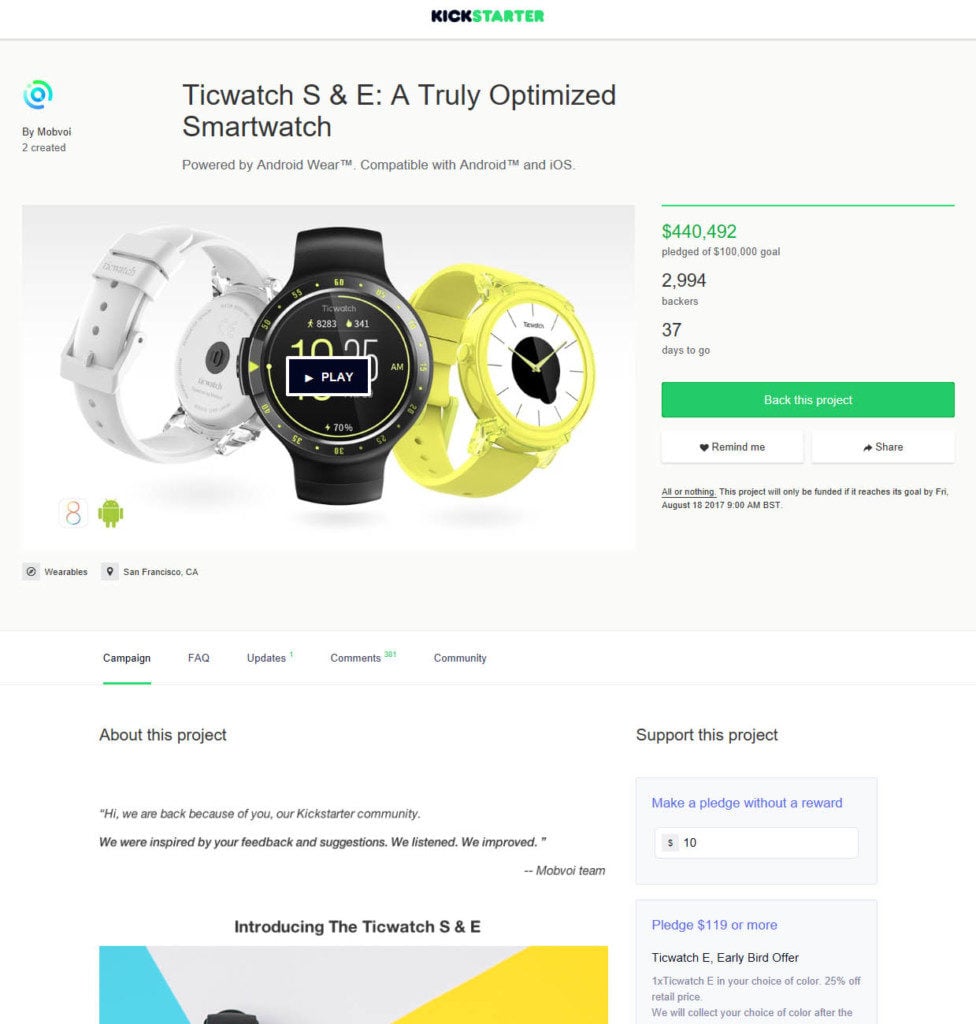
Mobvoi has finally opened the doors for the TicWatch S & E ‘s Kickstarter campaign, selling out their Super Early Bird perk within 2 minutes after the 6pm (London Time) opening window.
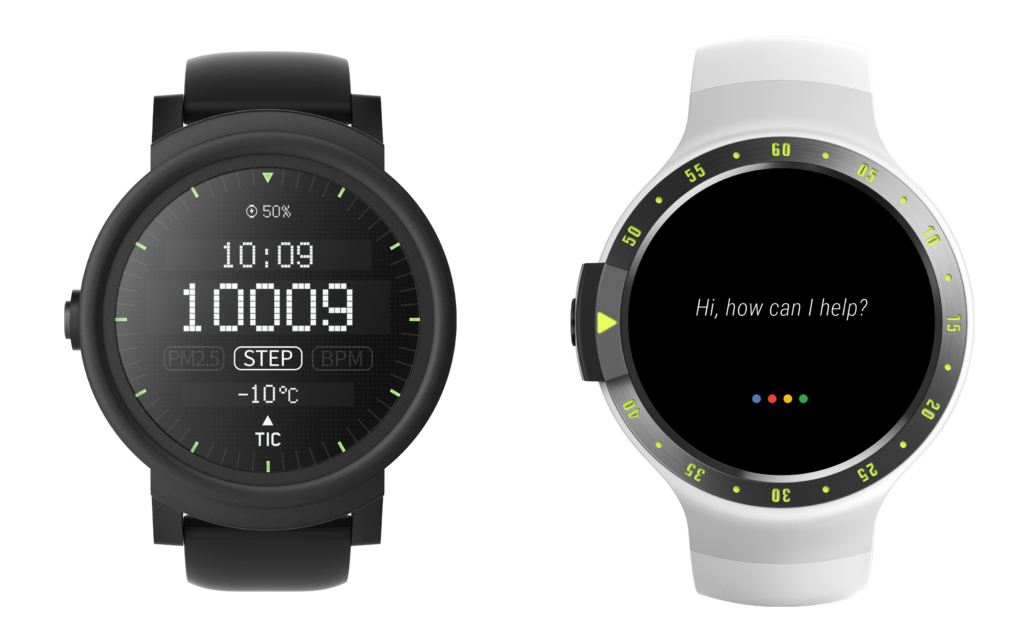
Left: Ticwatch E Right: Ticwatch S
Mobvoi is a Chinese AI company known for creating smartwatches in the Global market, known as the Ticwatch. The company is formed with a core team of ex-Google employees and former Nokia employees; with a collection of AI experts, engineers and researchers who have previously worked for Yahoo Beijing, and large home-grown web service companies such as Baidu and Tencent.
Ticwatch has followed very closely to Apple’s heels in China’s smartwatch market at the second place back in 2015. In June 2016, Mobvoi released the Ticwatch 2 in China as a crowdfunding campaign followed by a Global release on Kickstarter in July 2016. Both releases saw immense demand with the earlier raising ¥12 million (~$1.76 million) within 11 days, and >$2 million in the Kickstarter within 29 days.
Ticwatch S & E models could be more compelling for Global users, due to the adaptation of Google’s Android Wear instead of using Mobvoi’s own proprietary operating system, ‘Ticwear OS’. This approach may help reduce the ‘alienating’ factor of the Ticwatch brand for new or ‘Android Wear’ users.
In terms of specification, the Ticwatch S & E will share similar components to the Ticwatch 2, (e.g. Wearable-orientated MTK MT2601 processor, OLED Display (1.4-inch with a resolution of 400×400) and sensors). Mobvoi have stated that the GPS accuracy has been improved on the new models and change in waterproof rating, from IP65 to IP67.
The marketing difference between the S (Sport) model and the E (Express) model is notably the bezel difference and the inbuilt GPS on the S model’s band, which has also been advertised as a ‘breathable band design’ reducing sweat build up. The E model will be more flexible in customizability, with interchangeable watch band capabilities.
The E model will come in Lemon (yellow), Shadow (matte black) and Ice (white) variants. The S model will have a matte black bezel with a yellow font with a selection of, Glacier (white), Knight (matt black) and Aurora (yellow).
The E model has been priced at $119 (Early bird) and S Model at $139 (Early Bird).
Upon pledging, the estimated delivery time will be October 2017.
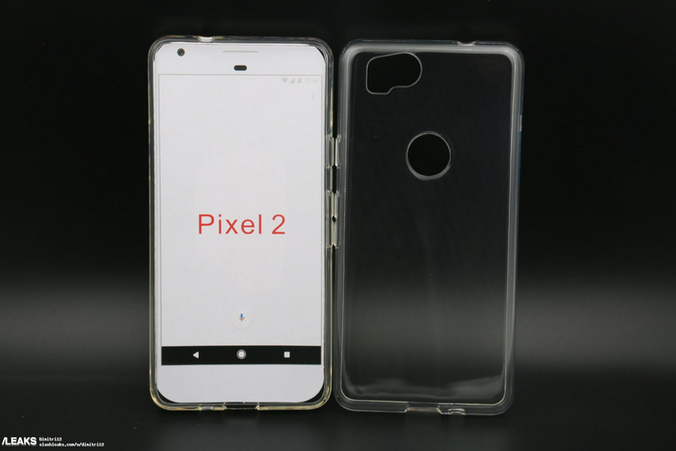
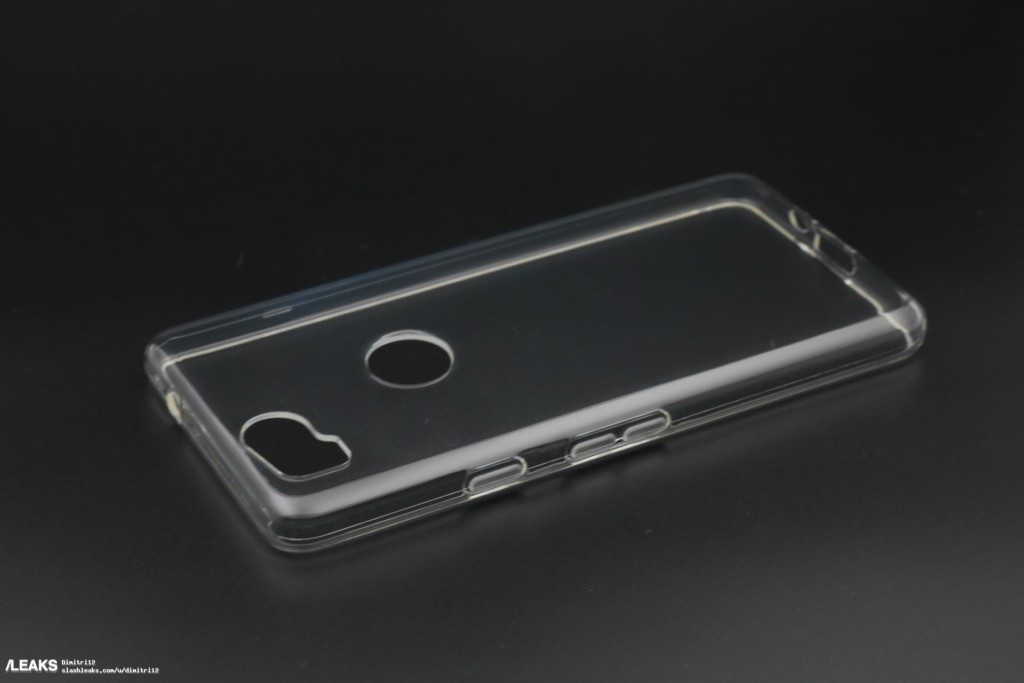
A leak has surfaced showing what allegedly appears to be a new transparent Google Pixel 2 case.
Google has been hitting beyond its target goals of the Google Pixel and Google Pixel XL since its release in 2016. Google has been very informative with reports stating the lack of Pixel stock due to high demand, notably the 128GB Pixel XL variant. The strong line-up of Pixel phones met with a high global demand and has led Google to the development of the next-generation lineup.
According to the source, the most recent rumor that has surfaced is the second installment of the Google Pixel 2 will replace the Pixel XL variant a new “large-sized” phone; this is speculative, but if such rumors are true, this may not be necessarily interpreted as a larger body phone, but a larger display phone instead.
An extensive report shows that the next Pixel has been code-named “Walleye” with addition variant, larger in size, named “Taimen”. The “Taimen” variant is expected to come with a bezel-less display, similar to the design of Samsung’s Galaxy S8, S8+, and Essential Phone; notably the curved corners of the screen.
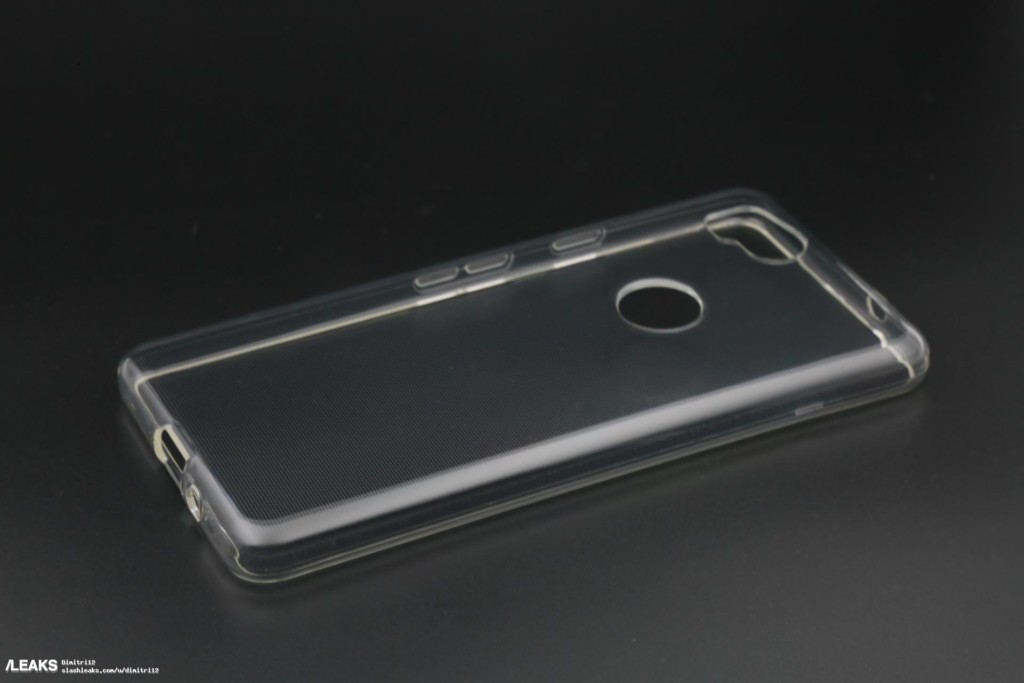
The leaker “SlashLeaks” posted a photo, what he claims to be a case designed to encase the upcoming Pixel 2. If the photo is verified and confirmed, the Google Pixel 2 will be keeping the fingerprint scanner at the rear of the phone and in the similar position as the original Google Pixel.
What appears to be the most notable change is the shape of the rear-firing shooter, where the camera design has been altered toward the left-side of the phone.
The manufacturer for the upcoming Pixel devices have not be confirmed, but as the current Pixel phone was manufactured by HTC, we may expect HTC to continue with the manufacturing of Google’s next device. However, there have also been rumors that LG will be producing the “Taimen” variant of the device.
Currently, the reports of Google’s Pixel 2 remain speculative, however, when the release date progresses closer to the expected October-November announcement, we are certain that there will be more accurate leaks of the upcoming Google Pixel 2 this year.
Today, a South Korean publication has reported that the Galaxy Note 8 will be debuting on Aug. 23. The publication claims that a Samsung executive has confirmed that a launch event will be held in the next month in New York. However, he declined on confirming on the launch date.
Previous reports had suggested that the Galaxy Note 8 would be released in the worldwide markets by September. However, the fresh report suggests that the Galaxy Note 8 will launch on August 23 and it is also likely to go on sale from the same month.
It seems that there are several reasons behind early launch of Galaxy Note 8. A recent report states that the sluggish sales of Galaxy S8 and Galaxy S8+ have compelled the company to launch the Note 8 early. Another speculation is that since it will be facing stiff competition from the highly anticipated iPhone 8 that is expected to debut in September.
The Investor’s report suggests that the arrival of the iPhone 8 seems to be delayed because of supply issues of different components such as chips and displays. The Galaxy Note 7 and Galaxy Note 5 were launched and sold in August, respectively in 2016 and 2015. It seems that the South Korean company will continue to use the same strategy for the Galaxy Note 8’s launch this year. However, Samsung is yet to confirm on the Aug. 23 launch date for Galaxy Note 8.
The Samsung Galaxy Note 8 is expected to come with a 6.3-inch Infinity Display. It is expected to come in Snapdragon 835 and Exynos 8895 chipset variants. It is pegged to arrive in RAM variants of 6 GB and 8 GB and storage models like 64 GB and 128 GB. It will be equipped with Bixby AI assistant and improved S-Pen stylus. The leaked images of the Note 8 have revealed that it will be coming with rear-facing fingerprint readers. It will be the first Samsung flagship with dual rear cameras.
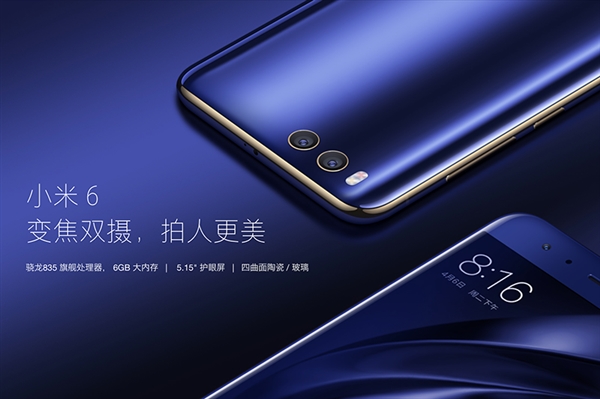
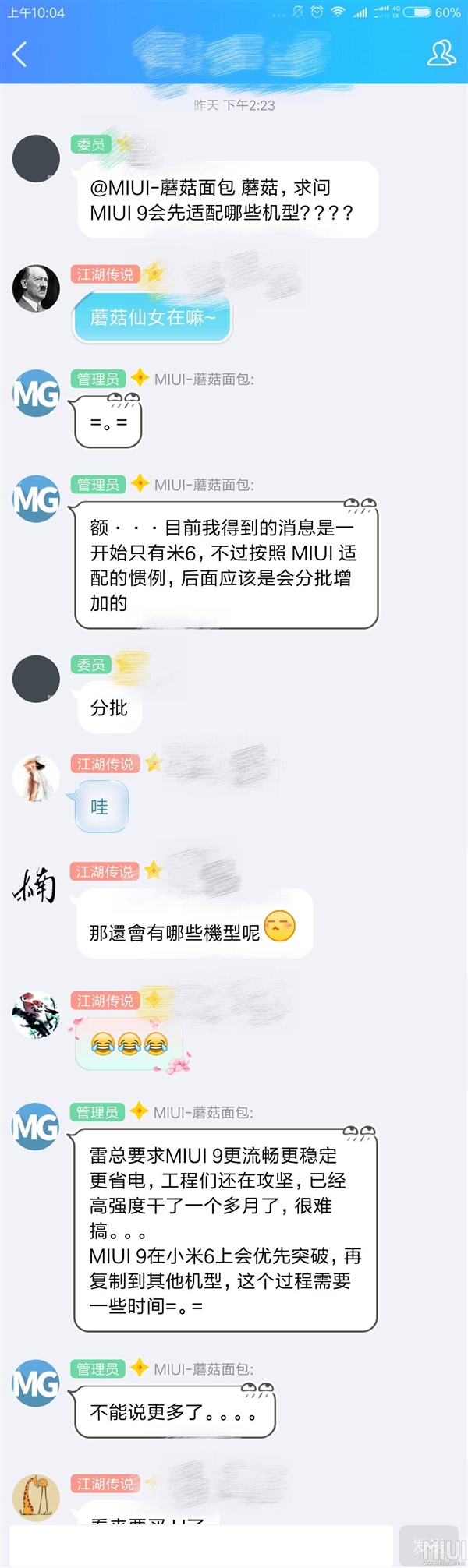
Recently, a Xiaomi official is credited to have hinted that the company’s next-gen custom ROM MIUI 9 would be released before August 19. A new rumour has now emerged that Xiaomi’s latest Mi 6 flagship will be the first smartphone that would be updated to MIUI 9.
This detail was revealed on MIUI Forum in a group conversation by one of the forum administrators identified as Mushroom bread. You can find the screenshot of the conversation at the end of the post. The admin revealed that MIUI engineers have been working intensively for more than a month so that the MIUI 9 will be released on time. He went further to disclose that the first batch of the custom ROM will only support the Mi 6 and thereafter, other Xiaomi models. He didn’t disclose more than these details but we expect.
MIUI forum administrator didn’t disclose more than these details but we expect the MIUI 9 to be released at the end of this month or early next month. So, if you own the Xiaomi Mi 6, get ready for some exciting times because the MIUI 9 promises some amazing features. According to Xiaomi’s CEO, MIUI 9 will come with a better optimization for a smoother experience and enhanced battery life. Some other features include screen recorder, split screen, and Picture-in-Picture mode. The custom ROM is also expected to be lighter and simpler, according to Xiaomi.
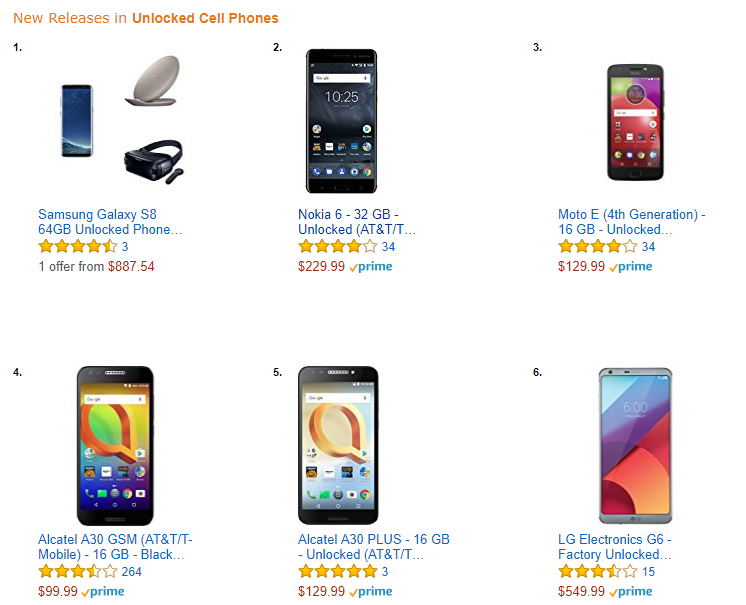
The pre-orders of the Nokia 6 began earlier this month in the United States on Amazon and the shipping of its Black and Silver variants began on July 10. Within 24 hours of being available for purchase on Amazon, it has become bestselling unlocked smartphone on the retailer site.
When the Nokia 6 debuted in China through JD.com, the smartphone sold out several times on the retailer site. Now, it seems to be selling like hot cakes on Amazon US. The Nokia 6 with Amazon Prime is at present on the second position while the regular edition of the phone ranking on fourth position. The first position is occupied by the unlocked Galaxy S8. The second and third position are occupied by other phones like Moto E and Alcatel A30.
The Prime edition of Nokia 6 is available for $179 as it carries a $50 discount. It is only available for Amazon Prime customers. The discounted Nokia 6 for Prime users come with Amazon offers and advertisements. The standard edition of the phone is priced at $229. Both the models are unlocked and only support GSM networks like AT&T and T-Mobile in the U.S.
The Silver edition is only available in Standard variant. Only the Black model is available in Prime and Standard variants. There is no confirmation when Arte Black edition would be releasing in the U.S.
Recently, it was confirmed that Nokia 6 would be launching in Tempered Blue and Copper variants. The Copper Nokia 6 will be coming in the U.S. in Prime and Standard models. There is no confirmation on when the Tempered Blue or Copper Nokia 6 Standard edition would be arriving in the U.S. The Copper Nokia 6 Prime edition will be releasing on Aug. 18.
The Nokia 6 is a midrange phone that comes with a resilient body. It features a 5.5-inch full HD screen and it is fueled by Snapdragon 430 chipset. It features a 16-megapixel rear camera and a 8-megapixel selfie snapper. It is packed with a 3,000mAh battery. The phones comes loaded with Android 7.1 Nougat and it is slated to get Android O before the end of this year.
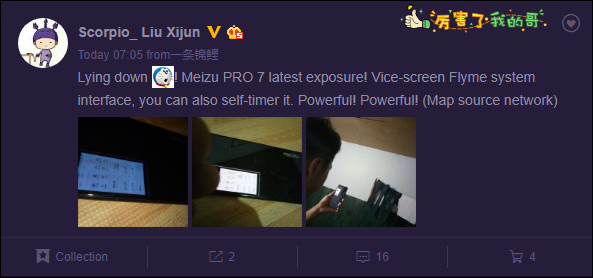
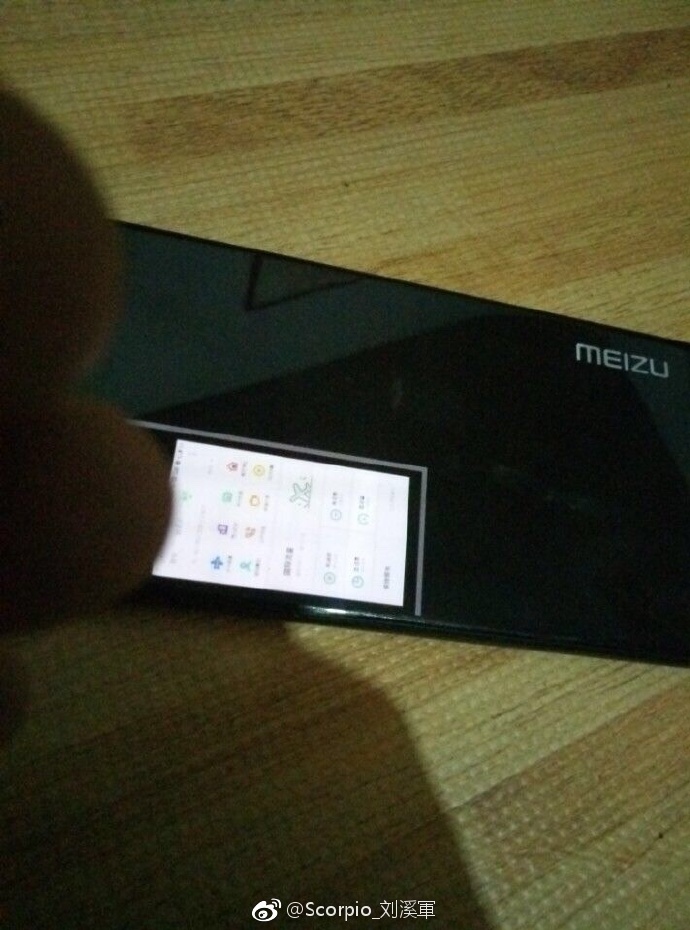
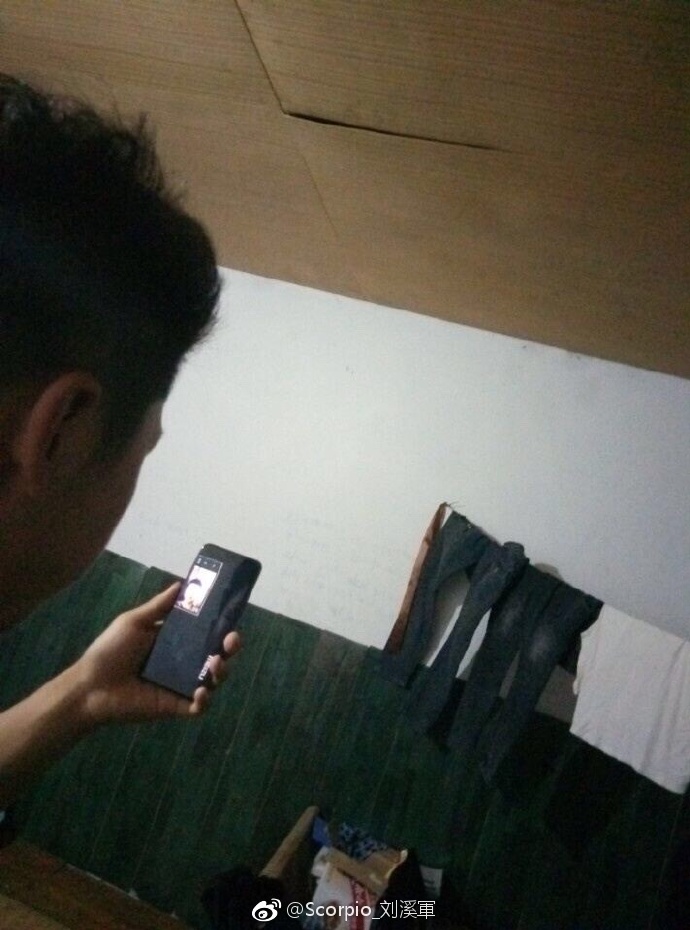
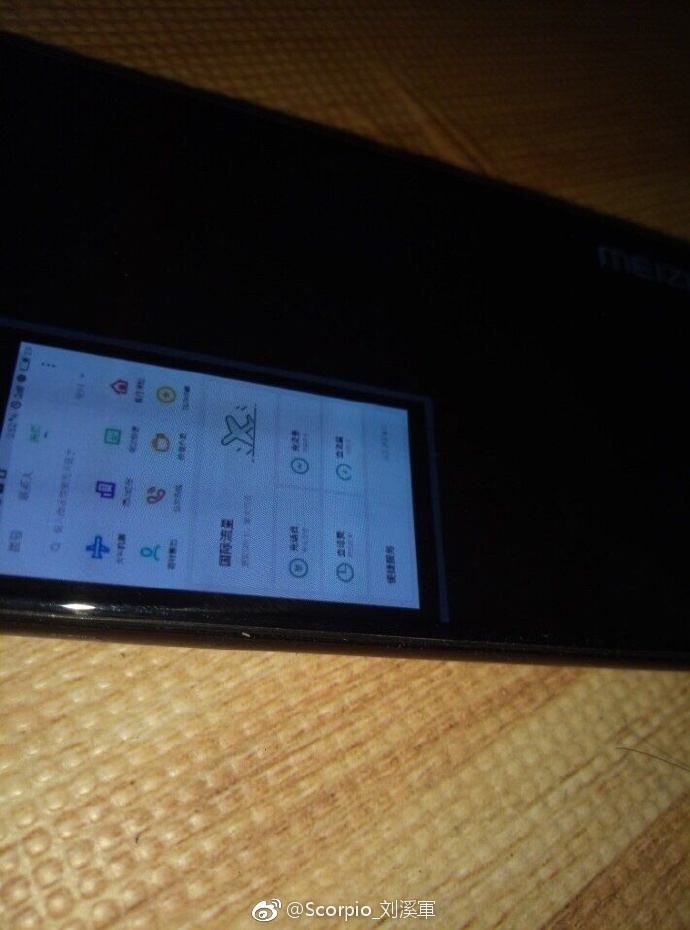
Once again, we get to see some more features of Meizu‘s upcoming Pro 7 flagship courtesy of a couple of leaked photo of a working unit. The Meizu Pro 7, as we already know, will feature two displays, a large 5.2-inch display at the front while there will be a 2-inch display at the rear.
The idea of a smartphone packing two displays on both sides is innovative enough to generate some interest in the upcoming flagship. The secondary display was initially thought to be an e-ink display which would display missed calls/sms notifications, time/ date and a couple of other icons. But now, it looks like the Pro 7’s display has much more functions than those. The leaked photos show that the back screen will have Meizu’ Flyme interface with similar icons on the main display’s home screen.
The MeizuPro 7 is turning out to be more interesting than we thought. Apart from the dual screens, the Pro 7 will be the first Meizu smartphone to pack a dual camera setup at the rear. The photo also shows the main camera can be used to take selfie shots while it is being previewed on the secondary display. In essence, the rear screen looks like a miniaturised version of the front screen but sure, there can’t be exactly the same functionalities on both displays. The secondary display looks good for one handed control but that will only be comfortable with the left hand.
In addition to these features, MediaTek has already confirmed that the Pro 7 will be the first Helio X30-powered smartphone. As per the configuration, the Pro 7 will feature a 5.2-inch 1080p display and would have a 4GB + 64GB memory version and another with 6GB RAM + 128GB storage. The Pro 7 is also expected to start at 2799 Yuan (~$410) and is expected to be launched at the end of this month.
Apple is expected to launch an iPhone with advanced features this year in celebration of the tenth anniversary of iPhones. This iPhone is dubbed as iPhone 8 or iPhone X. The upcoming Galaxy Note 8 would be facing stiff competition from the iPhone 8 as both have been pegged to debut around the same time. Fresh information suggests that Samsung may debut the Galaxy Note 8 earlier because of two reasons. The first one is the sluggish sales of the Galaxy S8 duo and the second one is fierce competition from the upcoming iPhone 8.
Even though Samsung has been claiming that the Galaxy S8 and Galaxy S8+ have met with stupendous reception from consumers as well as critics, analysts from a South Korean publication called The Bell has stated that the Galaxy S8 duo’s sales are not that impressive. According to The Bell, the sales of the Galaxy S8 is slower than the Galaxy S7 that released last year.
It has further reported that in the starting three weeks of the launch, Samsung confirmed that it shipped 10 million units of Galaxy S8 duo. However, the publication claims that Samsung sold only 9.8 million units of the S8 in the first two months of the launch. In 2016, Samsung sold 12 million units of Galaxy S7 in two months. The Bell’s analysts have compared these states of the Galaxy S8 and S7 and have to come a conclusion that the Galaxy S8’s sales are slower than Galaxy S7. The publication has reported that the slower sales of Galaxy S8 are because of saturation of the market in the high-end smartphone segment and aggressive competition from the Chinese brands.
The slower sales of Galaxy S8 has apparently made Samsung to decide on revising the launch strategy for the Galaxy Note 8 this year. The Bell has reported that Samsung may debut the Galaxy Note 8 on Sept. 10. However, the Galaxy Note 7 from last year had debuted in early August and it went on sale within the same month. In 2015 too, the Galaxy Note 5 was launched in August and it was available for buying in the same month.
Meizu is very much known for its smartphone business which is very popular in countries like Russia apart from China. Meizu also has a crowdfunding platform where it releases different tech gadgets and other products regularly. Meizu is now tipped as planning to launch a high-end headphone this year.
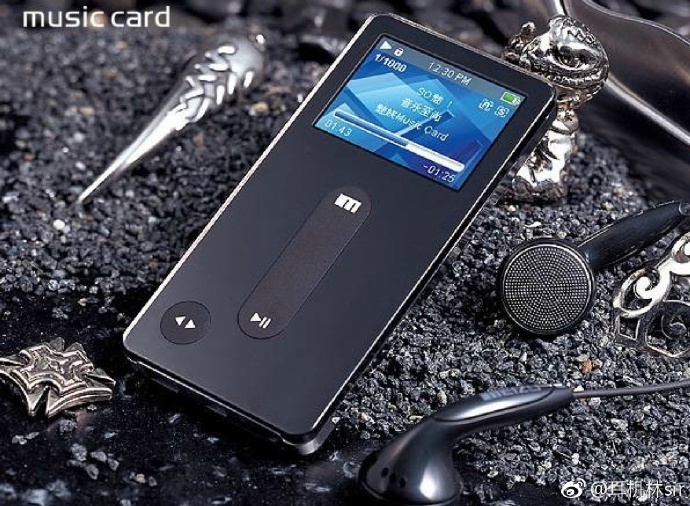
Not that Meizu does not have a headset to its name, there is the Meizu EP20, EP-51, the high-end Meizu HD50 and others but it has been a while since the company released a high-end headset. But according to a tech blogger on Weibo, Meizu is said to be working on a headset. The headset may not necessarily be a flagship model but won’t come with a cheap price tag. In addition, the tech company which started out as an MP3 player manufacturer may also churn out a music player soon. Meizu’s business background means it has the ability to manufacture quality headsets capable of giving out a powerful and much more immersive sound.
At the moment, high-end headsets are quite expensive, selling for as high as $400. So it remains to be seen if Meizu will be able to pull through with such a high price tag or if the headphone business will be able for help shore up the company’s revenue from the figures they recorded last year. We’ll keep you updated here on Gizmochina as more details are revealed.
Early rumors had suggested that Google would be releasing three Pixel smartphones this year. However, recent rumors have unfolded that the search engine will be releasing only two Pixel phones this year. The upcoming Google Pixel 2 and Google Pixel 2 XL smartphones are codenamed as Walleye and Taimen. Latest information has revealed that the Google Pixel 2 is being built by HTC whereas LG is building the Pixel XL 2. Today, a render of the Pixel XL 2 phone has surfaced to reveal its appearance.
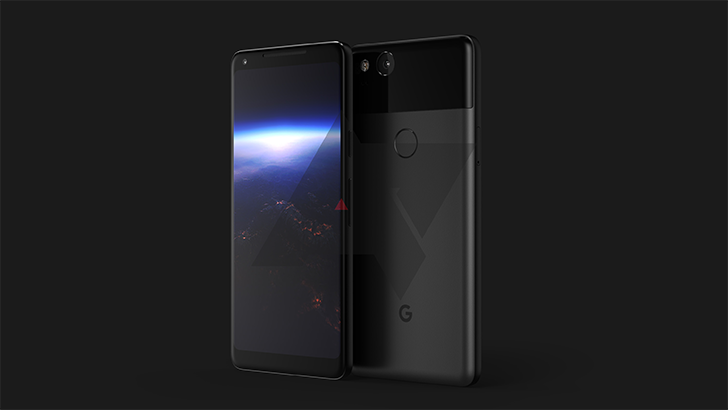
The 2017 Google Pixel XL has been released by Android Police and the publication has given this render a rating of 8 out of 10. The publication claims that the original Pixel XL 2’s look and feel can be somewhat gauged from this render. Hence, the actual device will appear slightly different from what has been revealed through this render.
The Google Pixel XL 2 is said to be packed with a 6-inch AMOLED screen that will be delivering an aspect ratio of 2:1. The screen can be sporting slim bezels around the display. The display of the Pixel XL 2 in the render reminds us of the Full Vision display available on the LG G6.
The display appears flat but the glass present over it are curved at the right and left sides. In other words, the display appears like the full-screen on Samsung Galaxy S8, Galaxy S8+, and LG G6 that have very narrow bezels. It is not like the bezeless screens available on Essential Phone or Xiaomi Mi MIX.
The rear side has the two-tone design with the upper made seems to be made up of glass. An LED flash and a large-sized camera sensor can be seen at the top-left corner. So, it seems that the Google Pixel XL will not be featuring a dual rear camera system. In the original Pixel XL, the fingerprint reader is included in the upper glass window. However, the successor seems to feature it below the glass window.
The rear panel does not feature any visible antenna bands. Also, this render does not confirm whether the Pixel XL 2 has a 3.5mm audio jack or not. However, rumors have said that the Google may axe the standard audio jack from the upcoming Pixel phones. The publication claims that Pixel XL 2 may feature a squeezable pressure-sensitive frame like the HTC U11’s Edge Sense function. By squeezing, users will be able to access various actions such as Google Assistant.
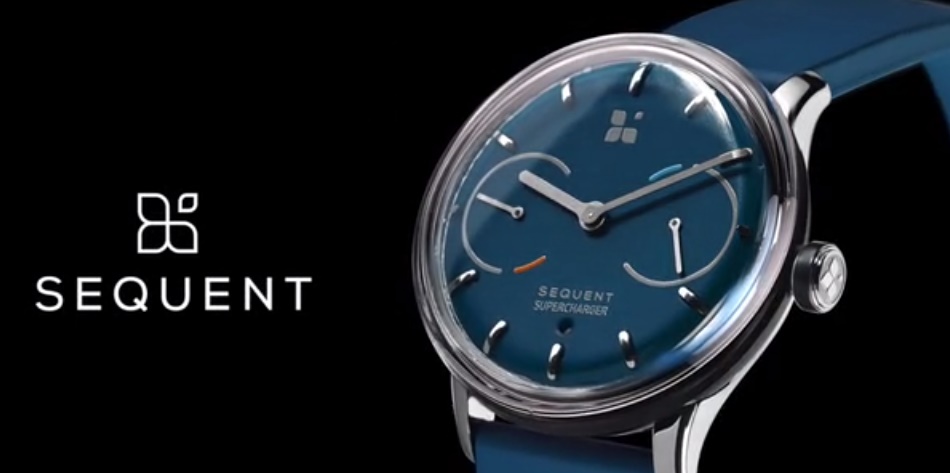
Smartwatches are cool and trendy, but they are an additional device you have to worry about charging if you own one. Swiss startup, Sequent, wants to change that with its new smartwatch, the Sequent Supercharger.
The Sequent Superchager Smartwatch will never need to be charged by you according to the info on the Kickstarter page. Instead it will recharge itself using a kinetic self-charging battery system.
The self-charging system works by generating energy when you move around with the watch on your wrist. Since this is a smartwatch it means it can track your physical activity during the day. So that early morning run or evening jog should be enough to charge the watch.
Features of the Sequent Supercharger Smartwatch include a heart rate sensor, a pedometer, and a built-in GPS. The watch will alert you when you receive notifications and is also water resistant at up to 50M. Connectivity is by Bluetooth 4.2 and the custom made Biofeedback Health & Sport App is how you configure the watch and monitor your activities.
Sequent has already crossed its CHF80,000 goal on Kickstarter, so we expect it to ship as promised when due. You can still go ahead to back the project as it hasn’t closed yet.
CHF185 (~$189) will get you the Black Edition of the watch which come with either a black or white face or you can pledge CHF269 (~$269) which will get you the Steel Edition with a blue or black face. There is also the Kickstarter 100 Edition with a green face and green straps that costs CHF299 ($299). Estimated delivery date is December 2017.
The retail price for the Black Edition is CHF438 (~$438) when it launches and CHF638 (~$638) for the Steel Edition. The Kickstarter 100 Edition will not be available for retail.
The Sequent Supercharger Smartwatch will work with Android and iOS devices.
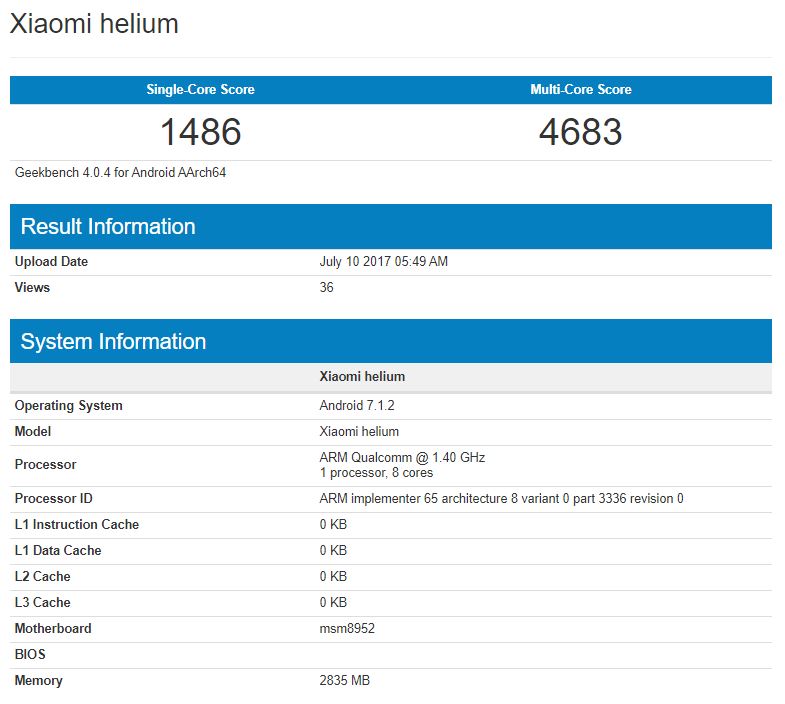
Xiaomi seems to have a lot of new models up its sleeves despite the number of products that have been launched so far this year. Just recently, the Xiaomi X1 appeared on the radar as well as the low-specced Xiaomi Riva which made an appearance in Geekbench. A new Xiaomi model which is simply identified as Xiaomi Helium has again appeared on benchmark tool website Geekbench.
Xiaomi Helium is definitely not the real name but a codename for the model but according to the benchmark data displayed, the model would be powered by a mid-range Qualcomm Snapdragon 617 chipset which is identified by the msm8952 alias it is listed with. The CPU is an Octa-core chip clocked at 1.40GHz. The Xiaomi Helium is also listed to feature the latest build of Android 7 Nougat but this isn’t likely to be raw Nougat. The device will most definitely have a touch of the latest version of Xiaomi’s custom MIUI ROM.
In addition, the Xiaomi model is listed to feature 3GB of RAM and that is about all we can grasp from the Geekbench list. That leaves a lot of unanswered questions regarding the camera configuration display size, resolution and other details. We’ll have to wait for Xiaomi to release more details about this mysterious model but it is worthy of note that Xiaomi used the codenames Helium and Hydrogen to identify the Mi Max launched last year. While the 64GB and 128GB versions were identified as Hydrogen, the 32 GB variant was tagged Helium. We can’t say for sure if it is the same scenario playing out here because the Mi Max 2 has just been launched packing a higher Snapdragon 625 chip. But it is also interesting to note that the Mi Max 2 launched with a 4GB RAM and 64/128GB storage. So, this could be another variant of the Mi Max 2 with trimmed down specs. This is 3GB RAM + 32GB storage version of the Mi Max 2 powered by Snapdragon 617 SoC, perhaps? We can’t be so sure about that but we’ll be on the look out for more details on this.
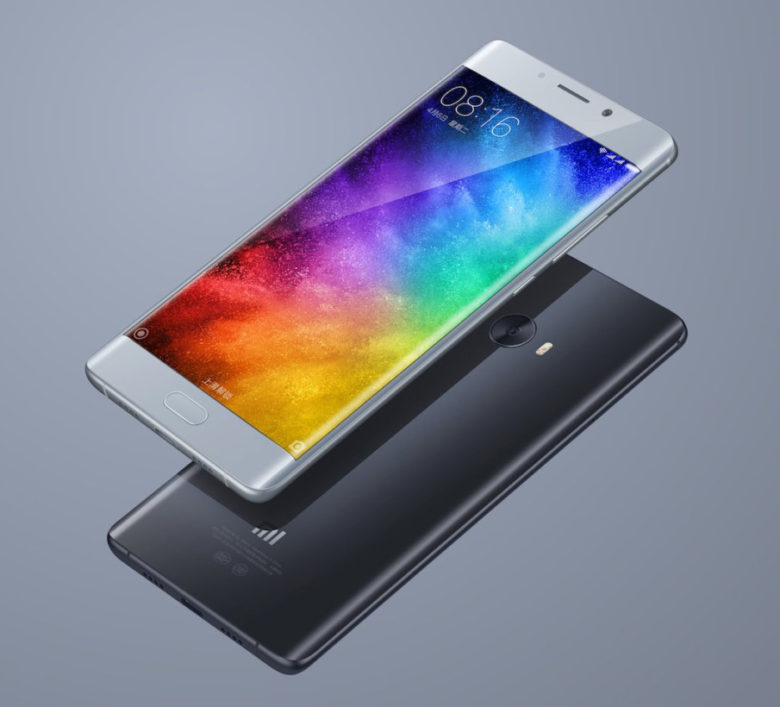
During the weekend Xiaomi announced it was going to release a new smartphone today, July 11. It released a teaser poster and a video revealing some of the specs and hiding others. We had thought it was the Mi 6 Plus but turns out it is a new variant of the Mi Note 2.
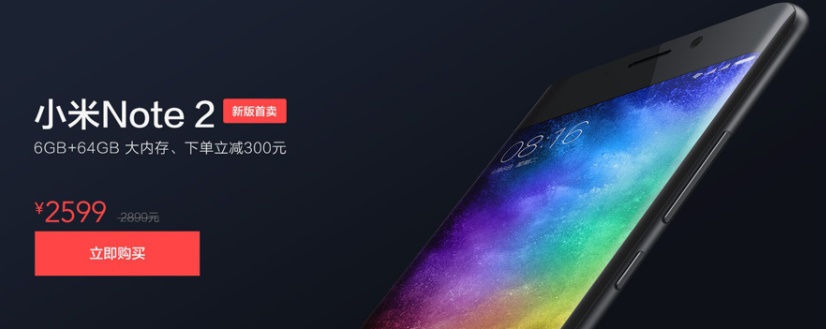
Xiaomi is calling it the Mi Note 2 Special Edition but there really is nothing special about it. The original Mi Note 2 was released in two variants: a 4GB RAM + 64GB ROM model and a 6GB + 128GB ROM model. The Mi Note 2 Special Edition sits in between them with 6GB RAM and 64GB ROM. The rest of the specifications remain the same.
It has a 5.7-inch dual curved AMOLED display, a Snapdragon 821 processor and a 22.5MP rear camera. The front facing camera is an 8MP sensor and there is a fingerprint scanner that sits beneath the home button.
A 4070mAh battery powers the phone and it can be charged via a USB type-C port. There is Quick Charge 3.0, Bluetooth 4.2, dual band WiFi, and dual SIM support.
The Mi Note 2 Special Edition will sell for ¥2899 ($426). That is more than what the Mi 6 sells for which has a better processor but a smaller display and battery.
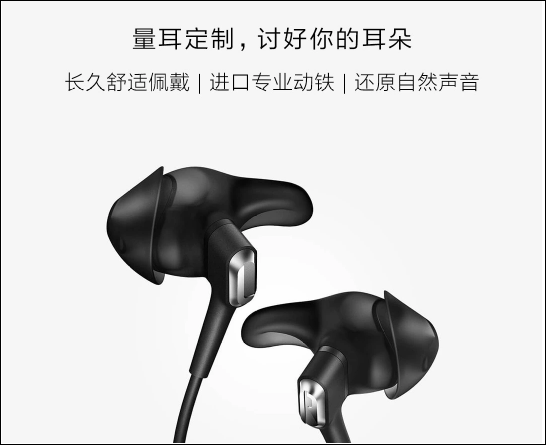
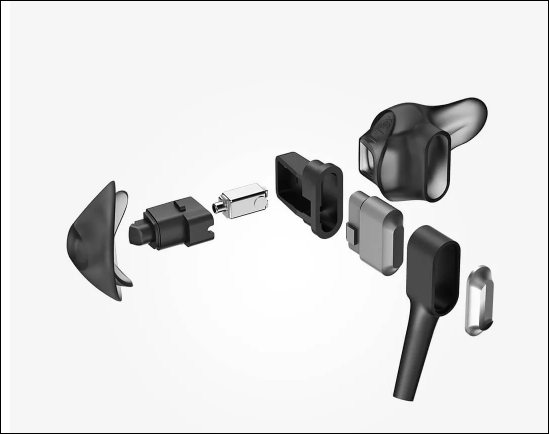
Xiaomi has launched its 96th crowdfunded product and just as we hinted yesterday, the product is an earphone. From the look of things, this isn’t just any headphone but is touted to be a customised earphone. The product is dubbed HelloEar Arc custom earphone and it has a retail price of 299 yuan ($43).
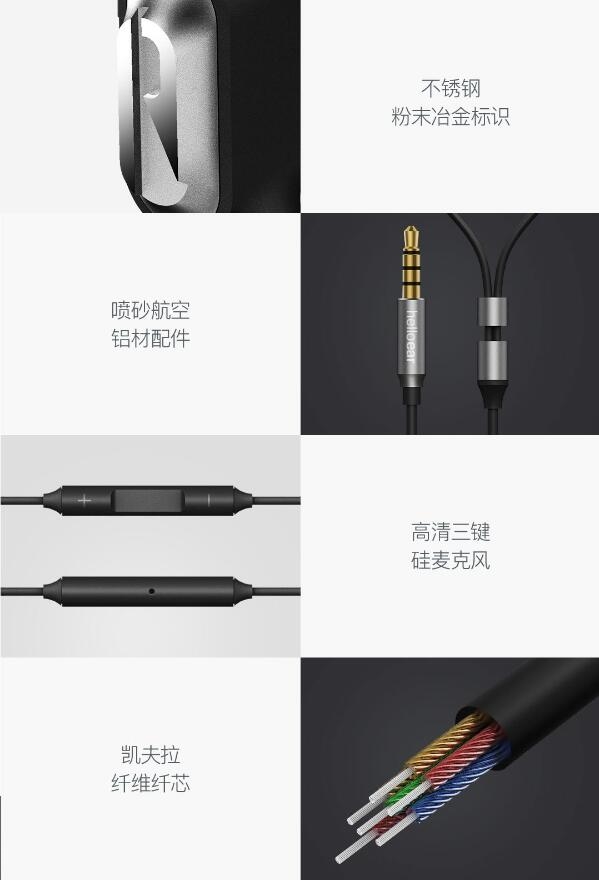
The Xiaomi HelloEar Arc custom earphone uses a 3.5mm audio interface and the is developed in all aspects to provide a comfortable usage devoid of any form of hassle arising from pains from the ear buds or the wires. Talking about the wires, it has a very long cable wire which is 1.2 meters in length. The HelloEar Arc headphone features a Kevlar fibre core while the body is manufactured from aviation-grade aluminium that is sandblasted. The headphone also comes with a high definition silicon microphone with three buttons.
The headset is developed by HelloEar and according to an official of the company, they spent three years on research in order to produce a stunning product. The research involves collecting lots of ear samples, ear 3D scans, and thousands of real ear wearing tests and this has given them a large database of different human ear types. Thus, the HelloEar Arc headphone is designed in a customised way to provide comfort and deliver a great sound.
The product is available in a unique way, first, customers will need to take pictures of their ear and upload so that the company can produce a customised earbud that would suit each person’s unique ear cavity structure. But in all, the HelloEar Arc custom earphone comes with a half-size “Z” shaped support that fits the outer ear like a puzzle and then fills the cavity. Users won’t need to tighten it inside the ear or push it very deeply in to make it solid. The earbud is produced usingmedical grade silicone material with a custom airbag structure which disperses the ear pressure and prevents soreness after being worn for a long time.
The sound quality isn’t forgotten in the entire development process as it uses high-end moving iron speakers with 25 ohms impedance and sensitivity of up to 106.5dB. The speakers also come with a maximum power of 3mW and frequency response range of 20Hertz – 20 kiloHertz.
For 299 yuan ($43), it is hardly disputable that this customised headphone isn’t worth the price. The HelloEar Arc custom earphone is already available on Mi home and is expected to start shipping on August 22.
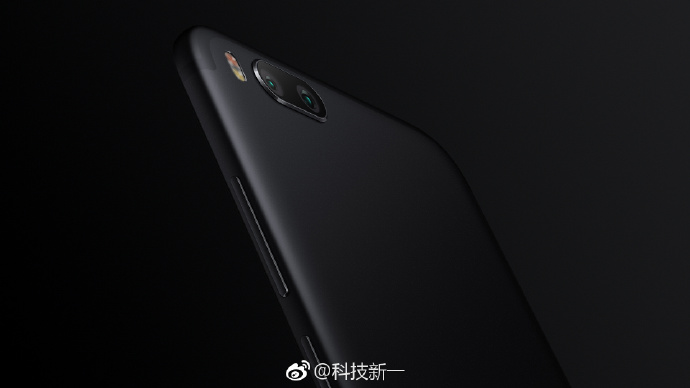
Yesterday we reported that Xiaomi was planning to launch a new sub-brand that will take on OPPO and Vivo. When we covered the story we didn’t have a name then but this morning we learnt from a popular tech blogger that it will be called Lanmi (Blue Rice).
You might be wondering how we arrived at the name Lanmi. Using Google translate, you can get a transliteration and audio pronunciation of the name 蓝米 (Blue Rice) which is written as “Lán mǐ” and pronounced as “Lan me” respectively.
The blogger who goes by @贰手藝術家 (Second hand artist) on Weibo not only revealed the name but also mentioned the first model. According to him the Xiaomi X1 will launch as the Lanmi X1.
There were reports last week that Xiaomi had scrapped the Redmi Pro 2 for a new phone called the X1. However, a follow-up post revealed that the X1 wasn’t replacing the Redmi Pro 2.
The Lanmi X1, according to another tech blogger @Kumamoto Technology, will be available in two main models with 4 variants each. It is a bit complex to be honest.
One will have a 5.5-inch with a 2160 x 1080p resolution. It will be powered by the Snapdragon 660 mobile platform, have dual Sony IMX362 or IMX368 sensors on the rear as well as a rear-mounted fingerprint scanner.
The first model will likely be available in 4 variants:
Huawei CEO, Yu Chengdong announced at the 2017 China Internet Conference this morning that his company is developing an AI processor.
The new trend for tech companies now is smart electronics with built-in AI assistants. Silicon makers like Qualcomm and Mediatek recently announced smart chips that will power smart audio devices.
Qualcomm announced a number of new smart audio chips last month and Mediatek’s MT8516 voice chip unveiled in May powers the AliGenie smart speaker. Since Huawei is also a silicon chip manufacturer, the announcement doesn’t come as a surprise.
Mr. Chengdong also mentioned that the company is planning on creating a cloud services platform that will allow users store and recover their data in case of theft or damage of their device. Another project they are working on is HUAWEI PAY which already has support for more than 50 banks and bus transport systems.
If you are expecting a Huawei smart home device, you may want to look the other way as the company has no plans of making one. Their plan is to provide a platform that third party hardware makers can use. Right now, they have gathered over 27 thousand developers to work on creating the Huawei smart ecosystem.
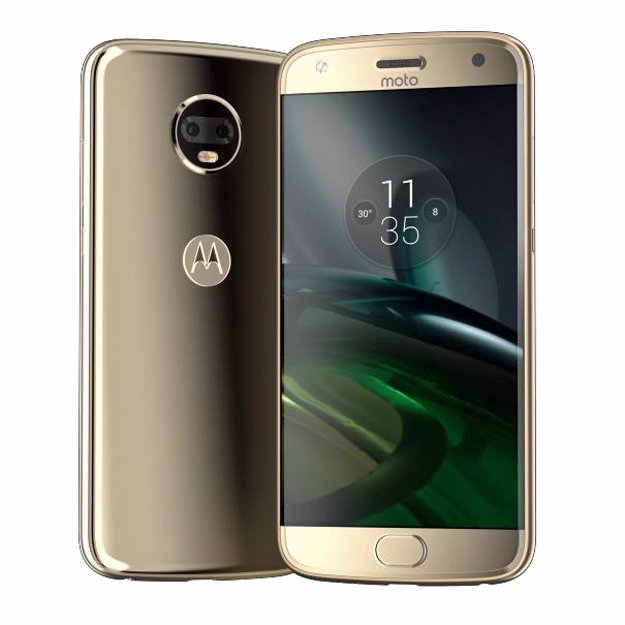
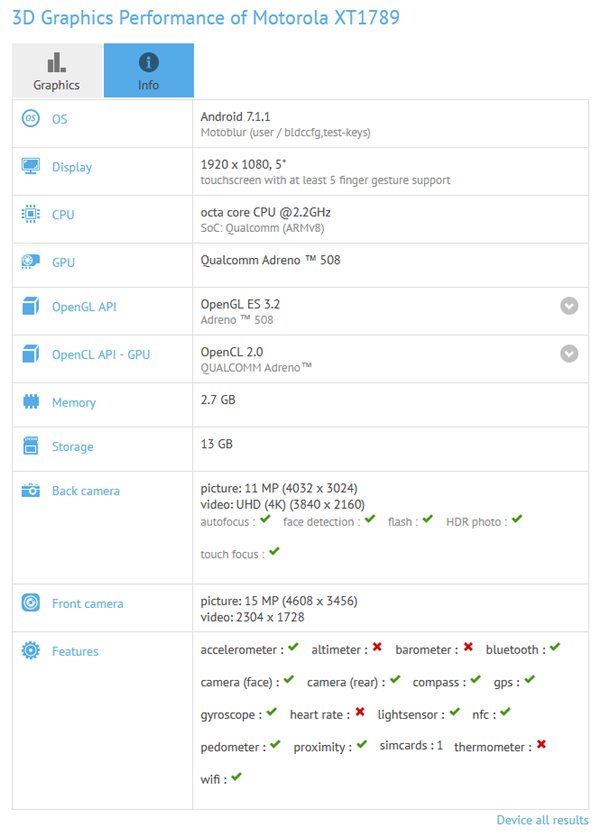
Lenovo’s Motorola brand has planned a flurry of smartphone releases this year and one of the models that are likely coming is the Moto X4. The model has appeared in a couple of leaks recently, including its likely image. We have also seen a leak showcasing its specifications and that leak has got some sort of confirmation. A Motorola model has appeared on GFXBench and is suspected to be the Moto X4.
The Moto model appeared with the model number XT1789 and presents with a 5-inch display having a FullHD resolution (1980 x 1080pixels). The GFXBench data also shows the Moto X4 will come packing Android 7.1.1 Nougat OS which may likely feature some customisation in the China version, ZUI perhaps. The device is powered by a 2.2GHz Octa-core Qualcomm chip believed to be the Snapdragon 630 chip due to the presence of an Adreno 508 GPU.
In addition, the Moto X4 features 3GB RAM, 16GB of internal storage. The device is also listed with a 12 MP rear-facing camera with LED flash and a 16MP front-facing selfie shooter. A previous leak had tipped the X4 as coming with a dual camera setup and that was also captured in the leaked image. GFXBench app doesn’t detect dual camera setup so, it shouldn’t be surprising that only one of the cameras was captured. The device will likely have a 12 MP + 8 MP dual camera setup.
GFXBench doesn’t reveal too many details about the specs but other details revealed about the Moto X4 includes that the device will feature an IP68 certified body and a front-mounted fingerprint reader which will be versatile enough to recognize gestures for on-screen navigations. The smartphone is also detailed to be the first non-Google phone that would support Project Fi MVNO. This feature will allow the phone to switch between different networks like Sprint, T-Mobile, U.S. Cellular networks and Wi-Fi hotspots seamlessly. There is also NFC on board as listed on the GFXBench data which makes contactless payment services possible. The Moto X4 is tipped as coming in the fourth quarter of the year which is still a little time away but Lenovo could spring up a surprise before then.
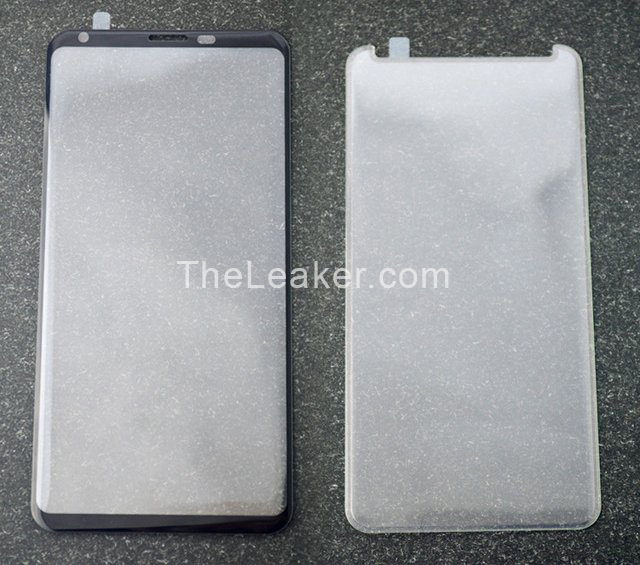
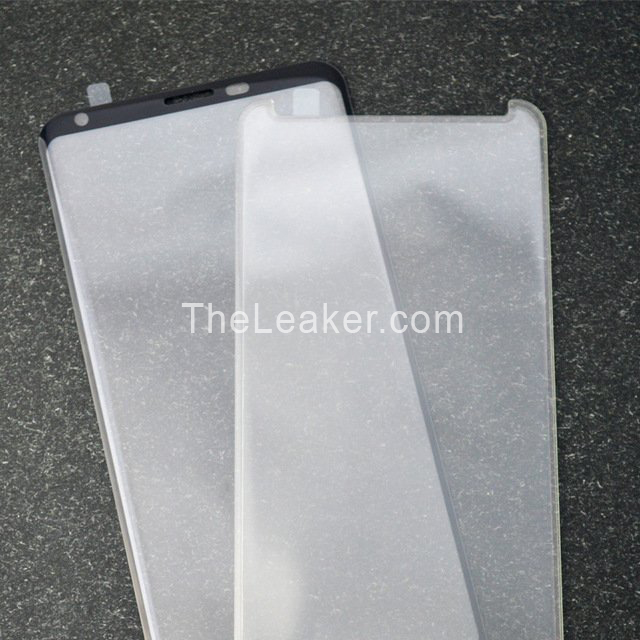
A couple image of the front panel of the Samsung Galaxy Note 8 had appeared in the previous week. The front panel of Samsung’s upcoming flagship phablet has surfaced yet again. These images confirm what kind of design the Galaxy Note 8 will be arriving with.
Samsung introduced full-screen display known as Infinity Display on the Galaxy S8 and Galaxy S8+ smartphones. In both the images, the Galaxy Note 8’s front panel are placed on the left and the protective film is present on the right.
The new images of the alleged Galaxy Note 8 suggests that it would be coming with ultra-thin bezels. The top bezel is slim and it features cutouts for selfie camera and earpiece. The bezel will be featuring some other sensors. The source claims that the iris scanner will be integrated with the front-facing camera. The bottom bezel is also slim. A report carrying 360-degree video of the Galaxy Note 8 would be 162.4 × 74.5 × 8.4 mm.
These images also indicate that the Galaxy Note 8 will boasting a high screen-to-body ratio. Like the Galaxy S8 and Galaxy S8+, the Galaxy Note 8 will be coming with dual-edge curved screen. The Note 8 is rumored to come with 6.3-inch display. Rumors like that it would be supporting QHD+ resolution of 2,960 x 1,440 pixels and 18.5:9 aspect ratio like the Galaxy S8 and S8+. Some rumors are claiming that the Galaxy Note 8 would be supporting UHD resolution. This also seems to be a possibility as the Note 8 is speculated to carry support for AR (augmented reality).
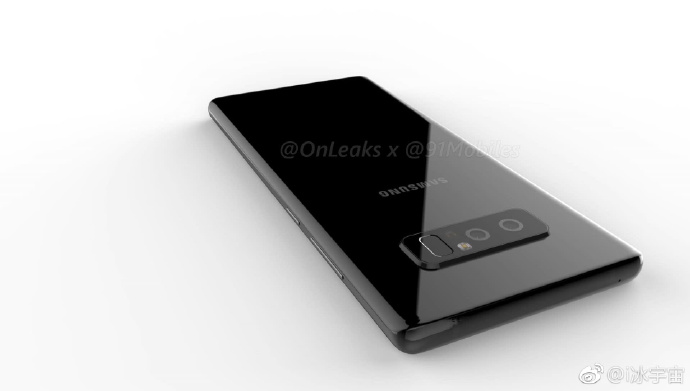
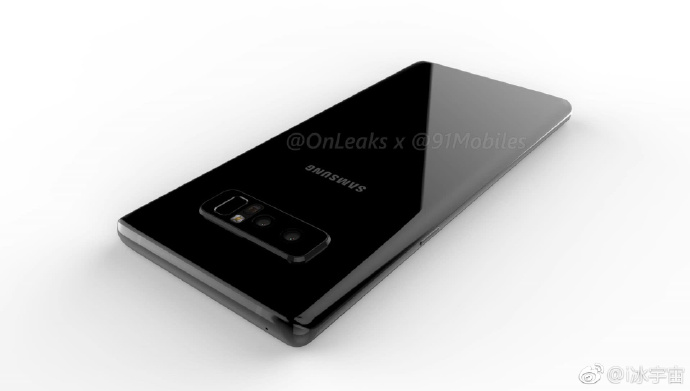
One of the most striking changes that will be coming on the Galaxy Note 8 is the inclusion of the dual rear camera system. With the camera bump, the thickness of the device is speculated to increase to 9.5mm. Despite some early rumors that have claimed the Note 8’s fingerprint scanner would be embedded under the display, but the recently leaked images of the Note 8 have shown that biometric recognition feature will be sitting on the right side of the dual rear camera module.
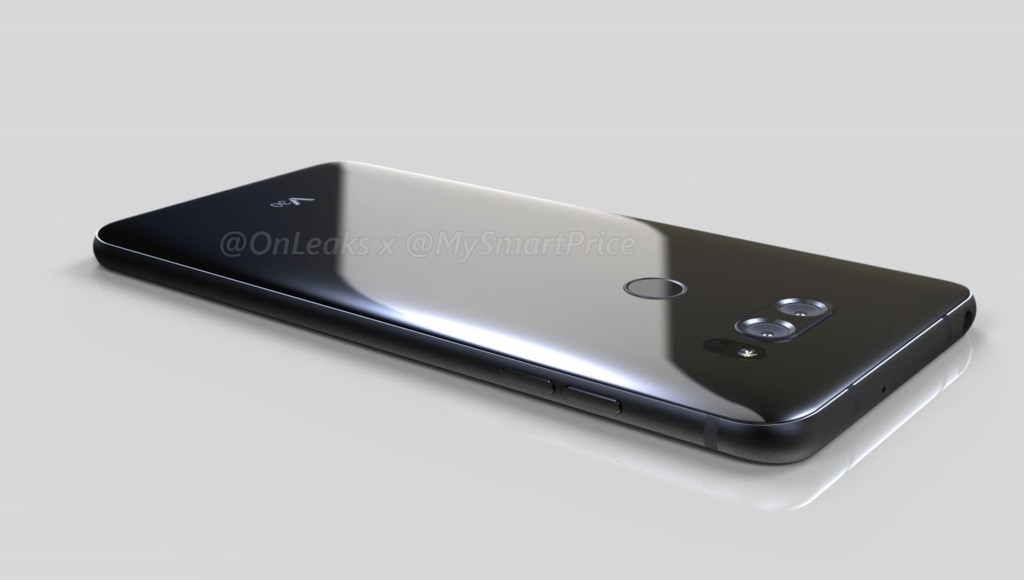
LG is pegged to debut the LG V30 on August 31 and exhibit it at the IFA 2017 tech trade show that begins from Sept. 1. It is the second flagship smartphone from the South Korean company. The 360-degree video of LG V30 based on its CAD designs has revealed its beauty from all sides.
The above video shows that the LG V30 would be featuring a USB-C port and an external speaker grill on its bottom side. The right side of the phone is barren. Its topside features a 3.5mm audio jack. The volume buttons and Power key appear to be present on the left edge.
The rear side of the phone is flanked with dual rear cameras that is arranged horizontally and there is a LED flash on its right. A fingerprint scanner is present below the rear camera module. The V30 moniker is engraved on the bottom part of the rear panel.
The LG V30 measures 151.4 x 75.2 x 7.4mm and it is expected to arrive with a 6-inch display. Last year, the LG G5 had featured a 5.3-inch display and the LG V20 came with a 5.7-inch screen. This year, LG increased the display size to 5.7-inch on LG G6. Hence, it is possible that the upcoming LG V30 would be fitted with a larger 6-inch Full Vision display.
Reports suggest that the most striking change that LG would be bringing on the LG V30 is that it won’t be featuring a secondary ticker screen. It is rumored that the tall display of the phone would have a separate portion on its upper part to display the contents of the ticker screen such as notifications and frequently used apps. Since LG is speculated to display OLED panel on LG V30. The upper part of the display may remain on while the other portion of the display is sleeping. It is expected to work like Always-on Display feature from Samsung.
The LG V30 is expected to feature glass rear panel which suggests that it would be coming with wireless charging feature. Rumors have it that the LG V30 would be driven by Snapdragon 835 chipset and 4 GB of RAM. Earlier reports have stated that it would be coming with 6 GB of RAM. It will also feature a microSD card slot. Speculations have it that it would be the first non-Google branded phone that will debut with LG V30.
We use cookies on our website to give you the most relevant experience by remembering your preferences and repeat visits. By clicking “Accept”, you consent to the use of ALL the cookies.
This website uses cookies to improve your experience while you navigate through the website. Out of these, the cookies that are categorized as necessary are stored on your browser as they are essential for the working of basic functionalities of the website. We also use third-party cookies that help us analyze and understand how you use this website. These cookies will be stored in your browser only with your consent. You also have the option to opt-out of these cookies. But opting out of some of these cookies may affect your browsing experience.
Necessary cookies are absolutely essential for the website to function properly. This category only includes cookies that ensures basic functionalities and security features of the website. These cookies do not store any personal information.
Any cookies that may not be particularly necessary for the website to function and is used specifically to collect user personal data via analytics, ads, other embedded contents are termed as non-necessary cookies. It is mandatory to procure user consent prior to running these cookies on your website.