Advertisement

YotaPhone 3 Spotted Featuring 5-Inch Display & 4GB RAM on GFXBench

The YotaPhone 3 has been spotted on GFXBench’s database, revealing the device’s model number as Yota Y3. The benchmark has confirmed previous rumors of the YotaPhone 3’s specifications; this includes: a Qualcomm Snapdragon processor and running Android 7.1.1 (Nougat). Unlike my previous article, it appears that YotaPhone 3 will be sticking to a 5-inch display, like its predecessor, instead of the rumored 5.2-inch and 5.5-inch displays. We will be staying tuned to provide more details to confirm whether Yota will be providing any other display alternatives, however, variants are expected to be unlikely.

zte yotaphone 3

Confirmed from the benchmark, the device will be sporting 4GB RAM and have a minimum 64GB internal storage, note: 51GB will be available to the user. We also know that Yota has confirmed they will be providing a second, larger storage, device at 128GB. The Qualcomm processor is expected to a Snapdragon 625, this has been concluded from the system-on-chip makeup, containing eight ARM Cortex-A53 CPU cores clocked up to 2.0GHz paired with an Adreno 506 graphics processor. We also know that the YotaPhone 3 will feature a rear-facing 12-megapixel camera supporting 4K (3840 x 2160) video recording, High Dynamic Range (HDR) photos, face detection, and autofocus. For selfies, the device will come with a 12-megapixel front-facing camera.

In terms of sensors and connectivity, the YotaPhone 3 will have a gyroscope, a compass, accelerometer, Bluetooth and GPS connectivity, but lacks NFC. What key component we are missing from the GFXBench is the specification of the secondary e-ink display that will come with the YotaPhone 3, however, we expect Yota will be sticking to a 5.2-inch E-ink display with 1280 x 720 resolution, like its predecessor. Other features we’d be expecting is a front-facing fingerprint sensor and powered by a 3,200mAh battery. Note: This is speculated.


In terms of release and availability, the YotaPhone 3 is rumored to officially be launched and available for preorder this summer. The source states a Russian manufacturer confirmed the prices smartphones’ launch prices, ranging from $350 for the 64GB model to $450 for the 128GB model.
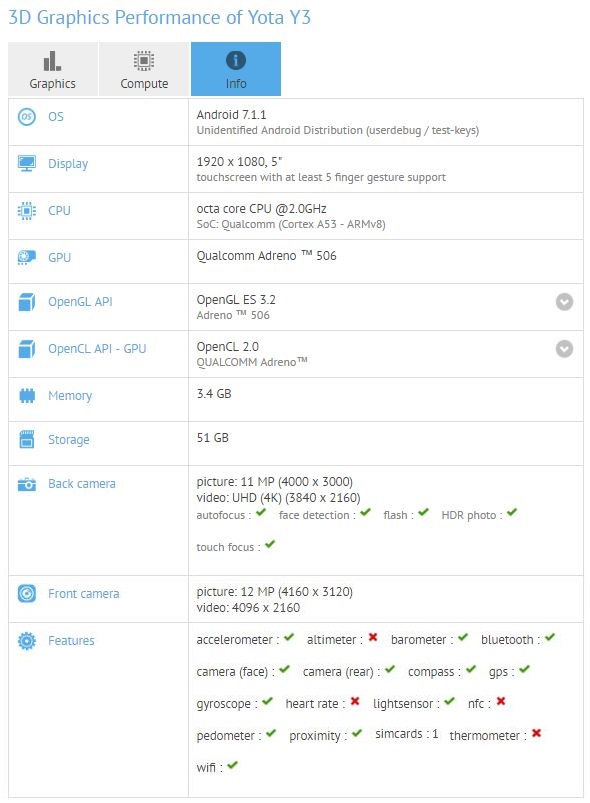
YotaPhone 3 GFXBench Leak

What do you think about the GFXBench’s publication of YotaPhone 3’s specification?


(via)
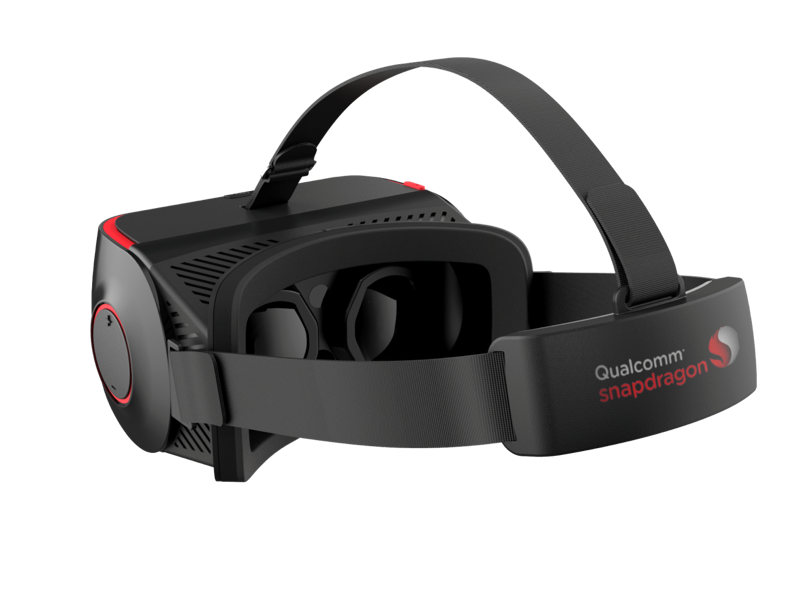
Qualcomm Teams with Bosch Sensortec, OmniVision & Ximmerse for Standalone VR Headset

Qualcomm has made an official announcement on collaborating with three companies to fulfill its mobile VR goals. The three companies with which Qualcomm has entered a partnership are Bosch Sensortec, OmniVision and Ximmerse.

Bosch Sensortec’s BMX055 orientation sensor will be used in Head Mounted Display (HMD) Accelerator Program by Qualcomm. It includes various kinds of sensors such as accelerometer, gyroscope and magnetometer.
The U.S. based chip maker will be using OmniVision’s 1-megapixel OV9282 image sensor enabled with high-speed shutter in HMD Accelerator Program (HAP). It will be also equipped with Ximmerse’s controllers that are optimized for using with Qualcomm’s Snapdragon chipsets for mobile devices. Also, the Flip controllers from Ximmerse will deliver lower latency and drift-free tracking with accurate precision.

Read More: OmniVision’s New 16-Megapixel Sensor Supporting PDAF, zHDR Officially Launched

HMD Accelerator Program was announced by Qualcomm in February this year. It was devised to assisted for OEMs of virtual reality hardware. HAP can help in reducing the engineering costs and cut down on the manufacturing time for creating VR products. It also reduces the shipping time of new products. HMD Accelerator Program provides VR manufacturers with means to authenticate performance metrics.

The program providers VR OEMs with reference products, tools and other resources that can help them to release VR hardware in short time. The Virtual Reality Development Kit and VR reference headset that are based on Snapdragon 835 are some items that are provided as resources to OEMs.

OEMs can either manufacture their own HMDs through the provided reference items or they can work with an experienced ODM such as Goertek or Thundercomm to personalize SD 835 VR HMD according to their commercial requirements. In China, many Snapdragon 820 VR HMD reference design based standalone VR HMDs are already available. More HAP based VR headsets are expected to launch in the near future.

HTC-Standalone-VR-headset-650-80
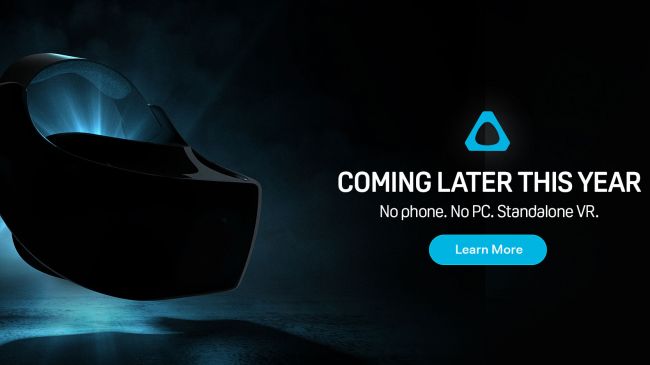
HTC’s teaser on its upcoming standalone VR headset

During the Google I/O 2017 event that was held in May, Google and Qualcomm had come together to announce a new standalone VR headset driven by Snapdragon 835 that is poised to release by the end of 2017. It is based on the reference design from Qualcomm. HTC and Lenovo are also expected to announce standalone headsets enabled with Daydream VR. Again, these VR headsets are going to be based on Qualcomm’s reference design and will be powered with Snapdragon chipset. Standalone VR headsets will not require to use smartphones, PC or any cable connected device for virtual reality experience.

(source)


OnePlus 5 (6GB & 8GB Versions) Now Available On Open Sale Via OnePlus’ Website

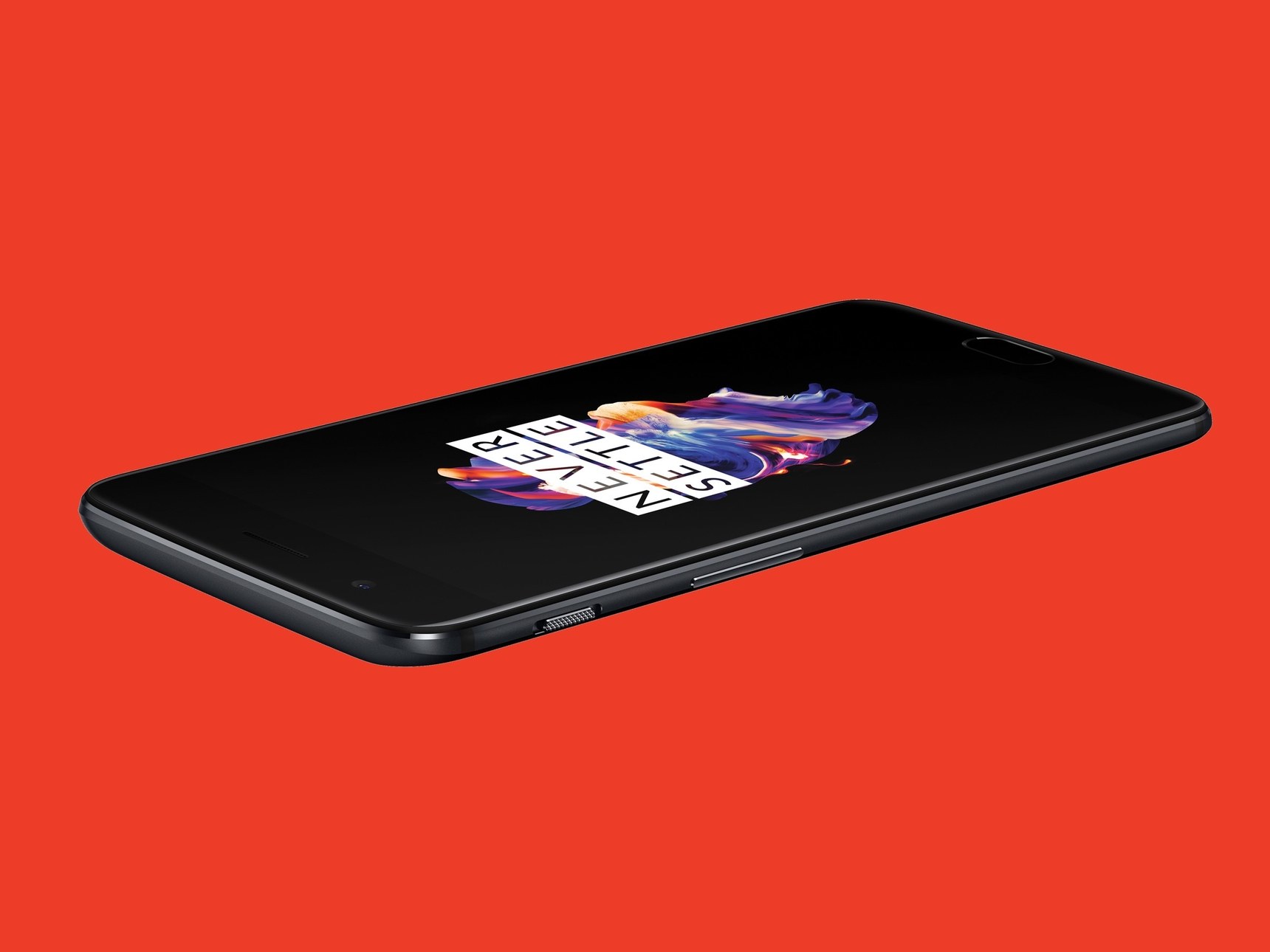
Customers and fans of the OnePlus brand can now openly buy the OnePlus 5 models direct from OnePlus via its website. This could be a gladsome news for those who missed out on the preorders. The open sales of the flagship device include both the 6GB RAM version and the 8GB RAM version but it is obvious demand for the 8GB RAM version is higher. While the 6GB RAM model is available to ship immediately, the 8GB RAM can only ship within the next 14 days meaning buyers will have to wait a little longer while the company replenishes its stock. Both offers also come with the same discount offer on some accessories like the DASH car charger, DASH power bundle, protective casing and more.OnePlus 5

Both offers also come with the same discount offer on some accessories like the DASH car charger, DASH power bundle, protective casing and more, similar to the one that was announced when the OnePlus 5 was launched in the U.S. This time around the discount ranges from between 10% and 20% maximum. The sale is open to individuals in various regions but most prominent is the U.S, Canada, European countries, Asian giants like China, India and Hong Kong. Other regions are yet to be captured in OnePlus’ plan as at this moment.

As a reminder of the specs, the OnePlus 5 comes equipped with a 2.45GHz Snapdragon 835 chip backed by 6GB of RAM on one model and 8GB of RAM on the top most model. There is also a 64GB and 128GB UFS 2.1 flash storage options available. The OnePlus 5 sports a 5.5-inch Optic AMOLED display with a resolution of 1920 x 1080p. The display is further protected by a 2.5D Corning Gorilla Glass 5 and supports sRGB and DCI-P3 colour space.OnePlus 5

Read More: OnePlus 5 Slate Gray & Midnight Black Hands On: Performance on Steroids

On the camera aspect, the OnePlus 5 packs a dual camera setup at the rear with a 20MP main sensor having f/2.6 aperture and a 16MP secondary telephoto sensor with f/1.7 aperture. The focus speed is up by 40% as a result of the second camera. There’s also 2X dual camera zoom for clearer long distance shots, improved HDR mode, and a Pro mode. For selfies, there is a powerful 16MP snapper which utilises the display as flash. The OP5 also packs a front ceramic fingerprint sensor which is capable of unlocking the device on 0.2seconds. There s also a 3,300mAH battery with fast charge support.

(source)

ASUS ZenFone 4 Selfie Appears On GFXBench Running Android Nougat

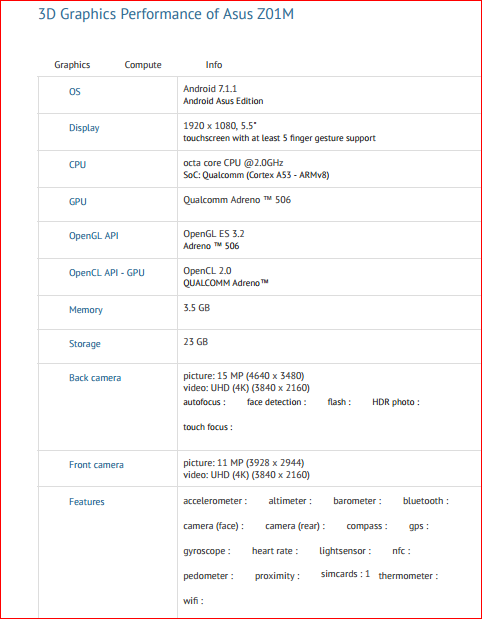
ASUS recently revealed that the Zenfone 4 would be among its new series and not quite long, the Zenfone 4 series lineup leaked revealing all the models the Taiwan-based company is planning to launch under the Zenfone 4 series soon. The name of the device and the model name as well as their specs were all featured in the leaked detail. So, it was easy to identify the exact model when an unknown ASUS Z01M appeared on GFXBench database. From the leaked data, we were able to grab that the Z01M is the ASUS Zenfone 4 Selfie.

ASUS Zenfoone 4 Selfie

As usual, the GFXBench data reveals some of the specs of the ASUS Zenfone 4 Selfie. Among the listed specs is an Android 7.1.1 Nougat operating system. The device is listed as packing a 5.5-inch display with 1920 x 1080p resolution. The Zenfone 4 Selfie is listed as coming with an unspecified octa-core CPU clocked at 2.0GHz. The presence of the Adreno 506 GPU narrows down the processor to either be the Snapdragon 625 or SD 626 SoC, both of which utilises the Adreno 506 GPU. The processor is backed by 4GB of RAM and the model has 32GB of internal storage which will likely be expandable.

Read MoreASUS Zenfone 4 Series Lineup Leaked, New Zenfone Selfie Coming Too

GFXBench’s data are not always very accurate so we may actually take the 11MP selfie camera and 15MP rear camera listed on the data with a pinch of salt. The exact sensor size may likely differ in the final analysis and we really hope to see a more powerful camera setup reflective of the name of the model. But from all indications, the Zenfone 4 Selfie is a mid-range smartphone which would likely have an affordable price tag. No word yet on when the Zenfone series models will begin dropping but we believe their launch isn’t far away.

(source)


Meizu Pro 7 Real Photo Leaks, You’ll Be Excited!

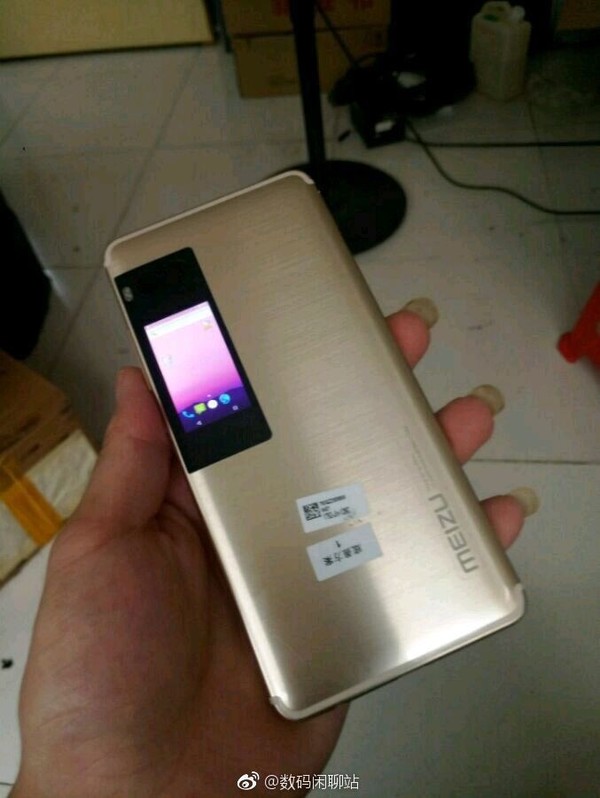
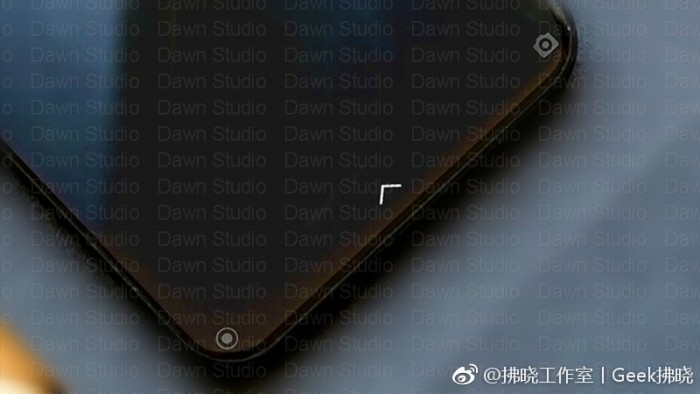
Finally, the real photo of Meizu‘s “most-wanted” flagship Pro 7 that has been the subject of rumours since last year has appeared online showing us what could be the real deal from various angles. The design of the Pro 7 recently leaked showing an innovative concept, a secondary display located at the back of the smartphone, something we have never seen before. Don’t get it all wrong, we know secondary displays are not new, the likes of LG, Yotaphone have been using that all this while but the thing is that the location has always been at the front, hovering above the main display. In contrast, that of Meizu is located on the top left corner of the back casing.Meizu pro 7

Taking a closer look at the leaked photos, we can gather that the display will have a curved glass on top and unfortunately, there is still a sizeable amount of bezels around the display both at the top and bottom. The side bezels are quite thin but since they are there, the black borders around the display are still visible. We already know the device will have a front fingerprint sensor located on the mBack button. There seems to be a single opening for the selfie camera up front without any other opening. The working home screen carries a theme which looks like Android Nougat, of course with a touch of Meizu’s Flyme OS. meizu pro 7

The rear view offers a view of the secondary display in action and seems to be a miniature replica of the front home screen. As beautiful as the design may be, we are yet to see its spectacular importance apart from keeping you from opening up the main display all the time there is a notification beep. The rear display also houses the rear camera which is a dual setup as well as a LED flash in the same square. Also visible, is the U-shaped antenna band design wich fuses with the metal body.  Meizu Pro 7

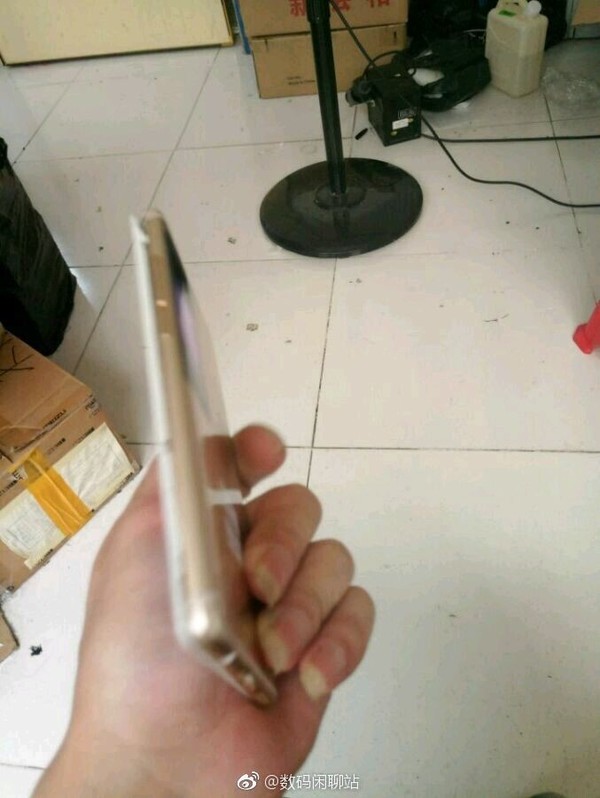
We still got to see the device captured from the side but the photo is not clear enough for us to make out the features located at the bottom edge and the side rockers present.  Obviously, the power button and the volume rockers will be by the side but at the bottom, we can’t tell if it is a USB Type-C port from the blurred photo.

Read More: Meizu Pro 7 & Pro 7 Plus Specs & Prices Leaked, Launching Next Month

This latest set of leaked photos is an indication that the Pro 7 may likely be launched soon. The Pro 7 is expected to pack a MediaTek Helio X30 chip and from the leaked renders, the flagship model will likely be available in Gold and Black colours. There may be more colour variants aside from these two, though.

Xiaomi Redmi 4 Sales In India Cross 1 Million In 30 days!

Xiaomi continues to make rapid progress in India as indicated by the company’s smartphone sales record in the Asian country. Recently, it was revealed that Xiaomi is the most preferred brand in India, overtaking Apple and Samsung to the top spot. That preference has reflected in the sales of the Xiaomi Redmi 4 which was launched in India recently. Xiaomi India has now revealed that the company sold over a million Redmi 4 units in just 30 days. This revelation was made by Manu Jain, Xiaomi India’s Managing Director via his Twitter handle.Xiaomi Redmi 4 india

If we are to trace the history of Xiaomi products in India, then it will be better understood why these sales figures are encouraging. Just a few months back, the Redmi Note 4 went up on sales and the product sales crossed 1 million units in 45 days. The number of days needed to surpass the 1 million mark has further shrunken which further shows the fast growing popularity of the Xiaomi brand.

Read More: New Xiaomi Factory in India Makes One Phone Per Second

The Xiaomi Redmi 4 is a budget smartphone which was launched in November last year but was launched in India mid-May. The model sports a 5-inch display with 1080 pixel resolution. The Redmi 4 is available in three versions in India, with the mid version packing an Octa-core Snapdragon 435 chip, 3GB RAM as well as 32GB of internal storage, priced at Rs 8,999. On the other hand, the base model features a Snapdragon 435 processor and is equipped with 2GB of RAM as well as 16GB of internal storage with a price tag of Rs 6,999. A topmost 4GB + 64GB version with same SoC will go on sale by the end of June. All versions have microSD slots for expansion of the internal storage and pack a large 4,100mAh battery which is enough to ensure some extended hours of usage.  You can check out our Redmi 4 Review to know more about the model that has shattered records in India.

(source)

Motorola Moto Z2 Play launches in China & We Were Right About The Price

Lenovo’s Motorola has launched the Moto Z2 Play in its home country, China and just as we reported a week ago, it keeps the ¥3299 (~$484) price tag of its predecessor.

The Moto Z2 Play arrives in China with 4GB of RAM, 64GB of storage and a 5.5-inches 1080p Super AMOLED display from Samsung. It is powered by a Snapdragon 626 SoC clocked at 2.2GHz.

The Moto Z2 Play has seen subtle changes in its design with the most important being its new 5.9mm thick all-metal body. That thinner design comes at the expense of a smaller 3000mAh battery.

There is a 12MP dual-pixel sensor with a f/1.7 aperture and 1.4um pixel size. The camera has laser autofocus, dual tone led flash and can record in slow motion at 120fps. The front camera is a 5MP wide-angle sensor with a f/2.2 aperture. It also gets a dual-LED flash.

Other features of the Moto Z2 Play include NFC, fingerprint scanner, dual SIM support (nano-only) and a splash resistant coating. The phone runs Android 7.1.1 Nougat out of the box.

READ MORE: Another Moto G5S Plus Photo Render Leaks, Reveals New Color

Xiaomi Mi Mix 2 Official Details Leak Hinting at Galaxy S8-Like Design, Plus Likely Renders

There is no doubt as of this moment that Xiaomi will be launching the Mi Mix 2 this year with a similar high screen-to-body ratio as featured on the first-gen Mi Mix. The Chinese tech company also hinted that the Mi Mix 2 will be designed by Phillippe Starck who masterminded the Mi Mix’s design. But we still haven’t heard much about the Mi Mix 2 design until now.xiaomi mi mix

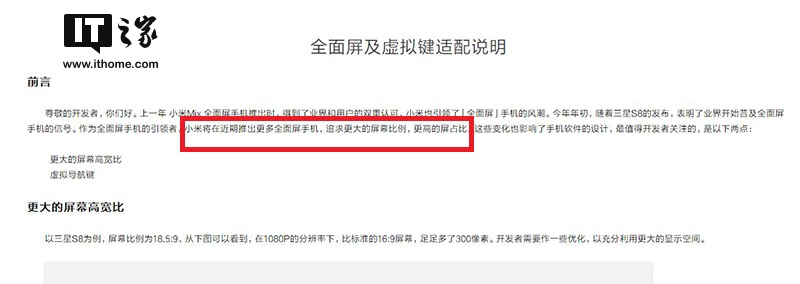
A leaked Xiaomi document to developers has shared some light on the design of the Mi Mix 2. The document recognised the innovative design of the Mix 2 and even mentioned the popularisation of the design by Samsung. Mention was also made of the LG G6 which also used a similar full-screen. The document then went on to state as a leader in full-display mobile phone technology, Xiaomi will introduce in the near future more full-screen phones with a larger display and higher screen ratio. The purpose of the document seems to be the effect the new design will have on the mobile phone software and the write-up drew developers’ attention to two aspects; larger screen aspect ratio and a virtual navigation key.xiaomi mi mix 2

The Xiaomi Mi Mix was released in October last year with a 6.4-inch display which accounted for 91.3% of the screen and a 17:9 aspect ratio. The MiMix 2 display may not really be larger in size but the screen-to-body ratio may likely be increased to 93%as well as the aspect ratio as indicated o the leaked document. The Mi Mix featured a virtual navigation key and also uses a Cantilever piezoelectric ceramic technology which replaces the traditional earpiece. On the Mix 2, Xiaomi is said to partner with AAC technologies who will develop a better new generation technology known as AAC actuator which would be used for the ear piece sound output. The AAC actuator is said to achieve a better screen sound especially at low frequency. It also works better with the 3GPP standard.xiaomi mi mix 2

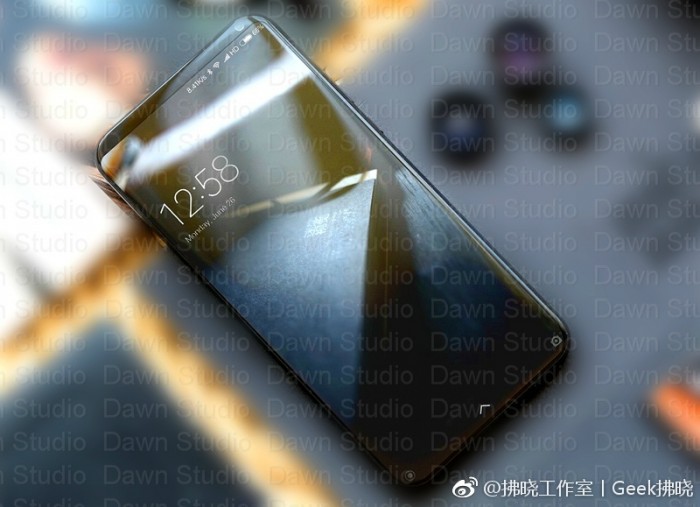
In a similar vein, a couple of purported renders of a Xiaomi model believed to be the Mix 2 have appeared online showing the design is somehow similar to the Samsung Galaxy S8. The device looks a little smaller than the 6.4-inch display the Mi Mix featured, making the renders not so likely to be the Mix 2. It is still too early to start getting the renders of the concept flagship since it won’t be launched until most likely the fourth quarter.xiaomi

Read Also: Xiaomi Mi MIX 2 Concept Render Shows 93% Screen to Body Ratio and Dual Rear Cameras

There are talks of the renders being those of the Redmi Pro 2 but then, that is a mid-ranger. Putting this kind of design on the Redmi Pro 2 will make its price way higher than usual. The renders are also said to likely to be those of the Mi 6 Plus which is expected to be launched soon. The leaker only mentioned that this wasn’t the Galaxy S8 but MIUI mysterious new machine. So, we can’t say which of the Xiaomi models would pack this design but it sure looks like some interesting things are ahead.

(source 1, 2)

mi mix 2mi 6 plus

Vivo Announces FunTouch OS 3.1 Based on Android 7.1 Nougat

Vivo has announced a new version of its custom FunTouch OS which will be based on the latest version of Android. FunTouch OS 3.1 is said to be based on Android 7.1 Nougat and will start rolling out to eligible devices over the next couple of months.

Vivo FunTouch OS

The eligible phones include the Vivo X9Plus, X9, Xplay6, X7, X7 Plus, Xplay5A, Xplay5 5S/Xplay5 Elite/Xplay5 Ultimate. The Vivo X9 and X9 Plus will be the first to be updated. Update should start rolling out to the X9 Plus on the 18th of July and to the X9 on the 31st of July.

READ MORE: Vivo X9S & X9S Plus Promotional Poster Leaks, Likely Launching Soon

ASUS Zenfone 4 Series Lineup Leaked, New Zenfone Selfie Coming Too

ASUS Kicked off the year with its Zenfone AR at CES 2017. The phone is not only the first 8GB RAM phone in the world, it’s also the first device to support VR (Google Daydream) and AR (Google Tango). In addition to the Zenfone AR, the Zenfone 4 series will also be the focus for the Taiwanese company. A new leak has revealed the lineup for the new series.

ASUS Zenfone 4 Series

In the past few weeks, we have seen a number of new ASUS devices on TENAA and from some other sources. However, this new leak reveals the devices that will get the Zenfone 4 name.

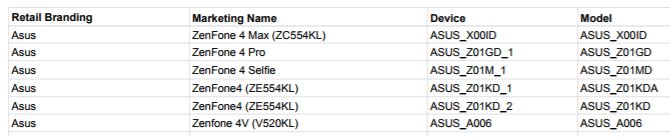
  1. Zenfone 4 Max (ZC554KL): We already saw this device get its Bluetooth certification. Device ID is listed ASUS_X00ID which is the same as its model number.
  2. Zenfone 4 Pro: This device is still unknown but since it gets the Pro suffix, we presume it will be a more powerful variant of the Zenfone 4 itself. Device ID is ASUS_Z01GD_1 and model number is ASUS_Z01GD.
  3. Zenfone 4 Selfie: The first Zenfone Selfie was released back in 2015. It had a 13MP camera on the rear and another 13MP front facing camera with its own dual LED flash. The Zenfone 4 Selfie is the second phone with the selfie name but instead of calling it the Zenfone Selfie 2, we think this name is better to prevent confusion and allow for a more uniform naming scheme. We expect it to have a superb selfie camera as the name implies.
  4. Zenfone 4 (ZE554KL): This is definitely the main Zenfone 4. The listing shows there will be two variants (possibly regional). One has Device ID ASUS_Z01KD_1 with corresponding model number ASUS_Z01KDA and the other has Device ID ASUS_Z01KD_2 with model number ASUS_Z01KD. The specs are unknown but we expect a mid-range chip like that of last year, probably the Snapdragon 626.
  5. Zenfone 4V: This is an entirely new device as ASUS hasn’t released a Zenfone 3V or Zenfone 2V or Zenfone V in the past. Device ID and model number is ASUS-A006.

READ MORE: ASUS ZenScreen Is A Beautiful 15.6-inch USB Screen That Comes With A Pen For A Stand

OnePlus 5’s 6 Major Criticisms Tackled by OnePlus CEO Pete Lau

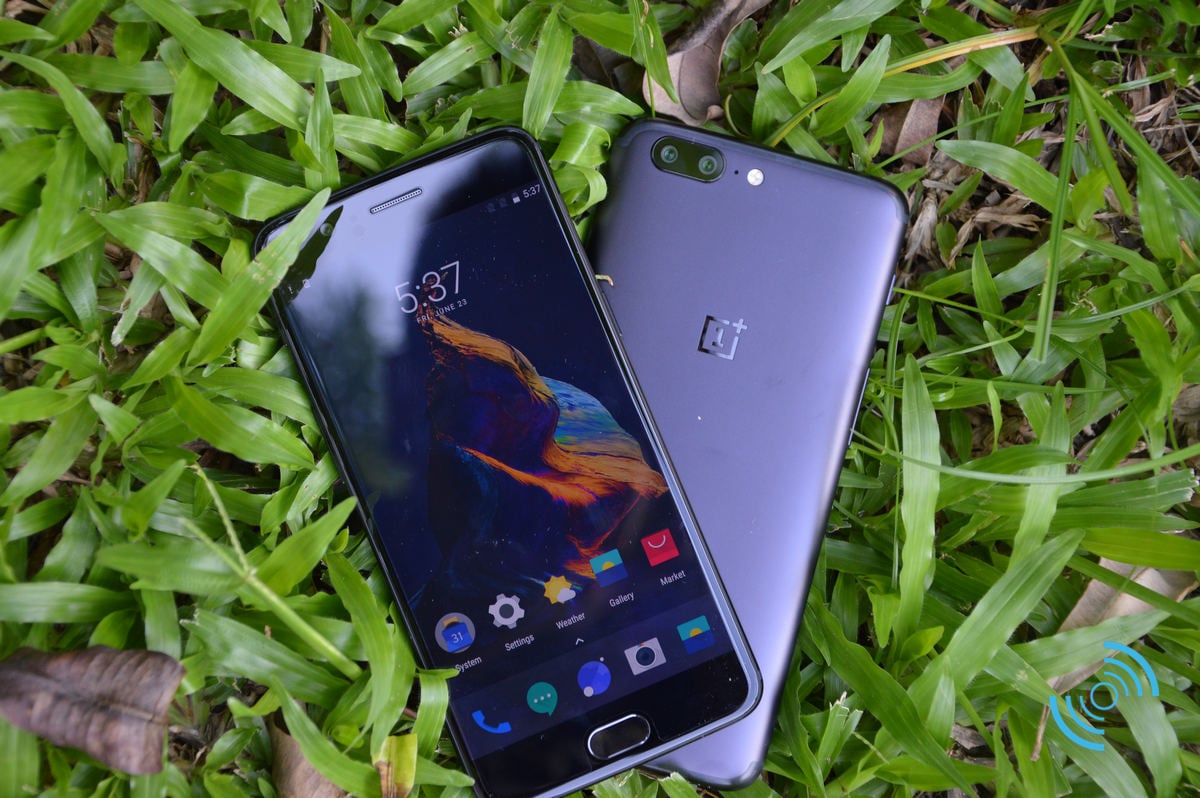
OnePlus 5 was officially unveiled on June 20 and as of today, it is available in markets like the U.S., China and India. The official teaser of the OnePlus 5s that appeared before its launch initiated criticism on its design as many started complaining that it resembles the iPhone 7 Plus. The company was also criticized for making the OnePlus 5 record highly impressive benchmark scores by cheating. Even though the company promised 2x optical zoom on its dual cameras, it only supports 1.6x optical zoom. It has been also found that the Chinese firm has not upgraded the display on OnePlus 5 as it is using the same full HD screen that’s available on the predecessor phone. Today, OnePlus co-founder and CEO Pete Lau has addressed some of the criticisms.

OnePlus 5 Benchmarks Controversy

One of the most embarrassing accusations on OnePlus 5 as XDA Developers have found that when the smartphone detects that a benchmarking app has been launched on it, it automatically delivers high performance. Lau responded on this accusation by saying that OnePlus does not know how to overclock the processor and the company only tried to unleash the full potential of the processor. In another statement, he said that boosted scores on various benchmarking apps shows the true performance capabilities of their newest flagship and it is not cheating.

Generally, people do not rely on benchmark scores while purchasing a smartphone. However, deliberate increased performance on benchmark apps may make the reviewers praise the smartphone for its topnotch performance which can influence buyers who prefer to read reviews before buying a smartphone.

oneplus 5 hands on (5)

OnePlus 5 Resemblance with iPhone 7 Plus

OnePlus 5’s dual rear camera and its LED as well as its antenna bands makes it appear quite similar to iPhone 7 Plus. On this issue, Lau responded by saying that he has been hearing such things since the time the company launched the OnePlus One. He added that “time has proved everything” as it now become a classic phone.

OnePlus 5 Does Not Feature Upgraded Display

OnePlus 5 was expected to come with Quad HD display screen as the company has been offering full HD screen since OnePlus One. Many have complained that even though the OnePlus 5 comes with a higher pricing, it still features a full HD display. Lau said that 2K screens consume more power. Hence, in a bid to deliver best experience to the users, it has stuck to FHD screen.

OnePlus 5’s Dual Rear Camera Needs Improvement

OnePlus 5 comes with a 16-megapixel + 20-megapixel dual rear camera module. When asked whether the present dual camera technology is imperfect, Lau answered by saying there is still scope for improvement. He added the dual cameras of OnePlus 5 offers the best possible images. He also said that, “technology around the camera will continue to progress and I expect more improvement.“ As far as the controversy regarding zooming capabilities of OnePlus 5, Carl Pei had released the following tweet soon after the launch of the phone:

Read More: OnePlus 5 Slate Gray & Midnight Black Hands On: Performance on Steroids

Skipping Waterproof Feature on OnePlus 5

When Lau was asked whether the company skipped waterproofing on OnePlus in order to ensure better thermal dissipation, he replied that he does not believe waterproofing is a big consumer requirement. It only increases the weight of the phone and makes it thicker. He further said that even though the company has not advertised about water resistance capabilities of OnePlus 5, the flagship does offer a certain degree of waterproofing. Well, this has been confirmed through OnePlus 5 teardown.

OnePlus 5’s Expensive Pricing

OnePlus has been always known for selling low-priced flagship phones. However, the highest variant of OnePlus 5 that features 8 GB RAM and 128 GB of storage is priced at $539 in the U.S. According to Lau, the reason why OnePlus 5 carries an expensive pricing is because the increased cost of the components like Snapdragon 835 CPU, internal storage and 8 GB RAM. He has even said that even the pricing of a minor thing like the retail box has increased this year.

What do you think about the above responses from OnePlus CEO on all the issues surrounding OnePlus 5? Do share your thoughts by adding your comments below.

(source)


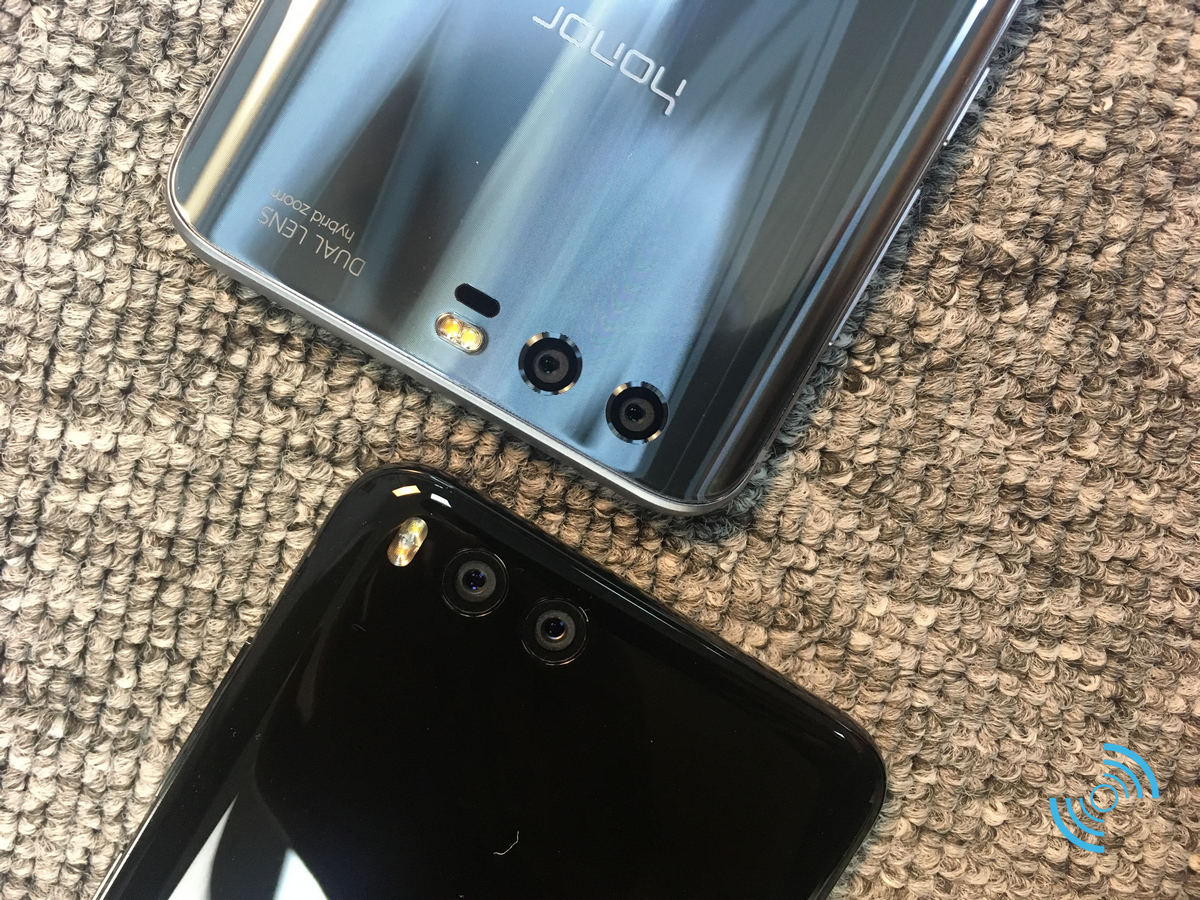
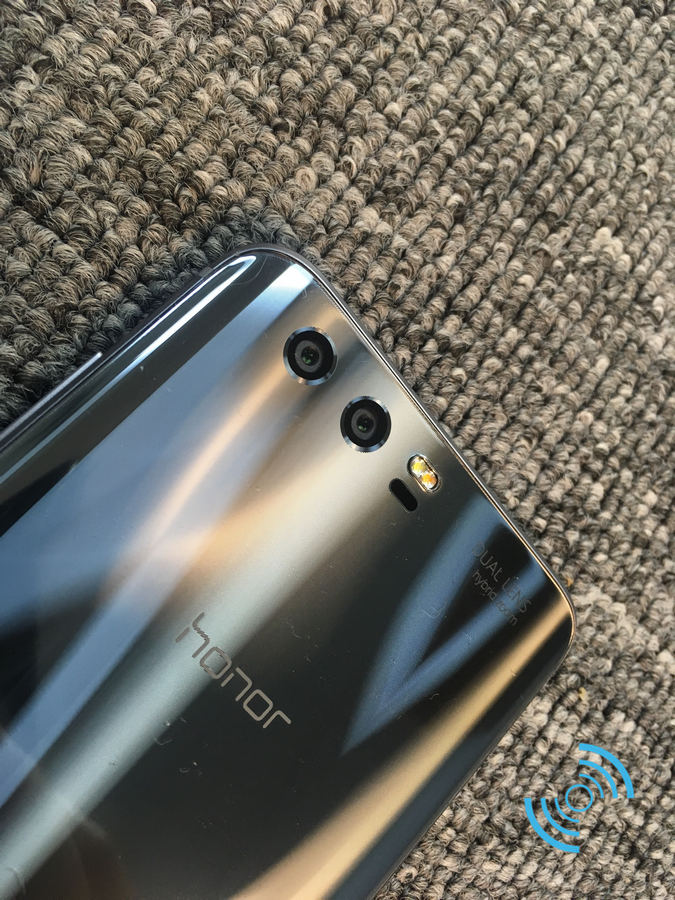
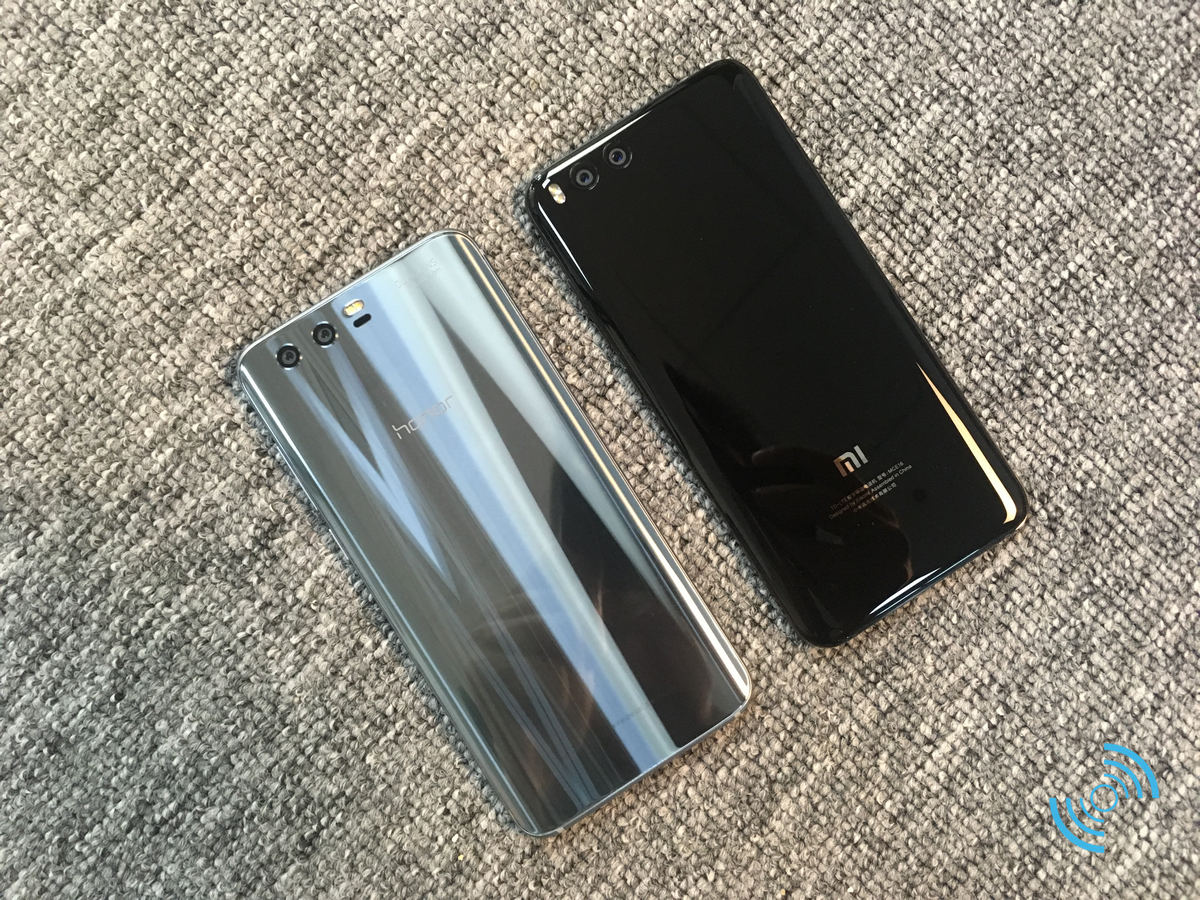
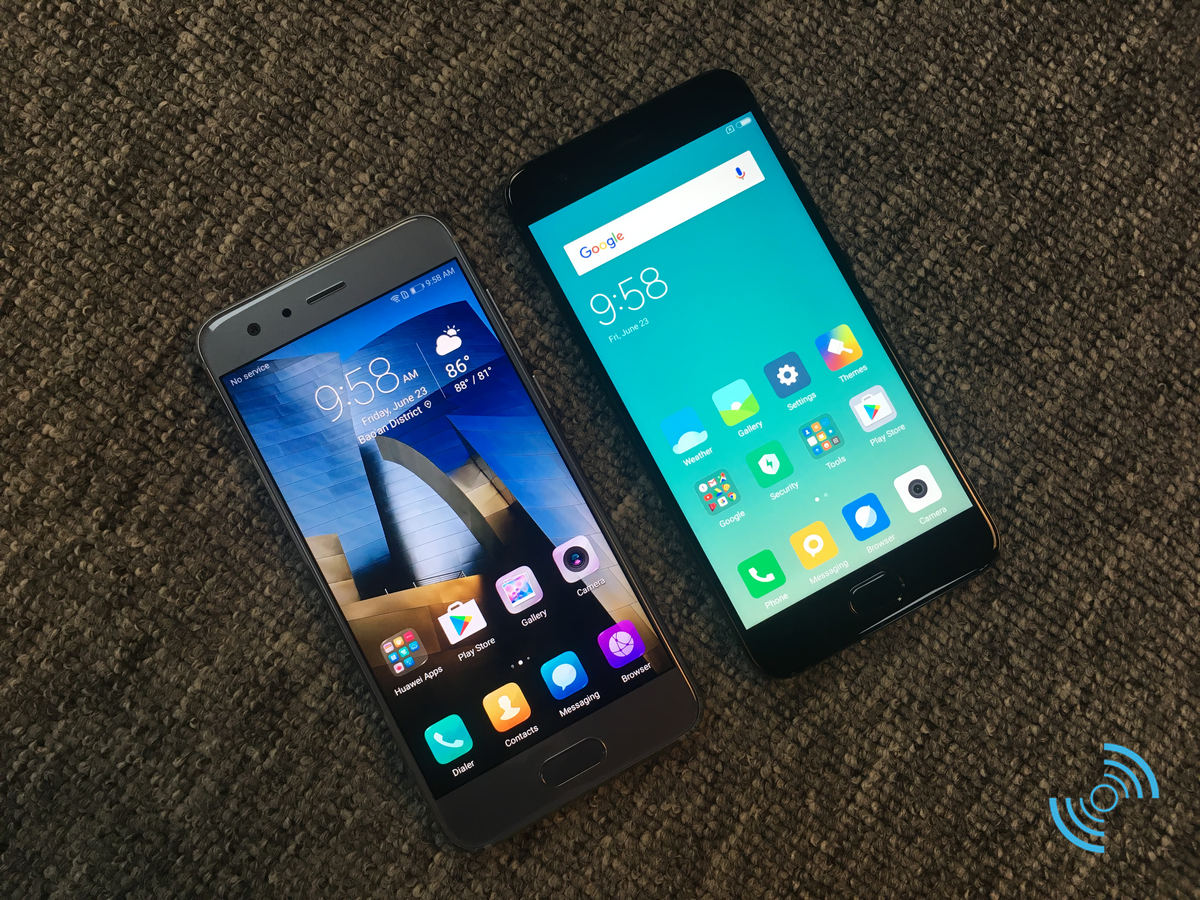
Huawei Honor 9 Hands On: Grey Is Beautiful!

Huawei Honor 8 turned out to be a successful upper mid-range smartphone for the brand and it was important for its next generation model, the Honor 9 to continue its success. Considering this, the new model has retained the basic design and features of the Honor 8 and added a few extra elements to make it a bit special.

Honor 9 hands on (1)

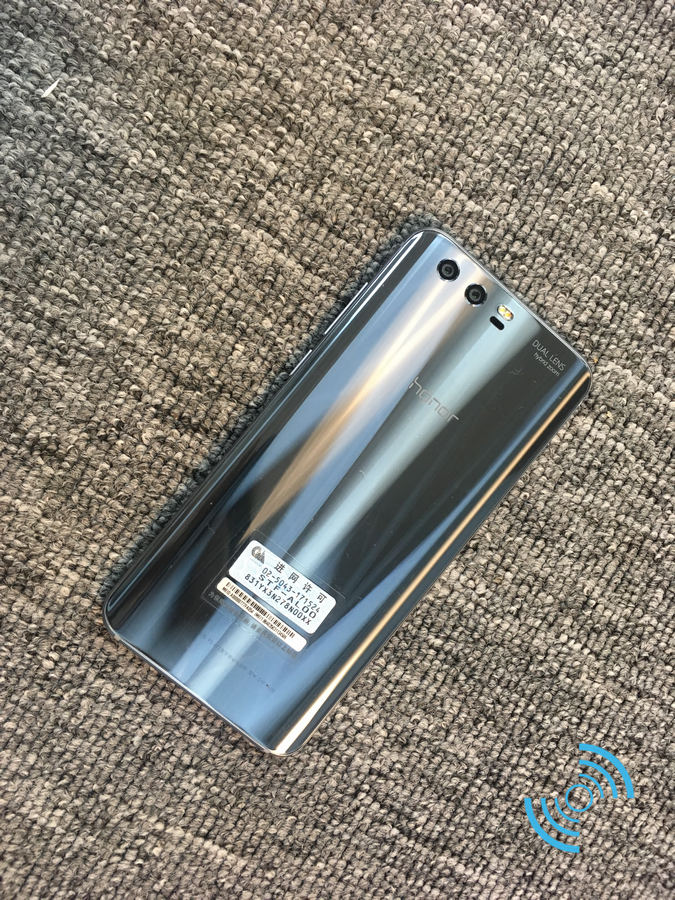
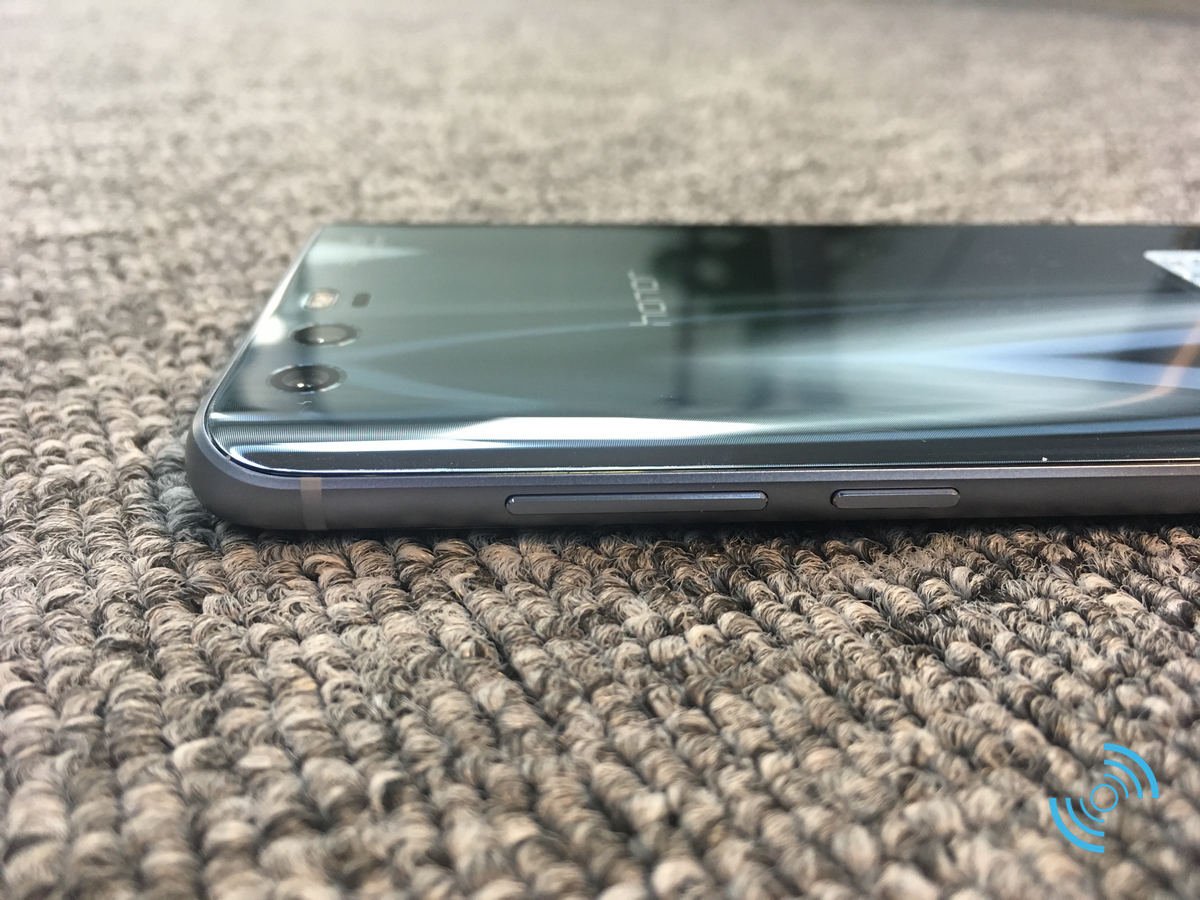
For example, in the design department, the Honor 9 comes with a 3D curved back made out of glass. The frame is made out of metal to keep the phone sturdy. One of the highlights of the Honor 8 was the reflective back and the same continues in the new generation model.

Honor 9 hands on (2)

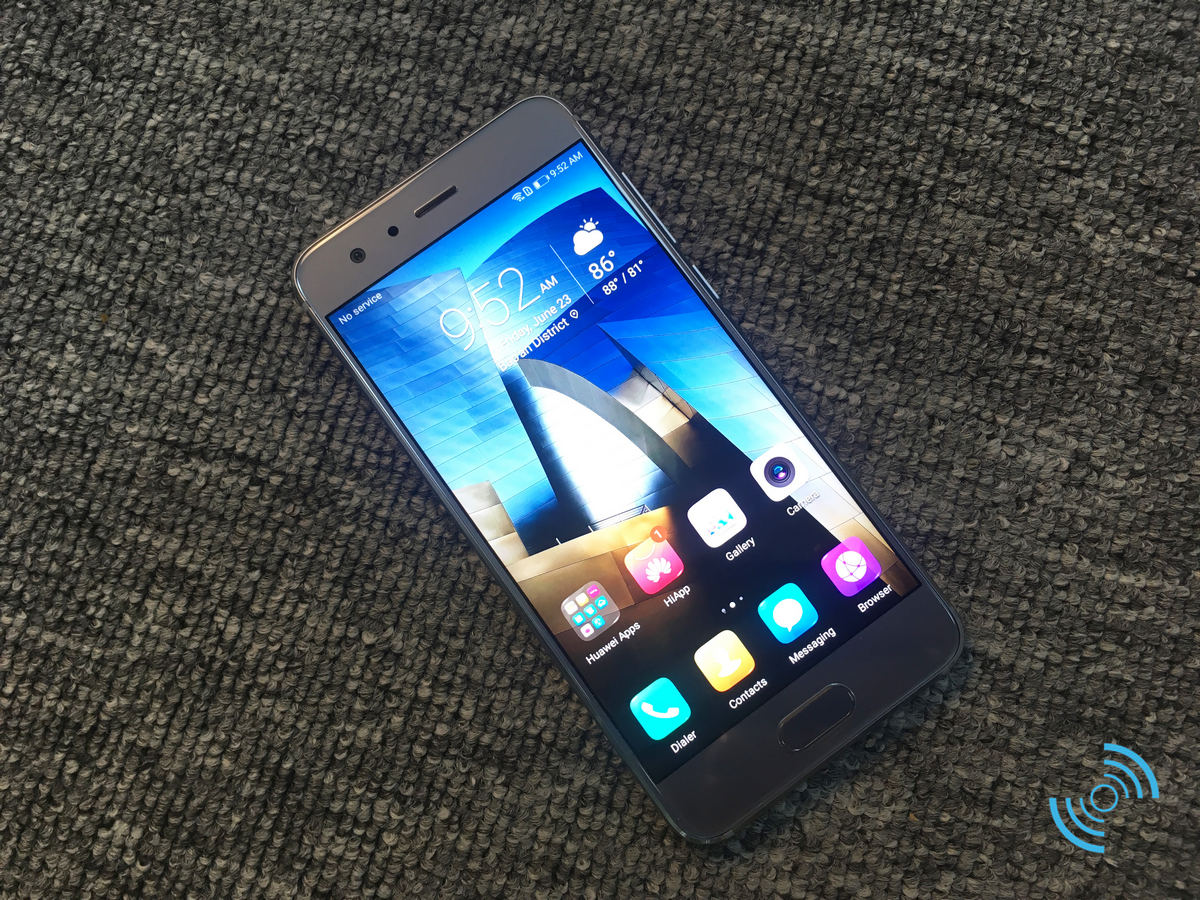
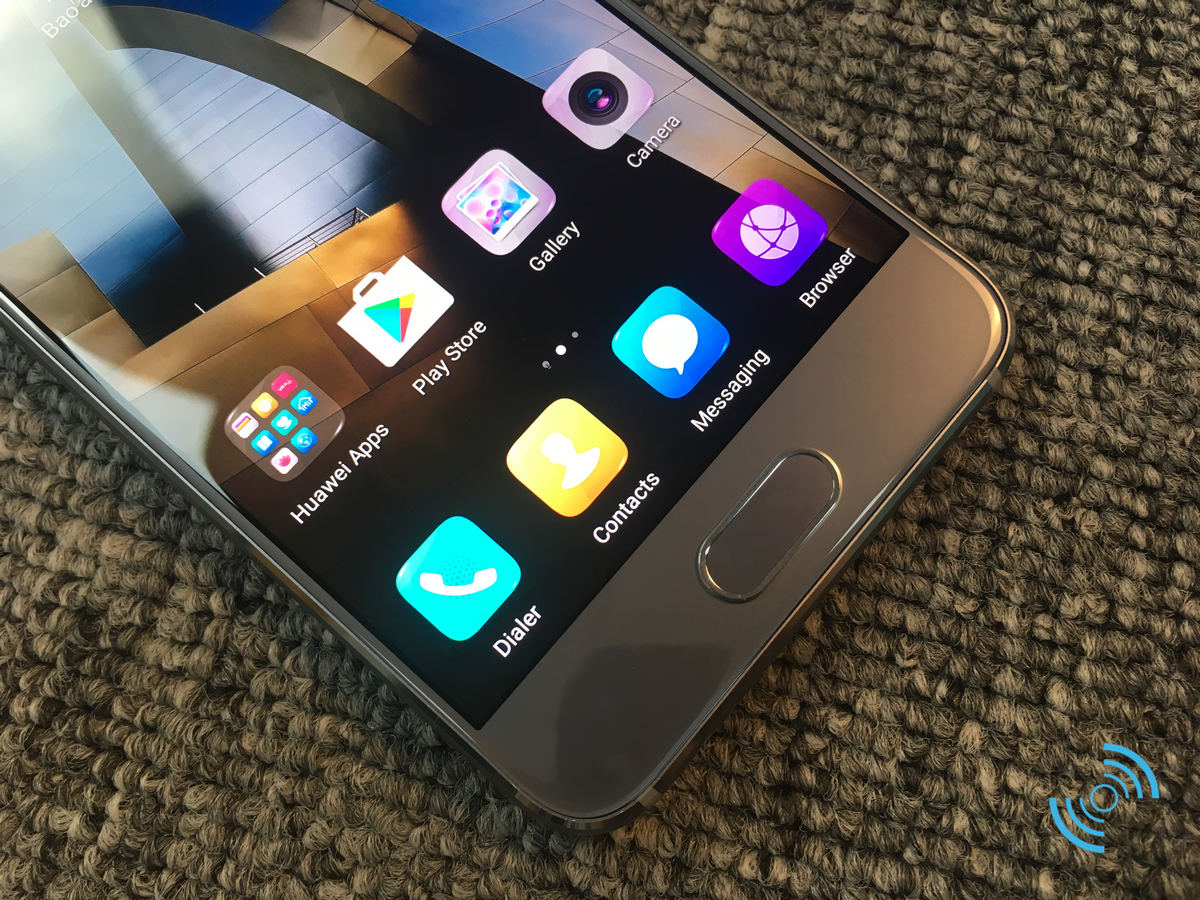
The curved glass is not the only change at the back. The Honor 9 makes subtle changes in the arrangement of the dual tone LED flash as well as laser focus, as now they are stacked one above the other. Also, the fingerprint sensor is moved to the front, integrated into the home button just like the Huawei P10. Despite these changes, the basic form factor of the phone remains the same and you’ll easily recognize that the phone is from the Honor family by just looking at its design.

Honor 9 hands on (9)

The phone comes in multiple color options, including black, amber gold and the popular sea blue. However, the brand has added a new color option for the Honor 9 this year — Seagull Gray and it looks beautiful. As you can see in the Honor 9 hands on images, we have got the Seagull Gray model with us.

Honor 9 hands on (1)

The display is vibrant and the touch is responsive. The bezels on the sides are thin and even the black borders (which we all hate) are super thin, thereby not interfering with your display experience.  You can actually check out the quality of the display in our Honor 9 hands on video added below.

The phone has similar dimensions as the Honor 8 — 147.3 x 70.9 x 7.5 mm and it still is lightweight at 155 grams. The curved back helps in the ergonomics and the 5.15-inch compact display ensures that it’ll be easy to use the phone one handed.

Honor 9 hands on (8)

The EMUI 5.1 based on Android 7 running on the Honor 9 is snappy, without any lag. The fluid experience is also due to the powerful Kirin 960 that powers the phone along with 6GB of RAM inside. There are two storage options for the 6GB variant, 64GB and 128GB. There’s another 4GB RAM model with 64GB of storage. Storage on the phone shouldn’t be an issue since it comes with hybrid SIM card slot that uses SIM2 as MicroSD card slot whenever needed.

The sound quality of the phone is also supposed to be excellent as the Hi-Fi chip is said to be tuned by Rainer Maillard. The quality was good but we haven’t tested out the sound output in detail, so we’ll reserve our judgement for our detailed review.

Honor 9 hands on (6)

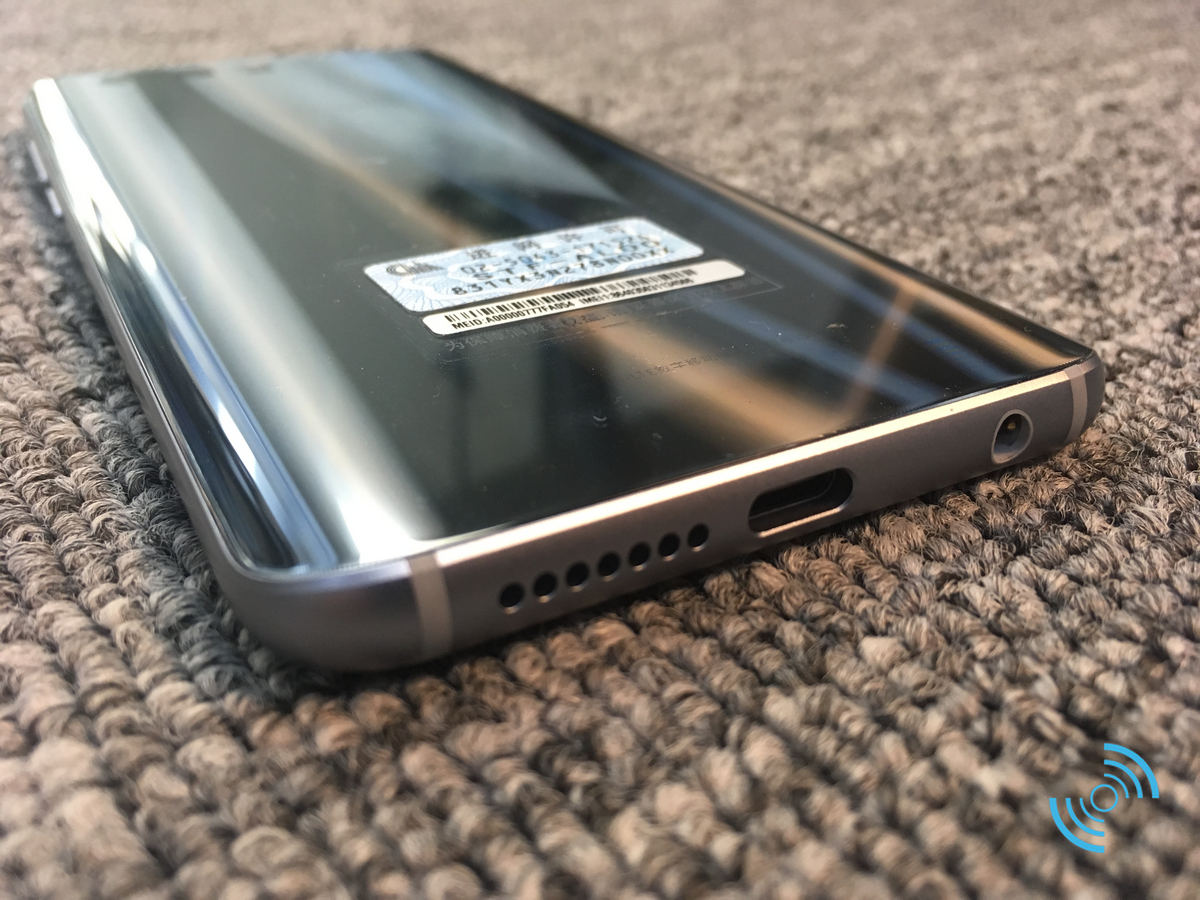
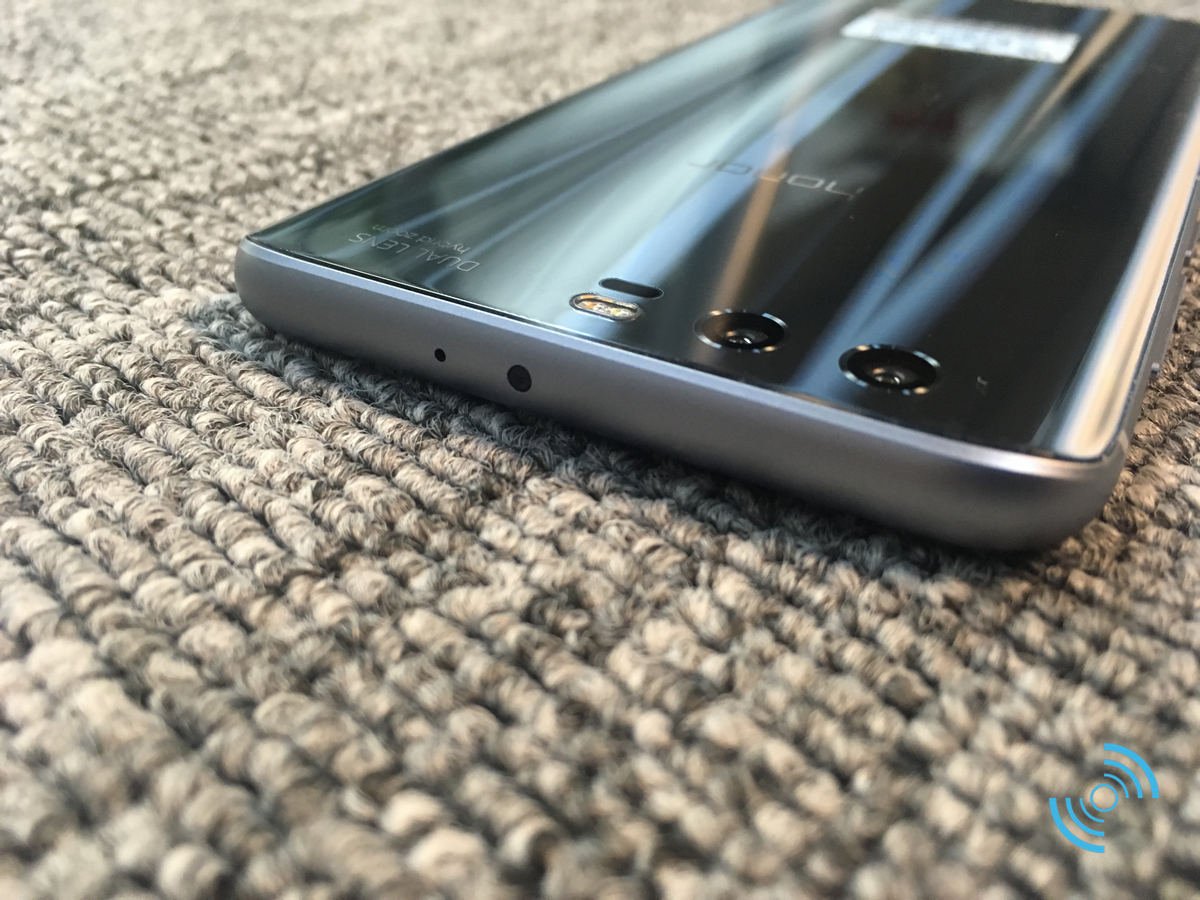
The speakers, USB Type-C, and the headphone jack are all located at the bottom of the phone. You can take a look at the Mi 6 for comparison, lying on top on the Honor 9.

Honor 9 hands on (15)

As for the dual cameras, the Huawei Honor 9 comes with the same setup as the Huawei P10 — 12MP main RGB camera along with a 20MP monochrome sensor. However, the Honor model lacks the Leica branding. But you get a lot of features in the camera department like moving picture mode (similar to live photos on iPhone) and portrait mode (for bokeh effect on portraits). There’s also hybrid zoom (as clearly mentioned at the back of the phone) for clear, lossless zoom.

Honor 9 hands on (4)

Other features of the phone include NFC, IR port on top, and 3200mAh battery.Honor 9 hands on (7)

The phone starts at 2299 Yuan ($338) for the 4GB model and 2699 Yuan ($397) for the 6GB + 64GB model in China. You can get it for an extra premium price at several resellers online.

So, what do you think about the phone’s design?

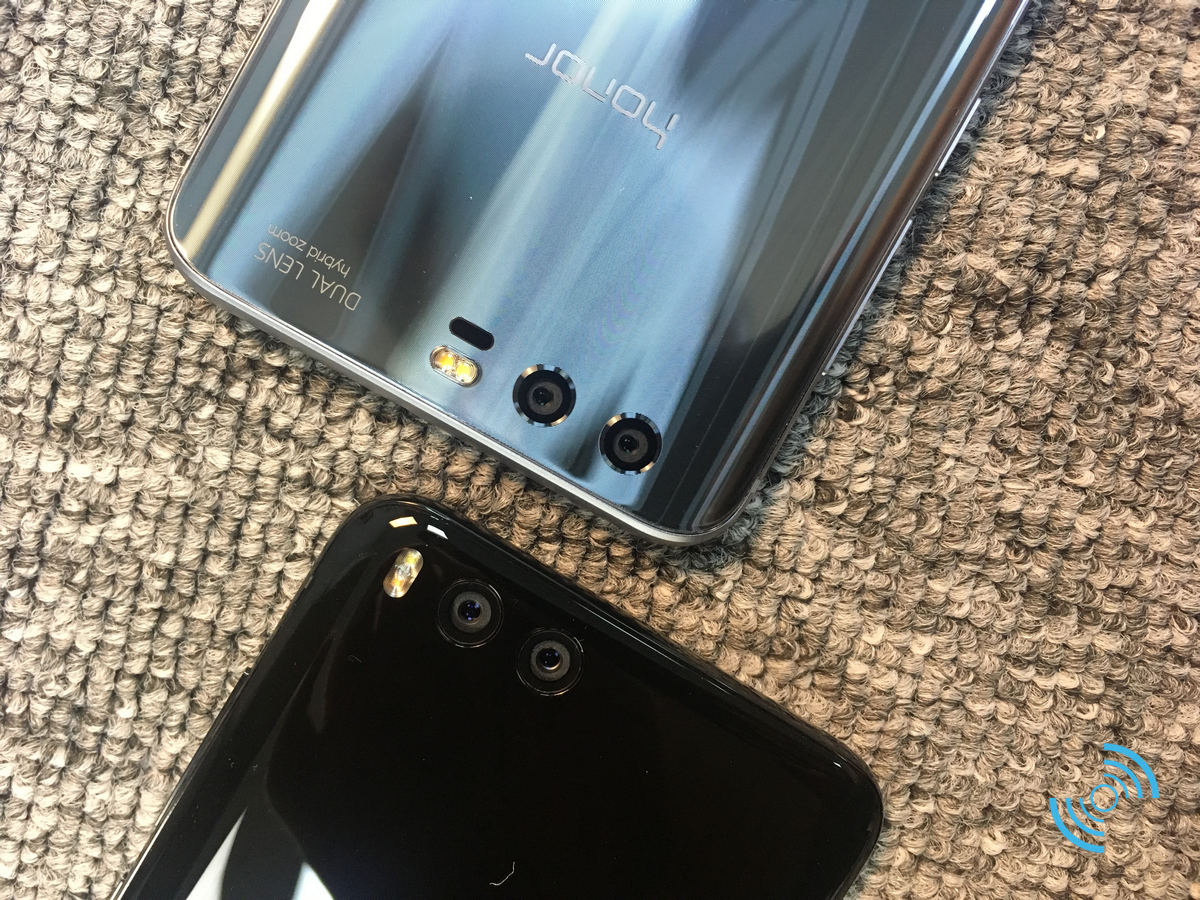
Meanwhile, check out some bonus Huawei Honor 9 vs Xiaomi Mi 6 photos below.


Honor 9 hands on (13) Honor 9 hands on (12) Honor 9 hands on (11)


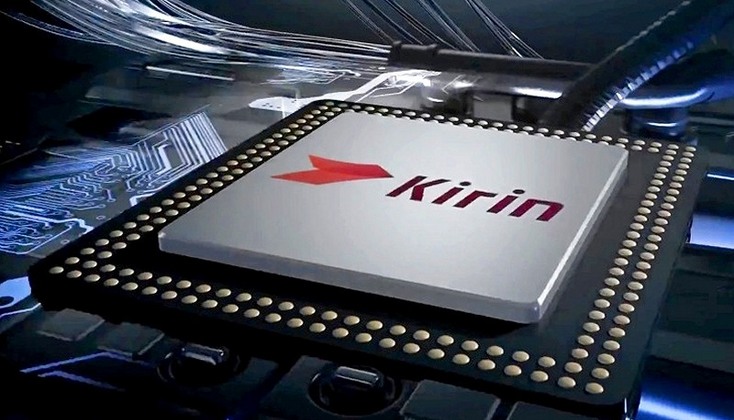
Kirin 970 Details Revealed: Q3 Release, Enhanced GPU, Debut on Mate 10

Huawei‘s Hisilicon Kirin 970 next-generation chip has been the subject of a couple of rumours concerning the configuration, production and release. The chip is said to utilise the TSCM 10nm manufacturing process and was said to have experienced some problems in the 10nm wafers production that could have slowed down its arrival time but that was averted. Since then, it has been one rumour or the other about the configuration with no authentic word on the release time frame. huawei-kirin-960

Well-known industry analyst Pan Jiutang has now released some more details of the next-gen Huawei chip, stating that the chip would be come with enhanced GPU, apparently over that of Kirin 960 SoC.The Kirin 960 chip uses a Mali-G71 MP8 which when compared to rival Qualcomm Snapdragon 835 and Samsung Exynos 8895, the Kirin 960 in the GPU performance is slightly behind. Thus, there is the need for some enhancements in order to be on par with the latest flagship chips around.

Kirin 970

The analyst also affirmed that it would be built on a 10nm process and also stated that Huawei will begin mass production of smartphones which would use the next-gen chip. He didn’t state the smartphone but he was likely referring to the Huawei Mate 10 which is widely acclaimed as the model that would use the new chip in line with recent Huawei tradition. The Huawei Mate 10 is expected to be released sometime in the second quarter of the year.

Read More: Fresh Kirin 970 & Snapdragon 845 Details & Launch Dates Leaked

Earlier rumours further tip the Kirin 970 to pack an octa-core CPU comprised of four ARM Cortex-A73 cores, and four ARM Cortex-A53 cores. There are talks of higher Cortex-A75 cores onboard the SoC. The next-gen flagship chipset is also revealed to have a maximum clock frequency of between 2.8GHz – 3.0GHz. In addition, the Kirin 970 will be equipped with Cat. 12 LTE baseband and would come as Huawei’s first chip to use the 10nm process.

(source)

OmniVision’s New 16-Megapixel Sensor Supporting PDAF, zHDR Officially Launched

OmniVision is a well-known developer of topnotch imaging solutions. Today, the company has announced its newest image sensor, the OmniVision OV16B10 camera sensor. It is a high-performance and a high-resolution camera lens that is built for upcoming flagship smartphones.

The new OV16B10 camera sensor is built on the company’s PureCel Plus-S pixel architecture. It offers a pixel size of 1.12micron. Equipped with phase detection autofocus (PDAF) and high-sensitivity imaging, the OV16B10 camera sensor can be used on both single and dual-camera setups.

The 16-megapixel OV16B10 is an ideal image sensor for flagship phones that will be coming out as successor phones that feature 13-megapixel camera sensors as it comes with impressive features like PDAF and zigzag high dynamic range (zHDR). Its inbuilt feature syncs the frames and carries support for context switching when it is used in dual camera modules. It is also features a gyro interface that can synchronize motion data from the external gyroscope. This allows the OV16B10 to deliver accurate stabilization while capturing photos and videos.

Compared to the traditional contrast-detection autofocus, PDAF is not only more precise but also it performs fast. The OV16B10 is equipped with an improved PDAF architecture. When compared to predecessor PDAF tech, the newer PDAF available on OV16B10 offers improved sensitivity which allows it to autofocus accurately in dim-light conditions.

OmniVision

Read More: Google VR180 Cameras Capturing 180° VR Videos Launching soon with Yi, Lenovo & LG as Partners

The zigzag-HDR increases the dynamic range of the sensor by utilizing a long and short exposure within a single frame. In comparison to frame-based HDR offered by other camera sensors, the inclusion of zHDR in OV16B10 has increased dynamic range with less ghosting artifacts. This allows the camera sensor to shoot live preview and capture videos in HDR model. Moreover, single-shot and full resolution HDR images can be captured without shutter lag.

Here is the list of multiple resolutions supported by OV16B10:

  • 16-megapixel image and video at 30fps with ZHDR.
  • 4K (Ultra HD) and 2K (Quad HD) videos at 60 fps.
  • 1080p (Full HD) videos at 120 fps.
  • 720p (HD) videos at 120 fps.

The OV16B10 camera sensor is currently available for testing. The company will be starting its mass production by the last quarter of 2017.

(source)


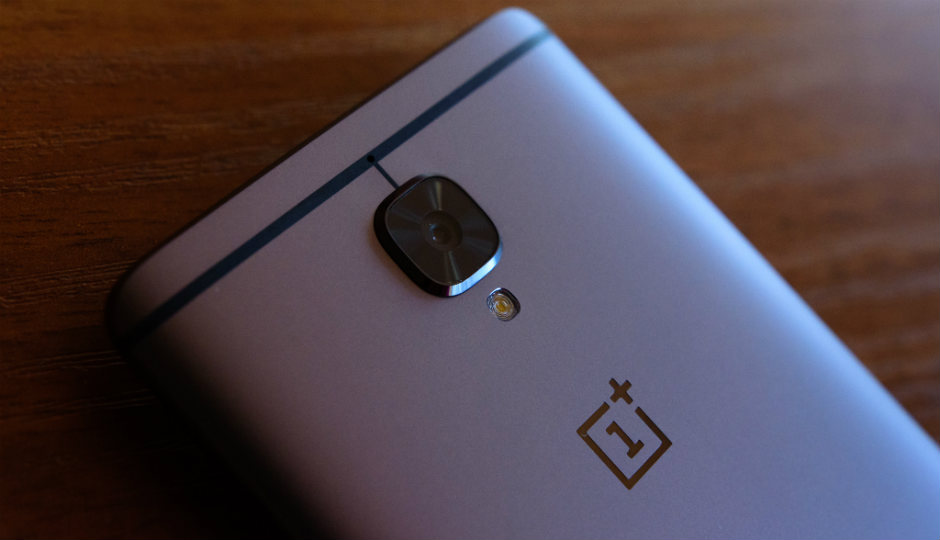
OnePlus 3, 3T Android O Update Arriving at the End of 2017

In the previous month, OnePlus CEO Pete Lau had confirmed that OnePlus 3 and OnePlus 3T users will be getting Android 8.0 update. However, at that time, he did not mention any timeframe on the arrival of the next major OS upgrade for OnePlus 3 and 3T users. During an Ask Me Anything (AMA) session that was held earlier today on Reddit, a OnePlus employee spilled some information on when the Android O will be available for OnePlus 3 and 3T.

When one of the Redditors asked OnePlus on the availability of Android O for OnePlus 3T and OnePlus 3, a representative of the Chinese company replied that the Android O will be arriving for these phones “within this year.” The OnePlus employee did not mention anything on the release of Android O for the recently launched OnePlus 5 flagship.

The Android 8.0 was officially announced during the Google I/O 2017 event that was held in May. The company has not announced its official and at present it is in its third developer preview stage. The fourth installment of the developer preview is expected to be available in the next month. The final version of Android O is poised to arrive in August this year.

OnePlus 3T rear

Read More: Android 8.0 Rumored to Launch as Android Oatmeal Cookie, Not Oreo

It is expected to come preinstalled on the Google Pixel 2 and Pixel XL 2 smartphones. Speculations also indicate that the LG V30 that is rumored to debut in August will be the first non-Google smartphone to arrive preloaded with Android O. Hence, it can be guessed that OnePlus may make the Android O available for OnePlus 3 and 3T in the fourth quarter of this year.

Last year, the OnePlus 3T was officially launched in November 2016 and the Android Nougat upgrade was released for it by the end of December. Hence, it seems that OnePlus may not delay in releasing the Android 8.0 update for OnePlus 5. Hence, it is likely that OnePlus 5 users may get the update first and then it would be released to OnePlus 3 and 3T users. As it has been revealed recently, OnePlus 2 users will not be getting the Android O upgrade.

(source)


Samsung Galaxy Note 8 360-Degree Video, Renders Have Surfaced to Reveal its Impressive Design

A recent report had revealed that Samsung may postpone the launch of Galaxy Note 8 to the second half of September. Previously, the Samsung’s upcoming flagship was slated to get announced at August end. Today, fresh renders of the Galaxy Note 8 have appeared along with a 360-degree video.

The Samsung Galaxy C10 is rumored to launch as the first smartphone from the company with dual rear cameras. However, the Galaxy Note 8 will be Samsung’s first flagship device to sport dual rear cameras. The fresh renders of the Galaxy Note 8 suggests that it will be sporting a horizontally aligned dual rear cameras with a prominent bump.

The source reveals that the Galaxy Note 8 may measure 162.4 x 62.4 mm. Even though the thickness of the Galaxy Note 8 is said to be 8.4 mm, its camera bump increases the thickness to 9.5mm. In comparison to the alleged dimensions of the Galaxy Note 8, the Galaxy S8+ measures 159.5 x 73.4 x 8.1 mm. The phablet does not appear to be as curvy as Galaxy S8 duo. However, it will be sporting distinct curves at the edges. It seems that the Galaxy Note 8 phablet will be featuring a glass panel on its rear.

Just like the Galaxy S8 and Galaxy S8+, the Note 8 would be sporting a dual-edge curved screen. The bottom side of the phablet features a 3.5mm audio jack, a USB Type-C port, an external speaker and a S-Pen stylus compartment. The topside of the phone is barren. The right side of the phone probably sports a Power key and the left appears to feature volume rockers and Bixby AI button. The selfie camera, earpiece and other sensors (such as iris and facial recognition) are placed above the display. There is no physical Home button below the screen.

Flipping the phone to its rear reveals that the Galaxy Note 8 has a horizontally designed dual rear cameras. The LED flash and heart sensor module along with the fingerprint sensor can be seen on the right side of the camera module.

[envira-gallery id=”138295″]

Read More: Samsung Working On New Gear VR With 2000ppi

Speculations are rife that the Galaxy Note 8 features a 6.3-inch S-AMOLED which is slightly larger than the 6.2-inch screen of Galaxy S8+. Even though rumors have claimed that the Note 8 would be supporting 4K resolution, it may support QHD+ resolution (2,960 x 1,440 pixels) like the Galaxy S8 duo.

As previous reports have suggested, the Galaxy Note 8 may probably arrive in Exynos 8895 and Snapdragon 835 variants for different markets. It will be featuring 6 GB of RAM.  It is tipped to feature a pair of 12-megapixel sensors on its backside. It is also speculated to feature a 3,300mAh battery along with fast charging and wireless charging capabilities. Other features include DeX desktop mode, improved software features for S-Pen styles and better multitasking through split-screen model. It is expected to be available in black, gold and blue color options. It is pegged to arrive with $900 pricing.

(source)


Xiaomi Tipped To Launch Its Most Expensive Product on June 28, Mi Laser TV?

Xiaomi will be holding its annual MIJIA conference for this year on June 28 in Beijing just as we reported earlier, and there are suggestions that the company will launch its most expensive product ever during the conference.xiaomi

This idea was apparently borne out of a series of teasers which as been released about the new product expected to be unveiled during the June 28 conference. The product is thought to be a home laser projection TV, believed to have the name Mi Laser TV and would be a smart giant screen home theatre system with Full HD resolution. The video teaser released by Xiaomi which is meant to project the June 28 conference suggests that the product is a smart TV.xiaomi mijia

Read MoreXiaomi Mi TV 4 Launched in China: 4.9mm Thick, Deep Learning AI, Starts at 3499 Yuan ($507)

In addition, the product seems to have been listed on Mi home with a huge 12,999 Yuan price tag. If this turns out to be true, it’ll make the TV indeed the most expensive product ever in Xiaomi’s lineup. The most expensive product presently is the Xiaomi Mi TV 4 65-inch which costs 9,999 Yuan. You can check out the video teaser for yourself from here to see if you can get a different clue from it.


(source)

LCD Giant Sharp To Start Producing OLED Panels For TVs & Smartphones Next Year

Sharp has always been known its innovation in LCD TV technology right from producing the world’s largest LCD TV standing at 108 inches in 2007 to the manufacture of the first television with 8K resolution in 2015. The company has been blazing the trail in that direction but unfortunately, has been struggling in the face of one financial crisis or the other. Foxconn first announced its intent to acquire up to 66% controlling stake in Sharp in February last year. The deal was worth 700 billion Japanese yen (US$6.24 billion). The deal was finalized with Foxconn agreeing to pay US$3.5 billion for the stake instead. This investment by Foxconn resulted in Sharp’s first operating profit in three years, announced in April 2017 attributed to the restructuring efforts by Foxconn.sharp

Looks like Foxconn is looking at diversifying the Sharp brand beyond its stronghold of LCD TV production as there are reports from Japan that Sharp may soon start manufacturing OLED TV panels at one of its plants next year. The report carried in the Japanese Times states that the tech giant will invest 57.4 billion Japanese yen ($515 million USD) in building two production lines for OLEDs, one located in Sakai, Osaka Prefecture, and in the town of Taki, Mie Prefecture.

According to the report, the new production lines are expected to go into operation in April-June next year. The production lines would no only manufacture OLED panels for TVs but will mass-produce small and medium-size OLEDs for laptops and smartphones. Specifically, the Sakai plant is where the company plans to promote the development of large displays for TVs.

Read Also: More Spec Details As Sharp FS8016 Appears on AnTuTu: 2K Display, 4GB RAM & More

The Foxconn-controlled company will, however, continue producing LCD panels, especially the development of 8K ultrahigh-definition liquid crystal display TVs as well. The addition of OLED production lines will only help in revamping the fortunes of the company as the demand for OLED panels is higher and Foxconn, as a contract manufacturer, already has a large client base where it would utilize the OLED panels Sharp would produce.

(source)

Compact 4.5-inch Galaxy Stellar 2 Smartphone Spotted in Concept Renders

A Samsung Galaxy Stellar 2 has been spotted in the online wilderness sporting a 4.5-inch display.

In light of the current market’s trend of larger and larger displays, where 5.1 to 5.2-inch smartphones are deemed small devices today, according to the source, 4.5-inch devices are still highly demanded regardless of the mainstream trend.

For those small smartphone users, it appears Samsung has provided a solution to meet their requirements, at least according to these concept render images.

Galaxy Stellar 2

Galaxy Stellar 2 Specs

From the source, a model named ‘SCH-i300’ also known as the Galaxy Stellar 2, will sport a 4.5-inch Super AMOLED display at a resolution of 720p. The chassis will take a more rounded design, noticeable around the edges of the device.

The screen will be covered by 2.5D glass and plastic casing, supported by a metal frame for structural integrity. In terms of features, we can only judge from the photos that we’ll be expecting a fingerprint sensor located where the home button is.

For internal specs, the smartphone will be powered by an entry/mid-level Snapdragon 626 processor (8-core clocked up to 2.2 GHz) paired with an odd 2.5GB RAM and 32GB internal storage.

Photography and videos are taken with a 5-megapixel rear facing shooter and a 1.2-megapixel selfie shooter. The phone will have a large 3500mAh battery, supporting ‘Quick Charge 2.0’ via microUSB.

The Galaxy Stellar 2 will run Android 7.0 (Nougat) which is always welcome.

According to the source, the Galaxy Stellar 2 will be priced at $99 (¥699).


What are your thoughts on Samsung’s 4.5-inch device? Do you think it meets 4.5-inch user’s requirements? Leave a comment down below.


[envira-gallery id=”138105″]

(Source)

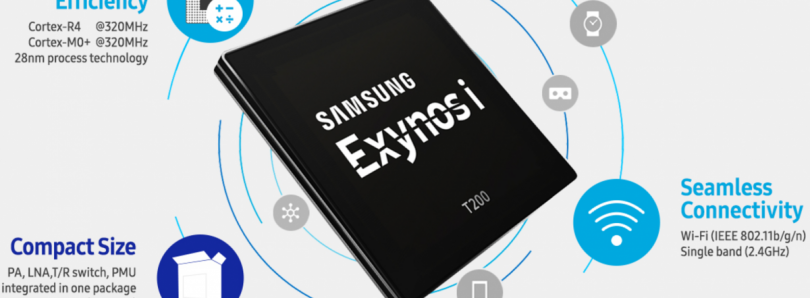
Samsung Launches Exynos i T200 Smartphone Chip Optimised For IoTs

Samsung has announced a new processor which happens to be its first System-on-Chip (SoC) optimised for Internet of Things (IoT) gadgets.  The chip dubbed Exynos i T200 is Samsung’s WiFi-based integrated solution for Internet-of-Things (IoT) applications. The new chip is built on 28nm process technology and features two high-performance MCU cores, on-chip security solution, and ancillary blocks.Exynos i T200

The Exynos i T200 comes with integrated baseband modem and RF transceivers for 802.11b/g/n single band and is certified by the WiFi Alliance which is an indication that it is capable of providing a reliable wireless connection. The new chip also integrates power amplifier, low-noise amplifier, and T/R switches for WiFi solution that benefits system’s bill-of-material.

Configuration wise, the Exynos i T200 has two MCU cores (Cortex-R4 and Cortex-M0+ core) for enhanced performance. For efficiency, different tasks can be assigned to different MCU for independent processing. For example, Cortex-M0+ can be used for I/O or LED control while CorteX-R4 controls system management (Operating System). This eliminates the need for an addition microcontroller in the system in case there are workloads that can’t be effectively managed with a single microcontroller.

RelatedSamsung’s Exynos 7872 Will Have Mali-G71 MP1 GPU

Samsung believes the improved security and support for wireless connections gives it an advantage in the expanding IoT market. The security hardware allows for passwords and backing up of data. This new chip coupled with Samsung’s Tizen OS on which its uses for IoTs and other smart gadgets, the new chip may likely find its way into other gadgets apart from smartphone.