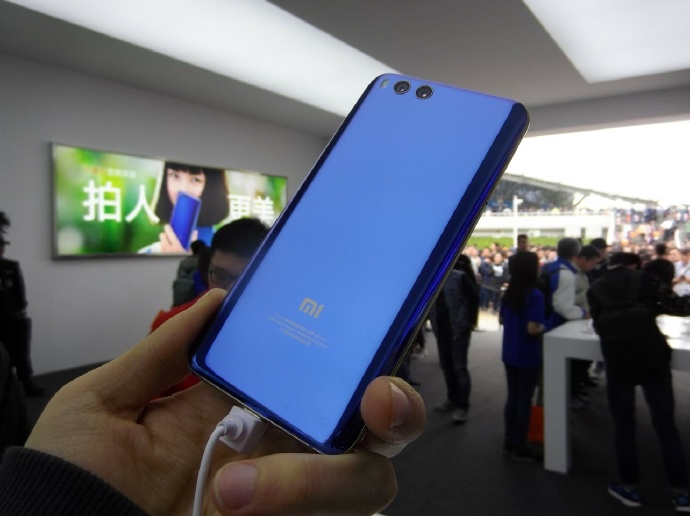
A recent advert posters spotted in a subway in China brings a rather surprising discussion to the table. The ad posters showed that Xiaomi’s main focus in projecting its latest product isn’t the Snapdragon 835 chip inside the Mi 6 but the dual camera setup. The advert highlights the dual camera on the Xiaomi Mi 6 which shoots beautiful images and also provides some level of zoom.
This is coming as a bit of a surprise because ordinarily, we would have thought Xiaomi’s main focus would be the Qualcomm flagship chip which the Mi 6 is the about the third device globally to use it and the first in China. But it turns out Xiaomi isn’t focusing the product marketing on the performance which would appeal only to some who quest for a very powerful processor. The company is perhaps showcasing other amazing features of the device so that the device will be appealing to a lot more persons.
There is no doubt that the Snapdragon 835 chipset backed by 6GB of RAM makes the Xiaomi Mi6 a performance monster but as they say, seeing is believing. Potential buyers can only realise the Mi 6 is a wonderful device when they see the amazing shots it is capable of taking with its dual cameras. Now, the performance of the dual cameras on the Mi 6 isn’t being overrated. We earlier did a practical side by side comparison of the Mi 6 camera with that of the OnePlus 3T which had a 16MP rear sensor and it did floor the 3T.
At some other time, a comparison was made with the dual Leica camera packing Huawei P9. Both the Mi 6 and P9 come with dual cameras but while the setup on the P9 works in the RGB + Monochrome format, those of the Mi 6 that are configured as one 12MP wide-angle lens and one 12MP telephoto lens. Not wanting to judge that alone, we conducted two polls for the OnePlus 3T and Huawei P9 comparisons and the results so far show that more persons think the Mi 6 camera is better than those of the OnePlus 3T and Huawei P9. So, who lights a light and put it under a blanket? Certainly not Xiaomi.
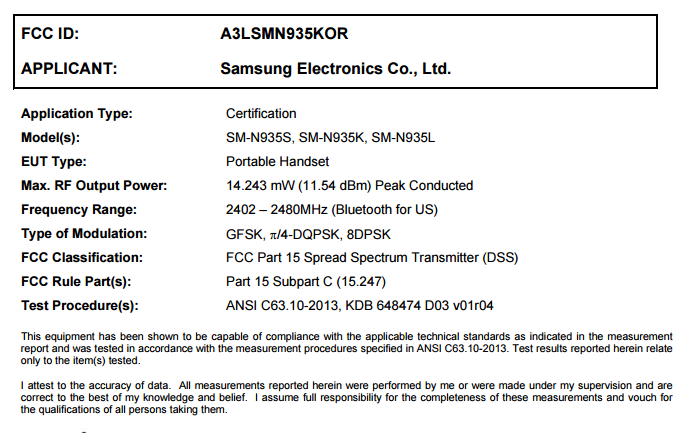
Samsung is preparing to launch the reintroduce the Galaxy Note 7 into the market. The refurbished Galaxy Note 7 is speculated to launch as Galaxy Note 7R. The alleged smartphone has been certified by Federal Communication Commission (FCC) in the U.S. which means its arrival in the country is drawing near. However, rumors claim that the Note 7R will be launched first in the home country of South Korea.
In the previous month, the Galaxy Note 7R had received approval from Wi-Fi Alliance and now FCC has approved three models of Galaxy Note 7R with model numbers SM-N935S, SM-N935K, and SM-N935L. In South Korea, it is speculated to be available through three major operators such as SK, KT, and LG.
Newer information suggests that the Galaxy Note 7R would be available in color choices such as Coral Blue, Silver, Black and White. These color variants are the same ones that were available with the original Note 7.
As far as specs are concerned, the Galaxy Note 7R is expected to feature the same specs as the original phone. However, the Note 7R is speculated to come with two modifications. Instead of the 3,500 mAh battery on Note 7, its upcoming refurbished variant is expected to house a 3,200 mAh battery. Also, the Marshmallow OS would be replaced with the newer Android 7.0 Nougat on Galaxy Note 7R.
The original Note 7 that was launched last year in August came with a pricing of 988,900 won ($869). However, the refurbished Galaxy Note 7 are expected to cost 700,000 won ($615). This leaked information suggests that the Note 7R would be $250 cheaper than the Note 7.
With the rate at which the use of electronic gadgets are getting a wider user base, more and more E-waste would likely be generated in the near future. This is even more worrisome when we take into consideration the fact that a thousand more gadgets would enter the product ecosystem in the near future due to growing trends in mobility, cloud and Internet-of-Things. Where adequate management of the waste is not done, they become hazardous to us, our environment and other life forms that inhabit the environment. Realizing this, Xiaomi has launched an E-waste recycling program in India, in partnership with TES-AMM India.
The program offers e-waste take-back and recycling service which adheres to the E-waste management Rules (2016) in India. Under the rule, the products the company will accept in the take-back program isn’t restricted to Xiaomi products but cuts across different brands. Basically, the recycle program cuts across electronics like mobile phones, power banks, speakers, headphones, etc. that are intended to be discarded as waste by the consumer. In other words, only gadgets that have reached the end of life (non-operational) would be accepted, as the company doesn’t offer support, repairs or exchange of such products for new ones.
The recycling is handled by TES-AMM India, one of the leading agency in the management of e-waste. To participate, users will need to fill out a for on Xiaomi India’s website. After that, the product would be collected within 15days free of charge. In order to encourage participation, the company will instead give participants a discount coupon worth 100 Rupees. This coupon can only be used on Xiaomi India online store and on purchases valued at 1,000 Rupees and above. So If you’re in India and have got dead electronics lying around, why not take advantage of this program instead of just throwing them away? By so doing you’re helping to create a cleaner, greener and safer environment.
Qualcomm will be holding a launch event on May 9 in Beijing, China to unveil the new Snapdragon 660 chipset. The new chipset will be arriving as a successor for Snapdragon 652/653 chipset. However, speculations are rife that the launch event will also unveil two other Snapdragon chipsets.
Roland Quandt, a reliable leakster, has released a tweet that hints the during the launch of Snapdragon 660, the U.S. based chip maker will also unveil other chipsets like Snapdragon 630 and Snapdragon 635 that are speculated to power lower-end smartphones in the near future.
I think you'll like what Qualcomm wants to show you on May 8/9, if you liked what they did with the SD65x and SD625.
It was reported in February that the Snapdragon 630 and 635 chipsets are enhanced versions of Snapdragon 625. Both are rumored to feature octa-core processors and support LPDDR3 RAM, Cat. 7 LTE modem, Adreno 506 GPU or above, and processing speed of around 2.0-2.2 GHz.
As far as Snapdragon 660 chipset is concerned, it is expected to power upcoming midrange smartphones. Like the more potent Snapdragon 835, the Snapdragon 660 SoC is speculated to come with an octa-core CPU with Kyro 280 cores. However, the difference is that the Snapdragon 835 is built with 10nm process whereas the Snapdragon 660 is manufactured with 14nm process. Also, instead of the Adreno 540 GPU on the SD 835, the upcoming SD 660 has a weaker Adreno 512 graphics.
The Qualcomm Snapdragon 660 is expected to come with quad cores of Cortex A73 working at 2.2 GHz and quad cores of Cortex A53 functioning at 1.9 GHz. Rumors have it that it features two-channel LPDDR4X RAM modules that work at 1866 MHz and also carries support for UFS 2.1 storage. It is also speculated to support Quick Charge 4.0. For faster data connectivity, it is expected to come with X10 LTE modem.
The Snapdragon 660 chipset is speculated to fuel several smartphones. Some of them include the OPPO R11, Sony Xperia X Ultra, Nokia 7/8, Xiaomi Mi Max 2, Xiaomi Redmi Pro 2, Vivo X9s Plus and upcoming Samsung Galaxy C series phone. The mass production of the chipset is rumored to start within this quarter and the smartphones running on it are expected to launch in the second half of the year.
The last time we had seen a tablet from Motorola was in 2011. It was 10.1-inch tablet called the Motorola XOOM. Now, the company which now belongs to Lenovo is rumored to be working a new Android tablet.
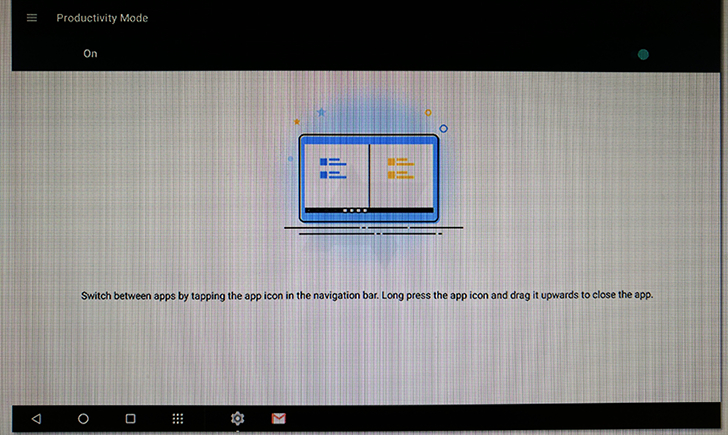
The mysterious tablet is expected to come with a screen size of around 9 to 10 inches. One of the major features of this upcoming Motorola tablet is the “Productivity Mode.” However, nothing much is known on the specifications of this tablet. It may carry support for cellular connectivity. The unknown Moto tablet seems to have a premium appeal.
A leaked screenshot of the upcoming Moto tablet shows the description of the Productivity Mode. It says that the navigation bar contains the apps icons which can easily tapped to switch between them. Apps can be closed by long pressing on the app icons or by simply dragging them upwards.
As it can be seen in the image, the navigation bar includes an app drawer button. Pinning the apps on the navigation bar makes it a lot easier to multitask without having to use the multitask UI or go to the homescreen to switch between apps. The illustration on the leaked screenshot seems to also show that the tablet will allow users to run two apps side-by-side. The Productivity Mode is already available on currently available Yoga Book from Lenovo. However, the upcoming Moto tablet will allow users to disable the Productivity Mode.
As of this writing, there are no details available on when Lenovo will be launching this Motorola tablet. The Moto brand has plenty of devices under its belt this year. The Moto G5 and Moto G5 Plus have been announced and are already available for purchase for a more conventional usage.
However, the company is yet to announce several Moto branded devices in the near future such as Moto E4, Moto E4 Plus, Moto C, Moto C Plus and Moto X (2017) and now a mysterious Moto tablet is also said to be in works.
Chuwi is quite a popular Chinese tablet and laptop maker and their Hi13 model is without any doubt the largest tablet I’ve ever had. It sports a massive 13.5” display with a whopping 3k resolution and a lot more. Learn more in the full review.
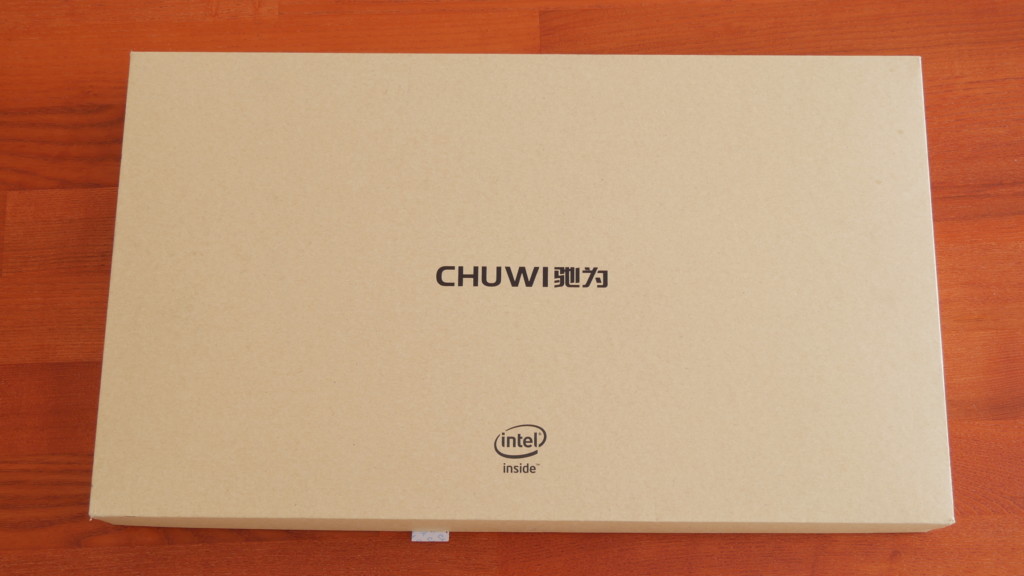
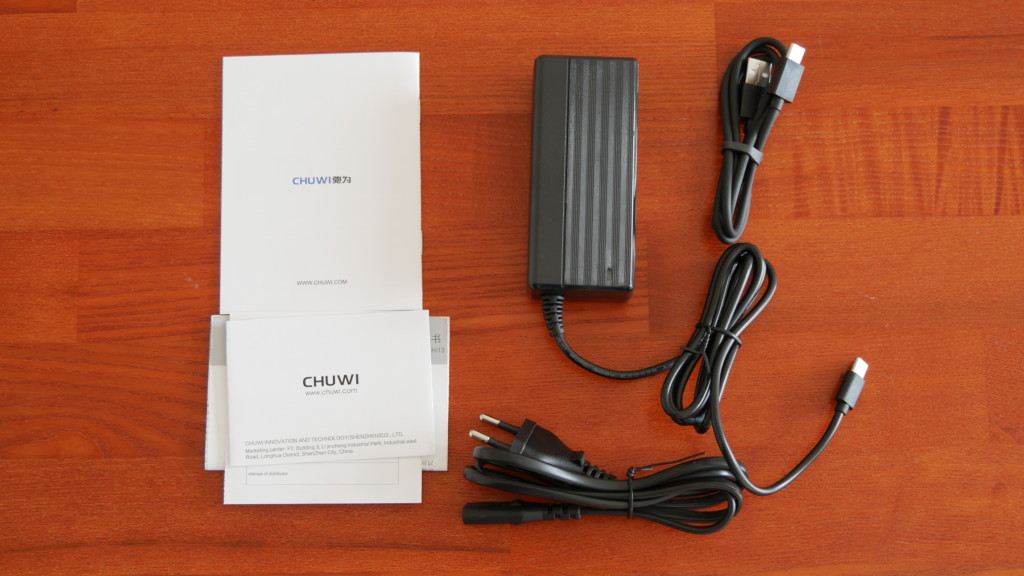
The Hi13 ships in a huge box and inside of it, you will find a charging cable and brick, USB C cable and some paperwork.
Keep in mind that this tablet supports stylus and it can be also attached to the keyboard that converts the tablet into a full-fledged laptop. However, these items are sold separately. The Chuwi stylus costs $28 and they Hi13 keyboard is priced at $58.
DESIGN and DISPLAY
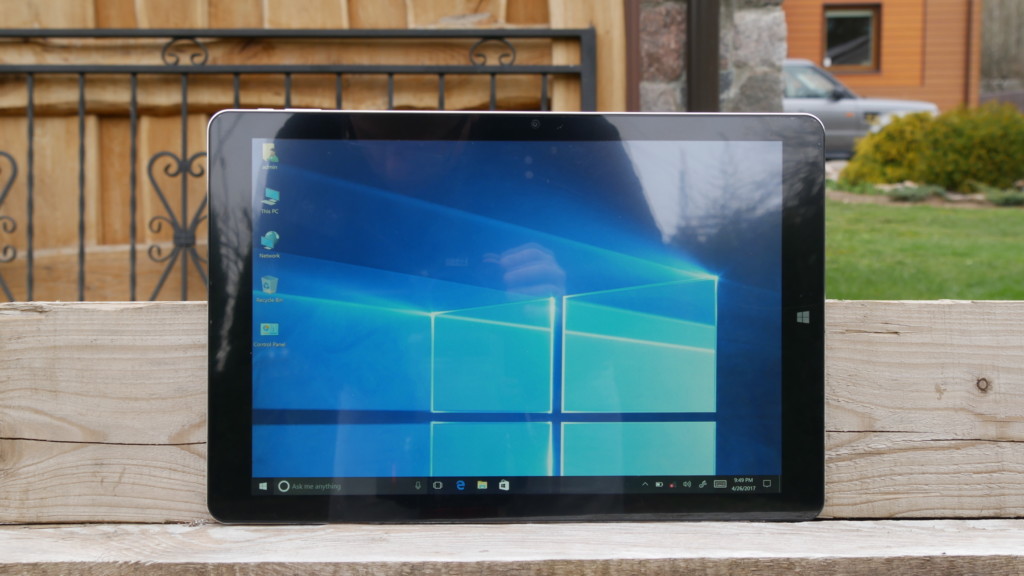
The star of the show is a massive 13.5” display that has a whopping 3000×2000 resolution and 3:2 aspect ratio. The panel is sharp, vibrant and high quality. In fact, this is exactly the same display used in the Surface Pro. However, I found it to be quite reflective outdoors, mainly because the tablet ships with a cheap screen protector.
The Hi13 is made of a single sheet of aluminum alloy with nice chamfered edges and it feels premium. However, this is the heaviest tablet I’ve ever tested as it weighs 1.1kg. The weight can be justified due to a very large display but your hands may get tired quickly.
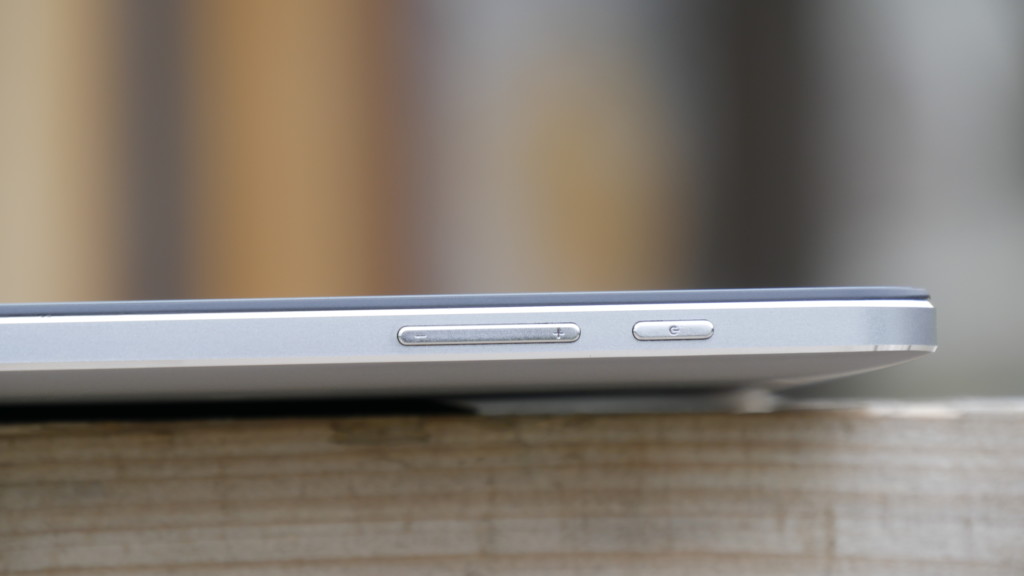
Another shortcoming is that the buttons are made of plastic and they rattle just a bit.
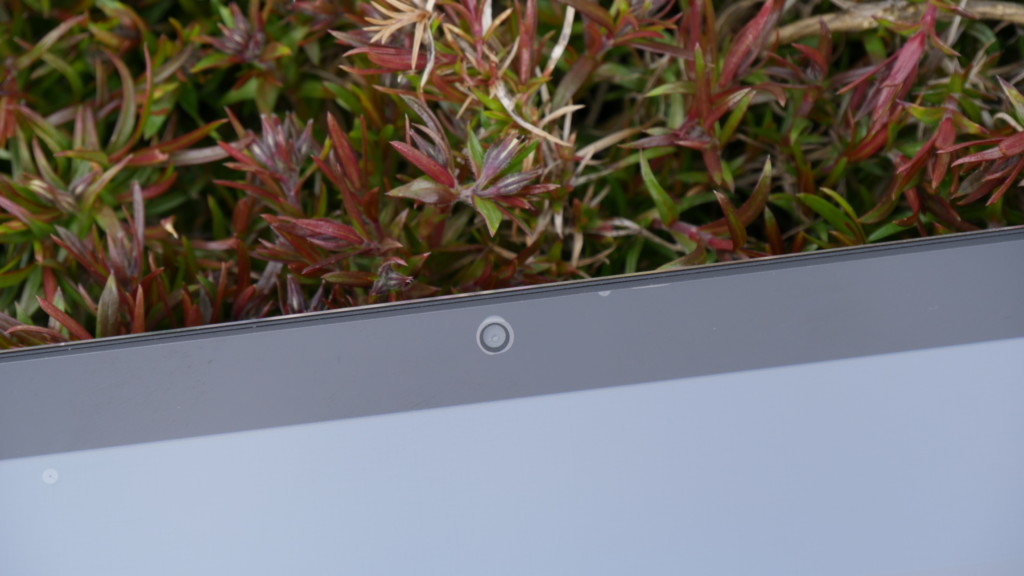
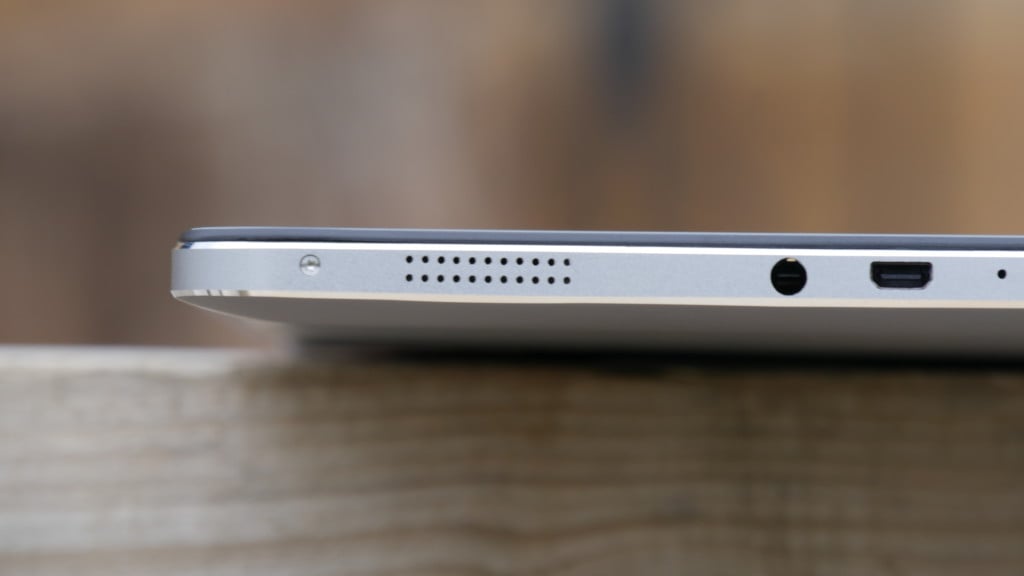
On the top, we have a 2MP front-facing camera and the LED light, which lights up once you charge the tablet. We also Windows start button.
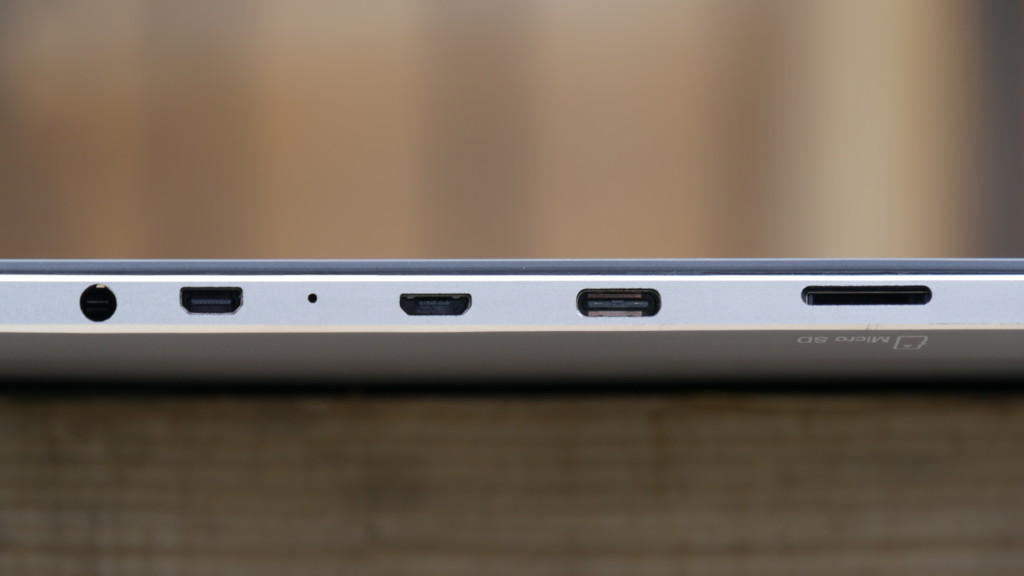
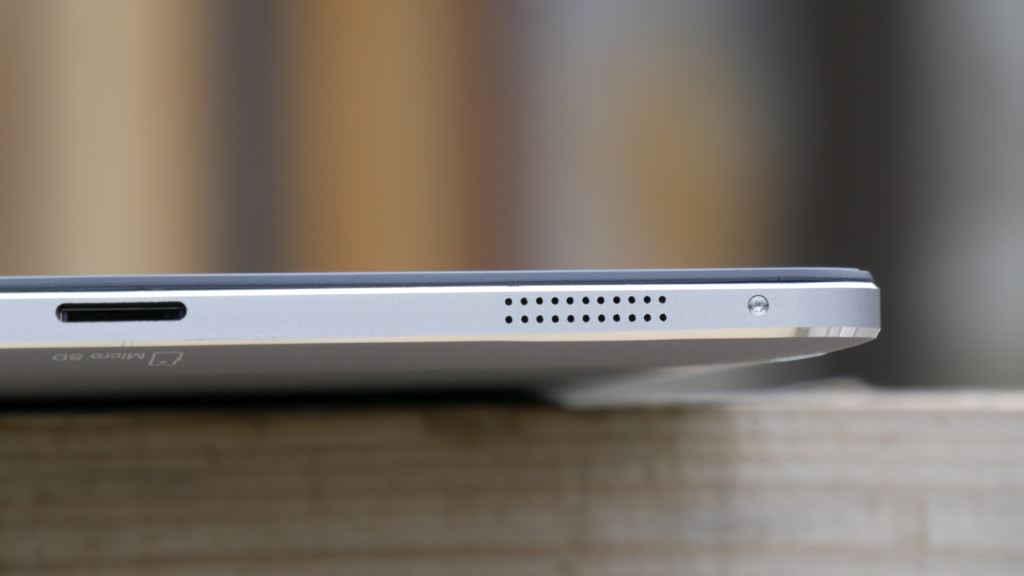
On the side, we have quite a few ports that include a headset jack, a micro HDMI, micro USB, USB type C ports and a microSD card slot. I found the sound quality via the headset jack to be decent but there is a little bit os static sound going on the low sound settings.
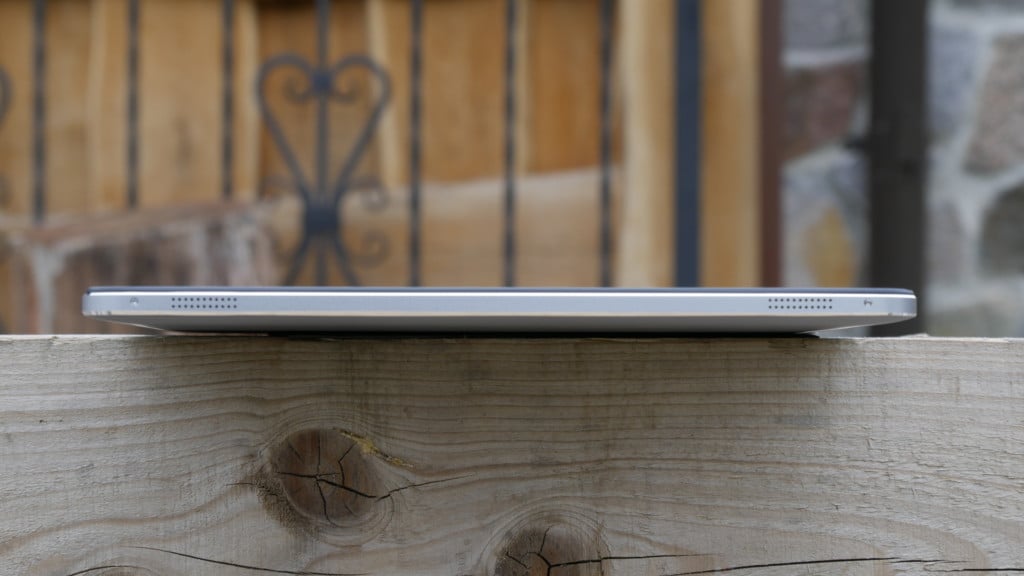
Speaking of sound, Chuwi implemented 4 speakers that in theory should give you a stereo sound. Well, the sound quality is definitely better than on average Chinese tablet, it’s not as good as you may expect. These are just cheap 4 speakers that sound tinny and flat.
HARDWARE and PERFORMANCE
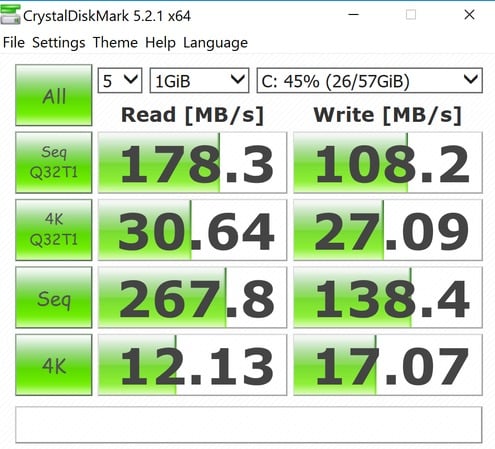
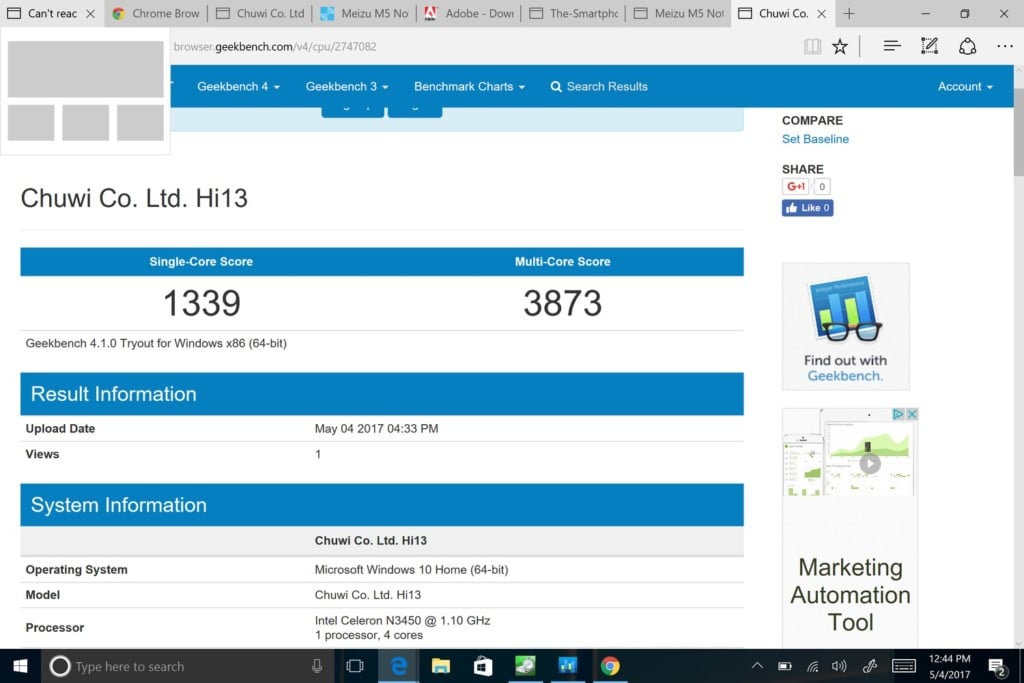
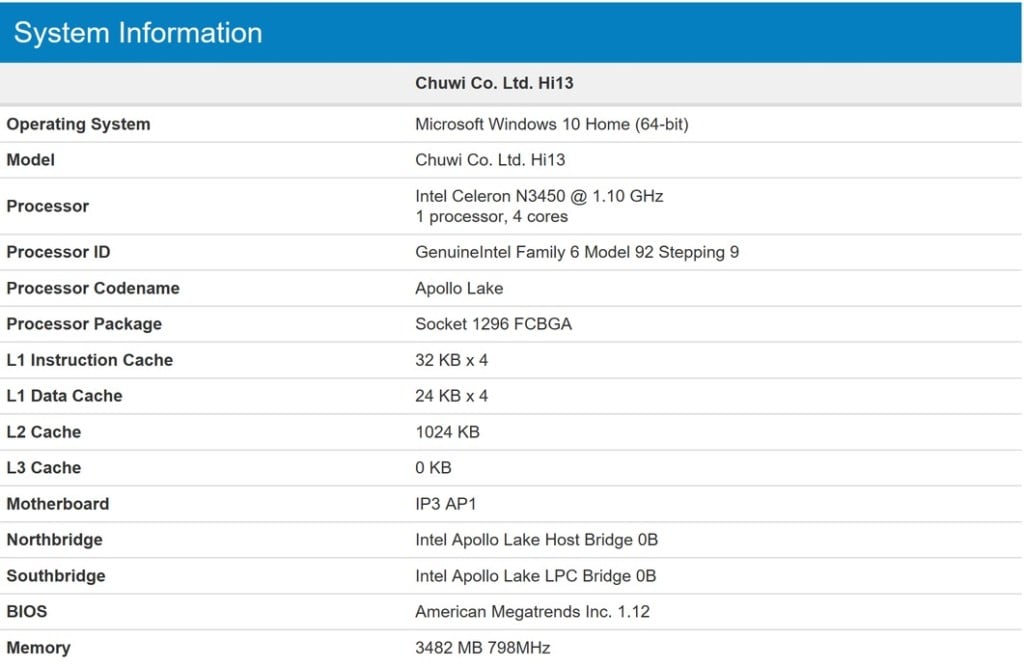
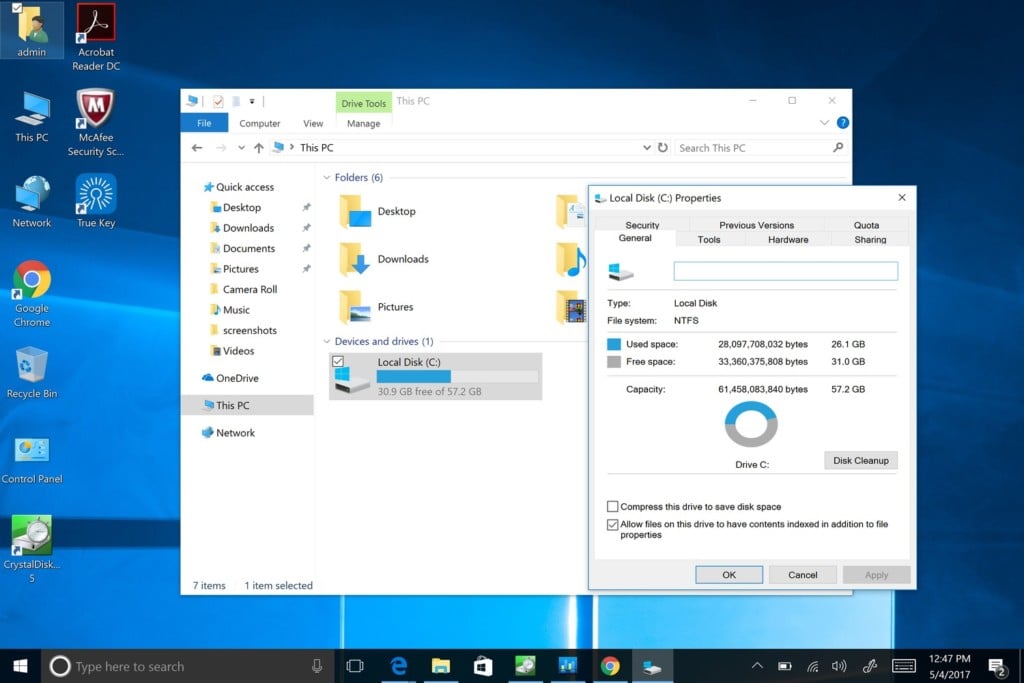
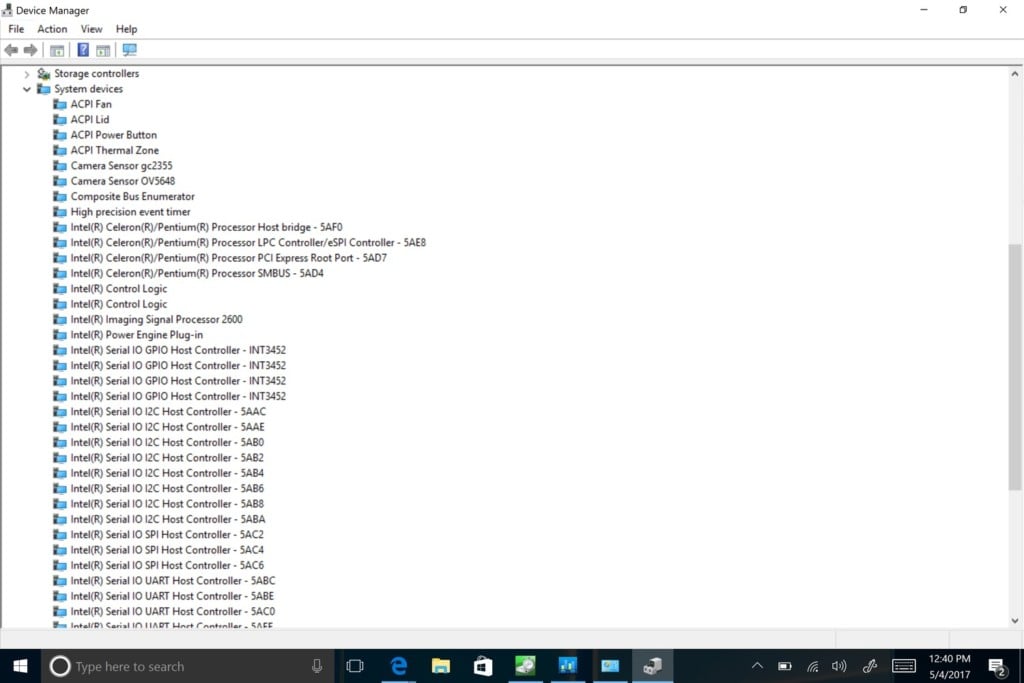
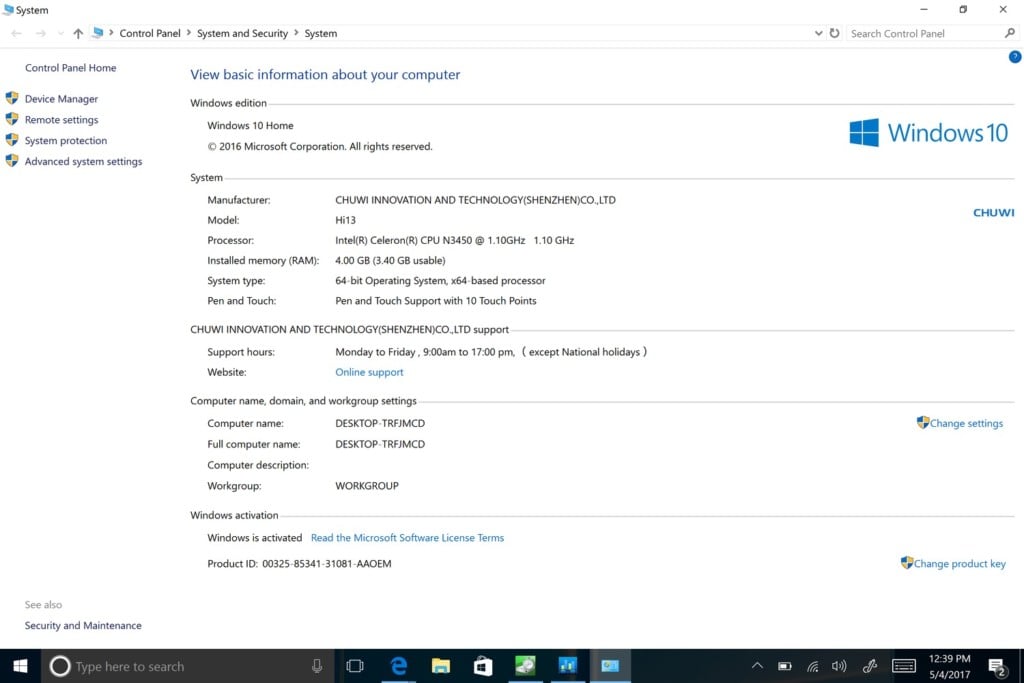
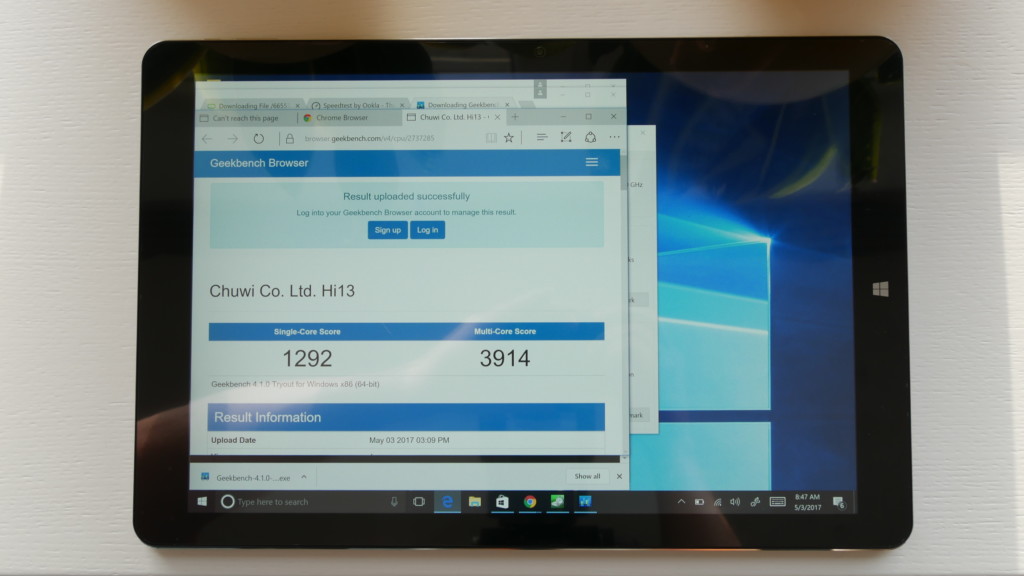
On paper, Chuwi Hi13 sounds quite impressive as it ships with a quad-core Intel Apollo lake Celeron N3450 chip, Intel HD Graphics 500 GPU, 4GB of RAM and 64GB of expandable storage. Benchmarks may not be the best way to show tablet’s capabilities but the Crystal Disk Key scores are pretty impressive, meaning that the internal storage (which is made by Samsung) is pretty fast.
The tablet is not so fast when it comes to the 3D game titles that are used to test the graphics performance on most of the devices. I found Asphalt 8 to lag on the extreme graphics setting. There is also a lot of stutters and skipped frames. That issue can be fixed if you switch the graphics to medium and you can have enjoyable gaming experience. Another game I tested this tablet with was Modern Combat 5. Again, you should expect quite a bit of stutter, so you would need to select lower graphics settings. Finally, the tablet did get warm a little but it did not overheat. See the video review for gaming test.
USER INTERFACE
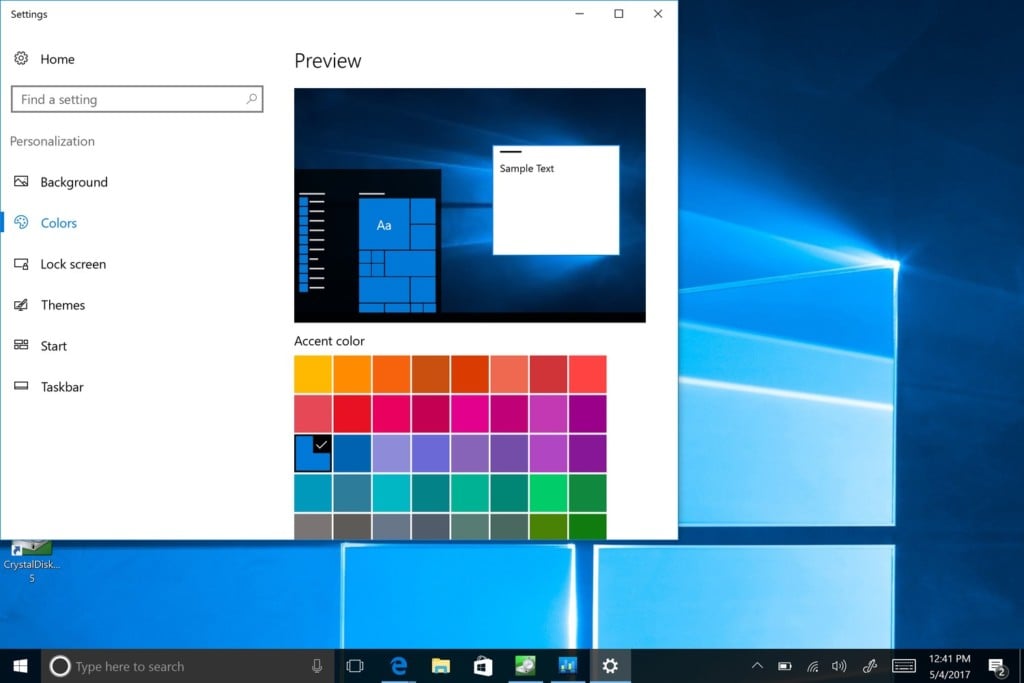
The Chuwi Hi13 ships with a fully activated Windows 10 Home out of the box and it has all the features that are familiar to any Windows user.
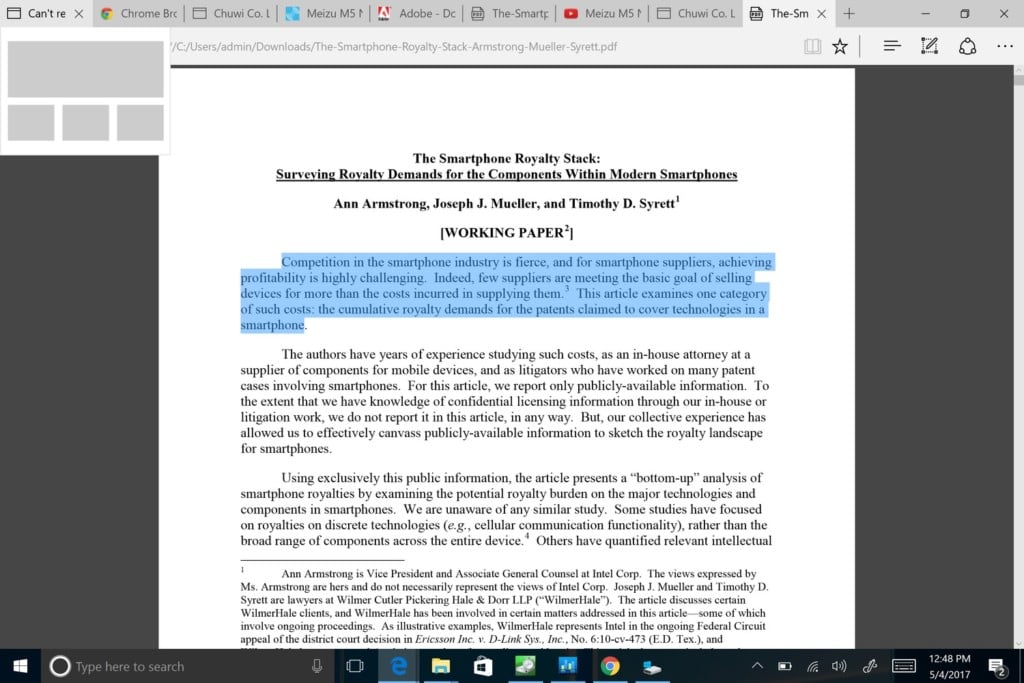
I used the tablet for the basic stuff like browsing the web, editing a few word documents, installed some apps and so on. The overall speed of Windows is decent but I found some skipped frames in the Windows start menu animations. Also, web browsing is faster using Microsoft Edge than Google Chrome, which is disappointing for the Chrome users. Reading larger PDF files is possible but you may see a bit of stutter if you scroll very fast or zoom in and out if use Adobe Reader like I did.
Still, I would say that the Chuwi Hi13 is a pretty fast tablet despite some occasional stutter here and there, which may be common to some of the Windows machines.
IMAGE QUALITY
You should never expect great image quality from budget tablets and the 5MP shooter of the Hi13 is no exception. On the other hand, I doubt you will ever use a 13.5” tablet to take pictures or record videos. The selfie camera does not impress either. It is usable for video chats but the video quality could be better and the sound recording quality is just average.
CONNECTIVITY
When it comes to connectivity, the wifi speeds and range are pretty good, and the Bluetooth works fine.
BATTERY LIFE
The Chuwi Hi13 ships with a 10000mAh battery that will let you use the tablet for around 6-7 hours, depending on your usage habits. My usage involved browsing the web and other basic stuff. Naturally, you should expect a huge decrease in battery life if you are a gamer, like on any other device.
It takes less than 3 hours to fully charge the battery with the supplied charger.
CONCLUSIONS
The Chuwi Hi13 is a pretty solid super-sized tablet out of China. Its display is not only huge, it’s sharp and vibrant, the build quality is great and you get fully activated Windows 10 Home out of the box.
However, you have to keep in mind that there may be a little bit of stutter here and there in Windows, the speakers and the cameras do not impress, to say the least, and the display is quite reflective outdoors.
At the end of the day, the Chuwi Hi13 has a ton of features for the price and it is a decent offering, despite those shortcomings and considering the fact that you can actually convert it into a full laptop for just extra $60.
One hundred and sixty-eight grams. That is the weight of the Xiaomi Mi 6. Doesn’t sound like its heavy for a phone, especially one with a 5.15-inch display. However, when you compare the weight of the Mi 6 to that of other flagship devices that share the same display size or even larger, then you would ask this same question. Why does the Mi 6 weigh so much?
The Xiaomi Mi 6 comes with a FHD display, dual rear cameras, 6GB of RAM, 64GB/128GB of storage and a 3350mAh battery. Its body is made from a mixture of glass and metal. Glass on the front and rear, and a metal frame that goes around it. But does that justify its 168g weight?
Below are a list of phones that weigh less than the Xiaomi Mi 6:
Samsung Galaxy S8 – 5.8-inch dual curved display, 3000mAh battery, aluminium frame with glass front and back = 155g
Xiaomi Mi Note 2 – 5.7-inch display, 4070mAh battery, aluminium frame and glass front and back = 166g
Moto Z Force – 5.5-inch display, 3500mAh battery, aluminium frame and glass front and back = 163g
Xiaomi Mi 5 – 5.15-inch display, 3000mah battery, aluminium frame and glass front and back = 129g
Some of the devices above have more or less the same screen size as the Mi 6, others have larger displays. There are also others with larger displays and larger batteries but the unique feature they share is they weigh less than the Mi 6.
The Galaxy S8 is already on sale in major markets around the world but its not yet available in China. Details of the Chinese launch and possible pricing details have been released online.
Samsung will launch the Galaxy S8 on the 18th of May in Beijing. Pre-orders will begin earlier on the 10th of May while sales will start on the 25th of May. Samsung Engineer @Galant V also posted on Weibo that the Galaxy S8(G950XC) and Galaxy S8+ (G955XC) will start to hit store shelves this week and whoever is interested can try them out before the official release.
The price for both phones are still unknown but the price in Hong Kong should provide a clue. The 4GB RAM + 64GB ROM variant of the Galaxy S8 is priced at HK$5698 (~¥5050). The Galaxy S8+ is priced at HK$6398 (~¥5670) for the 4GB RAM + 64GB version while the 6GB + 128GB model is priced at HK$6998 (~¥6200).
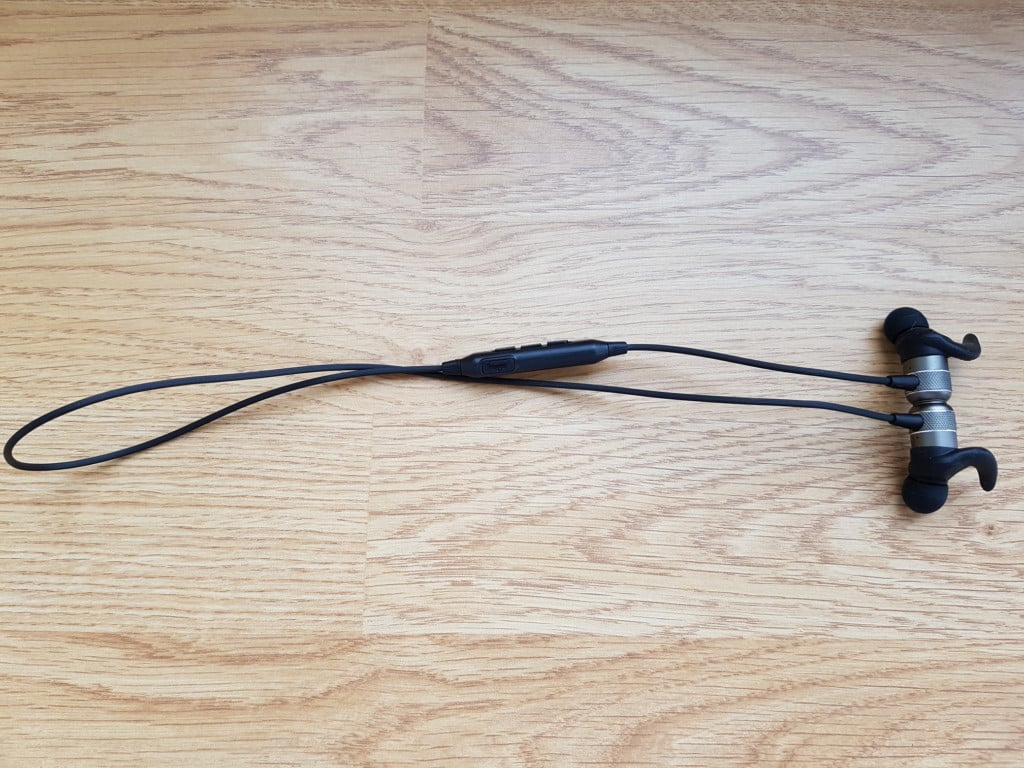
Bluetooth earphones market is full of great affordable products and I came across the Borofone BE5 headset that offers a lot of value for the price of about $25. Learn more in our review.
UNBOXING
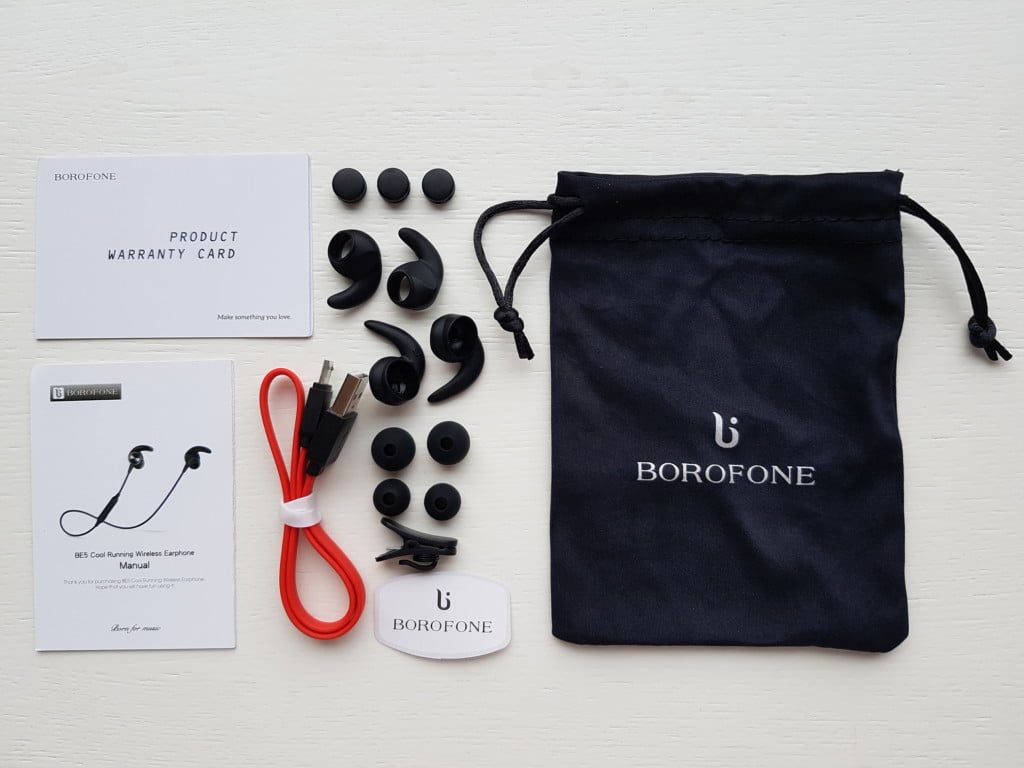
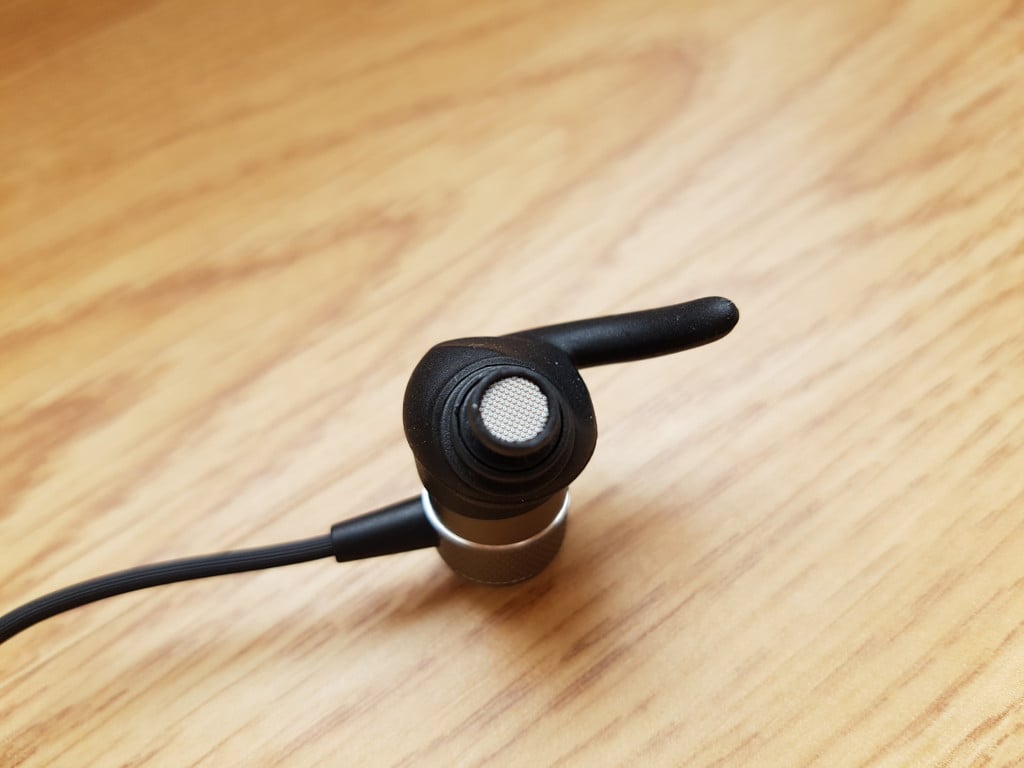
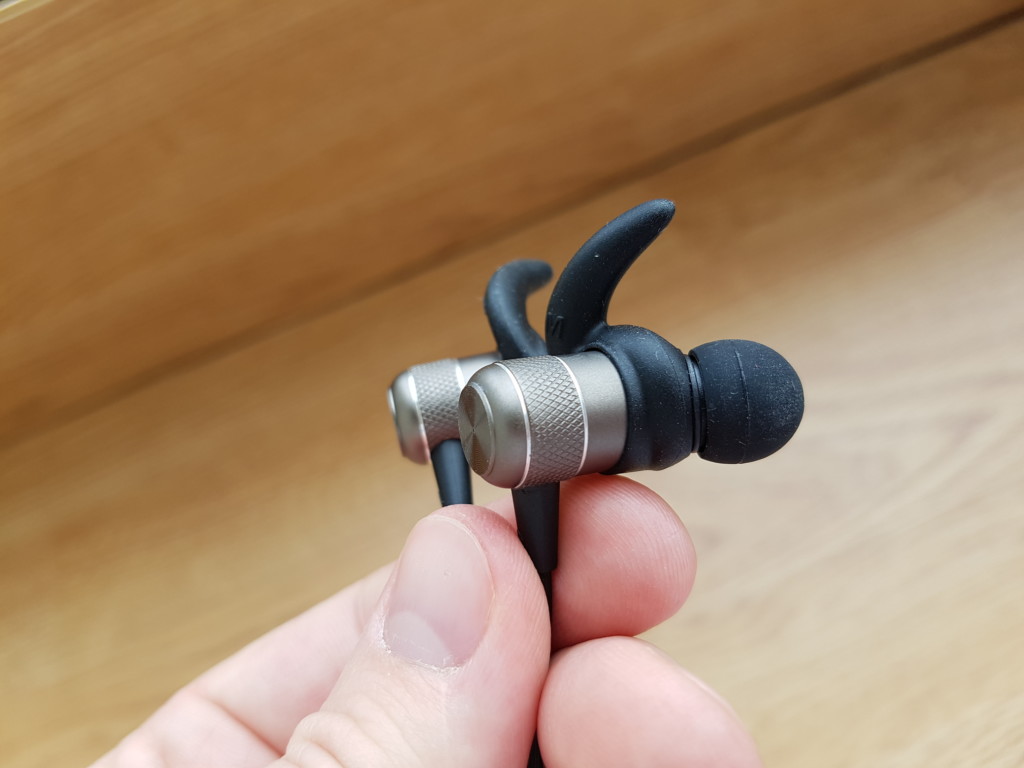
The earphones come in a nice box and what you are getting inside of it include some ear tips, a few cable clips, USB cable for charging, a clamp and a nice carrying pouch.
DESIGN and FEATURES
What makes the Borofone BE5 standout is that they sport one of the latest versions of Bluetooth, which is 4.2. Also, the earphones come with the apt-X codec, which assures a better audio quality than CDs.
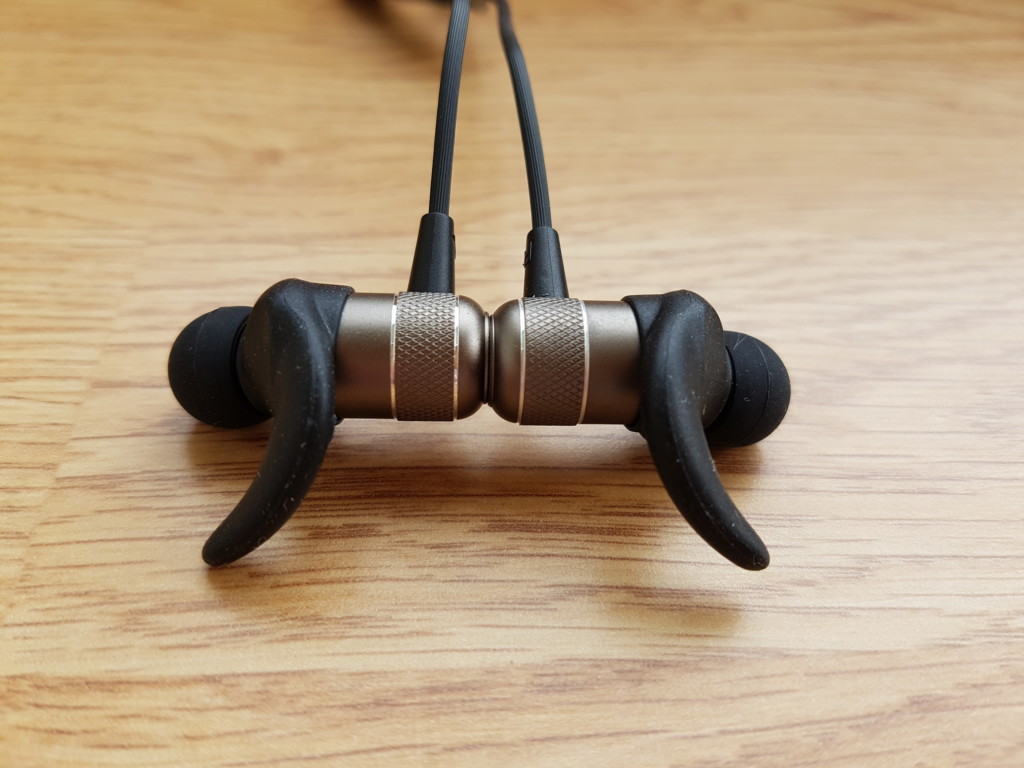
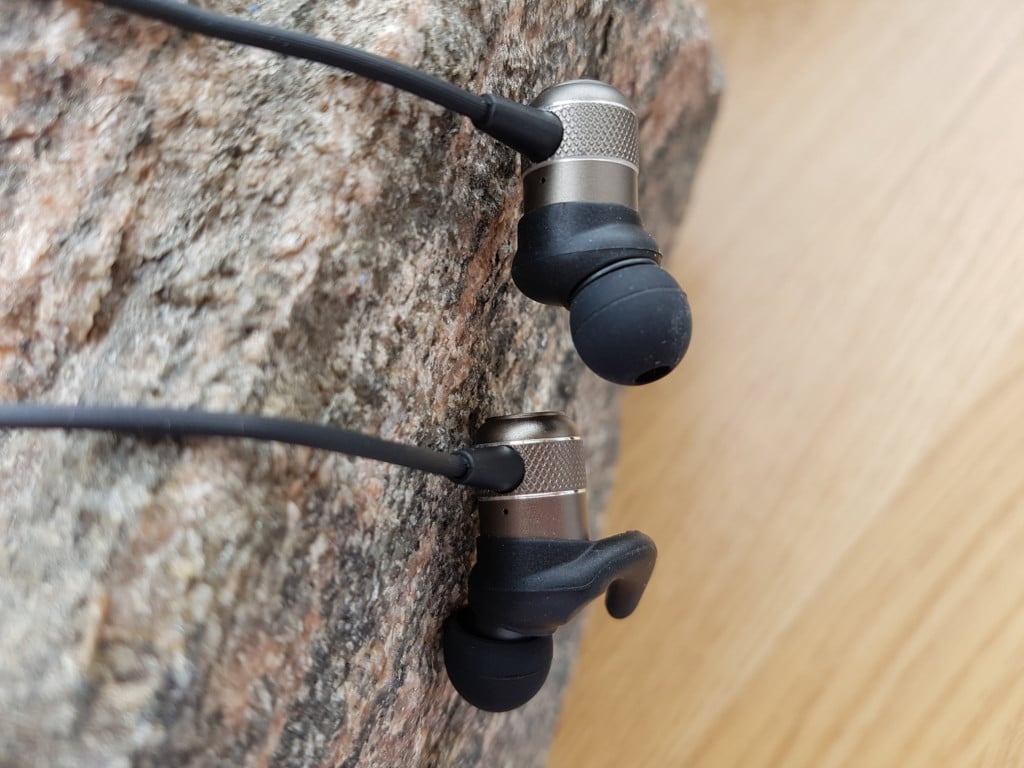
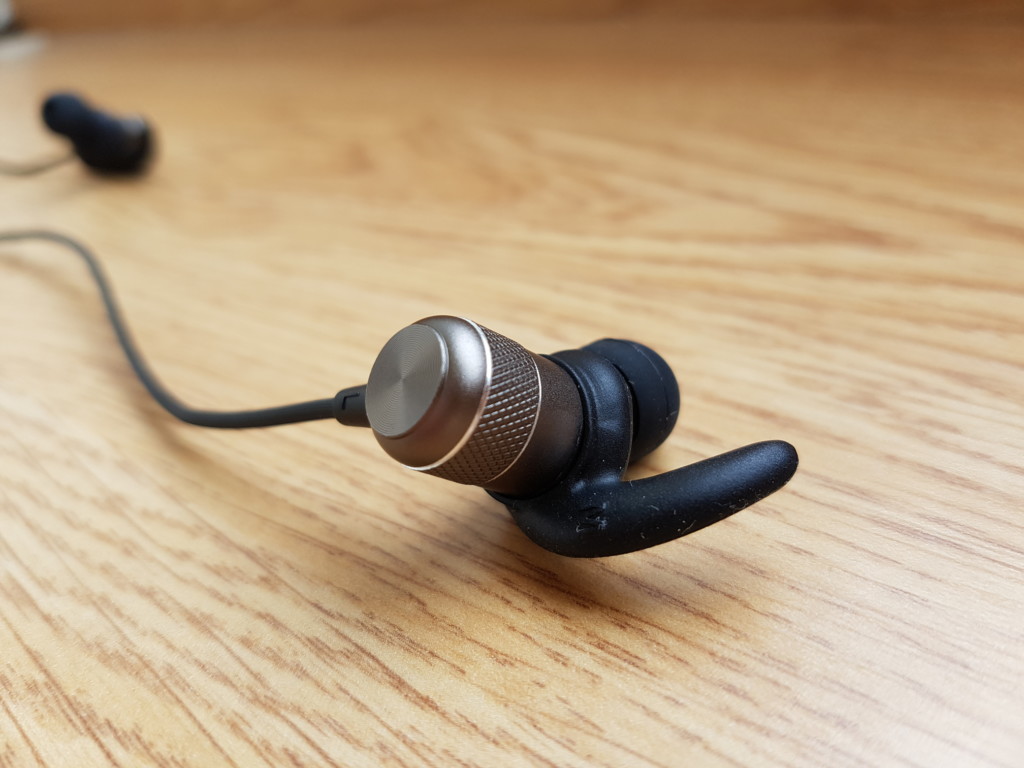
The build quality is top-notch. The earbuds are made of metal, the ear supports are flexible and overall I’m really happy with the way this headset is built. You can also attach it to one another using the magnets.
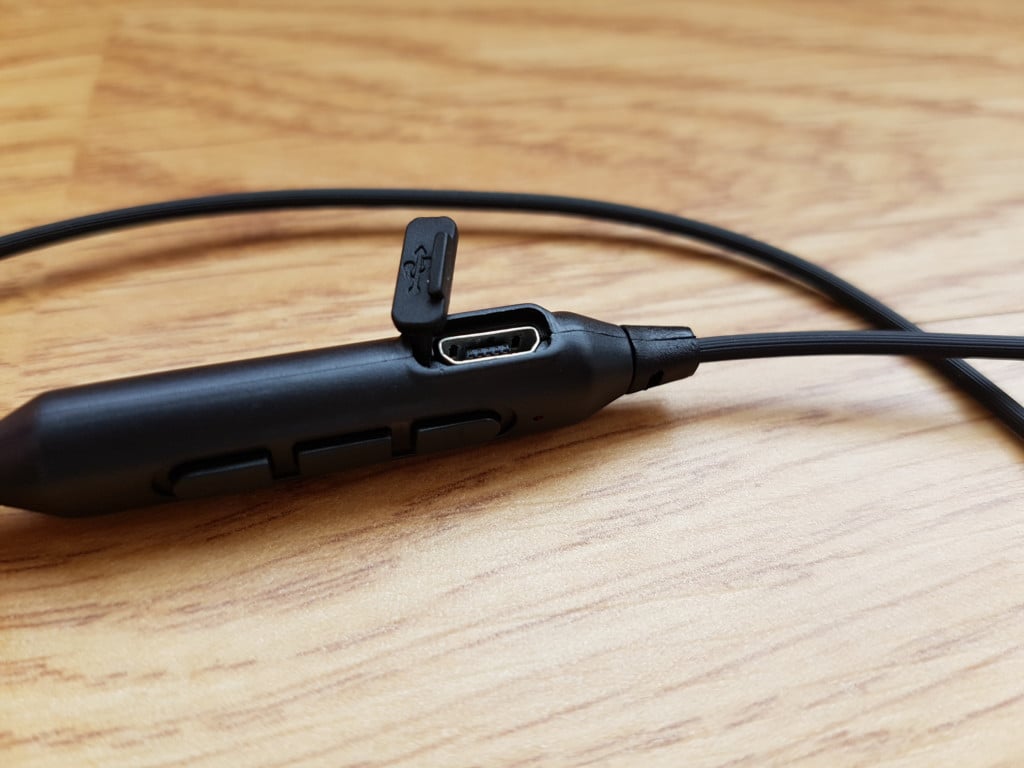
We have the micro USB charging port and you can fully charge the headset in under 2 hours. During my testing, I was able to achieve about 4 hours of music playback, so expect to charge the earphones at least a few times a week if you listen to music a lot.
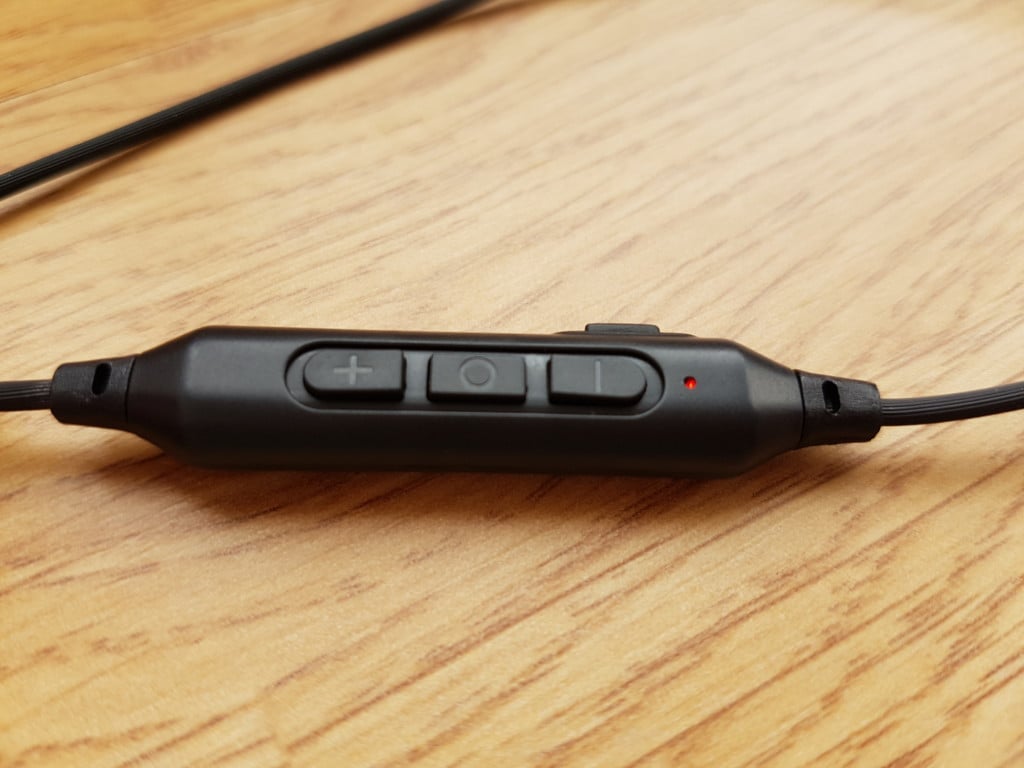
A little LED light indicates when the headset is on or has entered the pairing mode. The remote controller is also well-made. We have all the usual buttons, which are easy to press.
The hands-free call quality is very good. In fact, people on the other end didn’t even hear that I talked to them via the headset.
One of the key features is the IPX4 certification, meaning that the earphones are water, dust and sweat resistant. Also, the headset will survive some accidental drops.
The Borofone BE5 is a great headset for the money. The sound quality is great as you can hear a good balance between highs and mids, and there is the good amount of bass.
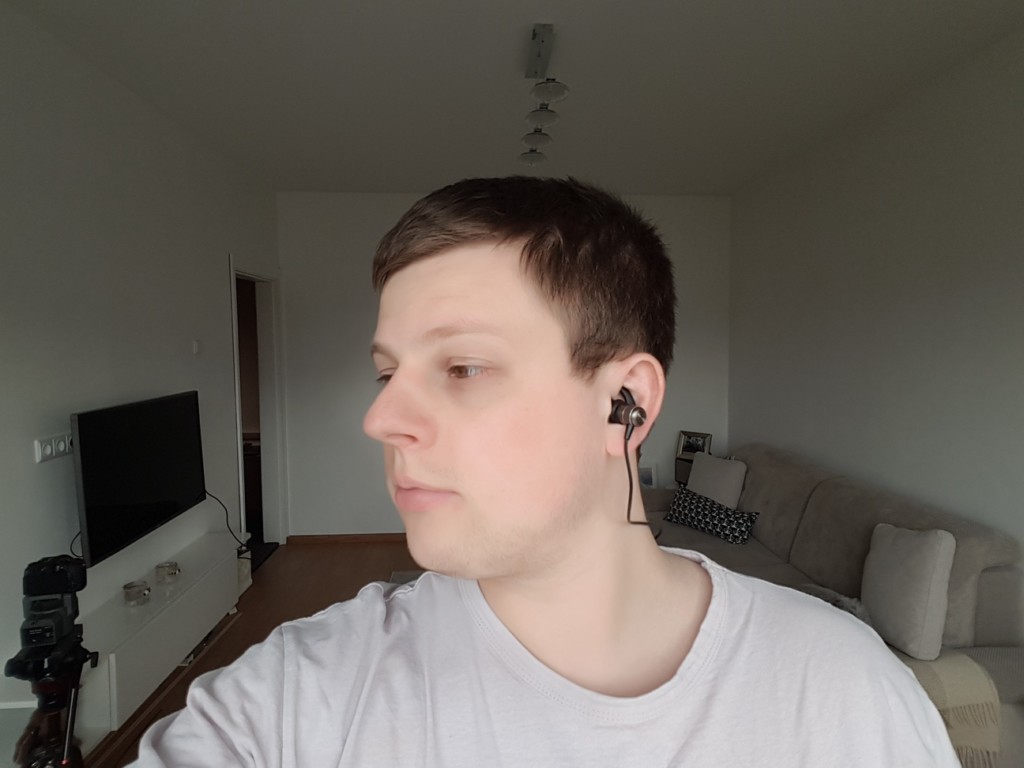
I had no Bluetooth issues and the headset is sweat-proof, so you can use it during those intense workout sessions. Most importantly, the headset is very light and comfortable to use. Once you choose the right size of the ear tips, it stays firmly and it has never fallen out of my ears.
Most importantly, the headset is very light and comfortable to use. Once you choose the right size of the ear tips, it stays firmly and it has never fallen out of my ears.
All in all, I can definitely recommend the Borofone BE5 as it is a great headset for the price of just $25.
The XiaomiMi 6 flagship went on its first flash sale on April 28 and already the device is in the hands of those that were lucky enough to grab a copy. There is no question as to if the Mi 6 is a beautiful smartphone neither is the specification questionable. However, the device comes with a sight issue which makes the smartphone reboot at regular intervals while it is being charged.
The issue is a software issue that might have been caused by a bug or software error and Xiaomi has acknowledged that they are aware of it. The most likely culprit is the Snapdragon 835 platform, considering that some Samsung Galaxy S8 also experiences similar issues with restarting while charging. There are some reports on XDA forum and Samsung official forum of Galaxy S8 units with restart issues. Samsung is expected to push the firmware that would take care of the problem.
On the part of the Mi 6, Xiaomi has responded to inquiries by stating that its MIUI engineers are working to fix the issue and the new fixed version would be pushed next week. This is an indication that the issue can be tackled using software update. Since the Mi 6 is also going on its next flash sale tomorrow, it is expected that the new batch would have had the bug fix as well.
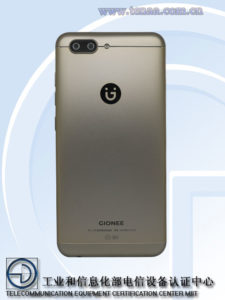
Gionee VP, Yu Lei has teased the company’s upcoming smartphone, the Gionee S10 via a post on Weibo. The teaser comes in an unusual way because he didn’t share a video of the device or a post about its specs. Rather, the VP shared a short Weibo post containing only the word “test”. What makes the post spectacular is that it could be noticed to have been sent from the Gionee S10.
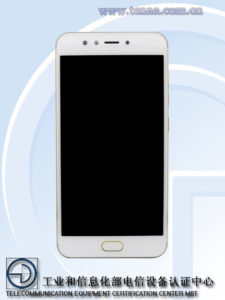
The Gionee S10 has earlier made the rounds on TENAA where it received certification. According to the TENAA data, the S10 sports a similar 5.5-inch FHD display as the Gionee S9 released last year. The device is powered by a 2.0GHz octa-core processor backed by 4GB while there is a 64GB storage onboard.
The Gionee S10 is rumoured to pack a dual camera setup both at the front and back but that is not certain. The TENAA document only listed a dual-lens camera at the rear which is a 13MP + 13MP setup. On the other hand, the front camera is a single 16MP sensor. The S10 also packs a 3700mAh battery and runs Android 7.0 Nougat from the go.
The product launch is probably not too far away considering the latest teaser which the VP later deleted from his Weibo account. Another feeler which could point at an imminent launch is the unveiling of a new brand ambassador by the company in China. There is, however, no specific date yet for the S10 launch.
This year, HMD Global released a bunch of new Nokia Android phones. However, their MWC 2017 highlight was the announcement of a new Nokia 3310. The buzz around the reincarnated legend was even more than that of the other Nokia Android phones announced at the event.
The Nokia 3310 which is priced at EUR 49 shares some design similarities with the original model but also sports some new features. Features you best recognize as a fake has been reported sighted in China.
Fake Nokia 3310 (L), Genuine Nokia 3310 (R)
The clone is well made such that it can pass for the original but a few differences should keep you safe from falling for it. The image above shows the fake on the left and the genuine version on the right.
The first key difference is the homescreen. You can see they are outlined differently. On the fake, the menu button sits on the left instead of the middle and the “Go to” button is missing as well. The screen quality is also low and the fonts are different.
The other difference is the keypad. The keys are smaller and are coated with black ink on the fake unlike that of the original which are bigger and are coated in silver. The body of the fake is also coated in a paint of yellow that appears dull compared to the original. This last difference might not be very visible to those who have difficulties distinguishing colors but the others mentioned above should help.
Back in 2015 when Apple released the iPhone 6s with 2GB of RAM, there were already Android phones with double that RAM. The ASUS Zenfone 2 and OnePlus 2 are best examples. The iPhone 7 Plus released last year is the only 3GB RAM iPhone and there are tens of Android phones with double that already.
There are speculations that one of the iPhones released this year will have 4GB of RAM but analysts at TrendForce think otherwise. They believe the increase in prices of LPDDR4 RAM is affecting the growth in smartphone RAM this year.
They say if Apple plans to maintain its annual shipment target of about 200 million,then 3GB of RAM should suffice for the 5.8-inch iPhone with an AMOLED display and the 5.5-inch version with an LCD display. The 4.7-inch LCD version will also make do with 2GB RAM.
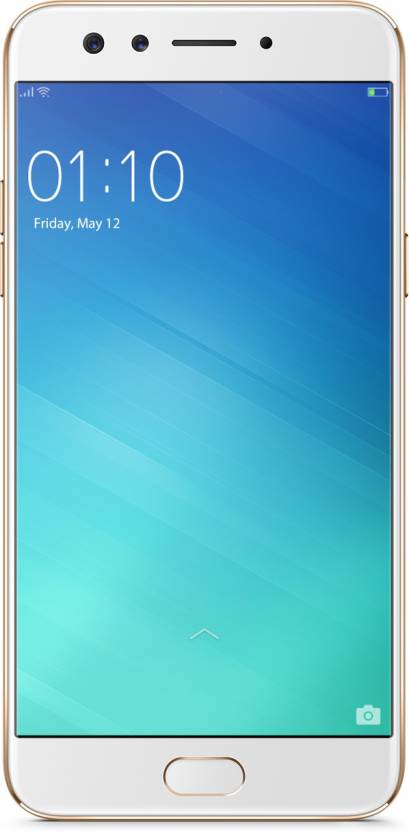
OPPO has finally introduced the OPPO F3, the smaller sibling of the OPPO F3 Plus that debuted in the previous month. Both OPPO F3 and F3 Plus belong to the “Selfie-Expert” series of smartphones from the company that are enabled with dual selfie cameras.
OPPO F3 Specifications & Features
The OPPO F3 has arrived with a 5.5-inch full HD in-Cell TFT display that offers a resolution of 1,920 x 1,080 pixels. Its larger sibling features a 6-inch full HD screen. The display of the phone is protected by Gorilla Glass 5.
The F3 is running on MediaTek MT6750T chipset that includes an octa-core processor which works at 1.5 GHz and Mali-T860 graphics. The SoC of the phone is supported by 4 GB of RAM.
The OPPO F3 provides its users with a native storage of 64 GB and it also includes an external storage that supports up to 128 GB of microSD card. The phone comes with a triple-slot tray which includes dedicated slots for two nano-sized SIM cards and a microSD card.
The rear-facing camera of the OPPO F3 is of 13-megapixel. The 1.3-inch camera sensor is enabled with features like LED flash and PDADF. The USP of the phone is the dual selfie camera which includes a 1.2-inch 16-megapixel sensor with f/2.0 aperture that supports 120-degree wide angel shooting and an 8-megapixel sensor that offers 76.4-degree wide angel shooting. The Smart Facial Recognition feature automatically chooses the right lens among the two lenses to snap the best photos. The dual selfie camera is enabled with features like Beautify 4.0 app, Screen Flash, Palm Shutter and Selfie Panorama.
The F3 is running on Android 6.0 Marshmallow OS that is modified with ColorOS 3.0 which brings a new feature called Clone Apps. It allows users to launch two accounts of the same app simultaneously. For instance, users can make use of two WhatsApp accounts on the same phone by using Clone Apps. The connectivity features available on the phone include 4G VoLTE, Wi-Fi 802.11ac (2.4GHz and 5 GHz), v4.0 Bluetooth, GPS, 3.5mm headphone port and microUSB port.
The OPPO F3 has the fingerprint reader placed under the physical Home button at the front. It includes a non-removable battery of 3,200 mAh capacity. The F3 comes with a full metal unibody and its design is similar to its elder sibling. It measures 153.3 x 75.3 x7.3 mm and its weight is 153 grams.
OPPO F3 Pre-orders & Price
The OPPO F3 Plus was introduced with a pricing of Rs. 30,990 ($482) in India and the OPPO F3 has been launched with a price tag of Rs. 19,990 ($311) In India. The pre-orders of the OPPO F3 has started from today and it will end on May 12. The shipment of the pre-ordered units will begin on May 13 in the country.
Xiaomi kick-started the development of the next major version of its custom ROM dubbed MIUI 9 about six months ago. While devices are still getting upgrades based on MIUI 8 and new features keeps entering the latest version, the company has been shown to still be working on the MIUI 9. A recent letter by Xiaomi to its developers have revealed more of the features the MIUI 9 would bring to the table.
According to the document, the MIUI 9 would come with two new features identified as “split screen” and picture-in-picture (PIP). The document gives the relevant recommendations to developers who we believe are working on the new MIUI 9. You can peruse the document on Split screen from here, while the Picture-in-Picture description can be seen from here.
The documents didn’t specifically mention the MIUI 9 even though Xiaomi had signalled from its inception that it is working on the next-gen ROM. But it is indicated in the letter that the features would be for the MIUI next version. More so, the features would be adapted for Android 7.0 and Xiaomi asked developers to adapt their work to the Android standard interface without the need for MIUI for the adaptation work. That is another pointer to the fact that the features would not be restricted to the current versions of MIUI.
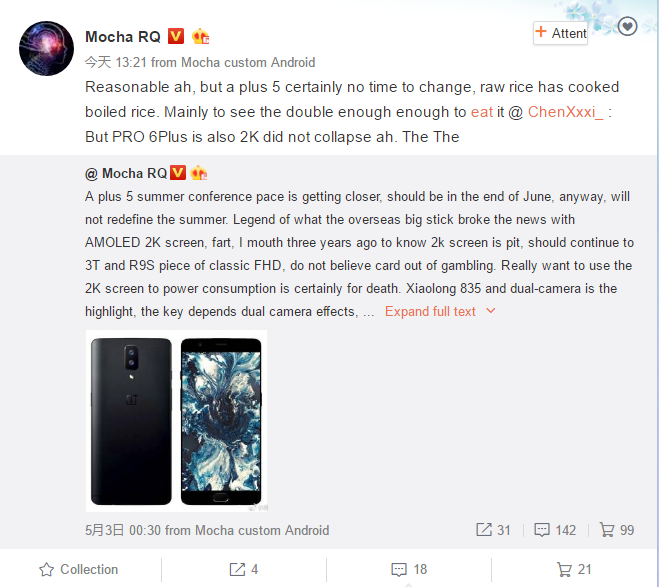
Sony, Samsung, and Xiaomi have launched their Snapdragon 835 chipset driven flagship smartphones. Even HTC is slated to announce the HTC U 11 running on Snapdragon 835 on May 16. Now the rumor mill is spilling information on one of the most awaited smartphones of the year, the OnePlus 5 that is also powered by Snapdragon 835. Well-known leakster, Mocha RQ has revealed fresh information on OnePlus 5.
According to the leakster, the OnePlus 5 will be releasing at the end of June. The rumor mill has been claiming that the OnePlus 5 would be featuring a 2K display. Using 2K display on OnePlus 5 can make the phone consume more battery power. Hence, the leakster claims that the OnePlus 5 will continue to sport a 5.5-inch screen that will support full HD resolution like its predecessor, the OnePlus 3T.
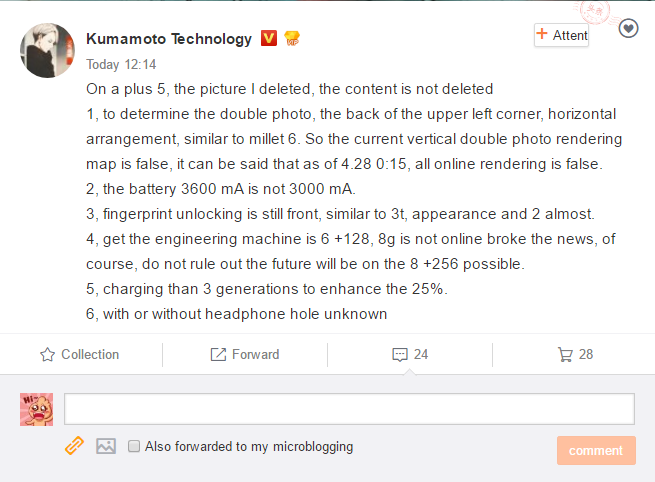
The leakster claims that the OnePlus 5 would be arriving with a dual rear camera. Leaked information coming from another source on Weibo, Kumamoto Technology also states that the upcoming flagship will come with a horizontally arranged dual rear camera, even though recent rumors said that it will feature vertically arranged dual camera setup. In the previous month, leaked photos showing the leaked case of OnePlus 5 with the horizontally arranged dual rear camera were spotted. The EXIF data of the leaked camera samples that were alleged taken from OnePlus 5 also suggest that they were shot through its twin rear cameras.
Initial rumors of OnePlus 5 have revealed that the Snapdragon 835 chipset would be coupled with 8 GB of RAM. The increased cost of production of 8 GB of RAM and using it and on a large number of OnePlus 5 units would not be easy for the company. Hence, both the sources have claimed that OnePlus 5 would be arriving with 6 GB of RAM. The forthcoming OnePlus 5 flagship is pegged to come with 128 GB of native storage. Like the predecessor phone, OnePlus 5 is speculated to come with a front-facing fingerprint reader that will be probably embedded under the screen.
New leaks also suggest that the OnePlus 5 would come with a 3,600 mAh battery. The company is expected to bring 25 percent faster charging on OnePlus 5. There is still no confirmation on whether OnePlus will axe the 3.5mm audio jack on the upcoming flagship.
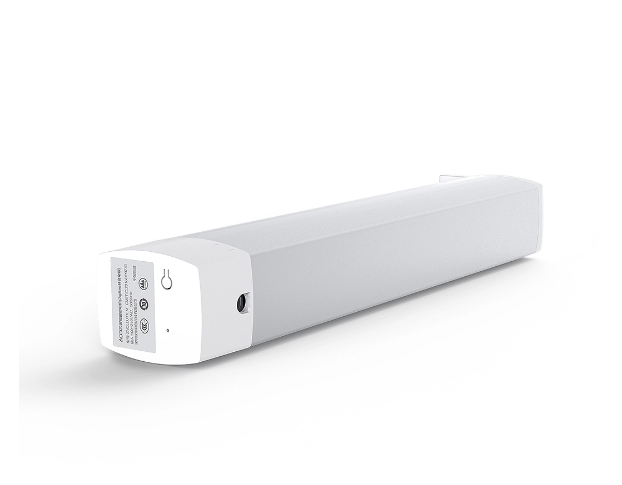
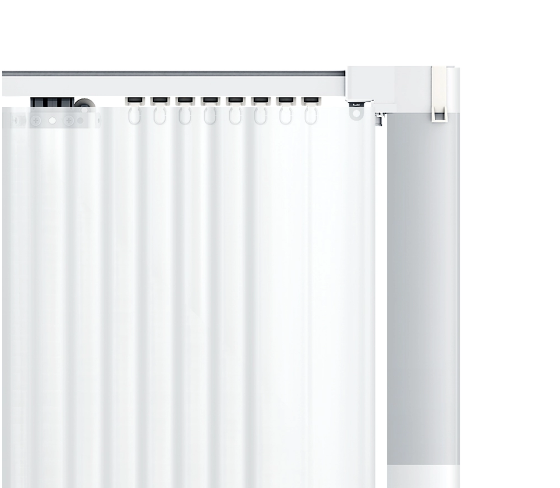
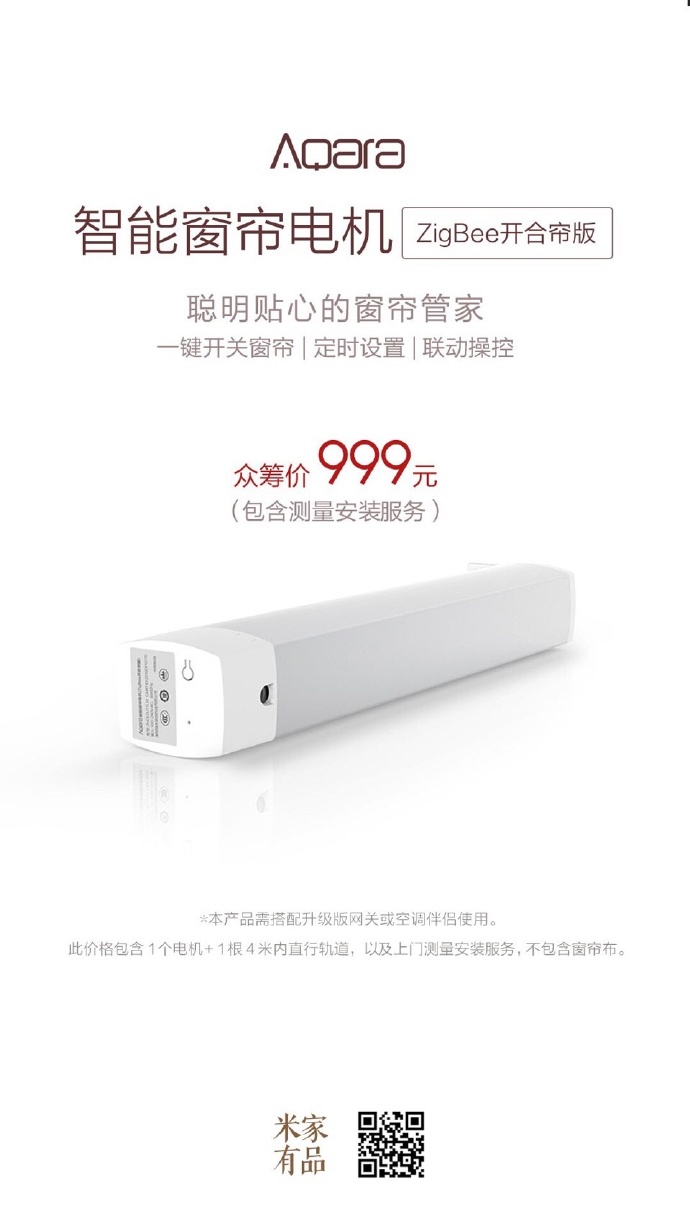
Xiaomi is gradually turning its releases under the crowdfunding platform into a daily affair. Just a day after going official with its 80th crowdfunding project, which is the Qicycle children bicycle, the company has announced a new smart product. The company’s 81st MIJIA product it is, and it’s the Aqara Smart curtain controller. The product is a motorized window shades and blinds which can be controlled wirelessly. The gadget works on Zigbee curtains and blinds.
The Aqara Smart Curtain motor/controller utilizes low-power ZigBee communication protocol via the Mi multi-functional Smart home gateway or Aqara air-conditioning pathway to connect to the smart home network. Thus, the home curtains can be controlled via the Mi App. Also, the Smart gadget allows the homeowner to also set the timer in the Mi app to when the blinds are expected to open and close and the blinds respond automatically when it gets to the set time.
In addition, there is a wireless switch which can alternatively be used to open and close the blinds with just a gentle tap. The gadget also connects with the Mi home sensor such that when the user goes to the window, the home sensor will automatically trigger the opening of the blinds and as soon as the user leaves, the blinds close. How else can we describe a connected smart home gadget.
Further, the Aqara Smart curtain motor has a touch start function, such that with just a light pull, the motor starts opening the blinds automatically. It also stops when it encounters a resistance or obstruction while opening or closing. It is also a noiseless device with its operating noise ess than 30dB. The product also comes with other support services like door and window measurement, customised window rails and others.
The Aqara Smart Silent curtain motor / controller carries a price tag of 999 Yuan and is currently available on the Mi Home crowdfunding platform for funding.
The ongoing battle between Apple and Qualcomm has taken a new turn as the U.S. based chip maker is reportedly seeking the banning of iPhone imports in the U.S. The new report has emerged after Apple said in the previous week that it would not be paying royalties of $1 billion to Qualcomm until the dispute between the two companies is resolved. Apple’s decision has caused Qualcomm to cut down its annual third-quarter guidance range from $5.3 to 5.1 billion, to $4.8 to 5.6 billion.
According to Bloomberg, an anonymous source has revealed to it that the U.S. based chipset manufacturer is prepping up to question the International Trade Commission (ITC) in order to prevent the iPhones that are being manufactured in Asia and sold in the U.S. Such a step can hinder the production of the upcoming iPhones that are slated to get announced in September this year.
Regardless of whether the devices are powered with Qualcomm chipsets, the patents of Qualcomm allow it to charge a percentage of cost of every new smartphone that supports high-speed data connectivity. The Cupertino company claims that it is unfair and has accused Qualcomm that it is using the revenue generated form licensing payments to illegally power its semiconductor wing. The battle between took an ugly turn when Apple decided to stop paying licensing payments to Qualcomm’s branch in San Diego.
The ITC wing in Washington has the power to prevent the imports of goods in the country. It can process its decision faster than federal district courts in the U.S. Qualcomm claims that “we continue to carry ~$1 billion in other current liabilities for unpaid disputed amounts with respect to the Cooperation Agreement with Apple.”’
If Qualcomm manages to successfully appeal to the ITC, it could prevent the sales of iPhones in the U.S. and this can greatly impact Apple as 40 percent of its total sales come from iPhones that are built in Asia. An analyst with Bloomberg Intelligence has forecasted that the Qualcomm may take the matters to courts in the U.K., Germany and China as these countries have testing courts that are known for making quicker decisions.
Current situation suggests that there is hardly any room for resolving the issue through settlement. On the ongoing legal dispute, Apple CEO Tim Cook said, “We strongly believe we’re in the right. And I’m sure they believe that they are. And that’s what courts are for. And so we’ll let it go with that.”
The Meizu Pro 7 is one smartphone that has been the subject of series of leaks and quite frankly, the model commands a lot of attraction from fans and others. Unfortunately, Meizu is yet to meet our expectations by releasing its flagship Pro 7. So, we still have to continue feasting on leaked renders and rumors instead of the real deal.
Here one of such renders of the Meizu Pro 7 which we can’t say is the real device but certainly looks good to behold. The design sure looks like that of the Pro 6S and Pro 6 Plus but the device comes with an unusually large display which almost covers the entire screen. There are just some bezels at the top which houses the front camera and earpiece and bottom of the display but the sides are completely bezel-less. The device may likely use onscreen buttons given the lack of a physical home button up front.
Except we don’t expect the Pro 7 to launch this year, if not this renders are likely not going to be the design of the Pro 7. This is likely so because Meizu VP had hinted that the company isn’t planning to release a full-screen bezel-less phone this year. So, this is very likely a fan-made concept render of the Pro 7 which might just be for your delight and nothing more. But we’re not sure Meizu will run through the year without releasing a flagship model. What that model would look like we can’t tell just yet but the likely specs have been the subject of recent rumours.
An earlier leak had tipped the Meizu Pro 7 to come with a 5.7-inch 4K display (resolution of 3840 x 2160 pixels) with support for AOD display screen technology. The flagship is also said to feature an Helio X30 chipset and would also come packing a rear camera with 12MP Sony IMX362 CMOS sensor among several other features. We are not entirely sure, though, that we’ll finally get to see the long-awaited Pro 7 this month. It could turn out to be another model.
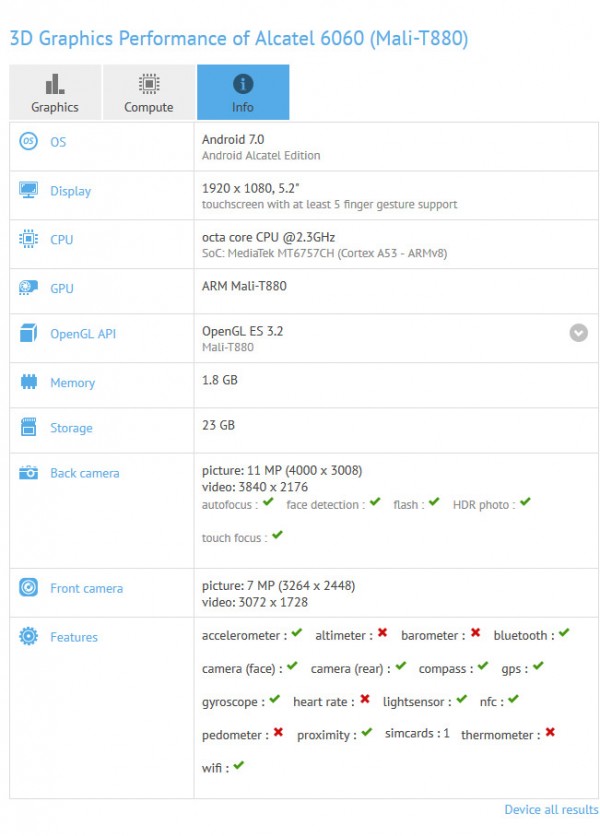
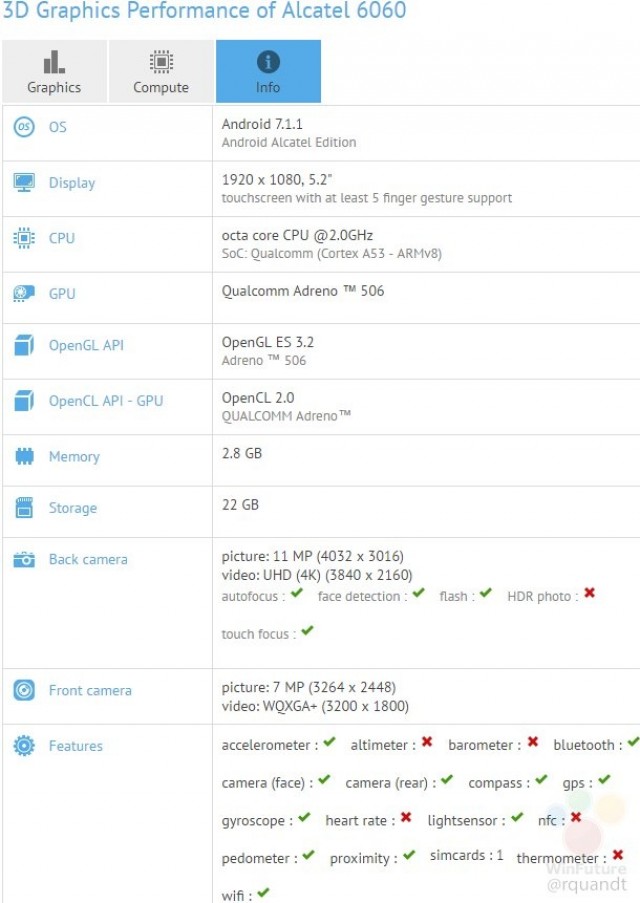
The Alcatel 6060 had appeared in the previous month on GFXBench benchmarking platform. The same handset has been spotted yet again on GFXBench, but there seems to be some difference in both the listings. Speculations are rife that the Alcatel 6060 would be launching as Alcatel Idol 5.
The new GFXBench listing for A6060 reveals that the purported Alcatel Idol 5 would be featuring a 5.2-inch display that offers a full HD resolution of 1,920 x 1,080 pixels. It is fueled by MediaTek MT6757CH chipset (Helio P20) that features an octa-core processor working at 2.3 GHz and Mali-T880. The SoC is supported by 2 GB of RAM and 32 GB of native storage. It is running on Android 7.1.1 Nougat OS and supports NFC
The differences that can be seen in the previous GFXBench listing of the alleged Idol 5 is the inclusion of Snapdragon 652 chipset, 3 GB of RAM and Android 7.0 Nougat OS. Also, it does not support NFC. Both the listings also show that the smartphone would be featuring a 12-megapixel main camera that will carry support for 4K video shooting and HDR and 8-megapixel selfie snapper.
There is a possibility that Alcatel will be releasing the Idol 5 in two chipset variants of Snapdragon and MediaTek. The Idol 5 with Snapdragon 652 is expected to be available in the U.S. markets whereas the MediaTek variant may be arriving in Asian markets.
This is the Alcatel Idol 5S (6060C) for Cricket Wiress (left) next to the Idol 4. pic.twitter.com/VLf0XETLfY
The speculated Alcatel Idol 5 is expected to launch as a successor for Idol 4. A leaked photo of Idol 5 featuring it alongside the Idol 4 had appeared in April. The model that was revealed by popular leakster, Roland Quandt has a model number of 6060C. The leakster has claimed that the smartphone present on the left side in the above tweet would be launching as Cricket Wireless variant. The alleged Idol 4 seems to be featuring improved upper and lower external speakers. The position of the Boom key appears to be moved down a bit.
We use cookies on our website to give you the most relevant experience by remembering your preferences and repeat visits. By clicking “Accept”, you consent to the use of ALL the cookies.
This website uses cookies to improve your experience while you navigate through the website. Out of these, the cookies that are categorized as necessary are stored on your browser as they are essential for the working of basic functionalities of the website. We also use third-party cookies that help us analyze and understand how you use this website. These cookies will be stored in your browser only with your consent. You also have the option to opt-out of these cookies. But opting out of some of these cookies may affect your browsing experience.
Necessary cookies are absolutely essential for the website to function properly. This category only includes cookies that ensures basic functionalities and security features of the website. These cookies do not store any personal information.
Any cookies that may not be particularly necessary for the website to function and is used specifically to collect user personal data via analytics, ads, other embedded contents are termed as non-necessary cookies. It is mandatory to procure user consent prior to running these cookies on your website.