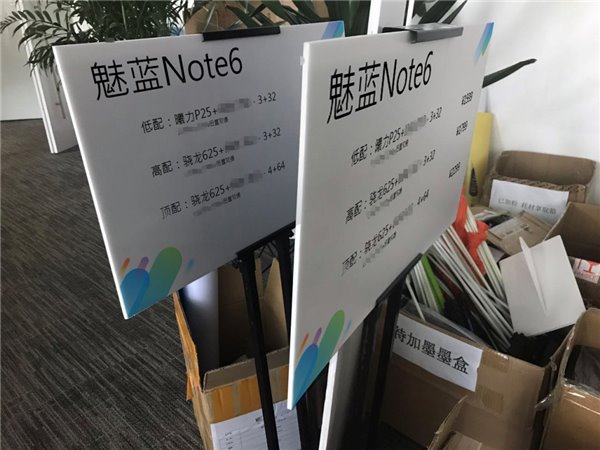
Just a few hours to the launch of the Meizu M6 Note and a leaked image has given away the variants the phone will arrive in.
The Meizu M6 Note will come with a Qualcomm chip and a Mediatek chip according to the image of a bunch of advert boards to be used at the launch event.
Just as earlier leaked, one variant of the M6 Note will come with a Helio P25 processor, 3GB of RAM and 32GB of built-in storage. Another variant will have the same memory configuration but swap the chip for the Snapdragon 625. The third variant will have 4GB of RAM, 64GB of storage and a Snapdragon 625.
However, these won’t be the only differences. Two other differentiating features are blurred out. Our guess is they may have to do with the cameras and battery capacity. The Meizu M6 Note will come with dual cameras but there is a possibility that the configuration will be different in each of the three variants.
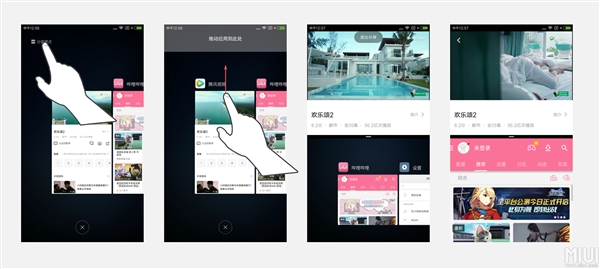
If you are one of those waiting patiently for the MIUI 9 update to hit your Xiaomi model as soon as possible, this might disappoint you, especially if you’re anticipating to have a feel of the Split screen feature MIUI 9 comes with. This is because Xiaomi has made a shocking disclosure that not all models would support the Split screen feature. This means that even if MIUI 9 update did hit your Xiaomi model, if it is not among the models that support Split screen, you won’t be able to use the feature.
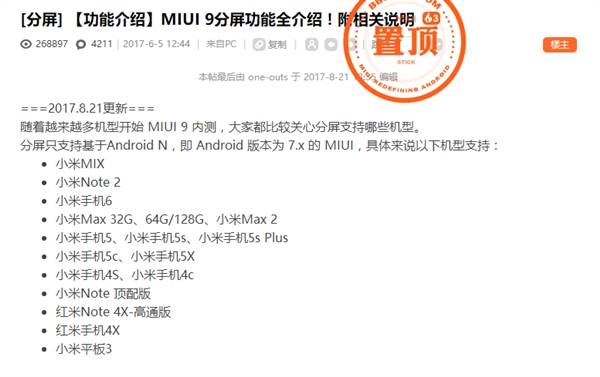
Xiaomi released the list of models which would have the split screen feature and surprising, out of about 36 models which would get MIUI 9 update, only 16 would have the Split screen function. This is because Split screen feature is only available for models running the Android 7.0 Nougat kernel while those using lower OS versions won’t support it.
The list of supported models includes the Mi Mix, MiNote 2, Mi 6, Mi Max, Mi Max 2, Mi 5, Mi 5s, and Mi 5s Plus. Others include the Mi 5c, the newly launched Mi 5x, Mi 4S, Mi 4c, Mi Note top-end version, Redmi Note 4X-Qualcomm version, Redmi 4X and Mi 3. There should be no argument that Split screen was featured on Android Nougat and so, it isn’t really a new innovation from Xiaomi.
Flip phones have always attracted a small part of the crowd, but as phones became smarter and screens became bigger, their design wasn’t considered viable. As a result, there are hardly any good flip design smartphones in the market today. Samsung did show us how beautiful these phones can be even today, loaded with powerful specs inside, but they are quite costly and are limited to specific markets like South Korea and China.
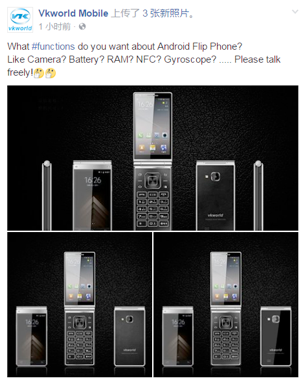
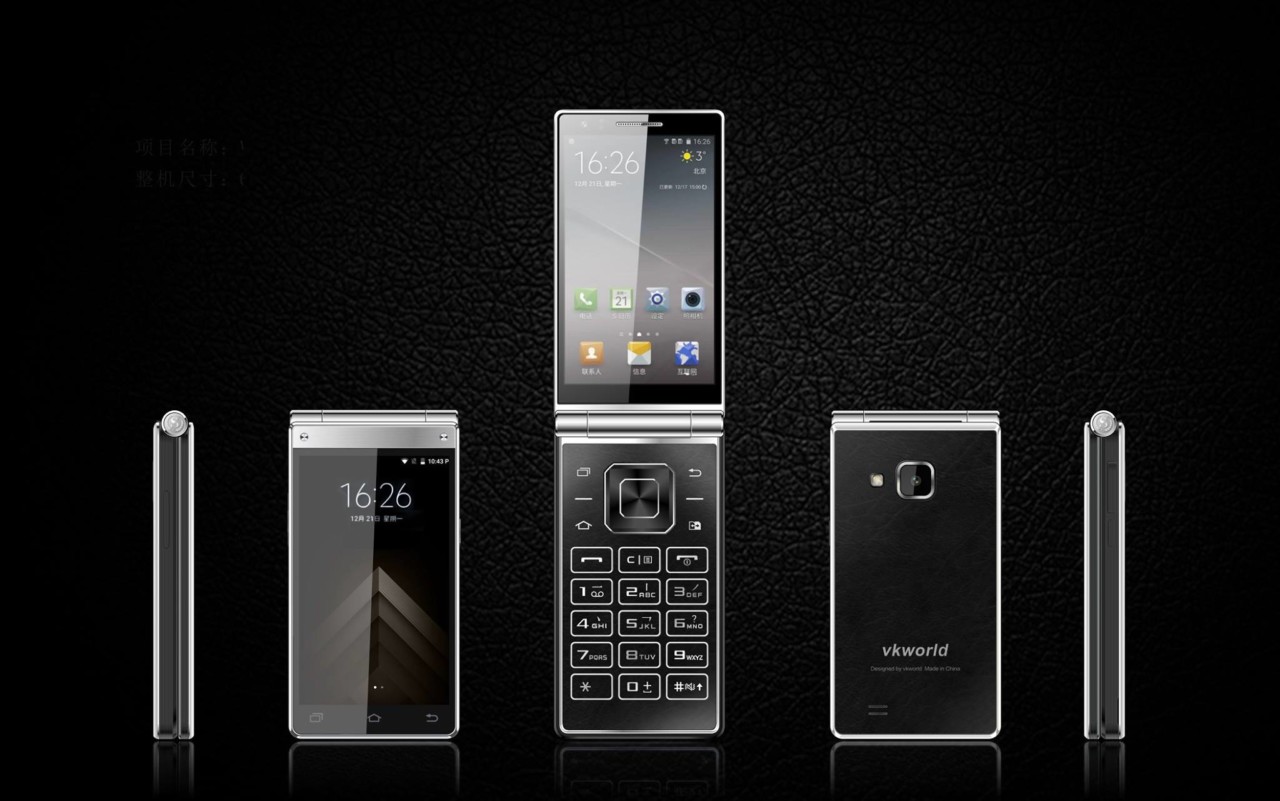
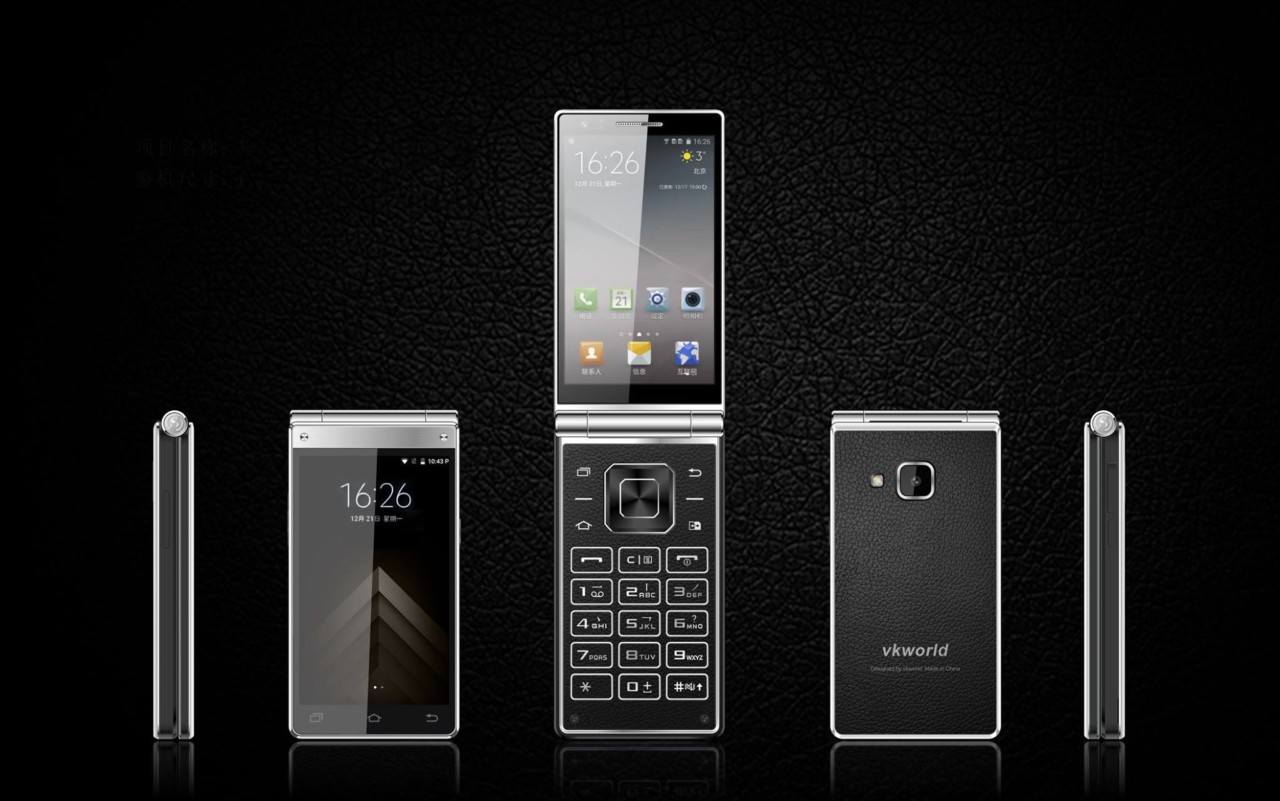
VKWorld T2 Plus is like a cheaper ticket to the world of flip smartphones. The company has been releasing interesting devices for the past few months, like the Nokia 3310 clone but this device should be even more interesting, considering how limited our options are in this segment. But T2 Plus can’t just rely on its flip design to attract attention, it needs to have good specs as well.
Source: VKWorld FB
The phone is said to upgrade the RAM, ROM, chipset, as well as battery as compared to its slow predecessor, the VKWorld T2. To be honest, that doesn’t tell us much, given that the T2 was powered by the old MT6580 quad-core chip, which made it a 3G only smartphone. So, we’ll have to wait for some real chipset, RAM details to get excited about the device.
Glass Design
Leather Design
What we do know is that the VKWorld T2 Plus will come with a 4.02-inch screen, same as the T2 but with upgraded resolution. It could either be 1280 x 720 or 1280 x 768, translating into 366 ppi or 372 ppi respectively. That’s way better than 480p on the T2. But the new T2 Plus won’t just feature a single display as the phone is said to come with dual screens and a physical keyboard. As for the design, leather and glass seem to be the two materials of choice and it is said that the phone is in trial production right now.
Expect to get more details in the coming weeks. The T2 Plus should launch sometime in the next couple of months. Their YouTube page says that the price is under $150, but we can’t confirm it yet. Meanwhile, take a look at the short teaser of the T2 Plus below. Which design do you prefer, Glass or Leather?
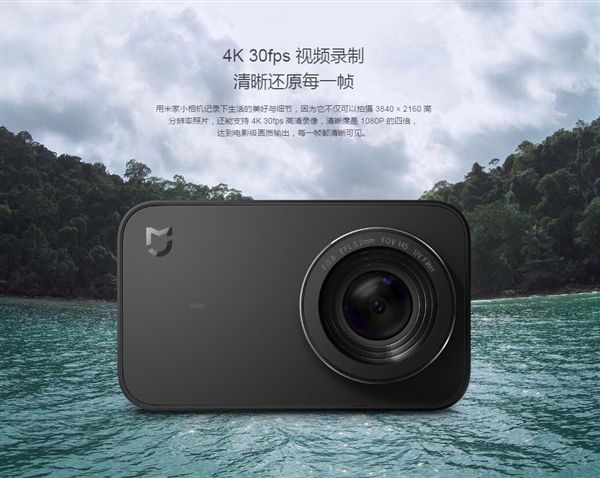
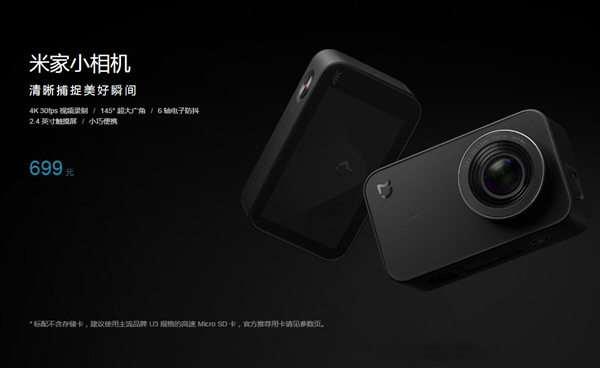
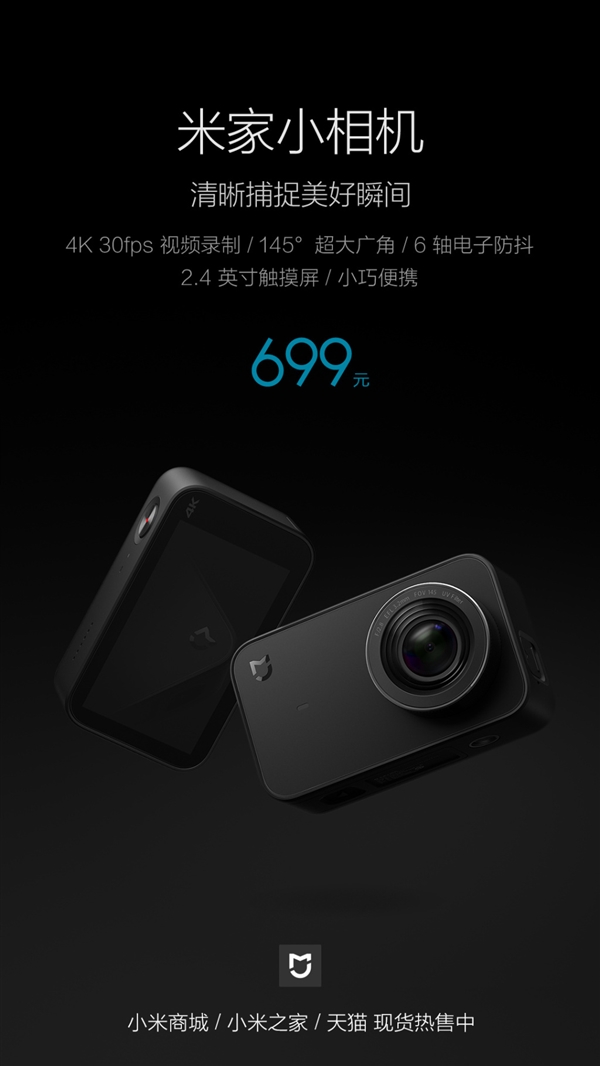
Xiaomi has quietly launched yet another cool gadget, this time around a compact-sized camera. The camera is dubbed the MIJIA Compact Camera and is already available to buy on Xiaomi’s Mi Mall. The camera comes with a number of features, one of which is the ability to record 4K videos and in Xiaomi’s usual way, it has a cheap price tag of 699 Yuan(~$105).
The MIJIA Compact Camera comes with a compact size which can easily fit into the pocket. Specifically, it has a dimension of 71.5 x 42.7 x 29.5mm and weighs 99g. It sports a 2.4-inch touchscreen display for easy access to the photo gallery and to also play back video recordings. From the display, the shooting mode can be switched between picture and video modes. Other image settings can also be adjusted right from the display.
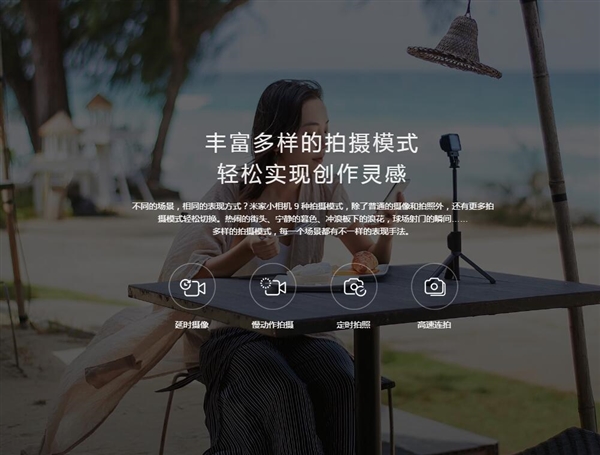
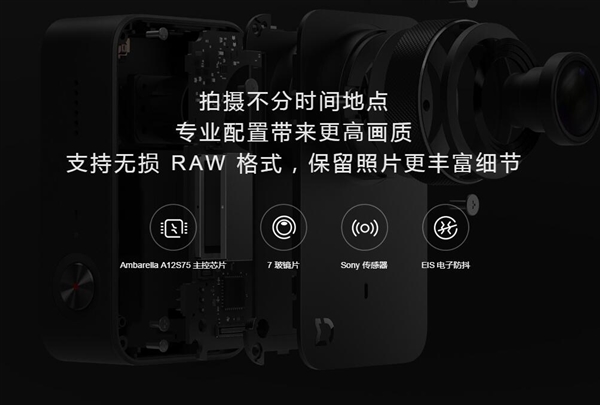
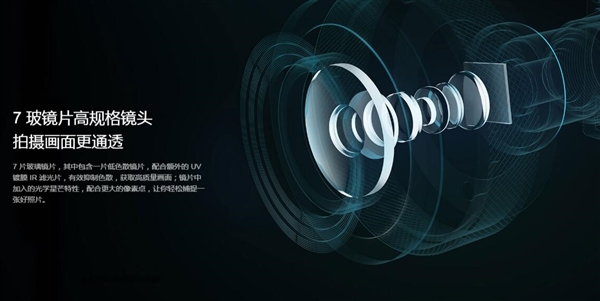
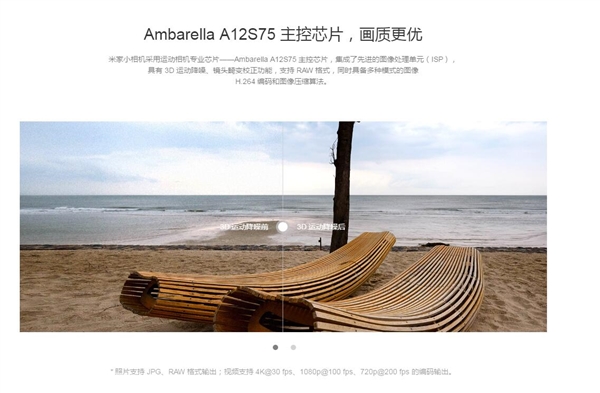
Inside, the Xiaomi camera packs an Ambarella A12S75 chip with 3D motion noise reduction and comes with lens distortion correction and support for RAW file format. The processor is the same used on professional motion cameras. The camera also uses a Sony IMX317 sensor with f2.8 aperture, 145° wide angles, and can capture pictures at 3840 x 2160 pixels (4K) and record 4K videos at 30 fps. It features 6-axis image stabilization (Electronic Image Stabilization) which includes 3-axis gyroscope and 3-axis accelerometer. Shooting modes include slow motion, time lapse, and high-speed continuous shot. The battery can last up to 2 hours when shooting 4K videos and 3 hours during 1080p video shoot. It also supports WiFi and Bluetooth connectivity and comes with an SD card slot which can take a maximum of 64GB SD card.
The Xiaomi MIJIA Compact camera will be sold exclusively on Xiaomi Mall, Mi Home, and Lynx and as stated earlier, is presently available for just 699 Yuan ($105).
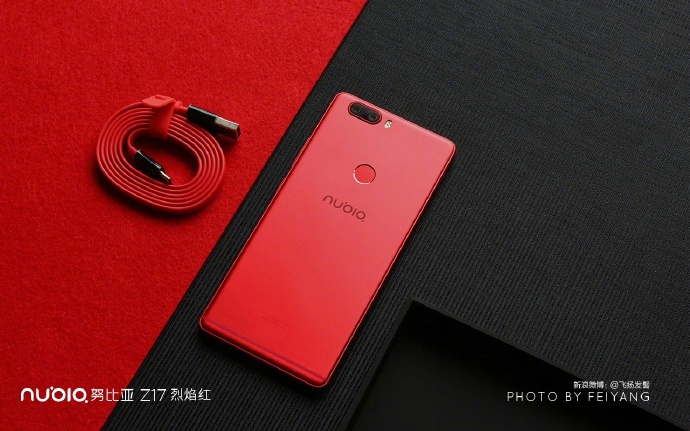
ZTE’s elite Nubia brand went official with the Nubia Z17 in June, announcing both a 6GB RAM + 64GB / 128GB storage and an high-end 8GB RAM + 128GB version. A new variant with 8GB RAM + 64GB storage was later spotted on TENAA a couple of weeks back, which means, the 8GB RAM version would soon be available in two storage types, and therefore, two different price points.
Since the launch, none of the 8GB RAM versions have been up for sale. However, starting today, the 8GB version of Z17 is available for pre-order on Nubia’s official website and on Nubia official flagship store on Jingdong. One good thing about having an 8+64GB variant is that it brings down the price of the top-end model drastically. While the 8GB RAM + 128GB storage variant is available for 3999 Yuan ($587), the 8GB RAM +64GB storage version is available for a much cheaper, 3,199 Yuan ($480) price tag. The pre-order will run from now until August 28 when the sales would commence.
As a reminder, the Nubia Z17 features a bezel-less 5.5-inch 1080p display panel protected by Corning Gorilla Glass. It is powered by a Snapdragon 835 processor and gets its juice from a 3200mAh battery with support for QC 4.0 fast charging. On the camera end, it features a powerful dual camera setup that consists of a 23MP + 12MP sensor with f/1.8 aperture and 1.4um large pixel. The setup supports 2x optical zoom and 10x dynamic zoom. There is also a 16MP selfie shooter at the front. In addition, the phone comes with Android 7.1 with Nubia UI 5.0 on top. Connectivity features include Dolby Atmos, Hi-Fi+, NFC, Bluetooth 4.1 and dual-band Wi-Fi ac.
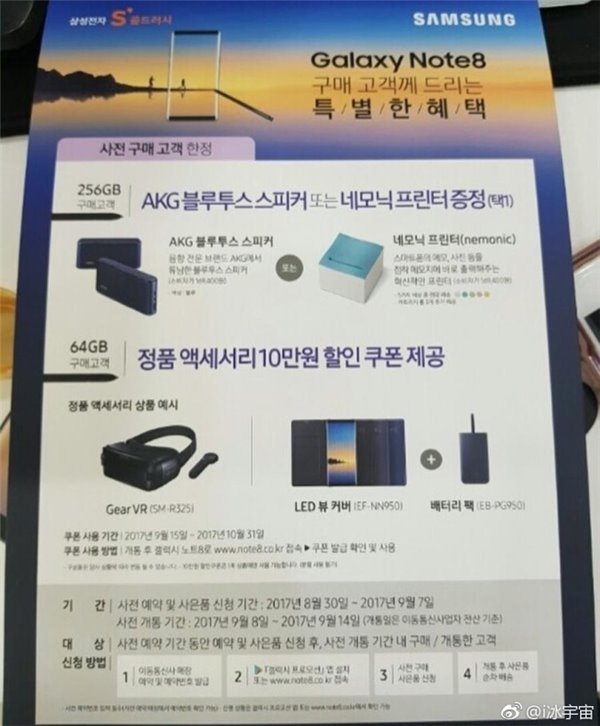
A few days ago, Evan Blass revealed the gifts that will be bundled with the Galaxy Note 8 in the US. You can either get a 256GB microSD card and wireless charger or a 360° cam.
In Korea, the gifts are equally interesting judging from the details of a leaked flyer. The flyer not only states the gifts but also confirms the existence of a 256GB variant.
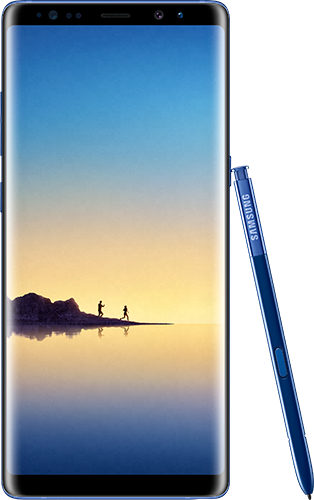
The Samsung Galaxy Note 8 arrives tomorrow. It will be the first Samsung phone with dual rear cameras and also the most expensive so far. Prices of the three variants have leaked and the cheapest is nearly $1,000.
The Galaxy Note 8 will have 6GB RAM as standard on all three variants but will come with 64GB, 128GB or 256GB of built-in storage. The 64GB model is the international edition while the other two will be an Asia exclusive.
According to ITHome, the 64GB model will sell for ¥6288 (~$944); the 128GB version will get a ¥7088 price (~$1064); and the 256GB model will retail for ¥7988 (~$1199).
This is Samsung’s first time of crossing the $1000 mark. Apple is expected to do the same with the release of the iPhone 8.
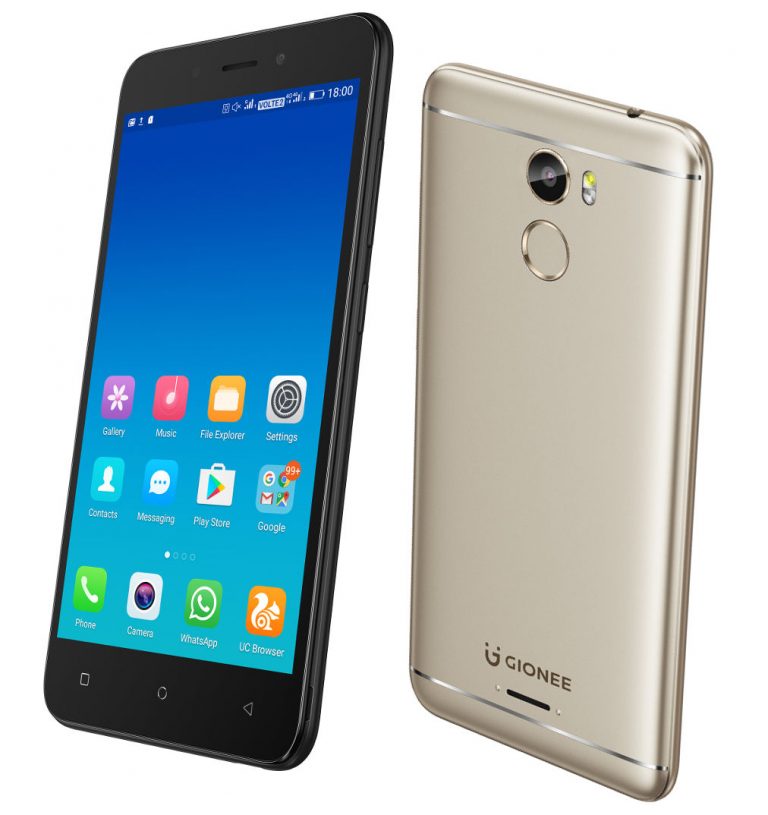
Gionee has released a new smartphone for the Indian market. The Gionee X1 is a mid-range device that packs a Mediatek MT6737 processor and a price that puts it in competition with the Moto E4 and the Nokia 3.
The Gionee X1 has a 5.0-inch HD display. There is 2GB of RAM and 16GB of built-in storage that can be expanded via microSD card slot. The X1 has an 8MP rear camera with dual LED flash that sits above a fingerprint scanner. The front camera is another 8MP camera too with its own flash.
Gionee has included a 3000mAh battery inside the X1 that should see you through the better part of a day. There is an audio jack at the top and a microUSB port at the bottom right of the device. However, the main speaker however sits at the back. The phone runs Android 7.0 out of the box underneath Gionee’s Amigo 4.0 UI.
The Gionee X1 comes in Champagne Gold and Black and is priced at INR 8,999 (~$140). Airtel customers who purchase the X1 will get 10GB of data per month for up to 6 months on data recharges of 1GB and above.
The price of the X1 is lesser than the INR 10,248 (~$160) price of the Nokia 3 but more than the INR 8,456 price of the Moto E4 (~$132). All three phones have the same processor but are slightly different from each other.
The video is an invitation to the launch and is packed with lots of expectations. It teases that we should expect the unexpected from the new AI which will be launched on September 2 in Berlin, Germany. That means Huawei will be unveiling the new AI chip during IFA Berlin 2017, perhaps as one of its innovative technology. It is also reported that Huawei head of Consumer Business Unit, Richard Yu (Yu Chengdong) will give the keynote speech during the event and the main focus would be what the new AI has to offer consumers.
Until the AI processor is officially unveiled, we can’t tell what features the AI adds to the chip that would be of more benefit than most of the AI around which seems to be just a Voice Assistant. Remember, it is said to be more than just a Voice Assistant. So, in addition to voice assistance feature, the Artificial Intelligent processor will bring with it more smart features.
The new AI chip is expected to be integrated into the Hisilicon Kirin SoC but may also be used independently in different gadgets. The AI is also expected to be used on the Kirin 970 chips which would feature on the upcoming Mate 10. You can watch the teaser video from here.
Google has released the latest version of Google app on the Play Store. The APK teardown of the latest Google app with version 7.10 has revealed that Google could be working on Google Assistant enabled headphones. The alleged headphones are codenamed as Bisto
The Bisto codename had first appeared in April in the strings of the beta version of 7.0 Google app. At that time, it was speculated as portable audio device. Its references were removed, but it returned again earlier in this month which suggested that it could be referring to a pair of headphones. Here is a reference from the code of the latest Google app that clearly hints the upcoming Google Assistant enabled headphones codenamed as Bisto.
<string name=”bisto_magic_pairing_assistant_prop_text”>”Your headphones have the Google Assistant. Ask it questions. Tell it to do things. It’s your own personal Google, always ready to help.”</string>
Its seems that users will be able to ask queries through the mic of Bisto headphones and Google Assistant will provide answers along with their alerts. Users will be also able to reply to notifications through verbal responses. The headphones are also expected to come with a Google Assistant button as well as another button at the top.
One of the strings provides some information on directions by stating: “To hear them, press the Google Assistant button. Press the Google Assistant button. To hear them, press and hold the top button. Press and hold the top button.” The Google Assistant button can be long pressed to talk to the headphone and the top button can be used to for enabling verbal alerts.
Another string reveals some troubleshooting information: “Your headphones won’t be available for a few minutes. Try restarting your headphones. To troubleshoot, visit the Help Center. Can’t update headphones. Bisto firmware update New features and fixes are available. Your headphones have been updated and are ready to use,” Other strings contain information for setup and update process for Google Bisto headphones.
There is no information on the release date of the Google Bisto headphones. Also, it is not known how much the Google Assistant enabled earphones would be costing.
It seems that the Google Assistant enabled Bisto may run on Android Wear. Speculations are rife that the Google Pixel 2 and Pixel XL 2 smartphones would be unveiling in October this year. The search engine giant is expected to announce an advanced Chromebook and mini Google Home. It is likely that Google may announce Bisto headphones in October alongside the Pixel 2 duo. More information on the rumored headphones from Google are expected to emerge in the coming weeks.
Android 8.0 Oreo is now official and its system images have been made available by Google for devices such as Google Pixel, Pixel XL, Nexus 5X, Nexus 6P, Nexus Player and Google Pixel C. The flashing instructions are available here. Users are required to perform the backup of their devices before installing Android 8.0 Oreo through system images. The search engine giant has also released Android 8.0 Oreo OTA updates for the devices that have enrolled in Android Beta Program.
Installing Android 8.0 Oreo manually through system images may not be convenient for all even though Google is offering a hassle-free installation process now. The easiest way to get the Android 8.0 Oreo before it is officially released by the carrier or the smartphone vendor is by joining the Android Beta program.
Users of Google Pixel XL have claimed that updating to Android O from Developer Preview 4 has been unsuccessful. However, Google seems to have resolved the issue. The OTA update is available without any problem for Nexus 6P and Nexus 5X smartphones enrolled in Android Beta Program.
Users can now get Android O by visiting this page and signing in with a Google account. Users can then click on “Enroll Device” button present next to the image of the device. It will then check for an available update. At any time, users can unenroll by visiting the same page to unenroll the device if they wish to go to back a stable build.
As far as Android 8.0 Oreo OTA updates without Android Beta Program is concerned, Google has confirmed that carriers have started testing the software update for Google Pixel, Nexus 5X and Nexus 6P phones. Once the carriers are done with testing process, the update will be soon made available to these devices. The OTA update process will begin in phases and it will be gradually coming to supported devices from various brands. The Android O update for Google Pixel C and Nexus Player will be also made available soon.
Google will be also releasing AOSP build for Android 8.0 Oreo that will allow developers to prepare custom ROM. The search engine giant has also confirmed that devices from various OEMs like Essential, General Mobile, HMD Global Home of Nokia Phones, Huawei, HTC, Kyocera, LG, Motorola, Samsung, Sharp and Sony will be getting the Android 8.0 Oreo update before the end of 2017.
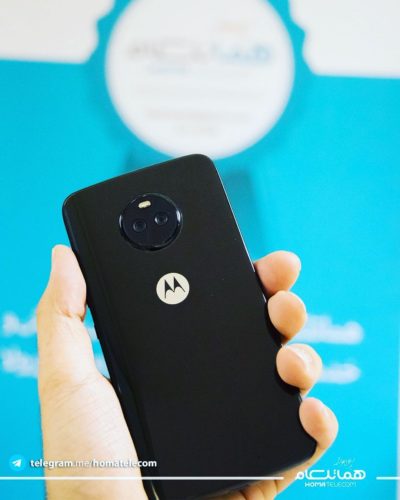
Homatelecom, an official distributor of Motorola Mobility and Lenovo in Iran has revealed two images of the what appears to be Moto X4 smartphone. The alleged smartphone is expected to get unveiled on Thursday this week.
The first image shows the backside of the alleged Moto X4 with its dual cameras and the M logo. The two camera lenses can be sitting in a horizontal design inside a circular camera housing along with dual-LED flash. The previous images of the Moto X4 have revealed that the smartphone features a glossy body. However, the alleged Moto X4 in the new images shared by Homatelecom appears to have a matte finish. The smartphone does not feature pins for connecting MotoMods accessories.
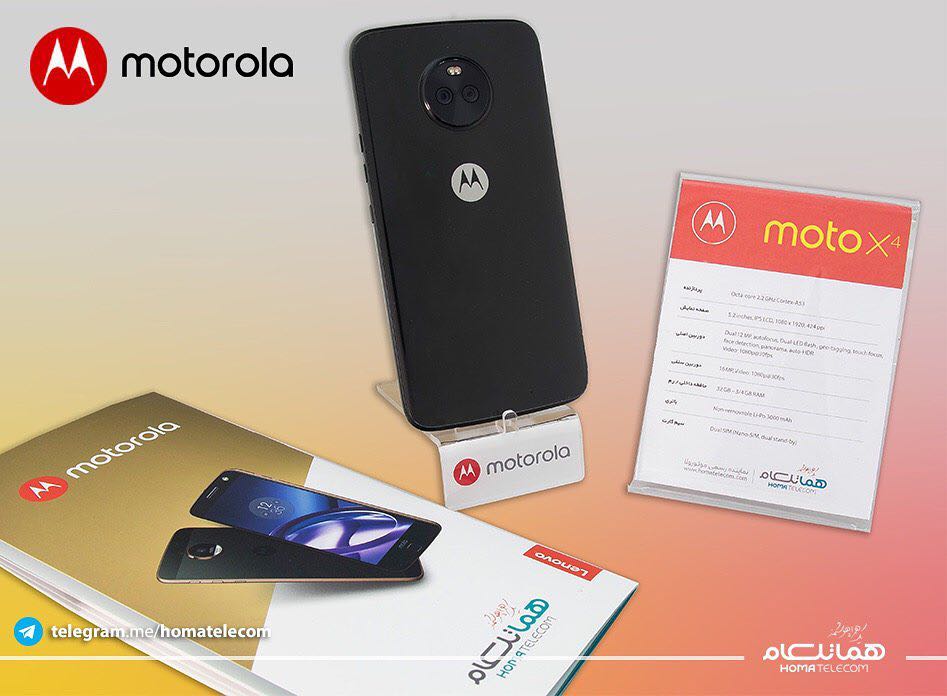
The other image shows the smartphone sitting on a stand alongside a brochure of the phone. The image shows a card that lists the specifications of the alleged Moto X4. It reveals that it will be a dual SIM smartphone that will come with support for nano-sized SIM cards and dual stand-by.
It features a 5.2-inch IPS LCD display that supports a full HD resolution of 1,920 x 1,080 pixels and a pixel density of 424 ppi. The listing does not clearly mention the name of the chipset present inside the phone. However, it reveals that the phone is powered by Cortex A53 octa-core processor that features a 2.2 GHz. It seems that the smartphone is driven by Snapdragon 630 chipset. It features an internal storage of 32 GB and it will be coming in 3 GB and 4 GB RAM variants.
The specs sheet does not mention another storage model for the Moto X4. Rumors have revealed that the Moto X4 would be also available in 64 GB model. It is likely that Iran may not be receiving the 64 GB Moto X4.
It features 12-megapixel dual rear cameras sensors that is coupled with features like autofocus, touch focus, face detection, panorama, auto HDR and full HD video shooting at 30 fps. The frontside of the smartphone features 16-megapixel camera that also supports full HD video recording at 30 fps. It will be packed with a 3,000mAh battery.
Motorola has confirmed that it would be holding a launch event on Aug. 24 in Brazil. Speculations have it that the Moto X4 would be getting official at the upcoming launch event.
Last week, we came across an image teaser that points to an October 16 launch for the Huawei Mate 10 which will likely take place in Munich, Germany. Now, yet another teaser has emerged, this time a video which projects the features of the Mate 10. Both the first image teaser and this video teases the unnamed model with the caption ” Meet the device worth waiting for”. Which means they both refer to the same model.
Although no mention of the Mate 10 was made in the video, there is no doubt the teaser is for the flagship. It was mentioned in the video that the device belong to the Mate series and ordinarily, the Mate 10 is the only expected model in the series. The source of the leak also disclosed that the video is for the Mate 10.
Specifically, the video focuses on the Mate 10’s dual camera which would still be co-engineered with Leica just like on the Mate 9. The camera setup will still be a 12MP main sensor teaming up with a 20MP monochrome sensor in the same manner it was featured on the Mate 9 and Huawei P10. The pictures showcased inside the video could possibly be camera samples of the flagship Mate 10 and they show the possibility of some improvements in the camera quality.
The Mate 10 is expected to feature the EntireView design which Huawei recently patented. The display could be a bezel-less design with an 18:9 ratio like the LG G6. The Mate 10 is expected to have a 6-inch display with 2160 x 1080 pixel resolution and would be powered by a Kirin 970 chip, which would be Huawei’s first 10nm chip.
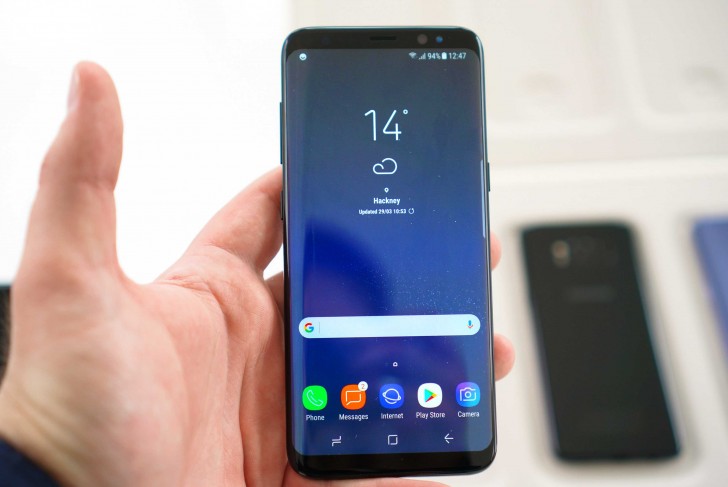
Samsung launched the flagship Galaxy S8 in April this year with a design that is spectacular, to say the least. The Galaxy S8 utilised a design bezel-less infinity display which has now turn to the rave of the moment and indeed the S8 has received loads of positive reviews. As the year draws to a close gradually, attention naturally would shift gradually to the Galaxy S9 which would be next year’s flagship in the Galaxy S-series. A new rumour has emerged that the Samsung Galaxy S9 would feature a modular design. This is coming quite early, though, considering that Samsung is yet to launch the Galaxy Note 8.
Galaxy S8
The rumour emanated from a Russian blogger @eldarmurtazin (Eldar Murtazin) who is also the editor-in-chief of mobile-review.com. According to the tipster, the Galaxy S9 may come with a modular design that would enable users to attach some accessories such as battery or camera just like the MotoMod on Motorola models. He didn’t reveal many details about this but also pointed out that the design is yet to be approved, meaning it might not see the light of day.
Apart from Motorola, the recently launched Essential Phone 1 came with a bezel-less screen and also has a modular design for attaching accessories. It, therefore, is plausible that Samsung would add such feature to its next-gen flagship. The Galaxy S9 is also tipped as coming with a new generation of chips – a 7nm Snapdragon 845 processor and an 8nm Exynos SoC. An earlier rumour had also tipped the Galaxy S9 to feature similar screen sizes as their predecessors which include a 5.77-inch display for the Galaxy S9 while the Galaxy S9 Plus will come with a 6.22-inch display. Both models are also rumoured to feature in-display fingerprint sensors, 6GB / 8GB RAM, and perhaps dual cameras at the rear.
We don’t know how true Mr Murtazin’s disclosure his, so we’ll treat it as just another rumour. But one thing is certain if indeed the Galaxy S9 would have a modular design, we expect lots of leaks on that before it is launched early next year.
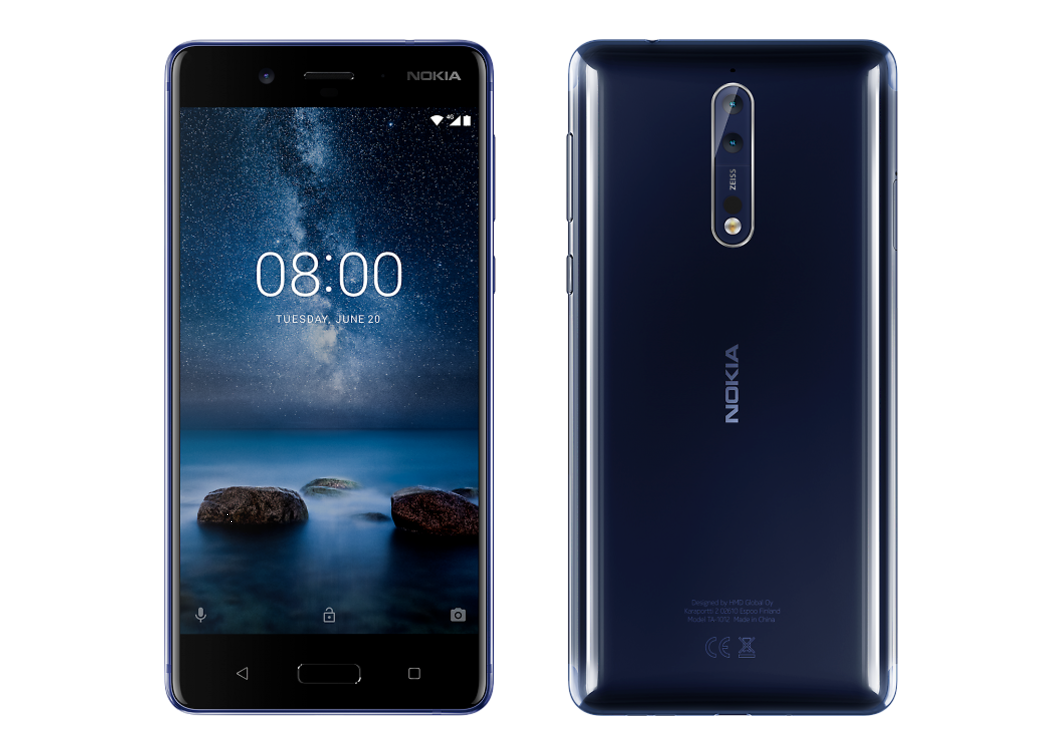
After the launch of the Nokia 8, Florian Sieche, the acting chief executive of HMD Global had claimed that the Nokia 8 will not be arriving in major markets like the U.S. and China. However, a report that surfaced yesterday that China may receive the Nokia 8 soon. Also, a new report suggests that the U.S. and China will be getting a customized edition of the Nokia 8.
The new report comes from sources that are familiar with the plans of the company. However, there is concrete way to confirm the accuracy of the report. The U.S. is likely to get a version of the Nokia 8 that will be compatible with all the major carriers or at least the GSM networks in the U.S. However, it appears that HMD Global will giving more priority to the Chinese market over the U.S. audience as far as Nokia 8 launch is concerned.
When HMD Global had debut the Nokia 6, it had arrived in China first six months before the release of the global variant. China had received the Nokia 8 with 4 GB of RAM and 64 GB of storage whereas the global edition features 3 GB of RAM. Hence, the Nokia 8 with higher RAM and storage combination may hit the Chinese markets.
It is likely that the China may get the Nokia 8 with 6 GB of RAM and 128 GB of storage as well as some features that are customized for the Chinese audience. There is no information available on the U.S. variant of the Nokia 8.
The internals of the Nokia 8 are on somewhat on par with other Chinese flagship smartphones like the OnePlus 5, Xiaomi Mi 6 and ZTE Nubia Z17. However, the appearance of the smartphone is not that appealing as it does not feature thin bezels or full-screen design. Hence, in order to compete well other flagship phones, the Nokia 8 may also hit the Chinese markets with a price tag that is lower than the pricing of Nokia 8 in Europe. The smartphone will be available in the European markets for around 600 euros (~$705). However, the Nokia 8 is rumored to arrive in China with a lower pricing of around 3,699 Yuan (~$555). There is no confirmation on whether this pricing belongs to the rumored 6 GB / 128 GB customized edition for China.
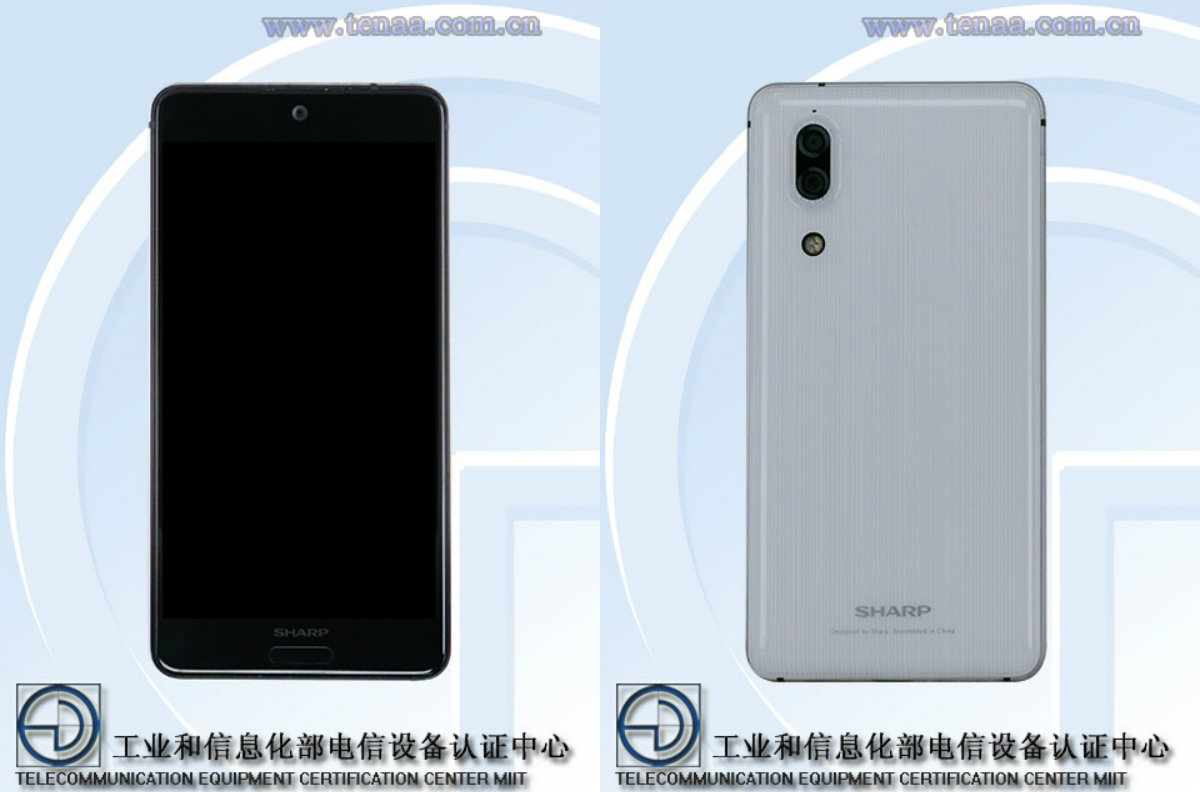
The recently launched Sharp Aquos S2 has met with amazing response in China and now the Japanese company seems to be working on a variant of the same phone. The Sharp FS8008 that has a similar appearance like the Aquos S2 has been certified by China’s TENAA regulatory body. The specs of the FS8008 that has been revealed by TENAA suggests that it will be quite similar to the Aquos S2.
One major difference that can be seen through the images of Sharp FS8008 made available through the TENAA listing is that it does not feature a bezel-less design like the Aquos S2. Moreover, it does not seem to feature a metal unibody design as its body appears to be made up of plastic. Like the Aquos S2, it also features a vertically aligned dual rear cameras at the top-left corner of the back panel.
The Sharp logo is present not only on the backside of the phone but also below the display. The chin of the phone features two capacitive buttons. The fingerprint scanner may be embedded under the Home button. The right edge of the Sharp FS8008 features the Power button as well as the volume controllers. The TENAA documents show only the white variant of the smartphone. However, the Japanese firm is likely to introduce it in multiple colors like the Aquos S2. It measures 141.8 x 72.04 x 7.9mm and its weight is 145 grams.
According to the TENAA listing of the Sharp FS8008, the smartphone features a 5.5-inch display that produces a resolution of 2,040 x 1,080 pixels. It is driven by an octa-core processor that clocks at 2.2 GHz which suggests this smartphone could be powered by Snapdragon 630 or 660 chipset. It is expected to arrive in two models. The 64 GB Sharp FS8008 may feature 4 GB of RAM whereas the other model with 128 GB of storage may come with 6 GB of RAM. Both models also feature a microSD card slot.
A pair of 12-megapxiel camera sensors are available on the rear side of the Sharp FS8008. The frontside will be featuring an 8-megapixel selfie camera. It will arrive preinstalled with Android 7.1.1 Nougat OS and a 2,390mAh battery will be present to keep the lights on. There is no information on the launch of the Sharp FS8008. However, since it has been certified by TENAA, it should not take much time to get official.
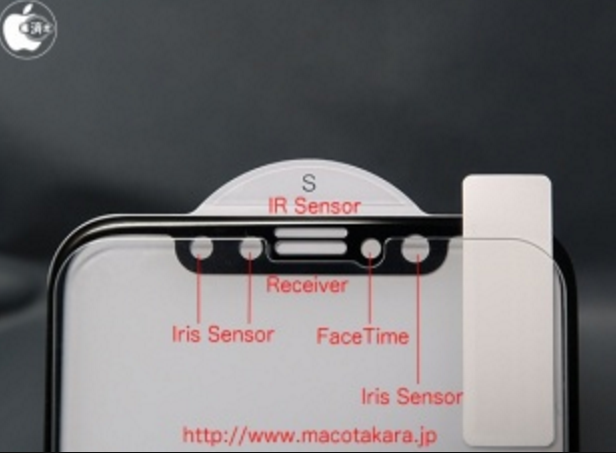
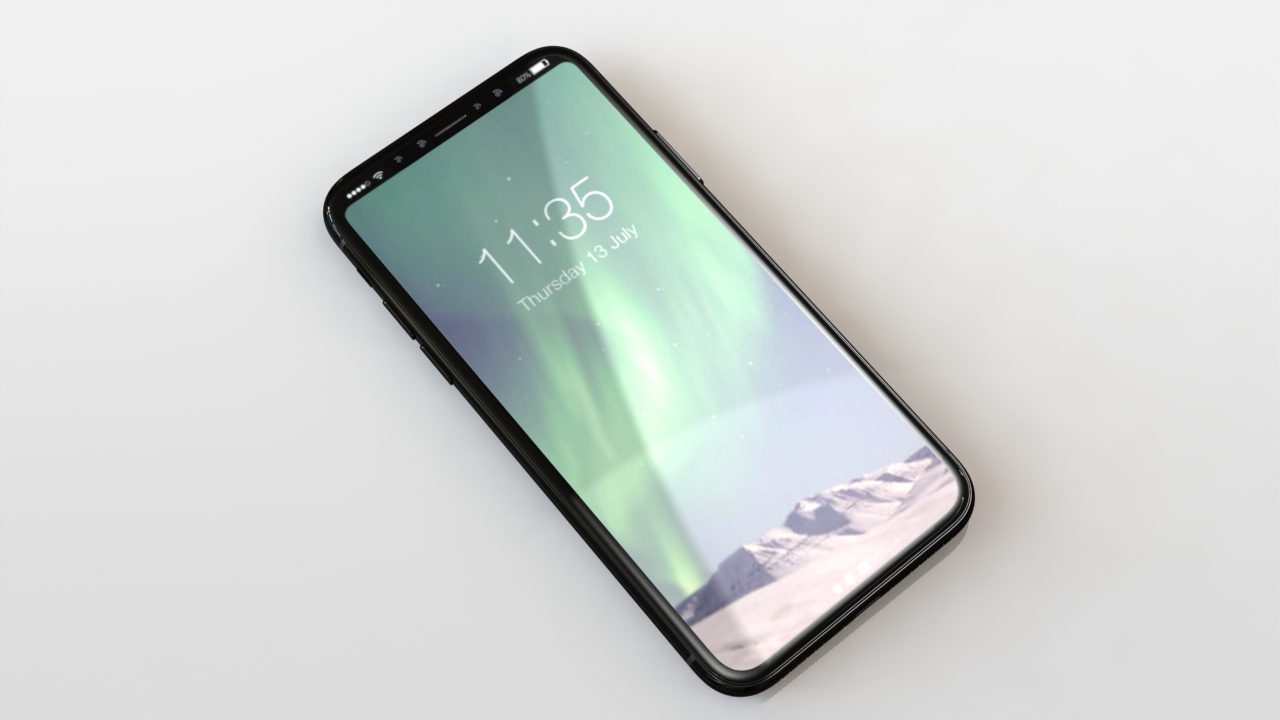
The u-shaped top bezel that is expected to arrive on the iPhone 8 is rumored to house a pair of iris sensors. The rumor mill has revealed that both the sensors will work together as 3D face recognition feature. Speculations are rife that this feature will be called Face ID. According to a South Korean publication, the Face ID feature will offer topnotch accuracy that will function at speed of millionths of a second.
The Microsoft Lumia 950 and Lumia 950 XL smartphones from October 2014 came with iris scanners. However, the Windows 10 powered smartphone did not achieve much popularity. The feature gained recognition when it arrived on Samsung Galaxy series smartphones, but since the speed and accuracy is not up to the mark, these devices come with iris scanners as well as fingerprint readers.
Previous reports have revealed that Apple has been struggling to place the Touch ID sensor under the display of the upcoming iPhone 8. Hence, it seems that the Cupertino company has decided to ditch the Touch ID sensor on the iPhone 8 and instead offer a 3D face recognition feature that functions accurately. If the iPhone 8 will not feature a Touch ID sensor as it is pegged to replace it with Face ID, Apple will have to explain the accuracy and security of the new feature that will be used not only for unlocking the iPhone 8 but also to authenticate payments made through it.
The South Korean publication has claimed that the 3D sensors will be present on the front as well as the backside of the iPhone 8’s to support the new augmented reality (AR) platform from Apple. Fresh information suggest that the Cupertino company will be making use of a flat AMOLED screen instead of a curved edge display. An AMOLED screen is slimmer than an LCD panel.
The flat AMOLED screen will be boasting a bezel-less design on all four sides. Rumors have it that the Apple will be holding a launch event in early September to announce three iPhones. Two of them could be the iPhone 7S and iPhone 7S Plus that may arrive as successor models for the iPhone 7 and iPhone 7 Plus. And the third one will be iPhone 8 that will mark the tenth anniversary of Apple iPhones. Also, Apple is also expected to debut an Apple Watch 3 that will carry support for 4G LTE connectivity.
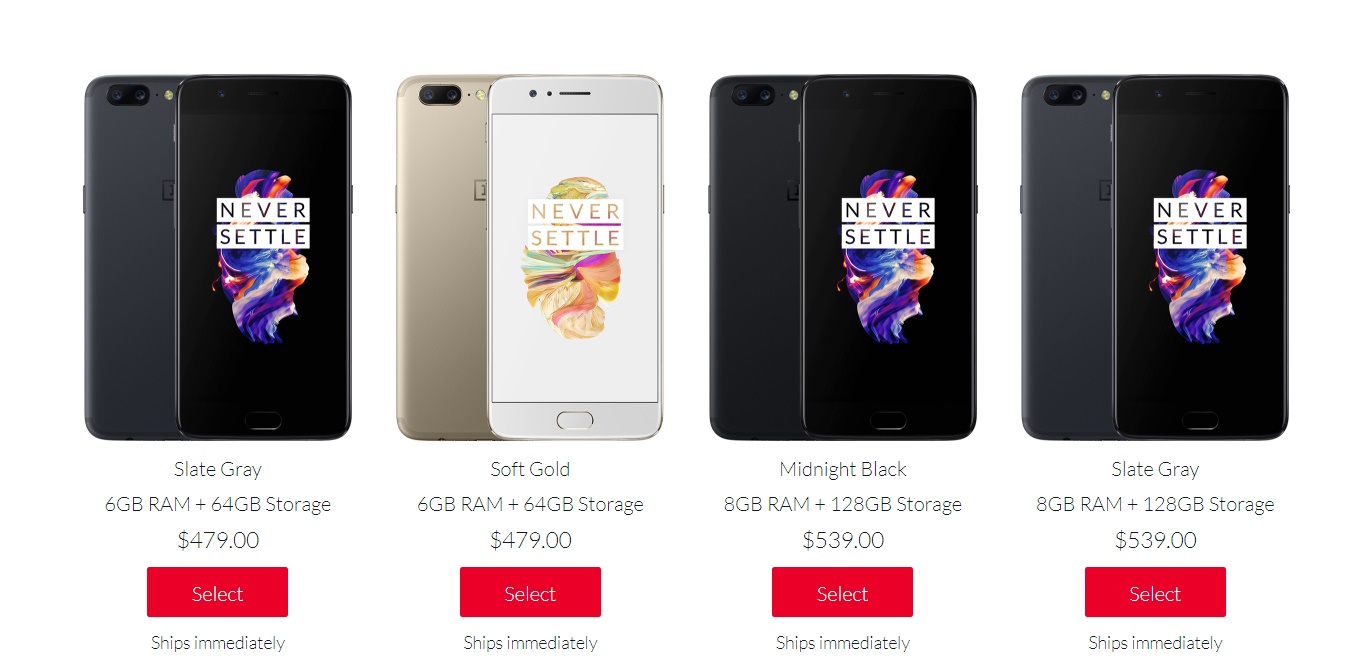
The OnePlus 5 comes in three colors: Slate Gray, Soft Gold and Midnight Black. When it first launched, you could only get the 8GB RAM variant in Midnight Black, but starting today, the high-end version now comes in Slate Gray too.
The new development means the OnePlus 5 comes in 4 variants now:
Slate Gray with 6GB of RAM and 64GB of storage
Soft Gold with 6GB of RAM and 64GB of storage
Slate Gray with 8GB of RAM and 128GB of storage
Midnight Black with 8GB of RAM and 128GB of storage
The price still remains $539 for the 8GB RAM version and it ships immediately.
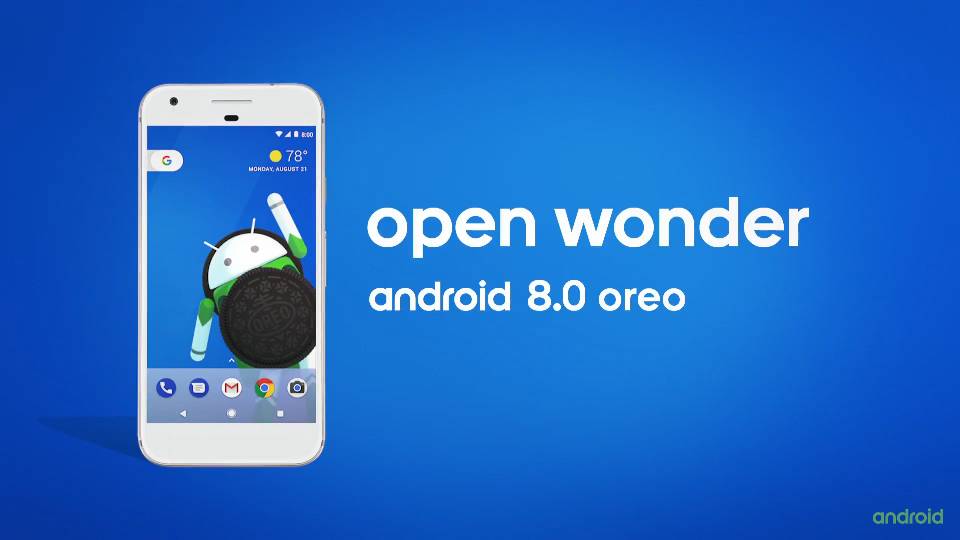
It is official, the latest version of Android is Android 8.0 Oreo!!! Yassss!!! Months after the first unveiling, Google finally makes it official.
Android 8.0 Oreo brings a ton of new features and we can’t wait to experience them all. Do note that the UI hasn’t changed from what we have on Nougat.
Faster Performance
Android Oreo is faster. According to Google, it is even 2x faster when booting up than what is available on Android Nougat. Google does mention that the speed test was carried out on the Pixel. So it may vary on other devices.
To also increase overall speed of your device, Android Oreo limits background activity in least used apps, so that all those resources are available to your most used ones.
Autofill
With Autofill, you don’t have to start entering login details for your favorite apps. Usernames and passwords are entered in an instant.
Picture-in-Picture
Minimize that video call while you do other things like reply mails or set calendar appointments. Whenever you are ready, you can switch back to full screen for the minimized app by tapping on it.
Notification Dots
To quickly view the notification for an app, long press on the app icon and you can view the notification and clear them by swiping away.
New and More Emojis
Goodbye to blob-face emoji. Android 8 Oreo brings redesigned emojis and also more than 60 new ones.
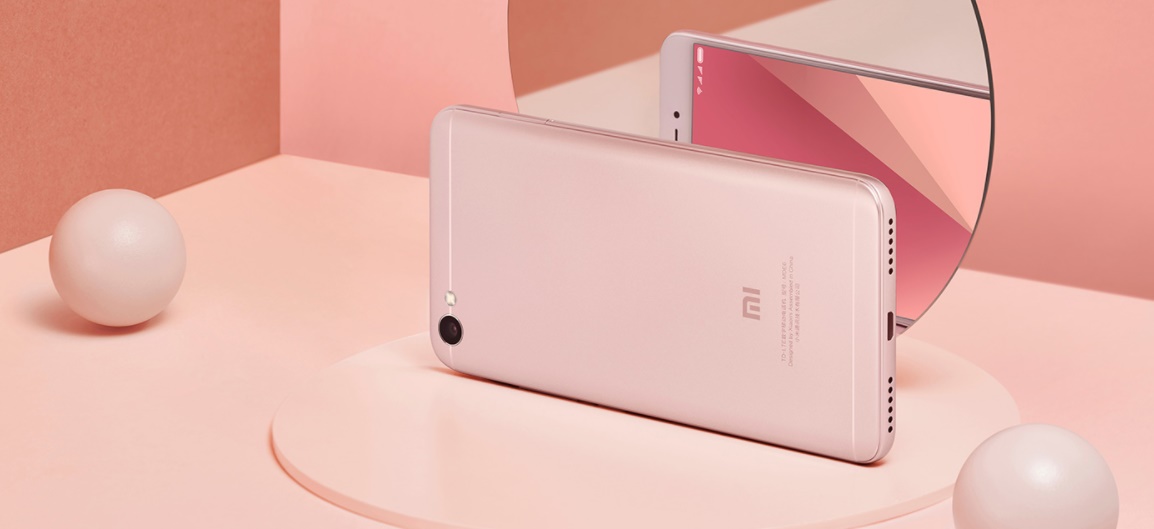
Today, Xiaomi announced the latest super low-end smartphone in its Redmi Note series — the Xiaomi Redmi Note 5A. We have already covered the launch in detail and you can read more about the phone from here. But here, let’s talk about the Redmi Note 5A variants. There are two major variants announced, a 2GB + 16GB model and a 3GB + 32GB model. The third variant just adds an extra RAM and storage — 4GB + 64GB to the 3GB RAM version.
So, what are the differences between Redmi Note 5A’s Low vs High version? As a matter of fact, quite a lot! In fact, given the differences, you can even consider them to be totally different models rather than just variants. It’s like the Redmi 4A vs Redmi 4, but instead of treating the two as different models, here Xiaomi has differentiated them as variants.
Redmi Note 5A Low version vs High version: Key Differences
To make things simple, I have made a table highlighting the differences between these two variants. The models have slight differences in thickness, weight, cameras, displays, memory and even design (due to the fingerprint sensor at the back of the high version). The processors are also different with a quad-core SD425 powering the low version vs a faster octa-core SD435 inside the high-version.
Check out all the differences down below.
Redmi Note 5A
(LOW VERSION)
Redmi Note 5A
(HIGH VERSION)
DIMENSIONS | WT.
153 x 76.2 x 7.55mm
150g
Slightly Thicker & Heavier
153 x 76.2 x 7.7mm
153 grams
CPU
Slower Processor
SD425
Adreno 308
Faster Processor
SD435
Adreno 505
MEMORY
2GB+16GB
Dedicated MicroSD Slot: Yes
3GB+32GB | 4GB + 64GB
Dedicated MicroSD Slot: Yes
DISPLAY
5.5-inch 720p
450 nits
5.5-inch 720p
450 nits
2.5D curved glass
CAMERA
13MP f/2.2, PDAF, HDR, Real Time Filters
1080p@30fps
FRONT: 5MP f/2.0
13MP f/2.2, PDAF, HDR, Real Time Filters
1080p@30fps
FRONT: 16MP f/2.0 76.4 degree wide-angle
Front Facing FLASH
COMMS
Bluetooth 4.2
MicroUSB
Wi-Fi n
IR sensor
Bluetooth 4.2
MicroUSB
Wi-Fi n
IR sensor
SPECIAL FEATURES
No Fingerprint
Gold, Rose Gold, Platinum Silver
Fingerprint
Gold, Rose Gold, Platinum Silver
BATTERY FEATURES
3080mAh
3080mAh
PRICE DIFFERENCE
699 Yuan (~$105)
899 yuan (~$135), 1199 Yuan (~$180)
For a $30 difference, you get a lot more value from the 3GB RAM model of the Redmi Note 5A. What do you think?
We use cookies on our website to give you the most relevant experience by remembering your preferences and repeat visits. By clicking “Accept”, you consent to the use of ALL the cookies.
This website uses cookies to improve your experience while you navigate through the website. Out of these, the cookies that are categorized as necessary are stored on your browser as they are essential for the working of basic functionalities of the website. We also use third-party cookies that help us analyze and understand how you use this website. These cookies will be stored in your browser only with your consent. You also have the option to opt-out of these cookies. But opting out of some of these cookies may affect your browsing experience.
Necessary cookies are absolutely essential for the website to function properly. This category only includes cookies that ensures basic functionalities and security features of the website. These cookies do not store any personal information.
Any cookies that may not be particularly necessary for the website to function and is used specifically to collect user personal data via analytics, ads, other embedded contents are termed as non-necessary cookies. It is mandatory to procure user consent prior to running these cookies on your website.