OnePlus has already confirmed that its latest flagship along with the OnePlus 3 and OnePlus 3T will be updated to Android 8.0. A few weeks ago, OnePlus released Android Oreo for the three phones for its closed beta group. It then said that a public beta version will be available by the end of September.
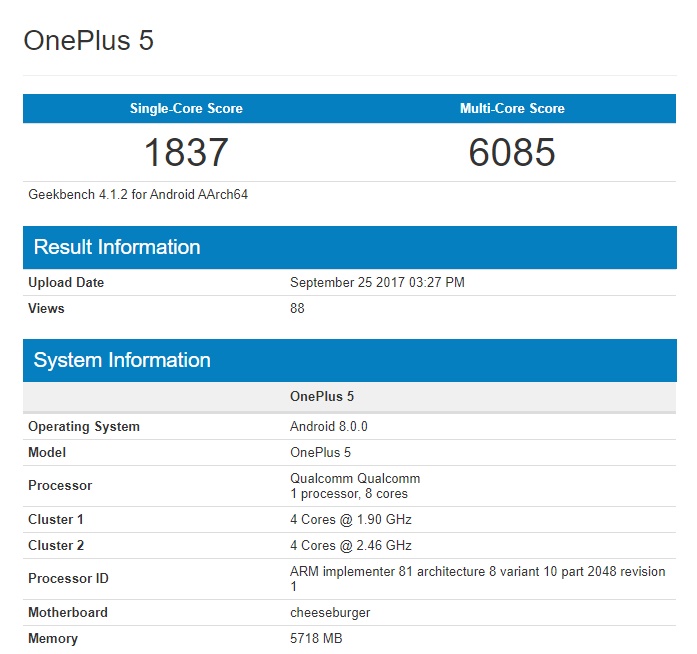
The OnePlus 5 benchmarked is the 6GB RAM variant. It scored 1837 points in the single core test and 6085 in the multi-core test. This is a couple of points below that of the 8GB RAM version seen on the site before its release.
OnePlus phones run OxygenOS which is a lot like pure Android but with some interesting customization features. This makes it easy for them to push out updates faster for their phones. However, that doesn’t mean their devices have a longer update life.
Taiwanese chip maker, MediaTek has announced a new processor at the ongoing India Mobile World Congress. The MT6739 is a quad-core chip targeted at the country’s growing 4G market.
The unique selling point of the chip is its support for dual VoLTE and Dual SIM Dual Standby, that is each SIM can be set to 4G+4G. The MT6739 has four Cortex-A53 processors with a clockspeed of up to 1.5GHz. Its GPU is a PowerVR GE8100 clocked at 570MHz.
Maximum RAM supported is 3GB and it should provide Cat. 4 LTE downlink speeds and Cat. 5 uplink speeds. The chip also supports up to 13MP cameras.
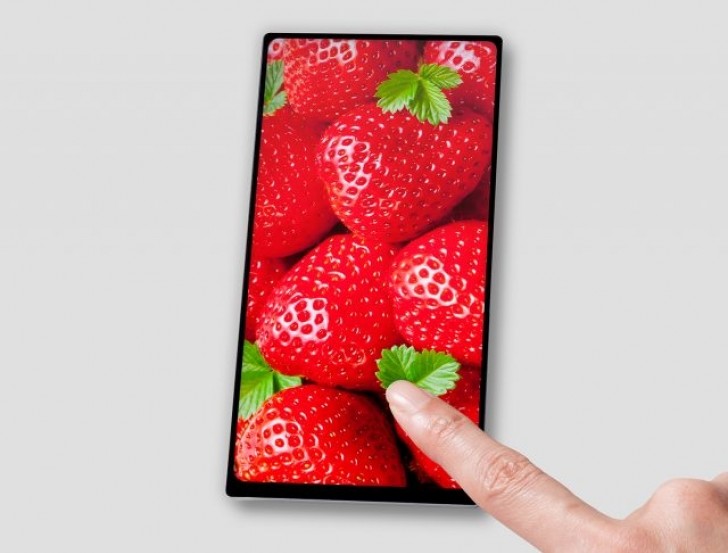
Another feature of the new processor is its support for 18:9 screens with HD+ resolution. This means the chip will most likely be the SoC of choice for manufacturers planning to release low-cost full screen smartphones.
MediaTek also announced the Helio P23 at the event. It has 8 Cortex-A53 processors with a clockspeed of up to 2.3GHz. Like the MT6739, the P23 has dual VoLTE in addition to ViLTE. It also supports 13MP + 13MP dual cameras or a single 24MP camera.
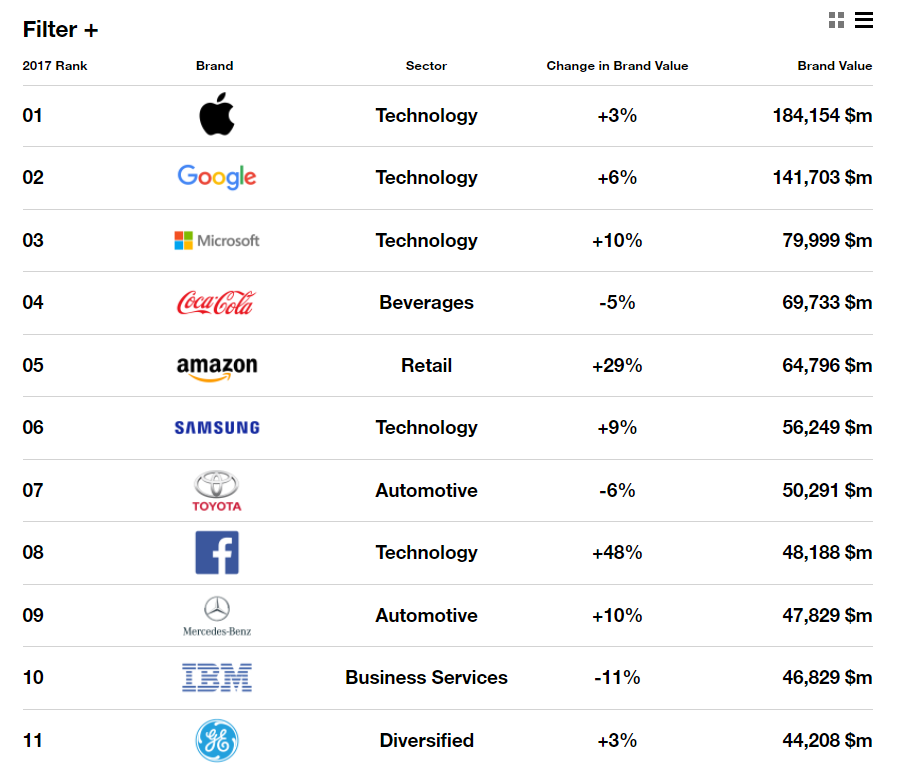
Apple Inc. has been awarded the most valuable brand for the 5th time by Interbrand, a consultant firm. The tech company with its headquarters in Cupertino, California is valued at $184 billion, 3% up from last year. This is Apple’s 5th win in a row.
Google which marks its 19th anniversary today comes in at $141.7 billion, 6% up from last year’s figure. Microsoft comes in at third place with a value of $80 billion and a 10% annual growth. Jeff Bezos’ led Amazon which is based in Seattle comes after Coca-Cola ($69.7 billion, a 5% drop), the only non-tech company in the top 4, with a value of $64.79 billion.
Apple’s biggest rival in the smartphone industry, Samsung is at the sixth position with a $56.2 billion value, a 9% increase from 2016. Facebook is the tech company with the biggest increase in brand value – a 48% increase to bring it to $48 billion.
Toyota and Mercedes Benz are the only two automobile companies on the list, valued at $50 billion and $47 billion value respectively. IBM (excluding the PC and server business owned by Lenovo) is the 10th with a value of $48 billion.
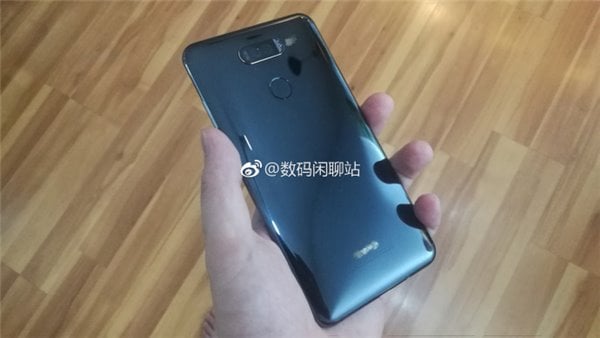
The Huawei Mate 10 will arrive on October 16. Expected to come in 4 variants, alleged live photos of one of them have been leaked online. Although the leaker says it is the Mate 10, we are not so sure.
We know it is not the Mate 10 Lite as that is the already announced Maimang 6. We also know it is not the Mate 10 because that is expected to have its fingerprint scanner in front. That leaves us with this being the Mate 10 Pro which is expected to have its fingerprint scanner on the rear due to its 18:9 EntireView display. Though we can’t confirm the display type since there are only photos of the back.
Unlike the Huawei Mate 9 Pro whose dual rear cameras are in a vertical position, the sensors here are horizontally placed. To also distinguish it from the design of the iPhone 8 Plus or the OnePlus 5, Huawei has put the cameras in the middle.
Flanking the sensors on the right is the LED flash and on the right is a laser focus module. The entire camera setup is housed in a pill shaped design with a silver chrome accent. There is also a circular fingerprint scanner below the cameras.
The Mate 10 Pro seen in the image has a reflective back just like the HTC U11. The finishing does look really good but it sure is going to be a fingerprint scanner.
Sony has been making smartphones with OmniBalance design since 2013. However, a recent report had revealed that the Japanese tech giant will be launching its forthcoming smartphones with new design. Since the information had surfaced from a forum post, it could not be fully trusted. Today, the managing director of Sony, Kenichiro Hibi has confirmed that the Sony will be “soon” adopting a new design for its next-generation smartphones.
Sony has released its new smartphones, the Xperia XZ1 and Xperia XZ Premium with thick bezels above and below the screen when other smartphone OEMs such as Samsung, LG and Apple have launched premium phones with full screen design. Hibi said that in order to stay competitive in the premium smartphone market, Sony will be launching forthcoming smartphones with new design language. The OmniBalance design will continue to exist as long as X series smartphones are available in the market.
A leaked information that had surfaced in the previous week had revealed that the new design concept that Sony will be using on its next-generation phones is called Mirai. Since the rivaling brands are launching phones with elongated display and bezel-less design, it is likely that the 2018 smartphones from the company may feature a full screen design. However, Hibi refrained from sharing any information on the forthcoming phones.
He stated that the Sony will focus on launching high-end smartphones in India. The company will also continue to release mid-range smartphones priced above Rs. 20,000 (~$305) to survive in a highly competitive market like India. Sony has recently released the Xperia XA1 Plus with a pricing of Rs. 24,990 (~$380).
Even though the Sony Xperia XZ1 smartphone has released with flagship specifications, the company has dubbed at it as “mass-market flagship.” Hence, it is priced less than the competitor smartphones. The XZ1 has arrived in India with a price tag of Rs. 44,990 (~$684) and the Xperia XZ Premium is available for Rs. 60,000 (~$913).
Sony is known for announcing at Mobile World Congress around in February and at IFA expo in September. It is likely that the Japanese tech giant may unveil bezel-less smartphones at the upcoming 2018 Mobile World Congress event.
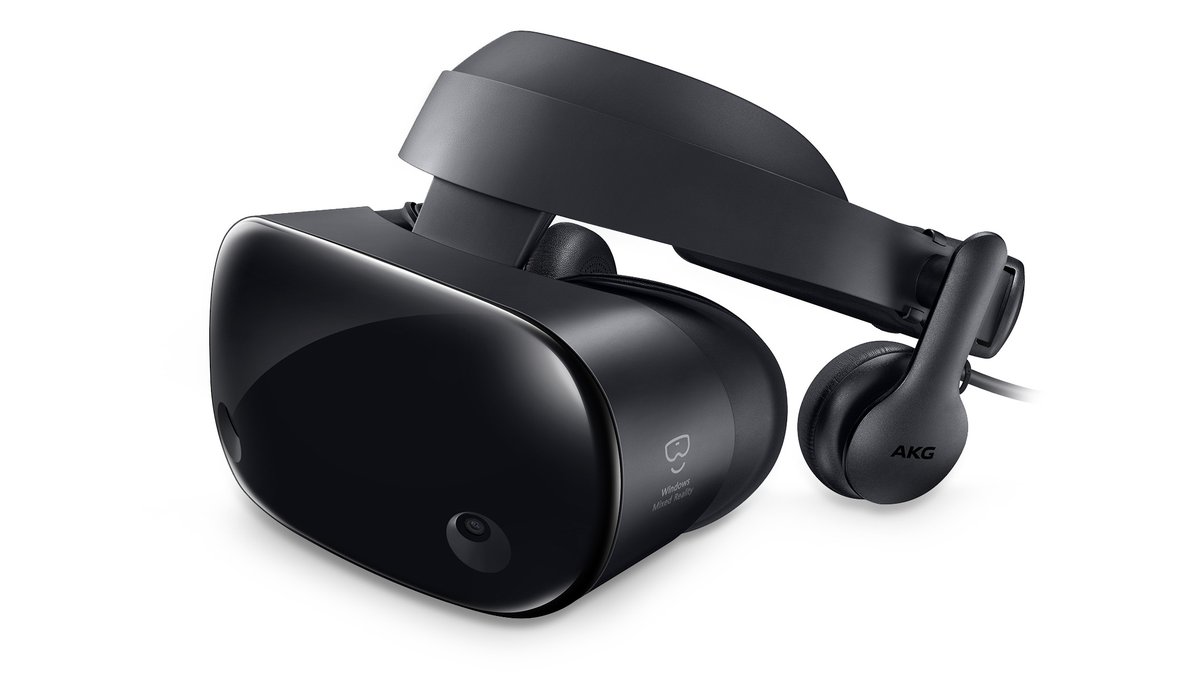
While other companies are into Virtual Reality (VR) or Augmented Reality (AR), Microsoft is focused on Mixed Reality (MR) – a blend of both or to better put it, blending the physical and virtual worlds. Hardware for mixed reality is categorized into two – immersive and holographic. Samsung’s mixed reality headset which just leaked belongs to the immersive category while the Microsoft Hololens is an example of the latter.
Samsung isn’t the only manufacturer with a mixed reality headset. Lenovo, Dell, and ASUS have headsets that should go on sale before the end of the year. If you can’t wait for those, you can buy HP’s or Acer’s Mixed Reality developer edition headsets.
Samsung’s own headset is a bit different from the rest. Instead of an audio out jack, the headset has a pair of AKG headphones integrated into it. For those who don’t know, AKG Acoustics or rather its parent company, Harman International Industries is now owned by Samsung.
The headset is black and looks a bit like the PSVR headset. There are two cameras in front for tracking your environment and there is a wire for connecting to your PC. There is also an image that shows the headset alongside a pair of Microsoft’s motion controllers.
Xiaomi earlier this year disclosed that it hopes to ship 70 million phones in 2017 and had also set a 100 billion yuan revenue target for 2017. There are strong indications that Xiaomi would hit its target 70 million shipments by October, two months before the end of the year. The Chinese tech giant is expected to hit 10 million units in shipments this September and another 10 million shipments in the fourth and final quarter of 2017.
Considering the company’s performance so far, Xiaomi is expected to record a revenue of up to 109.75 billion yuan ($16.8 billion USD) this year. This has made financial analysts to put Xiaomi’s net worth at a whopping $69 billion. This estimation is based on the same Price-Earnings ratio (P/E ratio) which was used to evaluate the company in its 2014 fiscal year where it accrued an estimated $45 billion valuation. Apart from the huge valuation, there are also talks of Xiaomi seeking an IPO, which would bring in more investors and thus help the company expand to new frontiers.
The progress made by Xiaomi was indeed thought to be a tall order when Lei Jun disclosed the target of 70 million shipments for this year back in January. This was because the projection was coming on the heels of a poor 2016 which saw the company ship only 41.5 million phones in China according to a report by IDC. There is no doubt now that Xiaomi has got its act together and is set to challenge for the top 3 spots in the near future. Xiaomi did succeed to climb into the first five top global phone makers in the second quarter of the year and is expected to remain within the quintet for the rest of the year.
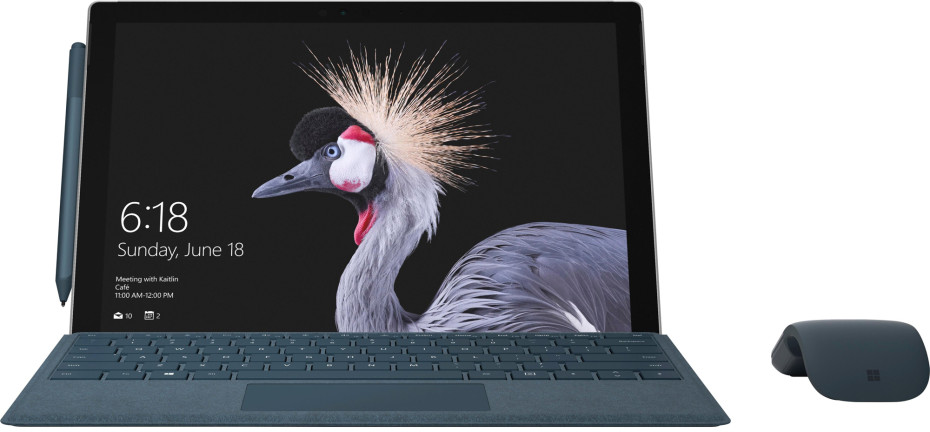
When Microsoft was expected to debut Surface Pro 5 as the successor for Surface Pro 4 in May, the company had unveiled the “new Surface Pro.” At that time, it had also promised to release a cellular variant later this year. During the ongoing Microsoft Ignite 2017 event in Orlando, the company has confirmed on the arrival time of Surface Pro with LTE connectivity.
Microsoft has been silent on the LTE variant after the launch of Surface Pro. Earlier in this month, a U.K. based retailer began the pre-orders of the Surface Pro LTE with December release date. At the aforementioned event, Microsoft has confirmed that Surface Pro with LTE connectivity would be available from Dec. 1.
Some rumors claim that the LTE-enabled Surface Pro would be showcased at the Future Decoded event that will be held on Oct. 31. Surface chief Panos Panay will be delivering a keynote at the upcoming event.
The two Core i5 models of the Surface Pro will come with support LTE connectivity. It means the variants like 4 GB of RAM and 128 GB storage or 8 GB of RAM and 256 GB of storage with Intel HD 620 graphics. These configurations match with the Surface Pro LTE devices that were available on pre-orders earlier this month.
As far as pricing is concerned, the U.K retailer had listed the 4 GB RAM variant with a pricing of £1,132 (~$1,400) and the 6 GB RAM model was listed for £1,402 (~ $1,800). These prices may not be final as the pre-order pages are no longer accessible. The Core i7 Surface Pro model featuring 16 GB of RAM and 1 TB of storage is also expected to arrive with LTE connectivity in the near future. This seems to be a possibility because Microsoft had introduced different color variants for Core i5 Surface Laptop, but later on Core i7 variants had also arrived in new colors.
Do you think that the LTE-enabled Surface Pro will be well-received by consumers? Share us your thoughts by adding your comments below.
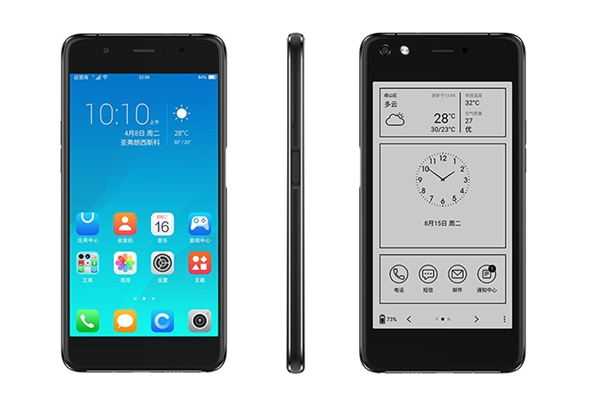
Hisense announced its latest dual-screen smartphone dubbed A2 Pro in China a couple of days back. The device was immediately available for reservation of JD.com but the price wasn’t announced. The Hisense A2 Pro has now got its price tag unmasked as it goes on sale today on Jingdong and it comes in cheaper than the 3699 Yuan- Yotaphone 3. The A2 Pro will sell for 2,999 Yuan (~$451) which is about 700 Yuan lower than the price of the Yota 3.
The Hisense A2 Pro features a dual screen setup comprised of a 5.5-inch AMOLED display and a 5.2-inch e-ink secondary display at the rear which is similar to what the Yota 3 features. However, the Yota3 comes with a superior specs lineup than the A2 Pro, thus justifying its higher price tag.
As a reminder, the Hisense A2 Pro features a Full HD display with 2.5D curved glass at the front. The device is powered by a Qualcomm Snapdragon 625 processor backed by 4GB of RAM and there is 64GB of storage onboard. On the camera end, the device packs a 12MP Sony IMX386 flagship sensor at the rear which should team up properly with the powerful processor to deliver shots with vivid clarity. In addition, the A2 Pro packs a decent 3,090mAh battery and has support for dual SIM cards/ dual standby. It comes with a fingerprint sensor which is located on the side of the device. The A2 Pro is now on sale on Hisense official flagship store on Jingdong.
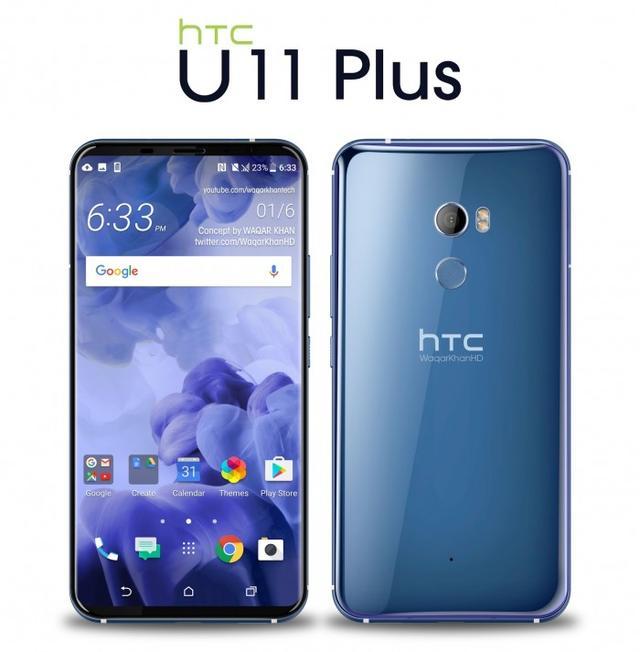
HTC is speculated to launch a couple of smartphones such as Ocean Master, Ocean Life, Ocean Harmony and HTC U11 Life before the end of 2017. Recent reports suggest that the Ocean Master is the codename of HTC U11 Plus flagship smartphone. Some of the key specs of the smartphone have already surfaced. Waqar Khan who is known for designing concept renders of popular smartphones has created concept model of the HTC U11 Plus.
The realistic looking HTC U11 Plus concept renders reveal its marvelous full screen design. As it can be seen in the concept renders, the U11 Plus has a large-sized screen that is flanked with very slim bezels on its four sides. The rear side of the smartphone features a camera and fingerprint reader. The backside of the phone features a glass panel that appears to be curved at all the four edges.
Previous reports have revealed that the HTC U11 Plus will be fitted with a 5.99-inch display. It is expected to support an aspect ratio of 18:9 and QHD+ resolution of 2,880 x 1,440 pixels. The Snapdragon 835 chipset is expected to power the smartphone.
The base model of the HTC U11 Plus is rumored to include 4 GB of RAM and 64 GB of storage. The highest configuration model is expected to feature 6 GB of RAM and 128 GB of storage. Other speculated features of the smartphone include 12-megpaixel rear camera, 8-megapixel selfie camera and Quick Charge 3.0.
Like the HTC U11, the Plus edition is pegged to arrive with pressure-sensitive squeezable frame. It is rumored to wear an IP68 certified chassis. Rumors are rife that the HTC U11 Plus may get unveiled on Nov. 11.
HTC seems to have a busy schedule for the last quarter of this year. The Ocean Lite is also expected to get announced in November. The Ocean Harmony is speculated to break cover in December. In the next week, Google will be unleashing the HTC-made Pixel 2 and LG-made Pixel 2 XL smartphones. The Taiwanese company is also rumored to launch an Android One version of its upcoming HTC U11 Life smartphone.
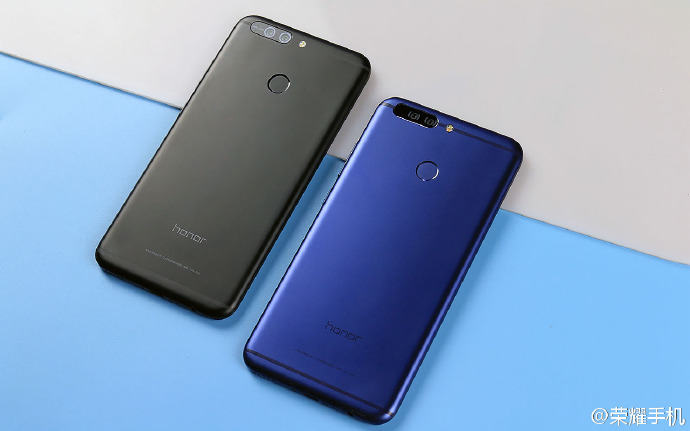
Huawei’s elite Honor brand has released a poster which teases the launch of the Honor 7X on October 11. The Honor 7X has in the past appeared online in leaks and was first thought to be named Honor V9 Mini due to its closeness in design to the Honor V9 launched earlier this year.
Previous leaks have revealed that the Honor 7X would feature a dual rear camera setup and we had even seen what could be the sample photo captured by the Honor 7X’s dual cameras. Apart from dual cameras, the latest teaser poster also suggests that the Honor model would come with a full-screen design. If this happens to be real, Huawei would be bringing the trending Full-screen design to the mid-range segment in addition to the flagship Mate 10 Pro that is coming with a full-screen design.
Previous leaks have shown that the Huawei Honor 7X would feature a full metallic body with a USB-C port. The device will also pack a rear-mounted fingerprint sensor and a design similar to the Honor V9 but would likely have a size slightly smaller than the 5.9-inch display the Honor V9 features. Other details are still sketchy as at this moment but we’ll bring you more as they emerge.
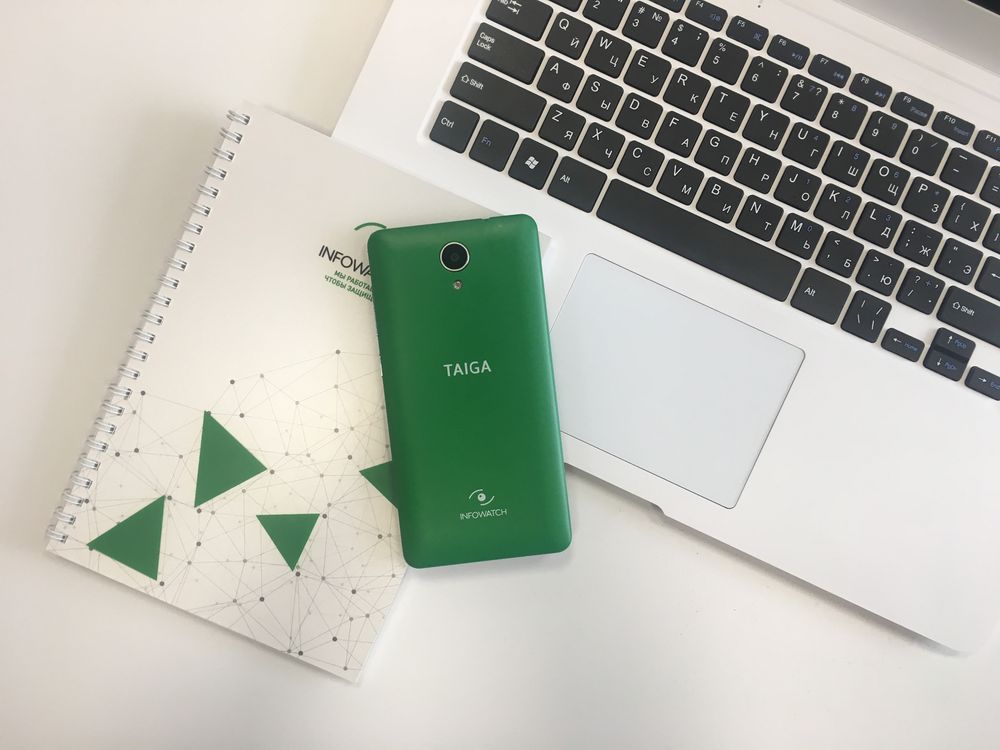
Natalya Kaspersky, the co-founder of Russia’s Kaspersky Lab is working on a smartphone called TaigaPhone that prevents apps like Google from spying on users. The smartphone has been designed by InfoWatch Group that is based in Moscow, Russia. Natalya is also the President of the InfoWatch Group.
The TaigaPhone will be running on customized version of Android that will prevent apps from collecting data. There is no confirmation on whether it will give access to Google Play Store. According to Natalya, “Most smartphone apps collect certain data on users and send it to outside servers.” She has also stated that when users make use of personal smartphones at workplace, their corporate emails, documents and photos are maliciously or accidently shared with third-party agencies.
TaigaPhone will allow the users to monitor and control the data that the apps try to collect. Also, IT departments in corporate companies will be able to control what apps are installed on the phone and what content are shared by the users. InfoWatch claims that the U.S. companies like Google and Facebook use their apps to collect user data. The main motive of making the Taiga smartphone is to protect the sensitive data of Russian citizens and corporations from getting leaked to the U.S. servers.
The company would be manufacturing 50,000 units of the TaigaPhone initially in China. It will be first made available to the workers of Russia companies that are co-owned by the government. Malaysia and the United Arab Emirates are the other markets that will be receiving Taiga. In Russia, the smartphone would be costing around 15,000 rubles (~$260). TaigaPhone has reached final stages of its production. It is a dual-SIM phone that features a 5-inch display and it features two cameras. Nothing much is known on the specifications of the phone.
The technological cold war between the U.S. and Russia is heating up and TaigaPhone is the latest example. U.S. President Donald Trump has recently banned the use of Kaspersky antivirus in the country citing risk to national security. The Trump administration has also directed the U.S. government agencies to remove all the products from Kaspersky Lab from their networks. On the other side, President of Russia Vladimir Putin is reducing the country’s reliance on U.S. based firms like Microsoft and IBM.
Gionee had launched the S10 smartphone with dual rear and front cameras in May this year. It appears that the company is prepping up on the successor for Gionee S10 as a smartphone labelled as Gionee S11 has appeared on GFXBench benchmarking site.
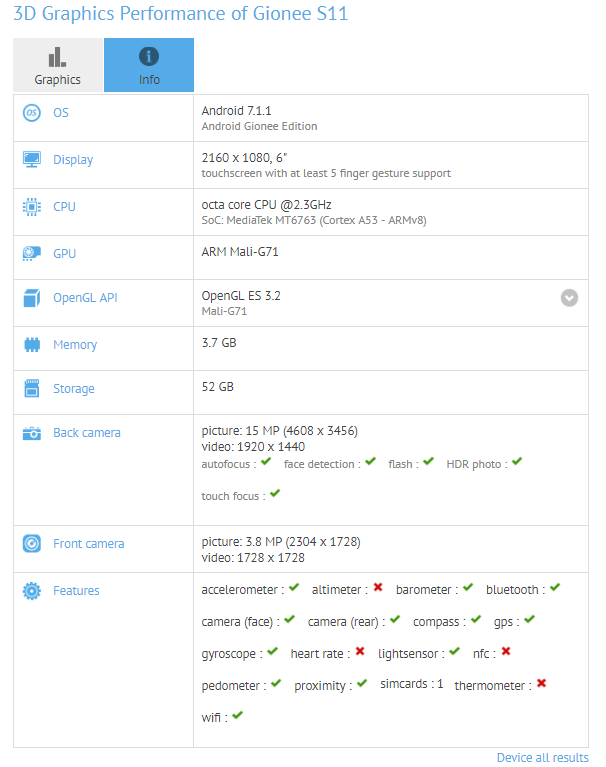
The GFXBench listing has revealed that the smartphone features a 6-inch display that carries support for FHD+ resolution of 2,160 x 1,080 pixels. The Chinese firm has recently launched Gionee M7 smartphone that houses a 6.01-inch FHD+ AMOLED display which offers an aspect ratio of 18:9.
It is likely that the Gionee S11 may feature the same 18:9 FullView Display that is available on the Gionee S10 smartphone. Since the smartphone is likely to arrive with a FullView Display, there is a possibility that it would be coming with a rear-mounted fingerprint scanner.
The MediaTek MT6763 chipset that clocks at 2.3 GHz is present under the hood of the device which features an ARM Mali-G71 graphics. The chipset of the Gionee S11 will be accompanied by 4 GB of RAM and it will be coming with an internal storage of 64 GB. The S11 will arrive loaded with Android 7.1.1 Nougat that would be customized with Amigo proprietary skin from the company.
The benchmarking site has further revealed that the Gionee S11 would be coming with a 16-megapixel rear camera and a frontal camera of 5-megapixel. There is no confirmation on whether the smartphone would be featuring dual rear and front cameras. There is no information on the battery of the device. However, the smartphone may arrive with a battery of 3,500mAh capacity.
After the recently launched Gionee M7 and Steel 2 Plus smartphones, Gionee S11 could be the third smartphone from the company to arrive with FullView Display. The Gionee M7 is powered by Helio P30 processor and 6 GB of RAM. It includes a 16-megapixel + 8-megapixel dual rear camera system and an 8-megapixel selfie camera. It is packed with a 4,000mh battery. The handset is priced at 2,799 (~$425).
The Gionee Steel 2 Plus features an 18:9 FullView Display of 6 inches. It features MediaTek MT6737 chipset, 3 GB of RAM and Snapdragon 435. It has a rear camera of 13-megapixel and a front-facing shooter of 8-megapixel. It is packed with a huge 5,000mAh battery. It carriers a pricing of 1,999 Yuan (~$305).
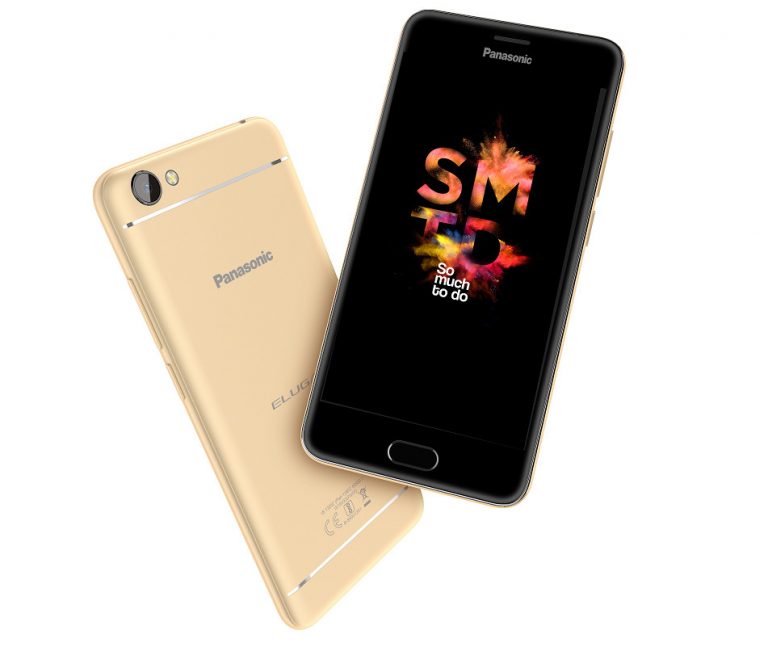
The newly announced Eluga 14 adds to the list of Eluga devices released by Panasonic in recent weeks. It is hard understanding why the Panasonic Eluga 14 exists, as its specs positions it as a lite version of the Eluga Ray 500 but with an unjustifiable price.
The Eluga 14 has the same 5.0” HD display with 2.5D glass as well as the MT6737 SoC of the Eluga Ray 500. It however comes with 2GB of RAM and 16GB of storage.
Another area where it is downgraded is the camera department. Unlike the Eluga Ray 500 that has dual rear cameras, the Eluga 14 has a single 8MP camera with quad LED flash. Front camera remains 5MP.
The Eluga 14 has dual SIM support, VoLTE, and a MicroSD card slot (128GB max.). It also has a front-mounted fingerprint scanner. Battery capacity has been reduced to 3000mAh but it still comes with Android 7.0 out of the box.
So how much does the Panasonic Eluga 14 cost? INR 8290 (~$127)! Now you have to ask yourself if it makes sense purchasing it when the Eluga Ray 500 which has 3GB of RAM, 32GB of storage, dual rear cameras, and a larger 4000mAh battery costs INR 709 (~$11) more (INR 8990 (~$138).
Today, HMD Global released its Nokia 8 Flagship in India. While there is no difference between this and the version released in London, India will get it for a lesser price.
The Nokia 8 is a flagship in all areas. It has a 5.3-inch display with a 2K resolution and is powered by the Snapdragon 835. There is 4GB of RAM on board and 64GB of expandable storage.
Just like most flagships released this year, the Nokia 8 has dual rear cameras with a few software tricks of its own. The dual 13MP cameras have Carl Zeiss lens just like the Nokia high-end phones of old. There is OIS, laser and phase detection autofocus and a dual LED flash. Although the sensors are in the RGB + Monochrome configuration, there is a live bokeh mode that allows you to adjust the bokeh strength for portrait mode images.
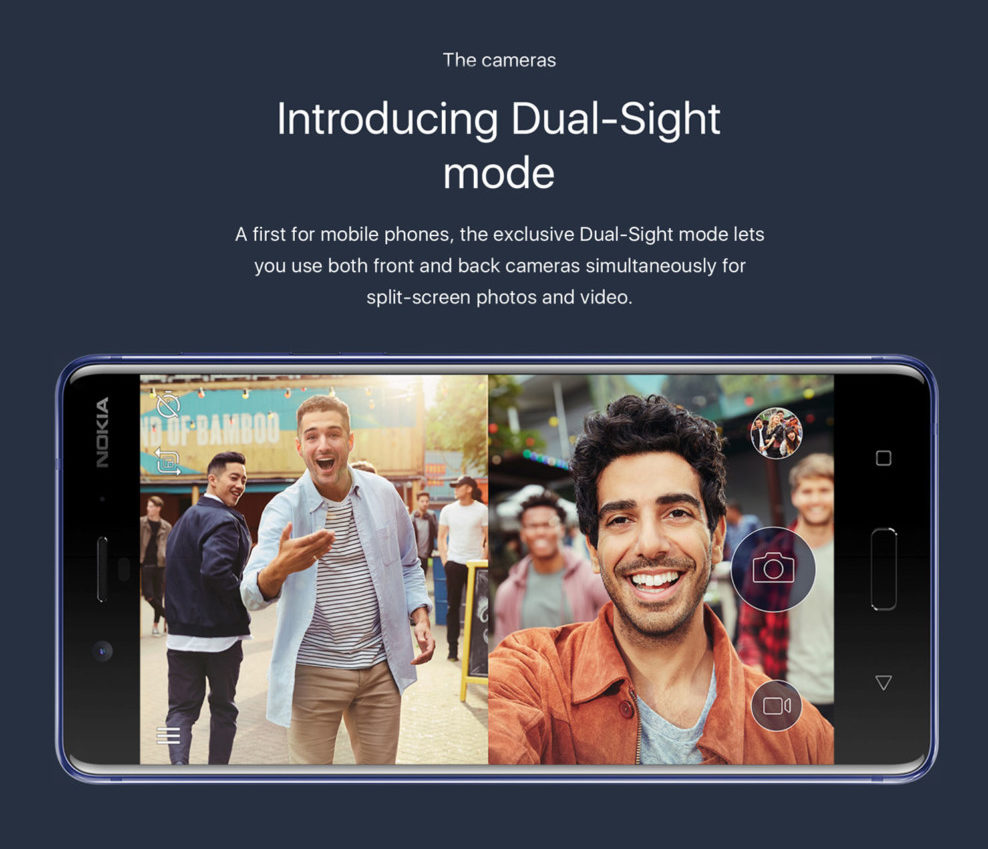
The selfie camera is also the same 13MP f/2.0 Carl Zeiss lens as the color sensor on the back. One software trick HMD has added to the Nokia 8 is something called Dual-Sight mode. It allows you to take pictures and record video simultaneously with both the rear and front facing cameras in a split-screen fashion. This is especially good for those who are at outdoor events like a parade, a concert or a sports game.
The bothie mode can also be used for live streaming on Facebook and YouTube – so while you are covering that concert, your friends can also see you having the time of your life. There is also Nokia Ozo spatial 360° audio for surround sound when recording and during playback.
The Nokia 8 packs a 3090mAh battery, an IP57 certification which means its splash proof, has dual SIM support, a front-mounted fingerprint scanner and a 3.5mm audio jack. It runs Pure Android 7.1.1 Nougat out of the box and will get upgraded to Android 8.0 Oreo.
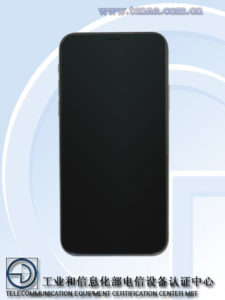
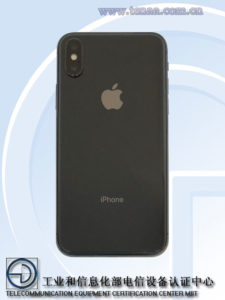
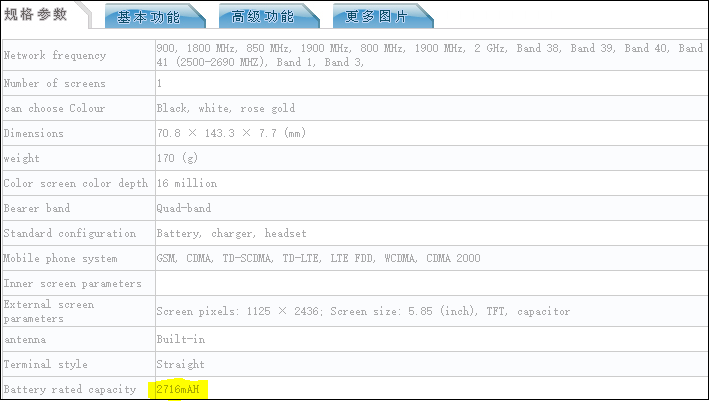
Apple‘s latest full-screen flagship – iPhone X was officially announced a few weeks back but as usual, some of the specifications of the device like the battery capacity are still unknown. The iPhone 8 and 8 Plus suffered the same fate until their battery capacities and RAM sizes were revealed on their TENAA filings. The iPhone X has now appeared on TENAA, revealing the battery size and a couple of other specs.
The TENAA listing shows the iPhone X’s battery has a slightly larger 2,716mAH capacity than that of the iPhone 8 Plus which packs a 2,675mAh battery. It also dwarfs the iPhone 8’s battery with a capacity of 1,821mAh. No worries, though, this is Apple’s iPhone and with the latest, power-efficient A11 processor and OS the iPhone X sport, the battery size won’t pose a challenge.
Apart from the battery size, the TENAA listing also shows the iPhone X with model number A1865 packs a 5.85-inch TFT display with a resolution of 1125 x 2436 pixels. The iPhone X will be available in white, black and Rose Gold colours in China. In addition, there is 3GB of RAM, and three storage variants of 64GB, 128GB and 256GB. The iPhone X packs a dual rear camera setup with the main sensor being a 12MP sensor while at the front there is an 8MP sensor. No word yet on when it would be launched in China.
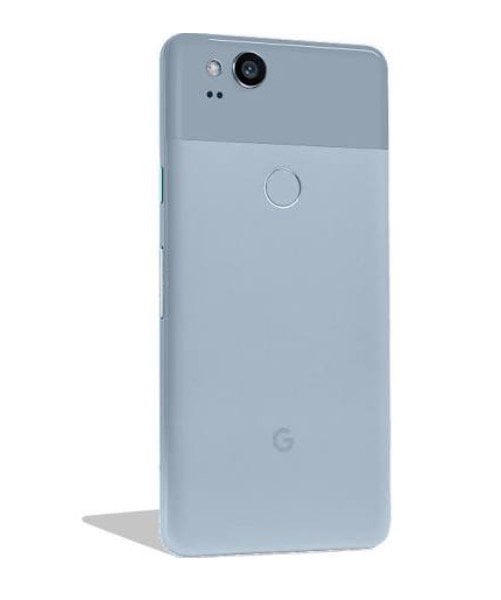
The Pixel 2 and Pixel 2 XL will be officially launched next week, October 4. and everyone is eager to see what Google comes up with for its second generation Pixel phones. Fresh details of the HTC-made Pixel 2 has surfaced on the internet which are quite interesting.
The new info about the Google Pixel are more software-related this time, with a little bit of hardware details. Posted on Twitter by @ArtemR, founder of AndroidPolice, the info is said to be from someone who got his hands on a Verizon unit.
The Pixel 2 (and definitely Pixel 2 XL) will come with a redesigned Pixel launcher. The major change being that the search bar is now at the bottom of the screen, sitting just above the navigation buttons. The Google homepage has also been redesigned.
There is also an always-on music recognition feature that displays info of the artist and song playing on your lockscreen. Music lovers will sure appreciate this new addition.
The Pixel 2 will still not join the dual camera train this year but the camera app will come with a portrait mode. This should be different from the lens blur mode already present in the Google camera app.
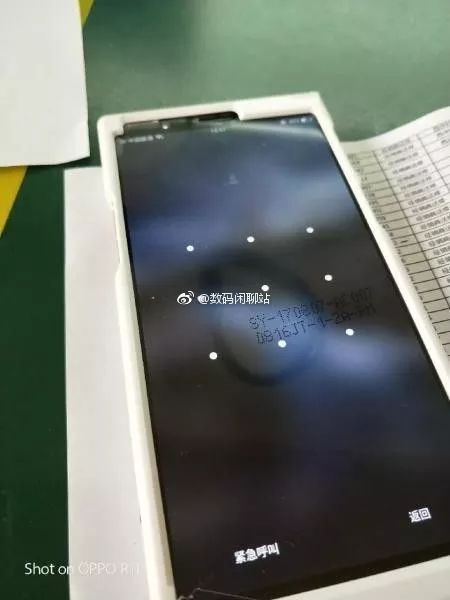
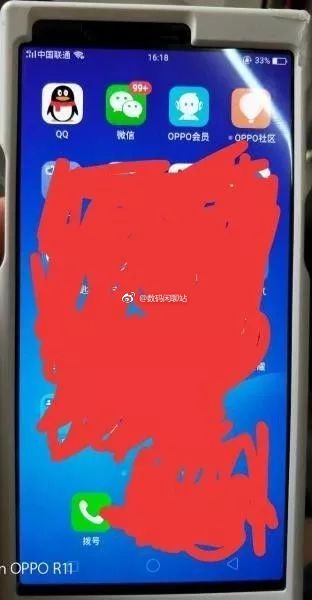
OPPO‘s full-screen phone was spotted in a leaked image recently but little is still known about the device. More details have now emerged about the upcoming OPPO smartphone and it includes a couple of new photos purported to be of the device.
The OPPO full-screen phone which appeared on Weibo is labelled as OPPO R11s which is quite different from the OPPO Mix which was spotted on GeekBench some time back. As for the design, it is difficult to grab much about the details because of the presence of a casing which covers the area where the bezels are supposed to be located.
However, the display which is powered on shows that the device will likely have very thin bezels on the chin and also at the lower edge. The upper edge will also have a not so big border where the front camera and earpiece would be located.
Geekbench tells us the device will come with flagship specs, including a Qualcomm Snapdragon 835 processor. The device is also listed to run Android 7.1.1 Nougat and pack 6GB of RAM. We still don’t know when it would be launched but there are speculations that OPPO’s full-screen flagship model will be going official in November and would feature a Samsung AMOLED screen. Whether it is eventually named OPPO Mix or OPPO R11s, it still leaves the question as to what happened to the much-anticipated OPPO Find Series smartphone unanswered.
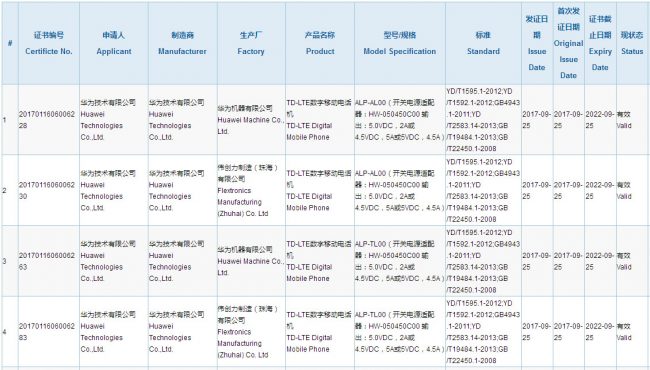
Earlier in this month, two Huawei branded smartphones with model numbers ALP-AL00 and ALP-TL00 had been certified by China Compulsory Certificate (CCC) in China. The certification of these phones did not reveal any information on their specifications. However, the CCC approval indicates that these Huawei phones will release soon in China.
The only thing that has been surfaced through CCC certification of the aforementioned phones is that they will be arriving with HW-05040C00 charger which is the same charger that is available with Huawei Mate 9 from last year. The charger carries support for 5.0V/2A, 4.5V/2A and 5V/4.5A.
Since the Huawei Mate 10 series phones are officially confirmed to debut on Oct. 16, it seems that the ALP-AL00 and ALP-TL00 phones could be some variants of the Mate 10. Since the Mate 10 is reportedly codenamed as ALPS, the presence of “ALP” in the model numbers of the mysterious Huawei phones indicate these could be Mate 10 models.
The rumor mill has been consistently revealing leaked information on the Mate 10 and Mate 10 Pro flagship phones. The design of the Mate 10 duo was revealed earlier today through the several screenshots of the leaked promo of these phones.
The Mate 10 is expected to arrive with a front-facing fingerprint reader and 5.9-inch 16:9 curved edge display whereas the Mate 10 Pro is expected to arrive with a 6-inch 18:9 full screen display and a rear-mounted fingerprint scanner. The Mate 10 is expected to support full HD resolution whereas the Mate 10 Pro is rumored to support QHD+ resolution of 2,880 x 1,440 pixels.
Leaked information suggest that these phones will feature a pair of Leica branded f/1.6 aperture lens on their rear panel. The Kirin 970 chipset with AI capabilities will be powering the Mate 10 and Mate 10 Pro. These smartphones are speculated to arrive preloaded with Android 8.0 Oreo and are rumored to include a 4,000mAh battery. The Mate 10 duo are also pegged to come with IP67 certified chassis.
Huawei has recently launched the Maimang 6 smartphone with dual rear and front cameras. Speculations are rife that this smartphone could be introduced as Huawei Mate 10 Lite for the global markets.
Samsung is rumored to be working on the 2018 edition of Galaxy A series of smartphones. An industry insider from China has revealed the general design of the 2018 Galaxy A3, Galaxy A5 and Galaxy A7 phones.
The 2017 edition of Galaxy A3, A5 and A7 feature the same metal unibody design. However, these smartphones come in different sizes and varied specifications. The upcoming Galaxy A (2018) phones are also expected to sport the same design.
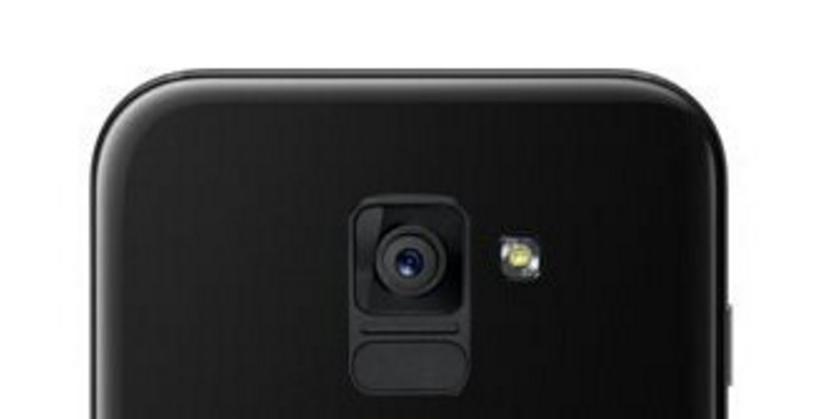
The above image reveals that the Galaxy A (2018) smartphones will be arriving with a single rear camera with fingerprint reader will be placed right under it. The fingerprint scanner appears to be small which suggests that it could be a repurposed Home button.
Like the predecessor phones, the Galaxy A (2018) handsets are expected to arrive with metal unibody chassis flanked with rounded corners and curved edges. Some rumors hint that Samsung may use curved glass panel on the backside of the Galaxy A (2018) phones.
The above image resembles with the following renders of the cases of Galaxy A5 and A7. These images suggest that the rumored Bixby button is placed on the left side of the A5 and A7.
From the past year, the Galaxy A series smartphones have been adopting some of the best features from Galaxy S flagship phones. The 2017 Galaxy A smartphones came with borrow Galaxy S7’s features like Always on Display and water-resistant chassis. It seems that the upcoming Galaxy A phones will adopt the Infinity Display design from the Galaxy S8 duo. In the previous month, the same leakster had revealed the design of the front and rear sides of the 2018 Galaxy A phones.
The alleged Galaxy A7 (2018) was recently spotted on GFXBench. It revealed that the smartphone would be featuring a 5.7-inch FHD display, 4 GB of RAM, Exynos 7885 or 9610 chipset, 16-megapixel rear camera and 16-megapixel front-facing camera. On the other side, the appearance of the alleged Galaxy A5 (2018) on Geekbench has revealed that it is driven by Exynos 7885 chipset and 4 GB of RAM. Both the smartphones are expected to arrive with Android Nougat OS preinstalled. As of this writing, there is no information available on the leaked specs of the 2018 Galaxy A3 smartphone.
We use cookies on our website to give you the most relevant experience by remembering your preferences and repeat visits. By clicking “Accept”, you consent to the use of ALL the cookies.
This website uses cookies to improve your experience while you navigate through the website. Out of these, the cookies that are categorized as necessary are stored on your browser as they are essential for the working of basic functionalities of the website. We also use third-party cookies that help us analyze and understand how you use this website. These cookies will be stored in your browser only with your consent. You also have the option to opt-out of these cookies. But opting out of some of these cookies may affect your browsing experience.
Necessary cookies are absolutely essential for the website to function properly. This category only includes cookies that ensures basic functionalities and security features of the website. These cookies do not store any personal information.
Any cookies that may not be particularly necessary for the website to function and is used specifically to collect user personal data via analytics, ads, other embedded contents are termed as non-necessary cookies. It is mandatory to procure user consent prior to running these cookies on your website.