Advertisement

Huawei Launches The Huawei P10 and P10 Plus: 8 Different Colors, EMUI 5.1, 4.5G LTE, Superfast Charge, and Waterproofing

Today is turning out to be very exciting. Fresh on the heels of the LG G6 launch is Huawei’s announcement of the Huawei P10 and P10 Plus, two greatly anticipated devices from the largest manufacturer in China.

The Huawei P10 and P10 Plus are the flagships for 2017 from the Chinese manufacturer and they will be taking over from the P9 and P9 Plus from last year.

Looking at the Huawei P10 and P10 Plus and it is obvious Huawei has borrowed the best features from top manufacturers. From the underglass fingerprint scanner similar to that of the Xiaomi Mi 5s to the attractive colors that pay homage to the Google Pixel, and the superfast charging technology that has a nearly identical tag to OnePlus 3′ “a day’s power in half an hour” Dash Charge technology.Huawei P10
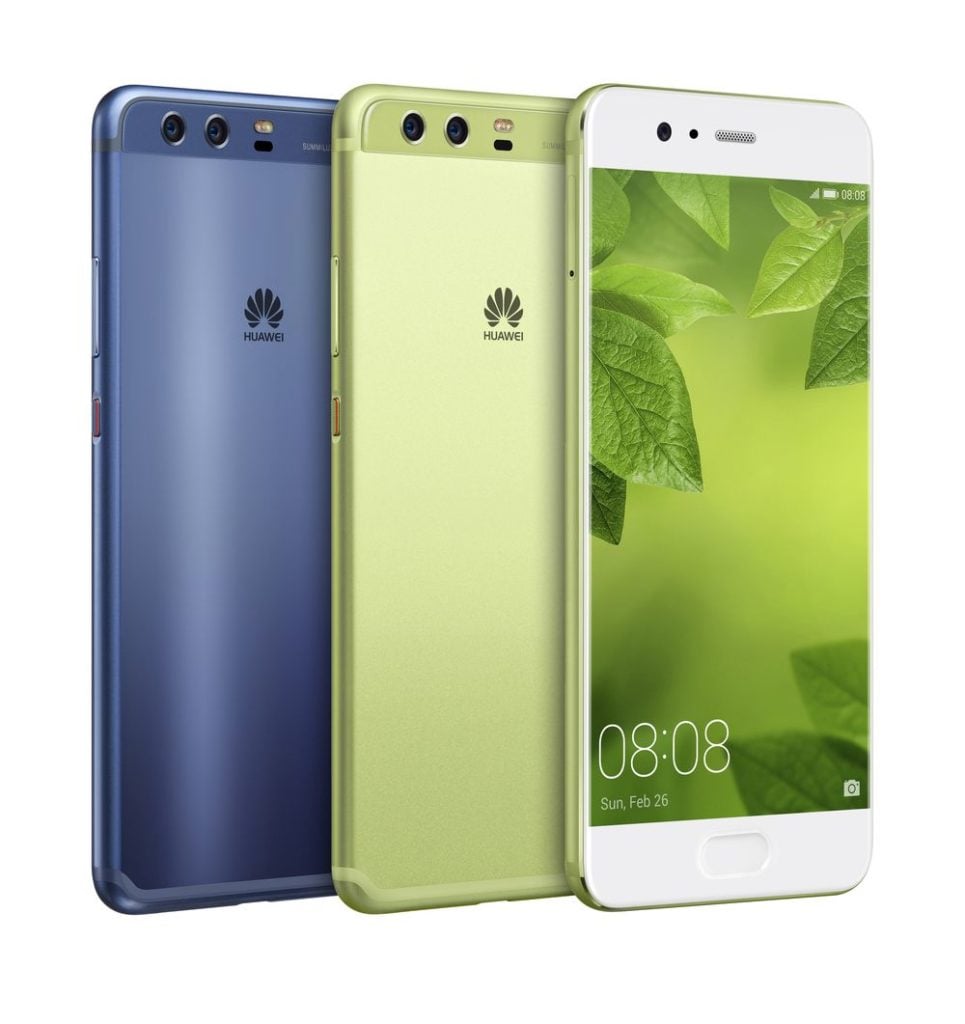
That isn’t to say the Huawei P10 and P10 Plus bring nothing new to the table. They have partnered with Leica again on the cameras and have even extended it to the camera in front. They have also thrown in water-resistance which would have been a major deal breaker if it were missing.

Huawei P10

The Huawei P10 packs a 5.1-inch 1080p display (sadly no Daydream support) with Gorilla Glass 5, 4GB of RAM, and 64GB of built-in storage. There is an octa-core Kirin 960 processor and a Mali G71 MP8 GPU. It has dual SIM support with one slot doubling as a microSD card slot that takes up to 256GB cards.

Huawei continues its partnership with Germany’s Leica and they are calling it Leica Dual Camera 2.0. The rear cameras are a combination of a 12MP sensor that shoots in color and a 20MP monochrome sensor. Both have f/2.2 apertures and there is laser focus, optical image stabilization, PDAF and dual LED flash. The Leica treatment has been extended to the 8MP f/2.2 front camera too.

The Huawei P10 is equipped with a 3200mAh battery with Huawei’s SuperCharge which provides a day’s usage just by charging for 30 minutes.

Huawei has ditched the rear-mounted fingerprint scanner for a front facing one embedded under the front glass just like in Xiaomi’s Mi 5s. Swiping on it will bring up recent apps, holding it down will take you home, and tapping it will take you back.
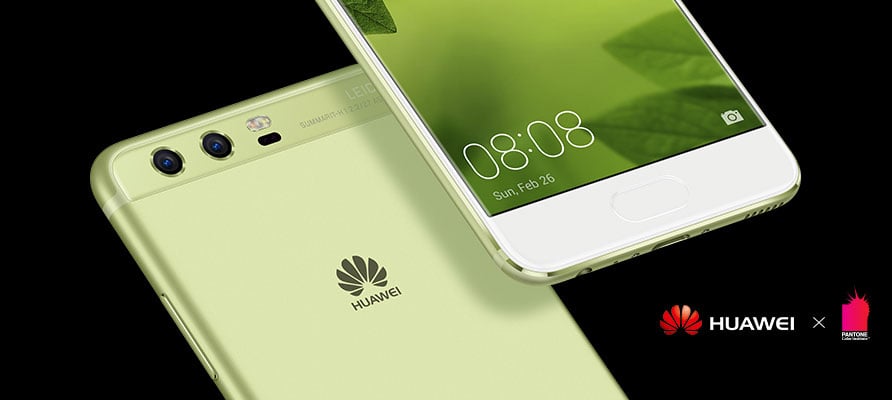
Huawei P10 green

Huawei P10 Plus

The bigger sibling is the Huawei P10 Plus and it shows it in a lot of ways. First the screen is bigger at 5.5-inches and the resolution has been bumped up to Quad HD (2560 x 1440). The P10 Plus  also gets 6GB of RAM and 128GB of storage, though there is a 4GB/64GB variant as well. The camera sensors and the processor are the same but its Leica cameras are called Lecia Dual Camera 2.0 Pro. I guess the Pro comes into play in the f/1.9 aperture and autofocus feature of the front camera.

The phone sports a larger 3750mAh battery and this means it also weighs more at 165g compared to the 145g weight of the P10. Huawei says the “P10 Plus is the world’s first 4.5G LTE smartphone with the potential to reach up to 600Mbps on CAT12”. The P10 Plus is also water resistant.
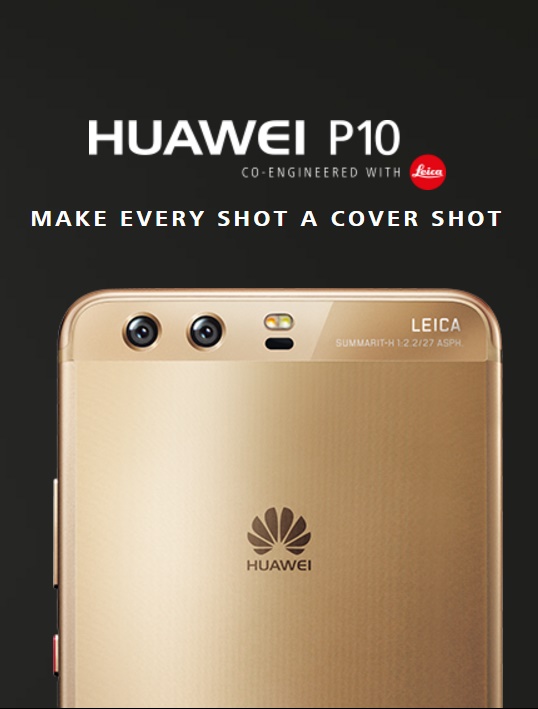
Huawei P10 4

Extra Features

The Huawei P10 and P10 Plus will come with EMUI 5.1 based on Android 7.1 Nougat. The new UI has a special feature that lets the theme on the phone blend with the color of your phone. EMUI 5.1 will be available to some other phones such as the Mate 9, Mate 9 Pro/Porsche Design and Huawei Nova to name a few.

Both devices feature NFC, USB Type-C and have global connectivity support.

The Huawei P10 and P10 Plus are available in eight different colors. You can choose any color from Dazzling Blue, Graphite Black, Dazzling Gold, Rose Gold, Greenery, White Ceramic, Mystic Silver, or Prestige Gold.

Huawei P10 and P10 Plus Price

The Huawei P10 will sell for 699 Euros (~$738) while the P10 Plus will be priced at 799 Euros (~$844).

[embedyt] http://www.youtube.com/watch?v=oCRBssIbBG0[/embedyt]
LG G6 vs. Xiaomi Mi Mix: Display, Specs & Price Compared

The LG G6 has been officially announced to replace the lackluster LG G5 from 2016. One of its major attractive features is its large-sized display that is different from the screens available on conventional smartphones. Here is a comparison between the LG G6 and the Xiaomi Mi Mix that is praised for its high screen-to-body ratio.

LG G6 vs. Xiaomi Mi Mix: Design and Display

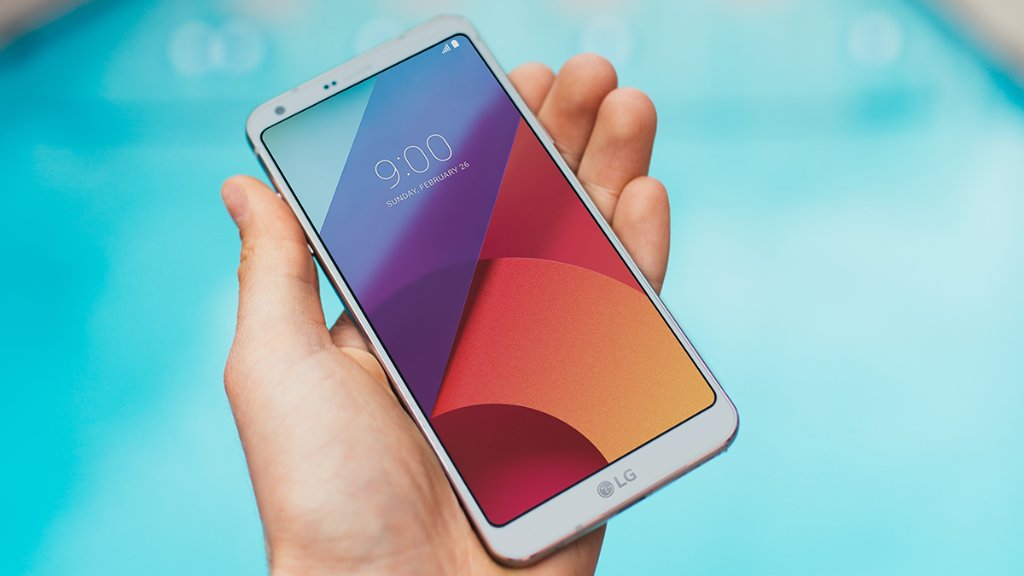
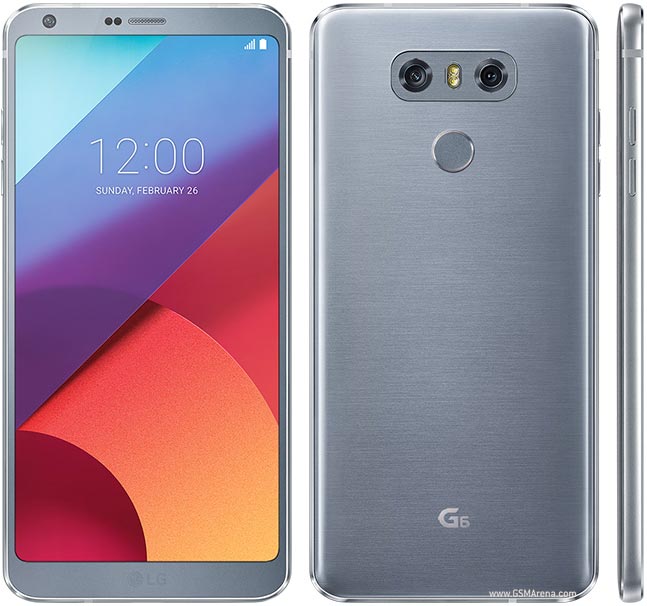
The LG G6 has an appealing glass body flanked with a metallic frame. The front side features Gorilla Glass 3 on top of the display whereas its rear has a Gorilla Glass 5. It measures 148.9 x 71.9 x 7.9 mm and its weight is 163 grams. It is the first LG G series smartphone to come with an IP68 certified water and dust resistant chassis. It comes in color options like Mystic White, Astro Black, and Ice Platinum.

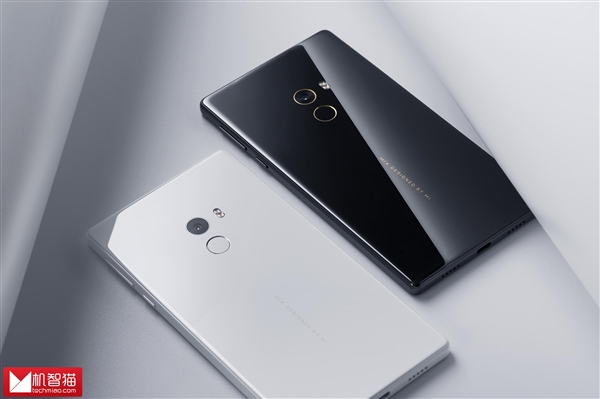
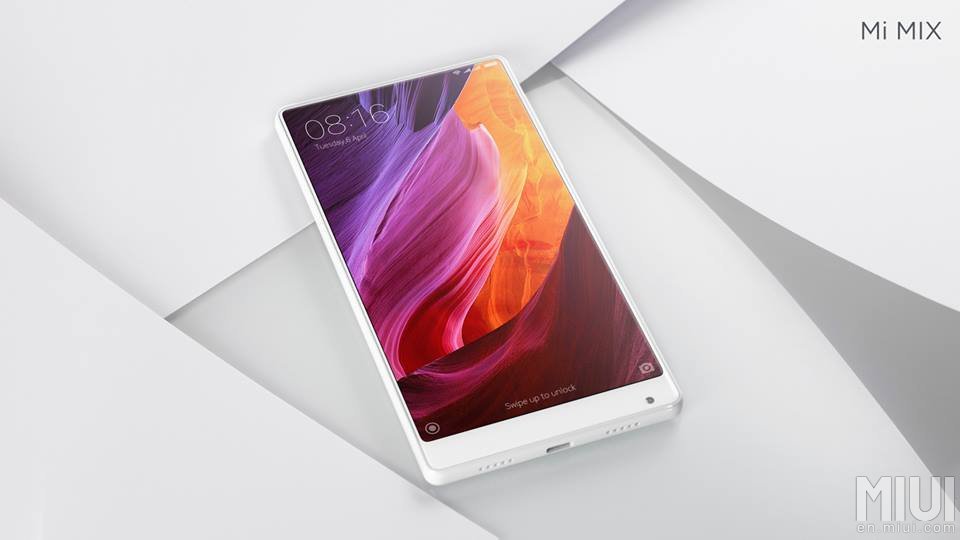
The Xiaomi Mi Mix is a concept phone with a premium appeal as its rear panel is made up of ceramic. Also, other parts of the body chassis such as the frame and buttons for volume controllers and power are made of ceramic. It is taller and wider than the LG G6 as it measures 158 x 81.9 mm. However, its thickness is same as that to LG G6. It is heavier as its weight is 209 grams. Mi Mix comes in colors like black and white.

LG G6

The LG G6 has a 5.7-inch IPS LCD screen that is officially known as FullVision. It produces a resolution of 2,880 x 1,440 pixels along with a pixel density of 565 ppi. It produces an aspect ratio 18:9 which means LG G6’s display is taller as well as narrower than conventional 16:9 screens. The super-slim bezels on the LG G6 makes it possible to produce a screen-to-body ratio of 78.37 percent.

The Xiaomi Mi Mix is an unconventional smartphone with a huge IPS LCD display of 6.4 inches that supports a resolution of 1,080 x 2,040 pixels and a pixel count of 362 ppi. It offers an uncommon aspect ratio of 17:9. Xiaomi has not confirmed on the glass protection that it has used for the display of Mi Mix. Even though Xiaomi has been advertising that the Mi Mix is a bezel-less smartphone with a screen-to-body ratio of 91.3 percent, GSM Arena’s review has stated its actual screen-to-body ratio is 84.72 percent which is still higher than that of LG G6.

mi mix

Related: Xiaomi CEO Announces Mi MIX II Details: Gunning for A Higher Screen-to-Body Ratio

LG G6 vs. Xiaomi Mi Mix: Hardware, Camera and Battery

Both smartphones are fueled by Snapdragon 821 chipset. The 32 GB and 64 GB native storage options of LG G6 feature 4 GB of RAM. Its single model has a dedicated microSD card slot. On its dual-SIM version, users can add a microSD card on its second SIM slot. On the other side, the Mi Mix with 128 GB native storage has 4 GB of RAM. Its 256 GB storage model has 6 GB of RAM. It does not feature a microSD card slot.

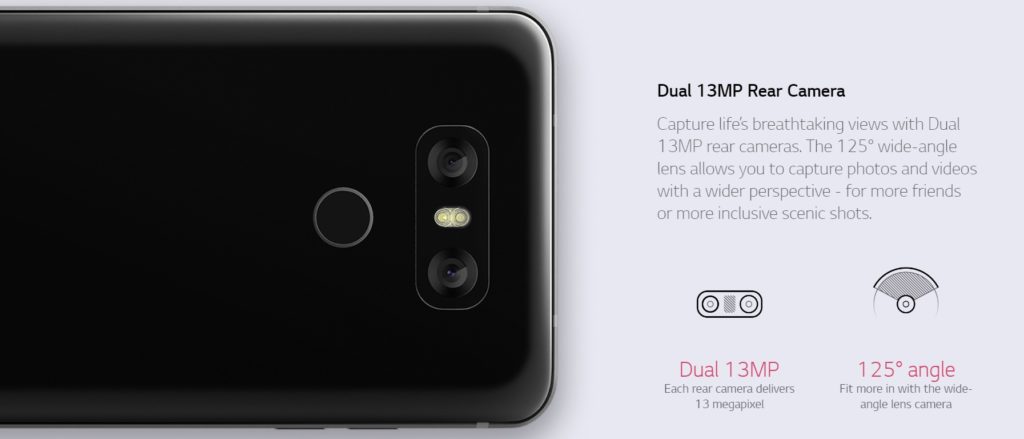
The LG G6 has a dual camera setup on its rear panel that comprises of a pair of 13-megapixel snapper. One of them is a wide-angel shooter whereas the other one comes with features like OIS and autofocus. It is coupled with a dual LED flash. Its selfie shooter is of 5-megapixel.

LG G6 Color Variants

The Xiaomi Mi Mix has a dual-LED enabled 16-megapixel rear camera that comes with features like EIS and phase detection autofocus. It also features a 5-megapixel selfie snapper.

Both smartphones feature fingerprint scanner and USB Type-C port. The LG G6 lacks NFC, but the Xiaomi Mi Mix features it. For crisper audio, the LG G6 features Quad DAC, a feature that is unavailable on Mi Mix.

The LG phone has a 3,300 mAh battery and the Mi Mix is packed with 4,400 mAh battery. Both devices support Quick Charge 3.0 fast charging.

White Xiaomi Mi MIX 5

LG G6 vs. Xiaomi Mi Mix: Software and Price

The LG G6 runs on Android 7.0 Nougat OS customized with LG UX 6.0 UI. The Mi Mix comes loaded with MIUI 8 flavored Android 6.0 Marshmallow OS.

The South Korean company did not announce LG G6 pricing at its launch event. However, it is expected to cost around $649-$699. The 4 GB RAM model of Mi Mix is priced at 3,499 Yuan ($509) and its 6 GB RAM variant costs 3,999 Yuan ($581).

LG G6 is Now Official: FullVision Display, Dolby Vision & 3300mAh Battery

After weeks of leaks and teases, LG finally launches its LG G6 flagship. We basically know all there is about the LG G6 but the launch has revealed some new features.

LG G6 Design

With the LG G6, LG has taken a different approach to the design of the phone. The phone features a combination of metal and glass but the real change is in the size.  The LG G6 features a large 5.7-inch display but has been designed to fit in one hand. The phone also features more curves than its predecessors as the display itself is also curved at the edges. LG says the new design doesn’t come at the expense of durability. The phone has a metal frame that runs around it to absorb shocks from falls. They have also taken great care in making sure it is safe.

LG G6

LG G6 Specifications

The LG G6 has a 5.7-inch 18:9 QHD+ FullVision display with an 80% screen-to-body ratio. The phone supports HDR 10 and is the first smartphone in the world to have Dolby Vision. It is no news that the G6 has a Snapdragon 821 processor but the chip has been optimized specifically for the phone. There is 4GB of RAM and either 32GB or 64GB of storage depending on the market. Storage is expandable via a microSD card slot.

In the optics department, the G6 sports dual rear cameras: a 13MP f/2.4 125° wide-angle sensor and another 13MP f/1.8 71° camera with OIS. Up front is a 5MP f/2.2 100° wide angle camera for groupies and selfies. The camera comes with a number of cool features such as match shot, grid shot, guide shot, and 360° panorama. There is also a fingerprint scanner just below the rear cameras.

LG G6 3 LG G6 4

The LG G6 is powered by a 3300mAh non-removable battery with support for Quick Charge 3.0. It also supports wireless charging but it is limited to the US edition. The US variant might be getting wireless charging but it will not be getting the Hi-Fi Quad DAC feature. Lest we forget, the G6 is also IP68 certified meaning you can take it for a swim or rinse it under the tap.

The LG G6 comes will come with Android 7.1.1 Nougat out of the box. It is also the first phone apart from the Google Pixels to have Google Assistant.

READ MORE: LG X Power 2 with Large Battery, Android 7.0 Nougat Announced

LG G6 Price and Release Date

Surprisingly, LG did not reveal the price of the LG G6 or when it will hit markets. Once we get our hands on that, we sure will let you know. However it will be available in mystic black, astro white and ice platinum as revealed by Evan Blass yesterday.

[embedyt] http://www.youtube.com/watch?v=6vMLTdgRB8Y[/embedyt]
Rumor: Sony Xperia XZ Premium will Have a 4K Screen and Snapdragon 835

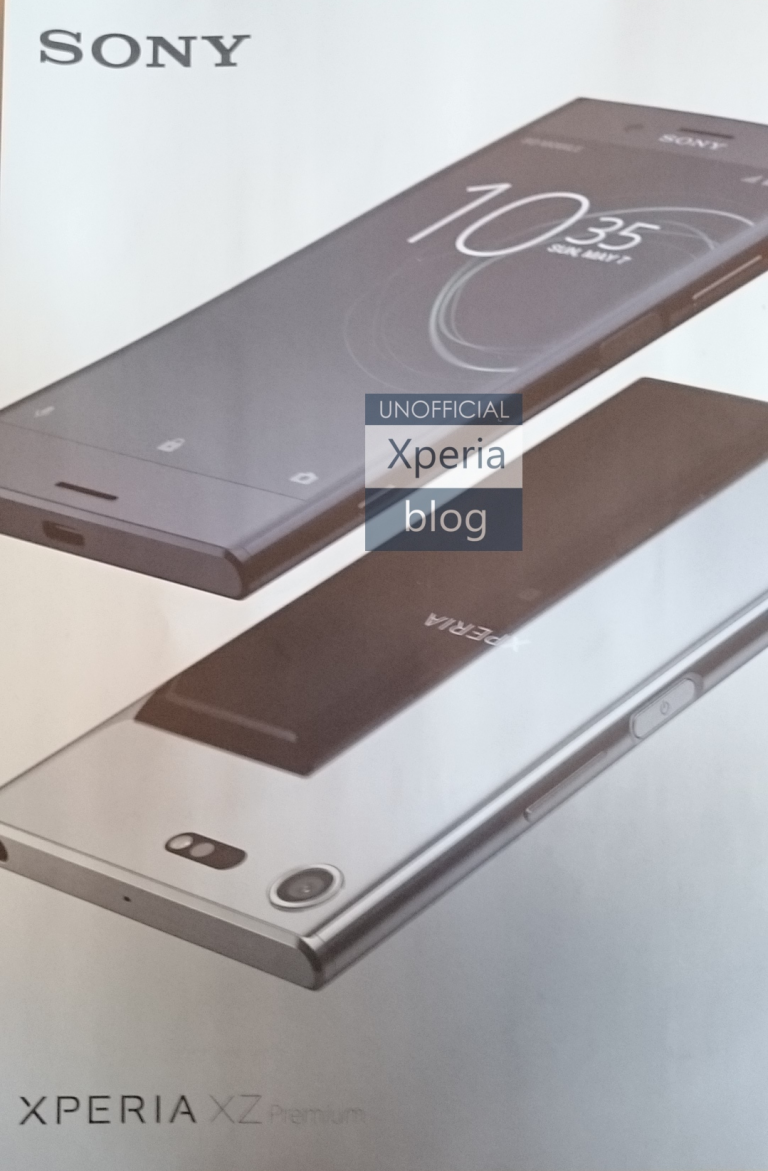
Sony is launching a number of phones at Mobile World Congress but we are most concerned about its flagship for the year. A report from XperiaBlog has revealed that Sony’s flagship device, the Xperia XZ Premium will have a 4K display. An image of the device has also been released online.

Xperia XZ Premium

The Xperia XZ Premium shares design similarities to the Xperia XZ released in October last year. The reflective chrome design, large top and bottom bezels and stereo front facing speakers still make a comeback. However, it packs a number of new features such as a 4K HDR display, a Snapdragon 835 processor, and a 20MP 1.22um camera.

READ MORE: Sony Announces World’s First 3-Layer Smartphone Camera Sensor

OPPO 5X Camera Technology is A Set of Dual Cameras with 5x Lossless Zoom

OPPO has announced it will be making an appearance at MWC. The announcement included a teaser for a phone with 5x optical zoom and nothing more. However, an OPPO advert seen on Baidu has revealed more details.

Oppo MWC 2017

A loose translation of the advert mentions dual cameras with 5x lossless zoom. The iPhone 7 Plus which also sports dual cameras has 2x lossless zoom, a feat that isn’t easy to achieve. OPPO’s ad is saying this upcoming phone of theirs has dual cameras with 5x optical zoom making people wonder how they achieved it.

OPPO MWC 2017

Since OPPO is keeping things secret about this new device, we have no choice than to wait till the launch takes place to find out how they achieved it.

READ MORE: OPPO Find 9 to Launch in Snapdragon 835 and 653 Variants

BlackBerry Mercury Officially Launched as BlackBerry KEYone

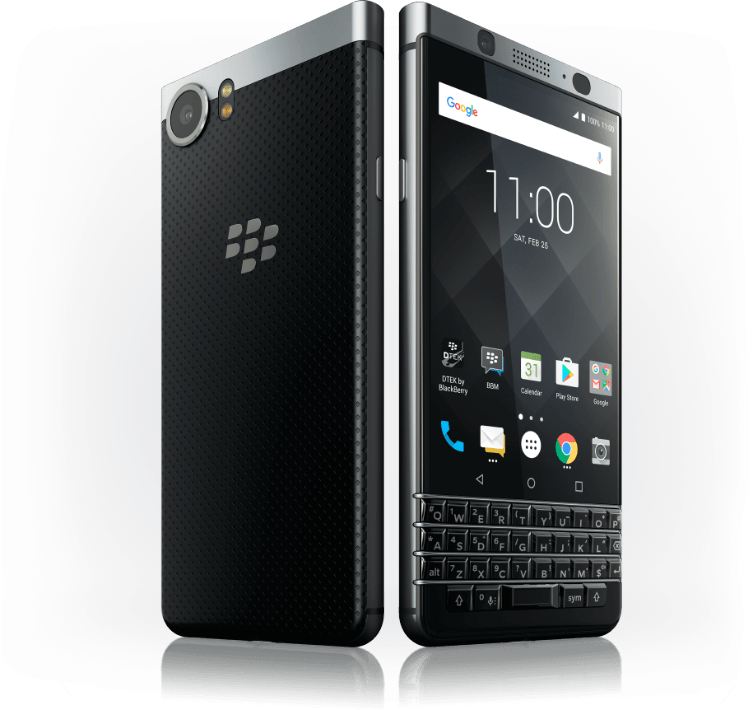
Mobile World Congress has begun and the first major launch comes from BlackBerry. Their first phone for the year is the BlackBerry KEYone, which was formerly known as Mercury. It’s not surprising the inspiration for the name comes from the phone’s physical keyboard.

BlackBerry KEYone

The BlackBerry KEYone sports a 4.5-inch 1620 x 1080 IPS display that sits above a QWERTY keyboard. There is a Snapdragon 625 processor under the hood and a 3505mAh battery with QC 3.0 support for juice. The device comes with 3GB of RAM and 32GB of storage, though there is a microSD card slot that accepts up to 2TB cards.

Like previously reported, the BlackBerry KEYone does feature the same 12MP Sony IMX378 1.55μm sensor found in the Google Pixel. The front facing camera is an 8MP shooter with an 84° field of view that records 1080p videos at 30fps. The KEYOne has NFC and features a USB Type-C 3.1 port.

READ MORE: BlackBerry and India’s Optiemus Signs Licensing Agreement

BlackBerry’s target market for the KEYone are business professionals. It is evident in the design of the phone which pays homage to the BlackBerry Passport and BlackBerry Classic. It also comes with BlackBerry’s security software and a bunch of BlackBerry apps.

The BlackBerry KEYone comes with Android 7.1 Nougat out of the box and will go on sale in early April for $549.

Schedule of Top Events at MWC 2017

Mark your calendars, set your reminders, and do what else needs to be done so you don’t miss any of the action. It’s the MWC week and things are about to get really exciting. Quite a number of us can’t make it to Barcelona but that doesn’t mean we can’t follow the event in real-time. So we have made a schedule of the major launch events, so you don’t  miss anything.

The event officially opens on Monday, 27th of February and will run through to Thursday, 2nd of March but quite a number of launches are slated to occur today and tomorrow. So you should not be surprised that the schedule begins today.

Mobile-World-Congress-2017-date-MWC-date

Day 1: Saturday, February 25

  1. TCL (BlackBerry): BlackBerry has shut down its hardware manufacturing phones. But there will still be new phones released by the company. What it has done is to license the name to a number of manufacturers such as China’s TCL and India’s Optiemus Infracom. However, today’s launch is by TCL and they are expected to launch the BlackBerry Mercury.Time: 7:00 PM CET,  11:30 PM IST,  10:00 AM PST, and  1:00 PM EST.

Day 2: Sunday, February 26

  1. LG is expected to launch its latest flagship tomorrow, the LG G6.
    Time is as follows: 12:00 PM CET; 4:30 PM IST; 3:00 AM PST; and 6:00 AM EST.
  2. Huawei’s launch comes after and like they have announced themselves, it is for the Huawei P10. The launch should also include the P10 Plus and P10 Lite.
    Time: 2:00 PM CET; 6:30 PM IST; 5:00 AM PST; and 8:00 AM EST.
  3. HMD Global (Nokia): New Nokia licensee, HMD Global has scheduled its launch for tomorrow as well. We expect the Finnish company to announce the Nokia 3, the Nokia 5 and a new Nokia 3310.
    Time: 4:30 PM CET; 9:00 PM IST; 7:30 AM PST; and 10:30 AM EST.
  4. Motorola/Lenovo: If you are in Barcelona already, you will have to choose which event to attend between Motorola and HMD Global’ events as both are happening at the same time. For those at home, you can just have two windows open and read/watch the event. Lenovo is expected to launch the Moto G5 and Moto G5 Plus. There is no much excitement there as basically all info about both devices have been leaked already.
    Time: 4:30 PM CET; 9:00 PM IST; 7:30 AM PST; and 10:30 AM EST.
  5. Samsung: Closing the day is Samsung with the launch of the Galaxy Tab S3.
    Time: 7:00 PM CET; 11:30 PM IST; 10:00 AM PST; and 1:00PM  EST.
  6. Nubia: ZTE’s sub-brand Nubia is expected to release a new smartphone. There are no known details about the phone and the exact day of launch. So we guess we have to wait till tomorrow to find out what it is.


Day 3: Monday, February 27

  1.  Sony: Sony kicks off the day with the launch of up to five Xperia phones including the Xperia X2.
    Time: 8:30 AM CET; 1:00 PM IST; 11:30 PM PST (26th); and 2:30 AM EST.
  2. TCL (Alcatel): TCL continues its launch with another phone but under the Alcatel brand. The new phone is said to be modular, so you might want to keep a tab on this.
    Time: 9:30 AM CET; 2:00PM IST; 12:30 AM PST; and 3:30 AM EST.
  3. OPPO: Chinese manufacturer OPPO has also confirmed it will be at MWC. The teaser suggests we will see a camera-centric phone with a 5X optical zoom. There is no info on the time.
  4. Vernee: Another Chinese manufacturer attending MWC is Vernee. The devices expected to be announced include the Vernee Thor Plus; Thor E; Apollo 2 which is said to be the first Helio X30 and 8GB smartphone; Apollo X; and Mars Pro. There is also no time info for this launch.


Day 4: Tuesday, February 28

  1. Meizu: Meizu teased a few days ago that it will be present at MWC 2017. The teaser hints at a fast charging technology, so we are not expecting any new phone. Some of their recent launches will however, be on display.
    Time: 10:00 AM CET; 2:30 PM IST; 1:00 AM PST; and 4:00 AM EST.

That’s all for the major events but trust that there will be tons of other exciting stuff at the event and we sure will cover them.


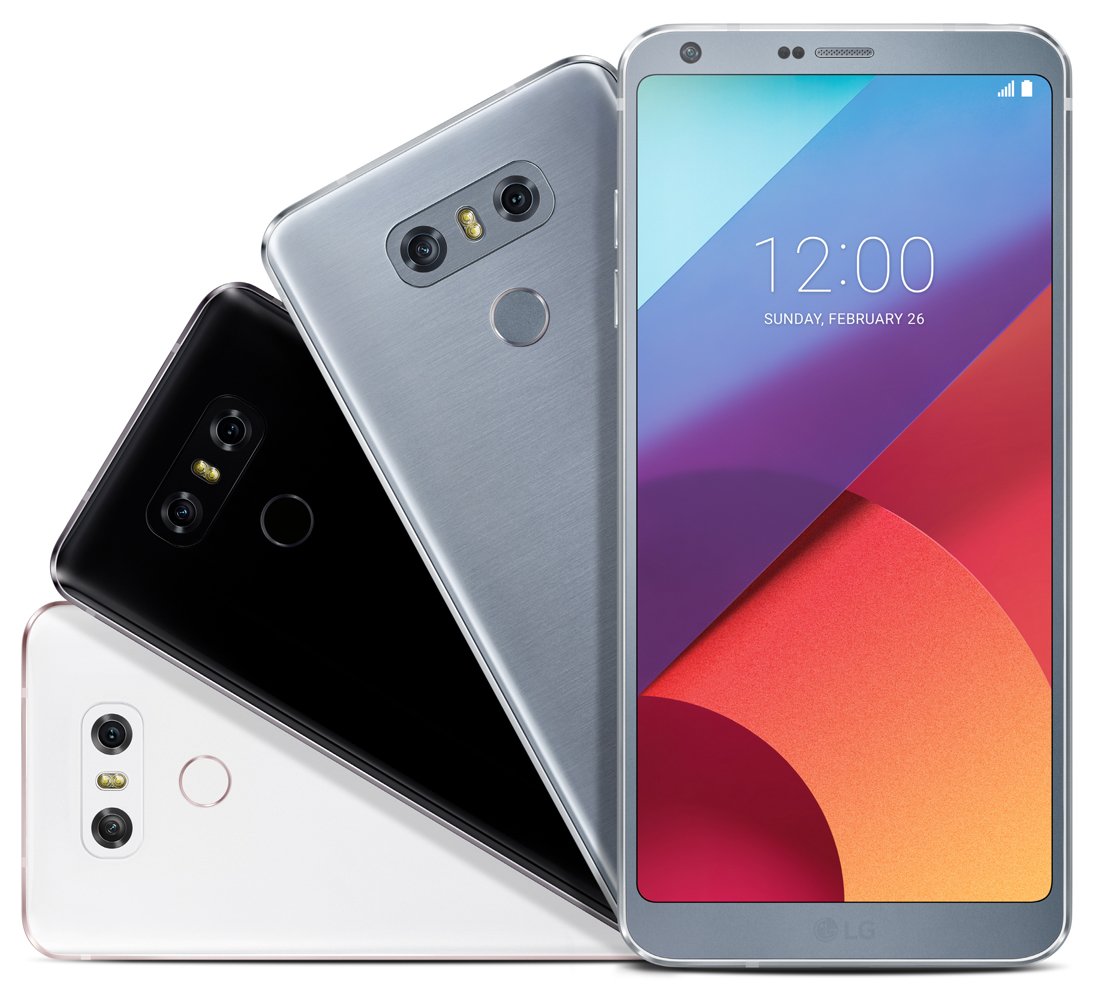
The LG G6 Leaks in All Available Color Variants

There is hardly any unknown detail about LG’s next flagship, the LG G6. From screen size to screen type, processor, battery and optics, we have covered it all. Notwithstanding, there still seems to be more details cropping up. What we have today is an image of the device in all the possible color variants it will be launched in.

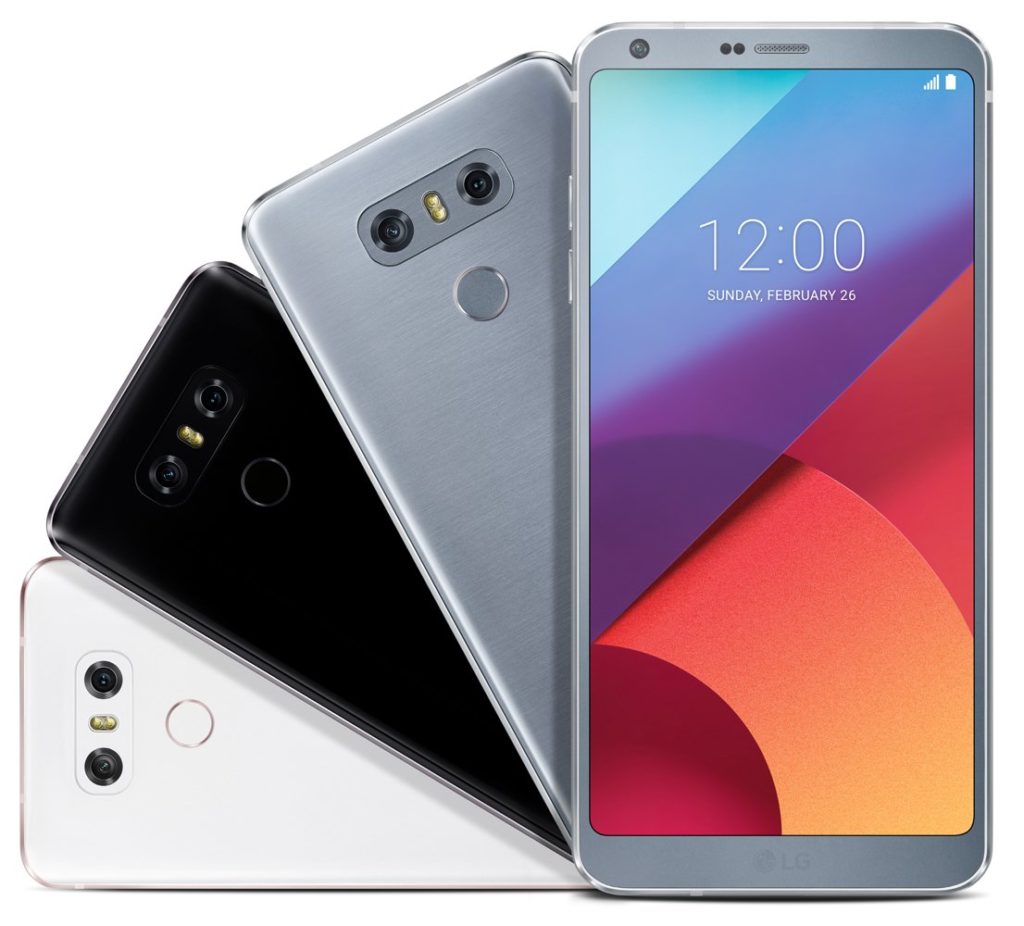
The leaked image comes from Evan Blass (@evleaks) and we can see the LG G6 in Mystic White, Astro Black, and Ice Platinum. The Ice Platinum variant should be familiar already to those who saw the first real life image of the device.

LG G6 Color Variants

READ MORE: LG X Power 2 with Large Battery, Android 7.0 Nougat Announced

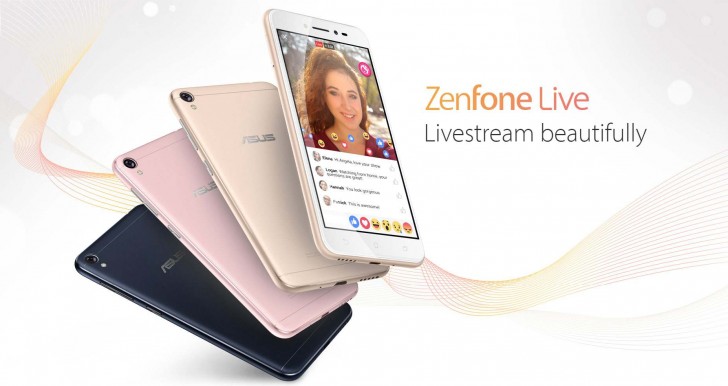
ASUS Zenfone Live Launched: 5″ IPS Display, Beauty Filter, Selfie Flash & More

ASUS has added a budget smartphone to its Zenfone lineup going by the name Zenfone Live. The ASUS Zenfone Live recently leaked in renders and specs as Zenfone 3 Go but surprisingly, it appeared officially with a different name. The Zenfone Live bears the model number, ZB501KL, and the images as well as specs align with each other, so there is no doubt they are one and the same smartphone.

ASUS Zenfone Live

Specs wise, the Zenfone Live sports a 5-inch IPS display with a resolution of 1280 x 720 pixels. The device is powered by a Qualcomm Snapdragon chipset but the exact chipset wasn’t disclosed. There is 2GB of RAM inside the smartphone as well as 16GB or 32GB of internal storage.

ASUS Zenfone Live

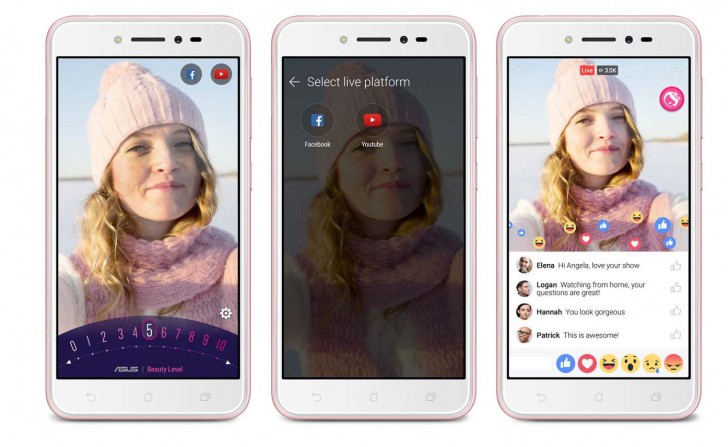
Perhaps, the most awesome feature on the Zenfone Live is the main camera setup which has an individual pixel size of 1.4µm pixel, f/2.0 aperture and 82-degree field of view. The rear camera is a 13MP shooter while up front, there is a 5MP sensor with soft light LED selfie flash. More spectacular is the BeautyLive app which the smartphone packs which lets you apply beautification filter on your face and also stream videos live from either the front or rear camera. Obviously, the smartphone is intended for selfie enthusiasts and it sure delivers.

ASUS Zenfone Live

Read Also: Asus ZenFone 3 Go Leaked Render and Specifications Surface; Launch Date Nearing

In addition, the ASUS Zenfone Live is kept alive by a rather disappointing 2,650mAh battery which is even non-removable. It runs ZenUI 3.0 based on Android 6.0 Marshmallow. There is also dual MEMS microphones onboard the device which brings clarity to the voice during conversation, reducing background noise.

ASUS is yet to disclose the pricing and availability details of the Zenfone Live but you can keep a tab on the new device on ASUS’ official page.

Xiaomi is Launching another Crowdfunded Product Feb 28. Can You Guess the Product?

Yet again, Xiaomi is churning out another crowdfunded smart home product, with the company revealing a February 28 launch date along with a poster on Weibo which teases what the product would likely be. We don’t know for sure what the product is but perhaps you could check the teaser out and maybe make a wild guess.

xiaomi-smart-home-latest


Xiaomi seems to be on a releasing spree since the beginning of the year, especially from the crowdfunded platform. We have so far seen products ranging from the Populele (Smart Ukulele), Turok Steinhardt sunglasses, intelligent flower pot, fire alarm/smoke detector, smart rearview mirror, children watches etc, and now this upcoming product.

xiaomi-smart-home-2

The product would be launched on February 28 which is just next Tuesday and from the teaser, it is likely a…..Guess this one. Well, if you think this is likely a sofa meant for the outdoors, sunbathing and such like, then we are on the same page.

Read Also: Xiaomi to Attempt Comeback With More Smartphone Releases in 2017

Last year, the Mijia brand products posted amazing sales figures running into millions in the number of units sold and millions of yuan in revenue. The company has set a tall mission for itself in terms of revenue generation this year in a bid to reclaim its place in the global and domestic smartphone markets. The Mijia brand is a very vital part of that mission.


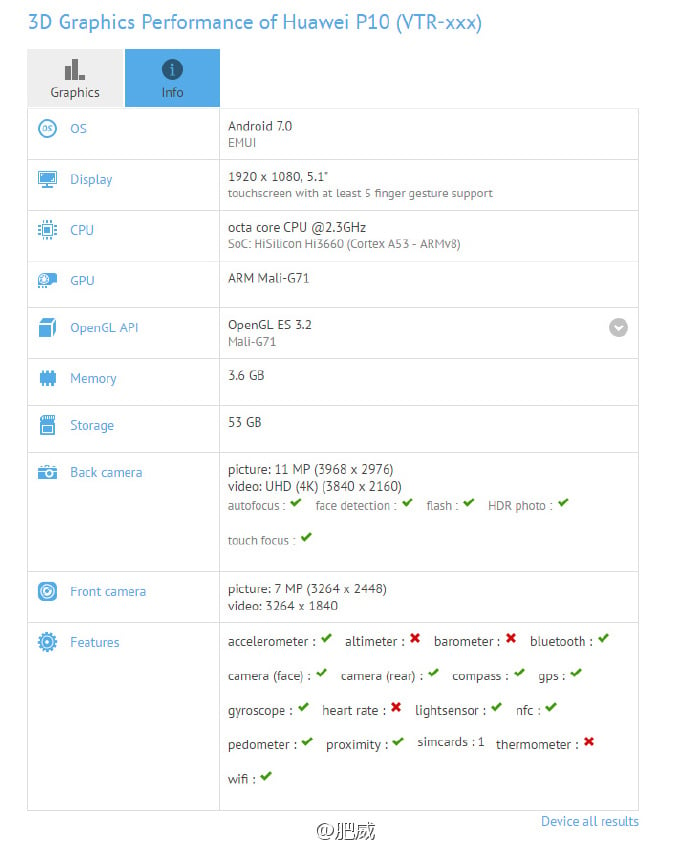
Huawei P10 Standard version with 4GB RAM, 5.1″ Display Also Spotted on GFXBench

A version of Huawei‘s upcoming P10 flagship, likely the standard version, has appeared on benchmark website GFXBench. The Huawei P10 had first made an appearance on GFXBench around November last year revealing some key details about the device. It is now certain that that was the high-end version of the P10.

huawei p10

Among the details listed on the earlier GFXBench appearance include a 6GB RAM and 256GB of storage. Others include a 5.5-inch QHD display, Android Nougat OS and a Kirin 960 chip clocked at 2.3GHz. The camera is listed as a 12MP rear camera and an 8MP front camera.

Related: Top Upcoming Smartphones At MWC 2017: Huawei, LG, Moto, Asus & More

In contrast, the latest version of the P10 listed specifically as Huawei P10 (VTR-xxx) sports a reduced 5.1-inch 1080p display. The device is listed with the same Kirin 960 processor clocked at 2.3GHz but there is just 4GB of RAM onboard the smartphone as well as 64GB of storage likely expandable. In the camera aspect, this latest version aligns with the previously listed one, packing a 12MP rear shooter and an 8MP selfie shooter.

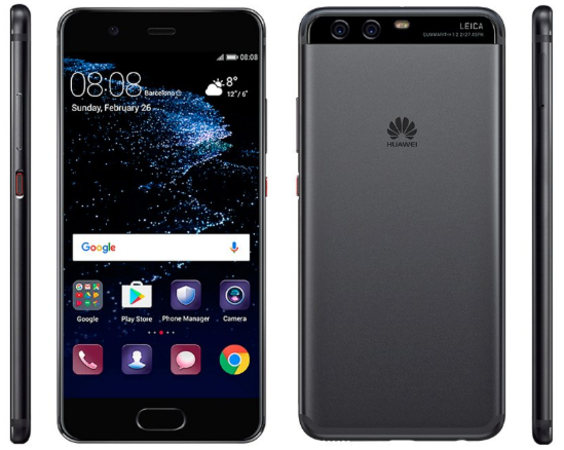
Huawei P10

It is likely that this version is the standard version of the P10 considering the differences in the specs. The previously listed P10 is thus likely the higher version of the P10. What brings more confusion into the mix is the smaller display size it features. That may likely be an error but in the long run, both versions may feature the same screen size and would most likely have the same design. The Huawei P10 would meet with us, full specs in tow at MWC 2017 which is just at the corner.

Xiaomi Pinecone Processor: Everything you need to know!

It will be a historic moment for Xiaomi on February 28, when the company will announce its first ever processor, the Xiaomi Pinecone at a conference in China. We have seen Xiaomi’s innovative strategies work out in almost every area where it placed its bets, but processors are not easily developed in-house. If it was easy, you would have seen lots of smartphone chipmakers in the market. But there aren’t many, and it is no surprise that only tech giants like Apple, Samsung and Huawei have managed to successfully develop commercial chipsets for its smartphones. But Xiaomi is nowhere nearly as big as these three giants and it would really be interesting to see the company’s take on its own chipsets.

xiaomi

There are currently a lot of questions and doubts regarding the Xiaomi Pinecone chipset and I’ll try to explain most of the questions regarding the processor in this article. Read on to know more about one of the most important products from Xiaomi till date.


XIAOMI PINECONE

Xiaomi has been eyeing to develop in-house chipsets for quite some time now and we started hearing rumors and reports about this as early as 2015. Lei Jun’s plan to make independently developed chipsets seems to have kick started after the big deal in 2014. At the start of November 2014, a company called Beijing Songguo Electronics (also called as Beijing Pinecone Electronics) entered an agreement with Leadcore Technology Ltd., a Chinese IC design company for ‘SDR1860 platform technology transfer contract’ at 103 million Yuan (~$15 million USD).

leadcore logo

Now, initially, when Datang Group (make note of this name as it will come again) announced this deal officially, there wasn’t much thought given to its relation to Xiaomi. But soon, it was found that two of Xiaomi’s employees, who were responsible for research and technical development at Xiaomi also worked at Beijing Pinecone Electronics. This revealed that Xiaomi controlled Beijing Pinecone Electronics, which also meant the company’s plans to develop its own processor got a significant boost.

xiaomi pinecone processor logo

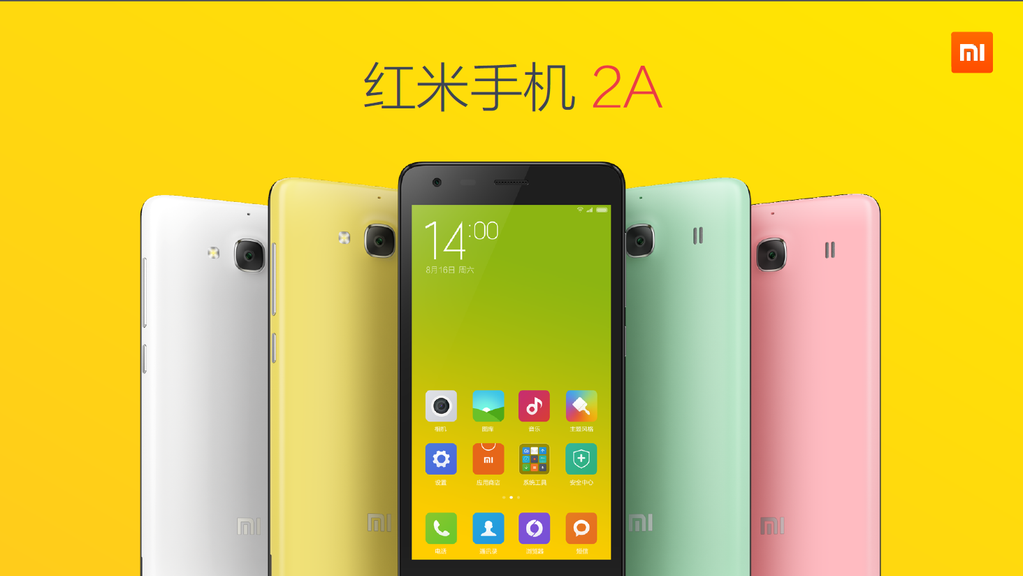
Fast forward to March 2015 and we saw the first fruit of this deal, the Xiaomi Redmi 2A. It was the first Xiaomi smartphone to be powered by a Leadcore chipset and one of the first steps towards working together with Leadcore to develop its own chip. It was one of the best super cheap smartphones of the time, costing just 599 Yuan ($88).

Xiaomi-Redmi-2Aiimage

Since then, we haven’t really seen a Leadcore powered Xiaomi smartphone, probably because Xiaomi was busy developing its own in-house Pinecone processor. But we will surely see the fruits of the past two years on February 28.


So, now you must be wondering why would Xiaomi develop its own in-house processors, when it can continue to rely on established chipmakers like Qualcomm and Mediatek, who are experts in this field.

There are a number of possible reasons for this:

  1. First of all, Xiaomi is one of the world’s top smartphone companies and its sales exceed 50 million each year. Given the high amount of smartphone sales and the prospective growth, it actually makes sense to invest money in R&D for an independent chipset. The cost of developing an in-house chip is huge and it gets distributed among the millions of units in sales. If your scale is not large enough, it wouldn’t make sense to spend so much for a self-developed processor.
  2. Despite the company trying to sell more high-end smartphones, the majority of the phones sold by Xiaomi is from the low-end to mid-range segment. It is a price sensitive market and you have to make sure that your smartphone is priced aggressively in order to have an edge over the competitor. Given the rising cost of components, it becomes really hard to limit the costs to the current levels. Using an in-house chip could help in bringing down the cost. Every dollar counts in the low-end market.
  3. Another good reason for developing in-house chipset is the lack of good choices available for Xiaomi. There are five major chipmakers in the smartphone market today — Qualcomm, MediaTek, Apple, Samsung, and Huawei. Qualcomm chipsets are costly, so not ideal for low-end to mid-range market where prices have to be kept near cost; MediaTek’s chipsets are decent, but they are not really up to the mark as compared to Qualcomm and MTK’s reputation is not really stellar; then comes Samsung, whose chipsets are not mass produced in very large quantities (as compared to the other two) and Meizu seems to be the only notable manufacturer getting Exynos chipset orders. Finally, there’s Apple and Huawei whose processors are exclusively used by their own smartphones, so not something that Xiaomi can get hold of.
  4. In-house chips could also offer Xiaomi better bargaining power from the likes of Qualcomm and MediaTek for its other models, as the two chipmakers know Xiaomi doesn’t have to rely entirely on their processors.
  5. International expansion is also made possible with the help of in-house chipset with its own 4G modem. Remember Leadcore is a subsidiary of the state-owned Datang Group, which has a lot of patents under its belt.
  6. Having your own processor gives you greater control over supply chain and product cycles.
  7. A self-developed processor will help in better optimization of hardware and software which is very important in the best performance of the smartphone.
  8. Finally, to be able to achieve something as making your own processors puts you in the big league, with the big three giants, Apple, Samsung, and Huawei. It’s an elite club and will definitely enhance the overall brand image of the company. Lei Jun wants Xiaomi to be regarded as an innovative tech company and Xiaomi Pinecone along with products like the Xiaomi Mi Mix will definitely help the CEO realize this goal.

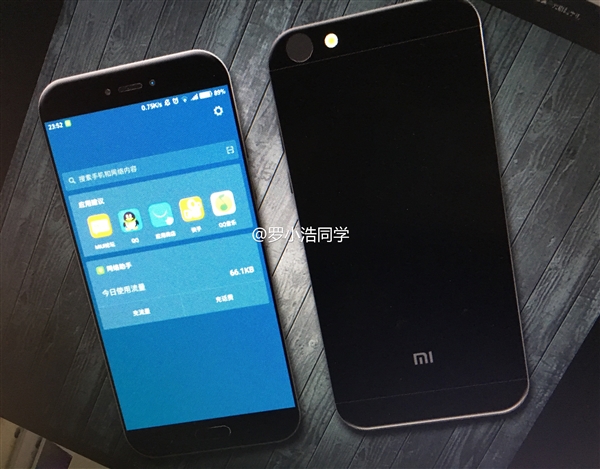
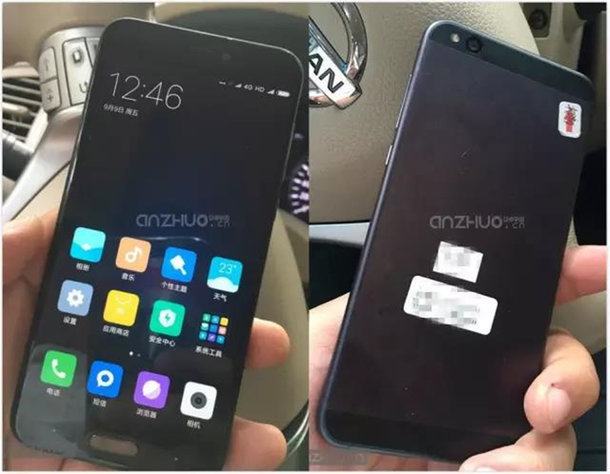
Xiaomi is reported to have had around 200-300 people employed to work on the development of its in-house chipset around early 2016. And in the initial stage, the Xiaomi Pinecone chipset is said to power the widely leaked Xiaomi Mi 5C smartphone.

xiaomi mi 5c

The Xiaomi Redmi Note series would also be an ideal potential candidate for the Pinecone processor given it’s one of the best selling lineups of the company and is priced aggressively.


xiaomi pinecone processor logo


Now coming to another important part: Xiaomi Pinecone Specs

At this moment, the Xiaomi Pinecone processor is said to come in two variants — V670 and V970.


Xiaomi Pinecone V670

So, the Pinecone 1 (V670) is the less powerful version of the two and will be a mid-range chipset. Here are the rumored details of this chipset:

CPU: 4 x Cortex A53 @ 2.2GHz + 4 x Cortex A53 @ 1.7GHz

GPU: ARM Mali-T860 MP4 @800MHz

Process: SMIC 28nm HKMG

Launch: February 2017


Before we move onto the chip’s expected performance, let’s first wonder why Xiaomi Pinecone 1 is manufactured using SMIC’s 28nm process. Some would argue that Xiaomi should have used much-advanced manufacturing node, something like a 14nm process for its first ever independent processor.

SMIC

There are multiple reasons for this, the major one being the cost. The Pinecone chipset should be giving Xiaomi an edge in pricing its products and the 28nm process is much cheaper than something like the 14nm / 16nm processes used by rival chipsets. Another major reason is that 28nm is enough to meet the performance of eight Cortex A53 cores. Also, Datang Holdings has invested in SMIC, so it’s easier to get a good deal for manufacturing its chipsets.


Xiaomi Pinecone (V670) Performance:

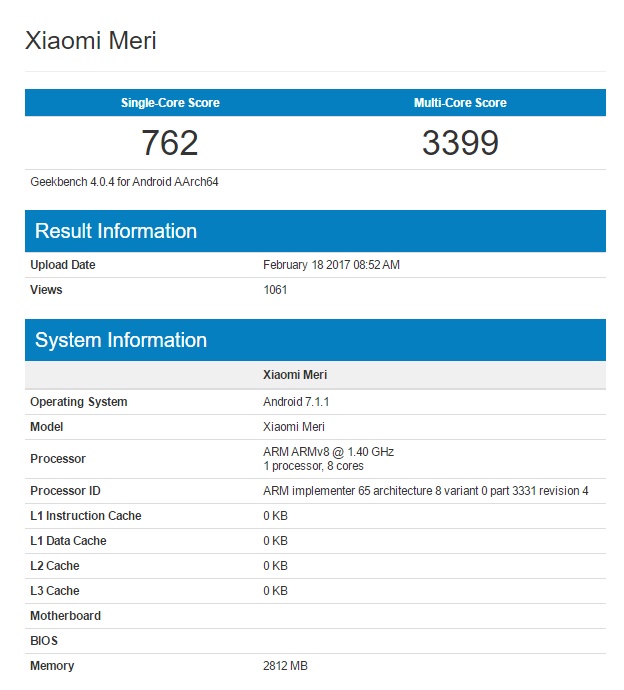
While the chip is yet to be released and tested officially, leaks suggest that the Pinecone 1 should be placed above MTK Helio P10 and Snapdragon 625 in terms of performance. We have already seen the Xiaomi Meri (another name for Xiaomi Mi 5C) on Geekbench with decent performance.


xiaomi meri geekbench
Xiaomi Meri Geekbench Score


Xiaomi Pinecone V970:

The Xiaomi Pinecone V970, the flagship grade chipset is said to come with impressive specs.

CPU: 4 x Cortex A73 @ 2.7GHz + 4 x Cortex A53 @ 2.0GHz

GPU: Mali-G71 MP12 @ 900MHz

Process: 10nm Samsung

Launch: Q4 2017


Definitely looks like an interesting chipset for Xiaomi’s flagship phones, but for the time being, expect the top-end models from the company to continue using Qualcomm’s Snapdragon 8XX processors. At this point, we have no info on its performance but the specs definitely instill confidence in the chip.

Of course, these specs, although detailed are rumored and only after Xiaomi officially announces the Pinecone processor, we will know the exact details.

I hope this clears most of the questions regarding the company’s upcoming pinecone processors.

So, what do you think about the company’s move to release self-developed Pinecone chipset?


Xiaomi Mi 5C Hits GFXbench: Specs and Processor Details Revealed

The Xiaomi Mi 5C is rumored to be the first Xiaomi smartphone that would feature the in-house Pinecone processor that would be unveiled on the 28th of this month in China. The Mi 5C is also expected to be released along with the Pinecone chipset on that day and ahead of the event, the Mi 5C has made an appearance on benchmark website GFXBench.

xiaomi pinecone processor

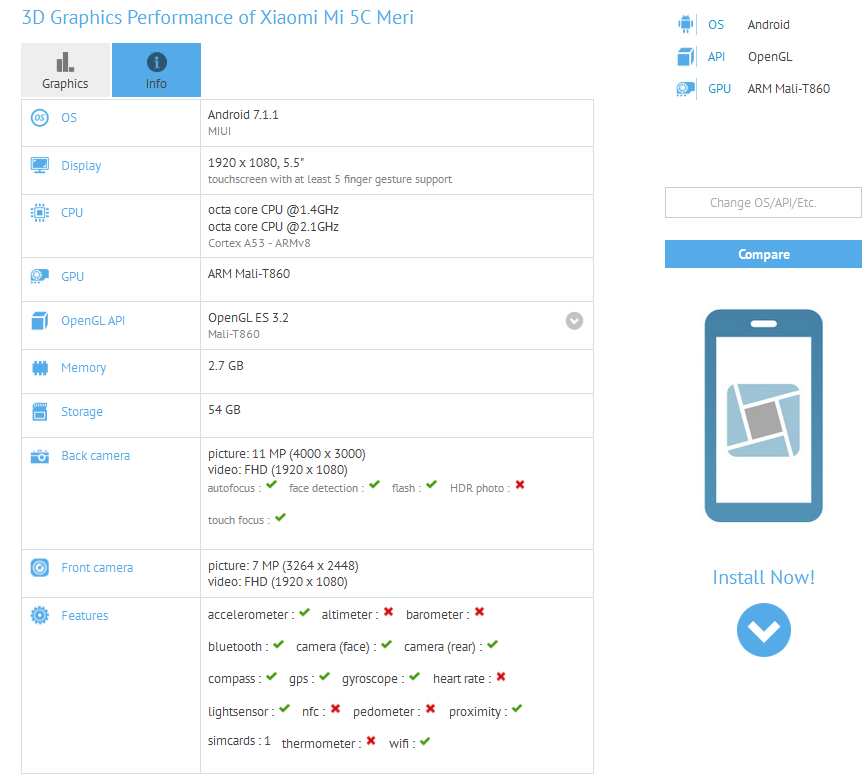
The expected specs of the Xiaomi smartphone isn’t a secret one but the GFXBench listing comes as a reminder. According to the listing, the Xiaomi Mi 5C comes with a 5.5-inch 1080p display and would have 3GB of storage as well as 64GB of internal storage. There is also a 12MP rear camera as well as an 8MP front-facing camera. The smartphone runs MIUI 8 based on Android 7.1.1 Nougat.

xiaomi mi 5c


The most important part of the listing is the aspect of the processor where the device is listed with an octa-core Cortex-A53 processor with a top frequency of 2.1GHz and a base frequency of 1.4GHz. Powering the graphics is a Mali-T860 GPU. No doubt, the configuration fits those of the Pinecone chip.

Read Also: Xiaomi Mi 5C To Feature Self-Developed Octa-core Pinecone SoC, Launching This Month!

Sadly, the device is listed as not having NFC onboard but there are connectivity options like WiFi, GPS and others. It is also coming with a single slot for SIM card. Just to reminder you, though, that GFXbench’s data are not always accurate, so until Xiaomi takes the veil off the Mi 5C, we can’t say for sure if these are the actual specs.

LG X Power 2 with Large Battery, Android 7.0 Nougat Announced

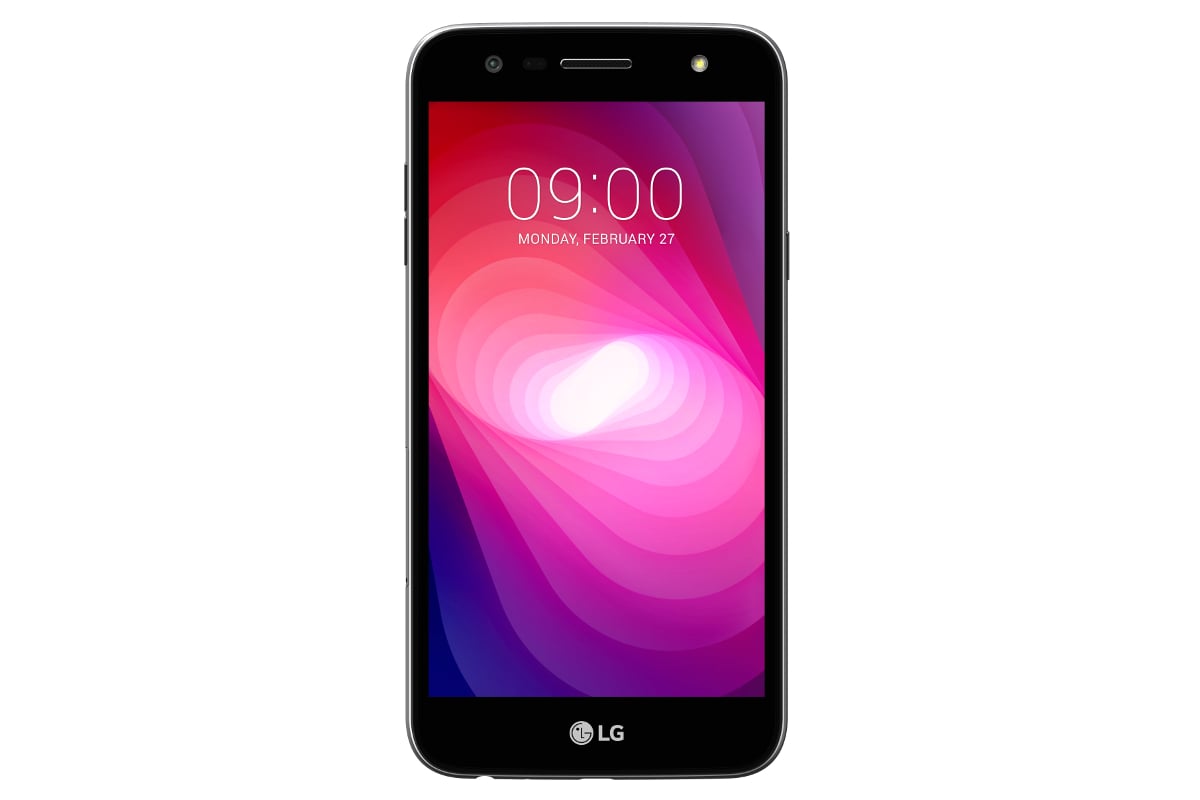
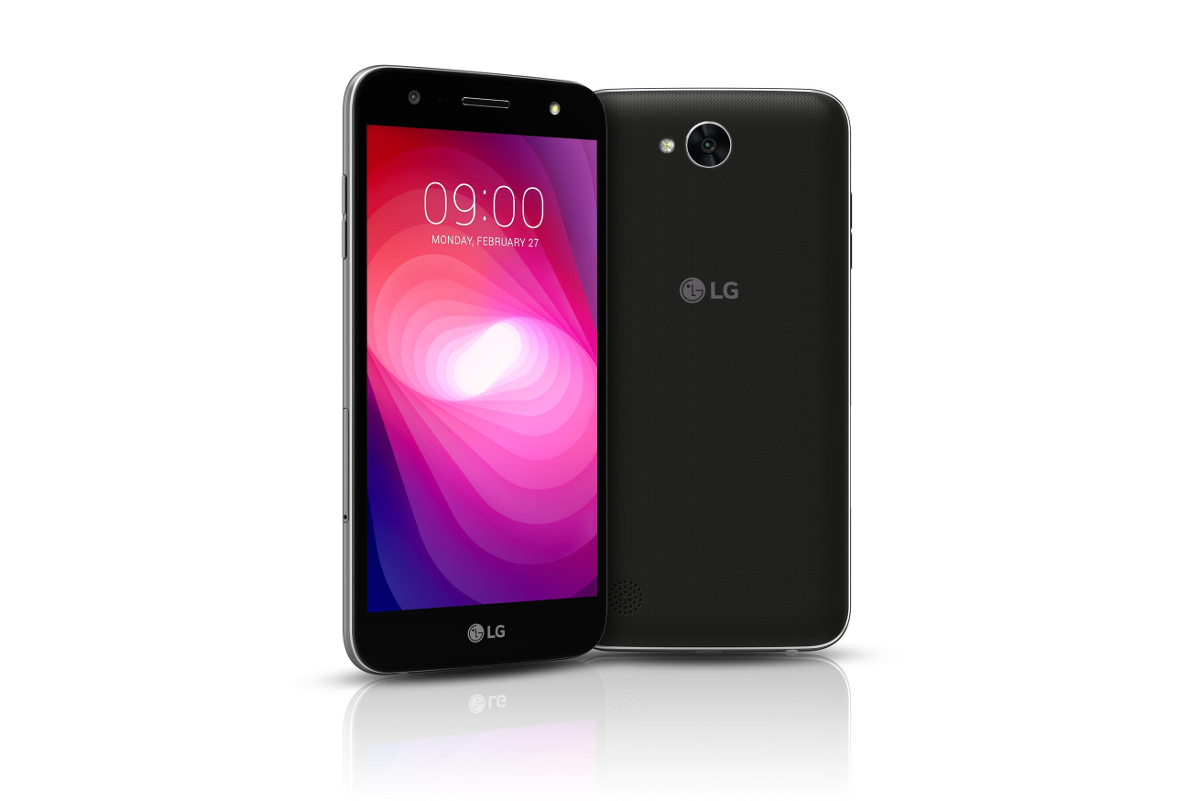
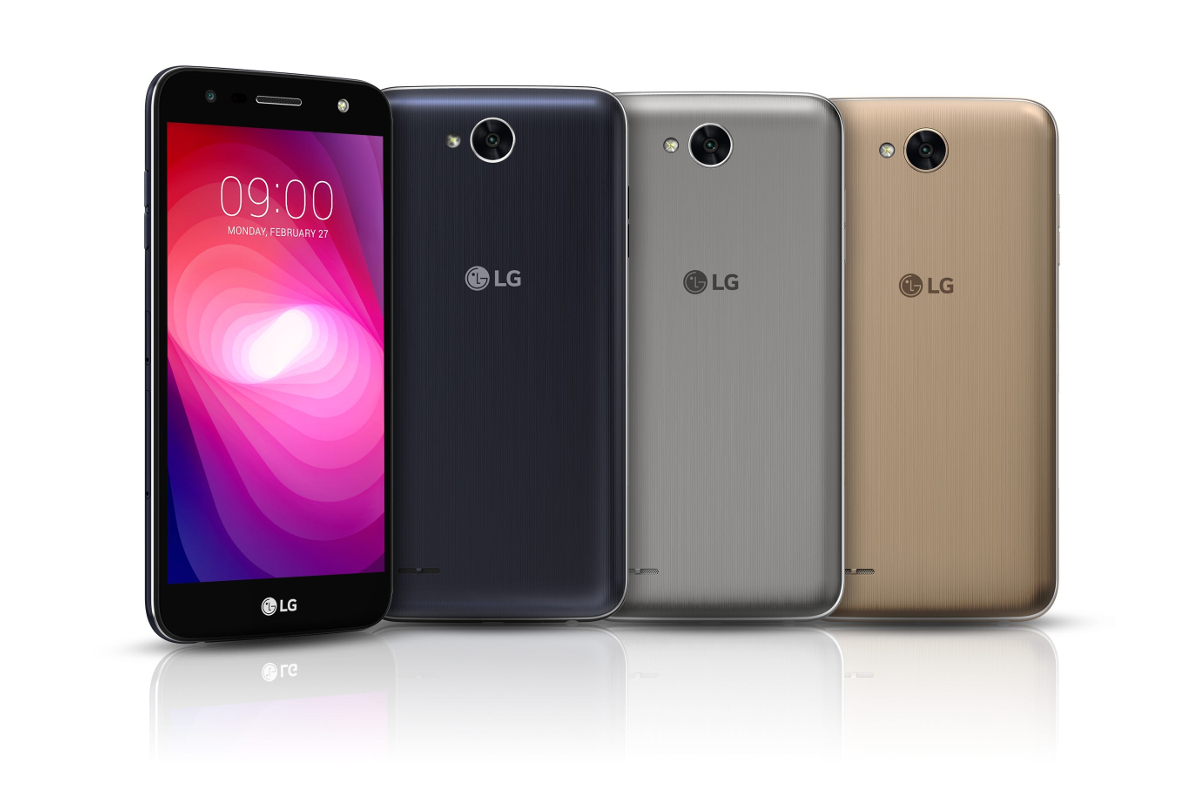
Korean electronics giant LG has quietly unveiled a smartphone but this isn’t the much-expected G6. The smartphone somehow deflects attention from expected flagship which would be launched in a few days time. The time around, the LG X Power 2 (specs) is the device launched and it is a successor to the X Power. It could be recalled that LG launched the X Power around this time last year but the display and battery sizes are smaller than the new model.

LG X Power 2

The LG X Power 2 this time around, lives up to its name by packing a large 4500mAh battery under its hood. The X Power 2’s battery is touted to last all weekend without recharging and as capable of providing up to 15 hours of video play, navigational directions for 14 hours, and about 18 hours of web browsing on a single charge. Even when the battery gets drained, there is fast charging support such that it can get fully charged in just 2 hours.

LG-X-power-2

In other specs, the LG X Power 2 sports a 5.5-inch HD In-cell touch display and is powered by an unknown chip model which is an octa-core chip with 1.5GHz frequency. The processor is supported by 2GB of RAM of which 1.5GB is available, while there is 16GB of storage which is expandable up to 2TB via microSD.

lg x power 2

On the camera end, LG has crammed a capable 13MP sensor on the rear camera with wide angle view and LED flash. While on the front aspect, there is an ample 5MP sensor for selfies. The X Power 2 runs on Android 7.0 Nougat out-of-the-box and features a host of network/connectivity features like Wi-Fi (802.11 b, g, n), Bluetooth 4.2, USB 2.0, 4G LTE, 3G, 2G etc. The entire device has a dimension of 154.7 x 78.1 x 8.4mm and weighs 164g.

Related: Top Upcoming Smartphones At MWC 2017: Huawei, LG, Moto, Asus & More

The LG X Power 2 is available in black, titanium, blue, and gold colors and would hit the market starting from March after it is showcased at MWC 2017. The price is yet to be revealed.

Xiaomi Mi 6 To Get Enough Supply Of Snapdragon 835 Chips, Says Analyst

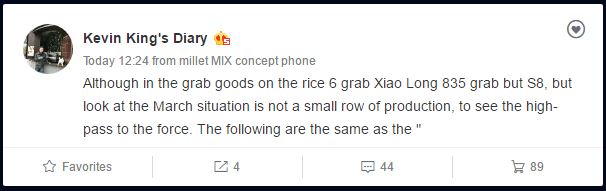
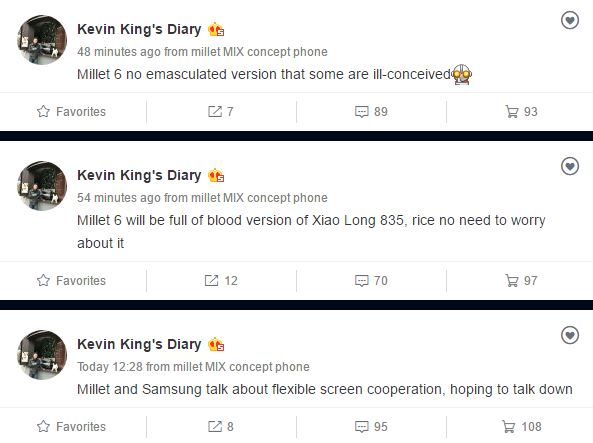
One authentic source of information about the Chinese smartphone market has for a while now been Kevin Wang, research director at IHS China. Recently, Mr. Wang took to his Weibo (China’s Twitter) page to unleash some details about the upcoming Xiaomi Mi 6 and its impending launch with the Snapdragon 835 SoC.

mi-6-kevin-wang3

The rumor mills have been spinning consistently in several directions concerning the details of the Mi 6. It is rumored in some quarters that the device would launch with a lower version of the SD 835 since Samsung is reserving the higher version for its Galaxy S8 flagship, while some others say the Mi 6 would come in a number of versions in order to mitigate the shortage of the SD 835 chip that would arise from low yield of the 10nm process and Samsung using it on its own Galaxy S8.

mi-6-kevin-wangThe analyst has come out to reveal that the Mi 6 would not suffer from a shortage of Snapdragon 835 chip when it launches this March. The analyst seems to suggest that both the Galaxy S8 and Mi 6 would be released this March just as rumored. In continuation of his bare-it-all Weibo posts, the analyst also disclosed that the Mi 6 would use the Snapdragon 835 processor with full processor frequency and that there is no low version of the device as rumored.

Read Also: Xiaomi Mi 6 To Feature 5.2-inch Flat Display; No Curved-Screen Variant

The Xiaomi Mi 6 is said to feature a 5.2-inch TFT display with 1080p resolution.The device is expected with a flat display, a single camera at the rear and also will ditch the ultrasonic fingerprint sensor on the Mi 5S for the tradition fingerprint sensor. Sales are expected to commence in April this year.

Physical QWERTY Keyboard Slider Moto Mod Arriving Soon

Sharay Shams, the Middle East General Manager for Smartphones for Lenovo had confirmed recently that the company would be launching 12 Moto Mods in this year. Recently, a walkie-talkie Moto Mod by Linc was spotted on Indiegogo crowdfunding site. Now, a new Moto Mod with QWERTY keyboard slider has surfaced on the site.

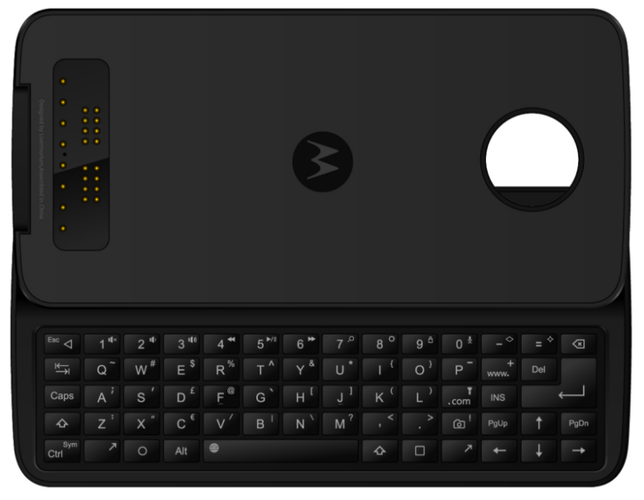
The QWERTY keyboard has a landscape design with five rows of keys and its top line of keys is occupied by numerals. The alphabet keys along with other keys are present on the next three rows.

It has a big-sized Enter key that occupy on the second and third row at the right side. The fifth row features a large-sized Space bar. The reason why this Moto Mod comes with a landscape mode rather than a portrait design is that the former can feature larger keys for better typing experience.

Physical QWERTY Keyboard Slider Moto Mod

Related: Moto Z Linc Moto Mod Transforms it into A Walkie-Talkie

The keyboard also features a 2,100 mAh battery. LivermoriumLtd, the developer of the project has expressed on Reddit that if sufficient funds are accumulated, Qi wireless charging feature will be added to the keyboard. There is a Motorola batwing logo present on the Moto Mod QWERTY slider keyboard.

Indiegogo has a dedicated page that says that this Moto Mod is arriving soon. Users who are interested can add their email address on that page to register for it to receive new updates on it. It is expected to be a quality product because it will not only be designed by a professional team but also it will undergo manufacturing at Foxconn. The physical keyboard Moto Mod is targeted to be available for shipping in June.

It seems that when the physical QWERTY slider is in use on Moto Z or Moto Z Play, users will not be able to access the rear camera. The current design of the sliding Moto Mod keyboard suggest that it will slide-out in such a manner that it will be blocking a small part of the rear camera.  On Reddit, users can provide their suggestions or feedback on the proposed design.

As of this writing, its pricing has not been announced. LivermoriumLtd is also considering a gamepad Moto Mod, but currently the developer is mainly focusing on releasing a general QWERTY keyboard that can appeal all users. The physical QWERTY keyboard slider Moto Mod will work on Moto Z, Moto Z Force, Moto Z Play and their Droid versions.

(source)

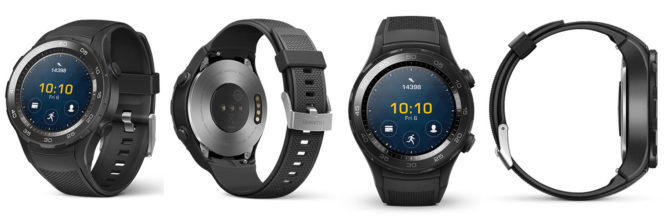
Huawei Watch 2 Press Renders: Complete Sporty Appeal, Cellular Connectivity Revealed

The Mobile World Congress (MWC) 2017 is drawing near. Huawei has been heavily pegged to announce the P10 and P10 Plus flagships at the upcoming event. Previous rumors have hinted that the company may also unveil Huawei Watch 2 smartwatch. Evan Blass, the well-known leakster has now revealed the alleged press renders of Huawei Watch 2 which reveals that it will be coming with a sportier appeal.

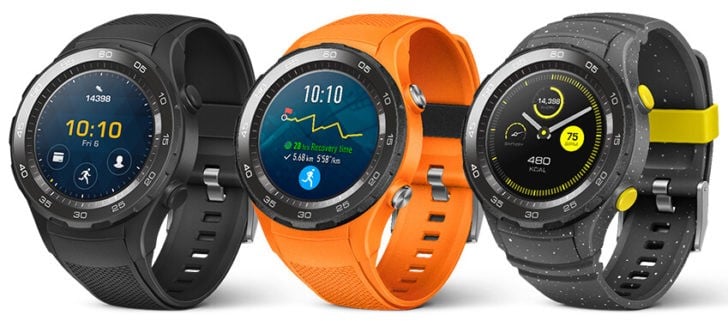
According to the leakster, the Huawei Watch 2 is codenamed as “Leo.” The original Huawei Watch came with a classy appeal, but leaked press renders suggest that its successor appears to have a very sporty look. It has a rugged appeal and it features two physical buttons on its right edge. The strap of the Huawei Watch 2 seems to be made of rubber.

Huawei Watch 2

Huawei Watch 2

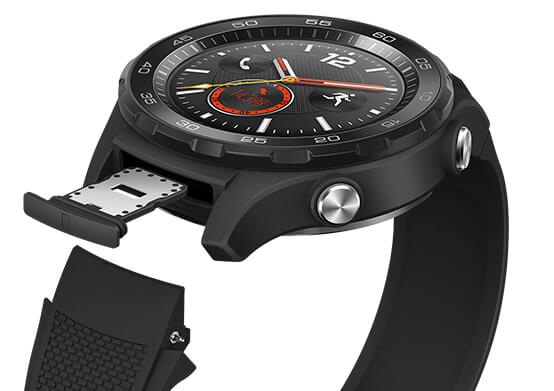
Another render of the smartwatch suggests that it features a SIM card slot for cellular connectivity. A report from the previous month did reveal that the Chinese manufacturer’s upcoming smartwatch would carry support for cellular connectivity.

Huawei Watch 2

Related: Huawei and Insta360 to Launch Honor VR Camera

There is no confirmation whether the smartwatch would be supporting only 3G or 4G LTE networks. With cellular connectivity onboard, Huawei Watch 2 users will be able to use it as a standalone device to make phone and receive phone calls without the need of pairing it with a smartwatch.

The Huawei Watch 2 press renders reveals that it would be coming in three color choices such as black, orange and grey (with white speckles). The device is expected to run on Android Wear 2.0 and rival with the recently announce LG Watch Sport.

Rumors from the January month have claimed that it would be a 42 mm smartwatch featuring a 1.4-inch display. Even though fresh press renders of Huawei Watch 2 hints that it would be available with a sporty appeal, last month’s leaks revealed that it will be also coming in leather and stainless steel versions.

As of this writing, there is no information available on the specifications, pricing and availability of the Huawei Watch 2. These details are expected to get officially announced at Huawei’s upcoming press event on Sunday at 5 AM PST.

(source)

Meizu Heading to MWC 2017 to Launch mCharge 4.0

Meizu earlier today announced through its Twitter page that it will be showing off a new technology its been working on for over a year at MWC 2017. The announcement was accompanied by a teaser image.

The image is of a lightning bolt and has the text “faster than ever” below it. Its evident from the image that what Meizu plans to announce is related to charging. But we got a little info from an industry source to confirm.

Meizu mCharge 4.0

According to the source, Meizu is planning to announce mCharge 4.0. mCharge is Meizu’s trademark name for its fast charging technology and it will be unveiling the 4th generation of the technology. mCharge 4.0 is said to use 9V4A, offering up to 36W of power.

Comparing that to Qualcomm’s Quick Charge 4.0, Meizu’s mCharge supplies more power. Quick Charge 4.0 on the other hand still uses 9V2A (18W) but is 20% more efficient than QC 3.0 due to its use of Dual Charge technology. It is also better as the charging temperature is lower by 5°c and has support for USB Power Delivery.

READ MORE: Meizu M5s FLash Sale Registrations Pass 4.25 Million

Huawei and Insta360 to Launch Honor VR Camera

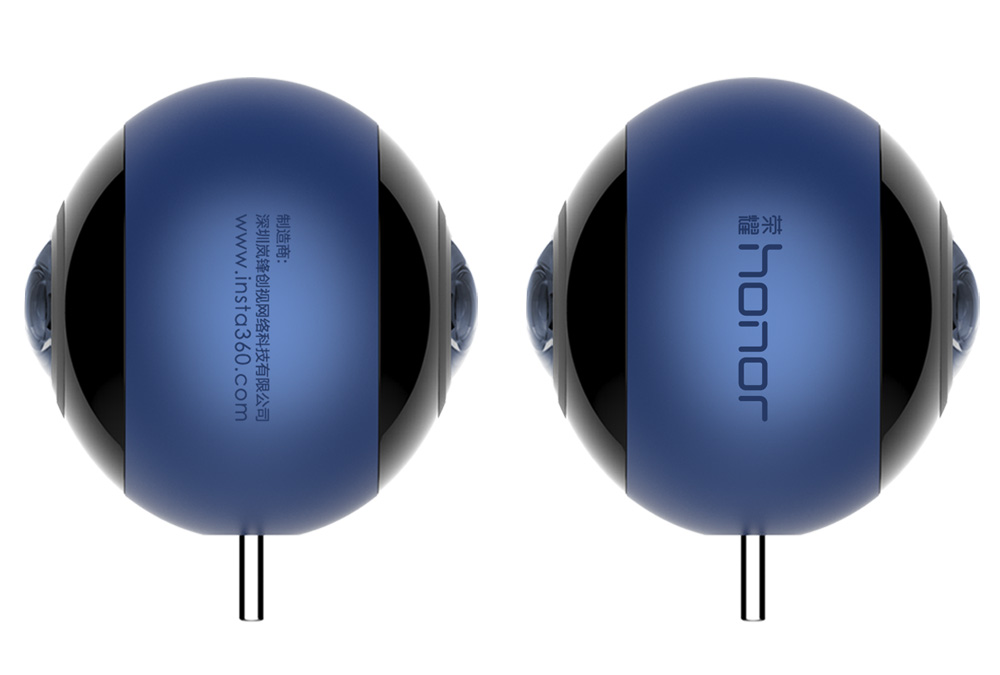
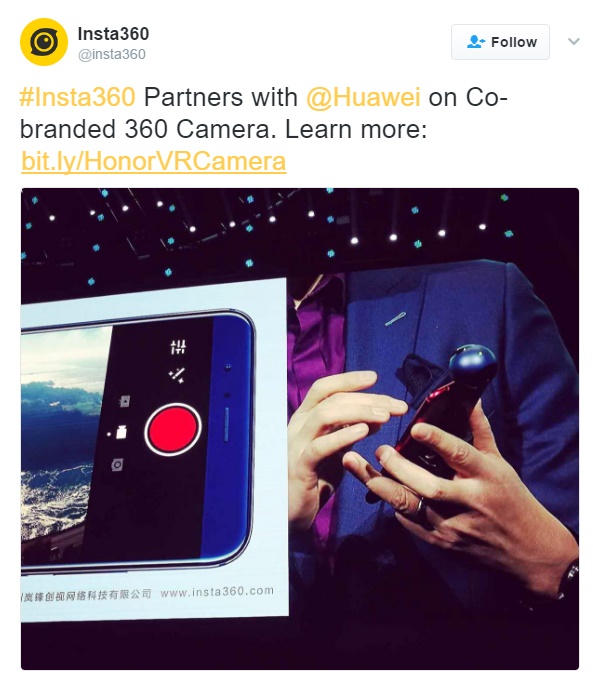
Huawei launched the Honor V9 and announced a bunch of other items still under the Honor brand earlier this week. In spite of that, the Chinese manufacturer doesn’t seem to be done. Huawei has also announced that it plans to release a 360° camera add-on device called the Honor VR Camera.

honor VR Camera 3 honor VR Camera

The Honor VR Camera is the result of a partnership with Insta360, a company known for making add-on cameras for phones. Huawei bundles the Honor V9 phone with a pair of cardboard-like VR glasses. The Honor VR Camera is probably a nice addition in case you need to make your own VR content.

The CEO of Insta360, JK Liu said during the announcement that “Like us, Huawei is committed to reinventing photography, and they believe in our products as the best way to introduce users to the future of the camera.”

READ MORE: Huawei Honor 8 Lite Official in China with Kirin 655, Android 7 & 12MP Shooter

Chuwi LapBook 15.6″ Review – A Solid Budget Laptop

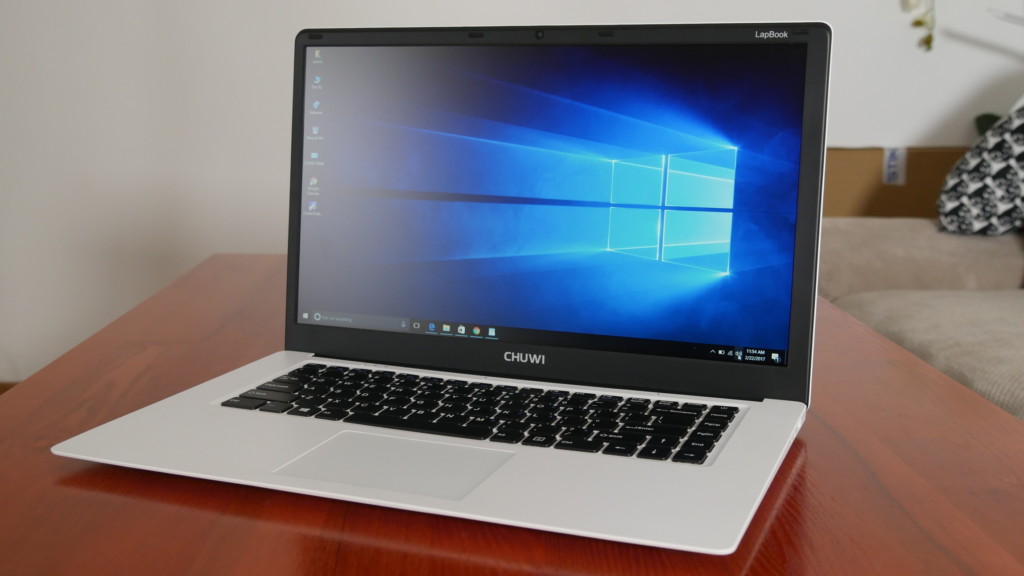
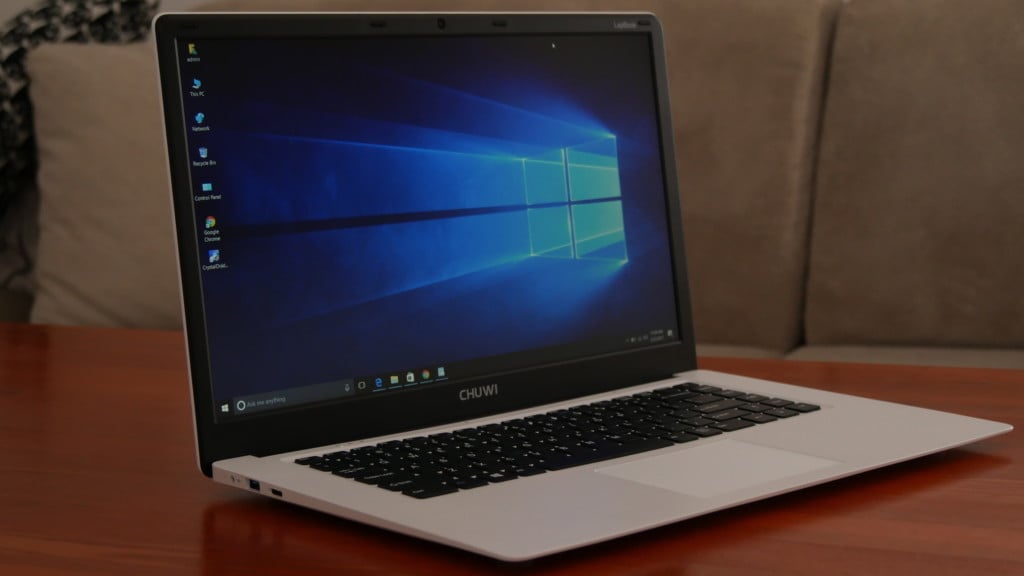
Chuwi is a well-known budget tablet and laptop maker from China. I just came across their LapBook 15.6” model that has a sleek design, decent specs and it costs just about $240. I’ve used this laptop for quite some time and here is my full review.

UNBOXING

P1080180JPG

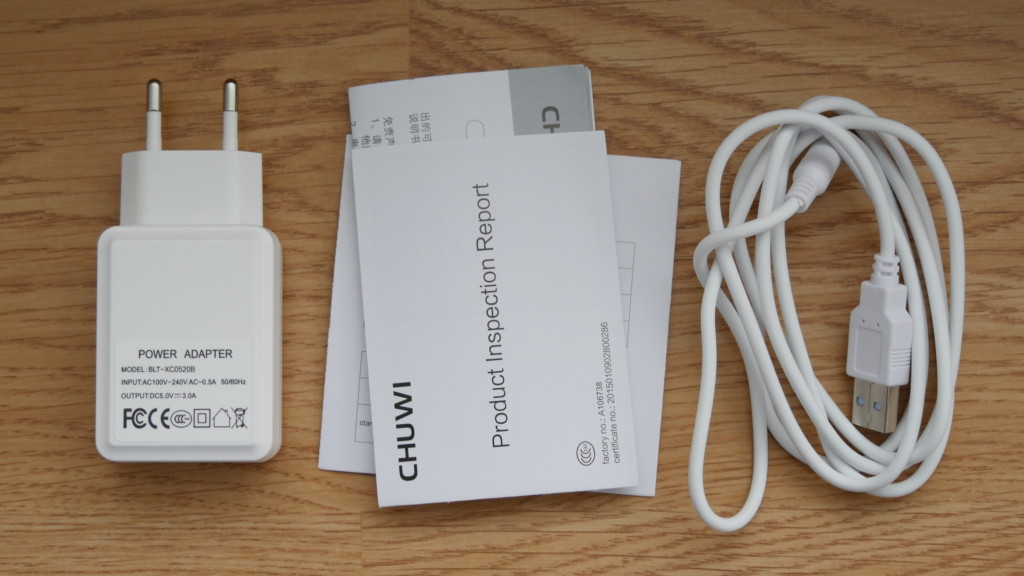
The tablet ships in quite a simple box and inside of it, you can find just some paperwork, USB brick and a power cable.

HARDWARE and DISPLAY

P1080228JPG

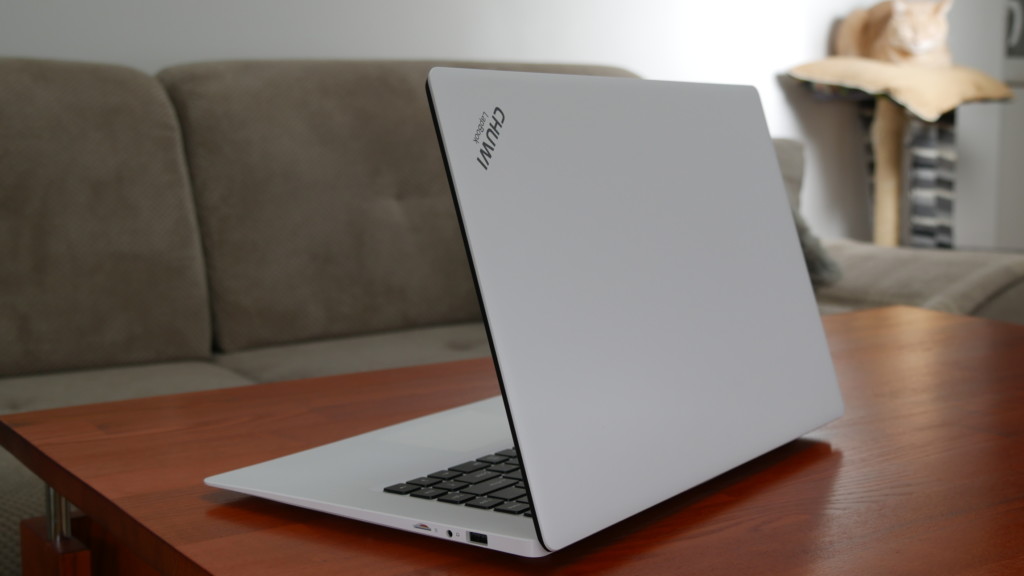
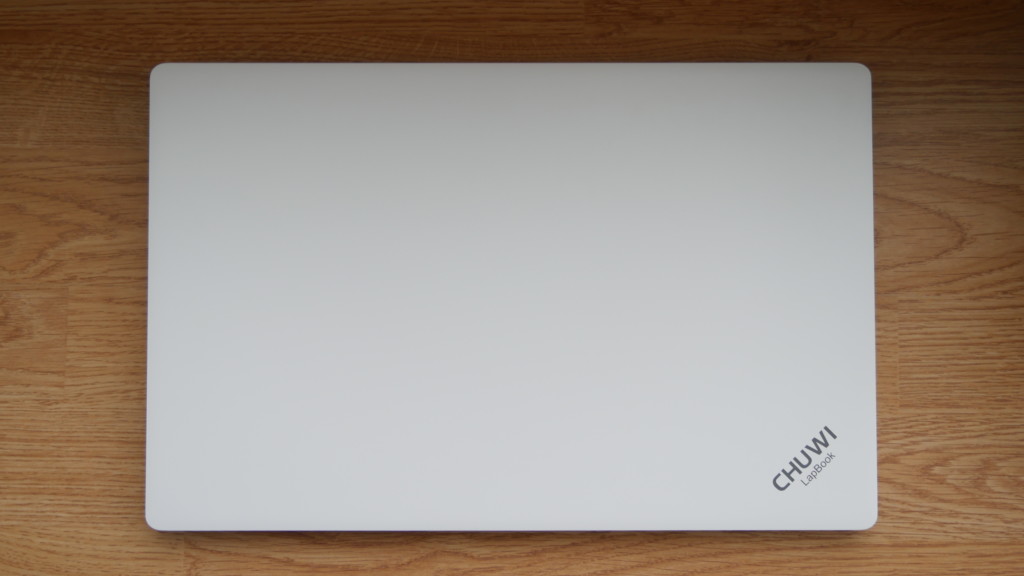
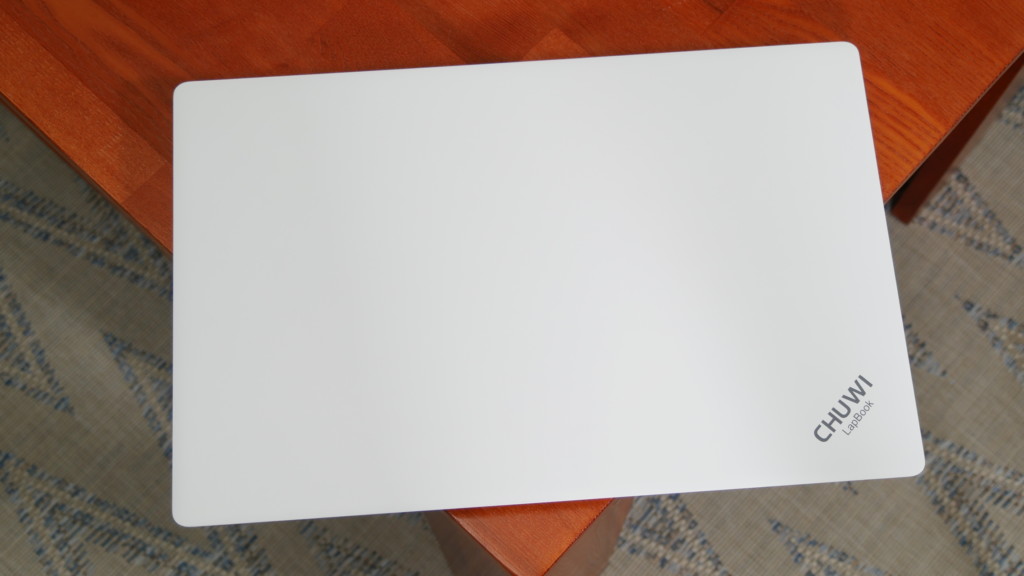
The design is one of they key selling points of this laptop, in my opinion. The LapBook is made of quality matt plastic, which is nice to the touch and it does not attract fingerprints or smudges easily.

P1080234JPG

Also, I love how thin it is but it is quite heavy for an ultrabook since it weighs over 1.8kg. The weight is not an issue for me as I always prefer a larger battery pack. Chuwi implemented a 10.000mAh battery that performs just great but more on that later on.

P1080227JPG

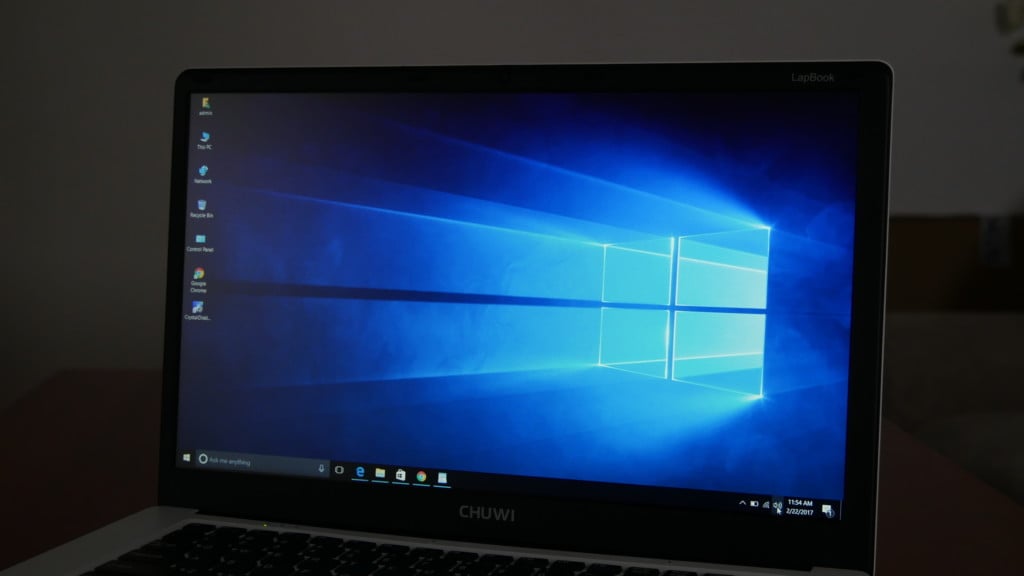
We have a 15.6” 1080p display, which is good but not great. It is pretty sharp, the colours look pretty nice and it has a matt anti-glare coating, so you won’t get those annoying reflections. However, it could be slightly brighter and the vertical viewing angles are bad. That means that you will end up adjusting the display to avoid washed out colours.  Also, the bezels on the left and right sides are not equal, which may look a little bit weird at the first glance.

P1080265JPG

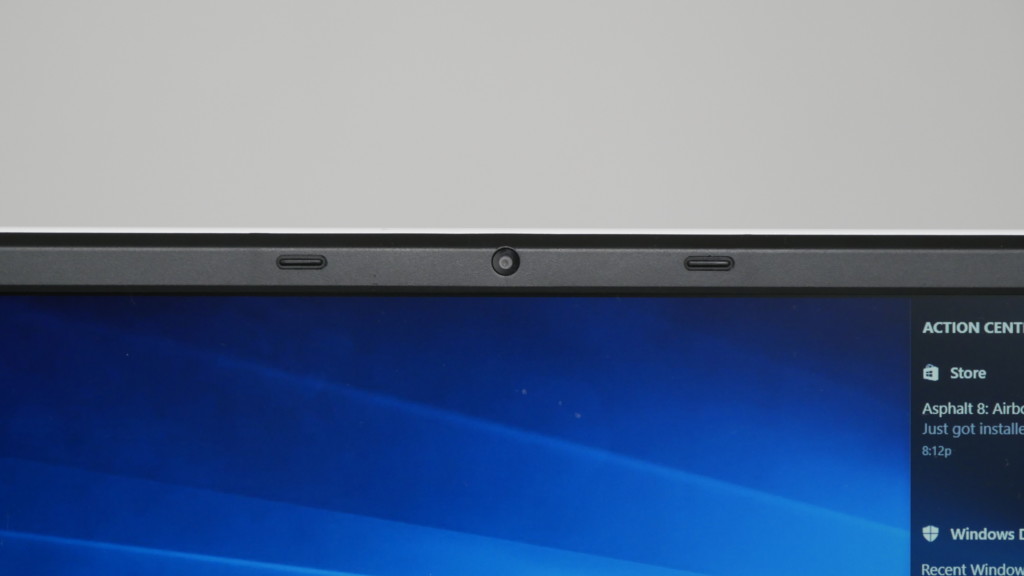
Just above the display, we have a 2MP camera, which is just okay for video chats as it supports videos of only 480p.

P1080185JPG

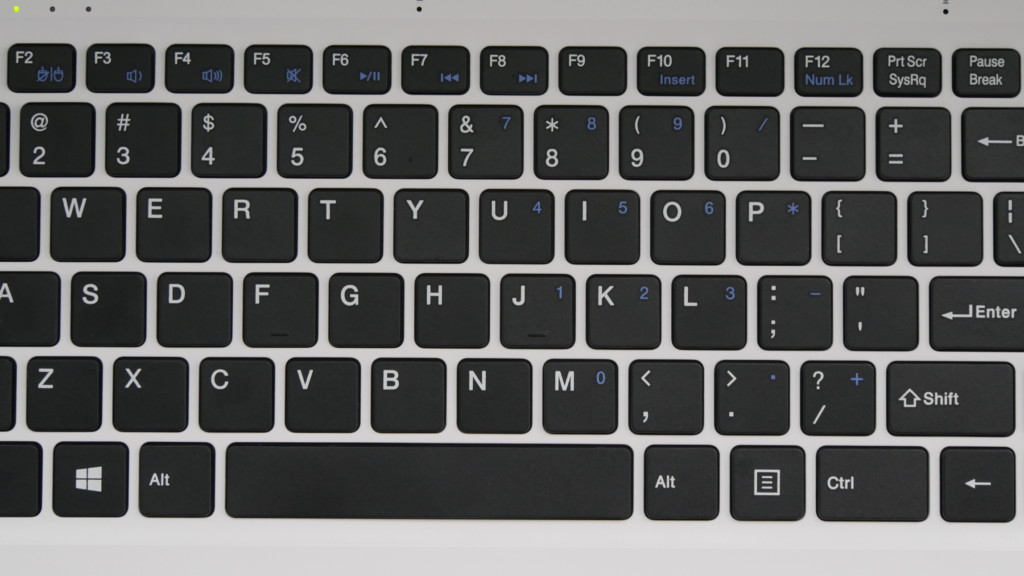
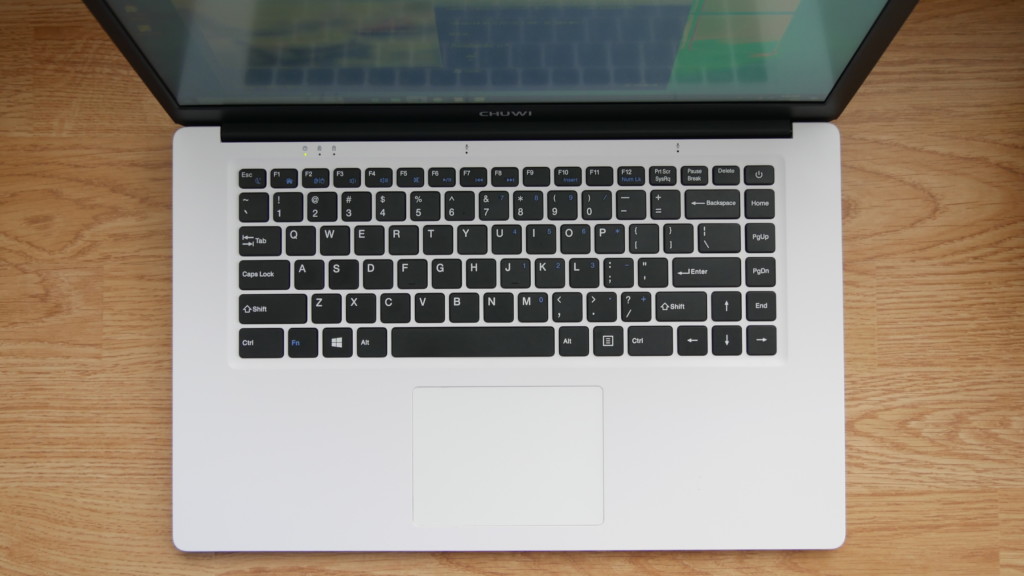
I love the keyboard on this laptop. The buttons are tactile and responsive, and it takes just a few minutes to get used to it and start typing quickly. The one thing that is missing is the screen brightness buttons.

P1080188JPG

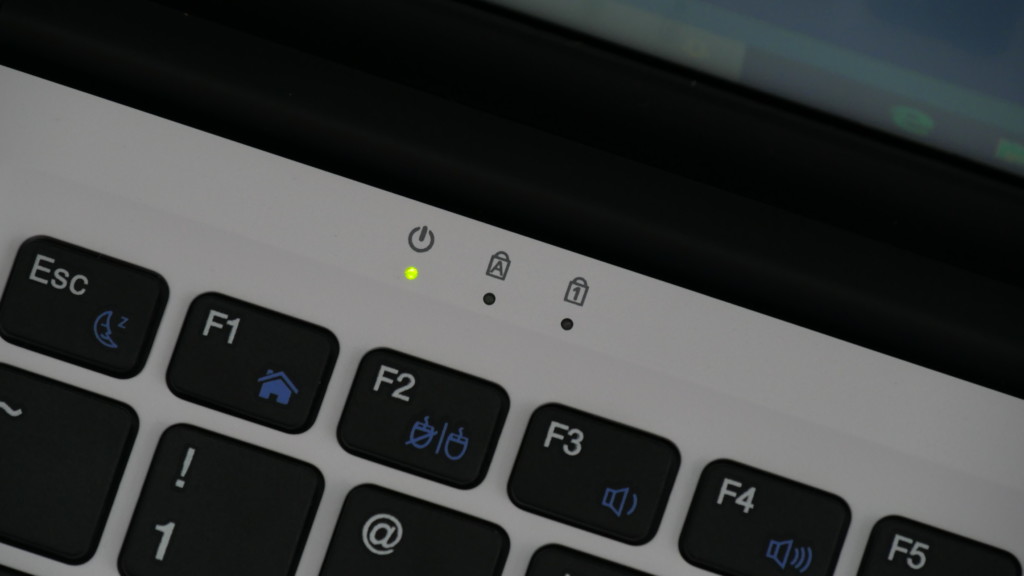
Just above the keyboard, you have two mics and indicator lights.

P1080183JPG

The trackpads on cheap laptops are usually bad but this one is pretty good. It supports all the Windows 10 gestures and it is responsive.

P1080207JPG

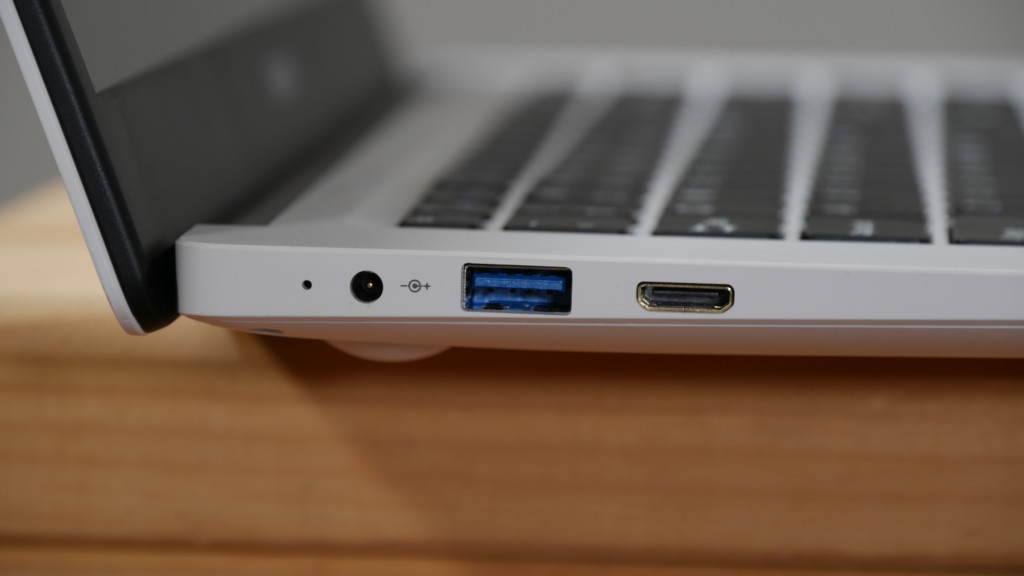
On the left, we have a DC power input, USB 3.0 port and the micro HDMI out port.

P1080210JPG

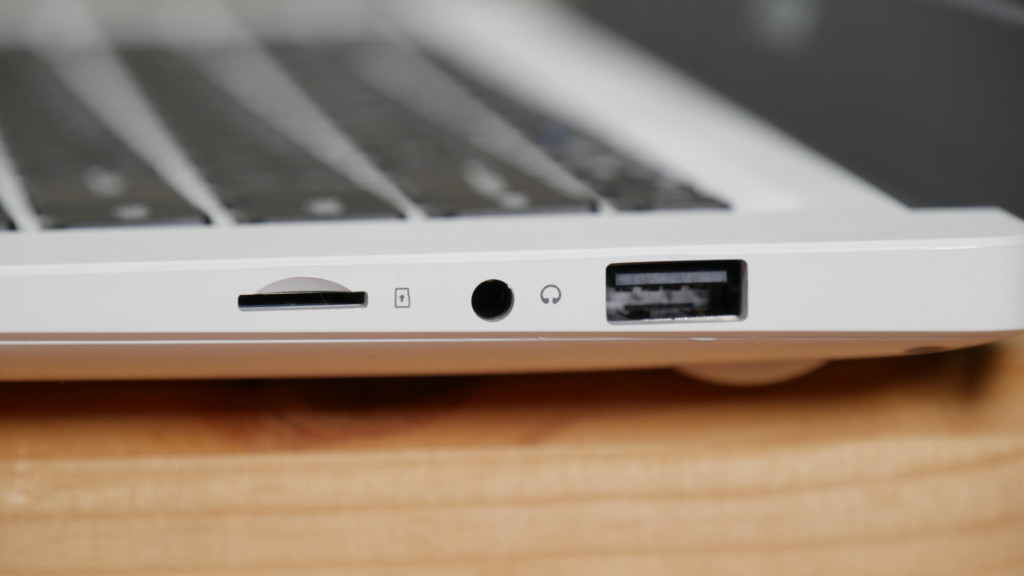
On the right, you can find another USB 3.0 port, a microSD card slot that supports cards up to 128GB and a 3.5mm headset jack. The quality of sound using a headset is decent.

P1080197JPG

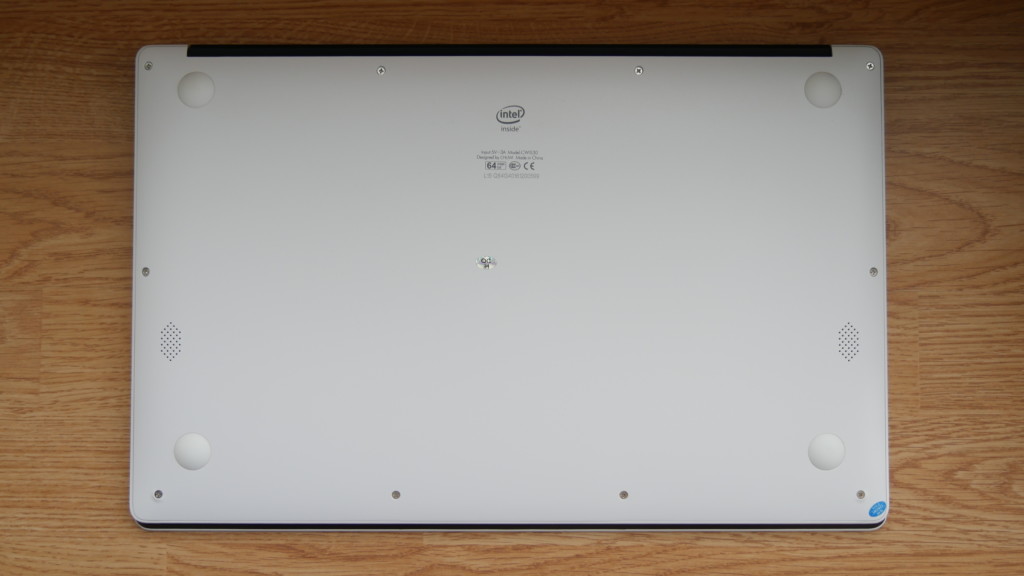
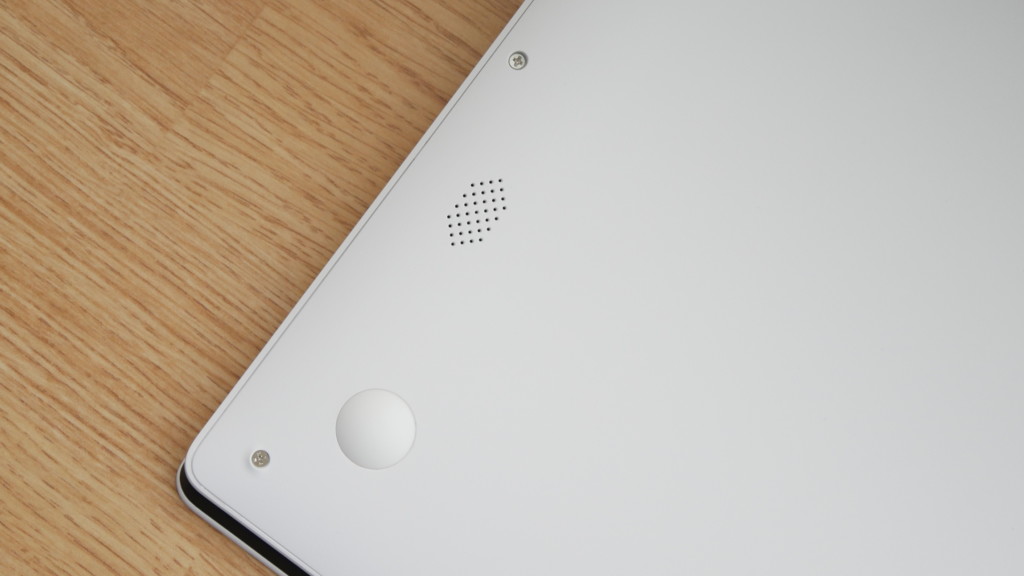
I like that the rubber feet give a good grip with the table and the laptop does not slide at all. Also, we have the bottom-mounted speakers, which are just terrible.

P1080202JPG

The sound is tinny, flat and to put it simply, the speakers are annoyingly bad.

SPECS and PERFORMANCE

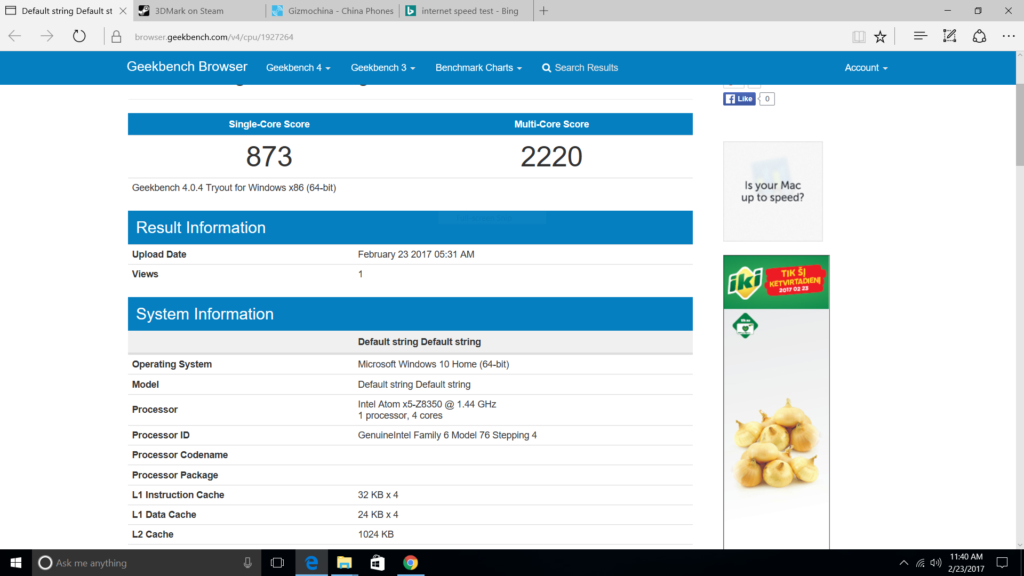
Capture2

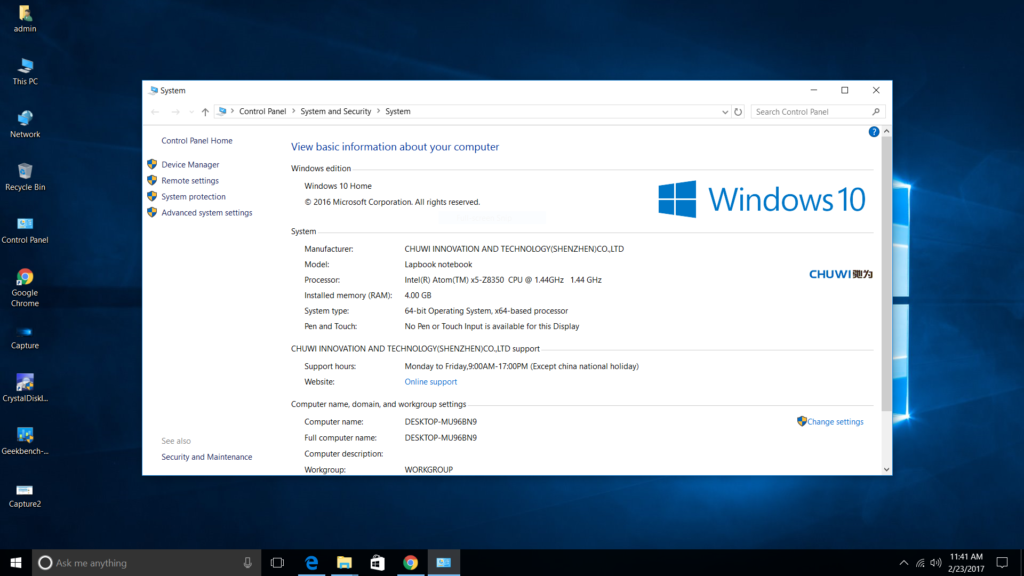
The Chuwi LapBook has a quad-core Atom Z8350 chip, 4GB RAM and 64GB of expandable storage. It’s worth mentioning that the RAM is clocked at 1066Mhz speed, which is kind of slow.

Capture3

The day-to-day performance, however, is pretty good. The fully activated Windows 10 runs fine once do all the basic stuff like edit word documents, browse the web, watch Youtube videos and so on. However, I noticed that the browsing experience using the Google Chrome is a bit choppy, so I suggest using the Microsoft Edge browser.

Capture

The  Atom Z83X0 chip is not designed for gamers but you should be able to run some games like Asphalt 8 without any issues if you change graphics settings to medium. Playing the same game on the highest graphics is impossible. Finally, the LapBook tends to get quite warm but I didn’t notice any overheating issues like thermal throttling.

BATTERY LIFE

P1080195JPG

Obviously, the battery life is very subjective on laptops and it depends on your usage. I was able to get about 6-7 hours of screen on time while keeping the display brightness at 50-75% and doing just the basic stuff like browsing the web, editing a few documents, watching videos and so on. That is a pretty good result.

CONNECTIVITY

Capture4

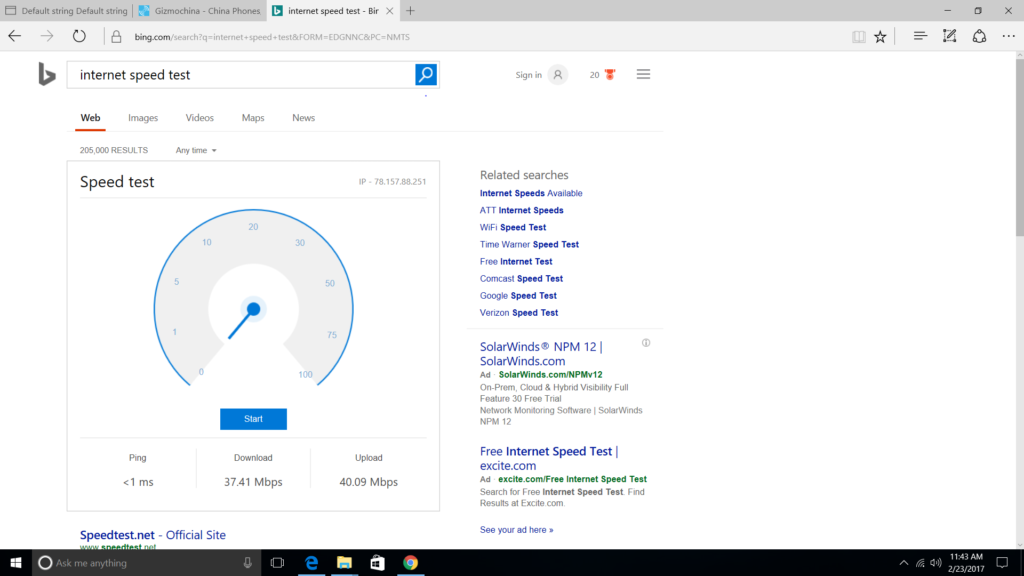
As far as connectivity goes, I have no complaints except for the fact that there is no 5GHz Wifi support. Other than that, Wifi range and speed is decent and the Bluetooth works just fine.

CONCLUSIONS

P1080241JPG

The Chuwi LapBook aims to be a great all-around budget laptop that runs on Windows 10 and it succeeds in a lot of ways.

First of all, it has a great design and build quality, the keyboard is comfortable to type on and the laptop has a large 15.6” display. While it is not perfect, as the vertical viewing angles could be better, it is a decent panel overall.

P1080232JPG

Also, I love that the laptop performs pretty well for the basic stuff that is designed for. I didn’t have any app compatibility issues and the Windows 10 has quite a lot of features to play with, just like any other laptop. Finally, the battery life is pretty solid considering the size of the display.

P1080219JPG

However, there are some shortcomings. In addition to the poor vertical viewing angles of the display, the external speakers are just terrible, the front facing camera supports just 480p video resolution, there is not 5GHz wifi support and finally, don’t expect a great gaming performance. In other words, the LapBook was designed for neither gamers nor video editors.

P1080228JPG

At the end of the day, every cheap laptop has to have some compromises to justify a low price tag, so does the Chuwi LapBook. I think this laptop offers quite a lot of value for the price, even with all the shortcomings. In fact, it may be one of the best options for under $250 at the moment.. but as always, it all comes to your personal preference and if these shortcomings are important to you or not.

13% OFF Coupon for Tablet PC @ GearBest.com