LeEco is not in a pretty shape right now. The news is that the company is in massive debts following a company-wide memo where the CEO, Jia Yueting, mentioned the company’s growth expansion problem and also complained about individual work performances and redundancies.
If you have ever had to work for an organization which is facing financial difficulties or trying to restructure itself, once you hear them mention that certain positions are redundant, expect a layoff in the nearest future. They might deny it when you ask them or dismiss it as you being paranoid, but it is their way of quelling a possible panic-infused environment.
It appears a layoff is coming or has already even occurred at LeEco as an image of employees queuing up at the Human Resources center has been posted online. The rumor is that about 1400 employees have been asked to leave as a result of organizational restructuring.
The layoff will not only affect the company’s mobile sector but also its media arm. Sources say that the sports editor for LeEco Ao Ming has handed in his resignation.
News of the layoffs has affected the company’s stock, dropping by a record 9.9% to 35.01 yuan per share and picking up later to close at 35.80 Yuan per share. This morning, LeEco’s stock was suspended temporarily and the reason given by the CEO is that the suspension is due to to the company undergoing a new round of financing.
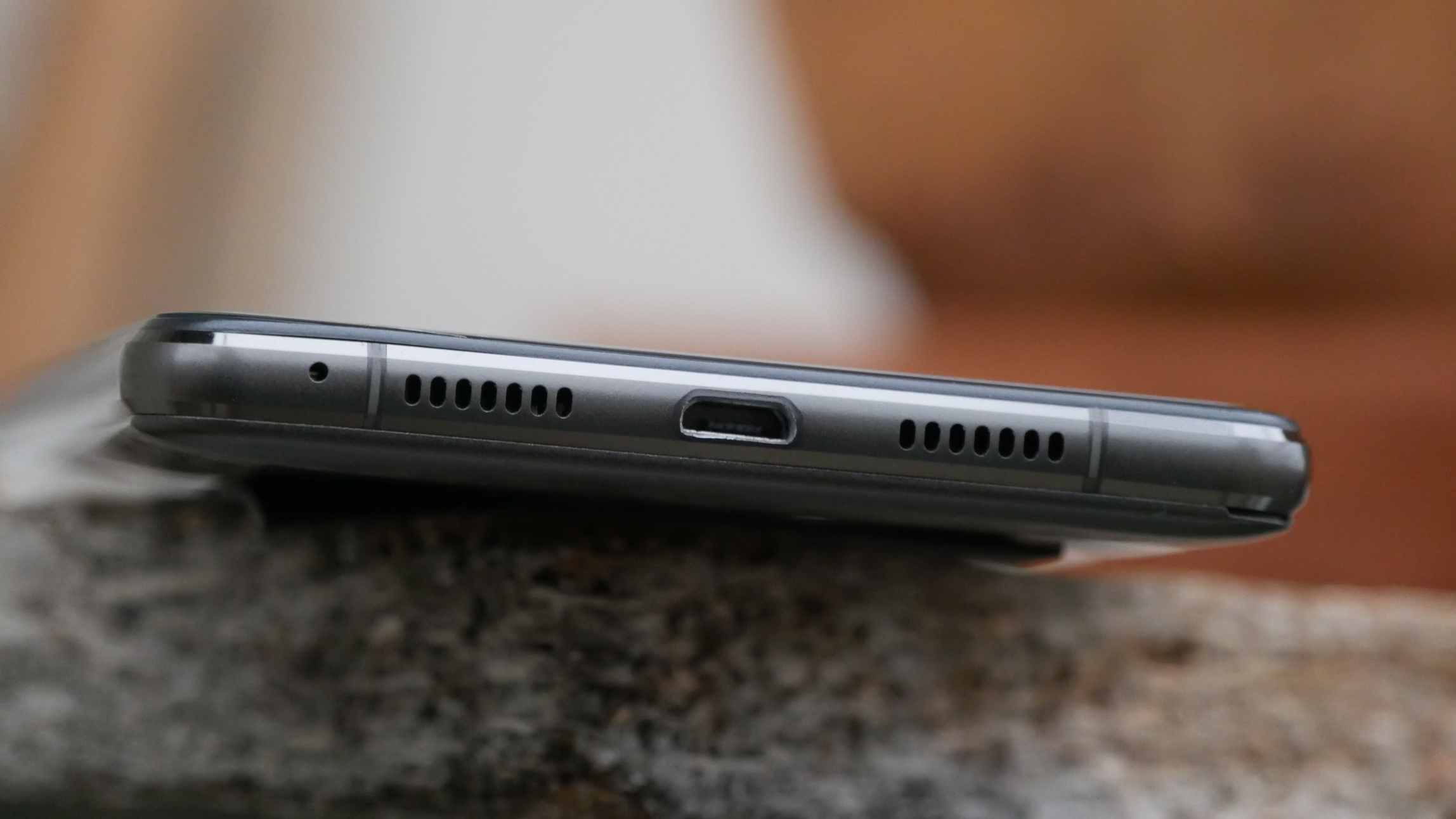
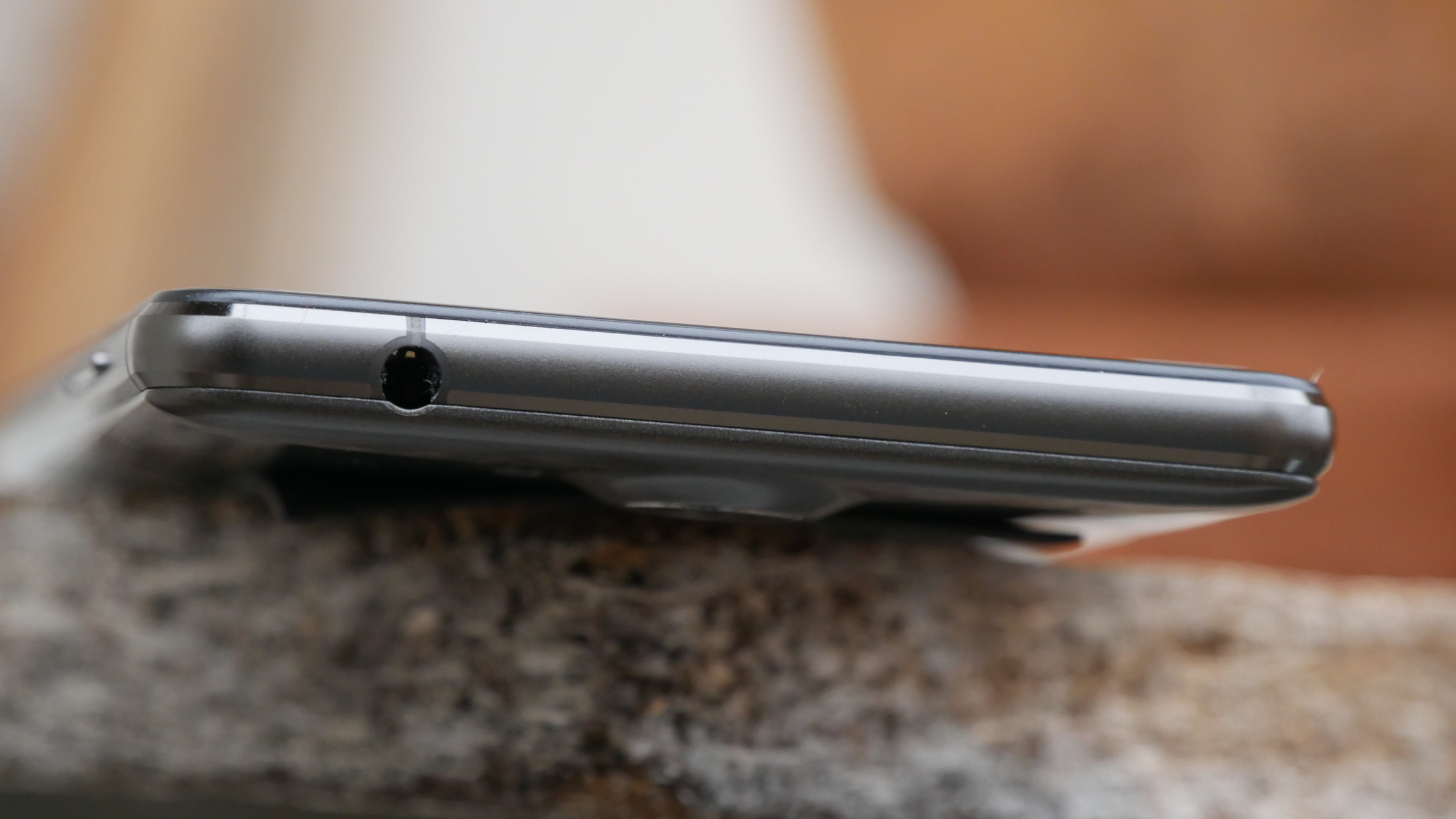
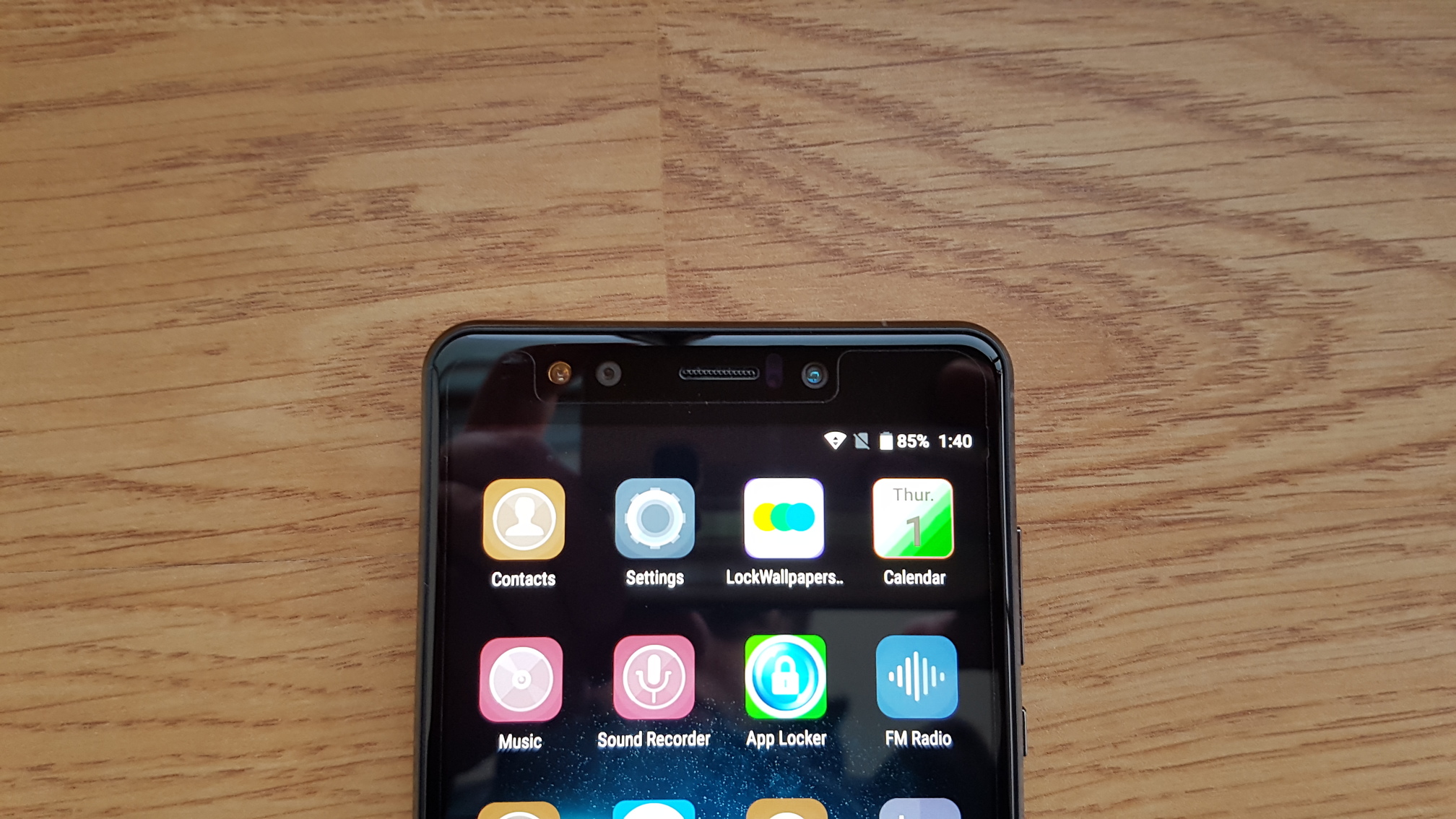
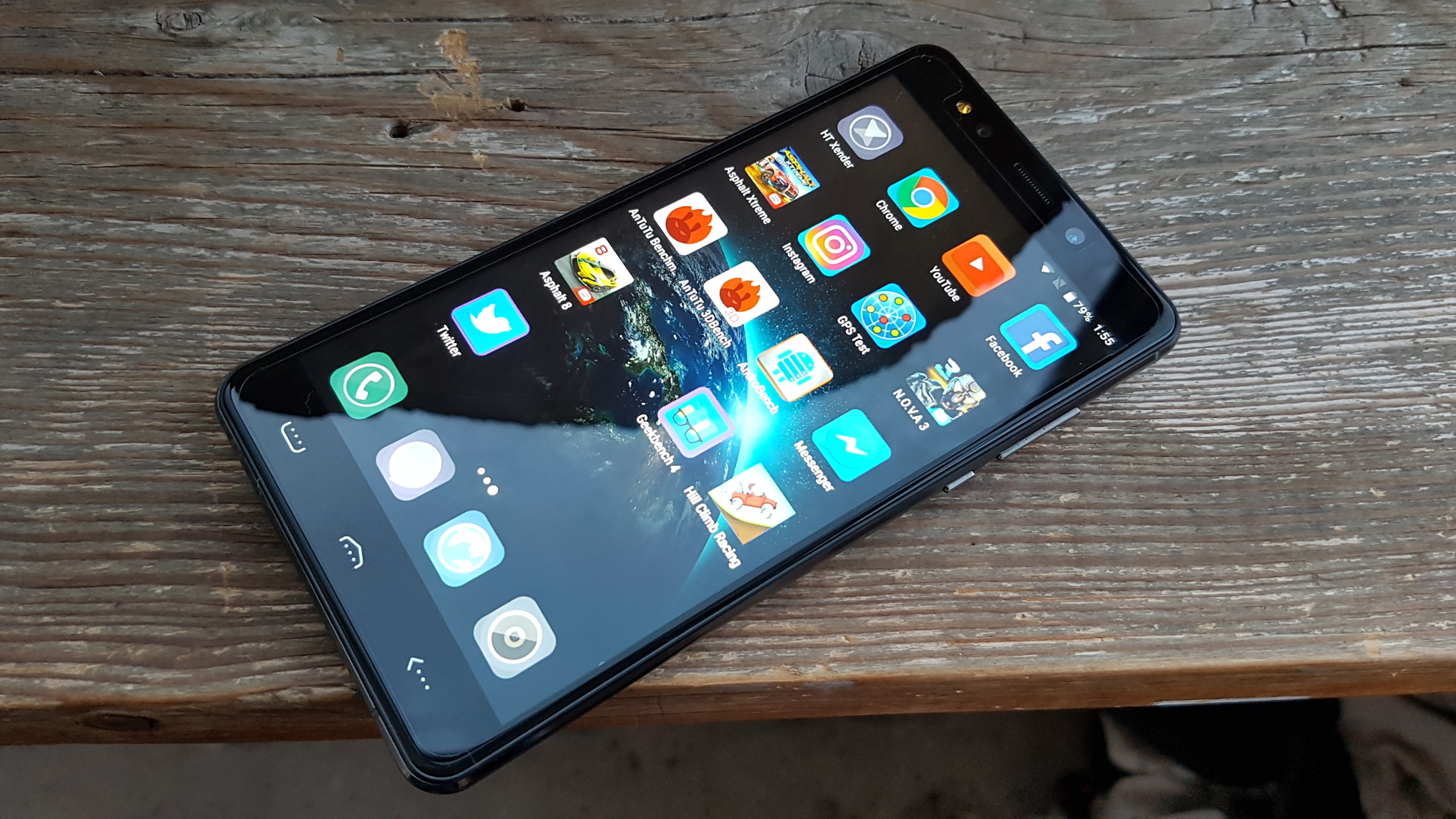
While LeEco isn’t be the first company to lay off its staff due to wrong decisions made by the higher-ups, it certainly won’t be the last. We want to believe the restructuring is one of the reasons why we have not heard anything new about their Helio X27 sporting dual-camera phone.
Is it just me or are manufacturers taking updates more seriously now? In the last couple of weeks, we have seen a number of manufacturers roll out Nougat updates to their devices or announce a roll-out plan. Lenovo has joined the ranks and have announced a Nougat update for its ZUK sub-brand.
The Android 7.0 update will come in form of a new version of their ZUI OS. The new ZUI 2.5 update is scheduled to roll out before the Spring Festival which falls on January 28.
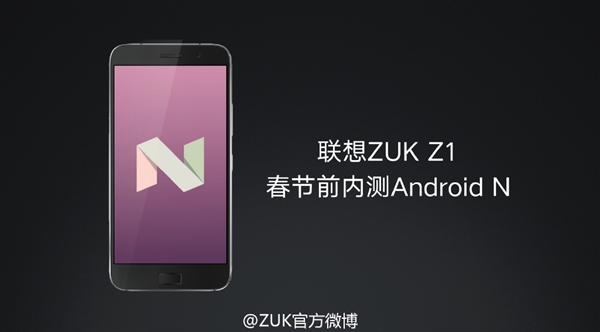
ZUK is also keeping its promise of updating its first flagship, the ZUK Z1 to Android Nougat and will be the first Snapdragon 801 phone to get updated to the latest version of Android. The ZUK Z1 will only receive an open beta version of the update though, and it will be available before the Spring Festival too.
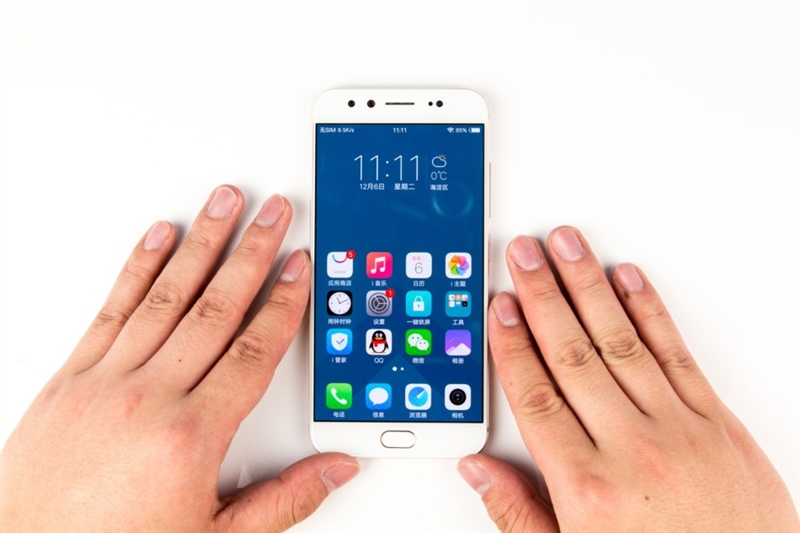
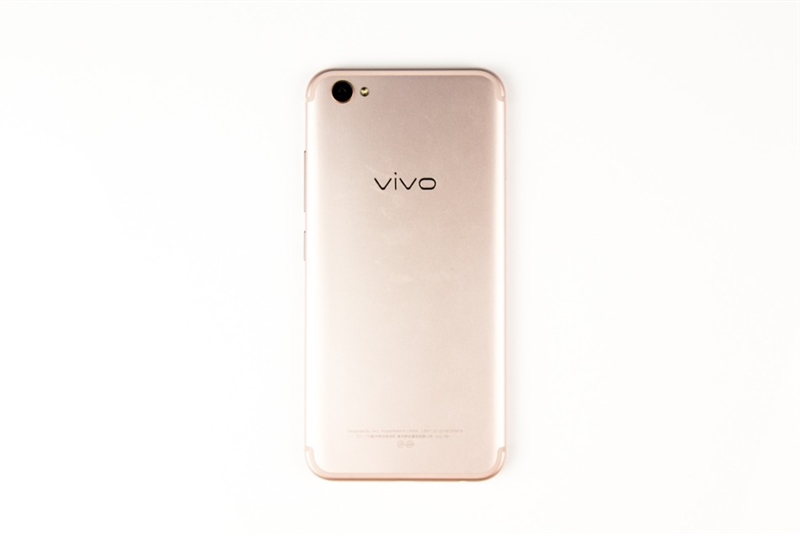
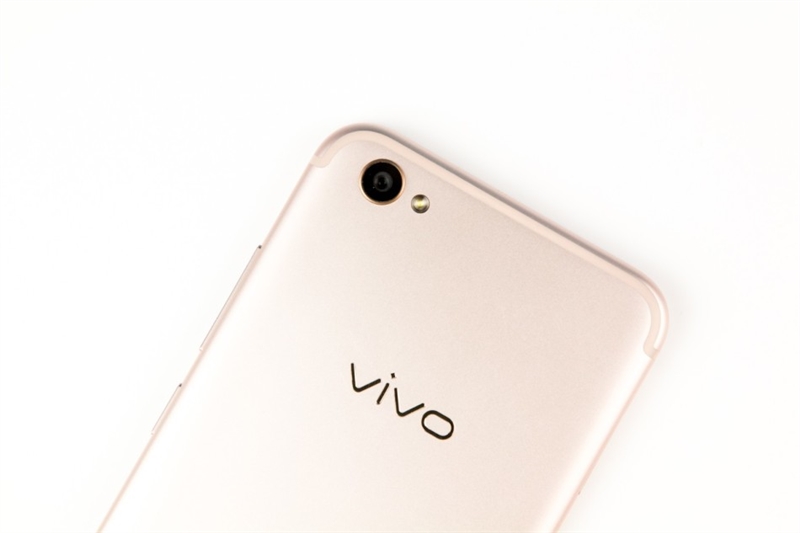
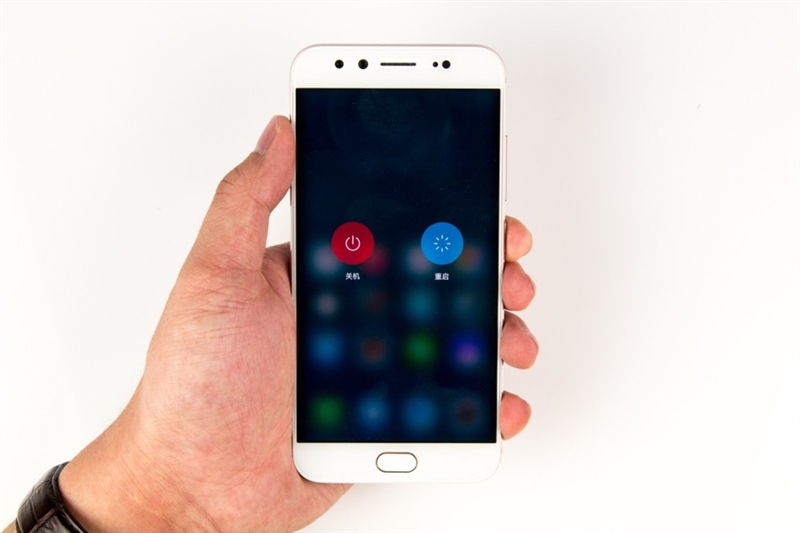
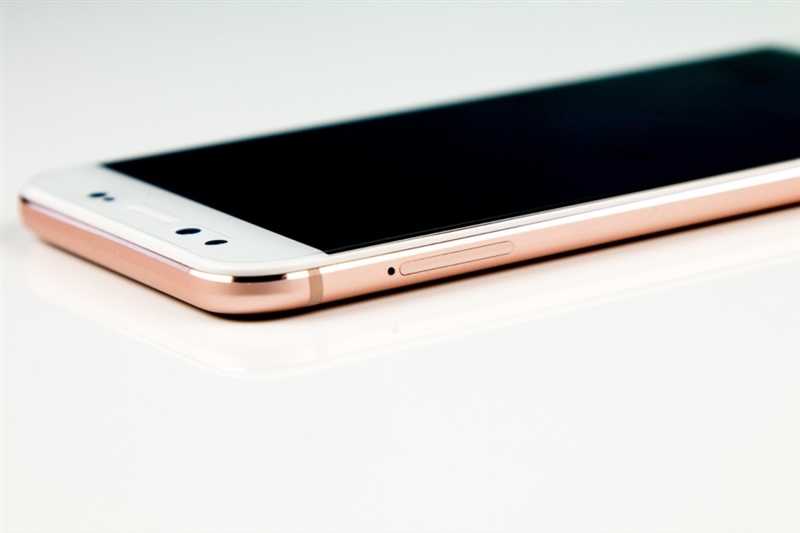
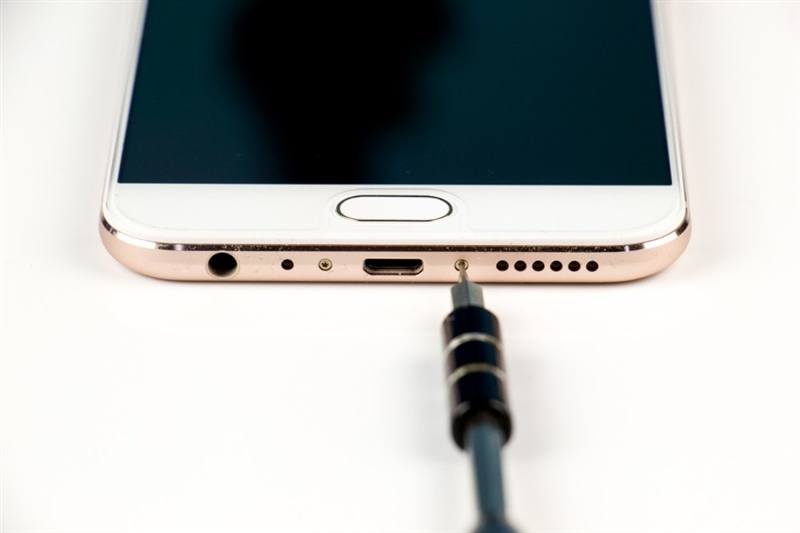
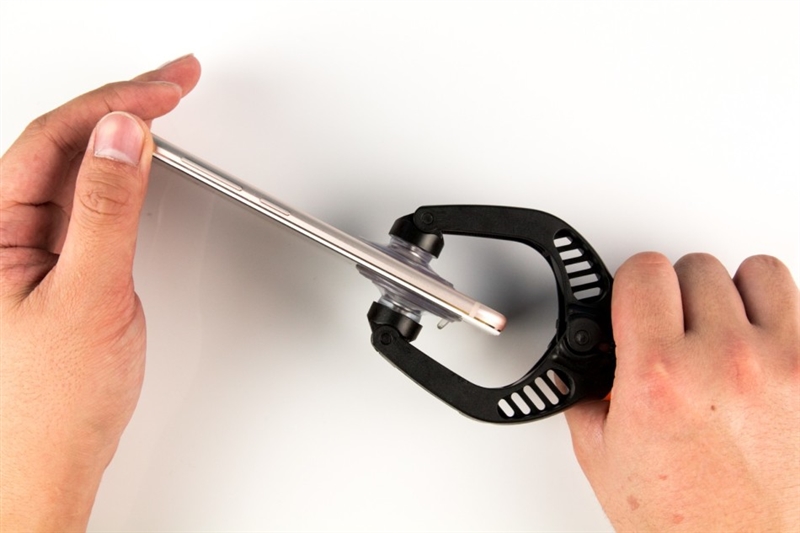
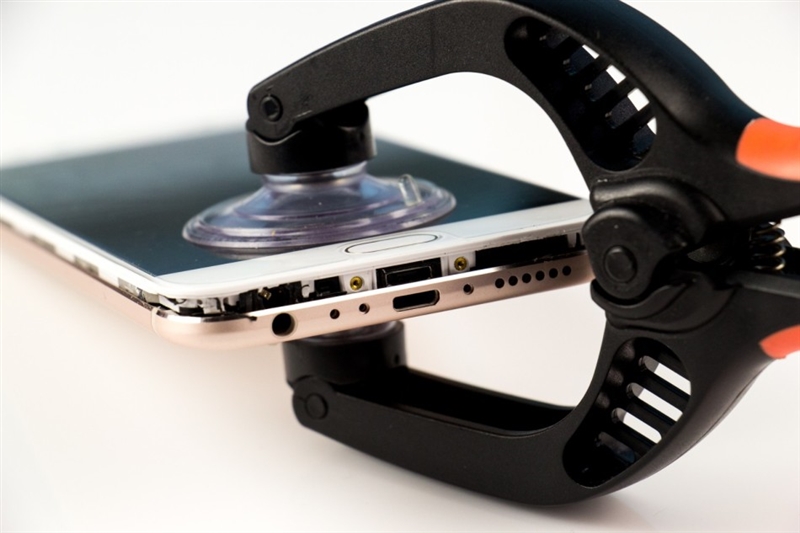
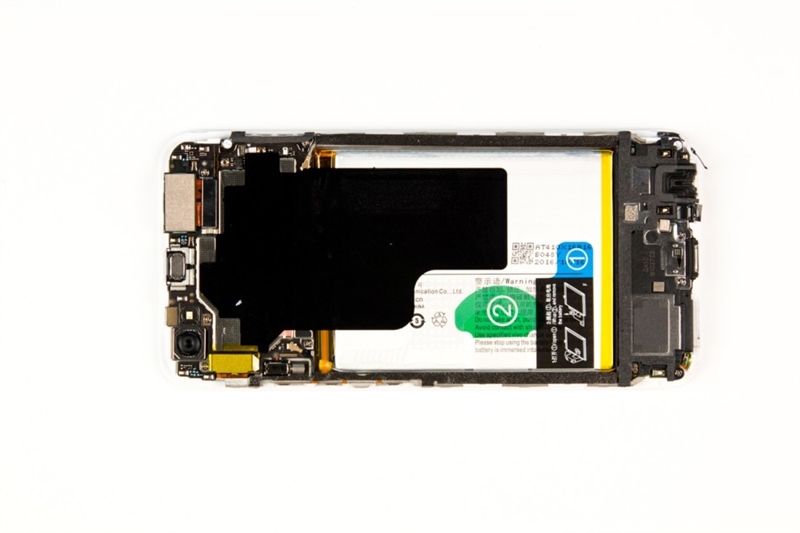
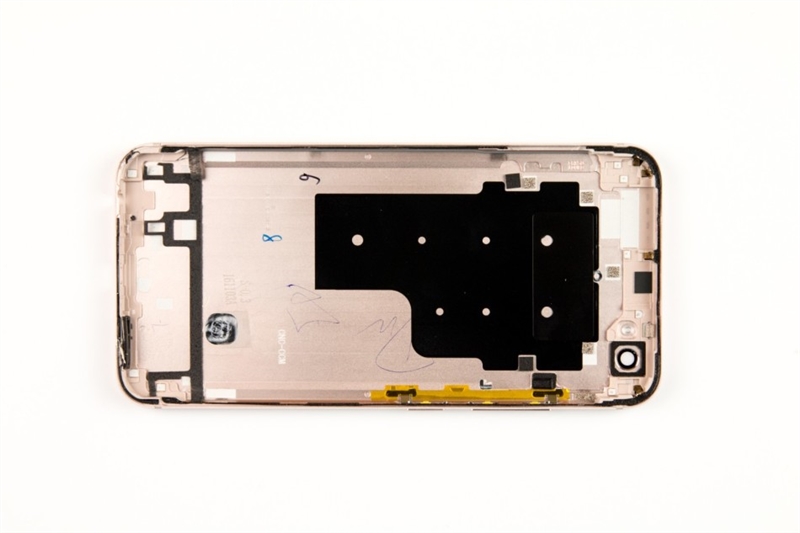
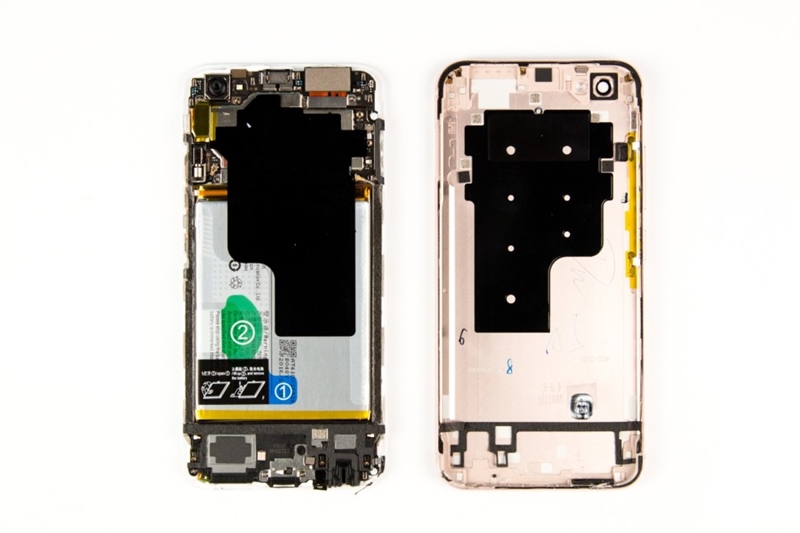
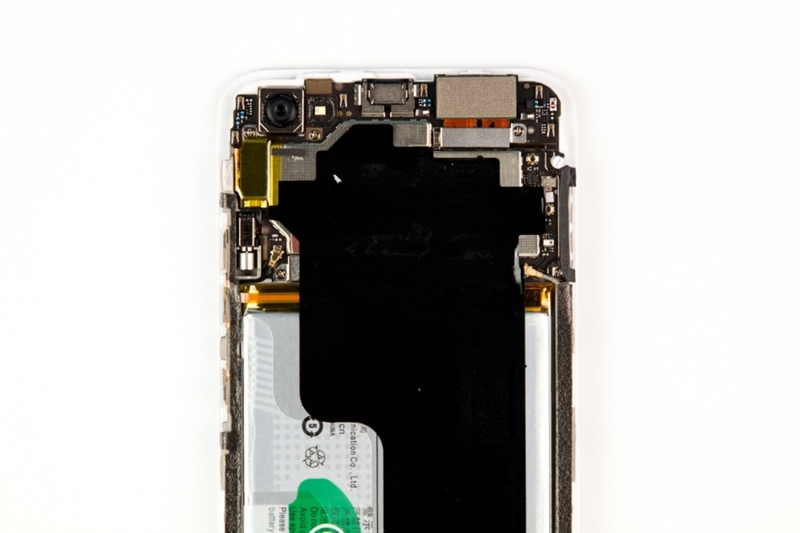
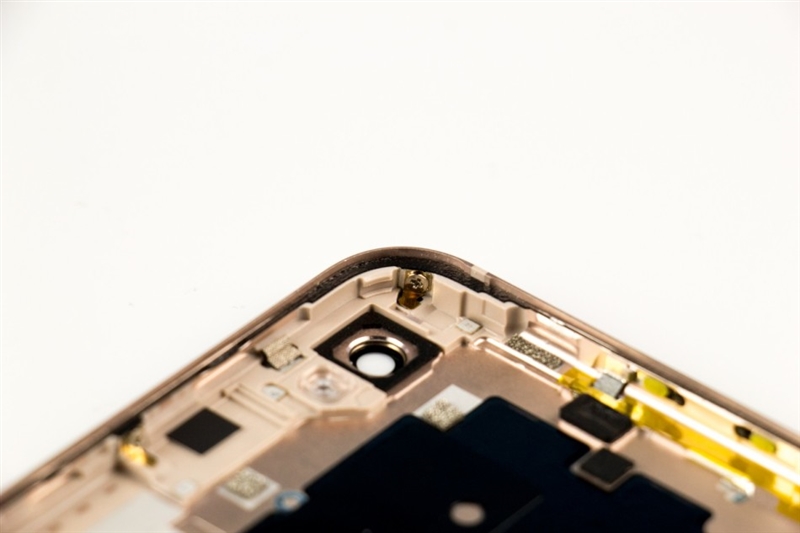
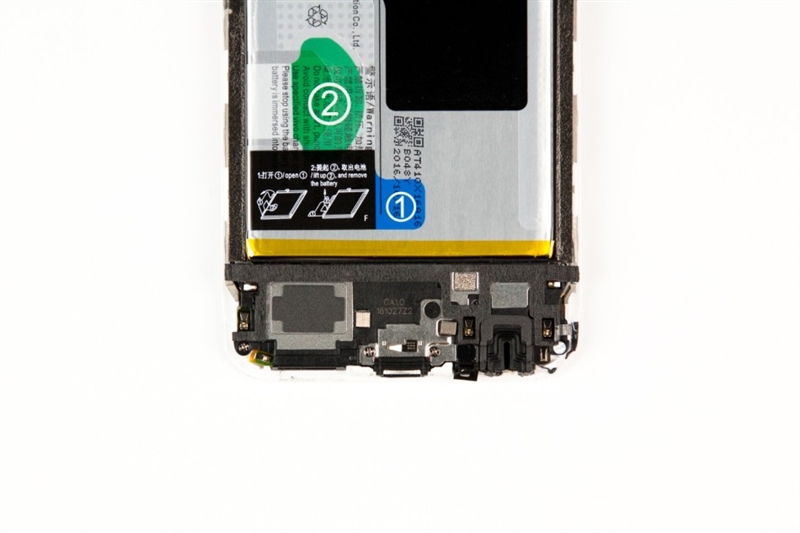
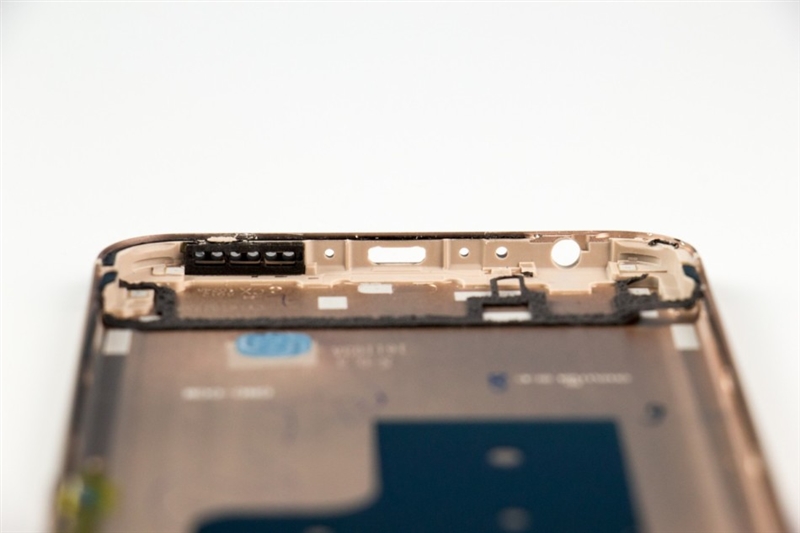
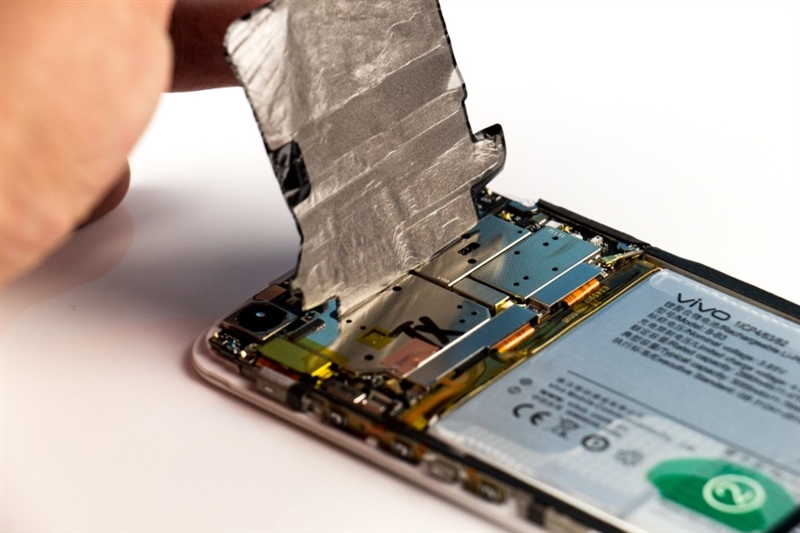
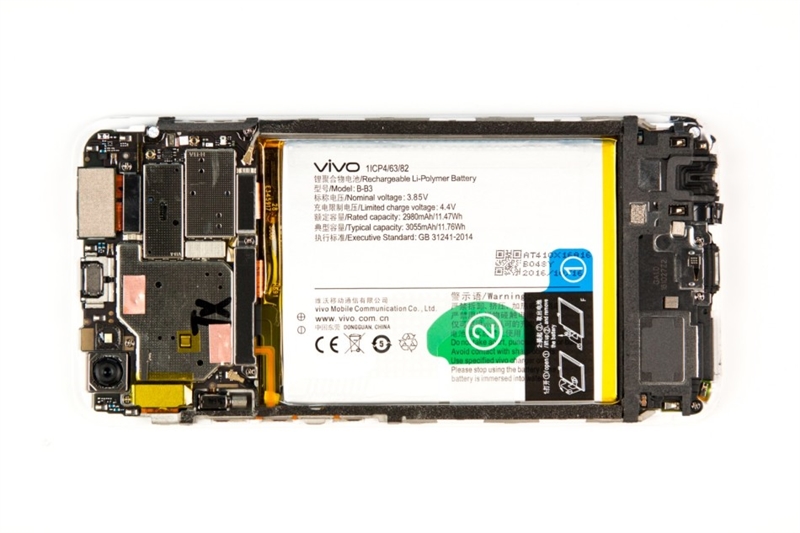
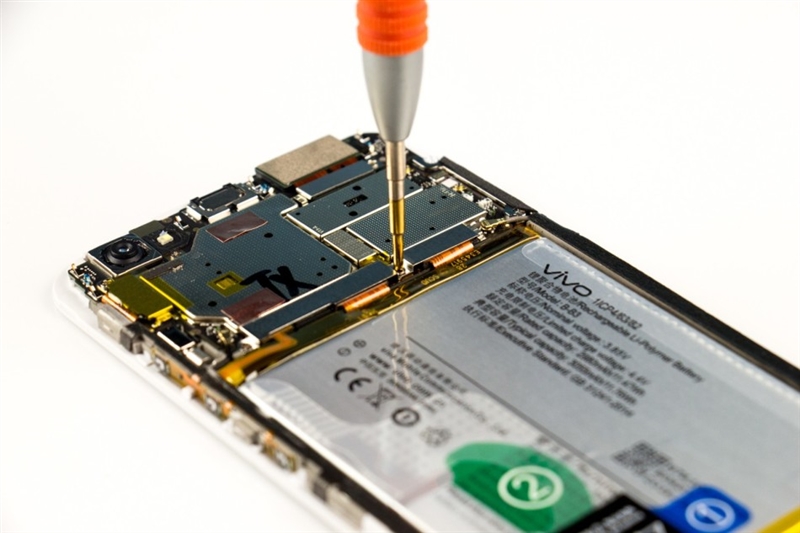
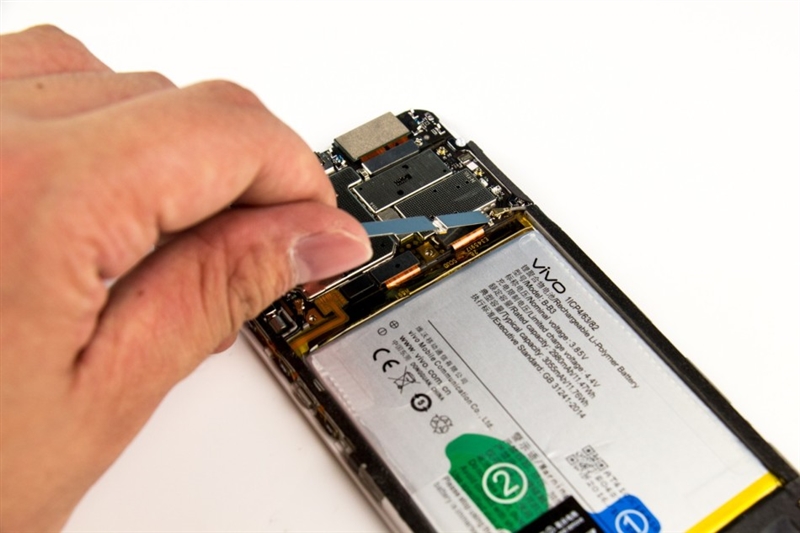
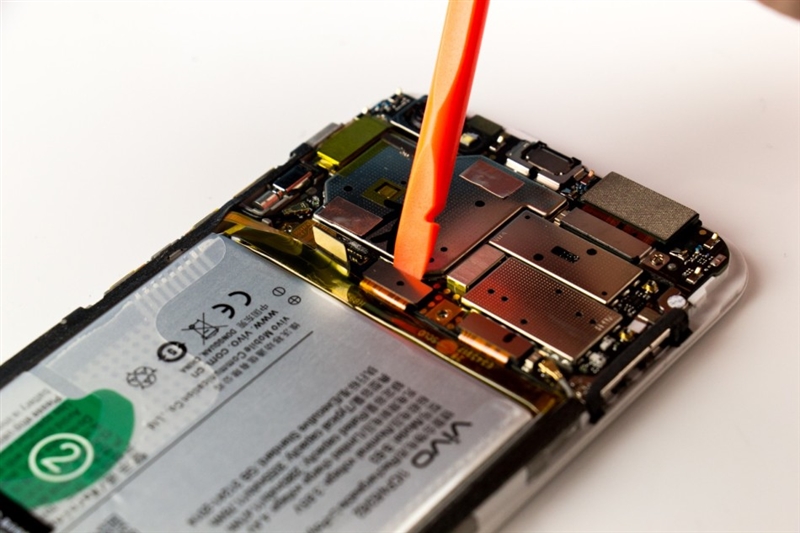
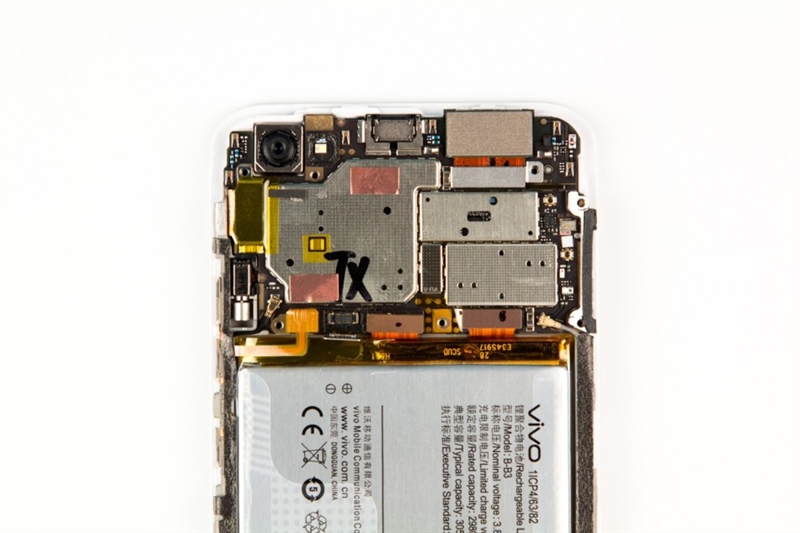
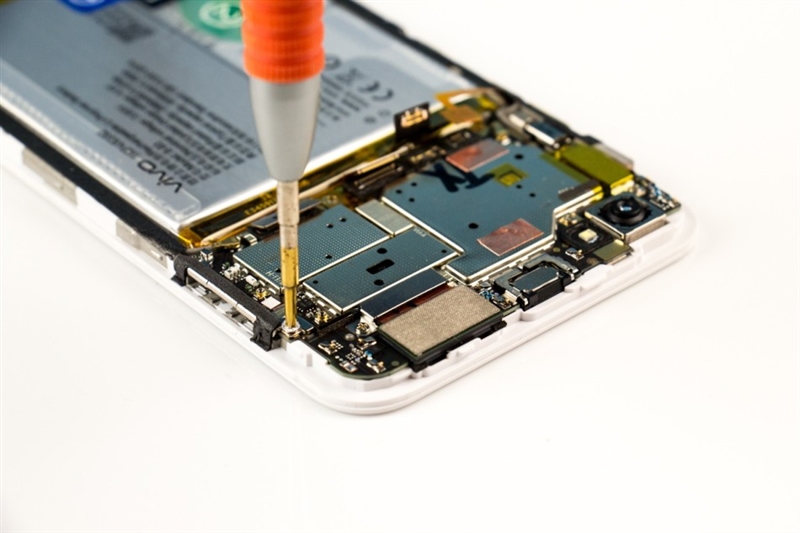
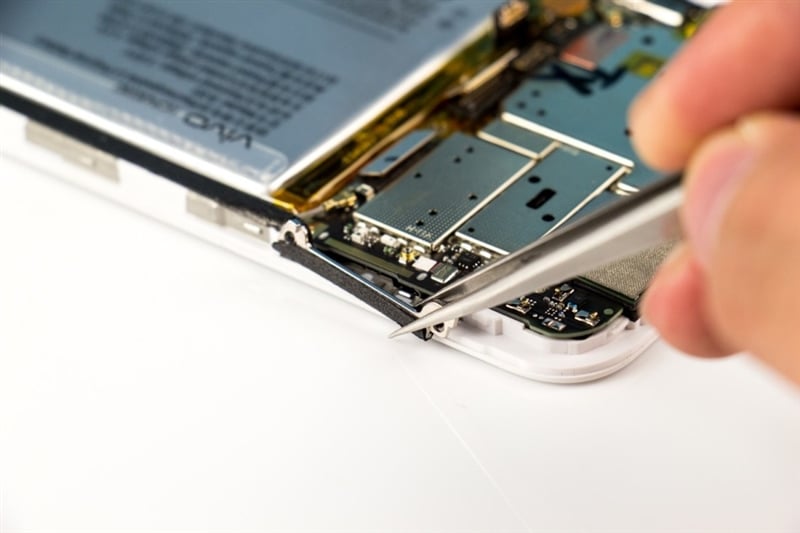
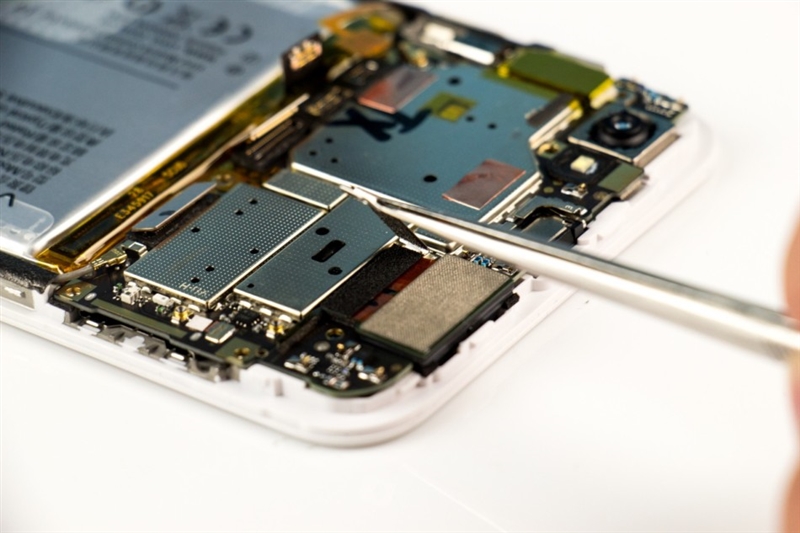
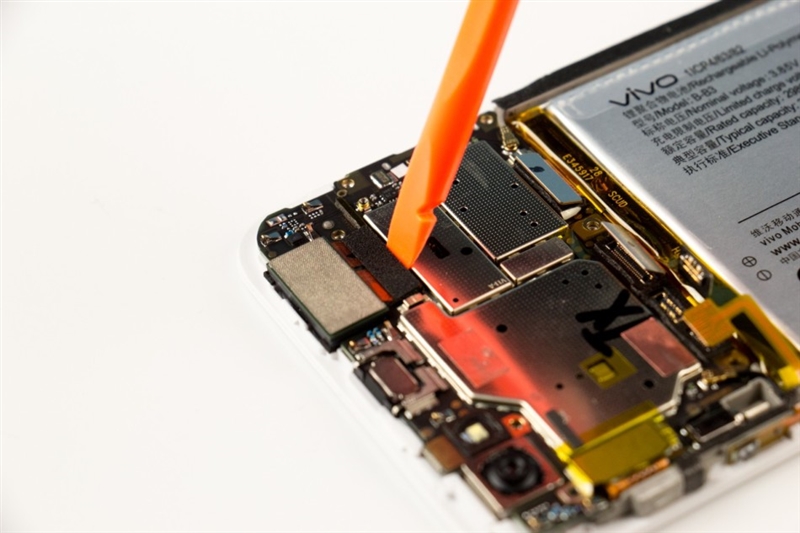
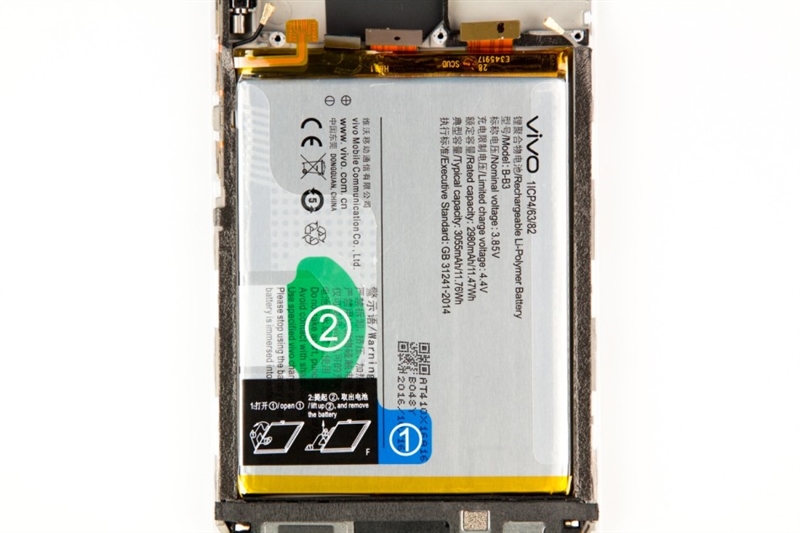
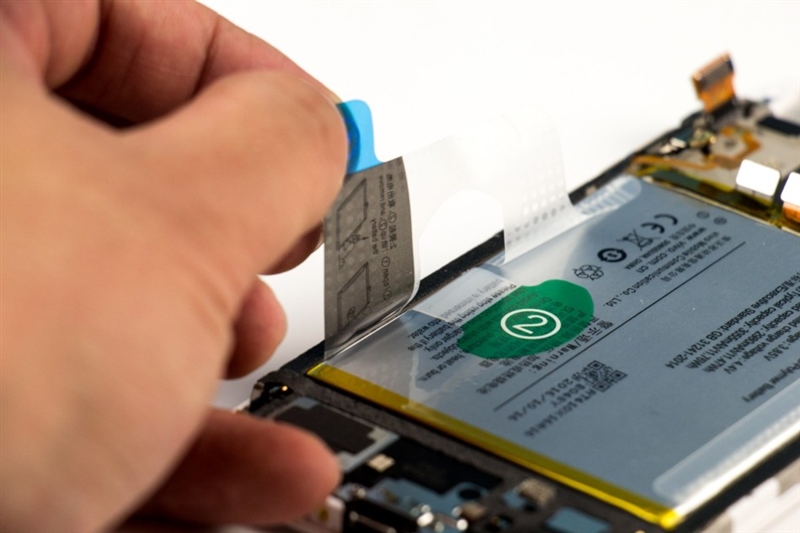
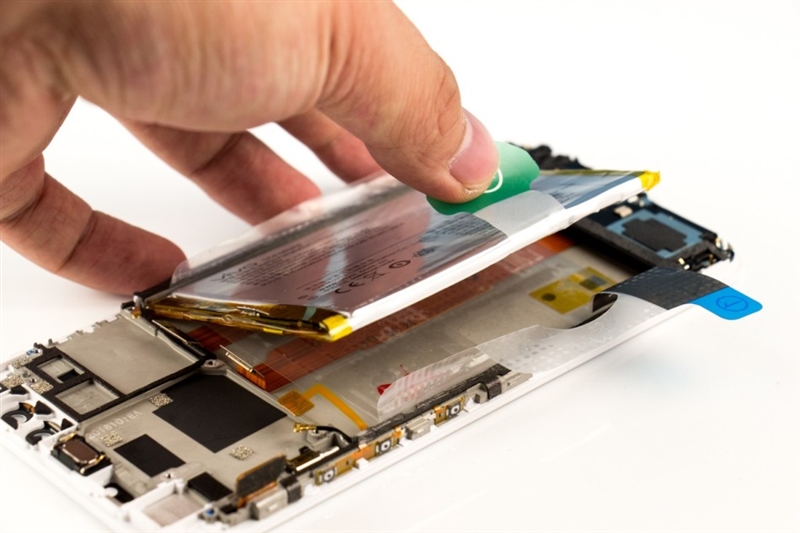
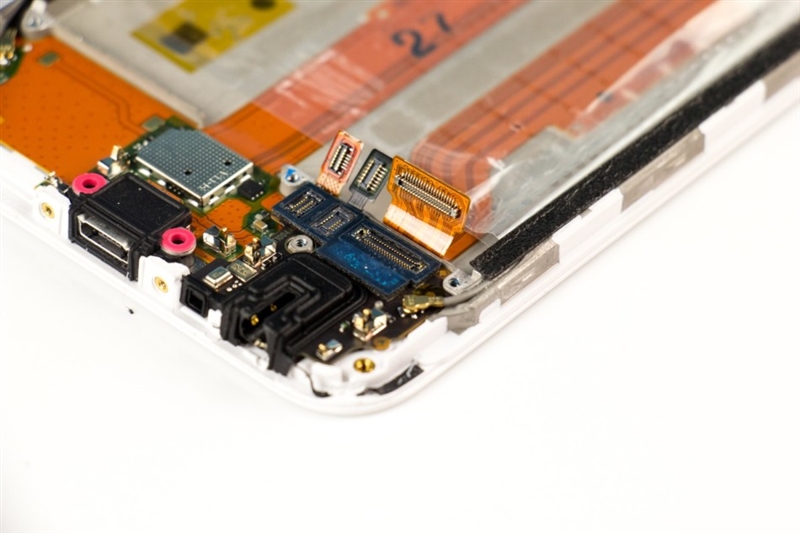
The Vivo X9 was launched alongside the XPlay 6 and X9 Plus late last month and came with a front dual camera setup as its main highlight. We bring you both the unboxing images of the device as well as its teardown images.
Vivo did a good job in the X9’s design and that is clearly revealed in the unboxing images which shows the device from different angles. As would be recalled, the X9 uses a fused antenna design just like the iPhone 7’s which sits at the edge of the phone. The rear camera is also tilted to the left corner at the upper edge while the LED flash is located beside it. The device also features super narrow bezels at the edges around the display and comes flat at only 6.99mm thick, weighing 154g.
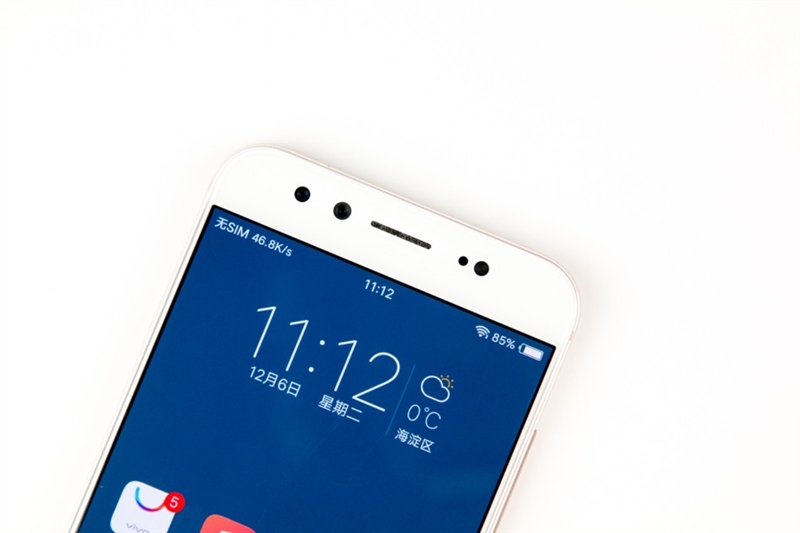
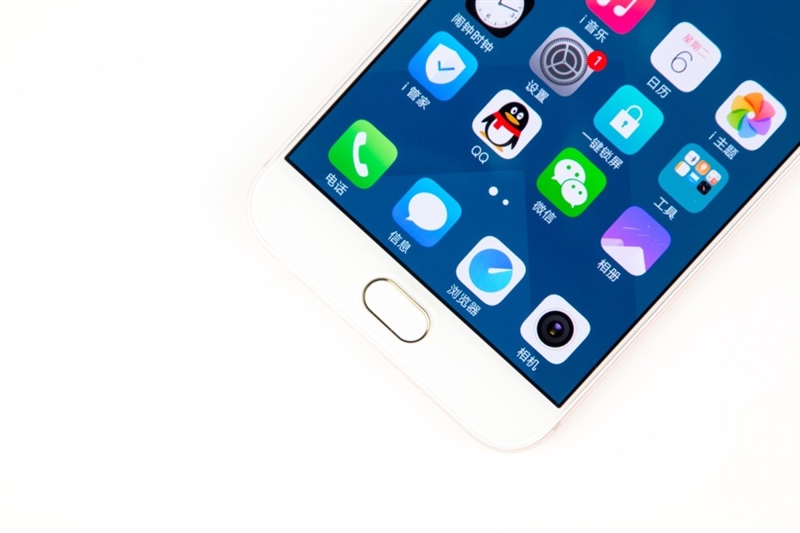
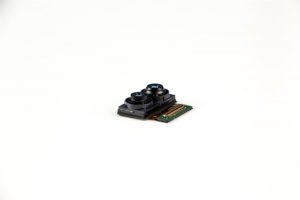
The X9 features a 20MP + 8MP selfie camera combination, each sitting at either side of the earpiece. There is also soft flash for illumination. There is equally a capacitive home button and it functions as the fingerprint sensor.
Aside the unboxing images, the Vivo X9 also got the teardown treatment which unveils the internals and hardware. The teardown images shows the X9 might just be easily to repair if faulty. Also, the device is revealed to pack a non-removable battery.
As a reminder, the Vivo X9 features a 5.5-inch AMOLED display with a resolution of 1080 pixels and pixel density of 401 ppi. The display is further protected with the latest Corning Gorilla Glass 5 protection. The device also comes powered by the Qualcomm Snapdragon 625 processor supported by a modest 4GB RAM. There is also 64GB of internal storage inside the device.
As stated, the biggest feature on the X9 is obviously the front dual cameras which the device packs. The selfie cameras are composed of a 20MP Sony IMX379 main sensor and an 8MP depth of field sensor. We had earlier seen some teased sample images said to have been shot by the X9’s selfie shooter and they are not disappointing at all. Going further, there is also a 16MP rear camera with LED flash which should hold its own in being capable of delivering crisp clear photo shots.
The X9 also crams a 3,050mAh built-in battery under its hood and runs on Vivo’s custom Funtouch OS 3.0 based on Android 6.0 Marshmallow. The device also has the AK4376 HiFi audio chip onboard which is capable of delivering improved audio output.
The Vivo X9 comes in just gold and Rose gold color variants and carries an hefty price tag of 2798 Yuan ( around $406) and already on sale in China.
The ZUK Z2 and ZUK Z2 Pro were launched six months ago and both phones have gone through price cut after price cut making them one of the cheapest Snapdragon 820 phones in the market right now.
It appears the Lenovo-owned company isn’t done slashing the price on their flagships as they have announced that the Z2 duo will now sell at a reduced price starting today the 7th, up till the 13th of December.
The AMOLED sporting ZUK Z2 Pro with 6GB of RAM and 128GB of built-in storage gets a ¥600 (~$87) price slash and now sells for ¥2099 ($~305) or you can pick up the 4GB + 64GB model which sells for ¥1999 (~$290).
If you prefer the smaller-sized ZUK Z2, the 4GB + 64GB variant has been slashed down by ¥400 (~$58) and now sells for ¥1399 (~$203).
The sweetest deal is the base version of the ZUK Z2 which has 3GB of RAM and 32GB of storage but whose price makes it qualify for the ¥1000 flagship. For the period of the sales, the phone will sell for ¥1099 (~$160) after getting a ¥500(~$73) price cut.
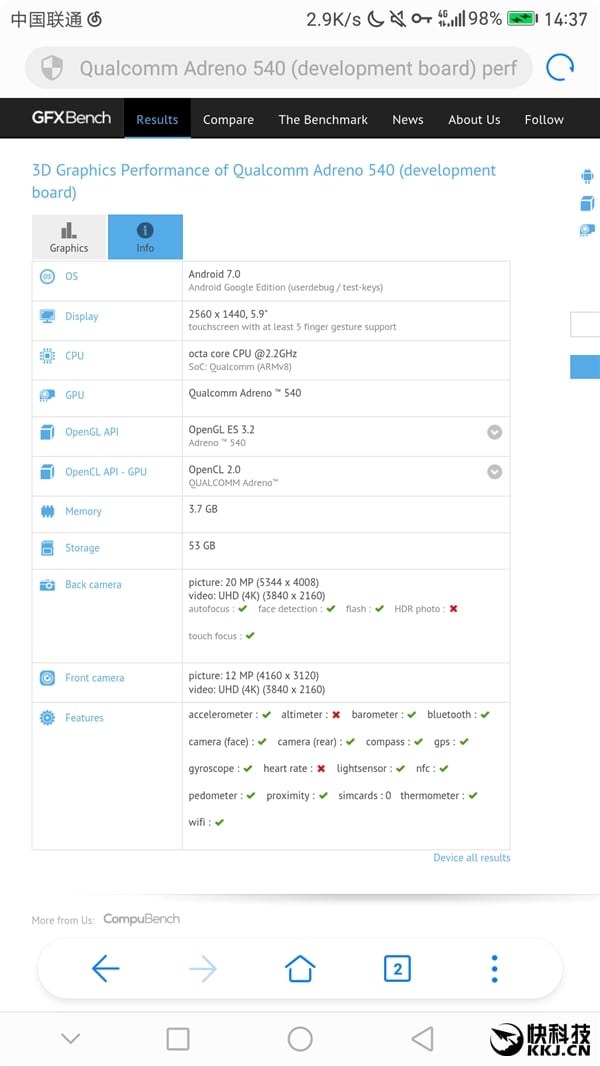
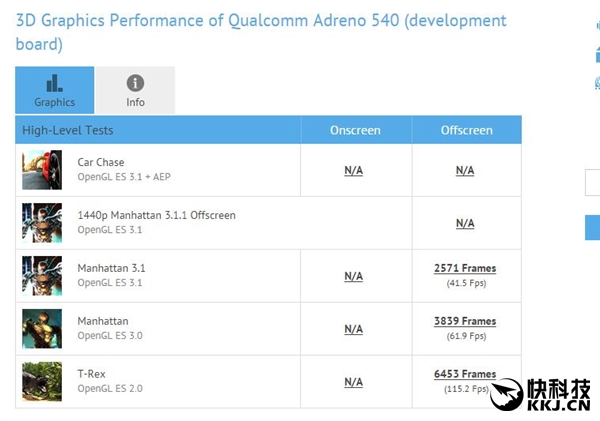
Qualcomm unveiled the Snapdragon 835, its new chip for flagship devices for next year a few weeks ago. The chip is one of the few 10nm SoCs that have been announced. While the earliest time we might see the chip in action is during CES in January, someone has uploaded results of the phone’s graphics performance on GFXBench.
It is no longer news that Qualcomm’s chips offer the best performance when it comes to graphics. Other chips may outperform them in other areas but not when it comes to graphics.
The phone used for the test is unknown but from the device info we can see it has a 5.9” Quad HD display, 4GB of RAM, 64GB of storage, a 20MP rear camera that can record 4K videos, a 12MP selfie camera that also records 4K videos, runs Android Nougat, and most important of all, has an octa-core Snapdragon 835 SoC clocked at 2.2GHz.
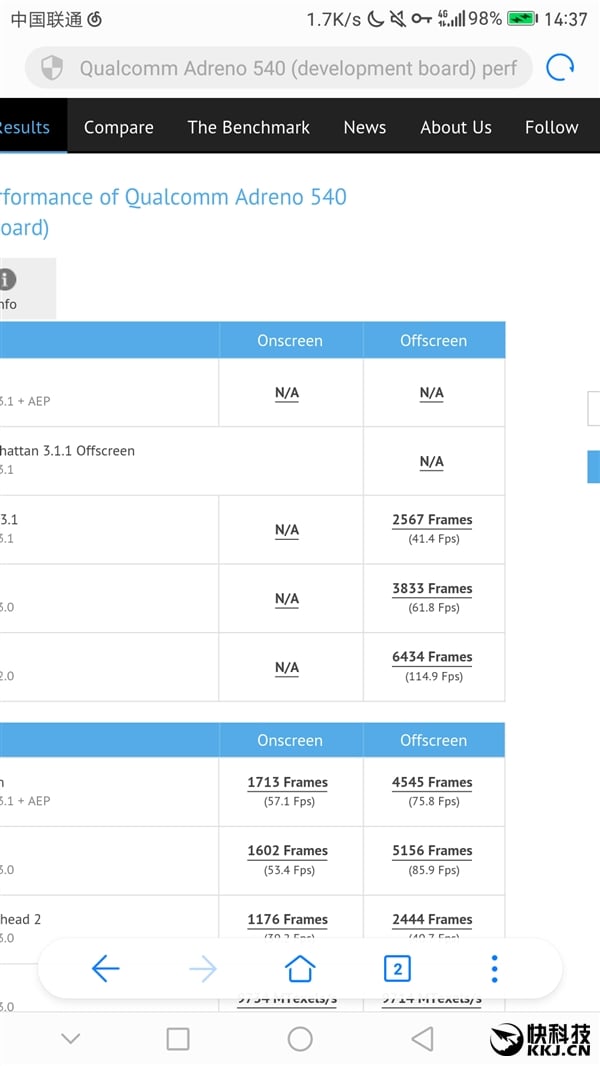
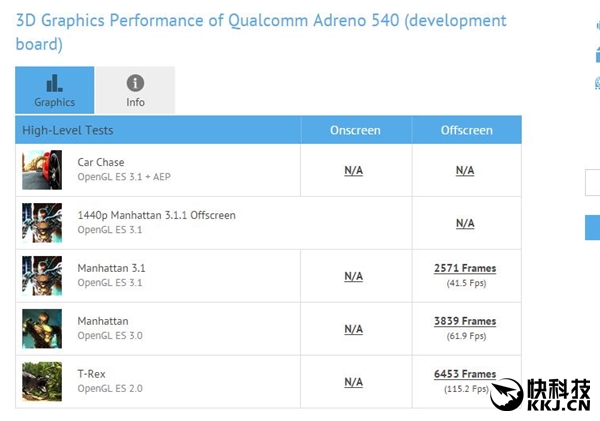
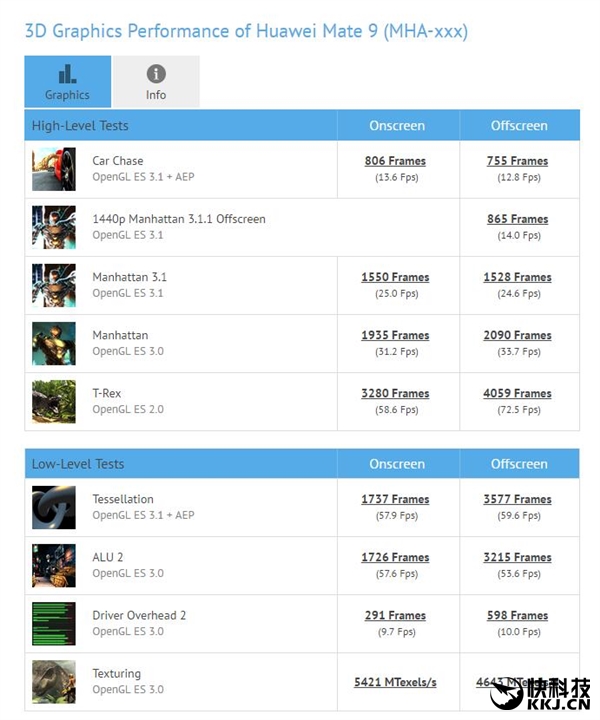
The SD 835 uses an Adreno 540 GPU and its performance is compared against the Kirin 960’s ARM Mali-G71.
Some of the GPU tests include Manhattan 3.1 where the Adreno 540 scores 2571 frames (45.1 Fps) compared to the Kirin’s 1528 frames (24.6 Fps). In the Manhattan test, Qualcomm’s GPU achieves 3839 frames (61.9 Fps) against the 2090 frames (33.7 Fps) scored by Huawei’s chip. And lastly, in the T-Rex test, the SD 835 scores 6435 frames (115.2 Fps), trumping the Kirin 960’s 4059 frames (72.5 Fps).
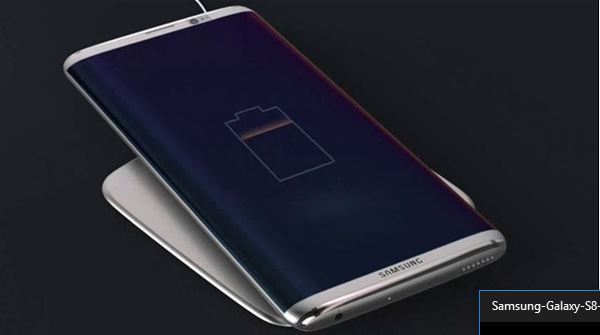
Samsung‘s next generation Galaxy S8 flagship isn’t due until February next year during the MWC 2017 but the rumor mill is consistently agog with rumors of the device. The Samsung Galaxy S8 had earlier been tipped to feature an 8GB RAM packing version but that rumor has been debunked. The device is also rumored to use curved edge display on both the S8 and S8 Edge. Now, the latest rumor says the Galaxy S8 will feature a USB Type C interface.
The USB Type-C interface is a recent inclusion in Samsung devices, first featuring on the botched Galaxy Note 7 earlier this year. The Galaxy S8 is now rumored to also come with the USB Type-C interface which would allow support for fast charging technology as well as provide faster data transfer speeds. That should mean there won’t likely be the 3.5mm audio jack on the device.
This latest rumored feature adds up to earlier rumored ones like a 4K screen (2k screen also rumored), dual rear cameras, different versions with varying display sizes, on-screen virtual buttons without physical capacitive keys and lots more. The device is billed to be a stunner considering that Samsung is battling hard to placate fans over the furor generated by the Galaxy Note 7 technical issues.
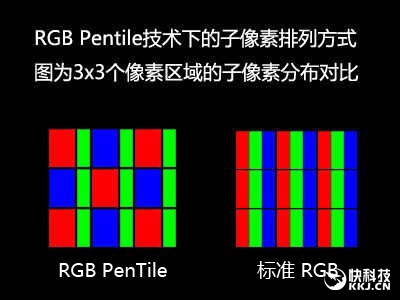
In addition, Samsung is rumored to also return to the use of sRGB color scheme which it last used on the Samsung i900 Omnia released in 2008. This would be on its Super AMOLED display and the arrangement is said to be from Diamond Pentile. With this arrangement, at 2K resolution there would be a total of 11059200 subpixels, while the P row has only 7372800 subpixels. Since it is going to be a 2K display, it is said that there won’t likely be particles on the display. This definitely won’t be the last we’ll be hearing about the Samsung S8.
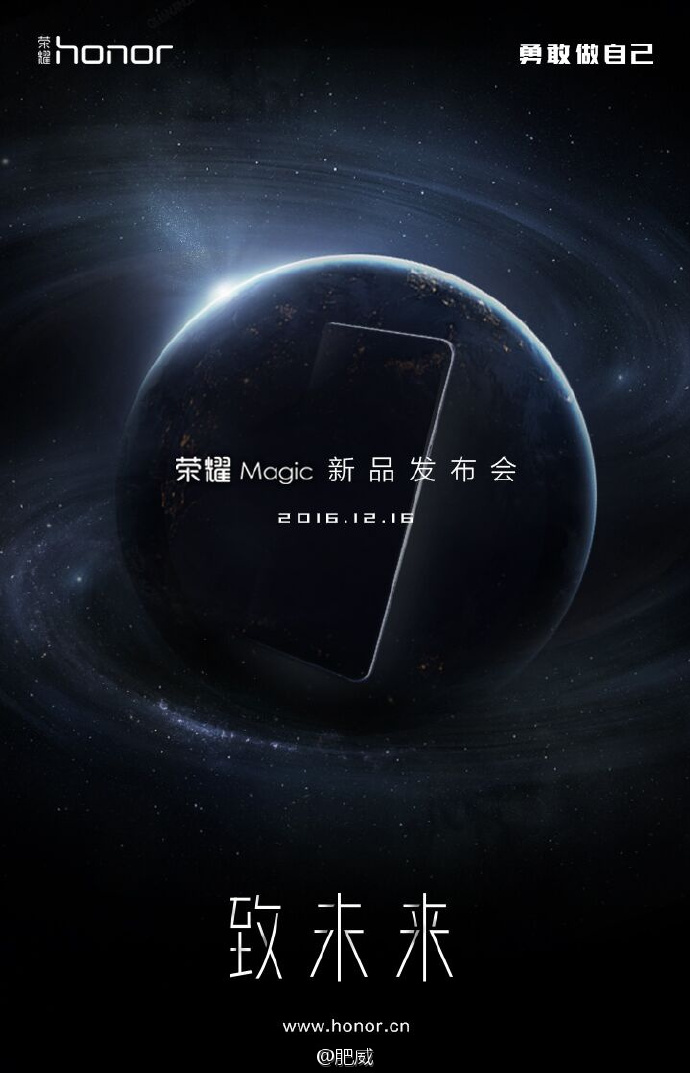
Huawei has got a big surprise lined up for us, barely a month after gifting us some real machines in the Mate 9, Mate 9 Pro and Mate 9 Porsche Design. The company is set to unveil its own concept phone dubbed Huawei Honor Magic but which we were yet to see in leaks before now. However, Huawei seems to have stylishly leaked the render of the concept phone in a teased poster announcing the scheduled December 16 launch date for the Huawei concept phone and sure, it is launching under the Honor brand.
The Huawei Honor Magic phone’s outline could be seen in the GIF image appearing out of what looks like the moon. The concept phone’s design and outline comes out pretty distinct revealing what would likely be a curved screen device on all four sides. The Huawei Mate 9 Pro features a dual curved screen display but the Concept phone will take it a tad higher by getting a curved display on all four sides.
In addition to the innovative design, the Huawei Concept phone had been revealed to feature the latest graphene-assisted battery technology that offers super fast charging. The concept device is also touted to come without any physical capacitive keys or aperture for cameras and other onboard ports and sensors but to use a peripheral device that it will connect to. We can’t be so sure about that, though.
According to the teaser, the Honor Magic launches on December 16, so we just can’t wait to see what Huawei has in store for us. As always, we’ll keep you updated on this one here on Gizmochina.
The market is full of fitness trackers but not all of them are affordable. I’ve used the Meizu Band for a few weeks now and here is the full Gizmochina’s review.
UNBOXING
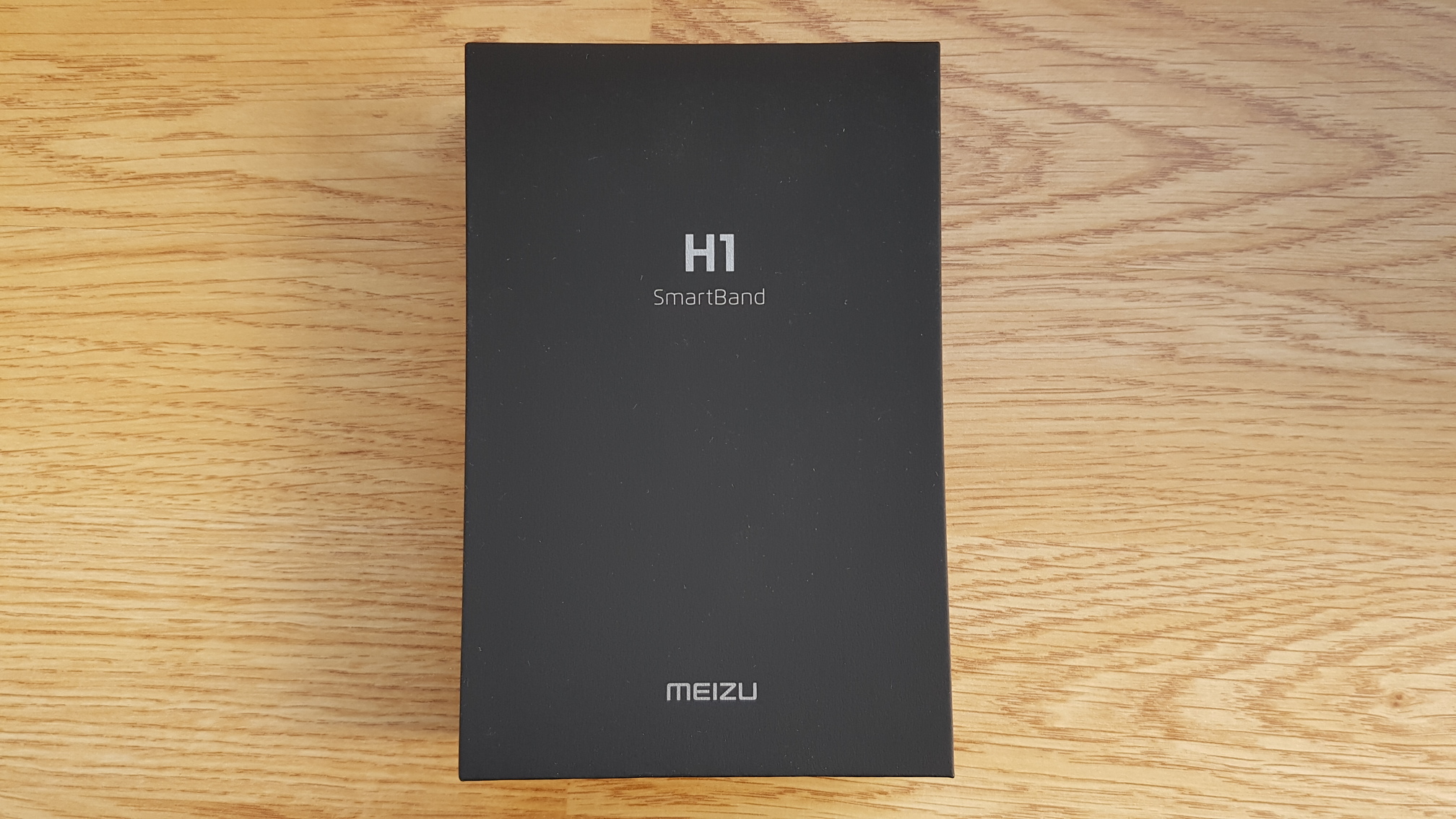
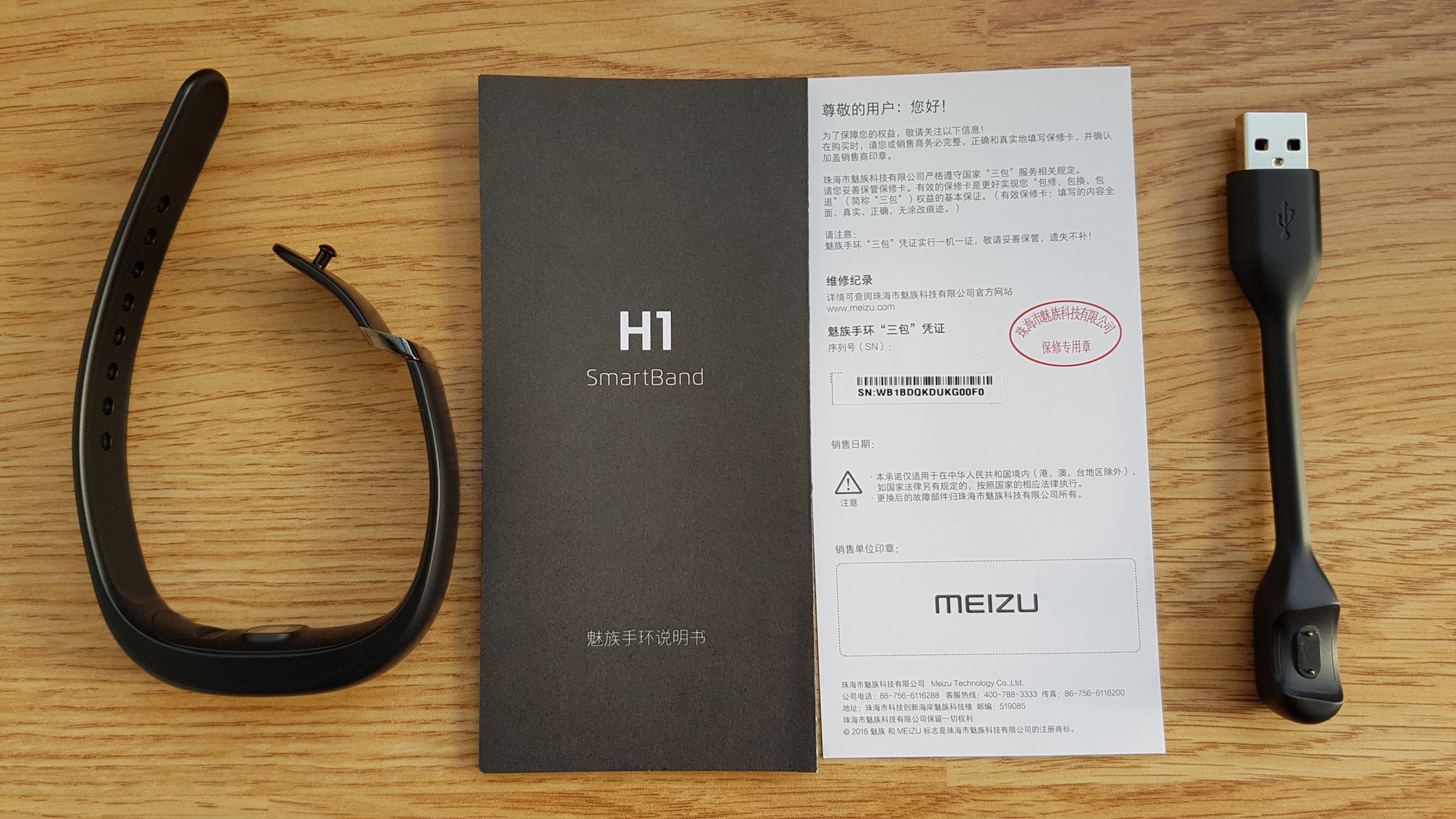
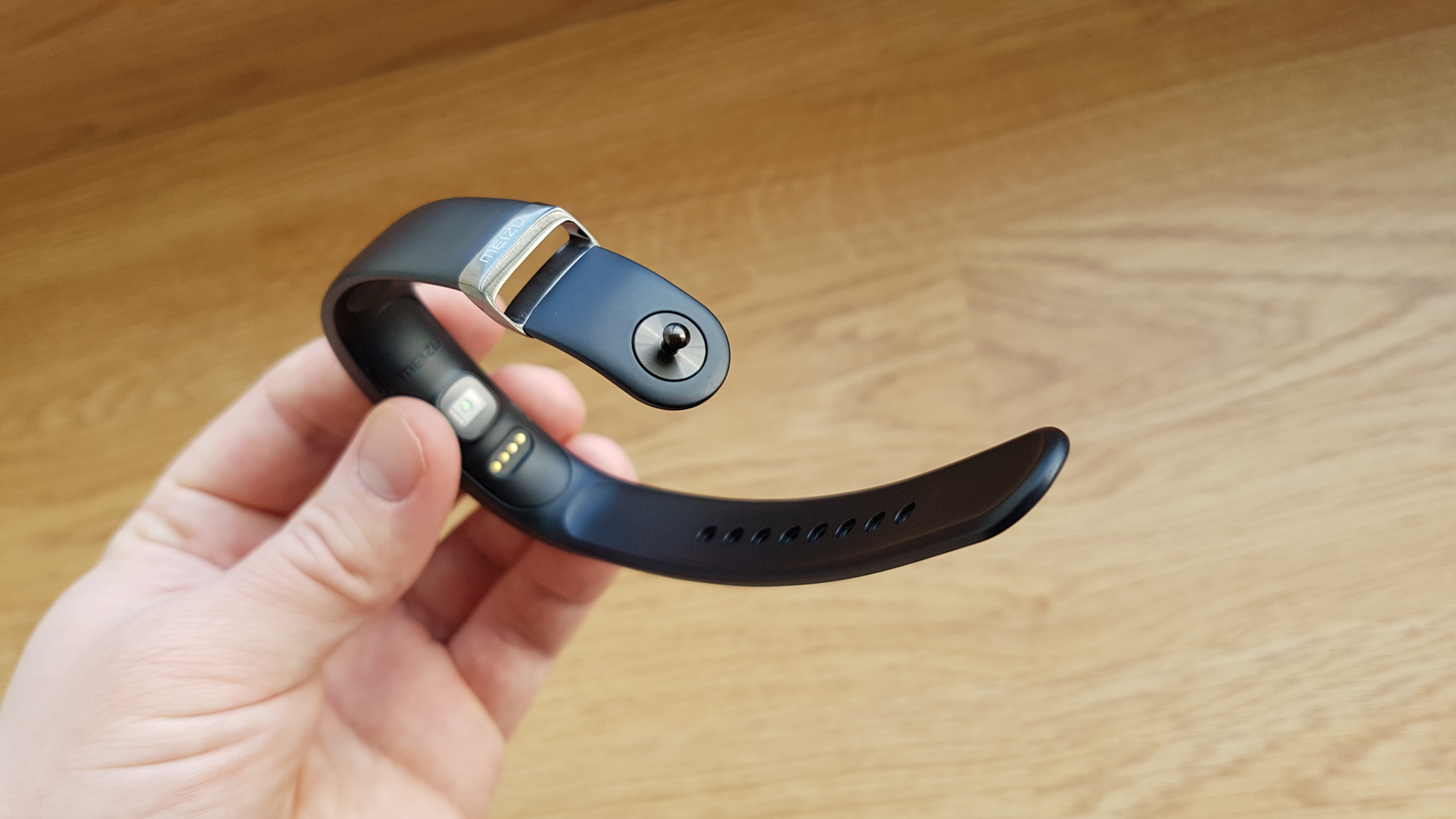
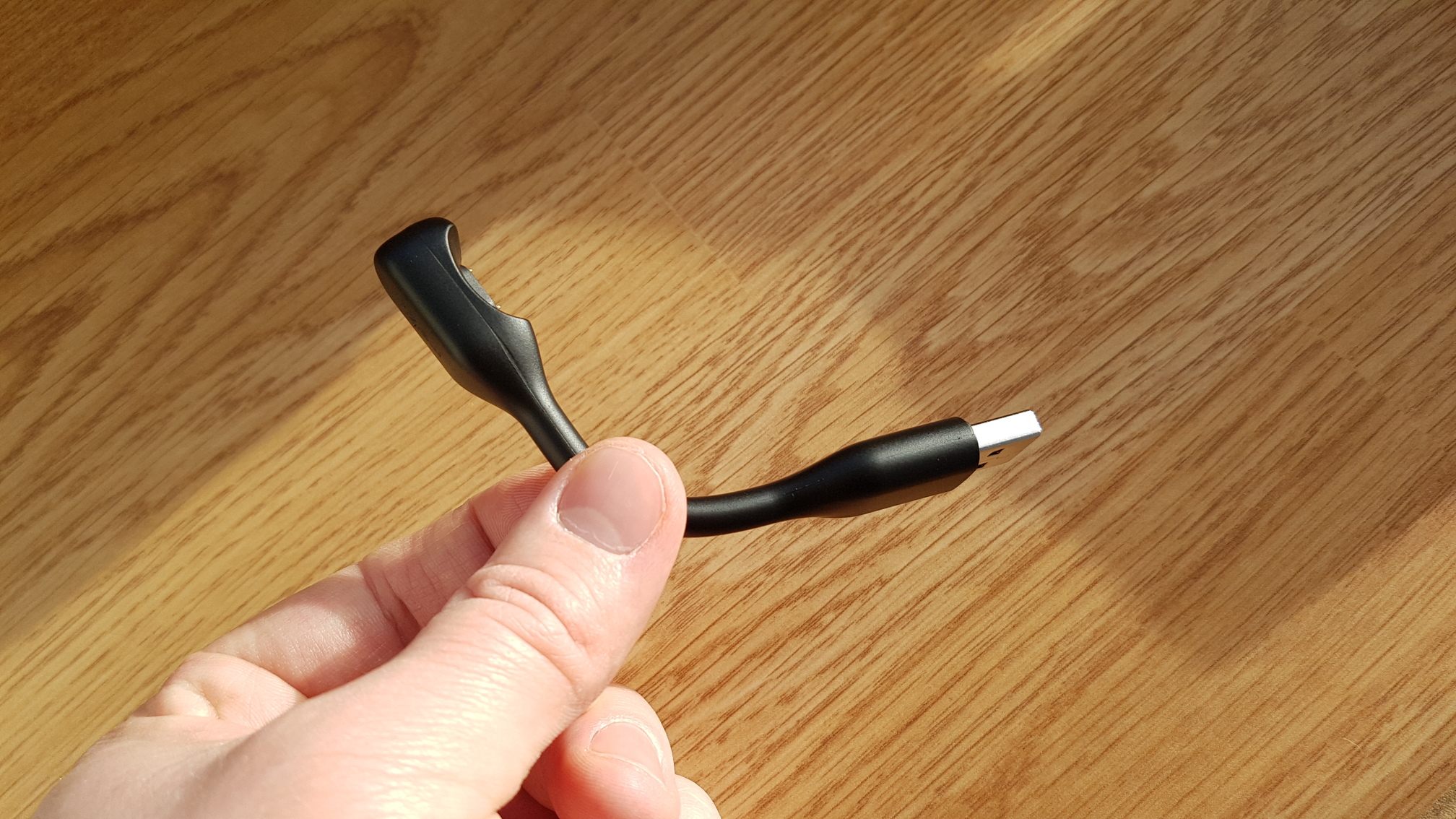
The device ships in a quite a premium box and the contents include a fitness band itself, a nice magnetic charger and some paperwork.
DESIGN and FEATURES
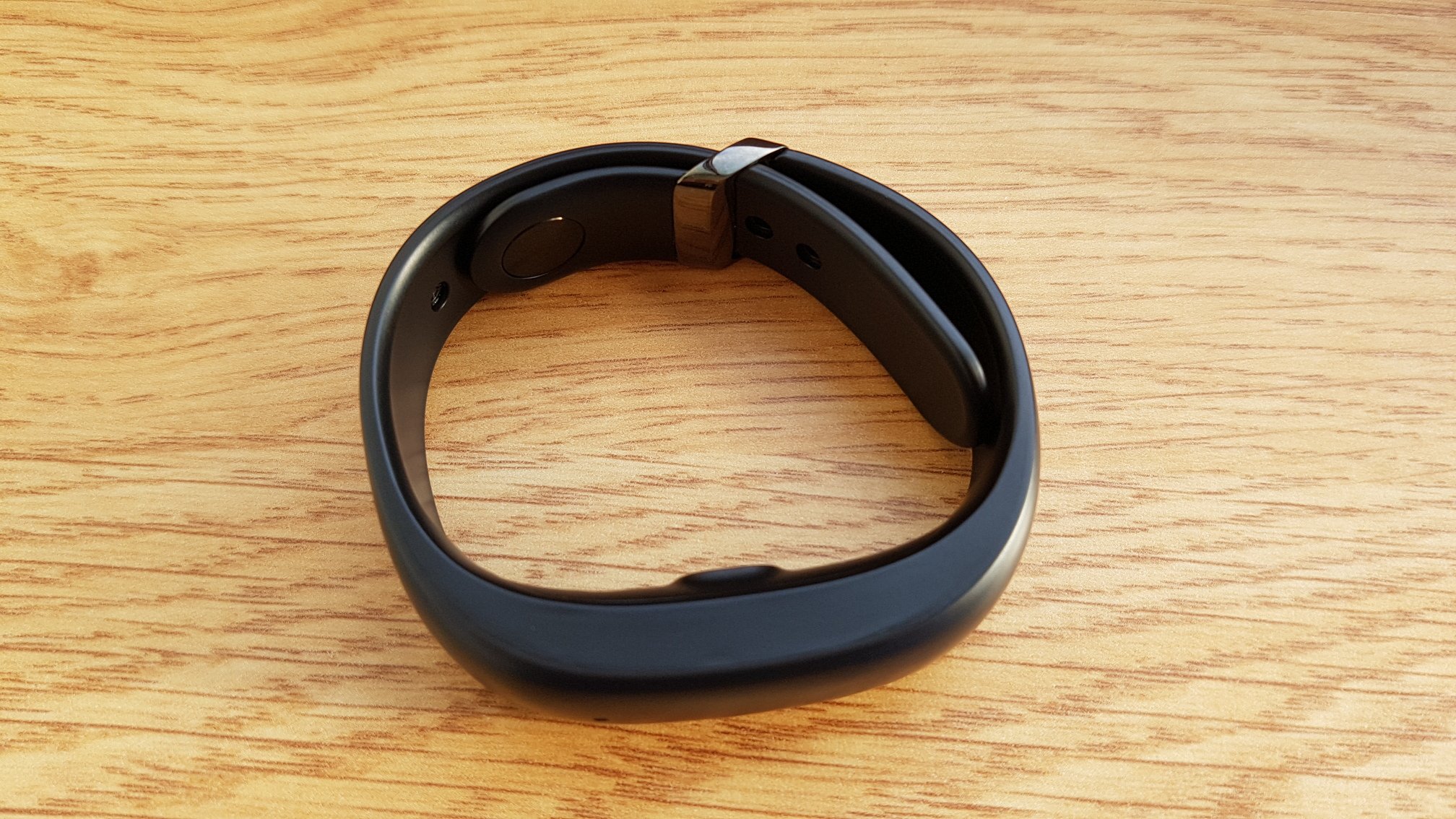
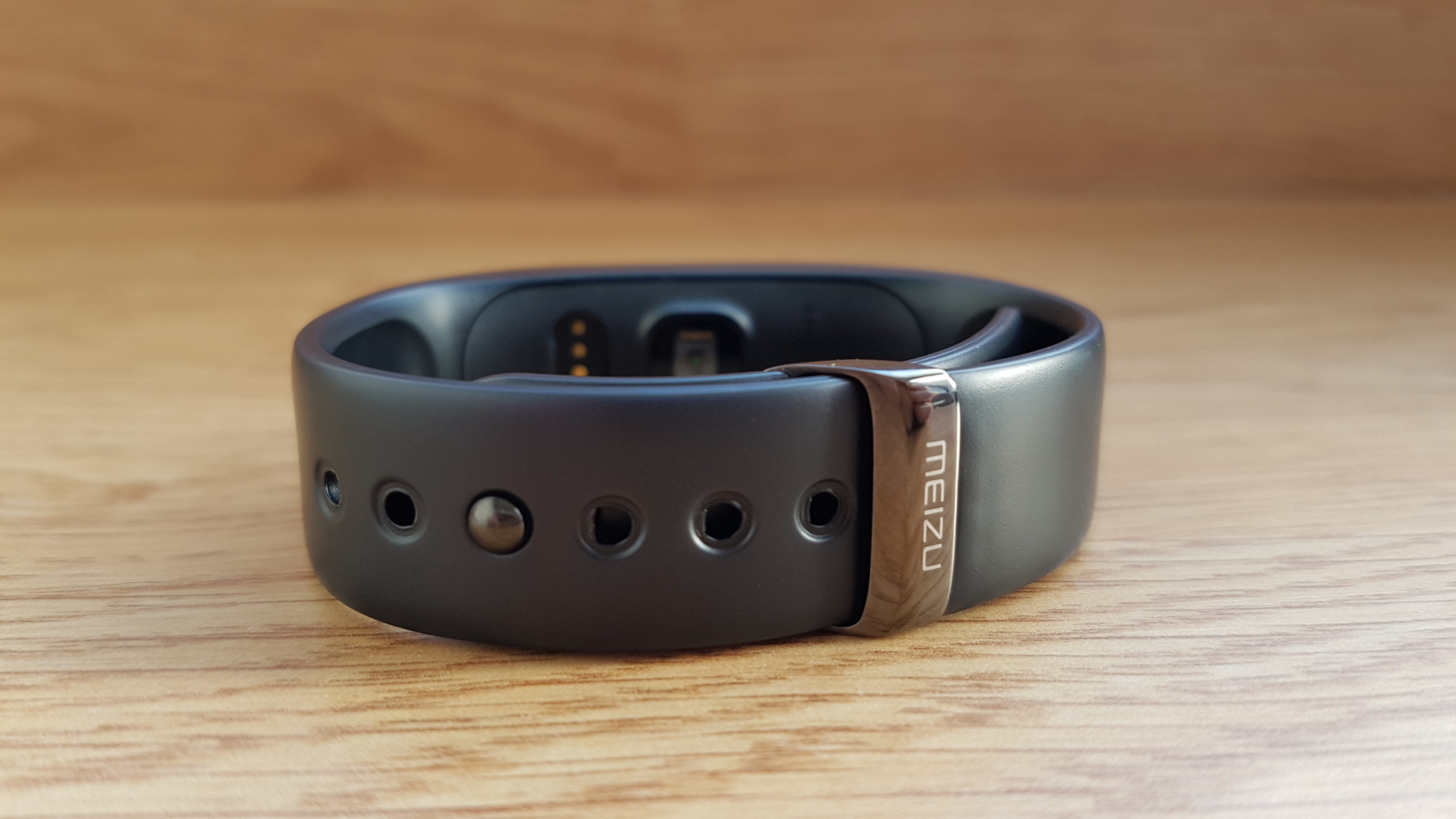
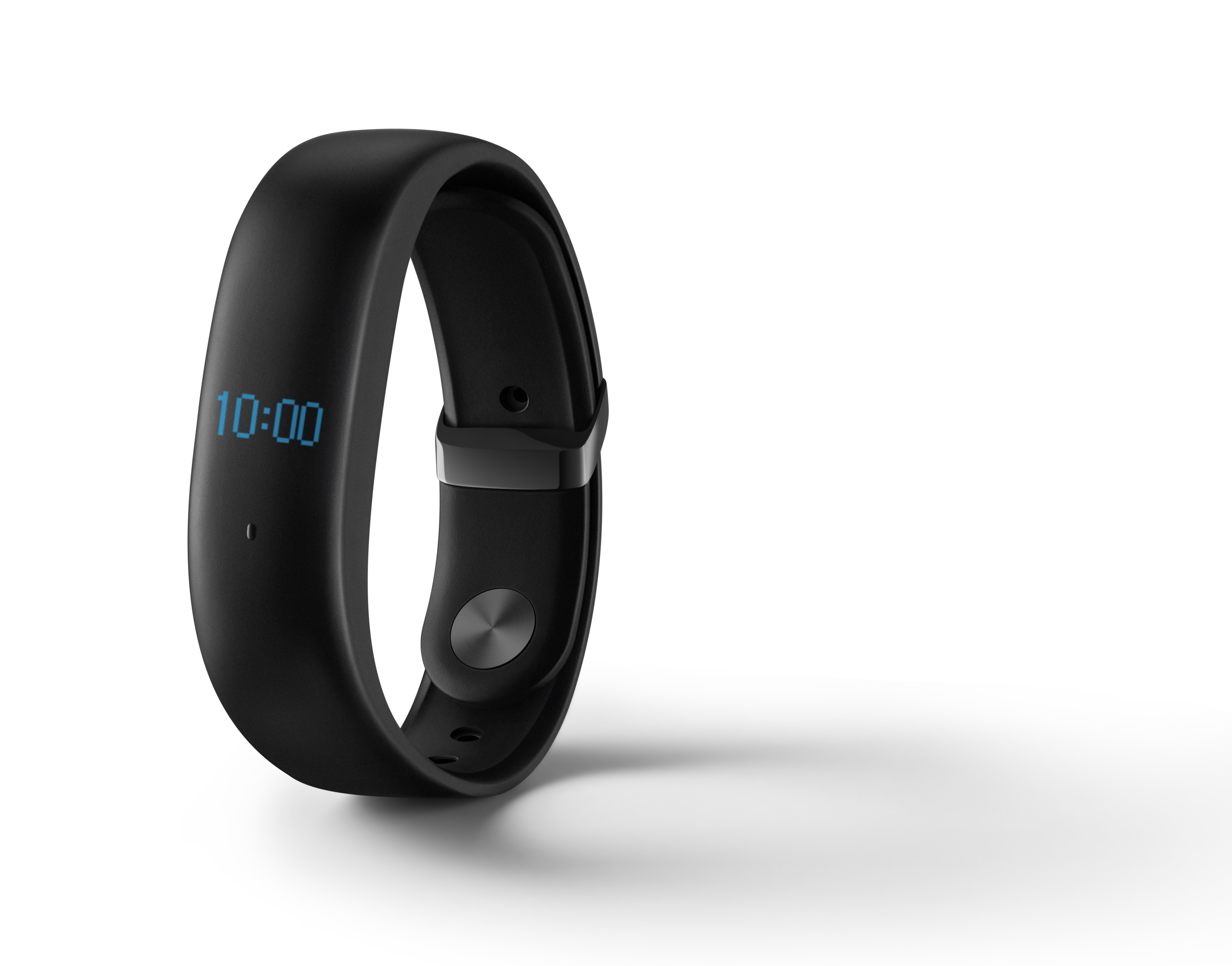
Usually, cheap fitness trackers look and feel cheap but the Meizu Band is well-built and it is super light. Also, it is IP67-certified, meaning that you can use it in the rain, shower or elsewhere.
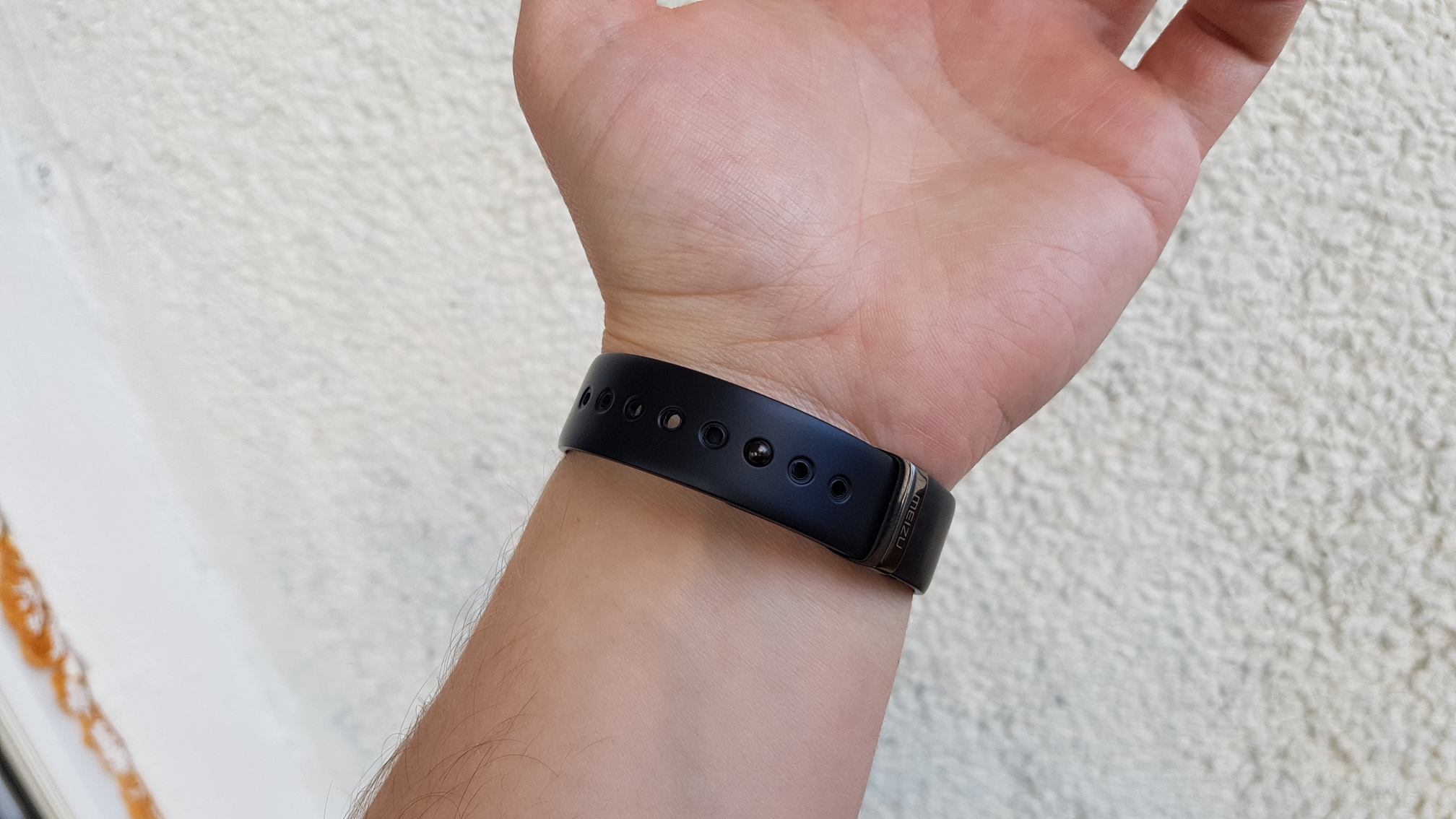
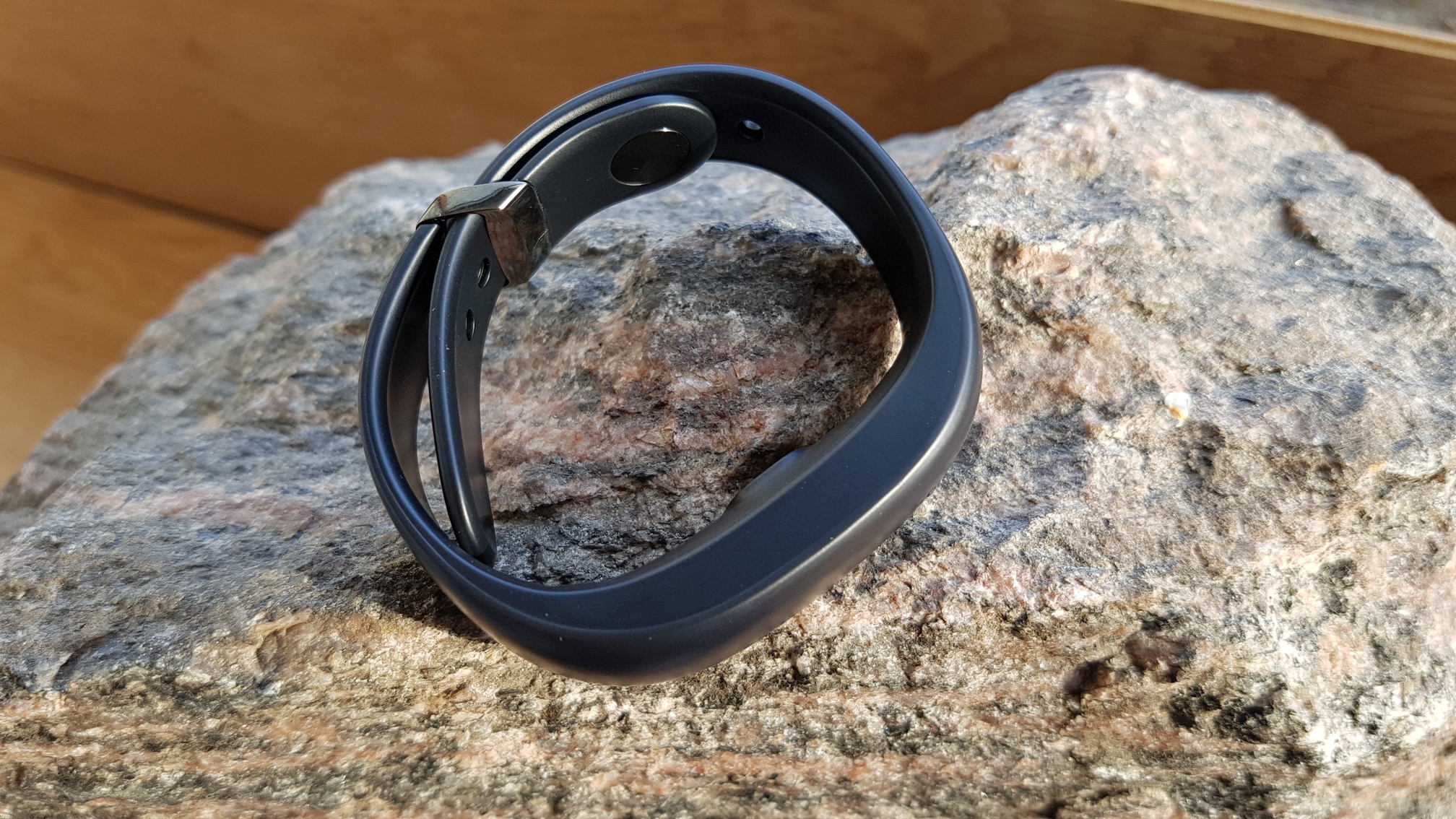
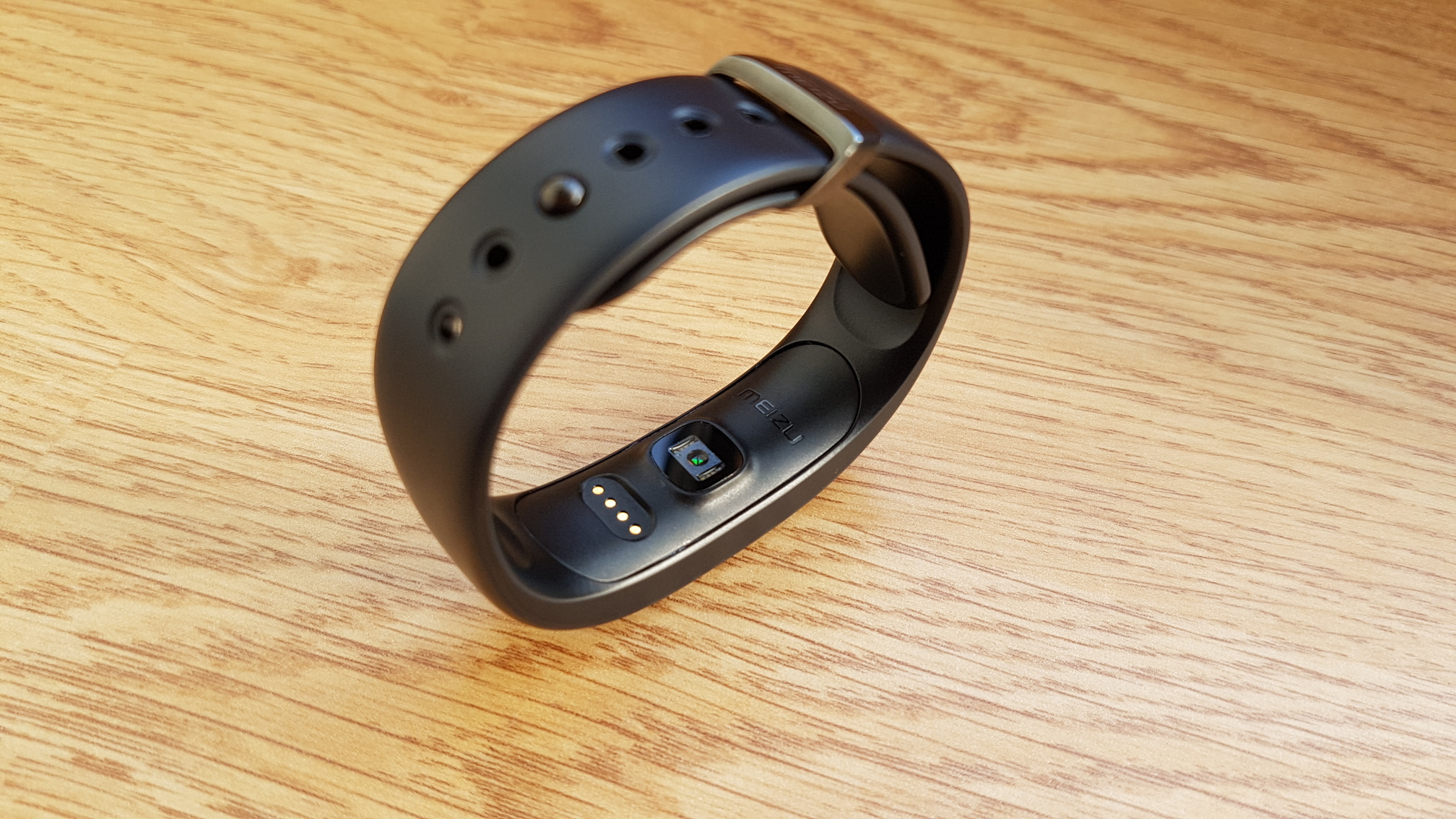
Many smart bands today have a non-integrated body, which means you can remove it from the strap. However, Meizu is using a different approach here by using an integrated design with double component injection technology. This is probably why the Meizu band looks curvier and I am sure many will like this design. It definitely looks more stylish than some other offerings at this price.
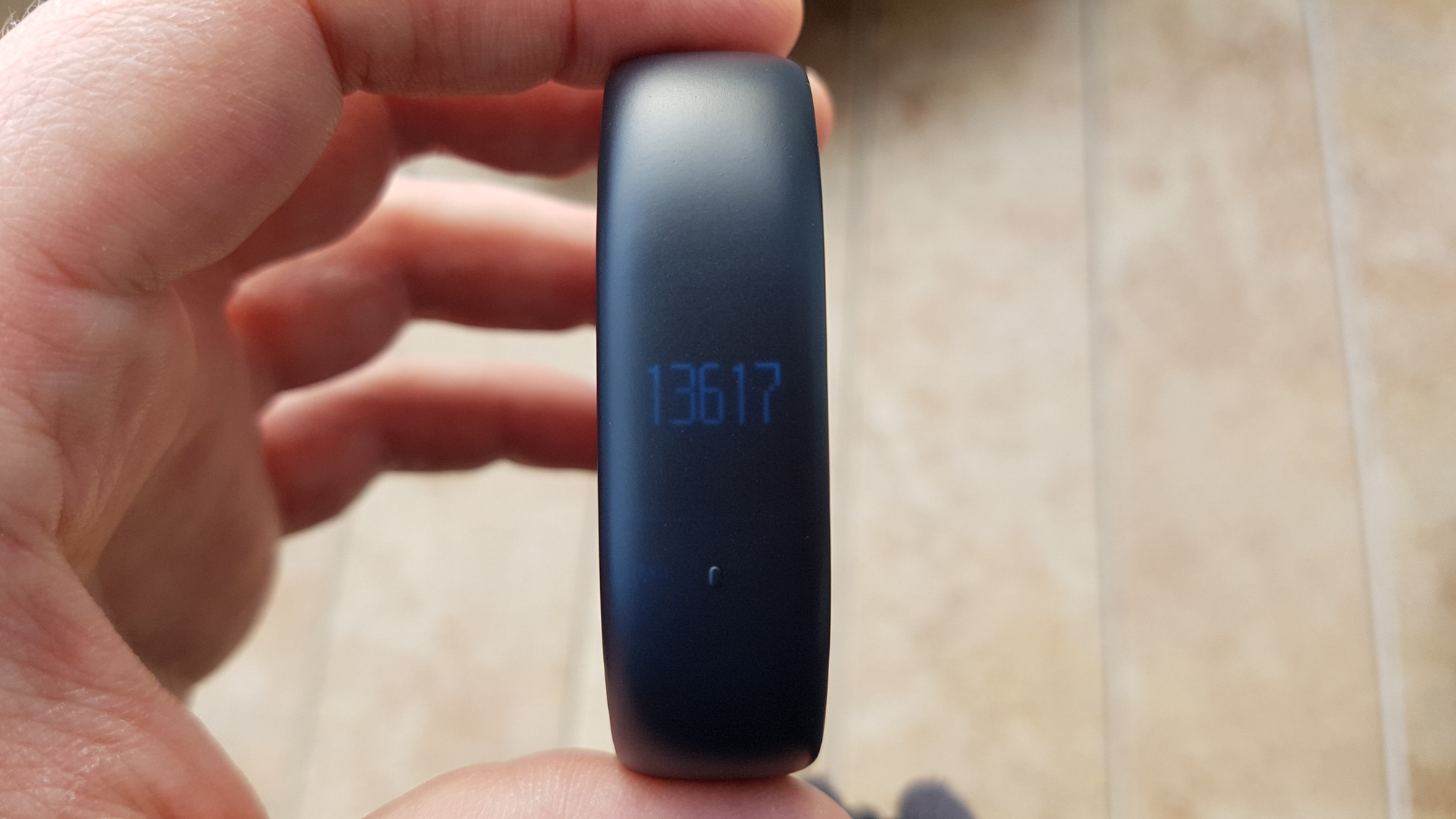
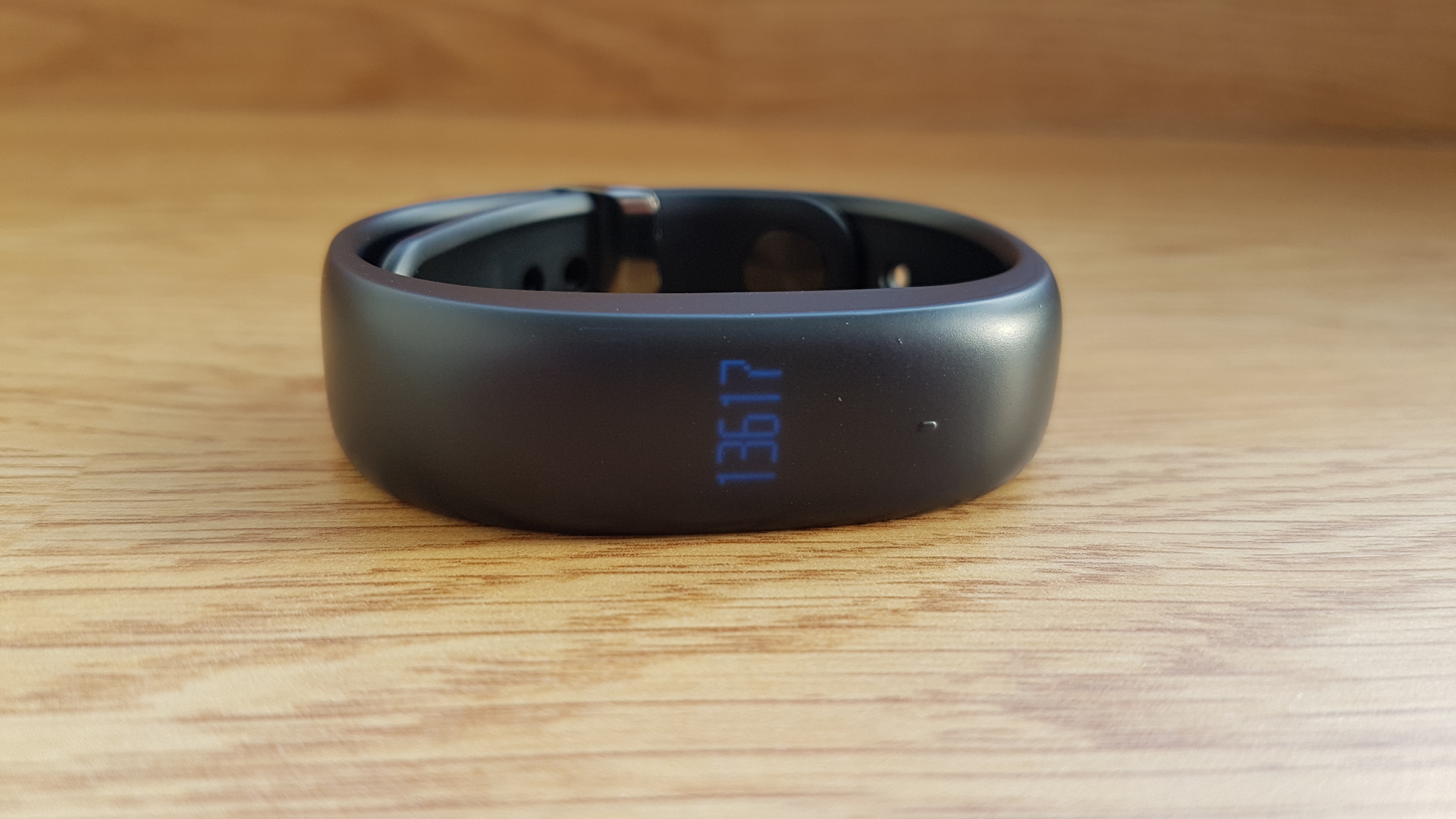
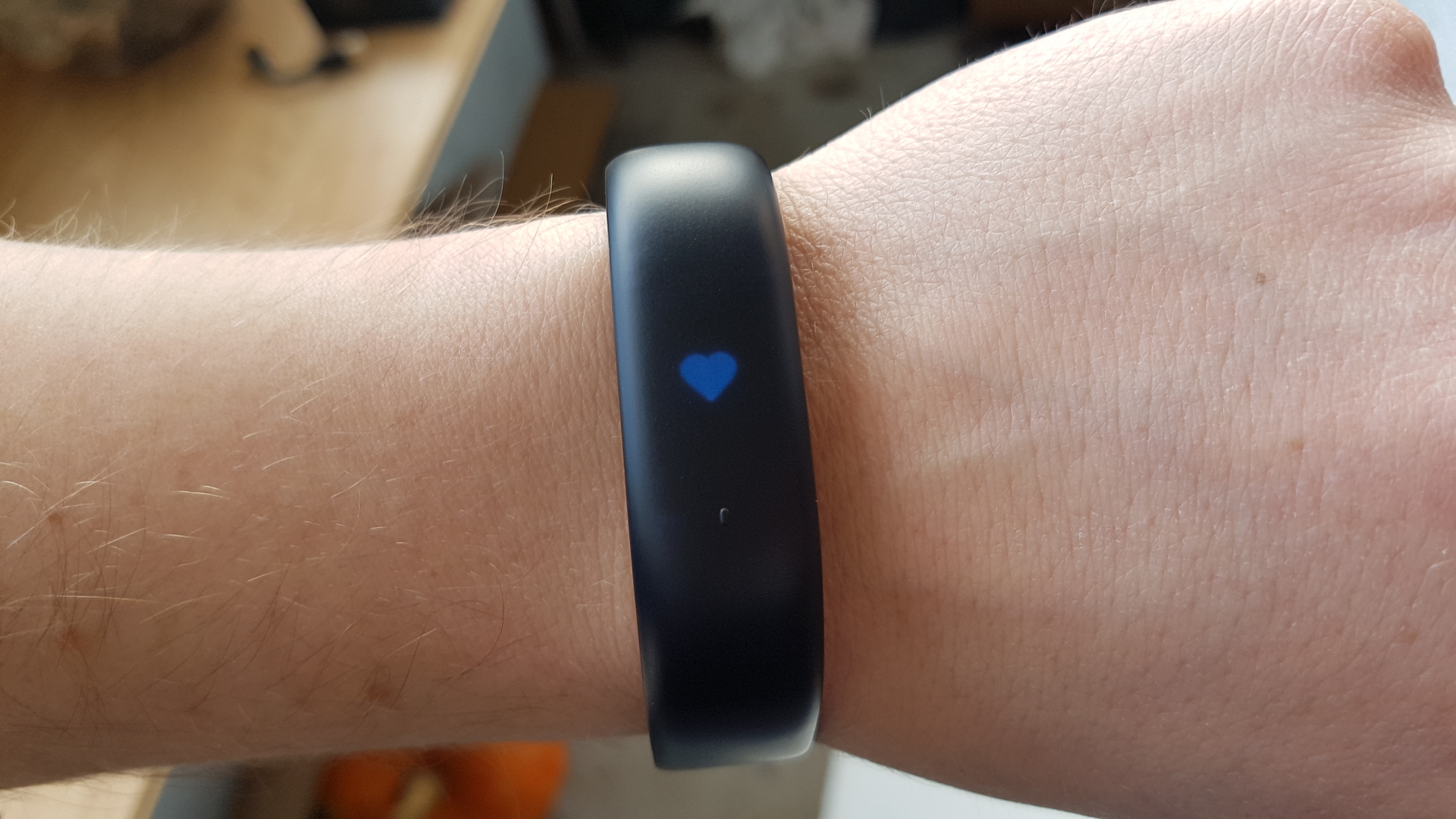
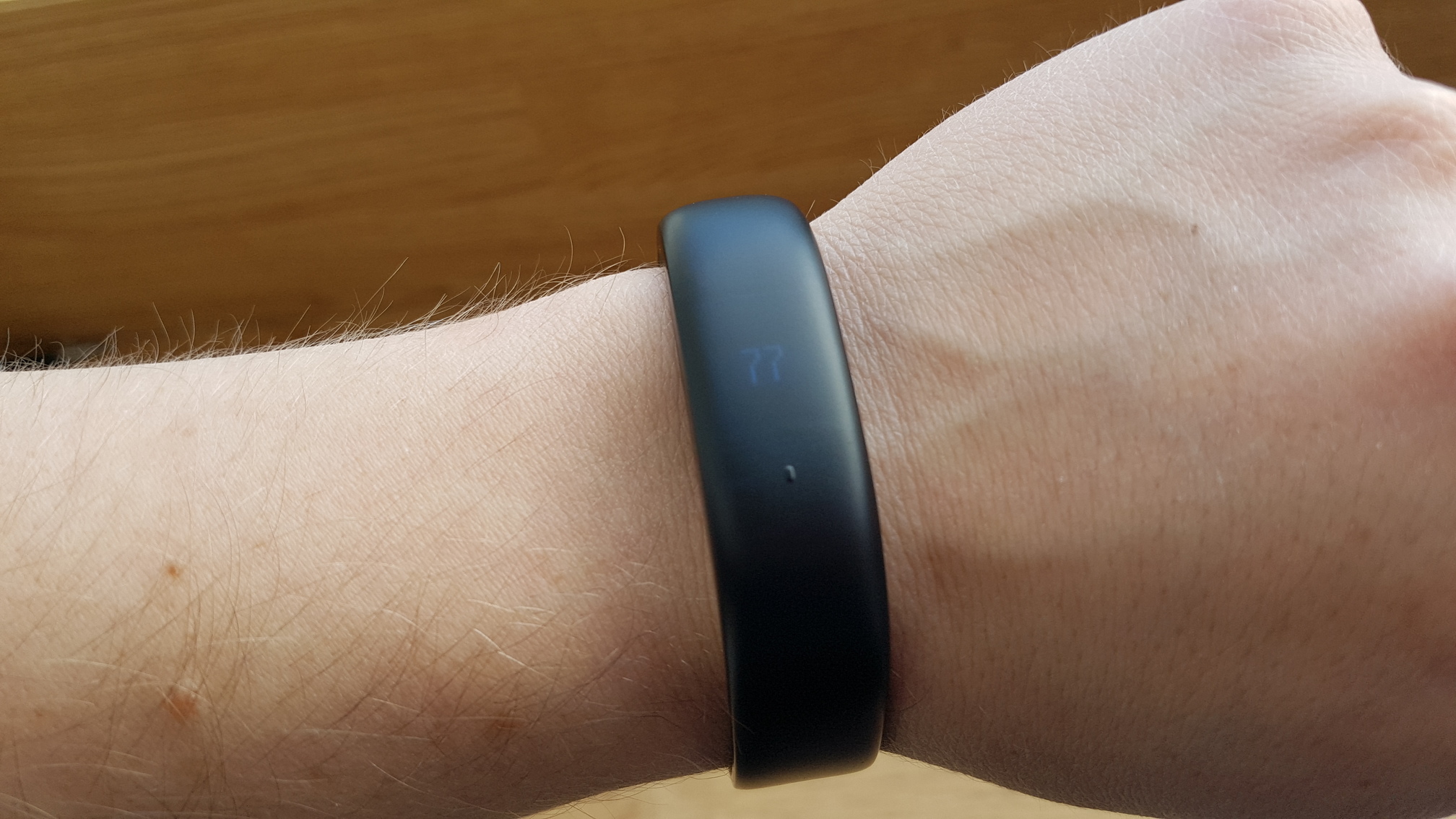
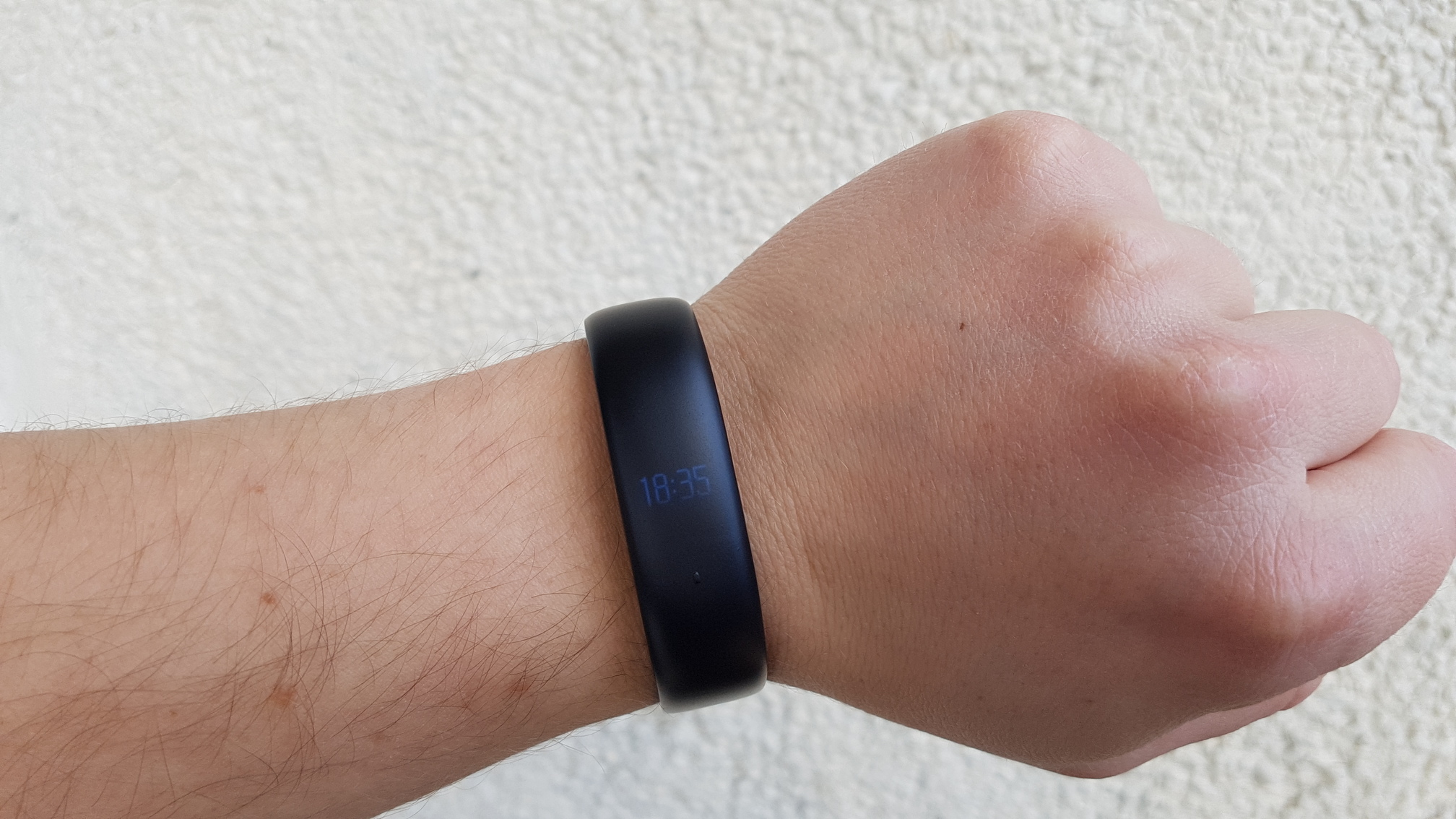
The star of the show is an OLED display, which shows basic info like a clock, steps taken, calories burned, distance walked, heart rate and various notifications from your smartphone. You can navigate with just one capacitive button and I found it to be very simple yet convenient.
You can turn the display on by simply turning your wrist and the display will light up. I found this feature to be working just fine. The sunlight legibility could be slightly better but I’m being quite picky here. The display is fine for me and it can be seen in a broad daylight.
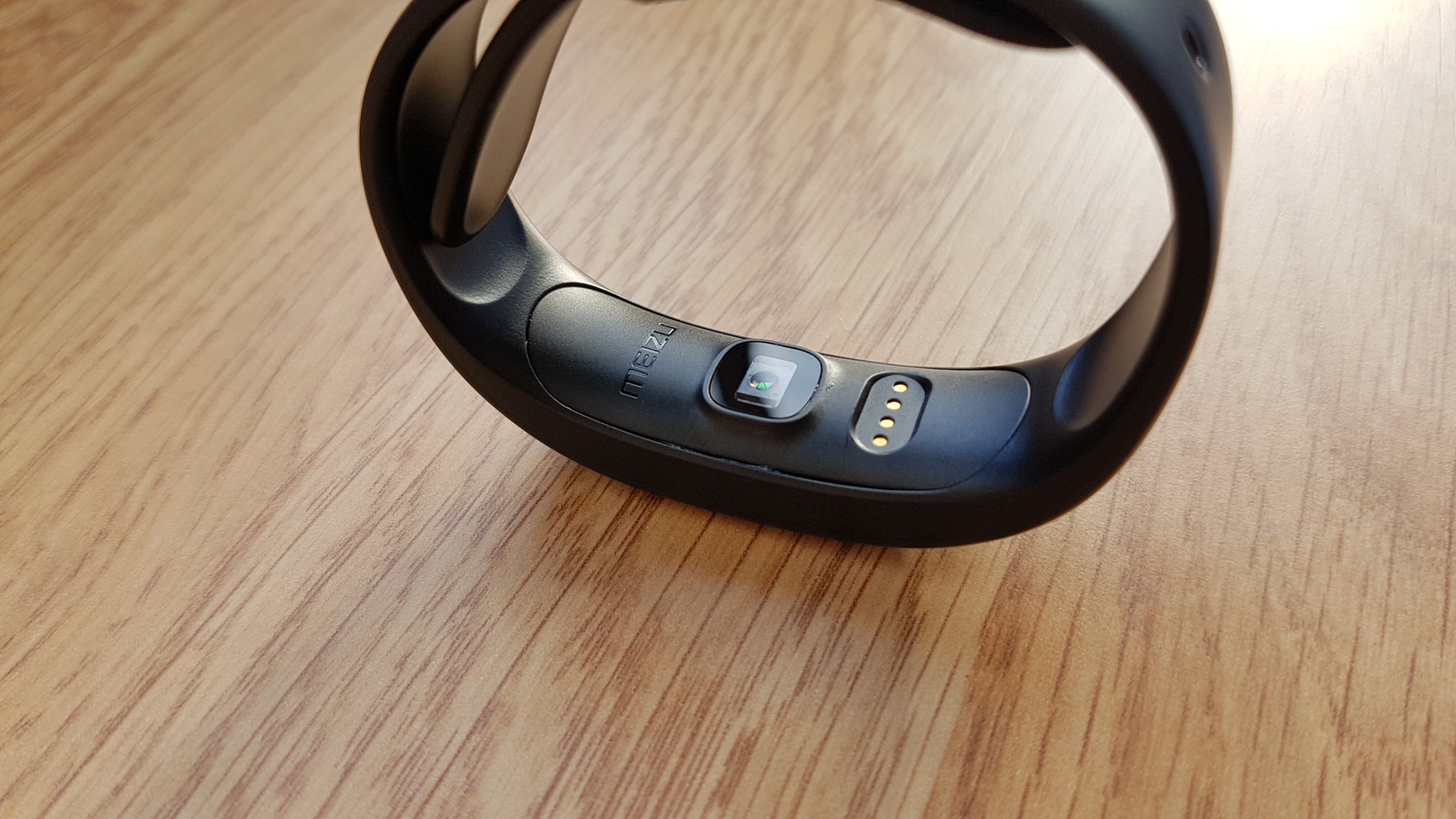
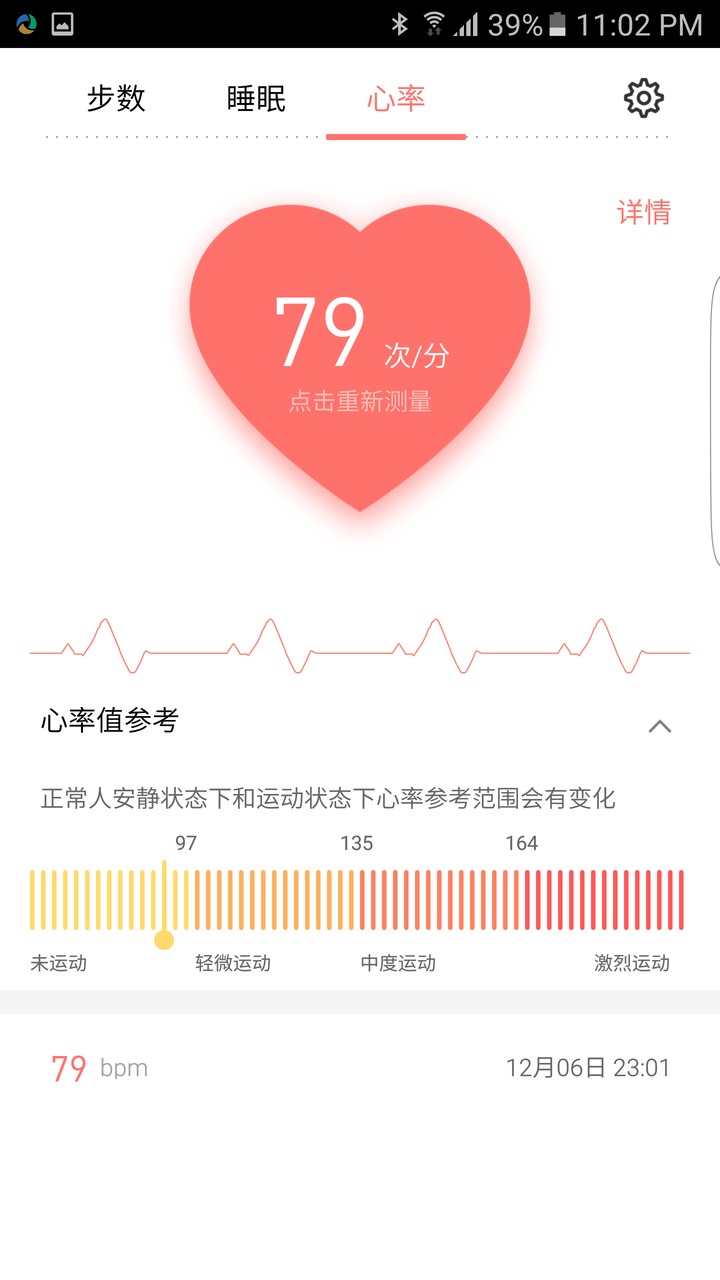
As for the heart rate, the embedded chip helps you track your heart beat patterns. The heart rate sensor is from AMS and it even notifies you if your rate exceeds a set maximum rate. The band will also monitor your sleep patterns and features a built-in snooze alarm which wakes you up softly.
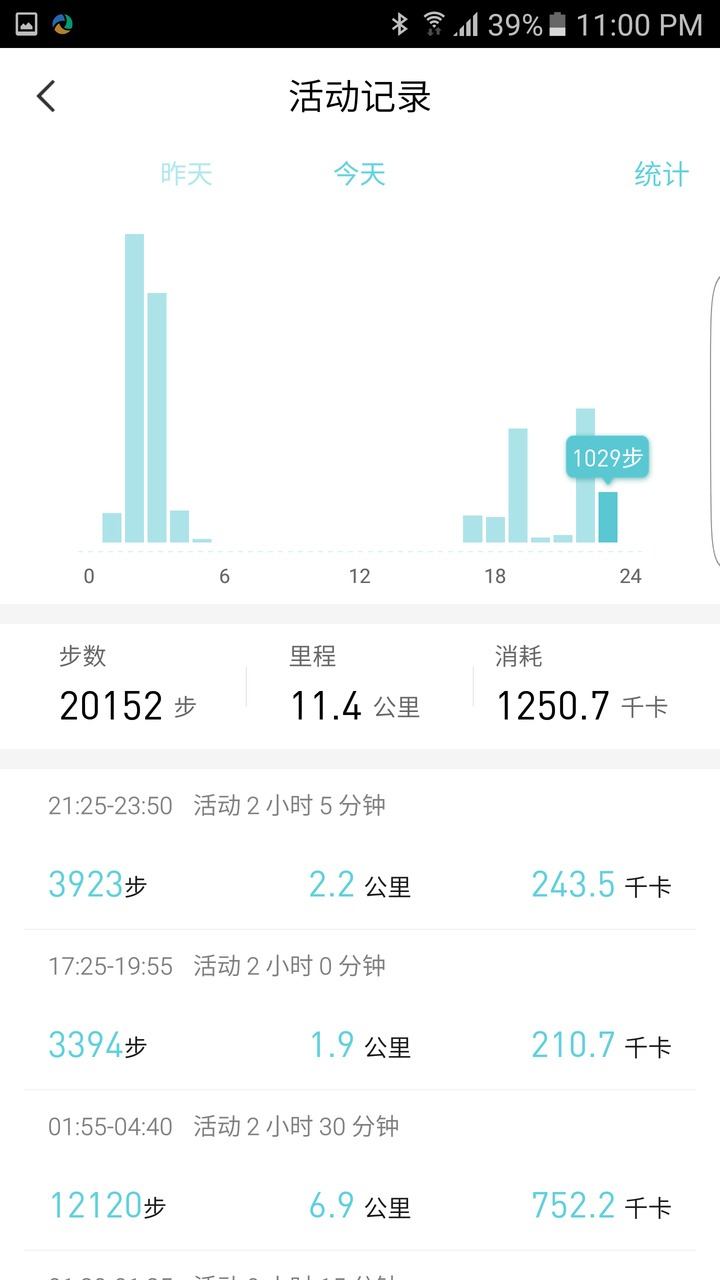
My Samsung Galaxy S7 edge may not be the best device to compare the results with but the heart rate numbers were very similar on both devices. Also, I spent a lot of time testing if the step counter is accurate and I can say it is, and I took quite a few steps to test this feature out.
ANDROID/iOS APP
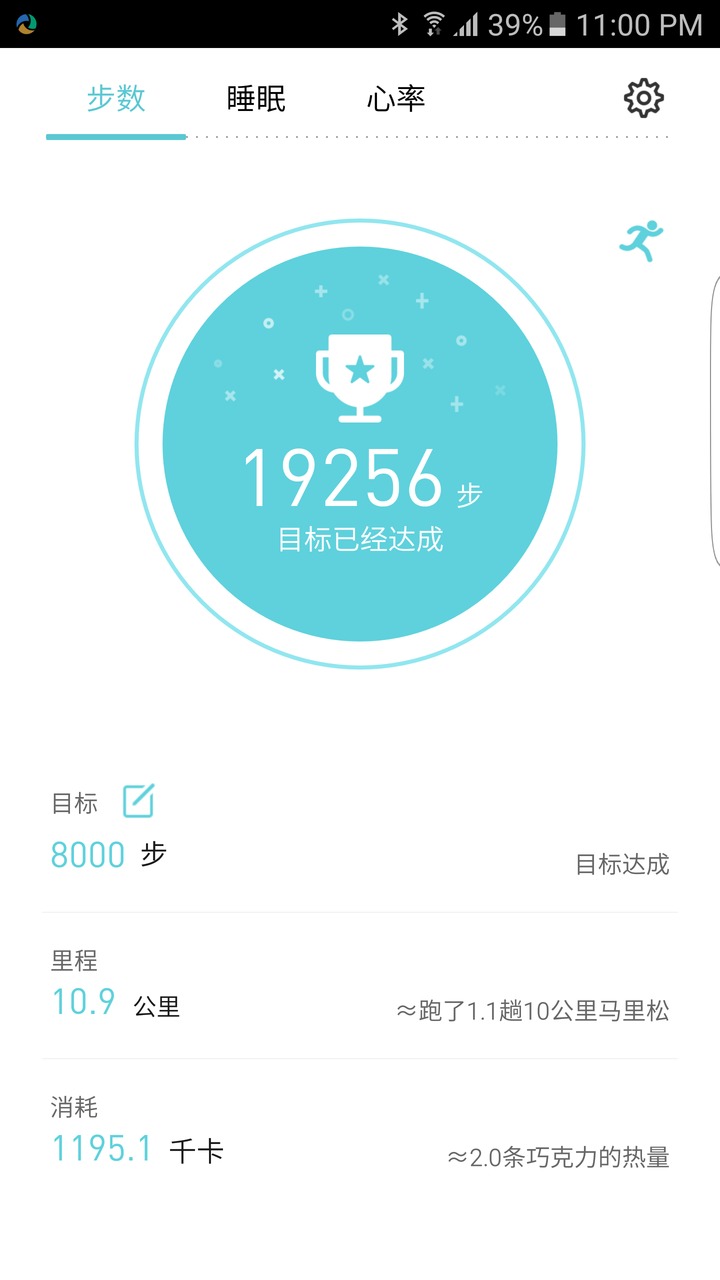
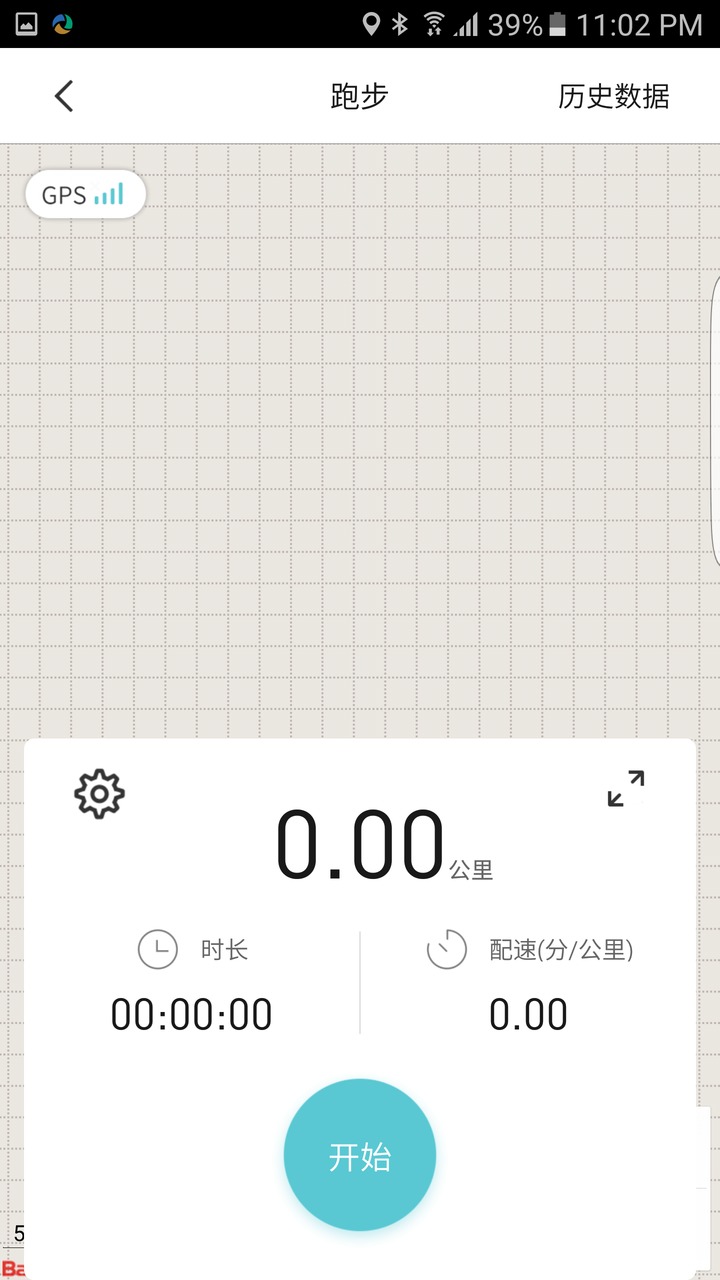
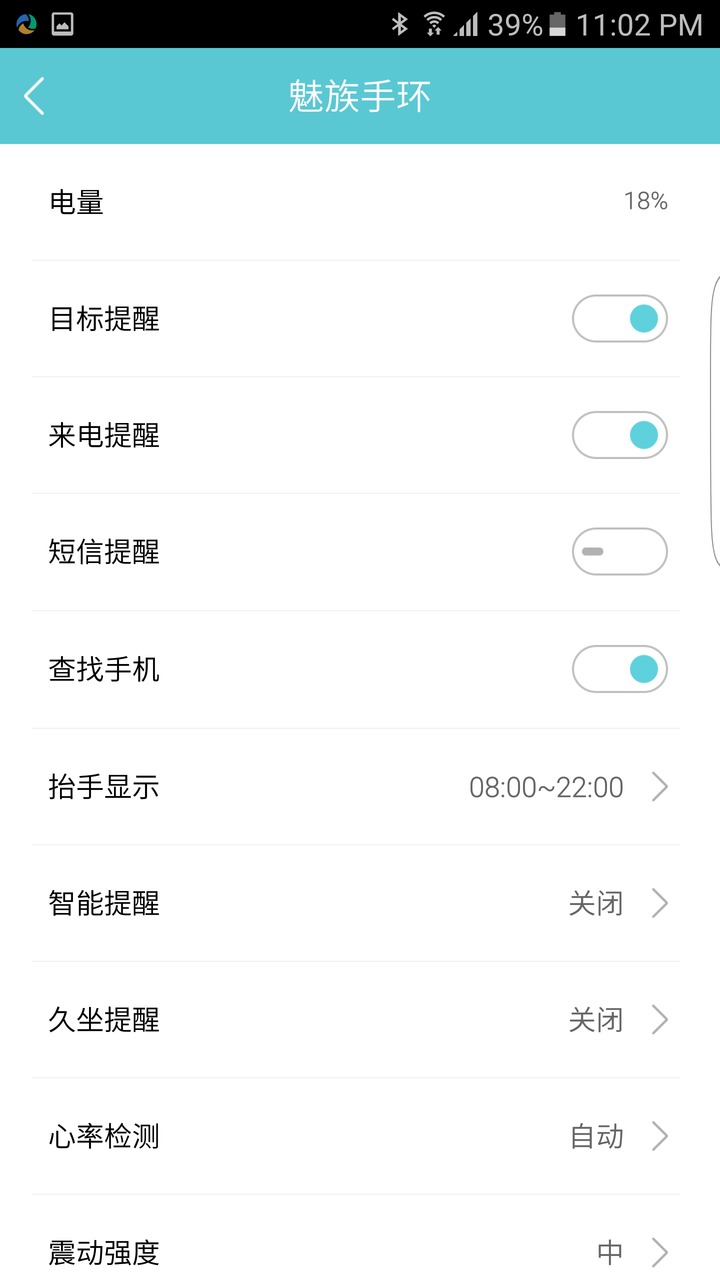
In order to take a full advantage of the Meizu Band, you have to install a Meizu Band app. Keep in mind that the app is currently in Chinese-only but an English version is just around the corner.
I had no issues with syncing the band via the Bluetoothwith my phone and within the app, you can track your fitness routines in detail. The band will also show you call and some app notifications, remind you when you need to be more active, work as an alarm clock, monitor your sleep patterns and it features a built-in snooze alarm which wakes you up softly. Once you receive any notification, the Meizu Band will gently vibrate.
TEST NOTES
After using the Meizu Band for a few weeks, I can say that it is pretty comfortable to wear and the rubber band does not irritate the skin.
BATTERY LIFE
Meizu claims that you can get 7 days of usage on a single charge with a heart rate sensor and around 15 days without using the sensor. I got pretty similar results and thus I believe that the official claims are true.
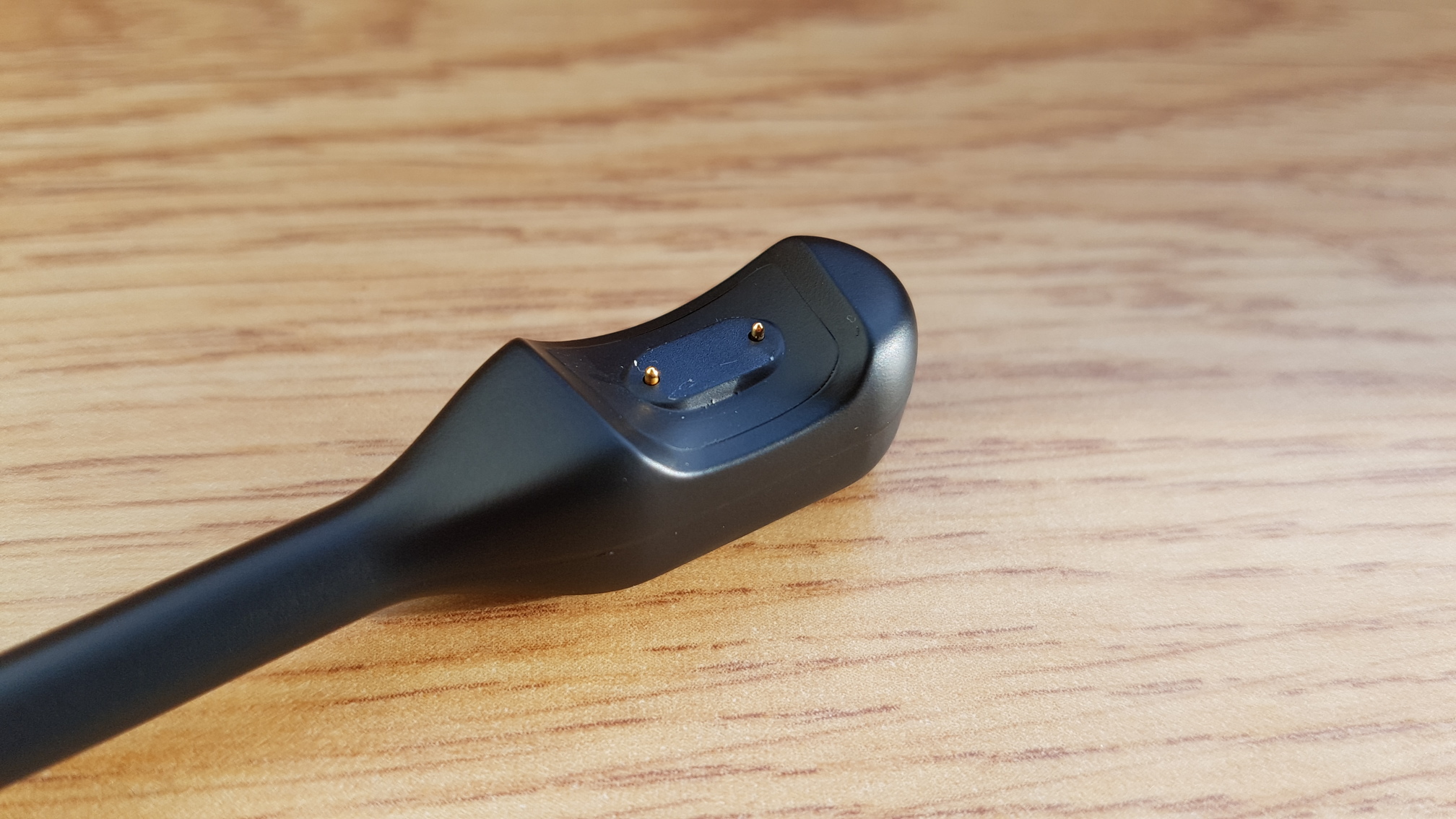
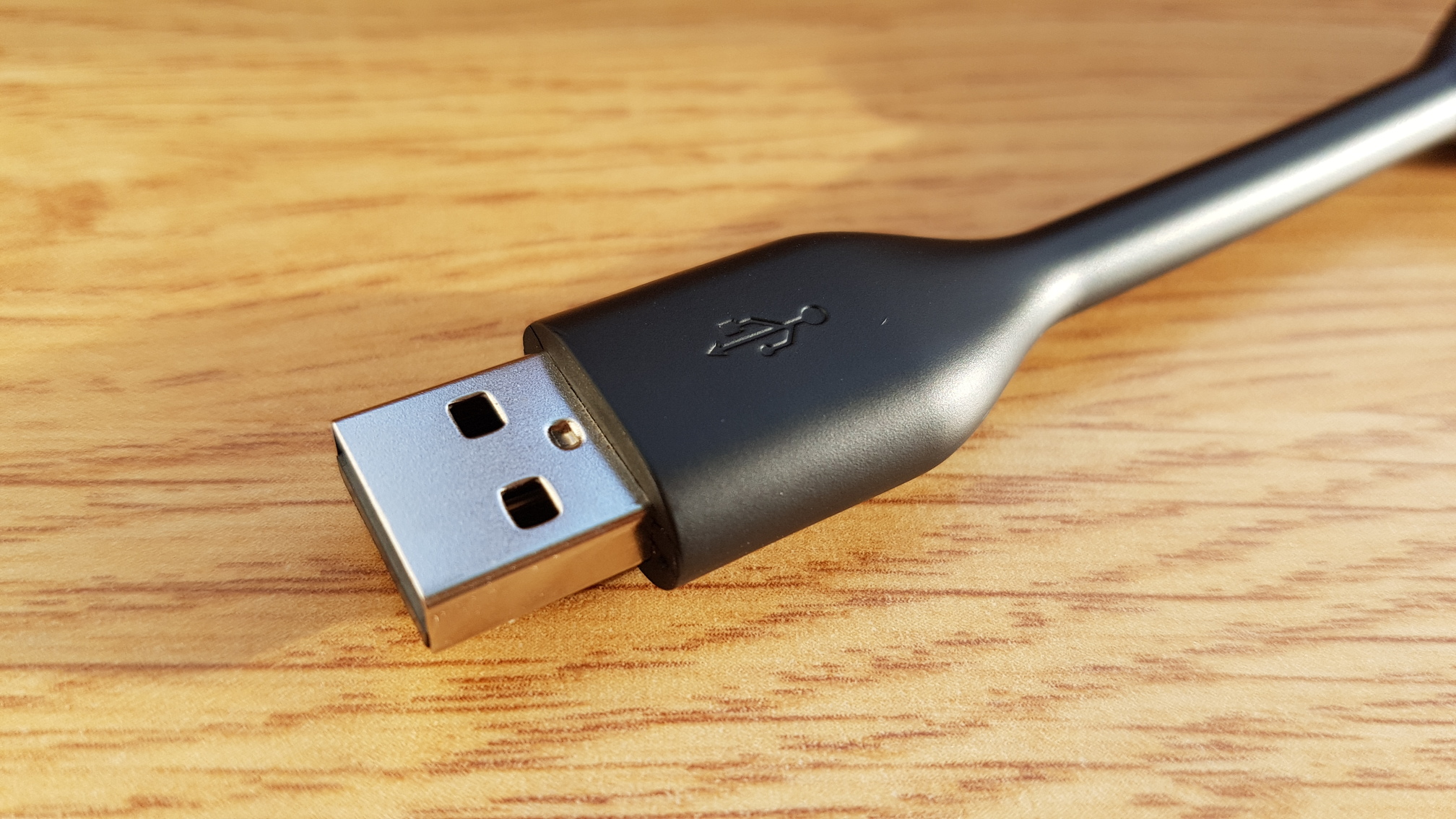
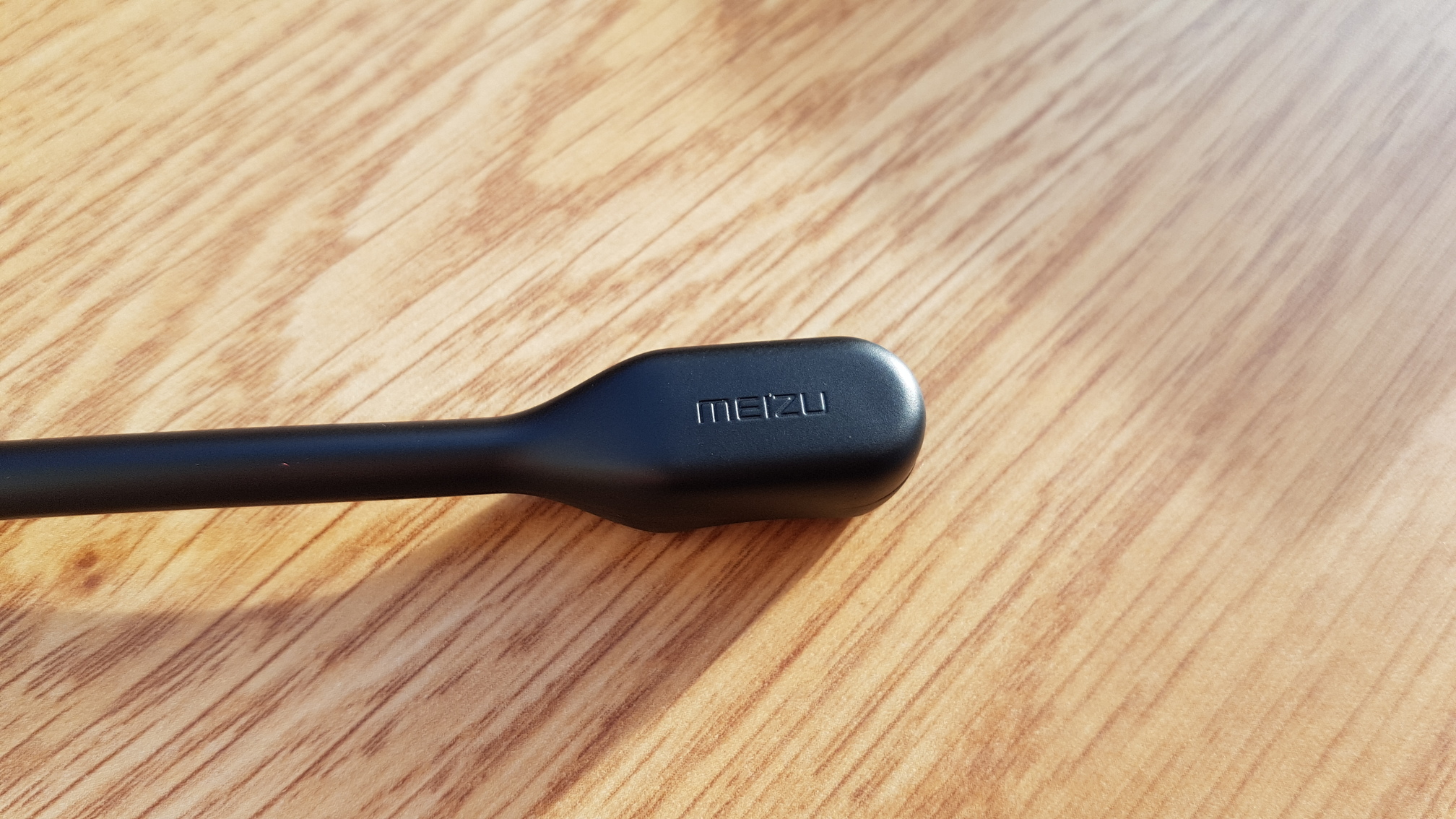
Charging the Meizu Band is also an easy process since it comes with a magnetic USB charging cable that sticks to the device.
CONCLUSIONS
After using the Meizu Band for an extensive period of time, I can honestly tell you that this is one of the best affordable fitness trackers on the market right now.
It is tiny, light, comfortable to wear, it tracks your steps and measures heart rate accurately and it has a good battery life. Also, the intuitive app unleashes even more features that are fun to use.
On the other hand, the device does not support the continuous heart rate monitoring feature and the display could be slightly brighter. However, I think it is too much to ask for such a low price.
The Meizu Band is already up for pre-order in China and will be up for grabs on December 8. Meizu has priced the band aggressively at just 229 Yuan ($31). Note that, as of now, the company has not revealed any plans for an international release.
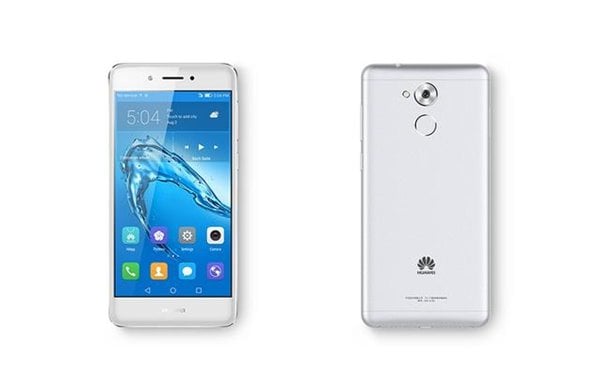
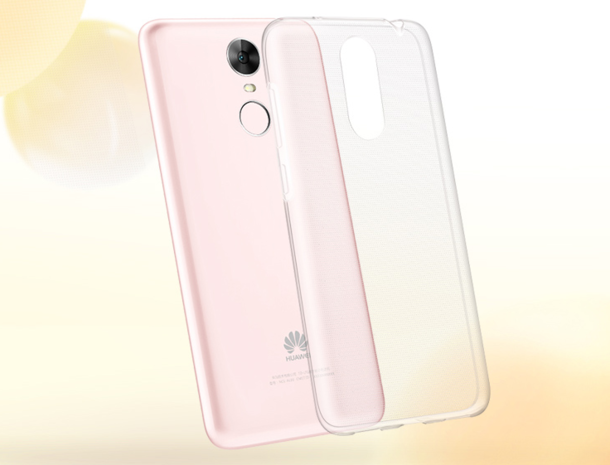
Huawei continues to expand its range of products in the low-end market with the launch of the Huawei Enjoy 6S in China. The Huawei Enjoy 6S is reportedly launched in partnership with China Mobile. The device looks very much like the Enjoy 6 which was launched about a month ago but there seem to be a slight difference in the rear design of both Enjoy series smartphones.
Huawei Enjoy 6S
Design wise, the Enjoy 6S uses an all-metal body design with well chamfered edges that aids grip. The device also comes in three sleek colors of gold, silver and white. The Enjoy 6S is also thinner than the Enjoy 6 with a body thickness of 7.6mm as against the 7.9mm on its predecessor. At the back, the Enjoy 6S LED flash changes position from the bottom of the camera where it is located on the Enjoy 6 to the left side of the camera sensor. The camera however uses the same circular design on both device and there is a rear mounted fingerprint sensor on the phone.
Huawei enjoy 6
Talking about the hardware, the Huawei Enjoy 6S sports a 5-inch IPS display with HD resolution (720 pixels). The device is powered by a Qualcomm Snapdragon 435 chipset clocked at 1.4GHz. The processor is backed by a 3GB RAM and there is 32GB of internal storage space onboard. Further, there is a 13MP rear camera sensor with f/2.2 aperture and a 5MP front-facing shooter on the device and keeping the lights on is a 3,020mAh battery which is a built-in cell. There is also dual SIM / dual standby as well as full network support on the device.
Just a little into the year, we had a mid-range battle between the Meizu M3 Note and Redmi Note 3. Eight months later, we are switching the fighters but the teams are still the same. This battle is for the same thing, Middle Earth Range and its between the just launched Meizu M5 Note and the Redmi Note 4.
Introduction
Both phones are the mid-range flag bearers for their respective manufacturers and sport specs that are not flagship level but are not slouches as well.
Design
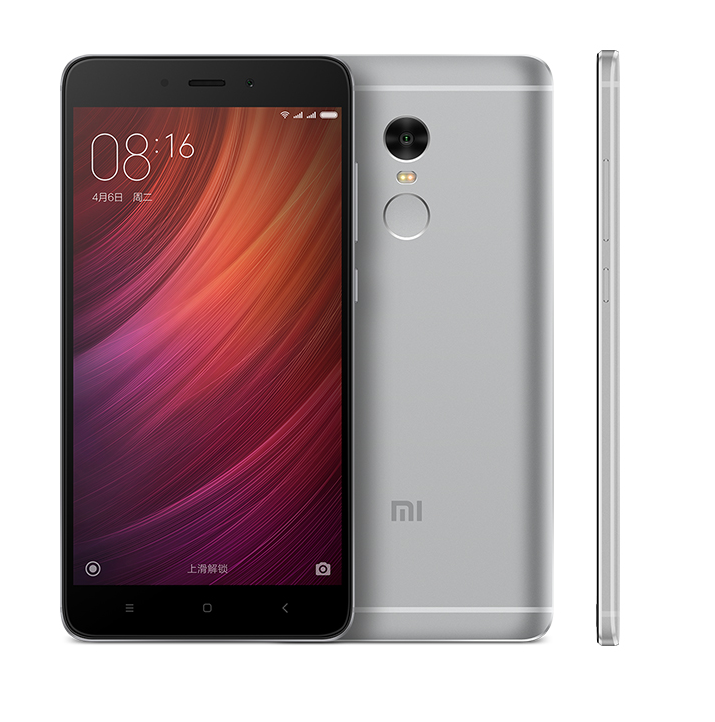
The Redmi Note 4 and Meizu M5 Note are an huge upgrade in design over their predecessors. They are thinner and sleeker and have a 2.5D glass over their displays.
The M5 Note is thinner at 8.1mm compared to the Redmi Note 4 which has a thickness of 8.35mm. The Redmi is smaller at 151mm against the M5 Note’s 153.6mm which results in it having a higher-screen to body ratio. Both phones weigh 175g.
Xiaomi’s Redmi series is known to have its fingerprint scanner at the back and the Note 4 is no different, Meizu prefers it in front underneath the mBack button. Depending on which side of the divide you are, this might be a deciding factor for you.
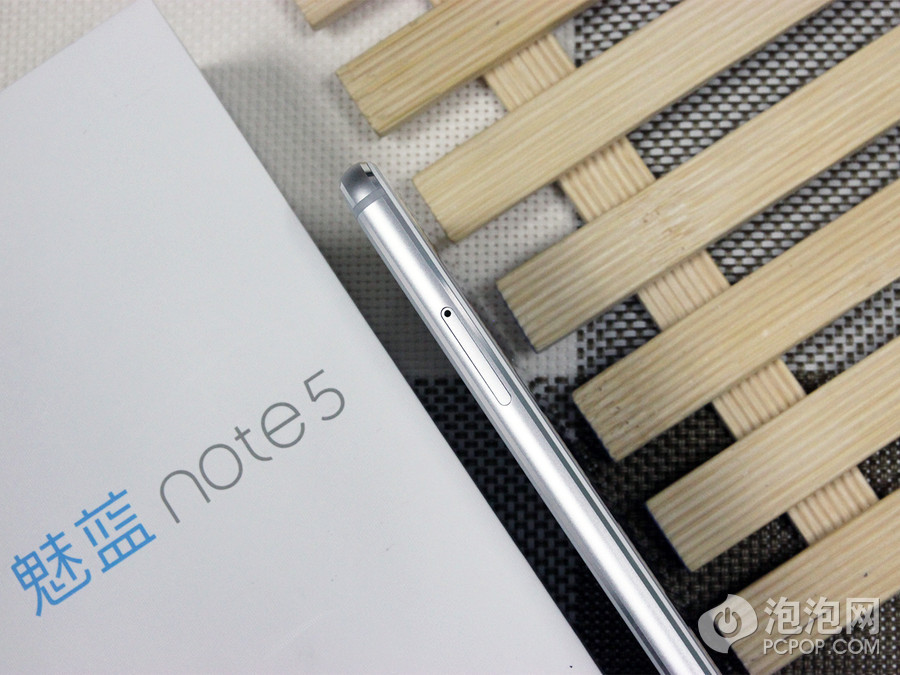
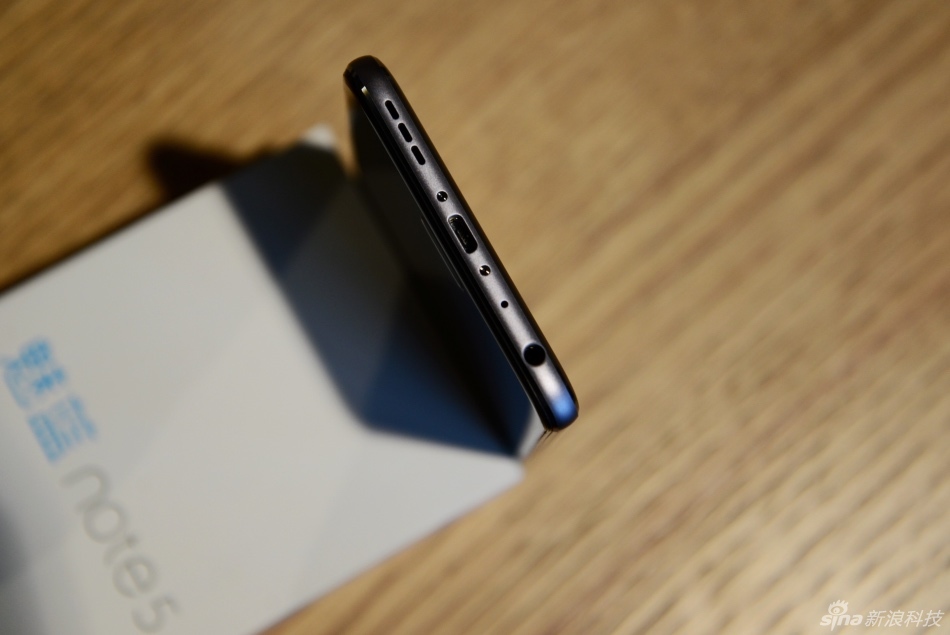
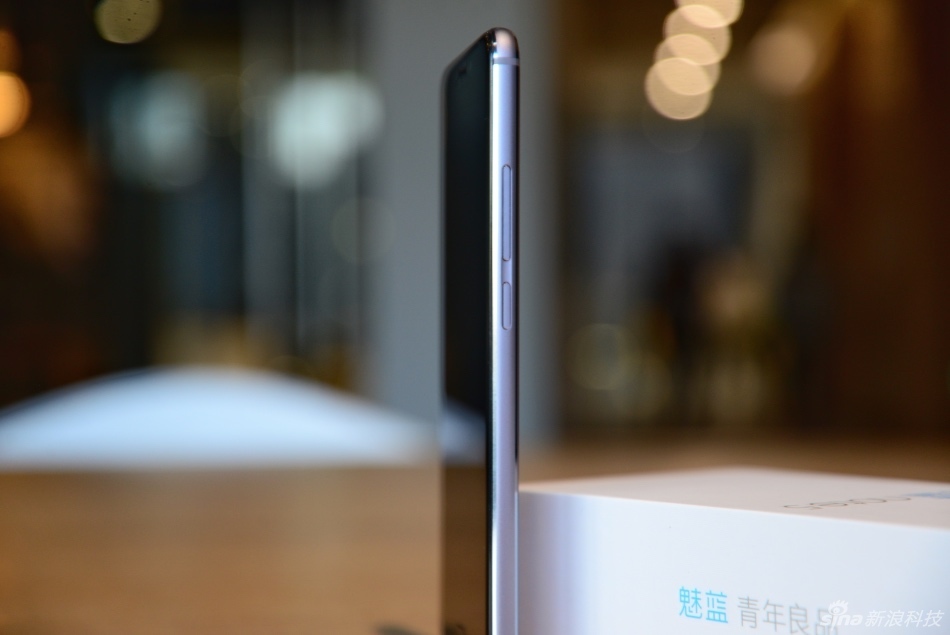
Camera placements, power button, volume rocker, and SIM tray are the same on both phones. The Meizu M5 Note has its earphone jack at the bottom, on the left hand side of the USB port and lacks an IR blaster but Xiaomi’s Redmi Note 3 has its audio jack at the top on the other side of the IR blaster.
Display
The Redmi Note 4 and Meizu M5 Note are equipped with the same 5.5” screens and Full HD resolution. While the Redmi has a higher screen-to-body ratio, the Meizu has a higher ppi. However, this differences are negligible and would probably not be noticed.
RAM and ROM
This is where both phones really differ. The Meizu comes in three storage variants: 3GB+16GB/32GB and 4GB+64GB. There is also an option to use a SD card slot which can add up to 128GB of extra storage. The Redmi Note 4 on the other hand is also available in three memory options: a 2GB RAM model with 16GB of storage and a 3GB RAM version with 32GB or 64GB ROM. You can also decide to expand the storage via the SD card slot which allows you add up to an extra 256GB.
Software
Meizu just launched a new version of its Flyme OS and the Meizu Note 5 is one of the phones that comes with it out of the box. The Flyme 6 OS runs atop Android 6.0 Marshmallow and it brings a ton of new features. Meizu also says it has a built-in AI engine called One Mind.
Xiaomi’s Redmi Note 4 also runs Android Marshmallow with the company’s heavily skinned MIUI 8 overlay. It doesn’t have an AI engine but it gives you a deeper level of customization you won’t find on stock android.
Cameras and Processors
The Meizu M5 Note has a 13MP f/2.2 Sony camera with a 5P lens PDAF, and dual-tone LED flash on the rear.The front camera is a 5MP f/2.0 with ArcSoft beautification technology.
Xiaomi’s camera is a 13MP f/2.0 sensor.It also has a 5P lens, dual-color temperature flash, HDR, PDAF, and real-time filters when taking pictures. The selfie camera is a 5MP sensor too with the same f/2.0 aperture.
Theoretically, the Xiaomi’s main camera should take better pictures because of its large aperture which will let it take in more light, but that is not the only factor for determining the better camera as post processing and other software enhancements.
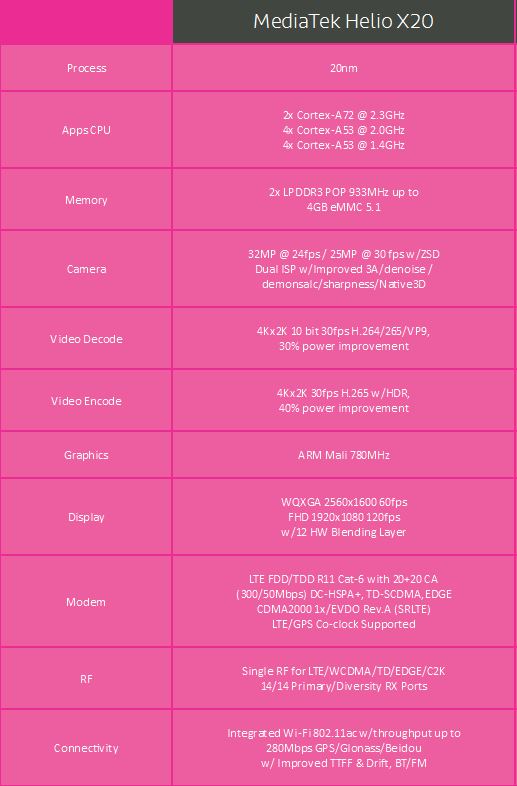
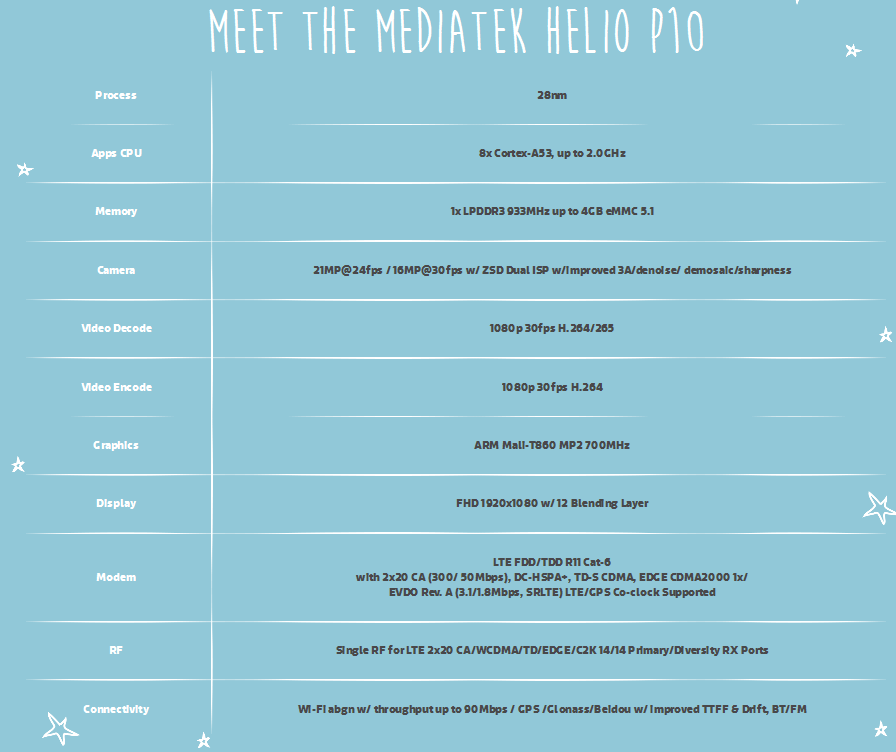
Both phones use Mediatek processors but while the Xiaomi uses the Helio X20, the Meizu uses the Helio P10. They are built on different architectures (20nm for the X20 and 28nm for the P10) and feature different number of cores (10 cores against the P10’s 8 cores). The X20 chip offers a better all-round performance than the P10, from a higher clock-speed due to its more powerful Cortex-A73 cores, to its better GPU and more advanced fingerprint technology.
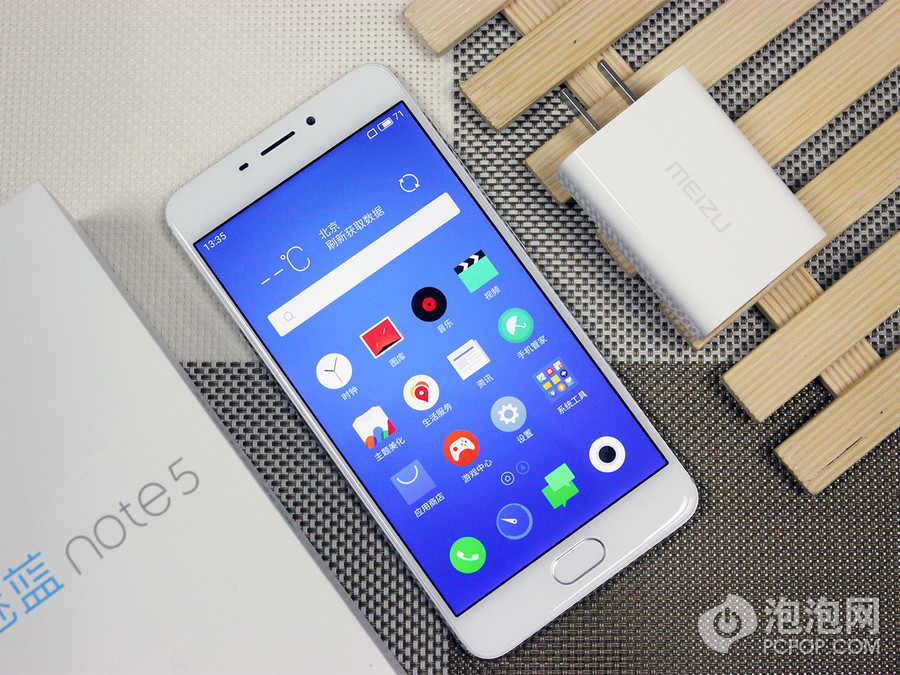
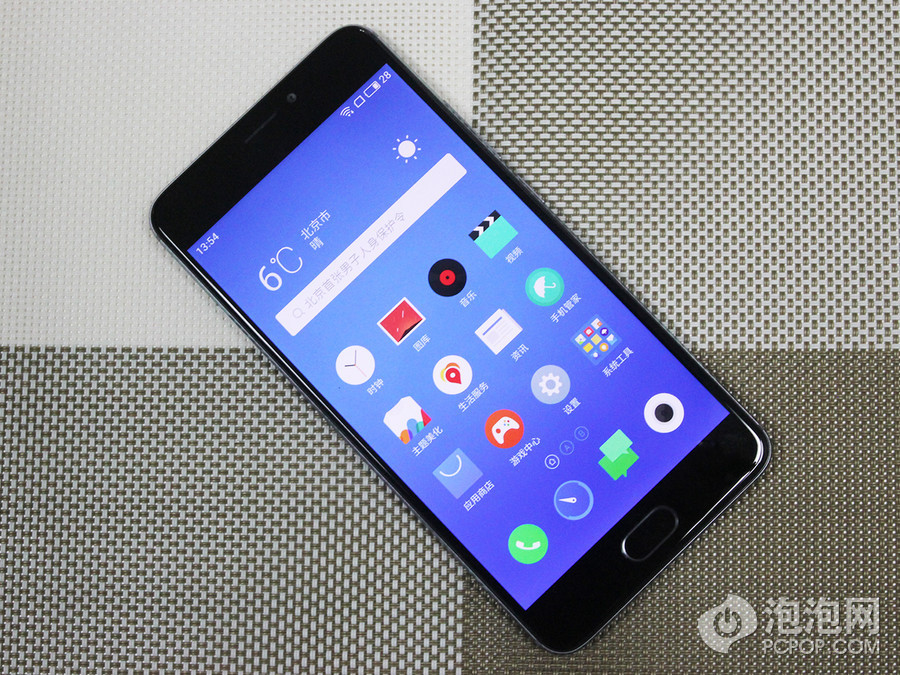
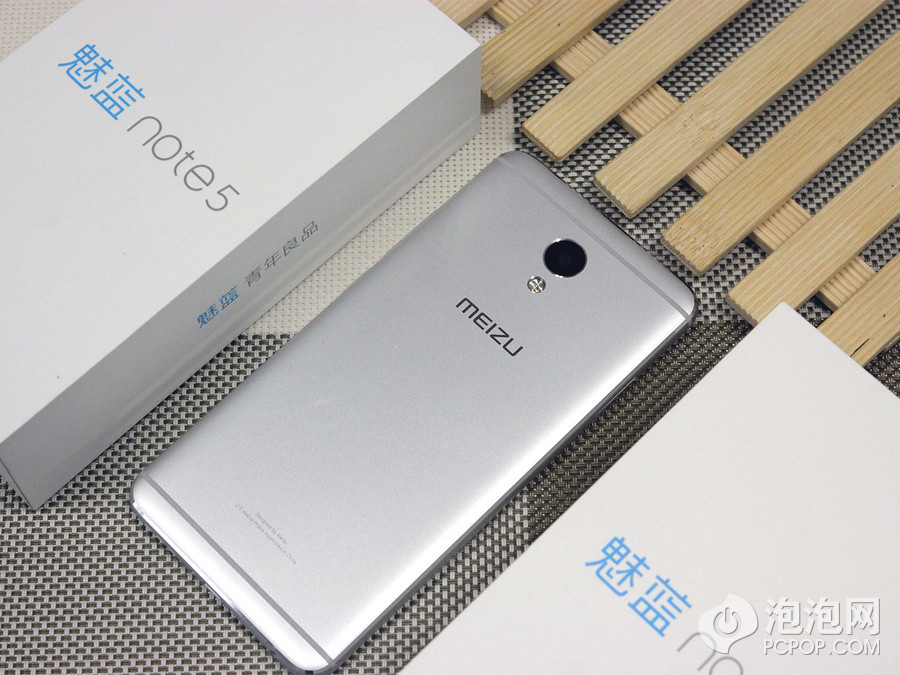
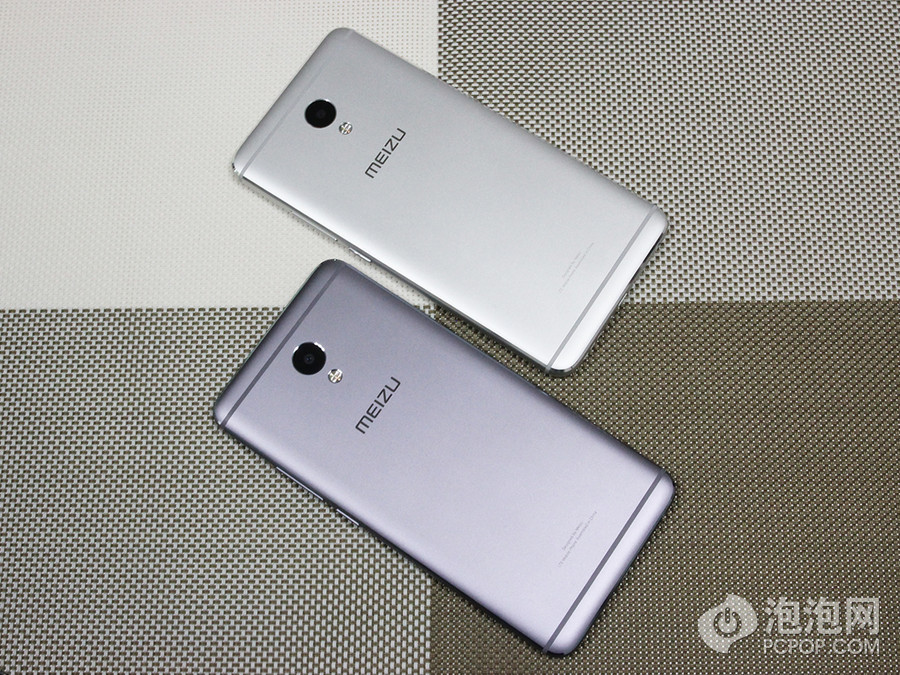
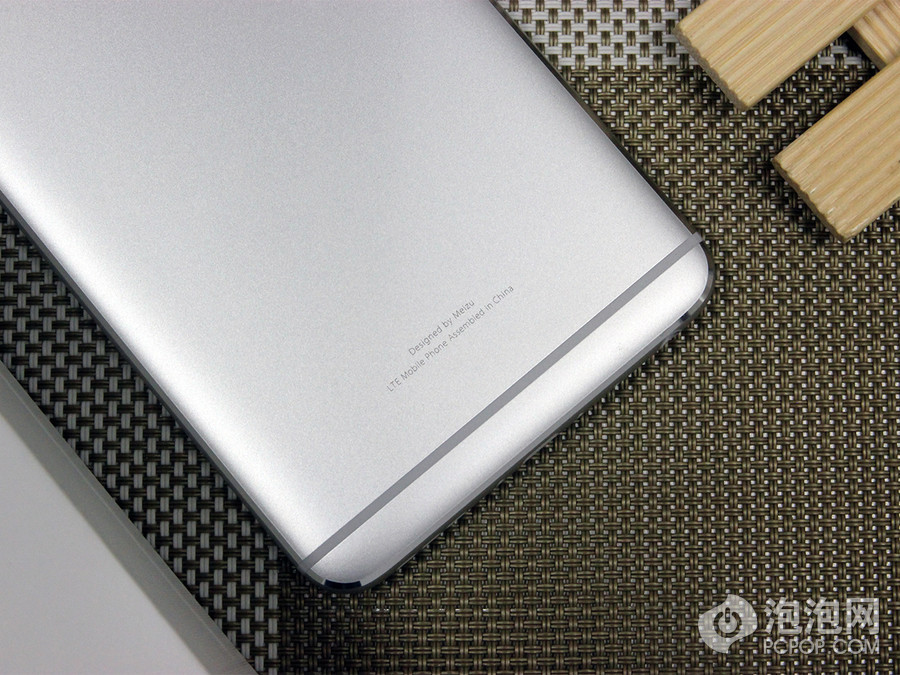
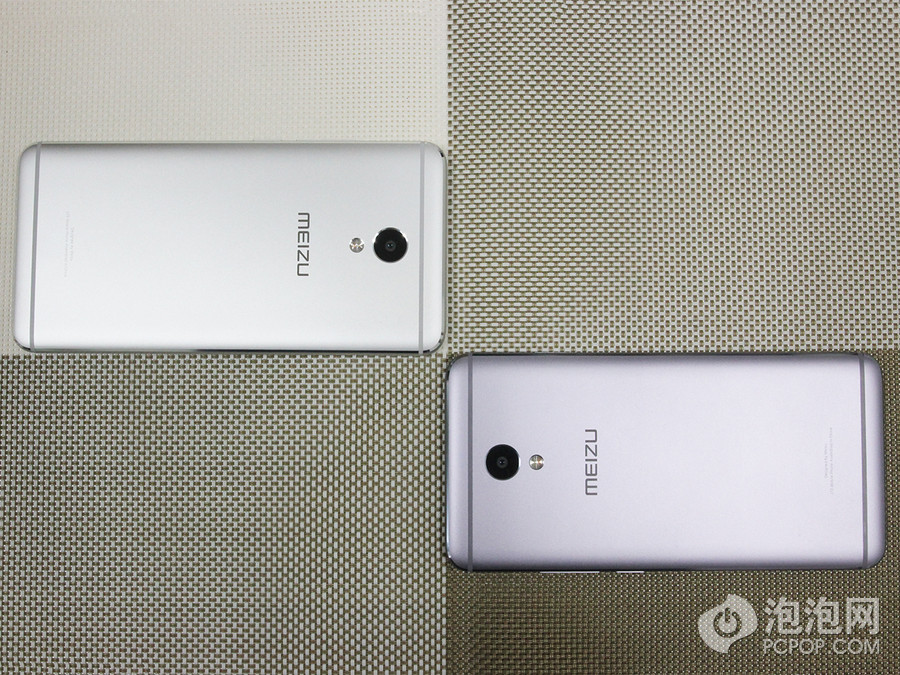
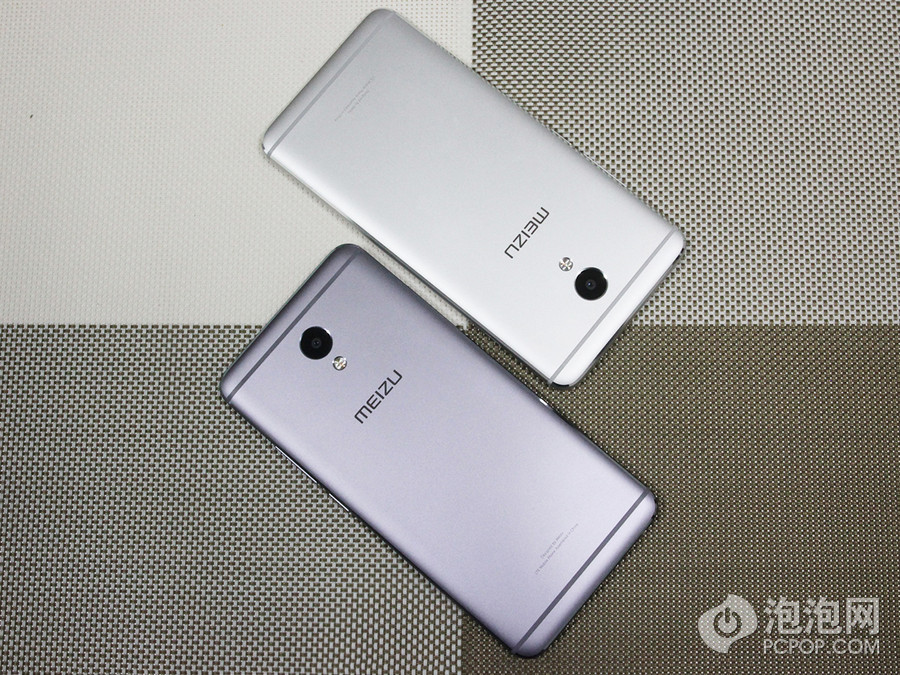
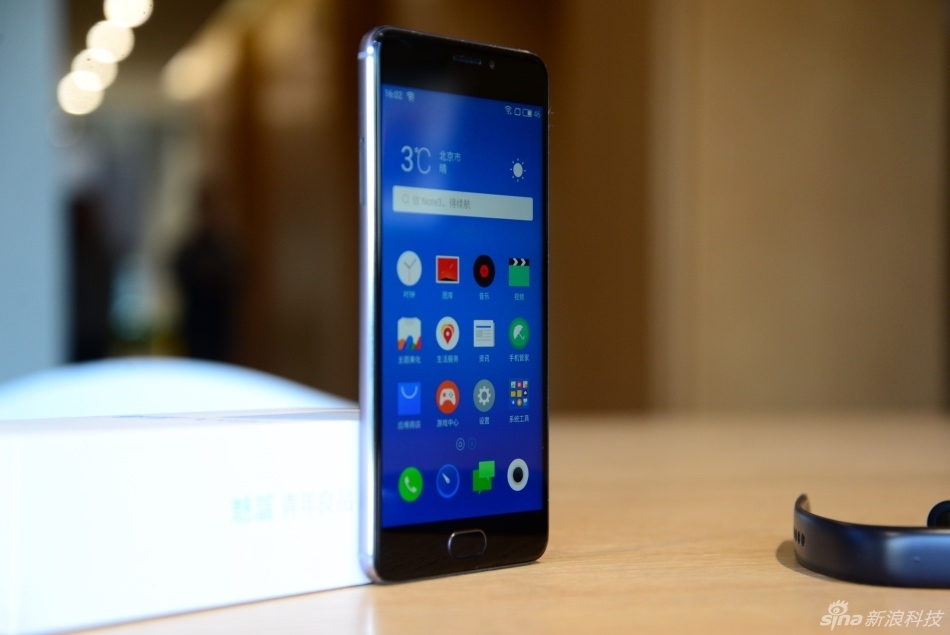
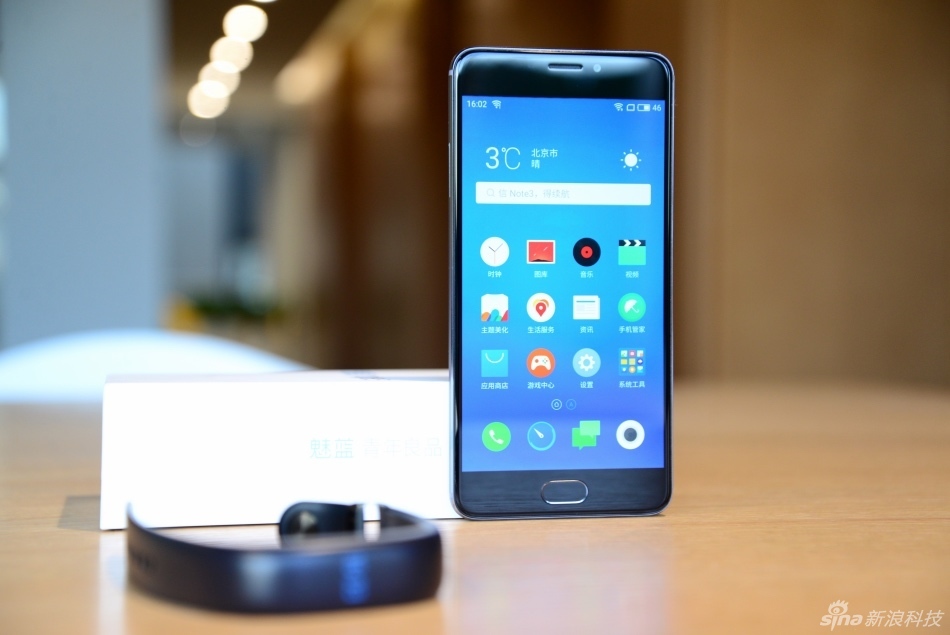
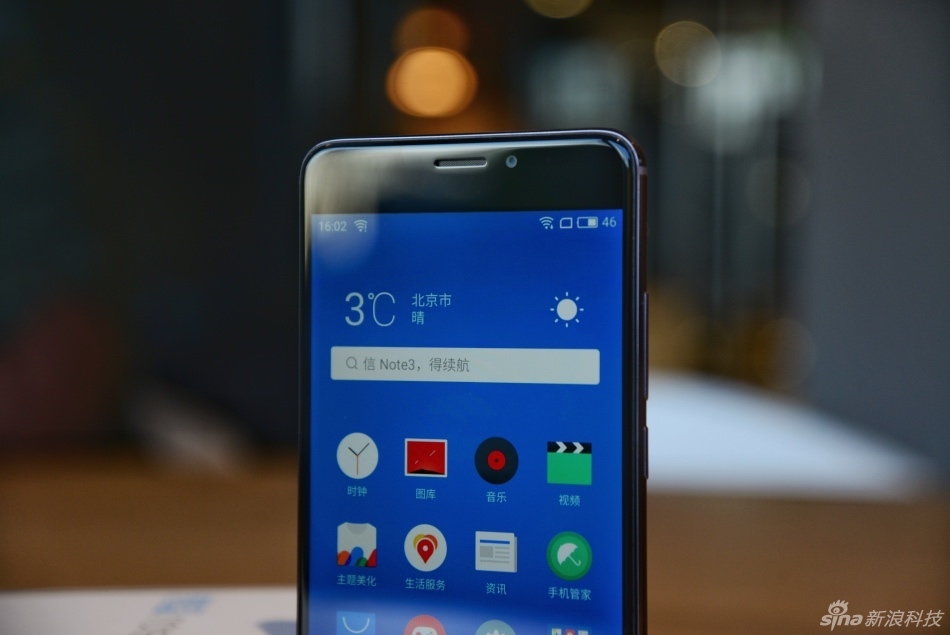
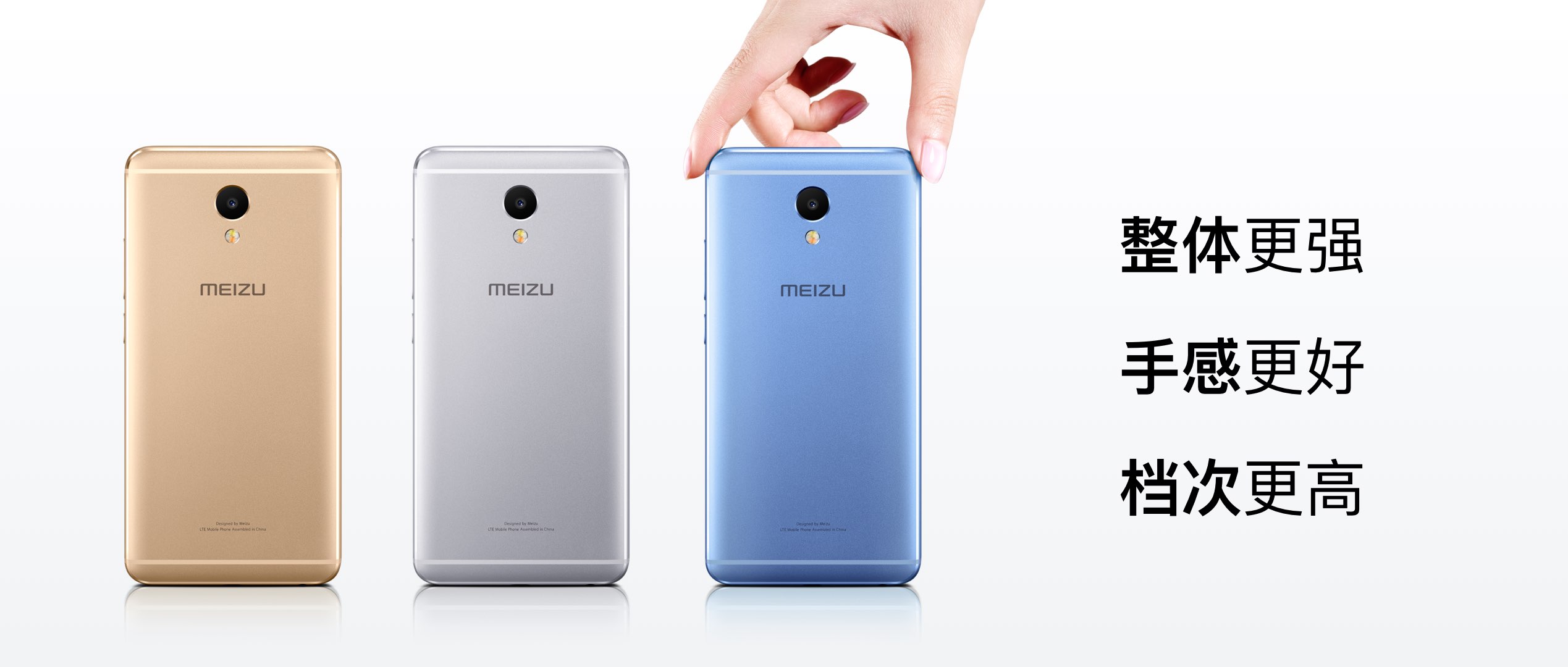
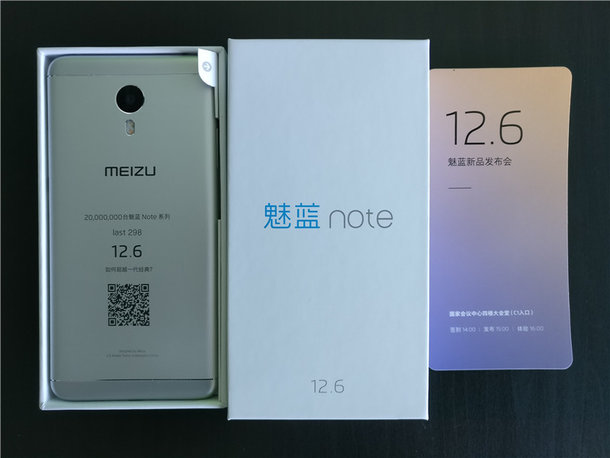
The Meizu M5 Note went official today and true to the words of Meizu’s VP, the device was a real beauty. The M5 Note came in both black and white variants and regardless of your preferred choice, both color variants are sleek and beautiful.
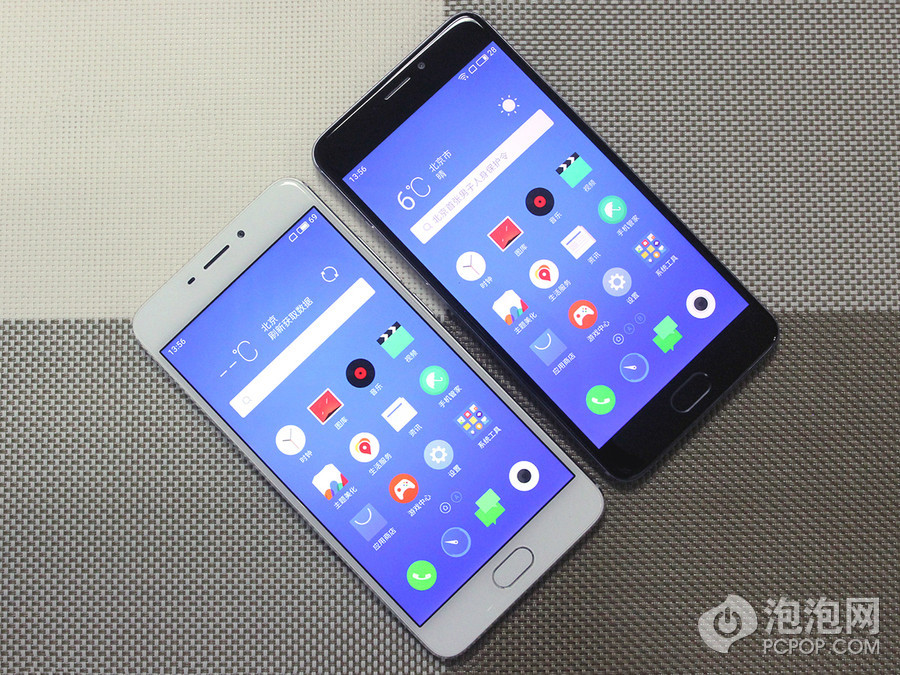
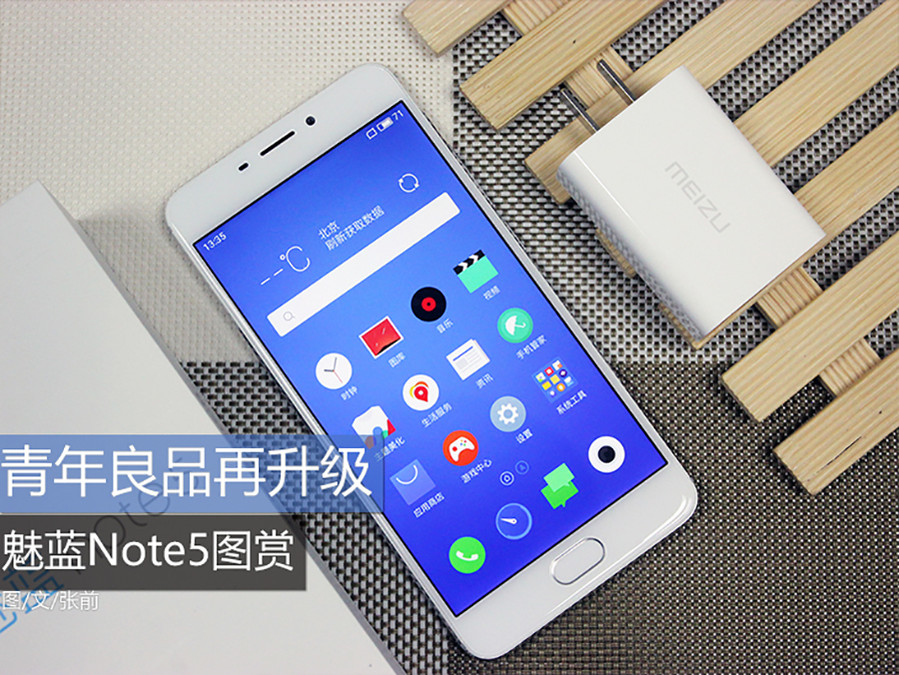
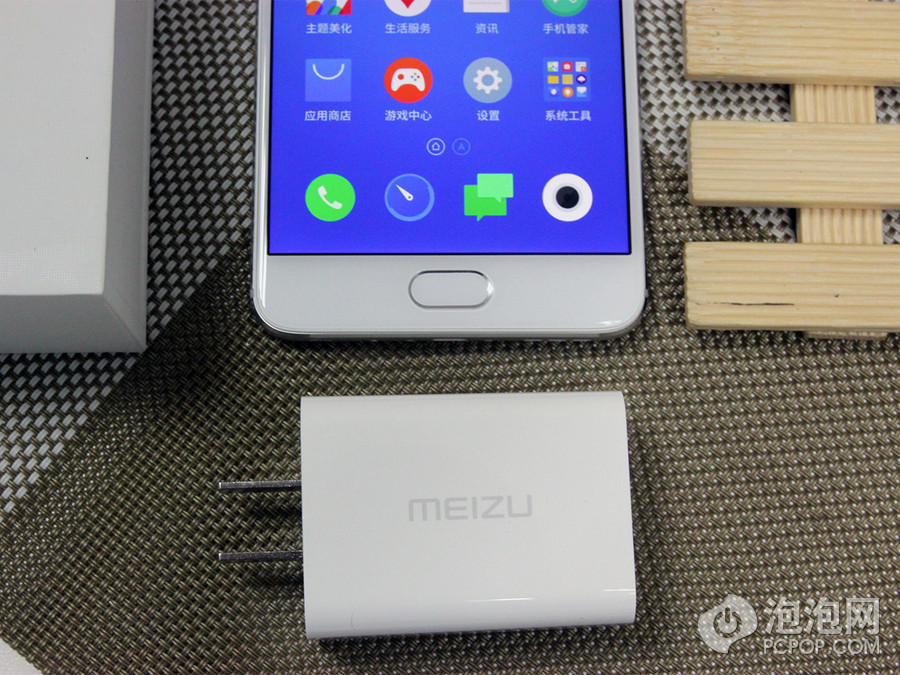
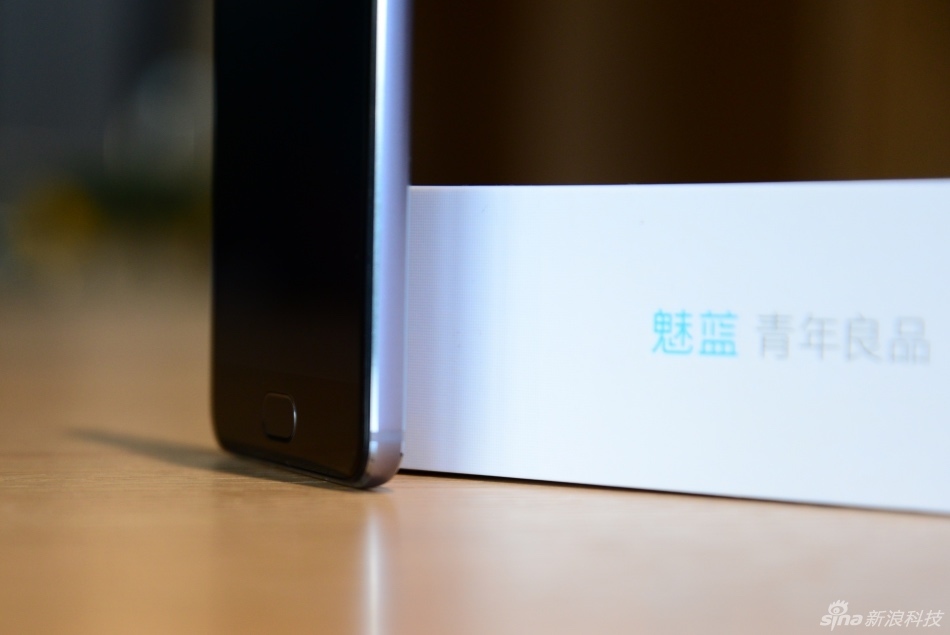
As usual, hands on images of the device are available for your delight, courtesy of the guys at sina.com.cn and PCPOP.com. The images show both the white and black color variants fresh out of their boxes. Indeed we’re not really too enthusiastic about the design because they are just custom Meizu designs with all features in their usual places. There is the oblong home screen button just under the display and sadly, you still see the black borders at the edges of the display screen. Well if you get irritated by that, then you can opt for the black variant which does a better job of hiding the borders.
What the Meizu M5 Note lacks in design, it made up in the specs and price tags. The device packs an Helio p10 chip and two different RAM versions of 3GB and 4GB respectively. There are three storage versions as well, ranging from 16GB, 32GB to 64GB. All three storage versions can be expanded. The device sports a 13MP rear camera and a 5MP front camera and a 4000mAh built-in battery. There is also full network support on the device and providing the interface is Meizu’s Flyme 6 OS.
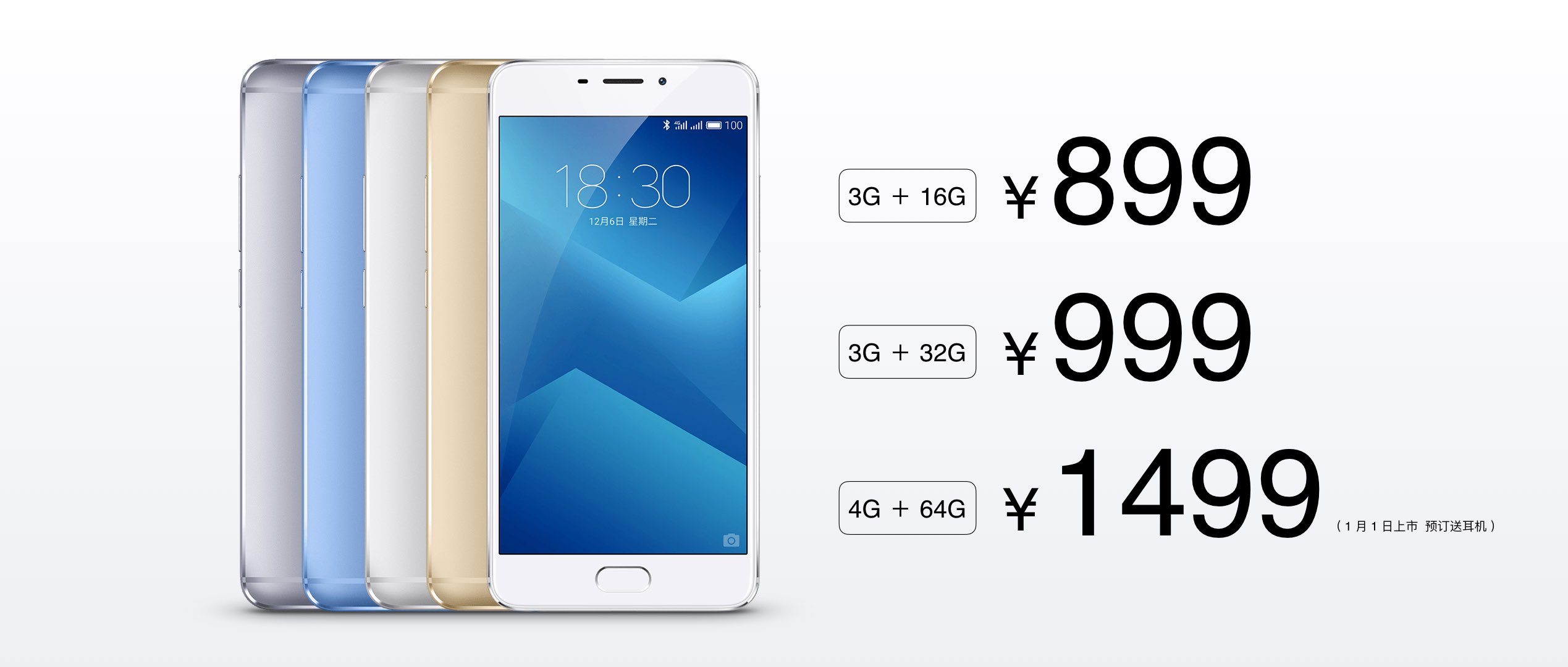
As for the prices the 3GB + 16GB version starts at 899 Yuan, the 3GB +32GB version comes in at 999 Yuan, while the 4GB + 64GB version starts at 1499 Yuan. The M5 note will go on sale from November 8. Meanwghile, check out more unboxing images of the Meizu M5 Note from down below.
The OnePlus 3T is still in the news. It just launched in India and will go on sale next week. But with it out of the way, OnePlus should be focusing on the next device already, and it seems they are as a leak says the company is already working on the OnePlus 5. That wasn’t a mistake.
It appears the company will not be making a OnePlus 4 since the number 4 is considered an unlucky number in China. So instead, its going to pretend the number doesn’t exist and move right to the next one.
The trend is not unusual though as Oneplus’ sister company, Vivo, released the Vivo V5 after the Vivo V3. Let’s just hope number 4 doesn’t go visit number 6 and ask how it jinxed the Galaxy Note 7.
The OnePlus 5 will also be sporting a not-so-new material. Ceramic. If you recollect, OnePlus released a limited edition ceramic version of the OnePlus X. We don’t know if it the OnePlus 5 ceramic version will be a limited edition though, but what the source says is that it will be manufactured by the same company making the ceramic body of the Xiaomi Mi MIX.
The OnePlus 5 is expected to retain the 5.5-inch display size but bump up the resolution to Quad HD, have 6GB of RAM, and sport a Qualcomm Snapdragon 835 processor.
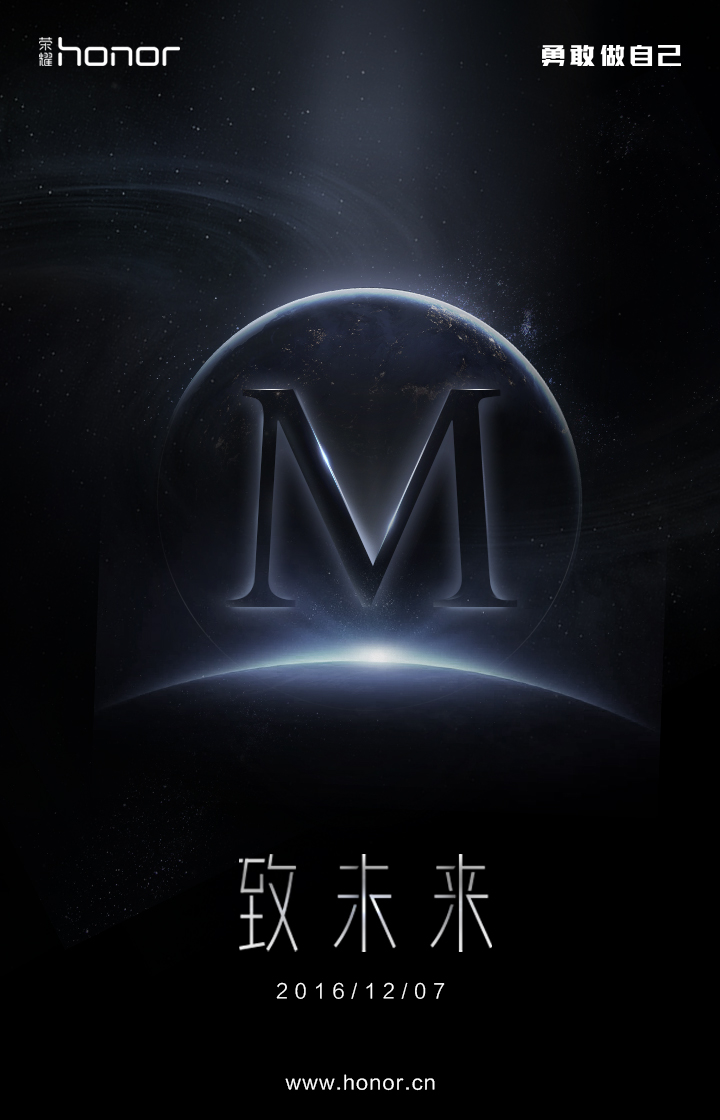
It is no news that Huawei is launching a concept phone. What is news is that it is launching tomorrow. Yes, tomorrow the 7th of December and it will be released under the Honor sub-brand.
Back when the rumor of a concept phone from the phone giant started floating around, the assumption was that it would be released under the main Huawei brand. However, earlier today, insider @Kevin King Diary posted on Weibo that the phone will wear the Honor name.
The reason for this is so that the phone doesn’t compete directly with the recently released Mate 9 Pro and Mate 9 Porsche Edition which both have curved-displays. And with the success of the Honor 8, whose only flaw is its limited band support we believe this new device will not disappoint. We hope the new concept phone has global band support though.
The Honor concept phone is expected to use a curved display supplied by Samsung and also be the first phone to feature Huawei’s super fast battery which charges up to 50% in just 5-minutes.
Another important detail leaked about the device is that it won’t feature many of the physical hardware components a phone is supposed to have like a camera and speaker but will instead come with a set of peripherals that will provide the required function.
Does this mean we are looking at another Moto Z? It’s hard to ay for now but hopefully after the launch tomorrow, we should be able to understand how the phone works.
Meizu was rumored to be working on a new smartband and the company has just unveiled this brand new device alongside the Meizu M5 Note today. The device comes with all the features that you would expect in a fitness smartband and like tradition, Meizu has priced the band aggressively at just 229 Yuan ($31).
So, what do you get at this price?
The Meizu band comes with an integrated OLED touchscreen display. Many smartbands today have a non-integrated body, which means you can remove it from the strap. However, Meizu is using a different approach here by using an integrated design with double component injection technology. This is probably why the Meizu band looks curvier and I am sure many will like this design. It definitely looks more stylish than some other offerings at this price. Charging the Meizu Band is also an easy process since it comes with a magnetic USB charging cable that sticks to the device. You get more than 7 days of usage on a single charge w/ heart rate sensor and around 15 days without using the sensor.
As for the features, the Meizu Band is IP67 certified which means you don’t have to worry about water splashes or dust. The OLED screen reveals all the important data like the time, number of steps taken, calories burned as well as the heart rate. The heart rate sensor is from AMS and it even notifies you if your rate exceeds a set maximum rate. The band will also monitor your sleep patterns and features a built-in snooze alarm which wakes you up softly.
The Meizu Band connects to your smartphone via Bluetooth and can alert you about the incoming phone calls and messages. Further, you can use its Find My Phone feature that alerts you when the distance between your smartphone and the band exceeds 10 meters.
The Meizu Band is already up for pre-order in China and will be up for grabs on December 8. Note that, as of now, the company has not revealed any plans for an international release.
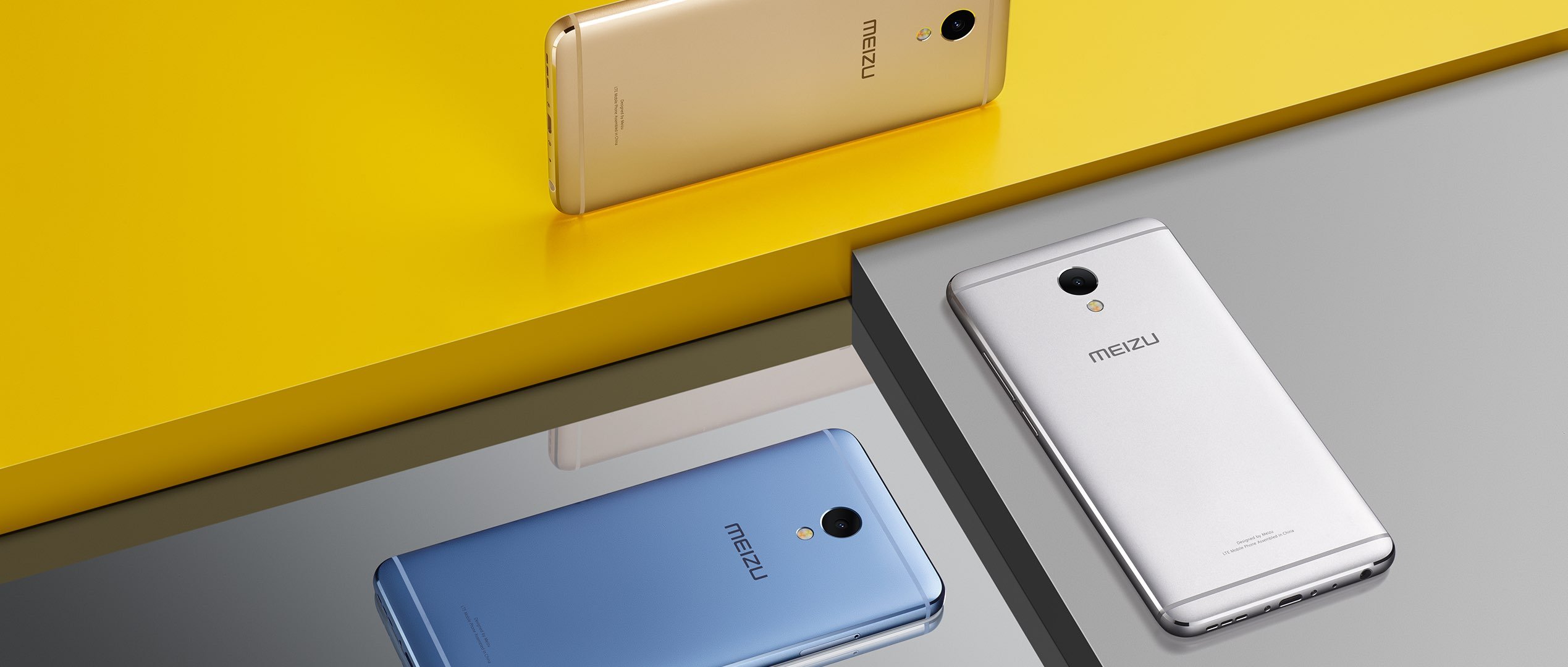
Meizu has taken the wraps off its latest budget offering, the Meizu M5 Note in an event today in Beijing, China. The company will continue to use an all metal body on its new mid-ranger and will offer plenty of color options as well, which has become a highlight of the Blue Charm series. The Meizu M5 Note will be available in four colors — Sky Gray, Champagne Gold, Moonlight Silver, and Glacier Blue.
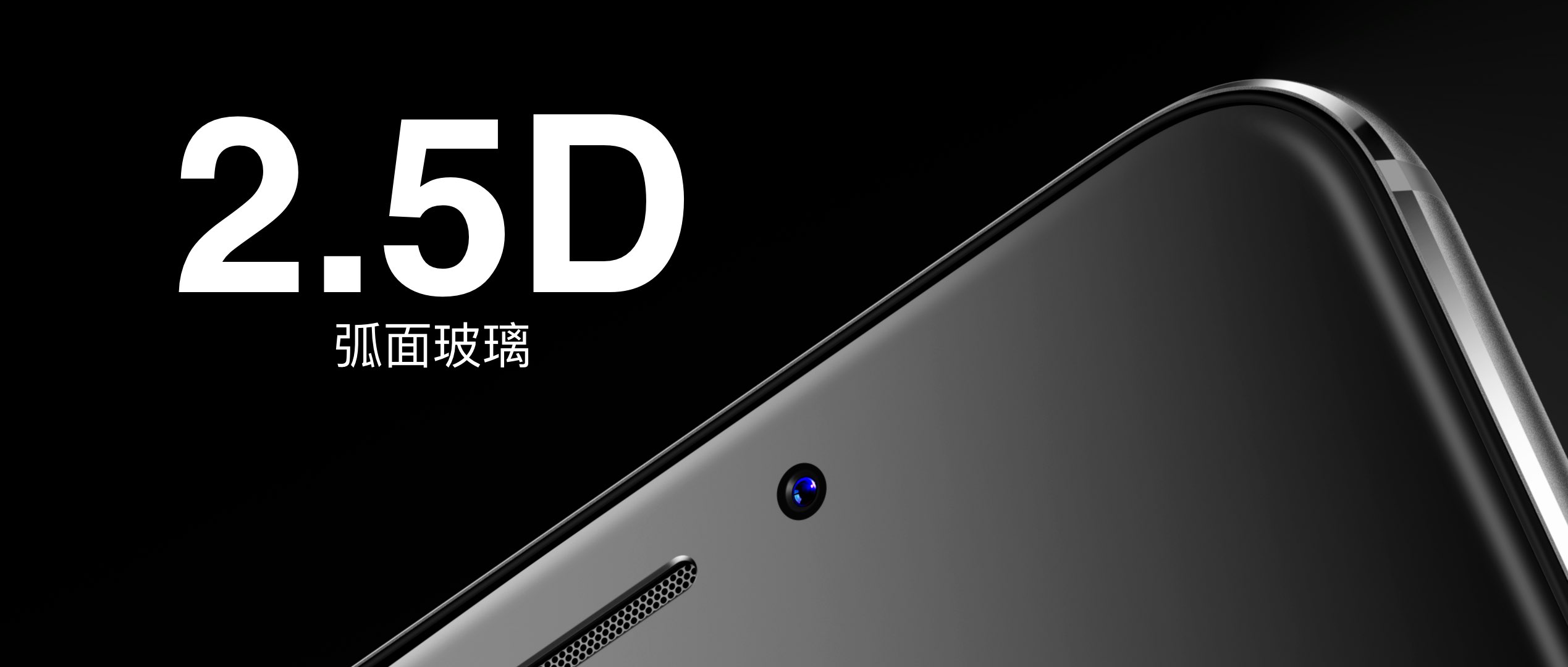
The phone features a curved 2.5D glass up front to give it a premium look. The design remains more or less similar to other Blue charm phones, so you have the traditional antenna lines on the top as well as the bottom. However, the company engineers have reportedly improved the antenna signal for more strength and stability and the company claims that the signal quality and strength have more than doubled than the previous generation model. In case you are wondering, there’s dual SIM dual standby. The card slot is hybrid, so you can insert a MicroSD card for expansion at the expense of the second SIM card slot.
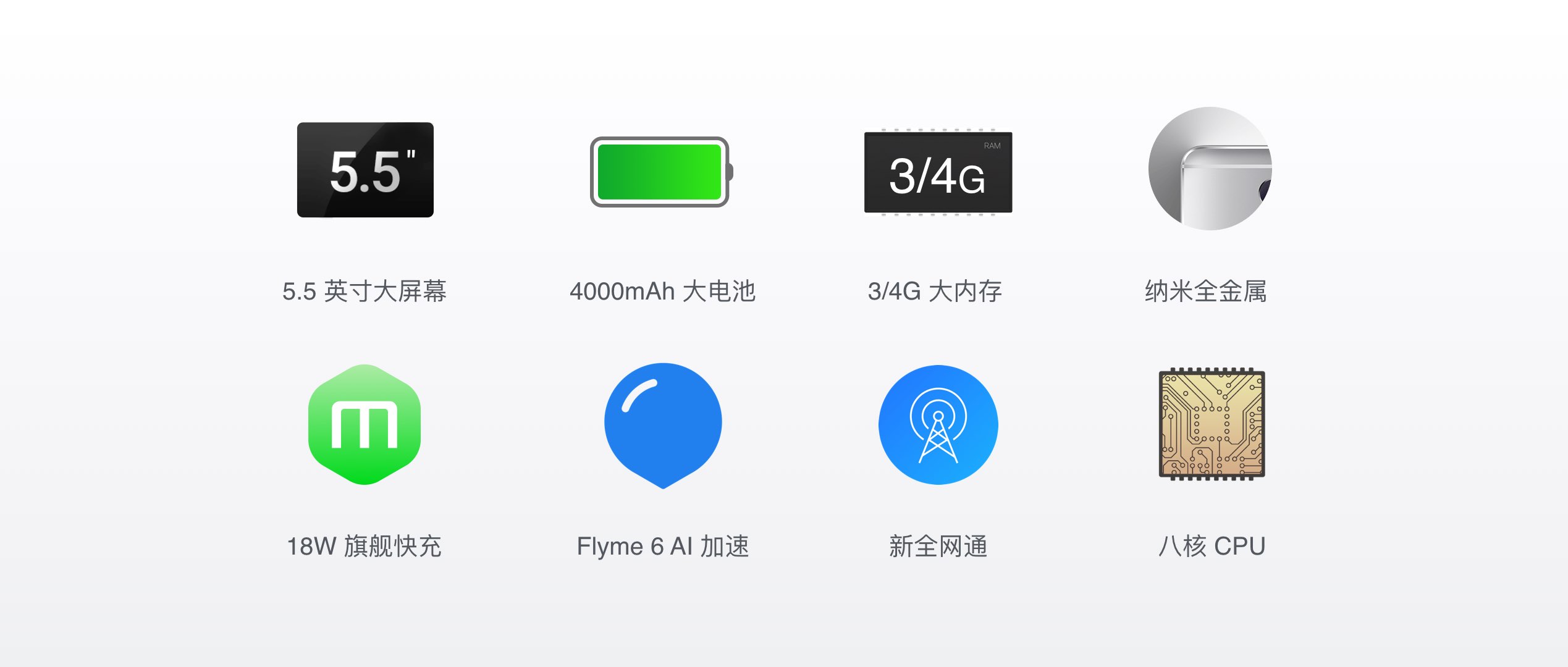
As for the specs, the Meizu M5 Note features a 5.5-inch 1080p display up front with 450 nits maximum brightness, which translates into 403ppi. The screen comes with many features such as sunlight mode, eye mode etc. Inside, the phone comes with the Helio P10 octa-core processor with 3GB /4GB of RAM and 16GB/ 32GB /64GB of storage options that’s expandable up to 128GB.
The camera on the Meizu M5 Note is a Sony 13MP sensor with PDAF that focuses in just 0.2 seconds and f/2.2 aperture. Up front, you get a 5MP shooter with ArcSoft’s algorithm for better quality images. You get a fingerprint sensor as well, which unlocks in 0.2 seconds. There’s a large 4000mAh battery on board, which will fill up quickly since it supports 18W mCharge. As for the software, the phone is using the new Flyme 6 OS that promises 20% better CPU and memory resource allocation for faster performance.
meizu m5 note cam sample 02
meizu m5 note cam sample 01
The Meizu M5 Note starts at just 899 Yuan ($130) for the 3GB + 16GB model, 999 Yuan ($146) for the 3GB + 32GB model while the 4GB + 64GB model retails for 1499 Yuan ($218). The phone goes on sale on December 8.
Xiaomi’ s crowdfunding platform has gone official with its latest product which as teased yesterday. As speculated, the product is a mattress in the 8H Latex product line. This one is called 8H Latex Mattress M3 and it comes with some improvement over the 8H Latex mattress M1.
According to the specification, the spring mattress uses the Thai direct mining natural latex, steel independent pocket spring, and drawer-type layered design. The mattress also comes with jacket covering which is washable and uses YKK zipper.
The 8H Latex Mattress M3 comes in three different sizes, the smallest one comes with a dimension of 1.2m x 2m x 20cm and carries a price tag of 1499 Yuan ($200). There is another with a dimension of 1.55m x 2m x 20cm price at 1599 Yuan ($213), and yet a third with a dimension of 1.8m x 2m x 20cm starting at 1699 Yuan ($227).
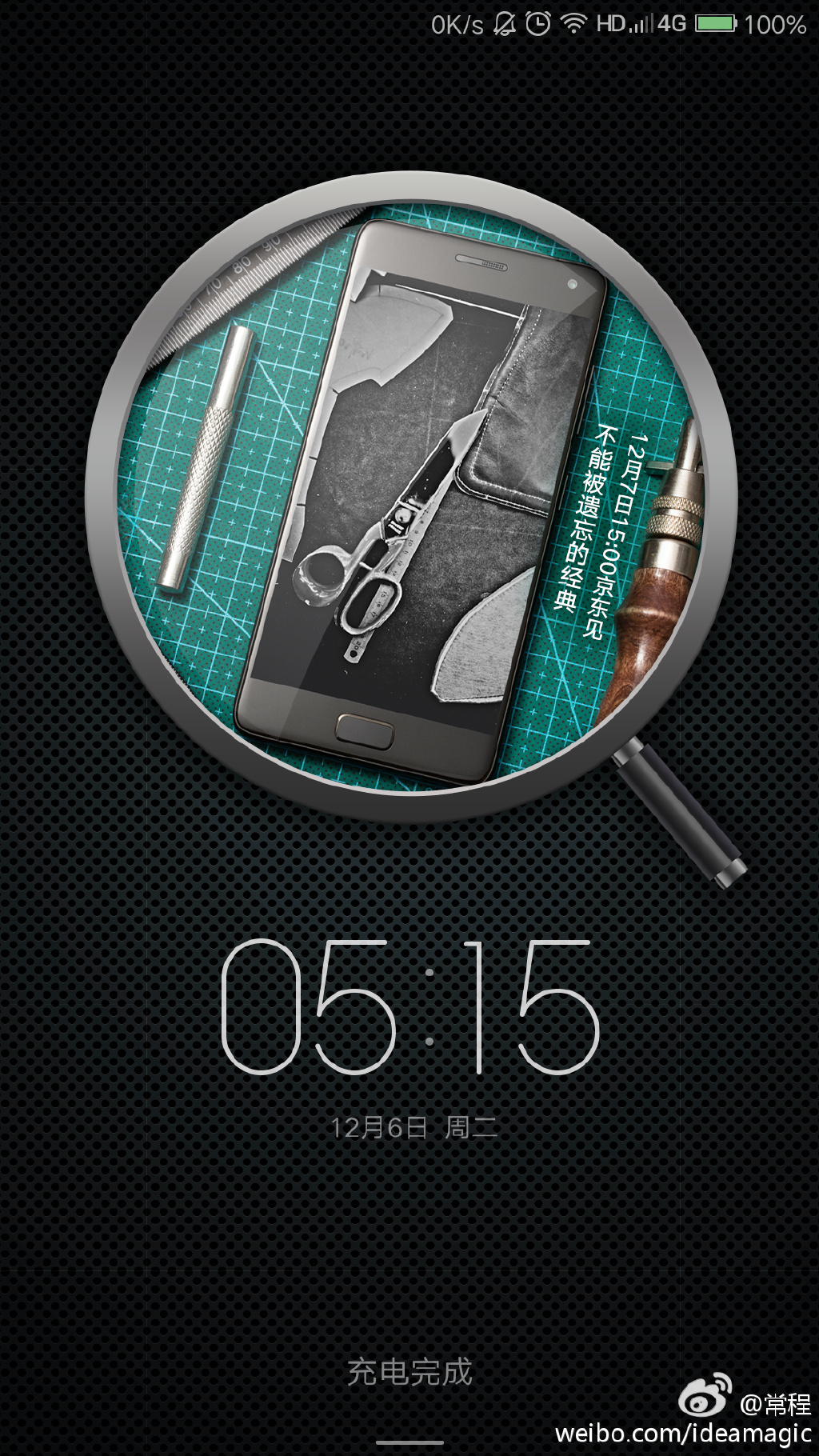
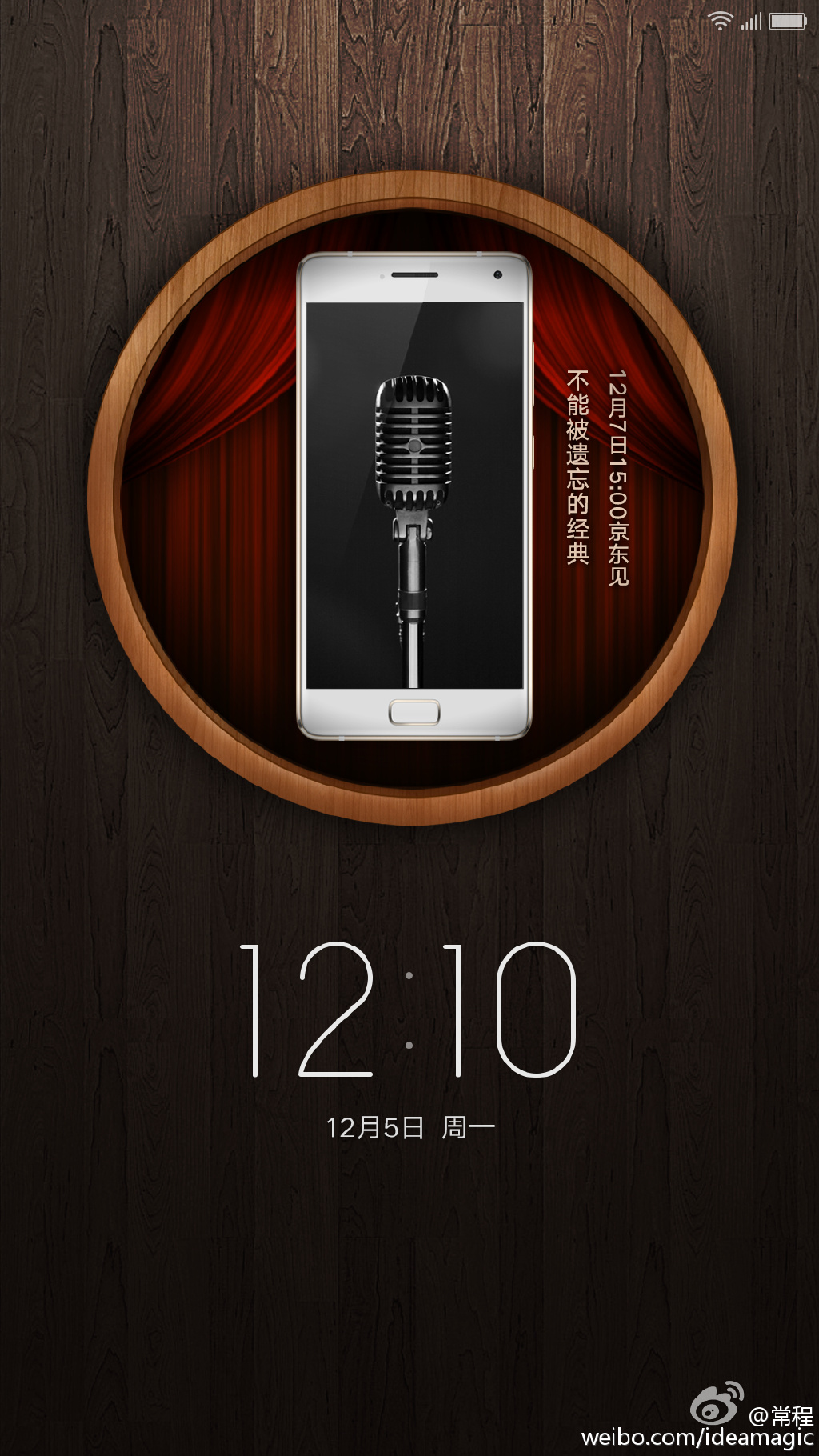
Lenovo VP has been the source of several official teasers concerning the ZUK Edge all along. The VP today shared yet another teaser containing the black variant that again reveals the Lenovo ZUK Edge will officially go on sale starting from Wednesday, December 7, 2016, on Jingdong (JD.com). He had earlier shared a similar teaser containing the white version.
From all indications, there won’t be an official press conference where the ZUK Edge would be unveiled but rather the sleek device would be released directly via e-commerce website Jingdong in China. There is no price tag attached to the device just yet but it is believed that when it is launched, a price tag will be ascribed to it. One unique thing to note from the teased image announcing the device is that the black version looks like the Galaxy Note 7 in design and sleek looks. That isn’t very obvious, though.
As a reminder, the Lenovo ZUK Edge will launch with a 5.5-inch Full HD display, a 2.35GHz Snapdragon 821 processor, 6GB of RAM, and 64GB of storage. It will also join the ranks of Huawei’s Mate 9 to be one of the few Chinese phones launching with Android 7.0 Nougat out of the box. In adition, the ZUK Edge will have a 13MP primary camera on the back, and an 8MP sensor in front for selfies. The phone will be powered by a 3000mAh battery.
The internet was abuzz the past few days with renders of a purported Meizu Pro 6 Edge device that quite frankly looked stunning. The device was said to have a curved display with 2K resolution as well as an Exynos 8890 chip onboard. The Pro 6 Edge was also rumored to likely launch along with the M5 Note today.
However, Meizu’s VP Huang Zhang has debunked news of any other device apart from the M5 Note dropping today. The Meizu VP via a Weibo post averred that talks of a curved screen device dropping today doesn’t have substance. The VP however promised that a topnotch device is what they will be unveiling.
The Meizu M5 Note doesn’t feature a curved display, except we’ll see that on the M5 Note Metal version rumored as also launching. We hope Meizu releases another stunning device just like the Pro 6 Plus today.
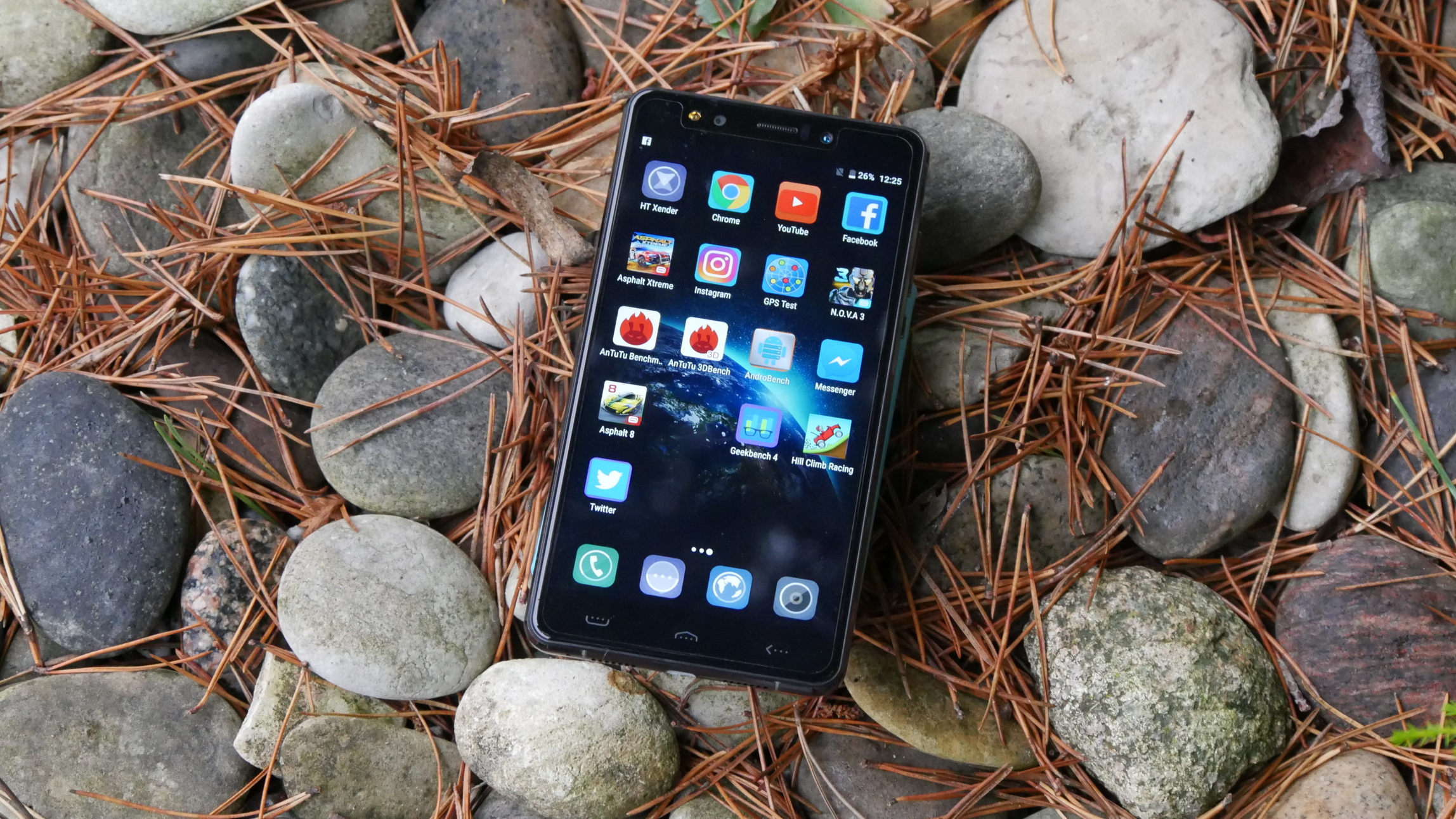
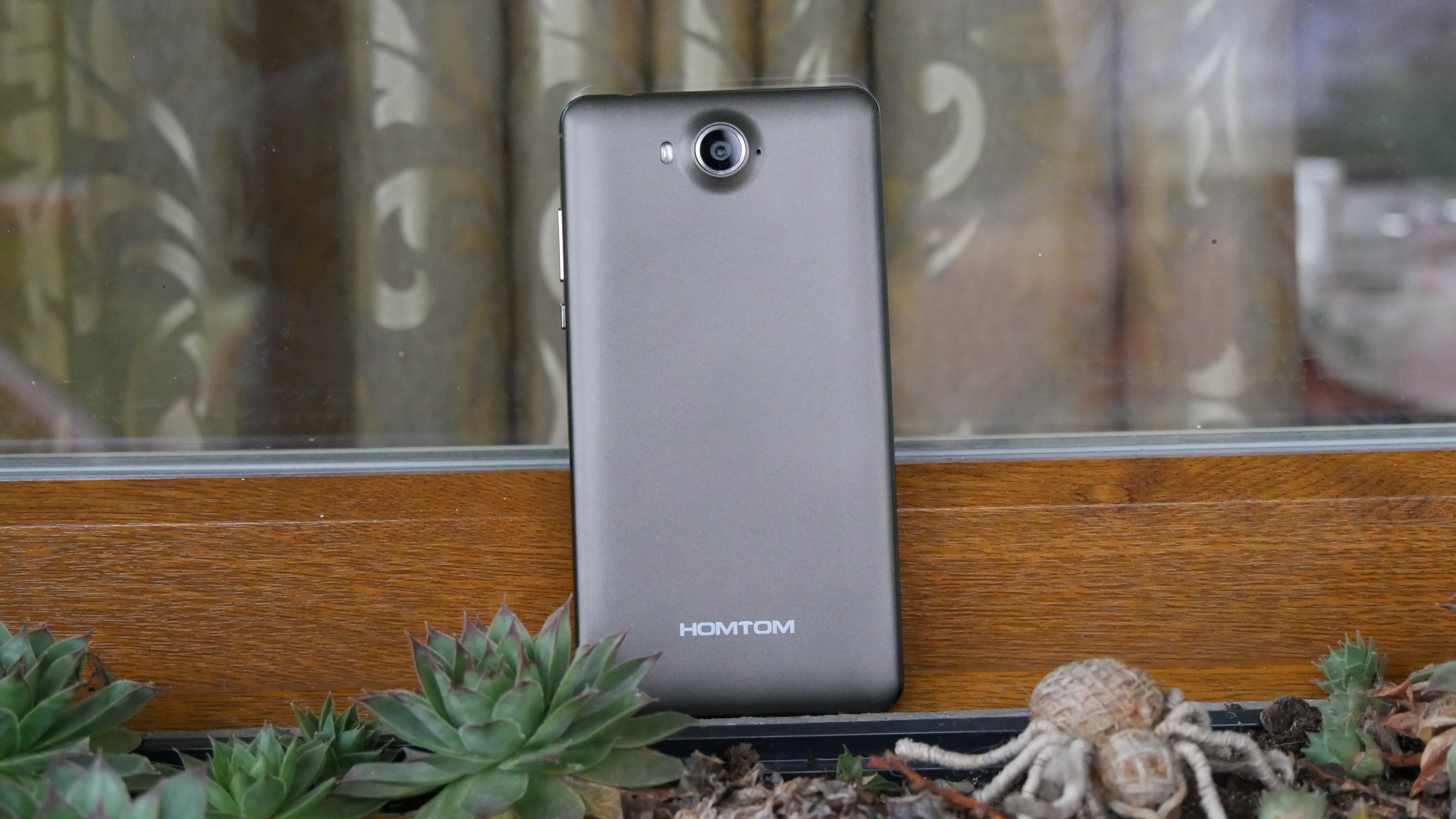
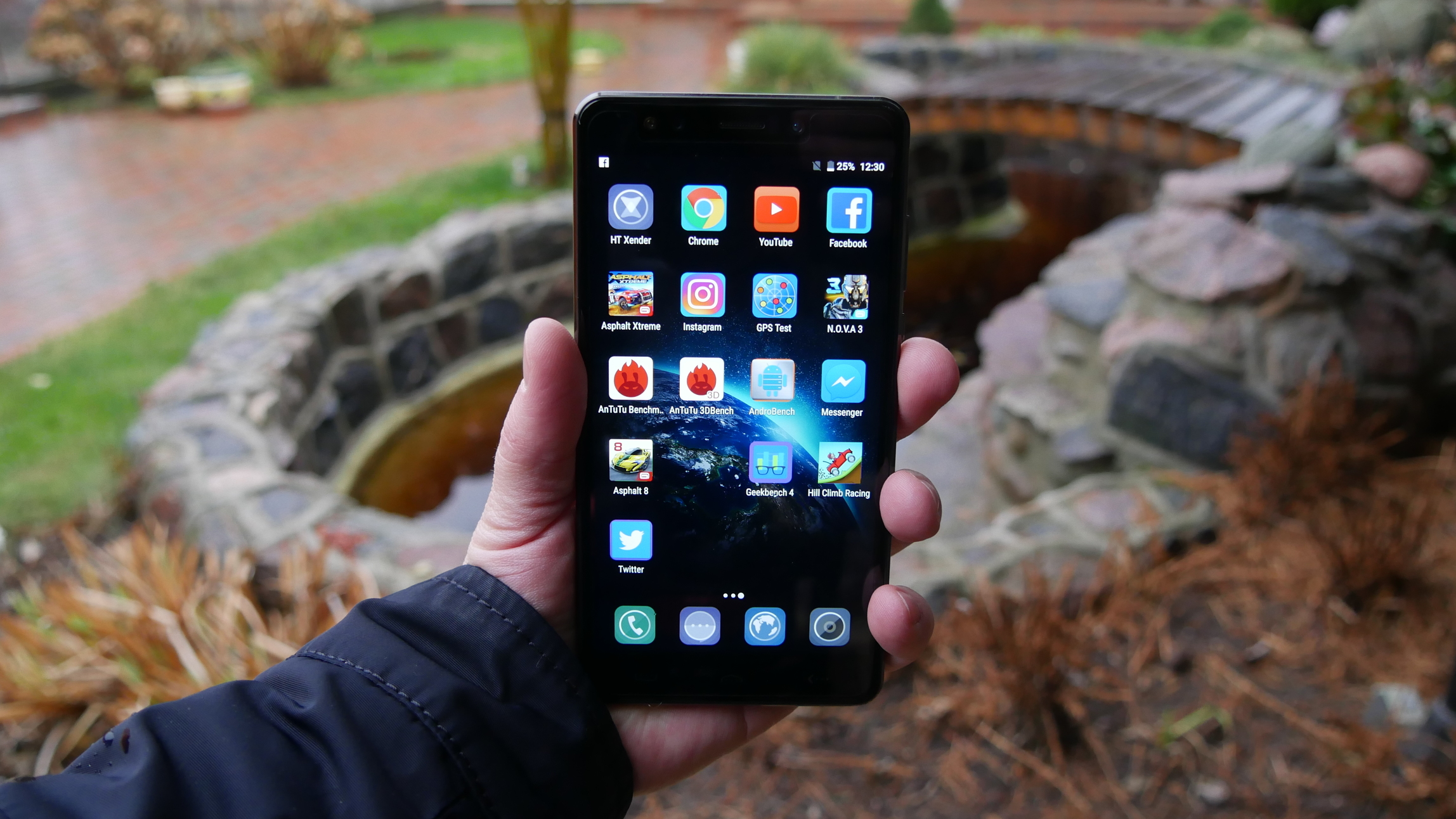
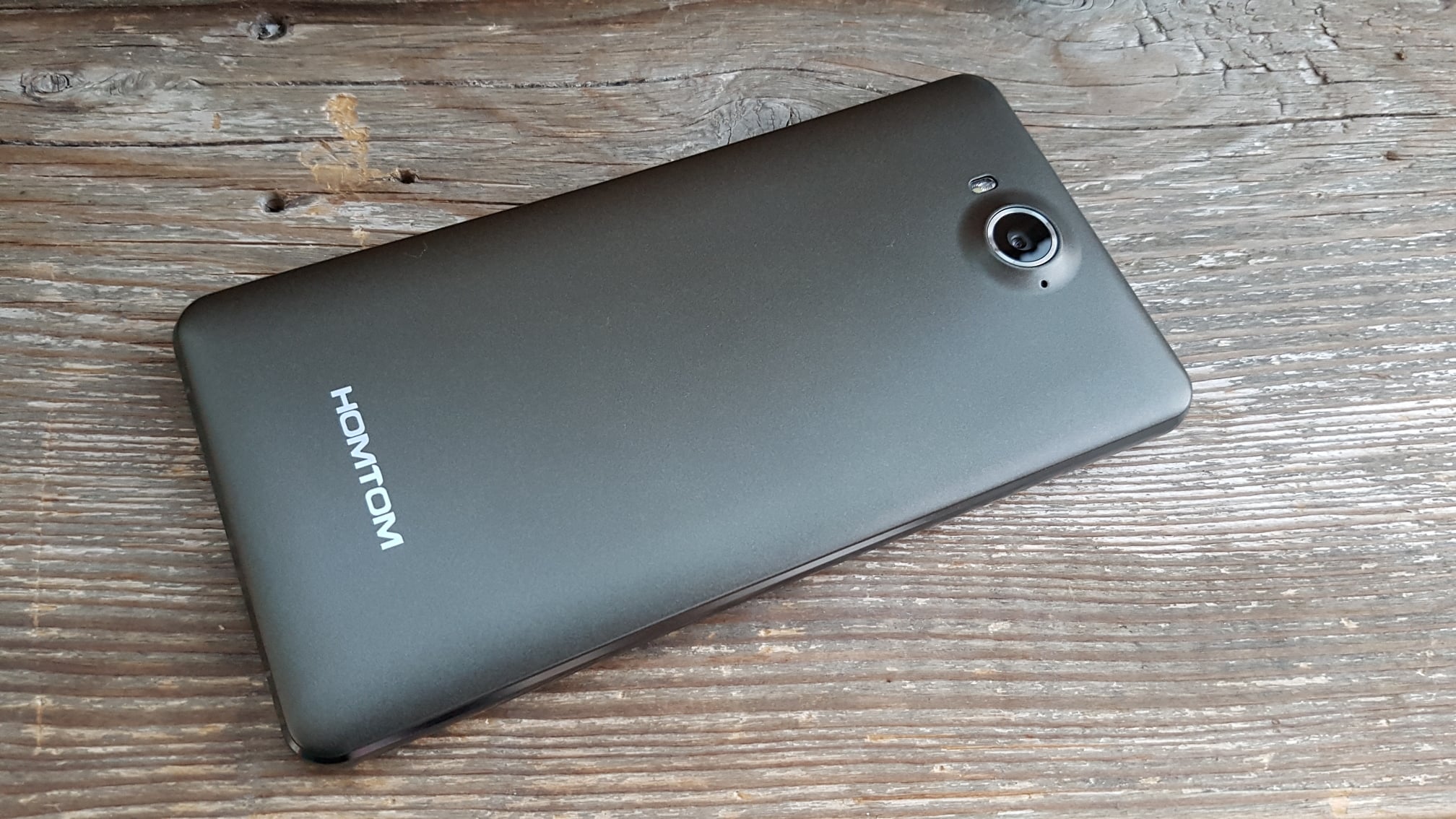
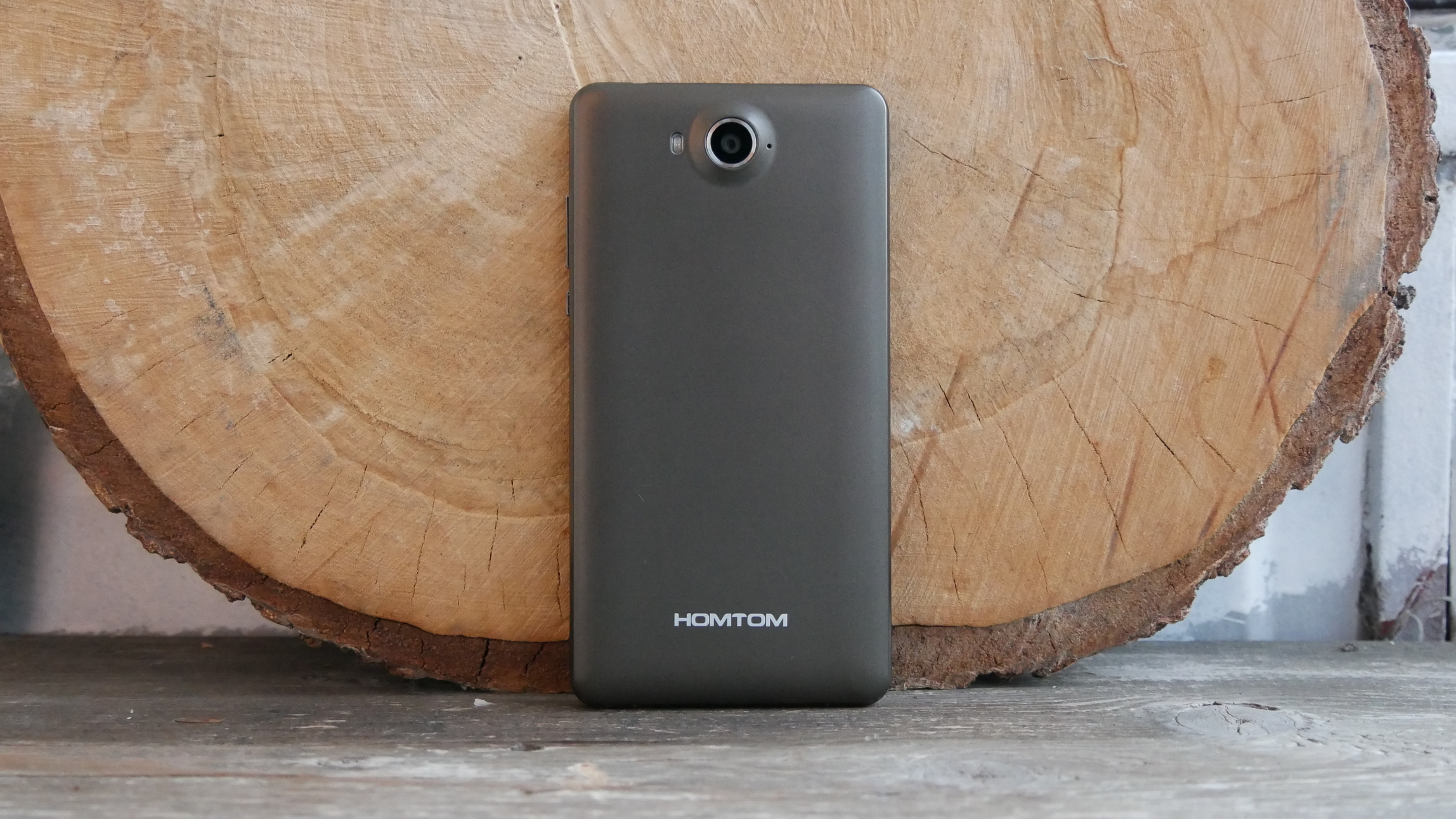
Homtom may not be the first name you think of when it comes to smartphones but they have one quite a powerful phone that has an excellent iris scanner built-in. Learn more in our full Homtom HT10 review.
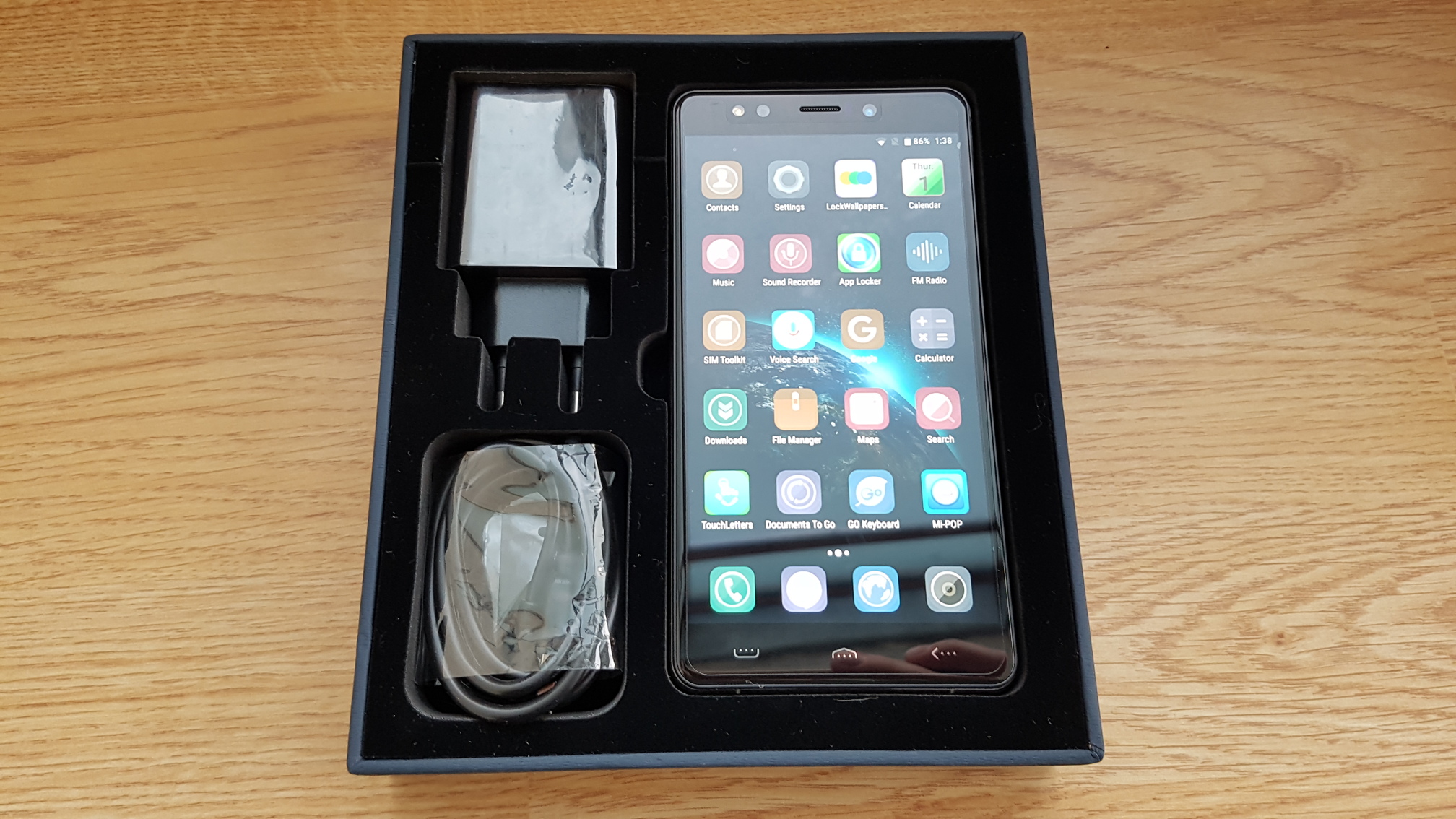
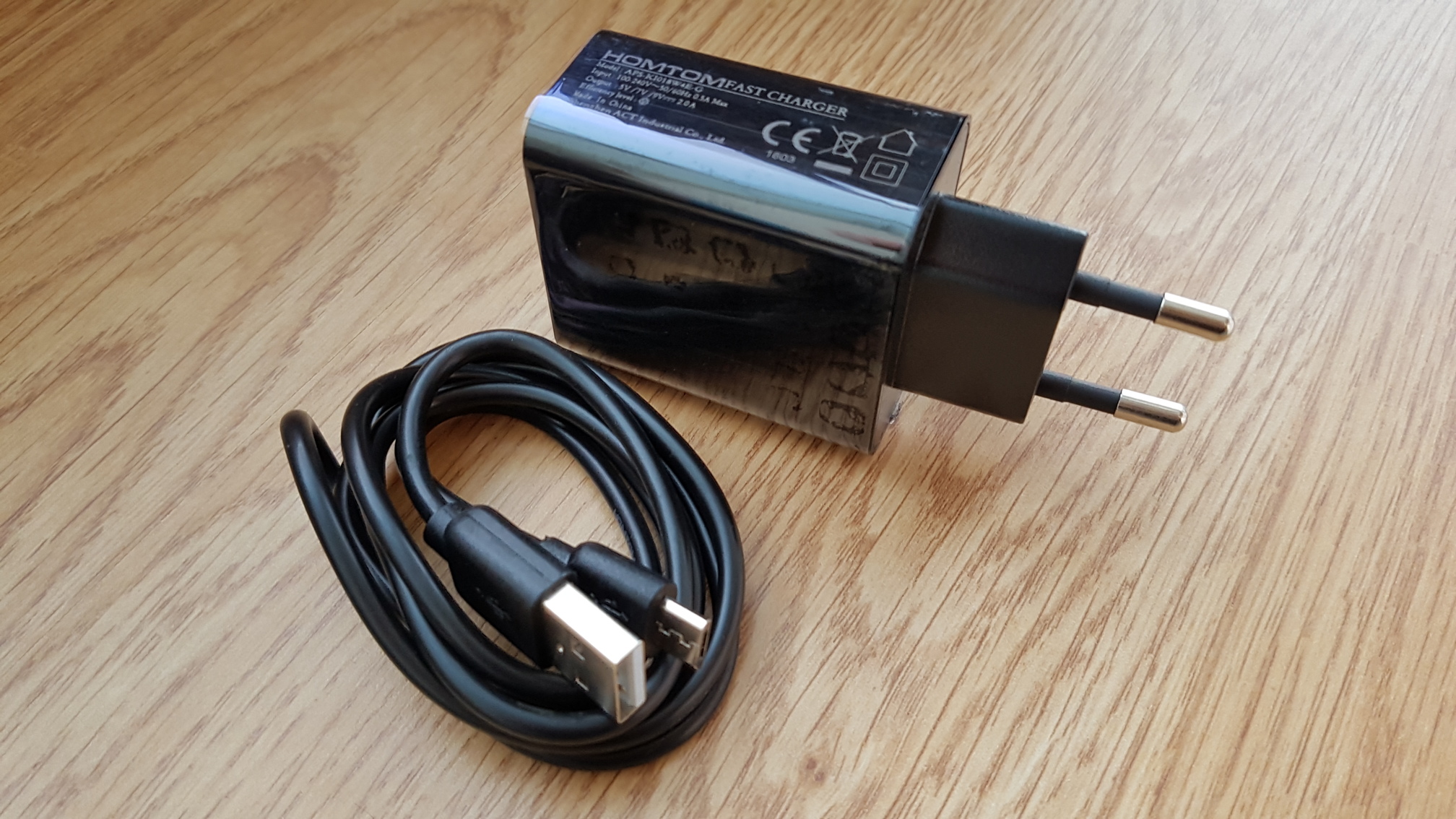
The phone ships in quite a nice box and inside of it, you can find a fast charger, USB cable and some paperwork.
Homtom HT10 Review: DESIGN and DISPLAY
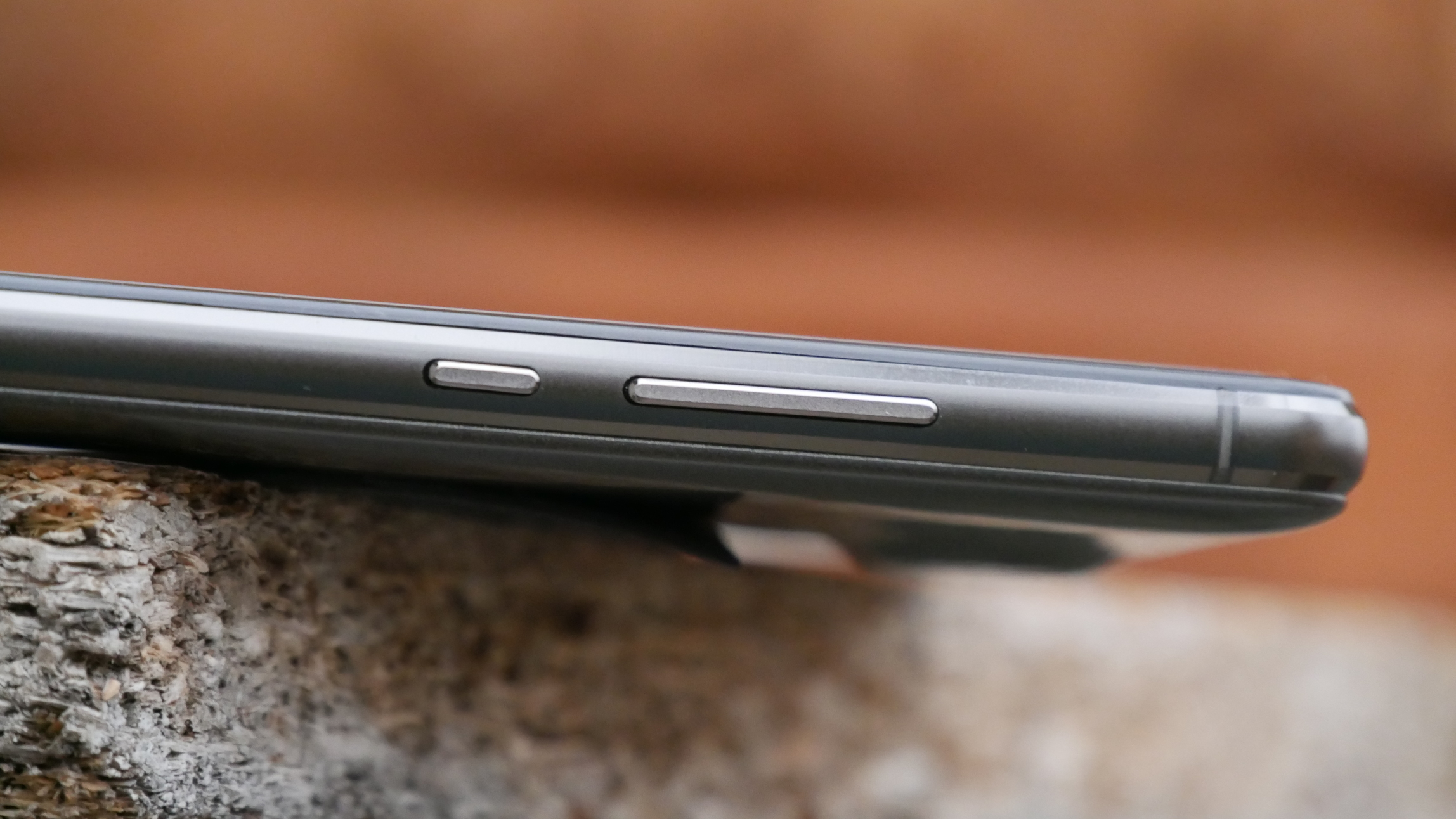
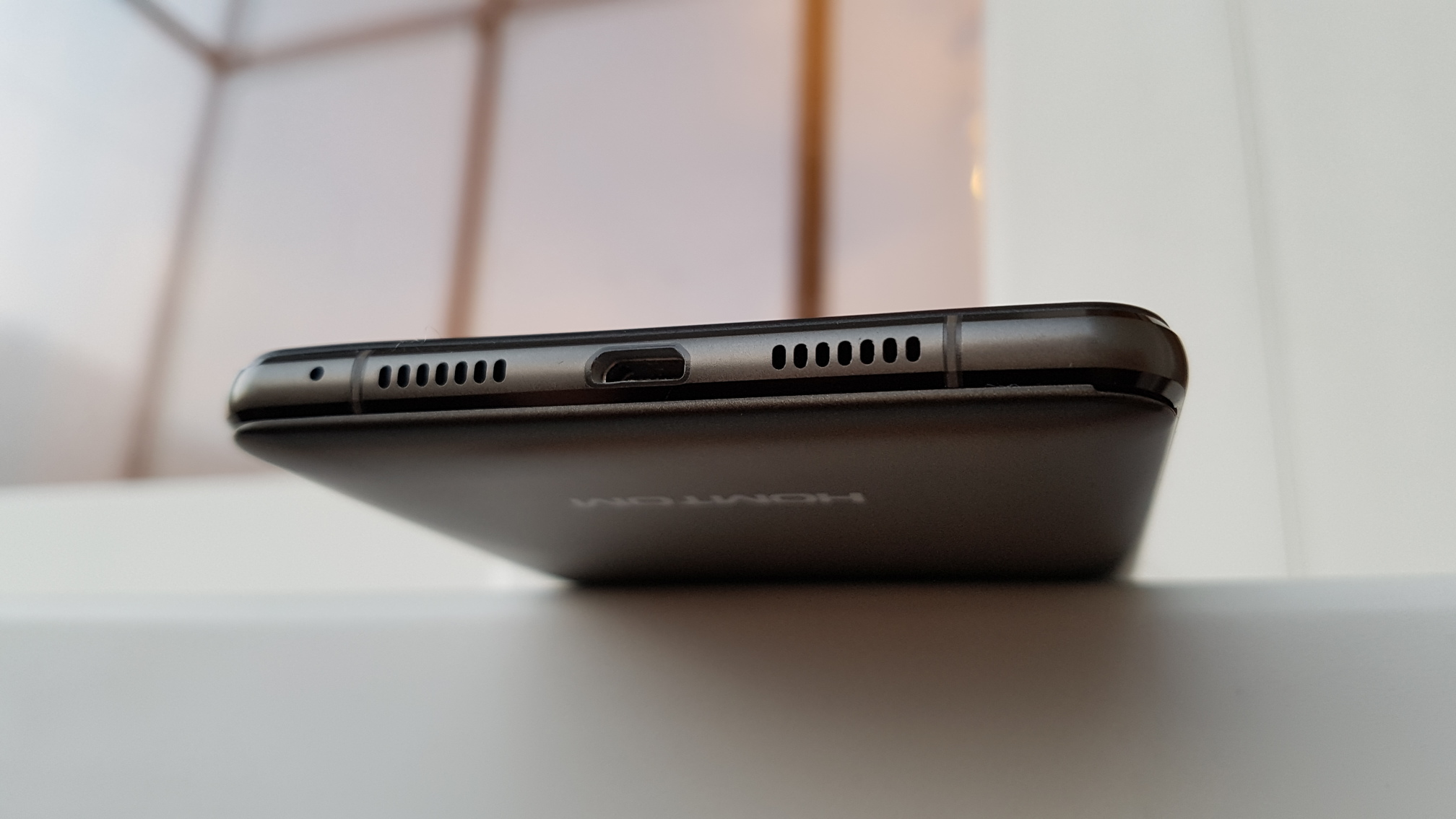
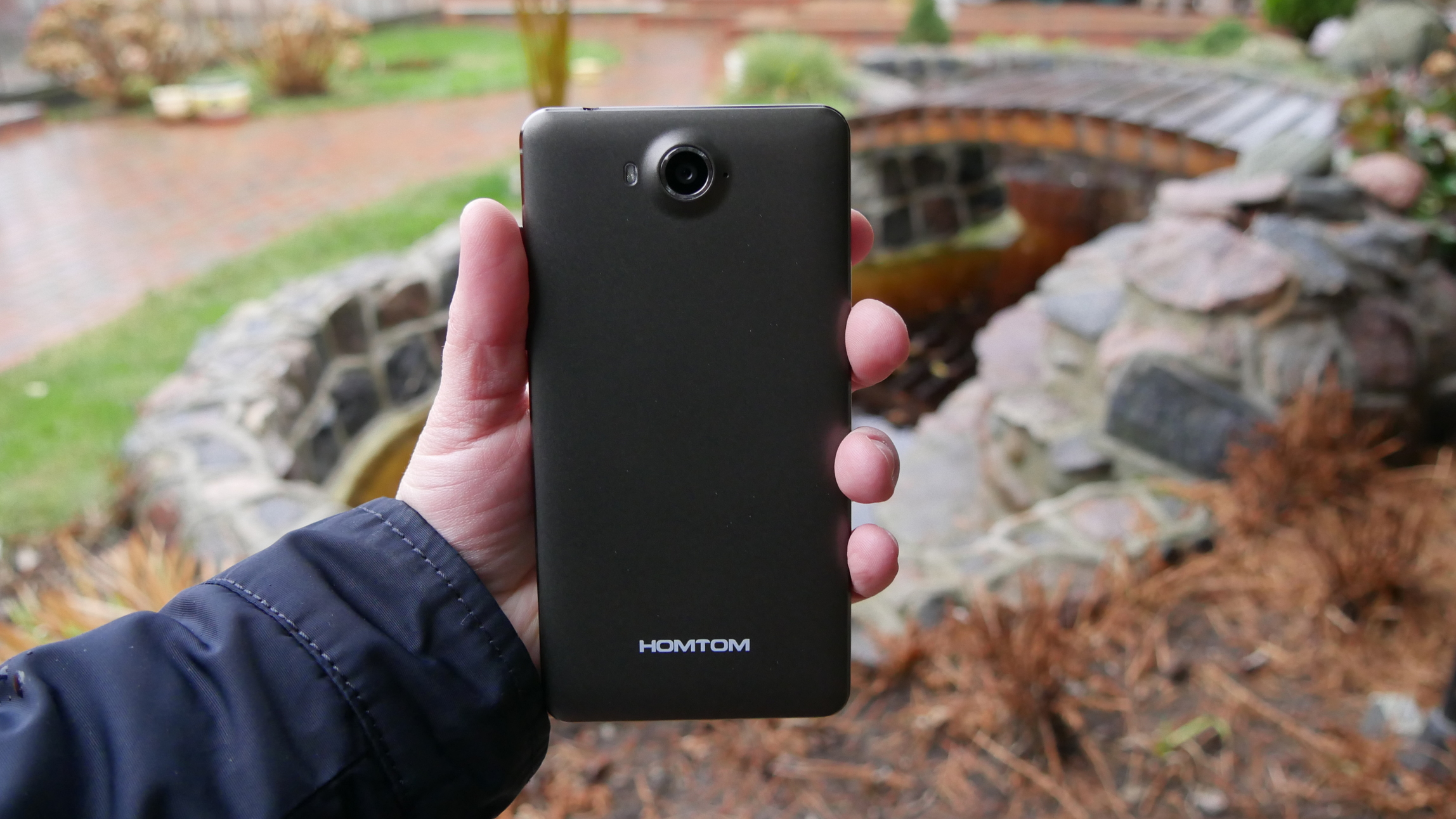
When it comes to the design, the phone does not sport any exceptional looks but we have a quality metal frame and tactile metal buttons.
You may think why the phone does not have a fingerprint scanner. Well, that’s because it has a true iris scanner that works almost flawlessly in all lighting conditions and it is super fast to unlock the phone. Also, it works the same even if I wear glasses. See the video review for iris scanner demonstration.
The 5.5” 1080p display is sharp and vibrant but the colours look a bit on a colder side.
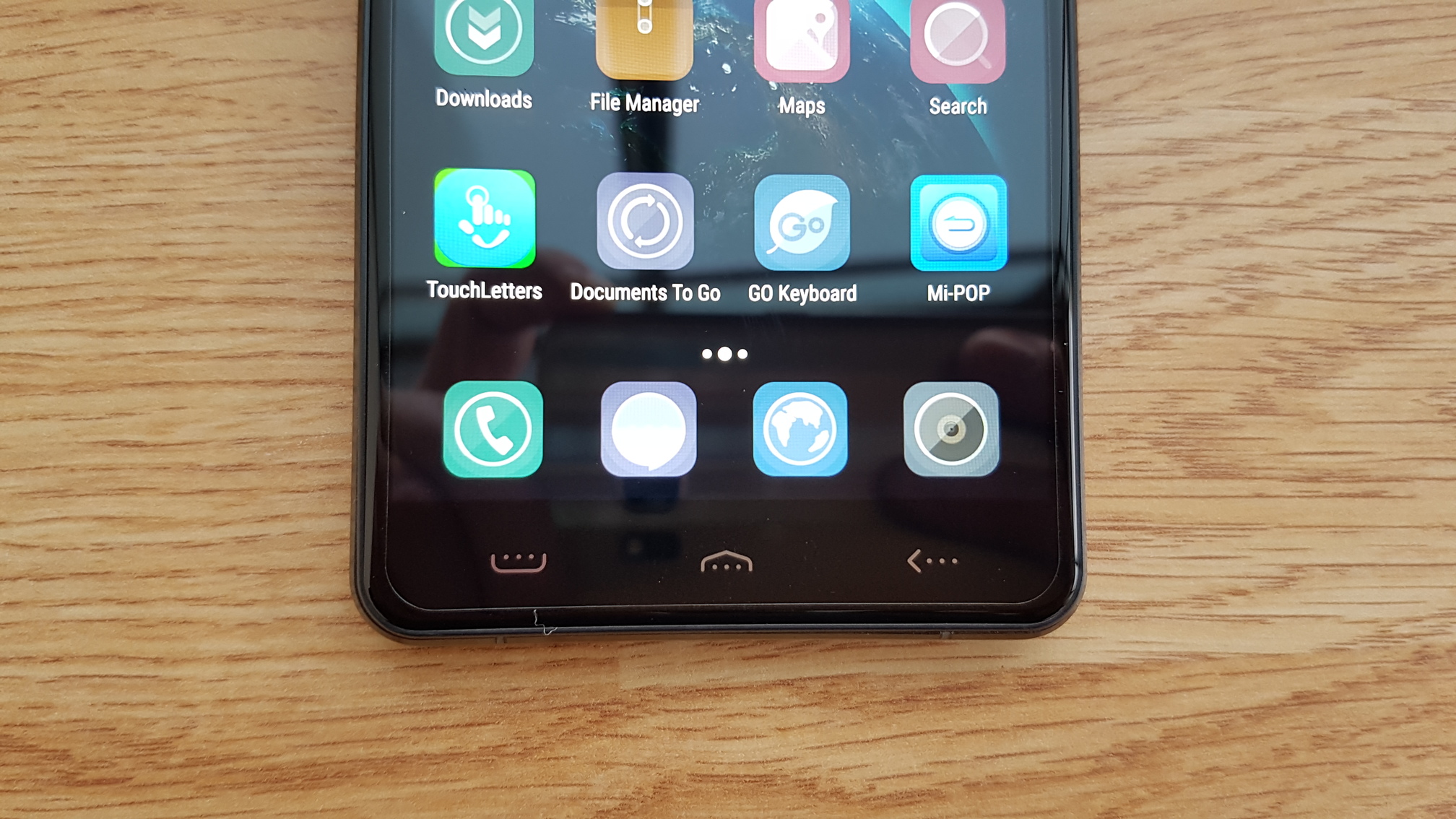
We also have a multi-color notification LED light and an 8MP camera. However, the capacitive buttons are not backlit.
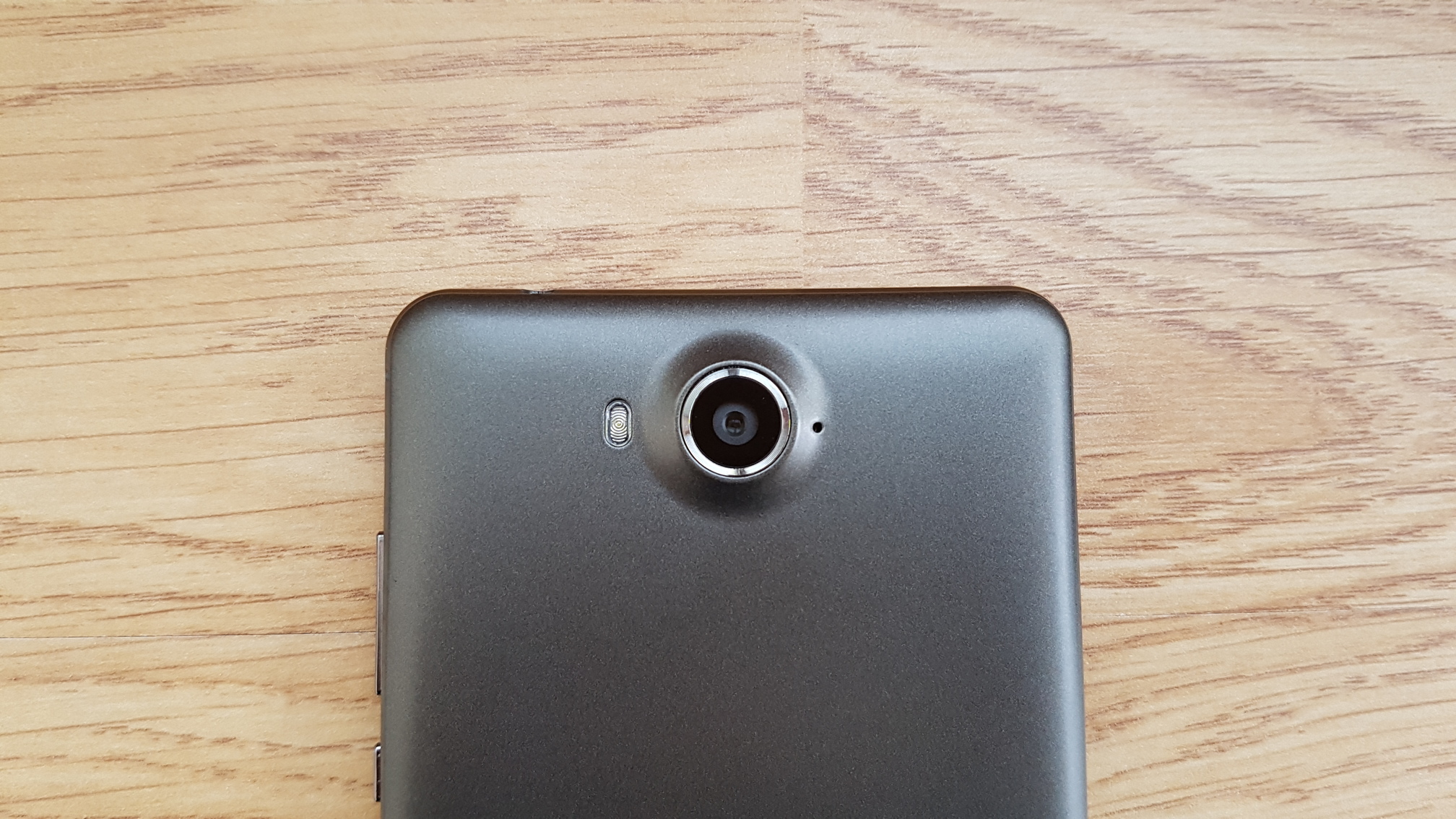
On the back, Homtom implemented a beefy 21MP camera with the dual LED flash.
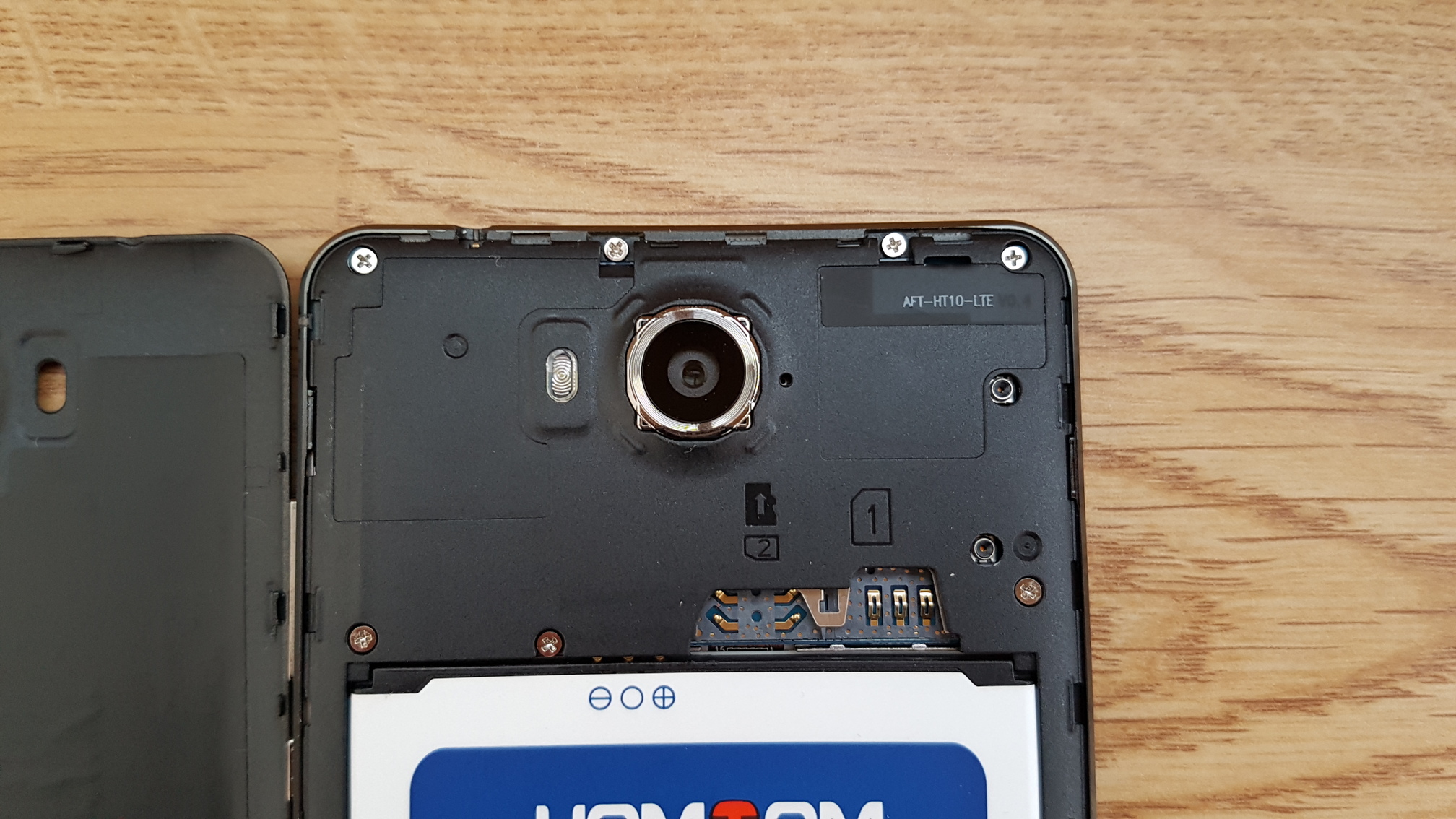
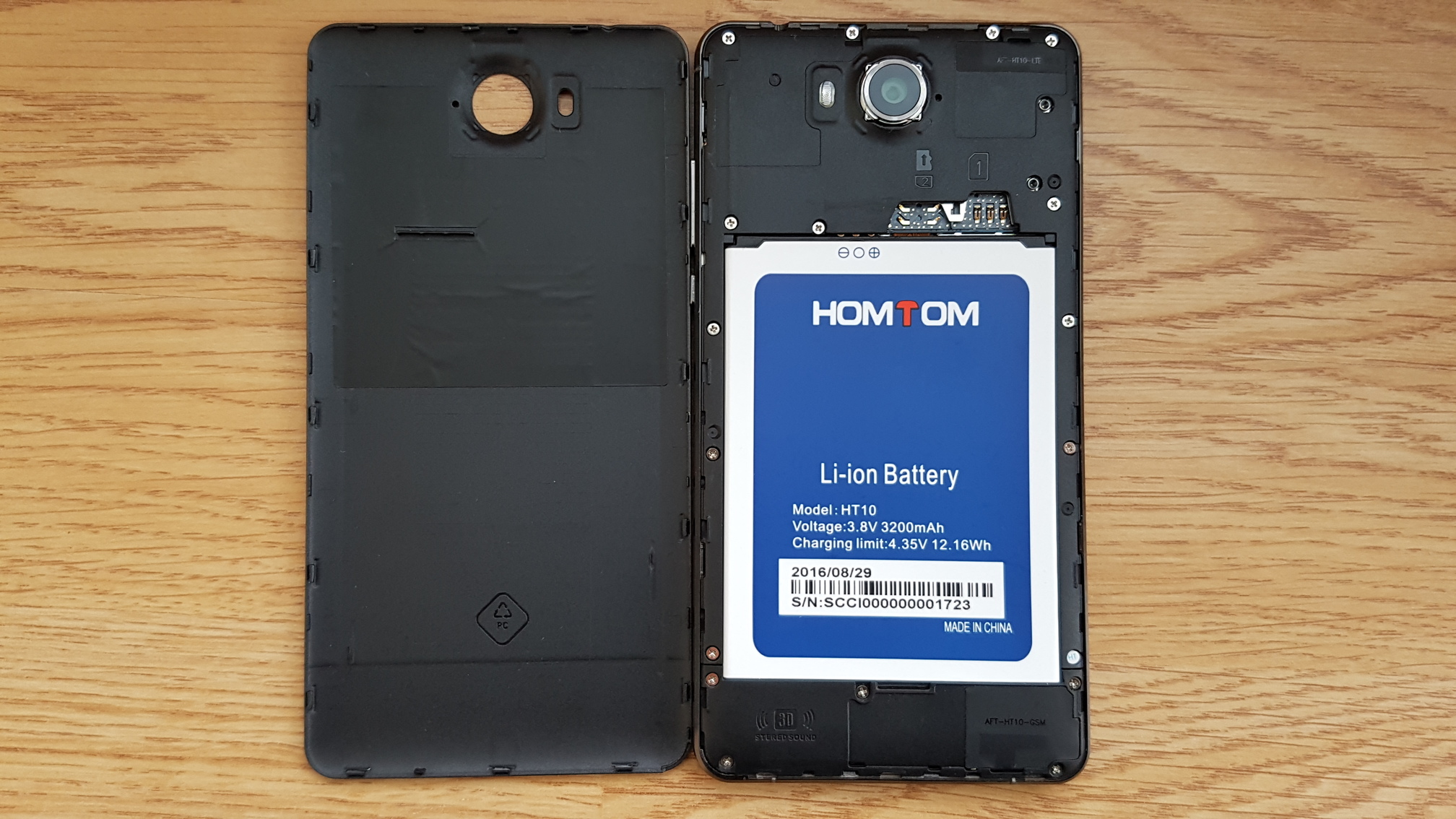
The backplate is made of plastic and it can be easily removed. Underneath it, you can find 2 SIM card slots, microSD card slot and a removable 3200mAh battery.
The loudspeaker does not impress at all. The sound is tinny and flat.
Homtom HT10 Review: HARDWARE and PERFORMANCE
When it comes to hardware, the Homtom HT10 is a pretty powerful phone for the price.
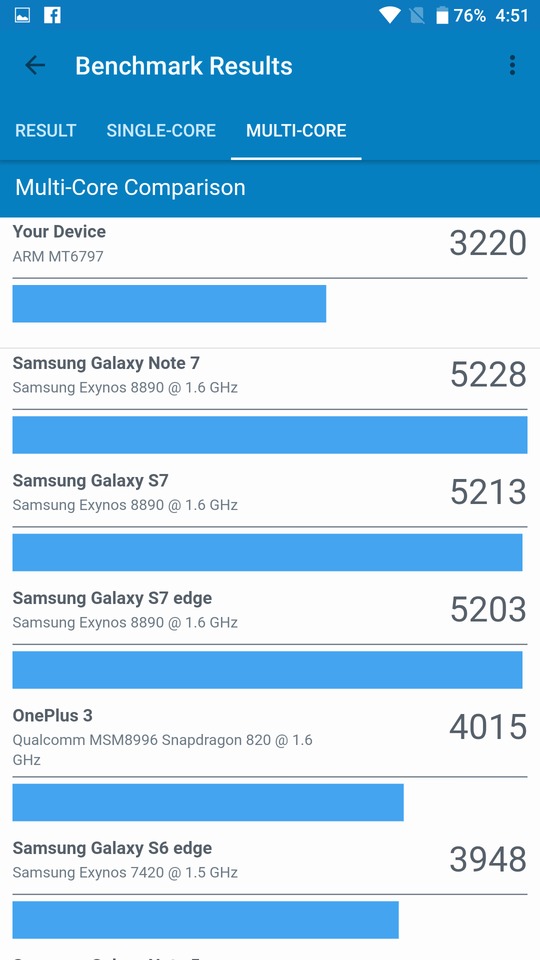
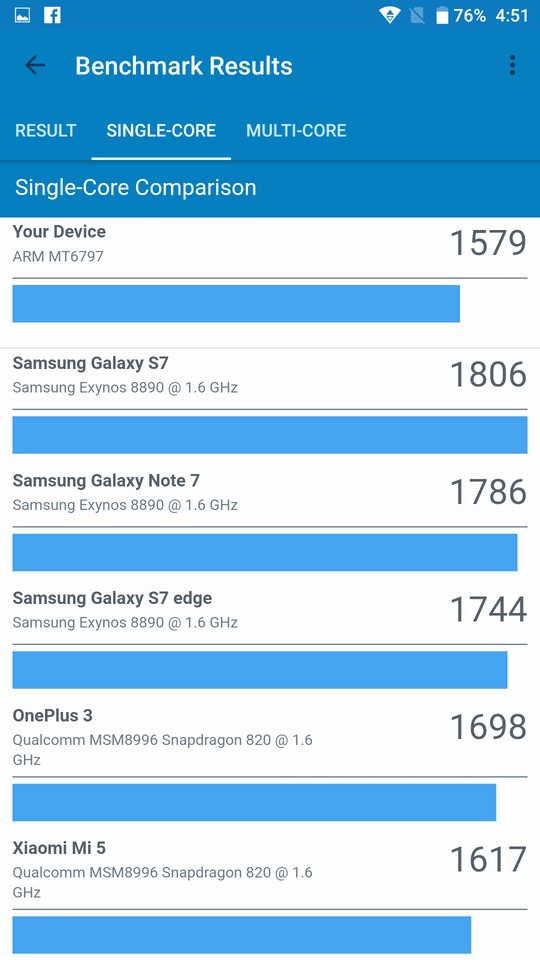
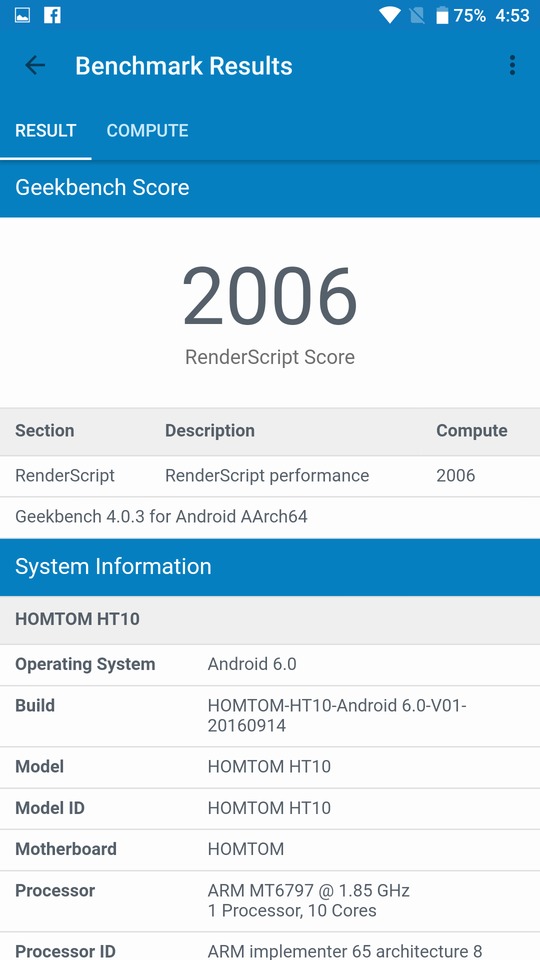
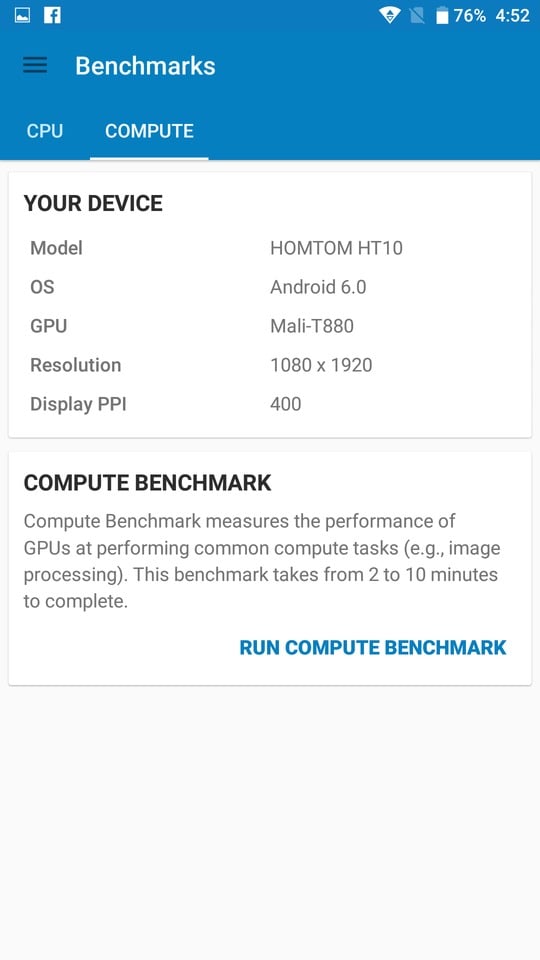
It sports a Mediatek Helio X20 chip, 4GB of RAM and 32GB of expandable storage.
The gaming performance is good but not great. The phone can handle the games like Asphalt 8 on medium graphics very well but once you set the graphics to max., you should expect some skipped frames. Also, the phone gets warm very quickly.
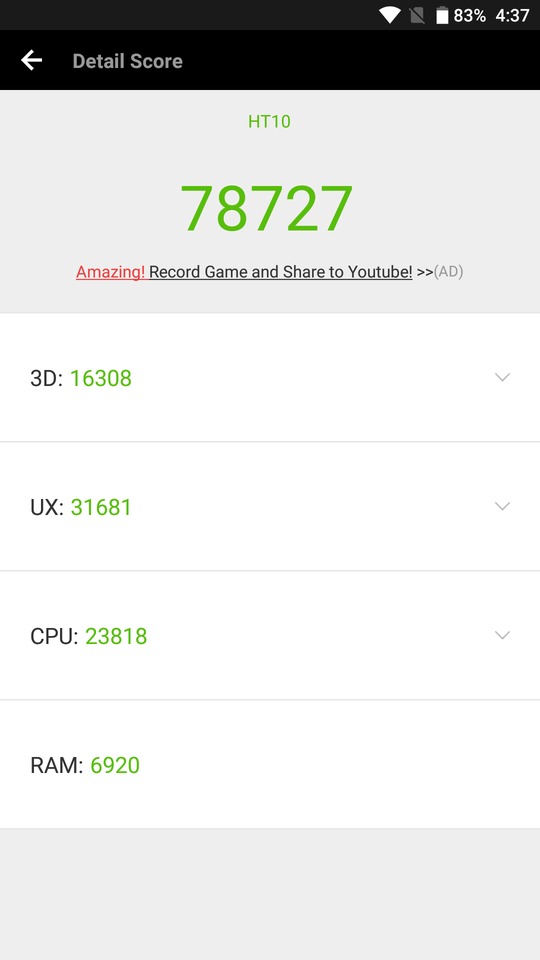
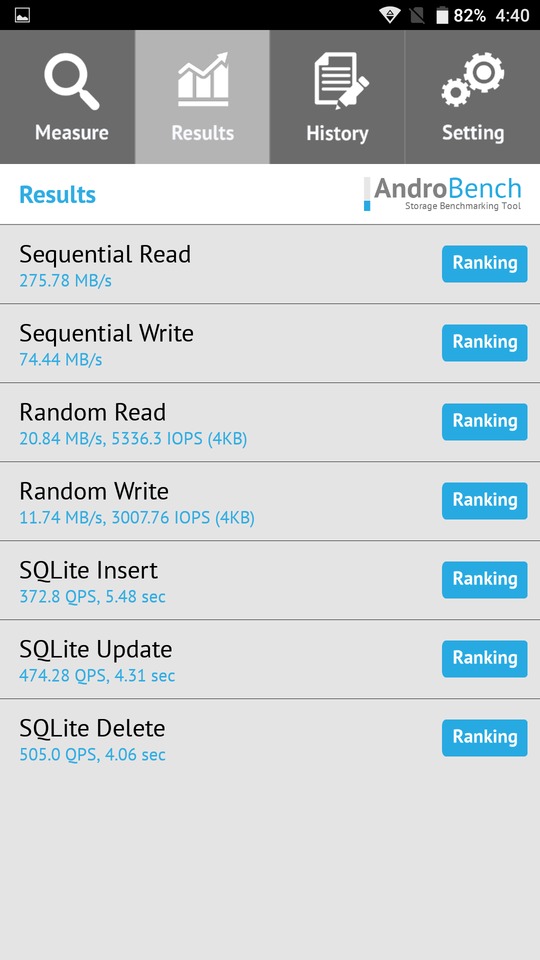
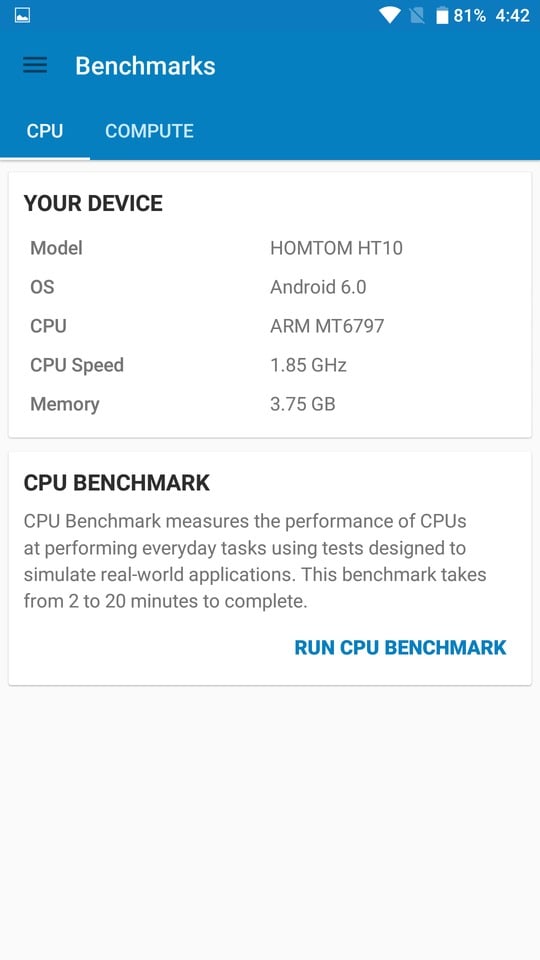
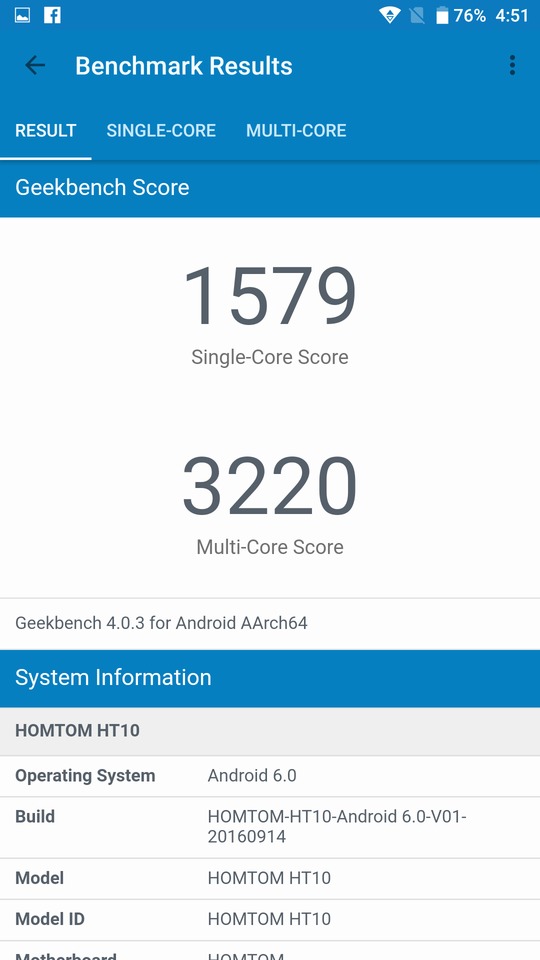
Homtom HT10 Review: BENCHMARKS
Homtom HT10 Review: USER INTERFACE
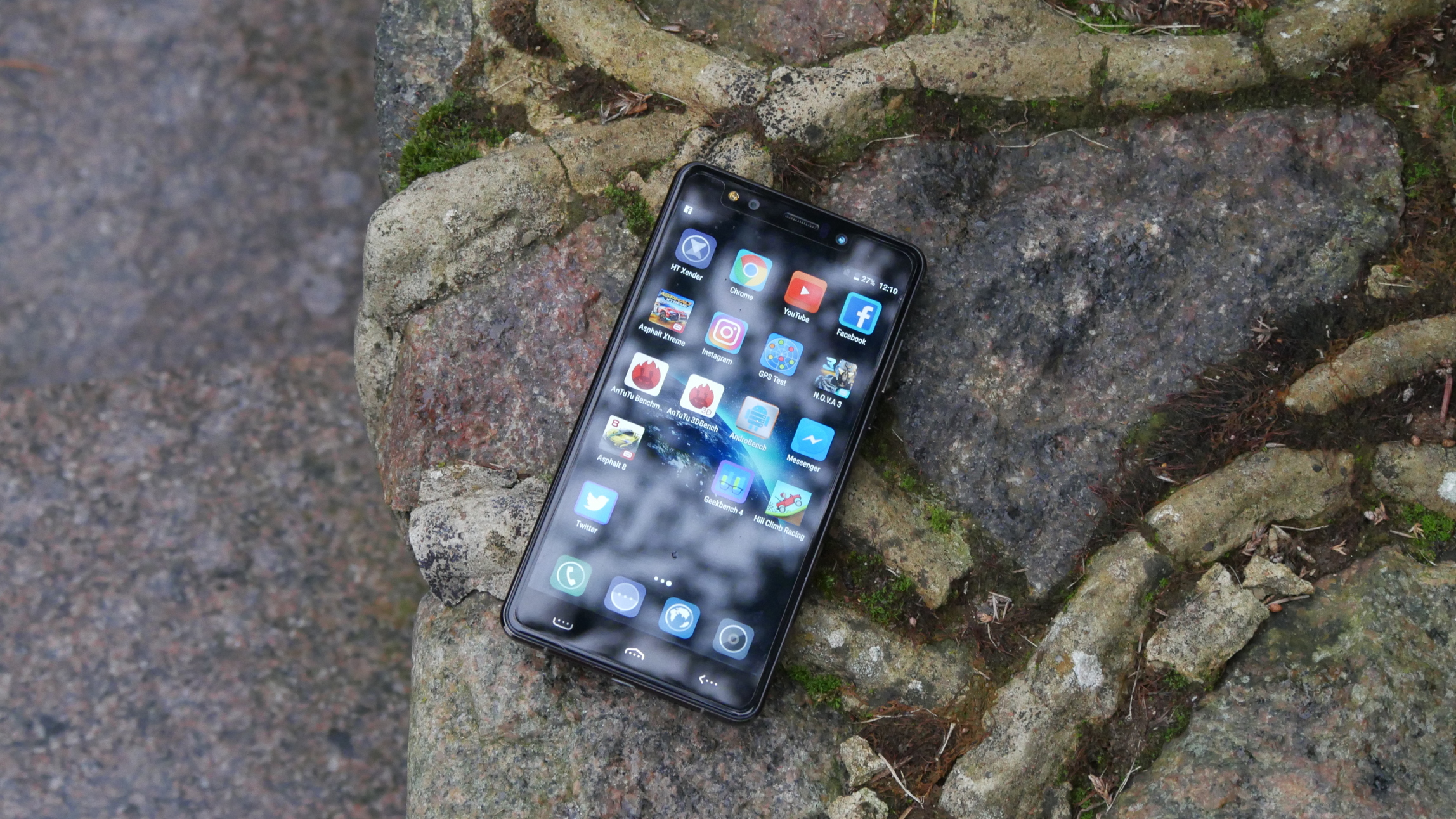
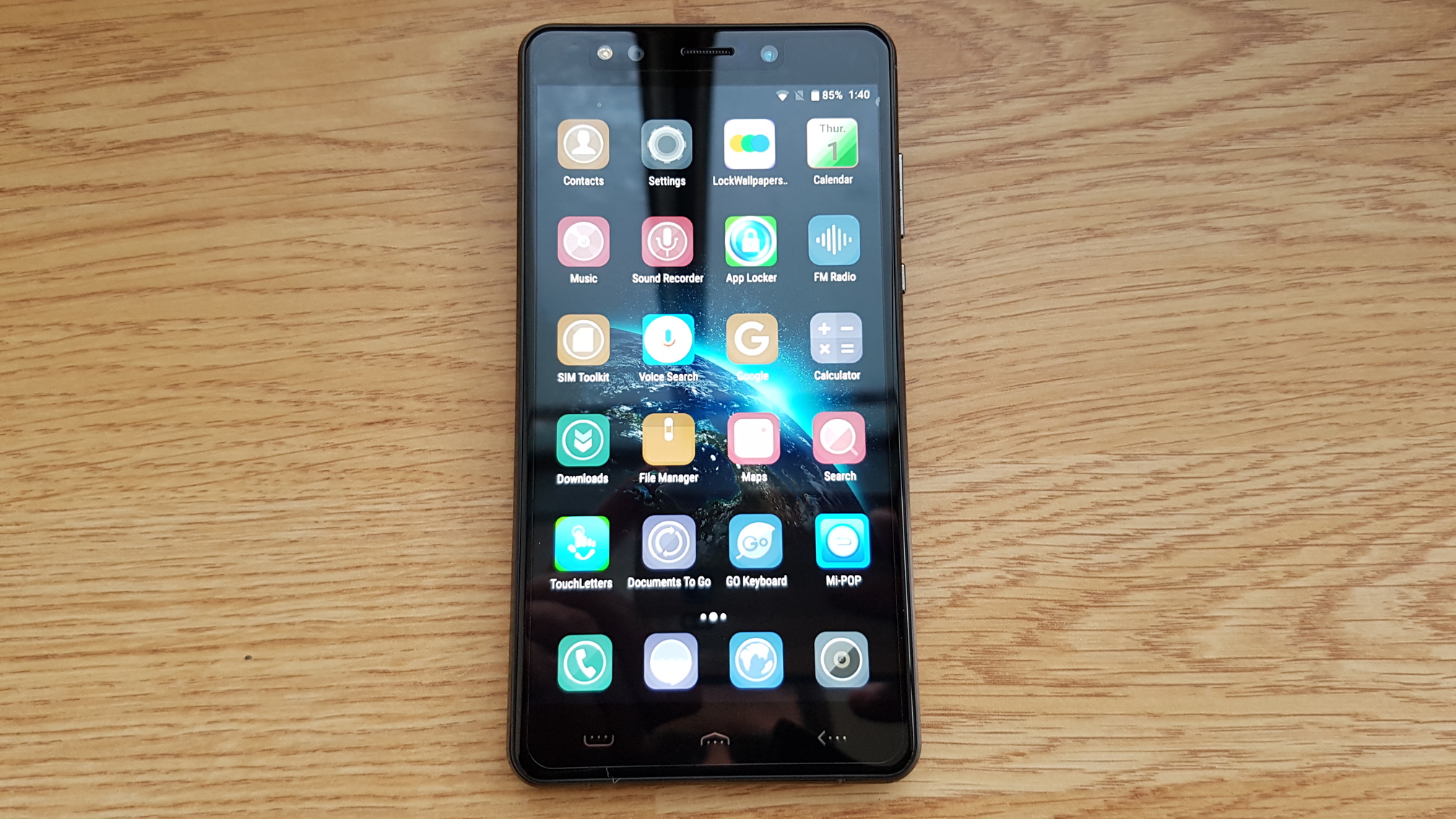
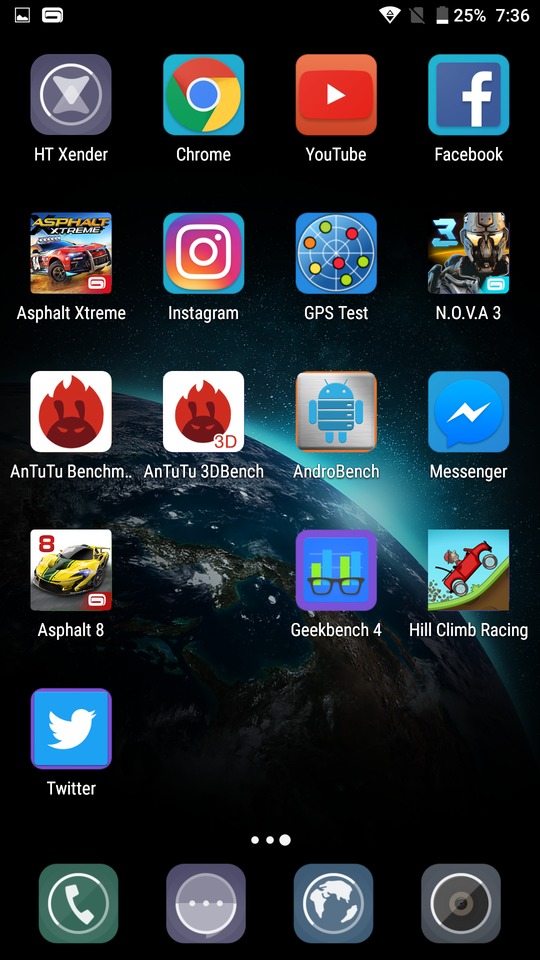
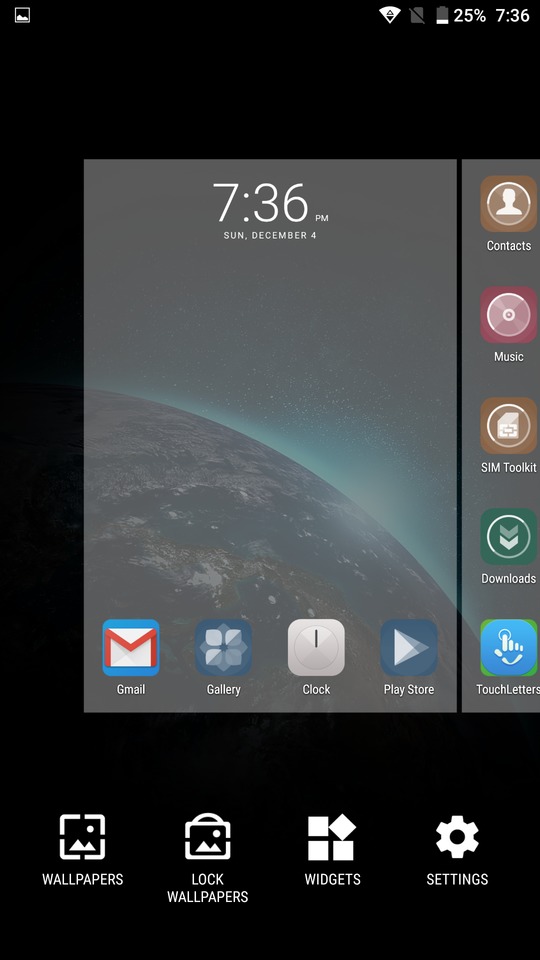
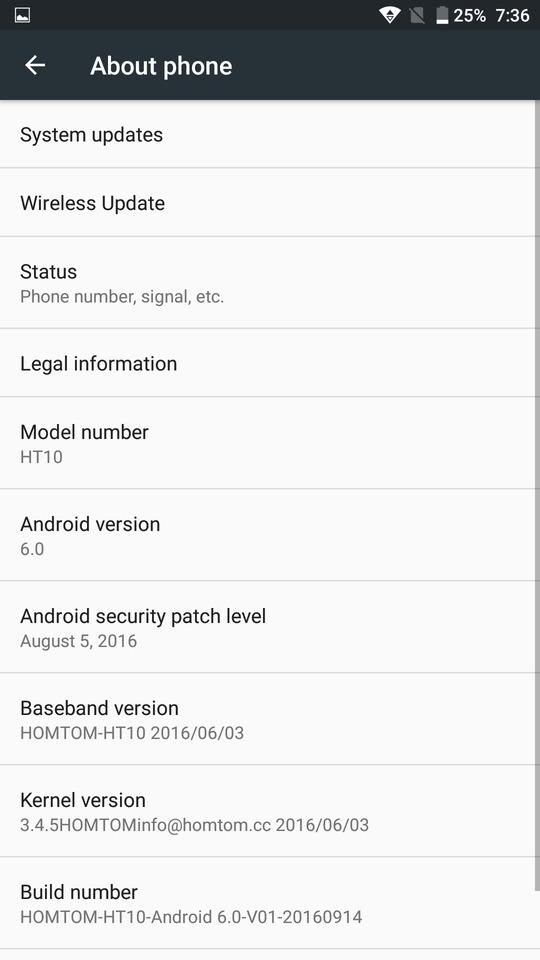
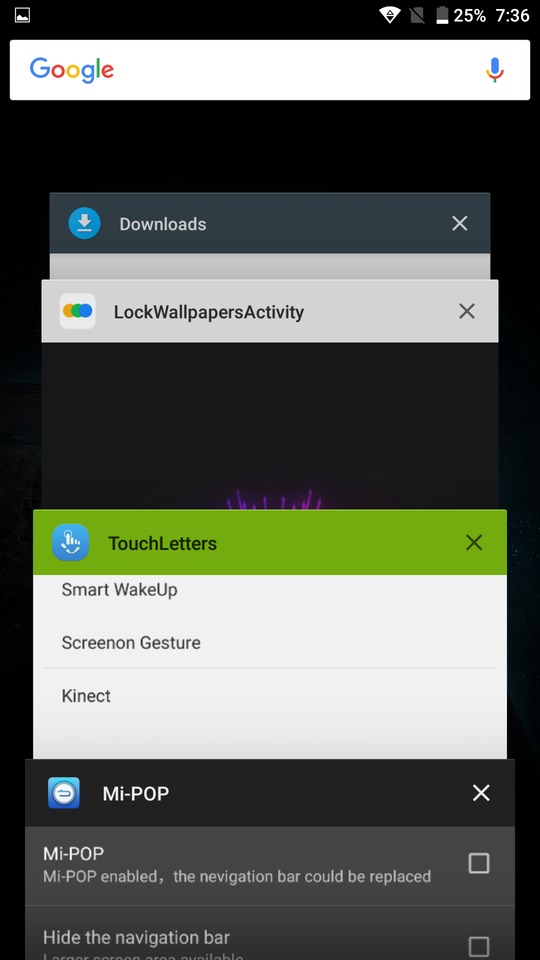
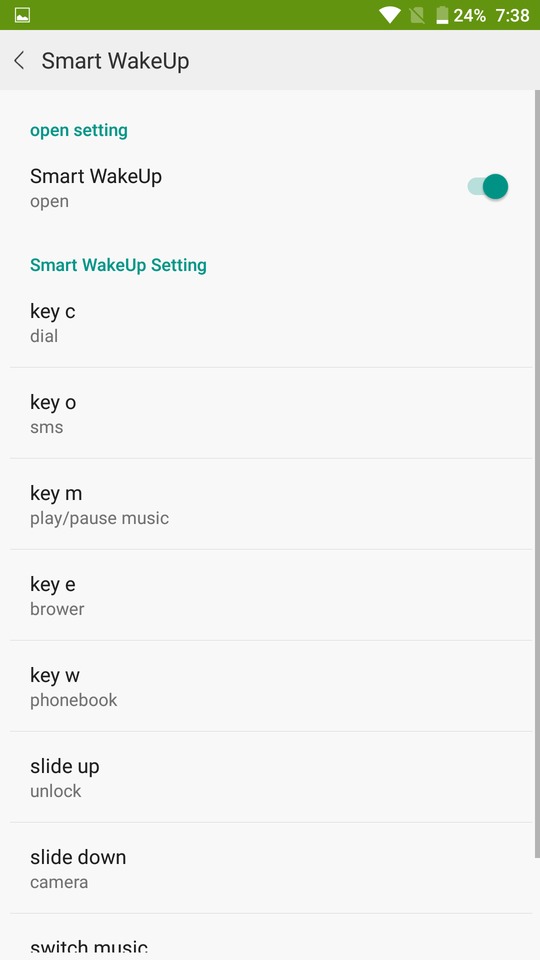
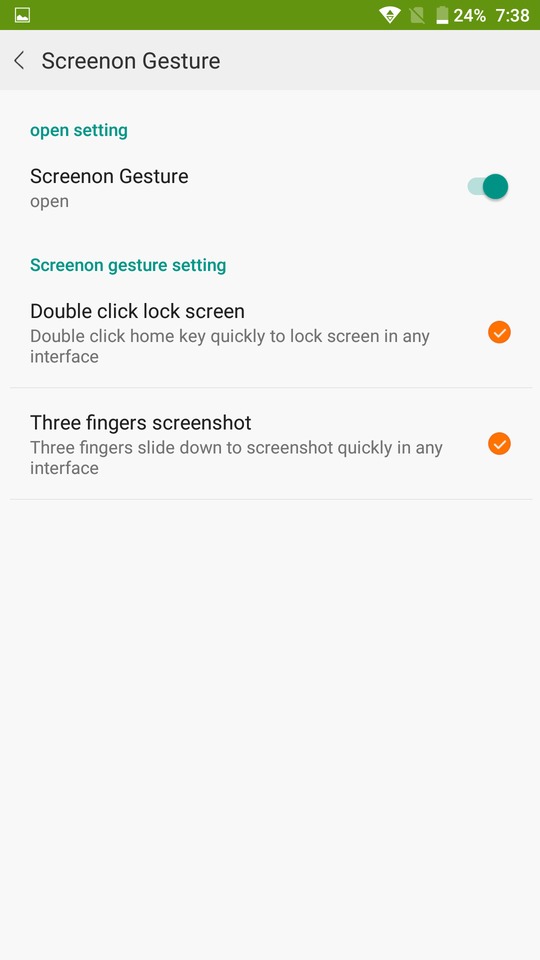
When it comes to the user interface, we have the Android 6.0 with the Homtom’s skin on top of it. It looks okay but I’m not a huge fan of the design of the icons and the fact that there is no app tray. On the other hand, there are some extra features like the gesture and motion controls that work pretty well. Finally, the user interface performance is quite good on the daily basis as I didn’t have any lag or stutter.
Homtom HT10 Review: IMAGE QUALITY
IT IS HIGHLY-RECOMMENDED TO DOWNLOAD FULL RESOLUTION CAMERA SAMPLES TO SEE THE ACTUAL IMAGE QUALITY. THE PICTURES UPLOADED ON THE WEBSITE ARE 50% SMALLER IN RESOLUTION.
The 21MP camera can take some really nice daylight photos with lots of detail, sharpness and nice-looking colors. However, it is inconsistent as I got quite a few shots with a softer focus that basically ruined the pictures.
As for low light camera performance, it is disappointing. It seems that the sensor is capable of achieving some decent-looking results but most of the night shots have a soft focus.
The 8MP selfie shooter will definitely do the trick for social media but in general, the photos could have a bit more detail.
The 1080p video looks quite good. Also, the video stabilization is a lot better than on most similarly-priced phones. See the video review for the video sample.
I didn’t have any issues with neither of connectivity options on this device. Wifi, GPS and Bluetooth work just fine.
Homtom HT10 Review: BATTERY LIFE
The phone ships with a 3200mAh battery that performs quite well in real life. The phone will easily get you through the day. I was able to get over 5 hours of screen-on time on a mixed use. Finally, the supplied fast charger fully charges the phone in 1 h 20 mins.
Homtom HT10 Review: CONCLUSIONS
Homtom HT10 is quite an interesting device. At the first glance, it lacks some features like a fingerprint sensor or a more premium-looking all-metal design.
On the other hand, the phone has an iris scanner that works very well. Also, it has pretty good specs and performs well on the daily basis, and the battery life is good.
However, the 21MP camera is not always consistent. Sometimes you may get sharp and nice images but other times you may end up with some focusing issues.
Other cons would be non-backlit capacitive buttons and the mediocre loudspeaker.
At the end of the day, Homtom HT10 is a cool phone mainly due to its iris scanner and great specs, and it delivers in quite a few ways but it has some shortcomings that you have to consider.
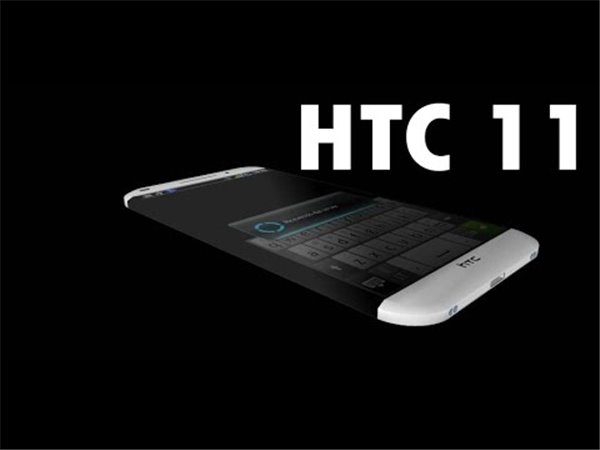
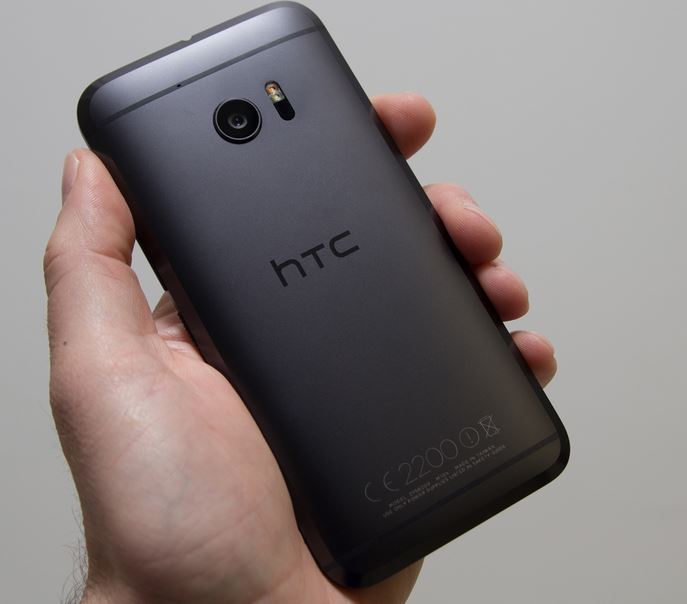
There rumors that HTC is already working on its next flagship which would likely be called HTC 11, taking over from its predecessor, the HTC 10. Details about the expected flagship are still a bit sketchy but the device is said to go by the code-name Ocean. The HTC Ocean code-named first featured in a leaked video (included) teasing an unknown HTC device.
The HTC Ocean was then confirmed as existing by popular tipster Evan Bass via a twitter post sometime in October. Later on, another popular tipster @LlabTooFeR also added his voice, even taking it further by revealing three code-names apparently for three different versions of the HTC 11. The three code-names include, Ocean Master, Ocean Note and Ocean Smart.
HTC 11 Expected Specs & Launch Date
There are currently no official words on the specs the HTC Ocean would feature but it would most likely feature a Qualcomm Snapdragon 800 chipset, probably the latest Snapdragon 835. The device is expected with a 4GB RAM and 32GB of expandable storage on the base version. Considering the three leaked code-names, the HTC Ocean may likely have more than one storage version. The device might also come with support for Google’s new VR platform Daydream.
In addition, the HTC Ocean would most likely use the USB Type-C interface and come without the 3.5mm audio jack. HTC did that on the HTC 10 Evo that was announced recently as well as on the HTC Bolt. The device will likely also feature a front sitting fingerprint sensor and will most likely run Android 7.0 Nougat out-of-the-box with touch of the latest HTC Sense.
Furthermore, there is likely going to be more than one display sizes on the three different versions but we don’t have a specific figure for now. A rumor suggesting details of the display says the HTC 11 will sport a 5.5-inch display with a 2560 x 1440 pixel resolution just like the Pixel XL. There are rumors that there would be a curved display on one of the versions of the HTC Ocean. We also cannot say just yet if HTC will opt for an LCD or AMOLED display but latest HTC devices use LCD displays.
On the cameras, the leaked video did feature a dual rear camera setup on the HTC Ocean and that could be an indication that the device would launch with dual cameras at the rear. Though, a leak on Weibo tipped the HTC 11 as coming with a 12MP rear sensor as well as an 8MP front-facing shooter. The device is rumored to launch sometime during the MWC 2017 but if that doesn’t happen, then we’ll be looking at March 2017. We can’t be so sure about any of that, though.
We use cookies on our website to give you the most relevant experience by remembering your preferences and repeat visits. By clicking “Accept”, you consent to the use of ALL the cookies.
This website uses cookies to improve your experience while you navigate through the website. Out of these, the cookies that are categorized as necessary are stored on your browser as they are essential for the working of basic functionalities of the website. We also use third-party cookies that help us analyze and understand how you use this website. These cookies will be stored in your browser only with your consent. You also have the option to opt-out of these cookies. But opting out of some of these cookies may affect your browsing experience.
Necessary cookies are absolutely essential for the website to function properly. This category only includes cookies that ensures basic functionalities and security features of the website. These cookies do not store any personal information.
Any cookies that may not be particularly necessary for the website to function and is used specifically to collect user personal data via analytics, ads, other embedded contents are termed as non-necessary cookies. It is mandatory to procure user consent prior to running these cookies on your website.