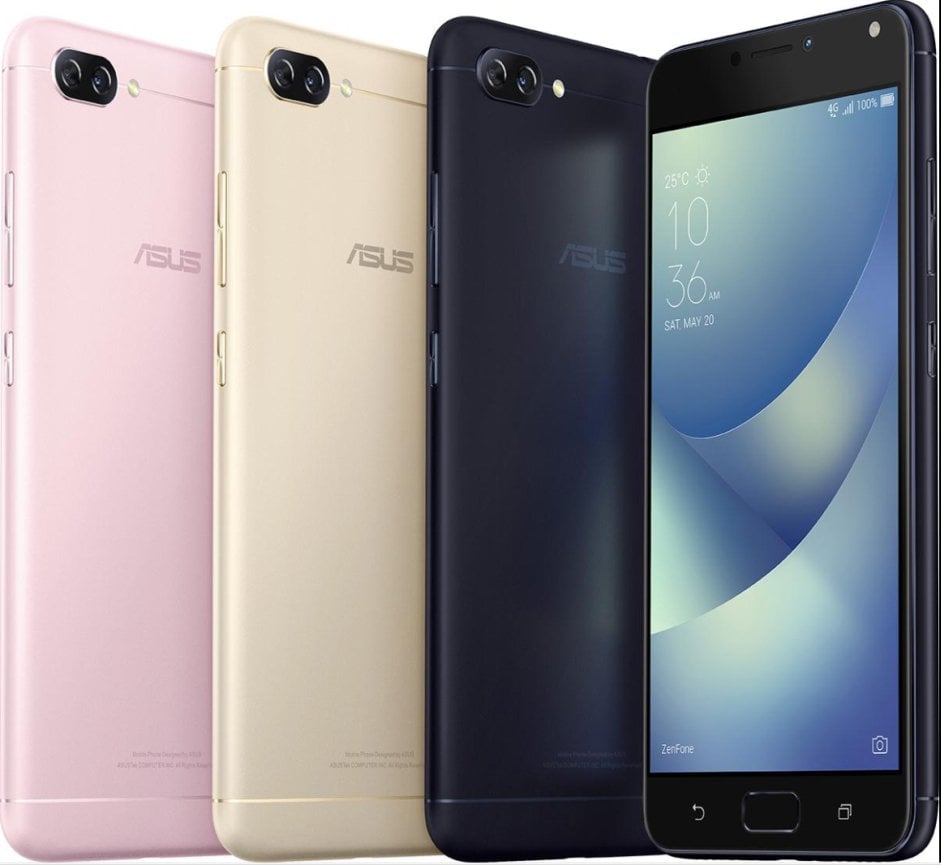
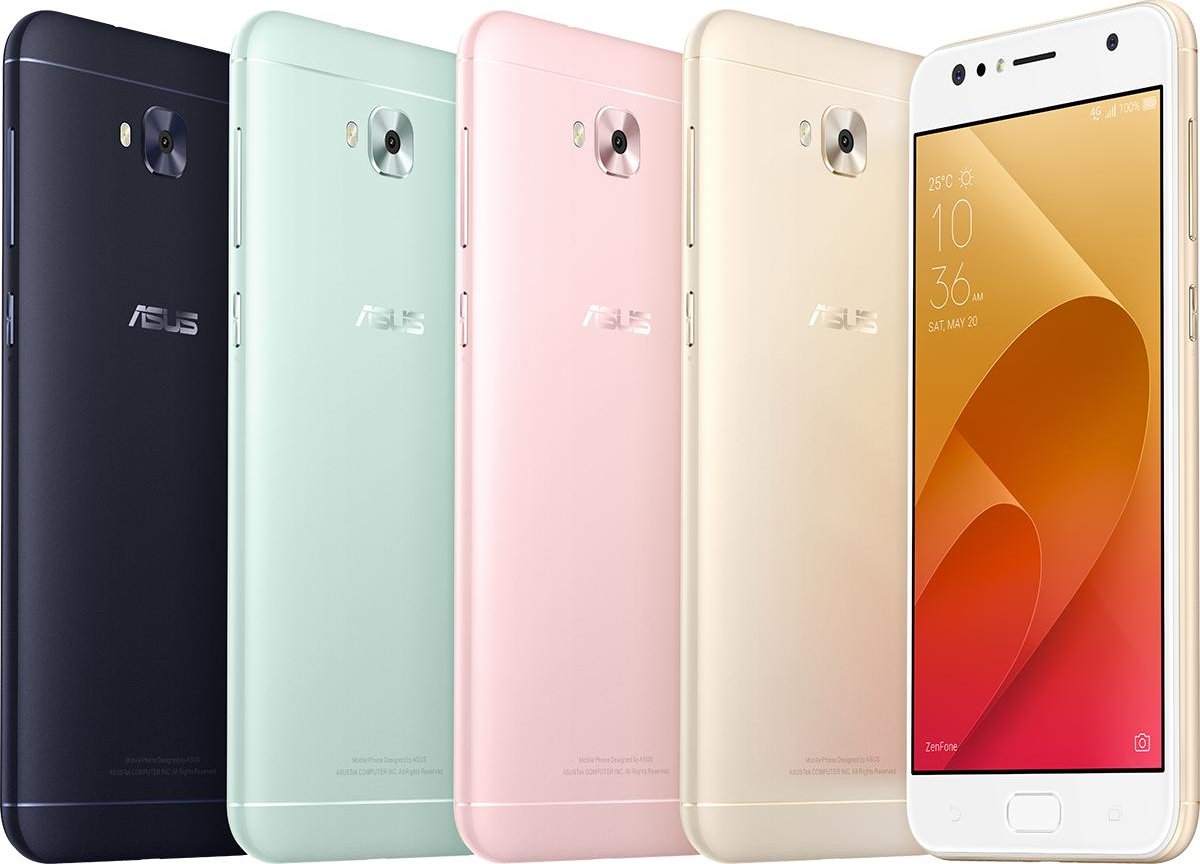
ASUS will be announcing a couple of smartphones on Aug. 17. The Taiwanese company is expected to get unveil smartphones like ASUS ZenFone 4, ZenFone 4 Pro, ZenFone 4 Selfie, ZenFone 4 Selfie Pro and ZenFone 4V. Well-known leakster, Evan Blass has revealed renders of some of these smartphones
The above image is of the ASUS ZenFone 4. Popular leakster Roland Quandt had claimed that the smartphone would be available in colors like black and white. However, the above image shows that there will be another light blue color variant of the ZenFone 4.
The ZenFone 4 is expected to come in Snapdragon 630 and Snapdragon 660 chipset models. A 5.5-inch full HD display is rumored to be present on both the models along with dual camera system that includes a 12-megpaixel sensor and 8-megapixel sensor. Both the chipset variants of the ZenFone 4 will be coming with 4 GB of RAM and 64 GB of storage. A 3,300mAh battery is speculated to power the smartphone. It is rumored to cost 499 euros (~$584). The other image is of the already release ZenFone 4 Max.
The ASUS ZenFone 4 Selfie and ZenFone 4 Selfie Pro will be selfie-centric smartphones. The ZenFone 4 Selfie is expected to come with 5-inch HD display, Snapdragon 430 chipset, 4 GB of RAM, 64 GB of internal storage, 16-megapixel rear camera, 3000mAh battery and a 13-megapixel + a 5-megapixel dual front camera system. As the image shows, it is expected to be available in colors red, pink and black. It is expected to cost 299 euros (~$350)
The ASUS ZenFone 4 Selfie Pro is expected to arrive with a 5.5-inch FHD screen, Snapdragon 625 chipset, 4 GB of RAM, 64 GB of inbuilt storage, 16-megapixel rear camera, 3000mAh battery and a 20-mgapixel + 8-megapixel dual camera system. The above image shows that it would be coming in multiple colors like black, light blue, gold, pink and white. It is expected to sell at 399 euros (~$467). The rumor mill has also spilled plenty of information of the ZenFone 4 Pro. It is expected to arrive with a pricing of 550 euros (~$650).
Nokia fans having been eagerly waiting for the announcement of its flagship smartphone since the start of this year. The D-day is close at hand as Nokia 8, the first Android flagship smartphone from the HMD Global is scheduled to get announced on Aug. 16 in London. Here is all you need to know about the Nokia 8 flagship.
Nokia 8 Launch Event & Live Stream
Nokia 8 launch event will be held in London on Aug. 16 at 7:30 PM BST. The event will be live streamed on the official site of Nokia. With time conversion, the event will take place at 2:30 PM EDT on Aug. 16 in New York, U.S. The event will be viewable at 2:30 AM CST in Beijing, China and 12:00 AM IST in India. The official Nokia Mobile Twitter account has hinted that YouTubers Jonathan Morrison and MoreAliA may demo the Nokia 8
The Nokia 8 is expected to arrive in single SIM (model number TA-1004) and dual-SIM (model number TA-1012) variants. It is rumored to feature a 5.3-inch or a 5.7-inch Quad HD display. The Snapdragon 835 chipset will be powering the smartphone and it may be available in 4 GB and 6/8 GB RAM options. Speculations have it that it could be the first non-Google smartphone to come preinstalled with Android 8.0. Its native storage is speculated as 64 GB. The fingerprint scanner of the smartphone is expected to be present under the capacitive Home button.
The USP of the Nokia 8 will be that will be coming with Carl ZEISS branded 13-megapixel dual rear cameras that is expected to include a monochrome sensor and a RGB sensor. The front may feature an 8-megapixel selfie snapper. A 3,000mAh battery is rumored to power the Nokia 8.
The Nokia 8 has appeared in blue, silver and copper gold colors in leaked renders and images in the recent past. It is not known whether all of these color options will be available at the launch of Nokia 8. Speculations have it that it would be priced at 589 euros (~$689) in Europe.
Even though the rumor mill has spilled out plenty of information on the upcoming Nokia flagship, the accurate specs and features can be known only after its official launch. Stay tuned with GizmoChina to get all the information on the Nokia 8. Speculations have it that the entry-level Nokia 2 may also get unveiled alongside it.
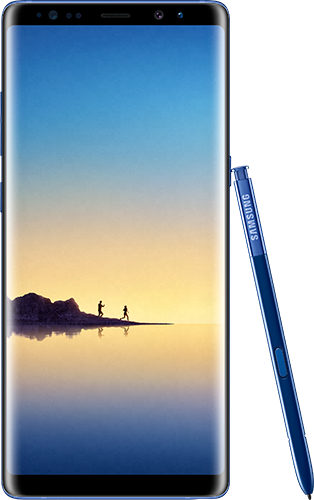
The Galaxy Note 8 is expected to arrive in 4 colors. The Midnight Black, Maple Gold and Orchid Grey variants have all made an appearance in previous leaks save for the the new Deep Sea Blue color. We won’t have to wait till launch day to see it as Evan Blass has provided a press render for us to feast our eyes on.
This render doesn’t do the Deep Sea Blue justice as it doesn’t show the rear, though we can see the thin line of blue where the back meets the top and bottom bezel. However, the S-Pen gives us a good look at the new color.
Just like the other color variants, the camera area of the Deep Sea Blue Galaxy Note 8′ will be black as well. So you should be able to create a mental image of the rear of the phone.
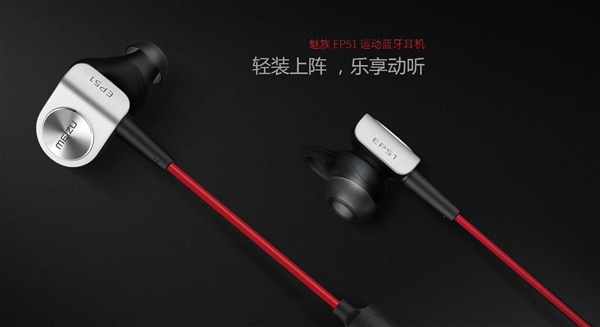
Meizu will be launching the M6 Note on August 23 which is just about a week from now and the company has already started releasing teasers for the launch event. One teaser which has been released by Meizu points to the launch of a new wireless/Bluetooth headphone.
The poster specifically mentions the Meizu EP52 Bluetooth headset as the product and it will launch on August 23 at the Beijing Performing Arts Centre, same day and venue for the M6 Note launch. From the name, it is glaring the headset will be the successor to the EP51 Bluetooth headset which was launched last year with the M3 Note.
Meizu has reportedly sold over 1 million units of the Meizu EP51 Bluetooth headset and it is still performing strongly in the market as a result of its spectacular design and cool features. The EP51 has got lots of positive reviews and some of the features it came with include aptX support for CD-like sound quality over Bluetooth. The Meizu EP51 features a built-in microphone while also packs call and volume control buttons. The device is rated to deliver up to 6 hours of continuous music playback while it can fully charge in 2 hours. It supports Bluetooth 4.0 and weighs 15.3 grams. We expect the EP52 to come as an important upgrade over its predecessor in terms of the sound quality and perhaps, the design is expected to be more lovely. Keep a date with Meizu on this one if the M6 Note does sound interesting enough to you.
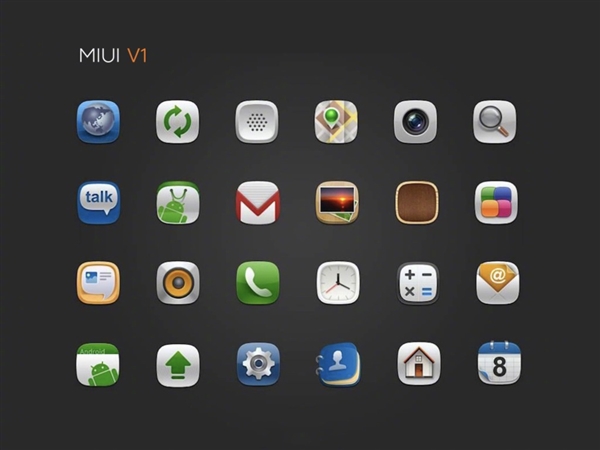
Today (August 16) marks seven years since Xiaomi‘s MIUI was first released and Xiaomi is celebrating that with fans on the MIUI Forum. In the past 7 years, the Custom ROM has evolved right from the first MIUI V1 to the present lightning fast MIUI 9. It shouldn’t come as a surprise that in the last 7 years, MIUI has undergone nine different changes with the resulting changes in the icons and more features added.
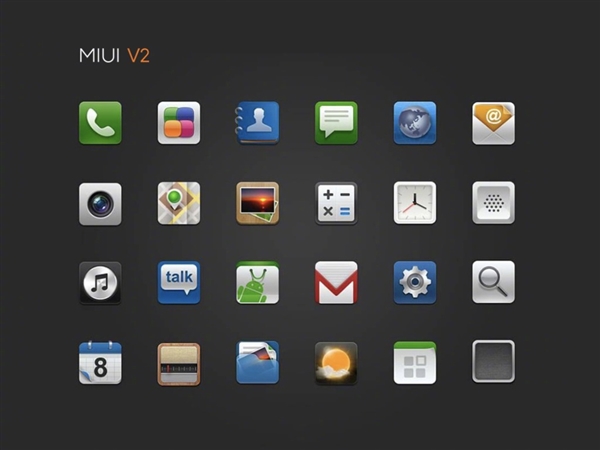
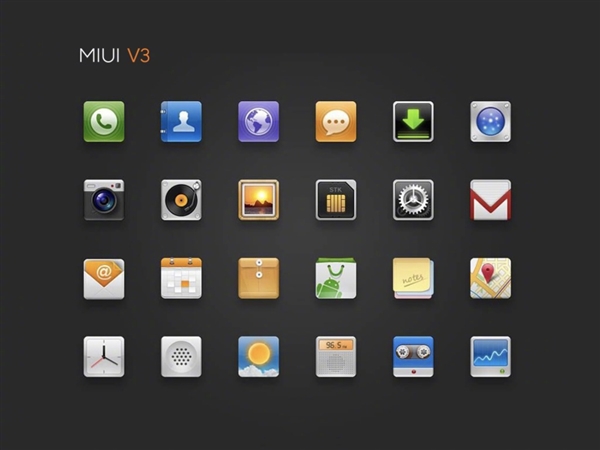
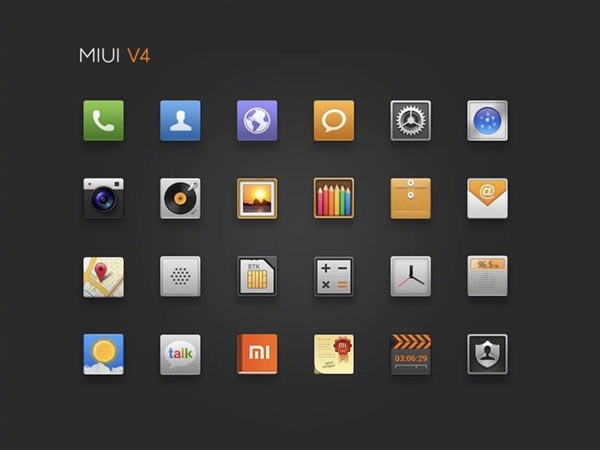
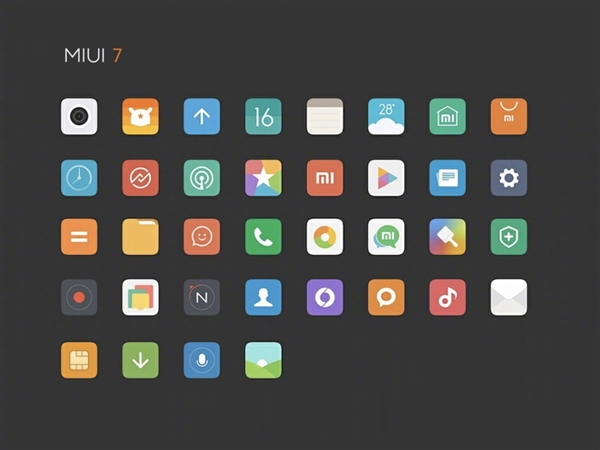
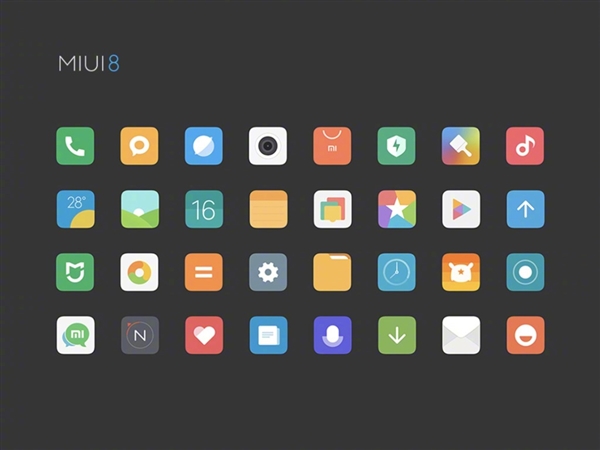
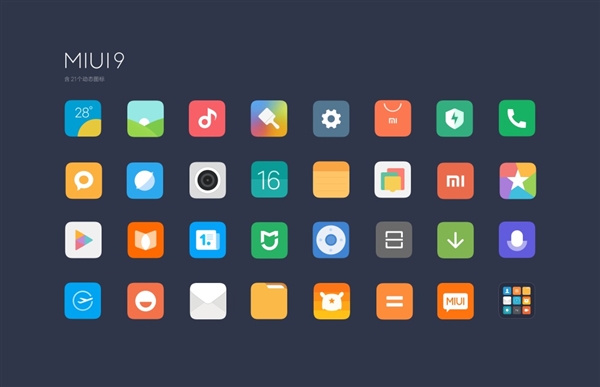
The evolution of MIUI is captured in these pictures of the different icons of the interface from version 1 to 9. The difference could be seen, not only in the color scheme but also in the icons themselves which have seen some changes, even though some still retain their looks from previous versions.
MIUI 2
The photos were released by Xiaomi today as part of celebrations for the 7th anniversary of MIUI. It should be noted that MIUI 1 was developed only for the Google Nexus One and came with more functionalities back then when compared to the Pure AOSP ROM. Version 2 came with support for more smartphones but MIUI, as we know it today, began with MIUI 3, released in April 2012. This marked a major milestone for MIUI ROM as themes were first introduced on Version 3 and it gave users the flexibility to customise how they want their ROM to look like. MIUI 3 was based on Google’s Android Mobile Operating System 2.3, named “Gingerbread” and the Mi 1 came pre-installed with MIUI 3.
MIUI 3
In terms of the appearance of the icons, MIUI 5 had the largest changes in its looks as it underwent a major GUI redesign and revamp, from the addition of notification at a swipe-down shade menu to system animations and desktop beautification, but yet retain the similar users’ experience and operations. It was on MIUI 5 that all Google Services were removed due to new regulations in China.
MIUI 6 also came with changes in the icons and saw a shift from flat icons to bold icons with a higher degree of recognition. The icons have continued to get slight changes since then until the current version but most importantly, more and more features became available on MIUI with the latest version said to be lightning fast and smooth. We’ve got photos of the icons of the remaining versions below.
Sony will be holding a IFA 2017 press conference on Aug. 31. It is expected to unleash the Sony Xperia XZ1 and Xperia XZ1 Compact flagship smartphones. The Xperia XZ1 is speculated as the successor of the Xperia XZ and Xperia XZs smartphones. Well-known leakster @OnLeaks and CompareRaja have worked together reveal the alleged renders of the Xperia XZ1.
The Sony Xperia XZ1 renders suggest that it resembles a lot with Xperia XZs. It has a simple metal body design but comes with large bezels above and below the screen. The top left corner of the rear panel features the main camera. The large-sized LED flash sit horizontal to the camera. Its placement is similar to that of Xperia XZ Premium, but more towards the middle.
The bottom side of the Xperia XZ1 has a USB-C port whereas the topside features a 3.5mm audio jack. The right side of the smartphone features a Power button that may probably come embedded with a fingerprint reader. The volume controllers are also present on the right side along with a dedicated button for launching the camera. The left side of the Xperia XZ1 does not feature any button, but includes a microSD / SIM card slot.
The dimensions of the Sony Xperia XZ1 are 146.8 x 73.4 x 7.6mm which makes it slightly bigger than the Xperia XZs 146 x 72 x 8.1mm. Also, the new XZ1 is smaller than the predecessor phone. Like the Xperia XZs, the successor smartphone is expected to come with a 5.2-inch display. It is expected to support full HD resolution of 1,920 x 1,080 pixels.
Previous rumors revealed that the Sony Xperia XZ1 will be powered by Snapdragon 835 chipset and 4 GB of RAM. It is expected to feature a 19-megapixel rear camera and a 12-megapixel front-facing snapper. It is expected to arrive preinstalled with Android 8.0 and it is pegged to come with a 3,000mAh battery. Its model number has been revealed by the rumor mill as G8441 and it is also rumored to be available in dual-SIM version.
The Xperia XZ1 Compact with model number G8341 is also expected to come with similar specs. Rumors have revealed that a 4.6-inch HD display will be present on it. Its other specs include Snapdragon 835, 4 GB RAM, Android 8.0, 19-megapixel rear camera and 12-megapixel selfie snapper and 2,800mAh battery. A mid-range Xperia X1 featuring 5-inch full HD display, Snapdragon 835, 2,800mAh and same set of cameras is also expected to get unveiled on Aug. 31.
The Google Pixel 2 has received certification from Federal Communications Commission (FCC) in the U.S. The rumor mill has been claiming that even though the Google Pixel 2 will be assembled by HTC, it will be sold as a Google product. The FCC documents contain various references for HTC. The FCC filing has revealed some key features of the Google Pixel 2 flagship smartphone.
A previous report on upcoming Google Pixel 2 and Pixel XL 2 phones had revealed that they will come equipped with pressure-sensitive frame. This feature is already available as Edge Sense on HTC U11. The Edge Sense feature allows users to launch apps and perform certain functions by squeezing the pressure-sensitive frame of the smartphone. The FCC filing has revealed that the Google Pixel 2 will be also enabled with this feature and it will be called Active Edge.
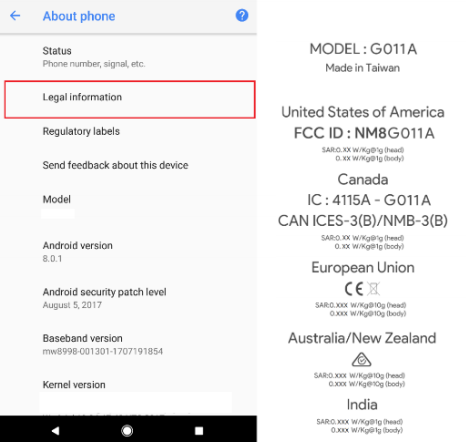
Some screenshots of the Google Pixel 2 that have surfaced through FCC filing has revealed that it would be arriving preinstalled with Android 8.0.1 Google is yet to officially debut the Android 8.0 operating system. Speculations are rife that Aug. 21 will be the day when Google will be declaring the official name of Android 8.0. The Google Pixel 2 duo will be the first smartphones to come preloaded with Android 8.0. FCC will be making use of Electronic version of the labeling system for the Pixel 2.
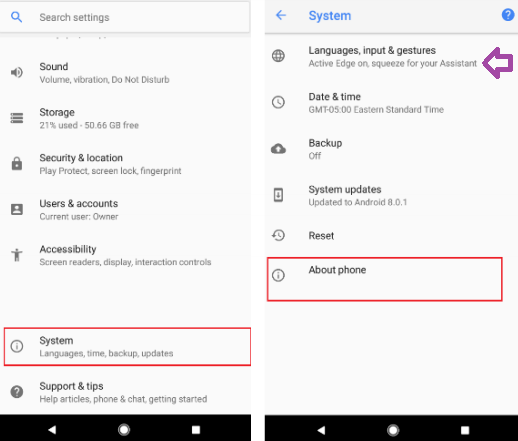
In the above screenshot, the description for “Languages, input & gestures” in System settings is “Active Edge on, squeeze for your assistant.” This shows that Active Edge can be used on Google Pixel 2 to activate Google Assistant by squeezing the frame of the phone. Also, the navigation buttons appear to be exclusively designed for the Google Pixel 2 and Pixel XL 2 smartphones.
It appears that the Google Pixel 2 duo may come with an internal storage of 64 GB instead of 32 GB available on the original Pixel phones. This can be understood through the above snapshot that shows that 21 percent space on the internal storage has been used and 50.66 GB is remaining which indicates that the Pixel 2 has 64 GB of internal storage.
The mentioning of mw8998 under Baseband version indicates that the Snapdragon 835 chipset will be powering the Google Pixel 2. The FCC documents contains several references to GO11A model number. The same model number was also spotted when a new HTC handset had appeared at Wi-Fi Alliance certification.
In 2016 and 2017, many smartphone OEMs have launched dual rear camera enabled smartphones in various price points. It seems that in 2018, Android smartphones will be coming with some new camera related features like iris authentication through front-facing camera and depth sensing. Qualcomm is working on in its next-generation Snapdragon mobile chipset. It has confirmed on the new features that it will be adding to its second-generation image signal processor named Spectra that will arrive along with the next mobile chipset.
Qualcomm had introduced the Spectra Module Program with Snapdragon 835 that provided manufacturers with pre-configured camera modules for smartphone OEMs that could be conveniently slotted into the smartphones using a Snapdragon chipset. The second-generation Spectra image processor will be bringing along three new features such as iris scanning, passive and active depth sensing.
The Galaxy S8, Galaxy S8+ and Galaxy Note Fan Edition are some of the smartphones that are equipped with iris scanners. The retina scanning technology on these smartphones were implemented by Samsung. Qualcomm’s iris scanning feature that will be available with the second-gen Spectra Module Program will be more accurate and it will be able to avoid spoofing techniques like using images or molds of people’s eyes.
Passive depth sensing will make use of two camera sensors with some gap between them. The two images shot by the respective camera sensors can be compared by the smartphone for disparity. When the object is closer, disparity will be larger. The depth can be determined by calculating how far the object is. It is the same way the human eyes function to determine how far an object is.
Active depth sensing comprises of an IR (infrared) illuminator, IR camera sensor and a 16-megapixel (or 20-megapixel) RGB sensor depending on the configuration. The IR illuminator will fire a light that makes use of a filter to create a dot pattern. The IR camera will detect and read the created pattern. The smartphone can measure the accurate depth by determining distortions in the dotted pattern. The regular camera can then pitch in to shoot a 3D image instantly.
The active depth sensing works more accurately than the passive system. Since it is uses infrared light, it functions accurately even in the dark.
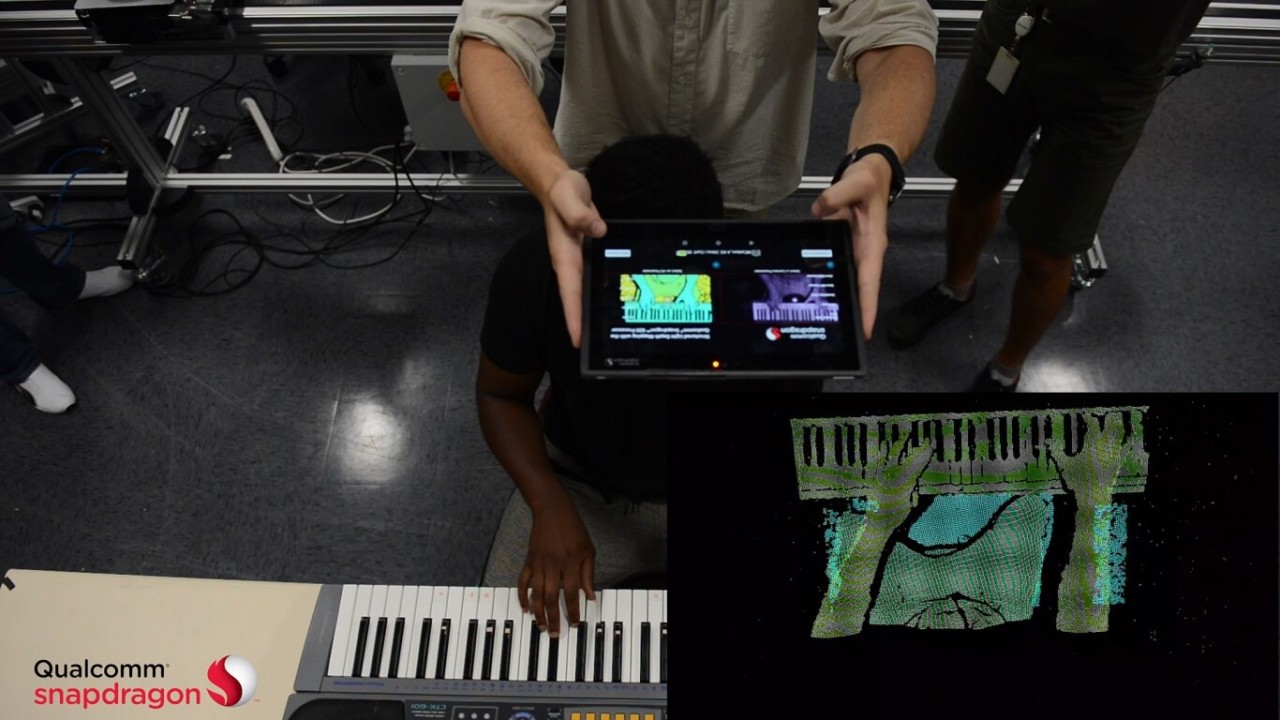
The above video demonstrates shows the active depth sensing coming with second-gen Spectra Module Program in action. The video was shot from above, but it managed to accurately the measure the depth of the hands of a person playing the piano. The use of the next-gen Spectra image processor will offer accurate AR and VR experiences and secure facial scanning than what’s more available on existing smartphones. We may see smartphones enabled with new depth sensing feature from Qualcomm early next year.
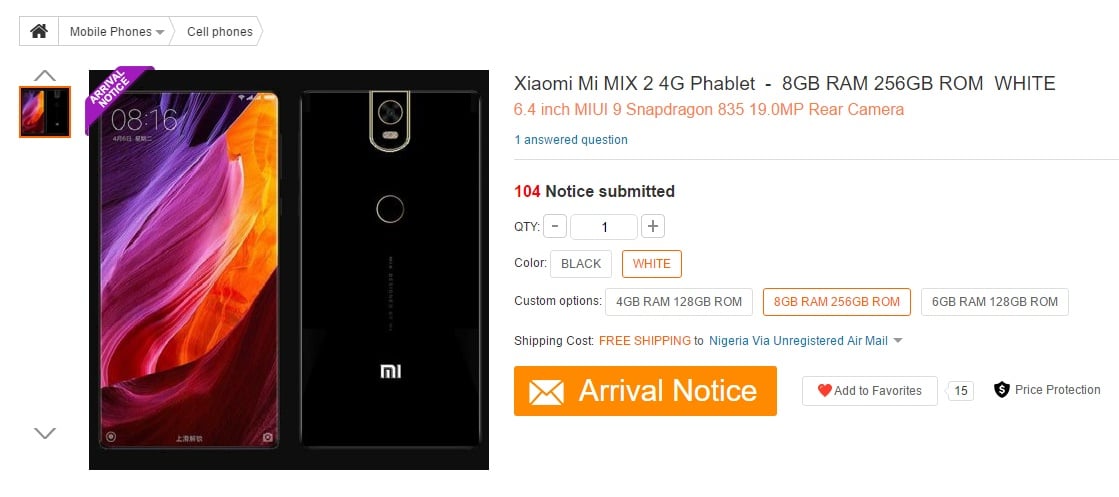
The smartphone industry has evolved from the use of passwords to unlock the device to the use of fingerprint technology and then, there is iris recognition technology which does more things than just unlocking the device. Recently, we got words that Apple was developing a Facial recognition technology which would be used on the iPhone 8. It has now emerged that apart from Apple, Qualcomm and Xiaomi are also working on their own facial recognition technology which would feature on their flagship products. Xiaomi’s own facial technology is said o debut in the fourth quarter of this year, just in time for it to be used o the expected flagship Mi Mix 2.
Earlier reports had revealed that Apple’s own Facial Recognition technology will support 3D sensors and can achieve facial recognition in just milliseconds, meaning it is very fast. When Apple released the firmware for its HomePod smart speaker, developers were able to get information from the code regarding the iPhone 8’s facial recognition technology and that it won’t just unlock the device but will also support Apple Pay payment verification and other third-party applications, just like the Touch ID does.
This growing trend of using facial recognition instead of the fingerprint technology is predicted to grow wider due to the increasing use of full-screen display technology on most phones. Full-screen phones are gradually expanding and are seen as a trend which would occupy up to half of the entire mobile phone market in the foreseeable future. Reseach firn CINNO Research places the market share of large display smartphones at 6% this 2017 but projects that the figure will get up to 50% in 2018 and by 2021, it would hit 93%.
For now, not much is known as to how secure this technology is when compared to fingerprint recognition. We’ll find out more as time goes on but it must be noted that the emphasis on this technology is the 3D depth of field function and so a 2D photo taken in the past cannot be used to by-pass the system unlike fingerprint technology and thus, this improves security. No doubt, it sounds interesting and with Xiaomi adopting it so early, this might just keep fuel lingering talks of the company imitating Apple. What’s your take on this? Let us know in the comment section.
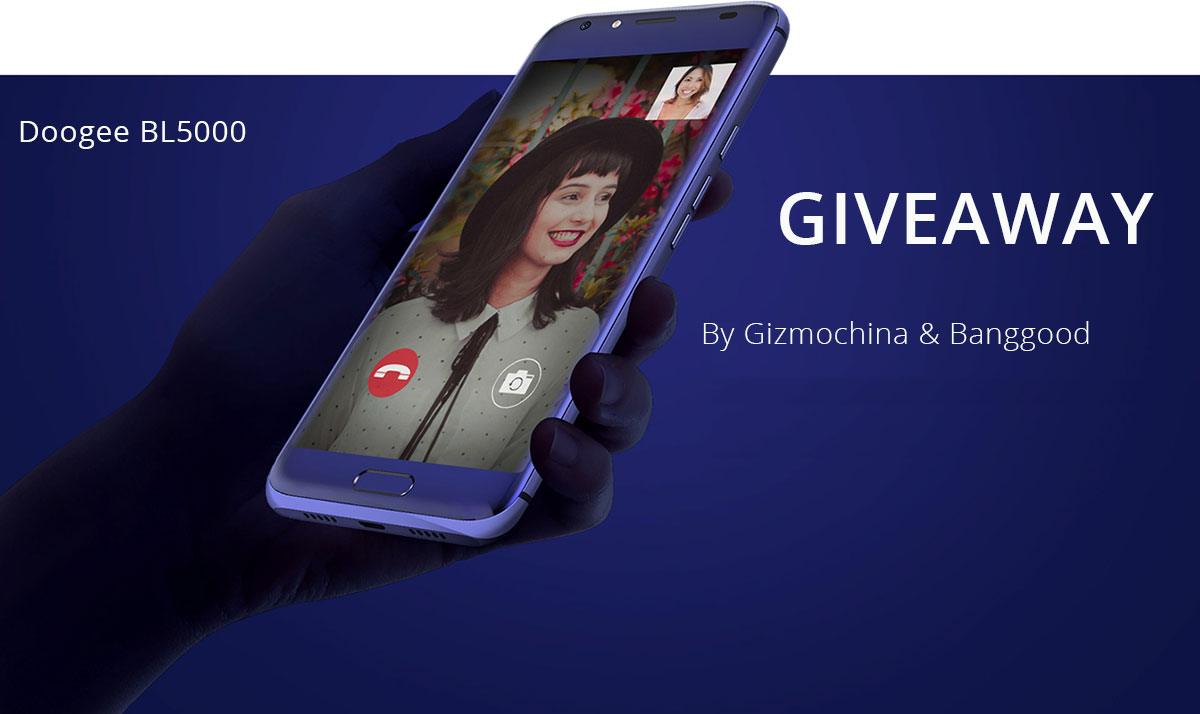
Gizmochina along with Banggood is conducting a Doogee BL5000 big battery phone as Giveaway gift to one of our lucky readers. Like always, you just have to follow the steps mentioned on the Gleam widget to get a chance to win this amazing phone.
Here is the main features of Doogee BL5000:
UNIQUELY CURVED DESIGN – 3D design in both front and back; 8 exquisite curved sides; anti-fingerprint effect with the enhanced nano-plating oleo phobic layer; sparkling radiance of 3 colors: Marine Blue, Midnight Black and Maple Gold; best grip for use and perfect fit in palm
STUNNING DISPLAY – 5.5 FHD display for visual feast; 1 nit to 650 nit auto adjustable brightness for amazing viewing experience and eye protection; touch panel with RGCO technique for faster response and greater durability
UPGRADED TRIPLE CAMERAS – Dual 13.0 MP rear cameras with dual sensors to detect blur range automatically, making every shot a vogue cover; 8.0 MP front camera with soft light and 0.1s PDAF, face beauty 2.0 and 88°wide angle for amazing selfies with more friends
SMOOTH CONNECTION – Powerful Octa-core CPU enables multitasking with high efficiency; 4GB RAM + 64GB ROM means abundant storage for your pics, videos and other documents; supports 4G+, LTE Cat-6, OTG, with Android 7.0, doubled speed of download and upload; Dual SIM, dual standby
BE LONG TIME, BELONG TO YOU – 5050mAh large battery supports long time use; 12V-2A quick charge enables charging to 40% within 10 minutes; safe and reliable with the guarantee of charging standard and safety test
The Doogee BL5000 is selling on Banggood for $139 now($20 off)
How to entry this giveaway? Just follow these steps via Gleam widget:
Visit Doogee BL5000 phone on Banggood;
Share this article to your Facebook, Twitter, Google+ or other social media;
Terms & Conditions:
1. The giveaway is an international giveaway.
2. We are not responsible for lost shipments.
3. We are not responsible for any duties, import taxes that you may incur.
4. We reserve all rights to make any changes to this giveaway.
5. The prize will be shipped in a week when the giveaway end.
Just follow the steps mentioned in the Gleam widget to participate in the giveaway.
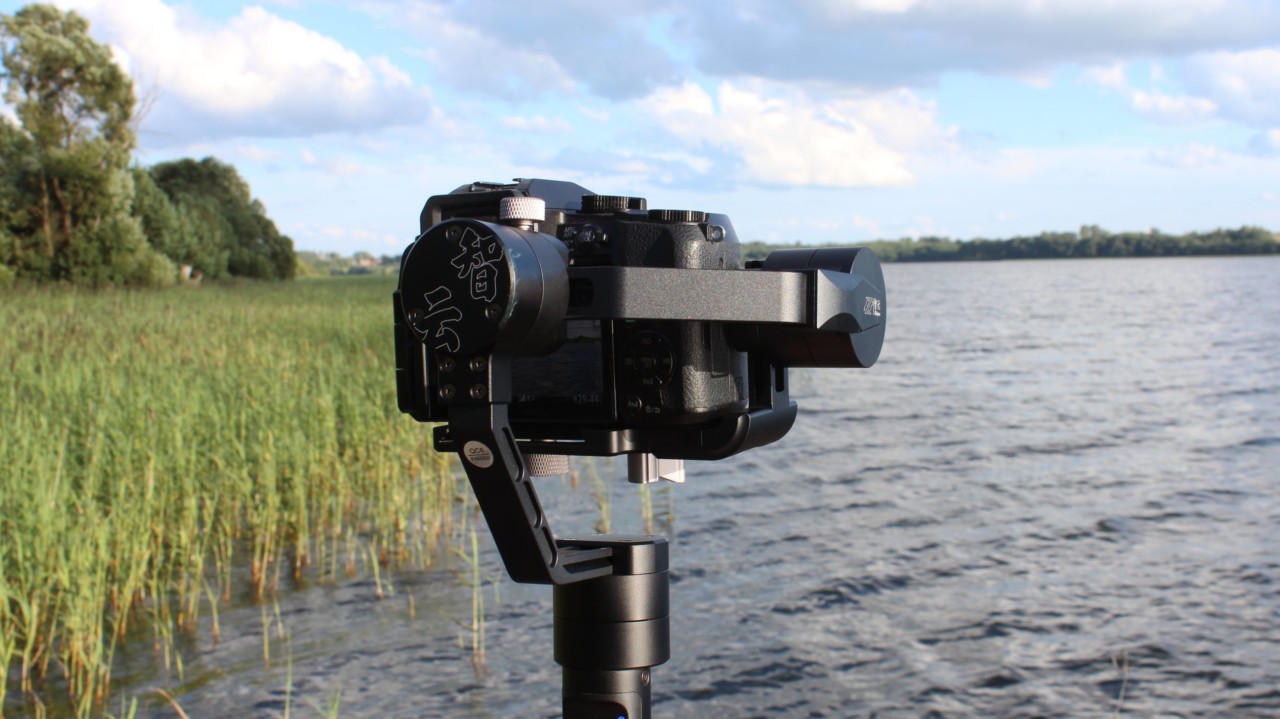
I have reviewed a lot of different gimbals over the time and they were great. However, they could be only used either with the phone or with an action camera and I sometimes ended up carrying two gimbals.The Zhiyun Crane M is the most versatile gimbal I’ve ever had. You can use it with a compact mirrorless camera, smartphone or any action camera. Learn more in the full Zhiyun Crane M review.
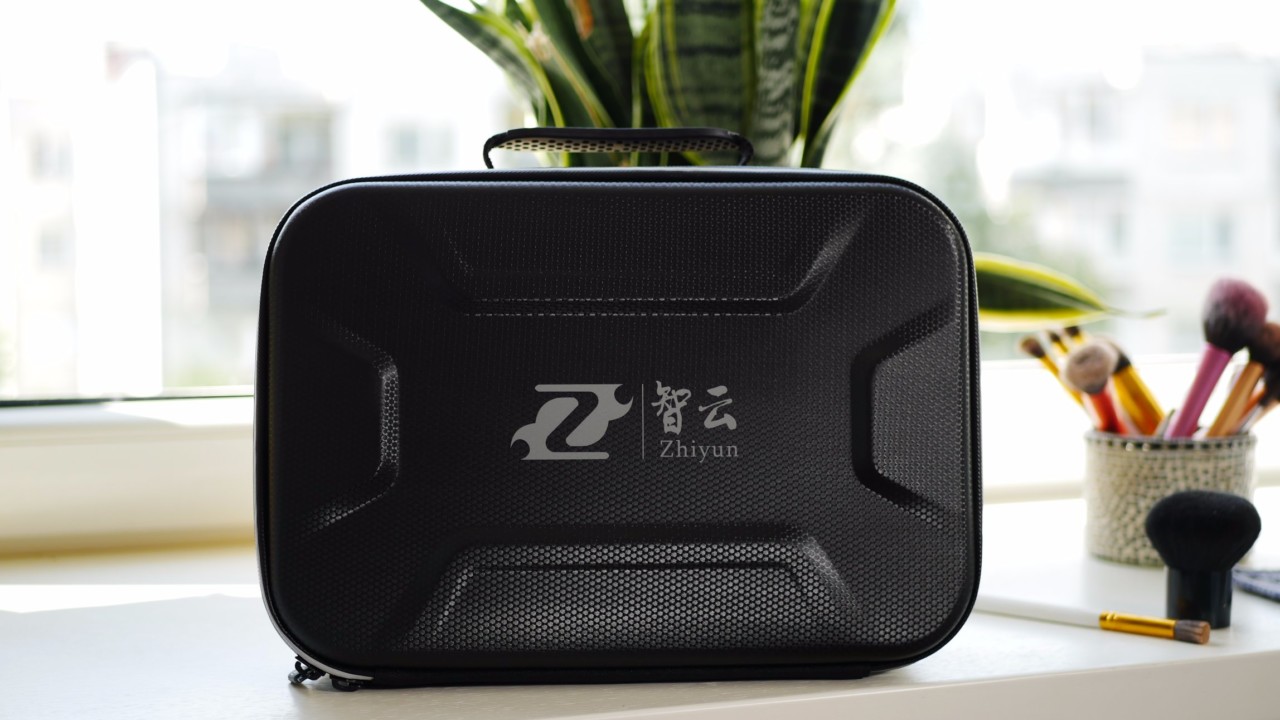
What is awesome is that the gimbal comes in a high-quality travel case where all the items are packed neatly.
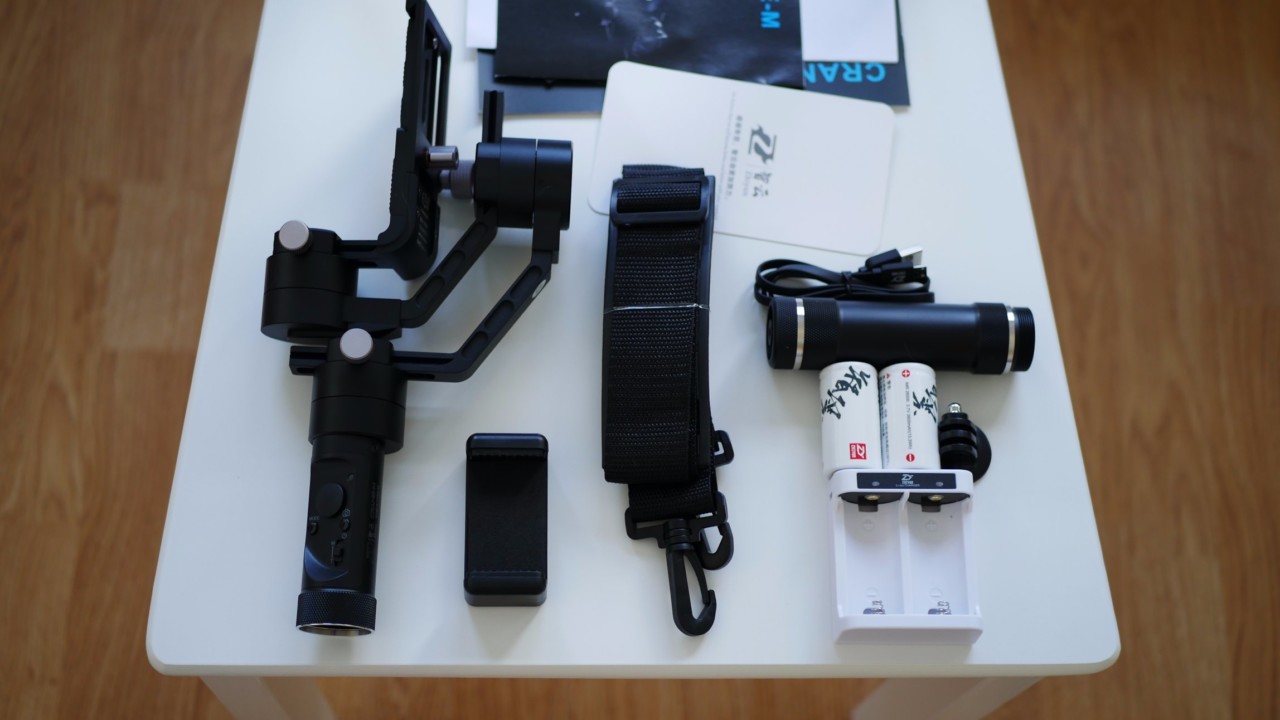
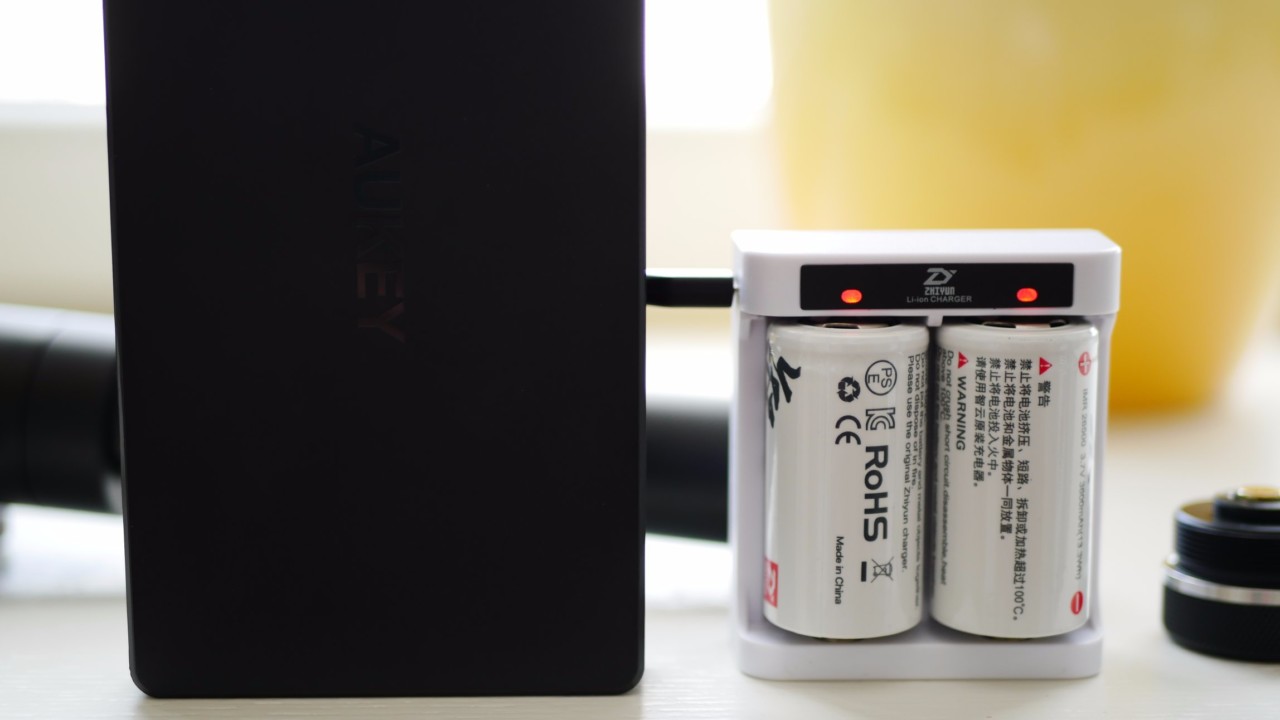
Besides the gimbal, you get the USB cable, a carrying strap, USB charger with 2 batteries and depending on where you buy this gimbal, you may also get a mini tripod or some other accessories.
DESIGN and FEATURES
Since the Crane M is designed for many different cameras, it is a bit larger and heavier than e.g. Zhiyun Smooth 3 or Smooth Q gimbals that I have reviewed before. However, it is still quite compact but your hand may get tired after a while since the gimbal weighs 740g.
As usual to Zhiyun’s products, the build quality is top-notch. The gimbal is made entirely of metal, there are no plastic parts except for the buttons, which are clicky and don’t seem to break anytime soon.
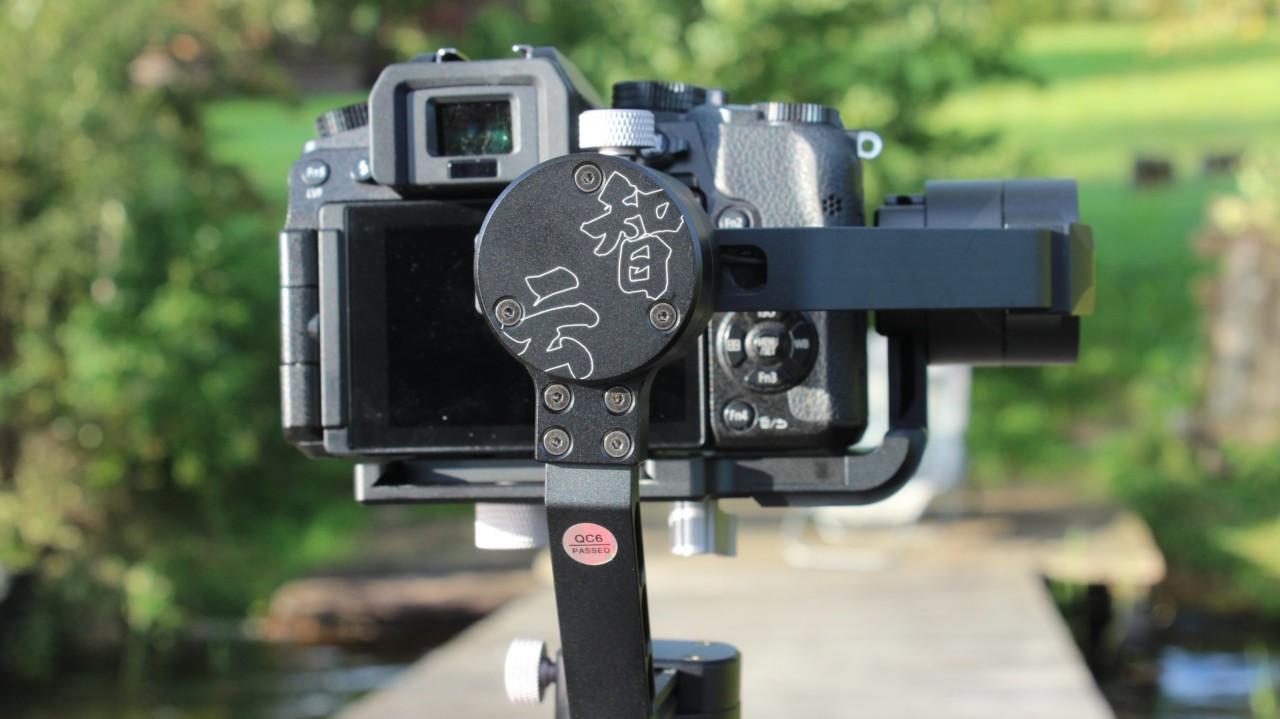
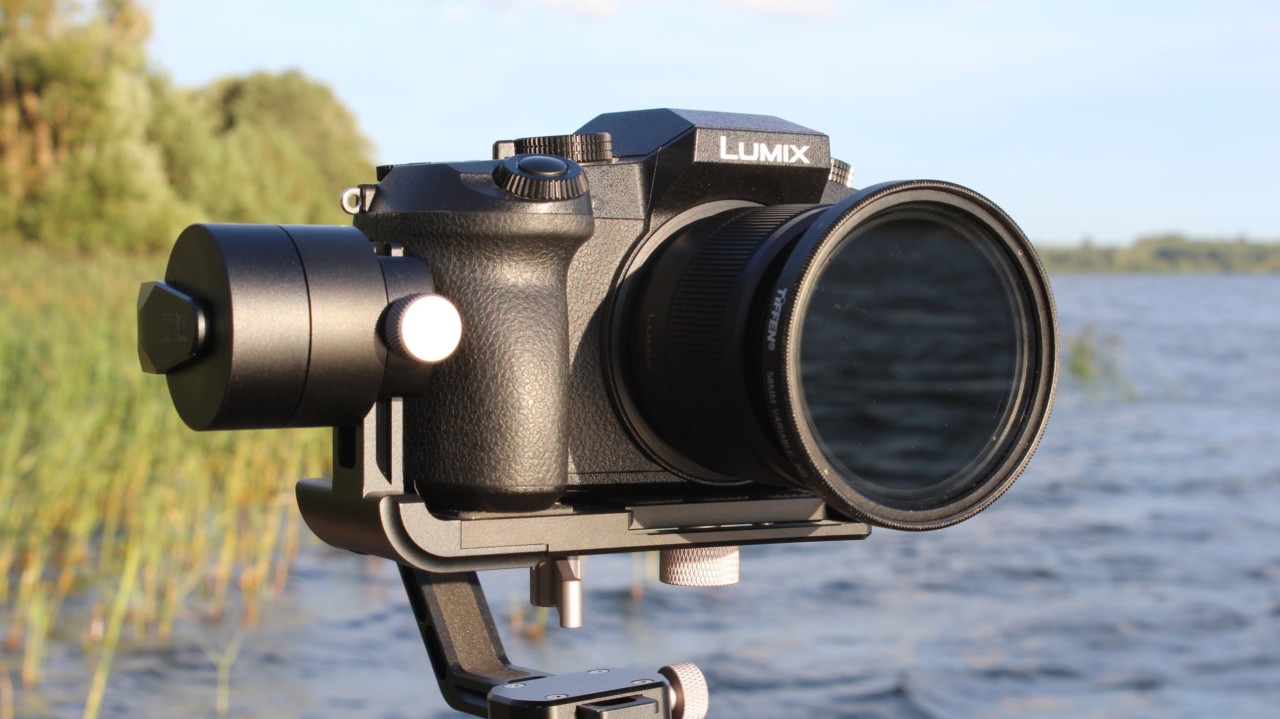
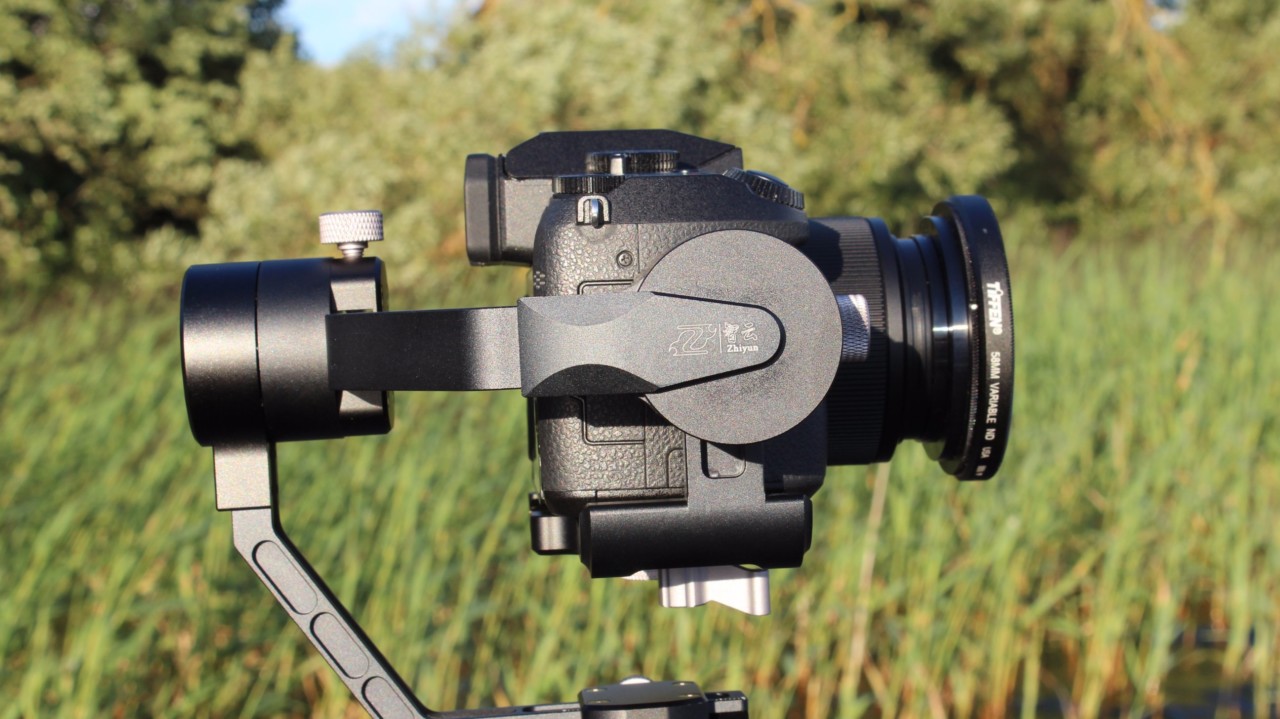
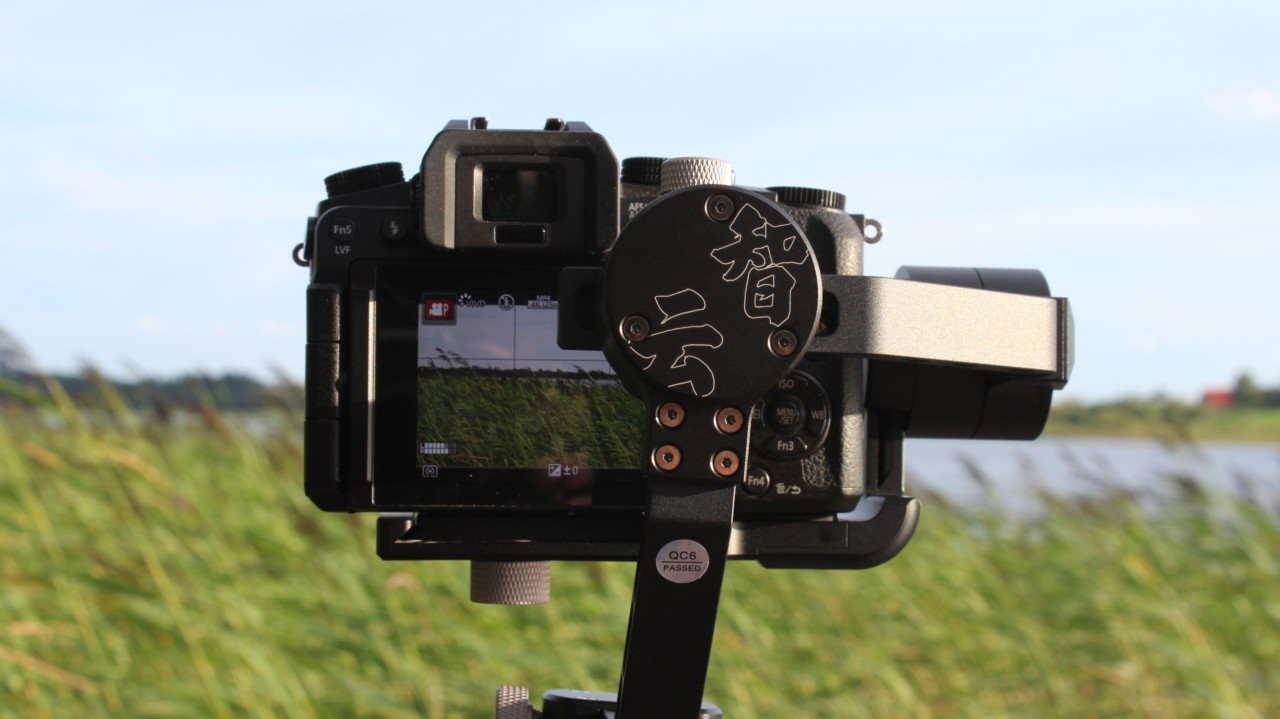
In order to start using the gimbal, you have to mount your camera using the 1/4 screw, which is a standard size for most of the cameras. It is very important to balance the gimbal by adjusting the extendable axis on each side. It takes less than a minute to do that and you are good to go. I used the gimbal with my Panasonic G7 with 25mm prime lens and it works just great since gimbal has the max. load capacity of 650g.
You can also use the Crane M with any smartphone with the supplied cradle or any other camera as long as you are not over the load capacity limit. Even though the minimum load is 125g, I found the stabilizer to be working fine with a super light YI 4K action camera.
The ability to use any camera is the key selling point of the Crane M, in my opinion. As I said, I love filming with my phone or action camera but I don’t want to carry different gimbals. I think that the Crane M is a perfect solution for my needs.
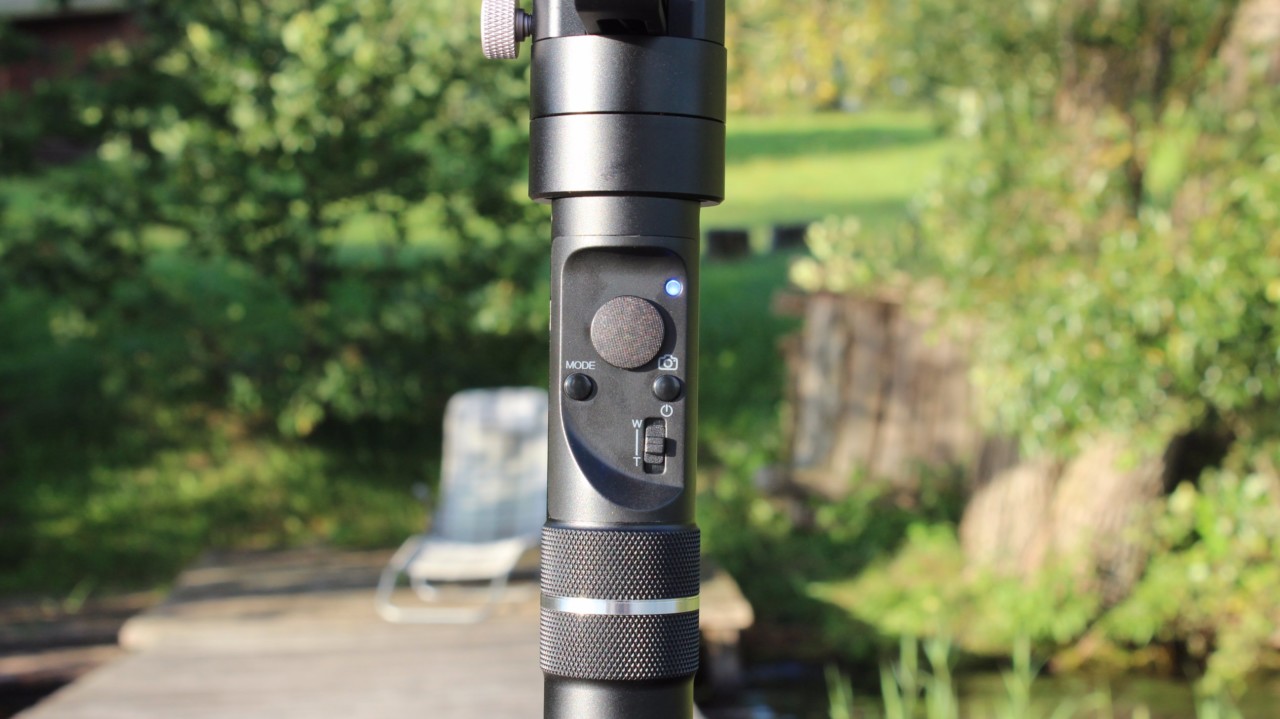
This stabilizer has the same control system like any other gimbal made by the company. The mode button allows you to switch from one mode to another.
The default mode is called the pan following mode and I used it most of the time. If you press the mode button once, the gimbal will enter the locking mode, which is great for smooth pan or tilt shots if you want to film a particular object.
If you press the mode button twice, you will enter the pan and pitch following mode, where the gimbal moves towards the direction you point the camera to.This mode works pretty well too. Even if you move the gimbal quickly, you will get a smooth shot since all the axes move slowly. The last mode is the selfie mode and it is triggered by pressing the mode button 3 times.
You can also control the gimbal manually using the joystick and I found this feature to work great. However, I suggest you reducing the pan and tilt speeds in the app to get those nice slow cinematic shots. Honestly, I think that this gimbal can replace a tripod and fluid head if you are on the go and don’t want to carry all your heavy camera supports if you need to take just a few shots.
The 1/4 screw mount allows you to attach the gimbal to all sorts of accessories like tripods.
You can also control the gimbal with a remote control, which is sold separately. If you don’t want to spend the extra cash, you can control it using your phone via the Bluetooth, which is awesome if you want to avoid any shakiness in those slow pan ant tilt shots.
I love that both pan and tilt axis can rotate 360 degrees, so you can use the camera in any position you want. That’s a huge advantage over some smaller gimbals I’ve tested.
If you plan to use the Crane M with a phone, make sure to download the ZY Play app that allows you to take a full advantage of the control buttons. Obviously, you can take pictures or shoot videos, switch from the main to the front-facing camera and so on. You can also zoom in and out but I wish zooming was a bit smoother.
You can also adjust the gimbal speed settings, change the resolution, set the timer or use a manual mode. However, it is really frustrating that this app does not allow you to shoot in 4k for some reason but I was told that the application will be updated soon.
IMAGE QUALITY
Like any other Zhiyun gimbal, the Crane M does an excellent job reducing the shakiness as the footage looks stunning if you use the gimbal while walking or even running. The video looks really smooth either if I used the device with a camera or with a smartphone or with my action camera. Well, the footage may look a bit shaky under extremely windy weather conditions but that is the case with every gimbal I’ve tested.
BATTERY LIFE
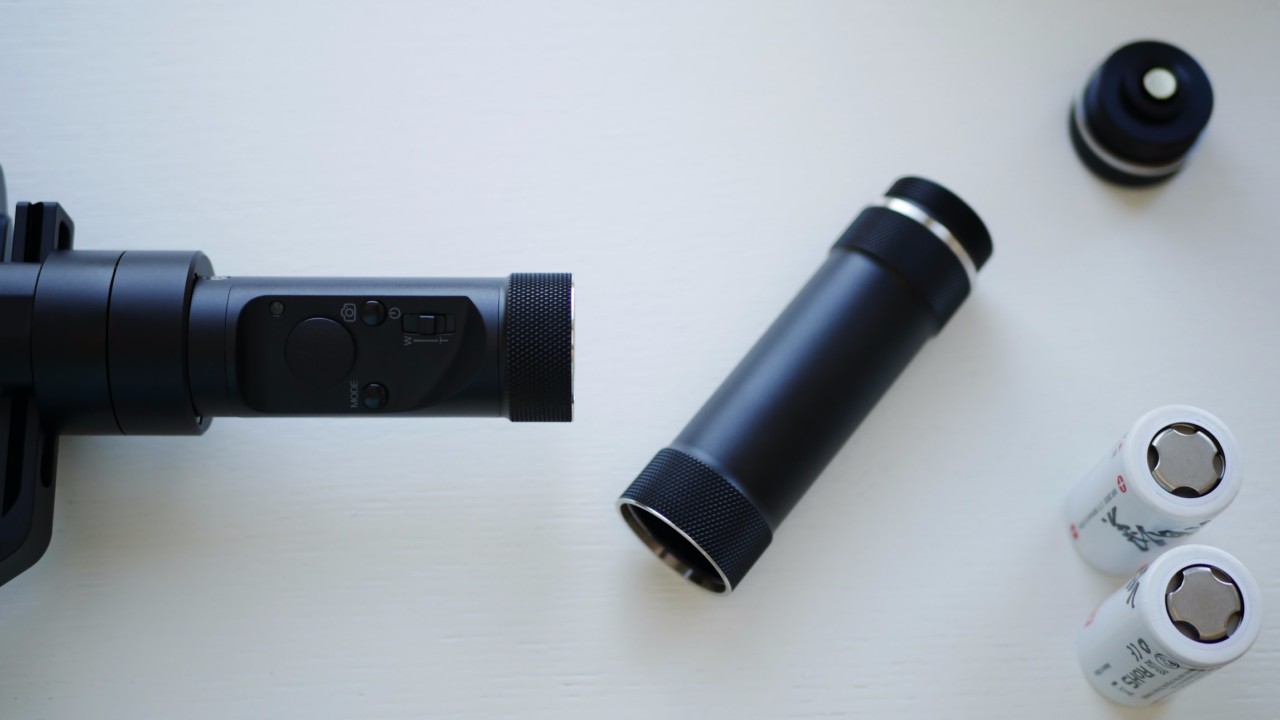
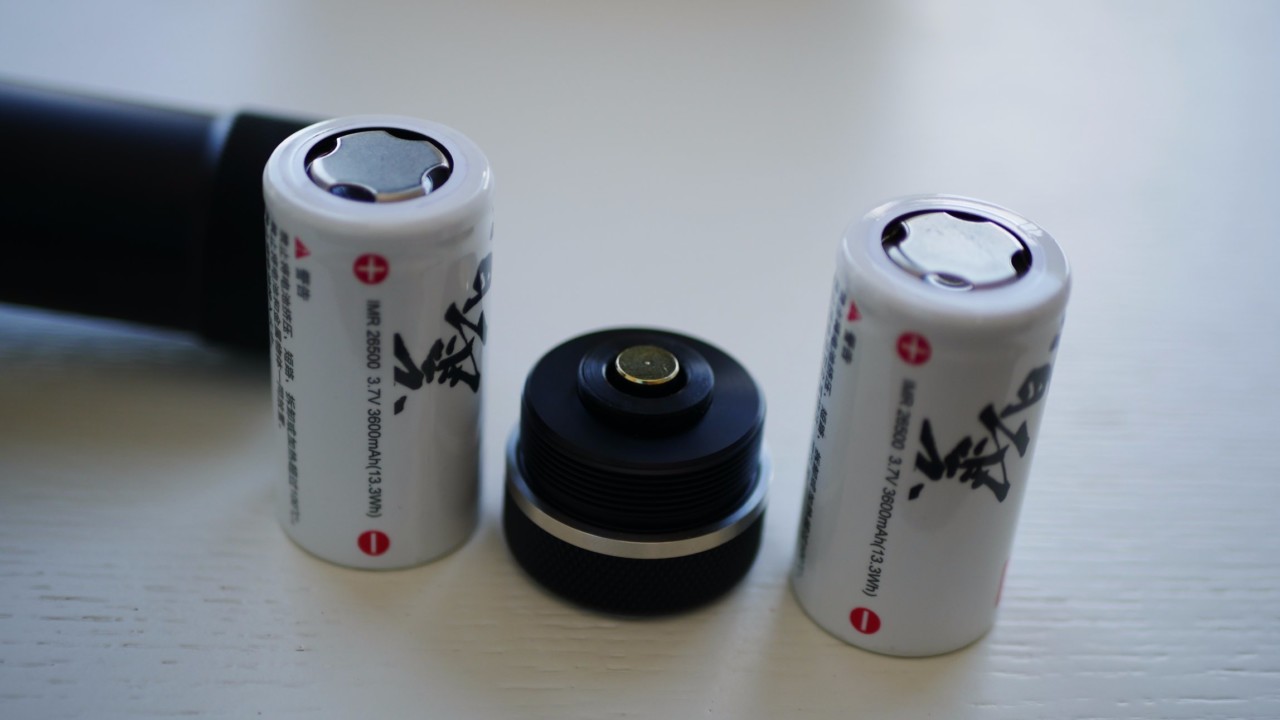
The Crane M is powered by two 3600mAh replaceable batteries that allow you to use the gimbal for up to 12 hours, which is a very good result.
However, if you use the Crance M with a mirrorless camera, you should expect about 10-11 hours of battery life.
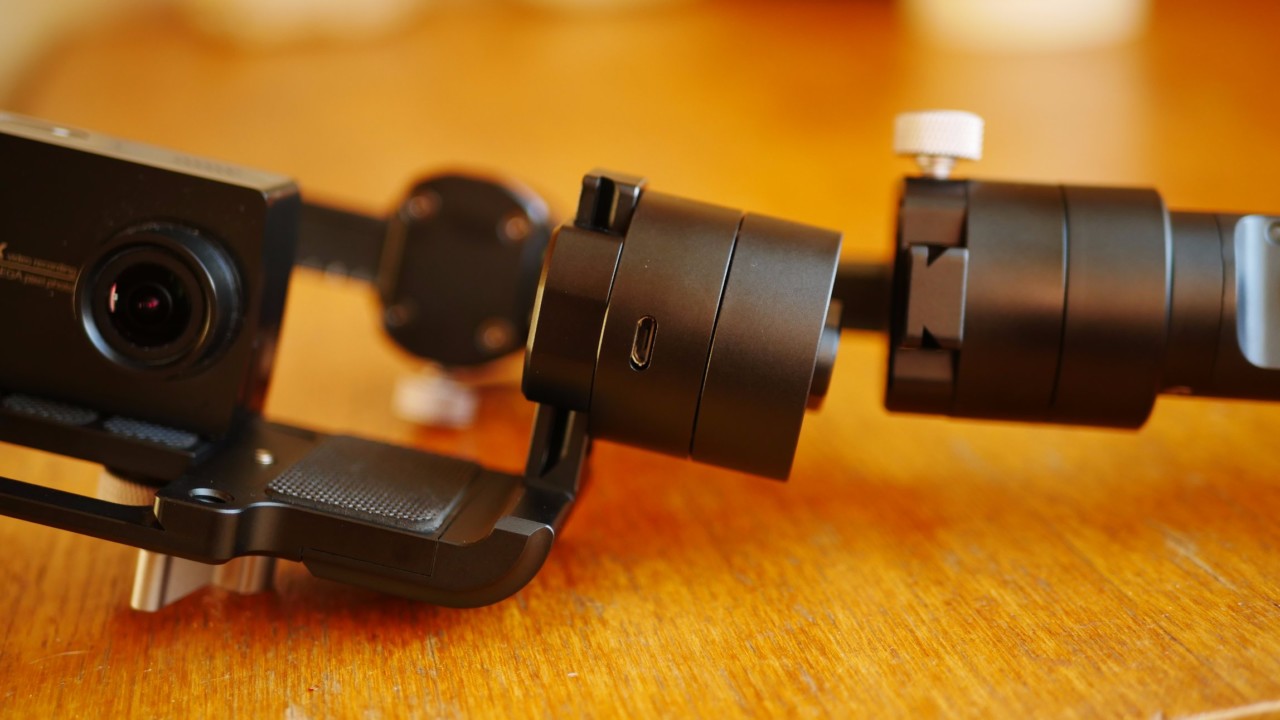
A dedicated USB charger can fully charge the batteries in just a few hours but you can also charge them directly via the gimbal’s micro USB port.
CONCLUSIONS
I was impressed by the performance and overall feature set of the Zhiyun Crane M and I think it will be the only gimbal that I will be using now since it supports my Panasonic G7 camera, any smartphones or action cameras.
Well, the gimbal could be a little lighter but I prefer sturdy all-metal build instead of the plastic one. Also, I hope the ZY Play app will have the 4k video recording feature soon.
All in all, I still find the Zhiyun Crane M to be a great gimbal for my work as I can use it with each camera or smartphone that I have. For the price of under $400, I can easily recommend it as this is my go-to gimbal for more than a month.
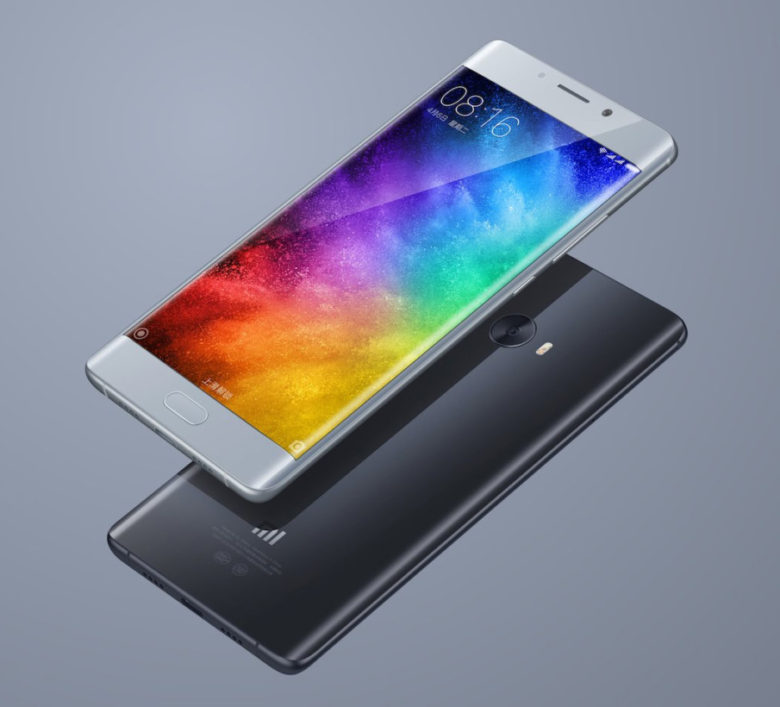
The Mi Note 2 was released last year and there are unconfirmed rumors that it will get a successor soon. Two months ago, Xiaomi reduced the price of the 4GB RAM + 64GB model to ¥2499 (~$374) from ¥2799 (~$419). If you are interested in purchasing it, you may want to check other sites as they have it for less.
Online store Gome is offering a ¥600 limited discount that brings the price of the 4GB RAM + 64GB version to ¥2199 (~$329). If you are not able to snag that, you may have to settle for a ¥400 discount that brings it down to ¥2399 (~$359).
JD.com has the Mi Note 2 in the same configuration above for ¥2399 (~$359). That is an extra ¥100 (~$15) savings compared to if you buy it from the official site.
Xiaomi announced a new model with 6GB of RAM and 64GB of storage for ¥2899 ($434) last month. So if you feel you need the extra RAM, you may want to settle for that.
The Mi Note 2 is still a more than a capable device. It has a 5.7-inch dual curved display and is powered by the Snapdragon 821. The 4070mAh battery is more than you will find on similarly sized flagships and there is an audio jack.
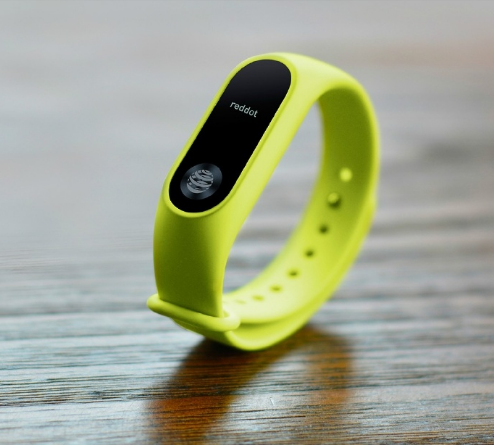
Xiaomi hasn’t released a new wearable this year but its Mi Band sales has pushed it to the top of the wearable shipment lists for Q2 2017.
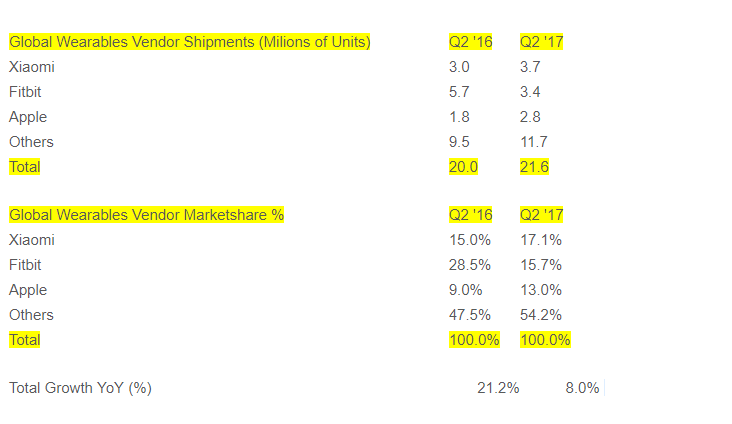
The stats compiled by Canalys and Strategy Analytics shows the Chinese company beating its American counterparts to first place. For the last quarter, Xiaomi shipped 3.7 million units according to Strategy analytics. That is 700,000 more than that of the same quarter in 2016. Canalys puts the figure at 3.5 million units for Q2 2017.
Fitbit comes in at second place with 3.4 million units. They might be ahead of Apple but that figure is a sharp drop to the 5.7 million units shipped in Q2 2016. Canalys’ figure is a little less as it shows 2.7 million units for last quarter.
Apple on the other hand recorded a 1 million increase in shipments this year when compared to that of the same quarter in 2016. Apple’s share of the market sits at 13% and it is only a matter of time till it catches up to the others if it keeps growing at this pace.
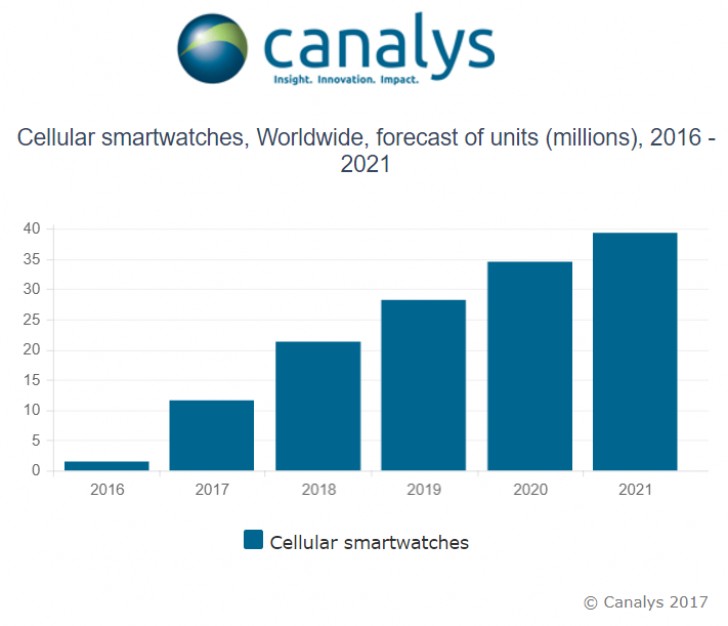
News going round says the next Apple Watch will have LTE. If it is true, its release will likely boost Apple’s share of the wearable market. Canalys believes cellular smartwatches are going to be key in determining the future of the market. They say manufactures will have to offer more than just basic features for watches to appeal to buyers. They predict shipments of cellular smartwatches will reach up to 40 million units by 2021.
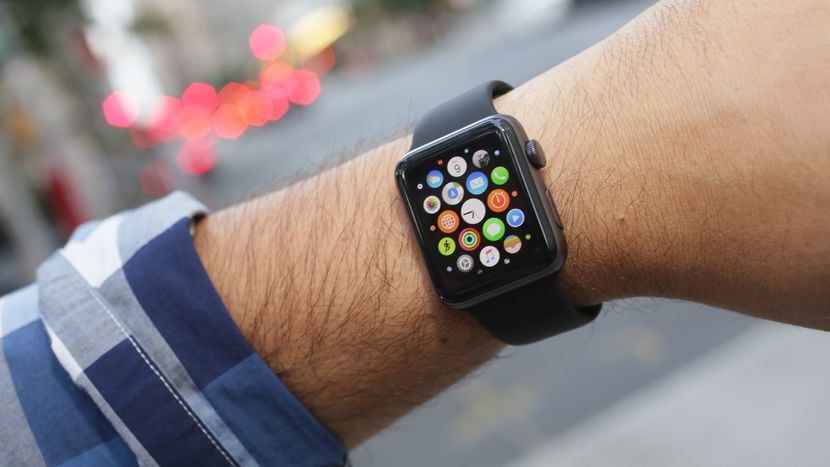
Speculations are rife that Apple is working on the successor of Apple Watch 2. In the next month, Apple is speculated to launch the iPhone 7S, 7S Plus and iPhone 8 smartphones. Rumors have it that Apple may also unveil the Apple Watch 3 alongside the upcoming iPhones. Fresh details have been shared by KGI Securities analyst Ming-Chi Kuo.
A Bloomberg report had reported earlier in this month that the third-generation Apple Watch would be arriving with support for LTE connectivity. This indicates that the Apple Watch 3 may arrive as a standalone device with an embedded SIM card. It would probably allow users to make calls as well as send text messages through the Apple Watch 3.
Corroborating on the same report, Kuo claims that the Apple Watch 3 would be available in two case sizes such as 38mm and 42mm like the Apple Watch 2 models. The third-generation Apple Watch will be coming in LTE and non-LTE variants. Major cellular operators of the U.S. will be providing add-on cellular service to the upcoming LTE-enabled Apple Watch 3. The data plans of the LTE Apple Watch are expected to similar to that of iPad data plans.
The LTE enabled Apple Watch is also expected to be available with an expensive pricing than the non-LTE model. LTE Apple Watch is likely to consume more battery power. Hence, Apple needs to find a solution to make sure that its next smartwatch offers decent battery life.
The Bloomberg report had also claimed that the Apple Watch 3 would be coming with an improved design. However, Kuo claims that there won’t be any remarkable change in the design of the next-generation Apple Watch. So, Apple Watch fans who are expecting to see a slimmer smartwatch from the company may probably have to wait until the launch of Apple Watch 3’s successor.
According to Kuo, in the second half of 2017, Apple will be shipping 8 to 9 million units of Apple Watch.0 And in the entire year, the Cupertino company is expected to ship 17.5 to 18 million Apple Watch units. However, he does feel that in order to drive more sales, the company should launch the Apple Watch with a radical form factor. Adding health and medical related apps as well as 5G commercialization can improve its sales.
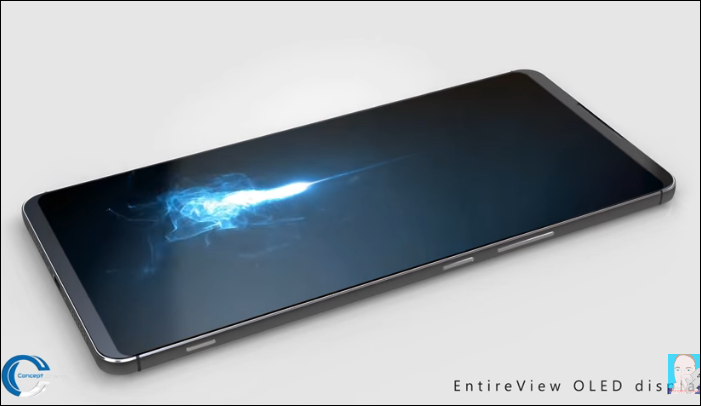
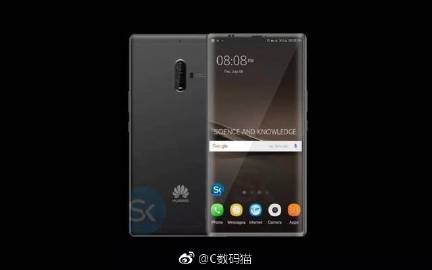
A video which contains the concept render of the Huawei Mate 10 has appeared online. The video is the creation of Concept Creator, well known for creating renders of yet to launch models based on rumours and leaks and indeed, the Mate 10 render encapsulates most of the features the device is said to launch with.
The most prominent feature which caught our attention is the EntireView OLED display which the device in this render has. The Mate 10 had earlier been rumoured to feature the EntireView design which Huawei recently patented. The display is entirely bezel-less at the sides while there are just thin bezels at the top and bottom edges. The device seems to have a 18.5:9 aspect ratio just like that of the Galaxy S8 or perhaps it is an 18:9 ratio like the LG G6. The Mate 10 is expected to have a 6-inch display with 2160 x 1080 pixel resolution. The device will feature a Kirin 970 chip, which would be Huawei’s first 10nm chip.
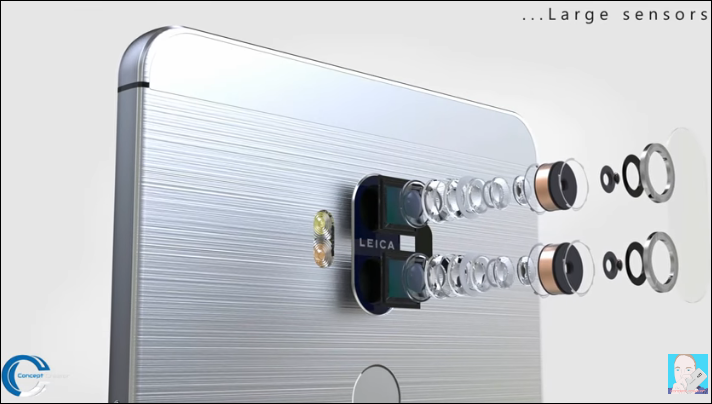
At the rear, there is a dual camera setup which still retains the Leica badge and Huawei hasn’t indicated that it won’t be retaining the highly successful Leica-designed camera setup which was also used on the Mate 9 last year. The device is also rumoured to adopt a far higher pricing regime than previous models, with the Mate 10 tipped to come with a price starting at over $1,000. Do check out the short render video below.
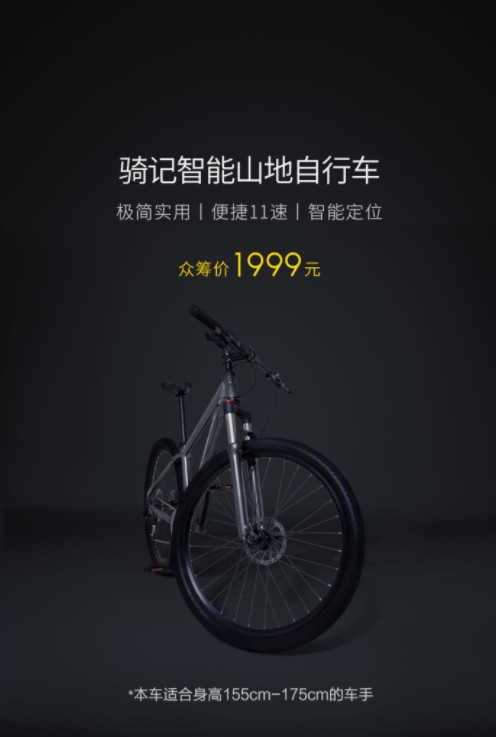
Xiaomi has launched yet under bicycle which is dubbed Mi Qicycle Mountain Bike which comes with a good number of features that ordinarily won’t be found on a bike. This is a mountain bike and so, is designed for hiking and Xiaomi put that into consideration when adding features to the bike.
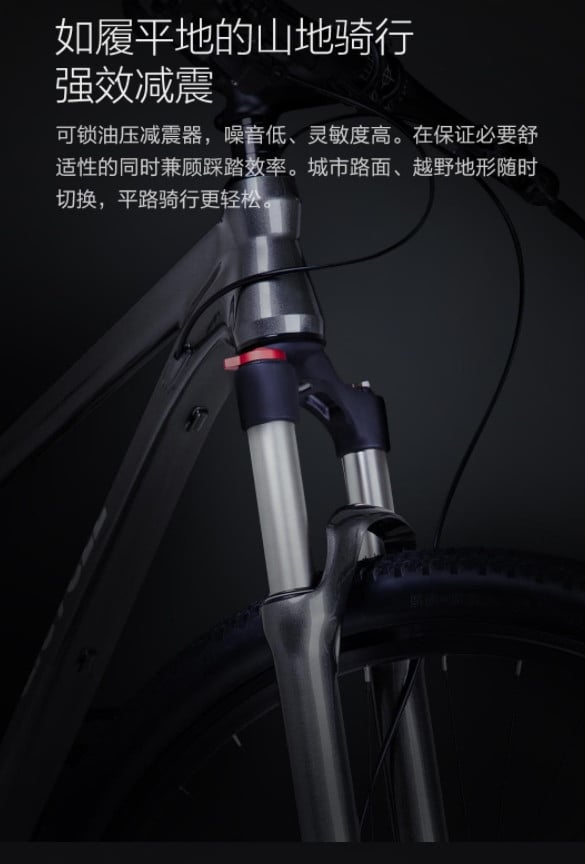
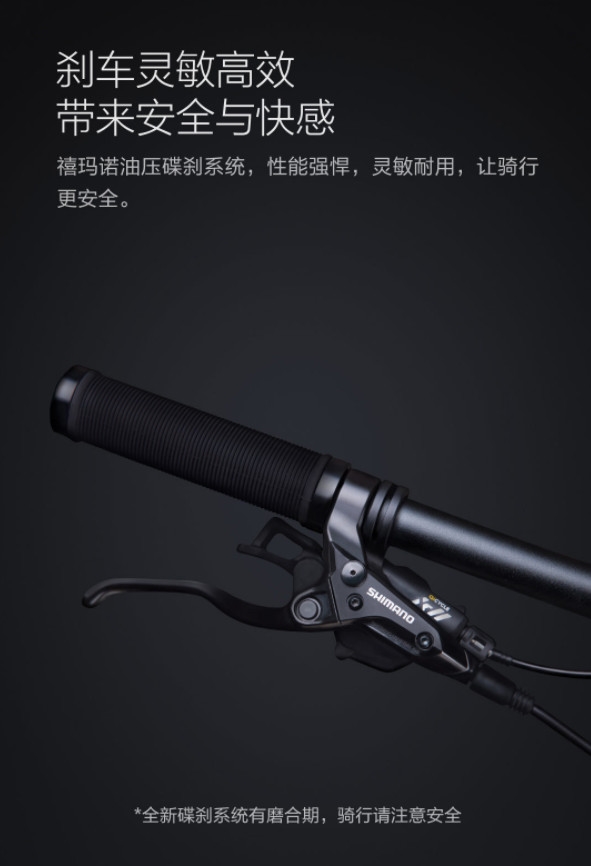
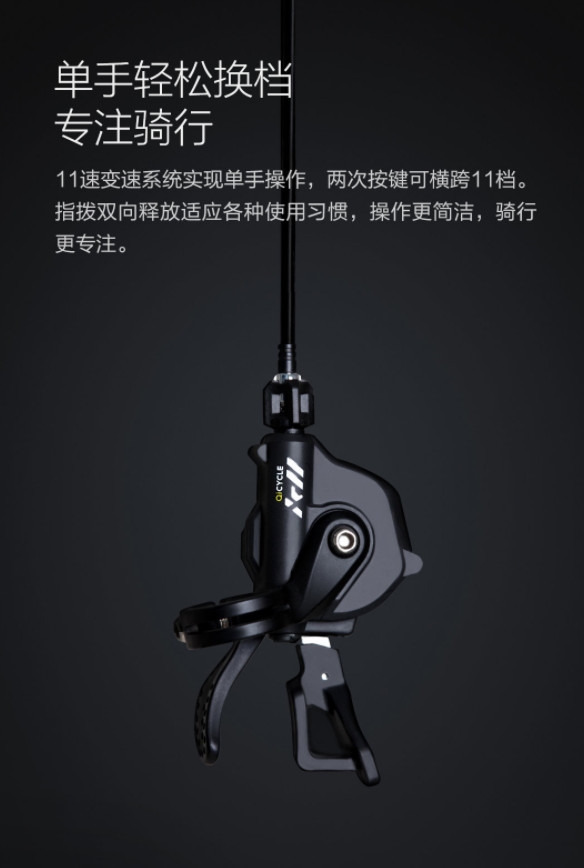
The Mi Qicycle mountain bike has a dimension of 1650 x 235 x 785mm. weighing just around 13.6kg and that is because it has a frame made from aluminum. The bike equally has wide 27.5-inch wheels which match the body. On the mechanical parts, the Qicycle mountain bike comes with 11-speed transmission system, Shimano hydraulic disc brake system, as well as a hydraulic shock absorber system which makes it easy to navigate through different terrain. Also, the bike is convenient for one-handed operation.
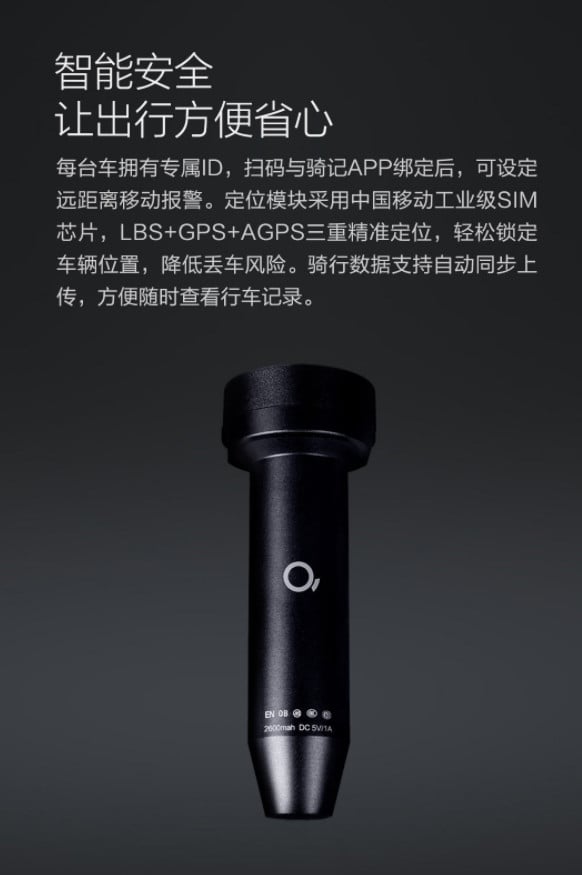
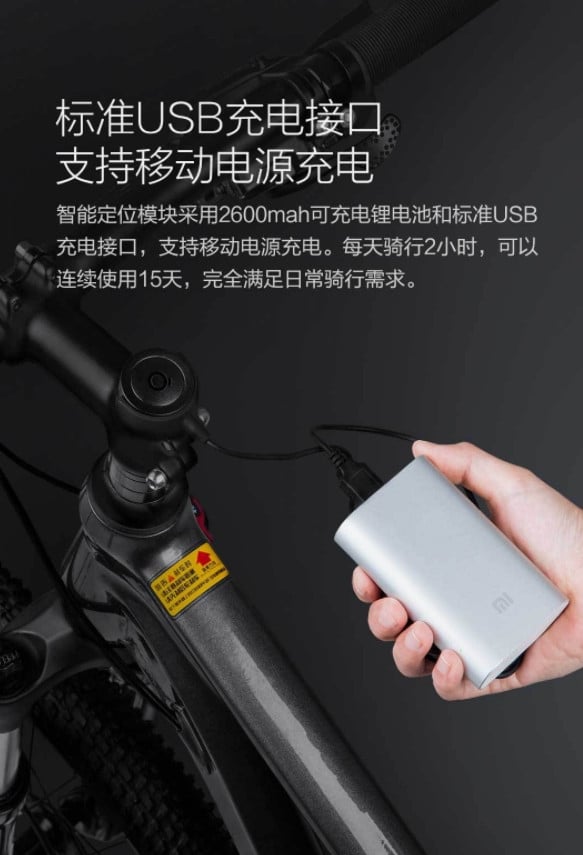
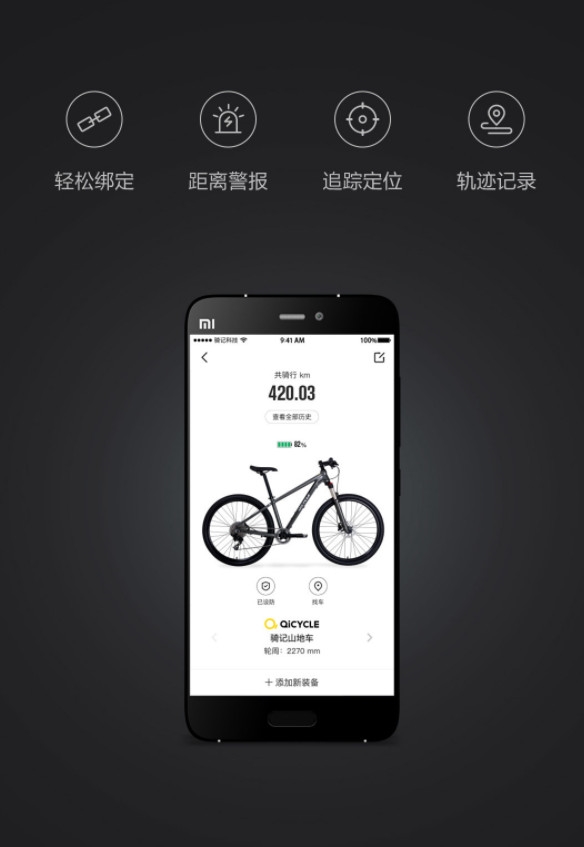
Now, talking about the Smart feature, the Mi Qicycle Mountain bike comes with Location based Services (LBS), GPS, and AGPS which all assist in locating the location of the bike and there is a China mobile SIM through which the feature works. In addition, there is a dedicated app where data such as track record, driving time and others can be checked via a compatible smartphone. The bike also has a distance alert which can be set at a desired distance which the rider would like to cover, so as not to exceed it. The smart module comes with a 2600mAh built-in Lithium battery which has the standard USB charging port. The battery can be charged via a mobile power bank and just two hours of charge can last up to 15 days usage.
As for the price, the Qicycle mountain bike is way cheaper than the super expensive $3,000 QiCycle R1 and is even cheaper than the foldable electric bicycle that sells for $455. It carries a modest price tag of just 1999 Yuan ($299). The bicycle is a crowdfunding product and is open for funding on Mi Home.
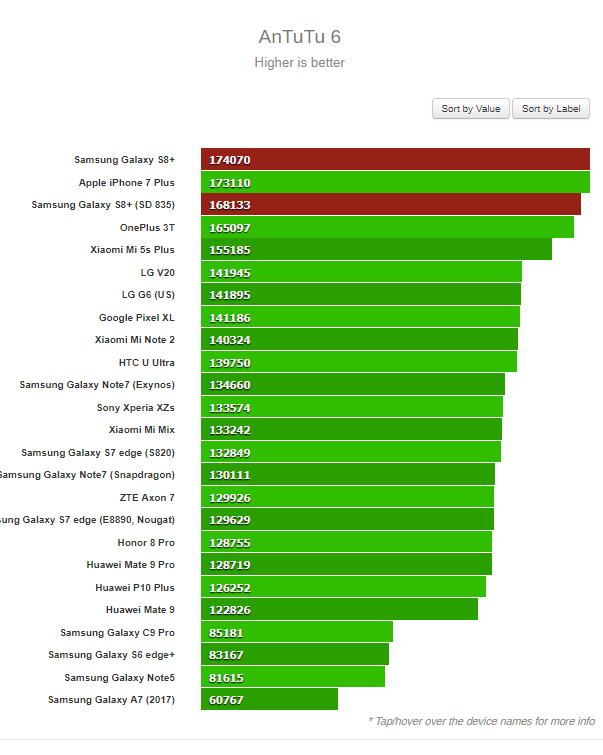
The launch of the Samsung Galaxy Note 8 is less than 2 weeks away. To keep us excited, there has been a steady stream of info about the device. Today the device has appeared on benchmarking sites, GFXbench and AnTuTU, providing us with more details.
Galaxy Note 8 GFXBench
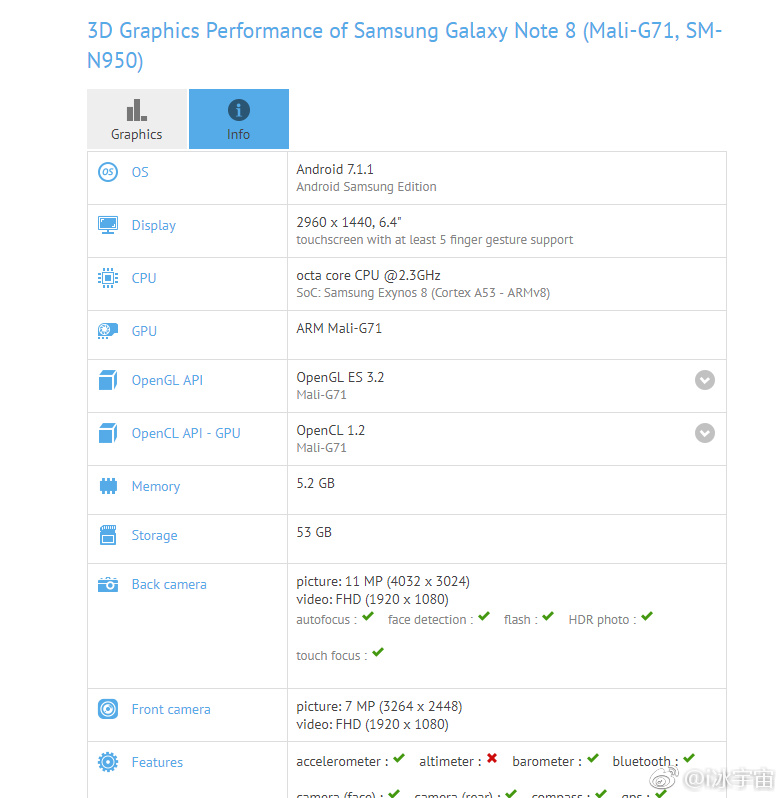
Starting with GFXBench, the version seen on the site is the Exynos-8895 powered variant (SM-N950). The device is shown to have a 6.4-inch display and not 6.3-inches as previously reported. The resolution is 2960 x 1440.
The Exynos 8895’s CPU is clocked at 2.3GHz and paired with a Mali-G71 GPU. There is 6GB of RAM and 64GB of storage.
For optics, GFXBench lists the camera as an 11MP (12MP) sensor. The Benchmark tool doesn’t identify the second camera but sources say the Note 8 may feature two 12MP sensors. Front camera is an 8MP sensor that can record in Full HD.
GFXBench also includes the usual sensors and connectivity features.
Galaxy Note 8 AnTuTu
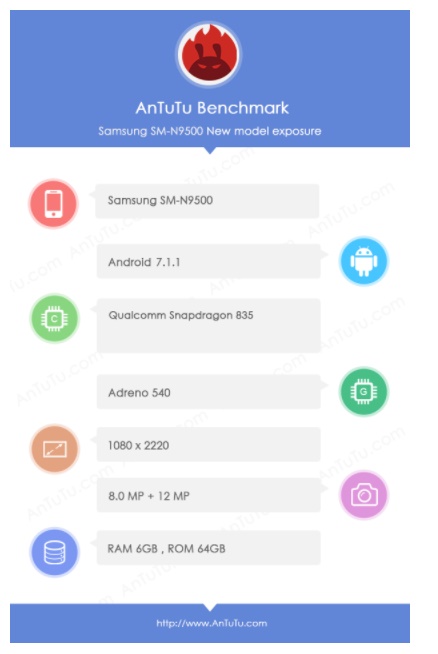
For AnTuTu, there are a number of differences. The model number is SM-N9500 and the processor is the Qualcomm Snapdragon 835 with the GPU as the Adreno 540. The display resolution is different at 1080 x 2220. This is the default resolution the Galaxy S8 was set to out of the box, though with the option to adjust it.
AnTuTu lists the camera configuration as 8MP and 12MP. RAM is 6GB and built-in storage is 64GB. Just like the Exynos variant, this version also runs Android 7.1.1 Nougat.
The Meizu M6 Note is scheduled for an August 23 launch. That day is important, not only to Meizu but to Samsung as they will launch the Galaxy Note 8.
The Meizu M6 Note isn’t in the same class as the Galaxy Note 8, but it will share one common feature with it, and that is dual rear cameras. A couple of days ago, an image of the M6 was posted showing the dual rear cameras of the phone. More images have surfaced today showing the shell of the phone and revealing an important detail about the cameras.
[envira-gallery id=”145070″]
Unlike the first image that showed a working phone but with the back plate missing, this image shows just the shell without the innards. The key detail we can make out from the new leak is that the cut-out for the dual cameras will have different sizes. Unlike other manufacturers that use the same cut-out size for the two sensors, Meizu is differentiating them. Look well enough and you can see that the top camera is bigger than the lower one.
Another detail the image reveals is the position of the quad LED flash. Just like in the Meizu E2, the LEDs will be placed on the antenna line.
The Meizu M6 Note is expected to launch with a 5.5-inch 1080p display, 4GB RAM and 64GB. There is mention of a 3GB RAM + 32GB model too. The M6 Note has been said to be powered by a Helio P25 but we have also seen another version with the Helio P20.
It could be as simple as saying the Helio P25 is for the 4GB RAM variant and the Helio P20 powers the 3GB RAM variant.
The rear cameras in the M6 Note are Sony IMX258 13MP sensors and there is a 4000mAh battery under the hood. Pricing is said to be ¥1599 (~$239) for the 4GB model.
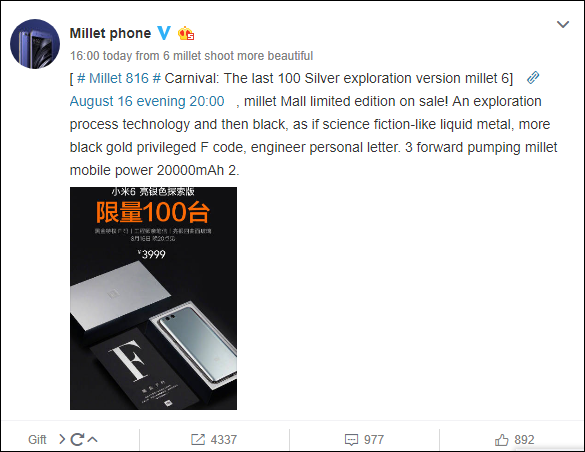
Xiaomi has disclosed via a Weibo post that it would be putting up the last 100 units of the Mi 6 Mercury Silver Limited Edition for sale and the sales would open on August 16 at 20.00. The sales would hold on Xiaomi Mall and incidentally, it would crown up the ongoing 8.16 promotional carnival.
The Xiaomi Mi 6 Mercury Silver Edition comes with a special design which sees its own glass body given a silver coating. The Mi 6 Silver variant’s own glass covering has a special ultra-reflective mirror finish with a different feel from the other variants. The glass body is coated by electroplating and this done using a special electroplating process which is carried out in a vacuum chamber. Xiaomi hinted that a single speck of dust during the process could render the entire batch useless and the yield is ultra-low, set at just 6%.
This disclosure could mean this will be the last batch of the Mi 6 Silver Edition that would be produced by the company while it shifts its focus to other products, including the upcoming Mi Mix 2. Already, the company has sold the first batch of 100 units on August 3 with each unit coming with a handwritten and signed “thank you” note by one of Xiaomi’s founders and an F-code. From the teaser, it is certain the next batch will also come with the F-codes as well as the letters. The Mi 6 Mercury Silver edition comes with 6GB RAM and 128GB storage and is priced at 3,999 Yuan (~$592) which is 1000 Yuan higher than the Black variant.
Bruce Lee has confirmed that the upcoming Huawei Mate 10 will be powered by the Kirin 970 chip. Yes, Bruce Lee. No, not that one. Damn! We are not necromancers. Bruce Lee, the Vice President of Handset Business at Huawei Consumer Business Group.
In an interview with Hardware Zone, the executive didn’t disclose much about the upcoming device but explicitly confirmed the chip of choice. He also revealed that it will offer exceptional performance and battery life.
Huawei Mate 10 Display & Design
The Mate 10 will feature a large display but a compact body. A few weeks ago it was reported that the phone may come with a new display design, trademarked as Entireview. Just like the Samsung Galaxy S8‘s Infinity Display and the LG G6‘ FullVision Display, the Mate 10’ Entireview display will give the phone a small form factor.
Huawei Mate 10 Features
When Mr. Lee was asked about other features the phone will have, he mentioned SuperCharge, which is Huawei’s fast charge technology. He refused to confirm if it would be waterproof.
He added that they hope to improve audio quality but didn’t say if the audio jack will remain. Although he said USB-Type-C is the way forward.
While we are not surprised that exciting details were withheld, he dis say Huawei was working on four core objectives for its smartphones. We presume the Mate 10 will feature at least one or all of the four:
performance and power efficiency
software improvements to reduce slowdowns
Improving the 4G and 5G capabilities of its smartphones
Improving camera performance
For the last objective, there is a chance the Mate 10 will also feature Leica-developed sensors like the Huawei P10 and P10 Plus.
We use cookies on our website to give you the most relevant experience by remembering your preferences and repeat visits. By clicking “Accept”, you consent to the use of ALL the cookies.
This website uses cookies to improve your experience while you navigate through the website. Out of these, the cookies that are categorized as necessary are stored on your browser as they are essential for the working of basic functionalities of the website. We also use third-party cookies that help us analyze and understand how you use this website. These cookies will be stored in your browser only with your consent. You also have the option to opt-out of these cookies. But opting out of some of these cookies may affect your browsing experience.
Necessary cookies are absolutely essential for the website to function properly. This category only includes cookies that ensures basic functionalities and security features of the website. These cookies do not store any personal information.
Any cookies that may not be particularly necessary for the website to function and is used specifically to collect user personal data via analytics, ads, other embedded contents are termed as non-necessary cookies. It is mandatory to procure user consent prior to running these cookies on your website.