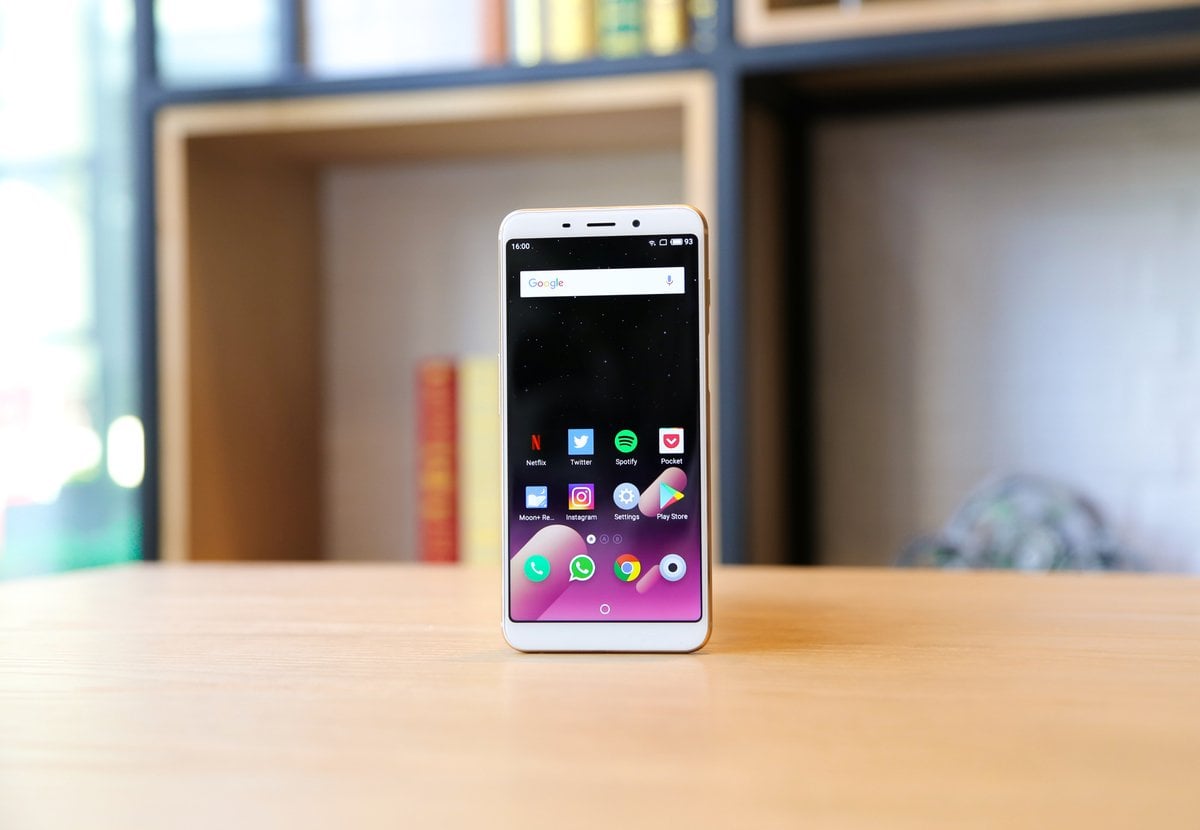
Yesterday, as expected, Meizu launched its latest smartphone — Meizu M6S. Before launch, there were reports suggesting that the company could use mBlu branding instead of Meizu branding on this device.
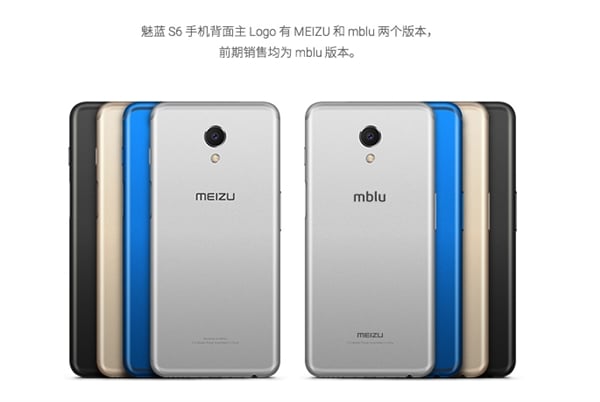
However, when launched, the renders of the phone revealed both brandings — mBlu as well as Meizu. Now, the company has clarified that the mBlu branding will be available only on the pre-ordered phones and the rest of the devices will have Meizu branding.
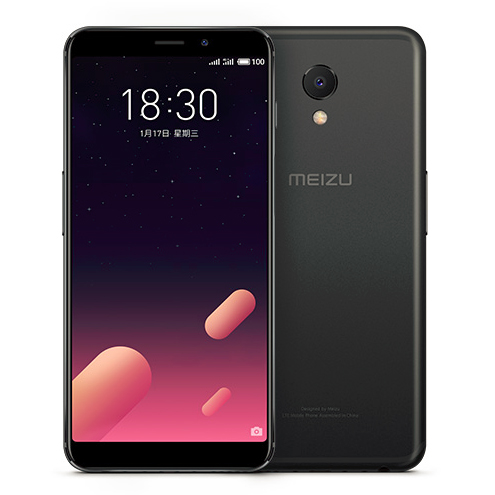
The phone features an 18:9 display on a full metal body, along with the same U shaped nano injection antenna design that we have seen on flagship grade smartphones.
The Meizu M6S (or mBlu S6) comes with a 5.7-inch 18:9 in-cell display with 1440 x 720p HD+ screen resolution. It boasts of 450 nits brightness, wide viewing angles and 1000:1 contrast ratio. Under the hood, it is powered by Samsung’s Exynos 7872 processor built on the 14nm process with two Cortex A73 performance cores and four Cortex A53 efficient cores.
Because of the full-screen display, Meizu decided to ditch its mBack button. So, to offer better navigation features, the phone features a dedicated pressure sensor chip and linear vibration motor, which enables users to control the phone with simple gestures.
The device packs 3GB of RAM and offers two variants based on the internal storage — 32GB and 64GB. It features Samsung’s 16-megapixel CMOS sensor at the back with f/2.0 aperture, 112μm pixel area, phase detection auto-focus, 5P lens, and a special HDR that’s developed by ArcSoft. There’s also an 8-megapixel front-facing camera sensor with f/2.0 aperture, ArcSoft algorithms, Intelligent facial brightness enhancement, and an adaptive beauty mode.
As of the software, Flyme 6.2 with the company’s OneMind AI engine. There’s is no information available on which version of the Android operating system this custom OS is based. The phone is fuelled by a 3,000mAh battery with 18W fast charging that promises to charge the battery up to 52% in just 30 minutes.
The Meizu M6S (mBlu S6) will go on sale from 19th January and will be available through JD.com, Meizu Mall, Lynx, and Suning. Offline sales of the device will begin from 20th January. The 32GB storage model is priced at 999 Yuan ($155) while the 64GB storage model costs 1199 Yuan ($186).
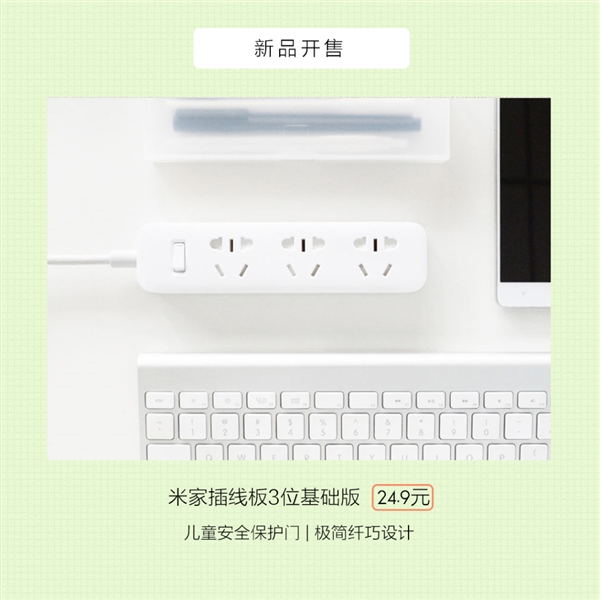
Xiaomi has officially introduced its latest lineup of power strip panels and it is already available in Mi Mall. One of them is a new 3-outlet Mi Power Strip which is different from the previous model with 3 socket outlets in that there are no USB ports on this version. This is done to eliminate extra cost and for use in the kitchen where the gadgets don’t really need the USB interface.
Xiaomi first released the Mi Power Strip in 2015 and the first model with three outlets and three USB interfaces came with a price of 49 Yuan. The compact and elegant design was the delight of many and this quickly garnered attention to the product. Xiaomi last year released several new models with several customizations and now, three new power strips have been added to the line, with features which make them suitable for use at home, in the office and other places.
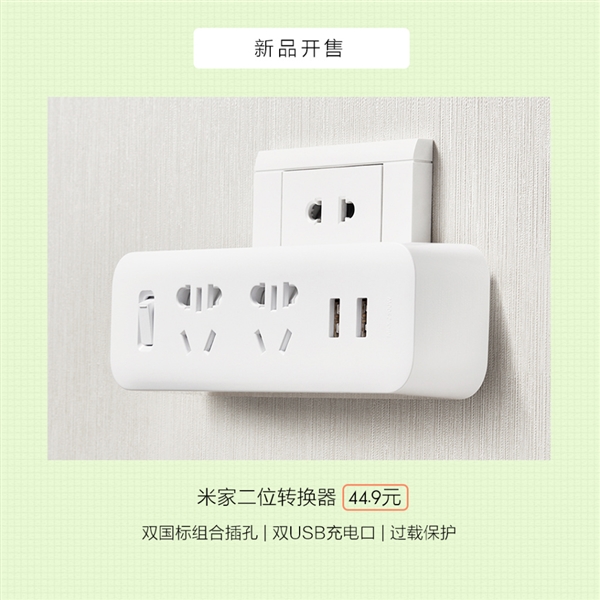
The second Power Strip model is a 44.9 Yuan (~$7) 2-outlet converter which converts a single socket into two outlets. The socket also provides two USB interfaces and this could come useful at the bedside where you need to plug the bedlamp and at the same time connect the smartphones to charge.
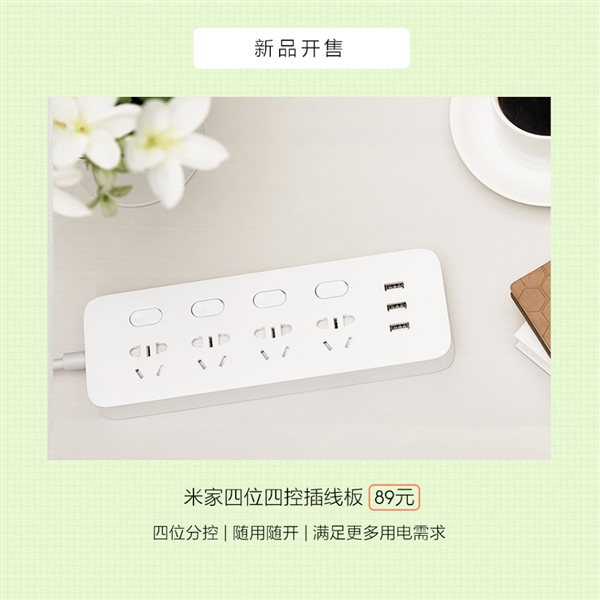
In addition, there is a new 89 Yuan (~$14) 4-outlet Mi Power Strip with three USB interfaces. This model is quite different from previous one in that each of the outlets has its own independent control switch. The USB ports are said to support 2A fast charge and can also identify the power rating of devices in order to modify the power output. All power strips also come with protection against virtual access, heat, the risk of fire and also child safety as each of the outlet has a security gate covering the visible internal electrical components.
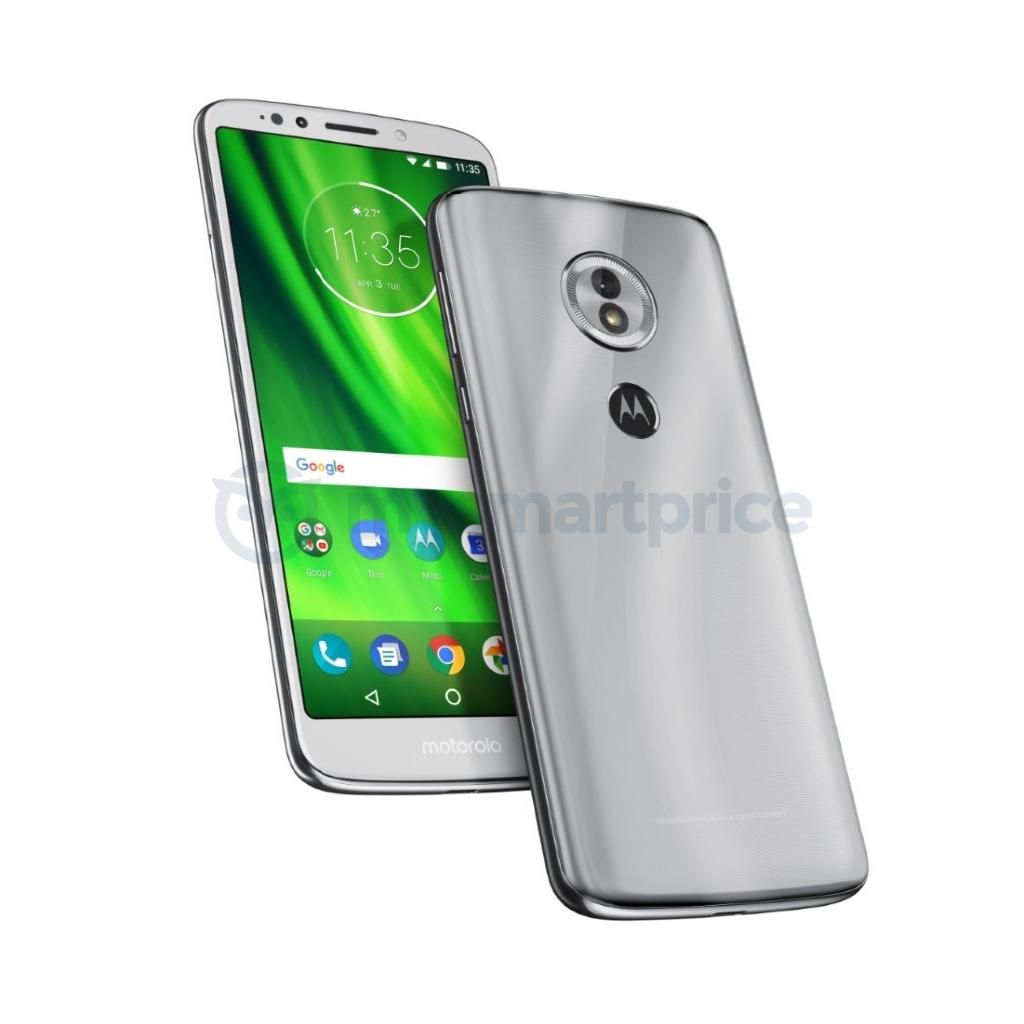
Yesterday, Droid-Life had revealed the leaked renders of the upcoming 2018 Motorola smartphone such as Moto G6 series, Moto Z3 series and Moto X5. Earlier in this week, My Smart Price, an Indian publication had also revealed a leaked render of the forthcoming Moto E5 smartphone. The same publication has now released fresh renders of the Moto G6, Moto G6 Plus and Moto G6 Play. Also, some leaked shots of a prototype of Moto G6 Plus have also surfaced.
Moto G6 and G6 Plus
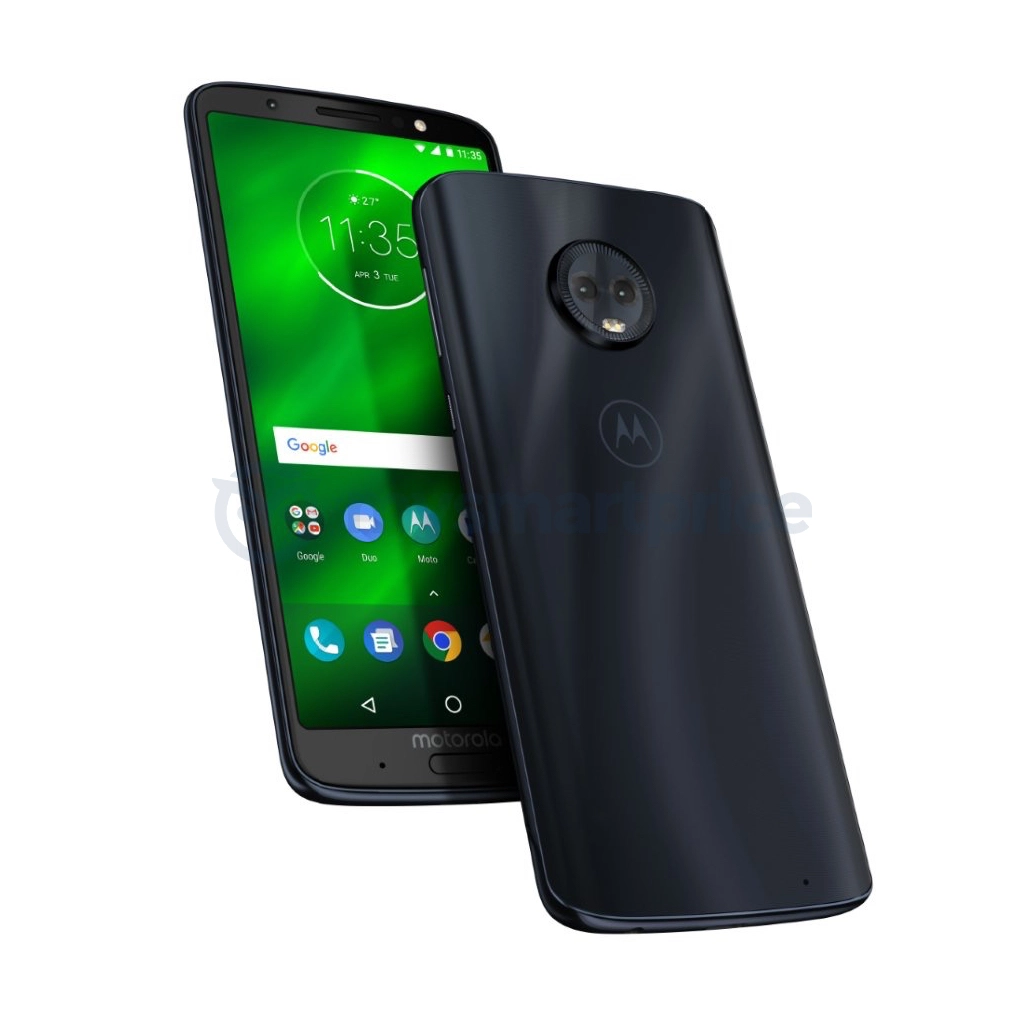
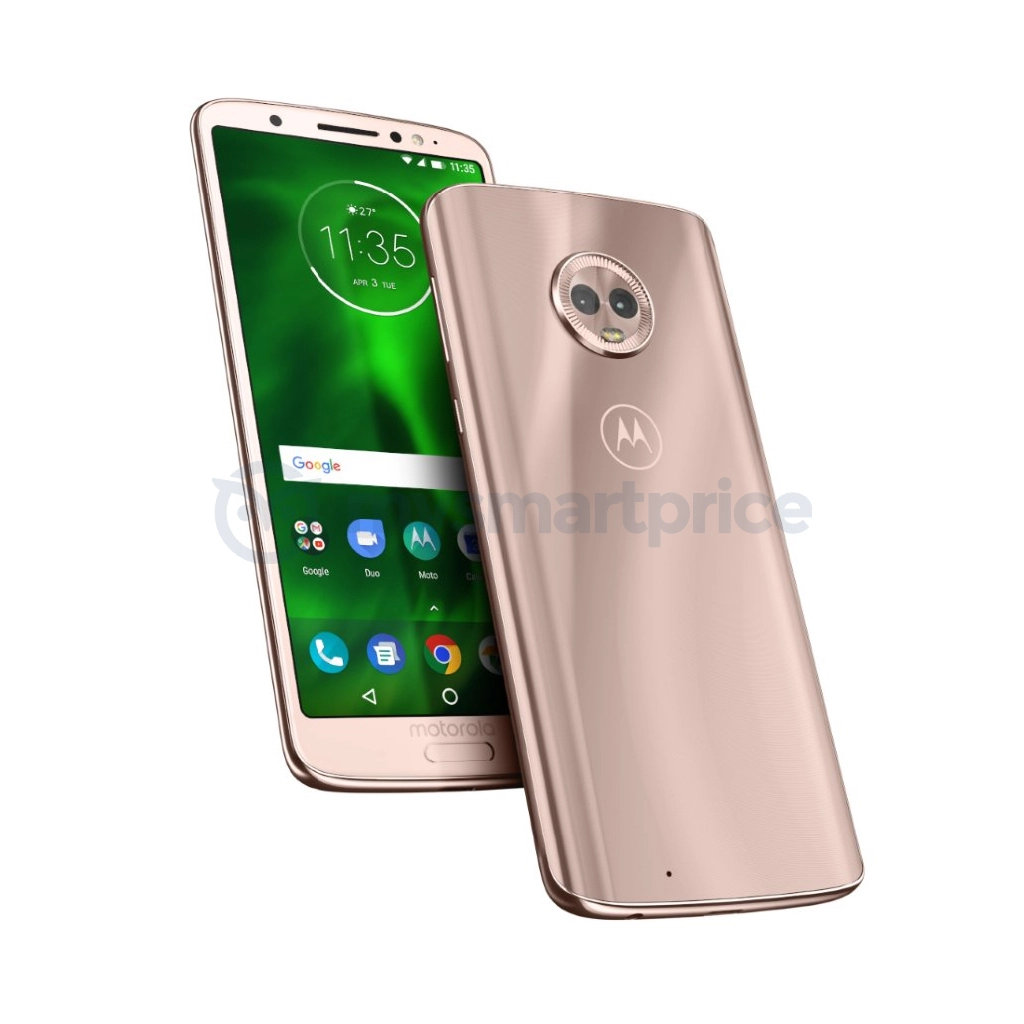
According to the Indian publication, the Moto G6 lineup revealed in new renders show that these phones will be sporting a metal and glass combination design. Also, the rear design of these phones resembles with the Moto X4 that was unveiled last year.
The chin of the Moto G6 and G6 Plus smartphones are equipped a “motorola” placed above a thin-sized home button that is embedded with fingerprint reader. A batwing-like Moto logo is present on the back panel of these phones.
The dual-LED enabled dual camera setup is available on the Moto G6 and G6 Plus. These smartphones also feature a dedicated LED flash for the selfie camera. The Moto G6 is expected to arrive in color choices like Rose God, Black and Silver. The Moto G6 Plus may arrive in same colors as the G6, but it is also speculated that it may come in colors like Black, Dark Teal and Silver. Both the phones are rumored to be respectively priced at $240 and $330.
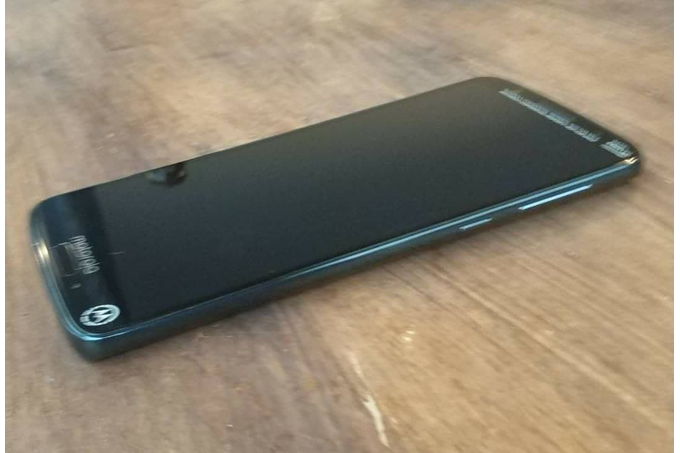
The following images reportedly belong to a pre-production unit of Moto G6 Plus. These images resemble with the render of the smartphone shown above as well as the images revealed by Droid-Life.
Moto G6 Play
Like the G6 and G6 Plus, the rear design of the Moto G6 Play resembles with Moto X4 and it is also expected to arrive with metal and glass combination body. However, it lacks some features like dual camera setup and front-facing home button. The dimpled logo placed below the rear camera is expected to come integrated with a fingerprint sensor. It also features a “motorola” brand name on it chin.
Also, it is expected to arrive with a conventional display that supports 16:9 aspect ratio. The front-facing camera of the G6 Play is accompanied by a LED flash. It may arrive in the market in color options like Dark Charcoal, Deep Blue and Gold.
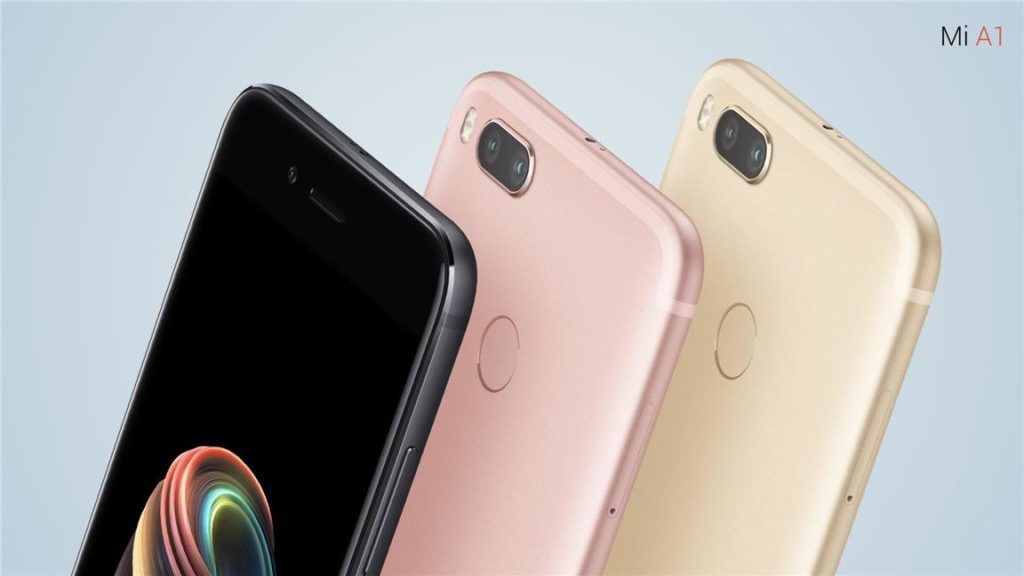
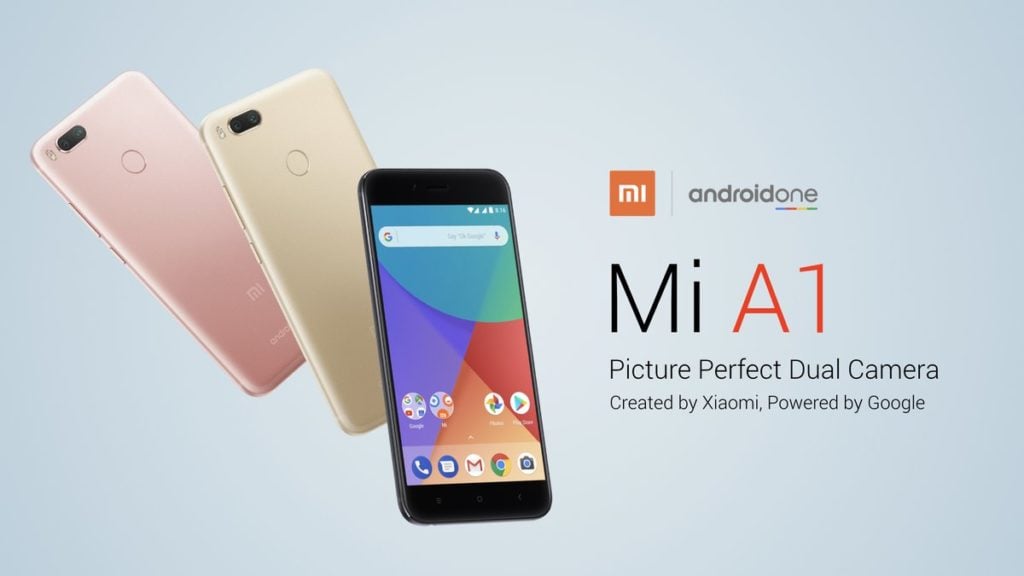
The well-received Xiaomi Mi A1 sports a 5.5-inch multi-point capacitive touchscreen with a resolution of 1920 X 1080. Housed in an ultra-thin full metal body, this dual-SIM device is equipped with a powerful Qualcomm Snapdragon 625 8-Core CPU.
The Mi A1 offers 4GB of RAM and 64GB of onboard storage. On the photography front, it sports a 12MP camera on the back and a 5MP front shooter. The Mi A1 packs Adreno 506 650MHz graphics processing unit, under the hood.
Although the Mi A1 is rife with a myriad notable specs and features, it still bears an economical price tag of $261.79. The global version of the much sought-after phablet is available in three color options including gold, rose golden and black on Cafago.
Buyers can apply coupon code ‘JPZ146’ at the time of checking out and save $47.84. In other words, you just need to pay $213.95 in order to get your hands on Xiaomi Mi A1 phablet. Click here to take advantage of the discount before it comes to an end.
Many smartphone OEMs are getting ready to unleash their flagship smartphones at the start of this year. During the unveiling of the Snapdragon 845 mobile platform at the Snapdragon Tech Summit 2017 that was held in December 2017, Xiaomi CEO Lei Jun had said that the company’s next flagship phone would be powered by the Snapdragon 845. The company will be present at the upcoming Mobile World Congress (MWC) 2018 that will be held in the next month. Previous reports have revealed that the company may unveil the Xiaomi Mi 7 flagship phone at MWC 2018. However, a new rumor suggests that there is a possibility that the company may debut the Xiaomi Mi MIX 2S smartphone at MWC 2018.
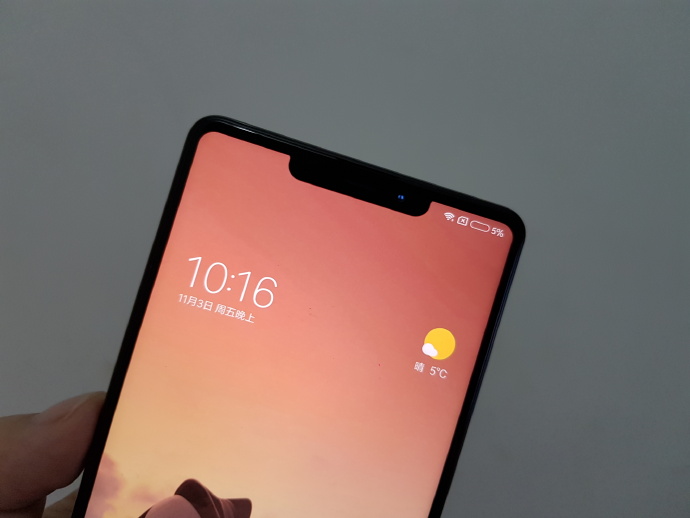
It is a known fact that Apple is trendsetting company. After the launch of the iPhone X that has a full screen design with a notch at the top, other smartphone OEMs are also reportedly working on unveiling similar looking flagship phones. For instance, the Huawei P20 that is rumored to feature a 6.01-inch LCD display may sport a notch at the top.
Xiaomi too is rumored to be working on a device that will have a full screen design that has an iPhone-like notch. It is reportedly codenamed as Polaris and it is likely to arrive in the market as Xiaomi Mi MIX 2S. It is speculated that its notch may feature facial recognition sensor. The Snapdragon 845 chipset is expected to fuel the smartphone along with 6 GB of RAM. It may feature a dual camera setup featuring a 12-megpaixel RBG sensor and a 12-megapixel monochrome sensor on its rear panel. Speculations are rife that it may offer an aspect ratio of 19.5:9. As far as the pricing is concerned, it may arrive with a price tag of 3,000 Yuan.
As far as the Xiaomi Mi 7 is concerned, it is expected to arrive with a full screen design fitted with an 18:9 aspect ratio screen. One of its dual camera sensors could be Sony IMX363. Fresh information suggest that Xiaomi is yet to finalize on the design of the Mi 7. Its final design could be similar to the iPhone X. The Mi 7 may end up looking like the Mi MIX 2S.
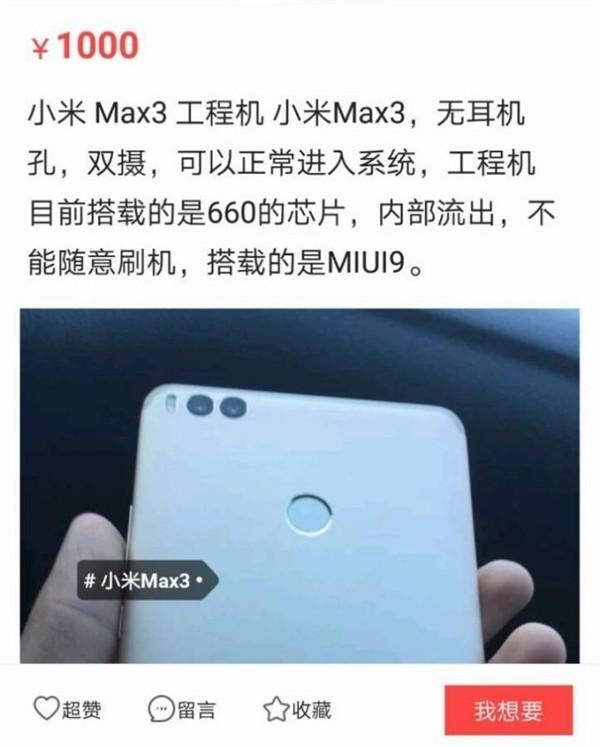
Xiaomi is yet to reveal its total shipments for 2017 but we know the tech company did well in terms of its total revenue. Last year saw Xiaomi releasing a number of new models and one of those was the Mi Max 2 phablet. The Mi Max 2 is about to get a successor in the Mi Max 3 and the photo of the device has appeared in a new leak.
The leaked photo is that of the rear panel and it looks very much like the Max 2 when viewed from the rear. The major difference is that the Mi Max 3 packs a dual rear camera setup which is located at the top left corner. The device also packs a rear-mounted fingerprint sensor, perhaps due to the full-screen design expected to reign up front. One wonders how a rear fingerprint sensor can be easily accessed in a phablet-sized device.
Apart from the design, the leak also shed some light on the expected specs of the Xiaomi Mi Max 3. Top of the list is the presence of a Qualcomm Snapdragon 660 premium midrange chipset. An earlier leak had mentioned the Mi Max 3 as coming with a Snapdragon 835 flagship chip but that isn’t likely the case. The Mi Max 2 came with a Snapdragon 625 chipset. An upgrade to a Snapdragon 660 is adequate to still make it an affordable mid-ranger. The leak also reveals that the Mi Max 3 would run on MIUI 9 out of the box which is expected. In addition, the device will be priced at 1,000 Yuan and we can’t help going ballistic over this one. It is very much unlikely! The Mi Max 3 should come with a price hovering around 1,500 Yuan ($233)/ 1,600 Yuan ($249). Further, the Mi Max 3 would feature a 6.99-inch fullHD+ (2160 x 1080) display, along with 3GB / 4GB of RAM and 64GB / 128GB of native storage, which will probably be expandable. The phone will probably also be equipped with two SIM card slots, while it will likely be fueled by a 5,500mAh non-removable battery with Qualcomm’s Quick Charge 3.0 fast charging.
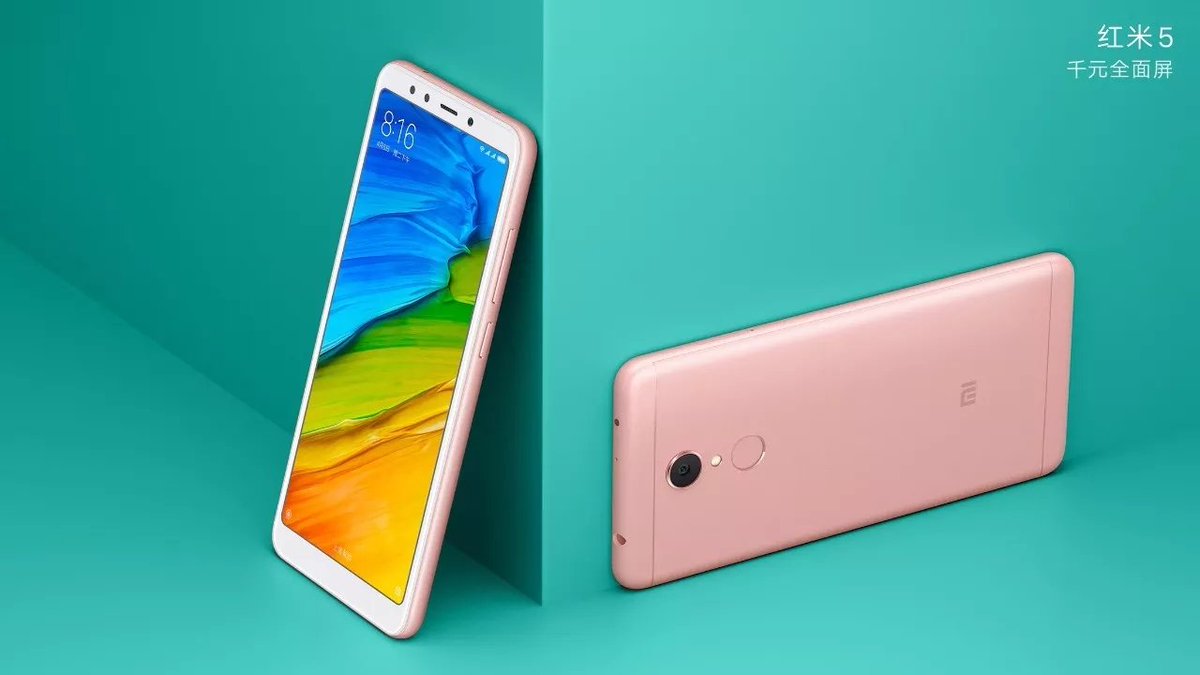
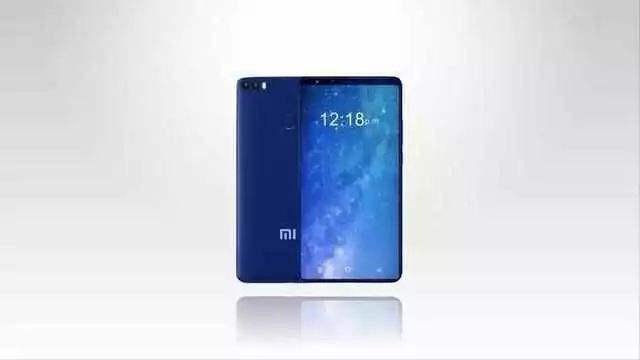
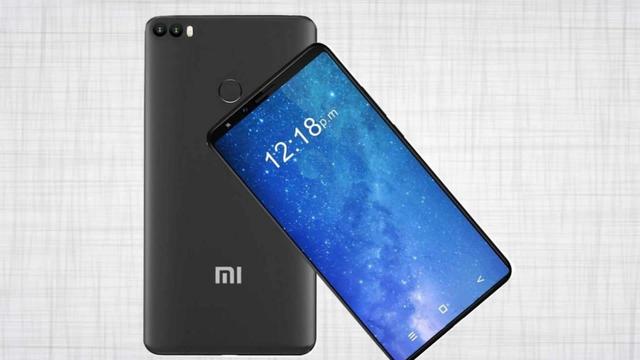
Th dual camera setup at the rear consists of two 12MP sensors while at the front will be a 5MP selfie camera. One other aspect the Mi Max 3 is expected to be markedly different from its predecessor is the display design. The device is expected to feature thinner bezels just like the Redmi 5 and Redmi 5 Plus. A set of renders were also released to give an idea of how the Mi Max 3 would look up front. We can’t say if Xiaomi will be adopting such design for the Max 3.In addition, there’s no word yet on the launch date but that may not happen until mid-2018. So, we’ll be on the lookout for more details of the device.
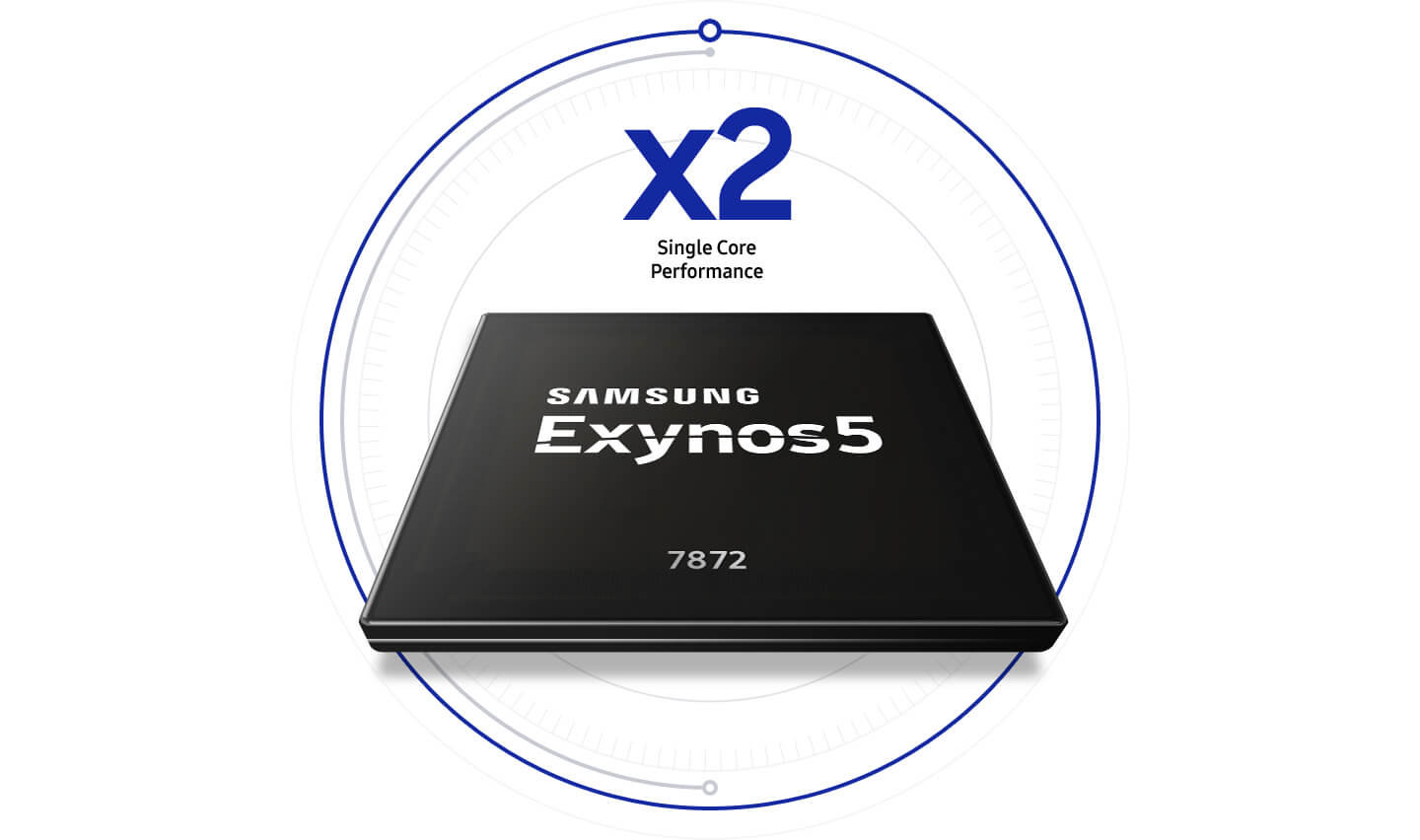
Samsung has officially unveiled the new Exynos 5 series chipset called Exynos 7872. This new SoC is designed for mid-range smartphone and the recently announced Meizu M6S is the first smartphone to be fueled by it.
Built on a 14nm FinFET manufacturing process, the Exynos 7872 features a hexa-core processor. It includes two cores of Cortex A73 that clocks at 2.0 GHz and four cores of Cortex A53 that woks at 1.6 GHz. The chipset also includes Mali-G71 MP1 graphics. Compared to its predecessor, it delivers two times better single-core performance that results in smooth multi-tasking, quick internet browsing and app launching.
Smartphones featuring this chipset can feature a display that supports maximum resolution of 1920 x 1200 pixels. However, smartphones driven by this chipset won’t be supporting Full HD+ resolution of 2,160 x 1,080 pixels.
The Exynos 7872 chipset can be coupled with LPDDR3 RAM. For storage, it offers support for eMMC 5.1 and SD 3.0. It can support up to 21.7-megapixel rear-facing camera and up to 21.7-megapixel selfie camera. There is no support for dual rear cameras. It is capable of full HD video encoding and decoding at 120fps with HVEC and H.264 codec. The chipset also supports up to 8-megapixel iris camera sensor.
For data connectivity, it features Cat. 7 LTE modem that offers maximum down speeds of 300 Mbps and upload speeds of 150 Mbps. It also carries support for Wi-Fi 802.11n dual-band, Bluetooth 5.0, FM Radio and NFC. When it comes to positioning, the Exynos 7872 is equipped with support for GPS, GLONASS, BeiDou and Galileo.
The South Korean tech giant has also recently introduced the Exynos 7885 chipset that powers the newly unveiled Galaxy A8 (2018) smartphone. It is an advanced hexa-core chipset built with 14nm manufacturing process. It carries support for full HD+ resolution as well as dual cameras.
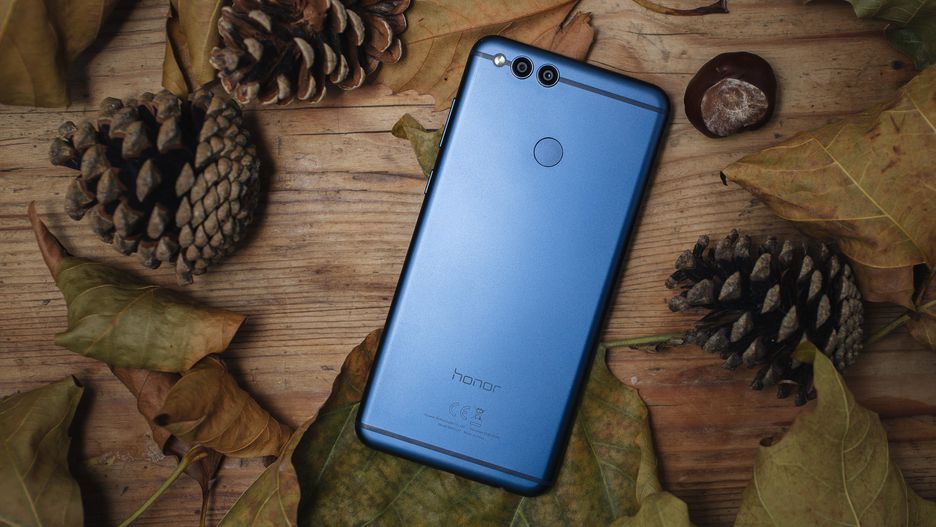
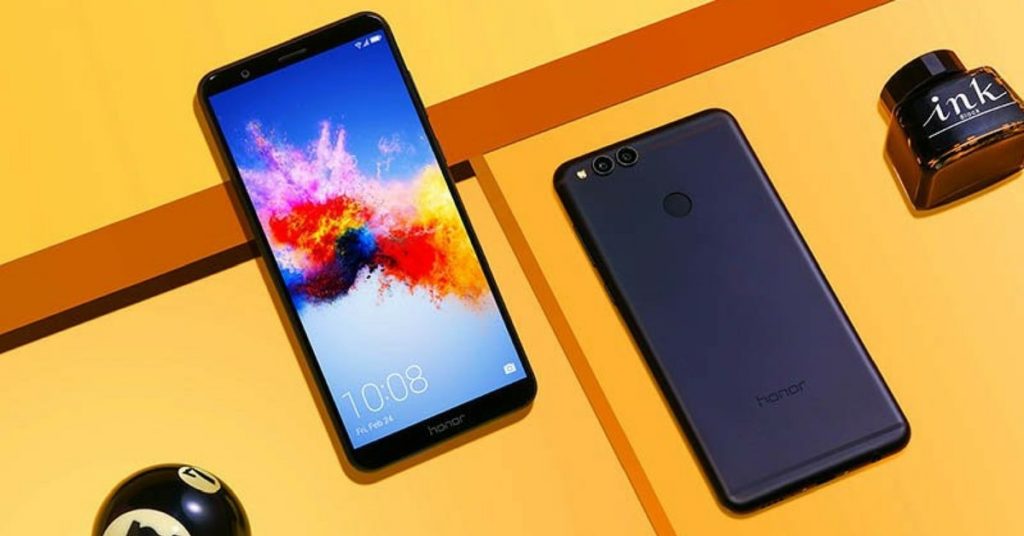
You can now get your hands on Huawei Honor 7X 4G smartphone without shelling out a lot of money. The international online retail company, LightInTheBox is currently offering a considerable 45% discount on the global version of the well-received handset.
The Honor 7X garnered skyrocketing popularity among smartphone fanatics since it boasts a slew of exceptional features and specification. Let’s take a gander at what the device has to offer in terms of specification.
First off, the Honor 7X comes with 4GB of RAM, and 64GB of onboard storage. It is powered by Hisilicon Kirin 659 processor, which is paired with Mali T830-MP2. Furthermore, it runs on EMUI 5.1 based on Android 7.0 operating system.
On the photography front, the Honor 7X offers rear-mounted dual-lens 16MP+2MP camera and an 8MP front snapper with Effects function for the selfie addicts. The phone is backed by a robust 3340mAh battery, which is equipped with power saving technology.
The Honor 7X is available in a golden color version on LightInTheBox. It’s also worth noting that only 197 pieces remaining at the time of writing. You can head straight to this link and take advantage of the promo before it comes to an end.
Banggood is kicking off the New Year with a discount on selected Ulefone-branded smartphones. Let’s delve straight into the details.
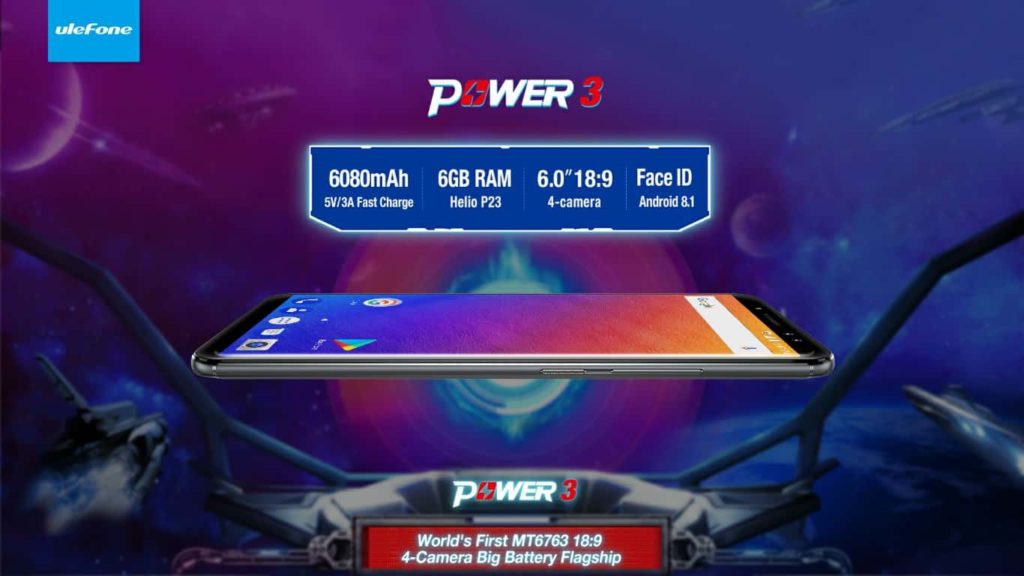
Ulefone Power 3
You can save 27% by preordering Ulefone Power 3 4G Smartphone on Banggood. The site has reduced the handset’s original asking price of $299.99 to just $219.99. In addition to that, you earn 219 Banggood points.
Those who pre-order the Power 3 smartphone before the promo ends will be eligible to receive a $50 gift that comprises a protective case, protective film, Type C to 3.5mm headphone adapter, Micro USB to Type-C adapter, and an OTG cable.
There were only 61 pieces of both gold and black versions of the powerful smartphone left at the time of writing. Moreover, this promotion sale is slated to end on Monday, January 22.
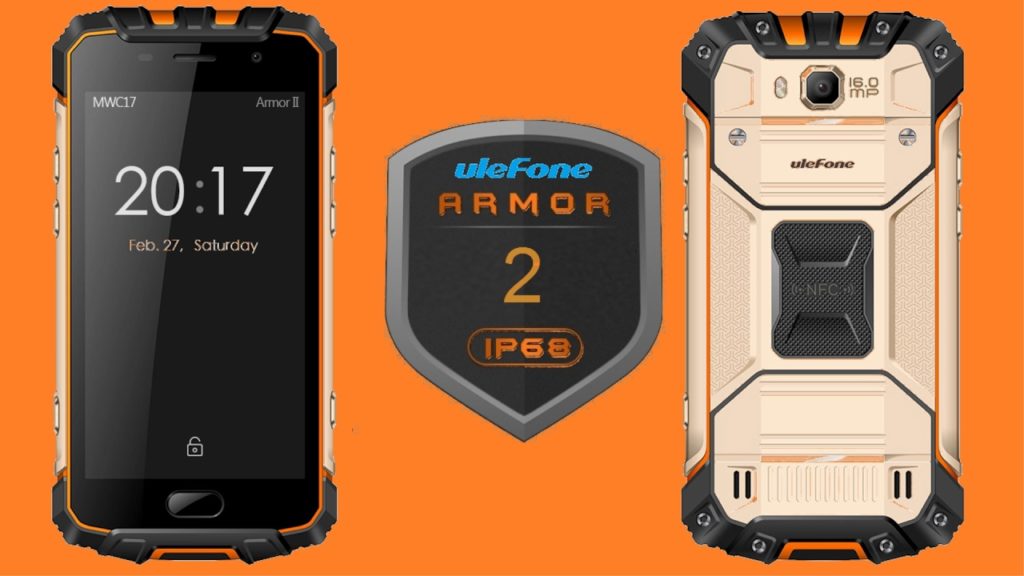
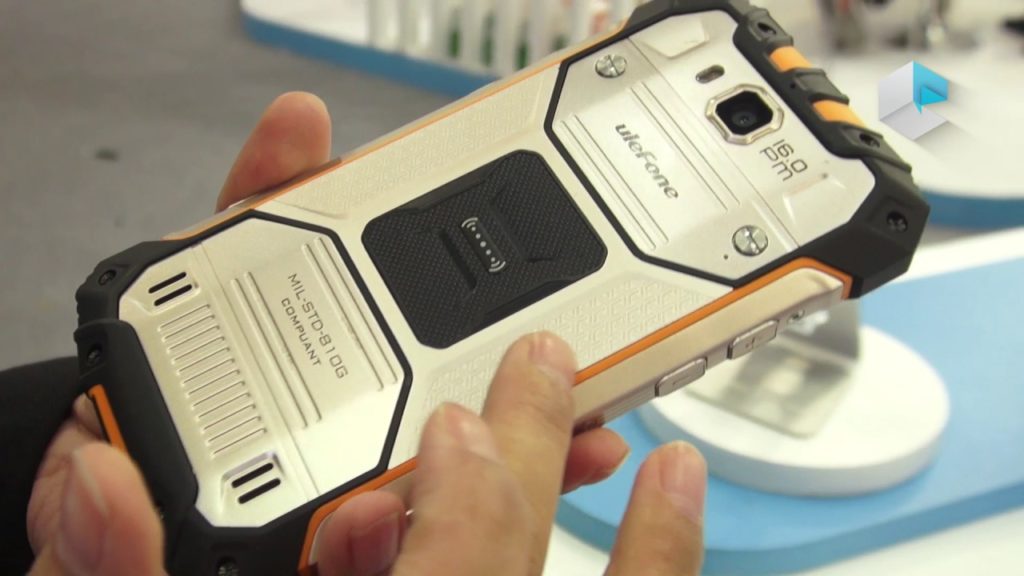
Ulefone Armor 2
As part of its New Year Promotion, Banggood is offering 14% off on the Armor 2 4G smartphone. The discount will be valid for 41 pieces of the handset, which were remaining at the time of writing. The promotion sale is slated to wrap up on Monday, January 22.
The smartphone is currently up for grabs on Banggood for just $239.99, which is a considerable reduction in the device’s original sale price of $279.99. You can choose from dark gray and golden color options of the Armor 2 smartphone, which comes with an IP68 waterproof IP rating.
The Armor 2 sports a 5.0-inch FHD display with a screen resolution of 1920X1080 pixels. Under the hood, it packs a powerful MTK Helio P25 Octa-Core 2.6Ghz processor, coupled with 6GB of RAM and 64GB of onboard memory.
Ulefone Armor 2S
Sporting a 5-inch display with a screen resolution of 1920 X 1080 pixels, the Armor 2S comes with 2GB of RAM, 16GB of internal memory and is powered by MTK MT6737T Quad-Core 1.5Ghz processor. The 4G smartphone is up for preorder on Banggood for only $159.99. This is a 30% reduction in the handset’s original selling price of $229.99.
This discount is valid for green, red, dark gray and gold color versions of the Armor 2S smartphone. It’s worth noting that there only 98 pieces left at the time of writing. Apart from earning 159 Banggood points, you’d also receive a $30 gift when you preorder Ulefone Armor 2S 4G smartphone on Banggood.
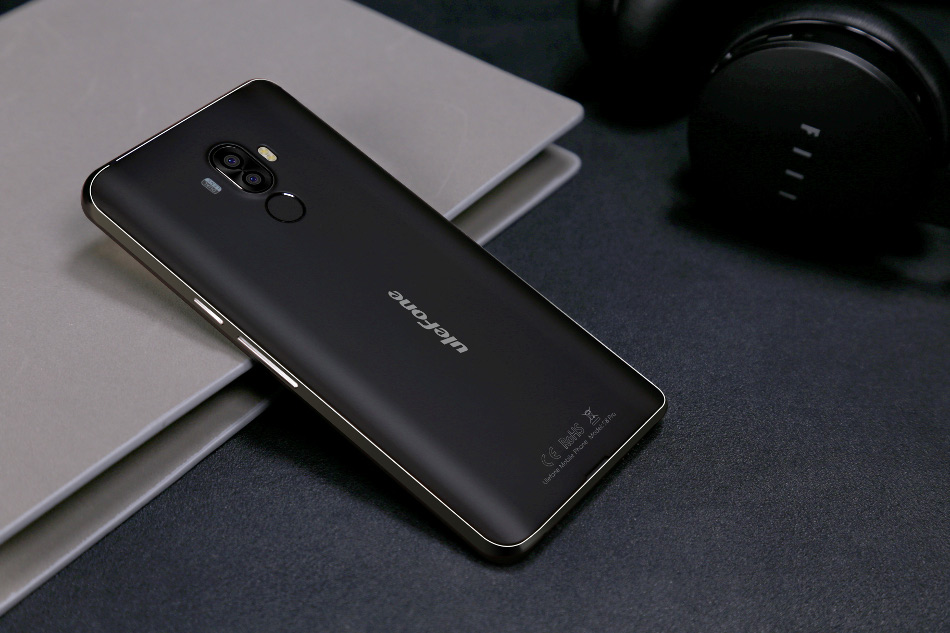
Ulefone S8 Pro
The S8 Pro comes bearing a relatively low price tag of $99.99, but Banggood is making it even more economical by offering a 10% discount on its original selling price. You can now get your hands on gold and black color versions of the handset by shelling out just $89.99 on Banggood.
The S8 Pro sports a bigger 5.3-inch HD Capacitive Touch Screen display with a resolution of 1280 X 720 pixels. It offers 2GB of RAM, 16GB ROM and runs on Android 7.0 operating system. Aside from that, you also receive a $20 gift and 89 Banggood points.
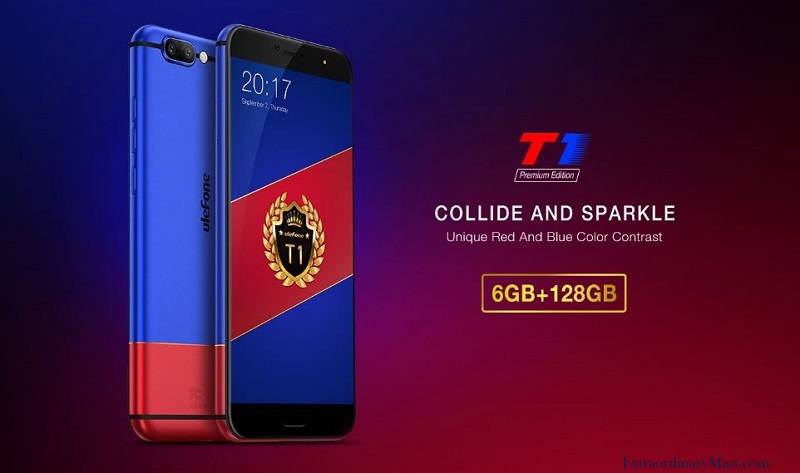
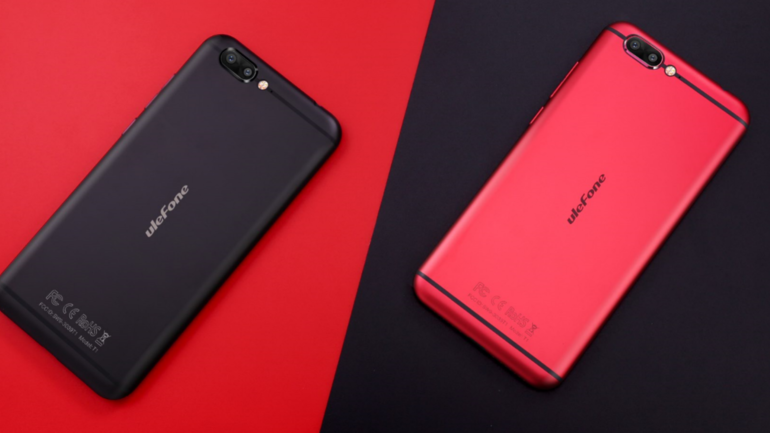
Ulefone T1
The red and blue-hued premium versions of Ulefone T1 4G smartphone is available on Banggood at a cut-price of $269.99. The site is offering 10% markdown on the handset’s original selling price of $299.99.
Powered by MTK Helio P25 Octa-core processor, the T1 is equipped with ARM Mail-T880 1GHz GPU, 6GB of RAM and 128GB of internal memory, under the hood. On the photography front, the device sports a 16MP+5MP dual camera setup on the back and an 8MP front shooter.
While you can earn 269 Banggood points by purchasing the Ulefone T1, it’s important to bear in mind that there were only 17 pieces left at the time of writing. You also receive a $40 gift.
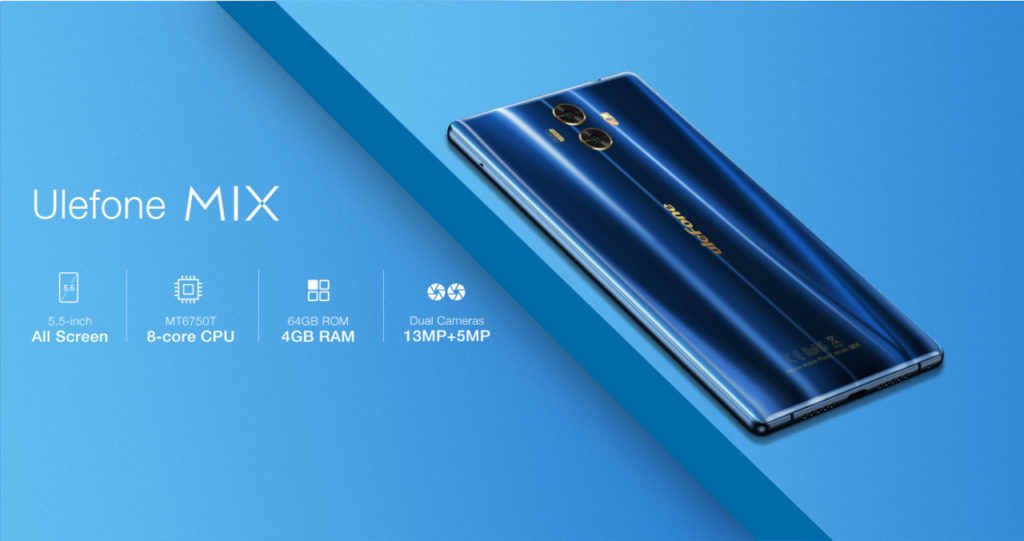
Ulefone MIX
Featuring a 5.5-inch all screen display with a screen resolution of 1280 X 720 pixels, Ulefone MIX is crammed with awe-inspiring specs and features. However, the MIX didn’t propel to skyrocketing popularity since it carried a steep price tag of $271.99.
Much to the delight of those who’ve have been waiting to get their hands on Ulefone MIX without burning a hole in their pocket, the handset is now available at a heavily discounted price of just $135.99 on Banggood.
You can choose from blue or black color options of the MIX on Banggood before the remaining 28 pieces are sold out. It’s also worth noting that the promo is slated to end soon. You also receive a $30 gift.
Ulefone MIX 2
The MIX 2 has a relatively bigger 5.7-inch all screen with a screen resolution of 1440 X 720 pixels. The device comes with 2GB of RAM and 16GB of internal memory, which can be expanded up to 256GB using an external Micro SD card. Banggood is currently offering a considerable 20% off on both blue and black color version of the MIX 2 4G smartphone. This brings the device’s original asking price of $129.99 down to just $103.99. In addition to earning 103 Banggood points, you’d also be eligible to receive a $30 gift when you purchase the MIX 2 from the site.
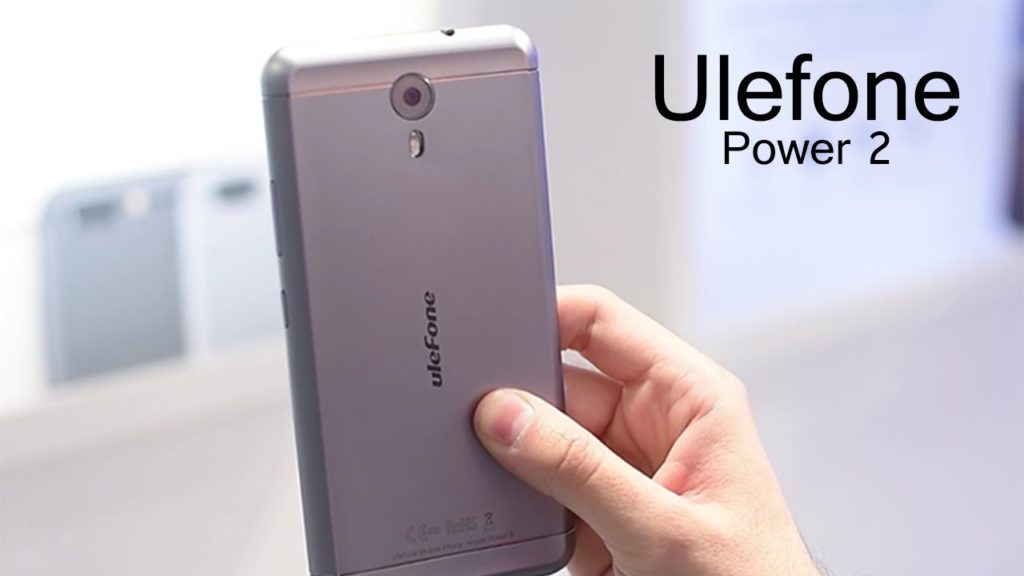
Ulefone Power 2
There are three color options including black, gold and gray of the Power 2 4G smartphone bearing a discounted price tag of $164.99 on Banggood, The site is offering an 8% discount on the phone’s selling price of $179.99.
In terms of specs, the Power 2 smartphone offers 4GB of RAM, 64GB of expandable memory and a 5.5-inch FHD display with a Corning Gorilla Glass 3 for protection. The handset is powered by MTK6750T, Octa-core processor, which is paired with Mali-T720 GPU.
Banggood is not only giving 164 points but also handing out a $30 gift to those you purchase Ulefone Power 2 from the site. However, only 38 pieces of the handset were left at the time of writing.
Ulefone T1
You can get your hands on the global version of Ulefone T1 by shelling out just $212.99 on Banggood. The popular online store is offering 18% reduction in the handset’s original asking price of $259.99.
However, budget-conscious buyers who are planning to take advantage of this promo should bear in mind that only 45 pieces were left at the time of writing. The promo is valid for red and black color options of the T1. You get a $40 gift along with 212 Banggood points.
Banggood’s Ulefone New Year Promotion, which offers up to 50% discount on some of the most sought-after smartphones’ original price, will end soon. You can head straight to this link in order to take advantage of the promo.
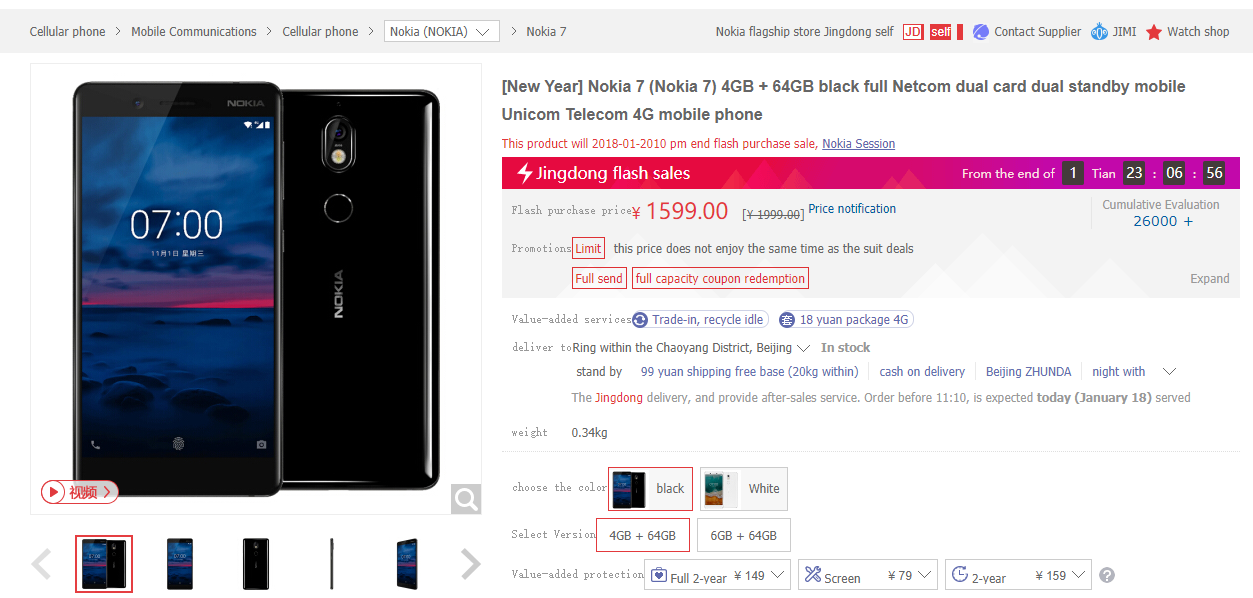
HMD Global had introduced the Nokia 7 smartphone in China in October last year. Since then it has been exclusively available in China. The 4 GB and 6 GB RAM variants of the Nokia 7 were respectively priced at 2,499 Yuan (~$388) and 2,699 Yuan (~$419) at launch. However, today both the variants are available with a massive discount of 900 Yuan (~$140) on Jingdong.
With 900 Yuan (~$140) price cut, the Nokia 7 variant with 4 GB RAM + 64 GB RAM is now available for 1,599 Yuan (~$248) and the higher model featuring 6 GB RAM + 64 GB RAM is listed on the retailer site with a pricing of 1,799 Yuan (~$280). There is no confirmation on whether it is a limited period offer or a permanent price cut.
Nokia 7 is HMD Global’s first smartphone to arrive with glass chassis. Also, it is the first handset from the company to feature the Snapdragon 630 which is now also available on the newly unveiled Nokia 6 (2018) smartphone. The 32 GB and 64 GB Nokia 6 (2018) are respectively priced at 1,499 Yuan and 1,699 Yuan in China. It indicates that the base model of the Nokia 7 is now selling with a cheaper price tag than the highest configuration variant of the Nokia 6 (2018).
Nokia 7 comes with a 5.2-inch display that supports full HD resolution. It is fueled by a 3,000mAh battery that supports Quick Charge 3.0. The rear panel of the Nokia 7 has Car Zeiss branded 16-megapixel camera whereas it is fitted with a 84-degree wide-angle selfie camera of 8-megapixel. The handset comes preinstalled with Android Nougat. The Finnish firm has rolled out Android 8.0 Oreo update for Nokia 7 users earlier this week. Rumors are rife that the company may launch the Nokia 7 smartphone in India by the end of this month.
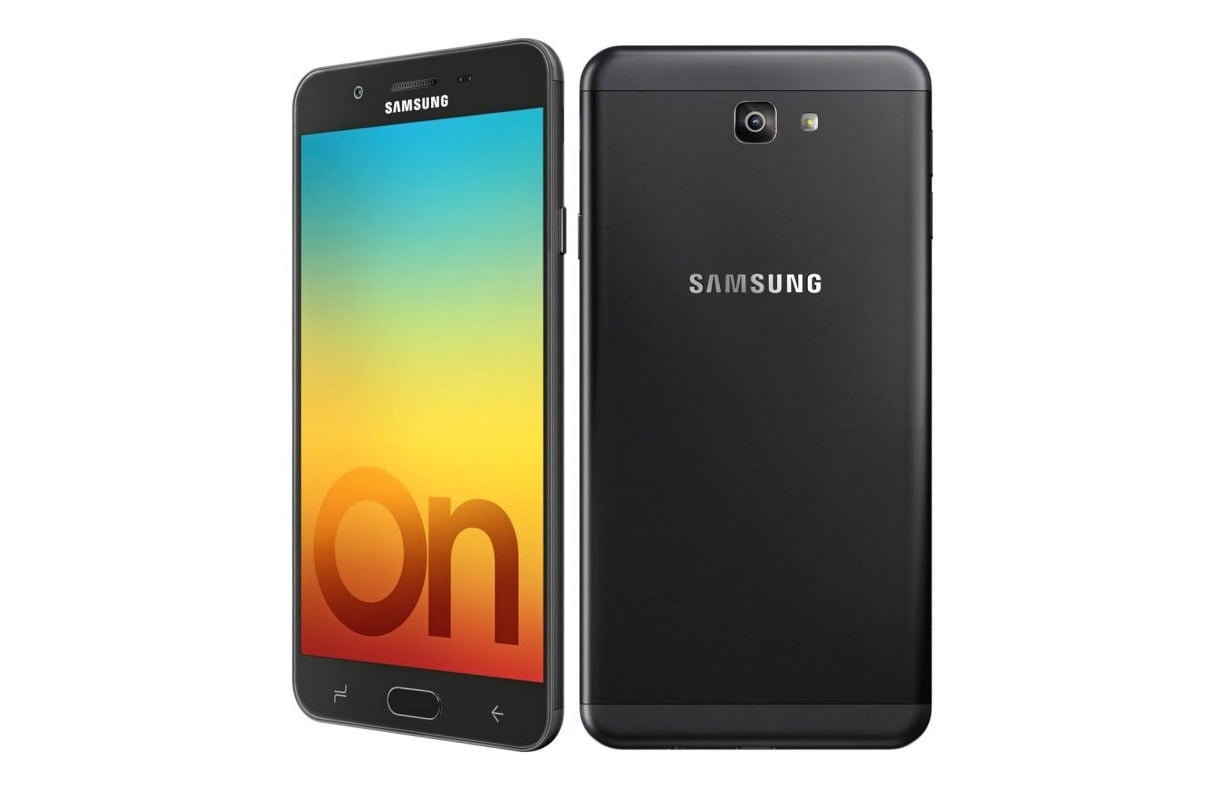
Samsung has officially announced the Galaxy On7 Prime (2018) as a successor for its 2017 model. Apart from mid-range specs, the Galaxy On7 Prime (2018) comes with exciting features like Samsung Mall image search app and Samsung Pay Mini.
Galaxy On7 Prime (2018) Specifications and Features
The Galaxy On7 Prime (2018) is fitted with a 5.5-inch PLS TFT LCD display that carries support for full HD resolution of 1920 x 1080 pixels. The Exynos 7870 chipset that powers the predecessor model is also present under the hood of its 2018 edition. The 32 GB and 64 GB storage variants of the Galaxy On7 Prime (2018) respectively feature 3 GB and 4 GB of RAM. The handset also includes a microSD card slot.
An autofocus enabled 13-megapixel camera with f/1.9 aperture is present on the rear side of the phone. The frontside of the phone bears the same camera sensor, albeit the autofocus feature. The home button that is placed between hardware capacitive keys is embedded with a fingerprint reader. The smartphone is fueled by a 3,300mAh capacity battery.
It is preloaded with Android 7.1.1 Nougat OS that is overlaid with Samsung Experience 8.5 UI. Samsung Mall, an image search app available on the smartphone allow users to snap an image of a product or use an image of a product from the gallery and search for it across different online shopping websites like Amazon, Jabong, ShopClues and TataCliq. Samsung Mall users can add products that they wish to buy to a universal cart through which users will not be required to visit each e-commerce sites individually. The All-in-one Shopping feature offers a single interface to view products from multiple shopping sites. Samsung Pay Mini supports payments through UPI and mobile wallets.
The Galaxy On7 Prime (2018) comes with connectivity features like 3.5mm audio jack, microUSB, Bluetooth v4.1, Wi-Fi 802.11 b/g/n, 4G VoLTE and dual SIM support. It has an impressive appeal as it features a metal unibody chassis. It measures 151.7 x 75 x 8mm and it weighs 167 grams.
The Galaxy On7 Prime (2018) will be exclusively available through Amazon India and Samsung Shop from Jan. 20. The 32 GB and 64 GB models of the smartphone are respectively priced Rs. 12,990 and Rs. 14,990. It will be available in color choices like Gold and Black. As far as launch offers are concerned, Jio Money users will be getting a cashback of Rs. 2,000 for buyers who purchase the Rs. 299 recharges for 24 months.
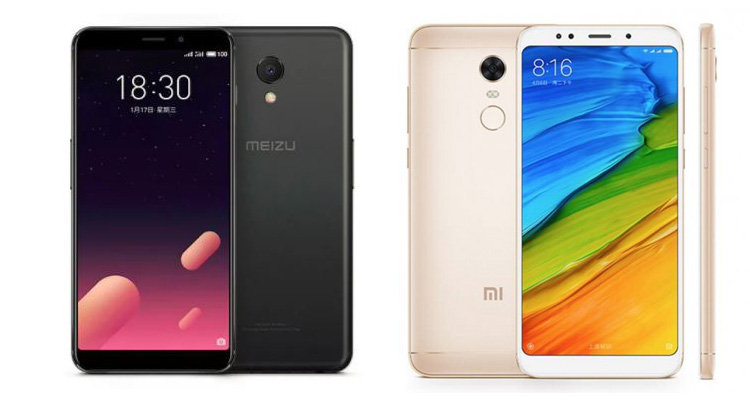
Even though it is a mid-end device which will be sold at an affordable price, Meizu has put in a lot of efforts into the design and the specs of its new handset: the Meizu M6s. The company seems to have understood that focusing on the affordable sector is important to compete with the best Chinese brands. In this article, we will make a comparison between the specs of the new Meizu budget phone Meizu M6S vs Redmi 5, another wonderful cheap device which conquered the hearts of many Chinese smartphones lovers.
While there is not so much difference between the 18:9 displays of these device, we can see noticeable differences in the design. Meizu M6s has a more original look with its full metal unibody design, and it has a side-mounted fingerprint reader and the Super mBack technology for pressure-sensitive gestures, which makes the phone much more comfortable to use if we compare it with its opponent. Another side in which Meizu M6s is definitely better is the hardware. It has a much more powerful SoC: the Samsung Exynos 7872 with a max frequency of 2 GHz. According to the first benchmarks on Geekbench, this processor is more powerful than MediaTek Helio P20, Huawei Kirin 659 and even Qualcomm Snapdragon 625. AnTuTu scores reveal it easily beats Qualcomm’s SD625.
Xiaomi Redmi 5 has a Snapdragon 450 which is a low-end model, so there is no challenge. The camera should be better on Meizu M6s as well, at least on the paper, but we haven’t seen any camera samples as the phone has just been announced. The bigger battery is the only strong point of the Xiaomi Redmi 5: it should last more with a single charge. But note that its opponent can charge faster, it can go up to 52% in just 30 minutes. Meizu M6s has been made available for pre-orders in China with a price of about $186/152€, while Xiaomi Redmi 5 can be found at €140-150 with a bit of luck, thanks to online street prices. Meizu M6s is definitely a better device and we suggest to spend a bit more to get it, or to go for the larger Redmi 5 Plus model.
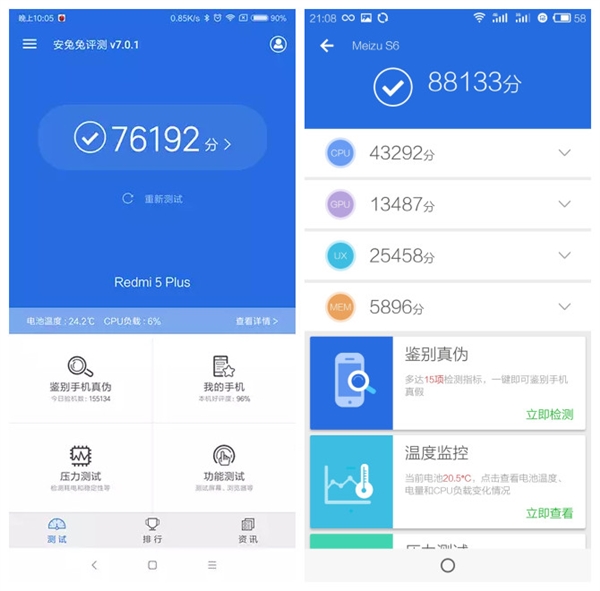
Earlier today, Meizu unveiled its first full screen design smartphone – the Meizu M6S. It is one of the major rivals for the Xiaomi Redmi 5 Plus that carries a similar pricing. On AnTuTu, the Meizu M6S that is powered by Samsung’s Exynos 7872 has scored higher than the Redmi 5 Plus that is powered by Snapdragon 625.
In the below image, the average AnTuTu score is shown on the left side whereas the benchmarking score of Meizu M6S is on the right. The Meizu M6S and Redmi 5 Plus have respectively scored 88133 and 76192 on AnTuTu.
The Snapdragon 625 is an 14nm chipset features an octa-core processor that includes two quad-core clusters of CortexA52 that delivers a maximum speed of 2.0 GHz along with Adreno 506 graphics. On the other side, the Exynos 7872 is a brand-new chipset from Samsung that has arrived first on the Meizu M6S. It is also a 14nm chipset that features a hexa-core processor that includes two cores of Cortex A73 that clocks at 2.0 GHz and four cores of Cortex A53 that works at 1.6 GHz. It includes Mali-G71 graphics.
The Snapdragon 625 is well-known for its efficiency. However, by looking at the AnTuTu scores of Meizu M6S and Redmi 5 Plus it can be understood that when it comes to performance, the Exynos 7872 seems to be a better performing chipset.
The Meizu M6S will be officially available for buying starting from Jan. 19. Its base model featuring 3 GB of RAM and 32 GB of storage and high version that includes 3 GB of RAM and 64 GB of storage are respectively priced at 999 Yuan (~$155) and 1,199 Yuan (~$186) in China. On the other side, the Redmi 5 Plus variants with 3 GB RAM + 32 GB storage and 4 GB + 64 GB storage are available in the country with respective pricing of 999 Yuan (~$155) and 1,299 Yuan (~$201).
Will Meizu M6S be able to disturb the sales of Redmi 5 Plus? Share us your views by posting your comments below.
Sony had recently launched Xperia XA2 and Xperia XA2 Ultra mid-range smartphones and the low-end Xperia L2 smartphone at the Consumer Electronics Show (CES) 2018 tech trade show. Since the company did not unveil flagship smartphones at CES 2018, the rumor mill has been claiming that the Japanese tech giant will be holding an unveil event at the upcoming Mobile World Congress (MWC) in the next month to announce high-end and flagship smartphones. Sony has now made it official that it will be holding a press event on Feb. 26. However, it did not confirm on the devices that will be unveiled at MWC 2018.
Rumors are rife that Sony may announce at least two new Xperia smartphones and one of them could be the Xperia XZ Pro that will be arriving as a successor for the Xperia XZ Premium. The other one could be the Xperia XZ2. It is speculated that the Xperia XZ Pro may carry a bezel-less design like the current flagship phones from other brands.
The Sony Xperia XZ Pro is pegged to arrive with a rear-mounted fingerprint scanner and a dual camera setup featuring a 13-megapixel sensor and a 12-megapixxel sensor. It is expected to arrive with a 5.7-inch OLED display that will be producing 4K resolution. However, there is no confirmation on whether it will be sporting an aspect ratio of 18:9. It is rumored to house a 13-megapixel selfie camera.
The Snapdragon 845 chipset is speculated to power the Xperia XZ Pro along with 6 GB of RAM. It is may feature a native storage of 128 GB and come loaded with Android 8.0 Oreo OS. A 3,420mAh battery is expected to power the Xperia XZ Pro. The premium flagship phone is rumored to debut with a price tag of 6,000 Yuan (~$930). It is speculated that even though the Sony Xperia XZ Pro will be announced at MWC 2018, it won’t available for buying immediately. It is likely to hit the shelves later in June.
With the newly-announced Meizu M6s, another one of the mainstream Chinese smartphone manufacturers has finally joined the bezel-less club. The company has decided to release a phone which has a great quality-price ratio, but at the same time offers innovation and good mid-range performance. That is why we think it is time to compare it with one of the most wanted Chinese midranges: Xiaomi Redmi 5 Plus. First of all, let’s see their specs: Meizu M6S vs Redmi 5 Plus.
Xiaomi Redmi 5 Plus offers a slightly bigger display which is also more detailed due to the higher resolution. Aesthetically, we define the Meizu M6s more refined and comfortable to use, due to its smaller dimensions and the side-mounted fingerprint reader. Further, the pressure sensor together with the Super mBack technology enables very comfortable gestures to navigate into the UI. According to Geekbench, Meizu M6s has a much better SoC than the Snapdragon 625 found on the Xiaomi Redmi 5 Plus: the hexa-core Samsung Exynos 7872 scored better points. But we will have to test it personally to see how it behaves in every scenario.
We did not find the 13 MP camera on the Xiaomi Redmi 5 Plus so exciting, so there’s a good chance that the 16 MP sensor of the M6s developed by Samsung will do a better job at shooting photos. On the other hand, Xiaomi Redmi 5 Plus will probably have a much longer battery life thanks to its 4000 mAh lithium unit and the power-efficient Snapdragon 625 SoC. The software sides are both very good, MIUI and Flyme are two of the best UIs in the smartphones market, even though both the versions found on these two phones are still based on Android Nougat. But in general, MIUI has been the more popular one among the two. The prices are almost equivalent, Meizu M6s has just been launched in China with a price tag of about $186/€152 and Xiaomi Redmi 5 Plus can actually be found at the same price, more or less.
Display and battery are the two areas where Redmi 5 Plus does well. However, the Meizu M6S has an edge with the innovative halo button (Super mBack) and a side mounted fingerprint sensor, that could be more convenient to use on a daily basis. Even Exynos 7872 can be called as one of the highlights of the phone.
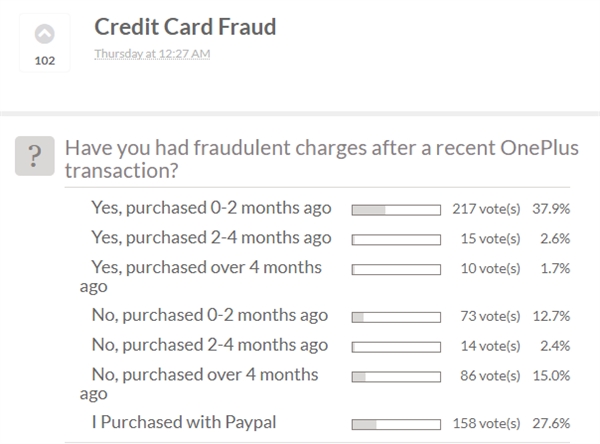
OnePlus‘ CEO Peter Lau recently revealed that the company raked in more than 1.4 billion in revenue in 2017, double of what it earned in 2016. This is a monumental feat by the Chinese tech giant but it seems not everyone was happy about that. Seems some clever dudes are making attempt to get their share of that huge revenue by fleecing customers at OnePlus’ official website- Oneplus.net.
Several users have reported that their credit card details have been leaked and the unknown culprit has been on the loose, trying to spend tons of their money on coupons, random betting sites, and other such quick-to-cash-out places. Most of the affected complainants report that the incidence started after they shopped at OnePlus.net. In some cases, they claimed that the compromised cards have only been used at OnePlus’ online store. The good news is that the fraudsters have been prevented from succeeding by security built-in on modern credit card systems to stop such. That notwithstanding, it is important users who have shopped on OnePlus’ website with their credit cards keep an eye on their transaction history for any unusual credit card transaction until it is tackled. Better still, avoid using your credit card but instead check out using PayPal.
OnePlus has responded to the complaints, indicating that the website does not store users’ credit card details but indicated that they are investigating the report. The company did not say if there was indeed a breach or not but those with complaints are directed to forward such to [email protected]. As a precautionary measure, OnePlus has now disabled credit card payments on OnePlus.net. For now, customers will only be able to make payment using their PayPal account until the investigation is concluded or an alternative payment platform is added.
Xiaomi fans all over the world are definitely eager for the Chinese manufacturer to release its new phones – the Redmi 5 and Redmi 5 Plus globally. New reports say that date may not be far off, at least for the Redmi 5.
Leaker @Rquandt revealed in a tweet that the Redmi 5 will launch globally in the second half of February. He also adds that the phone will have support for LTE Band 20. The Chinese model supports FDD LTE bands 1, 3, 5, 7, and 8.
Xiaomi Redmi 5 going global in the second half of February. Including LTE Band 20 making it work in full on certain Euro operators,
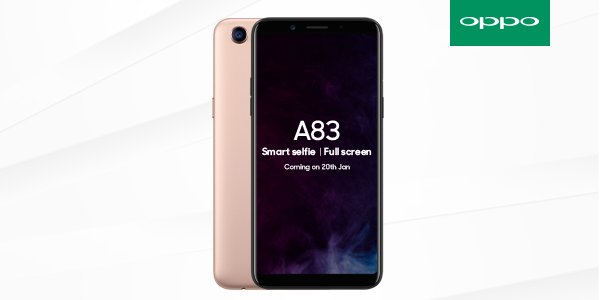
As we reported earlier, Oppo has today launched a new mid-range smartphone in the Indian market — Oppo A83. The phone was originally launched in China last month. Priced at Rs. 13,999 (approximately $219), the device will go on sale in India from 20th January.
The phone will be available through Amazon India and Flipkart as well as through offline stores. The device will be available in two colour options — Black and Gold.
According to the company, the Oppo A83 has been designed in line with its UFO Curve Design Philosophy. The phone comes with a full-screen display with thin bezels and comes preloaded with the company’s AI Beauty Recognition technology to enhance selfies and group shots.
The Oppo A83 sports a 5.7-inch HD+ LCD display with screen resolution of 1440 x 720 pixels and 18:9 aspect ratio. The phone is powered by a MediaTek MT6763T processor, clocked at 2.5GHz. It is coupled with 4GB RAM and 32GB of internal storage.
There is also a microSD card slot, enabling users to further expand its storage capacity up to 256GB. It comes with a 13-megapixel camera sensor on the back with an LED flash and an 8-megapixel front camera sensor. The rear camera sensor supports Ultra-HD mode that can create an image of 50-megapixel resolution.
The front-facing camera sensor also supports face unlocking. Through its proprietary technology, the camera is touted to capture more than 200 facial points to refine features and compose the face contour with precision.
Connectivity options on the device include Dual SIM, 4G VoLTE, Wi-Fi 802.11 a/b/g/n, Bluetooth v4.2, GPS/ A-GPS, Micro-USB, and a 3.5mm headphone jack. The phone is fuelled by a 3,180mAh battery.
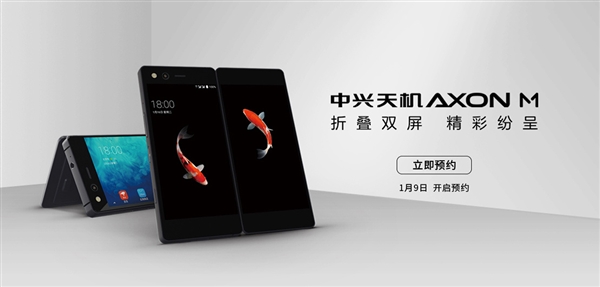
Chinese smartphone maker ZTE first unveiled the Axon M with a foldable display back in November in the U.S. The device was launched in collaboration with U.S carrier AT&T. ZTE is yet to bring its first foldable smartphone home to its Chinese fans and was expected to do that yesterday (January 16). However, it turns out that yesterday was just another promotional event where the company announced that the device would be available in China on January 20.
The foldable smartphone is already up for pre-order online via MyZTE.com and JD.com. Interested individuals in China can also get the device offline via China Telecom stores. In addition, the Axon M will also be launched later the present quarter in Europe and would be available via Vodafone and TIM and other “leading carriers”. Unfortunately, we are yet to get the price it would be sold for. The ZTE Axon M sells for $725 in the U.S when buying outrightly. Customers also have the option of accessing the device through installment payments via AT&T Next scheme which enables them to pay $24.17 each month for a period of 30 months.
The Axon M comes with an innovative foldable design which accorded ZTE a CES 2018 Innovation Award. The foldable device packs a pair of 5.2-inch screens with full HD resolution of 1920 x 1080 pixels. It has a single 20MP camera at the rear with image stabilization, PDAF, and 4K video recording. The device is powered by a Snapdragon 821 chipset paired with 4 GB of RAM and there is 64GB of internal storage onboard. The handset is preinstalled with Android 7.1.2 Nougat OS and keeping the lights on is a generous 3,180mAh battery.
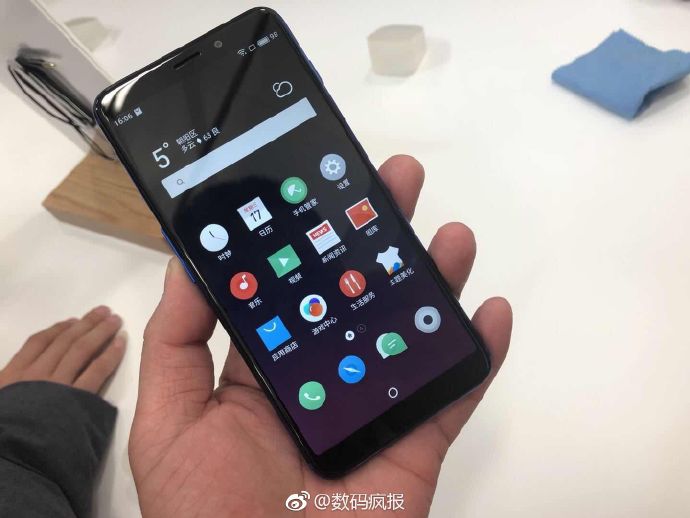
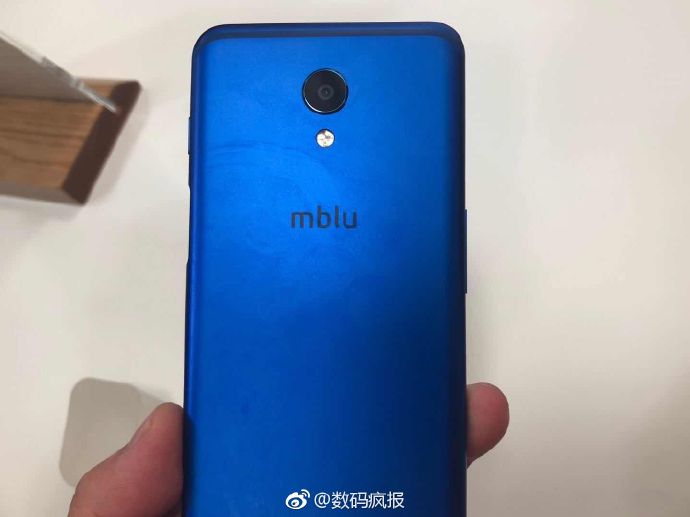
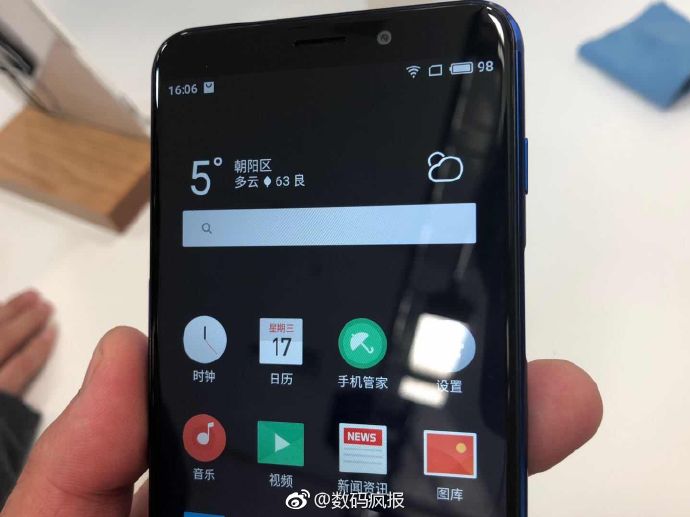
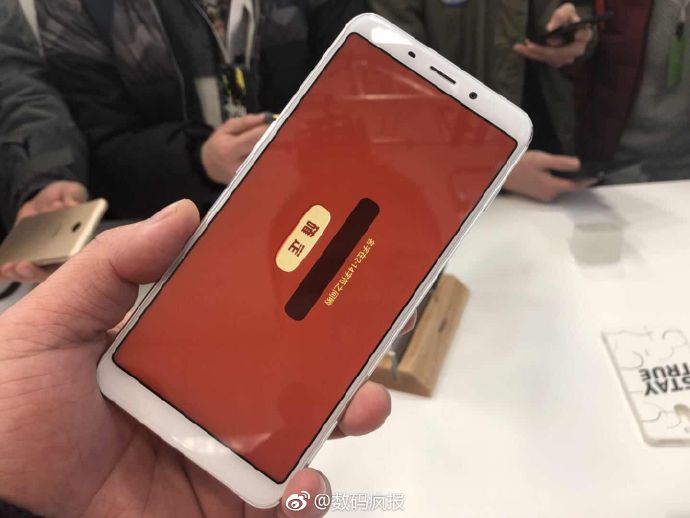
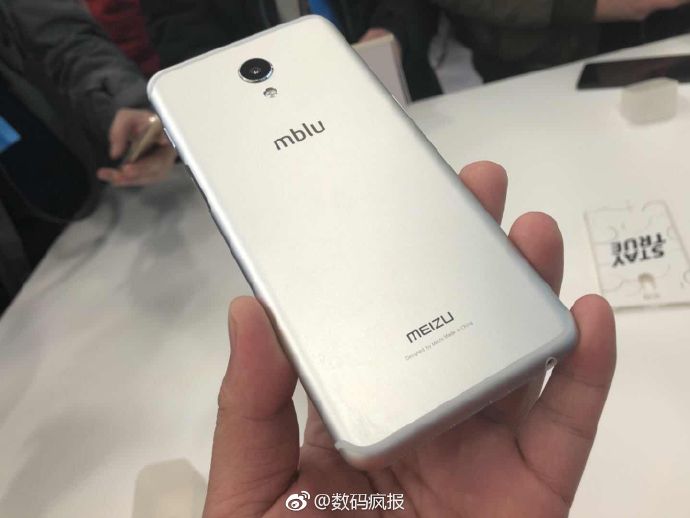
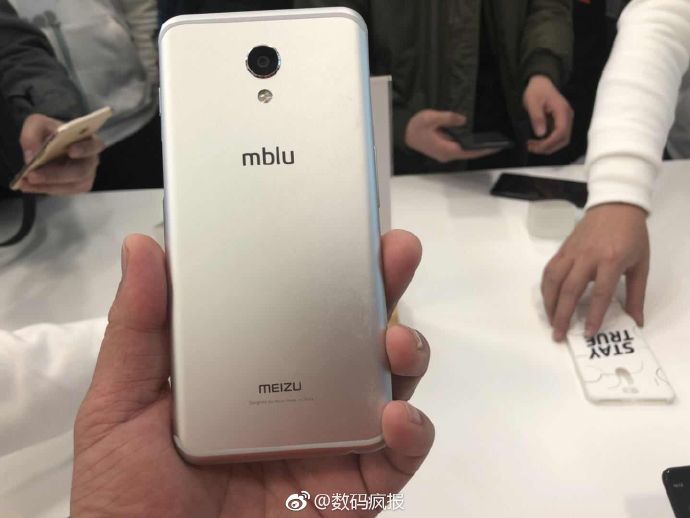
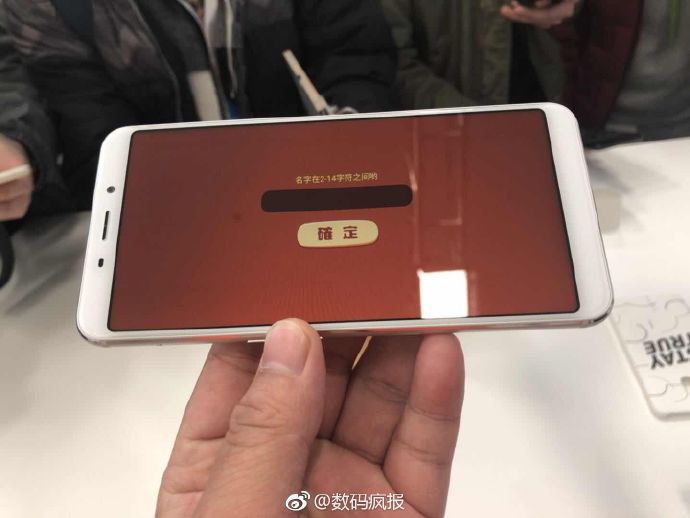
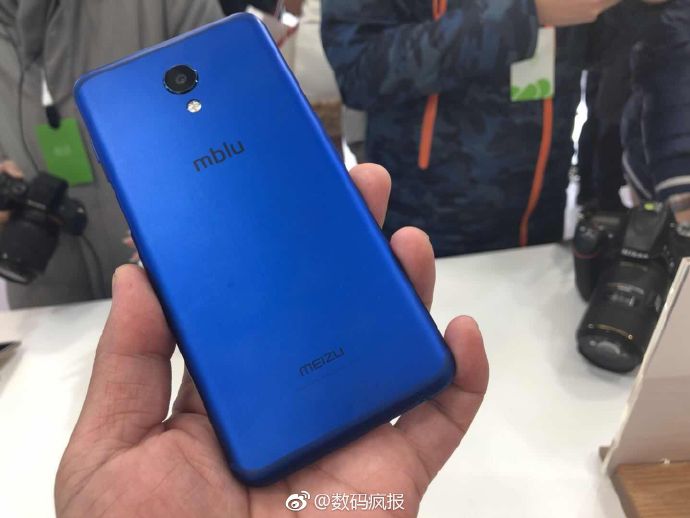
Meizu has finally taken the wraps off the much-anticipated Meizu M6S mid-range smartphone and it doesn’t disappoint. The device features a stylish design which is combined with exquisite craftsmanship to create a model having a side-mounted fingerprint sensor. Here some hands-on photos of the device which we picked up from Weibo and it offers better views of the premium, cheap mid-ranger.
The full-screen design made it impossible for the traditional mBack button to be mounted at the front. Instead of using a rear-mounted fingerprint sensor design, Meizu chose to experiment with a side sensor which many manufacturers have been shying away from. The fingerprint sensor is touted as being able to unlock the device in just 0.2 seconds. The device packs on-screen navigation keys and the round home button at the middle still functions as the mBack button.
At the rear, the device doesn’t look very spectacular, as it adopts a design similar to what Meizu has done in the past. The M6S features a metal body with the U-shaped antenna band acting as borders at the top and bottom edges. At a time dual cameras rule the airwave, Meizu chose to stick to a single rear camera which is located at the center. There is a round-shaped LED flash just under the rear camera. And remarkably, the hands on photos show the presence of the mBlu ogo just underneath the LED flash at the back. Meizu’s official renders of the device released during its launch have the Meizu logo printed on the back. So, its either something changed at the last minute or we’ll see the mBlu branding on the Chinese models while the international models would bear the Meizu branding.
As a reminder, the Meizu M6S features a 5.7-inch 18:9 in-cell display with 1440 x 720p HD+ resolution. The screen boasts of 450 nits brightness, wide viewing angles and 1000:1 contrast ratio. The M6S happens to be the first device to feature Samsung’s Exynos 7872 processor built on 14nm process with two Cortex A73 performance cores and four Cortex A53 efficient cores as well as full Netcom. The processor is backed by 3GB of RAM while the device will be available in 32GB and 64GB of storage options. It equally packs a 3000mAh with 18W fast charging that charges up to 52% in just 30 minutes. Providing the interface is the Flyme 6.2 OS with the company’s OneMind AI engine.
As for the prices, the Meizu M6S which available in Gold, Gray, Black, and Blue is priced at 999 Yuan ($155) for 3GB + 32GB model and 1199 Yuan ($186) for the 3GB + 64GB model. The smartphone will be available on JD.com, Meizu Mall, Lynx, and Suning on January 19 at 10:00AM for buyers in China. It will also be available for offline purchase on Meizu store and other retailers from January 20. There is no word yet on when the device will be available outside China. Check out more photos of the sleek device from below.
We use cookies on our website to give you the most relevant experience by remembering your preferences and repeat visits. By clicking “Accept”, you consent to the use of ALL the cookies.
This website uses cookies to improve your experience while you navigate through the website. Out of these, the cookies that are categorized as necessary are stored on your browser as they are essential for the working of basic functionalities of the website. We also use third-party cookies that help us analyze and understand how you use this website. These cookies will be stored in your browser only with your consent. You also have the option to opt-out of these cookies. But opting out of some of these cookies may affect your browsing experience.
Necessary cookies are absolutely essential for the website to function properly. This category only includes cookies that ensures basic functionalities and security features of the website. These cookies do not store any personal information.
Any cookies that may not be particularly necessary for the website to function and is used specifically to collect user personal data via analytics, ads, other embedded contents are termed as non-necessary cookies. It is mandatory to procure user consent prior to running these cookies on your website.



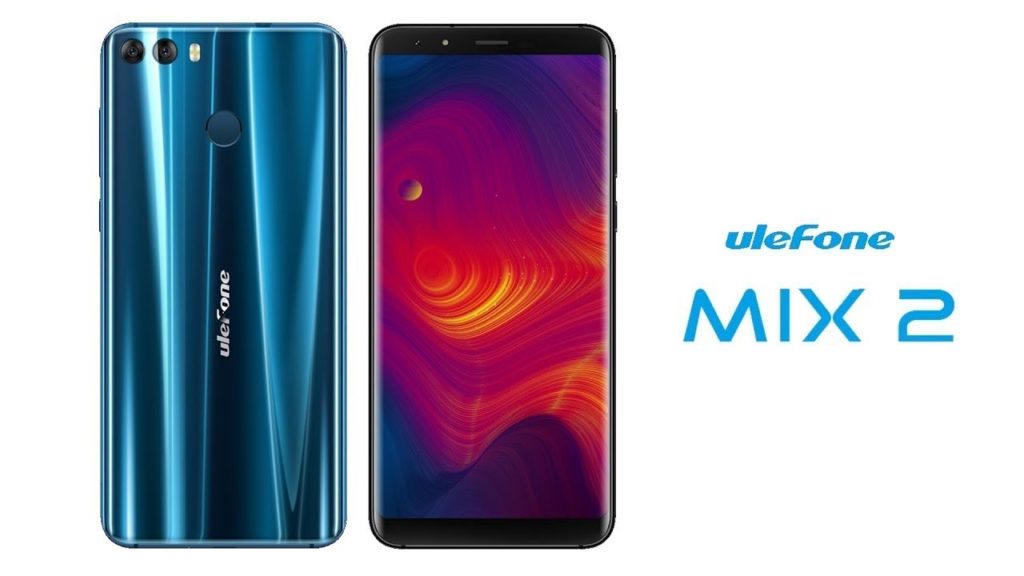 Banggood is currently offering a considerable 20% off on both blue and black color version of the MIX 2 4G smartphone. This brings the device’s original asking price of $129.99 down to just $103.99. In addition to earning 103 Banggood points, you’d also be eligible to receive a $30 gift when you purchase the MIX 2 from the site.