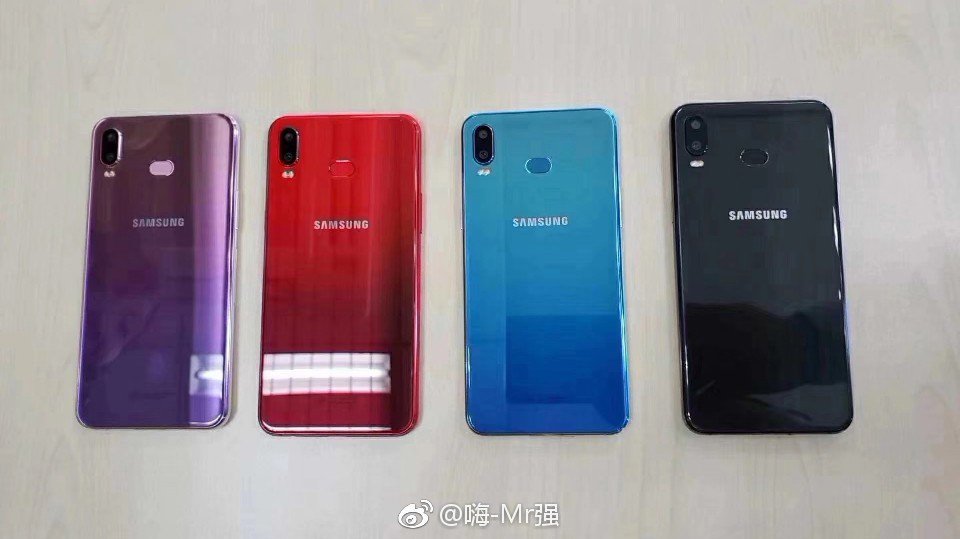
Samsung Galaxy A7 (2018) that was unveiled in the previous month is the first phone from the company with triple rear cameras. The South Korean company has recently announced the Galaxy A9 (2018) phone as the world’s first phone with four rear-mounted cameras. A recent report had revealed that the South Korean company is planning to launch the same phone in China. The Galaxy A9 (2018) may not be the only phone that is heading to China since it is speculated that the country will be also receiving the Galaxy A6s smartphone that has a model number of SM-G6200. Freshly leaked photos of the Samsung Galaxy A6s have surfaced today to reveal its color variant and design.
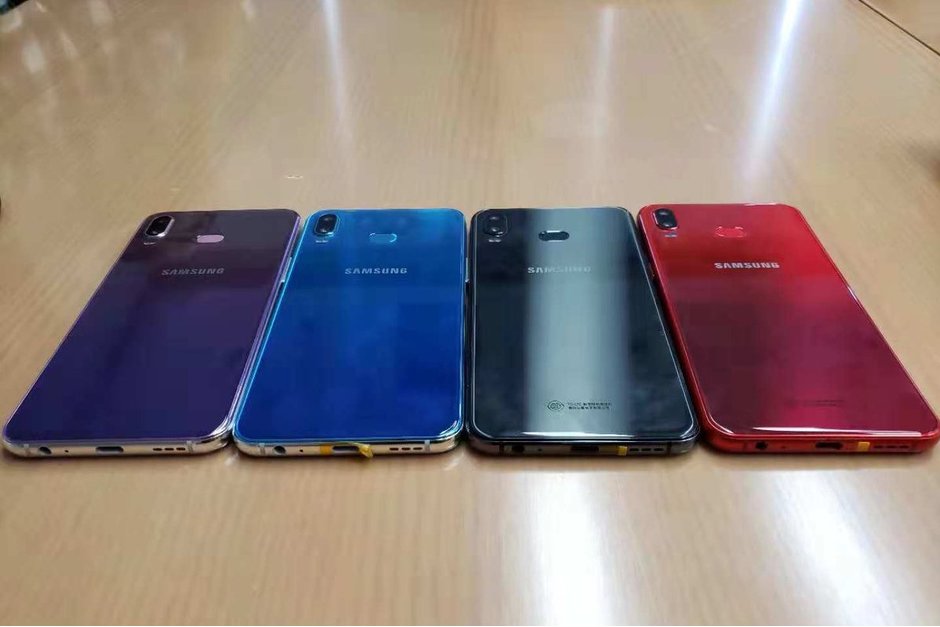
As it can be seen in the newly leaked images, the alleged Galaxy A6s is equipped with glass panel on the rear. Its color variants include purple, red, blue and black. The rear design matches with the SM-G6200 phone that was certified by China’s TENAA telecom authority in the recent past. Hence, it seems that the SM-G6200 model number belongs to the Galaxy A6s smartphone.
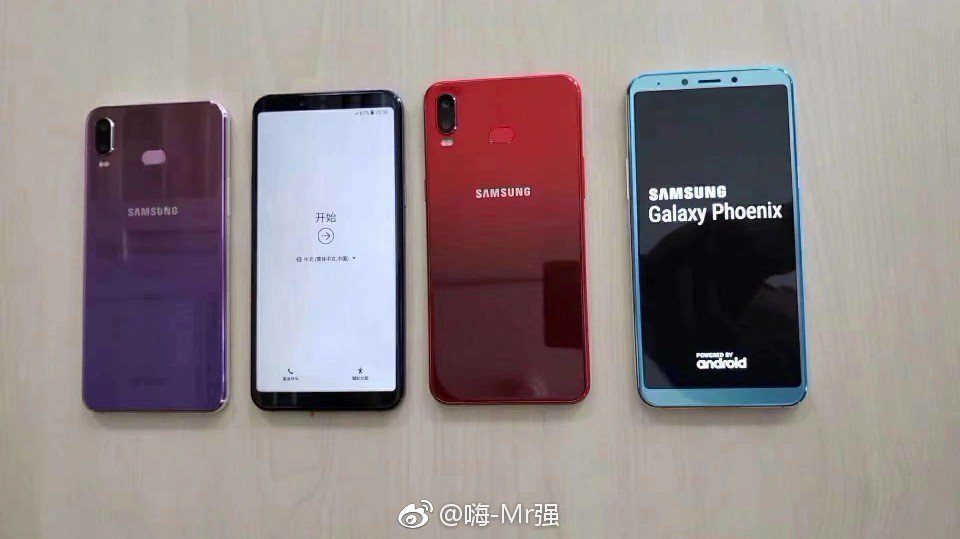
According to the TENAA listing of the SM-G6200, its colors variants are black, blue, red and pink. So, the purple looking variant could actually be the pink model. The back panel of the phone features a vertical dual camera setup and a fingerprint scanner.
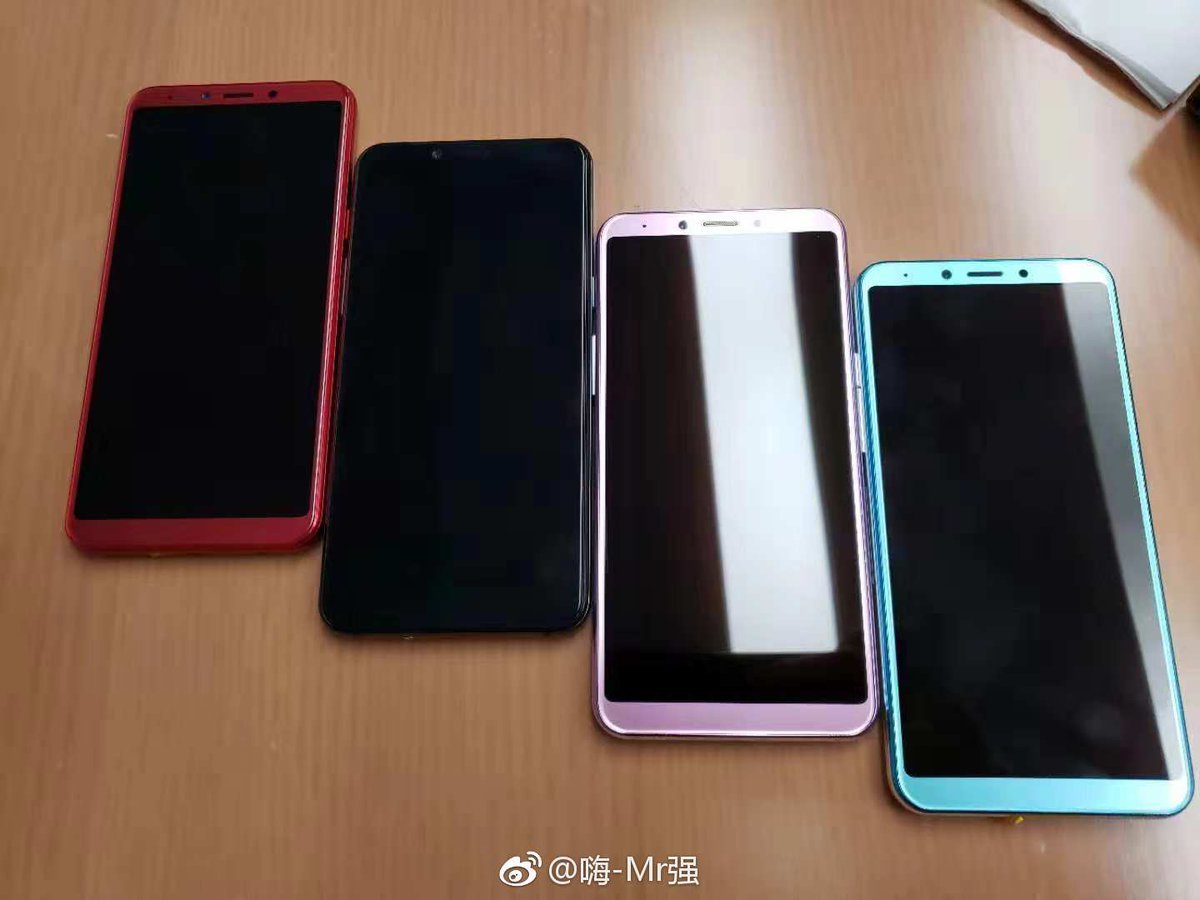
The front view of the Galaxy A6s reveals that it could be sporting Infinity Display design. The side bezels of the phone are a bit thick. The bottom bezel is empty, but the upper one features a selfie camera and an earpiece. The bottom view of the phone reveals that it is equipped with a 3.5mm audio jack, a microUSB port and an external speaker. One of the photos have “Galaxy Phoenix” mentioned on the boot screen which could be the codename of the smartphone.
Rumors surrounding the Galaxy A6s state that it could be the first ODM from Samsung. Because of the dismal market share of Samsung in China, the company has reportedly entered an agreement with China’s Wintech that also produces phones for Xiaomi. Hence, future Samsung phone for China could be produced by Wintech.
Coming back to Galaxy A6s, its TENAA listing has revealed that it features a 5.99-inch IPS LCD screen that delivers Full HD+ resolution. Samsung is known for releasing phones with its Super AMOLED screens. After many years, the company could be launching a phone with LCD screen. It is powered by 2.2 GHz octa-core processor and 6 GB of RAM. Its storage editions are 64 GB and 128 GB. The handset will be running on Android 8.1 Oreo OS. For more storage, it will be featuring a microSD card. It will be fueled by a 3,300mAh battery.
Huawei‘s Mate 20 series will be officially unveiled on Tuesday, October 16. There have been massive leaks in the past week but a new one has surfaced which reveals an important detail for one of the models.
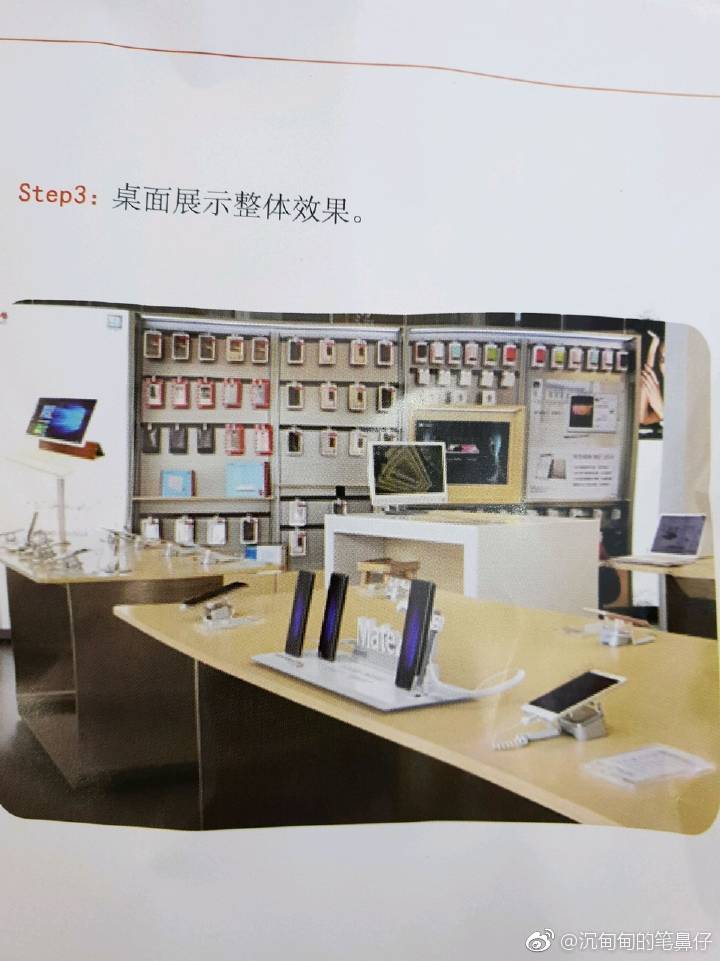
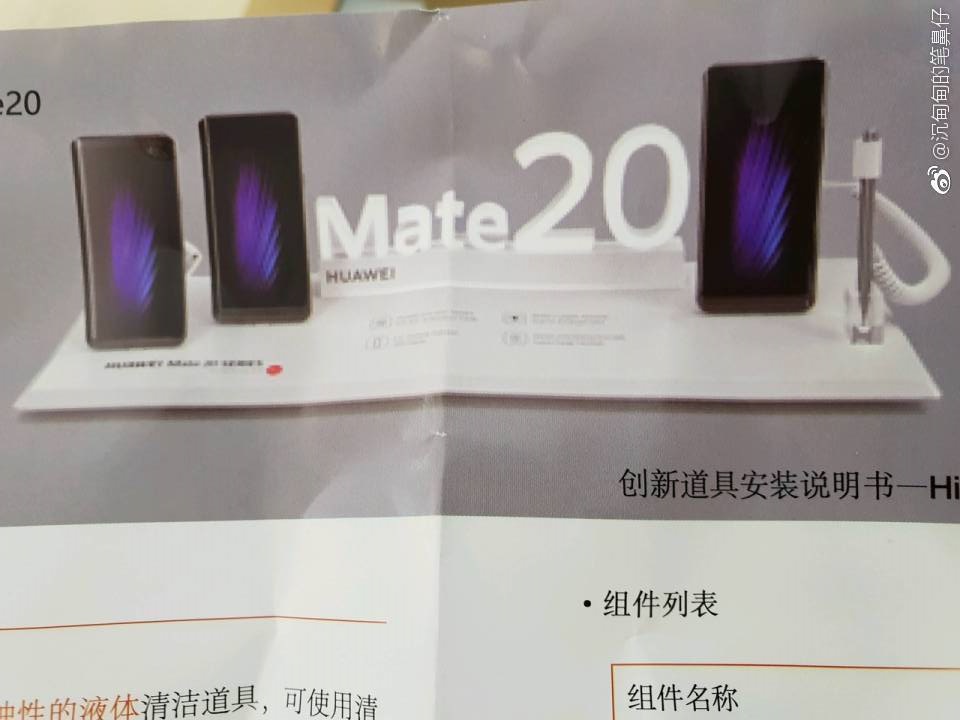
Photos have surfaced on the web that shows one of the Mate 20 phones will have a stylus. You read that right. The live photos seem to be from an official document but were originally taken in a Huawei store.
In the images, we can see three phones placed under the Mate 20 stand- two which stand side-by-side and have a similar size while a much larger one is propped up on the right. The pictures are blurry but we believe the two phones on the left are the Mate 20 Pro and the Mate 20.
The larger device which is on the right is the one with a stylus albeit a pretty big one. We presume this is the Mate 20X said to be aimed at gamers, but from the images, it seems Huawei has added stylus support as one of its distinguishing features.
Samsung is no doubt the king of stylus-toting phones with its Galaxy Note series and no manufacturer has been able to take the crown from it. However, Huawei seems to want to make an attempt with the Mate 20 X.
Obviously, the stylus doesn’t fit into the device, so Samsung has the upper hand here. We also have no idea what features Huawei has added to the Mate 20X with respect to stylus support so we can’t say if it measures up to that of the Note series. Nevertheless, we are eager to see the stylus in action.
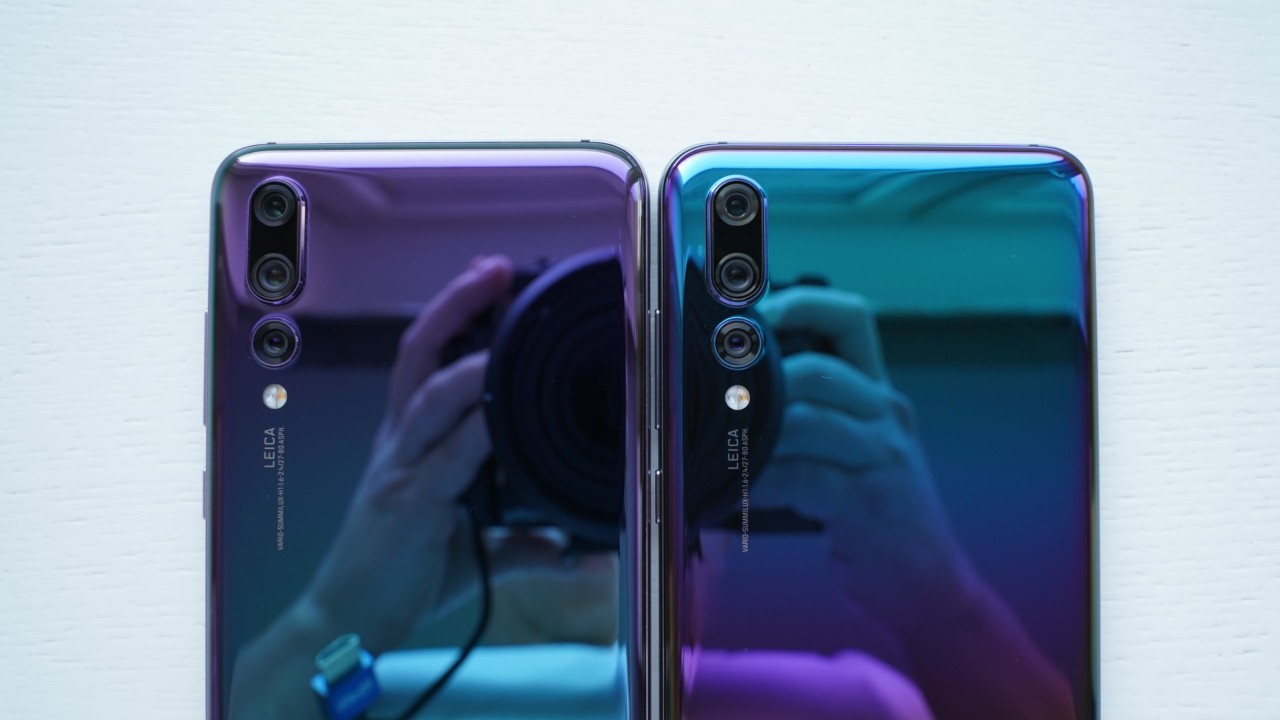
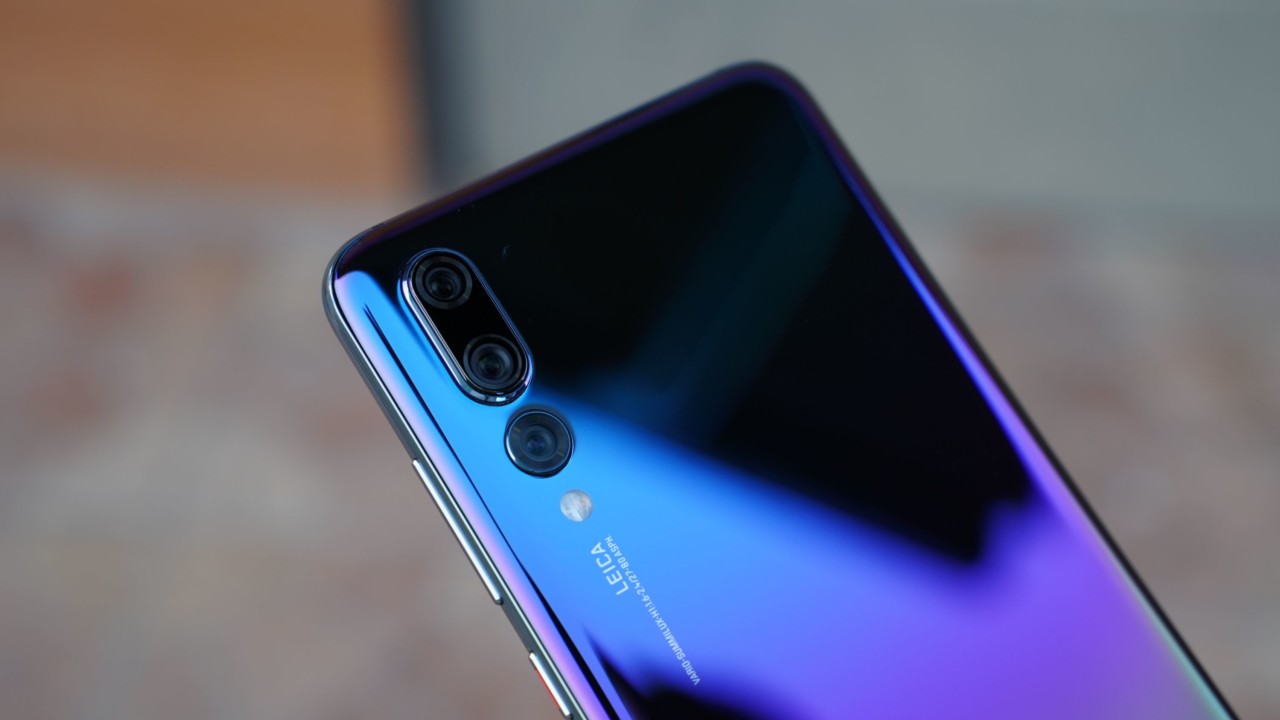
It’s been quite some time since the Huawei released the P20 Pro and I’ve been using it since the official launch. We have already mentioned that the Twilight color makes the phone look really nice but the newly announced Morpho Aurora color option looks even better. Let’s take a closer look.
DESIGN
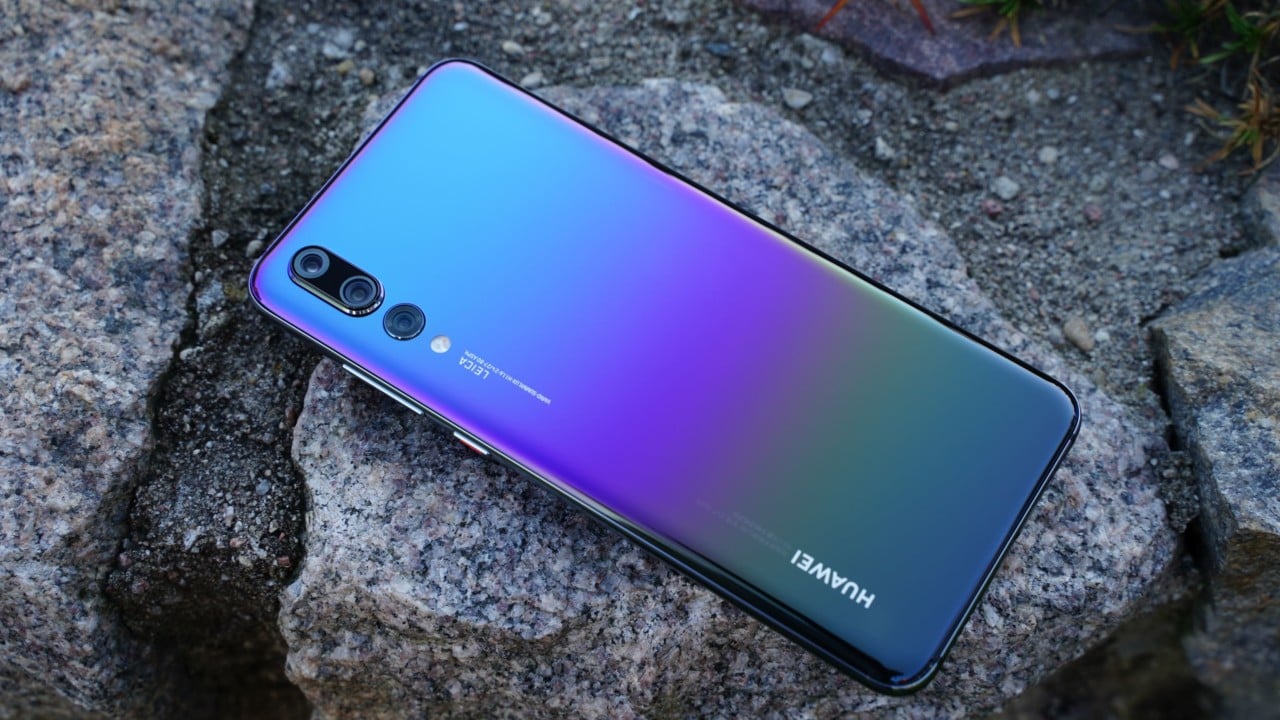
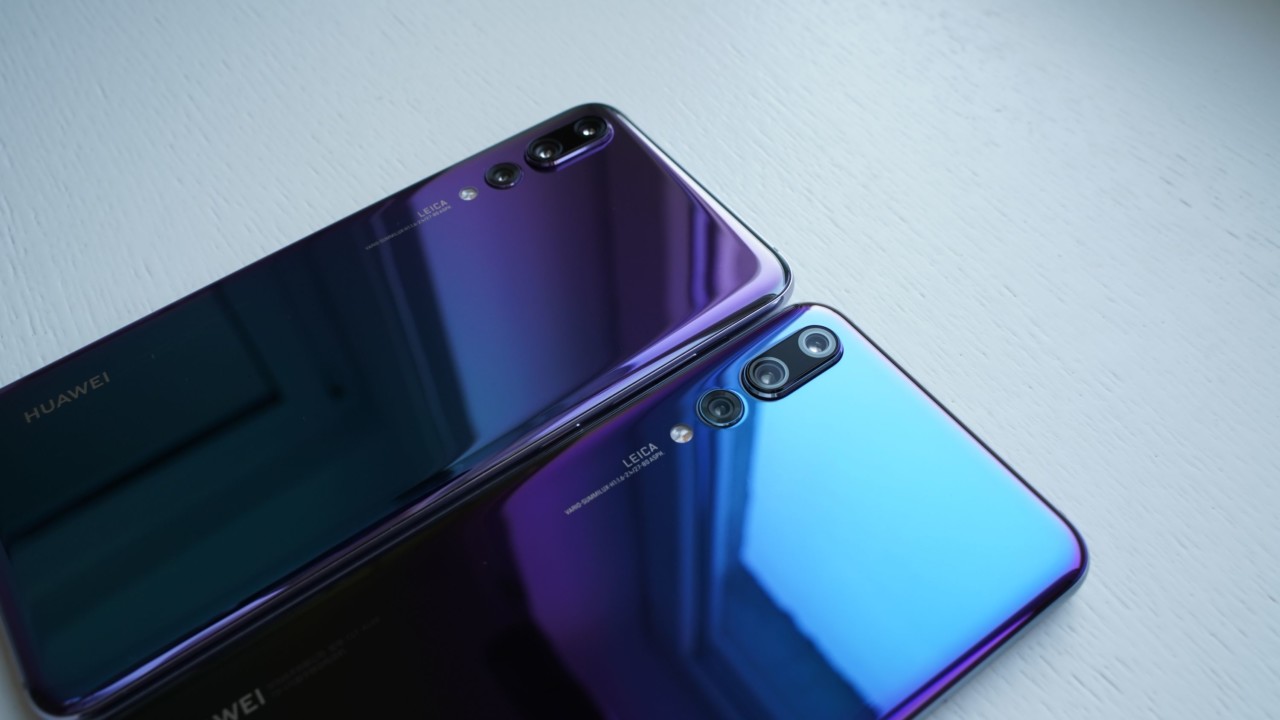
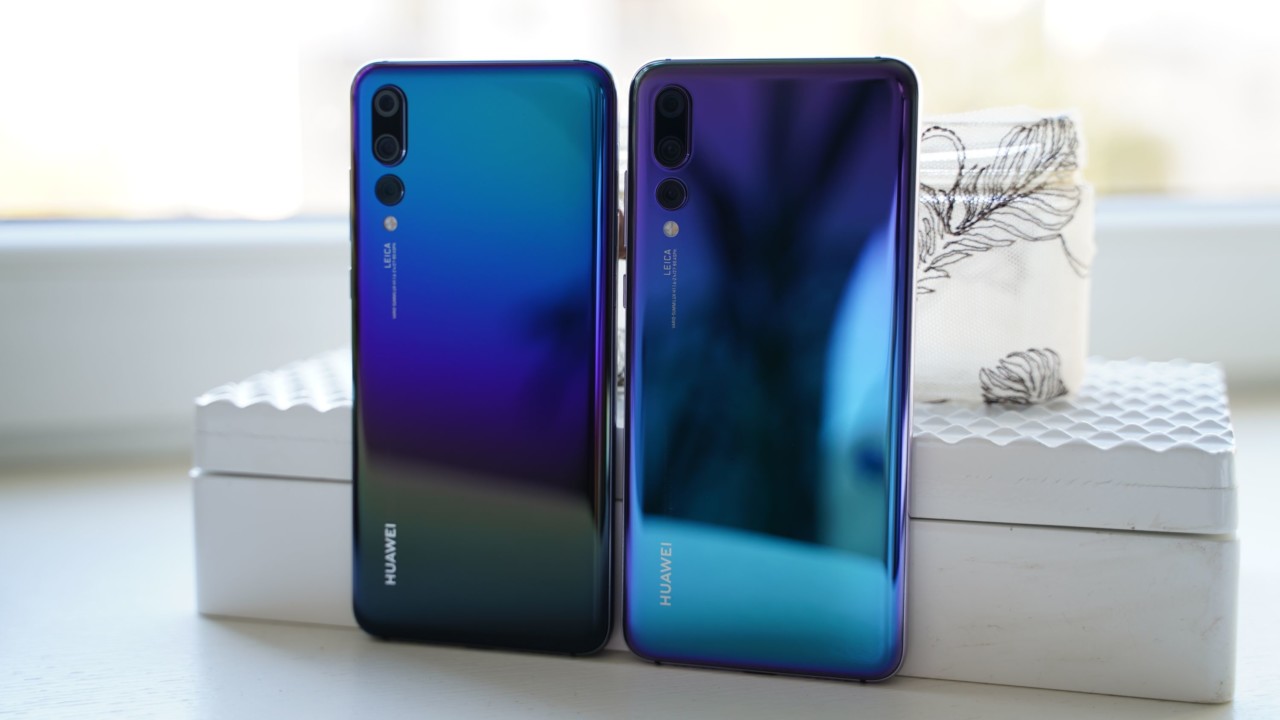
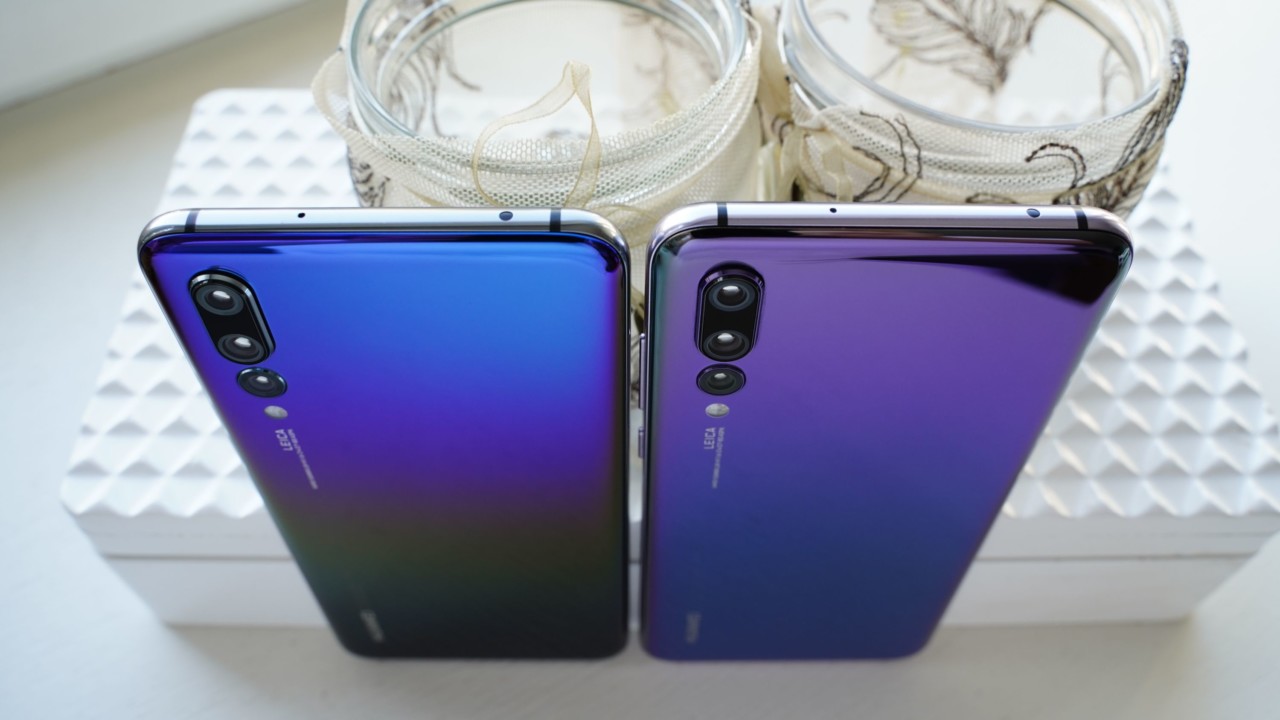
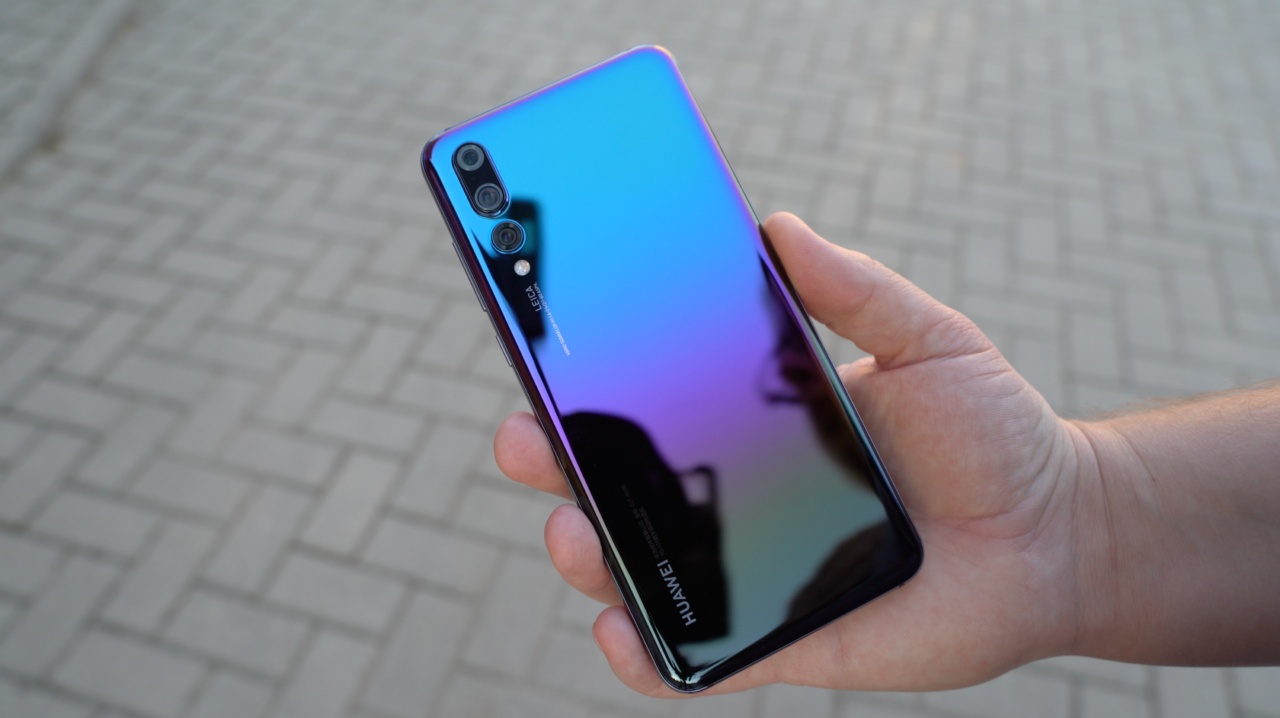
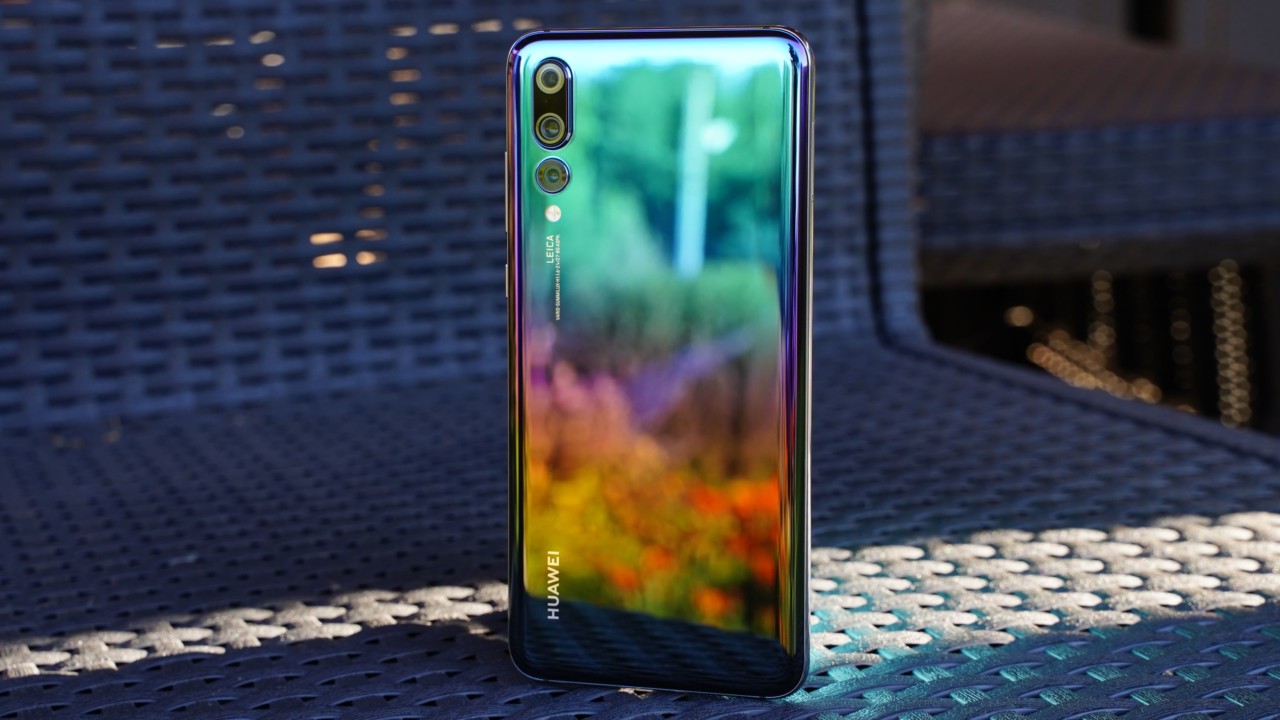
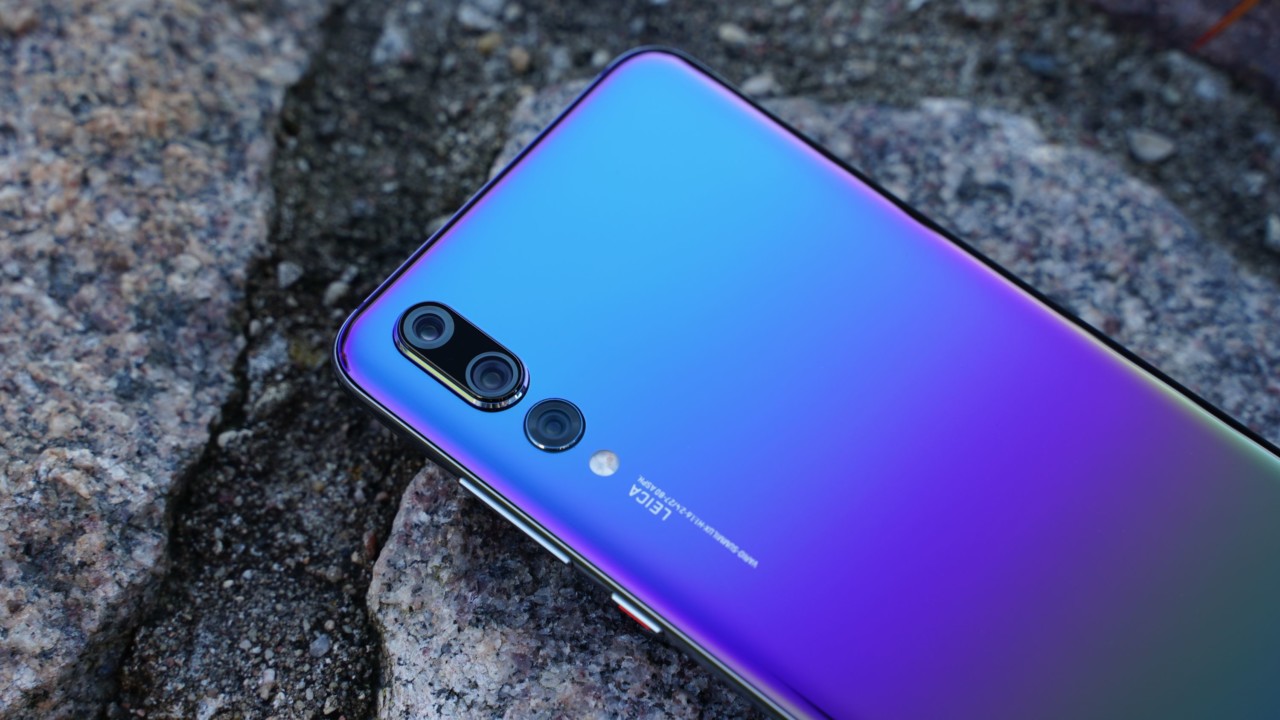
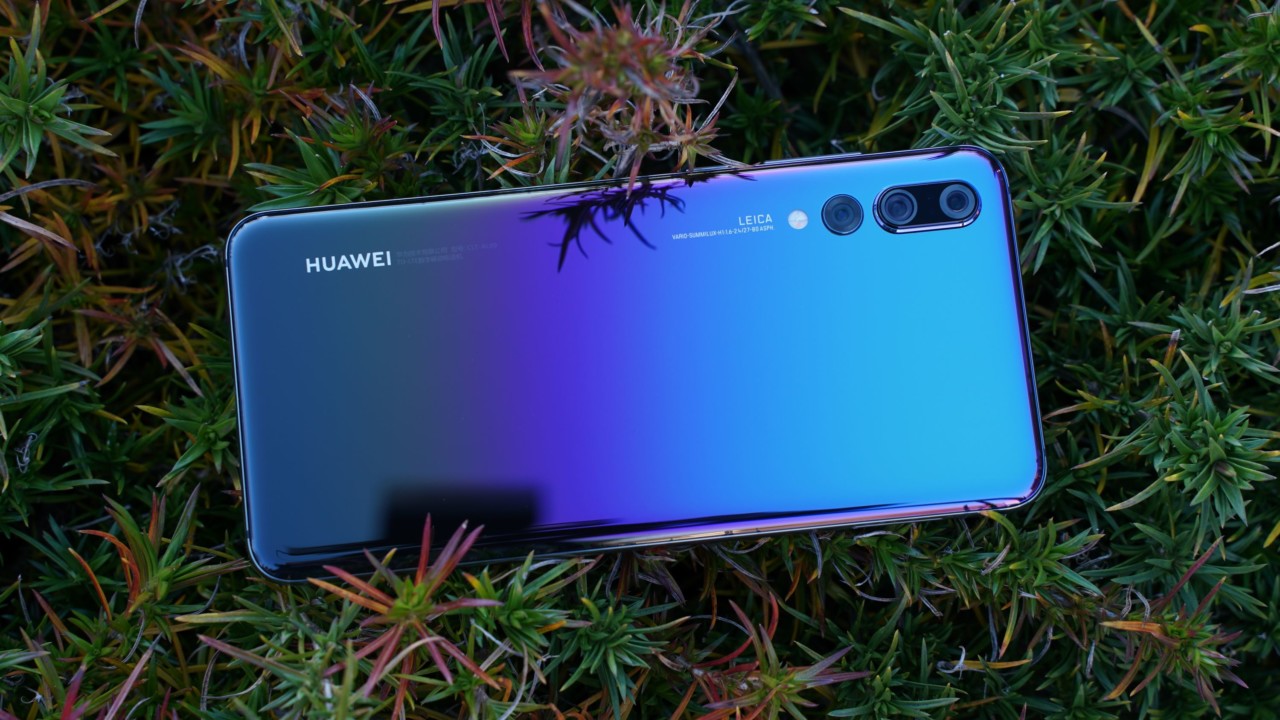
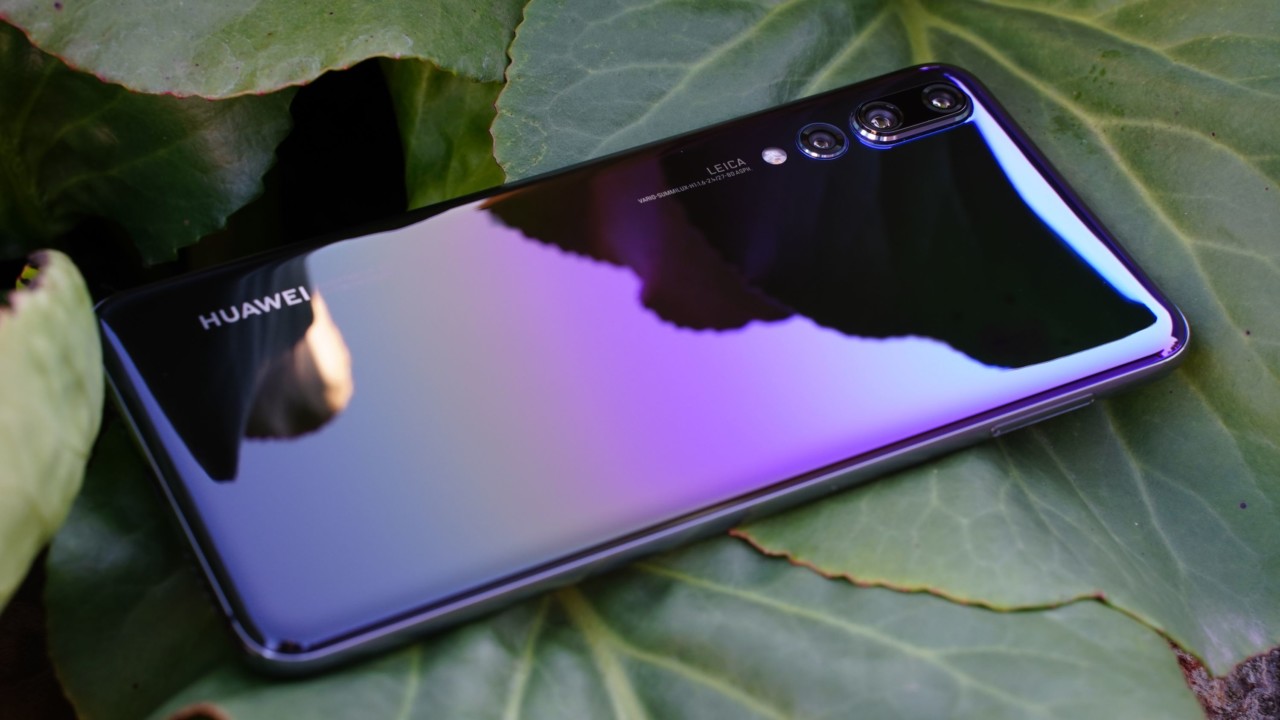
Just like the Twilight color of the P20 Pro, the Morpho Aurora has a really nice gradient finish that changes colors in different lighting and at different angles.
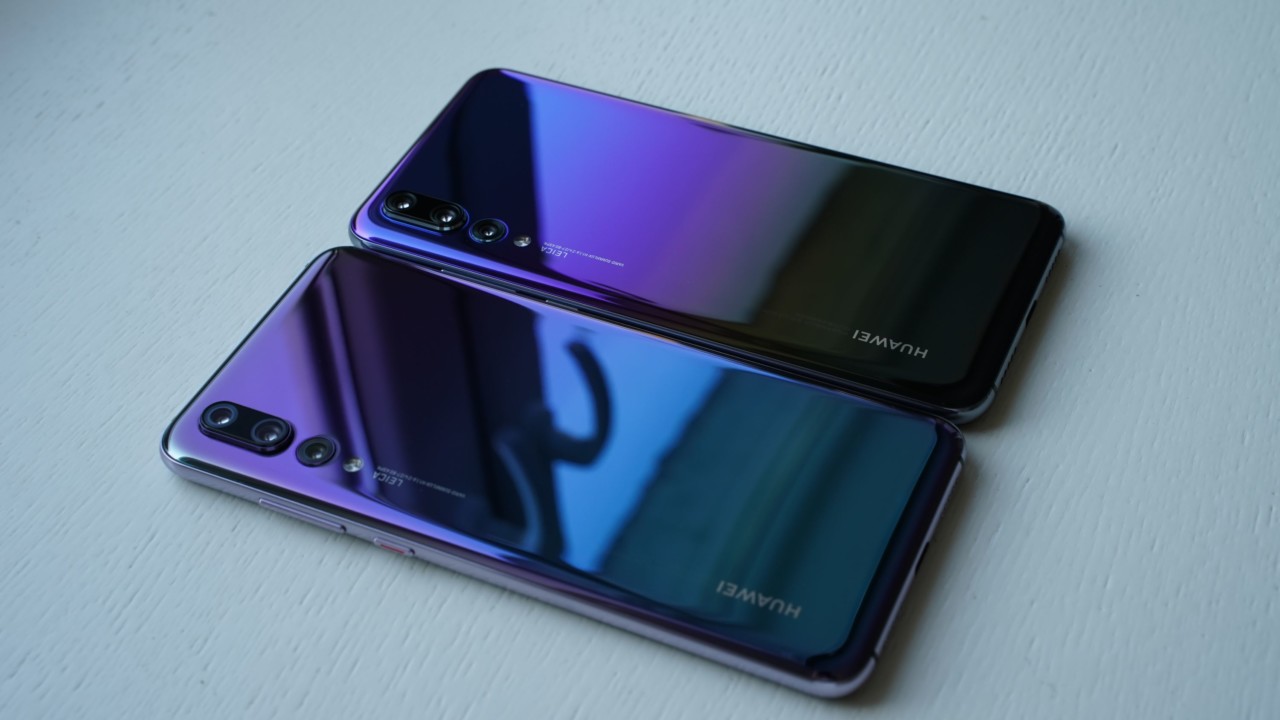
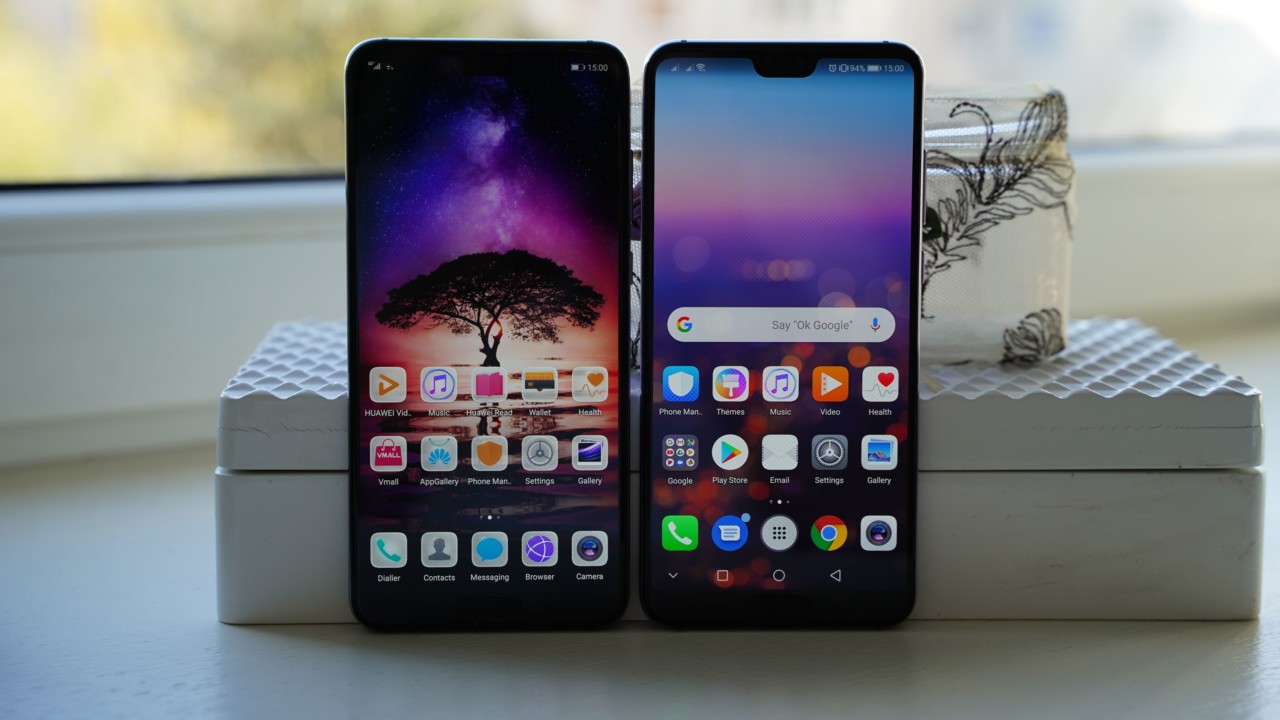
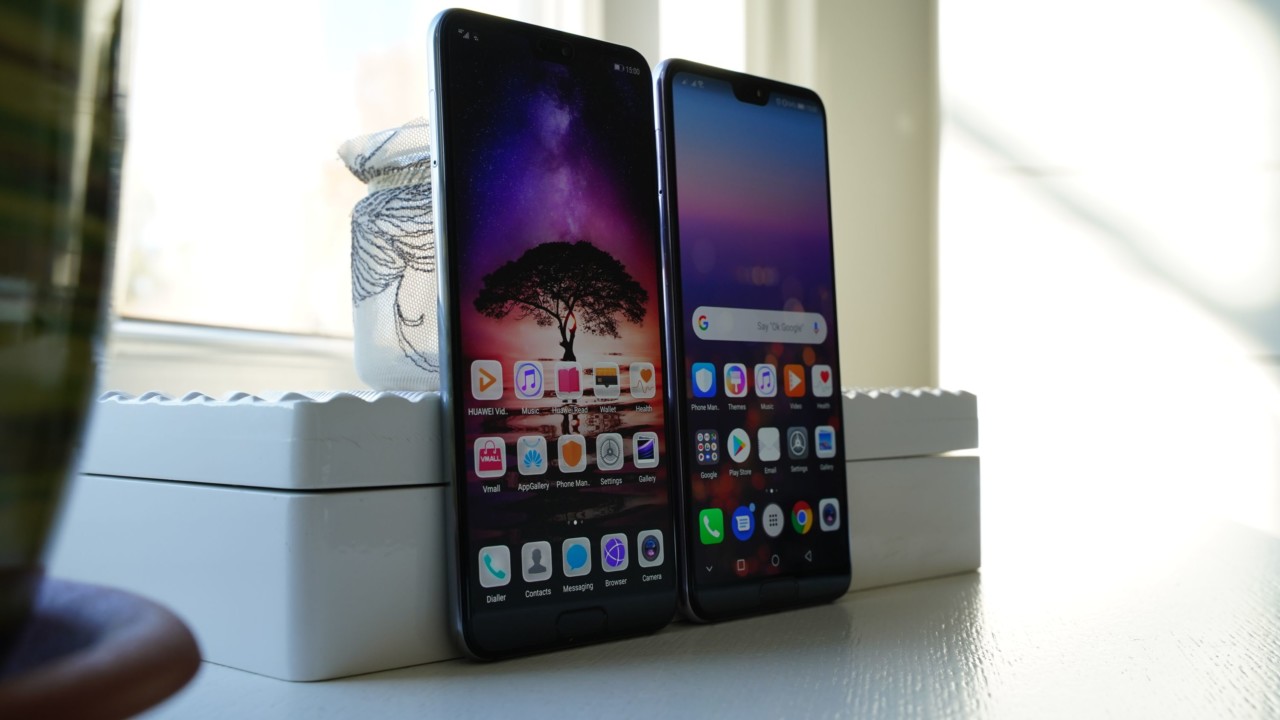
Here is a quick color comparison with the P20 Pro (Twilight color):
The backplate combines three colors. We could say those colors are blue, violet and black but we may be wrong since the colors look different depending on the lighting.
Overall, this color combination makes the P20 Pro one of the most beautiful phones out there. We took quite a few pictures of the device and we even used different camera settings to capture the colors of the phone, so you guys have a better idea how it looks like in reality.
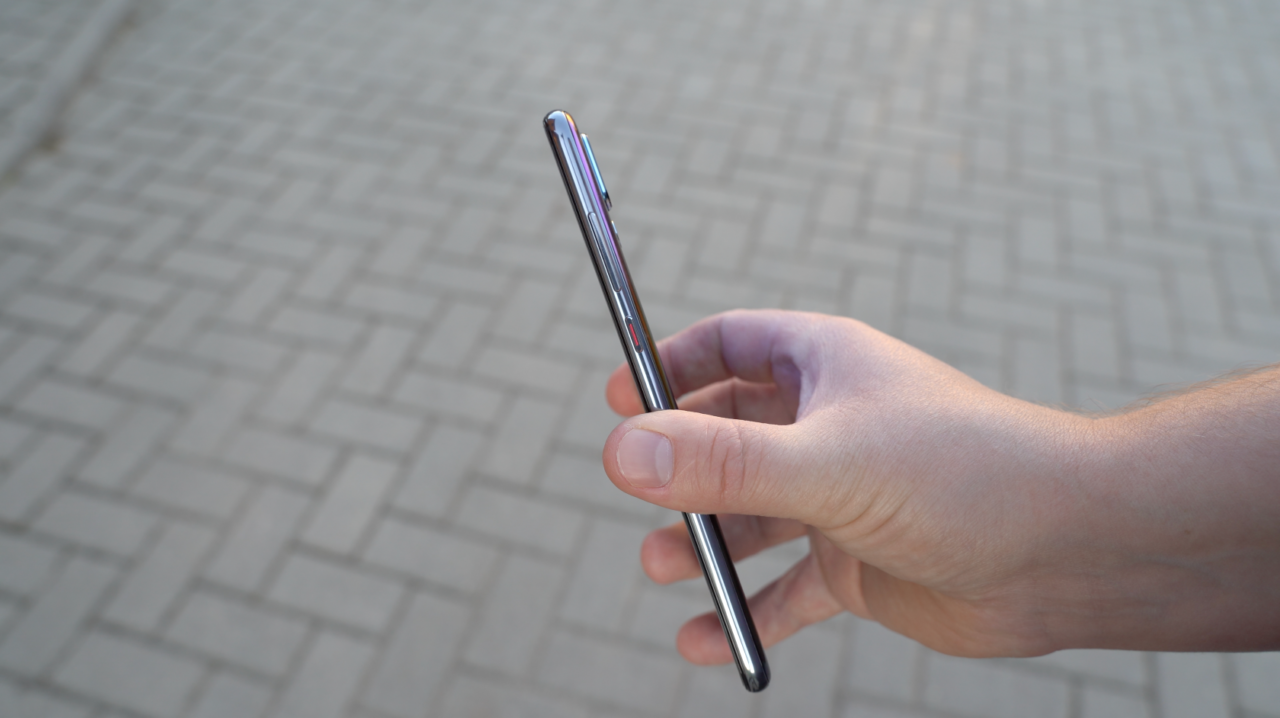
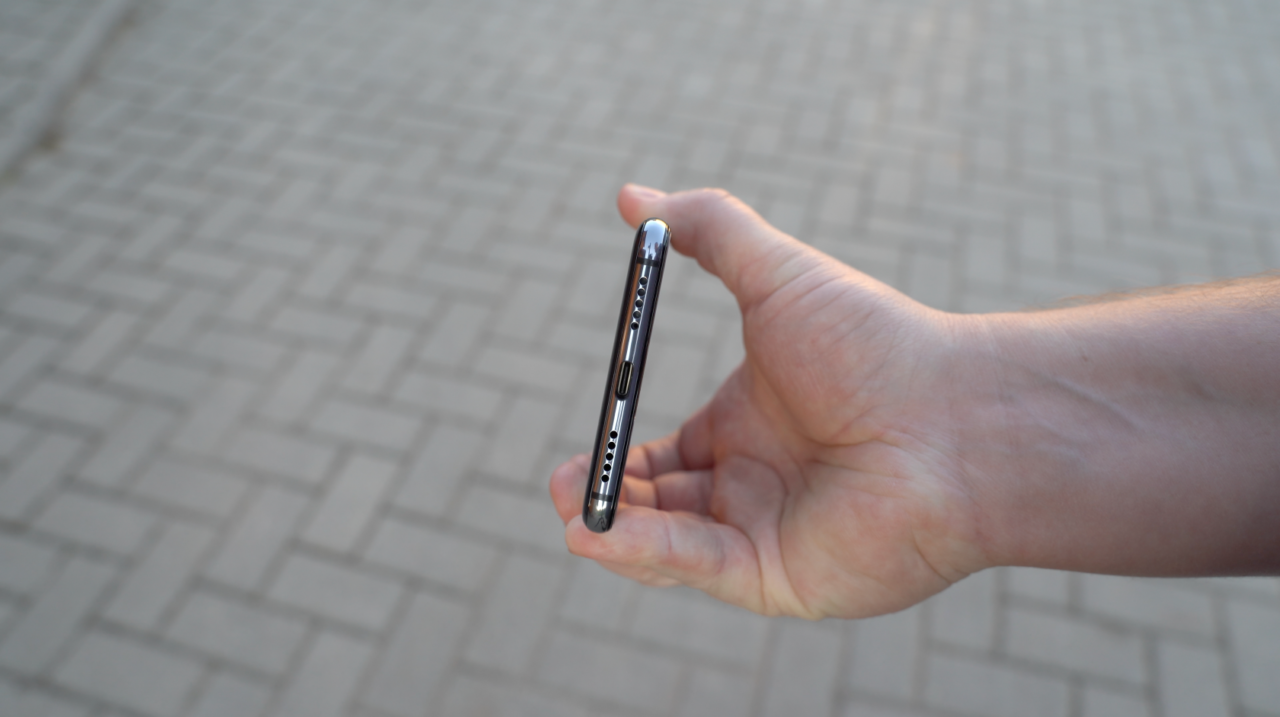
The overall build quality is excellent thanks to a nice metal frame, premium-feeling buttons and a glass on the front and rear.
It’s worth mentioning that now the phone has a silver color frame. In comparison, the Twilight model has a frame with a slight purple tint.
I found the phone to sit comfortably in the hand thanks to nicely curved glass backplate. I am impressed by the fact that Huawei managed to cram in a huge battery (4000mAh) into such a thin profile of the P20 Pro.
I’ve been using the P20 Pro since the official launch and it is hands down one of the best phones in terms of battery life. Sometimes I could get over 10 hours of screen-on time, which is amazing. More importantly, standby time has been excellent all the time. Finally, it takes just over 1 hour to charge the phone with the supplied fast charger.
A triple camera setup looks really impressive on paper. It consists of one 40MP RGB sensor, 8MP telephoto shooter and 20MP monochrome lens. More importantly, it has performed really well in practice and we were able to capture some amazing shots especially in low light and with 5x hybrid zoom.
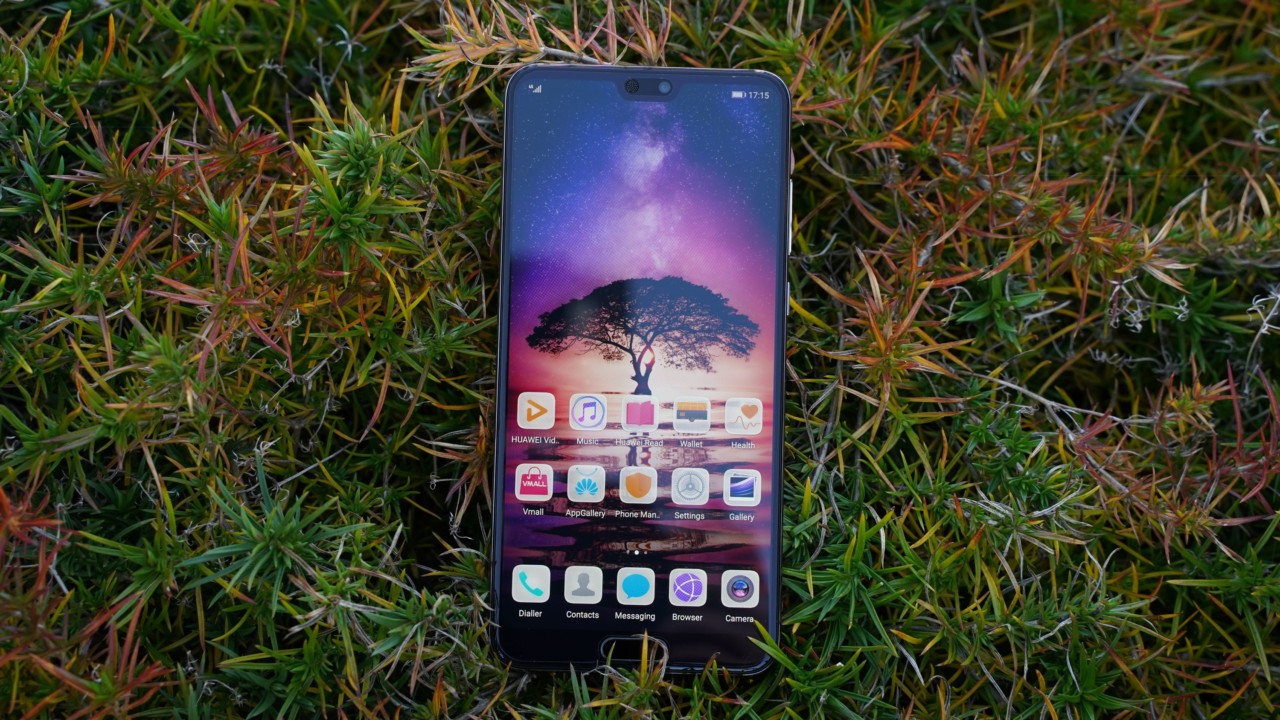
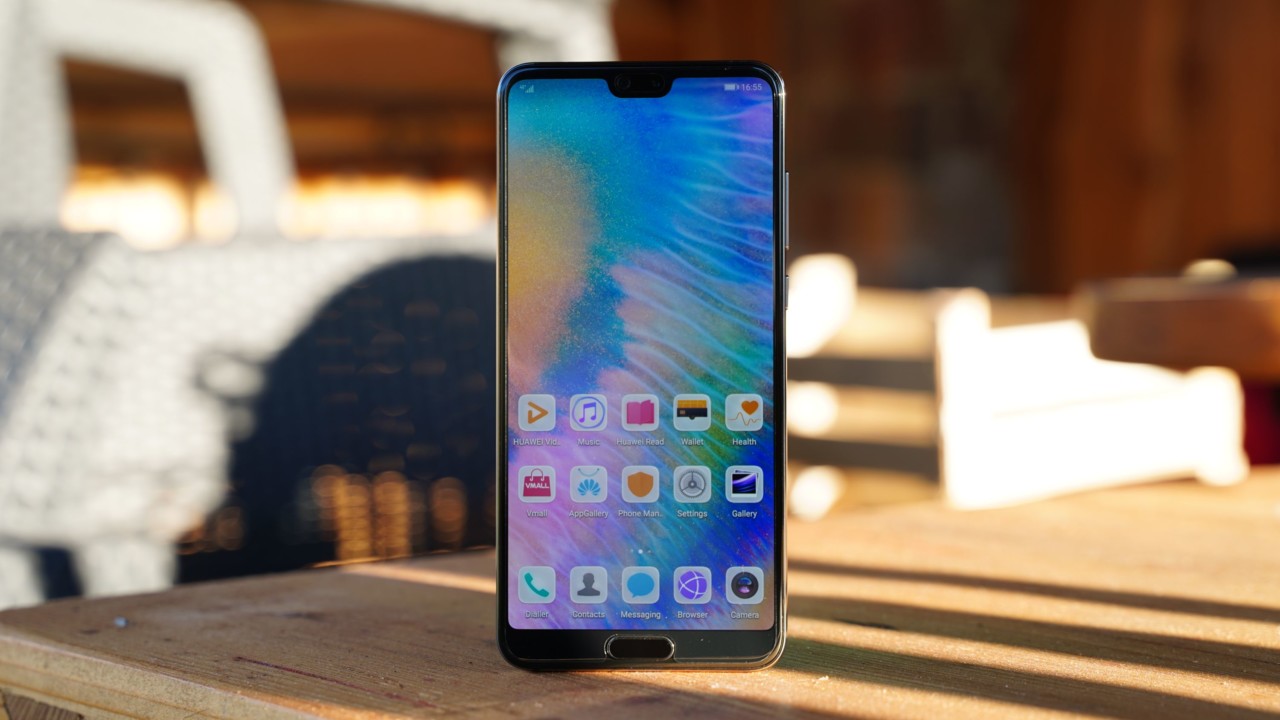
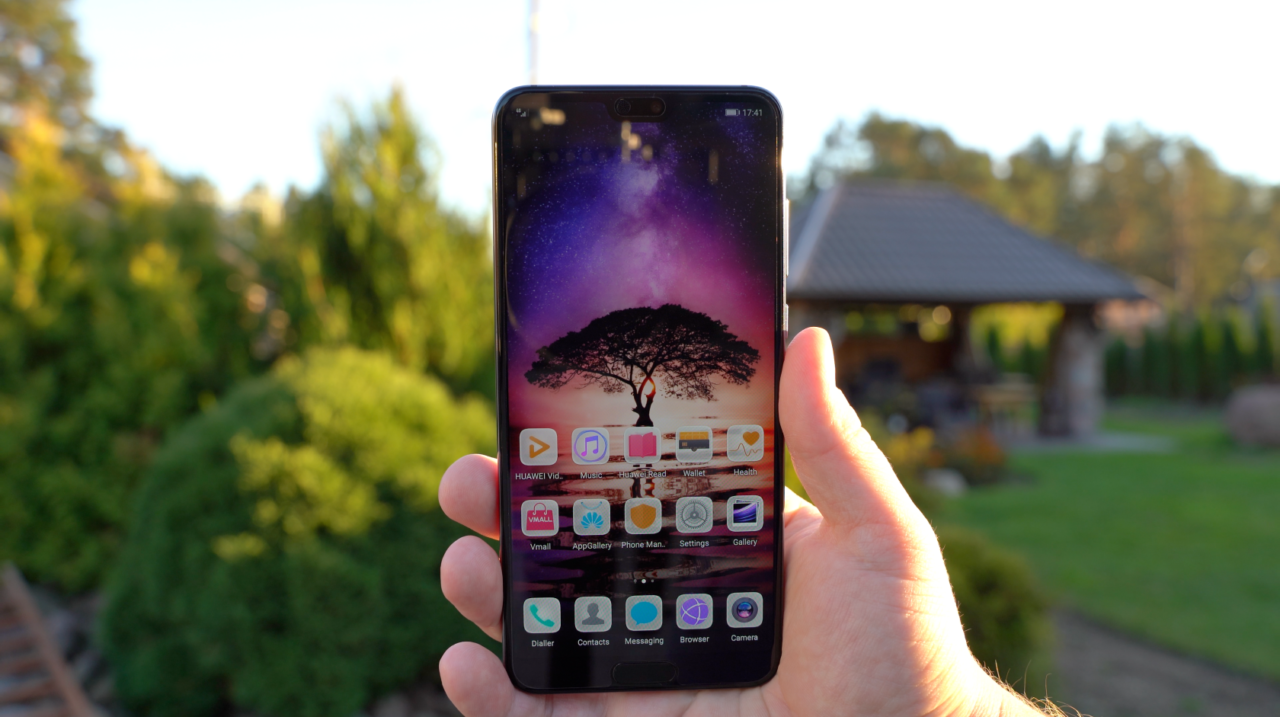
As for the display quality, it’s among the best on the market. It’s sharp, clear and easily visible even under direct sunlight.
After using the P20 Pro for a while, I have to say that the fingerprint scanner on the front is more convenient to me. I just love the fact that I don’t need to pick up the phone from the table to unlock it. Speaking of that scanner, it’s just blazing fast, super accurate and it unlocks the phone straight from the standby mode.
I was also really impressed by the face unlock feature. It’s ridiculously fast and accurate and it works well in any light and even if you wear glasses. All you have to do is press the power button before using this feature.
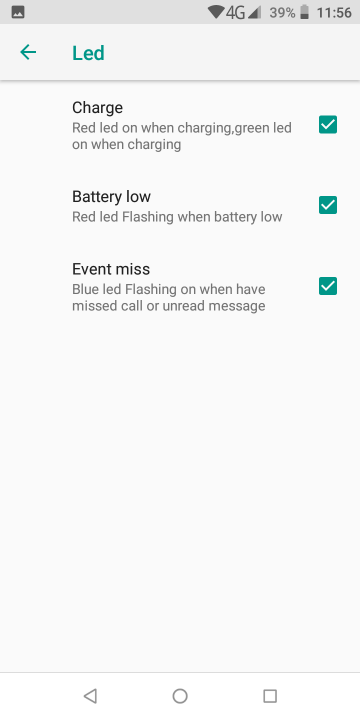
Other features you need to know: the phone has a nice LED notification light, 24MP selfie shooter, IR blaster, dual SIM card slot but no microSD card support. You should also know that there is no headset jack but the sound quality using a supplied adapter is excellent. Also, the P20 Pro has a Hi-Fi wireless audio system that assures great sound quality via the Bluetooth. Moreover, the Huawei P20 Pro is IP67-certified for water and dust resistance.
There is a dual stereo speaker setup that is really good too. I like that the sound is deep, punchy and loudspeakers can get pretty loud.
HARDWARE and PERFORMANCE
[envira-gallery id=”216780″]
In terms of hardware, the P20 Pro is a beast. It ships with the home-brewed Kirin 970 processor and other powerful components (6GB of RAM and 128GB of storage) that in conjunction with the AI, assure excellent all-around performance.
That can be seen when playing the latest 3D games. All the titles I played run absolutely fine, no skipped frames, no stutter, and the P20 Pro does not get hot while gaming either. Flagship-grade performance.
USER INTERFACE
In terms of user interface, I can just repeat myself – performance is excellent thanks to no small part of Kirin AI chipset with integrated NPU unit that helps allocate resources to the specific task. As usual, I’ve installed a lot of apps, use many different social media apps, Google accounts etc but I’m yet to see the phone lag or stutter. This phone is almost stock Android fast, which is really impressive.
EMUI 8.1 is based on Android 8.1 and I know that many people still can’t get used to cartoonish and a bit different than stock Android look. Personally, I like the Huawei’s user interface. Although I do not use all the extra features and customization options, the P20 Pro is one of the fastest phones you can get and I can assure that after using the phone for months.
CAMERAS
[envira-gallery id=”216790″]
If you want a more in-depth look of the camera quality, check out our initial review. In short, Leica cameras have been one of the reasons why I keep carrying the P20 Pro with me. 5X hybrid zoom and amazing low-light capabilities are the features that set apart it from other phones on the market and the overall picture quality has been amazing. The only thing I’m frustrated with is that we still don’t have image stabilization in 4K video recording mode. On the other hand, OIS works very well in 1080p mode, so you can get really smooth footage.
CONNECTIVITY
In terms of connectivity, I found the P20 Pro to be good and reliable in all aspects. Call quality is excellent and signal reception is actually better than most of the phones I’ve tested in the recent memory. Also, I found GPS to be very accurate, Wifi is fast and Bluetooth works fine. Finally, there are quite a few sensors on board, like on most of the flagships.
CONCLUSIONS
Overall, the Huawei P20 Pro is still an amazing smartphone, even though it was released quite some time ago.
The Morpho Aurora looks really nice and a gradient color combination makes the P20 Pro one of the most beautiful phones out there. In addition, we love the build quality, nice and sharp display, excellent overall performance, one of the best cameras on the market, great battery life and honestly, the lack of stabilization in 4K video recording mode is the only complaint we have to share with you.
At the end of the day, the Huawei P20 Pro is still an amazing smartphone to buy. I may sound subjective but I’ve been using the phone as my daily driver for months and I can easily recommend it to anyone. Even though the Twilight color still looks nice, the Morpho Aurora takes a gradient color finish to the next level and we can suggest you checking it out if you are in the market for a truly beatiful-looking smartphone.
The Lenovo S5 Pro launches in a few days and Lenovo is counting down to the day by releasing one teaser poster each day. The teaser posters for yesterday and today reveals details of the cameras as well as the color variants the phone will come in.
The teasers were shared on Weibo by the company’s CEO and they also take a swipe at Xiaomi’s Mi 8 series. For example, yesterday’s teaser takes on the Mi 8 and brags that the S5 Pro’s 20MP sensor which forms one of the two AI dual front-facing camera is better than that of Xiaomi’s flagship.
[envira-gallery id=”216688″]
The secondary 8MP sensor is not shown in the image but we can tell that the S5 Pro in the poster has a Rose Gold finish. This is actually not one of the colors listed by TENAA.
On the other hand, the teaser poster released today takes on the Mi 8 SE. Lenovo boasts the S5 Pro’s f/1.8 sensor is superior to that of the Mi 8 SE. The primary camera on the rear of the Mi 8 SE is a 12MP f/1.9 sensor while the secondary camera is a 5MP f/2.0 sensor. TENAA says the Lenovo S5 Pro has a 20MP + 12MP dual rear camera combo and the teaser above says one of the sensors has a f/1.8 aperture. On paper, the Lenovo is superior but it remains to be seen if it can beat the Mi 8 SE in a shootout.
The poster also reveals some other details. We can see one of the sensors has a 5P lens while the other has a 6P lens. It also confirms the phone has a rear-mounted fingerprint scanner and will come in blue. This color is also not among the ones listed by TENAA.
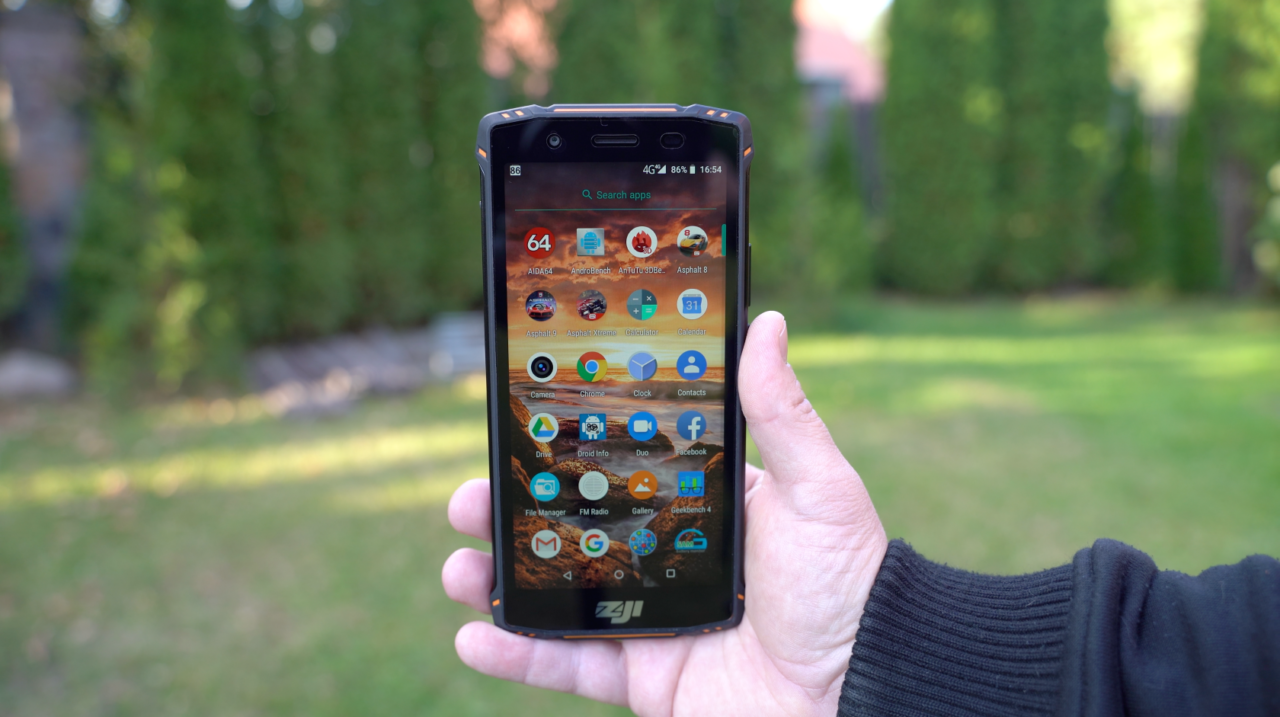
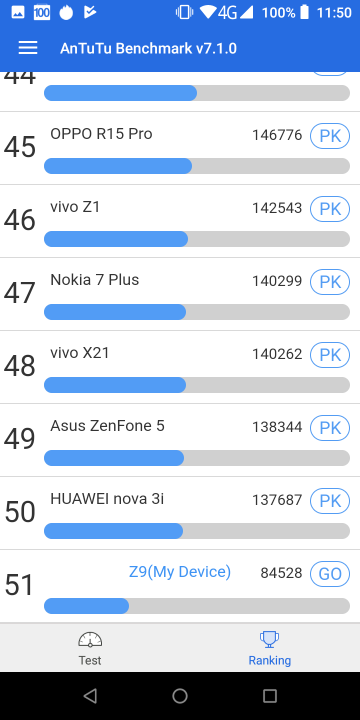
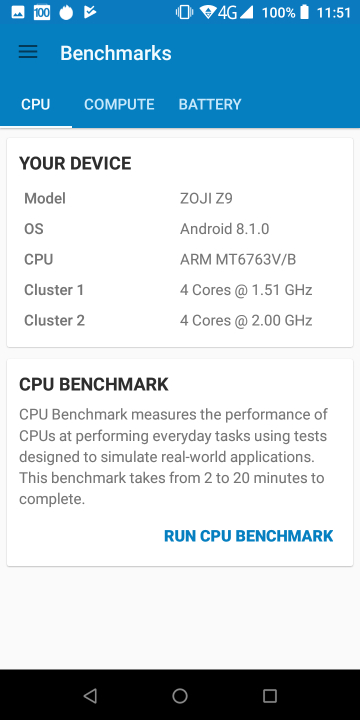
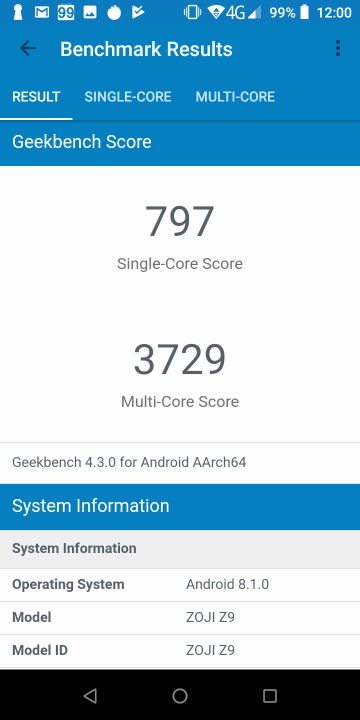
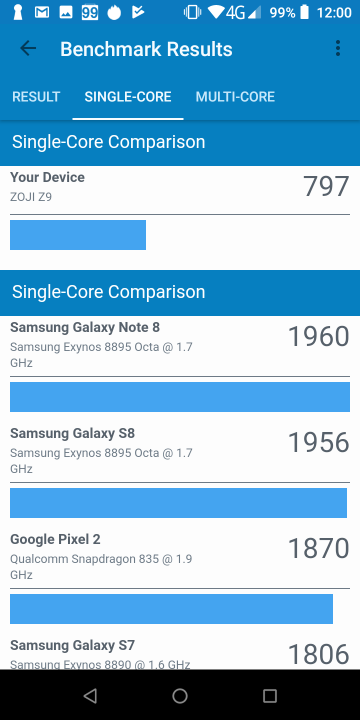
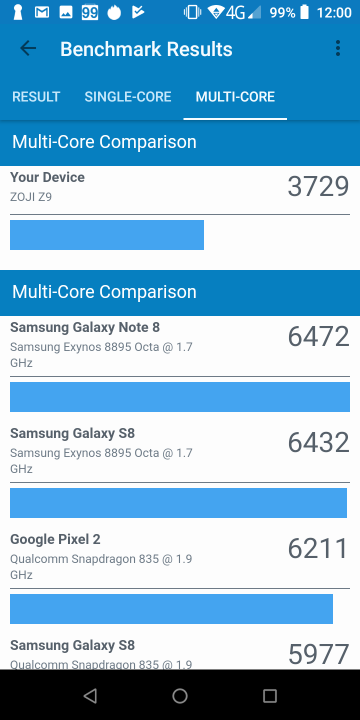
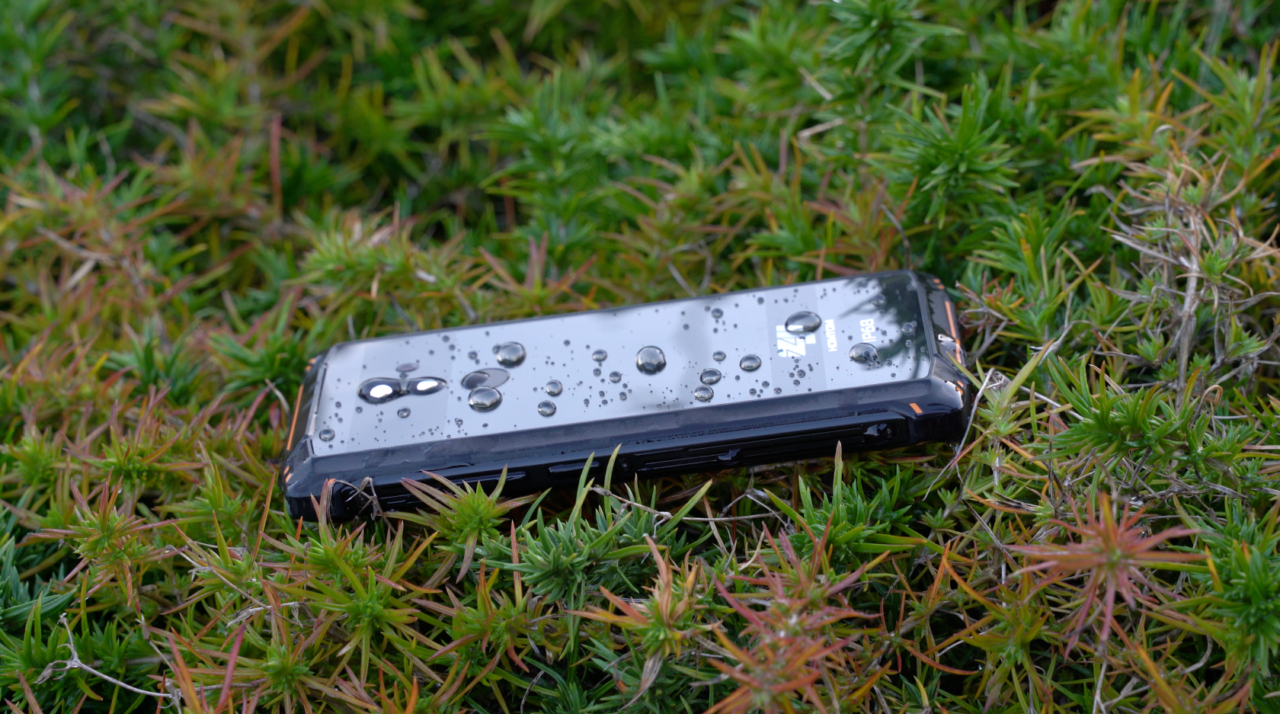
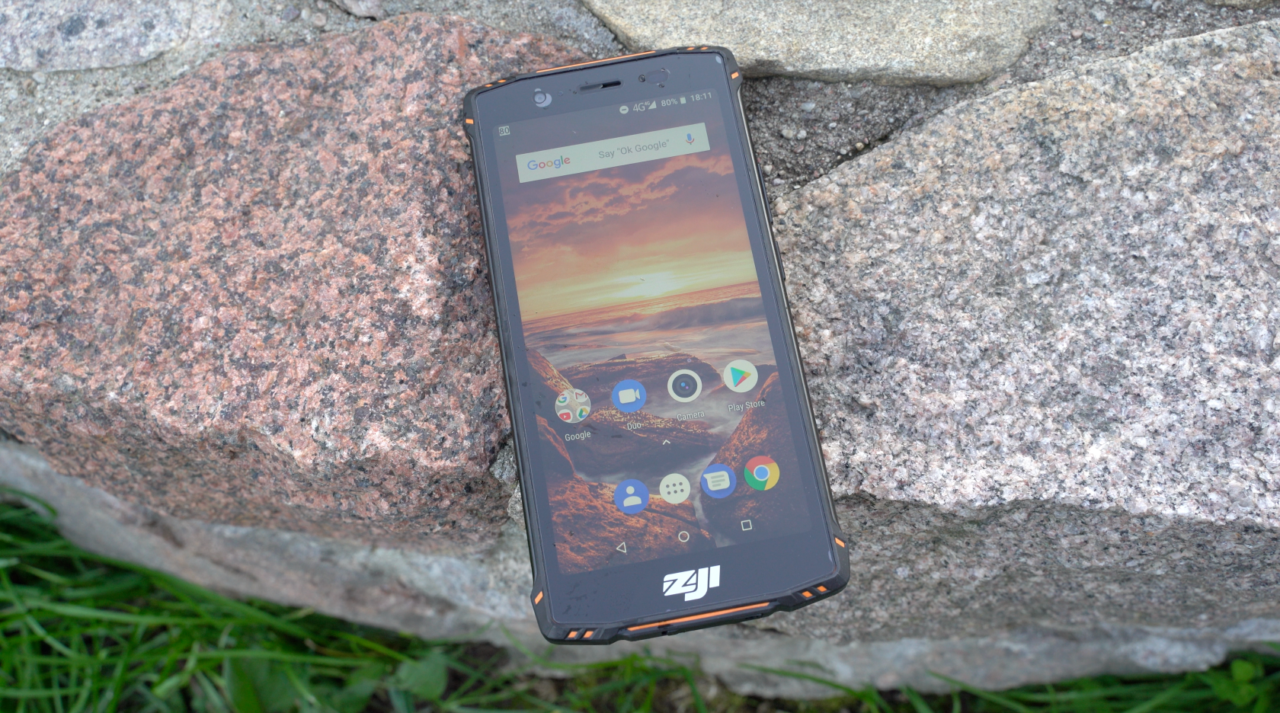
The HOMTOM ZOJI Z9 is one of the latest budget rugged smartphones that has a nice design, pretty good specs, huge battery and obviously, this device can take a beating. As usual, let’s take a look at all the pros and cons of this device.
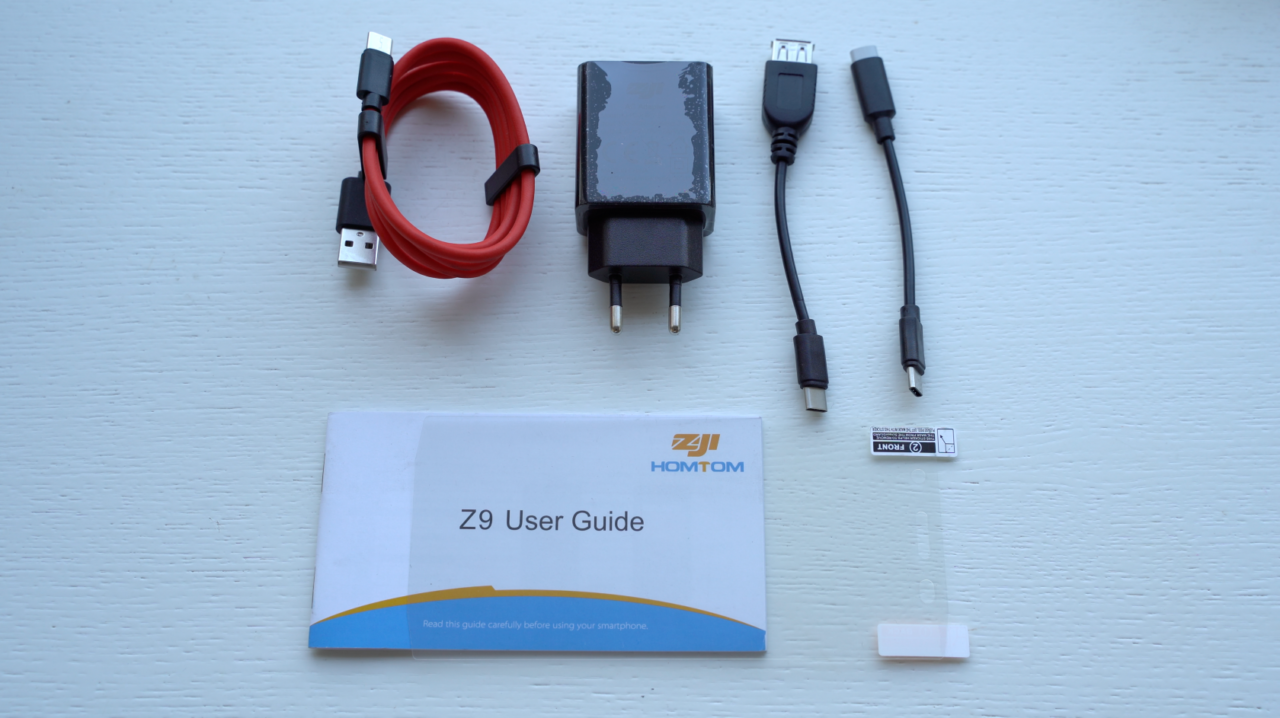
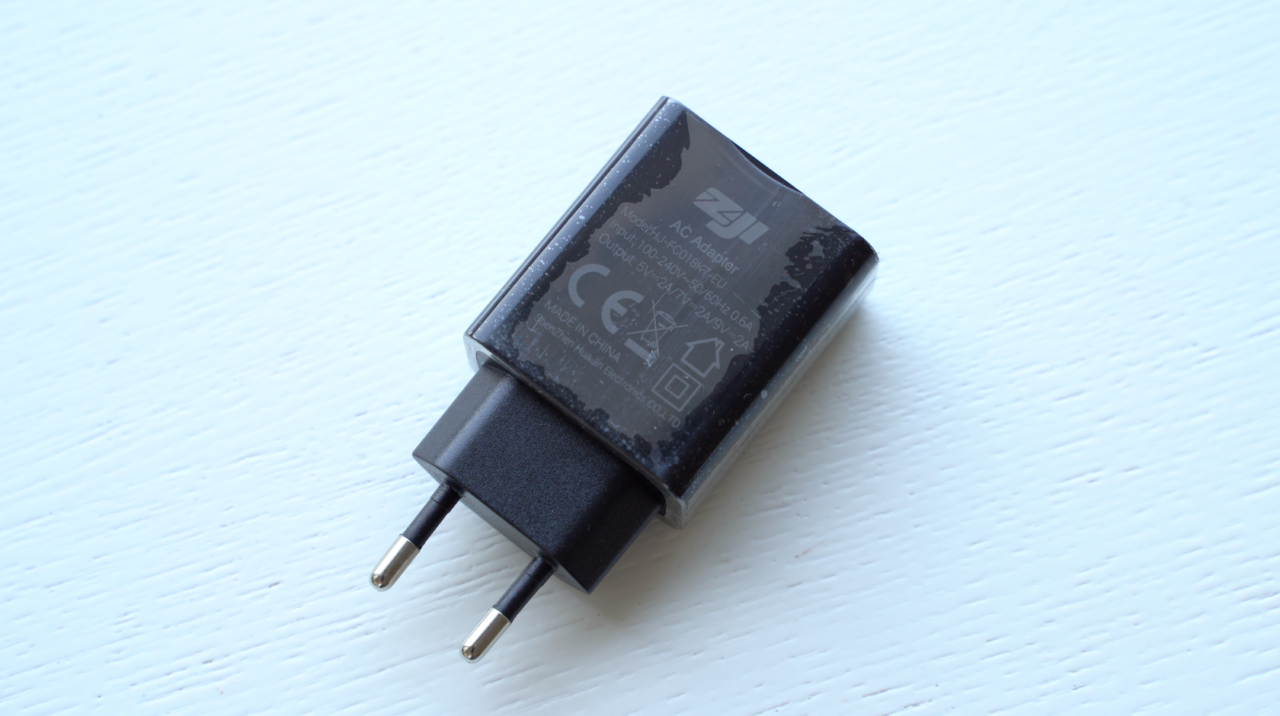
The phone ships with all the usual stuff and some extras include a headphone jack adapter, USB OTG cable, and a screen protector.
DESIGN
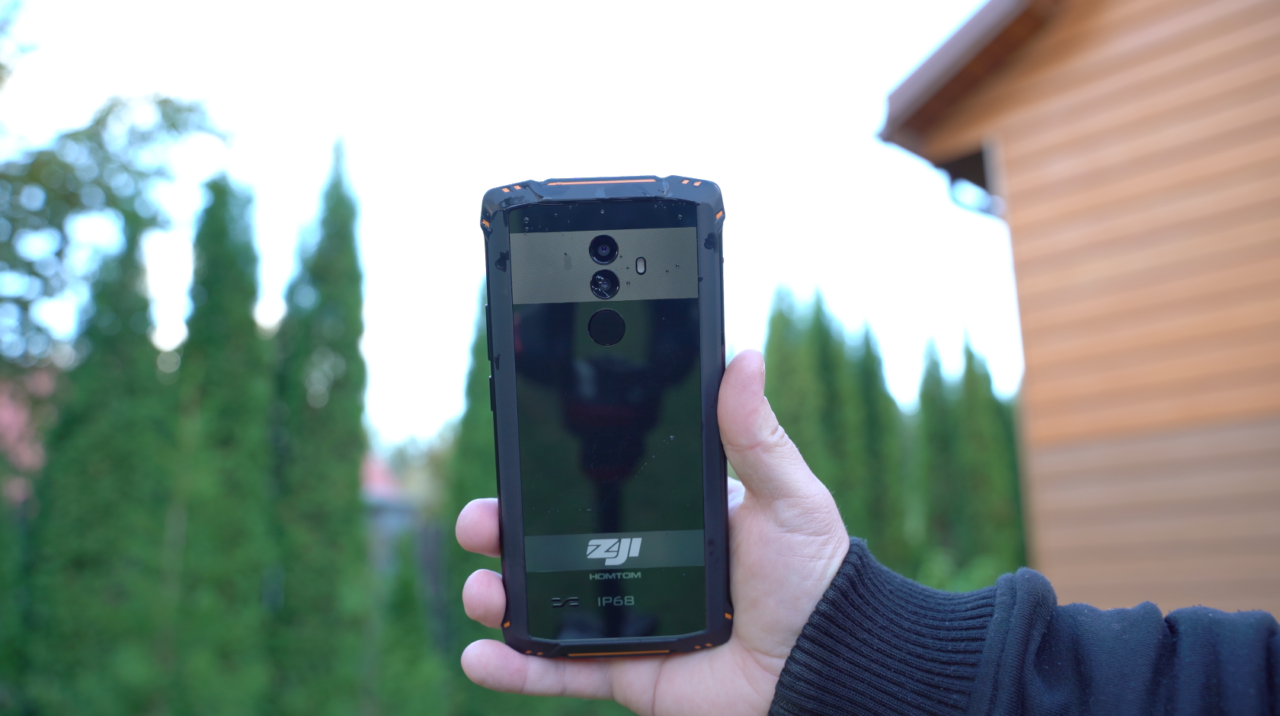
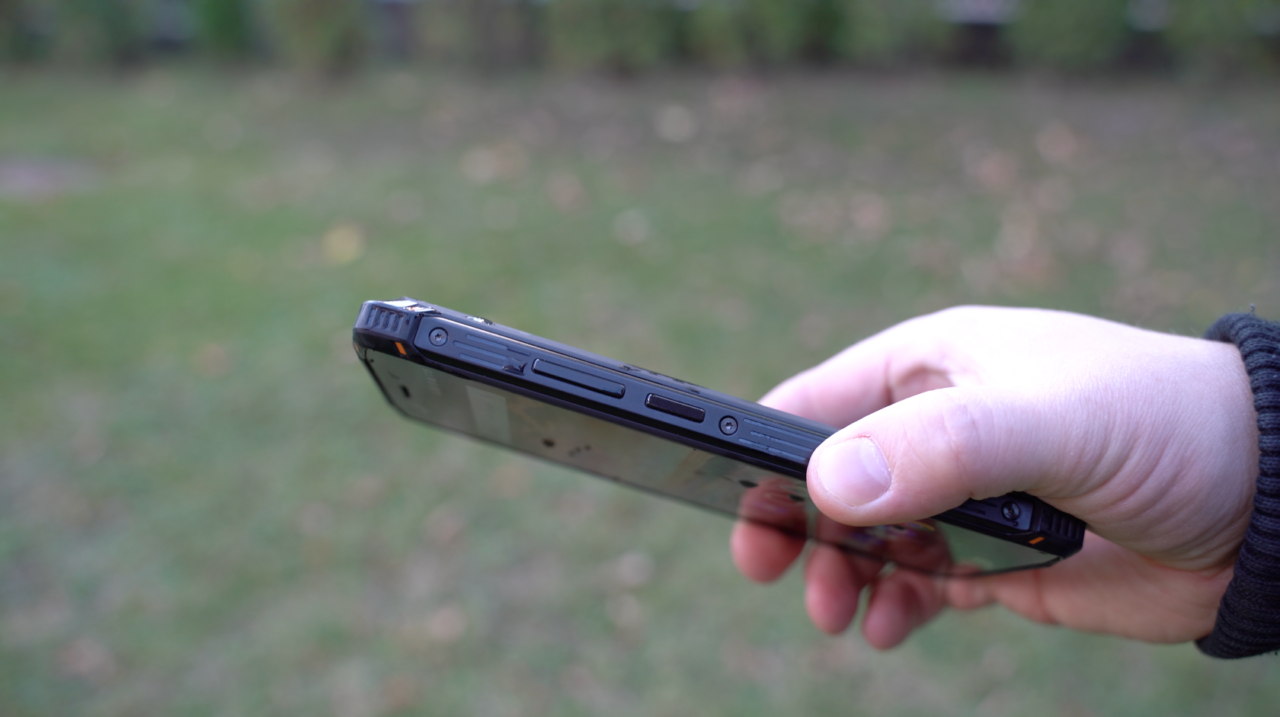
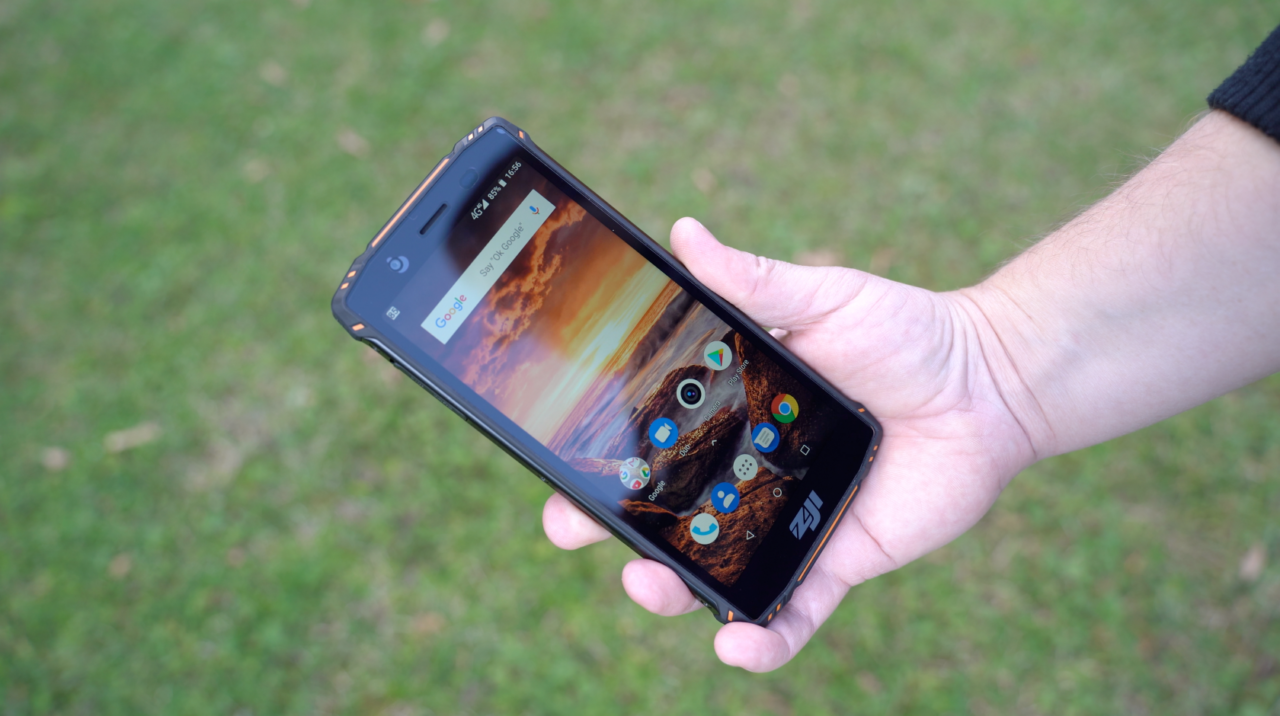
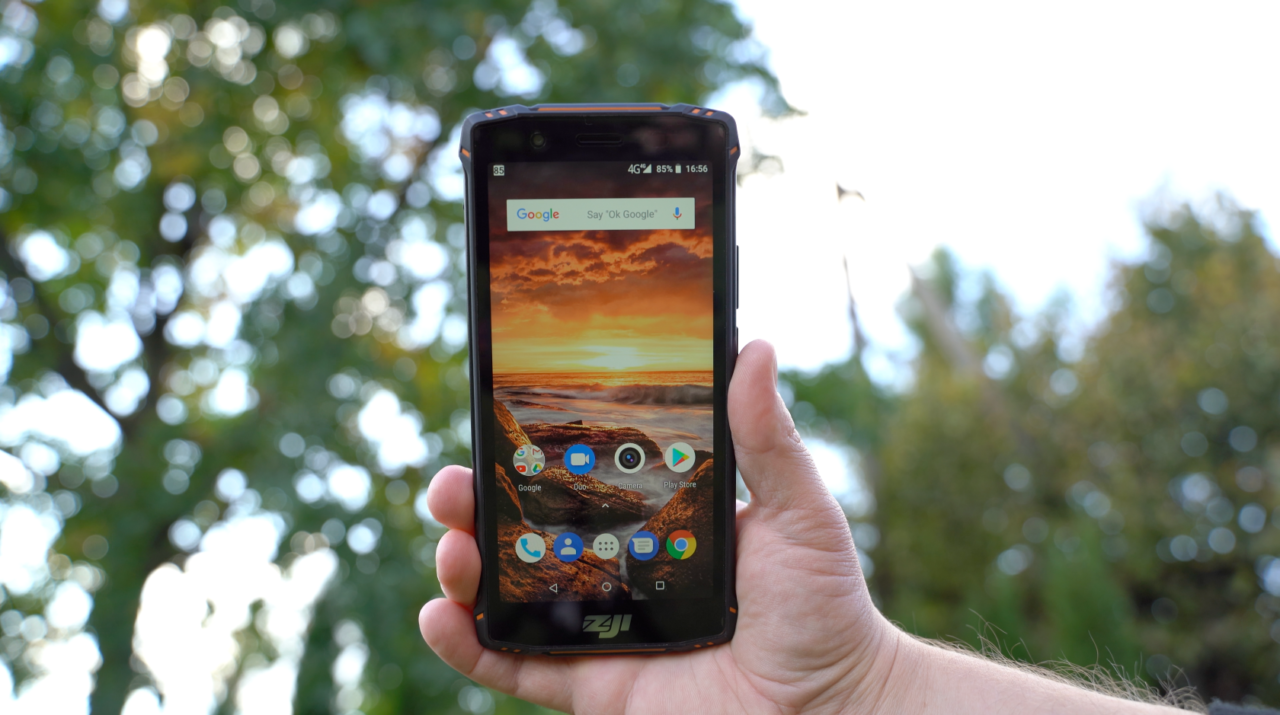
The Homtom Z9 has a body that can take a beating as the phone is shockproof, water-resistant and dustproof thanks to IP68 certification.
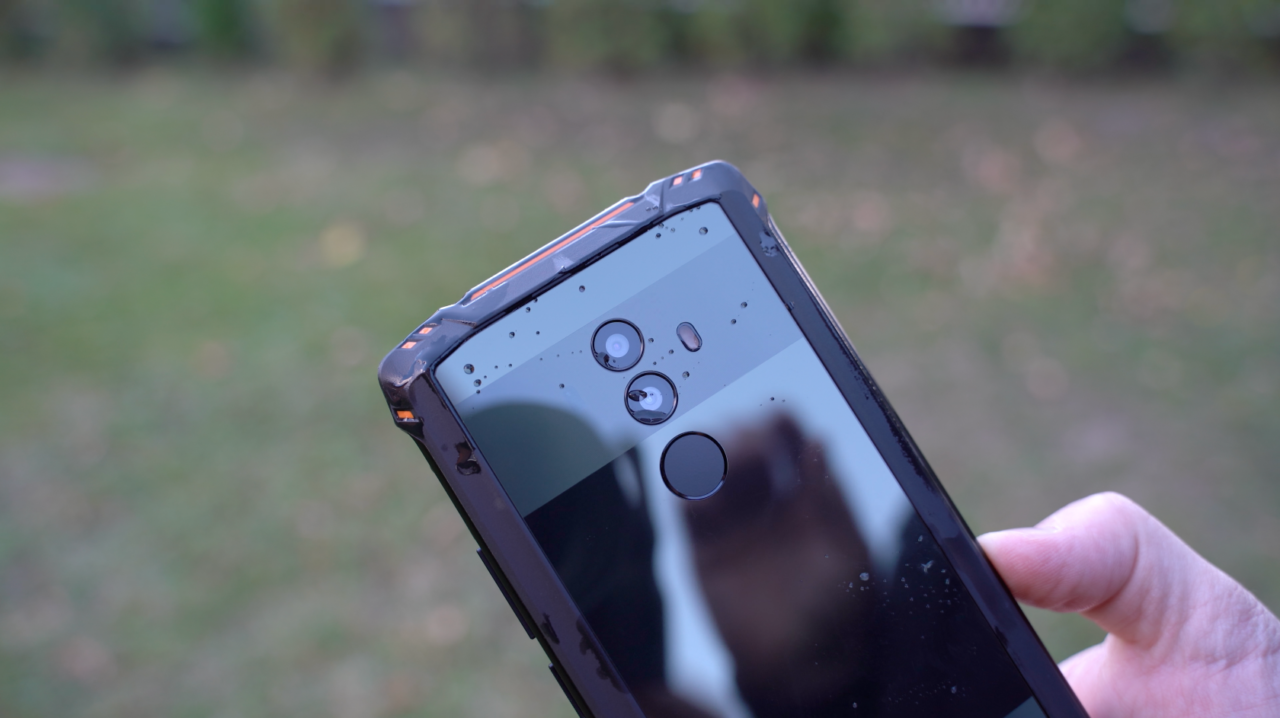
What surprised me the most was the fact that the device has a glass backplate.
The device has a nice aluminum rail with chamfered edges that goes all around the device. The top and bottom of the phone are made of shock-resistant rubber. The USB-C power port is covered with a flap. Unfortunately, the phone does not have a headset jack. The overall build quality is very good. The phone feels sturdy, the buttons are nice.
The phone is relatively thin and compact considering the fact it has a massive 5500mAh battery. Also, the device does not feel heavy in the hand due to good weight distribution.
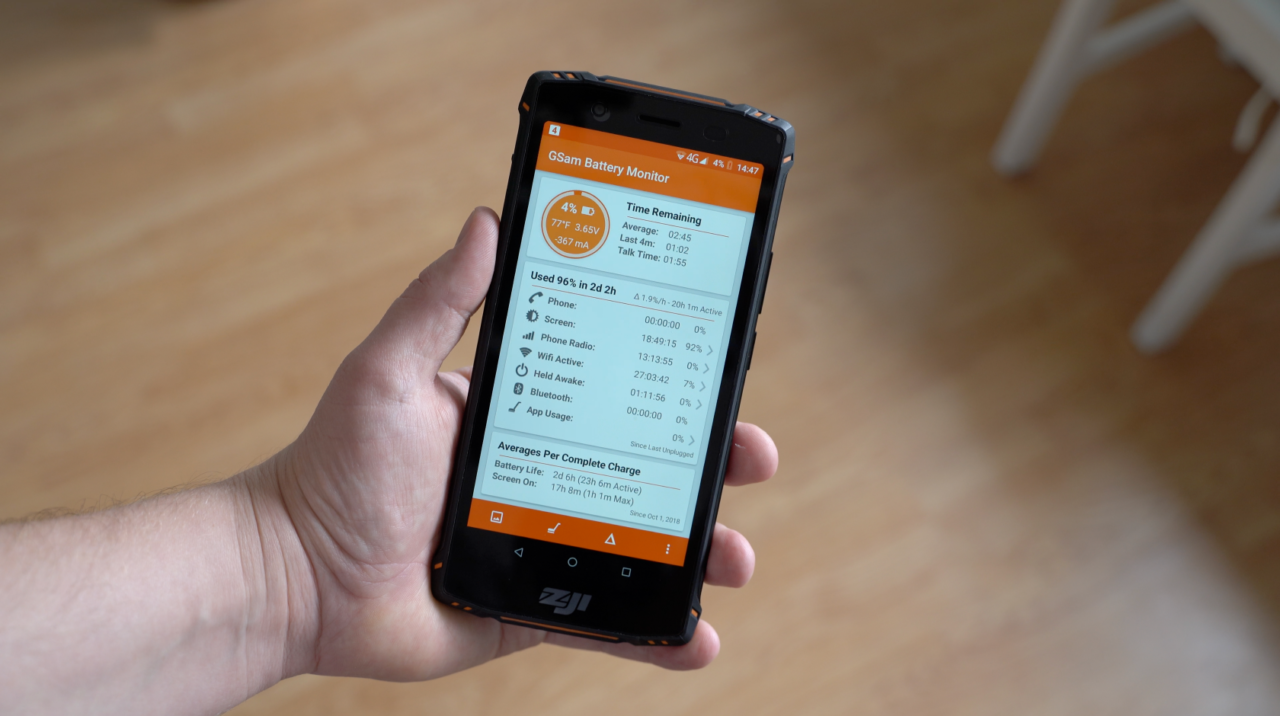
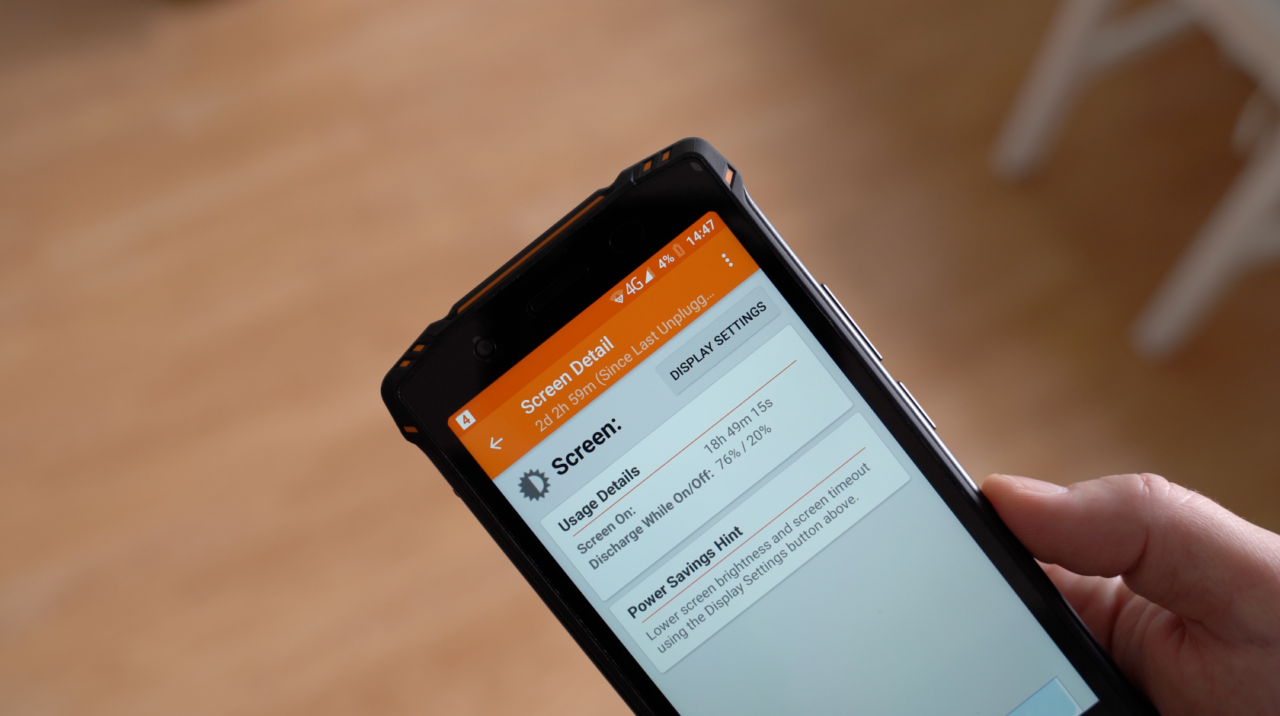
That battery lasts for a long time. I was able to get almost 19 hours of screen-on time on a single charge. While you may not achieve this result all the time if you use the phone more intensively, you will always feel confident that the battery will last you a long time.
You can also use the phone for as a power bank to charge other devices. In addition, the supplied fast charger fully charges the phone in just over 2 hours.
The display is really nice and sharp thanks to In-cell technology. The panel looks vibrant and beautiful both indoors and outdoors.
The fingerprint scanner is accurate but the display could light up faster. Also, it is implemented near the cameras, so you may need a few days to get used to the position of it. The face unlock feature is reliable too but I found myself using the fingerprint scanner as it is simply faster.
Other notable features include a dual-camera system (21+2MP) on the back, a 13MP shooter on the front, LED notification light and a hybrid dual SIM card tray.
The loudspeaker may have a bit more depth but overall it’s pretty good. Also, it can get quite loud.
HARDWARE
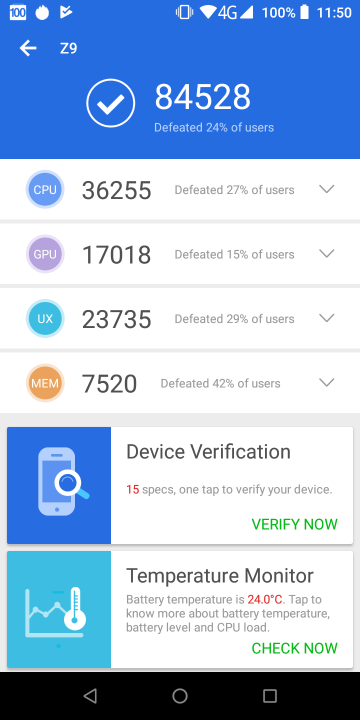
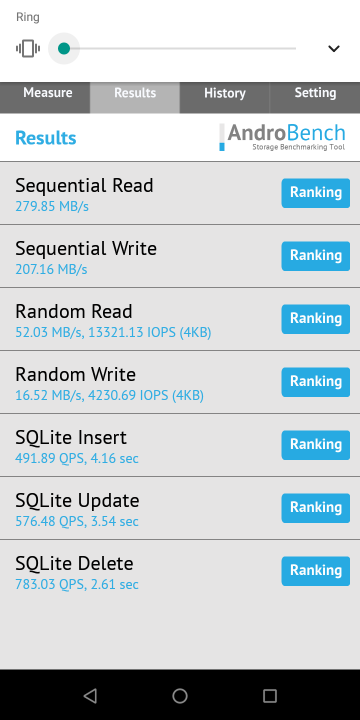
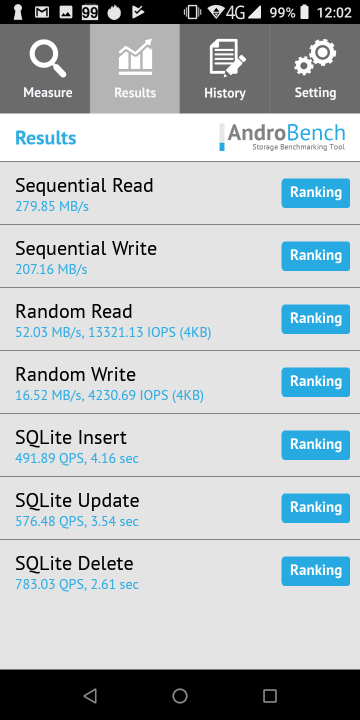
The phone ships with the Helio P23 CPU, 6GB of RAM and 64GB of expandable storage.
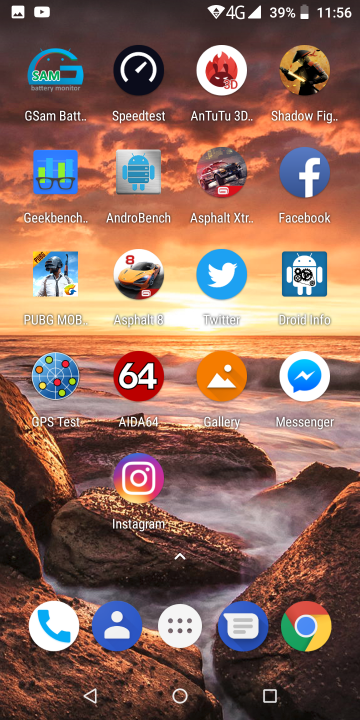
The gaming performance is kind of mediocre. You should expect to see quite a bit of stutter in games like Asphalt Xtreme. There will also be some skipped frames in the Shadow fight 3 and finally, the Pubg is playable only on low graphics settings but there will still be quite a few skipped frames and lag. Overall, this is not the best phone for gamers, unless you like playing games with reduced graphics settings.
USER INTERFACE
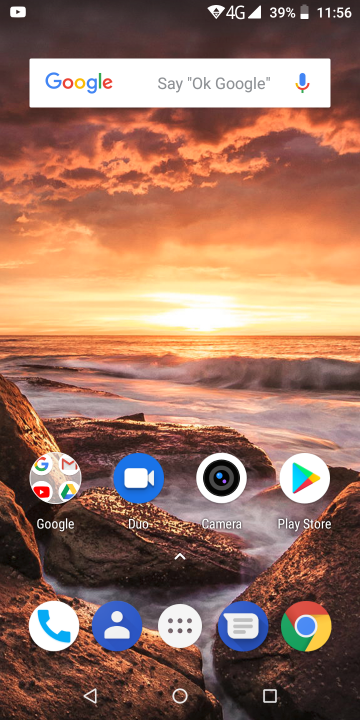
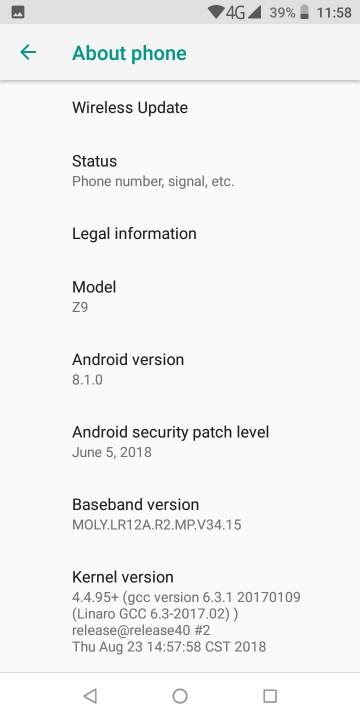
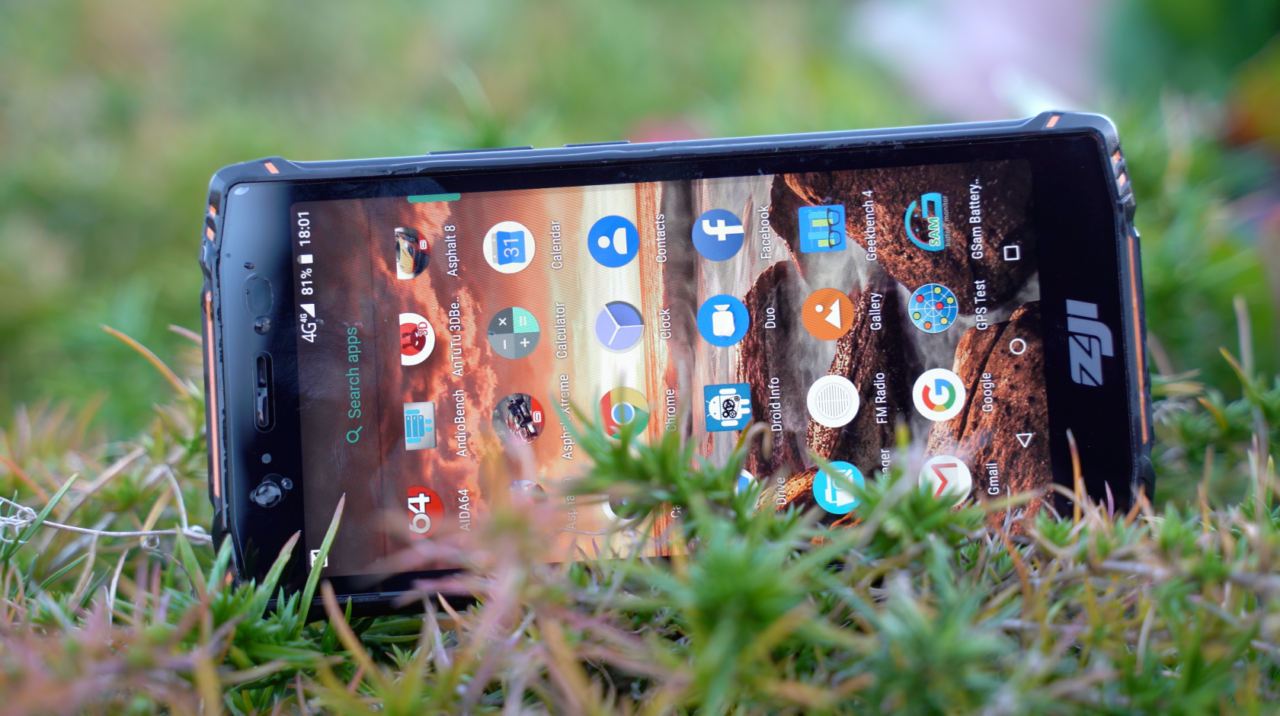
The Homtom Zoji Z9 ships with Android 8.1. Right off the batt, you can notice that the phone is really fast and snappy thanks to the stock Android interface.
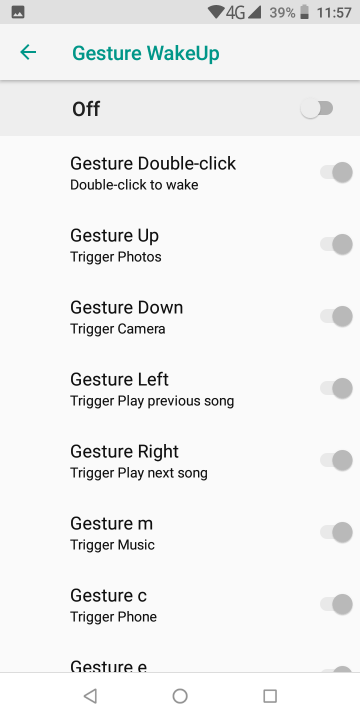
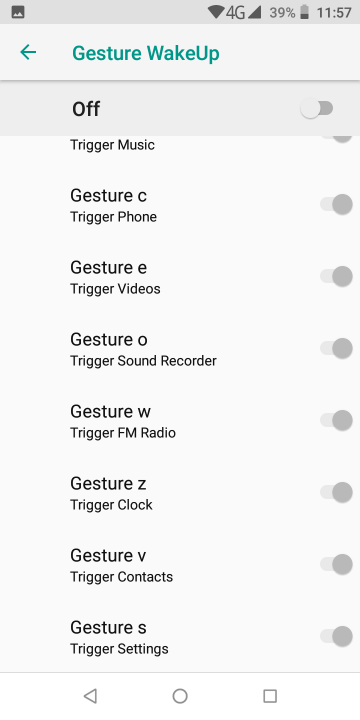
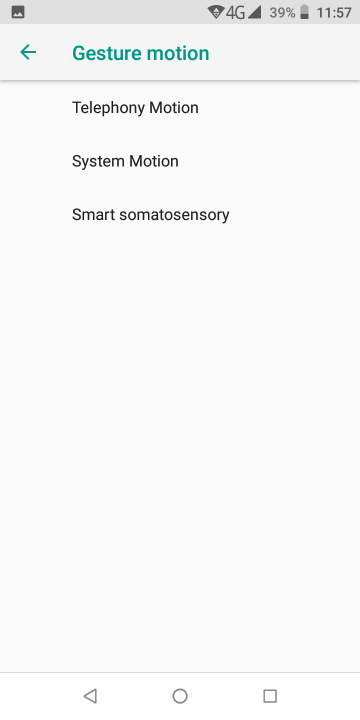
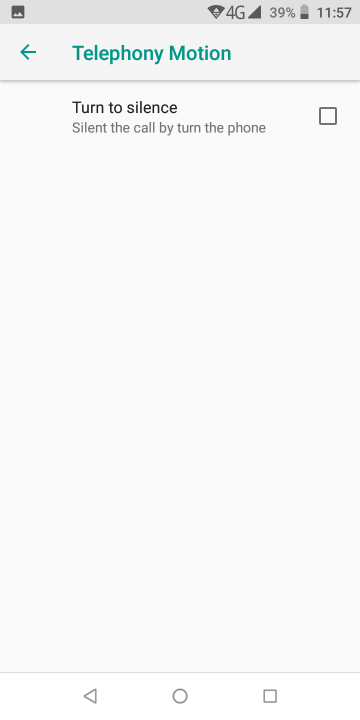
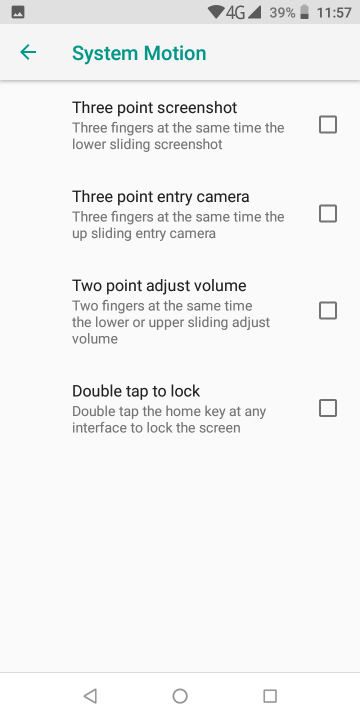
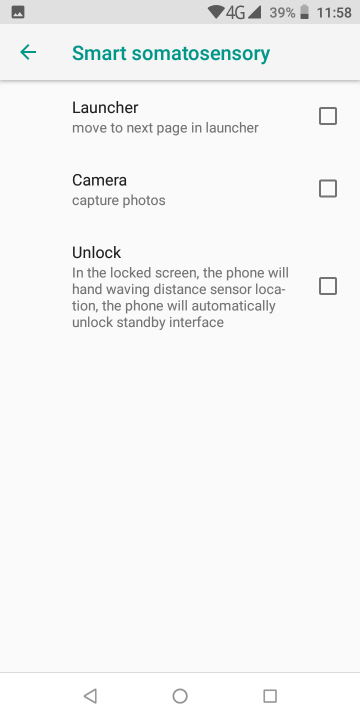
There are some added features like gesture and motion controls that work fine but that’s about it. No bloatware, no gimmicky features, just pure Android experience.
IMAGE QUALITY
The main camera can take nice pictures in good lighting. I can’t say all pictures are perfect but this is one of the better camera setups in a budget rugged phone as you can get some nice images out of it. The portrait shots use mostly software to mimic DSLR bokeh effect and the low-light camera performance could be better but this is what you need to expect from most of the budget phones.
The selfie image quality is quite decent but colors are usually washed out and there could be less noise.
1080p video looks okay but there could be more detail in the footage and continuous auto-focus is kind of slow.
1080p selfie video quality is mediocre as there could be more detail in the footage.
CONNECTIVITY
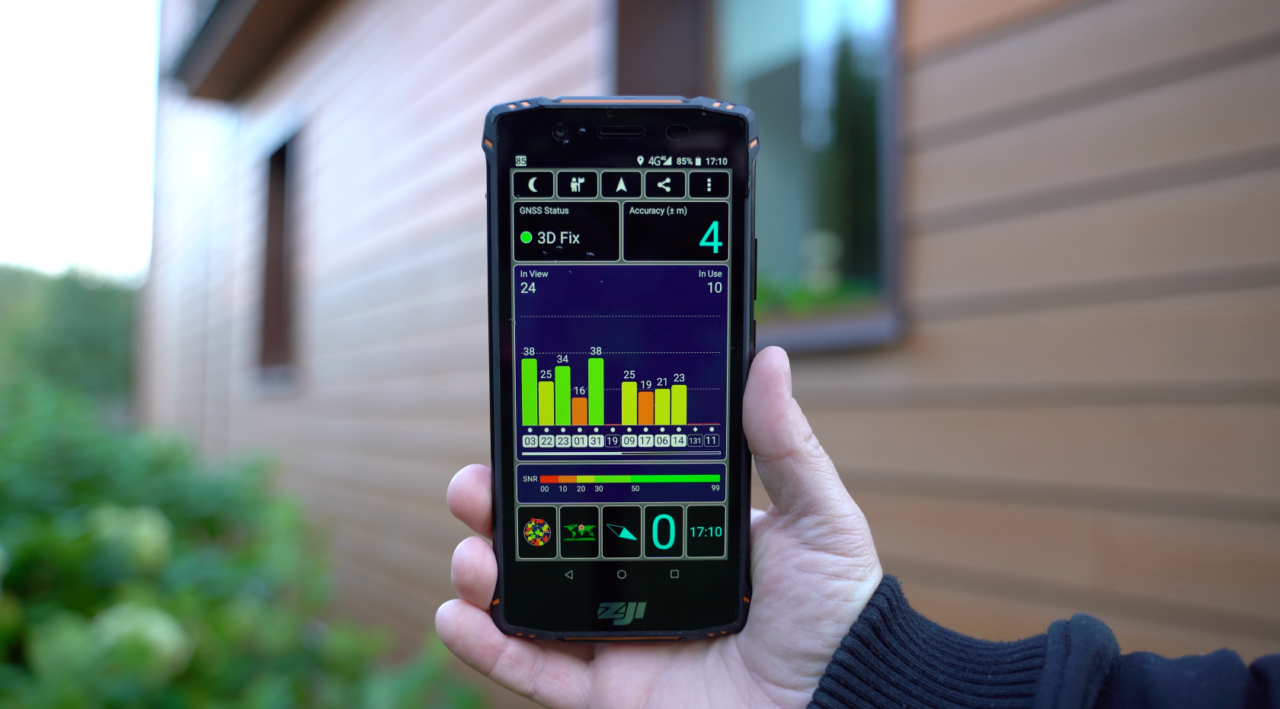
Connectivity-wise, the Homtom Zoji Z9 is pretty good. Call quality has been good, I had no issues with signal reception and GPS has been working fine. The device also has NFC and a few sensors including a gyroscope for 360 content. Finally, the phone has a heart rate monitor.
CONCLUSIONS
The Homtom Zoji Z9 is a phone that offers a rugged design and quite a few other features but let’s summarise all the pros and cons.
For the price of about $230, you get a phone that is well-built, it is water and dust resistant and it can survive a few drops. In addition, I like a sharp display, very good battery life and stock Android that assures fast and snappy day-to-day performance. Finally, the camera can take nice daylight pictures. However, the gaming performance is mediocre and bokeh-like pictures taken with the help of depth sensor do not look great.
At the end of the day, the Homtom Zoji Z9 looks like a solid budget rugged phone as it does not have many flaws to consider, especially for the price.
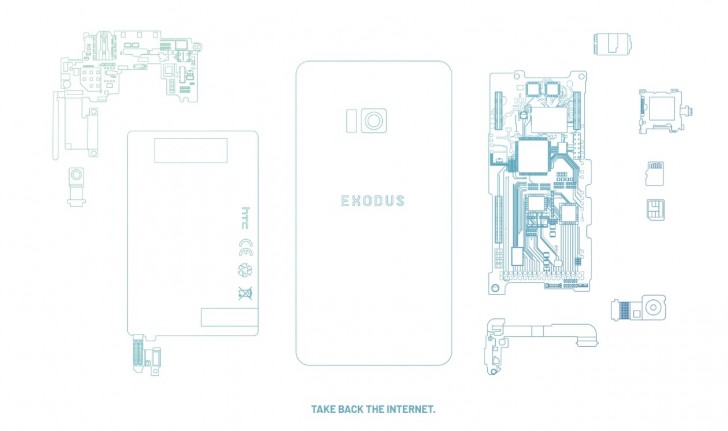
Finally, HTC has created a new and dedicated Instagram account for its upcoming blockchain smartphone. The Taiwanese company has confirmed through it that it will be launching the HTC Exodus blockchain smartphone on Oct. 22. The teaser of the smartphone does not reveal any information on its specifications, but it does give a glimpse of its design.
It is speculated that the HTC Exodus will serve as a storage wallet for Bitcoin and Ethereum cryptocurrencies. Only a unique key may allow users to access the wallet.
It will possibly allow Exodus users to trade cryptocurrency. The handset will be running on Android. However, it is likely to be customized with security protocols and apps for safely storing cryptocurrencies. To offer the topnotch security for Exodus users, the company has reportedly created security enclave dubbed as Trust Zone within the ARM hardware. It is speculated that the HTC Exodus will command a price tag of around $1,000.
The Taiwanese tech company had also launched a dedicated website for the HTC Exodus in the recent past. The website only provides an option to enter user details to stay updated on the smartphone. The text present on the website reads that the it will be the first ever smartphone to arrive with decentralized apps and security.
The company has been working with multiple protocols with the intent of seamless operation between blockchains. The website of the HTC Exodus also carries an image that outlines the design. The handset is expected to sport a single camera.
After getting announced on Oct. 22, the company may soon make the HTC Exodus phone available on pre-orders. It is speculated that the shipments of the Exodus smartphone may begin by December.
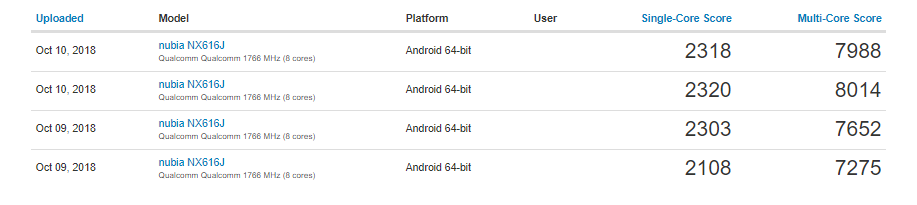
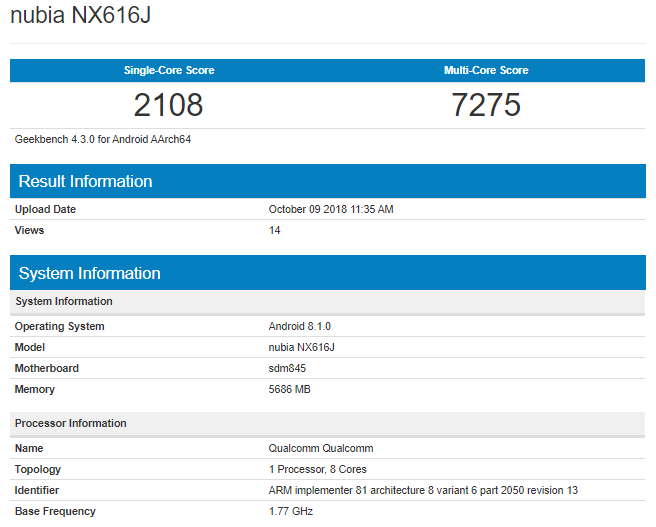
Multiple instances of Nubia NX616J smartphone that is believed to debut as Nubia X have been spotted on Geekbench benchmarking platform. The listings have revealed some of the key specs of the smartphone.
The Nubia NX616J listing reveals that it is preinstalled with Android 8.1 Oreo OS. The Snapdragon 845 chipset powers the smartphone along with 6 GB of RAM. All the listings of the Nubia NX616J that have surfaced so far on the benchmarking platform carry the same specs. In the screenshot shown below, the handset has scored 2108 and 7275 points in single-core and multi-core tests, respectively. In another listing, it has scored 2318 and 7988 points in single-core and multi-core tests, respectively.
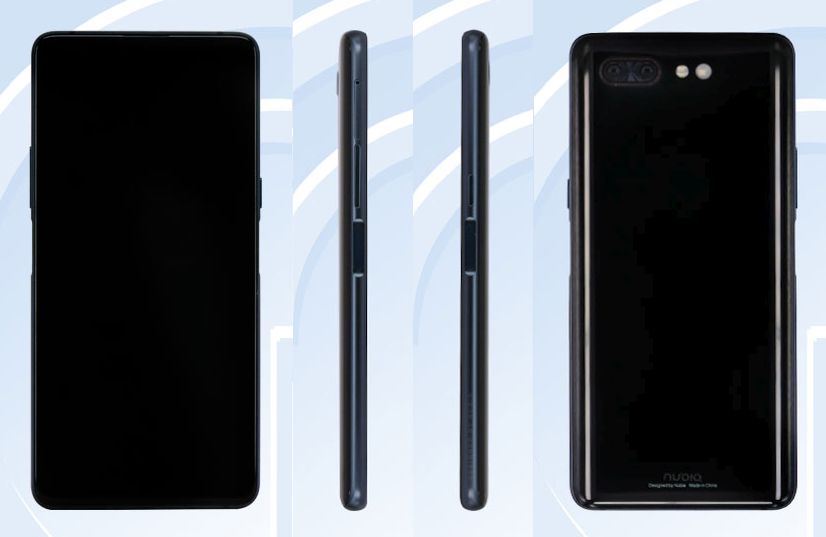
Nubia has recently confirmed that it will be hosting a launch event on Oct. 31 to announce the next smartphone. Some rumors have claimed that it would be called Nubia Z18s, but the launch event poster has suggested that it will be Nubia X. The Master Lu Chinese benchmarking platform has revealed that it will be available in 8 GB RAM edition. The handset had also appeared on TENAA with full specifications at the end of the previous month.
The TENAA listing of the Nubia NX616J has revealed that it will be arriving with a main LCD display of 6.26 inches that carries support for Full HD+ resolution of 2280 x 1080 pixels. It is equipped with a second display on its rear that carries support for 5.1 inches that produces HD+ resolution of 720 x 1520 pixels.
There is no selfie camera on the Nubia NX616J. Instead, its secondary screen function as camera viewfinder for 24-megapixel + 16-megapixel dual lens setup. The 128 GB storage of the phone is expected to arrive with 8 GB of RAM whereas its 64 GB storage model may feature 6 GB of RAM. It is preinstalled with Android 8.1 Oreo OS. The handset receives power from 3,800mAh battery that carries support for rapid charging. The handset is equipped with a side-mounted fingerprint reader. It measures 153.1 x 73.3 x 8.65mm and it weighs 178 grams. It is expected to release in Gold and Black color variants. At present, there is no information available on the pricing of the Nubia X.
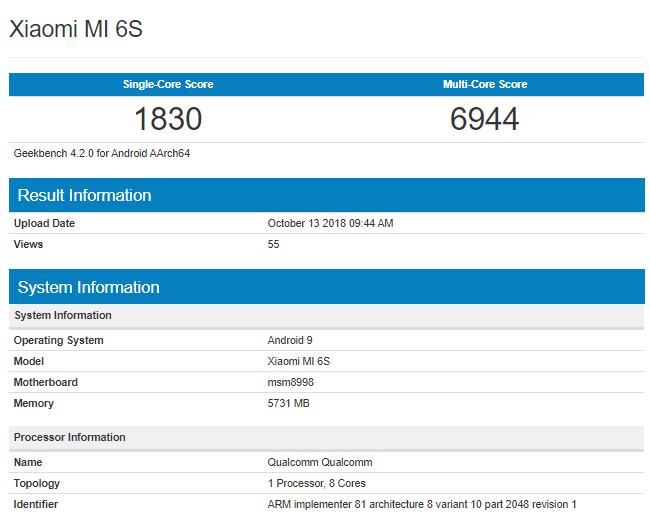
Two listings of the unannounced Xiaomi Mi 6S smartphone have appeared on Geekbench benchmarking platform. It seems to be a new variant of the Xiaomi Mi 6 flagship smartphone from 2017.
The Geekbench listing of the Xiaomi Mi 6S reveals that it is powered by the same Snapdragon 835 chipset that is present under the hood of the older Xiaomi Mi 6 smartphone. It also borrows 6 GB of RAM from the Xiaomi Mi 6 smartphone. In the single-core test of Geekbench, the Xiaomi Mi 6s has scored 1747 points. In the multi-core test, it has recorded a score of 7039.
There is no other information on the specs of the Xiaomi Mi 6S. Probably, the Mi 6S may also arrive in 4 GB RAM edition. The handset could be equipped with a dual camera setup on its rear. If the smartphone exists for real, the Chinese manufacturer may soon roll out its teasers in the near future.
As present, Xiaomi fans are eagerly waiting for Xiaomi to confirm the launch date of the Xiaomi Mi MIX 3 flagship phone. It is speculated that the Xiaomi Mi Note 4 smartphone may also get announced alongside the Mi MIX 3. Both the phones were speculated to launch on Oct. 15. However, since there is no confirmation on the launch date, it appears the company may announce these phones by the end of this month.
Xiaomi Mi MIX 3 will be arriving with a manual slider design for higher screen space. It is expected to arrive with some other features such as AMOLED screen, 3D facial recognition, in-screen fingerprint scanner and Snapdragon 845 chipset. As of this writing, there is no information available on the specifications of the Mi Note 4.
If the Mi MIX 3 launches by the end of this month, its arrival will clash with OnePlus 6T which is launching on Oct. 30 and Honor Magic 2 and Nubia X that are scheduled to go official on Oct. 31. The Chinese manufacturer has a busy schedule ahead since it is also expected to announce the Redmi Note 6 Pro that has already launched in Thailand earlier this month.
In the previous month, Huawei’s sub-brand had introduced the Honor 8X and Honor 8X Max smartphones in China. While the Honor 8X came with a 6.5-inch display, the larger Honor 8X Max with a massive screen of 7.12 inches. Honor India has now confirmed that it will be launching the Honor 8X smartphone in India on Oct. 16. There is no confirmation on whether the Chinese manufacturer will be bringing the Honor 8X Max in India or if it plans to launch it a bit later.
Less than 48 hours to go for the most-awaited launch of #Honor8X! Get ready to witness the Xtraordinary in the live webcast on Facebook, Twitter & Youtube on 16th October from 11.30am onwards! #BeyondLimitspic.twitter.com/DEKnxM5qPw
The Honor 8X launch event will be held in India on Oct. 16 at 11:30 AM onwards. The unveil event will be broadcasted live on Facebook, Twitter and YouTube. On the same day, the company will be hosting an event in London to announce the Mate 20, Mate 20 Pro, Mate 20X and Mate 20 Porsche Design smartphones.
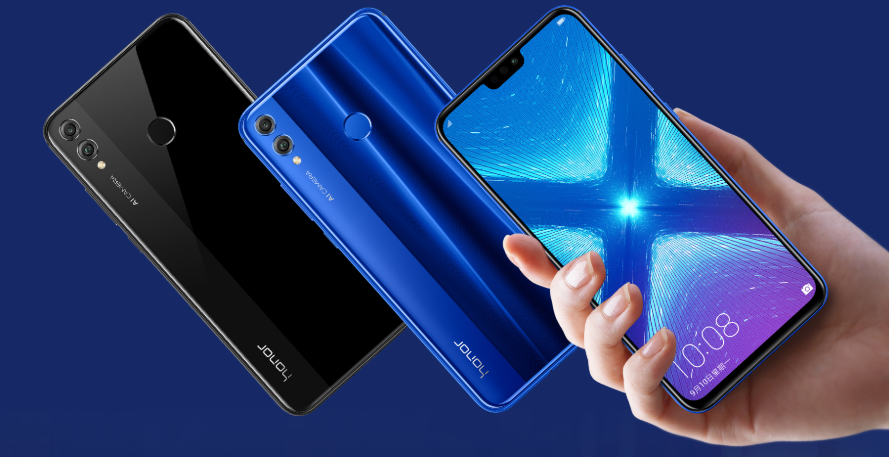
Coming back to Honor 8X, it comes with a 6.5-inch waterdrop notch IPS LCD display that produces 1080 x 2340 pixels of Full HD+ resolution. The smartphone boasts a screen-to-body ratio of more than 91 percent and an aspect ratio of 19.5:9. The TUV Rheinland certified screen promises blue light protection. The handset features 2.5D glass panel on the rear and a metallic frame.
The Kirin 710 chipset is present under the hood of the Honor 8X. The SoC is supported by 6 GB of RAM and it has an inbuilt storage of 128 GB. There is an f/2.0 aperture 16-megapixel camera sitting at the front of the phone. The back panel of the handset is equipped with 20-megapixel + 2-megapixel vertical dual camera setup. Honor has packed some interesting photography features such as AI scene recognition, portrait mode, slow-motion video shooting and time-lapse photography.
The EMU 8.2 flavored Android 8.1 Oreo OS comes loaded on the martphone. The handset is equipped with GPU Turbo technology for accelerated graphics performance. The 3,750mAh battery carries support for 10W charging through microUSB. A fingerprint reader is present on the backside of the phone.
The Honor 8X variants such as 64 GB storage + 4 GB RAM, 64 GB storage + 6 GB RAM and 128 GB storage + 6 GB RAM are respectively priced at 1,399 Yuan (~$202), 1,599 Yuan (~$231) and 1,899 Yuan (~$274). There is no information available on the pricing of Honor 8X for India. Probably, it may carry a starting price of around Rs. 15,000.
Meizu had recently confirmed that it will be begin the sales of the Meizu X8 on Oct. 15. Just ahead of its market release, the Chinese manufacturer has confirmed due to insufficient stocking it has decided to postpone the market release of the Meizu X8 to Oct. 25.
According to the official statement released by Meizu, it is unable to meet the initial target of stocking Meizu X8. Hence, it is delaying the market release of the smartphone. The company is now claiming that the Meizu X8 will be available through multiple platform such as Meizu’s official website, Meizu store, Tmall, Jingdong, Suning Tesco, Gome and Dixintong from Oct. 25.
The Chinese has further stated in the above document that it is actively stocking Meizu 16th, Meizu 16th Plus and Meizu 15 (klin white) and these phones will be available on sale at 10 AM on Oct. 15. Meizu has apologized to its fans on the delay of Meizu X8’s market release.
Meizu X8 that was announced on Sept. 19 is the first smartphone from the company to arrive with a notched display. The 6.2-inch IPS LCD screen of the phone produces Full HD+ resolution of 1080 x 2220 pixels. The Snapdragon 710 chipset drives the smartphone.
The back panel of the Meizu X8 is fitted with 12-megapixel + 5-megapixel dual camera setup and a fingerprint scanner. A 20-megapixel selfie camera resides inside the notch of the smartphone. The phone is packed with a 3,120mAh battery and it carries support for rapid charging.
The 64 GB Meizu X8 with 4 GB of RAM carries a pricing of 1,598 (~$230). The other 64 GB edition of the smartphone with 6 GB of RAM costs 1,798 Yuan (~$260). The 128 GB storage variant of the Meizu X8 that includes 6 GB of RAM is priced at 1,998 Yuan (~$289). It can be bought in colors like black, blue and white. The smartphone is carries competitively and is a good rival for the Xiaomi Mi 8 SE that carries similar specs and similar pricing.
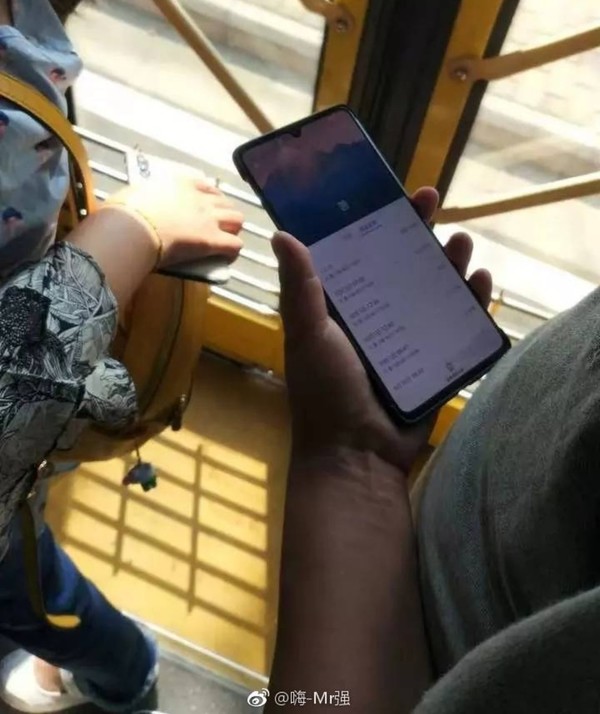
On Tuesday, Huawei will be announcing the Mate 20 series. Recent reports have revealed that the Chinese manufacturer will be announcing at least four new smartphones on Oct. 16 namely, Mate 20, Mate 20 Pro, Mate 20 Porsche Design and Mate 20X. Nothing was known about the Mate 20X until last week when Huawei had released a tweet that revealed that it would be arriving as a gaming smartphone. Leaked information that has surfaced in the recent has claimed that the Huawei Mate 20X will be arriving with a massive 7.12-inch OLED screen that will produce Full HD+ resolution of 1080 x 2240 pixels. Since the Huawei’s sub-brand Honor has already released the Honor 8X Max with 7.12-inch waterdrop notch screen, it is speculated that the upcoming Mate 20X will be sporting a similar design. New photos of a man holding a mysterious Huawei with behemoth display has surfaced on Weibo. The massive phone appears to be the Mate 20X.
Rumors have it that the Huawei Mate 20 Pro will be equipped with an OLED screen of 6.39 inches that will produce Quad HD+ resolution of 3120 x 1440 pixels. Rumors have it that it will be equipped with a wider notch since it will be housing the necessary components for 3D face unlock. The Mate 20 would be arriving with an LCD display of 6.53 inches that will deliver Full HD+ resolution of 1080 x 2240 pixels.
In the above images, the phone certainly appears quite big. It is equipped with a waterdrop notch screen. Some may claim that it could be the Honor 8X Max. However, the rear snap of the same reveals that it is equipped with three rear-mounted cameras like the Mate 20 and Mate 20 Pro. Below the camera module is a fingerprint reader. Hence, it could be the Huawei Mate 20X.
There is no information available on the specifications of the Mate 20X. It may either feature Kirin 980 or Kirin 710. For longer hours of gaming, the Mate 20X come packed with a massive battery.
It is advisable to take the report with a grain of salt since it could be the Mate 20 smartphone with waterdrop notch screen. However, going by massive construction of the phone, its likelihood of being Mate 20X cannot be ruled out.
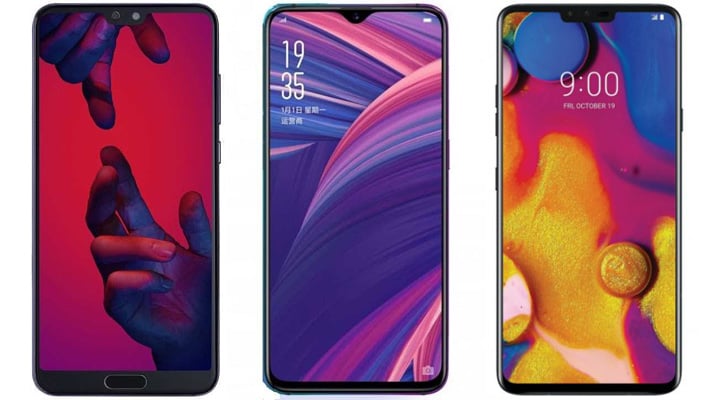
After Huawei and LG launched the trend of dual camera phones, almost every smartphone manufacturer started inserting a dual camera module on its device, and now most of the Android phones have a dual camera on their rear side. Earlier this year, Huawei P20 Pro was launched as the world’s first smartphone with a rear triple camera, and now various smartphones manufacturers started following the bandwagon again. Oppo R17 Pro and LG V40 ThinQ were the first handsets to debut with a triple camera setup after P20 Pro. Both are high-end devices and that is why they are perfect candidates for a comparison.
Huawei P20 Pro vs Oppo R17 Pro vs LG V40 ThinQ
Huawei P20 Pro
Oppo R17 Pro
LG V40 ThinQ
DIMENSIONS AND WEIGHT
155 x 73.9 x 7.8 mm, 180 grams
157.6 x 74.6 x 7.9 mm, 183 grams
158.8 x 75.7 x 7.6 mm, 169 grams
DISPLAY
6.1 inches, 1080 x 2240p (Full HD+), 408 ppi, AMOLED
Triple 40 + 20 + 8 MP, f/1.8, f/1.6 and f/2.4
24 MP f/2.0 front camera
TRiple 12 + 20 MP + TOF 3D camera f/1.5-f/2.4 and f/2.6
25 MP f/2.0 front camera
Triple 12 + 12 + 16 MP f/1.5, f/2.4 and f/1.9
Dual 8 + 5 MP f/1.9 and f/2.2 front camera
BATTERY
4000 mAh, Fast charging with 4.5V / 5A
3700 mAh, Fast Charging with Super VOOC Flash Charge
3300 mAh, Fast Charging with Quick Charge 3.0
ADDITIONAL FEATURES
Dual SIM slot, IP67 certification
Hybrid Dual SIM slot
Dual SIM slot, IP68 certification, military certification
Design
Despite it is the most affordable handset of the trio, Oppo R17 Pro is the most beautiful handset when it comes to aesthetics. It boasts a glass back available in gradient colors which is very clean thanks to the fact that fingerprint reader is embedded in the display. Further, it has the highest screen-to-body ratio thanks to its narrow bezels and its waterdrop notch. It is also the first phone to feature a Gorilla Glass 6 front panel. But even though it has the most resistant display, LG V40 ThinQ is the one with the best build quality as it features military certification and it is fully waterproof.
Display
LG V40 ThinQ has an amazing display, definitely better than Oppo R17 and Huawei P20 Pro, even though they are equipped with an AMOLED panel just like the V40. It is a wide screen with a high Quad HD+ resolution and it is also HDR10-compliant, with the Dolby Vision technology. You can hardly expect more from a smartphone’s display.
Specs & Software
Besides being the phone with the best display, LG V40 ThinQ also has the best hardware components. It is equipped with the best Qualcomm’s SoC: Snapdragon 845 running at a max frequency of 2.8 GHz. And the most recent LG devices even come with a well-optimized and customized UI which makes it very fast. The second place goes to Huawei P20 Pro with its flagship-level Kirin 970, while Oppo R17 Pro has an upper-midrange Snapdragon 710 SoC but note that it is also available at a lower price.
Camera
The camera is the key specification of these handsets. Huawei P20 Pro’s triple camera is the one that deserves the first place not only in this comparison but in the whole smartphones market. And it is mostly to its primary 40 MP sensor. It is composed of this main sensor, a monochromatic 20 MP sensor to capture a huge quantity of light even in dark environments, and an 8 MP telephoto lens with 3x optical zoom. All the lens are optically-stabilized. The second place goes to LG V40 ThinQ which boasts a standard 12 MP sensor, a secondary telephoto lens with 2x optical zoom and a third 16 MP wide-angle lens (it has a front dual camera, too). At last, there is Oppo R17 Pro with a main 12 MP sensor with a variable aperture, a secondary 20 MP sensor and a TOF 3D camera for depth detection.
Battery
Huawei P20 Pro has the biggest battery with a capacity of 4000 mAh. Oppo R17 Pro has 300 mAh less, but Oppo optimizes its batteries very well and it can achieve similar results to Huawei even with smaller batteries. LG V40 ThinQ loses the battle with a too small unit (3300 mAh).
Price
You can currently grab a unit of Huawei P20 Pro for less than €650/$720, LG V40 ThinQ is going to hit the shelves for about €800/$900 and Oppo R17 Pro will soon be available for about $625/€539. Huawei P20 Pro is the winner of comparison for its features and value for money.
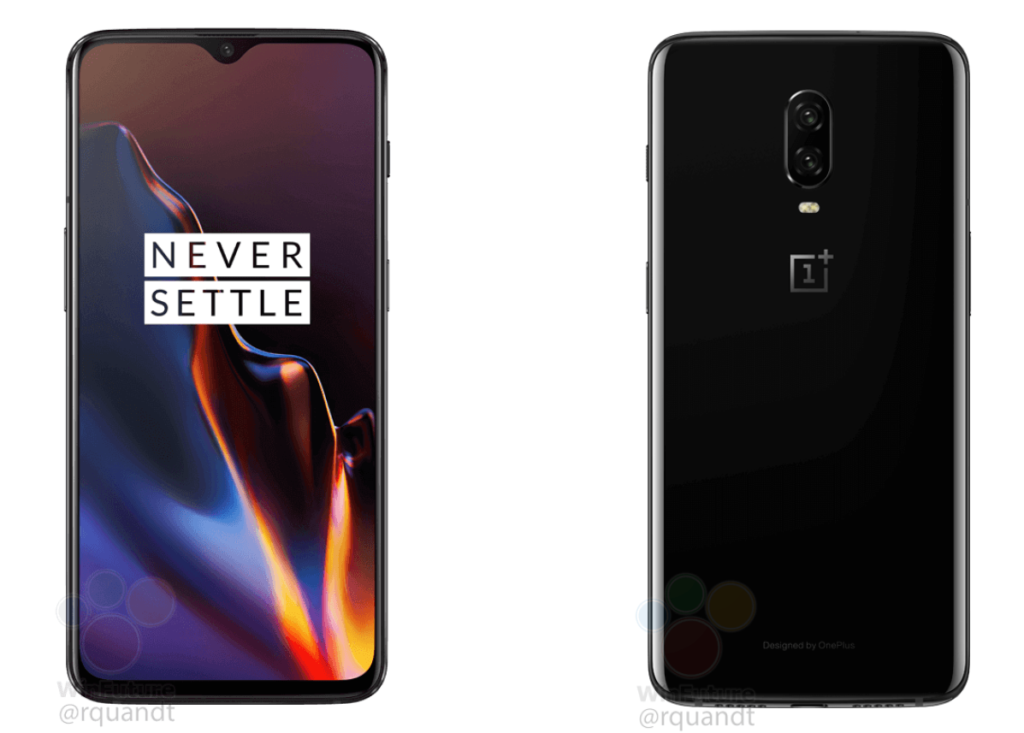
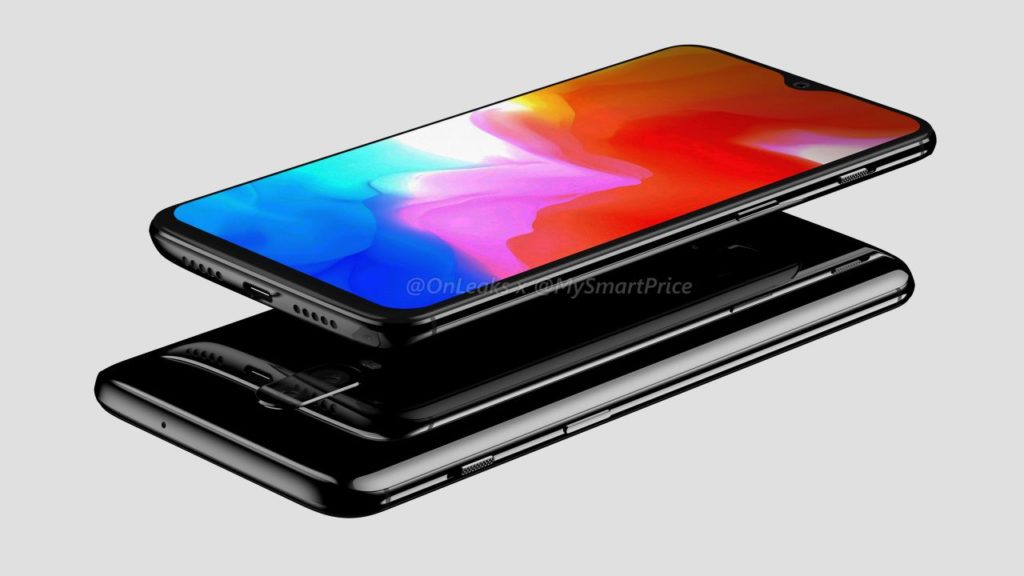
OnePlus 6T is ready for launch on October 30, with some major changes than the typical T-series phones form OnePlus. This time some more significant changes have made it more interesting. As per the leaks and rumours, OnePlus 6T will come with a waterdrop display and an in-screen fingerprint sensor. Further, there will be a new packaging for the OnePlus 6T and “a whole new UI” with improved gestures and functions coming with the OnePlus 6T.
This week, OnePlus made it available for pre-booking via Amazon India where it received huge takers. Due to its popularity and some offers, OnePlus managed to rake up a business of 400 crores in just 36 hours.
Today, as per the resident software expert and user experience lead at OnePlus forums revealed some new aspects about OnePlus 6T User Interface. He started by saying that it will bring a whole new UI with new OxygenOS. It will be “a fast, smooth & burden-less experience with no gimmicks”. It will host “the most distinct and intuitive version of OxygenOS yet.” The UI expert, Szymon K revealed the goal “to express the OnePlus design language” in the new UI.
There will be new gestures like swiping up from bottom to right side would open a last used app. In the new iteration of the OnePlus 6, 6T will bring a gesture to open Google Assistant by holding the home button for 0.5 seconds. OnePlus has tested the new gestures around 1000 times to make motion feels natural. There will be no navigation bar, and everything will be based on gestures.
OnePlus has also focused on to improve its camera, so there’s no harm if you are expecting more better pictures from the OnePlus 6T camera. There will be deep AI integration which will help your device to learn the sleeping pattern and ultimately helps in reducing the power usage. There’s also an “advanced Do Not Disturb mode” based on the similar AI analysis.
OnePlus 6T Specs
Additionally, OnePlus 6T will carry Snapdragon 845 SoC with 6/8GB RAM option. It will come in three different variants of 64/128/256 GB of internal storage. Users will get a waterdrop display having more than 90% body-to-screen rate with an Optical in-screen fingerprint sensor. The increased overall size will help OnePlus to adjust a little bigger battery of 3700 mAh.
In a recent leak, it is believed that the OnePlus 6T will carry an Android 9.0 Pie out of the box.
Let’s wait and watch what comes our way on October 30. Are your waiting for the OnePlus 6T launch? What are you looking for in the latest flagship from OnePlus? Share your essential thoughts via comments below.
Xiaomi is here with some new colour options for its Amazfit Olympic Marathon shoes. Last year in April, Xiaomi announced its first smart shoes with an intelligent chip. Later, in June, an upgraded Xiaomi sports sneakers 2 came into existence. Now, under its another sub-brand, Huami, Xiaomi has announced two new colour options of Olympic red and Dansha red for Amazfit Olympic Marathon shoes.
The new Amazfit Olympic Marathon shoes are equipped with H-type PA and X-type TPU on the outside. There are several selling points for the new Xiaomi shoes, some are its light and breathable design, stable support, cushioning assistants and comfortable wearing of shoes. It also features the E-TPU (popcorn) Plus midsole for excellent rebound and cushioning. It also packs Achilles tendon support stabilisation technology which will help you to balance the midsole and tendon easily.
It adopts an ergonomic design and insole designed according to the curvature of the foot bones. Overall, it gives you excellent performance along with better protection. Huami has reduced its weight using the Goodyear outsole and lightweight wear-resistant rubber which ultimately helps in increased gripping power and resistance.
The new shoes also pack Footbird Pro sceptre ERC insole which absorbs shock and help relieve the load on your ankle, joints and knees.
The new Olympic red, Dansha red colours have increased the colour options for the buyers. Along with the standard black and white colours, now Amazfit Olympic marathon shoes are available in total six colours. The Olympic red is available for men while the new Dansha red colour is for women. The new colour shoes are going on sale from Monday next week at the starting price of 269 Yuan (~$39).
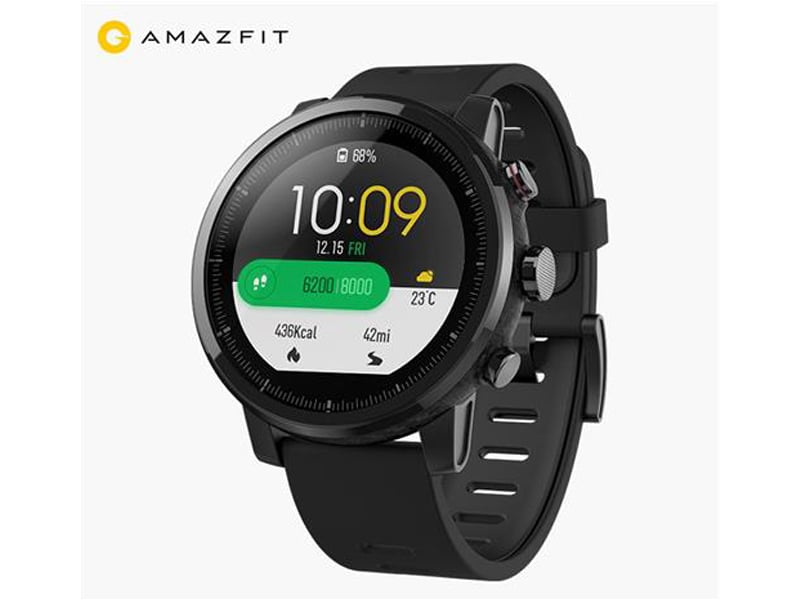
Those looking for a smartwatch that doesn’t cost a fortune usually end up being disappointed since top-branded smartwatches don’t come cheap. But it looks like Xiaomi is bent on changing that.
Xiaomi has made its well-received Amazfit Pace 2 smartwatch available to the cost-conscious buyers at a discounted price on GearBest. As a result, you can now get your hands on the global version of the watch at a dropped price of just $169.99.
Before we shed more light on this 27% reduction in the device’s original asking price, let us take a gander at the awe-inspiring features that make the Amazfit Pace 2 an irresistible smartwatch. Powered by Xiaomi’s own chip, the Amazfit Pace 2 offers high performance despite low consumption.
Ideal for both sports and business, the Xiaomi-branded smartwatch is waterproof up to 50m enabling the wearer to record data even while swimming. It comes with 2 modes that support open water and swimming pool.
Aside from that, it supports a slew of sports modes like running, walking, cycling, swimming, treadmill, climbing, cross-country, and triathlon. Moreover, the Amazfit Pace 2 smartwatch boasts practical functions like call reminder, SMS reminder, and silent alarm.
Under GPS sports mode, the Amazfit Pace 2 smartwatch can be used for 35 hours, while it can be used for 5 days normally. You can install Amazfit Watch App 2.0 to access all daily data, sports record and even set widget order, import all running trial map data and lots more.
The device offers 512MB of RAM for a seamless performance and a hearty 4GB ROM so that you can save your favorite pictures and other content without worrying about running out of storage space. The Amazfit branded watch is compatible with iOS 9.0 (and above), Android 4.4 (and above) and is backed by a 280mAh Polymer Li-ion battery that delivers a standby time of 5 days.
If you’re interested in checking out more details and avail the big discount on the Xiaomi Amazfit Stratos Pace 2 smartwatch’s retail price, all you need to do is to follow this link without wasting time. With just 219 pieces remaining, the promo is slated to end in 2 days.
After launching the Razer Phone 2 officially on October 11th, now its turn for China to get it soon. The new gaming smartphone has listed on official Razer’s Chinese website showing its high-end specs an features. Currently, it’s official pricing, and availability date is not revealed, but upon roughly calculating its international price, the Razer Phone 2 will be made available for 5,500 yuan ($799).
Razer is advertising its cooling system, wireless charging, waterproof and its famous chroma ray light effect logo in China. In chroma ray light effect, users can customise its LED light colour as per the need. Additionally, Razer is coming with a transparent colour edition which will show its internals and LED lights.
Razer Phone 2 carries significant advancements over its predecessors. The new device features a Qualcomm Snapdragon 845 SoC which is much better and power efficient chipset. It is coupled with Adreno 630 GPU and a cooling system, so you can enjoy gaming without worrying about the heat. It is available in 64GB and 128GB of internal storage options with the same 8GB Of RAM on both the variants.
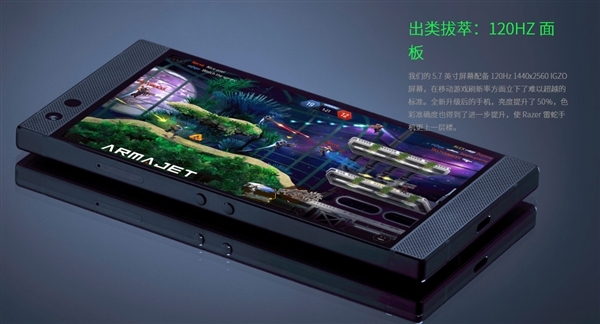
Razer Phone 2 carries a 5.72-inch IGZO display having the resolution of 2560×1440 with a 120Hz refresh rate. It hosts an aspect ratio of 16:9 with a maximum brightness of 645 nits. It supports Qualcomm Quick charge 4.0+ with Qi wireless charging and holds IP67 certification of dust and waterproof. It runs on Android 8.1 Oreo out of the box.
In the camera department, Razer Phone 2 carries a dual 12-megapixel sensor with a wide angle and telephoto lens. The aperture is f/1.75 with Optical Image Stabilization (OIS) PDAF phase focusing, etc. On the front, there’s a single 8-megapixel camera for selfies having an aperture of f/2.0.
The official website provided a “buy now” button, but the link is not working as of now. We need to wait for some time more as country-specific variant will come soon.
If you’re in the market for a top-branded laptop that supports fingerprint recognition but doesn’t cost a bomb, the ASUS Adol would definitely fill the bill.
Packed with an impressive array of features and high-end specifications, the ASUS Adol is quite an irresistible laptop. While you’d normally associate a steep price tag with a device offering comparable features, the Adol laptop has gone up for sale carrying a heavily discounted price on GearBest.
This feature-rich laptop from the Taiwanese tech giant would normally set you back a pretty penny on online and offline stores, but you can now buy it at a lowered price of just $779.99 on GearBest. This is a significant 28% discount on the device’s original asking price.
An absolute bargain at this dropped price, the ASUS Adol laptop sports a big 13.3 Inch IPS, LED FHD display with a screen resolution of 1920 x 1080 pixels and an aspect ratio of 16:9. Under the hood, it packs an Intel Core i5-8250U Quad Core 1.6GHz, up to 3.4GHz processor along with NVIDIA GeForce MX150 GDDR5 2GB Dedicated Graphics to deliver faster performance than its predecessor.
It offers 8GB of DDR4 2133MHz RAM to enable advanced multitasking. In a bid to ensure you never run out of storage space for saving your favorite photos, music, and other content, ASUS has provided the Adol laptop with a hearty 256GB SSD storage capacity.
Moreover, the ASUS-branded laptop runs on Microsoft Windows 10 operating system and draws its juices from a 3-cell Li-ion battery. It comes with an HDMI output so that you can connect the laptop to an HDTV or HD monitor to and enlarge your photos or simply set up two screens side by side.
Regrettably, you have the opportunity to buy the ASUS Adol laptop at a lowered price for a limited period of time only as the promo is slated to end in 2 days. On top of that, there were only 100 pieces remaining for this promo. You can follow this link to avail the discount before the promo ends.
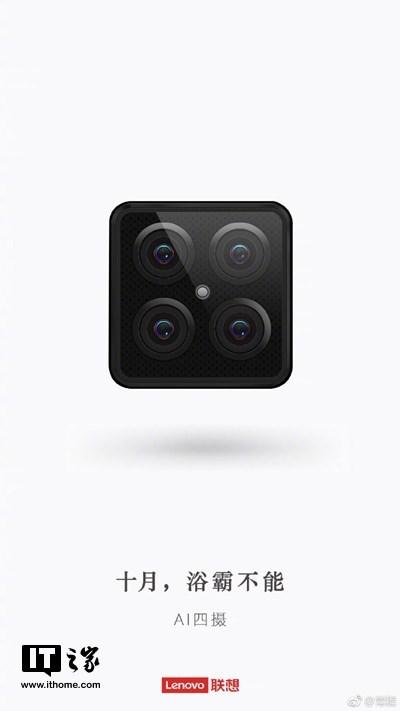
After launching Lenovo S5 smartphone in March, now, the company is ready for the launch of its successor, S5 Pro. As touted by various rumours and leaks, it will carry a quad camera module on the rear side. Today, Vice President of Lenovo Group took to Weibo to announce that S5 Pro is coming our way on October 15. Even, Chang unable to resist himself shared its camera features and compared it to the Xiaomi Mi 8 Lite.
Later, Changi, Vice President of Lenovo directly matched the Lenovo S5 Pro with Xiaomi Mi 8 Lite. He heavily advertised the ability of optical zoom on S5 Pro against the Mi 8 Lite (Youth). By taking the perspective of classrooms, where students mostly sit on the backbenches, he explained the 2x lossless optical zoom. He even shared some posters of the device depicting camera features.
These posters confirmed the rumours which were saying that it will carry a quad camera module on the rear side. We expect Lenovo S5 Pro to take on the Mi 8 Lite, but latter’s gradient colours are inevitably going to hit the Lenovo’s Business.
Other specs about the Lenovo S5 Pro has not been confirmed, but as per the listing on Geekbench, it will carry Snapdragon 660 SoC. There will be a 6.18-inch (1080×2246 pixels) full-HD+ display with a 19:9 aspect ratio. The phone will come in three RAM variants such as 3/32GB, 4/64GB and 6GB/128GB options. It will hold dual shooter on the front side with a quad sensor module on the rear side. Its dimensions measures at 154.5×75.45×7.7mm weighing 169 grams. It will include 4G VoLTE, Wi-Fi ac, Bluetooth 5, and GPS as connectivity options.
On the other hand, Xiaomi Mi 8 Lite (Youth) edition carries Snapdragon 660 with an eight-core processor having a maximum frequency of 2.2 GHz. In-camera department, it carries dual 12 megapixels + 5-megapixel shooter with AI support on the rear side. The rear camera supports portrait mode, AI scene camera and many other features. Itavailablebale for the price of 1699 Yuan (~$245).
If you’ve restlessly been looking for unbeatable deals on popular brands on online stores, look no further.
As part of its recently kicked-off promotion, Banggood is offering big discounts on a wide selection of well-received products. Dubbed as ‘Unbeatable Deals,’ this 7-days-only promo has been divided into multiple sections in order to help buyers find what they’re looking for without breaking much of a sweat.
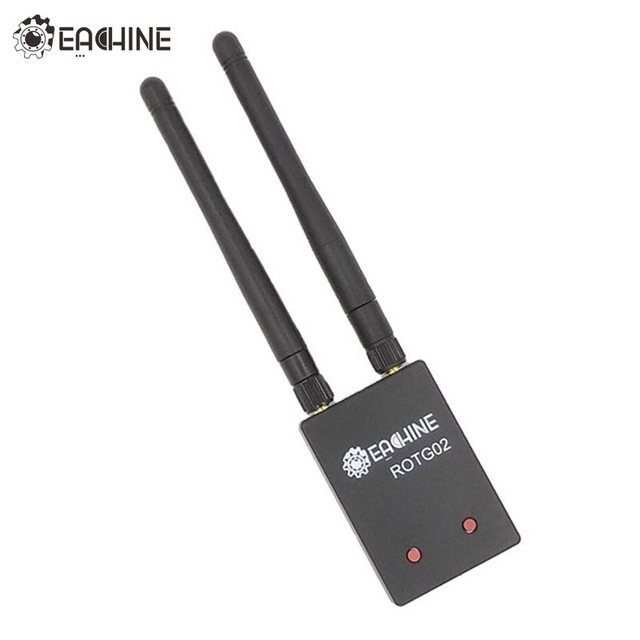
The ‘Start of the Week’ section features the Eachine ROTG02 UVC OTG 5.8G audio FPV receiver that normally sells for $37.99. But thanks to the aforesaid promo, it is currently available at an unbeatable price of just $27.99. This 26% discount will be valid for black as well as the white color version of the device. You can buy 328 pieces of Soloop Polyolefin Halogen-Free Heat Shrink Tube Sleeving in the next section called ‘Popular Brand.’ While you’d normally end up spending $5.39 on this item, it is currently available at a lowered price of just $3.39. This 37% discount will be valid for 3 days.
The rest of the products have been divided into other categories including RC Drones & Hobbies, Hot Electronics, Smart Devices, New Fashion, and House & Outdoor. Each of these sections features a slew of heavily discounted items.
You can get 2Pcs 175x200mm Car Anti Fog Nano Coating Rainproof Rear View Mirror Window Protective Film, and Digoo DG-BC20 Bathroom LCD Digital Thermometer at best price, under the ‘Unbeatable Price’ category. The ‘RC Drone & Hobbies’ section includes the WPL C24 1/16 Kit 4WD 2.4G Military Truck Buggy Crawler Off Road RC Car, Kiibru Squishy Jumbo Chocolate Heart Cake, NUX Mighty Lite BT Portable Electric Guitar Amplifiers and Kiibru Squishy Jumbo Christmas Snow Boots 16cm Licensed Slow Rising Original Packaging Collection Gift Toy bearing discounted price tags.
Similarly, the ‘Hot Electronics’ category includes the Test Develop DIY 830 Point Solderless PCB Bread Board For MB-102 MB102, Wemos® 0.66 Inch OLED Shield For WeMos D1 Mini 64X48 IIC I2C Compatible and other items that you can buy without emptying your pocket. The ‘Smart Devices’ section is likely to sweep tech buffs off their feet as it includes a Xiaomi Redmi Note 5 phablet, BlitzWolf BW-BR3 Bluetooth Music Receiver Transmitter and other high-end electronic items that are available at a considerably reduced price.
Banggood is offering fashion-conscious people a lot to cheer about in the form of big discounts on a myriad of stylish items like the Goral S5 stylish design color display smartwatch, Women Brief O-neck Split Hem Cotton Long Blouse and lots more. The ‘Home & Outdoor’ section, on the other hand, is brimming with items that come in handy in day to day life.
In order to check out all the products and avail the discounts, all you need to do is to visit this link. Note that there are just 2 days remaining for the promotion to be updated.
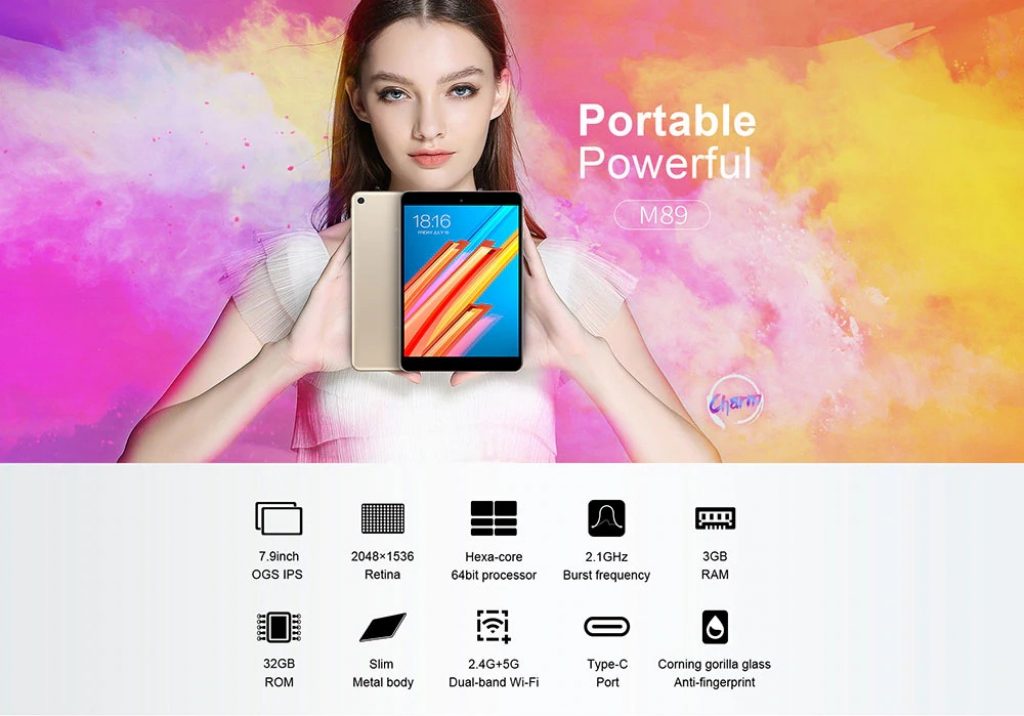
Teclast made its long-awaited M89 tablet PC available to the public in May this year. Following in the footsteps of its well-received precursors, the tablet PC became an instant hit among those looking for a big-screen mobile device to play popular games and watch their favorite videos.
Taking its popularity into consideration, the Chinese tech company is now offering the M89 tablet PC to cost-conscious buyers at a heavily discounted price on GearBest. Before we divulge more details about this discount, let us check out the device’s awe-inspiring specs and features.
The M89 sports a big 7.9 inches QXGA, OGS, IPS display with a screen resolution of 2048 x 1536 pixels for an unmatched viewing experience. It is housed in a sturdy aluminum alloy body with dimensions of 199x136x7.4 mm and still weighing in at just 400g (with battery).
It packs a powerful MediaTek MT8176, 64-bit processor along with an equally competent PowerVR GX6250 GPU, under the hood. The device offers 3GB of RAM and 32GB of onboard storage, which can be expanded up to 128GB so that you never run out of space for storing your favorite content.
Moreover, the M89 tablet PC houses an 8.0MP rear-mounted camera and a 5.0MP front shooter for face-to-face video chatting. It runs on Android 7.0 Nougat OS to ensure to stay connected and productive. The device is backed by a 4840mAh battery that offers an impressive 5-hour videos playing time.
Now that the Teclast M89 tablet PC has stirred your interest, let us check the previously mentioned discount that you can avail on GearBest. The M89 can now be yours at a dropped price of just $142.99, which is a noteworthy 23% reduction in the device’s original asking price.
If you’re interested in taking advantage of this discount, it is imperative for you to head straight to this link without wasting time since there were only 92 pieces remaining for this promo. Moreover, the promo is slated to end in 4 days.
We use cookies on our website to give you the most relevant experience by remembering your preferences and repeat visits. By clicking “Accept”, you consent to the use of ALL the cookies.
This website uses cookies to improve your experience while you navigate through the website. Out of these, the cookies that are categorized as necessary are stored on your browser as they are essential for the working of basic functionalities of the website. We also use third-party cookies that help us analyze and understand how you use this website. These cookies will be stored in your browser only with your consent. You also have the option to opt-out of these cookies. But opting out of some of these cookies may affect your browsing experience.
Necessary cookies are absolutely essential for the website to function properly. This category only includes cookies that ensures basic functionalities and security features of the website. These cookies do not store any personal information.
Any cookies that may not be particularly necessary for the website to function and is used specifically to collect user personal data via analytics, ads, other embedded contents are termed as non-necessary cookies. It is mandatory to procure user consent prior to running these cookies on your website.































 Those looking for a smartwatch that doesn’t cost a fortune usually end up being disappointed since top-branded smartwatches don’t come cheap. But it looks like Xiaomi is bent on changing that.




 If you’ve restlessly been looking for unbeatable deals on popular brands on online stores, look no further.
 You can buy 328 pieces of Soloop Polyolefin Halogen-Free Heat Shrink Tube Sleeving in the next section called ‘Popular Brand.’ While you’d normally end up spending $5.39 on this item, it is currently available at a lowered price of just $3.39. This 37% discount will be valid for 3 days.
 Teclast made its long-awaited M89 tablet PC available to the public in May this year. Following in the footsteps of its well-received precursors, the tablet PC became an instant hit among those looking for a big-screen mobile device to play popular games and watch their favorite videos.