Meizu‘s much anticipated Pro 7 has been one elusive device that is still yet to get a specific launch date. The phone has been the subject of a couple of renders in the past and yet again, another render just appeared online. Surprisingly, this latest rendering of the Meizu Pro 7 is said to have emanated from Russia, one country where Meizu has a strong following.
The render could best be described as a blend between the Samsung Galaxy S8 when viewed from the front and the iPhone 7 Plus with its dual rear camera at the rear. It features a curved edge display with tiny bezels at the top and bottom, perhaps where the selfie cameral as well so, physical home button. The rear camera is positioned on the top left corner, just link is on the iPhone 7 Plus. The device also comes in two shapes of black.
Even though the render was nothing more than a fan-generated render, it was enough to draw a response from Meizu when it was revealed in Weibo. Meizu’s new Senior VP who just joined the team Yang Zhe hinted that while the render looked attractive, it was no where close to how the Pro 7 would look when launched. The VP however refused to reveal more details.
We can take this as, perhaps, an indication that the Pro 7 is still in the work. More especially as Jeffery Yang is senior VP in charge of the the high-end series where the Pro 7 falls into. There is also a rumor that the Pro 7 would be the next Meizu phone to launch but the launch wouldn’t be next month, June. We look forward to the Pro 7 ‘ s launch as it looks like a well packaged device.
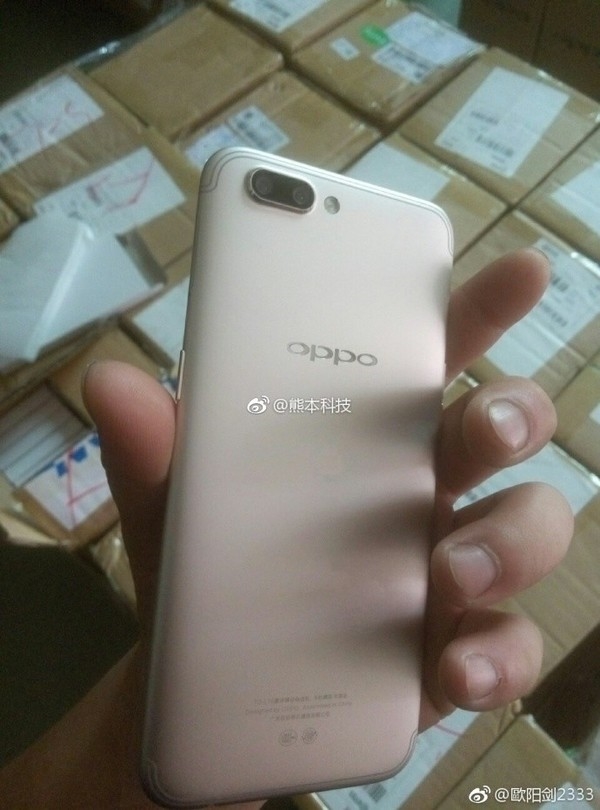
OPPO continues to pain the terrain green in preparation of its upcoming launch of the R11 scheduled to take place on June 10. The company has for a while now been teasing the R11’s images in video ads and posters but we are yet to see the real photo of the device up-close. Well, we’ve got one now.
The close shot of the OPPO R11 affords us the opportunity to access the design very well. From what we can see, the R11 isn’t very much different from the R9-series in terms of design. Well, except for the unique dua cameras that the device features at the rear. Talking about dual cameras, the R11’s dual setup is tipped to be a powerful setup and the recently released sample photos of the device lends credence to that. OPPO recently shared three sample photos captured by the R11’s dual cameras. The photos look crystal clear without any trace of image noise or any other anomaly.
Talking about the specs, the OPPO R11 is expected with a well-packed specs lineup marshaled by Qualcomm’s latest mid-range SoC, the Snapdragon 660 chip. The main feature on the device is the 16MP + 20MP dual camera setup that sits at the back of the device. The camera is said to integrate Qualcomm’s top Spectra 160 ISP and is also a depth optimised camera. Don’t forget it also comes with a 2X lossless zoom feature as well as a professional portrait mode whose samples we had earlier seen.
In addition, the OPPO R11 will come with a 5.5-inch 1080p AMOLED display with 4GB RAM as well as 64GB of storage. The device also packs a 2900mAh battery and there is no 128GB version. An OPPO R11 Plus is also said to be coming and the device recently appeared on TENAA where the specs are listed as a 6.0-inch 1080p display with 6GB RAM and a 3880mAh battery. Both models run Android 7.1 Nougat modified with Color 3.1 OS.
There are just a handful of Snapdragon 835 powered smartphones in the market at the moment but Qualcomm is already working on a successor. The Snapdragon 835 is an impressive chipset but the Snapdragon 845 is bent on pushing performance further. To do that, it will be sporting some brand new cores.
The Snapdragon 835 is an octa-core processor built on the 10nm node design. New leaks have revealed that the Snapdragon 845 will be built on the same 10nm design. However, the difference between both chips lies in their CPU cores.
Cortex-A75 Cores
Unlike the SD835 that uses eight Kryo 280 cores, the Snapdragon 845 will feature ARM’s new Cortex-A75 and Cortex-A55 cores in a BIG.Little configuration.
The question now is how powerful are the new A75 and A55 cores? The info provided says the A75 will provide an improvement in performance greater than 20% over the Cortex-A73 and about 40% over the Cortex-A72. For power consumption, the A75 will maintain the same performance as the A73.
[envira-gallery id=”133501″]
The new core A75 was compared against the A73 on various benchmarking tools and we can see how well it trumps the A73 on Geekbench v4. The A75 will have a maximum clock speed of 3GHz, a 200MHz increase over the A73’s 2.8GHz which should translate to improved single and multi-thread performance.
Cortex A55 Cores
Now heading to the power efficiency cores, the Cortex-A55 will provide up to 2 times more performance over the A53 and will see improvements up to 15% in power efficiency.
The Cortex-A55 still has a couple of new tricks under its sleeve. Up till this moment, you could only pack up to 4 cores in a single cluster. However, that changes now. The A55 can be packed in a cluster of 8 cores. So processors like the SD625 which contain 8 Core-A53 cores in two clusters of 4, can now become a single cluster with the A55 for even way better battery life or 16 cores packed in two clusters. We are sure MediaTek will be pretty excited with this new development.
[envira-gallery id=”133504″]
The Cortex A55 was also benchmarked and the results were compared against the A53 and the results speaks in favor of the A55.
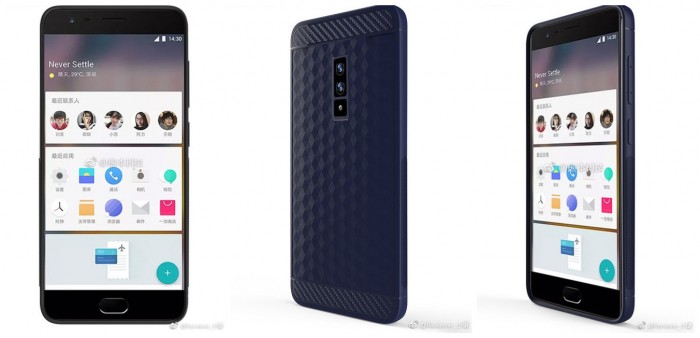
The OnePlus 5 is scheduled for a Summer launch, although there is no date yet, there are rumors it is next month. Over the past couple of weeks, there have been tons of leaks regarding the design of the OnePlus 5.
A new image said to be that of the OnePlus 5 surfaced on Weibo yesterday, and like the others, the focus is on the dual rear cameras it is supposed to launch with.
The OnePlus 5 in the image is wrapped up in a case but the cut-out for the rear cameras reveals a vertical setup. Directly below the rear cameras is the LED flash. The camera design is similar to that of the OnePlus 2 due to the rectangular shape of the camera housing.
Up front, just below the 5.5-inch display is a fingerprint scanner that doubles as a home button and at the top left corner is the front facing camera. The images don’t give a view of the top and bottom of the phone, so we can’t tell if there is a 3.5mm audio jack.
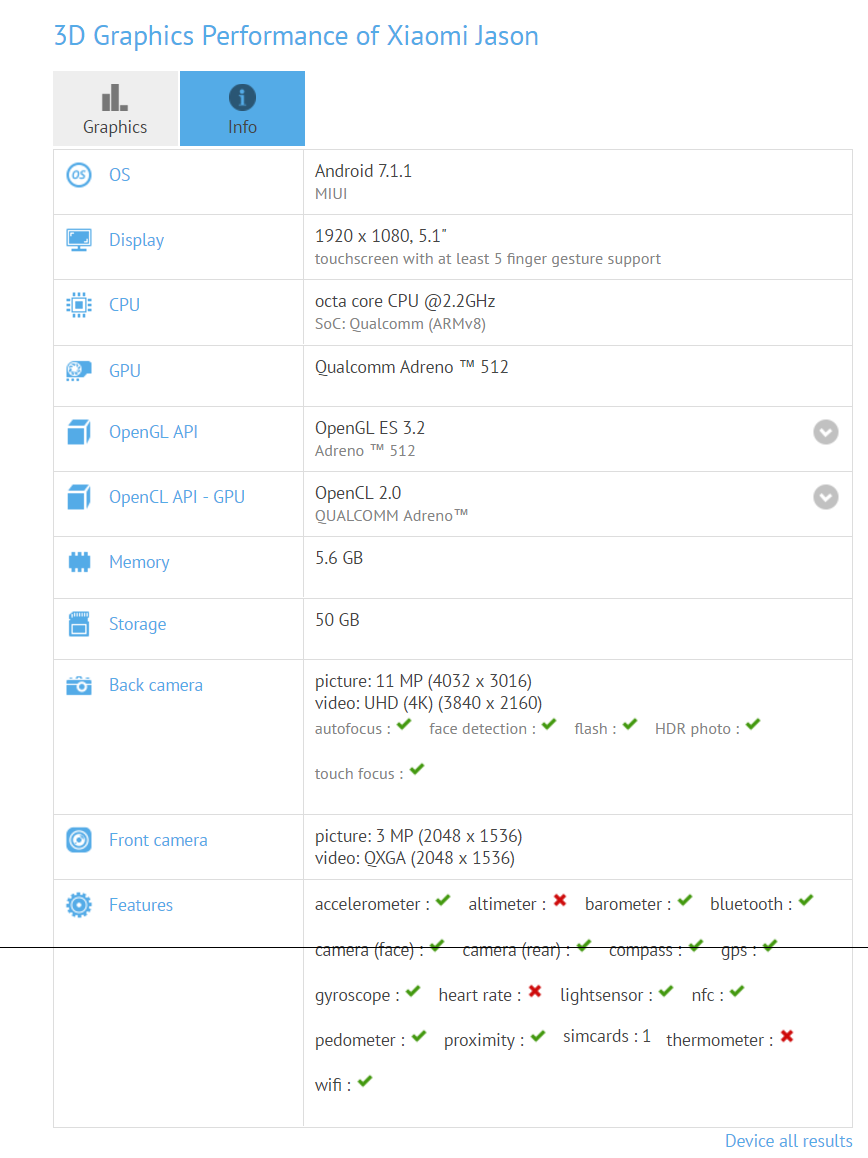
A new device codenamed Xiaomi Jason has been seen on GFXBench. Since the Mi Max 2 is already out of the way, the only device we are thinking it might be is the Redmi Pro 2. However, the display size is what’s preventing us from ruling outright that this is the Redmi Pro 2.
According to the info on GFXBench, the Xiaomi Jason has a 5.1-inch FHD display. This is smaller than the size of the original Redmi Pro which is a 5.5-inch display. This singular reason makes us think it might not be the Pro 2.
There is also a possibility that Xiaomi decided to cut down the display size just the way Motorola did with the Moto G5 Plus and offer the Redmi Pro 2 as a top tier mid-range phone. But reducing the screen size isn’t the only thing required for a top mid-range phone.
The Xiaomi Jason runs Android 7.1.1 Nougat, has 6GB of RAM, and 64GB of storage. It is powered by an octa-core Qualcomm CPU clocked at 2.2GHz and an Adreno 512 GPU. There is no doubt that this is the Snapdragon 660 chip, the king of the mid-range chips.
The rear camera on the Xiaomi Jason is an 11MP (12MP) sensor that can record in 4K while the front facing camera is a 3MP sensor. The latter is probably a 4MP UltraPixel sensor like the one in the Mi 5. Another feature the Xiaomi Jason has is NFC support.
If this isn’t the Redmi Pro 2, then we don’t know what it is seeing as Xiaomi’s CEO, Lei Jun has quelled rumors of a Mi 6c.
Last week Samsung unveiled the Galaxy S8 and Galaxy S8+ in China. Just like Samsung’s home country, China also gets the Emperor Edition of the S8+ which has 6GB RAM and 128GB of storage. Now Samsung is including Japan in its list of countries that gets the Galaxy S8+ Emperor Edition.
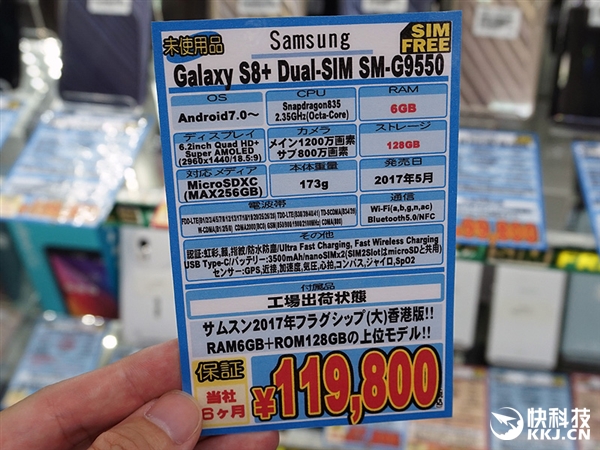
Images from a store in Japan reveals that the Galaxy S8+ Emperor Edition will sell for ¥119,800 (~$1076/7377 Yuan). Although its more expensive than the price in China (6988 Yuan), those in Japan get three color variants: Orchid Gray, Coral Blue and Midnight Black. Only Midnight Black is sold in China.
The Galaxy S8+ Emperor Edition has a 6.2” QHD+ Super AMOLED display. There is 6GB of RAM, 128GB ROM and a Snapdragon 835 processor under the hood. The rear camera is a Dual Pixel 12MP sensor and the front facing camera is an 8MP Autofocus sensor.
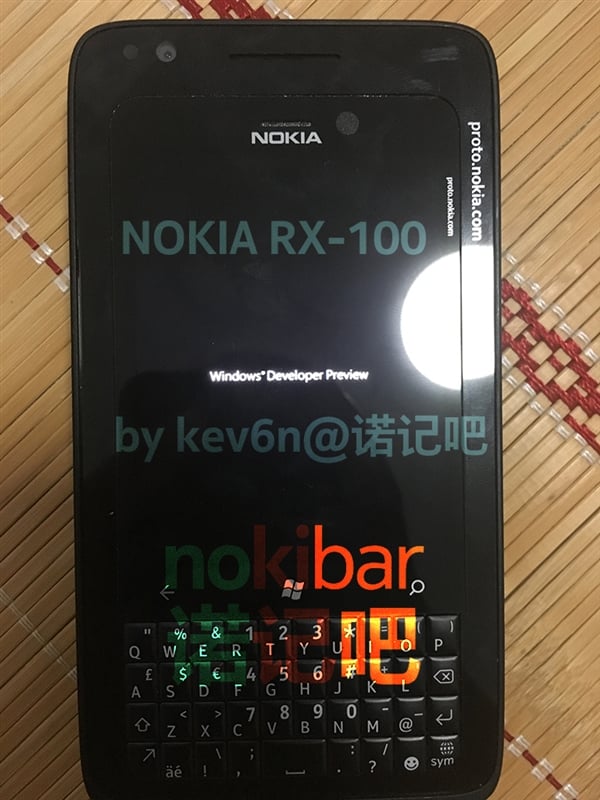
Back in 2012, there were rumors Nokia was working on a new smartphone with a physical QWERTY keyboard and a design similar to the E-series. It would run Windows Phone and it was expected to be unveiled at MWC 2012. Sadly, the phone never saw the light of day.
Today we get to see live images of a prototype leaked by @kev6n on Baidu. The model is unknown but the type is RX-100 and its running a developer preview of Windows Phone 8.
The screen is an AMOLED display and seems to be around 3-inches and there is 2GB of RAM on board. A system info page also shows the Nokia RX-100 is powered by a Qualcomm MSM8968 chip and the main camera sensor is a Toshiba Lada TCM8615MD.
There are several steps involved when it comes to making a phone. One of the interesting parts is the design stage, where several design ideas are submitted and only one is chosen. Sometimes we get to see some of these designs leak after the product is released, while at other times, it is before the product is even out.
These design images provided by Evan Blass (@evleaks) are said to be old mock-ups of Project Joan a.k.a LG V30. It is important to note that LG may no longer be using this design and the LG V30 may look entirely different. However, the design is interesting and is one that has never been seen before on a smartphone.
Weekend bonus: this is an old-ish mockup of Project Joan, a.k.a. the LG V30. Not clear if the project is still headed in this direction. [1] pic.twitter.com/k5jNJ7DyLz
First thing the leak reveals is the codename for the V30 which is Project Joan. So there’s a chance that other leaks in the future might surface under this name.
Going into the design, we see LG V30 sports the slide design of old that was brought back by the BlackBerry Priv. However, instead of sliding upwards to reveal a physical keyboard, we get a secondary display.
Here's how the device was envisioned to look with the secondary display fully extended. [2] pic.twitter.com/HNkZErj7xB
The secondary display serves a number of functions depending on the app in use as seen from follow up tweets. It can serve as a shortcut panel for a number of apps. In the image above, we see it holding a bunch of Google apps.
In a third tweet, we see the secondary display take on a number of functions: as a sub-menu for a number of apps; a keyboard for a chat app, and an extension of the main screen when its locked. In the very first image, it even serves as a sort-of always-on display when you slide down the phone.
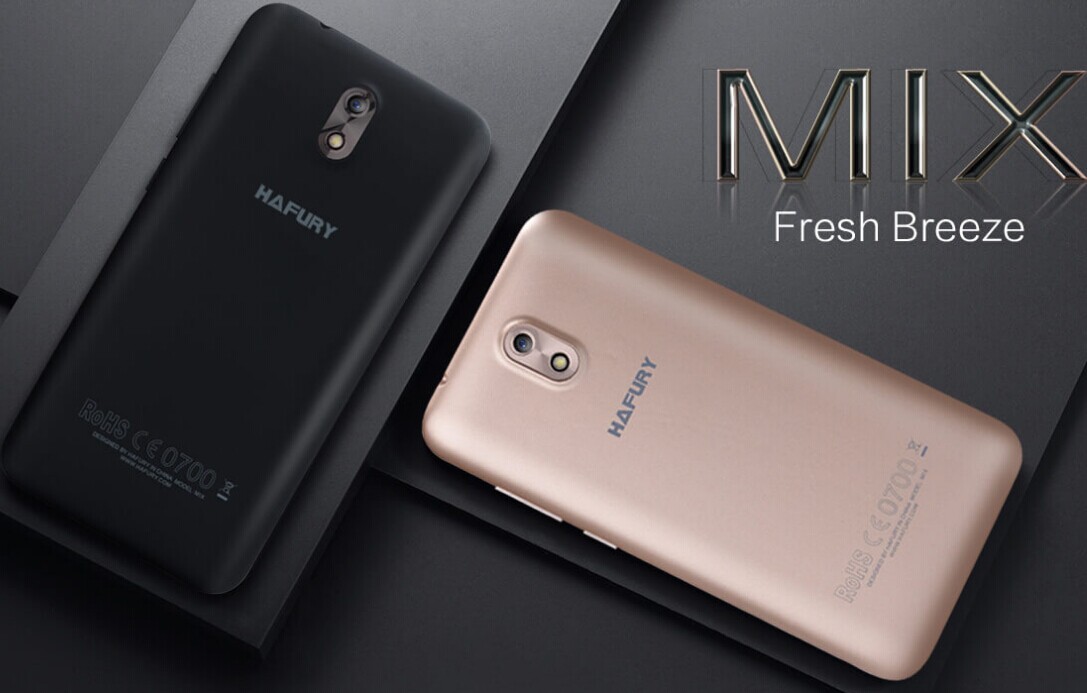
Cubot has a new phone in the pipeline and after running through its specs, it sounds very familiar. That’s because it is the Hafury Mix with a fingerprint scanner.
Cubot owns Hafury just the way Huawei owns Honor. If you were to take a look at some of the releases from Huawei and Honor, you would notice there are some similar devices with little or no differences. Take the Honor S1 and the Huawei Fit for example. Bottom line is, what Cubot is doing with the R9 and Hafury Mix is not new.
The Cubot R9 packs a 5-inch HD display, 2GB RAM, 16GB ROM and a MT6580 quad-core chip. There is a 13MP rear camera and a 5MP front facing camera, both with LED flash and a 2600mAh removable battery. It will also run Android 7.0 out of the box.
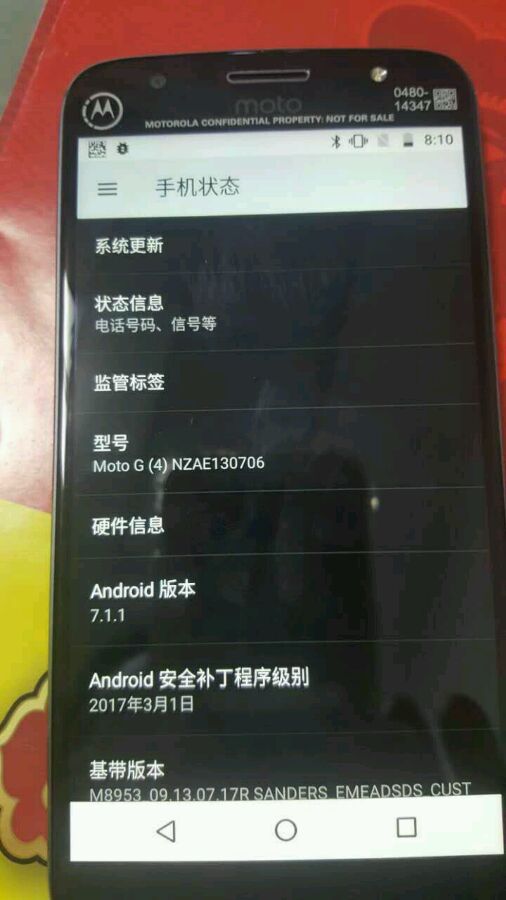
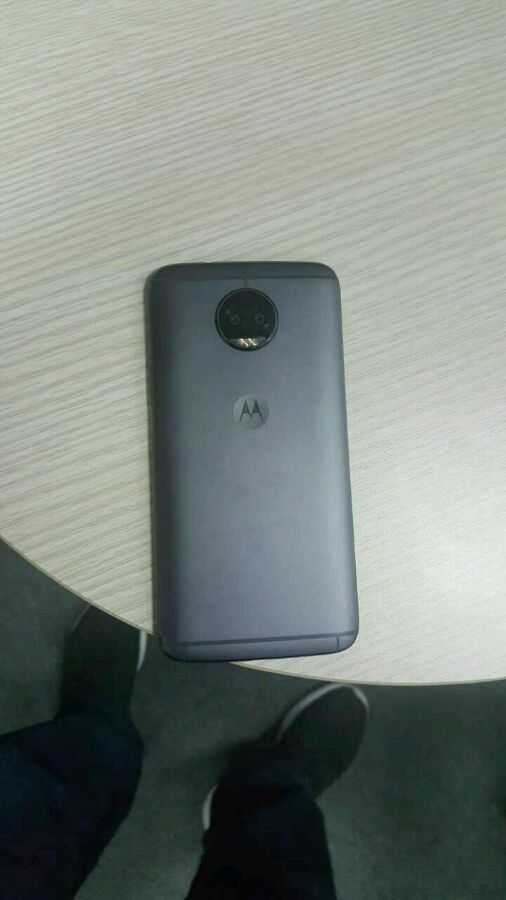
The Motorola Moto G5S and Moto G5S were first spotted in a leaked snapshot that was reportedly taken from a recent Lenovo conference. The snapshot revealed the different Moto devices that will be releasing this year. The leaked image showed the presence of two mid-range smartphones called Moto G5S and Moto G5S Plus. These smartphones are expected to release in the second of 2017. On Weibo, two images of the alleged Moto G5S Plus have appeared to reveal what to expect from the phone.
The first image that we have here shows the live shot of the “About Phone” screen of the Moto G5S Plus shows that the phone mentioned with a strange model number of Moto G (4) NZAE130706. The phone is running on Android 7.1.1 Nougat OS. It is powered by MSM8953 Snapdragon 625 chipset. The same SoC is present under the hood of the Moto G5 Plus that was launched in February this year.
At the topside of the image, the text “Motorola Confidential. Property Not for Sale” can be seen which indicates it is a prototype of Moto G5S Plus. The image shows presence of on-screen buttons. Even though it cannot be seen in the image, it seems to house a fingerprint sensor below the display like the one present on the Moto G5 Plus.
The Moto G5 Plus has a metallic back plate, but the antenna portions are carved out of plastic. Earlier this week, leaked renders of Moto G5S Plus had appeared to reveal its color variants such as Gold, Grey, Silver model with White front and Gold model with White front. The new shot also shows the Moto dimple at the rear side. However, the most striking change compared to the Moto G5 Plus is that the G5S Plus comes with a dual rear camera that is assisted by dual-LED flash.
Another noticeable that can be found on the Moto G5S Plus is that it will be coming with a 5.5-inch screen that produces full HD resolution. However, the Moto G5 Plus has a 5.2-inch full HD display. With only seven months remaining in this year, Lenovo has several Moto phones such as Moto Z2, Z2 Force, Z2 Play, E4, E4 Plus and Moto X4 waiting to get announced officially. The Chinese firm has recently launched the Moto C and Moto C Plus smartphones with very affordable pricing.
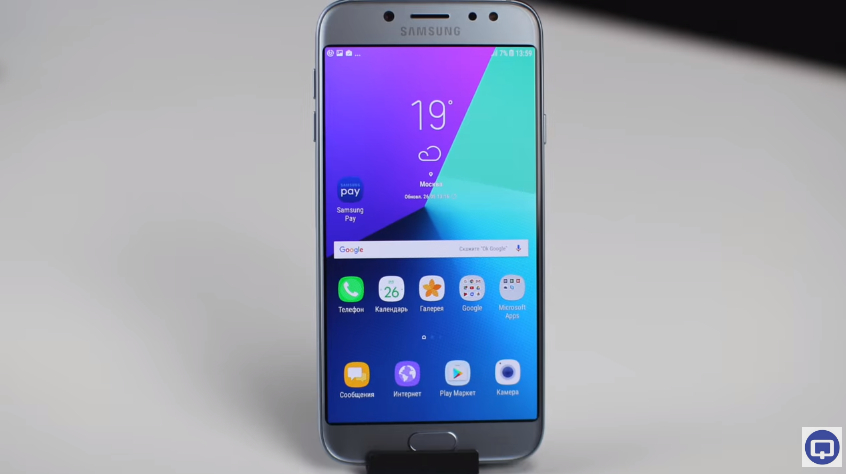
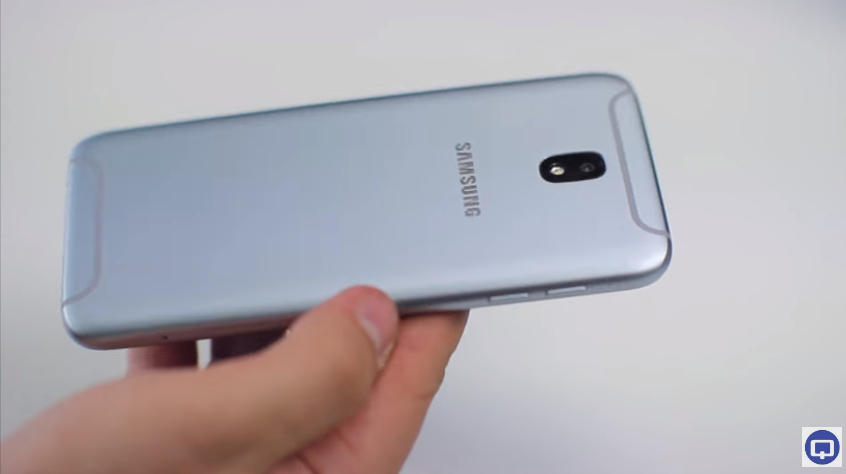
Rumors of Samsung Galaxy J7 (2017), Galaxy J5 (2017) and Galaxy J3 (2017) have been swirling since several months. Their leaked specs and renders have already surfaced, but the three Galaxy J (2017) handsets are yet to get officially unveiled by Samsung. The existence of these phones was confirmed when the names of all 3 of them were found in the list of compatible devices for a Samsung app. Now, the Galaxy J7 (2017) and Galaxy J5 (2017) have appeared in short video reviews that have surfaced from Russia.
Both the videos are in Russian language and there are no subtitles available. The Galaxy J7 (2017) and Galaxy J5 (2017) can be seen sporting metallic bodies. Both phones have similar design as they feature unique looking antenna bands on the rear side. Also, they are equipped with front-mounted fingerprint readers.
The topside of the Galaxy J7 (2017) and Galaxy J5 (2017) are barren and their bottom features a microUSB port and 3.5mm audio jack. Their right-side features volume up and down buttons, and dedicated slots for microSD card and SIM card. The Power button is on the left side. The Galaxy J7 (2017) review shows that the phone will be coming in color choices Pink, Gold, Black and Light Blue. The Galaxy J5 (2017) is also expected to come in these color variants.
As shown in the review video of Samsung Galaxy J7 (2017), it is powered by Exynos 7870 chipset that features a 1.6 GHz octa-core processor and 3 GB of RAM. It will be coming an inbuilt storage of 16 GB. It is expected to feature a 5.5-inch full HD resolution support Super AMOLED screen. The 13-megapxiel cameras sitting at the front as well as at the back are coupled with LED flashes. It includes a 3,600mAh battery.
In the above video, the reviewer reveals that the Galaxy J5 (2017)’s 5.2-inch Super AMOLED display supports HD resolution of 720 x 1,280 pixels. It is fueled by Exynos 7570 chipset and 2 GB of RAM. The native storage of the phone is 16 GB. The front and rear sides of the Galaxy J5 (2017) are equipped with LED enabled 13-megapixel cameras. It features a 3,000mAh battery.
Earlier this year, Cubot announced it’s new subsidiary Hafury. The new company already has a phone under its belt, the Hafury Umax and is planning to launch a second called the Hafury Mix.
Full specification details of the Hafury Mix have been sent to us and with its price tag said to be about $60, you may find it hard getting a better alternative.
The Hafury Mix will sport a 5.0-inch 2.5D HD display, 2GB of RAM, and 16GB storage. A MeidaTek MT6580 processor clocked at 1.3GHz will be on board along with a 2600mAh removable battery.
At the Global Sources Electronics Show last month, Leagoo announced it’s new phone, the M5 Edge. We got to learn of all the details especially its 3D Edgeless display which Leagoo says has an 80% screen-to-body ratio. However, we didn’t get to see a live image of the device.
Thanks to Twitter user @jorkerlee who posted real images of the device, we now have a good idea of what to expect when it launches.
The Leagoo M5 Edge has a dual-curved HD display. Although Leagoo said the phone will be available in Champagne Gold and Obsidian Black, the unit in the image is silver.
The front of the phone looks nice but the lower bezel is pretty huge, leading us to doubt the 80% screen-to-body ratio. The dimensions on the official website states that the phone measures 140 × 68.3 × 8.5mm. So we decided to do the math and came up with 72% instead. That’s a significant difference and we hope Leagoo clears the air on that.
We think the front bezels could have just been made smaller since the fingerprint scanner is positioned at the back and the battery is just 2000mAh.
[envira-gallery id=”133413″]
The M5 Edge has a 13MP rear camera with a slight hump. Right below it is the LED flash and the fingerprint scanner. There are also holes drilled at the bottom for the speaker. The front camera is an 8MP 77.9° wide-angle camera.
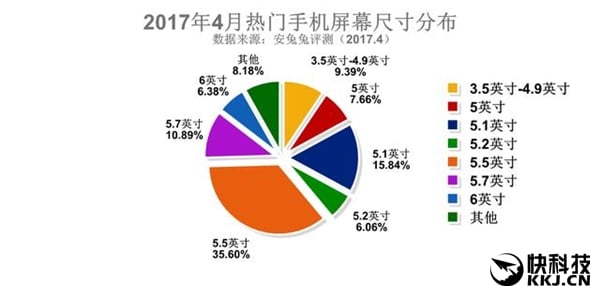
AnTuTu yesterday released its April mobile phone user preference report which gives a breakdown in form of a chart, of the level of popularity which the various smartphone display sizes enjoy among the domestic market population in China.
The report reveals what we had already suspected, which is a shift towards large display packing smartphones which falls into the phablet category. Screen sizes measuring between 5 inches to 6 inches accounts for about 82% of the entire market share as documented in the chart. Out of this figure, 5.5-inch displays are the most popular with the lion share of 35.60%. This is followed by the 5.7-inch displays with 10.39% of the market share while 6-inch devices account for 6.38%.
Further, smartphones with 5-inch display size are reducing by the day as it only accounted for 7.66% of the market share while 5.1-inch phones accounted for 15.84% and 5.2-inch phones, 6.06%. Turns out some persons still find small display packing smartphones fun to use. The AnTuTu listing grouped phones with display sizes ranging between 3.5 inches – 4.9 inches as having a 9.39% share of the market. There are also other sizes which exist and they too grab 8.18% of the market share.
We really don’t know the criteria employed in collating the data but whatever it was, it looks accurate. Large displays are becoming trendy these days in China and manufacturers are even taking it a tad higher by developing large display phones with near absent bezels just like on the Mi Mix. Xiaomi is releasing its next-gen Mi Mix 2 this year, Samsung released a large display device with bezel-less display, and Nubia is tipped as doing the same thing. Even the smaller Chinese manufacturers are not left out as they too are working on bezel-less phone with large displays. A Doogee Mix recently leaked showing a near bezel-less full-screen display. BLUBOO also has a similar device in the work as well as several other Chinese OEM. The competition in the smartphone industry this year will be on several fronts and the display size is likely one of them. Already, the drama has started playing out with the Galaxy S8 already out and doing well in the market.
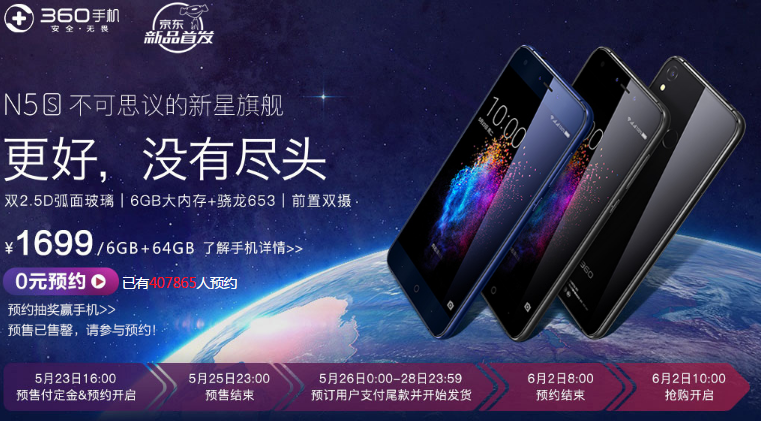
360 Mobiles announced its latest powerful mid-ranger, the 360 N5s in a conference held a couple of days back in China. The device was not just a beautiful mid-range smartphone, but was also a powerful one, packing 6GB of RAM. The device has been open for reservation on Jingdong (JD.com) since then and as at the time of reporting, the 360 N5s has amassed well over 400,000 registrations and that figure is still rising with about five days left before sales open.
Now, we already know that not everyone who made a reservation for the device will end up getting one when the flash sales open on June 2. However, the reservation numbers is an indication of the popularity of the mid-ranger. 360 Mobile phones are always hard to get in the past so, we don’t know if this one will be any different.
The 360 N5s promises to be a hot-selling one, not just because of its sleek design or 6GB RAM but also because of the dual selfie cameras it features as well as its new user interface which supports split screen function. That is one function that is not so common on phones at the moment. As a reminder, the N5s sports a 5.5-inch 1080p display and equipped with a Snapdragon 653 processor. There is also a 64GB storage as well as a 3730mAh with support for Quick Charge 3.0 fast charging technology. There is also a 13MP rear camera and a dual front-facing camera setup made up of a 13MP Samsung sensor and a 2MP depth of field sensor. The device runs Android OS with the 360 OS 2.0 on top. The 1699 yuan ($247) device will go on its first flash sale on June 2.
Huawei seems to be on a releasing spree right now both on the Huawei end and the Honor end. Just recently, the company unveiled a couple of budget smartphones. We had also seen the Honor V9 and Honor 6A along with an Honor Smartband. The tech giant today announced the Huawei Nova 2 and Nova 2 Plus and that wasn’t all. Huawei also pulled the wraps off three cool accessories; aHuawei-branded sports band, a panoramic camera and a Bluetooth headset. We’ll take a quick look at the features of the three accessories.
Huawei Panoramic Camera
The Panoramic camera is capable of taking 360 ° panoramic photos and videos and can be plugged directly into a smartphone. for this function, it has a USB Type-C port and si it compatible with smartphones which are USB OTG-enabled. The camera comes wit two lenses, one at the front and the other are the back. So, you get a 360 ° x 360 ° shot. Both lenses have 13MP sensors and apart from panoramic shots, they are capable of taking wide-angle shots. It is a plug and play camera which makes it easy to use without the need for a special app. The images captured can also be shared through the phone.
Huawei shared samples of the shot which the panoramic camera captured and they are quite nice. The Huawei Panoramic camera is priced at 899 Yuan and would go on sale from June 30.
Huawei Sports Band
Huawei also launched a sports band which is touted to be its first Smartband made specifically for sports persons. The smart band has a GPS version which features an inbuilt GPS chip that can analyse data including distance, speed etc. The data can be shared with friends.
The Huawei Sports band is said to have a waterproof body that can withstand a water depth of up to 50 meters. Thus it can be used for swimming, running and other sporting activities. It also has a feature which measures the calories lost. One common feature on most smart bands today is heart rate monitor and the Huawei band doesn’t miss having that. The device packs a heart rate monitor. The band features a low power chip and can last up to 21 days on a single charge which is 80% higher than previous Huawei smart bands.
As for the prices, the Huawei Smart band with GPS function carries a price tag of 388 Yuan while the standard version comes in at 298 Yuan. The sports band will be available in Black, Green, Blue and other attractive colors. It will go on sales on July 14.
The third product unveiled is Bluetooth headset with a heart rate monitoring function. So, with the headset, you not only get to listen to high-quality music on the Bluetooth wireless headset, but it also monitors your heart rate as you do.
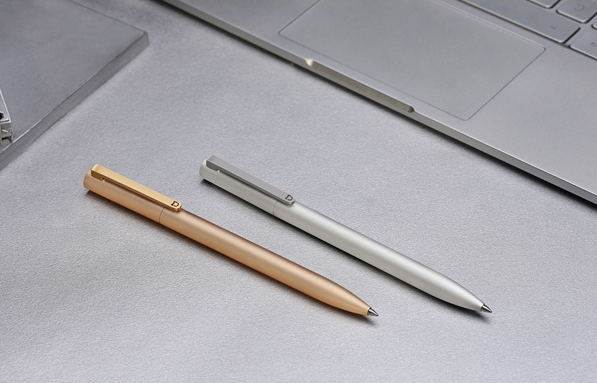
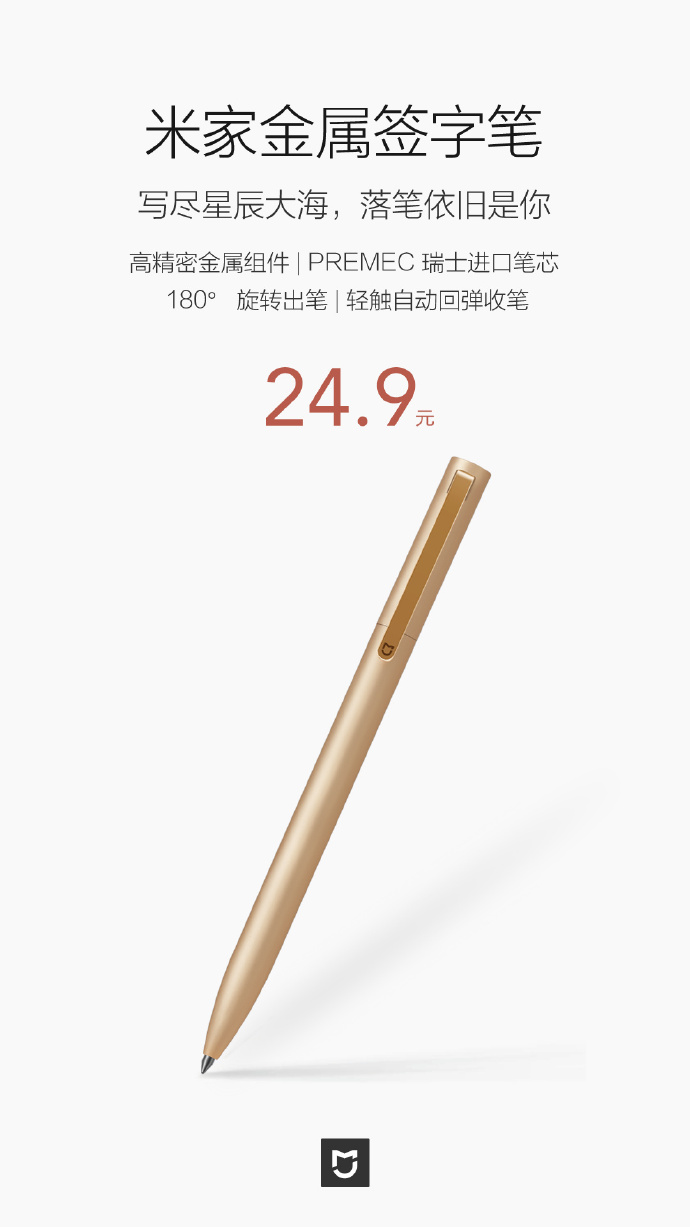
Xiaomi has launched a new signature pen under the MIJIA brand. This time around, the pen uses a metal body and has an 180° spin. recall that Xiaomi first unveiled a similar product around July last year but that was made from plastic. The first-gen Mi Pen was available for 19 Yuan ($2.77) but this new metal-clad Mi Metal Signature pen comes in at 24.9 Yuan ($3.63).
The Mi metal pen is 14cm long and 9.5mm in diameter, making it easy to hold and use with ease. The use of high precision aluminum alloy in manufacturing the body makes it feels nice to hold. In addition, the body is well sandblasted through an anodizing process, making it wear, and corrosion resistant.
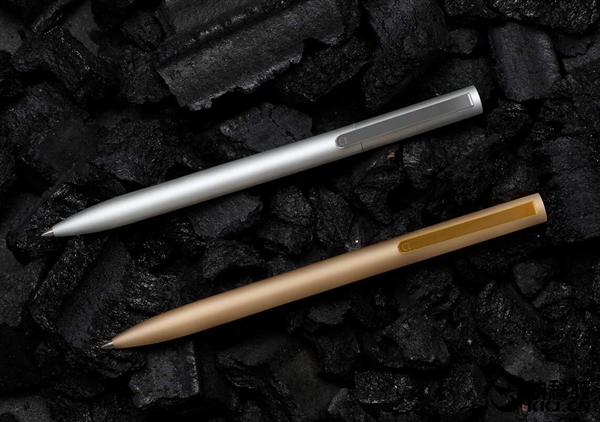
Like the first Mi Pen, this one comes with Swiss PREMEC Refill which doesn’t overflow and does not stop when you’re writing. The ink doesn’t dry up even if the pen is not used for a long time. The pen also features an 180° spin which reveals the pen’s 0.5mm high-precision tungsten ball tip. The Mi Metal pen comes in Gold and Silver colors and is already available on Mi Mall, Mi home, and Lynx for just 24.9 Yuan ($3.63).
The latest fad in the smartphone camera department is bokeh. People are obsessed with photos which can blur out the background to highlight the person in front. Usually, you see smartphones coming with two cameras at the back. But what if you want to take amazing selfies with background blur? The Gionee S10 has got you covered on both the front as well as back camera departments because it comes with dual cameras on both the ends.
We can the judge the real quality of the dual cameras only after we get hands on the phone, but for now, we have to rely on the official samples from Gionee. The nine samples that we have got actually looks pretty good and the good thing here is that these samples don’t look out of the world mind-blowing. We have seen a lot of manufacturers release official samples that blow our mind, only to find the real world samples turn out to be pretty average. We hope that the processing of these samples from the Gionee S10 have been limited so that we get very similar results in real life situations.
To recap, the Gionee S10 comes with a 16MP + 8MP rear dual camera setup with 6P lens and f/1.8 aperture. On the front, you have a 20MP + 8MP dual camera setup for good looking selfies. Night time images are said to be better with the rear setup, but we’ll have to test it in real life situation to confirm it.
For now, just check out the gallery below and let us know what you think of the Gionee S10 camera samples.
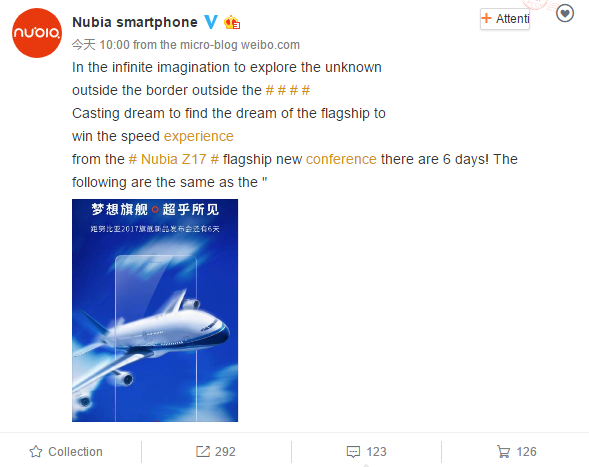
ZTE’s elite brand, Nubia will be releasing its 2017 flagship which it christened Nubia z17 on June 1. Ahead of the launch event, the company has commenced what could be daily teasing of the Z17’s main features.
The company today posted a new teaser on the Nubia smartphone Weibo page which teases the Z17’s bezel-less design that sees the reduction in the side bezels around the screen. The leaked images of the Nubia flagship may not have given us a clear glimpse of the extent of the curves the screen would have because the teaser suggests it would be curved on all four sides.
Apart from the borderless display, the Nubia Z17’s teaser also talked about its super fast speed symbolised by a jetliner on the teaser. This is no doubt, due to the Snapdragon 835 chip the device will feature as already revealed on TENAA and on both AuTuTu and GeekBench. That isn’t the only front where the Z17 will be super fast as the flagship has been revealed as coming with Qualcomm’s latest Quick Charge 4.0 fast charging technology. We are likely going to see more teasers before the final launch date.
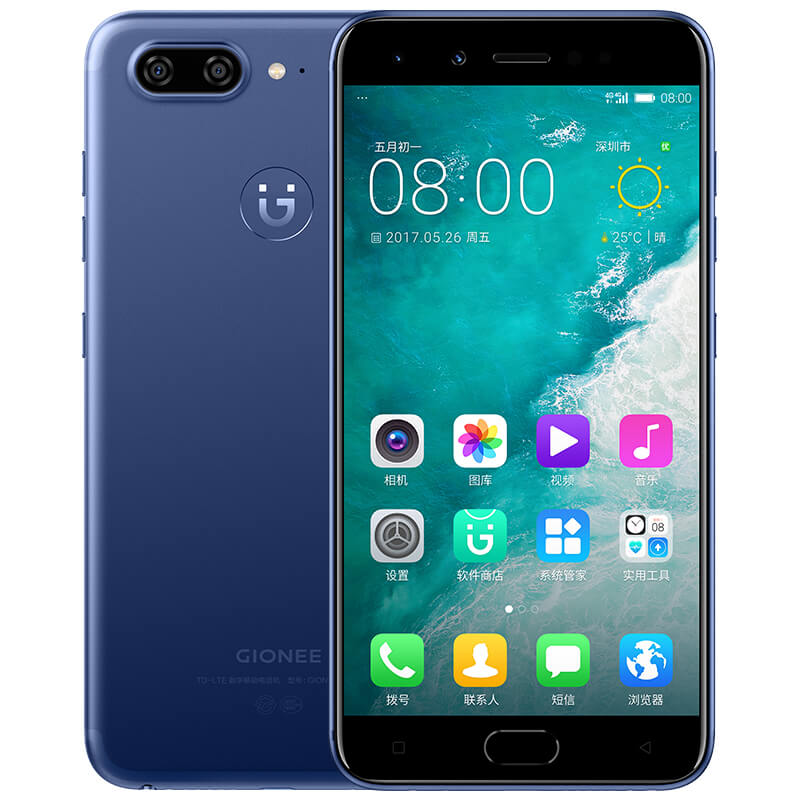
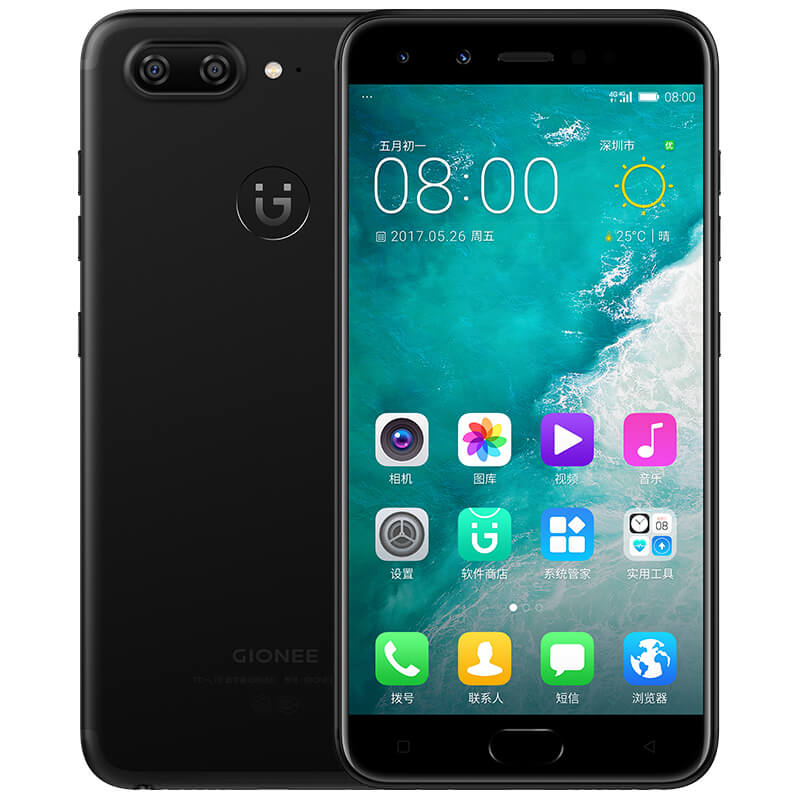
Gionee has finally launched the much awaited Gionee S10 flagship smartphone. It is one of the top-end models from the company this year and comes with four cameras in total, making it unique among the other dual camera flagships in the market. So, the S10 comes with dual cameras on the front as well as at the back to ensure the phone is capable of capturing amazing selfies as well as bokeh photos from both the camera setups.
Gionee S10 Design
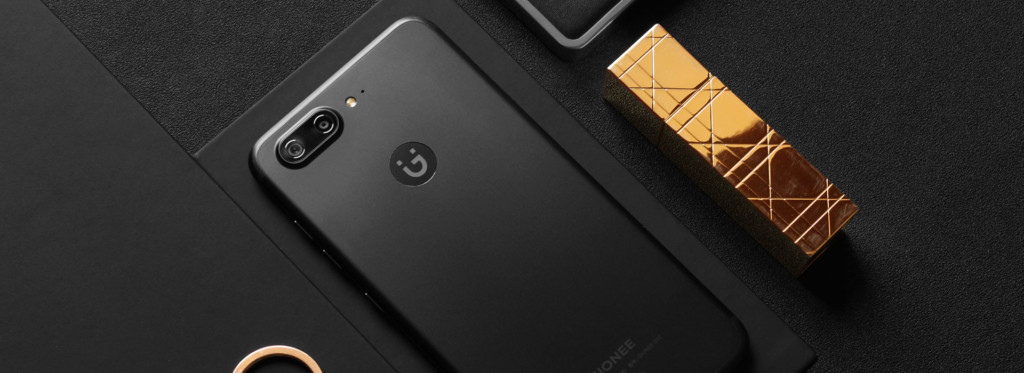
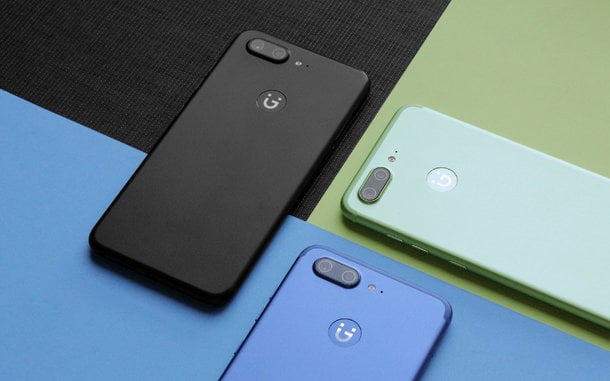
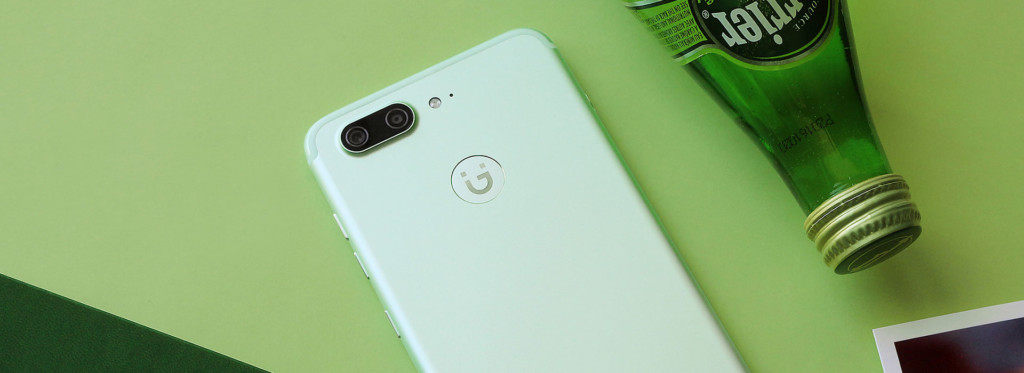
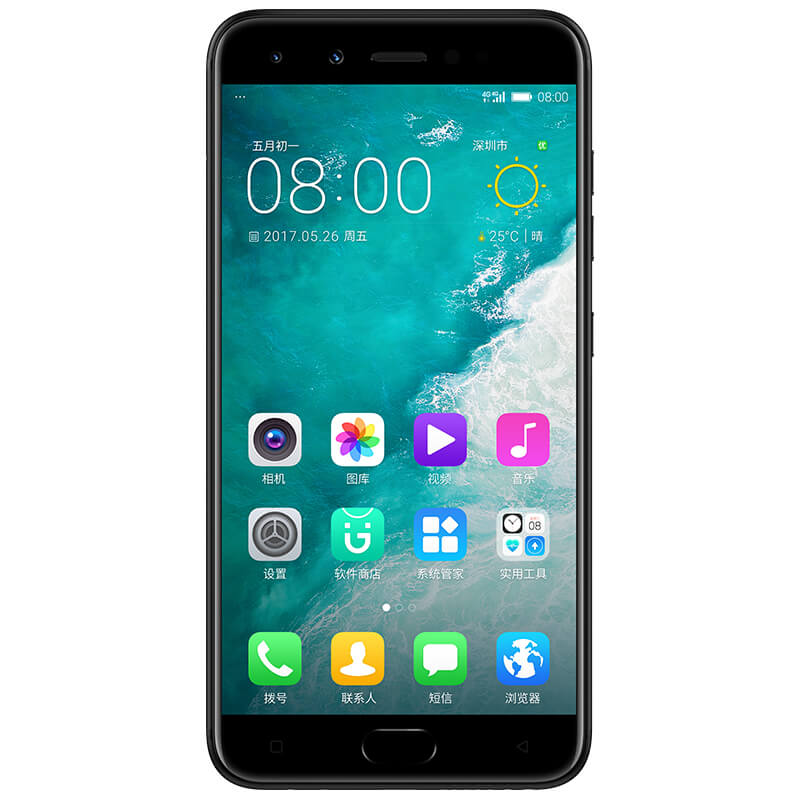
There’s no denying that the Gionee S10 takes inspiration from the iPhone 7 Plus. The basic design is very similar to the Apple model, including the horizontal arrangement of the dual camera setup at the back.
The phone is made out of metal unibody and the back looks refined thanks to the antenna lines that are hidden along the top and bottom edges. It’s thin at 7.35mm but heavy at 178 grams. There are four color options available for the phone right now — Cherry gold, dark night black, indigo gray blue, primrose green.
Even the front is quite iPhone-like. You have dual cameras on top as well as a soft LED flash. Down below the display, you’ve got a fingerprint sensor.
Gionee S10 Specs
Specs have never really been the highlight of Gionee’s top-end smartphones. The company tends to go with mid-range processors with generous RAM and storage. The same strategy has been applied here, as the Gionee S10 comes with a 2.5GHz Helio P25 octa-core chipset inside with 6GB of RAM and 64GB of internal storage. Now, note that the P25 isn’t really a flagship chip and we have seen many mid-rangers from local Chinese companies like Elephone (Elephone P28) and Doogee (Doogee Mix) feature this chipset. It’s pretty good for a mid-ranger but how good will it be handling the requirements of a flagship phone like S10 is something we’ll have to wait and see.
The Gionee S10 comes with a 5.5-inch 1080p IPS LCD display. Also, there’s a pretty decent 3450mAh capacity battery inside, which should be good enough for a day with P25 powering the phone.
As for the software, the phone comes with AMIGO 4.0 with Android 7. AI is integrated into the software, but we aren’t sure how exactly it would help users in day to day life.
The camera is definitely the highlight of the Gionee S10. The company has included four cameras in total, two at the back and two up front. The rear setup consists of a 16MP primary sensor + an 8MP secondary sensor. Other features include 6P lens and f/1.8 aperture. The company notes that it has worked on the sensor to improve low-light photography significantly. So, you can expect less noise in the night time pictures.
Up front, the phone comes with a 20MP + 8MP setup. There’s a selfie flash beside the front camera setup as well.
Now, expect to capture some great bokeh images with the cameras on the Gionee S10. The company wants you to take SLR level depth of field pictures with its camera, but we’ll have to play with it first to see how good the cameras are.
Gionee S10 Price & Availability
The Gionee S10 is not a cheap flagship, as you will have to shell out as much as 2599 Yuan for the 6GB +64GB model. That comes to nearly $380. That’s the territory of a number of super flagships including the Xiaomi Mi 6.
Note that there are two more variants of the device announced, the Gionee S10B and the Gionee S10C. To be honest, they are not the best names for variants of a flagship model, but they are supposed to provide additional options to customers at different price points. Their specs and details are given below:
We use cookies on our website to give you the most relevant experience by remembering your preferences and repeat visits. By clicking “Accept”, you consent to the use of ALL the cookies.
This website uses cookies to improve your experience while you navigate through the website. Out of these, the cookies that are categorized as necessary are stored on your browser as they are essential for the working of basic functionalities of the website. We also use third-party cookies that help us analyze and understand how you use this website. These cookies will be stored in your browser only with your consent. You also have the option to opt-out of these cookies. But opting out of some of these cookies may affect your browsing experience.
Necessary cookies are absolutely essential for the website to function properly. This category only includes cookies that ensures basic functionalities and security features of the website. These cookies do not store any personal information.
Any cookies that may not be particularly necessary for the website to function and is used specifically to collect user personal data via analytics, ads, other embedded contents are termed as non-necessary cookies. It is mandatory to procure user consent prior to running these cookies on your website.