While most tech companies have a rival(s), it is not unusual to hear of some of them forming partnerships. News has it that Google and China’s Tencent Holdings Ltd. are forming an alliance.
The result of the over $500 billion worth alliance is an exchange of patents related to a number of technologies and products. It will also see both tech giants collaborate on new technologies for the overall benefit of users.
One other major benefit it will bring for both companies is to help ease Google back into China and to expand’s Tencent’s business overseas.
Quite a number of Google services are blocked in China at the moment and Google itself pulled its search engine from the country in 2010 after defying China’s self-censorship rules.
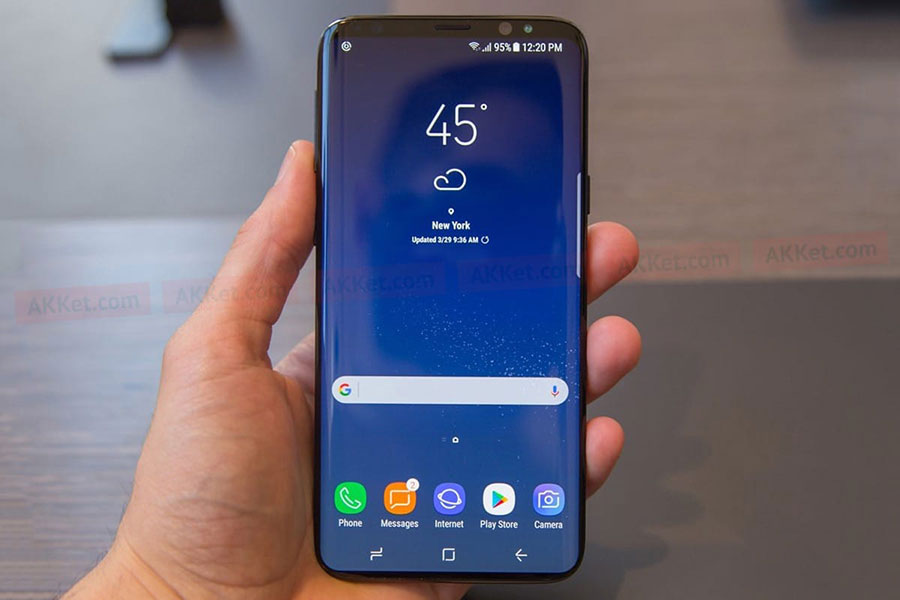
The Galaxy S9 duo will be the first flagships of the year to come with Qualcomm’s new Snapdragon 845 mobile platform. Though both phones share a number of similarities to their predecessors, the Galaxy S9+ is the one getting a huge upgrade, thanks to an additional rear camera sensor.
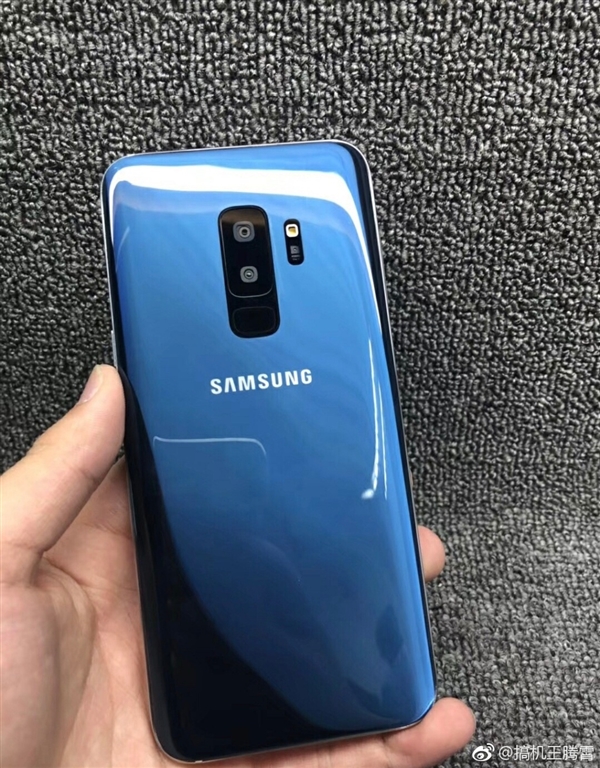
And just like last year, there will be tens of phones that will copy the design of both phones. Heck! We already even have clones of the S9+ popping out of Shenzhen’s Huaqiangbei/Huaqiang North, an area known as a major electronics manufacturing hub.
The pictures show the “Galaxy S9+” in blue and gold variants complete with the dual camera setup, fingerprint scanner, and Samsung branding. There is also that mirror-like finish which pops really nicely on the blue variant.
This is a well-made clone no doubt that can pass for the real deal until you start noticing the details. First the bezels on the front are super thick, even thicker than the ones on the S8+. Though we have to praise them for getting the UI right.
Meizu announced its first smartphone of the year, the Meizu M6S a couple of days back. After a dull 2017, the company seems to have done their homework this time, bringing a solid contender in the $150 price segment, directly taking on the current champion, the Redmi 5 Plus. So, it was very important that we got our Meizu M6S hands on as soon as possible to see if it lives up to our expectations.
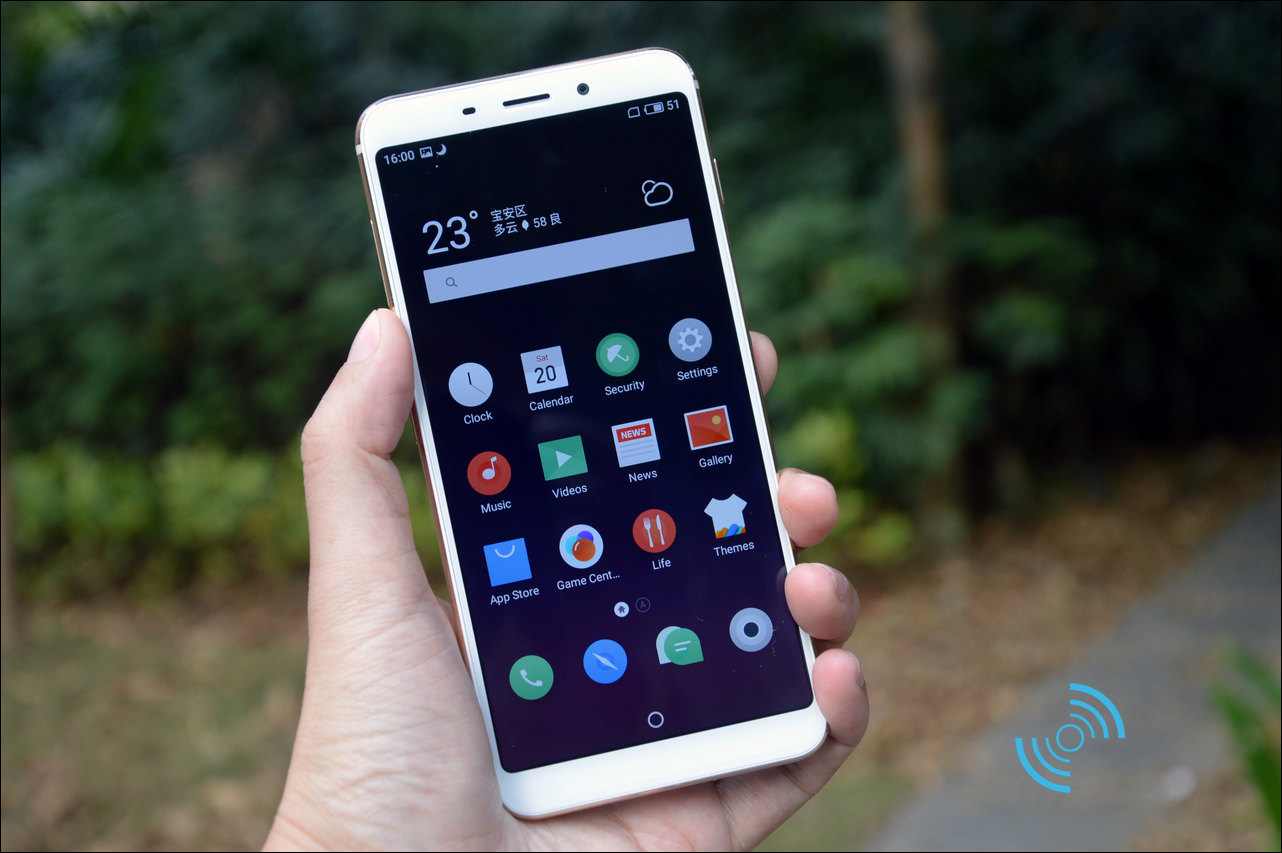
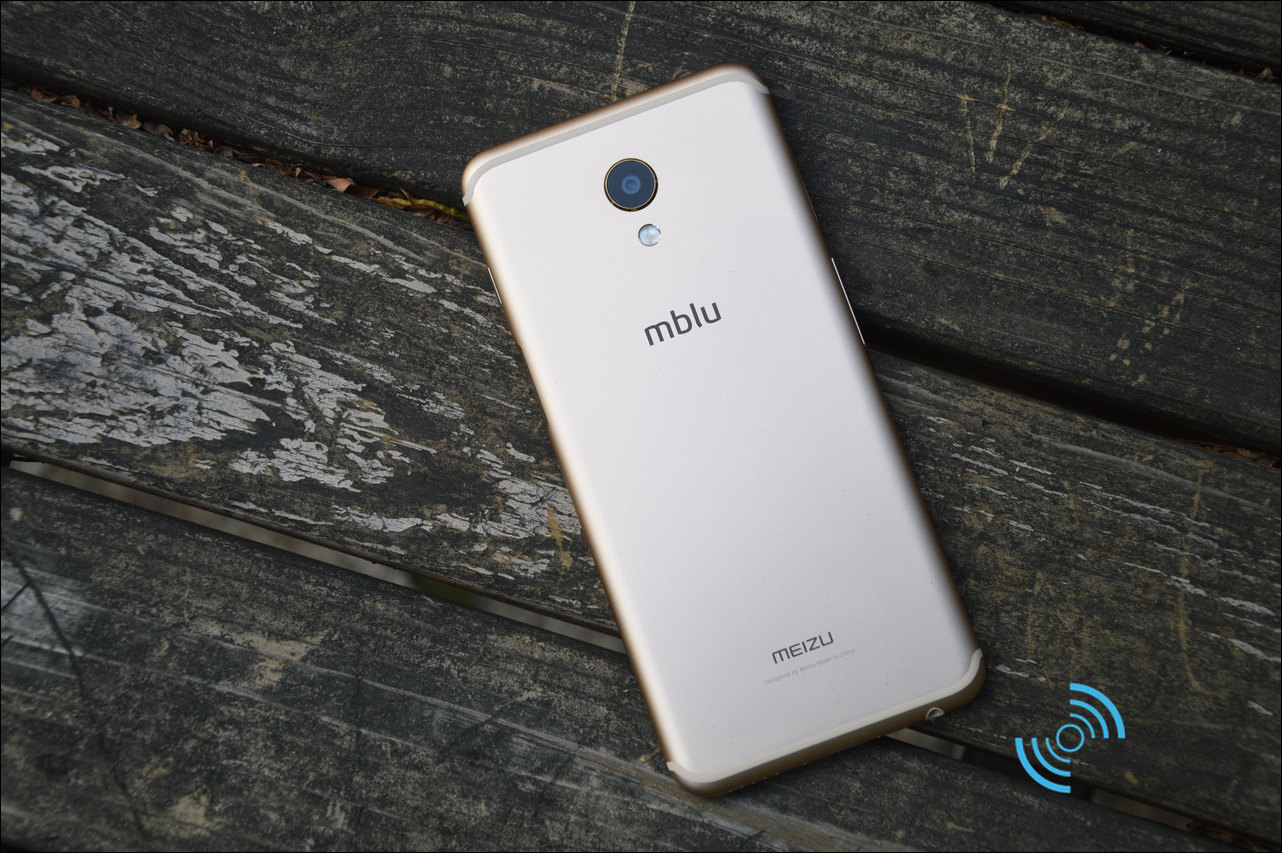
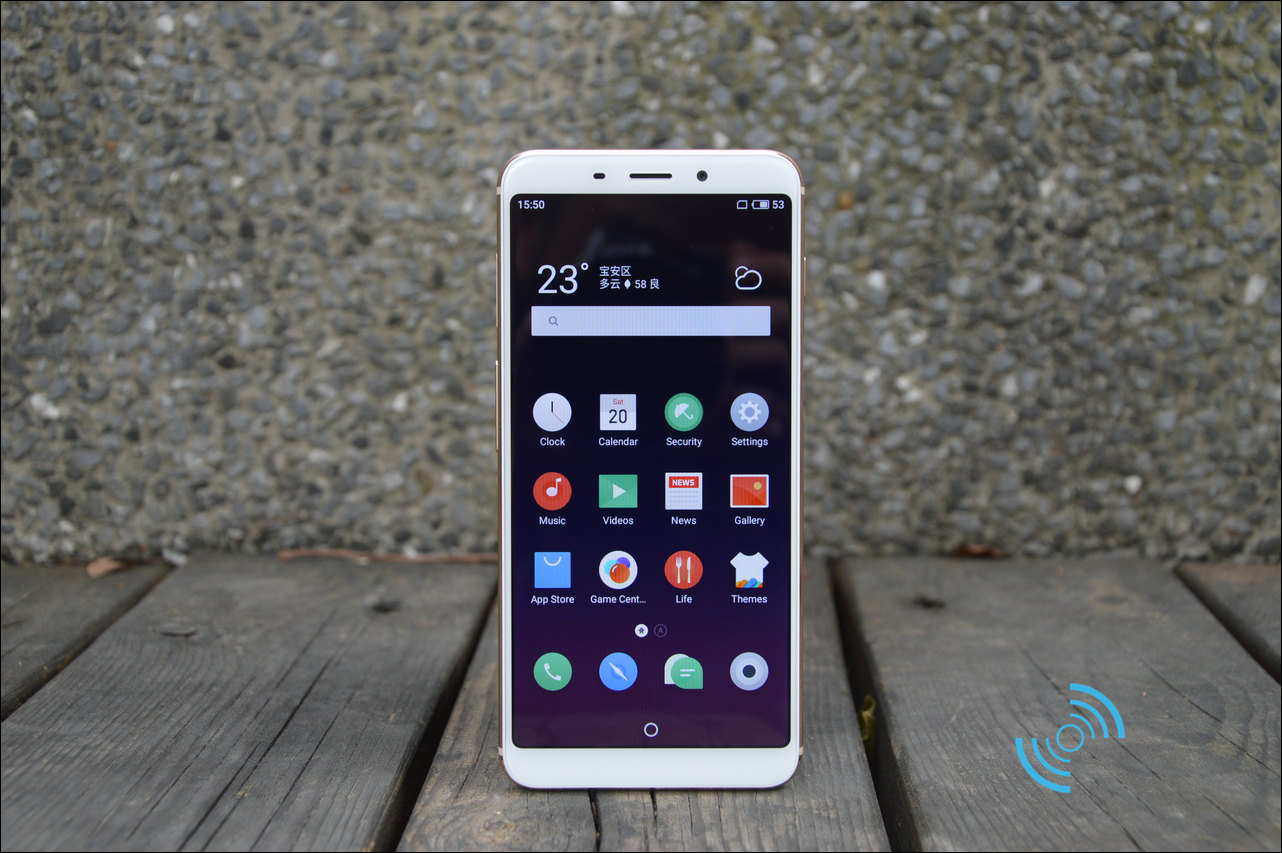
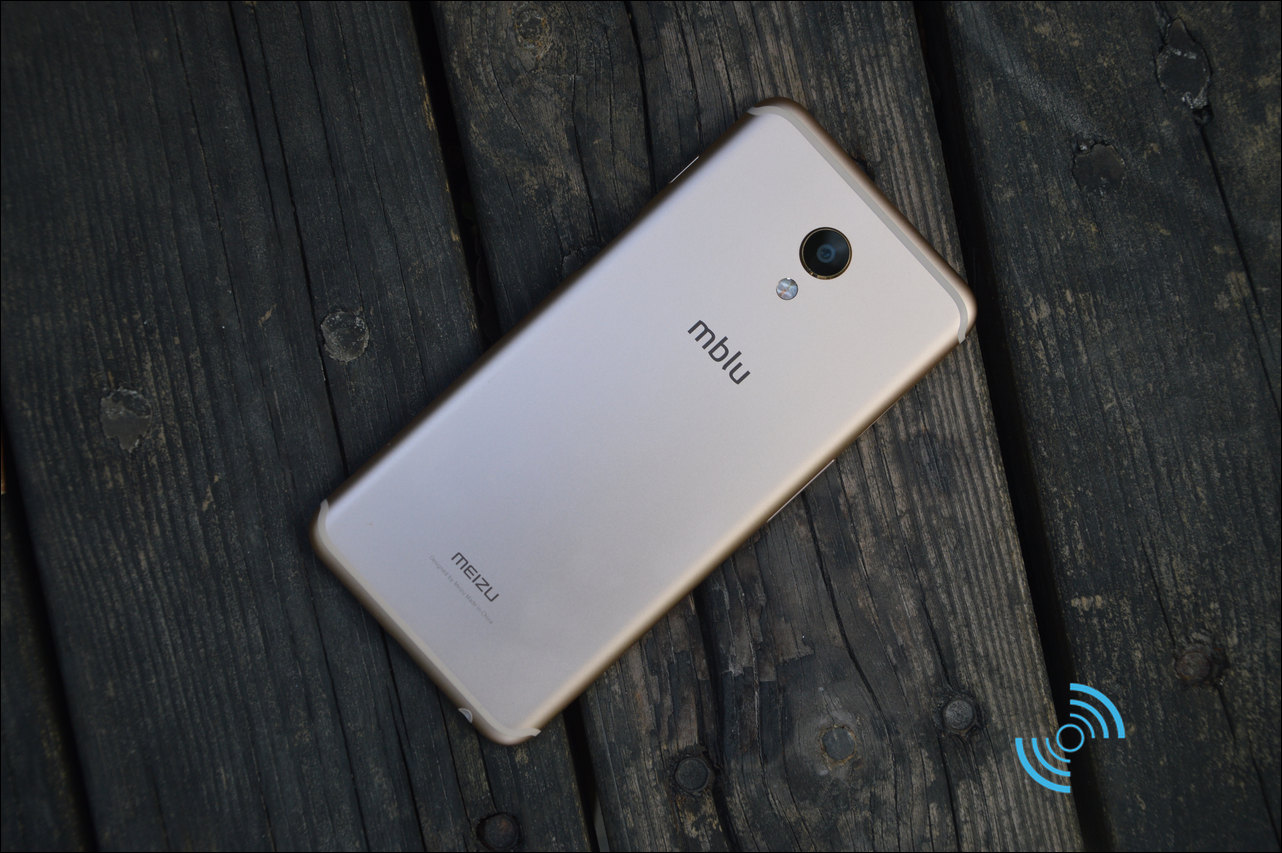
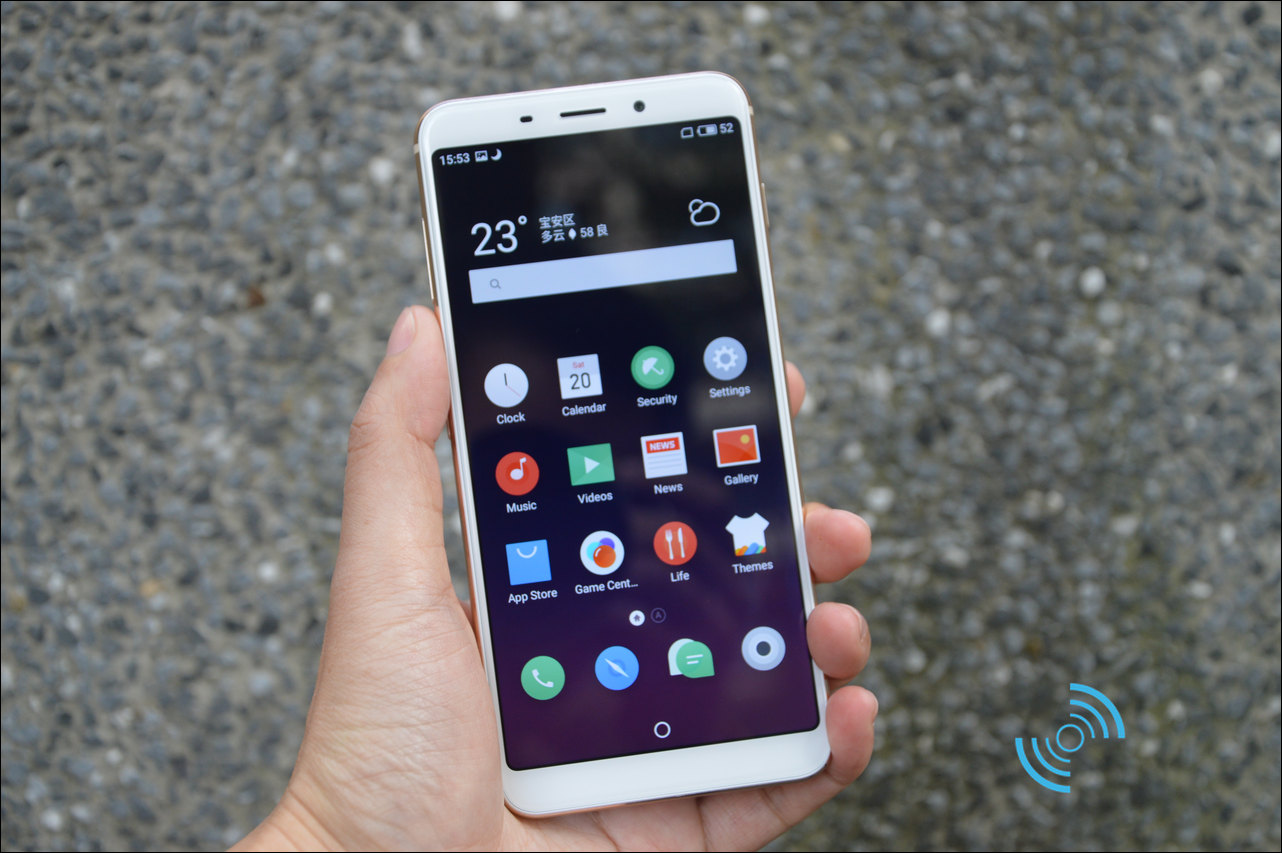
The phone borrows a lot of design elements from the Meizu Pro 6, including nano injected U shaped antenna lines in a solid metal body. Also, with this phone, Meizu is joining the 18:9 club, featuring a 5.7-inch HD+ display on the front. This reduces the bezels on all the sides, making it similar to the Redmi 5 Plus and other 18:9 phones in the market. The back has a smooth finish with the camera sensor and flash placed at the center for a perfect symmetry. The logo lies below them, and given that our unit is from the first batch of M6S, we got the mblu branding at the back. After the initial batch is sold out, new M6S units will feature just the Meizu branding at the back.
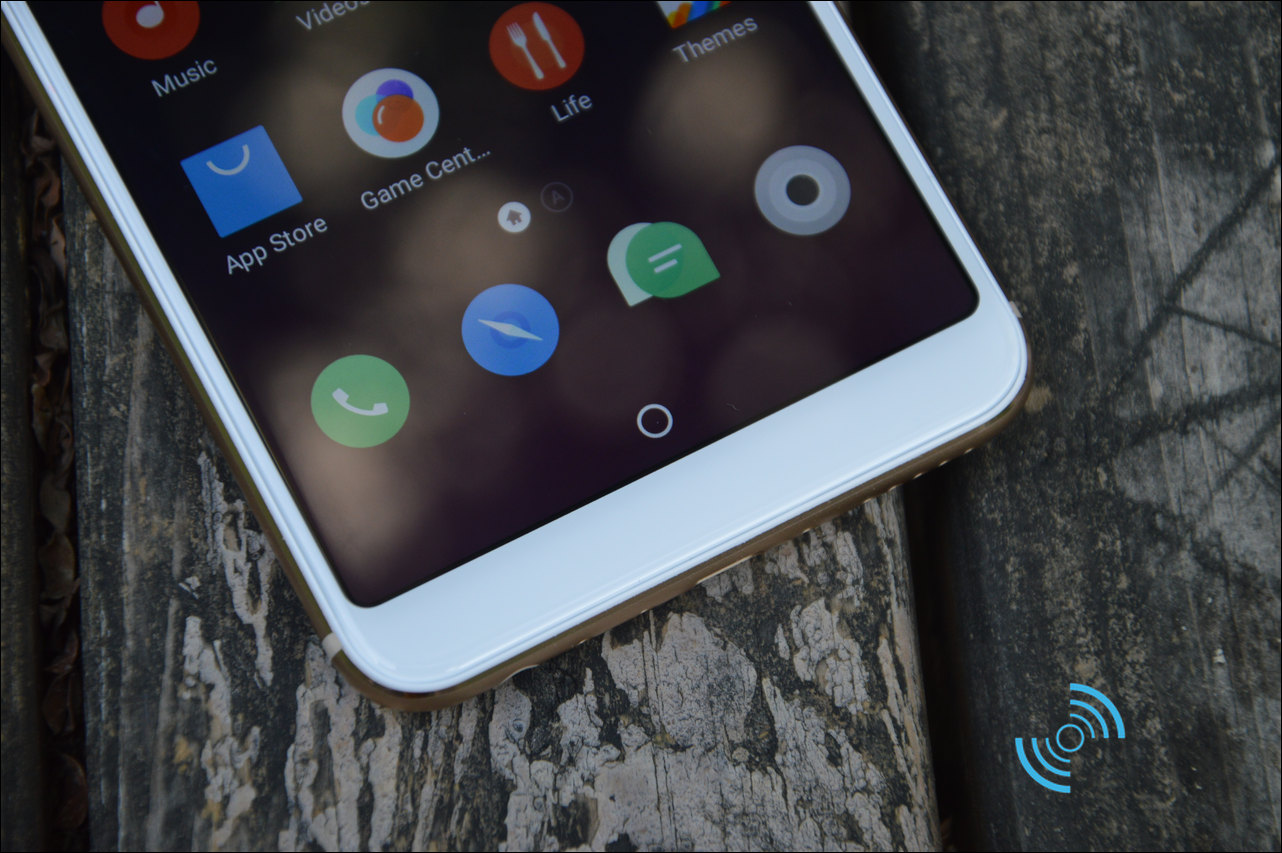
Coming back to the front, we definitely have to talk about the Halo button on the screen. It’s called as Super mBack, an updated version of the popular mBack button, but this time around, it’s a virtual button instead of a physical one that’s seen on other Meizu devices. But it’s not your typical onscreen button as it features a pressure sensitive chip as well as a linear vibration motor below it to ensure smooth navigation. So, the halo button basically acts as the mBack button, in the virtual form.
Halo button on Meizu M6S
You can touch for going back, press for getting to the home screen, swipe for multitasking and do a lot more with this one button. Check out this article for more details on how this Halo button works. However, if you are not used to Meizu’s mBack, it might take some time for you to get used to the gestures. Of course, if you want stock Android buttons, you can use them as well. Also, Meizu’s VP has confirmed that you will be getting an option to hide this halo button in the February 5 update, which opens up a bit more screen real estate.
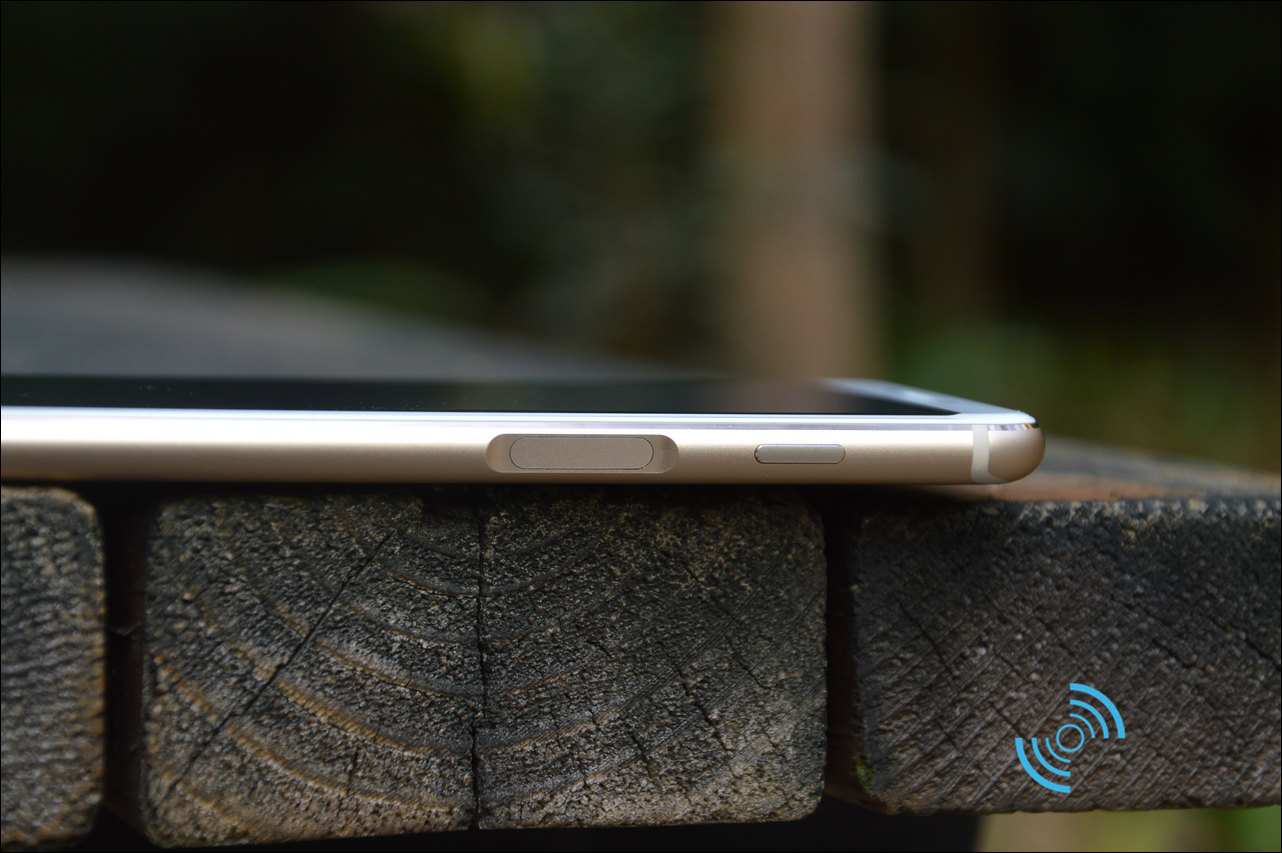
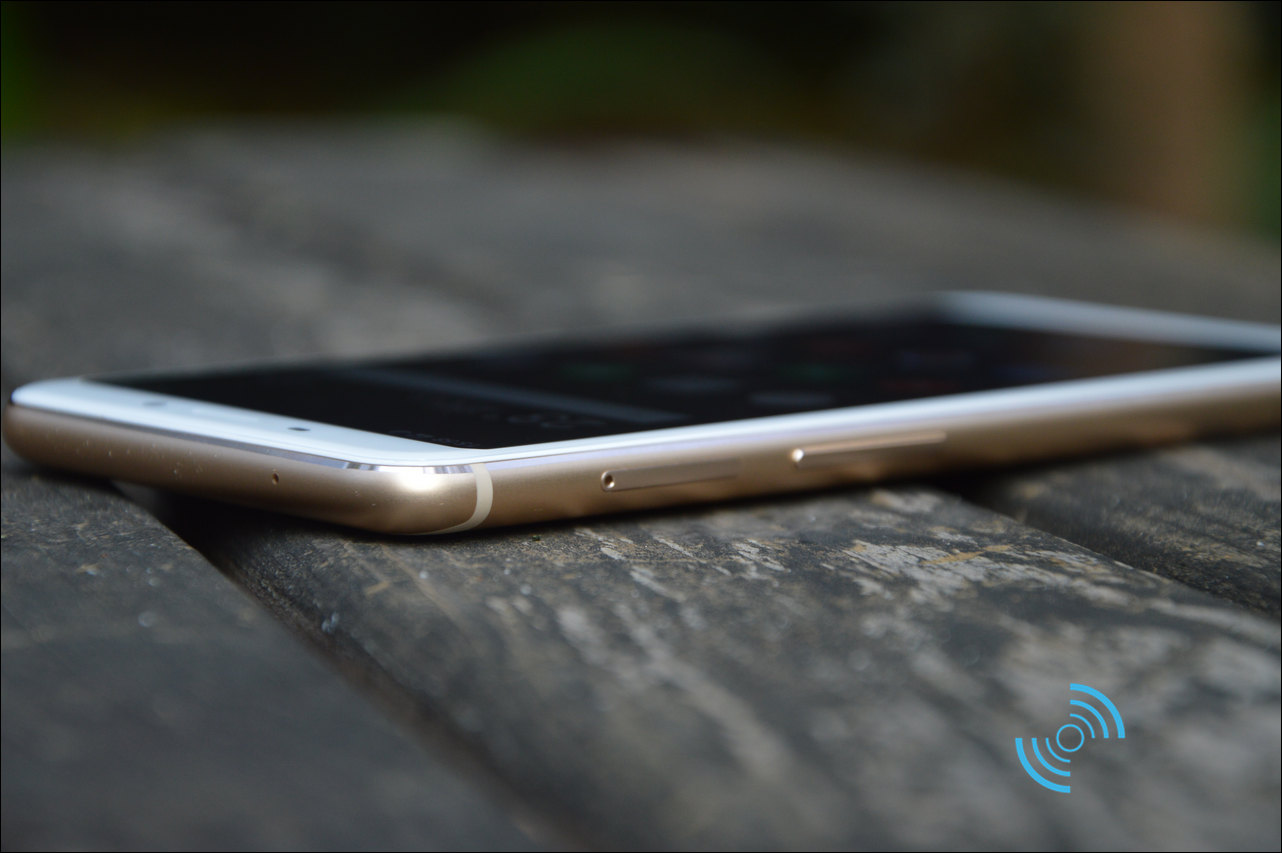
Another interesting aspect of the Meizu M6S is its side mounted fingerprint sensor. Often companies shift fingerprint sensors to the back in an 18:9 display phone, but in this case, Meizu thought that wasn’t the optimal solution. Hence, the fingerprint sensor goes to the right side of the phone, below the power button. The placement is good, as you can instantly access the sensor to unlock the phone. The sensor is quick to recognise your registered fingerprint, and it’s as fast as other phones. Also, note that you almost never use the power button as the phone instantly wakes up as soon as your fingerprint is recognised.
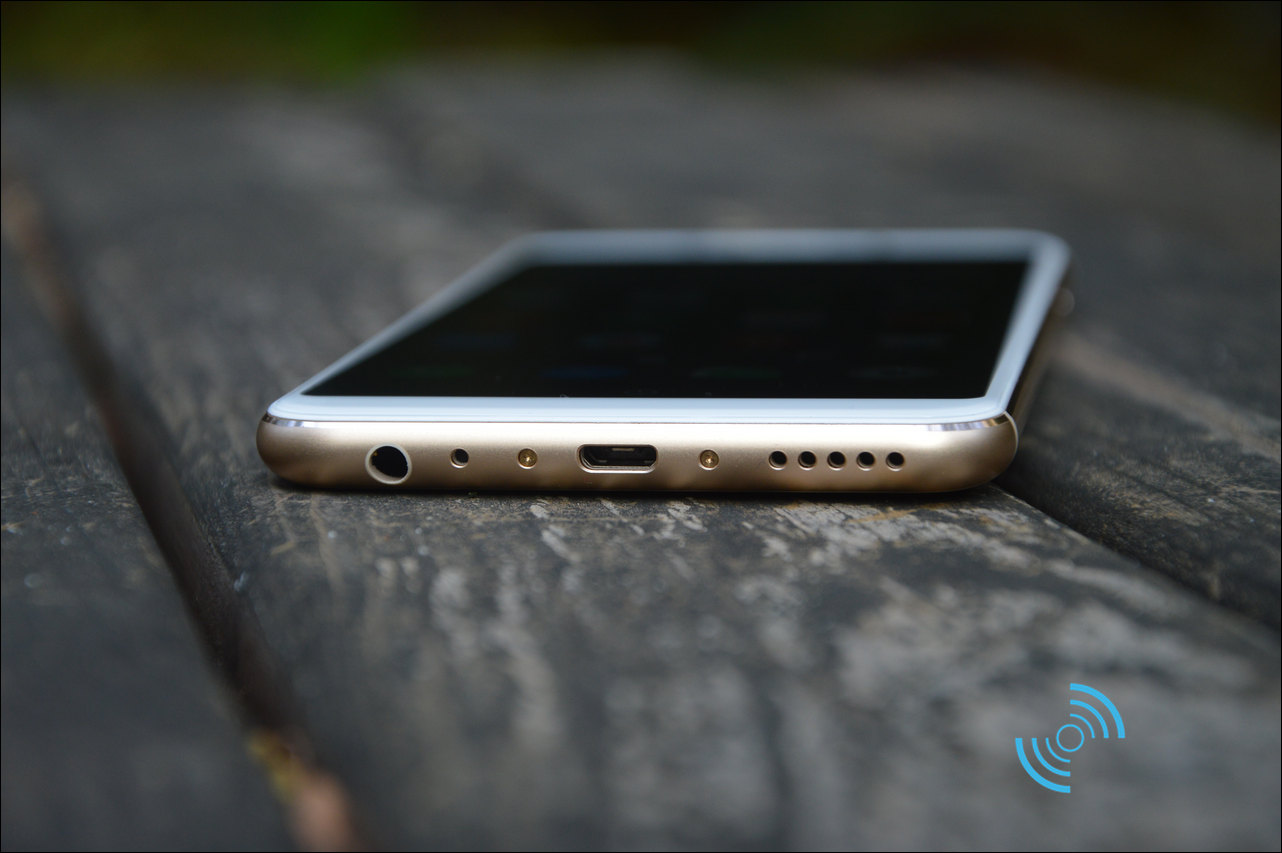
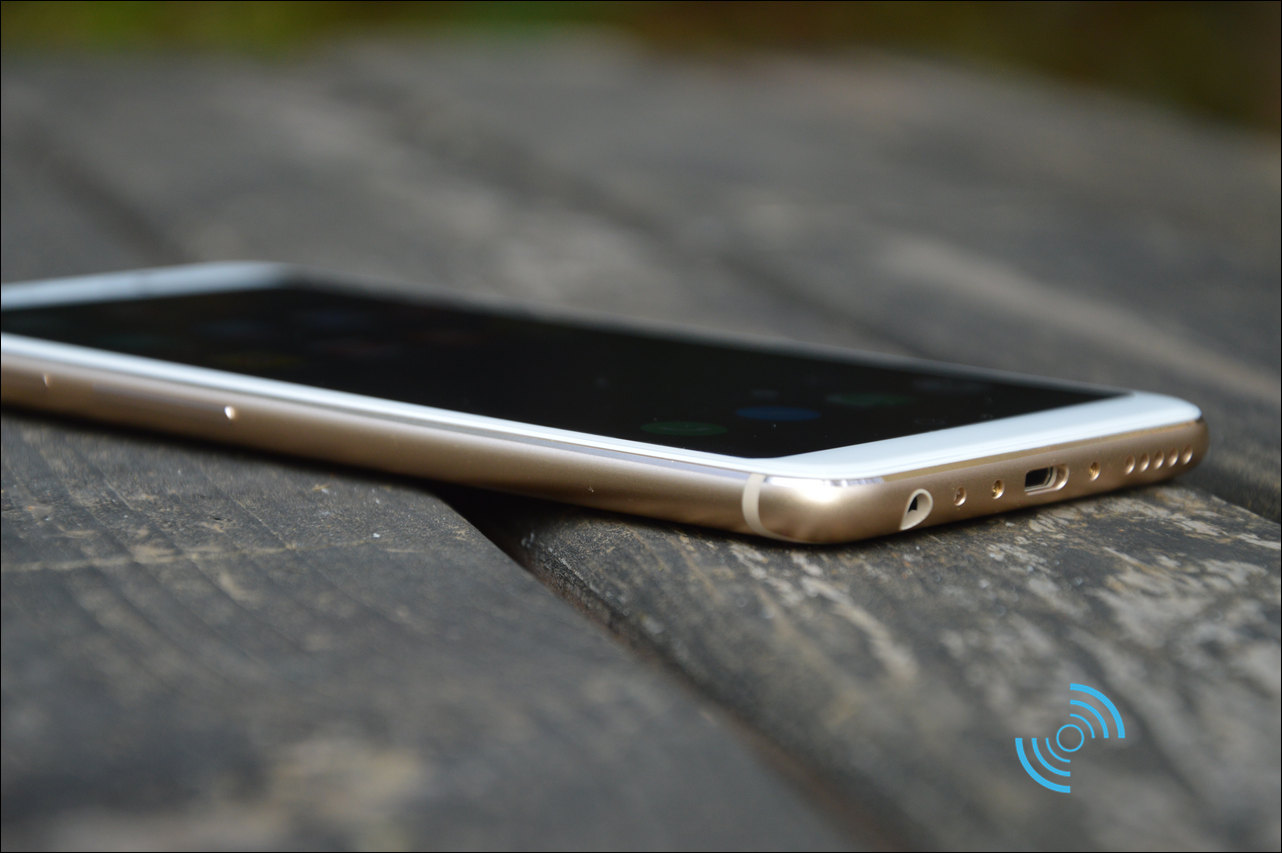
The 3.5mm headphone jack, MicroUSB port, and speakers are located at the bottom. The volume buttons and the SIM card slots are placed on the left side of the phone.
Overall, I like the built quality and finish of the Meizu M6S. The camera is quite okay so far, but I haven’t tested it out yet. It may not be as good as the M6 Note, but we’ll be adding camera samples and its comparison with the Redmi 5 Plus very soon. So stay tuned!
Meanwhile, you can take a look at some additional Meizu M6S Hands on pictures down below.
In 2017, we saw a number of manufacturers release phones with four cameras. A few examples are the Gionee S11s, Nubia Z17S, Meitu V6, and a number of Huawei and Honor phones. Now there is a rumor that HMD Global is working on a Nokia phone with five cameras!!!
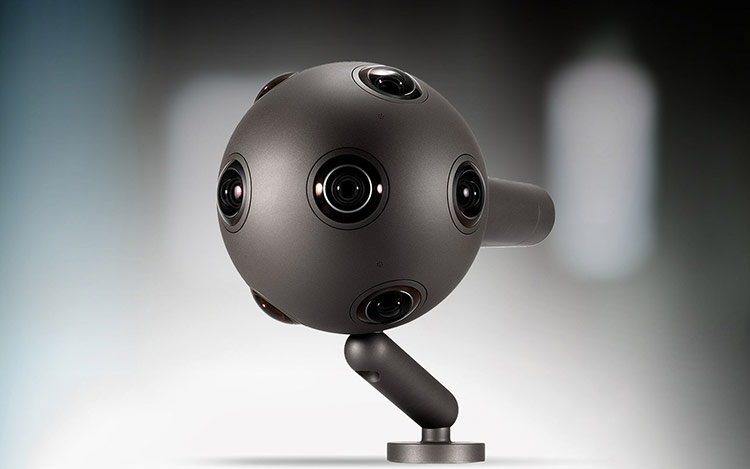
Nokia Ozo With 8 Lenses
The info comes from a source who is privy to Foxconn’s business plans, as the company is said to be working with HMD Global on the project. As we all know, Foxconn handles production of HMD’s Nokia phones.
According to the source, the Nokia phone with the penta-lens will have a circular camera housing similar to that of the Lumia 1020. There will be seven holes arranged within the circle. Five of those holes will each hold a sensor while the other two will house the LED flash. There are no details as to how the sensors will work though.
Based on the description above, we are looking at a phone with 6 or 7 cameras in total if we count a single or dual camera system in front too. It is also reported to have a full-screen design.
The source says if Foxconn is able to find a way to mass produce it, we may see this spectacular phone launch later this year.
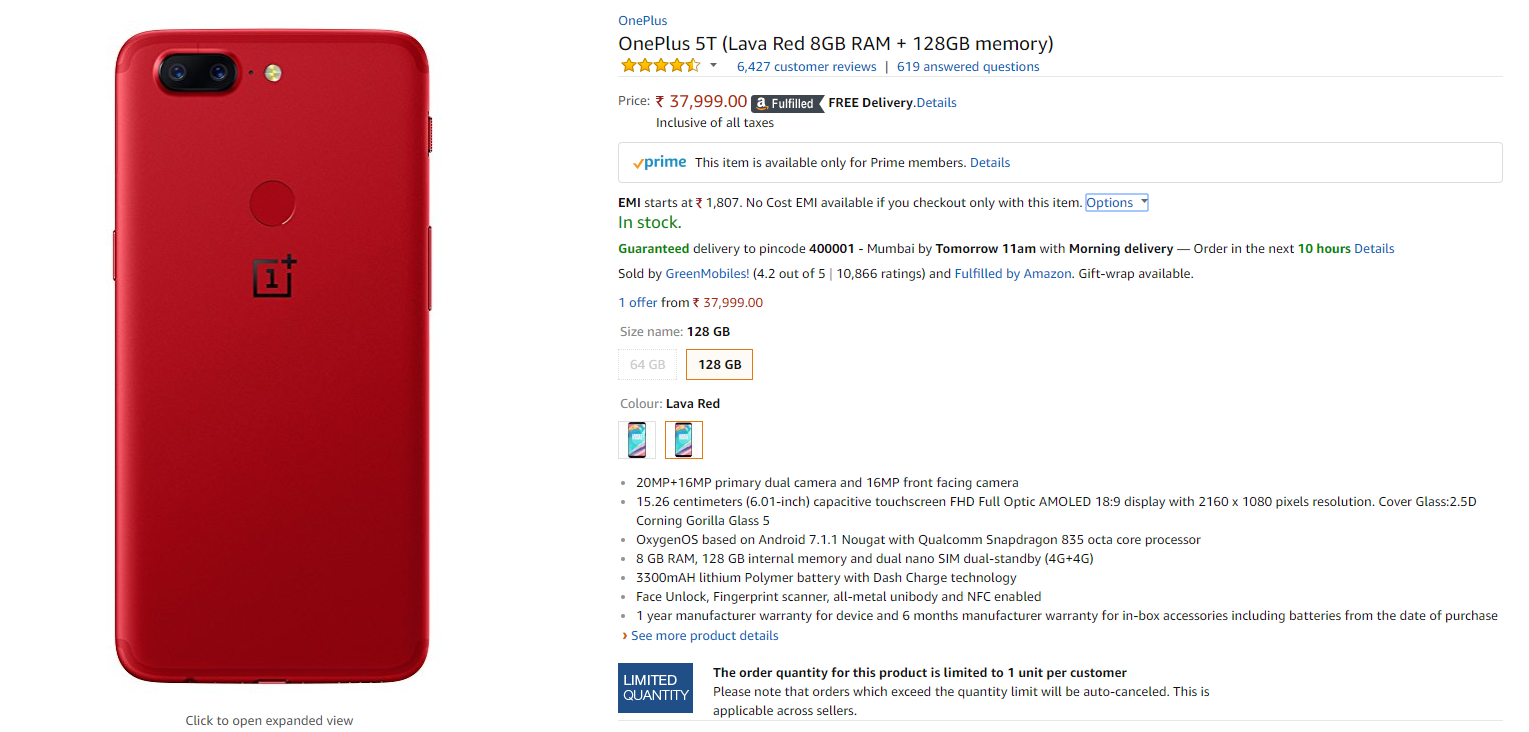
Last week, OnePlus announced its Red Lava variant of the OnePlus 5T in India. Starting today, fans of the brand can now purchase a unit on the official website or on Amazon India.
The Red Lava OnePlus 5T was first launched in China to mark its 4th year anniversary. Now, it is no longer a China-exclusive. India already has the Star Wars Limited Edition variant but the Sandstone White variant is not available in the country.
The Lava Red OP5T is priced at ₹37,999 (~$595) just like the Star Wars edition. It also comes in the same 8GB RAM and 128GB storage configuration.
On Amazon India, customers can only purchase one unit of the new variant. However, there are a number of special offers included:
Extra ₹2,000 (~$31) off on exchange on purchase of the OnePlus 5T
80% off on Kindle Ebooks up to ₹500
1008GB data on Idea for 18 months
₹250 (~$4) Amazon Pay Balance when you stream from the Amazon Prime Video app
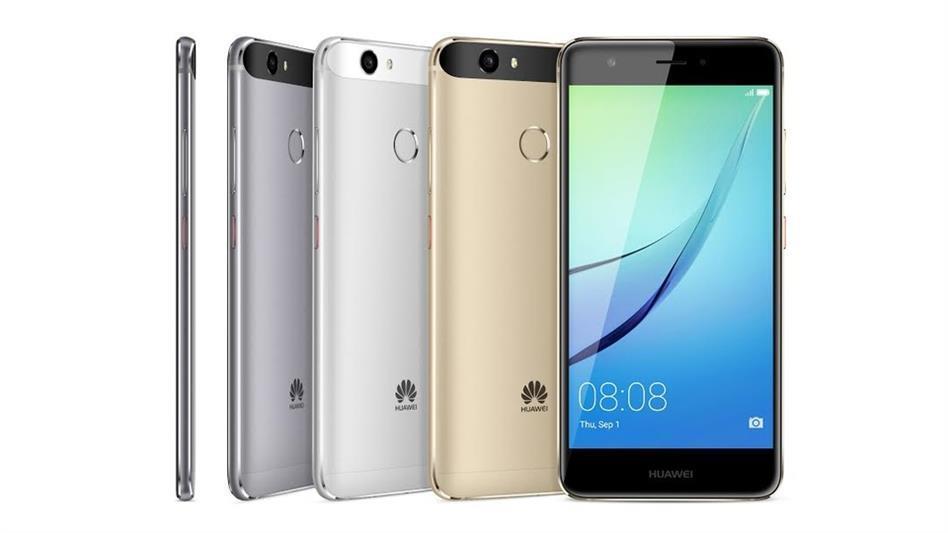
Smartphone enthusiasts who have restlessly been waiting to get their hands on a 4G mobile phone without shelling out a lot of money are in for a treat. LightInTheBox is offering a hefty discount on Huawei Nova 4G smartphone’s original selling price.
Huawei Nova boasts an array of awe-inspiring features and specifications including 4GB of RAM and 64GB of onboard storage coupled with a powerful octa-core advanced 14 nm Snapdragon 625 2 GHz processor, under the hood. It sports a 5-inch display with a screen resolution of 1920 X 1080 pixels.
As part of its Lightning Sale, international online retail company, LightInTheBox is giving a 44% discount on the phone’s original asking price of $334.78. As a result, you can now buy the power-packed Huawei Nova smartphone for just $185.97.
You can choose between blushing pink and gold color version of Huawei Nova. It is important for you to bear in mind that the promo is slated to end in just 1 day. Also, there were only 93 pieces remaining for Lightning Sale.
In order to take advantage of the massive discount on Huawei Nova 4G smartphone, head straight to this link.
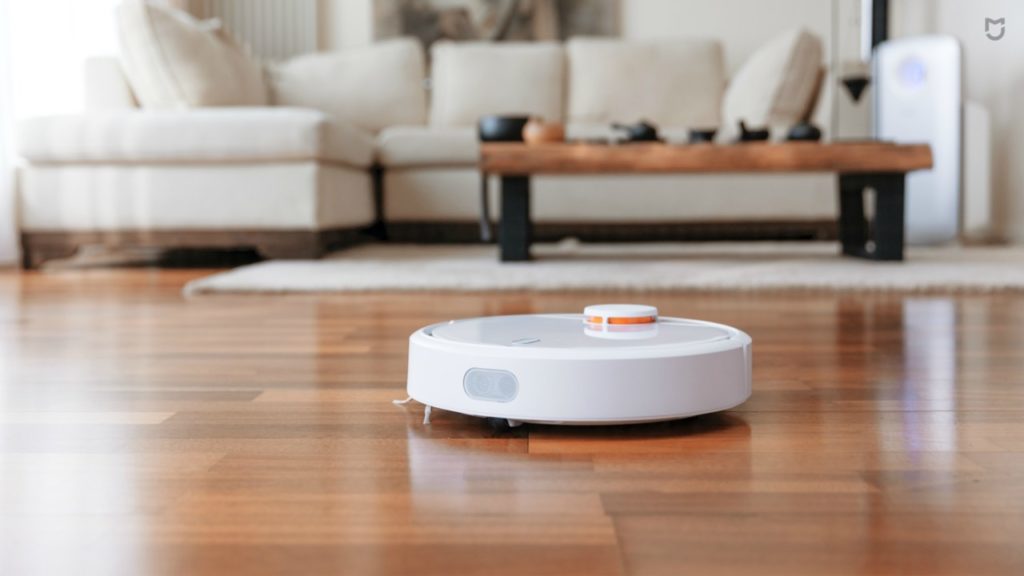
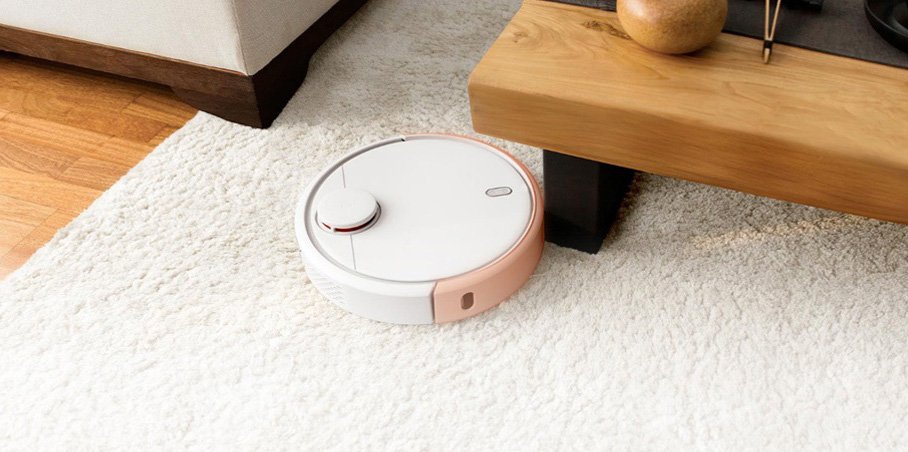
Xiaomi’s highly-intelligent home cleaning device dubbed, Mi Robot vacuum cleaner comes with 12 different sensors. It has suction and sweep functions, self-charging ability and is backed by a robust 5200mAh Li-ion battery.
Although the Mi Robot Vacuum cleaner is a necessary tool when it comes to keeping your home clean and tidy, not everyone can buy it due to its steep price tag. But much to the delight of people who want to keep their house spotless all the time without spending a fortune, LightInTheBox is offering a massive discount on the device’s original selling price.
You can now get your hands on the Mi Robot Smart Vacuum cleaner by shelling out just $290.69. This is a considerable reduction in the device’s original selling price of $492.69.
At the time of checking out, LightInTheBox automatically applies all eligible promotions to give buyers the lowest possible price. The price will cut down to $259 when use this coupon: XBOTA31F. You can click here to take advantage of the promo, which is slated to end in 2 days.
Keeping your home spanking clean can be a backbreaking task sometimes. Although there’s no dearth of home cleaning products in the market, only a few can actually buy them because these devices come bearing a steep price tag.
Much to the delight of people who have been waiting to use high-tech products in order to keep their homes spic and span without spending a fortune, Banggood is currently offering massive discounts on various items that come in handy when it comes to keeping your home taintless. Let’s delve straight into the details.
As part of its Mi X Home promo, the Chinese shopping site is offering coupon save up to $200 and an opportunity to win $500 worth gift.
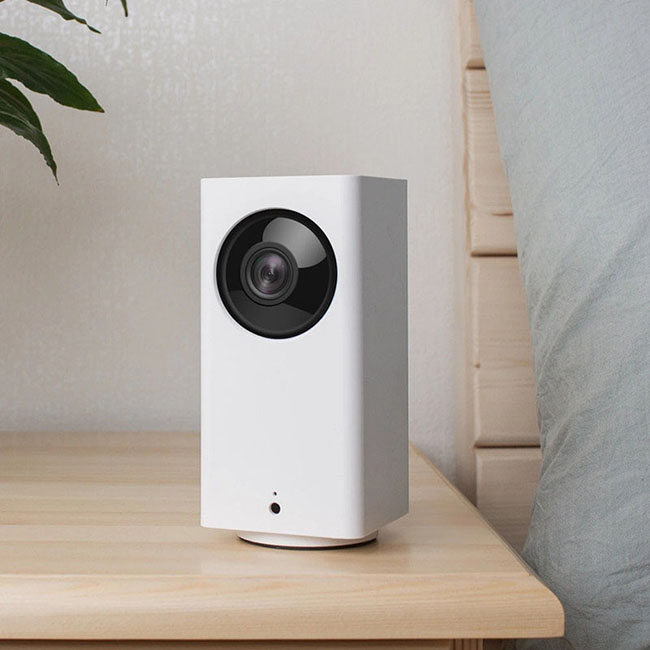
You can buy the Original Xiaomi MIjia Dafang Smart Home at a discounted price of $34.99. This is a massive 48% reduction in the device’s original asking price of $66.99.
Likewise, the XiaoMi Mijia Roborock Smart Robot Vacuum Cleaner is up for grabs for just $549.99, thanks to a 13% discount on its original selling price. This highly-intelligent home cleaning device is one thing every home must have.
Next, we have Xiaomi Mijia washing soap dispenser equipped with a no-touch operation, which promotes hygiene. Banggood is offering 20% off on the device’s original asking price of $49.99. As a result, you can now buy the Xiaomi-branded washing soap dispenser for just $39.99.
Mi Newest Products
You can buy a myriad of recently launched Xiaomi products such as Original Xiaomi Mijia Aqara Smart IP Camera, Xiaomi Multi-function Massage Neck Pillow at 18 and 38 percent discount, respectively. You can also purchase the Original Xiaomi toilet seat lid with sensor night light for just $79.99 and MIJIA multi-functional sofa table for just $84.99. Banggood is also giving 18% off on the original $48.99 price of Xiaomi Mijia Aqara Smart IP Camera, bringing it down to just $39.99.
Intelligent Sensor Devices
Buyers can get up to 46% discount on multiple products featured in this category. For instance, you can buy the Orignal Xiaomi WXKG02LM Aqara smart light switch by shelling out just $16.99, which is a 30% discount on the device’s original selling price of $24.20.
Similarly, the Original Xiaomi Mijia 5-in-1 smart home security kit is up for grabs for just $64.99, thanks to a 19% discount on the kit’s original asking price of $79.99.
Mi Magic Kitchen
The kitchen is the heart of the home and it is imperative to keep it equipped with an array of useful items. Thankfully, you can now fill your kitchen to the brim with a slew of handy Xiaomi products without burning a hole in your pocket.
First off, the Mi 1.5L electric water kettle is available at a discounted price of only $68.98. This is 35% decrease in its original price of $105.60.
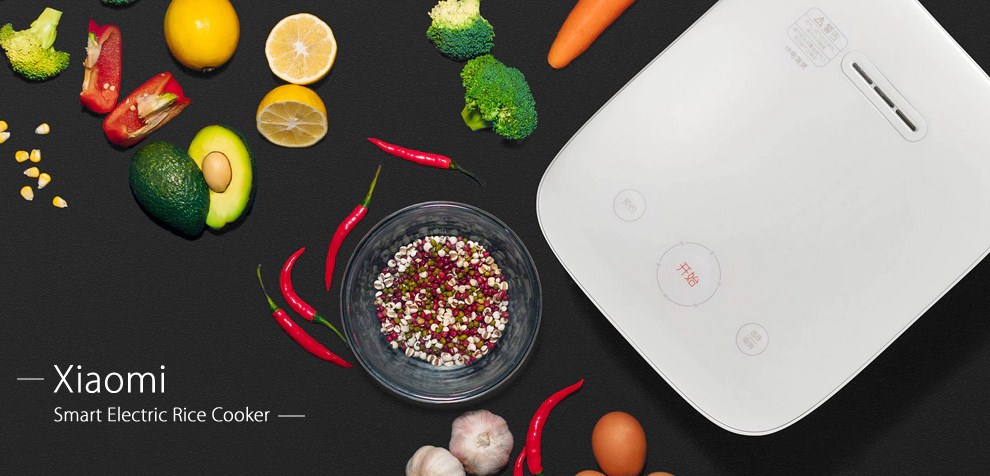
Apart from that, you can buy Xiaomi IH 3L Smart Electric Rice Cooker, Xiaomi Peculiar Smell PM2.5 air purifier, and Mi Air Purifier 2 at a heavily-discounted price.
Mi Sung Home
We are constantly looking for ways to make our homes cozy, and the products featured in this category help you do exactly that without making you spend a lot of money. Banggood is offering 18% discount on Xiaomi Black Soocare X3 electric toothbrush, which reduces its original selling price of $85.40 to just $69.99.
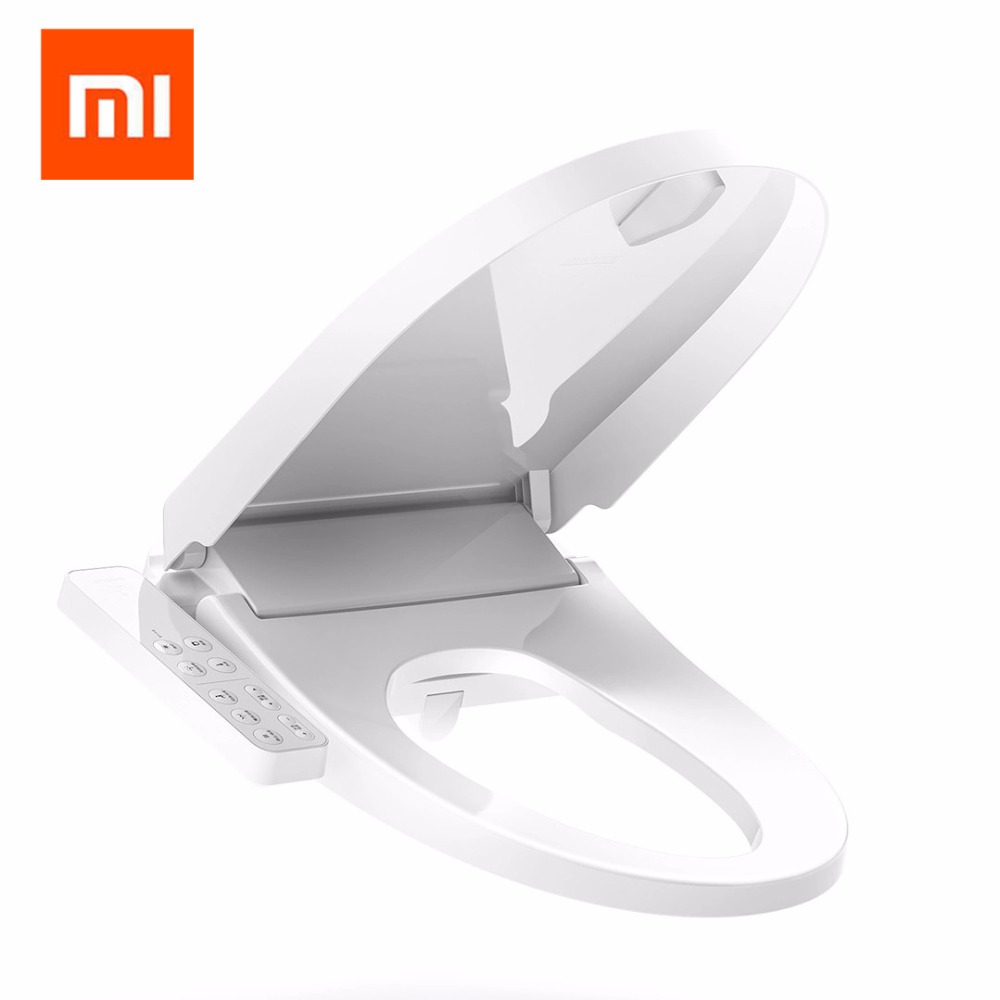
Likewise, the site is giving a massive 30% off on the $410.88 selling price of the Smartmi multifunctional smart toilet seat, allowing you to buy it for only $288.88. Aside from that, the site is offering 13% and 22% discounts on Xiaomi feather filling nap blankets and Xiaomi Diatomite quick-drying bathroom mats as well. But if that doesn’t impress you much, you can even participate in a contest wherein you have to guess the name of a mystery product, which carries a price tag of $539. You need to submit your answer on the Facebook event page before Tuesday, January 23 (UTC + 8). Banggood will announce the winner’s name on January 24.
You can use coupon code ‘MIHOME8’ at the time of checking out and get an additional 8% discount on all Mi-branded products on this page before the promo comes to an end on January 31, 2018.
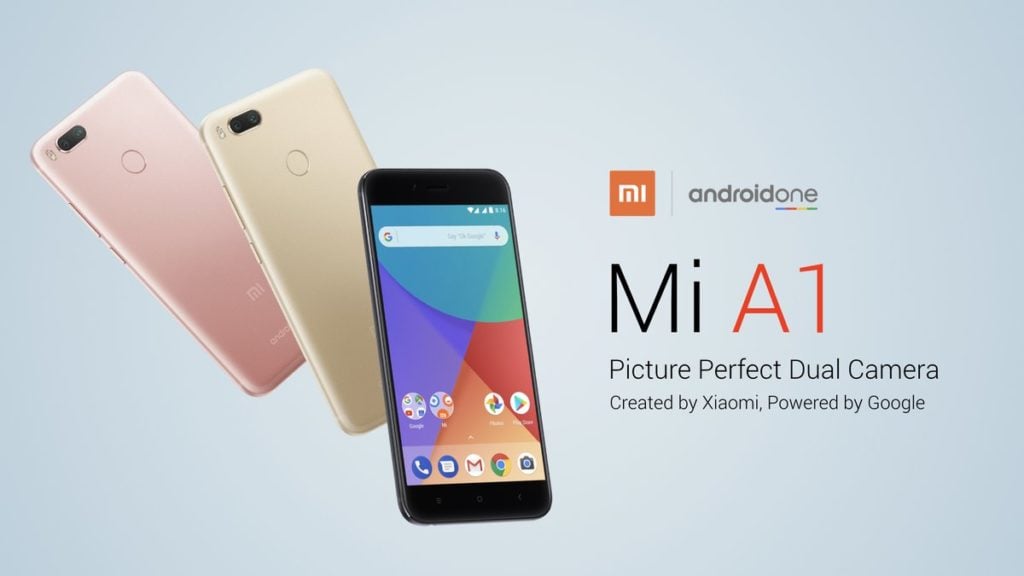
You can now get your hands on Xiaomi Mi A1 4G-LTE smartphone on Cafago without shelling out a fortune. Let’s check out the details.
Xiaomi Mi A1 is housed in an ultra-thin full metal body. The Mi A1 sports a 5.5-inch multi-point capacitive touchscreen with a resolution of 1920 X 1080 pixels.
On the photography front, the phone features 12MP Wide-angle +12MP Long-focus dual cameras at the back and a 5MP front shooter for selfies. Under the hood, the dual-SIM smartphone packs Qualcomm Snapdragon 625 8-Core CPU along with 4GB of RAM and 64GB of onboard storage.
Crammed with these high-end specifications and features, the Mi A1 bears a steep price tag. But if you’ve been waiting with bated breath to buy the Xiaomi-branded smartphone without burning a hole in your pocket, we have good news for you.
You can use coupon code ‘JPZ146’ at the time of checking out and buy the well-received Mi A1 smartphone for only $ 213.95. This is a considerable reduction in the handset’s original asking price of $261.79.
You can head straight to this link in order to take advantage of the aforesaid coupon before it expires on January 31, 2018.
If you’ve restlessly been waiting to get your hands on some top-notch products without spending a fortune, we have good news for you. As part of its latest promo, GearBest is offering up to 60% discount on last year’s top sellers and a slew of other selected items.
The original Samsung UHS-3 64GB Micro SDXC memory card is up for grabs for just $21.99 on GearBest, thanks to a considerable reduction in its original selling price of $33.33. The site is also offering coupon codes for some already-discounted items. For instance, Alfawise S95 TV Box is available at a discounted price of $32.99 on GearBest. You can use coupon code ‘TOPCN4’ at the time of checking out and get an additional price cut that brings the already reduced price tag down to only $29.99.
Buy 1 Get Free Gifts
When you purchase an item under this category, you’d receive another product for absolutely free. Like when you buy XGIMI Z4 700 ANSI lumens DLP projector at a discounted price of $649.00 on GearBest, the site will offer $23.43 worth Original XGIMI DLP Link shutter 3D glasses free of cost.
Furthermore, you get Alfawise DY – 1 TV Box Bracket free when you buy Tanix TX3 Max at a discounted price of $39.99, and Assassins AW100 wireless mouse at no additional cost when you buy Ajazz AK33 NKRO mechanical keyboard, which is up for grabs on GearBest for a slashed price of $39.99.
New Arrivals
Buyers are even entitled to receive a discount on some recently arrived items for a limited period of time. As part of its flash sale, GearBest is selling H96 MAX – H1 TV Box for a discounted price of $59.99. This is a considerable 15% reduction in the device’s original selling price.In addition to that, the site is giving discount on Mini M8S Pro – C TV box, HIGOLE D2 mini PC stick, Huion GT drawing tablet, Xiaomi Power strip socket portable plug adapter, KingDian P10 portable SSD (solid state drive), Alfawise X 3200 Lumens HD 1080P Smart Projector, and Haier LEU49V300S 4K Ultra HD LED TV.
Top Deals
GearBest is offering a discount on a myriad of categories including Top Sales, TV Box, Mini PC, Speaker, Memory Card, PC Component, Protectors, and TV, under the Top Deals section.
Epic Brands
Products manufactured by popular brands such as Xiaomi, Alfawise, Beelink, Mecool, Tanix, Yeston, Motospeed, and Ajazz are up for grabs at a considerably reduced price on GearBest. This section features items such as the XiaoMi Bluetooth speaker, which is available for a decreased price of only $38.21.
Office & School Supplies
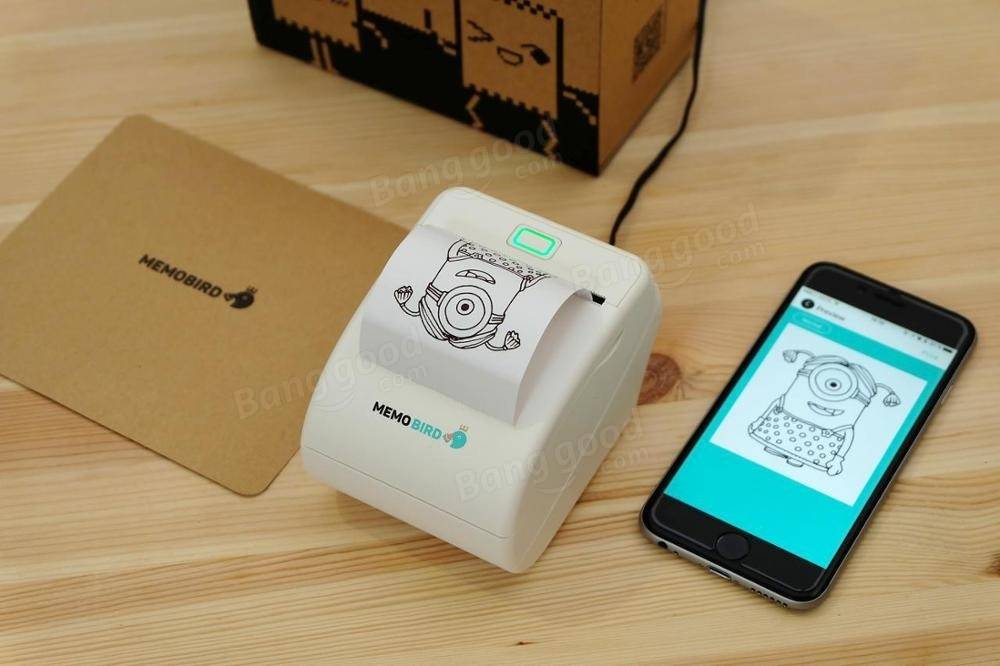
You can now buy different items that come in handy at school and office without burning a hole in your pocket. Thanks to the GearBest promo, you can get the MEMOBIRD Photothermal printer, which originally bears a steep price tag of $79.25 for just $36.99.
You can head straight to this link to check out rest of the items that are available at a heavily-discounted price on GearBest and take advantage of the coupon codes before they expire. It’s also worth noting that only a few pieces were left at the time of writing.
Most people have had the experience or heard the story from someone who has fallen victim to sellers of cloned smartphones. They are almost in all major cities, on the busy street corner where they offer buyers the latest iPhone or Samsung at rock bottom prices. This offer sweeps some out of their feet and before they realize the phone isn’t real, the seller is gone. Well, AnTuTu has released as part of their annual smartphone data, a list of the top most cloned smartphones.
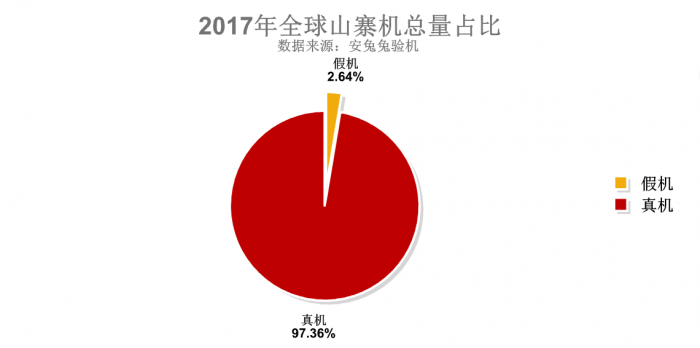
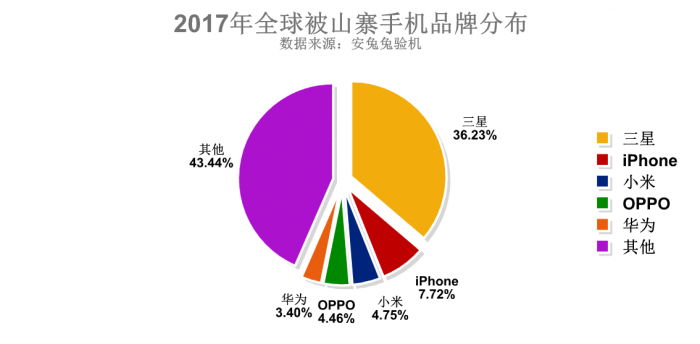
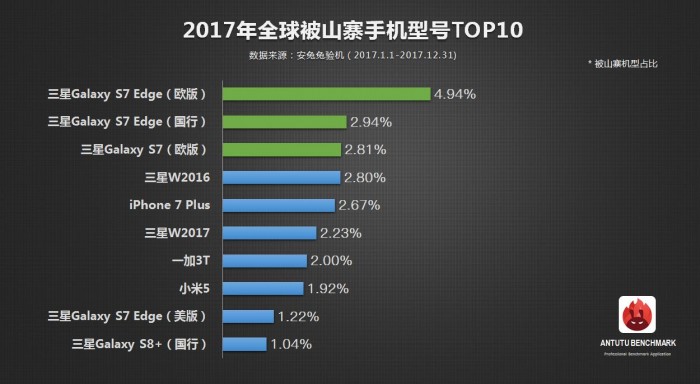
The data was for 2017 and it contains among other things, a distribution chart of cloned smartphones according to the affected brand. AnTuTu claims that an estimated 17,424,726 mobile phones were shipped in 2017 and out that tall figure, cloned smartphone accounted for 2.64%. Of course, who would want to clone a relatively unknown brand? So, it is no surprise that Samsung emerged as the most clone brand last year with a cumulative total of 36.23%. Apart from being the world’s top smartphone maker, Samsung also happened to have released a couple of stunning models last year. But the most cloned model last year is revealed as the Galaxy S7 Edge Europe edition. The China version of the Galaxy S7 Edge emerges as the second most cloned phone. Other Samsung models that were cloned last year include the Galaxy W2016, Galaxy W2017, Galaxy S8+
Apple is also another brand that suffers from cloning, especially in markets like China where iPhones are in hot demand. Apple ranked second with 7.72% and quite interesting is the discovery that most of the iPhone clones are usually equipped with Android OS. The iPhone 7 Plus is the most faked iPhone last year, ranking among the top 10 most faked smartphones of 2017 as compiled by AnTuTu.
Chinese tech giant Xiaomi also ranked as the third most cloned smartphone brand with 4.75%. This is closely followed by OPPO with 4.46% and Huawei with 3.40%.
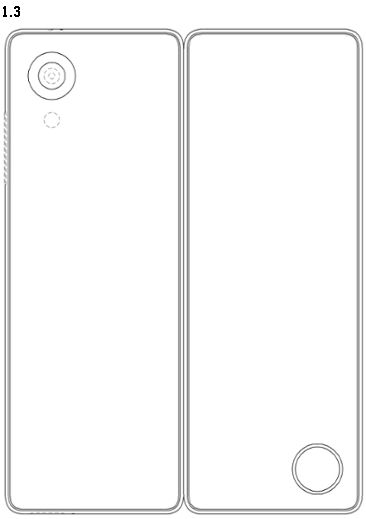
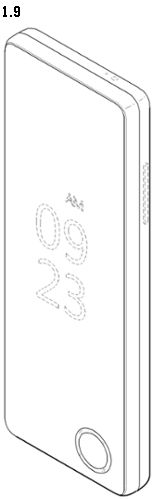
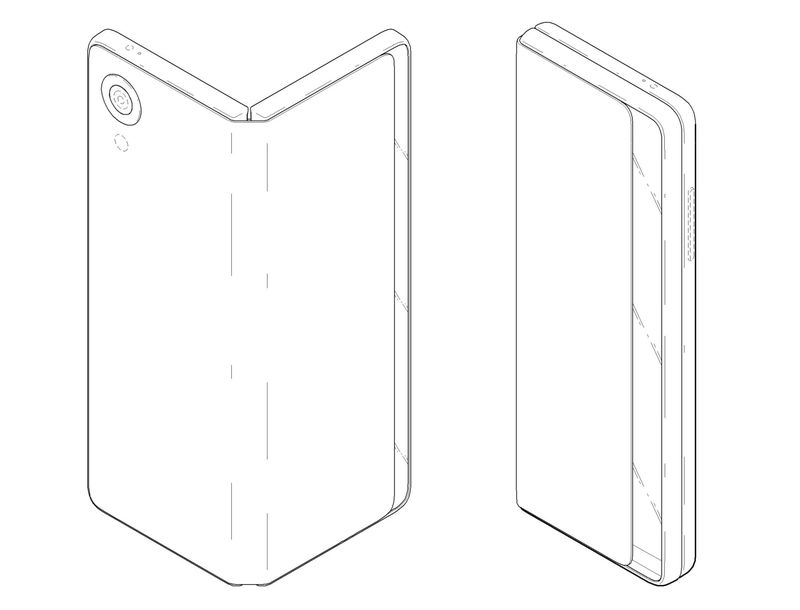
A new and innovative patent has been found at WIPO (World Intellectual Property Organization). LG has patented two types of foldable phones which may rival the alleged Samsung Galaxy X, which is rumored to be the first phone with a foldable display to hit the market. Both the phones can transform into a tablet with a much bigger screen.
When folded, the first model can show information like the time on an external display, which should have the size of a typical smartphone display. The screen size could be smaller, given that we can see a camera sensor at the bottom. There are two cameras on this model, on opposite sides. The one with the flash is likely the primary camera.
The second LG smartphone patented is similar to the first one, but has an additional element. It seems that it will not be possible to see a normal display when the phone is folded. When the phone is folded, there is only a sort of sidebar on the outside (instead of a larger sized screen as seen on the first model) which can show the time and probably the notifications. You can see what we are talking about in the images above.
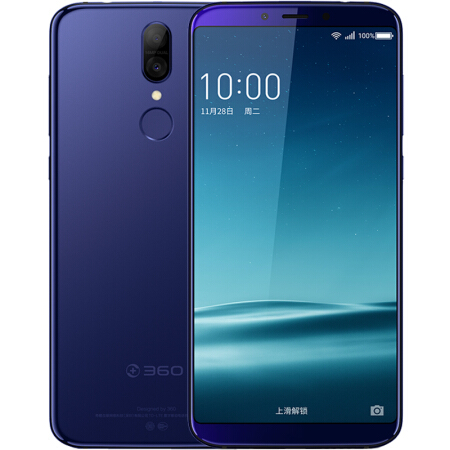
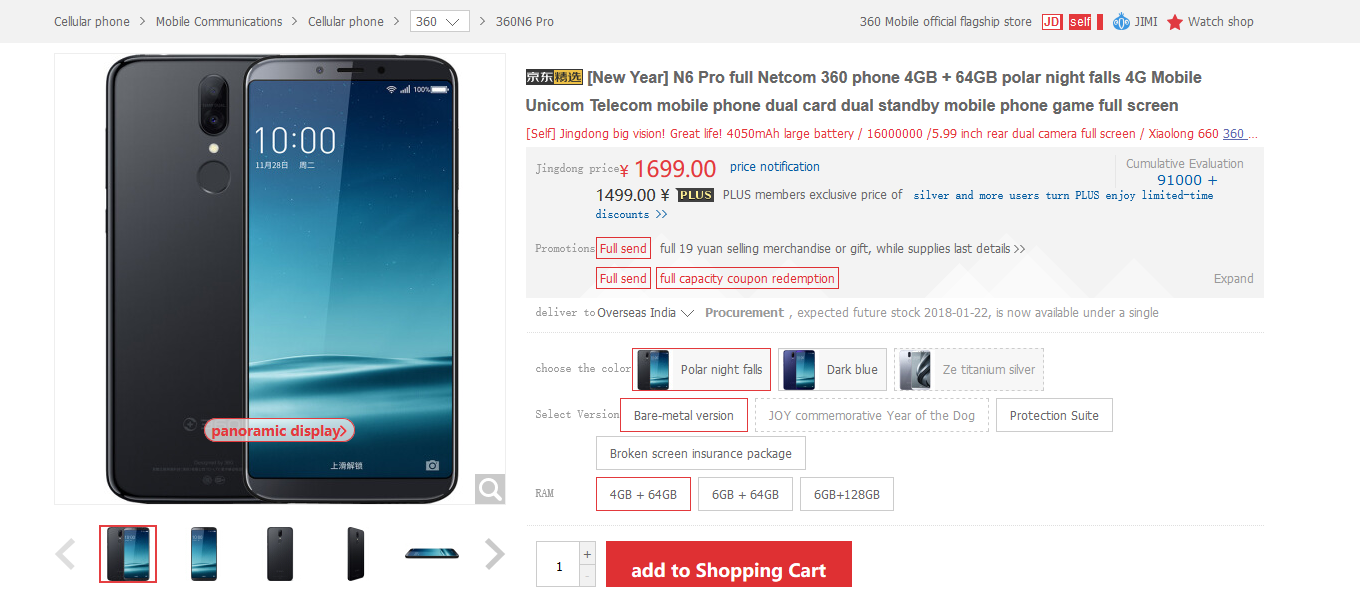
360 N6 Pro‘s price has dropped from 1699 Yuan to 1499 Yuan in China: the phone has just become the cheapest device with a Snapdragon 660 SoC inside.Well, its not exactly a price cut from the manufacturer, but JD.com is offering a special discount of 200 Yuan for JD Plus members, who can get the phone for just 1499 Yuan.
It is actually one of the greatest last-generation devices if you want great performance but you do not want to spend much. In case you are not from China, the actual price roughly translates into $191/€155. The offer is available on the famous Chinese store Jingdong Mall, but it is limited to Plus members. The configuration available discounted on JD is the one with 4 GB of RAM and 64 GB of internal storage, which is expandable with a micro SD.
The rest of the specs of 360 N6 Pro includes a border-less display with an 18:9 aspect ratio and a size of 5.99 inches. The display can show images with a Full HD+ resolution of 1080 x 2160 pixels. Under the hood, as mentioned above, there is a Snapdragon 660 SoC, which is actually the best mid range processor ever released by Qualcomm, and it can almost be considered a near flagship chipset. It is an octa-core chip composed of 8 x Kryo 260 custom cores, which can run at a max frequency of 2.2 GHz. It also includes a powerful Adreno 512 GPU that can deliver blazing fast performance in video games.
On the rear side, 360 N6 Pro has a dual camera setup with resolutions of 16 and 2 MP, which can capture depth of field information to shoot photos with bokeh effect. On the front side, the phone sports an 8 MP snapper with a f/2.2 aperture. Under the camera, there is a fingerprint scanner as there was no space to embed it on the front side. 360 N6 Pro also has a very big battery: according to 360 Mobile, thanks to its capacity of 4050 mAh it should be able to last up to 2 days on a single charge. It supports Quick Charge 3.0 for fast charging.
A new leak has revealed very interesting details about the components of the Samsung Galaxy S9 and S9+. The leak comes from the famous website ETNews, which has confirmed some specs revealed in the previous leaks and gave some new details. According to ETNews both the upcoming flagships by Samsung will sport rear cameras with a 12 MP resolution and a variable aperture. It will be possible for the cameras to switch between a f/1.5 aperture (the smallest ever seen on a phone) and f/2.4.
This will make the flagship shoot much better photos in different lighting conditions. It is also rumored that Samsung Galaxy S9 and S9 Plus will support slow-motion videos at 1000 fps, just like the latest flagships from Sony. The front camera should have an 8 MP resolution and it should integrate an iris scanner on the Galaxy S9, while on the Plus variant the iris scanner should be a separate sensor. According to ETNews, there will be a brand new circuit board called substrate Like printed circuit board (SLP circuit board), which will allow saving more space inside the phones. However, this board will only be present in the European variant of the phones, so the ones with the Samsung Exynos 9810 SoC.
Another innovative technology which might be present on Samsung Galaxy S9 and S9 Plus is Y-OCTA for the display, which integrates the touch layer of the OLED display in its encapsulation layer. To be accurate, this is not a new technology: it was already present on Galaxy S8, but not on S8 Plus. This year, it should be integrated into both Samsung Galaxy S9 and S9 Plus. The display of the standard version should have a size of 5.77 inches, while the Plus variant should have a 6.22-inch Super AMOLED panel. There likely won’t be a fingerprint reader under the display, it will be placed on the back, and expected to be provided by Aegis Technology, a company from Taiwan.
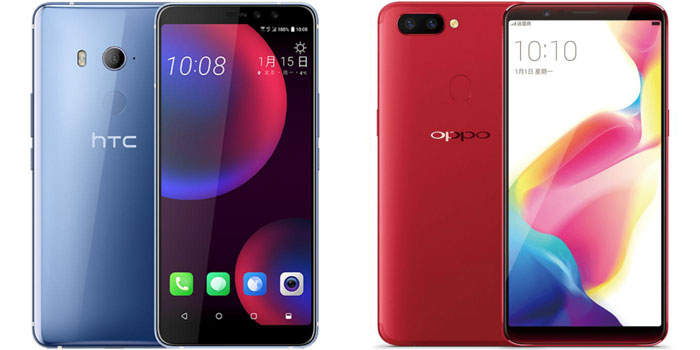
Premium midrange smartphones are a new category of smartphones which is making great success in the past couple of years, especially in Asia. They are not flagships, but they usually have high-end features and good cameras. HTC U11 Eyes and Oppo R11s are two of them, and in this HTC U11 Eyes vs OPPO R11S comparison we will show you the difference between these handsets and which one has the best value for money — after all VFM is the most important thing when it comes to mid-range Android devices.
HTC U11 Eyes vs OPPO R11S
HTC U11 Eyes
Oppo R11s
DIMENSIONS AND WEIGHT
157.9 x 75 x 8.5 mm, 185 grams
155.1 x 75.5 x 7.1 mm, 153 grams
DISPLAY
6 inches, 1080 x 2160p (Full HD+), 402 ppi, 18:9 ratio, Super LCD3
Don’t expect completely different devices, these two phones are similar enough to make this comparison challenging. We like the design and the build quality of HTC U11 EYEs better, which is more beautiful and it is also waterproof, unlike its opponent. On the other hand, in terms of display and hardware Oppo R11s is better. It has a very nice AMOLED display and a more powerful SoC. The Snapdragon 660 is a more recent, powerful and efficient chipset compared with the Snapdragon 652. The camera departments are both really good and, until we see some camera samples of HTC U11 EYEs, we can not judge the handset’s camera (it has just been unveiled, so it is still not possible to see how it captures photos).
Even though HTC U11 EYEs has a dual selfie camera, Oppo R11s should make better selfies with its 20 MP resolution and its f/2.0 aperture. Both the devices feature facial recognition through the front camera, but HTC U11 EYEs might be safer thanks to its secondary sensor. HTC U11 EYEs should have a much longer battery life due to its 3930 mAh lithium unit, while its opponent has just an average battery with a 3200 mAh capacity. While HTC U11 EYEs has just been made available to pre-order with a price of about €500, Oppo R11s has a listing price of about €450. I would personally pick the HTC U11 EYEs because of its bigger battery, its more interesting build quality, IP67 certification, and Android Oreo installed out of the box.
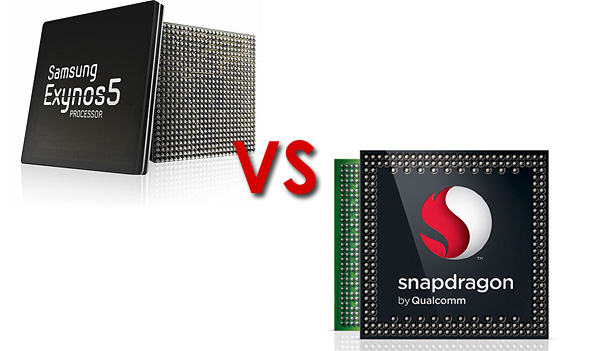
Even though Qualcomm leads the smartphone SoCs market, there are other companies which make mobile processor that are as good as the ones by Qualcomm. One of these is the newly-announced Samsung Exynos 7872, a SoC which has been made for midrange smartphones and that will power the Meizu M6s. The most important competitor of this processor is surely the Snapdragon 630 by Qualcomm, which is already powering some of the best midrangers in the market. Let’s discover which one is potentially better than the other in this Samsung Exynos 7872 vs Snapdragon 630 comparison.
Samsung Exynos 7872
Qualcomm Snapdragon 630
CPU
4x ARM Cortex A53, Clock frequency: up to 1.6 GHz – 2x Cortex A73, Clock frequency: up to 2 GHz – 14 nm, 64 bit
8x ARM Cortex A53, Clock frequency: Up to 2.2 GHz, 14 nm, 64 bit
GPU
Mali G71 MP1
Adreno 508
Camera
Up to 21.7 MP rear camera
Up to 21.7 MP front camera
Up to 24 MP single camera
Up to 13 MP dual camera
Optical zoom
Video
Up to Full HD 120fps encoding and
decoding
Up to 4K Ultra HD at 30 fps (video recording)
Up to 4K Ultra HD (video playback)
Even though we still haven’t personally seen the new Meizu mid-ranger in action, we believe there shouldn’t be a big difference in terms of performance between the Samsung Exynos 7872 and Qualcomm Snapdragon 630. However, thanks to its 2 Cortex A73 cores, Samsung Exynos 7872 should be slightly more powerful, even though Snapdragon 630 has a higher clock frequency.
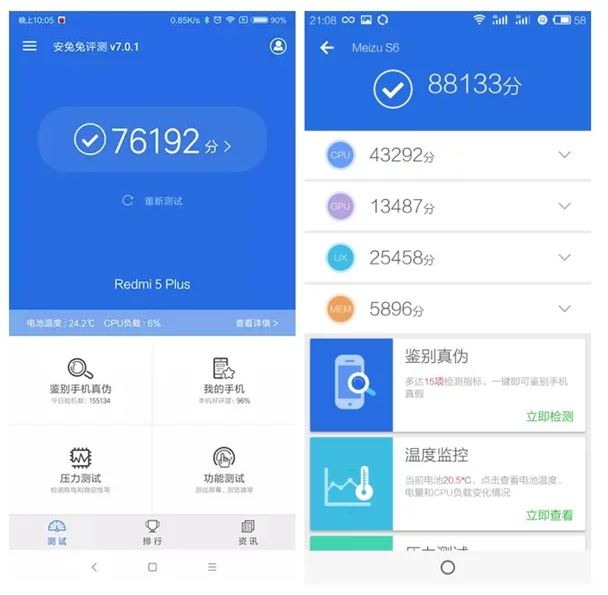
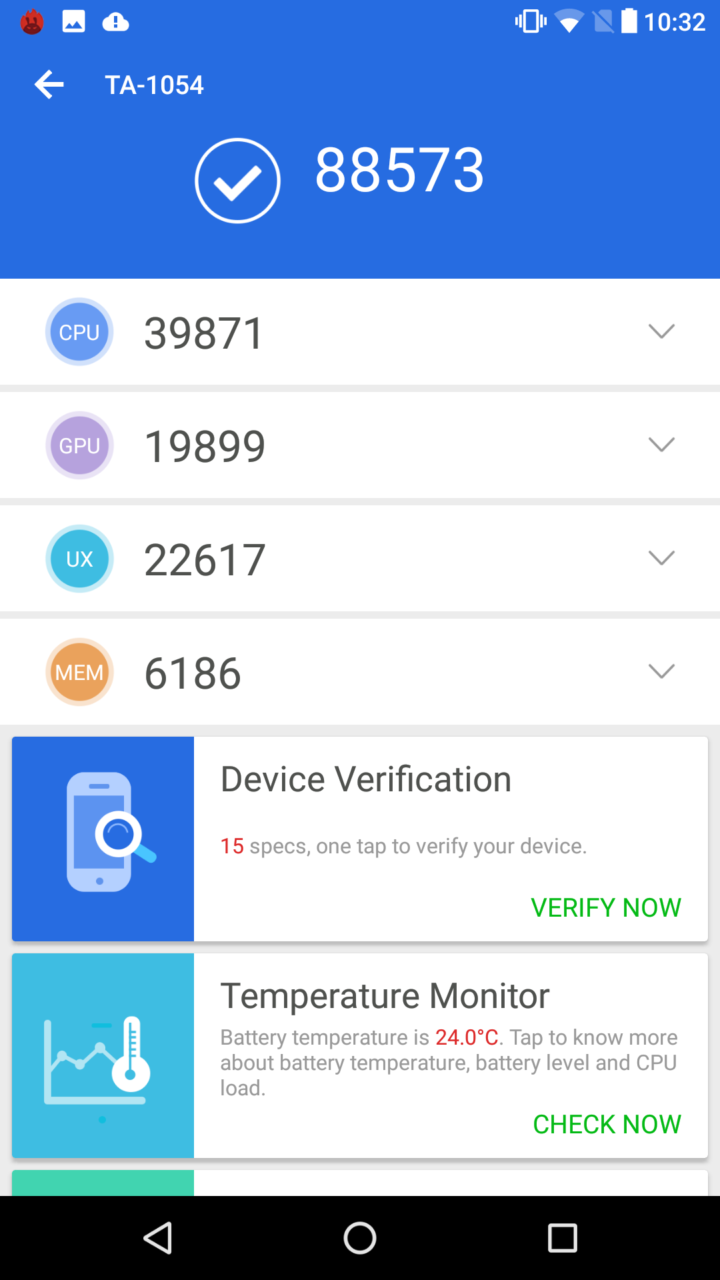
But AnTuTu benchmark shows both the chipsets to be almost equal in performance. For example, here are the AnTuTu benchmarks for Exynos 7872 in Meizu M6S and SD630 in the Nokia 6 2018. The SD630 and Exynos 7872 are very close to each other in the benchmark.
Other differences include the Snapdragon 630 featuring a better modem which can reach higher download speeds. It supports Quick Charge 4 which is one of the fastest charging technologies. Qualcomm Snapdragon 630 also supports 4K video playback and video recording, while Exynos 7872 only supports Full HD. Further, you would have more modding opportunities with Snapdragon 630. So, between the two, if I had to choose, I would personally pick the SD630 for my phone.
Samsung Exynos 7872 vs Snapdragon 630: PROS and CONS
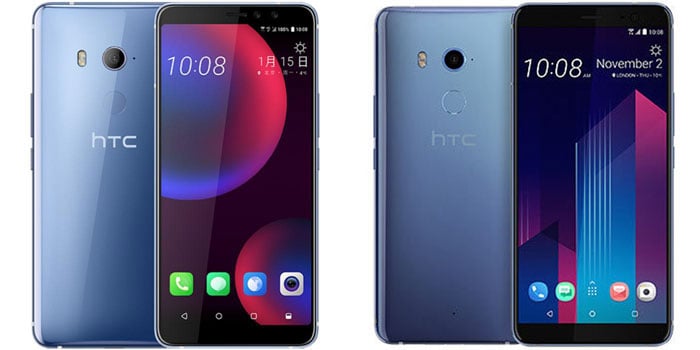
A new version of HTC U11 has been launched: HTC U11 Eyes, with a more affordable price tag and lower-end specs. We think it is time to compare it with the costlier version of the flagship, U11 Plus, which is exactly the opposite: a more powerful variant with a more expensive price tag. Is it worth choosing the higher-end version of the mid-range variant is enough for your needs? Let’s discover it with a HTC U11 Eyes vs HTC U11 Plus comparison of their specs.
HTC U11 Eyes vs HTC U11 Plus
HTC U11 Eyes
HTC U11 Plus
DIMENSIONS AND WEIGHT
157.9 x 75 x 8.5 mm, 185 grams
158.5 x 74.9 x 8.5 mm, 188 grams
DISPLAY
6 inches, 1080 x 2160p (Full HD+), 402 ppi, 18:9 ratio, Super LCD3
6 inches, 1440 x 2880p (Quad HD+), 538 ppi, 18:9 ratio, Super LCD6
PROCESSOR
Qualcomm Snapdragon 652, octa-core 2.2 GHz
Qualcomm Snapdragon 835, octa-core 2.45 GHz
MEMORY
4 GB RAM, 64 GB – micro SD slot
4 GB RAM, 64 GB – 6 GB RAM, 128 GB, micro SD slot
SOFTWARE
Android 8.0 Oreo, HTC Sense UI
Android 8.0 Oreo, HTC Sense UI
CONNECTIVITY
Wi-Fi 802.11 a/b/g/n/ac, Bluetooth 4.2, GPS
Wi-Fi 802.11 a/b/g/n/ac, Bluetooth 5.0, GPS
CAMERA
12 + MP, f/1.7 OIS
Dual 5 + 5 MP f/2.2 front camera
12 MP, f/1.7, Dual Pixel PDAF, OIS
8 MP f/2.0 front camera
BATTERY
3930 mAh, Fast battery charging (Quick Charge 3.0)
3930 mAh, Fast Battery Charging (Quick Charge 3.0)
The big difference between HTC U11 Eyes and U11 Plus is obviously in the hardware department. The first has a Snapdragon 652 SoC, while the second has a Snapdragon 835 which is a much more powerful chipset, as we are talking about a midrange SoC vs the best flagship SoC currently in the market. HTC U11 Plus has also more RAM in its most expensive variant (6 GB). So the Plus version is much faster and smoother in every scenario. The rest of the specs and potentialities are not so different, even though the U11 Plus looks slightly better in each of them. The display has a higher resolution, the main camera is slightly better, and there is also a better certification for water-resistance in the Plus model. But there’s an element in the EYEs which is not present in the U11+ — the dual front camera with face recognition.
The real advantage of HTC U11 Eyes is the price, as it has been launched in China at about $512, while its opponent has a listing price of €800 (almost $1,000). But note that it is possible to find the standard HTC U11 model with Snapdragon 835 (the one with bezels) at less than €600. It means that at this moment U11 Eyes is still not a great option to buy.
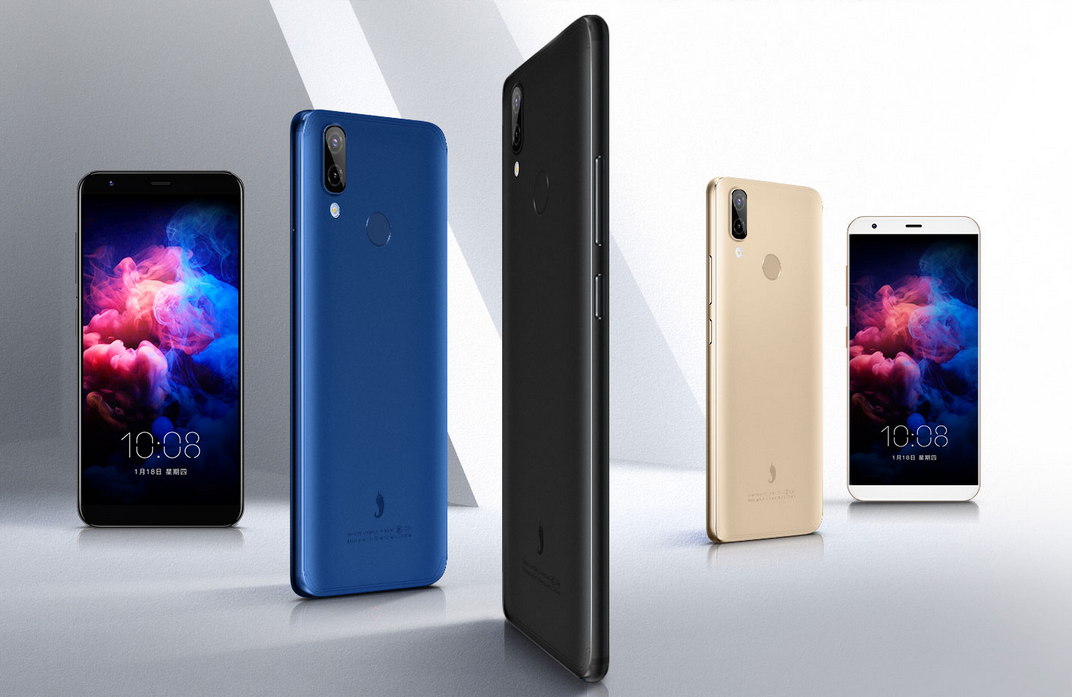
Today, China-based Pepper Technologies, a little-known smartphone manufacturer has launched a new smartphone — Small Pepper 7X. The mid-range smartphone, which offers all the trendy features, is priced at 899 Yuan, which roughly converts to $140.
The phone features a 5.5-inch TFT full-screen display with 18:9 aspect ratio. Under the hood, the device is powered by a MediaTek MT6750 octa-core processor that uses 28nm HPM technology and consists of four 1.5GHz A53 cores and four 1.0GHz A53 CPU cores and is coupled with Mali-T860MP2 350MHz GPU.
It packs 4GB RAM and comes with 64GB of internal storage. There’s a microSD card slot, allowing users to further expand the phone’s storage capacity. Connectivity options on the device include and supports LTE Cat.6 dual card full Netcom, Battery capacity 2800mAh.
On the back, there’s a dual camera setup, which offers features such as panoramic mode, night mode, facial recognition as well as watermarks with eleven other such modes. The camera module consists of 13-megapixel sensors. On the front side, there’s a 5-megapixel selfie shooter with support for various beauty enhancement modes.
According to the company, the camera comes with a “Virtual SLR Mode” which we assume is the company’s term for manual mode. There is also a facial recognition to unlock the phone. As of the software, the phone runs on Android 7.0 Nougat operating system based Freeme OS.
The Small Pepper 7X will be available in three colour options — Blue, Black and Gold. The device is currently available for pre-order from Chinese online retailer JD.com, for a price of 899 Yuan (approximately $140).
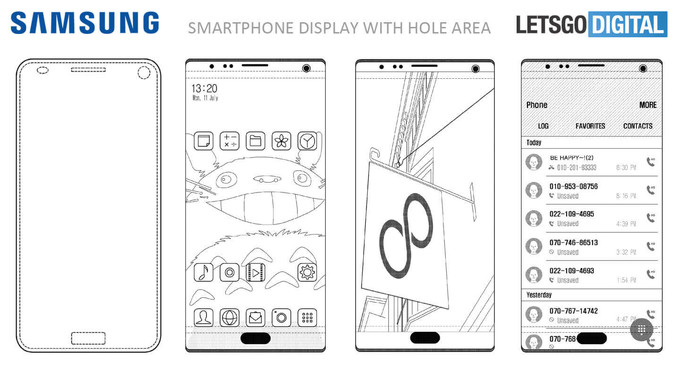
It appears that Samsung may work on a flagship smartphone that will deliver very close to 100 percent screen-to-body ratio by embedding the sensors under the screen. This has been revealed through a recent patent filing by Samsung with World Intellectual Property Organization (WIPO).
Samsung has been known for launching flagship phones with innovative display design. The Galaxy S6 Edge is the first dual edge screen smartphone from the company. The Galaxy S8 and Galaxy S8 Edge were the first Samsung phones to feature Infinity Display design. Rumors have it that it is working on a smartphone with a foldable display. The new patent shows that Samsung’s may launch a smartphone in the future with highest screen-to-body ratio.
First spotted by Lets Go Digital, the patent application shows that the screen of the smartphone features tiny holes for sensors and hardware such as front-facing camera, iris scanner and speakers. In other words, it won’t be featuring any sensor or hardware on the bezel of the phone. Moreover, it will be sporting a bezel-less design.
The Galaxy Note 9 arriving later this year is expected to debut as the company’s first phone with in-screen fingerprint scanner. Since the aforementioned design may arrive in future phone by Samsung, it may also an under-display fingerprint scanner.
What do you think about the new display design that has been revealed through Samsung’s patent filings? Will be seen on the Galaxy 10 or Galaxy Note 10? Share us your views posting your comments below.
LG had introduced the LG V30 flagship smartphone at IFA 2017 in September last year. Citing industry sources, a South Korean publication states that the company may announce an upgraded edition of the LG V30 with enhanced AI (Artificial Intelligence) capabilities at the Mobile World Congress (2018) on Feb. 26.
The rumor mill had predicted earlier that LG would be launching the LG G7 with Snapdragon 845 chipset at that MWC 2018. However, recent reports have claimed that the company is redeveloping the upcoming LG G series flagship from scratch after the LG CEO Jo Seong-jin said at Consumer Electronics Show (CES) 2018 that the company won’t be releasing smartphones to just because its competitors are doing so. Hence, the LG G7 is unlikely to debut at MWC 2018. Another report claims that the launch of the LG G7 could be delayed to March or April.
Even though LG won’t be showcasing the LG G7 in the next month, it will be holding a press conference on Feb. 26 to unveil the new edition of the LG V30 that is expected to launch as “V30+‘α’.” The publication claims that it will be coming with “new technologies and functions.”
The probable reason behind launching an advanced model of LG V30 is that the company is now putting into practice its new strategy of retaining existing premium phones for longer period. The arrival of the upgraded V30 could also mean that G7 may launch after several months.
The LG V30 comes loaded with Korean edition of Google Assistant. Considering the relationship between LG and Google, the new version of LG V30 may arrive with AI functions based on Google Assistant. Since it is an advanced model of the “Plus” edition of V30, it may feature 4 GB of RAM and an internal storage of 128 GB. As of this writing, there is no information available on its pricing.
We use cookies on our website to give you the most relevant experience by remembering your preferences and repeat visits. By clicking “Accept”, you consent to the use of ALL the cookies.
This website uses cookies to improve your experience while you navigate through the website. Out of these, the cookies that are categorized as necessary are stored on your browser as they are essential for the working of basic functionalities of the website. We also use third-party cookies that help us analyze and understand how you use this website. These cookies will be stored in your browser only with your consent. You also have the option to opt-out of these cookies. But opting out of some of these cookies may affect your browsing experience.
Necessary cookies are absolutely essential for the website to function properly. This category only includes cookies that ensures basic functionalities and security features of the website. These cookies do not store any personal information.
Any cookies that may not be particularly necessary for the website to function and is used specifically to collect user personal data via analytics, ads, other embedded contents are termed as non-necessary cookies. It is mandatory to procure user consent prior to running these cookies on your website.



 Smartphone enthusiasts who have restlessly been waiting to get their hands on a 4G mobile phone without shelling out a lot of money are in for a treat. LightInTheBox is offering a hefty discount on Huawei Nova 4G smartphone’s original selling price.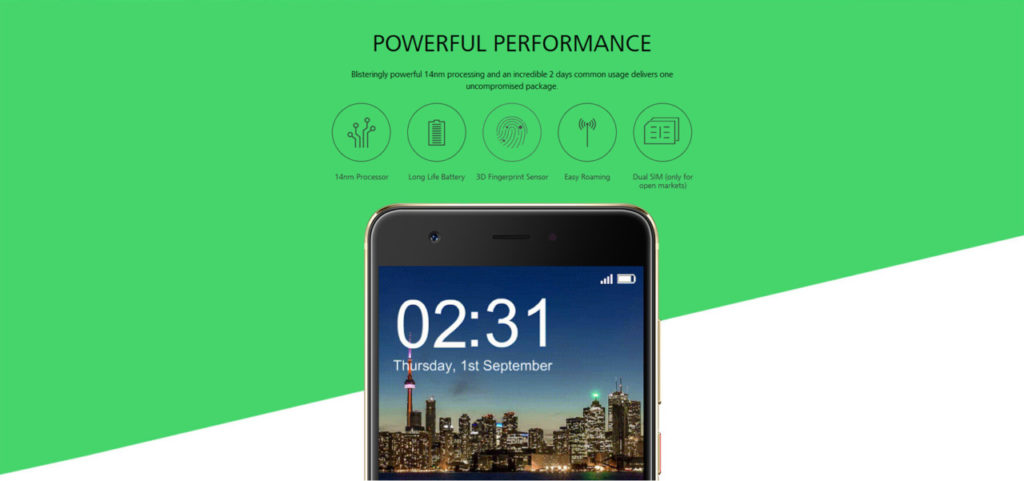

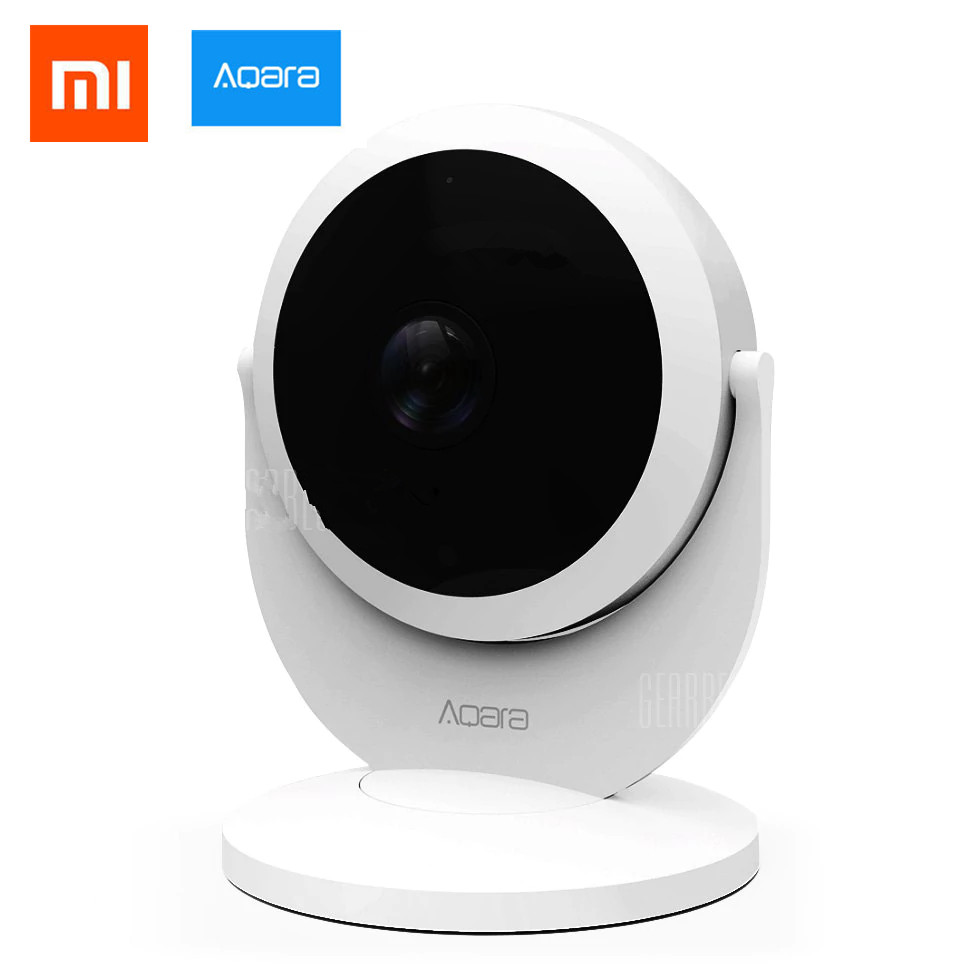 You can also purchase the Original Xiaomi toilet seat lid with sensor night light for just $79.99 and MIJIA multi-functional sofa table for just $84.99. Banggood is also giving 18% off on the original $48.99 price of Xiaomi Mijia Aqara Smart IP Camera, bringing it down to just $39.99.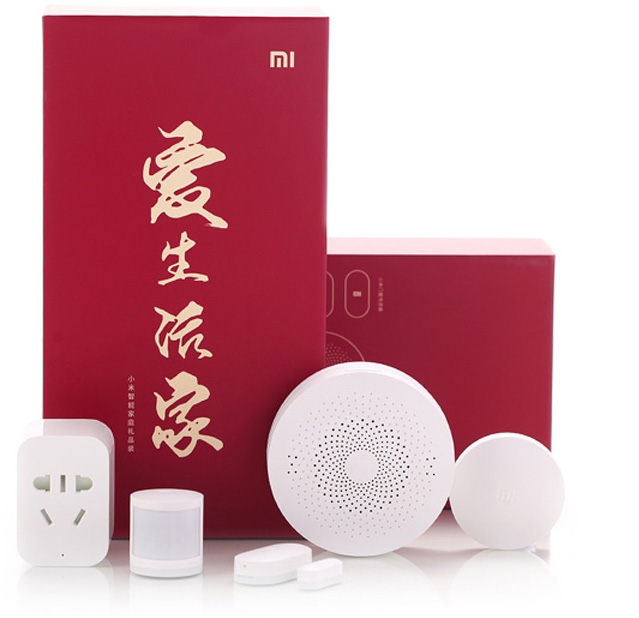
 But if that doesn’t impress you much, you can even participate in a contest wherein you have to guess the name of a mystery product, which carries a price tag of $539. You need to submit your answer on the Facebook event page before Tuesday, January 23 (UTC + 8). Banggood will announce the winner’s name on January 24.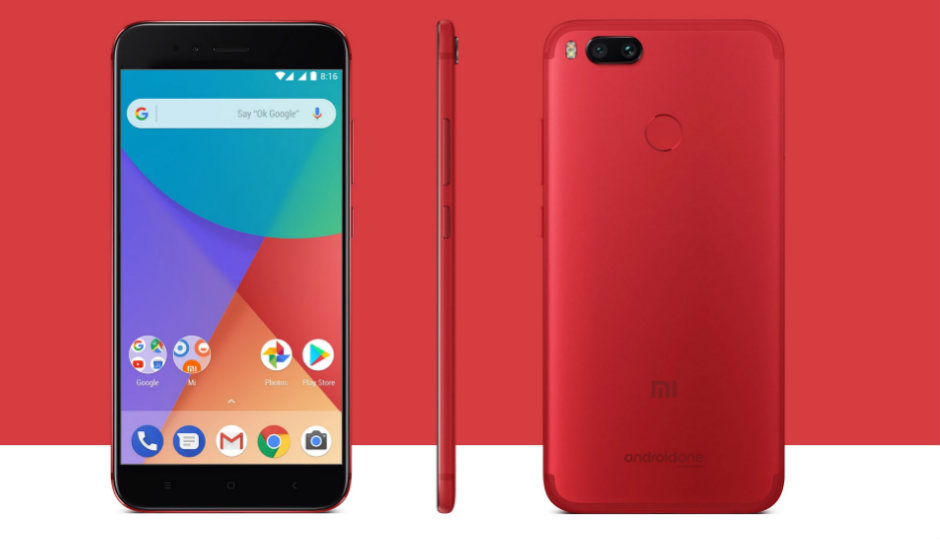

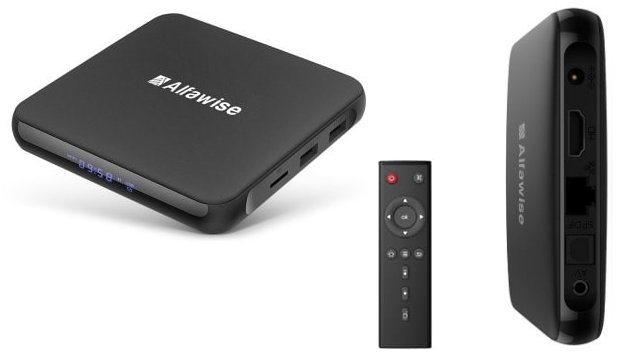 For instance, Alfawise S95 TV Box is available at a discounted price of $32.99 on GearBest. You can use coupon code ‘TOPCN4’ at the time of checking out and get an additional price cut that brings the already reduced price tag down to only $29.99.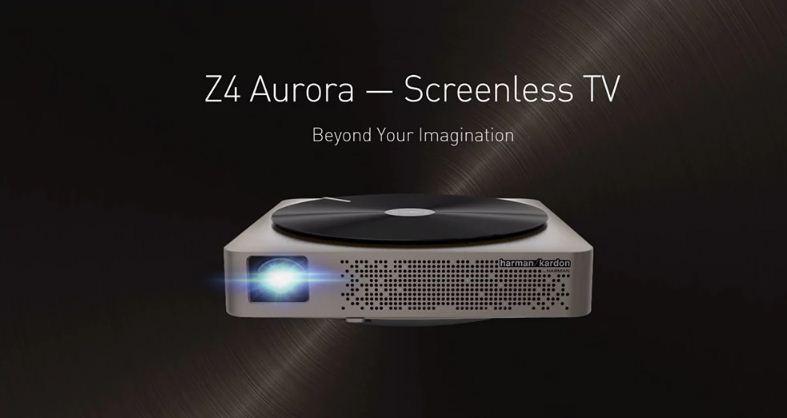
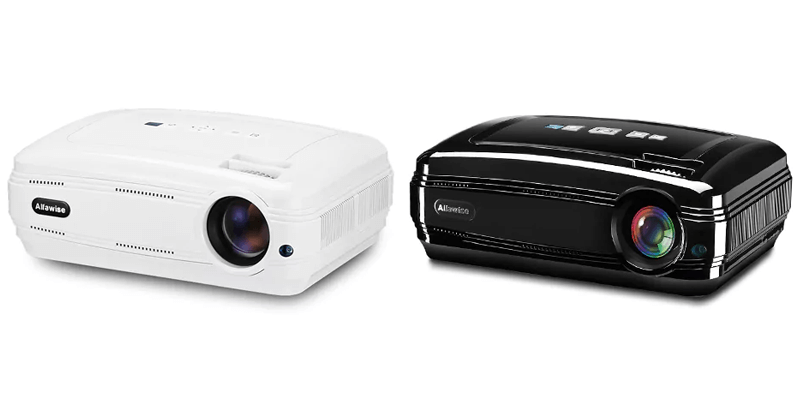 In addition to that, the site is giving discount on Mini M8S Pro – C TV box, HIGOLE D2 mini PC stick, Huion GT drawing tablet, Xiaomi Power strip socket portable plug adapter, KingDian P10 portable SSD (solid state drive), Alfawise X 3200 Lumens HD 1080P Smart Projector, and Haier LEU49V300S 4K Ultra HD LED TV.