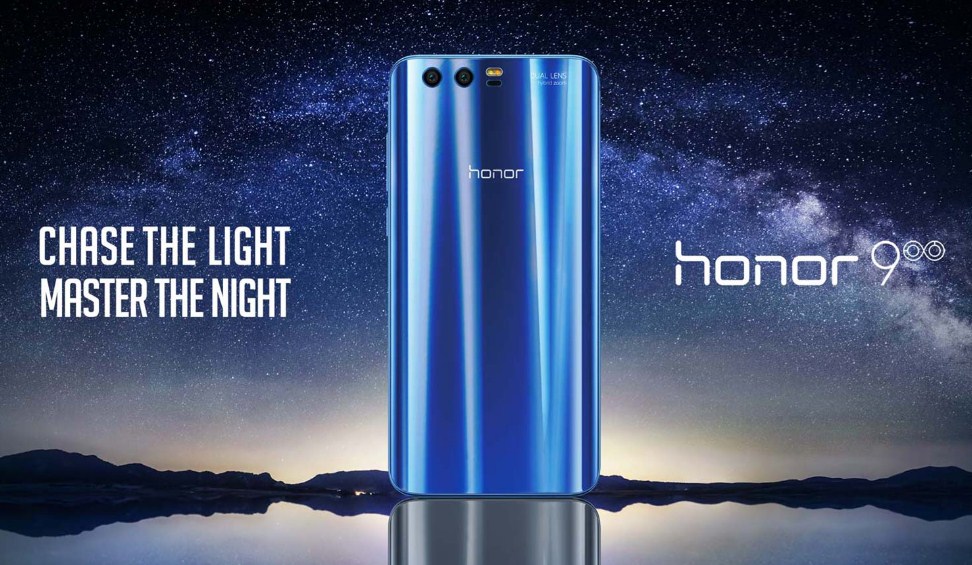
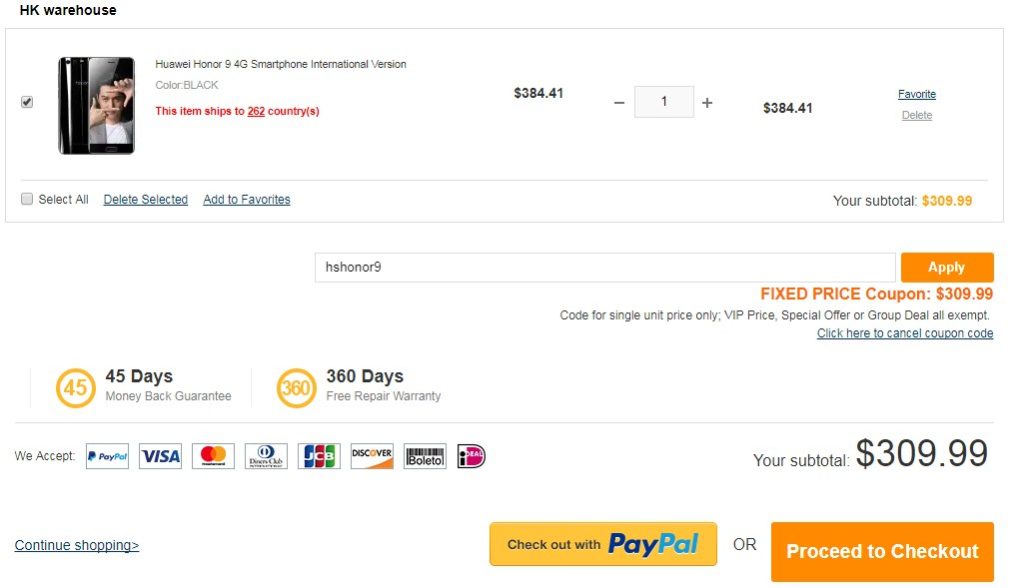
Huawei took the wraps off its Honor 9 flagship smartphone in June 2017 and it hit the store shelves in July. The Huawei Honor 9 is up for grabs on OppoMart and Giztop bearing a price tag of $369. However, you can get your hands on the International Version of Huawei Honor 9 4G smartphone at a discounted price of $309.99 on GearBest.
At $309.99, the 4G smartphone offers an array of awe-inspiring features coupled with an irresistible design. The device is available in Black, Blue, Golden, and Gray color options. Although the handset is unlocked for worldwide use, it is recommended to check if local area network is compatible and network frequency of your country with your carrier before buying this phone.
Apart from the Honor 9 4G smartphone, the package comprises one back case, a power adapter, one SIM needle, and a USB cable. It’s worth noting that there are only 100 units available and the promotion ends on December 30. You can use promotion code ‘hshonor9’ to buy the phone for just $309.99.
Click here to avail the deal. Note the Honor 9 4G smartphone is slated to ship from December 21 to January 2. If you’ve been waiting with bated breath to buy the handset, grab the deal before the promotion comes to an end and the phone’s price goes back to $399.
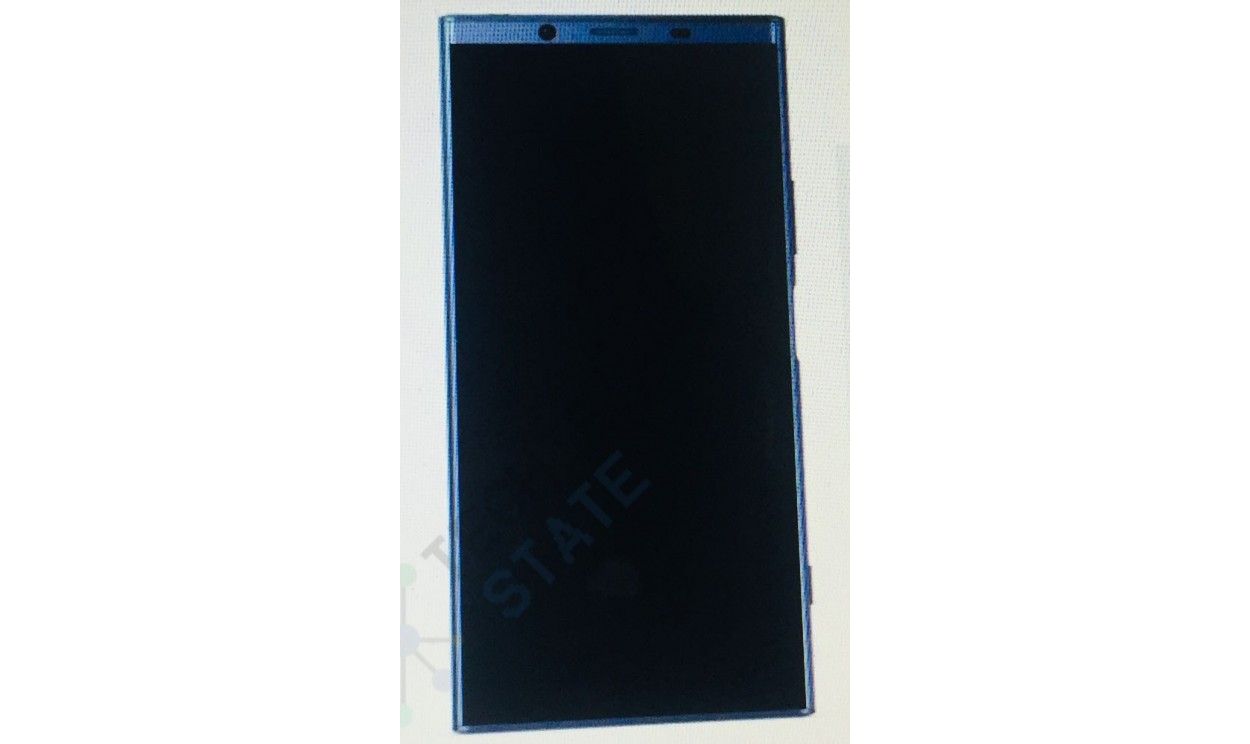
Sony is known for unleashing new smartphones at Mobile World Congress (MWC) platform each year. Hence, Sony is expected to announce new phones such as successor editions of the Sony Xperia XZ1 and Xperia XZ Premium at MWC (2018) in February. Today, a leaked image of an unidentified Sony phone has appeared. Speculations have it that it could be the front view of the rumored Sony Xperia XZ2 that may succeed the Xperia XZ1.
The below image shows that the right, left and bottom sides of the display of the alleged Sony Xperia XZ2 are surrounded by ultra-thin bezels. The upper bezel is thick enough to fit in the earpiece along with selfie camera and proximity sensor.
Some of the Sony phones have featured side-mounted fingerprint scanner. Hence, it is speculated that the fingerprint sensor could be embedded in the Power key that is located on the right side of the phone. However, there is a possibility that it could be placed on the rear side of the phone.
The right edge also features buttons for controlling volume as well as a dedicated key for launching camera. The source has not revealed any information on the specifications of the phone.
The Japanese firm has adhered to OmniBalance design for its smartphones since 2013. However, rumors are rife that Sony would be ditching the design for the good to embrace bezel-less design for its upcoming smartphones like the alleged Xperia XZ2.
The rumor mill has already unearthed the entire specifications of the phone that will be succeeding the Xperia XZ1. According to leaked information, its model number is H8216 and it will be powered by Snapdragon 845 chipset and 4 GB of RAM. Its internal storage will be 64 GB. It will be coming with a 5.48-inch display that will be supporting full HD resolution.
It could be Sony’s first phone to house dual camera setup on its back panel. It is speculated to include a pair of 12-megapixel sensors. It is likely to feature a selfie snapper of 15-megapixel. Other features of the phone include Android 8.1 Oreo and 3,130mAh battery.
There is no way to confirm whether the above image really belongs to Sony Xperia XZ1’s successor. Hence, we advise our readers to digest this report with a pinch of salt.
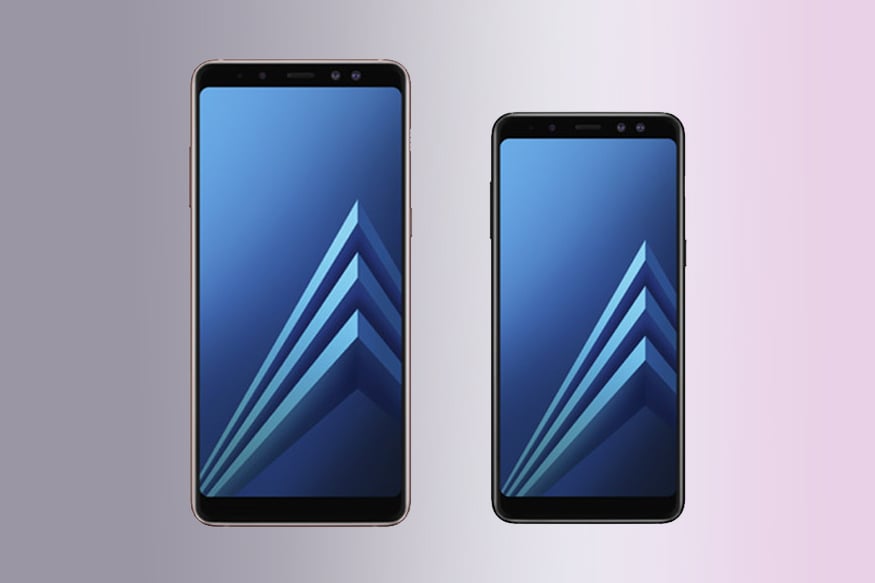
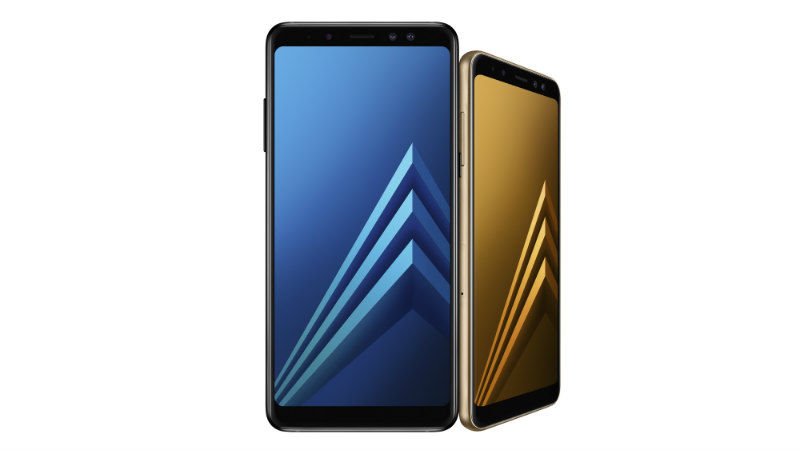
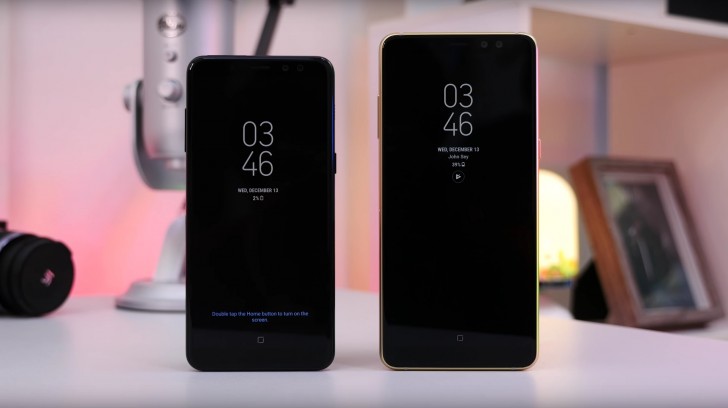
After a series of leaks related to the Galaxy A8 and its bigger sibling Galaxy A8 Plus, Samsung has finally announced the Galaxy A8 and A8+. These smartphones are the successor of the Galaxy A5 and Galaxy A7.
The design of both the phones is quite similar to the company’s flagship smartphone — Galaxy S8. The devices also feature a similarly Infinity Display and dual front-facing cameras. Both smartphones come with IP68 ratings, making them water and dust resistant.
The Samsung Galaxy A8 sports a 5.6-inch Full HD+ Super AMOLED display with screen resolution of 2220 x 1080 pixels, an unusual 18.5:9 aspect ratio and a curved glass on top. The phone packs 4GB RAM and comes in two models based on internal storage capacity — 32GB and 64GB.
On the other hand, the Samsung Galaxy A8+ comes with a 6-inch Full HD+ Super AMOLED display with a screen resolution of 2220 x 1080 pixels, curved glass and the same 18.5:9 aspect ratio. It is offered in two options — 4GB RAM and 6GB RAM as well as 32GB internal storage and 64GB onboard storage.
There is a microSD card slot present on both devices, allowing users to expand the storage capacity on the devices up to 256GB. Under the hood, both smartphones are powered by an octa-core processor with two cores clocked at 2.2GHz and six cores clocked at 1.6GHz.
Coming to the camera department, both smartphones feature a 16-megapixel camera sensor at the back with f/1.7 aperture and a Video Digital image stabilisation (VDis) technology. At the front, the devices sport a dual camera setup, with a 16-megapixel fixed focus sensor and an 8-megapixel secondary sensor for Bokeh effects. Both sensors come with f/1.9 aperture.
The devices are running Android 7.1 Nougat operating system along with the company’s own skin on top. Connectivity options on the devices include 4G LTE, Bluetooth 5.0, Wi-Fi 802.11 b/g/n/ac, GPS / A-GPS, NFC, and USB Type-C port. The Galaxy A8 is fuelled by a 3,000mAh battery while the Galaxy A8+ packs a bigger 3,500mAh battery.
Both smartphones — Samsung Galaxy A8 and Galaxy A8+ are slated to go on sale from January 2018. However, the company has not yet provided any information regarding the pricing of the devices or the availability information for regions other than Europe.
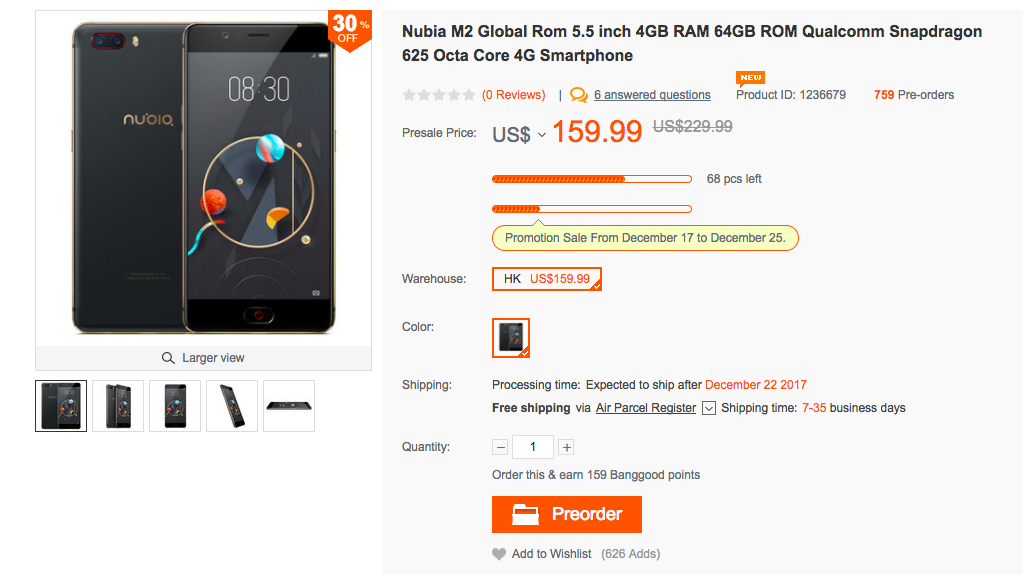
Shenzhen, China-based tech behemoth, ZTE unveiled the Nubia M2 back in March 2017. The device’s original price is $279.69, but much to the delight of smartphone enthusiasts, Nubia M2 Global Rom is currently up for pre-order on BangGood for just $159.99.
The promotion sale kicked off on December 17 and will come to end on December 25. It is imperative for those looking to take advantage of the promotion to bear in mind that only 73 pieces were left at the time of this writing.
As far as processing time is concerned, the device is expected to ship after December 22, 2017. By ordering this device you can earn 159 Banggood points.
ZTE Nubia M2 sports a 5.5-inch AMOLED self-luminous display with a resolution of 1920 x 1080 pixels. It offers 16M colors, paired with a pixel density of 401 PPI (pixel per inch). The huge screen is protected by Corning Gorilla glass.
The device packs an Octa-core Snapdragon 625 processor, under the hood and has 4GB of RAM, paired with 64GB of internal storage which can be expanded up to 200GB via microSD card. On the photography front, the device sports a rear-mounted dual camera with 13 MP+13 MP sensors, F2.2 and dual tone LED. It sports a 16 MP front shooter with F2.0, and 80 degrees wide angle for the selfie addicts.
In order to avail this deal, head over to this link. It’s a good deal at the regular price of $273.69 but, you can pre-order it for even less, at just $159.9 before the promo comes to an end.
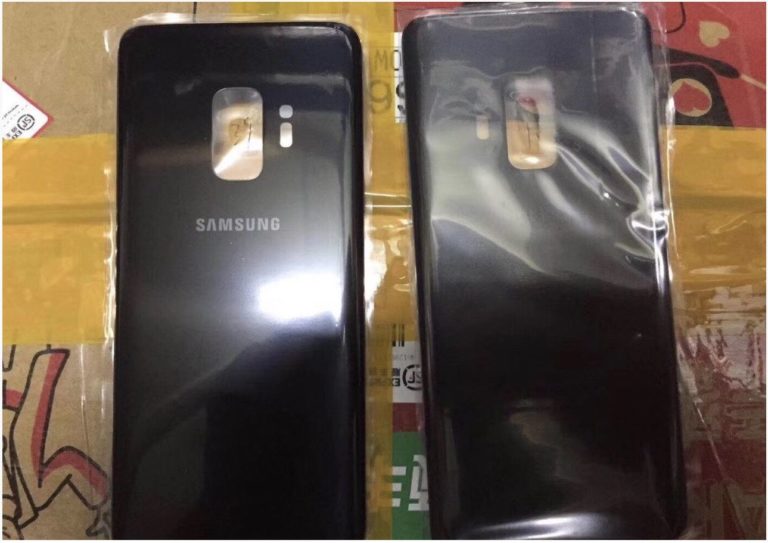
Recent reports have claimed that the upcoming Samsung Galaxy S9+ will be featuring dual rear cameras, but its smaller sibling may only house a single rear-facing camera. A leaked photo that has surfaced today again suggests that the smaller Galaxy S9 would not be featuring a dual camera setup.
The cutout that can be seen in the below image of the back plate of the Galaxy S9 shows that it will be featuring a single camera on the rear panel. As of this writing, there is no official confirmation on why Samsung has decided to make the dual camera feature exclusive to the Galaxy S9+.
The fingerprint scanner won’t be placed beside the camera sensor as seen on the Galaxy S8 and S8+, but it will be placed below the rear camera on S9 and S9+. According to the renders of the Galaxy S9 duo revealed by @OnLeaks who is known for his good track record for leaking information on upcoming phones, the Galaxy S9 may arrive with a 5.65-inch display whereas the S9+ may house a 6.1-inch display. Depending on the market, the Galaxy S9 duo will be available in Snapdragon 845 or Exynos 9810 chipset models.
It is also speculated that the Galaxy S9 may feature 4 GB of RAM whereas the S9+ may include 6 GB of RAM. The Galaxy S9+ is likely to house a larger battery than its smaller sibling. These differences suggest that just as Apple offers some advanced features like dual camera and larger display on the “Plus” variants of its iPhones compared to the smaller 4.7-inch iPhones, Samsung may also use the same strategy to make the Galaxy S9+ available with high-end features over the S9.
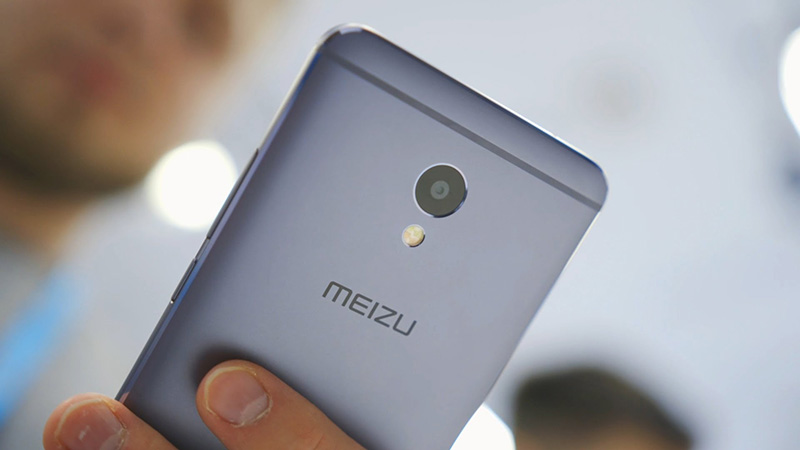
The demand for smartphones have reportedly started declining because of which some of the Chinese phone makers have reduced their orders by over 10 percent. Meizu’s market share has also decreased in the home market due to the same reason. However, Meizu has still managed to achieve a Year-on-Year (YoY) growth of more than 50 percent as it achieved impressive sales result outside of its homeland, claims Ard Boudeling who is the Head of Global Marketing with Meizu.
Since Meizu is performing well in the overseas market, Boudeling is of the view that the company will continue to maintain its success streak in 2018. Hence, it is in discussions with many potential partners to bring its phones to newer countries.
It was recently reported that Meizu may launch 6 smartphones in the first half of 2018. The rumor mill has already leaked information on some of the upcoming Meizu phones.
Recent reports have revealed that the Meizu M15 Plus could be the name of the upcoming flagship phone from the company. Leaked shots of the phone have revealed that it would be coming with a full screen design that is surrounded by slim bezels. Its bottom bezel is expected to be slightly thick as it may feature a mBack button.
The Meizu M6s is speculated to be one of the upcoming budget-friendly phones from the company that may debut in the next month. It is rumored to arrive with 18:9 aspect ratio supporting display and a side-mounted fingerprint sensor.
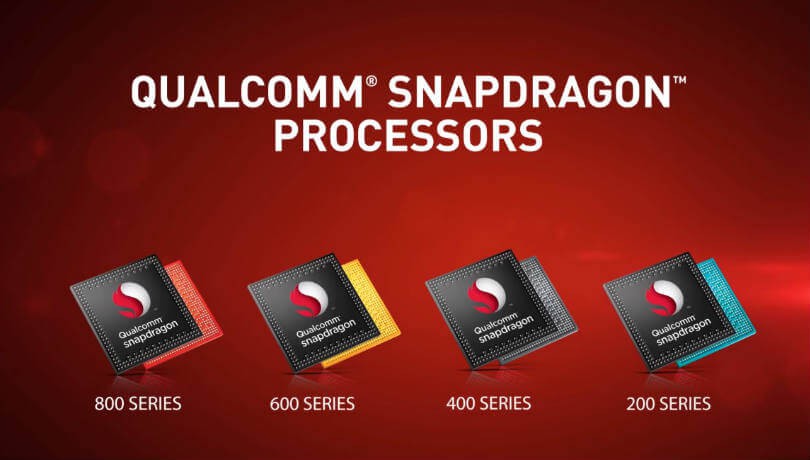
In 2016, Qualcomm unveiled the Snapdragon 625, a SoC which has become the most loved one when it comes to midrange smartphones sold at an affordable price. The reason for its success is the perfect combination of power and efficiency, which helped this processor provide good performance with an incredibly low energy consumption. This year, Qualcomm launched its successor (after launching SD626, an overclocked variant with a more advanced Bluetooth version): Snapdragon 630. It is an improved version of the older SoC. In this comparison, we will examine the main differences between Qualcomm Snapdragon 630 vs 625.
Qualcomm Snapdragon 630 vs 625
Snapdragon 630
Snapdragon 625
CPU
8x ARM Cortex A53, Clock frequency: Up to 2.2 GHz, 14 nm, 64 bit
8x ARM Cortex A53, Clock frequency: Up to 2 GHz, 14 nm, 64 bit
GPU
Adreno 508
Adreno 506
Camera
Up to 24 MP single camera
Up to 13 MP dual camera
Hybrid autofocus
Optical Zoom
Up to 24 MP single camera
Up to 13 MP dual camera
Enhanced autofocus
Video
Up to 4K Ultra HD at 30 fps (video recording)
Up to 1080p at 120 fps (video recording)
Up to 4K Ultra HD (video playback)
Up to 4K Ultra HD at 30 fps (video recording)
Up to 4K Ultra HD (video playback)
Display
Up to Full HD+ 1920 x 1200 pixels
Up to Full HD+ (Full Display) 2160 x 1080 pixels
Connectivity
Wi-Fi 1×1 802.11ac with MU-MIMO. Max speed: 364 Mbps
Bluetooth 5.0. Max speed: 2 Mbps
NFC
Cellular Modem: Snapdragon X12, download speed up to 600 Mbps, upload speed up to 150 Mbps
Wi-Fi 2×2 802.11ac with MU-MIMO. Max speed: 364 Mbps
Bluetooth 4.1
NFC
Cellular Modem: Snapdragon X9 LTE, up to 300 Mbps, upload speed up to 150 Mbps
An important difference between Snapdragon 630 vs 625 is the clock frequency: 2.2 GHz vs 2 GHz. According to Qualcomm, Snapdragon 630 offers up to 30 percent higher performance than SD626, so it should be more than 30 percent better than SD625 in terms of performance. The GPUs are also different and the Adreno 508 found in SD630 offers up to 30 percent more performance than Adreno 506 too. At a first glance, it seems there is not much difference, but as you see it is not so. Snapdragon 630 also has more advanced connectivity options. Its Snapdragon X12 modem has 2x higher download speed and more advanced Wi-Fi and Bluetooth connectivity.
While in terms of camera and display there are no significant differences (Snapdragon 630 remains slightly better), the fast charging technology is way better. Quick Charge 4 has a charging speed which can be up to 15 percent faster than Quick Charge 3.0, and it is also a safer technology. Snapdragon 630 is also more power efficient than its opponent. It’s worth noting that not every aspect of each SoC may be supported on the phones which have been equipped with these processors. For example, a phone may be equipped with the Qualcomm Snapdragon 630 but it may not have the support to Quick Charge 4.0 because the company has decided to remove it or to opt for its own fast charging technology.
To celebrate its 15 years of existence, China-based Meizu is going to release a special edition phone, dubbed as Meizu 15 Plus. While the phone has been subject to many leaks, the phone’s design was not clearly visible in any of the previously leaked images.
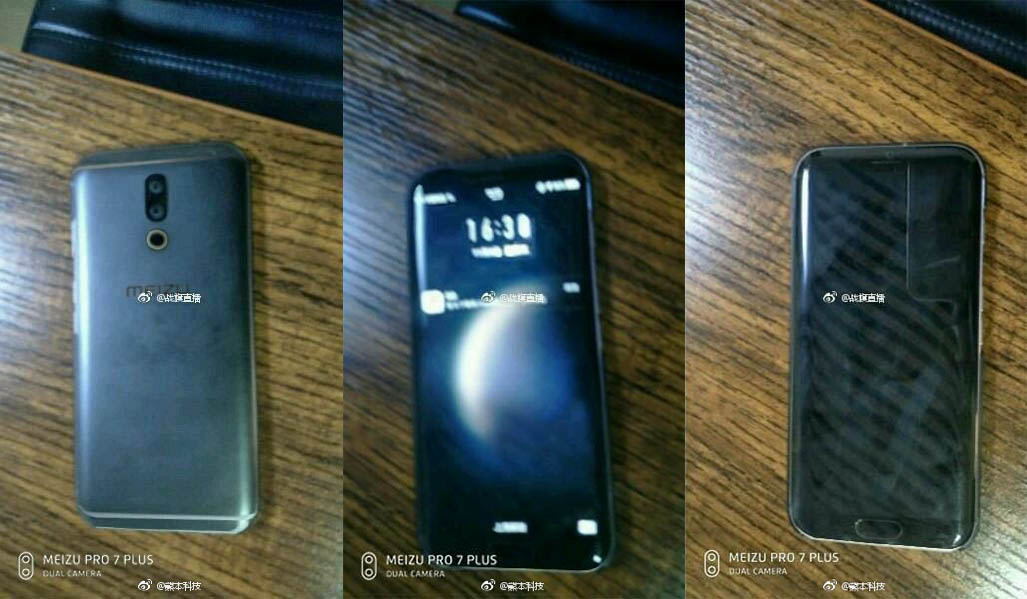
But, the newly leaked images shows the design of a Meizu smartphone, which is believed to be the upcoming Meizu 15 Plus. However, there is a possibility that it might be a different model. The leaked images reveals the phone’s design — showing front side as well as the back side.
The previously leaked image hinted at Mi Mix 2 type bezel-less smartphone, but the newly leaked images shows that the design is not as existing as we had hoped. The company has kept the mBack button in its usual position. At the back, there is a dual camera setup with a little round module just below it which could be for the LED flash.
The phone seems to come with a metal unibody design and the display sports a 3D curved glass on top covering all the four edges surrounding the screen — similar to the Samsung’s Galaxy S8. From the look of it, the display appears to be sporting the standard 16:9 aspect ratio rather than the trending 18:9 aspect ratio.
Previous report suggests that Meizu is ditching MediaTek processors this time, and the Meizu 15 Plus will be powered by Samsung‘s Exynos processor. The phone will be offered in two variants based on the memory configuration — one with 6GB RAM and 128GB internal storage while the other will pack 8GB RAM and 128GB internal storage.
Recently, the smartphone’s pricing information was also leaked online, revealing that the base model will carry a price tag of 2,999 yuan (approx. $453) while the top-end model will cost around 3,499 yuan (approx. $528).
The company’s founder Jack Wong had previously confirmed that the Meizu 15 Plus will be officially introduced next spring around China’s Spring Festival, which will take place in February. The company is going to launch six new smartphones in the first half of 2018. While five of those phones will be powered by Qualcomm’s Snapdragon processor, one phone, possibly Meizu 15 Plus, will pack Samsung’s Exynos processor.
It is a known fact that the popularity of Chinese smartphone manufacturers has increased considerably in the recent years. In this year, Xiaomi managed to dethrone Samsung from its numero uno position in India. Huawei that is currently the third largest smartphone manufacturer in the world is looking forward to grabbing the second position from Apple. OPPO and Vivo are also ranking among the top smartphone makers in the world. Even though these Chinese firms have had a tremendous run this year, supply sources claim that Huawei, OPPO and Vivo are expecting a slower start in the coming year because of which they are cutting down their orders by over 10 percent.
The worldwide demand for new smartphones are declining and this has resulted in accumulation of inventory. However, Xiaomi seems to be unaffected by this slowdown as it is still selling its phones online and offline aggressively. India will be an interesting market next year as Xiaomi will want to extend its lead while Samsung may change its business strategy to get its top spot. Huawei too is expected to increase its presence in the country.
Huawei and Xiaomi are also expected to increase their market share in the U.S. in 2018. Huawei will be selling its phones through U.S. carriers such as AT&T and Verizon in Q1 2018. Xiaomi is reportedly in talks with carriers of the U.S. to bring its phones in the country. The Chinese smartphone manufacturers are reportedly reducing their orders, but it seems that 2018 will be a good year for these firms albeit a slower start.
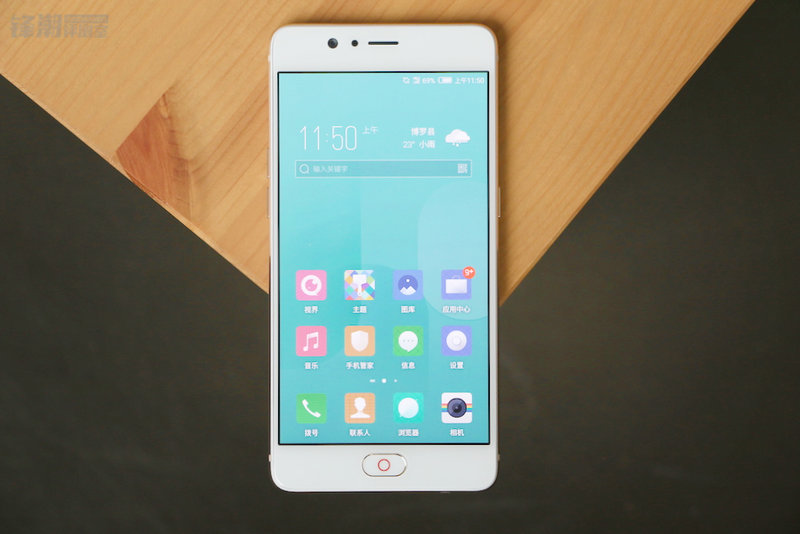
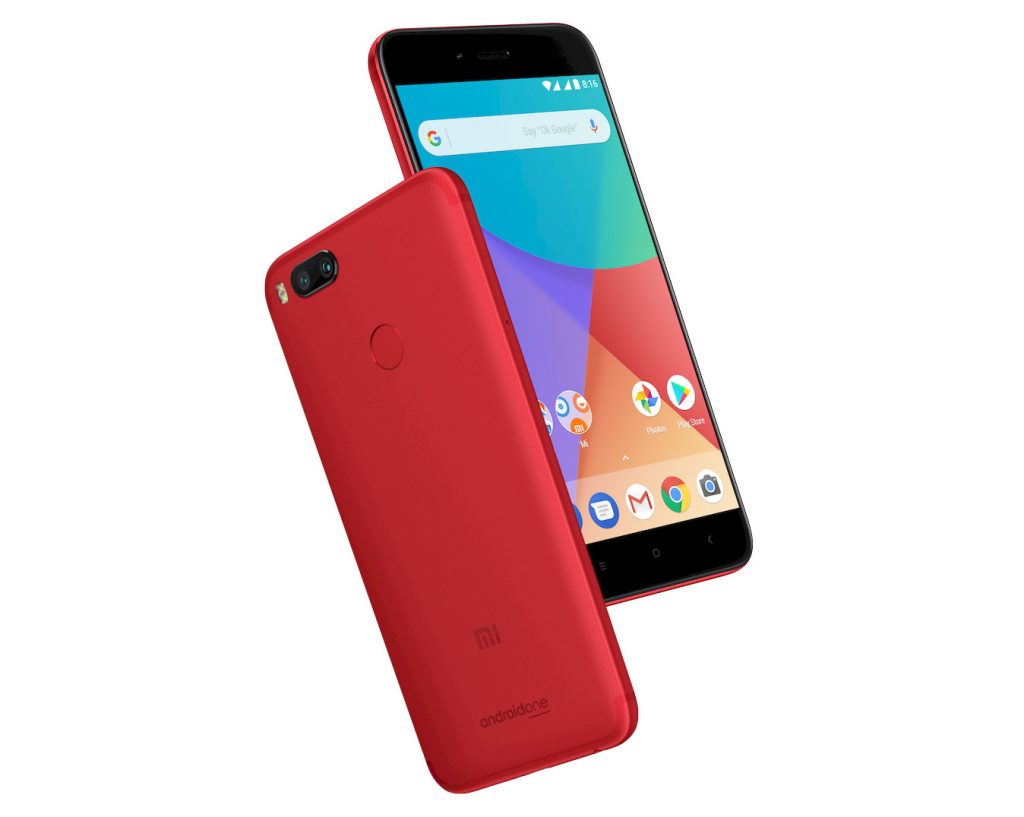
After launching the Mi A1 Special Red Edition smartphone in Indonesia, the company has now launched the same phone in the Indian market as well. With the launch of this Mi A1 Special Edition Red model, the phone is now available in four colour options in India — Red, Black, Gold and Rose Gold.
In India, the Mi A1 Special Edition Red will be available in limited quantities and will be available for purchase from 20th December through online retailer Flipkart and the company’s own store — Mi.com. It has been priced at Rs. 13,999 (approximately $218), same as the standard model. However, the phone will be available for Rs. 12,999 during Xiaomi’s No. 1 Fan promotional sales event on 20th and 21st December.
Apart from the colour of the phone, there is no change in the internals of the smartphone. It comes with a 5.5-inch Full HD display with screen resolution of 1920 x 1080 pixels and pixel density of 401 pixels per inch. There is also a layer of Corning Gorilla Glass on top for protection from minor scratches.
The phone is powered by an octa-core Qualcomm Snapdragon 625 processor, which is coupled with 4GB of RAM. It comes with 64GB of onboard storage, which is further expandable upto 128GB through microSD card.
As of the cameras, the smartphone comes with a dual camera setup at back, featuring two 12-megapixel sensors — one featuring a wide-angle lens with a 1.25-micron pixel sensor and f/2.2 aperture, while the other one sporting a telephoto lens, with f/2.6 aperture. The camera is capable of delivering 2x optical zoom. There is also a 5-megapixel front-facing camera with a real-time beautification mode.
Connectivity options on the device include 4G VoLTE, dual-band Wi-Fi 802.11ac, GPS/ A-GPS and USB Type-C port. The smartphone is fuelled by a 3,080mAh battery. Given that it is a part of Android One program, the phone runs on stock version of Android 7.1 Nougat operating system out-of-the-box. The device is slated to receive the latest Android 8.0 Oreo update soon.
Xiaomi Mi A1 was initially launched in India in September this year, with a price tag of Rs. 14,999. However, the phone recently received a price cut of Rs. 1,000, bringing down the effective cost of the device to Rs. 13,999.
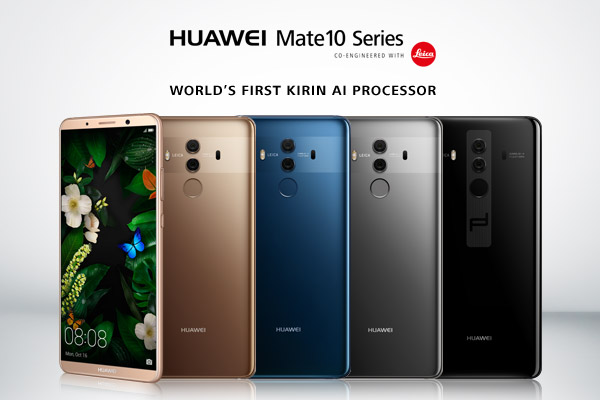
Huawei recently launched its flagship smartphone series — Huawei Mate 10 in the European market and in China. Now, the company is gearing up to launch the Mate 10 smartphone series in the US.
Confirming this development, Huawei’s chief executive of the consumers business, Yu Chengdong said that the company will be aggressively pushing in the US market next year, in partnership with local carriers.
He also confirmed that the first phone from the flagship series to make its way to the US market will be the Huawei Mate 10. It will be released at the Consumer Electronics Show (CES) 2018 in Las Vegas. However, no further information related to this is known. We will have to wait until the announcement at CES to know more.
This will be the first collaboration of Huawei with the local carries in the US. The company is already selling a few smartphones in the US through its own eCommerce store but has not yet partnered with a network operator.
With Huawei’s entry in the US market, in partnership with network operators, seems to be aimed at increasing its smartphone sales. The company is currently ranked third in the world, behind Apple with a thin margin. With this move, it aims to take on Apple for the second position.
The Huawei Mate 10 comes with a 5.9-inch display with a screen resolution of 2560 x 1440 pixels, featuring a standard 16:9 aspect ratio rather than the trending 18:9 aspect ratio.
Under the hood, it is powered by the company’s own Kirin 970 processor and a 4,000mAh battery which also supports SuperCharge fast charging. The phone is offered in two variants — 4GB RAM with 64GB storage and 6GB RAM with 128GB onboard storage.
The smartphone features a 12-megapixel RGB + 20-megapixel monochrome sensors at the back. It has 4-in-1 hybrid focus, hybrid zoom, and OIS. There is also an 8-megapixel F/2.2 front-facing camera sensor. The devices run on Android Oreo operating system based EMUI 8.0.
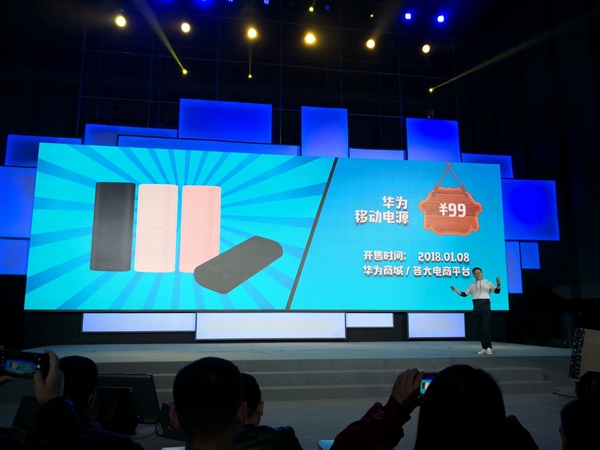
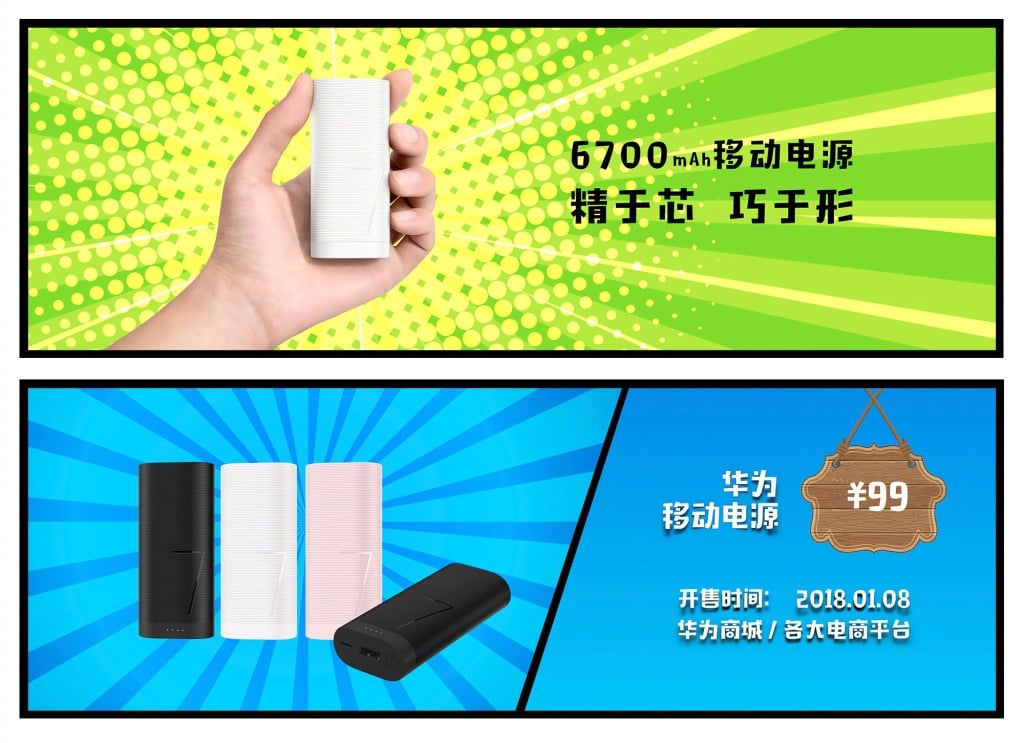
Apart from the Enjoy 7S unveiled today, Huawei also announced a new power bank. The Huawei 7 power bank is targeted at those who want a battery pack that is small and lightweight.
The Huawei 7 has a capacity of 6700mAh, which is not its smallest as it already has a 5000mAh power bank. The power bank uses lithium-ion batteries judging from its shape.
The portable battery pack has a single output port flanked on the sides by an input port and a power button. There are also four LEDs at the top that show battery level. The power bank should be able to charge most phones at least once.
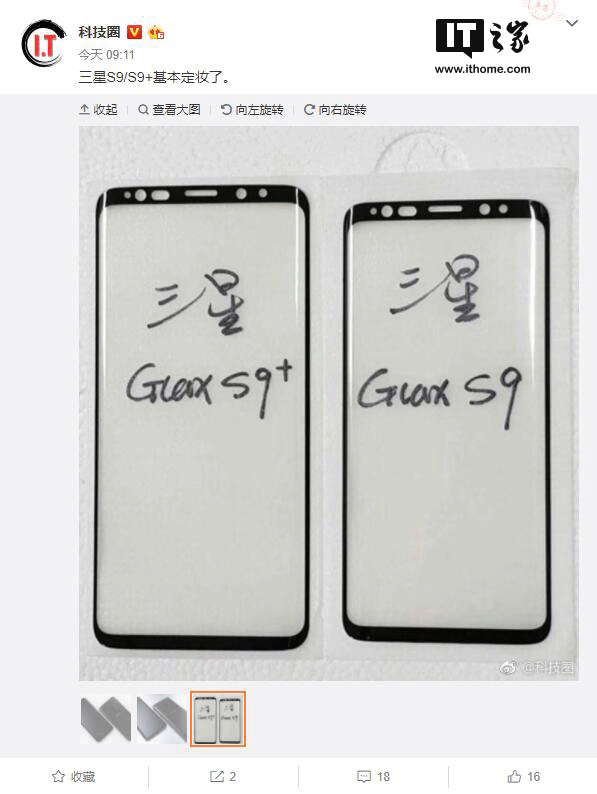
Samsung’s flagship duo – the Galaxy S8 and Galaxy S8+ are set to get successors in a couple of months. Known as the Galaxy S9 and Galaxy S9+, both phones have been in the news a lot lately. There have been not-so-few a number of design and specifications leaks. Today’s own belongs to the former category as it is an image of the phones’ front panels.
The image which shows both panels side by side reveals a plethora of sensors on the top bezel. There are five holes at the top excluding the one for the earpiece. These are bound to be occupied by the front camera, sensors for the iris scanner and the regular proximity, hall, and light sensors.
Samsung has also slightly reduced the size of the bezels which should translate into a higher-screen to body ratio.
We expect more manufacturers in China will copy the design of the Galaxy S9 and S9+ come next year. We also expect to see others toe the line of the Apple iPhone X.
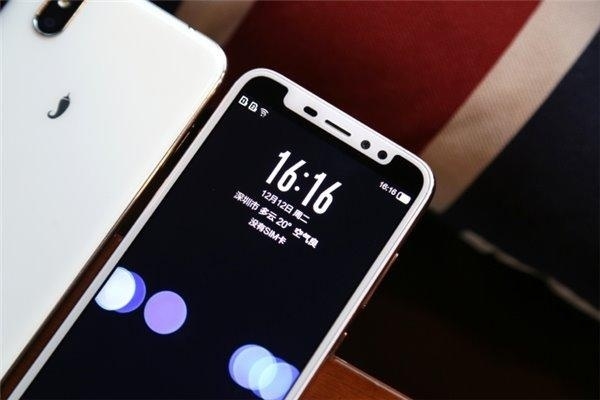
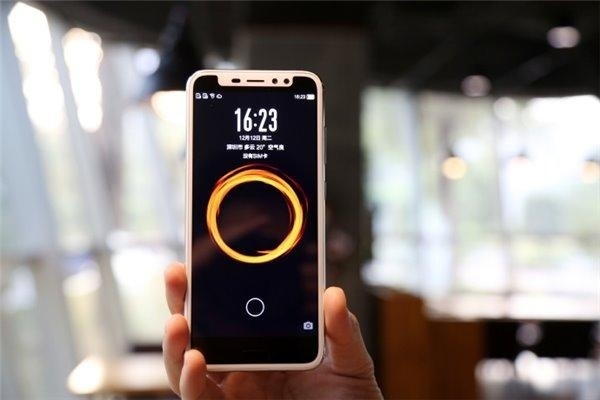
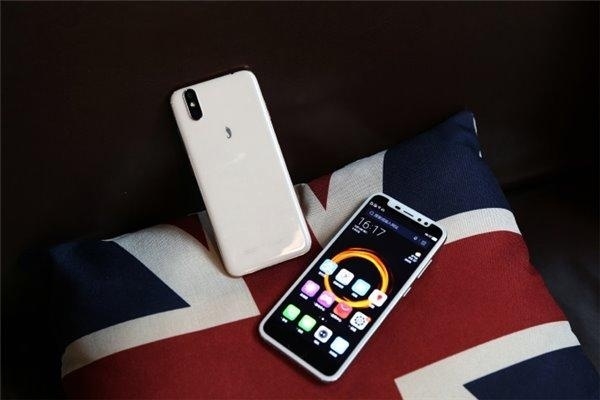
After launching Xiaomi Mi 6 look-alike phone, Littler Pepper recently launched its new smartphone last week, dubbed as Little Pepper S11 which is a look-alike of the Apple iPhone X. While the phone is very much similar to the iPhone X, check out the hands-on photos to know how it differs in terms of design.
The phone’s body has the 18:9 ratio but the display of the device itself comes with a traditional aspect ratio of 18:9, featuring a notch at the top of the display. However, instead of having a display with a notch, the phone comes with a top bezel having the notch, giving it a pseudo full-screen appearance.
The Little Peper S11 comes with a 5.5-inch HD display with a screen resolution of 1280 x 720 pixels. There is also a home button on the front panel, which is not present in the original design of the iPhone X. Further, the phone has also a fingerprint scanner, embedded into the home button for the security purposes.
The notch on the top bezel consists of a proximity sensor, speaker grille, and dual camera sensors. The front-facing camera module features an 8-megapixel sensor and a 5-megapixel sensor. Such dual camera setup is used to take depth of field photos with Bokeh effect.
On the top side, there is a 3.5mm audio jack, allowing users to attach regular earphones/headphones to listen to music. At the bottom, there is a speaker grille on both sides, and there sits a micro USB slot in the center.
Buttons are placed on the right side of the phone. There is a volume rocker key and just below that, there is a power button. There is no difference between both keys other than their size.
On the back panel, there is a dual rear camera, placed in the top-left corner. Both the cameras, featuring a 13-megapixel sensor and an 8-megapixel sensor, are stacked vertically.
There is also an LED flash placed in the center of both camera sensors. At the center of the back panel, there is a Little Pepper branding with the company’s logo placed there.
Coming to the software, the phone runs Alibaba’s Yun OS 5.1.1 which is based on Android Nougat operating system. There is also a facing recognition feature, similar to the Apple‘s Face ID. However, it remains to be seen how much it is similar to Face ID in terms of performance.
Internally, the Little Pepper S11 is powered by a 64-bit MediaTek MT6737 quad-core processor clocked at 1.3GHz and comes with 3GB RAM and 32GB internal storage. There is also a microSD card slot, allowing users to expand the storage capacity.
The Little Pepper S11 has been announced in China but the company has not revealed any information regarding the phone’s pricing and availability. The smartphone is expected to be available in two color options — Black and White and will soon go on sale in China.
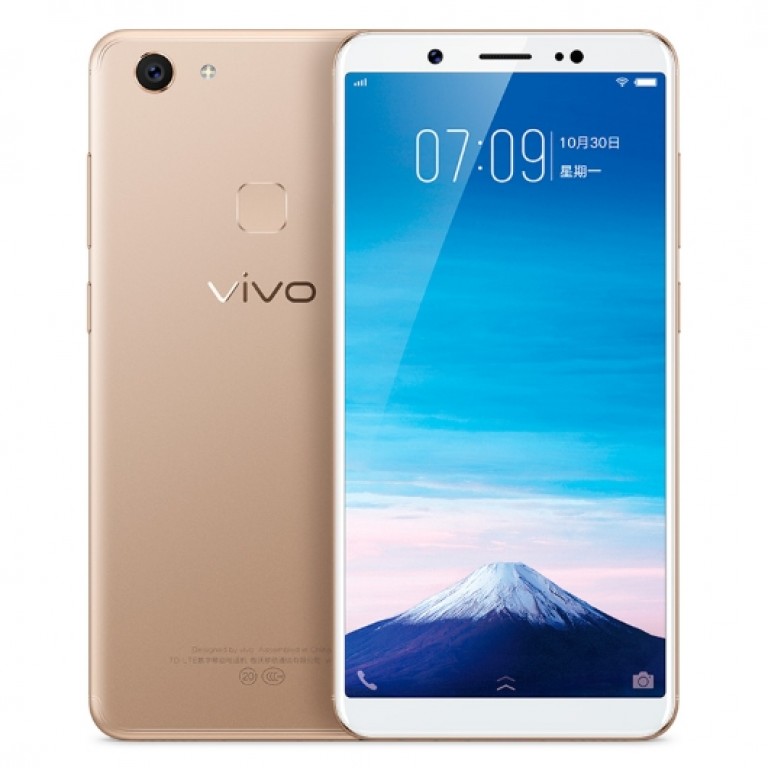
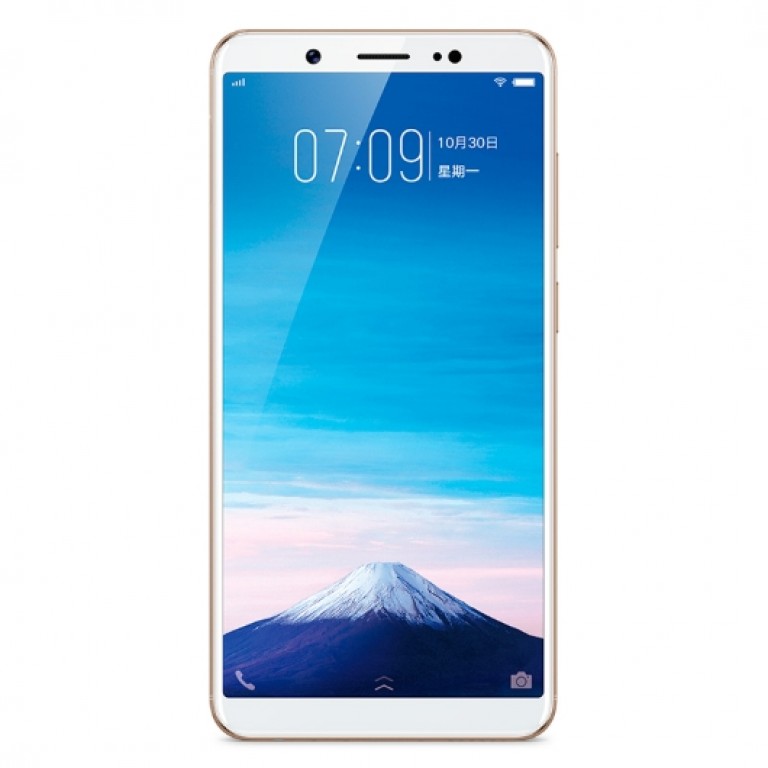
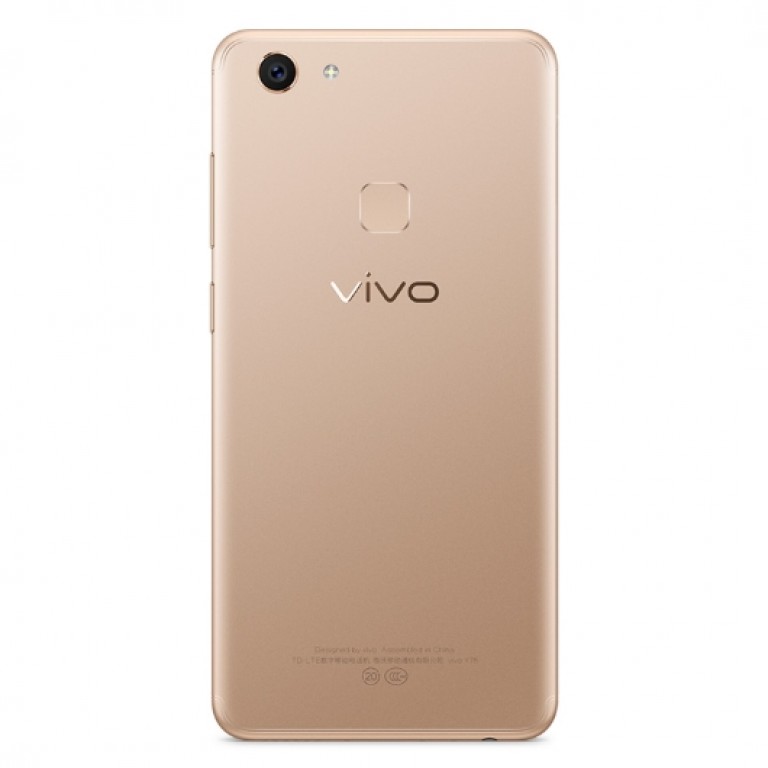
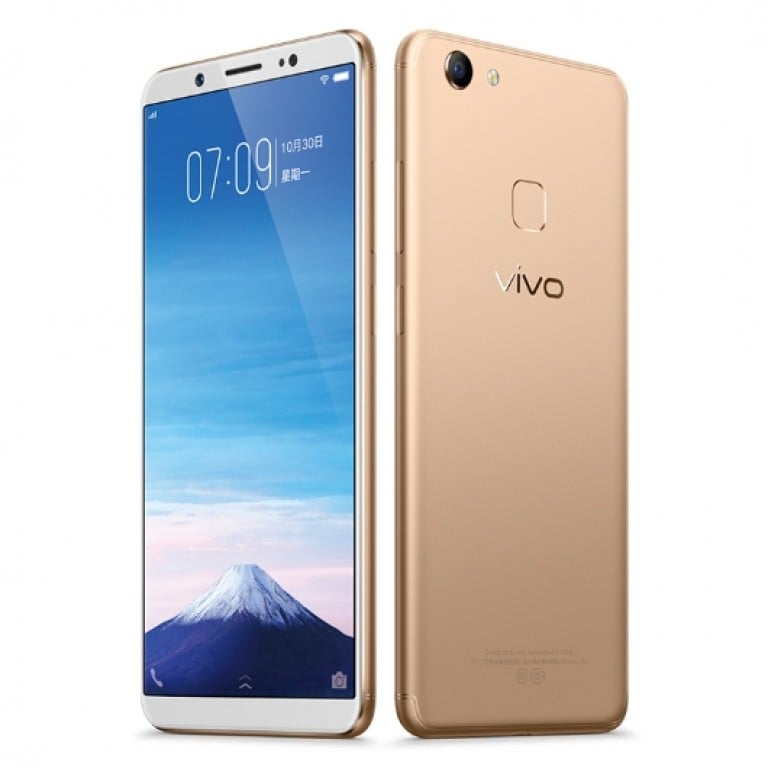
After launching the Vivo V7+ in markets like India, the Chinese manufacturer had launched a similar phone with Vivo Y79 moniker in China. In the same way, after the launch of Vivo V7, the company has today unveiled the Vivo Y75 phone with similar specs.
Vivo Y75 Specifications and Features
The Vivo Y75 comes with a 5.7-inch display that produces an HD+ resolution of 720 x 1280 pixels. The display supports an aspect ratio of 18:9. It is powered by Helio P23 chipset that includes an octa-core processor and 4 GB of RAM. The native storage available on the Vivo Y75 is 32 GB. It also supports a microSD card slot through the hybrid dual SIM slot.
For snapping photos, it features an f/2.2 aperture 13-megapixel rear camera instead of the 16-megapixel primary camera found on the Vivo V7. Also, instead of the impressive 24-megapixel selfie snapper found on the V7, the Y75 phone has 16-megapixel front-facing camera. It does not feature a frontal LED flash that is found on the Vivo V7 smartphone.
The handset is running on Android 7.1.2 Nougat that is customized with FunTouch 3.2. It also equipped with Face Wake feature for unlocking the device by scanning the face of the user. The other features available on this phone include 3,000mAh battery, 4G LTE, Wi-Fi and v4.0 Bluetooth.
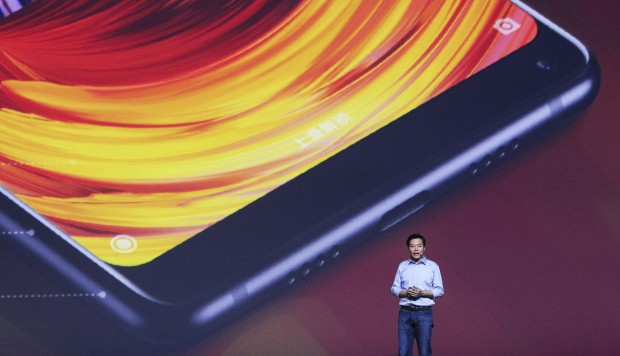
Chinese smartphone manufacturer Xiaomi has announced that it will be giving away rewards worth 150 million Yuan (approximately $22.7 million) during the upcoming shopping festival.
The announcement comes at a time when the company is very close to achieving its yearly target. The company had earlier said that it aims to ship 90 million smartphone units this year. By the end of October, Xiaomi has already managed to ship over 70 million handsets worth 100 billion Yuan.
During the upcoming shopping festival, which will take place between 19th December and 26th December, Xiaomi will be giving away 1 million coupons worth 100 Yuan and 1 million coupons worth 50 Yuan. The coupons can be sued to purchase products from the company’s online store.
Along with the cash coupons, the China-based company will also be giving away smartphone accessories such as cables to those who could not get the coupons. According to the company, a user will be able to save up to 2,200 Yuan during the sale.
While announcing such offers, Xiaomi’s founder and CEO Lei Jun said on his official Sina Weibo account that the company wanted to offer an “unpredictable” way to express gratitude to its supporters as the company reported a good performance this year.
The company, which was once touted as the world’s most valuable startup, stumbled in terms of smartphone shipments last year given the cut-throat competition in its home market as well as in India — which is the second largest market for Xiaomi.
However, the company managed to turn the tides and has been registering good growth this year. One of the major reason behind that is the change in the company’s strategy. It has now started focusing on the offline channel along with the online sales channel. Xiaomi is now planning to establish over 1,000 Mi Stores in different Chinese cities by the year 2020.
Also, the company solved issues related to the production capacity. Thus, the sales of its smartphones have increased given that there are enough units available to purchase during each flash sale.
Xiaomi was recently ranked as the leading smartphone vendor in India, along with Samsung. According to IDC, both the companies have managed to grab 23.5 percent of Indian smartphone market. IDC currently ranks Xiaomi as the fourth largest smartphone vendor in China, shipping 15.7 million units in the third quarter with a market share of 13.7 percent.
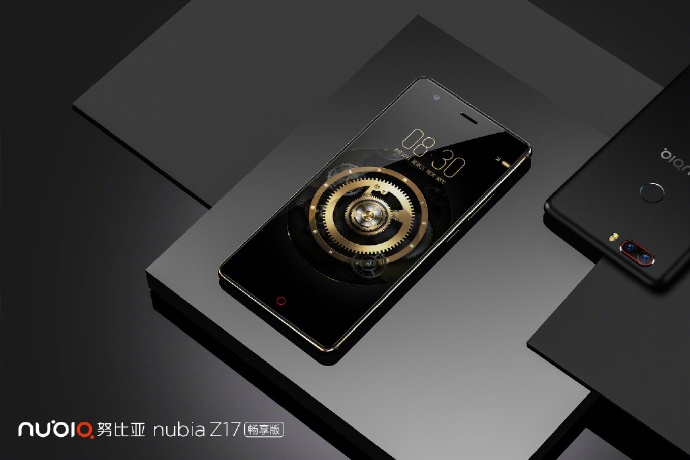
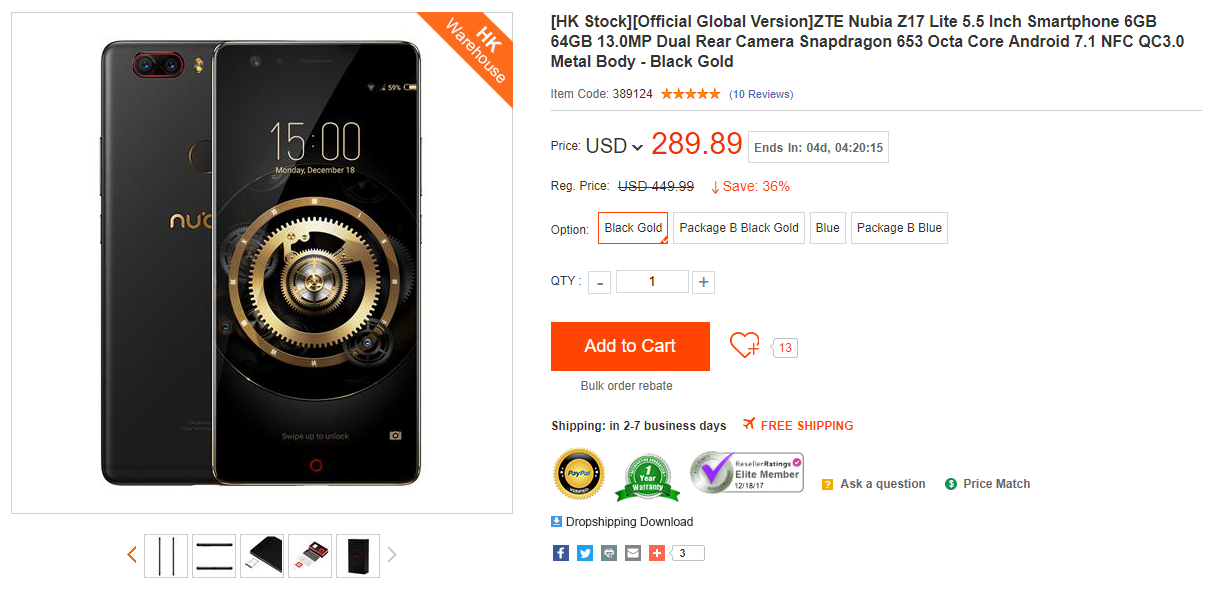
Nubia announced the Nubia Z17 Lite around the end of August for around $380 in China. The phone was meant to be a cheaper alternative to the flagship Z17 series that costs upwards of $400. However, Geekbuying is currently offering the Nubia Z17 Lite at a discounted price of just $289.
At $289, the Nubia Z17 Lite is an irresistible smartphone, given that it comes with a bezel-less display, powerful dual rear cameras, Snapdragon 653, 6GB of RAM, and 64GB of ROM. Nubia is known for its quality of workmanship and these specs make the phone a bargain under $300. The phone up for sale is the Black Gold version, but there’s a Blue color version as well. Note that you can also opt for a bundle consisting of the smartphone, a soft case, and tempered glass for an additional $19.
Just head over to this link to avail the deal. Note that the Geekbuying promotion for the Z17 Lite kicked off from December 15 and goes on until December 22. So, if interested, grab the deal as soon as possible because post-December 22, the price goes back to $300.
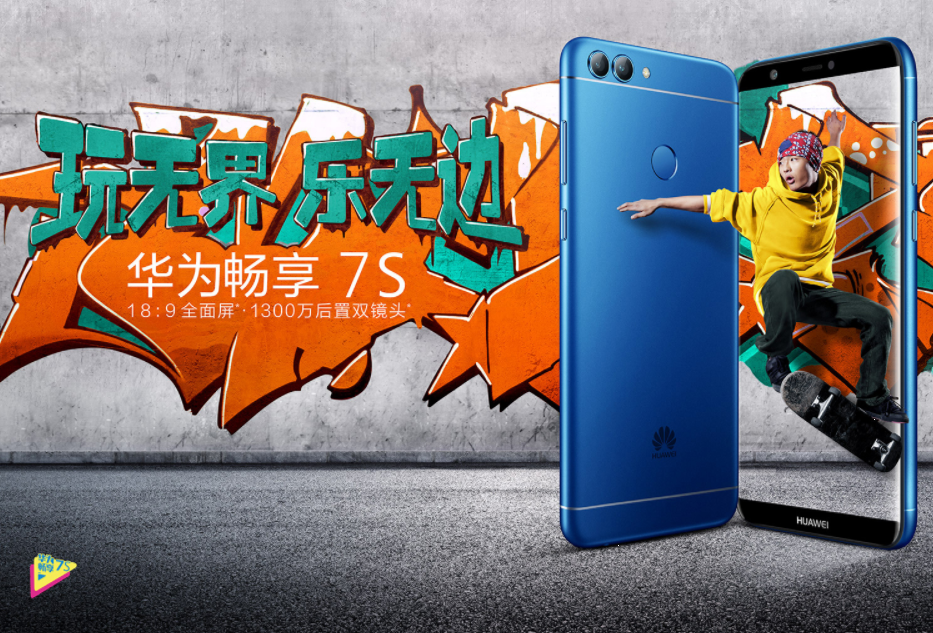
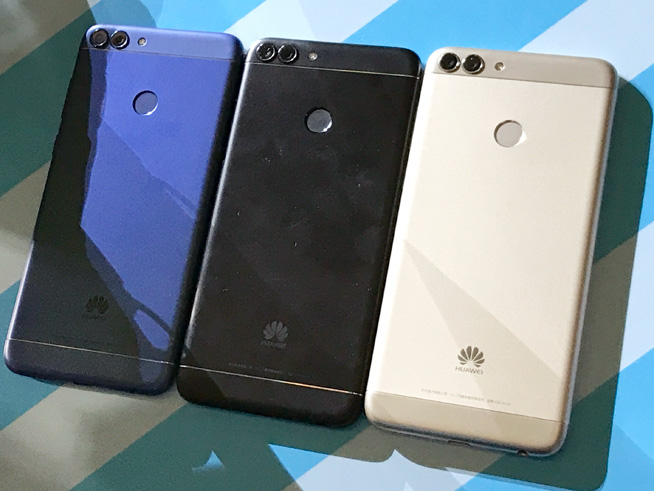
Other than Gionee, Huawei is another manufacturer that has churned out full-screen smartphones in quick successions. Its latest is the Enjoy 7S, another mid-ranger sporting the Kirin 659 processor and also dual rear cameras.
Huawei Enjoy 7S Design
The Huawei Enjoy 7S sports a full-screen display with minimal bezels and a two-tone finish on the rear. The upper part where the cameras sit and the lower part which houses the antenna have a lighter shade compared to the rest of the phone. Our guess is that the lighter parts are made of plastic while the area around the fingerprint scanner is metal.
Image Source: CNBeta
The cameras are raised but sit closer to the edge compared to that of the Honor 7X. However, both the 7S and 7X share a similar front design even though the latter has a larger display.
The Honor 7S measures 150.1 x 7 2.05 x 7.45 (mm) and weighs 143g.
Enjoy 7S Specs
The Huawei Enjoy 7S packs a 5.65-inch 2160 x 1080 display. It comes in 3GB RAM + 32GB and 4GB RM + 64GB variants and both are powered by the Kirin 659.
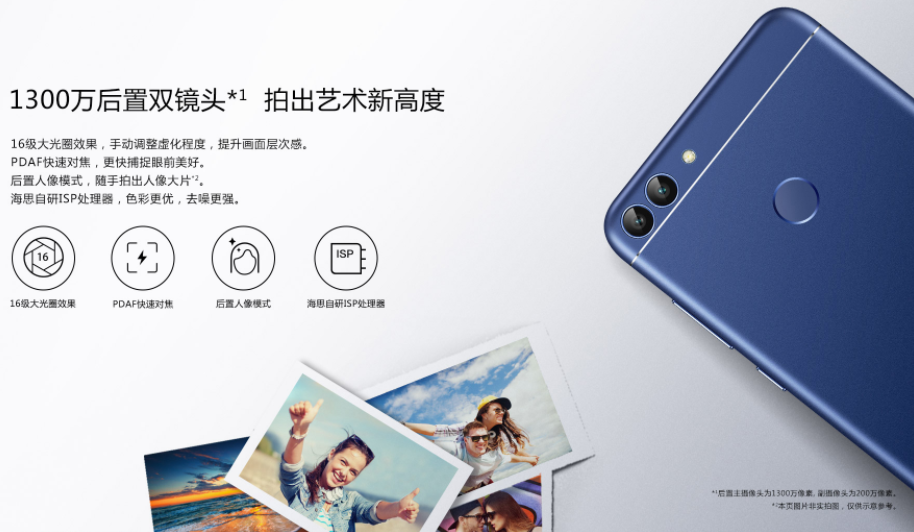
It has dual rear cameras like its cousin the Honor 7X but in a 13MP + 2MP combo. There is also an 8MP front facing camera for selfies.
While the Honor 7X comes with Android Nougat out of the box, the Enjoy 7S gets Android Oreo with EMUI 8.0 on top. Some of the features it brings includes single key split-screen and face unlock.
The Enjoy 7S has a 3000mAh battery capacity, dual SIM support (nano only), storage expansion slot (256GB max.), rear mounted fingerprint scanner, and Bluetooth 4.2. You also get a micro USB port and a 3.5mm audio jack at the bottom.
Send us a mail ([email protected]) with the link to the review and the link from giztop / online shop (under $20) of the case that you select for your smartphone.
You’ll get a confirmation mail for the successful review and case for your smartphone.
Once confirmed, send us your address and we’ll take care of the rest.
Wait for a few days until we ship out your selected case and it reaches your address.
I hope this makes the process straighforward and simple. I’m hoping to see a lot of reviews from our readers in the coming weeks.
As always, you can shoot a mail to me at [email protected] for any queries or questions related to this new program!
Samsung’s upcoming smartphones — Galaxy A8 and Galaxy A8 Plus, has appeared in a hands-on video ahead of its official launch. The smartphones are said to be the successor of the Galaxy A5 and Galaxy A7.
The newly leaked hands-on video reveals the smartphone’s design. The video confirms that there will be a fingerprint sensor placed at the back of the phone, located just below the camera module. However, it seems that the video has now been taken down.
The camera sensor is equipped with a single LED flash. At the back, there is a 16-megapixel rear-facing camera sensor while at the front, the phone features an 8-megapixel sensor. The front-facing camera also supports face recognition feature.
The video also reveals that the phone will come with a full-screen display with an aspect ratio of 18:9. The phone will feature speakers on the side and interestingly, the devices won’t have dedicated Bixby button.
Internally, the smartphones will be equipped with Samsung‘s own Exynos 7885 processor along with 6GB and 4GB RAM models, and 64GB / 32GB internal storage. There is also a microSD card slot, allowing users to further expand the storage capacity of the devices.
The difference between both devices — Galaxy A8 and Galaxy A8 Plus is the display size and the battery capacity. While the Galaxy A8 will come with a 5.5-inch Full HD+ Super AMOLED display, the Plus variant will feature a 6-inch Full HD+ display with Super AMOLED display. Similarly, the Galaxy A8 packs 3,000mAh battery whereas the Galaxy A8 Plus is fuelled by a bigger 3,500mAh capacity battery.
The smartphone are said to come with IP68 certifications, making the devices water and dust resistant. While the phone’s launch date is not known yet, but since the hands-on video has been leaked, it is expected to make its way to the market soon. We are expecting the devices to get announced at the Consumer Electronics Show (CES) 2018.
We use cookies on our website to give you the most relevant experience by remembering your preferences and repeat visits. By clicking “Accept”, you consent to the use of ALL the cookies.
This website uses cookies to improve your experience while you navigate through the website. Out of these, the cookies that are categorized as necessary are stored on your browser as they are essential for the working of basic functionalities of the website. We also use third-party cookies that help us analyze and understand how you use this website. These cookies will be stored in your browser only with your consent. You also have the option to opt-out of these cookies. But opting out of some of these cookies may affect your browsing experience.
Necessary cookies are absolutely essential for the website to function properly. This category only includes cookies that ensures basic functionalities and security features of the website. These cookies do not store any personal information.
Any cookies that may not be particularly necessary for the website to function and is used specifically to collect user personal data via analytics, ads, other embedded contents are termed as non-necessary cookies. It is mandatory to procure user consent prior to running these cookies on your website.